Summary Outline –
Deciding to stay in your current home and invest in renovations is a significant step, but it opens the door to countless possibilities for creating your perfect living space.
Whether you’re looking to accommodate a growing family, update outdated aesthetics, or increase the functionality of your home, stay-put renovations offer an opportunity to tailor your space entirely to your needs and preferences.
Instead of starting fresh in a new location, you can focus on enhancing the spaces you already know and love.
- post content
- Introduction: why stay-put in your current home?
- Stay-Put Tip 1: Kitchen/Bath “Stay-Put” Renovations
- Stay-Put Tip 2: Transform Every Room into a Living Dream
- Stay-Put Tip 3: Energy-Efficient Upgrades For a Greener Home
- Stay-Put Tip 4: Smart Tech, Automation, and Security
- Stay-Put Tip 5: Outdoor Living Upgrade for Better Functionality
- Stay-Put Tip 6: Turning Your House Into a Forever Home

-
Quick scroll to first topic about stay-put renovations … or review summary content

Content Summary
section directoryIntroduction: [view intro]
… we’ll begin by exploring the reasons you might want to "stay put" in your current home. We’ll cover several factors, including a review of the numbers to help you determine the right return on investment (ROI) for stay-put renovations.
1st Attic Review: [view section]
… if you plan to stay put, two key areas to consider for remodeling or upgrading, depending on your budget, are the kitchen and bathroom. We’ll start by reviewing essential questions about your needs, followed by suggested upgrades for these spaces.
2nd Attic Review: [view section]
… the second section examines changes and evolving needs for interior spaces, including the living room, entryway, bedroom(s), home office, and other areas. It provides key questions followed by practical renovation or upgrade suggestions for each space.
3rd Attic Review: [view section]
… a key part of your "stay-put" strategy involves upgrading your home to be more energy-efficient and eco-friendly. These green improvements lead to better health and greater savings. Start by reviewing your home’s current status, then explore essential upgrades to help create a more sustainable living space.
4th Attic Review: [view section]
… any stay-put renovations should include the latest technology, whether for the kitchen, bedroom, or living areas. We’re reviewing essential home automation and security features that might be missing from your current setup and can be integrated into your renovation plans.
5th Attic Review: [view section]
… don’t forget the yard n’ garden. If you’re planning to stay put, transforming your outdoor space into a manageable and welcoming retreat is essential. We’ll guide you through key questions to help evaluate your needs, followed by practical upgrades to turn your yard into a peaceful sanctuary for you and your friends.
6th Attic Review: [view section]
… the sixth and final decision before starting any "stay-put renovations" is whether you intend for this to be your forever home. If you plan to age in place, your upgrades should focus on long-term accessibility and comfort. We will guide you through key questions to evaluate your needs, followed by practical project ideas and a step-by-step planning guide to help you create a safe, sustainable sanctuary for years to come.
introduction”why stay-put“

AI generated image by 123rf.com
Introduction: Why Stay-Put in Your Current Home?
Notes:
-
While the allure of a shiny new house is tempting, more homeowners are discovering the magic of "stay-put renovations." Instead of uprooting their lives, they are re-imagining the spaces they already own.
Whether it’s to keep the kids in the same school district or simply because you can’t bear to leave your garden, staying put allows you to craft your dream home without the upheaval of moving.
In this section, we’ll explore why transforming your current space might be the smartest move you never make.
[ view summary table: why "stay-put" ]
-
The Financial Perks of Staying Put
Let’s talk numbers first. In today’s market, the financial argument for renovating often outweighs the cost of buying a new home. Here is why your bank account might thank you for staying:
- Lock in Low Rates:
If you purchased your home or refinanced a few years ago, you likely have a mortgage rate that is significantly lower than current market rates. Moving usually means trading that low rate for a much higher one, which can drastically increase your monthly payments. - Leverage Your Equity:
If you have lived in your home for a while, you have likely built up equity. You can tap into this value to fund your renovations, essentially reinvesting in your own asset rather than paying someone else. - Save on Fees:
Selling a house isn’t free. Between agent commissions, closing costs, transfer taxes, and the physical cost of moving trucks, you could spend tens of thousands of dollars just to get out the door. Staying put keeps that money in your pocket—or puts it toward a new kitchen island. - Value for Money:
In many cases, the cost of a major renovation is still less than the price difference between your current home and a “step up” home in the same area.
- Lock in Low Rates:
-
Why Community and Lifestyle Matter
A house is made of bricks and beams, but a home is made of the life you live within and around it. One of the most compelling reasons to stay is the connection you have built with your surroundings.
- The Comfort of Routine:
There is a deep sense of security in knowing your neighbors, your local barista, and the quickest route to the grocery store. Staying put means maintaining those comforting daily rhythms. - Location is Fixed:
If you love your commute (or lack thereof), your proximity to family, or your access to local parks, it can be hard to replicate that elsewhere. Location is the one thing you can’t renovate. - Lifestyle Continuity:
For families, staying put means no disrupting the kids’ school year or pulling them away from their friends. It allows you to maintain your quality of life without the chaotic interruption of a relocation.
- The Comfort of Routine:
-
The Emotional Connection to Your Home
Sometimes, the decision isn’t about logic or spreadsheets—it’s about how a place makes you feel. Your home is the backdrop to your memories, and walking away from that can be emotionally difficult.
- Cherished Memories:
That mark on the doorframe measuring your child’s height, the garden you planted bulb by bulb, the living room where you hosted holiday dinners—these emotional ties are powerful. Renovating allows you to honor those memories while updating the space for new ones. - True Personalization:
When you buy a new house, you are buying someone else’s choices. When you renovate, you customize the home to your exact needs. You can build the closet of your dreams or knock down a wall to create the open-concept flow you’ve always wanted. - Skip the Stress:
Let’s face it—moving is one of life’s most stressful events. By staying put, you skip the cardboard boxes, the decluttering panic, and the exhaustion of settling into a strange new environment..
- Cherished Memories:
-
Turning Your Current House into Your Dream Home
If you decide to stay, the fun part begins: re-imagining what your home can be. You aren’t just fixing what’s broken; you are evolving the space to match your current life.
- Renovate for Your Needs:
Maybe you need an in-law suite for aging parents, a dedicated home office, or a finished basement for the teenagers. Staying put gives you the creative license to solve specific functional problems. - Boost Resale Value:
Even if you plan to sell down the road, strategic renovations—like updating kitchens and bathrooms—are excellent ways to increase your home’s value. You get to enjoy the upgrades now, and they pay off later.
- Renovate for Your Needs:
Ultimately, the choice between moving and renovating is deeply personal. It’s about weighing the financial savings and emotional comfort of staying against the allure of a fresh start.
If you love your neighborhood, cherish your memories, and see potential in your current four walls, a stay-put renovation might be the perfect path. It allows you to keep the roots you’ve planted while giving them room to grow.
Whether you choose to embrace the dust of a remodel or the boxes of a move, the goal is the same: creating a space where you feel truly at home.
Category Description Key Benefits Why “Stay-Put”? Choosing to stay in your current home and re-imagining the space rather than moving. This avoids uprooting your life and allows you to maintain your community and daily routines. Maintain lifestyle stability, avoid the stress of moving, and transform your space into your dream home without relocation. The Financial Perks Renovating often makes more financial sense compared to purchasing a new home. Homeowners can leverage low mortgage rates, home equity, and save on transaction fees. Lock in lower rates, invest in your home equity, save on selling-related fees, and achieve more value for renovations compared to the cost of buying a new home. Community and Lifestyle The connections and conveniences you have built living in your current area are hard to replicate elsewhere. Your routines, neighbors, and location offer unmatched comfort and convenience. Preserve relationships, enjoy proximity to amenities, and ensure continuity in quality of life, especially for families with children. Emotional Connection Your home holds sentimental value as the backdrop to cherished memories. Renovating allows you to enhance your living space while respecting the emotional ties you have to it. Honor your memories, customize your home to meet current needs, and avoid the stress and emotional burden of moving. Re-imagining Your Home Staying put provides an opportunity to evolve your space to fit your current life stage and practical needs while boosting its value for future resale. Create functional spaces for your specific needs, increase resale value through thoughtful renovations, and enjoy the upgraded lifestyle right away. 


copyright image by 123rf.com
Question of Staying Depends on the Numbers
Simple remodeling projects, like painting or installing new flooring, can refresh your living area without significantly altering your home’s assessed value. These "home improvement" updates generally result in a neutral ROI.
In contrast, structural changes—such as adding a room or knocking out walls—can substantially impact your home value assessment. These renovations are often expensive, and their ROI can be positive or negative depending on several factors:
- Your specific neighborhood and the value of surrounding homes.
- The growth and desirability of the community.
- Local market trends and buyer preferences.
view file: analysis the numbers (new win)

Scroll up to directory … or scroll to first section about stay-put renovations …
-


first “stay-put renovations” idea
copyright image by 123rf.com
Stay-Put Tip 1: Kitchen/Bath “Stay-Put” Renovations
Notes:
-
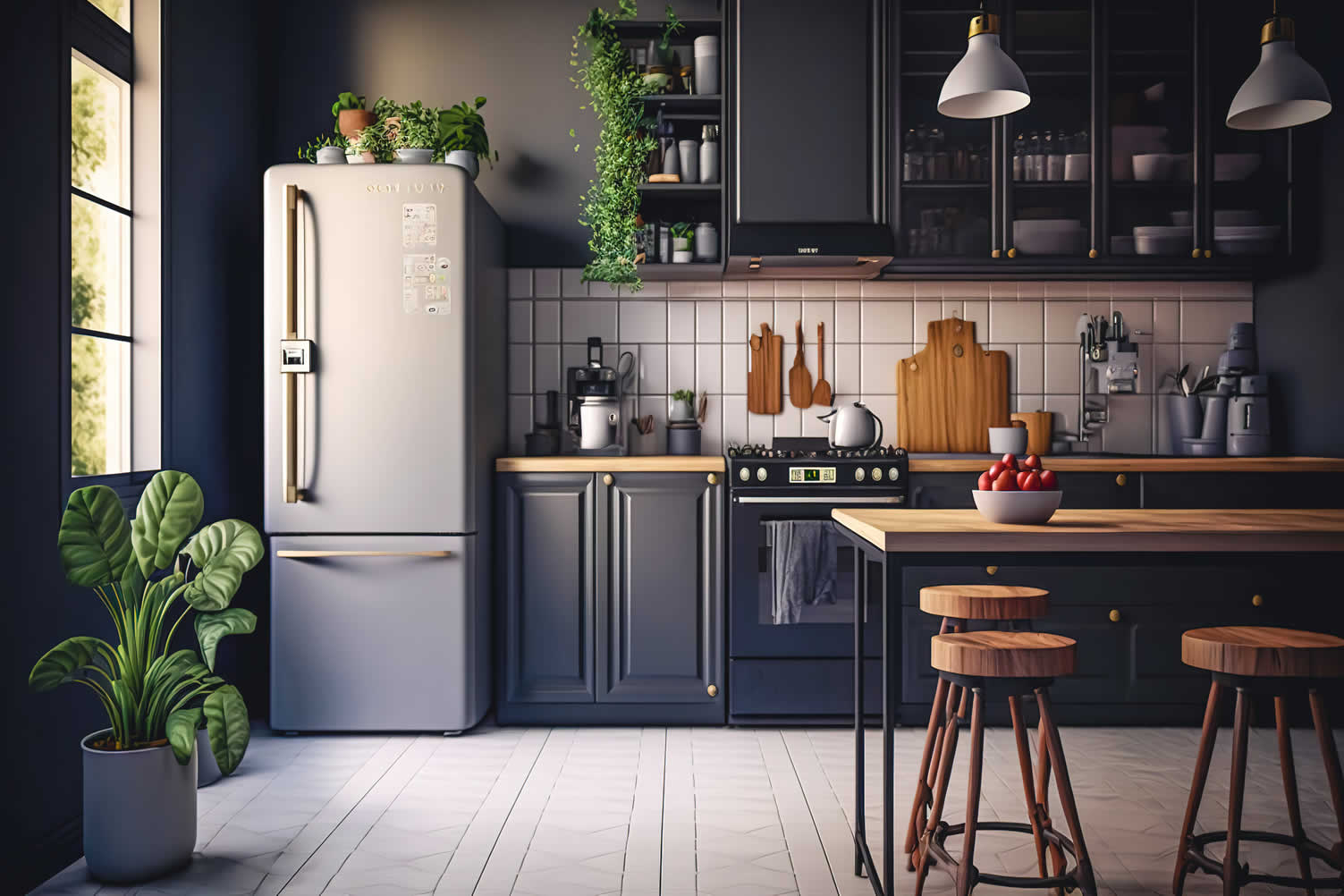
To guide your renovation decisions, it’s essential to ask the right questions, ensuring your upgrades align with both your lifestyle and budget. Kitchens and bathrooms, often at the heart of day-to-day living, are a great place to start.
These rooms not only significantly affect functionality but also offer a strong return on investment when updated thoughtfully.
From re-imagining layouts to incorporating stylish, modern touches, making smart upgrades in these spaces can transform your home into a more comfortable and welcoming retreat.
-
Quick scroll to supporting notes …
-
-
1st: Questions to Guide Your Kitchen Renovation
The kitchen is often the heart of the home—the place where morning coffee is shared and family dinners are crafted. It is a key space that can significantly enhance both the daily functionality and the overall appeal of your house during a "stay-put" renovation.
If you’re considering a refresh or a complete remodel, taking the time to reflect on how you use the space is essential.
Here are some nurturing questions to ask yourself to ensure your project truly meets your lifestyle goals:
[ view images/summary table: questions to guide kitchen renovation ]
-
Does the Current Layout Support Day-to-Day Rhythm?
Take a moment to consider how you move through your kitchen. Does it allow for easy, natural movement between the sink, stove, and refrigerator?
This concept is often called the "kitchen work triangle," and a well-thought-out flow can make cooking feel less like a chore and more like a creative joy.
If you find yourself constantly backtracking or feeling cramped, it might be a sign that your layout needs a loving adjustment.
-
Are Your Appliances Showing Their Age?
It’s worth evaluating whether upgrading to modern, energy-efficient models could not only save you money on utility costs but also elevate the overall look and usability of the room.
Newer appliances, from refrigerators to dishwashers, are often designed to work more harmoniously with your home’s needs, offering quieter operation and smarter features that simplify your life.
-
Is There a Place for Everything?
Think about your current cabinets, pantry, and drawers. Do they truly serve you, or do you find yourself struggling to find space?
Consider if they could be better reorganized, expanded with clever storage solutions, or perhaps replaced to better accommodate all your pots, pans, and groceries.
Having a designated place for everything brings a sense of calm and order, leading to a much more peaceful cooking environment.
-
Is the Lighting Both Practical and Inviting?
Good lighting can transform a space. Assess whether you have the right balance of ambient light for the whole room, focused task lighting for chopping veggies safely, and warm accent lighting to create a soft, inviting glow in the evenings.
Proper lighting ensures the space is functional and beautiful at any hour, whether you’re making breakfast or enjoying a late-night cup of tea.
-
What is the Condition of Your Surfaces?
Look closely at your countertops, backsplashes, and flooring for signs of wear, damage, or simply outdated materials that no longer bring you joy.
Upgrading to durable, stylish surfaces that are easy to clean can add lasting value and ensure your kitchen stands up to the beautiful, lively chaos of daily family life.
-
Does the Space Reflect Who You Are?
Your kitchen should feel like an extension of your personality. Consider whether the existing color scheme, finishes, and overall aesthetic align with your personal vision.
It should be a reflection of your unique style, making you feel truly at home and happy every time you walk in to prepare a meal or share a moment with loved ones.
-
How Does the Kitchen Handle a Crowd?
Think about those times you have family or friends over. Does your current layout feel welcoming for guests during gatherings, or does it feel crowded?
You might find that adding a functional island or some casual bar seating would make it easier for friends and family to gather and chat with you while you prepare a meal, turning cooking into a more social experience.
-
Are the "Bones" of Your Kitchen Up to Date?
Beyond the visible elements, it’s wise to gently inspect your plumbing and electrical infrastructure.
Ensuring these foundational systems can safely support modern fixtures and high-performance appliances is a vital and responsible step for the health and longevity of your renovation project.
By gently exploring these questions, you can identify your true priorities. This thoughtful approach ensures your remodeled kitchen will be a beautiful, practical sanctuary for you and your loved ones for many years to come.
Category Key Questions Considerations Layout Does your current layout support your day-to-day rhythm? Assess the “kitchen work triangle” to ensure smooth movement between the sink, stove, and refrigerator for optimal functionality. Appliances Are your appliances showing their age? Consider replacing older appliances with modern, energy-efficient models to improve utility costs and overall performance. Storage Is there a place for everything? Evaluate cabinets, pantry, and drawers for reorganization, expanded storage solutions, or potential replacement to maximize space. Lighting Is the lighting both practical and inviting? Ensure a balance of ambient, task, and accent lighting for functionality and warmth in the space. Surfaces What is the condition of your surfaces? Inspect countertops, backsplashes, and flooring for wear, and consider upgrading to durable materials with modern styles. Personal Style Does the space reflect who you are? Review the color scheme, finishes, and overall aesthetic to ensure alignment with your personal vision and style. Social Space How does the kitchen handle a crowd? Explore options such as adding a functional island or casual bar seating to create a welcoming atmosphere for gatherings. Infrastructure Are the “bones” of your kitchen up to date? Verify that plumbing and electrical systems are suitable for supporting modern upgrades and appliances. 
copyright image by 123rf.com
[ pinterest: outdated kitchens ]
[ youtube: 12 DATED Kitchen Trends That Have To Go! ]
Here’s A Simple Kitchen Upgrade That Won’t Break the Bank
A kitchen refresh can be as simple as swapping out your sink and faucet for stylish, budget-friendly options. Look for durable materials like stainless steel or composite for the sink, while matte black or brushed nickel faucets can add a modern touch.
These upgrades not only enhance the aesthetic of your kitchen but also improve functionality, making your space feel fresh and inviting—all without the hefty price tag of a full remodel.
more info: kitchen sink and faucet replacement guide (new win)
-
-
2nd: Kitchen Upgrade Ideas
… for a timeless and functional space
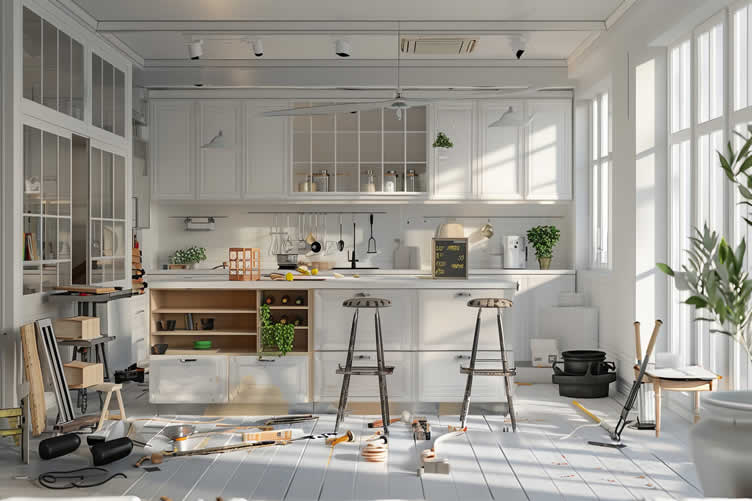
If you’re planning to stay in your home for the long term, investing in thoughtful kitchen upgrades can significantly enhance its functionality, comfort, and overall aesthetic appeal, all without needing to alter the home’s existing footprint.
copyright image by 123rf.com
These key “stay-put” improvements focus on maximizing your current layout to its fullest potential, ensuring the space remains efficient, inviting, and future-ready for many years of enjoyment.
Below, we’ve gathered expert recommendations for impactful upgrades that align beautifully with how modern homeowners live and interact in their kitchens today.
[ view images/summary table: kitchen upgrades ideas ]
-
Layout, Storage, and Flow
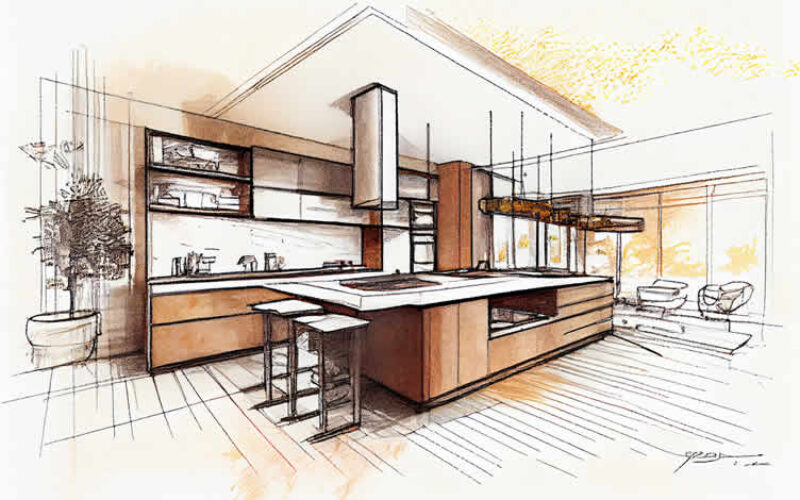
Improving the layout and flow of your kitchen can transform it into a versatile, multi-use hub that meets the demands of modern living. Adding or reworking an island is an exceptional way to enhance the space.
A well-designed island can offer additional seating, extra storage, and a dedicated prep space, allowing larger households or avid home cooks to move seamlessly between tasks.
For those who truly want to make their kitchen work smarter, incorporating dedicated zones is a thoughtful solution.
Creating spaces like a coffee or beverage center, a baking station, or even a pet-feeding area can tailor the kitchen to your household’s unique lifestyle, making everyday routines more organized and enjoyable.
-
Appliances and Cooking Upgrades
Modern appliances can revolutionize the way you cook and conserve energy simultaneously. Switching to an induction cooktop is one of the most impactful changes you can make, particularly for households with families.
Induction technology allows for faster, more precise, and safer cooking, while also simplifying cleanup.
Upgrading to smart, energy-efficient appliances such as ovens, refrigerators, dishwashers, and vent hoods can also save on utility costs while providing advanced features like app control and superior performance.
For those with a passion for cooking, investing in specialty features such as steam or combi ovens, improved ventilation systems, or built-in water filtration can bring healthier culinary techniques and greater enjoyment into your daily life.
-
Lighting and Power
Optimizing the lighting and electrical layout of your kitchen enhances both its usability and overall ambiance.
Layered lighting is a particularly effective approach, combining bright task lighting under cabinets, general ceiling lighting for full-room coverage, and stylish pendant lights over islands or dining tables to create a warm, functional environment.
Natural light should also be prioritized—enlarging windows, installing glass doors, or framing openings with lighter finishes can make the kitchen feel bigger, brighter, and more uplifting.
To accommodate modern technology needs, integrating solutions like charging drawers, outlets in islands, and designated tech zones ensures that devices stay accessible and organized without cluttering the countertops.
-
Surfaces, Cabinets, and Finishes
Refinishing existing surfaces and cabinetry is a cost-effective way to dramatically refresh your kitchen’s appearance.
Replacing cabinet doors, adding a fresh coat of paint, or updating hardware can give your space a brand-new look without the expense of a full replacement.
Upgrading countertops to durable materials such as quartz or other solid surfaces ensures that heavy daily use is met with long-lasting performance and minimal maintenance.
For a cohesive design, consider modern-yet-timeless updates to backsplashes and flooring, prioritizing warm, natural tones and premium materials that will stand the test of time in a home you plan to enjoy for years to come.
-
Comfort, Accessibility, and Wellness
Enhancing comfort and accessibility in your kitchen ensures it remains a welcoming and practical space for individuals of all ages.
Thoughtful ergonomic upgrades such as better layout clearances, pull-out trash and recycling bins, and drawers instead of traditional low base cabinets can make daily tasks significantly easier.
For homeowners planning ahead, incorporating aging-in-place features like varied counter heights, easy-to-grip handles, and bright task lighting provides peace of mind and convenience for the future.
Additionally, wellness-focused elements can cultivate a healthier and more pleasant atmosphere.
Features like built-in herb planters, quiet soft-close hardware, and advanced ventilation systems improve the air quality and overall comfort of the space, creating a happy, relaxing environment for everyone in your home.
These “stay-put” kitchen upgrades combine practicality, style, and functionality to enhance your everyday living experience.
By planning improvements that reflect your lifestyle and long-term goals, your kitchen can remain the heart of your home, serving you beautifully for many years to come.
Upgrade Focus Description Recommended Enhancements Layout, Storage, and Flow Improving the kitchen’s layout and flow to make it a functional and versatile space. Adding or reworking an island for seating, storage, and prep space. Incorporating dedicated zones like coffee stations or pet-feeding areas. Appliances and Cooking Upgrades Updating appliances to modern, energy-efficient options for better performance and sustainability. Switching to induction cooktops, upgrading to smart ovens, refrigerators, and dishwashers, and adding specialty features like steam ovens. Lighting and Power Enhancing lighting and power solutions for usability and ambiance. Layered lighting, enlarging windows for natural light, adding charging drawers, and integrating accessible outlets in kitchen islands. Surfaces, Cabinets, and Finishes Refreshing surfaces and cabinetry for a modern, timeless aesthetic. Replacing cabinet doors, applying fresh paint, upgrading countertops to quartz, and updating backsplashes and flooring with durable materials. Comfort, Accessibility, and Wellness Creating a kitchen that prioritizes comfort, accessibility, and overall health and relaxation. Adding ergonomic upgrades like pull-out trash bins, aging-in-place features, built-in herb planters, and quiet soft-close hardware. 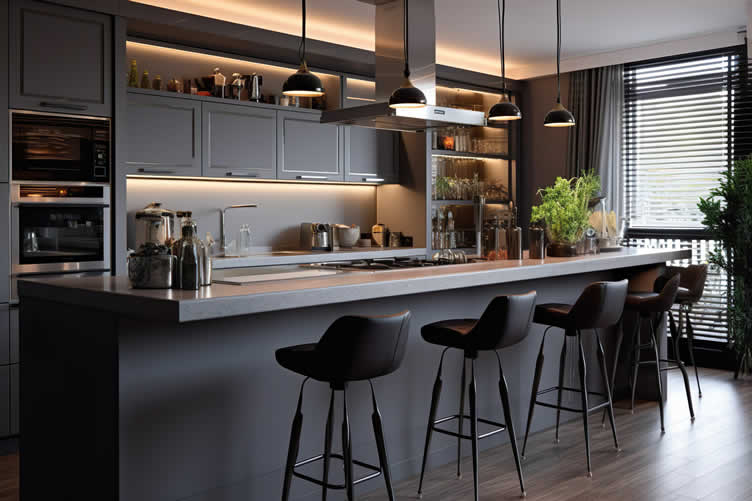
AI generated image by 123rf.com
-
-
3rd: Updating the Bathroom: Questions
The bathroom, much like the kitchen, is a key space in your home that impacts both daily functionality and overall property value.
Whether you’re considering a minor update or a full remodel, making thoughtful improvements can significantly enhance both comfort and style.
If you’re planning to stay in your home long-term, these updates can make a world of difference, creating a space that’s both practical and inviting. To help you evaluate your bathroom’s needs, consider the following essential questions in detail:
[ view images/summary table: bathroom questions ]
-
Is Your Plumbing System in Good Condition?
Before diving into cosmetic upgrades, ensure your plumbing system is free from issues such as leaks, low water pressure, or outdated pipes. Faulty plumbing can lead to costly repairs down the line, so it’s worth addressing these concerns before installing new fixtures.
For example, replacing aging pipes or fixing a persistent drip can help prevent more significant damage and ensure the longevity of your renovations.
-
Are Your Bathroom Fixtures Meeting Your Needs?
Evaluate your current fixtures, such as sinks, faucets, toilets, or showerheads, to determine whether they meet your practical and aesthetic requirements.
Replacing older fixtures with modern designs can improve usability while enhancing the bathroom’s overall appearance. For instance, upgrading to a rainfall showerhead or a sleek, water-efficient faucet can add both luxury and functionality to your space.
-
How is the Ventilation in Your Bathroom?
Good ventilation is critical for maintaining a bathroom that’s free from moisture-related problems like mold and mildew. Without proper airflow, humidity can quickly build up, damaging surfaces and creating an unhealthy environment.
Consider whether your current ventilation system, such as an exhaust fan or a window, is sufficient to manage moisture effectively. If it’s not, upgrading to a high-powered, quiet exhaust fan can make a big difference in maintaining a fresh and dry space.
-
Does Your Bathroom Have Adequate Lighting?
Lighting plays a crucial role in both the functionality and ambiance of a bathroom. Assess whether your bathroom is well-lit for key tasks like applying makeup or shaving, and whether the overall lighting creates a welcoming atmosphere.
For example, adding task lighting around mirrors, dimmable ambient lights for relaxation, or even decorative fixtures can completely transform the space.
-
Is Your Storage Sufficient?
A cluttered bathroom can quickly feel chaotic and overwhelming. Think about whether your storage solutions—like cabinets, shelving, or vanity drawers—are enough to keep essential items organized and out of sight.
If not, consider adding built-in cabinets, open shelves, or even multi-functional furniture, such as a vanity with extra storage, to maximize your space without sacrificing style.
-
Are Your Finishes Outdated or Worn?
Take a close look at the finishes in your bathroom, including tiles, countertops, and flooring. Chips, cracks, or outdated styles can detract from the room’s appeal and make it feel less polished.
Refreshing finishes with modern materials, like marble-inspired tiles or durable quartz countertops, can instantly elevate the look and feel of the space while ensuring long-lasting durability.
-
Is Accessibility a Concern?
If you’re planning to age in place or accommodate individuals with limited mobility, it’s worthwhile to incorporate accessibility features into your bathroom.
Simple adjustments like adding grab bars, a walk-in shower, or a taller toilet can enhance safety and convenience without compromising style. These updates can future-proof your space, making it more adaptable for years to come.
-
Does Your Water Heater Meet Your Household Needs?
Your water heater plays a vital role in ensuring your bathroom functions seamlessly. Before adding features like a soaking tub or dual showerheads, confirm that your current water heating system can handle the extra demand.
An undersized water heater can lead to inconsistent water temperatures, which may diminish the enjoyment of your new upgrades.
-
Is Your Bathroom Energy-Efficient?
An energy-efficient bathroom not only helps the environment but also reduces your utility bills. Look into whether upgrading to water-saving fixtures, like low-flow toilets and showerheads, or installing LED lighting can improve efficiency.
Additionally, improving insulation around pipes or windows can reduce energy waste and boost the overall performance of your bathroom.
By carefully considering these questions, you can identify the updates that will have the greatest impact, ensuring your bathroom is not only beautiful but also functional, efficient, and adaptable for the future.
Whether you’re upgrading for style, convenience, or long-term value, a well-thought-out approach will help create a space you’ll love for years to come.
Question Considerations Examples of Updates Is your plumbing system in good condition? Check for leaks, low water pressure, or outdated pipes to avoid future costly repairs. Replace aging pipes or fix persistent leaks before cosmetic upgrades. Are your bathroom fixtures meeting your needs? Ensure sinks, faucets, toilets, and showerheads meet practical and aesthetic requirements. Upgrade to modern fixtures like a rainfall showerhead or a water-efficient faucet. How is the ventilation in your bathroom? Assess ventilation to prevent moisture-related issues such as mold and mildew. Install a high-powered exhaust fan or ensure window placement allows proper airflow. Does your bathroom have adequate lighting? Verify functionality for tasks like makeup application and evaluate overall ambiance. Add task lighting near mirrors or dimmable ambient lights for a more welcoming atmosphere. Is your storage sufficient? Evaluate whether current cabinets, drawers, or shelves are enough to keep items organized. Add built-in cabinets, open shelving, or multi-functional furniture like a vanity with extra storage. Are your finishes outdated or worn? Check for chipped, cracked, or outdated tiles, countertops, and flooring. Refresh with modern materials, such as durable quartz countertops or marble-inspired tiles. Is accessibility a concern? Consider features that accommodate aging in place or individuals with limited mobility. Install grab bars, a walk-in shower, or a taller toilet for added safety and convenience. Does your water heater meet your household needs? Ensure the water heater can handle the additional demand from new fixtures. Upgrade to a larger or more efficient water heating system if necessary. Is your bathroom energy-efficient? Review opportunities to save energy and reduce utility bills through efficiency improvements. Install water-saving fixtures like low-flow toilets and LED lighting or improve insulation. 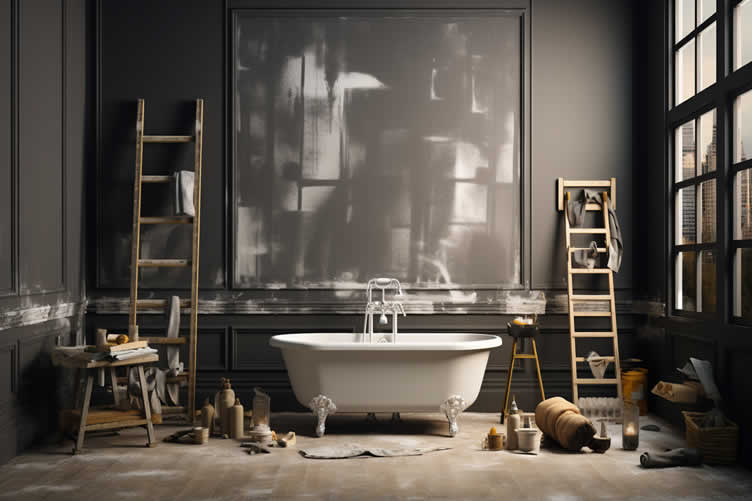
copyright image by 123rf.com
[ pinterest: outdated bathroom ideas]
[ youtube: Top Bathroom Design Trends]
Smart Toilet Can Enhance Your Health and Save Water
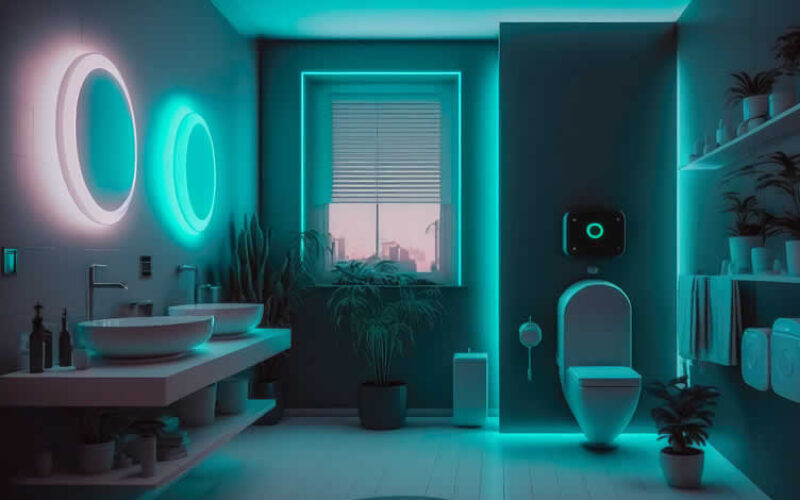
Investing in a smart toilet can revolutionize both your personal health and environmental impact. Equipped with advanced hygiene features such as hands-free flushing, self-cleaning functions, and bidet options, smart toilets promote better cleanliness and reduce the risk of germ transmission.
Additionally, many models are designed to conserve water by using optimized flushing systems, saving gallons compared to traditional toilets.
By combining cutting-edge technology with eco-friendly features, smart toilets offer a solution that supports wellness and sustainability right in your own home.
more info: the rise of smart toilets (new win)
-
-
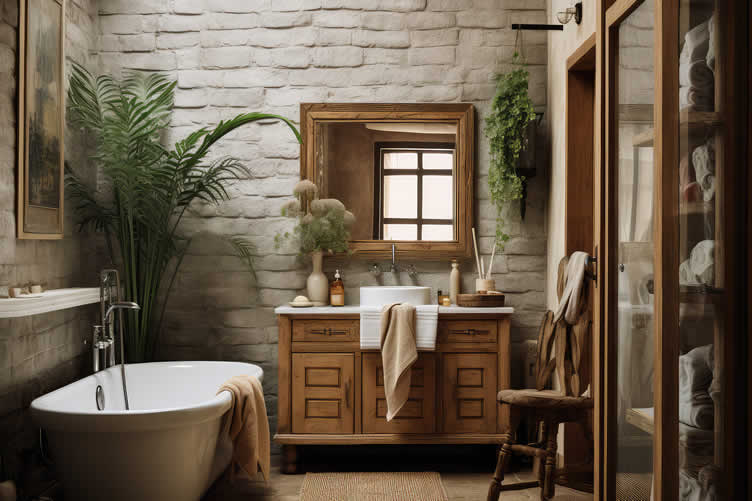
4th: Bathroom Upgrades for Every Stage of Life
For many of us, the bathroom is a sanctuary—a place to start the day with energy and unwind at night. But as life unfolds, our needs change.
What works in your twenties might not suit your sixties, and a bathroom perfect for one person may need to adapt for a growing family. Moving just for a more accessible layout can be a daunting and expensive process.
[ view images/summary table: bathroom upgrades ]
copyright image by 123rf.com
Fortunately, you don’t have to move to create a bathroom that supports you through every stage of life. "Stay-put" upgrades focus on adapting your current space for better safety, comfort, and ease of use, allowing you to remain in the home you love.
Many of these smart updates can be layered over your existing layout, saving you the cost and hassle of a full demolition.
By focusing on key elements like lighting, fixtures, and accessible design, you can transform your bathroom into a space that feels luxurious today and remains practical for tomorrow.
Let’s explore the essential changes that will help your bathroom adapt with you for years to come.
-
Safety and Aging-in-Place
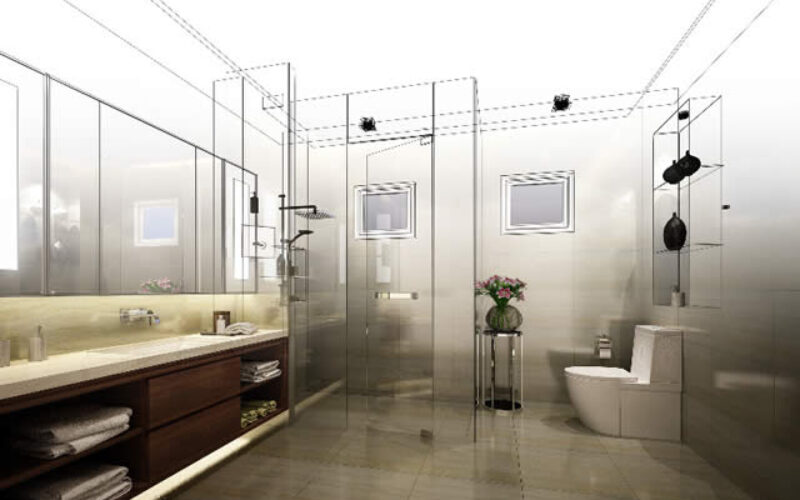
When we think of safety upgrades, it’s easy to picture clinical environments, but modern design has evolved. A safe bathroom is about universal design—making the space accessible for everyone, from toddlers to grandparents.
One of the most impactful changes is installing a low-threshold or walk-in shower. Eliminating the high step of a traditional tub removes a major tripping hazard.
Paired with a wide entry and non-slip floor tiles, it ensures bathing remains safe regardless of mobility. Stability is also crucial in a wet environment.
Grab bars now come in stylish finishes that coordinate with your hardware. Installing them near the shower, tub, and toilet provides necessary stability without an institutional look. It’s a subtle addition that offers peace of mind.
Small fixture adjustments can also make a big difference. Upgrading to a comfort-height toilet, which is a few inches higher than standard models, makes sitting and standing easier on the knees and back.
Similarly, swapping round doorknobs and faucet handles for lever-style designs is simpler for anyone with slippery hands or arthritis to operate.
-
Shower, Tub, and Water Controls
The bathing area is the heart of the bathroom but often the first place to show its age. If your tub or shower surround looks dated, a full replacement may not be necessary.
Replacing the surround with new tile or high-quality panels can instantly refresh the room. If the tub itself is structurally sound but worn, refinishing it is a cost-effective alternative to a full tear-out.
Temperature control is a vital, often overlooked, safety feature. Sudden spikes in water temperature can be dangerous. Installing a thermostatic or pressure-balanced shower valve maintains a consistent water temperature, preventing scalds.
For added flexibility, a handheld showerhead on a slide bar lets you adjust the spray height and makes cleaning the shower much easier.
We can’t forget air quality. A bathroom that traps moisture is a breeding ground for mold and mildew.
Improving ventilation with a quiet, high-capacity exhaust fan is a smart investment. Look for models with a timer or humidity sensor to clear the air efficiently, protecting your walls and ensuring a fresh environment.
-
Vanity, Storage, and Layout
Clutter is the enemy of a calm bathroom. If you’re constantly battling countertop products, it might be time to rethink your vanity.
Swapping in a unit with deep drawers instead of doors revolutionizes storage, allowing you to see and reach everything easily. An integrated countertop and sink also makes for easy maintenance by eliminating grime-collecting seams.
For smaller bathrooms, vertical storage is your best friend. Recessed medicine cabinets offer a classic solution with modern features like internal outlets.
You could also add niche shelving between wall studs or install floating shelves. These options keep daily essentials off the counter, reducing visual clutter.
Visual tricks can also enhance your vanity area. Layered or larger mirrors do more than just help you get ready; they bounce light around, making a small bath feel more open and airy.
A well-placed mirror can transform a cramped corner into a bright, welcoming space.
-
Lighting, Electrical, and Comfort
Lighting dictates how a room feels and functions. A single ceiling fixture can create harsh shadows, making tasks like shaving or applying makeup difficult.
Layered lighting solves this by combining bright vanity lights for tasks with dimmable ceiling fixtures for ambiance. Adding a separate, waterproof light in the shower ensures you aren’t bathing in the dark.
Electrical updates are equally important for safety. Ensure you have GFCI (Ground Fault Circuit Interrupter) outlets near wet areas to protect against shock.
To keep cords off the counter, consider an outlet inside a cabinet or medicine chest, perfect for charging electric toothbrushes and shavers out of sight.
Finally, don’t underestimate physical comfort. Stepping onto cold tile can be jarring. If you’re replacing the flooring, in-floor heating adds a touch of luxury.
For a simpler upgrade, a heated towel rack provides the delightful experience of a warm towel after a bath. These touches significantly enhance the enjoyment of your bathroom.
-
Finishes, Fixtures, and Easy-Care Surfaces
The longevity of your remodel depends on the materials you choose. In a high-moisture environment, durability is key. Protect your walls with moisture-resistant paint and high-quality caulk to prevent water damage.
For flooring, slip-resistant tile or luxury vinyl offers the look of natural materials with easier maintenance. For walls and shower surfaces, simple, non-porous materials reduce scrubbing time.
The goal is to spend less time cleaning and more time enjoying your bathroom.
If a full remodel isn’t planned, you can still make a big impact by refreshing the hardware.
Installing coordinated faucets, towel bars, and cabinet pulls in a new finish, like brushed nickel or matte black, can modernize a space instantly without a major renovation.
Category Key Upgrades Benefits Additional Notes Safety and Aging-in-Place Low-threshold or walk-in shower, grab bars, comfort-height toilet, lever-style handles Enhances accessibility and stability; reduces tripping hazards; supports mobility and ease of use Style-focused designs ensure functionality without compromising aesthetics Shower, Tub, and Water Controls Refinished tub, thermostatic shower valves, handheld showerheads, high-capacity exhaust fan Modernizes the bathing area, maintains water safety, improves air quality Humidity sensors on ventilation systems are efficient and convenient Vanity, Storage, and Layout Deep-drawer vanities, recessed medicine cabinets, niche shelving Reduces clutter, improves accessibility of stored items Integrated sinks simplify cleaning; mirrors enhance brightness and space Lighting, Electrical, and Comfort Layered lighting, GFCI outlets, in-floor heating, heated towel racks Improves functionality and ambiance; enhances overall comfort Dimmer switches and separate shower lighting provide a luxurious feel Finishes, Fixtures, and Easy-Care Surfaces Moisture-resistant paint, slip-resistant tile, coordinated hardware Ensures long-lasting, low-maintenance functionality Modern finishes like matte black offer sleek, updated aesthetics 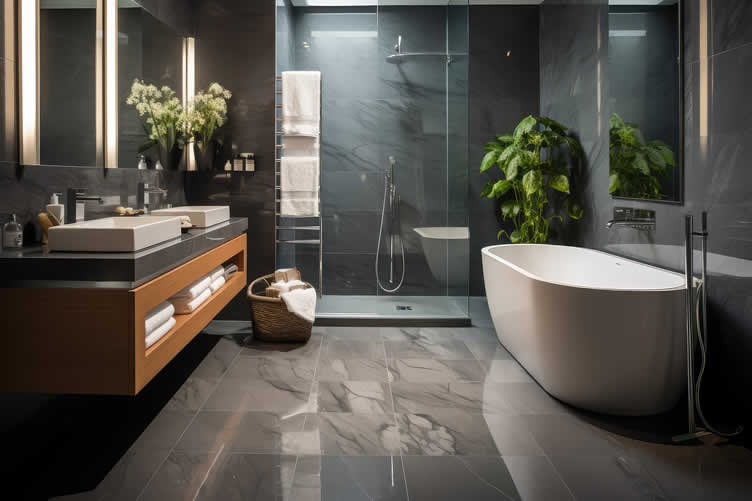
copyright image by 123rf.com
-
-
-
ideas to view and compare from the information discussed above
book: kitchen ideasbook: bathroom ideassoftware: design planner
Scroll up to directory … or scroll to next section review interior room upgrades …

Tackling stay-put renovations and other home improvement needs …

… save this curated directory of ideas for future reference.





… remodeling decisions


Download this PDF for a concise summary of all you need to know about …?


second “photo remodeling” idea
copyright image by 123rf.com
Stay-Put Tip 2: Transform Every Room into a Living Dream
Notes:
-
Your living spaces are more than just functional areas; they are the heart of your home, each with its unique purpose and potential. From cozy evenings in the living room to productive hours in the home office, every corner should reflect your personality, support your lifestyle, and inspire comfort.
If you’re wondering how to elevate these spaces, you’re not alone—many homeowners seek creative and practical ways to breathe new life into their interiors.
This guide is designed to spark inspiration and provide actionable updates for key areas of your home, including the living room, dining room, recreation areas, and beyond. We’ll explore thoughtful questions to help guide your design decisions, along with simple updates—from decor enhancements to smarter layouts—that can truly transform your interiors.
Whether you’re planning a small weekend project or a full-scale renovation, there’s a wealth of ideas to help you create harmonious and livable spaces that enhance both form and function.
-
Quick scroll to supporting notes …
-
-
1st: Questions to Consider for Updating Living Areas
When updating the living spaces in your home, it’s important to take the time to evaluate your specific needs and preferences. Think about how you use each space and what you value most in terms of functionality, comfort, and overall aesthetics.
Whether you’re redesigning a cozy family room or refreshing a formal living area, understanding these priorities can help guide your decisions.
Below is a list of key questions designed to help you navigate this process and ensure each type of living area meets your expectations and enhances your lifestyle.
- Quick scroll to “living area” questions and upgrades …
-
Living Room/Family Room
- How can I maximize seating and comfort for both my family’s daily use and for when guests come over?
- Is the current lighting versatile enough for various activities, such as cozy reading, movie nights, or lively entertaining?
- What kind of storage solutions do I need for common items like extra blankets, books, magazines, or electronics and their cables?
- Should I invest in timeless, durable furniture pieces that will hold up well to daily life and serve us for years to come?
- Is the layout of the room optimized for both easy traffic flow and practical functionality, or does it feel cramped and difficult to navigate?
- How can I best incorporate personal touches that make the space feel like home, such as family photos, travel souvenirs, or unique decor pieces that reflect our personality?

-
Living Media Center
- Does my media center blend seamlessly with the overall design of the space, or does it stand out in a way that feels distracting or cluttered?
- Am I maximizing storage space to keep devices, cables, and accessories neatly organized and out of sight?
- Is the TV or projector positioned for optimal viewing comfort, considering the size and layout of the room as well as seating arrangements?
- Have I incorporated versatile storage options for items like remotes, gaming equipment, movie collections, and streaming devices?
- Does the room offer sufficient lighting that can be adjusted to avoid glare on screens while still creating a cozy atmosphere?
- Are there opportunities to include decor elements around the media center, such as floating shelves, artwork, or plants, to keep the space visually balanced?
- Have I chosen a media console or wall unit that accommodates all my current needs while providing flexibility for future upgrades in technology?
- How can I integrate smart technology, like voice-controlled devices or automated lighting, to elevate the functionality of the entertainment area?
-
Bedroom(s)
- Does the current layout support relaxation and healthy sleep habits, or could furniture placement be optimized for better flow and comfort?
- Have I selected calming color palettes, comfortable bedding, and lighting options to create a serene environment?
- Is there enough storage, such as under-bed storage, built-in closets, or stylish dressers, to ensure a clutter-free space?
- How can I enhance natural light during the day while ensuring proper blackout solutions for restful nights?
- Have I incorporated personal touches, such as artwork, textiles, or decor, that reflect my personality and style?
- Are there opportunities to integrate multi-functional furniture, like a bench with storage or a desk that doubles as a nightstand, for added utility?
- How do I ensure the materials and finishes chosen are durable, low-maintenance, and suitable for long-term use?
- Would it make sense to upgrade or add smart features, such as adjustable bedside lighting, a programmable thermostat, or a sound machine for better sleep quality?
- Have I considered eco-friendly options like sustainable furniture, organic textiles, or energy-efficient window treatments to promote a greener environment?

-
Dining Room
- Do I have the right size and shape of table to comfortably accommodate my household and any guests I might entertain? Consider both everyday meals and special occasions.
- Should I consider upgrading the lighting fixture to create the right atmosphere or provide better illumination for meals and gatherings? A dimmer switch could also offer more flexibility.
- Is there enough storage space for all my dishes, linens, and special occasion tableware, or do I need to add a buffet, hutch, or other solution?
- How can I strike the right balance between a stylish aesthetic and practical functionality in my choice of furniture and decor?
- Do the walls or flooring need a refresh to better match the style and condition of the rest of our home?
-
Home Office
- Is the desk area designed with ergonomics in mind to ensure comfort and support your productivity throughout the day?
- Have I incorporated enough lighting, balancing soft natural light with warm artificial sources, to create a bright environment that helps reduce eye strain?
- What kind of shelving or storage solutions would help me organize work materials and keep my desk surface tidy and clutter-free?
- Would it be helpful to invest in technology upgrades, like faster Wi-Fi or better equipment, to improve connectivity and overall work efficiency?
- Does the decor feel inviting and promote a sense of focus, while still reflecting my personal style and making the room a comfortable place to spend time?
-
Recreation/Entertainment Room
- Does the current layout allow for the optimal use of entertainment systems, such as a large-screen TV and surround sound, or dedicated game areas?
- Should I consider adding soundproofing to the walls or ceiling to minimize noise bleeding into other parts of the home, especially if it will be used late at night?
- Are there sufficient, conveniently located outlets and charging stations for all our electronics, from the TV and game consoles to phones and tablets?
- Would built-in or modular storage be a good solution for organizing games, media, controllers, and other equipment to keep the room clutter-free?
- How can I create a versatile space that accommodates multiple activities, such as watching movies, playing video games, or even hosting a game night with friends?
- Should the recreation room include additional activities such as card tables, a billiards table, table tennis, or other games?
-
Dedicated Fitness Room
- What type of exercise equipment, such as treadmills, stationary bikes, or weights, would suit your lifestyle and fitness regime?
- Should the room include features like mirrors, mats, or sound systems to enhance your workout experience?
- How can the space be designed to promote natural light and airflow for a more comfortable and energizing atmosphere?
- Would you like to add audiovisual equipment, such as a TV or speakers, for guided classes, entertainment, or keeping time during workouts?
- What flooring options, like rubber mats or hardwood, would provide both durability and comfort while exercising?
- How much storage would you need for items such as yoga mats, resistance bands, or other accessories?
- Would designing a compact, multi-purpose room work better for your needs, or do you want a larger space dedicated solely to fitness activities?
- How can the area be soundproofed to minimize noise in the rest of your home during workouts?
-
Laundry Room/Mudroom
- Do I have enough storage to keep things like supplies, shoes, and coats neatly organized? Consider whether additional shelving, storage bins, or hooks might create a more functional setup.
- Can the space be improved with better ventilation or lighting? Enhancing airflow or adding brighter, energy-efficient lighting can make the area feel more comfortable and usable.
- Are there opportunities to upgrade appliances or perhaps add a utility sink for greater functionality? A modern washer, dryer, or a handy sink can make daily tasks much easier to manage.
- How can I make the space easier to clean and maintain? Think about materials like easy-to-wipe surfaces, durable flooring, or organizing systems that minimize clutter.
- Should I add seating or a sorting station to increase convenience? A small bench or counter for folding clothes or sorting items could save time and effort.
-
Home Entryway
- Is there adequate lighting, and do I have a designated spot for keys, shoes, and bags to keep things organized? A small console table or a wall-mounted organizer can work wonders.
- Should I invest in a durable, attractive rug or mat to protect the flooring from dirt and wear? This can also add a touch of color to the space.
- Would a small bench or stool be helpful for putting on or taking off shoes comfortably?
- How can I add decor, like a mirror, artwork, or a plant, to create a warm and welcoming first impression for guests and family?
- Are the current storage solutions, such as hooks, shelves, or cubbies, both functional for everyday use and stylishly integrated with the home’s decor?
-
Cozy Reading Nook
- Is the seating supportive and plush enough to keep you comfortable during those long, relaxing reading sessions?
- Have you provided sufficient task lighting, such as a warm floor lamp or adjustable wall light, to enjoy your favorite books without straining your eyes?
- Would it be helpful to incorporate shelving or creative storage solutions to keep your beloved books and cozy accessories within arm’s reach?
- What small touches, like soft blankets or meaningful trinkets, could help this space feel more cozy, inviting, and uniquely yours?
- Is the chosen location tucked away in a quiet corner, ensuring your peaceful retreat is free from the distractions of a busy household?
-
Other Areas
- What specific functionality is missing in this area that I need to address? For example, is there a lack of storage, seating, or workspace that could make the space more practical and better suited to my needs?
- Can I re-purpose or upcycle existing furniture or decor for a fresh look? Perhaps an old desk could become a stylish console table, or a dated lamp could be refreshed with a new shade or a coat of paint.
- How can I make this space reflect my personal aesthetic? Are there colors, patterns, or materials I love that could be incorporated to make the room feel more "me"?
- Are there opportunities to improve energy efficiency, such as updating the lighting, installing energy-efficient windows, or incorporating better insulation into the design?
- What small updates, such as paint, accessories, or textiles, can make a significant impact? Something as simple as a bold accent wall, cozy throw pillows, or a new rug can transform the feel of a room without requiring a complete overhaul.
By asking the right questions, you can uncover the features that matter most to you and create living areas that are perfectly tailored to your lifestyle and long-term needs.
Living Area Questions to Consider Key Priorities Living Room/Family Room How can I maximize seating and comfort? Is the lighting versatile enough for different activities? Do I have appropriate storage solutions for common household items? Should I invest in durable and timeless furniture? Is the room layout optimized for functionality and traffic flow? Focus on seating, lighting, storage, and practical layout while incorporating personal touches like decor or family items to create a cozy, inviting space. Media Center Does the media center integrate well with the room design? Is storage optimized to keep devices organized? Is the screen positioned for comfortable viewing? Have I considered smart technology and decor balance? Blend functionality with design by ensuring organized storage, screen placement, and decor, while integrating technology and versatile lighting for entertainment purposes. Bedroom Does the layout encourage relaxation? Are calming colors and comfortable bedding used? Is natural light optimized while offering blackout options at night? Have I included personal elements and multi-functional furniture? Create a serene, personalized environment with thoughtful layout, lighting, and storage solutions, while considering eco-friendly and durable materials. Dining Room Do I have the right table size and shape for meals and gatherings? Is the lighting suitable for different moods? Is there enough storage for tableware and linens? Strive for a stylish yet functional design with appropriate lighting, storage, and furniture for both daily and special occasions. Home Office Is the desk ergonomic and supportive for long work sessions? Is storage adequate for organization? Would technology upgrades improve productivity? Does the space foster focus and reflect personal style? Ensure an efficient and inviting workspace with ergonomic features, organized storage, thoughtful lighting, and technology enhancements to improve focus and productivity. Recreation/Entertainment Room Is the layout suited for entertainment systems and activities? Would soundproofing be beneficial? Are outlets and storage solutions sufficient? Should additional activities or flexible designs be considered? Create a versatile and organized space with proper audio-visual arrangements, soundproofing, and multi-purpose design for entertainment and relaxation. Dedicated Fitness Room What equipment suits my fitness needs? Are there features like mirrors or sound systems that enhance workouts? Is natural light and ventilation optimized? What flooring and storage options are best? Design an energizing fitness area with appropriate equipment, durable materials, sufficient storage, and elements that encourage comfort and productivity. Laundry Room/Mudroom Do I have enough storage for supplies and clothing? Can ventilation and lighting be improved? Should appliances be upgraded for convenience? Would seating or sorting stations improve functionality? Focus on creating an efficient and well-organized space with practical storage, utility upgrades, and durable materials to simplify household tasks. Home Entryway Is the area functional with sufficient lighting and storage for keys, shoes, and bags? Should I add welcoming decor, such as plants or artwork? Would a bench or rug elevate the style and practicality? Combine functionality with aesthetic appeal by adding practical storage and warm, inviting decor to create a great first impression. Cozy Reading Nook Is seating comfortable and supportive? Is lighting adequate for reading? Have I integrated cozy touches like blankets or trinkets? Is the location quiet and distraction-free? Create a peaceful retreat with plush seating, task lighting, personal touches, and a serene location to enjoy reading and relaxation. 
copyright image by 123rf.com
-
2nd: Smart Living-Area Upgrades for Comfort and Flexibility
The decision to stay in your current home rather than moving is often about more than just avoiding closing costs or navigating volatile interest rates.
It is about the memories etched into the walls, the garden you have cultivated over the years, and the neighborhood that has essentially become your extended family.
However, as life naturally evolves, our homes must be ready to evolve with us. A "stay-put" renovation focuses on adapting your space to meet changing needs without the upheaval of a major move or a full-scale demolition.
copyright image by 123rf.com
By focusing on comfort, flexibility, and intelligent storage, you can ensure your home remains a sanctuary that works for you today and for decades to come. These strategic updates are designed to improve the functionality of your living areas, allowing you to age in place gracefully or simply accommodate a growing family.
The most effective upgrades often do not require tearing down walls; instead, they rely on thoughtful additions and smarter layouts that maximize the potential of your existing footprint.
Whether you are looking to create a cozy reading nook or a more efficient entryway, investing in these key areas will enhance your daily life and solidify your home as a place of lasting comfort.
- Quick scroll to “living area” upgrades …
-
Living Room and Family Room[ view]
The living room serves as the heart of the home, a versatile space where relaxation and connection happen daily. To make this room work for the long haul, prioritize joinery and built-in units that offer both aesthetic appeal and practical function.
Custom shelving or cabinetry flanking a fireplace not only adds architectural character but provides essential storage for books, games, and technology that can otherwise clutter the space. Consider integrating hidden cable management systems into these units to keep the visual noise to a minimum, creating a calmer environment for unwinding after a long day.
Lighting plays a crucial role in how a room feels and functions, particularly as our eyes change over time. Layering your lighting with a mix of overhead recessed lights, floor lamps for reading, and sconces for ambiance ensures the room can transition seamlessly from a bright, active play space during the day to a cozy retreat in the evening.
Additionally, consider the durability of your textiles. Opting for performance fabrics on sofas and chairs ensures that your furniture can withstand the wear and tear of pets, grandchildren, or entertaining without losing its elegance.
Swivel chairs are another excellent addition, offering the flexibility to turn towards a conversation or pivot towards a television or window view, enhancing the social flow of the room.
-
Living Room/Family Room Media Center[ view]
To upgrade your living or family room with a media center, focus on both functionality and aesthetics to create an organized, stylish centerpiece. Begin by choosing a media console that complements the room’s design style — whether it’s a sleek, modern unit with clean lines or a rustic wood piece that adds warmth.
Ensure the console has sufficient storage space to neatly organize electronics, gaming systems, and accessories, keeping the area tidy and clutter-free.
Incorporating built-in shelving or cabinets around the media center can enhance storage capacity while also providing a spot to display decor, family photos, or books, adding personality to the space.
For an enhanced viewing experience, position the television at an eye level that’s comfortable for seated viewers, and consider a mount to reduce bulk and maximize floor space. Adjustable lighting, such as dimmable smart bulbs or LED strips behind the TV, can minimize glare and create an ambient glow that’s perfect for movie nights.
Don’t forget cozy seating arrangements that face the media area, complete with soft throws and cushions to make the space inviting.
Finally, consider investing in a quality sound system or a soundbar to elevate audio for immersive entertainment, ensuring your media center is as functional as it is visually appealing.
-
Bedroom(s)[ view]
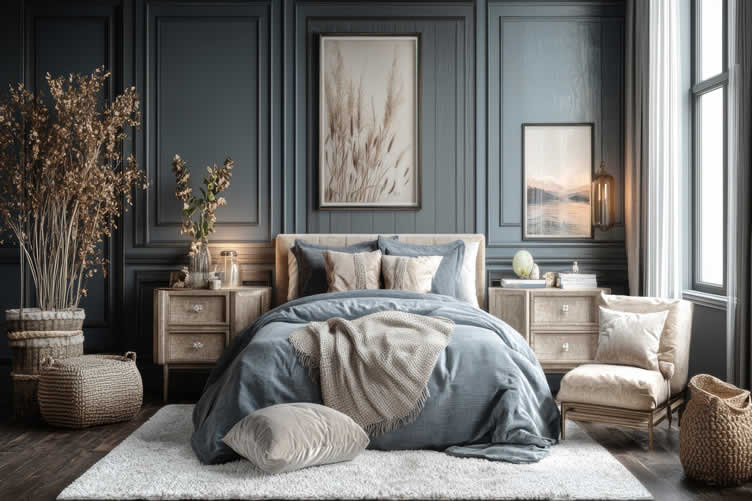
Updating your bedroom is one of the smartest and most rewarding ways to enhance your living space, especially during a stay-put renovation. A well-designed bedroom not only elevates your home’s aesthetic appeal but also boosts functionality and personal comfort.
Simple updates, such as adding fresh paint in soothing tones or introducing layered lighting, can instantly create a tranquil atmosphere that encourages restful sleep and relaxation.
For a more involved transformation, consider upgrading furniture pieces like your bed frame or installing built-in storage solutions to maximize space efficiency.
Swapping out old bedding for high-quality, breathable fabrics or investing in blackout curtains can also significantly improve your quality of life.
Decorative touches like plush area rugs, accented pillows, and coordinated artwork can tie the room together, providing a cohesive and luxurious feel. These upgrades not only contribute to your daily comfort but also increase the value of your home.
By focusing on your bedroom, you’re creating a versatile retreat that feels indulgent and functional—a perfect upgrade for anyone choosing to invest in their current living space.
-
Home Office[ view]
The need for a dedicated workspace has never been more apparent, and creating a home office that supports your physical well-being is a smart long-term investment. Ergonomics should be the top priority, with a focus on adjustable desks and supportive seating that protects your posture over long hours.
A desk that allows you to alternate between sitting and standing can make a significant difference in your daily energy levels and long-term health.
Vertical storage solutions, such as wall-mounted shelving or tall bookcases, utilize the full height of the room, keeping your desk surface clear and your mind focused. Adequate lighting is also critical in a workspace to prevent eye strain.
Position your desk to take advantage of natural light where possible, and supplement it with a high-quality task lamp.
If a separate room is not available, using room dividers or strategically placed area rugs can help carve out a distinct mental and physical zone for work within a larger living area, helping you maintain a healthy work-life balance.
-
Dining Room[ view]
Dining rooms are increasingly becoming multi-functional hubs, serving as homework stations, craft tables, and holiday gathering spots. To enhance the adaptability of this room, look for lighting fixtures that offer dimming capabilities.
This simple upgrade allows you to shift the mood instantly from bright task lighting for detailed work to a soft, warm glow for intimate dinner parties. The ability to control the atmosphere extends the usability of the room far beyond meal times, making it a true extension of your living space.
Storage is often overlooked in dining spaces, yet a well-chosen sideboard or buffet is invaluable for housing linens, serving platters, and seasonal decor that might otherwise jam up kitchen cabinets. If your space allows, a window seat or banquette with storage underneath offers a charming way to maximize seating while keeping clutter out of sight.
Furthermore, consider the flexibility of your furniture. An expandable table with high-quality leaves allows you to keep the room spacious for daily use while retaining the ability to host large groups when the occasion arises, ensuring the room is never wasted space.
-
Recreation and Entertainment Room[ view]
As we spend more time entertaining at home, the recreation room or home theater becomes a pivotal space for enjoyment and leisure. Acoustic comfort is paramount here, especially if the room serves multiple generations or is located near bedrooms.
Integrating soft furnishings like plush rugs, heavy velvet curtains, and upholstered wall panels can significantly reduce noise transfer to the rest of the house, keeping the peace between night owls and early risers.
For the entertainment setup, modular furniture offers the ultimate flexibility. Sectionals that can be rearranged allow you to customize the layout for movie nights, board game tournaments, or casual conversation, ensuring the room adapts to the activity at hand.
Incorporating smart storage for media is also essential; look for consoles that allow remote signals to pass through while keeping messy wires and components hidden. This keeps the focus on the entertainment experience rather than the technology itself.
-
Fitness/Exercise Room[ view]
Adding or updating a current home fitness room can transform your workout routine and inspire regular use. Start by assessing your available space and defining your fitness goals—whether it’s yoga, strength training, or cardio, the design should support your preferred activities.
Modular fitness setups are a great choice for maximizing utility in small or shared spaces. Consider foldable equipment, like treadmills or benches, that can be stored away after use, or wall-mounted racks for weights and resistance bands to free up floor space.
Mirrors can help create the illusion of a larger room while also enabling you to maintain proper form during workouts. Additionally, invest in proper flooring, such as rubber mats, to protect your home’s floors and reduce noise.
Don’t forget to personalize the space with vibrant decor or motivational artwork to energize and inspire every session, turning your home fitness area into a dynamic and inviting environment.
-
Laundry Room and Mudroom[ view]
Efficiency reigns supreme in the laundry room and mudroom, spaces that act as the transition between the outside world and your private haven. Upgrading this area often involves maximizing vertical space to keep essentials organized.
Installing cabinetry above the washer and dryer provides a home for cleaning supplies and extra linens, keeping them accessible yet out of reach of children or pets. A folding station or a dedicated rod for hanging delicates can transform the chore of laundry into a more streamlined process.
Adding a mudroom component, even in a small entryway or connected garage space, can dramatically improve household organization. A sturdy bench offers a place to sit while putting on shoes, while storage underneath can house footwear that would otherwise pile up by the door.
Installing a row of hooks at varying heights ensures that everyone, from the tallest adult to the smallest child, has a place to hang their coat and bag. This creates a dedicated drop zone that prevents outdoor mess from migrating into the main living areas, keeping your home cleaner and more organized with minimal effort.
-
Home Entryway[ view]
Your entryway sets the tone for the entire home, greeting you and your guests with a sense of order and welcome. A console table with drawers offers a discreet place to stash keys, mail, and sunglasses, keeping flat surfaces tidy and stress-free.
Mirrors are a powerful tool in this space, reflecting light to make narrow hallways feel more expansive and open while providing a convenient spot for a final check before heading out the door.
Consider the durability of your flooring here as well. High-traffic materials like slate, tile, or luxury vinyl that are easy to clean will maintain their beauty despite the daily wear and tear of muddy boots and wet umbrellas.
By choosing materials that are robust and forgiving, you ensure your home looks polished from the moment you step inside, reducing the maintenance burden as you age.
-
Reading Nook[ view]
To create a cozy and functional reading nook, start by selecting a quiet, underutilized corner of your home that offers proper lighting, either natural or artificial. Place a comfortable chair or built-in bench with plush cushions to invite relaxation.
When choosing furnishings, prioritize ergonomic designs and durable materials to ensure longevity and support for extended use. Layer your space with soft textiles, like throws and area rugs, to enhance warmth and coziness, and incorporate shelves or a compact bookcase to keep your favorite reads within arm’s reach.
Attention to lighting is key—opt for adjustable lamps or sconce lighting to create ambiance and reduce eye strain. For an added personal touch, consider accenting the area with artwork, greenery, or family mementos that inspire a sense of calm and creativity.
By dedicating this space to relaxation and personal enrichment, you boost both the functionality of your home and its overall charm.
Living-Area Upgrades
(from the summary table below)
Area Purpose Key Upgrades Benefits Living Room and Family Room Versatile space for relaxation and connection Built-in shelving, custom cabinetry, layered lighting, performance fabrics, and swivel chairs Enhances functionality, aesthetic appeal, durability, and comfort Media Center Entertainment hub for family and guests Media consoles, built-in shelving, adjustable lighting, cozy seating, and sound systems Organizes electronics, improves viewing experience, and creates a stylish centerpiece Bedroom Designing Your Restorative Sanctuary Fresh paint in soothing tones, layered lighting, built-in storage, breathable fabrics, blackout curtains, decorative accents. Promotes restful sleep, maximizes space efficiency, adds aesthetic value, and creates a tranquil retreat. Home Office Dedicated workspace for productivity Adjustable desks, supportive seating, vertical storage, and high-quality lighting Encourages better posture, maximizes storage, and enhances focus Dining Room Multi-functional hub for meals, work, and gatherings Dimming lighting fixtures, expandable tables, sideboards, and banquette seating Improves adaptability, storage, and atmosphere Recreation and Entertainment Room Space for leisure and entertainment Acoustic furnishings, modular furniture, and smart media storage Reduces noise, offers flexibility, and enhances functionality Fitness/Exercise Room Dedicated area for regular workouts Modular fitness setups, proper flooring, mirrors, and motivating decor Maximizes utility, protects floors, and inspires activity Laundry Room and Mudroom Efficient transition and organization space Vertical cabinetry, folding stations, benches, and hooks Streamlines chores and prevents mess from spreading Home Entryway Welcoming and organized first impression Console tables, mirrors, and durable flooring Improves functionality and maintains a polished appearance Reading Nook Relaxation and personal enrichment Comfortable chair, plush cushions, soft textiles, adjustable lamps Allows for personal space and sensory development 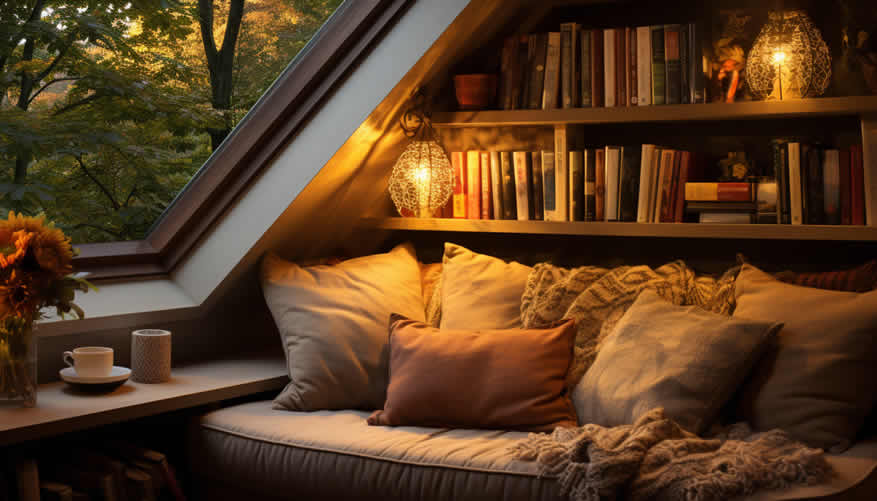
copyright image by 123rf.com
Recliners and Loungers
viewing amazon
-
-
ideas to view and compare from the information discussed above
book: interior designhome office furniturelaundry organization
Scroll up to directory … or scroll to review stay-put renovations for energy savings …

Easily determine the dimensions you need for any home remodeling project …
… ensuring functionality, visual appeal, and compliance with building codes.
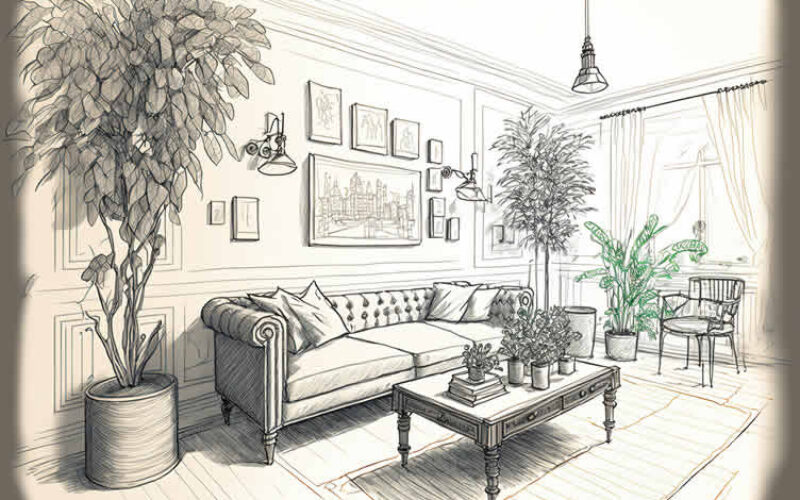




… home remodeling – improvement – repair

Are there any other interesting topics that might have been overlooked but could offer valuable insights …?




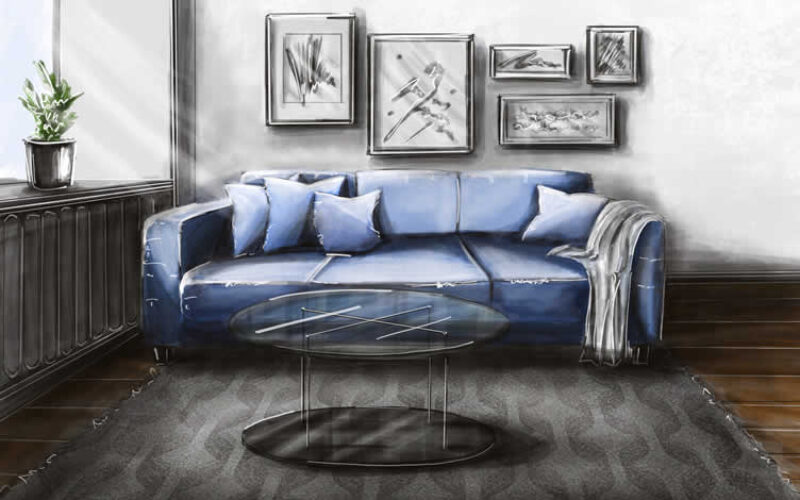



May We Suggest Other Photo Remodeling Ideas About
“Key "Stay-Put" Remodeling Support …” (new win)


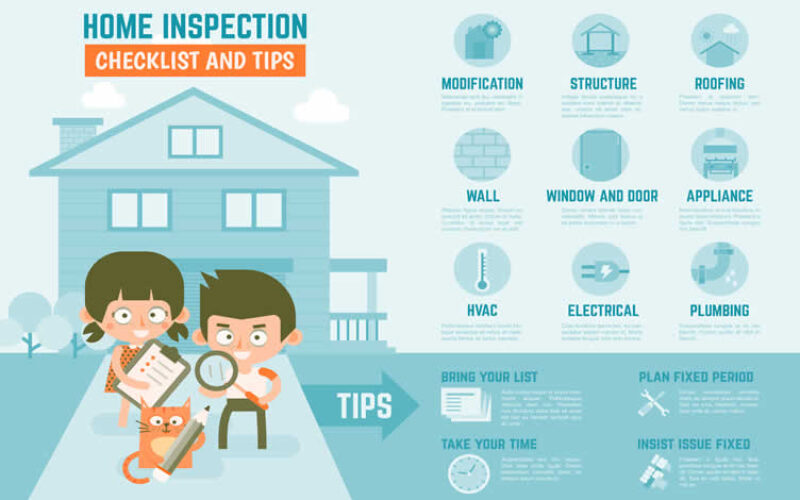
third “photo remodeling” idea
copyright image by 123rf.com
Stay-Put Tip 3: Energy-Efficient Upgrades For a Greener Home
Notes:
-
Are you ready to make your home more sustainable while cutting down on monthly energy costs? Energy efficiency is more than just a buzzword—it’s a practical approach to creating a comfortable, eco-friendly, and cost-effective living space.
Whether you’re looking to reduce your carbon footprint or simply save on utility bills, integrating energy-efficient features into your home can have an immediate and lasting impact.
From simple updates like improving insulation to high-tech options such as smart thermostats and energy-efficient appliances, there are countless ways to optimize your home’s performance.
These improvements not only benefit the environment but also add value to your property and enhance your quality of life.
In the following sections, we’ll explore practical strategies and expert-recommended upgrades that can help you create a greener, more energy-conscious home.
-
Quick scroll to supporting notes on energy savings …
-
-
1st: Questions How You Might Create
… a cozy, energy-efficient haven
When you’re planning a "stay-put" renovation, energy-efficient updates are about so much more than just lowering utility bills. It’s about creating a nurturing environment that stays warm in the winter and cool in the summer, ensuring your home remains a comfortable sanctuary for years to come.
Understanding how these changes impact your home’s daily functionality and long-term costs is a wonderful way to care for both your living space and the planet.
[ view summary table: energy-efficiency questions ]
-
Tucking in Your Home: Enhancing the Envelope
Think of your home’s envelope—the walls, windows, and doors—as a protective shell. Keeping this layer well-sealed ensures that the warmth you pay for stays inside where it belongs.
- Seal the Gaps:
Are your windows and doors properly sealed to reduce pesky drafts and unnecessary energy loss? - Insulate with Care:
Would adding or upgrading insulation in your walls, attic, or crawl spaces help maintain a consistent, comfortable temperature throughout the seasons? - Window Wisdom:
Should you consider energy-efficient replacements, such as double or triple-pane glass, to create a quieter and more thermally efficient home? - Mindful Maintenance:
How can you minimize heat transfer by carefully addressing small gaps and leaks in the building’s structure?
- Seal the Gaps:
-
Gentle Air: Upgrading HVAC and Ventilation
A well-functioning heating and cooling system works in harmony with your home to provide fresh, clean air without overworking itself.
- Right-Sizing:
Is your current HVAC system appropriately sized for your home’s specific layout and needs? - Efficient Comfort:
Would a high-efficiency HVAC system help reduce your energy consumption while keeping your living areas perfectly cozy? - Breathing Easy:
Is your ventilation system adequate to maintain healthy indoor air quality for you and your family? - Lifespan and Love:
How can regular, gentle maintenance extend the life of these systems and keep them running at peak efficiency?
- Right-Sizing:
-
Bright Ideas: Optimizing Appliances and Lighting
Small changes in your daily tools can lead to significant improvements in your home’s overall energy footprint.
- Energy Stars:
Are your appliances ENERGY STAR-rated to ensure they provide maximum performance with minimum waste? - LED Glow:
Could switching to LED lighting reduce your electricity use and save you the hassle of frequent bulb changes? - Smart Support:
Should you invest in smart home technology, like energy-monitoring plugs or intuitive lighting controls, to help manage your home’s rhythm? - Timing Replacements:
Which of your older appliances are nearing the end of their journey and might be worth replacing with more efficient, modern models?
- Energy Stars:
-
Working with Nature: Exploring Renewable Energy
Harnessing the natural elements around your home is a beautiful way to foster a sustainable lifestyle.
- Natural Fit:
Is your home well-suited for renewable solutions like solar panels or geothermal heating and cooling? - Community Support:
Are there local incentives, grants, or rebates available to help you transition to these greener systems? - Self-Reliance:
How can renewable energy sources help reduce your reliance on the traditional grid and offer peace of mind? - Manageable Care:
What are the long-term maintenance requirements for these systems, and are they easy for you to manage over time?
- Natural Fit:
-
High-Efficiency Heating and Cooling
- Understanding Ratings:
What is the Seasonal Energy Efficiency Ratio (SEER) of your current unit, and does an upgrade make sense for your long-term comfort? - Zoned Comfort:
Should you explore ductless mini-split systems that allow you to heat or cool specific zones of your home exactly when you need them? - Pure Air:
How can advanced filtration systems within your HVAC setup enhance both the efficiency of the machine and the purity of the air you breathe?
- Understanding Ratings:
-
Smart Thermostats and Intuitive Controls
- Regulating Rhythms:
Would a smart thermostat help regulate your home’s temperature more efficiently by learning your preferences? - Personalized Schedules:
Can you create custom schedules to adjust heating and cooling based on your unique daily routine and habits? - Helpful Features:
What specific features, such as remote control via your phone or detailed energy usage reports, would help you stay in tune with your home?
- Regulating Rhythms:
-
Planning Your Sustainable Path
- Financial Encouragement:
Are there federal or state tax credits and utility incentives available to help offset the cost of your energy-efficient updates? - Strategic Renovations:
How can you plan these energy improvements so they align smoothly with other renovations you have scheduled for your home? - Expert Guidance:
Should you consult a professional energy auditor to get personalized recommendations tailored specifically to your home’s needs?
- Financial Encouragement:
-
Thoughtful Considerations for the Future
- Enduring Value:
How will these thoughtful updates impact your home’s resale value and appeal to future generations? - Future-Proofing:
Are your updates flexible enough to accommodate new technologies and standards as they emerge? - Nurturing Your Budget:
Have you set a manageable budget, and have you considered how potential energy savings will offset your upfront costs over the coming years?
By addressing these questions, you’re laying the foundation for an energy-efficient home that maximizes comfort, minimizes costs, and helps the environment.
- Enduring Value:
Category Questions Details Tucking in Your Home Enhancing the Envelope Sealing gaps around windows and doors reduces drafts and energy loss. Upgrading insulation in walls, attics, or crawl spaces helps maintain comfortable temperatures year-round. Energy-efficient window replacements, such as double or triple-pane glass, improve thermal efficiency. Addressing small gaps and leaks minimizes heat transfer. Upgrading HVAC and Ventilation Gentle Air A properly sized HVAC system optimizes energy use and suits your home’s needs. High-efficiency systems lower energy consumption while maintaining comfort. Adequate ventilation ensures healthier indoor air quality. Regular maintenance extends the lifespan of these systems and keeps them efficient. Optimizing Appliances and Lighting Bright Ideas ENERGY STAR-rated appliances provide maximum performance with minimal waste. Switching to LED lighting reduces electricity use and the need for frequent replacements. Smart home technology, like energy-monitoring plugs and intuitive lighting controls, improves energy management. Replacing old appliances with modern efficient models boosts energy savings. Exploring Renewable Energy Working with Nature Solar panels and geothermal systems are excellent sustainable energy solutions. Take advantage of local incentives, rebates, or grants to support this transition. Renewable energy sources reduce reliance on the grid and offer peace of mind. Understanding the maintenance needs of these systems ensures their long-term viability. High-Efficiency Heating and Cooling Advanced Systems Evaluating your system’s Seasonal Energy Efficiency Ratio (SEER) provides insight into how upgrades may improve efficiency and comfort. Ductless mini-splits enable precise temperature control for specific zones. Advanced filtration systems enhance air purity and HVAC efficiency. Smart Thermostats Intuitive Controls Smart thermostats learn your preferences and help regulate temperatures efficiently. Custom schedules can be created to align with your daily routines. Features like remote controls and energy usage reports provide better control and insights into energy consumption. Planning Your Path Sustainable Planning Federal or state tax credits and incentives can offset the costs of energy-efficient updates. Aligning energy improvements with other renovations ensures seamless execution. Consulting a professional energy auditor offers tailored recommendations for your home. Future Considerations Thoughtful Updates Energy-efficient updates increase your home’s resale value and appeal. Ensuring flexibility in updates allows them to accommodate emerging technologies. Setting a budget while considering future energy savings ensures long-term affordability. 
copyright image by 123rf.com
-
-
2nd: Energy Upgrades for Your "Stay-Put" Home
Imagine settling into your favorite reading chair on a chilly winter evening, wrapped in a cozy blanket, without the distraction of a drafty window or the hum of a constantly running heater.
When you decide to stay in your home for the long haul, renovations become more than just cosmetic updates; they transform into investments in your future comfort and financial well-being.
copyright image by 123rf.com
A "stay-put" renovation focuses on upgrades that pay you back over time. By prioritizing energy efficiency, you aren’t just lowering those monthly utility bills—you’re extending the lifespan of your home’s systems and creating a living space that feels consistently comfortable, season after season.
Whether you’re preparing for a growing family or planning to age in place, these strategic improvements ensure your home evolves right along with you.
- Quick scroll to “energy-efficiency upgrades” upgrades …
-
Enhancing Your Home’s Envelope
Think of your home’s envelope as its skin—it protects the comfortable indoor environment from the unpredictable weather outside. Strengthening this barrier is often the most cost-effective first step in any energy-efficient renovation.
Before you invest in shiny new appliances or solar panels, it makes sense to ensure that the air you’ve paid to heat or cool stays exactly where it belongs: inside.
-
Insulation and Air Sealing
Small gaps around windows, doors, and where pipes enter your home might seem insignificant, but added together, they can be the equivalent of leaving a window wide open all year round.
Sealing these air leaks and weatherstripping openings cuts down on wasted energy and eliminates those pesky drafts that make rooms feel uncomfortable.
Once the leaks are plugged, look at your insulation. Adding or upgrading insulation in your attic, crawl space, basement, or exterior walls acts as a thermal blanket, stabilizing indoor temperatures so your heating and cooling system doesn’t have to work overtime.
In humid climates, encapsulating vented crawl spaces can be a game-changer, preventing energy loss while protecting your home from moisture and mold issues.
-
Windows, Doors, and Glazing
Your windows and doors are your connection to the outside world, but they shouldn’t let the weather in uninvited.
If you have old, single-pane windows, upgrading to energy-efficient models with double or triple glazing and low-emissivity (low-E) coatings can significantly reduce heat transfer.
For those looking for cutting-edge solutions, high-performance or "smart" glazing that adjusts its tint based on sunlight can cut heating and cooling energy use by roughly 20–40% in some cases.
If a full replacement isn’t in the budget right now, don’t worry—you can still make meaningful improvements. High-quality caulking, fresh weatherstripping, or installing storm windows are affordable ways to boost performance without a major renovation.
-
-
Upgrading HVAC and Ventilation
Your heating, ventilation, and air conditioning (HVAC) system is the heart of your home’s comfort.
As equipment ages, it works harder to produce the same results, costing you more money and potentially failing when you need it most. Upgrading these systems is a powerful move for long-term homeowners.
-
High-Efficiency HVAC Systems
Replacing aging furnaces, air conditioners, or heat pumps with modern, high-efficiency models can reduce your energy usage by up to about 30% compared to older systems. It’s not just about the machinery, though; the delivery system matters too.
Leaky ductwork can waste up to roughly 30% of your airflow, sending conditioned air into attics or crawl spaces where it does no good.
Sealing and insulating your ducts ensures that the air you pay for actually reaches your living spaces.
-
Smart Thermostats and Controls
Pairing your new system with a smart thermostat is like giving your home a brain. These devices learn your schedule and preferences, automatically adjusting temperatures when you’re away or asleep.
For many households, this simple switch can trim heating and cooling costs in the range of about 10–15%, offering convenience and savings without lifting a finger.
-
-
Optimizing Appliances and Lighting
While major systems like HVAC consume the most energy, the smaller, everyday devices we use at home can also contribute significantly to electricity usage over time.
Updating appliances and lighting provides a simple yet effective way to reduce energy consumption without major disruptions.
Plus, modern appliances and lighting options often outperform their older counterparts in efficiency, functionality, and even noise levels, making the upgrade a worthwhile investment.
-
Energy-Efficient Appliances
If your refrigerator, washer, dryer, or dishwasher is outdated or showing signs of wear, replacing them with ENERGY STAR-certified models is a smart move.
These appliances are designed to use significantly less electricity and water compared to older models, which benefits both your utility bills and the environment.
For instance, upgrading to an energy-efficient refrigerator can help cut down on electricity usage while keeping your groceries fresh just as effectively.
Similarly, new washers and dryers offer faster, quieter, and more effective cleaning cycles while conserving resources.
-
LED Lighting
Switching to LED lighting is one of the easiest and most impactful changes a homeowner can make.
LED bulbs use about 75% less energy than traditional incandescent bulbs and last much longer, which means you’ll not only save money on your energy bills but also reduce the frequency of replacing bulbs.
Imagine fewer trips to the store and less time spent precariously balancing on a stepladder to change a burnt-out bulb.
Whether you’re replacing a single bulb in a lamp or upgrading your entire home’s lighting, the energy savings quickly add up.
-
Vampire Loads
Don’t overlook the impact of "vampire" loads—devices like TVs, chargers, gaming consoles, and other electronics that continue to draw power even when turned off or in standby mode.
This hidden waste of energy can add up over time, but it’s easy to address with tools like smart plugs or power strips.
These devices allow you to cut power to electronics completely when they’re not in use, eliminating unnecessary energy drain without requiring constant unplugging.
With a few simple adjustments, you can reduce this waste effortlessly while keeping your devices ready when you need them.
-
-
Exploring Renewable Energy
Once you’ve reduced your energy demand through sealing, insulation, and efficient appliances, you might be ready to produce your own power.
Generating your own energy is a powerful step toward independence from rising utility costs.
-
Rooftop Solar and Battery Storage
Installing rooftop solar panels allows you to generate clean electricity right at home.
When paired with battery storage, you can store excess energy for use at night or during power outages, adding a layer of resilience to your home. Over the long term, this investment can significantly offset grid power costs.
Beyond electricity, consider how you heat your water and air. High-efficiency heat pump water heaters use far less energy than standard electric resistance tanks.
For those with suitable property and budgets, geothermal heat pump systems offer incredibly efficient whole-home heating and cooling by tapping into the stable temperature of the earth beneath your feet.
-
-
Planning and Incentives
Embarking on these upgrades can feel overwhelming, but you don’t have to guess where to start. A thoughtful plan helps you prioritize the changes that will make the biggest difference for your specific home.
-
Energy Audits and Available Incentives
Before tearing down walls or buying new units, start with a professional energy audit or home performance assessment.
An expert can identify the highest-impact upgrades for your specific house, helping you spend your budget where it counts most.
For example, it’s often best to layer weatherization (like sealing and insulation) before upgrading your HVAC system, ensuring your new equipment doesn’t have to work harder than necessary.
-
-
Long-Term Benefits of Energy-Efficient Upgrades
Creating a "forever home" is about more than just aesthetics; it’s about building a space that supports your life for decades to come.
By investing in energy upgrades now, you are choosing a future of lower monthly bills, consistent comfort, and reliable systems.
It’s a caring choice for your family’s well-being and a smart financial strategy that continues to pay dividends long after the renovation dust has settled.
Category Details Benefits Energy Efficiency Upgrades Insulation, air sealing, upgrading windows and doors, and improving your home’s envelope to prevent energy loss. Reduces drafts, stabilizes indoor temperatures, lowers energy bills, and improves comfort throughout the year. HVAC Systems Replacing aging furnaces, air conditioners, or heat pumps with modern, high-efficiency options. Sealing and insulating ductwork. Reduces energy usage by up to 30%, improves system longevity, and ensures efficient airflow, lowering utility costs. Smart Technology Implementing smart thermostats and controls to manage your home’s heating and cooling efficiently. Optimizes energy use, lowers utility bills by 10–15%, and provides convenience through automation. Appliances and Lighting Upgrading to ENERGY STAR-certified appliances and switching to LED lighting for better energy efficiency. Uses less energy, reduces water usage, extends product lifespan, and minimizes environmental impact. Renewable Energy Installing rooftop solar panels, pairing with battery storage, and considering geothermal systems. Generates clean energy, reduces reliance on grid power, and offers resilience during power outages. Energy Audits and Incentives Conducting professional energy audits to identify high-impact upgrades and taking advantage of rebates or incentives. Helps prioritize effective upgrades, lowers initial costs, and maximizes your investment in energy efficiency. 
copyright image by 123rf.com
-
-
ideas to view and compare from the information discussed above
Scroll up to directory … or scroll to next section about using smart tech …
SHARE IT ..! Someone in your network might benefit from this insightful post addressing stay-put renovations. Feel free to share it on Facebook, X (formally Twitter), LinkedIn, or Pinterest!




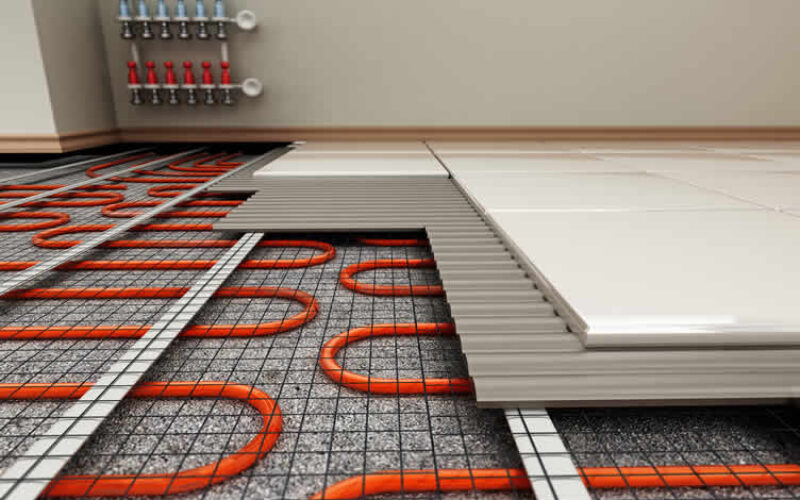
Download this PDF for a concise summary of all you need to know about …?





fourth “photo remodeling” idea

copyright image by 123rf.com
Stay-Put Tip 4: Smart Tech, Automation, and Security
Notes:
-
"Stay-Put" renovation isn’t just about freshening up paint or swapping out old furniture – it’s about reinventing how your home supports and enhances your daily life.
By integrating smart technology, innovative automation, and advanced security systems, you can create a living space that combines modern convenience, streamlined functionality, and peace of mind.
Whether you’re planning to stay in your home for years to come or simply seeking ways to make your space smarter and safer for your family, these upgrades can transform how you interact with your home every day.
The beauty of incorporating smart tech into your renovation is its adaptability to homes of all styles and sizes. From automated lighting that adjusts to your habits to high-tech security measures that provide 24/7 monitoring, these upgrades empower you with more control and efficiency.
Not only do they make life more seamless, but they can also help increase the value of your property while reducing energy consumption and improving security. A smartly upgraded home is not just a place to live – it’s a place to thrive.
-
Quick scroll to supporting “smart-tech” notes …
-
-
1st: Smart Tech Upgrades – What to Note
Integrating smart technology during your renovation is a wonderfully forward-thinking approach.
It not only enhances your home’s day-to-day functionality but also helps preserve a clean, seamless aesthetic by embedding these powerful systems directly into your home’s infrastructure, hiding unsightly wires and bulky components.
To ensure your smart tech decisions align with both your current needs and future possibilities, it’s helpful to pause and consider the following key questions across various categories:
[ view images/summary table: questions for smart tech ]
-
Core Infrastructure and Networking
A strong network is the backbone of any smart home. Without it, your devices can’t communicate effectively.
- Have you planned for enough Ethernet ports or Wi-Fi access points to ensure strong, reliable connectivity throughout your entire home, including often-overlooked areas like the garage or backyard patio?
- Is your network robust enough to handle the bandwidth required for multiple connected devices operating simultaneously? Think about a typical evening: streaming a movie, a smart thermostat adjusting the temperature, and security cameras running all at once.
- Have you considered a centralized hub or a user-friendly control panel for managing all your smart devices from one convenient location?
-
Comfort, Climate, and Energy Control
Smart climate control creates a comfortable environment while helping you manage energy consumption.
- Are you incorporating a smart thermostat that seamlessly integrates with your heating and cooling systems, allowing you to schedule temperature changes or adjust them remotely?
- Can the system you’re considering track energy usage in real-time and offer helpful suggestions for adjustments that could save on your monthly power costs?
- Are there sensors planned for monitoring indoor air quality and humidity, which can automatically trigger ventilation or a dehumidifier to keep your home healthy and comfortable?
-
Lighting, Power, and Scenes
Smart lighting can transform the mood of a room with a single touch or voice command.
- Have you carefully mapped out where smart light switches, dimmers, and fixtures will be installed to complement your family’s daily routines and activities?
- Are you designing preset “scenes”? For example, a “movie night” scene could dim the lights, lower the blinds, and turn on the TV, all with one command. A “morning wake-up” scene might slowly brighten the bedroom lights and start a favorite music playlist.
- Are you ensuring that smart power outlets are placed in convenient locations to accommodate both current and future devices, like lamps, chargers, or holiday decorations?
-
Security, Safety, and Access
Peace of mind is one of the greatest benefits of a smart home.
- Have you included a plan for smart locks that let you grant temporary access to guests, or video doorbells that allow you to see who is at your door, even when you’re not home?
- Are smart motion detectors, smoke alarms, and carbon monoxide detectors scheduled for integration into a centralized system that can send an alert directly to your phone in an emergency?
- Is remote access enabled, allowing you to securely monitor and control your home’s security features from anywhere in the world?
-
Entertainment and Lifestyle
Integrating entertainment systems can create immersive, clutter-free experiences.
- Are you pre-wiring for a home theater or multi-room audio system during the renovation? This thoughtful step will help you avoid the frustration of messy, tangled cables later on.
- Have you considered adding smart controls for entertainment devices like projectors, televisions, or gaming systems to simplify your setup?
- Are you selecting systems that are compatible with the popular streaming services or apps your family already loves to use?
-
Automation, Voice Control, and Future-Proofing
A truly smart home adapts to your life and is prepared for what’s next.
- Can your chosen smart home system integrate with popular voice assistants like Alexa, Google Assistant, or Siri for hands-free control?
- Are you choosing systems from reputable brands that are known to adapt to new technologies or provide regular software updates, ensuring your home doesn’t become obsolete?
- Have you planned for automation features that make life easier, such as scheduling lights to turn on at dusk, using geo-fencing to adjust the thermostat when you leave home, or having the system learn your routines over time?
Category Key Points Considerations Core Infrastructure and Networking The network is crucial for a smart home. It enables device connectivity and communication. Plan for sufficient Ethernet ports and Wi-Fi access points. Ensure robust bandwidth for multiple devices and consider a centralized hub for managing devices. Comfort, Climate, and Energy Control Smart systems enhance comfort and energy efficiency by integrating climate control and real-time monitoring. Install a smart thermostat, enable energy tracking, and add air quality sensors to ensure healthy indoor environments and cost savings. Lighting, Power, and Scenes Smart lighting enhances functionality and ambiance with customizable scenes and automation. Map out light switch placements, design lighting scenes for activities, and strategically place smart outlets for flexibility and convenience. Security, Safety, and Access Smart systems provide heightened home security with remote monitoring and alerts. Schedule smart locks, video doorbells, and motion detectors. Create centralized alerts for emergencies with remote access to monitor systems. Entertainment and Lifestyle Smart entertainment creates seamless, immersive, and clutter-free experiences. Pre-wire for audio or home theater systems. Integrate smart controls for devices and ensure compatibility with streaming platforms. Automation, Voice Control, and Future-Proofing Automation and voice integration create adaptability and ease of use for smart systems. Ensure compatibility with leading voice assistants, select brands offering regular updates, and enable automation features like geo-fencing and routine learning. 
copyright image by 123rf.com
-
-
2nd: Smart Tech Upgrades For A Stay-Put Reno
Walking through the front door of your home should feel like a deep exhale. It is your sanctuary, the place where you recharge, connect with loved ones, and watch your life unfold.
For years, many homeowners approached renovations with a "resale first" mindset, making choices based on what a future buyer might want. But the tide is turning.
We are seeing a beautiful shift toward the "stay-put" renovation—updates designed specifically for your comfort, your joy, and your long-term needs.

copyright image by 123rf.com
When you decide to put down roots and renovate for the long haul, technology becomes a vital partner in creating a harmonious living environment. It is not just about having the latest gadgets or impressive voice tricks; it is about integrating systems that help your home run smoothly, efficiently, and safely.
A truly smart home works in the background, adapting to your rhythms and helping you conserve energy while maximizing comfort.
Integrating technology during a renovation offers a unique opportunity to hide the "messy" parts of tech behind the walls, resulting in a seamless aesthetic.
By planning these upgrades now, you ensure your home is flexible enough to adapt to future innovations without requiring another major construction project.
Whether you are tearing down drywall or just updating a few key rooms, these smart home considerations will help you build a space that supports your lifestyle for decades to come.
- Quick scroll to “smart tech” upgrades …
-
Core Infrastructure And Networking
Think of your home’s network as its central nervous system. Without a strong signal reaching every corner of your property, even the most advanced smart devices will struggle to function.
During a renovation, upgrading to a robust whole-home or mesh WiFi system is one of the most impactful investments you can make.
Unlike a single router that struggles to push signals through thick walls or to the backyard, a mesh system blankets your entire living space in connectivity, ensuring that everything from your streaming devices to your outdoor security cameras stays online.
While wireless technology is wonderful, hardwired connections remain the gold standard for reliability. If your walls are open, take the opportunity to add in-wall low-voltage runs.
Running Ethernet cable to high-bandwidth areas like home offices and media centers ensures speed and stability. Additionally, consider asking your electrician to ensure there are neutral wires at your light switches.
Many modern smart switches require a neutral wire to stay powered when the light is off, and older homes often lack this simple but crucial infrastructure.
Finally, consider where all this technology lives. A stay-put renovation is the perfect time to designate a centralized location for your modem, hubs, and security storage.
Placing this equipment in a ventilated, accessible closet or utility area keeps your living spaces clutter-free and makes troubleshooting much easier down the road. It is a simple step that brings a sense of order to the often chaotic world of cables.
-
Comfort, Climate, And Energy Control
Creating a home that feels comfortable in every season is an act of care for yourself and your family. Smart thermostats are a cornerstone of this effort. When compatible with your HVAC system, these devices do far more than just hold a temperature.
They can learn your schedule, detect when you are away to save energy, and even allow you to adjust the climate from bed on a chilly morning.
This intelligent management helps reduce your carbon footprint, aligning your home’s operation with a respect for natural resources.
Windows are your connection to the outdoors, but they are also a major source of heat gain and loss. Installing smart shades or motorized blinds offers a brilliant solution.
You can program them to lower automatically during the hottest part of the day to keep the house cool, or rise with the sun to wake you gently with natural light.
This automation protects your furniture from UV damage and helps regulate indoor temperatures without overworking your air conditioner.
For a truly tailored experience, look at room-level controls. In spaces where you spend the most time, such as the primary bedroom or living room, smart ceiling fan switches and smart vents can fine-tune the airflow.
This ensures you aren’t cooling an empty guest room while you are sweltering in the kitchen, allowing for a more efficient and personalized approach to home comfort.
-
Lighting, Power, And Scenes
Lighting has a profound effect on our mood and wellbeing. It can transform a stark room into a cozy retreat or a dim office into a productive workspace.
Replacing key lighting circuits with smart switches and dimmers is a fantastic upgrade that offers flexibility without requiring you to replace every fixture.
This allows you to control entire rooms via voice commands or an app, ensuring you never have to fumble for a switch in the dark again.
In areas where rewiring isn’t practical, such as with table lamps or specific accent lights, layering in smart bulbs is an excellent alternative.
These bulbs allow you to tune the color temperature, shifting from a crisp, energizing white during the day to a warm, relaxing amber in the evening. This mimicry of the sun’s natural progression helps support your circadian rhythm, promoting better sleep and relaxation.
Power accessibility is another detail that often goes overlooked until it is too late. Incorporating smart plugs and in-wall outlets with USB or USB-C ports in high-traffic areas creates a home that is ready for modern life.
Placing these in kitchen islands, beside beds, and near sofas ensures that charging your devices is effortless. Smart plugs also offer a simple entry point into automation, allowing you to schedule lamps or coffee makers to turn on exactly when you need them.
-
Security, Safety, And Access
Feeling safe in your home is paramount. Technology has evolved to offer protection that is both robust and convenient. Smart locks are a game-changer for main entries and interior garage doors.
They eliminate the worry of lost keys and allow you to grant temporary access codes to dog walkers, contractors, or visiting family. You can lock up for the night without leaving your bed, giving you that essential peace of mind before sleep.
Video doorbells and exterior cameras serve as your eyes and ears, extending your awareness to the driveway and backyard. When selecting these devices, look for options with appropriate storage and privacy settings that make you feel comfortable.
Being able to see who is at the door from your phone adds a layer of security, but it also adds convenience—you’ll never miss a package delivery again.
Perhaps the most critical safety upgrade involves your smoke and carbon monoxide detectors. Upgrading to connected detectors ensures that if an alarm sounds in the basement, you will hear it in the bedroom.
Furthermore, these smart devices send alerts directly to your phone, so if an emergency happens while you are away, you can act immediately. It is a modern safety net that protects what matters most.
-
Entertainment And Lifestyle
A home designed for the long term should be a place of joy and celebration. Building in whole-home or multi-room audio is a wonderful way to weave music into the fabric of your daily life.
Whether you choose in-ceiling speakers for a polished look or wireless zones for flexibility, having the ability to play music, podcasts, or soothing nature sounds throughout the house enhances the atmosphere of every gathering.
For the media lovers, integrating universal or app-based controls for TVs and AV receivers can simplify the experience significantly. We have all struggled with a coffee table cluttered with five different remotes.
Consolidating control makes your entertainment spaces more accessible to everyone in the family, removing the frustration from movie night.
Smart technology is also making waves in the kitchen and bathroom, areas where convenience meets luxury.
Consider features like voice-enabled faucets, which can dispense exact measurements of water for baking, or digital showers that warm up to your preferred temperature before you even step inside.
Crucially, smart leak detectors in these water-heavy zones can alert you to moisture issues before they become disastrous, protecting your renovation investment from water damage.
-
Automation, Voice Control, And Future-Proofing Other
The true magic of a smart home lies in automation—getting different devices to work together in harmony. To achieve this, it is wise to standardize on a primary ecosystem or an interoperable standard.
Placing one or two main voice assistants strategically around the home acts as a bridge between you and your tech. This allows you to speak your needs naturally, without being tethered to a smartphone screen.
Creating "scenes" is where functionality meets lifestyle. Instead of turning off three lights, locking the door, and lowering the shades individually, a single "Good Night" command can do it all at once.
Similarly, an "Away" scene can ensure your home is secure and energy-efficient the moment you leave the driveway. These small automations save time and mental energy, allowing you to focus on living your life.
Finally, the best way to future-proof your home is to give it room to grow. During any renovation involving open walls, running conduit—hollow tubes that allow you to pull new wires later—is a brilliant strategy.
Pre-wiring for future sensors, additional cameras, or speakers ensures that as technology evolves, your home can evolve with it. It is a small step during construction that saves you from ripping open walls ten years down the road.
-
Creating A Home That Grows With You
Embarking on a renovation is a labor of love. It requires patience, planning, and a vision for how you want your life to feel.
By weaving these smart technologies into the framework of your remodel, you are doing more than just updating a structure; you are creating a responsive, supportive environment.
These upgrades offer comfort during the quiet moments, security during the uncertain ones, and efficiency every single day.
As you finalize your plans, remember that the goal is not a house filled with gadgets, but a home that serves you, allowing you to live with greater ease and harmony for years to come.
Section Description Key Features Core Infrastructure and Networking Your home’s network functions as its central nervous system, ensuring all smart devices operate effectively. Whole-home mesh WiFi, Ethernet cable runs, neutral wires for smart switches, centralized tech hubs. Comfort, Climate, and Energy Control Optimizing in-home climate control for comfort and energy efficiency. Smart thermostats, motorized blinds, room-level airflow controls like smart vents or ceiling fans. Lighting, Power, and Scenes Creating personalized lighting and power solutions to improve daily living and support modern technology needs. Smart switches, dimmers, smart bulbs, USB-enabled outlets, smart plugs for automation. Security, Safety, and Access Enhancing home protection and convenient access features. Smart locks, video doorbells, exterior cameras, connected smoke and CO detectors. Entertainment and Lifestyle Building joyful spaces with integrated entertainment and lifestyle tech upgrades. Whole-home audio, simplified universal controls for media, smart kitchens and bathrooms, water leak detectors. Automation, Voice Control, and Future-Proofing Automating tasks to save time and designing systems that adapt to future technology advancements. Interoperable ecosystems, voice assistant integrations, pre-wiring with conduit for future upgrades. 
copyright image by 123rf.com
-
-
ideas to view and compare from the information discussed above
Scroll up to directory … or scroll to next section about yard n’ garden upgrades …






Download this PDF for a concise summary of all you need to know about …?
fifth “photo remodeling” idea
copyright image by 123rf.com
Stay-Put Tip 5: Transform Your Yard with Outdoor Living Upgrades
Notes:
-
Imagine stepping out your back door into a perfectly curated outdoor oasis that feels like an extension of your home. Outdoor living spaces are no longer just patios and decks—they’re a seamless blend of comfort, functionality, and stunning design.
Whether you’re preparing to host gatherings, unwinding after a long day, or simply enhancing the beauty of your landscape, upgrading your outdoor space has the power to elevate your lifestyle while adding significant value to your home.
From upgrading your lighting to creating personalized seating areas, the possibilities for transforming your outdoor space are endless.
This guide will show you how to make thoughtful upgrades that maximize both aesthetics and usability. No matter your budget or style preference, these tips will inspire you to craft an outdoor retreat that’s as beautiful as it is practical.
-
Quick scroll to “yard n’ garden” side notes …
-
-
1st: Embracing Nature with Outdoor Living Notes
Expanding your living sanctuary into the natural world is a beautiful, cost-effective way to increase your home’s functionality. By creating a seamless flow between your indoor rooms and the fresh air outside, you invite a sense of harmony into your daily life.
To help you make thoughtful decisions that nurture both your home and your lifestyle, consider these gentle guiding questions as you plan your upgrades:
[ view images/summary table: embracing nature – questions ]
-
Decks, Patios, and Covered Spaces
- Materials and Climate:
What materials, such as sustainable woods or weather-resistant composites, are best suited to withstand the unique rhythms of your local climate? - Architectural Harmony:
How will the new design complement your home’s existing character, ensuring the addition feels like a natural extension of your architecture? - Year-Round Shelter:
Will the space offer enough shade from the summer sun or shelter from a light drizzle to allow for comfortable use throughout the changing seasons? - Permits and Planning:
Have you looked into the necessary zoning requirements or permits to ensure your project begins on a safe and legal foundation? - Future Growth:
Can the layout be designed flexibly to accommodate future dreams, such as adding more cozy seating or a larger area for family gatherings?
- Materials and Climate:
-
Outdoor Kitchens and Dining
- Essential Features:
Which appliances, like a simple grill or a full prep station, are truly essential for your personal cooking style and entertaining needs? - Safety and Airflow:
How will the layout provide proper ventilation and safety to ensure a worry-free environment for your outdoor culinary adventures? - Utility Infrastructure:
Is your current gas, water, and electrical setup robust enough to support these new outdoor features reliably? - Budget and Style:
Can the design stay within a thoughtful budget while still prioritizing high-quality functionality and a welcoming aesthetic? - Ease of Care:
Are the surfaces and equipment easy to clean and maintain so that your focus remains on enjoying your meals?
- Essential Features:
-
Fire Features and Comfort
- Choosing Your Warmth:
What type of fire feature—perhaps a grand fireplace for focal beauty or a simple fire pit for roasting marshmallows—best serves your space? - Safe Placement:
Is the location chosen with care, ensuring it is safe for your home and fully compliant with local safety codes? - Ambiance and Practicality:
Will the feature provide that magical evening glow while also offering enough warmth to keep your loved ones cozy on a chilly night? - Durable Seating:
Should you incorporate weather-proof benches or chairs nearby to encourage lingering conversations by the fire? - Seasonal Upkeep:
How will you protect and maintain the feature during the months when it is used less frequently?
- Choosing Your Warmth:
-
Lighting, Audio, and Tech
- Evening Glow:
What type of soft outdoor lighting will enhance safety and create a peaceful ambiance once the sun sets? - Smart Integration:
Can these lights be automated or integrated with smart technology, allowing you to easily set the mood with the touch of a button? - Soundscapes:
How will you integrate high-quality audio so you can enjoy music or podcasts clearly while spending time in nature? - Power and Connection:
Are Wi-Fi signals and power outlets easily accessible to support your modern tech needs without cluttering the natural view? - Adaptability:
How will your technology setup adapt to future innovations, ensuring your home stays supportive as tech evolves?
- Evening Glow:
-
Landscaping, Gardens, and Play
- Local Flora:
Which native plants and landscaping features will truly thrive in your specific soil and local environment? - Restorative Layout:
How will the arrangement of greenery and garden beds encourage a sense of relaxation and make the space more usable for quiet reflection? - Dedicated Zones:
Are there thoughtful areas set aside for children to explore safely or for pets to play freely? - Low-Maintenance Care:
Can you use drought-tolerant plants or smart irrigation systems to minimize chores and save water? - Pathways and Beauty:
How will soft lighting or winding pathways highlight your garden’s natural beauty and make it easier to navigate?
- Local Flora:
-
Entry, Circulation, and Storage
- Fluid Transitions:
How will you ensure a gentle, smooth transition as you move between your indoor living rooms and your outdoor spaces? - Safe Navigation:
Are the pathways and entry points designed for easy, safe movement for family members of all ages? - Nurturing Order:
What storage solutions are needed to keep tools, cushions, and decor neatly organized and protected from the elements? - Multi-functional Furniture:
Can built-in benches or tables serve a dual purpose by providing hidden storage to reduce visual clutter? - Intentional Flow:
Is the flow between different outdoor "rooms" designed to maximize usability and create an open, airy feeling?
- Fluid Transitions:
-
Other Considerations
- Long-Term Durability:
How will choosing weatherproof materials and thoughtful designs help protect your investment and prolong the life of your home? - Life Goals:
Do these upgrades align with your long-term vision, whether that is increasing your home’s value or creating a hub for hosting large, joyful gatherings? - Sustainable Choices:
What eco-friendly features, such as solar-powered lights or reclaimed materials, can you include to live in better balance with the earth? - Multi-Season Comfort:
How will your new space provide comfort and joy through the heat of summer and the crispness of autumn?
- Long-Term Durability:
Category Key Considerations Questions to Reflect On Decks, Patios, and Covered Spaces Choosing materials suitable for the local climate, ensuring architectural harmony, providing year-round usability, obtaining necessary permits, and planning for future flexibility. What materials work best in your climate? How will the design complement your home? Will the space offer sufficient protection from weather? Have you considered zoning requirements? Can it accommodate future expansions? Outdoor Kitchens and Dining Selecting essential features, ensuring proper ventilation and safety, evaluating utility infrastructure, maintaining a balance between budget and style, and deciding on ease of maintenance. Which appliances fit your cooking style? How will the design ensure ventilation and safety? Is your utility setup robust? Can the design remain budget-friendly yet functional? Are surfaces easy to clean? Fire Features and Comfort Choosing appropriate fire features, ensuring safe placement, balancing ambiance and practicality, selecting weather-proof seating, and planning for seasonal maintenance. What kind of fire feature is best? Is the location safe and compliant? Will it provide warmth and ambiance? Should seating nearby be weather-proof? How will it be maintained in lesser-used months? Lighting, Audio, and Tech Enhancing safety and ambiance with lighting, integrating smart technology, providing high-quality audio, ensuring accessible power and connectivity, and planning for future adaptability. What lighting enhances ambiance after sunset? Can it be automated? How will you include audio elegantly? Are power and Wi-Fi easily accessible? Can the setup accommodate future innovations? Landscaping, Gardens, and Play Using native plants, creating relaxing layouts, setting up zones for children and pets, opting for low-maintenance care, and improving navigation with pathways and lighting. Which plants thrive locally? How can the design encourage relaxation? Are zones dedicated to play? Can you include drought-tolerant features? How will pathways highlight natural beauty? Entry, Circulation, and Storage Creating smooth transitions between indoor and outdoor spaces, designing safe pathways, incorporating storage solutions, using multi-functional furniture, and enhancing flow between outdoor areas. How will transitions feel seamless? Are pathways safe for all ages? What storage solutions can keep the area organized? Can furniture include hidden storage? Does the layout maximize usability? Other Considerations Choosing durable materials, aligning designs with long-term goals, incorporating sustainable features, and ensuring comfort across all seasons. How will materials prolong your investment? Do upgrades align with your life goals? Can eco-friendly features be included? Will the space provide seasonal comfort? 
copyright image by 123rf.com
-
-
2nd: Key Outdoor Living Upgrades
… for a stay-put renovation
Deciding to stay in your current home rather than moving is a significant commitment to your neighborhood and your roots.
This decision, often called a "stay-put" renovation, shifts the focus from minor cosmetic updates to creating meaningful, long-term improvements that fundamentally change how you experience your property.
It is about tailoring your space to fit your life perfectly, rather than adjusting your life to fit a new house. Among the most impactful areas to focus on during this process are your outdoor living spaces.
Expanding your living area into the outdoors offers a unique opportunity to increase your home’s square footage without the heavy construction costs of a structural addition.
copyright image by 123rf.com
These upgrades provide a sanctuary for relaxation, a vibrant backdrop for entertaining, and a tangible connection to nature that interior rooms simply cannot match. Investing in your yard enhances your quality of life immediately while also adding substantial value to your property for the future.
Creating a cohesive outdoor oasis involves more than just buying a patio set. It requires thoughtful planning to ensure the space is functional, comfortable, and beautiful across varying seasons.
Whether you are looking to install a full chef’s kitchen or simply want a cozy corner to read in, the goal is to extend the comfort of your indoor rooms to the open air.
By layering these upgrades over time, you can build a personal retreat that grows with your family and budget.
- Quick scroll to “outdoor living” upgrades …
-
Decks, Patios, and Covered Spaces
The foundation of any great outdoor living area is the hardscape. Decks and patios serve as the floor plan for your exterior rooms, defining where furniture will sit and how traffic will flow. When planning a stay-put renovation, durability and maintenance should be top priorities.
Composite decking, for instance, offers the warmth and look of wood without the annual need for staining or sealing, making it an excellent choice for longevity. For patios, natural stone pavers or stamped concrete can provide a timeless aesthetic that withstands weather fluctuations while grounding the space in the natural landscape.
Protection from the elements is just as critical as the ground beneath your feet. A covered space allows you to enjoy fresh air even when the summer sun is blazing or a light rain passes through.
Options range from open-air pergolas that offer dappled shade to fully roofed structures that can house ceiling fans and lighting.
Integrating a covered structure helps frame the view of the yard and creates a distinct architectural transition between the house and the garden, effectively blurring the lines between indoors and out.
-
Outdoor Kitchens and Dining
Cooking outside has evolved far beyond rolling a charcoal grill onto the lawn. A fully integrated outdoor kitchen turns meal preparation into a social event, keeping the host in the center of the conversation rather than isolated indoors.
Essential components for a functional outdoor kitchen include a high-quality grill, durable weather-resistant countertops like granite or concrete, and ample prep space. Including a small refrigerator or an ice bin can also significantly improve functionality, saving you from making endless trips back inside for beverages or ingredients.
Dining al fresco brings a special sense of occasion to everyday meals. To create a comfortable dining area, consider the proximity to the cooking zone to ensure serving is seamless.
The furniture you choose should be heavy enough to withstand wind but comfortable enough for long, lingering dinners. arranging the dining space under a shade structure or large umbrella is vital for daytime comfort, while placing it near the house can make carrying dishes easier.
This dedicated space for breaking bread helps families reconnect away from the distractions of televisions and screens.
-
Fire Features and Comfort
There is a primal attraction to fire that naturally draws people together. Adding a fire feature is one of the most effective ways to extend the usability of your outdoor space into the cooler months and later evenings.
Fire pits are a versatile and often budget-friendly option, available in wood-burning styles for a rustic feel or gas-powered versions for instant ambiance without smoke. For a more dramatic focal point, a permanent outdoor fireplace can anchor a seating area and provide a structural wall that offers privacy and wind protection.
Comfort in outdoor living goes beyond warmth. It involves creating a tactile experience that rivals your living room. Deep seating furniture with high-quality, weather-resistant fabrics invites you to curl up and relax.
Accessories play a huge role here; adding outdoor rugs defines the "room," while throw pillows and blankets add softness and color. For hotter climates, installing misting systems or ceiling fans in covered areas can drop the temperature significantly, ensuring the space remains a sanctuary even during the peak of summer.
-
Lighting, Audio, and Tech
The utility of your yard shouldn’t end when the sun goes down. A thoughtful lighting plan creates mood, highlights landscaping features, and ensures safety along pathways. Layering different types of light is key.
Overhead bistro string lights can create a festive, café-style atmosphere over dining areas, while soft uplighting on trees or architectural features adds drama and depth to the garden. Task lighting near the grill and cooking areas is essential for safety and functionality.
Integrating technology is the final touch that modernizes an outdoor renovation. Weatherproof audio systems allow you to bring your favorite music into the garden, setting the tone for a party or a quiet Sunday morning.
These systems can be hidden within planters or disguised as rocks to blend seamlessly with the landscape. Furthermore, extending your Wi-Fi range to the backyard ensures you can work from home on the patio or stream movies for an outdoor movie night, making the space truly multi-functional.
-
Landscaping, Gardens, and Play
Hardscapes provide the structure, but landscaping provides the soul of your outdoor renovation. Plants soften the edges of stone and wood, introducing color, texture, and fragrance that engage the senses.
For a stay-put renovation, consider incorporating native plants that thrive in your local climate with minimal water and intervention. This approach ensures your garden looks lush and healthy without becoming a burden to maintain.
Vegetable and herb gardens are also increasingly popular, providing a rewarding hobby and fresh produce just steps from your kitchen.
If your household includes children or pets, integrating designated play areas is essential for harmonious outdoor living. This doesn’t necessarily mean placing a large plastic playset in the center of the view.
Natural play areas with boulders, stumps, and sensory gardens encourage imaginative play and blend beautifully with the surroundings. For pets, creating distinct zones with durable turf or mulch can save your lawn from wear and tear while giving furry family members a space of their own to run and explore.
-
Entry, Circulation, and Storage
How you move through the space is just as important as the destinations within it. Clear, safe pathways connect the different zones of your yard, guiding guests from the back door to the dining area or fire pit.
Materials for these paths should be slip-resistant and wide enough for two people to walk side-by-side. thoughtfully designed circulation prevents bottlenecks and ensures the yard feels spacious and inviting rather than cluttered or disjointed.
Storage is the unsung hero of a tidy outdoor living space. Without a place to put cushions, gardening tools, and pool toys, a beautiful renovation can quickly look chaotic.
Built-in bench seating with storage underneath is a clever way to hide clutter while adding functionality. waterproof deck boxes or a dedicated shed designed to match the home’s architecture can keep items dry and protected during the off-season. prioritizing storage ensures that your outdoor sanctuary remains a peaceful visual retreat year-round.
Feature Details Benefits Considerations Decks, Patios, and Covered Spaces Foundation of outdoor living areas; provides functional ground plans with options such as composite decking, natural stone pavers, or stamped concrete for durability and timeless aesthetics. Defines spaces and enhances flow; covered areas provide protection from weather and extend usability. Focus on durability and low maintenance; options range from open-air pergolas to fully roofed structures for versatility. Outdoor Kitchens and Dining Includes grills, weather-resistant countertops, and prep spaces; enhances meal preparation and socialization; dining areas with durable furniture and shade structures. Encourages outdoor meals and gatherings; improves dining convenience and ambiance. Ensure proximity to the cooking zone; sturdy, comfortable furniture is necessary for long-term use. Fire Features and Comfort Fire pits and fireplaces enhance the atmosphere and extend usability into cooler months; features include seating with weather-resistant fabrics, outdoor rugs, and accessories. Creates cozy gathering spots and improves functionality during evening and colder weather. Choose between budget-friendly fire pits or permanent fireplaces; consider climate-specific elements like misting systems for heat. Lighting, Audio, and Tech Layered lighting plans, weatherproof audio systems, and extended Wi-Fi; includes bistro lights, uplighting, and task lighting for safety and aesthetics. Enhances functionality after dark; creates ambiance and modernizes spaces with technology integration. Blend lighting and audio seamlessly into landscaping; install practical yet stylish tech to suit multitasking needs. Landscaping, Gardens, and Play Native plants, sensory gardens, play areas for children, and spaces for pets; options for vegetable and herb gardens for productivity. Softens hardscapes, adds color and texture, supports sustainability, and fosters family activities. Choose low-maintenance plants; integrate natural play zones harmoniously into design. Entry, Circulation, and Storage Pathways connect zones, ensuring smooth flow; storage solutions like bench seating or sheds keep the space organized. Improves accessibility and functionality while maintaining visual appeal and tidiness. Prioritize slip-resistant paths; invest in weatherproof storage options to protect belongings. 
copyright image by 123rf.com
-
-
ideas to view and compare from the information discussed above
Scroll up to directory … or scroll to next section about planning stay-put renovations …




below for …
… landscapaing and stay-put remodeling services
Download this PDF for a concise summary of all you need to know about …?





Find Home Remodeling Services Additions Major Remodels Minor Remodels Disability Needs Plumbing Electrical Decks Patio Landscape Design Outbuildings Water Features Steps & Walkways top-rated, pre-screened local contractors FREE: download contractor selection enter zip code – powered by HomeAdvisor ™
Quick Contractor Guides selecting negotiating working with inspecting

sixth and last “photo remodeling” idea


copyright image by 123rf.com
Stay-Put Tip 6: Turning Your House Into a Forever Home
Notes:
-
Your home is more than just a place—it’s your sanctuary, your safe space, and a foundation for countless memories to be made. But as life changes, so do your needs
Creating a forever home is about pro-actively designing a space that evolves with you, offering comfort, accessibility, and independence for years to come. By making thoughtful improvements today, you can ensure that your home remains a welcoming haven where you can age in place gracefully and confidently.
Planning for a forever home doesn’t mean compromising on style or functionality. Instead, it’s an opportunity to modernize and personalize your space while incorporating features that enhance your quality of life.
From simple changes like wider doorways to smart technology integrations, every upgrade can be tailored to meet both your current and future needs.
Whether you’re preparing for retirement, addressing mobility challenges, or simply future-proofing your home, these strategies will help you create an environment that supports your lifestyle in every stage of life.
-
Quick scroll to “forever home” supporting notes …
-
-
1st: Making “Stay-Put” Forever Questions
If your goal is to create a forever home where you can comfortably and safely age in place, thoughtful planning and proactive design are essential.
Transforming your current space into one that accommodates your needs over time requires attention to detail and careful consideration of potential challenges.
Here are some key questions to guide you as you make these important decisions:
[ view images/summary table: forever renovations ]
-
Accessibility
- Are doorways wide enough to accommodate mobility aids like wheelchairs or walkers?
- Do you need to install ramps or eliminate stairs for easier entry and navigation?
- Are hallways and pathways clear and spacious for unhindered movement?
-
Bathroom Safety
- Should you incorporate grab bars near toilets, bathtubs, and showers for added support?
- Is a walk-in shower with a bench or a curbless shower design a better option for safety and convenience?
- Would anti-slip flooring reduce the risk of falls in wet areas?
-
Kitchen Functionality
- Are countertops and shelving positioned at an easily reachable height?
- Do you need pull-out shelves or adjustable cabinetry to enhance storage accessibility?
- Would touchless or lever-style faucets make everyday tasks easier?
-
Lighting and Visibility
- Is the lighting in your home bright and evenly distributed to reduce eye strain and increase visibility?
- Should motion-sensor lighting be added to high-traffic areas or staircases?
- Can you optimize natural light with unobstructed windows or skylights?
-
Bedroom and Living Spaces
- Is the master bedroom located on the main level for easy access?
- Do you have seating options with firm cushions and armrests for easier use?
- Are there stable surfaces for placing personal items or mobility aids within reach?
-
Technology and Security
- Will smart home technology, such as voice-activated controls or remote monitoring systems, help ensure safety and convenience?
- Should you install a security system and video doorbells for peace of mind?
- Are there medical alert systems in place in case of emergency?
-
Long-Term Maintenance
- Have you chosen durable, low-maintenance materials for flooring and exteriors?
- Can landscaping be simplified to reduce upkeep with features like native plants or raised garden beds?
- Are HVAC systems and appliances energy-efficient and easy to operate?
By addressing these questions early in your renovation plans, you can build a forever home that evolves with you, offering both functionality and comfort for years to come.
Thoughtful design today ensures a safe, welcoming space for tomorrow.
Category Questions Considerations Accessibility Are doorways wide enough to accommodate mobility aids like wheelchairs or walkers? Do you need to install ramps or eliminate stairs for easier entry and navigation? Are hallways and pathways clear and spacious for unhindered movement? Ensure wide doorways, consider ramps, and maintain clear hallways for ease of movement. Bathroom Safety Should you incorporate grab bars near toilets, bathtubs, and showers for added support? Is a walk-in shower with a bench or a curbless shower design a better option for safety and convenience? Would anti-slip flooring reduce the risk of falls in wet areas? Install grab bars, consider walk-in or curbless showers, and use anti-slip flooring for safety. Kitchen Functionality Are countertops and shelving positioned at an easily reachable height? Do you need pull-out shelves or adjustable cabinetry to enhance storage accessibility? Would touchless or lever-style faucets make everyday tasks easier? Opt for accessible storage, use touchless faucets, and ensure countertops are at reachable heights. Lighting and Visibility Is the lighting in your home bright and evenly distributed to reduce eye strain and increase visibility? Should motion-sensor lighting be added to high-traffic areas or staircases? Can you optimize natural light with unobstructed windows or skylights? Use bright, distributed lighting, employ motion sensors, and maximize natural light with skylights or windows. Bedroom and Living Spaces Is the master bedroom located on the main level for easy access? Do you have seating options with firm cushions and armrests for easier use? Are there stable surfaces for placing personal items or mobility aids within reach? Place the master bedroom on the main floor, choose firm seating with armrests, and ensure stable surfaces for essentials. Technology and Security Will smart home technology, such as voice-activated controls or remote monitoring systems, help ensure safety and convenience? Should you install a security system and video doorbells for peace of mind? Are there medical alert systems in place in case of emergency? Install smart home technology, video doorbells, and medical alert systems for enhanced safety and convenience. Long-Term Maintenance Have you chosen durable, low-maintenance materials for flooring and exteriors? Can landscaping be simplified to reduce upkeep with features like native plants or raised garden beds? Are HVAC systems and appliances energy-efficient and easy to operate? Use durable materials, simplify landscaping, and opt for energy-efficient appliances and systems. 
copyright image by 123rf.com
The Importance of Fitness
Creating a dedicated fitness room in your home is a proactive way to stay fit and strong as you age.
By equipping the space with low-impact exercise tools like resistance bands, stability balls, and stationary bikes, you can focus on maintaining mobility, balance, and overall health in a safe and convenient environment.
This thoughtful addition to your home not only supports physical independence but also encourages a routine that promotes long-term well-being.
view info: introduction to fitness and exercise routines (new win)
-
-
2nd: Key Aging-in-Place Upgrades
Thinking about the future allows us to prepare our spaces for comfort and safety, ensuring our homes remain the sanctuaries we love for decades to come.
The concept of a "stay-put forever home" is gaining popularity as more homeowners choose to age in place rather than moving to assisted living facilities.
However, making a home suitable for the later stages of life requires thoughtful planning today. It is about creating an environment that adapts to changing mobility needs without sacrificing style or warmth.

copyright image by 123rf.com
Many essential upgrades for aging-in-place focus on simple, universal principles like safer movement, enhanced lighting, and easier reach.
The wonderful news is that these modifications can often be integrated into standard renovations, making your home feel modern and spacious rather than institutional.
By prioritizing features such as step-free entrances and smart technology now, you build a foundation for independence that will serve you well into the future.
- Quick scroll to “forever home” upgrades …
-
Entries, Halls, and Circulation
The journey to a safe forever home begins at the front door. Creating at least one step-free entry is essential for accommodating anyone with mobility challenges, whether that is a future version of yourself or a guest with a walker.
This can be achieved through a no-threshold door design or by integrating a gentle ramp or graded walk that blends seamlessly with your landscaping.
Good handrails and ample lighting at this entrance ensure that coming home is always safe and welcoming.
Once inside, the flow of the home becomes paramount. Widening doorways and main passages to approximately 36 inches is a smart proactive measure to accommodate wheelchairs or walkers down the line.
Flooring choices also play a critical role in safety. Opt for non-slip, low-threshold flooring options to eliminate tripping hazards caused by raised transitions or thick carpeting.
Keeping clear, wide paths through every room not only helps with mobility but also contributes to an open, uncluttered aesthetic.
-
Bathrooms and Personal Care
Bathrooms are often the first place where accessibility issues arise, so prioritizing upgrades here is vital. A curbless or low-threshold shower is a fantastic investment, offering easy access while creating a sleek, spa-like look.
Pair this with non-slip tile and a built-in or movable shower seat to enhance safety during bathing. It is also wise to install sturdy grab bars now, or at least reinforce the walls so they can be easily added later without major demolition.
For daily personal care, small changes make a big difference. Comfort-height toilets reduce the strain of sitting and standing, while lever or touch-style faucets are much easier to operate than traditional knobs, especially for hands affected by arthritis.
Installing anti-scald valves prevents accidental burns, adding another layer of safety.
Finally, improving lighting at vanities and in the shower ensures better visibility, and considering an open-knee vanity design can allow for seated grooming if standing becomes difficult.
-
Kitchen and Daily Tasks
The kitchen is the heart of the home, and it should remain accessible to everyone. One of the most effective upgrades is replacing lower cabinets with full-extension drawers. This simple switch prevents the need to crouch and dig into dark cupboards.
Similarly, installing pull-out or pull-down shelves in upper cabinets brings items within easy reach, reducing the risk of strain or falls from using step stools.
Workspaces should also be designed to minimize physical stress. Shallow sinks and rounded countertop edges are more comfortable to use and lean against.
Just like in the bathroom, non-slip flooring and lever or touch faucets are excellent additions.
When planning the layout, ensure there is generous circulation space for maneuvering. Appliances should be positioned for accessibility, such as side-opening or wall ovens and drawer microwaves placed at reachable heights, which make cooking safer and more enjoyable.
-
Living Areas, Bedrooms, and Stairs
Comfort in living areas goes beyond just soft fabrics; it involves the layout and furniture choices. Arrange your furniture to create wide, straight paths free of sharp corners that could cause injury.
When selecting new pieces, look for seating with firm cushions and sturdy arms, as these features make standing up significantly easier than deep, soft sofas.
Multi-story homes present specific challenges, but there are ways to adapt them. Adding continuous, well-placed handrails on both sides of all staircases provides necessary support.
For long-term planning, consider a layout that includes stacked closets, which can be converted into an elevator shaft if needed, or simply prepare for a future stairlift.
Ideally, place at least one full bedroom and bathroom on the main level. If that is not currently possible, plan to convert a main-floor office or den into a future bedroom to avoid stairs entirely.
-
Lighting, Controls, and Safety Tech
As we age, our eyes require more light to see clearly, making lighting upgrades a top priority. Increase the overall brightness of your home with high-quality, low-glare fixtures.
Adding nightlights in hallways and bathrooms can prevent falls during nighttime trips, while motion-sensor lights at entries and along paths ensure you never have to walk into a dark space.
Accessibility also applies to how you control your home’s environment. Replace traditional toggle light switches with rocker switches that are easier to use with an elbow or closed fist.
Ensure that thermostats and other controls are mounted at a height that is easily reachable from both a standing and seated position.
Safety technology has also advanced significantly; louder or visual doorbells help those with hearing loss, and interconnected smoke and carbon monoxide alarms can now provide visual or smart alerts to keep everyone aware of emergencies.
-
Planning, Universal Design, and Future-Proofing
Embracing universal design principles ensures your home works for people of all ages and abilities. Features like step-free entries, wider doors, and flexible layouts are not just for aging; they make moving furniture, managing strollers, and hosting guests easier for everyone.
These non-stigmatizing features add value and functionality without signaling that the home is modified for care.
Future-proofing involves looking ahead to potential needs. If you are renovating a bathroom, add blocking behind the walls now.
This invisible preparation allows for the quick and secure installation of grab bars or shower seats if they are needed later.
Additionally, integrating smart-home features can support independence over time. Voice-controlled systems, cameras at entry points, and emergency call options provide peace of mind and keep you connected to help if you need it.
Section Key Upgrades Details Entries, Halls, and Circulation Step-Free Entry, Widened Doorways, Non-Slip Flooring Ensures accessibility by creating a no-threshold entrance with good lighting and handrails; doorways expanded to 36 inches for easier passage of mobility aids, and non-slip flooring removes potential tripping hazards. Bathrooms and Personal Care Curbless Shower, Grab Bars, Comfort-Height Toilets Focuses on safety and accessibility with low-threshold showers, reinforced walls for grab bar installation, and toilets designed for easy sitting and standing. Touch-style faucets and anti-scald valves enhance safety and usability. Kitchen and Daily Tasks Full-Extension Drawers, Pull-Out Shelves, Accessible Appliances Simplifies kitchen tasks by replacing lower cabinets with drawers, adding pull-out shelves, and positioning appliances like side-opening ovens and drawer microwaves at reachable heights. Non-slip flooring and ergonomic faucets improve safety. Living Areas, Bedrooms, and Stairs Furniture Layout, Stair Adaptations, Main-Level Living Arranges furniture to create clear paths, adds supportive handrails on stairs, and plans for a main-floor bedroom and bathroom. Prepares for lift installation by aligning stacked closets or anticipating a stairlift. Lighting, Controls, and Safety Tech Improved Lighting, Smart Controls, Safety Devices Boosts visibility with high-quality, motion-sensor, and night lighting. Installs rocker switches for ease of use and integrates safety tech like visual doorbells, interconnected alarms, and voice-controlled systems. Planning, Universal Design, and Future-Proofing Universal Design Features, Smart Technology, Flexible Layouts Adopts features like step-free entries and wider doors that benefit all ages. Prepares walls for future grab bar installation and includes voice-controlled devices and emergency call systems to support long-term independence. 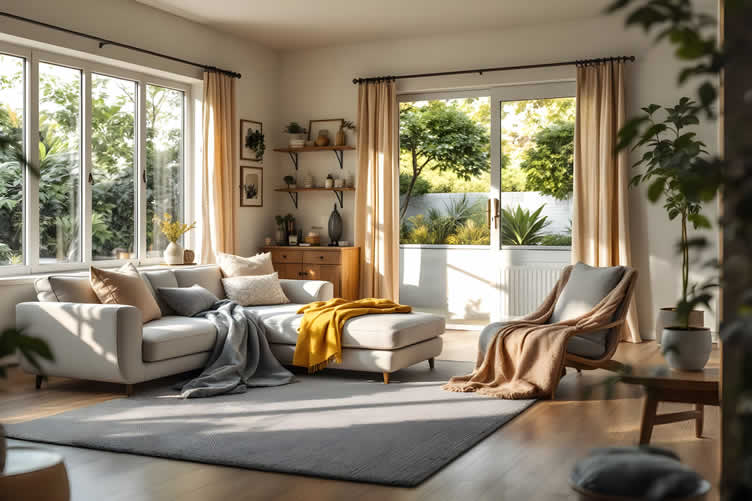
AI generated image by 123rf.com
-
3rd: Planning for “Stay-Put” Renovations
Planning for long-term, "stay-put" home renovations is an exciting yet challenging endeavor. These projects aim not only to improve your living space but also to adapt your home to your evolving needs, ensuring comfort, functionality, and safety for years to come.
Whether you’re tackling small DIY tasks or embarking on significant upgrades with professional help, strategic planning ensures a smooth and cost-effective process.
From collecting ideas to understanding permits and financing, this guide will help you map out your renovations with confidence and expertise.
- Quick scroll to “stay-put” planning steps …
-
Collecting Ideas and Phases
The first step in planning “stay-put” renovations is collecting ideas and organizing them into manageable phases. Begin by identifying the areas of your home that require improvement or enhancement.
Are you looking to create a more accessible bathroom, expand your kitchen, or install energy-efficient windows? Browse through home improvement magazines, online decor galleries, and social media platforms for inspiration.
Breaking the renovations into phases helps to prioritize tasks, spread out expenses over time, and maintain a focused approach. Start with the most immediate needs and gradually move to aesthetic and optional upgrades.
-
Building a Budget
Budgeting is a crucial factor in any renovation plan. Begin by estimating the costs for each phase of your renovation project, considering materials, tools, labor, and miscellaneous expenses.
Allocate funds based on your priorities — for instance, structural improvements should take precedence over decorative changes.
Research reliable price ranges for chosen materials and services, and always include a contingency fund for unexpected costs. A detailed and realistic budget ensures you stay financially prepared throughout the project.
-
Planning Specifications for Each Phase
Defining clear specifications for every phase makes the renovation process more efficient. This includes selecting materials, determining design elements, and outlining requirements for installation.
If you’re upgrading your kitchen, think about the style of cabinets, countertop materials, and appliances you wish to incorporate.
For long-term, “stay-put” renovations, choosing durable, low-maintenance, and environmentally sustainable materials adds both value and longevity to your home. Working with a defined specification eliminates ambiguity and helps streamline the process.
-
Determining What’s DIY
Many weekend warriors find satisfaction in tackling DIY projects, especially those that are simpler and budget-friendly.
Painting walls, assembling furniture, installing backsplash tiles, or even planting outdoor gardens are ideal DIY tasks.
These projects not only help defray costs but also provide a sense of achievement.
However, it’s essential to honestly evaluate your skills and limitations—some aspects of renovation, such as plumbing, electrical work, or installing structural supports, require expertise and should be left to professionals.
-
Understanding Permits and Building Codes
Adhering to local building codes and securing necessary permits is a critical part of any renovation plan, especially for significant projects. This ensures safety compliance and avoids potential legal issues.
Every municipality has its own set of building regulations, covering aspects such as plumbing, electrical systems, and structural changes.
Consult your local government office or website to learn about the specific requirements for your planned upgrades. It may also be beneficial to hire a professional contractor familiar with building codes to guide you through the process.
-
Financing Your Renovations
If your renovation plans exceed your current budget, explore financing options. Home equity lines of credit (HELOCs), personal loans, or refinancing your mortgage are potential solutions.
Evaluate the pros and cons of each financing method and consult with a financial advisor to determine which option best suits your financial situation. It’s also helpful to look out for seasonal sales promotions or retailer discounts to save on materials and fixtures.
-
Getting Professional Help
For large-scale "stay-put" projects—such as installing a new roof, rewiring the house, or creating an accessible floor plan—professional assistance is indispensable. Hiring experienced contractors ensures that the work is done efficiently, up to code, and with a high standard of quality.
When selecting a contractor, check credentials, request references, and review examples of previous projects. An agreement outlining costs, timelines, and responsibilities can further protect your interests while fostering smooth collaboration.
Collecting Home Upgrades and All Your "Stay-Put" Renovation Needs …
File Type (pdf)
click here for ideas notebook
Budgeting Worksheet For Costing Home Remodeling and Home Improvement Decisions
 File Type (excel)
click here for budgeting worksheet
plan the specifications you need …
… for making key home improvement and remodeling decisions
click here for specification planning sheetLetsRenovate has partnered with HomeAdvisor™, a renowned provider of highly-rated, carefully-vetted local contractors. Start your search here by choosing the type of contractor you need and entering your zip code to find local professionals.
Section Description Planning for “Stay-Put” Renovations Planning for long-term stay-put renovations is an exciting yet challenging endeavor. These projects aim to improve your living space and adapt your home to your evolving needs, ensuring comfort, functionality, and safety. Proper planning ensures a smoother and more cost-effective process by focusing on everything from idea collection to permits and financing. Collecting Ideas and Phases Collecting ideas and organizing them into phases is key for effective renovation planning. Identify improvement areas in your home—like creating accessible bathrooms or adding energy-efficient features. Browse inspirations and prioritize tasks to break renovations into manageable, cost-effective stages while addressing immediate needs first. Building a Budget A successful renovation plan starts with a detailed budget. Estimate costs for materials, labor, tools, and unexpected expenses, and allocate funds based on priorities like structural fixes over aesthetics. Research industry price ranges and include a contingency fund to stay financially prepared throughout the project. Planning Specifications for Each Phase Define clear specifications for every phase of the renovation project, including materials, design, and installation requirements. Durable, eco-friendly materials add value and ensure longevity. A detailed specification roadmap streamlines the overall process and reduces ambiguity. Determining What’s DIY Consider which tasks can be done as DIY projects, such as painting walls, assembling furniture, or installing tiles, to save costs. However, tasks requiring expertise, like electrical work or plumbing, should be left to professionals to ensure safety and compliance. Understanding Permits and Building Codes Compliance with local building codes and acquiring permits are crucial steps for major renovations. This ensures adherence to safety standards and avoids potential legal issues. Professional contractors familiar with local regulations can help streamline this process. Getting Professional Help For large-scale projects such as roof installations or major rewiring, professional expertise is vital. Hire contractors with proven experience, check references, and establish clear agreements on costs and timelines to ensure high-quality work and efficient collaboration. Financing Your Renovations If the renovation exceeds your budget, explore options like home equity lines of credit, personal loans, or mortgage refinancing. Consult with a financial advisor to select the most suitable financing solution and look out for discounts or sales to minimize material costs. 
copyright image by 123rf.com
But Wait!
Before searching for “stay-put” remodeling contractors and designers, download this evaluation worksheet to guide your decisions.
It will help you objectively compare contractors based on key factors like pricing, licensing, and referrals.

Evaluation Sheet
File Type:
-
-
Conclusion:
… making the right choice for you
Ultimately, the choice between moving and renovating is deeply personal. It’s about weighing the financial savings and emotional comfort of staying against the allure of a fresh start.
If you love your neighborhood, cherish your memories, and see potential in your current four walls, a stay-put renovation might be the perfect path. It allows you to keep the roots you’ve planted while giving them room to grow.
Whether you choose to embrace the dust of a remodel or the boxes of a move, the goal is the same: creating a space where you feel truly at home.
References:
- https://jonespg.com/top-home-improvement-projects-for-2025/
- https://www.architecturaldigest.com/story/2025-diy-trends-you-will-be-seeing-in-home-renovations
- https://www.accio.com/business/diy_trending
- https://www.greatdayimprovements.com/home-advice/blogs/2025-renovation-trends-why-theyre-smart/
- https://www.elledecor.com/design-decorate/trends/a63689790/tiktok-interior-design-trends-2025/
- https://www.frontdoor.com/blog/handyman-tips/diy-statistics
- https://www.kswconstructionllc.com/blog/home-improvement-trends/
- https://www.houzz.com/magazine/2025-u-s-houzz-and-home-renovation-trends-stsetivw-vs~181188659
- https://www.empower.com/the-currency/life/2025-smartest-home-trends-diy-or-professional-news
- https://www.instagram.com/popular/2025-Home-Remodel-Trends/
-
ideas to view and compare from the information discussed above
book: illustrated building codesremodeling plannerremodeling tools
- What comments can you share about any
"stay-put renovations" that you have considered?



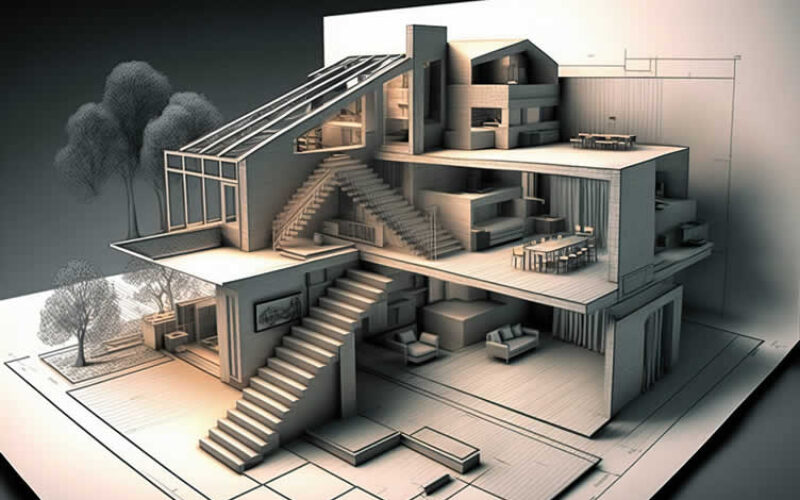
Scroll up to directory … or scroll to more home remodeling-related topics …

Calendar For:
Home Maintenance
File Type:
… to design, budget, and plan your stay-put renovations

… view our sharing links below for a quick "share the knowledge"
Cover image credit: stay-put renovations by 123rf.com
end of post … please share it!
 |
did you find this "stay-put renovations" analysis helpful? If so, please share the article with your friends and family! |
Nice pic idea? Leave us a quick comment below.
And please share this pic idea within your social networks.