Summary Outline –
Outdoor kitchens are becoming a must-have for those who cherish the joy of cooking and dining al fresco. With the rise of indoor-outdoor living, these spaces provide a seamless transition from inside to out, making them perfect for both casual family dinners and grand summer parties.
Whether you’re a seasoned grill master or a budding chef, an outdoor kitchen could be your new favorite place at home.
In this analysis, we’ll guide you through the essentials of designing and maintaining a stunning outdoor kitchen. From choosing the right materials and appliances to crafting an inviting entertaining area, you’ll discover everything you need to create your dream open-air cooking space.
- post content … analysis/ outdoor cooking space
- 1st: Designing Your Ideal Outdoor Kitchen
- 2nd: The Best Materials for Long-Lasting Cooking
- 3rd: Essential Appliances for Open-Air Kitchen
- 4th: Design Integration
- 5th: Creating an Inviting Entertainment Area
- 6th: Implementing Your Outdoor Kitchen
- 7th: Maintenance and Care Tips
- 8th: Real-life Examples and Case Studies
- conclusion
- other yard n’ garden topics

-
- —— begin first topic ——
-
1st Space: Designing Your Ideal Outdoor Kitchen
Creating your perfect outdoor kitchen requires careful consideration of various elements that reflect your lifestyle and enhance your entertaining experience.
This space should not only cater to your culinary needs but also harmonize with your home’s aesthetics while maximizing comfort and enjoyment for you and your guests.
Let’s explore the essential design factors to consider when crafting your dream outdoor kitchen.
[ see below: designing outdoor images ]
-
Location
Choosing the right location for your outdoor kitchen is crucial. Look for a spot that offers a balance between convenience and privacy, ideally close to your indoor kitchen for easy access to supplies.
Assess the surrounding environment, ensuring it provides an inviting atmosphere while taking into account natural elements like trees or landscaping that might offer shade or obstruct views.
-
Functionality
An outdoor kitchen should be designed with functionality in mind. Consider how you plan to use the space, whether for casual meals, lively gatherings, or elaborate dinner parties.
Including key appliances such as grills, cooktops, and refrigerators can streamline your cooking process while providing vital amenities for entertaining guests.
-
Space Requirements
Evaluate the available space for your outdoor kitchen to determine its size and layout. You’ll want enough room for cooking areas, storage, and seating, while ensuring it does not overwhelm your garden or patio.
A well-designed outdoor kitchen should feel open yet defined, blending seamlessly into your outdoor environment.
-
Climate
Your local climate plays a significant role in designing your outdoor kitchen. In warmer areas, consider incorporating shade structures or overhead covers to enhance comfort.
In contrast, regions with cooler climates might benefit from heating options or windbreaks to ensure the space is usable year-round.
-
Layout
When planning the layout of your outdoor kitchen, consider options like L-shaped or U-shaped designs that facilitate a natural workflow.
An open layout encourages social interaction, while a defined space can offer distinct cooking and dining areas. The arrangement should make it easy to move between cooking, serving, and enjoying meals.
-
Style
The style of your outdoor kitchen should complement your home’s design while expressing your personal taste.
Whether you prefer a rustic, modern, or coastal look, incorporate materials and finishes that are both appealing and durable. Stone countertops, stainless-steel appliances, and wooden accents can create a cohesive and inviting space.
-
Budget
Establishing a budget is essential when designing your outdoor kitchen. Factor in costs for construction, appliances, furniture, and decorative elements to ensure you stay within your financial limits.
Remember, it’s possible to create an impressive outdoor kitchen without overspending by prioritizing crucial elements that align with your vision.
-
Other Considerations
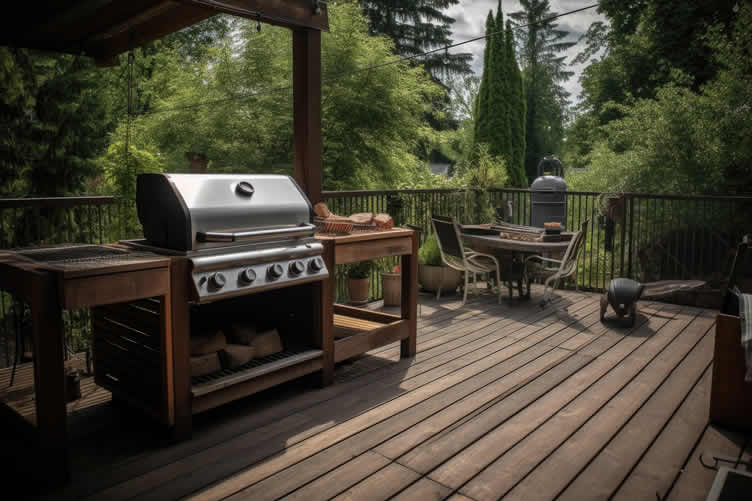
Besides the factors mentioned, think about incorporating features like outdoor lighting, fire pits, or integrated seating to enhance the overall experience.
These elements not only elevate the aesthetic appeal of your outdoor kitchen but also improve its functionality and usability, making it a cherished space for all your outdoor cooking adventures.
copyright image by 123rf.com
[ pinterest: outdoor cooking space ideas ]
[ youtube: outdoor kitchens for small spaces ]

-
-
2nd Space: The Best Materials for Long-Lasting Cooking
When it comes to designing an outdoor kitchen, selecting the right materials is paramount to ensure longevity and withstand various weather conditions.
The materials you choose not only influence the durability of your outdoor cooking space but also affect its overall appearance and functionality.
Here, we review some of the best options tailored for different climates to help you create an outdoor kitchen that lasts.
[ see below: best materials images ]
-
Stainless Steel Appliances
Stainless steel is the gold standard for outdoor kitchen appliances due to its resistance to rust and corrosion. It can thrive in humid or rainy environments without compromising functionality or aesthetic appeal.
The sleek finish complements any outdoor setting, while its durability ensures that your appliances will endure the rigors of outdoor cooking for years to come.
-
Stone for Surfaces and Countertops
Natural stone, such as granite or slate, is an excellent choice for countertops in outdoor kitchens. Stone surfaces are not only incredibly strong but also heat resistant, making them ideal for cooking activities.
In areas with extreme temperature fluctuations, stone’s natural properties help maintain a steady surface temperature, ensuring reliability and longevity in varied climates.
-
Weather-Resistant Cabinetry Materials
For cabinetry, consider weather-resistant materials such as marine-grade polymer or treated wood. These materials are designed to withstand moisture and extreme temperatures, ensuring the longevity of your outdoor kitchen storage.
Marine-grade polymer, in particular, resists fading and cracking, making it perfect for sunny or humid locations.
-
Concrete Floor or Other Non-Slip Easy to Clean Flooring
Concrete is often favored for outdoor kitchen flooring due to its durability and ease of maintenance. When combined with non-slip coatings or texturing, concrete provides a safe surface for cooking and entertaining guests, even when wet.
This material can withstand heavy foot traffic and extreme weather, making it an ideal choice for outdoor cook spaces. However, it may require sealing to prevent staining and cracking.
-
Other Materials
Additional materials like composite decking or tile can also enhance the overall design of your outdoor kitchen. Composite materials, made from recycled wood and plastic, are highly resistant to moisture and pests, catering well to areas with high humidity.
Meanwhile, ceramic or porcelain tiles offer a multitude of aesthetic choices, allowing you to customize your outdoor kitchen’s look while ensuring durability and ease of cleaning.

copyright image by 123rf.com
[ youtube: outdoor kitchen: 5 mistakes to avoid ]
[ youtube: DIY outdoor kitchen – planning, design ]
-
-
3rd Space: Essential Appliances for Open-Air Kitchen
Creating an efficient and functional outdoor kitchen involves selecting the right appliances that cater to your cooking and entertaining needs.
Each appliance plays a significant role in enhancing your culinary experience while ensuring you can enjoy your outdoor space comfortably. Here are the essential appliances to consider for your open-air kitchen:
[ see below: essential appliances images ]
-
Grilling and Cooking Station
A central feature of any outdoor kitchen is the grilling and cooking station. Whether you prefer the robust flavor imparted by charcoal grills, the convenience of gas, or the versatility of electric or propane models, it’s essential to choose a system that suits your cooking style.
Additionally, many cooking stations feature built-in side burners or griddles, expanding your outdoor culinary capabilities.
-
Smokers for Smoky Flavors
Incorporating a smoker into your outdoor kitchen can elevate your dishes with delightful smoky notes.
Whether it’s a standalone unit or a built-in option, a smoker allows you to prepare various types of meats and vegetables, creating a unique flavor profile that enhances any meal.
-
Countertops for Food Preparation
Durable and spacious countertops are crucial for food preparation in outdoor kitchens.
Materials such as granite or quartz are not only resistant to weather but also provide ample space for chopping, mixing, and plating, making your cooking experience more enjoyable and efficient.
-
Sink for Cleaning and Food Prep
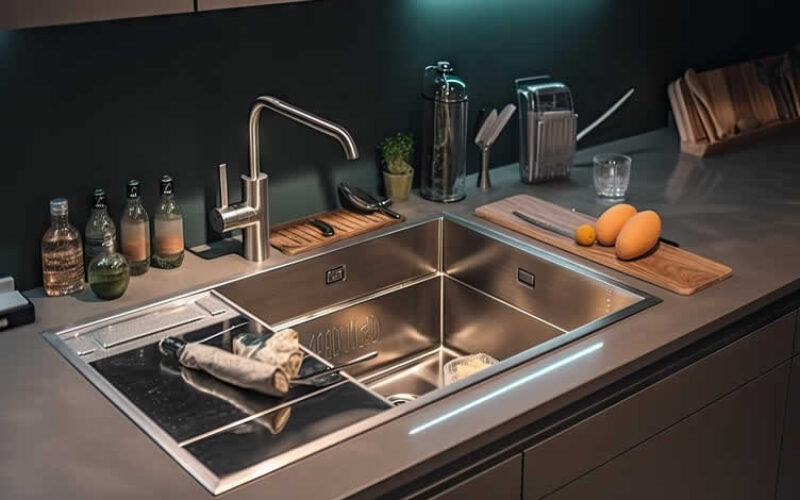
Having a dedicated sink in your outdoor kitchen simplifies the process of washing hands, cleaning utensils, and prepping ingredients.
It ensures that you have a convenient water source right where you need it, making outdoor cooking more seamless.
-
Refrigerator for Food and Beverage Storage
A refrigerator tailored for outdoor use is essential for keeping food and beverages fresh and cool.
Look for models designed to withstand high temperatures and humidity, so you can effortlessly stock up on ingredients for picnics or parties without worry.
-
Ice Makers and/or Wine Coolers
To elevate your entertaining potential, consider adding an ice maker or wine cooler to your outdoor kitchen.
These appliances allow you to serve chilled beverages without constantly running back inside, ensuring your guests are always refreshed.
-
Storage Cabinets for Utensils and Supplies
Ample storage is necessary for keeping your outdoor kitchen organized and efficient.
Look for weather-resistant cabinets to store utensils, grills, and cookware securely, ensuring they are easily accessible when you need them.
-
Adequate Lighting for Safety and Ambiance
Good lighting is vital for both safety and creating an inviting atmosphere in your outdoor spaces.
Incorporate task lighting over cooking areas and soft ambient lighting for dining sections to ensure your outdoor kitchen remains usable as evening falls.
-
Shade or Cover for Protection from the Elements
Consider incorporating a shade or cover in your outdoor kitchen design to protect against the sun and unexpected rain.
A well-placed pergola, awning, or roof not only provides comfort but also extends the usability of your outdoor kitchen.
-
Fire Pit for Warmth and Ambiance
A fire pit is an excellent addition to any outdoor kitchen, providing both warmth and a cozy atmosphere for gatherings. It serves as a focal point for socializing and can be used for toasting marshmallows or enjoying the glow of a crackling fire during cooler evenings.
Choose a design that complements your outdoor space while ensuring safety features are in place for a worry-free experience.
-
Pizza Oven for Culinary Creativity
Incorporating a pizza oven into your outdoor kitchen opens up a world of culinary possibilities.
Whether you opt for a traditional wood-fired oven or a more modern gas model, you’ll be able to create delicious, homemade pizzas and other baked goods in a matter of minutes.
-
Bar for Serving Cocktails or Cool Drinks
A dedicated bar area in your outdoor kitchen is a fantastic way to elevate your entertaining experience. This space can be equipped with a counter for preparing drinks, shelves for storing glassware and bottles, and even a refrigerator for chilling beverages.
Whether you’re serving refreshing cocktails on a hot day or warming up with hot cocoa in the evening, having a bar allows you to easily cater to guests’ preferences.
Additionally, it creates a social hub, encouraging guests to gather, chat, and enjoy their drinks while mingling in the outdoor atmosphere.
-
Other
Additional appliances, such as dishwashers designed for outdoor use or pizza ovens, can enhance your cooking capabilities and create a versatile space that caters to various culinary desires and entertaining preferences in your open-air kitchen.
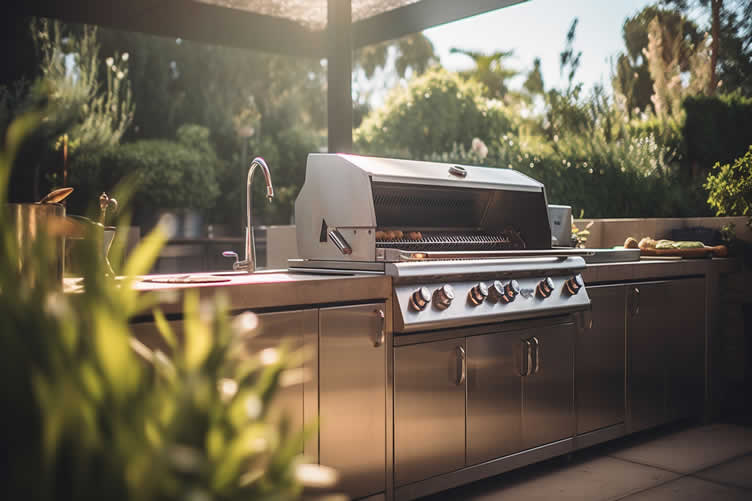
AI copyright image by 123rf.com
-
-
4th Space: Design Integration
The outdoor kitchen should complement the home’s architecture and landscape, creating a seamless transition between indoor and outdoor living spaces.
By considering the overall design aesthetics, functionality, and the natural surroundings, you can draft an outdoor kitchen that not only serves your culinary needs but also enhances your home’s exterior appeal.
[ see below: design integration images ]
-
Extend Interior Design Elements
One effective way to achieve a cohesive look is to extend your interior design elements into the outdoor space. This includes using similar colors, styles, and materials to create a unified aesthetic.
From the choice of cabinetry to the lighting fixtures, maintaining consistency will make your outdoor kitchen feel like a natural extension of your home.
-
Use Weather-Resistant Furniture
Making thoughtful selections for furniture is crucial, especially in an outdoor kitchen environment. Opt for weather-resistant furniture that can withstand the elements while providing comfort and style.
Materials such as teak, aluminum, and synthetic wicker can offer durability and low maintenance, ensuring your space remains inviting year-round.
-
Incorporate Shade Options
Incorporating shade structures, like pergolas or awnings, can dramatically enhance the usability of your outdoor kitchen. These features not only provide relief from the sun but also add structural interest to your design.
Choose styles and materials for these structures that align with your home’s architecture, creating a harmonious look.
-
Consider Surrounding Landscape
When drafting the design of your outdoor kitchen, it’s important to consider the surrounding landscape. Integrating natural elements such as plants, trees, and pathways can enhance the visual appeal and function of your cooking space.
Use materials and colors that complement the garden or patio, helping to create a tranquil environment where nature and culinary art intersect.
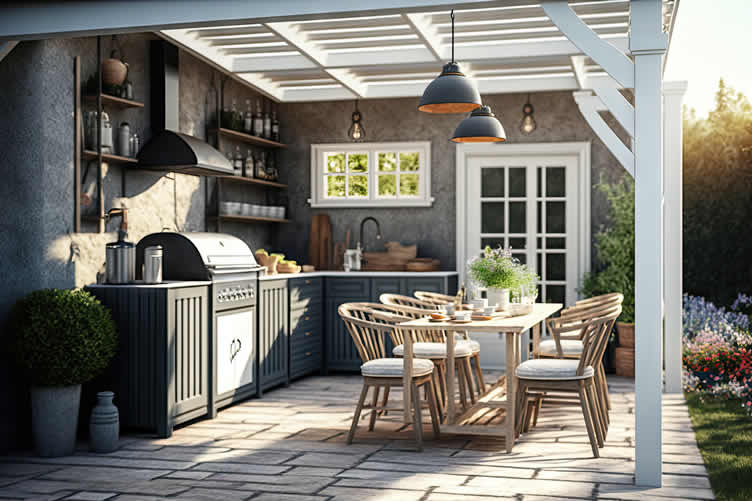
copyright image by 123rf.com
[ youtube: ultimate DIY outdoor kitchen transformation! ]
[ youtube: outdoor kitchens (ideas for every budget) ]
-
-
5th Space: Creating an Inviting Entertainment Area
An outdoor kitchen transcends mere cooking; it is a backdrop for memorable gatherings and social events. To truly transform this space into a social hub, it’s essential to thoughtfully design an inviting entertainment area that promotes relaxation and interaction among guests.
By focusing on various elements such as seating options, climate control, and lighting, you can create a welcoming environment that enhances the outdoor cooking experience.
[ see below: inviting entertainment images ]
-
Comfortable Seating Options
To encourage conversation and relaxation, consider incorporating a variety of seating options into your outdoor kitchen design.
Bar stools around a countertop can provide a casual dining experience, while a well-sized dining table with comfortable chairs fosters a more formal setting for family meals or dinner parties.
Additionally, adding lounge chairs or benches can create cozy nooks for guests to unwind and enjoy their surroundings.
-
Durable, Weather-Resistant Furniture
Select furniture specifically designed for outdoor use to withstand the elements. Materials such as teak, aluminum, or synthetic wicker not only offer durability but also bring style to your entertainment area.
Ensure that all pieces are treated to resist fading, rust, and moisture, ensuring longevity while maintaining a polished look.
-
Versatile Shade Options
Incorporating shade solutions into your outdoor kitchen can provide comfort during sunny days and protection from unexpected rain.
Consider installing a pergola or using a large umbrella, which can easily be retracted when not in use. A sun sail is another stylish option, providing both shade and a contemporary design element that enhances the overall aesthetic of your outdoor space.
-
Effective Lighting Solutions
Lighting plays a crucial role in creating ambiance and ensuring safety within your outdoor kitchen. Install task lighting above cooking areas to provide sufficient illumination for food preparation.
For the dining section, consider string lights or lanterns to create a warm and inviting atmosphere. Recessed lighting can also enhance the space, making it usable even as the evening sets in.
-
A Cozy Fire Pit or Fireplace
Adding a fire pit or fireplace can dramatically elevate the comfort of your outdoor kitchen. Not only does it serve as a focal point for gatherings, but it also offers warmth during cooler evenings.
Provide seating around the fire feature to encourage socializing and enjoying the cozy ambiance it brings.
-
Proper Ventilation for Cooking Areas
Maintaining proper ventilation in your outdoor kitchen is essential for both comfort and safety. Ensure that your cooking area has adequate airflow to disperse smoke and heat effectively.
Elements such as exhaust fans or strategically placed windows can help in creating a pleasant cooking environment.
-
Decorative Touches
Enhance the inviting atmosphere of your outdoor kitchen with decorative elements such as outdoor rugs and throw pillows. Rugs can define spaces and add warmth, while colorful pillows offer comfort and a touch of personality to your seating arrangements.
These details can make the area feel more like an extension of your home, inviting guests to linger.
-
Climate Control Considerations
For year-round use of your outdoor kitchen, investing in climate control elements such as fans or heaters can be beneficial.
Ceiling fans can provide a refreshing breeze on warm days, while outdoor heaters or fire pits can keep the space comfortable during colder months, ensuring that your social hub is enjoyable in any season.
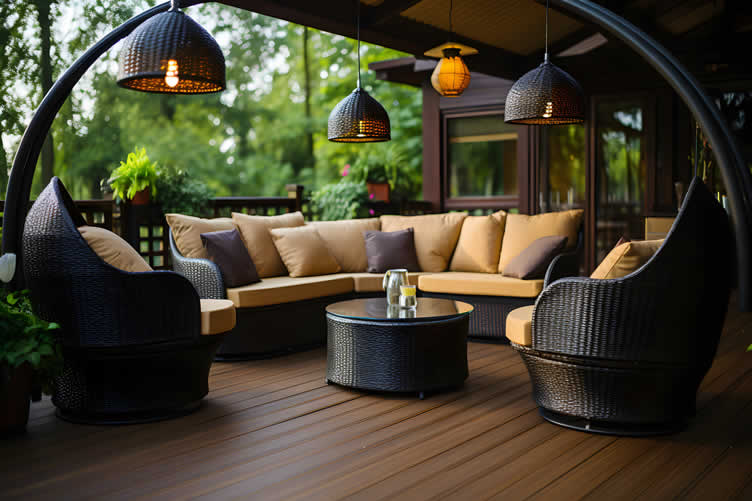
copyright image by 123rf.com
[ pinterest: inviting outdoor entertainment area ]
[ youtube: covered outdoor kitchen ]
-
-
6th Space: Implementing Your Outdoor Kitchen
Creating an outdoor kitchen is an exciting venture that can elevate your home’s entertaining capabilities while enhancing your lifestyle.
In the following sections, we will explore the essential components and practical considerations for implementing your outdoor kitchen, ensuring it meets your culinary needs while providing a welcoming atmosphere for all.
Whether you choose a DIY approach, a hybrid DIY model, or engage a full-fledged contractor, the process involves careful layout planning, equipment selection, budgeting, and obtaining the necessary permits to move forward effectively.
Drafting Your Outdoor Kitchen Layout and Design
Drafting your kitchen design and needs based on the concepts above involves thoughtful consideration of functionality, aesthetics, and how you plan to use the space.
An effective outdoor kitchen is not just a collection of appliances and furnishings; it’s a carefully curated area that reflects your lifestyle and accommodates your entertaining preferences.
Start by evaluating your desired activities and the number of guests you expect, which will inform the layout and features of your outdoor kitchens.
-
Assessing Your Space
Begin by measuring the area designated for your outdoor kitchen. Take note of existing structures, such as patios or decks, and any landscaping that may impact the design.
Understanding your available space will help you determine the size of your kitchen, the type of cooking appliances you want, and the flow of the space for movement and social interaction.
[ view ideas: outdoor kitchen space diagram ]
-
Choosing Appliances and Features
Select appliances that suit your cooking style and frequency of use. Consider opting for a built-in grill, side burners, and a refrigerator for easy access to drinks and ingredients.
Additionally, include a sink for convenience when preparing food and cleaning up. These features transform outdoor kitchens into fully functional cooking environments, enhancing your culinary experience outdoors.
[ see topic above: appliances and features ]
-
Creating Work Zones
Design your outdoor kitchen with distinct work zones that facilitate cooking, serving, and socializing. You could create a prep area with ample counter space for meal preparation, a grilling zone for cooking, and a dining area for serving.
This segmentation not only improves workflow but also encourages guests to mingle and participate during gatherings, reinforcing the social aspect of outdoor kitchens.
[ view ideas: outdoor kitchen work zone diagram ]
-
Incorporating Design Elements
Incorporate design elements that harmonize your outdoor kitchen with the overall aesthetic of your home and garden. Choosing materials like stone or brick for countertops and cabinetry can provide durability while adding a rustic charm.
Complement the design with lighting to enhance the ambiance during evening gatherings, and consider landscaping features that integrate your kitchen into the outdoor environment seamlessly.
By systematically planning and addressing these components, you can effectively implement an outdoor kitchen that meets your needs, elevates your entertaining experience, and enhances your outdoor living space.
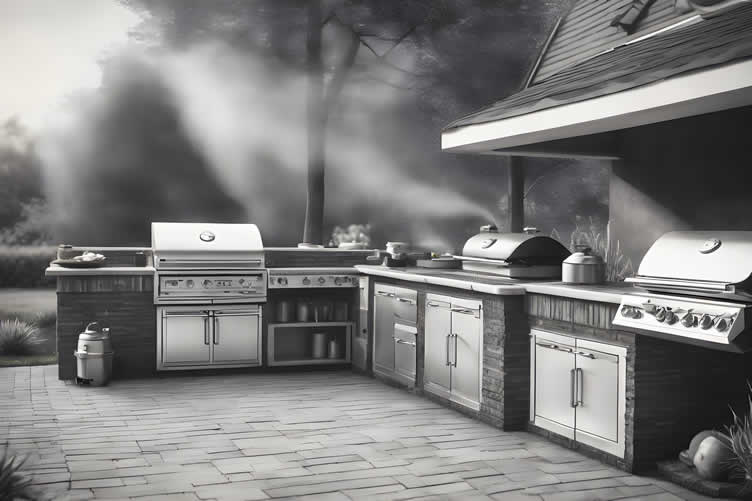
AI generated image by 123rf.com
[ youtube: build an outdoor kitchen – sketch up ]
[ youtube: outdoor kitchen design tips ]

Budgeting Outdoor Kitchen
Budgeting for your outdoor kitchen is a crucial step in the planning process, allowing you to create a space that aligns with your culinary desires while remaining financially feasible.
A well-thought-out budget not only helps you prioritize your expenses but also prevents overspending as you incorporate various elements into your design.
By understanding the components that typically comprise the cost of outdoor kitchens, you can make informed decisions that optimize your investment.
-
Evaluating Costs of Materials
The choice of materials is one of the primary factors influencing the budget of your outdoor kitchen. High-quality surfaces for countertops, cabinetry, and flooring can impact both durability and aesthetics.
It’s important to consider options such as stone, wood, or concrete, each with its price points. Additionally, don’t forget to include costs for weather-resistant finishes that will enhance the longevity of your kitchen while blending seamlessly with the outdoor environment.
-
Appliance Investment
Another significant expense involved in outdoor kitchens is the selection of appliances. From built-in grills to refrigerators and sinks, investing in quality appliances can elevate your cooking experience.
It’s worth exploring brands known for their durability and performance, as these appliances can often save you money in the long run by reducing maintenance and replacement costs.
-
Planning for Installation and Labor
While it may be tempting to take on all aspects of installing your outdoor kitchen, it’s essential to factor in labor costs, especially for plumbing and electrical work. Hiring professionals not only ensures proper installation but can also alleviate potential issues in the future.
Be sure to seek multiple quotes and make decisions early in the process to help keep your project on budget.
-
Budgeting for Landscaping and Extras
Lastly, consider additional costs for landscaping and accessories that integrate your outdoor kitchen into its surroundings. Features such as lighting, seating, or even fire pits can enhance the overall functionality and enjoyment of the space.
By allocating a portion of your budget to these elements, you can create a cohesive and inviting outdoor kitchen that encourages relaxation and entertainment.
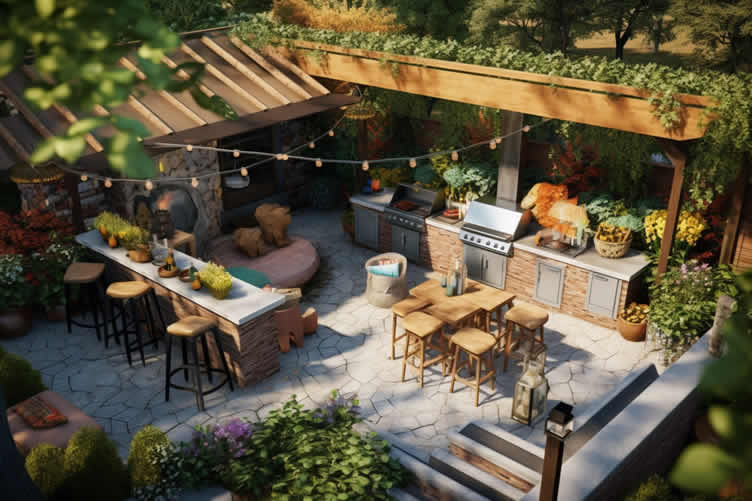
copyright image by 123rf.com

Budgeting Worksheet For Costing Living Room Design and Other Home Improvement Decisions
 File Type (excel)
click here for budgeting worksheet[ view diagram: budgeting outdoor kitchen costs ]
[ youtube: budget outdoor kitchen ideas ]
Getting Necessary Permits
Before you can break ground on your outdoor kitchen, it’s crucial to address the necessary permits for various key elements like electrical and plumbing installations.
Securing the appropriate permits not only ensures compliance with local regulations but also protects your investment in outdoor kitchens.
The process may seem daunting, but understanding the requirements can streamline the journey toward creating your ideal outdoor space.
-
Understanding Permit Requirements
When planning your outdoor kitchen, the first step is to check with your local building authority regarding specific requirements. Most jurisdictions require permits for outdoor kitchens that include electrical work, plumbing connections, or structural modifications.
It’s essential to gather information on what types of installations necessitate permits, as regulations can vary significantly between locations.
-
Preparing Your Permit Application
To prepare your permit application, you’ll need to compile several key documents and information. Typically, a site plan is required, detailing the layout of your outdoor kitchen, placement of fixtures, and proximity to existing structures.
Additionally, you’ll need to provide detailed specifications for electrical and plumbing systems, ensuring compliance with local codes. It’s also beneficial to include any manufacturer specifications for appliances being installed, as these can aid in the approval process.
-
Submitting Your Application
Once your application is complete, submit it to the appropriate authority along with any associated fees. Be prepared for potential review periods, during which building inspectors may request additional information or modifications to your plans.
Staying proactive and open to feedback can significantly improve the chances of your permit being approved without delay.
-
Scheduling Inspections
After receiving your permit, you will likely need to schedule inspections at various stages of your outdoor kitchen project, especially for electrical and plumbing work. These inspections are designed to ensure that all installations meet safety standards and building codes.
Cooperating with inspectors and addressing any required changes promptly will help you move forward smoothly with your outdoor kitchen build.
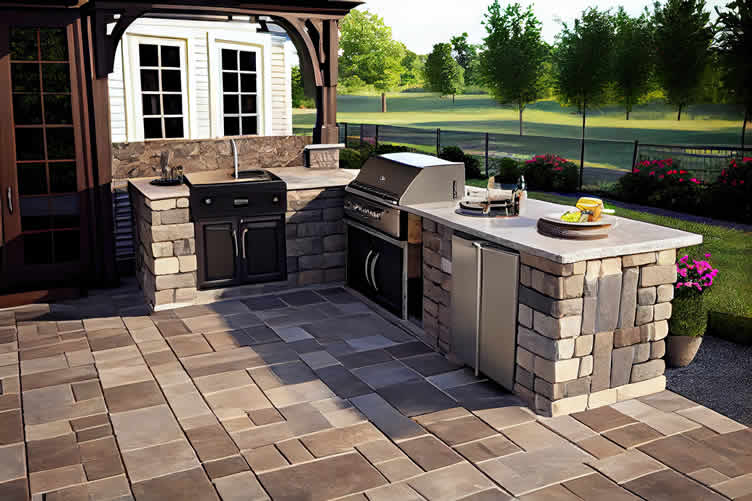
copyright image by 123rf.com
[ youtube: how to plan an outdoor kitchen ]
[ youtube: basics of building an outdoor kitchen ]
Going DIY or Hybrid DIY
Creating your dream outdoor kitchen is an exciting journey that allows you to merge functionality with aesthetics.
Going DIY in designing and building your outdoor kitchen can not only save you money but also provide a sense of satisfaction as you witness your vision come to life. However, it’s essential to assess your skills and knowledge before diving into a project of this magnitude.
Below, we outline the skills needed for both full DIY projects and hybrid approaches that integrate professional help.
-
Skills Needed for DIY Projects
Embarking on a DIY outdoor kitchen requires a diverse skill set. Key competencies include basic carpentry for constructing frames and cabinets, plumbing knowledge for installing sinks and outdoor cooking equipment, and electrical skills for safe wiring of lighting and appliances.
Familiarity with local building codes is crucial as well, ensuring that your outdoor kitchen complies with safety regulations. Additionally, creativity in design and problem-solving abilities will help you tackle unexpected challenges throughout the building process.
-
Hybrid DIY Approaches
If you’re looking to simplify the undertaking yet still retain a personal touch, a hybrid DIY approach may be the way to go. This method involves collaborating with professionals for certain tasks, such as plumbing and electrical work, while handling design and assembly yourself.
Skills in project management, budgeting, and communication become essential when coordinating with contractors. This blend of DIY and professional assistance can minimize risks while allowing you to infuse your personality into your outdoor kitchen space.
Whether you choose to go fully DIY or adopt a hybrid method, careful planning and execution will lead to a beautiful and functional outdoor kitchen that enhances your home and lifestyle.
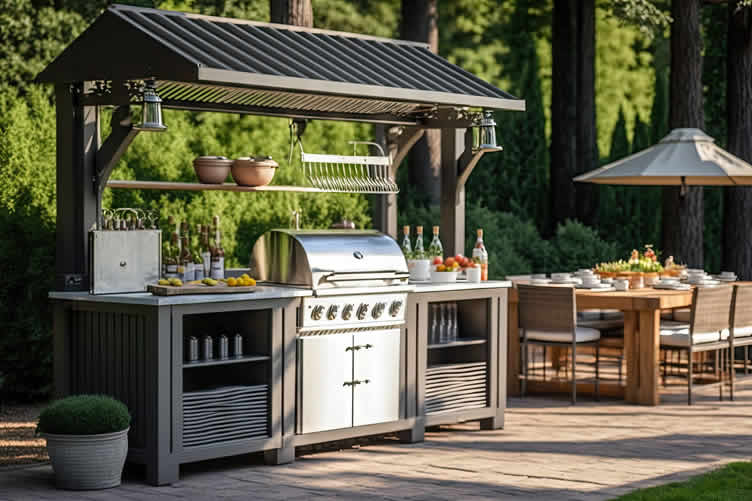
copyright image by 123rf.com
Finding and Selecting A Contractor
When it comes to realizing your dream of an outdoor kitchen, hiring a contractor can be a significant step toward ensuring your project is executed professionally and efficiently.
This choice allows you to leverage the expertise of builders familiar with outdoor kitchens, which can be particularly beneficial given the unique requirements of such installations.
Properly vetting contractors will not only save you time but also ensure that your vision is transformed into a beautifully crafted space that suits your needs and style.
-
Finding the Right Contractor
Finding the right contractor for your outdoor kitchen project requires thorough research and careful consideration. Start by seeking recommendations from friends, family, or online reviews to compile a list of potential candidates.
It’s crucial to check their credentials, including licenses and insurance, to ensure they are qualified to perform the work legally and safely.
Review their portfolios to assess the quality of their previous outdoor kitchen projects, as this can give you insights into their capabilities and design aesthetics.
-
Interviewing and Evaluating Contractors
Once you have narrowed down your options, it’s time to conduct interviews. Prepare a list of questions that address your specific needs, expectations, and concerns regarding outdoor kitchens. Inquire about their experience with similar projects, timelines, and how they handle unforeseen challenges.
This dialogue will help you gauge their communication style and professionalism, which are essential for a successful contractor-client relationship.
Don’t hesitate to ask for references from past clients and follow up to gain an understanding of their experience.
-
Finalizing the Contract
After finding a contractor that fits your needs, it’s important to have a clearly defined contract. This document should outline every detail, including project scope, payment schedules, timelines, and the responsibilities of both parties.
Make sure to include a clause regarding changes or additional work required during the process, as outdoor kitchens may present unexpected conditions. A well-structured contract will protect your interests and provide a roadmap for the project’s successful completion.
With the right contractor on board, your dream outdoor kitchen will soon become a reality, enhancing your home and outdoor lifestyle.
LetsRenovate has partnered with HomeAdvisor™, a renowned provider of highly-rated, carefully-vetted deck/patio contractors for designing your outdoor cooking space. Start your search here by entering your zip code to find local professionals.

copyright image by 123rf.com
But Wait!
Before starting your search and evaluation of outdoor kitchen contractors, it is highly recommended to download and use this evaluation worksheet.
This resource will help you objectively rank and assess potential contractors, considering essential factors such as pricing, licensing, and referral information.

Evaluation Sheet
File Type:
-
-
7th Space: Maintenance and Care Tips
Maintaining an outdoor cooking space is crucial for ensuring its longevity and functionality. Regular upkeep not only preserves the aesthetic appeal but also enhances the safety and efficiency of the area.
Here are some essential maintenance tips to keep your outdoor kitchen looking and performing its best.
-
Cleaning Surfaces
Regularly clean all surfaces, including countertops, grills, and cabinets. Use a gentle cleanser and soft cloth to avoid scratching finishes.
For stone or tile surfaces, a mixture of warm water and mild detergent can effectively remove grime and stains. Be sure to clean spills immediately to prevent damage and ensure a hygienic cooking environment.
-
Grill Maintenance
Grills require consistent care to function properly. Clean the grates after each use, and perform a deep clean every few months by removing and scrubbing the burners and internal components.
Check for gas leaks regularly if you use a gas grill, and replace any worn-out parts promptly to ensure safety.
-
Protecting against Weather
Utilize protective covers for your outdoor appliances and furniture to shield them from harsh weather conditions. This protection helps prevent rust, fading, and other damage caused by sun, rain, or snow.
Additionally, consider storing small items indoors during extreme weather to prolong their lifespan.
In colder climates, winterize your outdoor kitchen by covering appliances and shutting off water lines to prevent freezing. In warmer areas, focus on keeping surfaces clean and shaded to protect against sun damage.
-
Seasonal Inspections
Conduct seasonal inspections of your outdoor kitchen to identify any potential issues before they escalate. Check for signs of wear and tear in appliances, fixtures, and plumbing.
Ensure that drainage systems are clear and functioning properly to avoid water damage or leaks.
-
Pest Control
Lastly, take steps to deter pests, which can be particularly problematic for outdoor cooking spaces. Keep the area clean and free of food debris, and seal any cracks or openings where insects can enter.
Consider natural repellents or traps to manage pest populations effectively without harmful chemicals.
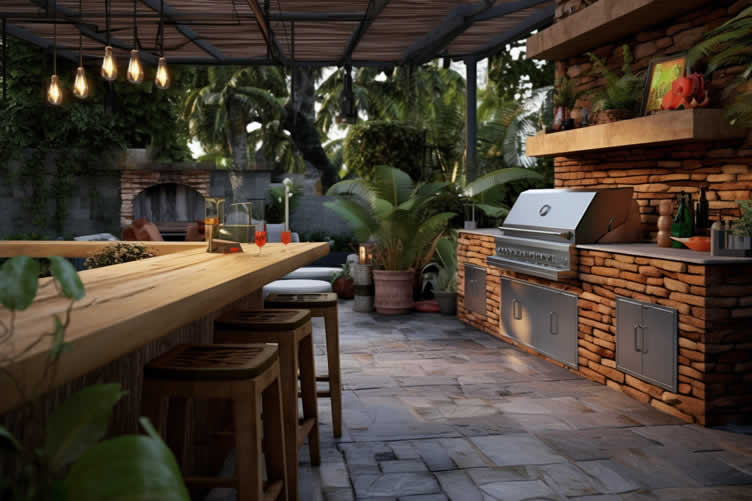
copyright image by 123rf.com
[ youtube: outdoor kitchen safety & ventilation ]
[ youtube: outdoor kitchen maintenance ]
-
-
8th Space: Real-life Examples and Case Studies
Seeing is believing, and real-life examples of outdoor kitchens can inspire your own design. Take the story of the Johnsons, who transformed their tiny patio into a cozy, functional kitchen oasis.
By using space-saving solutions like foldable tables and hanging storage, they maximized every inch without sacrificing style.
Another success story is the Ramirez family, who opted for a Mediterranean-inspired design with terracotta tiles and wrought iron details. Their choice of a built-in wood-fired oven became the centerpiece, perfect for making pizzas during family gatherings.
For those with larger spaces, consider the Smiths’ expansive setup, complete with a poolside bar and grilling station. Their use of natural stone and lush landscaping creates a seamless blend with their backyard, offering a resort-like feel for guests to enjoy.

copyright image by 123rf.com
-
Conclusion
Outdoor kitchens are more than just a trend—they’re a lifestyle upgrade that brings joy and value to your home. By integrating the right design elements, materials, and appliances, you can craft an outdoor cooking space that’s perfect for entertaining and everyday use.
Whether you’re dreaming of intimate family dinners or lively summer barbecues, an outdoor kitchen is an investment in your home’s future. We hope this guide has given you the insights and inspiration needed to start planning your own open-air culinary haven.
Feel free to share your thoughts and experiences in the comments below. And if you’re ready to take the plunge, explore further resources and design consultations to make your dream outdoor kitchen a reality.
-
Quick scroll to more yard n’ garden ideas …

-
ideas to view and compare from the photo above
book: outdoor kitchenoutdoor kitchen packagesoutdoor kitchen lighting
- What comments can you share about
outdoor cooking space that you have designed and installed?

addressing how to design outdoor cooking space and other home improvement needs …

… grab this directory of ideas for future use


… outdoor kitchen appliances and more


SHARE IT ..! You might have someone in your social network who could find this informative post on planning and designing the perfect outdoor cooking space valuable. Feel free to share it on Facebook, X (formally Twitter), LinkedIn, or Pinterest!


… home remodeling – improvement



plan the specifications you need for an outdoor cooking space …

… and any other home improvement and remodeling decisions


Calendar For:
Home Maintenance
File Type:
… view illustration “becoming a bank”
Find Yard n’ Garden Services Landscape Design Sprinkler Systems Metal Work Water Features Gazebos Play Equipment Outbuildings Fences top-rated, pre-screened local contractors FREE: download contractor selection enter zip code – powered by HomeAdvisor ™
Quick Contractor Guides selecting negotiating working with inspecting

Cover image credit: outdoor cooking space by 123rf.com
end of post … please share it!
 |
did you find outdoor cooking space analysis helpful? If so, please share the article with your friends and family! |
Nice pic idea? Leave us a quick comment below.
And please share this pic idea within your social networks.