Summary Outline –
The upcoming trends for 2026 emphasize harmony, sustainability, and personal wellness. It is no longer just about curb appeal; it is about creating a sanctuary that feeds your soul and perhaps even your family.
Whether you are working with a sprawling estate or a cozy balcony, the focus is turning toward flexible, eco-friendly designs that welcome nature back in. We are embracing the beauty of imperfection and the utility of productive spaces, blurring the lines between the wild and the refined.
By exploring these emerging concepts now, you can begin to cultivate a space that not only looks beautiful but also supports the local ecosystem and provides a restful retreat for you and your loved ones.
Let us walk through the key movements that will define yards and gardens in 2026, helping you plan a landscape that feels less like a chore and more like a cherished part of your home.

-
- —— begin first topic ——
-
1st Trend: Outdoor Living as an “Outdoor Room”
The concept of seamlessly blending indoor comforts with outdoor environments has been growing steadily over the last decade.
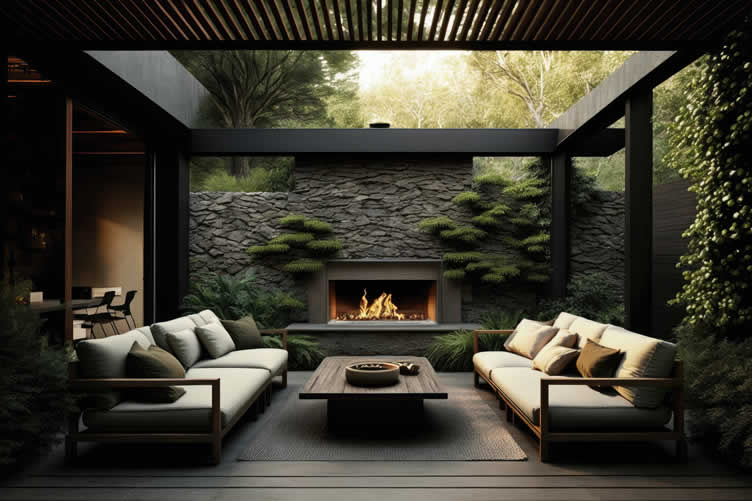
However, by 2026, this trend will transform outdoor spaces into fully functional “outdoor rooms” that rival the sophistication, comfort, and utility of indoor living areas.
copyright image by 123rf.com
These outdoor living areas are no longer simple patios or decks but are sophisticated extensions of the home, designed to add lasting value, create inviting spaces for socializing, and provide multi-functional spaces that cater to modern lifestyles.
The resurgence of outdoor rooms is about enhancing how we live, entertain, and relax outside, while ensuring the design elements are both practical and aesthetic.
[ view images/summary table: outdoor living ]
-
Covered or Semi-Covered Areas for Shade and Protection
One of the primary elements of a functional outdoor room involves creating areas that are shaded and weather-protected, enabling year-round use. Covered or semi-covered zones such as those equipped with pergolas, retractable awnings, or roofed patios are becoming essential.
These features provide relief from the sun during hot summer months and offer protection from light rain, ensuring you can enjoy your outdoor space in varying weather conditions.
Modern pergolas often incorporate retractable canopy systems or motorized louvered roofs, allowing users to adjust the amount of sunlight or rain protection with ease.
Roofed patios, complete with integrated heaters or fans, further extend the usability of these spaces, making them practical in cooler or warmer climates. By combining aesthetics with functionality, covered spaces ensure your yard becomes a dependable retreat in all seasons.
-
Comfortable, Weather-Resistant Furniture for an Inviting Atmosphere
Creating a true “outdoor room” means curating furniture that mirrors the comfort of indoor arrangements while standing up to the elements.
Today’s weather-resistant furniture goes far beyond utility, offering deep seating, sectionals, and outdoor rugs that transform patios into cozy and stylish living areas. Materials like all-weather wicker, teak, aluminum, and performance fabrics ensure longevity without compromising on design appeal.
Sectionals are particularly popular for encouraging conversational seating, while plush cushions wrapped in UV- and water-resistant textiles maintain both comfort and durability.
Outdoor rugs made of synthetic fibers provide a grounding element, tying the design together while being easy to clean and resistant to mold or fading.
With innovations in furniture design and materials, outdoor spaces now offer the same level of relaxation and sophistication as any indoor living room.
-
Outdoor Kitchens and Hosting Essentials
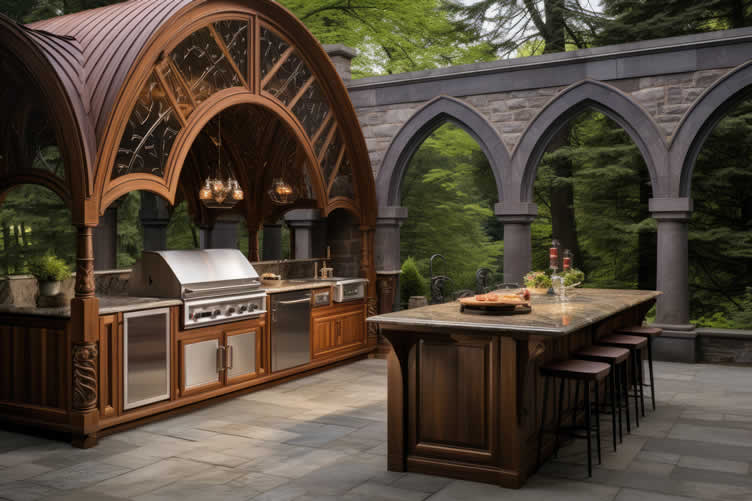
Perhaps one of the most exciting advancements in outdoor rooms is the integration of fully-equipped kitchens and hosting areas outside. Gone are the days when outdoor cooking was limited to just a grill.
Homeowners are now investing in built-in outdoor kitchens featuring appliances like gas ranges, pizza ovens, and refrigerators, as well as convenient prep areas with durable countertops and sinks.
These outdoor kitchens transform yards into hubs for entertaining, providing everything needed for preparing and hosting meals without stepping indoors.
Wood-fired pizza ovens are a popular choice for creating gourmet experiences, while upscale grills and smokers allow homeowners to experiment with a variety of cuisines. When paired with ample counter space and weatherproof cabinetry, these features turn outdoor rooms into culinary havens.
Additionally, integrated dining spaces encourage seamless hosting, making it easy for guests to move from food preparation zones to dining and relaxation areas.
-
A Multi-functional Space Designed for Modern Needs
Beyond cooking and relaxing, modern outdoor rooms are designed to embody multi-functionality.
Thoughtfully placed lighting enhances both aesthetics and usability. Warm string lights, sleek in-ground lighting, and overhead fixtures create ambiance and allow the space to be used late into the night.
Landscaping elements such as vertical gardens or container plants can act as natural dividers between zones, softening the space while maintaining privacy and flow. For added luxury, many homeowners are incorporating fire pits or outdoor fireplaces that become natural gathering spaces during cooler evenings.
Similarly, water features, such as fountains or small ponds, introduce tranquility, offering an additional layer of sensory appeal.
The goal is to create a harmonious outdoor environment that caters to relaxation, entertainment, and even work or creative pursuits.
Outdoor Living Spaces
(from the summary table below)
Concept Details Features Outdoor Living as an “Outdoor Room” The trend of blending indoor comforts with outdoor spaces is evolving into fully functional outdoor rooms by 2026. These spaces serve as sophisticated extensions of the home, offering utility, comfort, and aesthetic appeal for modern lifestyles. Inviting social spaces, lasting value, multi-functional designs. Covered or Semi-Covered Areas Functional outdoor rooms feature shaded and weather-protected zones for year-round use. Examples include pergolas, retractable awnings, roofed patios, and motorized louvered roofs, which balance practicality and aesthetics. Adjustable sunlight and rain protection, heaters, and fans for climate adaptability. Comfortable, Weather-Resistant Furniture Furniture designed for outdoor use combines indoor comfort with durability. Materials like all-weather wicker, teak, and performance fabrics ensure longevity while offering stylish options such as sectionals, cushions, and outdoor rugs. UV- and water-resistant materials, conversational seating arrangements, mold-resistant rugs. Outdoor Kitchens and Hosting Essentials Outdoor kitchens are becoming a central feature, incorporating appliances like gas ranges, pizza ovens, refrigerators, and durable prep areas. They enable seamless hosting with integrated dining spaces. Upscale grills, weatherproof cabinetry, wood-fired pizza ovens, expansive counter space. Multi-functional Spaces Modern outdoor rooms are designed for versatility, featuring elements such as lighting, landscaping, and luxuries like fire pits or water features. These encourage relaxation, entertainment, and creativity. String lighting, fire pits, water features, vertical gardens, and ambiance-enhancing fixtures. 

copyright image by 123rf.com
-
Scroll up to directory … or scroll to next section about sustainable landscaping …

-
-
2nd Trend: Eco-Friendly and Sustainable Landscaping
As we become more attuned to the importance of reducing our environmental footprint, sustainable landscaping has evolved from a niche interest into a core principle of outdoor design.
copyright image by 123rf.com
By adopting thoughtful practices and environmentally conscious plant choices, we can create stunning landscapes that not only enhance our homes but also support biodiversity, conserve resources, and promote long-term sustainability.
Here, we explore key strategies to create a greener, more sustainable outdoor space while blending function and beauty.
[ view images/summary table: sustainable garden ]
-
Native and Drought-Tolerant Plants
One powerful way to create an environmentally friendly landscape is by relying on native and drought-tolerant plants. These species, naturally adapted to the local climate and soil conditions, require far less water, fertilizers, and maintenance than non-native alternatives.
By incorporating plants like wildflowers, grasses, and shrubs endemic to your region, you’ll not only reduce your garden’s water usage but also support crucial pollinators such as bees, butterflies, and birds.
This strengthens the health of local ecosystems while offering a low-maintenance, visually stunning garden.
For example, California poppies thrive in arid regions, while black-eyed Susans are perfect for temperate zones, illustrating how native plants marry resilience with natural beauty.
-
Xeriscaping and Water-Wise Design
For those living in dry or drought-prone climates, xeriscaping offers a practical and water-efficient solution. By replacing thirsty lawns with gravel, mulch, and hardy low-water plants like succulents or lavender, homeowners can drastically cut down on water consumption while maintaining an elegant aesthetic.
Xeriscaping also reduces the need for energy-intensive lawn care, making it a sustainable choice that combines form and function.
A clean, minimalist design featuring stone pathways, raised plant beds, and strategically grouped plantings is not only modern but also mindful of limited water resources.
-
Rain Gardens and Permeable Paving
Rain gardens present an innovative solution for managing storm-water runoff while enhancing the appeal of your landscape. These gardens are designed to capture and absorb rainwater, particularly from impervious surfaces like driveways and rooftops, reducing the burden on storm-water systems.
Lush yet functional, rain gardens can feature deep-rooted plants such as blue flag iris or Joe-Pye weed, which excel at managing excess water and preventing erosion.
Incorporating permeable paving options, like porous stones or grass pavers, around your garden can further aid in groundwater recharge while reducing runoff, making your property greener and cleaner.
-
Composting, Organic Mulch, and Drip Irrigation
A critical component of sustainable landscaping is nurturing the soil itself. Composting kitchen scraps and yard waste generates nutrient-rich organic matter that enhances soil health while reducing household waste.
Pairing compost with organic mulch, such as bark chips or straw, helps regulate soil temperature, suppress weeds, and retain moisture, optimizing the garden’s efficiency.
Drip irrigation systems, which deliver water directly to plant roots, minimize water loss through runoff or evaporation. These combined strategies align perfectly to create a harmonized system in your garden where resources are conserved, and plants thrive naturally.
-
Building an Eco-Friendly Legacy
Sustainable landscaping extends beyond aesthetics to embody a lifestyle change that prioritizes long-term environmental health.
By choosing materials and practices that conserve resources and support ecological balance, homeowners can transform their outdoor spaces into enduring sanctuaries of beauty and sustainability.
Prioritizing native vegetation, water-efficient designs, and responsible soil management ensures that every garden contributes positively to the planet.
Sustainable choices that address individual needs while addressing larger environmental challenges leave a lasting legacy—an outdoor space that is both timeless and nurturing to future generations.
Key Strategies Description Examples Native and Drought-Tolerant Plants Using plants that are native and adapted to local climates reduces water usage, maintenance, and the need for fertilizers while supporting biodiversity and pollinators. California poppies for arid regions, Black-eyed Susans for temperate zones. Xeriscaping and Water-Wise Design Replacing water-intensive lawns with mulch, gravel, and low-water plants minimizes water consumption and maintenance while creating modern aesthetic landscapes. Stone pathways, succulents, lavender, and raised plant beds. Rain Gardens and Permeable Paving These systems manage storm-water runoff effectively, reduce erosion, and allow water to permeate into the ground. Blue flag iris and Joe-Pye weed for rain gardens; porous stones and grass pavers for permeable paving. Composting, Organic Mulch, and Drip Irrigation Enhancing soil health with compost and organic mulch while using water efficiently through drip irrigation systems. Bark chips, straw mulch, and drip irrigation setups for targeted watering. Building an Eco-Friendly Legacy Transforming outdoor spaces with sustainable practices and materials to promote environmental health and ecological balance over the long term. Planting native vegetation, designing water-efficient systems, and responsible soil management practices. 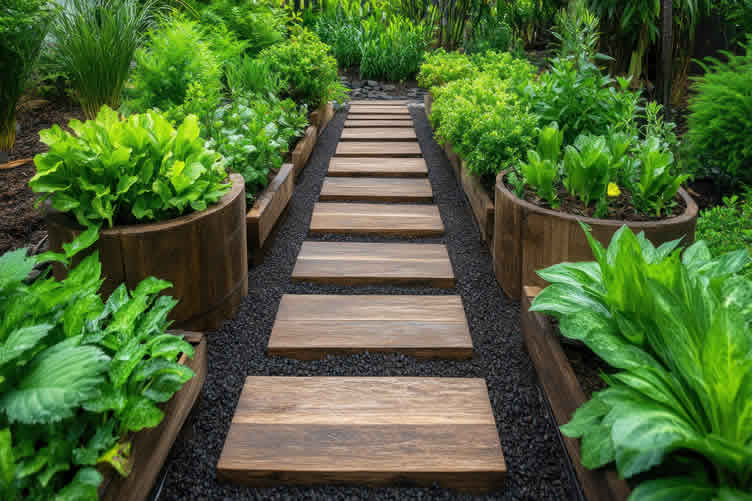
copyright image by 123rf.com
-
Scroll up to directory … or scroll to next section discussing naturalistic landscape …
-
-
3rd Trend: Naturalistic, “Wild-But-Refined” Style
There is a liberating beauty in letting go of perfection, and the "wild-but-refined" style celebrates the harmony found in nature’s own design.
This approach moves away from the structured precision of manicured landscapes, inviting a softer, more organic aesthetic that blends seamlessly with the environment.
copyright image by 123rf.com
By incorporating elements that feel untamed yet intentional, this style creates outdoor sanctuaries that are both functional and visually soothing.
It emphasizes sustainability, biodiversity, and an intrinsic connection to nature, making it an ideal choice for those seeking a low-maintenance and ecologically supportive outdoor space.
[ view images/summary table: naturalistic landscape ]
-
Meadow-Style Gardens and Pollinator Patches
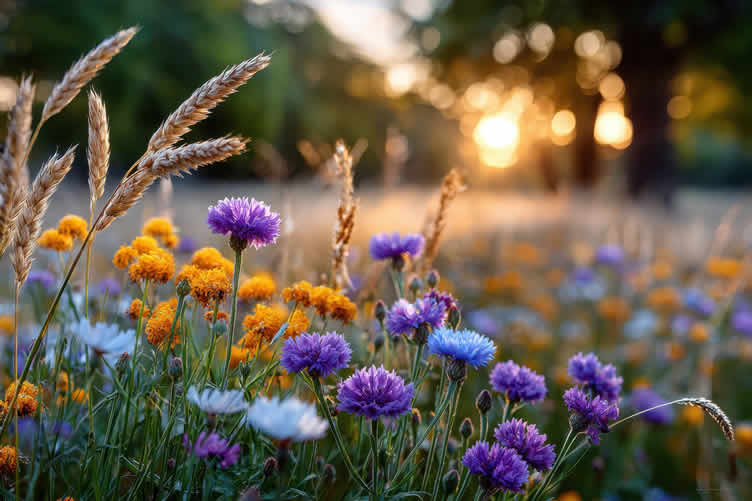
Meadow-style gardens are the hallmark of the “wild-but-refined” aesthetic, combining the natural beauty of native grasses, wildflowers, and flowering perennials with careful planning to enhance both form and function.
These spaces attract pollinators like bees, butterflies, and birds, enriching the local ecosystem while providing a stunning visual tapestry. Flowers such as echinacea, black-eyed Susan, and purple prairie clover can bring bursts of color while requiring minimal upkeep.
By selecting species adapted to your region’s climate, these gardens reduce water usage and ensure resilience against drought conditions.
The growing awareness of pollinator decline adds even greater significance to this design choice, making it as impactful for the planet as it is for your home aesthetic.
-
Natural Edges for Soft Transitions
The rigid lines of traditional garden beds are replaced by “natural edge” plantings, which create a graceful transition between lawn and garden spaces. With gently flowing layers of grasses, shrubs, and perennials, these designs encourage a seamless blending of diverse plant types.
For instance, feather reed grass or switchgrass can form the ideal backdrop for colorful blooms like asters or goldenrod. This approach also mitigates erosion and provides habitat for beneficial insects.
Instead of using stark dividers such as paver stones or wood, these plantings make the landscape feel more cohesive and inviting, subtly echoing the appearance of a wild meadow integrated into your yard.
-
Groundcovers and Lawn Alternatives
The “wild-but-refined” philosophy often shifts away from the traditional obsession with lush, perfect lawns. Instead, it embraces more sustainable alternatives such as groundcovers, clover lawns, or mixes of drought-tolerant grasses.
White clover, sedges, and creeping thyme offer excellent options, providing vibrant coverage that requires less water, fewer chemicals, and minimal weekly maintenance. These solutions are not just eco-friendly but also reduce long-term costs while enhancing soil health.
For homeowners transitioning away from artificial turf, there is added benefit in lowering heat retention and fostering micro-climates by opting for greener, living alternatives.
-
A Balanced Approach to Wild Elegance
Drawing on principles of biomimicry, the “wild-but-refined” style achieves an effortless balance between structure and freedom. This design celebrates asymmetry, seasonal diversity, and a thoughtful connection to the surrounding ecology.
When professionally executed, it results in a space that evokes natural beauty while remaining highly functional for modern lifestyles.
Whether you are incorporating native wildflowers, replacing traditional lawns with sustainable groundcovers, or blending soft plant transitions in your landscape layout, the “wild-but-refined” approach ensures a thriving, beautiful space that works in harmony with the environment.
Style Description Features Naturalistic “Wild-But-Refined” Style This style celebrates the harmony found in nature’s design, moving away from structured landscapes to create softer, organic aesthetics. It focuses on sustainability, biodiversity, and providing a low-maintenance yet functional outdoor sanctuary. Prioritizes natural beauty with intentional, untamed elements. Highlights the connection to nature through sustainable practices and eco-friendly designs. Meadow-Style Gardens & Pollinator Patches These gardens incorporate native grasses, wildflowers, and perennials to provide a vibrant, functional, and visually appealing space. They enrich ecosystems by attracting pollinators like bees, butterflies, and birds. Features flowers like echinacea, black-eyed Susan, and purple prairie clover. Minimal upkeep needed, reduces water usage, and supports the declining pollinator population. Natural Edges for Soft Transitions This approach replaces rigid garden bed lines with layered grasses, shrubs, and perennials for a seamless blend of diverse plant types. It provides a natural yet elegant transition between spaces. Uses feather reed grass or switchgrass as backdrops for colorful flowers like asters and goldenrod. Prevents erosion, supports beneficial insects, and avoids stark dividers like paver stones. Groundcovers and Lawn Alternatives Focuses on sustainable turf alternatives like clover lawns, creeping thyme, or drought-tolerant grasses. These options require less water, fewer chemicals, and minimal maintenance. Reduces long-term costs, enhances soil health, and lowers heat retention. Supports eco-friendly practices by replacing artificial or high-maintenance lawns. A Balanced Approach to Wild Elegance Incorporates biomimicry principles to balance structure with natural beauty. Designs are asymmetrical, seasonally diverse, and connected to local ecology for a harmonious outdoor space. Combines native wildflowers, sustainable groundcovers, and seamless plant transitions. Achieves a thriving environment that is beautiful, functional, and ecologically supportive. 
copyright image by 123rf.com
Sunny Perennial Pics
Part-Sun Perennials
viewing amazon-
Scroll up to directory … or scroll to next section about edible landscaping …
-
-
4th Trend: Edible Landscaping & Productive Gardens
The lines between functional and ornamental gardens are becoming less defined as edible landscaping takes root as one of the most empowering and sustainable outdoor trends.
By blending aesthetics with purpose, this approach offers a way to maximize yard space while cultivating fresh, organic ingredients for meals.
copyright image by 123rf.com
Edible landscaping, or "foodscaping," is the perfect marriage of beauty and practicality, allowing gardeners of all levels to create lush, visually stunning spaces that nurture both the environment and their households.
A 2026 favorite, this trend reflects our growing desire for self-reliance and aligns with the movement towards sustainable living. With creative planning, even the smallest yards can become productive havens brimming with life, flavor, and utility.
[ view images/summary table: edible garden ]
-
Herb and Vegetable Gardens
Integrating herbs and vegetables into raised beds, containers, or mixed borders brings both functionality and charm to any outdoor space.
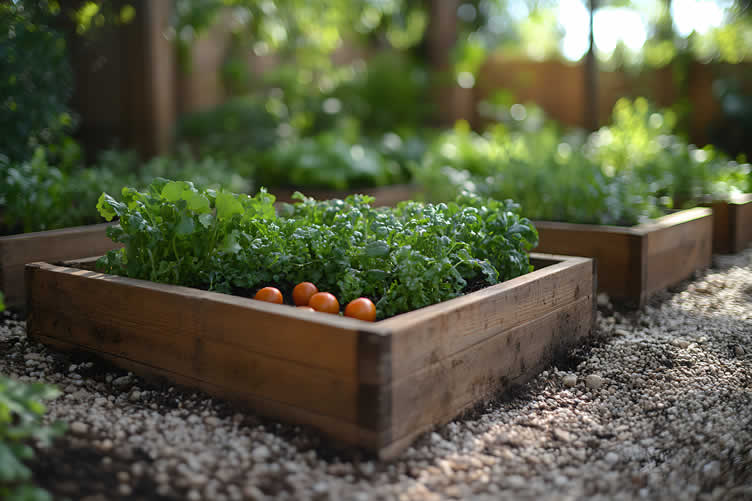
Raised beds provide easy access, improved soil management, and enhanced drainage, making them ideal for cultivating kitchen staples like basil, tomatoes, and peppers. Containers, on the other hand, are perfect for smaller spaces or patios, offering flexibility and convenience.
For those with ornamental borders, consider weaving in low-maintenance greens such as kale or colorful lettuces, which double as edible accents.
By combining edible plants with flowers or shrubs, the overall landscape remains visually interesting while ensuring a steady supply of fresh produce throughout the growing season.
-
Fruit Trees, Berry Bushes, and Edible Shrubs
Fruit trees, berry bushes, and edible shrubs bring dimension, shade, and color to the yard while providing delicious rewards. Trees such as dwarf apple, pear, or cherry varieties can line garden pathways or act as attractive focal points.
Berry bushes, like blueberries or raspberries, introduce vibrant seasonal hues and yield nutritious snacks, ideal for small spaces or as hedges. Ornamental edible shrubs such as rosemary or quince provide structure and contrast in garden design while offering yields that can be preserved, cooked, or savored fresh.
Their dual-purpose nature enhances the visual appeal of the garden, ensuring form and function work seamlessly together.
-
Cutting Gardens for Bouquets
A cutting garden filled with flowers specifically grown for bouquets transforms an outdoor space into a haven of seasonal beauty and fragrance.
By growing varieties like dahlias, zinnias, or cosmos, gardeners can enjoy vibrant arrangements indoors and attract pollinators to the garden at the same time.
Cutting gardens encourage gardeners to engage with and nurture their outdoor spaces regularly, fostering a meaningful connection to the rhythms of plant growth and bloom.
These gardens also provide an affordable, sustainable way to brighten living spaces with fresh, mood-enhancing floral displays.
-
The Multi-faceted Outdoor Space
Edible landscaping offers more than just an opportunity to grow fresh food—it gives homeowners a way to transform their outdoor spaces into multi-functional sanctuaries.
Whether it’s experimenting with herb and vegetable gardens, creating shady spots with fruit trees, or filling vases with homegrown flowers, every square foot can be utilized to enhance self-sufficiency and aesthetic enjoyment.
By blending practical design techniques with personal style preferences, edible landscaping fosters a deeper connection to nature and adds a sense of purpose to the joys of outdoor living.
For further guidance on implementing foodscaping techniques or ensuring plant health, consult trusted gardening resources such as those provided by agricultural extensions or reputable horticultural organizations.
The practice of edible landscaping continues to grow because of the environmental and lifestyle benefits it offers while re-imagining what outdoor spaces can achieve for homeowners.
Concept Description Benefits Edible Landscaping & Productive Gardens The blending of ornamental and functional gardening through “foodscaping,” which combines aesthetics with practicality to grow fresh, organic ingredients while enhancing outdoor space. Maximizes yard space, fosters sustainability, promotes self-reliance, and creates visually appealing, multi-functional environments. Herb and Vegetable Gardens Integration of herbs and vegetables into raised beds, containers, or mixed borders to maintain charm and functionality. Provides easy access, better soil management, flexibility in small spaces, and steady fresh produce outputs. Fruit Trees, Berry Bushes, and Edible Shrubs Combining dimension, shade, and seasonal vibrancy with edible rewards by cultivating fruit trees, berry bushes, and dual-purpose shrubs. Offers nutritious harvests, adds structural beauty, and serves both ornamental and practical purposes in a garden. Cutting Gardens for Bouquets Growing seasonal flowers like dahlias, zinnias, or cosmos to use for indoor bouquets while attracting garden pollinators. Encourages interaction with nature, provides fresh and vibrant floral displays, and fosters a deeper connection to plant growth cycles. The Multifaceted Outdoor Space Transforming outdoor areas into multi-functional havens through the addition of foodscaping elements like edible plants, shady trees, and cutting gardens. Enhances self-sufficiency, aligns with sustainable living, and creates personalized, practical outdoor sanctuaries. 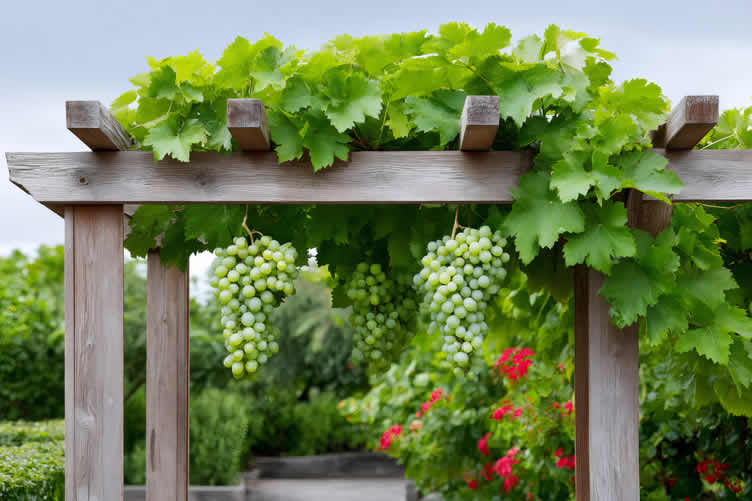
copyright image by 123rf.com
-
Scroll up to directory … or scroll to next section about why a patio culture …
-
-
5th Trend: Patio Culture & Container Gardens
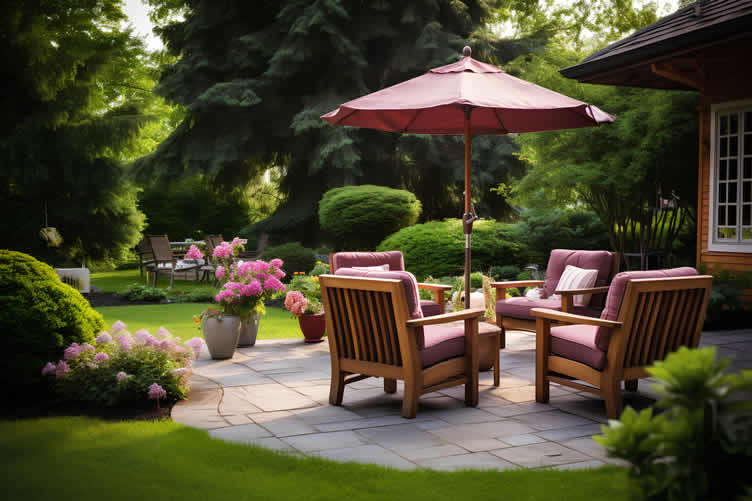
Not everyone has the luxury of sprawling gardens, yet the innate desire to connect with nature transcends the size of our living spaces.
"Patio Culture" offers a solution for urban dwellers, renters, and homeowners with limited outdoor square footage.
copyright image by 123rf.com
By smartly utilizing patios, balconies, decks, and other compact areas, you can create lush, multi-functional outdoor living spaces that not only reflect your personal style but also nurture a deeper connection to the natural world.
Whether it’s a cozy nook for morning coffee or a vibrant retreat filled with greenery, container gardens provide a versatile and accessible approach to cultivating beauty and serenity in even the smallest spaces.
[ view images/summary table: patio culture ]
-
Whole Gardens on Patios and Decks
Transforming a patio or deck into a full-fledged garden is entirely within reach, thanks to the thoughtful use of pots, planters, and containers. These portable vessels enable plant customization, allowing you to curate layers of color, textures, and heights that mimic the depth of a traditional garden.
Sleek ceramic pots, rustic terracotta, and modern composite planters can anchor small trees, flowering bushes, or ornamental grasses, creating focal points and natural room dividers. With strategic placement, you can craft an outdoor oasis featuring dedicated zones for relaxing, dining, or entertaining.
Layering is key—taller plants in the background, medium-height shrubs in the center, and trailing greenery cascading downwards—helping to establish a tiered effect that gives depth and dimension to limited spaces.
-
Adding Scent and Texture to Hardscapes
Hardscapes, such as concrete patios or wooden decks, can often appear cold and stark without vegetation to soften their edges. Incorporating ferns, broad-leafed evergreens, and fragrant climbers is an excellent way to infuse life and texture into these environments.
Ferns, with their elegant fronds, thrive in shaded or semi-shaded areas, adding a lush vibrancy that feels natural and calming. Meanwhile, broad-leafed evergreens like gardenia or rhododendron can offer year-round foliage and flowers, ensuring your space remains visually dynamic across seasons.
For sensory appeal, fragrant climbers like jasmine, mandevilla, or clematis can be trained onto trellises or pergolas, enveloping your space in soothing aromas and bursts of color.
These climbers not only provide an olfactory delight but also double as vertical features that add privacy and soften harsh architectural lines.
-
Vertical Gardens and Trellises
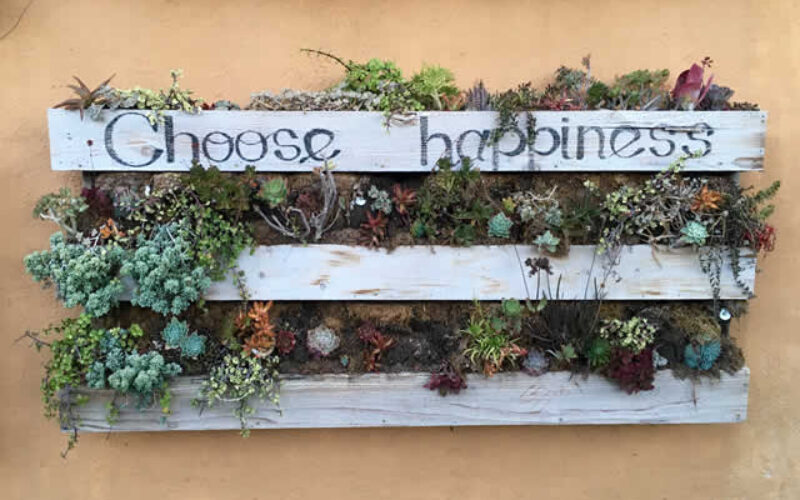
When ground space is at a premium, vertical gardening is your greatest ally. Trellises, wall-mounted planters, and hanging pockets make it possible to grow vegetables, fruits, and herbs upwards, maximizing space efficiency while making a bold visual statement.
Vertical gardens are particularly suited for crops like cherry tomatoes, strawberries, and beans, offering the added benefit of conveniently harvesting fresh produce just steps away from your kitchen.
Flowering vines, such as morning glory or bougainvillea, add aesthetic softness and a touch of whimsy to small patios. Additionally, vertical gardening reduces soil-borne pests and allows for better control over watering and sunlight exposure, ensuring your plants thrive in challenging spaces.
-
Fostering a Connection to Nature
At its heart, "Patio Culture" is about fostering a meaningful connection to the outdoors, no matter the physical limitations of your space.
[ see topic below: type of patio cultures – styles) ]
By harmonizing pots, materials, and plant selections, you can craft a sanctuary that reflects your personality while addressing your needs for relaxation or productivity.
Whether it’s through the calming sounds of rustling leaves, the therapeutic act of tending to your container garden, or the simple joy of watching a flower bloom, these compact nature retreats can be both restorative and rewarding.
Topic Description Benefits Patio Culture & Container Gardens Not everyone has access to large gardens, but patios, balconies, and compact outdoor areas can be transformed into lush, multi-functional spaces. Container gardens allow for customization to suit personal style and create serene environments in small spaces. Provides a connection to nature, enables small-scale gardening, and enhances aesthetics and personal relaxation. Whole Gardens on Patios and Decks Pots, planters, and containers can establish full gardens on patios or decks, offering a layered effect with a mix of tall, medium, and trailing plants. These items also serve as natural dividers for creating functional zones for different activities. Transforms limited spaces into beautiful, multi-functional gardens while adding depth and dimension. Adding Scent and Texture to Hardscapes Integrating plants such as ferns, broad-leafed evergreens, and fragrant climbers like jasmine lushly decorates hardscapes, softening their appearance. These plants also enhance the sensory experience with textures and scents. Softens architectural lines, provides year-round visual and olfactory appeal, and adds lush vibrancy. Vertical Gardens and Trellises Utilize vertical spaces for gardening with trellises, hanging pockets, and wall-mounted planters. Suitable for growing vegetables, fruits, herbs, and flowering vines in confined areas. Maximizes space, reduces pests, improves plant care, and provides fresh produce conveniently. Fostering a Connection to Nature “Patio Culture” encourages the creation of outdoor sanctuaries reflecting personal style. These spaces promote relaxation, productivity, and joy through close, meaningful interactions with nature. Enhances well-being, provides a space for restoration, and offers therapeutic value through nature. 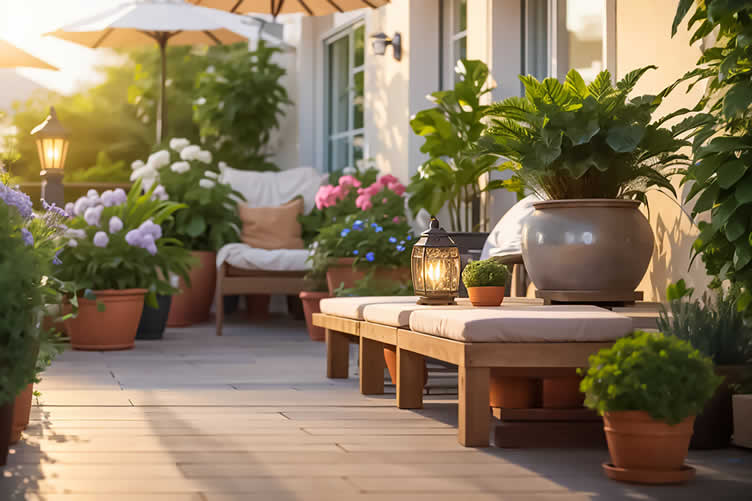
copyright image by 123rf.com
-
View the additional note below … or scroll up to directory … or scroll to next section …
Types of Patio Cultures – Styles
When it comes to patio design, the style you choose often reflects your lifestyle, aesthetic preferences, and practical needs. Patio "cultures" are more than just a selection of materials—they encompass the atmosphere, purpose, and emotional connection you want to foster in an outdoor space.
These carefully curated design themes provide a sense of identity for your patio, transforming it into more than just a functional area.
Whether you’re hoping to blend with your home’s architecture, evoke a relaxing retreat, or create a space for vibrant social gatherings, understanding the foundational styles of patio cultures is essential.
Below, we explore some of the most popular and recognizable patio styles to inspire and guide your design journey.
[ view images/summary table: patio (culture) styles ]
-
Traditional Patio Culture[ view]
Rooted in timeless design principles, traditional patios focus on symmetry, balance, and enduring aesthetic appeal. A traditional patio often complements classic architectural styles like colonial, Tudor, or Georgian homes.
Materials such as natural stone, brick, and wrought iron are utilized to evoke a sense of timeless sophistication. Lush plantings, such as boxwoods or hydrangeas, provide warmth and structure to the space.
Furnishings lean toward ornate and durable, offering both comfort and elegance. This patio style is ideal for those seeking a refined outdoor area that matches their home’s traditional charm.
-
Modern and Minimal[ view]
Modern patio culture is defined by clean lines, monochromatic color schemes, and an emphasis on functionality. Materials like concrete, steel, and composite elements are used to create sleek, durable surfaces that require minimal maintenance while maintaining visual impact.
The layout often incorporates open space with strategically placed furniture and minimal decor, allowing the architecture of the home and the surrounding natural environment to take center stage.
Glass, fire features, and sustainable elements like native plants frequently enhance the look of modern patios, making them perfect for those with a love for contemporary design trends and eco-conscious living.
-
Contemporary Simplicity[ view]
Though similar to modern patios, contemporary simplicity often incorporates warmer elements and organic textures for a softer appeal. This style blends innovative lines and shapes with natural materials such as wood, bamboo, or stone, creating a harmonious balance.
Color palettes tend to remain neutral but include variations in texture to add depth. Contemporary patios often prioritize sustainable design and functional layouts, offering homeowners a versatile space with modern comforts that suits both intimate evenings and lively get-togethers.
-
Classic Sophistication[ view]
For those enamored with elegance, classic sophistication presents a patio style that exudes luxury and refinement. This culture draws inspiration from French Provincial or Italian Renaissance designs, leveraging marble, travertine, and polished stone for a grand appearance.
A classically sophisticated patio often incorporates timeless elements like tiered fountains, ornate pergolas, or plush seating areas. Carefully manicured greenery and topiaries provide visual interest while enhancing the space’s grandeur.
Homeowners seeking to amplify the beauty and value of their property often gravitate toward this rich, polished aesthetic.
-
Mediterranean Patio Culture[ view]
Evoking the charm of coastal villas, Mediterranean patios create a sun-drenched, relaxed ambiance. This style embraces materials like terracotta tiles, stucco, and wrought iron, complemented by warm, earthy colors and rustic textures.
Features such as climbing vines, olive trees, lavender planters, and hand-painted ceramic accents immerse the patio in a distinctive Mediterranean vibe.
Designed for gatherings and alfresco dining, this patio culture is perfect for those who cherish leisurely outdoor living with an air of global sophistication.
-
Tropical Retreat[ view]
A tropical patio offers a lush, resort-like atmosphere, transporting homeowners to an exotic paradise. Bamboo, teak, and woven rattan are common materials in this design, paired with vibrant greenery such as palms, ferns, or bird-of-paradise plants.
Water features such as small ponds or fountains mimic the soothing sounds of nature, enhancing the ambiance. Additionally, colorful textiles and large umbrellas can provide pops of brightness while offering shade.
The tropical style works well for those who seek to infuse their outdoor area with a sense of adventure and relaxation all year long.
-
Cottage Garden Charm[ view]
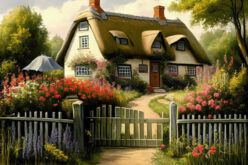
The cottage garden patio reflects a whimsical, romantic aesthetic with an emphasis on florals, soft palettes, and quaint features. Flagstone paths, aged wood furniture, and vintage-inspired decorations like birdhouses or lanterns help convey an enchanting charm.
The planting scheme is typically abundant and free-flowing, with cottage staples like roses, daisies, and lavender arranged casually around the space. This patio culture appeals to those who wish to create a cozy, storybook-inspired garden retreat that nurtures the senses.
-
Rustic Escape[ view]
Rustic patios focus on natural, raw materials to create a cozy, unpretentious outdoor retreat. This style thrives on textures like reclaimed wood, exposed stone, and earthy elements that bring the beauty of the outdoors in harmony with the design.
Built-in fireplaces or firepits are often a central feature, inviting intimate gatherings under starry skies. With its grounded and inviting atmosphere, a rustic patio offers a sanctuary for homeowners who want to slow down and connect with nature on a deeper level.
-
Xeriscape Style[ view]
Particularly appealing for arid climates or environmentally conscious homeowners, xeriscape patios emphasize water-wise landscaping paired with functional design. Native plants like succulents, cacti, and ornamental grasses thrive in this low-maintenance, eco-friendly style.
Gravel, decomposed granite, and concrete serve as foundational materials, often accentuated by modern architectural elements like metal or wood details. By reducing water usage and requiring less upkeep, xeriscape patios offer a sustainable solution without sacrificing beauty or creativity.
-
Craftsman-Inspired[ view]
The craftsman patio prioritizes handmade elements and celebrates the artistry of natural materials. Artisan stonework, hand-finished wood, and detailed trim designs define this inherently American aesthetic.
Built-in features like benches, planters, and pergolas blend form and function seamlessly, creating spaces that are both beautiful and practical.
Craftsman patios are best suited for homeowners who admire timeless craftsmanship and desire an outdoor area brimming with character and purpose.
-
Colonial and Historic Styles[ view]
A colonial-inspired patio highlights historical integrity and classical symmetry, drawing from the aesthetic traditions of America’s past. Brickwork, slate, and wrought iron dominate these designs, which often include patterns and elements reflective of the colonial era.
Features like simple garden beds and lantern-style lighting enhance the sense of heritage and authenticity. Homeowners drawn to tradition and heritage will appreciate this enduring style, which lends itself to both formal entertaining and quiet relaxation.
Patio Culture Characteristics Materials Features Traditional Patio Culture Rooted in timeless design principles focusing on symmetry, balance, and enduring aesthetic appeal. Natural stone, brick, wrought iron. Ornate furnishings, lush plantings like boxwoods and hydrangeas. Modern and Minimal Characterized by clean lines, monochromatic color schemes, and a focus on functionality. Concrete, steel, composite materials. Fire features, sustainable elements like native plants, minimal yet impactful decor. Contemporary Simplicity Combines modern design with organic textures for a softer appeal. Wood, bamboo, stone. Neutral color palettes with textural variations, sustainable design elements. Classic Sophistication Exudes luxury and refinement inspired by French Provincial or Italian Renaissance designs. Marble, travertine, polished stone. Tiered fountains, ornate pergolas, plush seating areas, manicured greenery. Mediterranean Patio Culture Evokes the charm of coastal villas, creating a sun-drenched, relaxed ambiance. Terracotta tiles, stucco, wrought iron. Climbing vines, olive trees, lavender planters, hand-painted ceramic accents. Tropical Retreat Offers a lush, resort-like atmosphere transporting homeowners to an exotic paradise. Bamboo, teak, woven rattan. Water features, vibrant greenery like palms and ferns, colorful textiles, large umbrellas. Cottage Garden Charm Reflects a whimsical, romantic aesthetic with free-flowing planting schemes and soft palettes. Flagstone, aged wood. Vintage-inspired decor like birdhouses or lanterns, florals like roses, daisies, and lavender. Rustic Escape Focuses on natural, raw materials for a cozy, unpretentious retreat. Reclaimed wood, exposed stone. Built-in fireplaces or firepits, earthy design elements. Xeriscape Style Highlights water-wise landscaping paired with functional and eco-friendly design. Gravel, decomposed granite, concrete. Native plants like succulents and cacti, modern architectural accents. Craftsman-Inspired Celebrates handmade artistry and natural craftsmanship. Artisan stonework, hand-finished wood. Built-in benches, planters, pergolas. Colonial and Historic Styles Draws from traditional aesthetic traditions of the colonial era with historical integrity. Brickwork, slate, wrought iron. Simple garden beds, lantern-style lighting. 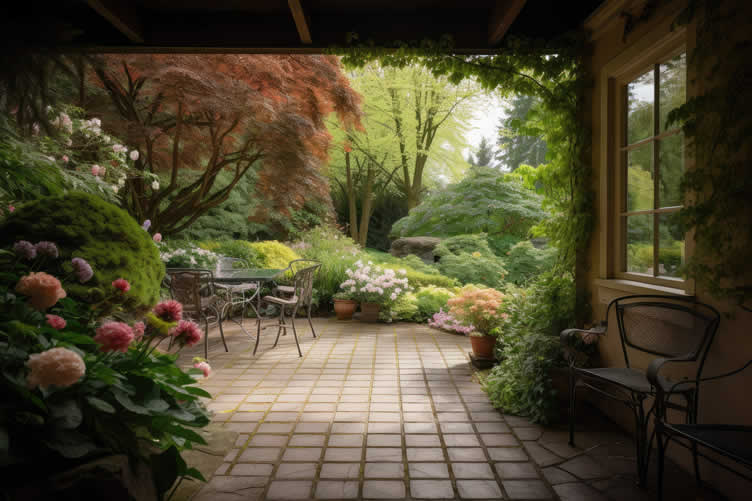
copyright image by 123rf.com
-
Scroll up to directory … or scroll to next section about setting up multi-functional zones …
-
-
6th Trend: Multi-functional, Flexible Zones
As our lives grow increasingly dynamic, our outdoor spaces are evolving to keep pace with our diverse needs.
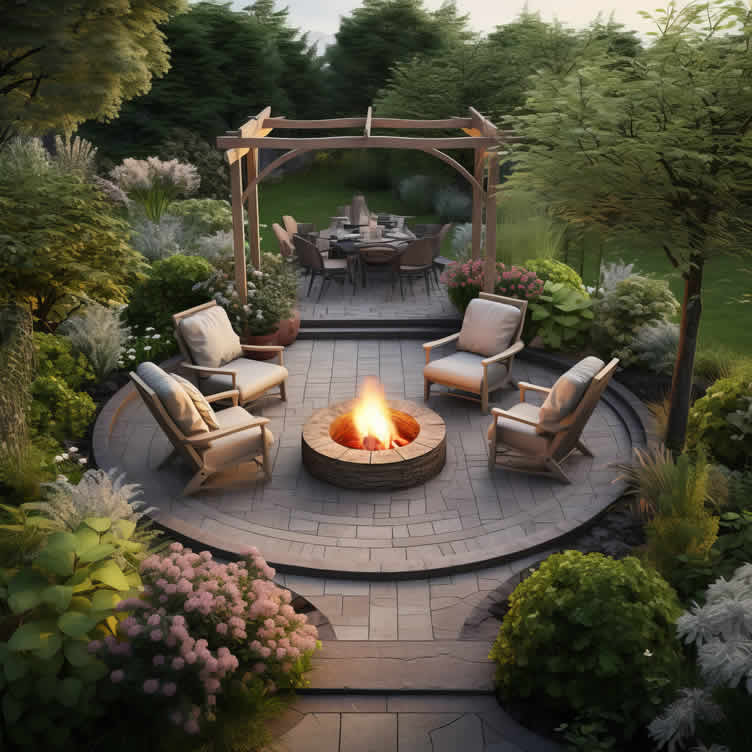
The yard of 2026 embodies this adaptability, becoming a space that transitions effortlessly between leisure, entertainment, play, and practicality.
copyright image by 123rf.com
Thoughtfully designed zones now cater to specific purposes, ensuring homeowners can maximize the functionality and enjoyment of their outdoor areas.
Below, we explore some of the innovative approaches shaping the modern multi-functional yard.
[ view images/summary table: multi-functional zones ]
-
Dining and Lounging Areas
One of the most versatile zones in contemporary outdoor design is the dining and lounging area. These spaces are designed to effortlessly transition between hosting intimate morning coffee sessions, casual lunches, and lively dinner parties or game nights.
Flexible furniture like modular seating, extendable tables, and weather-resistant cushions ensure that these areas are as practical as they are stylish.
Overhead string lights or adjustable shading systems bring ambiance while offering functionality, so the space remains suitable for any time of day.
By incorporating durable materials and weatherproof decor, homeowners can create inviting yet low-maintenance areas for both relaxation and social gatherings.
-
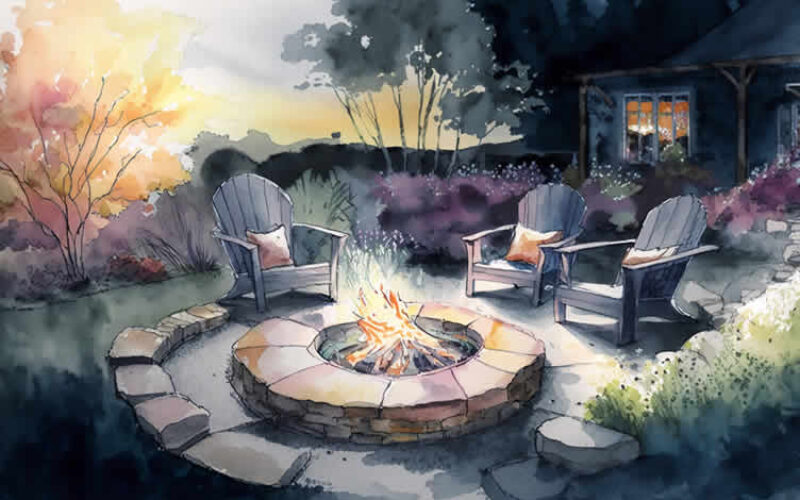
Fire Pits, Fireplaces, and Outdoor Heaters
To extend the usability of outdoor spaces through all seasons, the integration of fire pits, fireplaces, and outdoor heaters has become essential. These features not only provide warmth during cooler months but also establish cozy gathering spots that enhance the ambiance of any backyard.
Modern designs now prioritize safety and ease of use, with gas-powered fire pits and electric heaters gaining traction for their convenience and efficiency.
Stone or brick surrounds lend a timeless aesthetic to wood-burning options, while portable fire bowls offer flexibility for smaller yards. Investing in these elements transforms any outdoor space into a year-round retreat that combines comfort and functionality.
-
Play and Sensory Gardens for Kids
For families, the inclusion of play and sensory gardens offers a dynamic and engaging area tailored to children’s needs. These spaces are designed with interactive elements, such as sandboxes, water features, and small vegetable patches, encouraging hands-on learning and creativity.
The careful selection of safe, non-toxic plants with varying textures—such as lamb’s ear or ornamental grasses—provides a sensory-rich experience that fosters curiosity and connection with nature.
To ensure durability and safety, kid-friendly materials like smooth bark mulches and rubber matting are often used. Creating a designated area for exploration gives children a safe environment to play, learn, and grow.
-
Versatile Recreational Areas
Beyond specific dining and play spaces, modern yards are also incorporating multipurpose recreational zones that can adapt to user preferences and needs.
For example, an open grassy area can serve as a yoga retreat in the morning, a space for casual soccer games in the afternoon, and an open-air theater by night with the addition of an inflatable screen or lightweight projector.
Homeowners increasingly favor modular or portable elements, such as stowable furniture and collapsible workout equipment, to reclaim space for various activities.
Thoughtful landscaping, including natural screen plantings or privacy hedges, ensures these zones feel distinct yet harmonious with the overall design.
Section Description Key Features Multi-functional, Flexible Zones Outdoor spaces are adapting to our dynamic lifestyles by offering zones that seamlessly transition between leisure, entertainment, play, and practicality. These thoughtfully designed spaces enhance functionality and enjoyment for homeowners. Adaptable layouts, tailored purposes, and optimized use for diverse activities. Dining and Lounging Areas A versatile zone catering to meals and relaxation, suitable for casual gatherings or formal entertainment. Designed with durable, stylish materials that withstand the elements while maintaining comfort and visual appeal. Modular furniture, weather-resistant features, ambient lighting, and low-maintenance decor. Fire Pits, Fireplaces, and Outdoor Heaters Essential elements ensuring year-round usability of outdoor spaces, offering warmth and comfort. These features enhance the ambiance of yards while prioritizing safety and convenience. Gas-powered or electric options, timeless stone surrounds, portable fire bowls, and seasonal versatility. Play and Sensory Gardens for Kids Interactive spaces designed for children’s play and learning, incorporating sensory-rich elements and hands-on features. These areas encourage creativity and a connection with nature in a safe environment. Sandbox and water features, safe non-toxic plants, child-friendly materials like rubber matting, and small vegetable patches. Versatile Recreational Areas Multipurpose zones that adapt to user preferences, supporting a range of activities from fitness to casual gatherings. Thoughtfully landscaped for privacy and flexibility in use. Open grassy areas, modular furniture, collapsible equipment, privacy hedges, and natural screens. 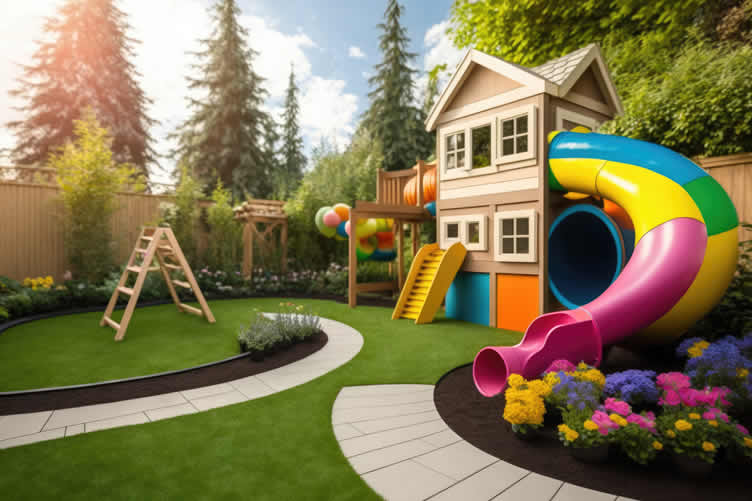
copyright image by 123rf.com
Sporting
Lawn Games
viewing amazon-
Scroll up to directory … or scroll to next section about naturalistic hardscapes …
-
-
7th Trend: Naturalistic Hardscaping
Naturalistic hardscaping is redefining outdoor spaces, bringing back a sense of harmony between human-made elements and the surrounding environment.
This trend is driven by a desire for designs that feel like an extension of nature, prioritizing materials and layouts that integrate seamlessly with the outdoors.
AI generated image by 123rf.com
Unlike the polished, industrial hardscapes of the past, the future favors a softer, more organic aesthetic that breathes life into patios, pathways, and retaining walls while being environmentally conscious.
Here’s a closer look at how naturalistic hardscaping is shaping outdoor design.
[ view images/summary table: naturalistic hardscaping ]
-
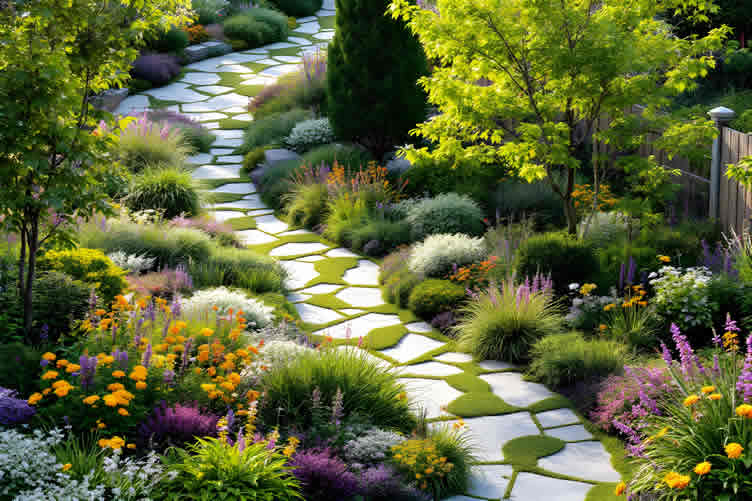
Timeless Appeal of Natural Stone, Flagstone, and Gravel
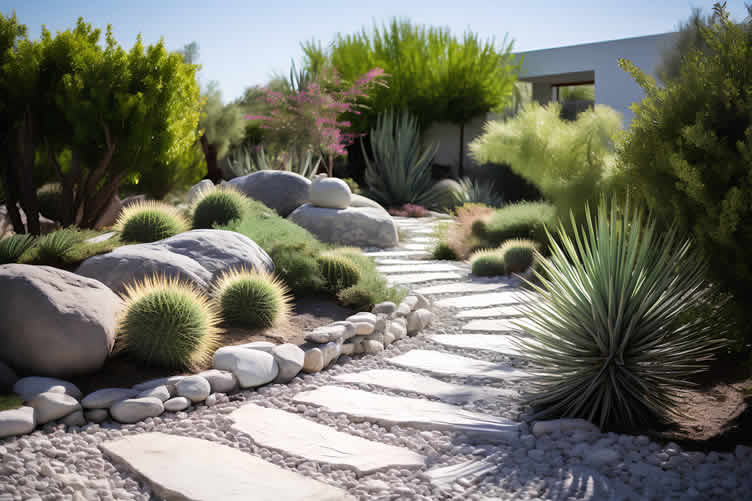
Natural stone, flagstone, and gravel are taking center stage as the preferred materials for outdoor surfaces. These options provide a timeless, earthy appearance that exudes understated elegance.
Unlike processed concrete or glossy finishes, natural materials blend into the surroundings, creating a cohesive connection between the space and its environment.
A gravel pathway, for instance, not only looks charming but also offers excellent permeability, reducing water runoff and allowing rain to replenish the soil.
Flagstones, with their irregular shapes and textures, can form patios or walkways that feel as if they’ve always been part of the landscape, celebrating imperfections and variability.
-
Raised Beds and Mixed Borders as Architectural Features
Raised beds and mixed borders are being re-imagined as not just functional garden elements, but architectural features that define and enhance the flow of an outdoor space.
Strategically placed raised beds can frame patios or walkways, introducing clear lines and serving as natural divisions between zones. They also offer the opportunity to combine edibles and ornamentals, where vegetables and flowers coexist, creating a beautiful and productive garden feature.
This blending of form and function allows for a personalized aesthetic, whether you lean toward vibrant floral displays or rows of herbs and produce that bring the garden to life.
-
Textures and Variability Over Artificial Turf
Artificial turf and over-polished materials are giving way to textures and finishes that age with grace. While synthetic lawns once gained popularity for their low-maintenance appeal, they often lack the character and depth that natural landscaping provides.
Instead, outdoor spaces are now being designed with diverse plantings, permeable materials, and rugged textures that change over time, creating an evolving, organic feel.
This approach not only enhances visual interest but also supports biodiversity by fostering more natural habitats for insects, birds, and other wildlife.
A mixed palette of hardy native groundcovers paired with stepping stones, for example, offers both durability and ecological benefits while being a tactile joy to walk on.
-
Designing for Longevity and Sustainability
Naturalistic hardscaping is equally about sustainability as it is about aesthetics. The choice to use materials like gravel, reclaimed wood, or stone slabs ensures durability while reducing the environmental impact compared to manufacturing traditional concrete or artificial surfaces.
These materials not only look better with age but also encourage outdoor designs that are more in tune with their natural settings.
Thoughtful layout choices, such as contouring paths to the land’s natural curves rather than forcing rigid lines, further enhance the flow of the space, making it feel less engineered and more like an integrated piece of the environment.
Feature Description Benefits Application Naturalistic Hardscaping Redefines outdoor spaces by integrating human-made elements with the natural environment. Focuses on designs that seamlessly blend with nature. Encourages harmony with nature, enhances outdoor aesthetics, and supports eco-friendly practices. Ideal for patios, pathways, and overall landscaping that prioritizes natural appeal. Timeless Appeal of Natural Materials Utilizes materials like natural stone, flagstone, and gravel for outdoor surfaces, offering an earthy and elegant appearance. Creates a cohesive connection with the surroundings, improves permeability, and reduces water runoff. Popular for walkways, patios, and retaining walls designed to blend organically with the environment. Raised Beds and Mixed Borders Reinvents garden elements as architectural features that enhance the flow and definition of outdoor spaces. Combines functionality with design by integrating edibles and ornamentals, creating diverse and productive gardens. Useful for framing patios or walkways and creating clear divisions in landscapes. Textures and Variability Promotes natural materials and finishes that age with grace over artificial turf or overly polished surfaces. Enhances visual interest, supports biodiversity, and fosters a tactile, organic landscape. Best for stepping stone paths, natural lawns, and diverse plantings that encourage habitat creation. Designing for Longevity and Sustainability Focuses on using durable, eco-friendly materials like gravel, reclaimed wood, and stone slabs to minimize environmental impact. Ensures designs that age well, reduce waste, and align with natural settings for a seamless effect. Applicable for contouring paths, landscaping with natural flow, and creating durable outdoor spaces. 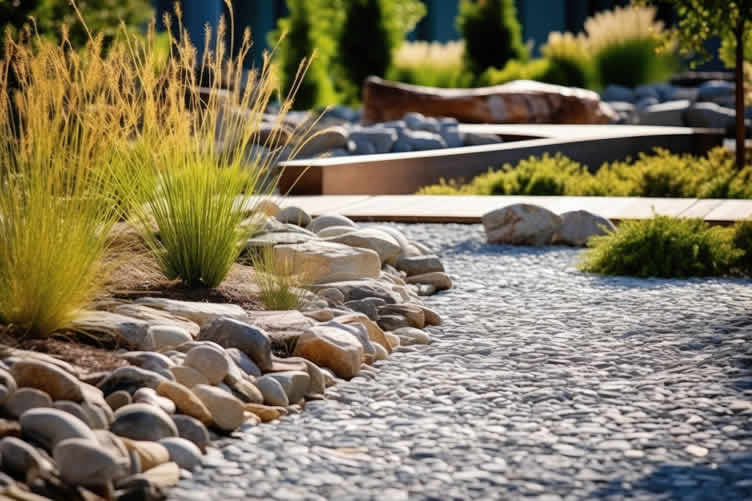
copyright image by 123rf.com
-
Scroll up to directory … or scroll to next section addressing wellness and personal retreats….
8th Trend: Wellness & Personal Retreats in Outdoor Spaces
In today’s fast-paced world, outdoor spaces are being re-imagined as sanctuaries for mental and physical rejuvenation.
Homeowners are increasingly seeking personalized retreats that foster mindfulness, relaxation, and a sense of connection with nature.
copyright image by 123rf.com
This trend is anticipated to dominate by 2026, as gardens transform into havens of wellness, blending innovative design with elements that cater to the body and mind.
[ view images/summary table: wellness retreats ]
-
Quiet Retreats and Meditation Nooks
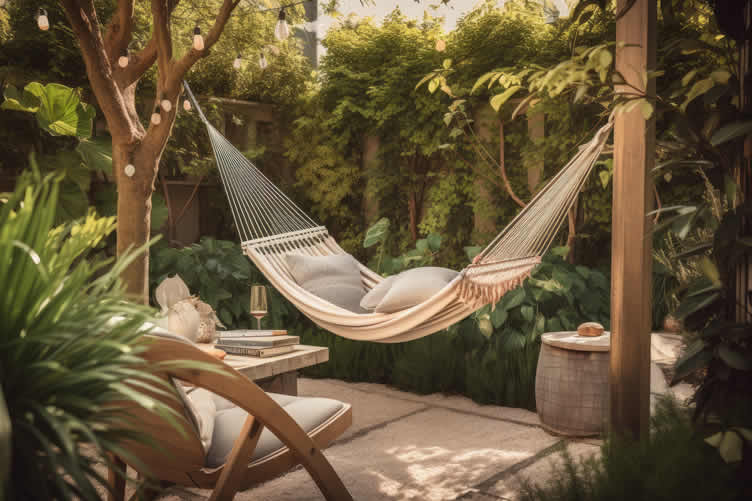
Creating a peaceful corner for relaxation and meditation is key to cultivating personal wellness. These dedicated spaces often feature comfortable seating options like weather-resistant cushions, hammocks, or ergonomically designed chairs placed in shaded, tucked-away areas.
The sensory experience is enhanced with calming plants like lavender, bamboo, and ornamental grasses, known for their soothing effect and natural aesthetic.
Soft, diffused lighting is strategically used to create a serene atmosphere, making the space inviting for solitary reflection or evening relaxation.
These meditation nooks act as anchors for introspection, helping individuals find daily solace amidst the chaos of modern life.
-
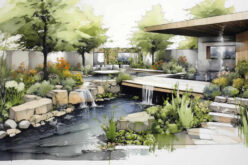
The Tranquility of Water Features
Adding water features to outdoor retreats introduces an elemental connection that promotes calmness.
Small fountains, birdbaths, and naturalistic ponds provide a gentle, soothing soundtrack, while simultaneously encouraging wildlife such as birds and pollinators to make their presence felt.
The sight and sound of moving water have been linked to decreased stress levels, offering a meditative quality that instinctively quiets the mind.
Local and sustainable materials enhance these features, ensuring ecological compatibility while integrating seamlessly into the landscape.
-
Lighting for Serenity and Conservation
Proper lighting design plays a vital role in maintaining the tranquility of outdoor retreats while minimizing environmental impact.
By using shielded fixtures, warm-toned and downward-facing lights, and motion sensors, homeowners can reduce light pollution, protect the night sky, and safeguard nocturnal wildlife.
Gentle lighting highlights focal points without overwhelming the senses, ensuring that the space remains calm and in harmony with nature. Incorporating solar-powered lights not only aligns with sustainability goals but also reduces energy costs while maintaining ambiance.
-
Other Considerations for Holistic Outdoor Spaces
Translating a garden into a true wellness haven requires attention to other subtle elements such as fragrance, textures, and soundscapes.
Planting flowering herbs and scented blooms like jasmine or rosemary adds layers of sensory stimulation.
Smooth stones, natural wood decking, or raked gravel paths provide tactile engagement underfoot.
Wind chimes, trellises intertwined with vines for additional privacy, and seasonal blooms ensure that the outdoor retreat evolves dynamically year-round, boosting creativity and well-being.
Aspect Description Features Benefits Wellness & Personal Retreats in Outdoor Spaces Outdoor spaces re-imagined as sanctuaries for mental and physical rejuvenation, blending innovative design with natural elements. Gardens designed to foster mindfulness, relaxation, and connection with nature. Promotes mental clarity, relaxation, and physical well-being. Quiet Retreats and Meditation Nooks Peaceful corners designed for personal wellness with comfortable furniture and strategically placed sensory elements. Comfortable seating, soothing plants like lavender, bamboo, ornamental grasses, and soft lighting. Encourages daily solace, introspection, and mindfulness amidst modern chaos. The Tranquility of Water Features Integration of water elements to promote calmness and connect with nature. Fountains, birdbaths, naturalistic ponds, and use of sustainable materials. Reduces stress, provides a meditative atmosphere, and attracts wildlife like birds and pollinators. Lighting for Serenity and Conservation Lighting designs focused on preserving tranquility and minimizing environmental impact. Shielded fixtures, warm-toned downward-facing lights, motion sensors, and solar-powered options. Reduces light pollution, supports nocturnal wildlife, and decreases energy costs while enhancing ambiance. Other Considerations for Holistic Outdoor Spaces Design elements enhancing sensory engagement and year-round dynamism. Fragrant plants like jasmine and rosemary, tactile elements like stones and wood, wind chimes, and seasonal blooms. Boosts creativity, well-being, and provides a dynamic evolving retreat space. 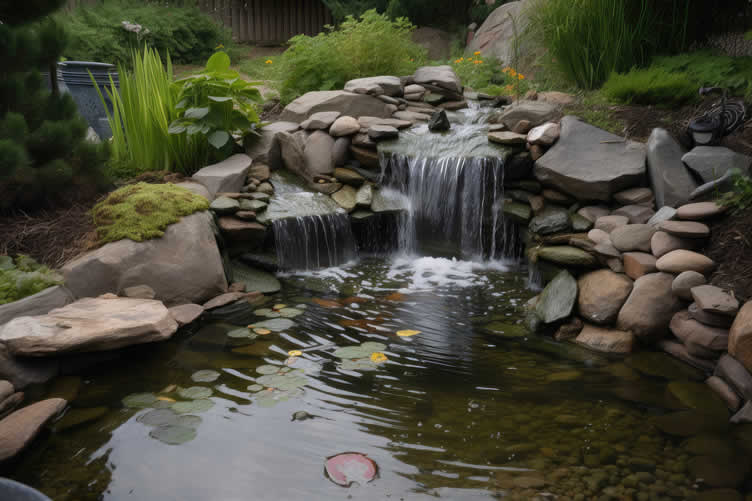
copyright image by 123rf.com
-
Scroll up to directory … or scroll to next section about designing a wildlife garden …
9th Trend: Wildlife Garden
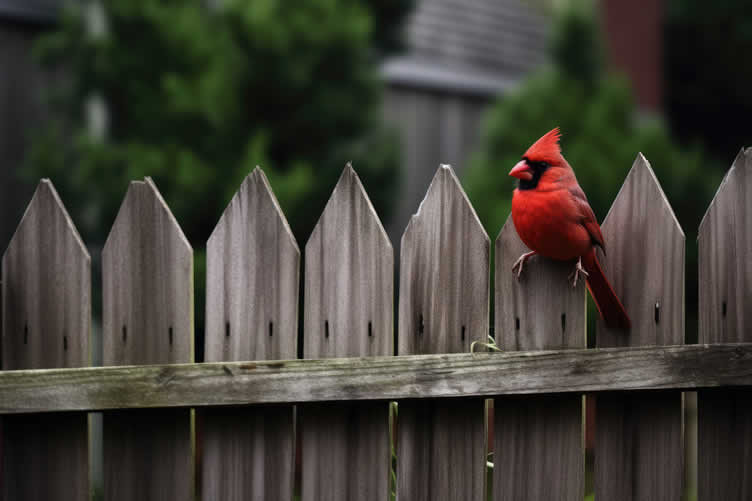
A wildlife garden is more than just an outdoor space—it’s a sanctuary that fosters biodiversity and a haven for local fauna.
By creating a garden designed to support birds, insects, amphibians, and mammals, you’re not only enriching your living environment but also contributing to the sustainability of local ecosystems.

copyright image by 123rf.com
Wildlife gardens integrate native plants, sustainable practices, and carefully planned landscaping to provide food, water, shelter, and safe spaces for young wildlife to thrive.
For 2026, wildlife gardens continue to be a forward-thinking approach to landscaping, merging ecological responsibility with aesthetic charm. Here’s how you can set up your landscaping to create a functional, beautiful wildlife garden.
[ view images/summary table: wildlife garden ]
-
Choosing Native Plants
Native plants are the foundation of any successful wildlife garden. They provide the essential resources local species have evolved to depend on.
When selecting plants, prioritize species that are indigenous to your region, as they are better suited to your climate and soil conditions. Incorporating a variety of trees, shrubs, flowering plants, and grasses ensures that your garden offers year-round habitat and food sources.
This includes nectar-rich flora to attract pollinators like bees and butterflies, seed-producing plants to support birds, and dense foliage to provide shelter.
Local extension services or plant nurseries are excellent resources for identifying the best native plants for your area.
-
Establishing Water Sources
A reliable source of water is critical to attracting wildlife. Water features such as shallow birdbaths, small ponds, or even a rain garden can provide hydration and bathing opportunities for various species.
Ensure water elements are accessible and safe by incorporating features like sloped edges for smaller animals to enter and exit safely.
For a sustainable touch, consider incorporating a rainwater harvesting system to keep water sources replenished even during dry periods. To prevent the spread of disease, clean birdbaths and other water features regularly.
-
Offering Natural Food Sources
Creating a thriving wildlife garden starts with providing reliable natural food sources for visiting animals. Add bird feeders with seeds or suet, choosing options suited to the dietary needs of local species.
Plant a variety of flowers that bloom throughout the year to ensure a continuous food supply, even in colder months. Native fruit trees, like crabapple or serviceberry, offer both food and shelter for birds and small mammals.
For larger animals, such as deer or rabbits, designate a "wild" section of your garden with a mix of grasses and wildflowers. This provides natural grazing areas and protects more delicate plants while promoting a balanced ecosystem.
By offering diverse and accessible food sources, your garden can become a haven for wildlife and support biodiversity.
-
Providing Shelter and Nesting Areas
Wildlife gardens must include a variety of shelter options to protect animals from predators and harsh weather conditions.
Dense shrubs, understory trees, brush piles, and rock crevices naturally provide resting and hiding spots for many species. Creating layered habitats by incorporating plants of varying heights—such as ground covers, shrubs, and tall trees—can accommodate diverse wildlife species.
Installing artificial structures, such as birdhouses, bat boxes, or insect hotels, can further enhance your garden’s ability to support local wildlife.
When designing these features, mimic the habitats found in nature and position them in quiet, undisturbed parts of the garden to encourage use.
-
Sustainable Gardening Practices
Sustainability should be at the core of your wildlife garden design. Avoid chemical pesticides and herbicides, which can harm both flora and fauna, and opt for natural pest control methods like companion planting or introducing beneficial insects.
Use compost and organic fertilizers to enrich your soil while reducing waste. Mulching not only conserves soil moisture but also provides habitat for insects and amphibians.
Additionally, minimize your turf lawn area to reduce water consumption and consider planting ground covers that are both low-maintenance and wildlife-supportive.
-
Designing with Seasonal Considerations
A truly effective wildlife garden must offer resources throughout the seasons. Plant a mix of evergreen and deciduous species to maintain structure and shelter year-round.
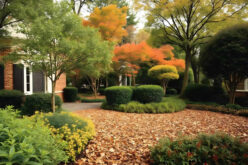
Include plants that bloom in different seasons to ensure continuous food supply. Consider leaving some areas undisturbed during the winter, such as fallen leaves or dried stems, as these provide essential cover for hibernating or overwintering wildlife.
By planning with the changing seasons in mind, your garden remains a consistent refuge for wildlife year-round.
-
Monitoring and Maintaining Your Wildlife Garden
A successful wildlife garden requires active observation and care. Regularly assess how well your garden meets the needs of its visitors. If certain plants fail to thrive or specific species aren’t appearing, make adjustments to improve the habitat.
Documenting the wildlife that visits your garden can be both a rewarding and informative process, helping you track its positive ecological impact over time. You might even consider adding a wildlife cam to capture footage of animals in action.
Maintenance tasks, such as weeding, pruning, and cleaning water features, should be performed with minimal disturbance to wildlife.
-
Contributing to Your Community
By creating a wildlife garden, you amplify your impact by joining a larger network of eco-conscious gardeners.
Share your achievements and insights with neighbors or local gardening groups to inspire others to adopt wildlife-friendly practices. You can also participate in citizen science projects, such as birdwatching or insect population surveys, to support broader conservation efforts.
These connections deepen both the personal and communal benefits of your garden, making it more than just a solitary endeavor.
Section Description Wildlife Garden for 2026 A wildlife garden is more than just an outdoor space—it’s a sanctuary that fosters biodiversity and a haven for local fauna. It enriches your living environment while contributing to the sustainability of local ecosystems. By using native plants, sustainable practices, and carefully planned landscaping, wildlife gardens provide food, water, shelter, and safe spaces for young wildlife to thrive. Choosing Native Plants Native plants are critical for a successful wildlife garden as they provide resources local species rely on. Indigenous trees, shrubs, flowering plants, and grasses ensure habitat and year-round food sources, supporting pollinators, birds, and other local fauna. Consult local extension services or nurseries for plant recommendations. Establishing Water Sources Reliable water sources like birdbaths, small ponds, or rain gardens are essential for wildlife. Features should be safe and accessible, incorporating sloped edges for smaller animals. Rainwater harvesting systems provide a sustainable option, and regular cleaning prevents disease spread. Offering Natural Food Sources Provide natural food sources like flower varieties that bloom year-round and native fruit trees for birds, pollinators, and small mammals. Suet and seed bird feeders cater to specific dietary needs. Larger animals benefit from “wild” garden sections with grasses and wildflowers. Providing Shelter and Nesting Areas Diverse shelter options, such as dense shrubs, brush piles, rock crevices, and layered habitats, protect animals. Artificial structures like birdhouses, bat boxes, and insect hotels mimic natural habitats and encourage wildlife settlement. Sustainable Gardening Practices Avoid chemicals by using natural pest controls and enrich soil with compost. Minimize turf lawns to conserve water, opting for low-maintenance ground covers that support wildlife. Mulching retains moisture and offers habitats for insects and amphibians. Designing with Seasonal Considerations Planting evergreen and deciduous species ensures year-round resources. Seasonal adjustments, like leaving leaves or dried stems, provide hibernation spots. Creating a garden that adapts to seasonal changes supports consistent habitats. Monitoring and Maintaining Your Wildlife Garden Regular observations help identify habitat improvements. Document wildlife activity and make adjustments as needed. Maintenance tasks should be minimally disruptive to wildlife. Contributing to Your Community By creating a wildlife garden, share knowledge with your community, inspire eco-friendly practices, and contribute to conservation efforts such as citizen science projects, deepening communal and ecological benefits. 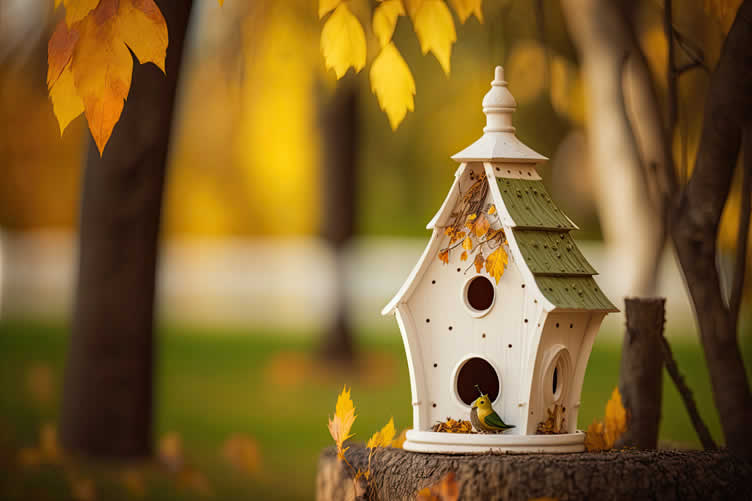
copyright image by 123rf.com
-
Scroll up to directory … or scroll to next section outlining key updating tips …
10th Trend: How to Update Your Yard & Garden for 2026
Updating your outdoor space for 2026 trends doesn’t require a major investment or a complete renovation. By carefully observing how you use your yard and focusing on practical yet stylish updates, you can create a stunning and functional garden that aligns with modern aesthetics and environmental responsibility.
Start small by identifying areas that could better serve your lifestyle and incorporate changes that add both beauty and value to your home.
Below are thoughtful ways to transform your outdoor space in 2026.
[ view images/summary table: 2026 updating tips ]
-
Define Outdoor Rooms
Transform your yard into defined “rooms” to enhance comfort and usability. A covered patio or pergola creates a cozy space to relax, entertain, or dine al fresco in any weather.
Add weather-resistant seating, an outdoor rug for warmth, and thoughtful lighting like string lights or lanterns to extend outdoor enjoyment into the evening. These simple additions can turn your patio into a welcoming retreat that seamlessly extends your living space.
-
Add an Edible Garden
Combine beauty and function by adding edible plants to your garden. Raised beds or containers filled with herbs, vegetables, and fruits are a great way to enjoy fresh, homegrown produce. You can arrange vibrant greens and colorful fruits to create an aesthetic focal point.
Choose high-yield, low-maintenance varieties to make gardening rewarding, even for beginners. An edible garden supports a sustainable lifestyle and brings the joy of connecting with nature through each harvest.
-
Go Native and Drought Tolerant
Reducing water use and maintenance has become a top priority for many homeowners, and replacing a thirsty lawn with native plants is an excellent solution. Hardy native perennials, grasses, and shrubs thrive in local climates and provide essential support for pollinators like bees and butterflies.
These plants require less watering, mowing, and fertilizing, making them a low-maintenance choice for eco-conscious gardeners. Select a mix of textures and seasonal blooms to ensure year-round beauty while aligning with conservation-forward gardening practices.
-
Create a Meadow or Pollinator Patch
Dedicate a corner of your yard to a wildflower meadow or pollinator patch for an enchanting and biodiverse haven. Scatter native wildflower seeds and include plants that attract beneficial insects like bees, hummingbirds, and butterflies.
This approach adds vibrant color, movement, and a sense of life to your outdoor space. A meadow area offers a charming, naturalistic aesthetic while contributing to the ecological health of your community garden ecosystem.
-
Embrace Patio Culture
Decks and patios can feel lush and inviting with planted containers. Use tall ferns, evergreens, and fragrant climbers like jasmine or clematis to create a layered, dynamic look.
Containers allow easy updates with seasonal blooms, adding flexibility and charm. This greenery enhances patios while keeping maintenance low, perfect for the relaxed, vibrant patio lifestyle.
-
Add Cozy Features
Make your outdoor space more inviting year-round with cozy, functional elements. A fire pit or outdoor heater adds warmth during the cooler months, while a small water feature brings a sense of calm and serenity.
These elements provide a sensory experience that enhances your connection to the outdoors, making the space usable in all seasons. Whether gathering around a fire with friends or unwinding near the soothing sound of trickling water, these features create areas that are both practical and delightful.
-
Use Naturalistic Hardscaping
Incorporating naturalistic hardscaping into your yard design creates a seamless connection between built elements and the landscape. Materials like stone, gravel, and permeable pavers are both visually appealing and eco-friendly, promoting better water drainage.
A path of stepping stones or a gravel seating area surrounded by plants can provide structure without overshadowing your garden’s natural beauty. This approach balances functionality and style, working in harmony with the environment.
By focusing on these trends and following a thoughtful, deliberate approach, you can transform your yard into an elegant, inspiring space that suits your personal aesthetic and lifestyle needs.
Not every update requires significant financial or time commitments—small, intentional adjustments can go a long way toward making your garden a reflection of modern 2026 design ideals.
Whether you’re a seasoned gardener or just starting out, there is always a way to make your outdoor space inspiring and functional.
Category Description Benefits Define Outdoor Rooms Transform your yard into defined “rooms” to enhance comfort and usability. Add weather-resistant seating, rugs, and lighting to create a cozy space for relaxing or entertaining. Extends living space, improves usability, enhances comfort and aesthetic appeal. Add an Edible Garden Introduce raised beds or containers with herbs, vegetables, and fruits for fresh, homegrown produce. Arrange plants for both aesthetics and functionality. Promotes sustainability, provides fresh produce, and adds decorative appeal. Go Native and Drought Tolerant Replace traditional lawns with native plants that require less water and maintenance. These plants support pollinators and thrive in local climates. Reduces water use, supports pollinators, requires minimal care, and aligns with eco-conscious practices. Create a Meadow or Pollinator Patch Dedicating a space for wildflowers and plants that attract bees and butterflies creates a vibrant, biodiverse environment. Adds color and movement, supports local ecosystems, and fosters biodiversity. Embrace Patio Culture Enhance patios with planted containers, including tall ferns, climbers, and seasonal blooms. Use greenery to create a layered look with minimal upkeep. Creates a lush, dynamic patio space with flexibility for seasonal updates. Add Cozy Features Include functional elements like fire pits, outdoor heaters, or water features to make the outdoor space inviting in all seasons. Enhances usability year-round, provides sensory appeal, and creates a serene atmosphere. Use Naturalistic Hardscaping Integrate eco-friendly materials like stone, gravel, and permeable pavers into the yard design for seamless blending with the landscape. Promotes better water drainage, adds structural appeal, and complements natural beauty. 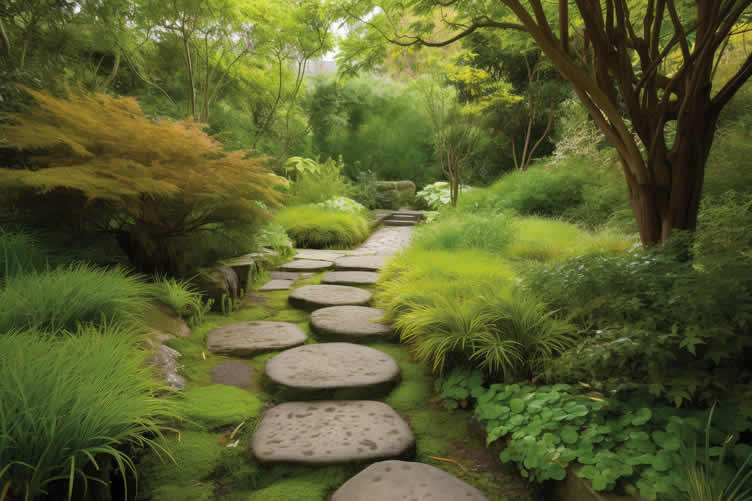
copyright image by 123rf.com
Turning to Professionals
While DIY projects can be incredibly rewarding, some garden transformations call for the expertise of professional landscapers.
The 2026 garden trends emphasize harmony between sustainability, functionality, and cutting-edge design – goals that can sometimes be challenging to achieve without expert guidance.
Professional landscapers bring experience, knowledge, and the right tools to bring your vision to life while staying aligned with modern trends. Here are some ways they can help:
- Custom Sustainable Designs:
Create eco-friendly layouts that incorporate water-saving techniques, native plants, and low-maintenance materials for a greener future. - Maximizing Small Spaces:
Transform compact yards or urban areas into functional and aesthetically pleasing sanctuaries using vertical gardening, multi-functional furniture, and clever layouts. - Expert Plant Selection:
Recommend climate-appropriate plants that thrive in your local environment, ensuring a vibrant and healthy garden year-round. - Outdoor Living Areas:
Design and install outdoor kitchens, fire pits, or lounge areas that blend comfort with style, perfect for entertaining guests. - Smart Irrigation Systems:
Integrate advanced irrigation technologies, such as smart sprinklers and drip systems, to optimize water usage and minimize waste. - Seamless Integration of Modern Features:
Incorporate trending elements like pollinator gardens, edible landscapes, or calming water features to elevate the beauty and utility of your yard. - Hardscaping Expertise:
Construct patios, pathways, and retaining walls with durable, sustainable materials that add structure and elegance to your space.
When a project’s scope feels overwhelming or you want to ensure professional-level results, hiring a landscaper can be the key to creating a breathtaking garden that aligns perfectly with the latest trends and your unique lifestyle.
LetsRenovate has partnered with HomeAdvisor™, a renowned provider of highly-rated, carefully-vetted local landscape and garden contractors. Start your search here by choosing the type of contractor you need and entering your zip code to find local professionals.
copyright image by 123rf.com
Hold on!
Before you begin searching for and evaluating landscape and garden contractors, we recommend downloading our evaluation worksheet.
This resource will help you objectively rank and compare potential contractors by considering key factors like pricing, licensing, and references.

Evaluation Sheet
File Type:
-
Scroll up to directory … or scroll to conclusion and references …
Conclusion
… embracing a greener future
When a project’s scope feels overwhelming or you want to ensure professional-level results, hiring a landscaper can be the key to creating a breathtaking garden that aligns perfectly with the latest trends and your unique lifestyle.
The trends for 2026 invite us to step back and look at our yards not as separate plots of land to be conquered, but as integral parts of our home and the wider ecosystem. By embracing sustainable practices, blurring indoor-outdoor boundaries, and prioritizing wellness, we create spaces that nurture us in return.
Whether you are growing your own dinner, meditating by a fountain, or simply enjoying the rustle of ornamental grasses, these trends offer a path toward a more grounded and harmonious way of living.
As you plan your garden updates, remember that the ultimate goal is to create a space that feels right for you—a personal haven where nature and comfort coexist beautifully.
Resource Citations
- Future of Landscaping Report, 2024-2026
- Sustainable Sites Initiative (SITES) Guidelines
- The Garden Media Group 2025-2026 Trends Forecast
- American Society of Landscape Architects (ASLA) Residential Trends
Quick scroll to more yard n’ garden ideas …
ideas to view and compare from the photo above
- What comments can you share about
any of your ideas about the 2026 garden trends? -

reviewing 2026 garden trends and other home improvement needs …

… grab this directory of ideas for future use


… how to implement 2026 garden trends and other home improvement needs


Download this PDF for a concise summary of all you need to know about …?




SHARE IT ..! Someone in your network might benefit from this insightful guide about 2026 garden trends. Feel free to share it on Facebook, X (formally Twitter), LinkedIn, or Pinterest!



Budgeting Worksheet For Costing Home Remodeling and Home Improvement Decisions
 File Type (excel)



Are there any other interesting topics that might have been overlooked but could offer valuable insights …?



get the size dimensions for any home remodeling project …
… for functionality, aesthetics, and adhering to building codes


… remodeling decisions




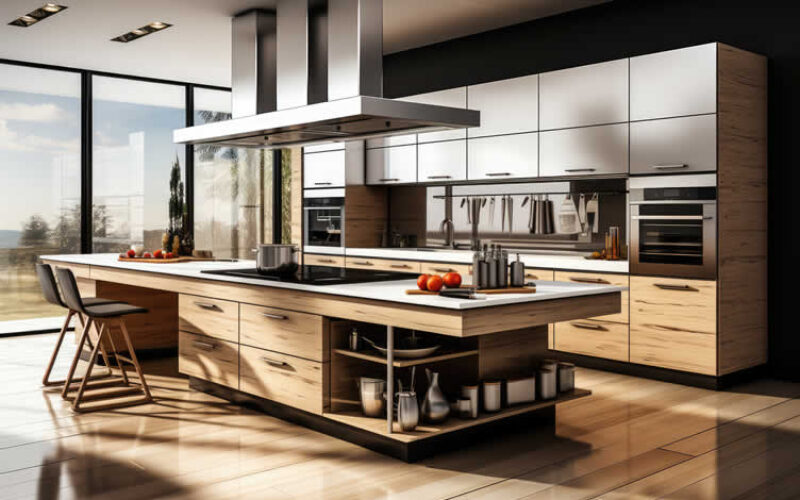

… home remodeling – improvement – repair



Calendar For:
Home Maintenance
File Type:
… view illustration “becoming a bank”
… view our sharing links below for a quick "share the knowledge"
Find Yard n’ Garden Services Landscape Design Landscape Maintenance Sprinkler Systems Water Features Outbuildings Play Equipment Retaining Walls Fences Decks Patio Spas & Hot Tubs Swimming Pools Tree & Shrubs Pest Control Metal Work Steps & Walkways top-rated, pre-screened local contractors FREE: download contractor selection enter zip code – powered by HomeAdvisor ™
Quick Contractor Guides selecting negotiating working with inspecting

Cover image credit: 2026 garden trends by 123rf.com
end of post … please share it!
 |
did you find these 2026 garden trends helpful? If so, please share the article with your friends and family! |
Nice pic idea? Leave us a quick comment below.
And please share this pic idea within your social networks.
Amazon Affiliate Disclosure: LetsRenovate.com is a participant in the Amazon Services LLC Associates Program, an affiliate advertising program designed to provide a means for sites to earn advertising fees by advertising and linking to Amazon.com. The commission earnings are used to defray our cost of operation.
View our FTC Disclosure for other affiliate information.