Summary Outline –
Your backyard should be your sanctuary, a place where you can relax, entertain, and feel at ease without worrying about prying eyes or distractions.
Whether you’re hosting a barbecue, savoring your morning coffee, or relaxing with a good book—or simply need a safe space for kids and pets—a private outdoor area can transform your experience and elevate your enjoyment.
This article explores various privacy solutions, including privacy fences, living walls, hedges, and more, to help you design the perfect personal retreat. As a landscape designer with over two decades of experience, I have designed and implemented all of these options.
- post content
- Privacy Tip 1: Using Fencing as a Privacy Barrier
- Privacy Tip 2: Living Walls for Natural Privacy
- Privacy Tip 3: Using Evergreen Trees as a Privacy Boundary
- Privacy Tip 4: Hedges for a Natural Boundary
- Privacy Tip 5: Using Privacy Screens in Your Landscape
- Privacy Tip 6: Creating Your Perfect Backyard Privacy Barrier

-
Quick scroll to first topic about privacy fencing …

first “privacy fencing” idea

copyright image by 123rf.com
Privacy Tip 1: Using Fencing as a Privacy Barrier
Notes:
-
Fencing is one of the most effective and versatile solutions for creating a private and secure outdoor space. Whether you live in a bustling urban area or a quiet suburban neighborhood, a well-designed fence can provide the privacy and peace of mind you deserve.
Fences are not only functional but can also enhance the aesthetic appeal of your property, reflecting your personal style and complementing your landscape design.
With a variety of materials, styles, and heights to choose from, fencing is an excellent choice for defining boundaries, shielding your yard from prying eyes, and creating a haven for relaxation and recreation.
Below, we will explore key options and considerations when using fencing as a privacy barrier, helping you make an informed decision for your outdoor retreat.
-
Quick scroll to “fence types and styling” side notes …
-
-
1st: Types of Home Privacy Fencing
When designing your outdoor living space, selecting the right landscape privacy fencing is key to balancing function, aesthetics, and long-term durability. With many options available, homeowners can tailor their choice to suit their specific aesthetic preferences, maintenance needs, and privacy requirements.
Below, we explore some of the most popular types of privacy fencing, their unique characteristics, and their specific advantages and disadvantages.
[ view sample images: type fences ]
-
Wood Fencing
Wood fencing is one of the most classic and versatile choices for privacy, offering both functionality and charm. Made from natural materials, it provides a warm, traditional look that seamlessly blends with various home styles and outdoor spaces.
Whether you prefer the rustic appeal of cedar, the durability of redwood, or the affordability of pine, wood fencing can be tailored to suit your preferences.
It can also be painted or stained in a wide range of colors to complement your landscaping and home design, making it a timeless and customizable option for any property.
Pros
- Highly customizable in height, design, and finish.
- Provides complete privacy with proper spacing of panels.
- Eco-friendly if sustainably sourced.
Cons
- Requires regular maintenance such as staining, sealing, or painting.
- Susceptible to rot, pests, and weathering over time.
- Can be expensive depending on the type of wood used.
-
Vinyl Fencing
For homeowners seeking a low-maintenance and long-lasting option, vinyl fencing is an excellent choice. Made from high-quality synthetic materials, vinyl fencing is designed to replicate the classic look of wood, providing a timeless aesthetic without the upkeep.
Unlike wood, it won’t warp, rot, or require regular painting or staining, making it a durable and cost-effective solution over time. Additionally, vinyl fencing is resistant to weather, pests, and fading, ensuring it maintains its appearance for years with minimal effort.
Pros
- Nearly maintenance-free and easy to clean.
- Resistant to rot, pests, and UV fading.
- Modern appearance with a wide range of styles and colors.
Cons
- Higher upfront cost compared to wood.
- Limited eco-friendly options due to its plastic composition.
- May become brittle in extreme temperatures.
-
Composite Fencing
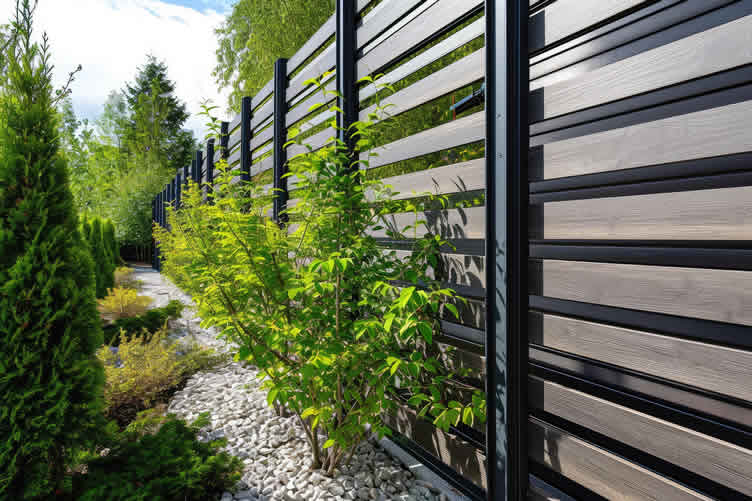
Composite fencing combines wood fibers and plastic, creating a material that offers the natural look and warmth of wood while providing enhanced durability and longevity.
Unlike traditional wood fencing, composite fences are resistant to rot, insects, and weather damage, making them a low-maintenance and cost-effective option over time. They also come in a variety of colors and styles, ensuring you can find the perfect fit for your outdoor space.
Pros
- Resistant to rot, decay, and pest damage.
- Requires minimal upkeep compared to wood.
- Offers a wide variety of natural-looking finishes.
Cons
- Expensive initial investment.
- Limited color-changing or refinishing options after installation.
- Heavier than wood or vinyl, increasing installation complexity.
-
Metal Fencing
Metal fencing, such as aluminum, steel or iron, provides a sleek and modern aesthetic that complements a variety of architectural styles.
In addition to its stylish appearance, metal fencing is highly durable, resistant to harsh weather conditions, and requires minimal maintenance, making it a long-lasting and practical choice for both residential and commercial properties.
Pros
- Extremely sturdy and long-lasting.
- Low maintenance with rust-resistant coatings.
- Weather-resistant and suitable for various climates.
Cons
- Often more expensive than other options.
- Does not always provide complete privacy unless paired with additional materials.
- May require occasional repainting to prevent rust in certain types.
-
Chain Link Fence
While commonly associated with security, chain link fences can be easily adapted for backyard privacy with a few modifications.
Adding slats, knitted HDPE shade cloth, mesh tarps, privacy screens, or even climbing plants can transform a basic chain link fence into an attractive barrier that offers both seclusion and style. This makes it a versatile and cost-effective option for homeowners looking to enhance their outdoor spaces.
Pros
- Affordable and simple to install.
- Durable and requires minimal maintenance.
- Can be enhanced with privacy slats or plants for additional cover.
Cons
- Offers limited privacy without modifications.
- Lacks aesthetic appeal compared to other types.
- Not ideal for high-end landscaping designs.
-
Bamboo Fencing
Bamboo fencing is a sustainable, eco-friendly choice that enhances outdoor spaces with a natural, tropical, or Zen-inspired aesthetic.
Not only is bamboo a renewable resource that grows quickly, but it is also durable and versatile, making it an excellent option for creating privacy, defining boundaries, or adding a decorative touch to gardens and patios.
Its unique texture and warm tones bring a sense of tranquility and style to any setting while supporting environmentally conscious design.
Pros
- Quick to install and environmentally friendly.
- Provides a distinctive, natural appearance.
- Resistant to rot when treated properly.
Cons
- Prone to weathering and cracking over time.
- Requires regular treatment to maintain durability.
- Limited height options in pre-fabricated panels.
-
Final Considerations
Selecting the perfect landscape privacy fencing for your outdoor space requires careful consideration of your unique needs, budget, and long-term vision. Your choice should align with your personal style, desired height (while adhering to local regulations), maintenance preferences, and financial plan.
The cost of a privacy fence depends on the fence material, fencing area, and the fence height. While vinyl and wood offer immediate privacy, an existing chain-link fencing can be modified for enhanced privacy.
Consider consulting with a professional landscape designer to ensure your fencing choice harmonizes with your property and enhances both privacy and curb appeal. Reliable sources and expert guidance can make a significant difference in crafting a functional and beautiful outdoor space.
copyright image by 123rf.com

-
-
2nd: Styling Types of Wood Fencing
When considering wood privacy fencing (and is some cases, vinyl and composite fences) for your outdoor space, the style of the fence plays a pivotal role in achieving your desired aesthetic and functional goals.
The right type of privacy fence not only enhances the security and seclusion of your property but also complements the overall landscaping.
Below is an exploration of some popular wood privacy fence styles to help you make an informed choice that harmonizes beautifully with your outdoor design.
[ view sample images: wood fence styling ]
-
Stockade Fences
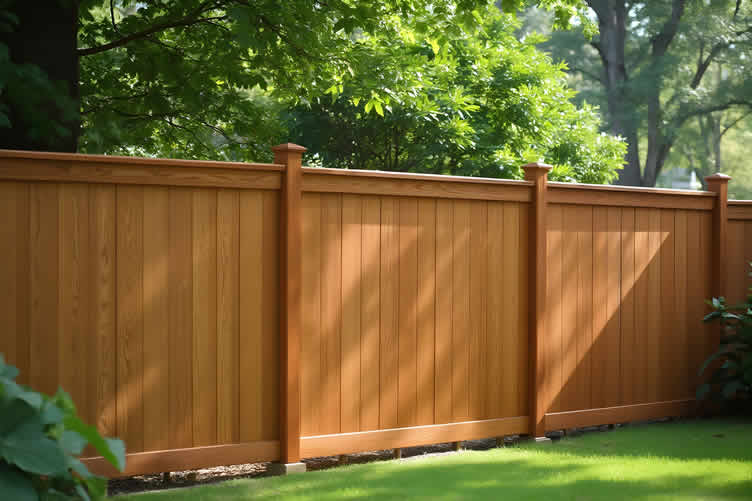
Stockade fences are one of the most traditional styles of wood privacy fencing, known for their timeless charm and straightforward design. Featuring closely placed vertical pickets that are tightly joined, these fences provide complete privacy, blocking visibility and noise effectively.
Stockade fences are often used in residential settings where homeowners prioritize solitude and safety. Their solid construction pairs well with various landscaping privacy fencing layouts, creating a secure and cohesive boundary.
-
Shadowbox Fences
Shadowbox fences are a versatile option that combines function with aesthetic appeal. Built with alternating pickets on either side of the horizontal rails, this fence style allows for partial visibility while still offering sufficient privacy.
The design makes it an excellent choice for properties that require airflow, making shadowbox fences ideal for breezy regions. Additionally, their unique pattern creates a visually pleasing effect, making them a preferred option for properties that balance privacy with a welcoming curb appeal.
-
Board-on-Board Fences
For homeowners seeking maximized privacy with no gaps at all, board-on-board fences are an outstanding solution. This style involves overlapping vertical boards on both sides of the fence frame, ensuring complete coverage even as the wood naturally shrinks and expands with changes in weather.
Board-on-board fences are frequently chosen for their durability and ability to complement a landscape privacy fencing design. They pair particularly well with lush greenery, creating a private, enclosed space ideal for gardens or patios.
-
Lock Board Fences
Lock board fences are engineered with an interlocking tongue-and-groove system that ensures stability and a polished appearance. This style is particularly favored for its seamless design and resistance to warping over time.
Lock board fences are perfect for homeowners seeking robust privacy options without sacrificing the visual aesthetic of their outdoor space. Paired with a professional landscape design, they blend effortlessly into a modern or traditional setting, delivering both privacy and style.
-
Lattice Fences
Lattice fences offer an elegant take on wood privacy fencing, combining functionality with decorative charm. These fences feature a crisscross pattern of thin wood strips, often used in conjunction with climbing plants like ivy or jasmine, which can add greenery and further enhance privacy over time.
Lattice fences work exceptionally well in landscaped areas that aim to merge natural elements with structural design, making them a common choice for gardens or outdoor patios where a softer aesthetic is desired.
-
Picket Fences
Picket fences are another popular option for privacy, offering a classic and timeless design. Typically characterized by evenly spaced vertical wooden slats, picket fences can be customized in height and spacing to enhance privacy while maintaining an inviting appearance.
They are often painted in traditional colors like white, but they can also be stained or customized to match the surrounding decor.
Perfect for defining property boundaries or enclosing front yards, picket fences provide a balance of functionality and aesthetic appeal, making them a versatile choice for homeowners.
-
Final Thoughts
Selecting the right style of wood privacy fencing requires thoughtful consideration of both form and function. Whether you value complete seclusion, airflow, durability, or decorative appeal, understanding the characteristics of each fencing style can help you make the best choice for your property.
Always consider consulting with skilled professionals or reputable local contractors to ensure that the fencing aligns with your landscape design goals and is installed to the highest standards.
AI generated image by 123rf.com
[ view diagram: setting up a privacy fence diagram]
[ pinterest: privacy fences ideas ]
-
-
3rd: Styling Designs for Vinyl and Composite Fencing
When selecting a vinyl or composite privacy fence, styling design plays a significant role in blending function with aesthetic appeal. Modern manufacturing techniques allow homeowners to choose from a diverse array of designs that enhance privacy while complementing their landscape’s overall look.
Below, we explore some of the most popular and versatile styles to help you make an informed and confident decision.
[ view sample images: vinyl/composite styling ]
-
Traditional Style Fencing
Classic and timeless, traditional style vinyl or composite fences commonly feature a clean, white picket design or solid paneling. This style is ideal for homeowners seeking a seamless, understated appearance that works well with both modern and colonial architectural themes.
Traditional fences are practical for maintaining privacy and security, while their neutral design ensures they remain versatile in a variety of outdoor aesthetics.
-
Board-on-Board Design
A board-on-board design is perfect for those who desire enhanced privacy without compromising style. This design incorporates overlapping boards that eliminate gaps, making it nearly impossible to see through the fence.
Additionally, this style adds texture and depth, offering an attractive, dimensional look. Popular among contemporary homeowners, board-on-board fences effectively balance visual interest with maximum seclusion.
-
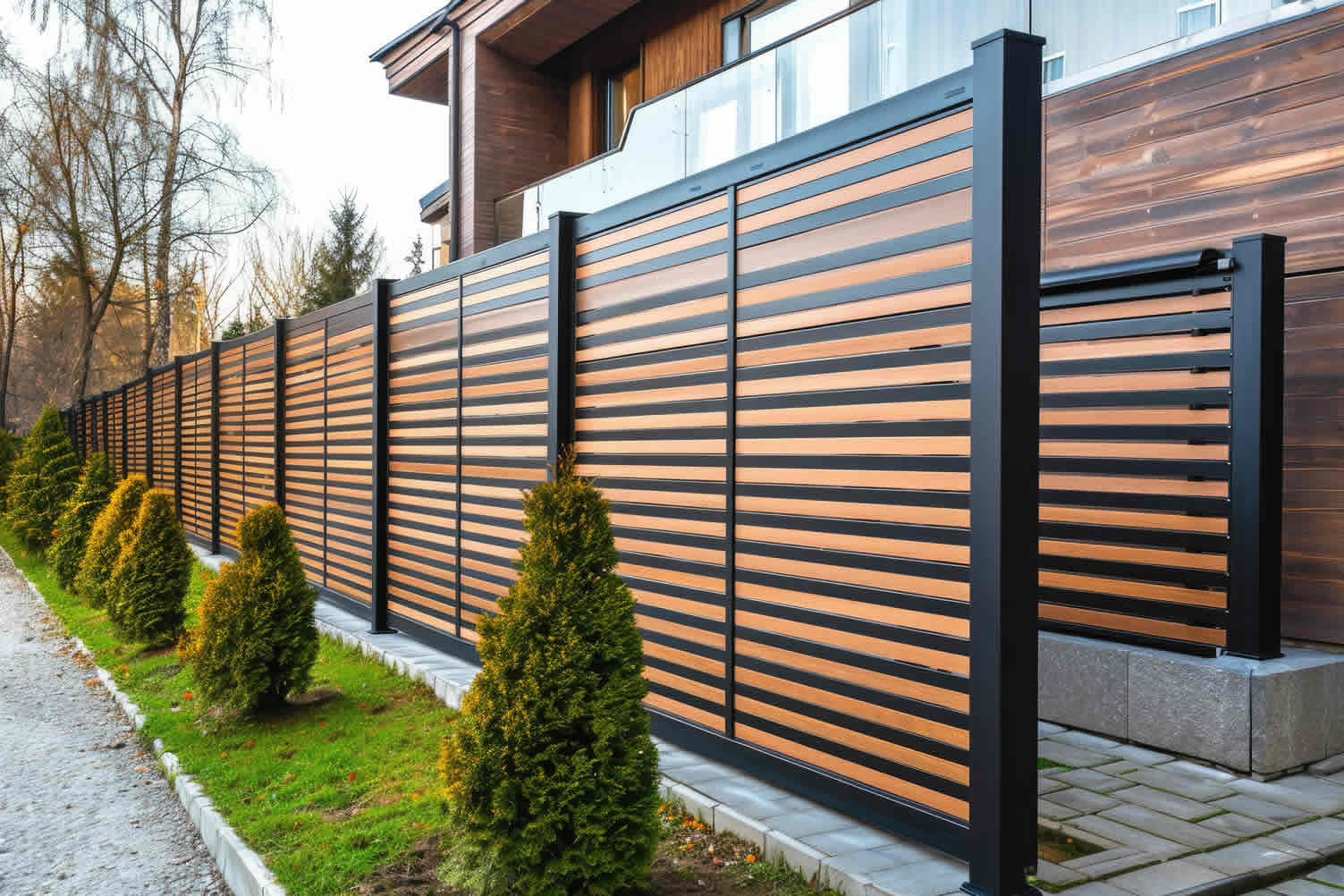
Horizontal Panel Fencing
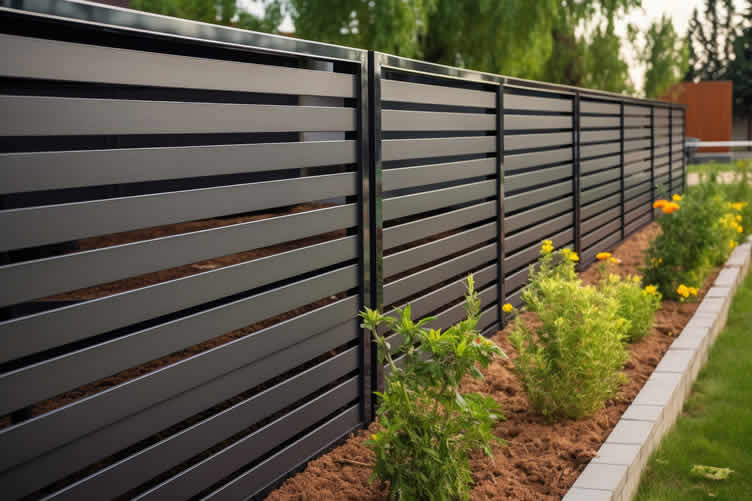
Horizontal panel fencing has gained significant popularity in modern landscape design due to its sleek, minimalistic appearance. Instead of vertically aligned boards, this design features panels installed horizontally, creating a contemporary profile that pairs perfectly with modern and mid-century homes.
Horizontal fences made from vinyl or composite materials are durable, low-maintenance, and customizable with various widths and finishes to suit your preference. Houzz identifies horizontal fences as an excellent way to make a bold yet minimalist design statement.
-
Decorative Accent Fencing
For homeowners seeking a more artistic or personalized touch, decorative accent fencing is an ideal choice. This style integrates intricate latticework, decorative top rails, or unique cutouts to add artistic flair.
These designs allow for a balance between privacy and openness, making them an aesthetically pleasing option for enhancing garden spaces or front yards.
The American Fence Association suggests considering decorative accent fences to make your outdoor property stand out while maintaining functionality.
-
Textured and Wood-Grain Designs
Vinyl and composite fencing technologies have advanced to replicate the natural beauty of wood, offering wood-grain textures that combine the rustic charm of real wood with the durability of modern materials.
This style is popular for homeowners who admire organic, earthy aesthetics but want to avoid the ongoing maintenance associated with traditional wood fences. Leading manufacturers provide a range of colors and finishes, mimicking the appearance of oak, cedar, and other natural woods.
-
Custom Color Options
Gone are the days when vinyl and composite fences were available only in white or neutral tones. Today, these fencing materials come in a variety of colors, from bold shades to subtle earth tones, allowing you to create a fence that perfectly matches your home’s exterior or landscape design.
Some manufacturers even offer color-matching services to meet specific design needs. Websites like Houzz recommend opting for darker colors for a modern look or lighter hues for a soft, traditional appearance
-
Mixed-Material Fences
For a truly unique and contemporary design, consider mixed-material fences that combine vinyl or composite panels with other materials such as metal, stone, or wood accents.
This style integrates the strength and low-maintenance benefits of composite materials with the visual interest of complementary textures. Mixed-material fencing is perfect for homeowners who want a striking, customized look that reflects their personal style, as explained by home design experts at HGTV.
copyright image by 123rf.com
view post: (new win)
A Strong Defense: Features to Add to Your Fences That Make Your Home More Secure[ youtube: What Kind Of Fence Should I Buy?]
[ pinterest: vinyl vs composite fence ]
-
-
-
ideas to view and compare from the information discussed above
Scroll up to directory … or scroll to next section about privacy fencing …



… to accent your fence with green living



second “photo remodeling” idea
AI generated image by 123rf.com
Privacy Tip 2: Living Walls for Natural Privacy
Notes:
-
Living walls offer a unique and eco-friendly solution to backyard privacy. These vertical gardens not only create a lush, green barrier but also enhance your outdoor space with natural beauty.
By incorporating a variety of plants, they can improve air quality, reduce noise, and even support local wildlife like bees and butterflies.
Beyond their practical benefits, living walls provide a sustainable and visually striking way to transform your backyard into a private, tranquil retreat. Perfect for small yards or larger outdoor areas, they’re a stylish blend of functionality and nature.
-
Creating a Living Wall: Structure and Design
The foundation of a living wall is its structure. You’ll need a sturdy frame or trellis to support the plants. Modular systems, such as panels with built-in planters or pocket-style planters, make installation easier and scalable.
Choose a design that complements your space, whether it’s a minimalist wall of greenery or a vibrant mix of flowering plants. Living walls are especially great for smaller yards where traditional fencing isn’t practical.
-
Plant Selection: Best Plants for a Living Wall
The choice of plants can make or break your living wall’s success. For a low-maintenance and evergreen look, consider ferns, ivy, or succulents. If you’d like a more colorful display, trailing plants like petunias, geraniums, or coleus work beautifully.
Be mindful of your local climate and sunlight conditions when selecting plants. A local garden center can advise you on the best options for your region.
-
Maintenance: Watering, Pruning, and Care
Living walls require consistent care to remain lush and healthy. Install an irrigation system to simplify watering, especially during warmer months. Regular pruning will keep your wall looking neat and encourage growth. Fertilize the plants periodically to ensure they thrive.
-
-
Quick scroll to “how-to living wall” side notes …
-
-
1st: Structural Types of Living Walls
Living walls, a popular solution for adding greenery to urban environments, come in various structural types, each tailored to specific aesthetic and functional needs. These vertical gardens not only enhance the beauty of spaces but also improve air quality, offer thermal insulation, and can serve as natural landscape privacy fencing.
Below are detailed descriptions of the primary structural types of living walls, helping you identify which system best suits your project.
[ view sample images: types living walls ]
-
Green Screens
Green screens are one of the simplest types of living walls, featuring a trellis or wire support structure that allows climbing plants to grow and form a natural green barrier. Often used for privacy or to cover unsightly walls, green screens require minimal maintenance once established.
They are ideal for spaces where creating green partitions or adding vertical privacy along property borders is desired. Popular climbing plants for green screens include ivy, clematis, and climbing roses.
-
Green Facades
Green facades use climbing plants to grow directly on a building or a structural support system, such as cables or wire grids. These systems are optimal for covering large surface areas with lush greenery, while also reducing heat absorption in urban settings.
Green facades often act as both an aesthetic feature and an eco-friendly solution for improving energy efficiency in buildings. Regular trimming may be required to keep the plants from becoming overgrown.
-
Living Walls
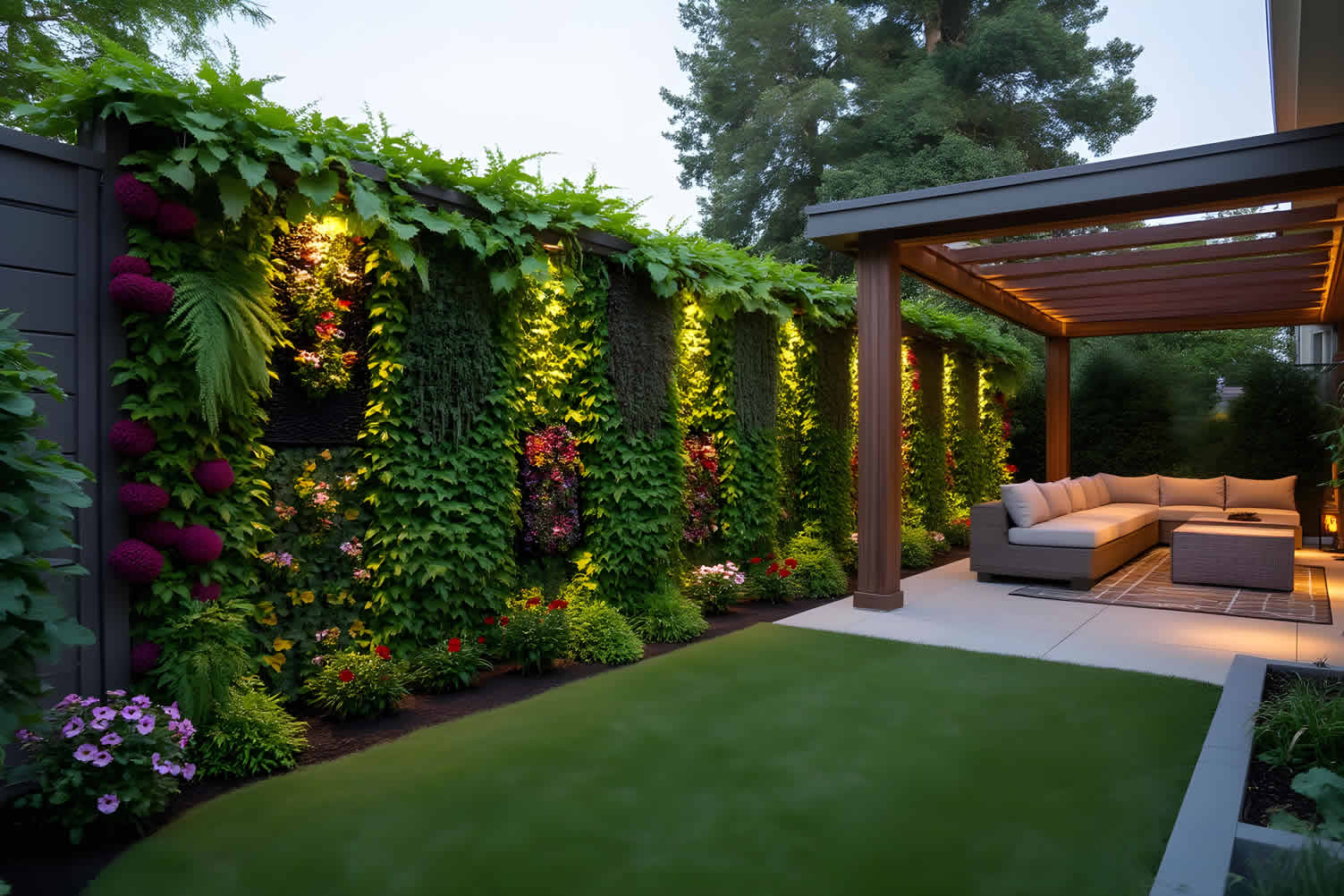
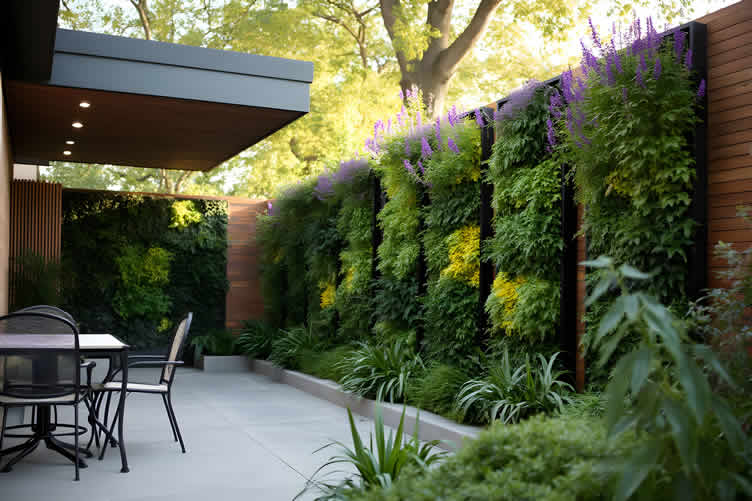
Living walls, also known as vertical gardens, involve physically planting a variety of plants directly into a vertical structure constructed from panels, pockets, or modular systems. Unlike green screens or facades, living walls support a wider diversity of plant species as they can be designed with specific growing conditions in mind.
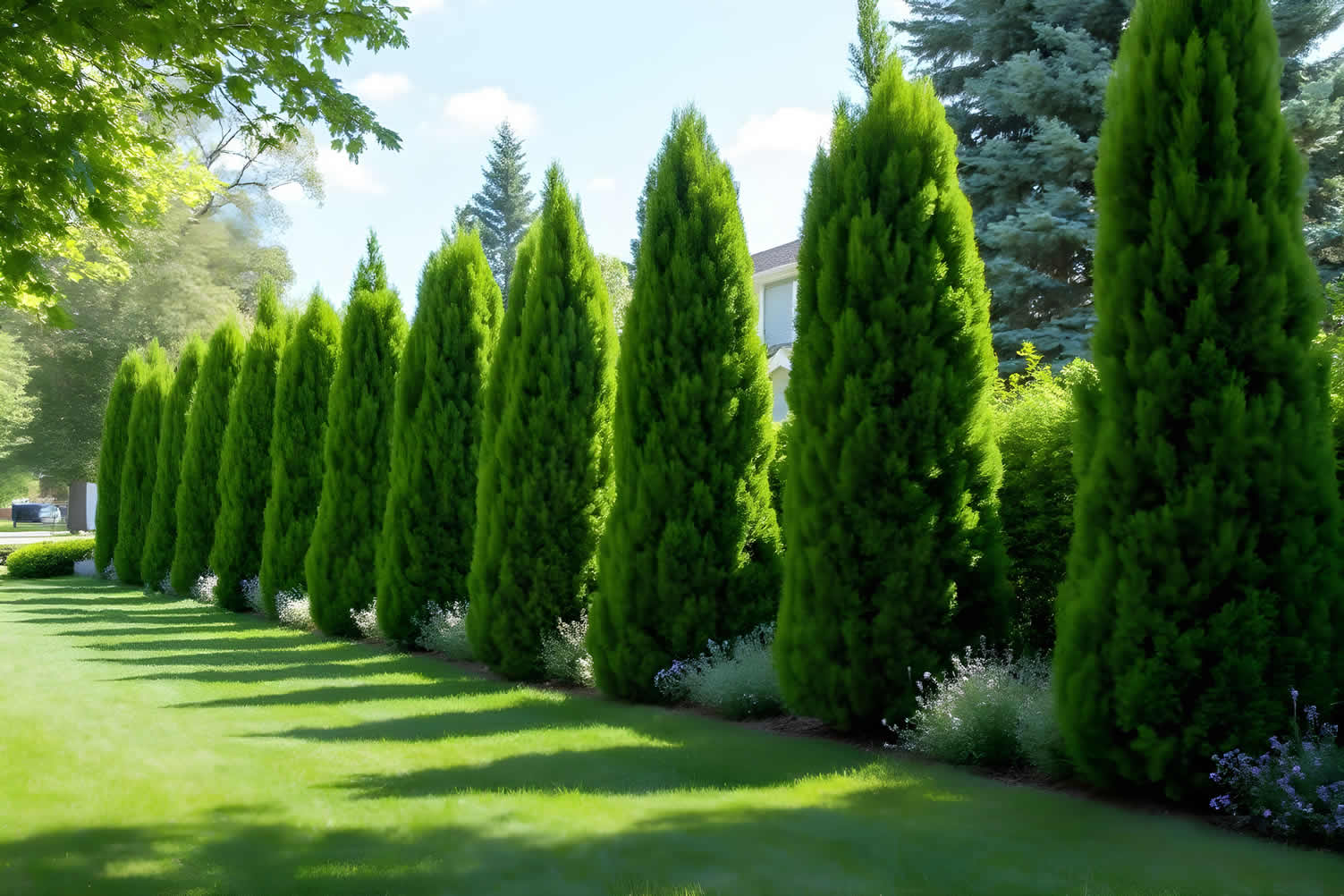
For example, Living walls made of evergreen trees and shrubs, such as skip laurels, Japanese cedars, Green Giants, and Emerald Green arborvitae, offer an elegant solution for natural privacy.
Planted in a row, these greenery options create a visually appealing and effective living screen, blending beauty with functionality.
-
Skip laurel:
Glossy, dense, and deer-resistant; may suffer winter burn if not protected. -
Japanese cedar:
Pyramidal shape and grows into a tall, dense, evergreen screen. -
Green Giant arborvitae:
Fast-growing, dense, and more deer-resistant than Emerald Green. -
Emerald Green arborvitae:
More compact and structured than Green Giant, vulnerable to deer damage.
These walls are often seen in commercial spaces, residential backyards, or even as part of an interior design scheme. Living walls can help create intimate outdoor spaces by offering sustainable landscape privacy fencing options.
-
-
Modular/Panel Systems
Modular or panel systems consist of pre-planted panels that are attached directly to a wall or freestanding structure. Each module contains soil or a growing medium, allowing for easy installation and maintenance.
These systems are highly customizable and are often used in both residential and commercial projects. They are ideal for creating intricate patterns or using plants with varied textures to achieve a striking visual effect.
-
Tray Systems
Tray systems feature stacked trays or planters mounted vertically, often equipped with irrigation systems to ensure plant health. These systems are widely used due to their modular ease and versatility, particularly in small or urban areas where space may be limited.
Tray systems work well for growing herbs, succulents, or flowers, making them ideal for culinary enthusiasts or homeowners seeking an eye-catching vertical garden.
-
Freestanding Walls
Freestanding living walls are independent structures that do not rely on existing walls for support. These walls are often used to create natural dividers in outdoor spaces, adding both functionality and beauty.
Perfect as landscape privacy fencing, freestanding walls can be placed strategically to enhance privacy in open landscapes, patios, or gardens. They can be constructed using a variety of materials, including metal, wood, or concrete frames, paired with a mix of lush, cascading plants.
-
Hydroponic Walls
Hydroponic systems offer a soil-free solution for living walls, using nutrient-enriched water as the sole growing medium. These walls are ideal for areas where weight constraints or soil limitations are concerns.
Hydroponic walls are highly efficient and are often found in modern interiors or spaces focused on sustainability. However, they require careful monitoring of water quality and nutrient levels to ensure optimal plant growth.
-
Soil-Based Walls
Traditional soil-based walls employ pockets or modules filled with soil, allowing plants to grow naturally. These systems are ideal for projects where easy access to organic gardening methods or low-tech upkeep is prioritized.
Soil-based walls can support a diverse array of plants, including flowering species and foliage plants, making them popular among amateur gardeners creating backyard green spaces.
By understanding the different structural types of living walls, you can select the one that aligns with your aesthetic ambitions and practical needs.
Whether your goal is to create a natural privacy screen, enhance biodiversity, or simply beautify a space, living walls provide a versatile and environmentally responsible solution for modern landscapes.
AI generated image by 123rf.com
[ pinterest: living wall privacy fence ]
[ youtube: 10 Best Plants for Living Wall ]
-
-
2nd: How to Set Up, Grow, and Maintain Living Walls
Living walls, also known as green walls, are an incredible way to add visual impact and environmental benefits to any space. They require careful planning, proper setup, and ongoing maintenance to thrive.
Whether you are installing a living wall indoors or outdoors, understanding and following key steps ensures the success and longevity of your vertical garden. Below is a guide divided into essential procedures for setting up, growing, and maintaining living walls.
-
Designing and Planning Your Living Wall
The first step to implementing a living wall is proper planning and design. Begin by assessing the space where the living wall will be installed. Consider factors such as sunlight exposure, climate, wall size, and accessibility for watering and maintenance.
Choose a living wall system that suits your space and needs, ranging from modular panels to felt pockets or hydroponic systems. Additionally, select plants that are compatible with the environment, taking care to consider their light, water, and temperature requirements.
-
Preparing the Wall and Infrastructure
Ensure your wall structure is capable of handling the weight of the living wall system, particularly when fully grown and saturated with water. Install a sturdy support framework and incorporate irrigation and drainage systems.
An automatic or semi-automatic irrigation system is highly recommended to provide consistent moisture to the plants. Waterproofing the installation area is also crucial to prevent moisture damage to the building’s surface beneath the wall.
-
Selecting and Planting the Vegetation
When choosing plants, prioritize species that complement each other and thrive in similar conditions. Arrange the plants in a manner that balances aesthetics with functionality, creating a visually appealing and healthy ecosystem.
Prepare the growing medium by using soil mixtures or hydroponic substrates appropriate for the selected plant species. Once ready, carefully plant each plant into its designated slot within the chosen living wall system, taking care not to damage the roots during the process.
-
Establishing Effective Care and Maintenance
After setup, regular maintenance is essential to ensure your living wall remains healthy and vibrant. Tasks include watering (if not automated), pruning, and regularly checking for pests or signs of disease.
Periodically replace struggling plants with new ones to preserve the aesthetic and health of the wall. Fertilization is also necessary to provide nutrients that might not be naturally present in the system, promoting sustained growth.
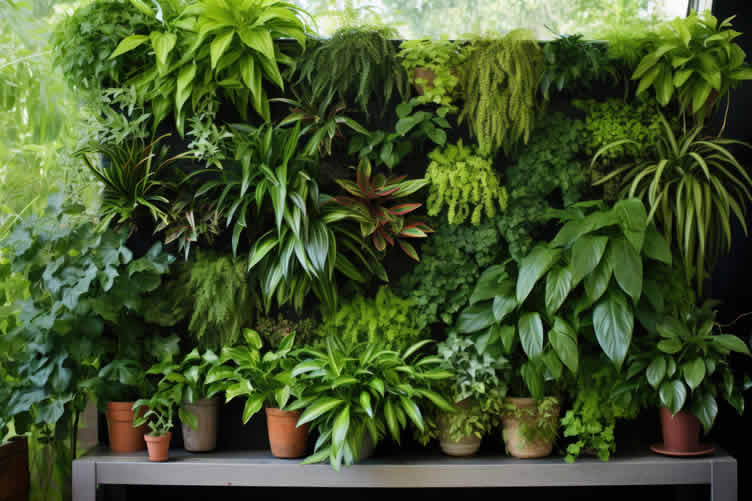
copyright image by 123rf.com
[ pinterest: living wall privacy fence ]
[ youtube: How to Build a Green Wall or living wall ]
-
-
-
ideas to view and compare from the information discussed above
book: green living wallsgreen living wallsliving wall system
Scroll up to directory … or scroll to next section about privacy fencing …

addressing privacy fencing and other home and garden needs …

… grab this directory of ideas for future use



… remodeling decisions
May We Suggest Other Photo Remodeling Ideas About
“What’s New Inside the House …” (new win)


third “photo remodeling” idea
AI generated image by 123rf.com
Privacy Tip 3: Using Evergreen Trees as a Privacy Boundary
Notes:
-
Evergreen trees are an excellent choice for creating a natural privacy boundary that is both functional and visually appealing. These trees retain their foliage year-round, ensuring consistent coverage and privacy in every season.
Popular varieties such as arborvitae, leyland cypress, and holly are known for their dense growth, which effectively blocks sightlines and reduces noise from nearby roads or neighbors.
As a landscape designer, I’ve frequently utilized evergreen trees in buffer plantings for both new constructions and established homes. These trees effectively block sightlines to the road, reduce traffic noise, and provide enhanced privacy for residents, creating a more peaceful and secluded environment.
-
White spruce:
A hardy, fast-growing tree with dense, blue-green needles that provide excellent wind and noise protection while thriving in various soil conditions. -
Douglas fir:
A tall, pyramidal tree with soft, dark green needles that creates a thick buffer, making it ideal for large landscapes. -
Eastern white pine:
A fast-growing evergreen with soft, feathery needles that offer a graceful, natural buffer screen while allowing some filtered light. -
Design Tip:
Evergreen trees are best used in a staggered formation to provide the thickest natural buffer screen.
-
-
Quick scroll to “using evergreens” side notes …
-
-
1st: Types of Evergreens as a Privacy Screens
Evergreens are a versatile and reliable choice for homeowners looking to enhance their outdoor spaces with natural privacy fencing. Their year-round foliage, varied shapes, and ability to grow in diverse climates make them a popular option for creating tranquil, private sanctuaries.
With the right selection of evergreen trees and shrubs, you can establish a living privacy screen tailored to your needs while maintaining a beautiful and functional landscape.
[ view sample images: evergreen types ]
-
Arborvitae
Arborvitae is a favorite choice for landscape privacy fencing due to its columnar growth habit, lush green foliage, and adaptability to various soil types. Different varieties, such as the popular Green Giant or Emerald Green Arborvitae, are ideal for creating dense walls that require minimal maintenance.
They thrive in full sun to partial shade and can reach heights of 15 to 50 feet, depending on the species, providing excellent coverage. Regular trimming helps maintain a uniform appearance, and these trees are resistant to many pests and diseases.
-
Leyland Cypress
Fast-growing and hardy, Leyland Cypress is another excellent option for creating a natural privacy fence. This tree can reach an impressive height of 50 to 70 feet and spreads 15 to 25 feet wide, forming an effective barrier against noise and prying eyes.
Its soft, feather-like foliage and tolerance for a variety of soil conditions make it a practical and attractive choice. However, proper spacing and care are crucial to prevent overcrowding and potential fungal issues. Leyland Cypress thrives in full to partial sun, making it perfect for expansive yards.
-
Hollies
Hollies offer a unique combination of privacy and visual interest with their glossy, dark green foliage and vibrant berries. Varieties such as American Holly or Nellie R. Stevens Holly can grow up to 30 feet tall, creating a dense and lush privacy screen for your landscape.
Hollies are adaptable to various soil types, thrive in full sun to partial shade, and are highly resistant to drought once established. Their berries also serve as a valuable food source for birds, adding ecological benefits to your yard.
-
Magnolias
Known for their large, fragrant blossoms and glossy leaves, magnolias can serve as an elegant privacy screen. Southern Magnolias, in particular, are evergreen and can grow up to 80 feet tall, providing year-round coverage and beauty.
These trees thrive in warm climates and prefer well-draining soil with full sun to partial shade. Magnolias are a slower-growing option but are well worth the investment for their stunning, stately presence in the landscape.
-
Pine Trees
Pine trees are a classic choice for a natural privacy barrier. Varieties like Eastern White Pine and Austrian Pine are widely used due to their fast growth and ability to withstand cold climates.
Pine trees have soft needles and can grow to towering heights of 50 to 80 feet, making them ideal for creating a serene, secluded yard. They thrive in well-draining, acidic soil and require minimal maintenance, making them a low-effort option for property owners.
-
Junipers
Valued for their versatility and durability, junipers are hardy evergreen shrubs or trees that adapt well to challenging conditions. Varieties such as Spartan Juniper or Blue Point Juniper form dense, upright screens, growing up to 15 feet tall.
Their aromatic foliage comes in beautiful shades of green, silver, or blue, adding both privacy and aesthetic value to your yard. Junipers perform best in full sun and require little water, making them an ideal choice for drought-prone regions.
-
Cedars
Cedar trees, such as the Eastern Red Cedar, are a dependable option for privacy fencing. With their dense foliage and aromatic wood, they create a strong visual and physical barrier while producing a natural repellent for moths and other insects.
Cedars grow relatively quickly, reaching heights of 40 to 50 feet, and thrive in full sun. These trees are long-lasting and add texture to your landscape, proving to be both functional and visually appealing.
-
Laurel Trees
Laurel trees, including the Skip Laurel and English Laurel, are popular for their rich green leaves and manageable sizes, growing to heights of 10 to 20 feet. Known for their fast growth, laurel trees create a dense hedge that works perfectly for privacy fencing around smaller yards.
They are tolerant of shade, thrive in well-draining soil, and require regular pruning to maintain their shape and prevent excessive growth. Their evergreen nature ensures year-round coverage.
-
Fir Trees
Fir trees, such as Fraser Fir and Douglas Fir, provide a structured and layered appearance ideal for a natural privacy screen. With their symmetrical growth and soft needles, firs bring an elegant and lush look to your yard.
These trees are best suited for cooler climates and can grow up to 80 feet tall, providing both beauty and practical screening. Firs require well-draining, acidic soil and adequate space to thrive, making them a respected choice for larger landscapes.
By selecting the right evergreen species for your region and preferences, you can create a landscape privacy fencing solution that is both functional and stunning. Combine these trees strategically to suit your yard’s dimensions and conditions, and enjoy the added privacy, beauty, and environmental benefits they bring.
Always consult local gardening experts or extension services to ensure the best fit for your specific area and needs.
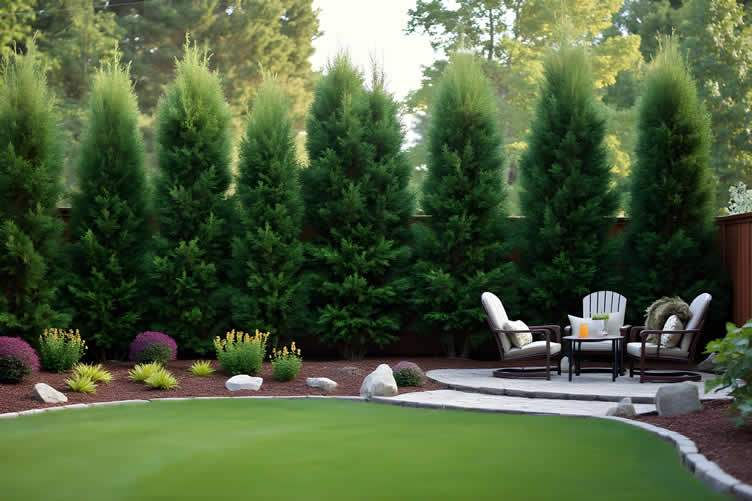
AI generate image by 123rf.com
[ view diagram: evergreen trees for privacy ]
[ youtube: using evergreens for privacy ]
-
-
2nd: Setting Up Evergreen Trees
Before setting up an evergreen tree privacy screen, it is essential to understand the best practices for selection, spacing, and maintenance to ensure a long-lasting and effective natural fence.
Most evergreen species thrive in well-drained soil with full to partial sunlight, so it’s important to evaluate the planting site accordingly. Regular watering and mulching during the early stages of growth will help establish a strong root system, while occasional pruning ensures the hedge maintains its desired shape and density.
Beyond their practical benefits, evergreen trees contribute to a healthy ecosystem by providing shelter and food for birds and other wildlife. Additionally, they can enhance the aesthetic of your landscape, adding texture and greenery even during the colder months.
With patience and proper care, an evergreen privacy fence becomes a long-lasting, natural barrier that enhances both the beauty and functionality of your outdoor space.
-
Choosing the Right Evergreen Trees
Not all evergreen trees are created equal, especially when it comes to creating privacy. Some of the most popular choices include arborvitae, Leyland cypress, and juniper.
- Arborvitae is known for its tall, narrow shape and lush green foliage, making it perfect for smaller spaces.
- Leyland cypress grows quickly and can reach impressive heights, ideal for forming large, dense screens.
- Junipers, on the other hand, offer versatility with their various sizes and shapes, making them suitable for a range of landscapes.
These trees are all fast-growing and dense, providing an effective natural barrier in a relatively short amount of time while adding beauty and greenery to your space.
-
Planting and Spacing for Optimal Privacy
Proper spacing is critical to creating an effective privacy barrier with evergreen trees. If you plant them too closely together, their roots and branches may compete for resources like water, nutrients, and sunlight, ultimately stunting their growth and limiting their lifespan.
On the other hand, if you plant them too far apart, gaps may form, diminishing their ability to provide a dense, effective screen for privacy or wind protection. To ensure the best results, it’s important to consider the specific species of evergreen trees you’re planting, as each has unique growth patterns, mature size, and spacing requirements.
For accurate spacing guidelines, consult with a professional landscaper or visit your local garden center for expert advice tailored to your needs and environment.
-
Long-Term Care and Maintenance
To keep your evergreen trees healthy and thriving, regular upkeep is essential. Start by watering deeply during dry spells, ensuring the water penetrates the soil to reach the roots.
Adding a layer of mulch around the base of the tree helps retain soil moisture, regulate temperature, and reduce weed growth that can compete for nutrients. Periodically inspect your trees and prune any dead, damaged, or unhealthy branches to encourage robust growth and maintain their natural shape.
Additionally, monitor for signs of pests or diseases, and address any issues promptly to keep your evergreens looking their best year-round.
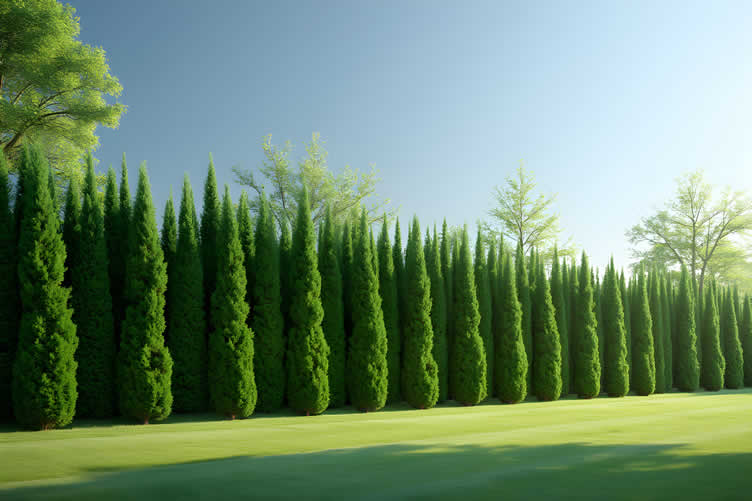
AI generated image by 123rf.com
-
-
-
ideas to view and compare from the information discussed above
book: evergreens and shrubsevergreen fertilizer spikestree stakes
Scroll up to directory … or scroll to next section about privacy fencing …
SHARE IT ..! You might have someone in your social network who could find this informative review of privacy fencing valuable. Feel free to share it on Facebook, X (formally Twitter), LinkedIn, or Pinterest!




fourth “photo remodeling” idea

copyright image by 123rf.com
Privacy Tip 4: Hedges for a Natural Boundary
Notes:
-
Hedges can serve as a versatile and attractive feature in your yard’s landscaping, offering both aesthetic and functional benefits. When used as natural boundaries, hedges not only define the perimeter of your property but also provide privacy, reduce noise, and act as a windbreak.
Unlike conventional fences, they bring lush greenery and organic texture to your outdoor space, seamlessly blending with the natural environment. By choosing the right hedge plants and maintaining them properly, you can create a living boundary that enhances your yard’s beauty while serving practical purposes.
The sections below will guide you through the process of selecting, planting, and caring for hedges to create the perfect natural boundary for your yard.
-
Quick scroll to “understanding types of hedges to use” side notes …
-
-
1st: Types of Hedges Best for Privacy
Creating a sense of privacy and seclusion in your yard is an essential aspect of landscape design, especially in neighborhoods where homes are close together. Hedges serve as a natural and aesthetically pleasing alternative to traditional privacy fencing.
By choosing the right evergreen hedges, you can establish a lush, green perimeter that not only shields your outdoor space from prying eyes but also absorbs noise and enhances the overall beauty of your landscape.
Below, explore some of the most effective evergreen hedge options for creating a living privacy screen tailored to your needs.
[ view sample images: type hedges ]
-
Boxwoods
Boxwoods are renowned for their versatility and dense growth habit, making them a staple for landscape privacy solutions. With regular pruning, these evergreen shrubs form crisp, tailored hedges that offer a sophisticated look.
Their slow growth rate makes them ideal for creating defined boundaries where minimal maintenance is desired. English and American boxwoods are particularly popular varieties, noted for their hardiness and adaptability to various soil conditions.
-
Japanese Holly
Known for their compact size and small, glossy leaves resembling boxwoods, Japanese holly plants are an excellent choice for creating uniform, dense hedges.
These shrubs thrive in full sun or partial shade and are relatively low-maintenance, capable of maintaining their lush appearance throughout the year. Since they are deer-resistant, they are a reliable option for landscapes in areas with wildlife activity.
-
Yews
Yew shrubs are another classic evergreen option, perfect for crafting privacy boundaries. With their tolerance for shade and well-drained soils, yews can adapt to many garden settings.
They are long-lived, drought-tolerant, and valued for their rich, needle-like foliage. Popular varieties like Hicks yew and Japanese yew grow upright and dense, making them an ideal backbone for a private hedge.
-
Skip Laurels
Skip laurels are fast-growing evergreen shrubs that develop lush, glossy leaves, offering year-round privacy fencing. These plants can flourish in both sun and shade, withstanding a variety of environmental conditions.
Because of their rapid growth and ability to reach heights of up to 10 to 15 feet, skip laurels are a go-to for quickly establishing a towering, natural screen.
-
Blue Holly
Blue holly, with its signature bluish-green glossy leaves and bright red berries, not only provides privacy but also adds a vibrant, ornamental flair.
Hardy and durable, these shrubs thrive in sunny or partially shaded areas. They require minimal upkeep and are an excellent choice for landscapes where both aesthetics and privacy are priorities.
-
Burning Bush
Though commonly associated with autumnal displays, burning bushes can serve as an elegant deciduous privacy hedge. Their dense branching structure and compact growth create an effective barrier throughout the growing season.
While they lose their leaves in winter, their vibrant fall foliage more than compensates, offering a seasonal burst of color to your landscape.
-
Euonymus
These fast-growing evergreen shrubs are ideal for forming tall, dense hedges. With varieties like golden euonymus or Manhattan euonymus, you can find options to fit various design preferences.
Their adaptability to different types of soil and light conditions, combined with their vibrant foliage, make them a reliable option for privacy landscaping.
-
Privet
Privet hedges are incredibly fast-growing and are perfect for homeowners looking to establish a private boundary quickly. With regular trimming, these shrubs form a thick hedge that can be tailored to any desired size or shape.
Broadleaf privet varieties, such as California privet or Japanese privet, are especially popular for use in landscapes where privacy is a key consideration.
-
Leyland Cypress
Leyland cypress is one of the most popular choices for privacy hedges, thanks to its towering growth capabilities and striking appearance. These evergreen trees can grow up to three feet per year, quickly forming a dense, elegant boundary.
Their fine-textured foliage and rapid growth rate make them ideal for larger yards where expansive privacy fencing is needed.
-
Camellia
Camellias are known not only for their privacy-enhancing capabilities but also for their breathtaking blooms. These shrubs are effective as hedges because of their dense branching and evergreen foliage.
They perform best in well-drained soil and partial shade, and with varieties available in myriad flower colors, camellias bring an added layer of beauty to any yard.
-
Selecting the Right Hedge for Your Needs
The ideal choice for your yard depends on factors such as your local climate, maintenance preferences, and desired aesthetic. Whether you opt for the traditional charm of boxwoods, the rapid growth of Leyland cypress, or the lush blooms of camellias, hedges offer a natural, versatile solution for landscape privacy fencing.
Proper planting techniques, regular pruning, and strategic placement ensure that your hedges will thrive and continue to provide privacy while enhancing the beauty of your outdoor space. With careful planning, you can transform your yard into a serene, secluded retreat.
- University of Florida IFAS Extension, “Choosing Hedges for Florida Landscapes.”
- Missouri Botanical Garden, “Plant Finder Database.”
- National Gardening Association, “Evergreen Shrubs for Privacy.”
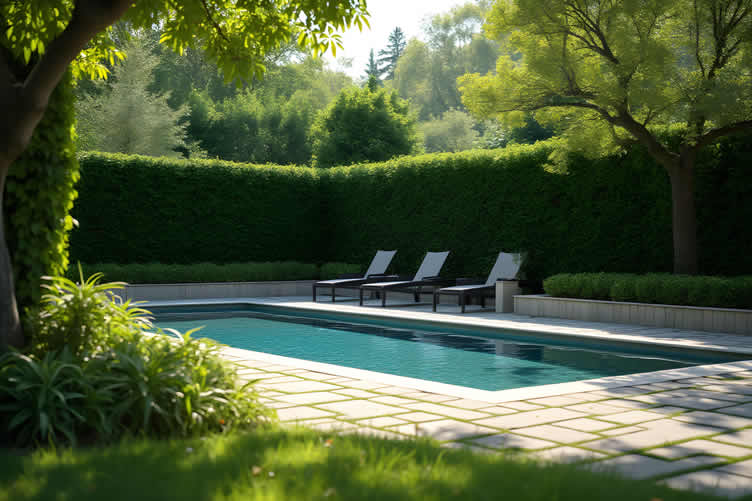
AI generated image by 123rf.com
[ pinterest: using hedges as privacy screen ]
[ youtube: Top 10 Living Fence Ideas for Privacy ]
-
-
2nd: Hedges Planting and Maintenance
As noted, hedges offer a beautiful and functional option that blends seamlessly into any outdoor space. These natural barriers not only provide privacy but also add greenery and charm to your garden.
Hedges can be shaped into formal designs for a polished look or left to grow naturally for a more relaxed, organic feel.
With proper care and maintenance, they can thrive for years, offering both aesthetic appeal and practical benefits like noise reduction and wind protection.
-
Selecting the Best Hedge Plants
Some top choices for hedges include boxwood, privet, and yew, all of which are known for their dense foliage and versatility, making them ideal for creating privacy or defining garden spaces. For those who prefer flowering hedges, lavender, hibiscus, or camellia are excellent options.
Lavender offers a fragrant, low-maintenance choice with beautiful purple blooms, while hibiscus brings tropical flair with its large, eye-catching flowers.
Camellia, on the other hand, provides year-round greenery and stunning blooms in a variety of colors, adding both vibrancy and elegance to your garden.
-
Planting and Pruning Hedges
Proper planting is key to establishing a healthy hedge that will thrive for years to come. Start by preparing the soil thoroughly, ensuring it is well-drained and rich in nutrients to support growth.
When planting, space the plants evenly and make sure to plant them at the correct depth—too deep or too shallow can hinder their growth. Once planted, consistent pruning is essential to encourage thick, even growth and to prevent the hedge from becoming sparse or overgrown.
Regular shaping not only keeps your hedge tidy but also enhances its overall appearance, making it a standout feature in your garden. Don’t forget to water regularly, especially during dry spells, and consider mulching to retain moisture and suppress weeds.
-
Maintaining a Healthy Hedge
Hedges require consistent watering and feeding during their initial growth phase to establish strong roots and healthy growth. It’s important to ensure the soil remains moist but not waterlogged, as this helps the plants thrive.
Regular trimming is essential to keep them neat, dense, and visually striking, encouraging bushy growth and maintaining their shape. Additionally, applying mulch around the base can help retain moisture and suppress weeds.
With proper care and attention, hedges will not only enhance the aesthetic appeal of your garden but also provide privacy, charm, and a natural habitat for wildlife for years to come.
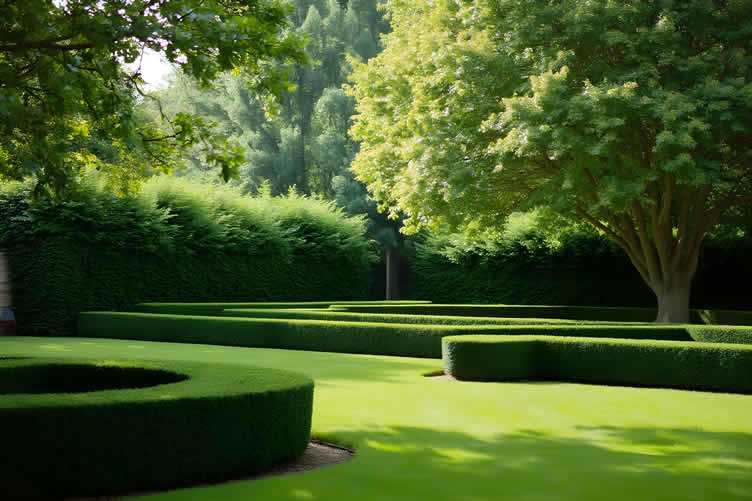
AI generated image by 123rf.com
-
-
-
ideas to view and compare from the information discussed above
Scroll up to directory … or scroll to next section about privacy fencing …

plan the specifications you need for making …

… key garden improvements and home remodeling decisions


Budgeting Worksheet For Costing Home Remodeling and Home Improvement Decisions
 File Type (excel)
fifth and last “photo remodeling” idea
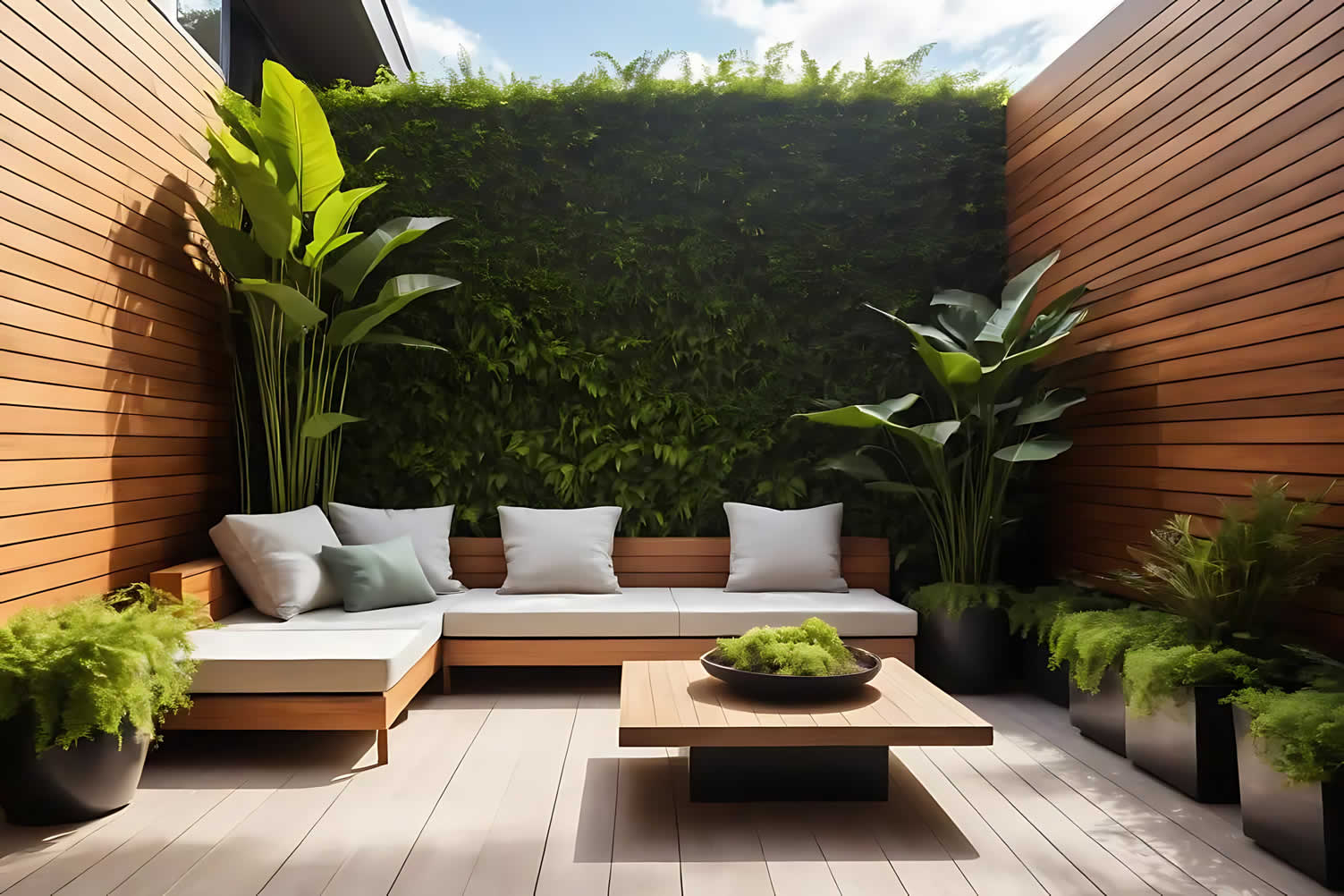

copyright image by 123rf.com
Privacy Tip 5: Using Privacy Screens in Your Landscape
Notes:
-
Privacy screens are a fantastic way to transform your outdoor space into a serene and private retreat while enhancing the character and structure of your landscape. These versatile features come in many forms, such as wooden panels, latticework, tall plants, or even lush vertical gardens.
When choosing privacy screens, consider materials and styles that complement your home and garden aesthetic. Thoughtfully placed screens can block unwanted views, reduce noise, and create distinct areas for relaxation or entertainment.
Privacy screens can be freestanding or seamlessly integrated into existing structures and are available in materials like wood, metal, or planter-style designs. Beyond their functional benefits, they also add visual appeal, offering long-term privacy and pairing well with roller shades or balcony screens.
Outdoor roller shades and balcony screens often feature durable, fade-resistant, water-repellent, and UV-protective materials designed to meet a range of light filtration needs.
Popular options include PVC-coated polyester, acrylic, mesh, vinyl, fiberglass mesh, and bamboo, ensuring both style and practicality for your outdoor space.
-
Quick scroll to topic "how to use screen" side notes …
-
-
1st: Privacy Screens as Flexible Solutions
If you’re looking for a solution that’s easy to set up, move, or customize, privacy screens are a versatile and attractive option. They work well in a variety of spaces, providing a stylish way to create boundaries, enhance privacy, or divide areas without the need for permanent walls.
Whether you’re organizing an office, sectioning off a room, or adding a decorative touch, privacy screens offer both functionality and aesthetic appeal.
-
Placement and Installation Tips
Privacy screens are a great way to create secluded and cozy corners in large backyards, offering a sense of intimacy and relaxation. They are also ideal for shielding specific areas such as patios, pools, or garden seating spaces, adding both functionality and aesthetic appeal to your outdoor setup.
To ensure they remain stable and safe, especially in windy conditions, it’s important to anchor them securely using sturdy supports or weighted bases. With the right placement and design, privacy screens can enhance your backyard experience while maintaining a stylish and practical solution for your outdoor needs.
-
Decorating and Personalizing Your Screen
Add your personal touch to privacy screens by painting them in colors that match your outdoor decor, hanging string lights to create a warm and inviting glow, or adding potted plants for a touch of greenery and natural beauty.
Choose plants like climbing vines or colorful flowers to enhance the aesthetic appeal, and consider using weather-resistant paint to ensure your screens stay vibrant over time. These simple yet creative efforts can completely transform and elevate the look and feel of your outdoor space, making it a cozy and stylish retreat.
-
Other Privacy Options
For those seeking even more options, consider combining elements like lattice panels with climbing plants, outdoor curtains, or pergolas to enhance your backyard’s functionality and charm. Lattice panels paired with vibrant climbing plants like ivy or jasmine can create a lush, natural wall that offers both privacy and a touch of greenery.
Outdoor curtains, available in a variety of colors and fabrics, can be used to add a soft, breezy feel while allowing you to adjust the level of privacy as needed.
Pergolas not only provide shade but also serve as a stylish focal point that can be decorated with string lights, hanging planters, or draped vines. These approaches together can transform your backyard into a private, relaxing retreat that feels both secluded and stylish.
[ view images: privacy screen ideas ]
[ pinterest: working with privacy screen ]
-
-
2nd: Types of Privacy Screens for Shielding
Privacy screens are an essential component for creating protected, comfortable, and functional outdoor spaces. They serve as effective barriers against harsh sunlight, strong winds, and curious onlookers.
These versatile tools not only enhance privacy but also contribute to the overall aesthetic of your outdoor environment.
By strategically incorporating privacy screens, you can enjoy a tranquil and personalized space that merges functionality with style. Below, we explore the types of privacy screens to consider and their unique benefits.
[ view sample images: types privacy screens ]
-
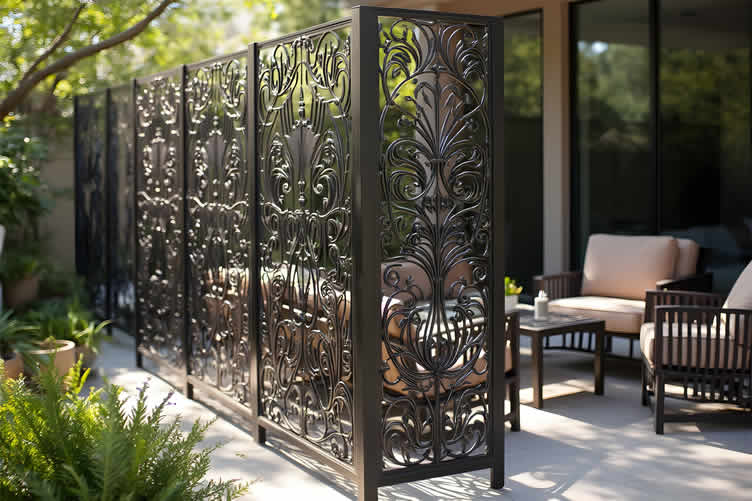
Fixed Privacy Screens
Fixed privacy screens are permanent installations designed for long-term use. These screens are typically made from materials like wood, bamboo, metal, or composite panels, ensuring durability and weather resistance.
Fixed screens are ideal for areas where privacy is a constant requirement, such as patios, gardens, or balconies. They provide robust shielding while also acting as a decorative element that can enhance the architectural design of your space.
-
Retractable Privacy Screens
Retractable privacy screens offer flexibility and convenience, allowing you to modify the level of coverage as needed. These screens are usually constructed from UV-resistant and weatherproof materials like polyester or vinyl.
They are an excellent option for spaces that experience changing weather conditions or for those who seek versatility. For example, you can extend the screen to block the sun during the day and retract it in the evening to admire an open view.
-
Living Privacy Screens
Living privacy screens leverage nature to create a beautiful yet functional barrier. These screens are formed using plants such as hedges, climbers, or bamboo, providing a lush, organic aesthetic to your outdoor area.
While they require regular maintenance, living privacy screens also contribute to improved air quality and biodiversity in your environment. They are particularly suited for gardens and natural landscapes where blending with the outdoors is a priority.
-
Portable Privacy Screens
Portable privacy screens are lightweight, freestanding units that can be easily relocated based on your needs. These screens are typically crafted from materials such as fabric, resin, or lightweight metal, ensuring ease of movement while maintaining durability.
They are perfect for renters, event setups, or temporary privacy solutions where permanence is not needed.
-
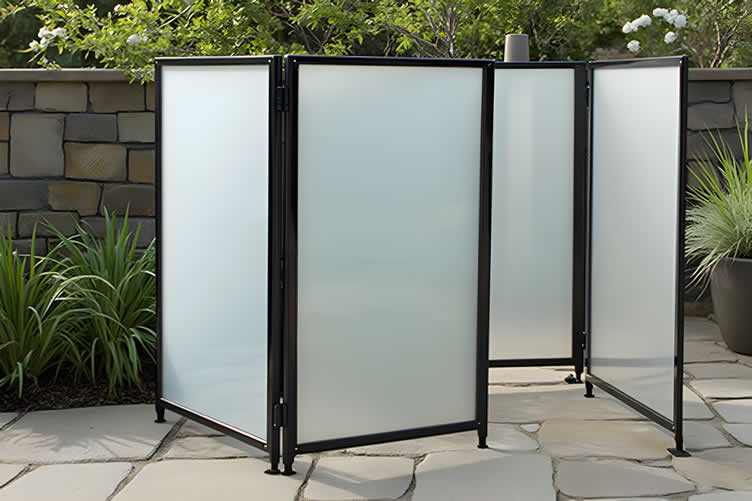
Frosted Glass Privacy Screens
For a modern and sleek appearance, frosted glass privacy screens are an outstanding choice. Combining sophistication with practicality, these screens provide excellent shielding without entirely blocking light.
Frosted glass panels are often designed with a focus on contemporary aesthetics, making them a popular option for urban settings or minimalist outdoor designs.
-
Mesh Privacy Screens
Mesh privacy screens are functional and inexpensive solutions commonly used in gardens, patios, or around swimming pools. They allow light and air passage while still providing effective shielding against prying eyes.
Mesh screens are typically made from materials like fiberglass or PVC, which are both weather-resistant and durable. They are an excellent choice for areas requiring high airflow and moderate shading.
Whether you prioritize flexibility, aesthetics, or durability, there is a solution tailored to enhance both your privacy and the overall value of your outdoor space.
For detailed guidance, consult manufacturers’ specifications or contact professional installers to ensure the best fit for your requirements.
- Smith, J., & Taylor, E. (2022). Innovative Outdoor Construction Materials. Harper & Co.
- American Institute of Architects. (2023). Guide to Sustainable Outdoor Design. Retrieved from www.aia.org
- GreenScape Solutions Inc. (2023). "Choosing the Right Privacy Screen for Your Needs." Accessed at www.greenscape.com/privacy-solutions
AI generated image by 123rf.com
-
-
-
ideas to view and compare from the information discussed above
Scroll up to directory … or scroll to next section about privacy fencing …


get the size dimensions for any home remodeling project …
… for functionality, aesthetics, and adhering to building codes
Find Outbuilding Services Gazebos Play Equipment Outbuildings Fences Porches Waterproofing Sheds Retaining Walls top-rated, pre-screened local contractors FREE: download contractor selection enter zip code – powered by HomeAdvisor ™
Quick Contractor Guides selecting negotiating working with inspecting

sixth and last “photo remodeling” idea
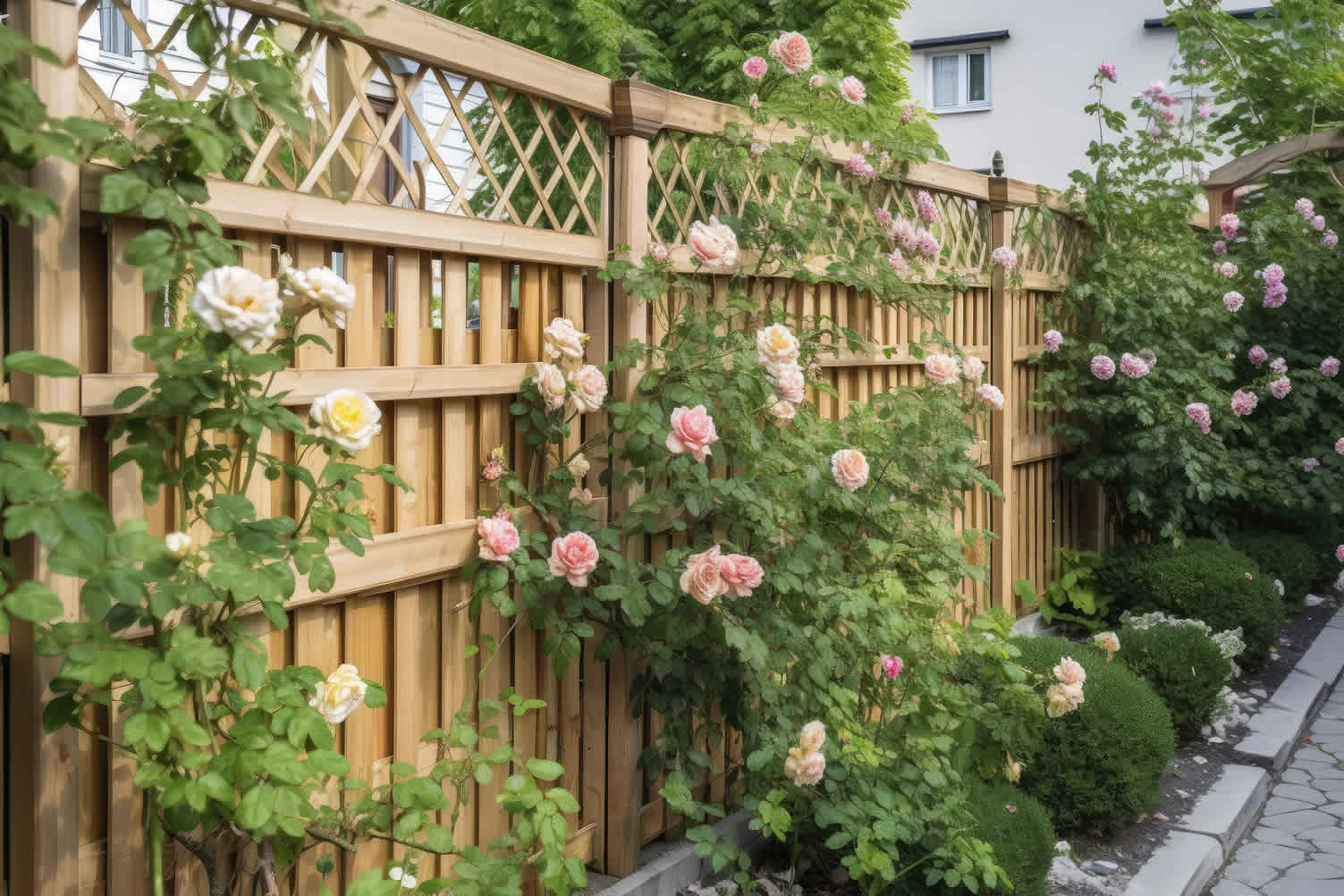
copyright image by 123rf.com
Privacy Tip 6: Creating Your Perfect Backyard Privacy Barrier
Notes:
-
Transforming your outdoor space into a serene, private haven is a rewarding endeavor that enhances both functionality and aesthetics.
Whether you prefer tackling a do-it-yourself project or enlisting the help of a professional contractor, installing a backyard privacy barrier allows you to design a personalized space that reflects your style and meets your needs.
From simple fencing solutions to creative landscaping ideas and decorative elements, there are countless options to consider.
This guide will explore practical approaches to establishing privacy in your backyard, helping you decide whether to take on the project yourself or collaborate with an expert to bring your vision to life.
-
Quirk scroll to topic "install backyard privacy" side notes …
-
-
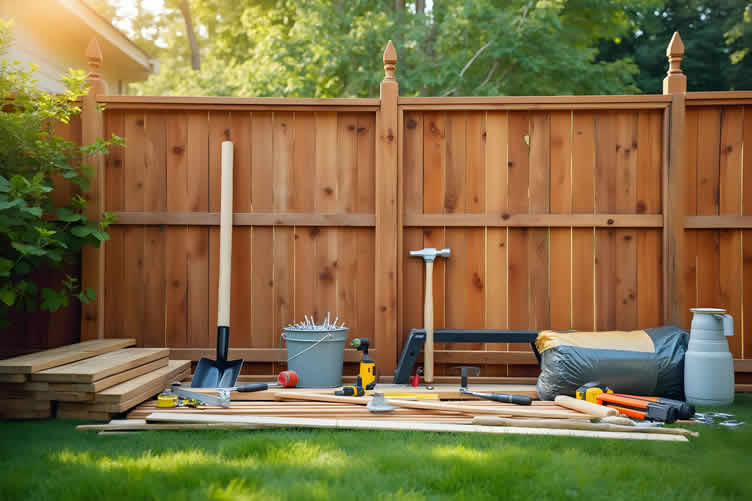
1st: DIY Skills and Tools for Building a Privacy Barrier
Creating a privacy barrier for your backyard can be a rewarding and cost-effective DIY project. Whether you are constructing a traditional fence, a lush living wall, or an evergreen hedge, having the right skills and tools is essential.
This guide provides an overview of the necessary techniques and equipment for each type of privacy barrier, enabling you to make informed decisions and achieve professional results.
-
Building a Fence
A fence is a classic choice for a durable and reliable privacy barrier. To build one, you’ll need basic carpentry skills, such as measuring, cutting, and assembling materials.
Key Skills
- Measuring and marking for precision.
- Cutting wood or other materials to size using saws.
- Leveling and alignment to ensure a straight and sturdy structure.
- Securing posts and panels with screws, nails, or bolts.
Essential Tools
- Post hole digger or auger for setting fence posts securely.
- Measuring tape and level for accuracy.
- Power drill and saw for efficient cutting and assembly.
- Safety equipment, such as gloves and eye protection.
Pro-Tip
Research your local building codes before starting to ensure compliance with height and property boundary regulations.
-
Creating a Living Wall
A living wall, or vertical garden, offers a modern and eco-friendly approach to backyard privacy. It requires a creative touch and basic gardening skills.
Key Skills
- Designing and planning plant arrangements for coverage and aesthetics.
- Installing vertical panels, planters, or trellis systems.
- Selecting and maintaining plants suited for your climate and light conditions.
- Watering and fertilizing to keep your living wall thriving.
Essential Tools
- Drill and screws for mounting planters or panels.
- Gardening gloves and pruners for plant care.
- Watering tools, such as a hose or drip irrigation system.
- Measuring tape and level for proper placement of structures.
Pro-Tip
Select low-maintenance plants, such as succulents, ferns, or ivy, to simplify upkeep and promote longevity.
-
Planting Evergreens or Hedges
Evergreens and hedges are an excellent natural alternative for year-round privacy. They require basic gardening skills and patience for growth over time.
Key Skills
- Planning and spacing plants correctly to ensure uniform coverage.
- Digging and planting with proper soil preparation.
- Pruning and trimming to maintain shape and density.
- Mulching and fertilizing to support healthy growth.
Essential Tools
- Shovel and spade for planting.
- Pruning shears or hedge trimmers for maintenance.
- Wheelbarrow for transporting soil or mulch.
- Soil tester to check pH and nutrient levels.
Pro-Tip
Choose fast-growing evergreen species, such as arborvitae or boxwood, for quicker results. Consult with a local nursery to determine the best options for your region.
-
Final Considerations
When tackling any DIY project, planning is critical. Take time to research and gather all necessary materials and tools upfront. If the project feels overwhelming or requires advanced skills, don’t hesitate to consult with or hire a professional for guidance or assistance.
Proper preparation and execution will help you achieve a privacy barrier that is both functional and visually appealing for years to come.
-
-
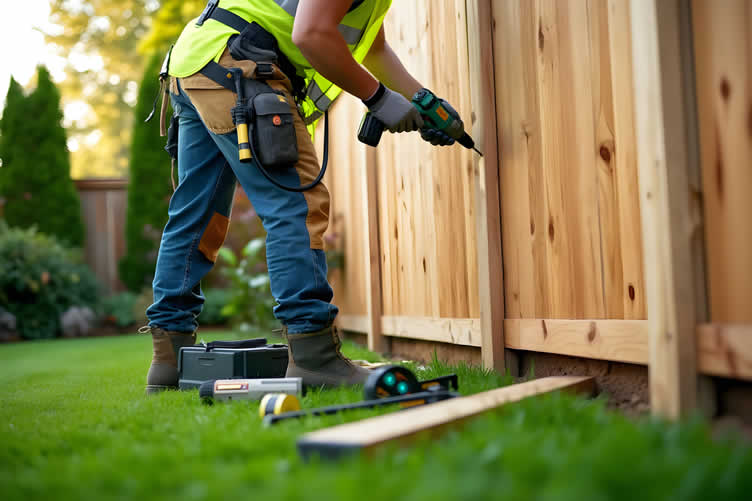
2nd: Finding a Fence Contractor or Gardener
To further improve the privacy of your backyard and home, hiring a professional fence contractor or gardener can be an excellent investment.
A fence contractor can help you select and install the perfect fencing solution tailored to your needs, whether it’s a classic wooden fence, a modern metal design, or a natural hedge alternative. They will ensure the fence complies with local regulations and is both functional and aesthetically pleasing.
Alternatively, a skilled gardener can create a lush, green barrier using hedges, shrubs, or trees to provide privacy with a natural touch. Professional gardeners can recommend plants best suited for your climate and space, ensuring they grow strong and healthy.
Whether you opt for a structural fence or a living privacy screen, working with experienced professionals can save time and ensure high-quality results that elevate the seclusion and beauty of your property.
LetsRenovate has partnered with HomeAdvisor™, a renowned provider of highly-rated, carefully-vetted local fence contractors. Start your search here by entering your zip code to find local professionals.
AI generated image by 123rf.com
But Wait!
Before beginning your search for fencing or garden landscape contractors, we highly recommend downloading and using this evaluation worksheet.
This valuable tool allows you to objectively assess and rank potential contractors by factoring in key criteria such as pricing, licensing, and referrals.

Evaluation Sheet
File Type:
-
-
Final Remarks
Creating backyard privacy doesn’t have to be a challenge. Whether you prefer the permanence of a wooden fence, the natural beauty of a living wall, or the practicality of privacy screens, there’s a solution to suit your needs. Take time to explore different options, consider your space, and plan your design.
At the end of the day, your backyard should reflect your style and provide the comfort and seclusion you deserve. With a thoughtful approach and creative touches, your private oasis is just a few steps away.
-
hopefully the ideas presented above prove valuable and insightful
- What comments can you share about
privacy fencing?
Scroll up to directory … or scroll to more yard n’ garden-related topics …


Calendar For:
Home Maintenance
File Type:
view illustration “becoming a bank”
… view our sharing links below for a quick "share the knowledge"
Cover image credit: privacy fencing by 123rf.com
end of post … please share it!
 |
did you find how simple renovations can privacy fencing analysis helpful? If so, please share the article with your friends and family! |
Nice pic idea? Leave us a quick comment below.
And please share this pic idea within your social networks.