Summary Outline –
In the age of Instagram and Pinterest, where aesthetics meet personal expression, homeowners are redefining what it means to have a "home sweet home."
The trend is shifting away from traditional designs that maximize resale value towards creating spaces that enhance quality of life. This new wave in personal home space and design values comfort, functionality, and a touch of the homeowner’s unique personality.
Summary of Site Content
1st Space Tip: [view Space Tip]
… we start this analysis by examining the trends related to personal spaces in homes and gardens. We’ll explore the motivations behind the growing demand for personal spaces and then review several case studies that highlight individual setups.
2nd Space Tip: [view Space Tip]
… the second section gets into the psychology of personal space, exploring how an ideal home environment can positively impact your mental health and personal growth. It then provides practical tips for creating your own personal sanctuary.
3rd Space Tip: [view Space Tip]
… moving forward, the third step involves identifying a space within your home that can be dedicated to your personal sanctuary. Options may include the attic, a home office, a reading nook, a plant room, and several other areas that can foster personal growth and individuality.
4th Space Tip: [view Space Tip]
… the fourth section broadens the search to include gardening for individuals who find personal development through outdoor work. This could involve creating a sensory garden, establishing a flower bed, or cultivating a vegetable garden.
5th Space Tip: [view Space Tip]
… the fifth enhancement for personal space is the integration of home automation to elevate your enjoyment and management of the environment. Additionally, we explore the future of home design as it relates to personal living spaces.
6th Space Tip: [view Space Tip]
… the sixth and final step is implementing your personal home space plan – either by DIY or looking for professional help with an interior designer or contractor who can help with a minor remodel of your home.
If you’re curious about how this trend might influence your living space, read on to explore the motivations, benefits, and practical tips for creating your own personal sanctuary.
- post content
- Space Tip 1: The Trend Towards Personal Spaces
- Space Tip 2: Reflecting on Your Own Space
- Space Tip 3: Setting Up a Special Area As Your Personal Space
- Space Tip 4: Cultivating Your Garden as a Personal Sanctuary
- Space Tip 5: The Future of Home Design
- Space Tip 6: Implementing Personal Home Space

-
Quick scroll to first topic about personal home space …

first “personal home space” idea


copyright image by 123rf.com
Space Tip 1: The Trend Towards Personal Spaces
Notes:
-
Homeowners are no longer just looking to add square footage or upgrade their kitchens with the latest appliances for potential buyers. Instead, there’s a growing movement towards designing homes that serve current residents, prioritizing personal well-being and satisfaction.
This shift has significant implications for the housing market, as it emphasizes long-term living and lifestyle choices over quick resale benefits. Personal home design is more than a fad; it’s a reflection of our evolving values and lifestyles.
The impact of this trend is seen in the way people choose to decorate and organize their homes. Instead of cookie-cutter layouts, there’s a focus on personalized touches, from handcrafted furniture to curated art collections.
The housing market is responding with an increase in demand for custom-built homes that cater to individual tastes and lifestyles. This approach celebrates diversity in design, allowing homeowners to create spaces that nurture and inspire.
-
Quick scroll to “the reason for personal space” side notes …
-
-
1st: Understanding the Motivations
Why are so many people choosing personal spaces over traditional resale-focused designs? One big reason is the desire for comfort.
After spending more time at home in recent years, people have come to appreciate spaces that feel inviting and true to their nature. Comfort has evolved from just physical ease to include emotional and mental well-being, emphasizing the need for spaces that support a balanced lifestyle.
Social media also plays a crucial role in this trend. Platforms like Instagram and Pinterest provide endless inspiration, allowing people to discover new styles and ideas that resonate with their personal tastes.
This access to diverse design perspectives empowers homeowners to experiment and explore creative possibilities in their own spaces. The influence of social media has made home design an accessible and exciting endeavor for everyone.
Furthermore, there’s a growing awareness of how our environment affects our mental health. Creating spaces that reflect personal values can contribute positively to one’s mood and well-being.
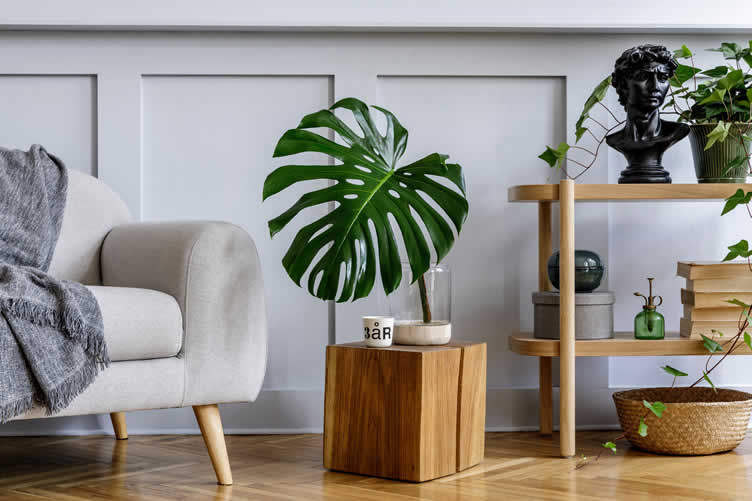
The focus on mental health encourages people to design spaces that offer solace and relaxation, such as meditation corners, reading nooks, or dedicated areas for hobbies. These personal touches make a house truly feel like home.
copyright image by 123rf.com

-
2nd: Case Studies and Examples
Let’s take a look at some real-life examples of homeowners who have embraced personal home design.
—–
Meet Sarah, a young professional who transformed her apartment into a reflection of her love for art and travel. By incorporating souvenirs, paintings, and handmade items from her journeys, Sarah’s home tells a story about who she is and where she’s been.
—–
Another inspiring example is the Johnson family, who redesigned their suburban home to better accommodate their growing family’s needs. They converted a seldom-used formal dining room into a playful learning space for their children.
With colorful furniture and interactive decor, the room now serves as a productive and fun environment for both play and study.
—–
Finally, consider Mark, a retiree who downsized his living space to focus on sustainability and minimalism. By choosing multi-functional furniture and integrating green design principles,
Mark created a home that’s both eco-friendly and stylish. His space reflects his commitment to mindful living and showcases how personal values can shape home design.
copyright image by 123rf.com
-
-
ideas to view and compare from the information discussed above
book: personal space designpersonal artpersonal picture frame
Scroll up to directory … or scroll to next section about personal home space …

second “photo remodeling” idea

copyright image by 123rf.com
Space Tip 2: Reflecting on Your Own Space
Notes:
-
Creating personal spaces is more than just a design choice—it’s a way to improve quality of life. By focusing on what truly matters to you, your home can become a sanctuary that reflects your lifestyle and values.
Whether you’re making small changes or planning a complete overhaul, the process should be enjoyable and fulfilling.
Consider your current living environment and think about how it aligns with your personal preferences and needs.
- Are there areas that could be more comfortable or functional?
- Are there aspects of your space that no longer serve you?
Use these reflections as a guide to start making meaningful changes.
-
Quick scroll to “reflecting on your space” side notes …
-
-
1st: Understanding the Psychology of Personal Space
The design of our personal spaces significantly influences how we feel and function in our daily lives. When we consider personal home design, it’s essential to understand not just the aesthetic choices we make, but also the psychological factors at play.
Our environments can evoke emotions, reflect our identity, and even encourage personal growth. By delving into the psychology behind our personal spaces, we can make more informed and meaningful design choices.
-
Self-Reflection Through Environment
Our surroundings often mirror our inner selves. The way we curate our personal home design can reflect our tastes, beliefs, and experiences. For instance, a cluttered environment may indicate a busy mind, while a minimalist space might suggest a desire for clarity and calm.
Engaging in self-reflection about our home environment allows us to identify what elements resonate with our personalities and empower us to make adjustments that foster positivity and well-being.
-
Impact on Emotions
The emotional impact of our personal spaces cannot be understated. Research has shown that certain colors, layouts, and materials can elicit specific emotional responses.
For example, warm colors like reds and yellows can stimulate energy and creativity, while cooler tones promote relaxation. Thoughtful personal home design not only considers functionality but also emotional resonance, using elements that uplift and support our mental health.
-
Encouraging Connections
The arrangement of a home can also influence social interactions and connections with others. Open, inviting spaces encourage dialogue and collaboration, while divided or cluttered areas may instill feelings of isolation.
By designing personal spaces that promote engagement and connection, we create environments conducive to building relationships and fostering community.
Mindfully considering how we design our homes can lead to more fulfilling social experiences and deeper connections with family and friends.

copyright image by 123rf.com
-
-
2nd: Practical Tips for Creating Personal Spaces
Ready to transform your living space into a personal haven? Start by identifying what elements bring you joy and comfort. Think about your favorite colors, textures, and patterns.
Incorporating these elements into your home can create a sense of familiarity and warmth. The goal is to design spaces that don’t just look good but also feel good.
Functionality is key in personal home design. Consider how each room is used and how it can best serve your lifestyle.
For example, a home office might benefit from ergonomic furniture and plenty of natural light, while a living room could have flexible seating for both relaxation and entertainment. Prioritizing functionality ensures that your space not only looks great but also works for you.
Budget-friendly ideas can help you achieve a personal look without breaking the bank. Thrift stores, online marketplaces, and DIY projects offer affordable ways to personalize your space.
A fresh coat of paint or new hardware can transform old furniture, while curated accessories like throw pillows or artwork can add personality.
Remember, personal style doesn’t have to come with a hefty price tag.
-
Practical Steps to Reflect and Improve Your Space
Creating a space that truly reflects your personality and meets your needs is a rewarding endeavor. By taking thoughtful and practical steps, you can enhance your living environment, making it more enjoyable and functional.
The following guide outlines key actions you can take to reflect on your current space and implement improvements that resonate with your individual style and lifestyle.
Each step is designed to help you evaluate what’s working, identify areas for change, and make intentional decisions that elevate your home.
- Identify Personal Values
Take time to reflect on what truly matters to you. Consider your hobbies, interests, and priorities, as understanding your core values will guide your design choices and ensure your space aligns with who you are. - Start Small
Transformation doesn’t have to happen overnight. Begin with a single room or area that needs the most attention. Focusing on smaller projects allows you to see progress quickly and keeps you motivated to continue. - Declutter
Gradually remove items that no longer serve a purpose or contribute to your happiness. A clutter-free environment promotes a clearer mind and makes it easier for you to enjoy your surroundings. Aim to create a calm, inviting space. - Incorporate Meaningful Items
Display items that resonate with your personal history or interests. Whether it’s family photographs, art pieces that inspire you, or souvenirs from your travels, these meaningful touches will make your space feel uniquely yours. - Incorporate Natural Elements
Adding plants or natural materials can bring life and warmth into your space. Consider incorporating indoor plants, wooden accents, or stone features to create a harmonious connection with nature that promotes relaxation and well-being. - Consider Comfort
Prioritize comfort in your space by choosing furniture that you find inviting and relaxing. Soft textures, supportive seating, and personalized layouts can enhance your overall experience within the space. - Visualize Your Ideal Space
Take the time to imagine how you want your space to look and feel. Create mood boards or sketches that illustrate your vision. This exercise will help clarify your goals and serve as a guide during the design process. - Experiment with Lighting
The right lighting can dramatically affect the ambiance of a room. Layer different types of lighting—ambient, task, and accent—to create a versatile environment. Dimmable lights and warm bulbs can transform a space from functional to inviting. - Embrace Flexibility
Design your space to be adaptable to your changing needs. Consider multi-functional furniture, portable decor, and easy-to-move items that encourage creativity while maintaining comfort. Flexibility makes your home more enjoyable and functional over time. - Respect Personal Boundaries
While making changes, consider the needs and preferences of others who share the space with you. Open communication and mutual understanding ensure that everyone feels comfortable and respected in their environment.
[ retrieve above list: setup steps (pdf) ]
- Identify Personal Values

copyright image by 123rf.com
[ view images: personal home space ]
[ pinterest: how to utilize home space ]
-
-
-
ideas to view and compare from the information discussed above
Scroll up to directory … or scroll to next section about personal home space …

addressing creating personal home space and other home improvement needs …

… grab this directory of ideas for future use

May We Suggest Other Photo Remodeling Ideas About
“For The Interior Home …” (new win)


third “photo remodeling” idea

copyright image by 123rf.com
Space Tip 3: Setting Up a Special Area As Your Personal Space
Notes:
-
Transforming a room or area in your home into a personal sanctuary is an enriching endeavor that allows you to express your individuality while enhancing your daily experience.
Whether it’s a cozy corner for reading, a vibrant home office for productivity, or a quiet space for reflection, the options are limitless.
This guide will explore various room and area options, providing insights on how to set up each space to best reflect your personal style and meet your unique needs.
From ensuring comfort and flexibility to respecting the shared needs of others in your home, these considerations will help you curate an environment that promotes relaxation, creativity, and well-being.
-
Quick scroll to “setting up an area” side notes …
- 1st: Converting the Attic into Your Personal Space
- 2nd: Using a Dedicated Home Office
- 3rd: Media Viewing Space
- 4th: Personal Reading Nook
- 5th: Resting Area to Unwind and nap
- 6th: Food Prep Area
- 7th: Greenhouse or Plant Room
- 8th: Sunlit Sanctuaries
- 9th: Personal Space for Creativity
- 10th: Garage Workbench
- 11th: Gaming Room
- 12th: personal fitness room
- 13th: sleep sanctuary
- shop ideas
- next topic: Cultivating Your Garden as a Personal Sanctuary
-
-
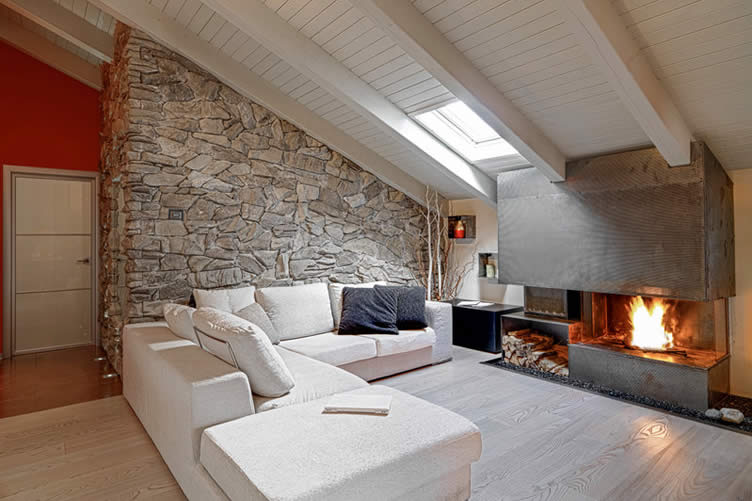
1st: Converting the Attic Into Your Personal Space
The attic, often overlooked and underutilized, holds remarkable potential as a personal sanctuary away from the hustle and bustle of daily life.
By transforming this often neglected area into a carefully designed space, you can create a unique environment that reflects your personality and meets your specific needs.
Whether you envision a cozy reading nook, a serene meditation area, or a productive home office, the attic can become a versatile retreat.
Let’s explore how you can successfully convert your attic into a personal haven.
-
Designing Your Attic Retreat
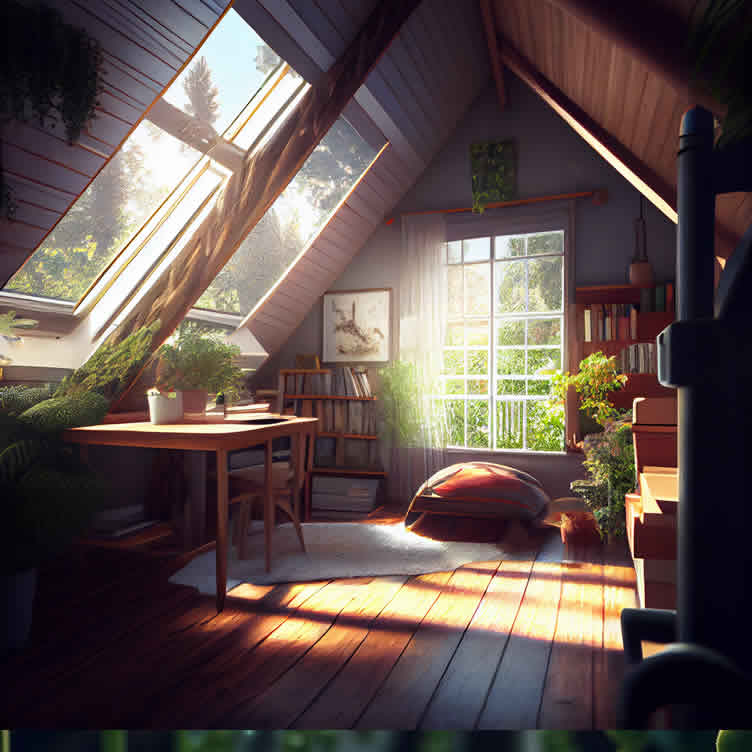
When embarking on the journey of converting your attic, begin by considering the layout and functionality of the space. Measure the dimensions and take note of any existing structural elements, like windows and beams, that will influence your design.
The unique architecture of an attic can provide character; embrace slanted ceilings and exposed beams as features that add charm to your personal home design.
-
Incorporating Natural Light
Natural light plays a crucial role in enhancing the atmosphere of any space, and the attic is no exception. Maximize the light available by installing skylights or using light-colored decor to create an airy feel.
Positioning furniture near windows can also allow you to soak in the views while promoting a positive mood. This conscious approach to lighting will make your attic an inviting destination for relaxation or creativity.
-
Creating Zones for Specific Activities
To make the most of your attic, consider creating distinct zones for different activities. A cozy reading corner with plush seating can invite peaceful afternoon escapes, while a well-lit desk area can inspire productivity.
By segmenting the space into functional areas, you allow for a seamless transition between work and leisure, fostering an adaptable environment tailored to meet your evolving lifestyle needs.
-
Personal Touches and Decor
Finally, infuse your attic with personal elements that reflect your style and interests. From curated bookshelves to artwork and decorative accents, these touches will make the space truly yours.
Consider adding plants to bring life and freshness, enhancing both aesthetics and well-being. Personal home design is all about expressing who you are; your attic should feel like an extension of your identity, a true reflection of your passions and preferences.
-
Versatile Uses for Your Attic
The attic can be a treasure trove of potential, offering versatile uses that can transform it into a functional part of your home.
Whether you seek additional space for leisure, work, or storage, the attic provides a unique opportunity to customize it to suit your needs. Below are some creative ways to utilize your attic effectively:
- Sitting Room
Transform your attic into a cozy sitting room where you can unwind with friends and family. With comfortable seating, soft lighting, and warm decor, this space can serve as a perfect retreat for social gatherings or quiet evenings. - Home Office
Create a functional home office that inspires productivity. Equipped with a sturdy desk, ergonomic chair, and adequate storage solutions, your attic can become an ideal workspace, providing a quiet atmosphere away from household distractions. - Media Room
Turn your attic into a media room for ultimate entertainment. Install a projector or a large screen, surround sound speakers, and plush seating to enjoy movie nights or binge-watch your favorite series in a comfortable and dedicated setting. - Reading Room
A serene reading room can be established in the attic, complete with bookshelves, soft seating, and good lighting. This tranquil corner invites long hours of reading, reflection, and escape into different worlds through literature. - Crafts/Artist Room
Embrace your creativity by designating your attic as a crafts or artist room. With ample workspace, organizational storage for supplies, and inspiring decor, this space can become a sanctuary for artistic exploration and DIY projects. - Gaming Room
For gaming enthusiasts, the attic can serve as a dedicated gaming room equipped with comfortable seating, gaming consoles, and soundproofing options. Personalize it with gaming-themed decor to enhance the immersive experience. - Fitness Room
Convert your attic into a fitness room, serving as a private gym space for workouts. With suitable equipment, mirrors, and good ventilation, you can maintain a healthy lifestyle without leaving the comfort of home. - Space Exploratory Room
Foster a passion for learning and discovery by transforming your attic into a space exploratory room. Use this area for science experiments, model building, or even stargazing with a telescope, making it a hub for curiosity and exploration. - Other
The attic can be adapted for various other uses, depending on your interests and needs. Whether it becomes a playroom for children, a meditation space, or a hobby room for any pastime, tailoring your attic to suit your lifestyle can enhance your home’s overall functionality.
- Sitting Room
copyright image by 123rf.com
-
-
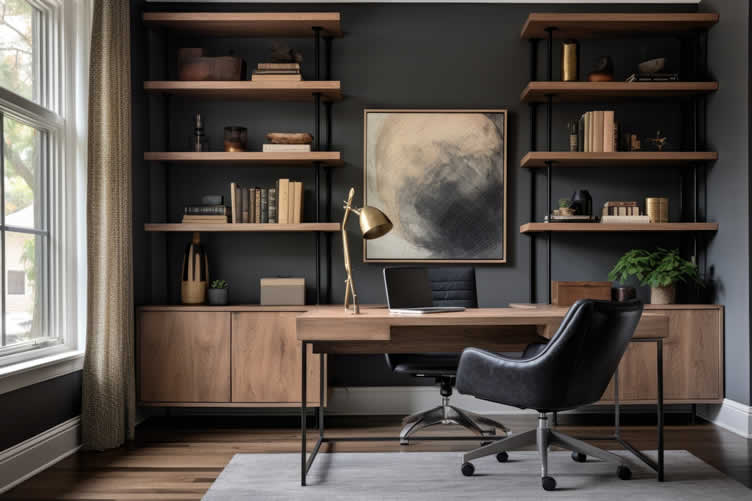
2nd: Using a Dedicated Home Office as Personal Space
In today’s world, a dedicated home office has evolved beyond merely being a space for work; it can also serve as a sanctuary for personal reflection and creativity.
By thoughtfully designing this area, you can cultivate an environment that enhances productivity while also providing a comfortable retreat to recharge and pursue personal interests.
Here, we explore how to transform your home office into a true haven of inspiration and focus.
-
Design Within Personal Home Design Principles
When undertaking the design of your home office, consider integrating elements that reflect your personal aesthetic. This can include selecting a color palette that resonates with your style, choosing ergonomic furniture that suits your comfort needs, and adding decorative accents that inspire you.
By aligning your office design with personal home design principles, you create a space that not only encourages efficiency but also fosters a sense of belonging and peace.
-
Creating a Mindful Environment
To enhance your personal space further, it’s essential to foster a mindful atmosphere. Incorporate calming elements like scented candles, soothing music, or soft textiles like cushions and throws. A well-placed indoor plant can also contribute to a more vibrant, refreshing vibe.
Consider your sensory experiences within the office; this conscious design approach can significantly boost your mood, making your dedicated home office a nurturing space for both work and leisure.
-
Incorporating Breakout Areas
Designing breakout areas within your home office allows you to segment your tasks and activities smoothly. For instance, create a small reading nook or a meditation corner, complete with comfortable seating and soft lighting, to encourage regular breaks and rejuvenation.
By incorporating such zones, you can transition your space from a functional office to a versatile personal haven, effectively mixing productivity with relaxation in one cohesive area.
copyright image by 123rf.com
-
-
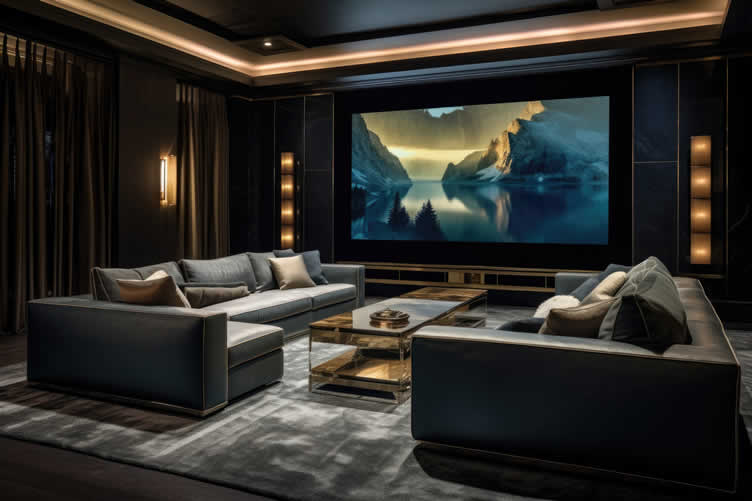
3rd: Creating a Media Viewing Space for Personal Retreat
In today’s fast-paced world, having a designated space to relax and unwind is essential for mental rejuvenation. A media viewing room, specifically designed for enjoying films, shows, or gaming, can serve as a perfect personal retreat within your home.
By merging comfort and design, this area can reflect your tastes and preferences while providing an escape from daily stresses.
Here, we explore how to create an inviting yet functional media viewing room that complements your personal home design.
-
Choosing the Right Setup
When designing your media viewing area, start by choosing the right technological setup that aligns with your personal preferences. Select a high-quality television or projector to suit your viewing habits and ensure that sound quality enhances the experience.
Investing in a state-of-the-art sound system can create an immersive environment akin to that of a professional cinema, elevating your media experience and allowing you to fully appreciate your favorite films or shows.
-
Furnishing for Comfort
Equally important is the furniture you choose for your media room. Opt for comfortable seating solutions such as plush sofas, recliners, or bean bags that encourage relaxation.
Arrange your furniture thoughtfully, ensuring optimal viewing angles that allow you and your guests to immerse themselves fully in the media being experienced.
By aligning your furniture choices with personal home design elements, such as colors and textures that resonate with your style, you not only enhance comfort but also create a cohesive aesthetic.
-
Ambient Lighting and Décor
Lighting plays a crucial role in setting the mood for your media viewing space. Implementing dimmable lights and strategically placed fixtures can create an atmosphere that aids relaxation and focus during films or gaming sessions.
Additionally, consider incorporating decorative elements that reflect your personality, such as framed posters, artwork, or thematic decorations.
These touches personalize the room, reinforcing your unique home design while fostering a deeper connection to the space.
-
Integrating Multipurpose Features
Finally, think about integrating multipurpose features within your media viewing room. This could involve including a small bar area for snacks and drinks, a gaming station, or a simple set-up for board games to invite more interactive experiences.
By designing this space with versatility in mind, you not only enhance its function but also create a dynamic personal retreat that caters to various aspects of relaxation and entertainment within your home.
-
-
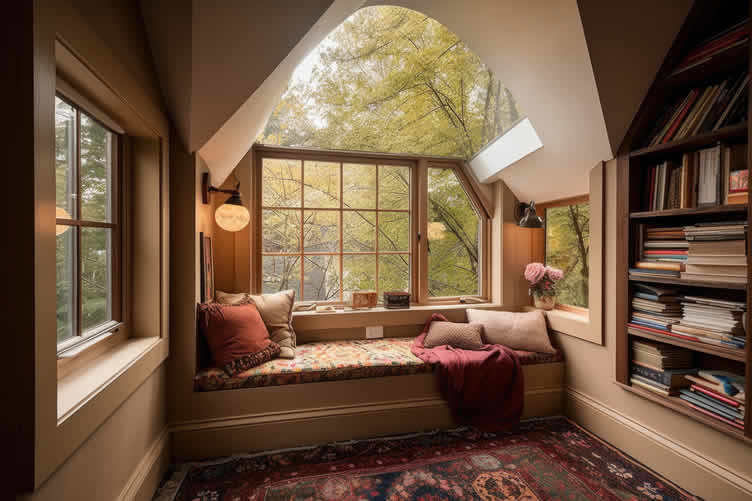
4th: Having a Personal Reading and Meditation Nook
A reading nook serves as a sanctuary where individuals can escape from the hustle and bustle of daily life, providing a dedicated space for reading, reflection, and relaxation.
By incorporating elements of personal home design, this intimate area can be tailored to suit your style while fostering a sense of comfort and tranquility.
Here, we explore the essential components of an inviting reading nook that promotes self-care and encourages a deeper connection to literature.
-
Selecting the Right Location
Choosing the ideal spot for your reading nook is critical to creating a calming environment. Look for a quiet corner in your home that receives ample natural light, allowing you to bask in the warmth of the sun while you delve into your next book.
Whether it’s by a window with a view, a cozy alcove, or even a spacious bookshelf, the location should evoke a sense of peace, isolating you from distractions.
-
Comfortable and Stylish Seating
Invest in a comfortable chair or a cushy floor cushion that invites you to sink in and lose yourself in your reading material. Personal home design elements such as color and texture should reflect your style—choose fabrics and hues that resonate with your personality.
Adding throw pillows and a soft blanket can further enhance comfort, making the nook an irresistible retreat.
-
Creative Storage Solutions
Organizing your reading materials is key to maintaining an inspiring nook. Utilize stylish bookshelves, baskets, or even wall-mounted shelves to display your collection of books.
This not only keeps your space tidy but also adds an artistic element to the design. By curating your selection with care, you can create a personalized library that speaks to your interests, further enhancing your connection to the space.
-
Incorporating Ambiance
To heighten the coziness of your reading nook, consider adding ambient lighting that complements your personal home design. A small table lamp, fairy lights, or sconces can provide the perfect glow for evening reading sessions, creating an inviting atmosphere that calms the mind.
You might also embellish the nook with decorative items, such as framed quotes or calming artwork, to further personalize the environment and inspire thoughtful moments.
In essence, a well-designed reading nook can serve as a personal haven for reflection and relaxation, combining comfort, style, and organization to create a space that nurtures both the mind and spirit.
-
-
5th: Resting Area to Unwide and Nap As Personal Space
A resting area serves as a sanctuary where you can unwind, rejuvenate, and escape the fast-paced demands of everyday life. This designated space not only provides physical comfort but also contributes to emotional well-being, making it an essential feature in personal home design.
By thoughtfully designing a resting area, you can create a retreat that encourages relaxation and self-awareness.
-
Comfortable Furnishings
Choosing the right furniture is crucial for crafting a restful atmosphere. Opt for a plush armchair or a daybed that invites you to recline comfortably.
Layering soft textiles like quilts or throws can enhance the coziness of your resting area, making it a perfect location for daytime naps or moments of introspection.
Additionally, selecting materials that reflect your personal style can transform this space into an extension of your home’s aesthetic.
-
Quiet Ambiance
To establish a tranquil environment, consider integrating sound-absorbing elements such as plush rugs or heavy curtains to minimize outside noise.
Soft, ambient lighting can further enhance the soothing atmosphere, using dimmable lights or candles to create varying moods throughout the day.
Incorporating scents through essential oils or scented candles can also evoke a sense of calm, making your resting area a true refuge for relaxation.
-
Personal Touches
Personalizing your resting area with meaningful decor further deepens your connection to the space. Display photographs, mementos, or artwork that evokes joyful memories or inspires peace.
Adding elements like plants can bring life and freshness to your resting area, promoting a vibrant, healing environment.
By infusing your personal style into the design, you cultivate a space that resonates with your identity and promotes self-care.
-
-
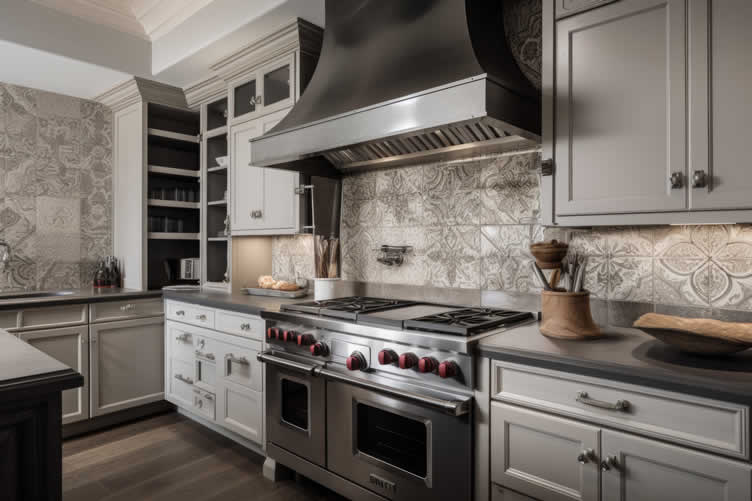
6th: Food Prep Area as Your Personal Space
Creating a dedicated food prep area in your kitchen or another space within your home can serve as a unique personal sanctuary that not only enhances your culinary pursuits but also contributes to your overall well-being.
This intentional space allows for creativity, mindfulness, and self-expression, transforming the act of preparing meals into a calming ritual and a source of joy.
By focusing on personal home design, you can curate an environment that reflects your taste and fosters a sense of serenity.
-
Functional Design
A functional food prep area is key to an enjoyable cooking experience. Incorporate ample countertop space for meal preparation and ensure that all necessary tools and ingredients are within reach.
Utilizing storage solutions that keep the area organized helps reduce clutter, allowing you to focus on the task at hand.
Consider implementing features like a pull-out cutting board or a hidden shelf to increase usability without compromising the aesthetics of the design.
-
Sensory Engagement
Engaging your senses is an essential aspect of transforming your food prep area into a personal retreat. Surround yourself with pleasant aromas by using fresh herbs or aromatic spices that beckon creativity.
Enhance the visual appeal by incorporating colorful kitchenware or seasonal decor, making food preparation not just a chore, but an enjoyable experience for the eyes as well.
Playing soft music or nature sounds can further create an inviting atmosphere that encourages relaxation and engagement while cooking.
-
Mindful Cooking
Embracing a mindful approach in the kitchen promotes a deeper connection with the cooking process. Take the time to appreciate each ingredient’s textures, colors, and scents as you prepare your meals.
This focus on mindfulness can help alleviate stress and turn cooking into a meditative practice. By designing your food prep area to encourage this mindset, you create a personal space that not only nourishes your body but nurtures your mind and spirit as well.
By thoughtfully integrating a food prep area into your personal home design, you cultivate a unique space that allows for both creativity and mindfulness, making meal preparation a fulfilling and restorative experience.
-
-
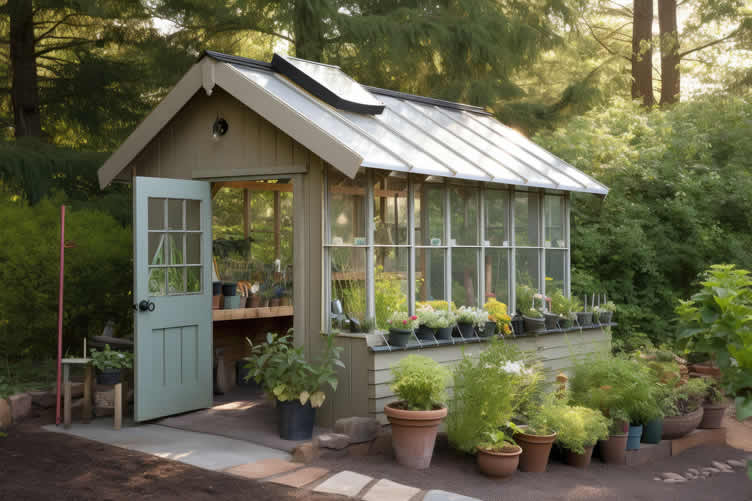
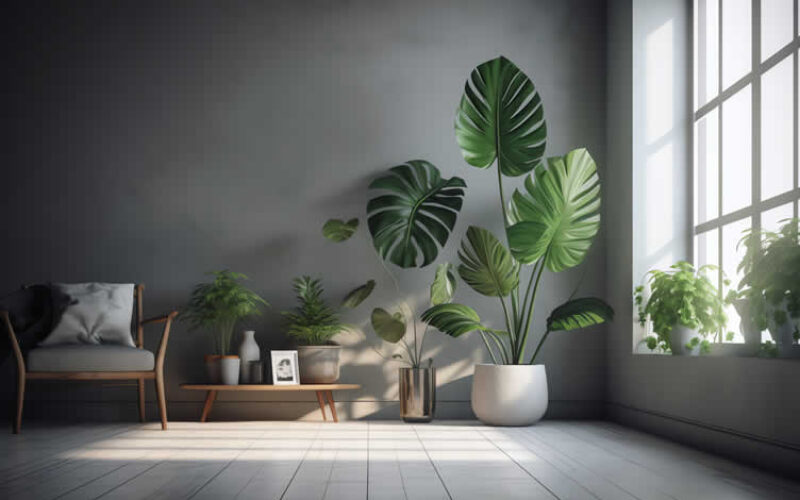
7th: Personal Oasis: A Greenhouse or Plant Room
Incorporating a greenhouse or dedicated plant room into your personal home design offers a sanctuary that transcends traditional living spaces.
A well-designed plant room not only becomes a lush escape filled with vibrant greenery but also provides numerous benefits that foster relaxation, creativity, and mental well-being.
Engaging with plants can significantly enhance your overall mood and promote a sense of tranquility, making it an ideal retreat from the chaos of daily life.
-
Nurturing Nature Indoors
A greenhouse serves as a nurturing environment for a variety of plants, allowing you to immerse yourself in nature without leaving the comforts of home.
The act of tending to plants can be incredibly therapeutic, providing a sense of responsibility and accomplishment.
By curating a space filled with your favorite flowers, herbs, and succulents, you create an inviting atmosphere that encourages mindfulness and connection to the natural world.
-
Enhancing Well-Being
The presence of greenery has been shown to reduce stress and enhance overall well-being. By designing a plant room that incorporates comfortable seating, adequate lighting, and personal touches like artwork or photographs, you establish a relaxing haven where you can unwind and enjoy your surroundings.
This personal space can serve as a retreat for meditation, reading, or simply enjoying a moment of solitude amidst the beauty of flourishing plants.
-
Stimulating Creativity
A greenhouse can also act as a source of inspiration and creativity. The rich colors and diverse textures of plant life stimulate the senses, sparking new ideas and encouraging artistic expression.
You might find that spending time in this space inspires you to explore gardening, crafting, or even cooking with fresh herbs from your collection.
By seamlessly integrating a plant room into your personal home design, you cultivate an environment where creativity thrives, making it a cornerstone of your daily routine.
-
-
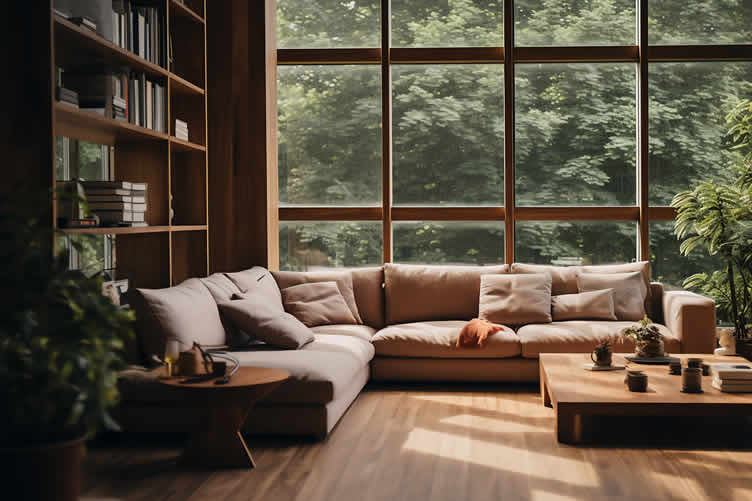
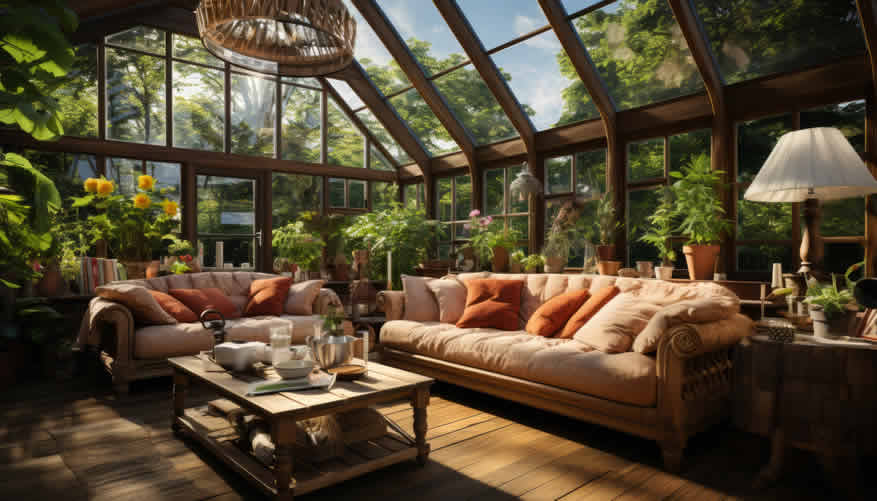
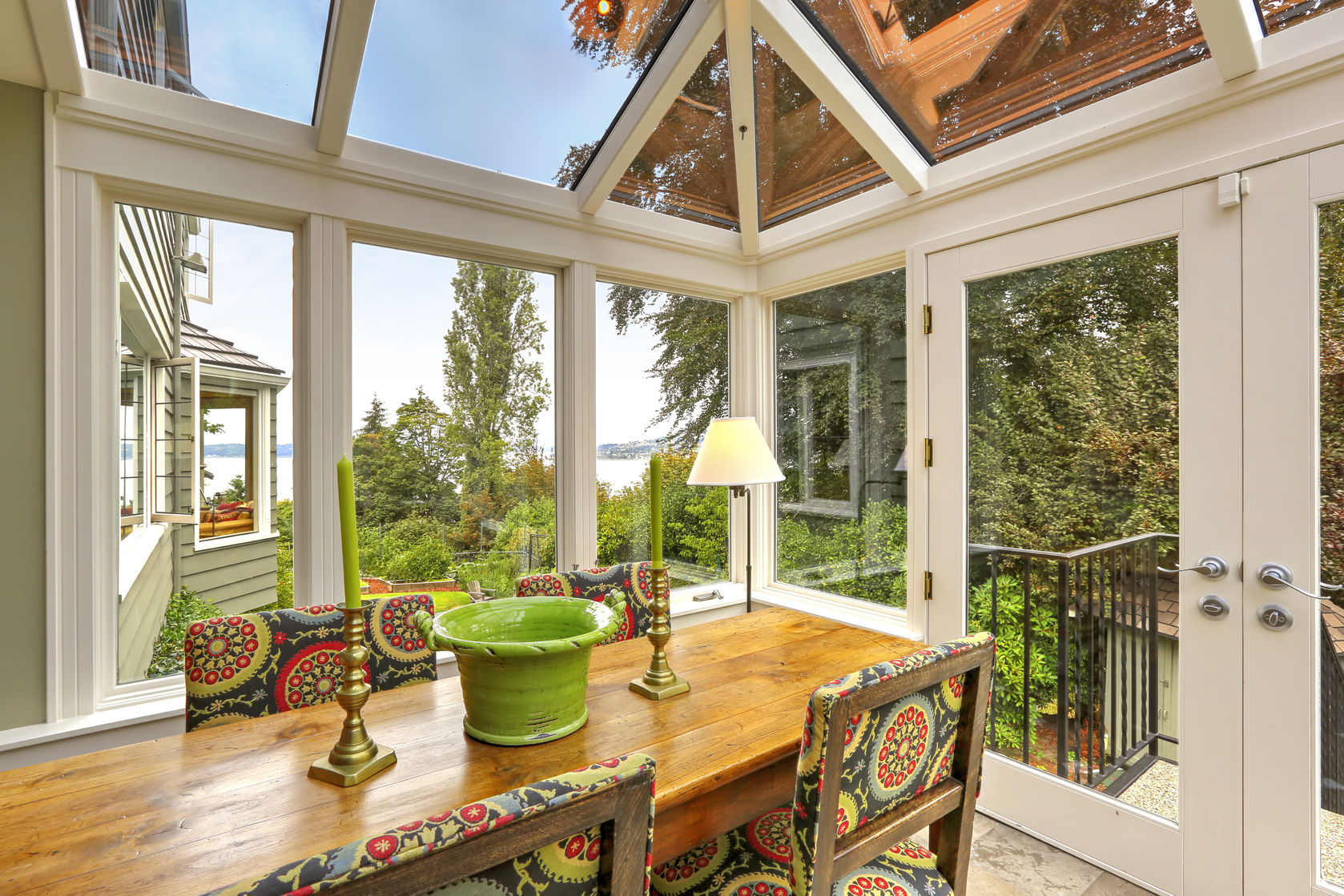
8th: Sunlit Sanctuaries: The Benefits of a Sunroom
Incorporating a sunroom or all-season room into your personal home design can transform your living space into a haven of warmth and light.
Bathed in natural sunlight, these rooms provide an ideal environment to relax, recharge, and engage in personal activities. The vibrant glow of sunlight not only enhances moods but also boosts creativity and motivation, making it the perfect setting for self-care and reflection.
-
Creating a Cozy Retreat
A sunroom can be designed as a cozy retreat by incorporating comfortable furniture, soft textiles, and calming color palettes. Plush chairs, a hammock, or a window seat surrounded by leafy plants allow you to unwind while soaking in the sun’s warmth.
Adding elements such as blankets and cushions will invite leisurely reading or afternoon naps, creating a space that feels both inviting and tranquil.
-
Embracing Mindfulness and Relaxation
This personal space serves as an excellent location for mindfulness practices, such as meditation or yoga. With sunlight streaming in, the room becomes a serene oasis, conducive to relaxation and introspection.
You can cultivate a calming atmosphere with the inclusion of soothing scents through candles or essential oils, enhancing the overall experience of peace and clarity.
-
Cultivating Productivity and Inspiration
A sunroom can also be utilized as a productive workspace that inspires creativity. Natural light has been shown to increase focus and reduce eye strain, making it an ideal environment for writing, painting, or engaging in hobbies.
By personalizing the room with inspiring art, vision boards, or your favorite books, you can create a motivating space that fosters innovation and self-expression while surrounded by the beauty of nature.
Best "Air Cleaning" Houseplants
Best "Indoor" Trees
Best "Pet Friendly" Houseplants
viewing amazon -
-
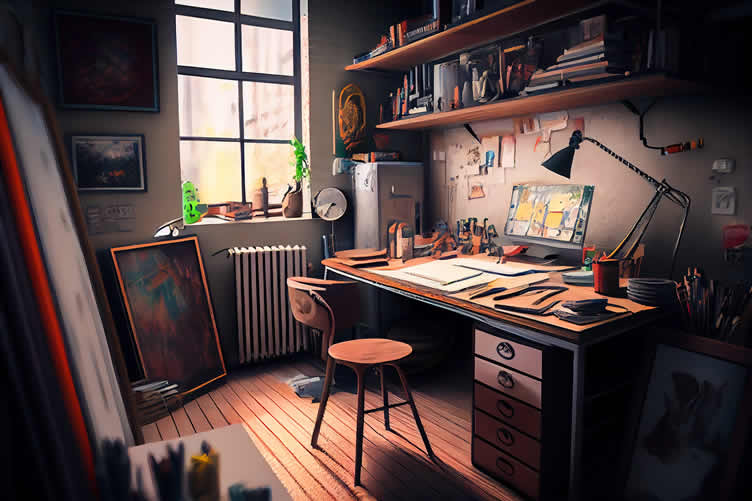
9th: Ideal Craftsroom: A Personal Space for Creativity
Designing a craftsroom or artist studio in your home can serve as a sanctuary for creativity and self-expression. This dedicated space not only allows for the exploration of artistic endeavors but also offers a retreat from the hustle and bustle of everyday life.
By transforming a corner of your home into a vibrant workshop, you can cultivate an atmosphere where inspiration flows freely.
In this section, we will delve into the essential elements to consider when creating a craftsroom that embodies your personal style and supports your creative pursuits.
-
Personal Home Design: Setting the Scene
The first step in creating your ideal craftsroom is to choose the right location. Whether it’s a spare room, a converted garage, or a cozy nook, the space should be well-lit, ideally with a blend of natural and artificial lighting.
Consider using large windows or skylights to invite ample sunlight, thus fostering an energizing environment. A bright, welcoming atmosphere is essential for sparking creativity and enhancing productivity in your artistic endeavors
-
Organizing with Purpose
Organization is key in a craftsroom. Consider incorporating modular storage solutions such as shelves, bins, and pegboards to keep your materials sorted and accessible.
This will not only help maintain a clutter-free environment but also allow for easy access to your tools, paints, fabrics, or any supplies relevant to your projects.
By arranging your elements thoughtfully, you can create a functional workspace that encourages exploration and reduces distractions.
-
Infusing Personal Style
Incorporating personal design elements that reflect your style is equally important. Choose a color palette that resonates with you, whether that’s calming pastels or vibrant hues that ignite your passion.
Hang artwork, photographs, or motivational quotes that inspire you on the walls. Personalizing the space with items that resonate with your creative journey will make your craftsroom feel uniquely yours, further enhancing your creativity and motivation.
-
Creating a Comfortable Atmosphere
Comfort should be a priority in your craftsroom. Invest in ergonomic furniture, such as an adjustable chair and spacious table, to ensure you can work effectively for extended periods.
Consider adding plush rugs and cushions to enhance the cozy factor, making the space feel inviting. A well-designed environment that prioritizes comfort will allow your creative energy to thrive without interruption.
-
-
10th: Using the Garage as Your Personal Workspace
Having a garage workbench can serve as a fantastic personal space that not only accommodates your hobbies and projects but also enhances your overall personal home design.
Typically viewed as just a place for tools and vehicles, a garage can evolve into a dedicated area that reflects your creativity and practical needs.
This transformation can provide a sense of ownership and inspiration, helping you carve out a sanctuary where you can focus and unleash your creativity.
-
Maximizing Functionality
A well-equipped workbench is the heart of any garage workspace. By integrating tools, a sturdy surface for projects, and adequate lighting, you can create a functional area that supports various activities—from woodworking to crafting.
Ensure your workbench is organized with adequate storage for tools and materials, enhancing usability without sacrificing the aesthetic of your personal space.
-
Personalized Design Elements
Consider adding personal design touches to your garage workbench area. Incorporate color schemes and decor that resonate with your style, whether through painted walls or decorative shelving.
Personal touches, like artwork or inspirational quotes, can be displayed above your workbench, making the space inviting and reflective of your unique character.
-
Comfort and Accessibility
Comfort is essential for productivity, so ensure your workbench area is ergonomically designed. Utilize adjustable stools or benches to create a comfortable working height, and think about incorporating soft lighting to ease the strain on your eyes during long sessions.
Moreover, having everything within reach—tools, materials, and personal items—enables a smoother workflow and keeps distractions at bay, allowing your personal space to be a focused retreat for creativity.
-
-
11th: Gaming Room as Your Personal Space
A game room can serve as a perfect haven for individuals seeking to unwind, focus, and indulge in their favorite pastimes.
By dedicating a space within your home to gaming, puzzles, and card games, you not only enhance your leisure time but also create an environment tailored to your personal tastes and preferences.
This tailored personal home design can elevate your mood, encourage social interactions, and spark creativity.
-
A Dedicated Gaming Area
Designing a dedicated area for video gaming can significantly enhance your experience. Opt for comfortable seating, such as ergonomic chairs or bean bags, and ensure that your gaming console and accessories are easily accessible.
Consider using ambient lighting to create an immersive environment, turning your game room into a relaxing escape where you can dive into different worlds and stories, engaging your mind and escaping daily stressors.
-
Puzzles: A Space for Concentration
Integrating a dedicated puzzle section within your game room encourages focus and contemplation. Choose a table that accommodates various puzzle sizes, complemented by good lighting.
This space can become your sanctuary for relaxation, where you can enjoy the calming experience of putting together complex puzzles while providing a visual treat that resonates with your aesthetic.
Display completed puzzles as art to inspire and motivate you further on your next challenge.
-
Card Game Corner for Social Interaction
Incorporate a card game corner that invites family and friends for friendly competitions and social interactions. A sturdy table with comfortable seating is essential for extended hours of play.
Personalizing this area with your favorite card sets or decor reflecting your gaming interests adds a charming touch.
By nurturing connections through card games, your game room transcends from being a solitary retreat to a vibrant hub of interaction and laughter.
-
-
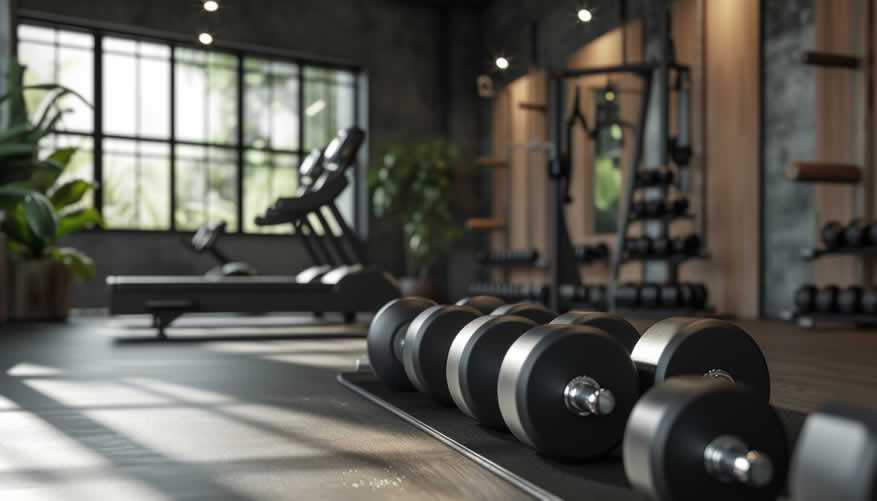
12th: Personal Fitness Room: A Sanctuary for Well-Being
Having a fitness room in your home not only enhances your personal wellness journey but also serves as a dedicated space for self-care and rejuvenation.
This personal home design element transforms a corner of your dwelling into a sanctuary where physical fitness meets mental well-being. With the right approach, your fitness room can become a haven for relaxation, motivation, and personal growth.
-
Dedicated Zones for Different Activities
Design your fitness room with varied zones tailored to different activities, such as strength training, cardio, yoga, and meditation. By creating distinct areas, you encourage diversity in your workout regime while ensuring each type of exercise has its space.
Equip these zones with suitable equipment—weights, yoga mats, or cardio machines—while maintaining a clean and organized layout to inspire you to engage in regular physical activity.
-
Incorporating Natural Elements
Integrating natural elements in your fitness room design significantly enhances the ambiance and boosts your motivation. Large windows allowing natural light, plants that promote a sense of serenity, and earthy tones in the decor all contribute to a calming atmosphere.
Research shows that the presence of nature can reduce stress, improve mood, and increase overall satisfaction during workouts, making your fitness room a pleasant retreat for self-improvement.
-
Personalized Motivational Space
Adorn the walls with motivational quotes, personal achievements, or visual reminders of your fitness goals. This personal touch not only personalizes your space but also instills a sense of purpose as you engage in your workouts.
Consider creating a vision board within your room that showcases your aspirations, serving as both inspiration and a constant reminder of your dedication to self-care and fitness.
-
-
13th: Setting Up a Personal Sleep Sanctuary
Transforming your bedroom into a peaceful retreat is essential for closing out the day and promoting optimal sleep. A well-designed personal space not only enhances the quality of your rest but also reflects your unique style and personal home design preferences.
By intentionally curating this environment, you create a sanctuary that fosters relaxation and ensures restful nights, making it an integral aspect of your overall well-being.
-
Emphasizing Comfort and Tranquility
To encourage restorative sleep, it’s vital to prioritize comfort in your bedroom design. Choose a high-quality mattress and soft bedding that invite you to unwind.
Consider incorporating blackout curtains to control light levels and minimize nighttime disturbances, creating a serene atmosphere conducive to quality rest.
Additionally, keeping the room at a comfortable temperature and employing calming scents, such as lavender, can further enhance your personal sleep sanctuary.
-
Decluttering for a Peaceful Mind
A clutter-free environment is crucial for fostering relaxation. Maintain an organized and tidy bedroom by implementing storage solutions that keep your possessions neatly arranged yet easily accessible.
This minimalist approach not only creates visual calm but also helps reduce stress, allowing your mind to unwind as you begin to settle in for the night.
The simplicity of a well-ordered space can have a profound effect on your overall sleep quality.
-
Incorporating Personal Touches
Your bedroom should reflect your personality and preferences, making it a truly personal space. Infuse your room with decor that resonates with you—whether through artwork, photos of cherished memories, or décor items that inspire peace and positivity.
By surrounding yourself with meaningful elements, you create an inviting atmosphere that nurtures relaxation and encourages a sense of belonging, ultimately enhancing your sleep experience.
-
-
-
ideas to view and compare from the information discussed above
personal reading lightpersonal cooling fanpersonal space heater



Scroll up to directory … or scroll to next section about personal home space …

… look great and be useful for the attic

SHARE IT ..! You might have someone in your social network who could find this informative post on creating your own personal home space valuable. Feel free to share it on Facebook, X (formally Twitter), LinkedIn, or Pinterest!





getting the right size dimensions when setting up your personal home space …

… for functionality, aesthetics, and adhering to building codes.




… for an artist room and/or craft’s room




… setting up your personal home fitness space
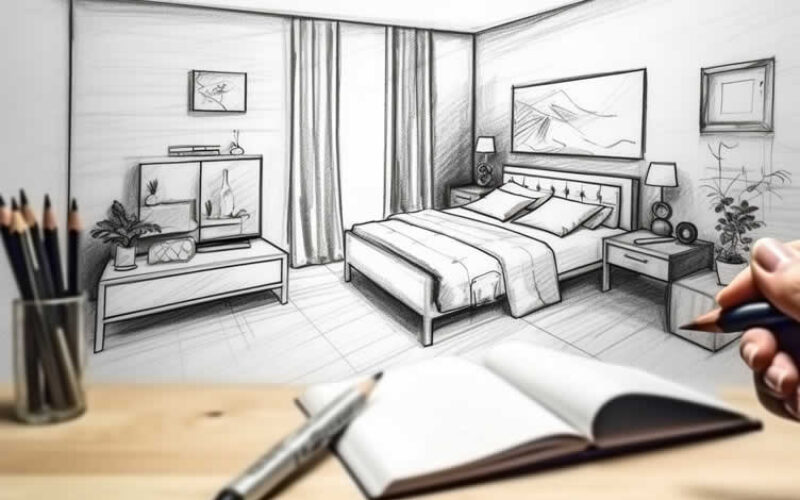

fourth “photo remodeling” idea

copyright image by 123rf.com
Space Tip 4: Cultivating Your Garden as a Personal Sanctuary
Notes:
-
Transforming your garden into a personal sanctuary can provide an idyllic escape from the stresses of daily life. Start by designing a space that reflects your style and preferences, selecting plants and flowers that resonate with you.
Whether you favor vibrant blooms or lush greenery, the natural beauty of your garden can evoke a sense of peace and tranquility. Incorporate seating areas, such as a cozy bench or a hammock, allowing you to immerse yourself in the sights and sounds of nature.
To enhance the atmosphere, consider adding elements like wind chimes, decorative stones, or a small water feature. These personal touches not only create visual interest but also contribute to the calming ambiance.
Additionally, dedicating time to tending to your garden can be a meditative process, offering an opportunity to connect with nature and reflect in solitude. Embracing this personal space allows you to recharge and find balance, creating a harmonious extension of your home where relaxation thrives.
-
Quick scroll to “using garden as personal space” side notes …
-
-
1st: Creating a Sensory Garden for Personal Reflection
Designing a sensory garden can transform your outdoor space into a rich tapestry of experiences that engage all five senses—sight, sound, smell, touch, and taste. This immersive environment not only fosters a deeper connection to nature but also creates an ideal setting for self-reflection and mindfulness.
By incorporating specific elements that appeal to the senses, you can cultivate a personal sanctuary that promotes relaxation, introspection, and emotional well-being.
-
Visual Elements
Incorporate vibrant flowers, lush greenery, and diverse textures to stimulate the visual sense. Choose plants with a range of shapes and colors, such as sunflowers for their height and brightness, or lavender for its delicate blooms.
Elements like sculptures or decorative stones can add visual intrigue, creating focal points that draw the eye. Engaging with the beauty of your sensory garden can prompt moments of appreciation and reflection, encouraging mindfulness as you observe the intricate details of nature.
-
Auditory Elements
Integrating sound into your garden can enhance the atmosphere and promote tranquility. Consider adding a small water feature, such as a fountain or a pond, which creates soothing water sounds.
Additionally, incorporating wind chimes or bird feeders can invite the natural melodies of chirping birds and gentle breezes.
These auditory experiences encourage deeper reflection, allowing you to pause and listen, fostering a sense of calm and presence in the moment.
-
Olfactory Elements
Fragrant plants like jasmine, rosemary, and mint can create an aromatic landscape that eases stress and promotes relaxation. The sense of smell is closely linked to memory and emotion, and immersing yourself in these delightful scents can evoke cherished memories and feelings of comfort.
Designate areas in your garden for aromatic herbs, flowers, and shrubs to establish a sensory retreat that invites introspection through the power of fragrance.
-
Tactile Elements
Incorporating a variety of plants with different textures can create an engaging tactile experience. Include smooth pebbles, soft moss, and fuzzy leaves to encourage touch and exploration.
Design pathways made of varied materials, such as gravel or wooden stepping stones, inviting you to feel the nuances underfoot.
Tactile engagement with your garden can prompt reflections on your own journey, allowing you to connect your physical sensations with emotional insights.
-
Taste Elements
Growing edible plants such as strawberries, tomatoes, or herbs not only enhances the garden’s aesthetic but also invites the joy of taste.
The act of harvesting and enjoying fresh produce can serve as a mindful practice, encouraging you to savor the fruits of your labor.
Engaging with the taste of your garden not only nourishes the body but also cultivates gratitude and appreciation for nature’s bounty, offering moments of reflection on the cycles of growth and sustenance.

copyright image by 123rf.com
-
-
2nd: Creating a Colorful Flower Garden: A Personal Sanctuary
Crafting a vibrant flower garden can provide a serene oasis for self-reflection and emotional exploration. A colorful array of blooms not only enhances the visual appeal of your personal space but also encourages mindfulness through their varied forms and shades.
Each flower type brings its unique symbolism and energy, inviting contemplation and introspection. By thoughtfully selecting and arranging the flowers in your garden, you can create a personal sanctuary that nurtures your body, mind, and spirit.
-
Floral Variety
Incorporating a diverse selection of flowers is essential for creating a dynamic and engaging garden. Choose flowers that resonate with you, such as the bright and cheerful sunflower for positivity or the gentle lavender for calmness.
Each bloom can evoke different emotions and memories, encouraging self-reflection on personal experiences and feelings. As you tend to and admire these flowers, you may find moments of clarity about your life’s journey.
-
Seasonal Blooms
Planting flowers that bloom in different seasons allows you to witness the passage of time and the cycles of nature. Spring blooms like tulips can signify new beginnings, while autumnal chrysanthemums represent a time of transition.
Observing these changes can inspire appreciation for the present moment and prompt reflections on past experiences and future aspirations. This seasonal change serves as a reminder that transformation is a natural part of life.
-
Color Palette
The color scheme of your flower garden plays a significant role in influencing mood and emotional states. Warm tones like reds and yellows can evoke feelings of joy and energy, while cool colors like blues and purples promote relaxation and introspection.
By consciously choosing a color palette that aligns with your emotional goals, you can create an atmosphere that fosters deeper self-reflection and personal growth.
-
Arrangements and Layout
The arrangement of flowers within your garden can affect your experience as you navigate the space. Grouping flowers by height or color creates visual harmony and can influence how you move through your garden.
Creating secluded nooks with seating areas can promote solitude and contemplation, offering a private space for reflection. As you sit amidst the blooms, you initiate a dialogue with your thoughts, sensations, and emotions, facilitating a deeper understanding of yourself.
By focusing on these elements in your flower garden, you not only create an inviting space but also cultivate an environment ripe for self-reflection and mindfulness, encouraging personal growth and well-being.

copyright image by 123rf.com
Part-Sun Annuals
viewing amazon -
-
3rd: Establishing a Personal Vegetable Garden
Designing a vegetable garden allows for a productive yet introspective space that fosters growth both in the garden and within yourself. A vegetable garden not only yields nourishing produce but can also serve as a sanctuary where you cultivate mindfulness and self-reflection.
By integrating various elements into your garden, you provide opportunities for personal exploration. Below, we delve into the essential components of a vegetable garden and how each aspect can contribute to your journey of self-awareness and emotional growth.
-
Plant Diversity
Incorporating a variety of vegetables can create a vibrant ecosystem, each plant contributing its unique qualities. By planting a diverse array of crops such as lettuce, cucumbers, and carrots, you are reminded of the beauty in diversity, reflecting on how varied experiences enrich your life.
The process of tending to different plants requires adaptability and observation, encouraging you to embrace change and develop patience as you witness their growth over time.
-
Seasonal Cycles
Vegetable gardens are profoundly influenced by the changing seasons, providing a natural rhythm to reflect upon. Observing how plants respond to seasonal shifts—germinating in spring, flourishing in summer, and resting in autumn—can prompt thoughts on your own cycles of growth and rest.
This experience can inspire you to embrace your own seasons of life, appreciating the importance of timing and the natural progression of personal development.
-
Harvesting and Gratitude
The act of harvesting your homegrown vegetables is a rewarding culmination of effort and care. This practice encourages mindfulness and gratitude as you reap the benefits of your labor.
Taking time to acknowledge the work that went into each yield reinforces the idea of enjoying the journey, not just the destination.
Celebrating small victories through your harvest can enhance your appreciation for life’s offerings and inspire reflection on your personal achievements.
-
Community Connection
Creating a vegetable garden can also foster connection, whether with family, friends, or community members. Sharing the fruits of your labor. signifies unity and generosity, helping to cultivate relationships.
Involving others in the gardening process provides opportunities for collaboration and communication, prompting reflections on the importance of community support in your life journey.
Engaging with those around you through gardening can lead to profound insights about the value of shared experiences and collective growth.
In summary, establishing a vegetable garden as your personal space can serve as a dynamic reservoir for self-reflection and emotional growth.
By nurturing your garden and embracing its multifaceted elements, you create a sanctuary that promotes not only the cultivation of food but also the cultivation of the self.
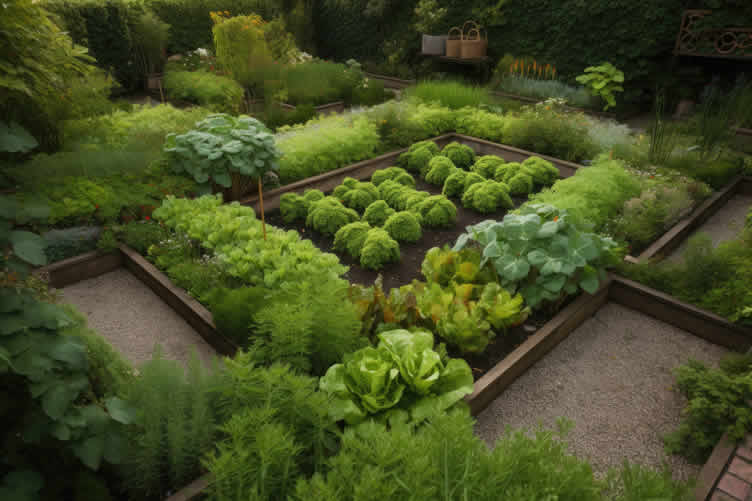
copyright image by 123rf.com
-
-
-
ideas to view and compare from the information discussed above
Scroll up to directory … or scroll to next section about personal home space …
… adding below bird feeds and baths to your landscape

plan the specifications you need for making home upgrades for personal space …
… and other home improvement and remodeling decisions
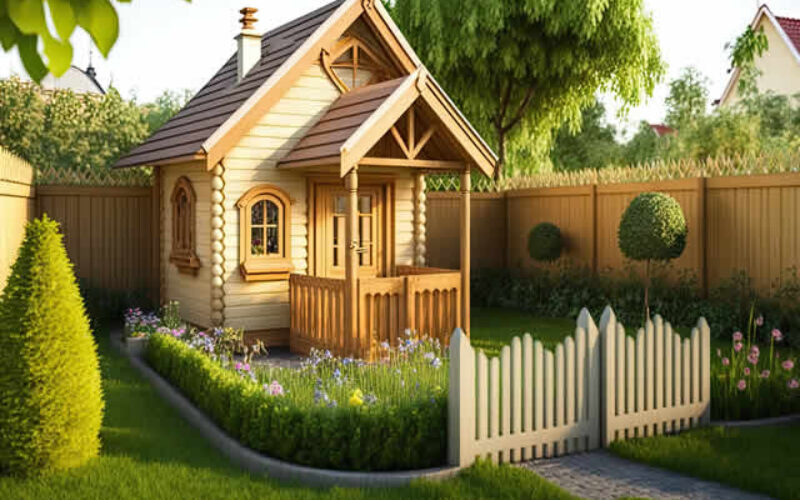

fifth “photo remodeling” idea

copyright image by 123rf.com
Space Tip 5: The Future of Home Design
Notes:
-
The trend of personal home design is here to stay, and it will likely continue to evolve. As technology advances, so will the ways we can customize our spaces.
Smart home features and virtual reality design tools offer exciting possibilities for creating highly personalized environments. The future of home design is one of innovation and individuality.
Real estate markets may also shift to accommodate these changing preferences. Buyers might prioritize homes with flexible layouts and potential for customization over traditional features.
Builders and designers will need to adapt by offering more bespoke options to meet the diverse needs of modern homeowners.
This trend also impacts the interior design industry, as professionals find themselves collaborating more closely with clients to achieve truly personalized results.
Designers will need to stay attuned to lifestyle trends and emerging technologies to provide the best service and solutions. The industry will evolve to become more inclusive, catering to a wide range of tastes and preferences.
-
Quick scroll to “future home design” side notes …
-
-
1st: Home Automation: Enhancing Your Personal Space
In today’s fast-paced world, home automation has emerged as a key player in creating a personalized living environment that reflects your lifestyle and needs.
By integrating smart technology into your home, you can not only enhance your day-to-day comfort but also cultivate a space that promotes tranquility and well-being.
From lighting to temperature control, home automation systems offer a range of solutions that seamlessly blend convenience with personalization.
-
Smart Lighting
One of the most impactful elements of home automation is smart lighting. With the capability to control brightness and color through mobile apps or voice commands, smart lighting allows you to create the perfect ambiance for any occasion.
Whether you want to energize your mornings with bright white light or unwind in the evening with warm tones, smart bulbs can transform your space according to your mood.
Additionally, automated scheduling can help in saving energy while ensuring that your home is well-lit when needed.
-
Climate Control
Automated climate control systems enable you to maintain a comfortable temperature throughout your home without manual adjustments.
Smart thermostats learn your routine and adjust the heating or cooling based on your preferences, providing optimum comfort while also saving on energy bills.
Integration with weather forecasts allows these systems to anticipate temperature changes, ensuring a consistently pleasant environment.
-
Security and Monitoring
Home automation extends beyond convenience; it also enhances security. Smart security systems, including cameras, motion detectors, and door sensors, allow you to monitor your home in real time from anywhere.
You can receive alerts on your smartphone if unusual activity is detected, offering peace of mind whether you are at home or away.
Integration with lighting can even simulate your presence by automatically turning lights on and off when you are out, further deterring potential intruders.
-
Entertainment Systems
Creating a personal oasis isn’t complete without an integrated entertainment system. Home automation can streamline your audio-visual experiences, allowing you to manage music, television, and multimedia devices through a single interface.
Voice commands can control your system, ensuring that your favorite shows play or your playlists stream seamlessly, all at the touch of a button or a simple vocal request.
-
Home Health Integration
As health and wellness become increasingly prioritized, home automation systems can be tailored to support your well-being. Smart air purifiers, humidifiers, and even sleep monitoring devices help create an environment that fosters good health.
By automating air quality adjustments and tracking your sleep patterns, you can enhance your overall quality of life right from the comfort of your home.
Integrating these smart home elements fosters a sense of control and comfort in your living space, making it a reflection of your personal style and values.
Embracing home automation not only caters to convenience but also cultivates an environment conducive to relaxation and self-expression.

copyright image by 123rf.com
-
-
2nd: The Look and Feel of Future Homes
As we move towards a more technologically advanced world, the aesthetic and functional aspects of our homes are evolving to create spaces that promote individuality and introspection.
Future homes are designed not only for physical comfort but also for mental well-being, incorporating elements that encourage personal expression and serene environments.
These spaces will reflect our values, preferences, and lifestyles, ultimately nurturing our inner selves while providing a sanctuary from the outside world.
-
Flexible Living Spaces
The future home will embrace the concept of flexible living environments that can easily adapt to the residents’ needs.
Rooms will feature movable partitions that allow for smooth transitions between dedicated spaces—be it a tranquil reading nook, a productive home office, or an entertaining area.
Such designs encourage fluidity, allowing homeowners to tailor their surroundings for relaxation, creativity, or social interaction.
-
Biophilic Design Elements
Incorporating nature into the living space is expected to become a key focus, with biophilic design elements that establish a connection between the indoors and the outdoors.
Expect to see abundant plant life integrated into decor, living green walls, and large windows that bring in natural light and offer expansive views of nature. These features foster a calming environment and enhance mental clarity, providing a sense of peace and balance.
-
Personalized Smart Ambiance
With advancements in smart technology, future homes will offer personalized ambiance settings easily controllable through intuitive applications.
Homeowners will have the ability to adjust lighting, temperature, and even aroma settings based on their mood or activity.
This customization promotes a sense of well-being, allowing individuals to create an atmosphere that is not only comfortable but also reflective of their inner state.
-
Mindfulness Zones
Dedicated mindfulness zones will become increasingly popular, featuring elements designed specifically for relaxation and self-reflection.
Spaces equipped with meditation corners, soothing soundscapes, and tactile materials will invite individuals to pause and connect with themselves.
Future homes may include features like smart meditation guides or calming water fountains that enhance the sensory experience, making mindfulness practices more accessible and enjoyable.
Integrating these ideas into future homes ensures that our living spaces nurture personal growth and serenity, making every moment spent at home an opportunity for reflection and connection with our true selves.
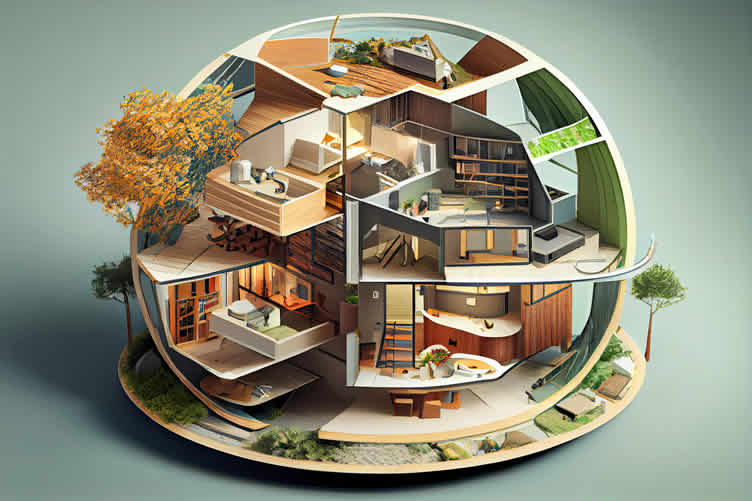
copyright image by 123rf.com
-
-
-
ideas to view and compare from the information discussed above
Scroll up to directory … or scroll to next section about personal home space …

Budgeting Worksheet For Costing Home Remodeling and Home Improvement Decisions
 File Type (excel)

below for …
home interior services
Find Interior Design Services Decorators Interior Designers Furniture Painting & Staining top-rated, pre-screened local contractors FREE: download contractor selection enter zip code – powered by HomeAdvisor ™
Quick Contractor Guides selecting negotiating working with inspecting

sixth and last “photo remodeling” idea
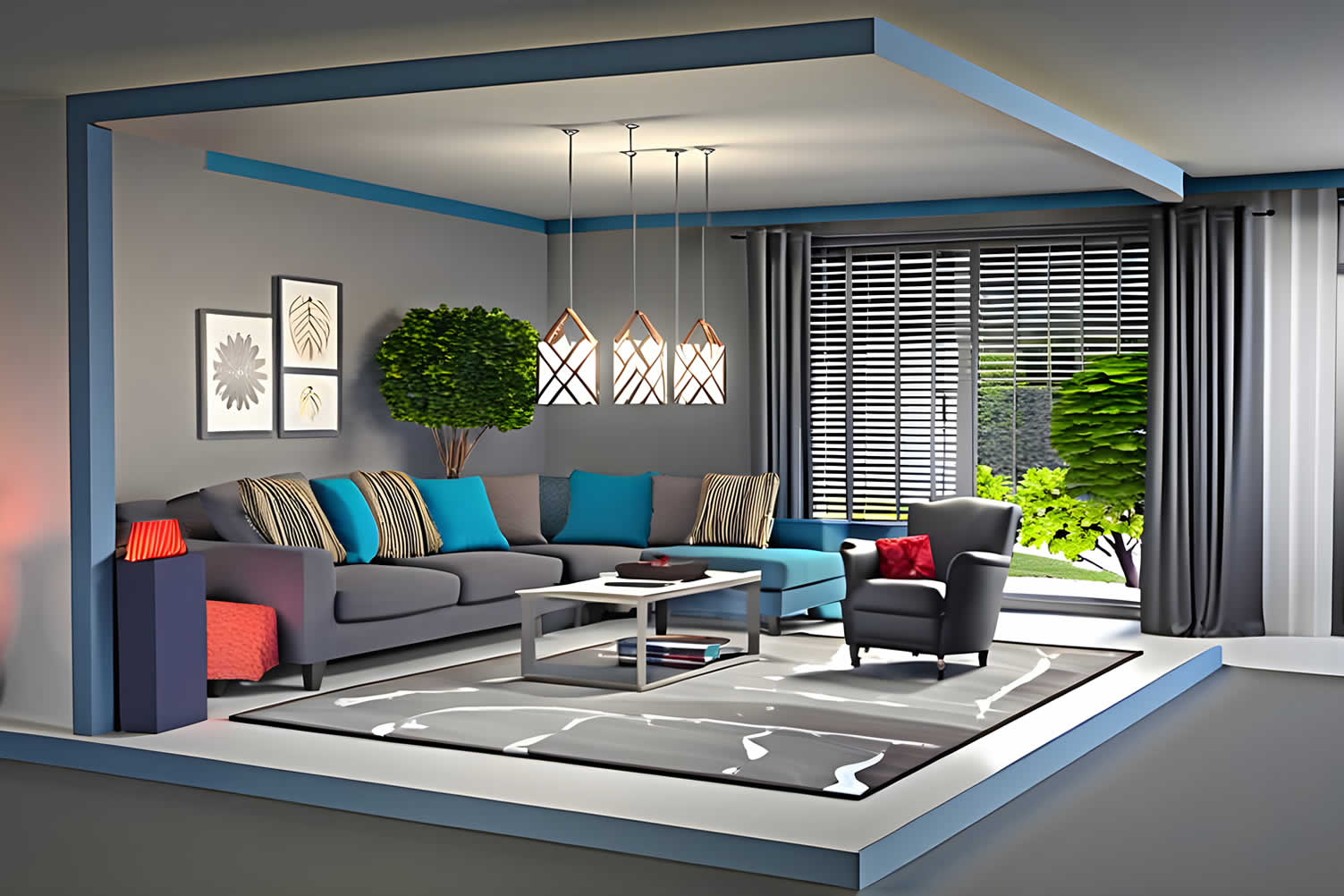

copyright image by 123rf.com
Space Tip 6: Implementing Your Personal Home Space
Notes:
-
Creating a personal space within your home or garden requires careful planning and a thoughtful approach to design. Start by identifying a specific area that feels conducive to relaxation and self-reflection.
This could be a quiet corner in your living room, a dedicated nook in your bedroom, or an outdoor area in the garden that offers tranquility.
To bring your vision to life, consider the following essential elements:
- Furniture Selection:
Choose comfortable seating that encourages relaxation, such as a lounge chair or a hammock. Opt for materials that are both appealing and suited to the environment, whether indoor or outdoor. - Natural Elements:
Incorporate plants or flowers to enhance the space’s connection to nature. Potted plants, vertical gardens, or even small water features can create a serene atmosphere. - Lighting:
Implement various lighting options to set the mood. Soft, warm light bulbs, fairy lights, or candles can provide a gentle glow, while allowing for adaptability depending on the time of day. - Personal Touches:
Add meaningful decor items that resonate with you—be it artwork, photographs, or books. These personal touches will make the space uniquely yours and invite a sense of belonging. - Sound and Scent:
Consider incorporating soothing soundscapes or aromatherapy through essential oil diffusers. Gentle background sounds like water flowing or nature sounds can deepen relaxation and mindfulness.
Once you’ve laid out your ideas, it may be beneficial to create a mood board or sketches to visualize your design. Collaborating with a designer can help refine your plan and ensure that the final result harmoniously integrates into your existing environment.
- Furniture Selection:
-
Quirk scroll to topic "working with professionals" side notes …
-
-
1st: Working with a Personal Designer or Other Professional
Hiring a personal designer can be an invaluable step in transforming your vision into a tangible reality. A professional designer brings expertise and creativity, ensuring that your personal sanctuary not only reflects your style but also functions optimally within the space.
When searching for the right designer, consider those who specialize in residential spaces or specifically in creating serene environments. Look for designers with a portfolio that resonates with your aesthetic preferences.
To find a suitable designer, start with online platforms such as Houzz or Instagram, where many designers showcase their work. Local design firms and freelancers can often be found through community postings or referrals from friends and family.
It’s important to conduct interviews and discuss your ideas openly, ensuring that the designer understands your vision and can translate it into a cohesive plan.
Ultimately, choose someone whose style aligns with yours and who makes you feel excited about the process of creating your personal retreat.
-
The Importance of Professional Guidance
When considering converting an attic or any other section of your home (such as adding a sunroom, all-season room, or other) into a personal space, enlisting the help of a professional becomes even more crucial.
Attic conversions and additions often involve unique challenges, such as ensuring appropriate insulation, ventilation, and compliance with local building codes. A skilled designer or contractor can navigate these complexities, providing solutions that enhance both aesthetic appeal and functionality.
They will assess structural requirements, propose effective layout options, and help maximize the use of natural light, creating a serene retreat that truly stands out.
By collaborating with experts, you not only mitigate potential pitfalls but also gain valuable insights that can elevate your space into an ideal personal sanctuary.
LetsRenovate has partnered with HomeAdvisor™, a renowned provider of highly-rated, carefully-vetted local contractors. Start your search here by choosing the type of contractor you need and entering your zip code to find local professionals.

copyright image by 123rf.com
But Wait!
Before starting your search and evaluation of interior design or other professional help to setup your personal home space, it is highly recommended to download and use this evaluation worksheet.
This resource will help you objectively rank and assess potential contractors, considering essential factors such as pricing, licensing, and referral information.

Evaluation Sheet
File Type: -
-
-
Final Remarks
If you’re ready to take the plunge into personal home design, remember that the possibilities are endless. Encourage yourself to explore, experiment, and express your unique style.
And if you’re looking for more inspiration or guidance, countless resources are available to help you along the way. Happy decorating!
-
ideas to view and compare from the information discussed above
- What comments can you share about
your setting up your personal home space?
Scroll up to directory … or scroll to more home interior-related topics …
view illustration “becoming a bank”

Calendar For:
Home Maintenance
File Type:
Cover image credit: personal home space by 123rf.com
end of post … please share it!
 |
did you find how reflecting on creating your persona home space analysis helpful? If so, please share the article with your friends and family! |
Nice pic idea? Leave us a quick comment below.
And please share this pic idea within your social networks.