Summary Outline –
Underfloor heating, also known as radiant heat, is quickly becoming a popular choice for homeowners seeking a superior heating experience. This innovative system works by turning your entire floor into a gentle, consistent source of warmth that radiates upward, heating objects and people in the room directly.
It provides a luxurious feeling of warmth underfoot and a more stable, comfortable temperature throughout your living space.
This guide will walk you through everything you need to know about underfloor heating. We will explore the different types available, their numerous benefits, and how they compare to conventional HVAC systems.
By the end, you will have a clear understanding of why this modern heating solution might be the perfect fit for your home, enhancing both your comfort and your home’s value.
- post content … analysis/ home heating option
- 1st: An Introduction to Underfloor Heating
- 2nd: Key Features and Benefits of Underfloor Heating
- 3rd: Types of Underfloor Heating Systems
- 4th: Controls and Zoning of Underfloor Heating
- 5th: Installation Considerations for Underfloor Heating
- 6th: Cost Analysis of Underfloor Heating
- 7th: Underfloor Heating vs. Traditional HVAC Systems
- 8th: Limitations and Myths
- conclusion
- other home utility topics

-
- —— begin first topic ——
-
1st Section: An Introduction to Underfloor Heating
Underfloor heating is a form of central heating that achieves indoor climate control for thermal comfort using conduction, radiation, and convection. Instead of forcing hot air through ducts and vents like traditional HVAC systems, it warms the room from the ground up.
This method of radiant heat provides a more consistent and gentle warmth that many find more comfortable. As it gains traction, homeowners are discovering that underfloor heating is not just a luxury but a practical, efficient, and healthy alternative for modern living.
To understand if it’s right for you, it’s important to know the two primary types of systems available: electric and hydronic.
[ view summary table: introduction to underfloor heating ]
-
What is Underfloor Heating?
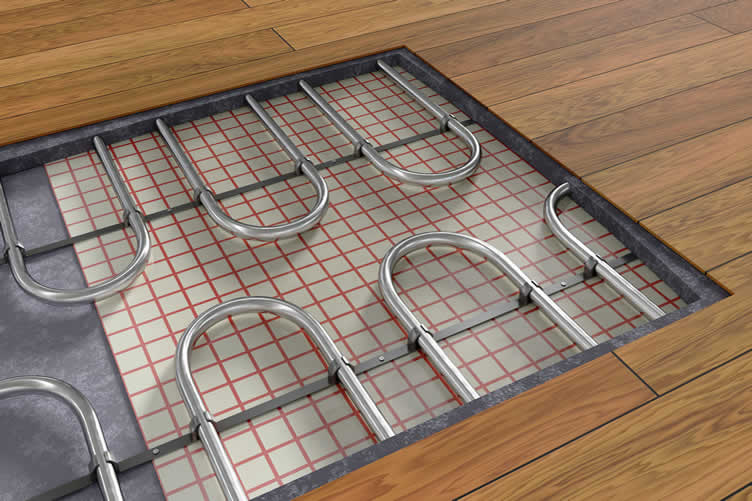
At its core, underfloor heating is a system of tubes or wires installed beneath your flooring. This network circulates warm water or electricity to generate radiant heat, which rises evenly from the floor to warm the entire room.
Unlike forced-air systems that can create drafts and hot spots, radiant heat provides a uniform temperature from wall to wall. The U.S. Department of Energy notes that radiant heating is often more efficient than baseboard heating and usually more efficient than forced-air heating because it eliminates duct losses.
This direct transfer of heat to the people and objects in a room results in a deeply comforting warmth that feels natural and encompassing.
-
Why Underfloor Heating is Gaining Popularity
The growing interest in underfloor heating stems from a desire for greater energy efficiency, improved indoor comfort, and healthier living environments. Homeowners are increasingly looking for solutions that not only reduce their energy bills but also enhance their quality of life.
Underfloor heating delivers on both fronts by providing consistent warmth without the noise and dust circulation associated with traditional HVAC systems. For those with allergies or respiratory issues, the reduction in airborne allergens can be a significant benefit.
Furthermore, the aesthetic freedom it offers by eliminating bulky radiators and vents appeals to those with a keen eye for interior design, making it a popular choice in new construction and major renovations.
Feature Description Benefits Introduction to Underfloor Heating A form of central heating using conduction, radiation, and convection to provide consistent indoor climate control without ducts or vents. – Gentle and consistent warmth
– More comfortable than traditional HVAC systems
– Practical and efficient for modern livingWhat is Underfloor Heating? A system of tubes or wires installed beneath the floor that uses electricity or warm water to create radiant heat. – Provides uniform temperature
– Reduces drafts and hot spots
– Greater efficiency compared to baseboard or forced-air systemsWhy Underfloor Heating is Gaining Popularity Driven by the need for energy efficiency, better indoor comfort, and healthier environments. – Reduces energy bills
– Less noise and dust for cleaner indoor air
– Eliminates bulky radiators and vents, enhancing aesthetics

copyright image by 123rf.com
[ view images: underfloor heating ideas ]
[ youtube: Underfloor Heating: Need To Know ]
-
Scroll up to directory … or scroll to next section about underfloor heat systems …

-
-
2nd Section: Key Features and Benefits of Underfloor Heating
Underfloor heating is a modern solution that enhances both the efficiency and comfort of heating systems for residential and commercial buildings. By utilizing innovative technology, it provides energy-efficient, aesthetically pleasing, and health-conscious heating options that cater to various lifestyles and preferences.
Below, we explore the key features and corresponding benefits that make underfloor heating a valuable upgrade for contemporary living spaces.
[ view summary table: key features and benefits ]
-
Even Heat Distribution
A prominent feature of underfloor heating is its ability to ensure even heat distribution across the entire floor area. Traditional radiators concentrate heat in one specific location, often leading to hot and cold spots within a room.
Underfloor heating, in contrast, operates by circulating heat evenly through electric wires or water-filled pipes installed beneath the floor. This creates a consistent and uniform temperature throughout the space, delivering unparalleled comfort.
According to a study published by the National Renewable Energy Laboratory (2021), consistent floor-level heating makes environments more livable by eliminating thermal imbalances, ultimately increasing user satisfaction.
-
Energy Savings
Underfloor heating systems are designed to operate with remarkable energy efficiency. They function at lower temperatures compared to traditional radiators or forced-air systems while still effectively warming the space. This efficiency often translates to reduced energy consumption and potentially significant savings on utility bills.
The European Commission for Energy Efficiency reports that households can lower their energy usage by approximately 15-20% when transitioning to underfloor heating systems, certifying them as a sustainable and cost-effective choice for homeowners looking to reduce environmental impact.
-
Discreet Installation
One of the standout features of underfloor heating is its discreet design. Installed beneath flooring materials such as tiles, wood, or laminate, these systems are completely hidden from view, freeing up valuable wall and floor space in a room.
This allows for greater flexibility in interior design and eliminates the aesthetic intrusion of bulky radiators or vents. Architects and interior designers favor underfloor heating for its ability to seamlessly integrate into modern or minimalist design schemes without compromising functionality.
-
Enhanced Air Quality
Traditional HVAC systems can circulate dust, allergens, and pollutants, often exacerbating respiratory issues or allergic reactions in sensitive individuals. Underfloor heating eliminates air movement, as it doesn’t rely on fans or forced air to distribute heat.
The result is significantly improved indoor air quality, which is especially beneficial for households with children, elderly members, or anyone with allergies or asthma. A Health Foundation report (2020) highlights underfloor heating as a healthier heating option due to its ability to reduce airborne irritants, contributing to long-term well-being.
-
Other Notable Benefits
Beyond its core features, underfloor heating contributes to a quieter and more serene home environment, as it operates silently when in use. Not only does this provide practical comfort, but it also enhances the overall ambiance of living spaces.
Additionally, various types of underfloor heating systems, from electric to hydronic options, offer flexibility in choosing systems that align with project-specific or budgetary needs. These flexible options make underfloor heating a versatile solution applicable to both renovations and new construction projects.
References and Citations
- National Renewable Energy Laboratory (2021). Thermal Comfort Study of Modern Heating Systems.
- European Commission for Energy Efficiency. Energy Efficiency and Heating Technology Whitepaper.
- The Health Foundation (2020). Improved Indoor Air Quality via Modern Heating Solutions.
Feature Benefits Supporting Insights Even Heat Distribution Provides consistent and uniform temperature throughout the space, enhancing comfort by eliminating hot and cold spots in a room. Study by National Renewable Energy Laboratory (2021) highlights improved thermal balance and increased user satisfaction. Energy Savings Operates effectively at lower temperatures, reducing energy consumption and lowering utility costs by 15-20% on average. European Commission for Energy Efficiency underscores its cost-effectiveness and sustainability. Discreet Installation Hidden beneath flooring, freeing up space and enhancing flexibility in interior design without aesthetic intrusions. Favored by architects and designers for seamless integration into modern or minimalist design schemes. Enhanced Air Quality Reduces airborne irritants by eliminating air circulation, beneficial for those with allergies, asthma, or respiratory sensitivities. The Health Foundation (2020) identifies it as a healthier heating option that improves indoor air quality. Quiet Operation Operates silently, contributing to a more serene and peaceful home environment. Supports an enhanced ambiance in living spaces with no disruptive noise. 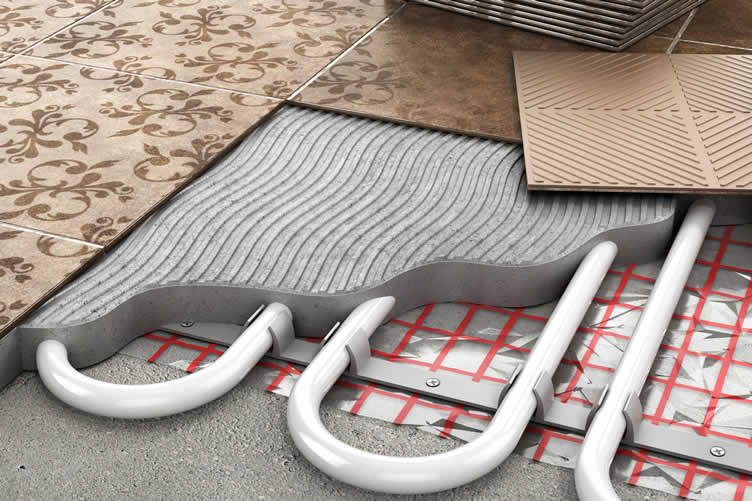
AI generated image by 123rf.com
[ view diagram: underfloor heating diagram ]
[ youtube: Underfloor Heating Systems: Pros & Cons ]
-
Scroll up to directory … or scroll to next section about underfloor heat systems …
-
-
3rd Section: Types of Underfloor Heating Systems
Underfloor heating has become an increasingly popular solution for creating comfortable, energy-efficient, and aesthetically pleasing living environments.
Whether you are pursuing a new home build, a renovation project, or looking to replace traditional heating systems, understanding the available underfloor heating options is crucial to making an informed decision.
Below, we outline the primary types of underfloor heating systems and their respective benefits and considerations.
[ view summary table: Types Underfloor Heating Systems ]
-
Hydronic (Water-Based) Underfloor Heating
Hydronic underfloor heating systems use heated water circulated through a network of pipes installed beneath the floor surface. These systems are often connected to a boiler, heat pump, or solar heating system, making them highly efficient when paired with the appropriate energy source.
Hydronic systems work best in larger spaces or entire homes due to their cost-effectiveness over extended periods and their ability to heat large areas evenly.
The key advantage of water-based systems lies in their long-term efficiency and suitability for low-temperature operations, which can lead to significant energy savings. They are especially ideal for homes aiming for a sustainable and eco-friendly heating solution.
Hydronic systems, when paired with heat pumps, can provide both heating and cooling, making them a versatile solution for year-round climate control. This combination ensures efficient temperature regulation for comfort in all seasons.
However, the installation process can be complex and costly, often requiring professional expertise and significant floor adjustments. They are more practical in new constructions or during comprehensive renovations where floors are already being replaced or updated.
-
Electric (Dry) Underfloor Heating
Electric underfloor heating, also known as dry systems, uses a network of electrical cables or mats installed beneath the floor surface to provide radiant heat.
These systems are quick to install, making them a popular choice for retrofitting or smaller projects, such as bathrooms or single rooms. They are powered by an electrical supply, which simplifies the setup compared to hydronic systems.
The primary advantage of electric systems lies in their ease of installation and rapid heating capability. This makes them an excellent option for supplemental heating or spaces that require quick warmth on demand.
However, electric systems are generally more expensive to operate over time due to electricity costs, particularly in areas where energy rates are high. Thus, they are best suited for intermittent use rather than serving as the primary heating solution for an entire home.
-
Other Systems and Emerging Technologies
Besides the traditional hydronic and electric systems, emerging underfloor heating technologies are beginning to shape the market. One such innovation includes air-based underfloor heating systems, which circulate heated air through ducts beneath the floor.
These systems, while less common, offer a lightweight and innovative option. However, they are often less efficient compared to water or electric systems and not widely implemented in residential spaces.
Another noteworthy development is the integration of smart home technology into underfloor heating controls. Modern systems now offer app-based thermostats, enabling users to customize heating schedules and temperatures with impressive precision.
These innovations improve both convenience and efficiency. Additionally, advancements in eco-friendly solutions, such as using renewable energy sources to power underfloor heating systems, further enhance their appeal to environmentally conscious homeowners.
-
Making the Right Choice
Selecting the best underfloor heating system depends on various factors, including the size of your project, your budget, and your long-term goals.
Hydronic systems excel as a cost-efficient solution for larger, whole-home installations, while electric systems shine in smaller, targeted applications or periodic usage.
For those exploring cutting-edge solutions, air-based systems or smart-enabled technologies offer intriguing possibilities, albeit with specific limitations. It is advisable to consult with an experienced professional to evaluate your specific needs and ensure proper system design and installation.
References:
-
[ see below: sourcing and citations ]
Type of Underfloor Heating Advantages Considerations Hydronic (Water-Based) - Highly efficient, especially with low-temperature operations
- Ideal for large spaces or whole-home heating
- Eco-friendly when paired with heat pumps or solar systems
- Can provide both heating and cooling
- Complex and costly installation
- Best suited for new builds or major renovations
- Professional expertise required
Electric (Dry) - Quick to install
- Ideal for small spaces or retrofitting
- Provides rapid heating on demand
- Simple setup without a boiler or additional equipment
- Higher operating costs due to electricity prices
- Best for short-term or supplemental heating
- Not as cost-efficient for whole-home use
Other Emerging Technologies - Air-based systems offer lightweight solutions
- Smart home integration for precise control
- Eco-friendly advancements using renewable energy
- Air-based systems less efficient and less common
- Emerging technologies may have higher initial costs
- Limited availability and adoption for certain options

copyright image by 123rf.com
[ youtube: Electric vs Hydronic Underfloor Heating ]
[ amazon: underfloor heating systems ]
-
Scroll up to directory … or scroll to next section about underfloor heat systems …
-
-
4th Section: Controls and Zoning of Underfloor Heating
Underfloor heating systems offer unparalleled comfort and efficiency, but their functionality depends significantly on the controls and zoning features.
Modern advancements in technology have introduced intelligent control systems that not only improve efficiency but also provide a more customizable and user-friendly experience. Understanding how these systems work and their benefits can help users optimize their home’s heating setup.
[ view summary table: controls and zoning ]
-
The Role of Temperature Controls in Underfloor Heating
Temperature controls are at the heart of any efficient underfloor heating system. They ensure consistent and optimal heat distribution, maintaining a desired comfort level across different rooms or spaces.
Traditional thermostat systems were once the primary method of managing underfloor heating, but modern alternatives now offer more precise and adaptive control options. Digital thermostats, for instance, allow users to set specific temperatures for each room, leading to improved energy efficiency and reduced operational costs.
Smart thermostats take this a step further by connecting to home automation systems or smartphone applications, enabling remote control of the heating system.
With advanced features like learning user habits, geo-fencing, and weather adaptation, smart thermostats ensure the heating system only operates when and where it is needed, minimizing energy waste while maximizing comfort.
-
Zoning Capabilities for Enhanced Flexibility
Zoning plays a crucial role in underfloor heating by dividing a home into separate heating areas, each controlled independently. This feature allows homeowners to fine-tune the temperature in specific rooms based on usage, time of day, and personal preferences.
For instance, living rooms can maintain a warmer setting during the evening, while bedrooms remain cooler to promote restful sleep.
Installing a zoned system often involves the use of manifold valves and actuators, allowing for precise regulation of heated water flow to different sections of the floor. Paired with individual thermostats or smart control systems, zoning greatly enhances energy efficiency and comfort by eliminating unnecessary heating in unoccupied areas.
-
Smart Technology for Advanced Control
The integration of smart technology into underfloor heating systems provides users with unparalleled control and convenience. Many modern systems can connect to Wi-Fi, enabling seamless communication with mobile apps or voice-activated assistants like Amazon Alexa or Google Assistant.
These innovations allow users to adjust heating settings remotely, monitor energy usage in real-time, and even schedule heating cycles according to their daily routines.
Some systems also use advanced algorithms to deliver predictive heating, learning from user behaviors and automatically adjusting settings for optimal comfort. Additionally, integration with weather monitoring services helps systems adapt to outdoor temperature changes, ensuring efficient heating tailored to current conditions.
-
Benefits of Intelligent Controls and Zoning
The combination of advanced controls and effective zoning not only enhances daily comfort but also offers significant long-term benefits. Homes with these systems often experience reduced energy consumption due to the precise regulation of heating, leading to lower utility bills and a smaller carbon footprint.
Furthermore, the ability to heat only specific areas ensures that heating resources are used efficiently, prolonging the lifespan of the system and minimizing maintenance requirements.
Another advantage is the increased value of the property. Modern underfloor heating systems with smart controls are highly appealing to potential buyers, making them an excellent investment for homeowners looking to improve their space’s market value.
References:
-
[ see below: sourcing and citations ]
Aspect Description Benefits Temperature Controls Modern systems use digital and smart thermostats for precise, adaptive control. Features include remote access, user habit learning, geo-fencing, and weather adaptation. Improves energy efficiency, reduces operational costs, and enhances user comfort. Zoning Capabilities Divides home into independent heating areas, allowing fine-tuned temperature control for each room based on needs and preferences. Optimizes energy usage by only heating occupied spaces, increasing comfort, and reducing waste. Smart Technology Integrates with Wi-Fi, apps, and voice assistants for real-time control. Uses advanced algorithms and weather monitoring for predictive heating. Offers convenience, reduces energy consumption, and adapts to user behaviors and environmental conditions. 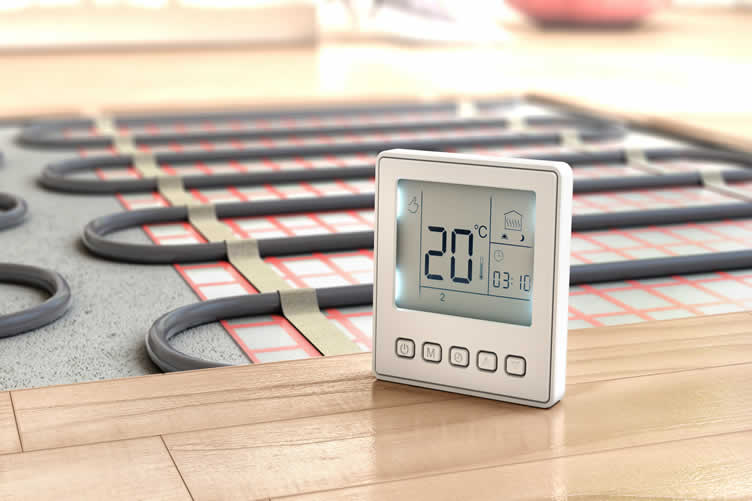
copyright image by 123rf.com
[ youtube: Fit a Smart Thermostat to Under Floor Heating ]
[ amazon: smart underfloor heating controls ]
-
Scroll up to directory … or scroll to next section about underfloor heat systems …
-
-
5th Section: Installation Considerations for Underfloor Heating
Underfloor heating is an innovative and energy-efficient method for heating your home, offering uniform warmth and increased comfort. However, proper installation is crucial for ensuring both efficiency and functionality.
Whether opting for water-based systems (wet) or electric systems (dry), careful planning and adherence to best practices will help you achieve optimal results while avoiding common pitfalls.
Below, we discuss critical factors to consider during the installation process and guide you through the steps to ensure a successful implementation.
[ view summary table: installation steps ]
-
(into) Key Considerations
Before choosing and installing your underfloor heating system, it’s important to take the time to understand a few key factors. Being well-informed will help ensure you select the right system for your needs and achieve the best results for your space.
-
Retrofitting
Underfloor heating is not limited to new builds; it can also be retrofitted into existing homes with the right installation techniques. This offers homeowners the flexibility to upgrade their heating systems without requiring a full-scale renovation.
Retrofitting typically involves installing low-profile systems that minimize disruption, making it a viable option for those looking to enhance comfort and energy efficiency in their current living spaces.
-
Flooring Compatibility
Underfloor heating systems are compatible with a wide range of flooring materials, including tile, wood, laminate, and even certain types of carpet. However, each flooring type requires proper consideration to ensure optimal performance.
For instance, tiles are excellent for heat conductivity, while wood and laminate may need specific insulation layers to prevent warping or heat loss.
It’s essential to consult with both flooring and heating specialists to choose materials that balance aesthetics and functionality.
-
Insulation
Good thermal insulation is critical to the efficiency of underfloor heating systems. Installing insulation beneath the heating pipes or elements and above the substrate—such as under a layer of mortar—helps to minimize heat loss and improve energy usage.
Proper insulation ensures that heat is directed upwards into the living space instead of being lost into the subfloor. This not only maximizes system performance but also reduces energy costs over time, making it an important investment in the overall installation process.
-
-
(step 1) Planning and Preparation
Before starting the installation, it’s essential to evaluate the layout and conditions of your property. Assess the existing flooring and subfloor structure to determine whether they are compatible with underfloor heating systems.
Factors such as insulation, floor coverings, and room dimensions play a significant role in the system’s performance. Ensuring adequate insulation is particularly important, as this minimizes heat loss and improves energy efficiency.
Contacting a professional or referring to manufacturer guidelines will help you confirm the compatibility of your planned system with your home’s existing setup. Establishing the desired zoning areas for heating—where specific rooms or spaces can be controlled independently—is also a critical step in planning.
-
(step 2) Choosing the Right System
Select the appropriate type of underfloor heating system based on your needs, budget, and property type. Wet systems, which operate by circulating warm water through pipes, are generally ideal for new builds or large-scale renovations as they require significant modifications to the subfloor.
Electric systems, on the other hand, are more straightforward to install and are better suited for retrofits or when minimal disruption is preferred.
Consulting with heating engineers or reviewing product specifications ensures that the selected system aligns with your home’s heating requirements and energy goals. Both systems should be purchased from reputable brands that meet safety and efficiency standards.
-
Electric Systems
Electric underfloor heating systems are known for their straightforward installation, making them a popular choice for retrofits and smaller projects like bathrooms and kitchens. The system typically consists of heating mats or loose-lay cables that are installed directly on top of the subfloor.
-
Hydronic Systems
Installing a hydronic underfloor heating system is more involved and is usually best suited for new construction or major renovations where the subfloor is exposed. The process begins with laying out a network of flexible polymer tubing across the subfloor.
-
-
(step 3) Installing Insulation Layers
Installing a high-quality insulation layer below the heating system is essential to prevent heat from escaping downward. This step significantly enhances energy efficiency and reduces operational costs over time.
The thickness and type of insulation material depend on the structure of your subfloor, climate conditions, and the chosen system.
Insulation boards or lightweight thermal panels are commonly used materials. Ensure that these are evenly laid and properly secured before proceeding to the next phase of the installation.
It’s also crucial to check for any voids or uneven surfaces, as these could interfere with the system’s performance.
-
(step 4) Laying the Heating System
Once the insulation is in place, the heating components, such as electric heating mats or water pipes, need to be carefully laid out as per the design plan.
-
Electric Systems
The system typically consists of heating mats or loose-lay cables that are installed directly on top of the subfloor. First, the subfloor must be clean, level, and well-insulated to ensure heat is directed upward.
The heating mats are then rolled out and secured, or the cables are laid in a serpentine pattern and fixed in place. Pay attention to the connection points and wiring to maintain safety.
A qualified electrician connects the system to a dedicated circuit and a programmable thermostat. Finally, the flooring material is installed over the heating elements.
-
Hydronic Systems
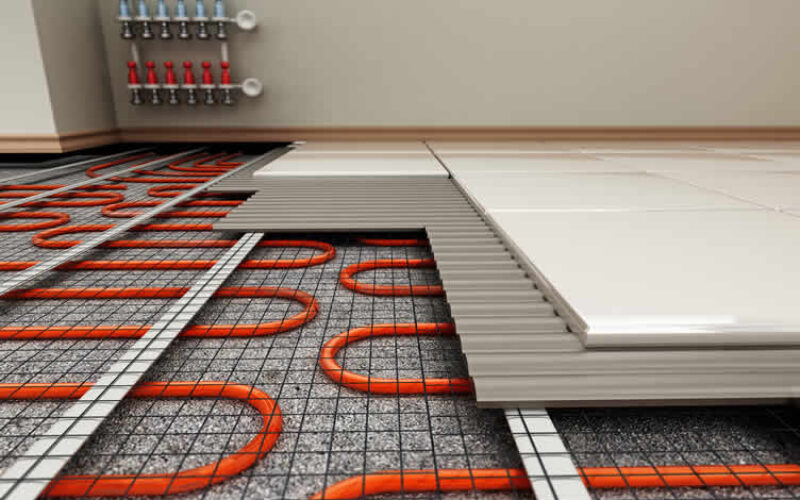
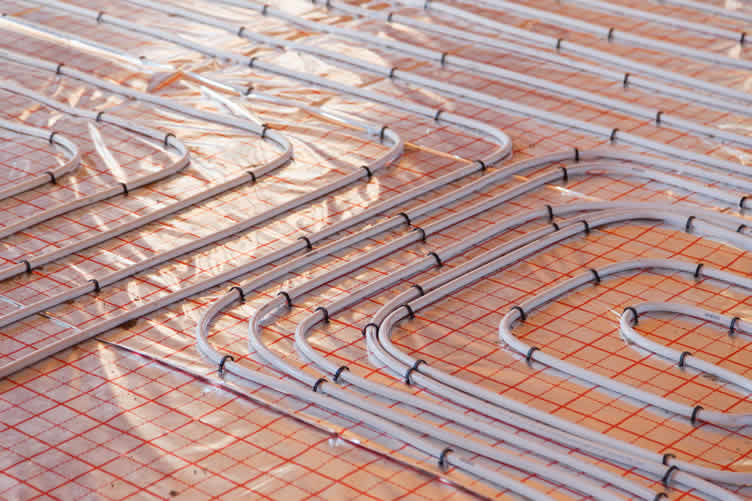
The process begins with laying out a network of flexible polymer tubing across the subfloor. These tubes are attached to the subfloor using clips or staples, or they can be set into pre-made panels.
Ensure that the pipes are spaced evenly to avoid cold spots and distribute heat uniformly throughout the floor.
Once the tubing is in place, it is connected to a manifold, which distributes the hot water from the boiler or water heater to different zones.
For water-based systems, ensure that the pipes are spaced evenly to avoid cold spots and distribute heat uniformly throughout the floor.
After a pressure test to check for leaks, a layer of screed or lightweight concrete is often poured over the tubes to encase them, creating a thermal mass that retains and radiates heat evenly. The final flooring is then installed on top.
During this stage, avoid placing heating elements beneath fixed fixtures like cabinetry or plumbing installations, as this can lead to heat buildup and inefficiencies. Detailed measurements and planning prevent damage to the system during installation or future modifications to the room.
-
-
(step 5) Connecting to the Heating Source
Both electric and wet systems require proper connection to the heating source and controls.
-
For electric systems, this involves safely linking the heating elements to the thermostat and power supply.
-
Wet systems will require connecting the network of pipes to the boiler or other hot water supply.
It’s highly recommended to have a certified electrician or heating engineer perform this step to ensure compliance with all safety regulations and building codes.
Testing the system at this point is also necessary to verify that all components are functioning correctly before moving forward with laying the final floor coverings.
-
-
(step 6) Installing Floor Covering
The final step is installing your chosen floor finish over the heating system. Compatible materials include tile, stone, engineered wood, and specific laminate or vinyl products—each offering various aesthetic and practical benefits.
Ensure the floor material’s thermal conductivity aligns with your heating system to optimize heat transfer.
Adhering to manufacturer instructions for the chosen floor covering ensures the stability and safety of your flooring. Any adhesives or underlayment materials used should also be heat-resistant and specified as safe for underfloor heating systems.
-
(step 7) Final Testing and Usage
After the installation is complete, the system should undergo thorough testing to confirm its efficiency and functionality. Gradually increasing the temperature avoids thermal shocks to the flooring material and provides a smooth transition for long-term usage.
Regular maintenance and inspections of the system will prolong its lifespan and ensure ongoing satisfaction.
-
(step 8) Maintenance
One of the most appealing aspects of underfloor heating is its low maintenance. Once installed, there is very little you need to do.
- For electric systems, there are no moving parts to service, so maintenance is practically nonexistent beyond ensuring the thermostat is functioning correctly.
- For hydronic systems, it is advisable to have the boiler or water heater serviced annually, just as you would with any central heating system.
The Radiant Professionals Alliance also recommends checking the pressure in the system periodically and having the pumps and valves inspected by a professional every few years to ensure everything is working efficiently.
References:
-
[ see below: sourcing and citations ]
Step Description Key Points Key Considerations Understanding initial factors to ensure system compatibility and efficiency. - Retrofitting allows upgrades in existing homes with minimal disruption.
- Flooring compatibility depends on material; tiles have high conductivity, wood requires insulation.
- Thermal insulation reduces heat loss and improves energy efficiency.
Planning and Preparation Evaluate the property layout and system compatibility. - Assess insulation, subfloor structure, and room dimensions.
- Plan zoning areas for independent heating controls.
Choosing the Right System Select a wet or electric system based on project scope and property needs. - Wet systems are ideal for new builds or renovation projects.
- Electric systems are simpler to install, suitable for retrofits and smaller spaces.
Installing Insulation Layers Lay high-quality insulation to prevent downward heat loss. - Use insulation boards or thermal panels based on subfloor and climate.
- Ensure even installation to avoid inefficiencies.
Laying the Heating System Install the heating components according to design plans. - Space components evenly to distribute heat uniformly.
- Avoid placing components under fixed fixtures.
Connecting to the Heating Source Link the system to the heating source and controls safely. - Use certified professionals for electric or hydronic connections.
- Test the components before installing final flooring.
Installing Floor Covering Install compatible floor materials over the heating system. - Select materials like tile, engineered wood, or specific laminates.
- Adhere to manufacturer guidelines for adhesive and underlayment use.
Final Testing and Usage Perform testing to ensure efficiency and smooth operation. - Gradually increase temperature to avoid floor material damage.
- Schedule regular maintenance for long-term performance.
Maintenance Ensure ongoing system functionality with minimal effort. - Electric systems require minimal maintenance beyond thermostat checks.
- Hydronic systems need regular boiler servicing and component inspections.
copyright image by 123rf.com
[ youtube: Guide: How To Lay Underfloor Heating ]
[ youtube: install electric underfloor heating ]
Getting Professional Installation Help
For any homeowner considering underfloor heating, seeking professional help for installation can significantly enhance the outcome of your project.
While underfloor heating systems can be a fantastic way to achieve efficient, even warmth in your home, the installation process can be complex, particularly for those without prior experience in heating or construction systems.
Professional installers have the expertise to correctly design and lay out the system to suit your home’s unique requirements, minimizing the risk of future issues such as uneven heating, leaks, or inefficiencies.
Hiring a certified professional ensures that important factors, such as proper floor insulation, the correct choice of materials, and the precise calibration of controls, are addressed. Additionally, many installers provide guarantees on their work and can recommend the most suitable products for your budget and needs.
While DIY options are available, professional assistance can save time, reduce stress, and provide peace of mind knowing your system is installed safely and correctly.
LetsRenovate has partnered with HomeAdvisor™, a renowned provider of highly-rated, carefully-vetted HVAC contractors. Start your search here by choosing the type of HVAC contractor you need and entering your zip code to find local professionals.

copyright image by 123rf.com
But Wait!
Before you start looking for HVAC (underfloor heating) contractors, download this evaluation worksheet.
This tool will help you objectively compare potential contractors based on pricing, licensing, and references.

Evaluation Sheet
File Type:
-
Scroll up to directory … or scroll to next section about underfloor heat systems …
-
-
6th Section: Cost Analysis of Underfloor Heating
Understanding the financial implications of installing an underfloor heating system is crucial for any homeowner. While the thought of a heated floor sounds luxurious, it’s important to consider the initial investment, ongoing operational costs, and long-term financial benefits.
A thorough cost analysis will help you determine if underfloor heating is a viable and valuable addition to your home. This section will break down the expenses and savings associated with radiant heat to provide a clear picture of its overall cost-effectiveness.
[ view summary table: cost analysis ]
-
Initial Investment Costs
The initial cost of installing underfloor heating can vary widely depending on the type of system, the size of the area, and whether it’s a new build or a renovation. Electric systems generally have a lower upfront installation cost, making them an attractive option for smaller spaces or single-room projects.
Hydronic systems require a larger initial investment due to the need for a boiler, pumps, and more complex installation. However, for whole-house installations, the cost per square foot for hydronic systems can become more competitive.
It’s important to get quotes from qualified installers to get an accurate estimate for your specific project.
-
Operational Costs and Energy Savings
While the initial cost is a key factor, the operational costs are where underfloor heating truly shines. Because they operate at lower temperatures and distribute heat more efficiently, radiant systems consume less energy than traditional HVAC systems. This leads to significant savings on your monthly utility bills.
The U.S. Department of Energy emphasizes that the lack of duct losses in radiant systems contributes to their high efficiency. Over the lifespan of the system, these energy savings can offset the initial installation cost, making it a sound long-term investment.
-
Long-Term Cost Benefits
Beyond the monthly energy savings, underfloor heating offers other long-term financial advantages. The systems are durable and have a long lifespan (up to 50 years with some systems), with many manufacturers offering warranties of 25 years or more on their tubing or cables.
This longevity means you are less likely to face expensive replacement costs compared to traditional furnaces, which typically need to be replaced every 15 to 20 years.
Additionally, a home with underfloor heating can have a higher resale value, as it is an attractive feature for potential buyers who appreciate its comfort, efficiency, and modern appeal.
References:
-
[ see below: sourcing and citations ]
Installation Aspect Key Details Benefits Initial Investment Costs Costs vary based on the system type, area size, and project type (new build vs renovation). Electric systems have lower upfront costs; hydronic systems require a higher initial investment. Hydronic systems become more cost-effective for whole-house installations. Getting quotes ensures accurate pricing for your project. Operational Costs Radiant systems operate at lower temperatures and distribute heat efficiently, minimizing energy consumption compared to traditional HVAC systems. Leads to reduced utility bills. High efficiency due to no duct losses, as highlighted by the U.S. Department of Energy. Long-Term Cost Benefits Systems are durable with long lifespans (up to 50 years). Manufacturers often provide warranties of 25 years or more on components. Lower replacement costs over time and increased resale value for homes due to comfort, efficiency, and modern appeal. 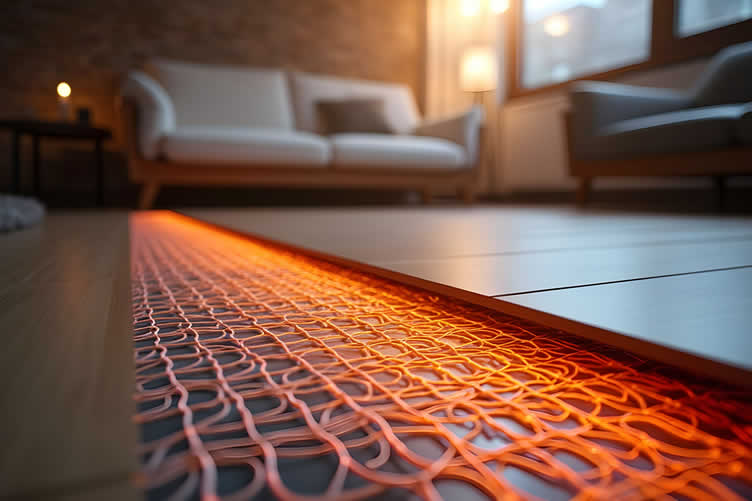
AI generated image by 123rf.com
[ youtube: How Much Does Underfloor Heating Cost? ]
[ youtube: What’s the Best Flooring for Underfloor Heating? ]
-
Scroll up to directory … or scroll to next section about underfloor heat systems …
-
-
7th Section: Underfloor Heating vs. Traditional HVAC Systems
When deciding on a heating system, it is helpful to compare the options side-by-side. Traditional forced-air HVAC systems have been the standard for decades, but underfloor heating presents a compelling alternative.
The differences in energy efficiency, comfort levels, air quality, and maintenance requirements are significant. Understanding these distinctions will help you make an informed choice that best suits your family’s needs and priorities.
This section will provide a detailed comparison to highlight why radiant heat is often considered a superior choice for modern homes.
[ view summary table: underfloor vs traditional HVAC ]
-
Energy Efficiency Comparison
As previously mentioned, underfloor heating systems are generally more energy-efficient than traditional HVAC systems. Forced-air systems lose a considerable amount of energy through ductwork, particularly if the ducts run through unheated spaces like attics or crawlspaces.
The American Society of Heating, Refrigerating and Air-Conditioning Engineers (ASHRAE) has conducted extensive research on building energy performance, and findings consistently show that duct losses are a major source of inefficiency.
Radiant heating eliminates this issue entirely, as heat is delivered directly to the living space. Hydronic systems are especially efficient when paired with a condensing boiler, further maximizing energy savings.
-
Comfort and Heat Distribution
The quality of comfort provided by underfloor heating is unmatched. Radiant heat warms objects and people directly, creating a gentle and pervasive warmth that feels natural, similar to the heat from the sun. Traditional HVAC systems heat the air, which then circulates around the room.
This process can lead to drafts and an uneven temperature profile, with warm air collecting near the ceiling and cooler air settling near the floor. With underfloor heating, your feet are always warm, and the temperature remains consistent at all levels of the room, providing a superior level of thermal comfort.
-
Air Quality and Health Considerations
The impact on indoor air quality is a crucial differentiator. Forced-air systems can act as a distribution network for dust, dander, pollen, and mold spores that accumulate in the ductwork. For individuals with allergies or asthma, this can trigger symptoms and create an unhealthy living environment.
Since underfloor heating does not rely on air circulation, it significantly reduces the amount of airborne allergens in your home. This makes it a much healthier option, contributing to a cleaner and more comfortable indoor atmosphere for everyone.
-
Maintenance and Lifespan
Traditional HVAC systems require regular maintenance, including filter changes, duct cleaning, and annual servicing of the furnace. These components can wear out over time, leading to costly repairs or replacements.
Underfloor heating systems, by contrast, require very little maintenance. Electric systems are virtually maintenance-free, and hydronic systems typically only need periodic checks of the boiler and pumps.
Both types of systems are designed to last for many years, often with warranties that extend for decades, offering long-term reliability and peace of mind.
References:
-
[ see below: sourcing and citations ]
Aspect Underfloor Heating Traditional HVAC Systems Energy Efficiency Highly energy-efficient, no duct losses, especially with hydronic systems and condensing boilers. Lower efficiency due to significant energy loss through ductwork, particularly in unheated spaces. Comfort and Heat Distribution Offers consistent warmth, warms objects and people directly, eliminates drafts and cold floors. Air heating leads to uneven temperatures, drafts, and warm air accumulating near ceilings. Air Quality and Health Does not circulate air, reducing allergens and improving indoor air quality. Circulates air, spreading dust, pollen, and allergens, which can affect those with allergies or asthma. Maintenance and Lifespan Low maintenance requirements with long-lasting reliability and extended warranties. Requires regular maintenance such as filter changes, duct cleaning, and servicing, with components prone to wear over time. 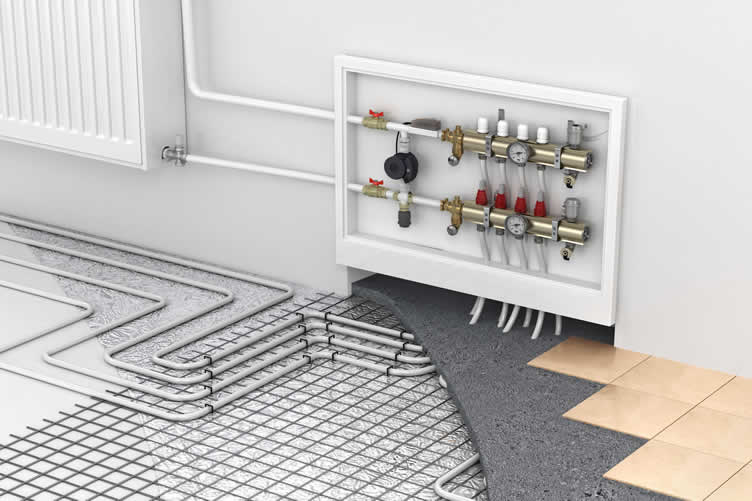
copyright image by 123rf.com
Understanding HVAC Systems
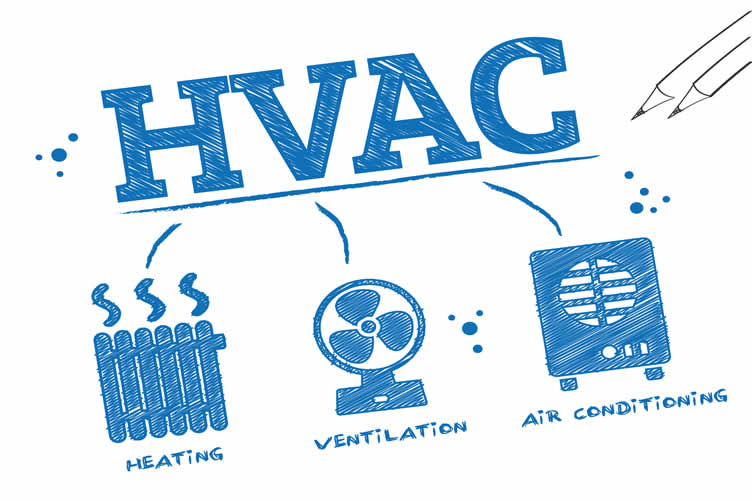
An HVAC (Heating, Ventilation, and Air Conditioning) system plays a critical role in maintaining a comfortable, healthy, and energy-efficient home. By regulating indoor temperature, air quality, and humidity levels, an HVAC system ensures that your living space remains cozy in winter, cool in summer, and well-ventilated year-round.
Beyond comfort, a properly functioning HVAC system also promotes better air circulation, reducing allergens, dust, and other airborne particles that can impact your health.
Selecting the right HVAC system for your home depends on various factors, such as the size of your space, efficiency ratings, and specific heating and cooling needs. Newer HVAC systems are designed to be more energy-efficient, which can lead to significant savings on utility bills while also reducing your environmental footprint.
Regular maintenance, including cleaning filters and inspecting components, is essential to keep the system running at peak performance and to prevent costly repairs down the line.
Recognizing the importance of HVAC systems doesn’t just enhance your home’s functionality—it also positively impacts your home’s value and livability.
Whether you’re planning an upgrade or maintaining an existing one, understanding your HVAC system’s purpose and potential can ensure a more comfortable and healthy home environment for years to come.
copyright image by 123rf.com
-
Scroll up to directory … or scroll to next section about underfloor heat systems …
-
-
8th Section: Limitations and Myths
Underfloor heating is often touted as a modern, efficient way to heat homes while maintaining aesthetic simplicity. While it offers numerous advantages, it’s important to address common limitations and myths surrounding this technology.
Misconceptions about speed, climate suitability, maintenance, and other aspects of underfloor heating persist, and understanding the realities can help homeowners make informed decisions.
[ view summary table: limitations and myths ]
-
Heating Speed
A common concern surrounding underfloor heating is that it takes too long to heat a space compared to traditional radiators or air systems.
While it is true that underfloor heating systems, particularly hydronic systems, can take longer to reach the desired temperature, this is largely due to the system’s method of distributing heat evenly over a larger surface area.
However, modern systems often include programmable thermostats, allowing users to pre-schedule heating times to ensure rooms are warm when needed. Additionally, newer electric underfloor heating systems are designed to warm up much faster, especially in smaller spaces such as bathrooms or kitchens.
It’s vital for homeowners to set realistic expectations and consider the specific type of system and materials used, as factors like floor insulation and surface coverings significantly impact heating speed.
-
Climate Suitability
One of the most persistent myths about underfloor heating is that it is better suited for colder climates and not ideal for moderate or warmer regions. This misconception arises from the belief that underfloor heating is only efficient when used continuously over the winter months.
However, underfloor heating is versatile and can be tailored to various climates. For example, electric systems can provide targeted heating for individual rooms, making them practical for regions where only occasional heating is necessary.
Hydronic systems paired with smart thermostats or zoning capabilities enable users to control specific spaces, ensuring the heating is neither excessive nor wasted. Far from being exclusive to cold climates, underfloor heating can enhance comfort year-round with the right setup.
-
Maintenance
A myth that often causes hesitation for potential users is the idea that underfloor heating requires extensive maintenance. Electric underfloor systems are virtually maintenance-free due to their simple construction, which involves no moving parts.
Meanwhile, hydronic systems may require occasional inspections of the boiler, pumps, and pipes, but these checks are infrequent and typically low-cost compared to maintaining traditional central heating systems.
Additionally, underfloor heating systems are built with durable materials and designed to function efficiently for decades. Comprehensive warranties offered by reputable manufacturers further alleviate concerns about ongoing maintenance. Investing in high-quality system installation by certified professionals can also minimize potential issues in the future.
-
Other Common Limitations and Myths
Another misconception about underfloor heating is that it is incompatible with certain types of flooring, such as wood or carpet.
While not all flooring materials conduct heat as effectively as tile or stone, technological advancements have ensured compatibility with various finishes. Engineered wood, low-pile carpets, and specialized underlays can all be used without compromising the system’s efficiency.
Furthermore, some believe that underfloor heating is prohibitively expensive to install. While installation costs can indeed be higher than traditional heating systems, the long-term savings in energy efficiency often offset the initial investment.
Homes equipped with underfloor heating typically achieve more consistent and energy-efficient temperature control, reducing energy bills over time.
For those considering the upfront costs, it’s worth exploring systems tailored to different budgets and installation methods, such as retrofit options for existing homes with minimal disruption.
Lastly, there’s a belief that underfloor heating poses safety risks, such as overheating floors or electrical hazards. These fears are largely unfounded, as modern systems are designed with built-in safeguards, including temperature limiters and insulated electrical components.
Adhering to installation standards and seeking certified installers ensures that these systems remain safe and effective throughout their lifespan.
References:
-
[ see below: sourcing and citations ]
Common Myths Reality Considerations Underfloor heating is too slow to warm spaces. Heating speed depends on the system. Modern electric systems heat quickly, and hydronic systems distribute heat evenly. Programmable thermostats and proper insulation improve efficiency. It’s only suitable for cold climates. Underfloor heating works well in various climates and can be customized for targeted or year-round use. Consider zoning or smart thermostat configurations. Underfloor heating requires high maintenance. Electric systems are maintenance-free, and hydronic systems require minimal, low-cost checks. Install high-quality systems to ensure durability and reliability. It’s incompatible with certain flooring types. Modern systems are compatible with wood, carpet, engineered flooring, and other finishes. Specialized underlays and materials enhance compatibility. Installation is prohibitively expensive. Costs are offset by long-term energy savings and efficiency. Explore systems based on budget and retrofit options. Safety risks like overheating or electrical hazards. Modern systems include safeguards such as temperature limiters and insulated components. Professional installation ensures safety and effectiveness. 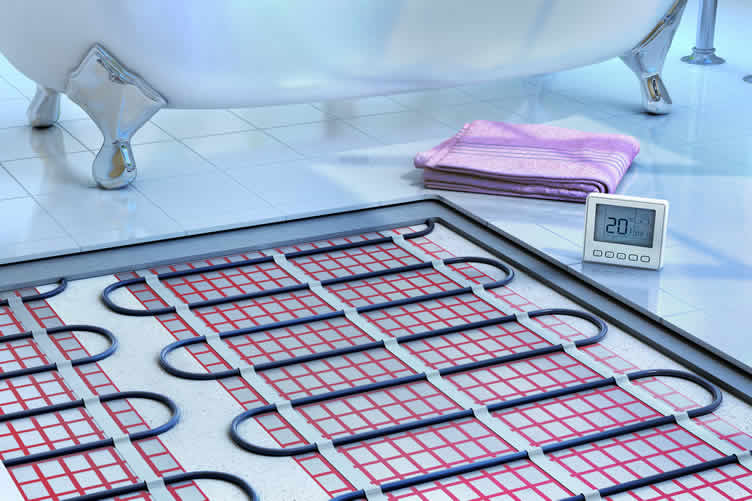
copyright image by 123rf.com
-
Scroll up to directory … or scroll to conclusion …
-
-
Conclusion:
… A Healthier, More Comfortable Home Awaits
Underfloor heating offers a compelling combination of comfort, efficiency, and health benefits that traditional HVAC systems struggle to match. By providing gentle, even radiant heat from the ground up, it creates a luxuriously warm and stable indoor environment.
The reduction in airborne allergens makes it an ideal choice for families with respiratory concerns, while its energy efficiency leads to lower utility bills and a smaller carbon footprint.
Though the initial investment may be higher, the long-term savings and enhanced quality of life make it a worthwhile consideration for any homeowner looking to upgrade their heating system.
Sourcing and Citations:
- Energy Saving Trust. "Underfloor Heating Guide." Available at www.energysavingtrust.org.uk.
- Warmup. "How to Install Underfloor Heating." Available at www.warmup.com.
- Homebuilding & Renovating. "A Step-by-Step Guide to Installing Underfloor Heating." Available at www.homebuilding.co.uk.
- Renewable Energy Hub. "Installing Underfloor Heating Systems." Available at www.renewableenergyhub.co.uk.
- Smart Home Energy. "Key Considerations for Underfloor Heating Installation." Available at www.smarthomeenergy.co.uk.
- CIBSE (Chartered Institution of Building Services Engineers). (2022). Best Practices for Heating Systems. Retrieved from https://www.cibse.org
- Energy.gov: https://www.energy.gov/
- Radiant Professionals Alliance (RPA): https://radiantprofessionalsalliance.org/
-
Quick scroll to more home utility ideas …
-
ideas to view and compare from the photo above
underfloor heating matunderfloor heating manifoldunderfloor heating cable
- What comments can you share about
underfloor systems that you have installed?


Tackling home heating and cooling needs and fulfilling all your home improvement plans …

… save this curated directory of ideas for future reference.



Download this PDF for a concise summary of all you need to know about …?




Outline the specific requirements needed for making …
… key home improvement and remodeling decisions




Budgeting Worksheet For Costing Home Remodeling and Home Improvement Decisions
 File Type (excel)
Calendar For:
Home Maintenance
File Type:

Are there any other interesting topics that might have been overlooked but could offer valuable insights …?


… view illustration “becoming a bank”



… view our sharing links below for a quick "share the knowledge"
Find Home Heating Services Central Heating Radiant Heat Fireplaces Thermostats top-rated, pre-screened local contractors FREE: download contractor selection enter zip code – powered by HomeAdvisor ™
Quick Contractor Guides selecting negotiating working with inspecting

Cover image credit: underfloor heat systems by 123rf.com
end of post … please share it!
 |
did you find this underfloor heat system analysis helpful? If so, please share the article with your friends and family! |
Nice pic idea? Leave us a quick comment below.
And please share this pic idea within your social networks.