
Summary Outline –
The beauty of eco-friendly living lies in its adaptability. Small, consistent actions compound over time, creating meaningful environmental benefits.
When you choose to air-dry clothes instead of using a dryer, opt for reusable containers over disposable ones, or walk to nearby destinations instead of driving, you’re participating in a lifestyle that prioritizes the planet’s well-being. These choices reflect a deeper understanding that sustainability isn’t just about grand gestures but about cultivating daily habits that honor our connection to the natural world.
Understanding the distinction between eco-living and sustainable home elements helps clarify how to approach environmental responsibility holistically.
While sustainable home features like energy-efficient appliances, low-flow fixtures, and eco-friendly building materials create the infrastructure for green living, eco-friendly practices breathe life into these systems through conscious daily actions.
Whether you’re renting an apartment or own your home, these practices offer immediate ways to contribute to environmental preservation while often saving money in the process.

-
Quick scroll to first topic about setting up an eco-life style … or review summary content

Content Summary
section directory1st Eco-Living Review: [view section]
… conserving energy is a great way to reduce your reliance on home energy. Simple actions like turning off lights when not in use, taking shorter showers, and using home automation to manage energy consumption can make a big difference for the environment.
2nd Eco-Living Review: [view section]
… the second step to eco-friendly living is adopting better waste reduction habits to minimize your environmental impact. Purchase items with minimal packaging, recycle responsibly, and compost food scraps to reduce landfill waste.
3rd Eco-Living Review: [view section]
…good environmental stewards choose eco-friendly alternatives to plastics (especially plastic bottles), use eco-friendly cleaners instead of those with volatile organic compounds (VOCs) that can pollute the air, and switch to eco-friendly cosmetics and body cleansers that are better for both you and the environment.
4th Eco-Living Review: [view section]
…. we now turn to the outside of your home, where practices like eco-friendly gardening, using sustainable transportation, and supporting local, sustainable businesses can help improve the environment. These actions offer both personal fulfillment and environmental benefits while fostering connections with like-minded community members.
5th Eco-Living Review: [view section]
… the fifth step toward eco-living is making small changes that create a healthier environment. Actions like planting a tree, starting a biodiversity garden, joining community cleanups, or supporting wetland and grassland restoration can all make a meaningful impact.
first “eco-living” idea


copyright image by 123rf.com
Eco-Living 1: Eco-Friendly Behavioral Practices Inside Your Home
Notes:
-
Creating an environmentally conscious household involves transforming routine activities into opportunities for sustainability. Your daily habits within your living space significantly impact your overall ecological footprint, often in ways that might surprise you.
From the moment you wake up and turn on lights to the evening when you prepare dinner and settle in for relaxation, countless opportunities exist to make choices that benefit both your wallet and the environment.
The following practices demonstrate how small adjustments to your indoor routines can yield substantial environmental benefits while maintaining the comfort and convenience you value in your home life.
-
Quick scroll to supporting notes …
-
-
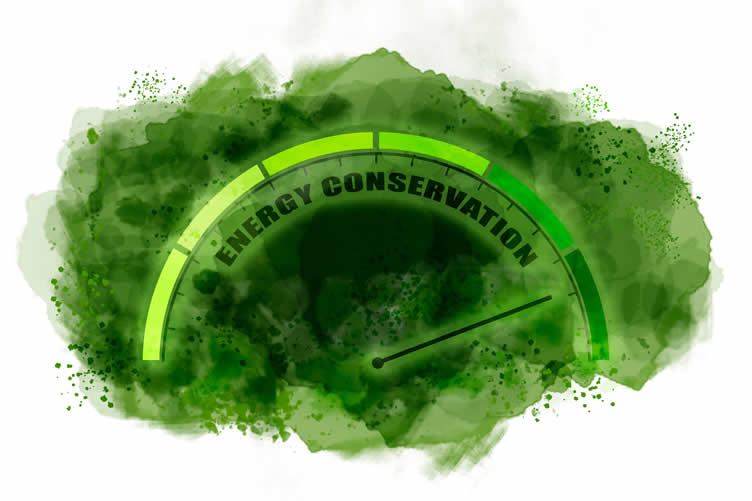
1st: Energy Conservation
Energy conservation is not only about reducing your utility bills but also about fostering a more sustainable lifestyle that minimizes your environmental footprint. By adopting a few mindful habits and making small adjustments to how energy is used within your home, you can make a significant impact.
Below are practical strategies, supported by expert insights, to help you conserve energy without sacrificing convenience or comfort.
[ view summary table: energy conversation ]
-
Turn Off Lights When Not in Use
Leaving lights on in unused rooms is a common yet avoidable waste of energy. Make it a habit to turn off lights every time you leave a room. For added convenience, consider installing motion-sensor lighting, which automatically illuminates spaces only when needed.
According to energy experts, this simple practice can substantially reduce household energy consumption, cutting lighting costs by nearly 20% annually.
-
Adjust Your Thermostat
Small adjustments to your thermostat settings can make a big difference over time. Lowering your thermostat by just 7–10°F for 8 hours a day in the winter, or raising it slightly in the summer, can save up to 10% on your annual heating and cooling costs.
Installing a programmable or smart thermostat allows you to automate temperature adjustments, ensuring optimal energy use without requiring manual changes. Sources, such as the U.S. Department of Energy, highlight this as one of the most effective strategies for energy savings.
-
Install Ceiling Fans to Regulate Temperatures
Ceiling fans can be employed as a cost-effective tool for temperature control. By circulating air efficiently, they enable you to feel cooler in the summer and warmer in the winter without over-relying on your HVAC system.
Energy scientists recommend reversing the direction of your fans seasonally—clockwise in winter to circulate warm air and counterclockwise in summer for a cooling effect.
-
Pull and Close Shades to Conserve Energy
The strategic use of window treatments can reduce energy waste. During hot summers, keep blinds or shades drawn during the day to block out heat and maintain a cooler indoor environment. Conversely, in winter, pulling back curtains during sunny days allows natural heat from sunlight to warm your home.
Research shows this practice can reduce heating and cooling expenditures by up to 25%, depending on your region’s climate.
-
Install Door Sensors to Monitor Open Doors
Leaving doors open during extreme weather conditions can unintentionally drive up energy costs. Installing door sensors that alert you when an external door is left ajar can help maintain indoor temperatures more effectively.
Such solutions are affordable and often integrate with smart home systems to provide real-time notifications, making energy conservation both seamless and modern.
-
Unplug Devices to Eliminate Phantom Loads
Even when turned off, electronic devices and appliances can draw small amounts of power, known as phantom loads. Unplugging devices when not in use—such as coffee makers, gaming consoles, or charging devices—can save the average household up to $165 yearly.
Advanced power strips can make this task easier by automatically cutting power to devices that are not in active use.
-
Other Energy-Conserving Practices
Energy efficiency can also be achieved through practices such as washing clothes in cold water rather than hot, sealing air leaks around windows and doors, and ensuring proper insulation throughout your home.
Additionally, energy-efficient appliances certified by ENERGY STAR® can dramatically cut consumption without compromising performance, leading to long-term savings.
References:
- U.S. Department of Energy. “Tips for Reducing Energy Use in Your Home.” Energy.gov.
- ENERGY STAR® Program. “Energy Efficiency for Appliances and Electronics.” Energystar.gov.
- National Renewable Energy Laboratory. “Energy-Saving Practices at Home.” NREL.gov.
- Environmental Protection Agency. "Energy Conservation Strategies." EPA.gov.
- American Council for an Energy-Efficient Economy. “Ceiling Fans and Energy Use.” ACEEE.org.
Practice Energy Savings Potential Benefits Turn Off Lights When Not in Use Up to 20% reduction in lighting costs Reduces unnecessary energy consumption Adjust Your Thermostat Up to 10% savings on annual heating and cooling costs Promotes optimized energy use through smart adjustments Install Ceiling Fans Varies by seasonal usage Improves temperature control and reduces HVAC reliance Pull and Close Shades Up to 25% savings on heating and cooling Maintains indoor temperature efficiently Install Door Sensors Minimizes unintended heat/cooling loss Improves energy conservation with smart notifications Unplug Devices Up to $165 annually Eliminates phantom energy loads from unused devices Use Energy-Efficient Appliances Varies by device type Significant long-term savings with high performance Wash Clothes in Cold Water Lower energy used for heating water Preserves fabrics while saving energy Seal Air Leaks Reduces heating and cooling costs Enhances overall home insulation and comfort 

copyright image by 123rf.com

-
-
2nd: Water Conservation
Water conservation is a critical component of living sustainably and reducing household environmental impact. Adopting eco-friendly behaviors related to water usage not only protects one of our most vital resources but also lowers utility bills over time.
The following practices provide practical and effective methods to conserve water in your daily household routines.
[ view summary table: water conversation ]
-
Shorter Showers, Greater Efficiency
Reducing the duration of your showers can lead to significant water savings. For instance, simply cutting two minutes from your daily shower can conserve more than 1,500 gallons of water per person over the course of a year.
To further enhance water efficiency without sacrificing comfort, consider installing low-flow showerheads. These fixtures are designed to maintain satisfactory water pressure while utilizing up to 40% less water compared to traditional showerheads, making t
-
Turn Off the Tap
Leaving the tap running while brushing your teeth, shaving, or washing your hands can waste a significant amount of water, often without you even realizing it. Instead, try a simple adjustment: wet your toothbrush, razor, or hands briefly, then turn off the tap while you complete the task. When you’re ready to rinse, turn the tap back on just long enough to finish.
For example, while brushing your teeth, you only need a quick splash of water at the start and end—there’s no need to let it run the whole time. This small habit change may seem minor, but over time, it can conserve a surprisingly large amount of water, making a big difference for the environment.
-
Efficient Flushing with Tank Blocks
Reducing water consumption during flushing is a simple yet effective way to conserve water in everyday life. One practical method is adding toilet tank blocks or placing a weighted bottle filled with water in the tank.
These solutions reduce the amount of water used per flush without sacrificing the toilet’s functionality, making them both cost-effective and easy to implement.
For those seeking a more long-term and efficient option, modern low-flow toilets offer an excellent solution by using significantly less water per flush while maintaining effective performance. By adopting these practices, individuals can make meaningful strides toward sustainable water usage in their bathrooms.
-
Operate Appliances Mindfully
When it comes to appliances like dishwashers and washing machines, operating them with mindfulness is key to water conservation. These essential household devices should only be run when they are completely full.
Washing partial loads, even if it seems convenient at the moment, leads to a significant waste of water that could easily be avoided. Conversely, waiting for a full load ensures that every drop of water used contributes to a maximized cleaning effort, thus enhancing overall water efficiency.
Furthermore, investing in energy-efficient models of these appliances can greatly contribute to water savings. These modern machines are specifically engineered to use water judiciously, meaning they achieve excellent cleaning results while consuming considerably less water than older, less efficient models.
-
Save Water While Handwashing Dishes
When washing dishes by hand, it’s important to avoid letting the water run continuously, as this habit can lead to significant water waste. Instead, consider filling the sink or a separate basin with water for both washing and rinsing.
This method allows you to use a controlled, limited amount of water, helping to conserve resources while still effectively cleaning your dishes.
For example, you can fill one basin with soapy water for scrubbing and another with clean water for rinsing, ensuring the process remains efficient and environmentally friendly. This small adjustment not only reduces unnecessary waste but also promotes a more mindful approach to everyday tasks.
-
Keep Drinking Water Chilled
Instead of letting the tap run until the water gets cold enough to drink, which can waste a surprising amount of water over time, a simple and effective solution is to keep a pitcher of drinking water in the refrigerator.
This ensures that a refreshing, cold drink is always on hand, eliminating the need to continuously run the faucet. By doing so, you not only enjoy immediate access to chilled water but also significantly reduce water waste, contributing to greater conservation efforts in your home.
-
Additional Tips for Optimizing Water Use
Several other practices can further enhance efforts to conserve water at home. One simple yet effective step is to regularly inspect faucets, pipes, and appliances for leaks, as even a small, unnoticed drip can waste significant amounts of water over time.
Catching and fixing these minor issues early not only prevents unnecessary water loss but also helps reduce utility bills, making it a win for both the environment and your wallet.
References:
- United States Environmental Protection Agency. "Water Conservation Tips for Residents." EPA
- U.S. Geological Survey. "Water Science School – Household Water Use." USGS.gov
- Energy.gov, U.S. Department of Energy. "Energy Saver Tips – Appliances and Water Use." Energy.gov
Practice Estimated Water Saved Key Benefit Shorter showers Up to 1,500 gallons annually per person Significant water savings with minimal effort Installing low-flow showerheads Uses up to 40% less water Maintains pressure while reducing water usage Turning off the tap while brushing, shaving, or washing hands Multiple gallons daily Reduces unnecessary water waste Using toilet tank blocks or low-flow toilets 0.5-1 gallon per flush Maximizes toilet efficiency Running dishwashers/washing machines only with full loads 10-20 gallons per load Energy and time-efficient water usage Filling the sink instead of letting the water run while handwashing dishes Up to 10 gallons per dishwashing session Prevents continuous water flow Keeping drinking water refrigerated Multiple gallons over time Ensures availability of clean, cold water without waste Checking for leaks in faucets, pipes, and appliances Varies depending on severity of leaks Stops hidden water loss and improves efficiency 
copyright image by 123rf.com
-
-
3rd: Using Home Automation to Simply Tasks
Adopting eco-friendly practices at home often calls for smart solutions that are both effective and sustainable. Home automation is one of the most advanced ways to improve energy and water efficiency while maintaining convenience and comfort.
By leveraging technology, homeowners can significantly lower their environmental footprint, reduce utility costs, and contribute to a greener future. Below, we explore several home automation systems designed to optimize energy and water usage with seamless, user-friendly integration.
[ view summary table: using home automation ]
-
Smart Thermostats for Efficient Climate Control
Smart thermostats are among the most impactful tools for reducing energy consumption. These devices learn your household’s routines and adjust heating and cooling settings to match your needs.
For instance, during periods when no one is home, smart thermostats lower energy use by reducing climate control operation. Many models allow remote control through smartphone apps, enabling users to make adjustments wherever they are.
Research by the U.S. Department of Energy shows that implementing a smart thermostat can save up to 10% annually on heating and cooling costs. Additionally, their compatibility with renewable energy sources, such as solar panels, makes them an even more sustainable choice.
-
Smart Lighting Systems to Minimize Energy Waste
Lighting automation is another key component of a sustainable home. Smart lighting systems integrate motion sensors, timers, and dimming technologies to ensure lights are automatically adjusted based on need.
For example, lights can turn on when someone enters a room and shut off when the room is unoccupied, eliminating unnecessary energy waste. Certain systems also allow you to customize brightness levels depending on the time of day or activities, further enhancing energy efficiency.
Connected to home automation hubs, these systems can also integrate with voice assistants, putting you in total control of your lighting solutions while conserving energy.
-
Automated Water Management for Conservation
Smart water management systems are designed to help reduce waste from excessive water use. Automation can be employed in irrigation systems to monitor real-time weather conditions and optimize watering schedules, ensuring lawns and gardens are watered only when truly necessary.
Additionally, fixtures like smart faucets and showerheads measure and regulate water flow to prevent overuse during daily routines. Leak detection systems enhance water conservation efforts even further, sending immediate alerts if unusual water usage patterns are detected.
Automating these aspects of water management helps create a more sustainable living environment and saves hundreds of gallons of water annually.
-
Smart Appliances for Energy and Water Efficiency
Modern smart appliances, such as washing machines, dishwashers, and refrigerators, are now designed with sustainability in mind. By connecting to home automation systems, these appliances can optimize operation schedules during off-peak energy hours, lowering electricity costs while supporting grid stability.
Many smart washing machines and dishwashers adjust water usage based on load size, ensuring no water is wasted. Refrigerators equipped with smart sensors maintain consistent internal temperatures to reduce energy consumption. These advancements empower homeowners to align routine tasks with eco-conscious practices effortlessly.
-
Hub Integration for Complete Control
Central hubs act as the command center for all home automation devices, putting homeowners in control of their sustainable systems. Smart home hubs connect multiple systems, such as lighting, heating, and appliances, creating a cohesive and efficient network.
Through a centralized app or interface, users can monitor energy and water usage in real time, set efficiency goals, and receive valuable insights into consumption patterns.
Advanced automation systems even enable AI-driven suggestions for further reducing your home’s environmental impact, bridging technology and eco-conscious living.
References:
- U.S. Department of Energy – “Smart Thermostats” (energy.gov).
- Environmental Protection Agency – “WaterSense Labeled Products” (epa.gov).
- Energy Star – “Certified Smart Home Products” (energystar.gov).
- Green Building Advisor – “Smart Home Systems for Energy Efficiency” (greenbuildingadvisor.com).
- International Energy Agency – “Smart Home Automation and Sustainability” (iea.org).
Eco-Friendly Practice Key Benefits Description Smart Thermostats Energy savings and enhanced sustainability Automatically adjusts temperature settings based on routines, reduces energy consumption, and supports renewable energy integration. Smart Lighting Systems Minimized energy waste Uses motion sensors, timers, and dimming features to optimize lighting usage; integrates with home hubs for centralized control. Automated Water Management Water conservation Optimizes irrigation schedules, adds smart fixtures to regulate flow, and detects leaks to prevent water waste. Smart Appliances Efficient resource use Appliances adjust operations to reduce energy and water usage, including optimized cycles for off-peak efficiency. Hub Integration Streamlined control Centralized system connects all devices, monitors real-time usage, and provides AI-driven suggestions to reduce environmental impact. 
copyright image by 123rf.com
-
-
-
ideas to view and compare from the information discussed above
Scroll up to directory … or scroll to next section about setting up an eco-life style …



… remodeling decisions


Download this PDF for a concise summary of all you need to know about …?


second “photo remodeling” idea

copyright image by 123rf.com
Eco-Living 2: Behavioral Practices In Waste Reduction
Notes:
-
Embracing eco-friendly practices for waste reduction stands out as one of the most accessible and impactful ways individuals can lessen their environmental footprint. Even seemingly small, consistent adjustments in how we approach purchasing, consumption, and disposal can lead to a substantial positive impact on the planet.
Beyond the environmental benefits, these changes often result in lower household expenses and foster a more sustainable personal lifestyle. In the following sections, we will explore a variety of sustainable strategies designed to help effectively minimize waste within your daily life.
-
Quick scroll to supporting notes …
-
-
1st: Purchasing Items with Minimal Packaging
Opting for products with minimal or biodegradable packaging can drastically reduce the amount of waste destined for landfills. Many brands now offer bulk or refillable options, enabling consumers to avoid single-use packaging entirely.
By prioritizing items with eco-friendly wraps or eliminating unnecessary packaging when possible, you’ll not only decrease waste but also encourage manufacturers to shift towards sustainable packaging solutions.
[ view summary table: minimal packaging ]
-
Choosing Products with Longer Lifespans
Investing in durable, high-quality goods ensures that they last longer, reducing the frequency of replacements and, consequently, waste. Whether it’s electronics, furniture, or clothing, selecting products with warranties or repairable features can reduce waste generation over time.
Seek out trusted brands known for producing long-lasting, sustainable products, as these choices often save you money in the long run while conserving resources.
-
Buying Only What You Need
Over-purchasing can lead to significant waste, particularly with perishable goods. Planning ahead and creating shopping lists based on realistic needs helps avoid unnecessary clutter and spoilage.
Additionally, avoiding impulse purchases can contribute to waste reduction, ensuring everything you buy has a purpose and is fully utilized.
-
Switching to Reusable Alternatives
Using reusable items is a simple yet impactful step toward waste reduction. Replace single-use items, such as disposable water bottles, straws, food containers, and shopping bags, with durable and sustainable options.
These alternatives are easy to clean, often more aesthetically pleasing, and save money over time. For example, carrying a reusable water bottle or a set of cloth shopping bags drastically cuts down on plastic waste each day.
-
Reducing Food Waste
Food waste is a major contributor to landfill emissions, but it can be minimized through careful planning. Creating a meal plan, storing ingredients in the proper conditions, and utilizing leftovers creatively are excellent ways to avoid spoilage.
Freezing surplus food and re-purposing vegetable scraps for broth or compost are also cost-effective steps to reduce waste while maximizing your kitchen efficiency.
-
Cutting Down on Paper Use
Paper products like paper towels, napkins, and even printing paper can be replaced with sustainable alternatives. Cloth towels and napkins are reusable and more effective than their disposable counterparts.
Opt for digital documentation and communication to reduce reliance on printed materials whenever possible. These small, thoughtful swaps contribute to a significant reduction in paper waste over time.
References:
- EPA. (2023). "Reducing Waste – What You Can Do". Retrieved from: epa.gov.
- Zero Waste International Alliance. (2022). "Principles of Waste Reduction". Retrieved from: zwia.org.
- UN Environment Programme (UNEP). (2021). "Consumer Actions for Sustainable Consumption". Retrieved from: unenvironment.org.
Eco-Friendly Behavioral Practices Description Purchasing Items with Minimal Packaging – Opt for products with minimal or biodegradable packaging to reduce waste headed for landfills.
– Support brands offering bulk or refillable options to avoid single-use packaging.
– Choose items with eco-friendly wraps or eliminate unnecessary packaging to encourage manufacturers toward sustainable solutions.Choosing Products with Longer Lifespans – Invest in high-quality, durable goods that last longer, reducing the need for frequent replacements.
– Look for electronics, furniture, or clothing with warranties or repairable features to minimize waste over time.
– Prioritize trusted brands known for sustainable products to save money and conserve resources in the long term.Buying Only What You Need – Avoid over-purchasing by planning ahead and creating shopping lists based on realistic needs.
– Prevent wastage by steering clear of impulse purchases, ensuring everything you buy has a clear purpose.
– Fully utilize purchased items to reduce clutter and unnecessary landfill contribution.Switching to Reusable Alternatives – Replace single-use items like water bottles, straws, or containers with reusable, durable options.
– Carry cloth shopping bags or reusable food storage solutions to minimize daily plastic waste.
– Choose products that are easy to clean, cost-effective, and aesthetically pleasing for added convenience.Reducing Food Waste – Plan meals ahead of time to avoid purchasing excess perishable items.
– Store food properly and creatively use leftovers to minimize spoilage.
– Freeze extra food or re-purpose kitchen scraps (e.g., making broths or compost) to enhance sustainability.Cutting Down on Paper Use – Replace disposable paper towels and napkins with reusable cloth alternatives.
– Adopt digital solutions, such as online documentation and communication, to reduce reliance on printed materials.
– Gradual swaps to sustainable options for paper use help significantly minimize waste over time.
copyright image by 123rf.com
[ pinterest: minimal packaging ]
[ youtube: Zero Waste Grocery Store ]
-
-
2nd: Engage in Proper Recycling
Recycling is one of the most impactful ways individuals can contribute to reducing waste and promoting a more sustainable environment. By diverting materials away from landfills and re-purposing them for new uses, recycling helps conserve natural resources, reduce pollution caused by waste processing, and lower greenhouse gas emissions.
To make recycling a successful part of your daily routine, it’s essential to understand your community recycling guidelines and adopt proper preparation practices. Below, we explore key categories of recyclables and how to handle them effectively.
[ view summary table: proper recycling ]
-
Recycling Basic Household Items
Proper recycling starts with understanding which items can be recycled and how to prepare them.
- For plastics, ensure you recycle only those with accepted resin identification code numbers, as not all plastics are recyclable in every locality. Wash containers thoroughly to eliminate food residue, as contamination can render materials unrecyclable.
- Glass containers should be rinsed and sorted according to color if required by your facility—clear, green, and brown glass may have separate processing streams.
- Metal items such as aluminum cans and steel tins should also be rinsed and, where possible, compressed to save space.
- For paper, avoid recycling soiled or greasy materials and focus on clean paper products like newspapers and office sheets.
- Cardboard boxes should be broken down into flat pieces to conserve room in collection bins.
Always verify the specific materials your local recycling facility accepts to streamline efforts and avoid inadvertent contamination.
-
Recycling Electronics
E-waste, or electronic waste, contains valuable metals and potentially hazardous components. To recycle electronics responsibly, look for certified e-waste recycling programs or electronic retailer take-back initiatives.
Be sure to erase personal data from devices before dropping them off. Proper disposal of electronics ensures the recovery of precious resources like gold, silver, and copper while mitigating the environmental risks associated with toxic chemicals such as mercury and lead.
-
Recycling Hazardous Materials
Hazardous materials like batteries, paint cans, and old cleaning supplies require specialized disposal methods. Most communities offer designated collection sites or scheduled drop-off events for hazardous wastes, where materials can be safely processed.
Never dispose of these items in regular trash or recycling bins, as improper disposal poses significant environmental and health risks. Take care to store such items in sealed containers while awaiting disposal to prevent spills or leaks.
-
Recycling Textiles
Clothing and fabric items can often be re-purposed or recycled instead of being thrown away. Many donation centers accept gently used clothing, while certain manufacturers and stores operate textile recycling programs for damaged or unwearable items.
Before recycling textiles, ensure they are clean and dry to prevent contamination. Additionally, consider re-purposing old fabrics for DIY home projects, such as rags or craft materials, which extend their lifecycle and reduce waste.
-
Recycling Large Appliances
Large appliances like refrigerators, washing machines, and ovens require special attention when it comes to recycling. Many appliance retailers offer take-back programs when you purchase a new unit or provide recommendations for proper disposal.
Local municipalities sometimes organize bulk item pickup days or recycling events that cater to such items. Always check for local regulations on safe removal, as some appliances may contain harmful substances like refrigerants that need professional handling.
-
Recycling Other Materials
There are numerous other recyclable materials, including glass, yard waste, and construction debris, that pose unique recycling challenges.
- Grass clippings, leaves, and tree trimmings can be composted or directed to yard waste collection services if your local program accommodates them.
- Construction waste such as asphalt, bricks, and drywall may be accepted at specific drop-off centers; always consult your city’s waste department for details on this process.
Recycling is not a one-size-fits-all endeavor, but by familiarizing yourself with community guidelines and adhering to best practices, you can maximize the environmental impact of your efforts.
Actively participate in local programs, stay informed about changes to recycling policies, and educate others about the value of proper recycling to cultivate a sustainable and conscientious community.
References:
- Environmental Protection Agency (EPA). "Reduce, Reuse, Recycle." Accessed October 2023. https://www.epa.gov/recycle
- National Resources Defense Council (NRDC). "Recycling 101." Accessed October 2023. https://www.nrdc.org
- Earth911. "Recycling Guide—How to Recycle Better." Accessed October 2023. https://earth911.com
- Basel Action Network. "E-Waste Recycling and Prevention." Accessed October 2023. https://www.ban.org
Category Key Practices Environmental Benefits Basic Household Items Recycle accepted plastics, rinse containers, flatten cardboard, and sort clean paper products. Reduces landfill waste, conserves raw materials, and lowers greenhouse gas emissions. Electronics (E-waste) Use certified e-waste recycling programs, clear personal data before disposal, and responsibly handle toxic components. Recovers valuable resources (gold, silver, copper) and prevents environmental contamination. Hazardous Materials Dispose of batteries, paints, and cleaning supplies at designated community sites or drop-off events. Prevents health risks and environmental damage caused by improper disposal. Textiles Donate usable clothing, recycle unwearable fabrics, and re-purpose materials for DIY projects. Extends the lifecycle of materials and reduces waste in landfills. Large Appliances Utilize retailer take-back programs or local recycling events; ensure safe removal of harmful substances like refrigerants. Reduces bulk waste and supports recovery of scrap materials. Other Materials (e.g., glass, yard waste, construction debris) Rinse and sort glass, compost yard waste, and consult local programs for construction material recycling. Diverts waste from landfill and supports resource recovery. 
copyright image by 123rf.com
[ view diagram: how recycling works ]
[ youtube: Entire Recycling Process Explained ]
-
-
3rd: Compost Scraps
Every year, a significant portion of household waste consists of food scraps generated during meal preparation, consumption, and spoiled leftovers.
By implementing composting practices, you can divert these organic materials from landfills and transform them into nutrient-rich compost that nourishes the soil, reduces methane emissions, and supports a sustainable lifestyle.
Establishing a composting routine is not only eco-friendly but also an empowering way to take action toward more mindful waste reduction.
[ view summary table: composting scraps ]
-
Why Start a Compost?
Starting a compost benefits both the environment and your household. When organic waste like food scraps is sent to landfills, it decomposes anaerobically, producing methane—a greenhouse gas significantly more harmful than carbon dioxide.
Composting prevents this by recycling organic materials aerobically, producing a valuable soil conditioner instead. Beyond environmental advantages, a compost bin helps you reduce your household waste output and lowers the cost of trash removal.
Additionally, it provides you with an abundant source of organic material to enrich gardens and landscapes, fostering healthier plants and soil.
-
Types of Kitchen and Garden Compost Devices
There are various composting solutions to fit different lifestyles, spaces, and household needs. Kitchen composting devices such as countertop compost bins or Bokashi systems offer a convenient way to collect food scraps indoors.
Countertop bins are simple to use and highly efficient for small-scale scraps, while Bokashi systems allow fermentation and decomposition in a low-maintenance setup.
For outdoor composting, options like tumblers, bins, or open piles are well-suited to larger households. Tumblers offer ease of aeration and faster processing, while stationary bins and open piles are scalable systems that work well for backyard gardens.
-
What to Compost
Knowing what materials to include is crucial to creating high-quality compost. Common kitchen scraps such as fruit and vegetable peelings, coffee grounds, eggshells, and tea bags are excellent additions.
However, avoid adding items like meat, dairy, grease, or processed foods, as these can attract pests and disrupt the composting process.
Yard waste such as grass clippings, dried leaves, and small branches can also be incorporated, creating a balanced mix of green (nitrogen-rich) and brown (carbon-rich) materials. Ensuring this balance helps maintain proper decomposition rates without odor or excess moisture.
-
Managing the Compost
Managing your compost effectively ensures success. Turn or aerate the pile regularly to introduce oxygen, which feeds the microorganisms responsible for breaking down organic matter. Monitor the moisture level—your compost should be damp, like a wrung-out sponge, to maintain an ideal environment for decomposition.
Overly wet compost can lead to an unpleasant smell, while overly dry compost slows the breakdown process. When the compost appears dark, crumbly, and earthy, it has matured and is ready to be used as a nutrient-rich soil amendment for plants.
-
Additional Considerations
Composting not only reduces waste on a personal level but also contributes to broader environmental benefits. Many municipalities support composting efforts by offering composting workshops, discounted compost bins, or curbside pickup for organic waste.
If you are short on space or prefer not to manage compost at home, you can look into community composting programs that allow you to drop off your household scraps.
Beyond food waste, consider extending your composting habits to biodegradable items like brown paper, natural fibers, and plant-based packaging materials, further maximizing your reduction in landfill contributions.
Sources and Citations:
- Cornell Waste Management Institute. (n.d.). Composting at Home. Retrieved from http://cwmi.css.cornell.edu
- U.S. Environmental Protection Agency. (2023). Reducing the Impact of Wasted Food by Feeding the Soil and Composting. Retrieved from https://www.epa.gov/recycle
- Earth911. (2023). Composting Basics for Beginners. Retrieved from https://earth911.com
Aspect Details Key Benefits Composting Overview Diverts organic food scraps and yard waste from landfills, transforming them into nutrient-rich compost. Reduces methane emissions, enriches soil, and promotes sustainable waste management. Why Compost? Prevents the production of methane by recycling organic matter aerobically and reduces household waste output. Supports environmental health and provides cost savings on trash removal while producing soil-enriching compost. Composting Solutions Includes kitchen devices like countertop bins and Bokashi systems, as well as outdoor solutions like tumblers, bins, or open piles. Offers flexibility for different spaces, needs, and household sizes while facilitating efficient composting. Compostable Materials Fruit/veggie peelings, coffee grounds, eggshells, tea bags, grass clippings, and dried leaves. Avoid meat, dairy, and grease. Ensures proper decomposition, minimizes odors, and prevents pests with a balanced mix of materials. Compost Management Requires regular aeration, moisture control, and monitoring to maintain optimal decomposition conditions. Results in high-quality compost that is dark, crumbly, and nutrient-rich for gardens and landscapes. Additional Considerations Utilize municipal composting programs or explore community drop-off options for extended contribution. Maximizes landfill diversion, includes composting biodegradable items, and fosters community involvement. 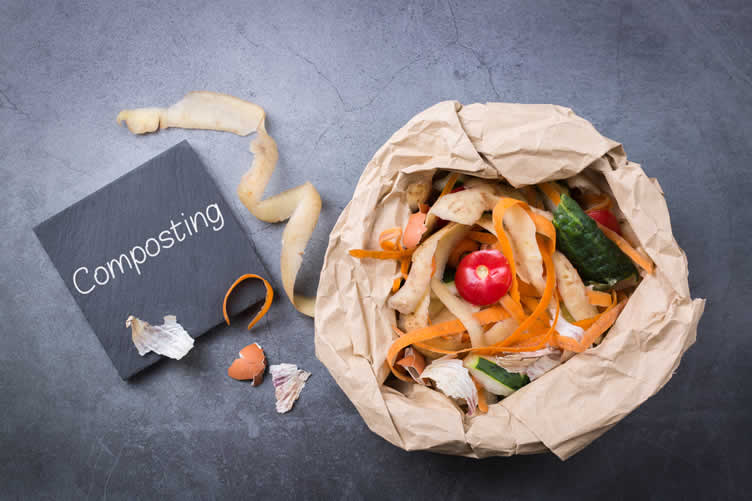
copyright image by envato.com
-
-
-
ideas to view and compare from the information discussed above
Scroll up to directory … or scroll to next section about setting up an eco-life style …

Tackling eco-living in the home and garden and fulfilling all your home improvement needs …

… save this curated directory of ideas for future reference.




Are there any other interesting topics that might have been overlooked but could offer valuable insights …?


May We Suggest Other Photo Remodeling Ideas About
“Eco-Sustainability …” (new win)



third “photo remodeling” idea

copyright image by 123rf.com
Eco-Living 3: Choosing Eco-Friendly Alternatives
Notes:
-
Living sustainably starts with the small choices we make every day. Incorporating eco-friendly alternatives into your lifestyle can have a profound impact on both the environment and your well-being.
Single-use plastics often end up in landfills and waterways, causing long-term damage and threatening wildlife. Switching to eco-friendly cleaning products and cosmetics also helps reduce your environmental impact, as traditional products contain harmful chemicals that can harm health and ecosystems when washed away.
By choosing sustainable alternatives made with natural, non-toxic ingredients, you not only foster a safer home environment but also support companies committed to ethical practices. Adopting these habits is easy and rewarding, and in the long run, they offer cleaner, greener living that aligns with a lifestyle of care and responsibility.
-
Quick scroll to supporting notes …
-
-
1st: Reducing and Eliminating Plastics
Plastics have become one of the most significant environmental challenges of our modern age. Massively produced using fossil fuels, these materials are not only resource-intensive but also harmful to ecosystems worldwide.
The vast majority of plastics end up in landfills, oceans, and other natural landscapes, where they persist for centuries, causing irreversible damage to terrestrial and aquatic life. Transitioning to sustainable alternatives and reducing plastic consumption is vital for preserving the planet for future generations.
[ view summary table: reducing plastics ]
-
The Urgent Need to Address Plastic Waste
Recent statistics on plastic pollution are staggering and highlight the urgency of this crisis.
- Approximately 91% of all plastics produced are not recycled but instead take up space in landfills or pollute natural environments:
[view info] - Each year, an estimated 8 million tons of plastic waste ends up in the oceans, significantly endangering marine ecosystems:
[view info] - Most plastics are produced from raw materials such as natural gas, oil, or plants, but they do not decompose, meaning they will persist indefinitely:
[view info] - While green biodegradable plastics derived from plant-based materials offer some promise, they are not a catch-all solution to the plastic problem, as they often require specific conditions to break down fully:
[view info]
- Approximately 91% of all plastics produced are not recycled but instead take up space in landfills or pollute natural environments:
-
Replace Plastic Water Bottles with Reusable Options
Switching from disposable plastic water bottles to reusable water containers is one of the simplest yet impactful steps individuals can take to reduce plastic waste.
Reusable bottles made from glass, stainless steel, or other durable materials offer long-term use, reduce reliance on single-use plastics, and help decrease the demand for fossil fuel-derived products. Beyond the environmental benefits, using a reusable water bottle can save money in the long run and encourage healthier hydration habits.
-
Avoid Plastic Tableware at Home
At home, one of the best ways to reduce plastic consumption is by avoiding plastic tableware altogether. Instead of disposable plates, cups, and cutlery, opt for real tableware made of ceramic, glass, stainless steel, or bamboo that can be washed and reused.
This not only minimizes plastic waste but also elevates the dining experience with more durable and attractive materials. For outdoor picnics or parties, consider compostable tableware made from sustainable materials like paper or plant fibers, which degrade naturally without harming the environment.
-
Reuse Containers Instead of Plastic Bags
The habit of reusing food storage containers rather than relying on plastic bags can play an integral role in reducing household plastic waste. Glass or silicone containers with secure lids offer an eco-friendly and long-lasting alternative for food storage at home or on the go.
They are versatile, easy to clean, and eliminate the constant need for single-use options. Taking small, consistent steps like choosing reusable food storage solutions can collectively contribute to a significant reduction in waste.
-
Opt for Eco-Friendly Packaging
When grocery shopping or purchasing products, prioritize items packaged in paper, glass, or aluminum over those in plastic. These alternative materials are easier to recycle and less harmful to the planet.
Many stores have begun offering bulk options or plastic-free packaging to meet the increasing demand for sustainable practices. Supporting brands and companies that use eco-friendly materials reinforces the shift toward sustainable manufacturing and responsible consumer practices.
-
A Call for a Collective Shift
Reducing plastic waste is not just a personal responsibility—it requires collective action and systemic change. Supporting municipal recycling programs, advocating for stricter regulations on single-use plastics, and spreading awareness about sustainable alternatives are powerful ways to make a broader, lasting impact.
Every individual choice matters, and together, our collective efforts can lead to a cleaner, healthier planet.
References:
- "Plastic Pollution Facts and Figures." National Geographic, https://www.nationalgeographic.com.
- Parker, Laura. "The World’s Plastic Pollution Crisis Explained." National Geographic, https://www.nationalgeographic.com.
- "Biodegradable Plastics and Their Limitations." Environmental Protection Agency (EPA), https://www.epa.gov.
- "How to Reduce Plastic Use." World Wildlife Fund, https://www.worldwildlife.org.
Action Description Impact Switch to Reusable Water Bottles Replace disposable plastic water bottles with reusable options made from glass, stainless steel, or durable materials. Reduces single-use plastics and lowers demand for fossil fuel-derived products, while saving money and promoting healthier habits. Avoid Plastic Tableware Use real tableware like ceramic, glass, or bamboo instead of disposable plastic plates, cups, and cutlery. Decreases plastic waste and enhances the dining experience; compostable options for outdoor use degrade naturally. Reuse Containers Instead of Plastic Bags Store food in glass or silicone containers with secure lids rather than using single-use plastic bags. Minimizes household plastic waste while offering a versatile and eco-friendly storage solution. Choose Eco-Friendly Packaging Prioritize products packaged in paper, glass, or aluminum and support stores offering bulk or plastic-free options. Reduces environmental harm and reinforces sustainable manufacturing practices. Advocate for Collective Action Support recycling programs, advocate for regulations on single-use plastics, and spread awareness about sustainable alternatives. Promotes systemic change and amplifies the impact of individual efforts for a healthier planet. 
copyright image by 123rf.com
[ view diagram: plastic pollution facts ]
[ youtube: Know About Ocean Plastic Pollution ]
-
-
2nd: Eco- Home Cleaning and Maintenance
Eco-friendly products are becoming a staple for homeowners looking to maintain a clean and safe living space while prioritizing sustainability. These products are designed to reduce environmental harm, protect indoor air quality, and create a healthier home environment.
By choosing eco-friendly cleaning solutions and maintenance tools, you not only contribute to a greener planet but also safeguard your family from exposure to harsh chemicals that can negatively impact health over time.
[ view summary table: eco-cleaners ]
-
The Importance of Eco-Friendly Cleaners
Traditional cleaning products often contain harmful chemicals such as ammonia, chlorine, and synthetic fragrances, which can release volatile organic compounds (VOCs) into the air. Prolonged exposure to these substances has been linked to respiratory issues, allergic reactions, and environmental contamination.
Eco-friendly cleaners, on the other hand, are made from biodegradable, plant-based ingredients and contain no harmful toxins. They are equally effective in removing dirt, grime, and grease, while significantly reducing your carbon footprint.
Many brands now offer multipurpose cleaning sprays, floor cleaners, and kitchen degreasers with eco-certifications, such as EPA Safer Choice or Green Seal. These certifications assure users that the products meet high environmental standards without compromising performance.
Using eco-friendly cleaners also ensures that wastewater leaving your home has less impact on aquatic ecosystems, which is vital for sustainable environmental stewardship.
-
Eco-Friendly Solutions for Home Maintenance
Beyond everyday cleaning, homeowners also face the challenge of selecting sustainable options for ongoing maintenance tasks. Eco-friendly home maintenance products include paints, adhesives, and sealants with low or zero VOC levels, making them safer for homes, especially during renovations.
Likewise, natural pest control products, such as those containing essential oils or diatomaceous earth, offer effective ways to maintain a pest-free environment without introducing harmful chemicals into your home.
Another essential aspect of using eco-friendly products is energy-efficient maintenance systems. Consider eco-friendly lubricants for moving parts like door hinges or garage doors that reduce wear without releasing toxic byproducts.
Sustainable tools, such as those made from recycled or renewable materials, also contribute to environmentally conscious maintenance while maintaining high functionality.
Category Benefits Examples Eco-Friendly Cleaners Improves indoor air quality, reduces health risks, and minimizes environmental impact Biodegradable, plant-based cleaners; EPA Safer Choice or Green Seal-certified products Home Maintenance Products Safer for renovations, reduces toxic exposure, and supports sustainability Low or zero VOC paints, adhesives, and sealants; natural pest control like essential oil-based solutions Tools and Lubricants Promotes sustainability, reduces waste, and minimizes toxic byproducts Recycled or renewable material tools; eco-friendly lubricants for hinges and moving parts 
copyright image by 123rf.com
[ youtube: Top 10 Non-Toxic Cleaning Chemicals ]
[ amazon: eco friendly cleaning products ]
-
-
3rd: Using Eco-Friendly Cosmetics and Body Cleansers
The shift to eco-friendly cosmetics and body cleansers is not just a trend but a conscious step toward safeguarding human health and protecting the environment. Conventional personal care products often contain harmful chemicals such as parabens, synthetic fragrances, sulfates, and phthalates.
These substances may provide short-term results but can lead to long-term health concerns, including skin irritation, allergies, and hormonal disruption. Additionally, the production and disposal of synthetic ingredients can harm the planet, contributing to water pollution and affecting marine ecosystems.
Choosing natural, eco-friendly alternatives offers a safer and more sustainable path for achieving your beauty and hygiene goals without compromising on efficacy.
[ view summary table: eco-cosmetics ]
-
The Importance of Natural Cosmetics
Natural cosmetics are crafted with ingredients derived from plant extracts, essential oils, and natural minerals, making them safer for both personal use and the environment.
These products avoid the use of synthetic additives, making them a compelling option for those with sensitive skin or individuals seeking to avoid exposure to potentially toxic substances.
Beyond their safety benefits, eco-friendly cosmetics are often cruelty-free, biodegradable, and manufactured using sustainable practices. When you choose natural cosmetics, you are not only enhancing your skin and hair health but also supporting environmentally-responsible innovations in the beauty industry.
-
Types of Eco-Friendly Products for Skin
For skincare, natural facials, soaps, creams, and lotions that incorporate ingredients like aloe vera, shea butter, coconut oil, and antioxidants are excellent options.
These ingredients are known for their nourishing and hydrating properties, often providing anti-inflammatory or anti-aging benefits without containing harmful chemicals.
Natural cleansers often rely on botanicals to promote skin rejuvenation while avoiding artificial fragrances and harsh detergents. By replacing synthetic skincare products with natural options, you reduce the risks of irritation and ensure optimal skin health.
-
Eco-Friendly Alternatives for Hair Care
Shampoos and conditioners that utilize natural oils such as argan, jojoba, and tea tree offer deep cleansing and hydration without the sulfates that strip the scalp of its natural oils.
Hair sprays and styling products made with plant-based alternatives deliver the same hold and performance without aerosols or synthetic polymers that contribute to environmental damage.
These products are also often fortified with vitamins and nutrients that strengthen hair integrity, ensuring you maintain glossy, healthy strands.
-
Natural Personal Care for Everyday Use
For daily essentials such as deodorants, natural alternatives formulated with baking soda, magnesium, and essential oils are effective in neutralizing odors while avoiding harsh aluminum compounds often found in traditional antiperspirants.
Meanwhile, plant-based beauty creams, sunscreens free from chemical filters, and body cleansers enriched with natural exfoliants are all exceptional eco-friendly additions to your routine.
These products achieve their purpose while minimizing chemical exposure and environmental footprints.
-
Why Eco-Friendly Choices Matter
By selecting natural cosmetics and personal care items, you not only enhance your health but also contribute to sustainability by reducing demand for products that use harmful production methods.
Eco-friendly options reinforce the commitment to cleaner waterways, reduced carbon footprints, and overall ecological balance.
Supporting brands that prioritize transparency, ethical sourcing of ingredients, and environmentally-conscious packaging amplifies this positive impact further.
References:
- Smith, J. (2023). Green Beauty Revolution. Environmental Impact Journal, 15(4), 213-225.
- Environmental Working Group. (n.d.). Chemicals to Avoid in Personal Care Products. Retrieved from https://www.ewg.org
- Founder Institute. (2023). "The Sustainability of Natural Cosmetics." Available at https://fi.com
- Beauty & Wellness Magazine. (2022). Transitioning to Natural Body Care Products. Print Edition, July Issue, pp. 47-49.
Category Key Benefits Eco-Friendly Impact Natural Cosmetics – Made with plant extracts and natural minerals
– Safer for sensitive skin, avoids synthetic additives
– Often cruelty-free, biodegradable, and sustainably produced– Reduces exposure to toxic substances
– Supports sustainable beauty innovations
– Promotes environmentally-responsible practicesSkincare Products – Nourishing and hydrating with aloe vera, coconut oil, etc.
– Anti-inflammatory and anti-aging benefits
– Avoids harsh chemicals and artificial fragrances– Reduces risks of skin irritation
– Lowers chemical pollution in the environment
– Encourages botanical-based formulationsHair Care Products – Utilizes natural oils like argan and tea tree
– Deep cleansing and scalp hydration
– Free from sulfates and harmful aerosols– Strengthens hair health with fewer pollutants
– Reduces environmental impact of traditional hair sprays
– Promotes eco-friendly hair care alternativesPersonal Care Essentials – Deodorants with baking soda and essential oils
– Sunscreens without chemical filters
– Body cleansers with natural exfoliants– Lowers exposure to harmful compounds
– Decreases ecological footprint
– Supports overall sustainability and cleaner production
copyright image by 123rf.com
[ youtube: Are Eco Friendly Beauty Products Worth it? ]
[ amazon: eco friendly body cleaners ]
-
-
-
ideas to view and compare from the information discussed above
Scroll up to directory … or scroll to next section about setting up an eco-life style …
SHARE IT ..! Someone in your network might benefit from this insightful post eco-living – how, why, and what. Feel free to share it on Facebook, X (formally Twitter), LinkedIn, or Pinterest!



Budgeting Worksheet For Costing Home Remodeling and Home Improvement Decisions
 File Type (excel)


… view our home remodeling guides and steps
fourth “photo remodeling” idea

copyright image by 123rf.com
Eco-Living 4: Eco-Friendly Practices Outside Your Home
Notes:
-
Your environmental impact extends far beyond your front door through transportation choices, community involvement, and consumption patterns that connect you to broader economic and social systems. These external practices often provide opportunities for both personal fulfillment and environmental benefit while building connections with like-minded community members.
The following areas represent significant opportunities for reducing your ecological footprint while often enhancing your quality of life through increased physical activity, community engagement, and connection with nature.
-
Quick scroll to supporting notes …
-
-
1st: Eco-Friendly Gardening Practices
Eco-friendly gardening is a powerful way to contribute to the health of the planet while enjoying a beautiful and productive outdoor space. By adopting sustainable gardening methods, you can support biodiversity, conserve water, reduce your carbon footprint, and even create habitats for local wildlife.
Whether you are cultivating a vegetable garden, a pollinator-friendly landscape, or a serene ornamental space, eco-friendly practices can ensure that your garden harmonizes with the surrounding environment. The following sections explore various approaches to sustainable gardening.
[ view summary table: eco-gardening ]
-
Native Plant Gardening
One of the most impactful ways to cultivate an eco-friendly garden is by planting native species. Native plants are perfectly adapted to the soil, climate, and conditions of your region, requiring less water, fertilizer, and maintenance compared to non-native alternatives.
They provide critical habitat and food sources for local pollinators, birds, and other wildlife, thus enhancing biodiversity in your area. Common examples include wildflowers, shrubs, and grasses specific to your geographical zone.
By choosing native plants, not only will you reduce the need for resource-intensive care, but your garden will also blend seamlessly into the local ecosystem.
-
Water-Wise Gardening
Water conservation is essential for eco-friendly gardening, especially in regions prone to drought or water restrictions. Incorporating water-wise practices like mulching, drip irrigation, and smart irrigation systems can significantly reduce water usage without sacrificing garden health.
Organic mulch, such as wood chips or straw, helps retain soil moisture, regulate temperature, and suppress weeds. Drip irrigation systems deliver water directly to the root zones, minimizing evaporation and runoff.
Additionally, smart irrigation controllers can monitor weather conditions and adjust watering schedules accordingly, ensuring water efficiency. Together, these efforts create a sustainable gardening system that conserves this vital resource.
-
Organic Growing Methods
Growing your garden organically eliminates the use of synthetic fertilizers and pesticides, which can harm soil health, water quality, and non-target organisms.
Organic gardening focuses on nourishing the soil with natural amendments like compost, aged manure, or green manure crops, ensuring plants receive balanced nutrition while improving soil structure and fertility.
Crop rotation, intercropping, and companion planting are excellent strategies to maintain soil diversity and increase the resilience of plant systems. By committing to organic practices, your garden will thrive without the ecological toll of chemical inputs.
-
Natural Pest Control
Eco-friendly gardening seeks to balance pest populations naturally, avoiding synthetic chemical pesticides that can have harmful effects on ecosystems. Encourage beneficial insects, such as ladybugs, lacewings, and parasitic wasps, which act as natural predators to common pests.
Incorporating plant species known as "trap crops" can lure pests away from more valuable plants, while certain herbs like basil, marigold, or lavender can repel unwanted insects.
Building healthy soil, fostering plant diversity, and maintaining proper garden cleanliness are proactive ways to prevent pest problems and promote a healthy, thriving garden environment.
-
Additional Eco-Friendly Practices
Beyond the highlighted methods, there are numerous other practices to enhance the eco-friendliness of your garden. Composting kitchen scraps and garden waste reduces landfill contributions while creating rich, nutrient-filled humus that can revitalize your soil.
Implementing rainwater harvesting systems reduces your reliance on municipal water supplies by capturing and reusing natural rainfall. Lastly, choosing manual tools or battery-powered equipment over gas-powered options can limit carbon emissions tied to garden maintenance.
Adopting these eco-friendly gardening practices allows you to foster an outdoor space that respects and enriches the broader environment. By caring for your garden in a sustainable way, you can create lasting beauty, functionality, and ecological harmony.
References:
- The National Wildlife Federation. (n.d.). Native Plants for Wildlife. https://www.nwf.org
- United States Environmental Protection Agency. (n.d.). WaterSense for Landscaping and Gardening. https://www.epa.gov/watersense
- Rodale Institute. (n.d.). Organic Gardening Practices for Soil Health. https://www.rodaleinstitute.org
- Xerces Society for Invertebrate Conservation. (n.d.). Pollinator-Friendly Practices. https://www.xerces.org
Eco-Friendly Gardening Practice Description Benefits Native Plant Gardening Planting species native to your region that require less water, fertilizer, and maintenance. Enhances biodiversity, supports local wildlife, and reduces care needs. Water-Wise Gardening Using techniques such as mulching, drip irrigation, and smart systems to conserve water. Reduces water usage, retains soil moisture, and prevents evaporation. Organic Growing Methods Substituting synthetic inputs with natural amendments like compost or aged manure. Improves soil health, prevents chemical pollution, and promotes resilience. Natural Pest Control Encouraging beneficial insects and using plants to repel or trap pests. Avoids chemical pesticides, fosters ecological balance, and maintains plant health. Additional Practices Composting, rainwater harvesting, and opting for manual or battery-powered tools. Reduces waste, conserves resources, and limits carbon emissions. 
copyright image by 123rf.com
-
-
2nd: Sustainable Transportation
Transportation choices play a pivotal role in reducing personal carbon footprints. By making mindful decisions about how to get from one place to another, individuals can significantly improve air quality, conserve natural resources, and reinforce sustainable urban planning practices.
Furthermore, adopting environmentally friendly mobility options not only benefits the planet but also tends to save money and promotes healthier lifestyles. Here, we’ll explore several options for sustainable transportation that can make a meaningful impact.
[ view summary table: sustainable transportation ]
-
Walking or Cycling to Work
Replacing car rides with walking or cycling is one of the most effective ways to reduce greenhouse gas emissions. These zero-emission modes of transportation are ideal for short distances, promoting both sustainable practices and personal health.
Walking and cycling are not only cost-free but also lead to improved cardiovascular health, mental well-being, and community connections. Many cities are increasingly investing in safe pedestrian and cycling infrastructure, making this transition smoother for their residents.
-
Public Transportation
Public transportation systems, such as buses, trains, and subways, present a reliable and energy-efficient alternative to personal vehicles. They can move a high volume of passengers at once, significantly reducing the overall number of vehicles on the road.
A full bus or train emits far fewer pollutants per person than driving an individual car. Many modern transit systems now incorporate cleaner technologies, such as electric buses and hybrid engines, further reducing their environmental impact while improving urban air quality.
-
Carpooling and Ridesharing
Carpooling and ridesharing services offer another effective way to lower your transportation emissions. By sharing a vehicle, multiple individuals significantly reduce the number of single-occupant cars on the road.
Platforms like Uber Pool or Lyft Share have simplified the process of coordinating shared rides, while dedicated apps and employer carpooling initiatives make it easy to connect with others heading in the same direction.
This option also reduces travel costs by splitting fuel and operational expenses among riders, making it both eco-friendly and economical.
-
Electric and Hybrid Vehicles
Transitioning to electric or hybrid vehicles represents a fundamental shift toward sustainable transportation. Electric vehicles (EVs) produce zero tailpipe emissions and run on renewable energy sources when charged with green electricity, significantly cutting pollution levels.
Hybrid vehicles, though not entirely emission-free, combine internal combustion engines with electric motors to decrease fuel consumption and carbon emissions.
With advancements in battery technology and expanding charging networks, EVs are becoming a more accessible choice for households and businesses looking to reduce their environmental footprint.
-
Exploring Other Options
Other innovative practices can also contribute to sustainable transportation efforts. Telecommuting, or remote work, eliminates the need for daily commuting altogether, reducing traffic congestion and the associated emissions.
Similarly, opting for services like bike-sharing programs or electric scooters for short trips is gaining popularity in urban centers. Additionally, prioritizing energy-efficient rail systems or long-distance buses over air travel for medium-range trips can significantly lower travel emissions. These small choices collectively make an enormous difference.
References:
- International Energy Agency (IEA). “Transport Sector CO2 Emissions.” www.iea.org.
- United Nations Environment Programme (UNEP). “The Role of Transport in Sustainable Development.” www.unep.org.
- U.S. Environmental Protection Agency (EPA). “Green Vehicle Guide.” www.epa.gov.
- World Resources Institute (WRI). “Sustainable Mobility.” www.wri.org.
Sustainable Transportation Option Environmental Benefits Additional Advantages Walking or Cycling to Work Zero-emission modes reduce greenhouse gases and improve air quality. Cost-free, promotes cardiovascular health, mental well-being, and community connections. Public Transportation Reduces overall vehicle emissions by moving high volumes of passengers efficiently. Energy-efficient, cost-effective, and increasingly integrates cleaner technologies. Carpooling and Ridesharing Minimizes the number of single-occupant vehicles, reducing emissions. Reduces travel expenses, fosters social connections, and is convenient with modern apps. Electric and Hybrid Vehicles Electric vehicles produce zero tailpipe emissions, and hybrids significantly lower fuel consumption. Supports renewable energy use, reduces pollution, and advancements make them more accessible. Other Practices (Telecommuting, Bike-Sharing, etc.) Reduces various transportation emissions by eliminating or sharing travel resources. Flexible, convenient, and includes emerging options like electric scooters. 
copyright image by 123rf.com
[ view diagram: home ev charging ]
[ amazon: home ev charger ]
-
-
3rd: Supporting Local and Sustainable Businesses
Your purchasing decisions create ripple effects throughout economic systems, making conscious consumption a powerful tool for environmental and social change.
Supporting businesses that prioritize sustainability, fair labor practices, and community involvement amplifies your individual impact while often providing superior products and services.
By investing in local economies, reducing environmental harm, and encouraging responsible business practices, conscious consumers play a critical role in shaping a healthier, more equitable world.
[ view summary table: supporting sustainable businesses ]
-
Supporting Local Economies
Shopping locally isn’t just about supporting neighborhood businesses—it offers significant economic and environmental benefits. Farmers’ markets, local craftspeople, and neighborhood services reduce the environmental impact of long supply chains while often providing fresher products and more personalized service.
These businesses also contribute to community character and resilience through local ownership and employment. Local companies often source goods nearby, cutting the carbon footprint from transportation and large distribution networks.
They also keep more revenue circulating in the community, creating jobs and fostering economic resilience. By choosing local establishments, you support your neighbors and reduce your environmental impact.
-
Prioritizing Sustainable Business Practices
Sustainable businesses prioritize protecting the environment and improving social conditions. They achieve this by reducing waste, using renewable resources, and minimizing carbon emissions—for example, by using recycled materials or renewable energy.
Supporting these businesses encourages wider adoption of eco-friendly practices and increases demand for sustainable products.
Beyond environmental benefits, these businesses often uphold ethical labor practices, ensuring fair compensation and safe working conditions. This dual commitment to ecological and social responsibility fosters both a healthier planet and social equity, underscoring the impact of consumer choices.
-
Amplifying Individual Impact
Choosing sustainable businesses creates more than one-off benefits—it drives systemic change. Growing demand for eco-friendly products pushes companies to innovate and adopt sustainable practices, transforming industries over time.
Sustainable businesses also tend to offer durable, efficient, and environmentally responsible products, providing consumers with long-term value while supporting global health.
-
Closing Thoughts
Whether it’s visiting a farmer’s market for local produce or choosing a clothing brand that uses sustainable materials, your decisions have power. Supporting local and sustainable businesses isn’t just about conscious choices—it’s an investment in a future that values community, the environment, and ethics.
These actions benefit the planet and bring a sense of purpose, knowing you’re contributing to a healthier world for future generations.
References:
- Local and Regional Economics Analysis – American Economics Association (AEA): https://www.aeaweb.org
- Corporate Sustainability and Consumer Trends Report – Harvard Business Review
- Ethical Consumerism Trends, National Geographic Society & MarketWatch Report (2023): https://www.marketwatch.com
- The Economic Benefits of Investing Locally – Institute for Local Self-Reliance (ILSR): https://ilsr.org
- Social Equity in Ethical Business Practices – World Economic Forum (2023): https://www.weforum.org
Category Key Points Supporting Local Economies – Reduces environmental impact by shortening supply chains.
– Provides fresher products and personalized services.
– Boosts community resilience through local jobs and ownership.
– Keeps revenue circulating in local economies.Prioritizing Sustainable Business Practices – Reduces waste and uses renewable resources.
– Minimizes carbon emissions through practices like using recycled materials.
– Promotes ethical labor practices, ensuring fair wages and safe conditions.
– Encourages the adoption of eco-friendly business models.Amplifying Individual Impact – Drives systemic industry change by increasing demand for sustainable products.
– Encourages innovation and adoption of sustainable practices.
– Offers long-term value with durable and eco-friendly products.
– Contributes to global health and a healthier planet.
copyright image by 123rf.com
[ pinterest: shopping tips farmers market ]
[ youtube: Why Is Local Sourcing Important? ]
-
-
-
ideas to view and compare from the information discussed above
smart irrigation systemdrip irrigation kitsladybug pest control
Scroll up to directory … or scroll to next section about setting up an eco-life style …

Outline the specific requirements needed for making …
… key home improvement and remodeling decisions



Download this PDF for a concise summary of all you need to know about …?
Find Energy Efficient Services Insulation Windows-Insulation Ducts & Vents Thermostats Solar Installation Skylights Home Automation Generators Home Automation Electrical Wiring Networks/Phone Computers/ Media Home Security Alarms top-rated, pre-screened local contractors FREE: download contractor selection enter zip code – powered by HomeAdvisor ™
Quick Contractor Guides selecting negotiating working with inspecting

fifth and last “photo remodeling” idea


copyright image by 123rf.com
Eco-Living 5: Support a Healthier Environment
Notes:
-
Creating a healthier environment starts with small changes and individual actions that collectively have a big impact. By dedicating time and effort to nurturing the spaces around us, we can enhance both the natural world and our own well-being.
Engaging in activities such as garden planting and participating in community cleanup efforts are powerful ways to contribute to a sustainable and vibrant ecosystem.
These initiatives not only improve public spaces but also strengthen community bonds through collective care for our environment. Together, these efforts pave the way for a greener, more sustainable future.
-
Quick scroll to supporting notes …
-
-
1st: Enhancing the Environment Through Planting
Planting is one of the simplest yet most impactful ways to contribute to the health and beauty of our environment. From reducing carbon dioxide levels to supporting wildlife habitats, adding greenery to your surroundings has benefits that go beyond aesthetics.
Whether you plant a single tree or design an entire garden, every effort counts toward creating a greener, healthier planet.
[ view summary table: environmental planting ]
-
The Role of Trees in Environmental Preservation
Trees are often referred to as the "lungs of the Earth," and for good reason. They absorb carbon dioxide, filter harmful pollutants from the air, and release oxygen vital for human and animal life.
By planting trees in your yard or community, you contribute to reducing urban heat, improving air quality, and even mitigating climate change. The shade provided by trees also saves energy by reducing the need for air conditioning in homes and buildings, which lowers overall greenhouse gas emissions.
Mature trees further prevent erosion, improve soil health, and help manage storm water by absorbing excess rainfall.
-
Floral Landscaping for Biodiversity
Creating a vibrant floral landscape not only adds beauty to your property but also plays a critical role in supporting biodiversity. Native flowers, shrubs, and groundcovers attract pollinators such as bees, butterflies, and birds, essential for maintaining healthy ecosystems.
Pollinators are responsible for fertilizing plants, which ensures the production of fruits, vegetables, and seeds. Additionally, diverse planting fosters a thriving habitat where wildlife can find food and shelter.
Choosing perennials or species that are region-specific ensures sustainability and reduces maintenance needs, as these plants are naturally adapted to local conditions.
-
Gardening for Climate and Personal Well-Being
Gardening transcends environmental benefits; it also offers a sense of personal fulfillment and improves mental well-being. Growing your own fruits, vegetables, or herbs reduces reliance on commercial agriculture, which is a significant contributor to greenhouse gas emissions.
It allows you to have greater control over how your produce is grown, such as opting for organic and sustainable practices.
Furthermore, spending time in green spaces has been scientifically linked to reduced stress, improved focus, and enhanced emotional health. A backyard garden is not only a step toward environmental care but also an investment in your personal quality of life.
-
Sustainable Approaches to Planting
To maximize the positive impact of your planting efforts, it is essential to adopt sustainable practices. Utilize compost instead of chemical fertilizers to nourish your soil naturally. Water plants during cooler parts of the day to minimize evaporation and consider installing rain barrels to reduce water waste.
Select drought-resistant or native plants that require less water and adapt well to your local climate. For tree planting, ensure adequate spacing and consider how the tree will fit into your landscape as it matures. These thoughtful, sustainable approaches ensure that your planting supports long-term environmental health.
Sourcing and Citations:
- "The Importance of Trees," The Arbor Day Foundation. Available at arborday.org
- Pollinator Partnership, "Why Pollinators Matter." Accessed October 2023 at pollinator.org
- Royal Horticultural Society, “Sustainable Gardening Practices.” Available at rhs.org.uk
- Scientific American, "The Environmental and Emotional Benefits of Gardening." Access at scientificamerican.com
Category Key Benefits Sustainable Practices The Role of Trees – Absorbs carbon dioxide
– Filters pollutants
– Releases oxygen
– Reduces urban heat
– Saves energy with shade
– Prevents erosion and manages storm water– Ensure proper tree spacing
– Plan for growth and landscape integrationFloral Landscaping – Supports biodiversity
– Attracts pollinators
– Ensures fruit and seed production
– Provides wildlife habitats– Plant native and region-specific species
– Opt for perennials for reduced maintenanceGardening for Well-Being – Reduces reliance on commercial agriculture
– Enhances mental health and reduces stress
– Provides personal satisfaction– Grow organic and sustainable produce
– Use compost and rain barrels
– Water during cooler times of the day
copyright image by 123rf.com
-
-
2nd: Getting Involved With the Community
Our actions have a profound impact on the health of our planet. By taking proactive steps to care for public spaces and natural areas, we not only enhance the environment but also contribute to a sustainable and thriving ecosystem for future generations.
One impactful way to make a difference is through active participation in clean-up drives. These initiatives not only help remove litter and debris but also create healthier, safer spaces for wildlife and foster a sense of community pride.
[ view summary table: community involvement ]
-
Participating in Clean-Up Drives
Participating in clean-up drives goes hand-in-hand with planting and other conservation efforts. Litter and debris, ranging from plastics to hazardous waste, not only tarnish the natural beauty of outdoor spaces but also pose serious threats to wildlife.
Animals may ingest or become entangled by litter, often with fatal consequences. By removing this waste, we mitigate these dangers and help restore natural habitats to their pristine states.
Community-led clean-up drives often focus on beaches, forests, riversides, and urban parks—areas most susceptible to human impact. They also serve as educational opportunities, raising awareness about the volume and types of waste generated and encouraging individuals to adopt more sustainable habits, such as recycling and reducing single-use plastics.
-
Taking a Holistic Approach
While clean-up drives and planting are impactful individually, a combined approach amplifies the benefits. Cleaning up areas not only creates space for planting but also ensures that the newly planted vegetation thrives in a healthy and debris-free environment.
Engaging in these activities fosters a sense of responsibility and connection to nature, encouraging participants to continue adopting eco-conscious habits in their daily lives.
-
The Role of Community in Environmental Stewardship
It is also vital to recognize that collective efforts yield the strongest results. By joining community-based organizations or volunteering with environmental groups, individuals can access resources, expertise, and organized events that make environmental contributions scalable.
Whether it is through social media campaigns, educational outreach, or hands-on initiatives, community involvement can elevate personal actions into movements that drive meaningful change.
By taking intentional steps—such as participating in clean-up drives and planting native vegetation—individuals can make measurable contributions to the environment and inspire others to do the same.
Together, we can rebuild natural habitats, create cleaner regions, and leave a legacy of environmental stewardship for generations to come.
Action Description Key Benefits Participating in Clean-Up Drives Engaging in initiatives to remove litter and debris from natural and urban spaces. Restores natural habitats, mitigates threats to wildlife, fosters community pride, and raises awareness about waste reduction. Taking a Holistic Approach Combining clean-up drives with planting to create healthier and sustainable environments. Ensures newly planted vegetation thrives, promotes eco-conscious habits, and amplifies environmental benefits. Fostering Community Efforts Joining community organizations or environmental groups to scale personal contributions through collaboration. Access to resources and expertise, creation of organized impactful events, and inspiration for collective environmental action. 
copyright image by 123rf.com
[ youtube: Guide to organize a clean-up activity ]
[ youtube: How to Protect and Restore Wetlands? ]
-
-
3rd: Restoring Wetlands and Grasslands
… for a healthier community
[ view summary table: restoring -lands ]
Wetlands and grasslands are some of the most vital ecosystems on Earth, yet they are often overlooked in environmental restoration efforts. These habitats play an integral role in maintaining ecological balance, enhancing biodiversity, and combating climate change.
Restoring wetlands and grasslands in your community can yield significant environmental, economic, and social benefits, making it an essential undertaking alongside other conservation strategies like tree planting.
Wetlands function as nature’s kidneys, filtering pollutants from water and improving its overall quality before it flows into larger bodies of water. By restoring degraded wetlands, communities can increase their capacity to manage storm water, reduce flooding, and replenish groundwater supplies.
Furthermore, wetlands are highly effective carbon sinks, capable of absorbing carbon dioxide and storing it in their soils for centuries. Grasslands, meanwhile, support unique biodiversity, offering critical habitat for pollinators, birds, and other wildlife.
These open spaces help maintain fertile soil, prevent erosion, and capture large quantities of carbon in their deep-root systems, making them equally valuable in mitigating the effects of climate change.
Restoration initiatives within your community can range from protecting existing wetlands and grasslands to actively rehabilitating degraded areas. This process often includes removing invasive plant species, replanting native vegetation, and reintroducing species that contribute to a balanced ecosystem.
Public involvement is especially impactful here; engaging local volunteers in restoration projects fosters a sense of ownership and connection to the land while achieving measurable environmental outcomes.
Understanding the long-term benefits of restoring these habitats underscores the importance of immediate action. Wetlands and grasslands enhance ecosystem resilience, helping communities adapt to a changing climate by supporting biodiversity and natural resources.
These spaces also contribute to mental well-being, as accessible green areas offer residents opportunities for recreation, reflection, and connection to nature. Through sustained effort and collaboration, it is possible to reverse decades of degradation and create landscapes that thrive ecologically and socially.
If you are considering embarking on such a project in your community, it’s important to consult trusted sources and local environmental experts to guide the restoration process. Additionally, securing funding and building partnerships with organizations focused on conservation can amplify your efforts.
References:
- Ramsar Convention on Wetlands. (2023). Wetlands for a sustainable urban future. Retrieved from https://www.ramsar.org
- United Nations Environment Programme. (2022). The case for grassland restoration. Retrieved from https://www.unep.org
- International Union for Conservation of Nature. (2022). Restoration of wetlands and grasslands: Evidence and benefits. Retrieved from https://www.iucn.org
Key Aspect Description Benefits Wetland Restoration Rehabilitating wetlands by filtering pollutants, managing storm water, and replenishing groundwater supplies. - Improved water quality
- Flood reduction
- Carbon dioxide absorption and long-term storage
Grassland Restoration Restoring grasslands to support biodiversity and combat climate change through carbon capture. - Habitat for pollinators and wildlife
- Prevention of soil erosion
- Carbon storage in root systems
Community Engagement Encouraging public involvement in removing invasive species, planting native flora, and ecosystem balancing. - Fosters local ownership and connection
- Achieves measurable environmental outcomes
- Promotes recreational and mental well-being
Climate Adaptation Using restored ecosystems to enhance resilience and support biodiversity in changing climates. - Improved ecosystem resilience
- Natural resource sustainability
- Opportunities for recreation and reflection
Action Steps Consulting experts, securing funding, and forming partnerships for successful restoration projects. - Guided and structured restoration efforts
- Access to resources and knowledge
- Amplified community impact through collaboration

copyright image by 123rf.com
Setup a Bird Sanctuary!
Creating a bird sanctuary in your backyard is a simple yet impactful way to support local wildlife while enhancing your outdoor space. Begin by planting native trees, shrubs, and flowers that provide food, shelter, and nesting opportunities for birds.
Consider installing bird feeders, water baths, and nesting boxes in safe, shaded areas to encourage frequent visits. Avoid chemical pesticides and opt for organic gardening practices to maintain a healthy environment for the birds and their food sources.
Over time, your sanctuary will not only become a haven for beautiful bird species but also contribute to biodiversity and a thriving local ecosystem.
-
-
Conclusion:
… Creating Lasting Change Through Daily Choices
Eco-friendly living turns environmental concerns into actionable daily habits, offering measurable benefits for individuals and communities. It emphasizes that sustainability doesn’t require sacrificing comfort but instead focuses on conscious choices.
Key practices include energy conservation to lower costs and reduce power grid demand, water conservation to protect resources, and waste reduction to minimize environmental impact while fostering creativity.
Gradual implementation is recommended, starting with manageable changes and tracking progress through bills and waste output. Individual efforts contribute to larger cultural shifts, influencing policies and business practices, while normalizing sustainable living through improved infrastructure and reduced costs.
This journey fosters personal growth, community connections, and environmental stewardship, creating a sustainable future for all.
-
ideas to view and compare from the information discussed above
- What comments can you share about
eco-living tactics that you use in your home?
Scroll up to directory … or scroll to more home utility management-related topics …
view illustration “becoming a bank”

Calendar For:
Home Maintenance
File Type:

Easily determine the dimensions you need for any home remodeling project …
… ensuring functionality, visual appeal, and compliance with building codes.
… view our sharing links below for a quick "share the knowledge"
Cover image credit: eco-sustainability by 123rf.com
end of post … please share it!
 |
did you find eco-living life style analysis helpful? If so, please share the article with your friends and family! |
Nice pic idea? Leave us a quick comment below.
And please share this pic idea within your social networks.