Quick Answer:
A mailbox becomes a true front-yard vignette when you pair a clearly defined planting bed with three layers of plants—tall, medium, and low—and finish the space with one decorative touch that matches your home’s style. Keep every element low enough to preserve mail delivery access, address visibility, and clear sightlines for passing drivers.
Summary Outline –
Whether your home leans traditional, cottage, or contemporary, the right combination of bed shape, plant layers, and finishing details can turn a purely functional post into a genuine curb-appeal feature.
This guide walks through the structural basics of a mailbox garden, six design directions to match different home styles, plant-specific advice for grasses, shrubs, and flowers, decorative touches that go beyond plants, three ready-to-copy layouts, and the practical guardrails that keep your design both beautiful and functional.
- post content … analysis/ mailbox landscaping

-
- —— begin first topic ——
-
1st Section: Start With The Structure
Before you fall in love with a particular flower or grass, it helps to think about the four layers that hold a mailbox garden together.
Get these right, and almost any plant palette will look intentional. Skip them, and even beautiful flowers can end up looking like an afterthought scattered around a post.
AI generated image by 123rf.com

-
Bed Shape And Foundation
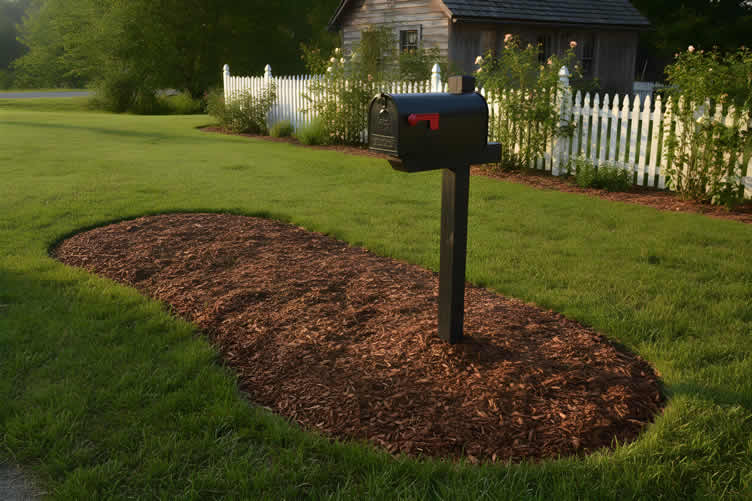
A mailbox bed doesn’t need to be large to make an impact. A circle, oval, or gently elongated kidney shape between three and four feet wide gives you enough room for a few layered plants without overwhelming the space or creeping into the path of foot traffic.
An oval that stretches slightly toward the house side of the post, rather than a tight circle hugging it on all sides, tends to read as more deliberate and gives the bed a natural flow with the rest of your yard.
If your curbside soil has years of road salt or compacted clay built into it, consider raising the bed ten to fourteen inches with a low wall of block or brick; this lifts your plants’ roots into fresh, well-drained soil instead of asking them to fight through what’s already there.
-
Edge Selection For Character
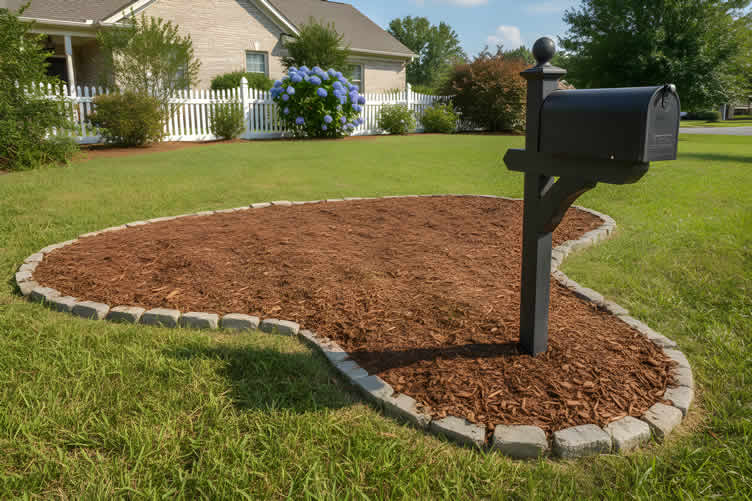
The edge you choose does a lot of quiet work. Steel edging gives a bed a crisp, modern outline that suits contemporary homes, while brick, fieldstone, or river rock leans more cottage or traditional.
Beyond style, edging keeps grass and weeds from creeping in and gives your mower a clean line to follow, so you’re not stuck hand-trimming around the post every week.
Setting the edging just slightly higher than the surrounding lawn lets a mower wheel ride right along it, which keeps the whole bed looking tended with far less effort on your part.
-
Ground Cover And Mulch Options
Once your bed is shaped and edged, two to three inches of ground cover finishes the base and protects whatever you plant.
Shredded hardwood mulch and pine bark suit softer, more traditional plantings, while pea gravel or decomposed granite pair naturally with drought-tolerant designs and give the bed a drier, low-water appearance.
Whichever you choose, this layer holds moisture, discourages weeds, and gives the whole space a finished look even before a single flower blooms.
-
Plant Layers And Heights
The most reliable formula for a balanced mailbox bed is simple: something taller behind or beside the post, something mid-height and flowering in the middle, and something low, spreading, or trailing along the front edge.
This layering creates depth in a very small footprint, and it’s the same principle that makes larger garden borders feel composed rather than cluttered.
Grouping plants in odd numbers, threes rather than twos or fours, also tends to look more natural once everything fills in.
More Supporting Information
(click to view sample images, summary table, and side note – or scroll to next topic)
Structure Component Description Key Considerations Bed Shape and Foundation A well-shaped bed creates a strong foundation.
Suitable shapes include circles, ovals, or elongated kidney forms, ideally three to four feet wide.
Shapes that extend slightly toward the house side of the post provide a deliberate flow.
Consider raising the bed by 10-14 inches with block or brick walls in areas with compacted or salty soil to provide fresh, well-drained ground for plant roots. Edge Selection The edging defines the bed’s character and keeps it functional.
Steel edging works well for modern designs, whereas brick, fieldstone, or river rock are ideal for traditional or cottage-style aesthetics.
Edges prevent weed and grass intrusion and provide a clean mowing line.
Setting them slightly above lawn height simplifies maintenance and enhances a tailored look.
Ground Cover and Mulch Ground cover, such as shredded hardwood mulch, pine bark, pea gravel, or decomposed granite, completes the base.
This layer retains moisture, blocks weeds, and creates a finished appearance.
Match the ground cover type to the planting design.
Traditional, softer aesthetics pair with mulch, while drought-tolerant designs benefit from gravel or granite.
Plant Layers and Heights A balanced mailbox bed includes layers of plant height and grouping.
Taller plants sit at the back, mid-height flowering plants in the middle, and low or trailing plants along the front edge for depth.
Arrange plants in odd-numbered groups, typically threes, for a natural composition.
This layering principle complements small and large gardens alike.


AI generated image by 123rf.com
Timeless Principles for Every Yard
Understanding fundamental landscape principles has been the foundation of professional design for generations, shaping parks, gardens, and iconic green spaces.
These same principles — balance, unity, proportion, and harmony — can transform a simple front yard project.

Whether you’re a seasoned professional or a weekend warrior, applying these time-tested guidelines ensures your outdoor space feels intentional, inviting, and enduring.
Perfecting these basics can turn any yard into a cohesive retreat.
view ideas: Understanding Key Landscape Principles(new win)

-
Scroll up to directory … or scroll to next section: six design directions …


-
-
-
2nd Section: Six Easy Design Directions
With the structure in place, the plant and decor choices you layer on top can take your mailbox garden in almost any direction you like.
Whether you’re drawn to soft, romantic blooms or clean, low-maintenance lines, there’s an approach that will feel right for your home and your lifestyle.
Here are six tried-and-true directions that consistently work well, even in a small planting space.
AI generated image by 123rf.com
-
Cottage Garden[ view]
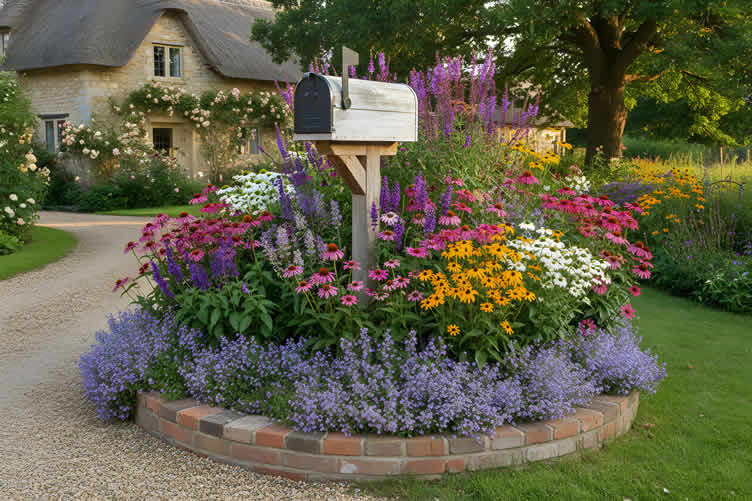
A cottage-style mailbox bed leans on salvia, coneflower, black-eyed Susan, and catmint, with creeping thyme softening the front edge and a curved brick border holding it all together.
This direction suits colorful, informal homes and rewards you with steady pollinator visits all summer.
-
Modern Drought-Tolerant[ view]
For clean lines and minimal upkeep, pair an ornamental grass with sedum and, where your climate allows, yucca or agave.
Dark gravel and black steel edging complete the look, giving you a bed that needs little more than an occasional trim.
-
Native Pollinator Patch[ view]
Native grasses alongside asters, coneflower, and coreopsis, finished with a natural mulch, create a relaxed, wildlife-friendly planting that feeds bees and butterflies without asking much of you in return.
-
Formal Symmetrical[ view]
If your front yard already has a tidy, traditional feel, flank the post with two matching compact evergreen shrubs or ornamental grasses, add seasonal annuals along the front, and keep the edging straight rather than curved.
This direction suits colonial and traditional homes especially well.
-
Coastal Or Rustic[ view]
A weathered wood post, a scattering of beach stones, blue fescue, lavender, and white flowers give a mailbox bed a breezy, unpretentious feel.
A small lantern or post-mounted light adds just enough polish without losing the casual charm.
-
Edible And Fragrant[ view]
For something you can actually harvest from, rosemary, lavender, creeping thyme, chives, and sage combine beautifully with a few seasonal flowers tucked in for color.
It’s a practical, fragrant option that rewards you every time you walk out to check the mail.
More Supporting Information
(click to view sample images and summary table – or scroll to side note)
Design Direction Description Key Features Cottage Garden A colorful and informal design featuring plants like salvia, coneflower, black-eyed Susan, and catmint, complemented by creeping thyme and a curved brick border. Pollinator-friendly, vibrant blooms, relaxed aesthetic. Modern Drought-Tolerant A low-maintenance and sleek setup with ornamental grasses, sedum, and climate-appropriate additions like yucca or agave, enhanced by dark gravel and black steel edging. Minimal upkeep, clean lines, structured appearance. Native Pollinator Patch Utilizing native plants such as grasses, asters, coneflower, and coreopsis, paired with natural mulch to support local wildlife and pollinators. Wildlife-friendly, relaxed style, easy maintenance. Formal Symmetrical A balanced, symmetrical design featuring matching evergreen shrubs or ornamental grasses, with seasonal annuals at the front and straight edging. Tidy and traditional, suits colonial-style homes. Coastal or Rustic A breezy design with weathered wood, beach stones, blue fescue, lavender, and white flowers, often paired with a lantern or post-mounted light. Casual charm, natural accents, coastal vibe. Edible and Fragrant A practical option combining rosemary, lavender, creeping thyme, chives, and sage with seasonal flowers for a mix of beauty and functionality. Harvestable plants, fragrant garden, colorful touches. 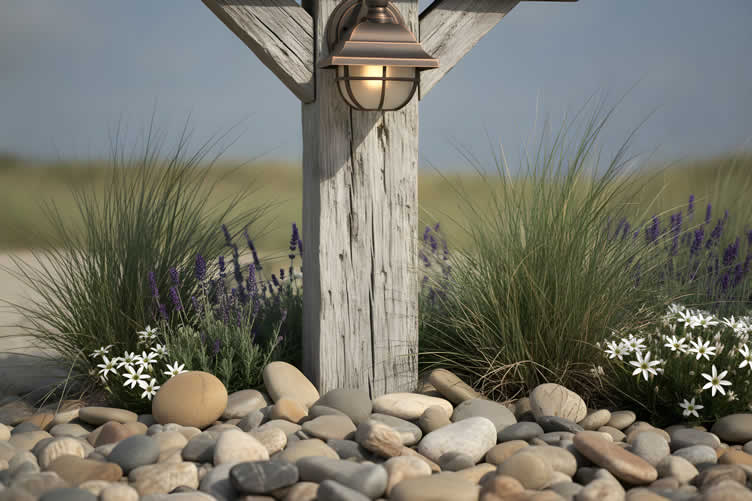
AI generated image by 123rf.com
Transform Your Outdoor Space
Whether adorning your mailbox, framing your front yard, or enhancing the back area of your home, stunning garden beds instantly elevate your outdoor space.
A thoughtfully planned garden not only adds vibrant color and texture but also creates a welcoming, serene atmosphere.
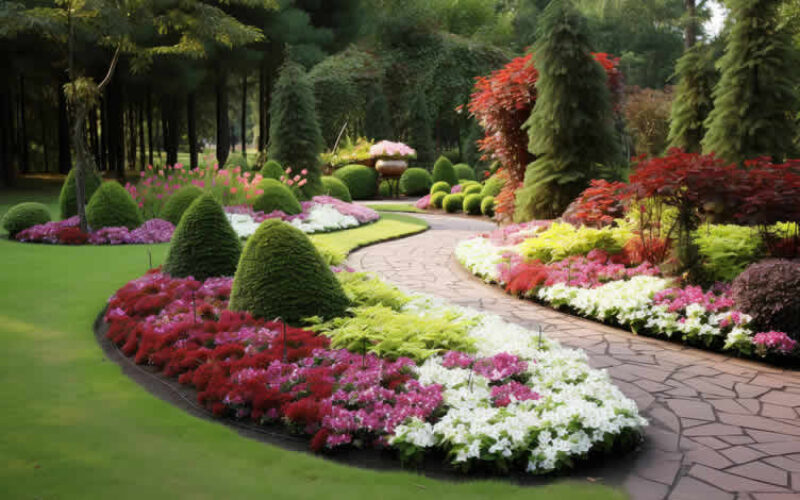
With the right combination of plants, designs, and care, your garden can become a lush retreat, boosting curb appeal and providing a tranquil escape just steps away from your door.
view ideas: Stunning Garden Beds(new win)
-
Scroll up to directory … or scroll to next section: using ornamental grasses …
-
-

Tackling home upgrades and fulfilling all your home improvement needs …

… save this curated directory of ideas for future reference.

… home remodeling and improvement

-
-
3rd Section: Using Ornamental Grasses
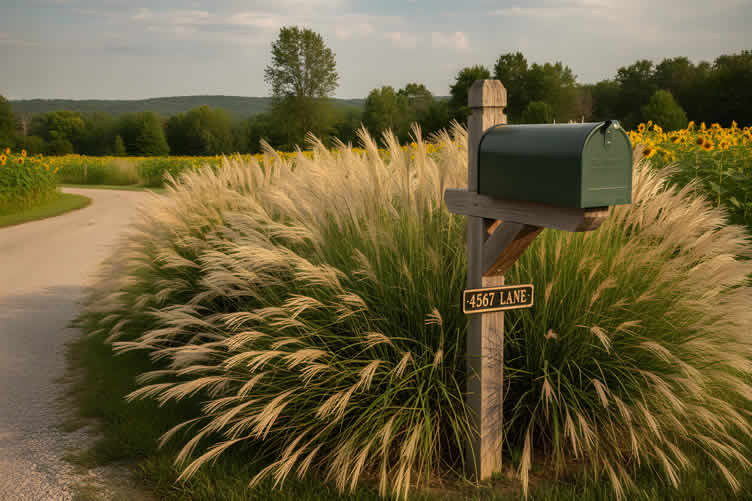
Ornamental grasses bring movement and texture that flowers alone can’t offer, and many varieties hold their color and shape well into winter with very little care.
For a mailbox setting, compact grasses under three feet tall generally work best so they don’t obscure the post or your address.
AI generated image by 123rf.com
-
Choosing Grasses For Sun And Shade
In full sun, pink muhly grass rewards you with a cloud of airy, rose-colored plumes in fall, while dwarf fountain grasses like Karley Rose offer smoky purple blooms that catch the light beautifully when backlit.
If your mailbox sits in a shadier spot, Japanese forest grass or a compact sedge such as Ice Dance brings soft, arching texture and, in many varieties, stays evergreen through winter.
-
Seasonal Interest And Care
Most ornamental grasses need only one cutback a year, typically in late winter or early spring, before new growth starts.
Left standing through the colder months, their seed heads and stems add structure to an otherwise bare bed and offer a bit of shelter for overwintering birds.
Every two to three years, dividing established clumps keeps them from crowding their neighbors and gives you free plants to use elsewhere.
More Supporting Information
(click to view sample images and summary table – or scroll to side note)
Topic Details Additional Notes Using Ornamental Grasses Ornamental grasses bring movement and texture that flowers alone can’t offer.
Many varieties retain their color and shape into winter with minimal care.
For mailbox settings, compact grasses under three feet tall work best to avoid obstructing the post or address.
Recommended for ease of maintenance and aesthetic enhancement around mailboxes. Choosing Grasses for Sun and Shade In full sun, pink muhly grass provides airy, rose-colored plumes in fall, and dwarf fountain grasses like Karley Rose produce smoky purple blooms.
For shadier areas, Japanese forest grass or compact sedges like Ice Dance offer soft textures and often stay evergreen through winter.
Choose grasses based on light conditions to ensure optimal growth and visual appeal. Seasonal Interest and Care Most ornamental grasses require one cutback per year in late winter or early spring.
Their seed heads and stems can be left through colder months for added structure and shelter for birds.
Dividing clumps every two to three years prevents overcrowding and provides free plants.
Maintains plant health while enhancing seasonal interest and supporting wildlife. 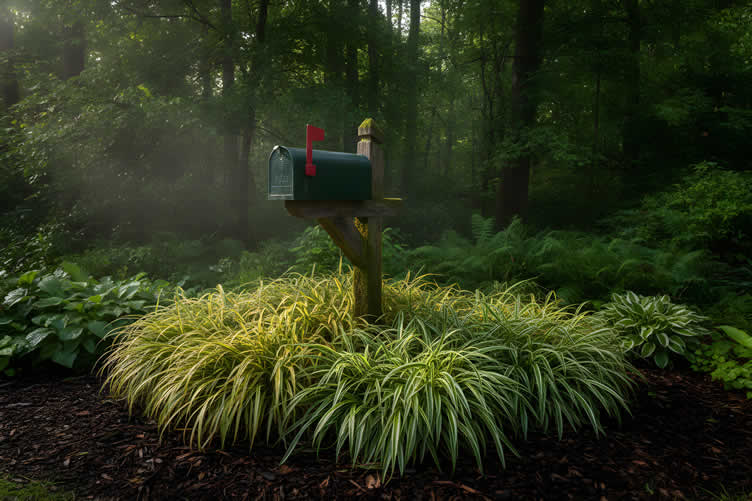
AI generated image by 123rf.com
The Timeless Charm In Landscape Design
Ornamental grasses have become a staple in modern landscape design, prized for their unmatched versatility and ability to thrive with minimal upkeep.

Offering a stunning visual impact throughout all seasons, these grasses come in a spectrum of sizes, colors, and textures that complement a wide variety of design aesthetics, from sleek contemporary spaces to naturalistic gardens.
Their movement and structure add depth and elegance, effortlessly enhancing both small residential yards and expansive public landscapes.
view ideas: Ornamental Grasses(new win)
-
Scroll up to directory … or scroll to next section: using shrubs …
-
-
SHARE IT ..! Someone in your network might benefit from this insightful post about mailbox landscaping. Feel free to share it on Facebook, X (formally Twitter), LinkedIn, or Pinterest!


-
-
4th Section: Using Shrubs
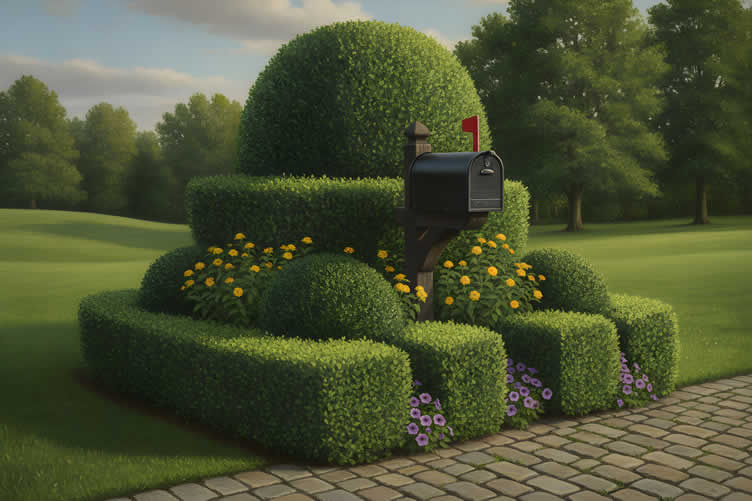
Shrubs give a mailbox garden its bones — and its staying power. Unlike perennials and annuals that come and go with the seasons, shrubs hold their shape and presence year-round, providing a reliable sense of structure even when the rest of the garden is taking a rest.
This makes them especially valuable during winter, when flowering plants have faded and the garden can otherwise feel bare and uninviting.
A well-chosen shrub ensures your mailbox planting always looks intentional and cared for, no matter what the season brings.
AI generated image by 123rf.com
-
Compact Evergreens For Year-Round Structure
A single dwarf boxwood or dwarf yaupon beside the post provides a steady green anchor no matter the season, and both tolerate the reflected heat and occasional stray foot traffic that curbside beds tend to endure.
Because they’re slow-growing and naturally compact, they rarely need more than a light annual shaping.
-
Flowering And Salt-Tolerant Options
If your mailbox sees winter road salt, look for shrubs bred for that tolerance, such as certain compact hydrangea and rose varieties developed for roadside conditions.
Rugosa rose, for instance, blooms reliably through salt spray, though its thorny canes are best kept toward the back or side of the bed, away from where the mail carrier reaches for the door.
More Supporting Information
(click to view sample images and summary table – or scroll to side note and onto next topic)
Using Shrubs Around Mailbox
(from the summary table below)
Shrub Type Purpose Characteristics Special Considerations Shrubs Provide structure and year-round presence in a mailbox garden Hold shape and presence throughout all seasons, valuable during winter Ensure intentional and cared-for appearance regardless of seasonal changes Compact Evergreens (e.g., Dwarf Boxwood, Dwarf Yaupon) Offer steady green anchor for year-round structure Slow-growing, naturally compact, tolerate heat and foot traffic Requires minimal care, only light annual shaping Flowering and Salt-Tolerant Shrubs (e.g., Compact Hydrangea, Rugosa Rose) Handle roadside conditions, including exposure to winter road salt Reliable blooming, salt-tolerant; Rugosa Rose blooms through salt spray Thorny canes of Rugosa Rose should be placed away from mail carrier access 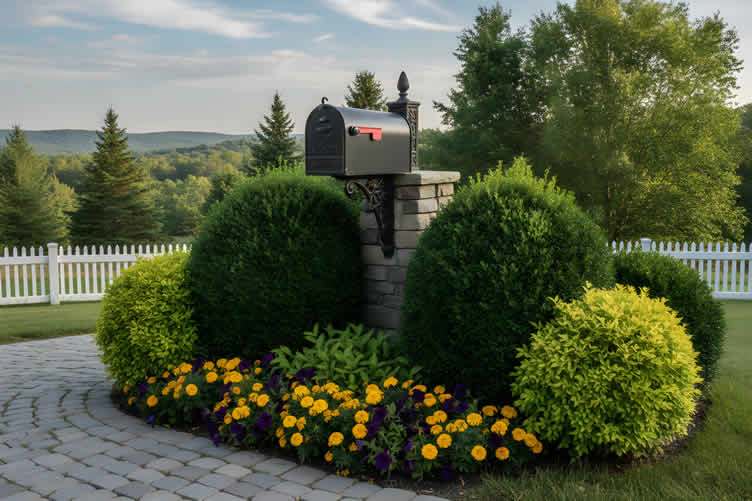
AI generated image by 123rf.com
Right Shrubs for Your Climate
Shrubs can be tricky to grow successfully, as they greatly depend on the climate you live in.
For those in dry or arid regions, xeriscaping is an excellent approach to explore.
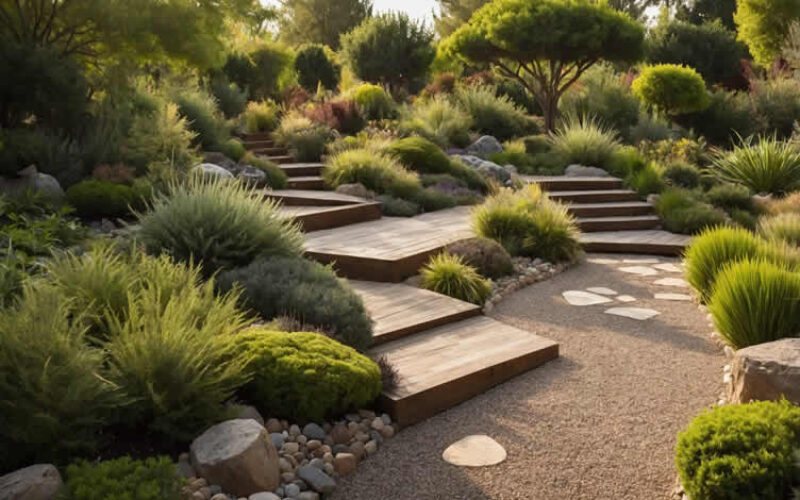
This landscaping method focuses on using drought-tolerant shrubs and plants that thrive with minimal water, such as junipers or lavender.
By selecting vegetation suited to your environment, you can create a sustainable, low-maintenance mailbox space that looks great year-round while conserving water resources.
view ideas: Practical Xeriscaping Ideas(new win)
-
Scroll up to directory … or scroll to next section: using flowers …
-
-
-
-
5th Section: Using Flowers And Small Plants
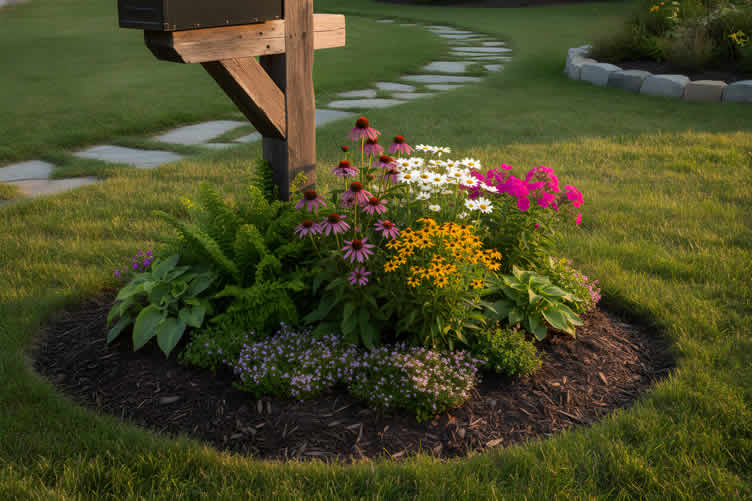
This is where a mailbox garden truly comes to life and finds its personality. Flowers and low, spreading plants fill in the middle and front layers of your bed, softening any hard edges and weaving together the taller shrubs behind them.
Through the growing season, these plants bring ever-changing color, gentle fragrance, and a sense of vitality that makes your curbside space feel thoughtfully tended and warmly inviting.
AI generated image by 123rf.com
-
Reliable Perennials For Curbside Conditions
Coneflower, black-eyed Susan, daylilies, and catmint are all wonderfully dependable performers that return bigger and more vigorous each year, quietly shrugging off the heat and dry spells that are so common at the curb.
Their resilience makes them a reassuring choice when you want your mailbox garden to thrive with minimal fuss.
Sedum is another reliable companion, particularly the sturdy ‘Autumn Joy’ variety, which earns its place by delivering a welcome flush of late-season color just as many of your summer bloomers begin to fade and rest.
-
Adding Annual Color Where You Want It
If you love the vibrancy annuals bring but don’t want to replant the whole bed twice a year, try setting aside one small, dedicated gap in the front layer just for them.
A single well-placed pocket of color can make a big impact without demanding a full seasonal overhaul.
Petunias or portulaca can carpet that spot beautifully through the summer months, offering cheerful, reliable blooms even during warm, dry spells. Then, as the seasons shift and cooler air arrives, a cold-hardy mum can step in to carry the color through fall.
All the while, the perennials surrounding them continue doing the quiet, steady work of providing structure and fullness to the bed — no replanting required.
More Supporting Information
(click to view sample images and summary table – or scroll to side note and onto next topic)
Using Flowers Around Mailbox
(from the summary table below)
Section Description Examples/Details Using Flowers and Small Plants This is where a mailbox garden gains personality, with flowers and low, spreading plants filling in the middle and front layers.
They soften hard edges, weave the taller shrubs together, and add color, fragrance, and vitality.
Flowers and plants that bloom throughout the growing season create a welcoming, cared-for curbside space. Reliable Perennials for Curbside Conditions Dependable perennials that thrive in heat and dry spells return more vigorous each year, providing a low-maintenance choice for mailbox gardens. Examples include coneflower, black-eyed Susan, daylilies, catmint, and sedum (‘Autumn Joy’), which adds late-season color as summer bloomers fade. Adding Annual Color Annual flowers can be used in small, dedicated gaps in the front layer to bring vibrancy and seasonal interest without requiring a full replanting each year. Summer options include petunias and portulaca, while cold-hardy mums can keep the color alive through the fall season. 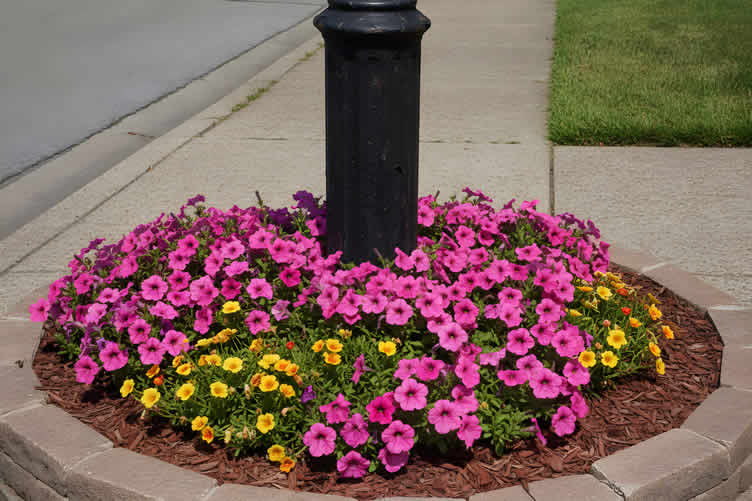
AI generated image by 123rf.com
Choosing the Right Fit for Your Garden
Choosing between annuals and perennials can significantly shape both the look and function of your garden.
Annuals deliver vibrant seasonal color but need replanting each year, while perennials offer longevity and lower maintenance as they return year after year, though they take longer to establish.

Finding the right balance between the two can help you create a dynamic, visually appealing garden that suits your desired level of effort.
view ideas: Annuals vs. Perennials(new win)
Part-Sun Annuals
viewing amazon-
Scroll up to directory … or scroll to next section: decorative details …
-
-

Are there any other interesting topics that might have been overlooked but could offer valuable insights …?


-
-
6th Section: Physical Elements And Decorative Details
Plants do most of the heavy lifting when it comes to creating a welcoming front yard scene, but a single well-chosen decorative detail can elevate the entire vignette and tie it all together visually.
Think of it as the finishing touch that connects your garden to your home — a thoughtful accent that gives the whole space a more complete, intentional feel.
AI generated image by 123rf.com
-
Mailbox And Post Finishes
Repainting the mailbox in a color that coordinates with your shutters or front door is one of the simplest and most satisfying ways to refresh the space.
Even a small change—like swapping out a worn post cap for one in copper, black metal, or a warm-toned wood finish—can make the whole vignette feel more intentional and polished.
Solar-lit post caps are a particularly thoughtful option, offering both decorative appeal and a gentle glow after dark.
-
Address Visibility Upgrades
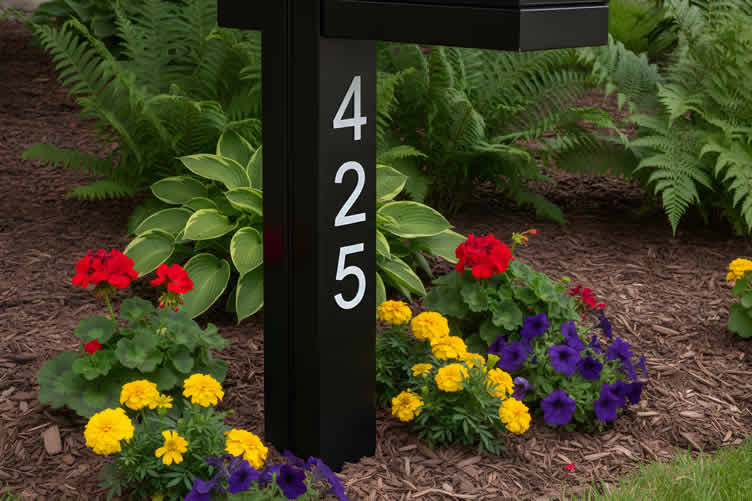
Large, high-contrast house numbers mounted on the post or along the mailbox side make your address easy to read from the street at a glance.
This matters more than it might seem—not only does it contribute to the overall tidiness and curb appeal of your front yard, but it also ensures that delivery drivers, guests, and emergency services can locate your home quickly and without confusion.
-
Lighting And Seasonal Touches
One or two discreet solar path lights placed at the front corners of the planting bed can quietly transform the space at night, improving visibility without overwhelming the natural charm of the plantings.
For a personal touch that reflects the seasons, consider adding a small wreath or a simple flag bracket to the post.
Just be mindful that whatever you choose doesn’t interfere with the mailbox door, the flag signal, or your carrier’s daily access—keeping things both beautiful and functional is always the goal.
-
Containers And Climbing Plants
A small container or half-barrel planter placed beside, rather than directly under, the mailbox allows for easily changeable seasonal color.
If you want a climbing plant, train it on a separate narrow trellis beside a wooden post rather than letting a vigorous vine engulf the mailbox itself, since climbing roses, clematis, and annual vines need routine pruning to stay tidy.
More Supporting Information
(click to view sample images and summary table – or scroll to side note and onto next topic)
Physical Elements And Decorative Details
(from the summary table below)
Element Description Enhancements Physical Elements and Decorative Details Plants create a welcoming front yard scene.
A single, well-chosen decorative detail ties the space together visually and connects the garden to the home, giving it a complete and intentional feel.
Consider thoughtful accents to elevate the garden-to-home connection. Mailbox and Post Finishes Refreshing the mailbox with a paint color that matches shutters or the front door can revitalize the space.
Small changes like new post caps in copper, black metal, or warm-toned wood enhance the design.
Solar-lit post caps add decorative appeal and nighttime illumination. Address Visibility Upgrades Large, high-contrast house numbers mounted on the mailbox or post improve readability from the street, ensuring clarity for delivery drivers, guests, and emergency services. This upgrade enhances curb appeal and practical functionality. Lighting and Seasonal Touches Discreet solar path lights at planting bed corners improve night visibility without overshadowing natural charm.
Seasonal decorations like a wreath or flag bracket can add a personal touch.
Keep decorations functional and avoid interference with mailbox operations. Containers and Climbing Plants Planters beside the mailbox allow for easy seasonal color changes.
Climbing plants should be trained on a trellis beside the post to prevent vines from engulfing the mailbox and enable manageable pruning.
Use separate supports for climbing plants to maintain tidiness. 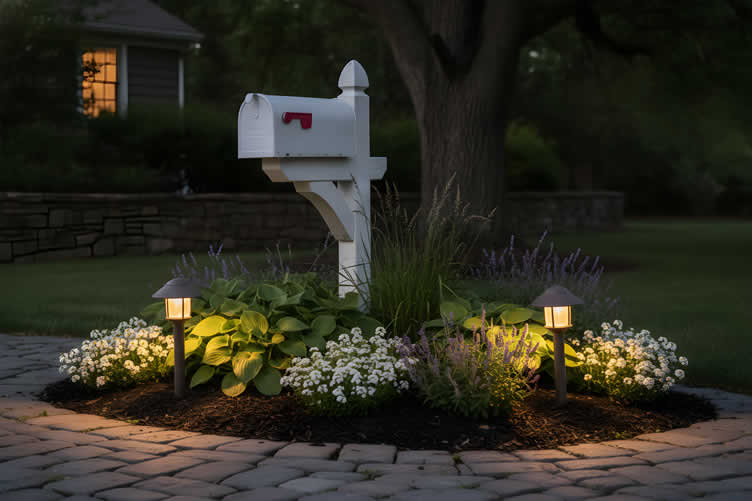
AI generated image by 123rf.com
Flying a Flag Near Your Mailbox
Flying a flag outside your home is more than just decoration—it’s a way to share a piece of who you are.
Whether it’s honoring your heritage, celebrating a holiday, or showing support for a cause, placing a flag near your mailbox creates a welcoming and highly visible display.

This small area becomes a bold statement of pride that blends seamlessly into your daily surroundings, turning a simple spot into a meaningful focal point.
view ideas: How to Display Outdoor Flags(new win)
-
Scroll up to directory … or scroll to next section: ready to copy layouts …
-
-
-
-
7th Section: Three Ready-To-Copy Layouts
If you’d rather skip the guesswork and start from a finished plan, these three layouts are designed to be copied as-is and then gently adjusted to suit your own outdoor space, climate, and personal taste.
Think of them as a helpful starting point—a foundation you can build on rather than a rigid set of rules to follow.
AI generated image by 123rf.com
-
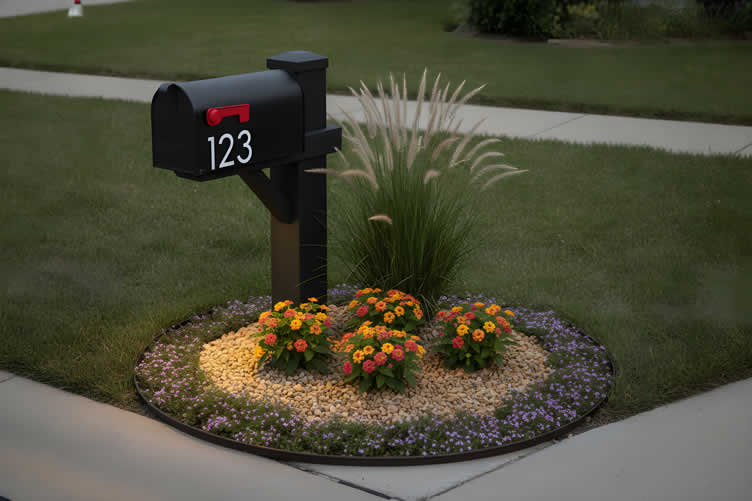
The Low-Water Contemporary Bed
Shape a three-by-five-foot oval and finish it with black metal edging over tan gravel. Place one compact ornamental grass behind the post, three sedums or lantanas in front of it, and a border of creeping thyme along the edge.
Finish with a matte-black mailbox, vertical address numbers, and a single warm-toned solar spotlight.
-
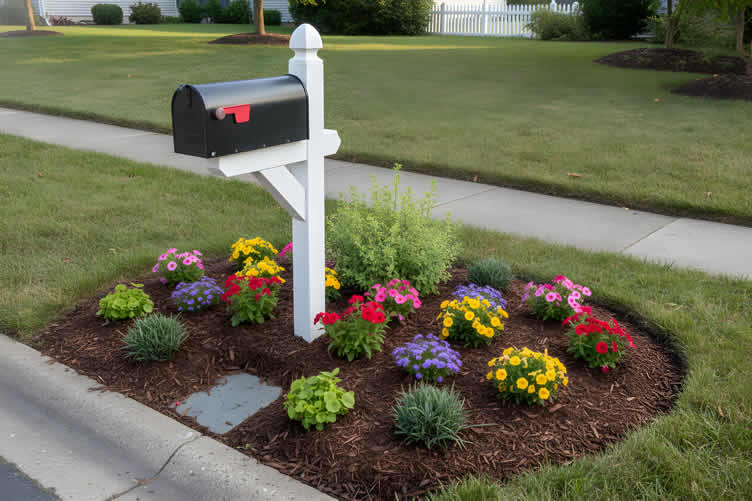
The Cheerful Cottage Mailbox
Edge a four-foot circle in reclaimed brick and cover it with natural brown mulch.
Plant two salvias, two black-eyed Susans, and one dwarf coneflower, then let sweet alyssum or creeping phlox spill around the perimeter.
A freshly painted post and a small seasonal wreath complete the look.
-
The Neat Four-Season Design
Lay out a narrow two-by-six-foot rectangle along the driveway or sidewalk side of the post, edged in clean steel over dark mulch.
Place a compact evergreen shrub or dwarf holly behind the post, an ornamental grass or sedum in front, and tuck a few spring bulbs between the perennials for early color.
Clear address numbers and two low solar lights round out the design, with the evergreen carrying the bed through winter until the bulbs and grasses take over in spring.
More Supporting Information
(click to view sample images and summary table – or scroll to side note and onto next topic)
Three Ready-To-Copy Layouts
(from the summary table below)
Layout Name Shape and Edging Plants and Features Additional Details The Low-Water Contemporary Bed Three-by-five-foot oval with black metal edging over tan gravel One compact ornamental grass behind the post, three sedums or lantanas in front, and a border of creeping thyme along the edge Includes a matte-black mailbox, vertical address numbers, and a single warm-toned solar spotlight The Cheerful Cottage Mailbox Four-foot circle edged in reclaimed brick and covered with natural brown mulch Two salvias, two black-eyed Susans, and one dwarf coneflower, with sweet alyssum or creeping phlox spilling around the perimeter Features a freshly painted post and a small seasonal wreath to complete the look The Neat Four-Season Design Two-by-six-foot narrow rectangle edged in clean steel over dark mulch Compact evergreen shrub or dwarf holly behind the post, ornamental grass or sedum in front, and spring bulbs tucked between perennials Includes clear address numbers and two low solar lights; evergreen provides winter interest, while bulbs and grasses flourish in spring 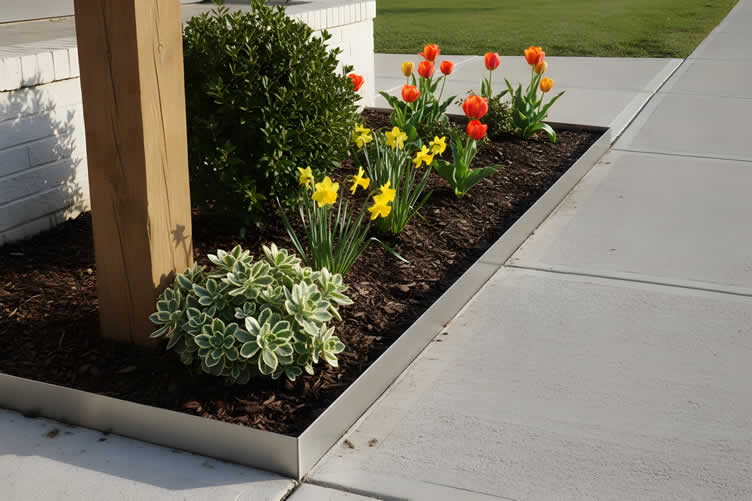
AI generated image by 123rf.com
Enhancing Your Mailbox Landscape
A stone garden path can bring charm and purpose to your mailbox landscape.
By adding just a few well-placed stones, you create an inviting and cohesive look that blends seamlessly with your outdoor space.

Not only does it guide visitors to your mailbox, but it also enhances the overall aesthetic, making your front yard feel both polished and welcoming.
Whether paired with lush greenery or minimalist designs, a stone pathway is a small step with a big visual impact.
view ideas: Create a Stone Garden Path(new win)
-
Scroll up to directory … or scroll to next section: practical guardrails …
-
-

Outline the specific requirements needed for making …

… key home improvement and remodeling decisions
-
-
8th Section: Practical Guardrails
A beautiful mailbox garden should still work as a mailbox first and foremost.
While it’s tempting to go all-in on curb appeal, keeping a few practical considerations in mind will ensure your design doesn’t cause headaches down the road — for you, your mail carrier, or your neighbors.
Think of these guardrails not as limitations, but as helpful boundaries that keep your garden both gorgeous and functional for everyone who interacts with it.
AI generated image by 123rf.com
-
Keep Access Clear
Choose compact, well-behaved plants and leave plenty of room for the mailbox door to open fully without obstruction.
It’s also worth thinking about the mail carrier’s comfort — avoid thorny plants, tall shrubs, and sprawling ground covers anywhere they need to stand, reach, or approach. A planting that’s beautiful but difficult to navigate won’t serve anyone well.
-
Protect Visibility And Utilities
Keep address numbers and the mailbox flag clearly visible from the street at all times, even as plants mature and fill in over the seasons.
If you’re expanding the bed, reshaping the border, or installing a new post, call 811 before you start digging — utility lines can run surprisingly close to the curb, and a quick call is a simple way to avoid a serious problem.
-
Check Local Rules First
Before making any changes to your mailbox’s location, mounting system, height, or distance from the curb, take a moment to review the HOA guidelines, municipal codes, and postal requirements that apply to your area.
These rules can vary quite a bit from one neighborhood to the next, and it’s always easier to check in advance than to undo changes after the fact.
-
Match Plants To Site Conditions
If the site receives full sun and you want minimal upkeep, drought-tolerant perennials, ornamental grasses, mulch or gravel, and drip irrigation will outperform a high-maintenance annual display.
For humid summer climates, a reliable combination pairs coneflower, salvia, black-eyed Susan, compact ornamental grass, and creeping thyme, finished with a stone or brick edge.
More Supporting Information
(click to view summary table – or scroll to side note and onto next topic)
Practical Guardrail Details Guidance Keep Access Clear Ensure compact, non-obstructive plants are used, leaving adequate space for the mailbox door to open fully.
Avoid thorny plants, tall shrubs, and sprawling ground covers that might hinder the mail carrier’s access.
Maintain ease of use for mail operations and prioritize the mail carrier’s comfort when navigating the area. Protect Visibility and Utilities Address numbers and the mailbox flag must remain visible from the street at all times.
Before digging or reshaping the area, call 811 to check for utility lines.
Ensure safe digging practices and maintain clarity for essential mailbox functions and street identification. Check Local Rules First Review HOA guidelines, municipal codes, and postal requirements before making any alterations, such as changes to mailbox location, mounting system, height, or distance from the curb. Prevent potential issues by confirming regulations ahead of initiating modifications. Match Plants To Site Conditions Select plants suited to the specific conditions of the site.
For full sun and minimal upkeep, drought-tolerant perennials and ornamental grasses work well, complemented by mulch or gravel.
For humid climates, a mix of coneflower, salvia, black-eyed Susan, compact ornamental grass, and creeping thyme is recommended.
Choose plant varieties and garden designs adapted to the environmental conditions for sustainable, low-maintenance results. 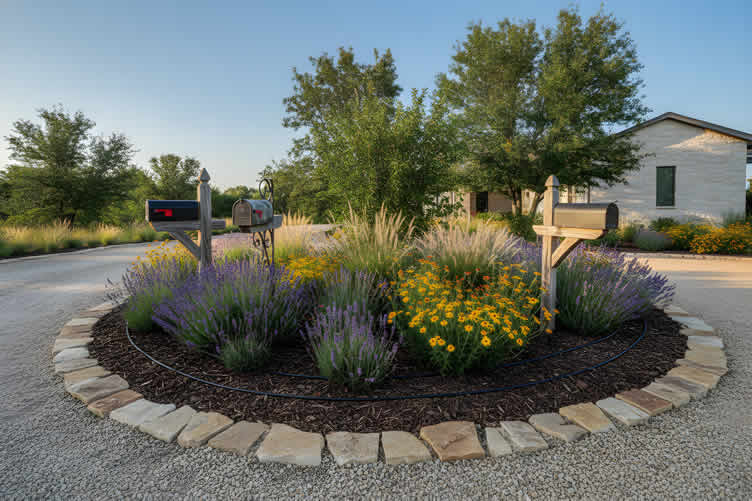
AI generated image by 123rf.com
The Benefits of Gardening
Creating a garden around your mailbox (and elsewhere on your property) does more than enhance curb appeal—it enriches your life.
Gardening offers physical activity that keeps you fit, while its calming nature reduces stress and nurtures mental well-being.

It’s also a canvas for self-expression, allowing you to cultivate beauty and creativity right at your doorstep.
A well-tended mailbox garden speaks to care and pride, elevating both your home’s exterior and your personal satisfaction.
view ideas: Exploring Health Benefits of Gardening(new win)
-
Scroll up to directory … or scroll to next section: common FAQs …
-
-
-
-
9th Section: Frequently Asked Questions
-
How Big Should A Mailbox Garden Bed Be?
Most mailbox garden beds work best at three to four feet wide, shaped as a circle, oval, or kidney form around the post. This size is large enough to hold layered plantings without overwhelming the surrounding lawn.
-
What Plants Work Best For A Low-Maintenance Mailbox Garden?
Ornamental grasses, sedum, and other drought-tolerant perennials paired with gravel or decomposed granite ground cover require the least ongoing care, since they need minimal watering and hold their shape through most of the season.
-
Can I Plant Climbing Vines On My Mailbox?
Climbing roses, clematis, and annual vines can look attractive, but it is best to train them on a separate narrow trellis beside a wooden post rather than letting them grow directly on the mailbox, since vigorous vines need routine pruning and can obscure the box itself.
-
How Do I Keep My Mailbox Garden From Blocking Mail Delivery?
Choose compact plants, avoid thorny or sprawling growth near the mailbox door, and leave enough clearance for the door to open fully and for the carrier to stand or reach comfortably.
-
Do I Need Permission To Landscape Around My Mailbox?
You generally do not need permission to add plants around an existing mailbox, but you should check local HOA, municipal, and postal requirements before changing the mailbox’s location, height, mounting system, or distance from the curb.
-
What Is The Best Ground Cover For A Mailbox Bed?
The best ground cover depends on your design style: shredded hardwood mulch or pine bark suits cottage and pollinator-style plantings, while pea gravel or decomposed granite complements modern, drought-tolerant designs.
-
Should I Call Before Digging A New Mailbox Bed?
Yes. Call 811 before digging if you are expanding the bed or installing a new post, since underground utility lines often run near the curb.
-
What Decorative Touches Work Well Near A Mailbox Without Causing Problems?
High-contrast address numbers, a coordinating paint color on the mailbox, a decorative post cap, and one or two discreet solar path lights all add visual interest without interfering with mail delivery, provided they do not block the door, the flag, or the carrier’s access.
More Supporting Information
(click to view summary table – or scroll to next topic)
Question Answer How Big Should A Mailbox Garden Bed Be? Most mailbox garden beds work best at three to four feet wide, shaped as a circle, oval, or kidney form around the post.
This size is large enough to hold layered plantings without overwhelming the surrounding lawn.
What Plants Work Best For A Low-Maintenance Mailbox Garden? Ornamental grasses, sedum, and other drought-tolerant perennials paired with gravel or decomposed granite ground cover require the least ongoing care, as they need minimal watering and hold their shape through most of the season. Can I Plant Climbing Vines On My Mailbox? Climbing roses, clematis, and annual vines can look attractive, but it is best to train them on a separate narrow trellis beside a wooden post rather than letting them grow directly on the mailbox, as vigorous vines need routine pruning and can obscure the box itself. How Do I Keep My Mailbox Garden From Blocking Mail Delivery? Choose compact plants, avoid thorny or sprawling growth near the mailbox door, and leave enough clearance for the door to open fully and for the carrier to stand or reach comfortably. Do I Need Permission To Landscape Around My Mailbox? You generally do not need permission to add plants around an existing mailbox, but you should check local HOA, municipal, and postal requirements before changing the mailbox’s location, height, mounting system, or distance from the curb. What Is The Best Ground Cover For A Mailbox Bed? The best ground cover depends on your design style: shredded hardwood mulch or pine bark suits cottage and pollinator-style plantings, while pea gravel or decomposed granite complements modern, drought-tolerant designs. Should I Call Before Digging A New Mailbox Bed? Yes. Call 811 before digging if you are expanding the bed or installing a new post, since underground utility lines often run near the curb. What Decorative Touches Work Well Near A Mailbox Without Causing Problems? High-contrast address numbers, a coordinating paint color on the mailbox, a decorative post cap, and one or two discreet solar path lights all add visual interest without interfering with mail delivery, provided they do not block the door, the flag, or the carrier’s access. 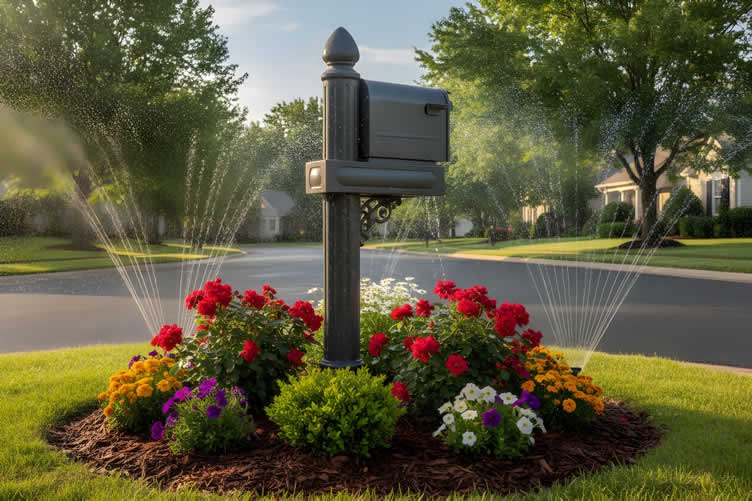
AI generated image by 123rf.com
Installing an Underground Irrigation System
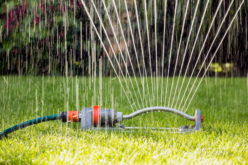
Whether you’re caring for a charming mailbox landscape, a vibrant front yard with lush grass and colorful garden beds, or a productive backyard with vegetable gardens, consistent hydration is key to maintaining a thriving outdoor space.
That’s where an automated sprinkler system becomes indispensable.

Delivering water precisely and efficiently, it ensures every inch of your landscape gets the hydration it needs, saving time and effort while keeping your garden healthy and vibrant year-round.
view ideas: What You Need to Know(new win)
-
Scroll up to directory … or scroll to next section: DIY or professional help …
-
-

Budgeting Worksheet For Costing Home Remodeling and Home Improvement Decisions
 File Type (excel)
-
-
10th Section: Finding the Right Path
… for your mailbox landscaping
When it comes to mailbox landscaping, the question often arises: should you take the DIY route or hire a professional landscaper? Each option offers unique benefits, depending on your vision, budget, and available time.
A DIY approach provides creative freedom and a great sense of accomplishment, perfect for those who enjoy gardening and hands-on projects.
On the other hand, a trusted landscaping contractor can bring expertise, efficiency, and polished results that even the most complex designs demand.
Choosing between a DIY project and hiring a professional depends on the scope of your mailbox landscaping and your comfort level with tackling the work. Weigh your options carefully to find the approach that best fits your needs and vision.
-
Why Choose DIY?
A DIY mailbox landscaping project can be a rewarding and cost-effective way to enhance the appearance of your home’s exterior. Taking this approach allows you to exercise your creativity, tailor the project to your preferences, and save on professional costs.
Plus, with a smaller area like a mailbox, it’s manageable even for beginners. DIY projects also bring a sense of accomplishment when you step back and admire the results.
-
What You’ll Need for DIY Mailbox Landscaping:
- A clear plan, including plant selection and layout
- Basic gardening tools (trowel, spade, pruners, gloves)
- Landscape fabric to prevent weeds
- Mulch or decorative stone for a polished appearance
- Low-maintenance plants suited to your climate
- Compost or fertilizer to nourish your plants
- A bucket or hose for watering
-
-
When to Hire a Professional Landscaper
Revamping your entire front yard, including the mailbox area, might feel overwhelming, especially if the scale of the project requires advanced planning, design expertise, or specialized tools.
A professional landscaper can help you achieve a cohesive, polished look that blends functionality with curb appeal. Their skilled insights ensure the project complements your property’s overall aesthetic while addressing practical needs, like drainage or soil quality.
-
What a Landscaper Can Offer:
- Custom design tailored to your home and preferences
- Expertise in plant selection for aesthetics and local climate
- Solutions for drainage, grading, and soil preparation
- Access to professional equipment for more efficient work
- Seamless execution with reduced time and hassle
- Ongoing maintenance services, if needed
-
Where to Find a Landscaper:
- Ask for recommendations from friends or neighbors
- Search online directories or review platforms like Yelp or Angie’s List
- Contact local garden centers for referrals
- Check social media for community groups with recommendations
-
LetsRenovate has partnered with HomeAdvisor (Angi)™, a renowned provider of highly-rated, carefully-vetted local landscape contractors. Start your search here by choosing the type of contractor you need and entering your zip code to find local professionals.
Topic Description Details Choosing Between DIY or Professional Mailbox landscaping decision depends on your vision, budget, and time. DIY gives creative freedom and accomplishment, while professionals bring expertise and efficiency for complex designs. Benefits of DIY A rewarding and cost-effective option for mailbox landscaping. Allows creativity, customization, and savings; manageable for beginners, especially in a smaller area like a mailbox. Essentials for DIY Key tools and materials needed for a successful DIY project. A clear plan, gardening tools, landscape fabric, mulch or decorative stones, low-maintenance plants, compost or fertilizer, and watering supplies. When to Hire a Professional Ideal for larger or complex projects that require expertise. Professional landscapers offer custom design, plant expertise, drainage solutions, efficiency, and ongoing maintenance options. What Professionals Provide Services tailored to homeowners’ needs and property aesthetics. Custom design, advanced tools, efficient execution, functional layouts addressing soil and drainage, and seamless results. Finding a Professional Various resources to locate a trustworthy landscaper. Ask for recommendations, search online directories, consult garden centers, or explore social media community groups. 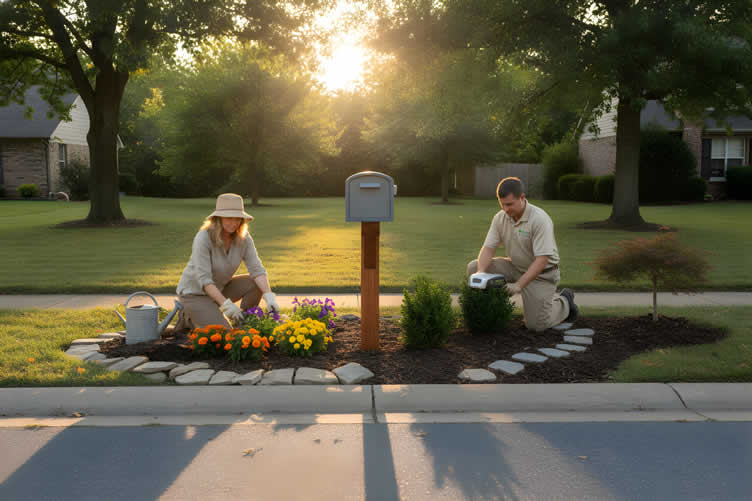
AI generated image by 123rf.com
But Wait!
Before starting your search and evaluation of outdoor kitchen contractors, it is highly recommended to download and use this evaluation worksheet.
This resource will help you objectively rank and assess potential contractors, considering essential factors such as pricing, licensing, and referral information.

Evaluation Sheet
File Type:-
Scroll up to directory … or scroll to conclusion and references …
-
-
-
Conclusion
… let your mailbox lead the way home
A well-tended mailbox garden is a small project with an outsized payoff: it welcomes you home every day and gives your whole front yard a sense of care that people notice, even if they can’t quite say why.
Start with the structure, pick a design direction that feels like you, and layer in plants and details at your own pace. Your mailbox has been waiting patiently at the curb; now it’s ready for its moment.
References
- Proven Winners, "Create Your Own Mailbox Garden"
- Proven Winners, "Mailbox Garden" (planting and installation guide)
- Monrovia, "The Best Ornamental Grasses for Low-Maintenance Beauty"
- OutdoorBrite, "Mailbox Landscaping Ideas (Low Maintenance)"
- Sunset Magazine, "The ‘Mailbox Garden’ Is the Quickest Way to Add Curb Appeal," September 2026
- Martha Stewart, "10 Charming Mailbox Garden Ideas That Instantly Boost Curb Appeal," July 2026
-
Quick scroll to more interior yard n’ garden ideas …
-
ideas to view and compare from the photo above
- What comments can you share about
mailbox landscaping that you would suggest?

Calendar For:
Home Maintenance
File Type:

… view our sharing links below for a quick "share the knowledge"
Find Landscaping/Maintenance Landscape Design Landscape Maintenance Pest Control Sprinkler Systems Tree & Shrubs Water Features top-rated, pre-screened local contractors FREE: download contractor selection enter zip code – powered by HomeAdvisor ™
Quick Contractor Guides selecting negotiating working with inspecting

Cover image credit: mailbox landscaping by 123rf.com
end of post … please share it!
 |
did you find mailbox landscaping analysis helpful? If so, please share the article with your friends and family! |
Nice pic idea? Leave us a quick comment below.
And please share this pic idea within your social networks.