Summary Outline –
Your roof is one of your home’s most critical components, protecting everything and everyone inside. But even the strongest roofs wear down over time, and ignoring the warning signs can lead to extensive damage, costly repairs, and structural issues that compromise your home’s integrity.
A deteriorating roof isn’t just about the occasional leak — it’s a ticking time bomb for moisture, pests, and decay. Whether the damage is hidden or clearly visible, the signs of roof failure shouldn’t be ignored.
Here are seven key indicators that it may be time for a replacement, before a small issue turns into an overwhelming expense.
- post content … analysis/ roof needs replacing
- 1st: Your Roof Is Over 25 Years Old
- 2nd: Shingles Are Curling, Cracking, or Missing
- 3rd: You Notice Water Stains or Leaks Inside Your Home
- 4th: Granules Are Collecting in Your Gutters
- 5th: The Roof Is Sagging or Shows Signs of Structural Damage
- 6th: Moss, Algae, or Algae Stains Are Visible on the Surface
- 7th: Higher Energy Bills or Temperature Control Issues
- summary table
- getting professional help
- conclusion

-
- —— begin first topic ——
-
1st SIGN: Your Roof Is Over 25 Years Old
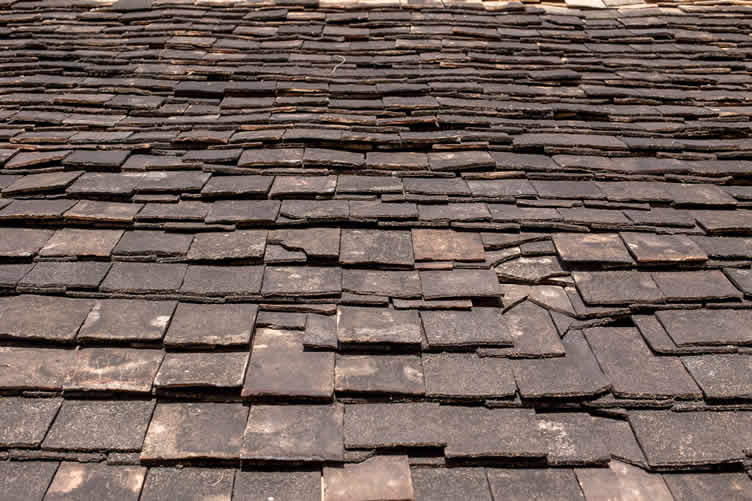
Asphalt shingles have a lifespan. Twenty to twenty-five years is the standard window — though climate, installation quality, and maintenance history all push that number around.
Hit that age and you’re shopping for a replacement, full stop.
Older shingles go brittle. They crack under wind loads they once handled without issue, and the granules that deflect UV radiation erode steadily over time.
A roof can look decent from street level and still be failing beneath the surface. Dig up your original purchase paperwork to find an installation date.
Can’t find it? A professional can estimate age just by reading the wear patterns on the shingles themselves.
[ view diagram: roof age ]
[ images: aging asphalt roof ]
More Supporting Information
(includes referenced side note and shop information – or scroll to next topic)
Transforming Your Home Exterior
When the time comes to replace your roof, starting with the right knowledge is key to making informed decisions.
Our comprehensive guide to roof replacement offers step-by-step insights designed to walk you through the process with confidence.

From understanding materials to budgeting and finding a trusted contractor, this guide ensures you’re prepared every step of the way, helping you protect and enhance your home for years to come.
view ideas: Guide to Roof Replacement(new win)


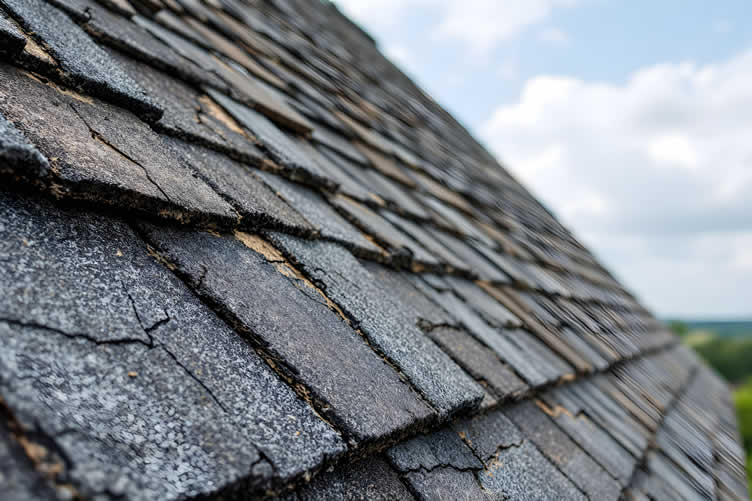
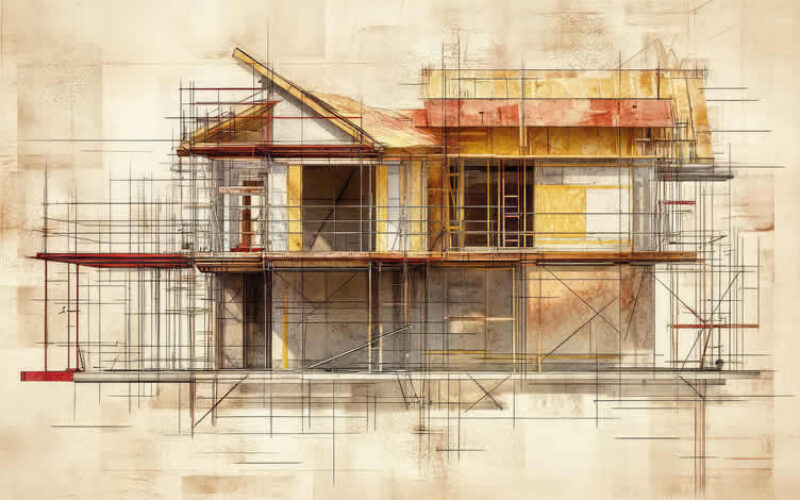
AI generated image by 123rf.com

-
Scroll up to main directory … or scroll to next sign why your “roof needs replacing” …


-
-
-
2nd SIGN: Shingles Are Curling, Cracking, or Missing
Curled edges, surface cracks, and missing shingles aren’t cosmetic issues — they’re entry points for water.
Once moisture gets in, it spreads, bringing mold and rot with it. High winds can tear off weakened shingles entirely, leaving the underlayment fully exposed to the elements.
Damage scattered across multiple sections signals a systemic problem, not isolated bad luck. And the longer it goes unaddressed, the faster it spreads.
[ images: asphalt shingle curling ]
[ images: surface cracks ]
More Supporting Information
(includes referenced side note and shop information – or scroll to next topic)
Is Your Yard a Swamp?
When it comes to enhancing your living space, exploring interior home designs is an essential first step.
By reviewing different styles, layouts, and color schemes, you can uncover elements that align with your personal taste and practical needs.
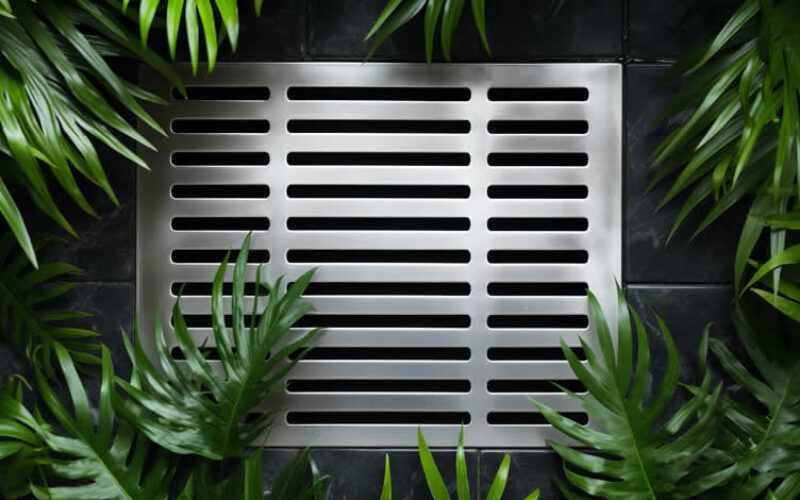
Thoughtful choices, like warm earth tones or natural light, can instantly elevate your home’s ambiance and turn it into a true sanctuary.
view ideas: Master Your Home Drainage System(new win)
copyright image by 123rf.com
-
Scroll up to main directory … or scroll to next sign why your “roof needs replacing” …
-
-
-
-
3rd SIGN: You Notice Water Stains or Leaks Inside Your Home
Brown ceiling rings, yellowed drywall streaks, or water pooling in an attic corner after a storm — these are all signs your roof may already be failing.
What makes it tricky is that water rarely drips straight down. It travels along framing, beams, and insulation before appearing somewhere visible, meaning the stain on your ceiling may be far from the actual source.
Don’t wait. The moment you spot water intrusion, call a professional. Moisture damage compounds quickly once it finds a way inside.
[ images: attic water stains ]
[ images: interior water stains from leaky roof ]
More Supporting Information
(includes referenced side note and shop information – or scroll to next topic)
Hidden Risk of Leaky Roofs
One of the most serious dangers of a leaking roof is the development of mold in unnoticed areas of your home.
When water seeps into hidden spaces like walls or ceilings, it creates the perfect environment for mold to thrive.

Not only can this compromise the structural integrity of your home, but it can also pose significant health risks, including respiratory issues and allergic reactions.
Addressing leaks promptly and monitoring for signs of moisture can help protect your home and your family’s well-being.
view ideas: Understanding Mold Growth(new win)
Types of Home Mold (places found)
google imagesAcremonium (drainage areas) view samples Alternaria (showers, bathtubs) view samples Aspergillus (on walls) view samples Aureobasidium (wood surfaces) view samples Chaetomium (water damage) view samples Cladosporium(fabrics) view samples Fusarium(food) view samples Mucor (damp carpet, rugs) view samples Penicillium (food, mattress) view samples Stachybotrys (black mold) view samples Understanding Black Mold
google imagesAbout Black Toxic Mold view samples Black Mold Symptoms view samples What is Black Mold youtube How to Kill Black Mold youtube Types of Good Mold
google imagesPenicillium (makes penicillin) view samples Cheese (blue cheese, gorgonzola) view samples Mushrooms (growing) view samples Fermentation (the process) view samples Air Purifiers
viewing amazon– HEPA filter air purifiers view ideas – activated carbon view ideas – UV purifier view ideas – ozone air purifier view ideas 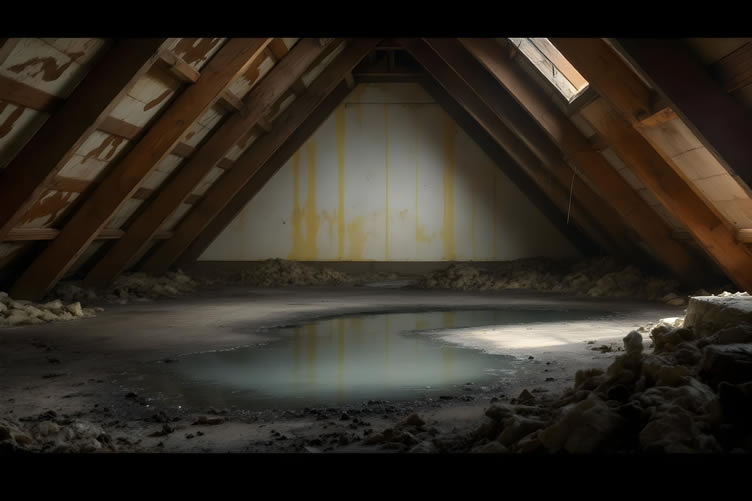
AI generated image by 123rf.com
-
Scroll up to main directory … or scroll to next sign why your “roof needs replacing” …
-
-
-
-
4th SIGN: Granules Are Collecting in Your Gutters
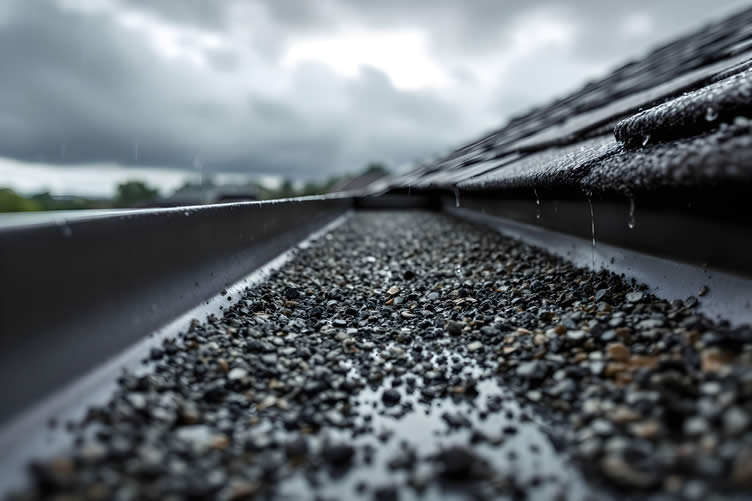
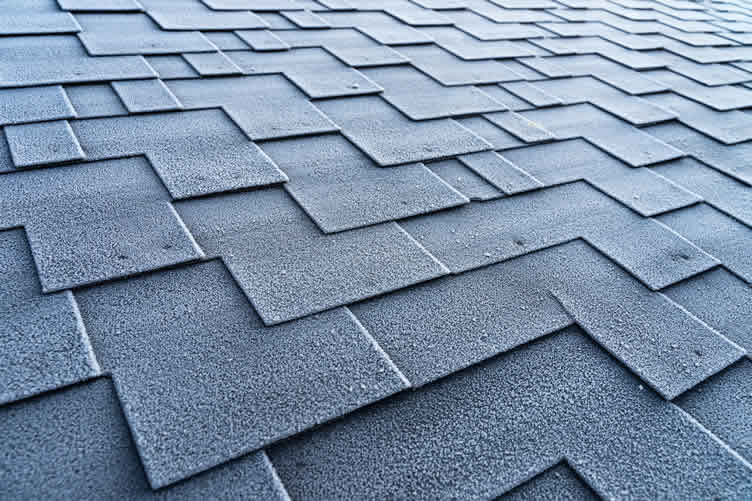
After a rainstorm, check your gutter debris for small, gritty particles — these are granules, the protective coating on asphalt shingles that shields them from UV rays and weather damage.
Some granule loss is normal as shingles age, but finding large amounts is a red flag. It means your roof is breaking down faster than expected.
From the driveway, look for patches that appear shinier or flatter than the surrounding area — these sections have lost their protective layer and are far more vulnerable to the elements.
Central Texas homeowners juggling brutal summer heat and unpredictable storm seasons frequently turn to an Austin Roofing Company to assess granule loss and determine whether deterioration has moved past simple repair.
[ view diagram: gutter granules ]
[ images: shingles appearing worn and flat ]
More Supporting Information
(includes referenced side note and shop information – or scroll to next topic)
Home’s Unsung Heroes
Gutters play a vital role in keeping your home safe and dry.
When properly installed and maintained, they channel rainwater away from your roof and foundation, protecting your home from water damage, mold, and erosion.

But when clogged with leaves and debris, they can overflow and lead to serious issues like foundation cracks, roof damage, or basement flooding.
Regular cleaning and maintenance are essential to keep them working effectively and your home protected.
view ideas: Protecting Gutters From Clogging(new win)
AI generated image by 123rf.com
-
Scroll up to main directory … or scroll to next sign why your “roof needs replacing” …
-
-
SHARE IT ..! Someone in your network might benefit from this insightful post about signs that your roof needs replacing. Feel free to share it on Facebook, X (formally Twitter), LinkedIn, or Pinterest!


-
-
5th SIGN: The Roof Is Sagging or Shows Signs of Structural Damage
Stand across the street and look at your roofline on a clear day. You want straight lines, a consistent pitch, and no dips.
Waves, sags, or uneven sections are a serious problem.
A sagging roofline indicates that the structural framework underneath has failed. Prolonged water intrusion, poor ventilation, accumulated weight, age, or a faulty original installation can all be contributing factors.
Regardless of the cause, the roof’s structure is compromised. This isn’t something you can patch — call a roofing professional right away.
[ images: asphalt shingles appearing worn and flat ]
[ images: roof structural damage ]
More Supporting Information
(includes referenced side note and shop information – or scroll to next topic)
Smart Strategies to Save Money
Embarking on a home renovation or roof remodeling project is an exciting opportunity, but it’s also a significant financial investment.
With proper planning, clear budgeting, and contingency measures, you can manage potential stressors like unexpected costs or delays.
Staying informed and working with trusted professionals can help turn this major undertaking into a rewarding experience, ensuring your vision becomes a reality without overwhelming surprises.
view ideas: On your roof or other remodel(new win)

Budgeting Worksheet For Costing Home Remodeling and Home Improvement Decisions
 File Type (excel)
click here for budgeting worksheet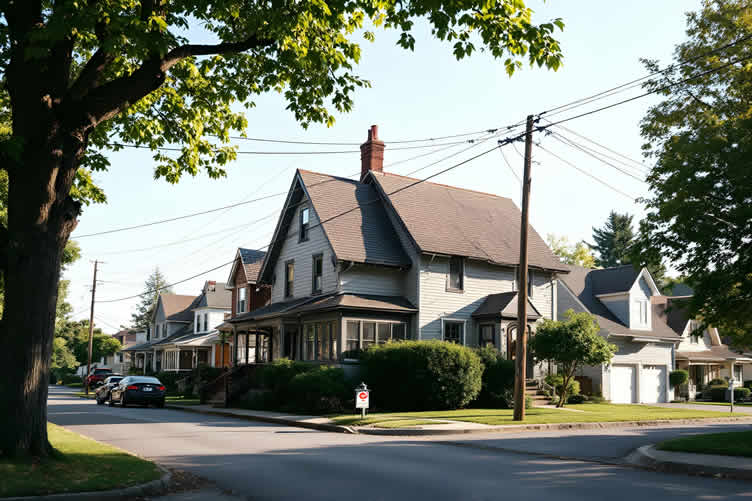
AI generated image by 123rf.com
-
Scroll up to main directory … or scroll to next sign why your “roof needs replacing” …
-
-
-
-
6th SIGN: Moss, Algae, or Algae Stains Are Visible on the Surface
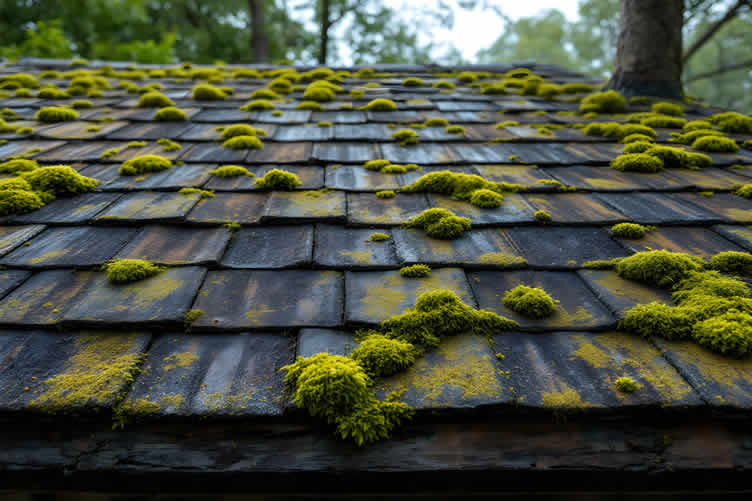
Those dark streaks on your roof aren’t just unsightly — they point to a moisture problem. Algae feeds on shingle granules, degrading the material from below.
Moss is more damaging; it traps moisture against the surface, accelerating decay with each rain cycle. North-facing and shaded areas are most at risk since they take longer to dry.
Minor growth may respond to treatment, but thick moss or widespread staining across large sections indicates a roof whose protective layer is already failing — and continuing to worsen.
[ images: roof moss growth ]
[ images: roof algae ]
More Supporting Information
(includes referenced side note and shop information – or scroll to next topic)
Keep Mold and Algae at Bay
Mold and algae on your roof often spread to home siding, walkways, and other outdoor surfaces.
Left unchecked, these growths can dull your home’s appearance and compromise surface integrity over time.

A power washer is a simple yet effective tool for keeping these harmful elements at bay, helping your home stay clean, safe, and inviting year-round.
view ideas: Pressure Washer Applications(new win)
[ amazon: gas-powered pressure washers ]
[ amazon: electric pressure washers ]
AI generated image by 123rf.com
-
Scroll up to main directory … or scroll to next sign why your “roof needs replacing” …
-
-
-
-
7th SIGN: You’re Experiencing Higher Energy Bills or Temperature Control Issues
If your HVAC is working hard during mild weather, or your energy bills keep rising without explanation, your roof could be the culprit.
A failing roof disrupts attic ventilation and insulation — both of which have a bigger impact on energy efficiency than most homeowners expect.
In summer, heat builds up in the attic and radiates into living spaces below. In winter, poor ventilation traps moisture and degrades insulation from within.
Older roofs are especially vulnerable, as underlayment and ventilation components tend to fail alongside the shingles.
Replacing the roof often brings energy costs down — sometimes significantly.
[ images: roof and energy ]
[ view post: why rising electricity costs ]
More Supporting Information
(includes referenced side note and shop information – or scroll to next topic)
Saving More Energy!
Installing solar panels on your roof is a great way to lower your energy usage and environmental footprint.
If you’re already planning a roof replacement, it’s the perfect time to make the addition.

Solar panels harness renewable energy to help power your home and reduce utility costs over time — a smart step toward a more sustainable future.
view ideas: Installing a Solar Energy System(new win)

copyright image by 123rf.com
-
Scroll up to main directory … or scroll to next sign why your “roof needs replacing” …
-
-
Find Roofing Services Roof Replace Roof Repair Roofing Other Gutter Systems top-rated, pre-screened local contractors FREE: download contractor selection enter zip code – powered by HomeAdvisor ™
Quick Contractor Guides selecting negotiating working with inspecting

-
-
Summary Table
Sign Description Why It Matters Your Roof Is Over 25 Years Old Asphalt shingles typically last between 20 to 25 years.
Factors such as climate, installation quality, and maintenance history can affect this timeline.
Older shingles become brittle, crack, and lose their UV-protective granules over time, making them susceptible to failure even if they appear fine from the ground.
Aging shingles lose their structural integrity, leading to cracks, leaks, and eventual roof failure.
Replacing at the right time prevents costly repairs and protects your home from water damage.
Shingles Are Curling, Cracking, or Missing Shingles with curled edges, surface cracks, or missing sections allow water to penetrate your roof.
This can lead to mold, rot, and damage spreading throughout the roof structure.
Strong winds exacerbate the issue by removing weakened shingles entirely.
Damaged shingles expose underlayment and materials, leaving the roof vulnerable to extensive damage.
Ignoring these signs accelerates deterioration across wider areas.
You Notice Water Stains or Leaks Inside Your Home Brown ceiling rings, drywall streaks, or pooled water in the attic are signs of water intrusion.
Water may travel along beams and framing before surfacing, so these visible signs may not align with the actual entry point.
Moisture damage can spread quickly and compromise your home’s structure.
Prompt action prevents further damage and costly repairs.
Granules Are Collecting in Your Gutters Gritty particles found in your gutters are granules that protect shingles from UV exposure.
While some loss is normal, sudden or significant granule shedding suggests the shingles are breaking down prematurely.
Granule loss reduces the roof’s protection against sunlight and weathering.
Without adequate coverage, the shingles deteriorate faster, risking roof failure.
The Roof Is Sagging or Shows Signs of Structural Damage A roofline with waves, sags, or uneven sections indicates that the underlying structural framework has weakened.
Causes may include prolonged water intrusion, weight buildup, poor ventilation, or aging materials.
Structural damage compromises the stability of the roof.
Immediate intervention is required, as patch repairs are insufficient to address such issues.
Moss, Algae, or Algae Stains Are Visible on the Surface Dark streaks, moss, or algae indicate moisture problems.
Algae consume the granules on shingles, while moss retains moisture, accelerating shingle decay.
Shaded and north-facing areas are particularly susceptible to these issues.
Prolonged exposure to moss and algae weakens the protective layers of the roof, leading to further decay and reducing the roof’s lifespan. You’re Experiencing Higher Energy Bills or Temperature Control Issues Poor roof ventilation disrupts insulation and elevates energy costs.
During summer, heat seeps into the attic, while in winter, trapped moisture undermines insulation performance.
These are common issues in older or failing roofs.
A deteriorating roof can significantly affect energy efficiency, leading to noticeable increases in utility bills.
Replacing the roof often resolves these issues.

-
Scroll up to main directory … or scroll to next sign why your “roof needs replacing” …
-
-

Tackling home upgrades and fulfilling all your home improvement needs …

… save this curated directory of ideas for future reference.

… home remodeling and improvement

-
-
Preparing to Hire a Professional Roofer
Replacing a roof is a significant investment, and finding the right professional is key to ensuring the job is done correctly and efficiently. Before hiring a roofer, there are several important factors and questions to consider:
- Licensing and Insurance:
Verify that the roofer is properly licensed in your state and carries liability and workers’ compensation insurance. This will protect you from potential legal or financial issues should an accident occur on your property. - Experience and Expertise:
Ask about their experience with roof replacements. Ensure they have specific expertise with the type of roof material you intend to use. - References and Reviews:
Request references from past customers and check online reviews. Positive feedback from previous clients can provide you with peace of mind. - Detailed Estimates:
Obtain a written, detailed estimate outlining the scope of work, materials, labor costs, and timeline. This helps ensure transparency and prevents misunderstandings. - Warranty Options:
Discuss the warranty provided on both workmanship and materials. A reputable roofer should offer a warranty that covers both aspects. - Local Knowledge:
Opt for a roofer familiar with local building codes and environmental conditions. A local professional is more likely to understand the climate challenges in your region. - Communication and Professionalism:
Select a roofer who communicates clearly, listens to your concerns, and provides thoughtful solutions. A professional demeanor is crucial for a smooth working relationship.
Taking the time to research and ask these questions will help you feel confident in your decision and ensure that your roof replacement project is in capable hands.
LetsRenovate has partnered with HomeAdvisor (Angi)™, a renowned provider of highly-rated, carefully-vetted local roofing contractors. Start your search here by choosing the type of service you need and entering your zip code to find local professionals.
AI generated image by 123rf.com
But Wait!
Before reaching out to roofing contractors, we recommend downloading our evaluation worksheet.
It will help you objectively assess potential contractors based on key factors like pricing, licensing, and referrals.

Evaluation Sheet
File Type:-
Scroll up to main directory … or scroll to conclusion and references …
- Licensing and Insurance:
-
-
Conclusion
None of these seven signs require roofing expertise to spot. Most are visible from the ground or obvious from inside the house. Routine inspections — especially once the roof clears the 20-year mark — catch problems while repair is still on the table.
But if you’re already seeing curling shingles, interior stains, sagging sections, or gutters packed with granules, that conversation with a contractor needs to happen now.
A qualified pro can tell you honestly whether you’re dealing with targeted repairs or a full replacement. Either way, acting early costs a fraction of what cleaning up deferred damage will.
-
Quick scroll to more home exterior ideas …
- What comments can you share about
reasons why your roof needs replacing?

Calendar For:
Home Maintenance
File Type:
… view our sharing links below for a quick "share the knowledge"
Cover image credit: roof needs replacing by 123rf.com
end of post … please share it!
 |
did you find these signs why a roof needs replacing helpful? If so, please share the article with your friends and family! |
Nice pic idea? Leave us a quick comment below.
And please share this pic idea within your social networks.