Summary Outline –
Creating a home that truly reflects your personality and meets your comfort needs doesn’t require a complete renovation or an unlimited budget. The secret lies in understanding how different décor elements work together to transform your living space into a sanctuary that speaks to your soul.
Home décor elements serve as the building blocks of interior design, each piece contributing to the overall atmosphere and functionality of your rooms. From the moment you walk through your front door, these carefully chosen pieces tell your story and create an environment that nurtures both you and your guests.
Whether you’re starting fresh in a new home or looking to refresh your current space, understanding the various types of décor elements available can help you make informed decisions that maximize both impact and budget.
This comprehensive guide explores wall décor, floor elements, table accessories, ceiling treatments, and other essential pieces that can elevate your home’s aesthetic while maintaining practicality.

-
Quick scroll to first topic about home decor elements … or review summary content

Content Summary
section directory1st Decor Review: [view section]
… before starting any interior decorating project, take time to define the style you want to achieve. This will guide your choice of design elements and ensure a cohesive, polished look.
2nd Decor Review: [view section]
… the second section covers decor elements to enhance your walls. From accents to functional additions like sconces, we’ll explore ways to elevate your space. Plus, we’ll share tips on choosing wall art to match your design.
3rd Decor Review: [view section]
… once the wall decorations are done, focus on the floor and ceiling to tie the room’s style together. Floor décor includes area rugs, floor art, and the flooring itself—you might even update it for a fresh look. For the ceiling, trim, lighting, and accents like beams or architectural details can add character and complete the design.
4th Decor Review: [view section]
… the fourth section explores decorative items for tables, shelves, consoles, and other surfaces. It features options like vases, heirlooms, plants, fountains, and more to enhance style and functionality. From shelf accents to table lamps, these pieces add charm and purpose to your spaces.
5th Decor Review: [view section]
… the fifth and final section explains how to get started, covering key questions for choosing decor, finding unique pieces, and personalizing your space. Feeling overwhelmed? We can connect you with an interior decorator to create spaces that reflect your style.
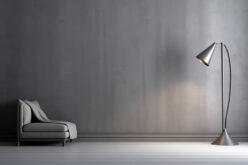
first “home decor elements” idea

copyright image by 123rf.com
Decor Tip 1: First Step: Define Your Décor Style
Notes:
-
Before embarking on your home decorating project, the first and most essential step is to define your décor style. Identifying a specific style will serve as a foundation for all your design choices, ensuring that the elements you select work harmoniously to create a space that truly reflects your personality and preferences.
By understanding different design styles and their characteristics, you can make informed decisions that align with your vision, lifestyle, and budget.
Style serves not only as a guide for choosing furniture, finishes, and accessories but also as a way to infuse your home with cohesiveness and authenticity.
Below, we break down popular décor styles and explore their unique features, color palettes, and standout aspects. Defining your décor style is not about following trends, but about uncovering what resonates with you and makes your home feel uniquely yours.
-
Quick scroll to “defining styles” side notes …
-
-
1st: Exploring Design Styles
Decorating your home is a deeply personal experience, and understanding various design styles can help you create a space that truly feels like your own.
From modern minimalism to rustic charm, every style has its essence and story to tell. This guide will provide insights into popular décor approaches, helping you discover what aligns with your preferences and brings comfort and beauty into your living space.
[ view images/summary table: interior décor styles ]
-
Modern Style
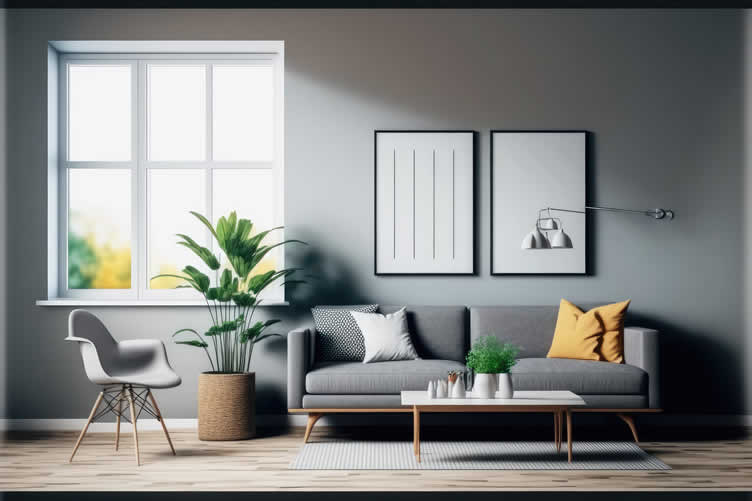
Modern style emphasizes clean lines, uncluttered spaces, and functional design. Originating in the early-to-mid 20th century, this style is inspired by the modernist movement, focusing on simplicity and the idea that “form follows function.”
Modern interiors often feature neutral color palettes with pops of bold accents, such as black, white, gray, and primary colors.
Materials like glass, steel, and natural wood contribute to sleek aesthetics, while open layouts and minimal ornamentation make modern spaces feel sophisticated and airy.
-
Contemporary Style
Contemporary style is constantly evolving, reflecting current trends in design. It differs from modern style by being more fluid and less rigid in its interpretation.
Contemporary spaces often have an emphasis on soft, rounded lines, neutral tones with occasional dramatic contrasts, and innovative materials.
Common features include open spaces, large windows for natural light, and an overall minimalist yet comfortable vibe. It’s an appealing choice for those who like to keep their décor fresh and up-to-date.
-
Traditional Style
Rooted in classic European design, traditional style exudes warmth, elegance, and timelessness. It features furnishings with ornate details, such as carved wood, tufted upholstery, and decorative moldings.
Color palettes lean toward rich tones like cream, gold, burgundy, and forest green. Symmetry plays an important role, often seen in paired furniture and balanced arrangements.
This style brings a sense of comfort and familiarity, making it a popular choice for many households.
-
Transitional Style
Transitional style bridges the gap between traditional and modern aesthetics, combining the best of both worlds. This style is all about balance—merging classic comfort with contemporary simplicity.
Neutral colors dominate transitional spaces, often complemented by textured fabrics and understated patterns. Furniture is elegant yet streamlined, creating an inviting and versatile environment that works for both formal and casual settings.
-
Minimalist Style
Minimalist style takes modern design a step further, focusing on reducing spaces to their essential elements. Think of it as “less is more,” with clean lines, monochromatic palettes, and uncluttered layouts.
Minimalist homes often use natural light as a design element, with open spaces and functional furnishings. This style resonates with individuals who appreciate simplicity, mindfulness, and a clutter-free lifestyle.
-
Bohemian Style
Bohemian, or “boho,” style is eclectic, vibrant, and full of character. Inspired by global influences, it often incorporates layered textures, bold patterns, and an assortment of décor from various cultures.
Earthy tones like terracotta, ochre, and green are commonly paired with jewel tones. Boho spaces celebrate individuality and creative expression, often featuring handmade or vintage items.
-
Farmhouse and Modern Farmhouse Style
Farmhouse style reflects rural charm and coziness, typically incorporating natural materials like wood and metal. It highlights weathered finishes, light neutral palettes, and functional design.
Modern farmhouse builds on these principles but introduces a sleek, polished approach, adding contemporary elements such as clean silhouettes, black accents, and open-concept layouts. Both styles create welcoming and timeless spaces.
-
Rustic Style
Rustic style emphasizes rugged beauty and natural elements. Inspired by the outdoors, it incorporates materials like raw wood, stone, and leather.
Color schemes tend to be earthy and warm, with accents of beige, brown, and forest green. Designs often feel unrefined yet comforting, making rustic spaces perfect for those who cherish a connection to nature.
-
Industrial Style
Industrial style takes inspiration from factories and warehouses, showcasing raw materials and structural elements as part of the design.
Think exposed brick walls, metal beams, concrete, and utilitarian furnishings. Color palettes are typically neutral and monochromatic, with an emphasis on grays and blacks. This style blends rugged textures with modern aesthetics to create a bold, edgy look.
-
Coastal Style
Coastal style is all about bringing beachy vibes indoors. Light and breezy, it features soft colors like white, beige, and pastel blues, as well as natural materials like rattan, linen, and driftwood.
Nautical motifs and abundant natural light further enhance the serene atmosphere. Coastal décor is perfect for creating a relaxed, summer-inspired retreat.
-
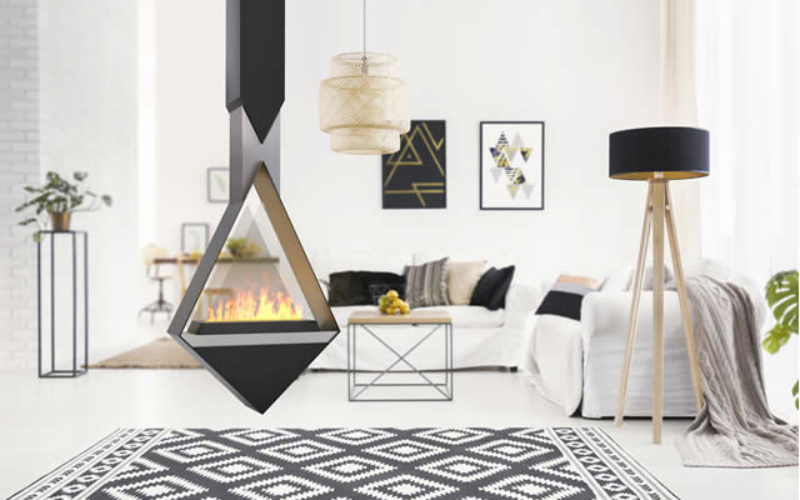
Scandinavian Style
Popularized by its emphasis on simplicity and functionality, Scandinavian design incorporates light tones, natural woods, and clean lines.
White walls, pastel accents, and layered textures define this aesthetic. High importance is placed on creating a cozy and inviting atmosphere, often achieved through soft furnishings and thoughtful lighting.
-
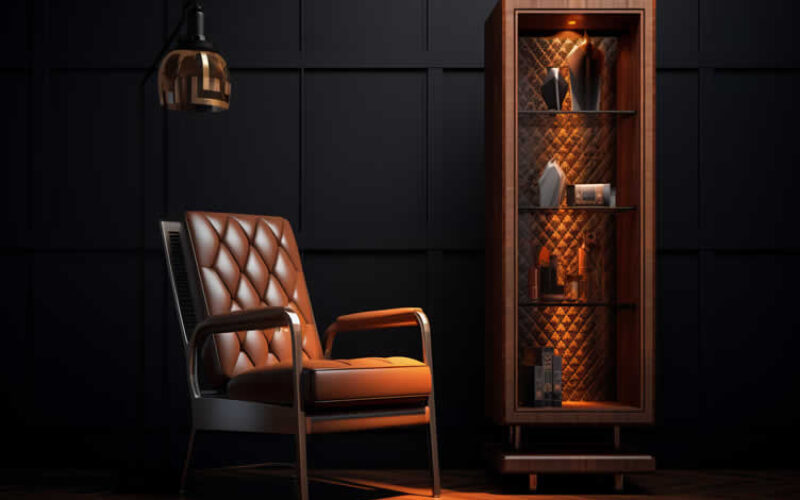
Art Deco Style
Art Deco exudes glamor and opulence, with an emphasis on bold geometric patterns, luxurious materials, and vibrant colors like gold, black, and deep green.
This style shows a love for symmetry and intricate details, pairing richly detailed furniture with reflective surfaces like glass and mirrors.
-
Glam Style
Glam style, also known as Hollywood Regency, is luxurious, dramatic, and high on elegance. This style often features rich color palettes, glossy or mirrored surfaces, and sumptuous materials like velvet and faux fur.
Gold, silver, and crystal accents are common, evoking an air of sophistication and opulence. Glam spaces are perfect if you want to make a statement and feel glamorous.
-
Shabby Chic Style
Shabby chic embraces a vintage-inspired aesthetic, with distressed furniture, floral patterns, and faded pastels. Whites, creams, and soft pinks dominate the palette.
The charm is in the imperfect, with an emphasis on up-cycled or vintage-found objects combined to create a delicate yet eclectic space.
-
Mid-Century Modern Style
Mid-century modern style pays homage to design trends from the 1940s through the 1960s. Defined by clean lines, organic shapes, and functionality, this style features iconic furniture pieces and a mix of materials like wood, metal, and plastic.
Warm, retro-inspired tones like mustard yellow, teal, and burnt sienna are common, creating spaces that feel both nostalgic and contemporary.
-
Eclectic Style
Eclectic style encourages mixing and matching, often combining elements from various eras, cultures, and styles. It’s highly personal, focusing on showcasing individual tastes and bold creativity.
Vibrant colors, varied textures, and plenty of unique details define this style. Though it may seem chaotic, a thoughtful approach ensures cohesive and visually interesting spaces.
-
Biophilic Style
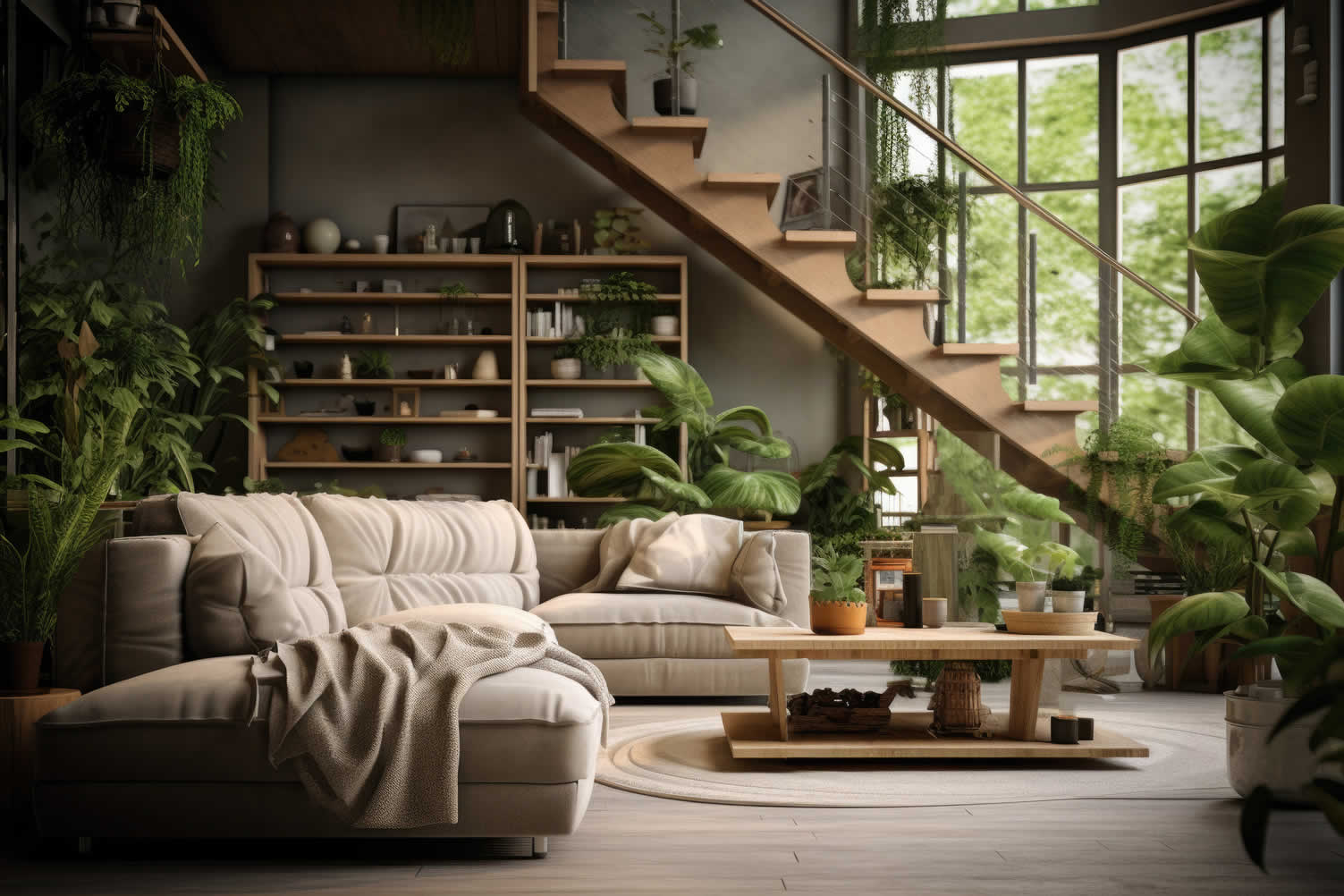
Biophilic style emphasizes the connection between humans and nature. It integrates natural elements like greenery, wood, and stone into indoor spaces.
Large windows to maximize natural light and sustainable materials are often used. This style appeals to those seeking calm, harmonious environments that promote well-being.
-
Other Styles
There are countless other décor styles, from global-inspired designs to ultra-tech-savvy smart homes. Each carries unique characteristics catered to distinct personalities and environments.
Exploring emerging design trends may provide inspiration that aligns with your unique vision for your home.
Style Features Palette Distinctive Aspects Modern Style Clean lines, simplicity, functional design Neutral tones like white, gray, beige with bold accents Open, uncluttered, minimal ornamentation Contemporary Style Fluid, evolving with trends, geometric forms Grays, whites, blacks, muted accent colors Current-day aesthetic, innovative ideas Traditional Style Ornate details, rich fabrics, timeless craftsmanship Dark wood tones, warm neutrals, jewel accents Symmetry, balance, formal elegance Transitional Style Blend of traditional and modern, curved silhouettes Neutrals like whites, taupes, grays with bold accents Flexible, timeless appeal Minimalist Style Simplicity, essentials only, functional furnishings White, gray, monochromatic tones Calm, spaciousness Bohemian Style Mix of patterns, colors, textures with global influences Earthy tones, vibrant reds, oranges, greens Free-spirited, curated meaningful pieces Farmhouse/Modern Farmhouse Rustic charm, natural materials with contemporary elements Whites, soft grays, beige, black, natural wood tones Cozy, homey, inviting Rustic Style Raw materials, weathered/handcrafted elements Browns, greens, creams Grounded beauty, natural aesthetics Industrial Style Exposed brick, steel, concrete, rugged and edgy Neutrals, dark hues like gray, black, brown Focus on structure and functionality Coastal Style Light, breezy, relaxed, natural light Soft blues, whites, sandy neutrals Ocean-inspired, airy ambiance Scandinavian Style Simplicity, functionality, clean lines Light tones, pastel accents, natural woods Cozy, inviting atmosphere Art Deco Style Bold geometric patterns, luxurious detail Gold, black, deep green Glamorous, opulent Glam Style Plush furniture, metallic accents, chandeliers Blush, gold, silver, jewel tones Chic, high-end luxury Shabby Chic Style Distressed furniture, vintage elements Whites, creams, soft pastels Vintage-inspired, delicate yet eclectic Mid-Century Modern Style Clean lines, organic forms, retro-modern design Bold, saturated hues with neutral tones Functional, balanced between retro and modern Eclectic Style Mix of styles, colors, and patterns Variety of colors, bold patterns Highly personalized, curated yet cohesive Biophilic Style Natural materials, greenery elements Earthy tones, soft greens Calming, nurtures connection to nature 

copyright image by 123rf.com
[ pinterest: types of interior decor styles ]
[ youtube: Most Popular Interior Design Styles Ranked ]

-
-
2nd: Crafting Your Unique Style by Mixing and Matching
Creating your unique style is an exciting and rewarding process that allows you to express your individuality. Instead of adhering to a single design trend or aesthetic, blending elements from various styles can result in a space that feels both personal and timeless.
This approach embraces creativity, experimentation, and flexibility, making your home a true reflection of who you are. Below, we’ll explore ideas and strategies to inspire you as you craft your own style.
[ view summary table: mixing and matching ]
-
Understanding Your Core Preferences
Before you begin mixing styles, it’s essential to identify your core preferences. Consider what draws your attention in various designs—whether it’s the clean lines of modern decor, the cozy elements of farmhouse designs, or the rich textures of traditional aesthetics.
Reflect on the colors, materials, and layouts that resonate with you. Keeping this personal foundation in mind will allow you to add contrasting elements without overwhelming your space with inconsistency.
-
Blending Textures and Materials
One of the most powerful ways to create a unique style is through the mixing of textures and materials. For example, pairing sleek metal finishes with warm natural wood can create a balance between modern and rustic aesthetics.
Similarly, combining soft fabrics like velvet with structured elements such as stone or glass can add depth and contrast. Play around with these combinations to find satisfying harmonies within the space.
-
Incorporating Signature Pieces
A strong sense of individuality in design often stems from a few standout items that capture your personality. These can be vintage furniture, handmade crafts, or statement art pieces that serve as focal points in the room.
Signature pieces not only elevate the overall aesthetic but also anchor the mix of styles by adding a personal touch. Curate these intentionally, ensuring they complement the overarching theme you aim to achieve.
-
Experimenting With Color and Patterns
Color and patterns are valuable tools when blending styles. Using a cohesive palette can tie together disparate elements to create a unified look.
For instance, try grounding bold patterns with neutral backgrounds or layering complementary shades to establish harmony. Strive for balance and avoid overwhelming the space with too many vibrant colors or conflicting patterns.
A well-thought-out approach to color will allow your creativity to shine while maintaining a polished appearance.
-
Adapting Styles Over Time
Your unique style doesn’t need to remain fixed—it can and should evolve as your tastes and needs change. Home styles adapt naturally as we grow, so feel free to revisit and refine your decor choices periodically.
Keep an open mind, and don’t hesitate to update elements that no longer align with your vision. This approach ensures your space continues to feel fresh and aligned with your identity.
-
Balancing Functionality and Aesthetics
While focusing on design, it’s crucial to remember that your home also needs to function as a livable space. A truly successful style is one where beauty and practicality coexist.
Strike this balance by choosing purposeful pieces that fulfill a need while still fitting within your design vision. For example, invest in versatile furniture that can serve dual purposes, such as storage ottomans or extendable dining tables.
-
Seeking Inspiration but Trusting Your Instincts
It’s always helpful to draw inspiration from different sources, whether it’s interior design publications, online platforms like Pinterest, or visiting styled spaces in person.
However, the most important part of creating your unique style is trusting your instincts. If something feels right to you, don’t shy away from incorporating it—even if it defies convention. Personal authenticity is what makes your space truly one of a kind.
Principle Description Core Preferences Identify design elements, colors, and layouts that resonate with your personality to create a strong foundation. Textures and Materials Mix contrasting materials like wood, metal, fabric, and glass to achieve depth and harmony in your decor. Signature Pieces Anchor your style with standout items that reflect your personality, such as vintage or statement pieces. Color and Patterns Experiment with cohesive color palettes and balance bold patterns with neutral tones for a polished look. Adaptability Allow your style to evolve as your tastes and needs change over time, making updates to maintain freshness. Functionality vs. Aesthetics Strike a balance between visual appeal and practical usability to create a livable, well-designed space. Personal Authenticity Draw inspiration but trust your own instincts to create a unique, authentic style that reflects who you are. 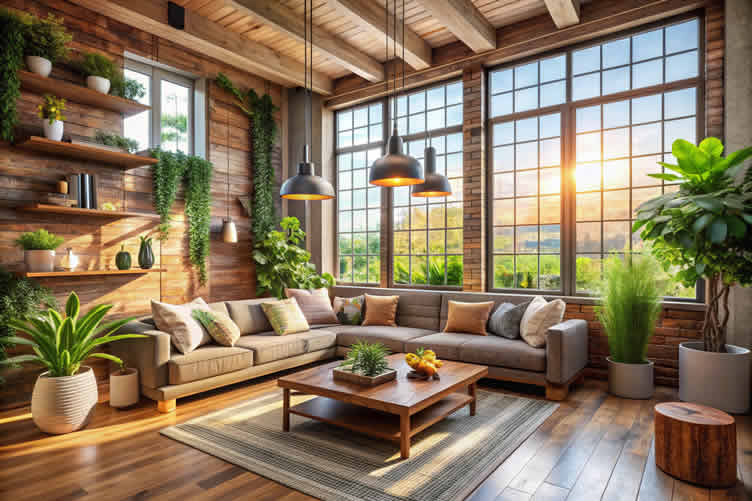
copyright image by 123rf.com
[ view diagram: mixing and matching interior design]
[ youtube: HOW TO COMBINE INTERIOR DESIGN STYLES]
-
-
-
ideas to view and compare from the information discussed above
book: interior designbook: home decorsoftware: home designer
Scroll up to directory … or scroll to next section about home decor elements …

… by scrolling below to view how to decorate walls




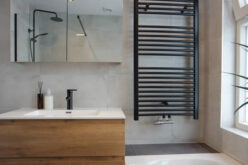
second “photo remodeling” idea
AI generated image by 123rf.com
Decor Tip 2: Selecting the Perfect Wall Décor
Notes:
-
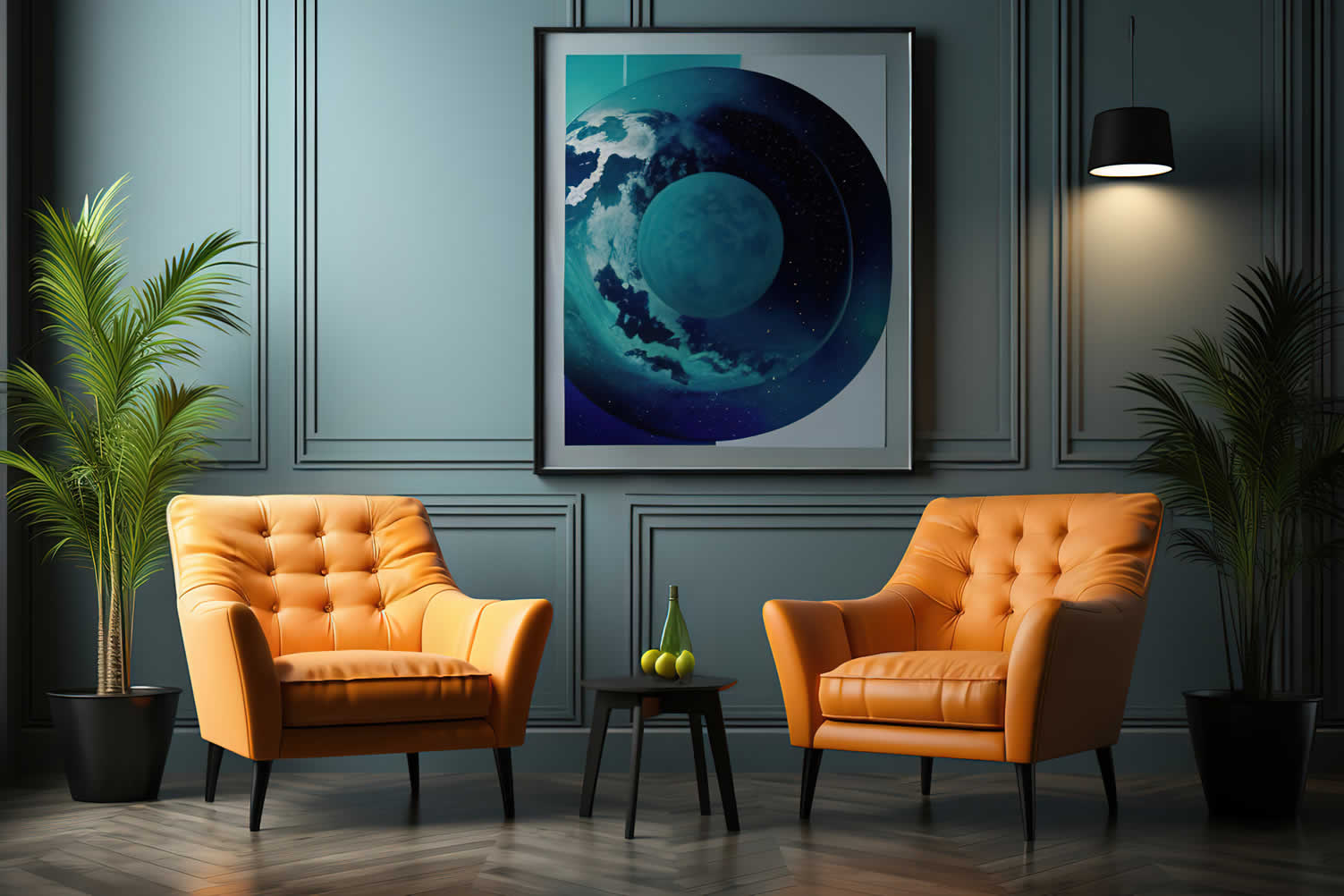
Your walls are more than just boundaries—they are blank canvases waiting to tell a story and set the tone of your space. Choosing the right wall décor is an exciting opportunity to showcase your personality while enhancing the functionality of your home.
From striking wall art to practical decorative elements, every choice you make contributes to the feeling of balance and inspiration within a room.
This section will guide you through the process of selecting wall décor that aligns with your style and needs, helping you craft walls that are both visually stunning and purpose-driven.
-
Quick scroll to “wall décor” side notes …
-
-
1st: Selecting Wall Décor Elements
Wall décor is a vital element of interior design that can transform a space, reflecting both personal style and enhancing the atmosphere of a room. By carefully selecting wall décor elements, you can create a balanced, harmonious aesthetic while adding depth and dimension to your space.
From traditional framed art to modern 3D sculptures, each selection contributes uniquely to the overall mood of your home. Below, we’ll explore a range of wall décor options to help you make decisions that suit both your space and your personal taste.
[ view images/summary table: wall décor ]
-
Framed Art and Photography
Framed art and photography bring timeless elegance to any space. These pieces can range from classic paintings or prints to personal photographs that hold sentimental value.
Opt for frames that complement your décor style, whether sleek and minimal for a modern touch or ornate and vintage for a more traditional appeal.
Arranging them in a linear or symmetrical fashion can establish order, while an asymmetrical arrangement can create a more whimsical or creative atmosphere.
-
Gallery Wall
A gallery wall is a curated collection of art, photographs, or decorative items displayed in a cluster. It’s a great option for showcasing personality and telling a story through cherished memories, favorite prints, or eclectic finds.
A mix of sizes, shapes, and mediums adds dynamic interest, while cohesive color palettes or themes maintain visual balance. Use consistent frame styles or complementary tones to unify the display.
-
Canvas Art
Canvas art offers versatility and style, whether through hand-painted originals or prints. These pieces bring texture and depth, especially when unframed.
Large, bold canvas art can serve as a focal point in a room, while smaller canvases can be grouped for a cohesive yet vibrant impact. Consider abstract artwork for modern spaces or nature-inspired imagery for a calming vibe.
-
Mirrors
Mirrors are both functional and decorative, reflecting light to make spaces appear larger and brighter. Decorative mirrors come in varied shapes and styles, such as ornate frames for traditional settings or frameless designs for contemporary spaces.
Placing mirrors strategically, like across from a window, maximizes natural light and visually amplifies the room’s dimensions.
-
Tapestries and Textile Wall Hangings
Tapestries and textile wall hangings, such as macramé or woven designs, create warmth and texture, particularly in bohemian or rustic settings. These soft elements add depth while introducing patterns or intricate weaves that enrich the ambiance.
They’re lightweight and easy to hang, making them perfect for renters. Additionally, textiles can double as acoustic dampeners, reducing noise in a space.
-
Wall Murals and Paintings
Wall murals and large-scale paintings are immersive décor options that make a bold statement. These can be custom-made designs, hand-painted directly onto the wall, or adhesive murals that are pre-designed.
They work best in large spaces or as a feature accent wall, creating a storytelling element in your space.
Select imagery and themes that align with the room’s purpose—such as calming, natural scenes for relaxation areas or vibrant patterns for bustling spaces.
-
Wall Sculptures and 3D Art
Wall sculptures and 3D art introduce a tactile dimension to interior décor. These pieces protrude from the wall, developing a dynamic and intriguing visual.
Materials like metal, glass, or ceramic are common for this form of décor. Geometric or abstract designs offer a modern touch, while nature-inspired sculptures—like botanical or animal forms—contribute to a more organic feel.
-
Acrylic Prints
Acrylic prints present a sleek and polished way to showcase photography or graphic art. Printed on archival-grade paper and mounted between acrylic sheets for protection, these pieces exude modernity and elegance.
Their glossy finish enhances color vibrancy, making them a great fit for minimalist or high-tech spaces.
-
Wall Shelves and Display Units
Wall shelves and display units combine function with decoration, allowing you to integrate storage with visual interest. Use shelves to display books, plants, vases, or personal mementos.
Materials like wood, glass, or metal offer varied stylistic choices to suit contemporary or traditional settings. Adjust shelf placements to create balance, whether as a single floating shelf or a stacked arrangement.
Types of wall shelving:
- floating shelf
- picture ledges
- corner shelves
- ladder shelves
- tiered shelves
- gallery shelves
- cube shelves
- fixed-bracket shelves
-
Metal Wall Art
Metal wall art adds an industrial edge or sleek sophistication to a room, depending on the design. Delicate cutouts, bold metallic patterns, or abstract shapes can all contribute to a modern décor aesthetic.
Brass and gold finishes impart warmth, while silver or steel evoke a cooler, minimalist tone.
-
Wood Wall Art
Wood wall art introduces natural warmth and organic texture to a space. Carved panels, mosaics, or reclaimed wood designs bring craftsmanship and a sense of history.
Whether you prefer a rustic, farmhouse style or a polished minimalist vibe, wood wall décor offers versatility to suit many home environments.
-
Plants & Greenery
Wall-mounted planters, vertical gardens, and greenery enhance a space by introducing life and freshness. Plants improve air quality, promote relaxation, and bring a sense of nature indoors.
Popular choices include hanging succulents, ivy, or ferns, which thrive in vertical arrangements. For low-maintenance options, consider preserved moss or faux greenery.
-
Wall Decals & Stickers
Wall decals and stickers are a flexible and non-permanent décor choice ideal for personalization. These designs range from playful patterns for children’s rooms to elegant typography for living spaces.
Easily applied and removed without damage, wall decals offer an affordable way to experiment with different aesthetic vibes.
-
Baskets & Woven Plates
Baskets and woven plates are a versatile and textured addition to any wall. These handcrafted pieces come in various patterns, sizes, and colors, often made from natural materials such as rattan, seagrass, or bamboo.
Arranging them in clusters or unique patterns can create a warm, artisanal feel, effortlessly adding character to your space. They’re lightweight, easy to hang, and perfect for those seeking a relaxed, bohemian-inspired aesthetic.
Decor Type How Best to Be Used Pair With Framed Art and Photography Brings timeless elegance; arrange linearly for order or asymmetrically for creativity. Frames that complement décor styles, from sleek and modern to ornate and vintage. Gallery Wall Curate a collection to showcase personality with cohesive color palettes or themes. Complementary tones, consistent frame styles, or eclectic pieces for visual unity. Canvas Art Offers texture and depth; large canvases as focal points or grouped small pieces for vibrancy. Abstract for modern spaces; nature-inspired for a calming ambiance. Mirrors Reflect light to brighten and visually expand spaces; maximize natural light strategically. Ornate frames for traditional settings; frameless designs for contemporary décor. Tapestries and Textile Wall Hangings Warm, textured décor that adds depth and works as acoustic dampeners. Bohemian or rustic settings with intricate weaves and soft tones. Wall Murals and Paintings Bold, immersive statements ideal for large spaces or feature accent walls. Imagery/themes matching the room’s purpose, such as calming for relaxation areas. Wall Sculptures and 3D Art Dynamic tactile pieces featuring geometric, abstract, or nature-inspired forms. Modern or organic settings with materials like metal, glass, or ceramics. Acrylic Prints Sleek, glossy displays that enhance color vibrancy for a modern aesthetic. Minimalist or high-tech spaces emphasizing clean, polished lines. Wall Shelves and Display Units Combines storage with decoration using varied materials for style. Books, plants, vases, or mementos to create visually balanced arrangements. Metal Wall Art Industrial or sophisticated décor with delicate or bold metallic patterns. Brass/gold for warmth; silver/steel for minimalist coolness. Wood Wall Art Natural, warm elements with carved panels, mosaics, or reclaimed wood designs. Rustic farmhouse or minimalist styles, depending on finish and craftsmanship. Plants & Greenery Introduces life and freshness with wall-mounted planters or vertical gardens. Hanging succulents, ivy, ferns, or preserved moss for low-maintenance options. Wall Decals & Stickers Flexible and non-permanent; ideal for personalizing spaces with various designs. Varied styles from playful patterns to elegant typography for affordable customization. Baskets & Woven Plates Versatile, textured artisanal décor arranged in clusters for character. Natural materials like rattan, seagrass, or bamboo for bohemian aesthetics. 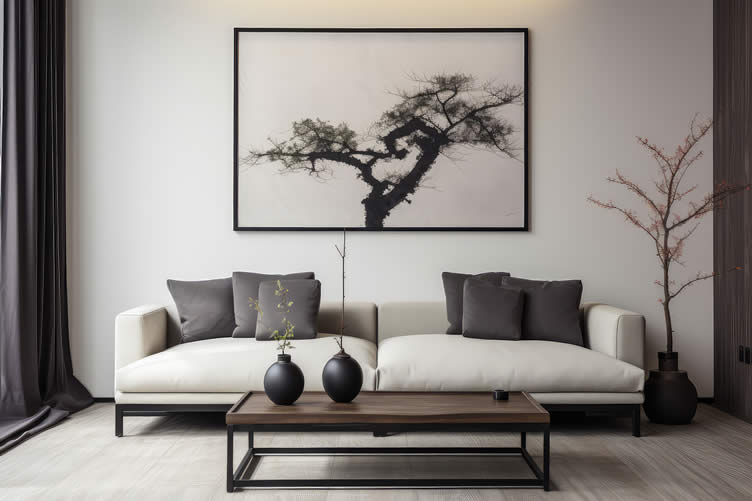
copyright image by 123rf.com
[ pinterest: wall decor elements ]
[ youtube: ULTIMATE Guide to Beautiful Wall Decor ]
-
-
2nd: Selecting "Functional" Wall Décor Elements
Functional wall décor elements merge style with purpose, enhancing your living space while serving a practical role. Bookcase units, for example, are an excellent way to display decorative books and other aesthetically pleasing manner.
Wall lighting is a practical and stylish option, enhancing both functionality and ambiance. It can illuminate an entire room or highlight a wall display, adding depth and character to your space..
For a more personalized approach, consider wall-mounted organizers like key racks, decorative hooks, or message boards, which keep your daily routine organized while complementing your interior design.
By choosing décor that balances beauty and functionality, you can craft a space that feels both practical and thoughtfully curated.
[ view images/summary table: functional wall décor ]
-
Sconce Lighting
Sconce lighting is an elegant way to incorporate both style and functionality into your wall décor. These light fixtures can add ambient lighting to a room while also acting as a decorative element.
Available in designs ranging from modern minimalism to ornate vintage styles, sconces are perfect for accentuating specific areas like reading nooks, bedside walls, or entryways.
Consider adjustable arm sconces or dimmable options for added versatility, and ensure the design aligns with the room’s theme to maintain cohesion.
-
Torch Lighting
Torch lighting evokes a timeless and dramatic flair, reminiscent of classic architecture and grand interiors. These wall-mounted fixtures provide upward lighting and can be used to create depth and dimension in a room.
Ideal for hallways, living rooms, or accent walls, torch-shaped fixtures come in various styles, including sleek modern finishes and antiquated wrought iron designs.
They are excellent for creating a warm and inviting glow, particularly in spaces with high ceilings or textured walls.
-
Bookcases
Wall-mounted bookcases transform ordinary walls into functional and visually striking focal points. They offer not only storage but also an opportunity to showcase curated collections of books, plants, and decorative items.
Floating bookcases or modular shelving designs allow for creative arrangements while keeping the space organized.
For smaller rooms, vertical bookcases can maximize the use of wall space, creating a practical solution for storage without overwhelming the area.
-
Decorative Clocks
Decorative clocks combine functionality with artistic appeal, making them a timeless addition to any wall. Oversized clocks can serve as a statement piece, drawing attention and anchoring a room’s design.
On the other hand, small and intricately designed clocks are perfect for layering with other decorative elements.
Clocks with vintage frames or sleek minimalist designs can complement various design styles, adding personality and utility to your walls.
-
Chalkboards
Chalkboards are a charming and versatile choice for informal spaces like kitchens, mudrooms, or children’s bedrooms. They serve as both a creative outlet and an organizational tool, allowing you to jot down reminders, notes, or artistic expressions.
Framed chalkboards can add a rustic touch, especially in farmhouse-style interiors, while bold and modern designs can integrate seamlessly into more contemporary spaces.
-
Bulletin Boards
Bulletin boards bring an element of practicality to home organization. Whether you opt for corkboards, fabric-covered designs, or magnetic boards, their utility spans across homes, offices, and study areas.
These boards provide a centralized space for pinning reminders, photos, or inspirational quotes, keeping your daily essentials easily accessible.
With the wide variety of designs available, you can find one that blends functionality with a polished aesthetic.
-
Decorative Painted Walls
Painting a decorative or accent wall is an artistic way to infuse vibrancy and individuality into your space. Techniques such as stenciling, murals, or geometric shapes can create stunning visuals that reflect your taste and creativity.
Custom-painted designs allow for endless possibilities, whether you prefer subtle patterns for sophistication or bold visuals to make a statement. This is a highly personalized choice that transforms an everyday wall into a masterpiece.
-
Window Treatments
Window treatments are a crucial element in creating a cozy and inviting atmosphere while balancing style and functionality. Options such as curtains, blinds, or shades can enhance privacy, regulate natural light, and add texture to your space.
Soft, flowing curtains bring warmth and elegance, while sleek blinds or roman shades offer a modern, minimalist appeal. Consider layering treatments for a versatile look, allowing you to adjust light levels based on your needs throughout the day.
Choosing the right materials, colors, and patterns ensures your window treatments complement your overall decor and add a nurturing charm to your home.
-
Wallpaper
Wallpaper offers an effortless yet impactful way to add personality to your walls. From intricate patterns to simple textures, wallpapers come in a myriad of options that suit any style.
Peel-and-stick varieties make application and updates easy, while traditional wallpapers offer more permanence. Opt for nature-inspired patterns for a calming effect, metallic accents for a touch of luxury, or neutral designs for a timeless and versatile background.
-
Other Unique Elements
The possibilities for wall décor are virtually endless with unique elements like macramé hangings, photo collages, hanging plants, or metal wall art. These accents allow you to infuse personal meaning into your décor while maintaining an inviting atmosphere.
For those who enjoy mixing styles, combining these distinctive pieces with functional elements results in a balanced and harmonious design.
Décor Type Main Function Use With Sconce Lighting Adds ambient lighting and decorative flair Reading nooks, bedside walls, entryways Torch Lighting Provides upward lighting for depth and dimension Hallways, living rooms, accent walls Bookcases Offers storage and showcases decorative collections Smaller rooms, organized spaces, curated displays Decorative Clocks Combines functionality with artistic appeal Statement pieces, layering with other décor Chalkboards Serves as a creative outlet and organizational tool Kitchens, mudrooms, children’s bedrooms Bulletin Boards Provides a space for pinning reminders and photos Home offices, study areas, central spaces Decorative Painted Walls Creates vibrancy and reflects individuality Accent walls, customized artistic spaces Window Treatments Enhances privacy, regulates light, adds texture Living rooms, bedrooms, layered decorations Wallpaper Transforms walls with patterns or textures Feature walls, versatile design styles Other Unique Elements Infuses personal meaning and adds character Mixed styles, functional and decorative spaces 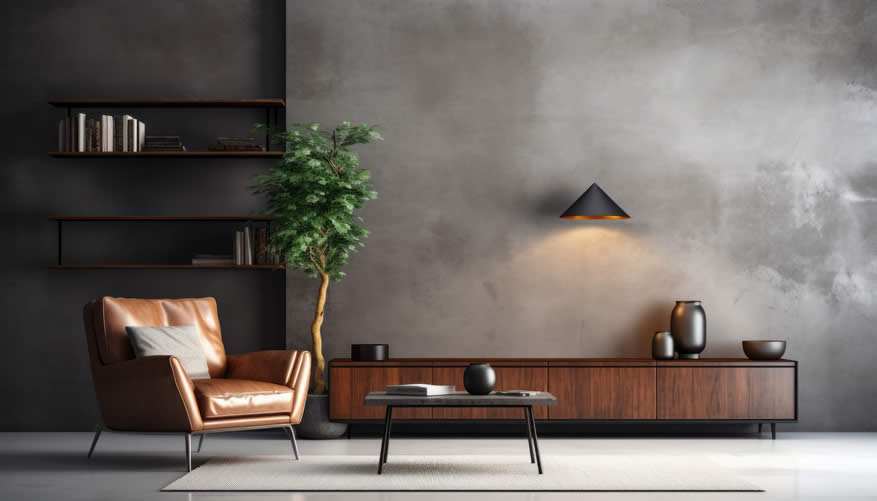
copyright image by 123rf.com
-
-
3rd: Tips for Choosing the Right Wall Art
Choosing the right wall art can transform your living space into a reflection of your personal style, enhance the functionality of a room, and create an inviting atmosphere. However, with the vast array of options available, it’s important to approach this decision thoughtfully.
Below are some detailed considerations to guide you in curating wall art that resonates with your taste, complements your space, and stands the test of time.
[ view summary table: choosing right wall art ]
-
Understand Your Space
Before selecting wall art, take the time to assess your space. Consider the size of the wall, natural light sources, and the existing décor. Large artworks can create a dramatic focal point in spacious areas, while smaller pieces are well-suited to tighter spaces or gallery walls.
The color palette and theme of your room should serve as a foundation; wall art should either blend harmoniously or provide a compelling contrast. Think about the mood you want to evoke—minimalistic designs promote calmness, while bold and colorful works inspire energy.
-
Define Your Purpose
Wall art serves different functions depending on the setting. For personal spaces such as bedrooms, prioritize pieces that reflect your individuality or evoke comfort and serenity.
Public areas like living rooms or offices may benefit from conversation-starters, such as abstract art or cultural motifs. Consider whether you’re looking for art purely to beautify the room or to convey deeper messages about your values, heritage, or interests.
Remember, the right artwork is not just decoration—it’s also an extension of your story.
-
Set a Budget but Value Quality
While it’s tempting to splurge on art, it is essential to set a budget that aligns with your needs. Affordable options such as prints or posters can look stunning when paired with elegant frames.
That said, investing in original art or limited-edition pieces can bring lasting value to your home by contributing uniqueness and craftsmanship. Look for reputable galleries, online art platforms, or local artists whose work resonates with you.
-
Match Styles with Personal Preferences
Your personal preference should always guide your choice of wall art. Take time to explore various artistic styles—landscapes, portraits, modern abstracts, or vintage aesthetics.
If you’re unsure where to start, consider mixing styles and mediums for an eclectic yet cohesive look. For instance, pairing oil paintings with photographic art can create visual balance while celebrating diversity.
Art is deeply personal, and your choice should instill joy and inspiration each time you see it.
-
Consider Practicality in Installation
An often-overlooked aspect of wall art is placement and installation. Ensure that your chosen art piece fits well within your designated space without overwhelming the room.
Position artwork at eye level for optimal viewing, typically 57–60 inches from the floor. For larger works, center the piece above a focal point such as a sofa or mantel, leaving appropriate margins around it.
Framing, mounting, and lighting should also be factored in, as they play critical roles in emphasizing the beauty of your chosen art.
-
Evaluate Long-Term Appeal
Trends in wall art come and go, but timeless pieces retain their charm. While choosing trendy art may initially appeal, consider whether you will love it years down the line.
Seek pieces that align with your evolving tastes or opt for styles that have consistently stood the test of time. Ultimately, great art is defined by its ability to emotionally connect with you, regardless of external trends.
-
Explore Reputable Sources
Where you buy your art is as important as the type of art you choose. Online platforms like Saatchi Art or Artsy, local craft markets, and galleries are excellent places to explore.
By purchasing directly from artists or trusted retailers, you can often learn about the story behind the piece, increasing its sentimental value. Ensure you verify the authenticity of the artwork if you opt for investment pieces.
-
Balance Creativity and Functionality
Great wall art creates balance—it contributes significantly to the visual flow of a room without creating clutter. Large statement pieces can anchor a space, while clusters of smaller pieces add charm.
If functionality is important, such as for office settings, look for artwork that inspires creativity and focus. Similarly, for multi-functional zones like kitchens or playrooms, opt for decorative yet low-maintenance options like washable prints or framed posters.
Consideration Key Advice Understanding Your Space Choose art that fits wall dimensions and matches the room’s color palette and natural light. Defining Purpose Select art that enhances mood or reflects personal values, depending on the room’s purpose. Budget & Quality Set a budget that balances affordability with long-term value and craftsmanship. Stylistic Preferences Match art styles with your personal taste; combine mediums for added depth. Installation Practicality Position art at eye level and consider professional frames or mounts for additional polish. Long-Term Appeal Opt for designs that remain timeless, avoiding overly trendy options. Sources Buy from trusted vendors or directly from artists for authenticity and added meaning. Creativity vs. Function Balance aesthetic creativity with practicality for multi-purpose spaces. 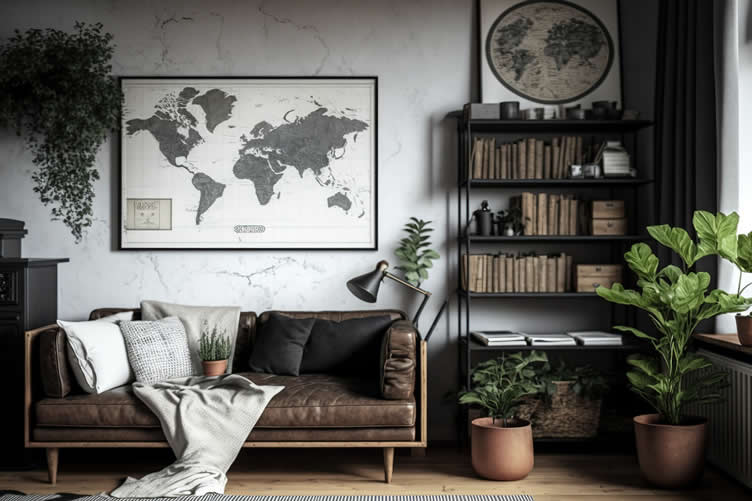
copyright image by 123rf.com
-
-
-
ideas to view and compare from the information discussed above
Scroll up to directory … or scroll to next section about home decor elements …

addressing home decor elements and other home improvement needs …

… grab this directory of ideas for future use




… remodeling decisions

Download this PDF for a concise summary of all you need to know about …?





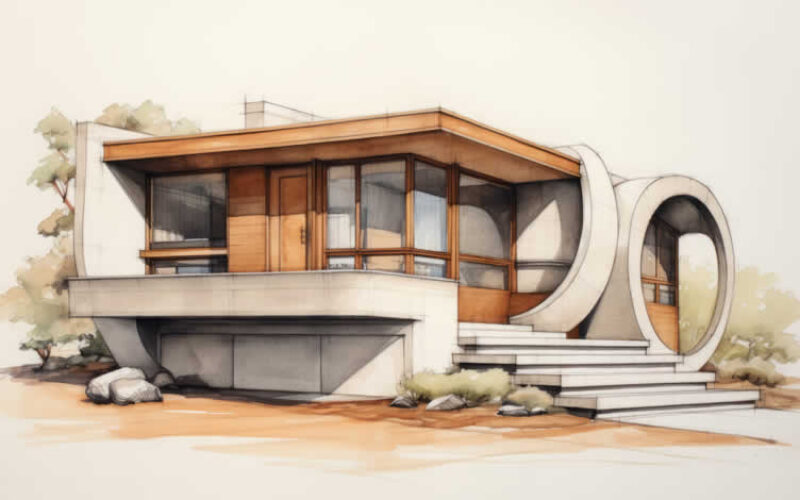
May We Suggest Other Photo Remodeling Ideas About
“Decorating Your Garden …” (new win)



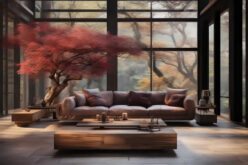
third “photo remodeling” idea
AI generated image by 123rf.com
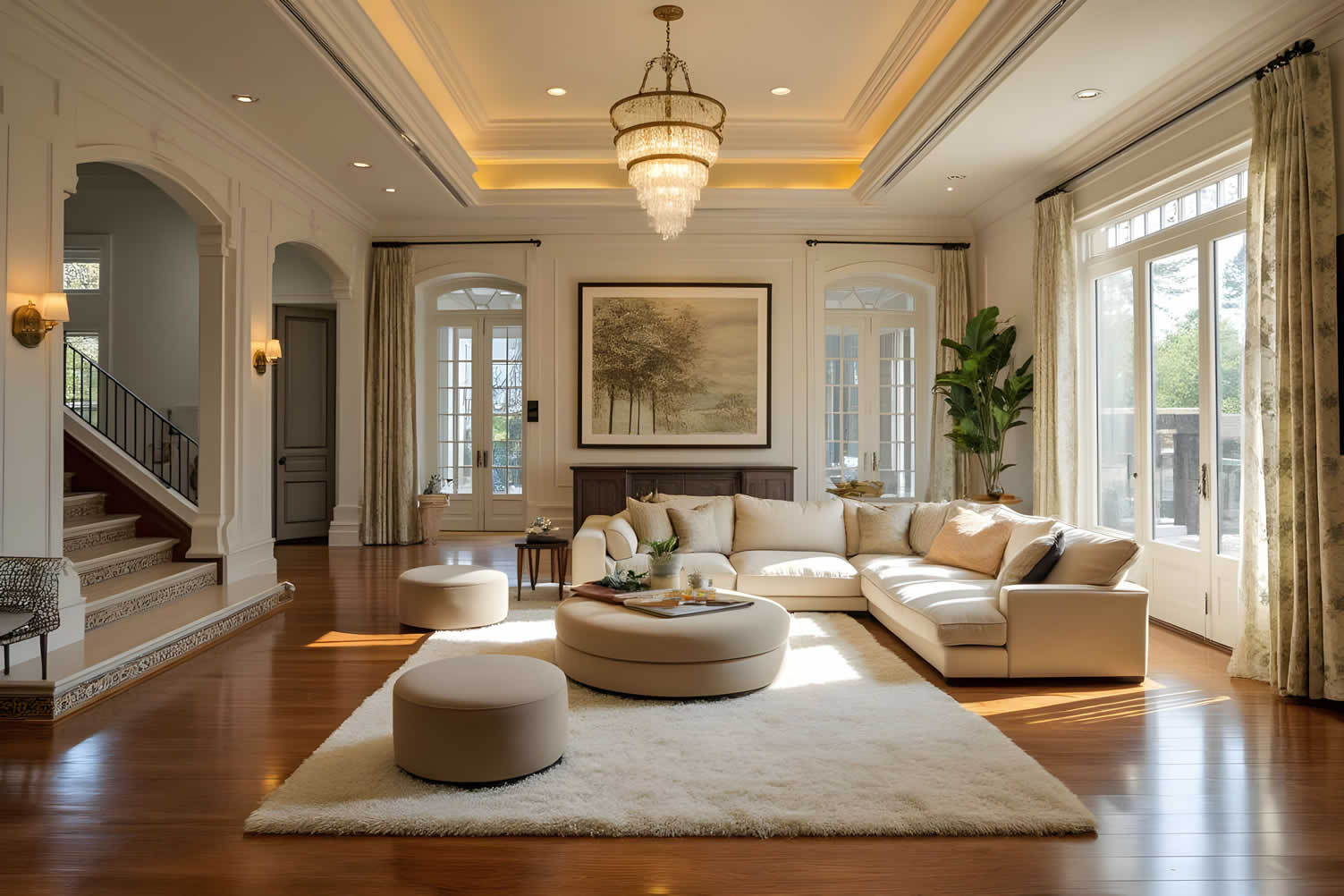
Decor Tip 3: Thoughtful Floor and Ceiling Décor
Notes:
-
When it comes to creating a harmonious and inviting home, the details matter. Floors and ceilings are more than just structural elements—they are blank canvases that offer endless design possibilities.
By thoughtfully selecting décor for these often-overlooked spaces, you can elevate the ambiance of your home while seamlessly blending beauty with functionality.
This section will guide you in choosing floor and ceiling décor that complements your personal style, supports your daily needs, and transforms your home into a warm and inspiring haven.
-
Quick scroll to “floor and ceiling décor” side notes …
-
-
1st: Types of Floor Décor Elements
Enhancing a room’s floor is a powerful way to add character, comfort, and functionality to your living space. Your choice of floor décor can transform an often-overlooked surface into a defining design feature.
Below, we explore various types of floor décor elements, providing you with detailed insights on how to incorporate them into your interior.
[ view images/summary table: flooring décor ]
-
Area Rugs
Area rugs are one of the most versatile floor décor elements, offering a seamless way to blend comfort and style. They provide warmth underfoot, define spaces within open-plan layouts, and introduce textures and patterns into a room.
From Persian rugs with intricate designs to modern geometric patterns, there is a wide variety to choose from based on your aesthetic preferences. Additionally, rugs help dampen sound, creating a quieter and more inviting atmosphere, particularly in larger rooms with hard flooring.
-
Floor Cushions and Poufs
Floor cushions and poufs are great for achieving both functionality and a relaxed vibe. These portable elements can serve as extra seating in a pinch while adding a pop of color, texture, or softness to your floor.
They are ideal for creating an informal and cozy ambiance, particularly in bohemian or eclectic design settings. Choose durable fabrics for high-traffic areas and consider coordinating their colors or patterns with other furnishings for a cohesive look.
-
Floor Art and Sculptures
Floor art, such as large sculptures or freestanding decorative pieces, can serve as bold focal points within a room. They draw the eye downward, encouraging appreciation of an often-underutilized design axis.
Sculptures can range from abstract forms to more traditional statues, allowing you to customize the aesthetic impact depending on your interior style. Be mindful of spacing to ensure these pieces do not obstruct movement or create a cluttered environment.
-
Floor Greenery
Integrating greenery, such as large potted plants or low-profile planters, is an effective way to breathe life into your space while enhancing the floor’s visual appeal.
Adding plants to your floor décor introduces biophilic design principles, promoting psychological well-being and a connection to nature. Consider using tall plants like fiddle-leaf figs for dramatic effect or small clusters of succulents for a subtler approach.
-
Decorative Mats and Runners
Decorative mats and runners are practical additions that can beautify transitional areas like entryways, hallways, or kitchens. These pieces often feature bold patterns or intricate designs that can set the tone for the rest of your décor.
Functional as well as decorative, runners protect flooring in high-traffic areas and can tie together disparate elements of your overall design palette.
-
Inlays and Medallions
For those taking a more permanent approach, inlays and medallions crafted from wood, stone, or tile can elevate your flooring by adding bespoke accents.
These artistic installations can range from geometric patterns to elaborate centerpieces, offering a luxurious touch that enhances the architectural value of your home.
Professional installation is often necessary to ensure these elements seamlessly integrate into existing flooring.
-
Floor Stencils and Paint
Floor stencils and paint provide an affordable yet creative option to refresh your flooring without heavy remodeling. This method works particularly well with concrete, wood, or linoleum surfaces.
You can achieve a variety of looks, from chic monochromatic designs to elaborate Moroccan-inspired motifs. Painted floors cater to DIY enthusiasts as well, allowing for full customization and experimentation.
-
Other Floor Décor Options
Beyond traditional options, consider exploring unconventional floor décor elements such as layered sisal rugs, oversized bean bags, or even illuminated floor panels.
These additions often serve specific niches or styles while creating one-of-a-kind visual experiences. Whether blending natural materials or infusing your floor with a touch of futurism, the goal is to harmonize the overall room design.
Decor Type How Best to Be Used Pair With Area Rugs Provide comfort, define spaces, and introduce texture and patterns. Help dampen sound for quieter atmospheres. Coordinated furnishings, various styles from Persian to modern geometric patterns. Floor Cushions and Poufs Serve as portable seating and create a cozy, relaxed vibe. Ideal for informal settings. Durable fabrics, bohemian or eclectic design patterns. Floor Art and Sculptures Act as bold focal points, drawing the eye downward. Suitable for decorative accenting. Spacious arrangements, abstract or traditional artistic pieces. Floor Greenery Introduce biophilic design and bring life to the space. Promote psychological well-being. Tall plants like fiddle-leaf figs, clusters of succulents, or dramatic potted greens. Decorative Mats and Runners Enhance transitional areas with bold patterns. Protect flooring in high-traffic zones. Entryways, hallways, kitchens, and complementary design palettes. Inlays and Medallions Add luxurious, permanent bespoke accents to flooring. Elevate architectural value. Wood, stone, or tile materials with professional installation. Floor Stencils and Paint Refresh flooring with creative designs and easy DIY options. Concrete, wood, or linoleum surfaces with custom or monochromatic patterns. Other Floor Décor Options Explore unconventional elements like layered rugs, bean bags, or illuminated panels. Natural materials or futuristic accents for unique visual experiences. 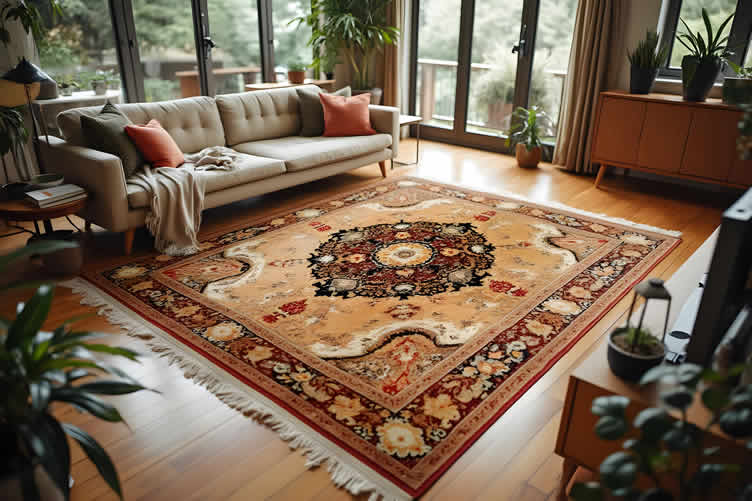
AI generated image by 123rf.com
-
-
2nd: Functional Floor Décor Elements
When decorating your floors, it’s crucial to merge functionality with aesthetic appeal. The right functional floor décor elements not only enhance the physical space but also provide comfort, efficiency, and ambiance.
Below, we’ll explore various impactful choices to consider when elevating your floor décor strategy.
[ view images/summary table: functional flooring décor ]
-
HVAC Registers
HVAC registers are an essential yet often overlooked component of flooring design. Modern registers have evolved from being merely functional to becoming elegant design statements.
Sleek metal, wooden, or custom-finished registers can seamlessly blend with your flooring type, whether it’s hardwood, tile, or carpet.
Besides their visual appeal, well-designed HVAC registers a
re vital for airflow and temperature regulation, ensuring a comfortable living space. When selecting HVAC registers, consider their material durability, compatibility with your flooring, and ease of maintenance.
-
Base and Trim Molding
Base and trim molding tie the floor and walls together, creating a polished and harmonious aesthetic. These moldings are available in various styles, from minimalist contemporary trims to elaborate, decorative moldings for classic interiors.
Additionally, they provide practical functionality by covering gaps at the floor and wall junctions, protecting against dust accumulation and wear.
Opt for moisture-resistant materials and finishes if your space is prone to humidity or contact with water to preserve the molding’s longevity.
-
Floor Lamps
Floor lamps are a versatile way to introduce functional lighting while contributing to the overall design of your space. With a wide range of styles, from mid-century modern to sleek industrial designs, floor lamps can complement your décor theme seamlessly.
They are particularly effective in providing focused lighting in large spaces or corners that lack overhead lighting. Consider lamps with adjustable features and dimmable capabilities to create a customizable ambiance and enhance usability.
-
Decorative Floor Stands
Decorative floor stands, such as pedestals, plant stands, and display stands, serve both practical and aesthetic purposes in any room. These pieces are perfect for showcasing treasured items like sculptures, vases, or indoor plants, adding a sense of height and depth to your décor.
A beautifully designed pedestal can highlight an art piece, while a plant stand can elevate greenery, creating visual interest and a touch of natural charm.
Available in a variety of materials, from sleek metal to rustic wood, decorative floor stands can enhance a room’s style and create focal points that tie the space together.
When choosing a stand, consider the proportions and design to ensure it complements your existing décor while fulfilling its intended purpose.
-
Ambient and LED Strips
Ambient lighting and LED strips are innovative choices for functional floor décor. These lighting solutions can be installed along baseboards, staircases, or under cabinets to add subtle illumination while increasing safety and visibility.
LED strips are energy-efficient, long-lasting, and available in various color temperatures and hues. For a more dynamic design, smart LED systems can synchronize with home automation platforms, creating a highly personalized lighting experience.
-
New Flooring Materials
Investing in new flooring is one of the most impactful decisions you can make for your space. Popular options include hardwood, laminate, luxury vinyl, natural stone, and engineered wood.
Each material offers unique benefits; for instance, hardwood exudes timeless elegance, while vinyl is renowned for durability and cost-effectiveness.
Consider your lifestyle, budget, and maintenance preferences when selecting materials. Eco-conscious homeowners can also explore sustainable options such as bamboo or reclaimed wood flooring.
-
Other Functional Décor Enhancements
To further elevate your flooring design, consider unique functional additions tailored to your space.
For example, layered sisal area rugs can create a textured and cozy vibe, while illuminated floor panels can add a contemporary flair to modern interiors.
These niche enhancements provide high-impact design value and align with specific aesthetic or utility needs. Always ensure these elements are well-coordinated with the overall room theme to avoid visual clutter.
Functional Flooring Décor view
google imagesDecor Type Main Function How to Use HVAC Registers Airflow and temperature regulation Choose durable materials that match your flooring type, and ensure easy maintenance for optimal functionality and style. Base and Trim Molding Tie floors and walls together; protect floor edges Opt for styles that suit your design theme and use moisture-resistant materials in areas prone to humidity. Floor Lamps Functional lighting and décor enhancement Select adjustable and dimmable options to provide focused lighting and complement your room’s style. Decorative Floor Stands Stylish support for displaying objects Used to display items such as plants, artwork, or lighting fixtures, helping to elevate the overall design. Ambient and LED Strips Subtle illumination and safety Install along baseboards, stairs, or under cabinets for energy-efficient lighting and a modern look. Use smart LED systems for customization. New Flooring Materials Defines the room’s foundation and aesthetics Pick materials that align with your lifestyle, budget, and design, including eco-friendly options like bamboo or reclaimed wood. Other Functional Décor Enhancements Textural and visual impact Consider elements like sisal rugs or illuminated floor panels to add character without overwhelming the design. 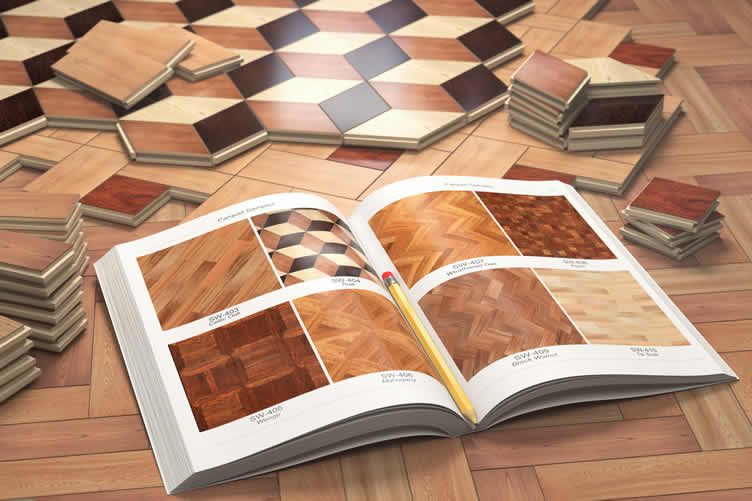
copyright image by 123rf.com
[ pinterest: home flooring options ]
[ youtube: What’s the BEST Flooring for Your Home? ]
-
-
3rd: Types of Ceiling Décor Elements
Your ceiling is often an overlooked canvas that holds immense potential to elevate the atmosphere of your space. Whether you aim to enhance a cozy home, add elegance to commercial interiors, or define the character of a room, choosing the right ceiling décor elements can make all the difference.
Below, we explore various types of ceiling décor elements, their purposes, and how they can transform your interior design.
[ view images/summary table: ceiling décor ]
-
Decorative Ceiling Lighting
Lighting plays a crucial role in setting the tone and functionality of a space. Decorative ceiling lighting, such as pendants, chandeliers, or modern sculptural fixtures, serves as both an illumination source and a piece of art.
These fixtures can be tailored to the scale and style of your room, creating impact while supplementing natural and artificial light. They are perfect for drawing focus and serving as a statement piece in focal areas, such as above a dining table or in an entryway.
-
Indirect Lighting and LED Strips
For a contemporary, understated ambiance, indirect lighting and LED strips are popular choices. These elements are often installed along coving, recessed grooves, or tray ceilings to provide soft illumination without visible light sources.
They enhance the architectural features of a ceiling, offering a modern and elegant solution for living spaces, workspaces, or entertainment areas. Modern LED technology also enables customization in brightness and color temperature, which can adapt to different moods and settings.
-
Ceiling Moldings and Cornices
Ceiling moldings and cornices are timeless additions that provide dimension and depth to any space. These classic elements are often used to cover transitions between ceiling and walls, offering a finished, polished appearance.
Available in various designs and materials, from traditional plaster to lightweight polystyrene, they are perfect for both restoring historical interiors and adding luxurious details to modern settings.
-
Ceiling Rosettes
Ceiling rosettes deliver a sophisticated focal point, typically framing chandeliers or other hanging light fixtures. These circular decorative elements are often crafted from plaster or polyurethane and are available in a variety of intricate patterns.
They complement traditional or vintage aesthetics beautifully, but can also be adapted to contemporary décor styles with modern designs featuring cleaner lines.
-
Lamellas and Wood Panels
Wood accents, such as lamellas or panels, add warmth and texture to a room. These enrich ceilings with natural tones and grain patterns while introducing architectural interest.
Wood panels can be used in raw or finished states and arranged in various ways, from simple linear designs to complex geometrical patterns.
They are ideal for spaces aiming for rustic charm, Scandinavian simplicity, or organic modern aesthetics.
-
Metal Panels or Tiles
For an industrial or vintage flair, metal panels and tiles are standout choices. Found commonly in materials like tin, aluminum, or even painted steel, they are often embossed with intricate designs to mirror old-world craftsmanship.
These durable, reflective surfaces add character and depth to a room, particularly in kitchens, dining rooms, or retail spaces.
-
Ceiling HVAC Registers
Seamlessly integrating ceiling-mounted HVAC registers can harmonize functionality with style. Advances in technology have allowed these essential components to be designed in aesthetically appealing ways.
Modern registers often feature sleek finishes and customizable designs, ensuring climate control systems blend organically into the ceiling décor.
-
Beamed Ceilings
Beamed ceilings are a classic choice for adding structural elegance and charm. Exposed beams, whether real wood or faux finishes, amplify the character of a space and create a sense of openness.
Dark beams paired with light-colored ceilings can provide striking contrast, while matching tones unify rustic or farmhouse-inspired interiors.
Beamed ceilings can also align with modern or industrial designs when paired with clean architectural elements.
-
Tray Ceilings
Tray ceilings introduce depth by recessing the ceiling’s center, forming the semblance of an inverted tray. Often highlighted with paint, textures, or lighting, this design feature adds subtle yet impactful elegance to a space.
These ceilings are versatile and well-suited for living rooms, dining rooms, and bedrooms, framing specific zones within larger spaces.
-
Coffered Ceilings
Coffered ceilings consist of grid-like recessed panels, creating a high-end, sophisticated look. Often associated with luxury homes, libraries, and office spaces, coffered ceilings enhance both visual and acoustic qualities.
They allow greater flexibility with design customization, accommodating various shapes, panel materials, and even incorporated lighting.
-
Hanging Decor Elements
Hanging decor elements provide a unique way to add dimension and personality to a space. Items such as paper lanterns, hanging plants, mobiles, and fabric canopies bring charm and a sense of movement to any room.
- Paper lanterns create a warm, inviting glow while adding pops of color or texture.
- Hanging plants enhance natural beauty and improve air quality, making them both decorative and functional.
- Mobiles add an artistic touch with their dynamic, interactive designs, perfect for nurseries or creative spaces.
- Fabric canopies, on the other hand, bring a soft, cozy atmosphere, ideal for creating reading nooks or dreamy bedroom retreats.
These versatile elements allow for creative expression while making a space feel more personal and inviting.
-
Other Unique Ceiling Features
Custom ceiling décor can go beyond tradition and explore elements like murals, plaster reliefs, or fabric draping. Your ceiling offers a space to express creativity with unconventional décor features.
Innovations such as back-lit panels, translucent surfaces, or three-dimensional art installations are increasingly popular for those seeking bold statement pieces.
Ceiling Décor view
google imagesDécor Type Main Function Use With Decorative Ceiling Lighting Illumination and artistic statement Dining tables, entryways, focal areas Indirect Lighting and LED Strips Soft ambiance and architectural enhancement Living spaces, workspaces, entertainment areas Ceiling Moldings and Cornices Dimension and polished transitions Historical interiors, modern luxurious spaces Ceiling Rosettes Sophisticated focal points Chandeliers, traditional, or modern décor Lamellas and Wood Panels Warmth, texture, and architectural interest Rustic, Scandinavian, or organic modern designs Metal Panels or Tiles Durable designs with industrial or vintage flair Kitchens, dining rooms, retail spaces Ceiling HVAC Registers Harmonized climate control with style All interior settings with HVAC needs Beamed Ceilings Structural elegance and openness Rustic or farmhouse interiors, modern designs Tray Ceilings Subtle depth and elegant framing Living rooms, dining rooms, bedrooms Coffered Ceilings Luxury aesthetics and acoustic enhancement Libraries, luxury homes, office spaces Hanging Decor Enable creative expression to make a space feel personal and inviting. Items include:
- paper lantern
- hanging planters
- mobiles
- fabric canopies
Other Unique Ceiling Features Creative, unconventional décor Bold, artistic statement pieces 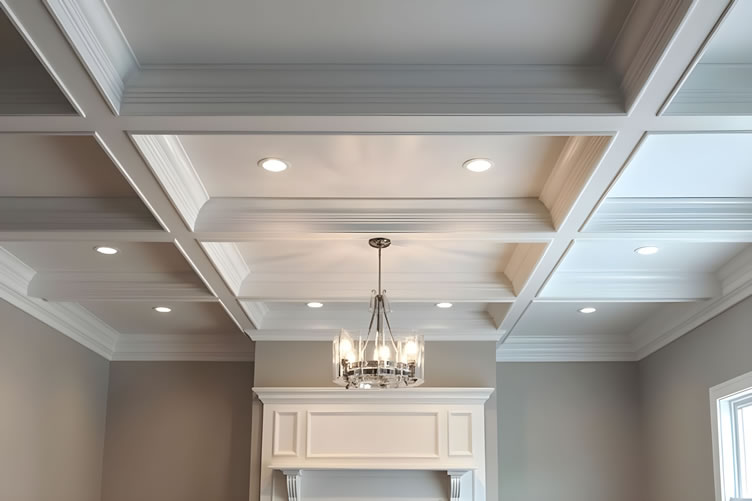
AI generated image by 123rf.com
-
-
-
ideas to view and compare from the information discussed above

Scroll up to directory … or scroll to next section about home decor elements …
SHARE IT ..! You might have someone in your social network who could find this informative post home decor elements valuable. Feel free to share it on Facebook, X (formally Twitter), LinkedIn, or Pinterest!


Download this PDF for a concise summary of all you need to know about …?


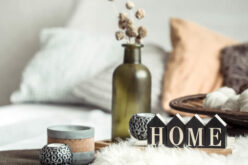
fourth “photo remodeling” idea
AI generated image by 123rf.com
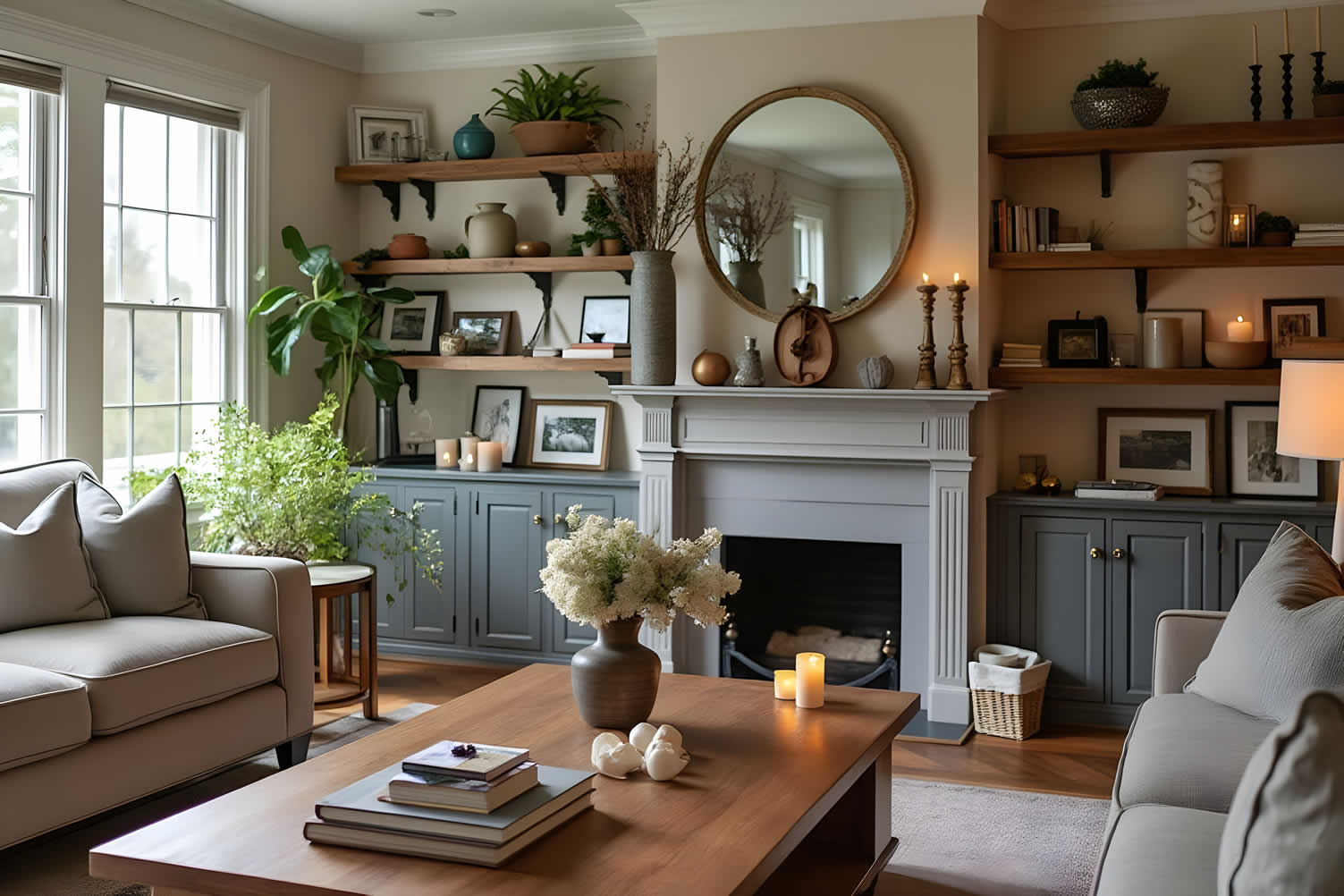
Decor Tip 4: Choosing the Perfect Table-Shelving-Mantel Décor
Notes:
-
Decorating living spaces with thoughtfully chosen décor elements can elevate the aesthetic appeal, functionality, and overall atmosphere, making the rooms more inviting and personal.
Display tables, coffee tables, side tables, consoles, shelves, and mantels offer diverse opportunities to showcase creativity and bring personality into your home.
Finding the right balance between style and practicality is key, ensuring that each surface enhances the space without feeling cluttered or overwhelming. Below, we explore various décor elements to guide you in creating cohesive and captivating displays.
-
Quick scroll to “table-shelving-mantel décor” side notes …
-
-
1st: Tips for Choosing the Right Table Décor Elements
Your living room and other room tables hold the potential to be more than just functional surfaces—they can be canvases of style and personality that elevate your entire home aesthetic.
Whether it’s a coffee table, side table, console, shelving, or mantel, designing these surfaces with the right décor elements creates a harmonious and welcoming environment. Below, explore expert tips on selecting and arranging décor items for your table-like surfaces.
[ view images/summary table: table décor ]
-
Vases and Floral Arrangements
Vases, whether glass, ceramic, or textured stone, add elegance and dimension to any table. When selecting vases, consider their proportion in relation to the table and the room.
Tall vases with graceful stems work well for larger spaces, while squat, round vases suit minimalist and small-scale tables. Pair them with floral arrangements—fresh flowers for a vibrant, fragrant atmosphere or faux botanicals for long-lasting beauty.
Seasonal blooms further enhance the ambiance and make your home feel in tune with the time of year.
-
Candles and Candle Holders
Candles are timeless décor elements that add warmth and ambiance to a room. Display them in varying heights to create visual interest, using sophisticated candle holders made of glass, metal, or wood to match your interior style.
Grouping candles in threes or fives often creates striking centerpieces, while scented candles can double as aromatherapy, uplifting the mood of your space.
-
Decorative Pieces
Ornamental objects such as marine-inspired trinkets, animal sculptures, figurines, or thematic designs provide a personal touch. These pieces reflect individual preferences while introducing unique textures and forms.
Aim to keep these displays minimal by featuring a few impactful items per surface to avoid overcrowding.
-
Decorative Trays
Decorative trays not only serve as a practical way to organize items but also provide a base for a curated décor arrangement. Opt for trays in materials like marble, wood, or mirrored glass that complement the table’s style.
Use them to gather everyday essentials such as coasters and remotes or to display curated items—think a stack of books, candles, and smaller accents. Trays create a polished, cohesive look by grouping items together.
-
Bowls and Dishes
Decorative bowls and dishes bring both charm and function to table décor. Choose designs crafted from ceramic, glass, or even woven textiles, depending on your preferred aesthetic.
They can double as both decorative accents and storage solutions, holding items as varied as fruit, potpourri, or stones. Select bowls with intriguing patterns, textures, or metallic sheens to leave a lasting impression.
-
Books and Magazines
Books and magazines instantly elevate a table’s visual appeal while providing functionality. Pick pieces with beautiful covers, bold typography, or elegant spines in a color palette that ties into your overall design.
Arrange them stacked horizontally for a laid-back look or lean them vertically against a feature object to create height variation. Coffee table books with imagery or themes aligning with your style or interests offer an excellent conversation starter.
-
Sculptures and Artistic Objects
Sculptural elements and artistic objects turn tables into showcases of creativity. Select pieces that resonate with your personality or reflect your design vision, from abstract sculptures to handcrafted figurines.
Their shapes and silhouettes often bring a sense of movement or structure to the tabletop display. Keep scale in mind to avoid overwhelming smaller tables and pair them thoughtfully with other décor to maintain balance.
-
Plants and Greenery
Bring life and vitality to your tables with plants and greenery. Potted plants, succulents, terrariums, or even a simple sprig of eucalyptus in a small vase breathe freshness into the room.
Tailor plant choices to your lifestyle; high-maintenance species thrive with regular care, while low-maintenance options like faux greenery provide a hands-off approach to achieving a lush look.
-
Aquariums and Terrariums
Aquariums present dynamic movement and a calming effect, while terrariums offer a more compact way to incorporate nature into your home.
These serve as statement pieces that showcase creativity and care. Miniature terrariums, in particular, work well for small spaces while adding visual intrigue.
-
Personal Mementos or Souvenirs
Showcasing small personal mementos or treasured souvenirs adds warmth and personality to your décor. Choose items that have sentimental significance, such as a miniature piece you found on a memorable trip or a small family heirloom.
Thoughtfully placed, these elements create a story within your space and make the design feel uniquely yours.
-
Centerpieces or Tablescapes
For a more formal or striking aesthetic, consider using a centerpiece or arranging a full tablescape. Centerpieces can range from elegant glass cloches to bold, architectural displays.
Seasonal centerpieces featuring pumpkins, blooms, or pine cones maintain relevance throughout the year.
Tablescapes, on the other hand, bring multiple elements together—such as candles, greenery, statues, or trays—arranged cohesively. Strive for symmetry or an intentional focal point within these displays to avoid visual clutter.
-
Sofa Décor
While sofas are not tables, they play a crucial role in adding style and comfort to a room. Decorating your sofa thoughtfully can elevate the overall design and create a cozy, welcoming atmosphere.
Consider incorporating decorative throw pillows in various patterns, textures, or colors that complement your room’s palette. Layering soft, luxurious throws over the backrest or armrest adds both warmth and visual interest.
-
Other Accents
Pay attention to smaller decorative accents such as coasters, unique paperweights, or small framed art pieces.
These small touches can amplify the function and style of a table while tying the overall aesthetic together. Always ensure these items contribute cohesively to your theme without overloading the surface.
When decorating furniture beyond just tables, look to surfaces like shelves, sideboards, dressers, or even mantels as opportunities to showcase your style.
Decor Type How Best to Be Used Pair With Vases and Floral Arrangements Add elegance and dimension. Use tall vases for larger spaces or small round vases for minimal tables and shelving. Seasonal or faux flowers enhance ambiance. Fresh or faux flowers, seasonal greenery Candles and Candle Holders Create warmth and intimacy. Clusters of smaller candles or bold centerpiece candles work well. Metallic or wooden candle holders Decorative Pieces Visually appealing displays for all table-like surfaces, focus on balancing heights, textures, and colors while incorporating personal or meaningful items for a unique touch. Natural elements, soft lighting, contrasting textures Decorative Trays Organize and display items while creating a curated décor arrangement. Books, candles, small decorative items Bowls and Dishes Serve as decorative accents or storage for items like fruit, potpourri, or stones. Woven, glass, or ceramic designs Books and Magazines Provide visual appeal and functionality with beautiful covers and coordinated colors. Coffee tables, feature objects Sculptures and Artistic Objects Showcase creativity and add structure with abstract shapes or figurines. Complementary tabletop décor Plants and Greenery Introduce vitality with potted plants, succulents, or terrariums based on care preferences. Vases, decorative pots Aquariums and Terrariums creating dynamic yet calming visual elements. Place on consoles or larger shelving, where their intricate details can be fully appreciated Pair with natural elements like stones, driftwood. Personal Mementos or Souvenirs Add warmth and personality with meaningful pieces like family heirlooms or keepsakes. Other décor items as part of a story Centerpieces or Tablescapes Create formal or striking aesthetics with focal displays or cohesive arrangements. Greenery, candles, trays Sofa Décor Elevate room design with decorative pillows and throws for comfort and style. Layered textures, coordinated patterns 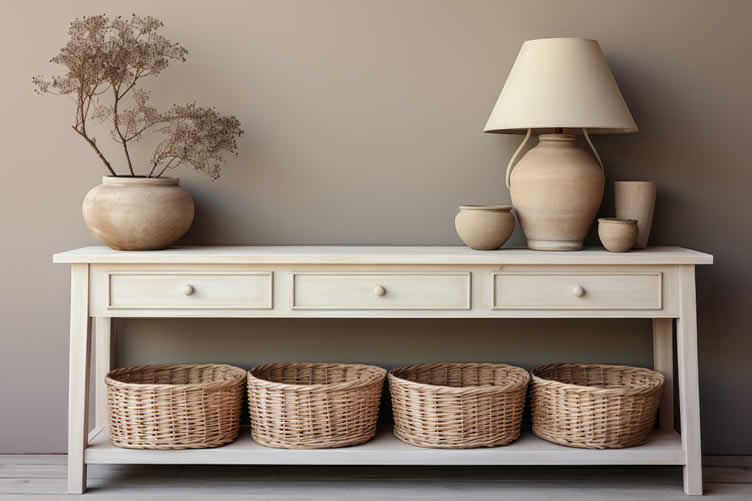
copyright image by 123rf.com
[ pinterest: table decor ideas ]
[ youtube: 100+ Living Room End Table Decor ]
-
-
2nd: Understanding Functional Table Décor Elements
Decorating a table goes beyond just aesthetics; it is about blending beauty with practicality to create a space that serves a purpose while enhancing the environment.
Functional table décor elements are crucial when designing a space that is not only visually appealing but also meets daily needs. Tables often act as focal points in rooms, whether they’re dining tables, coffee tables, or entryway consoles.
Choosing the right décor elements ensures a balance between style, comfort, and utility. Below are key areas to consider when selecting functional table décor.
[ view images/summary table: functional table décor ]
-
Table Lamps
Table lamps serve both functional and decorative purposes. They provide localized lighting while acting as a statement piece that complements your overall décor theme.
Ideal for side tables in living rooms, bedside tables in bedrooms, or even console tables in entryways, table lamps enhance ambiance and improve usability of the space. Look for lamps with adjustable brightness settings to give greater flexibility in creating mood lighting.
When selecting a lamp, consider the size of your table, the height of the lamp, and the shade design to ensure it aligns with the room’s scale and style.
-
Mirrors or Reflective Items
Including mirrors or reflective items on a table can help brighten and visually enlarge a room. Reflective trays, vases, or decorative glass bowls reflect light and add an elegant touch to your table arrangement.
Use mirrors strategically to bounce natural or artificial light across the room, and pair them with complementary elements such as candles or floral arrangements to create a softer, diffused glow.
Be mindful of placement to avoid overwhelming the space with too much reflection.
-
Table Clocks
Table clocks are both functional and decorative elements that can enhance the character of your space. Consider choosing a clock that complements the style of your table setting, whether it’s a vintage, minimalist, or modern design.
A classic table clock can add a timeless elegance, while a sleek, contemporary clock brings sophistication. Position the clock where it is easily visible without overpowering other elements on the table.
Opt for designs with subtle accents, such as metallic finishes or soft neutral tones, to blend seamlessly with the surrounding decor. A well-chosen table clock can bring a sense of rhythm and personality to your arrangement, while also serving as a gentle reminder of time.
-
Coasters and Practical Accents
Adding coasters and other practical accents is a subtle yet effective way to merge décor with usability. Coasters protect table surfaces from water stains and scratches while offering an opportunity to bring in pops of color, unique patterns, or textures.
Other practical accents like small storage boxes, catch-all trays, or decorative bowls can help keep the table tidy and organized while enhancing its overall look. Functional yet artistic, these items bridge the gap between form and function effortlessly.
-
Seasonal and Thematic Décor
Seasonal and thematic décor provides an opportunity to refresh the look of a table throughout the year. From autumnal centerpieces featuring pumpkins and foliage to festive arrangements with candles and holiday ornaments, incorporating seasonal elements keeps your space feeling fresh and engaging.
Thematic décor works well for special occasions, such as weddings or celebrations, allowing your table to reflect the mood and significance of the event. Choose versatile pieces that you can re-purpose for future themes, reducing waste and increasing value.
-
Table Runners or Small Linens
Linens like table runners, placemats, or small tablecloths are an excellent way to highlight the architecture of the table while adding layers of texture and color.
Table runners, in particular, draw the eye down the length of the table, emphasizing its size and structure. Opt for materials that complement the room—such as elegant silk or chiffon for formal settings or rustic burlap for casual gatherings.
Linens also serve as a protective barrier for the table surface, safeguarding it against spills and wear while providing a polished finish.
-
Other Functional Décor Elements
Beyond table lamps, coasters, or linens, there are other versatile elements to consider. Sculptural objects, books, or even small plants like succulents serve as functional décor that personalizes the space.
Interactive elements, such as puzzles, board games, or conversation pieces, can transform a table into a hub for activities and socialization.
The key is to choose items that harmonize with the room’s primary purpose and contribute to a seamless experience for those who use the space.
Décor Type Main Function Use With Table Lamps Provide localized lighting and act as a decorative statement piece. Side tables, bedside tables, console tables. Mirrors or Reflective Items Brighten and visually enlarge spaces by reflecting light. Floral arrangements, candles, complementary décor elements. Table Clocks Enhance style and character while keeping track of time. Suitable with vintage, minimalist, or modern table settings. Coasters and Practical Accents Protect surfaces and add aesthetic value through design. Trays, storage boxes, decorative bowls. Seasonal and Thematic Décor Refresh the table’s look and reflect special occasions. Autumnal centerpieces, holiday ornaments, event themes. Table Runners or Small Linens Add texture, color, and protect table surfaces. Formal settings, casual gatherings, room-complementing fabrics. Other Functional Décor Elements Personalize the space and introduce interactive elements. Sculptural objects, books, plants, puzzles, or board games. 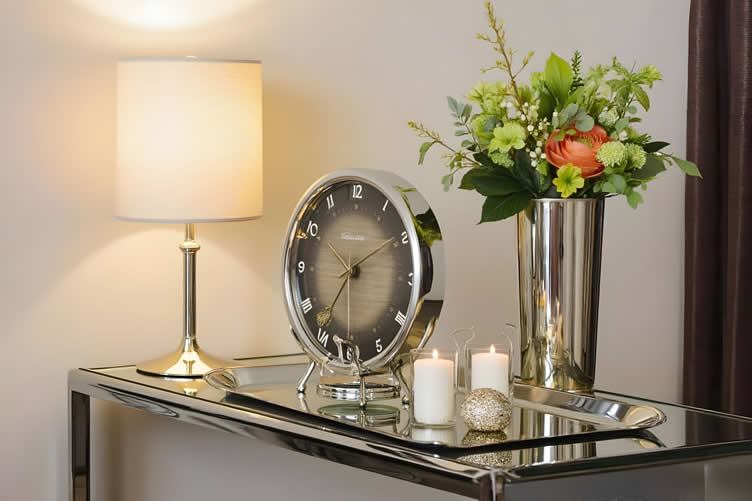
AI generated image by 123rf.com
[ pinterest: working with table lamps ]
[ youtube: Table Lamp Height Guide ]
-
-
3rd: Balancing Function and Beauty in Table Décor
… for living rooms and other spaces
Table décor serves as a subtle yet impactful way to enhance the ambiance of a living room or any other room in the house. Whether used to anchor the aesthetic appeal of a space or to provide practical functionality, the key lies in achieving a balance between beauty and utility.
A thoughtfully curated table décor can transform mundane spaces into elegant, welcoming areas, but this requires careful considerations about materials, proportions, and spatial harmony.
[ view summary table: balancing function and beauty ]
-
Understanding the Role of Table Décor in Living Spaces
Table décor impacts both the visual and practical aspects of a room. For instance, a coffee table in the living room can serve as a focal point for décor while doubling as a functional surface for holding books, beverages, or decorative accents.
Decorative trays, vases, or figurines can beautify a setting, but choosing items that do not obstruct functionality is essential. Harmonizing the design of table décor with other elements in the room—such as furniture, wall colors, and lighting—ensures a cohesive and polished look.
-
Selecting Decor That Enhances Everyday Living
When selecting table décor for any room, prioritize functionality without compromising aesthetics. For example, trays or coasters placed on a coffee table can prevent damage to surfaces while adding texture and style. Opt for items that are both durable and visually appealing.
Incorporating natural elements, such as fresh flowers or plants, can bring warmth to the decor, softening the overall look of the room. Materials like glass, wood, and ceramics are versatile options, capable of blending seamlessly into most settings while offering longevity and easy upkeep.
-
Cohesiveness and Layout Integration
Layout and arrangement play crucial roles in balancing form and function. A clutter-free table is more inviting and easier to maintain.
Utilize décor pieces to create symmetry and balance—placing larger items, such as statement vases, at the center while framing them with smaller accents.
Ensure that the height and scale of the objects correspond to the size of the table and surrounding furniture to avoid overwhelming the space. Neutral or monochromatic tones can unify a setting, while pops of color in select pieces can serve to draw interest and create vibrancy.
-
Considering Seasonal and Personal Elements
Adjusting table décor to reflect the seasons or special occasions adds a personal touch to the home. Swap out linens, candles, or centerpiece items to align with seasonal themes or personal celebrations.
However, it’s important to remain consistent with the overall style of the room to maintain aesthetic continuity.
Personalization could also include incorporating family heirlooms or handmade items, which bring sentimental value while showcasing individuality and timeless charm.
-
Practical Tips for Maintenance and Tidiness
Functional beauty extends to how easy it is to clean and maintain table décor. Opt for materials that resist wear and are easy to clean, particularly for surfaces exposed to daily activities or heavy usage.
Items made from washable fabrics, moisture-resistant finishes, or durable stones like marble ensure longevity and practical maintenance.
Routine upkeep, such as decluttering and dusting, is essential to preserve both the functionality and elegance of your table décor.
Aspect Function Beauty Recommendations Role of Décor Enhances functionality of tables Becomes a focal point in the room Choose multi-purpose items that align with the room’s theme Decor Selection Durability and ease of use Harmonizes with room aesthetics Opt for versatile materials like wood, glass, or ceramics Layout Integration Encourages organized surfaces Maintains balance and harmony Focus on symmetry, scale, and proportions Seasonal Elements Reflects changes or themes Creates ambiance and individuality Rotate seasonal items while ensuring consistency in style Maintenance Ensures functionality over time Preserves clean, polished aesthetics Choose low-maintenance materials and declutter regularly 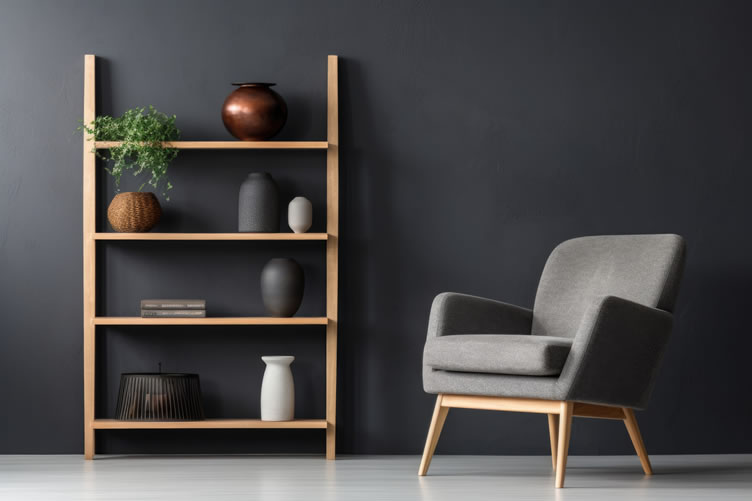
copyright image by 123rf.com
Best "Air Cleaning" Houseplants
Best "Indoor" Trees
Best "Pet Friendly" Houseplants
viewing amazon -
-
-
ideas to view and compare from the information discussed above
Scroll up to directory … or scroll to next section about home decor elements …
get the size dimensions for placing home decor elements and other home needs …
… for functionality, aesthetics, and adhering to building codes


Budgeting Worksheet For Costing Home Remodeling and Home Improvement Decisions
 File Type (excel)



looking for other interesting topics that may be helpful …?


Find Interior Design Services Decorators Interior Designers Furniture Painting & Staining top-rated, pre-screened local contractors FREE: download contractor selection enter zip code – powered by HomeAdvisor ™
Quick Contractor Guides selecting negotiating working with inspecting

fifth and last “photo remodeling” idea
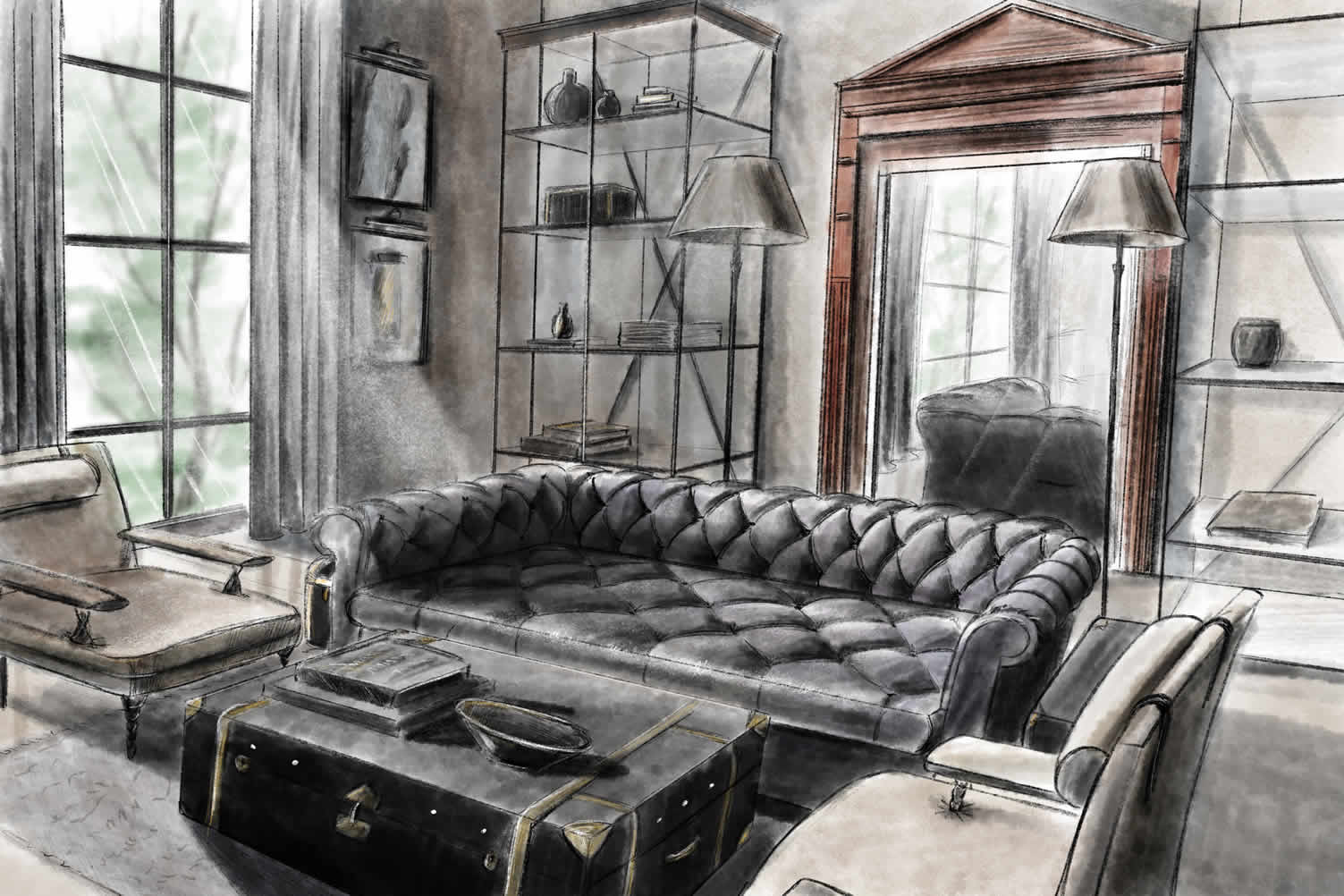

copyright image by 123rf.com
Decor Tip 5: Crafting Spaces That Reflect You
Notes:
-
Designing a home is deeply personal, a chance to create spaces that resonate with your unique story and style. When selecting décor, thoughtful consideration is key—it’s not just about making a space look beautiful, but about ensuring it feels like home.
This guide will walk you through important questions to ask yourself when choosing décor, from assessing your preferences to identifying how each piece fits into your overall vision.
We’ll also explore where to find unique items that speak to your personality, the beauty of incorporating personal elements into your design, and whether hiring an interior decorator might be the right choice to bring it all together.
Let’s start the journey of building spaces that inspire and nurture you every day.
-
Quick scroll to topic "beginning to craft your space" side notes …
-
-
1st: Key Questions to Ask Yourself When Selecting Décor
Selecting home décor is an exciting process that enables you to transform your living space into a reflection of your personality and lifestyle. To make informed decisions and create a harmonious environment, it’s essential to ask yourself a few key questions.
These considerations will help you align your choices with your goals while ensuring that your space is both functional and aesthetically pleasing.
[ view summary table: key questions ]
-
How Do I Want My Home (or This Room) to Feel?
The mood and feeling you wish to evoke in a space should drive your decisions. Whether you want a cozy, welcoming living room or a calm, minimalist bedroom, understanding the emotional experience you’re aiming for guides your color palette, textures, and materials.
For example, warm tones and soft fabrics foster relaxation, while bold colors and geometric designs add energy.
-
What Is the Purpose of the Space?
Every room serves a specific function, and your décor should enhance that purpose. A dining room meant for formal gatherings will have different furnishing requirements than a multi-functional home office.
Consider the activities that will take place in the space and select pieces that complement and support those uses.
-
Who Will Be Using This Space?
Understanding who will frequent the space ensures that it remains practical and welcoming for its primary users. For instance, a family space will require durable, easy-to-clean materials, while a guest room may highlight comfort and elegance.
Be mindful of the needs of children, pets, or elderly family members when choosing décor.
-
What Is My Personal Style?
Your personal taste is the backbone of your home décor choices. Whether you gravitate toward modern, traditional, or eclectic styles, identifying what resonates with you helps maintain cohesion throughout your home.
Keep in mind that staying true to your style often results in a space that feels more authentic and fulfilling.
-
What Colors and Patterns Do I Love (or Dislike)?
Before selecting a color scheme, evaluate the hues and patterns you are naturally drawn to—these will play a significant role in defining your space.
Think about how these elements interact with each other and influence the atmosphere. If certain colors cause a negative reaction, avoid using them in highly visible areas.
-
What’s My Budget?
Establishing a budget early in the process is crucial to avoid overspending and guide your priorities. High-quality, timeless pieces often justify a larger investment, while more affordable, trendy items can be swapped out over time.
Plan effectively to balance your affordability with long-term value.
-
Do I Have, or Need, a Focal Point?
A focal point acts as the visual anchor of a room, providing balance and a sense of direction. If your room already has standout features like a fireplace or large windows, build your décor around them.
Alternatively, consider creating a focal point with a statement piece of art or furniture.
-
How Does Item Functionality Factor Into My Choices?
Practicality should remain an essential consideration. While aesthetics are important, furniture and décor that fail to meet your daily needs can become a source of frustration.
For instance, consider storage solutions for small spaces or multi-functional furniture for flexible living arrangements.
-
How Much Space Do I Have?
Understanding the constraints of your physical space helps you make choices that are proportionate and functional. Measuring your room ensures that furniture and other elements fit appropriately without making the area feel cramped or sparse.
-
What Existing Elements Should I Work With?
Instead of starting from scratch, evaluate the features already present in your space. Architectural details, flooring, and natural lighting can serve as inspiration while reducing the need for drastic changes.
Coordinating your décor with these elements improves financial and environmental efficiency.
-
Will I Still Love This in the Future?
Investing in timeless items ensures long-term satisfaction with your choices. Ask yourself whether the colors, styles, or trends you’re considering will still appeal to you as time goes on.
If the answer is unclear, opt for classic elements that won’t go out of fashion.
-
Is This Piece Easy to Maintain?
Low-maintenance décor not only saves time but also preserves the quality and appearance of your home. Dust and wear accumulate over time, so select materials and finishes that are easy to clean and resilient to everyday use.
-
Does This Décor Reflect Who I Am?
Your home should tell your story. Décor items should reflect your values, interests, and personality to make the space uniquely yours.
Whether through unique heirlooms, travel-inspired accents, or meaningful artwork, integrating personal touches adds depth and character to your home.
-
Am I Prioritizing Quality Over Quantity?
Focusing on the quality of your décor ensures a durable and polished space, even if it means waiting a bit longer to acquire the right pieces.
Avoid cluttering your space with unnecessary items and instead aim for intentional and carefully curated décor that elevates the overall experience.
Question Purpose Actionable Takeaways How Do I Want My Home (or This Room) to Feel? Define the mood and emotional experience the space should evoke. Choose colors, textures, and materials that align with your desired ambiance. What Is the Purpose of the Space? Ensure the décor enhances the room’s intended function. Select furnishings that support the activities planned for the space. Who Will Be Using This Space? Make the space practical and welcoming for its intended users. Consider the needs of family members, guests, children, or pets when selecting materials and furniture. What Is My Personal Style? Maintain authenticity and cohesion in home design. Identify your preferred style (modern, traditional, eclectic) and make cohesive choices based on it. What Colors and Patterns Do I Love (or Dislike)? Build a space that reflects your preferences and sets the appropriate tone. Choose colors and patterns you are drawn to, and avoid those that elicit negative reactions. What’s My Budget? Balance affordability and long-term value to prevent overspending. Plan investments in timeless pieces and add trendy, affordable items as needed. Do I Have, or Need, a Focal Point? Create visual balance with a central feature in the room. Build décor around existing focal points or add one, such as a statement art piece or furniture. How Does Item Functionality Factor Into My Choices? Ensure practicality and ease of use alongside aesthetics in décor choices. Opt for functional and multi-purpose furniture to meet daily needs effectively. How Much Space Do I Have? Ensure décor and furniture fit without overcrowding or under-utilizing the space. Measure the room and choose items proportionate to its size. What Existing Elements Should I Work With? Optimize resources by incorporating existing architectural details and features. Coordinate new décor with flooring, lighting, or other existing elements to reduce costs and maintain efficiency. Will I Still Love This in the Future? Invest in choices that maintain timeless appeal and long-term satisfaction. Prioritize classic styles and evaluate whether trends will maintain their allure over time. Is This Piece Easy to Maintain? Ensure your home remains practical and visually appealing over time. Select durable, low-maintenance materials and finishes for longevity and ease of care. Does This Décor Reflect Who I Am? Create a home that tells your story and represents your values. Include personal touches such as heirlooms, travel mementos, or meaningful artwork. Am I Prioritizing Quality Over Quantity? Focus on a polished, durable space with intentional décor choices. Avoid clutter and invest in high-quality, well-curated pieces. 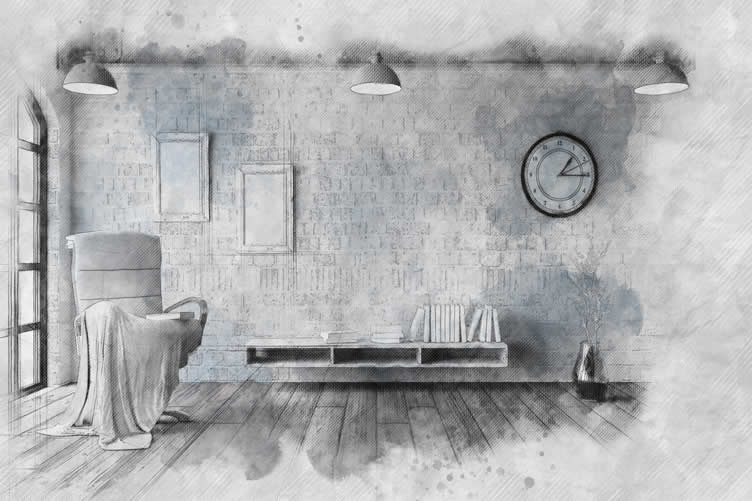
copyright image by 123rf.com
[ pinterest: questions to ask about interior decorating ]
[ youtube: Interior Designer Answers ]
-
-
2nd: Finding and Shopping Home Décor Elements
Finding and shopping for home décor elements that reflect your unique style can be a rewarding experience. By selecting pieces that resonate with your personality, you can curate a space that feels both authentic and welcoming.
Understanding where to source distinctive décor items is key to achieving an interior that reflects your taste while maintaining a cohesive aesthetic.
Below, we explore various outlets and resources to help you discover one-of-a-kind home décor and create a home that truly feels like your own.
[ view summary table: find/shop home décor ]
-
Local Artisan Markets and Craft Fairs
Artisan markets and craft fairs are havens for unique, handcrafted home décor. These events often feature local artists and makers who pour their passion into creating bespoke pieces.
From handwoven textiles to custom pottery, shopping at these markets enables you to find items that aren’t mass-produced while supporting local talent. These fairs are ideal for discovering personalized artwork, hand-carved furniture, or unique lighting fixtures.
Check local community boards or websites like Eventbrite and Facebook Events to stay updated on upcoming markets near you.
-
Online Boutique Stores
Boutique online retailers specialize in curated collections of distinctive décor that cater to various tastes, from minimalist to bohemian. Websites like Chairish, Society6, and Etsy are excellent platforms for browsing unique art prints, throw pillows, or furniture.
Many of these online stores also provide filter options for finding décor within specific categories, ensuring a shopping experience tailored to your preferences.
Be sure to explore the reviews and photographs provided by past customers to ensure quality and satisfaction.
-
Antique Shops and Vintage Finds
Antique shops and vintage stores offer an unparalleled opportunity to uncover home décor items with history and character. These spaces are treasure troves for those seeking timeless furniture, ornate mirrors, vintage lighting fixtures, and other pieces with a sense of nostalgia.
The search often involves some digging, but the rewards are unmatched in their ability to add charm to any room. Websites like Ruby Lane or Chairish also allow you to browse vintage and antique finds online if in-person exploration isn’t an option.
-
Home Décor Boutiques in Urban Areas
Many cities boast independently owned home décor boutiques that carry eclectic collections uniquely different from national chains. These boutique stores often curate inventory directly from up-and-coming designers and international artisans, offering a mix of high-quality pieces.
Visiting these stores lets you see items firsthand, ensuring color, texture, and fit align with your expectations. Don’t hesitate to ask boutique staff for styling advice, as they often have extensive interior design expertise.
-
Sustainable and Eco-Friendly Décor Sources
For those prioritizing sustainability, marketplaces that specialize in eco-friendly décor can meet both your style and ethical needs.
Companies like Made Trade and The Citizenry focus on handcrafted, sustainably sourced items that support fair trade practices. These pieces often use materials like reclaimed wood, organic cotton, or recycled metals, ensuring a low environmental footprint while adding natural elegance to your home.
-
Custom and Made-to-Order Services
For homeowners looking for truly one-of-a-kind pieces, opting for custom or made-to-order décor designs can be the best choice. Many artisans and small businesses offer customization options through platforms like Bespoke Post or directly through their websites.
From unique wall art tailored to your preferred dimensions to furniture designed to fit specific spaces, custom décor ensures exclusivity. Engaging in the design process also allows you to truly connect with your space.
Source Description Examples Local Artisan Markets and Craft Fairs Events featuring local artists and makers offering handmade, unique décor items. Handwoven textiles, custom pottery, personalized artwork Online Boutique Stores Specialized online retailers providing curated collections of distinctive décor for different styles. Chairish, Society6, Etsy Antique Shops and Vintage Finds Stores offering home décor items with history and character through vintage and antique pieces. Timeless furniture, ornate mirrors, vintage lighting fixtures Home Décor Boutiques in Urban Areas Independently owned stores in cities with eclectic, high-quality décor collections from artisans and designers. Unique furniture, international artisan décor Sustainable and Eco-Friendly Décor Sources Marketplaces focusing on sustainable, handcrafted items made from ethical materials. Reclaimed wood, organic cotton items, recycled metal décor Custom and Made-to-Order Services Options to create one-of-a-kind décor designs tailored to specific preferences and dimensions. Custom furniture, tailored wall art 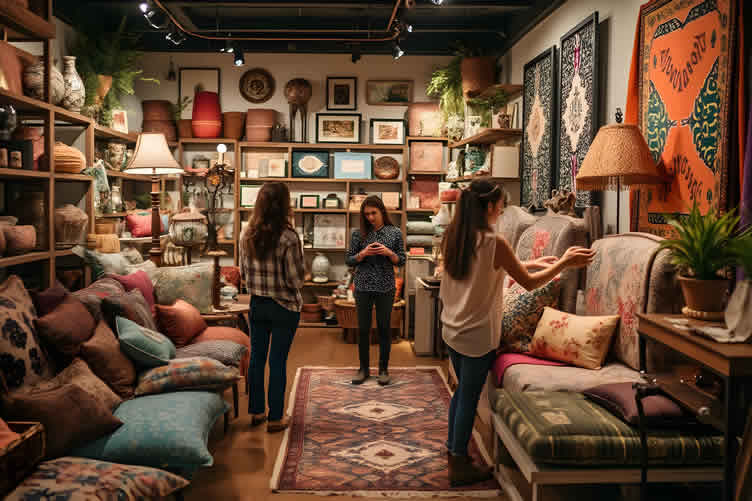
AI generated image by 123rf.com
[ amazon: home interior decor ]
[ youtube: THRIFT + ANTIQUE SHOP WITH ME ]
-
-
3rd: Incorporating Personal Elements into Home Décor
Personalizing your home décor creates a space that feels warm, lived-in, and uniquely yours. Thoughtfully including meaningful items can transform your house into a reflection of your life, values, and experiences.
Beyond aesthetics, these pieces tell a story and create connections with the people—and memories—that matter most. Below, we explore how to seamlessly integrate various personal elements into your home, combining beauty with sentimentality.
[ view summary table: personal elements ]
-
Family Photographs
Family photographs are among the most cherished decorative elements in any home. To showcase them, consider using frames that complement your interior design style, whether minimalist, ornate, or vintage.
Black-and-white photographs work well in a modern space, whereas colorful prints may brighten a traditional or rustic setting.
Displaying images on a gallery wall or along a hallway not only personalizes your space but also sparks conversation and fosters a sense of connection.
Opt for high-quality printing and archival materials to preserve these photos for years to come. And don’t be afraid to mix family photos with other artwork in gallery walls.
-
Heirloom Pieces
Heirloom items like a grandmother’s quilt or an antique clock carry history and emotional value, making them ideal additions to your home.
Display these treasured objects in areas where they can be preserved and appreciated, such as a living room mantle or a glass-enclosed display cabinet.
Ensure that restoration or preservation methods align with the item’s material to prevent deterioration over time.
Experts recommend integrating heirlooms subtly into your décor rather than creating an overly formal or dated look.
For instance, pairing a vintage armchair with modern pillows can create a harmonious blend of old and new, fostering timeless sophistication (Heritage Interiors, 2022).
-
Styled Books
Books are an excellent way to share your personality and interests while serving as stylish décor. When styling books, group them by colors, themes, or sizes to maintain an organized and aesthetically pleasing look.
Consider stacking a few favorite reads on a coffee table or arranging them vertically and horizontally on a bookshelf for visual variety. For a cohesive design, add decorative accents such as a small vase, a candle, or a tactile object atop a stack of books.
Select titles or genres that resonate with your interests and values to make the display more meaningful.
-
Other Personalized Items
Additional personal touches can elevate a home’s uniqueness while aligning with your décor preferences. Travel souvenirs, framed children’s artwork, or custom-made crafts are exceptional options, showcasing your individuality.
For example, arranging small, curated items from international trips on a dedicated shelf can highlight your wanderlust while creating visual intrigue.
Similarly, displaying a sentimental piece like a marriage keepsake or achievement award in a subtle yet prominent location reinforces personal pride and life stories.
Category Recommendation Purpose Family Photographs Use archival-quality materials and cohesive themes for display. Preserve memories and foster connections. Heirloom Pieces Blend heirlooms with modern décor for balance and sophistication. Celebrate history and personal heritage. Styled Books Arrange books creatively with complementary accents. Showcase personality while enhancing aesthetic appeal. Other Personalized Items Curate unique keepsakes like travel souvenirs or handmade crafts. Add individuality and tell your story. 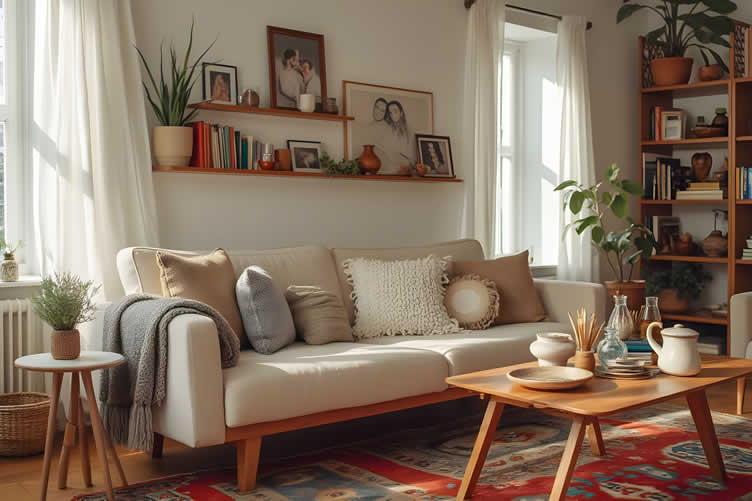
AI generated image by 123rf.com
[ pinterest: adding charater to home decorating ]
[ youtube: Ways to Personalise Your Home ]
-
-
4th: Hiring an Interior Decorator
Bringing the expertise of an interior decorator into your home can be a thoughtful and empowering decision, especially if you’re feeling overwhelmed by the many options available.
A skilled decorator assists in narrowing down choices by understanding your personal style, the specific ambiance you wish to create, and any practical needs you may have. They are well-versed in sourcing décor elements, whether from local artisan markets, online boutique stores, or other reputable sources, ensuring each item resonates with your vision and fits harmoniously in your space.
Beyond their ability to recommend unique, high-quality pieces, decorators offer valuable insights into color theory, spatial arrangement, and lighting—key elements that often transform a room from ordinary to extraordinary.
By listening carefully to your priorities and preferences, they create a design plan tailored to your taste and lifestyle.
Collaborating with an interior decorator not only saves time but also adds a sense of confidence and ease to the process, ultimately leading to a home that feels cohesive, welcoming, and uniquely yours.
LetsRenovate has partnered with HomeAdvisor™, a renowned provider of highly-rated, carefully-vetted local interior decorators. Start your search here by entering your zip code to find local professionals.
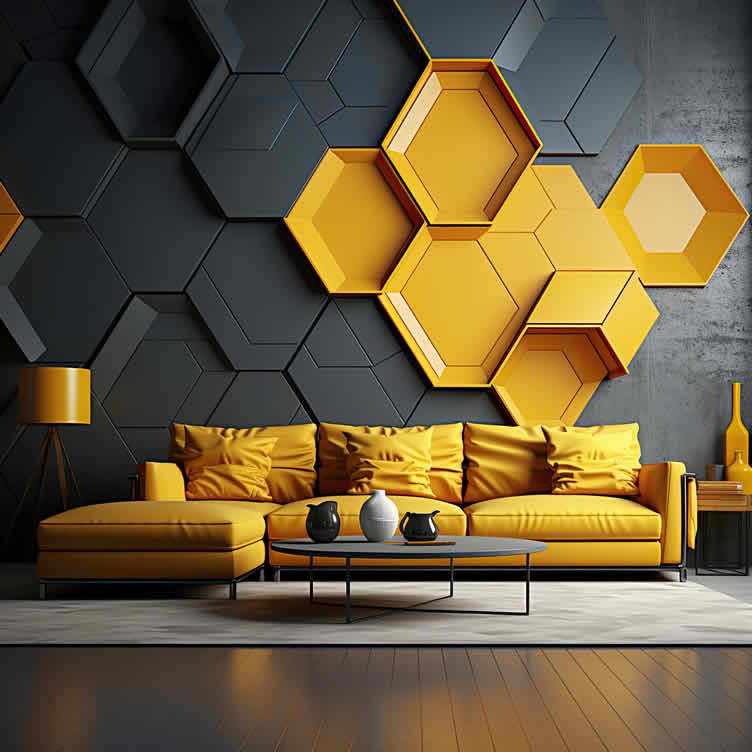
copyright image by 123rf.com
But Wait!
Before beginning your search for interior decorators, consider downloading this evaluation worksheet.
Designed to help you make informed decisions, this tool allows you to objectively assess and rank potential contractors based on key factors like pricing, licensing, and referrals.

Evaluation Sheet
File Type:
-
-
Bringing It All Together
Creating a well-decorated home is about more than filling spaces with beautiful objects. The best interiors come from thoughtfully combining elements to create cohesive, comfortable, and meaningful environments.
Focus on one room at a time, considering how décor pieces complement each other before moving to the next. This prevents overwhelm and allows you to appreciate each addition. Decorating is an ongoing process, and rooms naturally evolve with your needs and tastes.
Your home should reflect your personality and meet your practical needs. Don’t feel pressured to follow trends or create perfect, untouchable spaces. The most beautiful homes feel lived-in and loved, where every piece serves both style and function.
Experiment with different décor combinations to find what resonates with you. Trust your instincts and choose pieces that make you happy—these connections are the foundation of great home décor. Your space should inspire and support you, offering a sanctuary for both relaxation and celebration.
-
ideas to view and compare from the information discussed above
- What comments can you share about
home decor elements?
Scroll up to directory … or scroll to more home interior-related topics …
view illustration “becoming a bank”


Calendar For:
Home Maintenance
File Type:


… view our sharing links below for a quick "share the knowledge"
Cover image credit: home decor elements by 123rf.com
end of post … please share it!
 |
did you find how simple renovations can home decor elements analysis helpful? If so, please share the article with your friends and family! |
Nice pic idea? Leave us a quick comment below.
And please share this pic idea within your social networks.