Summary Outline –
Quick Answer:
U.S. electricity prices have risen faster than inflation every year since 2022 and are expected to keep climbing through 2026, according to the U.S. Energy Information Administration (EIA).The causes range from aging grid infrastructure and fuel price volatility to extreme weather and surging demand. The good news: smart behavioral changes, targeted home upgrades, and strategic energy investments can meaningfully offset what you pay.
What makes this particularly frustrating is that the increase isn’t driven by a single, fixable problem. It reflects a convergence of infrastructure debt, fuel market instability, climate-driven costs, and surging electricity demand that utilities, policymakers, and consumers are all grappling with simultaneously.
Understanding exactly what is pushing prices higher puts you in a far better position to act—and to make the kinds of decisions that protect your household budget both now and over the long term.
This post analysis breaks the issue into four clear parts: why electricity costs are rising, what you can do right now to cut your bill, what investments make sense over the coming years, and where energy production is heading.
Whether you own a home and want to reduce monthly overhead, or you’re simply trying to make sense of what’s happening, the information here is grounded in the most current data available.
- post content
- Review 1: The Unseen Surge: Why Electricity Bills Are Climbing
- Review 2: How to Quickly Cut Rising Electrical Utility Costs
- Review 3: Long-Term Investments to Slash Electricity Costs
- Review 4: The Future of Energy Production
- Review 5: Step Guides to Retrofitting Your Home for Energy Savings

-
Quick scroll to first topic about rising electricity costs … or review summary content

Content Summary
section directory1st Energy Cost Review: [view section]
… the first review examines the economic factors driving the rise in home energy costs, including market conditions, supply and demand pressures, and broader economic trends that influence what homeowners pay for energy today.
2nd Energy Cost Review: [view section]
… the second review focuses on practical, quick-win solutions you can implement at home right away to reduce energy costs and minimize energy loss. These simple, actionable steps require no major investment or expertise, but can make a noticeable difference in your day-to-day energy consumption.
3rd Energy Cost Review: [view section]
… once you’ve made those initial adjustments, it’s time to think bigger. Short-term fixes help, but long-term investments are where you’ll see the most significant and lasting reductions in energy costs. These changes may require more planning and upfront commitment, but they can pay off considerably over time.
4th Energy Cost Review: [view section]
… the fourth review looks ahead at the future of energy production and how the industry is evolving to meet rising global demand. The decisions being made today around energy infrastructure will have real implications for what you pay tomorrow.
5th Energy Cost Review: [view section]
… the fifth and final section outlines actionable steps to reduce energy costs, highlights when to seek professional guidance for long-term investments, and answers some frequently asked questions.
first “rising electricity costs” review


copyright image by 123rf.com
Review 1: The Unseen Surge: Why Electricity Bills Are Climbing
Notes:
-
No single culprit is responsible for rising electricity costs, and that complexity is precisely what makes the problem so persistent.
A March 2026 analysis by the Clean Air Task Force (CATF), drawing on research from Lawrence Berkeley National Laboratory (LBNL), found that national average electricity rates have risen roughly 7% in the most recent year—significantly out-pacing general inflation.
The same analysis confirmed that this is not primarily a clean energy problem. States with the highest growth in renewable generation, including Iowa, New Mexico, and South Dakota, actually saw some of the largest decreases in electricity rates over the 2019–2024 period.
-
Quick scroll to supporting notes …
- 1st: Fuel Price Volatility and Supply Chain Pressures
- 2nd: Aging Infrastructure and Modernization Costs
- 3rd: Regulatory Policies and Environmental Mandates
- 4th: Increased Demand and Peak Load Management
- 5th: Extreme Weather Events and Grid Resilience
- 6th: How Surging Electricity Demand Pushes Prices Higher
- 7th: Content Summary Table
- next topic: How to Quickly Cut Rising Electrical Utility Costs
-
-
1st: Fuel Price Volatility and Supply Chain Pressures
Natural gas remains the single largest source of electricity generation in the United States, and its price swings have a direct and immediate impact on what you pay each month.
When global supply chains fracture—as they did following the onset of the Russia-Ukraine conflict in 2022—gas prices spike sharply, and those costs flow through to retail electricity rates with startling speed.
According to the Clean Air Task Force (CATF), states with the highest share of natural gas generation experienced some of the greatest rate increases through 2022–2023, followed by partial relief as prices fell through 2024. But the relief may be temporary.
As U.S. liquefied natural gas (LNG) export capacity grows substantially over the next five years, domestic gas prices will become increasingly linked to higher global market prices—creating additional upward pressure on electricity costs that consumers have little power to control.
Supply chain disruptions compound this problem further. The cost of key generation and transmission components—steel, copper, specialized electrical equipment—has risen significantly due to international trade tensions, import tariffs, and manufacturing bottlenecks.
These higher input costs are absorbed by utilities and ultimately passed on to ratepayers through rate increases approved by state utility commissions.

-
2nd: Aging Infrastructure and Modernization Costs
The physical backbone of the American electricity system is old—and getting older. Most grid components have a useful lifetime of roughly 40 years, and according to the World Resources Institute (WRI), about two-thirds of today’s grid infrastructure will need to be replaced by 2050.
That is a staggering modernization challenge, and the price tag is equally significant.
A Brattle Group analysis estimates that upgrading and expanding the nation’s transmission and distribution network could cost between $760 billion and $1.4 trillion over the next 25 years.
Investor-owned utilities have already reflected this reality in their financial planning: earnings calls at the end of 2025 revealed $1.4 trillion in planned capital investments through 2030—a 21% uptick over the prior year’s spending plans, according to PowerLines.
What makes this especially costly for consumers is that infrastructure investment has not always been well-coordinated.
As CATF notes, transmission spending has nearly tripled between 2003 and 2023, yet the system remains plagued by congestion, interconnection delays, and a patchwork of regional planning decisions that prioritize smaller, utility-owned local projects over larger, more cost-effective regional lines.
Inefficient planning drives costs up without delivering proportional improvements in reliability or affordability.
The result is that ratepayers are being asked to fund a massive infrastructure overhaul that decades of underinvestment made inevitable—and the bill is now due.
-
3rd: Regulatory Policies and Environmental Mandates
Electricity pricing in the United States is governed by a complex web of federal and state regulations, market structures, and policy mandates. The Federal Energy Regulatory Commission (FERC) oversees transmission and wholesale markets, while state public utility commissions (PUCs) regulate retail rates and local distribution.
When these entities work at cross-purposes—or move slowly—costs accumulate.
Interconnection queues present a particularly costly bottleneck. Before any new power plant, solar farm, or wind project can begin delivering electricity, it must receive federal permission to connect to the transmission grid.
FERC typically requires technical engineering studies that can take years to complete. Projects proposed as far back as 2014 remain in the queue awaiting approval, according to Lawrence Berkeley National Laboratory data.
These delays prevent lower-cost generation from reaching consumers and keep older, more expensive plants online longer than necessary.
Policy actions at the federal level have added further pressure. Import tariffs on solar panels and electrical equipment have raised the cost of new generation projects, while mandates requiring certain coal plants to remain operational force ratepayers to subsidize uneconomic generation.
As CATF reports, these actions not only increase near-term costs but also raise investor risk premiums on future infrastructure projects—cascading their effects well into the future.
-
4th: Increased Demand and Peak Load Management
Electricity demand across the United States is growing at a pace not seen in decades. Energy analysts project a 25% increase in total U.S. electricity consumption by 2030, driven largely by the rapid expansion of data centers supporting artificial intelligence, electric vehicle adoption, and broader industrial electrification.
McKinsey estimates that data centers alone could consume as much as 11.7% of all U.S. electricity by 2030—more than double their current share.
Managing this surge in demand is a serious technical and financial challenge. Grid summer peak demand is projected to increase from 829 gigawatts in 2025 to 995 gigawatts by 2030, according to Grid Strategies.
Meeting that demand requires building new generation capacity, expanding transmission corridors, and developing flexible demand-response tools—all of which take years to plan and build, and billions of dollars to fund.
In wholesale markets like PJM Interconnection—the largest in the United States—capacity prices have seen near-order-of-magnitude increases in recent years, driven by load growth, sluggish interconnection queues, and updated resource capacity ratings.
These price surges translate directly into retail rate increases of 15% or more for consumers in affected regions.
The scale and speed of demand growth has created a system under strain. When demand grows faster than supply, prices rise. And when new infrastructure takes a decade to permit and build, the gap between what the grid can deliver and what consumers need persists for a long time.
-
5th: Extreme Weather Events and Grid Resilience
Climate disturbances are reshaping the operational reality of the electricity grid in ways that have concrete financial consequences.
Hurricanes, winter storms, wildfires, and extreme heat events are occurring with greater frequency and intensity, triggering both emergency recovery costs and long-term infrastructure hardening investments—all of which flow back to consumers through higher rates.
Nowhere is this clearer than in California. According to CATF, wildfire-related costs constituted 17% of total investor-owned utility revenues in 2024, up from just 1.7% in 2019.
That represents an extraordinary shift in the cost structure of electricity delivery in a single state within five years. And the impacts are spreading: Florida, Maine, Oregon, and other states are also recording significant cost increases attributed to extreme weather events.
These costs arrive through multiple channels. Utilities must pay for emergency repairs after storms cause outages. They must fund vegetation management programs, power line under-grounding projects, and insurance premiums to protect against future liability.
They must also invest in grid hardening measures that improve resilience but add to the rate base. Every dollar spent on these activities is a dollar that eventually appears on a consumer’s utility bill.
-
6th: How Surging Electricity Demand Pushes Prices Higher
One of the more troubling dimensions of rising electricity costs is who is bearing the burden—and who is not.
An analysis by Yale Climate Connections reveals a stark inequity at the heart of the current price surge: residential customers are paying sharply higher rates, while commercial users—including the data centers driving much of the demand growth—are paying relatively little more.
Between 2022 and 2024, residential electricity prices rose by 10%, while commercial prices increased by only 3%, and industrial electricity prices actually fell by 2%.
Over the broader period from 2020 to 2024, residential prices climbed 25%. Everyday consumers—running toasters, laptops, heating systems, and air conditioners—have absorbed the steepest increases, while the corporations consuming vast and growing quantities of electricity have negotiated favorable terms, often through confidential contracts with energy suppliers.
This dynamic reflects a structural imbalance. Large commercial electricity users have significant negotiating leverage with utilities and policymakers, who compete to attract technology companies and their economic development potential.
Residential consumers, by contrast, are captive ratepayers in monopoly utility markets with no alternative suppliers and limited visibility into the rate-setting process.
According to a Harvard Law School Environmental and Energy Law Program report, residential customers are, in effect, subsidizing the energy costs of AI infrastructure and Big Tech—a burden falling most heavily on lower-income households, who spend a disproportionately large share of their income on energy.

copyright image by 123rf.com
Unpacking the Mystery of Electricity
Electricity is the silent heartbeat of our modern homes, yet for many of us, how it works remains a bit of a mystery.
We flip a switch and expect light, but we rarely pause to consider the incredible journey that energy took to reach our fingertips or the intricate system that powers and protects our daily lives.

From the generation of energy at power plants to its transmission through a web of grids and wires, electricity is a marvel of engineering and innovation.
Understanding its flow not only deepens our appreciation but also empowers us to use it efficiently and responsibly.
view ideas: the flow of electricity(new win)
[ view graph: electricity costs rising in the us]
[ youtube: How AI Infrastructure diving up costs]
-
7th: Content Summary Table
Category Description Impact Fuel Price Volatility and Supply Chain Pressures Natural gas is the largest source of electricity in the U.S., and its price swings directly influence monthly costs.
Events like the Russia-Ukraine conflict spiked gas prices, impacting retail electricity rates sharply, with some temporary relief in 2024.
Future domestic gas prices are anticipated to rise as U.S. LNG export capacity grows. Supply chain disruptions in steel, copper, and other components further escalate electricity costs.
Higher retail electricity rates, increased global price connections, and compounded costs from supply chain issues passed to ratepayers. Aging Infrastructure and Modernization Costs The U.S. electricity grid infrastructure is aging, with two-thirds of it requiring replacement by 2050.
Upgrades and expansions are expected to cost up to $1.4 trillion over 25 years.
Inefficient planning and regional focus on smaller projects increase costs without proportional reliability or affordability improvements.
Massive infrastructure overhaul costs are passed to ratepayers, reflecting years of underinvestment. Regulatory Policies and Environmental Mandates Electricity pricing is affected by federal and state regulations.
Interconnection delays slow lower-cost project approvals, while policy actions like import tariffs and mandates to maintain coal plants increase costs.
Investor risks on infrastructure projects add long-term financial pressure.
Ratepayers face increased costs due to policy-driven delays and higher project expenses. Increased Demand and Peak Load Management Electricity demand is projected to rise by 25% by 2030, driven by AI, electric vehicles, and industrial electrification.
Managing demand growth requires substantial generation capacity expansions, demanding significant investment and extended timelines.
Rising electricity prices as demand out-paces supply and infrastructure development lags behind. Extreme Weather Events and Grid Resilience Climate disturbances has increased the frequency and severity of extreme weather, resulting in higher costs for recovery, grid hardening, vegetation management, and liability protections.
Wildfires and other events have notably increased electricity costs in states like California, Florida, and Oregon.
Utilities pass these escalating costs to consumers, further driving up electricity rates. Surging Electricity Demand and Price Inequity While residential electricity prices have surged by 10% between 2022 and 2024, commercial and industrial users, especially large technology companies, face minimal or declining costs.
Residential customers, particularly lower-income households, shoulder these disproportionate increases.
Residential ratepayers subsidize costs for larger commercial users, exacerbating financial burdens on average consumers. 
-
Scroll up to main directory … or scroll to next review about quick solutions to rising costs …


Tackling home upgrades and fulfilling all your home improvement needs …

… save this curated directory of ideas for future reference.

second “photo remodeling” idea
copyright image by 123rf.com
Review 2: How to Quickly Cut Rising Electrical Utility Costs
Notes:
-
Your electric bill arrives, and the number is higher than last month. Again. You haven’t changed much about how you live, yet the cost keeps climbing. It’s not your imagination—and it’s not just you.
According to ElectricChoice.com, the national average residential electricity rate reached 18.83 cents per kilowatt-hour in July 2026, a 7.4% increase year-over-year and a 17% rise since 2022. The U.S. Chamber of Commerce reported in May 2026 that Americans are now paying 22% more for electricity than they were just five years ago.
The good news? A meaningful portion of that bill is within your control. The tactics below move from the easiest and most immediate steps to the more strategic investments—each one proven to chip away at what you owe.
-
Quick scroll to supporting notes …
-
-
1st: Start with Vampire Power
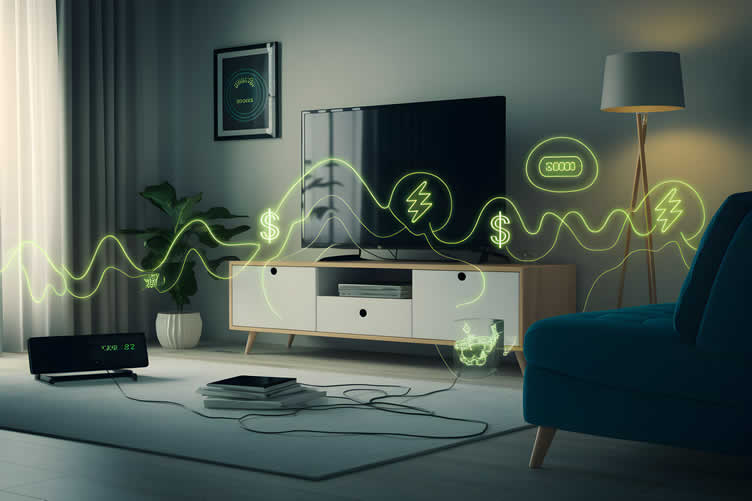
One of the easiest ways to make an immediate dent in your electrical bill is by addressing vampire power. Also known as standby power, this refers to the electricity consumed by appliances and devices that are plugged in but not actively in use.
Things like phone chargers, TVs, gaming consoles, and even kitchen appliances continue to draw energy while idle, contributing to unnecessary energy costs.
AI generated image by 123rf.com
According to the U.S. Department of Energy, standby power accounts for as much as 10% of a household’s energy use, which means tackling vampire power can lead to significant savings over time.
The good news is that reducing vampire power doesn’t require major effort or investment. By understanding where energy is being consumed unnecessarily and taking simple, proactive steps, you can lower waste—and your utility bills—without compromising your daily routine.

-
Step 1: Identify the Worst Offenders
Start by identifying electronics and appliances that consume the most standby power. Devices with LED indicators, clocks, or remote controls, such as televisions, microwaves, or streaming devices, are common culprits.
Plugging these devices into a power meter—widely available at hardware stores—can provide precise readings on their energy consumption when not in use.
-
Step 2: Unplug Devices When Not in Use
The simplest way to eliminate vampire power is to unplug devices that aren’t being used. For example, phone chargers and laptops don’t need to remain plugged in once the battery is charged.
Similarly, unplugging small kitchen appliances like coffee makers or toasters when not in use can also prevent unnecessary power draw.
-
Step 3: Use Power Strips and Smart Plugs
A smart way to manage multiple devices is by using power strips or smart plugs. Power strips allow you to turn off many devices at once, while smart plugs can be programmed to cut power at specific times.
This ensures that devices aren’t drawing energy overnight or while you’re away, all with minimal effort.
-
Step 4: Opt for Energy-Efficient Devices
When upgrading or replacing electronics, look for energy-efficient models with the ENERGY STAR® label, which consume less standby power.
Modern designs often come with features like automatic shutdown timers, ensuring they don’t draw unnecessary power when not in use.
-
Step 5: Turn Off "Instant-On" Features
Many modern electronics, such as televisions and gaming consoles, come with "instant-on" settings for quicker start-up times. While convenient, these features rely on a continuous flow of standby power.
Disabling these settings in your device’s menu prevents wasted energy without sacrificing functionality.
-
Why It Matters
By addressing vampire power alone, homeowners can potentially save $100 or more annually, depending on the number of devices they manage and unplug. Best of all, these changes require little to no cost upfront but yield measurable long-term benefits for your wallet and the environment.
Tackling vampire power is just the beginning of a strategy toward a more energy-conscious and cost-effective household.
- Quick scroll to summary content …
Reduce Vampire Power
(from the summary table below)
Steps Description Benefits Step 1: Identify the Worst Offenders Locate electronics and appliances that use the most standby power, such as devices with LED indicators, clocks, or remote controls. Use a power meter to measure energy consumption.
Helps pinpoint major sources of vampire power, leading to targeted energy-saving actions. Step 2: Unplug Devices When Not in Use Manually unplug devices like phone chargers, laptops, and kitchen appliances when they are not being used. Eliminates standby power draw from unused devices, reducing energy costs. Step 3: Use Power Strips and Smart Plugs Utilize power strips to turn off multiple devices at once or smart plugs to program and manage power usage. Ensures that energy isn’t wasted during idle times with minimal effort. Step 4: Opt for Energy-Efficient Devices Choose energy-efficient devices with the ENERGY STAR® label or features like automatic shutdown timers. Reduces standby power usage and promotes long-term energy efficiency. Step 5: Turn Off “Instant-On” Features Disable “instant-on” settings on modern electronics that keep systems in standby power mode for quicker start-up times. Prevents unnecessary energy consumption without impacting usability. Why It Matters Addressing vampire power can save homeowners up to $100 annually and significantly reduce unnecessary energy drains. Offers financial benefits and contributes to a more sustainable household with minimal upfront cost. 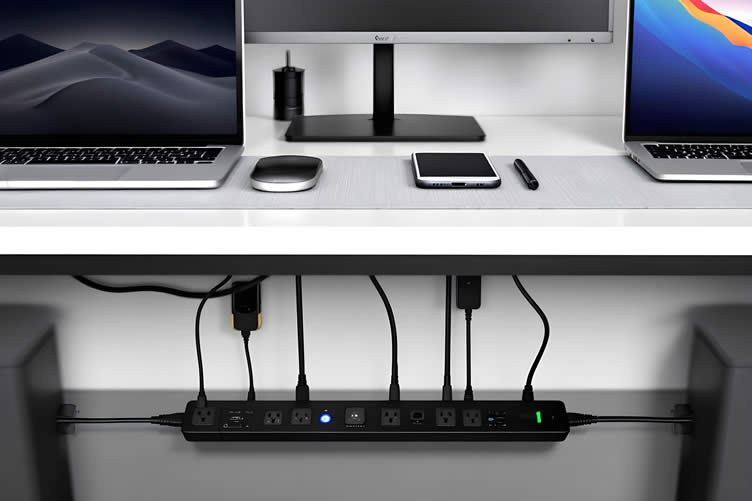
AI generated image by 123rf.com
The Timeless Allure of Vampires
Speaking of vampires, the term itself conjures up vivid imagery rooted in age-old Halloween legends that have captivated us for centuries.
From chilling folklore to blockbuster movies, thrilling dramas, and spine-tingling stories, vampires have become an enduring symbol of mystery and intrigue.

These mythical beings, with their tales of immortality and dark allure, continue to inspire creative narratives and cultural fascination, proving that their legend remains as compelling today as it was in ancient times.
view ideas: Spine-Chilling Halloween Legends(new win)
-
Scroll up to section directory … or scroll to next supporting note …
-
-
2nd: Make Your Appliances Work Harder for Less
Appliances play a critical role in our daily routines, but inefficient use can significantly inflate your electrical bill.
By making a few strategic adjustments to how and when you operate your appliances, you can maximize their efficiency and minimize energy wastage, all without compromising functionality.
These small changes not only save money but also reduce your household’s environmental footprint.
AI generated image by 123rf.com
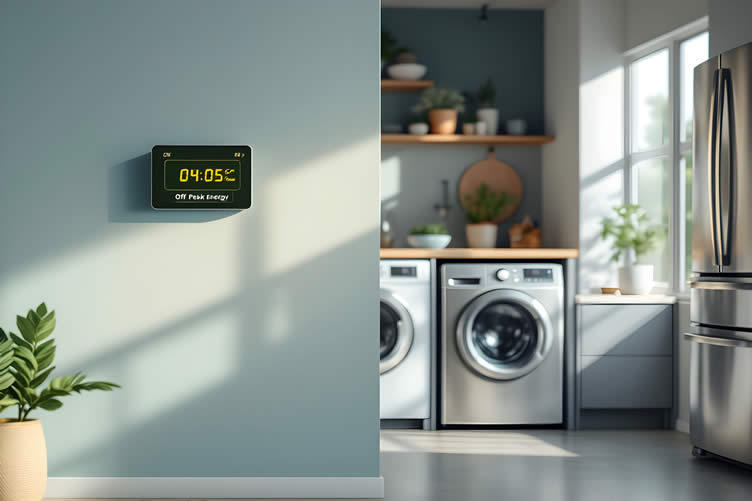
Start by reviewing the energy settings of your appliances. Many modern devices come with energy-saving modes or adjustable settings designed for efficiency.
Additionally, timing your use of certain appliances, like washing machines and dishwashers, to coincide with off-peak energy periods can yield immediate financial benefits.
Smart use of appliances is a simple yet impactful way to manage energy consumption more effectively.
-
Run Full Loads
Always wait until your dishwasher or washing machine is fully loaded before running it. Partial loads waste water and energy, whereas full loads optimize the appliance’s efficiency per cycle.
The EPA reports that ENERGY STAR-certified dishwashers can save 3,870 gallons of water over their lifetime compared to handwashing.
-
Lower the Water Temperature
For washing laundry, switch to cold or warm water instead of hot. Heating water accounts for a significant portion of energy usage.
Most modern detergents are designed to work effectively at lower temperatures, providing excellent cleaning while using less energy.
-
Clean and Maintain Appliances
Regularly clean filters, coils, and vents to maintain optimal performance. For instance, ensuring the lint filter in your dryer is clean improves efficiency, cuts drying times, and reduces safety hazards.
Similarly, vacuum behind your refrigerator to ensure the coils stay dust-free for better cooling with less power.
-
Unplug When Not in Use
Many appliances continue to draw power even when turned off, a phenomenon known as "phantom load."
Plug devices like coffee makers, microwaves, or entertainment systems into power strips, and switch them off when not in use to eliminate unnecessary energy consumption.
-
Upgrade to Energy-Efficient Models
If your appliances are older, consider upgrading to ENERGY STAR-certified models.
These appliances meet strict energy efficiency guidelines set by the Environmental Protection Agency (EPA) and Department of Energy and can drastically reduce your energy usage over time.
By following these steps and being mindful about how you leverage your appliances, you can take significant strides toward lowering your energy bills while contributing to a more sustainable future.
Always consult manufacturer guides or expert sources for specific maintenance and usage recommendations to ensure safe and efficient operation.
- Quick scroll to summary content …
Category Details Benefits Energy Settings Review the energy settings of your appliances. Many modern devices feature energy-saving modes or adjustable settings for efficiency. Reduces energy wastage and cuts your electrical costs without compromising functionality. Timing Appliance Use Operate appliances like dishwashers and washing machines during off-peak energy periods. Immediate financial benefits and more efficient energy consumption. Full Loads Run your dishwasher or washing machine only when fully loaded. Partial loads waste water and energy. Optimizes efficiency per cycle and conserves resources like water and energy. Lower Water Temperature Use cold or warm water instead of hot when washing laundry, as heating water consumes significant energy. Lowers energy use while maintaining effective cleaning with modern detergents. Clean and Maintain Regular cleaning of filters, coils, and vents is essential for optimal appliance performance. Improves efficiency, reduces safety hazards, and extends the lifespan of appliances. Unplug Unused Appliances Prevent “phantom loads” by unplugging devices or using power strips to switch off appliances when not in use. Eliminates unnecessary energy consumption and saves on electricity bills. Energy-Efficient Models Upgrade older appliances to ENERGY STAR-certified models to meet energy efficiency standards. Drastically reduces energy usage over time and creates long-term savings. 
AI generated image by 123rf.com
The Ultimate Kitchen Upgrade
The kitchen refrigerator is one of the most essential yet energy-demanding appliances in the home, running continuously to keep food fresh.
Traditional models can significantly drive up electricity costs, but smart refrigerators are changing the game with advanced energy-saving technologies.

Features like intelligent temperature control, adaptive defrost cycles, and energy monitoring help optimize usage, while user alerts for open doors or maintenance needs reduce unnecessary waste.
Investing in a smart refrigerator means lower energy bills, fresher food, and a more sustainable home.
view ideas: Reviewing Smart Refrigerators(new win)
-
Scroll up to section directory … or scroll to next supporting note …
-
-
3rd: Tighten Your Home’s Thermal Envelope
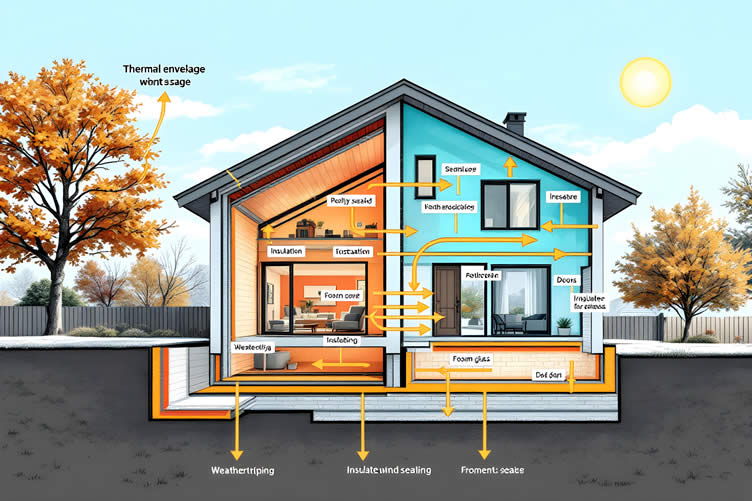
An essential step to improving your home’s energy efficiency and reducing electricity costs is addressing its thermal envelope.
The thermal envelope refers to the parts of your home—such as walls, windows, doors, roof, and foundation—that prevent the transfer of heat between the inside and outside.
If your home’s envelope isn’t properly sealed or insulated, conditioned air can escape, leading to higher heating and cooling expenses.
AI generated image by 123rf.com
Tightening your home’s thermal envelope not only lowers utility bills but also enhances indoor comfort and reduces environmental impact.
Ensuring your home’s thermal envelope is well-maintained and optimized can yield long-term savings. Proper sealing and insulation prevent drafts and heat loss, allowing HVAC systems to operate more efficiently.
Below, we outline actionable steps to help you tighten your home’s thermal envelope and maximize energy efficiency.
-
1. Identify Air Leaks
Begin by locating air leaks, a common culprit of energy loss. Focus on inspecting areas around doors, windows, baseboards, and any openings for plumbing or electrical lines.
Conduct a visual inspection, or for a more precise evaluation, use tools like infrared cameras or schedule a professional energy audit.
-
2. Seal Gaps and Cracks
Once air leaks are identified, seal gaps with caulking or weatherstripping to block unwanted airflow around windows, doors, and vents. For larger gaps—often found around pipes or ducts—use spray foam insulation for an effective seal.
-
3. Upgrade Insulation
Proper insulation is critical in maintaining indoor temperatures. Check your attic, walls, and basement to ensure they meet recommended R-values for your region.
Adding or upgrading insulation, such as fiberglass batts, spray foam, or cellulose, helps minimize heat transfer, reducing reliance on your HVAC system.
-
4. Replace or Repair Windows
Old or single-pane windows are notorious for heat loss. Consider replacing these with ENERGY STAR-certified double or triple-pane windows, which provide better insulation.
Alternatively, install storm windows or apply window film to improve thermal performance on a budget.
-
5. Install a Door Sweep and Weatherstripping
A door sweep can prevent drafts from moving beneath exterior doors, while weatherstripping around door frames closes gaps and reduces air leakage.
Both are simple, cost-effective solutions to tighten your thermal envelope without extensive renovations.
-
6. Ensure Proper Ventilation
While sealing your home is vital, maintaining proper ventilation is equally important to prevent moisture buildup and maintain indoor air quality.
Use energy-efficient ventilation solutions, such as heat recovery ventilators (HRVs), to balance airtightness and fresh airflow.
By addressing weak points in your home’s thermal envelope, you can enjoy year-round comfort while significantly reducing your energy bills.
For best results, consult resources such as the U.S. Department of Energy’s Weatherization Guide for further tools and detailed recommendations.
- Quick scroll to summary content …
Tighten Home Envelope
(from the summary table below)
Step Description Actionable Advice Identify Air Leaks Locate air leaks that cause energy loss, such as around doors, windows, baseboards, or plumbing and electrical openings. Conduct a visual inspection or use tools like infrared cameras, or schedule a professional energy audit for precision. Seal Gaps and Cracks Prevent unwanted airflow and heat loss by addressing gaps and cracks in your home’s thermal envelope. Use caulking or weatherstripping for smaller gaps; opt for spray foam insulation on larger openings around pipes or ducts. Upgrade Insulation Minimize heat transfer and maintain indoor temperatures with proper insulation in critical areas like the attic, walls, and basement. Verify insulation meets recommended R-values for your region. Consider fiberglass batts, spray foam, or cellulose insulation upgrades. Replace or Repair Windows Address heat loss by upgrading old or single-pane windows to improve thermal efficiency. Install ENERGY STAR-certified double or triple-pane windows, or use storm windows and window film for cost-effective improvements. Install a Door Sweep and Weatherstripping Reduce air leakage around exterior doors by sealing gaps effectively. Add door sweeps beneath doors and weatherstripping around doorframes for simple, cost-efficient solutions. Ensure Proper Ventilation Maintain balance between airtightness and indoor air quality by managing ventilation effectively. Invest in energy-efficient ventilation options such as heat recovery ventilators (HRVs) to prevent moisture buildup and allow fresh airflow. 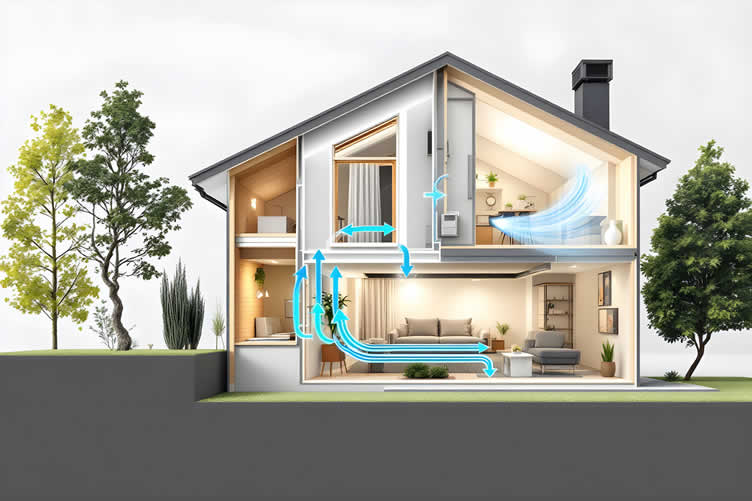
AI generated image by 123rf.com
Fresh Air Solutions
When sealing up your home’s building envelope to improve energy efficiency, it’s common for the air inside to feel stagnant over time.
This can trap allergens, dust, and other pollutants, potentially affecting your home’s air quality.

An indoor air purifier offers a simple and budget-friendly solution to keep the air fresh, clean, and allergen-free.
These devices are available in various sizes and styles, making it easy to find one that suits your space and lifestyle needs, ensuring a healthier and more comfortable living environment for your family.
view ideas: Guide to Air Purifiers(new win)
-
Scroll up to section directory … or scroll to next supporting note …
-
-
4th: Invest in Smart Monitoring
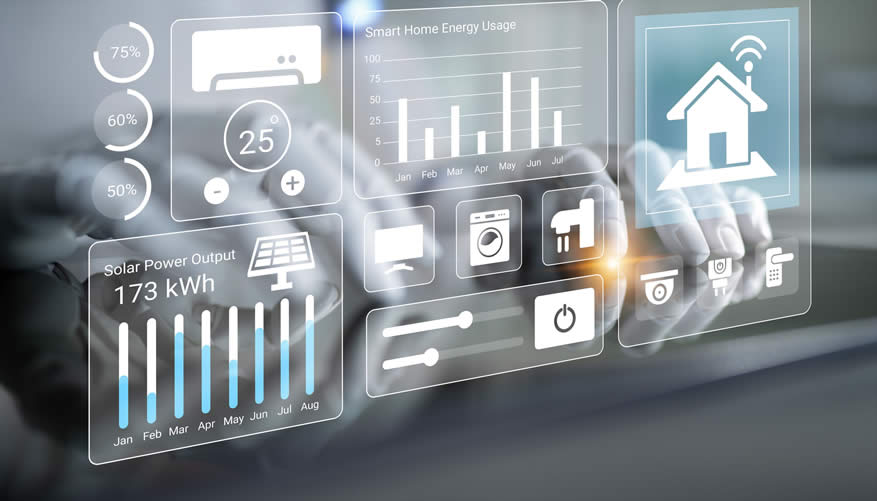
Investing in smart monitoring devices can significantly reduce your home’s electrical expenses while promoting energy-efficient habits.
These tools not only provide real-time insights into your electricity usage but also identify wasteful appliances or patterns, helping you make informed decisions about energy consumption.
By using smart monitoring systems, homeowners can achieve long-term savings without compromising comfort or convenience.
copyright image by 123rf.com
Smart monitoring doesn’t just ensure accurate tracking—it empowers you to optimize energy use across the home via actionable data.
For instance, users can detect electricity spikes from certain appliances or adjust their routines to take advantage of energy-saving opportunities during off-peak times.
With so many versatile options available, there is a smart monitoring solution for every home and budget.
-
Smart Plugs and Outlets
Smart plugs and outlets are among the most accessible monitoring solutions for any household. These devices allow you to track energy consumption for specific appliances, such as lamps, coffee makers, or televisions.
Many models include app-controlled features, enabling you to remotely manage your devices, set timers, or shut off forgotten electronics.
-
Smart Meters
A smart meter provides real-time updates on your home’s overall electrical usage directly from the utility service. These meters replace traditional analog meters, offering transparency and control over your monthly bills.
With smart meters, you can identify peak energy usage times and adjust your habits to avoid unnecessary costs during those periods.
-
Automated Window Treatments
Automated window treatments are a smart solution for improving your home’s energy efficiency.
Programmed to open and close based on the time of day, temperature, or sunlight intensity, these blinds and shades help regulate indoor temperatures naturally — reducing your reliance on heating and cooling systems and lowering energy bills.
-
Energy Monitoring Systems
For a comprehensive solution, invest in an energy monitoring system designed to give a full overview of your home’s energy usage.
These systems often work with smart home hubs and break down electricity consumption by room, appliance, or circuit. They also provide suggestions tailored to your household’s energy habits, allowing for highly personalized improvements.
-
Smart Thermostats
Integrating a smart thermostat into your HVAC system allows you to regulate heating and cooling with precision while monitoring energy usage.
These devices often include features like geofencing, programmable schedules, and learning algorithms to adjust temperatures efficiently, reducing unnecessary energy expenditure.
-
Solar Monitoring Systems
If your home has solar panels, solar monitoring systems are essential for tracking energy production and consumption.
These tools ensure that you’re maximizing your solar investment by helping identify inefficiencies or performance drops in the system. Many solar monitoring options also integrate with apps to provide insights from anywhere.
- Quick scroll to summary content …
Category Description Benefits Smart Monitoring Devices Smart monitoring tools provide real-time insights into electricity usage, identifying wasteful appliances and patterns. Promotes energy-efficient habits, helps optimize energy use, and achieves long-term savings while maintaining comfort and convenience. Smart Plugs and Outlets Devices that track specific appliance energy use, like lamps or televisions, and allow remote management through apps. Facilitates energy consumption monitoring, includes features like timers, and prevents waste from forgotten electronics. Smart Meters Modernized meters that provide real-time updates directly from the utility service, replacing traditional analog meters. Enables transparency over energy bills, shows peak usage times, and promotes habit adjustments to lower costs. Automated Window Treatments Blinds or shades that open and close based on time, temperature, or sunlight to regulate indoor temperatures naturally. Reduces reliance on heating and cooling systems, improving energy efficiency and lowering energy expenses. Energy Monitoring Systems Comprehensive systems that analyze home energy usage by room, appliance, or circuit while working with smart home hubs. Provides tailored energy-saving suggestions and highly detailed consumption data to improve efficiency. Smart Thermostats Integrated devices for precise heating and cooling regulation with features like programmable schedules and learning algorithms. Reduces unnecessary energy usage, enables efficient temperature management, and enhances comfort. Solar Monitoring Systems Tools designed to track energy production and consumption in homes with solar panels for system optimization. Maximizes solar investment, identifies inefficiencies, and provides remote performance insights via app integration. 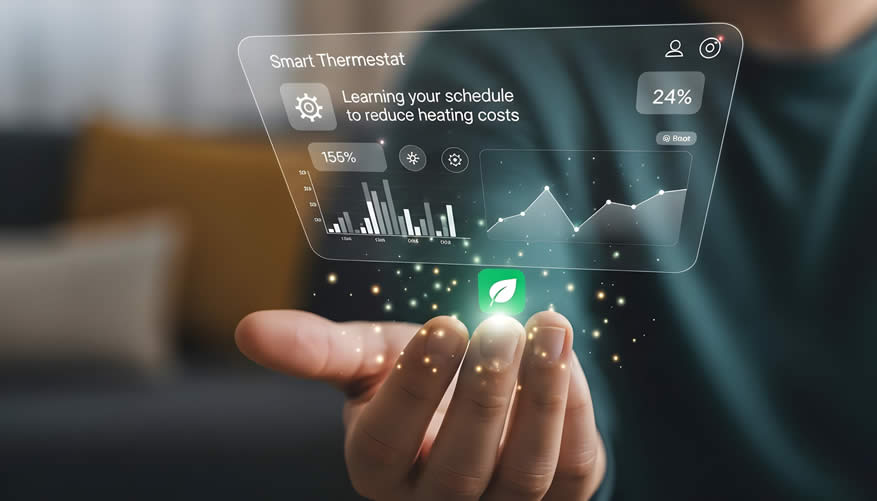
copyright image by 123rf.com
Key Features of a Smart Thermostat
A smart thermostat is designed to revolutionize your home’s energy efficiency by combining advanced technology with ease of use.
The learning algorithm serves as the core component, adjusting settings based on your routines, local weather, and occupancy patterns to optimize comfort while minimizing energy waste.
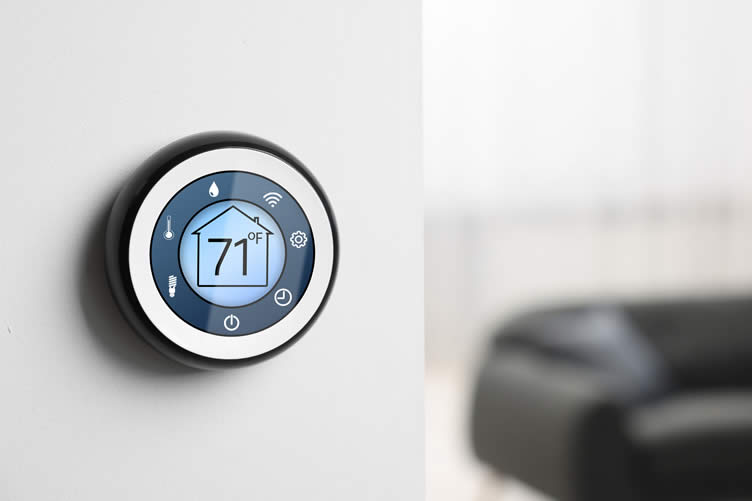
Additionally, motion sensors enhance functionality by detecting when you’re home or away, ensuring that heating and cooling adjustments are made only when necessary.
Affordable and innovative, this device can not only fit seamlessly into your budget but also help significantly reduce heating and cooling costs over time, making it an essential upgrade for modern living.
view ideas: Smart Thermostats(new win)
-
Scroll up to section directory … or scroll to next supporting note …
-
-
5th: Leverage a Professional Energy Assessment
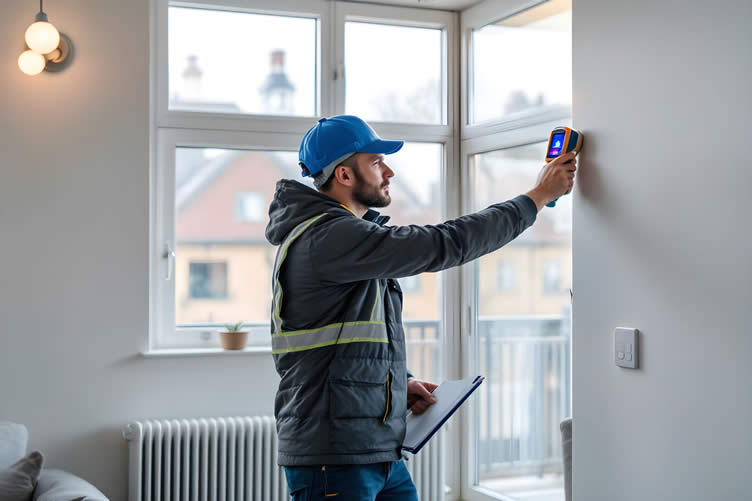
A professional energy assessment, also known as a home energy audit, is a thorough evaluation of how energy is used and wasted in your home.
By identifying inefficiencies, these assessments enable you to prioritize upgrades that can dramatically reduce your utility bills over time.
AI generated image by 123rf.com
Conducted by certified energy auditors, these evaluations often include a combination of advanced tools, personalized reports, and actionable recommendations tailored to your home’s specific needs.
An energy assessment benefits homeowners by revealing hidden problem areas like insufficient insulation, leaky windows, or aging appliances that are driving up energy costs.
Think of it as a roadmap to a more energy-efficient home—one that prioritizes comfort, savings, and sustainability.
-
What Does an Energy Assessment Include?
During an energy assessment, a qualified professional will carefully evaluate several key aspects of your home to get a full picture of where energy is being used — and where it’s being wasted. This typically includes a close look at:
-
Inspection of Insulation and Sealing:
Using specialized tools like infrared cameras and blower door tests, auditors can carefully identify areas where warm or cool air is slipping through the cracks—whether that’s around window frames, door seals, or poorly insulated walls.
These are the hidden culprits that quietly drive up your energy bills month after month, and spotting them early can make a real difference to both your comfort and your costs.
-
Appliance and System Efficiency Testing:
Your heating and cooling systems, along with any large appliances, are carefully assessed to determine whether they’re running as efficiently as they should be—or whether they may be working harder than necessary and driving up your energy costs.
If any of these systems are aging or under-performing, the auditor can help you understand whether a tune-up or a full replacement might be the more cost-effective path forward.
-
Lighting and Plug Load:
From outdated incandescent light bulbs to power-hungry electronics left on standby, your lighting and plug loads can quietly chip away at your energy budget.
While each individual drain may seem minor, these small inefficiencies have a way of adding up over time, making a noticeable difference in your monthly energy costs across weeks and months.
-
Personalized Energy Plan:
Once the assessment is complete, you’ll receive a detailed, personalized report outlining cost-effective suggestions tailored to your home’s specific needs.
These recommendations are designed to help you boost energy efficiency at every level — from simple, affordable fixes like adding weather-stripping around drafty doors and windows, to larger, more impactful investments such as upgrading to a new HVAC system.
The report will typically prioritize these suggestions, helping you understand which changes will deliver the greatest savings and which can be tackled gradually over time.
-
-
What Does It Cost?
The cost of a professional energy assessment typically ranges from $100 to $500, depending on the size of your home and the depth of the evaluation required.
However, many utility companies or local governments subsidize energy audits or offer rebates, significantly reducing out-of-pocket expenses.
Considering the long-term savings that can result—often reducing annual utility bills by up to 30%—this investment can quickly pay for itself.
-
Key Takeaway
A professional energy assessment is much more than an expense; it’s an invaluable tool for homeowners aiming to maximize efficiency while minimizing costs.
Whether you’re tackling an older home or simply looking to reduce waste, an audit provides actionable insights that help you make informed decisions to improve both your home environment and financial outlook.
- Quick scroll to summary content …
[ view items: home energy audit checklist]
[ inspecting: insulation and sealing]
[ viewing: home energy plan]
Aspect Description Benefits Inspection of Insulation and Sealing Specialized tools like infrared cameras and blower door tests are used to identify areas where air is escaping, such as window frames, door seals, or poorly insulated walls. Detecting these issues early helps reduce energy waste, lower utility bills, and improve home comfort. Appliance and System Efficiency Testing Heating and cooling systems, along with major appliances, are assessed for performance to ensure they’re not overworking and driving up costs unnecessarily. Helps determine whether repairs or replacements are the most cost-effective solution for improved efficiency. Lighting and Plug Load Examines outdated lighting like incandescent bulbs and evaluates energy usage of electronics left on standby. Identifies minor inefficiencies that, when addressed, can lead to substantial energy savings over time. Personalized Energy Plan A detailed report with tailored recommendations for boosting energy efficiency at different levels, from simple fixes to larger investments. Guides homeowners to prioritize changes that offer the greatest impact for energy savings and sustainability. Cost of Assessment The assessment cost ranges from $100 to $500, but rebates or subsidies may reduce expenses significantly. Long-term savings can offset the initial cost, often reducing utility bills by up to 30% annually. 
copyright image by 123rf.com
Illuminating Savings with LED Lighting
LED lighting continues to revolutionize home illumination, offering a blend of energy efficiency, long lifespan, and flexible design options that cater to various styles and needs.
While many homeowners have transitioned to LEDs in main areas of their homes, it’s worth exploring overlooked spaces such as basements, attics, closets, vanities, or outdoor areas.
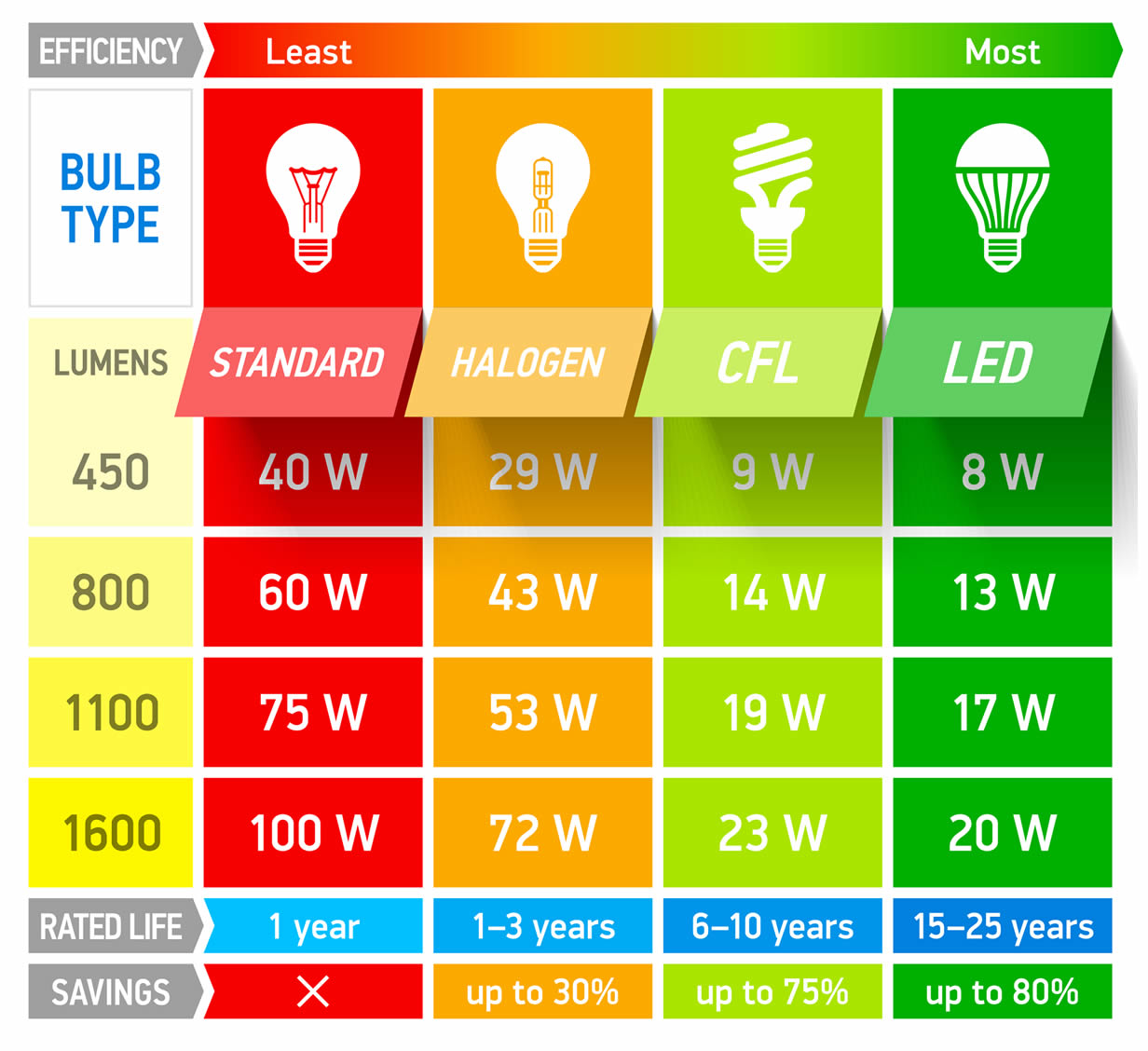
By incorporating LEDs into these often-neglected areas, you can significantly reduce energy consumption while achieving consistent, high-quality lighting throughout your home.
Make the switch to LEDs to maximize both cost savings and overall efficiency.
view ideas: Choosing the Right LED Bulbs(new win)
-
Scroll up to section directory …
-
-
-
ideas to view and compare from the information discussed above
Scroll up to directory … or scroll to next review about making key investments …
SHARE IT ..! Someone in your network might benefit from this insightful post on home upgrades designed for seniors. Feel free to share it on Facebook, X (formally Twitter), LinkedIn, or Pinterest!



Outline the specific requirements needed for making …

… key home improvement and remodeling decisions
… home remodeling and improvement

Download this PDF for a concise summary of everything you need to know about …?
… remodeling decisions
… to reduce rising energy costs further
May We Suggest Other Photo Remodeling Ideas About
“Latest Interest Related to Home Improvement …” (new win)


third “photo remodeling” idea

copyright image by 123rf.com
Review 3: Long-Term Investments to Slash Electricity Costs
Notes:
-
Residential electricity rates rose 7.3% year-over-year as of April 2026, according to the U.S. Energy Information Administration (EIA), and there’s little sign of that trend slowing down.
The good news? Homeowners now have more proven, high-impact tools than ever to take control of their energy costs.
The highest-return long-term investments to defray—and in many cases more than offset—your electricity expenses are solar PV systems, heat pump upgrades, deep efficiency retrofits, and battery storage.
Each works differently, each has a distinct financial profile, and knowing how they fit together is the key to building a strategy that actually pays off for your home.
-
Quick scroll to supporting notes …
-
-
1st: Harnessing the Sun with Solar PV
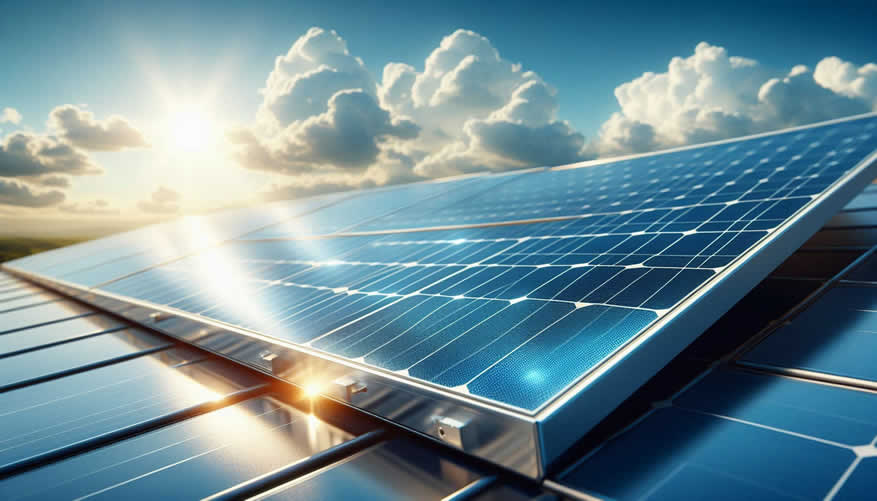
Solar photovoltaic (PV) systems are one of the most effective solutions for reducing electricity costs and boosting your home’s energy efficiency.
By converting sunlight into electricity, solar PV systems provide a renewable, sustainable energy source that can power your home and significantly lower your reliance on the grid.
With advancements in solar technology, modern systems are highly efficient, durable, and customizable to a wide range of property sizes and energy needs.
copyright image by 123rf.com
Adopting solar PV not only offers financial benefits but also contributes to a greener future. Harnessing solar power helps reduce carbon emissions and creates a more sustainable energy plan for your home.
Whether you’re planning to offset your entire electricity bill or supplement your grid connection, solar PV is a flexible and future-proof investment.
-
Why Solar PV Can Reduce Costs
Solar PV systems generate free electricity from sunlight, meaning lower utility bills from the day the system starts operating. While the initial upfront costs can be significant, government incentives such as tax credits and rebates can substantially reduce these expenses.
Additionally, many PV systems allow homeowners to sell excess energy back to the grid through net metering, further offsetting utility costs.
Over the 25-30 year lifespan of a solar PV system, the cumulative savings can far exceed the initial investment.
-
How and Where to Install a Solar PV System
Installing a solar PV system begins with assessing your home’s suitability, which depends on factors like roof orientation, shading, available space, and local sunlight levels.
South-facing roofs with minimal obstruction typically offer the best performance, but modern mounting systems also accommodate flat roofs or ground installations.
Professional installers will evaluate your property to recommend the optimal design and placement for maximum solar output. Trust a certified solar installer to handle the electrical connections and ensure compliance with local building codes and permitting requirements.
-
Costs for PV and Installation
The costs for a solar PV system can vary based on system size, location, and the installer. On average, a residential solar setup ranges between $15,000 and $25,000 before incentives.
Federal tax credits, such as the Solar Investment Tax Credit (ITC), currently allow homeowners to deduct a portion of installation costs, significantly lowering the total expense.
Additionally, many states and municipalities offer rebates, grants, or low-interest financing to make solar adoption more accessible. Working with a reputable provider ensures transparency on costs and potential savings.
-
Return on Investment (ROI)
The return on investment for solar PV typically becomes apparent within 7 to 12 years, depending on electricity rates and local solar conditions. Homeowners can expect to save tens of thousands of dollars over the system’s lifespan, making it a top-tier investment for long-term financial benefits.
Systems can also increase property value, as buyers are often willing to pay more for homes with built-in, energy-efficient technology.
Studies from reputable organizations, such as the National Renewable Energy Laboratory (NREL), confirm that homes with solar sell faster and at higher prices compared to non-solar homes.
-
Other Considerations
Before investing in a solar PV system, explore options for warranties and maintenance packages to ensure your system operates at peak efficiency for decades.
Many manufacturers offer warranties of 20-25 years, covering both the panels and inverter. Finally, consider combining solar PV with battery storage systems for enhanced energy independence and to maintain power during outages.
Solar technology evolves rapidly, so staying updated on advancements can help you make the best investment for your home.
By leveraging the power of the sun, solar PV systems provide a sustainable and cost-effective solution to reduce your electricity expenses while increasing your home’s value.
With proper planning and installation, this long-term investment can offer both immediate and lasting reward.
- Quick scroll to summary content …
[ view images: home solar panels]
[ illustration: how do solar panels work]
[ diagrams: solar panel cost calculator]
Topic Details Benefits Harnessing the Sun with Solar PV Solar photovoltaic (PV) systems convert sunlight into electricity, offering a renewable and sustainable energy source to power homes.
Modern solar technology ensures high efficiency, durability, and customization for various property sizes and energy needs.
Reduced reliance on the grid, lower electricity costs, and contribution to a greener future by lowering carbon emissions. Why Solar PV Can Reduce Costs Solar PV systems provide free electricity from sunlight, reducing utility bills.
Initial upfront costs can be offset by government incentives like tax credits and rebates, and net metering allows homeowners to sell excess energy back to the grid.
Substantial long-term savings that can exceed initial investments over 25-30 years. How and Where to Install a Solar PV System Installation depends on roof orientation, shading, space, and sunlight levels.
South-facing roofs offer optimal performance, but ground installations and flat roofs are also viable with modern systems.
Certified installers ensure optimal design, compliance, and safety.
Maximum energy output with professional guidance and adherence to local regulations. Costs for PV and Installation The average cost of residential solar setups ranges from $15,000 to $25,000 before incentives.
Federal tax credits, state rebates, and financing options can significantly lower these expenses.
Transparency in costs, financial incentives, and easier adoption of solar technology. Return on Investment (ROI) ROI is typically realized within 7 to 12 years.
Solar PV systems enhance property value and save homeowners tens of thousands of dollars over their lifespan.
Homes with solar often sell faster and at higher prices.
Long-term financial benefits and increased property value. Other Considerations Exploring warranties and maintenance packages ensures system longevity.
Warranties typically cover 20-25 years.
Combining solar PV with battery storage systems enhances energy independence and stability.
Reliable operation, advanced energy solutions, and preparedness for future developments. 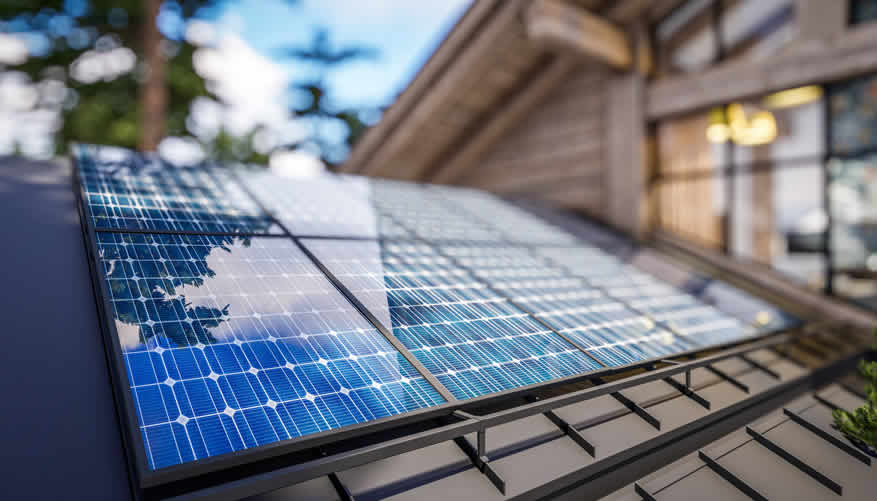
copyright image by 123rf.com
Installing a Solar Energy System
Installing a solar energy system is a great way for homeowners to lower energy bills and increase property value.
While the process can feel daunting, breaking it into manageable steps makes it much more approachable.
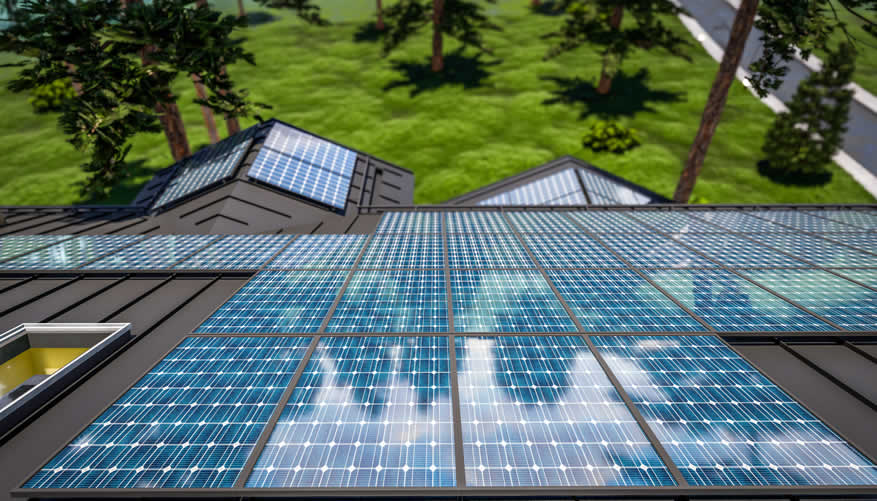
Start by researching local regulations, tax credits, and rebates to offset costs, then consult a trusted professional to ensure your system is tailored to your home’s needs.
With the right planning, transitioning to solar can be both straightforward and rewarding.
view ideas: A Homeowner’s Guide(new win)
-
Scroll up to section directory … or scroll to next supporting note …
-
-
2nd: Heat Pump Systems
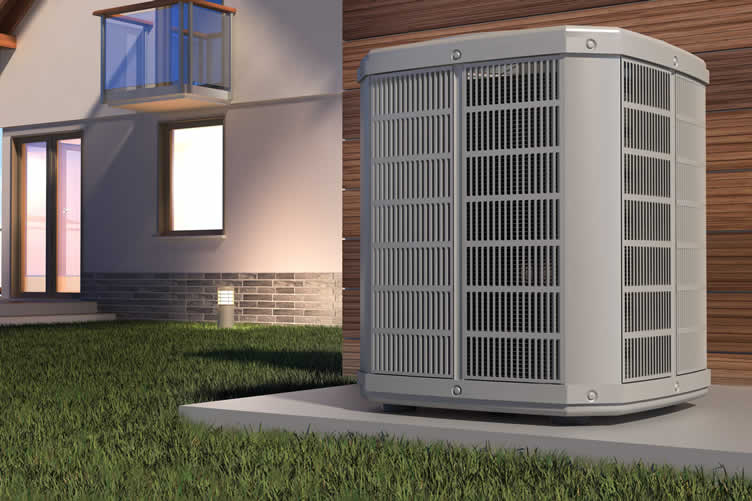
Heat pump systems are among the most efficient and environmentally friendly solutions for heating and cooling your home.
By transferring heat rather than generating it, these systems use significantly less electricity compared to traditional heating and cooling methods.
With advanced technology, heat pump systems can seamlessly regulate indoor temperatures while lowering energy consumption, making them a smart, long-term investment for homeowners seeking sustainable ways to reduce utility bills.
copyright image by 123rf.com
Whether you’re looking to upgrade an outdated HVAC system or invest in energy-efficient appliances, heat pump systems provide a versatile solution suited to various home sizes and climates.
These systems are particularly appealing for their dual functionality, offering both heating and cooling capabilities from a single unit.
Additionally, their ability to utilize renewable energy sources, such as geothermal or ambient air, further enhances their cost-saving potential.
-
How Heat Pump Systems Reduce Costs
Heat pump systems operate by moving heat from one place to another, rather than relying on energy-intensive methods like burning fuel.
During the winter, they extract heat from the outside air (even in cold conditions) or the ground and transfer it indoors. In the summer, the process is reversed to cool your home by moving heat out.
This approach offers energy efficiency up to 300%, meaning heat pumps can produce three units of heat for every one unit of electricity consumed.
Additionally, integrating a heat pump system with renewable energy installations, such as solar panels, can drastically reduce energy expenses.
Advanced models equipped with smart thermostats and zoning capabilities also optimize energy usage, ensuring that no electricity is wasted in unoccupied areas of the home.
-
How, When, and Where to Install
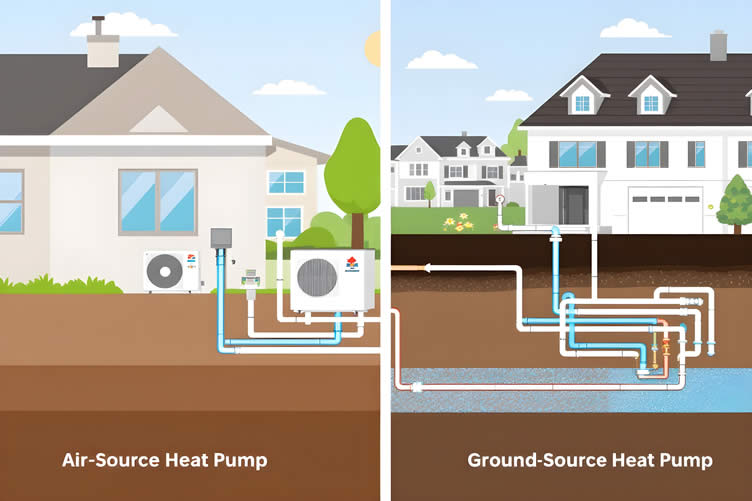
Heat pump systems can be installed in a wide variety of residential settings, from single-family homes to apartments. The two most common types are air-source and ground-source (geothermal) systems.
Air-source heat pumps are easier and less expensive to install, making them a popular option for mild to moderate climates.
Ground-source systems, while more expensive up-front, offer greater efficiency and are ideal for regions with more extreme temperatures.
When planning an installation, it’s essential to have a professional HVAC technician assess your home’s insulation, heating and cooling loads, and climate zone to determine the best system for your needs.
The installation process can take anywhere from a single day for ductless mini-splits to several weeks for geothermal systems, depending on the complexity and scale of your setup.
-
Costs for Heat Pump Systems and Installation
The cost of installing a heat pump system varies depending on the type and scale of the system.
Air-source heat pumps, for example, can range from $3,500 to $7,500 for standard models, including installation. More energy-efficient or high-performance models may cost up to $10,000.
Ground-source heat pumps, on the other hand, tend to be more expensive with installation costs starting around $15,000 and potentially exceeding $30,000 for larger homes or complex geothermal loops.
While the initial costs may seem high, taking advantage of regional rebates, utility incentives, or low-interest financing programs can significantly offset expenses.
Many homeowners also see reduced maintenance costs compared to traditional HVAC systems, as heat pumps typically have fewer moving parts prone to wear and tear.
-
Return on Investment
Investing in a heat pump can yield significant long-term savings, both in energy costs and home value. On average, homeowners report annual energy savings of 20-40% after switching to a heat pump system.
Over time, these savings can easily offset the initial investment, with most systems paying for themselves within 5 to 10 years, depending on energy usage and system type.
Additionally, heat pump installations can increase a home’s resale value, particularly as energy efficiency continues to grow in importance for potential buyers.
A properly installed and maintained system can last 15-25 years, making it a durable and reliable investment for cost-conscious homeowners.
-
Other Considerations
When evaluating a heat pump system, it’s crucial to consider the environmental benefits alongside cost savings. Heat pumps produce zero on-site emissions, reducing your home’s overall carbon footprint.
They are also compatible with renewable energy solutions, providing a future-proof path toward sustainability.
Before making a decision, research federal, state, and local programs offering incentives or rebates for energy-efficient upgrades. While the federal Section 25C tax credit expired in December 2025, many regional rebates and incentives are still available.
Speak with a licensed HVAC contractor or energy advisor to explore financing options, ensure proper installation, and maximize your return on investment.
For those looking to make a meaningful investment in their home’s comfort, functionality, and energy efficiency, a heat pump system is an excellent choice that combines cutting-edge technology with real-world savings.
- Quick scroll to summary content …
[ view items: home heat pump system]
[ illustration: how heat pump systems work]
[ diagrams: heat pump system cost and Roi]
Aspect Description Overview of Heat Pump Systems Heat pump systems are efficient and environmentally friendly solutions for heating and cooling homes. They work by transferring heat rather than generating it, using less electricity when compared to traditional systems.
These systems regulate indoor temperatures seamlessly while reducing energy consumption, offering a smart, long-term investment for sustainable living.
They provide both heating and cooling in one unit and can utilize renewable energy sources like geothermal or ambient air.
Cost Reduction Heat pump systems move heat instead of using energy-intensive methods like burning fuel, leading to efficiency up to 300%.
Extracting heat from air or the ground during winter and reversing the process for cooling in summer reduces energy usage significantly.
Integration with renewable energy, like solar panels, further cuts costs.
Advanced models with smart thermostats and zoning capabilities optimize usage, enhancing cost-saving potential.
Installation Considerations Heat pump systems can be installed in various residential settings.
Air-source systems are affordable and suited for mild climates, while ground-source systems, though costlier upfront, offer greater efficiency for extreme climates.
Installation complexities vary, taking from one day to several weeks based on the system. Professional assessment of home requirements is crucial for selecting the right system.
Installation and Maintenance Costs The cost of air-source heat pumps, including installation, ranges from $3,500 to $10,000, while ground-source systems start at $15,000 and can exceed $30,000.
Regional rebates and incentives can offset costs. These systems also reduce maintenance expenses as they have fewer wearable components compared to traditional HVAC systems.
Return on Investment With reported annual energy savings of 20-40%, heat pump systems typically pay for themselves within 5 to 10 years.
They increase home resale value and last 15-25 years with proper maintenance, making them a durable and energy-efficient home upgrade.
Environmental and Financial Incentives Heat pumps produce no on-site emissions, lowering the overall carbon footprint. They align with renewable energy goals and may qualify for regional rebates and incentives.
Consulting with professionals ensures appropriate installation and maximized returns, offering both environmental and financial benefits.
AI generated image by 123rf.com
Beat the Heat (and Cold)
If your current ducted HVAC system struggles to maintain consistent temperatures in certain areas of your home, exploring a ductless HVAC system connected to a heat pump could be a game-changer.
These systems not only provide targeted heating and cooling for specific zones but also improve energy efficiency, potentially lowering your utility bills.
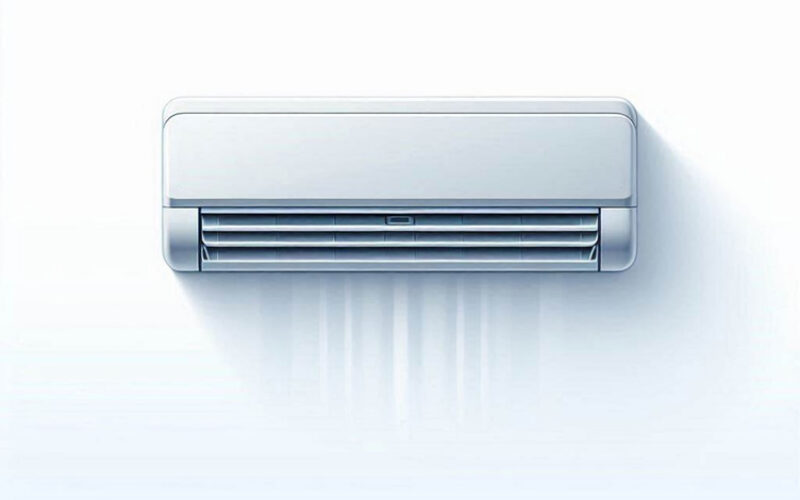
With their compact design and ease of installation, ductless systems offer an affordable, modern solution for enhancing comfort while reducing overall energy consumption.
view ideas: Ductless Mini-Split System(new win)
-
Scroll up to section directory … or scroll to next supporting note …
-
-
3rd: Building a Better Home with Deep Efficiency and Retrofits
Creating a more energy-efficient and sustainable home requires a strategic approach that prioritizes both immediate improvements and long-term upgrades.
Deep energy efficiency retrofits not only reduce electricity costs significantly but also enhance the comfort, durability, and overall value of your home.
By implementing advanced efficiency strategies, homeowners can achieve substantial energy savings while contributing to a greener future. These measures typically integrate optimized home design with state-of-the-art technologies.

copyright image by 123rf.com
To begin your deep efficiency endeavor, assess current energy usage and identify areas for improvement through an energy audit.
Key investments often include upgrading insulation, sealing air leaks, replacing outdated systems, and incorporating renewable energy solutions.
Below are specific enhancements to consider for a modern, energy-efficient home.
-
1. High-Performance Insulation
Upgrading your home’s insulation is one of the most effective ways to reduce heating and cooling costs.
Insulation materials with a high R-value, such as spray foam or rigid foam boards, improve thermal resistance, helping your home maintain consistent indoor temperatures year-round.
Properly insulating walls, attics, basements, and crawlspaces can dramatically decrease energy waste.
According to the U.S. Department of Energy (DOE), homeowners can save up to 20% on heating and cooling expenses with sufficient insulation.
-
2. Advanced Air Sealing
Air leaks around windows, doors, and ductwork are often overlooked but contribute significantly to energy loss. Seal gaps and cracks using weatherstripping, caulk, or expanding foam to improve your home’s airtightness.
Professional air sealing services can further identify hidden leaks and ensure comprehensive sealing. This relatively low-cost measure prevents outside air infiltration and improves HVAC system efficiency.
-
3. Energy-Efficient Windows
Replacing outdated windows with ENERGY STAR® certified models can dramatically improve thermal efficiency.
Double or triple-pane windows with low-emissivity (Low-E) coatings and gas fills reduce heat transfer, keeping your home comfortable while lowering energy consumption.
Additionally, investing in well-installed window treatments, such as insulated drapes or blinds, complements the performance of high-efficiency windows.
-
4. HVAC System Upgrades
Heating, ventilation, and air conditioning (HVAC) systems account for a significant portion of household energy usage.
Upgrading to a high-efficiency heat pump system or a modern furnace with a high Annual Fuel Utilization Efficiency (AFUE) rating can significantly lower operating costs.
Ensure the system is professionally installed and sized correctly for your home to maximize performance and energy savings.
-
5. Smart Home Technologies
Smart thermostats, energy monitors, and automated lighting systems allow users to manage energy consumption more effectively. By learning your habits and optimizing energy use, these devices reduce waste and improve overall efficiency.
Most smart technologies can also integrate with mobile apps, providing real-time insights and control over your home’s systems.
-
6. Water Heating Efficiency
Consider upgrading to a tankless or high-efficiency water heater to reduce water heating costs, which form a significant portion of a typical utility bill.
These systems heat water on-demand, eliminating the need for a storage tank and reducing standby heat loss.
Additionally, insulating your water heater and hot water pipes can add further savings.
-
7. Home Energy Audits and Certifications
Before and after making significant improvements, conduct a professional home energy audit to evaluate your home’s energy performance.
Many certified auditors use blower door tests and thermal imaging to uncover inefficiencies.
Consider pursuing energy certifications, such as LEED or ENERGY STAR® for Homes, to validate and document your home’s energy-efficient upgrades.
Investing in these energy-efficient measures requires careful planning and professional guidance to ensure maximum returns.
By making your home more efficient, you can enjoy lower utility bills, improved comfort, and enhanced property value while contributing to a more sustainable environment.
- Quick scroll to summary content …
Enhancement Description Benefits High-Performance Insulation Improves thermal resistance using materials with high R-values like spray foam or rigid foam boards. Reduces heating and cooling costs by up to 20%, maintains consistent temperatures, and decreases energy waste. Advanced Air Sealing Seals gaps and cracks around windows, doors, and ductwork with weatherstripping, caulk, or foam. Prevents outside air infiltration, improves HVAC system efficiency, and lowers energy loss. Energy-Efficient Windows Uses ENERGY STAR® certified windows with Low-E coatings and gas fills to reduce heat transfer. Enhances thermal efficiency, ensures comfort, lowers energy consumption, and complements window treatments. HVAC System Upgrades Replaces outdated systems with high-efficiency heat pumps or modern furnaces with high AFUE ratings. Significantly reduces operating costs, improves system performance, and optimizes home comfort. Smart Home Technologies Integrates smart thermostats, energy monitors, and automated lighting systems managed through mobile apps. Reduces energy waste, provides real-time control, and optimizes energy use based on habits. Water Heating Efficiency Upgrades to tankless or high-efficiency water heaters and insulates water heaters and hot water pipes. Lowers water heating costs, reduces heat loss, and enhances overall energy efficiency. Home Energy Audits and Certifications Uses professional audits with blower door tests and thermal imaging to evaluate energy performance. Uncovers inefficiencies, validates upgrades with certifications like LEED or ENERGY STAR® for Homes. 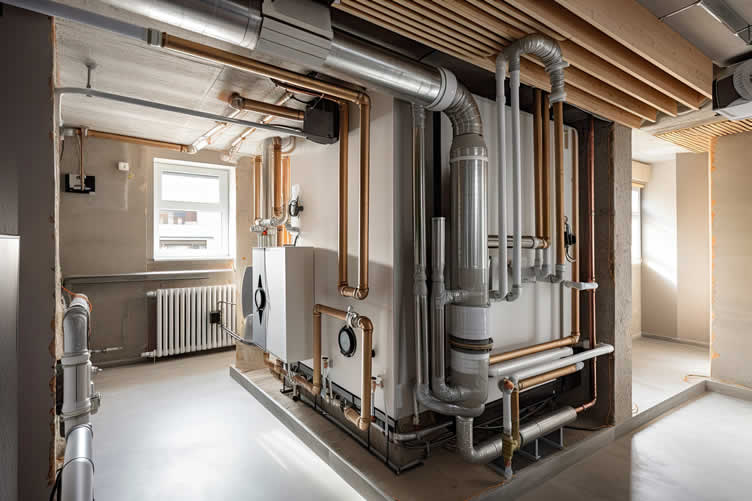
copyright image by 123rf.com
Revolutionizing Energy Savings
Smart home technologies integrated with a central hub and IoT devices can meaningfully reduce electricity costs by creating a more efficient, automated home environment.
These systems let you monitor and control energy consumption in real time—from adjusting thermostats to managing lighting and appliances.
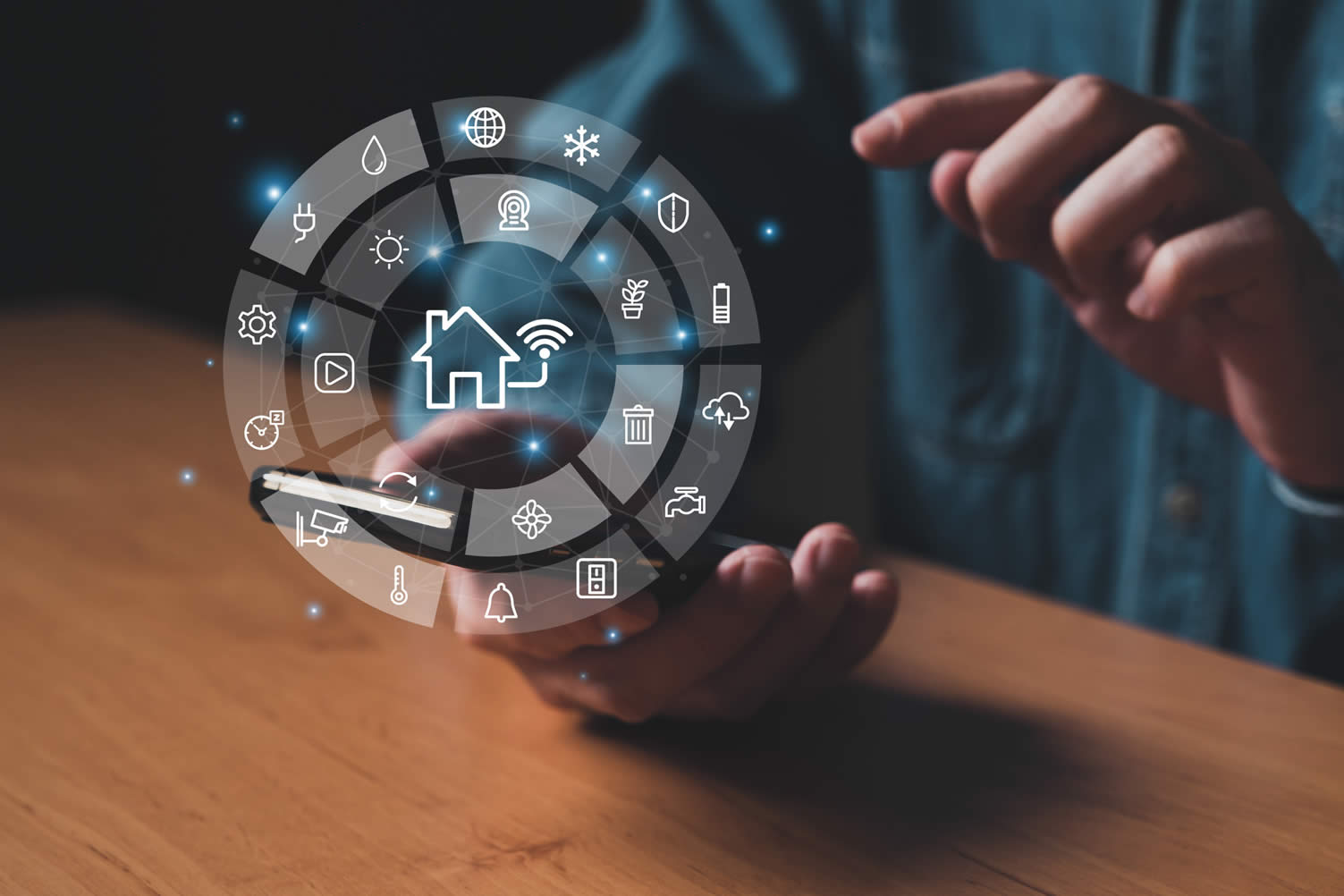
IoT-enabled devices analyze usage patterns and automatically optimize energy settings to eliminate waste, while central hubs provide a simple interface to manage all connected devices, helping homeowners make smarter energy decisions without sacrificing comfort.
view ideas: Using IoT for Home Automation(new win)
-
Scroll up to section directory … or scroll to next supporting note …
-
-
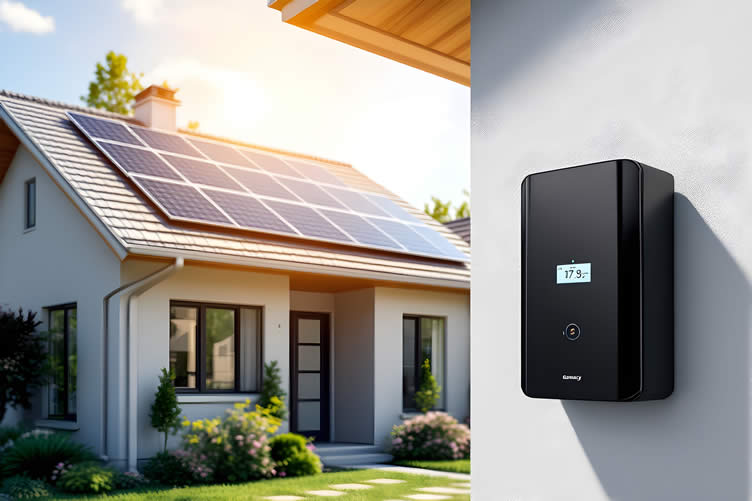
4th: Battery Storage Solutions
Home battery storage solutions have become an increasingly popular investment for homeowners looking to reduce electricity costs and build energy resilience.
These systems allow you to store excess energy produced by renewable sources, such as solar panels, for use when demand is high or during outages.
By integrating battery storage into your home, you can lower your reliance on the grid, save on utility bills, and gain peace of mind in knowing your home has a dependable power backup.
AI generated image by 123rf.com
Modern battery storage systems are highly efficient, compact, and user-friendly. They enable homeowners to maximize their renewable energy usage by storing surplus production during peak hours and using it during off-peak times.
For those in regions with time-of-use electricity rates or prone to grid instability, battery storage is an essential addition to any energy-efficient home.
-
How Battery Storage Operates and Works
Battery storage systems work by capturing and storing electricity, typically produced by solar panels, into a rechargeable battery.
The stored energy can then be used during power outages or when energy rates are higher, giving homeowners greater control over energy consumption.
Advanced systems often include built-in software to monitor energy production and usage, ensuring optimal efficiency and performance. Storage systems can also integrate into smart home platforms for seamless management.
-
Size Requirements and Capacity
The size and capacity of a battery system are critical considerations. Storage capacity is measured in kilowatt-hours (kWh) and indicates how much electricity can be stored and used later.
Smaller systems, around 5-10 kWh, may be sufficient for basic emergency backup, while larger systems of 15 kWh or more can power entire homes for extended periods.
Proper sizing depends on your household’s energy needs, the size of your solar system (if applicable), and grid dependency.
-
Types of Battery Storage Systems
There are several types of battery storage technologies available, including:
- Lithium-Ion Batteries:
The most popular due to their high efficiency, long lifespan, and compact size. - Lead-Acid Batteries:
A more affordable option, although less efficient and with a shorter lifespan. - Flow Batteries:
Suitable for larger-scale storage, offering longer life cycles and easy scalability. - Solid-State Batteries (emerging technology):
Expected to offer safer and more efficient storage in the near future.
When selecting a battery type, consider performance, durability, and cost to meet your specific needs.
- Lithium-Ion Batteries:
-
Installation Location
Battery storage systems are generally installed in a dedicated space such as a garage, basement, or an outdoor enclosure.
Proper installation requires sufficient ventilation, protection from extreme weather, and compliance with local building codes.
Working with a certified installer ensures the system is installed safely and efficiently.
-
Costs and Incentives
The cost of a home battery storage system varies widely, ranging from $5,000 to upwards of $15,000 depending on capacity, type, and additional features like monitoring software.
However, many regions offer financial incentives, including federal tax credits, state rebates, and utility company programs to offset upfront costs.
For example, in the United States, homeowners are eligible for the Federal Investment Tax Credit (ITC) for renewable energy systems, including battery storage paired with solar installations.
-
Other Benefits of Battery Storage
- Energy Independence:
Reduces reliance on the utility grid, cutting electricity costs and increasing energy autonomy. - Environmental Impact:
When paired with renewable energy systems, battery storage significantly lowers a home’s carbon footprint. - Power Resilience:
Provides backup power during blackouts, which is especially valuable in areas experiencing frequent power disruptions. - Home Value:
Installing an energy storage system can enhance your home’s market value and appeal to eco-conscious buyers.
Investing in a battery storage system is a practical step toward energy efficiency, cost savings, and sustainability.
With proper research and expert guidance, you can choose a system that aligns with your home’s energy goals and budget.
- Energy Independence:
- Quick scroll to summary content …
[ view items: home solar battery bank]
[ illustration: solar battery installation]
[ diagrams: home solar battery cost]
Category Description Details Long-Term Investments to Reduce Electricity Costs Battery Storage Solutions Home battery storage systems help homeowners reduce electricity costs and enhance energy resilience.
These systems store excess energy from renewable sources like solar panels for use during high-demand periods or outages, reducing grid reliance.
How It Operates Storage and Energy Management Battery storage captures electricity from sources such as solar panels into rechargeable batteries.
Advanced systems include software for optimal efficiency and can integrate with smart home platforms for seamless energy management.
Size Requirements Capacity and Sizing Battery capacity is measured in kilowatt-hours (kWh).
Small systems (5-10 kWh) cover basic needs, while larger ones (15 kWh or more) power entire homes.
Proper sizing considers energy usage, solar system size, and grid dependency.
Types of Systems Battery Technologies Available types include lithium-ion (efficient and durable), lead-acid (affordable), flow batteries (scalable with long life), and solid-state batteries (emerging with high efficiency).
Each type varies in performance and cost.
Installation Location and Setup Batteries are installed in locations such as garages, basements, or outdoor enclosures with proper ventilation and compliance with local codes.
Certified installers ensure safety and efficiency.
Costs and Incentives Financial Considerations Costs of systems range from $5,000 to $15,000, depending on capacity and features.
Incentives like tax credits and rebates are available to reduce expenses, such as the U.S. Federal Investment Tax Credit (ITC) for renewable systems paired with solar.
Additional Benefits Key Advantages Battery storage systems provide energy independence, environmental benefits, power resilience during blackouts, and increased home value, making them a sustainable and cost-effective investment. 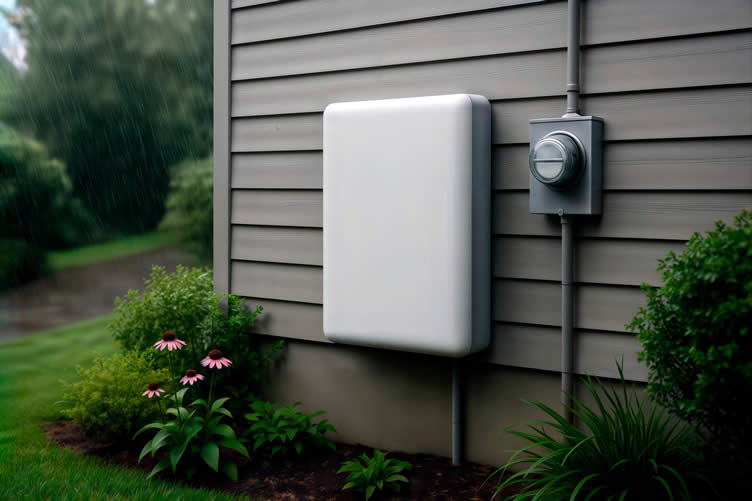
copyright image by 123rf.com
Sustainable Living in Your Garage
Installing an EV charging station in your garage is a smart way to maximize energy efficiency while supporting a sustainable lifestyle.
Not only does it allow you to charge your electric vehicle at home conveniently, but it also ensures optimal electricity usage, saving on costs compared to public charging options.

Additionally, a home charging station can power other equipment, making it a versatile addition that enhances both functionality and the value of your property.
view ideas: EV Charging Stations(new win)
-
Scroll up to section directory …
-
-
-
ideas to view and compare from the information discussed above

Scroll up to directory … or scroll to next review about the future of energy …

Easily determine the dimensions you need for any home remodeling project …
… ensuring functionality, visual appeal, and compliance with building codes.
Download this PDF for a concise summary of everything you need to know about …?
Download this PDF for a concise summary of everything you need to know about …?

Are there any other interesting topics that might have been overlooked but could offer valuable insights …?


… home remodeling – improvement – repair
fourth “photo remodeling” idea

copyright image by 123rf.com
Review 4: The Future of Energy Production
… meeting a world of rising demand
Notes:
-
Global electricity demand is climbing faster than at any point in recent memory—and the energy systems built to meet it are being fundamentally redesigned.
The answer to where energy production is headed is both clear and complex: renewable energy, led by solar and wind, will supply the majority of new power, supported by firm low-carbon sources like nuclear and geothermal, and underpinned by smarter, more resilient grids.
The transition is already underway. The question now is whether infrastructure, investment, and policy can keep pace.
-
Quick scroll to supporting notes …
- 1st: The Looming Energy Challenge
- 2nd: The Ascent of Renewables
- 3rd: The Role of Firm Low-Carbon Sources
- 4th: The Grid’s Evolving Infrastructure
- 5th: Regional Energy Trajectories
- 6th: Meeting the Data Center Demand
- 7th: What the Future Requires
- 8th: Content summary table
- next topic: Steps to Retrofitting Your Home for Energy Savings
-
-
1st: The Looming Energy Challenge
Global electricity demand grew by 4.5% in 2025 compared to 2024, according to Bloomberg NEF data cited by the World Resources Institute—well above the annual average growth rate of 1.3% recorded between 2013 and 2023.
That gap is striking: demand is growing at more than three times the pace we had come to expect. By 2050, total electricity demand is projected to be roughly 75% higher than today, driven by the electrification of transport, heating, and industry, as well as surging demand from data centers and economic growth across emerging markets.
Each of these forces is significant on its own; together, they compound into a challenge of extraordinary scale.
This is not incremental pressure. It is a structural shift—one that is reshaping the very foundations of how energy systems are planned and built. More sectors of the economy are moving off fossil fuels and onto the grid simultaneously, rather than in a gradual, staggered progression.
Transport, industry, and heating are all electrifying at once, and the grid must grow to meet them—both in generation capacity and in the infrastructure that moves electricity from source to end user.
That means not just more power plants, but more transmission lines, more substations, and smarter systems capable of managing a far more complex and dynamic flow of energy.
-
2nd: The Ascent of Renewables
The most consequential development in energy production over the past decade has been the rise of solar power—and 2025 marked a decisive milestone.
According to Ember’s Global Electricity Review 2026, solar met 75% of the net increase in global electricity demand in 2025, growing 30% to reach 2,778 TWh. Together, solar and wind met 99% of that demand growth.
Critically, clean power grew fast enough to prevent any increase in fossil fuel generation. It was the first year since 2020 that fossil generation did not rise, recording a small decline of 0.2%.
Renewables overtook coal in global power generation for the first time in modern history, reaching a 33.8% share versus coal’s 33.0%.
The economics behind this shift are self-reinforcing. Battery storage costs fell 45% in 2025 alone, following a 20% decline in 2024, while deployment grew 46% to an estimated 250 GWh globally.
This rapid cost reduction is transforming solar from a daytime-only resource into a round-the-clock power source. Frontrunner nations like Chile and Australia already have enough grid-scale storage to shift more than 50% of new solar generation to other hours of the day.
Renewables are expected to supply approximately two-thirds of global electricity by 2050, up from roughly a third today. Solar and wind are already the cheapest sources of new electricity in most regions of the world—and that cost advantage continues to widen.
-
3rd: The Role of Firm Low-Carbon Sources
Variable renewables cannot carry the grid alone. When the sun is not shining and the wind is not blowing, electricity systems need reliable, dispatchable generation—power that can be turned on when needed. This is where firm low-carbon sources become strategically indispensable.
Nuclear power is experiencing renewed interest globally. The United States has set a target to expand nuclear capacity from approximately 100 GW today to 400 GW by 2050, with both large-scale reactors and small modular reactors (SMRs) under development.
Nuclear offers steady, carbon-free baseload generation that complements the variability of solar and wind.
Geothermal energy is gaining attention as a firm, always-on renewable with a small physical footprint, particularly in geologically favorable regions.
Hydropower continues to serve as both a reliable generation source and a flexible storage mechanism in countries with abundant water resources, though geographic and environmental constraints limit new development.
Natural gas, while a fossil fuel, is expected to persist as a transition resource in many markets—particularly where it provides reliability and affordability during the build-out of cleaner alternatives.
The long-term viability of gas in a decarbonizing grid will depend heavily on the commercial deployment of carbon capture and storage technology.
-
4th: The Grid’s Evolving Infrastructure
Building more generation capacity solves only part of the problem. The infrastructure that moves electricity—transmission lines, substations, and distribution networks—must expand and modernize at the same pace.
According to the International Energy Agency, the total length of transmission and distribution infrastructure will need to double by 2050, from approximately 80 million kilometers today to 166 million kilometers.
Advanced economies must expand their grids by at least 50%, while emerging markets and developing economies need to grow theirs by more than 150%.
Global grid investment is expected to exceed $410 billion in 2025, yet the IEA estimates that annual investment must rise to approximately $600 billion by 2030 to meet climate and energy goals.
Critically, about two-thirds of today’s existing grid infrastructure will need to be replaced by 2050, as most components have an average service life of roughly 40 years.
Battery storage is emerging as a key tool for optimizing this infrastructure. Over 15 GW of batteries were added to the US grid in 2025 alone, according to EIA data reported by the World Economic Forum.
Research from Stanford University found that western US transmission lines operate at just 18–52% of capacity even during peak periods—a chronic underutilization that strategical
-
5th: Regional Energy Trajectories
No single pathway defines the global energy transition. Regions are advancing at different speeds, shaped by their natural resources, policy environments, and access to capital.
China and India together accounted for the most significant fossil fuel reversals of 2025. In China, fossil generation fell by 56 TWh—its first decline since 2015—as record solar and wind additions outpaced demand growth.
India saw a 52 TWh fall in fossil generation, driven by record renewable deployment. China’s solar and wind share of electricity generation reached 22%, surpassing the OECD average of 20%.
The United States is facing a different but equally urgent challenge. US data center power demand is projected by Goldman Sachs to rise from 31 GW in 2025 to 66 GW by 2027, creating concentrated, grid-straining load growth that requires both new generation and upgraded transmission capacity.
Africa presents perhaps the most striking gap between potential and reality. The continent holds approximately 60% of the world’s best solar resources but accounts for just 1% of global installed solar PV capacity, according to the IEA.
Emerging markets overall received only 15% of global clean energy spending in 2024—a financing imbalance that limits the pace of their transition and leaves communities dependent on fossil fuels for longer than necessary.
-
6th: Meeting the Data Center Demand
Artificial intelligence is reshaping energy demand in ways that were difficult to anticipate even five years ago.
Data centers consumed approximately 415 TWh of electricity globally in 2024—about 1.5% of total global consumption—growing at roughly 12% per year over the previous five years.
The IEA’s Base Case projects that global data center electricity consumption will nearly double to approximately 945 TWh by 2030, representing just under 3% of total global electricity demand. AI-driven accelerated servers are projected to grow at 30% annually, accounting for nearly half of the net increase in data center electricity use.
The United States is projected to see data center consumption grow by approximately 240 TWh—a 130% increase—while China’s data center demand is expected to climb by approximately 175 TWh, a 170% rise.
These concentrations of demand present a specific challenge: unlike electric vehicles, which are distributed across a broad geography, data centers cluster in specific locations and place intense, sustained load on local grid infrastructure.
Meeting that demand cleanly will require dedicated renewable energy procurement, co-located storage, and deliberate grid planning.
-
7th: What the Future Requires
The energy system of 2050 will be larger, cleaner, and more complex than today’s. Solar and wind will dominate new capacity. Nuclear, geothermal, and flexible hydro will provide the firm backbone that keeps grids reliable when variable resources cannot.
Batteries will increasingly serve not just as storage, but as active infrastructure—shifting generation, relieving transmission constraints, and enabling faster connection of new clean resources.
None of this happens automatically. It requires $2.2 trillion in annual clean energy investment—the level reached in 2025—to accelerate further, not plateau. It requires grid modernization to proceed in parallel with generation growth, not lag behind it.
And it requires emerging economies to receive a far greater share of global financing, given that their energy decisions will define a substantial portion of global emissions trajectories for decades to come.
The direction is clear. The pace of change now depends on whether investment, infrastructure, and policy align in time to meet a demand curve that is not waiting.
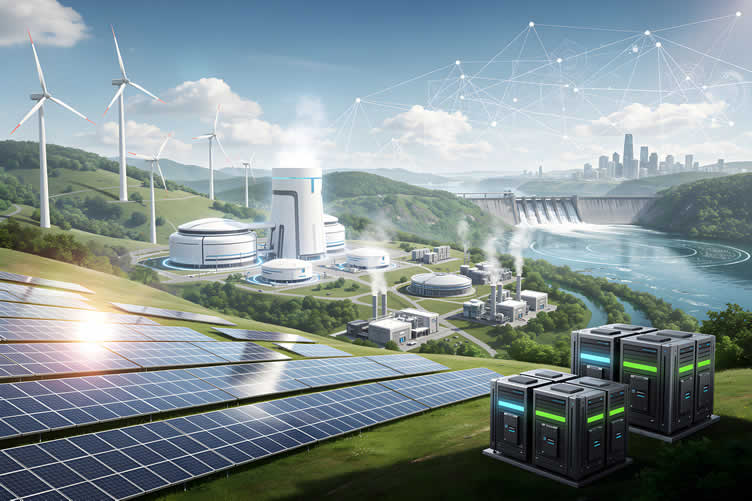
AI generated image by 123rf.com
The Appeal of Energy Independence
Wouldn’t it be liberating to have the ability to fully operate off the grid, even while maintaining access to traditional energy sources?
This backup plan offers not only peace of mind but also greater control over how energy is generated and consumed.

Whether through solar panels, wind turbines, or other renewable energy systems, being self-sufficient ensures that you can weather unexpected circumstances like power outages or rising utility costs.
It’s a practical way to increase resilience while contributing to a more sustainable future.
view ideas: Remodeling Your Off-Grid Home(new win)
[ view diagram: future of energy]
[ youtube: world’s most abundant energy source]
-
8th: Content Summary Table
Aspect Details Stats Projections The Future of Energy Production Energy systems are being fundamentally redesigned to meet rising global electricity demand, with renewable energy (solar and wind) leading the transition. Global electricity demand grew by 4.5% in 2025 compared to 2024. By 2050, electricity demand is projected to be 75% higher than today due to electrification of transport, heating, and industry. The Ascent of Renewables Solar and wind energy are rapidly growing as cost-effective solutions, with significant increases in deployment and clean energy generation. Solar met 75% of the net increase in global electricity demand in 2025, with solar and wind together meeting 99% of the growth. Renewables are expected to supply approximately two-thirds of global electricity by 2050. Firm Low-Carbon Sources Nuclear, geothermal, and hydropower are essential for reliable and dispatchable energy when renewables cannot meet demand. The United States plans to expand nuclear capacity from 100 GW today to 400 GW by 2050. The development of small modular reactors (SMRs) and carbon capture technology will define the long-term viability of firm low-carbon sources. The Grid’s Evolving Infrastructure Infrastructure expansion and modernization, including transmission lines and battery storage, are critical to meeting energy demands. Global grid investment exceeded $410 billion in 2025. Battery storage increased by 15 GW in the US alone. The total grid infrastructure length needs to double by 2050, with regions requiring 50-150% expansion depending on development. Regional Energy Trajectories Geographic and economic variations shape different energy transitions worldwide, from China’s renewable surge to Africa’s underutilized solar potential. China’s fossil fuel generation fell by 56 TWh in 2025, while Africa received just 1% of global solar PV capacity. Efforts must address financing imbalances to accelerate clean energy adoption in emerging markets. Meeting Data Center Demand The rising electricity demand from data centers, driven by AI, places concentrated strain on grid infrastructure. Data centers consumed 415 TWh globally in 2024, with US demand set to grow by 240 TWh by 2027. Global data center electricity consumption is projected to nearly double to 945 TWh by 2030.
-
Scroll up to directory … or scroll to next review about taking step to reduce costs …
Find Energy Efficient Services Insulation Windows-Insulation Ducts & Vents Appliances Solar Installation Skylights Home Automation Generators Plumbing Issues Electrical Wiring Networks/Phone Computers/ Media Home Security Alarms Air Conditioning Central Heating Water Heaters Thermostats top-rated, pre-screened local contractors FREE: download contractor selection enter zip code – powered by HomeAdvisor ™
Quick Contractor Guides selecting negotiating working with inspecting

fifth and last “photo remodeling” idea

copyright image by 123rf.com
Review 5: Step Guides to Retrofitting Your Home for Energy Savings
Notes:
-
Retrofitting your home for energy efficiency is one of the most direct and empowering ways to take back control of your energy costs. The good news is that you don’t have to tackle everything at once.
You can start with simple, manageable changes you can do yourself, then gradually build toward more comprehensive professional upgrades that deliver the deepest, longest-lasting savings.
Whether you’re just getting started or ready to go all-in, every step you take brings you closer to a more energy-independent home.
-
Quick scroll to supporting notes …
-
-
1st: The DIY Approach to Energy Savings
A meaningful share of household energy waste is within reach—no contractor required. By implementing these DIY solutions, you can make a meaningful impact on your energy footprint while enjoying the immediate financial benefits of lower utility bills.
By taking small, actionable steps, homeowners can reduce their energy bills while promoting sustainable practices. Here are some DIY projects you can undertake to start saving energy at home:
- Address Vampire Power:
- Unplug devices like phone chargers, TVs, and kitchen appliances when not in use to eliminate standby power consumption.
- Use power strips to easily cut off electricity to multiple devices, or opt for smart plugs to automate power usage.
- Disable "instant-on" features on electronics to prevent unnecessary energy consumption.
- Optimize Appliance Usage:
- Run washing machines and dishwashers only with full loads to maximize efficiency.
- Switch to using cold or warm water instead of hot for laundry to save energy on water heating.
- Regularly clean appliance filters, vents, and coils to maintain performance and prevent energy waste.
- Replacing HVAC filters every 60 to 90 days keeps your system running efficiently without overworking
- Enhance Your Home’s Thermal Envelope:
- Seal air leaks around doors, windows, or plumbing with caulk or weatherstripping to prevent drafts and heat loss.
- Install door sweeps and upgrade insulation in areas like the attic to maintain indoor temperatures more efficiently.
- Replace single-pane windows with ENERGY STAR-certified options or use window films for budget-friendly improvements.
- Upgrade Lighting and Devices:
- Replace traditional incandescent light bulbs with energy-efficient LED bulbs.
- Invest in ENERGY STAR-certified appliances that use less energy and contribute to long-term savings.
- Use smart thermostats to monitor and regulate heating and cooling systems for optimal energy use. Industry data shows these devices reduce heating costs by 10% to 12% and cooling costs by up to 15% annually.
- Other Simple Savings:
- Setting your water heater thermostat to 120°F from the factory default of 140°F takes five minutes and saves energy immediately.
- Replacing HVAC filters every 60 to 90 days keeps your system running efficiently without overworking.
- Monitor Energy Usage:
- Install energy monitoring devices to track appliance and overall household energy consumption.
- Identify wasteful patterns and adjust habits to address inefficiencies.
By implementing these DIY solutions, you can make a meaningful impact on your energy footprint while enjoying the immediate financial benefits of lower utility bills.
Small changes can lead to big savings over time, empowering you to take control of your energy use.
DIY Project Description Benefits Address Vampire Power Unplug devices when not in use, use power strips or smart plugs, and disable “instant-on” features on electronics. Reduces standby power consumption and lowers energy bills. Optimize Appliance Usage Run washing machines and dishwashers with full loads, use cold or warm water for laundry, and clean filters and vents. Improves appliance efficiency and saves energy. Enhance Home’s Thermal Envelope Seal air leaks, install door sweeps, upgrade insulation, and replace single-pane windows with ENERGY STAR-certified options. Prevents drafts, maintains indoor temperatures, and reduces heating and cooling costs. Upgrade Lighting and Devices Replace incandescent light bulbs with LED bulbs, invest in ENERGY STAR-certified appliances, and use smart thermostats. Decreases long-term energy use and lowers utility bills by optimizing heating and cooling systems. Monitor Energy Usage Install monitoring devices to track household energy consumption and address inefficiencies. Opt for a professional energy audit if possible. Identifies wasteful patterns, improves energy habits, and provides actionable steps for further efficiency. 
copyright image by 123rf.com
Tools for Energy-Saving Home Projects
Tackling energy-saving projects at home requires the right DIY tools to get the job done efficiently and precisely.
From insulated screwdrivers for electrical tasks to power drills for sealing gaps and adding weatherstripping, the right tools save time and effort.

A tape measure, utility knife, and caulking gun can make all the difference when improving insulation or upgrading windows—setting your home up for long-term energy efficiency with confidence.
view ideas: Complete DIY Tool Guide(new win)
-
Scroll up to section directory … or scroll to next supporting note …
- Address Vampire Power:
-
2nd: When to Call in the Experts
… benefits of professional assistance
While many energy efficiency improvements can be achieved with DIY methods, certain projects require the expertise of skilled professionals to ensure safety, optimal performance, and compliance with regulations.
Below are projects where professional assistance is essential, along with the type of contractor to consult:
- Solar Photovoltaic (PV) Systems:
- Certified solar contractors evaluate your property for optimal system design and placement.
- Professionals handle electrical connections and ensure compliance with local building codes and permitting requirements.
- Complex installations, such as ground-mounted arrays or hybrid systems with battery storage, require specialized expertise.
- Heat Pump Systems:
- Licensed HVAC technicians assess your home’s heating and cooling needs to recommend the right system (air-source or ground-source).
- Experts ensure adequate insulation, proper sizing, and efficient installation of the system.
- Ground-source heat pumps, involving excavation for underground loops, necessitate advanced technical skills.
- Battery Storage Solutions:
- Certified energy storage installers design and deploy battery systems tailored to your household energy demands.
- Specialists handle safe installation, house wiring connections, and building code compliance.
- Professional advice ensures appropriate system sizing and compatibility with existing solar installations.
- Deep Energy Retrofit Projects:
- Energy auditors and home performance contractors conduct detailed assessments to identify inefficiencies.
- Professionals upgrade insulation, air sealing, and windows to achieve significant energy savings.
- Insulation upgrades in attics, walls, and crawlspaces require knowledge of regional R-values and local building codes.
- Retrofit specialists implement structural modifications required for advanced energy designs.
By consulting qualified professionals, you can ensure these complex projects are completed safely, efficiently, and in compliance with industry standards, while maximizing long-term energy and cost savings.
LetsRenovate has partnered with HomeAdvisor (Angi)™, a renowned provider of highly-rated, carefully-vetted local "energy-saving" contractors. Start your search here by choosing the type of contractor you need for energy home investments and entering your zip code to find local professionals.
Project Professional Expertise Key Benefits Solar Photovoltaic (PV) Systems Certified solar contractors evaluate property for optimal system design and placement, handle electrical connections, and ensure compliance with local building codes and permitting requirements.
Complex installations like ground-mounted arrays or hybrid systems require specialized expertise.
Safe electrical connections, compliance with regulations, and optimized design for maximum energy production. Heat Pump Systems Licensed HVAC technicians assess heating and cooling needs, recommend the right system (air-source or ground-source), and ensure adequate insulation, proper sizing, and efficient installation.
Ground-source systems involving underground loops require advanced technical skills.
Properly sized and insulated systems for energy efficiency and reliable performance. Battery Storage Solutions Certified energy storage installers design and deploy battery systems tailored to household energy demands.
Specialists handle safe installation, house wiring, and compliance with building codes, ensuring system compatibility with solar installations.
Safe operation, increased energy storage capacity, and effective integration with existing renewable energy systems. Deep Energy Retrofit Projects Energy auditors and home performance contractors conduct assessments to identify inefficiencies.
Professionals upgrade insulation, air sealing, and windows, requiring knowledge of regional R-values and building codes.
Retrofit specialists handle structural modifications for advanced energy designs.
Significant energy savings, improved home comfort, and adherence to energy efficiency standards. 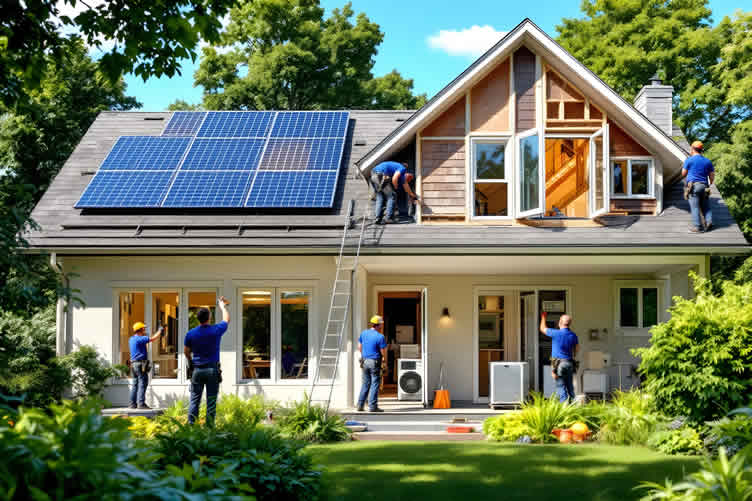
AI generated image by 123rf.com
But Wait!
Before you start searching for energy-saving contractors, we recommend downloading our evaluation worksheet.
This handy resource helps you objectively compare potential contractors based on key factors like pricing, licensing, and referrals.

Evaluation Sheet
File Type:-
Scroll up to section directory …
- Solar Photovoltaic (PV) Systems:
-
3rd: Frequently Asked Questions About Rising Electricity Costs
-
Why have electricity prices risen faster than inflation since 2022?
According to the U.S. Energy Information Administration (May 2025), electricity prices have outpaced general inflation since 2022 due to increased utility capital investment in aging infrastructure, natural gas price volatility, rising extreme weather costs, and growing electricity demand from data centers and electrification.
Unlike gasoline prices, which declined after 2022, electricity prices have continued a steady, sustained increase.
-
Is clean energy responsible for higher electricity bills?
No. A March 2026 analysis by the Clean Air Task Force, drawing on Lawrence Berkeley National Laboratory research, found no correlation between clean energy deployment and electricity rate increases.
In fact, states with the highest growth in wind and solar generation—including Iowa, New Mexico, and South Dakota—saw some of the largest decreases in inflation-adjusted electricity rates between 2019 and 2024.
-
What is the single most cost-effective change a homeowner can make to reduce electricity costs right now?
Installing an ENERGY STAR-certified smart thermostat and programming it to reduce heating and cooling during sleeping and away hours is consistently among the highest-return, lowest-effort changes available.
The ENERGY STAR program reports average savings of approximately $50 per year on heating and cooling bills, with some utilities citing reductions of up to 20% annually for households that fully utilize smart thermostat automation features.
-
What other short- and long-term changes can reduce home electrical costs?
Reducing home electrical costs involves a mix of simple short-term habits and more meaningful long-term investments.
-
Short-Term Changes:
Swap incandescent bulbs for LED lighting—they use far less electricity and last much longer. Unplug chargers and appliances when not in use to eliminate "phantom energy" drain.
Small habits like turning off lights in empty rooms and washing clothes in cold water can also add up to noticeable savings.
-
Long-Term Changes:
Investing in ENERGY STAR-rated appliances is a reliable way to cut ongoing energy use without sacrificing performance. Smart power strips can automate savings by cutting power to idle devices.
Bigger projects—like upgrading insulation, sealing air leaks, or installing solar panels—can significantly reduce utility bills over time, boost your home’s value, and support a more eco-conscious way of living.
-
-
Is home battery storage still worth investing in now that the federal tax credit has changed?
Home battery storage remains a practical investment in 2026, even without the federal 30% residential tax credit. Battery costs fell 45% in 2025 alone, according to Ember’s Global Electricity Review 2026, and many state and utility programs continue to offer storage rebates, performance incentives, and demand response payments.
In markets with time-of-use pricing, battery storage creates ongoing bill savings by enabling homeowners to avoid high peak-rate grid power.
-
When will small modular reactors start producing electricity for the grid?
Commercial SMR deployment in the United States is still in development, but moving forward actively. The U.S. Department of Energy’s Energy Reactor Pilot Program, launched in June 2025, has selected multiple vendors for accelerated development.
The U.S. Air Force is targeting delivery of 1–5 MW of nuclear microreactor electricity at Eielson Air Force Base, Alaska by 2027. Broader commercial grid deployment of SMR electricity is likely a 2030s development, pending successful pilot outcomes and regulatory approvals.
-
Will electricity prices keep rising through 2026?
Yes, according to the EIA’s May 2025 Short-Term Energy Outlook. The EIA expects U.S. retail electricity prices to continue increasing through 2026, with regions that already pay above-average rates—including the Pacific Coast, Middle Atlantic, and New England—likely to see greater-than-average increases.
Question Answer Why have electricity prices risen faster than inflation since 2022? According to the U.S. Energy Information Administration (May 2025), electricity prices have outpaced general inflation since 2022 due to increased utility capital investment in aging infrastructure, natural gas price volatility, rising extreme weather costs, and growing electricity demand from data centers and electrification.
Unlike gasoline prices, which declined after 2022, electricity prices have continued a steady, sustained increase.
Is clean energy responsible for higher electricity bills? No. A March 2026 analysis by the Clean Air Task Force, drawing on Lawrence Berkeley National Laboratory research, found no correlation between clean energy deployment and electricity rate increases.
States with the highest growth in wind and solar generation—including Iowa, New Mexico, and South Dakota—saw some of the largest decreases in inflation-adjusted electricity rates between 2019 and 2024.
What is the single most cost-effective change a homeowner can make to reduce electricity costs right now? Installing an ENERGY STAR-certified smart thermostat and programming it to reduce heating and cooling during sleeping and away hours is among the highest-return, lowest-effort changes.
The ENERGY STAR program reports average savings of approximately $50 per year on heating and cooling bills, with some utilities reporting reductions of up to 20% annually when smart thermostat automation features are fully utilized.
What other short- and long-term changes can reduce home electrical costs? Reducing home electrical costs involves a mix of short-term habits and long-term investments.
Short-term changes include swapping incandescent bulbs for LED lighting, unplugging chargers when not in use, turning off lights in empty rooms, and washing clothes in cold water.
Long-term changes involve upgrading to ENERGY STAR-rated appliances, using smart power strips, improving insulation, sealing air leaks, or installing solar panels, which can reduce utility bills, increase home value, and support sustainable living.
Is home battery storage still worth investing in now that the federal tax credit has changed? Home battery storage remains a practical investment in 2026, despite the federal tax credit changes.
Battery costs decreased by 45% in 2025, as reported in Ember’s Global Electricity Review 2026. State and utility programs still offer storage rebates, performance incentives, and demand response payments.
For areas with time-of-use pricing, battery storage can generate ongoing savings by avoiding high peak-rate grid power.
When will small modular reactors start producing electricity for the grid? Commercial small modular reactor (SMR) deployment in the U.S. is actively in development.
The U.S. Department of Energy’s Energy Reactor Pilot Program, launched in June 2025, is accelerating efforts.
The U.S. Air Force plans to deliver 1–5 MW of nuclear microreactor electricity at Eielson Air Force Base, Alaska by 2027.
Broader commercial grid SMR deployment is anticipated in the 2030s, depending on successful pilot results and regulatory approvals.
Will electricity prices keep rising through 2026? Yes, according to the EIA’s May 2025 Short-Term Energy Outlook.
U.S. retail electricity prices are expected to rise through 2026, with regions that already pay above-average rates—including the Pacific Coast, Middle Atlantic, and New England—likely experiencing greater-than-average increases.

AI generated image by 123rf.com
-
Scroll up to section directory … or scroll to conclusion and references …
-
-
-
Conclusion:
… take control before the next bill arrives
Electricity prices are not trending down. The combination of grid modernization costs, increased demand, and rising fuel prices means that the gap between what you pay today and what you pay two years from now will likely widen unless something in your home changes.
The tactics here are not all-or-nothing. Unplugging standby loads costs nothing today. Adjusting your water heater temperature takes five minutes.
Scheduling a utility-sponsored audit may cost you nothing at all. Each step compounds the next—lower baseline usage means smaller bills even as rates climb.
Start with what you can do this week, then work toward the upgrades with the most meaningful long-term return. Your home has more savings potential than your current bill suggests.
References
- U.S. Energy Information Administration (EIA). U.S. electricity prices continue steady increase. May 14, 2025.
https://www.eia.gov/todayinenergy/detail.php?id=65284 - Clean Air Task Force (CATF). A data-driven look at rising U.S. electricity costs and policy solutions. March 2026.
https://www.catf.us/2026/03/data-driven-look-rising-us-electricity-costs-policy-solutions/ - Ember. Global Electricity Review 2026: Solar surge halts fossil generation rise as clean power meets all demand growth. April 21, 2026.
https://ember-energy.org/latest-insights/global-electricity-review-2026/ - U.S. Energy Information Administration (EIA). Small modular reactors and microreactors under development in the United States. April 27, 2026.
https://www.eia.gov/todayinenergy/detail.php?id=67584 - Fortress Power. Solar Battery Storage Cost in 2026: Why It’s More Affordable Than You Think. February 19, 2026.
https://www.fortresspower.com/solar-battery-storage-in-2026/ - U.S. Department of Energy ENERGY STAR Program. Smart Thermostats FAQs.
https://www.energystar.gov/products/heating_cooling/smart_thermostats/smart_thermostat_faq - U.S. Department of Energy ENERGY STAR Program. Low- to No-Cost Tips for Saving Energy at Home.
https://www.energystar.gov/products/recent_program_updates/low-no-cost-tips - International Energy Agency (IEA). Renewables and Low-Emissions Fuels – Energy System.
https://www.iea.org/energy-system/renewables-and-low-emissions-fuels - ElectricChoice.com Energy Team. "Electricity Rates by State (July 2026)." ElectricChoice.com, July 2026.
https://www.electricchoice.com/electricity-prices-by-state/ - Knakmuhs, Heath. "Your Electric Bill Is Going Up, But Where You Live Decides How Much." U.S. Chamber of Commerce, May 5, 2026.
https://www.uschamber.com/energy/your-electric-bill-is-going-up-but-where-you-live-decides-how-much - Pearl. "Home Energy Audit Cost: 2026 Statistics." pearlscore.com, January 5, 2026.
https://pearlscore.com/news/home-energy-audit-cost-2026-statistics - U.S. Environmental Protection Agency. "Methodology for Estimated Energy Savings from Air Sealing and Insulating." ENERGY STAR.
https://www.energystar.gov/saveathome/seal_insulate/methodology
- U.S. Energy Information Administration (EIA). U.S. electricity prices continue steady increase. May 14, 2025.
-
ideas to view and compare from the information discussed above
- What comments can you share about your
rising electricity costs?
Scroll up to directory … or scroll to more home utility management-related topics …

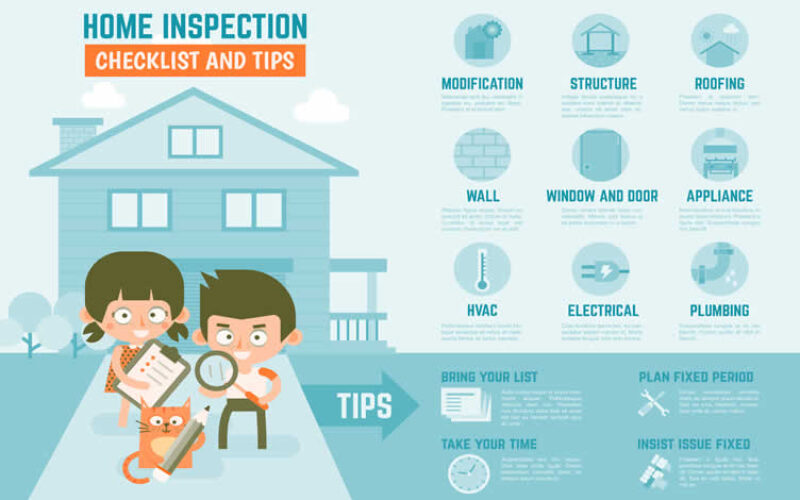

Calendar For:
Home Maintenance
File Type:

… view our sharing links below for a quick "share the knowledge"
Cover image credit: rising electricity costs by 123rf.com
end of post … please share it!
 |
did you find this review of rising electricity cost helpful? If so, please share the article with your friends and family! |
Nice pic idea? Leave us a quick comment below.
And please share this pic idea within your social networks.