Summary Outline –
If you are thinking of remodeling your home exterior, building a brand-new house, or upgrading a recently purchased property, you might feel slightly overwhelmed by the sheer number of design choices available.
Choosing the right exterior design is powerful. Not only does it boost your property’s curb appeal and potential value, but it also protects your home from the elements. A well-designed facade should reflect your personal taste while working in harmony with the surrounding environment.
Understanding different exterior styles can make your renovation journey smoother and more enjoyable. By exploring proven design approaches, you can make confident, budget-friendly decisions that bring your vision to life.
Let’s explore three popular exterior styles to help you find the perfect match for your family’s needs and aesthetic.

-
- —— begin first topic ——
-
1st Section: Understanding Low-Contrast Exteriors
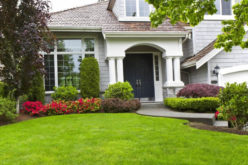
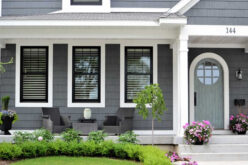
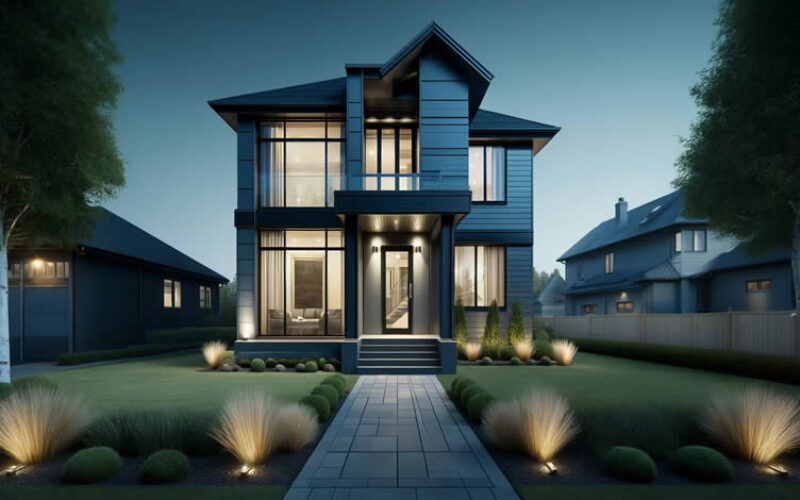
Low-contrast exteriors offer a subtle, harmonious approach to home design where the main siding, trim, roof, and accent colors are selected within a close range of color values.
This style creates a cohesive and understated look, promoting softness and uniformity rather than stark or dramatic contrasts.
The technique is popular among homeowners who value elegance and timeless designs over bold, statement-making exteriors.
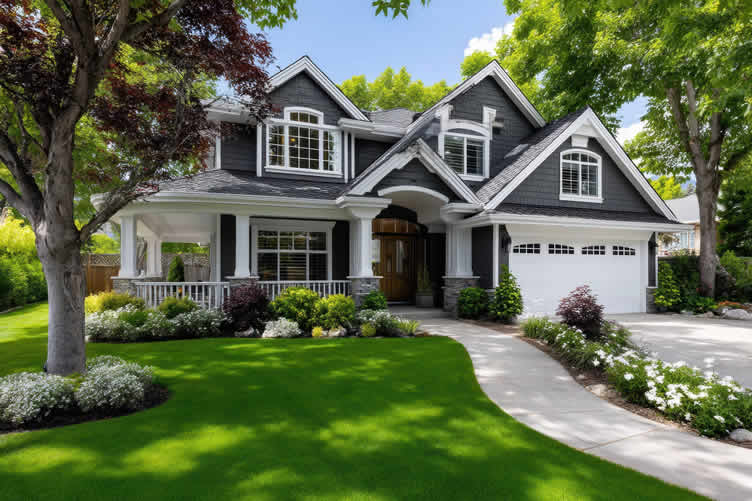
copyright image by 123rf.com

This style is especially appealing for those looking to create a calming and balanced aesthetic for their homes.
By carefully selecting complementary tones, a low-contrast exterior elevates the home’s curb appeal, blending naturally with its surroundings and creating a sense of serenity.
Below, we’ll explore the defining features, benefits, ideal contexts, and practical considerations of low-contrast exteriors.
-
What It Looks Like[ view]
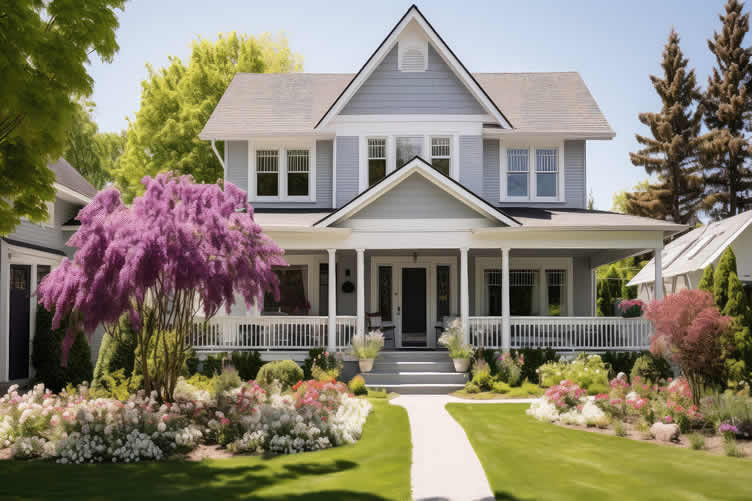
A low-contrast exterior is achieved by using a monochromatic or tonal color palette. This means that all the elements on the outside of the home—from the siding and stonework to the trim and roof—are chosen from similar color families.
For example, a home might feature soft greige siding, complemented by a slightly lighter beige for the trim, and topped with a medium taupe roof. The differences in color between each of these elements are intentionally subtle, which results in a unified, polished, and sophisticated visual effect.
While accents like shutters or the front door might introduce a slight variation in shade or saturation, they are carefully selected to maintain the overall harmonious and cohesive appearance, rather than creating a stark contrast.
Design professionals frequently describe this look as subtle and timeless. It offers a calming visual experience for homeowners who prefer a gentle, approachable curb appeal over dramatic statements.
-
Why People Like It
This design style holds significant appeal due to its tranquil and timeless nature. Many homeowners prefer low-contrast exteriors because:
- They create a softer and more elegant curb appeal that doesn’t overpower the surrounding environment.
- The look is versatile, working well with both modern and traditional architectural styles.
- It feels polished and cohesive, which can enhance the perception of a home’s quality and attention to detail.
- Its understated quality allows landscaping and surrounding natural elements to take on a more prominent role in the home’s overall aesthetic.
-
When It Works Best
Low-contrast exteriors work particularly well in scenarios where subtlety and refinement are more desirable than drama or boldness. Here are some contexts in which this style excels:
- Neighborhood Cohesion:
When it’s important to blend with nearby homes or adhere to design guidelines within planned communities. - Natural Surroundings:
Homes located in wooded or scenic areas where bright, high-contrast colors might distract from the natural beauty. - Timeless Designs:
Ideal for homeowners who prefer a look that won’t feel dated over time, as low-contrast color schemes tend to endure trends. - Architectural Focus:
The muted tones allow the architecture and details of the home, such as trim work or craftsmanship, to take center stage.
- Neighborhood Cohesion:
-
Good Ways to Use It
Here are some of the best practices for incorporating low-contrast exterior designs effectively:
- Choose Complementary Shades:
Select tones within the same color family or hues with slight variation in lightness and saturation. - Consider Texture:
Use materials like stone, siding, or shingles with different textures to add dimension despite the subtle palette. - Experiment With Finishes:
You can mix gloss and matte finishes for added depth while maintaining tonal consistency. - Add Subtle Accents:
Incorporate understated accents like slightly darker front doors or fixtures to avoid an overly flat appearance. - Integrate Landscaping:
Lush greenery and thoughtful landscaping can enhance the harmonious effect of the subdued exterior.
- Choose Complementary Shades:
-
Tradeoffs
While low-contrast exteriors offer many benefits, it’s important to understand the potential tradeoffs before committing to this design approach:
- Lack of Drama:
Homes with low-contrast exteriors won’t create the bold, eye-catching impact that high-contrast combinations might achieve. - Risk of Monotony:
Without careful planning, the design may appear too flat or lack visual interest. - Dependence on Surroundings:
This look relies on excellent landscaping or architectural detail to avoid looking overly plain. - Limited Appeal for Some Buyers:
If you plan to sell, consider whether potential buyers in your area prefer bolder or more vibrant exterior designs.
By carefully planning your color palette and considering these nuances, you can achieve a low-contrast exterior that elevates your home’s aesthetic and stands the test of time.
- Lack of Drama:
- Quick scroll to summary content …
Aspect Description Examples/Best Practices Understanding Low-Contrast Exteriors Low-contrast exteriors focus on creating a harmonious and cohesive home design by using colors within a close range of values for siding, trim, roof, and accents.
This approach promotes softness and subtlety, blending naturally with surroundings while avoiding dramatic contrasts.
Colors like soft greige siding, lighter beige trims, and taupe roofs create a unified look.
Accents like shutters or front doors ensure variation while retaining harmony.
Why People Like It This style is appreciated for its tranquil, elegant, and timeless appeal.
It enhances curb appeal and focuses attention on the home’s surroundings and landscaping without overwhelming them.
It suits modern and traditional designs, creating enduring aesthetics that are polished and cohesive. When It Works Best Low-contrast designs excel in scenarios requiring subtlety and refinement.
They are ideal for blending within neighborhoods, complementing natural surroundings, and creating timeless looks.
Effective in areas with planned communities, wooded regions, or for showcasing architectural craftsmanship. Good Ways to Use It Carefully select hues from the same color family, consider material textures, and use complementary finishes to add depth while maintaining tonal balance.
Thoughtful landscaping can enhance the effect.
Combine matte and gloss finishes, incorporate slightly darker accents, and use varying textures like stone or shingles. Tradeoffs While offering elegance, low-contrast exteriors lack boldness and can risk monotony without thoughtful detailing.
Success depends on strong landscaping and architectural details, which may not appeal to all buyers.
Plan a visually interesting palette and consider the preferences of potential future buyers if selling the home. 

copyright image by 123rf.com
Exterior House Upgrades
Transforming your home’s entire exterior may feel overwhelming or impractical, especially when you’re working with an existing structure you love.
However, there are a variety of achievable upgrades that can rejuvenate your home’s curb appeal.
Consider projects like updating your front door with a bold color or new hardware, installing modern lighting fixtures, adding shutters or window boxes, or refreshing your siding with a fresh coat of paint.
These options allow you to create a bright, inviting appearance without a full-scale renovation—enhancing both the value and charm of your home.
view ideas: key areas to focus on(new win)

-
Scroll up to main directory … or scroll to next section about modern natural exteriors …

-

-
-
2nd Section: Modern Natural Exteriors
… merging contemporary design with organic beauty
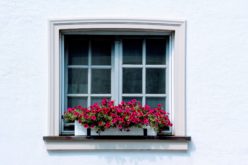
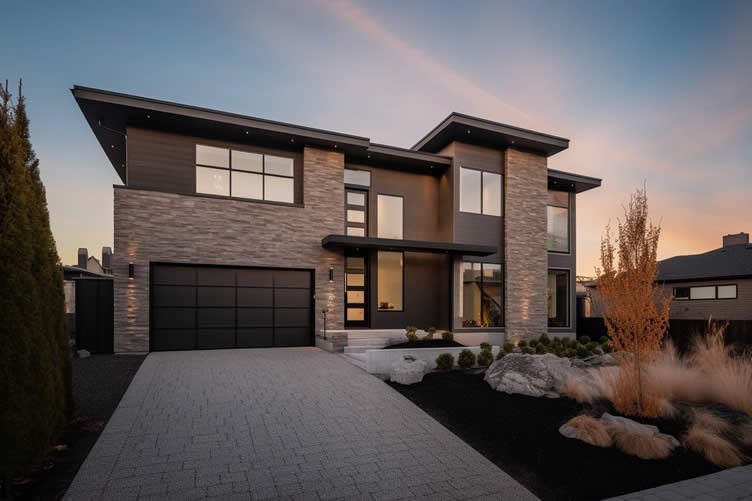
Modern natural exteriors encapsulate a style that harmoniously balances sleek, contemporary designs with the warmth and authenticity of nature-inspired materials.
This architectural approach emphasizes clean lines, simplicity, and a connection to the surrounding environment, creating spaces that feel both refined and welcoming.
copyright image by 123rf.com
By blending natural textures like wood, stone, and clay with smooth finishes and innovative details, this style achieves a look that is modern yet timeless, sleek yet inviting.
Rooted in sustainability and a desire to integrate the home with its landscape, modern natural exteriors appeal to homeowners who value both aesthetics and functionality.
This style finds a unique balance between urban sophistication and rural charm, offering a design approach that resonates with diverse preferences and effortlessly enhances curb appeal.
-
What Defines Modern Natural Exteriors[ view]
Modern natural exteriors are defined by a design philosophy that prioritizes simplicity, natural materials, and functionality.
They favor clean, geometric architectural forms complemented by organic textures, ensuring the home’s appearance feels connected to its environment.
The style values minimalism without sacrificing depth, incorporating layered materials and thoughtful details for an understated yet striking visual impact.
-
Common Materials
The use of natural materials is a hallmark of this style. Some of the most popular choices include:
- Wood:
Often used in cladding, trim, or accents, species like cedar, oak, and teak bring warmth and texture. - Stone:
Rough or polished stone offers durability and visual interest, whether through exterior walls, accents, or pathways. - Textured Cladding:
Fiber cement panels, clay tiles, and other textured finishes add a modern touch while maintaining an earthy feel. - Metal Accents:
Steel, copper, or aluminum are used sparingly for a contemporary edge, such as window frames, roofs, or detailing. - Glass:
Expansive windows or glass panels invite natural light and enhance connection to the outdoors.
- Wood:
-
Common Colors
The color palette for modern natural exteriors leans toward muted, earthy tones that blend harmoniously with the landscape. Popular color schemes include:
- Neutrals:
Soft shades like beige, taupe, and off-white provide a subtle and elegant foundation. - Earthy Hues:
Rich browns, warm grays, and terracotta tones evoke a grounded and organic aesthetic. - Green Undertones:
Olive or sage adds a complementary nod to nature. - Charcoal and Black:
These tones are often incorporated for modern contrast and depth.
- Neutrals:
-
Why It Is Popular
There are several reasons why modern natural exteriors are increasingly favored by homeowners:
- Seamless Integration with Nature:
Designs that connect the outdoor surroundings to the home help foster tranquility and relaxation. - Timeless Aesthetic:
The combination of modern architecture with organic elements creates an enduring appeal. - Sustainability:
Many materials used align with eco-friendly and sustainable principles, appealing to environmentally conscious individuals. - Broad Versatility:
This style works well in both urban and rural environments, offering adaptability to diverse settings.
- Seamless Integration with Nature:
-
Best Design Moves
Here are the best ways to incorporate modern natural exteriors into your home design for a stunning and cohesive look:
- Use natural wood cladding combined with large glass windows for contemporary warmth.
- Incorporate a blend of rough stone and smooth stucco to create depth and texture.
- Choose muted, earthy tones that complement your surrounding environment.
- Add sleek metal elements sparingly, such as for roofing or trim, to maintain balance.
- Integrate landscaping that features native plants or greenery to reinforce the indoor-outdoor connection.
-
Watch-Outs
While achieving the perfect modern natural exterior, it’s important to keep these considerations in mind:
- Balance Is Key:
Overusing either natural or modern elements may disrupt harmony in the design. - Maintenance Requirements:
Wood, stone, and other natural materials often demand additional care to preserve their appearance. - Budget Awareness:
High-quality natural materials and custom finishes can significantly increase costs. - Climatic Considerations:
Ensure materials are suited to your local weather conditions to avoid long-term issues. - Architectural Compatibility:
The clean lines of modern design don’t always complement every home’s existing structure.
By thoughtfully incorporating these principles and features, you can achieve a modern natural exterior that elevates both the aesthetic and value of your home.
With careful planning and attention to detail, this style offers timeless curb appeal while fostering an elegant connection to the natural world.
- Balance Is Key:
- Quick scroll to summary content …
Modern Natural Exteriors: Colors and Materials
(from the summary table below)
Category Description Examples/Details What Defines Modern Natural Exteriors Modern natural exteriors prioritize simplicity, natural materials, and functionality.
Clean, geometric forms combined with organic textures create a connection to the environment.
Layered materials, thoughtful details, and minimalism with depth offer an understated yet striking appearance. Common Materials Natural materials are central to this style, blending warmth, durability, and modernity. Wood (cedar, oak, teak), stone (rough or polished), textured cladding (fiber cement panels, clay tiles), metal accents (steel, copper, aluminum), and glass (expansive windows or panels). Common Colors The color palette focuses on muted, earthy tones that harmonize with natural surroundings. Neutrals (beige, taupe), earthy hues (browns, warm grays), green undertones (olive, sage), and darker contrasts (charcoal, black). Why It Is Popular This style connects homes to their environment and focuses on aesthetics, sustainability, and versatility. Seamless integration with nature, timeless appeal, eco-friendly materials, and adaptability to various settings. Best Design Moves Principles to enhance the style’s aesthetic and cohesion. Natural wood cladding, large glass windows, a blend of rough stone and smooth stucco, muted earthy tones, and thoughtful landscaping with native plants. Watch-Outs Challenges to consider when incorporating this design. Maintaining balance between modern and natural elements, material maintenance, higher costs, climatic considerations, and architectural compatibility with existing structures. 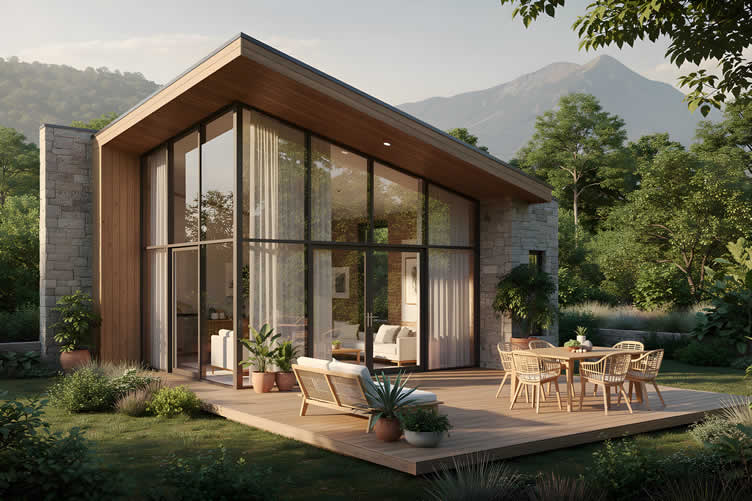
AI generated image by 123rf.com
Modern Garage Door
With a modern home exterior, the garage door is often a prominent feature of your facade.
Upgrading to a stylish door that complements your home’s sleek lines and contemporary look can significantly elevate your curb appeal.
Consider options with clean finishes, bold designs, or windows to create a cohesive, modern aesthetic that adds both value and function to your property.
view ideas: choose the perfect garage door(new win)
-
Scroll up to main directory … or scroll to next section about mixed materials exteriors …
-
-

Deciding and planning home exterior styles and fulfilling all your home improvement needs …

… save this curated directory of ideas for future reference.


-
-
3rd Section: Mixed Materials Exteriors
… a fresh take on curb appeal
Creating a distinctive home exterior is all about combining form and function, and mixed materials exteriors offer an exciting way to do just that.
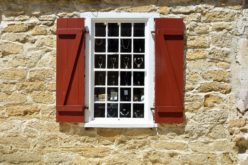
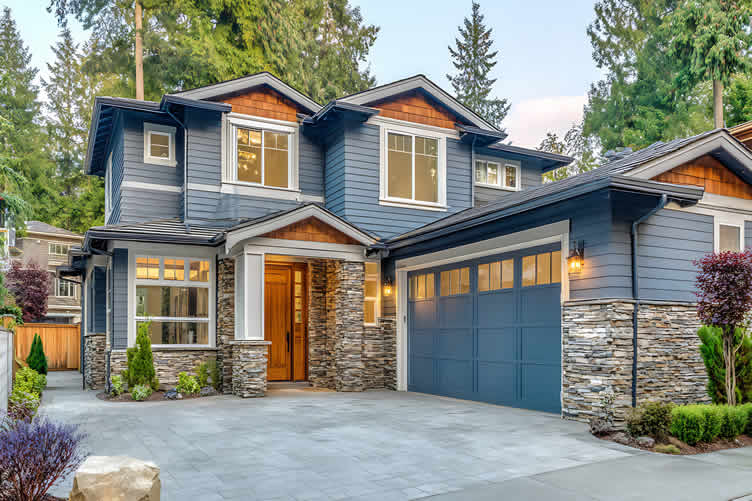
This innovative approach blends two or more exterior finishes—such as siding paired with brick, stone, wood, metal, or stucco—to add depth, texture, and character to a home’s façade.
When done thoughtfully, the mix feels harmonious and balanced, avoiding an overcomplicated or disjointed appearance.
copyright image by 123rf.com
The popularity of mixed materials exteriors lies in their ability to personalize and modernize a home while ensuring a cohesive aesthetic.
Whether you’re building a new home or refreshing your current one, adopting this trend can elevate your curb appeal and increase your property value.
Below, we explore various aspects of mixed materials exteriors, offering practical insights to help you make confident design decisions.
-
What It Looks Like[ view]
A well-executed mixed materials exterior features a seamless combination of contrasting textures and finishes.
For example, sleek horizontal siding can be paired with the rugged charm of natural stone, or warm wood accents can soften the industrial edge of metal panels. This approach introduces visual layers that guide the eye across a home’s exterior, making it more dynamic and engaging.
The key is proportion—ensuring no material overwhelms the others and that all elements feel synchronized.
-
Why It’s Popular
Mixed materials exteriors have gained traction for their versatility and customizability. They allow homeowners to craft a design that reflects their taste and lifestyle, blending traditional and modern aesthetics.
These designs are also perceived as a mark of quality and good taste, as they show careful consideration of materials and architectural style.
Furthermore, this trend aligns with diverse design preferences, from rustic farmhouse to sleek contemporary styles.
-
Good Combinations
Some material pairings stand out for their timeless appeal and complementary effect. Here are a few examples of winning combinations:
- Wood and Stone:
Combines natural warmth with earthy durability. - Siding and Stucco:
Balances clean lines with subtle texture for a streamlined look. - Metal and Brick:
Brings an industrial vibe with added character. - Wood and Metal:
Offers a rustic-modern contrast ideal for contemporary curb appeal. - Brick and Stone:
Enhances depth with two variations of natural textures. - Brick and Wood:
Combines the rustic charm of brick and the natural warmth of wood - Stone and Siding:
Blends the refined look of stone with the adaptability of siding. - Stucco and Natural Stone:
Contrasts the smooth finish of stucco with the rich texture of natural stone. - Vertical and Horizontal Siding:
Adds depth and versatility blending moder and classic appeal.
- Wood and Stone:
-
Design Tips
- Create a Focal Point:
Use a bold material on the entryway or an architectural feature to add prominence. - Consistency in Palette:
Work within a cohesive color scheme to tie the materials together seamlessly. - Proportional Elements:
Avoid overwhelming the design by balancing the presence of each material. - Test Samples:
View all materials under different lighting conditions to ensure compatibility.
- Create a Focal Point:
-
Best Fit
Mixed materials exteriors work best in the following design scenarios:
- Homes with varied architectural styles that seek balance between modern and traditional elements.
- Projects aiming for a tailored or high-end look without breaking the budget.
- Properties in neighborhoods where visual impact can boost marketability.
- Exterior renovations where adding texture and depth can modernize an aging design.
- New builds seeking a personalized, one-of-a-kind appearance.
-
Things To Watch
While mixed materials exteriors deliver stunning results, there are a few potential pitfalls to avoid:
- Clashing Styles:
Mixing incompatible aesthetics can feel chaotic and reduce curb appeal. - Overuse of Materials:
Too many finishes can make the design appear cluttered. - Uneven Weathering:
Different materials might age differently over time; choose durable, low-maintenance options. - Improper Installation:
Ensure experienced professionals handle the application to maintain quality and craftsmanship standards.
Mixed materials exteriors are an exciting design opportunity to showcase your home’s individuality while maintaining a polished and cohesive look.
With intentional planning and a thoughtful selection of materials, this trend can create timeless and eye-catching results tailored to your vision.
- Clashing Styles:
- Quick scroll to summary content …
Aspect Description Examples/Highlights What It Looks Like A seamless combination of contrasting textures and finishes, blending materials like siding, natural stone, wood, and metal.
Proportion and balance are key to ensuring harmony without overwhelming the design.
Sleek horizontal siding paired with rugged natural stone; warm wood accents softening industrial metal panels. Why It’s Popular Mixed materials exteriors are versatile and customizable, allowing homeowners to reflect their personal style while combining traditional and modern aesthetics.
They enhance curb appeal and are perceived as a mark of quality.
Suitable for various design styles, from rustic farmhouse to sleek contemporary homes. Good Combinations Certain material pairings create timeless appeal and complement each other effectively. Examples include Wood and Stone, Metal and Brick, Siding and Stucco, Brick and Wood, and Vertical & Horizontal Siding. Design Tips Focus on cohesive design by creating focal points, maintaining a consistent palette, balancing proportions, and testing materials for compatibility. Use bold materials on entryways; work within a unified color scheme. Best Fit Most effective for tailored or high-end aesthetics, exterior renovation projects, and new builds aiming for a personalized appearance while enhancing marketability. Projects seeking balance between modern and traditional elements or those needing modernized exterior designs. Things to Watch Pitfalls include clashing styles, overuse of materials, uneven aging/weathering, and improper installation. Thoughtful planning can mitigate these risks. Choose durable, low-maintenance materials and work with experienced contractors. 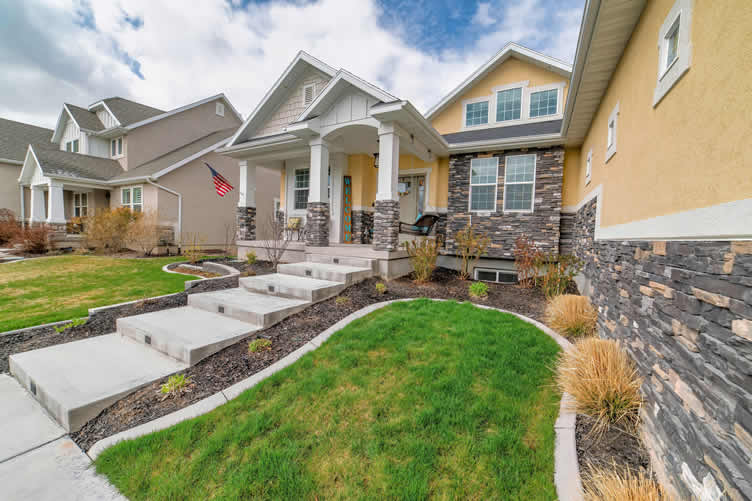
copyright image by 123rf.com
Enhance Your Home’s Curb Appeal
Your home’s siding is its protective envelope, shielding it from the elements while defining its curb appeal.
For a modern aesthetic, materials like fiber cement, engineered wood, or metal siding offer clean lines and a contemporary feel.
These durable, low-maintenance options come in various colors and finishes, allowing you to personalize your home’s exterior to reflect your unique taste.
view ideas: home siding options(new win)
-
Scroll up to main directory … or scroll to next section about making the selection …
-
-

Download this PDF for a concise summary of what to know about …?

SHARE IT ..! Someone in your network might benefit from this insightful post about understanding home exterior styles for a remodel or home build. Feel free to share it on Facebook, X (formally Twitter), LinkedIn, or Pinterest!


-
-
4th Section: Selecting the Right Exterior Style for Your Home
Choosing the right exterior style for your home is a pivotal decision that impacts not only its aesthetic appeal but also its longevity and integration with the surrounding environment.
It is about much more than just picking a paint color.
This thoughtful process requires a careful consideration of your property’s architectural heritage, practical material needs, and your own personal taste.
AI generated image by 123rf.com
Walking up to a house that truly reflects who you are brings a deep sense of comfort and pride.
This guide will walk you through the essential factors to consider, ensuring your home’s exterior perfectly complements its character and your daily lifestyle.
-
1: Assessing Your Home’s Underlying Architecture
Selecting the perfect exterior style begins with assessing your home’s underlying architecture. Working with your existing structure ensures a harmonious and natural appearance.
-
Traditional Homes:
These properties often benefit from low-contrast exteriors. This approach keeps the main siding, trim, roof, and accents relatively close in color value.
The overall look feels soft, unified, and understated rather than sharply divided. Think classic brick, muted siding, and complementary trim for a timeless curb appeal.
-
Modern Homes:
Embrace modern natural exteriors by blending clean, contemporary lines with warm, organic materials like wood, stone, clay, and textured cladding.
The goal is to feel sleek but never cold, visually connecting your house to the surrounding landscape.
-
Farmhouse-Inspired:
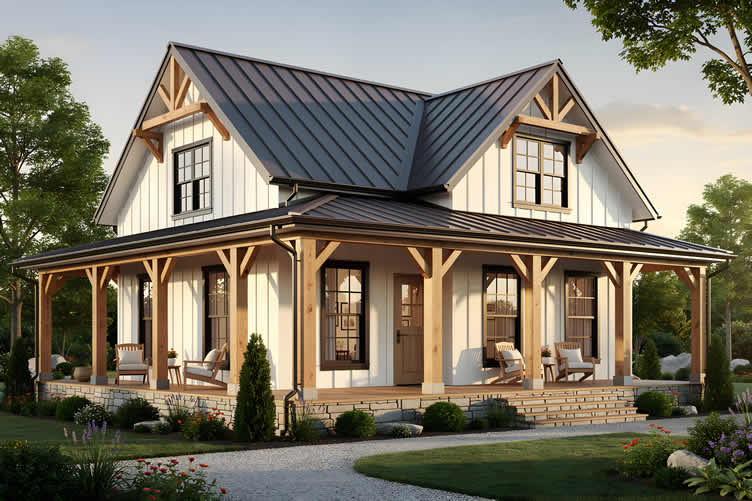
The farmhouse style blends warmth and charm with modern functionality through gabled roofs, wraparound porches, and practical layouts. It typically combines neutral siding with natural wood beams.
Many designs include black-trimmed windows and metal roofs, while rustic touches like exposed brackets or stone foundations preserve its traditional feel.
-
Eclectic or Unique Structures:
These unique spaces lend themselves beautifully to mixed materials exteriors. Using two or more finishes together, such as siding paired with brick, stone, wood, metal, or stucco, creates inviting depth and texture.
The current design trend focuses on making this mix feel intentional and balanced rather than busy.
-
-
2: Creating Harmony with the Surrounding Neighborhood
While individuality is important, it’s crucial to consider cohesion with your neighborhood. Homes that complement the broader aesthetic of the area tend to feel grounded and inviting while improving resale value.
Look around your community:
- Are the majority of homes painted in neutral tones, or does the neighborhood favor bolder colors?
- What types of materials (brick, stone, siding) are most common?
- Are there design rules (e.g., HOA standards, historical preservation) in place?
Striking the right balance allows your home to stand out while still feeling connected and respectful of the neighborhood’s overall character.
-
3: Considering Local Climate and Environment
Your local climate plays a significant role in how your exterior style will endure over time.
The materials you choose need to fit your environment and lifestyle for long-term durability and ease of care:
- Mountainous Regions:
Earthy palettes and rugged materials like wood and stone look natural and age gracefully. - Suburban Areas:
Neutral hues and soft contrasts radiate a sense of calm and blend seamlessly into family-oriented neighborhoods. - Coastal Regions:
Light, breezy colors and weather-resistant materials like stucco or fiber cement siding can withstand salty air and harsh sun. - Urban Areas:
Contemporary and industrial themes utilizing sleek metals, bold colors, and architectural-grade materials work well. - Southwestern Areas: Earthy tones such as clay tiles, stucco, and natural stone create a rustic aesthetic that can handle extreme heat.
Understanding these elements ensures you select exterior solutions that not only look stunning but are also pragmatic for your everyday needs.
- Mountainous Regions:
-
4: Balancing Budget and Maintenance Needs
Your budget and maintenance preferences are pivotal factors in finalizing your exterior design. Some options may require a larger initial investment but save you time and money in the long run.
For example:
- Natural Materials (Wood, Stone):
These provide unmatched authenticity and warmth but typically involve seasonal sealing, painting, or weatherproofing. - Engineered Materials (Fiber Cement, Vinyl, Composite):
These offer a smaller maintenance footprint yet maintain a polished appearance for decades. - Metal Roofing/Walls:
Higher upfront costs balanced by incredible longevity and minimal upkeep.
Weighing these factors carefully helps you craft a solution that not only satisfies your immediate needs but remains valuable and appealing for years to come.
- Natural Materials (Wood, Stone):
-
5: Seeking Professional Guidance
Finally, don’t hesitate to draw on the expertise of professionals. Experienced designers, architects, and contractors bring a wealth of knowledge and tools to streamline and personalize the process.
Here’s how they can help:
- Provide customizable tools or visual renderings to bring your vision to life.
- Offer expert product recommendations tailored to your style, environment, and budget.
- Avoid costly mistakes by ensuring proper installation and cohesive designs.
By following these tips and leveraging professional insights, you’ll create an exterior design that reflects your personality while elevating your home’s value and lasting beauty.
Take the time to evaluate your options, think long-term, and trust the process—your dream exterior is well within reach!
- Quick scroll to summary content …
Section Description Key Considerations 1. Assessing Your Home’s Underlying Architecture Understanding and working with your home’s architectural structure is crucial to achieving a harmonious exterior style.
Traditional homes benefit from low-contrast exteriors, modern homes thrive with clean lines and organic materials, and eclectic homes shine with mixed materials used intentionally.
Maintain compatibility with your home’s architecture for an understated and unified appearance. 2. Creating Harmony with the Surrounding Neighborhood It’s essential to ensure your home’s exterior style complements and aligns with the broader aesthetic of your neighborhood.
This creates a sense of cohesion and enhances overall appeal while respecting local standards.
Consider neighborhood design trends, local aesthetic preferences, and regulations such as HOA standards when planning your exterior style. 3. Considering Local Climate and Environment Different regions call for specific styles and materials.
Mountainous areas favor natural textures, coastal regions require weather-resistant exteriors, and urban areas suit sleek, modern designs.
Choose materials and color palettes adaptable to local weather and environmental factors for durability and visual appeal. 4. Balancing Budget and Maintenance Needs Budgeting and understanding maintenance requirements guide long-term satisfaction.
Natural materials offer warmth and authenticity but often require upkeep, while engineered materials and metal exteriors minimize maintenance with longevity.
Evaluate initial costs versus long-term maintenance to determine the best value for your investment. 5. Seeking Professional Guidance Professionals like designers, architects, and contractors provide insights, tools, and expertise to personalize and streamline the design process, ensuring cohesive and effective results. Utilize expertise to avoid mistakes, visualize concepts, and tailor solutions to style and budget requirements. 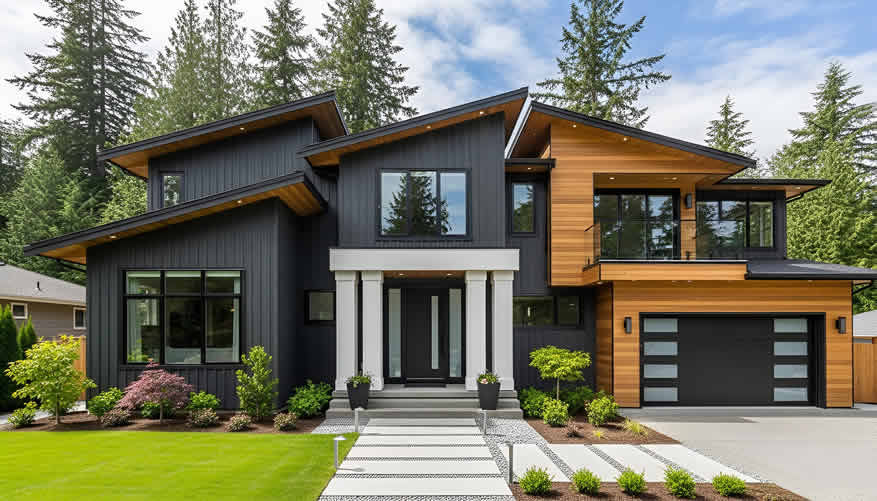
copyright image by 123rf.com
Can Solar Panels Add to Exterior Appeal?
The answer depends on the type of solar panels and how they integrate with your home’s design.
While some panels might clash with your architectural style, newer solutions like sleek, low-profile designs or solar shingles can enhance curb appeal.
These options not only support an eco-friendly lifestyle but also add a modern touch that complements many home aesthetics.
view ideas: solar systems that look good(new win)
-
Scroll up to main directory … or scroll to next section about getting professional help …
-
-

Outline the specific requirements needed for defining …
… home exterior styles and other key home improvement and remodeling decisions


… remodeling decisions

-
-
5th Section: Getting Professional Help
Your home’s exterior is the first impression it makes, so selecting the right style is an important decision. From modern to classic, rustic to contemporary, there is a range of designs to suit every taste and add lasting value to your property.
Hiring an experienced exterior home contractor can make this process much smoother by helping you understand which styles complement your home’s structure, neighborhood, and climate while aligning with your personal preferences.
-
The Expertise an Exterior Home Contractor Can Offer:
- Professional Design Insights:
Contractors bring expert knowledge of various styles and the materials that best suit your home and region. - Budget Planning and Recommendations:
They can guide you toward aesthetic solutions that align with your financial plans. - Knowledge of Energy Efficiency:
Contractors can suggest sustainable materials and designs that promote energy efficiency. - Access to High-Quality Materials:
Their relationships with suppliers often provide access to durable, top-tier products. - Streamlined Project Management:
From concept to completion, they manage every aspect of the process, saving you time and stress.
- Professional Design Insights:
-
Tips for Finding an Experienced Exterior Home Contractor:
- Check Reviews and Referrals:
Look for customer testimonials and ask for recommendations from friends or family. - Verify Credentials:
Ensure they are licensed, insured, and certified by relevant industry organizations. - View Their Portfolio:
Review previous projects to assess their style, skills, and attention to detail. - Ask for a Detailed Estimate:
Request an itemized quote to understand costs and compare options. - Schedule Consultations:
Meet with multiple contractors to ask questions and gauge their communication and expertise.
Hiring a seasoned contractor is a crucial investment in your home’s long-term beauty and functionality. A professional can offer expert advice to help you avoid costly errors and achieve a flawless result, ensuring your project’s success and creating a home exterior you’ll be proud of for years.
- Check Reviews and Referrals:
LetsRenovate has partnered with HomeAdvisor™, a renowned provider of highly-rated, carefully-vetted exterior home local contractors. Start your search here by choosing the type of contractor you need and entering your zip code to find local professionals.
- Quick scroll to summary content …
Content Section Description Choosing the Perfect Exterior Style for Your Home Your home’s exterior is the first impression it makes, so selecting the right style is an important decision. From modern to classic, rustic to contemporary, there is a range of designs to suit every taste and add lasting value to your property.
Hiring an experienced exterior home contractor can make this process much smoother by helping you understand which styles complement your home’s structure, neighborhood, and climate while aligning with your personal preferences.
The Expertise an Exterior Home Contractor Can Offer - Professional Design Insights:
Contractors bring expert knowledge of various styles and the materials that best suit your home and region. - Budget Planning and Recommendations:
They can guide you toward aesthetic solutions that align with your financial plans. - Knowledge of Energy Efficiency:
Contractors can suggest sustainable materials and designs that promote energy efficiency. - Access to High-Quality Materials:
Their relationships with suppliers often provide access to durable, top-tier products. - Streamlined Project Management:
From concept to completion, they manage every aspect of the process, saving you time and stress.
Tips for Finding an Experienced Exterior Home Contractor - Check Reviews and Referrals:
Look for customer testimonials and ask for recommendations from friends or family. - Verify Credentials:
Ensure they are licensed, insured, and certified by relevant industry organizations. - View Their Portfolio:
Review previous projects to assess their style, skills, and attention to detail. - Ask for a Detailed Estimate:
Request an itemized quote to understand costs and compare options. - Schedule Consultations:
Meet with multiple contractors to ask questions and gauge their communication and expertise.
Closing Thoughts Hiring a seasoned contractor is a crucial investment in your home’s long-term beauty and functionality.
A professional can offer expert advice to help you avoid costly errors and achieve a flawless result, ensuring your project’s success and creating a home exterior you’ll be proud of for years.
copyright image by 123rf.com
But Wait!
Before you start looking for an exterior home contractor, we recommend downloading our evaluation worksheet.
This handy resource will help you compare and assess potential contractors based on important factors like pricing, licensing, and referrals.

Evaluation Sheet
File Type:-
Scroll up to main directory … or scroll to conclusion and references …
-
-
-
Conclusion
Your home is your personal haven, and transforming its exterior is a deeply rewarding project.
Whether you are drawn to the soothing unity of a low-contrast palette, the grounded warmth of modern natural elements, or the dynamic personality of a mixed-materials facade, you have the power to create a space that perfectly reflects your family.
By carefully considering your architecture, incorporating quality materials, and thoughtfully planning your design, you will craft a lasting impression that brings you joy every single time you pull into the driveway.
Resource Citations
- Brick & Batten. (n.d.). Exterior Color Contrast.
- William Pitt. (n.d.). Eight Ways to Rock a Low-Contrast Color Scheme on Your Home.
- One Room Challenge. (n.d.). How to Use High/Low Contrast in Interior Design Color Palettes.
- Homestyler. (n.d.). Choosing the Perfect Exterior Paint Colors for Small Homes.
- Allura USA. (n.d.). Best Exterior Colors for a Small House.
- Benjamin Moore. (n.d.). Home Exterior Ideas & Inspiration.
- Italdoors. (n.d.). The Psychology of Interior Design: How Colors and Layout Affect Mood.
- Reddit. (n.d.). r/ExteriorDesign –
- Behr. (n.d.). Exterior Inspiration.
-
Quick scroll to more exterior home ideas …
-
ideas to view and compare from the photo above
book: exterior home upgradesexterior doorsmart exterior door lock
- What comments can you share about the type of
home exterior styles that you have for your home?

Calendar For:
Home Maintenance
File Type:


… view our sharing links below for a quick "share the knowledge"
Find Exterior Home Services Garage Doors Roofing Siding Waterproofing Driveways Walkways top-rated, pre-screened local contractors FREE: download contractor selection Steps Concrete Chimney Landscape Design Foundations Water Features enter zip code – powered by HomeAdvisor ™
Quick Contractor Guides selecting negotiating working with inspecting

Cover image credit: home exterior styles by 123rf.com
end of post … please share it!
 |
did you find this home exterior styles review helpful? If so, please share the article with your friends and family! |
Nice pic idea? Leave us a quick comment below.
And please share this pic idea within your social networks.