Summary Outline –
Spring is the season of renewal, a time when gardeners eagerly dust off their tools and prepare to reacquaint themselves with the soil. There’s something inherently rewarding about homegrown vegetables—their remarkable freshness, the unparalleled flavor, and the joy of knowing they were cultivated with love and care.
If you’ve been dreaming of starting a vegetable garden or refining your current planting efforts, now is the perfect opportunity.
This analysis will walk you through everything you need to know about vegetable garden planning, planting, and nurturing your crops for a bountiful spring harvest.
- post content
- Veggie Tip 1: Planning Your Vegetable Garden
- Veggie Tip 2: Understanding Climate and What Can Grow
- Veggie Tip 3: Selecting What Vegetables to Grow
- Veggie Tip 4: Preparing the Soil and Planting
- Veggie Tip 5: Providing Tender Love and Care
- Veggie Tip 6: Watching Your Garden Grow to Harvest

-
Quick scroll to first topic about vegetable gardening …

first “vegetable gardening” idea
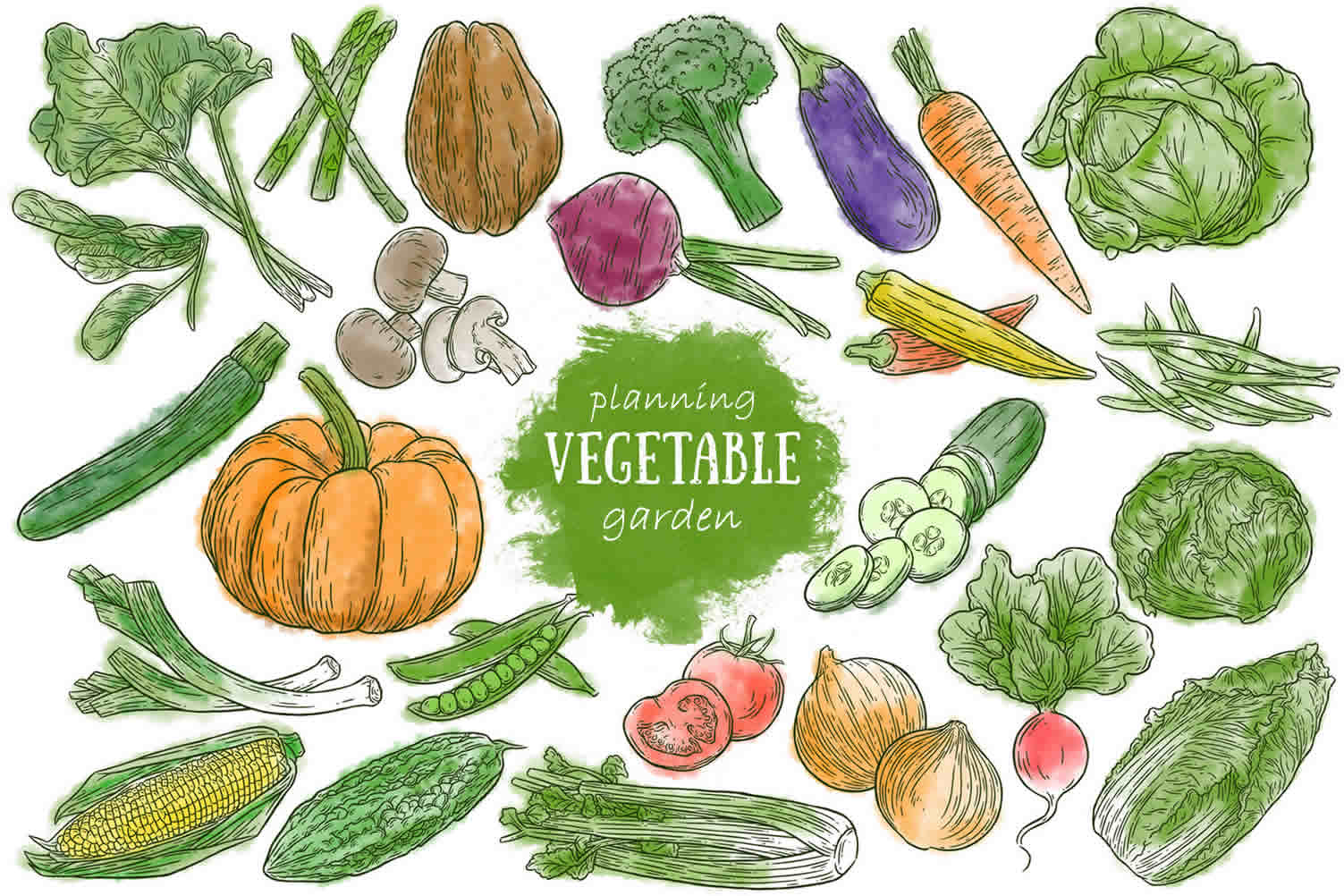

copyright image by envato.com
Veggie Tip 1: Planning Your Vegetable Garden
Notes:
-
Before you plant a single seed, take a moment to carefully plan your garden. Your success largely depends on selecting the right location, determining an appropriate size, and designing a layout that allows for efficient use of space.
Sketching a layout of your garden will help you decide where to place each plant, ensuring you maximize sunlight exposure and leave enough room for growth and airflow.
-
Quick scroll to “planning your garden” side notes …
-
-
1st: Setting Goals and Assessing Your Space
Starting a vegetable garden in the spring can be a rewarding and productive endeavor, but success begins with careful planning. By determining your goals and understanding the space you have available, you can create a garden that meets your needs and thrives throughout the growing season.
This section will guide you through defining your objectives and evaluating the physical requirements necessary to achieve them.
-
Determine Your Goals
Before planting begins, it’s essential to understand your personal goals for the vegetable garden. Are you aiming to grow food for your household, supplement groceries, or cultivate a diverse range of crops?
Defining your purpose will help you choose the right variety of vegetables and plan the quantities you need to plant. Consider your experience level, the time you have available for maintenance, and whether you’re looking to practice sustainability or reduce your grocery budget.
Developing a clear goal not only makes the process more efficient but also increases the likelihood of achieving a fulfilling harvest.
-
Assessing the Space Needed to Achieve Your Goals
The amount of space you have influences every aspect of your garden, from the selection of crops to spacing and layout. Measure your gardening area carefully and take note of factors such as sunlight exposure, soil quality, and drainage.
Most vegetables require a minimum of six to eight hours of direct sunlight daily, so identifying sunny or shaded areas is crucial. Additionally, soil testing can determine pH levels and nutrient composition, which provides valuable insight for preparing your garden.
For those with limited space, consider raised beds, container gardening, or vertical gardens as alternatives to maximize plant growth while optimizing smaller areas.
-
Access Points
Creating access paths in your garden is essential to maintain its health and accessibility. Pathways allow you to tend to your plants without compacting the soil around them, which is critical for root growth and nutrient absorption.
When designing paths, consider materials like gravel, stepping stones, or mulch as they provide durability and improve drainage. Ensure paths are wide enough to accommodate gardening tools or wheelbarrows and are placed strategically to reach all parts of the garden easily.
Additionally, incorporating curved or decorative walkways can enhance the aesthetic appeal of your garden while maintaining functionality.
-
Other Factors to Consider
When planning your vegetable garden, it’s important to account for additional elements that can affect its overall success. Access to water, for example, is key—ensure that your garden location is easily reachable with a hose or irrigation system to keep plants hydrated.
Local climate conditions should also dictate your choice of crops, as growing plants suited to your region will enhance productivity and reduce risk of failure.
Lastly, think about pest control and whether you’ll use organic methods or chemical solutions to protect your produce. Keeping these factors in mind ensures a well-rounded plan that addresses all aspects of your gardening needs.
-
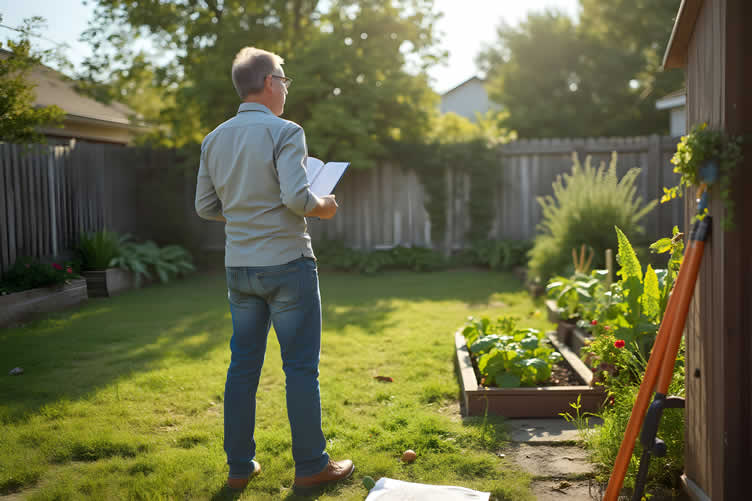
Sketch It Out!
Sketching your garden layout and plan is another crucial step in preparing for a successful gardening endeavor. By mapping out your garden, you can determine the best arrangement for your plants based on their sunlight, spacing, and companion planting needs.
This planning helps optimize the use of available space and ensures that taller plants don’t overshadow smaller ones unnecessarily. Additionally, a clear layout provides a visual guide that can simplify planting and maintenance tasks throughout the season.
A well-thought-out plan not only maximizes efficiency but also increases the likelihood of a thriving garden.
AI generated image by 123rf.com
[ view diagram: vegetable garden space ]
[ youtube: How to Size and Plan a Vegetable Garden ]

-
-
2nd: What Type of Garden Space Can You Work With?
When starting a garden, understanding the type of space you have is essential to making informed choices that align with your goals and resources. Whether you are working with a sprawling backyard, a small balcony, or even an indoor setting, there are various garden types to suit your needs.
Each space has its own unique characteristics, requirements, and advantages. By selecting a garden type that complements your environment, you can maximize productivity and ensure a positive gardening experience.
Below, we’ll explore the different types of garden spaces to help you identify the option that works best for you.
[ view images: types garden space ]
-
A Cut-Out Section of Your Landscape
Using a section of your existing landscape is one of the most traditional approaches to gardening. This method involves designating a portion of your yard for planting directly into the soil. It is ideal for those who have adequate land and good soil quality.
Before planting, test the soil for pH and nutrient levels to ensure it is suitable for the crops you plan to grow. Amending the soil with compost or organic matter may also be necessary for optimal plant health.
This space allows greater flexibility for larger plants, such as corn or tomatoes, and minimizes the need for additional infrastructure beyond fencing or irrigation.
-
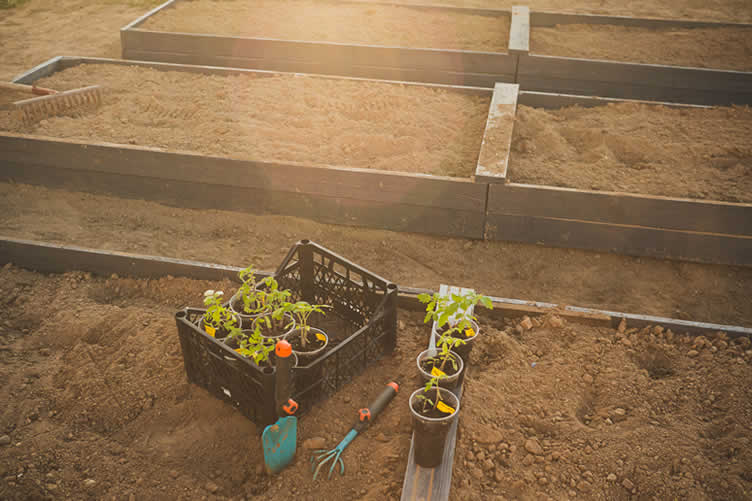
Raised Beds
Raised beds are elevated garden plots that allow for better soil control and a more organized planting setup. They are particularly beneficial for areas with poor soil quality, as you can fill the beds with nutrient-rich soil tailored to your plants’ needs.
Raised beds improve drainage, reduce soil compaction, and make gardening more accessible, especially for those with mobility issues. Their defined structure also minimizes weed growth and provides neat, manageable planting zones.
Construct raised beds with durable, untreated wood, stone, or metal, and ensure they are positioned in areas with adequate sunlight for your chosen crops.
-
Vertical Garden
A vertical garden is an excellent choice for individuals with limited horizontal space, such as patios, balconies, or small yards. This space-saving method uses walls, trellises, or specially-designed planters to grow plants upward rather than outward.
It is particularly suitable for vining crops like beans, peas, and cucumbers, as well as herbs and small decorative plants.
Vertical gardens not only add visual appeal but also improve air circulation around plants and make maintenance tasks like watering and harvesting more efficient. Be sure to select sturdy structures capable of supporting plant weight and exposure to weather over time.
-
Container Garden
Container gardening is highly versatile and perfect for those without access to traditional garden space. Using containers such as pots, buckets, or barrels, gardeners can grow vegetables, flowers, and herbs on balconies, patios, or other compact areas.
Containers offer complete control over soil composition and make it easier to move plants to optimal sunlight conditions throughout the day.
However, they require more frequent watering, as the limited soil volume tends to dry out quickly. Choose containers with adequate drainage holes and be mindful of selecting plants suited to the size of each container.
-
Hydroponic Garden
Hydroponic gardening involves growing plants without soil, using nutrient-rich water solutions instead. This method is ideal for indoor or controlled environments and offers exceptional efficiency in water and fertilizer use.
Hydroponic systems can range from simple setups, like nutrient film techniques (NFT), to more advanced systems such as deep water culture or aeroponics. While they require an upfront investment in equipment and maintenance, hydroponic systems allow for year-round growing and can yield high-quality produce in a relatively small space.
Research appropriate systems and lighting solutions to fit your space and crop preferences. Resources like the USDA or specialized hydroponic suppliers can provide valuable guidance.
-
Other Garden Spaces
For those looking to think outside the box, there are numerous other garden space options available. Community gardens provide shared spaces for individuals with no personal yard access, fostering a collaborative environment.
Balcony and windowsill gardens are also creative solutions for city dwellers aiming to grow herbs or small vegetables. Furthermore, edible landscaping incorporates food-producing plants like fruit trees and berry bushes into traditional yard designs, where aesthetics and functionality meet seamlessly.
Each type of garden outlined above offers unique benefits and caters to various circumstances and preferences. Assess your available space carefully, considering sunlight, soil conditions, and access to water, to select the garden type best suited to your needs.
copyright image by 123rf.com
[ youtube: What’s the Ideal Spacing for Vegetable Garden ]
[ youtube: 5 Ways to Grow More in Less Space ]
-
-
-
ideas to view and compare from the information discussed above
Scroll up to directory … or scroll to next section about vegetable gardening …


… must take in consideration growing zone and climate

second “photo remodeling” idea

copyright image by 123rf.com
Veggie Tip 2: Understanding Climate and What Can Grow
Notes:
-
Understanding your climate is a crucial step in planning a successful garden. Each region has unique weather patterns, temperature ranges, and seasonal changes that directly impact what plants will thrive.
By familiarizing yourself with your local climate and growing conditions, you can make informed decisions about which crops and other plants to cultivate.
Whether you’re a seasoned gardener or a beginner, aligning your choices with your region’s natural environment will save time, effort, and resources, while ensuring a productive and flourishing garden.
-
Quick scroll to “understanding your climate” side notes …
-
-
1st: USDA Plant Hardiness Growing Zones
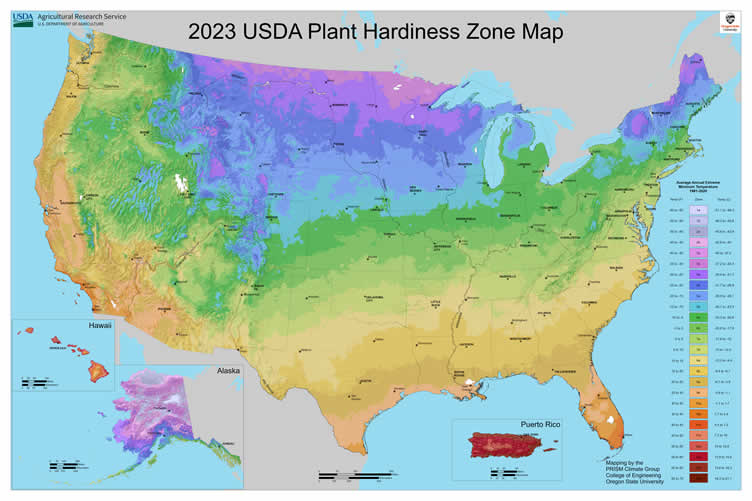
Understanding USDA Plant Hardiness Growing Zones is a critical component of gardening success. These zones, established by the United States Department of Agriculture, serve as a guide to help gardeners determine which plants are most likely to thrive in their specific location.
They are based on the average annual minimum winter temperature, allowing growers to anticipate the level of cold resistance plants will need.
By referencing this system, gardeners can make well-informed decisions, ensuring the longevity and productivity of their plants. In this section, we’ll explore the significance of growing zones and how they relate to your gardening efforts.
-
What Are USDA Plant Hardiness Growing Zones?
USDA Plant Hardiness Growing Zones divide the United States into 13 distinct zones, each defined by a 10°F range in the average minimum winter temperature.
Additional subcategories, labeled "A" and "B," further refine these zones into 5°F increments for even greater accuracy. This robust framework provides a clear roadmap for understanding which regions are suitable for specific plants.
For example, plants listed as hardy to Zone 5 can tolerate temperatures as low as -20°F. This system simplifies the plant selection process and gives gardeners confidence in their choices.
Information about your zone can be easily accessed via the USDA’s interactive online map or by consulting local horticultural experts. For trusted details, visit the official USDA website or reference guides provided by organizations like the American Horticultural Society.
-
Why Are Growing Zones Important?
Using the correct growing zone is essential to avoid unnecessary challenges and ensure gardening success. By selecting plants that align with your zone, you reduce the risk of weather-related damage, such as frost-kill or heat stress, which could jeopardize your investment in time and resources.
Plants adapted to your zone are more likely to thrive, leading to healthier growth, better yields, and a more resilient garden.
Additionally, understanding growing zones helps gardeners adapt to climate changes over time. Shifts in weather patterns, including rising average temperatures, have prompted updates to hardiness zones in recent years.
Staying informed about your local zone empowers you to plan effectively for both current and future gardening seasons.
-
How to Use Growing Zones for Garden Planning
To utilize growing zones effectively, start by researching your specific zone using the USDA map or reputable horticultural resources. When purchasing plants, review labels or catalog descriptions carefully, as they will often specify the zones where the plant will perform best.
For optimal success, select species and cultivars that are clearly suitable for your area while considering additional factors like wind, precipitation, and micro-climates within your garden space.
By leveraging USDA Plant Hardiness Growing Zones, gardeners of all experience levels can create sustainable and thriving landscapes.
copyright image by usda.gov
[ pinterest: plant hardiness zones ]
[ youtube: Plant Hardiness Zones Got Updated ]
-
-
2nd: Climate Types for Growing a Vegetable Garden
Understanding your local climate is crucial for vegetable gardening success. Different climates present unique challenges that impact plant growth, pest management, and soil conditions.
Identifying your climate type allows you to anticipate potential problems, adapt your gardening practices, and select vegetable varieties best suited to thrive in your specific conditions.
The following section explore common climate types and the growing issues associated with each, offering expert advice to help you cultivate a productive garden.
-
Rainy Climates
Gardening in rainy climates often means dealing with excessive moisture and poor drainage, which can lead to waterlogged soil and root rot.
Vegetables like tomatoes, peppers, and squash are particularly prone to fungal diseases like blight and mildew in overly damp conditions. Compacted soil may also become a problem, preventing roots from accessing the oxygen they need.
To address these issues, ensure your garden beds are well-drained by raised beds or adding organic matter to improve soil structure. Mulching can help manage soil splashing, which contributes to the spread of waterborne pathogens.
Additionally, consider using disease-resistant vegetable varieties and practice crop rotation to minimize the risk of recurring infestations.
-
Hot Dry Climates
Hot and arid climates pose challenges such as extreme heat, rapid evaporation, and limited water availability. Vegetables like lettuce, spinach, and peas may struggle to survive or bolt prematurely in these conditions.
Soil can become dry and compacted, making it difficult for roots to take up nutrients effectively. To combat these challenges, use drip irrigation systems or soaker hoses to deliver water directly to plant roots, minimizing evaporation.
Implement shade cloths or plant taller crops as windbreaks to shield sensitive plants from scorching sun and dry air. Choose drought-tolerant vegetable varieties, and apply thick layers of organic mulch to retain soil moisture and moderate temperature fluctuations.
-
Cool Night Climates
Cool or fluctuating nighttime temperatures can hinder vegetable growth, particularly for heat-loving crops like beans, cucumbers, and tomatoes. Prolonged exposure to cold night air can delay planting schedules and slow growth, as vegetables struggle to maintain sufficient warmth for optimal development.
To overcome these issues, use row covers or cold frames to protect plants from low temperatures and extend the growing season. Raised beds may absorb warmth more effectively than traditional in-ground planting.
Selecting cool-tolerant varieties can also make a significant difference; crops such as kale, peas, and carrots perform well under these conditions.
-
Humid Hot Climates
High humidity combined with heat creates a breeding ground for fungal diseases, pests, and rapid weed growth. Frequent rainfall and dew contribute to leaf wetness, increasing the likelihood of issues like powdery mildew, downy mildew, and bacterial wilt.
Vegetables such as cucumbers, melons, and basil are particularly susceptible. To reduce disease risk, increase air circulation by spacing plants appropriately and pruning lower leaves. Ensure you water in the morning to allow foliage to dry before nightfall, which minimizes damp conditions.
Encourage predator insects like ladybugs to control pests naturally and weed thoroughly to prevent competition for nutrients and moisture. Disease-resistant vegetable varieties are a critical option in humid climates.
-
Other Considerations
No single climate is without its challenges, and micro-climates or mixed conditions can add further complexity. Windy regions can dry out soil and damage delicate vegetable plants, while areas with unpredictable weather patterns may experience erratic growth cycles.
For these varied conditions, consider employing adaptive techniques such as installing windbreaks, gardening under protective structures like hoop houses, or using container gardening to control soil and exposure.
Monitor your environment closely and experiment with different planting techniques or schedules to determine what works best in your unique situation.
For more information, consult your local extension service or authoritative gardening resources tailored to your region.
copyright image by 123rf.com
[ pinterest: growing vegetables climates ]
[ youtube search: growing vegetables in different climates ]
-
-
-
ideas to view and compare from the information discussed above
book: vegetable gardeningbook: raised bed and container gardening
Scroll up to directory … or scroll to next section about vegetable gardening …
… the hardiness zones for varying vegetables

addressing planting a vegetable garden and other home improvement needs …

… grab this directory of ideas for future use



May We Suggest Other Photo Remodeling Ideas For The
“Interior Section of the Home …” (new win)



third “photo remodeling” idea
copyright image by envato.com
Veggie Tip 3: Selecting What Vegetables to Grow
Notes:
-
What you grow in your vegetable garden should reflect your personal preferences while considering your region’s climate and growing conditions.
Spring gardening tips include focusing on cool-season vegetables like lettuce, spinach, peas, and radishes if you live in a cooler area. For those in warmer climates, crops like tomatoes, peppers, and beans thrive under spring’s nurturing conditions.
Research your growing zone to understand the best planting times for specific vegetable varieties. This will also help you identify any plants that are not well-suited for your regional climate.
Additionally, think about how often you’ll consume the vegetables you cultivate. It’s better to grow what you love to eat rather than letting less-desired crops go to waste.
-
Quick scroll to “what to grow” side notes …
-
-
1st: The Most Common Types of Vegetables to Grow
When selecting vegetables for your garden, understanding the growing requirements and regional suitability is critical for success. Starting your vegetable garden with common, well-loved vegetables not only guarantees a productive harvest but also helps you gain confidence as a grower.
Whether you’re a seasoned gardener or just beginning your gardening adventure, choosing the right plants for your climate and growing zone will lead to a bountiful and rewarding experience.
Below are some of the most popular vegetables to grow, segmented by type, with guidance on their growing zones and climate needs to help you get started.
[ view images: common types of vegetables ]
-
Tomatoes
Tomatoes are one of the most popular and versatile vegetables to grow in home gardens. They thrive in warm, sunny climates and require a consistent supply of sunlight to produce a delicious harvest.
Tomatoes come in various types, including cherry, beefsteak, and heirloom varieties, making them suitable for everything from fresh salads to sauces.
- Growing Zone: Zones 3-10, depending on the variety.
- Climate Needs: Tomatoes excel in hot, dry climates but require regular watering to maintain moisture. Ensure they are planted after the last frost when temperatures consistently reach over 50°F (10°C).
-
Lettuce (Leafy Greens)
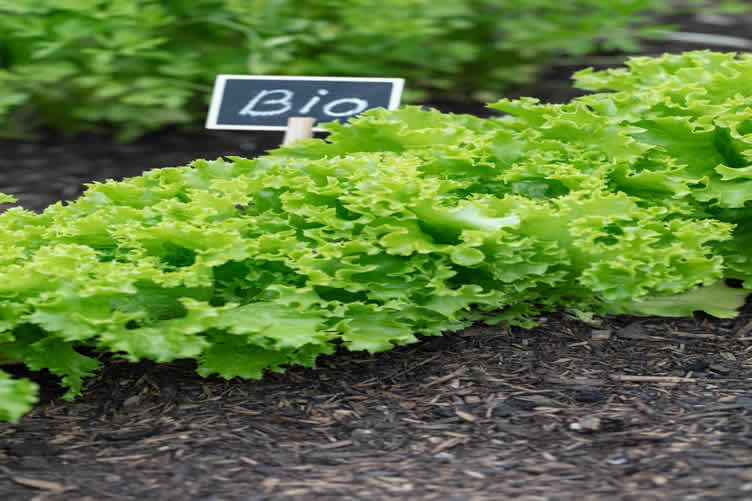
Lettuce is a quick-growing leafy green that is perfect for cool climates and spring or fall gardens. It is a superb vegetable for gardeners seeking a steady harvest of fresh, tender leaves for salads and sandwiches.
- Growing Zone: Zones 2-11.
- Climate Needs: Lettuce thrives in cool night climates and prefers temperatures between 60-70°F (15-21°C). It grows particularly well in regions with mild springs and falls, and can also be grown in shaded areas in warmer climates.
-
Peppers
Peppers, both sweet and hot varieties, are vibrant and highly productive vegetables that enhance any garden. They are perfect for beginner gardeners looking to add bold flavors to their favorite dishes.
- Growing Zone: Zones 4-11.
- Climate Needs: Peppers love hot, humid climates but need sufficient drainage to prevent root rot. These plants perform best in temperatures of 70-85°F (21-29°C) and will thrive when planted in sunny areas with minimal shade.
-
Beans
Beans, whether pole or bush varieties, are an incredibly reliable crop. High-yielding and nutritious, they are a staple in gardens of all sizes. Beans also improve soil health by fixing nitrogen, making them perfect for crop rotation.
- Growing Zone: Zones 3-10.
- Climate Needs: Beans perform well in warm-to-moderate climates. While they appreciate consistent watering, they dislike overly wet conditions, so aim to plant them in regions with balanced rainfall.
-
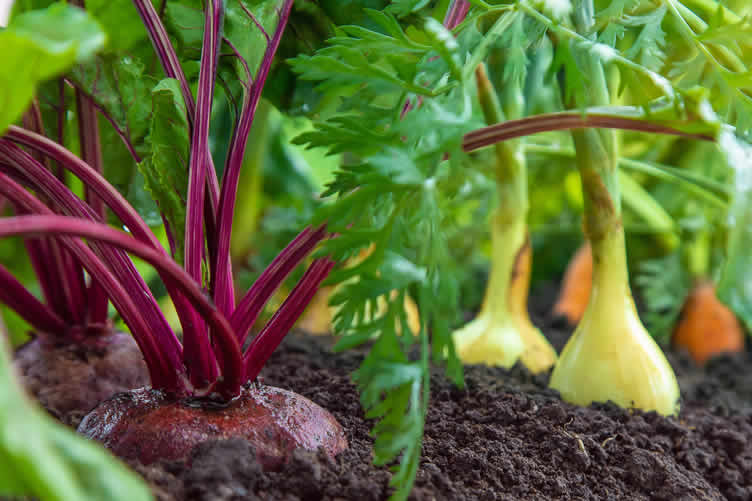
Carrots
Carrots are versatile root vegetables that are easy to grow and packed with nutrients. Their crunchy texture and natural sweetness make them a favorite for both raw snacking and cooking.
- Growing Zone: Zones 3-10.
- Climate Needs: Carrots prefer cooler weather and thrive in loose, well-drained soil. Ideal temperatures range from 55-75°F (13-24°C). They require consistent moisture to germinate and develop properly, but over-watering should be avoided.
-
Corn
Corn, a warm-season crop, is a staple in many gardens thanks to its versatility, sweet flavor, and ability to be used in a variety of dishes. From grilling fresh ears during summer barbecues to incorporating kernels in soups, salads, or salsas, corn is both delicious and adaptable.
- Growing Zone: Zones 3-10.
- Climate Needs: Corn thrives in sunny climates with temperatures between 60-95°F (15-35°C). It requires fertile, well-drained soil and consistent watering, especially during pollination, to ensure healthy ears of corn.
-
Spinach
Spinach is another cool-season favorite, prized for its nutrient-dense leaves. It grows quickly and is great for gardeners looking for a fast source of healthy greens.
- Growing Zone: Zones 2-11.
- Climate Needs: Spinach is well-suited for rainy climates and cool temperatures, preferring conditions between 50-70°F (10-21°C). It should be planted early in the spring to make the most of cooler weather before summer heat arrives.
-
Zucchini
Zucchini is a versatile and productive summer squash, making it a staple in many home gardens. Its prolific growth means just a few plants can yield an abundance of fruit throughout the growing season.
- Growing Zone: Zones 3-10.
- Climate Needs: Zucchini thrives in warm climates with plenty of sunlight. It requires well-draining soil and consistent watering, especially during dry spells, to produce healthy crops.
-
Squash
Squash, including both summer and winter varieties, is valued for its diverse culinary uses and ease of cultivation. These plants are robust and can grow in relatively poor soils, although they perform best with organic matter added.
- Growing Zone: Zones 3-10.
- Climate Needs: Squash prefers warm weather and should be planted after the threat of frost has passed. Like zucchini, it favors full sun and well-drained soil but benefits from mulch to retain moisture and moderate soil temperature.
-
Cucumbers
Cucumbers are an excellent addition to gardens for their crisp taste and versatility in the kitchen. They grow rapidly and are ideal for trellising, saving space in smaller gardens.
- Growing Zone: Zones 4-11.
- Climate Needs: Cucumbers love hot, humid climates and require consistent watering to maintain their health and production. They require full sun and a growing temperature range of 70-90°F (21-32°C) for optimal results.
copyright image by envato.com
-
-
2nd: Other Types of Vegetables to Consider Growing
Beyond the commonly cultivated favorites like squash and cucumbers, there exists a diverse array of vegetable crops that can add variety and nutritional value to your garden. These vegetables are often under-appreciated but offer unique flavors, require different growing conditions, and can considerably enhance your gardening experiences.
Below, we explore a selection of such vegetables, detailing their characteristics along with their growing requirements to help you make informed planting decisions.
[ view images: other types of vegetables ]
-
Kale
Kale is a nutrient-dense leafy vegetable celebrated for its resilience and ability to thrive in cooler temperatures. It is rich in vitamins A, C, and K, as well as antioxidants, making it a favorable addition to both gardens and diets.
Kale is a hardy crop, capable of withstanding frost, which even enhances its sweetness.
- Growing Zone: Zones 7-10.
- Climate Needs: Kale thrives in cool weather, with optimal growth occurring in temperatures between 55-75°F (13-24°C). It grows best in full sun to partial shade and well-drained, nutrient-rich soil. Overly hot conditions can lead to bitterness, so timing the planting for spring or fall is ideal.
-
Onion
Onions are versatile and widely used vegetables known for their distinctive flavor and long shelf life. They are an essential ingredient in many culinary dishes and come in various types, including red, white, and yellow onions.
Onions are relatively easy to grow, making them suitable for gardeners of all experience levels.
- Growing Zone: Zones 3-9.
- Climate Needs: Onions prefer a cool growing season and thrive in temperatures between 55-75°F (13-24°C). They require full sun and loose, well-drained soil with plenty of organic matter. It’s important to keep the soil consistently moist but avoid over-watering, as this can lead to rot.
-
Garlic
Garlic is a hardy and flavorful bulb crop widely used in cooking and known for its health benefits. It is an easy-to-grow plant that requires minimal care, making it an excellent choice for gardeners.
- Growing Zone: Zones 3-8.
- Climate Needs: Garlic grows best in cool conditions, with planting typically done in the fall for a summer harvest. It requires full sun and well-drained, nutrient-rich soil. Maintaining consistent moisture is important, especially during bulb development, but it is essential to avoid waterlogged conditions.
-
Radishes
Radishes are a fast-growing, crisp root vegetable that adds a peppery flavor to salads and dishes. They are an excellent option for beginner gardeners due to their quick harvesting time and low maintenance needs.
- Growing Zone: Zones 2-10.
- Climate Needs: Radishes prefer cool weather and grow best in spring and fall. They thrive in full sun to partial shade and require loose, well-drained soil with consistent moisture. Avoid letting the soil dry out, as it can result in woody or cracked roots.
-
Eggplant
Eggplant is a versatile and nutritious vegetable, commonly used in a variety of cuisines worldwide. Its rich, creamy texture and slightly bitter flavor make it a favorite ingredient in numerous savory dishes.
- Growing Zone: Zones 4-10.
- Climate Needs: Eggplants thrive in warm climates and require a long growing season. They need full sun, warm soil, and regular watering to promote steady growth. Well-drained, fertile soil rich in organic matter is essential for healthy plants and abundant yields.
-
Swiss Chard
Swiss chard, with its vibrant stems and broad green leaves, is both ornamental and practical. It provides a multitude of vitamins like A, K, and E and is highly adaptable to various conditions.
This leafy vegetable is a great option for harvesting continuously throughout the growing season.
- Growing Zone: Zones 3-10.
- Climate Needs: Swiss chard grows well in moderate to cool climates, with an ideal temperature range of 50-85°F (10-29°C). It requires full sun for maximum production but can tolerate partial shade. It performs best in fertile, well-drained soil with consistent watering to prevent bolting.
-
Turnips
Turnips are versatile vegetables that produce both edible roots and leafy greens. They mature quickly and are an excellent crop for gardeners seeking fast-growing plants.
Along with being a source of fiber, vitamins C and B6, and potassium, turnips are easy to incorporate into various dishes.
- Growing Zone: Zones 2-9.
- Climate Needs: Turnips are a cool-season crop, thriving in temperatures of 40-75°F (4-24°C). They prefer full sun but can tolerate light shade. Well-drained, loose soil is essential for proper root development. Early spring and fall are the best planting times.
-
Fennel
Fennel, known for its feathery fronds and licorice-like flavor, is both aromatic and beneficial for attracting pollinators. The bulb, stalks, and leaves are all edible, offering versatility in culinary applications.
- Growing Zone: Zones 4-9.
- Climate Needs: Fennel prefers mild climates with temperatures between 60-75°F (15-24°C). It grows best in full sun and well-drained soil with moderate moisture. Fennel does not transplant well, so it should be sown directly into the garden or the final location.
-
Okra
A staple in Southern cuisine, okra is a heat-tolerant vegetable that produces pods with a mild, earthy flavor. It is ideal for gardens in hot climates, offering steady production throughout the growing season when properly cared for.
- Growing Zone: Zones 8-10.
- Climate Needs: Okra thrives in high heat with plenty of sun and temperatures of 75-95°F (24-35°C). It requires well-drained soil enriched with organic matter to support consistent growth and production. Regular watering is essential to avoid stress during dry periods.
-
Peas
Peas are a versatile and nutritious legume that can be grown in a variety of garden settings. Their sweet and tender flavor makes them a favorite addition to many meals, whether fresh, frozen, or dried.
- Growing Zone: Zones 3-9.
- Climate Needs: Peas thrive in cool weather, making early spring and fall ideal growing times. They prefer full sun but can tolerate partial shade. Plant peas in well-drained soil enriched with compost and keep the soil consistently moist but not overly wet. For best results, provide a trellis or support for climbing varieties to encourage healthy growth and maximize space.
copyright image by envato.com
-
-
3rd: Best Herbs to Grow
Growing your own herbs a is a rewarding endeavor that brings freshness, flavor, and convenience straight to your kitchen. Herbs thrive in home gardens, offering aromatic foliage, culinary benefits, and even health advantages.
Whether you have a small windowsill or a sprawling garden plot, cultivating these plants can save money and provide you with organic, chemical-free options for seasoning your meals.
Below is a guide to some of the most popular herbs to grow, complete with growing zones and climate needs to ensure your success.
[ view images: growing herbs ]
-
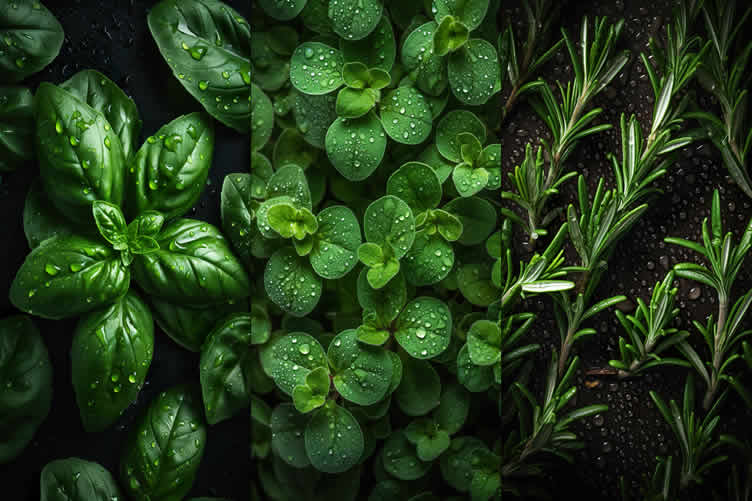
Basil
Basil is a beloved herb commonly associated with Italian and Mediterranean cuisine. Its sweet aroma and versatile flavor make it a staple in dishes such as pesto, salads, and sauces.
Beyond its culinary uses, basil is known for its antioxidant properties.
- Growing Zone: Zones 4-10.
- Climate Needs: Basil thrives in warm weather with consistent temperatures between 70-85°F (21-29°C). It requires full sun and well-drained soil rich in organic matter. Ensure steady watering but avoid over-saturation, as basil is susceptible to root rot.
-
Oregano:
A staple in Mediterranean cuisine, oregano is prized for its robust, earthy flavor and aroma, often used in dishes such as pizza, pasta, and marinades. Beyond its culinary applications, oregano is rich in antioxidants and has natural antibacterial properties.
- Growing Zone: Zones 5-10.
- Climate Needs: Oregano prefers warm, sunny conditions and thrives in well-drained soil. It is drought-tolerant once established and benefits from moderate watering, making it a hardy herb for various climates.
-
Rosemary
Rosemary is an aromatic perennial herb that elevates the flavor of roasted meats, vegetables, and bread. Additionally, its needle-like foliage is often used for its antibacterial and stress-relieving properties.
This drought-tolerant plant is perfect for gardeners seeking a low-maintenance herb.
- Growing Zone: Zones 7-10.
- Climate Needs: Favoring sunny conditions, rosemary grows best in temperatures ranging from 60-80°F (15-27°C). It thrives in well-drained, slightly sandy soil and requires moderate watering, allowing the soil to dry out between waterings.
-
Cilantro
Cilantro is a dual-purpose herb, providing both flavorful leaves and coriander seeds used in spice rubs and baking.
Popular in a variety of global cuisines, cilantro introduces a vibrant, citrusy note to dishes like salsas, soups, and curries.
- Growing Zone: Zones 2-11.
- Climate Needs: Cilantro prefers cool weather with growing temperatures between 50-85°F (10-29°C). It grows well in partial to full sun and requires nutrient-rich, well-draining soil. Regular watering is needed to maintain healthy growth, especially during dry spells.
-
Dill
Dill is a feathery herb with a distinctive sweet and tangy flavor. Commonly used in pickling, it also pairs well with fish, salads, and sauces for a fresh and aromatic touch.
- Growing Zone: Zones 2-11.
- Climate Needs: Dill thrives in full sun and prefers well-draining soil. It grows best in moderate temperatures between 60-70°F (15-21°C) and requires consistent watering to avoid stress, especially during hot weather.
-
Mint
Mint is a fast-growing herb prized for its refreshing flavor, used in teas, desserts, cocktails, and savory dishes. Its vigorous growth and adaptability make it an excellent choice for beginner gardeners.
However, it can become invasive if not contained.
- Growing Zone: Zones 3-11.
- Climate Needs: Mint thrives in full to partial sun with temperatures ranging from 55-70°F (13-21°C). It prefers moist, well-drained soil and consistent watering to prevent wilting. Growing mint in containers is recommended to control its spread.
-
Thyme
Known for its earthy, slightly minty flavor, thyme is a staple in both savory and sweet recipes. This perennial herb has a long shelf life and is valued for its antibacterial and anti-fungal properties, making it a useful addition to natural remedies.
- Growing Zone: Zones 5-9.
- Climate Needs: Thyme grows best in sunny conditions with temperatures of 65-80°F (18-27°C). It requires well-drained, sandy or loamy soil and tolerates drought conditions once established. Water sparingly to prevent root rot.
-
Turmeric
Turmeric is an exotic spice known for its bright orange rhizomes and earthy, slightly bitter flavor. A key ingredient in curry and golden milk, turmeric is celebrated for its anti-inflammatory and antioxidant properties.
- Growing Zone: Zones 8-11.
- Climate Needs: Turmeric thrives in warm, humid climates with temperatures of 75-90°F (24-32°C). It requires partial to full sun and moisture-retentive soil enriched with organic compost. Consistent watering is essential, particularly during its growing phase.
Cultivating these herbs and spices allows home gardeners to enhance their cooking, promote wellness, and enjoy the satisfaction of sustainable, homegrown flavorings.
copyright image by envato.com
-
-
4th: The Other Types of Plants to Consider
Expanding your home garden beyond herbs and spices opens up countless opportunities to diversify your cultivation and maximize the use of your space.
Other plant types, such as root vegetables and sprawling vines, not only add nutritional value to your harvest but also offer a variety of flavors and textures for cooking. By choosing plants that align with your local climate and soil conditions, you can enjoy higher yields and healthier growth.
Below, we’ve outlined several excellent options to consider, focusing on their unique cultivation requirements and benefits.
[ view images: other types of plants ]
-
Broccoli
A nutrient-rich vegetable, prized for its versatility and health benefits. Often enjoyed steamed, roasted, or raw, broccoli is a staple in many cuisines.
- Growing Zone: Zones 3-10.
- Climate Needs: Broccoli thrives in cooler weather, ideally between 60-75°F (16-24°C). It prefers fertile, well-drained soil that is rich in organic matter. Consistent moisture and full sun are essential for optimal growth.
-
Potatoes
Potatoes are a versatile staple crop, beloved for their wide range of culinary uses—from mashed potatoes to soups and fries. They are relatively easy to grow, making them an ideal choice for beginner gardeners.
- Growing Zone: Zones 3-10.
- Climate Needs: Potatoes thrive in cooler climates with temperatures ranging from 60-70°F (16-21°C). They require well-drained, loose soil that allows tubers to expand freely. Consistent watering is vital, especially as the plant blooms and tubers develop.
-
Yams
Yams are another root vegetable to consider for their starchy texture and ability to serve as a dietary staple. They have a somewhat longer growing season than potatoes but are equally rewarding.
- Growing Zone: Zones 8-11.
- Climate Needs: Yams prefer tropical and subtropical climates with temperatures of 70-90°F (21-32°C). They require sandy loam soil rich in organic matter and adequate moisture throughout their lengthy 8-10 month growing season.
-
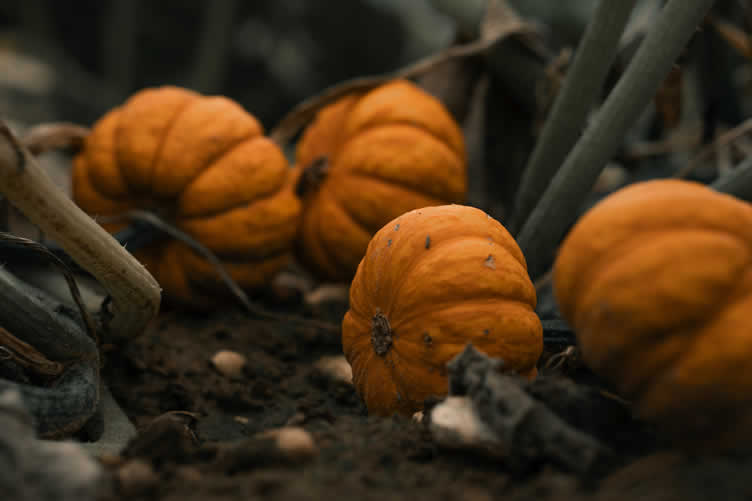
Pumpkins
Pumpkins bring a touch of autumnal charm to any garden and are valued both for their edible flesh and seeds. Additionally, they contribute to healthy compost piles when their growing season ends.
- Growing Zone: Zones 3-9.
- Climate Needs: Pumpkins grow best in warm climates with full sun exposure and temperatures between 65-85°F (18-29°C). They require well-drained soil enriched with compost and need consistent watering, particularly during the vine and fruit development phases.
-
Melons
Melons, such as cantaloupe and watermelon, are excellent choices for sweet, hydrating fruits. Their sprawling vines also make them an aesthetically pleasing addition to gardens.
- Growing Zone: Zones 4-11 (varies by melon type).
- Climate Needs: Melons thrive in hot, sunny climates with temperatures of 70-90°F (21-32°C). They require sandy, nutrient-rich soil with good drainage and ample space for their vines to spread. Regular watering is essential, especially during fruit development.
-
Gourds
Gourds encompass a variety of species, including decorative types and edible selections like calabash. These plants are often grown as much for their visual appeal as for their utility.
- Growing Zone: Zones 3-10.
- Climate Needs: Gourds grow well in warm climates with full sun and temperatures between 70-85°F (21-29°C). They require rich, moist soil that drains well and benefit from a trellis or support structure to keep the fruit off the ground.
-
Other Considerations
There are numerous other crops that could complement your garden, such as beets, peas, and scallions. When planning your next growing season, consider companion planting to maximize space efficiency and encourage natural pest control.
Be sure to reference local extension services and trusted resources like the USDA Plant Hardiness Zone Map (USDA.gov) for tailored advice on growing conditions in your area.
- U.S. Department of Agriculture (USDA) Plant Hardiness Zone Map
- National Gardening Association garden.org
- University Extension Programs for Horticulture Guidance
copyright image by 123rf.com
[ pinterest: growing potatoes ]
[ pinterest: growing melons ]
-
-
-
ideas to view and compare from the information discussed above
book: all about vegetablesvegetable seedlingsherb live plants
Scroll up to directory … or scroll to next section about vegetable gardening …
SHARE IT ..! You might have someone in your social network who could find this informative post about planning and starting a vegetable garden valuable. Feel free to share it on Facebook, X (formally Twitter), LinkedIn, or Pinterest!



… maintaining a vineyard and landscape garden


… home remodeling – improvement – repair



fourth “photo remodeling” idea
copyright image by envato.com
Veggie Tip 4: Preparing the Soil and Planting
Notes:
-
Healthy soil is the foundation of a successful garden. Start by plowing and loosening the soil to improve its structure and remove any weeds, rocks, or debris. Use a spade or tiller, depending on the size of your garden, and aim to create rich, crumbly soil that provides easy access to water and air for plant roots.
Testing your soil’s pH levels and nutrient content can further boost your vegetable garden planning process. Most vegetables prefer slightly acidic to neutral soil (a pH range of 6.0 to 7.0).
If your soil isn’t optimal, don’t worry—you can make adjustments by adding organic matter like compost or lime to balance acidity.
-
Quick scroll to “garden setup and planting” side notes …
-
-
1st: Plowing and Furrowing for a Healthy Vegetable Garden
Plowing and furrowing are essential steps in preparing your garden bed to ensure optimal plant growth and high yields. These techniques create structure in your soil, enhance drainage, and allow roots to develop freely, giving plants access to the nutrients and water they need.
A well-prepared garden bed also minimizes weed growth and fosters healthy soil ecosystems, providing the foundation for a bountiful harvest.
-
Why Plowing Is Crucial
Plowing serves as the initial step in soil preparation, breaking up compacted soil and incorporating organic matter to improve soil structure. This process enhances water infiltration, prevents pooling, and supports the biological processes within the soil, such as microorganism activity.
Furthermore, plowing aerates the soil, ensuring that plant roots can access oxygen efficiently. Steps to Properly Plow Your Garden:
- Choose the Right Equipment
For small gardens, hand tools like a spade or hoe may suffice, while larger spaces may require a mechanical tiller or plow. Always ensure that your tools are clean and sharp for effective use. - Prepare the Soil
Remove surface debris such as rocks, weeds, and dried vegetation. Clear soil will make plowing easier and prevent obstacles from damaging equipment. - Plow at the Right Depth
Aim to turn over soil to a depth of 6–8 inches. This depth ensures roots will access a well-conditioned growing medium while retaining subsoil integrity. - Incorporate Organic Matter
While plowing, mix in organic materials like compost, aged manure, or green manures. These enrich the soil with essential nutrients while boosting its water retention and drainage capabilities. - Allow Time for Soil to Settle
After plowing, give the soil several days to settle before proceeding to the next gardening steps.
- Choose the Right Equipment
-
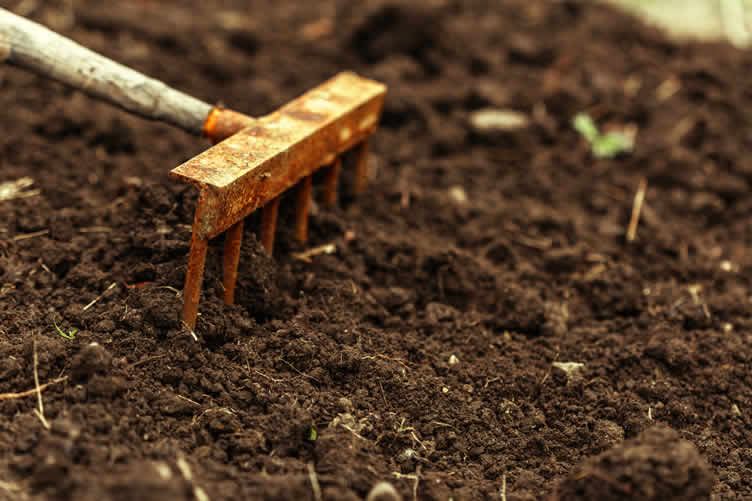
Benefits of Furrowing
Furrowing involves creating shallow trenches or rows in the soil to plant seeds or seedlings. It helps avoid water-logging around plant roots, ensures uniform seed distribution, and can support irrigation practices like drip watering.
How to Create Furrows in Your Garden
- Mark Your Furrows
Use stakes and string to outline straight planting rows. This step enhances uniformity and maximizes the use of available space. - Determine Optimal Furrow Depth
Adjust the depth of your furrows based on the specific vegetable you’re planting. For example:- Small seeds like carrots require shallow furrows (1/4 to 1/2 inch deep).
- Larger crops, such as potatoes, may need deeper furrows (4–6 inches).
- Dig the Furrows
Use a hoe or garden tool to create the rows after marking. Ensure they are spaced appropriately to allow enough room for plant growth—general recommendations vary by crop, but most plants require 12–24 inches between rows. - Ensure Proper Water Irrigation
Furrows streamline water delivery directly to plant roots. Pair furrows with irrigation techniques for efficient watering while reducing waste.
- Mark Your Furrows
-
Expert Tips for Maximizing Results
- Timing Matters: Conduct plowing and furrowing when the soil is moist but not overly wet or dry to avoid compaction or soil clumping.
- Avoid Over-Tilling: Overworking the soil can disrupt its structure and harm beneficial microorganisms. Aim for balanced tilling.
- Revisit Perennial Crops: For gardens with perennials, periodic light furrowing between rows can improve drainage and retain soil health.
Properly plowed and furrowed soil creates the foundation for a thriving vegetable garden, boosting yields while minimizing common challenges such as poor drainage or pest susceptibility.
copyright image by envato.com
[ view diagram: vegetable garden furrowing ]
[ youtube: Preparing Vegetable Beds ]
-
-
2nd: Using Alternative Garden Growing Spaces
Not everyone has access to an expansive backyard or open-field space for traditional gardening, but that doesn’t mean you can’t grow a thriving vegetable garden. With alternative growing spaces such as vertical gardens or container gardens, you can make the most of limited areas like balconies, patios, or even indoor spaces.
These innovative methods not only save space but also allow for easier organization and maintenance, making gardening more accessible for urban or small-space gardeners.
Below, we outline specific strategies for preparing your vegetable garden in these versatile growing spaces.
-
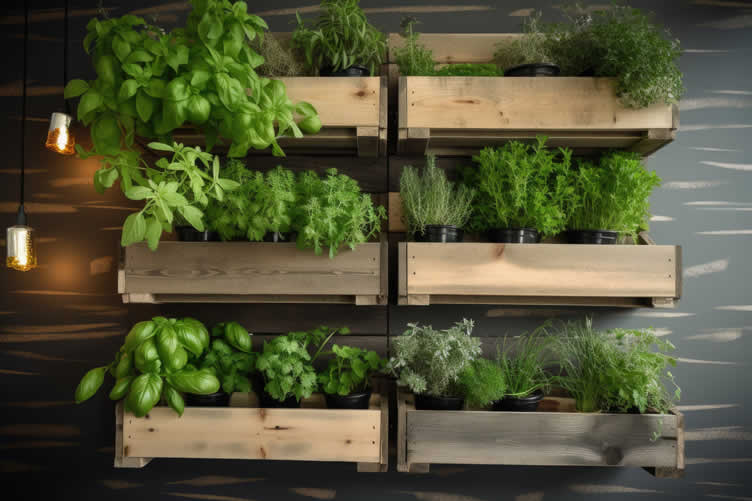
Vertical Gardens
A vertical garden is an excellent solution for those with limited ground space, enabling you to grow vegetables while simultaneously enhancing the aesthetic appeal of your area.
To start, select a sturdy structure, such as trellises, wall-mounted planters, or re-purposed wooden pallets. Ensure the placement provides sufficient sunlight exposure for your chosen vegetables, typically at least 6–8 hours per day.
Plants such as tomatoes, cucumbers, peas, and leafy greens thrive in vertical gardening systems.
The timing matters when setting up your vertical garden. Ideally, plan and construct your structure during late winter or early spring, so it is ready when it’s time to start your vegetable garden.
Use high-quality soil and provide adequate drainage to prevent over-watering Drip irrigation systems work well for vertical gardens, ensuring your plants receive consistent moisture.
Additionally, fertilize regularly with a balanced fertilizer to support healthy growth in confined spaces.
-
Container Gardens
Container gardens give you the flexibility to grow a variety of vegetables in portable, adaptable spaces. When starting a container garden, choose the right-sized pots for each vegetable to ensure adequate root growth.
For example, tomatoes and peppers typically require larger pots (10–15 gallons), while herbs and lettuce can thrive in smaller containers.
Prepare your containers by filling them with nutrient-rich potting mix instead of regular garden soil, as it offers better drainage and aeration. Ensuring a proper schedule for watering is critical.
Containers tend to dry out more quickly than in-ground gardens, so check soil moisture frequently and water consistently. Position your pots where they can benefit from maximum sunlight, and if they are placed indoors, consider adding supplemental grow lights.
When it’s time to start your vegetable garden, focus on planting seasonal vegetables that align with your climate. For example, cool-season crops like lettuce and spinach work well in early spring, while warm-season crops like peppers and beans are ideal in summer.
-
Other Innovative Spaces
Beyond vertical and container gardens, other unique approaches such as raised beds, hydroponics, or aquaponics can expand your options. Raised beds are particularly useful for gardeners dealing with poor ground soil.
Construct your bed with untreated wood or durable kits, ensuring it is filled with a rich soil mix and organic matter. Hydroponics and aquaponics, while requiring more specialized equipment and knowledge, eliminate the need for soil entirely and can produce high yields in small areas.
Timing and preparation play a crucial role regardless of your chosen method. Begin planning your setup during dormant seasons, gathering materials, and determining the best crops for your space and environment.
copyright image by 123rf.com
[ youtube: Grow THESE 3 Veggies in Your Vertical Garden ]
[ youtube: container veggies for beginners ]
-
-
3rd: Fertilizing for Optimal Growth
Fertilizing your vegetable garden is a crucial step in ensuring your plants receive the essential nutrients they need to thrive. A well-thought-out fertilization plan can significantly boost crop health, growth rates, and yield quality.
The right balance of nutrients also helps your plants resist pests and diseases, ensuring your gardening efforts are fruitful and sustainable. Whether you are growing in soil, raised beds, or using hydroponic systems, understanding your plants’ nutritional requirements is vital.
The following sections will guide you in choosing, applying, and managing fertilizers effectively to meet your garden’s specific needs.
-
Understanding the Nutrient Needs of Your Plants
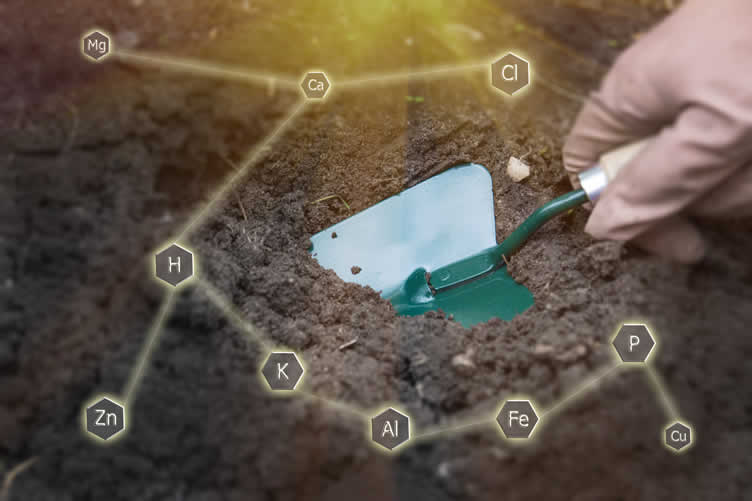
Plants require a mix of macronutrients—nitrogen (N), phosphorus (P), and potassium (K)—and micronutrients such as calcium, magnesium, and iron. These nutrients are critical for processes like photosynthesis, root development, and fruit formation.
It’s essential to know the specific needs of your crops, as leafy greens may require more nitrogen for vigorous foliage, while fruiting vegetables like tomatoes benefit from higher potassium levels during fruit production.
Conducting a soil test through a local agricultural extension service or using a reliable home test kit is the first step in identifying nutrient deficiencies and pH imbalances in your soil.
-
Choosing the Right Fertilizer for Your Garden
When selecting a fertilizer, consider the type (organic or synthetic), the nutrient ratio, and the application method. Organic fertilizers such as compost, manure, and bone meal improve soil structure and promote beneficial microbial activity.
Synthetic fertilizers offer precise nutrient ratios and are readily available to plants but may not enhance soil health in the long term. Opt for a balanced fertilizer if your soil has no severe deficiencies, or use targeted options like high-phosphorus formulas for root vegetables.
-
How to Apply Fertilizer Properly
Proper application of fertilizer is key to avoiding over-fertilization, which can harm plants and contaminate groundwater. Always follow the manufacturer’s instructions for dosage and frequency.
For soil-based gardens, evenly spread granular fertilizers into the soil before planting, or use a side-dressing technique to provide nutrients during the growing season.
Liquid fertilizers are ideal for container gardens or hydroponic setups, offering quick nutrient absorption through foliar feeding or drip irrigation. Water the soil thoroughly before and after applying fertilizer to prevent root burn and ensure even nutrient distribution.
-
Monitoring and Adjusting Your Fertilizer Plan
Plants’ nutritional needs change throughout their life-cycle, so regular monitoring is essential to adjust your fertilizer plan accordingly.
For example, seedlings require less fertilizer initially, while established plants may need additional phosphorus and potassium during flowering and fruiting stages.
Watch for signs of nutrient deficiency, such as yellowing leaves (nitrogen shortage) or poor flowering (phosphorus deficiency), and address them promptly. Supplement with slow-release fertilizers or compost as needed to provide steady nutrition throughout the growing period.
-
Sustainable Fertilization Practices
Adopting sustainable fertilization practices benefits both your garden and the environment. Implement crop rotation to reduce nutrient depletion and include cover crops like clover or legumes to fix nitrogen naturally in the soil.
Mulching around plants conserves moisture, suppresses weeds, and improves soil health over time. Reduce reliance on synthetic fertilizers by incorporating organic matter and practicing integrated pest management.
For hydroponic systems, carefully balance nutrient solutions and ensure proper disposal to minimize environmental impact.
Fertilizing your vegetable garden effectively requires planning, observation, and responsible practices. By adhering to these guidelines and leveraging expert insights, you can nurture a thriving, productive garden while maintaining environmental stewardship.
copyright image by 123rf.com
[ view diagram: vegetable garden fertilizing ]
[ youtube: Understanding Fertilizer and Its Ingredients ]
-
-
4th: Planting the Vegetable Garden Seeds
Starting your vegetable garden is an exciting and rewarding endeavor. Knowing the best methods and timing to plant your seeds or seedlings ensures a strong foundation for a bountiful harvest.
Whether you’re a seasoned gardener or a beginner preparing to plant for the first time, understanding the details of each process will set you up for success.
Timing, preparation, and proper planting techniques are key elements to creating a thriving garden. Below, you’ll find expert advice for planting using seeds, seedlings, and other approaches to get you started on this fulfilling journey.
-
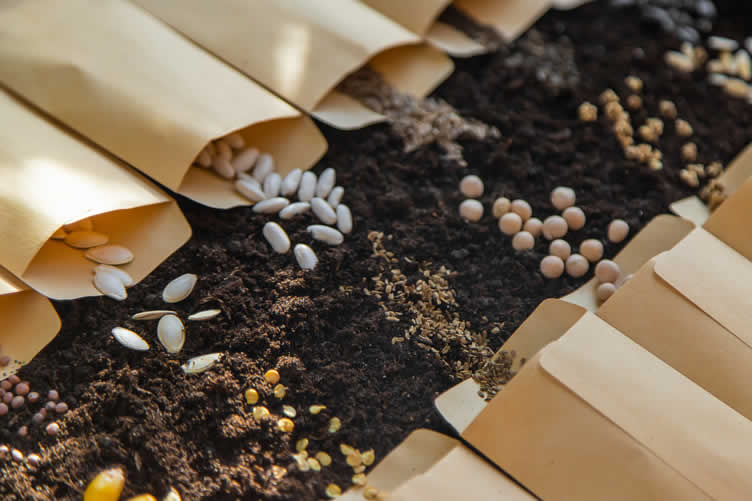
Planting Using Seeds
Starting your vegetable garden from seeds can be an affordable and satisfying option. Begin by determining the right time to start your vegetable garden based on the crops you wish to grow and your region’s frost dates.
Warm-season crops like tomatoes and peppers should generally be started indoors several weeks before the last frost, while cool-season crops like lettuce and spinach can often be sown directly into the soil as soon as it becomes workable.
When sowing seeds, ensure the soil is well-prepared, free of weeds, and enriched with organic matter. Follow the seed packet instructions carefully, paying close attention to depth and spacing requirements.
Keep the soil evenly moist but not waterlogged during germination. Using row markers can help you keep track of what you’ve planted and where. For added success, consider succession planting to enjoy continuous harvests throughout the growing season.
-
Planting Using Seedlings
Planting seedlings or transplants allows gardeners to get a head start by eliminating the initial germination phase. This method is particularly useful for crops with a long growing season, such as tomatoes, eggplants, and peppers.
When purchasing seedlings, look for healthy, disease-free plants with vibrant green leaves and well-developed roots. Avoid plants that are yellowing, wilting, or have signs of pests.
Before transplanting seedlings, harden them off by gradually acclimating them to outdoor conditions over a 7-10 day period. This process involves placing them outside for increasing durations each day, protecting them from extreme weather.
Once acclimated, plant seedlings in well-prepared soil, ensuring they are at the proper depth—most vegetables should be planted at the same depth as they were in their containers, though tomatoes can be planted deeper to encourage root development.
Water thoroughly after planting and consider using mulch to retain soil moisture and regulate temperature.
-
Alternative Planting Approaches
There are other methods to start a vegetable garden for those looking for diverse or creative strategies. For instance, container gardening is an excellent option if you have limited space or poor soil conditions.
Choose pots with adequate drainage and high-quality potting mix, then plant seeds or seedlings as per their specific requirements.
Hydroponics is another innovative method, perfect for growing vegetables indoors or in controlled environments. This soil-free system relies on nutrient-rich water, making it efficient and highly productive. It’s a great avenue to explore for gardeners interested in sustainable, space-saving methods.
For both container gardening and hydroponics, selecting the right crops and maintaining optimal growing conditions such as light, temperature, and moisture is essential.
copyright image by envato.com
[ youtube: Vegetable Seed into the Garden ]
[ youtube: How To Start Vegetable Seeds ]
-
-
-
ideas to view and compare from the information discussed above
rototillers for gardengarden furrow makervertical garden tower
Scroll up to directory … or scroll to next section about vegetable gardening …

plan the specifications you need for making …

… key home improvement and remodeling decisions





Budgeting Worksheet For Costing Home Remodeling and Home Improvement Decisions
 File Type (excel)

fifth “photo remodeling” idea
copyright image by 123rf.com
Veggie Tip 5: Providing Tender Love and Care
Notes:
-
Gardening is not just about planting seeds and watching them grow; it requires ongoing care and attention to ensure your plants thrive. Providing consistent care and nurturing your garden with tender love can make a significant difference in the health and productivity of your plants.
By dedicating time to observe, maintain, and address the needs of your garden, you create the conditions for it to flourish beautifully.
The following section explores practical tips for providing the care your garden deserves, helping you foster a vibrant and thriving outdoor space.
-
Quick scroll to “gardening maintenance” side notes …
-
-
1st: Keeping Your Vegetable Garden Hydrated
Proper watering is one of the most vital aspects of maintaining a healthy and productive vegetable garden. Without sufficient hydration, plants struggle to grow, produce, and resist pests or diseases.
Understanding when, how, and how much to water can ensure your garden thrives, yielding robust vegetables season after season. Below are key considerations to help you master the art of keeping your vegetable garden adequately hydrated.
-
How Much Water Do Vegetables Need?
Vegetable gardens typically require about 1 to 2 inches of water per week, including rainfall, depending on the type of plants and weather conditions. To measure this, you can use a rain gauge or small container to monitor weekly water accumulation.
Deeper watering rather than shallow surface watering is crucial, as it encourages roots to grow deeper into the soil, promoting stronger and more drought-resistant plants.
-
Best Time to Water
The ideal time to water your vegetable garden is early in the morning. This allows moisture to penetrate the soil before the sun becomes intense, reducing water loss through evaporation.
Watering in the morning also minimizes the risk of fungal diseases, as leaves have time to dry during the day. If morning watering isn’t possible, late afternoon or early evening is your next best choice, provided you avoid soaking the foliage right before dark, which can encourage mildew or rot.
-
Tailoring Watering to Specific Vegetables
Not all vegetables have the same water requirements. Root vegetables like carrots and beets typically need less frequent but deeper watering, ensuring moisture extends to their growing depths.
Leafy greens such as lettuce and spinach, however, demand more consistent hydration, as their shallow roots are more affected by dry soil.
Imaging and grouping plants by similar water needs can optimize care. For instance, pairing tomatoes with peppers, which thrive in relatively drier conditions once established, ensures no plant is over-watered.
-
Tips for Efficient Watering
- Use Mulch:
Applying a 2-3 inch layer of organic mulch, like straw or wood chips, around your plants helps retain soil moisture, regulate temperature, and suppress weeds that compete for water (Rodale Institute, 2019). - Drip Irrigation:
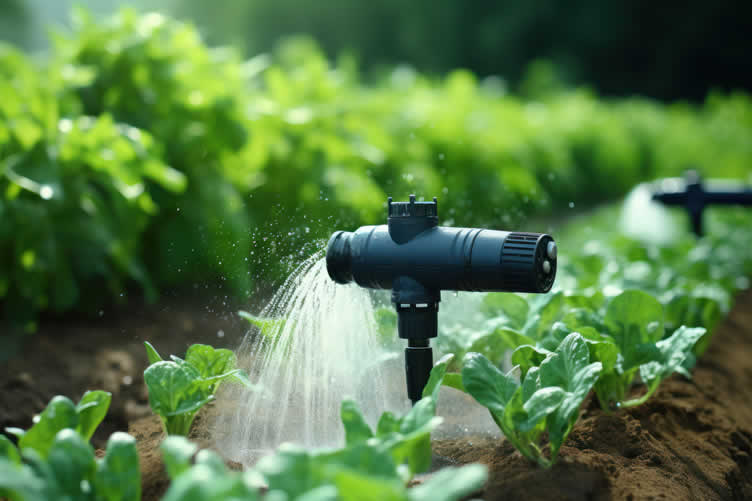
Installing a drip irrigation system delivers water directly to the base of plants, minimizing wasteful runoff and evaporation. - Check Soil Moisture:
A simple soil test can prevent over- or under-watering; if the soil feels dry 1 to 2 inches below the surface, it’s time to water.
- Use Mulch:
-
Avoiding Over-watering
While under-watering is a concern, over-watering can be equally harmful. Signs of over-watering include yellowing leaves, root rot, and stagnant plant growth.
Ensuring proper drainage, whether through raised beds or amending soil with organic matter, can prevent these issues. Remember, well-aerated soil helps roots absorb water effectively without becoming waterlogged.
-
Adapting to Climate and Weather Changes
During hotter and drier periods, you may need to water more frequently, but always adjust based on soil moisture instead of adhering rigidly to schedules. Similarly, during rainy weeks, monitor soil saturation levels to avoid water-logging, which can damage sensitive roots.
By following these guidelines and tailoring your watering practices to the specific needs of your plants and local climate, you can maintain a healthy and thriving vegetable garden. Thoughtful hydration practices not only enhance plant growth but also conserve water, contributing to sustainable gardening habits.
- University of Georgia Extension. "Watering Practices in Home Vegetable Gardens." 2020.
- National Gardening Association. "Watering the Vegetable Garden." 2021.
- Rodale Institute. "The Benefits of Mulching in Organic Gardening." 2019.
- The Old Farmer’s Almanac. "Tips for Properly Watering Your Plants." 2022.
copyright image by 123rf.com
-
-
2nd: Fertilizing Your Vegetable Garden Effectively
Proper fertilization is key to maintaining a productive and thriving vegetable garden. Not all vegetables have the same nutrient requirements, and understanding when and how to fertilize can help your plants grow strong and yield healthy produce.
Below are segmented guidelines to help you meet the fertilization needs of your garden.
-
Understanding Soil Nutrient Needs
Before applying any fertilizers, it’s essential to conduct a soil test. A soil test will provide insight into nutrient levels such as nitrogen (N), phosphorus (P), and potassium (K), as well as soil pH.
Understanding these factors ensures you apply the right type and amount of fertilizer, avoiding over-application that could harm plants or the environment. Testing kits are widely available, or you can consult local extension services for professional soil analysis.
-
Choosing the Right Type of Fertilizer
Vegetable plants typically require balanced nutrients for optimal growth. The three primary nutrients to focus on are nitrogen, phosphorus, and potassium. Organic fertilizers such as compost, manure, or fish emulsion are excellent for enriching soil over time.
For immediate nutrient boosts, commercial synthetic fertilizers labeled with an NPK ratio (e.g., 10-10-10) can be highly effective. Remember to select fertilizers suited to the specific needs of your vegetables, as leafy greens may require more nitrogen than root vegetables like carrots or turnips.
-
Determining Fertilization Frequency
Fertilization schedules should align with the growth stages of your plants. For example, nitrogen-heavy fertilizers are beneficial early in the growing season when plants are developing leaves, while phosphorus-rich fertilizers support flowering and fruiting stages.
Be cautious not to over-fertilize, as excessive nutrients can lead to unhealthy plant growth, reduced yields, or even toxicity. Instead, fertilize lightly and frequently, observing plant health throughout the season.
-
Special Considerations for Organic Fertilizers
When using organic amendments like compost or aged manure, they should be integrated into the soil well before planting to allow nutrients to break down. Organic options enhance soil structure and encourage microbial activity while gradually releasing nutrients.
For targeted feeding, consider organic blends specifically formulated for vegetables, ensuring they meet your garden’s requirements.
- Penn State Extension. "Using Organic Fertilizers in Vegetable Gardens." 2020.
- The Old Farmer’s Almanac. "Composting for Garden Fertility." 2021.
- United States Department of Agriculture (USDA). "Understanding Your Soil Test Results." 2023.
- National Gardening Association. "Organic vs. Chemical Fertilizers." 2020.
- University of Arizona Cooperative Extension. "Vegetable Fertilizing Tips." 2022.

copyright image by 123rf.com
[ youtube: Fertilizers Ranked BEST To WORST ]
[ amazon: organic fertilizer for vegetables ]
-
-
3rd: Keeping Your Vegetable Garden Pest-Free
Managing pests in your vegetable garden is essential to maintain plant health and ensure a bountiful harvest. Effective pest control combines preventive strategies, monitoring, and intervention methods that align with sustainable gardening practices.
Below are practical tips segmented into key areas for keeping pests at bay in your vegetable garden.
-
1. Understand Your Garden Ecosystem
Creating a balanced garden ecosystem discourages pest infestations. Attract beneficial insects such as ladybugs and lacewings by planting companion flowers like marigolds or nasturtiums, which naturally repel harmful pests.
Regularly inspect your plants for signs of pests, such as holes in leaves, discolored foliage, or wilting stems. Early detection allows for swift intervention before problems escalate.
-
2. Implement Crop Rotation
Rotating crops each year minimizes the buildup of specific pests and diseases in the soil. Certain pests target specific plant families, so diversifying your planting location disrupts their life cycles.
For example, avoid planting tomatoes in the same spot consecutively; instead, rotate them with less susceptible crops, such as lettuce or beans.
-
3. Practice Proper Watering Techniques
Over-watering or watering at the wrong time can lead to conditions that promote fungal diseases, such as root rot or powdery mildew.
Water your garden early in the morning to allow excess moisture to evaporate during the day, and focus on watering at the base of plants rather than soaking the foliage. Consistent and appropriate watering helps maintain healthy plants that are more resistant to diseases.
-
4. Remove Diseased Plant Material
Regularly inspect your vegetable garden for any signs of disease, such as yellowing leaves, spots, or mold. Promptly remove and dispose of any affected plant material to prevent the disease from spreading.
Avoid composting diseased plants, as this might reintroduce pathogens into your garden soil. Keeping your garden clean and well-maintained is a crucial step in disease prevention.
-
3. Use Organic Pest Control Methods
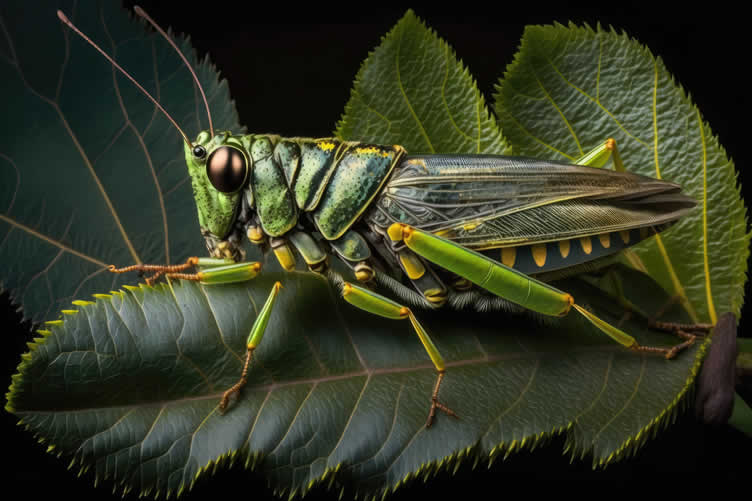
For pest control aligned with organic gardening principles, consider natural remedies such as neem oil, insecticidal soaps, and diatomaceous earth.
These methods are effective against common pests like aphids, whiteflies, and slugs without harming the environment. Handpicking pests such as caterpillars or placing physical barriers like row covers over plants can also reduce damage.
-
4. Incorporate Companion Planting
Inter-planting flowering and pest-repellent plants among your crops can naturally deter unwanted insects. For instance, marigolds are known to repel nematodes and aphids, while herbs like basil and rosemary can help keep mosquitoes and whiteflies at bay.
Additionally, flowering plants attract beneficial insects such as ladybugs and hoverflies, which prey on pests. By strategically placing these plants throughout your garden, you create a balanced ecosystem that supports your crops and minimizes pest infestations.
- Integrated Pest Management Program. "Natural Pest Management Strategies for Gardens." 2021.
- University of California Agriculture and Natural Resources. "Garden Pest Control." 2019.
copyright image by 123rf.com
[ youtube: 7 Pests in Your Garden ]
[ amazon: organic garden pest control ]
-
-
4th: Protecting Your Vegetables from Critters
A flourishing vegetable garden can quickly become a target for various critters seeking an easy meal. Squirrels, rabbits, deer, birds, and other animals can wreak havoc on your carefully cultivated plants, leaving gardeners frustrated and disheartened.
Understanding the specific damage these animals can cause and taking preventative measures are essential to safeguarding your vegetable garden.
Below, we explore the risks posed by common critters and provide effective, user-friendly tips to keep them away.
-
Squirrels and Their Impact on Your Garden
Squirrels are notorious for digging around plants and eating seeds, fruits, and young shoots. They can uproot seedlings while searching for buried nuts or creating nesting spaces.
The damage squirrels cause can be subtle at first but may escalate quickly as they repeatedly visit your garden.
How to Prevent Squirrel Damage:
- Install Physical Barriers:
Use chicken wire or hardware cloth to protect vulnerable plants and install fencing around the garden to keep squirrels out. - Use Repellents:
Sprinkle natural deterrents like cayenne pepper or install scent-based repellents that discourage squirrels without harming them. - Provide Distractions:
Offer an alternative food source, such as a squirrel feeder placed far from your garden, to divert their attention.
- Install Physical Barriers:
-
Rabbits and Their Appetite for Greens
Rabbits can decimate leafy greens, carrots, beans, and other crops. They graze ground-level vegetation and can consume entire plants down to the roots, leaving significant gaps in your garden.
How to Prevent Rabbit Damage:
- Build a Garden Fence:
A fence at least 2-3 feet tall, buried a few inches into the ground, can prevent rabbits from slipping underneath. - Plant Rabbit-Resistant Crops:
Incorporate herbs and plants with strong scents, like rosemary or lavender, that rabbits find unappealing. - Use Mesh Covers:
Cover vegetable beds with fine mesh netting to restrict rabbit access while allowing sunlight and rain to penetrate.
- Build a Garden Fence:
-
Deer and Their Extensive Reach
Deer can cause widespread destruction in vegetable gardens by consuming both low-growing plants and taller crops within their reach. Their foraging can ruin entire sections of your garden overnight.
How to Prevent Deer Damage:
- Erect a Tall Fence:
A fence that is at least 8 feet tall is effective in deterring deer as they can leap over lower barriers. - Employ Motion Deterrents:
Install motion-activated sprinklers or lights that startle and scare deer away. - Apply Commercial Repellents:
Spray plants with a deer-repellent solution made from egg solids or other deterrent ingredients to make your garden less enticing.
- Erect a Tall Fence:
-
Birds and Their Targeted Attacks
Birds are drawn to fruit-bearing plants, such as tomatoes and strawberries, as well as seeds freshly planted in the soil. They can peck holes in fruits, ruining harvests, or eat seeds before they have a chance to grow.
How to Prevent Bird Damage:
- Net Your Crops:
Cover specific plants or entire beds with bird netting to keep them from reaching fruits and seeds. - Use Decoys:
Place reflective tape, fake owls, or other predator decoys in the garden to scare off birds. - Create Distractions:
Set up feeding stations with birdseed away from your vegetable garden to reduce interest in your crops.
- Net Your Crops:
-
Other Common Garden Pests
Additional critters, such as groundhogs, chipmunks, and raccoons, can also create problems in vegetable gardens. Their burrowing, nibbling, and scavenging behaviors often lead to damaged plants and reduced yields.
General Prevention Tips:
- Maintain a Clean Garden:
Clear away fallen fruits, debris, and weeds that may attract critters. - Secure Compost Bins and Trash:
Properly seal compost bins and trash cans to prevent critters from becoming accustomed to food near your garden. - Use Companion Planting:
Plant pest-repelling crops like marigolds or garlic near vulnerable crops to discourage intruders.
By implementing these strategies, you can enjoy a thriving vegetable garden while minimizing critter-related damage. Always consider humane and eco-friendly methods to protect the delicate balance of the ecosystem.
- Maintain a Clean Garden:

copyright image by 123rf.com
-
-
5th: Weeding Your Vegetable Garden
Weeding is an essential part of vegetable garden maintenance that ensures your plants have the resources they need to thrive. Weeds compete with vegetables for light, nutrients, water, and space, often outgrowing and overshadowing your crops if left uncontrolled.
By adopting effective weeding practices, gardeners not only improve crop yields but also foster a healthier garden environment.
-
Why Weeding is Essential to Garden Health
Weeds pose a significant threat to your garden by competing with vegetable crops for essential resources. They can quickly deplete crucial nutrients from the soil, leaving your vegetables malnourished and less likely to produce at their full potential.
Additionally, certain weeds harbor pests and diseases, which can spread to your crops and jeopardize the health of your garden.
Regular weeding also allows for better air circulation and sunlight penetration around your plants, reducing the risk of fungal infections and providing optimal growing conditions for your vegetables.
By removing weeds early and frequently, gardeners ensure a clean and nutrient-rich environment that supports strong, resilient plants.
-
Effective Strategies for Managing Weeds
Managing weeds effectively is a crucial aspect of maintaining a healthy and productive garden. Find below practical and proven methods to help you combat weeds and maintain a well-tended garden.
- Hand Weeding:
Hand pulling young weeds is one of the most effective ways to prevent them from taking over your garden. Weeding after a light rain makes the soil softer, making it easier to pull roots intact without damaging your vegetable plants. - Mulching:
Applying a layer of organic mulch, such as straw, wood chips, or grass clippings, around vegetable plants creates a physical barrier that suppresses weed growth. Mulch conserves soil moisture and maintains consistent soil temperatures, benefiting your crops. - Hoeing and Cultivation:
Using a garden hoe or cultivating tool helps to disrupt weeds at the soil surface. Shallow cultivation prevents damage to the roots of your vegetable plants while efficiently removing unwanted growth. - Preventative Measures:
Preventative measures, such as rotating crops and densely planting vegetables, help suppress weeds by reducing open spaces where they can germinate. Additionally, using weed-free compost and soil reduces the introduction of weed seeds into your garden.
- Hand Weeding:
-
Timing and Consistency Matter
The timing of your weeding efforts is crucial for effective management. Removing weeds while they are small prevents them from spreading and reproducing.
A proactive approach, such as inspecting your garden weekly, allows you to stay ahead of potential weed outbreaks. Consistency in weeding reduces the labor-intensive nature of the task over time and promotes a well-maintained garden.
By incorporating these practices into your gardening routine, you can minimize weed invasion and create an environment where your vegetable crops can thrive. For more guidance, consult trusted gardening resources such as agricultural extension services or professional gardening manuals.
- Cornell Cooperative Extension. "Weed Management in the Home Garden." 2020.
- University of Illinois Extension. "Weed Management for Vegetable Gardens." 2018.
copyright image by 123rf.com
-
-
-
ideas to view and compare from the information discussed above
vegetable garden soilvegetable garden starter kitgarden trellis
Scroll up to directory … or scroll to next section about vegetable gardening …



get the size dimensions for any home remodeling project …
… for functionality, aesthetics, and adhering to building codes




… remodeling decisions



Find Landscaping/Maintenance Landscape Design Landscape Maintenance Pest Control Sprinkler Systems Tree & Shrubs Water Features top-rated, pre-screened local contractors FREE: download contractor selection enter zip code – powered by HomeAdvisor ™
Quick Contractor Guides selecting negotiating working with inspecting

sixth and last “photo remodeling” idea
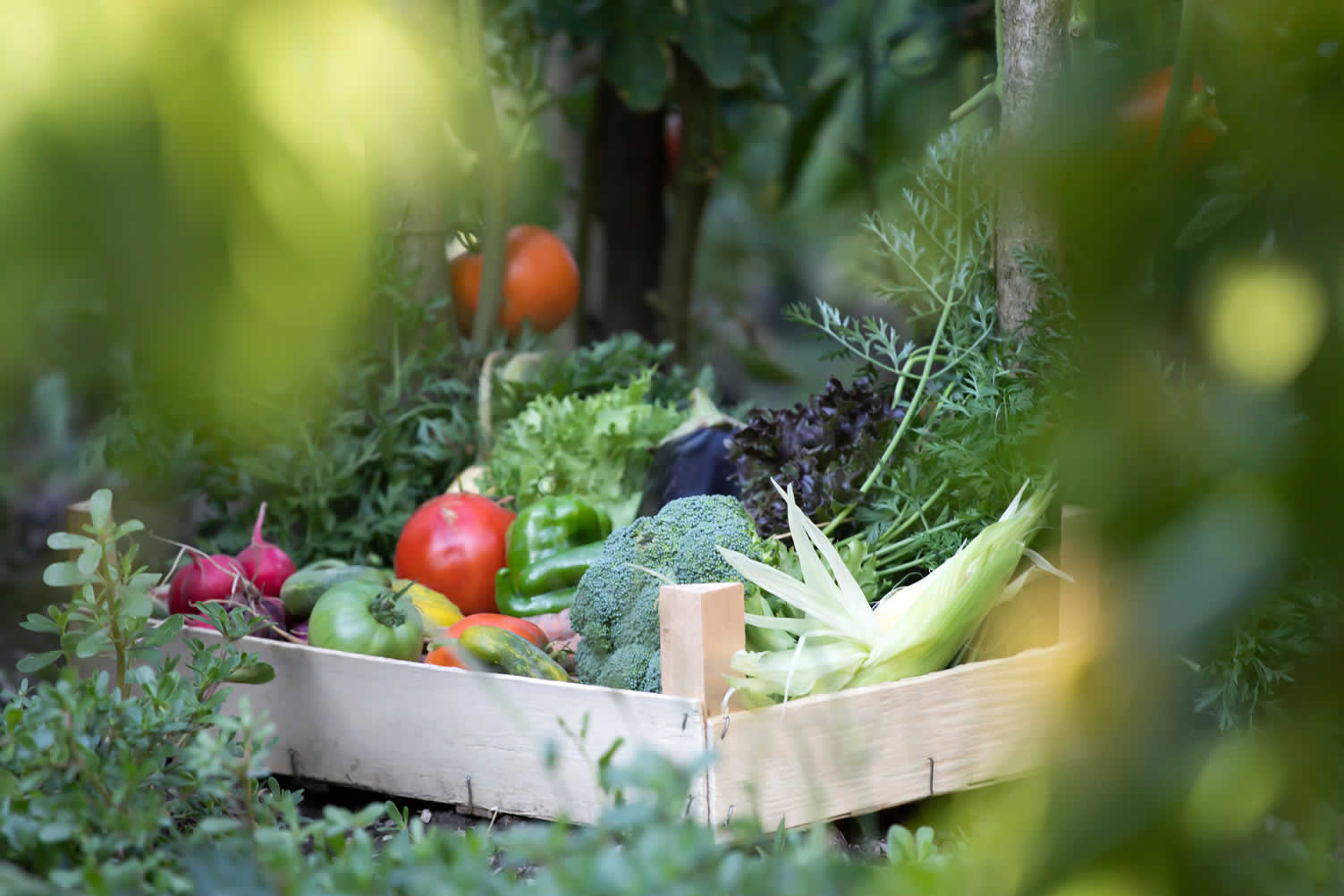

copyright image by envato.com
Veggie Tip 6: Watching Your Garden Grow to Harvest
Notes:
-
The process of nurturing crops from seedlings to full maturity is one of patience, dedication, and careful observation. Each stage of growth serves as a critical milestone, requiring specific care to ensure the plants develop healthily.
Watching crops thrive under optimal conditions is both rewarding and fulfilling, as their progression directly reflects the effort invested by growers. Harvesting, the culmination of the growing process, marks the point where hard work pays off, providing food, income, or resources.
The journey from seed to harvest underscores the importance of proper planning, consistent monitoring, and an understanding of agricultural best practices.
-
Quirk scroll to topic "going to harvest" side notes …
-
-
1st: Common Challenges During the Growing Season
During the growing season, plants are subject to a variety of challenges that can hinder their development and reduce yields if not addressed promptly. Identifying and managing these issues early on is critical to ensuring a successful harvest.
By staying vigilant and understanding common problems that arise, growers can implement effective solutions to protect their crops and maintain healthy growth throughout the season.
The following section summarizes some of the most frequent challenges faced during cultivation and practical remedies to overcome them.
-
1. Pest Infestations
Pests such as aphids, caterpillars, or beetles can wreak havoc on crops during the growing season. To manage infestations, regular inspection is crucial.
Introducing natural predators like ladybugs or using organic insecticides can control minor outbreaks. For severe infestations, targeted chemical treatments may be necessary, ensuring application follows safety guidelines to prevent environmental harm.
-
2. Nutrient Deficiencies
Plants showing signs of yellowing leaves, stunted growth, or poor fruit development may be suffering from nutrient deficiencies. Conducting a soil test can help identify the lacking nutrients.
Remedies include applying appropriate fertilizers, such as nitrogen-rich options for greenery or potassium-based products for robust flowering and fruiting.
-
3. Watering Issues
Improper watering, whether by over-watering or under-watering, can lead to slow growth or crop failure. Symptoms like wilting, discolored leaves, or root rot indicate watering problems.
To address this, establish a consistent watering schedule tailored to the crop’s needs and incorporate mulch to retain soil moisture while preventing excessive evaporation.
-
4. Fungal Diseases
Fungal infections like powdery mildew or blight can spread rapidly under damp and humid conditions. Preventative measures include proper spacing between plants to improve airflow and reducing overhead watering.
When infections occur, applying fungicides or using homemade solutions, such as a baking soda and water mixture, can help mitigate the spread.
-
5. Weed Growth
Weeds compete with crops for nutrients, light, and water, often impeding growth. Regular weeding, either manually or using tools, helps maintain a weed-free environment.
Mulching around plants can suppress weed growth while enhancing soil quality. Additionally, targeted herbicides may be considered for large-scale cultivation.
By addressing these challenges promptly and effectively, growers can protect their crops and ensure a bountiful harvest. Regular monitoring, preventative strategies, and timely interventions are key to overcoming obstacles during the growing season.
copyright image by 123rf.com
[ youtube: daily Tasks in the Veggie Garden ]
[ amazon: Prep Your Garden for Winter and Spring ]
-
-
2nd: Going to Harvest
Finally, after weeks of nurturing your garden, the time comes to reap the rewards of your hard work. A successful harvest is not only satisfying but also ensures that your crops maintain their optimal flavor, texture, and nutritional value.
Preparing for the harvest requires thoughtful planning and careful attention to timing, tools, and techniques. Below is a detailed guide to ensure your harvest is as bountiful as possible.
-
Timing Your Harvest Properly
The key to a successful harvest is knowing when to pick your crops. Each vegetable has its own maturation period and signs to indicate readiness.
For instance, tomatoes should be fully colored but still firm, while root vegetables like carrots should be harvested when the tops are bright and leafy, and the roots have reached the expected size.
Checking the seed packet or plant label for specific maturity timelines is essential. Harvesting too early or too late can affect the taste and quality of your produce. [1]
-
Tools and Equipment
Using proper tools is vital to ensure a clean and efficient harvest. Equip yourself with sharp pruning shears, clean scissors, or a garden knife to avoid damaging plants while removing produce.
A sturdy basket or bucket lined with a soft cloth can be used to collect sensitive fruits like peaches or tomatoes to prevent bruising. Regularly sanitize your tools before and after use to minimize the spread of bacteria or plant diseases.
-
Preparing Your Crops for Storage
Once harvested, proper handling is crucial to extend the shelf life of your produce. Start by gently brushing off dirt from root vegetables like potatoes and sweet potatoes—avoid washing them unless consumed immediately, as moisture can promote decay.
Leafy greens can be rinsed and dried thoroughly before refrigeration. Store crops in appropriate conditions; for example, onions and garlic need a dry, cool space, while most fruits and vegetables thrive in a crisper drawer set at the right humidity level. [2][3]
-
Maximizing Your Yield
To make the most of your harvest, consider staggered harvesting, which involves picking only ripe fruits and leaving the rest to develop further. This approach ensures prolonged harvesting cycles for crops like beans, cucumbers, and zucchinis.
Additionally, keep an eye on any remaining flowers, which signal ongoing fruit production, ensuring your garden keeps offering fresh produce for weeks to come.
By carefully planning your approach and using the proper techniques, the harvest can be one of the most rewarding phases of gardening. With attention to timing and preparation, your garden’s yield can be both plentiful and satisfying, making all your effort worthwhile.
- [1] Cornell University Cooperative Extension. "Vegetable Harvest and Storage." Accessed October 2023.
- [2] National Center for Home Food Preservation. "Storing Fresh Fruits and Vegetables." Accessed October 2023.
- [3] University of Illinois Extension. "Postharvest Care of Vegetables and Fruits." Accessed October 2023.

copyright image by 123rf.com
[ pinterest: harvesting vegetable garden ]
[ youtube: How to Harvest Your Garden ]
-
-
3rd: Getting Help Setting Up Your Garden
Establishing a productive vegetable garden requires planning, preparation, and sometimes a little extra help to ensure success. Friends, neighbors, or local gardening groups can be excellent resources, offering advice or physical assistance.
Additionally, many communities have extension services or master gardener programs, where experts provide guidance on soil preparation, plant selection, and garden design tailored to your local climate and conditions.
If you’re new to gardening or need specific tools and materials, consider visiting a local garden center. Employees can recommend essential supplies and soil amendments based on the types of vegetables you’d like to grow.
Online resources, such as instructional videos and gardening forums, are also valuable for understanding the basics and troubleshooting issues as they arise.
Remember, getting help doesn’t just ease the workload; it also sets the foundation for a thriving and bountiful vegetable garden.
-
Where You May Need Professional Help
Using a contractor to help set up your vegetable garden can save time and ensure the job is done right, especially if you’re planning a large or complex garden.
Professionals can assist with tasks such as
- Soil preparation, including testing and amending soil for optimal plant growth.
- Building raised garden beds for better soil control and accessibility.
- Installing automated irrigation systems to ensure consistent and efficient watering.
- Designing and constructing pathways for convenient access to different areas of the garden.
- Adding trellises and other vertical gardening structures for space-saving and plant support.
- Erecting fencing to keep deer, squirrels, and other pests out of the garden.
- Assisting with other custom features or needs specific to your garden layout and preferences.
While it is an investment, professional assistance can create an efficient, well-designed garden that maximizes your harvest and reduces maintenance issues in the long run.
LetsRenovate has partnered with HomeAdvisor™, a renowned provider of highly-rated, carefully-vetted landscape contractors. Start your search here by entering your zip code to find local professionals.
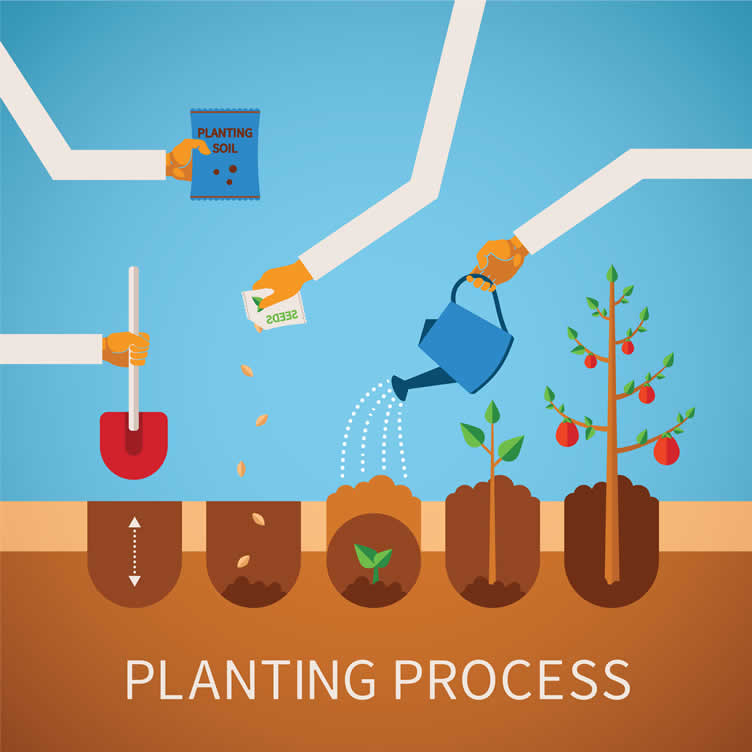
copyright image by 123rf.com
But Wait!
Before beginning your search for landscape contractors, we highly suggest downloading and utilizing this evaluation worksheet. This valuable tool enables you to objectively assess and rank potential contractors by focusing on key criteria such as pricing, licensing, and referrals.

Evaluation Sheet
File Type: -
-
-
Savor the Fruits (or Vegetables) of Your Labor
Gardening is more than a practical activity—it’s a source of joy, relaxation, and connection with nature. By following these steps, you can transform your backyard into a lush, productive vegetable garden. Remember, the process is just as rewarding as the harvest itself.
Whether you’re a seasoned gardener or just starting, there’s always something magical about watching tiny seeds blossom into vibrant, delicious vegetables. Get creative, experiment with new crops, and share your bounty with friends and family. Before you know it, your garden may become your favorite place to unwind.
Take a moment to step outside, feel the warmth of spring on your skin, and start planning your vegetable garden today. The earth is ready—are you?
-
ideas to view and compare from the information discussed above
- What comments can you share about
vegetable gardening?
Scroll up to directory … or scroll to more yard n’ garden-related topics …
view illustration “becoming a bank”


Calendar For:
Home Maintenance
File Type:
… view our sharing links below for a quick "share the knowledge"
Cover image credit: vegetable gardening by 123rf.com
end of post … please share it!
 |
did you find this growing a vegetable garden analysis helpful? If so, please share the article with your friends and family! |
Nice pic idea? Leave us a quick comment below.
And please share this pic idea within your social networks.