Summary Outline –
As the digital era unfolds, the concept of the intelligent home has transitioned from a niche luxury to a widespread reality, with smart wiring at its core. This transformative trend reflects a broader shift towards the Internet of Things (IoT) ecosystem, where household gadgets, appliances, and systems interlink to forge an integrated network.
Summary of Site Content
1st Smart Home Tip: [view smart tip]
… the first thing we need to understand is to define what is a smart home and what is the composition of smart home and role of a centralized hub for form a robust IoT ecosystem
2nd Smart Home Tip: [view smart tip]
… the second smart home tip explores how a smart home can streamline and enhance your lifestyle. Review smart appliances, home security, energy efficiency, and other intelligent features for your home and garden.
3rd Smart Tip: [view smart tip]
… moving on, the third smart home tip discusses creating an IoT ecosystem through the use of smart wiring, wireless protocols, and other devices to network all smart devices for centralized control.
4th Smart Tip: [view smart tip]
… the fourth smart home tip focuses on installing and maintaining your home automation system. You can choose between a DIY approach or hiring an expert to ensure your system is up and running smoothly.
5th Smart Tip: [view smart tip]
… the fifth and final smart home tip jumps into the future to explore upcoming trends in smart home automation.
This network operates under the promise of crafting a more simplified and managed lifestyle, enabling homeowners to orchestrate their domestic environment with unprecedented ease and flair.
Herein lies the crux of a new domestic narrative—one where every switch, sensor, and speaker becomes a chapter in an intelligently authored tale of convenience, efficiency, and modernity.
In this document, we will analyze the origins and evolution of intelligent homes, exploring how smart wiring creates a cohesive IoT ecosystem that is reshaping how we live and interact with our personal spaces.

-
Quick scroll to first topic about smart wiring solutions …

first “smart wiring solutions” idea

copyright image by 123rf.com
Smart Home Tip 1: What Is A Smart Home?
Notes:
-
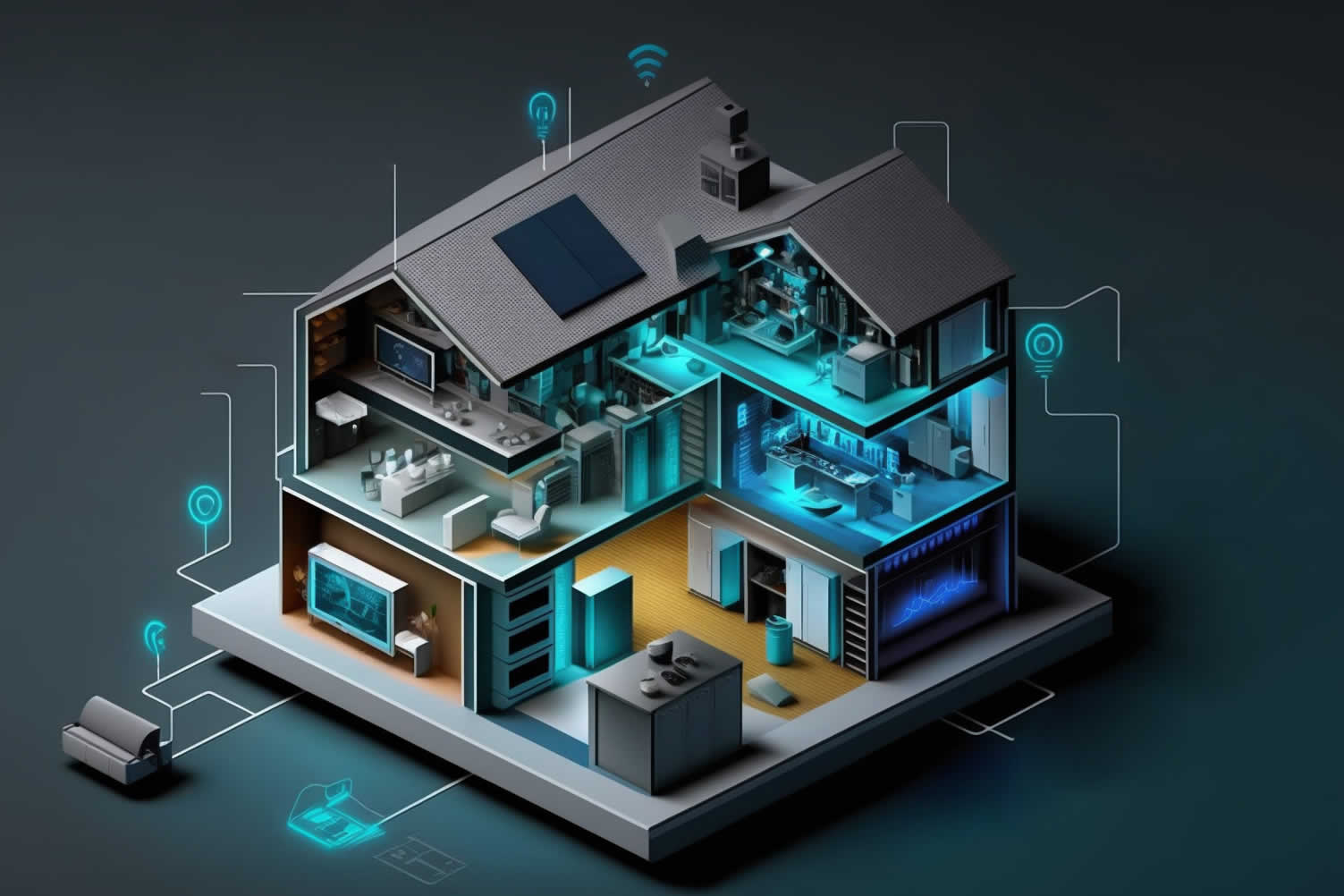
A smart home is a residence equipped with a network of interconnected devices that automate and remotely control various functions and appliances within the house.
These smart devices, which include everything from lighting and heating systems to security cameras and kitchen appliances, can communicate with each other and be managed through one central point—a smartphone, tablet, personal computer, or a dedicated smart home hub.
A smart home requires intelligent devices, remote control capability, and a central hub to link all devices, forming an ecosystem. In this ecosystem, you have the ability to remotely manage all connected devices from any location – whether at home or on the road. This is made possible through the use of following key components as noted in our side notes.
This connectivity not only offers greater convenience and comfort but also contributes to energy efficiency and enhanced security. This is made possible through the use of following key components as noted in our side notes.
-
Quick scroll to “smart home devices” side notes …
-
-
1st: The Composition of a Smart Home Ecosystem
The smart home ecosystem is a sophisticated network comprised of numerous components that interact seamlessly to create a technologically advanced living space. Understanding the elements that make up this ecosystem is crucial for harnessing its full potential.
-
Smart Devices and Appliances
At the heart of the ecosystem are the smart devices and appliances. These include items such as smart bulbs, smart thermostats, connected refrigerators, intelligent washing machines, and more. They are the endpoints that perform the actual tasks within the home, like adjusting the temperature, turning on lights, or notifying you when it’s time to buy more milk.
-
Sensors and Detectors
Sensors and detectors are the eyes and ears of a smart home. Motion sensors, door/window sensors, smoke detectors, leak sensors, and carbon monoxide detectors help in monitoring the environment and provide the necessary data to trigger certain actions.
-
-
Control Interfaces
The control interfaces are the means through which the user interacts with the smart home. This can be through a smartphone app, centralized hub, voice assistants like Amazon Alexa or Google Home, wall-mounted touchscreens, or even wearable technology. They allow the users to give commands and receive feedback from the system.
-
Smart Assistants
Smart voice assistants are pushing the smart home trend forward quickly. The convenience of being able to control your home with your voice is something that many find a very agreeable addition to the house.With a voice assistant, you can simply speak what you need into existence. This technology allows you to connect any smart device with the home assistant, and all you have to do to turn on the lights, change the temperature, or switch off the TV is to tell the smart assistant, and it happens. Technology that makes things easier is something anyone can use.
-
-
Networking Devices and Protocols
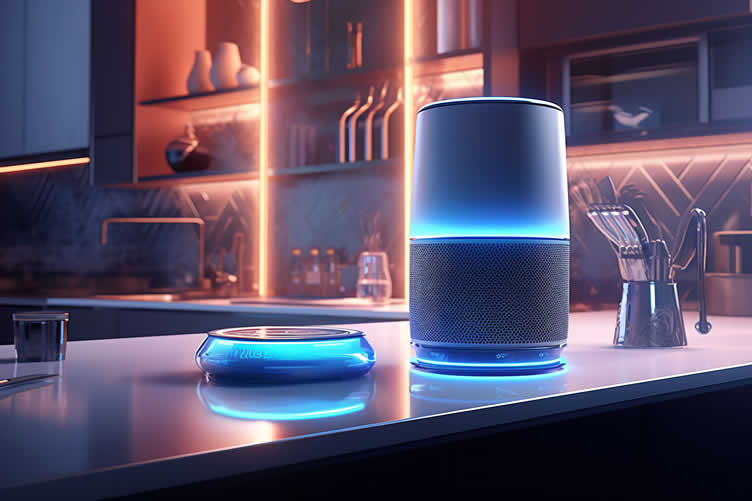
Ensuring that all these devices are connected and can communicate is the job of networking devices and protocols using IoT. Wi-Fi, Zigbee, Z-Wave, and Bluetooth are some of the common technologies that keep the devices on the same page.
-
The Role of IoT in Connecting Devices
The Internet of Things (IoT) is the grand network that underpins the interconnectivity of devices within a smart home ecosystem. By embedding electronics, internet connectivity, and other forms of hardware (such as sensors) into everyday objects, IoT transforms them into ‘smart’ devices that can communicate and interact over the internet, and they can also be remotely monitored and controlled.The IOT is also used to program schedules or devices to learn your habits and adapt accordingly, using a unique protocol that sets boundaries for the system to operate within.
Through IoT, a seamless and integrated experience is achieved, one where devices are not only connected but also intelligent enough to operate with a degree of autonomy.
With the IoT framework, disparate devices are able to collect and exchange data in real time, leading to increased efficiency, economic benefits, and improved energy, comfort, and security within smart homes. Luckily, most smart devices can work together with most ecosystems, making integration easier.
-
-
The Cloud and Data Analytics
Lastly, the cloud and data analytics play an important role in a smart home ecosystem. Not only do they enable remote access and control, but they also gather data, which, through analysis, can be used to improve energy efficiency, provide insights into usage patterns, and even predict maintenance needs.
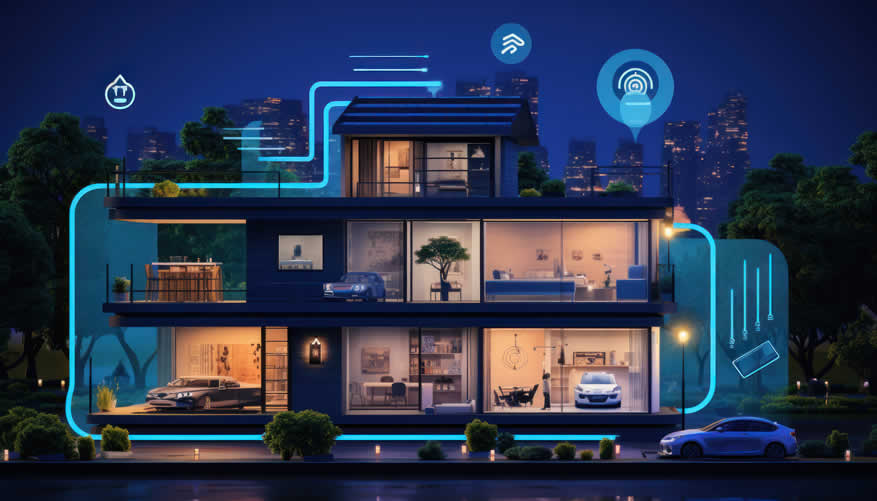
copyright image by 123rf.com
[ view diagram: home IoT diagram ]
[ youtube: what is IoT? ]

-
-
2nd: Understanding the Role of a Dedicated Smart Home Hub
At the core of an intelligent residence lies the dedicated smart home hub, a specialized device that orchestrates the symphony of interconnected gadgets. The hub acts as the central nervous system for the smart home, providing a singular point of communication that governs the functionality of the entire ecosystem.
This advanced device ensures that disparate smart devices, often utilizing various communication protocols, can work together harmoniously.
With a smart home hub, users gain the convenience of unified control, allowing them to set scenes, routines, and automations that optimize their daily lives for efficiency and ease.
It is the foundation upon which customizability and inter-device harmony are built, making the smart home more than just a collection of gadgets, but a cohesive, responsive environment.
-
Hub Illustration #1: Good Morning
To illustrate the workings of a smart home hub, consider a typical morning routine: As the sun rises, the hub initiates a “Good Morning” scene. Without any manual input, it sends a signal to the smart blinds to gradually open, allowing natural light to fill the room.
Simultaneously, the thermostat adjusts to a comfortable waking temperature. The smart coffee maker receives a prompt to begin brewing, and a gentle melody from the multi-room sound system replaces the shrill sound of a traditional alarm.
Each of these autonomous actions is coordinated by the hub, which processes the user’s pre-set preferences and communicates with the respective devices through wireless protocols through an IoT network.
This seamless operation simplifies daily tasks, creating a living space that intelligently adapts to its inhabitants’ lifestyles.
-
Hub Illustration #2: Connect Me
The real magic of a smart home hub lies in its ability to connect with the cloud, thus facilitating remote access and control. This is achieved by the hub’s constant, secure connection to an internet-based cloud service.
Through this connection, homeowners can interact with their smart devices from anywhere in the world using a smartphone or web application. Commands issued remotely are sent to the cloud, which in turn communicates with the home hub to relay instructions to the corresponding devices – including family members, medical providers, and other.
This cloud linkage not only allows for remote management but also enables the integration of services like weather updates, voice assistants, and even third-party applications that can extend the functionality and intelligence of the smart home ecosystem.
-
Hub Illustration #3: Better Management and Efficiency
At the heart of a connected home, the central hub intelligently orchestrates a symphony of automated tasks to enhance comfort and efficiency.
- It meticulously manages temperature control by learning the household’s habits, adjusting heating or cooling systems ahead of the occupants’ arrival to ensure an optimal climate.
- For security, the hub integrates with motion sensors, cameras, and smart locks, instantly alerting homeowners to any unusual activity and allowing them to monitor their home in real-time.
- A network of moisture sensors tied into an automated water irrigation system enables the hub to regulate garden care, dispensing water only when needed based on soil conditions and weather forecasts.
- Furthermore, the hub interacts with a variety of other smart devices, such as smart lights and electrical outlets, to optimize energy usage and create personalized scenes that correspond with different times of the day or specific events, all while learning and adapting to the user’s preferences to enhance convenience and comfort continuously.
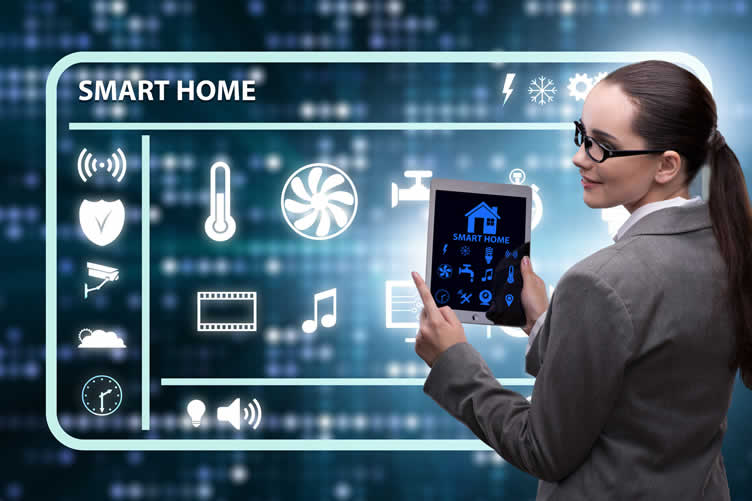
copyright image by 123rf.com
[ view diagram: home IoT hub diagram]
[ youtube: what is the Azure IoT hub?]
-
-
-
ideas to view and compare from the information discussed above
Scroll up to directory … or scroll to next section about smart wiring solutions …




second “photo remodeling” idea
copyright image by 123rf.com
Smart Home Tip 2: How Smart Homes Simplify Your Life
Notes:
-
When you upgrade your home to be smarter, you get plenty of benefits to take advantage of. Aside from turning off the heat if you left it on when you left for work, having a smart home means that from anywhere, you can control things like lighting, temperature controls, and even locks on doors. This is all made possible by the IoT framework and cloud-based services.
Furthermore, data analytics allows for personalized experiences within a smart home environment. By analyzing usage patterns and preferences, devices can be programmed to adapt to individual needs and habits.
For example, a smart thermostat can learn when you typically turn up the heat or cool down a room, and can automatically adjust the temperature to your liking. This not only provides convenience but also saves energy and reduces utility costs.
In addition, data analytics can also be used for predictive maintenance. Smart home devices can collect data on their own performance and send alerts when they detect potential issues or malfunctions.
This allows for proactive maintenance, preventing larger problems from occurring and potentially saving homeowners from costly repairs.
Depending on the type of integrations you choose for your smart home, you can also have enhanced connectivity, more stable wi-fi, better security, and the convenience of it all can’t be beat.
-
Quick scroll to “home simplification” side notes …
-
-
1st: Smart Appliances
With these smart appliances, our homes are not just becoming more connected and responsive — they’re also becoming more personalized and efficient, reflecting the evolving intersection between technology and our daily lives.
-
Kitchen Smart Appliances
In the heart of the home, smart kitchen appliances are changing the way we approach cooking and food management. Smart refrigerators, for instance, not only keep your food fresh but can also track expiration dates, create grocery lists, and even display recipes on their integrated screens.
High-tech ovens can be preheated remotely and equipped with cameras so you can monitor your dishes without opening the door. Smart dishwashers make it possible to adjust cycles based on the load, and they can order detergents when supplies run low.
-
Counter Appliances Elevated
The realm of counter appliances has also been revolutionized with the advent of smart technology. Devices such as smart coffee makers can now be programmed to have your freshly brewed cup ready the moment you step into the kitchen.
Voice-controlled microwaves make heating and thawing food more convenient than ever, adapting cooking times to the weight and type of food. Smart blenders offer precision control and can even suggest recipes based on the ingredients you have at home.
These advances in kitchen tech not only save time but also enhance the culinary experience, allowing more freedom and creativity in meal preparation.
-
Laundry Smart Appliances
In the laundry room, smart washers and dryers offer unprecedented convenience and efficiency. These appliances come with multiple washing modes and can be controlled and monitored through a smartphone.
They can detect the type and amount of laundry, adjusting the water and energy usage accordingly. Smart dryers can sense when clothes are dry and stop the cycle to save energy, and even send a notification when the laundry is done, making the chore of laundry less time-consuming and more energy-efficient.
-
Smart Appliances for Other Home Areas
Beyond the kitchen and laundry room, there are various other smart appliances that enhance different aspects of home life.
Smart vacuums can map out the area and clean the floors autonomously while you’re away. In the bathroom, smart mirrors can provide the day’s weather, read the news, or play music to set the mood for the beginning or end of your day.
Smart garage systems allow you to open and close your garage door remotely through a smartphone app, which is especially beneficial when you’re not sure if you secured the door before leaving home.
Additionally, some smart garage devices can alert you if the door is left open for an extended period or be programmed to close automatically after a certain time.

copyright image by 123rf.com
[ view diagram: smart home appliances ]
[ youtube: refrigerator smart hub ]
-
-
2nd: Smart Home Security Systems
The modern smart home not only offers convenience and efficiency but also provides enhanced security that brings peace of mind to homeowners. Smart home security systems integrate an array of devices and technologies to keep your property safe, from motion sensors to surveillance cameras, all connected and managed through a central hub or smartphone app.
-
Motion Detectors
Motion detectors are the first line of defense in a smart home security setup. They use infrared technology to detect movement within a specified area.
Once these sensors are triggered, they send an alert to the homeowner’s smartphone and can also initiate a series of responses such as turning on lights or activating a camera to record potential intruders.
-
Surveillance Cameras
Surveillance cameras in a smart security system provide real-time footage of your home’s interior and exterior. These cameras often come with features such as night vision, motion tracking, and the ability to pan or tilt for comprehensive coverage.
Some even offer facial recognition to distinguish between known occupants and strangers. Footage can be streamed live via a secure internet connection or stored in the cloud for later review.
-
Smart Door Locks
Smart door locks offer keyless entry and the ability to lock or unlock doors remotely. They can grant access to friends or service professionals through time-limited or one-time use codes. With integration into the overall security system, they can trigger alerts when tampered with or if the door is left open for an extended period.
-
Window Sensors
Window sensors add an additional layer of security, particularly for ground-level or accessible windows. They alert homeowners if a window is opened or broken.
Combined with a central security system, these sensors can notify authorities or activate other defensive mechanisms like alarms or lights to deter break-ins.
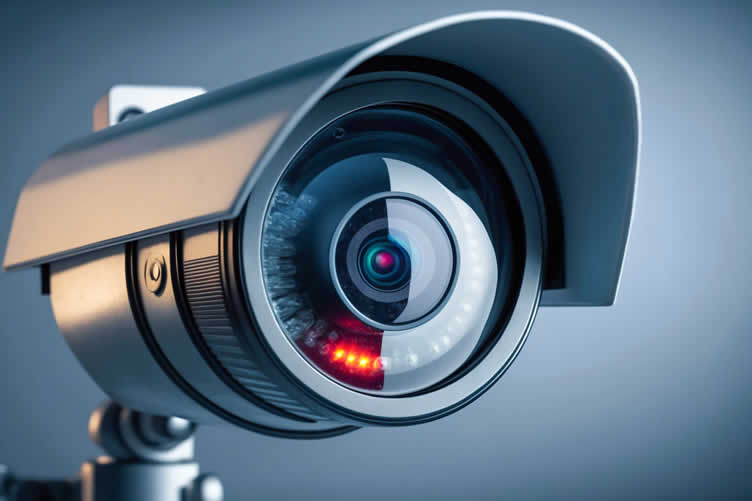
copyright image by 123rf.com
-
-
3rd: Smart Home Energy Production
Smart home technology extends beyond security, venturing into the realm of efficient energy production that can significantly enlighten your home’s energy consumption and carbon footprint. By leveraging renewable energy sources, smart home systems can track, optimize, and utilize energy usage, ensuring a greener and more cost-effective living environment.
Homeowners can monitor their energy production in real time and make adjustments as needed, paving the way for a sustainable future.
-
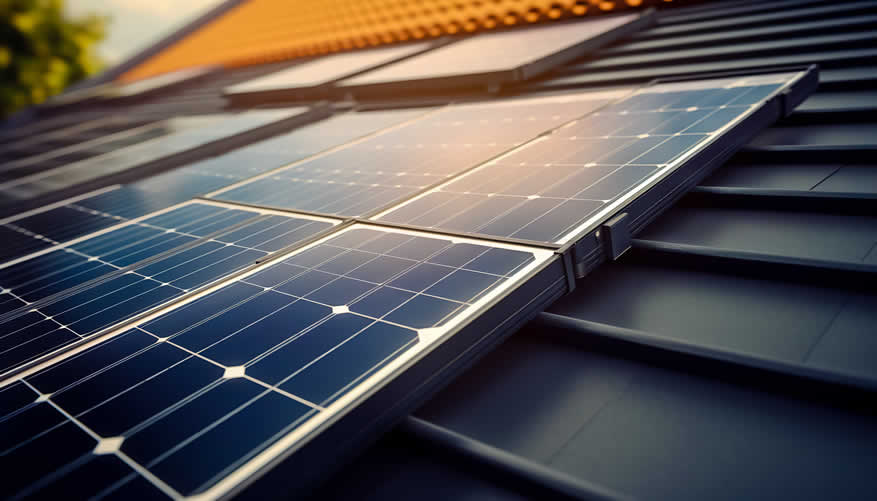
Solar Panel Integration
Solar panels are a cornerstone of home-based renewable energy solutions. When integrated into a smart home system, solar panels collect energy, which is then converted into usable electricity.
Smart solar systems can adjust the angle of the panels to follow the sun’s trajectory, maximizing energy absorption. Excess energy can be stored in batteries for later use or even sold back to the power grid, providing homeowners with both environmental and economic benefits.
-
Residential Wind Turbines
For homes in windy locales, residential wind turbines serve as a complementary energy source to solar power. These turbines harness the kinetic energy of the wind, transforming it into electricity that can power a smart home.
Similar to solar energy, smart systems connected to wind turbines can track energy production, allowing homeowners to monitor output and efficiency and make informed decisions about their energy use.
-
Other Renewable Technologies
In addition to solar and wind energy, innovative technologies such as geothermal heat pumps and biogas generators are gaining traction in smart home applications.
Geothermal systems utilize the constant temperature of the earth to heat and cool the home, while biogas generators can convert organic waste into energy. By integrating such renewable sources into a smart home’s energy system, owners can explore diverse ways to achieve a sustainable, self-sufficient lifestyle.
copyright image by 123rf.com
-
-
4th: Smart Technology for Energy Efficiency
Smart technology is revolutionizing the home energy sector by automating energy saving practices, optimizing usage and providing insights through real-time data. A smart home, equipped with intelligent devices and systems, can adapt to behavioral patterns and preferences of its inhabitants, scheduling and modulating energy use for efficiency without sacrificing comfort.
-
Programmable Thermostats
Thermostats have evolved from manual dials to programmable devices that can adjust home temperatures based on the time of day or the occupancy of a room. These smart thermostats learn the habits of the residents and can predict heating and cooling needs, preemptively adjusting to save on energy costs while maintaining ideal living conditions.
-
LED Lighting Control
LED lights themselves are energy-efficient, but pairing them with smart lighting control systems maximizes savings. Homeowners can control lights remotely, set schedules, or use motion sensors to ensure lights are on only when needed.
Integration with natural light sensors can also adjust indoor lighting based on the amount of sunlight present, further conserving energy.
-
Smart Plugs and Outlets
Devices left on standby can cumulatively draw significant power. Smart plugs and outlets allow users to cut power to non-essential devices when they’re not in use. Some systems can even cut off power during peak hours, reducing strain on the grid and lowering electricity bills.
-
Energy Monitoring Systems
Knowledge is power, and in the context of smart homes, real-time energy monitoring systems empower homeowners with detailed insights into their consumption patterns. These systems can pinpoint energy-hungry appliances or areas of waste, prompting user intervention for more conscious and efficient energy use.

copyright image by 123rf.com
-
-
5th: Family Command Center
A Family Command Center acts as the nucleus of a smart home, centralizing controls and streamlining management of daily logistics. It promotes a cohesive family dynamic by displaying schedules, to-do lists, and reminders in one easily accessible location.
In the age of digital interconnectedness, this hub enables households to remain harmonious and organized amidst the bustle of everyday life.
-
Digital Wall Displays
These large touch-sensitive screens serve as interactive calendars, notice boards, and entertainment centers. Positioned in a common area, digital wall displays can present real-time updates on family members’ schedules, weather forecasts, and even integrate with smart devices to control home functions like lighting, temperature, and security systems.
-
Modular Command Boards
Modular boards provide a tactile approach to family organization with sections for whiteboards, corkboards, and magnetic surfaces. This setup allows for a customizable organization, enabling family members to pin important notices, stick grocery lists, or jot down quick messages.
They are excellent for families who benefit from a visual and physical interaction with their planning tools.
-
Centralized Smart Home Hubs
Smart home hubs integrate with various apps and devices, offering voice control and remote access. Family members can utilize this technology to communicate across rooms, manage smart home devices such as locks and lights, and sync everyone’s digital calendars.
These hubs often come with companion smartphone apps, making the command center’s capabilities available even when family members are away from home.
-
Internet Usage Monitors
With growing concerns over the amount of time spent online, many family command centers now include internet usage monitors. These tools track the duration of online activities, website visits, and app utilization for each family member.
Parents can set limitations on screen time and filter content to ensure a safe and healthy digital environment for their children. Additionally, usage reports can foster discussions about responsible online behavior and digital citizenship.

copyright image by 123rf.com
-
-
6th: Smart Garden Systems
Incorporating a smart garden system into your homestead harmonizes the natural with the technological, bringing a vibrant piece of nature indoors. These systems not only enliven your living space aesthetically but also improve air quality and reduce stress levels with the presence of greenery.
Additionally, the use of smart garden technology harnesses the benefits of plants without requiring extensive gardening knowledge, as it automates the most critical aspects of plant care.
-
Automated Planters
Automated planters regulate the supply of water and nutrients based on the specific needs of each plant, employing sensors to determine optimal growth conditions. They come with features like self-watering mechanisms, nutrient delivery systems, and sometimes even LED growth lights for household farming regardless of natural light conditions.
-
Climate Controllers
Climate controllers in smart gardens maintain the ideal temperature and humidity levels to create a perfect micro-environment for plants to thrive. Whether you’re cultivating tropical flowers or dry-suitable succulents, these devices ensure the steadiness of the garden’s climate.
-
Plant Health Monitors
Plant health monitors keep tabs on the well-being of your indoor flora. Equipped with sensors, they track soil moisture, pH levels, and light exposure, sending real-time updates to your smartphone or integrated into the wider home automation system.
-
Smart Irrigation Systems
Smart irrigation systems are a transformative component in smart gardens, adept at customizing watering schedules to the precise needs of each plant. Utilizing advanced algorithms and local weather data, these systems optimize water usage, thereby conserving resources while ensuring that plants receive the ideal amount of hydration at just the right time.
This technology can also be integrated with soil sensors and plant health monitors for a comprehensive approach to garden management.

copyright image by 123rf.com
-
-
7th: Predictive Maintenance
Predictive maintenance is a forward-thinking approach to home management, where smart technology anticipates the needs of your household devices and systems to avoid costly downtime and repairs.
By utilizing data from various sensors, predictive maintenance helps in the early detection of potential issues, scheduling timely maintenance checks, and ensuring that everything from HVAC systems to kitchen appliances operates at peak performance.
-
HVAC Health Predictors
HVAC health predictors are a prime example of predictive maintenance in action. These systems continuously collect data on airflow, refrigerant levels, filter integrity, and overall system performance to foresee potential failures.
By analyzing this data, homeowners receive alerts about the need for filter changes or servicing before the system efficiency degrades, saving on energy costs and extending the lifespan of their HVAC setup.
-
Appliance Wear-and-Tear Sensors
Modern appliances often come equipped with sensors that monitor their day-to-day functioning for signs of wear and tear. For instance, a washing machine might track drum movement and vibration levels to predict bearing failures or balance issues.
These preventative measures allow homeowners to address minor issues before they become major problems, ensuring the longevity of their appliances.
-
Plumbing Leak Detectors
Leak detectors in a predictive maintenance system safeguard the home from water damage by monitoring water pressure and usage patterns throughout the plumbing network.
The moment a discrepancy arises, such as a drop in pressure indicating a potential leak, the system not only alerts the homeowner but can also automatically shut off water supply to the affected area, preventing large-scale damage.
-
Electrical Usage Analysis
Predictive maintenance extends to the electrical system as well, with usage analysis detecting overloads, forecasting circuit life expectancy, and identifying irregular power consumption patterns that may indicate failing equipment.
This helps prevent electrical fires, improve energy consumption, and ensure that the electrical infrastructure of the home remains healthy and efficient.

copyright image by 123rf.com
[ view diagram: predictive maintenance examples ]
[ youtube: machine learning for predictive maintenance ]
-
-
8th: Other Components of a Smart Home
To illuminate the full potential of a smart home, let’s explore additional components such as intelligent lighting systems, climate control, and security enhancements that offer not just convenience but also adapt to your lifestyle and preferences.
-
1. Smart Entertainment Systems
The heart of modern leisure experiences, smart entertainment systems have revolutionized the way we consume media. Smart TVs and speakers learn from your habits, recommend content, and react to voice commands.
Meanwhile, gaming consoles and other connected devices provide experiences that are both immersive and interactive.
-
2. Intelligent Lighting Systems
Intelligent lighting goes beyond simple on and off switches. These systems allow for automated adjustment based on natural light levels or pre-set schedules, creating optimal lighting conditions for every moment.
Users can customize ambient mood settings or control fixtures remotely via smartphone apps. This level of control not only enhances comfort but also contributes to energy savings by reducing unnecessary usage.
-
3. Data Analysis and Personalization
Smart homes are increasingly harnessing the power of data analysis to tailor the environment to the inhabitants’ preferences. By analyzing usage patterns and behaviors, these systems can automate processes such as temperature control, activate appliances at the most convenient times, and even suggest maintenance tasks.
Personalized experiences extend to entertainment as well, with systems learning and adapting to suggest movies, music, and other content that aligns with the user’s tastes and viewing history. This creates a living space that not only understands your preferences but can also anticipate your needs and cater to them without explicit input and without sacrificing comfort.
-
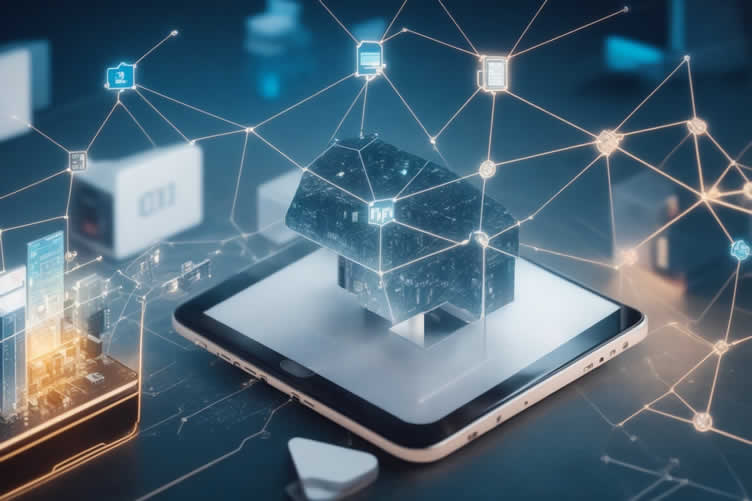
5. Personalized Comfort and Accessibility
Artificial intelligence in smart homes extends to adaptive environmental controls that personalize living spaces for comfort and accessibility. AI-enabled devices can adjust room temperatures, lighting, and even window blinds based on an individual’s real-time preferences or learned patterns.
Additionally, voice-controlled virtual assistants can power an inclusive home experience, simplifying tasks for individuals with mobility or visual impairments by enabling voice commands to control various aspects of the home environment.
copyright image by 123rf.com
[ view diagram: AI in home automation diagram ]
[ youtube: AI and smart homes ]
-
-
-
ideas to view and compare from the information discussed above
Scroll up to directory … or scroll to next section about smart wiring solutions …
 … grab this directory of ideas

home automation devices



May We Suggest Other Photo Remodeling Ideas About
“Home Utility Needs …” (new win)


third “photo remodeling” idea

copyright image by 123rf.com
Smart Home Tip 3: Ways To Make a Smart Connection
Notes:
-
For a smart home to function effortlessly and accurately, robust connective systems are essential, allowing the hub and devices to communicate seamlessly. By establishing a centralized system, users can integrate various brands and platforms, achieving a cohesive ecosystem where devices can inter-operate, share data, and work in synergy to provide an optimized living experience.
Consider simplifying "smart connectivity" tasks by opting for quick set-up devices with a hub or a hubless control center, or choose smart wiring for seamless home integration with a hard-wired network. Evaluate the pros and cons of each approach carefully before deciding.
-
Quick scroll to “connectivity” side notes …
-
-
1st: Understanding Smart Wiring
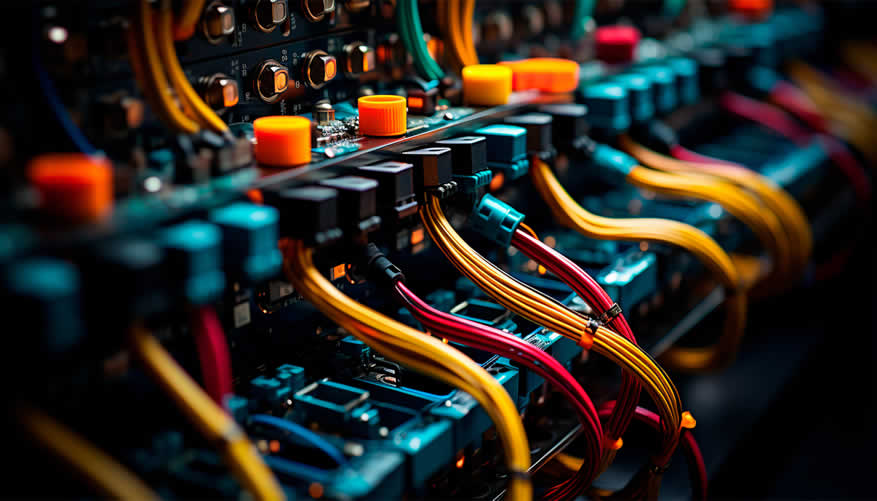
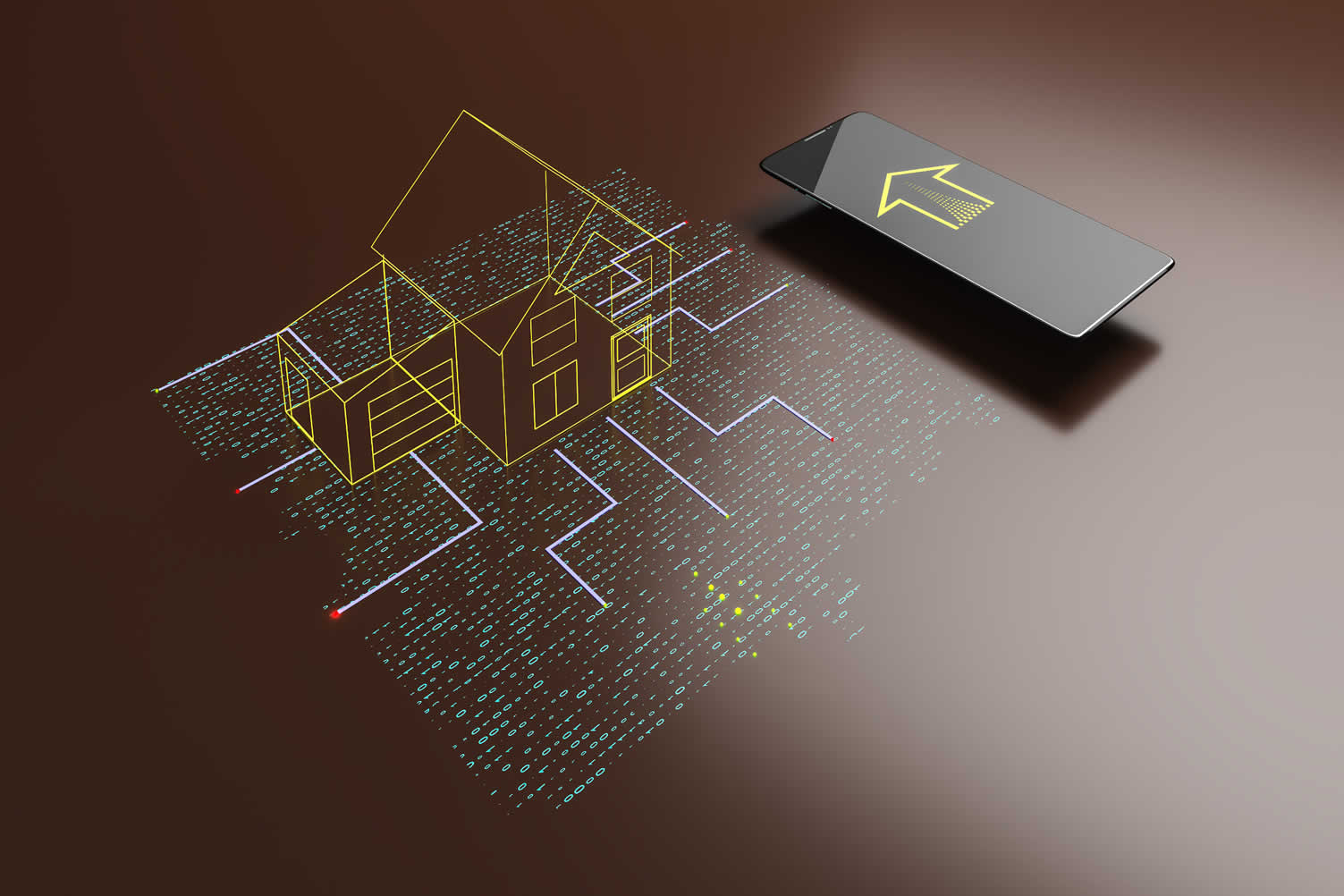
Smart wiring can be likened to the nervous system of a smart home. It involves the installation of a network of data cables during the construction or renovation phase, connecting various smart devices and systems throughout the home.
This infrastructure provides the backbone for all interconnected technologies, ensuring a reliable and high-bandwidth network capable of handling the data demands of modern living.
The growing complexity and number of smart devices in homes today necessitate an advanced wiring system that can support the increased demand for data. The ability to install smart wiring during the build phase of a home ensures greater integration and minimizes the aesthetic impact of retrofitting wires into existing structures.
This foresight paves the way for homes to adapt and grow with technological advancements, supporting the ever-expanding ecosystem of smart tech.
copyright image by 123rf.com
[ view diagram: smart home wiring diagram ]
[ youtube: pre-wire walk through ]
-
2nd: Benefits of Smart Wiring
The advantages of smart wiring extend far beyond the convenience of linking your thermostat to your smartphone. Smart homes with well-designed wiring solutions stand to gain significant benefits such as enhanced connectivity, improved energy efficiency, and heightened security.
-
Enhanced Connectivity
A robust smart wiring system guarantees a stable and fast connection, enabling all devices to ‘speak’ to one another. This reliability is vital for latency-sensitive applications such as streaming high-definition video, online gaming, and video conferencing.
Furthermore, smart wiring reduces the reliance on Wi-Fi, which can be congested in densely populated areas, to deliver a more consistent user experience.
-
Energy Efficiency
Smart homes are synonymous with energy-saving features, and smart wiring is a key contributor. With an integrated system, lights, heating, and cooling can be managed automatically based on occupancy, time of day, or programmed preferences.
This level of control translates to more efficient energy use and reduced utility bills.
-
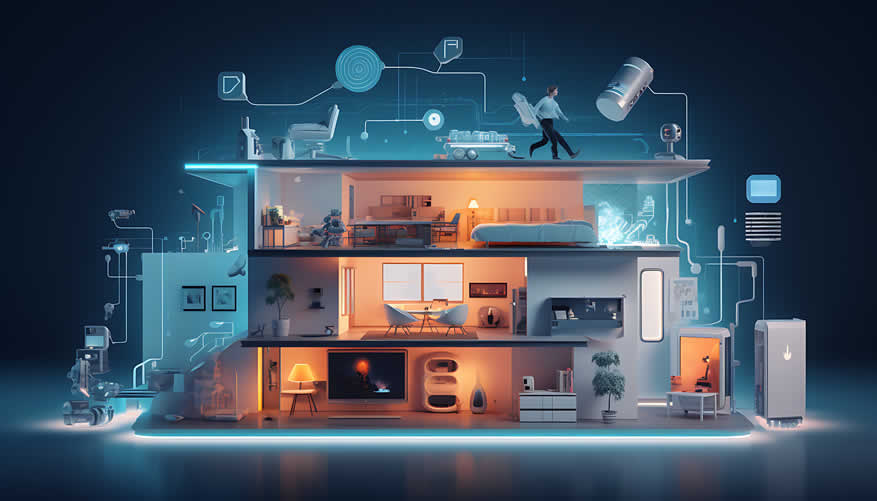
Increased Home Security
A smart home is a secure home, and intelligent wiring forms the foundation. Smart alarm systems, cameras, and motion detectors integrate seamlessly with the wiring infrastructure, offering comprehensive security measures such as remote monitoring, motion-activated alerts, and integration with third-party security services.
copyright image by 123rf.com
[ youtube: how to wire smart home ]
[ youtube: understanding smart electrical panels ]
-
-
3rd: Types of Smart Wiring Solutions
Smart wiring comes in several forms, each with its own set of features and benefits. The choice of wiring solution depends on the layout of the home, the scale of the system, and the specific requirements of the homeowner.
-
Structured Wiring Systems
Structured wiring is a comprehensive cabling system that encompasses data, video, audio, and security signals. It typically consists of a main distribution panel where all the connections are centralized, simplifying the management and maintenance of the network.
When you have a smart-wired home, a special cable runs through your walls, usually CAT6, allowing you to communicate data quickly between devices so they run smoothly.
When everything is interconnected like this, you won’t have to wonder about compatibility, and you can manage numerous devices simultaneously. A proper electrical installation setup requires this wiring approach, so weigh your options thoughtfully before proceeding with it.
Intelligently wired homes represent the future of smart living spaces, as an increasing number of new constructions come equipped with pre-installed outlets, lights, and appliances interconnected within a comprehensive home network.
Upgrading your home with smart lines is a challenging task, ideally done during the initial construction phase or when renovating with open walls. Though it’s a pricier option, you gain a more reliable connection and whole-home surge protection.
-
Wireless Protocols (Z-Wave, Zigbee)
For existing homes or where extensive rewiring is not feasible, wireless protocols like Z-Wave and Zigbee can provide a cost-effective smart home solution. These mesh networks allow devices to communicate with each other and with a central hub, establishing a network without the need for additional wiring.
If you choose a wireless smart home configuration where you purchase the required components, arrive home, plug them in, connect to the internet, and begin controlling your setup. These systems are commonly found with hubs or in hubless setups.
Google Home, Apple HomeKit, and Amazon Alexa operate without a central hub, utilizing the existing wireless network for Bluetooth connectivity, enabling seamless control. Their user-friendly and cost-effective nature empowers individuals to manage their living spaces effortlessly.
Samsung SmartThings features a unique hub unit that serves as the central connection point for all devices. Operating on its distinct frequency, this hub acts as a gateway for all smart devices, functioning akin to a router.
Utilizing the hub reduces the risk of interference, ensuring that the designated frequency remains unaffected by excessive device usage, thus maintaining optimal speed and performance.
-
Powerline Communication
Powerline communication (PLC) works by superimposing a modulated carrier signal on the electrical wiring used to transmit electricity from room to room within a building.
When a smart device that is PLC-compatible plugs into a power outlet, it taps into this special signal to communicate. The technology turns every electrical outlet in the home into a potential network connection point, enabling devices to send and receive data.
This method of networking is particularly convenient as it leverages the existing electrical infrastructure, eliminating the need for additional cables or major renovations to achieve a fully networked home environment.
It can be a practical solution for homes with solid brick or concrete walls that can impede wireless signals. However, it is important to note that powerline communication may introduce interference into the electrical system, affecting device performance.
copyright image by 123rf.com
-
-
4th: Internet and Cloud Connectivity
Smart wiring solutions must also cater to internet and cloud connectivity to ensure constant access to remote controls and monitoring. This includes integrating Ethernet cables for high-speed internet and configuring devices to connect with cloud services.
Such connectivity is crucial for updates, data backup, and interfacing with voice-activated assistants or smartphone applications for a comprehensive smart home experience.
-
Setting Up a Home IoT Network
The Internet of Things (IoT) has revolutionized the way we interact with our living spaces. To set up an IoT network at home, it requires strategic planning and execution. The process involves a series of steps aimed at establishing a cohesive system where smart devices are interconnected and communicate seamlessly.
A robust IoT network can provide convenience, energy efficiency, and enhanced security in the domestic environment.
Steps to Set Up Your Home IoT Network:
- Assess and Plan:
Identify the smart devices you want to connect, considering compatibility and the necessary coverage area. - High-Speed Internet:
Ensure your internet connection supports high bandwidth to handle multiple IoT devices. - Secured Router:
Choose a router with strong security protocols to protect your network against cyber threats. - Smart Hub:
Install a central smart hub that supports all the different protocols your devices might use (Zigbee, Z-Wave, Wi-Fi, etc.). - Device Configuration:
Configure each smart device according to the manufacturer’s instructions to connect to your network hub. - Placement:
Strategically place your devices and smart sensors around your home to optimize their effectiveness. - Network Expansion:
Use PLC or Wi-Fi extenders if there are dead spots in your home to ensure full coverage. - Software Updates:
Regularly update all device firmware to maintain security and improve functionality. - Voice Assistant Integration:
Connect and configure your chosen voice assistant (like Amazon Alexa, Google Assistant, or Apple HomeKit) for hands-free control. - Mobile Access:
Set up smartphone access by downloading relevant applications for remote monitoring and control. - Energy Management:
For added efficiency, install smart thermostats and energy monitoring systems. - Testing:
Test the system thoroughly, checking the responsiveness and interconnectivity of all devices. - Backup and Recovery:
Set up backup sequences and understand how to recover systems in case of malfunction or a security breach.
By executing these steps diligently, you can create an intelligent, responsive, and highly efficient home IoT ecosystem that simplifies daily routines and offers peace of mind.
- Assess and Plan:
-
Cloud Services for IoT Network Integration
Integrating cloud services into your IoT network further enhances its capabilities by allowing for advanced data analysis, storage solutions, and remote access. Cloud platforms can process vast amounts of data collected from your IoT devices, enabling you to make informed decisions based on real-time information.
Steps to Set Up Cloud Services with your IoT Network:
- Choose a Cloud Provider:
Select a cloud service provider that offers the features you need, such as data analytics, storage, and security, and ensure it’s compatible with your existing IoT devices. - Create an Account:
Sign up for an account with your chosen provider, taking advantage of any free trials or tiered service options available. - Cloud Connectivity:
Configure IoT devices to connect to the cloud platform. This may involve setting up APIs or using built-in integrations provided by the devices. - Data Synchronization:
Establish rules for how and when your devices will sync data with the cloud. Decide on live streaming or periodic updates based on your needs. - Security Measures:
Implement proper security measures such as encryption and multi-factor authentication to protect your data during transmission and while it’s at rest on the cloud. - Access Control:
Set up user permissions, so only authorized individuals have access to the device data on the cloud platform. - Monitoring and Notifications:
Enable monitoring features and set up notifications to alert you to any unusual activity or when action is required. - Data Management and Analysis:
Utilize the cloud provider’s data management tools to analyze collected data and extract actionable insights. - Integration with Third-party Services:
Integrate with third-party services and applications for added functionality, if necessary. - Regular Audits and Updates:
Conduct regular audits of your cloud setup for efficiency and security, and apply updates as provided by the cloud service provider.
Employing a cloud service as part of your IoT network setup ensures that you are well-equipped to manage the large volumes of data generated, and that you can easily access this data anytime, from anywhere, to keep your smart home system running smoothly and securely.
- Choose a Cloud Provider:

copyright image by 123rf.com
-
Setting up a Personal Home Cloud for Your IoT Network
For the tech-savvy homeowner looking to create a truly connected smart home environment, setting up a personal home cloud for an IoT network offers unparalleled control and customization.
The personal cloud acts as the central hub for your devices, allowing you to manage data locally while still enjoying the benefits of cloud accessibility. Below are the steps to set up your own home cloud with your IoT network:
- Choose Your Hardware:
Select a network-attached storage (NAS) device or an old computer to act as your personal cloud server. - Install Server Software:
Choose and install a home server software like Nextcloud, ownCloud, or an open-source platform such as FreeNAS. - Network Configuration:
Configure your router to assign a static IP to your home cloud server and set up port forwarding appropriately. - Connect IoT Devices:
Pair your IoT devices with your home cloud server by following the device-specific instructions to connect to the network. - Storage Setup:
Organize your storage into folders and partitions as needed and set up quotas to prevent any single device from using too much space. - Data Security Measures:
Implement encryption, use strong passwords, and configure network firewalls to enhance data security. - Local Access Control:
Create user accounts to manage permissions for different users in your household, granting them access to control specific IoT devices. - Automated Backups:
Schedule regular automated backups of your home cloud data to prevent data loss. - Energy Management:
If possible, utilize energy-saving settings on your home cloud hardware to reduce electricity consumption without compromising on accessibility. - Regular Software Updates:
Ensure that the server software and IoT devices firmware are kept up-to-date to protect against security vulnerabilities.
By following these steps, tech enthusiasts can empower their daily lives with an efficient and secure personal home cloud which fully harnesses the potential of their IoT devices.
- Choose Your Hardware:
[ youtube: home network for beginners ]
[ youtube: build your own cloud ]
-
-
-
ideas to view and compare from the information discussed above
Scroll up to directory … or scroll to next section about smart wiring solutions …
SHARE IT ..! You might have someone in your social network who could find this informative post on how smart wiring solutions can automate your home with a robust IoT ecosystem. Feel free to share it on Facebook, Twitter, LinkedIn, or Pinterest!


making home improvement decisions





fourth “photo remodeling” idea
copyright image by 123rf.com
Smart Home Tip 4: Installation and Maintenance Tips
Notes:
-
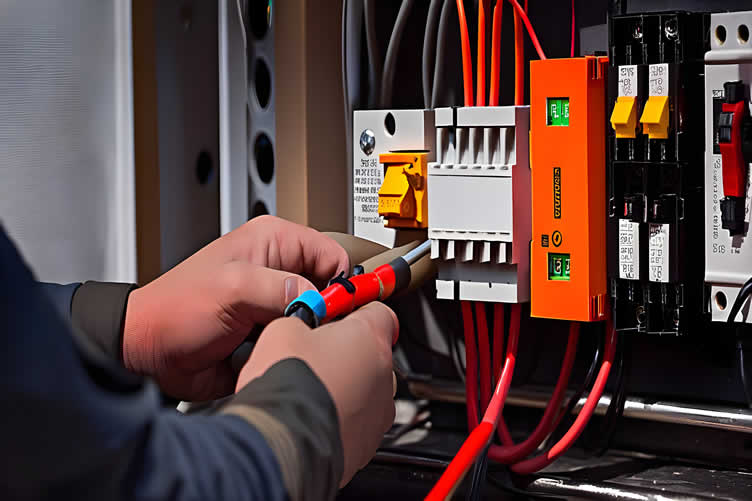
When considering smart wiring, it is crucial to plan for installation and ongoing maintenance. Engaging with professionals or undertaking a DIY approach entails different sets of considerations that can impact the reliability and lifespan of the system.
Here are some DIY tips to help with installation and maintenance:
- Plan Ahead:
Before starting, carefully plan your wiring layout and make sure to leave enough space for future expansion or modification. - Use Quality Materials:
Save yourself from potential headaches by investing in high-quality materials that can withstand wear and tear over time. - Label Everything:
Properly label wires, outlets, and switches to avoid confusion and make troubleshooting easier. - Consider Safety Measures:
Ensure that all electrical work is done in compliance with local codes and regulations to guarantee the safety of your home and household members. - Update Regularly:
Stay on top of updates from your cloud provider or smart home system manufacturer to ensure optimal performance and security. - Schedule Regular Audits:
Regularly audit your smart home system to identify any areas that may need upgrading or improvement. - Backup Your Data:
As with any technology, it is important to regularly backup your data in case of system failure or malfunction. - Stay Informed:
Keep yourself informed about new developments and updates in the smart home industry to make informed decisions about your system. - Engage Professionals:
When in doubt, don’t hesitate to seek professional help from certified electricians or smart home installers for installation and maintenance services.
By following these tips, you can ensure a smooth and reliable experience with your smart wiring system for years to come. Remember to always prioritize safety and stay informed about best practices for installation and maintenance to get the most out of your smart home technology.
- Plan Ahead:
-
Quick scroll to supporting side notes …
-
-
1st: Hiring Professionals vs DIY
Professional installers bring expertise and precision to the task, ensuring that wiring is placed optimally for current and future needs. DIY installations can be cost-effective, but they require significant research, skill, and time.
In any case, consulting with a professional can help to design a system that meets the unique requirements of the home and the homeowner. Additionally, professional installations often come with warranties and support in case issues arise.
When deciding whether to hire professionals or take on a DIY project, consider the complexity of the smart home system you want to install, your own technical skills and confidence levels, and the potential cost savings versus long-term maintenance costs. Ultimately, the choice will depend on individual needs and preferences.
Regardless of how the smart home system is installed, it is important to regularly check and maintain the wiring for optimal performance.
LetsRenovate has partnered with HomeAdvisor™, a renowned provider of highly-rated, carefully-vetted local contractors. Start your search here by selecting the type of contractor help followed by entering your zip code to find local professionals.
-
But Wait!
Download this contractor search and evaluation worksheet for ranking and assessing contractors based on price, experience, time commitment, insurance, references, and professional affiliations.

Evaluation Sheet
File Type:
-
-
2nd: Common Troubleshooting Issues
Despite careful installation, smart wiring systems can encounter issues over time. Common problems include connectivity issues, cable damage, and compatibility concerns.
Regular maintenance and updates are vital to keep the system running smoothly. Familiarizing yourself with the location of access points, termination panels, and cables can simplify troubleshooting and reduce downtime.
If issues do arise, consult the manufacturer’s instructions or contact a professional for assistance. It is also important to stay up-to-date on software updates and security patches to maintain optimal performance and protect against potential vulnerabilities.
Additionally, it can be helpful to have backup plans in case of power outages or internet connection failures. This could include battery backups or alternative methods of controlling devices, such as manual switches or remotes.
Overall, staying proactive with maintenance and troubleshooting can ensure a seamless and enjoyable smart home experience.
copyright image by 123rf.com
[ youtube: home assistant 101 ]
[ youtube: smart switches: rethinking everything ]
-
-
ideas to view and compare from the information discussed above
book: DIY home electricalbook: troubleshooting manualcat6 cable wiring

Scroll up to directory … or scroll to next section about smart wiring solutions …
below for …
home networking and automation services
Find Home Network Services Networks/Phone Computers/ Media Home Automation Electrical Wiring Interior Designers Furniture top-rated, pre-screened local contractors FREE: download contractor selection enter zip code – powered by HomeAdvisor ™
Quick Contractor Guides selecting negotiating working with inspecting

fifth and last “photo remodeling” idea

copyright image by 123rf.com
Smart Home Tip 5: The Future is Smart
Notes:
-
As technology continues to advance, the possibilities for smart homes are endless. From voice-activated assistants to fully automated homes, the future holds exciting potential for even more convenience and efficiency in our daily lives.
No matter how you view it, the future is trending toward more and more integration of devices and our lives. As technology continues to advance, the possibilities for smart homes are endless.
From voice-activated assistants to fully automated homes, the future holds exciting potential for even more convenience and efficiency in our daily lives.
-
Quirk scroll to supporting side notes …
-
-
Future Trends in Smart Home Technology
The landscape of smart home technology is constantly evolving, and smart wiring will continue to play a pivotal role in these developments.
As homes become more integrated with the Internet of Things (IoT), and technologies such as voice control and energy management become standard, the importance of a well-designed smart wiring system cannot be overstated.
-
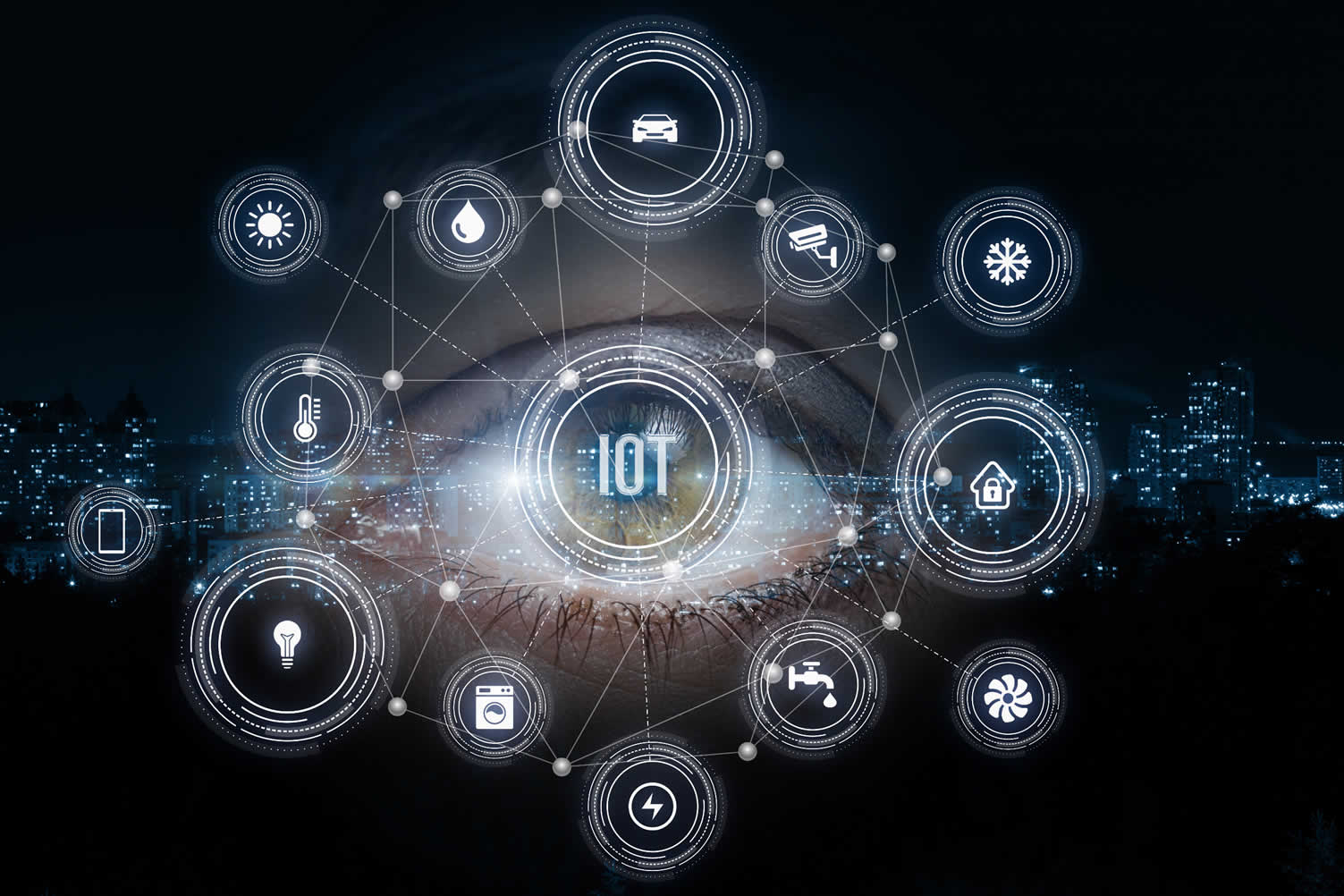
Integration with IoT Devices
Smart wiring will increasingly serve as the foundation for integrating a wide variety of IoT devices into the home environment. Everything from kitchen appliances to wearable tech will be capable of connecting to and benefiting from a centralized smart home network.
-
Voice-Controlled Systems
Voice assistants are becoming the preferred interface for controlling smart devices. Smart wiring that supports voice-controlled systems should be designed to minimize interference and ensure clear communication between devices and the central hub.
-
Energy Management Solutions
The future of home energy management lies in sophisticated systems that optimize energy use based on real-time data. Smart wiring will be integral to supporting these systems, connecting devices that can reduce energy consumption without sacrificing comfort or convenience.
-
Artificial Intelligence Enhancements
Artificial Intelligence (AI) is set to revolutionize smart home integration, bringing new levels of adaptability and learning to home systems. AI will enable smart homes to not only respond to direct commands but also anticipate the needs of residents through learning patterns and behaviors.
This could mean that your home would be able to adjust lighting, heating, or even play music based on your mood or schedule, without explicit instructions. AI’s predictive capabilities will significantly contribute to energy efficiency, security enhancements, and personalized home experiences.

copyright image by 123rf.com
[ view diagram: future smart home look ]
[ youtube: technology you won’t believe…!!! ]
-
-
-
FINAL REMARKS
The integration of smart wiring solutions into modern homes represents a significant enhancement in the way we live. By providing a structured, efficient, and secure network for the myriad of smart devices that now form the fabric of our daily lives, smart wiring is key to unlocking the full potential of intelligent home technology.
As we look to the future, we can expect smart wiring to further solidify its place at the core of the smart home experience, connecting us to a world of possibilities that were once deemed the realm of science fiction.
For homeowners, tech enthusiasts, and the DIY community alike, understanding and embracing the capabilities of smart wiring is not just an option – it’s a step towards a more connected, efficient, and secure way of life.
-
ideas to view and compare from the information discussed above
- What comments can you share about
smart wiring solutions?
Scroll up to directory … or scroll to more utility management-related topics …
view illustration “becoming a bank”
Cover image credit: smart wiring solutions by 123rf.com
end of post … please share it!
 |
did you find how this smart wiring solutions analysis helpful? If so, please share the article with your friends and family! |
Nice pic idea? Leave us a quick comment below.
And please share this pic idea within your social networks.