Summary Outline –
Welcoming a new baby often means rethinking your home’s spaces, but you don’t need a dedicated room for a nursery.
A shared space can maximize your home’s functionality while creating a warm, nurturing environment for your little one. With a bit of planning, you can easily combine a home office, guest room, or storage area with your baby’s sleeping quarters.
Achieving this balance requires careful thought about layout and organization. When multiple activities share one room, clutter can quickly become overwhelming, but a few design principles can transform a potentially chaotic room into a serene sanctuary.
This guide offers expert advice on creating a dual-purpose nursery that is both beautiful and relaxing.
Through smart layouts, cohesive styling, and efficient furniture, you can craft a room that supports your baby’s development and your daily routines.
Let’s explore how to build a multi-use nursery that feels intentional and perfectly suited to your family.
- post content … analysis/ multi-use nursery room
- Intro: The Challenge Of The Multi-Use Nursery
- 1st: Optimizing Your Multi-Use Nursery Layout
- 2nd: Defining Your Nursery Zones
- 3rd: The Art of Double-Duty Furniture
- 4th: Crafting A Calm And Cohesive Color Palette
- 5th: Strategic Decor And Visual Anchors
- 6th: Mastering Nursery Storage Solutions
- 7th: Expert Tips For A Seamless Multi-Use Nursery
- conclusion
- other bed n’ bath topics

-
- —— begin first topic ——
-
Intro: The Challenge Of The Multi-Use Nursery
Combining different functional areas into a single room presents a unique set of spatial and aesthetic challenges. Parents often worry that adding a crib to a home office will make the space feel like a makeshift afterthought rather than a carefully designed environment.
Similarly, housing a guest bed in the same room as a changing table can create visual tension if the decor styles clash. The primary difficulty lies in honoring the distinct purposes of the room while maintaining a unified, peaceful atmosphere.
A successful multi-use nursery room must balance the quiet, soothing requirements of a baby’s sleep space with the practical demands of the secondary function.
For instance, a home office requires adequate lighting and accessibility to supplies, while a nursery necessitates dimmable lights and a tranquil vibe. When these competing needs are not properly managed, the room can quickly become disorganized, leading to frustration for the adults and over-stimulation for the baby.
Recognizing these challenges early in the design process is the first step toward a successful resolution. By acknowledging the potential pitfalls, you can make informed decisions about furniture scale, room layout, and storage strategies.
Addressing the complexities of a space-saving nursery head-on ensures that you create an environment that is both highly functional and beautifully cohesive.
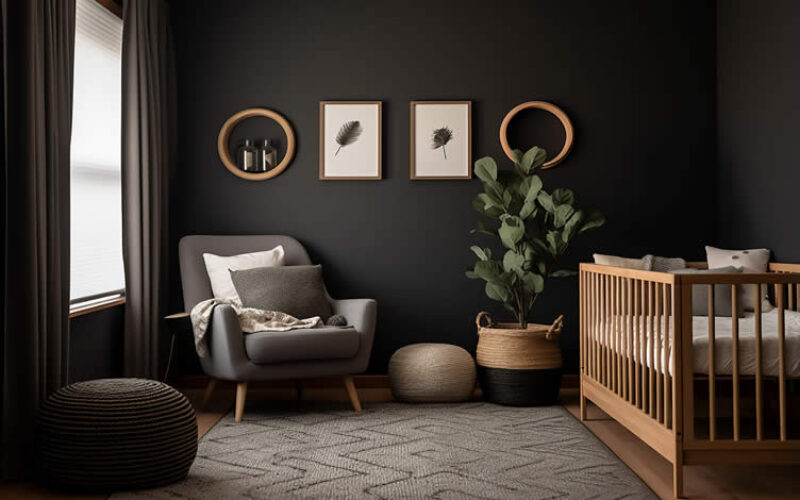
AI generated image by 123rf.com
Let’s begin by addressing these issues.
We’ll start by optimizing the layout of your multi-use nursery, defining designated zones, and then move on to the overall setup and decorating to ensure the space is satisfying for everyone involved.
-
Scroll up to directory … or scroll to first “multi-use nursery room” section …


-
-
-
1st Multi-Use: Optimizing Your Multi-Use Nursery Layout
Finding the perfect arrangement for your multi-use nursery furniture is both an exciting and crucial part of preparing your home for your growing family.
A well-planned layout can make your nursery functional, safe, and stylish while accommodating multiple uses if the space serves as more than just your baby’s room.
Striking a balance between accessibility and open space ensures that all your baby care essentials are close at hand and allows the room to grow and adapt as your family’s needs evolve over time.
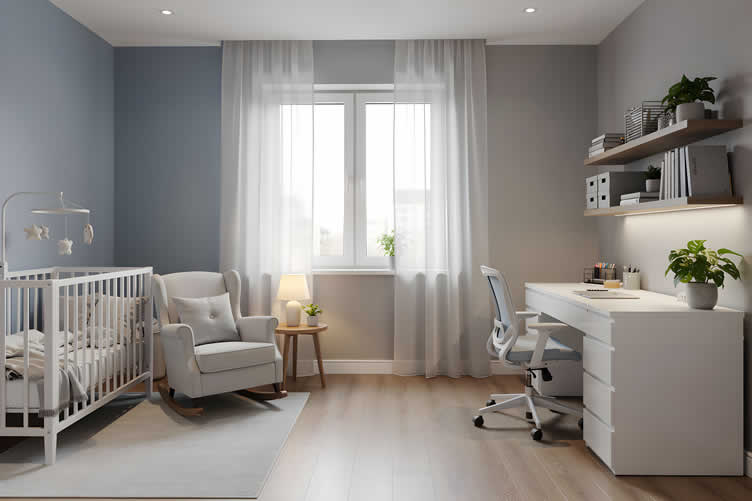
AI generated image by 123rf.com

Designing a multi-use nursery requires creativity, practicality, and foresight. By focusing on smart layouts and versatile furniture, you can easily create a serene and organized space that caters to your baby’s needs while incorporating additional room functions.
Below are some key design tips to help you optimize your nursery layout.
-
A Highly Functional Layout Formula[ view]
One of the most effective and reliable strategies for laying out a nursery involves grouping key baby care elements together. Place the crib along one wall where it is easily accessible, and position the dresser or changing station either directly beside it or across from it.
This arrangement ensures that all essential items—diapers, wipes, clothing, and blankets—are within arm’s reach, making diaper changes and clothing swaps a breeze.
The feeding chair, on the other hand, fits best in a quiet, tucked-away corner of the room. This cozy nook creates a secluded and relaxing spot for feeding and bonding.
-
Strategic Placement of Secondary-Use Furniture[ view]
For nurseries serving dual purposes, such as doubling as a guest room, home office, or relaxation space, it’s essential to assign distinct zones.
Position secondary-use furniture, like a guest bed, sofa, or desk, on the side of the room opposite the baby’s crib and main care station. This arrangement minimizes overlap between the nursery’s primary and secondary functions and helps maintain a sense of order and structure.
Cordoning off these areas visually and physically ensures that they coexist harmoniously while preserving the room’s efficiency and focus on child care.
-
Maintain a Clear Walkway
Keeping the central area of the nursery free of obstacles is crucial for optimizing both safety and functionality. A clear walkway allows you to move around the room effortlessly, even in the dark, while providing ample space for your baby to explore and play as they grow.
An open floor design not only enhances the room’s spaciousness but also makes it more adaptable for future activities, such as tummy time, toy organization, or even a play mat setup.
-
Adopt a Minimalist Furniture Approach
Overcrowding the nursery with excessive furniture or decor can make the room feel cramped and chaotic. Instead, rely on one or two standout pieces, such as a statement crib or a stylish upholstered rocking chair, to anchor the room.
This approach ensures the layout feels intentional, airy, and inviting while leaving room for additional items as your child transitions through different growth stages. Minimalism also makes tidying up easier and allows the space to visually “breathe.”
-
Plan for Growth and Flexibility
Babies grow incredibly fast, and so do their needs. To future-proof your nursery, choose versatile furniture pieces that can evolve with your family, such as convertible cribs that transition into toddler beds or modular shelving that adapts to various storage needs.
Leave ample open floor space for future additions—play mats, art stations, or even a small desk—ensuring the nursery remains both functional and welcoming for years to come.
By integrating these thoughtful design elements into your nursery layout, you create a space that is not only comfortable and practical today but also adaptable for the future.
Ultimately, a well-optimized nursery supports both your baby’s development and your family’s lifestyle seamlessly. For further guidance and furniture recommendations, consider consulting design experts or exploring modular solutions tailored to multi-functional spaces.
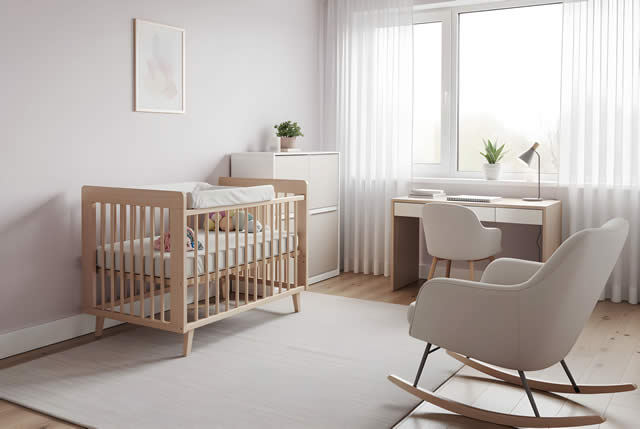
how can minimalism help, and what are its key concepts?
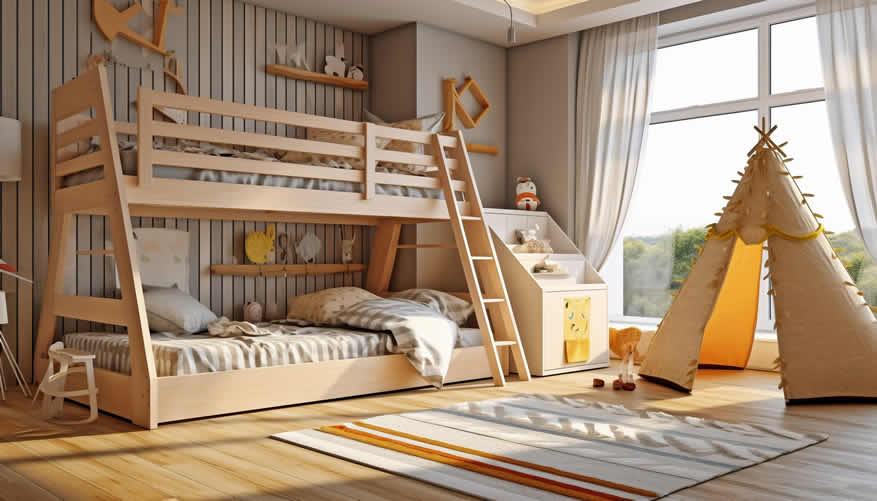
If more than one child, consider using bunk beds that can convert to twin beds as they grow
- Quick scroll to section content …
Section Description Key Focus Optimizing Your Nursery Layout Finding the perfect arrangement for nursery furniture to create a functional, safe, and stylish space that adapts to a growing family’s needs. Balance between accessibility and open space, multi-use functionality. A Highly Functional Layout Formula Positioning nursery furniture like cribs, dressers, and feeding chairs in practical configurations to enhance usability. Ease of access, grouping essential elements for functionality. Strategic Placement of Secondary-Use Furniture Assigning zones for dual-purpose furniture, such as guest beds or desks, within the nursery to maintain order and structure. Minimized overlap, visual and physical separation of zones. Maintain a Clear Walkway Keeping the central space of the nursery unobstructed for safety and flexibility. Open floor design, adaptability for growth and activities. Adopt a Minimalist Furniture Approach Using select furniture pieces to create an airy and inviting atmosphere while avoiding clutter. Intentional layout, ease of tidying, visual balance. Plan for Growth and Flexibility Choosing versatile furniture and leaving open space for future adjustments as the baby grows and needs evolve. Future-proofing, adaptability for long-term functionality. 
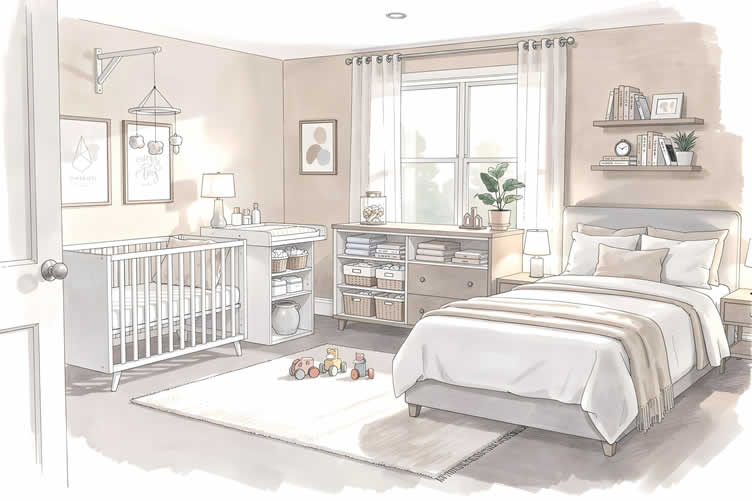
AI generated image by 123rf.com
Declutter for a Functional and Calm Nursery
To make a multi-use nursery work, a thoughtful decluttering strategy is key.
Begin by sorting through your items and keeping only the essentials to maintain an open, airy feel.
Use functional storage like bins, shelves, and labeled containers to neatly organize toys, clothes, and other baby items [see storage discussion below].
A clutter-free space not only prevents you from feeling overwhelmed but also streamlines daily routines, creating a calm and welcoming atmosphere for both you and your baby.
view ideas: declutter your home in 21 days(new win)

-
Scroll up to directory … or scroll to next “multi-use nursery room” section …
-
-



-
-
2nd Multi-Use: Defining Your Nursery Zones
Designing a multi-use nursery requires thoughtful planning to strike the perfect balance between functionality and comfort.
By identifying the key activities the space must accommodate—such as sleeping, feeding, changing, playing, reading, or even serving as a guest space—you can create a well-organized room that meets both practical needs and aesthetic goals.
Ensuring each activity has its own designated area prevents clutter and fosters a sense of order within the room.
Whether your nursery is a standalone area or doubles as another functional space, carefully planning these zones will maximize both usability and flow.
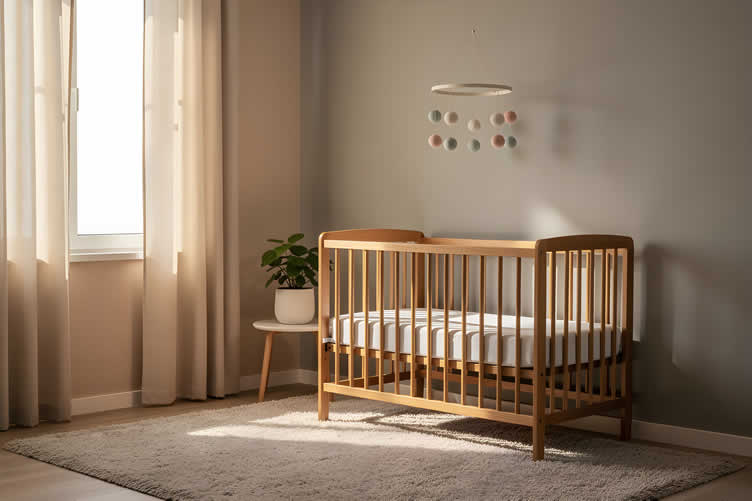
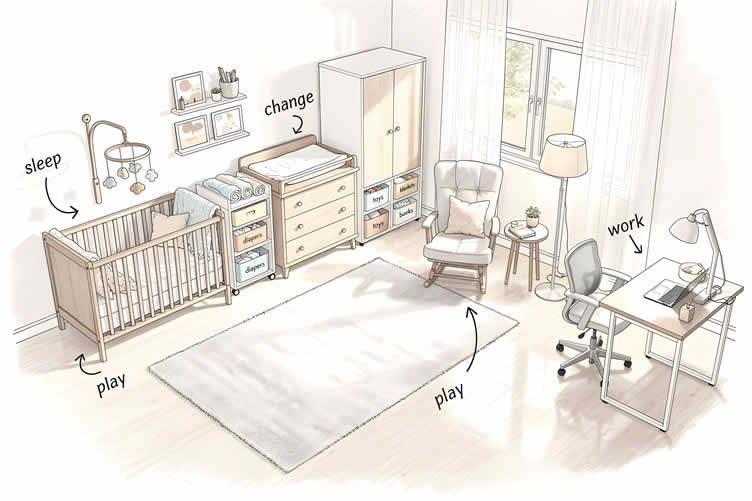
AI generated image by 123rf.com
A multi-functional nursery often benefits from strategic placement of furniture to balance the room and facilitate movement.
For example, positioning the crib along one wall and placing a secondary functional element, like a guest bed or study desk, on the opposite wall creates a balanced layout.
If space is at a premium, consolidating items—such as situating the dresser near the crib to serve as a changing station—helps simplify routines and make efficient use of every square foot.
-
Sleeping Zone
The sleeping zone is the heart of any nursery. Place the crib in a quiet, low-traffic corner of the room to create a serene sleeping environment for your baby.
Choosing an area away from windows minimizes distractions like light and sound, while blackout curtains or shades can ensure restful naps during the day.
Incorporate soft, neutral tones in this area to further promote calmness. For safety, keep the crib free of loose items like blankets or decorative pillows and ensure it meets current safety standards as outlined by the American Academy of Pediatrics (AAP).
-
Feeding Zone
Feeding sessions become more comfortable with a dedicated feeding zone. Look for a cozy corner where you can place a comfortable chair or glider, preferably one with supportive padding.
Add a small side table within arm’s reach for holding essentials like bottles, burp cloths, or a glass of water. Consider layering soft lighting, such as a dimmable lamp, to create a soothing atmosphere for late-night feedings.
If you plan to breastfeed or bottle-feed in the room, incorporating this zone makes the nursery more functional and supportive of your needs.
-
Changing Zone
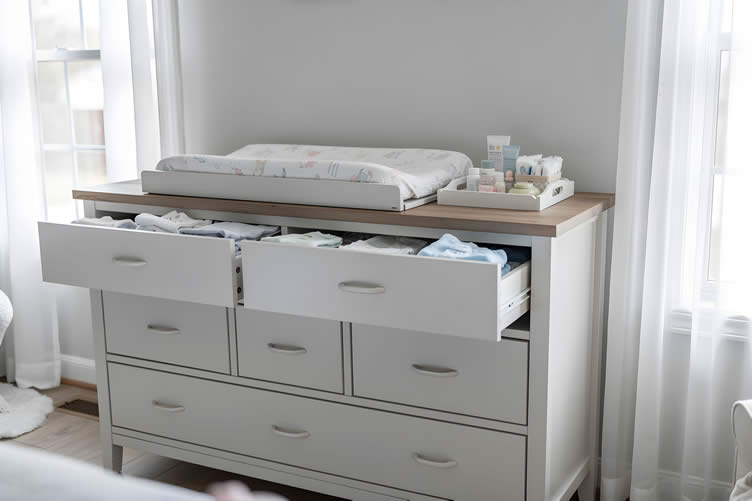
Include a dedicated space for diaper changes to streamline daily routines. The dresser can double as a changing station by adding a secured changing pad on top.
Ensure the area is stocked with necessities like diapers, wipes, diaper cream, and spare clothing, all within easy reach to minimize disruptions.
To maximize safety, affix the changing pad to the dresser and never leave the baby unattended. Using top drawers or storage organizers beneath the dresser helps maintain a clean and clutter-free look.
-
Play and Reading Zone
Encourage development and engagement by designating a play and learning zone. Use a soft area rug or foam play mats to define this section and create a comfortable surface for sitting or crawling.
Add a small bookshelf or bin with age-appropriate books and toys to foster early literacy and exploration. For playful touches, consider including a small teepee, activity cube, or sensory-friendly elements like textured fabrics.
Keeping this zone tidy is key, so storage solutions like baskets or bins allow for quick cleanup.
-
Guest or Dual-Purpose Zone
For nurseries that need to serve dual purposes, such as hosting guests or working from home, careful consideration is necessary.
A sleeper sofa or daybed provides flexibility for overnight stays while maintaining a polished appearance. Alternatively, a corner desk can support work or crafting tasks while blending seamlessly with the nursery’s design.
Ensure this zone remains decluttered to avoid encroaching on the baby’s space by using multi-functional furniture or wall-mounted storage to keep things organized.
-
Design Final Thoughts
Defining these zones does not require physical barriers like walls or dividers. Instead, you can use the strategic placement of furniture and decor to subtly indicate where one area ends and another begins. This thoughtful zoning technique is essential for maintaining order and calm in a multi-use nursery.
A well-zoned nursery fosters organization, reduces stress, and ensures every corner of the room serves a meaningful purpose.
For precise layout ideas or inspiration, exploring home design blogs, professional guides, or social platforms like Pinterest can provide actionable insights to bring your nursery vision to life.
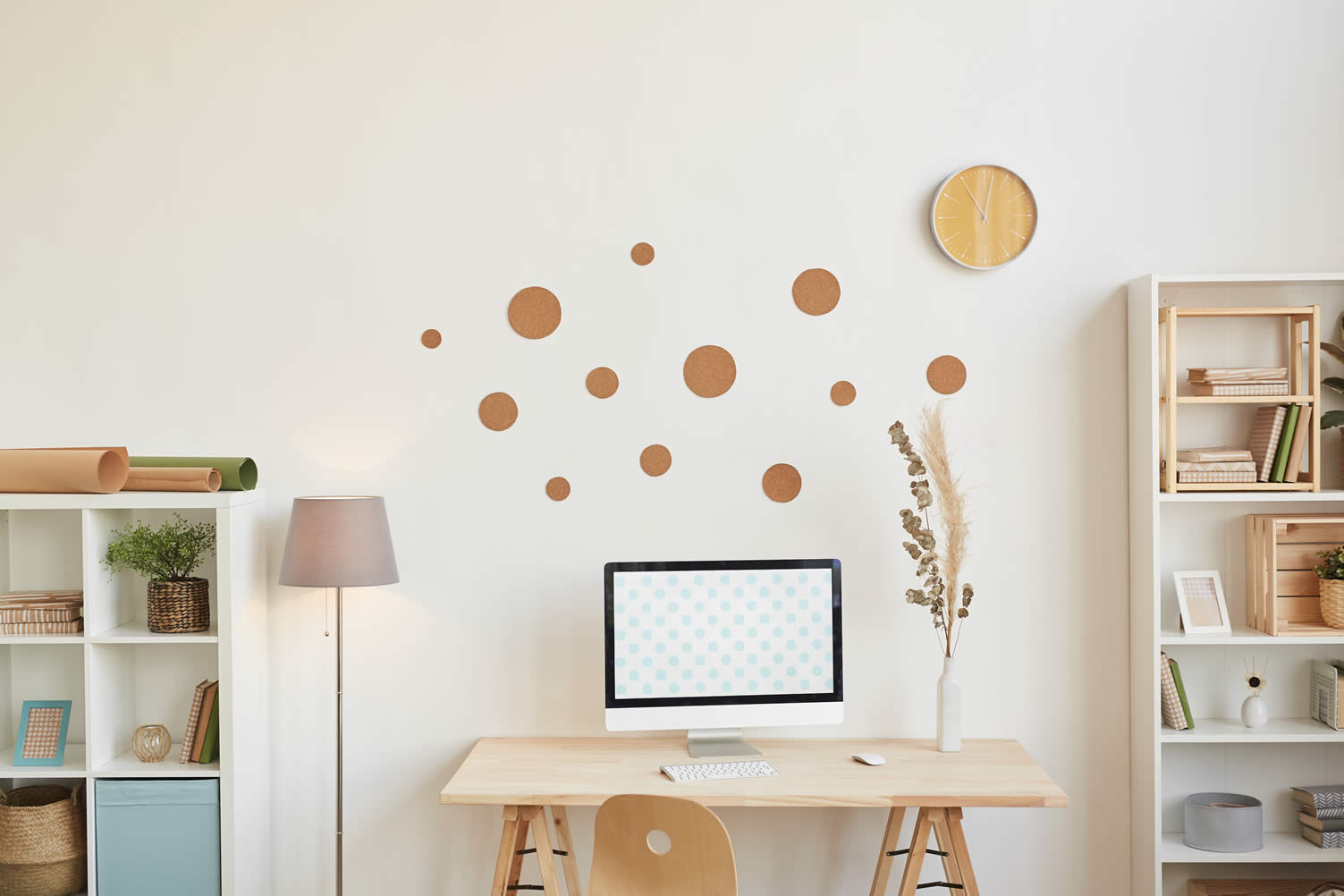
to create a functional and harmonious work zone, start by evaluating your current setup and identifying areas for improvement.

As your little ones grow, the environment you live in needs to adapt right alongside them
- Quick scroll to section content …
Zone Description Tips for Optimization Sleeping Zone The central area of the nursery where the crib is placed, ensuring a calm, low-traffic space for the baby to sleep peacefully. Position the crib in a quiet corner away from windows, use blackout curtains, and ensure the crib meets safety standards. Avoid loose items in the crib. Feeding Zone A comfortable space for feeding sessions designed with supportive seating and convenient access to feeding essentials. Place a padded chair or glider in a cozy corner with a side table for bottles and essentials. Add soft lighting to create a calming atmosphere. Changing Zone A designated area for diaper changes using a dresser with a secured changing pad and organized storage for supplies. Keep diapers, wipes, and creams within easy reach. Use top drawers or organizers to maintain a tidy space and ensure safety by securing the pad. Play and Reading Zone An engaging area for development and learning, featuring books, toys, and sensory elements for exploration. Define the zone with a rug or foam mats. Use shelves or bins for storage and incorporate playful touches like a teepee or textured fabrics. Guest or Dual-Purpose Zone A flexible space that accommodates guests or serves additional functions such as work or crafting activities. Include a sleeper sofa or daybed for overnight stays. Utilize wall-mounted storage or multi-functional furniture to maintain organization. 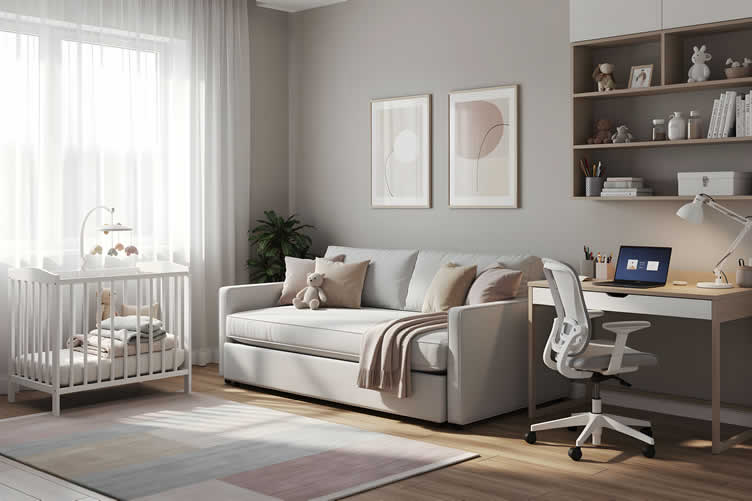
AI generated image by 123rf.com
Home Office in a Nursery
Setting up a home office in a nursery might seem challenging, but it’s achievable with thoughtful planning.
First, find a quiet corner for your workspace. Choose multi-functional furniture, like a compact desk with built-in storage, to save space and reduce clutter.
Utilize vertical space by installing floating shelves for office supplies, and select decor that complements both areas.
With creative solutions, you can balance a nurturing environment for your baby with a productive work zone for yourself.
view ideas: home office set-up in small spaces(new win)
-
Scroll up to directory … or scroll to next “multi-use nursery room” section …
-
-

Download this PDF for a concise summary of everything you need to know about …?


-
-
3rd Multi-Use: The Art of Double-Duty Furniture
Designing a nursery that serves multiple purposes—whether as a guest room, home office, or creative space—requires thoughtful planning and smart furniture choices.
By incorporating furniture pieces that solve more than one problem, you can maximize space, ensure functionality, and maintain a cohesive design.
With the right mix of adaptability and style, your nursery can seamlessly transition between uses while remaining an inviting and peaceful haven for your baby.
AI generated image by 123rf.com
Double-duty furniture not only saves space but also reduces clutter and enhances the versatility of the room.
From cribs with hidden storage to dressers that double as changing tables, these hardworking pieces help you create a nursery that feels complete without overwhelming the layout.
Below, we explore must-have items for a multi-use nursery and how they simplify the process of combining function and style.
-
A Sturdy Dresser Fitted with a Secure Changing Topper[ view]
A long, sturdy dresser is a nursery essential, but pairing it with a secure changing topper elevates its functionality. This combination eliminates the need for a separate changing table, freeing up precious floor space.
Choose a dresser with plenty of drawers to store baby clothes, diapers, and other essentials, making organization simple and accessible. When your little one outgrows diapers, the dresser can continue serving as a timeless storage piece for years to come.
-
A Comfortable Glider with a Storage Ottoman[ view]
A nursery isn’t complete without a cozy spot for late-night feedings or soothing moments. A glider paired with a storage ottoman not only provides an inviting place to sit but also offers hidden storage for blankets, toys, or extra pillows.
This smart combination ensures comfort while keeping the room tidy and organized. Choose neutral upholstery for a versatile look or a bold pattern to add a pop of personality.
-
A Crib with a Streamlined Profile and Built-In Storage[ view]
For a compact yet effective option, opt for a crib with a simple, streamlined design. Some cribs include built-in drawers underneath for added storage, perfect for keeping bedding and seasonal baby items out of sight.
This dual-purpose feature saves space while maintaining the sleek aesthetic of the room. Additionally, selecting a convertible crib ensures the piece grows with your child, transitioning into a toddler bed or daybed as needed.
-
Adding a Home Office, Craft Table, or Guest Room[ view]
If your nursery needs to double as a home office or guest room, prioritize versatile furniture that adapts to these needs without compromising the nursery’s primary function.
A sleek desk can be used as a workspace or serve as a display table for decorative nursery items when not in use.
A modern daybed offers comfortable seating during the day and provides overnight accommodations for guests without adding bulk to the space.
-
Avoid Oversized, Bulky Furniture
When designing a multi-use nursery, it’s crucial to prioritize clean lines and avoid oversized, heavy furniture that can weigh down the layout.
Compact, purposeful pieces help maintain a balanced and airy feel, allowing the room to serve multiple functions comfortably. Smaller furniture profiles also create a safer environment for a curious little one to explore as they grow.
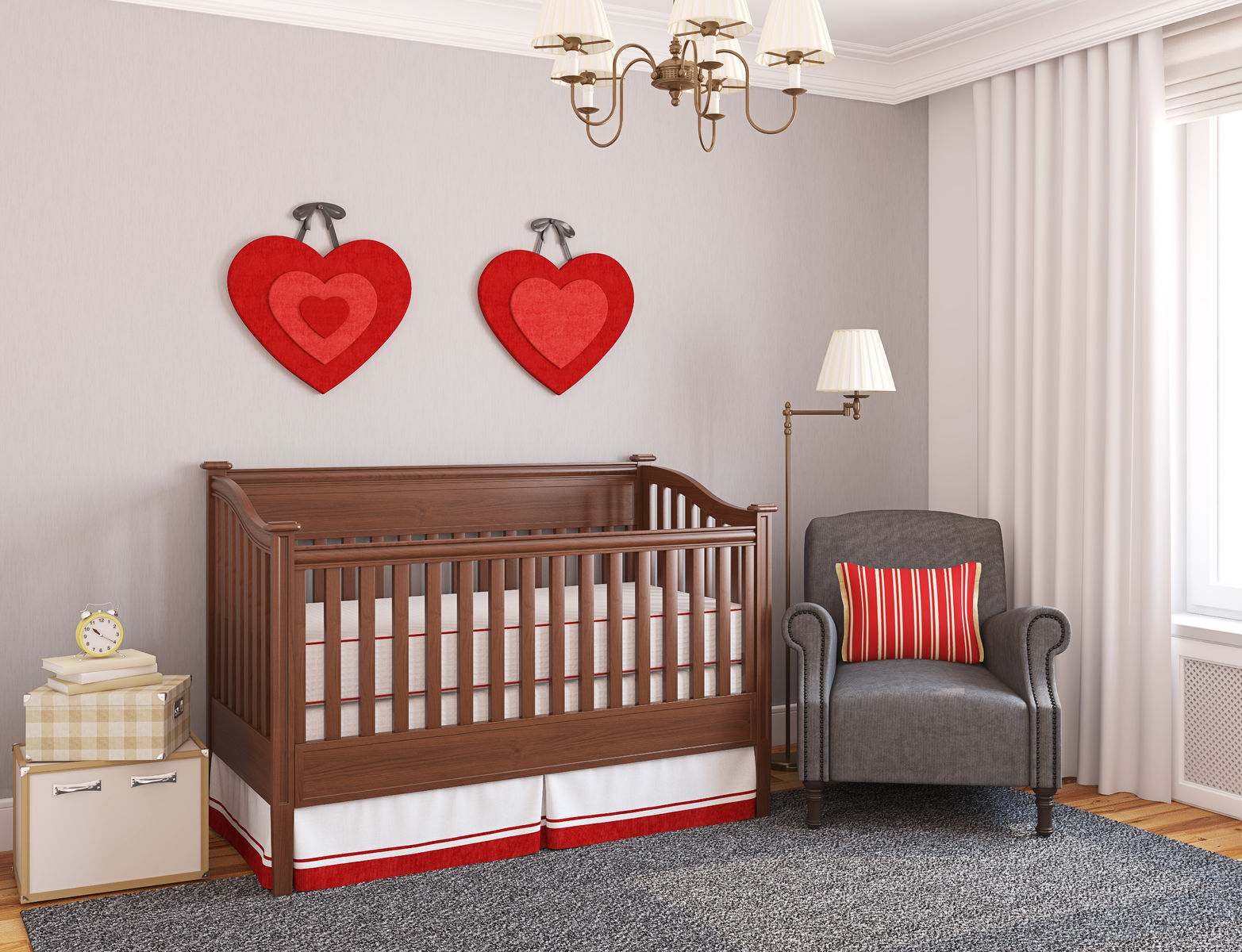
consider a crib (amazon) with built-in storage and/or one that is combined with a changing table
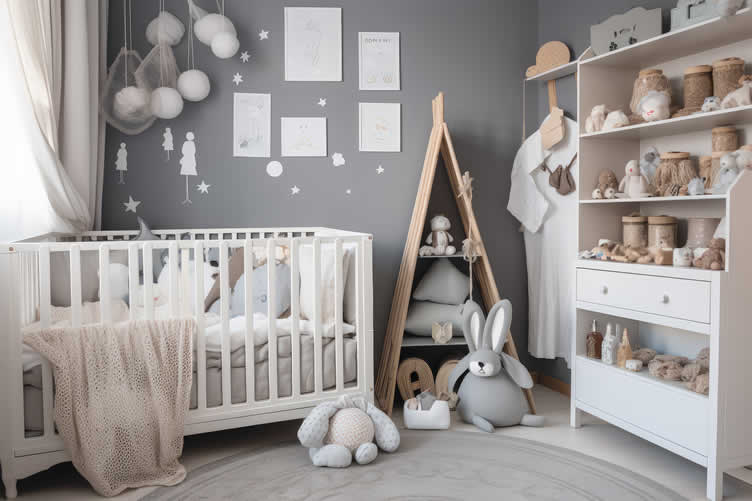
regardless of where you live, multi-functional furniture can make life a bit easier when the need arises.
- Quick scroll to section content …
Furniture Item Description Multi-Purpose Functionality A Sturdy Dresser Fitted with a Secure Changing Topper A long, sturdy dresser fitted with a secure changing topper eliminates the need for a separate changing table, providing plenty of storage with drawers for baby clothes, diapers, and essentials. Transforms from a changing station to a timeless storage piece as the child grows. A Comfortable Glider with a Storage Ottoman A cozy glider paired with a storage ottoman offers a place for late-night feedings and soothing moments with hidden storage for blankets, toys, or pillows. Ensures comfort while doubling as a storage solution to keep the nursery organized. A Crib with a Streamlined Profile and Built-In Storage A crib with a simple design often includes built-in drawers for storing bedding and seasonal items. Convertible cribs can be adjusted into toddler beds or daybeds as needed. Compact and space-efficient, grows with the child while maintaining a sleek aesthetic. Accommodating a Home Office, Craft Table, or Guest Room Furniture such as a desk can serve as a workspace or decorative display, while a modern daybed offers comfortable seating and guest accommodations. Allows the nursery to function as both a baby’s room and an office or guest room seamlessly. 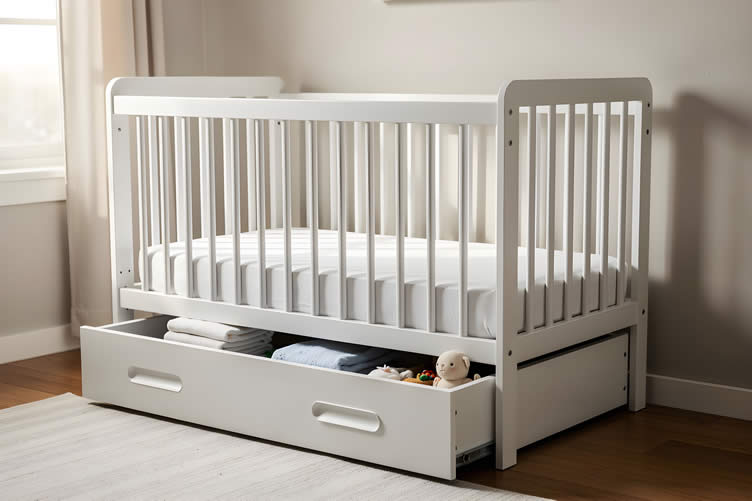
AI generated image by 123rf.com
Child Bedroom Ideas
As your child transitions from a nursery to a bedroom, it’s important to design a space that grows with them.
Choose adaptable furniture, like a convertible crib or adjustable storage, to meet their changing needs.
A neutral color palette serves as a great foundation, which you can easily update with new bedding, art, or rugs as they get older.
Planning for flexibility helps you create a timeless and personal room that stays functional and inviting throughout their childhood.
view ideas: that grow with them(new win)
-
Scroll up to directory … or scroll to next “multi-use nursery room” section …
-
-

Planning your multi-use nursery room and all other home improvement needs …

… save this curated directory of ideas for future reference.
-
-
4th Multi-Use: Crafting A Calm And Cohesive Color Palette
A cohesive color palette is the vital thread that ties a multi-use nursery together, preventing the room from feeling disjointed.
When combining adult furniture with baby items, the right color scheme ensures that the functional zones blend harmoniously, making the space feel intentional and serene.
By choosing a well-curated palette, you create a balanced design where each detail complements the next, fostering an environment of calm for both you and your child.
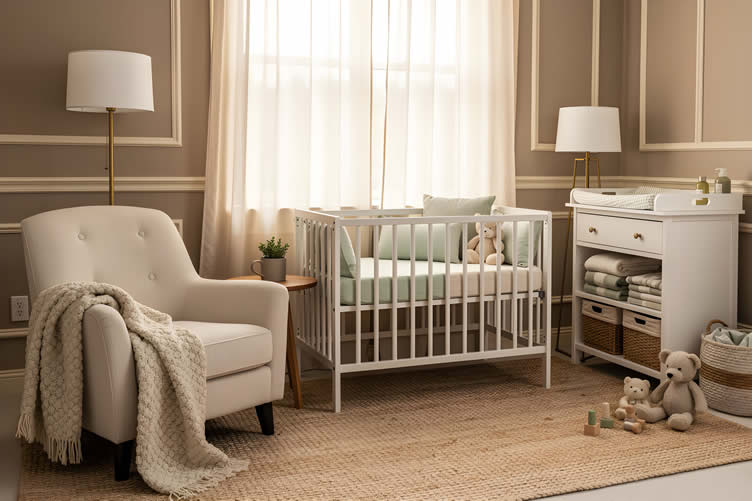
AI generated image by 123rf.com
Thoughtful use of color not only enhances the room’s aesthetic appeal but also supports its functionality by subtly guiding the flow and purpose of each section in the space.
This guide breaks down the process of developing a cohesive color palette into actionable steps, helping you design a nursery that speaks to your unique style while maintaining balance and beauty.
Whether you’re a first-time parent or refreshing an existing space, these principles will help you achieve professional-looking results with ease.
-
Choosing Your Core Palette[ view]
Begin by selecting a core palette that sets the tone for the nursery. This typically includes two to three neutral or soft hues.
Soft grays, warm beiges, muted pastels, and gentle whites work beautifully as foundational colors. These shades create a serene backdrop and are versatile enough to complement furniture, decor, and accent pieces.
For a unified look, consider repeating the core colors in furniture pieces. For instance, a natural wood crib and dresser paired with ivory shelves create visual harmony.
Opting for finishes in the same warm or cool tone family ensures each item feels like part of a cohesive whole.
Consider the lighting in the room as well—natural light can make certain colors appear warmer or cooler depending on the time of day. Use tools like paint sample applications or swatches to visualize how your chosen palette will look in the space.
-
Incorporating Accent Colors[ view]
Accent colors add personality and warmth to the room while maintaining the tranquil atmosphere. Gentle pastels, such as blush pink, sage green, or duck egg blue, work well to create a nurturing environment. These hues can be incorporated through throw pillows, an area rug, or artwork.
For a more sophisticated look, muted jewel tones or earthy shades, like terracotta or dusty navy, can provide depth while still feeling calm.
To maintain balance, select one or two accent colors and repeat them sparingly across different areas of the room.
-
Creating Zones with Color Coordination[ view]
When a space combines adult needs and baby essentials, unifying the furniture’s appearance through color is key. A modern adult desk in a soft, muted tone can complement a classic wooden crib painted in a coordinating shade.
Matching these pieces by tone or finish tricks the eye into perceiving them as part of a singular curated aesthetic, rather than separate functional zones competing for attention.
Similarly, choose storage baskets, bins, or organizers in coordinated shades to blend practical items into the overall aesthetic. This approach allows each area to serve its purpose while feeling part of a larger, cohesive design.
-
Colors Across Bedding, Area Rugs, and Wall Art[ view]
Textiles and decor are ideal for weaving colors throughout your nursery. Look for bedding, area rugs, and wall art that feature your chosen palette.
For example, if your base includes soft gray with blush pink accents, opt for crib bedding that ties those elements together, such as a mix of gray patterns with a pink trim.
Area rugs can be used to tie the zones together, with neutral tones serving as the foundation and accent hues woven into the design. Similarly, wall art provides an opportunity to reinforce the color scheme with prints or canvases that match or complement your core and accent colors.
-
Decorative Textiles and Window Treatments[ view]
When introducing decorative textiles like curtains or pillows, balance is key.
Window treatments, in particular, should align with the room’s palette while considering functionality—opt for blackout curtains in neutral tones that blend with the walls, perhaps with a subtle pattern or trim to introduce an accent color.
Similarly, cushions, poufs, and throws in varying textures can add warmth and visual interest without overwhelming the design.
-
Other Considerations for Maintaining Harmony
Consistency across all design elements is critical to achieving a cohesive look. Avoid introducing too many distinct patterns; instead, aim for repetition and balance across the room.
Accessories like storage bins, lampshades, and even changing pad covers should also adhere to the color palette.
Finally, ensure the paint or wallpaper complements the overall theme. A softly textured wallpaper or a single accent wall can add an artistic touch to the nursery while keeping the space calm and inviting.
-
Final Tips and Takeaways
- Always test paint and fabric swatches together under natural light to ensure the colors harmonize in the room.
- Aim for a palette of no more than three primary colors to keep the space feeling calm and uncluttered.
- Incorporate natural light and mirrors to reflect your chosen palette subtly throughout the room.
By employing these principles, you can achieve an elegant, unified nursery that accommodates multiple functions without compromising style.
Each color choice and decor detail contributes to a cohesive and carefully curated design—supporting your goals for a multi-functional space that serves both baby and adult needs with ease and beauty.
For more inspiration and practical tips, consult your favorite home design sources or explore online decor galleries tailored to nursery spaces.

Every great paint job begins with the right tools. Learn which ones you’ll need
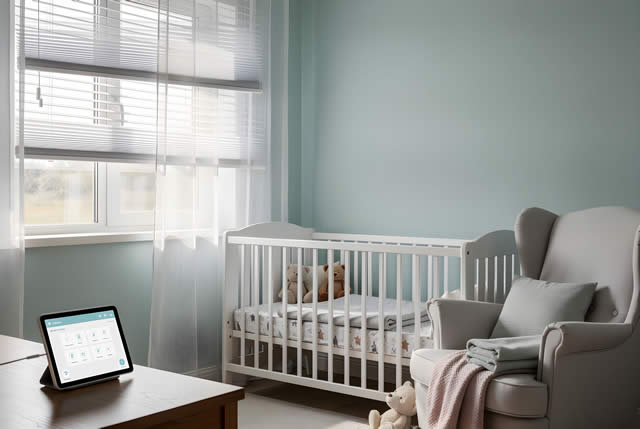
consider investing in automated blinds and curtains, (amazon) which can be operated on any schedule you require
- Quick scroll to section content …
Section Description Example Elements Design Tips Crafting a Core Palette A foundational palette with two to three neutral or soft hues to create a serene backdrop. Soft grays, warm beiges, muted pastels, gentle whites. Use tools like paint swatches to visualize colors in natural light and coordinate furniture tones. Using Accent Colors Accent shades bring personality and warmth while maintaining tranquility. Blush pink, sage green, duck egg blue, muted jewel tones. Select one or two accents and repeat sparingly across different areas for cohesion. Creating Zones Color-coordination to unify functional areas for both baby and adult needs. Soft-toned adult desk, matching storage bins, coordinating wooden crib. Choose tones or finishes that harmonize to avoid visual competition between zones. Textiles and Decor Bedding, rugs, and wall art tie the palette together across the room. Crib bedding with soft gray and pink accents, neutral-toned area rugs. Repeat core and accent colors subtly in textiles and wall decor. Window Treatments Decorative elements like curtains that align with functionality and the palette. Blackout curtains in neutrals, trimmed with an accent color. Balance textures and patterns—keep window treatments clean and cohesive. Maintaining Harmony Consistency ensures a cohesive design by avoiding excessive patterns. Accessories such as lampshades, bins, and changing pad covers. Test all elements under natural light; mirror and reflect chosen colors subtly. 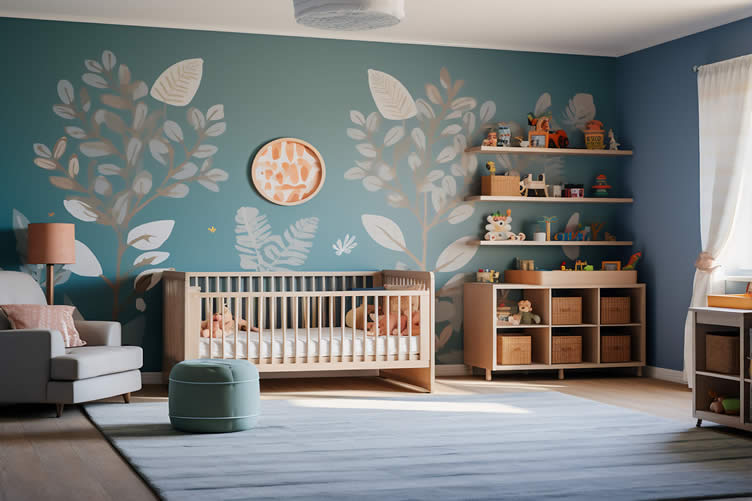
copyright image by 123rf.com
Impact of Color Psychology
When painting your home’s interior, remember that colors can influence your mood and how you use a space.
Soft pastels often create a serene, calming environment, making them ideal for a nursery or relaxation area.
In contrast, vibrant shades like energetic yellows or bold blues can spark creativity, which is perfect for playrooms or multi-functional spaces.
By understanding how different colors affect emotions, you can design a home that is both practical and stylish, creating a welcoming and harmonious atmosphere.
view ideas: choose the perfect color palette(new win)
-
Scroll up to directory … or scroll to next “multi-use nursery room” section …
-
-



… remodeling decisions

-
-
5th Multi-Use: Strategic Decor And Visual Anchors
Decor plays a crucial role in defining the different areas of a shared nursery space without adding unnecessary clutter. Instead of relying on bulky room dividers, you can use strategic decorative elements to separate the zones visually.
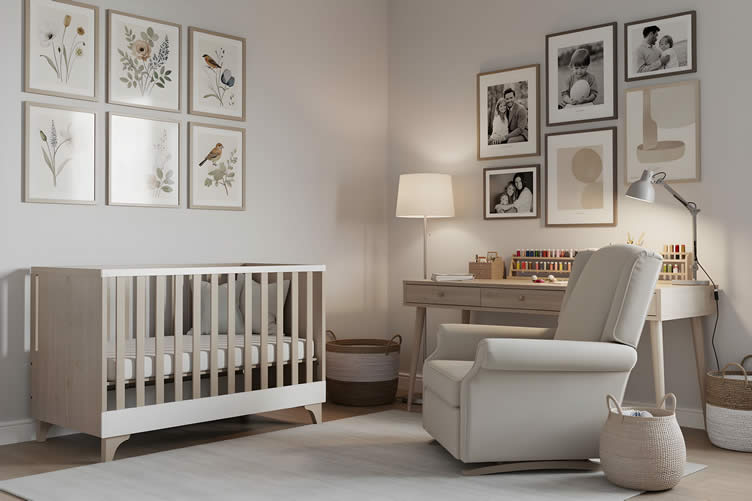
Area rugs are incredibly effective at anchoring specific functions. A plush, round rug under the crib and glider designates the baby’s sanctuary, while a sleek, geometric rug under a desk establishes the workspace.
AI generated image by 123rf.com
Wall art can also help delineate spaces while maintaining the room’s overarching aesthetic.
Hanging a gallery wall of sweet, nature-inspired prints above the crib establishes a nurturing vibe, while framing sophisticated family photos or abstract art above the desk or guest bed caters to the adult side of the room.
Soft, layered lighting further enhances the separation of zones. A bright, focused desk lamp serves the office area, while a dimmable floor lamp or soft wall sconce near the glider provides the perfect illumination for late-night feedings.
Selecting a few meaningful, high-impact accessories ensures the room feels personalized and polished, avoiding the trap of overly themed, chaotic nursery decor.
-
Strategic Décor and Visual Anchors
Creating a multi-use nursery that feels cohesive, functional, and inviting requires thoughtful planning when it comes to décor and visual anchors. The right design choices not only help define individual spaces within the room but also ensure the environment grows with your family’s needs.
A blend of purposeful style and practicality allows the nursery to balance its dual roles effortlessly, serving as both a nurturing space for your baby and an ergonomic workspace or relaxing retreat for adults.
Strategically chosen visual anchors—such as central furniture pieces, statement art, or focal lighting—help delineate areas without overwhelming the space.
Ensuring all elements work harmoniously guarantees the nursery remains both visually appealing and highly functional.
-
Create Zones with Furniture Placement
As noted earlier above, furniture arrangement is pivotal when defining specific zones in a multi-use nursery. Place a crib as the central anchor for the baby’s area—preferably against a wall or near a window to provide a tranquil sleeping environment.
For the adult space, opt for a compact yet comfortable desk and chair set directly opposite or perpendicular to the crib to ergonomically fit the room while avoiding visual clutter.
The addition of low-profile storage, such as a shared dresser or bookshelf, creates an unobtrusive divider between the baby’s and adult areas.
These pieces not only maximize storage but also establish visual boundaries, helping maintain a clear sense of purpose for each section of the room.
-
Layer Textures Through Rugs and Curtains
Rugs and curtains play an essential role in providing texture and defining zones within the nursery. Use a soft, washable area rug underneath the crib to create a cozy and tactile baby zone.
A separate rug with neutral or muted designs beneath the workspace or reading nook can signal a subtle division.
Floor-to-ceiling curtains enhance the versatility of the room by softening natural light and adding a touch of elegance.
Opt for blackout curtains near the baby’s sleeping area to ensure peaceful nap times, while sheer panels in the adult zone keep the area well-lit and conducive to productivity.
For safety, ensure all curtain hardware is secured tightly to prevent accidents.
-
Select Meaningful Wall Art
Wall art serves both as decoration and as a visual anchor to inspire emotion and set the tone for each zone. For the baby’s corner, choose art that sparks joy—consider small gallery arrangements of whimsical animal prints or motivational quotes.
Meanwhile, the adult area can feature refined, timeless pieces such as serene landscapes, graphic design prints, or family photos that feel sophisticated yet personal.
To maintain cohesion, choose frames with complementary finishes—natural wood, matte black, or metallic tones—that tie the room’s design together. Position the artwork thoughtfully, ensuring it enhances the overall ambiance of each designated area.
-
Utilize Thoughtful Lighting Layers
Dynamic lighting enhances functionality and sets the mood in a multi-use nursery. Layering different types of lighting ensures every corner of the room serves its purpose.
Overhead lights, such as dimmable pendants or flush mounts, provide general illumination for the entire space.
Add task lighting with a focused desk lamp in the adult area to support productivity, while a warm-toned table lamp or a floor lamp with adjustable brightness near the glider ensures soothing late-night feedings.
Gentle string lights or a soft nightlight in the baby’s area offer comfort during those twilight hours, while remaining unobtrusive to the other zones.
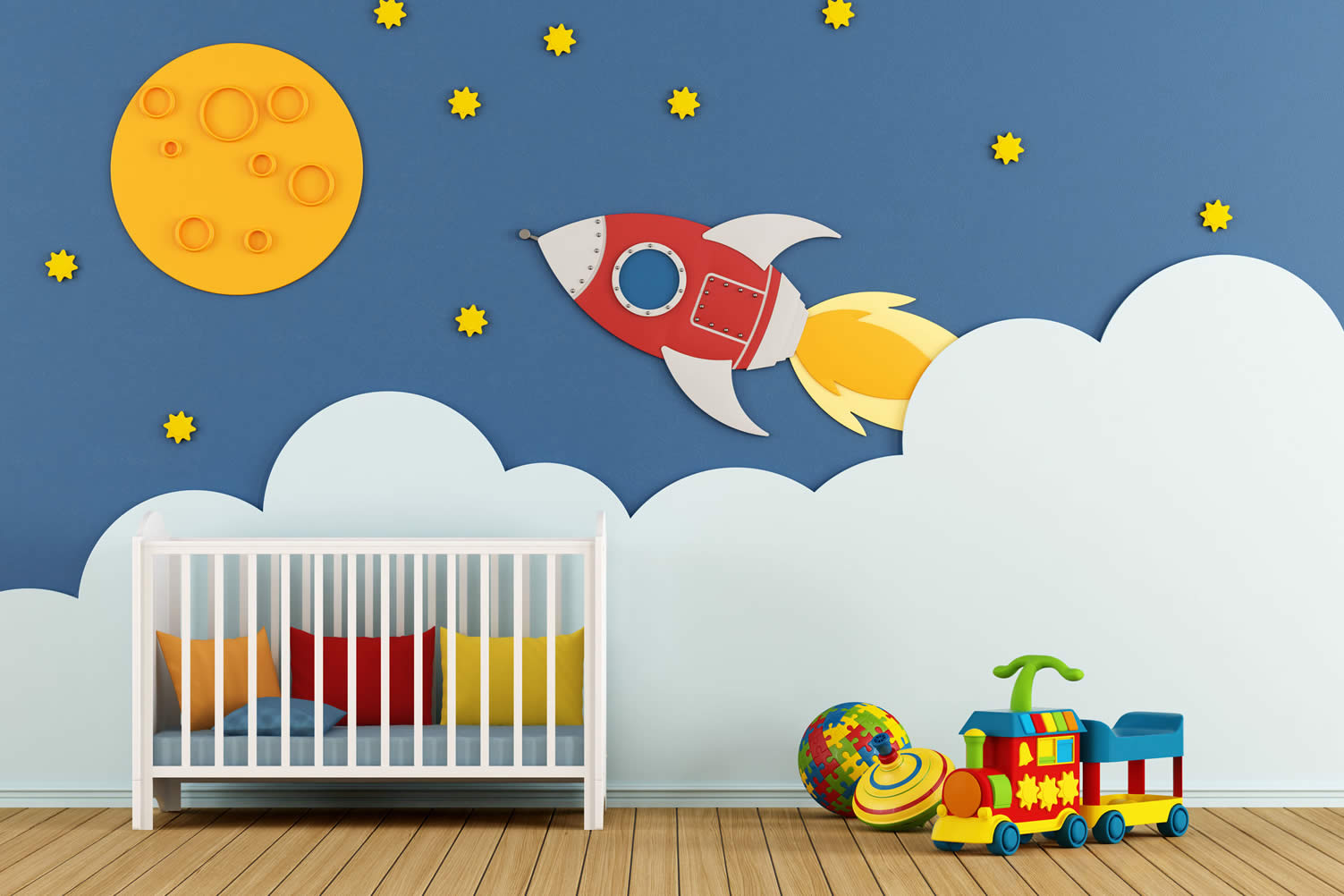
decorating the nursery walls (amazon) is often the most enjoyable part of creating a multi-use baby room

when considering new flooring for the nursery, choose a material that is both durable and easy to clean
- Quick scroll to section content …
Decor Element Description Purpose Area Rugs Soft, washable rugs used in specific zones such as under the crib or workspace. Defines spaces, adds texture, and creates a cozy atmosphere. Wall Art Decorative pieces including whimsical, nature-inspired prints for the baby’s area, and refined artwork or family photos for the adult zone. Delineates spaces visually while maintaining cohesiveness in the room’s aesthetic. Lighting Layers Overhead lights, desk lamps, floor lamps, and nightlights placed strategically in specific zones. Enhances functionality and sets varying moods for work, relaxation, and nighttime feedings. Furniture Placement Crib positioned as a central anchor, paired with a desk or shared storage units like bookshelves and dressers. Maximizes storage, delineates areas, and ensures ergonomic use of space. Curtains Floor-to-ceiling, blackout curtains in the baby’s area, and sheer panels for the adult zone. Controls light, enhances privacy, and adds an elegant touch to the room. 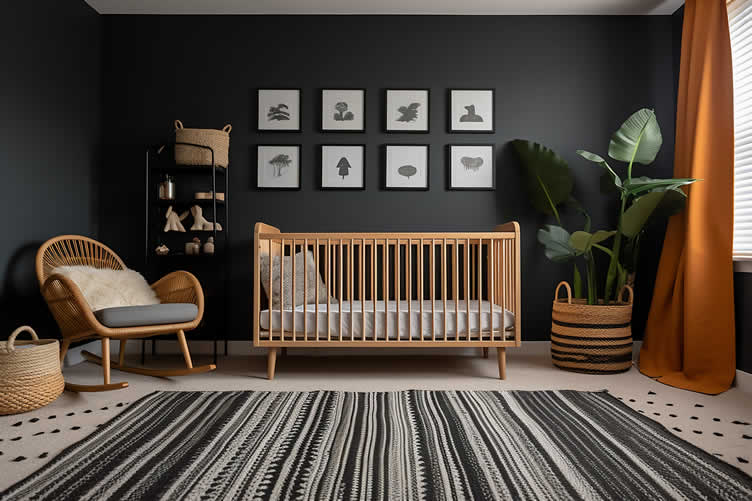
copyright image by 123rf.com
Define Spaces in a Multi-Use Nursery
Area rugs are a great way to create distinct zones in a multi-use nursery while adding comfort and style.
They can define a play area, a reading nook, or a working space, making the room feel organized.
Whether on hard floors or carpet, a good rug provides warmth, texture, and noise reduction—perfect for a peaceful environment.
Choose durable, easy-to-clean materials and colors that match your decor. The right area rug can transform your nursery into a functional and beautiful retreat.
view ideas: choose best area rugs(new win)
-
Scroll up to directory … or scroll to next “multi-use nursery room” section …
-
-
SHARE IT ..! Someone in your network might benefit from this insightful post about setting up a multi-use nursery room. Feel free to share it on Facebook, X (formally Twitter), LinkedIn, or Pinterest!



Easily determine the dimensions you need for any home remodeling project …
… ensuring functionality, visual appeal, and compliance with building codes.
-
-
6th Multi-Use: Mastering Nursery Storage Solutions
Ample storage is the foundation of a peaceful family nursery. Without a dedicated place for everything, a multi-use room can quickly descend into chaos, undermining your hard work on layout and design.
By incorporating intentional strategies for organization and storage, you can create a space that feels serene and welcoming while maintaining practicality for both baby and shared family use.
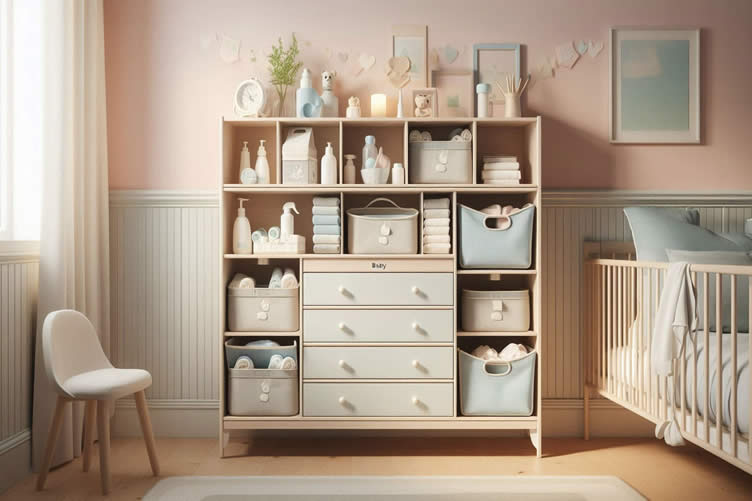
AI generated image by 123rf.com
Whether you’re managing limited square footage or simply trying to maximize functionality, thoughtful storage solutions are essential to keeping the nursery organized, clutter-free, and versatile.
Below, we outline effective strategies to help you master multi-use nursery storage and easily adapt to your family’s evolving needs.
-
Maximize Vertical Storage[ view]
When square footage is limited, vertical storage can expand your options significantly. Incorporate tall bookshelves, wall-mounted cabinets, or floating shelves to make the most of unused wall space.
These solutions don’t just store items—they free up valuable floor space, making the nursery feel more spacious.
For shared use, dedicate specific shelves for baby essentials like diapers, wipes, and onesies while reserving higher shelves for items such as books, family keepsakes, or storage baskets for non-baby needs.
Anchor tall furniture to the wall for safety and ensure shelves are within reach for ease of access during busy days.
-
Use Storage Bins and Labels[ view]
Baskets and bins are staples of an organized nursery. Soft baskets and fabric bins are perfect for holding diapers or baby toys, while transparent bins allow for easy identification of items like craft supplies, clothing, or seasonal decorations.
Not only do they streamline storage, but using color-coordinated or decorative bins can also add a cohesive design element to the nursery.
Label bins clearly to make finding and storing items simple for everyone in the household. A labeled system ensures that the nursery remains tidy and items are always returned to their rightful place—even with multiple users in the space.
-
Choose Multi-Functional Furniture With Storage[ view]
Opt for furniture pieces that serve dual purposes, saving space and creating extra storage. Ottomans with hidden compartments, cribs with built-in drawers, or changing tables that double as dressers provide ample opportunities to store items while maintaining a clean and uncluttered appearance. Consider daybeds with pull-out drawers for extra bedding or toys.
Rely on closed storage solutions like solid-door cabinets and dresser drawers to keep most items hidden. This approach minimizes visual clutter and helps the nursery remain versatile and universally appealing.
-
Invest in Closet Organizers[ view]
Closet space is often underutilized, but with the right tools, it can accommodate a wide variety of baby essentials and shared items. Add hanging organizers, tiered shelving, and drawer dividers to make every inch count. Use a combination of baskets and bins within the closet to store smaller items like socks or bibs.
To streamline your routine, consider dividing the closet into sections by size, season, or purpose. This makes it easy to find the right clothing or baby gear as your child grows and the seasons change. Closet organizers also create a polished, professional appearance that aligns with a well-organized nursery.
-
Utilize Overlooked Spaces for Storage[ view]
Not all nursery storage needs to be immediately visible. Take advantage of overlooked spaces, such as under the crib or bed, for discreet storage. Flat storage bins or drawers on wheels are ideal for keeping spare bedding, diaper stockpiles, or out-of-season clothing.
Corners can also be maximized with corner shelves, creating a perfect spot for decorative items or frequently used essentials like baby monitors or a humidifier. These often-forgotten spaces can provide practical organizational solutions without detracting from the nursery’s overall design.
-
Keep It Effortless and Flexible
Above all, your nursery storage solutions should be easy to access and adaptable. Life with a growing family can be unpredictable, and your storage systems should accommodate frequent adjustments.
Choose modular options that can be expanded or reconfigured as needed, ensuring your storage solutions evolve alongside your family’s changing requirements.
By implementing these storage strategies, you can create a nursery that is beautifully organized, functional, and adaptable for a shared, multi-use purpose. A carefully planned space ensures that both your baby’s needs and your family’s activities are effortlessly supported in one cohesive room.

smart home gadgets can help you manage your baby’s schedule and your own well-being
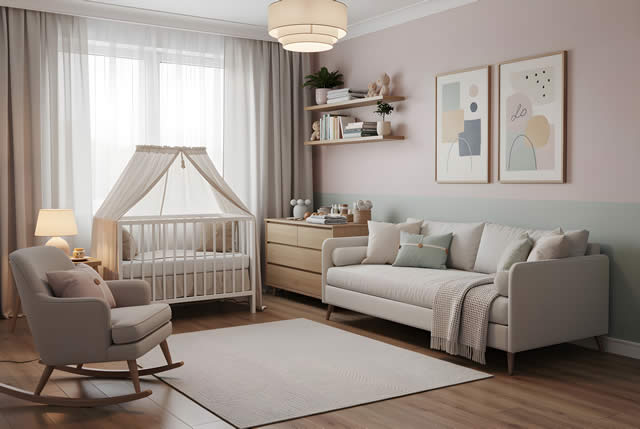
if your multi-use nursery is to become a guest room, pick a day bed (amazon) that comfortable and multi-functional
- Quick scroll to section content …
Strategy Description Benefits Maximize Vertical Storage Utilize tall bookshelves, wall-mounted cabinets, or floating shelves to make the most of vertical space. Dedicate shelves for baby essentials while reserving higher shelves for family items or non-baby needs. Anchor furniture for safety and ensure accessibility. Frees up floor space, increases nursery functionality, and allows for organized separation of baby and shared family items. Use Storage Bins and Labels Integrate baskets and bins for organizing diapers, toys, or seasonal items. Use transparent bins for easy visibility and label each bin to streamline finding and storing items. Maintains a tidy and cohesive space while ensuring quick access and ease of use for all family members. Choose Multi-Functional Furniture With Storage Select furniture like ottomans with compartments, cribs with drawers, or changing tables doubling as dressers. Opt for closed storage solutions like cabinets or dresser drawers to hide items and minimize visual clutter. Saves space, increases storage capacity, and creates a clean and uncluttered appearance in the nursery. Invest in Closet Organizers Add hanging organizers, tiered shelving, and drawer dividers to maximize closet space. Use bins or baskets for smaller items and divide the space by size, season, or purpose to streamline accessibility. Optimizes closet use while enhancing organization, functionality, and presenting a polished appearance. Utilize Overlooked Spaces for Storage Use areas like under the crib or bed for discreet storage. Flat bins or drawers on wheels can store bedding, clothing, or seasonal items. Corners can also house shelves for essentials or decorative items. Provides extra storage solutions in often-unused spaces without disrupting the nursery’s design. Keep It Effortless and Flexible Choose modular storage systems that can expand or adapt as needed. Ensure solutions are accessible and accommodate the unpredictable changes of a growing family. Creates a functional, flexible, and adaptable space that supports both baby and family activities effortlessly. 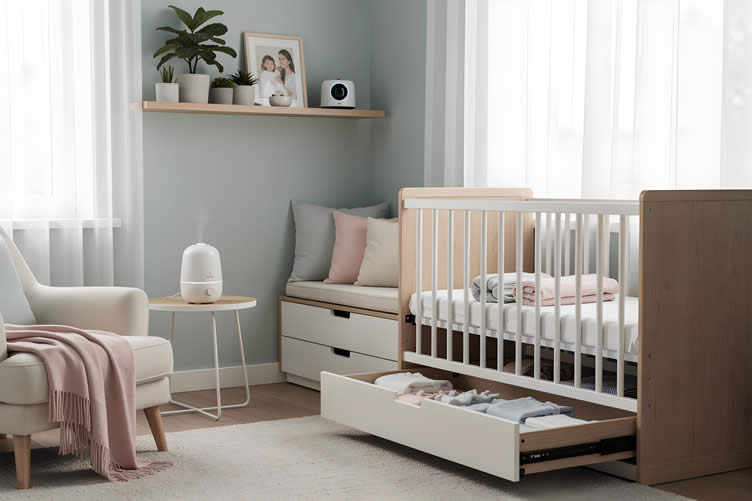
AI generated image by 123rf.com
Maximizing Space
Whether your multi-use nursery is small or spacious, smart storage solutions are essential to maintaining a minimalistic and organized environment.
For smaller spaces, consider vertical storage options like wall-mounted shelves, over-the-door organizers, and stackable bins to maximize every inch.
Larger nurseries can benefit from hidden storage within furniture, such as ottomans with compartments or cribs with built-in drawers.
These thoughtful choices keep clutter at bay and ensure your nursery remains a serene, functional space for both you and your baby.
view ideas: smart storage ideas(new win)
-
Scroll up to directory … or scroll to next “multi-use nursery room” section …
-
-



-
-
7th Multi-Use: Expert Tips For A Seamless Multi-Use Nursery
Designing a dual-purpose nursery requires a focus on longevity and flexibility. One essential tip from design experts is to prioritize safety without compromising on style.
Ensure that all heavy furniture, including dressers and bookshelves, is securely anchored to the wall(amazon), especially in a room that serves multiple functions and houses adult-scale items. Keep all electrical cords from office equipment safely concealed and out of reach of curious little hands.
Another expert strategy is to invest in high-quality, blackout window treatments. Because the room might be used for working or hosting guests during the day, controlling the light is vital for preserving the baby’s nap schedule.
Layering blackout shades with decorative curtains softens the room while providing ultimate light control.
Finally, embrace the concept of editing. A shared nursery space simply cannot hold as much stuff as a dedicated, single-use room.
Regularly assess the items in the room, removing anything that is no longer useful or necessary. This commitment to minimalism ensures that your functional nursery remains a peaceful, organized retreat for everyone who uses it.
-
Seeking Professional Expertise
Designing a nursery that is both functional and aesthetically pleasing can be a challenging task, especially when juggling limited space and diverse needs.
Hiring an interior design expert can simplify the process and elevate your vision into a beautifully realized space. Here’s what an experienced designer can do for you:
- Create a Customized Layout:
Assess your space and provide a layout tailored to meet your family’s unique requirements. - Blend Style and Functionality:
Offer creative solutions to integrate style and practicality effortlessly. - Optimize Space Efficiency:
Introduce storage solutions that maximize the available area, keeping the room organized and clutter-free. - Source High-Quality Materials:
Provide access to curated furniture and decor pieces, ensuring both durability and visual appeal. - Stay Within Budget:
Help balance your design goals with your financial plan, sourcing budget-friendly yet stylish alternatives. - Provide Expert Insights:
Keep you informed on trends, color palettes, and design techniques that enhance the space. - Manage Execution:
Coordinate with contractors and vendors to bring your design to life seamlessly.
- Create a Customized Layout:
-
How to Find a Professional Designer
Finding the right interior designer for your nursery project doesn’t have to be daunting. Start by researching online platforms and local design firms.
Look for designers with portfolios showcasing small-space solutions and nursery designs.
- Ask for Recommendations:
Reach out to friends or family who’ve recently worked with designers and ask about their experiences. - Review Portfolios Carefully:
Look for examples of multi-purpose rooms or creative storage solutions that align with your vision. - Check Credentials and Reviews:
Verify qualifications, certifications, and testimonials to ensure expertise and client satisfaction. - Book a Consultation:
Many designers offer initial consultations, allowing you to discuss your needs, style, and budget. Use this opportunity to gauge their rapport and understanding of your goals.
With the right professional guidance, your multi-purpose nursery will not only meet your functional needs but also become a harmonious, stylish retreat for your family.
- Ask for Recommendations:
LetsRenovate has partnered with HomeAdvisor™, a renowned provider of highly-rated, carefully-vetted local interior designers and decorators. Start your search here by choosing the type of services you need and entering your zip code to find local professionals.
Section Details Expert Tips For A Seamless Multi-Use Nursery - Designing a dual-purpose nursery requires longevity and flexibility.
- Prioritize safety by anchoring heavy furniture like dressers and bookshelves to the wall and concealing electrical cords to protect curious children.
- Invest in blackout window treatments to regulate light during naps while complementing the room’s aesthetic with decorative curtains.
- Regularly edit the room’s contents, removing unnecessary items to maintain an organized and peaceful environment.
Seeking Professional Expertise for Your Multi-Purpose Nursery - Hiring an interior design expert can simplify the process of creating a functional and beautiful nursery.
- Professionals assist with customized layouts, blending style and practicality, space optimization, sourcing high-quality materials, and staying within budget.
- They also provide valuable insights on trends and manage the execution of your vision to completion.
How to Find a Professional Designer - Finding the right designer involves researching online platforms and local firms, reviewing portfolios tailored to small-space and nursery solutions, checking credentials and reviews, and seeking recommendations from friends or family.
- Booking consultations helps assess their understanding of your goals.
- The right designer ensures your multi-purpose nursery balances function and style.
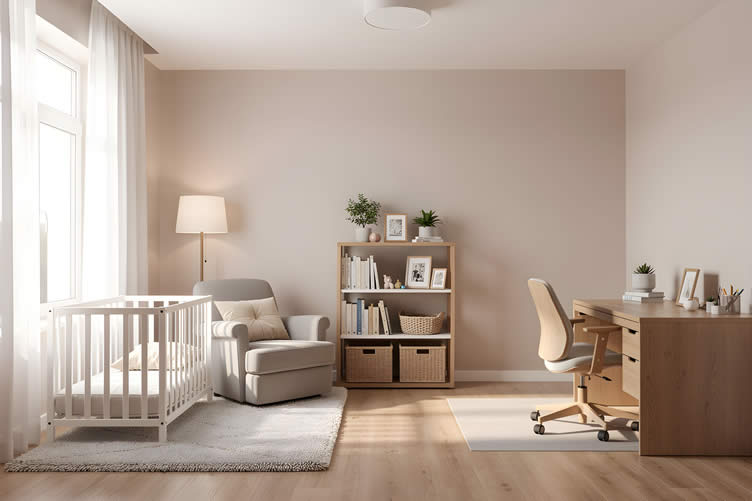
AI generated image by 123rf.com
But Wait!
Before you begin searching for an interior designer or decorator for your multi-use nursery, we highly recommend downloading our evaluation worksheet.
This resource will help you objectively assess and rank potential candidates by considering key factors like pricing, licensing, and references.

Evaluation Sheet
File Type:-
Scroll up to directory … or scroll to conclusion and references …
-
-
-
Conclusion
… ensuring trustworthiness and professionalism in your nursery design
When creating a nursery, your newborn’s health and safety are the top priorities. This extends beyond just looks to include materials that ensure good indoor air quality. Opt for paints, furniture, and rugs with low- or zero-VOC certifications to protect your baby’s delicate respiratory system.
Professionalism also means using proven layout principles rather than chasing fleeting trends. Certified designers can provide guidance on ergonomics, like the ideal changing table height to prevent back strain or a nursing chair with proper lumbar support.
By focusing on evidence-based design and high-quality, sustainable materials, you can create a family nursery that is both beautiful and supportive of your family’s well-being. A well-planned, multi-use space becomes a testament to thoughtful design, creating a harmonious home that adapts to the wonderful complexities of family life.
Resource Citations:
- Concetti Studio. "5 Tips for Designing a Multi-Functional Nursery." Concetti Studio, concetti.studio/residential/5-tips-for-designing-a-multi-functional-nursery/.
- Happiest Baby. "Nursery Guest Room Ideas." Happiest Baby, www.happiestbaby.com…
- Kristal Bean Photography. "How to Design a Gorgeous Dual-Purpose Nursery." Kristal Bean, www.kristalbeanphotography.com/…
- Style by Emily Henderson. "Caitlin’s Nursery Room Design." Style by Emily Henderson, stylebyemilyhenderson.com/caitlins-nursery-room-design.
- Nurture&. "Baby Nursery Layout Ideas." Nurture&, nurtureand.com/blogs/posts/baby-nursery-layout-ideas.
-
Quick scroll to more interior bed n’ bath ideas …
-
ideas to view and compare from the photo above
- What comments can you share about
converting a spare room into a multi-use nursery room?

Calendar For:
Home Maintenance
File Type:


… view our sharing links below for a quick "share the knowledge"
Find Interior Design Services Decorators Interior Designers Furniture Painting & Staining top-rated, pre-screened local contractors FREE: download contractor selection enter zip code – powered by HomeAdvisor ™
Quick Contractor Guides selecting negotiating working with inspecting

Cover image credit: multi-use nursery room by 123rf.com
end of post … please share it!
 |
did you find multi-use nursery room analysis helpful? If so, please share the article with your friends and family! |
Nice pic idea? Leave us a quick comment below.
And please share this pic idea within your social networks.