Summary Outline –
Quick answer:
A personal greenhouse allows you to cultivate diverse plant varieties for longer periods by providing a controlled environment. Installing a personal greenhouse protects your plants from harsh weather and pests while extending your growing season, making year-round gardening of vegetables, herbs, and ornamentals achievable and cost-effective.
Creating this protected space transforms how you interact with nature. Instead of fighting the seasons, you work harmoniously within a controlled micro-climate.
A personal greenhouse provides a practical, efficient environment for everything from seed germination to overwintering delicate tropicals.
By understanding the specific landscape requirements, structural designs, and maintenance routines, you can build a thriving garden space that meets your unique lifestyle needs and helps you achieve your year-round cultivation goals.
- post content
- Section 1: Why Consider a Greenhouse for Personal Use?
- Section 2: Greenhouse Landscape and Build Specifications
- Section 3: Greenhouse Types and Estimated Costs
- Section 4: How Do You Install And Maintain Greenhouse?
- Section 5: Best Plants To Grow In Your Personal Greenhouse
- Section 6: Starting Your Greenhouse Build and Contracting Services

-
Quick scroll to the first section … or review summary content below

Content Summary
section directory1st Personal Greenhouse: [view section]
… the first section explores the benefits of having a personal greenhouse, with a focus on the knowledge and skills you’ll gain to grow your own food and live more self-sustainably.
2nd Personal Greenhouse: [view section]
… the second section covers the landscape and building specifications needed to plan a personal greenhouse in your backyard. Key topics include landscape requirements, foundation and base needs, frame and shape options, size considerations, and utility connections.
3rd Personal Greenhouse: [view section]
… once you’ve confirmed your specifications, the third section explores the types of greenhouses available, helping you determine which best suits your landscape and build requirements, along with an estimated cost breakdown for each option.
4th Personal Greenhouse: [view section]
… the fourth section walks you through the installation process of a personal greenhouse. It also covers essential amenities to consider adding, maintenance requirements, and guidance on how to grow, care for, and harvest your greenhouse plants.
5th Personal Greenhouse: [view section]
… the fifth section explores the best plants to grow in your personal greenhouse. We cover four key topics: 1) the best year-round crops; 2) the best crops for each season; 3) must-have family staples; and 4) how to use hydroponic systems for maximum yield.
6th Personal Greenhouse: [view section]
… the sixth and final section covers action steps. It addresses key FAQs about greenhouse construction and specifications, then walks you through the pros and cons of DIY construction versus hiring a professional contractor.
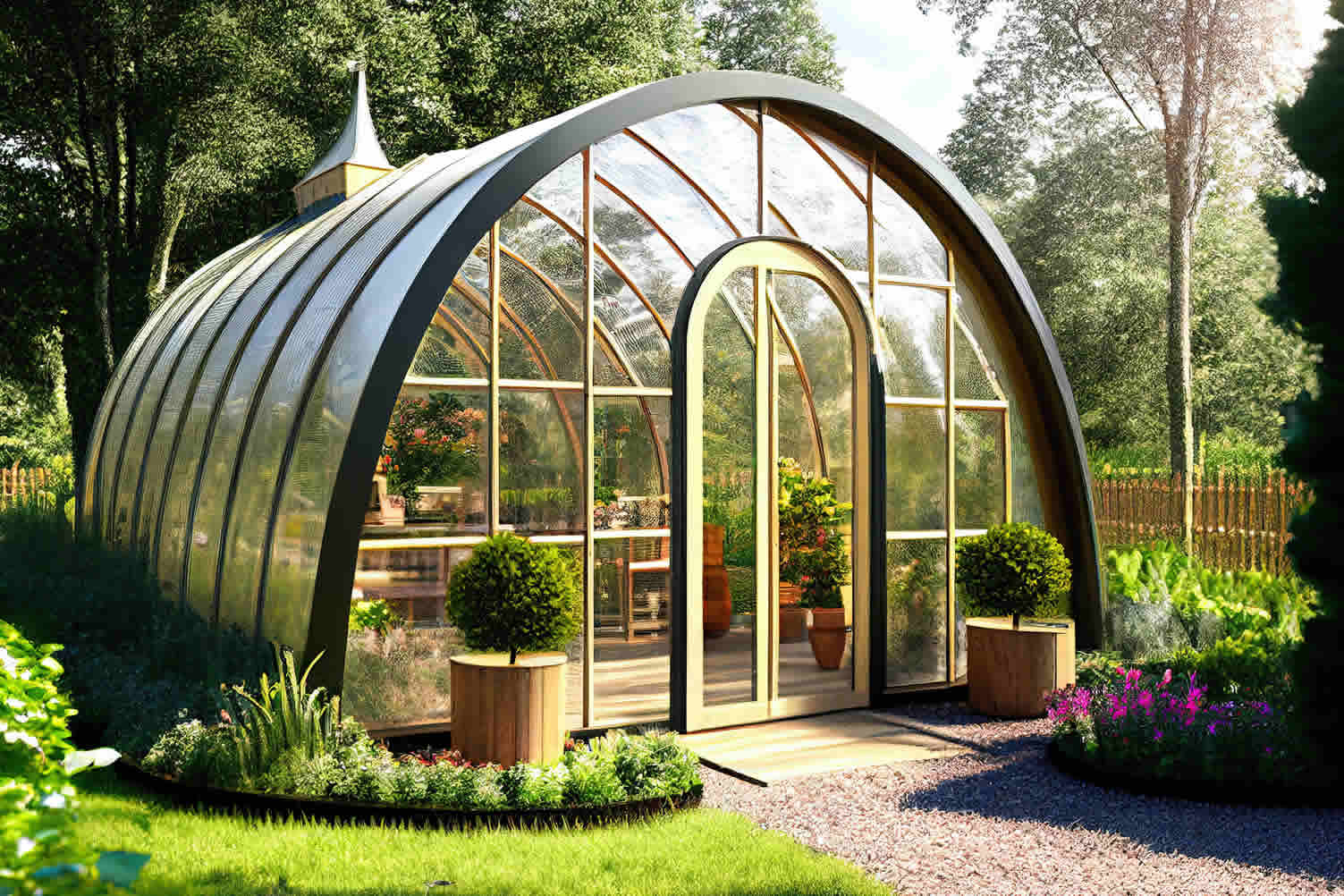
first “personal greenhouse” idea

AI generated image by 123rf.com
Section 1: Why Consider a Greenhouse for Personal Use?
Notes:
-
A personal (hobby) greenhouse offers a wealth of opportunities for home gardeners, elevating your gardening experience with unmatched versatility, control, and productivity.
Whether you’re just starting your gardening journey or consider yourself an expert cultivator, owning a greenhouse allows you to extend the growing season, become more self-sustainable, and even earn extra income by selling fresh, organic produce.
By adapting this versatile structure to suit personal needs and local conditions, you can transform your home garden into a flourishing year-round space that reflects both your vision and dedication.
-
Quick scroll to supporting notes …
-
-
1st Note: Take Control of Your Growing Environment
Cultivating a thriving garden is undoubtedly one of the most rewarding ways to reconnect with the natural world, enhance your home’s aesthetic appeal, and even provide fresh, healthy produce for you and your family.
A personal greenhouse elevates this experience to a new level by offering unparalleled opportunities to customize, protect, and expand your gardening efforts.
AI generated image by 123rf.com
No matter if you’re a curious beginner just starting your journey or a seasoned gardener with years of experience, investing in a greenhouse can help you overcome common challenges like unpredictable weather and pests, while maximizing both the enjoyment and productivity of your garden.

-
Extended Growing Season
One of the most compelling reasons to invest in a personal greenhouse is its ability to dramatically extend your growing season.
By insulating plants from outdoor temperature limitations, a greenhouse allows you to start germinating seeds earlier in the spring and continue harvesting crops long after the traditional growing months have ended.
For instance, cool-season vegetables like kale, spinach, and broccoli can thrive in late winter or early spring, while summer garden favorites like tomatoes and peppers may grow happily into early winter under greenhouse conditions.
This extended timeline ensures a more fruitful harvest and maximizes the time you spend enjoying your garden.
-
Controlled Growing Environment
A personal greenhouse gives you unparalleled control over the conditions in which your plants grow. Within the structure, factors such as temperature, humidity, airflow, and light exposure can all be adjusted to create an ideal micro-climate.
Unlike outdoor gardens, where weather is often unpredictable, a greenhouse allows you to mitigate the risks posed by temperature fluctuations or adverse environmental conditions.
Automated systems, such as programmable vents and irrigation setups, can further enhance this control, helping ensure that every plant grows under optimized settings.
This consistency not only yields healthier plants but also minimizes the guesswork that often accompanies traditional gardening.
-
Protection From Weather and Pests
Severe weather and pests are among the leading challenges gardeners face, but a greenhouse acts as a shield against both. It provides robust protection from heavy rain, strong winds, and unexpected frost that might otherwise destroy vulnerable plants.
Furthermore, the enclosed design helps to prevent attacks from foraging wildlife, invasive insects, and soil-borne pathogens.
For example, gardeners can use physical barriers, such as fine-mesh screens, to further reduce pest intrusion, ensuring delicate crops remain unharmed throughout their growth cycle.
This ability to cultivate plants in a protected and stable environment results in more reliable outcomes and reduces the stress associated with external threats.
-
Increased Plant Variety
Another remarkable benefit of owning a greenhouse is the ability to grow a wider array of plant species, including those that are difficult or impossible to grow outdoors in your local climate.
Tropical plants, delicate flowers, and exotic fruits that typically thrive only in warm, stable conditions can flourish inside a greenhouse. Additionally, you can experiment with cultivating off-season crops, achieving fresh produce and blooms regardless of the time of year.
Whether you want to grow bananas in a northern climate or nurture delicate orchids with precise conditions, a greenhouse unlocks nearly limitless potential in your gardening projects.
By investing in a personal greenhouse, you’re not just creating a space for plants—you’re cultivating a lifestyle of sustainability, creativity, and environmental stewardship.
For every gardener eager to push boundaries, harness innovation, and see their garden thrive in every season, a greenhouse is a worthwhile addition that can transform both your home and your relationship with the natural world.
More Supporting Information
(view summary table and side note – or scroll to next topic)
Aspect Description Benefits Take Control of Your Growing Environment Cultivating a thriving garden allows for reconnecting with the natural world, enhancing your home’s aesthetics, and providing fresh produce.
A personal greenhouse offers customization, protection, and expansion of gardening efforts.
Overcomes challenges like unpredictable weather and pests while maximizing gardening productivity and enjoyment. Extended Growing Season Greenhouses insulate plants from outdoor temperature limitations, enabling earlier seed germination and extended harvest seasons. Cool-season vegetables grow in late winter or early spring, and summer vegetables can thrive into early winter, ensuring a more fruitful harvest. Controlled Growing Environment Offers control over temperature, humidity, airflow, and light exposure to create an ideal micro-climate. Yields healthier plants and mitigates risks posed by weather unpredictability, with automated systems enhancing the process. Protection From Weather and Pests Acts as a shield against severe weather and pests, providing robust protection for vulnerable plants and reducing the entry of pathogens and invasive insects. Leads to more reliable outcomes and minimizes stress from external threats. Increased Plant Variety Enables growing a wider range of plant species, including tropical or out-of-season plants, regardless of local climate. Unlocks potential for exotic gardening projects and ensures fresh produce and flowers year-round. 
Tackling Drought with Greenhouse Gardening
One of the biggest challenges for any gardener is dealing with a long, dry spell.
Outdoor vegetable gardens consume a lot of water and are vulnerable to inconsistent rainfall.
A greenhouse, on the other hand, provides a controlled environment where water can be efficiently distributed and conserved.
Systems like drip irrigation or self-watering setups deliver water directly to the plants, minimizing waste.
This method not only conserves a precious resource but also helps your garden thrive, even during a drought.
view ideas: Guide to Drought Preparedness(new win)


AI generated image by 123rf.com

-
Scroll up to section directory … or scroll to next supporting note …

-
-
2nd Note: Becoming More Self-Sustainable with a Greenhouse
The rising cost of groceries, ongoing climate challenges, and unexpected natural disasters have underscored the importance of self-sustainability.
A personal greenhouse allows you to take control of your food production while building resilience against supply chain disruptions and unpredictable weather patterns.
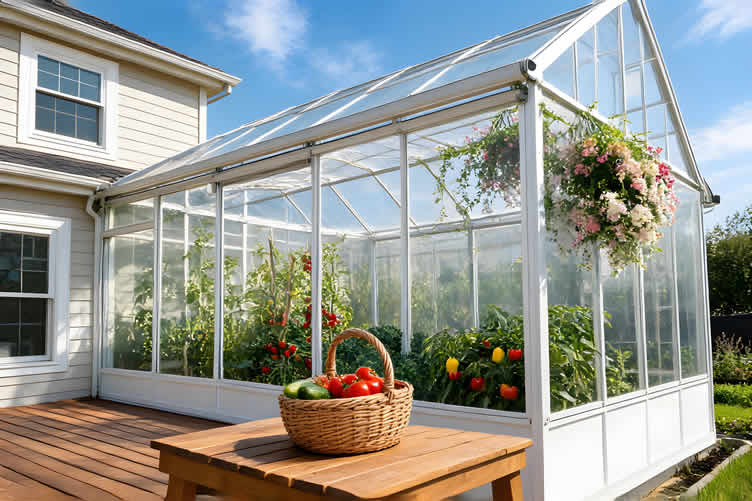
AI generated image by 123rf.com
With a greenhouse, you can grow your own fruits, vegetables, and herbs year-round, reducing reliance on external sources and ensuring fresh, nutritious produce is always within reach.
Beyond economic benefits, greenhouses empower homeowners with practical knowledge in horticulture, making you better prepared to grow food even under adverse conditions.
Whether you’re a seasoned gardener or a beginner, cultivating your own greenhouse provides essential skills for sustainability, while giving your family an abundant and reliable food source when it’s needed most.
-
Protecting Against Food Shortages
A greenhouse acts as your personal food security shield. When natural disasters such as droughts or blizzards damage traditional crops or when supply chain issues disrupt grocery stores, your greenhouse enables uninterrupted food production.
By providing a controlled environment, it shields your plants from extreme temperatures, pests, and unpredictable weather. This means you can grow essentials like tomatoes, greens, and cucumbers—even through the harshest winters.
Studies have shown that greenhouses can increase yield resilience by as much as 30% compared to outdoor farming (University of Arizona).
-
Saving Money on Groceries
With grocery prices climbing, a greenhouse is a cost-effective solution for growing organic, high-quality produce at home.
Instead of spending on expensive store-bought fruits and vegetables, you’ll have the freedom to cultivate your own staples for pennies on the dollar.
Over time, the savings from consistent gardening far outweigh the initial investment in a greenhouse.
For example, growing lettuce or herbs in a greenhouse can cost up to 75% less than buying them pre-packaged at stores (USDA).
-
Year-Round Growing Potential
Greenhouses allow for year-round planting and harvesting, which is impossible with traditional outdoor gardening in many climates.
By controlling temperature, humidity, and sunlight exposure, your crops remain healthy and productive no matter the season. This is especially valuable for areas that experience long winters or hot, arid conditions.
For ambitious gardeners, it means experimenting with plant varieties and expanding your growth calendar to include tropical fruits, berries, and non-local plants.
-
Environmental Benefits
Aside from personal advantages, a greenhouse encourages sustainable living by reducing your carbon footprint. By growing your own food, you cut down on the energy and emissions tied to transporting produce from farms to grocery shelves.
Likewise, greenhouses allow for water-efficient irrigation systems like drip watering, ensuring every drop counts.
According to the World Resources Institute, home gardening can reduce household emissions by up to 25%, a meaningful contribution to combating climate change.
-
Building Horticultural Expertise
Owning a greenhouse is not just an investment in sustainability; it’s an opportunity to gain valuable skills. From learning about soil health and pest control to understanding plant biology and nutrition, greenhouse gardening puts you in the driver’s seat of food production.
These skills are not only empowering but could be vital in situations where conventional food systems falter.
Knowledge gained through hands-on experience enhances your independence, making you better equipped to handle food-related challenges in the future.
-
Customizable to Fit Your Needs
Greenhouses come in all shapes and sizes, making them adaptable to any home. Whether you have a sprawling backyard for a full-scale structure or a small patio for a compact model, there are options suited for your space, climate, and budget.
Features like automated systems for watering and ventilation make them beginner-friendly while advancing your gardening capacity with minimal oversight.
A personal greenhouse combines innovation, practicality, and environmental responsibility to make self-sustainability feasible for anyone.
By creating a secure, cost-effective food source, you’re not only protecting yourself against future uncertainties but also investing in a healthier and greener lifestyle that benefits both your household and the planet.
More Supporting Information
(view summary table and side note – or scroll to next topic)
Topic Details Benefits Becoming More Self-Sustainable with a Greenhouse A personal greenhouse helps you take control of food production amidst rising costs, climate challenges, and supply chain disruptions. It enables year-round cultivation of fruits, vegetables, and herbs, reducing reliance on external sources and ensuring consistent access to fresh produce. It also builds resilience and practical horticultural skills. Promotes self-sustainability, enhances food security, and empowers homeowners with essential knowledge in gardening. Protecting Against Food Shortages Greenhouses provide a controlled environment for uninterrupted food production during natural disasters, extreme weather, or supply chain issues. They shield plants from pests, temperature extremes, and other adverse conditions. Ensures reliable food access, boosts crop resilience by up to 30%, and supports year-round growing. Saving Money on Groceries Greenhouses offer a cost-effective way to grow organic produce, reducing dependency on store-bought fruits and vegetables. The savings from home gardening outweigh the initial greenhouse investment over time. Reduces grocery expenses by up to 75% for some crops, such as lettuce or herbs. Year-Round Growing Potential Greenhouses allow gardeners to plant and harvest crops regardless of seasonal limitations, using controlled temperature, humidity, and sunlight exposure to maintain healthy plants all year. Facilitates growth of a variety of plants, including tropical fruits and berries, regardless of climate. Environmental Benefits Greenhouses reduce the carbon footprint by cutting down on produce transportation energy and promoting water-efficient irrigation systems. They encourage sustainable living. Contributes to combating climate change by reducing household emissions by up to 25%. Building Horticultural Expertise Owning a greenhouse provides hands-on experience in food production, from soil and pest management to understanding plant biology and nutrition. Develops practical, empowering skills for independence and better food security. Customizable to Fit Your Needs Greenhouses come in various sizes and can be tailored to your space, budget, and climate needs. Features like automated systems for watering and ventilation simplify gardening. Makes self-sustainability accessible to beginners and experts alike, enhancing convenience and productivity. Key Benefit of a Personal Greenhouse
With growing concerns about hidden harmful substances in store-bought food and personal care products, a personal greenhouse offers a practical solution for health-conscious individuals.
By cultivating your own fruits, vegetables, and herbs, you can have confidence in the purity and freshness of what you consume.

A personal greenhouse allows you to control growing methods, avoiding pesticides and chemicals often found in commercially produced goods, ensuring a cleaner, safer, and more sustainable lifestyle for you and your family.
view ideas: Hidden Health Risks Lurking at Home(new win)
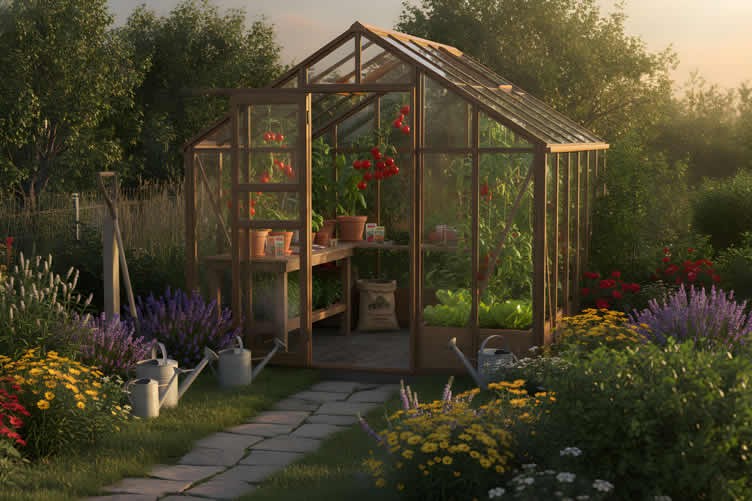
AI generated image by 123rf.com
-
Scroll up to section directory … or scroll to next supporting note …
-
-
3rd Note: Financial and Family Educational Benefits
Owning a greenhouse is a worthwhile investment that offers more than just the satisfaction of growing your own plants—it can also yield significant financial and educational rewards.
By starting your own seedlings, you avoid the high costs of purchasing mature plants from nurseries, which can quickly add up during planting seasons.
Furthermore, as your expertise and systems improve over time, you could tap into secondary markets by selling organic plants or produce to meet the growing demand for fresh, local, and sustainable food.
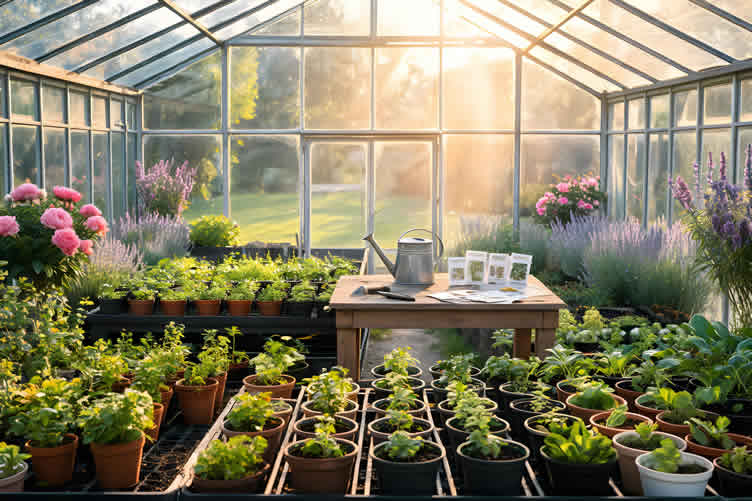
AI generated image by 123rf.com
Beyond cost savings, a greenhouse fosters an environment ripe for learning and personal development.
It allows families and individuals to cultivate valuable gardening skills, experiment with sustainable practices, and even teach the next generation about the importance of environmental stewardship.
Here’s an in-depth look into how a greenhouse can make you more self-sustainable while reducing expenses and creating new revenue opportunities.
-
Save Money by Growing Your Own Plants
One of the most direct ways a greenhouse saves you money is by reducing reliance on costly store-bought plants. Starting seeds in a greenhouse gives you the ability to grow a wide variety of plants—vegetables, herbs, and flowers—at a fraction of the cost.
Seed packets are often much cheaper than purchasing established plants, and the controlled environment of a greenhouse ensures higher germination rates and healthier seedlings, resulting in less waste.
According to a study by the National Gardening Association, growing your own vegetables at home can save households up to $600 per year, depending on the size and scope of the garden.
-
Generate Income Through Secondary Markets
Once your greenhouse operations become more efficient, it can also become a source of income. Many local farmers’ markets, restaurants, and grocers actively seek fresh, organic produce from small-scale growers.
Depending on your greenhouse’s capacity, you could sell starter plants, herbs, fruits, and vegetables directly to these businesses. This creates a lucrative opportunity to offset your initial investment and operational costs.
To increase your market presence, consider niche crops that are in high demand but difficult to source, such as microgreens or specialty herbs.
-
Reduce Food Waste and Ensure Food Security
A greenhouse allows for year-round cultivation, which means you can stagger your planting to avoid overproduction.
This method reduces food waste by aligning harvests with household consumption, unlike mass-market produce, which often goes to waste due to limited freshness.
Additionally, growing your own food ensures access to healthy, chemical-free produce, particularly during global supply chain disruptions or rising supermarket prices.
-
Educational Opportunities for Growth
Greenhouses aren’t just about plants; they’re hubs for education. Whether you’re a seasoned grower or just starting out, a greenhouse gives you a laboratory-like setting to experiment with gardening techniques, test soil conditions, and learn about plant biology.
Families with children can turn it into a hands-on learning experience, teaching kids practical skills while fostering an appreciation for sustainability.
Schools and community groups can also integrate greenhouse projects into their programs, encouraging community involvement.
More Supporting Information
(view summary table and side note – or scroll to next section)
Benefit Category Description Examples/Statistics Financial Savings Owning a greenhouse reduces the cost of purchasing mature plants by enabling you to grow your own from seeds. The controlled environment ensures higher germination rates and less waste. Households can save up to $600 per year by growing their own vegetables, as per the National Gardening Association. Income Generation A greenhouse can be a source of income by selling starter plants, organic produce, or niche crops such as microgreens or specialty herbs to local markets, restaurants, and grocers. Creates opportunities to offset the initial investment and operational costs, especially when targeting high-demand produce. Environmental Sustainability Year-round cultivation in a greenhouse allows staggered planting, reducing food waste and ensuring access to healthy, chemical-free produce even during supply chain disruptions. Helps avoid overproduction and aligns harvests with consumption while contributing to food security. Educational Benefits Greenhouses provide learning opportunities, enabling individuals to experiment with gardening techniques, teach children practical skills, and raise awareness of environmental sustainability. Can be utilized by schools and community groups for hands-on learning experiences and fostering community involvement. Embracing Eco-Friendly Living
Eco-friendly living is about making intentional choices that minimize your impact on the environment while enriching your quality of life.
From conserving energy and water to reducing waste and opting for sustainable products, each decision contributes to a healthier planet.

By prioritizing renewable resources and mindful consumption, you not only help preserve natural ecosystems but also cultivate a lifestyle that supports long-term well-being and harmony with nature.
view ideas: What Is Eco-Living?(new win)
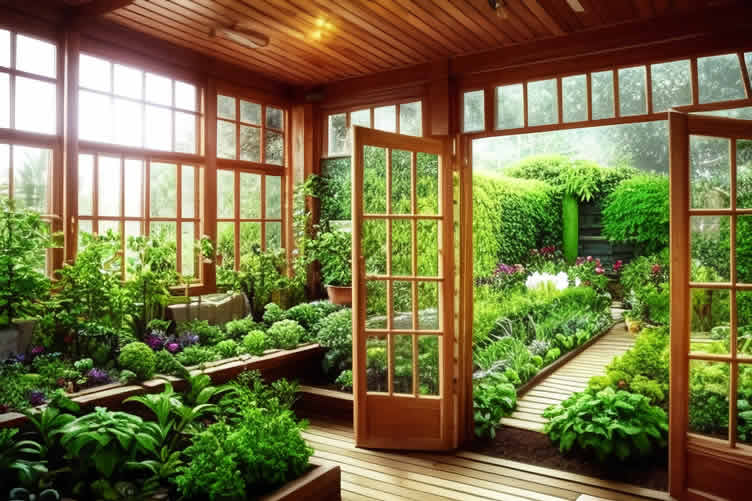
AI generated image by 123rf.com
-
Scroll up to section directory …
-
-
Scroll up to main directory … or scroll to next section about greenhouse specifications …
… greenhouses available for your personal use


Download this PDF for a concise summary of everything you need to know about …?


second “photo remodeling” idea
copyright image by 123rf.com
Section 2: Greenhouse Landscape and Build Specifications
Notes:
-
Creating a personal greenhouse is an exciting venture that requires careful planning and consideration of both the landscape and the structure’s build specifications.
From selecting the ideal location to choosing the materials and design that best suit your needs, every detail plays a crucial role in the greenhouse’s overall functionality and success.
By understanding these factors, you can create a space that not only supports your gardening goals but also complements your property beautifully.
Whether you’re growing vegetables year-round or experimenting with exotic flowers, careful planning of these specifications will make your greenhouse a rewarding investment.
-
Quick scroll to supporting notes …
-
-
1st Note: Greenhouse Landscape Requirements
Before you embark on your greenhouse construction, laying the groundwork for proper placement is vital. The right location ensures optimal performance, helping you create a thriving environment for your plants.
Consider the type of landscape carefully, as it directly influences the greenhouse’s efficiency, longevity, and ease of maintenance.
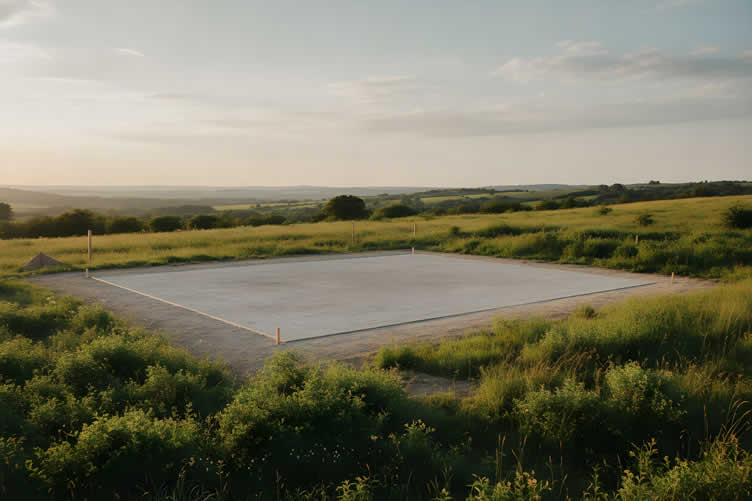
AI generated image by 123rf.com
Strategic site selection not only supports healthy growth but also minimizes long-term operational challenges.
By evaluating factors like sunlight exposure, drainage, and proximity to utilities, you can set your greenhouse up for success. Below are essential considerations to keep in mind when identifying the perfect site for your greenhouse.
-
Strong Solar Access
A greenhouse relies heavily on sunlight, making its orientation and placement critical. Choose a location that gets full sun most of the day, ideally facing south or southeast to maximize morning light exposure.
This is especially important during the winter months when sunlight hours are shorter. Avoid areas shaded by buildings, fences, or tall trees to ensure an uninterrupted light source for your plants.
-
Good Drainage and Level Support
Proper drainage is essential to prevent water from pooling around your greenhouse, which could damage the structure or lead to mold and pest issues.
Select a site with a slight slope to encourage water runoff or, alternatively, build on a well-leveled foundation.
If the site naturally lacks good drainage, consider adding a gravel base or installing a drainage system to keep the area dry and secure.
-
Shelter from Strong Winds
While greenhouses are designed for durability, strong winds can strain the structure or cause heat loss. Protect your greenhouse by choosing a site naturally shielded from prevailing winds, such as behind a hedge, fence, or building.
If this isn’t an option, consider adding a windbreak to diffuse direct gusts and extend the lifespan of your greenhouse.
-
Proximity to Utilities
A conveniently placed greenhouse simplifies maintenance and reduces unnecessary labor. Choose a location near essential utilities like water and electricity for easier irrigation, heating, or automated systems.
Having storage space nearby for tools, plant trays, and other gardening essentials can also streamline your day-to-day workflow.
-
Avoid Overhanging Hazards
Overhanging trees and nearby hazards can create unnecessary maintenance demands or risks. Falling leaves, branches, or debris can damage the greenhouse or block sunlight.
Similarly, the shade from nearby trees can limit light access, while excess debris can clog drainage systems, so placing your greenhouse in a clear, open area is key.
-
Evaluate Long-Term Compatibility
Finally, think about the long-term compatibility of your chosen site with your future plans. Whether you intend to expand your gardening operation, add pathways, or integrate other structures, choosing a flexible site ensures that your greenhouse complements your broader landscaping and design goals.
By thoroughly assessing these factors, you can ensure your greenhouse becomes a functional, low-maintenance addition to your home while maximizing its potential to foster healthy, vibrant plants.
Thoughtful planning now will save you time and effort in the years to come, allowing you to fully enjoy the rewards of your greenhouse.
More Supporting Information
(includes sample images, summary table, and side note – or scroll to next topic)
Aspect Description Key Benefits Strong Solar Access A greenhouse relies on substantial sunlight. Selecting a south or southeast facing site with full sun exposure is essential to maximize morning light, avoiding shaded areas from buildings or trees. Ensures plants receive adequate light, especially during shorter winter days, fostering healthy growth. Good Drainage and Level Support Sites should promote water runoff to prevent pooling. A slightly sloped area or added drainage systems like gravel bases ensures the greenhouse stays dry and secure. Minimizes structural damage, mold risks, and pest issues, while maintaining a stable foundation. Shelter from Strong Winds Greenhouses should be placed in naturally shielded areas or behind windbreaks such as hedges, fences, or buildings. Adding artificial windbreaks can help if natural barriers aren’t available. Reduces structural strain and heat loss, extending greenhouse durability and efficiency. Proximity to Utilities Choose a site close to water and electricity for ease of irrigation, heating, and automation needs. Having storage space nearby also improves workflow. Streamlines maintenance and reduces labor demands for daily gardening operations. Avoid Overhanging Hazards Sites should be free from overhanging trees or similar hazards that might cause falling debris, blocked sunlight, or clogged drainage systems. Minimizes maintenance, ensures better light access, and avoids structural damage. Evaluate Long-Term Compatibility Consider future landscaping plans, such as expansions or additional structures, to ensure the chosen site aligns with overall design goals. Creates a flexible and efficient layout that supports long-term usage and growth potential. Protecting from Overhanging Trees
While trees are a wonderful addition to any garden, offering shade, privacy, and a home for wildlife, their overhanging branches can cause problems.
They might block sunlight from your greenhouse or drop leaves that clog gutters and cause water damage.
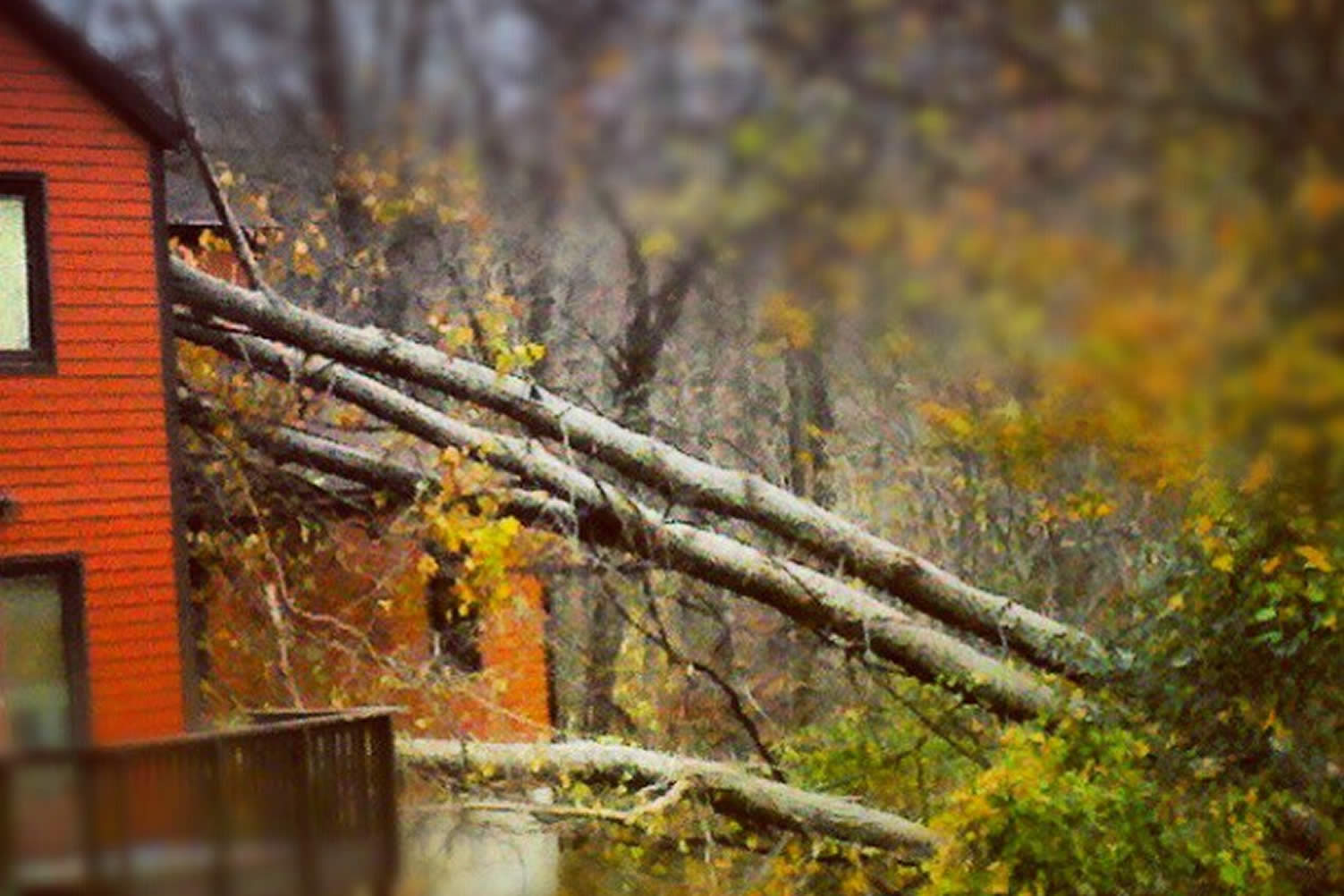
To avoid this, regularly trim branches and inspect for weak limbs that could fall in a storm.
Professional tree care can protect your home while keeping your garden healthy.
view ideas: How Trees Can Ruin …(new win)
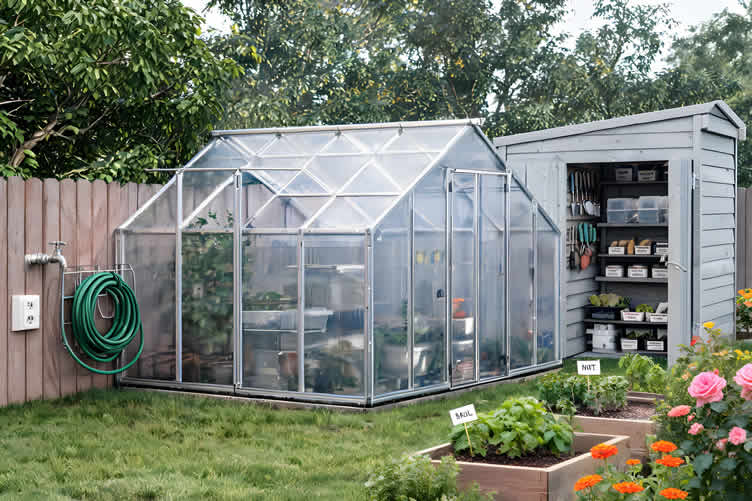
AI generated image by 123rf.com
-
Scroll up to section directory … or scroll to next supporting note …
-
-
2nd Note: Greenhouse Foundation and Base Requirements
A sturdy, well-prepared foundation is key to a greenhouse’s longevity, stability, and growing conditions. Whether you’re building a small hobby greenhouse or a larger structure, the foundation is a critical part of the planning process.
The right base will keep your greenhouse level, anchored, and safe from environmental factors like wind and rain.
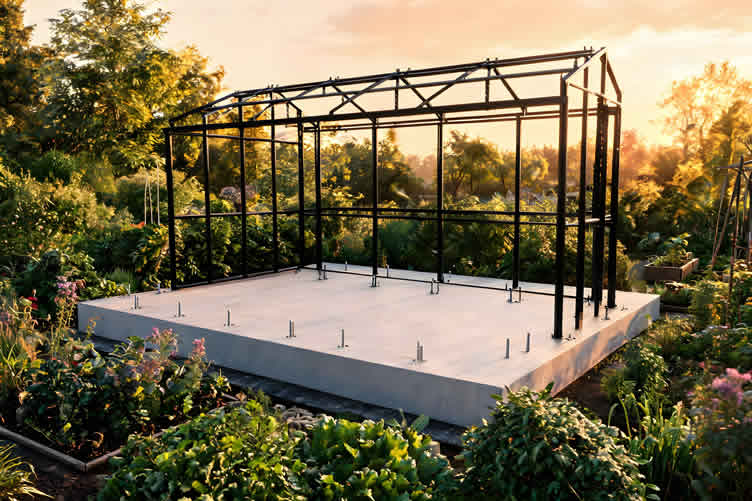
AI generated image by 123rf.com
A good foundation supports the structure and enhances its functionality, helping you avoid common issues like uneven floors, water pooling, or structural instability.
Below, we’ll explore the foundation and base requirements to help you make an informed choice for your greenhouse project.
-
Compact Gravel Base for Hobby Greenhouses
For smaller hobby greenhouses, a compacted gravel base often provides a sufficient and cost-effective solution. Gravel allows for proper drainage, preventing water from pooling or flooding the greenhouse interior.
This type of base is relatively easy to install and requires minimal preparation. To create a gravel base, the area should first be leveled and cleared of vegetation or debris.
Once leveled, several inches of compacted gravel are added to form a stable platform.
While gravel bases are great for smaller greenhouses, they must be consistently maintained. Over time, gravel can shift or settle, potentially requiring occasional re-compaction or addition of new material to keep the base level.
-
Permanent Foundations for Larger Greenhouses
Larger greenhouse structures, especially those exposed to variable weather conditions or intended for long-term use, require a more permanent solution.
Foundations made from poured concrete or heavy masonry blocks provide exceptional durability and load-bearing capacity.
These materials prevent shifting under the weight of the structure and provide increased resistance to wind uplift.
For a permanent foundation, it’s vital to ensure the base is square, level, and firmly anchored. Concrete slabs are an ideal option as they also allow for a smooth, easy-to-clean floor inside the greenhouse.
Masonry block foundations, meanwhile, can extend the structure higher above ground to improve insulation or accommodate water runoff systems.
-
Ensuring Proper Drainage
Good drainage is equally essential to maintain your greenhouse’s integrity and functionality. Without adequate drainage, excess water can pool around the foundation, leading to potential structural deterioration or challenges with plant care inside.
To prevent this, consider grading the surrounding area to direct water away from the greenhouse. Swales, gravel pathways, or proper water runoff routing can be used around the perimeter.
For interior drainage, compacted gravel or porous flooring material can help manage excess moisture while keeping the environment hospitable for plants.
Drainage systems should be included during the planning stages to avoid retrofitting into an already-established foundation.
-
Wind Resistance and Anchoring
To ensure your greenhouse can withstand strong winds, the foundation must be firmly anchored. For smaller structures, ground stakes or anchors may be sufficient when paired with a gravel base.
However, for larger or taller buildings, anchoring should involve concrete footings or embedded hardware to provide additional stability.
By securing these anchoring points, the greenhouse becomes more resilient to wind uplift and remains steady even during adverse weather conditions.
-
Final Considerations
Selecting the right foundation for your greenhouse depends on the size of the structure, your budget, and the environmental conditions of your location.
Proper planning, including evaluating drainage, stability, and durability, ensures your greenhouse remains functional and lasts for years to come.
Whether opting for a simple gravel base or investing in a permanent concrete foundation, attention to these foundation requirements will help you create a stable, efficient environment for your plants to thrive.
More Supporting Information
(view sample images, summary table, and side note – or scroll to next topic)
Foundation Type Key Features Benefits Considerations Compact Gravel Base – Suitable for smaller hobby greenhouses
– Allows for proper drainage
– Easy to install with minimal preparation– Cost-effective solution
– Prevents water pooling or flooding
– Stable platform for smaller structures– Requires regular maintenance like re-compaction
– Gravel can shift or settle over timePermanent Concrete Foundation – Built with poured concrete or masonry blocks
– High durability and load-bearing capacity
– Provides a smooth, easy-to-clean floor– Prevents shifting and wind uplift
– Long-lasting and stable for large structures
– Enhances insulation and drainage options– Higher cost and more effort to construct
– Must ensure proper square, level base during setupDrainage Systems – Improves water management within and around the greenhouse
– Can include grading, swales, or porous flooring
– Redirects water away from the structure– Prevents structural deterioration from water pooling
– Maintains plant-friendly interior conditions
– Reduces long-term maintenance challenges– Must be planned during foundation setup to avoid retrofitting
– Requires assessment of surrounding environmental conditionsWind Resistance and Anchoring – Uses stakes, anchors, footings, or embedded hardware
– Enhances structural stability against strong winds
– Secures foundation firmly to the ground– Protects greenhouse from wind uplift
– Ensures steady structure during adverse weather
– Ideal for both small and large greenhouses– Anchoring method depends on greenhouse size
– Larger structures require more robust anchoring solutionsAvoid Water Damage
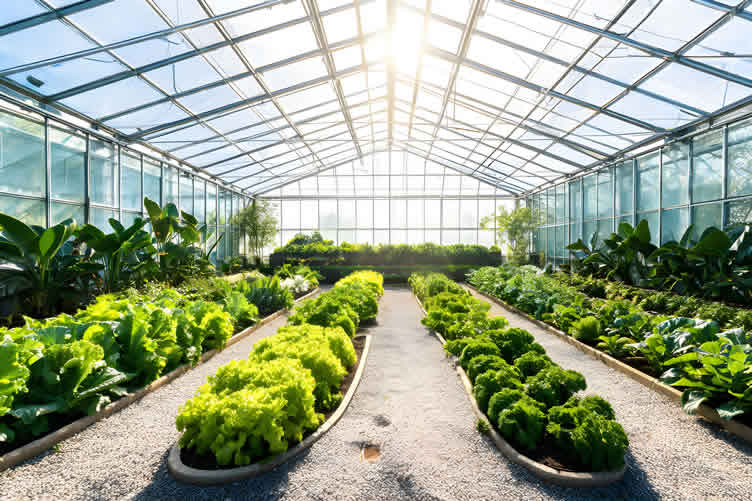
Water is essential for a thriving garden, but without proper control, it can wreak havoc on your property.
Around greenhouses, uncontrolled water flow can lead to damaged foundations, washed-out landscaping, and even flooding that turns your greenhouse into an unusable space.
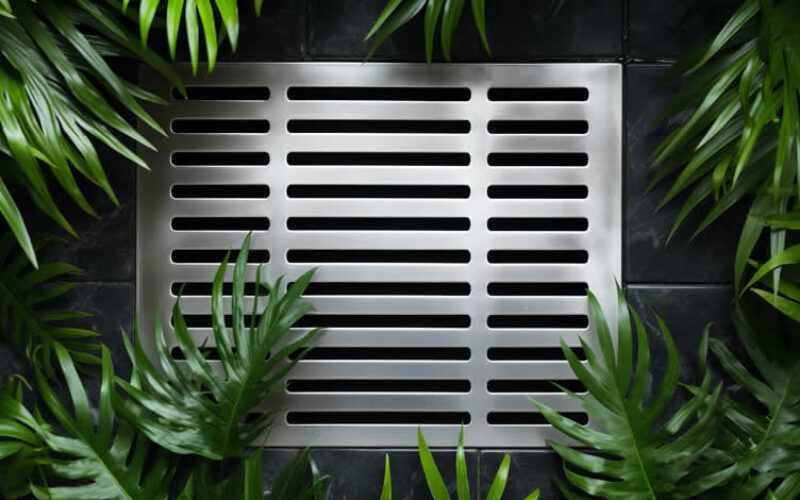
Installing a well-designed drainage system ensures water is directed away from vulnerable areas, safeguarding your plants, preventing costly repairs, and maintaining the beauty and functionality of your outdoor spaces.
view ideas: Home Drainage System(new win)
AI generated image by 123rf.com
-
Scroll up to section directory … or scroll to next supporting note …
-
-
3rd Note: Frame and Shape Requirements
When planning your greenhouse, selecting the right frame and shape is crucial for its overall efficiency, longevity, and ability to withstand local weather conditions.
The design you choose should not only complement your gardening goals but also be tailored to your regional climate.
Careful consideration of materials, roof styles, and structure spacing ensures that your greenhouse is durable, functional, and optimized for your growing needs.
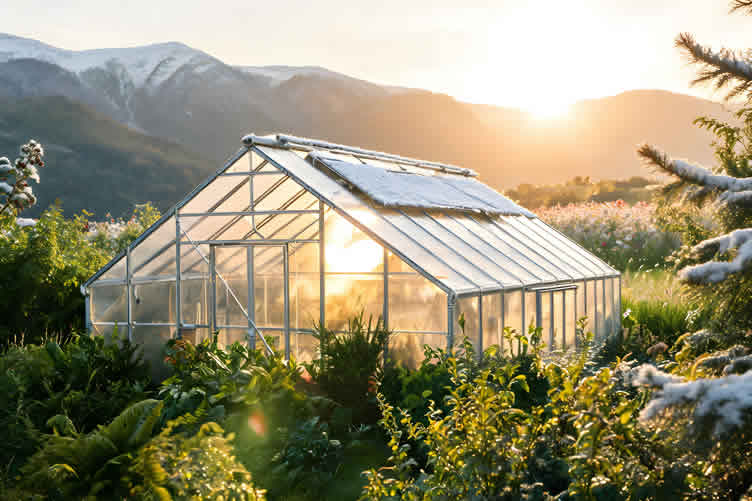
AI generated image by 123rf.com
The frame and shape of your greenhouse significantly affect its ability to handle wind, snow, and temperature fluctuations.
Whether you live in a snowy region or a temperate zone, this guide will help you choose a design and structure that meets your specific environmental challenges and preferences.
-
For Snowy or Colder Climates
If you live in an area prone to heavy snowfall, opt for a gable or pitched roof design. These roof shapes allow snow to slide off more efficiently, reducing the risk of accumulation and structural stress.
A steep slope is particularly beneficial in preventing damage during intense winters and helps ensure that your greenhouse remains secure and functional throughout the season.
-
For Milder Climates
For regions with gentler weather patterns, hoop or rounded roof designs are ideal. Not only are these shapes cost-effective and easy to construct, but they also minimize material requirements.
Their curved surfaces handle moderate rain and wind well, making them an excellent choice for temperate zones where snow loads are minimal.
-
Frame Material Considerations
The frame is the backbone of your greenhouse, providing structure and support. The right material affects not only its durability and strength but also your budget and maintenance needs.
Let’s explore popular options to help you choose the best frame material for your climate and garden.
-
Aluminum Frames:
Aluminum is a popular choice for its lightweight, corrosion-resistant, and durable properties. It requires minimal maintenance while offering strong support for coverings such as polycarbonate or glass.
Aluminum frames are especially well-suited for areas with high humidity or coastal climates.
-
Galvanized Steel Frames:
Galvanized steel is prized for its robustness and strength, making it perfect for larger greenhouses or those located in windy or extreme environments.
While slightly heavier than aluminum, steel frames provide stability and reliability and are an excellent long-term investment.
-
Wood Frames:
Wood offers a traditional and aesthetic appeal but requires additional upkeep to prevent deterioration from moisture, pests, and weather conditions.
Pressure-treated or naturally rot-resistant wood like cedar can last longer and add warmth and charm to smaller greenhouses.
-
-
Adapting to Wind and Snow Loads
Your greenhouse should be designed to handle the specific wind and snow loads in your area. Consult local building codes or environmental data to determine the structural requirements for your region.
Avoid choosing the cheapest kit available if it lacks proper reinforcements for these conditions, as it may not offer the needed stability.
For high-wind zones, anchors and bracing systems are critical. For snowy areas, ensure sufficient spacing between frames to prevent buckling under weight.
-
Balancing Cost and Functionality
While budget is always an important factor, prioritize designs and materials that provide durability and weather resistance.
It’s better to invest in a sturdy frame and a shape optimized for your climate than to risk frequent repairs or structural failure over time. Look for kits or suppliers that specialize in customizable options to suit your specific needs.
By focusing on these frame and shape requirements, you’ll set a solid foundation for a well-functioning greenhouse that thrives in any condition.
More Supporting Information
(view sample images, summary table, and side note – or scroll to next topic)
Category Recommendations Details Frame and Shape Selection Depends on climate and gardening goals Choose a design that complements gardening objectives and withstands local weather. Consider materials, roof styles, and spacing for durability and functionality. For Snowy or Colder Climates Gable or Pitched Roof Steep slopes prevent snow accumulation and reduce structural stress, ensuring stability and functionality during winters. For Milder Climates Hoop or Rounded Roof Cost-effective and easy to construct. Curved surfaces manage moderate rain and wind effectively, suitable for temperate zones with minimal snow loads. Frame Material Considerations Aluminum, Galvanized Steel, or Wood Aluminum: Lightweight, corrosion-resistant, and durable with minimal maintenance, ideal for humid or coastal climates.
Galvanized Steel: Strong and robust, suitable for larger greenhouses or extreme environments.
Wood: Aesthetic appeal with higher upkeep. Use pressure-treated or rot-resistant wood like cedar.Adapting to Wind and Snow Loads Structural Reinforcement Consult local building codes or environmental data. Use appropriate anchors and bracing for wind zones and ensure proper frame spacing for snowy regions. Balancing Cost and Functionality Durable and Weather-Resistant Choices Invest in sturdy frames and climate-optimized shapes to avoid frequent repairs. Prioritize long-term reliability over initial cost. Before a Home or Landscape Upgrade
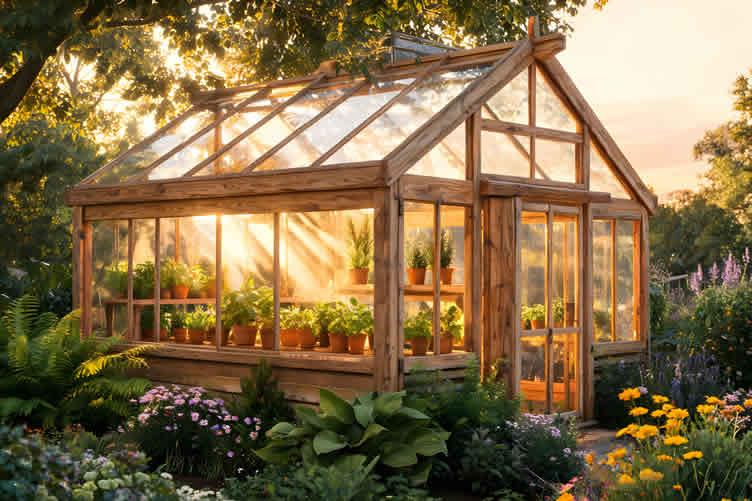
When planning a home or landscape upgrade, asking the right questions is key to making a wise investment.
First, consider how the project will improve your home’s function or appearance and if it will enhance your daily life or add value.
Next, assess your budget to ensure the upgrade aligns with your financial goals.

For landscaping, think about the long-term maintenance involved. Finally, make sure the project complements your home’s overall design.
Answering these questions will help you make an informed decision and achieve a result you’ll be happy with for years to come.
view ideas: Essential Questions to Ask(new win)
AI generated image by 123rf.com
-
Scroll up to section directory … or scroll to next supporting note …
-
-
4th Note: Connecting Utilities for a Greenhouse
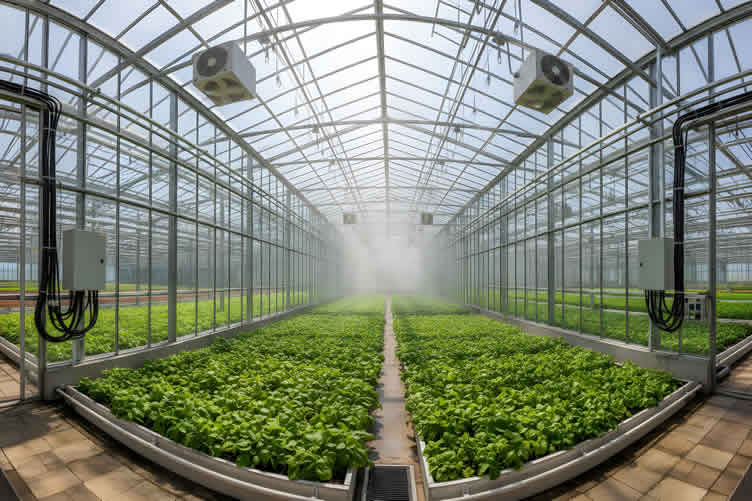
A functional greenhouse isn’t just about having the right structure; it also requires a well-planned integration of utilities to maintain optimal growing conditions.
Utilities such as electricity, water, and climate control systems are critical to ensuring plants can thrive in a controlled environment, regardless of external weather conditions.
AI generated image by 123rf.com
By carefully planning and installing these utilities, you’ll maximize productivity and create a sustainable setup that aligns with your gardening goals.
This section provides an overview of the essential utilities to consider when designing or upgrading your greenhouse.
From powering essential equipment to maintaining ideal temperatures and water flow, each utility plays a vital role in the success of your operation.
-
Electrical Considerations
Reliable electricity is crucial for running key greenhouse components such as lighting, heating systems, and ventilation.
For lighting, consider installing energy-efficient LEDs that mimic natural sunlight while reducing energy consumption. Fans and ventilation systems are equally important, as they regulate airflow, reducing humidity and preventing mold growth.
For regions with cold climates, heating elements such as electric heaters or heated mats can ensure consistent temperatures.
Ensure your greenhouse is equipped with weatherproof outlets and protected circuits to handle the electrical load safely. If you’re unsure about the capacity needed for your greenhouse, consulting with a licensed electrician can provide guidance tailored to your setup.
-
Plumbing Essentials
Access to water is indispensable for maintaining plant health, and a well-designed plumbing system can make watering both efficient and effective.
Install a drip irrigation system or overhead sprinklers for consistent, automated watering that conserves water while ensuring thorough coverage. If your greenhouse is located far from a primary water source, consider using a water storage tank for additional convenience.
For user-friendly maintenance, you might also add a utility sink within or near the greenhouse. This feature makes cleaning tools, pots, and trays easier after use and minimizes mess in other areas of your home.
-
HVAC Systems for Climate Control
For year-round growing, incorporating an HVAC system can elevate your greenhouse to the next level. HVAC systems allow for precise temperature and humidity control, ensuring your plants receive the ideal conditions they need to thrive.
Whether you’re cultivating tropical plants or seasonal vegetables, these systems help you maintain consistency regardless of external weather fluctuations.
Keep in mind that proper sizing of your HVAC system is critical—too small, and conditions will fluctuate; too large, and you may waste energy.
Consider a system with a smart thermostat for better monitoring and automated adjustments.
-
Other Utilities to Consider
Power backups, such as generators or solar panels, are worth exploring, especially in areas prone to outages or where off-grid options are preferred.
Solar panels can serve as an eco-friendly alternative for supplying power while reducing operational costs.
Additionally, incorporating sensors and smart controls for systems like watering and ventilation can make managing your greenhouse easier and more efficient.
Before finalizing your connected utilities, always account for your specific greenhouse size, location, and plant types. Consulting with experts for professional installations can save you time and ensure the setup meets your needs while adhering to local regulations.
By addressing these aspects early on, you’re setting the stage for a productive and well-equipped greenhouse.
More Supporting Information
(view sample images, summary table, and side note – or scroll to next section)
Section Description Key Points Electrical Considerations Reliable electricity is essential for operating critical greenhouse components, including lighting, heating systems, and ventilation. Energy-efficient LEDs, fans, heating elements, weatherproof outlets, and protected circuits are key aspects to consider. Consulting a licensed electrician is recommended for proper setup. Plumbing Essentials Access to water and an efficient plumbing system are vital for plant health and effective watering practices. Installing drip irrigation systems, overhead sprinklers, or water storage tanks ensures efficient watering. Utility sinks can simplify maintenance tasks like cleaning tools and trays. HVAC Systems for Climate Control HVAC systems provide precise control over temperature and humidity, ensuring consistent growing conditions. Proper system sizing is critical for efficiency. Smart thermostats can enhance monitoring and automation. Other Utilities Additional utilities like power backups and solar panels offer eco-friendly and reliable options for energy needs. Solar panels reduce operational costs, and smart sensors simplify system management. Consulting professionals ensures compliance with local regulations. Home Electrical Safety
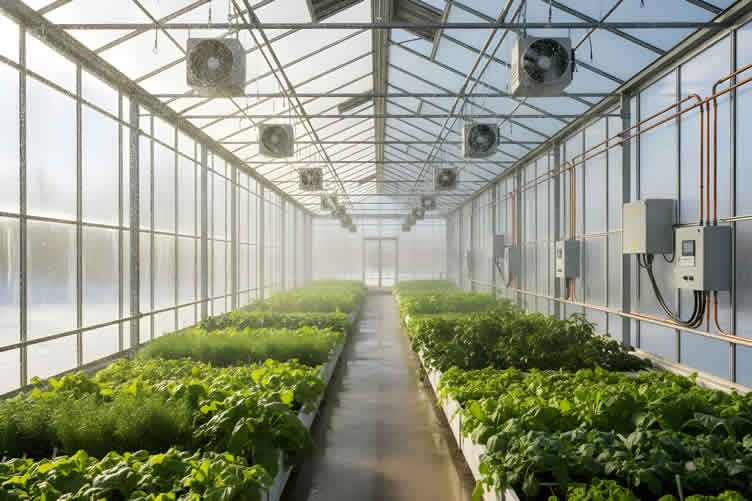
Electrical safety is crucial for a secure and efficient greenhouse. Improper wiring or outdated systems can lead to shocks, fires, and equipment failure.
Prioritizing a modern, code-compliant, and professionally inspected electrical infrastructure is essential.

Addressing issues like overloaded circuits, exposed wiring, or ungrounded outlets early protects your family and property while enhancing your greenhouse value and energy efficiency.
view ideas: Electrical Needs and Safety Essentials(new win)
AI generated image by 123rf.com
-
Scroll up to section directory …
-
-
Scroll up to main directory … or scroll to next section about types of greenhouses …

Tackling home upgrades and fulfilling all your home improvement needs …

… save this curated directory of ideas for future reference.
Download this PDF for a concise summary of everything you need to know about …?
… home remodeling and improvement

Are there any other interesting topics that might have been overlooked but could offer valuable insights …?


May We Suggest Other Photo Remodeling Ideas About
“Working On Your Landscape …” (new win)


third “photo remodeling” idea
copyright image by 123rf.com
Section 3: Greenhouse Types and Estimated Costs
Notes:
-
Understanding the different greenhouse structures and their associated costs can help you make an informed decision that aligns with your needs, budget, and space availability. There are a variety of greenhouse types available, ranging from simple hoop houses to more sophisticated glass structures.
Each style is tailored to suit varying levels of gardening expertise, environmental conditions, and project requirements. While some designs are cost-effective and beginner-friendly, others, like high-tech greenhouses, cater to serious gardeners or commercial purposes and come with a higher price tag.
This guide will review the most common greenhouse types, their features, and estimate costs to help you create a thriving garden space with confidence.
-
Quick scroll to supporting notes …
-
-
1st Note: Types of Greenhouses
When it comes to personal use, greenhouses offer a variety of designs that cater to different needs, spaces, and budgets.
Choosing the right type depends on factors such as the available space, climate, and specific gardening goals.
copyright image by 123rf.com
With options ranging from freestanding structures to space-saving designs, there’s a greenhouse solution for everyone, whether you’re a seasoned gardener or just starting out.
Below, we explore the main types of greenhouses for personal use and their unique benefits, helping you determine which style best fits your home and gardening aspirations.
-
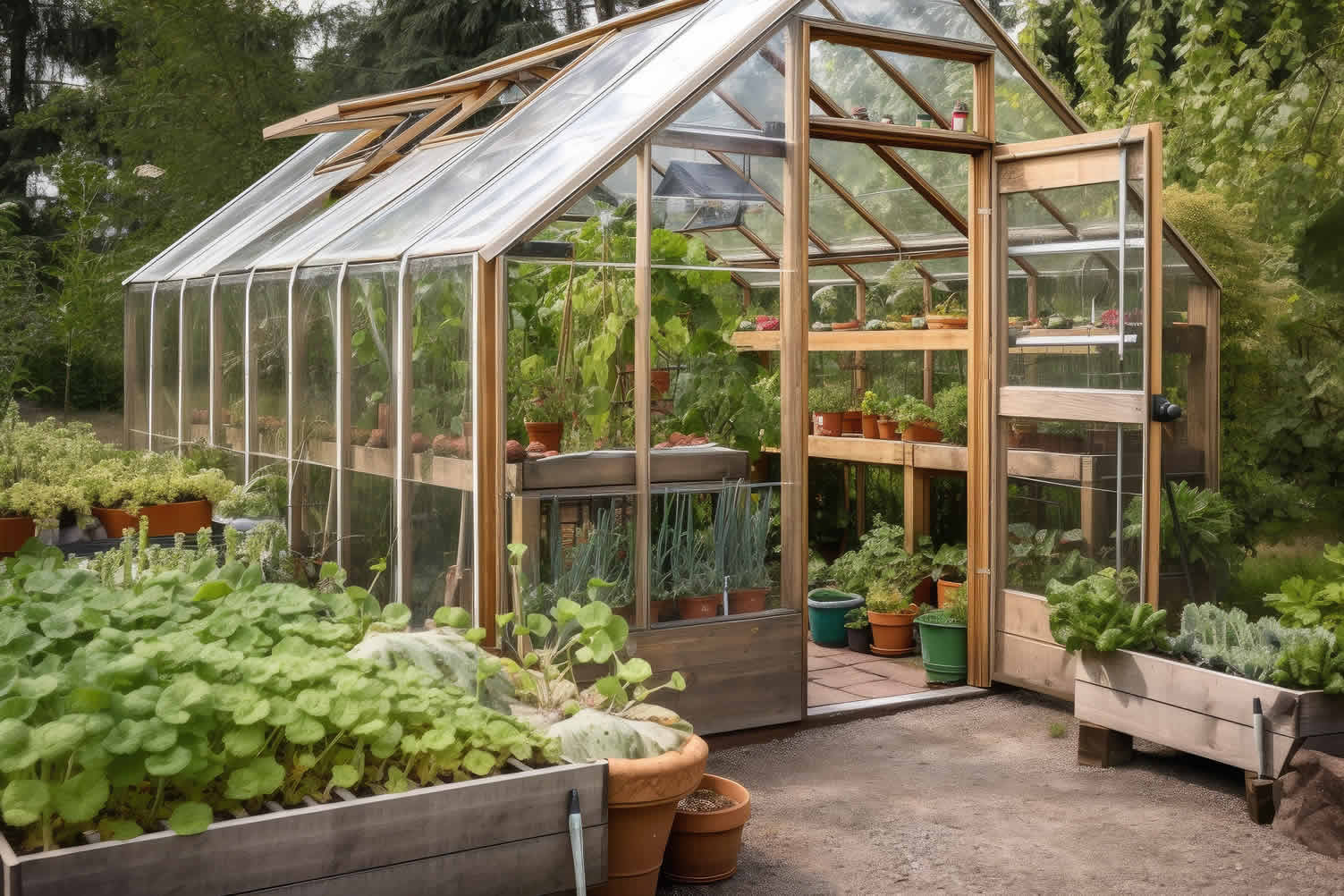
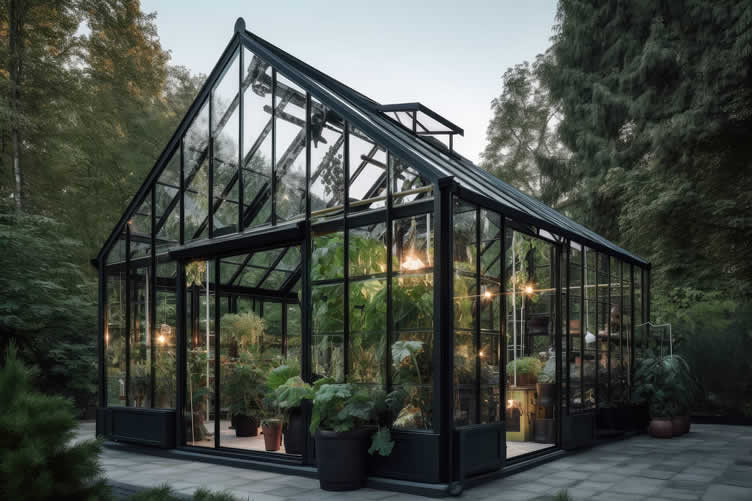
Standalone Greenhouse[ view]
As its name suggests, a standalone greenhouse is a completely freestanding structure, separate from your house or other buildings, and is typically placed in a yard or garden.
This independence provides the most flexibility for growing plants, as it can be perfectly positioned to capture maximum sunlight throughout the day. You can also customize its size and design to suit your specific gardening needs.
Because they are dedicated, controlled spaces, these greenhouses are an excellent choice for serious gardeners who want to cultivate plants year-round, regardless of the outdoor weather conditions.
-
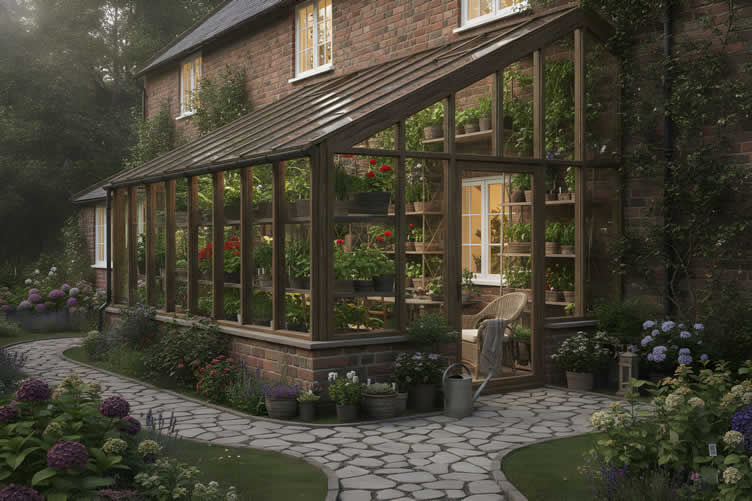
Attached Greenhouse / Lean-To[ view]
If you love the idea of a greenhouse but are working with a smaller yard, an attached or lean-to greenhouse could be the perfect solution. As the name suggests, this style is built against a pre-existing structure, such as the side of a house, garage, or barn.
This design not only saves space but can also reduce construction costs, as it utilizes an existing wall. It also benefits from the shared warmth that radiates from the adjoining building, which can help moderate temperatures inside the greenhouse.
Because they require less framing and are attached to your home, lean-to greenhouses can also offer convenient access to utilities like water and electricity, making your gardening tasks that much easier.
-
Sun Window / Sunroom Style[ view]
A sun window or sunroom-style greenhouse is essentially a glass-heavy extension added to your home, designed to be enjoyed as a multi-purpose living area.
While these bright, inviting spaces might not be what you picture when you think of a traditional greenhouse, they can certainly support some plant growth by letting in plenty of natural light. Imagine a cozy, sunlit nook where you can relax with a book while surrounded by greenery.
Because they are designed as much for people as for plants, this option is best suited for growing beautiful ornamental plants or undertaking smaller-scale gardening projects rather than producing a large vegetable harvest.
-
Room Extension / Conservatory Style[ view]
For those who desire a seamless blend of functionality and beauty, a conservatory-style greenhouse offers an elegant and sophisticated solution.
This type is essentially a glass-framed room extension that is directly connected to the home, creating a space that can be enjoyed by both plants and people alike.
Because it provides ample sunlight, it is an excellent environment for growing a variety of plants.
At the same time, the space is often used as a comfortable living or dining area, beautifully merging the comforts of the indoors with the natural serenity of the outdoors. This harmonious blend makes it a perfect place to relax, entertain, and cultivate your favorite flora.
-
Other Types of Greenhouses
- Mini Greenhouse:
A compact version ideal for patios, balconies, or decks, perfect for seed starting or growing a few potted plants. - Cold Frame:
A simple, low-structure with a clear lid meant for seedlings, hardening off plants, and extending growing seasons. - Polytunnel / Hoop House:
Made with flexible hoops and covered in plastic, this cost-effective option is great for seasonal plant cultivation. - Geodesic Dome Greenhouse:
A unique and durable design that handles extreme weather well while distributing light evenly within the structure.
No matter your gardening goals or available space, there’s a greenhouse type designed to meet your needs.
By considering your priorities—whether it’s maximizing yield, conserving space, or blending aesthetics with functionality—you can find a greenhouse that elevates both your home and gardening experience.
- Mini Greenhouse:
More Supporting Information
(view sample images, summary table, and side note – or scroll to next topic)
Types of Greenhouses
(from the summary table below)
Type of Greenhouse Description Benefits Standalone Greenhouse A freestanding structure placed in a yard or garden. Offers flexibility in positioning for maximum sunlight and is fully customizable in size and design. Ideal for year-round plant cultivation and serious gardening, regardless of outdoor weather conditions. Attached Greenhouse / Lean-To Built against a pre-existing structure like a house, garage, or barn. Utilizes an existing wall to save space and construction costs. Convenient access to utilities such as water and electricity, with added warmth from the adjoining structure, making it cost-effective and space-saving. Sun Window / Sunroom Style A glass-heavy home extension designed as a multi-purpose living area that supports some plant growth through natural light. Perfect for growing ornamental plants or managing small-scale gardening projects while serving as a cozy, sunlit relaxation space. Room Extension / Conservatory Style A glass-framed room connected to the home, blending functionality with aesthetic design to serve both plants and people. Provides abundant sunlight, excellent for diverse plant growth, and doubles as a comfortable living or dining area. Mini Greenhouse A compact version suited for patios, balconies, or decks. Ideal for seed starting or growing a small number of potted plants. Space-efficient solution for urban gardening or limited outdoor areas. Cold Frame A low-structure with a clear lid designed for seedlings, hardening off plants, and extending the growing season. Simple and effective for protecting young plants and managing early or late-season cultivation. Polytunnel / Hoop House Built with flexible hoops covered in plastic, these are cost-effective structures for seasonal plant cultivation. Great for temporary setups and expanding growing capacity in an affordable way. Geodesic Dome Greenhouse A unique design made of geometric shapes, offering durability and efficient light distribution. Handles extreme weather conditions well and provides an innovative, eye-catching solution for gardening. Enhancing Your Greenhouse
Adding a wind chime near or inside your greenhouse creates a tranquil atmosphere that complements the natural beauty of your plants.
The gentle, melodic tones provide a soothing backdrop as you garden, making the space feel more inviting and serene.

Wind chimes can also serve as an artistic accent, available in various styles and materials to match your greenhouse’s aesthetic.
Placing them near open windows or entrances ensures the soft breeze will activate their calming sounds, enhancing your gardening experience while maintaining a harmonious connection to nature.
view ideas: The Sound of Wind Chimes(new win)
AI generated image by 123rf.com
-
Scroll up to section directory … or scroll to next supporting note …
-
-
2nd Note: Best Fit and Distinction in Greenhouse Selection
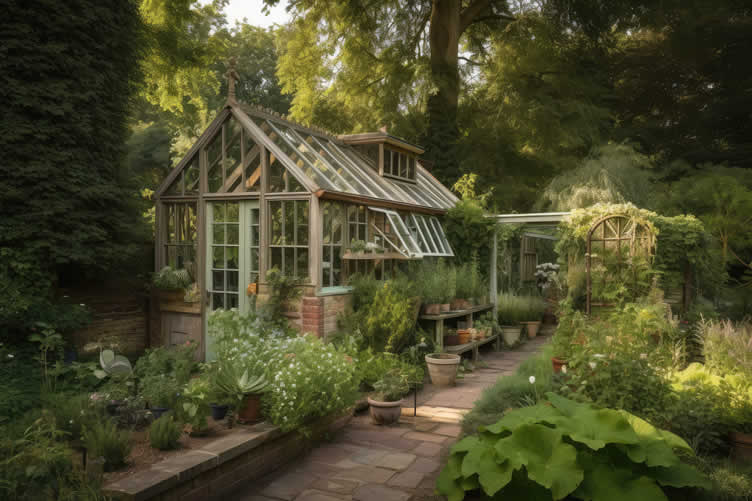
When choosing the right greenhouse for your needs, it’s essential to consider both how you plan to use the space and what distinguishes each type of structure.
Some greenhouses excel in creating optimal growing conditions, while others prioritize aesthetic integration with living spaces.
copyright image by 123rf.com
Diving into their distinct purposes and uses can help you find the perfect fit for your home and gardening goals.
Below, we’ll break down how to choose the right greenhouse by its best fit for specific uses and highlight key distinctions to guide your decision-making process.
-
Best Fit by Use
A greenhouse can serve many purposes—whether you’re a serious grower, have limited space, or are simply seeking to merge indoor living with greenery. Here’s how to determine the best fit based on your intended use:
-
For serious growing:
If maximizing yield and creating dedicated growing conditions are your goals, consider these options:
- Standalone greenhouse
- Lean-to greenhouse
-
For small spaces:
Space-saving solutions can still deliver great results. These are ideal for balconies, patios, or small backyards:
- Mini greenhouse
- Cold frame
- Attached greenhouse
-
For a home-living feel with plants:
Perfect for those who want to incorporate plants as a lifestyle feature in their living space:
- Sunroom
- Room extension
-
For budget seasonal growing:
If cost is a primary concern, these lightweight, season-friendly options may be the most practical:
- Polytunnel
- Hoop house
-
-
Simple Distinction
Understanding the fundamental distinction between greenhouse types ensures you choose a structure that meets your expectations. Each design has a unique purpose tailored to a specific need.
- A true greenhouse:
Primarily for growing plants, designed to maintain controlled environments for optimal cultivation. - A sunroom or room extension:
While plants may thrive here, these are primarily intended for people, offering a cozy space to enjoy natural light alongside greenery. - A standalone greenhouse:
Offers the most control and versatility in managing your growing conditions, making it the go-to choice for personal-use planting enthusiasts.
When selecting the right structure, consider your budget, space allocation, and aesthetic preferences along with your primary goal—be it growing, living, or blending both.
Tailoring your choice ensures not only successful project completion but also lasting satisfaction with your investment.
- A true greenhouse:
More Supporting Information
(view sample images, summary table, and side note – or scroll to next topic)
Best Fit Greenhouses
(from the summary table below)
Purpose Best Fit Key Options Distinction Serious Growing Maximizing yield and creating dedicated growing conditions Standalone greenhouse, Lean-to greenhouse A true greenhouse designed primarily for optimal cultivation in controlled environments Small Spaces Space-saving solutions for limited areas Mini greenhouse, Cold frame, Attached greenhouse Compact options suitable for balconies, patios, or small backyards Home-Living Feel Blending plants as a lifestyle feature in living spaces Sunroom, Room extension Primarily intended for people, offering cozy integration of natural light and greenery Budget Seasonal Growing Cost-effective and seasonal-friendly solutions Polytunnel, Hoop house Lightweight and affordable, ideal for seasonal use What Are Landscape Outbuildings?
A greenhouse is a wonderful and practical addition to any garden. To make the most of it, think about where you place it in relation to other outbuildings like sheds or pergolas.
When you arrange these structures thoughtfully—perhaps by connecting them with paths or using similar materials and colors—you create a beautiful and unified look.

This careful placement not only improves the flow of your garden but also makes it a more functional, peaceful, and organized space.
view ideas: How to Use Them in your yard(new win)
copyright image by 123rf.com
-
Scroll up to section directory … or scroll to next supporting note …
-
-
3rd Note: The Estimated Costs of Personal Greenhouses
Choosing the right greenhouse for your home is not just a question of design and functionality—it also requires thoughtful budgeting.
The cost of building or installing a greenhouse can vary significantly based on factors such as size, material, and design complexity.

copyright image by 123rf.com
Understanding the estimated costs for different types of greenhouses will help you make an informed decision that aligns with your budget and project goals.
Below is a breakdown of the estimated costs for various types of personal greenhouses, so you can determine which option best suits your needs while enhancing your home’s overall appeal and usability.
-
Standalone Greenhouse
A standalone greenhouse is perfect for dedicated gardening enthusiasts or those with ample outdoor space.
These structures typically range from $2,000 to $20,000, depending on the size, materials (wood, aluminum, or polycarbonate), and added features like ventilation systems or automated watering.
- Budget-Friendly Option ($2,000 – $5,000):
Prefabricated kits made of polycarbonate or PVC. - Mid-Range Option ($5,000 – $10,000):
Customizable aluminum-framed greenhouses with better insulation and design flexibility. - Premium Option ($10,000 – $20,000):
High-end glass greenhouses with advanced climate control systems and luxury finishes.
Additional costs may include site preparation, professional installation, and ongoing maintenance.
- Budget-Friendly Option ($2,000 – $5,000):
-
Attached Greenhouse / Lean-To
An attached greenhouse or lean-to design offers a convenient way to integrate a growing space with your home’s structure.
These greenhouses are generally more affordable than standalone models and range between $1,500 and $10,000.
- Minimum Build Cost ($1,500 – $3,000):
Lightweight kits or polycarbonate covers supported by an existing wall. - Moderate Investment ($3,000 – $7,000):
Aluminum or wooden frames with improved aesthetic value and insulation. - Higher-End Spend ($7,000 – $10,000):
Custom-built lean-to greenhouses that seamlessly match your home’s architectural style and energy standards.
These structures require fewer materials, but additional expenses may arise for ensuring proper sealing and insulation where the greenhouse meets your home.
- Minimum Build Cost ($1,500 – $3,000):
-
Sun Window / Sunroom Style
A sun window or sunroom extension blurs the line between an indoor garden and home decor.
With ample natural light and integrated planting areas, these spaces usually cost $3,000 to $15,000, with much of the cost dictated by material quality and decorative elements.
- Basic Sun Window Addition ($3,000 – $7,000):
Glass inserts and structure improvements for natural lighting and minor planting areas. - Upscale Sunroom ($7,000 – $15,000):
Spacious room extensions with energy-efficient glass, full ventilation insulation, and heating additions.
Sunroom-style greenhouses can double as living areas, making them a multi-functional investment to increase home value.
- Basic Sun Window Addition ($3,000 – $7,000):
-
Room Extension / Conservatory Style
A conservatory seamlessly bridges architecture and nature, designed as an elegant extension of your home.
These structures are generally built on a larger scale and cost $10,000 to $50,000, depending on the size, material, and luxurious additions.
- Entry-Level Conservatory ($10,000 – $20,000):
Simple designs with aluminum or wooden framing and limited customization options. - Customized Conservatory ($20,000 – $50,000):
Features energy-efficient glass, intricate designs, and climate control systems for added comfort and usability.
Conservatories significantly enhance a home’s aesthetic, making them a worthy investment for those prioritizing both functionality and luxury.
- Entry-Level Conservatory ($10,000 – $20,000):
-
Mini Greenhouse
A mini greenhouse offers a compact and cost-effective solution for beginners or those with limited outdoor space.
Prices for these greenhouses typically range between $50 and $1,000, based on size and material.
- Portable Options ($50 – $200):
Small, lightweight models with plastic covers, ideal for seasonal use. - Intermediate Mini-Greenhouses ($200 – $500):
Sturdier kits made with PVC or polycarbonate for improved durability. - High-End Mini-Greenhouses ($500 – $1,000):
Glass or aluminum models that include shelving units, opening vents, and UV-resistant layers.
These options are budget-friendly, beginner-friendly, and easy to relocate as needed.
- Portable Options ($50 – $200):
-
Other Considerations
Greenhouse costs can vary further based on customization, location, and added features such as:
- Heating and Lighting Systems ($100 – $2,500):
Extends seasonal use and productivity. - Irrigation Systems ($300 – $1,000):
Automates watering to save time and improve plant care. - Foundation Work ($500 – $5,000):
Ensures long-term durability, especially for larger greenhouses.
To minimize costs, consider starting with modular or DIY kits and gradually upgrading as needed. Always account for additional expenses like labor or permitting, depending on local regulations.
- Heating and Lighting Systems ($100 – $2,500):
More Supporting Information
(view summary table and side note – or scroll to next section)
Type of Greenhouse Cost Range Description Standalone Greenhouse $2,000 – $20,000 Standalone greenhouses are ideal for dedicated gardeners and come in various price ranges.
Budget options ($2,000 – $5,000) include prefabricated kits made of polycarbonate or PVC. Mid-range options ($5,000 – $10,000) offer customizable aluminum-framed structures with better insulation.
Premium options ($10,000 – $20,000) include high-end glass models with advanced climate control and luxury finishes.
Attached Greenhouse / Lean-To $1,500 – $10,000 These greenhouses attach to an existing structure. Minimum cost ranges from $1,500 to $3,000 for lightweight kits or polycarbonate covers.
Moderate investment options ($3,000 – $7,000) feature aluminum or wooden frames.
Higher-end models ($7,000 – $10,000) are custom-built to match the architectural style of the home.
Sun Window / Sunroom Style $3,000 – $15,000 Sunrooms combine indoor gardening with home decor. Basic additions ($3,000 – $7,000) include structure improvements for natural lighting. Upscale options ($7,000 – $15,000) feature spacious extensions with energy-efficient glass, ventilation, and heating. Room Extension / Conservatory Style $10,000 – $50,000 Conservatories are elegant home extensions that combine architecture and nature.
Entry-level models ($10,000 – $20,000) offer simple designs, while customized options ($20,000 – $50,000) feature intricate designs, climate control, and energy-efficient glass.
Mini Greenhouse $50 – $1,000 Mini greenhouses are compact and beginner-friendly.
Portable options ($50 – $200) are lightweight and seasonal. Intermediate choices ($200 – $500) use PVC or polycarbonate for added durability.
High-end models ($500 – $1,000) feature glass or aluminum with UV-resistant layers and shelving.
Additional Features Varies Custom features like heating and lighting systems ($100 – $2,500), irrigation systems ($300 – $1,000), and foundation work ($500 – $5,000) can add to overall costs but enhance functionality and durability. Preventing Budget Overruns
Few landscape experiences are more stressful than watching costs spiral out of control midway through a project.
The good news is that most budget overruns are preventable.
Starting with a clear, detailed budget and setting aside a contingency fund of 10-15% for unexpected expenses.

Carefully researching contractors, comparing material costs, and sticking to your plan will help ensure your project stays within budget.
Regular communication with your team is also key to anticipating issues before they arise.
view ideas: Budget A Landscaping Project(new win)

copyright image by 123rf.com
-
Scroll up to section directory
-
-
Scroll up to directory … or scroll to next section about the installation process …

Outline the specific requirements needed for making …
… key home improvement and remodeling decisions
Download this PDF for a concise summary of everything you need to know about …?
fourth “photo remodeling” idea
copyright image by 123rf.com
Section 4: How Do You Install And Maintain Greenhouse?
Notes:
-
Building and maintaining a personal greenhouse is a rewarding experience for any gardener, allowing you to cultivate plants all year. To ensure lasting success, it’s helpful to understand the installation process, available amenities, and required maintenance.
Proper installation starts with careful planning, like choosing a sunny location and a design that fits your space and budget. Structural options range from simple kits to custom-built designs, and essential features like ventilation, insulation, and accessibility will help your greenhouse run efficiently.
Once built, amenities like automated watering systems, adjustable shelving, and temperature controls can boost your greenhouse’s functionality.
Ongoing maintenance is also crucial. Regularly cleaning the windows, checking for pests, and maintaining good airflow will protect your plants and extend the life of your greenhouse, ensuring a thriving garden for years to come.
-
Quick scroll to supporting notes …
-
-
1st Note: A Brief Review of the Installation Process
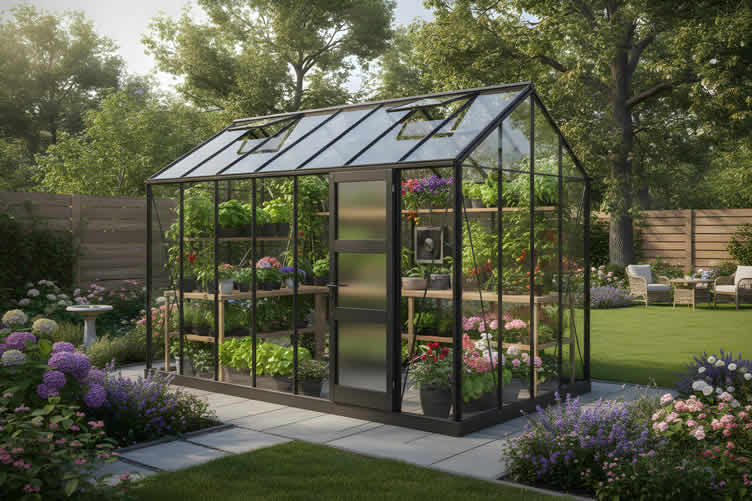
Installing a personal greenhouse is an exciting step toward enhancing your gardening experience, but it requires thoughtful planning and attention to detail to ensure a long-lasting and functional structure.
Whether you’re assembling a kit or designing a custom build, a well-executed installation lays the groundwork for successful plant growth and long-term satisfaction.
AI generated image by 123rf.com
From choosing the right location to ensuring a stable foundation, each step plays a vital role in creating a greenhouse that can withstand the elements while offering optimal growing conditions.
Here’s a breakdown of the key aspects to consider when installing your personal greenhouse.
-
Selecting the Perfect Location
Choosing the right spot is crucial for the performance and durability of your greenhouse. Opt for a location that receives at least 6 hours of direct sunlight daily to support healthy plant growth.
Ensure the area has good drainage to prevent water pooling around the base, which can lead to structural damage.
Additionally, some natural wind protection, such as a hedge or wall, can help shield the structure from strong gusts. When possible, situate the greenhouse near water and electricity sources to simplify irrigation and climate control in the future.
-
Laying a Firm Foundation
A solid, level foundation is essential to prevent the greenhouse from shifting or becoming unstable over time.
Depending on your terrain and budget, you can use a poured concrete slab, compacted gravel, or treated wood as the base.
Double-check that the base is even across all areas using a spirit level—this will not only enhance stability but also ensure that doors and vents operate smoothly.
-
Planning for Accessibility and Maintenance
It’s important to plan the layout of your greenhouse to allow for easy access and maintenance. Leave sufficient space around the structure for tasks like cleaning, repairing, or adjusting external shading systems.
Adequate airflow around the greenhouse can also help to prevent mold or mildew buildup on the exterior during rainy seasons. Inside, prioritize a layout that ensures you can easily reach plants and equipment without overcrowding the space.
-
Following Kit Instructions or Custom Assembly
If you’re using a greenhouse kit, carefully follow the provided instructions for assembling the frame, securing panels, and anchoring the structure.
Each of these steps is vital for creating a stable and weather-resistant greenhouse. Pay special attention to properly sealing any gaps around joints or panels, as drafts or moisture leaks can impact the growing environment.
For custom installations, ensure that every component, from framing to glazing, is installed securely and according to design specifications.
A thoroughly planned and well-executed installation will not only create a safe and efficient growing space but will also give you peace of mind knowing your greenhouse is built to last.
Take your time during this process, and don’t hesitate to consult additional resources or professionals if needed.
More Supporting Information
(view sample images, summary table, and side note – or scroll to next topic)
Aspect Details Key Considerations Installing a Greenhouse Installing a personal greenhouse requires careful planning to ensure a durable and functional structure.
Whether assembling a kit or opting for a custom build, the process lays the foundation for productive gardening.
Thoughtful design, durability, and optimal function are essential for long-term satisfaction. Choosing the Right Location Opt for a spot with at least 6 hours of direct sunlight, adequate drainage, and natural wind protection, while keeping water and electricity sources nearby for convenience. Sunlight exposure, drainage, and proximity to utilities significantly impact performance and ease of maintenance. Laying a Firm Foundation A solid, level base is vital to prevent instability.
Options include concrete slabs, compacted gravel, or treated wood bases, all requiring proper leveling to ensure smooth operation of doors and vents.
Stability, safety, and smooth functionality are key outcomes of a properly laid foundation. Ensuring Accessibility Design the layout to leave space around the structure for cleaning and maintenance.
Inside, avoid overcrowding and ensure easy access to plants and equipment.
Comfortable access and sufficient airflow help maintain the greenhouse both inside and out. Assembly Process Follow kit instructions meticulously when assembling frame and securing panels.
For custom designs, ensure all components are installed securely and sealed properly to avoid drafts or leaks.
Customized or kit assembly demands accuracy to ensure weather resistance and growing efficiency. Pathway to Your Greenhouse
When planning the installation of your greenhouse and arranging the surrounding landscape, a decorative stone garden path can serve as both a practical and aesthetic feature.
This pathway not only provides a sturdy and accessible route to your greenhouse but also enhances the overall visual appeal of your outdoor space.

Choose stones that complement your garden’s design and consider adding edging or ground cover plants along the sides to create a seamless integration with the surrounding greenery.
A well-designed path transforms your greenhouse into an inviting focal point while ensuring easy access in any weather.
view ideas: Create a Stone Garden Path(new win)
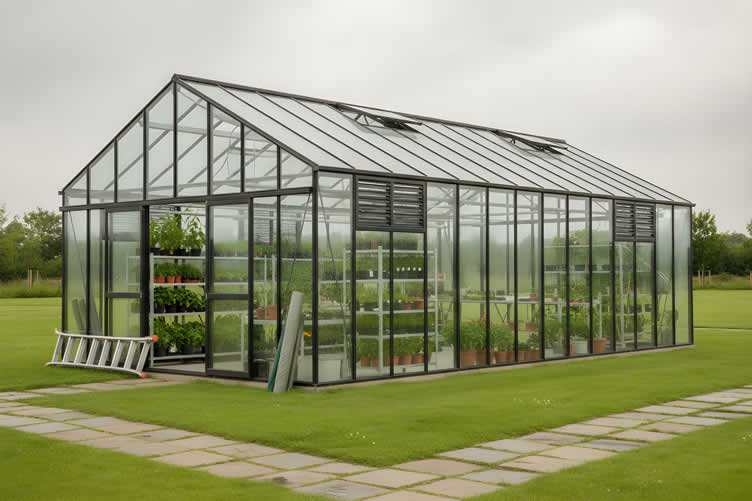
AI generated image by 123rf.com
-
Scroll up to section directory … or scroll to next supporting note …
-
-
2nd Note: Essential Greenhouse Amenities to Consider
Creating an efficient and productive greenhouse is about more than just the structure itself. The right amenities can significantly enhance functionality, improve growing conditions, and make daily tasks more manageable.
Thoughtful additions not only support plant health but also contribute to your overall gardening experience by making the space more comfortable and user-friendly.
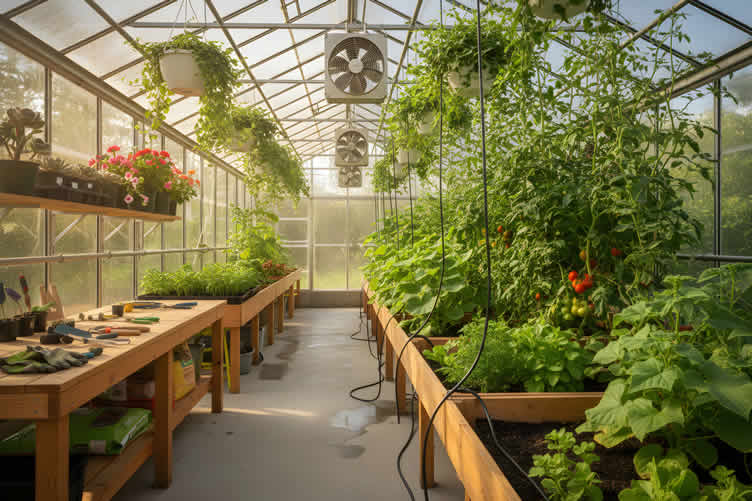
AI generated image by 123rf.com
Below, we’ll review key amenities to consider when designing or upgrading your greenhouse.
These features, while optional, can make a world of difference in maintaining optimal temperature, light, ventilation, and convenience year-round.
-
Ventilation for Temperature and Humidity Control
Proper ventilation is essential for maintaining a healthy growing environment. Installing vents, fans, or automated systems ensures consistent air movement, which helps control heat and humidity levels.
Without adequate airflow, plants are prone to overheating or developing mold and mildew. Strategically placed vents, paired with circulation fans, can prevent hot or stagnant air pockets from forming, creating a more balanced environment for your plants.
-
Temperature Monitoring
Keeping track of temperature is critical to plant health, especially in a controlled environment like a greenhouse.
Consider investing in a reliable thermometer or temperature monitor that allows for quick and accurate readings.
Many advanced systems also offer humidity sensors or wireless connectivity, so you can monitor conditions remotely and make adjustments as needed.
-
Efficient Shelving and Storage
Organized space is a productive space. Shelving, benches, and potting stations greatly enhance the usability of your greenhouse by providing accessible places for your plants, tools, and materials.
Stackable seed trays, hanging storage, and hooks for tools can all ensure that everything you need stays within reach, making day-to-day care much more manageable.
-
Grow Lights
Adding grow lights to your greenhouse ensures your plants receive adequate light, even during shorter days or overcast weather.
Grow lights are especially beneficial for starting seeds, cultivating light-hungry plants, or extending the growing season.
Choose energy-efficient LED grow lights for optimal performance, as they provide the full spectrum of light needed for healthy plant growth while keeping electricity costs low.
-
Climate Control for Cooler Seasons
For greenhouses in cooler climates, additional climate control is crucial for extending the growing season.
Shade cloth and insulation prevent heat loss, while thermal mass solutions like water-filled containers can absorb and radiate heat to keep temperatures stable.
A small, efficient heater may also be needed to protect plants during frosty nights, ensuring their growth continues uninterrupted.
-
Rainwater Collection
If sustainability is a priority, consider adding gutters and rain barrels to your greenhouse.
Rainwater collection systems allow you to harvest and recycle water for irrigation, reducing dependency on municipal water systems and bringing an eco-friendly element to your gardening routine.
Be sure to plan for proper filtration or treatment to ensure the water is safe for plants.
-
Solar Power Solutions
Solar panels are an excellent addition for energy-conscious gardeners, particularly if you need to power fans, heaters, or lighting.
Compact solar systems can provide sustainable energy for these utilities, reducing operating costs over time while aligning with environmentally friendly practices.
-
Convenient Access to Water
Having hoses or an automated irrigation system readily available within your greenhouse simplifies daily watering tasks tremendously.
Drip irrigation setups, for example, deliver water directly to plant roots, conserving water and providing consistent irrigation—a time-saver for busy gardeners with larger setups.
-
Additional Upgrades
Many greenhouses benefit from features tailored to specific needs. For example, automatic shading systems can adjust sunlight exposure during peak hours, while integrated grow light systems are perfect for low-light seasons.
Pest management tools, such as screens or natural deterrents, further enhance plant health and reduce external risks.
By incorporating the right amenities, you can transform your greenhouse into a highly functional, efficient space that caters to your needs and maximizes plant health.
Always plan with the dimensions of your space and your specific gardening goals in mind to ensure the perfect balance of practicality and comfort.
More Supporting Information
(view sample images, summary table, and side note – or scroll to next topic)
Amenity Function Benefits Ventilation for Temperature and Humidity Control Ensures consistent air movement using vents, fans, or automated systems to maintain a healthy growing environment. Prevents overheating, mold, and mildew; creates balanced air flow for plant health. Temperature Monitoring Tracks greenhouse temperature with reliable thermometers or advanced monitors with humidity sensors. Provides quick, accurate readings; enables remote monitoring and precise environmental adjustments. Efficient Shelving and Storage Includes shelving, benches, and potting stations to organize tools, plants, and materials effectively. Makes daily tasks manageable and ensures efficient use of space. Grow Lights Supplies light to plants during shorter days or poor weather conditions using energy-efficient LED lights. Supports seed germination and light-hungry plants; extends growing seasons while conserving energy. Climate Control for Cooler Seasons Uses shade cloth, insulation, thermal mass, or heaters to regulate temperature and prevent heat loss. Extends the growing season and protects plants from frost; promotes stable growth year-round. Rainwater Collection Harvests water using gutters and rain barrels for eco-friendly irrigation. Reduces reliance on municipal water supplies; suits sustainable gardening practices. Solar Power Solutions Generates energy for powering greenhouse systems, such as fans, heaters, and lighting, with solar panels. Lowers operating costs; aligns with sustainable and energy-conscious practices. Convenient Access to Water Includes hoses or automated irrigation systems for simplified watering routines. Saves time with consistent irrigation; conserves water while ensuring plant hydration. Additional Upgrades Offers custom features like automatic shading systems, pest management tools, and integrated lighting. Enhances functionality, comfort, and protection; tailored solutions for specific gardening needs. Beat the Heat (and Cold)
Ductless mini-split systems are an ideal solution for areas requiring precise temperature control without the need for extensive ductwork.
Perfect for spaces like greenhouses, they provide both heating and cooling capabilities, ensuring a stable climate for plants year-round.
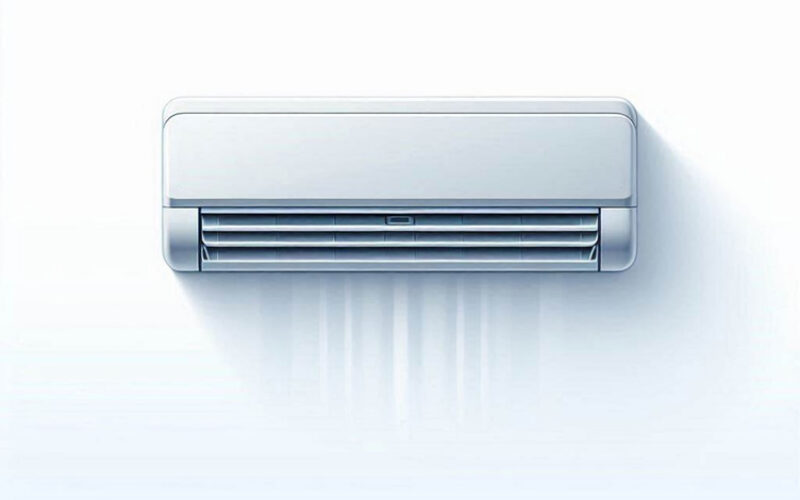
Their energy-efficient design and ease of installation make them a practical choice for maintaining optimal conditions, fostering healthy growth, and extending the growing season regardless of external weather conditions.
view ideas: Ductless Mini-Split System(new win)
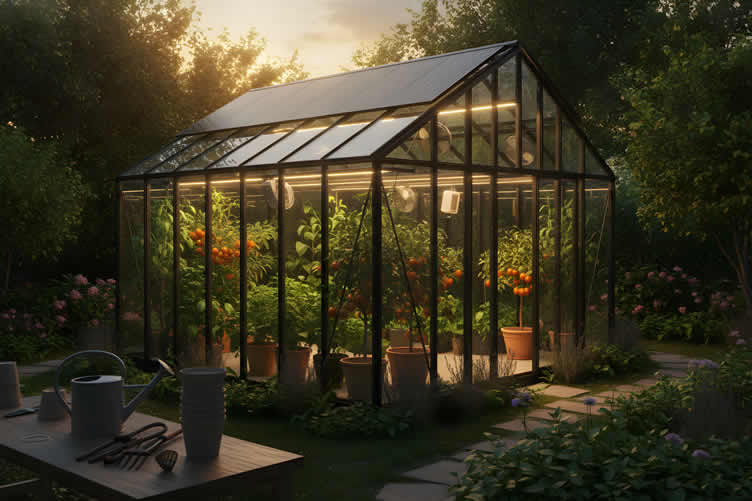
AI generated image by 123rf.com
-
Scroll up to section directory … or scroll to next supporting note …
-
-
3rd Note: Brief Review of Greenhouse Maintenance
Maintaining your greenhouse is essential to ensure it remains a healthy and productive environment for your plants.
Regular care not only enhances the longevity of your greenhouse but also prevents potential issues that could compromise plant health and growth.
By investing time in proper maintenance, you create an ideal setting for your gardening ambitions to flourish.
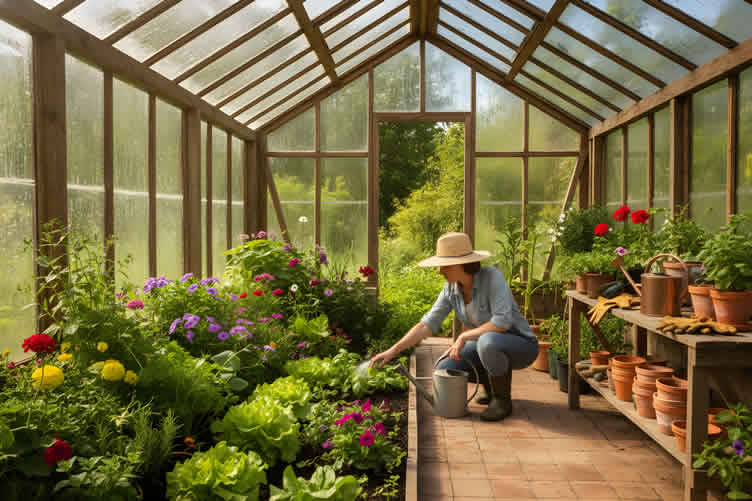
AI generated image by 123rf.com
This guide will walk you through the key areas of greenhouse upkeep with actionable advice designed to keep your space functional, efficient, and problem-free.
Whether you’re an experienced gardener or just starting, these tips will help you manage your greenhouse with confidence and care.
-
Clean the Glazing, Floors, Benches, Tools, and Trays Regularly
Keeping your greenhouse clean is one of the most crucial tasks. Dirt, algae, and debris can build up over time and reduce light levels, which are essential for plant growth.
Regularly clean glazing panels, floors, benches, tools, and trays to prevent the spread of disease and maintain a bright, hygienic environment. Sterilizing tools and trays before reuse can further reduce disease risks.
-
Inspect the Frame, Joints, and Moving Parts Annually
A yearly inspection of the greenhouse structure ensures everything remains secure and functional. Check the frame, joints, fasteners, seals, vents, and moving parts for wear and tear.
Tighten any loose components and apply lubrication to hinges or tracks as needed. These preventative measures enhance durability and prevent costly repairs down the line.
-
Monitor for Pests and Disease
Enclosed environments like greenhouses can become breeding grounds for pests and diseases if not carefully monitored. Conduct routine checks for any signs of infestation or sick plants.
Remove affected plants immediately and use natural or effective treatments to prevent problems from spreading. Staying vigilant helps maintain a thriving ecosystem inside your greenhouse.
-
Maintain the Coverings and Windows
If your greenhouse uses poly film, remember to replace it according to its recommended schedule to avoid wear and light reduction.
For glass or polycarbonate coverings, inspect regularly for cracks, seal failures, or signs of degradation. Keep windows and seals in good condition to ensure proper insulation and ventilation.
-
Clean Out Gutters and Drainage Systems
A clear drainage system is vital for managing water and humidity levels. Regularly remove debris from gutters, drains, and airflow paths to prevent water stagnation and excess humidity.
This reduces the risk of mold, algae, and other moisture-related issues, preserving a healthy environment for your plants.
-
Other Maintenance Tips
Beyond these key areas, consider your greenhouse’s specific needs. For example, check environmental controls such as integrated vents or grow lights to ensure they are functioning optimally.
Seasonal deep cleanings can prepare your space for shifts in weather, making transitions seamless and stress-free.
By following these maintenance practices, you can maximize your greenhouse’s efficiency and ensure its longevity.
Whether you’re growing vegetables, flowers, or tropical plants, a well-maintained greenhouse will help you achieve the gardening results you dream of.
More Supporting Information
(view sample images, summary table, and side note – or scroll to next topic)
Key Areas Details Importance Clean the Glazing, Floors, Benches, Tools, and Trays Regularly Keeping the greenhouse clean prevents dirt, algae, and debris buildup, enhancing light levels essential for plant growth.
Regular cleaning of glazing panels, floors, benches, tools, and trays prevents disease spread and maintains hygiene.
Ensures light levels, prevents disease, and supports plant health. Inspect the Frame, Joints, and Moving Parts Annually Conduct yearly inspections of the greenhouse structure, including frame, joints, fasteners, seals, vents, and moving parts.
Tighten loose components and lubricate as needed to ensure durability and prevent costly repairs.
Enhances structural durability and prevents functional issues. Monitor for Pests and Disease Regular checks for pests and plant diseases are essential. Remove affected plants and use natural or effective treatments to avoid further spread. Vigilance helps maintain a healthy and balanced greenhouse ecosystem. Controls infestations and promotes an optimal growing environment. Maintain the Coverings and Windows Inspect poly film, glass, or polycarbonate coverings for cracks, degradation, or seal failures.
Replace poly film as recommended and ensure windows and seals are functional to provide proper insulation and ventilation.
Preserves insulation, ventilation, and structural integrity. Clean Out Gutters and Drainage Systems Regularly clear debris from gutters, drains, and airflow paths to prevent water stagnation and excess humidity.
This reduces risks of mold, algae, and other moisture-related issues.
Prevents water-related problems and maintains humidity balance. Other Maintenance Tips Adapt practices to greenhouse-specific needs, such as checking environmental controls (vents or grow lights) and seasonal deep cleaning to prepare for weather changes. Ensures optimal settings for various environmental conditions. Pests to Watch For
While greenhouses provide a controlled environment that reduces pest infestations, some resilient critters may still find their way in.
Ants, spiders, and mice are common invaders, along with other plant-harming pests like aphids or whiteflies.

These pests can sneak through small gaps or hitch a ride on new plants or tools.
Regular maintenance, sealing any entry points, and practicing proper sanitation can help minimize their impact and keep your greenhouse thriving.
view ideas: Methods for a Pest-Free(new win)
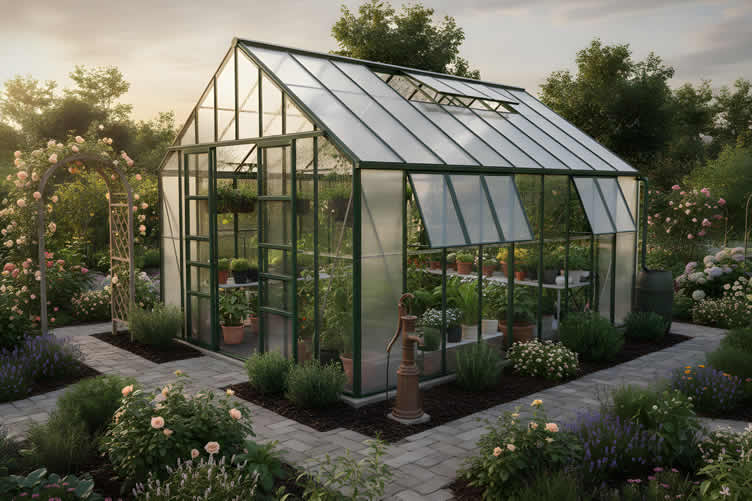
AI generated image by 123rf.com
-
Scroll up to section directory … or scroll to next supporting note …
-
-
4th Note: How to Grow, Care, and Harvest Food
… in a greenhouse setting (key questions)
Greenhouse growing is an exciting opportunity to take control of your food production, ensure year-round harvests, and explore new planting possibilities. However, achieving success in your greenhouse requires more than just planting seeds and waiting for growth.
It’s about crafting an environment where plants can thrive, understanding how to adapt to seasonal changes, and knowing how to make the most of your available space.
copyright image by 123rf.com
By focusing on proven techniques, these efforts can lead to higher yields and healthier produce. In this guide, we’ll explore the essential steps to grow, care for, and harvest food in a greenhouse.
By examining key factors like planting strategies, environmental controls, and seasonal planning, you’ll not only gain confidence but also find ways to maximize yields, enjoy fresher produce, and nurture a thriving, sustainable food system right at home.
-
1. How to Choose the Right Plants?
The first step in greenhouse growing is selecting plants that thrive in controlled environments. Begin by considering crops that match your climate and your goals.
Warm-season vegetables like tomatoes, peppers, and cucumbers flourish in greenhouses with consistent temperatures, while leafy greens and herbs such as lettuce, spinach, and basil prefer cooler conditions.
Additionally, research the space requirements of your plants to avoid overcrowding and enable proper growth.
Leverage seed catalogs or local agricultural extensions for recommendations on greenhouse varieties that are bred for indoor settings. Ensure you rotate crops seasonally and diversify your planting to prevent pests and diseases from building up over time.
-
2. What Crops Need Support, Training, or Trellising?
Certain crops like tomatoes, cucumbers, pole beans, and peas benefit greatly from support structures such as stakes, cages, or trellises. These supports help the plants grow vertically, saving space and improving air circulation to reduce disease risks.
When planning your greenhouse layout, allocate areas near walls or central rows for trellised plants to maximize efficiency. Consider modular or adjustable trellis systems that can be adapted based on crop type and growth stages.
-
3. How Much Space Beds, Containers, Benches, and Walkways?
When planning your greenhouse layout, it’s important to balance functionality and accessibility. Raised beds or containers typically require about 18 to 24 inches in width to allow for healthy plant growth, while benches can range from 24 to 36 inches deep, depending on the plants you’ll be housing.
Walkways should be at least 2 feet wide to ensure you can move around comfortably, though 3 feet is ideal for larger greenhouses or added mobility.
Consider leaving 6 to 12 inches of space around containers or benches to allow for proper air circulation. Careful planning and efficient spacing will help maximize productivity while keeping the area manageable and inviting.
-
4. What’s Needed to Maintain an Optimal Greenhouse Environment?
Maintaining the right environment is the backbone of effective greenhouse gardening. Start by monitoring temperature and humidity regularly.
Optimal ranges vary by plant, but generally, temperatures between 65-75°F during the day and slightly cooler at night work well. Humidity levels should be moderate—around 50-70%—to keep plants healthy without encouraging mold or mildew.
Ensure proper ventilation through roof or side vents and consider installing fans to circulate air evenly.
Heating systems, shade cloths, or grow lights might be necessary depending on seasonal needs. A high-quality thermometer, hygrometer, or data-logging tool can help monitor these conditions with precision.
-
5. How will I manage temperature, humidity, and airflow on hot, cold, or still days?
Managing temperature, humidity, and airflow in your greenhouse requires different strategies for different weather.
On hot days, use shade cloths to block intense sun and open vents to release heat. Exhaust fans improve airflow, while misting systems can raise humidity if it gets too dry.
During cold spells, a reliable heating system like a space heater or heat mats will maintain warmth. Insulating with materials like thermal screens also helps retain heat, but be mindful of over-humidifying, which can lead to mold.
On still days, oscillating fans are essential for circulating air and preventing stagnant pockets with uneven temperatures or humidity. For easier management, automated climate control systems can efficiently maintain optimal growing conditions.
-
6. What winter and summer adjustments will I need, including insulation, shading, and heating?
During winter, prioritize retaining heat by insulating your greenhouse. Options like bubble wrap insulation for glass panels or thermal screens can help trap warmth. Additionally, consider using portable heaters or heat mats to keep temperatures above freezing, and monitor humidity to prevent mold.
In summer, focus on preventing overheating by installing shading materials like shade cloths or reflective paint to block excess sunlight. Ensure proper ventilation by opening vents or doors and using exhaust fans to maintain airflow.
Automated systems can help regulate temperature and shading dynamically, keeping the environment consistent year-round.
-
7. How do you establish a watering schedule in a greenhouse?
Watering is crucial in greenhouses, as they typically concentrate heat and dry out soil faster than outdoor gardens.
Use irrigation systems such as drip lines or soaker hoses to provide consistent moisture at the base of plants without wetting foliage. Water early in the day to allow excess moisture to evaporate, reducing the risk of fungal growth.
Observe your plants closely and adjust watering based on the weather, greenhouse temperature, and plant type. To promote healthy root systems, water deeply but less frequently. Adding moisture-retaining mulch or using self-watering pots may simplify your routine.
-
8. How do you manage pests and diseases within a greenhouse?
Greenhouses can create ideal conditions for pests and diseases, so proactive management is critical. Begin by keeping the space clean—remove plant debris, weed regularly, and sterilize tools to prevent cross-contamination. Introduce beneficial insects like ladybugs or lacewings to control pests naturally.
Inspect plants for signs of infestation, such as discolored leaves or sticky residues. Act quickly by using organic sprays like neem oil or insecticidal soap.
If necessary, quarantine affected plants to prevent the spread. Integrated pest management (IPM) techniques combine prevention, monitoring, and treatment for efficient control while minimizing chemical use.
-
9. How will I prevent fungal diseases, pests, and soil-borne buildup in a more enclosed environment?
Preventing fungal diseases, pests, and soil-borne buildup in enclosed spaces like greenhouses involves proactive measures and regular maintenance. Good ventilation is key to reducing humidity, a common cause of fungal growth. Use fans to circulate air and maintain a consistent temperature.
To avoid soil-borne diseases, rotate your crops regularly. Always sterilize tools, pots, and trays before use.
Using raised beds or fresh, high-quality potting soil also minimizes contamination. Inspect your plants often, and if you find diseased foliage, remove it immediately and dispose of it far from the greenhouse. Introducing beneficial insects can also help manage pests naturally.
By keeping your greenhouse clean, well-ventilated, and closely monitored, you’ll create a healthier environment for your plants.
-
10. Do I need a routine for hardening off plants before moving them outdoors?
Yes, hardening off is a critical step to ensure your plants adjust successfully to the outdoor environment. Plants grown indoors or in a greenhouse are accustomed to stable conditions with controlled temperature, light, and humidity, so sudden exposure to the harsher conditions outdoors can shock them.
To harden off, gradually introduce your plants to the outdoor environment over 7 to 10 days. Start by placing them in a shaded, sheltered area for a few hours each day, gradually increasing their time outside and their exposure to direct sunlight and wind.
This process helps plants develop sturdier stems, tougher leaves, and greater resilience, preparing them for outdoor growth and reducing transplant shock.
-
11. How to Schedule Planting and Harvesting in a greenhouse?
Scheduling your crops depends on the greenhouse type (heated or unheated) and the seasons. Develop a planting calendar that aligns with each plant’s growing season while considering crop rotation and companion planting techniques.
For instance, start seedlings such as tomatoes and peppers in early spring to plant out once conditions stabilize or grow cool-season staples like kale and radishes in fall for a winter harvest.
To maximize yield, practice succession planting—sowing new seeds as soon as another crop is harvested. This approach ensures continuous production and maximizes the efficient use of your greenhouse space.
Keep detailed records of your planting and harvesting schedule each year; these notes will help inform decisions and improvements over time.
-
12. Maintain a Cleaning and Crop-Rotation Schedule?
A clean and organized greenhouse is key to long-term success. At the end of each season, give your greenhouse a thorough cleaning. Remove all plant debris, wash your tools, and disinfect surfaces to prevent pests and diseases from spreading.
Crop rotation is just as important. Avoid planting the same crop family in the same spot year after year. Instead, create a rotation plan that alternates between different crop families to reduce soil depletion and break pest cycles.
Planting cover crops during the off-season can also help replenish soil nutrients and improve its structure, setting you up for a healthier growing environment.
-
13. Sanitizing Tools, Pots, Surfaces, and Soil Areas Between Crops?
To prevent the spread of diseases and pests, start by cleaning your tools with warm, soapy water to remove any dirt. Then, disinfect your tools and pots by soaking them for at least 10 minutes in a solution of one part bleach to nine parts water.
Be sure to rinse and dry them thoroughly. You can also wipe down surfaces like benches and tables with this same bleach solution.
For soil, try solarization: cover the area with clear plastic during hot months to trap heat and sanitize the ground naturally. Making sure everything is completely dry before you use it again will go a long way in preventing contamination.
More Supporting Information
(view summary table and side note – or scroll to next section)
Topic Details Additional Considerations Choosing the Right Plants Warm-season vegetables like tomatoes, peppers, and cucumbers thrive in consistent temperatures.
Cooler conditions suit plants like lettuce, spinach, and basil.
Research plant space requirements to avoid overcrowding and rotate crops seasonally to prevent pest and disease buildup.
Use local agricultural extensions or seed catalogs for recommendations and explore greenhouse-specific plant varieties to enhance success. Supporting Crops Crops such as tomatoes, cucumbers, pole beans, and peas benefit from stakes, cages, or trellises for vertical growth.
This conserves space and improves air circulation, reducing disease risks.
Position trellised plants near walls or central rows and utilize modular or adjustable systems to adapt to different crop types and growth stages. Greenhouse Layout Raised beds or containers require 18-24 inches in width for plant health.
Benches should ideally be 24-36 inches deep, while walkways should be 2-3 feet wide for mobility and accessibility.
Ensure 6-12 inches of space around benches or containers for air circulation and better manageability. Maintaining Environmental Conditions Monitor temperature and humidity regularly, maintaining 65-75°F during the day and slightly cooler at night, with humidity around 50-70%.
Proper ventilation with fans and vents ensures air circulation.
Consider using heating systems, shade cloths, or grow lights based on seasonal needs.
Automated tools like climate control systems help optimize growing conditions efficiently.
Seasonal Adjustments Winter requires insulation materials and heaters to retain warmth, such as thermal screens or bubble wrap for glass panels.
Summer necessitates shading, ventilation, and possibly automated systems to prevent overheating.
Monitor and adapt strategies dynamically throughout the year to maintain a consistent environment. Watering Schedule Drip lines or soaker hoses deliver consistent moisture, especially during early mornings to reduce fungal risks.
Adjust watering based on plant needs and greenhouse conditions.
Use mulch or self-watering pots to retain moisture and simplify routines while promoting deep, infrequent watering for healthy root systems. Pest and Disease Management Greenhouses require cleanliness through regular removal of plant debris and sterilization of tools.
Beneficial insects and organic sprays help control pests, while crop rotation and inspection minimize disease risks.
Ventilation and raised beds reduce fungal and soil-borne issues, while integrated pest management combines prevention, monitoring, and treatment. Hardening Off Plants Gradually expose greenhouse plants to outdoor conditions over a 7-10 day period.
Begin with shaded, sheltered exposure and incrementally increase exposure to sunlight and wind.
This transition reduces transplant shock, enabling sturdier outdoor growth. Scheduling Planting and Harvesting Develop a planting calendar tailored to greenhouse type and crop rotations.
Use succession planting to ensure continuous production and higher yields.
Document planting and harvesting schedules annually to inform future improvements and decisions. Greenhouse Maintenance Clean thoroughly at the end of each season by removing debris, sterilizing tools, and rotating crops.
Use cover crops for soil enrichment and implement a long-term plan for reducing pest cycles and soil depletion.
Solarize soil by covering it with clear plastic during warm months to naturally sanitize the area. The Dual Benefits of Greenhouses
A greenhouse offers the perfect environment to grow fresh produce all year long.
It’s also a great space to start seedlings for your landscape design.

Growing annuals and some perennials in a greenhouse can save you money since you won’t have to buy them from commercial growers.
This approach allows you to nurture plants from the very beginning and personalize your garden with a vibrant array of flowers that match your vision.
view ideas: Perennial and Annual Flower Plantings(new win)
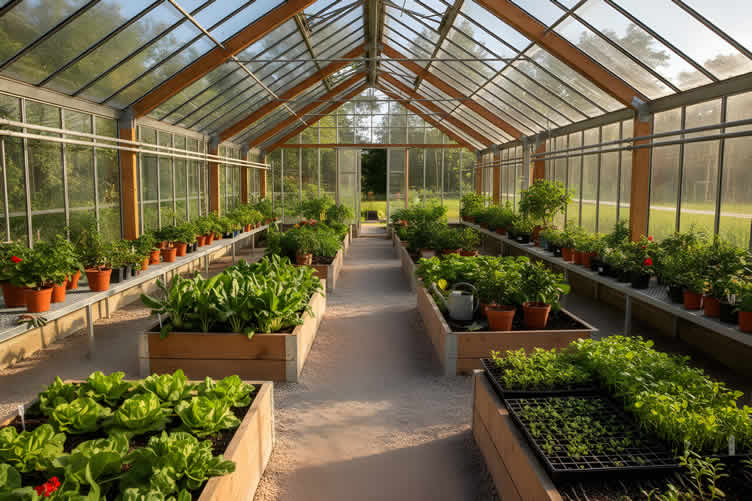
AI generated image by 123rf.com
Part-Sun Annuals
viewing amazon-
Scroll up to section directory …
-
-
Scroll up to directory … or scroll to next section about what to grow …

Easily determine the dimensions you need for any home remodeling project …
… ensuring functionality, visual appeal, and compliance with building codes.
SHARE IT ..! Someone in your network might benefit from this insightful post on home upgrades designed for seniors. Feel free to share it on Facebook, X (formally Twitter), LinkedIn, or Pinterest!



Budgeting Worksheet For Costing Home Remodeling and Home Improvement Decisions
 File Type (excel)
… home remodeling – improvement – repair
… remodeling decisions
fifth “photo remodeling” idea

copyright image by 123rf.com
Section 5: Best Plants To Grow In Your Personal Greenhouse
Notes:
-
A greenhouse is a wonderful way to grow your favorite plants all year, no matter the weather outside. This controlled environment gives you the freedom to cultivate a wide variety of crops, from fresh vegetables to vibrant flowers, in any season.
However, choosing plants that suit your greenhouse’s conditions is key to a successful and satisfying harvest.
Certain crops, like hardy greens (lettuce, spinach) and flavorful vegetables (tomatoes, peppers), thrive in the consistent warmth of a greenhouse. These versatile plants offer fresh produce for your home and adapt well to staggered planting, ensuring you have harvests all year.
You can also add herbs, tropical fruits, or edible flowers to create a lush, beautiful, and sustainable garden.
-
Quick scroll to supporting notes …
-
-
1st Note: Best Year-Round Crops To Grow
A greenhouse provides the perfect environment to nurture a wide array of crops throughout the year, allowing you to enjoy fresh produce regardless of the season.
By mimicking ideal growing conditions, you can cultivate many fruits, vegetables, and herbs sustainably and efficiently.
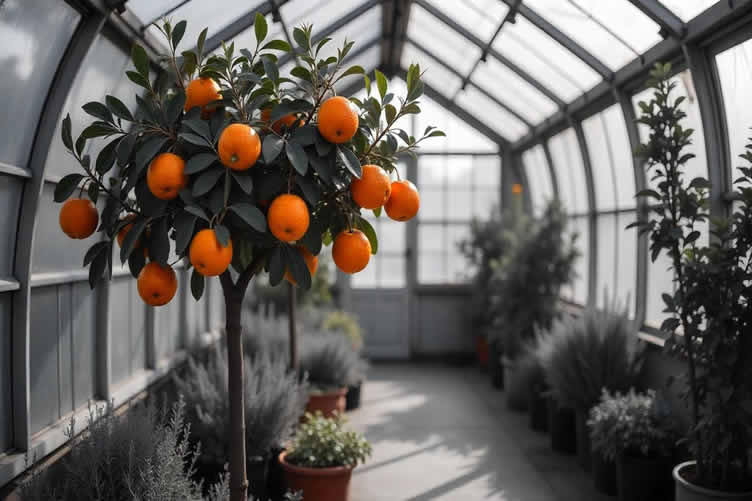
copyright image by 123rf.com
Whether you’re a seasoned gardener or just starting, choosing the right crops not only maximizes your greenhouse’s potential but also ensures a steady supply of nutritious ingredients for your meals.
Below, we’ve highlighted some of the best crops to grow year-round in a greenhouse, segmented by type, to help you plan and make the most of your gardening space.
-
Leafy Greens
Leafy greens thrive in greenhouses due to their resilience and fast-growing nature. Varieties like lettuce, spinach, kale, Swiss chard, and endive are perfect choices.
These versatile crops flourish in cooler temperatures, making them ideal for year-round cultivation.
Their compact growth habits allow you to cycle through multiple harvests, ensuring a constant supply of nutritious greens for salads, smoothies, or sautéed dishes.
-
Herbs
Herbs are indispensable for adding fresh flavors to your cooking, and a greenhouse allows you to grow them consistently.
Some of the easiest and most rewarding herbs to cultivate include basil, parsley, mint, chives, rosemary, oregano, and thyme.
These aromatic plants require minimal space and can even thrive in small containers or vertical setups. Their year-round availability ensures you’ll always have fresh herbs on hand for your culinary creations.
-
Root Vegetables
For gardeners looking to cultivate hearty produce, root vegetables like carrots, beets, radishes, parsnips, and rutabagas are excellent choices.
These crops are adaptable and can prosper in controlled greenhouse conditions with the right soil depth and drainage. They’re perfect for soups, roasts, or snacks, allowing you to enjoy their earthy flavors regardless of the season.
-
Fruiting Vegetables
Fruiting vegetables such as tomatoes, cucumbers, peppers, eggplants, and beans are some of the most popular greenhouse crops. These plants require slightly warmer conditions but reward you with abundant harvests when cared for properly.
Their vibrant colors and flavors bring vitality to any kitchen, and the greenhouse’s controlled environment helps extend their growing seasons significantly.
-
Compact Fruits
If you’re interested in growing fruits in your greenhouse, compact options like strawberries, dwarf citrus, and even figs or grapes (for larger setups) are ideal.
These plants are not just productive but also add aesthetic appeal to your space. Greenhouse-grown fruits boast intense flavors, and their consistent yield makes them a favorite among greenhouse enthusiasts.
-
Easy Specialty Crops
For quick and profitable harvests, specialty crops such as microgreens, seedlings, and baby greens are standout options.
These crops are fast-growing and require minimal space, making them ideal for beginners or gardeners looking to maximize efficiency. Specialty crops also cater to various dietary needs and can provide a fresh twist to any meal.
-
Other Crops
Depending on your preferences and setup, other crops like scallions, zucchini, or even tropical plants in heated greenhouses can flourish year-round.
These options allow you to experiment with your gardening techniques while expanding the variety of your harvests.
By selecting a mix of these diverse crop options, you can enjoy a continuous supply of fresh, flavorful, and nutritious produce from your greenhouse.
Tailor your choices to your taste, household needs, and available space to make the most of your gardening efforts.
More Supporting Information
(view sample images, summary table, and side note – or scroll to next topic)
Year-round Crops to Grow
(from the summary table below)
Crop Type Examples Key Features Leafy Greens Lettuce, spinach, kale, Swiss chard, endive Resilient, fast-growing, ideal for cooler temperatures, compact growth Herbs Basil, parsley, mint, chives, rosemary, oregano, thyme Minimal space required, great for small containers or vertical setups, aromatic Root Vegetables Carrots, beets, radishes, parsnips, rutabagas Adaptable, require proper soil depth and drainage, hearty and nutritious Fruiting Vegetables Tomatoes, cucumbers, peppers, eggplants, beans Need warmer conditions, vibrant colors and flavors, extend growing season Compact Fruits Strawberries, dwarf citrus, figs, grapes Space-saving, aesthetic appeal, flavorful and consistent yields Easy Specialty Crops Microgreens, seedlings, baby greens Fast-growing, minimal space, versatile for various meals Other Crops Scallions, zucchini, tropical plants (e.g., in heated greenhouses) Opportunity to experiment, wide variety of seasonal options Greenhouse Herbs and Spices
Understanding herbs and spices is fundamental to elevating your culinary skills and creating flavorful dishes.
A greenhouse offers the perfect environment to grow a wide variety of herbs, such as basil, rosemary, and thyme, as well as exotic spices like turmeric or ginger for those with more experience.

With controlled conditions, you can enjoy fresh, aromatic ingredients year-round, adding unmatched freshness and quality to your meals while also cultivating a deeper connection to your cooking.
view ideas: Knowing Your Herbs and Spices(new win)
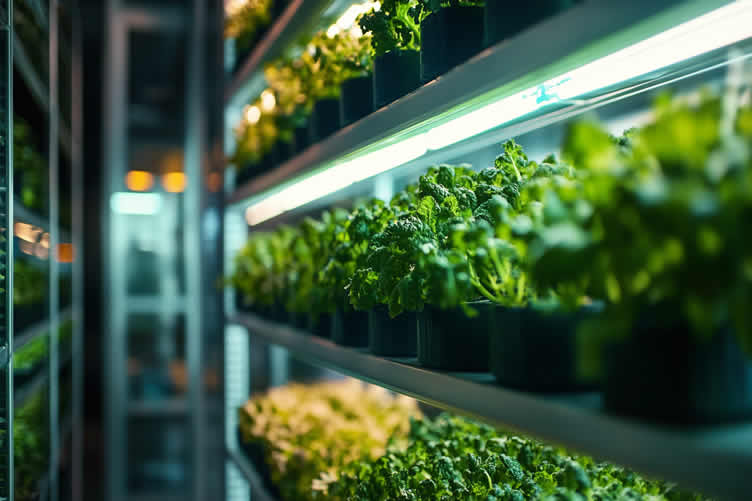
copyright image by 123rf.com
-
Scroll up to section directory … or scroll to next supporting note …
-
-
2nd Note: Best Crops to Grow for Every Season
A greenhouse offers a remarkable opportunity to cultivate a variety of crops year-round, regardless of the external climate.
By leveraging the controlled conditions of your greenhouse, you can tailor your planting schedule to suit each season, ensuring an abundant and diverse harvest.
Whether you’re passionate about leafy greens, vibrant fruits, or fragrant herbs, seasonal planning is key to optimizing your greenhouse’s potential.
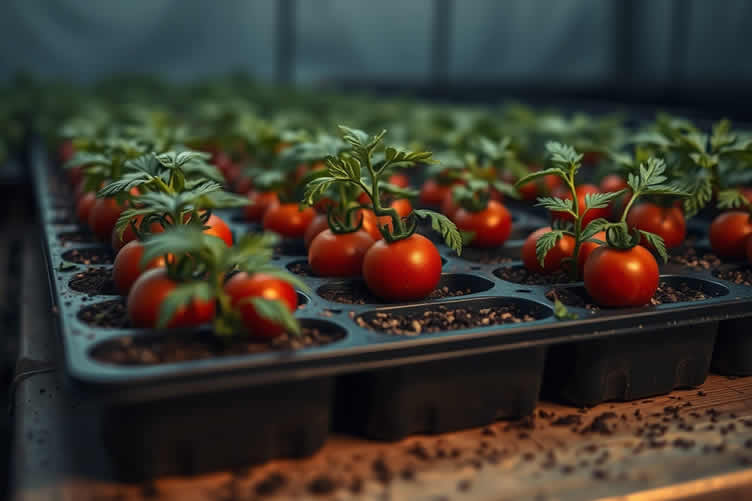
copyright image by 123rf.com
Below, we’ll explore the best crops to grow in a greenhouse throughout the year.
From cool-weather favorites to space-saving options, this guide will help you make informed decisions to maximize your gardening success.
-
Cool Months
The cooler seasons of fall and winter provide the perfect environment for hardy vegetables and flavorful herbs that thrive in moderate to low temperatures. Some excellent choices for these months include:
- Lettuce and Spinach:
These leafy greens are fast-growing and easy to maintain, making them a staple for winter gardening. - Kale and Chard:
Packed with nutrients, these hearty greens will flourish in cooler temperatures and provide consistent harvests. - Carrots and Beets:
Root vegetables like carrots and beets develop their sweetest flavors in cooler weather, making them ideal for winter greenhouses. - Chives and Parsley:
These versatile herbs thrive in cool environments and are perfect for adding fresh flavors to winter meals. - Radishes:
Quick to mature, radishes are a fantastic choice for beginner gardeners looking for a fast-growing crop.
- Lettuce and Spinach:
-
Warm Months
Warmer seasons such as spring and summer are ideal for growing vibrant, sun-loving crops that flourish in higher temperatures. Use this time to enjoy greenhouse classics like:
- Tomatoes:
A greenhouse favorite, tomatoes thrive in the controlled warmth and reward you with juicy, flavorful fruits. - Cucumbers:
These versatile vegetables grow quickly and are perfect for salads or pickling projects. - Peppers:
Whether sweet or spicy, peppers of all types flourish in warm conditions and add color and flavor to your harvest. - Squash and Beans:
These prolific growers will provide you with an abundance of produce when given proper care and support. - Basil:
This fragrant herb thrives in the summer heat and pairs beautifully with tomatoes for fresh, zesty recipes.
- Tomatoes:
-
Low-Space Greenhouses
For those with limited space, compact or portable greenhouses make it possible to grow high-yield crops without compromising on quality. Several crops are particularly well-suited for tight quarters, including:
- Dwarf Tomatoes and Peppers:
These compact varieties take up minimal space while delivering sizable harvests. - Lettuce and Herbs:
Quick-growing lettuce and versatile herbs, such as thyme and cilantro, thrive in smaller environments. - Potted Greens:
Crops like arugula or spinach grow perfectly in containers, letting you maximize vertical or shelf space. - Orchids and Tropical Plants:
For a decorative touch, orchids and other small tropical plants can flourish in warm and humid mini greenhouses.
- Dwarf Tomatoes and Peppers:
-
Other Versatile Options
Depending on your specific greenhouse setup and personal preferences, there are many additional crops to consider for year-round growth:
- Tropical Plants:
With a heated greenhouse, you can explore cultivating tropical fruits like bananas or citrus year-round. - Scallions and Zucchini:
These crops adapt well to various conditions and provide consistent harvests throughout the year. - Microgreens:
These nutrient-packed greens grow rapidly and are a fantastic way to add variety and freshness to your diet.
By aligning your plant choices with the seasons and making the most of your greenhouse’s unique conditions, you can enjoy a rewarding gardening experience that delivers fresh, flavorful produce year-round.
- Tropical Plants:
More Supporting Information
(view sample images, summary table, and side note – or scroll to next topic)
Best Crops by Season
(from the summary table below)
Category Crops Details Cool Months - Lettuce
- Spinach
- Kale
- Chard
- Carrots
- Beets
- Chives
- Parsley
- Radishes
These crops thrive in cooler temperatures.
Leafy greens like lettuce and spinach are fast-growing, while root vegetables like carrots and beets develop their sweetest flavors.
Herbs such as chives and parsley provide fresh flavors, and radishes are quick-growing options ideal for beginners.
Warm Months - Tomatoes
- Cucumbers
- Peppers
- Squash
- Beans
- Basil
Warm weather supports vibrant crops like tomatoes and cucumbers which thrive in controlled warmth.
Peppers, squash, and beans grow prolifically, while basil enjoys the summer heat, pairing perfectly with other crops.
Low-Space Greenhouses - Dwarf Tomatoes
- Dwarf Peppers
- Lettuce
- Herbs
- Potted Greens
- Orchids
- Tropical Plants
Compact or portable greenhouses are ideal for dwarf varieties of tomatoes and peppers, quick-growing lettuce and herbs, and container-friendly greens like arugula.
Orchids and tropical plants can add a decorative touch in smaller spaces.
Other Options - Tropical Fruits
- Scallions
- Zucchini
- Microgreens
Heated greenhouses can support tropical fruits like bananas and citrus.
Scallions and zucchini are versatile crops, while microgreens provide nutrient-packed, fast-growing options for variety and freshness.
Preserving Your Greenhouse Harvest
Canning your greenhouse harvest is a rewarding way to preserve the bountiful produce you have worked so hard to grow.
By safely sealing fruits, vegetables, and even herbs in jars, you can extend their freshness and enjoy the flavors of your hard work throughout the year.

This method not only minimizes food waste but also allows you to create homemade sauces, jams, and pickles tailored to your taste.
With a little preparation, canning becomes a practical and satisfying way to savor your garden’s success.
view ideas: The Joy of Canning Your Harvest(new win)

copyright image by 123rf.com
-
Scroll up to section directory … or scroll to next supporting note …
-
-
3rd Note: Must-Have Family Staples to Grow
A greenhouse provides the perfect environment to cultivate fresh, nutritious food all year round, ensuring your family has access to key staples that enhance both meals and well-being.
Growing versatile ingredients in your greenhouse not only saves on grocery bills but also allows you to enjoy a sustainable, homegrown lifestyle.
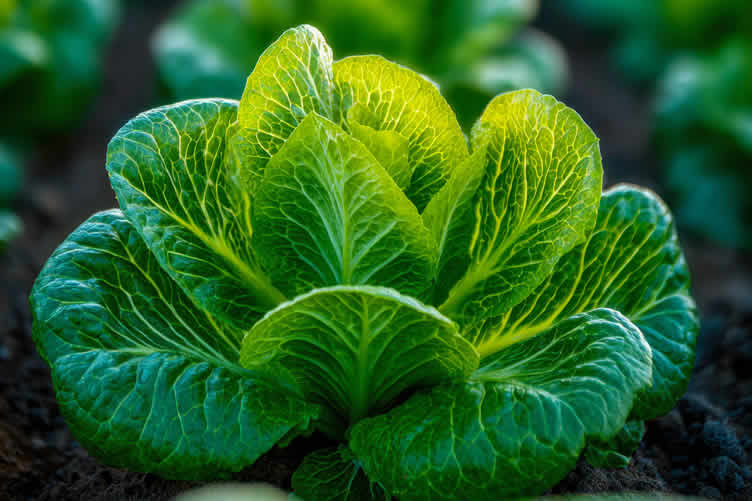
copyright image by 123rf.com
This guide highlights the most useful family staples to consider, tailored to meet everyday needs ranging from quick salads to flavorful home cooking.
-
Lettuce and Spinach for Fast Salads
Leafy greens like lettuce and spinach grow quickly and provide a fresh, crisp base for salads and sides. They thrive in greenhouse environments with moderate temperatures, making them a reliable choice for year-round harvesting.
- Butterhead Lettuce
- Romaine Lettuce
- Baby Spinach
-
Kale and Chard for Steady Cooking Greens
Kale and Swiss chard are nutrient-rich greens that add depth and heartiness to soups, sautés, and casseroles. Their resilience to varying conditions makes them an excellent greenhouse crop for consistent, steady production.
- Curly Kale
- Lacinato Kale (Dinosaur Kale)
- Rainbow Chard
-
Tomatoes and Cucumbers for Frequent Fresh Use
Tomatoes and cucumbers are staples that every family can rely on for salads, sandwiches, and snacks. With proper trellising and care, these plants will yield abundant harvests in a controlled greenhouse setting.
- Cherry Tomatoes
- Beefsteak Tomatoes
- Persian Cucumbers
- English Cucumbers
-
Carrots and Beets for Storage and Side Dishes
Root vegetables like carrots and beets are ideal for families seeking hearty, nutritious additions to meals. They store well after harvesting, providing long-term access to homegrown goods.
- Nantes Carrots
- Chantenay Carrots
- Red Beets
- Golden Beets
-
Parsley, Basil, and Mint for Everyday Flavor
Herbs are a simple yet impactful addition to any greenhouse. These flavorful staples elevate your cooking, and harvesting as needed means you’ll always have fresh herbs on hand.
- Italian Parsley
- Genovese Basil
- Peppermint
By thoughtfully selecting these family staples, your greenhouse can become a productive and rewarding space that consistently meets your household’s culinary needs.
From quick salad greens to long-lasting root vegetables, growing your own food ensures quality, freshness, and the satisfaction of contributing to your family’s well-being.
More Supporting Information
(view sample images, summary table, and side note – or scroll to next topic)
Category Details Examples Lettuce and Spinach for Fast Salads Leafy greens like lettuce and spinach grow quickly and thrive in moderate greenhouse temperatures, providing a crisp base for salads and sides year-round. Butterhead Lettuce, Romaine Lettuce, Baby Spinach Kale and Chard for Steady Cooking Greens Kale and Swiss chard are nutrient-rich greens that enhance soups, sautés, and casseroles.
They are resilient crops suitable for consistent greenhouse production.
Curly Kale, Lacinato Kale (Dinosaur Kale), Rainbow Chard Tomatoes and Cucumbers for Frequent Fresh Use Tomatoes and cucumbers are versatile staples perfect for salads, sandwiches, and snacks.
With proper care, they yield abundant harvests in controlled environments.
Cherry Tomatoes, Beefsteak Tomatoes, Persian Cucumbers, English Cucumbers Carrots and Beets for Storage and Side Dishes Root vegetables like carrots and beets are hearty and nutritious.
They store well post-harvest, providing long-term access to fresh, homegrown produce.
Nantes Carrots, Chantenay Carrots, Red Beets, Golden Beets Parsley, Basil, and Mint for Everyday Flavor Herbs like parsley, basil, and mint elevate cooking and are easily harvested on demand for freshness, making them a practical greenhouse addition. Italian Parsley, Genovese Basil, Peppermint Maximizing Your Greenhouse
A key benefit of owning a greenhouse is the ability to grow and harvest fresh produce to can and preserve for future meals.
An efficient food storage system allows you to enjoy homegrown produce year-round, reducing your reliance on grocery stores.
To begin, invest in the proper tools for canning, freezing, or dehydrating your harvest. Stored food should be organized in a cool, dark place to maintain freshness.
This sustainable practice saves money and ensures you always have access to nutritious food.
view ideas: Smart Home Food Storage(new win)
AI generated image by 123rf.com
-
Scroll up to section directory … or scroll to next supporting note …
-
-
4th Note: How Hydroponic Systems Work in Greenhouses
Hydroponic systems operate by replacing soil with a nutrient-rich water solution that feeds plants directly.
Key components of these systems include grow trays, nutrient reservoirs, pumps for efficient water circulation, and a medium like perlite or rock wool to anchor the plants.
By housing hydroponic setups in a greenhouse, gardeners can optimize light, temperature, and humidity levels, creating an ideal ecosystem that promotes robust plant health.
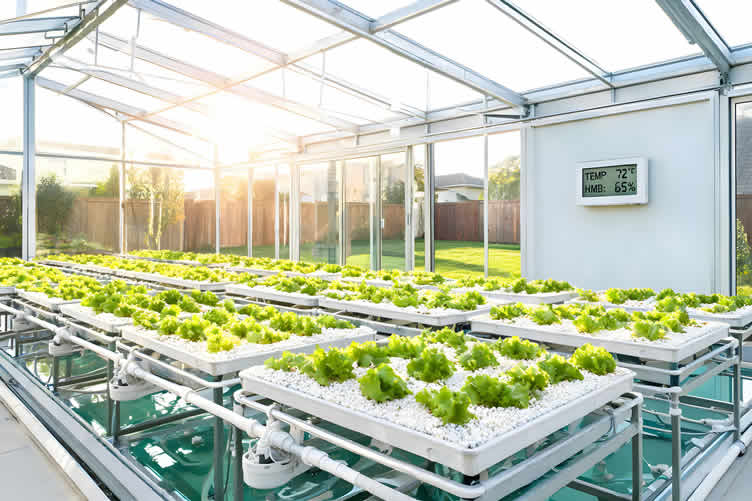
AI generated image by 123rf.com
For example, systems like Nutrient Film Technique (NFT), where a thin stream of nutrient solution flows over plant roots, and Deep Water Culture (DWC), where roots are submerged in oxygenated water, are commonly integrated into greenhouses.
These methods encourage rapid growth rates and exceptional crop results by ensuring plants constantly receive the nutrients and oxygen they need.
-
Benefits of Hydroponic Greenhouse Gardening
- Sustainability and Water Efficiency
Hydroponic systems use up to 90% less water compared to traditional soil-based gardening. The closed-loop system recirculates water, ensuring minimal waste and making it an eco-friendly choice for gardeners conscious about water conservation. - Enhanced Plant Growth and Yield
Plants grown hydroponically in greenhouses show faster growth rates and higher yields. The direct delivery of nutrients eliminates the need for root systems to search for food in the soil, accelerating the growth process. - Pest and Disease Control
Soil-borne diseases and pests are virtually eliminated in hydroponic gardening, reducing the need for chemical pesticides. The sterile growing medium and nutrient-rich solution create a cleaner and healthier environment for plants. - Year-Round Cultivation
Combined with the controlled climate of a greenhouse, hydroponic systems allow for continuous crop production regardless of external weather conditions. This reliability makes them an attractive option for both hobbyists and professional growers. - Space Optimization
Vertical hydroponic setups can be employed in greenhouses to maximize space efficiency. These systems are perfect for small-scale gardeners or those working with limited areas, as they allow for multiple layers of plants to thrive in the same footprint.
- Sustainability and Water Efficiency
-
Additional Considerations and References
When adopting a hydroponic greenhouse setup, it’s essential to maintain consistent monitoring of pH levels, nutrient concentrations, and water quality to ensure optimal performance.
Automated sensors and controllers can greatly simplify your management efforts.
For further expertise, resources like "Hydroponic Food Production" by Howard M. Resh provide in-depth guidance, while online platforms such as the University of Arizona’s Controlled Environment Agriculture Center (CEAC) offer valuable educational materials.
By integrating hydroponic systems within your greenhouse, you can achieve a modern, efficient, and sustainable gardening solution tailored to meet your personal or professional goals.
More Supporting Information
(view sample images, summary table, and side note – or scroll to next section)
Aspect Description Examples/Benefits How Hydroponic Systems Work in Greenhouses Hydroponic systems replace soil with a nutrient-rich water solution to feed plants directly, using components like grow trays, nutrient reservoirs, pumps, and mediums such as perlite or rock wool to anchor plants. Systems like Nutrient Film Technique (NFT) use a flowing stream of nutrients, while Deep Water Culture (DWC) allows roots to remain submerged in oxygenated water, fostering plant health and fast growth. Sustainability and Water Efficiency Hydroponic systems use up to 90% less water compared to traditional gardening, employing a closed-loop system to recirculate water and minimize waste. Highly eco-friendly, ideal for water conservation efforts. Enhanced Plant Growth and Yield Direct nutrient delivery eliminates the need for root searching in soil, accelerating the plant growth process. Results in faster growth rates and higher yields compared to soil-based systems. Pest and Disease Control By eliminating soil, hydroponic systems prevent soil-borne diseases and pests, thus creating a cleaner environment for plants. Reduces the need for chemical pesticides. Year-Round Cultivation The controlled greenhouse climate allows for continuous production regardless of external weather conditions. Ensures reliability for hobbyists and professional growers. Space Optimization Vertical hydroponic systems enable efficient use of limited space within greenhouses by allowing multiple plant layers to thrive. Perfect for small-scale or space-conscious gardening. Additional Considerations and References Maintaining pH levels, nutrient concentrations, and water quality is crucial. Automated sensors and controllers can help manage the system more effectively. Resources like “Hydroponic Food Production” by Howard M. Resh and the University of Arizona’s Controlled Environment Agriculture Center (CEAC) provide valuable insights. Setting Up a Hydroponic Garden
Hydroponic gardening is an innovative way to grow plants without soil, using a nutrient-rich water solution to feed them directly at their roots.
This method is perfect for small spaces like greenhouses or urban settings, allowing you to achieve higher yields while conserving water.
Whether you’re growing vegetables, herbs, or flowers, hydroponic systems provide an adaptable and sustainable approach to gardening.
view ideas: Hydroponic Garden – An Illustration(new win)
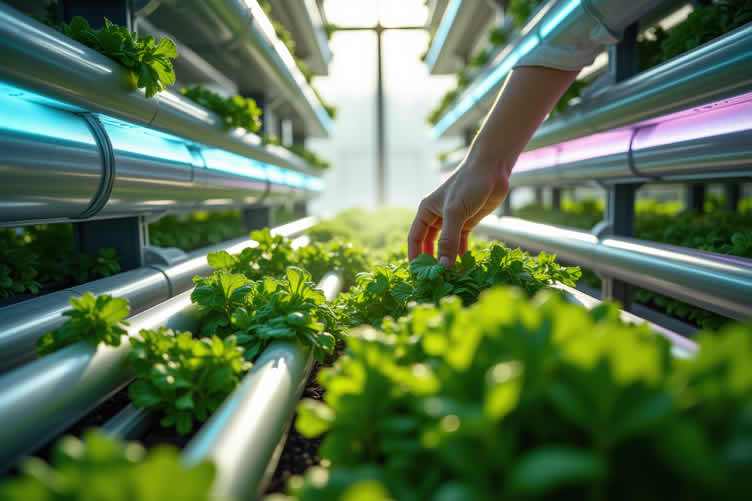
copyright image by 123rf.com
[ amazon: greenhouse hydroponics system ]
[ amazon: hydroponic lighting ]
-
Scroll up to section directory …
-
-
Scroll up to main directory … or scroll to next section about starting a build …
Download this PDF for a concise summary of everything you need to know about …?
Quick Contractor Guides selecting negotiating working with inspecting
sixth and last “photo remodeling” idea
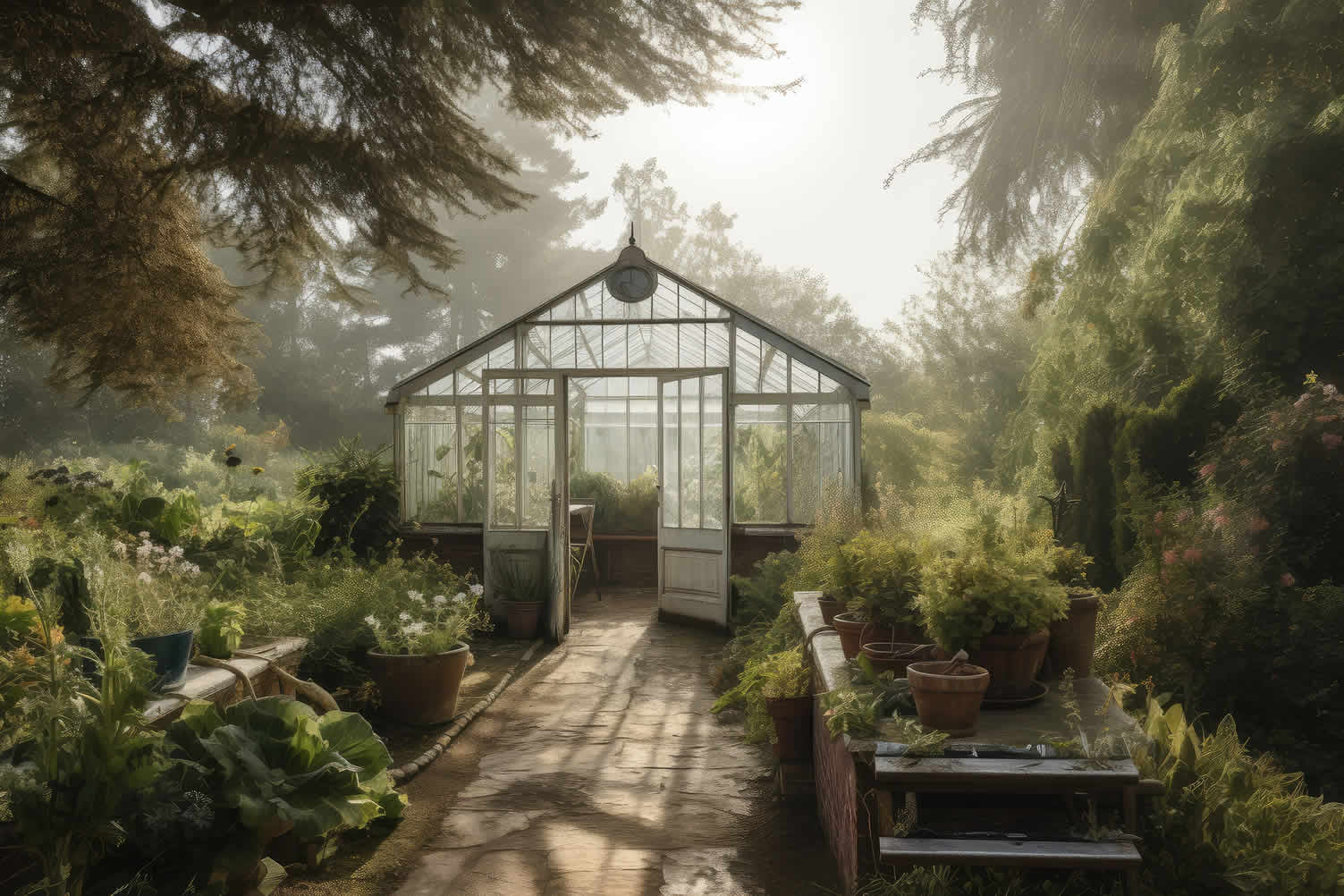
copyright image by 123rf.com
Section 6: Starting Your Greenhouse Build and Contracting Services
Notes:
-
For gardening enthusiasts or homeowners seeking to bring nature closer to their living spaces, a personal greenhouse can be a wonderful addition. Not only does it provide a dedicated space to grow plants year-round, but it also adds a unique charm to your property.
However, building a greenhouse—whether for hobby gardening or as a practical extension of your home—requires careful planning and consideration.
This section will explore key questions about setting up a personal greenhouse, including whether it’s possible to take on the project yourself or if contracting professional services might be the smarter choice.
From budget-friendly DIY options to custom-built structures designed by experts, we’ll help you weigh the benefits of each approach to craft the perfect greenhouse solution for your needs.
-
Quick scroll to supporting notes …
-
-
1st Note: Review FAQs
A personal greenhouse is a wonderful way to connect with nature and nurture plants year-round, offering a practical solution to unpredictable weather.
However, building this garden sanctuary requires careful planning. Asking the right questions beforehand ensures your new greenhouse aligns with your backyard and gardening goals.
Here are answers to the most common questions to help you build the garden oasis of your dreams.
-
What is the purpose of my personal greenhouse, and what do I want to grow in it?
The purpose of your greenhouse dictates its entire design, determining whether it functions as a simple seed-starting space or a year-round garden. You must decide if you are growing seedlings, vegetables, delicate flowers, or winter crops.
Additionally, ask yourself: "How much production do I want from it?" Your desired yield will directly influence the environmental controls and space required.
A greenhouse meant for cultivating a few spring seedlings has very different operational needs than one meant to produce a high volume of winter tomatoes.
-
What budget should I consider for a backyard greenhouse?
You should consider a total budget that includes the initial setup, accessories, and future upgrades like heating, ventilation, or irrigation.
Rather than focusing solely on the sticker price of the frame, calculate the long-term operational costs.
It is often better to start with a smaller, simpler greenhouse that fits comfortably within your budget than to overextend on a larger structure that lacks the necessary funds for essential environmental controls.
-
How do I choose the best location for my greenhouse?
The best location for your greenhouse is a spot with a level, well-draining foundation that receives ample, unobstructed sunlight.
Before committing to a site, observe your yard throughout the day to ensure nearby trees, fences, or buildings will not block the light or create deep shade.
Additionally, choose a location that is easily accessible from your home; a greenhouse that is easy to reach is much more likely to receive the daily care and attention your plants deserve.
-
What size and layout do I need for my personal greenhouse?
You should choose a size that accommodates your current growing needs while leaving ample room for necessary pathways, workbenches, shelving, and storage.
It is incredibly common for gardeners to outgrow their space quickly once they discover the joys of greenhouse gardening. If your yard allows, consider planning a layout that provides room to expand the structure in the future.
-
What structure and materials are best for a home greenhouse?
The best frame and covering materials depend directly on your local climate, weather risks, and budget constraints.
You must select a frame (such as aluminum, wood, or galvanized steel) and a covering (like glass, polycarbonate, or polyethylene) that balance light transmission, insulation, and durability.
Ensure your chosen structure is rated to handle the specific wind, snow loads, and seasonal storms typical in your geographical area.
-
How do I handle climate control in a personal greenhouse?
You handle climate control by integrating systems for heating, cooling, ventilation, and shading to keep temperatures stable year-round.
Without proper management, a greenhouse can easily overheat in the summer or freeze in the winter.
Depending on your climate, you may need to install automated vents, exhaust fans, shade cloths, and reliable space heaters to ensure your plants remain healthy and vibrant through every season.
-
How do I set up utilities and water for my greenhouse?
You set up utilities by ensuring reliable access to nearby water sources and safely running electricity for essential equipment like lights, fans, and heaters.
When planning your installation, consider adding rainwater collection systems or drip irrigation right from the start to save time and conserve resources.
Having convenient access to water and power makes daily nurturing tasks much more manageable.
-
What rules and upkeep should I prepare for before building?
Before building, you must verify if your project requires municipal permits, zoning approvals, or permission from your Homeowners Association (HOA).
Additionally, prepare for ongoing maintenance. You will need to dedicate time for seasonal cleaning, structural repairs, and maintaining your foundation and drainage systems to ensure your greenhouse remains a safe, stable environment for years to come.
-
What other factors should I consider before installing a greenhouse?
You should consider how your greenhouse fits into your daily routine and long-term lifestyle goals, ensuring it brings you joy rather than stress.
Think about the time you can realistically commit to daily care, watering, and monitoring.
By evaluating what you will grow, where the structure will go, what it will cost, and how you will stabilize it year-round, you set yourself up for a deeply rewarding gardening experience.
More Supporting Information
(view summary table and side note – or scroll to next topic)
Question Key Considerations Details What is the purpose of my personal greenhouse, and what do I want to grow in it? Purpose and Yield The greenhouse’s purpose determines its design. Decide if it’s for seedlings, vegetables, flowers, or winter crops, and consider the desired production level. Small-scale spaces differ from high-yield setups. What budget should I consider for a backyard greenhouse? Budget Allocation Include setup, accessories, and upgrades in the budget. Focus on operational costs rather than just the frame cost. Starting with a smaller greenhouse is better than overspending on a large, under-equipped one. How do I choose the best location for my greenhouse? Site Selection Choose a sunny, level location with good drainage. Ensure accessibility and avoid obstructions like trees or buildings that block light. What size and layout do I need for my personal greenhouse? Space and Layout Select a size for current needs while accommodating pathways, shelving, and storage. Plan flexibility for future expansion if possible. What structure and materials are best for a home greenhouse? Structure and Materials Match frame and covering materials to the local climate. Options include aluminum, wood, steel frames, and glass, polycarbonate, or polyethylene coverings. How do I handle climate control in a personal greenhouse? Temperature Management Install systems for ventilation, heating, cooling, and shading. Use automated vents, fans, heaters, and shade cloths to regulate seasonal temperatures. How do I set up utilities and water for my greenhouse? Utilities Setup Ensure water and electricity access. Consider rainwater collection and drip irrigation systems for convenience and resource conservation. What rules and upkeep should I prepare for before building? Permits and Maintenance Check permits, zoning approvals, and HOA regulations. Plan for regular maintenance like cleaning, structural repairs, and drainage care. What other factors should I consider before installing a greenhouse? Lifestyle Integration Evaluate time commitment, routine fit, and lifestyle goals. Ensure the greenhouse adds joy without unnecessary stress. Codes for Greenhouse Setups
If your greenhouse plans include plumbing and electrical work, it’s important to understand local permit requirements and building codes.
Most areas require permits to ensure your structure is safe and complies with zoning laws.

If you’re part of a Homeowners Association (HOA), you’ll also likely need their approval before you start.
Taking the time to follow these regulations will help you avoid potential fines and ensure a smooth installation, giving you peace of mind as you build your gardening sanctuary.
view ideas: About Building Permits and Codes(new win)

AI generated image by 123rf.com
-
Scroll up to section directory … or scroll to next supporting note …
-
-
2nd Note: DIY Personal Greenhouse Installation
Building your own greenhouse can be a rewarding experience that introduces you to greenhouse growing while giving you control over the design and setup.
Many greenhouse kits on the market cater to beginners, offering a fantastic starting point for DIY enthusiasts. However, before you begin, it’s essential to understand the skills, permits, tools, and considerations needed for a successful installation.
-
Skills You Should Know
- Basic Construction Skills:
Familiarity with measuring, cutting, and assembling components is crucial for greenhouse installation. - Reading Plans or Instructions:
You’ll need the ability to follow assembly guides or blueprints that accompany greenhouse kits. - Leveling and Anchoring:
Ensuring your greenhouse is securely anchored and properly leveled is vital for stability and longevity.
- Basic Construction Skills:
-
Permits and Regulations
- Local Building Permits:
Check with your local municipality to see if a permit is required for greenhouse construction. Regulations can vary depending on the size and type of structure. - Zoning Requirements:
Be aware of property setbacks or height restrictions imposed by local zoning laws. - Utility Safety Approvals:
Ensure that the site won’t interfere with underground utilities like water lines, electrical cables, or gas pipelines.
- Local Building Permits:
-
Tools and Materials Needed
- Basic Tools:
You’ll likely need a hammer, screwdriver, wrench, measuring tape, spirit level, and utility knife. - Power Tools:
For certain kits, tools like drills and power saws may be required to secure panels or cut materials. - Site Preparation Tools:
Shovels, rakes, and compactors may be necessary to level the greenhouse area or prepare a foundation. - Foundation Materials:
Depending on the kit, you may require materials like pressure-treated wood, concrete blocks, or gravel.
- Basic Tools:
-
Additional Considerations
- Weatherproofing:
Ensure you have materials like sealants or weather-stripping to make the greenhouse airtight and energy-efficient. - Ventilation Systems:
Proper airflow is critical, and you may need to install vents or fans. - Time Commitment:
DIY greenhouse installation can take several hours to a few days, depending on the complexity of the kit and your experience level.
By understanding these foundational elements, your first trial of greenhouse installation can be both enjoyable and successful.
Starting with a DIY kit allows you to grow your skills and confidence while preparing you for larger, more advanced projects in the future.
- Weatherproofing:
More Supporting Information
(view summary table and side note – or scroll to next topic)
Category Details Skills You Should Know Basic construction skills like measuring, cutting, and assembling components are crucial for greenhouse installation.
You should be able to read plans or instructions, such as assembly guides or blueprints included with greenhouse kits.
Leveling and anchoring the greenhouse securely is essential to ensure stability and longevity.
Permits and Regulations Local building permits may be required, depending on municipal regulations.
Zoning requirements, including property setbacks or height restrictions, should be reviewed.
Additionally, ensure the site complies with utility safety approvals to avoid interference with underground utilities like water lines, electrical cables, and gas pipelines.
Tools and Materials Needed Basic tools such as a hammer, screwdriver, wrench, measuring tape, spirit level, and utility knife are typically necessary.
Power tools like drills or saws may be needed for securing panels or cutting materials. Site preparation tools, including shovels, rakes, and compactors, help level the area or prepare a foundation.
Common foundation materials might include pressure-treated wood, concrete blocks, or gravel.
Additional Considerations Weatherproofing materials like sealants and weather-stripping can aid in making the greenhouse airtight and energy-efficient.
Ventilation systems such as vents or fans are critical for proper airflow.
Time commitment varies, with greenhouse installation potentially taking several hours to a few days, depending on the complexity of the kit and the installer’s experience.
Essential Tools for Greenhouse Kit Setup
Embarking on a DIY project like setting up a greenhouse kit requires a well-stocked toolbox.
Foundational essentials include a sturdy tape measure, a reliable power drill, and a versatile set of screwdrivers.
A carpenter’s level will ensure everything is perfectly aligned, while a utility knife is invaluable for cutting materials.

Don’t forget a good pair of work gloves for protection and a tool storage solution to keep everything organized.
These tools are vital for assembling your greenhouse and are valuable investments for countless other home projects.
view ideas: Complete DIY Tool Guide(new win)
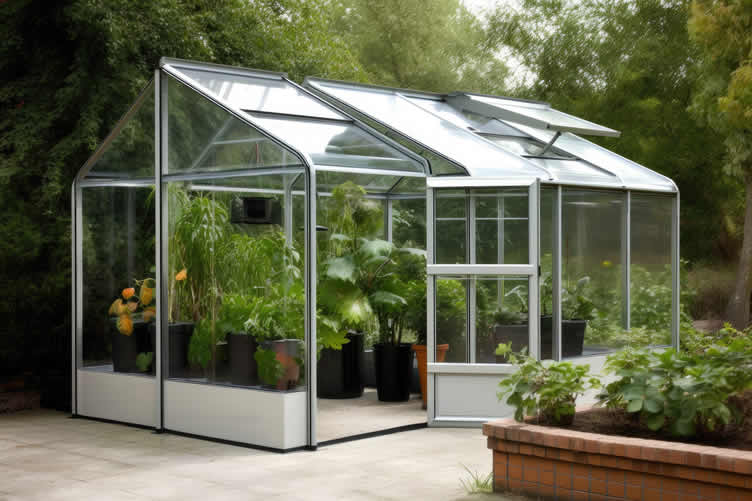
copyright image by 123rf.com
-
Scroll up to section directory … or scroll to next supporting note …
-
-
3rd Note: Hiring a Contractor for Greenhouse Installation
Installing a personal greenhouse can be a rewarding investment, transforming your outdoor space into a haven for plants and gardening. However, ensuring the structure is properly installed often requires the help of a professional contractor.
An experienced contractor can handle various aspects of the installation, helping you achieve a greenhouse that matches your vision while ensuring durability and functionality.
-
Services a Contractor Can Provide
- Site Preparation:
Leveling the ground, clearing debris, and ensuring proper drainage to create a stable foundation for your greenhouse. - Base and Foundation Installation:
Laying a solid foundation—whether concrete, gravel, or timber—based on your greenhouse structure and soil type. - Frame Assembly:
Constructing the greenhouse frame with precision, whether it’s made of aluminum, wood, or steel. - Glazing Installation:
Expertly mounting the chosen panels, such as glass, polycarbonate, or acrylic, to maximize insulation and light transmission. - Ventilation and Heating Systems:
Installing ventilation systems, fans, heaters, or even automated systems to maintain the desired climate for your plants. - Custom Features:
Adding shelving, irrigation systems, or other personalized elements to suit your gardening needs. - Finishing Touches:
Ensuring all structural components are secure, weatherproof, and aligned with any local permits or building codes.
- Site Preparation:
-
How to Find a Professional Contractor
Finding the right contractor for your greenhouse installation is crucial to a successful project. Here are some steps to help you select a knowledgeable and reliable professional:
- Research Online Reviews and Recommendations
Look for contractors with positive reviews on trusted platforms, such as Google, Yelp, or home improvement forums. Ask for recommendations from friends, family, or local gardening groups for firsthand experiences. - Check Credentials
Verify that the contractor is licensed, insured, and has experience specifically in greenhouse construction. This ensures not only quality work but also protection during the project. - Review Past Projects
Ask to see examples of their previous greenhouse installations. This helps confirm they understand the unique challenges of greenhouse assembly and can deliver quality workmanship. - Request Multiple Quotes
Contact several contractors to compare pricing, timelines, and services offered. Choose someone who offers a balance of affordability and reliable expertise. - Conduct an Interview
Meet with potential contractors to discuss your project in detail. Assess their knowledge of materials, design, and the specific requirements for greenhouse installations.
By carefully selecting a contractor who understands your goals and offers the necessary skills, you can trust that your greenhouse will be installed properly—ready to support your gardening adventures for years to come.
- Research Online Reviews and Recommendations
LetsRenovate has partnered with HomeAdvisor™, a renowned provider of highly-rated, carefully-vetted local greenhouse contractors. Start your search here by choosing the type of contractor you need and entering your zip code to find local professionals.
Step Description Details Site Preparation Preparing the site to ensure a stable foundation. Includes leveling the ground, clearing debris, and setting up proper drainage. Base and Foundation Installation Creating a strong base for the greenhouse. Options include concrete, gravel, or timber, depending on the structure and soil type. Frame Assembly Constructing the main structure of the greenhouse. Frames can be built using aluminum, wood, or steel, with precision assembly. Glazing Installation Adding panels for insulation and light transmission. Uses materials like glass, polycarbonate, or acrylic for optimal insulation. Ventilation and Heating Systems Installing climate control systems. May include ventilation systems, fans, heaters, or automated climate controls for plant care. Custom Features Adding personalized enhancements. Features include shelving, irrigation systems, or other gardening-specific elements. Finishing Touches Completing the setup with attention to detail. Ensures components are secure, weatherproof, and compliant with local permits or building codes. Finding a Professional Contractor Steps to locate a qualified contractor. Includes checking reviews, verifying credentials, reviewing past projects, comparing quotes, and conducting interviews to select the most reliable expert. 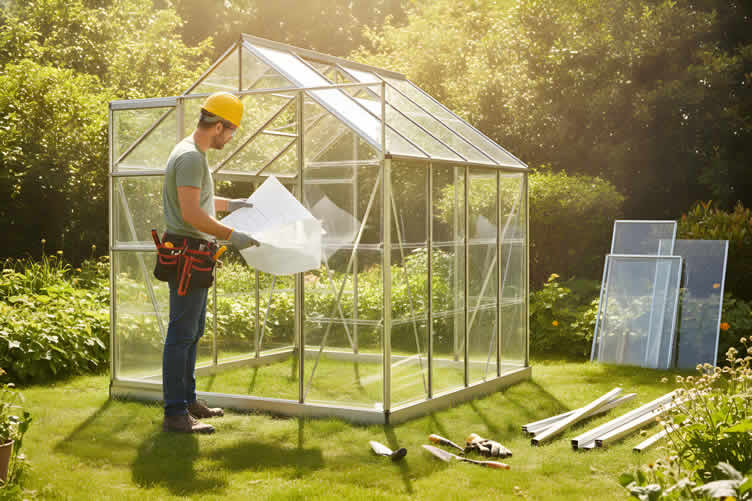
copyright image by 123rf.com
But Wait!
Before searching for greenhouse or outdoor structural contractors, we recommend downloading our evaluation worksheet.
This handy resource helps you objectively compare potential contractors based on key factors like pricing, licensing, and referrals.

Evaluation Sheet
File Type:-
Scroll up to section directory … or scroll to conclusion and references …
-
-
-
Conclusion:
Incorporating a personal greenhouse into your landscape plan is a rewarding investment that enhances both functionality and aesthetic appeal.
A greenhouse offers the opportunity to grow a wide variety of plants year-round, from vibrant flowers to fresh produce, while protecting them from harsh weather conditions. Additionally, it provides a peaceful retreat where you can connect with nature and cultivate your gardening skills.
Whether you’re aiming to create a sustainable food source, a decorative feature, or simply a calming space, a greenhouse transforms your outdoor area into a haven of productivity and beauty.
With proper planning and thoughtful design, your greenhouse can become a centerpiece of your landscape, enriching your home and lifestyle for years to come.
Rescources
- Prospiant. What to grow in a year-round greenhouse
- Amerlife Home. Top 10 best plants to grow in a greenhouse.
- Countryside. Guide to best greenhouse plants.
- UMass. Design layout of small commercial greenhouse operation.
- GrowSpan. The most important benefits of a greenhouse.
- Hartley Botanic. Benefits buying small greenhouse.
- Lowe’s. How to Build a Greenhouse.
- Backyard Unlimited (2023). 4 Reasons You Should Own a Greenhouse.
- Rimol Greenhouse Systems. How to Maintain a Greenhouse: Your Maintenance Checklist.
- Prospiant. What to Grow in a Year-Round Greenhouse.
-
ideas to view and compare from the information discussed above
- What comments can you share about
your personal greenhouse?
Scroll up to main directory … or scroll to more yard n’ garden related topics …

Calendar For:
Home Maintenance
File Type:

… view our sharing links below for a quick "share the knowledge"
Cover image credit: personal greenhouse by 123rf.com
end of post … please share it!
 |
did you find this comprehensive guild about adding a personal greenhouse to your landscape helpful? If so, please share the article with your friends and family! |
Nice pic idea? Leave us a quick comment below.
And please share this pic idea within your social networks.