Summary Outline –
Renovating your kitchen is no small feat—it’s a major investment that has the potential to significantly enhance both the functionality of your space and the overall value of your home.
Whether you’re dreaming of sleek cabinetry, high-end appliances, or stunning countertops, one truth remains constant: budgeting is everything. A clear financial plan can help you achieve the kitchen of your dreams without falling into financial strain.
This guide will walk you through the key steps of a complete kitchen remodel, how to set an appropriate budget, and a detailed breakdown of cost allocations.
We’ve also included tips to save on expenses while ensuring quality. By the time you’re done reading, you’ll have the knowledge and confidence to tackle your renovation with clarity and purpose.

-
Quick scroll to first topic about budgeting for a kitchen remodel …

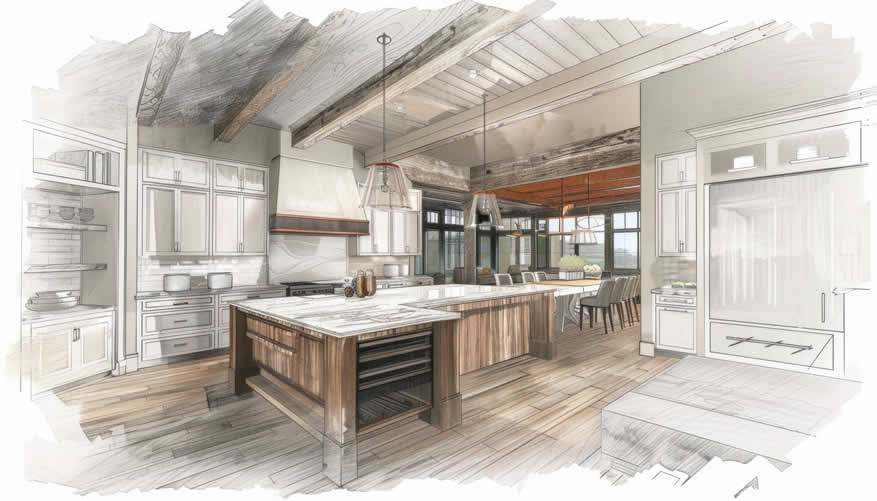
first “budgeting for a kitchen remodel” idea

copyright image by 123rf.com
Budgeting Tip 1: Understanding the Remodeling Process
Notes:
-
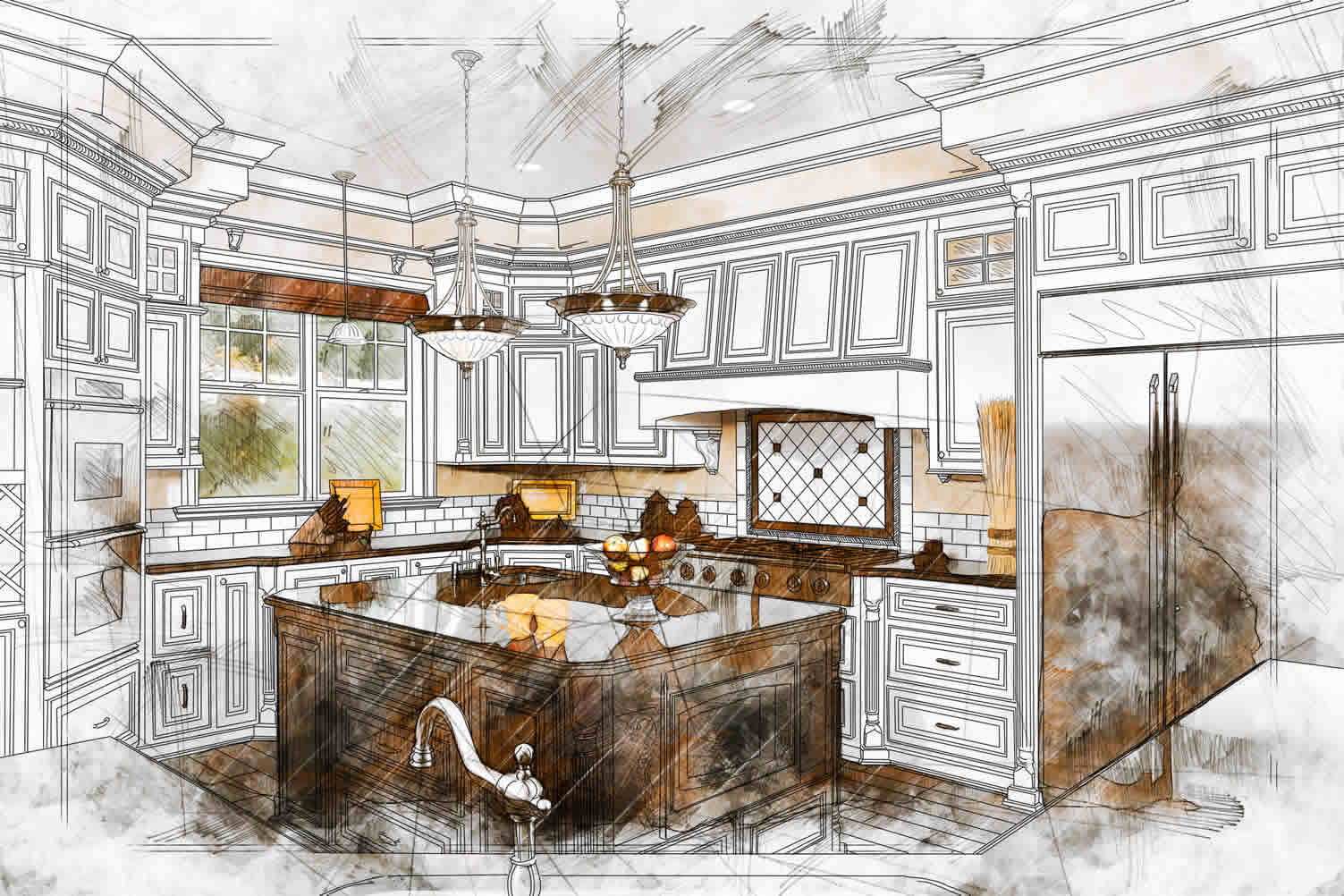
Before discussing costs, it’s important to understand the process of remodeling a kitchen from start to finish. Kitchen renovations typically start with designing the layout and choosing materials such as cabinetry, countertops, and flooring.
Next, the focus shifts to more technical aspects, including electrical work, plumbing, and installing appliances. Finally, finishes such as paint and lighting are added to bring everything together.
Each step directly impacts the timeline and budget. By having a clear understanding of these phases, you’ll be better prepared to plan your finances and make informed decisions every step of the way.
-
Quick scroll to “remodeling process” side notes …
-
-
1st: Key Steps to a Successful Kitchen Remodeling Project
Remodeling a kitchen is a significant undertaking that can completely transform the functionality and aesthetic of one of the most important spaces in your home. However, to execute a successful kitchen remodel, it requires careful planning, thorough research, and efficient management.
From determining whether remodeling is the best option to overseeing the final installations, each step is crucial in creating a kitchen that aligns with your vision and budget.
Below is a detailed, step-by-step breakdown of essential actions to guide you through the kitchen remodeling process, with support files for further illustration below the fold.
-
Step1: Analyze Your Finances and Determine Feasibility
The first and most crucial step is to assess whether remodeling your kitchen is worth the investment or if it may be more practical to purchase a new home altogether. This stage requires a thorough evaluation of your current financial situation, the market value of your home, and the likely return on investment a remodel would provide.
If you opt to proceed with remodeling, the next step is to develop a realistic and detailed budget for the project. This budget should include all anticipated expenses such as materials, labor, and unforeseen contingencies, ensuring you have a clear financial framework from the outset.
-
Step2: Define Your Kitchen Design Vision
Once you’ve determined your budget, it’s time to gather inspiration and solidify your ideas regarding the remodeling design. Consider factors such as layout, style, colors, and the functionality you want your kitchen to provide.
This is the stage where you explore your preferences through home magazines, design websites, or even by consulting with kitchen design professionals. By clearly articulating your vision, you can set a foundation for creating a design that meets both your practical needs and aesthetic preferences.
-
Step3: Develop a Detailed Remodeling and Specification Plan
With your budget and design ideas established, the next step is to create a comprehensive remodeling plan that outlines the specifications for each aspect of the kitchen.
This plan should include detailed notes on cabinetry, countertops, flooring, lighting, appliances, backsplashes, and any additional elements you aim to incorporate.
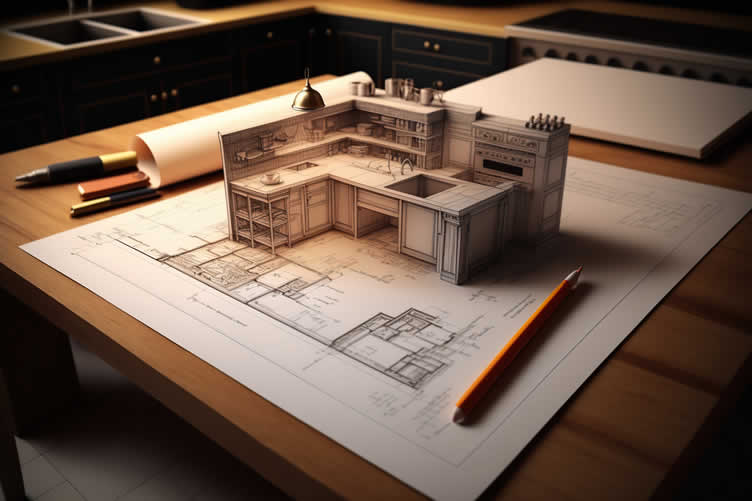
The specification plan acts as a blueprint that ensures every material and design component aligns with the available budget and prevents missteps during the execution phase.
-
Step4: Select a Competent Contractor
Finding the right contractor is one of the most important decisions in the remodeling process. A reliable and experienced contractor will be able to bring your specifications to life while adhering to your budgetary constraints. Research prospective contractors by examining their qualifications, past projects, and customer reviews.
It’s also crucial to request and compare detailed estimates to find the best fit for both your financial plan and design vision. A good contractor will also communicate transparently and provide a clear timeline for the entire project.
-
Step5: Arrange Financing and Secure Funds
With a clear estimate in place, you’ll need to ensure adequate financing to support the remodeling. Depending on your financial position, this may involve securing a home equity loan, a personal loan, or reallocating existing savings.
Establish a funding plan that comfortably covers the projected costs while accommodating any unexpected expenses that may arise. Ensuring financial preparations are in order before beginning the project reduces stress and keeps the remodeling process running smoothly.
-
Step6: Oversee the Installation and Inspection Process
The final step in the kitchen remodeling process is managing the actual implementation of the project. This involves coordinating with the contractor, monitoring the installation of materials and appliances, and ensuring everything is done in compliance with local building codes and safety standards.
Regular communication and oversight will help you address potential issues immediately, maintaining the quality and timeline of the project. Once the work is completed, arrange for a thorough inspection to confirm that all installations meet required standards and match the original design plan.
By following these steps and maintaining clear communication with all involved parties, you can ensure a smooth and successful kitchen remodeling experience. It requires effort and careful planning, but the results can bring immense satisfaction and elevate the value of your home for years to come.
copyright image by 123rf.com
Step 1: Analyze the NumbersBefore you start any home remodeling – such as a kitchen or bathroom remodeling, adding an addition, building a new section onto the home, and other major renovation project, run some financial numbers to determine whether the renovation is a smart investment.
The numbers include the estimated costs, home value assessment, financing costs, and other related calculations.
Review these cost-related issues to remodeling vs. buying a new home.
links to internal page (opens new win)
analyze the numbers estimate the cost of your project start assembling a budget get your home value Step 2: Collect IdeasThe 2nd step for planning your home remodeling is deciding what you would like to do.
Will it be a –
- remodeling your kitchen or bathroom,
- converting the attic or basement,
- adding an addition or extension to the home,
- changing out your deck or patio into an all-season room,
- upgrading the home with new windows, doors and flooring,
- redesigning your landscape with new features,
- or something else.
You can find other home remodeling ideas by referencing our home renovation analysis and topic directories (opens new win)
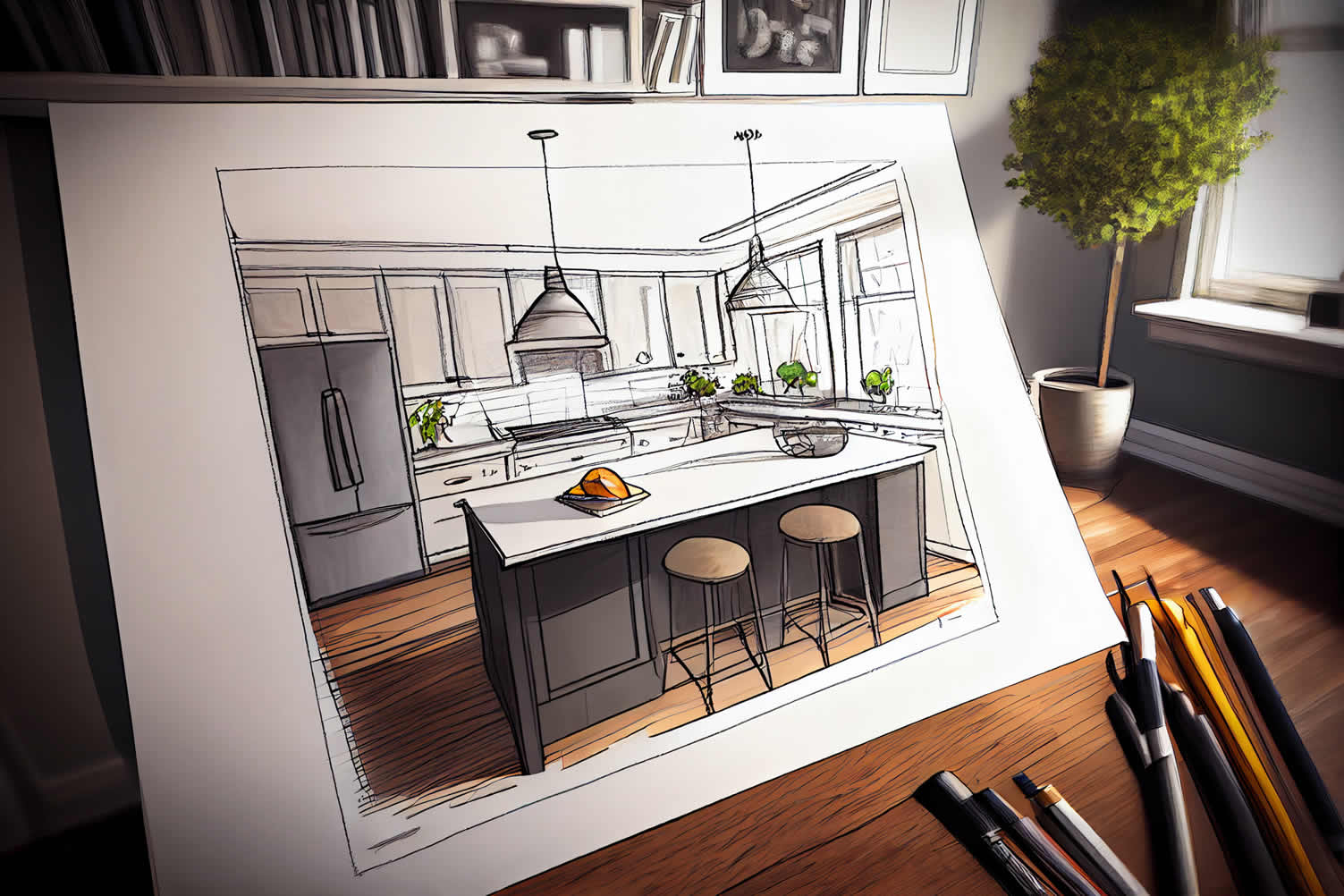
view remodeling design "ideas" directory view latest "topics" for home renovation Step 3: Plan the Needed SpecsStep 3 is sketching your ideas on paper (or digitally) and developing the spec plan.
The spec plan determines what type of home remodeling materials, items, and design considerations that will be needed. It will also contain the product specifications for each renovation element.
You will use the spec plan and architectural design to bid the project out to a contractor.
links to internal page (opens new win)
developing the spec plan sketch remodeling plan design considerations Step 4: Find a ContractorStep 4 is finding and negotiating the contract with a remodeling contractor.
Give your home remodeling ideas and specs to a contractor for review and bid analysis. Use the local network (aligned with HomeAdvisor) to find the right contractor for your project.
Review guides for contractor selection and negotiation.
links to internal page (opens new win)
search remodeling contractors selecting your contractor checklist contractor negotiations contractor evaluation form Step 5: Financing Your ProjectStep 5 is arranging financing once you selected the contractor and finalized the contract for your project.
Using the equity value in your home is one of the best financing option for home remodeling. Start with a home equity line of credit or use the bank equity program.
Other options may include cash-out refinancing, personal savings, and/or financing from home improvement contractors.
links to internal page (opens new win)
financing options getting qualified for financing negotiate rates Step 6: Manage the ProjectStep 6 is where the project begins.
It starts with setting up the work area, removing everything that needs to be replaced, installing electrical and network connections, putting in the final touches, etc.
It also means working with the contractor, managing the project, and getting the home remodeling project inspected before releasing any funds.
links to internal page (opens new win)
working with the contractor managing remodeling project about a home project inspections find home inspector 
-
-
2nd: The Value Proposition of a Kitchen Remodel
A kitchen remodel is often regarded as one of the most valuable improvements a homeowner can make. Beyond transforming the aesthetic and functionality of the most frequently-used space in the home, it can significantly enhance the property’s overall value.
Whether you are dreaming of a sleek, modern design or a cozy, traditional layout, investing in your kitchen presents an opportunity to increase both your personal enjoyment and the long-term financial return of your home.
Understanding which aspects deliver the highest returns will help you make strategic, informed decisions for your renovation.
-
Increased Home Value Through Remodeling
A well-designed kitchen remodel can lead to a substantial up-tick in home value, often yielding a high return on investment (ROI).
According to a 2023 report by Remodeling Magazine, a minor kitchen renovation recoups approximately 85% of its cost on average, while upscale or elaborate remodels offer slightly lower returns due to diminishing marginal utility in luxury upgrades.
Key contributors to home value include updated appliances, high-quality materials such as quartz or granite countertops, and professionally installed cabinetry. The kitchen is a focal point for potential buyers, and an updated, visually-appealing space can elevate your property in the competitive real estate market.
-
Functionality as a Selling Point
Modern buyers prioritize functionality and the efficient use of space. A remodel that integrates smart storage solutions, energy-efficient appliances, and ergonomic designs amplifies the day-to-day utility of the kitchen.
Features like pull-out pantry systems, hidden trash bins, and under-cabinet lighting not only improve usability but also cater to current market trends.
Additionally, investing in energy-efficient appliances can appeal to eco-conscious buyers while lowering energy costs for the homeowner—factors that can influence both market appeal and sustainable living.
-
Cost vs. Return in Material Choices
The balance between cost and perceived value is critical when selecting materials for your remodel. High-quality finishes such as marble or quartz countertops consistently outperform lower-cost alternatives like laminate in terms of perceived value, even though they require a larger upfront investment.
Hardwood or luxury vinyl flooring also tends to resonate with buyers due to their durability and visual appeal. Experienced professionals often recommend prioritizing long-lasting, timeless materials that optimize both functionality and style.
When executed correctly, these choices ensure your investment holds its value for years to come.
-
Importance of Timeless Design
While it may be tempting to follow bold design trends, a timeless kitchen design delivers more enduring value over the long term. Neutral color palettes, classic cabinetry, and versatile layouts create a broader appeal for the majority of homebuyers.
Features such as subway tile backsplashes or shaker-style cabinets offer a blend of style and neutrality, making your kitchen more universally appealing. A timeless design approach ensures the longevity of your remodeling aesthetic aspects, providing peace of mind for years, regardless of changing trends.
-
The Personal and Financial Rewards
Ultimately, a kitchen remodel balances personal satisfaction with financial prudence. A functional and beautiful kitchen not only enhances your quality of life but also strengthens the profit potential of your home should you decide to sell.
Thoughtful planning, high-quality materials, and attention to enduring design elements will maximize the return on your investment and create a space that achieves both practicality and elegance.
By investing strategically in your kitchen remodel, you ensure that every dollar spent delivers measurable benefits in both immediate enjoyment and long-term property value.
For further insights and tailored recommendations, consult professional contractors or real estate experts to make the most of this critical home improvement. Only through careful research and decision-making can you fully realize the potential of your kitchen renovation.
- “2023 Cost vs. Value Report,” Remodeling Magazine
- National Association of Realtors (NAR), “2023 Remodeling Impact Report”
- U.S. Department of Energy, energy-efficient appliance guidelines
copyright image by 123rf.com
[ view diagram: Understanding Kitchen Renovation ROI]
[ youtube: Will my remodel pay off]
-
-
-
ideas to view and compare from the information discussed above
Scroll up to directory … or scroll to next section about budgeting for a kitchen remodel …



second “photo remodeling” idea
AI generated image by 123rf.com
Budgeting Tip 2: Setting Up Your Budget: Where to Start
Notes:
-
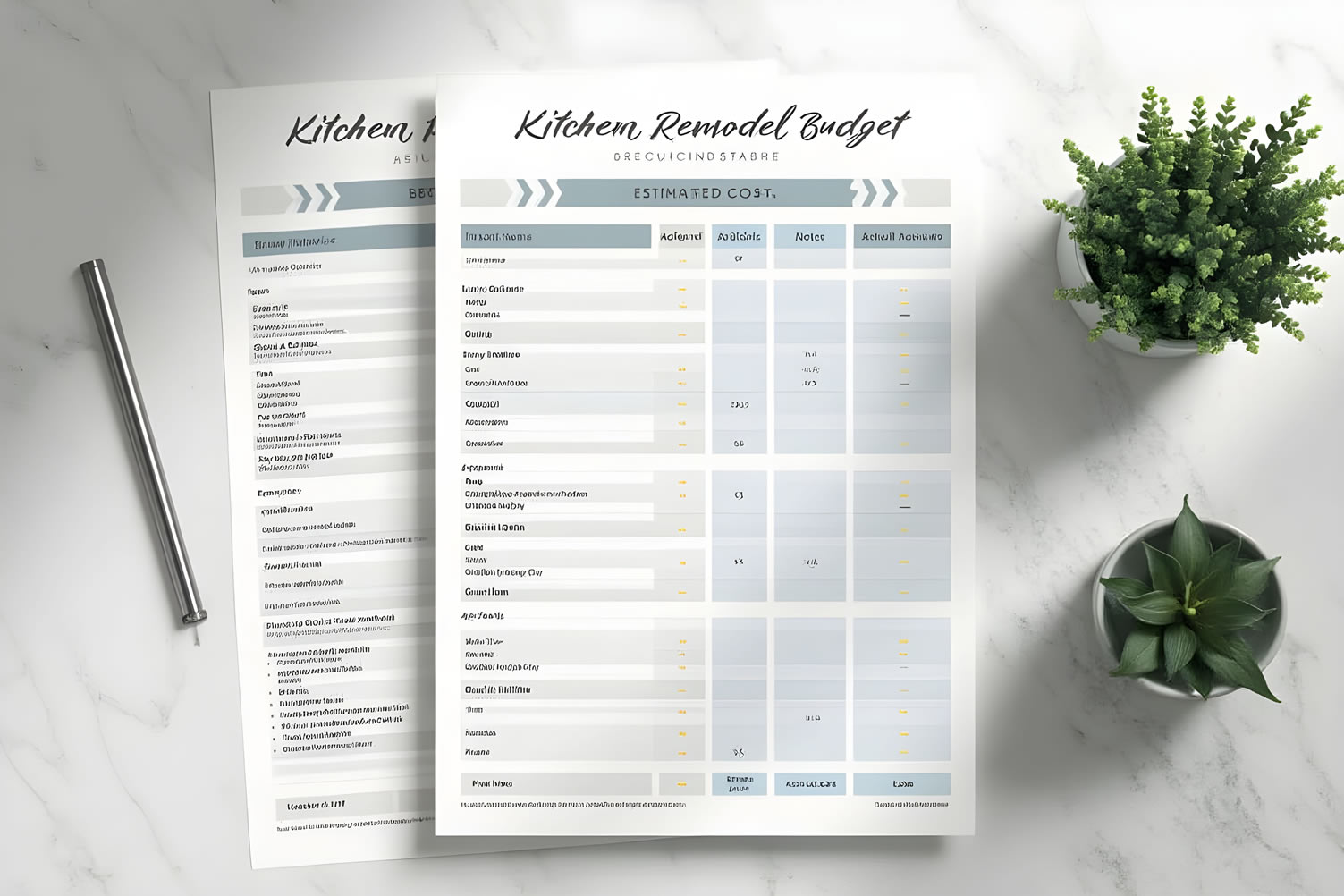
The first step to any kitchen remodel is determining how much you’re willing to spend. On average, a kitchen remodel ranges anywhere from $15,000 for a minor update to over $50,000 for a luxury, full-scale renovation. The size of your kitchen plays a significant role here, as smaller kitchens are generally less expensive to renovate compared to larger ones.
A helpful starting point is to estimate the cost as a percentage of your home’s overall value. Experts recommend allocating 5-15% of your home’s worth to your kitchen remodel.
For example, if your home is valued at $300,000, it would be reasonable to budget around $15,000 to $45,000. From there, set aside a contingency fund of about 10-20% of your budget to cover unexpected expenses.
-
Quick scroll to “budgeting kitchen remodeling” side notes …
-
-
1st: Budget Allocation Breakdown
When it comes to allocating your budget, careful planning is crucial to ensure all aspects of your renovation are accounted for. Here’s a breakdown of the main categories and what to expect.
-
Kitchen Cabinetry
Cabinetry is often the largest expense, accounting for approximately 30-40% of your overall budget. Custom cabinets tend to be pricier but offer tailored solutions for storage and design. Alternatively, semi-custom or ready-to-assemble cabinets can significantly lower costs without sacrificing style.
-
Appliances
Appliances make up around 15-20% of your budget. Prioritize durable, energy-efficient models, as these will save money on utilities in the long run and last for years to come. If your budget is tight, look for sales or consider buying floor-model appliances for a discount.
-
Countertops
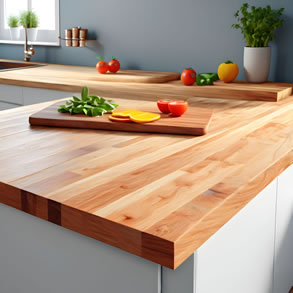
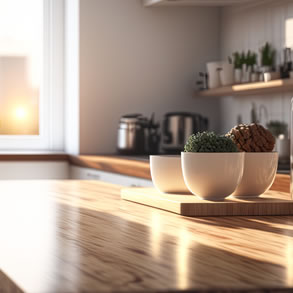
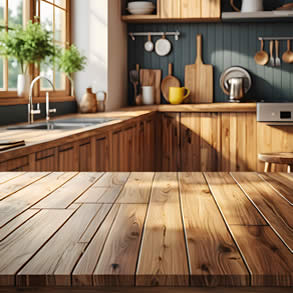
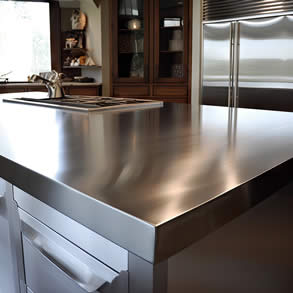
Countertops typically represent 10-15% of your total budget. The price largely depends on the material. Granite and quartz are durable, high-end options, while butcher block or laminate countertops tend to be more economical designs that still look great.
-
Lighting and Electrical
Lighting and electrical work make up about 5-10% of your budget. Proper lighting dramatically impacts the ambiance and usability of your kitchen. Opt for layered lighting that combines task, ambient, and accent lighting. Be sure to factor in costs for rewiring, outlets, and other electrical upgrades.
-
Plumbing
Plumbing expenses account for another 5-10% of your budget. Upgrades like installing a new sink, faucet, or garbage disposal are common. Moving plumbing lines can significantly increase costs, so consider keeping appliances and fixtures close to their original locations if possible.
-
Flooring
Flooring typically takes up 7-10% of your budget. Popular options such as hardwood, tile, or luxury vinyl offer durability and aesthetic appeal. Consider both style and functionality when making your selection, and look for materials rated for high-traffic areas to ensure longevity.

copyright image by 123rf.com

Budgeting Worksheet For Costing Home Remodeling and Home Improvement Decisions
 File Type (excel)
-
-
2nd: Planning for Unexpected Expenses
Unexpected expenses are an inherent part of any remodeling project and should not be overlooked. Experts recommend setting aside 10% to 20% of the overall budget for contingencies to account for unforeseen challenges that can arise during renovations.
These unexpected expenses often stem from structural issues, outdated wiring or plumbing, water damage, or even hazardous materials like asbestos that may be discovered during demolition.
For example:
-
Outdated Materials
For instance, outdated electrical wiring can pose fire hazards and must be updated to meet modern codes, which can carry substantial labor and material costs. Similarly, discovering weakened floor joists or faulty plumbing can require immediate attention to ensure the safety and functionality of the home.
These are not optional repairs and can quickly escalate in cost if not addressed promptly. Preparing for these contingencies ahead of time ensures that homeowners are not caught off guard or forced to compromise on other areas of the renovation.
-
Supply Chain Issues
Another common source of unexpected costs occurs due to changes in pricing or availability of materials. Supply chain disruptions can lead to price increases, or delays in delivery might force selecting alternative materials, often at higher costs.
Allocating a buffer within your budget for such scenarios adds flexibility and keeps the project timeline from derailing.
-
Require Permits and Inspections
Understanding local regulations and permits is another aspect where unanticipated costs can arise. Some remodels might necessitate permits or inspections that weren’t initially part of the plan.
These fees vary greatly depending on the scope of the project and the region, and failing to account for them can lead to delays and additional fines.
-
What Professional Experts Say
Experienced contractors and financial advisors often stress the importance of this contingency fund as a critical best practice. By setting aside a portion of the budget for unexpected expenses, homeowners can remain in control and confident throughout the renovation process.
While it may seem burdensome to reserve a significant portion of funds for the unknown, this proactive step is an investment in the smooth execution and success of the project.
-
Seek Professional Advice
Lastly, when planning your overall budget, seeking professional guidance, such as consulting a qualified contractor or designer, can help identify potential areas of risk.
Professionals can provide tailored advice based on the specific characteristics of your home and offer estimates grounded in experience, minimizing surprises along the way.
Through careful consideration of potential unexpected expenses and proper preparation, homeowners can approach their remodeling projects with informed decision-making and peace of mind, ensuring that their dream home transformation stays within budget and on track.

AI generated image by 123rf.com
[ view diagram: kitchen remodel estimator ]
[ youtube: The Real Cost of a Kitchen Renovation ]
-
-
-
ideas to view and compare from the information discussed above
Scroll up to directory … or scroll to next section about budgeting for a kitchen remodel …

addressing about budgeting for a kitchen remodel and other home improvement needs …

… grab this directory of ideas for future use

May We Suggest Other Photo Remodeling Ideas About
“Other Key Remodeling Plans …” (new win)



third “photo remodeling” idea
copyright image by 123rf.com
Budgeting Tip 3: Understanding What Makes Up the Cost
Notes:
-
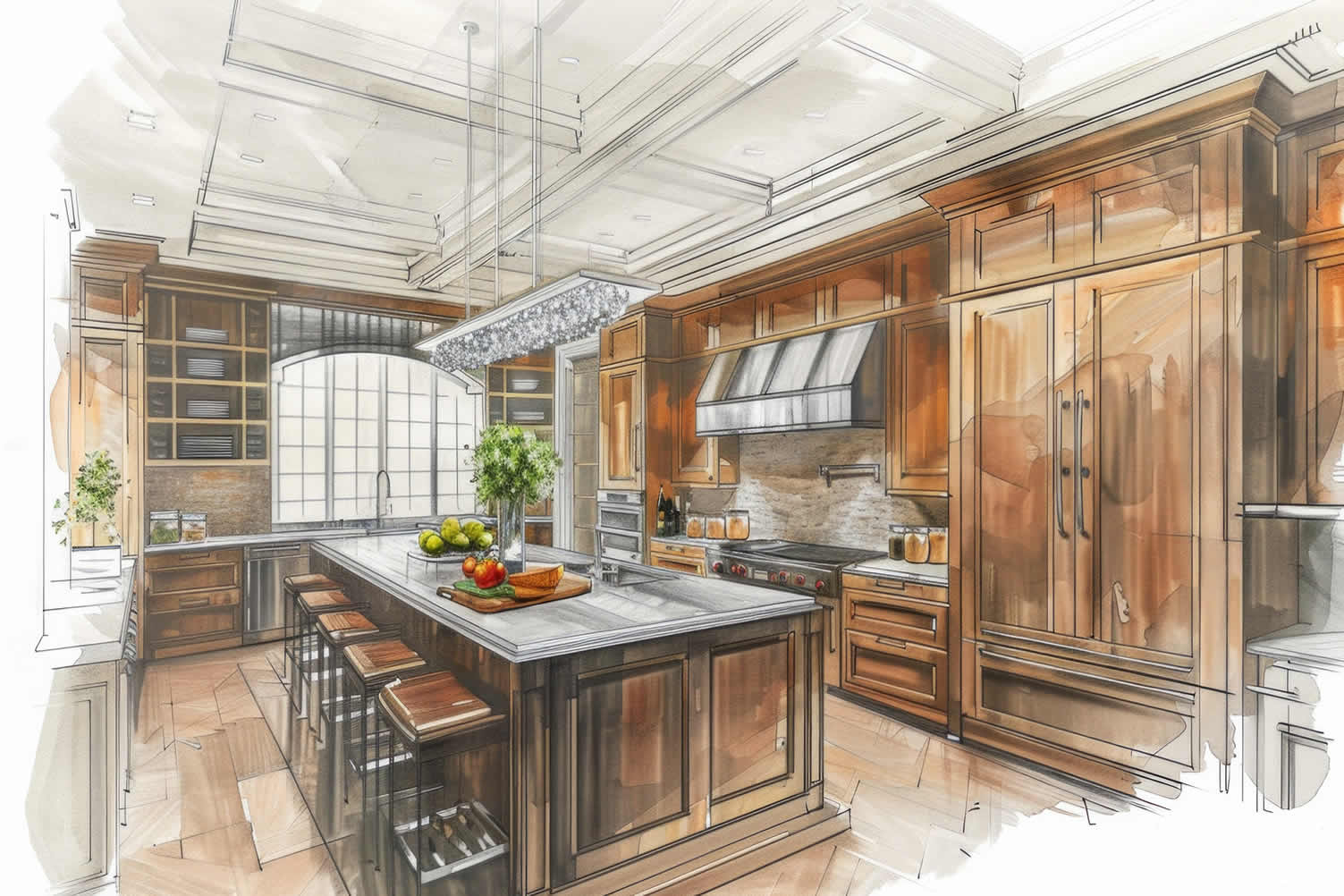
When planning a renovation or home improvement project, understanding the factors that contribute to your overall budget is crucial. Breaking down the costs into specific categories can help you allocate funds wisely and identify opportunities to cut expenses without sacrificing quality.
By examining each aspect of your budget, from labor and materials to unexpected expenses, you can create a realistic plan that ensures your project stays on track financially.
You can also evaluate reallocating funds from one budget item to better support another. For instance, reducing costs allocated to flooring could free up resources to invest in more stylish cabinetry, allowing you to prioritize what matters most.
-
Plan the Unexpected
It’s also essential to leave some wiggle room in your budget for unexpected expenses that may arise, as they often do in renovation projects.
-
Overestimate
When it comes to estimating the cost of materials and labor, it’s always best to overestimate rather than underestimate. Unexpected delays or changes in plans can quickly add up, so padding your budget slightly can help prevent any major setbacks.
-
Shop Around
Additionally, consider seeking multiple quotes from contractors and suppliers to ensure you’re getting the best deal possible for the quality of work and materials you desire.
In summary, understanding the various components that make up your renovation budget is key to creating a successful project plan. By carefully considering each category and allowing for potential surprises along the way, you can ensure your budget remains realistic and manageable.
-
-
Quick scroll to “cost allocation” side notes …
- 1st: Understanding the Cost of Kitchen Cabinetry
- 2nd: Kitchen Appliances: Understanding Costs
- 3rd: Kitchen Countertops: Understanding Costs
- 4th: Lighting and Electrical: Understanding Costs
- 5th: Kitchen Plumbing: Understanding Costs
- 6th: Kitchen Flooring: Understanding Costs
- shop ideas
- next topic: Other Enhancements to Consider
-
-
1st: Understanding Cost of Kitchen Cabinetry
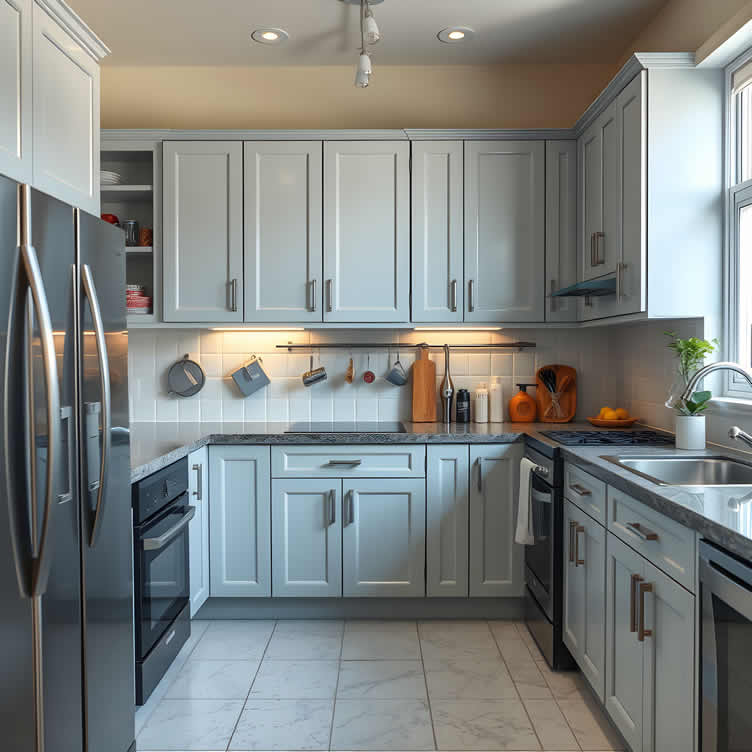
Kitchen cabinetry represents one of the largest single expenses in a kitchen remodel, typically accounting for 30-40% of the overall budget. Choosing the right cabinets is crucial not only for achieving the desired aesthetic but also for ensuring functionality and staying within your financial limits.
The cost of kitchen cabinets can vary greatly depending on the materials, construction methods, finishes, and level of customization. Understanding these factors will enable you to make informed decisions that balance style, quality, and affordability.
[ see below: types kitchen cabinetry ]
-
Custom Cabinetry
At the high end of the spectrum, custom cabinetry offers virtually limitless design possibilities. These cabinets are tailor-made to your specifications, allowing for precise sizing, unique layouts, and an extensive selection of materials and finishes.
Professional craftsmanship is evident in every detail, from dovetail joinery to soft-close mechanisms. However, this level of personalization comes at a premium, making custom cabinetry the most expensive option.
It is ideal for homeowners prioritizing individuality, intricate design, or solutions for unconventional spaces.
-
Semi-Custom Cabinetry
For a more budget-conscious approach without sacrificing individuality, semi-custom cabinetry strikes a balance between personalization and cost efficiency. These cabinets come in standard sizes but offer a range of modifications, such as adjustable shelving, different door styles, and varied finishes.
Semi-custom options allow for a degree of creativity while often maintaining shorter lead times compared to custom work, making them a popular middle-ground choice for many remodeling projects.
-
Stock Cabinetry
The most affordable option is stock cabinetry, which is mass-produced and readily available at home improvement stores. Stock cabinets come in a limited range of sizes, materials, and finishes, but they can still deliver a polished look when selected thoughtfully.
While durable options are available, stock cabinetry may lack the longevity and design flexibility of higher-end alternatives. This choice suits homeowners aiming to lower costs while achieving a functional and appealing kitchen design.
-
Refacing and Re-purposing
For those seeking to reduce their overall cabinetry expenses, cabinet refacing or re-purposing can be a practical solution. Refacing involves replacing only the cabinet doors, drawer fronts, and hardware while retaining the existing cabinet framework, offering a fresh look at a lower price point.
Alternatively, re-purposing existing cabinets with new paint, stain, or minor renovations can further drive down costs. While not always feasible depending on the condition of the cabinetry, these approaches are environmentally friendly and budget-conscious options.
Choosing the right cabinetry for your kitchen remodel involves assessing your priorities, whether they lean toward customization, efficiency, or cost savings.
By understanding the range of options and their associated costs, you can make decisions that align with both your vision and your budget.
AI generated image by 123rf.com
[ view diagram: kitchen cabinet diagram ]
[ view diagram: kitchen cabinet placement ]
-
-
2nd: Understanding Cost for Kitchen Appliances
When planning a kitchen remodel, understanding the cost breakdown of each element is essential to staying on budget. Kitchen appliances, which typically account for approximately 15-20% of the overall remodeling budget, represent one of the most impactful choices in terms of both functionality and cost.
Selecting the right appliances requires balancing performance, efficiency, and aesthetics while staying mindful of how each option contributes to the overall investment. By reviewing the factors that affect appliance pricing, you can make informed decisions that fit your lifestyle and financial goals.
[ see below: types kitchen appliances ]
-
High-End Appliances and Their Impact
The most expensive kitchen appliances are typically those equipped with advanced technology, premium materials, and professional-grade performance. Built-in refrigerators, for example, often top the list in terms of cost.
These appliances are designed to blend seamlessly with cabinetry, offering a clean and customized look, but they come with a significant price tag due to their installation complexity and high-end design.
Similarly, professional-grade ranges and ovens, often preferred by avid home chefs, demand substantial investment due to their powerful performance, durability, and sophisticated features.
Dishwashers, while less costly than ranges or refrigerators, can also become a premium upgrade if outfitted with cutting-edge features such as smart technology, ultra-quiet performance, and enhanced energy efficiency.
These high-end options are perfect for homeowners prioritizing luxury and advanced functionality in their kitchen, but they can quickly inflate the budget.
-
Mid-Range Appliances for Balanced Performance
For those seeking balanced performance and affordability, mid-range appliances provide excellent options without the premium price tag. Freestanding refrigerators, standard gas or electric ranges, and moderately priced dishwashers fall into this category.
These appliances often offer reliable performance and energy efficiency without advanced customization or specialized features.
Microwaves, both over-the-range and countertop models, also fit within this range. They provide essential utility and convenient cooking solutions while maintaining an accessible price point.
Choosing mid-range appliances allows homeowners to achieve a cohesive and functional kitchen upgrade while keeping costs manageable.
-
Cost-Saving Appliance Options
For homeowners looking to save, there are cost-effective appliance options that provide function and reliability without the added expense of premium designs or advanced features.
Entry-level freestanding refrigerators, compact microwaves, and basic dishwashers can significantly reduce expenditures. These appliances prioritize practicality and are widely available at competitive prices.
Energy-efficient models within this range can also deliver long-term cost savings by reducing utility bills.
Prioritizing Energy Star-certified appliances, for example, not only helps the environment but also provides financial benefits over time, making them a smart investment for budget-conscious remodelers.
Smart Kitchen Appliances
google imagessmart refrigerator view ideas smart oven range view ideas smart wall ovens view ideas smart stove tops view ideas smart dishwasher view ideas smart microwaves view ideas smart range hood view ideas Types of Range Hoods
google imagesRange Hoods view ideas – wall mount view ideas – island hoods view ideas – range inserts view ideas – under cabinets view ideas – downdraft view ideas 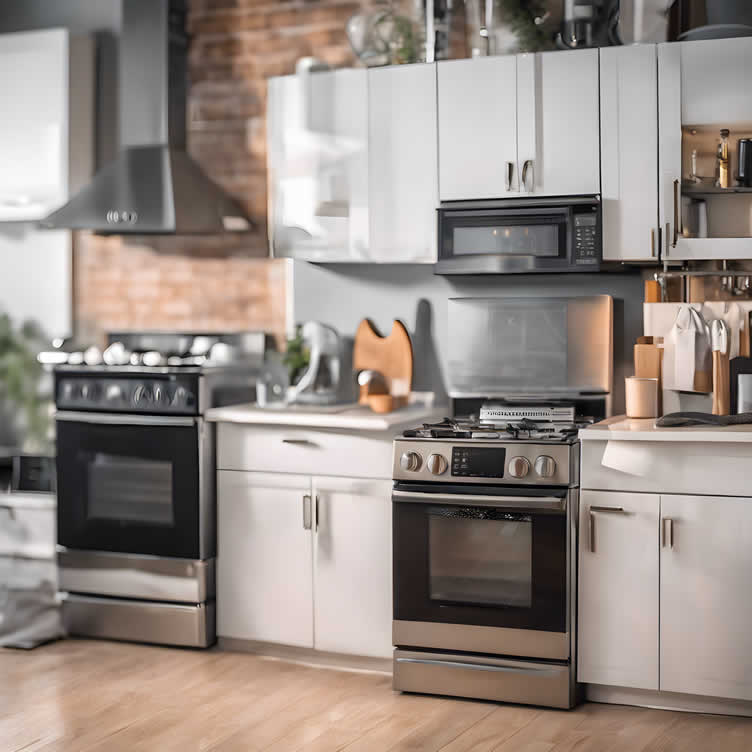
AI generated image by 123rf.com
-
-
3rd: Understanding Cost of Kitchen Countertops
When planning a kitchen remodeling project, countertops play a crucial role both in terms of functionality and aesthetic appeal. Accounting for approximately 10-15% of the overall renovation budget, countertops represent a significant investment.
Their cost is influenced by a variety of factors, including materials, fabrication, and installation, as well as the size and complexity of your kitchen layout. Understanding the components that contribute to countertop costs can help homeowners make informed decisions that align with their style preferences and financial goals.
By exploring the range of materials from premium, high-end options to budget-friendly alternatives, it becomes easier to strike the balance between luxurious appeal and practicality.
[ see below: types kitchen countertops ]
-
High-End Countertop Materials
At the top of the spectrum, natural stone countertops such as granite and marble dominate in terms of cost and opulence.
Granite countertops, known for their durability and unique patterns, require quarrying, cutting, and polishing, which contribute to their premium price point.
Marble, while equally luxurious, offers a softer surface with a distinctively elegant veined appearance but requires additional care and sealing due to its porous nature.
Another ultra-premium option is quartzite, a natural stone prized for its strength and resistance to heat, though it demands higher fabrication costs. Engineered quartz also falls within this range, mimicking the beauty of natural stone while providing non-porous, low-maintenance surfaces.
These materials represent a considerable investment, often justified by their longevity and ability to enhance property value.
However, they may exceed the budget of some homeowners, especially when accompanying upgrades such as custom edging, waterfall designs, or intricate installation requirements are factored in.
-
Mid-Range Countertop Materials
For those seeking high quality without the exorbitant cost, mid-range options provide an excellent compromise. Solid surface countertops, composed of acrylic or polyester resins, offer a seamless finish and are available in a diverse array of colors and patterns.
While not as heat-resistant as stone, they are easy to maintain and can be refinished to remove scratches, making them a practical choice for busy households.
Butcher block countertops also fall into this category, bringing a warm, organic touch to the kitchen with their natural wood grain. While more affordable, they require regular sealing and maintenance to prevent staining and water damage, ensuring long-term usability.
-
Budget-Friendly Countertop Options
For homeowners looking to minimize costs, laminate countertops present the most economical choice without compromising functionality. Made of particleboard with a decorative layer atop, laminate has come a long way in offering designs that mimic the look of stone or wood.
It is lightweight, easy to install, and highly resistant to stains, though it is more susceptible to scratches and heat damage compared to other materials.
Tile countertops also provide a cost-effective alternative with a rustic charm. While they come in a vast range of prices, ceramic or porcelain tiles are generally budget-friendly.
However, maintenance can be challenging due to grout lines, which may require frequent cleaning to keep them looking pristine.
-
Making the Best Choice
Selecting the right countertop involves considering not just the material cost but also factors like lifestyle, kitchen use, and maintenance preferences.
For instance, households with heavy cooking needs may prioritize durability and heat resistance, making granite or quartz an ideal choice. On the other hand, families seeking a quick and affordable kitchen refresh may opt for laminate or tiled surfaces.
Understanding the cost breakdown of various countertop materials, along with their individual characteristics, empowers homeowners to make strategic decisions.
Whether splurging on luxurious finishes or focusing on reducing expenses, a thoughtful approach ensures that your kitchen not only looks stunning but also functions efficiently for years to come.

copyright image by 123rf.com
-
-
4th: Understanding Kitchen Lighting and Electrical Costs
Kitchen lighting and electrical play a pivotal role in both the functionality and ambiance of a remodeled kitchen, typically accounting for approximately 5-10% of the overall budget.
While the percentage may seem small, making informed decisions about these components can significantly impact the overall success and efficiency of the renovation project.
Proper lighting enhances task performance, elevates aesthetics, and ensures safety, while an adequate electrical setup supports the growing demands of modern appliances and technology.
Understanding the cost breakdown and the varying options available can help homeowners create a beautifully lit, well-wired kitchen while adhering to their budget.
[ see below: types kitchen lighting ]
-
High-End Lighting and Electrical Fixtures
At the top of the cost spectrum are high-end lighting fixtures and advanced electrical systems, often chosen for luxury kitchens or homeowners seeking sophisticated designs.
Custom chandeliers, pendant lights from designer brands, or integrated LED systems with smart home capabilities can transform the kitchen into an elegant centerpiece.
These fixtures are not only crafted with premium materials but also incorporate innovative technologies, such as color temperature controls and app-based automation.
Similarly, upgrading the electrical system to support high voltage appliances, additional outlets, or dedicated circuits for energy-intensive devices requires professional installation, which drives up costs. For those with the budget, these investments yield a highly customized space with long-term value.
-
Mid-Range Lighting and Electrical Options
For homeowners seeking a balance between quality and affordability, mid-range lighting and electrical choices are widely accessible. This includes functional yet stylish lighting such as under-cabinet LED strips, recessed downlights, and sleek modern ceiling fixtures.
These options are energy-efficient and visually appealing without the steep price tag of designer brands. From an electrical perspective, a mid-range approach may involve minor upgrades like replacing outdated wiring or adding a few outlets or circuits to meet the needs of contemporary kitchen appliances.
These choices are practical and ensure performance without requiring a major financial commitment.
-
Budget-Friendly Solutions to Reduce Costs
Cost-effective lighting and electrical solutions are available for homeowners working with narrow budgets, proving that quality doesn’t have to be sacrificed. Standard light fixtures or flush-mount ceiling lights, though minimalist in design, are functional and affordable.
Opting for compact fluorescent (CFL) or basic LED bulbs can further reduce expenses while maintaining energy efficiency. For electrical work, minor tweaks such as replacing outlet covers, repairing existing wiring, or strategically placing extension cords can circumvent the need for extensive and expensive professional rewiring.
DIY installation of simpler fixtures is also an area where small savings can add up, though safety precautions should always be taken.
-
Final Considerations for Lighting and Electrical Costs
Balancing the cost of kitchen lighting and electrical elements requires carefully considering functionality, aesthetics, and long-term performance.
While high-end options provide luxury and advanced features, mid-range and budget-friendly alternatives also deliver substantial improvements without overspending.
Homeowners must weigh their individual needs, align their choices with the overall kitchen design, and account for future requirements when planning their setup.
Consulting licensed electricians and lighting designers is strongly recommended to ensure all installations comply with safety standards and to avoid costly mistakes. By allocating resources wisely, homeowners can achieve a well-lit, efficient kitchen environment that meets all their practical and stylistic needs.
For further assistance and accurate pricing data, consult resources such as the National Kitchen & Bath Association (NKBA) or reputable lighting and electrical contractors in your area. Remember, investing in this critical aspect of your kitchen pays dividends in safety, functionality, and overall appeal for years to come.
Kitchen Ambient Lighting
google imageschandeliers view samples ceiling flush mounts view samples semi-mounts view samples sconces view samples recessed lighting view samples track lighting view samples Kitchen Task Lighting
google imagesdirectional recessed view samples pendant lighting view samples under cabinet view samples range hood lights view samples Kitchen Accent Lighting
google imagestrack lighting view samples rail lighting view samples above cabinet view samples floor lighting view samples tape and extrusion view samples 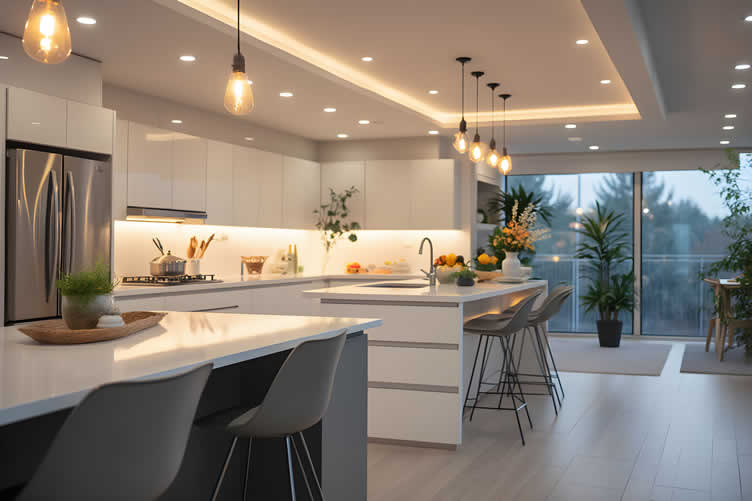
AI generated image by 123rf.com
-
-
5th: Understanding the Cost of Kitchen Plumbing
Kitchen plumbing is a crucial component that plays a significant role in both the functionality and cost of a kitchen remodeling project. Typically, plumbing accounts for approximately 5-10% of the overall remodeling budget, depending on the scope of work required.
Whether you are relocating plumbing, upgrading fixtures, or installing a completely new system, the costs associated can vary dramatically. To make informed decisions and optimize your investment, it is essential to understand the factors influencing plumbing expenses and explore cost-saving strategies.
[ see below: types kitchen sinks/faucets ]
-
Relocating Pipes and Major Plumbing Adjustments
The most expensive aspect of kitchen plumbing tends to involve relocating existing pipes or adding entirely new lines. This task requires professional expertise and significant labor, especially if walls, floors, or ceilings need to be opened for access.
Relocating plumbing is often necessary in projects that involve a reconfiguration of the kitchen layout, such as moving a sink or an appliance like a dishwasher to a new location. This process often entails rerouting water supply lines, drainage pipes, and venting systems, which increases both material and labor costs.
It is advisable to consult a licensed plumber during the planning phase if major relocations are involved to assess the feasibility and ensure compliance with local building codes.
-
Replacing or Upgrading Fixtures
Upgrading or replacing fixtures such as faucets, sinks, and garbage disposals represents a mid-range expense in kitchen plumbing. These upgrades can significantly enhance the functionality and aesthetic appeal of your kitchen. The cost of fixtures can vary widely depending on the quality, materials, and brand you choose.
For example, a high-end stainless-steel farmhouse sink may cost substantially more than a standard porcelain sink. Homeowners can explore energy-efficient or water-saving fixtures to reduce long-term utility costs while making environmentally conscious choices.
Focus on quality fixtures that meet your needs without overspending on unnecessary luxury options if you are budget-conscious.
-
Repairs and Maintenance of Existing Plumbing
The least expensive option for homeowners aiming to save money is to retain the current plumbing layout, repairing or maintaining existing pipes and fixtures.
If your existing plumbing system is in good condition, simple repairs such as fixing leaks, replacing gaskets, or cleaning out drain lines can resolve minor issues without requiring extensive modifications.
Regular maintenance ensures the longevity of your plumbing system and prevents costly repairs in the future, making this option both economical and practical in many cases.
-
Maximizing Value and Planning Ahead
When budgeting for kitchen plumbing, careful planning is key to avoiding unexpected expenses. Hiring a licensed and experienced plumber is critical not only for accurate estimates but also for ensuring that your project meets health and safety standards.
According to remodeling professionals and data from industry associations such as the National Association of Home Builders (NAHB), allocating 5-10% of your overall kitchen remodeling budget for plumbing is standard practice.
Additionally, incorporating high-quality yet cost-effective materials and avoiding excessive layout changes can help keep costs manageable without sacrificing functionality.
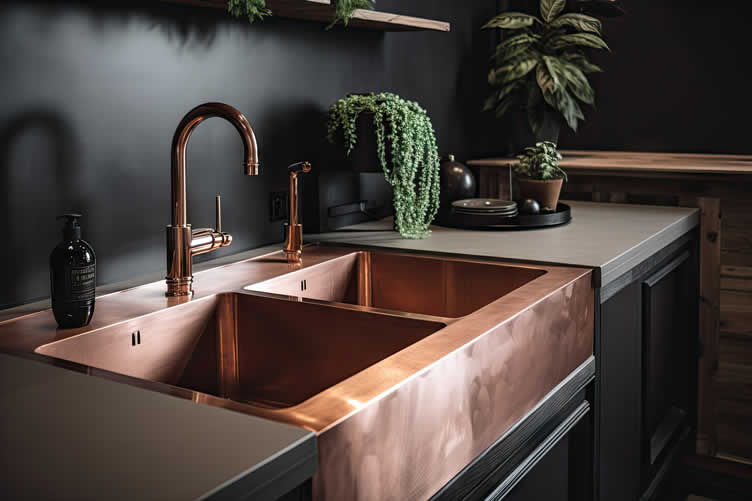
copyright image by 123rf.com
-
-
6th: Understanding the Cost of Kitchen Flooring
Kitchen flooring is a fundamental aspect of any remodeling project, delivering both functionality and aesthetic appeal to one of the most used spaces in your home. Typically accounting for approximately 7-10% of the overall remodeling budget, it is crucial to understand the factors contributing to its cost.
The choice of flooring not only reflects personal style but also determines durability, maintenance, and comfort. Carefully evaluating flooring options helps you balance cost with quality, ensuring that your investment is worth every penny in terms of long-term performance and value.
[ see below: types kitchen flooring ]
-
Hardwood Flooring
For those seeking timeless elegance and natural warmth, hardwood flooring often tops the list. It is one of the most expensive flooring options, but its unmatched beauty and durability justify the cost for many homeowners.
Genuine hardwood floors are available in a range of species, with premium options such as oak, maple, or walnut adding sophistication to your kitchen. The cost of materials and installation, combined with ongoing maintenance such as refinishing, makes this the priciest choice.
However, the value it adds to your kitchen, along with its longevity, makes it a worthwhile investment for those prioritizing quality and aesthetics.
-
Porcelain and Ceramic Tile
Porcelain and ceramic tiles are durable, water-resistant, and available in an array of colors and patterns, making them a favorite among homeowners. Although less expensive than hardwood, high-end styles and intricate designs can raise costs, keeping them toward the upper-middle range of flooring expenses.
Installation can also be labor-intensive, requiring skilled professionals to ensure a lasting, beautiful finish. With proper maintenance, tile flooring offers exceptional durability, making it a practical option for kitchens that endure heavy use.
-
Vinyl Flooring
Vinyl flooring is a budget-friendly option that has seen significant advancements in design and quality over the years. It is available in sheets, planks, or tiles, with options that mimic the look of hardwood, stone, or ceramic tile at a fraction of the cost.
While high-end vinyl can push costs slightly higher, it remains one of the most economical choices. It is also easy to install and highly resistant to water and stains, making it a great choice for busy households.
-
Laminate Flooring
For homeowners seeking a balance between affordability and style, laminate flooring offers a compelling solution. Constructed from a fiberboard core topped with a photographic layer that mimics wood or stone, laminate is less expensive than hardwood or porcelain tile.
While it lacks the natural authenticity of more premium materials, advancements in technology have made laminate a stylish and durable option. It is relatively easy to install and maintain, contributing to its popularity as a cost-effective flooring choice.
-
Linoleum Flooring
One of the least expensive options is linoleum, a material that has enjoyed a resurgence due to its eco-friendly properties and wide variety of designs. Made from natural materials such as linseed oil and cork powder, linoleum is a sustainable and durable choice for kitchen flooring.
While the upfront cost is lower than most other options, professional installation may still be required to ensure a seamless appearance. Its resilience and affordability make it a practical choice for those renovating on a tight budget.
-
Balancing Cost and Quality
When selecting kitchen flooring, it is essential to consider the overall budget while keeping long-term value in mind. The most expensive options, such as hardwood and high-end tiles, provide unmatched beauty and longevity but may exceed a constrained budget.
Conversely, more affordable choices like vinyl, laminate, and linoleum can help reduce costs without sacrificing style or functionality. Each material has its own strengths and limitations, making it crucial to match your specific needs with the properties of the flooring type you choose.
By understanding the cost factors and material options, you can make informed decisions that enhance your kitchen’s appearance and functionality while staying within your budget.
Consult a flooring professional if needed, and prioritize materials that align with your lifestyle, preferences, and long-term goals to achieve the perfect balance between cost-efficiency and quality.
Wood- and Stone-Look Alternatives
google imagesLuxury Vinyl Flooring view ideas – wood-look vinyl view ideas – stone-look vinyl view ideas Tile Flooring view ideas – wood-look tile view ideas – stone-look tile view ideas 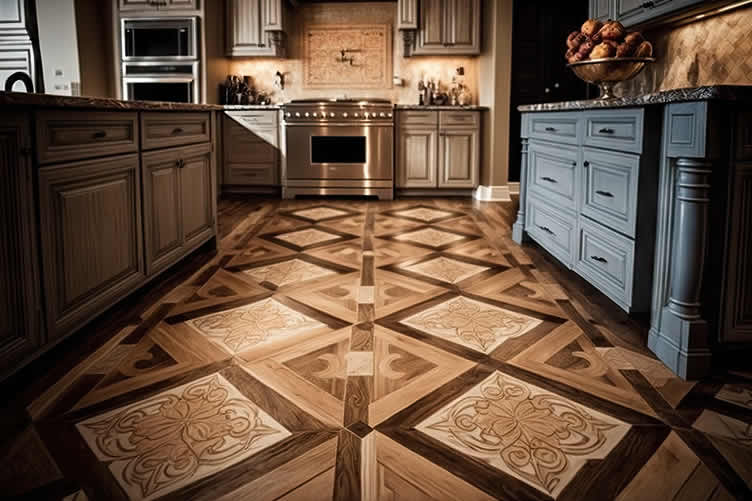
copyright image by 123rf.com
-
-
-
ideas to view and compare from the information discussed above


















Scroll up to directory … or scroll to next section about budgeting for a kitchen remodel …
SHARE IT ..! You might have someone in your social network who could find this informative post about budgeting for a kitchen remodel valuable. Feel free to share it on Facebook, X (formally Twitter), LinkedIn, or Pinterest!





plan the specifications you need for making …

… key home improvement and remodeling decisions



… remodeling decisions






fourth “photo remodeling” idea
copyright image by 123rf.com
Budgeting Tip 4: Other Enhancements to Consider
Notes:
-
When planning a remodel or upgrade, it’s essential to look beyond the basics and explore additional enhancements that can truly transform your space. These optional features or design additions may increase your overall budget, but they often bring significant value, comfort, and functionality to your home.
By carefully selecting the right upgrades and amenities, you can create a truly personalized space that meets your needs and reflects your style. Whether you’re envisioning modern conveniences or luxurious touches, these enhancements can make all the difference.
-
Quick scroll to “kitchen enhancements” side notes …
-
-
1st: Enhancing Your Kitchen with Handy Essentials
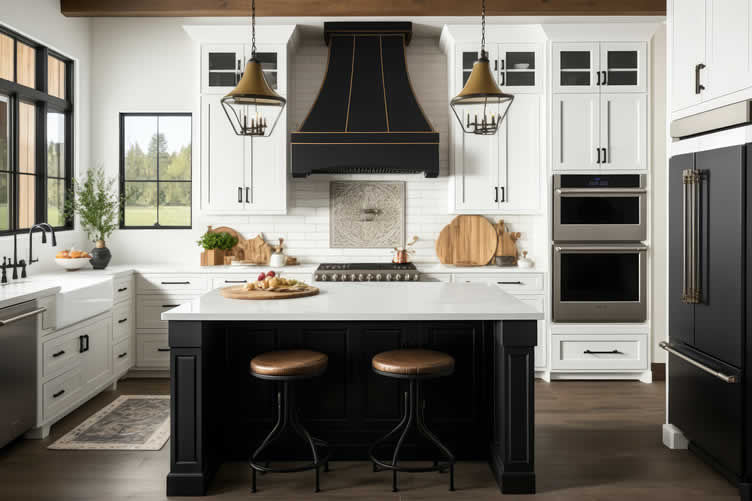
A kitchen remodel is one of the most exciting home improvement projects, offering the perfect opportunity to enhance both functionality and aesthetics. Beyond flooring choices and surface materials, incorporating additional features can significantly elevate the utility, design, and efficiency of the space.
While each of these additions may increase your budget, they provide long-lasting benefits in practicality and style, making them valuable investments. Below, we explore various kitchen additions worth considering, along with their estimated costs and benefits to help you make informed choices during your kitchen remodel.
[ see below: handy enhancements ]
-
Kitchen Island with Cook Station and Utility Sink
A kitchen island is a versatile addition that not only adds counter space but also creates a central hub for cooking and socializing. By integrating a cook station and a utility sink, the island becomes a multi-functional centerpiece.
This configuration is especially beneficial for avid cooks, as it simplifies meal preparation and cleaning. Depending on the size, materials, and plumbing requirements, the cost of including a kitchen island with a cook station and sink can range from $5,000 to $15,000.
While it requires careful planning and coordination with contractors, this addition dramatically improves the workflow in your kitchen, making it a worthwhile upgrade.
-
Range Hood
A range hood is an essential feature for maintaining good air quality in your kitchen. It removes smoke, steam, grease particles, and odors, creating a cleaner and safer cooking environment. Today’s range hoods come in a variety of styles, from sleek stainless steel models to custom-built designs that match your cabinetry.
The cost of adding a high-quality range hood typically ranges from $1,000 to $3,000, depending on the make and installation process. This addition is an investment in both air quality and style, ensuring a fresh and comfortable kitchen space.
-
Pot Filler
A pot filler is a small but impactful addition that can save you time and effort while cooking. Installed above a stove or cooktop, this faucet allows you to fill pots directly, eliminating the need to carry heavy containers of water across the kitchen.
Beyond convenience, pot fillers also add a touch of luxury and sophistication to your kitchen. The cost of this feature, including installation, typically ranges from $800 to $2,000. For individuals who cook frequently or value efficiency, this addition is an excellent consideration.
-
Walk-In Pantry
A walk-in pantry is the ultimate solution for organized storage. It allows you to keep dry goods, small appliances, and other kitchen essentials neatly arranged and easily accessible. This addition is particularly valuable for larger households or those who frequently entertain, as it minimizes kitchen clutter and enhances functionality.
Creating a walk-in pantry may involve structural changes, shelving installation, and potential updates to the HVAC system for proper ventilation, with costs ranging from $2,000 to $10,000. It is a practical and highly desirable feature for those prioritizing storage and organization in their remodeling plans.
-
Dual Wall Ovens
For avid bakers or households that regularly prepare large meals, dual wall ovens are a game-changer. They allow you to cook multiple dishes simultaneously at different temperatures, saving time and ensuring perfectly prepared meals.
Beyond functionality, dual wall ovens add a sleek, modern aesthetic to your kitchen. Installing this feature usually varies in cost between $3,000 and $7,000, depending on the model and installation complexity. This addition is a significant upgrade for those who love to entertain or have a passion for culinary pursuits.
-
Sit-Up Kitchen Counter
A sit-up kitchen counter creates an inviting space for casual dining, homework, or conversation while cooking. This addition fosters a welcoming and social atmosphere, encouraging interaction between family members and guests.
Depending on the design and materials used, adding a sit-up kitchen counter can cost between $2,000 and $6,000. For those seeking to merge functionality with hospitality, this feature is a perfect choice.
-
Appliance Garage Bays
Appliance garage bays are a sleek and practical addition to any kitchen counter. These enclosed storage spaces keep small appliances such as toasters, blenders, and coffee makers out of sight, creating a clean and organized countertop.
With custom options, appliance garage bays can be designed to complement your kitchen style while maximizing functionality. The cost for installation typically ranges from $1,000 to $3,500, depending on materials and size. This feature is ideal for maintaining a tidy and efficient kitchen workspace.
-
Under Cabinet Lighting
Wired under cabinet lighting is another excellent feature to include in a modern kitchen. This lighting option provides focused illumination for tasks such as food preparation while enhancing the overall ambiance of the space.
Hardwired systems offer a seamless and professional look, eliminating the need for visible cords or plugs. Installation costs for wired under cabinet lighting usually range between $200 and $1,000, depending on the lighting type and installation complexity. This upgrade not only boosts functionality but also adds a touch of sophistication to your kitchen design.
-
Other Amenities to Consider
Additional amenities, such as wine refrigerators, pull-out drawers, or custom lighting solutions, can further elevate your kitchen remodel. Each of these features adds significant value and functionality to the space, ensuring it caters to your specific lifestyle and preferences.
Costs for these enhancements vary widely based on the complexity of installation and the quality of materials but can range from $500 to $5,000 or more.
-
Final Thoughts
When planning your kitchen remodel, incorporating thoughtful additions can transform it into a space that is not only beautiful but also highly functional. While these upgrades may require a higher upfront investment, they often result in greater long-term value, enhanced efficiency, and a more enjoyable cooking and living experience.
Consult with professional contractors and designers to ensure your chosen additions align with your overall remodeling vision, space constraints, and budget. By carefully selecting the right features, you’ll create a kitchen tailored to your needs and preferences, combining practicality with modern aesthetics.
copyright image by 123rf.com
-
-
2nd: Adding Home Automation
Home automation is revolutionizing how we design and interact with kitchen spaces, creating smarter, more efficient, and personalized environments. Incorporating home automation into your kitchen remodel can significantly enhance convenience, improve energy efficiency, and bring a modern edge to your home.
By integrating the latest technology, tasks such as cooking, cleaning, and managing kitchen appliances become seamlessly streamlined, allowing you to focus on enjoying your space. This section explores the types of kitchen home automation worth considering and provides an understanding of the financial investment required.
-
Smart Appliances for a Seamless Experience
Smart appliances form the heart of any well-automated kitchen. These include refrigerators that allow you to view their contents remotely, coffee makers you can program via a smartphone app, and ovens that suggest cooking times and temperatures based on the dish.
Many of these appliances are Wi-Fi-enabled, integrating smoothly into smart home ecosystems like Google Home, Amazon Alexa, or Apple HomeKit. Investing in smart appliances can cost anywhere from $500 for smaller devices to over $5,000 for high-end options, depending on brand and functionality.
While the upfront costs may seem high, these appliances often provide energy savings and time efficiency, making them a long-term benefit.
-
Intelligent Lighting Systems
Lighting plays a crucial role in setting the ambiance of your kitchen and enhancing its usability. Automated lighting systems enable homeowners to control brightness, adjust color warmth, and create predefined lighting scenes tailored to cooking, dining, or entertaining.
This technology ensures optimal energy consumption through features such as motion sensors and dimming options. Installing smart lighting systems typically adds around $200 to $1,000 to your remodeling budget, depending on factors like the number of light fixtures and connectivity options. These systems not only elevate your kitchen’s aesthetics but also contribute to sustainable living.
-
Advanced Ventilation and Air Quality Monitoring
Maintaining a healthy kitchen environment goes beyond cooking; it includes air quality and temperature control. Automated range hoods and air purifiers equipped with sensors can monitor air quality and adjust airflow as needed to remove odors, smoke, or harmful particulates.
Some advanced systems even feature real-time alerts to report changes in indoor air conditions. Incorporating such technology into your kitchen remodel can range from $300 for basic systems to over $2,000 for premium models. Improved ventilation ensures a safer and more pleasant cooking experience for your household.
-
Smart Faucets and Water Management Systems
Water conservation and convenience are crucial to modern kitchen design. Smart faucets and water monitoring systems provide features like touchless operation, preset temperature adjustments, and real-time water usage data.
These innovations help conserve water and prevent costly leaks. Depending on the complexity, incorporating smart water solutions can add between $150 and $1,500 to your remodel budget. The investment not only promotes sustainability but also simplifies daily kitchen tasks.
-
Home Automation Hubs and Integration
To ensure all devices and systems work in sync, a central home automation hub is essential. These hubs connect your appliances, lighting, and other smart devices, offering unified control through a single app or voice assistant.
Integration costs vary but generally fall between $300 and $2,000, depending on the scope of your automation and the need for professional installation. A well-implemented hub allows your kitchen to operate like a cohesive, intelligent ecosystem, elevating your experience and convenience.
-
Budget Considerations and Final Thoughts
Integrating home automation into your kitchen remodel represents a unique opportunity to merge functionality and innovation. While the investment can add between $1,000 and $10,000 to your overall budget, the benefits in time-savings, energy efficiency, and personalization make it worthwhile for many homeowners.
Partnering with a reputable professional and staying informed about the latest technology trends ensures that your choices align with your needs. Remember, a carefully planned budget will allow you to prioritize the most impactful automation features, providing long-term value and satisfaction.
With home automation, your kitchen becomes more than just a space for cooking; it transforms into an adaptable, innovative environment that caters to your lifestyle and enhances your home’s overall appeal.

copyright image by 123rf.com
-
-
3rd: Using Sustainable Materials
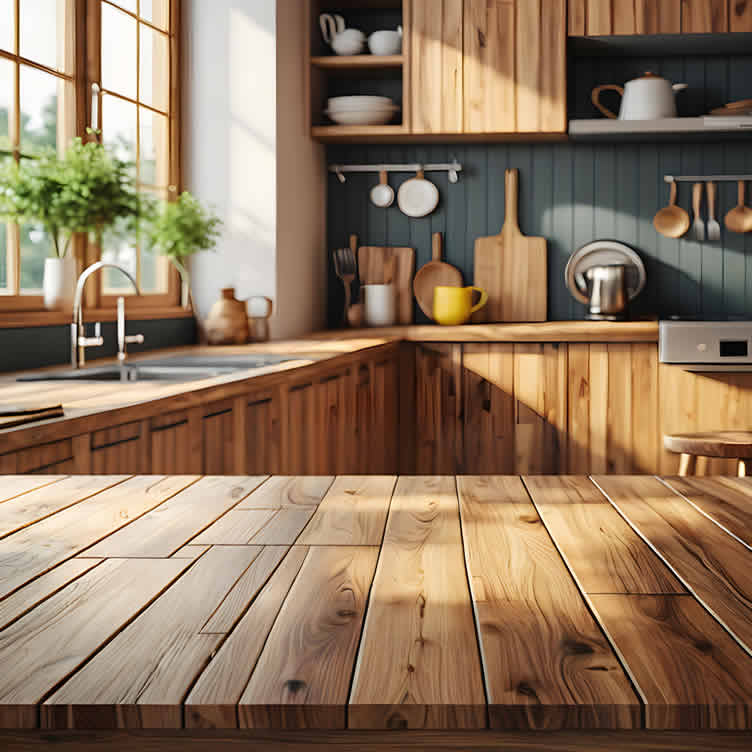
A kitchen remodel is an exciting opportunity to create a space that not only meets your functional needs but also reflects your values, including a commitment to sustainability. By carefully selecting eco-friendly materials, you can reduce your environmental impact while enhancing the aesthetic quality and longevity of your kitchen.
Sustainable materials not only offer environmental benefits but are also often more durable and healthier for your home. Below, we explore some of the best sustainable options for kitchen remodeling and discuss how incorporating them may affect your budget.
[ see below: sustainable materials ]
-
Reclaimed Wood
Reclaimed wood is an excellent option for cabinets, countertops, and flooring. This material is salvaged from old buildings, barns, and furniture, giving it a second life and reducing the demand for new timber. Using reclaimed wood adds a unique character and charm to your kitchen, with its natural imperfections and history visible in every piece.
Although it often requires careful sourcing and specialized treatment to ensure durability and safety, it can be more affordable than some high-end hardwoods. Incorporating reclaimed wood into your kitchen remodel may increase costs by approximately 10%-20% due to treatment and labor but offers substantial environmental benefits in return.
-
Bamboo
Bamboo, often labeled as a green alternative to traditional wood, is highly sustainable due to how quickly it grows and regenerates after harvesting. It is versatile and can be used for cabinetry, flooring, and even as a substitute for hardwood countertops.
Bamboo is lightweight yet durable and resistant to moisture when properly treated, making it ideal for kitchen use. On average, using bamboo might increase your remodeling budget by 5%-15%, but it is a long-lasting choice that minimizes the use of deforestation-prone hardwood.
-
Recycled Glass Countertops
For a modern and striking design element, recycled glass countertops are a fantastic choice. These countertops are made from a blend of crushed, reclaimed glass and resin or cement, and they come in a wide variety of colors and patterns to suit any aesthetic.
Not only are recycled glass countertops visually stunning, but they are also incredibly durable and eco-friendly. The cost for these countertops typically exceeds that of standard granite or laminate, with an estimated budget increase of 15%-25%.
However, their unique appearance and sustainable composition make them a worthwhile investment for environmentally conscious homeowners.
-
Cork Flooring
Cork is another sustainable material gaining popularity in kitchen remodeling. Made from the bark of cork oak trees, which regenerates after harvesting, cork is renewable and biodegradable. Cork flooring is soft, comfortable underfoot, and has excellent thermal and acoustic insulating properties.
It is also resistant to moisture and mold when properly sealed. While cork is budget-friendly compared to some other sustainable options, expect to allocate an additional 5%-10% to your project costs for specialized installation and sealing.
-
Low-VOC Paints and Finishes
While paints and finishes may not be the first materials that come to mind, they play a crucial role in creating a sustainable kitchen. Many traditional paints emit volatile organic compounds (VOCs), which can negatively impact indoor air quality and contribute to environmental pollution.
Low-VOC or zero-VOC paints and finishes are widely available and pose less harm to your health and the environment. These options seldom add more than an additional 3%-5% to your budget, making them a relatively low-cost way to promote sustainability in your remodel.
-
Recycled Metal
For homeowners who want a modern, industrial look, recycled metal is a sustainable material worth considering. Stainless steel and aluminum that have been re-purposed can be used for countertops, backsplashes, or even cabinet hardware.
These metals are durable, resistant to heat and water, and recyclable at the end of their life-cycle, minimizing waste. Incorporating recycled metal elements into your kitchen might lead to a budget increase of around 10%-20%, depending on the extent of its use.
-
Final Considerations
While sustainability may require some additional investment during the initial remodeling phase, the long-term benefits often outweigh the costs. Durable, eco-friendly materials reduce the need for replacements, ensuring a well-made kitchen that stands the test of time.
Furthermore, sustainable choices improve indoor air quality and contribute to a healthier home environment for your family. By partnering with experienced professionals and reviewing certified sources (such as LEED-certified products or FSC-certified wood), you can confidently plan a remodel that reflects both your style and your commitment to the planet.
Creating a sustainable kitchen is a direct step toward fostering a greener future while crafting a functional and visually stunning space that enhances your everyday life.
AI generated image by 123rf.com
-
-
-
ideas to view and compare from the information discussed above
Scroll up to directory … or scroll to next section about budgeting for a kitchen remodel …

get the size dimensions for any home remodeling project …
… for functionality, aesthetics, and adhering to building codes
… home remodeling – improvement – repair



below for …
… kitchen cost estimates and budget allocation



Find Kitchen Remodeling Services Kitchen Remodeling and Design Cabinets & Countertops Flooring Lighting Design Painting & Staining top-rated, pre-screened local contractors FREE: download contractor selection enter zip code – powered by HomeAdvisor ™
Quick Contractor Guides selecting negotiating working with inspecting

fifth and last “photo remodeling” idea

copyright image by 123rf.com
Budgeting Tip 5: DIY vs. Professional Help
Notes:
-
Deciding whether to hire professionals or take the DIY route is a major consideration in any kitchen remodel. Both options come with unique advantages and challenges.
Hiring professionals, especially for tasks like plumbing, electrical work, or structural changes, ensures quality results and compliance with safety codes. Their expertise can save time and reduce stress, particularly for complex or large-scale renovations. However, labor costs can add up, accounting for roughly 30-50% of your total budget.
DIY projects, on the other hand, can help cut down on costs if you have the skills and tools to complete smaller tasks. Painting walls, assembling cabinets, or installing a backsplash are examples of DIY-friendly projects. However, it’s worth noting that projects done poorly could end up costing more to fix than hiring a professional from the beginning.
-
Quick scroll to topic "getting started" side notes …
-
-
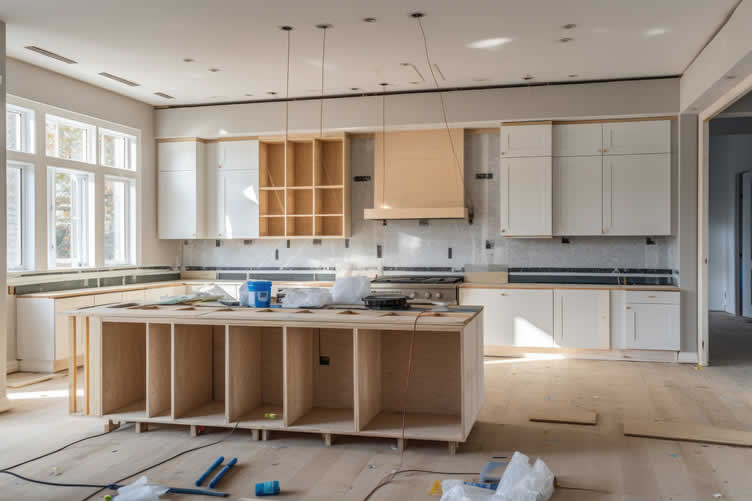
1st: Skills and Tools Needed for a DIY Kitchen Remodel
Undertaking a DIY kitchen remodel can be a rewarding endeavor, both financially and creatively. However, it requires a well-rounded understanding of the demands of the project and the appropriate tools to ensure successful execution.
By equipping yourself with the right skills and equipment, you can tackle various remodeling tasks efficiently while minimizing the risk of costly mistakes. Below is a segmented list of essential skills and tools needed to get started.
-
Essential Skills
A successful kitchen remodel relies on a combination of practical skills and careful planning. Whether you are re-purposing existing materials, installing new fixtures, or updating cabinetry, having the right skill set is crucial to achieving a polished and professional result.
Below is a breakdown of the essential skills every DIY enthusiast should develop before beginning their remodeling project.
- Basic Carpentry Knowledge
Understanding how to measure, cut, and assemble materials is critical for tasks like cabinet installation and framing. - Plumbing Basics
Familiarity with replacing or installing sinks, faucets, and pipes can save on hiring a plumber for simple tasks. - Electrical Safety and Wiring
Knowing how to safely work with wiring for light fixtures or outlet installations is crucial for many kitchen renovations. - Attention to Detail
Precision is key for ensuring tasks such as tiling or countertop installation look professional and are functional. - Problem-Solving Capability
Kitchen renovations often come with unexpected challenges that require adaptability and creative solutions.
- Basic Carpentry Knowledge
-
Must-Have Tools
When embarking on a DIY kitchen renovation, having the right tools at your disposal is essential for successful and efficient work. The proper tools not only make tasks easier but also ensure safety and precision, helping you achieve professional-quality results.
Below is a list of must-have tools to help you tackle everything from demolition to finishing touches with confidence.
- Measuring Tape and Level
These tools are fundamental for ensuring accurate measurements and level installations. - Power Drill and Screwdriver Set
A reliable drill and screwdriver set are necessary for assembling cabinets, installing hardware, and other fastening tasks. - Circular Saw or Jigsaw
These are essential for cutting wood, countertops, or other materials to size. - Tile Cutter and Grouting Tools
For projects involving backsplash or floor tiles, these tools will help you cut and finish your tiles effectively. - Safety Gear
Protective glasses, gloves, and dust masks are vital for staying safe during any DIY project.
By mastering these skills and preparing the right tools, you’ll be well-equipped to transform your kitchen into a functional and beautiful space while keeping expenses under control.
- Measuring Tape and Level
copyright image by 123rf.com
[ youtube: DIY Kitchen Renovation for $3K (Quoted $15K) ]
[ youtube: Complete DIY Kitchen Build for $5000 ]
-
-
2nd: Why You Might Need a Kitchen Remodeling Expert
While DIY kitchen remodeling projects can be rewarding, there are situations where hiring a professional is the best option. Complex tasks such as electrical rewiring, plumbing modifications, or structural changes often require specialized knowledge and expertise.
A kitchen remodeling expert can ensure that these aspects are completed safely, up to code, and with a high-quality finish. Additionally, professionals can help you avoid costly mistakes, manage time-lines effectively, and offer design insights that enhance both the functionality and aesthetics of your space.
-
How to Find a Budget-Friendly Remodeler
Finding a remodeler who can work within your budget starts with thorough research. Begin by seeking recommendations from friends or family and reading online reviews to identify reputable contractors.
Obtain multiple quotes from different professionals to compare their pricing and services. It’s also important to discuss your budget upfront and ask for suggestions on how to achieve your goals cost-effectively.
Look for contractors who are transparent about costs and willing to collaborate on finding creative solutions to save money without compromising quality. Lastly, verify their licenses, insurance, and references to ensure a safe and reliable partnership throughout the remodeling process.
LetsRenovate has partnered with HomeAdvisor™, a renowned provider of highly-rated, carefully-vetted kitchen contractors. Start your search here by entering your zip code to find local professionals.

copyright image by 123rf.com
But Wait!
Before starting your search and evaluation of kitchen remodeling contractors, it is highly recommended to download and use this evaluation worksheet.
This resource will help you objectively rank and assess potential contractors, considering essential factors such as pricing, licensing, and referral information.

Evaluation Sheet
File Type: -
-
-
Plan Your Dream Kitchen with Confidence
A complete kitchen remodel is an opportunity to create a functional and beautiful space you’ll enjoy for years to come—but it starts with a well-planned budget. By understanding the remodeling process and strategically allocating your funds across key categories like cabinetry, appliances, and flooring, you can avoid surprises and keep your project on track.
Take the time to explore ways to optimize costs without compromising quality, and don’t hesitate to enlist the help of professionals when needed.
Planning your kitchen renovation doesn’t have to feel overwhelming. With this comprehensive guide in hand, you’re equipped to make informed decisions and design a space that meets your needs and aligns with your vision.
Whether you’re going for a mid-range update or a top-of-the-line makeover, your dream kitchen is within reach.
-
ideas to view and compare from the information discussed above
- What comments can you share about
budgeting for a kitchen remodel
Scroll up to directory … or scroll to more home interior-related topics …

Calendar For:
Home Maintenance
File Type:
view illustration “becoming a bank”
… view our sharing links below for a quick "share the knowledge"
Cover image credit: budgeting for a kitchen remodel by 123rf.com
end of post … please share it!
 |
did you find how simple renovations can budgeting for a kitchen remodel analysis helpful? If so, please share the article with your friends and family! |
Nice pic idea? Leave us a quick comment below.
And please share this pic idea within your social networks.