Summary Outline –
Keeping your home comfortable year-round is no small feat, and that’s exactly where HVAC systems come in. But what does HVAC mean, and why is it so important for every homeowner?
Whether you’re new to understanding home systems or you’ve already heard the term tossed around, this guide will walk you through the essentials of HVAC, its components, and why it plays a crucial role in your daily life.
By the end of this analysis, you’ll not only know what HVAC stands for, but you’ll also understand how a well-functioning HVAC system improves home air quality, boosts energy efficiency, and ensures year-round comfort.

-
Quick scroll to first topic about understanding HVAC systems …

first “HVAC systems” idea
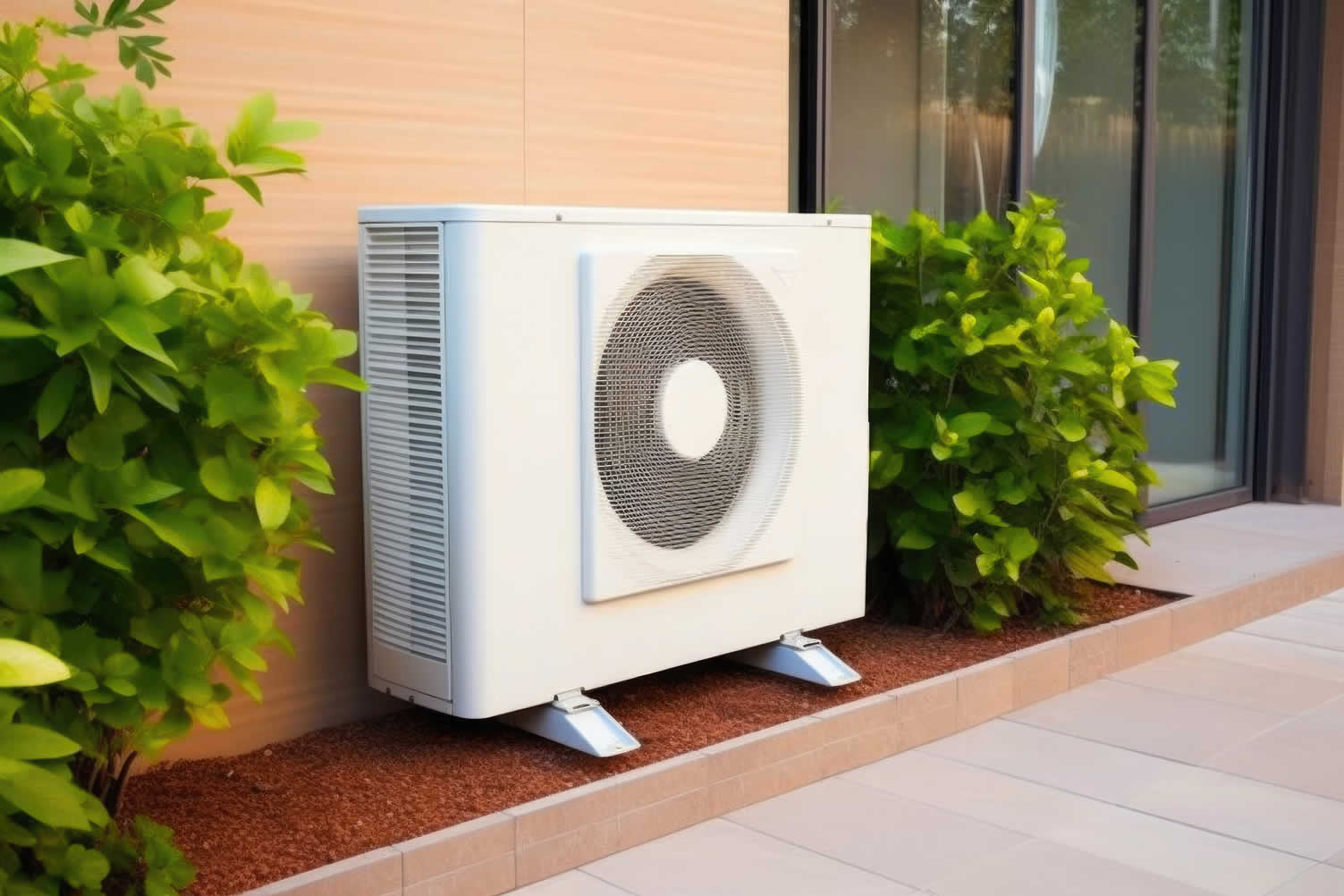

copyright image by 123rf.com
HVAC Tip 1: What is HVAC?
Notes:
-
HVAC stands for Heating, Ventilation, and Air Conditioning. These three systems are crucial to maintaining a comfortable indoor environment, regardless of the season.
From keeping you cozy during winter to ensuring crisp, cool air during summer, your HVAC system works hard to regulate temperature, humidity, and air quality inside your home. But HVAC is more than just about comfort—it’s about creating a healthy and energy-efficient environment for you and your family.
-
Why Does HVAC Matter?
Without a proper HVAC system, your home could experience temperature extremes, poor ventilation, and unhealthy air quality. This can lead to discomfort, higher utility bills, and even health problems for your family.
-
-
Quick scroll to “HVAC components” side notes …
-
-
1st: Components of HVAC Systems
Understanding the components of HVAC systems is essential to grasping what is HVAC and how it functions to create comfortable indoor environments. HVAC, which stands for Heating, Ventilation, and Air Conditioning, is a system designed to regulate indoor temperature, air quality, and overall comfort.
These systems combine various elements to ensure efficient operation and energy savings. Let’s take a moment to explore the primary components of HVAC systems in detail.
-
Heating (H)
The heating component of an HVAC system is responsible for warming indoor spaces during colder months. This is typically achieved using furnaces, boilers, or heat pumps, which generate and distribute heat throughout a building.
Furnaces often utilize gas, electricity, or oil as a source of energy, while boilers heat water or produce steam to deliver warmth via radiators or underfloor systems. Heat pumps, on the other hand, can provide both heating and cooling by transferring heat between indoor and outdoor settings, offering energy-efficient solutions for modern homes.
[ see below: heating (H) about and types ]
-
Ventilation (V)
Ventilation is a critical aspect of any HVAC system as it ensures fresh, clean air circulates within a building. Proper ventilation removes pollutants, allergens, and excess moisture from indoor air, creating a healthier living environment.
This process relies on ducts, fans, and filters to exchange indoor air with outdoor air, balance humidity levels, and maintain optimal air quality. Modern HVAC systems often include advanced filtration to trap airborne particles, enhancing comfort and reducing health risks associated with poor air quality.
[ see below: ventilation (V) about types ]
-
Air Conditioning (AC)
Air Conditioning in an HVAC system works to cool and dehumidify indoor air when temperatures rise. Utilizing refrigerants and compressors, air conditioners absorb heat from indoor spaces and release it outdoors, lowering room temperatures and improving comfort during hot weather.
Central air conditioners, ductless mini-split systems, and portable units are common options, with energy-efficient systems becoming increasingly popular. Properly maintained AC components not only ensure consistent cooling but also contribute to the longevity of the HVAC system.
[ see below: air conditioning (AC) about the types ]
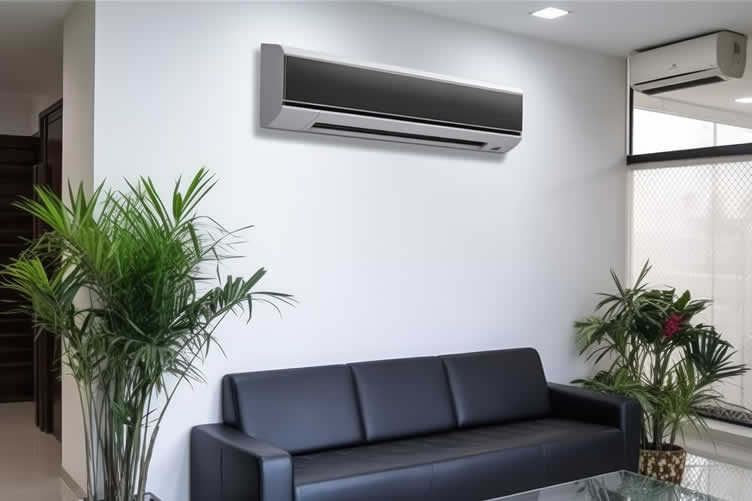
copyright image by 123rf.com
[ view diagram: home HVAC systems ]
[ youtube: the man who cooled the world ]

-
-
2nd: Why is HVAC Essential for Homes?
An HVAC system is an integral component of modern home design. It plays a pivotal role in ensuring comfort, efficiency, and overall well-being for residents. But what is HVAC exactly, and why is it so essential for homes?
Beyond temperature control, a well-functioning HVAC system contributes to better air quality, significant energy savings, and year-round comfort. For example, an energy-efficient HVAC system –
-
Maintains Indoor Air Quality
One of the most important functions of an HVAC system is to maintain and improve indoor air quality. It works by filtering out dust, allergens, and pollutants from the air, creating a healthier living environment.
Proper ventilation ensures that fresh outdoor air circulates throughout the home, while removing contaminants and preventing issues like mold growth. This is especially vital for individuals with allergies or respiratory conditions, as clean air can drastically improve their quality of life.
-
Improves Energy Efficiency
A modern HVAC system can greatly enhance a home’s energy efficiency. By heating or cooling spaces only as needed and using advanced technologies like programmable thermostats, HVAC systems help reduce unnecessary energy consumption.
Energy-efficient models, especially those with ENERGY STAR certifications, can also lower utility bills while reducing the home’s carbon footprint. Investing in a high-efficiency HVAC system is an eco-friendly choice that pays off in long-term savings.
-
Ensures Year-Round Comfort
No matter the season, an HVAC system ensures that your home remains a comfortable retreat. During the scorching heat of summer, air conditioning cools the space, while heating systems provide warmth during frigid winters.
The system’s ability to stabilize indoor temperatures guarantees consistent comfort, eliminating the discomfort of unpredictable weather. With advanced customization options, homeowners can tailor the system’s performance to meet their specific needs.
-
Other Benefits of HVAC Systems
Beyond air quality, energy efficiency, and comfort, HVAC systems offer additional benefits. They can add value to a property, making it more attractive to potential buyers.
Modern systems are also quieter and more compact than older models, providing a seamless experience without compromising space or tranquility.
copyright image by 123rf.com
-
-
3rd: Types of HVAC Systems for the Home
Choosing the right HVAC system for your home can be a daunting task, as there are several options, each catering to different needs, budgets, and preferences.
Understanding the various types of HVAC systems available will help you make an informed decision based on factors such as energy efficiency, space requirements, and climate suitability.
Below is an overview of the most common types of HVAC systems, along with the reasons for considering each.
-
Standard Split Systems
Standard split systems are among the most popular HVAC configurations for residential use. These systems include both a heating and cooling component, with the furnace or heat pump located inside and the air conditioner outside.
- Most common in the United States
- Cost-effective and widely available
- Consists of an outdoor unit (condenser and compressor) and an indoor unit (evaporator)
- Available in single-stage, two-stage, and variable-capacity configurations
- Easy to upgrade or replace components
- Typical lifespan of 15-20 years
- [ view diagram: standard split system ]
-
Packaged HVAC Systems
Packaged systems contain all the heating and cooling components in a single, compact unit, typically placed outside the home or on the roof.
- Saves indoor space due to the all-in-one design
- Ideal for homes without basements or limited interior storage areas
- Simplified installation process
- Available in air source and ground source types
- Air source systems combine air conditioner and furnace
- Ground source systems use a heat pump to transfer heat from the ground
- [ view diagram: packaged HVAC system ]
-
Hybrid Split Systems
Hybrid split systems are similar to standard split systems but offer the added benefit of an energy-efficient electric heat pump, which can switch to a gas furnace for additional heating when needed.
- Combines a heat pump with a furnace
- Heat pump handles cooling and mild heating, furnace takes over in extreme cold
- Offers flexibility and improved energy efficiency
- Offers flexibility in managing energy costs
- Excellent for homes in climates with varying seasonal temperatures
- [ view diagram: HVAC hybrid split system ]
-
Ductless Mini-Split Systems
Ductless mini-split systems are compact HVAC solutions that do not rely on ductwork. They consist of an outdoor unit and one or more indoor units mounted on walls or ceilings.
- Ideal for homes without existing ductwork
- Consists of indoor air handlers and an outdoor unit
- Provides both heating and cooling
- Provides customizable temperature zones for different rooms
- Quiet operation and compact design
- Highly efficient, with SEER ratings potentially reaching 30
- [ view diagram: ductless mini-split system ]
-
Geothermal Heating and Cooling
Geothermal HVAC systems use the stable temperatures found underground to provide efficient heating in the winter and cooling in the summer.
- Uses the earth as a heat source in winter and heat sink in summer
- Extremely energy-efficient and environmentally friendly
- Long lifespan compared to traditional systems
- Significant cost savings in the long term despite initial installation expenses
- Suitable for any climate
- [ view diagram: geothermal heating and cooling ]
-
Zoned HVAC Systems
Zoned systems divide the home into different temperature zones, allowing for independent control of heating and cooling in each area.
- Allows independent temperature control in different areas of the home
- Each zone has its own thermostat
- Uses dampers in ductwork to control airflow to specific zones
- Ideal for large homes or homes with varied sun exposure.
- Maximizes energy efficiency by reducing waste in unused areas
- [ view diagram: zoned HVAC system ]
-
Other HVAC Systems
There are other specialized HVAC solutions available, such as evaporative coolers, radiant heating systems, and smart HVAC systems that integrate with home automation.
- May be better suited to unique climates or home designs
- Offers innovative or high-tech options to enhance convenience
- Provides solutions tailored to specific needs or budgets
- [ view diagram: radiant heating system ]
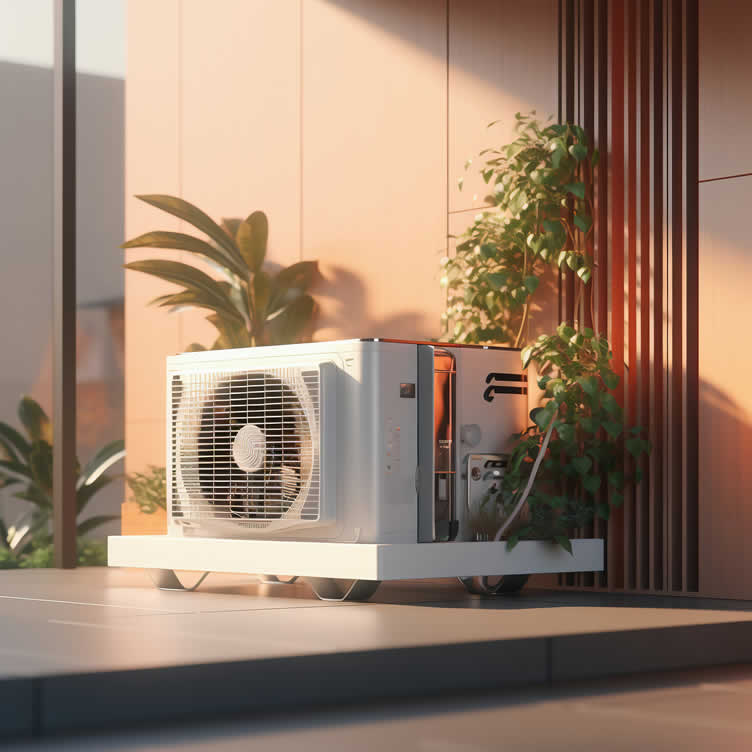
copyright image by 123rf.com
[ youtube: how to choose the right HVAC system? ]
[ youtube: difference between HVAC systems ]
-
-
-
ideas to view and compare from the information discussed above
Scroll up to directory … or scroll to next section about understanding HVAC systems …




… your home heating needs during winter months

second “photo remodeling” idea
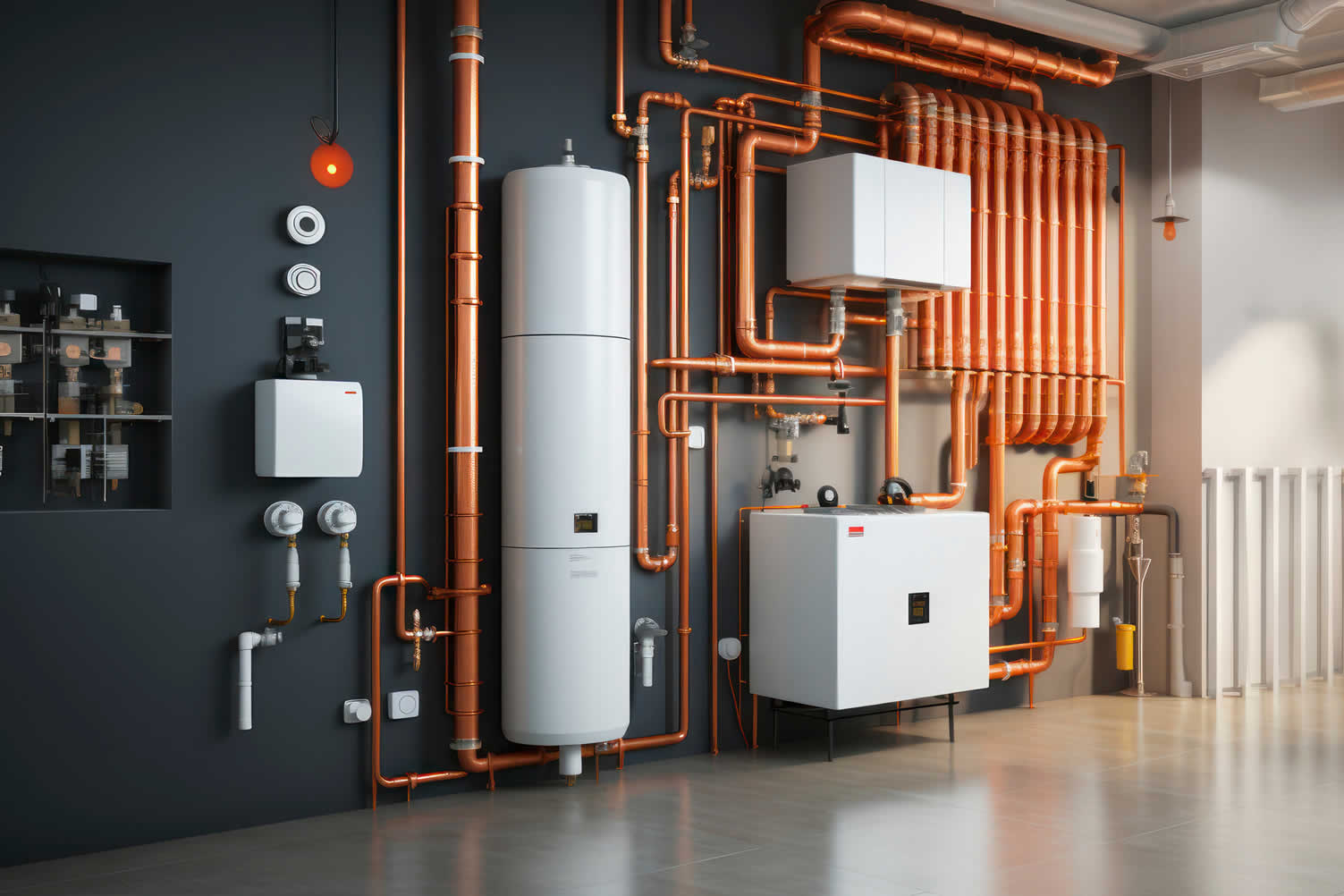
copyright image by 123rf.com
HVAC Tip 2: Understanding the Heating Component of HVAC
Notes:
-
The heating component of an HVAC system (H) plays a critical role in maintaining a comfortable indoor environment, especially during colder months. It ensures that your home stays warm and energy-efficient by utilizing advanced technology designed for both performance and cost-effectiveness.
Heating systems, ranging from furnaces to heat pumps, are tailored to suit various household needs and preferences. By learning more about the functionality and options available, homeowners can make informed decisions that enhance comfort and efficiency.
-
Quick scroll to “home heating” side notes …
-
-
1st: HVAC Heating Sources
Heating systems are an essential component of any home, ensuring comfort and safety during colder months. Modern HVAC systems offer a variety of heating options, each powered by different energy sources tailored to meet diverse needs and preferences.
Understanding these heating sources can help homeowners make informed decisions when choosing the most efficient and cost-effective option for their households.
[ see below: HVAC heating sources ]
-
Furnaces
Furnaces are one of the most common heating systems in homes. They work by heating air and distributing it throughout the house via ductwork.
Furnaces can be powered using different types of fuels, with natural gas being the most popular choice for its cost-effectiveness and availability. However, furnaces can also run on propane, oil, or electricity depending on regional fuel accessibility and efficiency preferences.
-
Boilers
Boilers use water as the primary medium for heat distribution, either as hot water or steam, which circulates through radiators or radiant floor systems. They are known for even heating and exceptional comfort.
Natural gas is often the preferred fuel choice for boilers due to its efficiency and lower environmental impact. Alternatively, oil-fired and pellet-burning boilers can be an option in areas where natural gas is not readily available.
-
Heat Pumps
Heat pumps are highly efficient systems that extract heat from the outdoors and transfer it indoors. They are powered by electricity and are particularly effective in milder climates.
While traditional heat pumps may struggle in extreme cold, modern advances like geothermal heat pumps, which draw heat from the earth, can perform well in a variety of climates and reduce long-term energy costs.
-
Electric Baseboard Heaters
Electric baseboard heaters provide zone heating by using electric resistance to generate heat. They are often used in supplemental heating situations or in homes without access to other fuel sources.
Though easy to install, they are generally more expensive to operate than other heating systems due to electricity costs, making them ideal for smaller spaces or occasional use.
-
Wood-Burning Stoves
For those seeking a rustic or off-grid heating solution, wood-burning stoves offer a reliable and sustainable option. These systems are powered by firewood or wood pellets, which is renewable when sourced responsibly.
While they require more hands-on maintenance and monitoring, they can be a practical choice for rural areas or as backup heating in case of power outages.
Each heating source has its strengths and is best suited for specific circumstances, climates, and energy availability. Choosing the right one involves balancing installation costs, energy efficiency, environmental impact, and personal preferences.
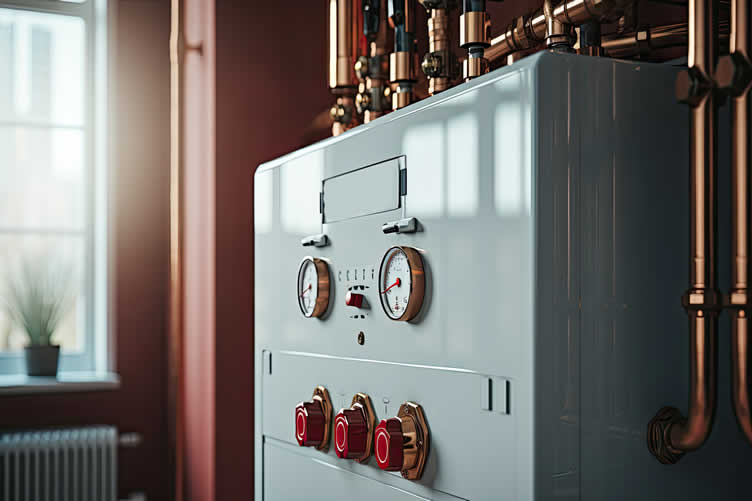
copyright image by 123rf.com
-
-
2nd: Heating Main Components
To efficiently deliver heating during colder months, HVAC systems rely on a combination of specialized components, each playing a critical role in the system’s overall performance.
The following section breaks down the main components involved in home heating systems, focusing on the furnace, control mechanisms, and distribution parts.
-
Furnace Components
The furnace serves as the heart of many heating systems, responsible for generating heat that is then distributed throughout the home. Its main components include:
- Furnace:
This is the primary heating unit where fuel, such as natural gas, oil, or electricity, is converted into heat energy. Modern furnaces are designed for energy efficiency and often include advanced safety mechanisms. - Heat Exchanger:
Positioned inside the furnace, the heat exchanger transfers heat produced by the combustion process to the air or water used for warming the space. It ensures that harmful combustion gases remain separated from the heated air. - Burners:
Burners deliver fuel to the furnace, igniting it to create the necessary heat. The efficiency and performance of burners play a significant role in the furnace’s overall output. - Blower or Radiator:
The blower circulates heated air throughout the home via ductwork, while radiators distribute heat in systems that rely on steam or hot water. These components determine how effectively the heat reaches different rooms. - Other Furnace Components:
Furnaces may include additional components such as pilot lights in older models or ignition systems in newer ones, which ignite the fuel safely. Some systems also incorporate fans to prevent overheating and improve airflow.
- Furnace:
-
Control and Distribution
Efficient heating depends heavily on the control and distribution components, ensuring that heat is delivered to the right areas at the right time. These include:
- Thermostat:
The thermostat acts as the control center, allowing occupants to set and regulate the desired temperature. Modern smart thermostats optimize energy use by learning usage patterns and adjusting settings automatically. - Ductwork:
Ductwork serves as the network that transports warm air from the furnace to various parts of the home. Properly sealed and insulated ducts are essential for preventing energy loss during distribution. - Radiators:
Radiators are used in hydronic heating systems, distributing warmth through a combination of convection and radiation. They are often found in older homes with steam or hot water heating systems. - Filter Rack:
Located in the airflow path, the filter rack holds air filters that trap dust, debris, and allergens. Maintaining a clean air filter is crucial for system efficiency and indoor air quality. - Other Components:
Additional distribution elements may include dampers, which regulate airflow within the duct system, and registers or vents that direct warm air into living spaces.
By understanding the roles of these components, homeowners can make informed decisions about maintaining their HVAC system and maximizing its efficiency.
- Thermostat:
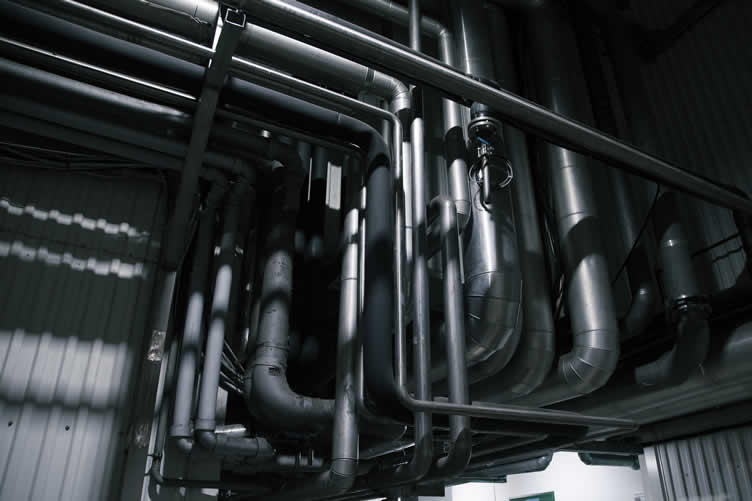
copyright image by 123rf.com
[ view diagram: home heating components ]
[ youtube: how a gas furnace works ]
-
-
3rd: Best Heating Systems for Different Climate Regions
Choosing the right heating system for your home largely depends on the climate region you live in. Whether you experience harsh, freezing winters or mild seasonal changes, selecting an appropriate system can enhance comfort, reduce energy consumption, and save on heating costs.
Below, we explore the best heating solutions for various climates to help you make an informed decision tailored to your environment.
-
Heating Systems for Cold Winter Regions
Homes in cold winter regions, where temperatures consistently drop below freezing, benefit from high-efficiency furnaces or boiler systems. Gas or oil furnaces are ideal for delivering powerful, consistent heating, ensuring homes stay warm in extreme conditions.
Additionally, radiant floor heating and geothermal heat pumps are excellent options. Geothermal systems, though costly upfront, provide long-term energy efficiency and are particularly effective in regions with continuous cold weather.
-
Heating Systems for Mild Winter Regions
For areas with milder winters, heat pumps are often the best choice. Ductless mini-split systems are particularly popular, offering flexible heating solutions for various spaces without the need for a central duct system.
These systems are energy-efficient and can double as cooling units during warmer months. Homeowners in mild climates often prioritize efficiency over raw heating power, making heat pumps an excellent fit.
-
Heating Systems for Dry Winter Regions
Dry winter regions tend to experience significant temperature fluctuations between day and night. For these climates, furnaces with built-in humidifiers are ideal.
Adding moisture to the air not only improves comfort but also preserves fixtures and furniture from drying out. Alternatively, electric heat pumps combined with auxiliary electric resistance heating can effectively handle these shifts while maintaining energy efficiency.
-
Heating Systems for Other Climate Regions
For regions that fall outside traditional climate categories or experience varied seasonal conditions, hybrid heating systems offer an adaptive solution.
These systems combine heat pumps with gas or electric furnaces to automatically switch between heating methods based on the outside temperature. Such flexibility ensures efficient energy use and optimal comfort regardless of the season’s demands.

copyright image by 123rf.com
[ view diagram: types of heating systems for home ]
[ youtube: choose the best heating system ]
-
-
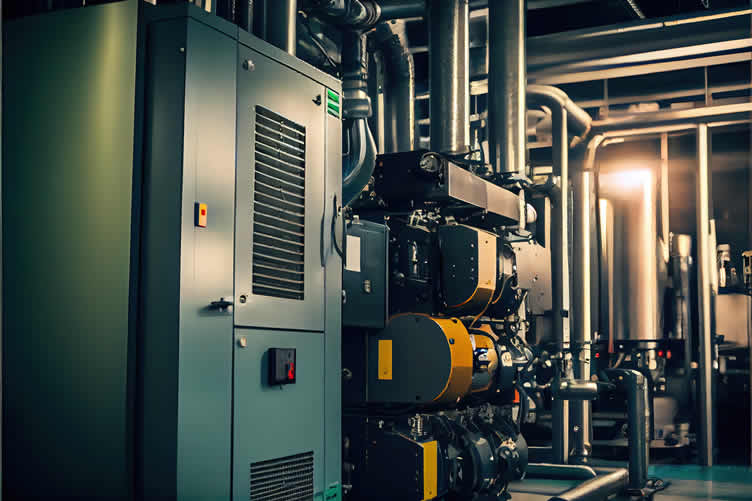
4th: Types of Fuel for Furnace Systems
When choosing a furnace system, the type of fuel it uses is one of the most important considerations. Different fuels have varying costs, environmental impacts, availability, and efficiency levels, which can directly affect your home’s heating performance and budget.
In this side note, we examine the most common types of fuels used in furnace systems, detailing their benefits and drawbacks to help you make the best-informed decision for your heating needs.
-
Electric Furnaces
Electric furnaces are powered solely by electricity, making them a clean and straightforward option for heating your home. They convert electrical energy into heat through heating elements.
Pros:
- Easy to install and maintain.
- No need for fuel storage or exhaust venting.
- Ideal for areas with access to a reliable electricity supply.
- Environmentally friendly if powered by renewable energy sources.
Cons:
- Higher operating costs in regions with expensive electricity rates.
- Not as efficient in extremely cold climates compared to other options.
-
Natural Gas Furnaces
Natural gas furnaces are one of the most popular choices for home heating. These systems burn natural gas to produce heat, which is then distributed throughout the home.
Pros:
- Efficient and cost-effective, especially in areas with affordable natural gas rates.
- Reliable heating even in severe cold weather.
- Produces fewer emissions compared to oil furnaces.
Cons:
- Requires access to a natural gas supply line.
- Potential safety risks such as gas leaks or carbon monoxide if not properly maintained.
-
Propane Furnaces
Propane furnaces use liquefied petroleum gas (propane) to generate heat. This type of fuel is often chosen for homes in rural areas without natural gas lines.
Pros:
- Burns cleaner than oil, reducing environmental impact.
- Portable and can be stored in tanks for off-grid usage.
- High energy efficiency compared to some alternatives.
Cons:
- Requires regular propane deliveries and fuel storage space.
- Price fluctuations depending on propane market rates.
-
Oil Furnaces
Oil furnaces use heating oil to warm your home and are commonly found in regions without access to natural gas.
Pros:
- Provides intense, efficient heat.
- Ideal for colder climates.
- Can be stored in large quantities for backup supply.
Cons:
- Requires a storage tank and regular delivery refills.
- Higher emissions compared to natural gas and propane.
- Frequent maintenance is needed to prevent soot buildup.
-
Wood Pellet Furnaces
Wood pellet furnaces use compressed pellets made from recycled wood waste as fuel, making them a renewable energy source for heating.
Pros:
- Eco-friendly and sustainable.
- Cost-effective in areas with abundant wood supplies.
- Produces a cozy, natural warmth.
Cons:
- Requires regular refueling and ash cleanup.
- Storage for wood pellets can take up significant space.
- Not ideal for automated home heating systems.
-
Geothermal Heating
Geothermal systems use underground heat to warm your home, offering a highly sustainable and modern solution to heating.
Pros:
- Exceptionally energy-efficient and environmentally friendly.
- Minimal operating costs after the initial installation.
- Provides consistent heating regardless of outdoor temperatures.
Cons:
- High upfront installation costs.
- Limited to homes with appropriate site conditions for geothermal drilling.
-
Other Fuels
Some furnace systems may use alternative fuels such as coal or biodiesel, though these are less common and often region-specific.
Pros:
- Biodiesel is a renewable, cleaner-burning alternative to traditional oil.
- Coal can be cost-effective in certain regions with abundant local supplies.
Cons:
- Biodiesel requires specialized equipment and regular supply sourcing.
- Coal has high emissions and is less sustainable compared to modern fuel options.
Understanding the pros and cons of each fuel type allows you to optimize your heating system’s performance, economic efficiency, and environmental impact, tailored to your specific circumstances and home requirements.
copyright image by 123rf.com
[ youtube: types of heating systems for your home ]
[ youtube: geothermal 101 – how to heat your home ]
-
-
5th: Floor Heating: A Modern Approach to Home Heating
Floor heating, also known as radiant heating, is an innovative and efficient way to keep your home warm. Unlike traditional forced-air systems, floor heating delivers warmth directly through the floor surface, creating a consistent, comfortable environment.
This heating method is not only energy-efficient but also highly versatile, making it an ideal choice for a wide range of home designs and personal heating preferences.
Below, we’ll explore the key features and benefits of floor heating systems and how they can be implemented effectively in your home.
-
How Floor Heating Works
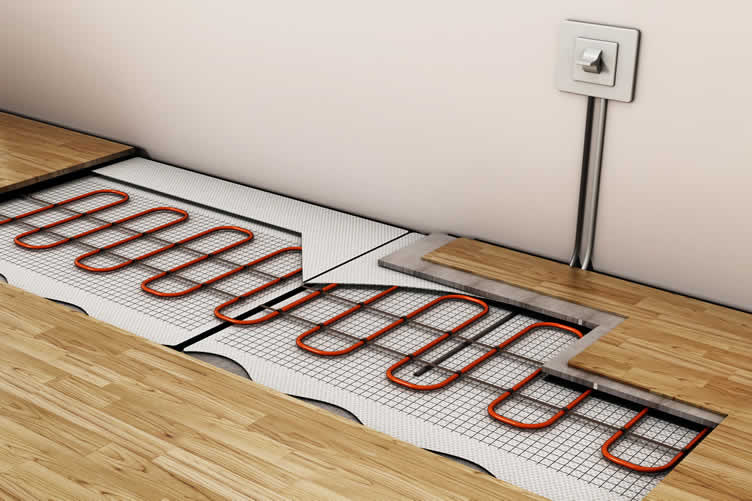
Floor heating systems function by embedding heat sources—typically electric wires or water-filled tubes—beneath the flooring material. These elements radiate heat upwards, warming the floor and subsequently the room.
By utilizing the principle of radiant heat, these systems ensure even warmth throughout the space without relying on air circulation. This makes floor heating particularly effective in reducing cold spots and providing a comfortable, draft-free environment.
-
Types of Floor Heating Systems
Floor heating systems come in a variety of types to suit different needs, preferences, and building structures. Each system offers unique advantages, making it important to understand their key differences and functionalities.
Here is an overview of the most common types of floor heating systems, helping you make an informed decision about which option might be best for your space.
-
Electric Floor Heating
This system uses electric cables or mats installed under the flooring to generate heat. Electric floor heating is straightforward to install and is often used for smaller spaces or individual rooms such as bathrooms or kitchens. It offers precise temperature control and quick heating capabilities.
-
Hydronic Floor Heating
A hydronic system employs a network of tubes filled with hot water, which is circulated by a boiler. This option is more energy-efficient for heating larger spaces or entire homes.
While the initial installation costs can be higher, hydronic systems are typically more cost-effective in the long run and ideal for homes in colder climates.
-
-
Benefits of Floor Heating
Floor heating has become an increasingly popular choice for modern homes due to its ability to provide consistent and efficient warmth. Unlike traditional heating systems, which often create uneven temperatures and cold spots, floor heating ensures a comfortable environment by radiating heat evenly across the entire room.
This innovative method not only enhances comfort but also offers a range of additional advantages, making it a smart investment for homeowners seeking both practicality and luxury. Some of the key benefits of floor heating systems:
-
Efficient Heat Placement
Radiant heating focuses on warming the floor, allowing heat to rise naturally. This ensures that the warmth is concentrated in the most utilized areas of your living space, reducing waste and enhancing efficiency.
By targeting the areas where heat is needed the most, this system provides optimal comfort without overheating unused spaces.
-
Energy Efficiency
Radiant heating systems are known for their exceptional energy efficiency. By directly heating surfaces and objects rather than the surrounding air, they require less energy to achieve and maintain a comfortable temperature.
This not only reduces utility bills but also decreases overall energy consumption, making radiant heating an eco-friendly choice for modern homes.
-
Enhanced Comfort
Radiant heating systems excel at providing a level of comfort unmatched by traditional heating methods. Unlike forced-air systems that can create drafts or distribute uneven temperatures, radiant heating delivers consistent warmth across surfaces.
This eliminates cold spots and ensures a cozy environment throughout the space. Additionally, the gentle heat emitted by radiant systems is quiet and non-intrusive, creating a peaceful and inviting atmosphere ideal for relaxation and well-being.
-
Improved Air Quality
Unlike forced-air systems, which can circulate dust, allergens, and other airborne particles, radiant heating operates without moving air. This helps reduce the presence of irritants in the indoor environment, making it an excellent choice for individuals with allergies or respiratory concerns.
The absence of ducts and vents also minimizes the accumulation of debris, further enhancing the cleanliness and overall quality of the air.
-
-
Ideal Applications of Floor Heating
Radiant floor heating offers a versatile and energy-efficient solution for maintaining comfortable indoor temperatures. Its ability to provide consistent, even heat makes it suitable for a variety of environments.
Whether you’re designing a cozy living space, upgrading a bathroom, or considering heating options for commercial properties, floor heating can adapt to different needs and enhance comfort.
Floor heating can be seamlessly integrated into various parts of the home as:
- Bathrooms:
Radiant heating is particularly popular in bathrooms, where it eliminates the chill of cold tiles and provides luxurious comfort. - Living Rooms and Bedrooms:
Installing floor heating in common living spaces can create a consistently warm and inviting atmosphere for family and guests. - Under Hard Flooring Materials:
Floor heating pairs excellently with materials like tile, stone, and concrete, which conduct and retain heat efficiently.
- Bathrooms:
copyright image by 123rf.com
[ view diagram: underfloor heating system ]
[ youtube: radiant in-floor heating – everything to know ]
-
-
6th: Understanding Water Heating Systems
While water heaters are not traditionally considered part of the central HVAC system, they do play a complementary role in maintaining household comfort. Water heaters are dedicated to providing hot water for for bathing, cooking, and cleaning and other domestic use.
However, in systems like hydronic heating, which uses water to distribute heat through radiators or underfloor pipes, the water heater becomes an integral component of the overall home heating setup, blurring the lines between the two systems.
electing the right water heating system can significantly impact energy efficiency, utility costs, and convenience. View the different types of water heating systems, each with its operational nuances and benefits.
[ see below: types water heater diagrams ]
-
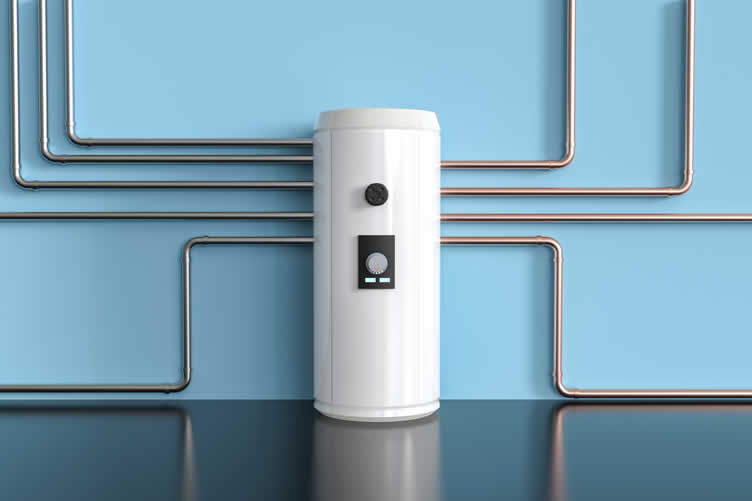
Storage Water Heaters
Storage water heaters are the most common type, featuring a tank that stores heated water until it is needed. These systems operate by continuously heating the stored water to maintain the desired temperature.
- Works with a tank storing preheated water.
- Available in various sizes to suit household needs.
- Can be electric or gas-powered
- Maintains hot water supply but can experience energy losses.
-
Tankless (On-Demand) Water Heaters
Tankless water heaters provide hot water only when needed, eliminating the need for a storage tank. They heat water as it flows through the unit.
- Provides hot water instantly without a tank.
- More energy-efficient for smaller households.
- May struggle with simultaneous large water demands.
-
Heat Pump (Hybrid) Water Heaters
Heat pump water heaters use electricity to move heat from the air or ground to heat water, making them highly energy-efficient.
- Transfer heat from air or ground to water
- Use approximately 60% less energy than standard electric heaters
- Best used in locations with moderate temperatures.
- Known for energy savings and environmental friendliness.
-
Solar Water Heaters
Solar water heaters utilize energy from the sun to heat water, making them a highly sustainable option.
- Employs solar collectors installed on rooftops.
- Requires a backup heating system for cloudy days or high demand.
- Reduces energy costs dramatically over time.
-
Condensing Water Heaters
Condensing water heaters capture and reuse exhaust gas to heat water, making them more efficient than traditional systems.
- Operates efficiently by using existing heat from its exhaust.
- Best suited for homes with natural gas systems.
- Offers lower operational costs and reduced emissions.
-
Other Water Heating Options
Other less common systems include point-of-use water heaters and combination water and space heating units.
- Point-of-use heaters supply hot water to specific locations quickly.
- Combination heaters serve dual purposes of heating water and providing space heating.
- Ideal for specialized or unique household needs.
copyright image by 123rf.com
-
-
-
ideas to view and compare from the information discussed above
hybrid heat pumpmini split ac/heating systemunderfloor heating system

Scroll up to directory … or scroll to next section about understanding HVAC systems …

addressing understanding HVAC systems and other home improvement questions …

… grab this directory of ideas for future use







… remodeling decisions

plan the specifications you need for making …

… key home improvement and remodeling decisions



May We Suggest Other Photo Remodeling Ideas About
“Creating Self-Staining Home …” (new win)


third “photo remodeling” idea
copyright image by 123rf.com
HVAC Tip 3: Ventilation in HVAC Systems
Notes:
-
Ventilation is a critical component of any HVAC system, playing a major role in maintaining indoor air quality and ensuring a comfortable environment. It involves the exchange of indoor and outdoor air to regulate temperature, control humidity, and remove contaminants such as dust, odors, and harmful gases.
A well-designed ventilation system improves energy efficiency and contributes to healthier living or working spaces. The following section explores the key aspects of ventilation in HVAC systems, including its functions, types, and benefits.
-
Quick scroll to “home ventilation” side notes …
-
-
1st: Ventilation Components
The ventilation component of a home HVAC system is a critical element ensuring the proper circulation and quality of air within a building. It is responsible for removing stale air, introducing fresh air, and maintaining an optimal balance of temperature and humidity for a safe, comfortable indoor environment.
This system consists of multiple interconnected components that work seamlessly to distribute and regulate airflow throughout the home. Explore below these components in detail, alongside their roles in the HVAC ventilation process.
-
Ductwork
Ductwork forms the network of pathways through which air travels in an HVAC system. Made of materials such as metal or flexible plastics, ducts connect the air handler to the various rooms in a home.
Well-designed ductwork minimizes air leakage and ensures efficient distribution of conditioned air. Proper installation and maintenance are essential for optimal system performance and energy efficiency.
-
Blower and Fan
The blower and fan are vital for moving air throughout the HVAC system. Positioned near the air handler, these components ensure a constant flow of air through the ductwork and into the rooms. By facilitating steady air circulation, they play an integral role in maintaining a consistent indoor climate.
-
Air Handler
The air handler is the central hub of the HVAC ventilation system, housing key components like the fan and coils. It conditions and distributes air effectively, ensuring that the home remains comfortable. Proper maintenance of the air handler ensures longevity and system efficiency.
-
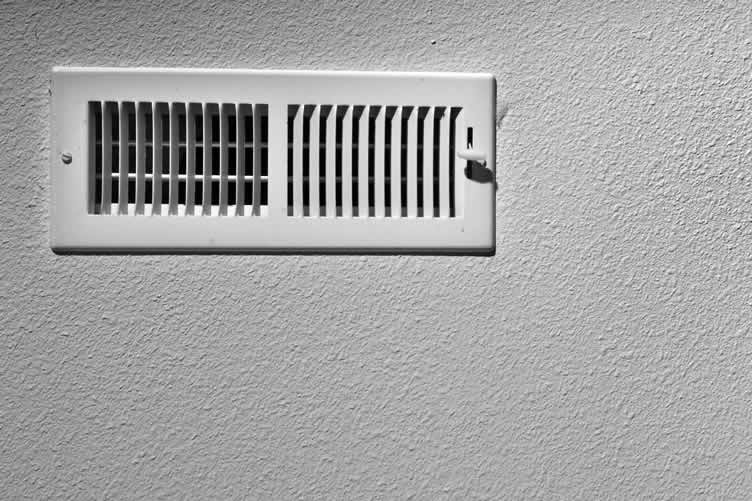
Vents and Registers
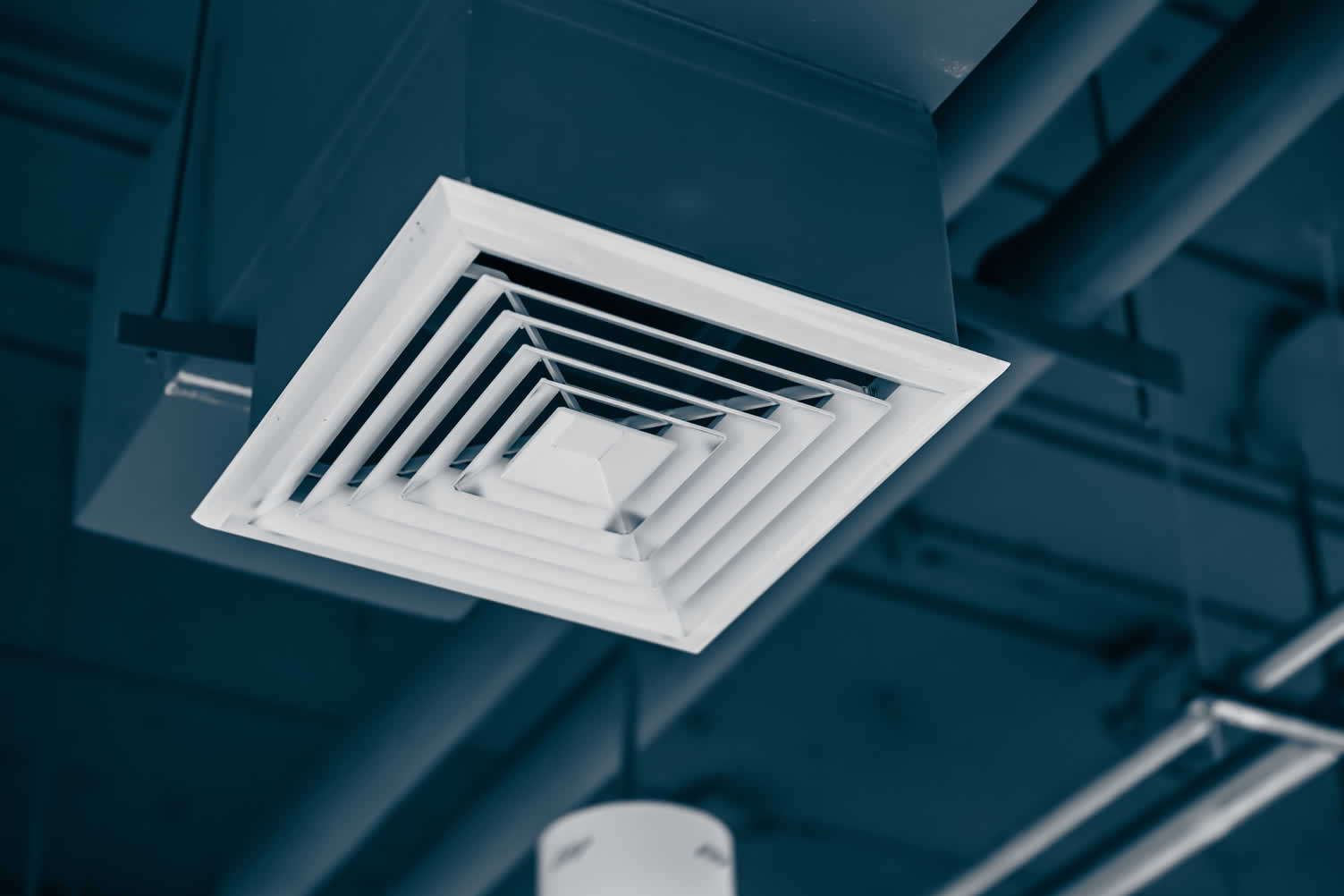
Vents and registers serve as the endpoints of the HVAC system, allowing conditioned air to enter rooms and return air to the system. Adjustable registers help control the airflow direction and intensity, while vents maintain air exchange between the indoor and outdoor spaces.
These are the endpoints of the ventilation system, where conditioned air enters the rooms:
- Supply Registers:
Deliver heated or cooled air into living spaces - Return Vents:
Draw air back into the system for reconditioning - Air Registers:
Have adjustable dampers or flaps to control airflow
- Supply Registers:
-
Air Filter
An air filter is a crucial component that traps dust, allergens, and other particles, ensuring clean air circulates within the home. Regular replacement or cleaning of the air filter enhances air quality and prevents strain on the HVAC system caused by blockages.
-
Thermostat
The thermostat acts as the HVAC system’s control center, allowing occupants to set and maintain desired temperatures. Modern thermostats often include programmable or smart features that optimize energy use and improve overall comfort.
-
Other Components
Additional components like dampers, which regulate airflow within the ductwork, and heat recovery ventilators (HRVs), which manage energy-efficient air exchange, contribute to the effectiveness of an HVAC ventilation system. These elements fine-tune air distribution and improve energy conservation.
copyright image by 123rf.com
[ view diagram: home ventilation components ]
[ youtube: ventilation basics ]
-
-
2nd: Stand-Alone Components for Enhanced Ventilation
While central HVAC systems play a critical role in maintaining indoor air quality, several stand-alone components can further optimize home ventilation. These devices work independently or in conjunction with existing systems to improve airflow, reduce pollutants, and maintain comfortable living conditions.
-
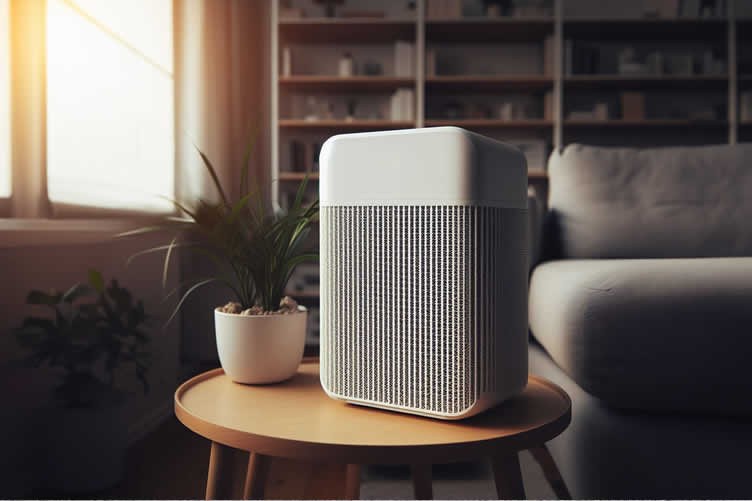
Air Purifiers
Air purifiers are devices designed to remove contaminants such as dust, pollen, pet dander, and even harmful particles like smoke and bacteria from the indoor air. Equipped with advanced filtration systems such as HEPA filters, they function by trapping airborne particles, ensuring cleaner and healthier indoor air.
Placing an air purifier in specific rooms, like bedrooms or living areas, can significantly reduce allergens and improve respiratory health.
-
Dehumidifiers
Dehumidifiers are valuable tools for maintaining balanced moisture levels in the home. They work by extracting excess humidity from the air, preventing the growth of mold, mildew, and dust mites.
Ideal for damp spaces such as basements or humid climates, these devices help create a more comfortable indoor environment and protect structural elements like wood and drywall from moisture damage.
-
Exhaust Fans
Exhaust fans are a simple yet effective solution for removing indoor air pollutants and excess moisture. Commonly installed in bathrooms and kitchens, these fans expel stale air, odors, and steam directly outside. This not only improves air circulation but also prevents the buildup of humidity that can lead to mold growth.
-
Energy Recovery Ventilators (ERVs)
Energy Recovery Ventilators (ERVs) are sophisticated devices designed to exchange stale indoor air with fresh outdoor air while preserving energy. These systems transfer heat and moisture between incoming and outgoing air streams, ensuring better air quality without sacrificing efficiency.
ERVs are ideal for modern, tightly sealed homes that benefit from controlled ventilation without increased energy costs.
-
Window Ventilators
Window ventilators are compact devices mounted on windows to allow constant and controlled airflow. They are particularly useful for homes or rooms lacking a central ventilation system.
Window ventilators often include filters to block pollutants while enabling a steady exchange of fresh outdoor air, enhancing ventilation in areas where it is most needed.
-
Ceiling Fans
Ceiling fans are an energy-efficient solution for improving indoor air circulation. By creating a consistent airflow, they help distribute warm or cool air evenly throughout a room, reducing reliance on heating or air conditioning systems.
Many modern ceiling fans come with reversible motor functions, allowing them to be used in both summer and winter for optimal comfort. Additionally, ceiling fans are available in various designs and sizes, making them a practical and aesthetic addition to any living space.
By incorporating these stand-alone components, homeowners can create a healthier and more efficient indoor environment, tailored to their specific needs and preferences.
copyright image by 123rf.com
-
-
3rd: Installing a Whole House Ventilation System
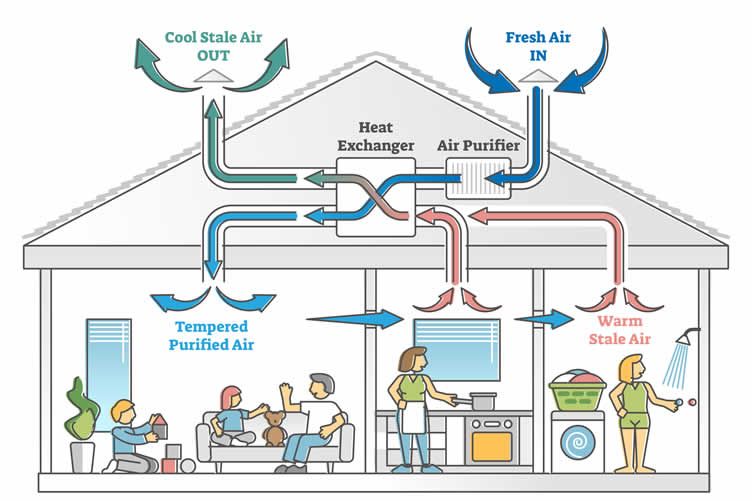
A whole house ventilation system is an advanced solution for improving indoor air quality by effectively managing airflow throughout the entire home. It is designed to provide a steady supply of fresh air while expelling stale air, reducing the concentration of indoor pollutants.
Properly installed, such a system creates a balanced and healthier indoor environment, which is particularly critical in modern, tightly sealed homes where natural airflow is limited.
-
Limitations of General HVAC Ventilation
While standard HVAC systems play a key role in heating, cooling, and circulating air, they are not primarily designed to address indoor air quality challenges. General HVAC ventilation systems often recirculate indoor air rather than introducing fresh outdoor air.
This can lead to the buildup of indoor pollutants, such as volatile organic compounds (VOCs), allergens, and moisture from various household activities. Additionally, external pollutants, such as pollen, dust, or vehicle emissions, can also seep into the home, further compromising air quality.
These factors highlight why traditional HVAC systems may not provide the best solutions for managing indoor pollutants effectively.
-
Advantages of a Whole House Ventilation System
A whole house ventilation system can be a superior choice for combating indoor air pollution due to its more targeted and efficient approach. These systems are specifically designed to maintain healthy indoor air by continuously exchanging air without compromising energy efficiency.
- Continuous Fresh Air Supply:
Unlike standard HVAC systems, whole house ventilation systems ensure a constant flow of fresh outdoor air into your home. - Reduced Indoor Pollutants:
They help expel indoor contaminants, including gases, odors, and moisture caused by cooking, cleaning, or other daily activities. - Energy Efficiency:
Many systems are equipped with features like HRVs and energy recovery ventilators (ERVs) to temper incoming air and control energy loss. - Improved Comfort:
Balanced air exchange eliminates drafts or over-ventilation while maintaining consistent temperatures indoors. - Healthier Living Environment:
Regular air circulation minimizes the concentration of allergens, mold, and toxic substances, enhancing overall well-being.
Investing in a whole house ventilation system allows homeowners to achieve a healthier, more comfortable, and energy-efficient home environment while providing superior control over indoor air quality.
- Continuous Fresh Air Supply:
copyright image by 123rf.com
[ view diagram: whole house ventilation ]
[ youtube: Whole House Ventilation Options ]
-
-
-
ideas to view and compare from the information discussed above
Scroll up to directory … or scroll to next section about understanding HVAC systems …
SHARE IT ..! You might have someone in your social network who could find this informative post "understanding HVAC systems" valuable. Feel free to share it on Facebook, X (formally Twitter), LinkedIn, or Pinterest!




… air conditioning and cooling (see below)
fourth “photo remodeling” idea
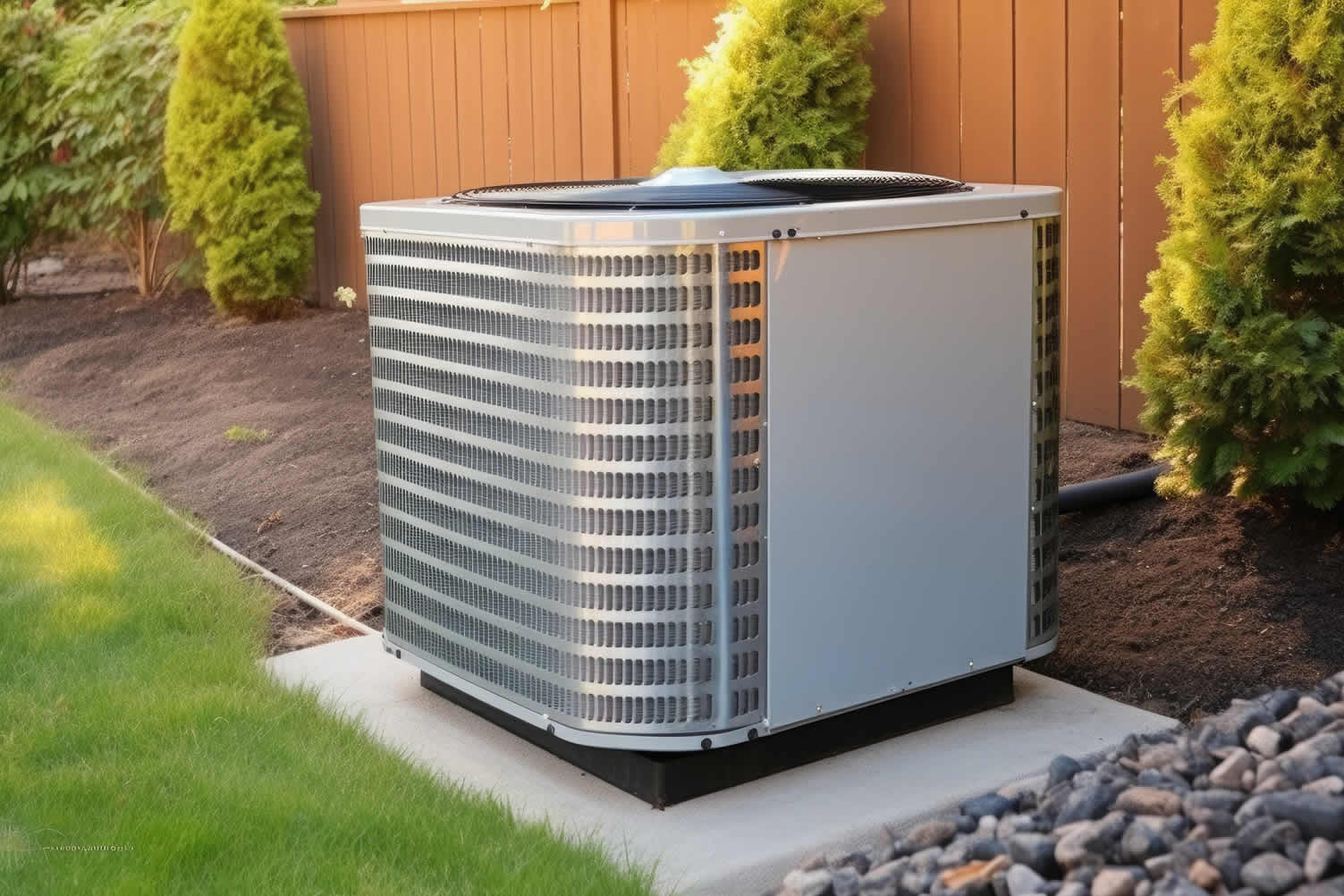
copyright image by 123rf.com
HVAC Tip 4: Understanding the Role of Air Conditioning
Notes:
-
Air conditioning (AC) is a vital component of any HVAC (Heating, Ventilation, and Air Conditioning) system, contributing significantly to indoor comfort and air quality.
Designed to regulate temperature, humidity, and air circulation, AC systems ensure a cool, pleasant environment during warmer months while working in harmony with other HVAC components to maintain optimal indoor conditions year-round.
In this section, we explore the key features, benefits, and considerations of air conditioning systems within an HVAC setup.
-
Quick scroll to “home air cooling” side notes …
-
-
1st: AC Components
Air conditioning systems are composed of several key components that work together to efficiently cool and circulate air in indoor spaces. These components are designed to ensure proper functionality and maintain a comfortable indoor climate.
Review the break down of the main parts of an AC system, highlighting their roles and how they contribute to the overall operation of the HVAC system.
-
Indoor Unit
The indoor unit is a crucial segment of the AC system, responsible for absorbing heat from indoor air and distributing cooled air throughout the space. Key components of the indoor unit include:
- Evaporator Coil:
The evaporator coil is where the refrigerant absorbs heat from the indoor air, causing the refrigerant to evaporate and carry the heat outside. Its chilled surface cools and dehumidifies the air passing over it. - Blower:
The blower, or fan, circulates the air inside the home, drawing in warm air and pushing out cool air after it passes through the evaporator coil. - Air Filter:
The air filter captures dust, debris, and pollutants from the air to ensure the system delivers clean and healthy air while protecting internal components from contamination. - Expansion Valve:
This component regulates the flow of refrigerant into the evaporator coil, ensuring the right amount of refrigerant is available to maximize cooling efficiency. - Other Indoor Components:
Additional features, such as drain lines for condensate removal and controls for regulating airflow, also contribute to the overall functionality of the indoor unit.
- Evaporator Coil:
-
Outdoor Unit
The outdoor unit operates externally to expel heat absorbed from indoor air and prepare the refrigerant for continuous cooling. This portion of the AC system comprises several essential components:
- Compressor:
Often referred to as the heart of the AC system, the compressor increases the pressure of the refrigerant, transforming it from a low-pressure gas to a high-pressure gas, which allows efficient heat transfer. - Condenser Coil:
After compression, the refrigerant passes through the condenser coil, where it releases the absorbed heat into the outdoor air, cooling it back into a liquid state. - Fan:
The outdoor fan supports the condenser coil by pushing away the expelled heat, ensuring efficient cooling operation and preventing system overheating. - Other Outdoor Components:
The outdoor unit may also include elements such as housing for protection against weather conditions and support brackets for securing the system.
- Compressor:
-
Control and Distribution
The control and distribution components of an AC system ensure proper operation and air delivery throughout the space. These components include:
- Thermostat:
The thermostat serves as the command center for the AC system, allowing users to set desired temperatures and manage system operation modes. - Ductwork:
Ducts distribute cooled air from the system to different areas of the home, playing a significant role in maintaining consistent indoor temperatures. - Refrigerant:
The refrigerant acts as the transportation medium for heat, continually cycling through the system to absorb and release heat as needed. - Other Control and Distribution Components:
Additional elements, such as zoning controls for regulating airflow in specific areas and dampers for adjusting duct airflow, help customize and enhance the AC system’s functionality.
Each of these components performs a unique and vital function, ensuring the air conditioning system effectively meets the cooling and air circulation demands of the space. Together, they create a cohesive system that provides comfort and promotes energy efficiency.
- Thermostat:
-
Description of the AC Work-Flow:
This system works cohesively to maintain a comfortable and energy-efficient indoor climate.
- Outdoor Unit:
The process begins with the outdoor unit, which typically contains the compressor and condenser. - Compressor:
The compressor circulates the refrigerant, increasing its temperature and pressure. - Condenser:
The hot refrigerant releases heat to the outside air through the condenser. - Expansion Valve:
The refrigerant then passes through the expansion valve, cooling and decreasing its pressure. - Evaporator Coils:
Inside the home, the refrigerant absorbs heat from the indoor air as it moves through the evaporator coils. - Blower Fan:
The blower fan pushes the cooled air through the air ducts to the air vents, distributing it throughout the home. - Air Vents:
The cooled air exits the vents to condition the indoor environment. - Return Ducts:
Warm air from the home is pulled back through return ducts to repeat the process. - Thermostat:
The thermostat monitors and controls the overall operation by adjusting the system to maintain the desired indoor temperature.
- Outdoor Unit:
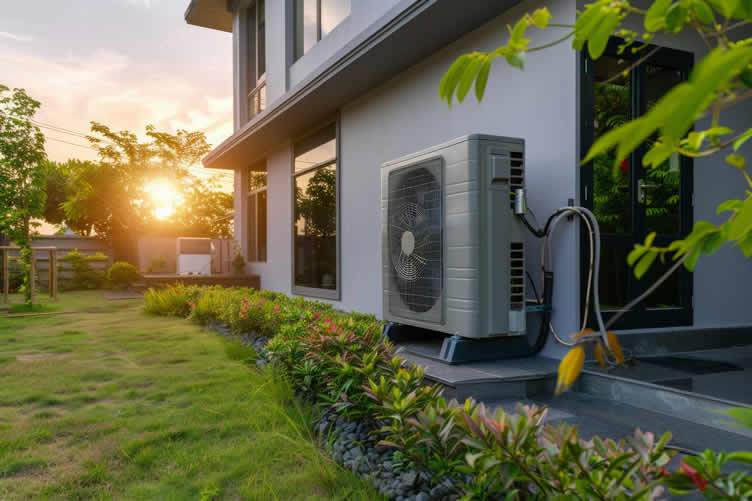
copyright image by 123rf.com
[ view diagram: air conditioning components ]
[ youtube: How Air Conditioning Works ]
-
-
2nd: Types of Air Conditioning Units
Air conditioning units come in various types, each designed to cater to different cooling needs, preferences, and space requirements.
Choosing the right type of air conditioner depends on factors such as the size of the area to be cooled, energy efficiency considerations, and installation preferences. Some of the most common types of air conditioning units include:
[ see below: air conditioning types ]
-
Central Air Conditioners
Central air conditioning systems provide whole-house cooling by distributing conditioned air through a network of ducts. They consist of an outdoor unit and indoor unit, often paired with a furnace or air handler.
These systems are highly effective for maintaining uniform cooling and improving indoor air quality, but they require professional installation and regular maintenance.
-
Ductless Mini-Split Systems
Ductless mini-split systems are similar to split-system air conditioners but do not require ductwork. Each indoor unit is connected to an outdoor compressor, making it ideal for homes without existing ducts.
These systems allow for zoned cooling, offering personalized comfort and energy savings by cooling only occupied spaces. Their sleek design and efficiency make them a popular choice for modern homes.
-
Hybrid Air Conditioners
Hybrid air conditioning systems optimize energy use by alternating between electricity and fossil fuels, such as natural gas, depending on which is more efficient at the time.
These units are more environmentally friendly and help homeowners save on energy costs. Hybrid systems are particularly advantageous in regions with fluctuating energy prices.
-
Geothermal Air Conditioning Systems
Geothermal air conditioning systems utilize the Earth’s consistent underground temperature to provide cooling and heating. These systems involve looping water or refrigerant through underground pipes to transfer heat between the home and the Earth.
While installation costs are higher, geothermal systems are incredibly energy-efficient and sustainable, offering significant savings over time.
-
Window Air Conditioners
Window air conditioners are compact systems designed to fit into a standard window frame. They are ideal for cooling single rooms and are relatively easy to install.
These units combine all components, such as the compressor, condenser, and evaporator, into one compact housing, making them a cost-effective solution for smaller spaces. However, they may obstruct window views and can be less energy-efficient for larger areas.
-
Split-System Air Conditioners
Split-system air conditioners consist of two main units: an indoor unit that houses the evaporator and an outdoor unit that houses the compressor and condenser. These systems are suitable for cooling larger homes or commercial spaces.
They are known for their quiet operation, energy efficiency, and ability to maintain consistent temperatures. Split systems can also include multi-zone configurations to cool multiple rooms independently.
-
Portable Air Conditioners
Portable air conditioners are versatile and easy to move, making them an excellent choice for temporary cooling needs or spaces where installation is not feasible. They work by venting hot air through an exhaust hose that can be directed through a window or wall opening.
While convenient, portable units can be less efficient than permanent systems and are better suited for smaller spaces.
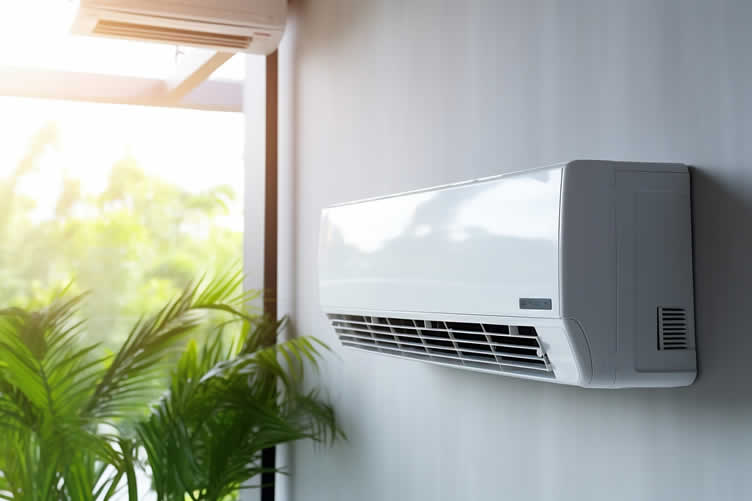
copyright image by 123rf.com
-
-
3rd: The Benefits of Air Conditioning Systems
Air conditioning systems offer much more than just cooling; they play a vital role in enhancing comfort, health, and overall living conditions.
Modern AC systems are designed to improve indoor air quality, regulate temperature, and even help conserve energy when used efficiently. Some of the key benefits that an air conditioning system brings to your home –
-
Improved Indoor Air Quality
One of the most significant advantages of air conditioning is the improvement it brings to indoor air quality. AC systems filter out allergens, dust, and pollutants while circulating clean, fresh air throughout your home.
This is particularly beneficial for individuals with respiratory issues or allergies, as it reduces exposure to harmful particles and ensures a healthier living environment.
-
Consistent Comfort Levels
Air conditioning allows you to maintain a consistent and comfortable temperature regardless of the season. Whether it’s the middle of summer or an unseasonably warm spring, an AC system ensures your home remains a cool and relaxing space.
Advanced systems also offer programmable thermostats, allowing you to tailor temperature settings to suit your preferences at different times of the day.
-
Enhanced Sleep Quality
A cool bedroom is essential for restful sleep, and air conditioning delivers just that. By maintaining an ideal, steady temperature, AC systems help you fall asleep faster and stay asleep longer. Additionally, they minimize humidity levels, which can make sleeping conditions uncomfortable, especially in humid climates.
-
Energy Efficiency and Cost Savings
Modern air conditioning systems are designed with energy efficiency in mind, helping to reduce electricity consumption over time. With proper maintenance and smart usage, an efficient AC system can result in significant cost savings on energy bills, all while minimizing your carbon footprint.
Features such as energy-saving modes and timers contribute significantly to their eco-friendly operation.
-
Increased Home Value
Investing in a high-quality air conditioning system can substantially increase the resale value of your home. Prospective buyers often view AC systems as a major selling point, especially in regions with extreme climates.
A reliable, up-to-date system signals that the home is both comfortable and modern, making it more appealing in a competitive market.
From improving health to enhancing everyday comfort, air conditioning systems offer a range of indispensable benefits. When chosen carefully and maintained properly, an AC system can become a valuable asset for any home.
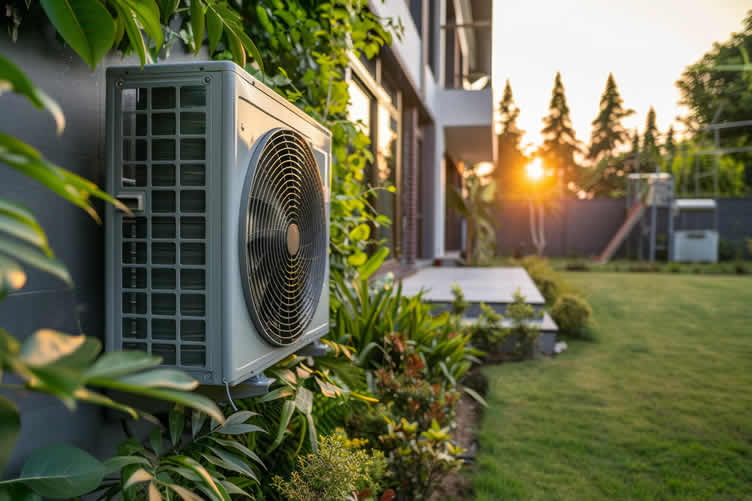
copyright image by 123rf.com
-
-
-
ideas to view and compare from the information discussed above
desktop air conditionersmall portable air conditionerover-sill window
Scroll up to directory … or scroll to next section about understanding HVAC systems …

get the size dimensions for any home remodeling project …
… for functionality, aesthetics, and adhering to building codes






fifth “photo remodeling” idea

copyright image by 123rf.com
HVAC Tip 5: HVAC Maintenance and Servicing
Notes:
-
Proper maintenance and servicing of your HVAC (Heating, Ventilation, and Air Conditioning) system are essential for ensuring its longevity, efficiency, and reliable performance. Whether in residential or commercial settings, a well-maintained HVAC system not only enhances indoor comfort but also reduces energy consumption and operating costs.
Routine servicing helps identify potential issues before they become costly repairs, while also improving air quality and ensuring the system operates at optimal levels.
The following side notes will explore best practices and key recommendations for maintaining and servicing your HVAC system to keep it running smoothly year-round.
-
Quick scroll to “HVAC maintenance” side notes …
-
-
1st: Important HVAC Maintenance Tips
Regular HVAC maintenance is essential to ensure the system operates effectively and efficiently. While professional servicing is crucial, there are several tasks homeowners can perform to keep their system in prime condition.
These simple, routine maintenance steps can help extend the lifespan of your HVAC unit, improve indoor air quality, and save on energy costs. Here are some key homeowner maintenance tasks to consider:
-
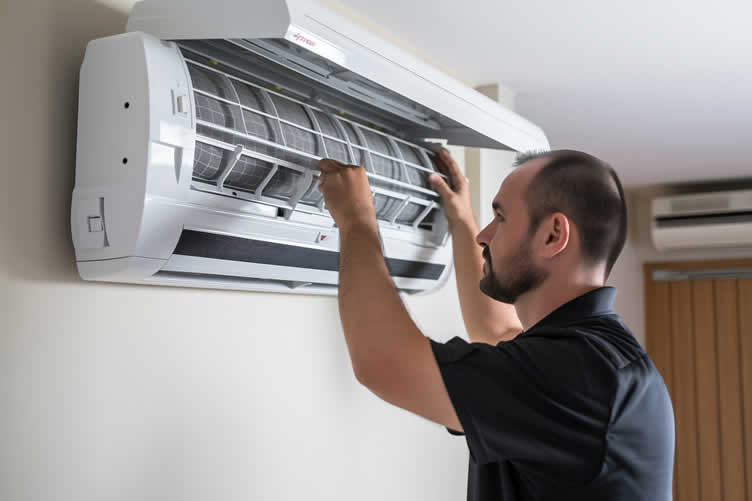
Replace Air Filters Regularly
Air filters trap dust, pollen, and other particles, preventing them from circulating in your home. Over time, these filters can become clogged, restricting airflow and forcing your HVAC system to work harder.
It’s recommended to change or clean air filters every 1-3 months, depending on usage and the type of filter. This simple step can improve system efficiency and maintain clean indoor air.
-
Keep Vents and Registers Clear
Blocked or obstructed vents and registers can hinder air circulation throughout your home. Make sure furniture, rugs, or other objects are not covering vents, and periodically clean them to remove dust and debris. Proper airflow allows your HVAC system to maintain consistent temperatures and reduces strain on the unit.
-
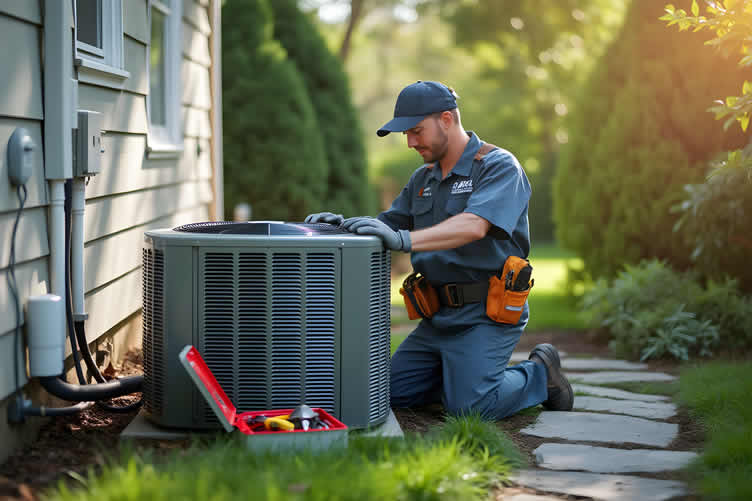
Check and Clean Around Outdoor Units
Outdoor HVAC units often face exposure to dirt, leaves, and debris, which can clog the condenser coils and reduce efficiency. Inspect the area surrounding the unit regularly and clear away any debris or overgrown plants. Ensure there is at least two feet of clearance around the unit to allow proper airflow.
-
Use a Smart Thermostat
Installing a smart thermostat can significantly enhance your HVAC system’s efficiency. These devices allow you to program temperature settings according to your schedule, optimizing energy use.
Modern smart thermostats also provide insights into energy consumption and can alert you to potential system issues, making maintenance easier.
-
Conduct Visual Inspections for Leaks or Damage
Occasionally, take time to visually inspect your HVAC system for signs of wear, such as leaks, rust, or unusual noises. Identifying problems early can prevent expensive repairs and keep your system operating reliably. If you spot an issue beyond your expertise, schedule a professional inspection.
By performing these straightforward tasks, you can maintain your HVAC system’s performance while reducing energy costs and avoiding major breakdowns. Consistent homeowner maintenance ensures your HVAC unit stays efficient and lasts longer, keeping your home comfortable year-round.
copyright image by 123rf.com
[ youtube: Maintenance on a residential furnace ]
[ youtube: 15 Air Conditioner Maintenance Tips ]
-
-
2nd: HVAC Seasonal Maintenance
Regular HVAC maintenance tailored to each season is essential to keep your system running efficiently and reliably. By addressing the unique needs of your HVAC system during different times of the year, you can improve its performance, reduce energy consumption, and extend its lifespan.
Below is a breakdown of recommended seasonal maintenance tasks to ensure your system is prepared for any weather conditions.
-
Spring/Summer Maintenance
- Check and Clean Air Filters:
Replace or clean air filters to maximize airflow and improve indoor air quality. Dirty filters can hinder system performance and increase energy usage during peak cooling months. - Inspect Refrigerant Levels:
Ensure that refrigerant levels in your air conditioning system are sufficient. Low refrigerant can reduce cooling efficiency and strain the compressor. - Clean Condenser Coils:
Remove debris and dirt from outdoor condenser coils to optimize heat exchange and cooling performance. - Inspect and Seal Ductwork:
Assess ductwork for leaks or gaps that could compromise cooling efficiency and cause energy loss. Sealing any issues ensures consistent airflow throughout your home.
- Check and Clean Air Filters:
-
Fall/Winter Maintenance
- Schedule Furnace Inspection:
Before the heating season begins, have a professional inspect and tune up your furnace to ensure safe and efficient operation. - Check Heat Exchanger:
Look for cracks or damage in the heat exchanger, as this can pose safety concerns, including carbon monoxide leaks. - Clean and Inspect Ventilation Systems:
Remove obstructions from air vents and ensure proper airflow and safety when using heating equipment. - Test Thermostat Accuracy:
Verify that your thermostat is functioning correctly and maintaining the desired temperature settings efficiently.
- Schedule Furnace Inspection:
-
Year-Round Tasks
- Keep the Area Around Units Clear:
Ensure that there is no clutter or overgrown vegetation around the outdoor unit to allow for proper airflow and reduce risks of system blockage. - Inspect System for Unusual Noises or Issues:
Conduct routine visual and auditory checks for any signs of malfunction, such as banging sounds, leaks, or rust, and address them promptly. - Check Drain Lines:
Ensure condensate drain lines are clear to prevent clogs and potential water damage.
- Keep the Area Around Units Clear:
-
Other Tips for Maintenance
- Invest in a Programmable Thermostat:
A programmable thermostat helps reduce energy usage by automatically regulating temperature settings when you’re away or asleep. - Schedule Professional Maintenance Twice Annually:
Biannual HVAC tune-ups by a licensed technician are key to catching complex issues early and ensuring your system’s longevity.
By following these seasonal and year-round tasks, you can keep your HVAC system in peak condition, ensuring your home remains comfortable no matter the time of year.
- Invest in a Programmable Thermostat:
[ pinterest: seasonal HVAC maintenance ]
[ youtube: Yearly HVAC Maintenance Checks ]
-
-
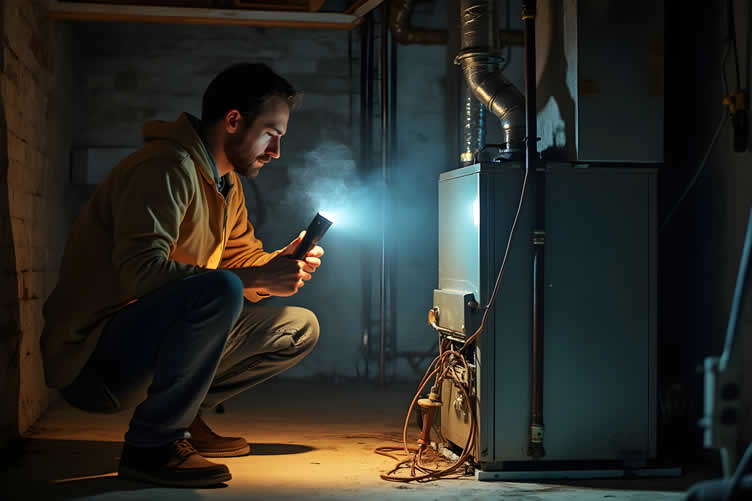
3rd: Signs of HVAC Issues
Understanding the signs of potential HVAC problems is essential for maintaining a comfortable and efficient home environment. Early detection of these issues not only helps prevent costly repairs but also ensures the system is running at an optimal level.
-
Unusual Noises
Strange noises such as banging, rattling, or squealing coming from your HVAC system often indicate mechanical problems or loose components that need immediate attention.
-
Increased Energy Bills
A sudden spike in your energy costs may point to inefficiencies in your HVAC system, such as dirty filters, malfunctioning parts, or an aging unit struggling to maintain performance.
-
Poor Airflow
Weak or inconsistent airflow from vents could signal issues like clogged filters, duct blockages, or problems with the blower motor.
-
Uneven Temperatures
If certain areas of your home feel significantly warmer or cooler than others, it can be a sign of an improperly balanced system, duct leaks, or failing components.
-
Warm Air from AC Vents
When your air conditioner blows warm air instead of cooling your home, this could be due to refrigerant leaks, a broken compressor, or restricted air circulation.
-
Frequent Cycling
If your HVAC system is turning on and off more often than usual, it may suggest a malfunctioning thermostat, undersized system, or other technical faults reducing efficiency.
-
Water Leaks
Leaks or pooling water around your HVAC unit can indicate issues such as a clogged condensate drain or a malfunctioning drip pan, which need prompt attention to avoid water damage.
-
Thermostat Malfunctions
A faulty thermostat can lead to inconsistent temperatures, frequent cycling, or an inability to turn the system on or off, ultimately disrupting home comfort.
-
Unusual Odors
Strange smells such as burning, mustiness, or a rotten odor coming from your HVAC system might indicate electrical issues, mold growth, or a pest problem.
-
Reduced Cooling or Heating Capacity
If your HVAC system is struggling to cool or heat your home effectively, it may be a sign of aging equipment, low refrigerant levels, or failing components that need repair or replacement.
[ youtube: Central Air Troubleshooting ]
[ youtube: Furnace Troubleshooting – Common Problems ]
-
-
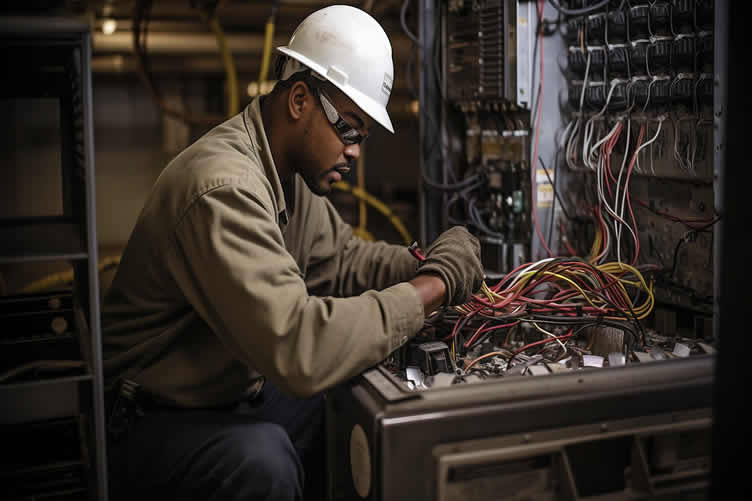
4th: What Type Of Contractor
Opting for professional HVAC service ensures that your system receives the specialized care it needs. Trained technicians have the expertise to identify and address potential issues before they escalate, saving you money and stress in the long run.
They are equipped with advanced tools and techniques to optimize your system’s performance, ensuring that it operates at peak efficiency. Furthermore, professional service often includes thorough inspections that enhance safety by detecting hazards like gas leaks or electrical faults.
Relying on experts not only safeguards your investment but also promotes a comfortable, energy-efficient home environment.
-
The Benefits of Professional HVAC Services
Having a professional inspect and maintain your system can make a world of difference.
- Regular Maintenance:
Cleaning and tuning up your HVAC ensures it operates smoothly and efficiently. - Fewer Breakdowns:
Proactive servicing prevents costly, unplanned repairs. - Prolonged System Lifespan:
Proper care extends the durability of your HVAC, delaying the need for replacements.
- Regular Maintenance:
-
Upgrading to Energy-Efficient HVAC Systems
Modern HVAC systems are designed with both efficiency and sustainability in mind. If your system is over 10-15 years old, upgrading to an energy-efficient model can significantly benefit your home.
- Lower Energy Bills:
New systems consume less power while delivering optimal performance. - Eco-Friendly:
Reduced energy consumption means lower greenhouse gas emissions. - Smart Features:
Many modern units are compatible with smart thermostats, giving you better control over your home’s climate.
Governments often offer tax credits and rebates for energy-efficient upgrades, making it a smart, long-term investment.
- Lower Energy Bills:
LetsRenovate has partnered with HomeAdvisor™, a renowned provider of highly-rated, carefully-vetted local HVAC contractors. Start your search here by choosing the type of HVAC contractor you need and entering your zip code to find local professionals.
But Wait!
Before starting your search and evaluation of HVAC contractors, it is highly recommended to download and use this evaluation worksheet.
This resource will help you objectively rank and assess potential contractors, considering essential factors such as pricing, licensing, and referral information.

Evaluation Sheet
File Type: -
-
-
ideas to view and compare from the information discussed above
Scroll up to directory … or scroll to next section about understanding HVAC systems …
below for …
HVAC maintenance and repair



Budgeting Worksheet For Costing Home Remodeling and Home Improvement Decisions
 File Type (excel)

… view illustration “becoming a bank”
Find HVAC Services Air Conditioning Central Heating Ducts & Vents Insulation Thermostats Water Heaters top-rated, pre-screened local contractors FREE: download contractor selection enter zip code – powered by HomeAdvisor ™
Quick Contractor Guides selecting negotiating working with inspecting

sixth and last “photo remodeling” idea

AI generated image by 123rf.com
HVAC Tip 6: The Future of HVAC Systems
Notes:
-
As technology continues to advance and environmental concerns take center stage, the HVAC industry is poised for significant transformation. Homeowners and businesses alike are seeking systems that are not only highly efficient but also sustainable and adaptable to evolving needs.
The next generation of HVAC systems will likely blend cutting-edge innovation with a focus on eco-friendliness, shaping how we think about heating, ventilation, and air conditioning.
This section explores what lies ahead for HVAC systems, shedding light on emerging trends, technologies, and the benefits they bring to consumers and the planet.
-
Quirk scroll to topic "future HVAC" side notes …
-
-
1st: What’s the Future of HVAC Systems
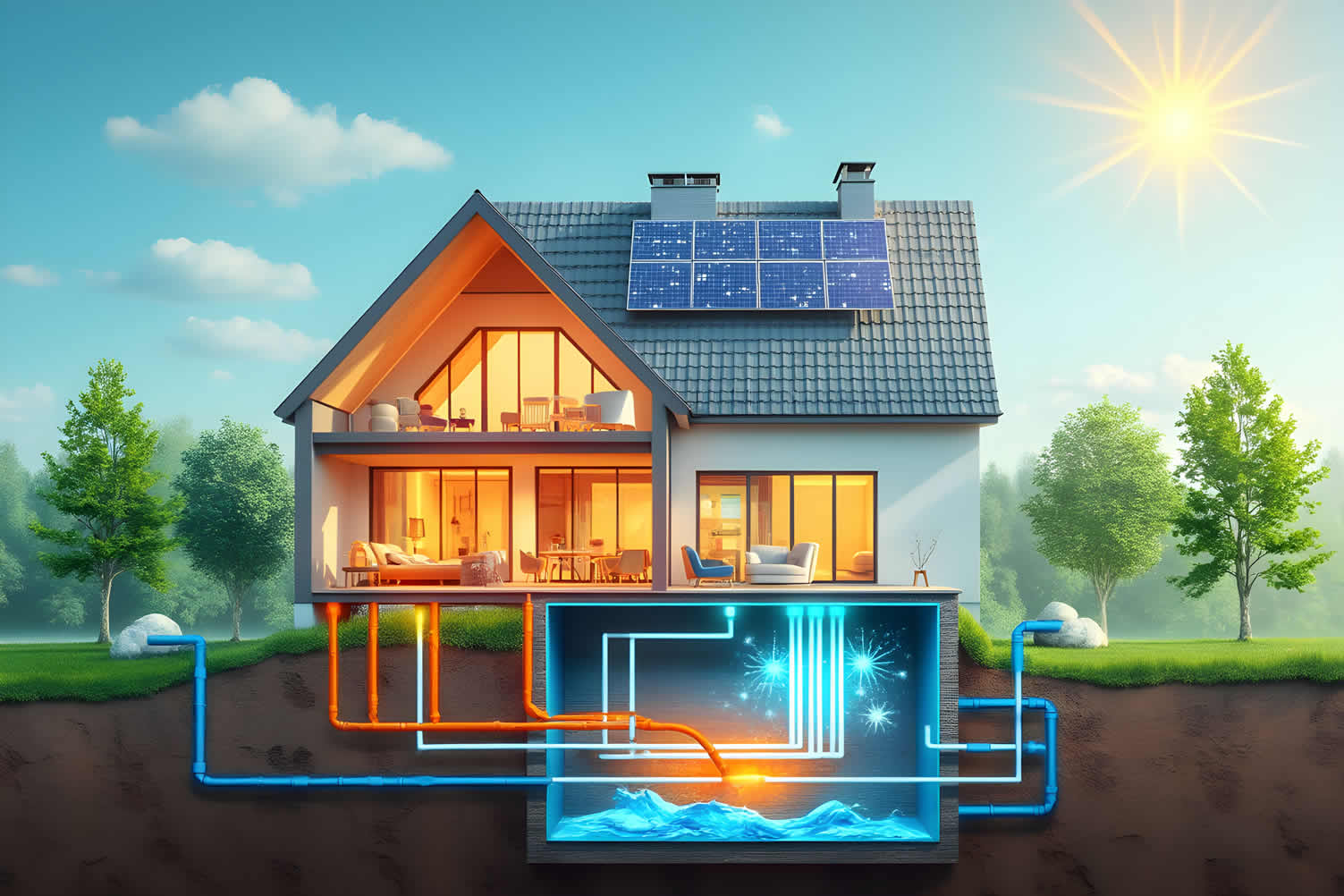
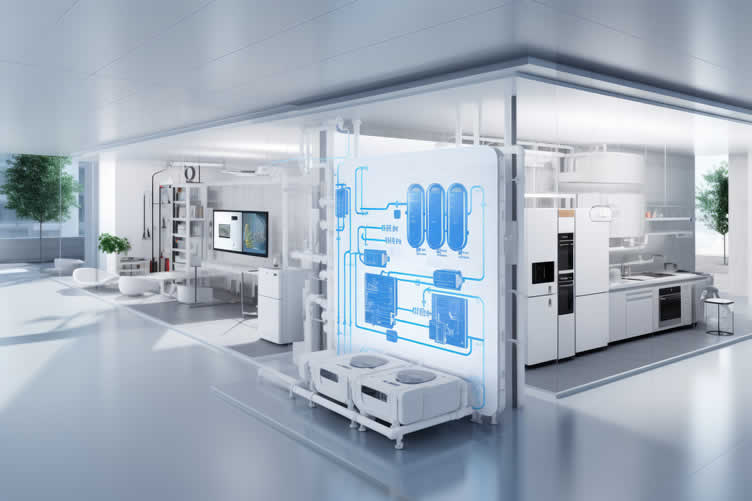
The future of home HVAC systems is set to revolutionize the way we experience comfort in our living spaces. With a strong emphasis on energy efficiency, environmental sustainability, and advanced technology, the next wave of HVAC systems promises to offer smarter, greener, and more efficient solutions.
Homeowners can expect tailored systems that adapt to individual needs while contributing to a reduced carbon footprint. Get ready to review the various aspects of what the future might hold for HVAC systems in homes.
-
Smart HVAC Systems and AI Integration
One of the most exciting innovations in HVAC technology is the integration of artificial intelligence (AI) and smart home automation. Future systems may leverage AI to predict and adjust to a homeowner’s preferences automatically, ensuring optimal comfort while minimizing energy usage.
These systems could incorporate sensors to monitor temperature, humidity, and air quality, intelligently adapting performance to maintain a healthy indoor environment. Connectivity with smart home hubs will allow seamless control via mobile devices or voice commands, giving homeowners unprecedented convenience and control.
-
Energy Efficiency and Renewable Integration
Improved energy efficiency will remain a core focus of future HVAC systems. Expect to see systems that incorporate renewable energy sources like solar or geothermal power to reduce dependency on traditional electricity.
High-efficiency heat pumps and advanced insulation technologies will further enhance overall system effectiveness, helping homeowners save on energy bills while decreasing environmental impact. Innovations such as energy storage and on-demand heating or cooling capabilities will likely become standard features.
-
Sustainable and Eco-Friendly Materials
Manufacturers are increasingly turning to sustainable materials to develop HVAC components. The future may bring systems that utilize recyclable or biodegradable materials, reducing waste during manufacturing and disposal.
Additionally, HVAC units could adopt refrigerants with low global warming potential (GWP) to mitigate their impact on climate change. This shift toward environmentally responsible design ensures that future HVAC solutions will align with sustainability goals.
-
Compact and Modular Design
Space-saving and flexibility will also shape the designs of future HVAC systems. Compact, modular units may become commonplace, allowing homeowners to customize or expand their systems according to their specific needs.
These designs would simplify installation and maintenance processes, making it easier to upgrade or service components without requiring a complete overhaul.
-
Enhanced Air Quality and Health Monitoring
Future HVAC systems may place a stronger emphasis on indoor air quality and health. Advanced filtration systems and UV-C light disinfection could become standard features, eliminating harmful pollutants, allergens, and pathogens from the air.
Some systems might even monitor and provide real-time feedback on air quality metrics, offering homeowners insight into how to maintain a healthier living environment.
By incorporating these advancements, future HVAC systems for homes promise to not only provide improved comfort and efficiency but also actively contribute to a more sustainable and healthier planet.
copyright image by 123rf.com
[ view diagram: future of home HVAC ]
[ youtube: Future of HVAC Technology ]
-
-
2nd: The Future of HVAC Diagnostics
The advancement of technology continues to redefine how we manage and maintain HVAC systems in the home. Future diagnostic tools for HVAC systems are expected to be smarter, more intuitive, and deeply integrated into both the homes they serve and the lifestyles of their occupants.
These innovations will ensure systems operate efficiently, preempt breakdowns, and enhance both performance and sustainability. Below are some key features and areas of innovation that are likely to shape the future of HVAC diagnostics.
-
Predictive Maintenance Through Smart Sensors
Future HVAC systems are likely to feature advanced smart sensors capable of continuously monitoring system components. These sensors will collect real-time data on factors like system temperature, airflow, and component wear.
Armed with predictive algorithms, these diagnostics can foresee potential issues long before they result in equipment failure. Homeowners will be alerted immediately via mobile apps or integrated home systems, allowing for proactive maintenance and minimizing costly repairs.
-
AI-Powered Diagnostic Systems
Artificial intelligence (AI) will play an integral role in future HVAC diagnostics by analyzing volumes of operational data to detect patterns and anomalies. AI can provide highly accurate diagnoses of issues and even recommend actionable solutions automatically.
This will reduce the need for manual troubleshooting or waiting for a technician’s input, streamlining service processes and improving system reliability.
-
Remote Monitoring and Control
HVAC diagnostics will increasingly empower homeowners and technicians to monitor systems remotely. Through IoT (Internet of Things) connectivity, HVAC devices will provide detailed system analytics accessible from anywhere via smartphones or computers.
For professionals, remote diagnostics will enable quick identification and resolution of system inefficiencies or failures, reducing the need for on-site visits.
-
Integration with Digital Twins
Digital twin technology — virtual replicas of physical systems — is another innovation that could revolutionize HVAC diagnostics.
These digital replicas will simulate the performance of HVAC systems in real time, allowing homeowners or technicians to model potential issues and their solutions without interrupting the actual system. This approach will ensure more precise maintenance while improving energy efficiency and reliability.
-
Personalized Performance Optimization
Future HVAC diagnostics will go beyond basic functionality checks to provide personalized insights tailored to the homeowner’s specific lifestyle.
For example, these systems could adjust performance metrics to align with individual preferences for indoor air quality, humidity, or energy usage. This level of customization will not only enhance comfort but also optimize energy consumption, reducing operational costs and environmental impact.
By combining cutting-edge technologies like AI, IoT, and digital twins, the future of HVAC diagnostics will significantly enhance system maintenance, energy efficiency, and overall user experience. These innovations promise to create smarter, healthier, and more sustainable homes for generations to come.

copyright image by 123rf.com
-
-
-
FINAL REMARKS
Your HVAC system is more than just a collection of hardware—it’s the heart of your home’s comfort and livability. To maintain a healthy, energy-efficient home, it’s important to understand how your HVAC works, recognize potential issues, and invest in professional services or upgrades when necessary.
Whether you’re looking to ensure top-notch home air quality, save money with energy-efficient HVAC systems, or simply learn more about your setup, the first step is action.
-
ideas to view and compare from the information discussed above
- What comments can you share about
understanding HVAC systems?
Scroll up to directory … or scroll to more home remodeling-related topics …

Calendar For:
Home Maintenance
File Type:


… home remodeling – improvement – repair
… view our sharing links below for a quick "share the knowledge"
Cover image credit: understanding HVAC systems by 123rf.com
end of post … please share it!
 |
did you find this "understanding HVAC systems" analysis helpful? If so, please share the article with your friends and family! |
Nice pic idea? Leave us a quick comment below.
And please share this pic idea within your social networks.