Summary Outline –
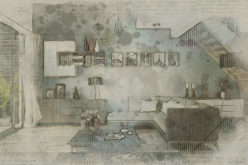
Walking into a living room that feels like a showroom is impressive, but walking into a living room that feels like a warm hug is transformative. As we look toward 2026, the landscape of home design is undergoing a fundamental change.
We are collectively moving away from the stark and sterile and leaning heavily into the warm, the personal, and the comfortable. The living room is no longer just a space to be admired; it is returning to its true purpose as the heart of the home. This evolution is driven by a desire for spaces that reflect our personalities, tell our stories, and, most importantly, nurture our well-being.
The trends forecasting the next few years are not just about changing aesthetics but about changing how we live. We are seeing a return to "sanctuaries"—spaces designed for deep relaxation and connection. We are trading sharp edges for organic curves, swapping fast furniture for vintage treasures with history, and abandoning safety for rich, enveloping color.
If you have been waiting for permission to infuse your home with character, texture, and warmth, 2026 is your year. Let’s explore how you can craft your dream space using these emerging design philosophies.
- post content … analysis/ living room trends

-
- —— begin first topic ——
-
1st Trend: Cozy Sanctuaries
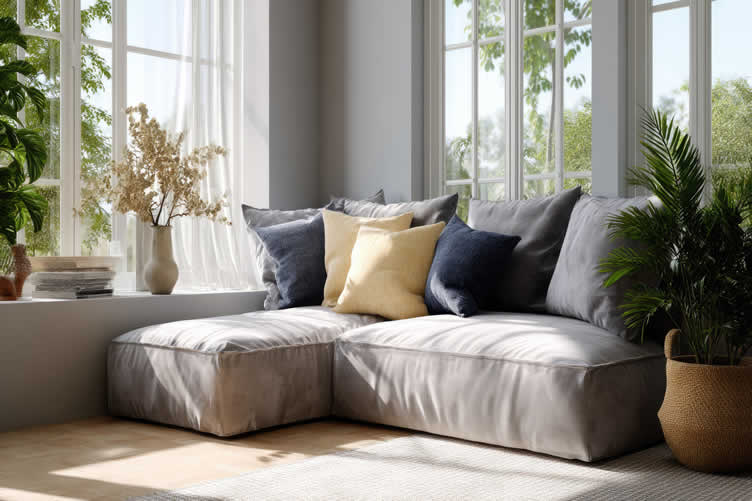
The concept of the home as a sanctuary is far from new, but by 2026, it will evolve into the central focus shaping all design decisions.
We’re moving beyond the era of “open concept at all costs,” where spaces were designed primarily for visual appeal and social media aesthetics, and rediscovering the value of creating distinct, intimate zones within the home.
These spaces prioritize comfort, privacy, and a sense of safety—qualities that are becoming increasingly essential in our fast-paced, overstimulated world.
copyright image by 123rf.com
This shift is less about how a room photographs and more about how it feels to inhabit. It’s about designing spaces that embrace you, where the layout, textures, and lighting work together to create an atmosphere of calm and protection.
For instance, a well-designed living room is no longer just a place to entertain guests but a retreat from the outside world—a space where you can let go of the day’s stresses and feel your shoulders relax the moment you enter.
[ view summary table: cozy sanctuary ]
-
The Importance of Comfort
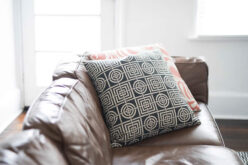
In this new era of design, comfort is no longer an afterthought; it is the main event. We are seeing a rejection of furniture that looks beautiful but feels stiff. Instead, homeowners are seeking deep-seated sofas, plush cushions, and materials that invite touch.
This priority on physical comfort stems from a deeper psychological need. Our environments have a profound impact on our stress levels and mental health. A living room designed with comfort as the north star acts as a decompression zone, signaling to the brain that it is safe to rest.
When you prioritize comfort, you are essentially practicing self-care through design. It means choosing the rug that feels softest underfoot rather than the one that is easiest to clean. It means selecting a layout that encourages conversation and connection rather than just focusing on the television.
This trend encourages us to ask ourselves not "is this stylish?" but "does this nurture me?" By centering physical ease, we create spaces that support emotional resilience for everyone in the household.
-
Creating a Relaxing Atmosphere
Building a relaxing atmosphere goes beyond just buying a soft couch; it requires a holistic approach to the senses. Lighting plays a crucial role here. The harsh, overhead lighting of the past is being replaced by layered lighting schemes that allow for mood adjustment.
Think low-level table lamps with warm bulbs, wall sconces that cast a gentle glow, and dimmable fixtures that can transition the room from a bright family gathering space to a quiet evening retreat.
Layout also contributes significantly to the atmosphere. Pulling furniture away from the walls to create cozy conversation circles makes a room feel more intimate and grounded.
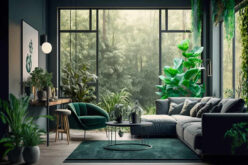
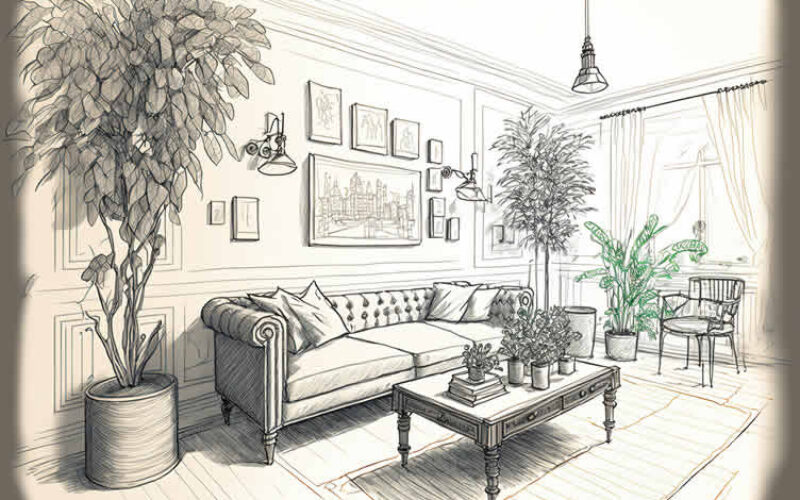
Adding elements of nature, such as large indoor plants or natural wood finishes, helps bridge the gap between the indoors and outdoors, which is a proven way to lower blood pressure and increase feelings of calm.
Creating a relaxing atmosphere is about removing visual noise and replacing it with elements that soothe the nervous system, turning your living room into a true haven.
-
Infusing Soul into Your Living Room
Your living room isn’t just a functional space—it’s the heart of your home, where stories are shared, memories are made, and connections are deepened. By weaving personal and meaningful details into your design, you can create a space that feels uniquely yours.
Start by displaying items that hold sentimental value, such as family photos, travel souvenirs, or heirlooms. A handcrafted vase from a memorable vacation or a framed letter from a loved one can serve as a constant reminder of cherished moments.
These elements not only fill your space with warmth but also spark conversations and storytelling with guests.
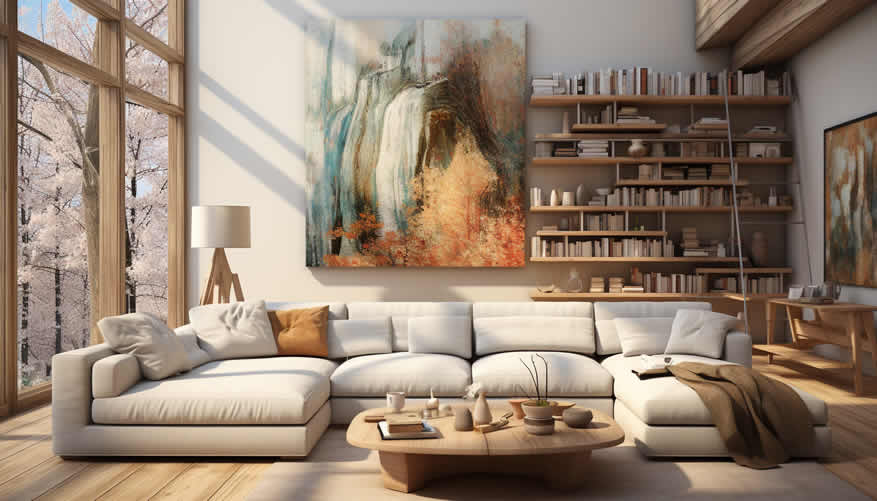
Adding a small library to your living room is another great way to infuse personality and coziness. A well-placed bookcase or shelves can showcase your favorite books while doubling as a design feature.
Arrange your books creatively, mixing vertical stacks with horizontal ones for visual interest. Incorporate small plants, decorative bookends, or framed art to break up the rows and enhance the overall look. This not only reflects your taste but also makes the space feel inviting.
For an extra touch of comfort, pair your book display with a cozy armchair or a soft throw blanket—perfect for relaxing with a good read after a long day.
Section Description Cozy Sanctuaries The concept of the home as a sanctuary will dominate design decisions by 2026. Moving away from “open concept” trends, the focus will shift to creating intimate, distinct zones that prioritize comfort and emotional well-being. These spaces aim to provide a retreat from the outside world, prioritizing how a room feels over aesthetics tailored for social media. The Importance of Comfort Comfort will become a central principle in home design, with an emphasis on deep-seated furniture, plush materials, and layouts that encourage relaxation and connection. Homeowners will prioritize physical comfort to support emotional health, reflecting a deep psychological need for spaces that nurture and decompress the mind. Creating a Relaxing Atmosphere A relaxing atmosphere will require layered lighting, thoughtful layouts, and natural elements. Features such as warm table lamps, cozy conversation circles, and indoor plants will contribute to a tranquil, grounded feel. This holistic approach removes visual noise and replaces it with soothing design choices that support mental well-being. Infusing Soul into Your Living Room Infusing personality into the living room will involve incorporating sentimental items like photos, heirlooms, and travel mementos. Bookshelves with creatively arranged volumes and decorative accents will showcase individuality. Paired with cozy furniture or blankets, these details create a warm and inviting atmosphere for relaxation and connection. 

copyright image by 123rf.com
[ pinterest: cozy living room ]
[ youtube: Design Tips for a Cosy Living Room ]
-
Scroll up to directory … or scroll to next section about furniture shapes and styles …

-
-
2nd Trend: Furniture Shapes and Styles
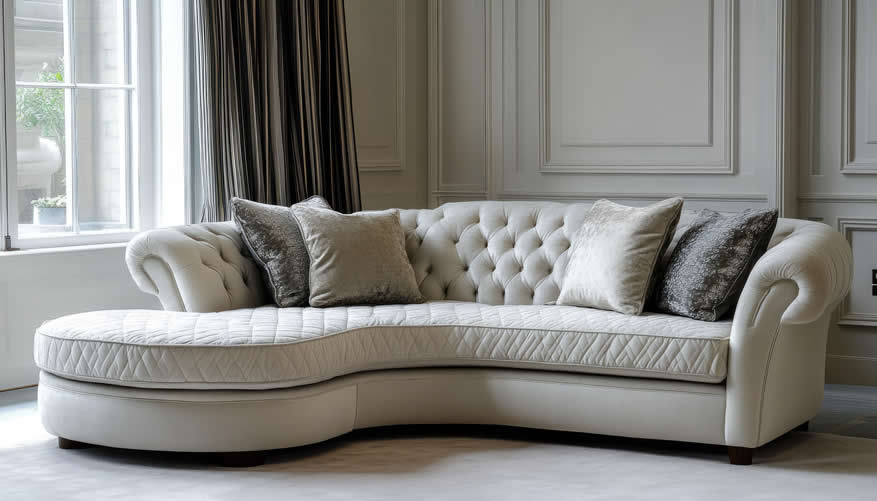
If you look around at nature, you will rarely see a perfectly straight line or a sharp 90-degree angle. Nature is full of organic, flowing shapes, and 2026 living room trends are taking a cue from the natural world.
The rigid, boxy, and rectangular sectionals that heavily dominated interior design throughout the 2010s are finally beginning to soften, giving way to a more graceful aesthetic.
We are officially entering the era of the curve, where furniture silhouettes are defined by sweeping lines rather than strict geometry.
AI generated image by 123rf.com
This significant shift toward rounded edges and organic shapes is a hallmark of biophilic design. This design philosophy suggests that humans possess an innate, evolutionary preference for soft curves because they signal safety, comfort, and a sense of fluidity.
In contrast, sharp angles and jagged points can unconsciously signal danger or harshness, making a room feel less welcoming. By embracing these natural contours, modern living rooms become more inviting sanctuaries that feel more aligned with the organic world outside.
[ view images/summary table: furniture shapes and styles ]
-
Ergonomics and Style[ view]
Curved furniture does more than just look good; it changes the flow of a room. A curved sofa or a round coffee table improves the circulation of traffic, allowing family members and guests to move through the space more easily without bumping into sharp corners.
This is particularly beneficial in smaller living rooms or spaces with awkward layouts, where a curved piece can soften the architectural rigidity of the room.
From a stylistic perspective, curves add a sculptural element to the living room. They break up the boxy nature of standard rooms, adding visual interest and a sense of movement.
Ergonomically, curved seating often provides better support for the body, wrapping around you and offering a sense of enclosure that a straight-backed chair cannot. It softens the visual impact of the room, making it appear more welcoming and less formal.
When a room flows well, it feels better to be in, and curves are the secret weapon for achieving that effortless flow.
-
Types of Curved Seating[ view]
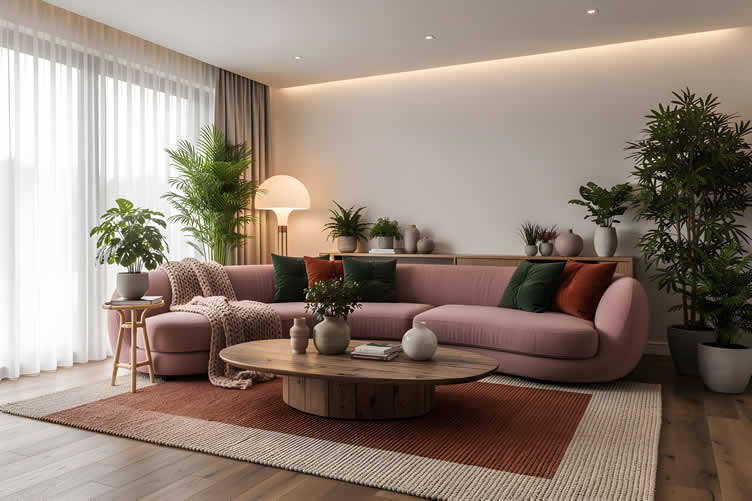
You do not need to replace every piece of furniture to embrace this trend, but incorporating a few key pieces can make a major impact. The curved sofa, often called a kidney bean or crescent sofa, is becoming a popular centerpiece.
These pieces encourage conversation, as those seated on either end are naturally angled toward one another rather than facing straight ahead.
For those not ready to commit to a large curved sofa, accent chairs are a wonderful entry point. Barrel chairs, swivel chairs with rounded backs, and ottomans with soft, circular forms are excellent additions.
Even coffee tables are moving away from the rectangle; nesting round tables or amorphous, pebble-shaped tables are increasingly popular. These shapes introduce a playfulness and softness that rigid geometry simply cannot achieve, helping you design with confidence and flair.
-
Fat Furniture and Voluptuous Seating Dominate[ view]
Deep, lounge-worthy sofas and chairs are having a moment, and it’s easy to see why. These pieces are more than just furniture—they double as sculptural focal points that command attention in any room.
Designed with comfort and luxury in mind, they invite you to relax while also making a bold design statement. Chunky, overstuffed silhouettes and curvaceous forms are at the heart of this trend, showcasing soft edges and generous proportions that exude coziness and style.
From grand, modular sectionals that can adapt to any layout to invitingly plump armchairs perfect for curling up with a book, this fat furniture aesthetic manages to feel modern yet timeless.
Texture plays a pivotal role here, with plush fabrics like bouclé, velvet, or chenille enhancing the tactile appeal of these sumptuous pieces.
The rounded, substantial designs help to soften the look of a space, balancing functionality with form in a way that feels natural and inviting.
Whether positioned as the centerpiece of your living room or paired with bold decor elements, these voluptuous seating options promise to make a lasting impression while ensuring maximum comfort.
-
Mismatched Seating for a Layered, Eclectic Look[ view]
Gone are the days when every piece of furniture in a room had to match perfectly. Today, mismatched seating is a stylish way to bring character and depth to your living space.
Pairing a sofa with non-matching accent chairs allows you to experiment with different styles, textures, and colors, resulting in a truly personalized and layered aesthetic.
For example, combine a sleek, modern sofa with vintage-inspired chairs or mix bold patterns with neutral-toned upholstery for an eye-catching contrast. This approach not only adds visual interest but also creates a cozy and inviting atmosphere where each piece tells its own story.
The key is to maintain a sense of balance by anchoring your design with unifying elements, such as a common color palette, consistent material accents, or complementary shapes.
With mismatched seating, you can transform your room into a curated haven that feels both intentional and effortlessly eclectic.
Category Description Key Features Furniture Shapes and Styles Inspired by nature, 2026 living room trends are focusing on organic and flowing shapes. Rectangular furniture is being replaced by curved designs as part of the biophilic design concept, which emphasizes safety and fluidity. Rounded edges, curvilinear designs, biophilic influence. Ergonomics and Style Curved furniture enhances room flow, making spaces feel welcoming and stylish. These designs are both sculptural and functional, improving ergonomics and overall comfort. Improved traffic circulation, sculptural aesthetics, ergonomic support. Types of Curved Seating Furniture options include curved sofas, accent chairs, barrel chairs, and round or pebble-shaped coffee tables. These elements introduce softness and visual playfulness to spaces. Kidney bean sofas, circular ottomans, nesting tables, accent chairs. Fat Furniture and Voluptuous Seating Deep, plush seating with voluptuous forms combines comfort with bold design. These sculptural pieces are characterized by overstuffed textures, soft edges, and luxurious fabrics. Chunky silhouettes, plush fabrics (bouclé, velvet, chenille), modular designs. Mismatched Seating Mixing different furniture styles, colors, and textures adds depth and personality to a space. This layered aesthetic balances contrast with harmony for a curated look. Combining modern and vintage, contrasting patterns, unified by color/materials. 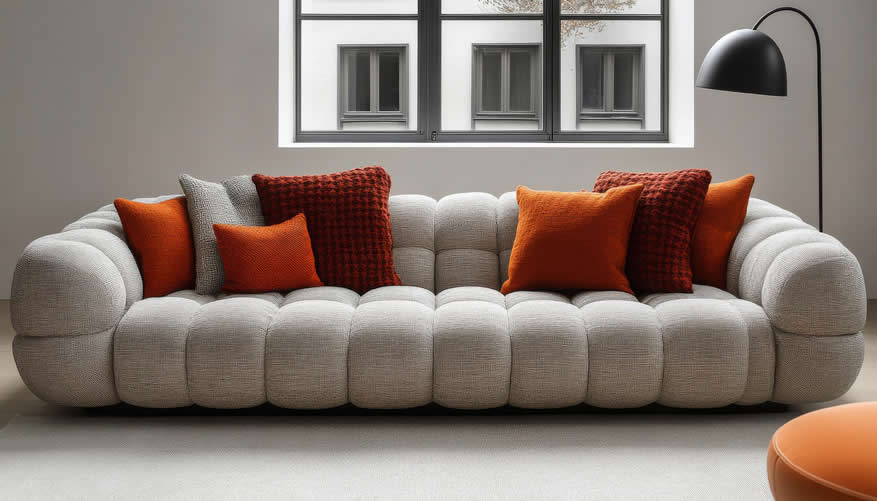
AI generated image by 123rf.com
-
Scroll up to directory … or scroll to next section using layered vintages pieces and art …
-
-
3rd Trend: Layered Vintage Pieces and Art
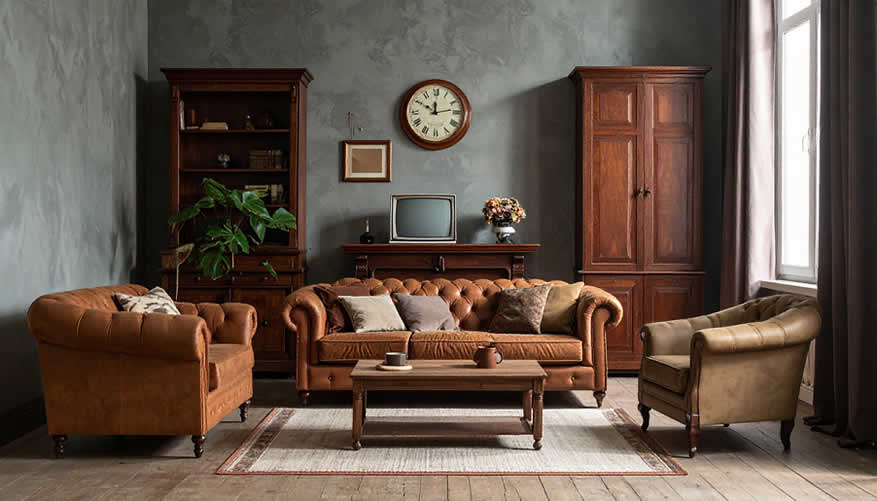
The sterile, minimalist “showroom” aesthetic is falling out of favor as more people embrace the “collected” look, a design trend rooted in sustainability, storytelling, and individuality.
This shift reflects a desire for spaces that feel personal and meaningful, rather than impersonal and mass-produced. Homeowners are now seeking vintage decor and unique, pre-loved pieces that carry a sense of history and character.
copyright image by 123rf.com
Instead of filling homes with furniture that feels generic or uniform, the collected aesthetic encourages creating a space that evolves naturally over time, with each item adding to the story of the home.
It’s about curating a lived-in, organic feel where every piece has purpose and personality, rather than assembling a picture-perfect room from a catalog in a single day.
[ view images/summary table: vintage pieces and art ]
-
Sourcing Vintage Items[ view]
Sourcing vintage decor is an exciting adventure that transforms home improvement into a personalized treasure hunt. It offers access to high-quality materials, such as solid wood, real marble, and handwoven textiles, often at a fraction of the cost of their modern, lower-quality counterparts.
Estate sales, flea markets, and local thrift stores provide endless opportunities to discover timeless, one-of-a-kind treasures. For those who prefer shopping online, marketplaces abound with options for virtually any era or style.
When sourcing vintage pieces, focus on "good bones"—items with potential for restoration or customization.
For instance, a mid-century modern chair with scuffed wood can be refinished, and an armchair with dated fabric can be reupholstered to suit current tastes.
These finds bring unmatched character and craftsmanship into your home and tell stories through their details. Opting for vintage also supports eco-conscious living, keeping durable items out of landfills while reducing demand for newly extracted resources.
-
Combining Old and New[ view]
Mastering the vintage trend lies in striking the right balance between old and new. A room entirely composed of vintage items can risk feeling static, like a museum collection. Instead, aim to create contrast and interest by layering vintage with contemporary pieces.
Think of pairing a sleek, minimalist floor lamp with an antique farm table or a modern velvet sofa with a slightly worn Persian rug. This juxtaposition introduces depth, excitement, and personality to your space, telling a story that feels dynamic and uniquely yours.
Don’t shy away from combining different styles or eras either—an Art Deco mirror can coexist beautifully with a 1970s rattan chair when unified by a complementary color palette or shared mood.
This eclectic approach removes the pressures of design perfection, celebrating individuality and diversity in your space.
-
Elevate Your Space with Built-In Cabinetry[ view]
Built-in cabinetry offers the perfect blend of function and style, acting not only as a storage solution but as a design statement. By incorporating decorative millwork, such as intricate moldings or trims, you can elevate cabinetry into a polished feature that exudes timeless elegance.
Paneling, with its versatility in creating texture and depth, can enhance any space, whether you prefer a traditional or modern aesthetic.
For more distinctive touches, explore options like fabric-lined or trimmed cabinet doors, introducing an element of softness and sophistication to the design.
Moving beyond standard flat-front designs, these thoughtful customizations transform cabinets into visually engaging focal points that reflect your personal style.
Whether your goal is to add charm to a living room, keep a home office organized, or infuse character into the kitchen, built-in cabinetry offers endless opportunities for personalization.
-
Bold Statements with One-of-a-Kind Art[ view]
Large-scale art or statement pieces are the perfect way to anchor a room and define its personality. Oversized paintings, intricately woven tapestries, or striking sculptures act as visual focal points, instantly elevating the ambiance of any space.
When choosing art, focus on pieces that resonate with your taste and tie into your overall aesthetic. A dramatic abstract painting can transform a living room, while a vintage tapestry can bring warmth and texture to a bedroom.
To further accentuate these statement elements, consider bold, rich wall colors like emerald green, deep navy, or terracotta. These hues create an inviting, dramatic backdrop while working beautifully with neutral, metallic, or textured finishes for balance.
Together, unique art pieces and carefully chosen colors create a home full of personality and warmth—a space that sparks admiration, inspires conversation, and feels uniquely yours.
Vintage Pieces and Art
(from the summary table below)
Section Description Details Layered Vintage Pieces and Art The “collected” aesthetic The trend shifts focus from sterile spaces to sustainable, individualistic styles featuring vintage décor. Such spaces evolve over time, showcasing curated pieces with history and character rather than relying on catalog-perfect items. Sourcing Vintage Items Discovering timeless treasures With options like estate sales, flea markets, and online marketplaces, sourcing vintage décor becomes a treasure hunt offering durable, quality items such as solid wood or marble at lower costs. Restoring pieces like mid-century chairs adds uniqueness and supports sustainability. Combining Old and New Achieving balance and depth Mixing vintage and modern pieces creates dynamic contrast. For example, pairing a contemporary sofa with a vintage rug brings depth and character. Blending styles and eras adds individuality and avoids static, museum-like setups. Elevate Your Space with Built-In Cabinetry Functional design with charm Built-in cabinetry transforms storage into a design statement. Features like decorative moldings or fabric-lined doors add sophistication. Such customizations create focal points while enhancing various spaces like the kitchen or living room. Bold Statements with One-of-a-Kind Art Anchoring a room’s personality Large-scale art or unique pieces like tapestries and sculptures elevate the ambiance. Opting for bold wall colors such as emerald green or terracotta highlights these elements, fostering a distinctive and warm atmosphere. 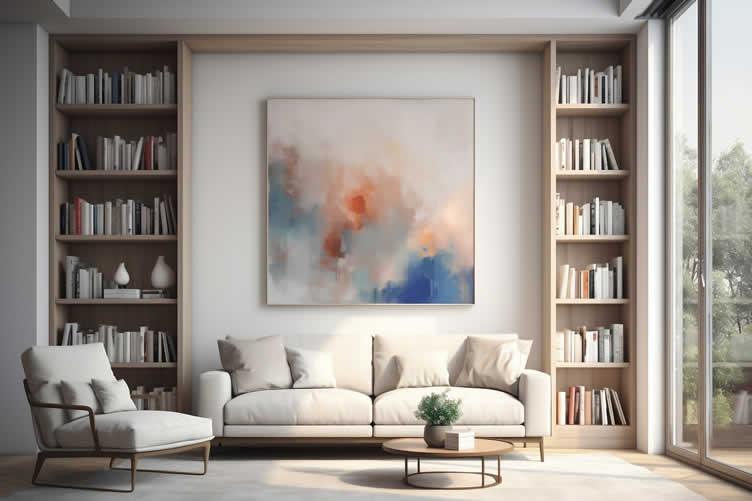
copyright image by 123rf.com
-
Scroll up to directory … or scroll to next section view wall and ceiling colors …
-
-
4th Trend: Rich Color on Walls and Ceilings
For years, homeowners played it safe, painting their walls in neutral shades like “Builder’s Beige” or “Gallery White” with an eye toward future resale value. But the design landscape of 2026 marks a significant shift.
This is the year we are encouraged to stop decorating for the hypothetical future owners of our homes and start creating spaces that are deeply personal and decorated for ourselves.
AI generated image by 123rf.com
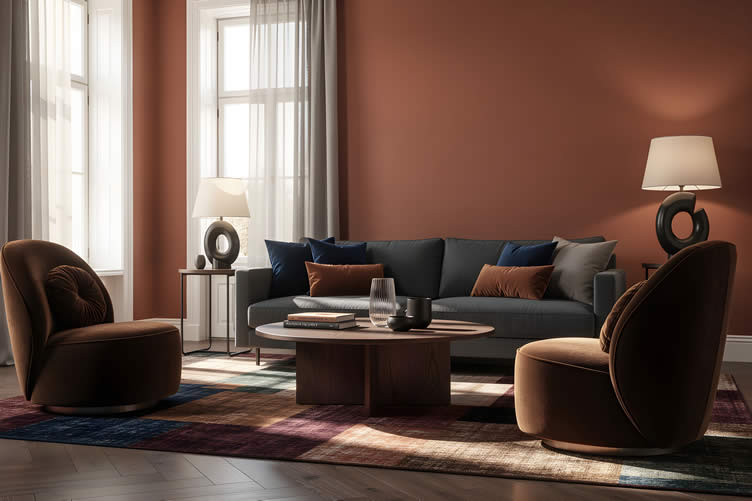
Rich, saturated color is returning in a big way, signaling a collective desire for more expressive and intimate interiors. We are seeing a distinct move toward moody, enveloping hues that make a room feel cozy, grounded, and secure.
This trend isn’t just about painting a single accent wall; it’s about embracing color fully across all four walls—and even the ceiling—to create a specific, immersive emotional experience.
[ view images/summary table: living room paint colors ]
-
Selecting the Right Colors[ view]
The trending palette for 2026 is rooted in the earth but with a luxurious twist. We are looking at warm terracottas, deep forest greens, moody blues, and rich chocolates.
These colors are often referred to as "jewel tones" or "earth tones," and they work beautifully to make a large room feel intimate or a small room feel grand.
When selecting a color, consider the natural light in your room. A room with cool northern light might benefit from a warm, rusty red to counteract the chill, while a room with bright southern exposure can handle a deep, cooling navy.
Do not be afraid of dark colors; contrary to popular belief, dark walls do not always make a room feel smaller. They can actually blur the edges of the room, making it feel expansive and infinite, like the night sky.
Testing swatches is key—paint looks different at 9 AM than it does at 8 PM, so live with the samples on your wall for a few days before committing.
-
Techniques for Application[ view]
The application of paint is becoming just as creative as the color choice itself. One technique gaining serious traction is "color drenching." This involves painting the walls, the trim, the baseboards, and sometimes even the doors in the same color.
This creates a seamless, contemporary look that is incredibly chic and immersive. It simplifies the visual lines of the room and allows your furniture and art to truly pop against the monochrome backdrop.
Another area getting attention is the "fifth wall"—the ceiling. For too long, we have defaulted to white ceilings without a second thought. Painting the ceiling the same color as the walls, or a complementary tone, wraps the room in color and enhances that "sanctuary" feeling.
For those feeling bold, a high-gloss finish on a ceiling can reflect light and add a glamorous, jewel-box effect to the living room. These techniques transform paint from a background element into a major design feature.
-
Making a Statement with Accent Walls[ view]
An accent wall is a powerful way to tie the color palette of a room together while creating a striking focal point. When used thoughtfully, it can either complement the existing decor or provide a bold contrast to elevate the design.
Start by identifying the wall you want to highlight—typically one that naturally draws attention, such as the wall behind a fireplace or sofa. Select a color that harmonizes with the room’s furnishings and accessories.
For a subtle effect, choose a shade slightly darker than the other walls. For a bolder impact, opt for a vibrant or contrasting color.
Beyond paint, consider accent walls made of materials like wood paneling, wallpaper, or stone to add texture and dimension. This approach allows you to experiment without overwhelming the entire space, creating a cohesive and visually appealing design.
Living Room Paint Colors
(from the summary table below)
google imagesReds view ideas Oranges view ideas Yellows view ideas Greens view ideas Blues view ideas Purples view ideas Browns view ideas Grays view ideas Tans view ideas Whites view ideas Aspect Description Details Rich Color on Walls and Ceilings A shift from neutral to bold, saturated colors Moving away from “Builder’s Beige” and “Gallery White” to rich, moody hues like terracotta, forest green, and navy. These colors create cozy and grounded spaces, emphasizing personal expression over resale value. Selecting the Right Colors Choosing colors based on natural light and emotional impact Earth tones with a luxurious twist, including warm terracotta, deep greens, and moody blues. Dark colors like navy or rusty red can counteract cool or bright light, making spaces feel either intimate or expansive. Testing swatches over different times of day is critical. Techniques for Application Creative methods to enhance spaces through paint Popular techniques include “color drenching,” which applies the same color to walls, trim, and doors for a seamless effect. Painting ceilings, or the “fifth wall,” in dark or high-gloss shades adds dimension and a sanctuary-like feeling to a room. Making a Statement with Accent Walls Focal points for cohesive designs An accent wall can complement or contrast the room’s color palette. Highlighting key features like fireplaces or sofas with slightly darker shades or bold, contrasting colors. Additional materials like wood, stone, or wallpaper introduce texture and dimension. 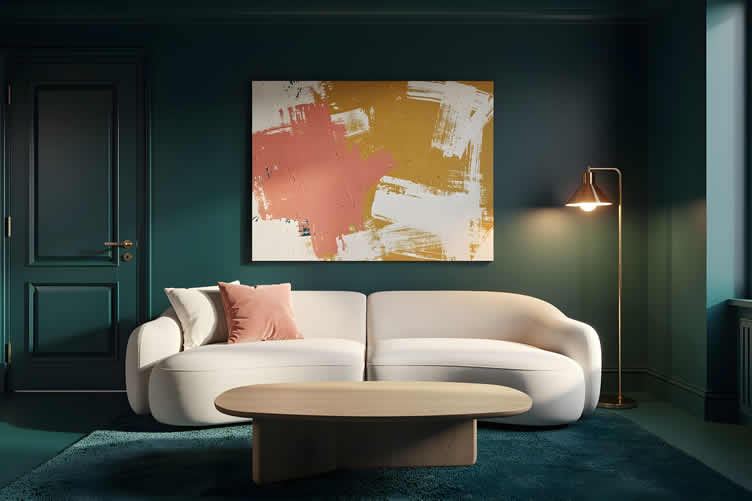
copyright image by 123rf.com
-
Scroll up to directory … or scroll to next section about using textures …
-
-
5th Trend: Texture Instead of Minimal
Gone are the days when smooth, unadorned surfaces defined the essence of modern interiors. Today, curated maximalism and the artful use of layered textures have taken center stage, transforming spaces into visually rich environments that feel both immersive and inviting.
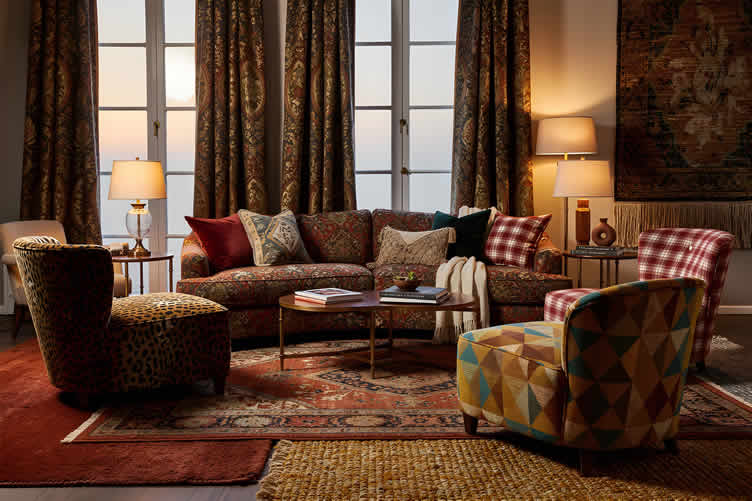
Texture maxxing is all about the intentional combination of materials, patterns, and tactile elements, creating a sense of depth, character, and balance within a room. Think plush velvet against raw wood, sleek metals contrasted with woven textiles, or intricate patterns paired with solid, grounding tones.
AI generated image by 123rf.com
This approach rejects the cold sterility of stark minimalism, instead embracing warmth and personality without overwhelming the senses. By carefully curating these layers, homes can achieve a harmonious blend of layered luxury and inviting comfort.
The key lies in moderation—allowing textures to complement rather than compete with one another while ensuring the overall design feels cohesive.
[ view images/summary table: using textures ]
-
Tapestry Prints and Bold Patterns for Depth
One of the defining features of texture-driven spaces is the use of bold, statement-making patterns. Tapestry-inspired prints, reminiscent of classic European design, provide an artistic and timeless appeal when applied to furniture upholstery, curtains, or even wall hangings.
Leopard print, plaids, and intricate geometric designs can also create visually compelling surfaces. These patterns, layered thoughtfully across rugs, chairs, or even entire sofas, give a room a sense of energy and intrigue while maintaining balance.
The key is layering prints that complement one another rather than compete, ensuring the space feels considered rather than chaotic.
-
Rich Fabrics for a Sensory Experience
The tactile dimension of a well-textured space relies on the use of luxurious materials. Fabrics like bouclé, chenille, and velvet contribute soft, plush finishes to seating and accent pieces, while washed linen and supple leather bring a more relaxed, organic warmth.
Pillows, throws, and rugs made from these materials can instantly transform an otherwise plain room into a haven of sensory comfort.
For example, a chenille throw casually draped over a velvet sofa adds both visual flair and practical coziness, inviting you to sink in and unwind. These rich materials do more than enhance aesthetics—they heighten the physical experience of the home.
-
Statement Trims for a Polished Look
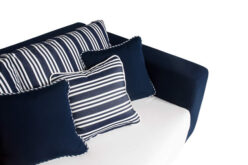
For an air of refinement, statement trims are an essential element in texture maxxing. Decorative fringe on throw pillows or drapery, contrast piping on sofas and chairs, and intricate borders on curtains add a level of detail that feels custom and intentional.
These embellishments frame pieces in an artful way, elevating their presence within the room. Incorporating thoughtful finishing touches not only enhances individual items but also unites them within the broader design scheme, ensuring the overall look is polished and cohesive.
-
Incorporating Various Textures
Creating a texture-rich environment is about layering different finishes and fabrics. Think about combining rough with smooth, soft with hard, and matte with shiny.
You might pair a nubby bouclé armchair with a smooth leather ottoman. You could layer a chunky wool throw over a linen sofa. Consider introducing natural materials like raw wood, cane, stone, or brick.
Wall treatments are also part of this textural revolution. We are seeing a resurgence of limewash paint, which gives walls a velvety, suede-like appearance and depth that flat paint lacks.
Beadboard, shiplap, and picture frame molding are also excellent ways to add architectural interest and shadow lines to plain walls. Even small details, like switching out smooth cabinet knobs for knurled brass hardware, contribute to the overall tactile experience of the room.
-
Avoiding Overwhelm
While texture is desirable, it is possible to overdo it. The goal is "cozy," not "chaotic." To avoid overwhelm, stick to a cohesive color palette.
If you are using many different textures (wool, wood, leather, velvet), keeping them within a similar tonal family helps the room feel calm rather than busy. This is often called "monochromatic texture."
Balance is also key. If you have a very heavy, textured stone fireplace, balance it with softer elements like plush drapery or a deep-pile rug. Allow the eye to rest.
Negative space is still important, even in a maximalist or texture-heavy room. By thoughtfully curating your textures, you ensure that the room feels curated and sophisticated, maintaining that expert balance between interesting and restful.
Key Concept Description Examples Texture Maxxing Focuses on the intentional layering of materials, patterns, and tactile elements to create visually rich, immersive, and comfortable spaces. Combining materials like velvet, bouclé, and wood within interiors. Tapestry Prints and Bold Patterns Uses artistic and statement-making patterns to add depth and energy to rooms while maintaining balance. Leopard prints, plaids, intricate geometrics, and tapestry-inspired designs on furniture or rugs. Rich Fabrics Employs luxurious materials to heighten the sensory and aesthetic appeal of spaces. Velvet sofas, chenille throws, washed linen pillows, and supple leather accents. Statement Trims Utilizes decorative details like fringe, contrast piping, or intricate borders to enhance refinement and cohesiveness. Fringe on pillows, piping on chairs, or decorative curtain borders. Incorporating Various Textures Creates depth by contrasting finishes and layering different materials, such as rough with smooth or soft with hard. Nubby bouclé armchair with leather ottoman, limewash paint on walls, or raw wood accents. Avoiding Overwhelm Maintains balance by sticking to a cohesive color palette and allowing for negative space to avoid chaotic designs. Using monochromatic textures, balancing heavy stone elements with soft, plush fabrics. 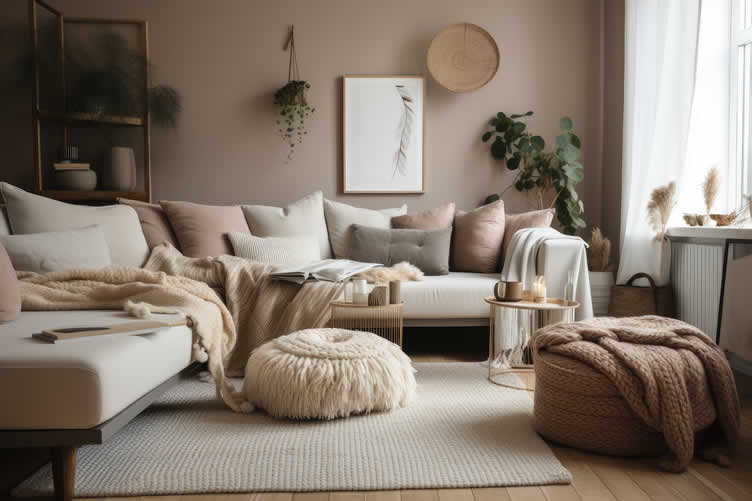
copyright image by 123rf.com
-
Scroll up to directory … or scroll to next section of the AAATERM …
-
-
6th Trend: Functional Evolution of Living Room Layouts
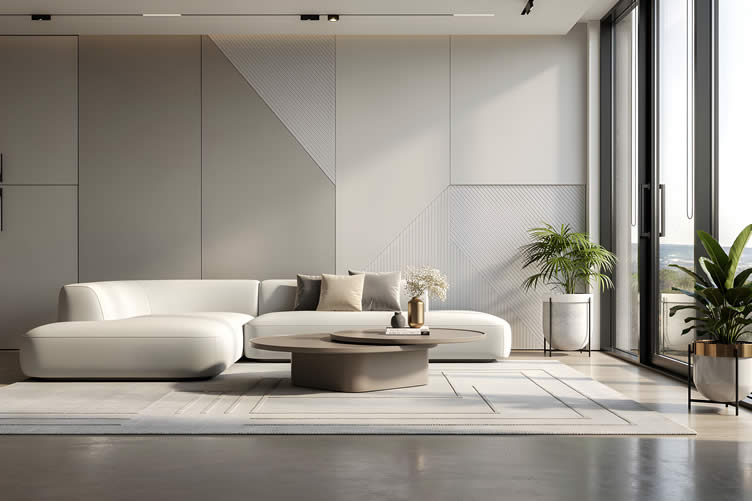
The living room of 2026 is no longer confined to a singular purpose—it has evolved into a versatile hub where households can lounge, work, host, and play, all within the same space.
With many homes now accommodating active, multifunctional lifestyles, the living room has become a reflection of this dynamic, blending aesthetic appeal with high functionality.
AI generated image by 123rf.com
This shift has challenged traditional design conventions, leading to innovative layouts and modular designs that adapt to varying needs without compromising comfort or style.
Below, we explore the key aspects of this transformation, offering insights into how to create a living area that marries purpose and beauty while catering to modern demands.
[ view images/summary table: living room layouts ]
-
Architectural Silhouettes for Enhanced Space Perception
One of the most significant trends shaping living room layouts is the role of architectural silhouettes in redefining spatial perception. Low-profile furniture, which maintains an elongated horizontal line, has become a popular choice for both small and tall rooms.
This approach visually stretches the room, creating the illusion of a larger, more open space. Experts note that this design works particularly well in urban environments or apartments where floor space is limited, seamlessly merging style with utility.
By keeping sightlines unobstructed and minimizing visual clutter, these architectural silhouettes contribute to a clean, cohesive atmosphere that feels both open and intimate.
-
Intelligent Modularity for Flexible Living
Modularity has emerged as a defining feature of modern living room design, offering unparalleled flexibility to accommodate evolving needs.
Modular sofas, with adjustable backs or removable sections, allow for endless configurations, perfect for transitioning between work, leisure, and hosting.
Nesting or stacking tables prove indispensable in maximizing surface area without permanently occupying valuable space, while movable partitions redefine traditional notions of open-plan layouts.
This intelligent approach to modularity not only solves logistical challenges but also encourages personalization, ensuring the living room remains dynamic and tailored to the household’s daily rhythms.
-
Intimate Spaces with Curved Furniture
Curved furniture has gained traction as a design element that promotes intimacy and relaxation in multifunctional living spaces. Sofas and chairs with softened, rounded edges help define conversation groupings, facilitating natural human interaction even in larger or open-plan environments.
Designers have noted that these organic forms can counteract the rigidity of hard architectural lines, complementing the room’s structure while softening its overall effect.
Curved designs can also be layered with complementary textures to create a cozy yet sophisticated aesthetic, particularly in homes aiming to balance diverse activities within the same room.
-
Blending Form and Function for Modern Lifestyles
The rise of multifunctional living spaces illustrates a broader cultural shift, with homeowners prioritizing practical aesthetics that accommodate diverse needs.
According to interior design experts from the American Society of Interior Designers (ASID), the demand for flexibility-driven design continues to influence furniture, layouts, and overall room planning.
Thoughtfully designed living rooms don’t simply act as a space of gathering—they adapt seamlessly to function as an office, an entertainment area, or a retreat for relaxation.
Incorporating functional yet stylish furniture ensures that the space serves multiple purposes without feeling overburdened. This balance of form and function creates a harmonious environment where modern lifestyles can thrive.
Ultimately, the 2026 living room is a statement of adaptability, combining advanced design solutions with thoughtful planning.
Whether through intelligent modular pieces, architectural interventions, or carefully chosen furnishings, homeowners can curate spaces that celebrate both utility and style.
Aspect Description Key Features Functional Evolution of Living Room Layouts The 2026 living room is a multifunctional hub, blending aesthetics and high functionality to accommodate lounging, working, hosting, and playing. Dynamic layouts, modular designs, and adaptability to modern demands without sacrificing comfort or style. Architectural Silhouettes for Enhanced Space Perception Utilizes low-profile furniture to redefine space perception, creating the illusion of openness and minimizing visual clutter. Popular in urban areas; keeps sightlines unobstructed and merges style with utility. Intelligent Modularity for Flexible Living Focuses on modular designs such as adjustable sofas, stacking tables, and movable partitions to accommodate evolving needs. Promotes personalization and flexibility while solving logistical challenges for multifunctional spaces. Intimate Spaces with Curved Furniture Curved designs foster intimacy and relaxation, counteracting rigid architectural lines to create natural conversation groupings. Enhances coziness and sophistication by layering textures and softening the room’s structure. Blending Form and Function for Modern Lifestyles Designs prioritize practicality and aesthetics, ensuring the living room adapts as an office, entertainment area, or relaxation retreat. Balances utility and style for modern lifestyles, guided by flexibility-driven design trends. 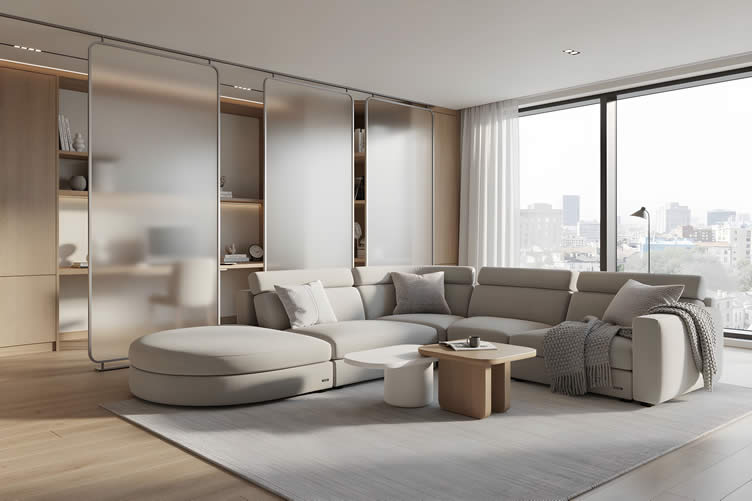
AI generated image by 123rf.com
Houseplant Display
google imagesclassical display view samples modern display view samples pedestal display view samples shelf display view samples ladder display view samples hanging display view samples mounted display view samples terrarium display view samples -
Scroll up to directory … or scroll to next section about lighting and flooring …
-
-
7th Trend: Lighting and Flooring
When designing the ultimate modern living room for 2026, it is essential not to underestimate the foundational importance and critical role of lighting and flooring.
These elements transcend their basic functional purposes; they are, in fact, integral components of the overall design narrative. Well-chosen lighting and flooring work in harmony to significantly enhance the ambiance and aesthetic appeal of the room.
copyright image by 123rf.com
More importantly, they provide the necessary support for the multifunctional and stylish demands that characterize contemporary living spaces.
By thoughtfully and strategically integrating lighting and flooring solutions into the broader vision for your home improvement project, you can successfully elevate your living area, ensuring it masterfully meets the diverse needs of comfort, versatile functionality, and a seamless visual cohesiveness.
[ view images/summary table: lighting and flooring ]
-
Warm, Layered Lighting[ view]
Lighting is often the unsung hero of interior design, capable of completely altering the mood of a room. In 2026, the trend is moving away from harsh overhead grids toward a softer, more curated approach.
The goal is to create depth and personality through layers, allowing your living room to shift effortlessly from a functional daytime space to a cozy evening retreat.
-
Non-Recessed Lighting
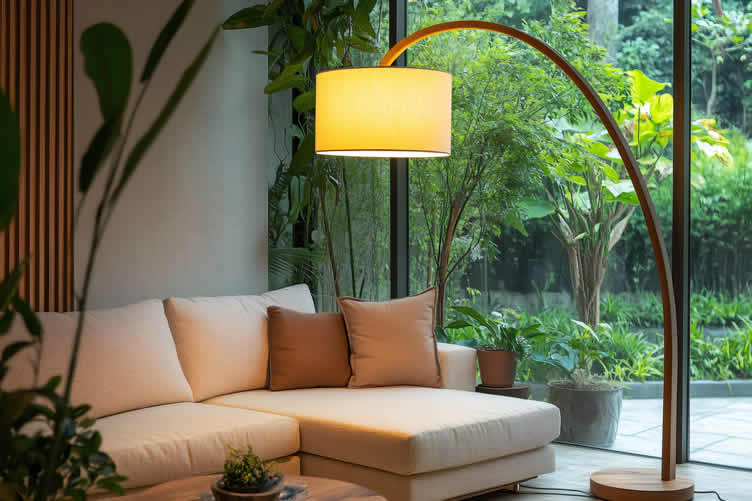
The reliance on a grid of recessed "can" lights is fading. To create a more inviting atmosphere, consider using a diverse mix of table lamps, floor lamps, sconces, pendants, and picture lights.
These layers allow you to control the ambiance, shifting from bright functionality to soft intimacy. By bringing light down to eye level, you add warmth and dimension that overhead lighting simply cannot achieve.
-
Sculptural Statement Fixtures
Think of lighting as the jewelry of the room. A standout chandelier or pendant with an organic or asymmetric form serves as a stunning focal point.
These sculptural fixtures pair perfectly with the curved sofas and art-like furniture silhouettes that are defining 2026, adding a touch of artistic flair that elevates the entire space.
-
Warm, Diffused Light
To truly achieve that cocooning effect, prioritize warm color temperatures—ideally between 2700K and 3000K. Utilizing fabric or frosted shades helps diffuse the light, preventing harsh glare.
Installing dimmers is also essential, as they allow you to transition your living room from task-bright to a candle-lit glow, echoing the rich, comforting color palettes currently trending.
-
Architectural Glow Lines
For a subtle, modern touch, integrate discreet linear LEDs into your architecture. Tucking these lights into ceiling coves, behind crown molding, under shelves, or at toe-kicks creates soft halos of light.
This technique emphasizes the beauty of plaster walls, wood ceilings, and built-ins without the visual clutter of visible fixtures, adding a gentle, ethereal quality to the room.
-
Vintage and Portable Lamps
A truly collected home mixes the old with the new. Incorporating vintage or antique lamps adds immediate character and history. Complement these with modern, rechargeable cordless lamps on side tables.
This combination creates flexible, intimate pockets of light that reinforce the charm and lived-in appeal that is central to the 2026 aesthetic.
-
-
Natural, Matte, Character Rich Flooring[ view]
Your floor is the foundation of your design, grounding the room and setting the tone for everything else. In 2026, flooring trends are embracing nature in its most honest form.
We are moving away from high-gloss finishes and cool tones, opting instead for materials that feel warm, textured, and incredibly durable underfoot.
-
Warm Wood Tones
Cool grays and ultra-whitewashed woods are stepping aside for warmer, more natural hues. Look for natural-looking oaks, honey, caramel, chestnut, or warm walnut tones.
These earthy shades provide a comforting base that echoes the greens, browns, and plums seen on walls and upholstery, bringing a sense of the outdoors in.
-
Wide Planks & Large Formats
To create a sense of calm and expansion, choose wide-plank engineered wood or large-format tile. These choices reduce the number of visible seams, creating a seamless backdrop that allows curved furniture and layered rugs to shine.
The result is a floor that feels substantial and quiet, anchoring the room without overwhelming it.
-
Matte or Satin Finishes
The "quiet luxury" trend favors low-sheen finishes. Matte or satin finishes look far more natural than high gloss and are practical for everyday life, as they hide wear and dust better.
This supports the creation of a cozy sanctuary where the focus is on comfort rather than maintenance.
-
Texture with Character
Flooring should appeal to the touch as well as the eye. Consider wire-brushed, hand-scraped, or lightly distressed surfaces. Even embossed-in-register luxury vinyl plank (LVP) can show believable grain.
These textures add subtle depth underfoot, contributing to the room’s character without competing with your patterned textiles or rugs.
-
Pattern as an Accent
If you love visual interest, use pattern strategically rather than overwhelmingly. Herringbone, chevron, or checkerboard floors in restrained, warm palettes—like terracotta and cream—work beautifully as a feature zone.
Use these patterns in a foyer leading into the living room to create a distinct transition while maintaining a calm atmosphere in the main lounging area.
-
-
Elevate Your Space with Area Rugs[ view]
Area rugs are an elegant, affordable way to refresh your living space without replacing floors. The right rug can tie a room together, enhance comfort, and boost aesthetic appeal.
Whether you’re aiming for 2026 living room trends or a timeless look, a well-placed rug can elevate your home. Here’s how to choose and style area rugs to complement your floors and create a cohesive, stylish space.
-
Choosing the Right Rug for Modern Versatility
Living room trends for 2026 focus on textures, natural tones, and thoughtful patterns. Hand-woven wool or jute rugs offer durability and organic sophistication, pairing well with neutral palettes. Geometric or abstract designs in muted tones add subtle visual interest while maintaining harmony.
Eco-friendly, sustainably sourced rugs align with 2026’s shift toward mindful decor. If you prefer brighter styles, opt for softer patterns to keep the space balanced.
-
Defining Spaces with Area Rugs
Placement is key. Use rugs to define zones in open layouts by centering a large rug under seating areas with enough edges framing the furniture. For patterned floors, a solid or monochromatic rug in light tones like gray or beige balances and softens the overall look.
-
Highlighting Texture and Layering
Layering rugs adds depth and dimension. Start with a flat, low-pile rug like a sisal or kilim, then top it with a smaller, plush rug for warmth.
This works well to tone down busy floors, creating a complementary buffer. Textures enhance the sensory feel—plush rugs add softness to hard surfaces, while flatweaves subtly accent hardwood.
-
Balancing Practicality and Style
Area rugs also protect floors and reduce noise. For family homes, choose stain-resistant or washable rugs in neutral tones for a blend of function and style.
Rotate rugs periodically, clean regularly, and add a non-slip pad for safety, especially with children or pets around.
-
Personalizing Your Living Room
Let your rug reflect your personality. Try round or oval rugs to soften angular furniture, or experiment with tribal prints or vintage-inspired patterns to add character.
By balancing trends with personal taste, your living room will feel both stylish and welcoming. Thoughtfully chosen and placed, a rug can keep your space fresh, comfortable, and in line with modern design trends.
-
Lighting and Flooring
(from the summary table below)
Design Element Description Key Features Warm, Layered Lighting Lighting that enhances the mood by using multiple sources and layers, moving away from harsh overhead grids. Mix of table lamps, floor lamps, sconces, pendants, and picture lights; warm color temperatures (2700K-3000K); dimmers and diffused lighting options. Non-Recessed Lighting Replaces traditional recessed lights to create a more inviting and intimate atmosphere. Sculptural statement fixtures, diverse light sources, and lighting closer to eye level. Architectural Glow Lines Using linear LEDs in architectural details to create subtle and modern lighting effects. Integrated lights in ceiling coves, behind molding, under shelves, or at toe-kicks for soft, halo-like light. Vintage and Portable Lamps Combining vintage items with modern, portable lighting solutions to add character and flexibility. Mix of antique lamps and rechargeable cordless lamps for cozy, collected spaces. Natural, Matte, Character-Rich Flooring Flooring trends that highlight natural textures and warmth while prioritizing durability and a sense of grounding. Warm wood tones like oak, chestnut, and walnut; wide planks or large-format tiles; matte or satin finishes; textured surfaces like wire-brushed or hand-scraped. Pattern as an Accent Strategic use of patterns in flooring to create visual interest without overwhelming the design. Herringbone, chevron, or checkerboard patterns in warm palettes for transitional or feature areas. Area Rugs (refresh your living space without replacing floors)
Area rugs are a versatile and elegant option to refresh living spaces, offering functionality and aesthetic appeal while enhancing comfort. Hand-woven wool or jute rugs for durability, geometric or muted abstract designs. Layering techniques with flat and plush rugs; stain-resistant or washable options for practicality. Personalization through color, shape, and patterns 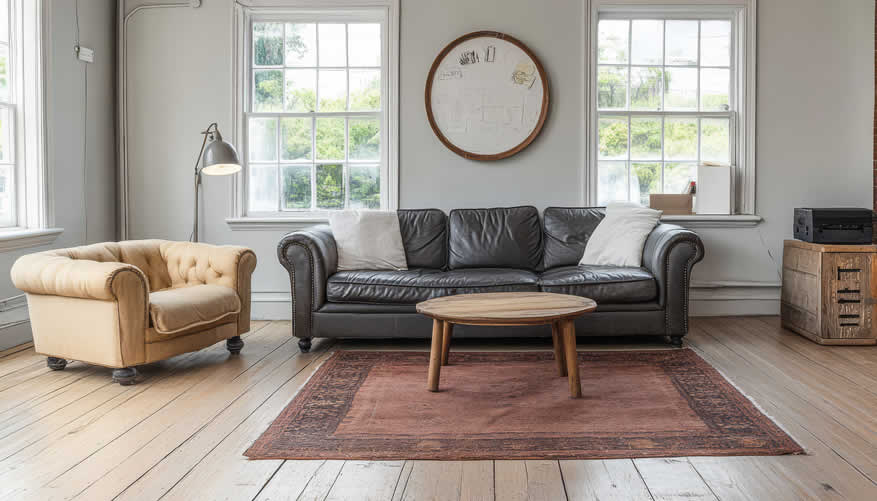
copyright image by 123rf.com
-
Scroll up to directory … or scroll to next section of the AAATERM …
-
-
8th Trend: Blend Smart Tech with Cozy Design
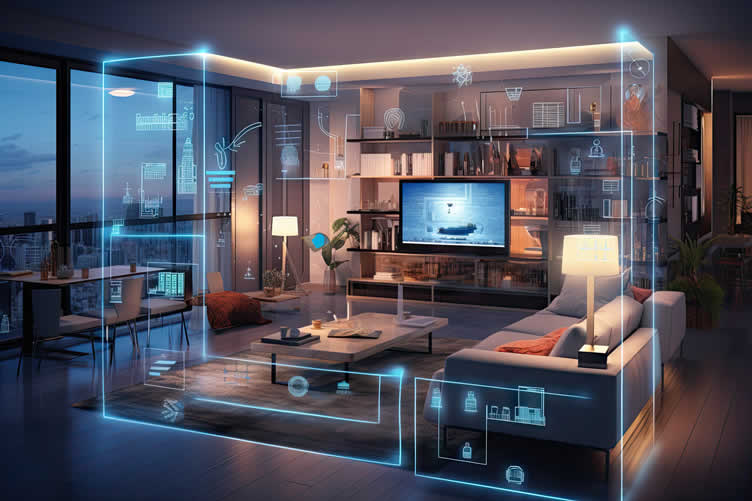
Walking into a living room that feels more like an electronics store than a comfortable, welcoming home can instantly kill the mood.
A jumble of tangled wires snaking across the floor, the incessant blinking of router lights from a corner, and a coffee table piled high with an assortment of remotes all contribute to a sense of visual clutter and chaos.
hile we all want the undeniable convenience that modern technology provides, the challenge lies in integrating it seamlessly without sacrificing the warmth, personality, and tranquility of our personal space.
copyright image by 123rf.com
The future of home design isn’t about adding more gadgets; it’s about making them invisible. By 2026, the trendiest living rooms will feature "ambient computing"—smart technology that’s seamless, supportive, and intuitive, working quietly in the background.
If you’re planning a renovation or upgrading your space, here’s how to create a high-tech haven that still feels human.
[ view images/summary table: living room smart tech ]
-
Conversational AI Home Assistants
The days of shouting robotic commands across the room are fading. Next-gen voice assistants are becoming context-aware, understanding natural language rather than just specific phrases.
Instead of managing individual devices, you might simply say, "It’s movie night," and your system instantly coordinates lights, shades, and the TV. These hubs act as a central brain, running complex routines without you ever needing to open an app.
-
Discreet Wall Panels & Controls
While voice control is convenient, sometimes a physical touch is easier. By 2026, we’re seeing a shift away from cluttered coffee tables. Slim, wall-mounted touch panels or elegant keypads are taking the place of plastic remotes.
Often placed near entryways, these discreet controllers blend into your architecture, maintaining clean lines while keeping your home’s climate, lighting, and audio at your fingertips.
-
Matter-Ready Devices
One of the biggest smart home headaches has been compatibility—buying a gadget only to find it won’t talk to your existing system. "Matter" is a new industry standard that ensures devices from different brands work together seamlessly.
Choosing Matter-ready products future-proofs your home, allowing you to mix and match the best tools for your needs without being locked into one brand’s ecosystem.
-
Circadian Wellness Lighting
Lighting affects how we feel, not just what we see. Circadian systems mimic the natural progression of sunlight; bright, cool light helps you wake up and focus in the morning, while warmer, dimmer tones in the evening signal to your body that it’s time to rest.
This technology supports your natural sleep-wake cycle, enhancing the restorative "cocooning" vibe of your living space.
-
Automated Shades
Natural light is a gift, but glare and UV damage to furniture are not. Automated shading systems are becoming a modern staple, programmed to follow the sun’s path to keep your home cool during the heat of the day. They can also tie into your evening "scenes," ensuring privacy without the need to manually adjust every window.
-
Room-Based Climate Control
There’s no need to heat or cool an entire house just to be comfortable on the couch. Smart thermostats with room-level sensors make climate control hyper-local.
By detecting which spaces are occupied, these systems ensure your living room is perfectly cozy while saving energy in empty rooms down the hall.
-
"Disappearing" TVs
The television is often a giant black rectangle that disrupts a room’s design. New technology is changing that. "Disappearing" TVs can transform into digital art canvases or family photo galleries when not in use.
Others can be recessed into walls or hidden behind sliding panels, ensuring technology serves your entertainment needs only when you want it to.
-
Integrated Wireless Audio
Great sound shouldn’t require a web of messy wires. Modern audio systems focus on high-fidelity sound that is heard but not seen. Wi-Fi-enabled speakers and slim soundbars deliver immersive audio without visual clutter.
For a truly seamless look, many homeowners opt for in-wall speakers painted to match the decor, allowing the music to adapt to your mood effortlessly.
-
Smart Robot Vacuums & Mops
Keeping a living room clean is essential for relaxation, but no one wants a bulky appliance in the corner. AI-driven robots are now smarter and more discreet, mapping your space to avoid obstacles like pet toys.
Many can now auto-dock in hidden cabinetry, maintaining your floors quietly while preserving your home’s aesthetic.
-
Seamless Security Integration
Safety is vital, but it shouldn’t feel industrial. Modern motion and entry sensors are smaller and less obtrusive than ever. These devices integrate with your living room hub, allowing you to check cameras directly from your TV.
They can even trigger helpful automations—like turning on lights during an alert—for a layer of safety that feels intuitive rather than alarming.
Living Room Smart Tech
(from the summary table below)
Feature Description Key Benefits Conversational AI Home Assistants Next-generation voice assistants that are context-aware, understanding natural language and coordinating multiple devices seamlessly. Simplifies control by managing routines with ease and natural dialogue. Discreet Wall Panels & Controls Slim, wall-mounted touch panels or keypads replacing cluttered remotes, blending into architectural design. Maintains clean aesthetics while offering easy access to home controls. Matter-Ready Devices Devices adhering to the new compatibility standard “Matter,” ensuring seamless interconnectivity across brands. Future-proofs your smart home by mixing and matching devices from various brands. Circadian Wellness Lighting Lighting systems that mimic natural sunlight to support sleep-wake cycles and improve ambiance. Enhances well-being while creating a relaxing, restorative environment. Automated Shades Shading systems programmed to follow the sun’s path and adjust for privacy and glare reduction. Improves comfort, protects furnishings, and integrates seamlessly into home scenes. Room-Based Climate Control Smart thermostats with room-level sensors to provide targeted heating or cooling based on occupancy. Saves energy and ensures optimal comfort in occupied spaces. “Disappearing” TVs Televisions that transform into digital art, photo galleries, or can be hidden when not in use. Balances aesthetics and functionality, removing the visual disruption of large screens. Integrated Wireless Audio Wi-Fi-enabled speakers and in-wall solutions providing high-quality, unobtrusive sound. Offers immersive audio while eliminating visible wires and clutter. Smart Robot Vacuums & Mops AI-driven robots designed to clean discreetly and efficiently, with auto-docking capabilities. Maintains a tidy living space without disrupting the room’s design. Seamless Security Integration Compact motion sensors and entry detectors integrating with home hubs for safety automations. Provides intuitive security without compromising aesthetics or creating a harsh, industrial feel. 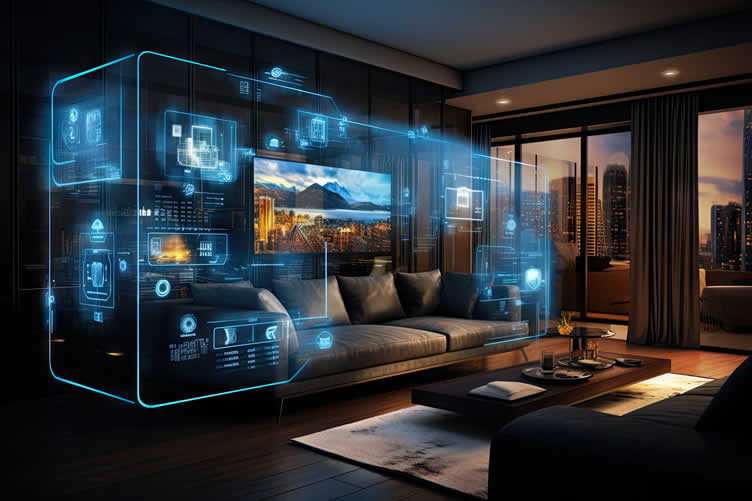
copyright image by 123rf.com
-
Scroll up to directory … or scroll to next section for updating tips …
-
-
9th Trend: Quick Ways to Update Your Living Room for 2026
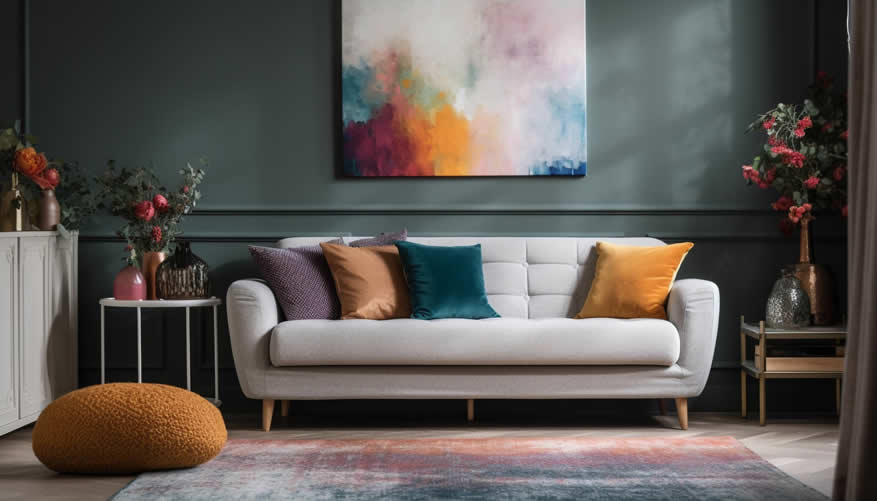
Refreshing your living room doesn’t require a time-consuming or expensive renovation. By focusing on a few impactful, high-value changes, you can breathe new life into your home while staying perfectly aligned with the emerging aesthetics of 2026.
copyright image by 123rf.com
These updates do more than just improve the visual appeal; they enhance the overall look and feel of the space, ensuring that both functionality and daily comfort meet modern living standards.
Whether you are looking to refine your current decor or pivot to a new style, the following expert-recommended strategies offer effective and stylish ways to transform your living room into an adaptable, contemporary sanctuary.
[ view summary table: updating tips ]
-
Repaint Walls in Rich, Warm Tones
Changing the color of your walls can dramatically alter the atmosphere of your living room. For 2026, consider rich, earthy tones such as olive green, deep chocolate, moody plum, or warm taupe. These colors exude warmth and sophistication, creating a cozy yet elegant ambiance.
For a bold approach, extend the color to the ceiling to envelop the space in a seamless, comforting hue. Choose paints with a matte or satin finish to achieve a contemporary feel.
-
Invest in Curved or Sculptural Furniture
Furniture with rounded edges and sculptural forms is set to dominate living room aesthetics for 2026. Swap out a standard sofa for one with softer curves or deeper seating for added comfort and visual interest.
Incorporating one standout piece, such as a sculptural accent chair with unique lines, can effortlessly elevate the room’s design. These shapes are not only trend-forward but also invite relaxation and balance out angular spaces.
-
Layer Textures and Patterns for Depth
Adding layers through rugs, throws, and pillows is an easy yet powerful way to make your living room feel more inviting. Opt for a mix of textures, such as bouclé, linen, and velvet, to create visual depth and tactile contrast.
Amp up the personality with one bold pattern—whether it’s a tapestry-inspired motif, classic plaid, or a playful animal print—to act as a focal point. The key is balancing the layers to avoid overpowering the overall design.
-
Introduce Timeless Vintage or Antique Pieces
Vintage and antique furniture add character and authenticity to a modern living room. Integrating a sideboard, side table, or lamp with a history can break up the uniformity of new items and create a more curated feel.
Look for pieces with rich finishes, intricate details, or unique craftsmanship to add depth and a sense of storytelling to your space.
-
Enhance with Statement Trims
Small details can make a significant impact, and statement trims are a perfect example. Consider adding fringe, contrast piping, or other decorative trims to pillows, drapery, or ottomans.
These embellishments introduce an element of subtle luxury and refinement, elevating the overall aesthetic with minimum effort. They are versatile and work across a variety of design styles, from traditional to eclectic.
-
Install Smart Home Solutions
For a truly modern living room, smart technology is a must. Upgrade your space with smart lighting systems that allow you to customize brightness and color temperature for different moods. Automated blinds add convenience while ensuring privacy and energy efficiency.
Additionally, integrated control for media entertainment transforms your living room into a user-friendly and high-tech environment. These smart features not only enhance daily usability but also boost the long-term value of your home.
By implementing these updates, you can revitalize your living room with a focus on comfort, functionality, and the latest design trends.
Whether it’s through bold colors, textured accents, or cutting-edge technology, each choice contributes to a cohesive and stylish space tailored to your preferences. With these strategies, your living room will stay ahead of the curve while remaining a true reflection of your personal style.
Strategy Description Key Features Repaint Walls in Rich, Warm Tones Changing the wall color to rich, earthy tones such as olive green, deep chocolate, moody plum, or warm taupe creates a cozy, elegant ambiance. Matte or satin finishes add a contemporary touch, while extending the color to the ceiling enhances the effect. Warm tones, contemporary finishes, seamless hues Invest in Curved or Sculptural Furniture Furniture with rounded edges and sculptural forms adds visual interest and modern comfort. A standout piece, like a unique accent chair, balances angular spaces and invites relaxation. Soft curves, sculptural designs, standout accent pieces Layer Textures and Patterns for Depth Using a mix of textures like bouclé, linen, and velvet creates visual depth and tactile contrast. Adding one bold pattern, such as plaid or animal print, acts as a focal point without overwhelming the space. Layered textures, bold patterns, tactile contrast Introduce Timeless Vintage or Antique Pieces Vintage or antique furniture introduces character and a sense of storytelling. Pieces with intricate details and rich finishes break up the uniformity of modern items for a curated vibe. Unique craftsmanship, rich finishes, historical character Enhance with Statement Trims Decorative trims like fringe or contrast piping elevate pillows, drapery, or ottomans with minimal effort. These accents add subtle luxury and suit diverse design styles. Statement trims, subtle luxury, versatile embellishments Install Smart Home Solutions Smart technology upgrades such as customizable lighting, automated blinds, and integrated media systems enhance functionality and usability while adding a modern touch. Smart lighting, automation, energy efficiency 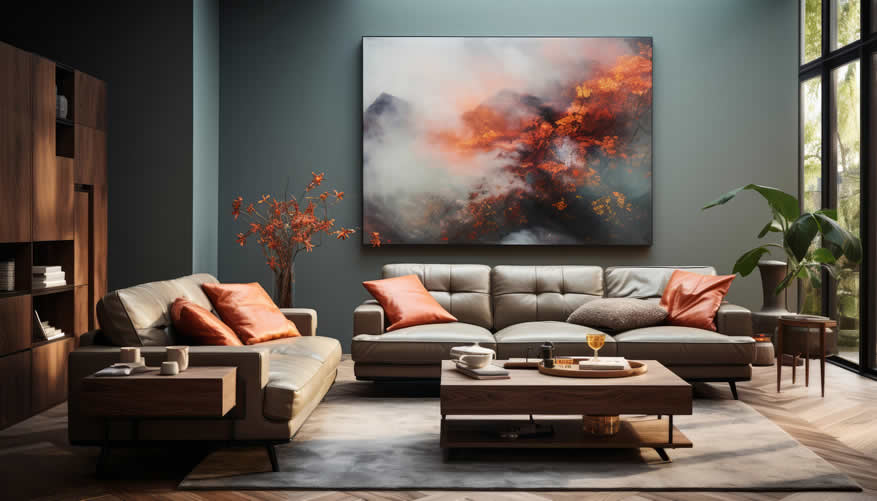
copyright image by 123rf.com
Why a Professional Touch Matters
While many of the exciting 2026 living room trends are perfectly suited for DIY enthusiasts, enlisting the expertise of a professional interior designer or decorator can elevate your space to the next level.
Professionals bring trained perspectives that ensure new trends integrate seamlessly with your home’s existing style, creating a cohesive and harmonious design. They can help balance bold elements, such as statement furniture or trending color palettes, with the subtler details of your current layout and decor.
Additionally, professionals stay ahead of the curve on the latest products, materials, and technologies, providing access to exclusive resources that might not be widely available.
Their guidance can also prevent costly mistakes by ensuring that your vision aligns with the functionality of your living space, your budget, and your aesthetic preferences.
Whether you’re aiming for a chic minimalist vibe or a more dramatic, eclectic style, a professional designer helps ensure the end result reflects sophistication and personal taste while maximizing the value and comfort of your home.
LetsRenovate has partnered with HomeAdvisor™, a renowned provider of highly-rated, carefully-vetted local interior design and decorator contractors. Start your search here by choosing the type of interior contractor you need and entering your zip code to find local professionals.
copyright image by 123rf.com
One More Thing!
Before searching for interior design and decorating contractors, download this evaluation worksheet.
It will help you objectively assess and rank contractors based on key factors like pricing, licensing, and referrals.

Evaluation Sheet
File Type:
-
Scroll up to directory … or scroll to next section about blending trends with style …
-
-
10th Trend: Blending the 2026 Living Room Trends
… into your living room style
As we enter 2026, the landscape of living room design trends is set to continue its path of diversification and innovation.
These emerging styles are not just fleeting fads; they are a direct reflection of our evolving tastes, the rapid pace of technological advancements, and a growing collective desire for a deeper connection to sustainability and personal individuality in our living spaces.
AI generated image by 123rf.com
Whether your living room style leans toward sleek modernism, rustic charm, or a minimalist haven, the key to successfully integrating new trends lies in understanding how they complement your existing aesthetic.
It’s not about completely overhauling your space but blending these trends thoughtfully to create a timeless yet on-trend environment. Below, we explore how 2026’s living room trends can harmonize with a variety of distinct living styles.
[ view images/summary table: living room styles ]
-
Traditional Living Rooms[ view]
With their timeless elegance and classic furnishings, traditional living rooms can easily adopt 2026 trends. Consider subtle updates, like using natural, sustainable fabrics for curtains and upholstery. Patterns with botanical or vintage-inspired motifs will also feel on-trend yet appropriate.
To add a contemporary twist, layer textures by introducing a boucle or linen armchair. Traditional homes can also benefit from smart home features hidden within the aesthetic, like discreet lighting controls or sound systems that boost functionality without disrupting the room’s classic appeal.
-
Modern Living Rooms[ view]
Modern living rooms are defined by clean lines, open spaces, and a neutral palette, making them an excellent canvas for 2026 trends like curved furniture and bold monochromatic schemes.
A sculptural sofa or an oversized plush accent chair can add softness to your space. Incorporate trending materials like terrazzo or travertine for sleek, inviting surfaces.
You can also use color blocking with saturated tones to anchor the room and create focal points. Additionally, modern spaces benefit from minimalist media centers and integrated smart technology for enhanced convenience.
-
Art Moderne Living Rooms[ view]
Art Moderne—a style characterized by dramatic glamour, symmetry, and luxurious materials—perfectly adapts 2026’s penchant for opulence and curve. Incorporate crescent-shaped sofas and sculptural lighting fixtures in materials like brass or polished nickel to add modern appeal.
Rich jewel tones—emerald, amethyst, or sapphire—infuse vibrancy and align with the glamour of Art Moderne. Velvet and lacquered finishes for furniture elevate the sumptuousness of the space, making it feel lavish yet relevant to contemporary tastes.
-
Coastal Living Rooms[ view]
Coastal-inspired living rooms offer a sense of serenity and connection to nature. Trends for 2026 align seamlessly here, particularly with materials like natural rattan, driftwood, and sea glass-toned accents.
Complement the coastal palette with trending hues like soft blues, sandy beiges, and warm whites, avoiding over-the-top nautical themes.
Incorporating biophilic design principles, such as larger windows or indoor plants, will enhance the calming atmosphere of the coastal aesthetic. Transparent or sheer draperies paired with sustainably crafted furniture also enhance the notion of a breezy, tranquil retreat.
-
Contemporary Living Rooms[ view]
Contemporary design thrives on adaptability and staying current with shifting trends, making it perfectly suited for integration with the vibrant aesthetics of 2026. Highlights include emphasizing natural light by using sheer window treatments or layered lighting solutions with sustainable, energy-efficient options.
Organic forms in furniture and décor, along with an emphasis on natural, low-impact materials like bamboo or reclaimed wood, align with contemporary design’s dynamic nature.
Combine these with trending accent colors such as dusty pinks, deep greens, or terracotta and you’ve created a room that feels modern yet timeless.
-
Eclectic Living Room[ view]
Eclectic-style living rooms in 2026 focus on balancing diverse elements to create cohesive yet expressive spaces. This trend celebrates individuality by mixing vintage and modern pieces, bold colors, and globally inspired patterns.
Add curved furniture for softness, sustainable materials like reclaimed wood for eco-consciousness, and seamlessly integrated smart tech.
Balance bold elements with subtle ones, like pairing Moroccan pillows with neutral sofas. The result is a vibrant, inviting space that reflects personal style while staying ahead of design trends.
-
Farmhouse Living Rooms[ view]
Farmhouse styles evoke warmth and rustic simplicity, making the intentional use of organic materials and artisanal details central to this aesthetic.
For 2026, shift the focus toward more refined, upscale farmhouse design by incorporating trends like softer, muted color palettes—think creams, taupes, and sage greens. Textured walls, such as limewash finishes, pair beautifully with wooden beams and metal accents.
Handcrafted furniture continues to anchor the farmhouse look while newly trending oversized pictorial rugs or abstract artwork can elevate the space to feel current without losing its rural charm.
Sustainable materials and vintage finds will also bring authenticity while aligning with eco-conscious trends.
-
Glam Living Room[ view]
Merge glam style with 2026 design trends for a living room that’s sophisticated and contemporary. Retain the glam aesthetic with metallic accents like gold or chrome fixtures, paired with trending jewel-toned velvet furniture.
Add sustainability by incorporating artisan-made decor, such as recycled glass vases or handwoven rugs, for an elegant, eco-friendly touch.
Layered textures like faux fur throws and tufted ottomans enhance comfort and align with modern preferences. This fusion of decadence and on-trend elements creates a timelessly chic and conscious space.
-
Industrial Living Rooms[ view]
Industrial interiors thrive on rawness and utilitarian charm, and 2026 trends enhance this grounded style. Opt for a mix of exposed structural elements, such as brickwork or steel beams, softened by trending curved furnishings or statement rugs to add a contrast to the room’s angular rigidity.
Warm, rich tones like coffee brown or burnt orange can temper the industrial palette for greater livability without losing its edgy vibe.
Meanwhile, energy-efficient upgrades, such as LED lighting embedded in track systems or modernized industrial-inspired pendant lamps, can add a functional yet sophisticated touch.
-
Mid-Century Modern Living Rooms[ view]
Mid-century modern styles continue to hold relevance in 2026, particularly when paired with sustainable and adaptive updates. Curved chairs and tables align well with this style’s organic shapes.
Focus on furniture with tapered legs, vibrant accent colors like mustard yellow or teal, and wood finishes like walnut or teak. Trending abstract wall art or retro-inspired geometric patterns can give the room a fresh edge while maintaining its classic appeal.
For tech-savvy integration, consider incorporating smart storage solutions that retain the clean, design-forward ethos of mid-century modern aesthetics.
-
Minimalist Living Rooms[ view]
Minimalism champions “less is more,” and blending 2026 trends involves adopting subtle, intentional elements that do not overwhelm. Explore textural variety to create interest, such as mixing fine woven fabrics with matte finishes and polished metals.
A feature wall with a trending textured plaster or muted paint shade can serve as a focal point in the room. Smart, multifunctional furniture pairs perfectly with minimalism’s emphasis on form-meets-function, providing spaces that feel open and inviting.
-
Scandinavian Living Rooms[ view]
The minimalist elegance of Scandinavian design naturally embraces many of 2026’s key trends, particularly sustainability and functionality. Focus on tactile, cozy materials such as wool throws and cushioned textures that contrast beautifully with clean-lined furnishings.
Look for trending colors like soft earth tones or muted pastels to add dimension without overwhelming the space.
Lighting remains crucial—opt for layered lighting fixtures with sculptural designs to provide warmth and illumination. Incorporating handcrafted furniture or décor also ties in the hygge-inspired coziness that defines Scandinavian spaces while keeping the look contemporary.
-
Shabby Chic Living Rooms[ view]
Shabby Chic’s cozy, distressed aesthetics align surprisingly well with 2026’s emphasis on individuality and eco-friendliness. Opt for vintage furniture updated with trending colors or finishes, such as chalk-painted surfaces or pastel upholstery.
Incorporating trending floral patterns into throw pillows or curtains adds a fresh touch while emphasizing comfort and charm. Sustainable décor, such as upcycled pieces or handmade finds, enriches shabby chic spaces with personality and authenticity, making them both on-trend and environmentally conscious.
-
Zen Living Room[ view]
In 2026, Zen-style living rooms are evolving by beautifully blending their characteristic serene minimalism with select modern trends. The traditionally neutral palettes are now being infused with rich, earthy tones like terracotta, sage green, and deep ochre, which serve to deepen the room’s connection to the natural world.
Furniture choices remain functional and organic, with pieces crafted from sustainable materials like bamboo, light oak, and rattan that uphold the core Zen philosophy of harmony and balance.
To add a layer of tactile warmth and contemporary style, trending textures such as soft bouclé, chunky knits, and intricate woven accents are being incorporated through rugs and cushions, enriching the space without disrupting its inherent calm.
Living Room Style 2026 Design Trends Key Elements Traditional Timeless elegance with subtle updates, natural fabrics, and vintage-inspired motifs. Botanical patterns, boucle or linen armchairs, discreet smart home features. Modern Focus on clean lines, curved furniture, and bold monochromatic themes. Sculptural sofas, terrazzo surfaces, saturated color blocking, integrated smart tech. Art Moderne Opulent designs with crescent-shaped sofas and jewel tones. Brass finishes, sculptural lighting, velvet furniture, lacquered pieces. Coastal Serene spaces with natural textures and sea-inspired hues. Rattan furniture, driftwood accents, biophilic designs, sheer draperies. Contemporary Adaptable designs emphasizing natural light and organic forms. Sustainable materials like bamboo, layered lighting, bold accent colors. Eclectic Bold, individualized spaces balanced with diverse elements. Vintage-modern mix, reclaimed wood, Moroccan patterns, smart tech. Farmhouse Refined rustic charm with muted palettes and artisanal details. Textured walls, handcrafted furniture, oversized rugs, vintage finds. Glam Sophisticated spaces merging metallics and jewel tones. Gold accents, recycled decor, velvet furniture, tufted ottomans. Industrial Raw utilitarian charm with softened edges and energy-efficient upgrades. Statement rugs, curved furnishings, warm tones, LED track lighting. Mid-Century Modern Organic shapes with vibrant retro elements and sustainable updates. Curved furniture, tapered legs, abstract art, smart storage solutions. Minimalist Subtle, intentional designs focusing on clean aesthetics. Textured fabrics, multifunctional furniture, textured feature walls. Scandinavian Cozy minimalism with sustainable, tactile materials and earth tones. Wool throws, sculptural lighting, muted pastels, hygge-inspired decor. Shabby Chic Comfortable, distressed aesthetics with vintage and sustainable updates. Chalk-painted furniture, floral patterns, upcycled pieces, handmade decor. Zen Serene minimalism with rich earthy tones and sustainable materials. Bamboo furniture, bouclé textures, woven accents, terracotta hues. 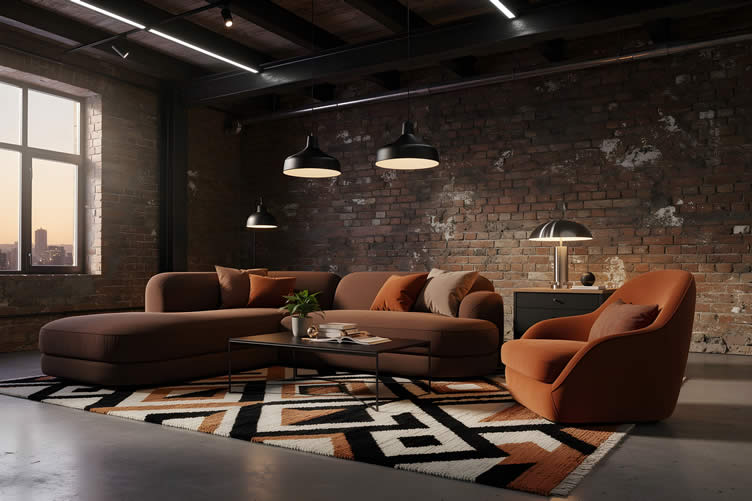
AI generated image by 123rf.com
-
Scroll up to directory … or scroll to the conclusion and resource citations …
-
-
Conclusion
… embracing the future of living room design
The shift we are seeing in living room design for 2026 is ultimately a shift toward authenticity. We are stepping away from the pressure to maintain a picture-perfect, untouched showroom and embracing the messy, beautiful reality of living.
By prioritizing comfort through cozy sanctuaries, softening our edges with curved seating, honoring the past with vintage pieces, wrapping ourselves in rich colors, and engaging our senses with texture, we are building homes that truly serve us.
These trends are invitations, not rules. They invite you to unleash your home’s potential and craft a space that feels uniquely yours. Whether you incorporate a single vintage lamp or paint your entire room deep emerald green, the goal is to create a space where you feel happy, safe, and inspired.
As we move forward, let us design living rooms that are not just for looking at, but for living in.
Resource Citations:
- National Kitchen & Bath Association (NKBA) – Design Trends Reports
- Pinterest Predicts – Annual Trend Analysis
- Martha Stewart Living Room Trends 2026
- Architectural Digest – Forecasts for Interior Design
- The Spruce – Color and Decor Trend Watch
- Houzz – Emerging Home Design Trends
- Flooring America. (n.d.). Flooring Trends of the Year
- Veranda. (n.d.). Lighting Trends 2026.
- Good Housekeeping. (n.d.). Interior Design Trends 2026
- D. Laguna. (n.d.). How to Bring 2026 Design Trends Into Your Home
- IoT Breakthrough. (n.d.). The Smart Home in 2026: What’s Sticking and What’s Not.
-
Quick scroll to more interior home and decor ideas …
-
ideas to view and compare from the photo above
- What comments can you share about
the 2026 living room trends?

analyzing living room trends for 2026 and other home improvement needs …

… grab this directory of ideas for future use



Download this PDF for a concise summary of all you need to know about …?


… remodeling decisions


Budgeting Worksheet For Costing Home Remodeling and Home Improvement Decisions
 File Type (excel)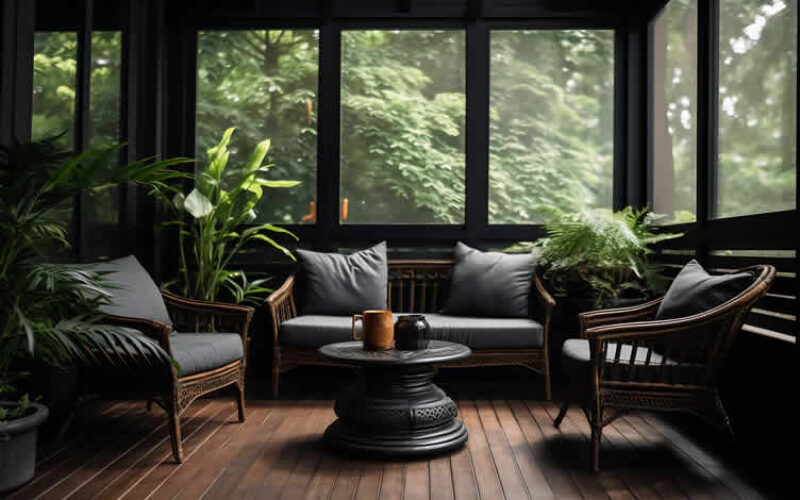
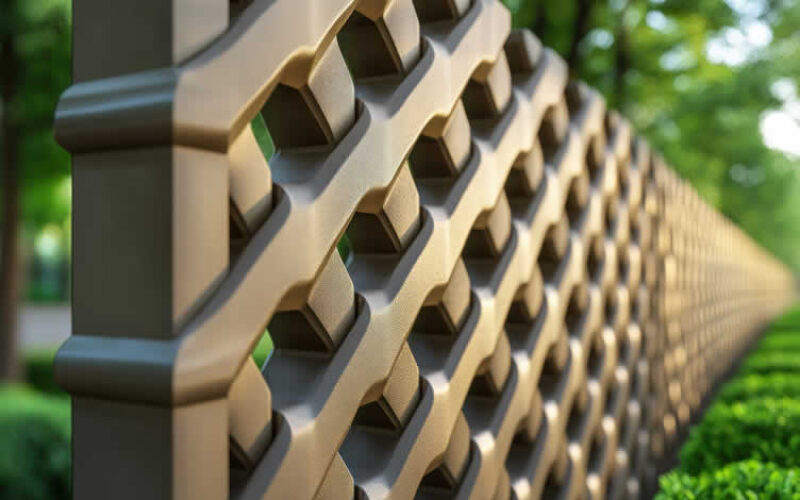

Easily determine the dimensions you need for any home remodeling project …
… ensuring functionality, visual appeal, and compliance with building codes.
SHARE IT ..! You might have someone in your social network who could find this informative post about living room trends for 2026 valuable. Feel free to share it on Facebook, X (formally Twitter), LinkedIn, or Pinterest!






Are there any other interesting topics that might have been overlooked but could offer valuable insights …?



Download this PDF for a concise summary of all you need to know about …?

Calendar For:
Home Maintenance
File Type:
… view illustration “becoming a bank”
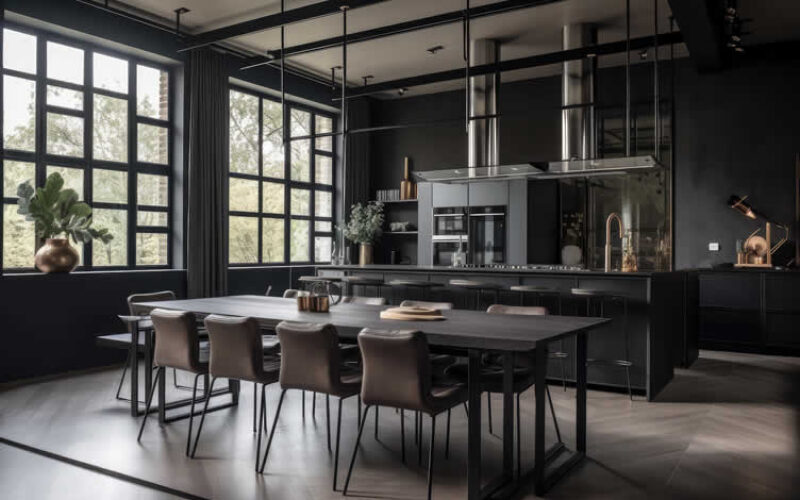
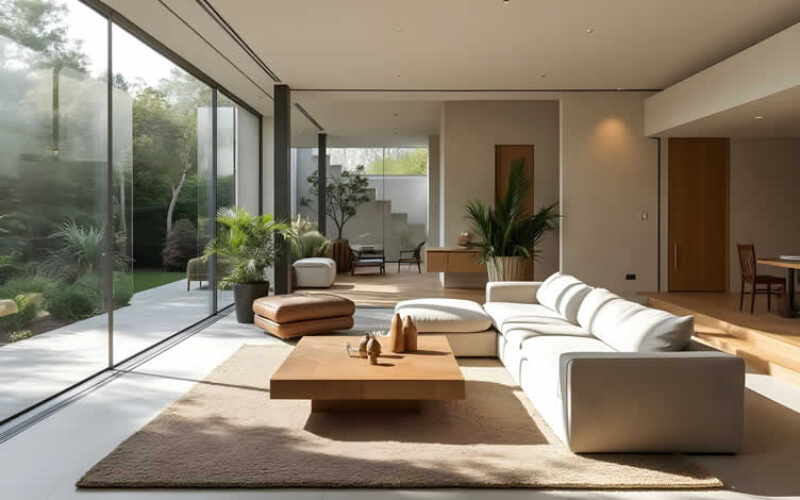

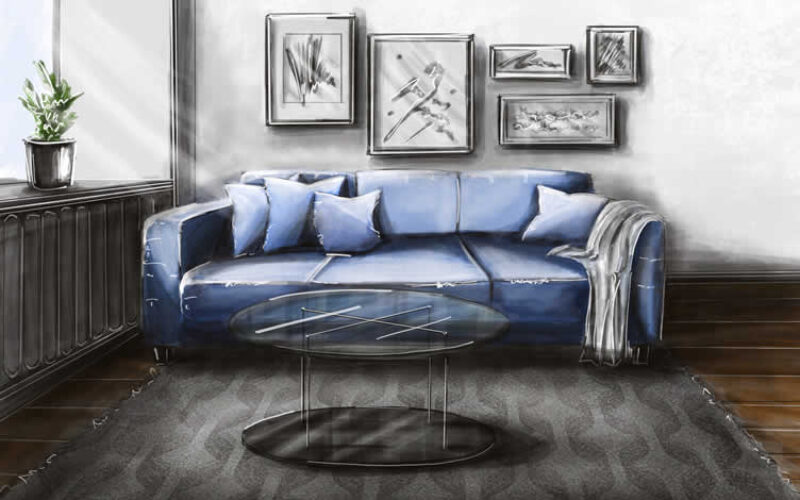
… view our sharing links below for a quick "share the knowledge"
Find Interior Design Services Decorators Interior Designers Furniture Painting & Staining top-rated, pre-screened local contractors FREE: download contractor selection enter zip code – powered by HomeAdvisor ™
Quick Contractor Guides selecting negotiating working with inspecting

Cover image credit: living room trends by 123rf.com
end of post … please share it!
 |
did you find these 2026 living room trends helpful? If so, please share the article with your friends and family! |
Nice pic idea? Leave us a quick comment below.
And please share this pic idea within your social networks.