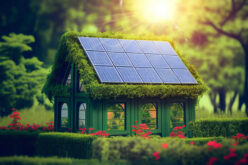
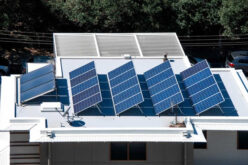
first “energy saving tips for new homeowners” idea


copyright image by 123rf.com
How to Reduce Home Energy Consumption
Summary Outline:
Did you know that the typical American household spends an average of USD$2,060 every year on home utility bills? Unfortunately, a significant portion of the energy from your utility bills is wasted, meaning you’re essentially throwing hard-earned money out of the window.
The good news is that there’s a lot you can do to save energy and money at home. This article shares simple ways to save energy for homeowners:
-
- —— begin first topic ——
-
1st:Adjust Your Daily Behaviors:
Reducing your energy consumption at home and increasing your utility bill savings starts with you. Energy conservation can be as simple as turning off appliances or lights when you don’t need them.
- You can use energy-intensive appliances less by performing household tasks manually. For instance, you can wash dishes by hand instead of using the dishwasher or hang-drying clothes instead of throwing them into the dryer.
-

copyright image by 123rf.com
- Being mindful of your daily behaviors and adjusting accordingly, regardless of how small, accumulate over time and can significantly impact your energy bills.
-
Quik scroll to topic side notes …
-
1st:Use Automation to Keep Energy Consumption Down:
One way to help control family behaviors regarding the use of energy is to install some forms of automation that reduce energy use. For example, motion sensors that detect motion in a room; if there is no motion after a period of time, the lights within the room turn off automatically.
Other automations include smart switches and outlets that are networked to your mobile device. At anytime and anywhere you can monitor energy usage for any plug-in appliance and switched it off to reduce cost.

copyright image by 123rf.com
The advantage of home automation is that you can monitor all home energy usage by using:
-
Smart HVAC Thermostats:
you can change HVAC settings that limit heating/cooling during certain times of the day and when the home is not occupied.
-
Smart Water Sensors:
monitor and control water usage used by family members when showering, brushing teeth, etc., to help change water usage behaviors.
-
Smart Home Security:
provide a security perimeter that protects your home and monitors any malicious activity on the outside and inside the home.
-
Smart Switches/Outlets:
as mentioned, monitor and control home lighting, appliances, and other to reduce home energy use.
-
- —— next topic ——
-
2nd:Upgrade Your Windows And Doors:
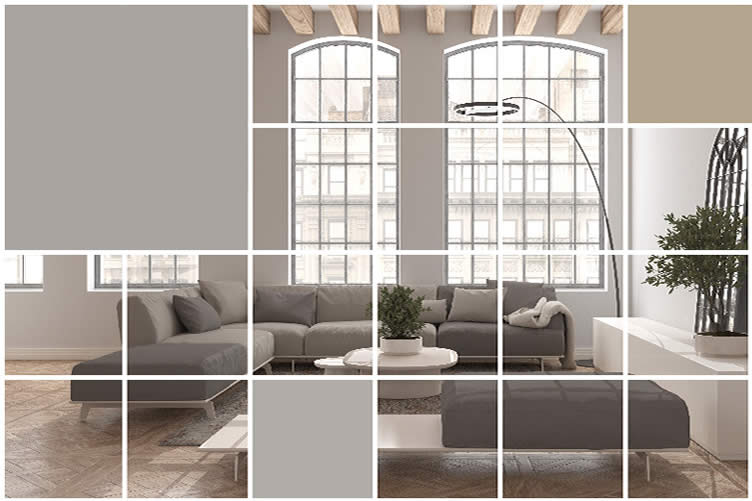
If you recently moved into a home with old windows and doors, they may be a culprit for significant wasted energy.
- In fact, old, inefficient windows and doors can drain up to 25% of the heat from your home. That’s because your old windows or door cracks and crevices can draw outside air into your home and vice versa.
-
copyright image by 123rf.com
- So, if you have the budget, consider upgrading your windows and doors to more energy-efficient models. For instance, if you have old, single-pane windows, consider switching to double- or even triple-pane windows for better efficiency.
- Check here for more info on energy efficient windows.
-
Quik scroll to topic side notes …
-
Installing Automated Blinds:
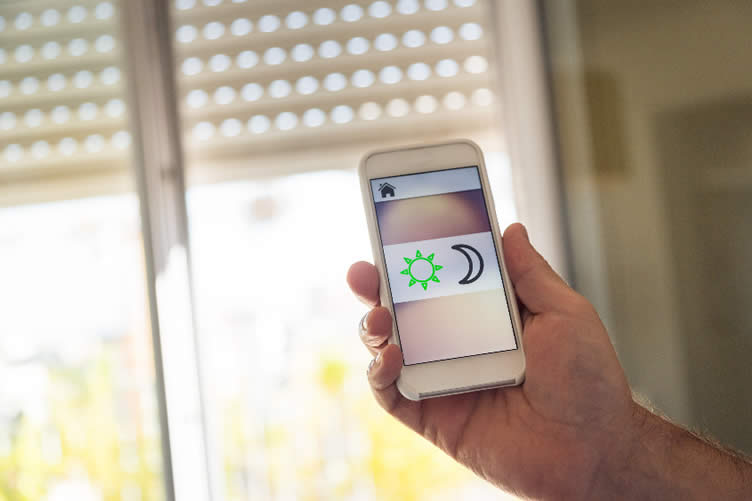
Another added layer of protection against energy loss is the installation of automated blinds and curtains that cover and decorate your windows. With its automated feature, you can set the opening and closing of the blinds for maximum energy efficiency.
For example, during the hot summer days, set the blinds to close during the day to block sun rays from heating up the inside of the home when you are trying to keep it cool. And then during the night, the blinds can automatically open to allow for cool night conditions.
copyright image by 123rf.com
In the winter, it is the exact reverse. You can set the blinds to automatically open during the day to allow sun rays to penetrate and warm up the house. And at night, close the blinds to add an additional layer to protect against the cold weather outside.
Of course, with automation connected to your mobile device, you can open/close window blinds, shades, and curtains anytime and at anywhere using the controls segmented by room on your device.
View the varying types of blinds and other window treatments that may be available:
- —— next topic ——
-
3rd:Plant Trees:
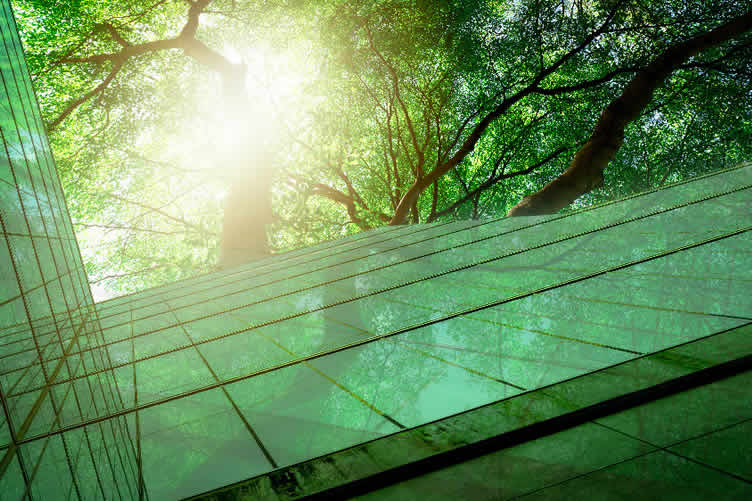
You can conserve energy by planting the right tree in the right places around your home. During the hot season, trees offer shade. And during the cold season, they serve as a windbreak.
- Plant deciduous trees that provide good shade during the summer. During autumn, these trees shed their leaves, so they should allow sunlight into your home during the winter months.
-
copyright image by 123rf.com
- Meanwhile, planting evergreen trees on the north side of your home can protect against cold winds during winter.
- Trees may also shade surfaces such as patios, driveways, and even air conditioning units, maximizing their impact.
-
Quik scroll to topic side notes …
-
Understanding Types of Trees and Positioning:
There is no question that a tree shading a home from the summer afternoon sun can reduce household energy consumption between five to fifteen percent.
But there are two considerations you need to consider. One is tree positioning, so that you get the greatest amount of shade during the hot summer months. However, you want to keep tree from reaching or hanging over the roof. Tree debris and branches can fall onto the roof causing roof damage that may negate your energy savings.
The second issue is whether you intend to install solar panels to help with energy costs. Solar panels need unhindered sunshine to reach full energy-generating capacity. A shaded tree will negate the production of solar energy.
copyright image by 123rf.com
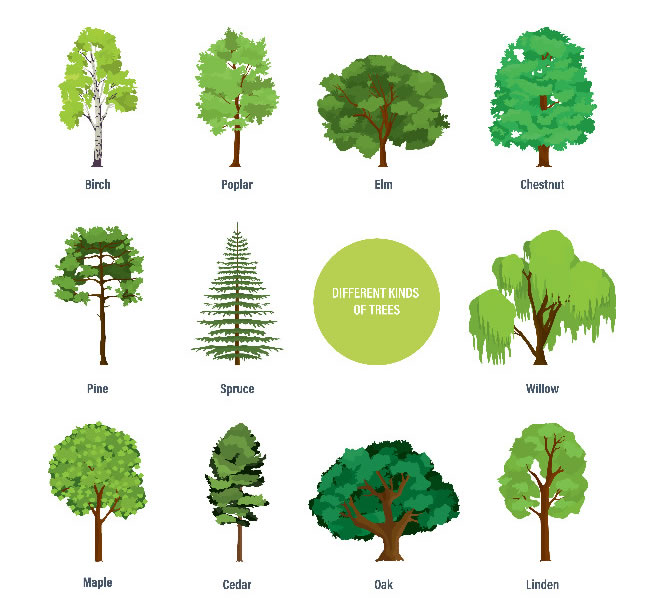
There are two types of trees to consider: deciduous and evergreens. Deciduous trees are the oaks, maples, and other trees that drop their leaves during the cold season. These are the best trees for providing summer shade and winter clearance.
The second type are evergreens such as pines and conifers. These trees stay green all year round and can function as shade, but are better positioned as wind breakers to protect the home against strong winter winds.
resources: About Tree ShadingTree Shading House Ideas images – tree shading diagram images – conifers as wind breakers images How to Create Shade info – tree placement info – shade home but not solar info – plan a windbreaker info Trees for Energy Savings youtube – best shade trees youtube – both trees and solar panels youtube – planting wind breaks youtube Screening/Privacy Trees
viewing amazon garden
- —— next topic ——
-
4th:Invest In Energy Star Certified Appliances:
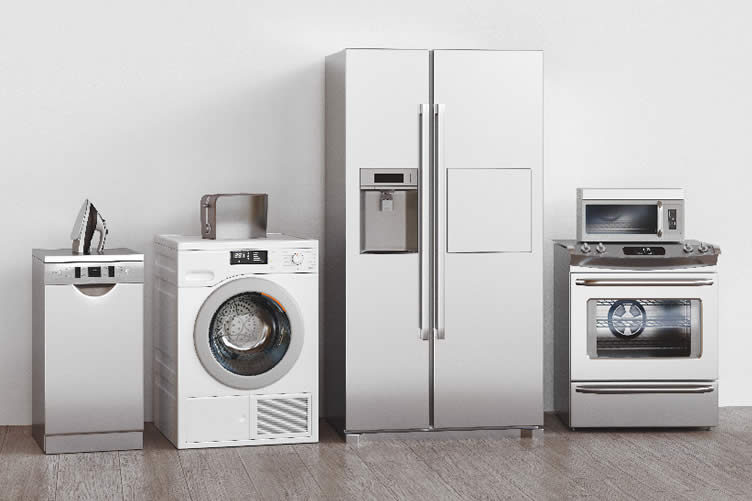
On average, home appliances use about 13% of your total household energy use. So, when thinking of replacing or purchasing a home appliance, you should pay close attention not only to its price but also its annual operating costs or those with high energy efficiency.
- While energy-efficient appliances may have a higher price tag than their regular counterparts, their operating costs are up to 25% lower than conventional models.
-
copyright image by envato.com
- When buying appliances, make sure to look for the ENERGY STAR label. It is a federal assurance that the appliance will consume less energy. Rest assured that the appliance you’re purchasing will go a long way toward saving extra cash in the long run.
-
Quik scroll to topic side notes …
-
What Appliances Consume Most Energy:
The appliances that consume the most amount of electricity include:
-
Heating and Cooling:
consumes nearly 35% to over 50% of home energy usage depending on the home’s location. Having good insulation, door and window seals, and automated thermostats can help reduce that cost.
-
Water Heating:
takes nearly 10-12% of energy costs. Taking quick showers and potentially converting to tankless water heaters can drop the percentage down.
-
Home Lighting:
uses approximately 8-10% of energy costs; perhaps higher if you have landscaping lighting. The quickest way to reduce this cost is to convert all existing lighting to LED. Another cost reduction is to automate lighting switches and outlets so that it can turn off automatically when not in use.
-
Kitchen Appliances:
this includes the refrigerator, cooking range, dishwasher and other major appliances. Combined, these related appliances consume about 8% to 13% of home energy costs.
- The refrigerator consumes the most since it is always on. Converting to Energy Star appliances will give you better efficiency.
-
Laundry Appliances:
takes approximately 3-5% of total energy, with the dryer taking up most of that percentage. Using a clothes hanging mechanism – especially during the summer – can reduce drying costs and home cooling usage.
copyright image by 123rf.com
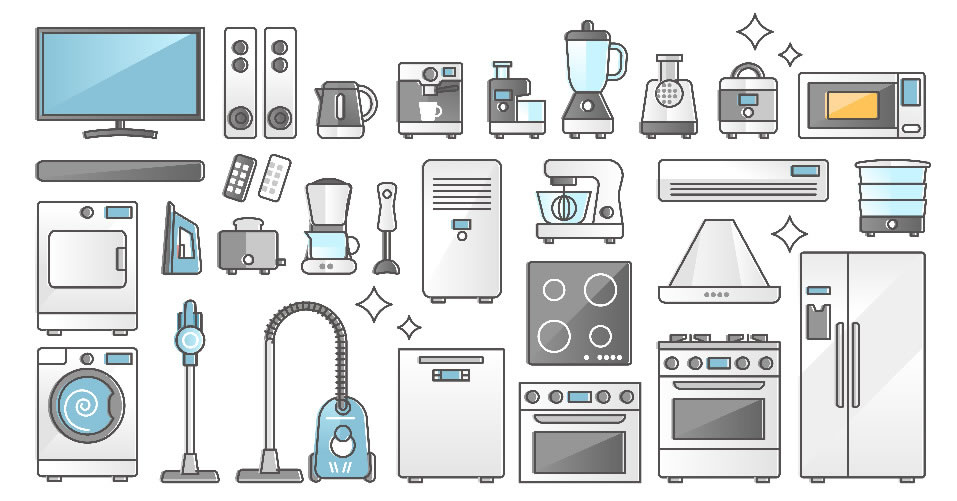
Other appliances include many of the items illustrated above:
- home entertainment
- computers
- cleaning machines
- kitchen counter appliances
- bath appliances
- other plug-in appliances
These and other small items take up approximately 5-10% of home energy usage, again depending on the type of appliance you have.
Other electrical and fuel usage may include generators, swimming pool and spa heaters, space heaters, outdoor grills and kitchens, garage charging stations, and other related appliances.
It would be prudent to take an inventory of all appliances needed and those that can be stored away to reduce the amount of home energy used.
view post: (new win) How To Enhance Service Life Of Your Home Appliances -
- —— next topic ——
-
5th:Practice Smart Water Usage:
Water is a necessity for human life. Unfortunately, it is a finite commodity, and if not managed properly, it can result in extreme shortages in the near future.
- Thus, you need to do your part in trying to conserve water. Not only can it benefit the environment, but your wallet will also thank you. Small changes to your water usage can help reduce your water consumption and energy bills.
-
copyright image by 123rf.com
- For instance, you can take shorter shower times or bathe less. Low-flow fixtures can also help conserve water and are available for your faucets, toilets, and shower. These practices help reduce energy consumption as less energy would be required to move and heat the water.
-
Quik scroll to topic side notes …
-
Discussing Water Conservation:
Everyone should conserve and save water as needed no matter where you live. There is no reason to waste; this is especially true is drought stricken areas. So what can you do to save water?
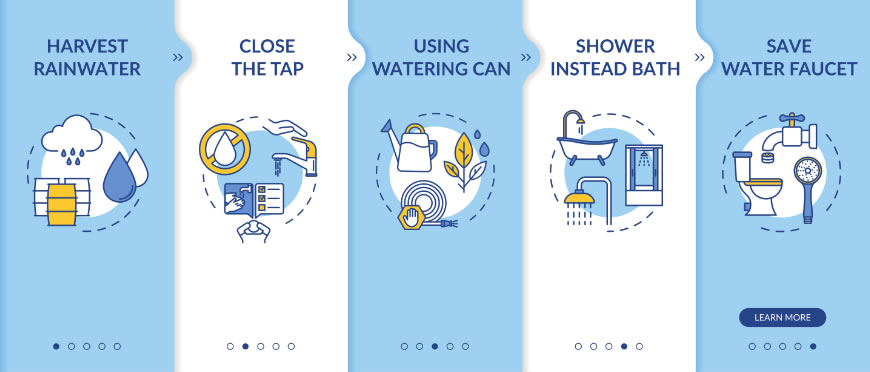
Ideas may include low flowing faucets and shower heads; water efficiency toilets; arid landscaping; and most importantly, water monitoring detection to find pipe leaks and to restrict wasteful water usage.
copyright image by 123rf.com
Other factors is to close taps when not in use – such as brushing your teeth or running excess water for cleaning or other. Rain harvesting is another way to conserve water. You can used stored rain water to water plants and other outdoor uses – thus saving water from turning on the spigot.
Another water saving method is the use of gray water – such as collecting water when you shower. Gray water can be used to flush toilets and wash cars.
amazon green: Reference Books– living off-the-grid view books – off-the-grid solar energy view books – harvesting rainwater view books – micro hydropower view books view post: (new win) Living In a Drought – Ways to Conserve and Save Water - —— next topic ——
-
6th:Upgrade Your Insulation:
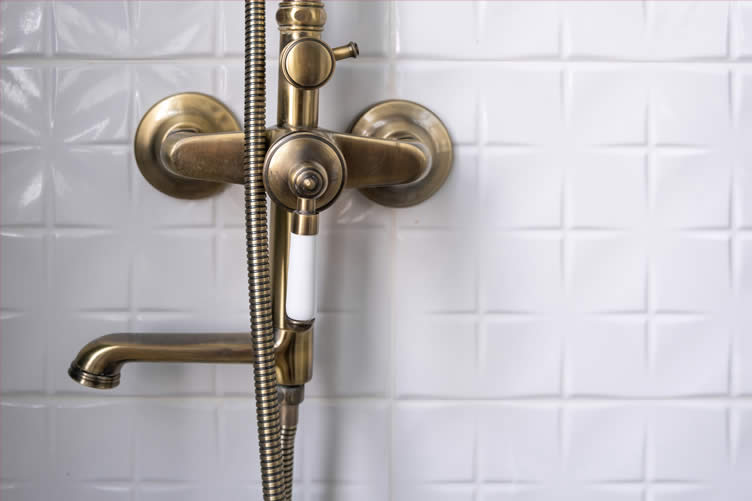
Insulation plays a critical role in lowering the amount of money you spend on your heating and cooling. With proper insulation, your home can retain heat during the winter while keeping it out during the summer.
- It means your HVAC system doesn’t have to work harder to provide optimum indoor temperatures.
-
copyright image by envato.com
- So, start inspecting your home’s structure and start insulating key areas. You can start by checking the attic. If you have an unfinished attic, add insulation on the floor joists. Make sure to fill in and seal any holes or gaps in your exterior walls and around your doors and windows.
- Don’t forget to insulate your basement and crawlspace as well. Also, consider wrapping your water heater and any exposed pipes to help maintain the proper water temperature.
-
Quik scroll to topic side notes …
-
Performing an Energy Audit:
Before making any energy-saving changes, you should determine how much energy your home is currently using. This requires the expertise of an expert.
Professionals will thoroughly inspect your home to identify air leaks, insulation problems, and possible energy-efficient solutions.
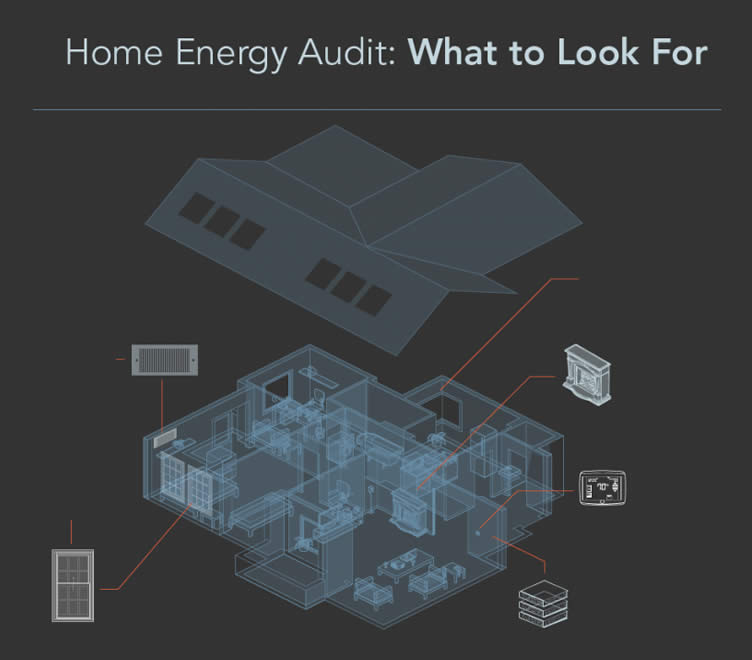
The following steps will likely be completed during an energy audit of your home when it comes to energy savings. This list was compiled by the US Department of Energy:
In The Attic:
- Inspect insulation
- Check for major air leakage issues in places like chimney, recessed lighting, and HVAC dusts.
- Inspect wiring and safety issues.
- Note any signs of water leakage.
Basement & Utility Room:
- Furnace: test for fuel leaks, change in the furnace filter, clean the furnace blower.
- Water Heater: note thermostat setting and insulation on tank and piping; test draft hood.
- Perform combustion appliance testing on all combustible fuel fired appliances.
- Inspect duct system and dryer venting.
copyright image by energy.com
Kitchen/Bathroom:
- Look for electrical or other hazards.
- Assess electrical appliance energy use with a watt meter or manufacturer nameplate.
- Check for moisture and excess water vapor.
- Access vent fans for flow rate.
General House Review:
- Inspect windows and doors for excess window condensation.
- Check for air leaks around outlets, fixtures, door and windows.
- Check for wall insulation and framing type.
- Note thermostat type and setting.
- Note and test smoke & carbon monoxide detectors.
Resource Information:
Information obtained from the U.S. Department of Energy
-
Key Takeaway:
Energy-efficient strategies and improvements not only help you gain long-term financial rewards but also make your home more comfortable while doing good for the environment.
- So, follow the above tips to gain all these benefits for you and your family!
-
Quik scroll to more energy saving tips for new homeowners …

-
ideas to view and compare from the photo above
- What comments can you share about
energy saving tips for new homeowners?

below for …
home energy experts



greening up your home

Find Energy Efficient Services Insulation Windows-Insulation Ducts & Vents Thermostats Solar Installation Skylights Home Automation Generators Home Automation Electrical Wiring Networks/Phone Computers/ Media Home Security Alarms top-rated, pre-screened local contractors FREE: download contractor selection enter zip code – powered by HomeAdvisor ™
Quick Contractor Guides selecting negotiating working with inspecting

Cover image credit: energy saving tips for new homeowners by 123rf.com
end of post … please share it!
 links open new win
or simply search by entering green home item or other remodeling need

Nice pic idea? Leave us a quick comment below.
And please share this pic idea within your social networks.