Summary Outline –
In recent years, many communities have seen a rise in break-ins and other criminal activities. For homeowners, ensuring the safety of their homes and families has never been more crucial. However, traditional home security systems often come with high installation costs and hefty monthly maintenance fees.
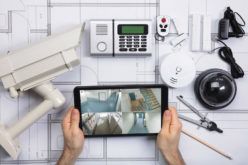
This analysis will explore cost-effective home security measures, ranging from budget-friendly options to moderate and higher-cost investments.
Summary of Site Content
1st Home Security Tip: [view tip]
… before assessing your home security system needs, let’s first examine the likelihood of a home break-in and other crime statistics in your area. This will help determine the type of home security you may require.
2nd Home Security Tip: [view tip]
… our home security analysis starts by focusing on low-cost options. These include improved interior and exterior lighting, DIY security cameras, and other cost-effective measures.
3rd Home Security Tip: [view tip]
… moving on, the third section focuses on moderately-priced home security solutions suitable for your area. It covers DIY monitoring cameras, door and window sensors, command centers that integrate home automation and security, and more.
4th Home Security Tip: [view tip]
… the fourth section offers a more robust home security system, encompassing all the previously mentioned features plus the addition of 24/7 monitoring services, surveillance cameras, intrusion detection, and more.
5th Home Security Tip: [view tip]
… the fifth and final home security review offers practical tips for enhancing safety, such as improving family communication, regularly assessing security vulnerabilities, and integrating advanced technology to protect your home and family.
We will cover a variety of solutions, from affordable DIY installation kits to more sophisticated self-monitoring systems and advanced smart security setups.
Our goal is to provide you with comprehensive insights and recommendations tailored to your budget and security requirements.
- post content: analysis of home security options
- Security Tip 1: The Alarming Odds of Home Break-ins
- Security Tip 2: Low-Cost Home Security Measures
- Security Tip 3: Mid-Range Home Security Upgrades
- Security Tip 4: High-Cost Home Security System Features
- Security Tip 5: Practical Tips for Enhancing Security

-
Quick scroll to first topic about affordable home security tips …

first “affordable home security tips” idea


copyright image by 123rf.com
Home Security Tip 1: The Alarming Odds of Home Break-Ins
Notes:
-
Home is where we should feel safest. But the rise in home break-ins and burglaries across America is threatening this sense of security.
Understanding recent crime statistics is crucial for homeowners and security enthusiasts alike to determine what type of security and investment needed to secure your home and property.
-
Quick scroll to “odds of home break-ins” side notes …
-
-
1st: Recent Crime Trends in America
Crime rates in America have fluctuated over the past five years, with significant increases in certain types of crimes. According to the FBI’s Uniform Crime Reporting (UCR) Program, there has been a notable rise in violent crimes, while property crimes have shown mixed trends.
Understanding these trends is vital for homeowners who want to stay vigilant.
-
The Prevalence of Property Crimes
Property crimes, including burglary, larceny-theft, and motor vehicle theft, remain a significant concern. In 2021 alone, there were an estimated 6.9 million property crime offenses in the United States.
Burglaries accounted for about 16.1% of these incidents. This highlights the importance of focusing on property crimes when discussing home security.
-
Impact on Homeowners
Rising crime rates directly impact homeowners’ peace of mind. The financial and emotional toll of a break-in can be devastating.
By staying informed about these trends, homeowners can make informed decisions about their security measures and take proactive steps to protect their homes.

copyright image by 123rf.com
[ view diagram: recent crime trends in America]
[ youtube: state ranking: violent crime map]

-
-
2nd: Break-ins and Burglaries By the Numbers
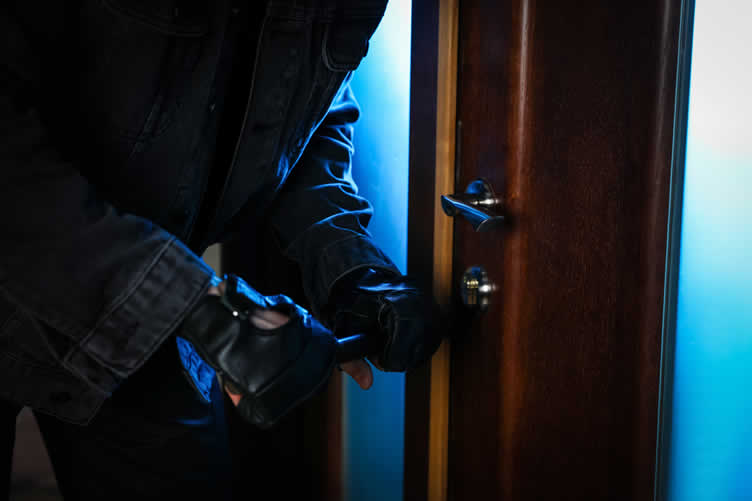
Recent statistics reveal that a home burglary occurs every 30 seconds in the United States. The most affected states include California, Texas, and Florida, with thousands of cases reported annually.
These numbers are a stark reminder of the need for heightened awareness and preventive measures.
-
Urban vs. Rural Crime Rates
Crime rates differ significantly between urban and rural areas. Urban areas tend to experience higher crime rates due to population density and economic disparities.
However, rural areas are not immune to break-ins. In fact, the perception of rural areas as safer can lead to complacency, making homes more vulnerable.
-
Case Studies and Examples
Real-life examples highlight the impact of break-ins on homeowners. For instance, the city of San Francisco saw a 36% increase in burglaries during the pandemic.
Meanwhile, small towns in rural America reported spikes in crime as people migrated away from bustling cities. These case studies underscore the importance of vigilance, regardless of location.
copyright image by 123rf.com
[ view diagram: home burglaries statistics]
[ youtube: home burglaries increase during summer months]
-
-
3rd: Factors Influencing Break-ins
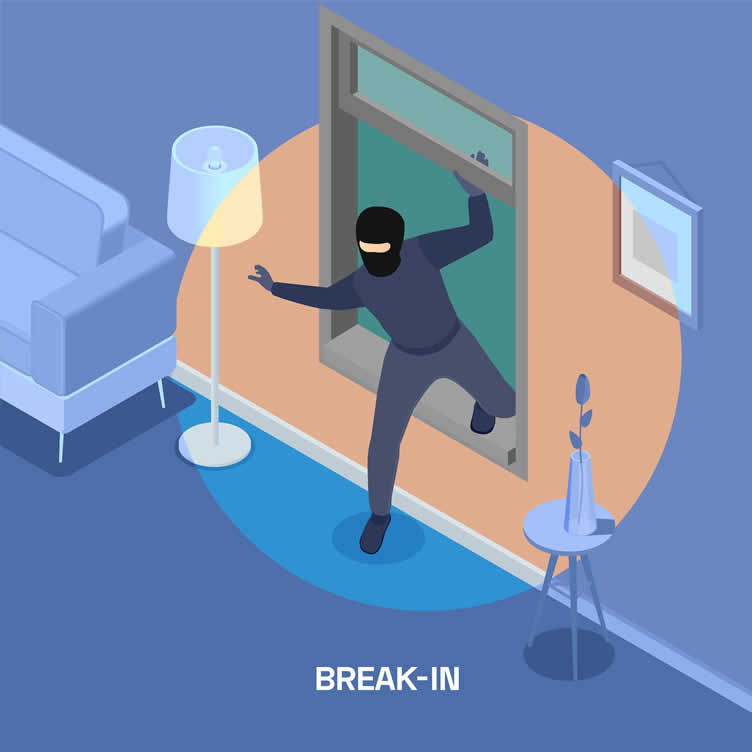
Several factors contribute to home vulnerability. Unlocked doors and windows, poor lighting, and lack of security systems are common weaknesses.
Burglars often target homes that appear unoccupied or have easily accessible entry points. Identifying and addressing these vulnerabilities is the first step in securing your home.
-
How to Assess Your Home’s Security
Conducting a thorough assessment of your home’s security is essential. Start by checking all entry points, including doors, windows, and garages.
Evaluate the effectiveness of existing security measures, such as locks and alarms. Consider seeking professional advice for a comprehensive security audit to identify areas for improvement.
-
Practical Tips for Homeowners
Homeowners can take several practical steps to enhance security:
- Install high-quality locks on all doors and windows.
- Use motion-sensor lighting to deter intruders.
- Trim bushes and trees near entry points to eliminate hiding spots.
- Display security system signs prominently.
- Get to know your neighbors and establish a neighborhood watch program.
copyright image by 123rf.com
[ view diagram: home burglaries odds]
[ youtube: details that make your home a target]
-
-
-
ideas to view and compare from the information discussed above
book: about integrating home securitybook: smart home automation
Scroll up to directory … or scroll to next section about affordable home security tips …

second “photo remodeling” idea
copyright image by 123rf.com
Home Security Tip 2: Low-Cost Home Security Measures
Notes:
-
Before getting into more elaborate and expensive security systems, it’s wise to first consider low-cost measures that can significantly enhance your home’s safety.
These affordable options don’t just serve as temporary fixes but can be integral parts of your long-term security strategy. Implementing these basic yet effective solutions can provide a level of protection that deters potential intruders and gives you peace of mind.
Below, we’ll explore several budget-friendly strategies that you can easily incorporate into your daily routine to better secure your home and property.
-
Quick scroll to “low-cost home security” side notes …
-
-
1st: Improving Interior and Exterior Lighting
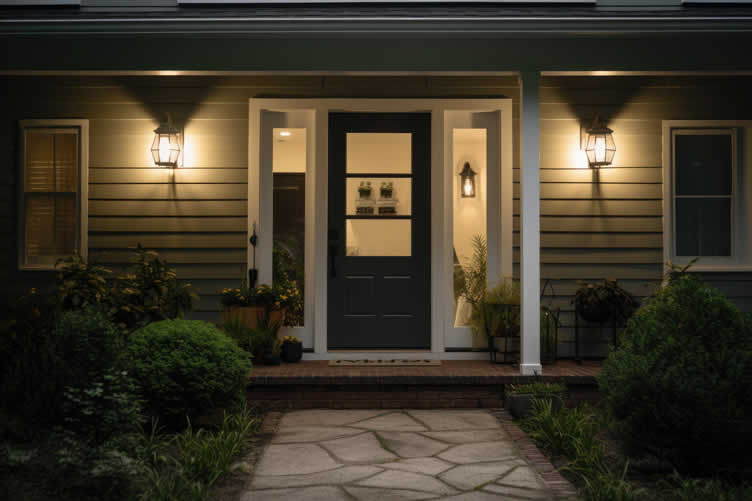
Proper lighting is one of the simplest yet most effective ways to enhance your home security. A well-lit property can deter potential intruders by eliminating shadows and creating a sense of visibility around your home.
There are several approaches you can take to ensure both the inside and outside of your home are adequately illuminated.
The following tips will review various lighting solutions that can boost your home’s security without costing a fortune.
-
Well-Lit Areas
Ensuring that key areas around your property are well-lit is the first step in deterring unwanted visitors. This includes entrances, driveways, backyards, and any other points of entry.
Installing bright outdoor lights, like LED floodlights, around these areas can discourage intruders from approaching your home, as they are less likely to target a well-illuminated property where they could be easily seen.
When considering the cost of illuminating key areas around your property, various factors come into play such as the type of lighting, installation fees, and energy consumption.
Here are some general estimates to give you an idea:
- LED Floodlights:
- Initial Purchase:
Approximately $20 to $60 per light, depending on the brightness and brand. - Installation:
If you choose to hire an electrician, the cost can range from $50 to $100 per hour. Installation for a basic setup of 4-6 lights may take 2-3 hours. - Energy Costs:
LED lights are energy-efficient, averaging about $1 to $3 per month per light in electricity costs when used for 4-5 hours per night.
- Motion-Activated Lights:
- Initial Purchase:
Around $30 to $80 per unit. - Installation:
Similar to floodlights, expect to pay $50 to $100 per hour for professional installation. - Energy Costs:
These lights consume less energy as they only activate when motion is detected, costing approximately $1 to $2 per month per light.
- Solar-Powered Lights:
- Initial Purchase:
Typically $25 to $50 per light. - Installation:
Solar lights are generally easy to install as they don’t require wiring, so you may save on installation costs. - Energy Costs:
Virtually zero since they rely on solar power, making them highly cost-effective in the long run.
-
Motion-Sensor Lighting
Motion-sensor lighting is a highly effective and energy-efficient way to improve your home’s security. These lights automatically turn on when they detect movement, startling potential intruders and drawing attention to their presence.
Strategically place motion-sensor lights around entry points, garages, and dark corners of your yard to enhance security while conserving electricity.
Here’s a breakdown of the estimated costs associated with motion sensor lighting:
- Basic Motion Sensor Lights:
These can range from $20 to $40 per unit, providing straightforward motion detection functionality. - Advanced Motion Sensor Lights:
More advanced models with features like adjustable sensitivity settings and integrated cameras can cost between $50 and $100 per unit. - Installation Costs:
If you choose to hire a professional for installation, labor costs can range from $50 to $150 depending on the complexity of the installation.
- Basic Motion Sensor Lights:
-
Inside Lighting with Timers
Leaving indoor lights on when you’re not at home can give the illusion that someone is present, thereby deterring thieves. Light timers are inexpensive devices that can be set to turn lights on and off at specific intervals, mimicking the patterns of an occupied home.
Install these timers on lamps, hallway lights, and other visible fixtures to create the impression that your home is always inhabited.
Light timers typically range from $10 to $30 depending on the brand and features.
-
Smart Light Bulbs
Smart light bulbs offer advanced features that go beyond traditional lighting solutions. These bulbs can be programmed and controlled remotely using a smartphone app, allowing you to adjust lighting schedules, brightness, and colors from anywhere.
Smart bulbs also often include motion detection and can integrate with other smart home devices, making them a versatile and affordable option for enhancing home security.
Prices for smart light bulbs vary widely; basic models start around $15 per bulb, while more advanced models with motion detection and color control can go up to $50 each.
-
Other Lighting Considerations
Don’t overlook the importance of maintaining your lighting fixtures. Ensure that all outdoor lights are functioning properly and replace any burnt-out bulbs immediately.
Consider using solar-powered lights for pathways and garden areas to save on electricity costs. Additionally, reflectors and pathway lights can guide the way for visitors while adding another layer of security to your property.
- Solar-Powered Lights:
These lights are typically priced between $20 and $50 per unit, making them an eco-friendly lighting solution. - Reflectors and Pathway Lights:
These can be purchased for $10 to $25 per unit, providing both security and aesthetic appeal.
- Solar-Powered Lights:
copyright image by 123rf.com
[ view diagram: lighting up house to deter burglars ]
[ youtube: home burglary deterrent – exterior lighting ]
-
-
2nd: DIY Home Security Cameras
Enhancing your home security system doesn’t have to be a costly endeavor. By implementing DIY home security cameras, you can significantly improve the safety of your property without breaking the bank.
Popular options include cameras from brands like Ring, Wyze, and Arlo, which provide excellent video quality at a fraction of the cost of traditional systems. Position cameras at entry points, such as doors and windows, to keep an eye on any suspicious activity and provide valuable evidence if needed.
These systems are typically easy to install, provide real-time monitoring, and can be tailored to meet your specific needs.
Below, we’ll look at different types of DIY home security cameras and their estimated prices.
-
Indoor Security Cameras
Indoor security cameras are designed to monitor the interior spaces of your home. These cameras are typically compact, easy to install, and come with various features like motion detection, night vision, and two-way audio.
Basic models can be purchased for around $20 to $50, while more advanced versions with higher resolution and smart home integration might range from $60 to $150.
-
Outdoor Security Cameras
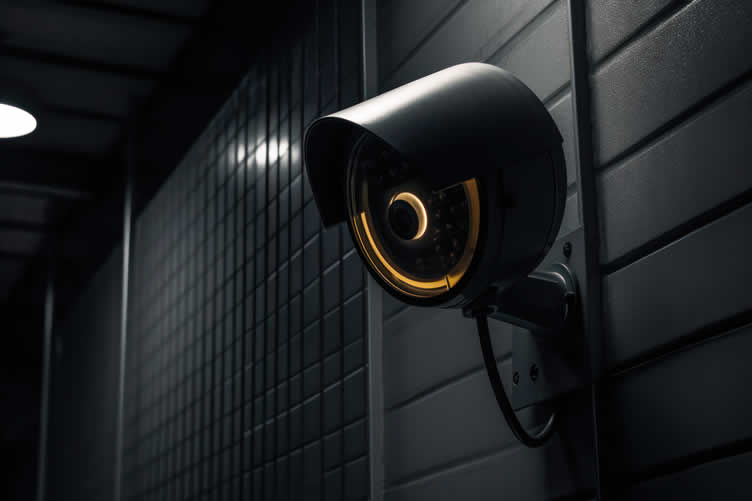
Outdoor security cameras are built to withstand various weather conditions and provide surveillance for your home’s exterior. These cameras often include features such as waterproof casing, night vision, motion detection, and wide-angle lenses.
Standard outdoor cameras range from $50 to $100, while premium models with additional functionalities like 4K resolution and solar power can cost between $100 and $250.
-
Wireless Security Cameras
Wireless security cameras offer flexibility in placement since they don’t require extensive wiring. They can be used both indoors and outdoors and often include features like long battery life, cloud storage, and smart home compatibility.
The price for wireless security cameras generally starts at around $50 and can go up to $200 or more for high-end models with comprehensive features.
-
Doorbell Cameras
Doorbell cameras combine a video camera with a doorbell, allowing you to see and communicate with visitors at your door via a smartphone app. These cameras provide an extra layer of security by enabling you to monitor and record activity at your front door.
Basic doorbell camera models are available for as low as $80, while more advanced versions with enhanced video quality and facial recognition technology can cost up to $250.
-
Hidden Cameras
Hidden cameras are discreet devices designed to blend into your home environment, providing covert monitoring of your space. These cameras can be integrated into everyday objects like clocks, picture frames, and smoke detectors.
Depending on complexity and functionality, hidden cameras can range in price from $40 to $150.
copyright image by 123rf.com
[ view diagram: positioning DIY home security cameras ]
[ youtube: best security camera system no monthly fees ]
-
-
3rd: Low-Cost Home Automation
Implementing home automation features is a cost-effective way to enhance the security of your home. These smart technologies not only provide added protection but also offer convenience and peace of mind.
By integrating devices such as smart outlets and smart switches, you can monitor and control various aspects of your home lighting and cameras remotely.
Below, we explore some budget-friendly home automation options that can help you create a comprehensive security system.
-
Smart Outlets
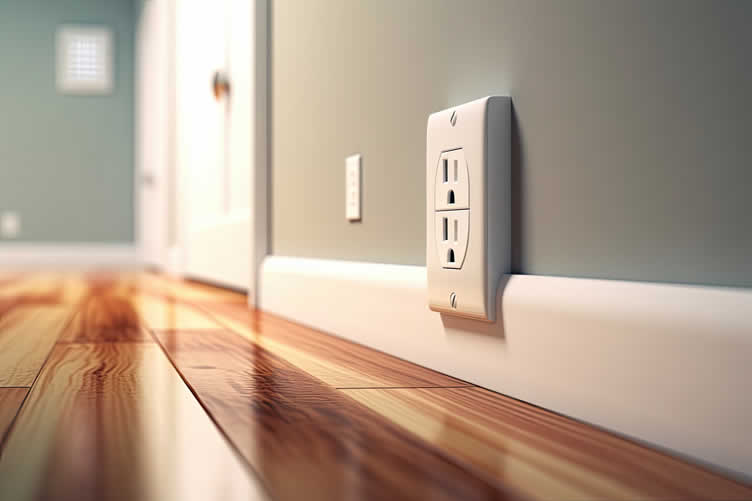
Smart outlets allow you to control and monitor the power usage of your appliances remotely. These devices can be programmed to turn on or off at specific times, providing energy savings and reducing the risk of electrical fires.
Additionally, they can be used to simulate occupancy by randomly turning lights and devices on and off, deterring potential intruders. The cost of smart outlets typically ranges from $10 to $40 each, making them an affordable addition to your home’s security setup.
-
Smart Switches
Smart switches replace traditional light switches and provide remote control of your lighting system. This feature is particularly useful for creating automated lighting schedules, enhancing security by giving the appearance that someone is home even when the house is empty.
Beyond security, smart switches contribute to energy efficiency by ensuring lights are turned off when not needed. Prices for smart switches generally range from $20 to $60 each, offering an inexpensive way to upgrade your home’s automation system.
-
Other Affordable Automation Features
Additional home automation features, such as smart smoke detectors, water leak sensors, and smart plugs, contribute to a comprehensive security setup.
- Smart smoke detectors, priced between $50-$150, can alert you to fires and even shut off HVAC systems to prevent the spread of smoke.
- Water leak sensors, costing around $20-$60, notify you of potential flooding, helping to prevent costly damage.
- Smart plugs, which allow you to control devices remotely, range from $10-$40 each, providing convenience and security by ensuring appliances are turned off when not in use.
By incorporating these affordable home automation features, you can create a robust, budget-friendly security system that ensures the safety and comfort of your home.
copyright image by 123rf.com
[ youtube: smart plugs vs smart bulbs vs smart light switches ]
[ amazon: smart outlet plugs ]
[ amazon: smart switches ]
-
-
-
ideas to view and compare from the information discussed above
Scroll up to directory … or scroll to next section about affordable home security tips …

addressing affordable home security tips and other home improvement needs …

… grab this directory of ideas for future use



May We Suggest Other Photo Remodeling Ideas About
“Jumping Over to the Garden For Ideas …” (new win)


third “photo remodeling” idea
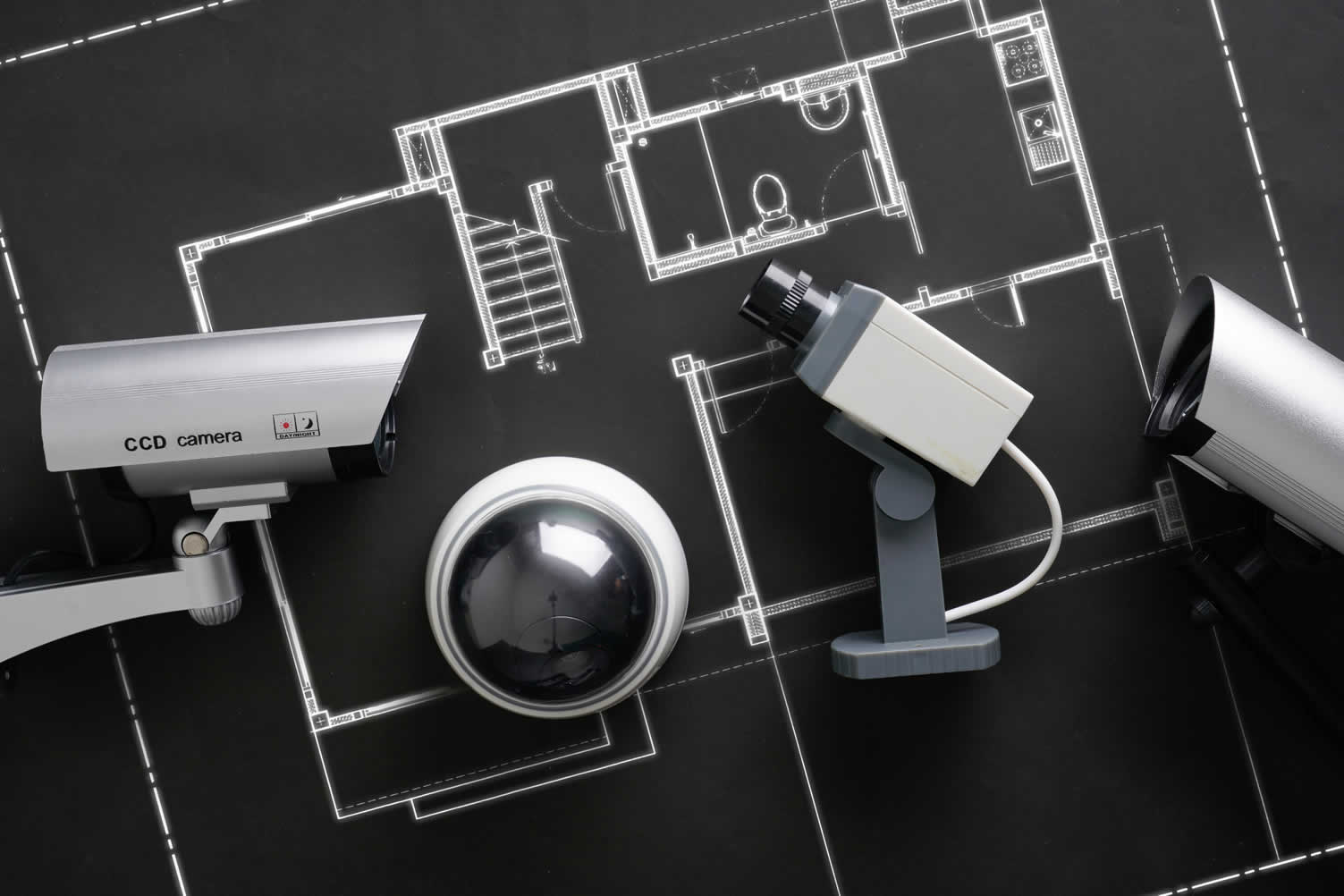
copyright image by 123rf.com
Home Security Tip 3: Mid-Range Home Security Upgrades
Notes:
-
When the budget allows, upgrading to mid-range home security solutions can offer added protection and enhanced features. These upgrades strike a balance between affordability and advanced functionality, ensuring your home remains secure without breaking the bank
By investing in the mid-range home security measures listed below, you can improve your security system’s versatility and effectiveness, providing greater peace of mind for you and your family.
-
Quick scroll to “mid-range home security” side notes …
-
-
1st: Upgrade to a Monitored Security System
… with No Monthly Fees
While traditional monitored security systems can be expensive, several companies now offer affordable alternatives with no monthly fees.
These systems provide professional monitoring without the long-term financial commitment. Instead, you pay a one-time fee for the equipment and rely on self-monitoring through a smartphone app.
Some popular options include SimpliSafe and Abode, which offer comprehensive security packages with features like motion detectors, glass break sensors, and 24/7 monitoring. These systems are easy to install and can be customized to fit your specific needs.
Here is a list of the estimated costs for popular monitored security systems with no monthly fees:
- SimpliSafe:
$229.99 – $489.86 (depending on the package and additional sensors) - Abode:
$199.99 – $329.99 (based on the selected system and add-ons) - Ring Alarm:
$199.99 – $379.99 (varies by equipment and customization) - Blue by ADT:
$219.99 – $499.99 (dependent on the system configuration) - Wyze Home Monitoring:
$99.98 – $229.96 (depending on the bundle and optional expansion)
These estimates cover the initial equipment cost, ensuring you have a clear understanding of the financial commitment before making a purchase decision.
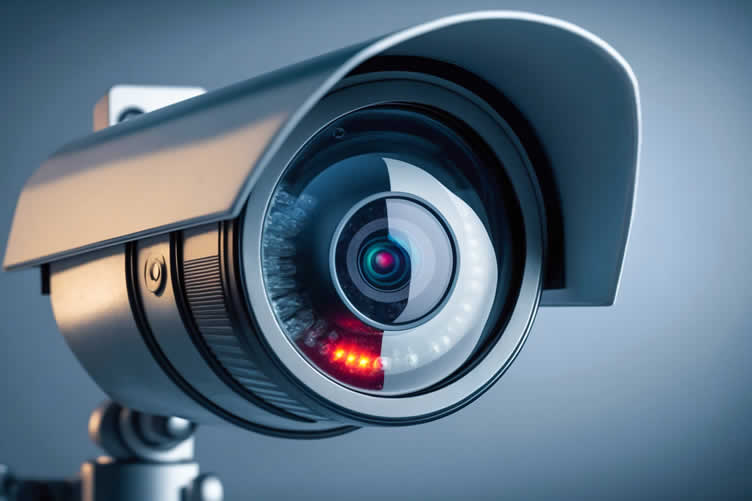
copyright image by 123rf.com
[ youtube: building a budget DIY home surveillance system ]
[ amazon: home surveillance cameras ]
- SimpliSafe:
-
2nd: Add Window and Door Sensors
Window and door sensors are essential components of any home security system. These sensors alert you when a door or window is opened, providing an extra layer of protection against intruders.
Many DIY and mid-range security systems include these sensors as part of their packages, but you can also purchase them separately to enhance your existing setup.
Installing sensors on all accessible windows and doors ensures that you’re immediately notified of any unauthorized entry. Some advanced sensors even integrate with smart home systems, allowing you to automate responses like turning on lights or sounding an alarm.
Here is a list of the estimated costs for window and door sensors compatible with popular home security systems:
- SimpliSafe:
$14.99 per sensor - Abode:
$29.00 per sensor - Ring Alarm:
$19.99 per sensor - Blue by ADT:
$14.99 per sensor - Wyze Home Monitoring:
$9.99 per sensor
These estimates provide a clear understanding of the additional expenses involved in enhancing your home security with window and door sensors.
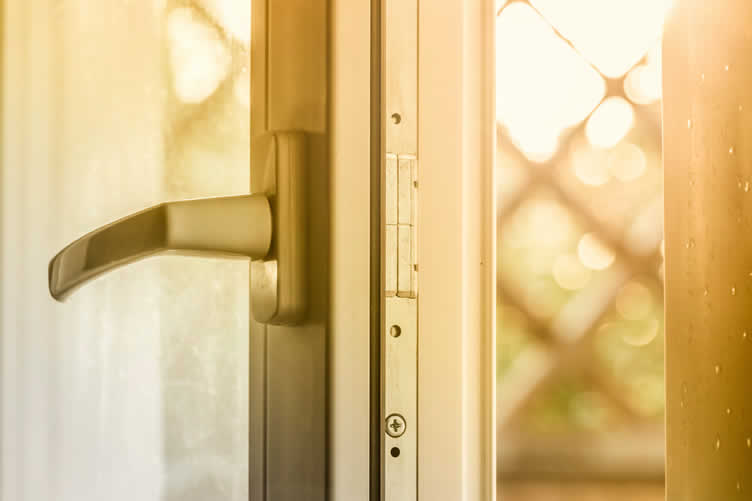
copyright image by 123rf.com
[ youtube: door and window sensors 101 ]
[ amazon: door window sensor ]
- SimpliSafe:
-
3rd: Centralized Command Center
A centralized command center is a crucial component for integrating home automation and home security into a single, cohesive system. This hub enables comprehensive control and monitoring of all your smart devices and security systems from a single interface.
By connecting to the cloud, it allows for remote management and real-time alerts, ensuring your home is secure no matter where you are.
This setup enhances security by alerting you to any unusual activity and allowing you to respond promptly.
While more advanced systems can be costly, basic command centers can be found for as little as $100 to $200, providing a good balance of functionality and affordability.
-
Smart Door Locks
Smart door locks provide keyless entry and offer enhanced security features. These locks, which can be controlled remotely or via a keypad, send notifications whenever the door is locked or unlocked.
Basic models start at around $100, with more advanced versions featuring biometric scanners or integration with smart home systems costing up to $300. Brands like August, Schlage, and Yale offer reliable and user-friendly options.
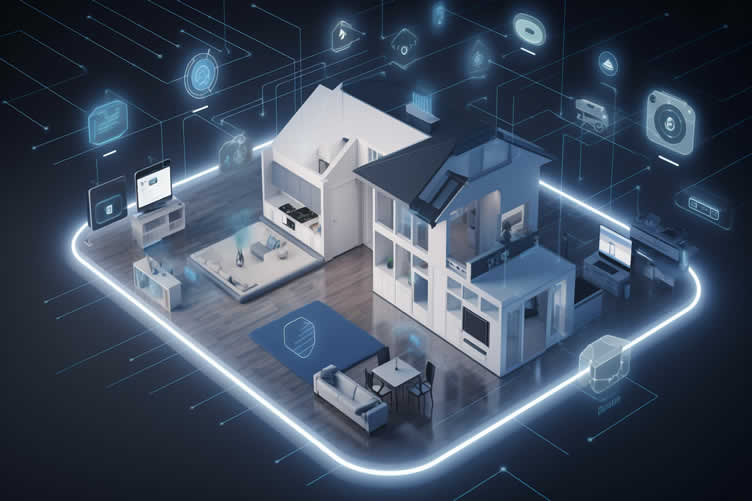
copyright image by 123rf.com
-
-
4th: Implement a Neighborhood Watch Program
A neighborhood watch program is a community-based approach to enhancing security that costs very little but offers significant benefits. By working together with your neighbors, you can create a network of vigilance and support that deters criminal activity.
Regular meetings, communication channels, and shared responsibilities ensure that everyone is aware of potential threats and knows how to respond.
To start a neighborhood watch program, gather interested neighbors and establish a communication plan, such as a WhatsApp group or email list. Coordinate with local law enforcement for guidance and training, and schedule regular patrols or check-ins to monitor the neighborhood.
Implementing a neighborhood watch program is relatively low-cost compared to other security measures. Here’s a breakdown of the potential expenses:
- Communication Tools:
Setting up a dedicated communication channel such as a WhatsApp group or email list is usually free. - Signage:
Purchasing neighborhood watch signs to place around the community can range from $20 to $50 each, depending on the size and material. - Meeting Space:
If you need to rent a venue for regular meetings, it could cost anywhere from $0 to $100 per session, depending on the location and availability of free community spaces. - Materials for Meetings:
The cost of printed materials, such as pamphlets or flyers, and refreshments for meetings can be estimated at $10 to $50 per meeting. - Training and Coordination:
Some local law enforcement agencies provide free training and support. However, if private security consultation is required, it may cost approximately $50 to $150 per session.
Overall, starting and maintaining a neighborhood watch program can be very affordable, with initial costs potentially ranging from $100 to $500, depending on the resources and services utilized.

copyright image by 123rf.com
[ youtube: how to start a neighborhood watch ]
[ amazon: neighborhood watch signs ]
- Communication Tools:
-
-
ideas to view and compare from the information discussed above
wireless home security systemwifi door lockswindow break alarm
Scroll up to directory … or scroll to next section about affordable home security tips …

Budgeting Worksheet For Costing Home Security and Home Improvement Decisions
 File Type (excel)
below for …
… installing home security systems



fourth “photo remodeling” idea
copyright image by 123rf.com
Home Security Tip 4: High-Cost Home Security System Features
Notes:
-
Investing in a high-cost home security system can significantly enhance the safety and protection of your property. While these advanced systems come with a higher price tag, they offer a range of sophisticated features that provide peace of mind and comprehensive security coverage.
It all depends on your needs and the environment where you live. Some features may be unnecessary if you reside in communities with minimal incidents of break-ins and intrusions.
However, if you’re in a high-risk area, it may be worth investing in the following features that will be reviewed in more detail in the side notes:
- 24/7 Professional Monitoring:
This feature ensures that your property is monitored round the clock by trained professionals who can quickly respond to any alerts or incidents. - Remote Access and Control:
Being able to monitor and manage your security system from anywhere using your smartphone or computer gives you added convenience and flexibility. - Motion Sensors:
These detect movement on your property and trigger an alarm, alerting you of potential intruders. - Video Surveillance:
With advanced cameras, you can not only see what’s happening in real-time
- 24/7 Professional Monitoring:
-
Quick scroll to “high-cost home security” side notes …
-
-
1st: Advanced Home Security Features
Below, we explore some of the key features of high-cost home security systems along with their estimated costs. These advanced systems often include state-of-the-art components such as high-definition surveillance cameras, motion detectors, smart locks, and 24/7 monitoring services.
Additionally, we will delve into the benefits these features provide in terms of enhanced protection, peace of mind, and potential insurance savings.
-
Smart Surveillance Cameras
Smart surveillance cameras offer high-definition video quality, night vision, and AI-powered motion detection. These cameras can be accessed remotely via smartphone apps, allowing real-time monitoring from anywhere in the world. Some models even include facial recognition technology to identify familiar faces and send alerts for unfamiliar ones.
- Estimated Cost:
$300 – $500 per camera
- Estimated Cost:
-
Biometric Door Locks
Biometric door locks enhance security by requiring fingerprint or facial recognition for entry. This eliminates the risk of lost or stolen keys and ensures only authorized individuals can access your home. Many biometric locks include additional features like integrated alarms and remote access.
- Estimated Cost:
$250 – $400 per lock
- Estimated Cost:
-
Integrated Smart Home Systems
Integrated smart home systems bring together various security components, such as cameras, sensors, and alarms, into a single, cohesive system. These systems allow for centralized control and monitoring through smart home hubs or mobile apps.
They can also integrate with other smart devices like lighting and thermostats for enhanced automation and security.
- Estimated Cost:
$1,000 – $2,500
- Estimated Cost:
-
Advanced Intrusion Detection Systems
Advanced intrusion detection systems use a combination of sensors, including motion detectors, glass break detectors, and door/window contacts, to provide comprehensive monitoring. These systems are designed to immediately alert homeowners and security services upon detecting suspicious activity.
- Estimated Cost:
$1,500 – $3,000
- Estimated Cost:
-
Professional 24/7 Monitoring Services
Professional 24/7 monitoring services offer constant surveillance of your home by security professionals. In the event of an alarm trigger, the monitoring center will quickly assess the situation and dispatch emergency services if necessary. This service offers the highest level of protection and ensures immediate response to potential threats.
- Estimated Cost:
$30 – $60 per month
- Estimated Cost:
-
High-Resolution Video Doorbells
High-resolution video doorbells provide live video feeds and two-way audio communication for your front door. They can record footage when motion is detected or when the doorbell is pressed, offering an added layer of security by allowing you to see and speak to visitors without opening the door.
- Estimated Cost:
$200 – $400
- Estimated Cost:
By investing in these high-cost security features, homeowners can significantly enhance the safety and protection of their property, ensuring peace of mind for themselves and their families.
copyright image by 123rf.com
[ youtube: professional monitoring vs. self-monitoring ]
[ amazon: biometric door locks ]
-
-
2nd: Due Diligence with Home Security Systems
When investing in a home security system, it is crucial to perform due diligence to ensure you select the right products and services for your needs.
Taking the time to research, analyze, and understand your options can help prevent costly mistakes and ensure the security measures you implement are effective and reliable.
Below are some key areas to focus on during your due diligence process:
-
Research and Compare Products
Before making a purchase, research and compare different security products to understand their features, benefits, and limitations. Look for products that have reliable reviews from verified users and reputable sources.
Comparing specifications, such as resolution for cameras or battery life for sensors, can help you make an informed decision.
-
Verify Company Credibility
It’s essential to verify the credibility of the companies you are considering for your home security system. Check for proper licensing and certifications, such as those from the Underwriters Laboratories (UL) or Electronic Security Association (ESA).
Check for reviews and ratings from other consumers, and see if the company has a proven track record in the industry.
-
Evaluate Customer Support
Customer support is a crucial aspect of any home security system. Investigate the availability and quality of customer service provided by the company. Determine if their support is available 24/7 and if they offer multiple contact methods, such as phone, email, and live chat.
Prompt and effective customer support can be invaluable if you encounter any issues with your system.
-
Understand Installation Processes
Some home security systems are DIY (do-it-yourself) while others require professional installation. Understand the complexities involved in the installation process for the systems you are considering.
If professional installation is needed, inquire about the costs and schedule to ensure it fits within your time-frame.
-
Examine Warranty and Return Policies
Make sure to thoroughly review the warranty and return policies of the products you are purchasing. Knowing the length and coverage of the warranty can provide peace of mind in case something goes wrong.
Additionally, understanding the return policy is essential in case the system does not meet your expectations or needs.
-
Assess Monitoring Options
If you opt for professional monitoring services, investigate the various monitoring options available. Some providers offer cellular, Wi-Fi, or landline monitoring, and each comes with its pros and cons.
Make sure the monitoring method is both reliable and convenient for your location and lifestyle.

copyright image by 123rf.com
-
-
-
ideas to view and compare from the information discussed above
Scroll up to directory … or scroll to next section about affordable home security tips …
SHARE IT ..! You might have someone in your social network who could find these affordable home security tips valuable. Feel free to share it on Facebook, Twitter, LinkedIn, or Pinterest!



plan the specifications you need for making …

… home security implementation and key home improvement decisions
Find Home Security Services Home Security Alarms Home Automation Generators top-rated, pre-screened local contractors FREE: download contractor selection enter zip code – powered by HomeAdvisor ™
Quick Contractor Guides selecting negotiating working with inspecting

fifth and last “photo remodeling” idea

copyright image by 123rf.com
Home Security Tip 5: Practical Tips for Enhancing Security
Notes:
-
Enhancing your home’s security doesn’t have to be a daunting or expensive task. By implementing a few practical tips, you can significantly increase the safety and security of your living space.
The following sections will offer actionable advice on utilizing affordable automation features, optimizing your home’s layout, and adopting smart habits that collectively contribute to a secure environment.
These strategies are designed to be easily integrated into your daily routine without requiring extensive technical knowledge or significant financial investment.
-
Quirk scroll to topic "key practical tips" side notes …
-
-
1st: Importance of Good Communication Among Family Members
Implementing a home security system can greatly enhance the safety and peace of mind in a household. However, the true efficacy of any security system hinges not only on the technology itself but also on the quality of communication among family members.
Good communication ensures that everyone understands how to use the security features effectively, responds appropriately during emergencies, and maintains a unified approach to home safety.
-
Clear Instructions and Training
The first step in ensuring effective communication about home security is providing clear instructions and training to all family members.
Each person, regardless of age, should know how to operate the security system, including arming and disarming alarms, using smart locks, and accessing security cameras.
Holding a family meeting to walk through each feature of the system and conducting regular practice sessions can help reinforce these procedures, ensuring that everyone feels confident and competent in using the technology.
-
Emergency Protocols
Defining and communicating specific emergency protocols is crucial. Family members should be aware of the steps to take in various scenarios, such as break-ins, fires, or medical emergencies.
Establish a clear line of communication, such as a group text message or a designated person to contact, to ensure that everyone can quickly and easily communicate during a crisis.
Regularly reviewing and updating these protocols will help keep the information fresh and ensure that any changes in the household’s security setup are known by all members.
-
Routine Check-Ins
Regularly checking in with each other about the status and effectiveness of the home security system can identify any potential issues early on.
These check-ins could be as simple as a quick weekly meeting to discuss any problems or concerns that might have arisen or reviewing the logs from smart devices to ensure they are functioning correctly.
-
Shared Responsibilities
Good communication also involves delegating and sharing responsibilities related to home security. Establish roles such as who will monitor the security cameras, handle system updates, or contact technical support if needed.
By distributing these tasks and openly discussing each person’s responsibilities, the entire family becomes engaged in maintaining the home’s security, which lessens the burden on any single individual and ensures that no aspect of the security system is overlooked.
-
-
2nd: Regularly Assess Your Home’s Security Vulnerabilities
Implementing a home security system is a significant step towards protecting your household, but ongoing assessment of potential security vulnerabilities is crucial to maintaining that protection.
Regularly inspecting different aspects of your home’s security can help identify gaps that could be exploited by intruders or other threats. This proactive approach ensures that your security measures are always up to date and functioning effectively.
-
Perimeter Security
Inspect the perimeter of your property to ensure that fences, gates, and walls are intact and secure. Weak spots in these barriers can provide easy access for intruders. Regularly check that gates are locked and that fences are in good repair without any gaps or broken sections.
-
Entry Points
Doors and windows are common points of entry for burglars. Ensure that all doors, especially back and side doors, are made of solid material and equipped with sturdy locks.
Regularly test and update the locking mechanisms to ensure they are effective. Similarly, windows should be checked to confirm that they close properly and have functional locks.
-
Surveillance Systems
Home security cameras and monitoring systems need regular maintenance to function correctly. Inspect all cameras to ensure they are in working order, positioned correctly, and free of any obstructions that could block their view.
Regularly review footage to verify that the recording system is capturing clear images and that there are no blind spots.
-
Alarm Systems
Alarm systems require periodic testing to ensure they trigger appropriately when needed. This includes testing sensors on doors and windows, as well as motion detectors placed throughout the home. Ensure that the alarm system’s battery is fully charged and that it is connected to a reliable power source.
-
Lighting
Adequate lighting is a deterrent to potential intruders. Check that all outdoor lights, especially those around entry points and along pathways, are functioning properly. Consider installing motion-sensor lights that automatically turn on when movement is detected to further dissuade unwanted guests.
-
Network Security
With many home security systems now connected to the internet, it is important to safeguard against cyber vulnerabilities. Regularly update the firmware and software of all connected devices to protect against the latest threats.
Ensure that your home network is secure by using strong, unique passwords and consider implementing additional security measures like firewalls and VPNs.
-
-
3rd: The Role of Technology and Community in Securing Your Home
In the modern era, safeguarding your home against potential threats involves a combination of advanced technology and community cooperation.
While home security systems have evolved to offer comprehensive protection through various hi-tech solutions, building a network of vigilant neighbors can significantly enhance overall security.
Combining these elements creates a robust defense shield around your home, ensuring peace of mind for you and your loved ones.
-
Smart Home Security Devices
Smart home security devices have revolutionized the way we protect our homes. These devices include smart locks, doorbell cameras, and advanced alarm systems that can be controlled remotely via smartphone applications.
Smart locks allow homeowners to manage access to their homes without traditional keys, providing the convenience of locking and unlocking doors remotely.
Doorbell cameras not only offer a live feed of visitors but also enable two-way communication, allowing homeowners to interact with visitors from anywhere.
Advanced alarm systems, integrated with smoke detectors, carbon monoxide detectors, and flood sensors, ensure comprehensive protection against various hazards.
-
Surveillance Drones
Surveillance drones are an emerging technology that offers a broader perspective on home security. Equipped with high-definition cameras and real-time video transmission capabilities, drones can patrol large properties and hard-to-reach areas.
These drones can be programmed to follow specific flight paths and can be controlled remotely to investigate disturbances. Drones provide an aerial view that static cameras cannot, making them an effective tool for monitoring large estates and rural properties.
-
Neighborhood Communication Platforms
Neighborhood communication platforms facilitate real-time information sharing among residents. Platforms like Nextdoor or dedicated community apps enable neighbors to post alerts about suspicious activities, lost pets, or any other concerns.
By maintaining an open line of communication, residents can quickly disseminate crucial information, making it easier to respond to potential threats.
These platforms also foster a sense of community, encouraging neighbors to look out for one another.
-
-
4th: Finding Help
Installing a robust home security system can be a daunting task, especially if you are not particularly tech-savvy. Fortunately, several resources and services are available to assist you throughout the installation process.
- Start by consulting the user manual and installation guides provided by the manufacturer. These documents often contain step-by-step instructions and troubleshooting tips to simplify the setup.
- Additionally, many home security companies offer online video tutorials and FAQs on their websites to help guide you through the process.
- If DIY installation feels overwhelming, consider hiring a professional installer. Many security companies provide professional installation services for an additional fee.
These experts are trained to handle the technical aspects of the installation, ensuring that all components are correctly set up and integrated.
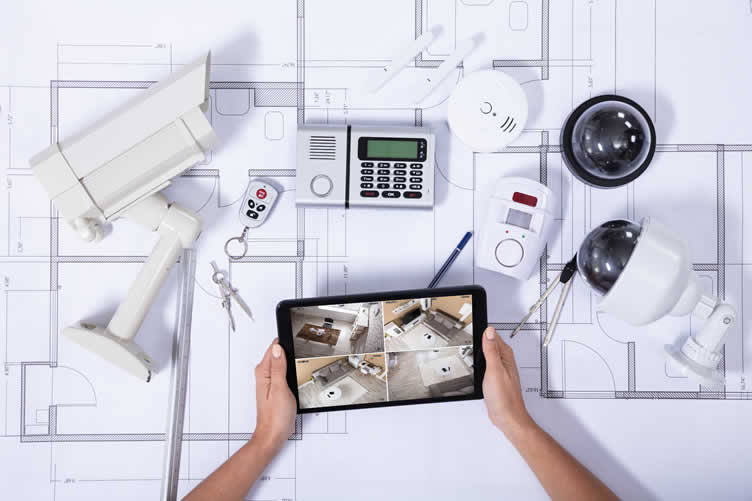
Professional installers can also provide valuable insights into optimal placement for cameras, sensors, and other devices to maximize the effectiveness of your security system.
LetsRenovate has partnered with HomeAdvisor™, a renowned provider of highly-rated, carefully-vetted local contractors. Start your search here by entering your zip code to find local professionals.
copyright image by 123rf.com
But Wait!
Before embarking on the search and evaluation process for home security contractors, downloading and using this comprehensive worksheet is highly recommended. It provides you with all the essential information and tools needed to make informed decisions and streamline the entire process.
This resource will help impartially rank and assess potential contractors, considering key factors like pricing.

Evaluation Sheet
File Type:
-
-
FINAL REMARKS
Enhancing your home’s security doesn’t have to be an expensive endeavor. By implementing affordable measures, such as improving lighting, installing DIY cameras, and utilizing smart locks, you can significantly increase your home’s safety without breaking the bank. Mid-range upgrades, like monitored security systems and window sensors, offer additional protection at a reasonable cost.
Remember that good communication, regular assessments, and leveraging technology and community support are essential components of a comprehensive security plan. Taking proactive steps to secure your home not only protects your family but also provides peace of mind.
We encourage you to take action today and implement the security measures that best fit your budget and needs. Share this post with others to spread awareness about affordable home security options and invite feedback and experiences from fellow homeowners.
Together, we can create safer communities for everyone.
-
ideas to view and compare from the information discussed above
home security signshome security stickersfamily to do list notepad
- What comments can you share about your
affordable home security tips?
Scroll up to directory … or scroll to more home home utility management-related topics …
view illustration “becoming a bank”


Calendar For:
Home Maintenance
File Type:
… maintaining and monitoring your home security system
Cover image credit: affordable home security tips by 123rf.com
end of post … please share it!
 |
did you find these affordable home security tips analysis helpful? If so, please share the article with your friends and family! |
Nice pic idea? Leave us a quick comment below.
And please share this pic idea within your social networks.