Quick Answer:
Buying in bulk can meaningfully lower your household’s grocery and supply costs, but only if you have the storage space to support it. A garage freezer for meats and frozen produce, a stand-up cabinet for dry goods, a mudroom-style cabinet for cleaning products, and a dedicated utility cabinet together create the infrastructure families need to buy smart and store safely.
Summary Outline –
The good news is that the solution to this problem is often sitting empty right outside your back door: your garage. With a bit of planning and the right storage pieces, that underused space can become the backbone of a bulk-buying strategy that saves your family real money month after month.
This guide walks through exactly how to set it up, piece by piece, so your next warehouse club haul has somewhere to go.
- post content … analysis/ bulk-buying storage
- 1st: Why Buying in Bulk is a Smart Strategy
- 2nd: Why Bulk Buying Still Makes Financial Sense
- 3rd: Finding Room for an Outdoor Freezer
- 4th: Finding Room for a Stand-Up Storage Cabinet
- 5th: Second Stand-Up Storage Cabinet
- 6th: Tool and Utility Storage Cabinet
- 7th: Protecting Your Garage Storage Investments
- 8th: Frequently Asked Questions

-
- —— begin first topic ——
-
1st Segment: Why Buying in Bulk is a Smart Strategy
Buying in bulk is more than a consumer trend; it’s a well-thought-out strategy that aligns with diverse goals, from saving money to reducing stress and preparing for unforeseen circumstances.
While some may view bulk purchasing as overwhelming or unnecessary, it can actually provide tangible benefits that enhance financial stability, peace of mind, and daily convenience.

copyright image by 123rf.com

Below, we’ll explore the key reasons why purchasing in bulk is a smart decision in today’s economy, breaking it down into economic advantages, psychological motivations, and practical preparation.
-
Economic Reasons
Financial savings are one of the most obvious and compelling incentives to buy in bulk. At its core, purchasing larger quantities allows individuals to spend wisely and stretch their budgets further.
Bulk buying often reduces costs in ways that make everyday essentials more affordable and predictable, especially during periods of economic turbulence.
-
Lower Unit Costs
Buying in bulk often results in a lower per-unit price, offering significant savings. For example, purchasing household staples like toilet paper, canned goods, or cleaning supplies from warehouse clubs provides better value per dollar spent.
This strategy allows families to manage their budgets effectively without compromising on quality or necessities.
-
Protection Against Inflation
Bulk buying helps combat the impact of inflation and rising costs. By purchasing larger quantities, shoppers can lock in current prices and shield themselves from potential price hikes. This creates a financial buffer during times of economic uncertainty.
-
Fewer Shopping Trips
Stocking up on essentials reduces the frequency of store visits, saving time and travel costs, such as gasoline. This not only minimizes expenses but also frees up valuable time to focus on work, family, or personal relaxation.
-
-
Psychological Reasons
Beyond financial benefits, buying in bulk also addresses deeper emotional and psychological needs. Particularly in uncertain times, the act of stocking up can alleviate anxiety and foster a sense of security.
The way we perceive scarcity and abundance plays an essential role in driving this behavior.
-
Survival Mode During Crisis
Survival mode often kicks in during moments of crisis or uncertainty, such as economic downturns or natural disasters. Bulk purchasing ensures that families have an adequate supply of necessary goods, providing comfort and peace of mind in the face of unpredictable challenges.
This preparedness reduces the “what if” stress that many people feel when supply chains are disrupted or future availability becomes uncertain.
-
The Scarcity Effect
Psychological triggers related to limited availability also contribute to bulk buying. Seeing empty shelves or remembering past shortages (such as during emergencies or global events) prompts individuals to build a personal buffer of essentials.
This action not only satisfies the emotional need for security but also helps deter panic buying in the future.
-
-
Practical Preparation
Bulk buying isn’t just about financial and psychological reasoning—it’s also an inherently practical way to prepare for everyday life and unexpected events alike.
Modern lifestyles often demand a well-organized approach to managing resources efficiently, and purchasing in bulk checks all the boxes.
-
Emergency Readiness:
Bulk buying is an essential strategy for emergency preparation. Having a stockpile of food, water, and necessary supplies ensures households can weather unexpected events like extreme weather conditions, power outages, or disruptions in supply chains.
Non-perishable food for a snowstorm or medical supplies during flu season are just a couple of examples. Preparing in advance reduces the risks associated with waiting until an emergency strikes.
-
Convenience:
Stocking up on everyday essentials—like coffee, laundry detergent, or snacks—means you’ll always have what you need readily available. There’s no scrambling out for last-minute purchases, no midweek store runs, and no unmet needs during busy schedules or unforeseen situations.
This foresight saves time and adds ease to daily routines, allowing families to focus on work, kids, or hobbies without the distraction of frequent errands.
-
More Supporting Information
(view images, summary table and useful ideas – or scroll to side note and next topic)
Category Reason Description Economic Reasons Lower Unit Costs Buying in bulk often results in a lower per-unit price, offering significant savings.
For example, purchasing household staples like toilet paper, canned goods, or cleaning supplies from warehouse clubs provides better value per dollar spent.
This strategy allows families to manage their budgets effectively without compromising on quality or necessities.
Economic Reasons Protection Against Inflation Bulk buying helps combat the impact of inflation and rising costs.
By purchasing larger quantities, shoppers can lock in current prices and shield themselves from potential price hikes.
This creates a financial buffer during times of economic uncertainty.
Economic Reasons Fewer Shopping Trips Stocking up on essentials reduces the frequency of store visits, saving time and travel costs, such as gasoline.
This not only minimizes expenses but also frees up valuable time to focus on work, family, or personal relaxation.
Psychological Reasons Survival Mode During Crisis Survival mode often kicks in during moments of crisis or uncertainty, such as economic downturns or natural disasters.
Bulk purchasing ensures that families have an adequate supply of necessary goods, providing comfort and peace of mind in the face of unpredictable challenges.
This preparedness reduces the “what if” stress that many people feel when supply chains are disrupted or future availability becomes uncertain.
Psychological Reasons The Scarcity Effect Psychological triggers related to limited availability also contribute to bulk buying.
Seeing empty shelves or remembering past shortages (such as during emergencies or global events) prompts individuals to build a personal buffer of essentials.
This action not only satisfies the emotional need for security but also helps deter panic buying in the future.
Practical Preparation Emergency Readiness Bulk buying is an essential strategy for emergency preparation.
Having a stockpile of food, water, and necessary supplies ensures households can weather unexpected events like extreme weather conditions, power outages, or disruptions in supply chains.
Non-perishable food for a snowstorm or medical supplies during flu season are just a couple of examples.
Preparing in advance reduces the risks associated with waiting until an emergency strikes.
Practical Preparation Convenience Stocking up on everyday essentials—like coffee, laundry detergent, or snacks—means you’ll always have what you need readily available.
There’s no scrambling out for last-minute purchases, no midweek store runs, and no unmet needs during busy schedules or unforeseen situations.
This foresight saves time and adds ease to daily routines, allowing families to focus on work, kids, or hobbies without the distraction of frequent errands.



copyright image by 123rf.com
Smart Bulk Buying
Bulk buying can be a savvy way to cut costs on food and household goods, but it pays to shop carefully.
Before adding items to your cart, take a moment to scan the labels.

Prioritize products that are free of harmful chemicals and preservatives, ensuring the items you bring home are safe for your family and the environment.
With a little extra attention, you can enjoy both savings and peace of mind.
view ideas: Hidden Health Risks(new win)

-
Scroll up to directory … or scroll to next segment about why it makes financial sense …


-
… remodeling decisions

-
-
2nd Segment: Why Bulk Buying Still Makes Financial Sense
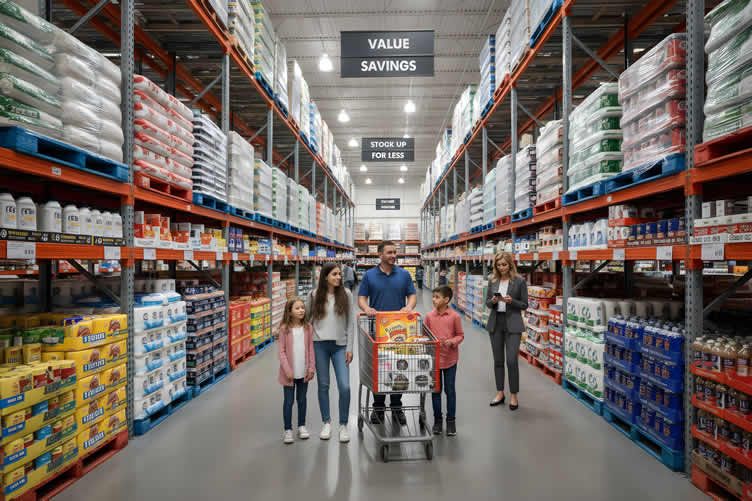
The appeal of bulk buying has only grown stronger as grocery costs have climbed.
According to the USDA, the average household spent $993.80 on groceries in April 2025 under a "thrifty food plan," and food prices have continued trending upward for several consecutive years (Moneywise, 2025).
Against that backdrop, warehouse clubs have become an increasingly popular way for families to stretch their budgets, with more than one-third of Americans now holding a membership at a club like Costco, Sam’s Club, or BJ’s.

copyright image by 123rf.com
Interestingly, it’s not just longtime bargain hunters who are embracing the club model. Sam’s Club memberships among shoppers 27 and under rose 63% over the last two fiscal years, and Gen Z and millennials now account for a quarter of all club members nationwide (Moneywise, 2025, citing The Wall Street Journal).
That shift says something important: bulk buying isn’t just a tradition passed down from frugal grandparents. It’s a strategy that younger households are actively choosing because the savings are real.
-
Calculating Whether Membership Fees Are Worth It
As of 2025, entry-level memberships run around $65 at Costco, $50 at Sam’s Club, and $60 at BJ’s, with premium tiers reaching $110 to $130 (Moneywise, 2025).
To make a membership worthwhile, your annual savings simply need to exceed that fee. For a household that shops regularly and favors shelf-stable staples, even modest per-unit savings can cover the cost many times over.
-
Choosing the Right Items To Buy In Bulk
Not every product benefits from bulk sizing. Paper goods, pantry staples like rice and canned goods, cleaning supplies, and health and beauty basics tend to offer the most reliable savings because they have long shelf lives and get used consistently (TrueTrae, 2025).
Perishables are trickier. Produce and dairy purchased in bulk often spoil before a smaller household can use it all, which quietly erodes the savings you were trying to capture in the first place.
-
Avoiding the Waste That Cancels Out Your Savings
Food waste is one of the biggest hidden costs working against bulk buyers.
The USDA estimates that 30% to 40% of the food supply in the United States goes to waste, and the average American family throws out roughly $1,500 worth of food every year, according to a Gallup survey cited by the Seattle Times (2025). This is precisely why the storage question matters so much.
Bulk buying only saves you money if you can actually store and use what you bought before it spoils or gets lost in a cluttered cabinet.
-
Where Do You Put It All
This is the question that trips up even the most budget-conscious shoppers.
Kitchen pantries and refrigerators simply aren’t built to absorb a weekly warehouse club haul, and cramming bulk purchases into already-tight spaces often leads to exactly the kind of waste and disorganization that defeats the purpose of buying in bulk to begin with.
Your garage, however, is likely an underused asset. With a bit of intentional organization, it can house a dedicated freezer, a dry goods cabinet, a cleaning supply station, and a utility cabinet, giving every bulk purchase a proper home.
Let’s walk through how to set up each one.
More Supporting Information
(view images, summary table and useful ideas – or scroll to side note and next topic)
Topic Details Relevant Statistics Why Bulk Buying Makes Sense The rising cost of groceries has made bulk buying more appealing.
Warehouse clubs allow families to save on their grocery budgets by purchasing in larger quantities, especially for non-perishable items.
The average household spent $993.80 on groceries in April 2025 under a “thrifty food plan”.
More than one-third of Americans hold a warehouse club membership. Membership among shoppers 27 and under rose 63% over two years.
Membership Fees Entry-level memberships at major warehouse clubs cost between $50 and $65, with premium tiers reaching $110 to $130.
These memberships are worth the cost if annual savings on purchases exceed the membership fee.
Costco’s basic membership is $65, Sam’s Club is $50, and BJ’s is $60 (2025 figures).
Premium memberships can save frequent shoppers significantly.
Best Items to Buy in Bulk Shelf-stable items like paper goods, pantry staples, cleaning supplies, and beauty basics maximize savings due to long shelf lives.
Perishables should be approached cautiously as they may spoil before use.
30%-40% of the food supply in the US goes to waste annually, and the average American family throws away $1,500 worth of food every year. Storage Solutions Proper storage is essential to prevent waste and make bulk buying worthwhile.
While kitchen spaces may be limited, organizing your garage with a freezer, dry goods cabinet, and other storage can ensure bulk purchases are usable and accessible.
Food waste undermines savings if items aren’t stored properly.
Intentional organization can streamline bulk storage and reduce disorganization.
copyright image by 123rf.com
Tackling Rising Electrical Costs
Looking for extra savings?
Start by examining your home electrical expenses, which are climbing faster than many other bills.
With energy prices on the rise, taking action now can help you avoid runaway costs down the line.

Simple changes like optimizing energy usage, upgrading to efficient appliances, or exploring renewable energy options can make a significant difference in your monthly budget while reducing your environmental footprint.
view ideas: Rising Electricity Costs(new win)
-
Scroll up to directory … or scroll to next segment about finding room for outdoor freezer …
-
-

Tackling home upgrades and fulfilling all your home improvement needs …

… save this curated directory of ideas for future reference.

-
-
3rd Segment: Finding Room for an Outdoor Freezer
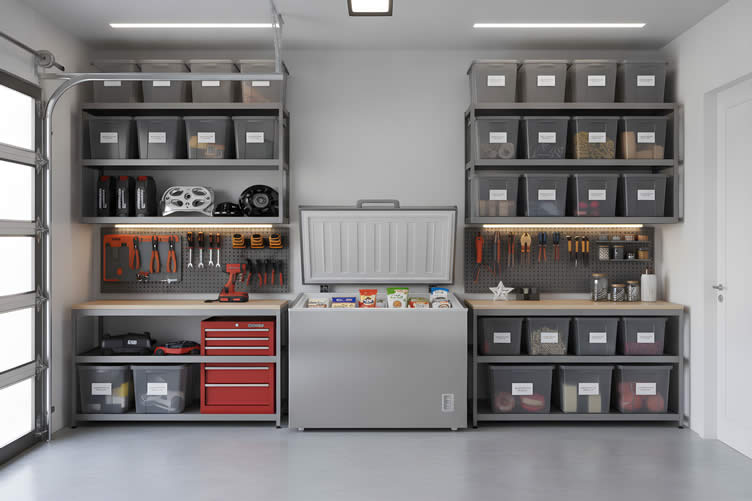
A dedicated freezer is a game-changer for any garage storage system, especially for those who shop in bulk.
Having the ability to store large quantities of frozen items opens the door to significant savings, reduces trips to the store, and allows for greater meal planning flexibility.
AI generated image by 123rf.com
However, finding the right freezer and the perfect spot in your garage requires thoughtful consideration to ensure it operates efficiently and fits seamlessly into your space.
Below, we’ll explore how to choose a garage-ready freezer, where to place it, and what to store to get the most value from your investment.
-
Choosing a Freezer Built for Garage Conditions
Not all freezers are designed to withstand the fluctuating temperatures of an outdoor garage.
Selecting a model that can handle variable conditions ensures reliable performance year-round. Look for the following key features when choosing your freezer:
- Garage-Ready Freezers
These freezers are specifically designed to function efficiently in both hot summers and cold winters, maintaining consistent internal temperatures despite external climate changes. - Upright vs. Chest Freezer
Chest freezers typically offer more storage space and energy efficiency, while upright freezers are better suited for quick access in confined spaces and provide an organized, shelf-based layout. - Energy Efficiency
Look for freezers with an ENERGY STAR rating to minimize electricity costs, especially if the freezer will be running around the clock in your garage. - Size and Capacity
Choose a freezer size that matches your household’s storage needs. Chest models offer larger capacities, while compact upright options are ideal for tighter garages.
- Garage-Ready Freezers
-
Where the Freezer Can Be Placed in the Garage
Determining the right spot for your freezer is crucial for convenience and functionality. Proper placement ensures safety, accessibility, and optimal performance.
- Against an Inner Garage Wall
Placing the freezer against an interior wall provides additional insulation to help regulate the appliance’s efficiency, especially in extreme seasons. - Near Electrical Outlets
Freezers require a dedicated power source, so position it close to an outlet to minimize the need for extension cords. Be sure the circuit can handle the added load. - Away From Direct Sunlight
To avoid overworking the compressor, keep the freezer away from windows or doors where direct sunlight or outdoor heat might increase its workload. - Start Fresh in an Unused Corner
If garage space is tight, consider reorganizing to free up a corner or wall section. This avoids clutter and ensures proper air circulation around the unit.
- Against an Inner Garage Wall
-
Storage Items for Your Freezer
Knowing what to store in your garage freezer is key to maximizing its utility. Bulk buying works best when you have a plan for utilizing the items you freeze.
- Meats
Stock up on cuts of beef, poultry, and pork during sales and store them safely for months without sacrificing quality. - Produce
Frozen vegetables and fruits like broccoli, spinach, and berries are perfect for meal prep and smoothies and retain their nutrients well over time. - Frozen Staples
Items such as bread, butter, and cheese can be bought in larger quantities and stored for everyday use. - Prepared Meals and Leftovers
Make-ahead meals and bulk-prepped dishes stay fresh and ready to heat, simplifying weeknight dinners. - Other Essentials
Keep frozen desserts, ice packs, and specialty items on hand for holidays or entertaining guests.
- Meats
-
Final Note About "Garage-Ready" Freezer
Not all freezers are built to handle the wide temperature swings of an unheated or uncooled garage. A genuine "garage ready" freezer is designed to run reliably in both scorching summer heat and freezing winter temperatures.
Key components, like the compressor oil and temperature controller, must be specifically rated to perform in extreme conditions. However, it’s important to note that “garage ready” isn’t a standardized term.
As one quality manager stated, it’s always wise to review the manufacturer’s spec sheet for the actual ambient operating range, rather than relying solely on the label (Johnson Controls, 2026).
Investing in a freezer truly equipped for these challenges helps avoid costly disruptions, like unexpected breakdowns or spoiled food, when temperatures push the limits.
More Supporting Information
(view images and summary table – or scroll to side note and next topic)
Garage Freezer
(from the summary table below)
Criteria Description Details Choosing a Freezer Garage-Ready Freezers Freezers designed to function efficiently in fluctuating garage temperatures, ensuring reliable year-round performance in hot summers and cold winters. Upright vs. Chest Freezers Chest freezers provide more storage and energy efficiency, while upright freezers offer quick access and a shelf-based layout for confined spaces. Energy Efficiency Freezers with an ENERGY STAR rating ensure minimal electricity costs, especially for 24/7 garage operation. Size and Capacity Chest freezers offer larger storage for big households, while compact upright models fit better in tight garage spaces. Placement in the Garage Against an Inner Wall Placing the freezer against an interior garage wall helps regulate efficiency by providing additional insulation. Near Electrical Outlets Positioning close to outlets minimizes extension cord use; circuits should handle added electrical loads. Away From Direct Sunlight Prevent overworking the compressor by placing the freezer away from doors, windows, or areas with direct sunlight. Unused Corner Reorganizing garage space can free up corners or walls for better air circulation and clutter reduction. Storage Items Meats Store cuts of beef, poultry, and pork bought during sales to preserve quality over months. Produce Frozen vegetables and fruits like broccoli, spinach, and berries retain nutrients well for meal prep and smoothies. Frozen Staples Items like bread, butter, and cheese can be stored in bulk for everyday convenience. Prepared Meals Make-ahead meals and leftovers can be stored for quick and simple weeknight dinners. Other Essentials Desserts, ice packs, and specialty items can be kept ready for holidays or entertaining guests. Final Note Garage-Ready Freezer Ensure reliability in extreme conditions by selecting a freezer with components rated for fluctuating temperatures and carefully reviewing the manufacturer’s operating range specifications. 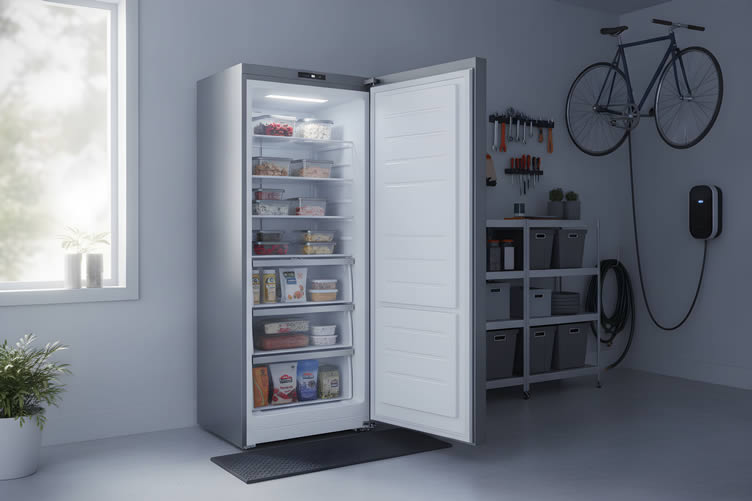
AI generated image by 123rf.com
Maximizing Your Garage Space
Your garage is one of the most versatile areas of your home, but it often feels like a game of Tetris with so much to store.
Automobiles take priority, followed by essential home and garden tools, kids’ bikes and sports gear, and of course, the indispensable workbench.
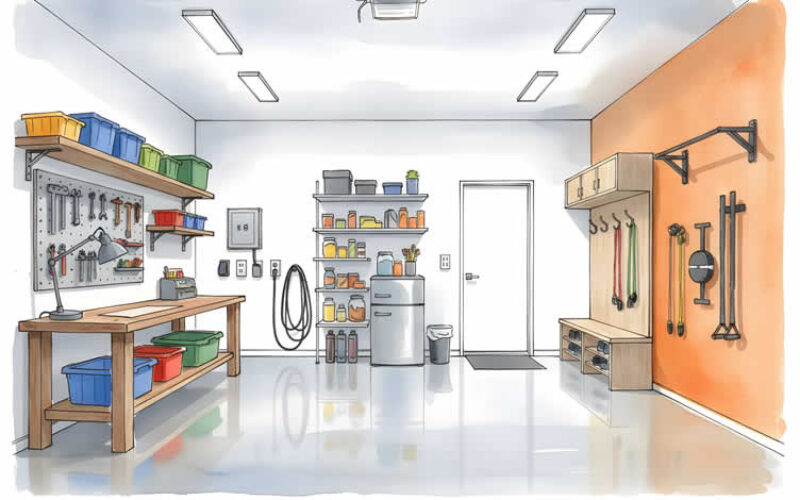
Adding something like a freezer might seem impossible without cramping the space.
However, with smart organization techniques and thoughtfully designed storage stations, you can reclaim space and make room for everything you need—without sacrificing functionality or comfort.
view ideas: Hardworking Garage Stations(new win)
[ amazon: garage-ready chest freezer ]
[ amazon: garage-ready upright freezer ]
-
Scroll up to directory … or scroll to next segment about stand-up storage cabinet …
-
-
-
-
4th Segment: Finding Room for a Stand-Up Storage Cabinet
Achieving a clutter-free home requires thoughtful solutions, especially when storing bulk purchases like paper goods.
Stacks of oversized toilet paper packs or jumbo-box paper towels might be economical buys but can easily overrun your kitchen or laundry area if left without proper storage.
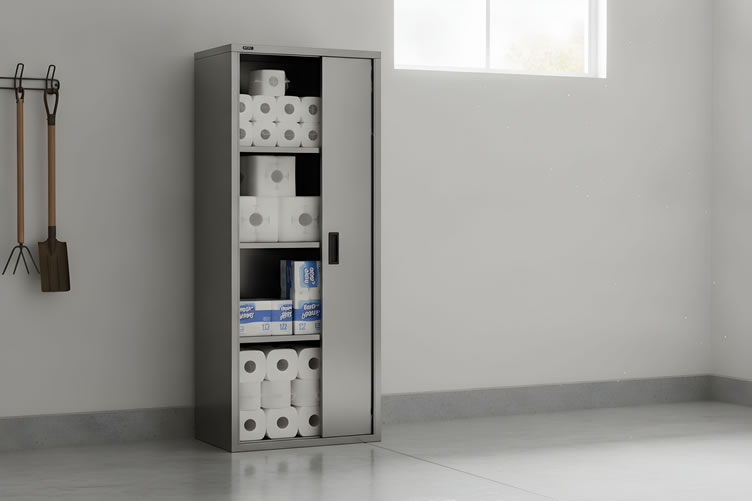
AI generated image by 123rf.com
A sturdy, stand-up storage cabinet in your garage offers an ideal solution, keeping these items accessible, organized, and off the floor.
Here’s how to make the most of this storage option.
-
Types of Standing Cabinets for Garages
Choosing the right cabinet ensures long-term durability and efficient use of space in your garage. Here are the primary types to consider:
- Metal Cabinets
- Durable and resistant to moisture, metal cabinets are perfect for garages with fluctuating temperatures.
- Make sure to choose powder-coated finishes for rust resistance.
- Plastic Cabinets
- Lightweight, affordable, and easy to clean, plastic cabinets work well in spaces that don’t bear too much weight.
- Often water-resistant, they’re ideal for keeping items safe from leaks or spills.
- Wood or Composite Cabinets
- Designed for aesthetic appeal, these are often chosen for garages that double as workshops or hobby spaces.
- Look for treated or moisture-resistant materials to avoid warping.
- Metal Cabinets
-
Where the Standing Cabinet Can Be Placed
Maximizing garage space involves strategic cabinet placement. Consider these locations for optimal results:
- Along Empty Walls
- Perfect for making use of underutilized vertical space in the garage.
- Keeps items out of walkways while maintaining quick access.
- Near Entryways
- Placing cabinets near your garage door or connecting home entry ensures convenience for retrieving everyday essentials.
- Corners or Unused Nooks
- Tuck cabinets into corner spaces to optimize areas that are often left idle.
- Ideal for smaller garages.
- Along Empty Walls
-
What Items to Store
Stand-up cabinets are versatile, making them ideal for organizing bulk items and dry goods. Here’s what they’re best suited for storing:
- Paper Goods
- Toilet paper, paper towels, tissues, and napkins.
- Stock bulk purchases safely in dry conditions.
- Cleaning Supplies
- Bottles of detergent, disinfectants, and other large cleaning product refills.
- Prevent spills by using leak-proof containers or placing absorbent mats on cabinet shelves.
- Household Cleanser
- Dishwashing liquid that should be stored in cool, dry space to avoid leaksage or damage from heat.
- Hand soap and bottled soap – keep refills organized and within easy reach
- Laundry Products
- Bottled detergents, fabric softeners, and stain removers can also fit neatly on a sturdy shelf in the garage, safe from high temperatures.
- Household Pantry Backup
- Non-perishable foods, like canned goods or bottled water.
- Allocate proper organization bins to separate items by category.
- Paper Goods
-
Keeping Dry Goods Protected and Organized
A well-maintained storage cabinet extends the life of its contents. Here are tips to keep everything protected and efficiently arranged:
- Use Airtight Containers
- Prevent humidity or pest exposure with resealable containers for small or perishable items.
- Add Labels or Bins
- Categorize areas within the cabinet for quicker access and streamlined organization.
- Install Adjustable Shelves
- Customize to fit large paper product packs or tall cleaning supply bottles. This flexibility prevents wasted space.
- Inspect Regularly
- Check stored items for signs of pests, moisture, or damage to keep your goods in top condition.
- Use Airtight Containers
-
Other Considerations
When introducing a stand-up storage cabinet into your home, don’t forget these additional factors to ensure it complements your storage setup seamlessly:
- Weight Capacity
- Ensure the shelves and base of the cabinet can support heavy items over time without warping.
- Ventilation
- Choose cabinets with airflow features to prevent mustiness, especially in humid climates.
- Safety Precautions
- Anchor tall cabinets to walls to prevent tipping hazards, especially in homes with children or pets.
Stand-up storage cabinets offer a practical, space-saving solution for organized living.
By selecting the right cabinet, optimizing placement, and following storage best practices, you can use your garage as an extension of your home to keep bulk goods neatly tucked away and ready for use.
- Weight Capacity
More Supporting Information
(view images, summary table and useful ideas – or scroll to side note and next topic)
Category Details Examples Types of Standing Cabinets Choosing the appropriate cabinet ensures durability and maximizes space efficiency. Metal Cabinets – Durable, moisture-resistant, and suitable for fluctuating temperatures. Opt for powder-coated finishes to prevent rust.
Plastic Cabinets – Lightweight, affordable, and water-resistant. Ideal for items that do not require much weight-bearing.
Wood or Composite Cabinets – Designed for aesthetics, suited for garages that double as workshops. Treated materials prevent warping.
Placement Options Strategic cabinet placement optimizes available garage space. Along Empty Walls – Makes use of vertical space while keeping items accessible.
Near Entryways – Convenient location for everyday essentials.
Corners or Nooks – Utilizes idle spaces, ideal for smaller garages.
Best Items to Store Stand-up cabinets are versatile and ideal for storing various household items. Paper Goods – Includes toilet paper, paper towels, and tissues stored in dry conditions.
Cleaning Supplies – Detergents and cleaning products stored using leak-proof containers or absorbent mats.
Laundry Products – Bottled detergents and fabric softeners, kept safe from heat.
Household Pantry Backup – Non-perishable foods like canned goods and bottled water, organized with bins.
Storage Tips Maintaining the cabinet extends the longevity of its contents and boosts organization. Airtight Containers – Prevent humidity and pests.
Labels or Bins – Streamline organization for faster access.
Adjustable Shelves – Accommodates large or tall items effectively.
Regular Inspections – Check for signs of pests or moisture damage.
Other Considerations Add-on features and safety measures enhance cabinet functionality and home safety. Weight Capacity – Ensure shelves can bear heavy loads without damage.
Ventilation – Prevent mustiness in humid conditions.
Safety Precautions – Anchor tall cabinets to prevent tipping, ensuring safety for children and pets.
AI generated image by 123rf.com
No Garage? No Problem!
If you’re wondering how to tackle storage without a garage—or if your garage just isn’t equipped to handle more—smart interior home storage solutions can be a game-changer.

By creatively using space inside your home, like under the stairs, behind doors, or with multi-functional furniture, you can maximize every inch without sacrificing style or functionality.
These clever ideas ensure your home stays organized and clutter-free, no matter the limitations of your garage space.
view ideas: Home Storage Solutions(new win)
[ amazon: garage standing storage cabinet ]
[ amazon: garage shelves ]
-
Scroll up to directory … or scroll to next segment having a second storage cabinet …
-
-
… home remodeling and improvement
-
-
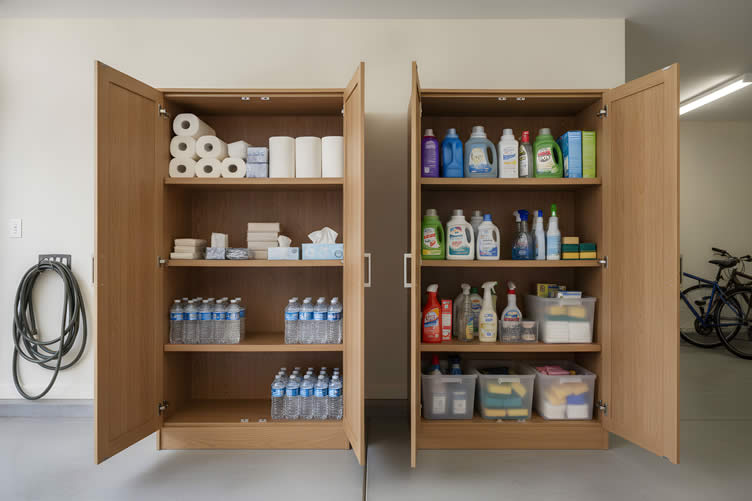
5th Segment: Second Stand-Up Storage Cabinet
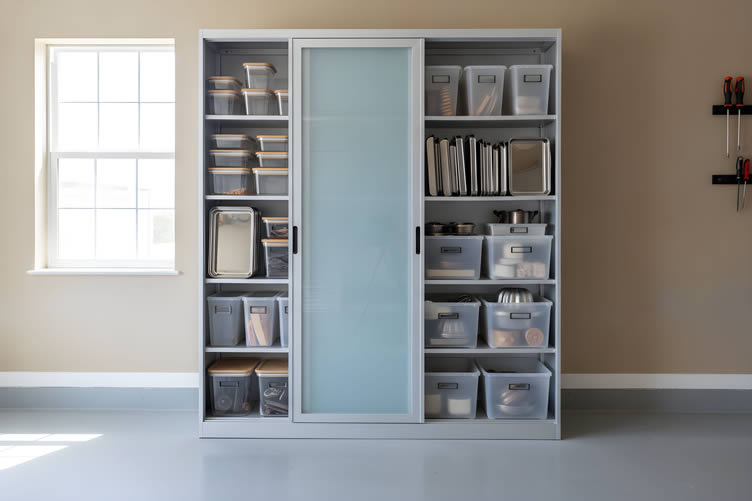
If your kitchen is overflowing with seldom-used appliances and seasonal cookware, adding a second stand-up storage cabinet in the garage could be the solution you need.
This approach not only helps declutter limited kitchen spaces but also ensures that everything has a designated place, allowing for smoother functionality in your daily routine.
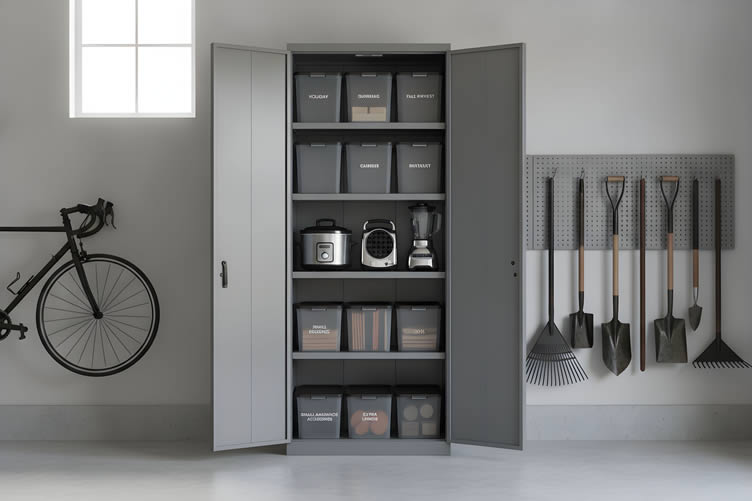
AI generated image by 123rf.com
Here’s how to find the perfect spot for your cabinet and what to store in it to make the most of your investment.
-
Choosing the Right Spot in the Garage
When selecting a location for your second stand-up cabinet, consider accessibility, space, and safety. The ideal spot would be close to a garage wall, away from areas prone to moisture or temperature fluctuations.
Aim to leave a clear path for movement and ensure the cabinet doesn’t obstruct vehicles, a freezer, or any other functional areas in the garage. Securing the cabinet to the wall can also prevent tipping, particularly in homes with young children or pets.
-
What to Store in the Cabinet
This new cabinet is perfect for housing items that are not regularly needed but still essential on occasion. Here’s a breakdown of what to consider storing:
- Seasonal Cookware
Large roasters, casserole dishes, or specialty bakeware that you only use during holidays and gatherings can take up valuable space in your kitchen. Placing these in the garage cabinet keeps them protected but out of the way when not in use. - Countertop Appliances Used Occasionally
Think bread makers, slow cookers, juicers, or waffle irons—appliances that you enjoy but don’t pull out every week. Keeping them in the garage ensures they are available when the craving strikes but don’t clutter your counter space daily. - Miscellaneous Kitchen Wares
Extra food storage containers, party serving trays, or infrequently used utensils can also find a home here. Group similar items together in bins or labeled containers to make retrieval quick and hassle-free.
By carefully organizing your second stand-up cabinet and dedicating it to seldom-used kitchen needs, you not only create a more spacious and efficient kitchen but also achieve peace of mind knowing everything is in its place.
- Seasonal Cookware
More Supporting Information
(view images, summary table and useful ideas – or scroll to side note and next topic)
Second Stand-Up Storage Cabinet
(from the summary table below)
Category Description Details Second Stand-Up Storage Cabinet A solution for decluttering kitchen spaces Useful for storing seldom-used appliances and seasonal cookware, improving functionality and organization in daily routines. Choosing the Right Spot in the Garage Guidelines for cabinet placement Should be close to a wall, away from moisture or fluctuating temperatures, with clear paths to avoid obstruction.
Securing the cabinet to the wall is recommended for stability and safety.
What to Store in the Cabinet Items suitable for storage Seasonal cookware like roasters and casserole dishes; occasional countertop appliances such as bread makers and slow cookers; and miscellaneous wares like storage containers and serving trays.
Grouping items in labeled bins enhances organization.
AI generated image by 123rf.com
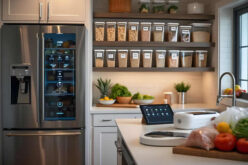
Kitchen Countertop Appliance Options
Your kitchen countertop can only hold so much, making it essential to balance essentials with convenience.
From blenders and air fryers to bread makers and espresso machines, today’s appliances cater to every culinary need.

While some deserve a permanent spot within arm’s reach, others can be tucked away in a garage cabinet or pantry until needed.
Knowing which appliances suit your cooking habits helps keep your space organized without sacrificing functionality.
view ideas: Essential Tools Food Preparation(new win)
-
Scroll up to directory … or scroll to next segment about home utility storage …
-
-
SHARE IT ..! Someone in your network might benefit from this insightful post about bulk-buying storage. Feel free to share it on Facebook, X (formally Twitter), LinkedIn, or Pinterest!



Budgeting Worksheet For Costing Home Remodeling and Home Improvement Decisions
 File Type (excel)
-
-
6th Segment: Tool and Utility Storage Cabinet
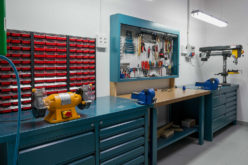
A clutter-free garage brings peace of mind as well as practicality, and a tool and utility storage cabinet is a game-changer in achieving that balance.
Every household gathers small but essential items like batteries, screws, tape measures, or spare light bulbs, and without a proper place to store them, they can easily get lost or damaged.
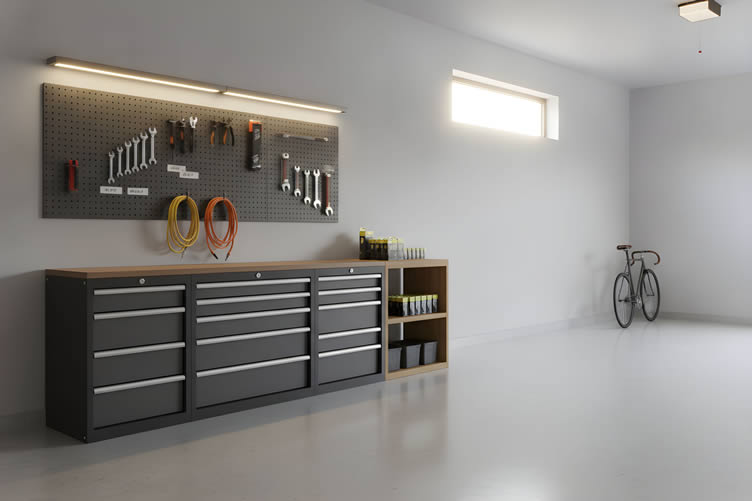
AI generated image by 123rf.com
Adding a dedicated storage cabinet to your garage transforms the space into an organized hub where you can find what you need quickly, saving both your time and patience.
-
What Type of Utility Cabinet Would Be Perfect for Miscellaneous Items?
- Wall-Mounted Cabinets
Ideal for garages with limited floor space, these cabinets allow you to utilize vertical space efficiently while keeping things within easy reach. They are perfect for stowing smaller, lighter tools and items. - Freestanding Storage Cabinets
These versatile cabinets can handle everything from hand tools to larger utility items like extension cords or small power tools. They often feature adjustable shelves and locking doors for added security. - Pegboard-Integrated Cabinets
These combine enclosed and open storage. The pegboard exterior is perfect for hanging frequently used items like wrenches or scissors, while the enclosed section keeps delicate or smaller items dust-free and safely contained. - Rolling Tool Cabinets
Great for those who frequently need to move tools or supplies around, these cabinets are mobile and can double as work surfaces. They’re excellent for garages serving dual purposes, like a home workshop.
- Wall-Mounted Cabinets
-
Where to Place This Cabinet in the Garage?
- Near the Workbench
Placing the cabinet close to your workbench ensures that your most-used tools and supplies are easily accessible during projects. - By the Entryway
Use this spot for storing quick-grab items like batteries, flashlights, or utility tape, making it easy to retrieve essentials without fully entering the garage. - On an Empty Wall
If floor space is a concern, utilizing a vacant wall for a slim tool cabinet or a set of wall-mounted shelves ensures efficient organization while maximizing the room. - Under Shelving Units
Combine storage solutions by placing a cabinet beneath pre-existing overhead shelving for a coordinated and space-saving setup.
- Near the Workbench
-
What to Keep in the Utility Cabinet?
- Batteries and Power Supplies
Keep packs of household batteries, rechargeable units, and adapters neatly sorted and ready to use. - Small Hand Tools
Essential tools like screwdrivers, hammers, pliers, and utility knives belong here for quick repairs or tasks. - Fasteners and Hardware
Store screws, nails, hooks, and other fastening supplies with small containers or labeled drawers for specific sizes and types. - Specialized Items
Safely tuck away items like duct tape, measuring tapes, hot glue guns, or other hobby-related tools.
- Batteries and Power Supplies
-
Keep It Organized for Easy Finding and Access
- Sort Items by Category
Group tools, hardware, or household essentials into distinct sections so similar items stay together. - Use Transparent Containers
Store smaller items in clear bins or jars for visibility, eliminating the guesswork when searching for something. - Label Everything
Labels are key to maintaining long-term order. Use sticky tags or adhesive labels to clearly mark shelves and bins. - Take Inventory Regularly
Check your cabinet periodically to remove broken tools, expired batteries, or redundant items that waste space.
Adding a dedicated utility storage cabinet to your garage transforms the space into a well-organized ecosystem.
By choosing the right type of cabinet, positioning it strategically, and filling it with well-organized essentials, you’ll have everything from tools to household odds and ends at your fingertips.
A little effort upfront leads to years of hassle-free functionality and a garage that finally works for you.
- Sort Items by Category
More Supporting Information
(view images, summary table and useful ideas – or scroll to side note and next topic)
Tool and Utility Storage
(from the summary table below)
Section Details Recommendations Maximizing Your Garage A clutter-free garage brings peace of mind as well as practicality.
Adding a tool and utility storage cabinet transforms the space into an organized hub, saving you time and patience by keeping essential small items like batteries, screws, and tape measures in one place.
Invest in a dedicated storage cabinet suitable for your garage’s needs. Types of Utility Cabinets Wall-mounted cabinets are ideal for limited floor space and smaller items.
Freestanding cabinets work well for larger tools and often include adjustable shelves.
Pegboard-integrated cabinets combine open and enclosed storage, while rolling tool cabinets provide mobility for versatile scenarios and dual-purpose garages.
Choose a cabinet type based on your garage size, tools, and storage needs. Placement Ideas Place cabinets close to the workbench for easy access during projects, near the entryway for quick-grab items, or on empty walls or under shelving units to maximize available space. Position cabinets strategically to enhance accessibility and organization. What to Store Store batteries and power supplies, small hand tools, fasteners, hardware, and specialized items like duct tape or glue guns.
Group and organize items by category for easy finding and access.
Use transparent containers and labels to improve visibility and maintenance. Maintaining Organization Sort items by category, use clear containers for visibility, label everything, and periodically take inventory to remove broken or unused items. Maintain order and ensure your cabinet remains functional over time. 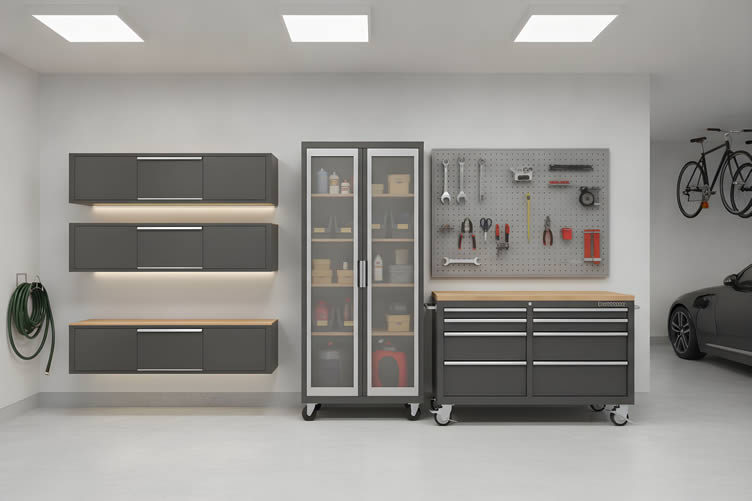
AI generated image by 123rf.com
Essential Tools for Home Repairs
Having the right tools at home means you’re always ready for small fixes and repairs.
From a reliable hammer and screwdriver set to a wrench and tape measure, these essentials help you tackle everyday tasks with ease.

Whether it’s tightening a cabinet hinge or hanging a picture frame, a well-stocked toolbox saves time and keeps your space in great shape.
Equip yourself now for whatever challenge comes next.
view ideas: Complete DIY Tool Guide(new win)
For Inside Garage
viewing amazon-
Scroll up to directory … or scroll to next segment to protecting your storage investments …
-
-

Are there any other interesting topics that might have been overlooked but could offer valuable insights …?


… home remodeling – improvement – repair
-
-
7th Segment: Protecting Your Garage Storage Investments
Garages, though incredibly versatile, often face challenges ranging from unexpected flooding during heavy rain to the gradual buildup of clutter and dirt.
Protecting your stored items while maintaining a clean and organized garage is essential for ensuring your storage solutions remain functional and long-lasting.
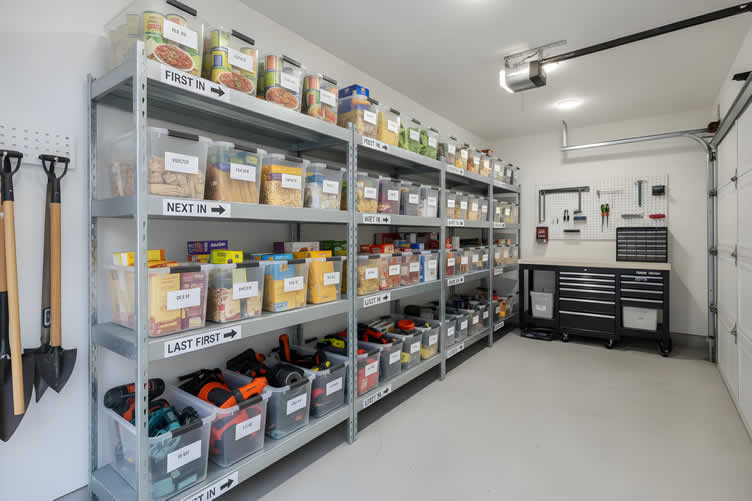
AI generated image by 123rf.com
To get started, focus on establishing systems and strategies that not only optimize your storage setup but also prevent damage to your investments. Incorporating organizational help, such as proper item rotation and protective measures, ensures that your efforts result in a sustainable, hassle-free space.
Below, we share detailed, segmented guidance to help you transform your garage into a resilient and well-maintained storage haven.
-
Organization Setup Using the FIFO Standard
Implementing a "First-In, First-Out" (FIFO) system in your storage not only keeps items in regular rotation but also minimizes waste.
Start by labeling shelves or bins to indicate the order of use for each item—whether it’s pantry goods in your freezer or DIY supplies in storage cabinets.
This system ensures older items are used before newer ones, which is both practical and cost-effective, particularly in shared spaces like garages.
-
Elevate Cabinets and Freezers to Prevent Water Damage
To mitigate the risk of water damage during unexpected garage flooding, place cabinet blocks, risers, or protective feet under your freezer and storage units.
This small adjustment keeps valuable items off the floor and protects them from standing water. Aim to elevate units by at least a few inches; commercially available anti-water platforms or risers are widely accessible and simple to install.
-
Keep Freezers Clear for Optimal Operation
Maintaining a freezer in your garage requires consistent care. Avoid stacking items on or around the appliance, as this can block ventilation and lead to overheating.
Ensure the immediate area around the freezer is free from clutter and regularly clean any dust buildup on vents or coils. This not only extends the lifespan of the freezer but also promotes energy-efficient operation.
-
Defend Against Pests, Especially Spiders
Storage units in garages can become unintended havens for spiders and other pests. To prevent infestations, seal off gaps around cabinet doors, and use silicone strips or weatherproofing materials for airtight closures.
Regularly inspect stored items, and consider adding natural repellents, such as cedar blocks or peppermint spray, to discourage spiders from making themselves at home.
-
General Maintenance and Dirt Prevention
Garages are prone to collecting dust, debris, and grease over time. Place door mats or boot trays near the entrance to minimize dirt transfer.
Install adjustable shelves in cabinets and use clear, lidded bins to keep items protected. Periodically empty shelves for a quick wipe-down, paying close attention to corners and edges where grime tends to accumulate.
By implementing these straightforward yet effective measures, maintaining your garage’s cleanliness and organization becomes far less daunting, allowing your storage investments to stay in peak condition for years to come.
More Supporting Information
(view images, summary table and useful ideas – or scroll to side note and next topic)
Topic Description Key Actions Protecting Your Garage Storage Investments Garages face various challenges like flooding, clutter, and dirt buildup, which can damage stored items and disrupt organization.
Ensuring a clean and resilient storage setup is crucial for protecting your investments.
Focus on establishing systems that optimize storage while preventing damage.
Incorporate organizational strategies like item rotation and protective measures to create a hassle-free, sustainable space.
Organization Setup Using the FIFO Standard The “First-In, First-Out” system ensures older items are used before newer ones, reducing waste and maintaining order in shared garage spaces. Label shelves or bins for usage order, apply the system to items like pantry goods or supplies, and ensure practical and cost-effective organization. Elevate Cabinets and Freezers to Prevent Water Damage Unexpected flooding in garages poses water damage risks to storage units and valuable items placed directly on the floor. Use blocks, risers, or protective feet to elevate units by a few inches.
Consider anti-water platforms for ease of installation and to protect items effectively.
Keep Freezers Clear for Optimal Operation Freezers in garages require proper maintenance to avoid overheating and ensure energy efficiency. Clear clutter around the freezer, clean vents and coils regularly, and prevent blocking ventilation to maintain the appliance’s lifespan and functionality. Defend Against Pests, Especially Spiders Garages often attract pests like spiders, which can become a nuisance in storage areas. Seal gaps in cabinet doors, use weatherproofing materials for airtight closures, and incorporate natural repellents like cedar blocks or peppermint spray. General Maintenance and Dirt Prevention Garages accumulate dirt and grime over time, which can interfere with long-term storage and cleanliness. Place door mats or boot trays near entrances, use clear lidded bins for storage, and periodically clean shelves and corners to keep the space organized and neat. 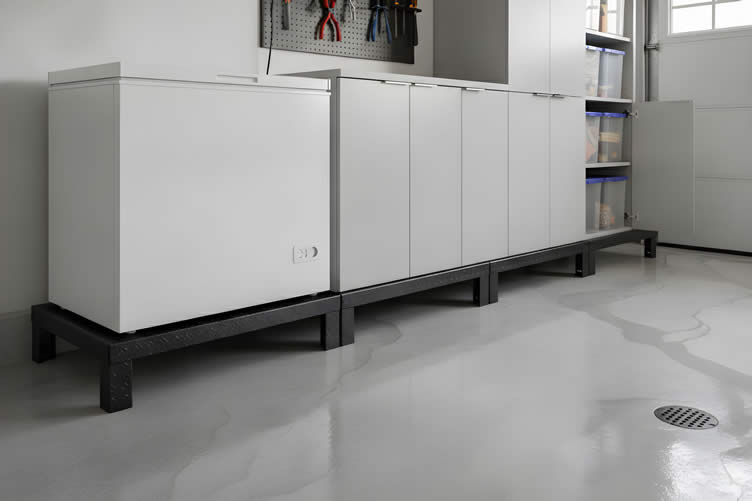
AI generated image by 123rf.com
Maximizing Bulk Food Purchases
Buying in bulk can save both money and time, but proper storage is key to making the most of your fresh vegetables, fruits, and meats.
Learning how to store each type of food correctly ensures they stay fresh for as long as possible.
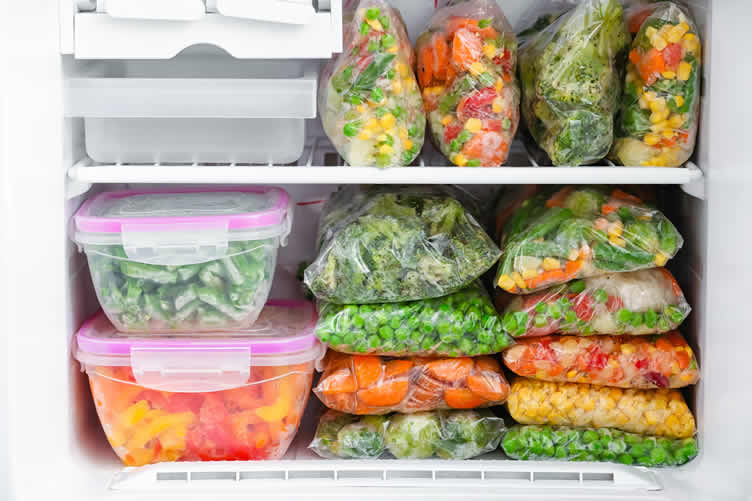
From freezing meats in airtight bags to keeping produce crisp with appropriate containers, smart storage methods reduce waste and stretch your grocery budget further, making bulk shopping a smarter, more sustainable choice.
view ideas: Smart Home Food Storage(new win)
-
Scroll up to directory … or scroll to next segment to few FAQs and find pro help …
-
-
-
-
8th Segment: Frequently Asked Questions
-
Is it safe to keep a freezer in an unheated garage?
Yes, most modern freezers are designed to operate within a range of ambient temperatures, though it’s worth checking your specific model’s manufacturer guidelines, since extreme cold can sometimes affect certain freezer thermostats.
Many households successfully run garage freezers year-round in a range of climates.
-
How much money can a family realistically save by buying in bulk?
Savings vary by household size and shopping habits, but families who buy nonperishables and freezer staples in bulk often see noticeable reductions in their per-unit costs, as reflected in comparisons showing bulk warehouse products priced well below standard grocery store rates.
The actual dollar amount depends on how much of what you buy you’re able to use before it spoils or expires.
-
Does a warehouse club membership pay for itself?
It depends on your shopping habits. Membership fees in 2025 ranged from roughly $50 to $65 for entry-level tiers, and a household that shops regularly for bulk-friendly staples can often recoup that cost through per-unit savings over the course of a year.
-
Should I choose a chest freezer or an upright freezer for my garage?
Chest freezers are generally better suited for bulk buyers because they offer more usable storage volume and tend to be more energy efficient, since less cold air escapes each time you open the lid.
Upright freezers can be a better fit if you prioritize quick visual access and frequent, smaller retrievals.
-
What size freezer do I need for bulk meat and produce storage?
Freezer size depends on household size and shopping frequency, but many families find that a mid-size chest freezer offers enough capacity for monthly bulk purchases without taking up excessive garage space.
Consider your typical shopping volume before committing to a size.
-
How do I keep paper products from getting damaged in a garage cabinet?
Choose a cabinet with solid, moisture-resistant construction and keep the doors closed when not in use to limit exposure to humidity, dust, and pests.
Plastic or coated-metal cabinets typically hold up better in garage environments than untreated wood.
-
What’s the safest way to store cleaning products in bulk?
Store cleaning products in a well-ventilated, closed cabinet that’s separate from food storage areas, and consider placing it at a height that’s difficult for children or pets to access.
Adding a secure latch provides an extra layer of protection for households with young children.
-
How often should I reorganize my garage storage cabinets?
A quick check every few months is usually enough to catch expired products, restock low supplies, and rotate items so nothing gets forgotten at the back of a shelf.
Doing this alongside your regular bulk shopping trips helps keep the system consistent.
-
Can buying in bulk actually increase household waste if I’m not careful?
Yes, this is one of the most important things to watch for.
The USDA estimates that a significant portion of the food supply goes to waste each year, so bulk buying only pays off when paired with proper storage and realistic planning around how much your household will actually use.
-
What should go in a dedicated utility cabinet versus the kitchen?
Items that are used occasionally rather than daily, such as batteries, basic tools, rubber bands, and paper clips, are well suited to a garage utility cabinet.
This keeps kitchen drawers freer for the items you reach for every day while still giving everything else an organized, easy-to-find home.
More Supporting Information
(view summary table and useful ideas – or scroll to side note and next topic)
Question Answer Is it safe to keep a freezer in an unheated garage? Yes, most modern freezers are designed to operate within a range of ambient temperatures, though it’s worth checking your specific model’s manufacturer guidelines, since extreme cold can sometimes affect certain freezer thermostats.
Many households successfully run garage freezers year-round in a range of climates.
How much money can a family realistically save by buying in bulk? Savings vary by household size and shopping habits, but families who buy nonperishables and freezer staples in bulk often see noticeable reductions in their per-unit costs, as reflected in comparisons showing bulk warehouse products priced well below standard grocery store rates.
The actual dollar amount depends on how much of what you buy you’re able to use before it spoils or expires.
Does a warehouse club membership pay for itself? It depends on your shopping habits. Membership fees in 2025 ranged from roughly $50 to $65 for entry-level tiers, and a household that shops regularly for bulk-friendly staples can often recoup that cost through per-unit savings over the course of a year. Should I choose a chest freezer or an upright freezer for my garage? Chest freezers are generally better suited for bulk buyers because they offer more usable storage volume and tend to be more energy efficient, since less cold air escapes each time you open the lid.
Upright freezers can be a better fit if you prioritize quick visual access and frequent, smaller retrievals.
What size freezer do I need for bulk meat and produce storage? Freezer size depends on household size and shopping frequency, but many families find that a mid-size chest freezer offers enough capacity for monthly bulk purchases without taking up excessive garage space.
Consider your typical shopping volume before committing to a size.
How do I keep paper products from getting damaged in a garage cabinet? Choose a cabinet with solid, moisture-resistant construction and keep the doors closed when not in use to limit exposure to humidity, dust, and pests.
Plastic or coated-metal cabinets typically hold up better in garage environments than untreated wood.
What’s the safest way to store cleaning products in bulk? Store cleaning products in a well-ventilated, closed cabinet that’s separate from food storage areas, and consider placing it at a height that’s difficult for children or pets to access.
Adding a secure latch provides an extra layer of protection for households with young children.
How often should I reorganize my garage storage cabinets? A quick check every few months is usually enough to catch expired products, restock low supplies, and rotate items so nothing gets forgotten at the back of a shelf.
Doing this alongside your regular bulk shopping trips helps keep the system consistent.
Can buying in bulk actually increase household waste if I’m not careful? Yes, this is one of the most important things to watch for.
The USDA estimates that a significant portion of the food supply goes to waste each year, so bulk buying only pays off when paired with proper storage and realistic planning around how much your household will actually use.
What should go in a dedicated utility cabinet versus the kitchen? Items that are used occasionally rather than daily, such as batteries, basic tools, rubber bands, and paper clips, are well suited to a garage utility cabinet.
This keeps kitchen drawers freer for the items you reach for every day while still giving everything else an organized, easy-to-find home.

AI generated image by 123rf.com
Home Power Outage Preparedness
Having an outdoor, garage-ready refrigerator stocked with frozen goods is a worthwhile investment for any household.
However, when a power outage strikes, safeguarding your frozen items becomes a top priority.

To keep your investment protected, avoid opening the refrigerator as much as possible to maintain its internal temperature.
Consider using a generator for backup power or insulating with blankets to slow down thawing. Planning ahead with these precautions can ensure your food stays frozen and prevent unnecessary losses.
view ideas: Key Supplies You’ll Need(new win)
Optimizing Your Garage for Year-Round Functionality
When setting up a freezer in your garage or ensuring the space stays temperate through changing seasons, it’s important to take a thoughtful approach.
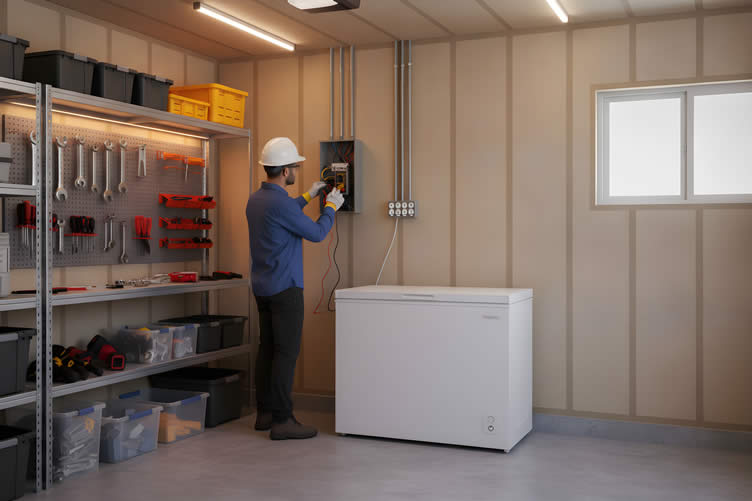
A professional electrical and insulation contractor can offer expertise that ensures safety, efficiency, and long-term functionality. Here are the key benefits they bring:
- Proper Electrical Setup:
A contractor ensures your freezer has the correct dedicated circuit and voltage, preventing overloads and reducing the risk of electrical hazards. - Energy Efficiency:
With expert installation, your freezer will operate at peak efficiency, saving on energy costs and prolonging its lifespan. - Seasonal Comfort:
Professionally-installed insulation keeps the garage cool in the summer and warm in the winter, preventing extreme temperature fluctuations. - Moisture Control:
Proper insulation prevents condensation and dampness, protecting not only the walls and structure but also preserving the performance of your freezer. - Compliance with Codes:
Contractors guarantee that all electrical and insulation work meets local safety standards, giving you peace of mind. - Expert Product Recommendations:
From insulation materials to electrical components, a contractor can guide you toward the best options for your specific needs.
By bringing in professionals, you’re setting up your garage to be a safe, functional, and efficient space no matter the season.
LetsRenovate has partnered with HomeAdvisor (Angi)™, a renowned provider of highly-rated, carefully-vetted local electrical and/or insulation contractors. Start your search here by choosing the type of contractor you need and entering your zip code to find local professionals.
AI generated image by 123rf.com
But Wait!
Before searching for electrical or insulation contractors, we recommend downloading our evaluation worksheet.
This tool helps you objectively compare and assess potential contractors based on key factors such as pricing, licensing, and referrals.

Evaluation Sheet
File Type:-
Scroll up to directory … or scroll to conclusion and references …
-
-
-
Conclusion
… making your garage work harder for your budget
A garage outfitted with a freezer, a dry goods cabinet, a cleaning supply station, and a utility cabinet transforms bulk buying from a cluttered inconvenience into a genuinely sustainable savings strategy.
Every warehouse club trip becomes more valuable because every purchase has a proper home, reducing waste, saving time, and keeping your household running smoothly.
Start with whichever piece addresses your biggest current frustration, whether that’s a freezer to stop meat from spoiling or a cabinet to finally corral the paper towel mountain. Each addition builds toward a garage that works as hard as you do to keep your family’s budget, and your home, in order.
References
- Moneywise. (2025). Younger Americans flocking to Costco, Sam’s Club for groceries. Is buying in bulk the key to beating high food costs? Retrieved from newsdirect.com
- TrueTrae. (2025, December). The Do’s and Don’ts of Buying in Bulk. Retrieved from truetrae.com
- The Seattle Times. (2025). Say goodbye to overpriced groceries: 6 hacks to save hundreds each month. Retrieved from seattletimes.com
- Johnson Controls. (2026, August). What Is a Garage Ready Freezer? Lessons from a UAE Freezer Controller Order. Retrieved from johnsoncontrolsus.com
- Florida Department of Financial Services. (2026). Safety & Loss Prevention Outlook, Volume 16, Issue 1. Retrieved from myfloridacfo.com
-
Quick scroll to more interior home utility management ideas …
-
ideas to view and compare from the photo above
- What comments can you share about
reasons for bulk-buying storage?

Download this PDF for a concise summary of everything you need to know about …?


Calendar For:
Home Maintenance
File Type:

Easily determine the dimensions you need for any home remodeling project …
… ensuring functionality, visual appeal, and compliance with building codes.
… view our sharing links below for a quick "share the knowledge"
Find Electrical Services (opens new win) Electricians Lighting Design Fans Generators Electronics Home Security Find Walls & Ceiling Services Drywall Installation Ceilings Painting & Texturing Tile Wallcoverings Ceilings – Fans Walls – Exterior Walls – Interior top-rated, pre-screened local contractors FREE: download contractor selection enter zip code – powered by HomeAdvisor ™
Quick Contractor Guides selecting negotiating working with inspecting

Cover image credit: bulk-buying storage by 123rf.com
end of post … please share it!
 |
did you find bulk-buying storage analysis helpful? If so, please share the article with your friends and family! |
Nice pic idea? Leave us a quick comment below.
And please share this pic idea within your social networks.