Summary Outline –
Quick Answer:
You don’t need a full remodel to make your bedroom feel like a completely different space. Six targeted weekend upgrades—new bedding, layered lighting, a well-placed rug, blackout curtains, a furniture reset, and a statement feature wall—can deliver a dramatic transformation for a fraction of the cost and effort of a renovation.
The upgrades covered in this guide are practical, achievable in a single weekend, and designed to make a noticeable difference in how your bedroom looks, feels, and functions.
From the bedding you wake up in to the light you fall asleep by, each section focuses on changes that are both approachable and genuinely impactful—with options across every budget.
Whether you’re refreshing a primary bedroom that’s overdue for attention or giving a guest room its first
- post content … analysis/ weekend bedroom upgrades

first “weekend bedroom upgrades” idea


copyright image by 123rf.com
Upgrade 1: Update the Bedding
Notes:
-
Elevating your bedding is arguably the fastest way to shift how a bedroom feels—both visually and physically. Think beyond just swapping a duvet cover.
A cohesive approach that incorporates texture, color, and intentional layering can transform your bed into the visual anchor of the room, delivering that polished, hotel-suite quality without a major investment.
High-quality sheets, a well-chosen duvet, an assortment of pillows in varying sizes, and a draped throw can collectively create an entirely different atmosphere.
When selecting materials, natural fibers earn their reputation. Cotton, linen, and bamboo are all breathable and soften with each wash—making them as practical as they are comfortable. Pay attention to pillow arrangement, too.
A combination of standard sleeping pillows, larger Euro shams behind them, and one or two decorative cushions in front adds depth and dimension. A throw blanket draped across the foot of the bed completes the layered look while serving as a functional extra layer for cooler nights.
Color and pattern choices matter more than most people realize. Bedding in neutral, muted tones tends to create a calming effect, while a bold duvet or a richly textured throw can add personality without requiring anything else in the room to change.
The goal is coherence—choosing pieces that work together rather than compete.

-
Ideas to Consider:
- Layer at least three textures—a fitted sheet, a duvet or quilt, and a throw blanket—for depth and visual warmth
- Choose pillow arrangements with purpose: two sleeping pillows, two euro shams, and one or two accent cushions is a reliable formula
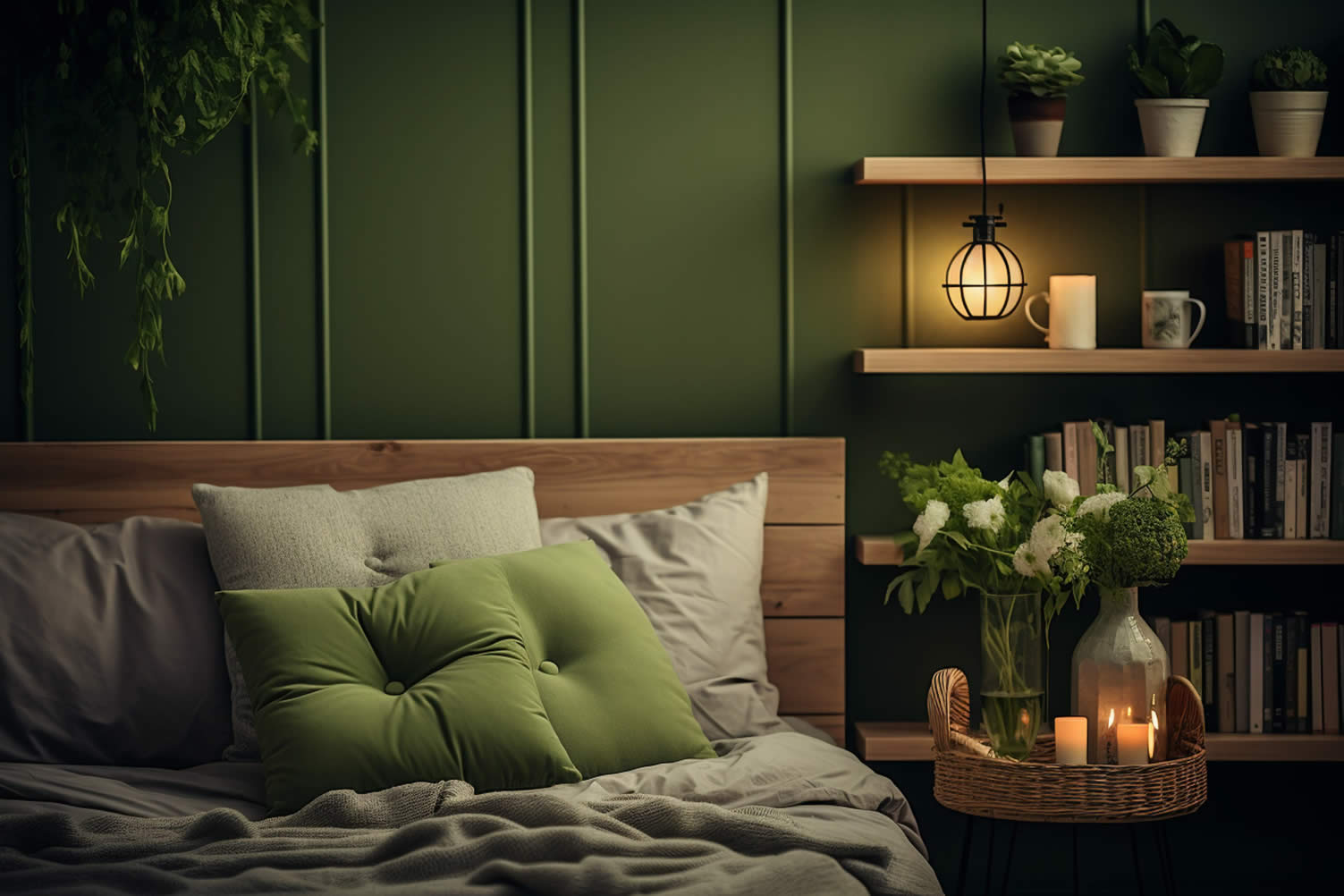
- Introduce warmth through color: burgundy, terracotta, dusty rose, or deep green all photograph well and feel cozy in person
- Fold a throw blanket at the foot of the bed for an effortlessly styled finish
-
On a Tight Budget:
- A single new duvet cover can completely change the look of a bed for under $50–$80
- Check TJ Maxx, HomeGoods, or Amazon Basics for quality bedding at accessible price points
- Add texture with a throw blanket from a thrift store or discount retailer—no one needs to know
- Other Tips:
- refresh with new pillowcases alone—they’re inexpensive and immediately visible
- rearrange existing pillows in a more intentional configuration
- move a throw or blanket from another room
- wash and line-dry all existing bedding to restore freshness and softness.
- Quick scroll to section content …
Aspect Description Tips and Recommendations Bedding Transformation Elevating bedding can visually and physically shift the feel of a bedroom.
A cohesive approach incorporating texture, color, and intentional layering creates a polished, hotel-suite quality.
Purchase high-quality sheets, a well-chosen duvet, and an assortment of pillows.
Focus on intentional arrangements and layering for depth.
Material Choices Materials such as cotton, linen, and bamboo are breathable, soften with each wash, and are practical as well as comfortable. Opt for natural fibers to enhance comfort and longevity. Pillow Arrangement A thoughtful arrangement of pillows adds depth and dimension, enhancing visual appeal and functionality. Use two sleeping pillows, two Euro shams, and one or two decorative cushions.
Experiment with configurations for the best results.
Throw Blankets Draping a throw blanket at the foot of the bed adds a styled finish and provides an extra layer for comfort. Choose textured designs and consider folding the throw blanket neatly for an effortless look. Budget Options Simple updates, like a new duvet cover or fresh pillowcases, can dramatically change the look of a bed without major expenses. Shop at discount stores such as TJ Maxx, HomeGoods, or Amazon Basics for affordable yet quality options. Other Refresh Ideas Move throws or blankets from other rooms, rearrange pillows, or line-dry existing bedding to restore its softness and freshness. Be creative with existing items to refresh the look without any additional costs. 


copyright image by 123rf.com
-
The Evolution of Master Bedrooms
Master bedrooms are transitioning into spaces that truly reflect personal comfort and care.
These modern sanctuaries are no longer defined by stark, minimalist aesthetics but by warmth, texture, and thoughtful details that support rest and well-being.
From soft, layered textiles to timeless furniture pieces, every element is intentionally chosen to create a sense of peace and rejuvenation.
This shift focuses on designs that nurture the soul and prioritize long-term comfort over fleeting trends, making master bedrooms a meaningful retreat within the home.
view ideas: Designing Your Restorative Sanctuary (new win)


Scroll up to directory … or scroll to next "weekend bedroom upgrades" idea …

second “photo remodeling” idea
copyright image by 123rf.com
Upgrade 2: Improve the Lighting
Notes:
-
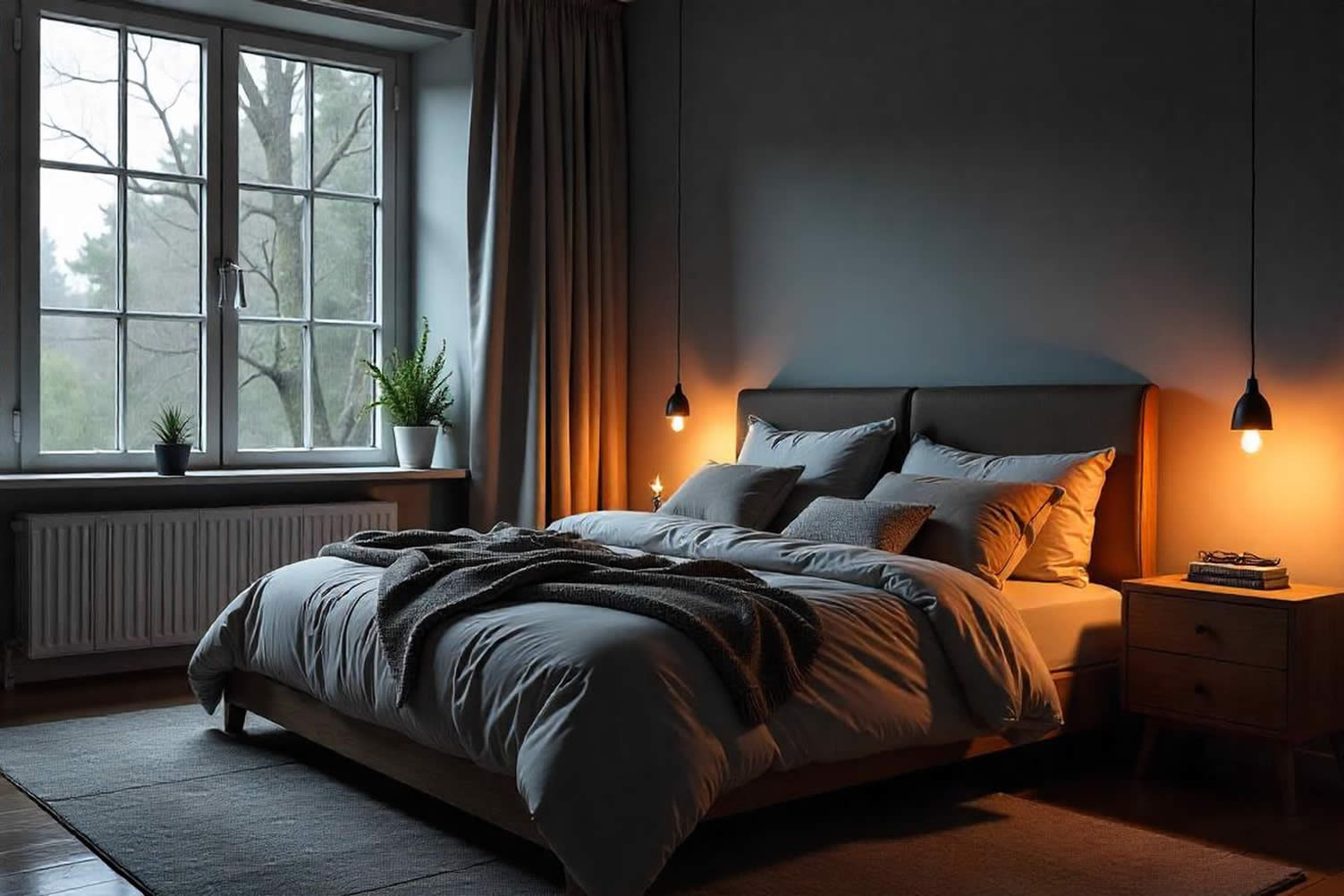
Lighting is one of the most underestimated tools in interior design—and in the bedroom, it carries particular weight. Harsh, bright overhead lighting signals alertness to the brain, which is precisely what you don’t want in a space built around rest.
Replacing or supplementing that overhead light with warmer, more directional sources is one of the highest-impact changes you can make for both aesthetics and sleep quality.
Dr. Phyllis Zee, a neurologist at Northwestern University and co-author of research published in Sleep on the effects of light on health, recommends starting to dim lights two to three hours before bed.
"Light is one of the most significant dictators of the body’s rhythms," she notes, explaining that the retina communicates directly with the part of the brain that governs the release of sleep and wake hormones.
Note:
Consider replacing your overhead fixture with a softer, warm lighted ceiling fan. It’s a wonderful way to gently circulate air, keeping your bedroom cool and comfortable for a restful night’s sleep.In practical terms: softer, warmer light in the evening supports your natural wind-down process. Bulbs in the 2700K–3000K range produce a warm white tone that encourages relaxation, unlike the cooler, bluer light that promotes alertness.
Layering is the key principle here. A ceiling fixture can remain for general illumination, but bedside lamps or plug-in sconces provide softer, task-specific light for reading.
Plug-in sconces are especially useful—they offer the look of hardwired wall lighting without requiring any electrical work, freeing up nightstand space in the process. Add a dimmer switch to any existing ceiling fixture, and you have immediate control over the entire room’s ambiance.
-
Ideas to Consider:
- Replace cool white bulbs with warm white equivalents (2700K–3000K) throughout the room
- Add a bedside table lamp on each side of the bed for symmetry and practical task lighting
- Install a plug-in wall sconce if hardwiring isn’t an option—many styles require no electrician at all
- Use a floor lamp in a corner to eliminate dark spots and add height variation to your lighting scheme
- Swap your overhead light fixture for a ceiling fan with built-in lighting to enjoy both illumination and improved air circulation
-
On a Tight Budget:
- Plug-in sconces start at around $30–$50 and are available on Amazon, IKEA, and Wayfair
- A simple dimmer switch is one of the cheapest-per-impact upgrades you can make
- Swap a single lampshade to update a lamp you already own without buying anything new
- Other Tips:
- swap one harsh bulb for a soft white LED to test the difference before committing
- add a simple string of warm fairy lights along a shelf or headboard for ambient glow
- clean existing lampshades and bulbs to improve light quality.
- Quick scroll to section content …
Aspect Description Ideas & Recommendations Importance of Lighting Lighting plays a crucial role in interior design, particularly in the bedroom, where it affects both aesthetics and sleep quality.
Harsh overhead lighting promotes alertness, while warmer, directional lighting supports relaxation and rest.
Softer, warmer light (2700K–3000K) in the evening aids the natural wind-down process.
Consider dimming lights before bed and layering lighting to balance general illumination with task-specific needs.
Upgrading Overhead Lighting Replacing overhead fixtures can significantly improve ambiance and functionality.
Ceiling fans with built-in lighting are an excellent option to combine air circulation with softer illumination.
Add a dimmer switch to existing fixtures for better control. Choose warm white bulbs to create a relaxing tone.
On a budget, swap harsh bulbs for soft white LEDs to notice immediate differences.
Layering Lighting Layering lighting means combining multiple light sources to address different needs, from general lighting to task-oriented illumination. Include bedside table lamps for symmetry and convenience. Use plug-in sconces for wall lighting without requiring electrical work.
Floor lamps in corners can eliminate dark spots and add visual interest.
Budget-Friendly Ideas Affordable updates can make a big difference without significant expenses. Plug-in sconces are available for as little as $30–$50. A dimmer switch is a cost-effective way to enhance ambiance.
Update an old lamp with a new lampshade or clean existing lampshades and bulbs for better light quality.
Creative Enhancements Small, creative touches further personalize and improve bedroom lighting. Add a string of warm fairy lights along a headboard or shelf for a soft glow.
Experiment with individual bulb swaps to find the right tone before committing.

copyright image by 123rf.com
-
Why Consider a Ceiling Fan
A ceiling fan is a simple yet effective bedroom addition, offering both comfort and functionality.
Beyond keeping your space cool with a gentle breeze, ceiling fans help circulate warm air in winter—boosting energy efficiency year-round.
Their quiet operation supports a peaceful environment, while modern designs blend seamlessly with any decor style.
With a range of sizes and finishes available, a ceiling fan is a thoughtful upgrade that enhances both comfort and ambiance.
view ideas: Why Ceiling Fans (new win)

Bedroom Ambient Lighting
| chandeliers | view samples |
| flush mounts | view samples |
| semi-mounts | view samples |
| sconces | view samples |
| recessed lighting | view samples |
Bedroom Task Lighting
| bedroom rail | view samples |
| pendant lighting | view samples |
| table lamps | view samples |
| floor lamps | view samples |
| wall reading lamp | view samples |
Bedroom Ambient Lighting
| accent lighting ideas | view samples |
| RGB corner lamp | view samples |
| mood lighting | view samples |
Scroll up to directory … or scroll to next "weekend bedroom upgrades" idea …
… remodeling decisions


Tackling home upgrades and fulfilling all your home improvement needs …

… save this curated directory of ideas for future reference.

May We Suggest Other Photo Remodeling Ideas About
“Green Energy Living …” (new win)



third “photo remodeling” idea
copyright image by 123rf.com
Upgrade 3: Add a Rug
Notes:
-
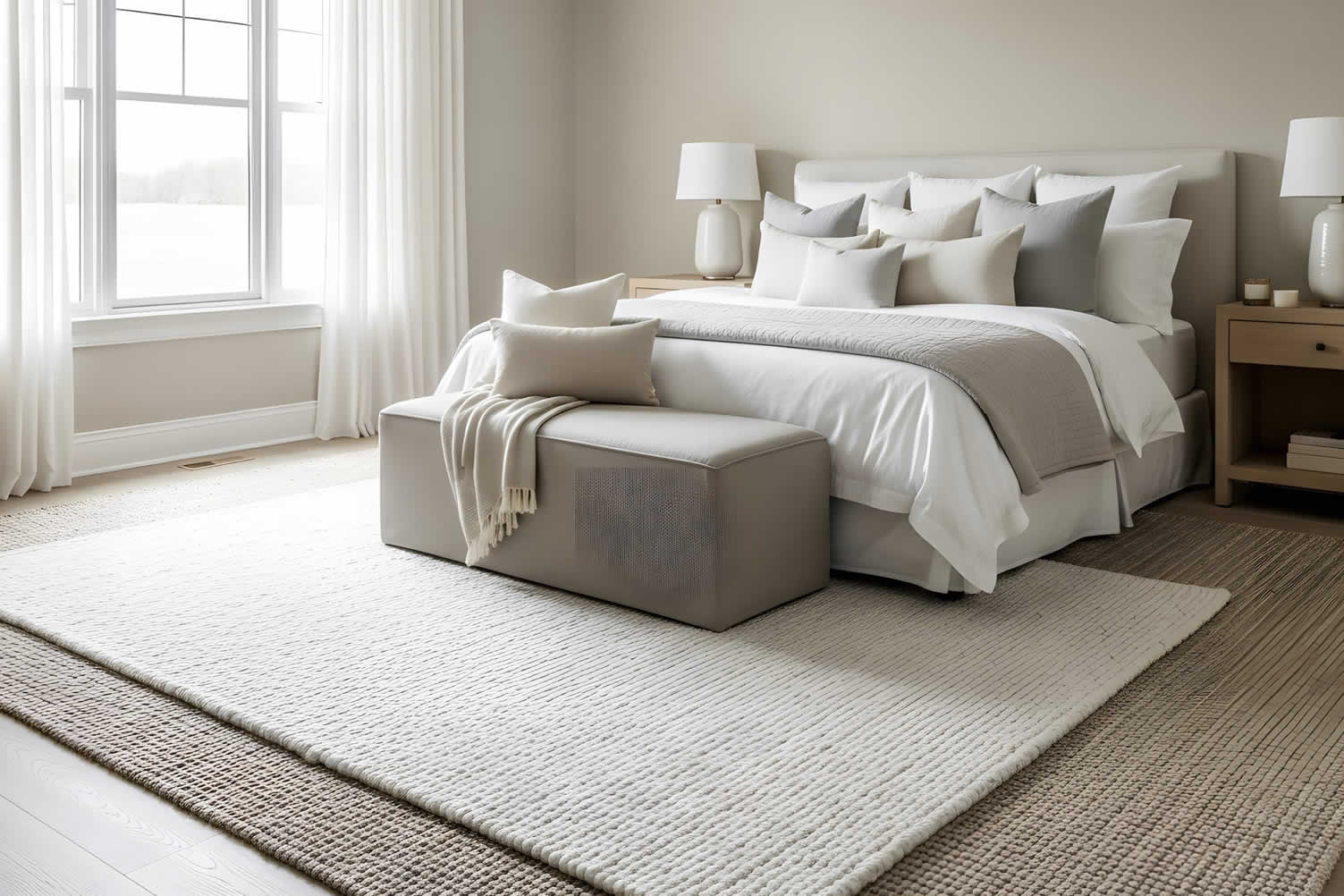
A well-chosen area rug does more than cover a floor. It anchors the furniture arrangement, defines the sleeping zone within the room, softens acoustics, and provides a warm surface underfoot—particularly welcome on cold mornings.
A bedroom without a rug often feels unfinished, regardless of how thoughtfully the rest of the room is designed.
Sizing is the single most important factor when choosing a bedroom rug, and it’s also where most people go wrong.
Interior designer Emily Henderson provides a clear sizing benchmark: aim for at least 24 inches of rug on all three sides of your bed (both sides and the foot).
Her recommended sizing by bed type is as follows—5’x8′ for a Twin, 6’x9′ for a Full, 8’x10′ for a Queen, and 9’x12′ for a King.
The footboard legs should rest on top of the rug. Going too small is the most common mistake; a rug that barely extends beyond the mattress edges will make the room feel disjointed rather than cohesive.
Material choice shapes both comfort and practicality. A high-pile or plush rug adds a sense of luxury and warmth, making it ideal for a primary bedroom where comfort is the priority. Flatweave or low-pile rugs are easier to clean and work well in rooms with heavier foot traffic or for those who prefer a more streamlined look.
Pattern is another variable worth considering—a subtle geometric or tonal pattern can add visual interest without overwhelming the space, while a plain rug allows the bedding and other elements to take center stage.
-
Ideas to Consider:
- Place the rug so it extends 18–24 inches beyond each side of the bed and at the foot
- For layered rugs, anchor with a neutral flat-weave base and layer a patterned or textured rug on top
- Choose a rug with some pile height for warmth and sound absorption
- Match the rug’s undertones to your bedding or curtains to tie the room together
-
On a Tight Budget:
- IKEA, Ruggable, and Amazon have quality options starting around $80–$150 for a 8×10 area rug
- Ruggable offers machine-washable rugs, which is particularly practical for bedrooms
- A natural jute rug is typically one of the most affordable options and adds organic texture effortlessly
- Other Tips:
- layer a smaller rug you already own over a larger, affordable jute or sisal base rug—this creates the appearance of a full-sized area rug at a fraction of the cost
- shop end-of-season sales for discounted rugs in the right dimensions.
- Quick scroll to section content …
Aspect Details Key Considerations Purpose of Area Rug An area rug enhances the room’s aesthetics while providing functionality.
It anchors furniture, defines the sleeping zone, softens acoustics, and adds warmth underfoot.
A bedroom without a rug may feel unfinished regardless of other design elements. Sizing Recommendations Interior designer Emily Henderson suggests an ideal benchmark of at least 24 inches of rug surrounding the bed on all three sides.
Recommended sizes include 5’x8′ for a Twin, 6’x9′ for a Full, 8’x10′ for a Queen, and 9’x12′ for a King.
The footboard legs should rest on the rug. Avoid choosing a rug too small, as it may make the room feel disjointed. Material Choices High-pile or plush rugs provide luxury and warmth, ideal for primary bedrooms.
Flatweave or low-pile rugs are practical for easier maintenance and heavy foot traffic areas.
Consider durability and ease of cleaning when choosing materials. Pattern and Design A subtle geometric or tonal pattern adds visual interest, while solid rugs keep attention on bedding and other elements. Match the rug’s undertones to bedding or curtains for cohesion. Budget-Friendly Options Stores like IKEA, Ruggable, and Amazon offer affordable rugs.
Natural jute rugs provide a budget option with organic texture. Layering smaller rugs over a larger base rug is cost-effective.
Shop during end-of-season sales for discounts. Ruggable offers machine-washable rugs for practicality. 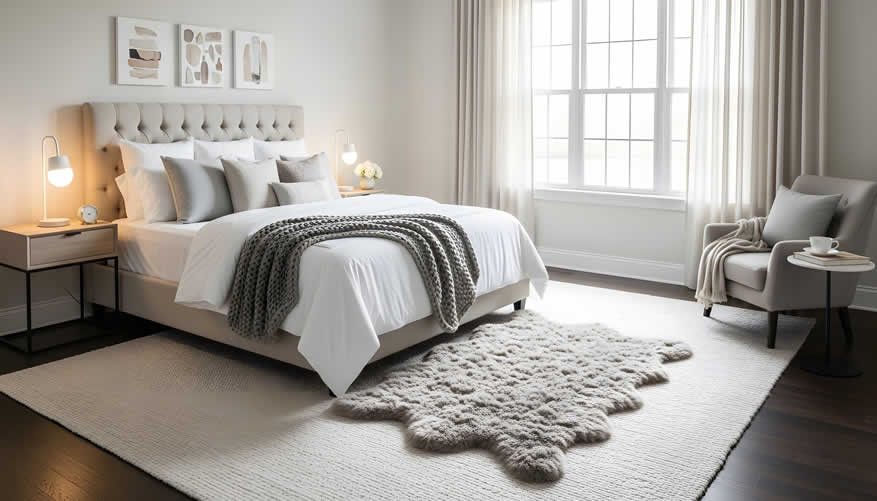
copyright image by 123rf.com
-
Carpet Is Back for Bedrooms
Carpet is making a thoughtful comeback in today’s bedrooms, blending style, comfort, and innovation.
Modern carpets feature advanced stain-resistant technologies and durable materials that keep them looking beautiful for years.
With bold designs, textures, and colors to choose from, there’s no shortage of ways to personalize your space and create a warm, inviting atmosphere—whether you prefer a timeless neutral or something more expressive.
view ideas: Carpet’s Resurgence (new win)

Scroll up to directory … or scroll to next "weekend bedroom upgrades" idea …
SHARE IT ..! Someone in your network might benefit from this insightful post about undertaking weekend bedroom upgrades. Feel free to share it on Facebook, X (formally Twitter), LinkedIn, or Pinterest!


fourth “photo remodeling” idea
AI generated image by 123rf.com
Upgrade 4: Install Blackout Blinds and/or Curtains
Notes:
-
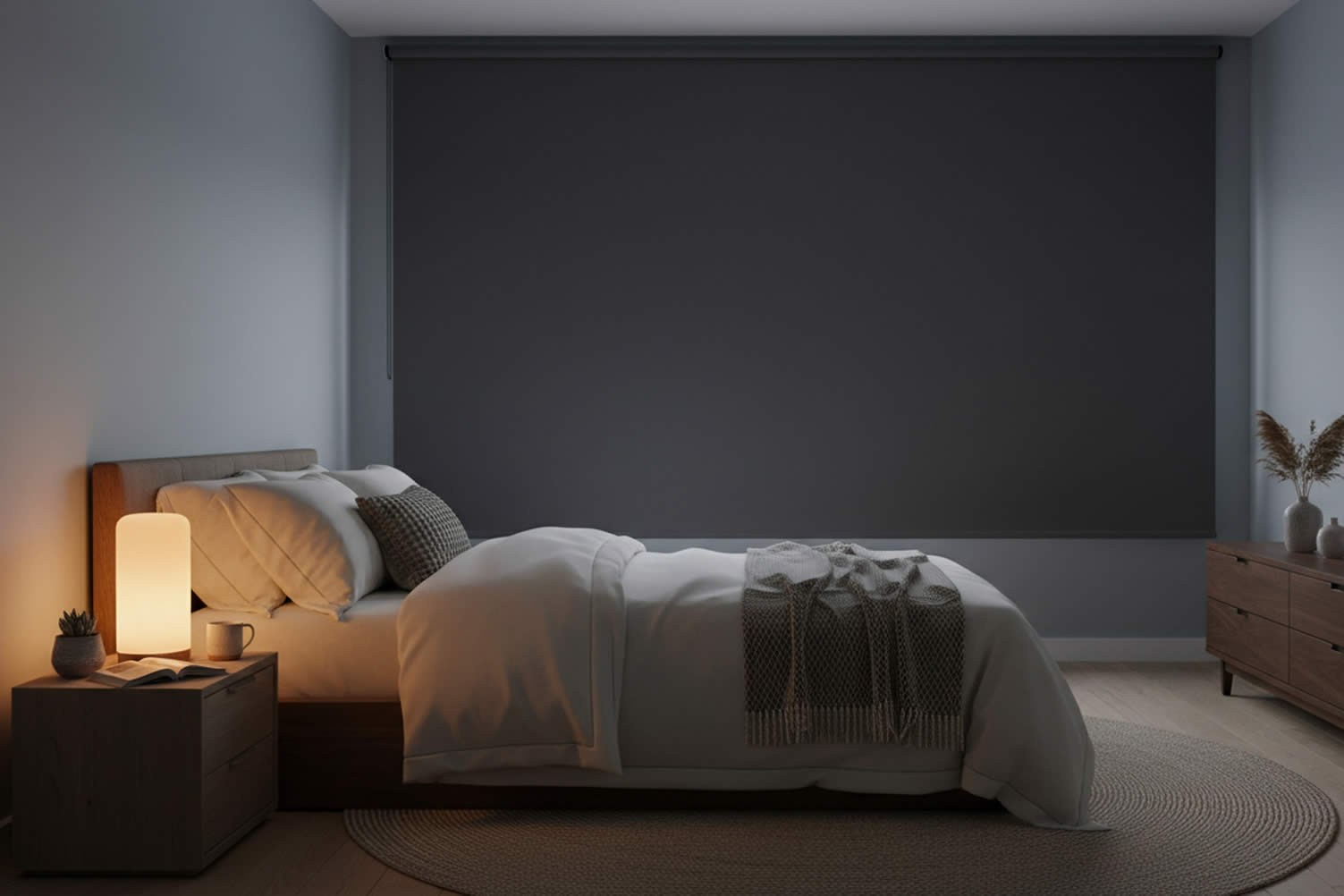
Few single changes deliver as much functional benefit as blackout curtains. Research published in the journal Science Advances (2016) found that approximately 99% of people in the United States and Europe live under light-polluted skies, with artificial light affecting sleep quality across the population.
Dr. Zee, whose research on nighttime light exposure was published in Sleep and the Proceedings of the National Academy of Sciences, is direct on the subject: "It is important to maintain as dark of a room as possible while you’re sleeping."
The science behind this is well established. The retina communicates with the suprachiasmatic nucleus—the part of the brain that regulates hormone release—and even low levels of artificial light passing through closed eyelids can trigger subtle arousal throughout the night.
Dr. Zee’s research found that roughly 30% of people sleep with some form of light on, and that sustained exposure is associated with increased risk of obesity, hypertension, and disrupted cognitive health.
Slow-wave sleep, which is particularly sensitive to light disruption, plays a critical role in flushing metabolic waste products linked to Alzheimer’s disease from the brain.
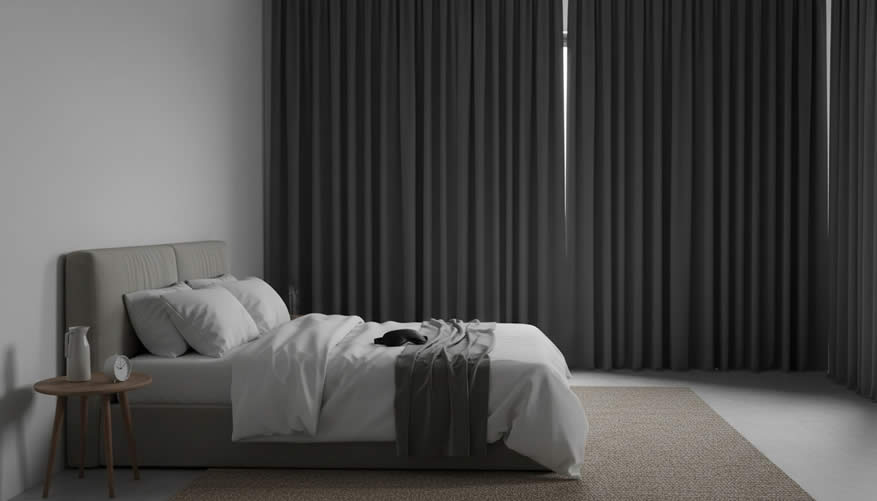
Installation is straightforward and, in most cases, a genuine weekend project. Blackout curtains are available in a wide range of styles—from clean, minimalist panels to more luxurious lined drapery—so they don’t require a visual compromise.
Motorized options, such as those available from The Shade Store, can be set on a timer to rise gradually before your alarm, allowing for a gentler, light-assisted wake-up.
For renters or those not ready to replace curtains entirely, a blackout liner can be added behind existing panels.
-
Ideas to Consider:
- Hang curtain rods as high as possible—ideally 4–6 inches below the ceiling—to maximize the sense of height
- Choose curtain panels that fall to the floor, or pool slightly for a more luxurious feel
- Layer a blackout roller blind behind decorative curtains for both function and style
- Select curtain fabric with some weight—linen, velvet, or a linen-blend—for better light blocking and a more polished hang
-
On a Tight Budget:
- IKEA’s MAJGULL and HILLEBORG blackout curtains are widely praised and start at around $30–$60 per pair
- Amazon Basics and H&M Home both offer affordable blackout curtain options
- A tension rod blackout blind can be installed without drilling and costs as little as
- Other Tips:
- purchase a basic blackout liner and attach it to existing curtain rings
- use tension rods and inexpensive blackout panels as a temporary and removable option
- cover small LED indicator lights on appliances and power strips with tape to reduce additional light sources in the room.
- Quick scroll to section content …
Blackout Blinds and Curtains
(from the summary table below)
Topic Key Insights Practical Suggestions Impact of Artificial Light Research indicates that artificial light affects sleep quality, with approximately 99% of people in the United States and Europe living under light-polluted skies.
Exposure to even low levels of light during sleep can disrupt hormones and cause subtle arousal, increasing the risk of adverse health effects such as obesity and hypertension.
Maintain a dark sleeping environment to avoid artificial light exposure.
Cover small LED lights in the room and use blackout curtains or liners to block outside light effectively.
Scientific Findings Dr. Zee’s research highlights that exposure to light during sleep is linked to disrupted slow-wave sleep, critical for flushing metabolic waste products from the brain.
This process is associated with reducing risks of conditions like Alzheimer’s disease.
Consider blackout blinds or curtains to eliminate light in the bedroom.
Opt for timer-based motorized options for a gentle wake-up assisted by natural light.
Design and Installation Blackout curtains come in a variety of styles, from minimalist panels to luxurious drapery.
They can be installed over a weekend and are suitable for renters with the addition of blackout liners.
Hang curtain rods high for a taller look, use heavier fabrics like linen or velvet, and combine blackout roller blinds with decorative curtains for added functionality and style.
Budget options include IKEA, Amazon Basics, and H&M Home collections.
copyright image by 123rf.com
-
Overcoming Sleep Struggles
Struggling to fall asleep is a common challenge that can affect every aspect of your well-being, leaving you feeling drained and irritable.
The good news is that small changes to your environment and habits can make a meaningful difference.
From establishing a consistent bedtime routine to creating a calming sleep space free of distractions, these steps can help your mind and body unwind, guiding you toward the restorative sleep you deserve.
view ideas: Why Can’t I Sleep? (new win)

Scroll up to directory … or scroll to next "weekend bedroom upgrades" idea …
… home remodeling – improvement – repair

Download this PDF for a concise summary of everything you need to know about …?


Budgeting Worksheet For Costing Home Remodeling and Home Improvement Decisions
 File Type (excel)
fifth “photo remodeling” idea


copyright image by 123rf.com
Upgrade 5: Reset the Furniture
Notes:
-
Rearranging furniture costs nothing, takes only an afternoon, and can make a bedroom feel like an entirely different room.
According to real estate and home design advisor Margo Christophilis (FastExpert, 2026), furniture rearrangement is one of the most cost-effective ways to breathe new life into a bedroom.
The key is to approach it with intention—thinking about traffic flow, the relationship between furniture and windows, and where the eye naturally lands when entering the room.
Start by identifying the room’s focal point, which is typically the bed. Positioning the bed on the wall opposite the doorway, or against the longest uninterrupted wall, tends to create the strongest visual impact. Avoid placing the bed directly under a window if possible, as this limits both light control and headboard options.
Once the bed is positioned, arrange the remaining furniture—nightstands, dressers, chairs—to create clear walkways of at least 24 to 30 inches on the sides of the bed. Overcrowded furniture arrangements are one of the most common reasons bedrooms feel smaller than they are.
Mirrors are a useful tool during a furniture reset. Placed strategically—such as on a wall perpendicular to a window—a mirror bounces natural light into the room and creates the perception of more space.
A full-length mirror leaning against a wall can add height and openness without requiring any mounting.
-
Ideas to Consider:
- Center the bed on the largest or most visible wall in the room
- Ensure at least 24 inches of clearance on each side of the bed for comfortable movement
- Style the dresser as a design feature with 3–5 curated objects rather than leaving it cluttered
- If space allows, add a small chair or bench at the foot of the bed for a layered, finished look
-
On a Tight Budget:
- A furniture reset is completely free—it just requires time and a willingness to experiment
- Re-purpose a chair from another room as a bedroom accent piece
- Use objects you already own to style the dresser: a book, a candle, a small plant, a framed photo
- Clear surfaces and declutter before resetting to maximize the impact of the new layout
- Other Tips:
- a single accent wall in a new paint color uses minimal product and can be completed in a few hours
- arrange existing artwork in a new configuration on the feature wall rather than purchasing new pieces
- use washi tape to create a geometric pattern on the wall—it’s fully removable and surprisingly effective.
- Quick scroll to section content …
Action Details Suggestions Reset the Furniture Rearranging furniture costs nothing, takes only an afternoon, and can make a bedroom feel entirely new.
According to Margo Christophilis (FastExpert, 2026), intentional furniture arrangement considers traffic flow, the relationship between furniture and windows, and focal points.
Identify the room’s focal point, usually the bed. Position the bed for maximum visual impact, preferably on the longest uninterrupted wall or opposite the doorway.
Avoid placing the bed under windows due to limited light control and headboard options.
Clear Walkways Ensure proper spacing to avoid overcrowding. Arrange furniture to create walkways of 24–30 inches around the bed and other key pieces to enhance comfort and spaciousness. Reposition nightstands, chairs, and dressers to complement the bed placement while maintaining clear and accessible paths. Strategic Use of Mirrors Mirrors can amplify natural light and create a sense of openness.
Position them perpendicular to windows or lean a full-length mirror against a wall to add height and brightness.
Use mirrors as design elements to enhance the room’s visual appeal and perceived size. Styling Furniture Style the dresser with curated objects like books, candles, plants, or photos to avoid a cluttered appearance and add a personal touch to the decor. Limit decorative items to 3–5 for a clean and tasteful design. Cost-Effective Accents A budget-friendly refresh involves using existing furniture and decor.
Re-purposing items from other rooms or styling with accessible objects offers a free or low-cost makeover.
Examples include re-purposing chairs as accents or using affordable accessories to enhance the dresser or seating area. 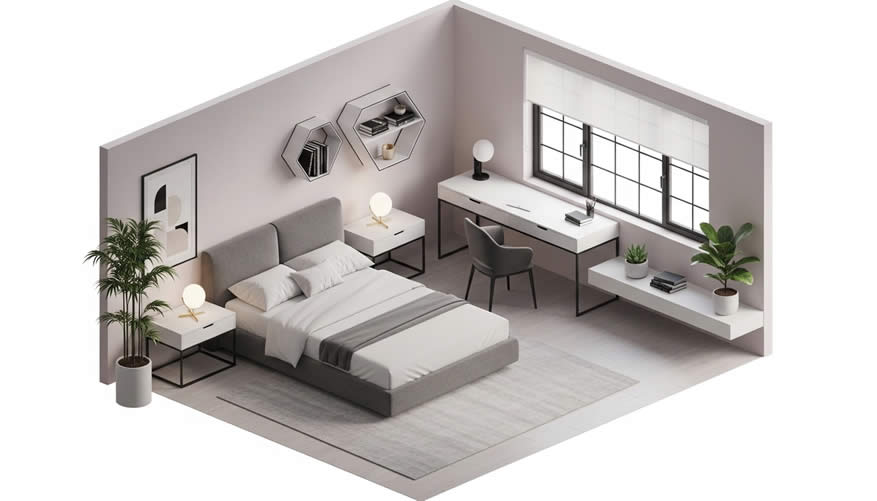
copyright image by 123rf.com
-
Nourishing Sleep Through Nutrition
How we nourish our bodies during the day directly shapes how we rest at night.
Eating a balanced diet of whole foods—like fresh fruits, vegetables, and lean proteins—helps gently regulate your body’s natural rhythms.
Conversely, too much sugar, caffeine, or processed food can easily disrupt a peaceful night.
By understanding these dietary risks and choosing mindful, wholesome ingredients, you can build a beautiful foundation for both vibrant health and deep, restorative sleep.
view ideas: Hidden Health Risks (new win)

Scroll up to directory … or scroll to next "weekend bedroom upgrades" idea …
sixth “photo remodeling” idea

AI generated image by 123rf.com
Upgrade 6: Create a Feature Wall
Notes:
-
For those who want a more visible transformation without committing to a full repaint or permanent wallpaper, a feature wall is the most versatile option available.
Peel-and-stick wallpaper has evolved significantly in quality and variety—today’s options include convincing textures, geometric prints, botanical patterns, and subtle linens that can pass for traditional wallpaper at a glance.
Crucially, peel-and-stick formats are renter-friendly, fully removable, and don’t require professional installation.
The wall behind the bed is the natural choice for a feature wall. It’s the dominant visual surface in a bedroom, the one most often photographed, and the backdrop against which bedding, lamps, and artwork all appear.
A well-chosen pattern or color on this single wall does more to shift the character of a room than almost any other intervention.
Architectural Digest’s 2025 bedroom design guide notes that adding a pattern or accent element to one wall can "refresh a space no matter what its size."
Beyond wallpaper, a feature wall can be achieved with a bold paint color, a grid of framed artwork, a collection of hanging plants, or even a collection of wall-mounted shelves in a deliberate arrangement.
The principle is the same: create a defined focal point that draws the eye and anchors the rest of the room’s design.
-
Ideas to Consider:
- Use peel-and-stick wallpaper on the wall behind the bed for a reversible, impactful feature wall
- Consider a bold paint color on a single wall—deep burgundy, forest green, or navy all work well in bedrooms
- Swap lampshades across multiple lamps for a cohesive, updated look without buying new base lamps
- Add plug-in wall sconces on either side of the bed for a designer-grade detail that requires no electrician
- Replace drawer pulls and knobs on nightstands and dressers for a subtle but effective hardware refresh
-
On a Tight Budget:
- Peel-and-stick wallpaper starts at around $25–$40 per roll; a standard accent wall typically requires 2–3 rolls
- A single can of paint for an accent wall costs $30–$50 and covers most bedroom feature walls in two coats
- Hardware swaps (new drawer pulls) can be done for $20–$50 total across a dresser and two nightstands
- Other Tips:
- a single accent wall in a new paint color uses minimal product and can be completed in a few hours
- arrange existing artwork in a new configuration on the feature wall rather than purchasing new pieces
- use washi tape to create a geometric pattern on the wall—it’s fully removable and surprisingly effective.
- Quick scroll to section content …
Feature Wall Design Ideas Details Cost Estimates Peel-and-Stick Wallpaper A versatile and renter-friendly option for creating a feature wall. Modern peel-and-stick options include textures, geometric prints, botanical patterns, and more.
Ideal for the wall behind the bed as it is the dominant visual surface and serves as a design anchor for the room.
$25–$40 per roll, with 2–3 rolls typically required for a standard accent wall. Bold Paint Color Using a deep, impactful color like burgundy, forest green, or navy on one wall can dramatically enhance a room’s character.
The process is simple and can be completed in a few hours with minimal effort.
$30–$50 per can of paint, sufficient for two coats on most feature walls. Hardware Updates Switching out drawer pulls and knobs on nightstands and dressers is an effective yet subtle way to refresh a bedroom’s look without significant costs. $20–$50 total for a dresser and two nightstands. Other Creative Tips Rearrange existing artwork on the wall, use washi tape to create a removable geometric design, or add plug-in wall sconces to elevate the design.
These small touches offer impactful yet temporary solutions for a feature wall.
Varies depending on materials, typically budget-friendly. 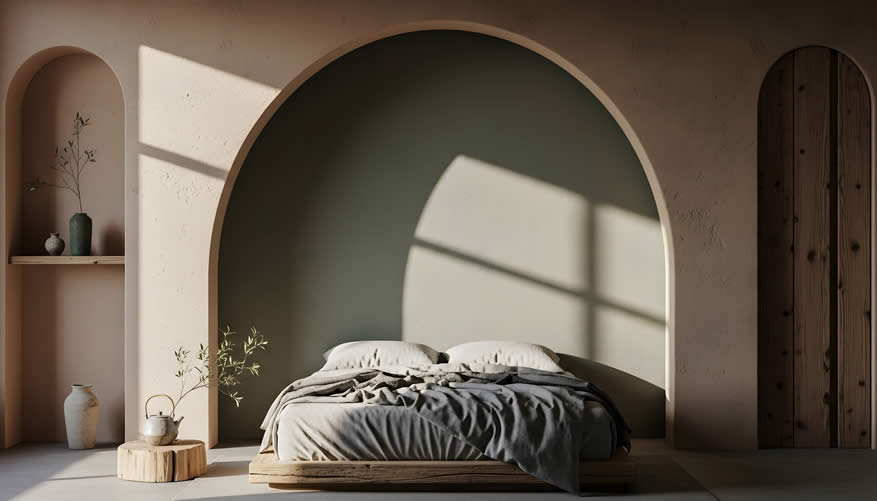
copyright image by 123rf.com
-
For Your Bedroom Walls
Repainting your bedroom walls is one of the most rewarding ways to refresh a space—and the mood you want to create should guide your palette.
Soft neutrals like beige or pale gray bring a sense of calm, pastels in blue and green evoke serenity, while jewel tones like deep emerald or navy add drama and sophistication.
Before committing, keep lighting in mind—colors can shift significantly between natural and artificial light—and always test swatches on the wall first.
Choose well, and your two-weekend project will be a transformation you’ll love for years to come.
view ideas: Perfect Color Palette (new win)

Bedroom Paint Colors
| Reds | view ideas |
| Oranges | view ideas |
| Yellows | view ideas |
| Greens | view ideas |
| Blues | view ideas |
| Purples | view ideas |
| Browns | view ideas |
| Grays | view ideas |
| Tans | view ideas |
| Whites | view ideas |
Paint Styles
| Accent | for walls | for bedroom | |
| Ombre | for walls | for bedroom | |
| Sponging | for walls | for bedroom | |
| Rag Rolling | for walls | for bedroom | |
| Color Wash | for walls | for bedroom | |
| Taping | for walls | for bedroom | |
| Metallic Fusion | for walls | for bedroom | |
| Fresco | for walls | for bedroom | |
| Strippling | for walls | for bedroom | |
| Benoni | for walls | for bedroom | |
| Texture | for walls | for bedroom |
Scroll up to directory … or scroll to next "weekend bedroom upgrades" idea …
… view our home remodeling guides and steps

Easily determine the dimensions you need for any home remodeling project …
… ensuring functionality, visual appeal, and compliance with building codes.
Find Interior Design Services Decorators Interior Designers Furniture Painting & Staining top-rated, pre-screened local contractors FREE: download contractor selection enter zip code – powered by HomeAdvisor ™
Quick Contractor Guides selecting negotiating working with inspecting

seventh “photo remodeling” idea
copyright image by 123rf.com
Upgrade 7: Frequently Asked Questions
Notes:
-
-
What is the most impactful single weekend bedroom upgrade?
Replacing or layering bedding delivers the most immediate visual impact of any single bedroom upgrade.
A new duvet cover, textured throw, and reorganized pillow arrangement can transform the look of a bed—and by extension, the whole room—in under an hour, for as little as $50–$100.
-
How do I make a small bedroom look bigger with weekend-friendly upgrades?
Hang curtains high and wide, choose a rug that extends well beyond the bed frame, and replace any overhead-only lighting with multiple lower light sources.
Each of these techniques draws the eye upward or outward, creating the perception of more space without changing the room’s actual dimensions.
-
Do blackout curtains actually improve sleep quality?
Yes. Darkness is one of the key environmental cues that regulates melatonin production and sleep onset. Light exposure at night—even low levels from streetlights or electronics—can disrupt sleep cycles.
Blackout curtains and blinds minimize this disruption, which is why they’re commonly recommended as a practical first step for anyone struggling with sleep quality.
-
Is peel-and-stick wallpaper durable enough for a bedroom?
Modern peel-and-stick wallpaper from reputable brands is significantly more durable than early versions of the product. It typically adheres well to clean, painted walls and can remain in place for years without peeling when applied correctly.
It’s removable without wall damage in most cases, making it particularly suitable for renters or anyone who likes to update their decor regularly.
-
What rug size works best for a queen-sized bed?
An 8×10 rug is the most commonly recommended size for a queen bed in a standard bedroom. It should extend at least 18–24 inches beyond each side of the bed and beyond the foot of the bed.
This ensures both visual proportion and the practical comfort of stepping onto the rug when getting out of bed.
-
How much does a complete weekend bedroom upgrade typically cost?
Costs vary significantly depending on what you choose to change, but a meaningful bedroom refresh across all six areas covered in this guide can range from $150–$300 on a tight budget (using discount retailers and focusing on one or two key items) to $800–$1,500 for higher-quality bedding, curtains, and a rug.
Most upgrades can also be done incrementally over several weekends.
- Quick scroll to section content …
Question Answer What is the most impactful single weekend bedroom upgrade? Replacing or layering bedding delivers the most immediate visual impact of any single bedroom upgrade.
A new duvet cover, textured throw, and reorganized pillow arrangement can transform the look of a bed—and by extension, the whole room—in under an hour, for as little as $50–$100.
How do I make a small bedroom look bigger with weekend-friendly upgrades? Hang curtains high and wide, choose a rug that extends well beyond the bed frame, and replace any overhead-only lighting with multiple lower light sources.
Each of these techniques draws the eye upward or outward, creating the perception of more space without changing the room’s actual dimensions.
Do blackout curtains actually improve sleep quality? Yes. Darkness is one of the key environmental cues that regulates melatonin production and sleep onset. Light exposure at night—even low levels from streetlights or electronics—can disrupt sleep cycles.
Blackout curtains and blinds minimize this disruption, which is why they’re commonly recommended as a practical first step for anyone struggling with sleep quality.
Is peel-and-stick wallpaper durable enough for a bedroom? Modern peel-and-stick wallpaper from reputable brands is significantly more durable than early versions of the product.
It typically adheres well to clean, painted walls and can remain in place for years without peeling when applied correctly.
It’s removable without wall damage in most cases, making it particularly suitable for renters or anyone who likes to update their decor regularly.
What rug size works best for a queen-sized bed? An 8×10 rug is the most commonly recommended size for a queen bed in a standard bedroom. It should extend at least 18–24 inches beyond each side of the bed and beyond the foot of the bed.
This ensures both visual proportion and the practical comfort of stepping onto the rug when getting out of bed.
How much does a complete weekend bedroom upgrade typically cost? Costs vary significantly depending on what you choose to change, but a meaningful bedroom refresh across all six areas covered in this guide can range from $150–$300 on a tight budget (using discount retailers and focusing on one or two key items) to $800–$1,500 for higher-quality bedding, curtains, and a rug.
Most upgrades can also be done incrementally over several weekends.
copyright image by 123rf.com
-
-
Conclusion:
… start this weekend
A bedroom upgrade doesn’t require a renovation timeline or a substantial budget. Each of the changes covered here—updated bedding, improved lighting, a new rug, blackout curtains, a furniture reset, or a feature wall—can be planned, sourced, and completed within a single weekend. Some require no spending at all.
The most effective approach is to start with the change that addresses what bothers you most. If light is disrupting your sleep, blackout curtains are the priority.
If the room feels cramped or stagnant, begin with the furniture reset before adding anything new. If the space feels visually flat, bedding and a feature wall will deliver the most immediate transformation.
Take it one section at a time. Even a single weekend upgrade, done thoughtfully, will produce a noticeably different room by Monday morning.
References
- Christophilis, Margo. "16 Ideas to Upgrade Your Bedroom Without Buying A Thing." FastExpert, May 1, 2026.
https://www.fastexpert.com/blog/16-ideas-to-upgrade-your-bedroom-without-buying-a-thing/ - Davies, River. "17 Best Bedroom Ideas of 2025, According to Experts." Architectural Digest, June 4, 2025.
https://www.architecturaldigest.com/gallery/bedroom-ideas - Henderson, Emily. "Choosing THE RIGHT Rug Size For Every Room (All Of Our Tips And Tricks)." Style by Emily Henderson.
https://stylebyemilyhenderson.com/choosing-the-right-rug-size-for-every-room - Wagoner, Mackenzie. "Are Blackout Curtains Key Not Just for Sleep, But…" Vogue.
https://www.vogue.com/article/blackout-curtains-sleep-health-benefits - Falchi, Fabio, et al. "The New World Atlas of Artificial Night Sky Brightness." Science Advances, Vol. 2, No. 6, 2016.
https://www.science.org/doi/10.1126/sciadv.1600377 - Zee, Phyllis C., et al. "Light exposure during sleep impairs cardiometabolic function." Proceedings of the National Academy of Sciences, 2022.
https://www.pnas.org/doi/10.1073/pnas.2113290119
- Christophilis, Margo. "16 Ideas to Upgrade Your Bedroom Without Buying A Thing." FastExpert, May 1, 2026.
-
ideas to view and compare from the information discussed above
- What comments can you share about
the right weekend bedroom upgrades?
For a Fresh Start
Creating a peaceful and inviting bedroom begins with decluttering.
Start by sorting through your closets, drawers, and other storage areas, removing items you no longer use or need.
Be intentional with your choices to keep only what adds value to your space.
Once you’ve cleared out unnecessary items, ensure your dressers and tables display only a few decorative pieces that bring warmth and character to the room.
A tidy, organized space can transform both the look and feel of your bedroom, making it a true sanctuary for rest and relaxation.
view ideas: How to Declutter (new win)

Scroll up to directory … or scroll to conclusion and references …
Scroll up to directory … or scroll to more bed n’ bath related topics …

Calendar For:
Home Maintenance
File Type:
… view our sharing links below for a quick "share the knowledge"
Cover image credit: weekend bedroom upgrades by 123rf.com
end of post … please share it!
 |
did you find these weekend bedroom upgrades helpful? If so, please share the article with your friends and family! |
Nice pic idea? Leave us a quick comment below.
And please share this pic idea within your social networks.