Summary Outline –
A well-placed mirror can trick the eye into thinking a cramped hallway is twice its size or bounce sunlight into a dim corner, instantly brightening the mood.
It can serve as a stunning focal point, rivaling expensive artwork, or blend seamlessly into the background to create a sense of airiness. From vintage ornate frames to sleek, modern backlighting, the options are nearly endless—and sometimes a little overwhelming.
If you’ve ever stood in the home decor aisle wondering if you need a convex or concave mirror, or how a "leaning" mirror differs from a floor mirror, you’re in the right place.
In this guide, we’ll explore the fascinating history of mirrors, how they are made today, and break down the best types for every room in your house.
Let’s help you find the perfect match to reflect your personal style.
- post content … analysis/ types of mirrors for the home

-
- —— begin first topic ——
-
1st TERM: The Evolution of Mirrors and How They Are Made
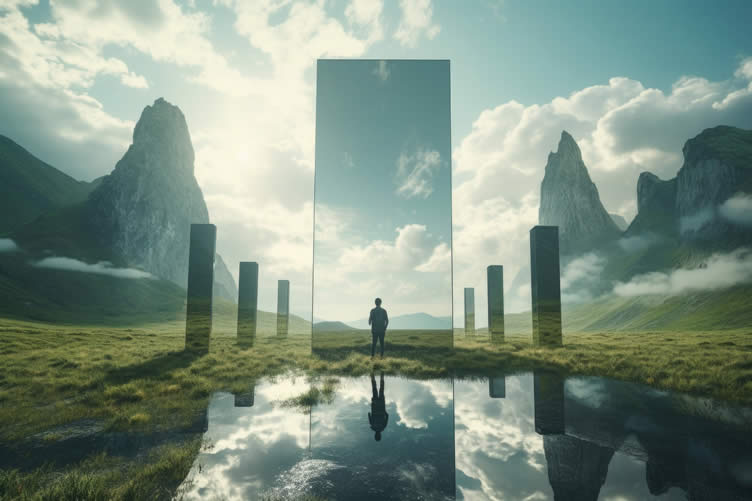
Mirrors are not just everyday objects; they are a blend of artistry, science, and innovation that have evolved alongside human history.
From their early origins as polished stones to today’s highly reflective surfaces, mirrors have been pivotal in our understanding of light, beauty, and self-reflection.
copyright image by 123rf.com
The story of mirrors encompasses ancient craftsmanship, remarkable technological advancements, and a profound impact on design and decor.
To truly appreciate the mirrors we use today, it’s essential to look at where they started and how they are meticulously crafted in the modern era.
[ view summary table: evolution of mirrors ]
-
The Fascinating History of Mirrors
The history of mirrors begins thousands of years ago with natural reflections in still bodies of water, which likely served as the first "mirrors" for early humans.
Archaeological findings suggest that the earliest man-made mirrors appeared around 6000 BCE, crafted from polished volcanic stones such as obsidian. These mirrors were reserved for ceremonial and functional uses among ancient civilizations.
The craftsmanship later shifted toward polished metals like bronze, copper, and silver during the Bronze Age, providing greater clarity but still requiring constant upkeep to maintain their shine.
By the classical period, mirrors began to serve decorative purposes as well. The ancient Egyptians, Greeks, and Romans embraced them as tools for both function and adornment.
Roman artisans developed techniques to brush and curve metallic mirrors, influencing their use in architecture and aesthetics.
Fast-forward to the Middle Ages, mirrors experienced a decline in availability due to limited resources and expensive production methods. However, during the Renaissance, Venetian glassmakers revolutionized the art of mirror production with the advent of glass-backed mirrors.
Their secretive techniques yielded unparalleled reflective quality and transformed mirrors into coveted luxury items. The industrial revolution in the 19th century further democratized mirrors, making them widely accessible through innovative manufacturing processes.
Today, mirrors are no longer exclusive to the wealthy or elite but are a common fixture in every home. Yet, their significance remains timeless, serving as transformative tools in human creativity and design while holding profound symbolic value across cultures.
-
How Modern Mirrors Are Made
Modern mirrors are the result of precision manufacturing and cutting-edge technology that ensures their impeccable reflection and durability. Unlike their ancient predecessors, today’s mirrors are predominantly made from glass, which serves as the base material due to its smooth surface and transparency.
The process begins by assembling sheets of high-quality float glass, which is produced by floating molten glass on a bed of molten tin to achieve a smooth, distortion-free surface. This method ensures perfect clarity and uniformity of the base material.
Once the glass is prepared, it undergoes a meticulous silvering process to create the reflective layer. A solution of silver nitrate is carefully applied to one side of the glass, followed by chemical reactions that deposit an ultra-thin layer of metallic silver.
This is what provides the mirror with its reflective properties. To further protect the reflective surface, additional coatings of copper and specialized paints are added in layers, ensuring resistance to wear, corrosion, and damage.
Modern technology has also introduced innovative coatings such as anti-corrosive layers, heat resistance for mirrors designed for industrial applications, and even smart coatings for interactive mirrors integrated with LED displays or touch-screen functionalities.
Quality control is rigorous, as manufacturers inspect for surface imperfections, clarity, and durability under various environmental conditions before mirrors are packaged and distributed.
Understanding how mirrors are made not only highlights the delicate craftsmanship involved but also underscores their value in both mundane and extraordinary ways.
Today’s mirrors are far more than functional objects—they are crafted to maintain the perfect balance of form and function, elevating both the aesthetic appeal and practical utility of any living space.
Aspect Details Historical Significance Technological Advancements Origins Natural reflections in water and polished volcanic stones such as obsidian around 6000 BCE. Used in ancient civilizations for ceremonial and functional purposes. Transition to polished metals like bronze, copper, and silver during the Bronze Age. Classical Period Mirrors served both functional and decorative purposes. Craftsmanship innovations by Greeks, Romans, and Egyptians. Roman metallic mirrors were brushed and curved for architectural use. Renaissance Venetian glassmakers introduced glass-backed mirrors with superior quality. Mirrors became coveted luxury items among the wealthy. Revolutionized production techniques; set the foundation for modern mirrors. Industrial Revolution Innovative manufacturing processes democratized mirror accessibility. Widespread adoption as mirrors became affordable to the general population. Mass production allowed mirrors to be common household items. Modern Mirrors Made from high-quality float glass with a reflective silvering process. Symbolic and practical tools integrated into daily life and culture. Advanced coatings, enhanced durability, and smart mirror technologies. 

copyright image by 123rf.com
[ youtube: the history or mirrors ]
[ youtube: how mirrors are made ]
-
Scroll up to directory … or scroll to next section types of mirrors available…

-
-
2nd TERM: The Types of Mirrors Available Today
Mirrors come in a wide range of styles, designs, and functional uses, making them indispensable additions to both modern and traditional homes.
The type of mirror you choose plays a crucial role in how it complements your living space, enhances lighting, and serves its purpose.
copyright image by 123rf.com
Whether you’re redesigning a room, improving functionality, or adding a decorative touch, selecting the right type of mirror requires understanding its characteristics and applications.
Below, we explore the most common types of mirrors available today, providing insights into their unique qualities and practical uses.
[ view summary table: types of mirrors ]
-
Plane (Flat) Mirrors[ view]
Plane mirrors are the most common and versatile type of mirror found in households. These mirrors feature a flat reflective surface that produces an image identical to the object, maintaining accurate proportions and realistic reflections.
Found in bathroom vanities, wall decor, and dressing mirrors, plane mirrors are highly effective for daily tasks such as grooming, applying makeup, and checking outfits.
Due to their simplicity, they integrate seamlessly into various decor styles, offering functionality without compromising on aesthetic appeal.
-
Concave Mirrors[ view]
Concave mirrors are designed with a curved reflective surface that curves inward, resembling the interior of a sphere. These mirrors are known for their ability to reflect light inward, focusing it on a single point.
This characteristic makes concave mirrors ideal for magnified reflections, often used in personal grooming tools like magnifying makeup mirrors, shaving mirrors, and professional lighting setups.
They are also utilized in scientific and medical applications due to their precision and clarity, highlighting their versatility beyond decorative purposes.
-
Convex Mirrors[ view]
Unlike concave mirrors, convex mirrors curve outward, creating enhanced peripheral views and reducing blind spots. While their primary use is in safety and security—such as in parking garages, roads, and retail stores—convex mirrors have also found their way into creative interior design.
They can add a unique decorative touch, offering a distorted yet artistic reflection that changes perspectives within a space. Convex mirrors are excellent for those seeking an unconventional, statement-making mirror option for home decor.
-
Full-Length and Leaning Mirrors[ view]
Full-length mirrors are tall and slender, providing a complete head-to-toe reflection, making them indispensable in bedrooms, dressing rooms, and entryways. Often paired with a freestanding frame or installed as wall-mounted units, they help users curate their outfits effortlessly.
Leaning mirrors, a popular alternative, are designed to rest against walls without requiring mounting, adding both functionality and casual sophistication. These styles are not only practical but also expand the perceived size of small spaces, filling rooms with light and visual depth.
-
Framed vs. Frameless Mirrors[ view]
The choice between framed and frameless mirrors depends on both functional and aesthetic considerations.
Framed mirrors are available in a variety of designs, materials, and finishes that enhance their decorative appeal, making them centerpieces in living areas, bathrooms, and bedrooms. Popular frame materials include wood, metal, and resin, which can complement different styles such as modern, rustic, or industrial.
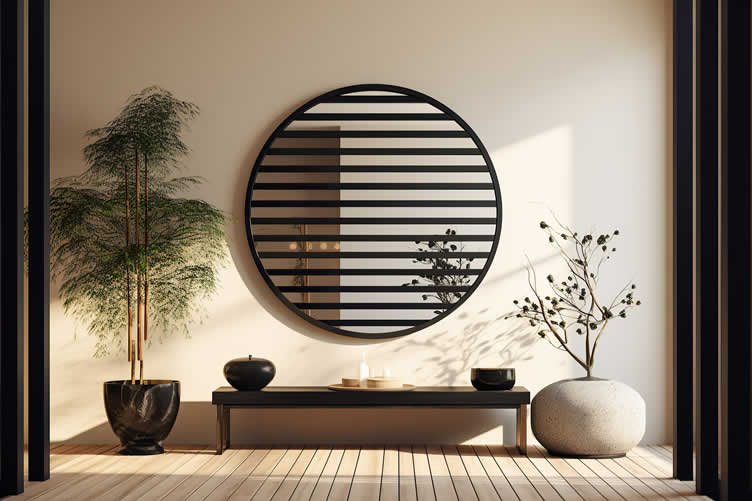
Frameless mirrors, on the other hand, offer a sleek, minimalist look that blends seamlessly into contemporary settings. Their clean edges and unobtrusive design make them perfect for smaller spaces or any area where a subtle, modern touch is desired.
-
Other Specialty Mirrors[ view]
Beyond common styles, a variety of specialty mirrors enhance homes in unique ways. Smart mirrors integrate technology with design, offering features such as built-in lighting, touch displays, and even virtual assistants—ideal for tech-savvy homeowners.
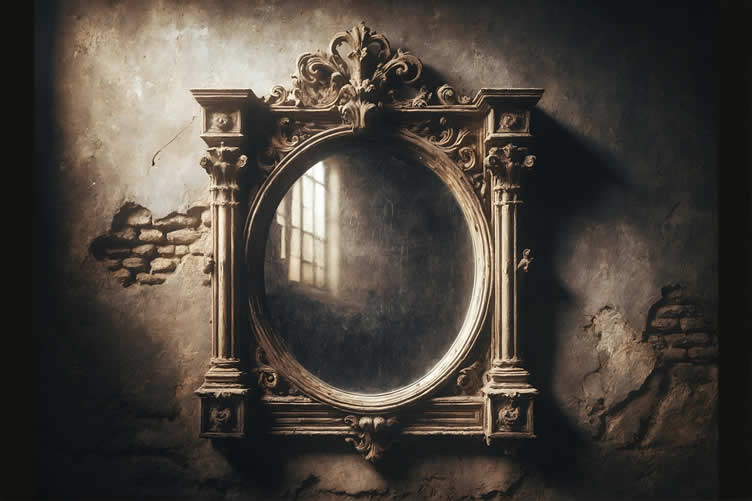
Antique mirrors, with their distinct patinas and aged finishes, introduce a sense of history and charm to traditional or eclectic interiors.
Furthermore, decorative accent mirrors come in various geometric shapes and artistic motifs that double as wall art, enhancing the visual impact of any room. Each of these mirrors caters to specific tastes and needs, showcasing the adaptability of mirrors in enhancing both form and function.
Type of Mirror Description Applications Plane (Flat) Mirrors Plane mirrors feature a flat reflective surface that produces an image identical to the object, maintaining accurate proportions and realistic reflections. They integrate seamlessly into various decor styles while offering functionality. Commonly used in bathroom vanities, wall decor, and dressing mirrors. Ideal for grooming, applying makeup, and checking outfits. Concave Mirrors Concave mirrors have a curved reflective surface that curves inward, reflecting light to a single focal point. They are known for magnified reflections and precision clarity. Used in personal grooming tools like magnifying makeup mirrors and shaving mirrors, as well as in scientific and medical applications. Convex Mirrors Convex mirrors curve outward, providing enhanced peripheral views and reducing blind spots. They offer a unique decorative touch with distorted yet artistic reflections. Primarily used in safety and security settings like parking garages and roads, but also in creative interior design for artistic purposes. Full-Length and Leaning Mirrors Full-length mirrors provide a complete head-to-toe reflection, while leaning mirrors rest against walls for casual sophistication. Both expand the perceived size of rooms and fill them with light. Ideal for bedrooms, dressing rooms, and entryways. Perfect for curating outfits and adding visual depth to small spaces. Framed vs. Frameless Mirrors Framed mirrors enhance decorative appeal with various designs and materials, while frameless mirrors offer a minimalist look with clean edges for modern settings. Framed mirrors are common in living areas, bathrooms, and bedrooms, while frameless mirrors suit smaller spaces and contemporary interiors. Other Specialty Mirrors Specialty mirrors include smart mirrors with tech features, antique mirrors with aged finishes, and decorative accent mirrors in geometric shapes and artistic motifs. Smart mirrors cater to tech-savvy users, antique mirrors suit traditional interiors, and decorative mirrors enhance visual impact as wall art. 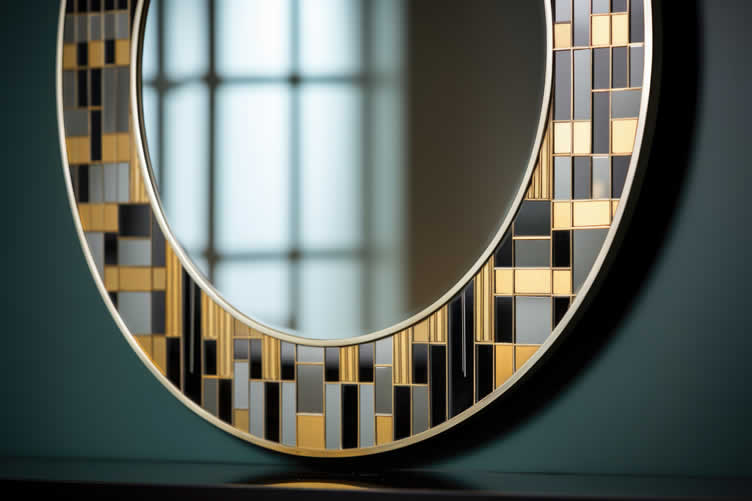
copyright image by 123rf.com
-
Scroll up to directory … or scroll to next section for bathroom mirrors…
-
-
3rd TERM: Enhancing Bathroom Design with the Right Mirror
When designing or upgrading a bathroom, mirrors are a pivotal element that offers more than just functionality.
These essential fixtures can dramatically influence the room’s aesthetics, improve lighting, and create a sense of spaciousness, making them indispensable in both small and large bathrooms.
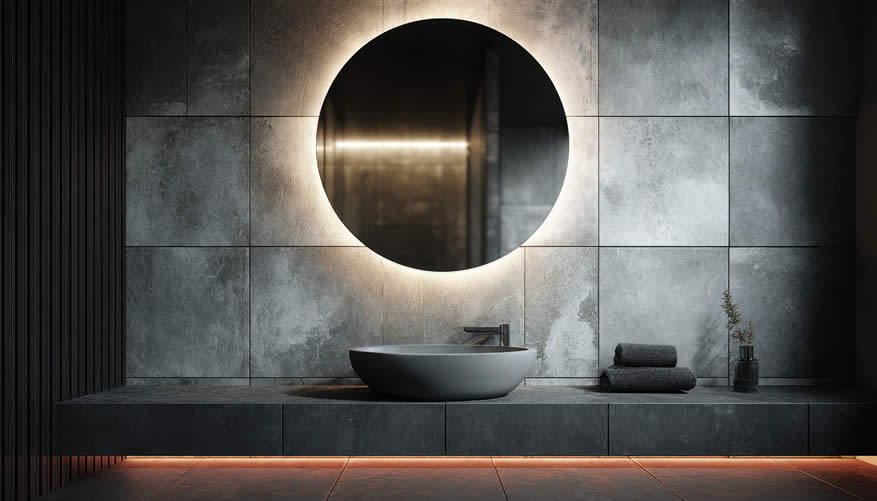
copyright image by 123rf.com
Selecting the right bathroom mirror requires consideration of both practical needs and decorative appeal, as various options exist to suit diverse tastes, purposes, and budgets.
Below, we explore the types of bathroom mirrors available and their unique characteristics to help you make an informed choice for your space.
[ view summary table: bathroom mirrors ]
-
Vanity Wall Mirrors[ view]
Vanity wall mirrors are the most common type of bathroom mirror, offering a blend of practicality and style.
These mirrors can be framed or frameless, allowing homeowners to choose between a sleek modern look or a more traditional, ornate design. Standard vanity mirrors offer a clean, functional reflection, making them ideal for daily grooming tasks.
Backlit vanity wall mirrors, which incorporate integrated LED lighting, are a popular choice for contemporary bathrooms, as they provide even illumination without harsh shadows, ensuring optimal lighting for makeup application or shaving. Their ability to create a soft focal point also enhances the ambience of the bathroom.
-
Medicine Cabinet Mirrors[ view]
For those seeking both storage and functionality, medicine cabinet mirrors are a practical solution. These mirrors often serve dual purposes, concealing a recessed or surface-mounted storage compartment behind their reflective surface.
Recessed medicine cabinet mirrors are flush with the wall, offering a streamlined appearance, while surface-mount options are easier to install and suitable for renters or quick renovations.
Beyond their utility in organizing toiletries, these mirrors are designed to maximize convenience and efficiency in smaller bathrooms where space is limited.
-
Magnifying Mirrors[ view]
Magnifying mirrors are an excellent addition to any bathroom for tasks requiring precision, such as makeup application or shaving. These concave mirrors provide a close-up view and are often mounted on adjustable arms or positioned on countertops for ease of use.
Their ability to focus on specific areas makes them a necessity for detailed grooming. Some options also include built-in LED lighting for improved visibility in low-light settings, addressing the need for clarity during intricate tasks.
-
Smart Wall Vanity Mirrors[ view]
Smart technology has revolutionized the bathroom mirror market, introducing innovative features that enhance convenience and functionality.
Smart wall vanity mirrors often include touch controls, dimmable lighting, Bluetooth connectivity for music or calls, and even anti-fog capabilities for a seamless user experience.
Some advanced models also feature integrated screens for weather updates, tutorials, or virtual assistants, making them ideal for tech-savvy individuals looking to combine luxury with modern functionality.
-
LED and Backlit Mirrors[ view]
LED and backlit mirrors combine sleek design with energy efficiency, appealing to homeowners who value both aesthetics and sustainability. These mirrors are designed to emit a soft light from behind or along the edges of the reflective surface, creating an elegant glow that complements modern and minimalist bathroom designs.
The evenly distributed lighting minimizes shadows, making these mirrors particularly advantageous in bathrooms with insufficient natural light. Additionally, many LED mirrors come with touch sensors or dimming options, allowing for customization based on the time of day or personal preference.
-
Other Types of Bathroom Mirrors
Beyond the standard options, specialty mirrors can bring unique character to a bathroom. Decorative statement mirrors, for instance, often feature intricate frames or unconventional shapes, serving as a focal point while expressing individual style.
Pivot-mounted mirrors are another practical yet stylish choice, as they can be angled to suit users of different heights or lighting conditions. For those seeking a custom solution, oversized mirrors provide a dramatic effect, amplifying the sense of space while reflecting additional light throughout the room.
Mirror Type Description Features Vanity Wall Mirrors Common bathroom mirrors that blend practicality and style. They can be framed or frameless and cater to both modern and traditional designs. Available in standard and backlit options. Backlit mirrors provide even lighting, reduce shadows, and create a soft focal point for enhanced ambiance. Medicine Cabinet Mirrors Combines a reflective surface with hidden storage compartments, helping optimize space and organization in smaller bathrooms. Available in recessed or surface-mounted styles. Adds convenience and efficiency for organizing toiletries while maintaining practicality. Magnifying Mirrors Concave mirrors designed for precision tasks such as makeup application and shaving, offering a close-up view. Often mounted on adjustable arms or placed on countertops. Some include LED lighting for better visibility in low-light settings. Smart Wall Vanity Mirrors Advanced mirrors integrating modern technology for enhanced convenience and functionality, ideal for tech-savvy users. Features include touch controls, dimmable lighting, Bluetooth connectivity, anti-fog capabilities, and integrated screens for various updates. LED and Backlit Mirrors Designed for energy efficiency and aesthetics, these mirrors emit soft light for a modern and minimalist appeal. Minimizes shadows with evenly distributed lighting. Often includes touch sensors or dimming options for personalization. Other Specialty Mirrors Includes decorative statement mirrors, pivot-mounted mirrors, and oversized mirrors for unique style and functionality in bathrooms. Can feature intricate frames or unconventional shapes. Pivot-mounted mirrors adjust to user preferences, and oversized mirrors amplify space and light. 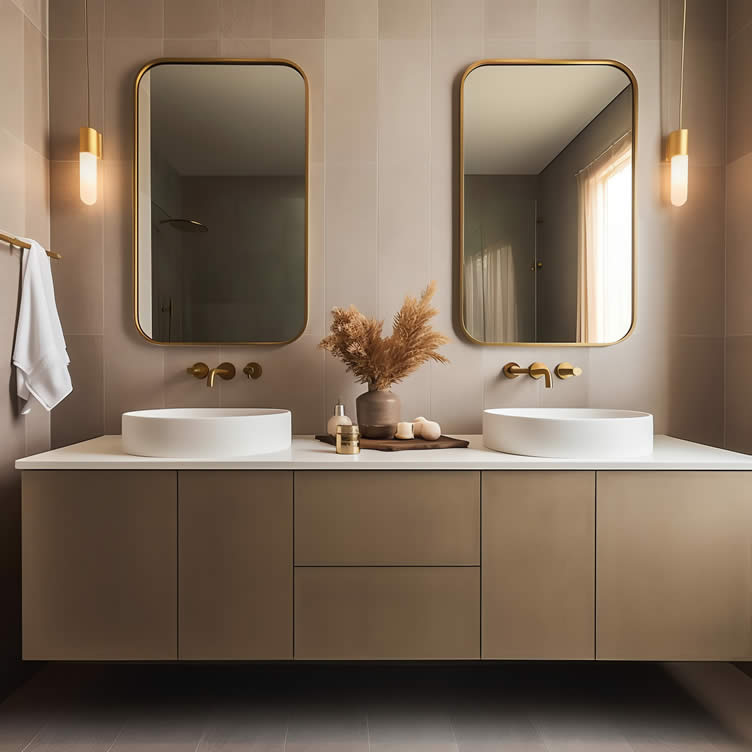
copyright image by 123rf.com
-
Scroll up to directory … or scroll to next section for bedroom mirrors …
-
-
4th TERM: Mirrors for the Bedroom
Mirrors are an essential element in bedroom design, offering both functional and aesthetic benefits. They enhance natural light, create the illusion of a larger space, and add a touch of elegance to the decor.
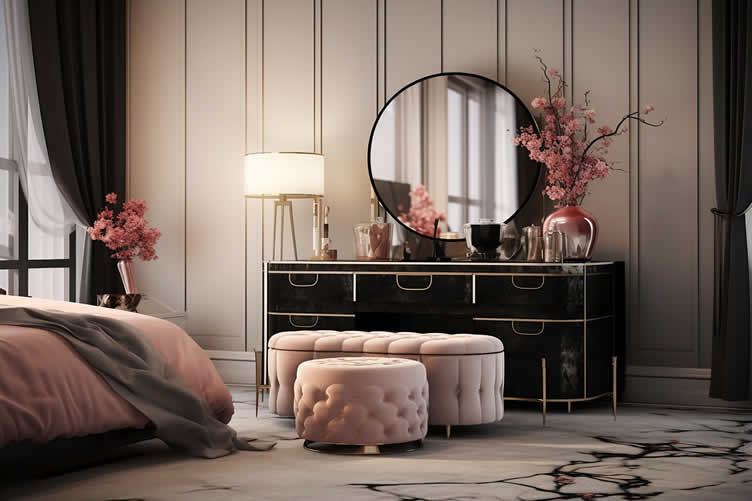
copyright image by 123rf.com
When thoughtfully chosen and placed, mirrors can transform the bedroom into a harmonious and visually balanced retreat.
With a wide range of styles, sizes, and designs available, selecting the right bedroom mirror depends on your specific needs for functionality and your preferred design theme.
Below, we explore some common types of bedroom mirrors and their multi-faceted uses.
[ view summary table: bedroom mirrors ]
-
Dresser and Vanity Mirrors[ view]
Attached or paired with dressers and vanities, these mirrors combine practicality with timeless style. Dresser mirrors often come as part of a set, forming a cohesive look that pairs perfectly with the furniture. They provide an excellent surface for personal grooming, makeup application, or hairstyling while enhancing the aesthetics of the space.
Vanity mirrors, on the other hand, can either be mounted or freestanding. Many contemporary vanity mirrors feature built-in lighting, which ensures a well-lit and shadow-free reflection for detailed tasks.
Selecting a sleek or ornate design for your dresser or vanity mirror can complement your bedroom’s overall decor, whether it leans towards traditional charm or modern minimalism.
-
Full-Length and Cheval Mirrors[ view]
For those who prioritize practical dressing solutions, full-length mirrors are ideal. These versatile mirrors allow you to view your outfit from head to toe, making them essential for daily routines.
Full-length models can be freestanding, tilted on a cheval frame, or leaned against the wall for a more informal yet stylish presentation. Cheval mirrors, with their adjustable tilt, offer added flexibility for users of varying heights.
Beyond their functional purpose, full-length mirrors can visually elongate a room, creating an airy and spacious atmosphere. Opting for a mirrored frame or embellished edges can turn this utility piece into a decorative feature.
-
Over-Bed or Above-Dresser Decorative Mirrors[ view]
Decorative mirrors installed above the bed or dresser lend an artistic touch to the bedroom while serving a reflective purpose. These mirrors come in diverse shapes, including round, arched, rectangular, and abstract designs, making them an excellent focal point to emphasize the room’s character.
When placed above the bed, a uniquely designed mirror can draw attention to the headboard area, adding height and dimension to the decor.
Similarly, an above-dresser mirror can balance your wall’s negative space while offering additional functionality for occasional use. Integrating framed or frameless designs allows for further customization, enabling seamless coordination with your bedroom style.
-
Other Specialty Mirrors[ view]
Bedrooms with unique layouts or design themes can benefit greatly from specialty mirrors tailored to individual needs. Folding or tri-fold mirrors act as dynamic pieces for dressing areas, providing multiple angles at once for greater convenience.
Wall-mounted mirrors with decorative frames can introduce artisanal charm, while geometric mirror arrangements can double as art installations on expansive walls. For a minimalistic or modern aesthetic, frameless mirrors with clean lines are ideal, delivering an understated yet sophisticated look.
Additionally, mirrored furniture, such as cabinets or bedside tables, offers a functional yet stylish way of integrating reflective surfaces into your bedroom seamlessly.
Whether you’re aiming for enhanced functionality or a decorative statement, choosing the right mirror for your bedroom involves thoughtful consideration of both form and function.
By ensuring your mirrors reflect not only light but also your personal style and preferences, you can achieve a living space that feels uniquely yours.
Type of Mirror Description Benefits Dresser and Vanity Mirrors Attached or paired with dressers and vanities, these mirrors combine practicality with timeless style. Many come as part of a set, matching the furniture for a cohesive look. Vanity mirrors can be mounted or freestanding, often featuring built-in lighting for shadow-free reflection. Ideal for personal grooming, makeup application, and hairstyling. Enhances the aesthetics of the space while maintaining functionality. Built-in lighting in modern designs ensures better visibility for detailed tasks. Full-Length and Cheval Mirrors These mirrors provide a head-to-toe reflection and can be freestanding, tilted on a cheval frame, or leaned against a wall. Cheval mirrors have adjustable tilt features. Essential for daily dressing routines. Visually elongates the room, creating a spacious atmosphere. Mirrored frames or decorative edges can further enhance the decor. Over-Bed or Above-Dresser Decorative Mirrors Decorative mirrors that are installed above the bed or dresser come in diverse shapes and can emphasize the room’s character. They function as both reflective surfaces and artistic focal points. Adds height and dimension to the decor while balancing wall space. Offers occasional functionality while serving as a design statement in the bedroom. Specialty Mirrors Includes folding or tri-fold mirrors providing multiple angles, wall-mounted mirrors with unique frames, geometric mirror arrangements, or mirrored furniture. Tailored to individual needs and enhances both style and functionality. Ideal for bedrooms with unique layouts or distinct aesthetic themes. 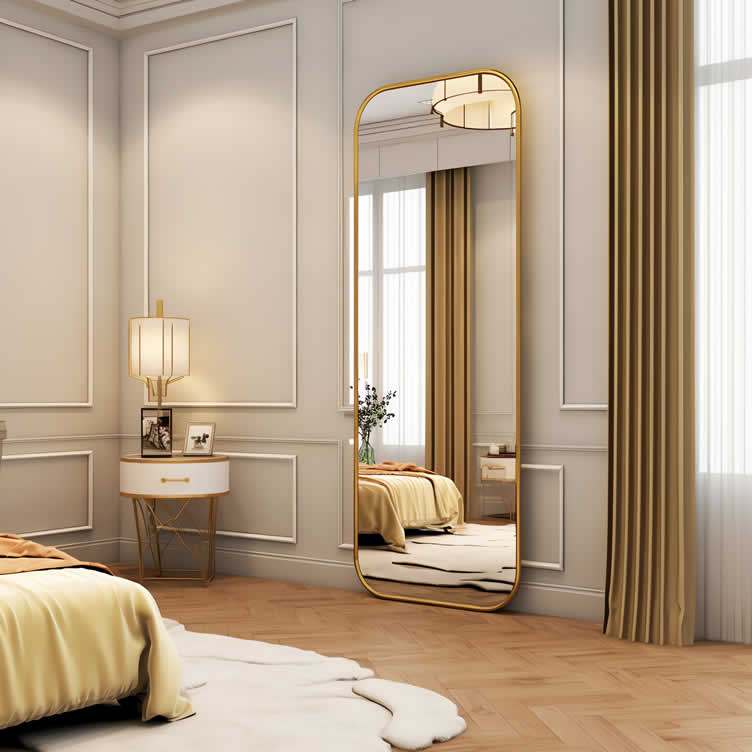
copyright image by 123rf.com
-
Scroll up to directory … or scroll to next section for living room mirrors …
-
-
5th TERM: Types of Mirrors for the Living Room
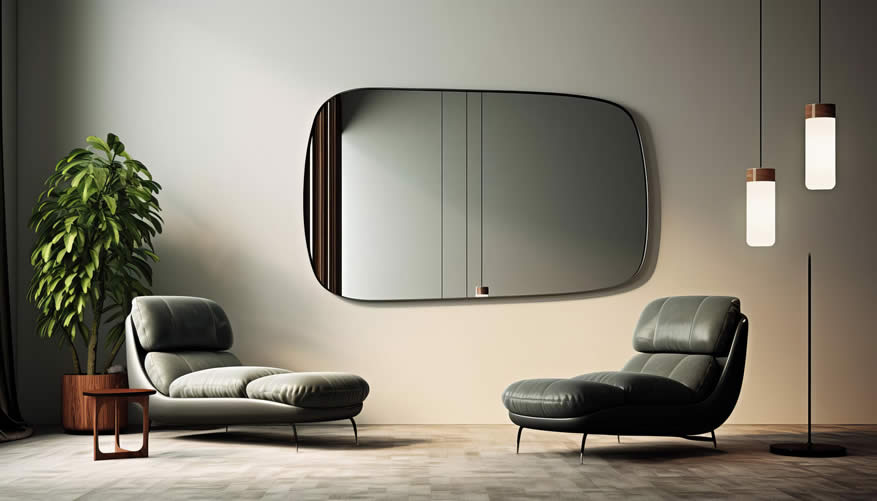
Mirrors are an essential design element for any living room, offering both practical benefits and opportunities for creative expression.
copyright image by 123rf.com
Whether your goal is to make the space feel larger, reflect natural light, or enhance the overall aesthetic, selecting the right mirror can elevate your living room to a new level of sophistication and functionality.
By understanding the diverse options available, you can choose the perfect mirror style to meet your specific needs and design preferences.
[ view summary table: living room mirrors ]
-
Statement Wall Mirrors[ view]
Wall-mounted mirrors designed for decorative purposes are often the centerpiece of a living room. These mirrors come in a variety of shapes, including circular, square, arched, and geometric designs, making them ideal for creating visual interest.
Positioned above a fireplace mantel or as the focal point of a feature wall, statement mirrors can accentuate the existing decor and help define the room’s theme.
Mirrors framed in gold, black, or natural wood finishes can either complement minimalist interiors or enhance more dramatic, luxurious designs. Their ability to amplify natural light also makes them a valuable tool for brightening darker spaces.
-
Over-Sofa Mirrors[ view]
Over-sofa mirrors are an excellent way to balance your living room’s design by adding symmetry and proportion. These mirrors are typically rectangular or horizontal in shape to align with the length of the sofa, making the space feel more cohesive.
Besides adding a decorative element, they help reflect light from windows or other light sources, creating a sense of depth in the room.
For those who prefer a contemporary touch, frameless designs work seamlessly in modern interiors, while more ornate frames suit transitional or traditional living rooms.
-
Full-Length or Leaning Mirrors[ view]
Full-length mirrors, whether freestanding or leaning against a wall, add a unique and functional flair to living rooms. While they are traditionally associated with bedrooms or dressing areas, in the living room, they provide an opportunity to create the illusion of height and add architectural dimension.
These mirrors are particularly popular in smaller apartments or spaces where visual tricks can make the room appear larger. Leaning mirrors with decorative frames can also infuse a sense of casual elegance, providing versatility to rearrange their placement when reconfiguring the layout of your living room.
-
Accent Mirrors in Niches or Alcoves[ view]
Accent mirrors placed strategically in living room niches or alcoves offer subtle yet effective ways to reflect light and draw attention to architectural details. Using smaller mirrors in these spaces can successfully break up solid walls and create unique design vignettes.
Mirrored panels or clusters can further amplify the effect by introducing a playful, artistic element to the room. These mirrors fit naturally into smaller spaces without overwhelming the decor, making them perfect for living rooms aiming to achieve subtle sophistication.
-
Functional Living Room Mirrors[ view]
For those who favor practicality alongside style, functional mirror options are worth considering. Mirrored furniture, such as console tables or coffee tables with reflective surfaces, combines usability with artistry.
These items double as storage solutions while also bouncing light around the room to keep the space feeling bright and welcoming.
Mirrors with built-in shelving or hooks provide dual functionality, ideal for homeowners looking for creative ways to maximize their living area’s utility.
-
Selecting the Perfect Mirror for Your Living Room
When choosing the right mirror for your living room, it’s essential to consider both the functional and decorative aspects. Assess the scale of the space and its existing decor to determine the appropriate size, frame style, and placement of the mirror.
Opt for designs that align with your personal taste while supporting your broader vision for the room. Trusted brands and resources can provide quality craftsmanship, ensuring your mirrors are both beautiful and durable.
Mirror Type Description Style & Placement Benefits Statement Wall Mirrors Wall-mounted mirrors designed for decorative purposes, offering diverse shapes such as circular, square, arched, and geometric designs. Ideal for positioning above a fireplace mantel or as a focal point on a feature wall. Frames include gold, black, or natural wood finishes. Amplify natural light, create visual interest, and complement or enhance existing decor themes. Over-Sofa Mirrors Rectangular or horizontal mirrors that align with the length of the sofa, providing symmetry and proportion. Placed above sofas to reflect light and integrate seamlessly into contemporary or traditional interiors, depending on the frame style. Enhances the room’s depth and adds balance to the overall design. Full-Length or Leaning Mirrors Freestanding or leaning mirrors traditionally used in bedrooms but offering architectural dimension to living rooms. Popular in smaller apartments or spaces; decorative frames provide casual elegance and can be easily relocated. Creates the illusion of height, makes spaces appear larger, and adds a functional yet stylish element. Accent Mirrors in Niches or Alcoves Smaller mirrors strategically placed in niches or alcoves to reflect light and highlight architectural details. Integrates well into smaller spaces without being overwhelming; mirrored panels or clusters add artistic charm. Breaks up solid walls, adds subtle sophistication, and creates unique design vignettes. Functional Living Room Mirrors Mirrored furniture such as console tables or coffee tables, often combined with built-in shelving or hooks. Dual-purpose items that serve both as storage solutions and decorative pieces. Bounces light around the space, enhances brightness, and maximizes utility while maintaining stylish aesthetics. 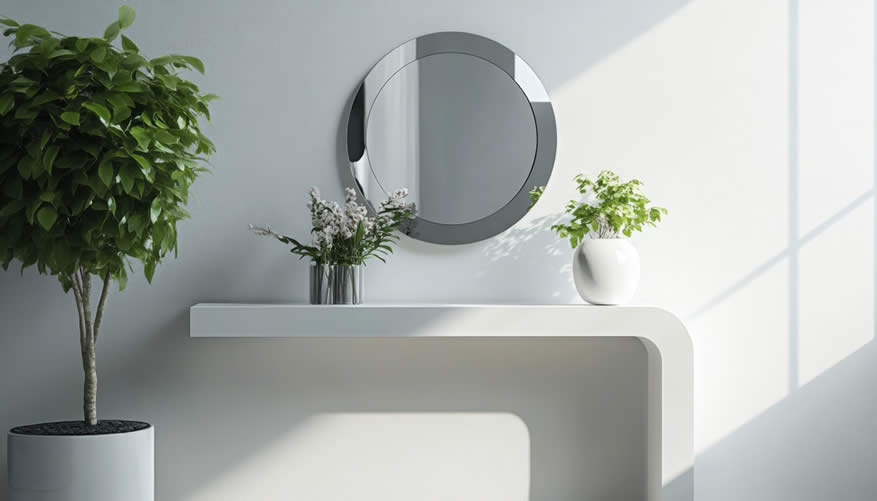
copyright image by 123rf.com
-
Scroll up to directory … or scroll to next section for entryway mirrors …
-
-
6th TERM: Entryway and Mudroom Mirrors
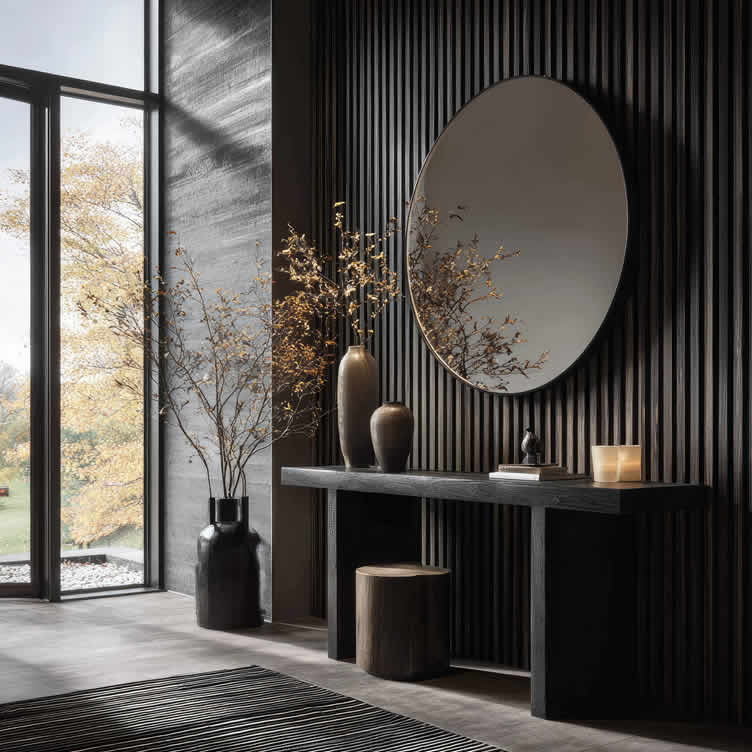
The entryway and mudroom play essential roles in setting the tone for your home and streamlining daily routines. Mirrors in these spaces are more than just functional tools; they serve as key design elements that enhance practicality and aesthetic appeal.
copyright image by 123rf.com
Whether your goal is to check your appearance before stepping out or to create a welcoming ambiance for guests, selecting the right mirror for your entryway or mudroom can make all the difference.
Below, we explore different types of mirrors suited for these areas and their unique benefits.
[ view summary table: entryway mirrors ]
-
Console and Entry Mirrors[ view]
Positioned above a console table or shoe cabinet, console or entry mirrors are perfect for last-minute checks as you head out the door. These mirrors often feature stylish frames that complement your decor while creating a focal point in the entryway.
They not only add functionality but also contribute to a welcoming atmosphere by reflecting natural or artificial light, making the space feel larger and brighter.
Whether you prefer a sleek modern design or a vintage-inspired frame, these mirrors can effortlessly tie the room’s aesthetic together while serving a practical purpose.
-
Full-Length Mirrors[ view]
Full-length mirrors are an excellent addition to entryways or mudrooms, offering comprehensive reflections ideal for a “check before you leave” scenario. These mirrors, often wall-mounted or affixed to the back of a door, allow you to see your entire outfit from head to toe before walking out.
Beyond practicality, full-length mirrors can visually expand the area, making smaller spaces feel more open and less confined. For durability and style, look for options with sturdy frames in materials such as wood or metal that match your home’s overall design theme.
-
Functional Mirrors with Hooks or Shelves[ view]
Small, functional mirrors designed with integrated hooks or shelves are particularly popular in mudrooms and entryways where storage space is a premium. These innovative designs combine the reflective utility of a mirror with practical features for organizing keys, mail, coats, or accessories.
They are an excellent choice for families or individuals who prioritize an organized and clutter-free space. Available in various finishes, from rustic wood to polished metal, these mirrors bring both style and versatility to your entryway.
-
Convex or Wide-Angle Security-Style Mirrors[ view]
For entryways or mudrooms with tricky sightlines or limited visibility, convex or wide-angle security-style mirrors provide an unexpected yet highly practical solution.
These mirrors offer a broader field of view, improving safety and awareness in spaces where direct sight may be obstructed, such as around narrow corners or by stairways. While often associated with functional use, these mirrors can also add an intriguing design element to modern or industrial-style interiors.
-
Other Unique Mirror Options[ view]
Creative homeowners may opt for custom or uniquely shaped mirrors to serve dual roles as decor and functional tools. Round mirrors, for instance, soften a space, introducing organic curves that contrast with angular furniture or architecture.
For a bold statement, oversized or decorative mirrors with intricate carvings or bold metallic finishes can add drama and sophistication. These distinctive pieces personalize your entryway or mudroom’s design while providing all the essential reflective benefits.
Investing in the right type of mirror for your entryway or mudroom enhances its practicality, elevates its charm, and ensures your home makes an excellent first impression.
Thoughtfully chosen mirrors can transform these high-traffic areas into spaces that reflect not only light but also your unique sense of style and attention to detail.
Opt for high-quality materials and trusted manufacturers to ensure durability and timeless appeal, and your entryway or mudroom will remain functional and stylish for years to come.
Mirror Type Description Benefits Console and Entry Mirrors Positioned above a console table or shoe cabinet, these mirrors feature stylish frames and create a focal point in the entryway. They reflect natural or artificial light, enhancing the atmosphere. Provide last-minute appearance checks, add functionality, and make spaces feel larger and brighter while contributing to a cohesive aesthetic. Full-Length Mirrors Wall-mounted or affixed to doors, these mirrors offer comprehensive reflections of the entire outfit and visually expand the area. Enable a full appearance check, increase the perception of space, and combine durability with style using materials like wood or metal. Functional Mirrors with Hooks or Shelves These mirrors integrate storage solutions like hooks or shelves for keys, coats, and other accessories, balancing reflective utility with practicality. Help maintain an organized, clutter-free space while offering versatile style options in finishes like rustic wood or polished metal. Convex or Wide-Angle Security-Style Mirrors Provide a broader field of view, improving visibility in spaces with tricky sightlines or obstructions, often adding a modern or industrial design element. Enhance safety and awareness while complementing contemporary aesthetics with bold and functional design. Other Unique Mirror Options Custom or uniquely shaped mirrors, such as round or oversized designs with intricate carvings, serve dual roles as decor and functional tools. Personalize the space, add dramatic or sophisticated elements, and introduce organic forms or bold metallic finishes for a distinct style. 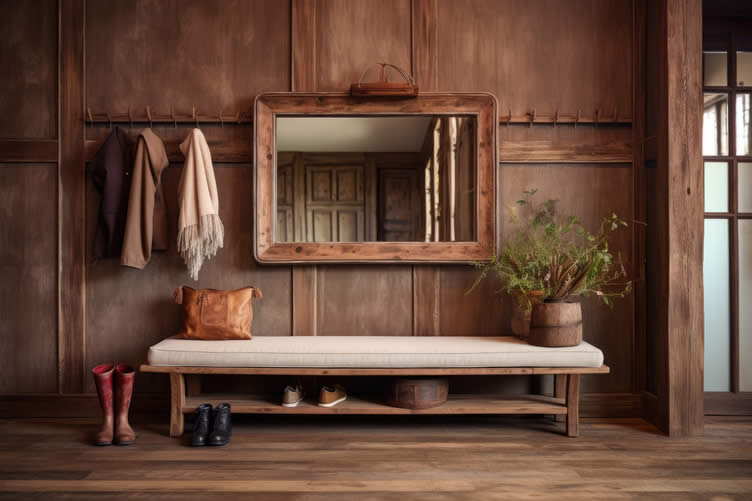
copyright image by 123rf.com
-
Scroll up to directory … or scroll to next section for mirrors in the kitchen …
-
-
7th TERM: Kitchen Mirrors
Adding mirrors to your kitchen can serve both practical and aesthetic purposes, transforming the space into one that feels brighter, larger, and more welcoming.
Kitchens are often the hub of the home, filled with activity and creativity, so it’s essential to create an environment that supports not only functionality but also a modern and stylish ambiance.
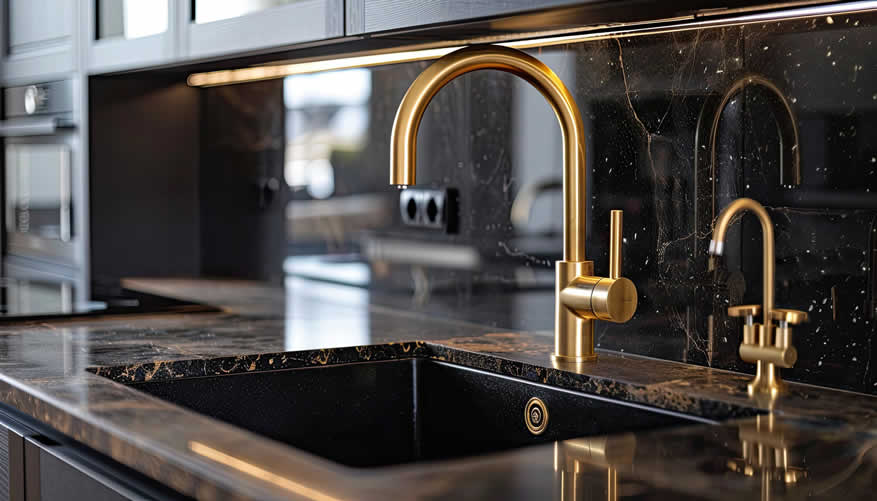
copyright image by 123rf.com
Mirrors in the kitchen, when thoughtfully incorporated, can achieve this balance effortlessly. Below, we explore various types of kitchen mirrors and how they contribute to enhancing your cooking and gathering space.
[ view summary table: kitchen mirrors ]
-
Backsplash Mirrors[ view]
Backsplash mirrors are a unique option for enhancing the appearance and functionality of your kitchen. A full or partial mirrored backsplash reflects natural light and nearby elements, creating the illusion of a more open and expansive area.
This is especially advantageous for smaller kitchens, where maximizing light is critical. Additionally, mirrored backsplashes can capture views from windows or other design focal points, adding depth and interest to the space.
Opt for tempered glass options for durability and easy cleaning, ensuring they maintain their polished appeal even in high-activity zones.
-
Mirrored Cabinet Doors or Appliance Panels[ view]
For kitchens with limited square footage, mirrored cabinet doors or decorative appliance panels can be a game changer. These features amplify the feeling of space by reflecting light and creating the illusion of depth, which is particularly beneficial in narrow or compact kitchens.
Beyond their space-enhancing qualities, mirror-faced doors also provide a modern, sleek aesthetic that pairs beautifully with contemporary or minimalistic design themes.
When selecting mirrored panels, choose high-quality finishes with anti-scratch and anti-smudge coatings for longevity and ease of upkeep.
-
Small Decorative Wall Mirrors[ view]
Strategically placed decorative wall mirrors can bring a touch of elegance and personality to your kitchen. These mirrors are often circular, oval, or geometric in shape and are best installed in areas away from water and cooking splashes, such as over a breakfast nook or on an adjacent wall.
Small mirrors can serve as stunning accents, complementing your kitchen’s lighting fixtures, cabinetry finish, or overall color palette. Additionally, they reflect ambient light, creating a warm and inviting atmosphere that’s perfect for entertaining or family meals.
-
Other Creative Uses of Mirrors in Kitchens[ view]
Innovative uses of mirrors can add uniqueness to your kitchen design. For instance, mirrored shelving or open shelves with a mirrored backing can elevate your display of beautiful dishware or glassware while making the area appear more spacious.
Another trend is incorporating mirror details on kitchen islands or bars, which contribute a polished, sophisticated vibe to the room. Using mirrors creatively allows for subtle reflections that enhance the room’s dimension and charm without overpowering the overall aesthetic.
By understanding the various ways mirrors can be integrated into your kitchen, you can make design choices that align with your needs and preferences.
Whether you’re striving to enlarge a compact kitchen, brighten a darker space, or simply add an element of sophistication, mirrors offer a dynamic solution. Remember to prioritize quality and practicality by choosing mirrors designed for durability and ease of cleaning, ensuring they remain a valuable investment in your home.
Mirror Type Description Benefits Backsplash Mirrors Full or partial mirrored backsplashes reflect natural light and nearby elements, creating the illusion of a more open and expansive kitchen. They can also capture views from windows or design focal points. Maximizes light in smaller kitchens, adds depth and interest, and enhances appearance with tempered glass options for durability and easy cleaning. Mirrored Cabinet Doors or Appliance Panels Mirrored cabinet doors or decorative appliance panels reflect light and create the illusion of a larger space. They add a modern, sleek touch to contemporary or minimalistic kitchen designs. Amplifies space, perfect for compact kitchens, and provides anti-scratch and anti-smudge coatings for durability and easy maintenance. Small Decorative Wall Mirrors Strategically placed decorative mirrors, often circular or geometric, serve as striking accents. They are typically installed over dining areas or on adjacent walls for visual appeal. Adds elegance and personality, complements the kitchen’s aesthetic, and reflects ambient light to create a warm, inviting atmosphere. Other Creative Uses Includes mirrored shelving, open shelves with mirrored backings, or mirror details on kitchen islands or bars for a polished look. Enhances dimension and charm, provides subtle reflections without overpowering the space, and elevates displays of dishware or glassware. 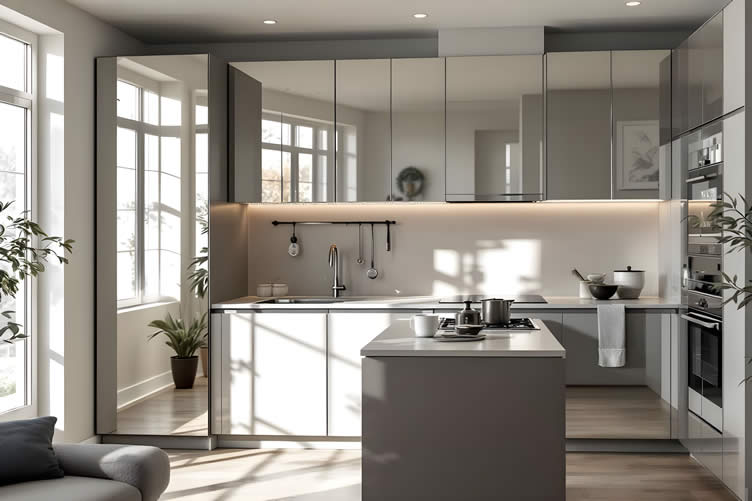
AI generated image by 123rf.com
-
Scroll up to directory … or scroll to next section mirrors in other home areas …
-
-
8th TERM: Hallways, Stairs, and Other Home Area Mirrors
Mirrors serve as more than just functional accessories in the home; they are design elements that have the power to transform spaces, reflecting both light and personality.
AI generated image by 123rf.com
When thoughtfully chosen and placed, mirrors can enhance hallways, stairs, and other areas of the home, providing practical benefits while elevating the overall aesthetic.
Below, we explore the types of mirrors suited for these spaces, highlighting their uses and design potential.
[ view summary table: other areas of the home mirrors ]
-
Hallway Wall Mirrors[ view]
Hallways often pose unique design challenges, as their narrow proportions can make them feel confined and visually limiting. Incorporating hallway wall mirrors, such as narrow rectangular or arched styles, creates an optical illusion that makes tight corridors appear wider and more inviting.
Strategically positioned to reflect light from windows or overhead fixtures, these mirrors brighten the space and contribute to a sense of expansiveness.
From modern frameless designs to ornate antique frames, hallway mirrors can also serve as stylish focal points, complementing various decor preferences.
-
Stair Landing Mirrors[ view]
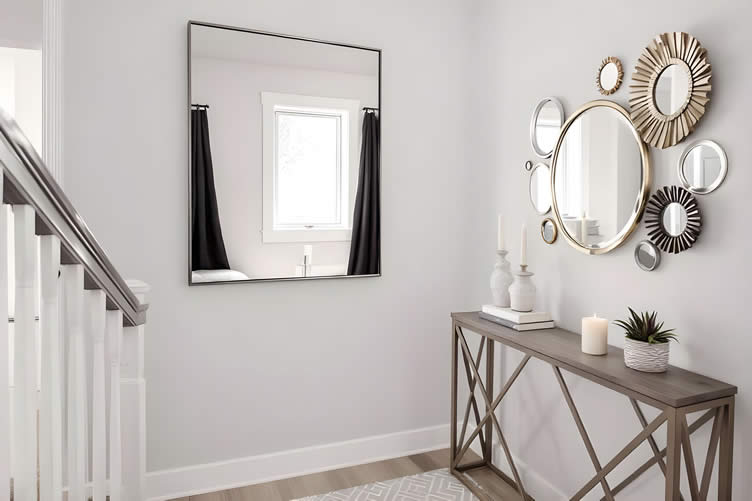
Stair landings are frequently underutilized spaces that present an excellent opportunity for creative decor. Large statement mirrors placed on the landing wall not only add sophistication but also reflect light between floors, creating visual continuity.
Alternatively, a grouping of smaller, creatively arranged mirrors can inject character and interest into the area, acting as art while achieving the same functional benefits.
These mirrors can be tailored to fit traditional and contemporary designs alike, ensuring they seamlessly enhance the flow of your home.
-
Closet and Over-the-Door Mirrors[ view]
For those looking to maximize space, closet mirrors and over-the-door mirrors provide a clever, compact solution. These full-length mirrors are ideal for outfit checks and add depth to small rooms by reflecting surrounding elements.
Their space-saving design makes them particularly appealing for bedrooms or dressing areas where floor real estate is limited. Available in framed and frameless options, these mirrors cater to various style preferences while maintaining practicality.
-
Gym and Fitness Mirrors[ view]
Home gyms and fitness spaces benefit significantly from the inclusion of large, wall-mounted mirrors. Acting as functional tools, these mirrors assist in form checks to enhance your workout effectiveness.
Beyond their practicality, fitness mirrors give the space a professional gym-like atmosphere, making it feel polished and motivating. Frameless panels are often the go-to choice for these areas, delivering seamless reflections without interruptions, allowing individuals to focus on their activities without distraction.
-
Mirrored Furniture[ view]
Mirrored furniture is a creative way to incorporate reflective surfaces into your home decor while combining form and function. Pieces such as mirrored-front dressers, nightstands, and console tables double as storage solutions and light-enhancing design features.
These items work especially well in bedrooms, hallways, or entryways, where their reflective finishes can amplify natural light or add a touch of glamour.
With careful placement, mirrored furniture becomes not only practical but also contributes significantly to a cohesive design aesthetic.
-
Mirror Tabletops and Trays[ view]
For an added layer of sparkle, consider mirror tabletops or trays. Coffee tables, side tables, or vanity surfaces with mirrored finishes infuse elegance and brilliance into living spaces.
These reflective surfaces are particularly effective in capturing and dispersing light, creating a luminous ambiance. Mirror trays, often adorned with intricate designs, can serve as functional decor for organizing candles, perfumes, or decorative objects while maintaining visual interest.
-
Mirrors for Other Spaces[ view]
Beyond hallways, stairs, and furniture, mirrors find relevance in a variety of other areas throughout the home. For outdoor spaces, weather-resistant mirrors designed for patios or decks provide a unique way to reflect garden views or light up dim corners, extending the multi-functionality of mirrors beyond the interiors.
For the sunroom, mirrors can help bounce natural light and create the illusion of a bigger space, making it feel more airy and open. In the bedroom, a full-length mirror can serve as both a functional dressing aid and a stylish statement piece.
And for the recreation room, a well-placed mirror can bring a sense of openness and light, making the area feel more expansive and inviting for gatherings. Adding a mirror to your home bar creates a sense of space and brings a touch of elegance to the setup.
When selecting mirrors for these spaces, consider their size, shape, and placement carefully to ensure they complement the overall design and serve their intended purpose effectively.
Area Type of Mirror Function Description Hallways Wall Mirrors Expand and Brighten Narrow rectangular or arched mirrors create the illusion of wider space, reflect light, and add aesthetic appeal. They range from frameless modern designs to ornate antique options. Stair Landings Statement or Grouped Mirrors Light Reflection and Sophistication Large statement mirrors or grouped smaller mirrors reflect light between floors, add continuity, and create an artistic focal point while enhancing the overall design. Closets Over-the-Door or Full-Length Mirrors Space Optimization Provide outfit-check functionality and add depth to small rooms by reflecting elements. Frameless or framed designs cater to style preferences while conserving space. Home Gyms Wall-Mounted Mirrors Functionality and Motivation Assist with form checks during workouts and create a professional gym-like atmosphere. Seamless frameless mirrors enhance focus. Bedrooms, Entryways, Hallways Mirrored Furniture Storage and Design Mirrored dressers, nightstands, and console tables amplify light and add glamour while doubling as functional storage pieces. Living Spaces Mirror Tabletops and Trays Elegance and Light Dispersion Mirrored coffee tables, side tables, or decorative trays capture and spread light, creating a luminous ambiance while serving as functional decor pieces. Outdoor Areas Weather-Resistant Mirrors Garden Reflection and Brightening Designed for patios or decks, these mirrors enhance outdoor aesthetics by reflecting garden views and lighting dim spaces. Sunrooms Wall or Full-Length Mirrors Light and Space Expansion Reflect natural light to create an airy, open feel, making the space appear larger and brighter. Recreation Rooms/Home Bar Decorative Mirrors Openness and Gatherings Create a sense of light and space, making the area more inviting and comfortable for various activities or hosting. 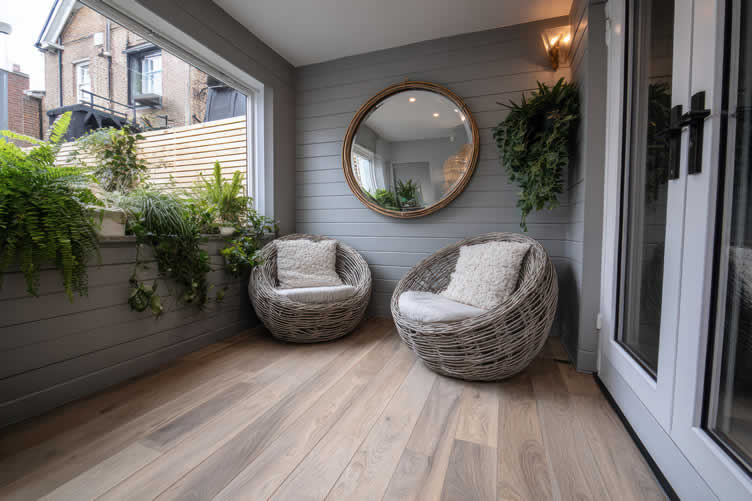
copyright image by 123rf.com
-
Scroll up to directory … or scroll to next section on selecting your mirror …
-
-
9th TERM: Design Considerations When Selecting a Mirror
Choosing the perfect mirror for your space involves more than simply picking a reflective surface. Mirrors are multifaceted decor pieces that can elevate the aesthetic of your home while enhancing its functionality.
AI generated image by 123rf.com
Whether you’re seeking to create the illusion of space, introduce more light, or add an artistic touch, selecting a mirror requires thoughtful consideration of design elements to ensure it harmonizes with your room’s style and meets your practical needs.
Below, we explore key design considerations to guide your selection process.
[ view summary table: selecting your mirror ]
-
Size and Proportion
The size of a mirror dramatically impacts the overall balance and functionality of a room. A large mirror can act as a focal point, reflecting light to make a space feel larger and brighter—ideal for smaller rooms or areas with minimal natural light.
Conversely, a smaller mirror can be used as an accent piece to enhance the decor without overwhelming the space. It’s essential to keep the mirror’s proportions aligned with the size and layout of the room.
For instance, oversized mirrors in compact spaces may dominate rather than enhance, while undersized mirrors in expansive areas may look out of place. Ensuring scale and proportion are in sync with the room’s furniture and dimensions keeps the area visually cohesive.
- Measure the Wall Space:
Start by measuring the height and width of the wall where the mirror will hang to determine the maximum size it can occupy without overwhelming the area. - Consider Furniture Placement:
Ensure the mirror aligns proportionally with furniture below or near it. For example, a mirror above a console table or fireplace should not exceed the width of the furniture. - Factor in Room Size:
Larger mirrors work well in spacious rooms to create a sense of balance, while smaller rooms benefit from medium-sized or strategically placed mirrors to avoid appearing cramped. - Assess Viewing Height:
Position mirrors where they offer functionality and comfort, typically aligning the center of the mirror with the average eye level of occupants. - Leave Adequate Spacing:
Maintain a balanced distance between the mirror and other furnishings or decor to prevent visual clutter and create a more harmonious look. - Purpose of the Mirror:
For decorative purposes, shapes and frame designs may matter more, while functional mirrors like those in bathrooms should consider practicality with appropriate sizes and placements. - Room Lighting:
Ensure the mirror size complements both natural and artificial lighting in the room to enhance brightness without creating overpowering reflections.
- Measure the Wall Space:
-
Shape and Mood
Mirror shapes influence not just design but the emotional tone and atmosphere of a room. Common shapes include rectangular, round, oval, square, and abstract or geometric designs, each offering unique visual and stylistic effects.
- Rectangular Mirrors:
A timeless and versatile shape, rectangular mirrors are excellent for creating structure and balance in a room. They work well over mantels, entryway consoles, or as full-length pieces for bedrooms and closets. - Square Mirrors:
Clean and symmetrical, square mirrors are ideal for minimalist spaces or creating a bold, modern look. They pair well in grid arrangements for a statement wall or as standalone accents in smaller areas. - Round Mirrors:
Soft and elegant, round mirrors add a gentle flow to interiors. They are perfect for breaking up the sharp lines in a room, often used in bathrooms, above dressers, or as decorative focal points. - Oval Mirrors:
Similar in softness to round mirrors, oval shapes bring a refined touch to a room. They can elongate spaces visually and are frequently used in hallways, vanity areas, or above consoles. - Arched Mirrors:
With a slightly vintage or architectural feel, arched mirrors add height and grandeur. They are especially effective in entryways or as dramatic statement pieces in living or dining rooms. - Capsule/Oblong Mirrors:
Sleek and modern, these elongated shapes are perfect for contemporary spaces. They work beautifully as standalone pieces in hallways or as part of vertical compositions to enhance height. - Irregular/Organic Mirrors:
Ideal for adding artistic flair, irregular mirrors come in abstract shapes that serve as décor statements. They are great for eclectic, bohemian, or modern spaces, where they double as wall art while providing functionality.
When considering the mood of a space, it’s important to thoughtfully pair the shape of decor with the desired ambiance you want to create.
For instance, a softly curved mirror can add a sense of warmth and comfort to a bedroom, making it feel more inviting and serene. On the other hand, a sharply angled geometric mirror or decor piece can inject a bold, dynamic energy to a living room or hallway, creating a striking focal point that draws the eye.
By choosing shapes that align with the tone of the room, you can subtly enhance the overall atmosphere and make the space feel more cohesive and intentionally designed.
- Bedroom:
Opt for round or oval mirrors to create a calming and relaxing atmosphere. Paired with soft lighting, these shapes promote tranquility and comfort. - Living Room:
Use large rectangular or sunburst mirrors to reflect natural light and energize the space, adding vibrancy and a sense of openness. - Entryway:
Choose geometric or statement mirrors to make a striking first impression, setting a welcoming tone as guests enter your home. - Bathroom:
Sleek, frameless mirrors or subtly curved designs enhance functionality while maintaining a clean and soothing aesthetic. - Home Office:
Incorporate angular shapes like squares or rectangles to evoke a focused and professional ambiance, complementing a productive workspace.
- Rectangular Mirrors:
-
Mirror Style
Mirrors come in a wide range of styles, offering plenty of options to customize and complement any aesthetic.
Whether you prefer a sleek, modern design or something more ornate and traditional, there’s a mirror to suit every taste and interior theme, making it easy to enhance the look of any space.
- Vintage/Ornate Mirrors
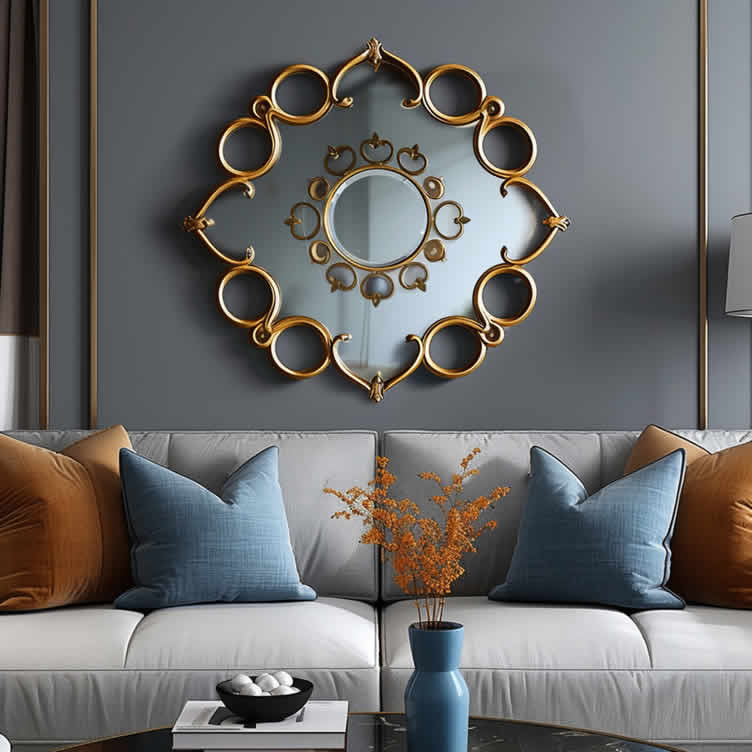
Elegantly detailed with intricate carvings or metallic finishes, these mirrors evoke a sense of old-world charm and sophistication. Perfect for traditional homes, vintage or ornate mirrors add character to entryways, living rooms, or bedrooms. - Minimalist Frameless Mirrors
Sleek and simple, frameless mirrors seamlessly blend into modern or minimalist interiors. They create an understated look that emphasizes clean lines and makes smaller spaces feel more open and airy. - Industrial Metal-Framed Mirrors
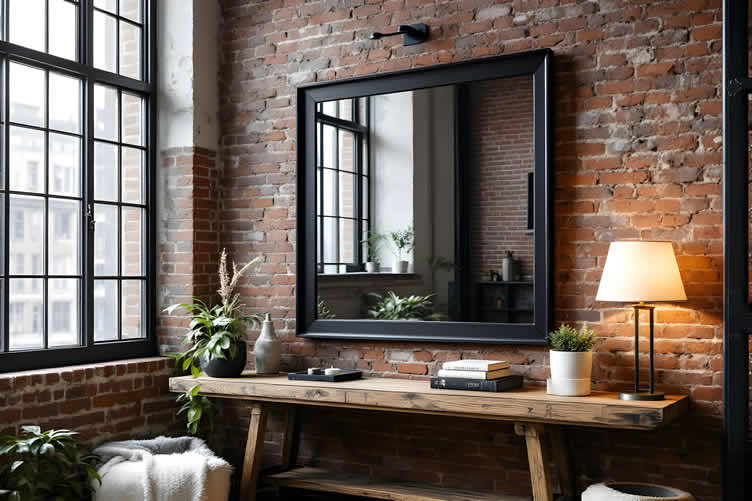
Featuring bold metal frames, often in matte black, bronze, or brushed steel, these mirrors are ideal for urban lofts or industrial-themed spaces. They pair beautifully with exposed brick walls or raw wood elements. - Rustic Wood-Framed Mirrors
Crafted with reclaimed or distressed wood, these mirrors bring warmth and a natural touch to any room. Perfect for cozy, farmhouse, or cabin-inspired settings, they work well in bedrooms, hallways, or over fireplaces. - Coastal-Inspired Mirrors
Often featuring distressed finishes, rope accents, or soft weathered colors, these mirrors evoke a seaside ambiance. Ideal for beach homes or coastal decor themes, they complement light, breezy color palettes. - Farmhouse Bold Statement Mirrors
Designed to stand out, these mirrors often have oversized frames, shiplap details, or bold cuts. They work wonderfully in entryways, over a mantel, or as a focal point in dining rooms for a charming farmhouse vibe. - Grid/Paneled “Window” Mirrors
Styled to mimic windowpanes, these mirrors suit industrial, farmhouse, or classic interiors. They add architectural interest and create the illusion of additional windows, enhancing natural light in any space. - Other Specialized Mirrors
Mirrors like back-lit LED designs, geometric shapes, or artistic styles cater to specific creative tastes. These can be used to energize modern decor, illuminate dark spaces, or function as statement art pieces.
Selecting a mirror style involves assessing the existing design elements of your space and identifying pieces that either blend cohesively or create an intentional contrast.
- Vintage/Ornate Mirrors
-
Lighting
Lighting plays a significant role in the effectiveness of a mirror. A mirror placed opposite or adjacent to a natural light source can amplify brightness and create an inviting atmosphere.
Mirrors positioned under artificial light take on a different role, reflecting warm or cool tones depending on the light choice. For instance, mirrors framed by soft, diffused lighting—such as those with built-in LED borders—are a popular choice for bathrooms or dressing areas due to their practical yet luxurious appearance.
However, it is crucial to avoid glare or harsh reflections. Carefully consider the mirror’s placement relative to light sources, and if necessary, consult design guides or professional advice to ensure the outcome is visually pleasing without introducing discomfort or visual disruption.
- Reflect Natural Light:
Position mirrors to reflect natural light from windows, enhancing brightness and creating a more open atmosphere. - Use Balanced Illumination:
Use wall-mounted lights or sconces on either side of a mirror to provide balanced and flattering illumination, ideal for tasks like grooming or makeup application. - Create Ambient Glow:
Install LED strips or backlighting behind mirrors to create a soft, ambient glow that adds depth and ambiance to the room. - Avoid Harsh Reflections:
Avoid placing mirrors directly opposite harsh light sources to prevent intense glare or unwanted reflections. - Experiment with Accent Lighting:
Experiment with accent lighting, such as pendant lights above a mirror, to create a stylish focal point that complements the room’s design. - Opt for Adjustable Brightness:
Choose dimmable or adjustable lighting to provide flexibility in setting the mood and tailoring the brightness to specific needs. - Maintain Design Cohesion:
Ensure that the mirror placement and lighting are in harmony with the overall aesthetic and layout of the room to achieve a cohesive and functional design.
- Reflect Natural Light:
-
Other Considerations
Beyond aesthetics and lighting, consider functional details, including the durability and material of the mirror. High-quality glass with proper silvering on the back ensures longevity and maintains clarity over time.
For bathrooms or kitchens, choose moisture-resistant mirrors to guard against warping or tarnishing in humid environments. Safety should also be a priority, especially for homes with children. Look for shatterproof or laminated mirrors to reduce risks in case of accidental damage.
Lastly, placement matters significantly. Mirrors at the entryway can create a welcoming impression or serve as a final check before leaving the house. Full-length mirrors in bedrooms provide practicality and elegance, while mirrored backsplashes in kitchens add depth and create a unique visual feature.
Position your mirror where it will achieve its intended purpose while complementing your overall design scheme.
By taking the time to assess each of these design considerations, your choice of mirror can transform not only the look of a space but also the way it feels and functions, resulting in a beautifully personalized home.
Choosing the right mirrors for your recreation room allows you to personalize the space while ensuring it meets your functional and decorative needs.
When selecting mirrors for your home, always prioritize quality, considering factors like durability, ease of cleaning, and visual appeal. By integrating mirrors thoughtfully, you can craft spaces that are not only functional but also stunningly designed, meeting both your practical needs and aesthetic desires.
Design Aspect Description Key Considerations Use Cases Size and Proportion Size of a mirror impacts room balance and functionality, influencing how open or cohesive a space feels. Measure wall space, align proportionally with furniture, and consider room size and viewing height. Large mirrors for spacious areas; medium-sized mirrors for smaller rooms; balanced placement near furniture or eye level. Shape and Mood Mirror shapes affect the design and emotional tone of a room, offering various visual and stylistic effects. Select shapes that align with the room’s atmosphere—soft for cozy spaces, angular for modern, bold looks. Round mirrors for bedrooms, rectangular shapes for living rooms, geometric pieces for entryways, and frameless for bathrooms. Mirror Style Different styles enhance decor themes, such as vintage, minimalist, industrial, or contemporary aesthetics. Choose styles that complement or contrast existing design, like ornate designs for traditional spaces or frameless for modern. Vintage mirrors for character, frameless for minimalism, rustic wood frames for natural warm tones, and industrial for urban themes. Lighting Proper lighting enhances a mirror’s functionality and the ambiance of the room. Avoid glare, position to reflect natural light, and consider LED lighting or dimmable options for flexibility. Mirrors near windows for natural light, LED-lit mirrors for bathrooms, and accent lighting to highlight decorative mirrors. Other Considerations Durability, placement, and safety considerations are crucial for functionality and longevity. High-quality glass, moisture resistance, safety features like shatterproof options, and thoughtful positioning. Entryway mirrors for final checks, full-length for bedrooms, moisture-resistant for bathrooms, and decorative mirrors for kitchens. 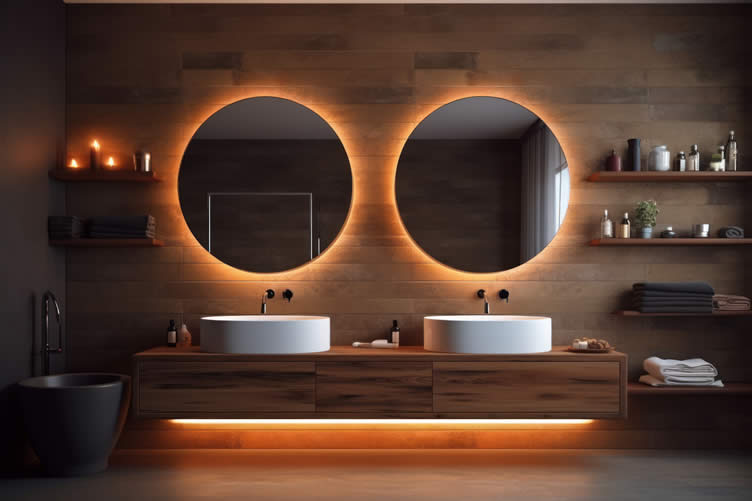
copyright image by 123rf.com
-
Scroll up to directory … or scroll to next section about shopping tips for mirrors …
-
-
10th TERM: The Perfect Reflection: Shopping Tips
Mirrors are a powerful design element in any home—they have the unique ability to make spaces feel larger, brighter, and more polished.
Whether you’re looking to enhance a cozy corner, accessorize a hallway, or create a focal point in your living room, finding the right mirror can transform your space with style and functionality.
copyright image by 123rf.com
However, with so many options available, selecting the perfect mirror can feel overwhelming. From shapes and frames to placement and purpose, the choices are endless, and making the wrong decision can disrupt the balance of your decor.
Shopping for mirrors requires careful consideration of their purpose, placement, and style to ensure they meet both your practical needs and aesthetic goals.
Here are some shopping tips based on the selection process above, along with insights on using a professional decorator for choosing mirrors.
[ view summary table: shopping mirror tips ]
-
Understanding What to Look for in a Mirror
When shopping for a mirror, start by identifying its main purpose. Is it intended to brighten up a room by reflecting natural light? Will it serve as a decorative focal point, or is its primary use to provide functionality, such as for grooming or dressing?
Clarity and quality of the glass should always be top priorities. Look for mirrors made from high-quality materials with a distortion-free reflective surface. Additionally, consider mirror coatings—silver-backed mirrors tend to offer sharper, more durable reflections than aluminum-backed alternatives.
The size and shape of the mirror are also crucial. For a dramatic effect, oversized or full-length mirrors are ideal, while smaller sizes work wonderfully as accent pieces in entryways or hallways.
Similarly, shapes such as round mirrors can soften a space, while rectangular mirrors often lend a sense of structure and elegance. Be mindful of how the mirror’s frame complements your existing decor; options such as minimalistic frameless designs or ornately detailed frames can dramatically shift the mood of a space.
-
How to Choose the Right Mirrors for Your Space
Selecting the right mirrors involves thinking about where they will be placed, as this influences their style and functionality. For rooms requiring more natural light, hang mirrors strategically across from windows to reflect sunlight.
For bathrooms and grooming areas, beveled-edge mirrors resist dust and are easier to clean, while fog-resistant coatings can enhance usability in humid spaces.
The placement height is another essential factor. A mirror hung too high or too low may become impractical, so consider both the average user height in your home and the proportions of the room. Always ensure the mounting method is secure if the mirror is heavy, as safety is paramount.
If you’re seeking decorative mirrors for living rooms or bedrooms, lean towards designs with unique frames or textures that double as art pieces.
For spaces requiring functionality and form, such as vanity mirrors, ones with integrated LED lighting can be a modern and energy-efficient solution. Ultimately, the mirror you choose should harmonize with its surroundings while addressing the specific needs of the space.
-
Where to Source High-Quality Mirrors
Start your search at reputable furniture and home decor retailers, either online or in-store. Established brands specializing in mirrors often provide better guarantees of quality and durability.
Consider stores that allow you to see the mirrors in person before purchase, as this enables you to assess their finish, size, and clarity accurately. Additionally, artisan workshops or antique stores can be excellent places to discover unique, handcrafted, or historic designs that carry personality and charm.
Many online marketplaces also offer a wide range of custom mirror options, allowing you to specify details like frame materials, colors, and dimensions to create a truly one-of-a-kind piece.
While cost matters, stretching your budget slightly for quality mirrors can lead to significant long-term value. Investing in durable materials ensures the mirror will withstand wear and tear over years of use.
To save money while maintaining quality, shop during seasonal sales, such as those around holidays or year-end clearance events. Ensure, however, that even discounted options meet standards for clarity, sturdiness, and aesthetic appeal.
-
Making the Most of Your Mirror Purchase
Once you’ve purchased your mirrors, proper installation and maintenance will maximize their functionality. Use brackets or hooks rated for the mirror’s weight to prevent accidents, and clean them regularly with a non-abrasive solution to maintain their reflective clarity.
Revisit how your mirrors interact with your lighting and furnishings over time—they should feel like an intrinsic part of your living environment.
By thoughtfully considering what to buy, where to shop, and how to choose the right piece for your home, selecting mirrors becomes an opportunity to enhance both form and function in your living space.
Well-chosen mirrors can illuminate, expand, and beautify your home, proving themselves as more than reflective surfaces—they are portals to a more elegant and harmonious environment.
Aspect Details Tips Purpose Mirrors can brighten up spaces, serve as decorative focal points, or provide functional uses like grooming or dressing. Identify the main purpose of the mirror before purchasing to ensure it meets your specific needs. Material and Quality High-quality mirrors are made from materials like silver-backed glass, providing sharper and more durable reflections than aluminum-backed alternatives. Look for distortion-free reflective surfaces and prioritize quality for long-term usability. Size and Shape Size affects the impact of the mirror—oversized for dramatic effects, smaller sizes for accents. Shapes like round soften spaces, while rectangular mirrors add structure and elegance. Choose a size and shape that complements the room’s proportions and desired atmosphere. Placement Mirror placement, such as across from windows to reflect natural light, defines its effect. Functional mirrors in bathrooms benefit from beveling or fog-resistant coatings. Ensure mirrors are hung at practical heights and securely mounted, especially for heavy pieces. Frame Design Frames range from minimalistic to ornate, impacting the mirror’s overall style and how it blends with the room’s decor. Select a frame design that enhances your existing furnishings and the room’s ambiance. Shopping Sources High-quality mirrors can be sourced from reputable retailers, artisan workshops, antique stores, and online marketplaces providing custom options. Explore options in-person when possible, and consider seasonal sales to balance cost with quality. Installation and Maintenance Proper installation with suitable brackets or hooks ensures safety. Regular cleaning with non-abrasive solutions maintains clarity and longevity. Reassess mirrors’ interaction with lighting and furnishings over time to keep spaces harmonious. 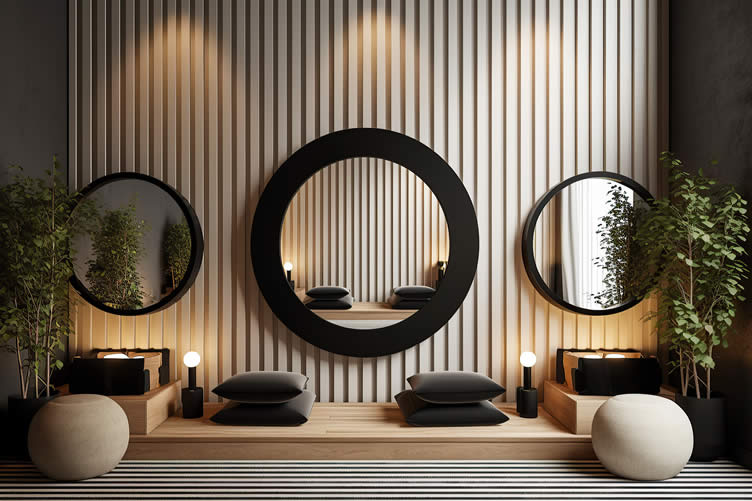
copyright image by 123rf.com
Why Use a Professional Decorator
Enlisting the expertise of a professional decorator can elevate the impact of mirrors in your home, transforming them from simple decor elements into strategic design tools.
Professional decorators possess the trained eye needed to assess your space and recommend mirrors that best complement your existing style, enhance natural light, and create the illusion of greater space.
They consider crucial factors such as proportions, frame materials, and finishes to ensure the mirrors align seamlessly with your home’s aesthetic.
Beyond selection, a decorator brings valuable insight into placement techniques that maximize a mirror’s effect. For instance, they know how to position mirrors to amplify natural light by reflecting nearby windows or how to create depth and dimension in smaller rooms.
They also ensure mirrors are hung at appropriate heights to suit the room’s layout and function, balancing form and functionality. With their guidance, you can avoid common design mistakes and achieve a polished, cohesive look that enhances your home’s overall atmosphere.
Investing in a professional decorator saves time and effort while ensuring your mirror choices significantly contribute to your home’s beauty and functionality.
LetsRenovate has partnered with HomeAdvisor™, a renowned provider of highly-rated, carefully-vetted local decorators. Start your search here by entering your zip code to find local professionals.
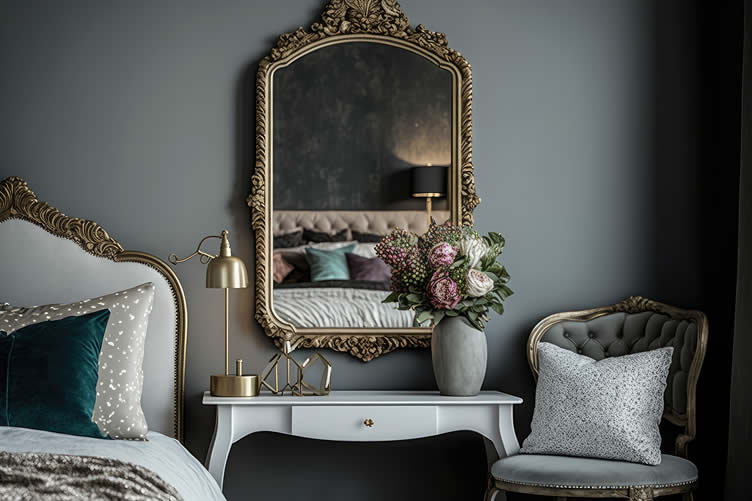
copyright image by 123rf.com
But Wait!
Before you begin searching for an interior decorator, we recommend downloading our evaluation worksheet.
This resource will help you objectively assess and rank potential candidates by considering key factors like pricing, licensing, and references.

Evaluation Sheet
File Type:
-
Scroll up to directory … or scroll to next section of the AAATERM …
-
-
Conclusion
reflecting on your choices
From the earliest polished stones to today’s anti-fog smart mirrors, our fascination with reflection has never waned. Whether you need a functional concave mirror for your morning routine, a statement convex piece for the hallway, or a grand leaning mirror to open up your bedroom, there is a perfect option for every corner of your home.
By considering the type, placement, and style, you can choose a mirror that does more than just show your face—it can enhance the beauty, light, and functionality of your entire living space. So go ahead, experiment with shapes and placements, and watch your home transform.
Resource Citations:
- Glass Doctor. "All About Mirror Glass: Types of Mirrors." https://glassdoctor.com/…
- Lowe’s. "Mirror Buying Guide." https://www.lowes.com/…
- The Home Depot. "Wall Mirrors." https://www.homedepot.com/…
- Lofter Mirror. "What Are the Most Common Mirror Types in Residential Homes?" https://www.loftermirror.com/…
- Lulu and Georgia. "Mirrors Collection." https://www.luluandgeorgia.com/…
- Brick Wholesale Glass. "Exploring the Different Types of Mirrors." https://www.brickwholesaleglass.com/…
- Fab Glass and Mirror. "Different Types of Mirrors." https://www.fabglassandmirror.com/…
- Aosom. "10 Popular Types of Wall Mirrors to Elevate Home Decor." https://www.aosom.ca/…
- Click and Love. "Choosing the Perfect Mirror." https://www.clickandlove.co/…
- Michael Angelo’s Shower Doors. "What Type of Mirror Best Fits Your Home?" https://www.michaelangelosshowerdoors.com/…
-
Quick scroll to more interior home and decor ideas …
-
ideas to view and compare from the photo above
- What comments can you share about
the types of mirrors for the home that you have installed?

addressing types of mirrors for the home and other improvement needs …

… grab this directory of ideas for future use

… remodeling decisions


Download this PDF for a concise summary of what to know about …?
SHARE IT ..! Someone in your network might benefit from this insightful post about the types of mirrors for the home. Feel free to share it on Facebook, X (formally Twitter), LinkedIn, or Pinterest!




Budgeting Worksheet For Costing Home Remodeling and Home Improvement Decisions
 File Type (excel)
Download this PDF for a concise summary of all you need to know about …?



get the size dimensions for any home remodeling project …
… for functionality, aesthetics, and adhering to building codes



… view our home remodeling guides and steps

Calendar For:
Home Maintenance
File Type:
… view illustration “becoming a bank”

Are there any other interesting topics that might have been overlooked but could offer valuable insights …?

… view our sharing links below for a quick "share the knowledge"
Find Interior Design Services Decorators Interior Designers Furniture Painting & Staining top-rated, pre-screened local contractors FREE: download contractor selection enter zip code – powered by HomeAdvisor ™
Quick Contractor Guides selecting negotiating working with inspecting

Cover image credit: types of mirrors for the home by 123rf.com
end of post … please share it!
 |
did you find types of mirrors for the home analysis helpful? If so, please share the article with your friends and family! |
Nice pic idea? Leave us a quick comment below.
And please share this pic idea within your social networks.