Summary Outline –
Air purifiers and sanitizers offer a promising solution for families struggling with allergies. These devices work tirelessly to remove allergens, pollutants, and harmful particles from your home’s air, creating a cleaner environment where you and your loved ones can breathe more comfortably.
When used properly, they can significantly reduce allergy symptoms and improve overall indoor air quality.
This comprehensive guide will walk you through everything you need to know about choosing, using, and maintaining air purifiers and sanitizers specifically for allergy relief. You’ll discover which technologies work best for different allergens, how to select the right device for your space, and practical tips for maximizing their effectiveness in your home.
- post content … analysis/ air purifiers and sanitizers
- 1st: Understanding Allergies and Indoor Air Quality
- 2nd: How Air Purifiers Work
- 3rd: Air Sanitizers: An Overview
- 4th: Choosing the Right Air Purifier and Sanitizer
- 5th: Summary Types of Home Purifiers and Sanitizers
- 6th: Using Air Purifiers and Sanitizers Effectively
- 7th: Additional Tips for Allergy Prevention
- conclusion
- other home utility topics

-
- —— begin first topic ——
-
1st Review: Understanding Allergies and Indoor Air Quality
The intricate connection between the air quality within your home and the severity of your allergy symptoms becomes much clearer once you understand the common triggers of these uncomfortable reactions and how these microscopic invaders accumulate and persist within your living spaces.
Recognizing these elements is the first step toward effectively managing and mitigating allergic responses.
[ view summary table: allergies and air quality ]
-
What Are Allergies?
Allergies occur when your immune system overreacts to substances that are typically harmless to most people. Common indoor allergens include dust mites, pet dander, pollen that enters through windows and doors, mold spores, and volatile organic compounds (VOCs) from household products and building materials.
Dust mites thrive in warm, humid environments and feed on dead skin cells. They’re particularly abundant in bedding, upholstered furniture, and carpeting.
Pet dander consists of tiny flakes of skin, saliva, and urine proteins that pets shed continuously. These particles are so small they can remain airborne for hours and easily penetrate deep into your respiratory system.
Pollen finds its way indoors through open windows, doors, and on clothing. Mold spores develop in areas with excess moisture, such as bathrooms, basements, and around leaky pipes.
VOCs are emitted by cleaning products, paint, furniture, and even air fresheners, contributing to poor indoor air quality and potentially triggering allergic reactions.
-
The Importance of Indoor Air Quality
Poor indoor air quality affects more than just allergy sufferers. The American Lung Association reports that Americans spend approximately 90% of their time indoors, making the quality of indoor air crucial for overall health and well-being.
Several factors contribute to declining indoor air quality. Modern homes are built to be more energy-efficient, which means they’re also more airtight. While this helps reduce energy costs, it also traps pollutants inside. Inadequate ventilation prevents fresh outdoor air from diluting indoor contaminants, allowing allergens and pollutants to accumulate to higher concentrations.
Household activities like cooking, cleaning, and even breathing release particles and chemicals into the air. Pets contribute dander and odors, while humidity from showers and cooking creates ideal conditions for dust mites and mold growth.
Without proper air filtration and circulation, these pollutants continue to circulate throughout your home, repeatedly exposing you and your family to allergens.
Allergen Source Description Impact on Indoor Air Quality Dust Mites Microscopic creatures that thrive in warm, humid environments and feed on dead skin cells; common in bedding, furniture, and carpeting. Abundance in household fabrics can lead to significant accumulation of airborne allergens. Pet Dander Small flakes of skin, saliva, and urine proteins continually shed by pets, remaining airborne for hours. Penetrates deep into the respiratory system, aggravating allergies over time. Pollen Outdoor allergen that enters homes through windows, doors, and clothing, especially during high pollen seasons. Contributes to allergic reactions when trapped indoors with inadequate ventilation. Mold Spores Develop in high-moisture areas like bathrooms, basements, and around leaks, thriving in damp environments. Triggers allergies and poor air quality, especially in poorly ventilated spaces. Volatile Organic Compounds (VOCs) Emit from cleaning products, paint, furniture, and air fresheners, releasing harmful chemicals into the air. Contribute to poor air quality, causing irritation and potential allergic responses. 

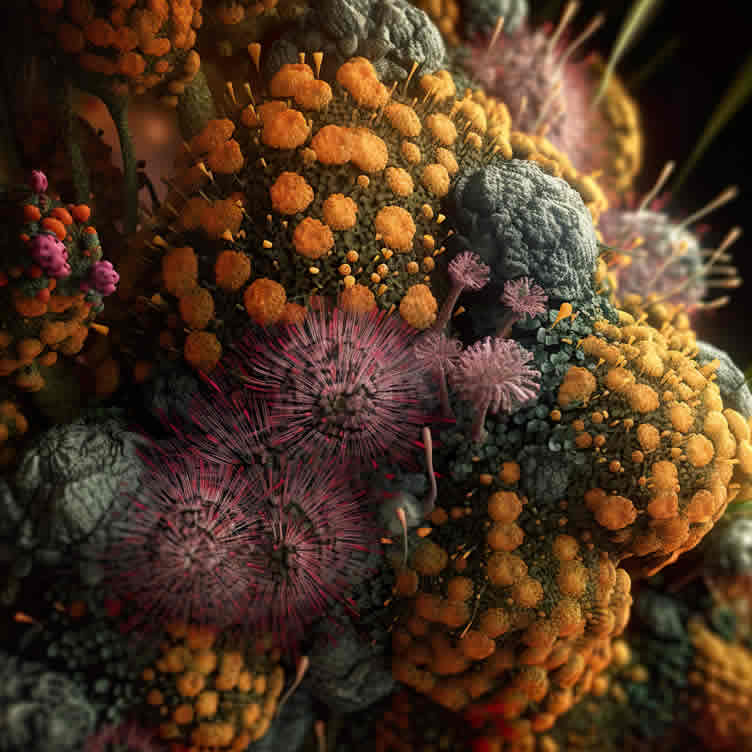
copyright image by 123rf.com
[ view diagram: allergies symptoms ]
[ youtube: about allergies ]
-
Scroll up to directory … or scroll to next section about home allergy relief …

-
-
2nd Review: How Air Purifiers Work
Air purifiers rely on a range of filtration technologies to effectively remove contaminants from indoor air. Each type of filtration is specifically designed to target different kinds and sizes of particles, such as dust, pollen, pet dander, or mold spores, which are known to trigger allergic reactions.
By addressing these airborne irritants, air purifiers create a cleaner, healthier environment, helping to alleviate discomfort for those sensitive to allergens.
[ view summary table: how purifiers work ]
-
Filtration Technologies
Understanding the different filtration methods helps you choose an air purifier that targets your specific allergy concerns. Pre-filters capture larger particles like hair, lint, and visible dust, extending the life of more expensive filters downstream. These washable or replaceable filters serve as the first line of defense against airborne contaminants.
Activated carbon filters excel at removing odors, gases, and volatile organic compounds. The carbon’s porous structure traps these molecules through a process called adsorption, making it particularly effective against pet odors, cooking smells, and chemical vapors from household products.
True HEPA (High-Efficiency Particulate Air) filters represent the gold standard for particle removal. These filters must meet strict standards set by the Department of Energy, capturing at least 99.97% of particles that are 0.3 micrometers or larger. This includes most common allergens like pollen, dust mites, pet dander, and mold spores.
-
HEPA Filters: The Allergy Fighter’s Best Friend
HEPA filters work through three mechanisms: impaction, interception, and diffusion. Larger particles collide directly with filter fibers (impaction), medium-sized particles come close enough to fibers to be captured (interception), and very small particles move erratically and eventually collide with fibers (diffusion).
The 0.3-micrometer standard isn’t arbitrary—it represents the Most Penetrating Particle Size (MPPS), the hardest size to capture. Particles both larger and smaller than this size are actually captured at even higher rates.
For context, pollen typically ranges from 10-100 micrometers, dust mite allergens are around 1-10 micrometers, and pet dander spans 0.5-50 micrometers. HEPA filters effectively capture all of these allergens.
Research published in the Journal of Allergy and Clinical Immunology demonstrates that HEPA filtration can reduce airborne allergen concentrations by 50-90% in real-world home environments. This significant reduction translates to measurable improvements in allergy symptoms for many sufferers.
Filtration Technology Targeted Contaminants Key Benefits Pre-filters Hair, lint, large dust particles Extends the lifespan of primary filters; washable or replaceable Activated Carbon Filters Odors, gases, volatile organic compounds (VOCs) Traps molecules through adsorption; removes pet odors, cooking smells, and chemical vapors True HEPA Filters Pollen, dust mites, pet dander, mold spores Captures 99.97% of particles ≥ 0.3 micrometers; reduces airborne allergens significantly 
copyright image by 123rf.com
[ view diagram: how air purifier works ]
[ images: How Do Air Purifiers Work? ]
-
Scroll up to directory … or scroll to next section about home allergy relief …
-
-
3rd Review: Air Sanitizers: An Overview
While air purifiers are designed to filter out and remove particles like dust, pollen, and pet dander from the air, air sanitizers go a step further by actively neutralizing or destroying harmful contaminants.
These include bacteria, viruses, and mold spores, which can not only linger in the air but also pose health risks by triggering allergic reactions or spreading illnesses.
Unlike purifiers, which primarily capture particles through filters, sanitizers work to eliminate these microscopic threats, creating a cleaner and healthier environment.
[ view summary table: about air sanitizers ]
-
Types of Air Sanitizers
Air sanitization technologies work through various methods to eliminate biological contaminants and chemical pollutants. Understanding these different approaches helps you determine which type might benefit your family’s specific needs.
UV-C sanitizers use ultraviolet light at a specific wavelength (254 nanometers) to damage the DNA and RNA of microorganisms, preventing them from reproducing. These devices are particularly effective against mold spores, bacteria, and viruses that can exacerbate allergy symptoms or cause respiratory infections.
Photocatalytic oxidation (PCO) systems combine UV light with a titanium dioxide catalyst to break down pollutants at the molecular level. This technology can neutralize VOCs, odors, and some biological contaminants, though its effectiveness varies depending on humidity levels and air flow rates.
-
UV Sanitizers: Targeting Biological Contaminants
UV-C sanitizers offer a chemical-free method for reducing biological contaminants that can trigger allergic reactions. When properly designed and maintained, these systems can eliminate up to 99.9% of airborne microorganisms that pass through the UV chamber.
The effectiveness of UV sanitization depends on several factors: the intensity of the UV light, the exposure time, and the distance between the UV source and the target organism. Professional-grade units typically use multiple UV lamps and are designed to ensure adequate exposure time as air moves through the system.
Safety considerations are important when choosing UV sanitizers. Look for units that completely contain the UV light within the device, preventing harmful exposure to occupants. Some units include safety interlocks that automatically shut off the UV lamps if the unit is opened during operation.
-
Ozone Generators: Proceed with Caution
Ozone generators intentionally produce ozone to neutralize odors and eliminate some biological contaminants. However, the Environmental Protection Agency and medical professionals have raised significant concerns about these devices for residential use.
Ozone can irritate the respiratory system, particularly for people with asthma or other breathing conditions. At concentrations effective for air purification, ozone can actually worsen allergy symptoms rather than improve them.
The California Air Resources Board has banned the sale of ozone generators that produce more than 0.05 parts per million of ozone.
If you’re considering an ozone generator, consult with your healthcare provider first, especially if anyone in your household has respiratory conditions. Many experts recommend avoiding these devices entirely in favor of safer alternatives like HEPA filtration and UV sanitization.
Air Sanitizer Type How It Works Key Considerations UV-C Sanitizers Uses ultraviolet light (254 nm) to damage the DNA/RNA of microorganisms, preventing reproduction. Eliminates up to 99.9% of bacteria, viruses, and mold spores. Ensure the unit contains UV light entirely for safety. Photocatalytic Oxidation (PCO) Systems Combines UV light with a titanium dioxide catalyst to break down pollutants at the molecular level. Neutralizes VOCs and odors, but effectiveness may vary with humidity and air flow. Ozone Generators Produces ozone to neutralize odors and some biological contaminants. Can irritate respiratory systems and is generally not recommended for residential use. Safer alternatives like HEPA or UV are often preferred. 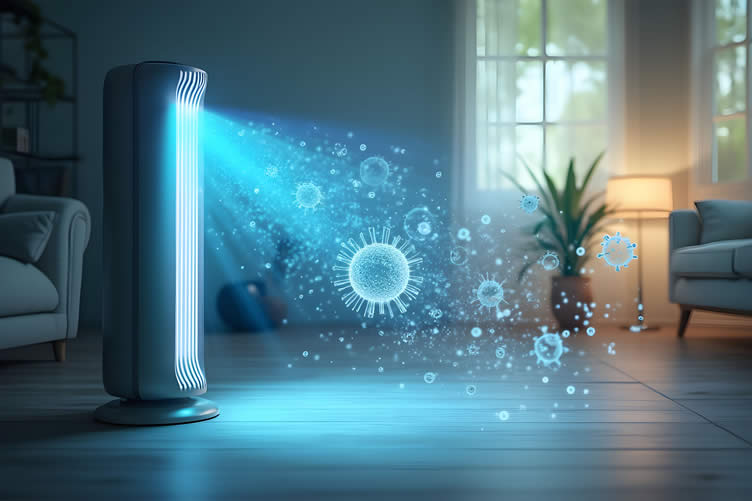
AI generated image by 123rf.com
[ view diagram: air sanitizers diagram ]
[ images: Are Ionizers Safe, Bad or Dangerous? ]
-
Scroll up to directory … or scroll to next section about home allergy relief …
-
-
4th Review: Choosing the Right Air Purifier and Sanitizer
Choosing the right air cleaning system for your family is an important decision that involves carefully evaluating several key factors. These factors play a crucial role in determining not only the system’s overall effectiveness but also your long-term satisfaction with the purchase.
From understanding the specific needs of your household to considering the system’s features and maintenance requirements, taking the time to assess your options thoroughly ensures that the air cleaner you select will meet your expectations and contribute to a healthier home environment.
[ view summary table: choosing right system ]
-
Factors to Consider
Room size represents the most critical factor in air purifier selection. Manufacturers provide coverage area recommendations, but these often assume optimal conditions.
For best results, choose a unit rated for a space 20-30% larger than your actual room. This ensures the purifier can handle the room effectively even with doors open or in less-than-ideal placement locations.
Clean Air Delivery Rate (CADR) provides standardized measurements of an air purifier’s effectiveness against three specific pollutants: dust, pollen, and smoke. Higher CADR numbers indicate faster and more efficient cleaning.
For allergy relief, pay particular attention to pollen CADR ratings, as this measurement closely correlates with effectiveness against other common allergens.
Noise level becomes important since air purifiers run continuously. Look for units that operate quietly on lower speeds while still providing adequate air cleaning. Many quality purifiers offer multiple fan speeds, allowing you to balance cleaning performance with acceptable noise levels for different times of day.
Maintenance requirements vary significantly between models and technologies. Factor in the ongoing cost of replacement filters, which can range from $20 to $200 annually depending on the unit and usage patterns.
Some models feature washable pre-filters that reduce ongoing costs, while others include filter replacement indicators to eliminate guesswork about maintenance timing.
-
Specific Recommendations
For bedrooms and small spaces up to 200 square feet, look for compact units with True HEPA filtration and activated carbon. These should provide CADR ratings of at least 100 for pollen and dust.
Quiet operation becomes especially important in bedrooms, so prioritize models with noise levels under 40 decibels on lower settings.
Medium to large rooms require more powerful units with higher CADR ratings and greater air circulation capacity. Units designed for 400-600 square feet typically offer the best balance of performance and value for most living spaces.
Consider models that include multiple filtration stages and variable fan speeds for maximum flexibility.
Whole-house systems integrate with your existing HVAC system to provide comprehensive air cleaning throughout your home. These systems require professional installation but offer the most complete solution for families with multiple allergy sufferers or those seeking whole-home air quality improvement.
Factor Description Recommendation Room Size Select a unit rated for a space 20-30% larger than the actual room size to ensure effective performance, even in suboptimal conditions. Compact units with True HEPA filters for small rooms (up to 200 sq ft); larger units for spaces between 400-600 sq ft. CADR (Clean Air Delivery Rate) Indicates cleaning efficiency against dust, pollen, and smoke. Higher ratings mean faster and more thorough air cleaning. Prioritize a pollen CADR rating of at least 100 for bedrooms and medium-to-large spaces. Noise Levels Key for continuous operation. Look for models with low-decibel settings for bedrooms and quieter environments. Choose purifiers with adjustable fan speeds and noise levels below 40 decibels for quiet spaces like bedrooms. Maintenance Includes costs and efforts for filter replacement and upkeep. Washable pre-filters can reduce long-term costs. Choose units with filter replacement indicators and evaluate the annual filter replacement cost (ranges from $20-$200). System Type Ranging from portable units to whole-house systems that integrate with HVAC for comprehensive air cleaning. Whole-house systems are ideal for families with multiple allergy sufferers or those requiring entire-home coverage. 
AI generated image by 123rf.com
-
Scroll up to directory … or scroll to next section about home allergy relief …
-
-
5th Review: Summary Types of Home Purifiers and Sanitizers
Protecting your indoor air quality is essential not only for comfort but also for health and well-being. Various types of home purifiers and sanitizers are available, each offering unique mechanisms to address different air quality concerns, from allergens to harmful pathogens.
By understanding the strengths and applications of each purifier type, you can select a solution tailored to your specific air quality challenges. Whether your goal is to eliminate allergens, neutralize odors, or reduce pathogens, these options provide a wide range of functionality to enhance your living environment.
Below is an overview of common purifier types to help you make an informed decision for your home:
[ view images/summary table: types purifiers/sanitizers ]
-
HEPA Air Purifiers
High-Efficiency Particulate Air (HEPA) purifiers utilize dense filters specifically designed to trap and remove up to 99.97% of airborne particles as small as 0.3 microns. This includes dust, pollen, pet dander, and some bacteria, making them particularly effective for allergy sufferers or those seeking cleaner, particulate-free air.
HEPA filters are a staple in air purification and are widely regarded as one of the best options for general indoor air quality improvement.
-
Activated Carbon Purifiers
These purifiers use activated carbon filters to adsorb gases, odors, and volatile organic compounds (VOCs). They are especially effective in removing smoke, chemical smells, and other airborne fumes.
Activated carbon purifiers are often paired with HEPA filters for comprehensive odor elimination and particle removal, offering both functional and versatile designs for challenging air quality issues.
-
Ultraviolet (UV) Air Sanitizers
UV air sanitizers employ ultraviolet light to deactivate or destroy bacteria, viruses, and mold spores in your indoor air. These units are commonly available as duct-mounted systems for whole-home use or portable units for specific rooms.
UV sanitizers target pathogens, offering added peace of mind for individuals concerned about biological contaminants in their living spaces.
-
Ionizer Purifiers
Ionizers release charged ions into the air, which adhere to airborne particles, causing them to cluster together and settle on surfaces or be captured by a collector.
While effective for removing fine particulates, ionizers may generate trace amounts of ozone, so it’s essential to select a unit certified for safe ozone levels. These purifiers often appeal to those focused on fine particle removal without needing physical filters.
-
Electrostatic Precipitators
Electrostatic precipitators work by applying an electrical charge to particles in the air, which are then trapped on collection plates as the air passes through the device.
The reusable plates are easy to clean, making this a filter-free solution. However, the collection plates require routine maintenance, and some units may produce small amounts of ozone during operation.
-
Ozone Generators
Although designed to neutralize odors and kill airborne microbes by releasing ozone gas, these units come with safety concerns. Ozone generators are generally not recommended for occupied spaces due to the health risks associated with indoor ozone exposure.
Experts typically suggest exploring alternative purifiers unless the area will be unoccupied during treatment.
-
Hybrid and Multi-Stage Purifiers
Hybrid purifiers combine two or more purification technologies—such as HEPA, activated carbon, UV, and ionizers—to deliver comprehensive air cleaning. These systems target a wider range of pollutants, including particulates, odors, and pathogens.
Available in both portable and whole-house models, multi-stage purifiers are ideal for those seeking versatile solutions for complex air quality needs.
-
Central HVAC and Furnace Filters
Central HVAC and furnace filters are standard components in home heating and cooling systems. They catch dust, debris, and particulates as air circulates, crucial for a cleaner indoor environment.
Filter efficiency is measured by their MERV rating. Higher MERV ratings (13+) remove fine particles and allergens more effectively, ideal for allergy sufferers or those seeking better air quality.
-
Smart Purifiers
These advanced devices integrate with smart home systems, enabling remote control and monitoring through apps and voice commands.
Smart purifiers often provide real-time air quality updates, energy monitoring, and filter replacement alerts, offering convenience and efficiency for tech-savvy individuals looking to optimize their air purification system easily.
Type of Purifier Key Features Best For HEPA Air Purifiers Utilize dense HEPA filters to trap 99.97% of particles as small as 0.3 microns, addressing dust, pollen, pet dander, and some bacteria. Allergy sufferers and those seeking general particulate-free air. Activated Carbon Purifiers Use activated carbon filters to adsorb gases, odors, and VOCs, often paired with HEPA filters for comprehensive functionality. Removing smoke, chemical smells, and airborne fumes. UV Air Sanitizers Employ ultraviolet light to deactivate bacteria, viruses, and mold spores; often available as duct-mounted or portable units. Those concerned about harmful biological contaminants. Ionizer Purifiers Release charged ions to cluster and capture fine particles; may generate trace ozone, requiring certification for safe use. Fine particle removal without the need for physical filters. Electrostatic Precipitators Charge particles electrically and trap them on reusable collection plates; require regular maintenance. Filter-free purification with easy-to-clean plates. Ozone Generators Neutralize odors and microbes by releasing ozone gas; not recommended for occupied spaces due to associated health risks. Unoccupied spaces requiring odor elimination and germ treatment. Hybrid and Multi-Stage Purifiers Combine multiple technologies like HEPA, carbon, UV, and ionizers for wide-ranging pollutant removal; available in portable or whole-house models. Comprehensive solutions for complex air quality challenges. Central HVAC and Furnace Filters Standard components in HVAC systems; efficiency measured by MERV rating (13+ recommended for fine particle removal). General indoor air cleanliness and allergen reduction. Smart Purifiers Integrate with smart home systems for app and voice control; offer real-time air quality updates and energy monitoring. Tech-savvy individuals seeking convenient and efficient systems. 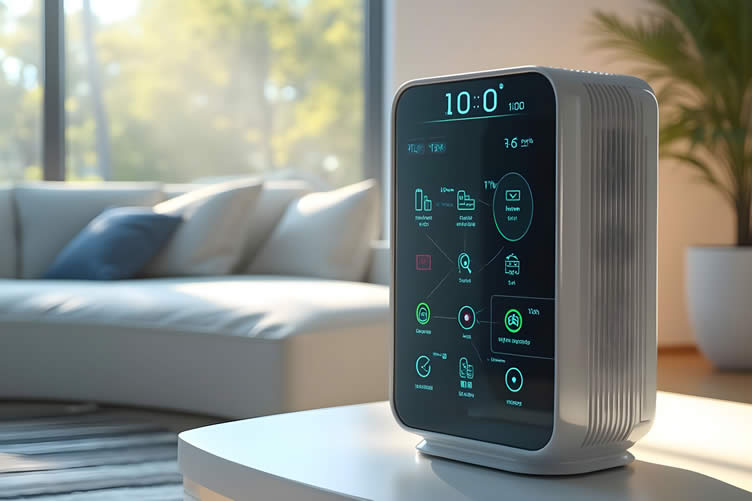
AI generated image by 123rf.com
-
Scroll up to directory … or scroll to next section about home allergy relief …
-
-
6th Review: Using Air Purifiers and Sanitizers Effectively
The placement and proper operation of your air cleaning devices play a crucial role in determining their effectiveness. When positioned strategically and used correctly, these devices can significantly reduce allergen exposure in your home, creating a healthier environment for your family.
For example, placing air cleaners in high-traffic areas or rooms where allergens are most concentrated ensures they can capture more particles. Similarly, ensuring the devices are maintained and operated according to manufacturer guidelines enhances their performance, ultimately contributing to your family’s comfort and well-being.
[ view summary table: proper usage ]
-
Placement Tips
Strategic placement maximizes your air purifier’s effectiveness while ensuring optimal air circulation throughout the treated space. Position units away from walls and furniture to prevent airflow obstruction. Most manufacturers recommend maintaining at least two feet of clearance on all sides of the unit.
Place air purifiers in rooms where family members spend the most time, typically bedrooms and main living areas. For bedrooms, position the unit several feet from the bed to avoid direct air flow while ensuring effective room coverage. Running the purifier continuously in bedrooms provides the greatest benefit for nighttime allergy relief.
Avoid placing units near sources of interference such as electronics that might affect sensors, or near heat sources that could damage the equipment. Keep purifiers away from corners where air circulation is typically poor, and ensure intake and exhaust vents remain unobstructed.
Consider the natural air flow patterns in your room when selecting placement locations. Position the unit where it can take advantage of existing air currents from heating and cooling vents, but not so close that it interferes with your HVAC system’s operation.
-
Maintenance Best Practices
Regular maintenance ensures your air purification system continues operating at peak efficiency while protecting your investment in cleaner indoor air. Establish a routine maintenance schedule based on manufacturer recommendations and your specific usage conditions.
Check and replace filters according to the manufacturer’s schedule, but be prepared to replace them more frequently if you have pets, live in a high-pollution area, or run the unit continuously. A clogged filter reduces effectiveness and can strain the motor, leading to premature failure.
Clean the exterior housing and intake grilles monthly to prevent dust buildup that could reduce airflow. Use a soft, damp cloth for plastic surfaces, and ensure the unit is unplugged during cleaning. Some models have washable pre-filters that should be cleaned monthly and allowed to dry completely before reinstalling.
Monitor filter replacement indicators if your unit includes them, but also perform visual inspections periodically. Filters that appear heavily soiled or discolored need replacement even if the indicator hasn’t activated. Keep spare filters on hand to avoid gaps in protection when replacements are needed.
Category Key Practices Tips Placement Tips Position air purifiers away from walls and furniture for proper airflow. Maintain at least two feet of clearance on all sides of the unit. Place units in bedrooms or living areas, avoiding corners or interference from electronics and heat sources. Align with natural air currents for optimal performance. Bedroom Placement Position units several feet from beds to ensure full room coverage without direct air flow. Run the purifier continuously for nighttime relief. Avoid placement near HVAC vents to reduce system interference. Maintenance Best Practices Follow manufacturer guidelines for filter replacement. Clean clogged filters more frequently if using the unit heavily or in high-pollution areas. Clean exterior housing monthly using a damp cloth. Regularly inspect filters for visible dirt or discoloration, even if indicators are inactive. 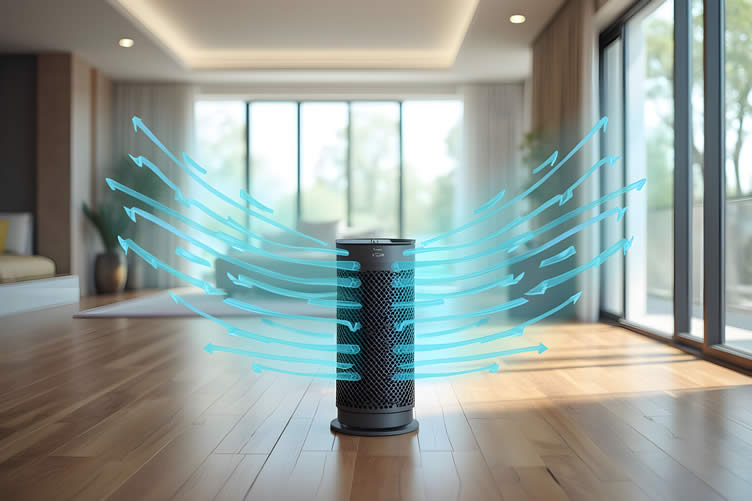
AI generated image by 123rf.com
[ youtube: How to Choose an Air Purifier ]
[ youtube: Where Should You Put An Air Purifier? ]
-
Scroll up to directory … or scroll to next section about home allergy relief …
-
-
7th Review: Additional Tips for Allergy Prevention
Air purifiers are most effective when used as part of a broader strategy to minimize allergen exposure throughout your home. While they can help trap airborne particles like dust, pollen, and pet dander, their impact is enhanced when combined with other measures, such as regular cleaning, washing bedding, and using allergen-proof covers.
Together, these efforts create a healthier living environment where allergens are less likely to accumulate or affect your well-being.
[ view summary table: allergy prevention ]
-
Reducing Allergens in the Home
Regular cleaning practices significantly reduce the allergen load in your home, making your air purifier more effective. Vacuum carpets, rugs, and upholstered furniture at least twice weekly using a vacuum equipped with a HEPA filter. This prevents stirring up allergens that would otherwise become airborne.
Wash bedding weekly in hot water (at least 130°F) to kill dust mites and remove accumulated allergens. Use allergen-proof covers on mattresses and pillows to create a barrier against dust mites. Choose synthetic materials over down-filled bedding, as they’re less likely to harbor allergens and are easier to wash frequently.
Maintain indoor humidity levels between 30-50% to discourage dust mite growth and prevent mold development. Use dehumidifiers in damp areas like basements and bathrooms, and ensure adequate ventilation in high-moisture areas. Fix water leaks promptly to prevent mold growth that could trigger allergic reactions.
-
Creating an Allergy-Friendly Environment
Select flooring materials that don’t trap allergens. Hard surfaces like hardwood, laminate, or tile are easier to clean thoroughly than carpeting. If carpet is necessary, choose low-pile options and clean them frequently with a HEPA-filtered vacuum.
Consider the allergen potential of household plants. While plants can improve indoor air quality, some species produce pollen or require soil that can harbor mold. Choose plants known to be beneficial for indoor air quality, such as spider plants or peace lilies, and maintain them properly to prevent mold growth in soil.
Keep windows closed during high pollen seasons and rely on your air purification system and HVAC filtration for fresh air circulation. When outdoor air quality is poor, avoid introducing additional pollutants by keeping entry points sealed and running your air purifier continuously.
Category Tips Summary Allergy Prevention Use air purifiers alongside regular cleaning, washing bedding, and allergen-proof covers. Combining air purifiers with active cleaning strategies minimizes allergen exposure for a healthier home. Reducing Allergens Vacuum carpets and rugs with a HEPA-filtered vacuum, wash bedding weekly, and maintain optimal humidity (30-50%). Regular cleaning and proper humidity control reduce allergen buildup and boost purifier efficiency. Allergy-Friendly Environment Opt for hard flooring, select non-allergenic plants, and keep windows shut during high pollen seasons. Choosing low-allergen materials and sealing entry points minimizes allergens and ensures clean air circulation. 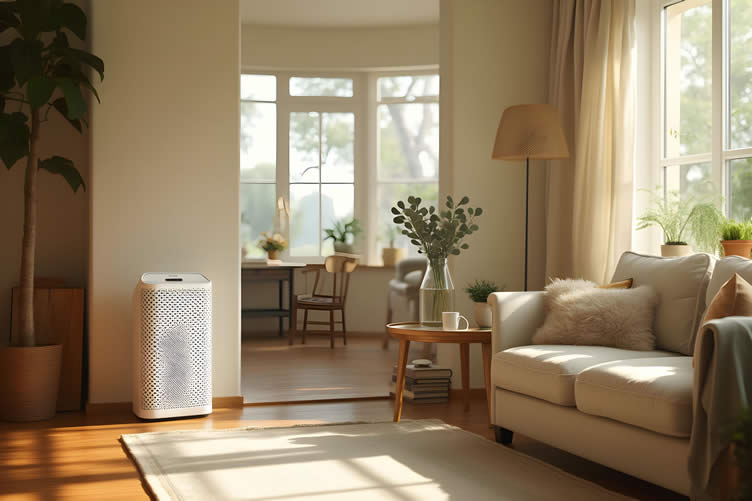
AI generated image by 123rf.com
[ pinterest: allergen free home ]
[ youtube: Reducing Allergens at Home ]
-
Scroll up to directory … or scroll to conclusion …
-
-
Conclusion:
… Creating Your Action Plan for Cleaner Air
Improving your indoor air quality doesn’t have to be daunting. Start by identifying the main allergen sources and the rooms where symptoms are most noticeable. This helps you focus your air purification efforts where they’ll matter most.
Consider your family’s needs, budget, and living situation when choosing air purifiers. A quality unit in the bedroom may suffice for mild allergies, while severe allergies might require multiple units or whole-house systems.
Air purifiers work best as part of a broader allergy management plan. Pair them with regular cleaning, allergen-reduction strategies, and guidance from healthcare providers for optimal results.
Cleaner air means better sleep, reduced symptoms, and greater comfort for your whole family. Start with one room, measure the results, and expand as needed to create a healthier home.
-
Quick scroll to more home utility ideas …
-
ideas to view and compare from the photo above
air purifiers: for bedroom… for kitchensmart air quality monitor
- What comments can you share about
air quality tactics that you have installed?

Tackling home upgrades and fulfilling all your home improvement needs …
… save this curated directory of ideas for future reference.


Download this PDF for a concise summary of all you need to know about …?



… remodeling decisions

Easily determine the dimensions you need for any home remodeling project …
… ensuring functionality, visual appeal, and compliance with building codes.

Calendar For:
Home Maintenance
File Type:
… view illustration “becoming a bank”
… view our sharing links below for a quick "share the knowledge"
Find HVAC Services Air Conditioning Central Heating Ducts & Vents Insulation Thermostats Water Heaters top-rated, pre-screened local contractors FREE: download contractor selection enter zip code – powered by HomeAdvisor ™
Quick Contractor Guides selecting negotiating working with inspecting

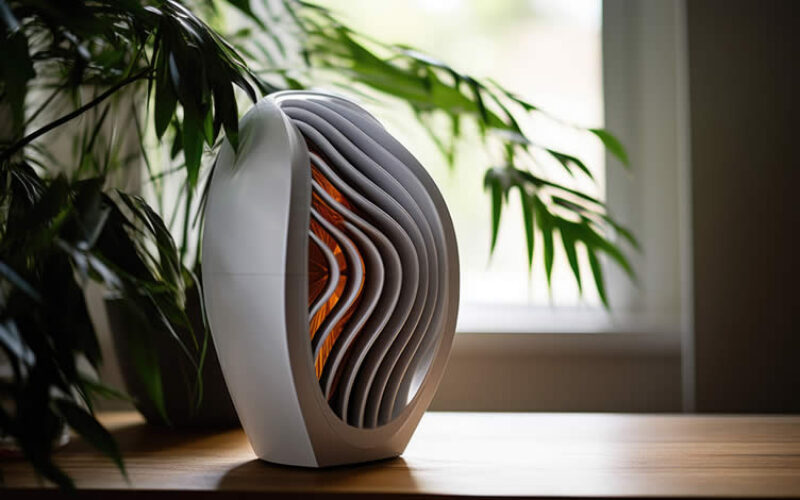
Cover image credit: air purifiers by 123rf.com
end of post … please share it!
 |
did you find air purifier analysis helpful? If so, please share the article with your friends and family! |
Nice pic idea? Leave us a quick comment below.
And please share this pic idea within your social networks.