Summary Outline –
Sleep is often the unsung hero of a healthy lifestyle. While exercise routines and diet plans make headlines, quality sleep quietly orchestrates much of the body’s natural restoration and growth.
For health enthusiasts, sleep is not optional—it’s fundamental. From repairing muscles to sharpening mental focus, sleep fuels your ability to perform optimally in every aspect of life.
If you’re invested in your physical and mental well-being, it’s time to give your sleep hygiene the attention it deserves. This guide explores everything you need to know about sleep health, including understanding what good sleep looks like, its benefits, and effective strategies to build healthy sleep habits.

-
Quick scroll to first topic about "why can’t I sleep" …

first “why can’t I sleep” idea


copyright image by 123rf.com
Sleep Tip 1: Understanding Good Sleep
Notes:
-
Good sleep isn’t just about logging hours in bed; it’s about ensuring those hours are restorative. The concept of good sleep involves falling asleep easily, staying asleep through the night, and waking up feeling refreshed. It isn’t random either—it’s influenced by your habits, lifestyle, and even genetics.
Experts recommend aiming for seven to nine hours of sleep per night for adults, though individual needs may vary slightly. Adolescents, who are still in critical growth periods, often require eight to ten hours a night, while younger children need even more. Ignoring these needs can lead to sleep deprivation, which has a ripple effect on physical, cognitive, and emotional health.
For health enthusiasts, consistently achieving "good sleep" primes the body for muscle recovery post-exercise, supports hormonal balance, and ensures mental alertness needed to stay on top of fitness challenges.
-
Quick scroll to “understanding sleep” side notes …
-
-
1st: What is Sleep: The Key to Restorative Rest
Sleep is a fundamental physiological process that is crucial for our overall health and well-being. It is a naturally recurring state characterized by reduced consciousness, decreased sensory activity, and altered brain wave patterns.
During sleep, our body undergoes various processes that facilitate restoration, growth, and repair.
-
Non-REM Sleep Stages
To truly understand the importance of a good night’s sleep, we must delve into the intricate processes that occur during our slumber. One key aspect of sleep is the classification into different stages, each with its own unique characteristics and benefits.
In this section, we will explore the non-rapid eye movement (NREM) sleep stages, shedding light on the various phases that contribute to our restorative rest.
From the transition to sleep in Stage 1 to the deep rejuvenation of Stage 3, let’s embark on a journey into the fascinating world of NREM sleep and uncover its vital role in our overall well-being. So, let’s dive in and explore the remarkable nuances of each non-REM sleep stage.
-
Stage 1: Transition to Sleep
In this initial stage of sleep, the body begins to relax as muscles loosen up and breathing becomes more regular. Brain activity starts to slow down, transitioning from the wakeful state to a more subdued rhythm.
This is a light sleep stage where we may experience drifting thoughts, fleeting sensations, or even the occasional sensation of falling. It’s a brief phase, but an important one, as it sets the foundation for deeper stages of sleep that follow.
- The lightest stage of sleep, typically lasting 1 to 7 minutes
- Marks the transition from wakefulness to sleep
- Eye movements become slow and steady
- Brain activity shifts from beta waves to slower theta waves
- Individuals can be easily awakened during this stage
-
Stage 2: Light Sleep
During this stage, our brain waves continue to slow down, transitioning from the rapid activity of wakefulness to more rhythmic patterns. Our body temperature begins to drop, and our heart rate slows, creating optimal conditions for restorative rest.
This stage is particularly important for memory consolidation and overall body recovery. Interestingly, the duration of stage 2 sleep increases as the night progresses, making up a significant portion of our total sleep cycle.
- Makes up approximately 45-50% of total sleep time
- Begins with 10-25 minutes in the first cycle, gradually increasing in duration with each subsequent cycle
- Heart rate slows, and body temperature decreases
- The brain generates sleep spindles and K-complexes, critical for neural activity
- Plays a key role in memory consolidation and processing information
-
Stage 3: Deep Sleep
Deep sleep, also known as slow-wave sleep, is the most restorative stage of the sleep cycle and plays a crucial role in maintaining overall health. During this stage, the body focuses on physical recovery, releasing growth hormone to repair muscles, tissues, and even strengthen the immune system.
This process is especially important for athletes or anyone with strenuous daily activities, as it helps the body recover from physical exertion. Delta waves, the slowest brain waves, dominate during deep sleep, which helps the brain process and consolidate information.
This stage not only aids in physical repair but also supports cognitive function, ensuring you wake up feeling refreshed and ready to take on the day.
- Also referred to as slow-wave sleep (SWS) or deep sleep
- Typically lasts between 20 to 40 minutes
- Marked by the presence of delta waves in brain activity
- Waking someone during this stage is notably challenging
- Essential for physical repair, immune system support, and achieving a refreshed, well-rested state
-
-
REM Sleep: The Dream Stage
REM (Rapid Eye Movement) sleep is characterized by rapid eye movements, vivid dreams, and increased brain activity. It is the stage where most dreaming occurs. During REM sleep, the body becomes temporarily paralyzed, likely to prevent acting out dreams.
It is where our brain consolidates memories, processes emotions, and supports cognitive functions. This stage is vital for mental and emotional well-being.
- Occurs about 90 minutes after falling asleep
- Initially lasts 10 minutes, increasing to 30-60 minutes in later cycles
- Rapid eye movements occur
- Brain activity increases, resembling wakefulness
- Most dreaming happens during this stage
- Muscles become temporarily paralyzed
- Important for memory consolidation and cognitive function
During the night, sleepers cycle through these stages repeatedly. NREM sleep is most prominent in the first half, while REM sleep becomes more frequent as the night progresses.
This rhythmic pattern plays a vital role in maintaining sleep quality and supporting key physiological processes essential for health and well-being.

copyright image by 123rf.com
[ view diagram: stages of sleep ]
[ youtube: non-REM, REM, sleep studies ]

-
-
2nd: Why Do We Dream During REM Sleep?
During REM (rapid eye movement) sleep, the brain is highly active, resembling a state of wakefulness. It is during this stage that most dreaming occurs.
REM sleep is characterized by unique physiological changes, including temporary muscle paralysis and increased brain activity. But why exactly do we dream during REM sleep? Let’s explore some possible explanations.
-
Memory Consolidation
One of the key functions of dreaming during REM sleep is memory consolidation. Research suggests that REM sleep plays a vital role in processing and consolidating memories from the day.
It helps to store newly acquired information and experiences, making them more easily accessible and aiding in long-term memory formation. This process of memory consolidation during REM sleep is crucial for learning and retaining information.
-
Emotional Processing
Dreaming during REM sleep also serves as a means of emotional processing. It is believed that REM sleep helps regulate and process emotions by replaying emotional experiences in a safe, simulated environment.
This allows individuals to explore and make sense of complex emotions, potentially contributing to emotional well-being and psychological resilience.
-
Cognitive Function
REM sleep is closely linked to cognitive function, including problem-solving, creativity, and abstract thinking. Research has shown that REM sleep enhances cognitive flexibility, which is the ability to adapt thinking and switch between different tasks or mental processes.
It may also facilitate the integration of new information with existing knowledge, fostering creativity and innovative thinking.
-
Mental Housekeeping
REM sleep is thought to play a role in mental housekeeping, clearing out unnecessary or irrelevant information from the brain. It is believed to help declutter the mind and filter out non-essential memories, allowing for better cognitive functioning and information processing during wakefulness.
-
Other Theories
While the exact purpose of dreaming and REM sleep is still under investigation, other theories propose additional functions. These include problem-solving and insight generation, emotional regulation and stress reduction, and the simulation and rehearsal of potential future scenarios.
Understanding the importance of sleep, particularly REM sleep and dreaming, provides valuable insights into the essential functions that occur during this stage.
By prioritizing quality sleep and allowing sufficient time for REM sleep, we can support optimal cognitive function, emotional well-being, and overall mental and physical health.

copyright image by 123rf.com
[ pinterest: why do we dream]
[ youtube: psychological facts about dreams]
-
-
3rd: Why Do People Sleepwalk During Sleep?
Sleepwalking, also known as somnambulism, is a sleep disorder characterized by complex actions and behaviors during sleep. It typically occurs during deep non-rapid eye movement (NREM) sleep and can range from simple movements to more elaborate activities.
The exact cause of sleepwalking is not fully understood, but several factors may contribute to its occurrence. These include:
- Genetics:
Sleepwalking tends to run in families, suggesting a genetic component. - Sleep Deprivation:
Lack of quality sleep or disruptions in the sleep schedule can increase the likelihood of sleepwalking episodes. - Stress and Anxiety:
Emotional stress or anxiety can trigger sleepwalking in susceptible individuals. - Medical Conditions:
Certain medical conditions, such as sleep apnea, restless leg syndrome, and fever, may be associated with sleepwalking. - Medications and Substances:
Some medications, sleep aids, and alcohol consumption can potentially trigger sleepwalking episodes.
It’s important to note that sleepwalking is generally considered harmless and often resolves on its own. However, if sleepwalking episodes are frequent, disruptive, or pose a safety risk, it’s advisable to consult with a healthcare professional for further evaluation and guidance on managing this sleep disorder.

AI generated image by 123rf.com
[ youtube: the science behind sleepwalking]
[ youtube: how does sleepwalking work?]
- Genetics:
-
-
ideas to view and compare from the information discussed above
Scroll up to directory … or scroll to next section about why can’t I sleep …



… that may impact sleep

second “photo remodeling” idea

copyright image by 123rf.com
Sleep Tip 2: The Health Benefits of Good Sleep
Notes:
-
The importance of sleep can’t be overstated. Sleep plays a critical role in physical recovery, with much of the muscle repair and tissue growth occurring during non-REM deep sleep stages. For fitness enthusiasts striving for gains, sleep is where strength and endurance get their edge.
Research published in PubMed Central demonstrates that sleep-deprived individuals experience reduced performance output and delayed recovery times after physical exertion.
Mentally, good sleep bolsters focus, decision-making, and emotional regulation. According to studies highlighted by the National Institutes of Health, chronic poor sleep correlates with increased risks of depression and anxiety.
A well-rested mind is more motivated and responsive—a must-have for those navigating health goals.
Furthermore, sleep strengthens the immune system. Those who prioritize it are less likely to fall prey to illnesses, giving them more uninterrupted days to crush workouts and pursue wellness milestones.
-
Quick scroll to “benefits of good sleep” side notes …
-
-
1st: What Are Those Health Benefits?
A restful night’s sleep is not only essential for feeling refreshed and energized but also for maintaining optimal health. Quality sleep plays a vital role in various aspects of our well-being, from cognitive function and mood regulation to physical health and athletic performance.
In this side note, we will explore the numerous health benefits associated with good sleep and provide sleep health tips to help you achieve a better night’s rest.
-
Improved Cognitive Function
Getting sufficient sleep has a profound impact on cognitive function and is essential for maintaining overall mental health. It enhances memory consolidation, allowing the brain to process and retain information more effectively.
During sleep, the brain strengthens neural connections, clears out irrelevant or unnecessary information, and organizes memories, making it easier to recall important details later. This process directly boosts learning, problem-solving abilities, focus, and creativity.
Additionally, adequate sleep helps regulate emotions and reduces mental fatigue, ensuring the brain is prepared to tackle complex tasks and adapt to new challenges. Without enough sleep, cognitive performance and decision-making abilities can decline significantly, impacting daily activities.
-
Better Mood Regulation
Adequate sleep is closely linked to mood regulation and emotional stability. When we sleep, our brain processes emotions and consolidates memories, which plays a crucial role in how we handle stress and react to daily challenges.
Chronic sleep deprivation disrupts this process, often leading to irritability, mood swings, and difficulty managing negative emotions. Over time, insufficient sleep can significantly increase the risk of developing mental health conditions such as anxiety, depression, and even more severe mood disorders.
On the other hand, quality sleep allows the brain to reset and recover, fostering emotional well-being, improving overall mood, and enhancing resilience to stress. Prioritizing good sleep habits is essential for both mental and emotional health.
-
Enhanced Physical Health
Quality sleep is essential for maintaining optimal physical health, as it allows the body to rest, repair, and recharge. During sleep, the immune system strengthens, helping to fight off illnesses and infections more effectively.
This makes adequate sleep a critical factor in reducing the risk of both short-term ailments, like colds, and long-term health issues. Furthermore, sleep plays a crucial role in regulating hormones such as ghrelin and leptin, which control appetite and metabolism.
When these hormones are balanced, the body is better equipped to manage weight and reduce the risk of obesity. Poor sleep, on the other hand, can lead to increased cravings and overeating, which may contribute to weight gain and other health problems over time.
-
Improved Athletic Performance
For athletes and fitness enthusiasts, good sleep is crucial for achieving peak performance and maintaining overall health. During sleep, the body undergoes vital processes such as muscle repair and rebuilding, which help speed up recovery after intense workouts or competitions.
This allows athletes to perform better and reduces the risk of injury over time. Adequate rest also sharpens coordination, improves reaction time, and boosts overall athletic endurance, giving individuals an edge in both training and competitive settings.
Furthermore, quality sleep supports mental clarity, focus, and motivation, all of which are essential for excelling in sports and fitness activities.
-
Stress Reduction
Adequate sleep is one of the most effective natural stress relievers. During sleep, your body regulates stress hormones like cortisol, helping to restore balance and reduce feelings of tension. It also gives your mind and body the chance to recover from the demands of the day, promoting relaxation and mental clarity.
Quality sleep enhances your ability to cope with daily stressors, improves mood, and helps maintain a more balanced emotional state. Without enough sleep, stress can feel overwhelming, making it harder to manage challenges and process emotions effectively. Prioritizing sleep is key to overall well-being and resilience.
-
Toxin Removal
During sleep, the brain’s glymphatic system plays a vital role in clearing out waste products and toxins that accumulate throughout the day. This system works by flushing cerebrospinal fluid through the brain tissue, removing harmful substances such as beta-amyloid, which is associated with Alzheimer’s disease.
This essential process supports overall brain health, enhances cognitive function, and may contribute to a reduced risk of neurodegenerative diseases. Prioritizing quality sleep is crucial for maintaining this natural detoxification system and promoting long-term mental well-being.
-
Hormonal Balance
Proper sleep is crucial for maintaining hormonal balance, as it plays a key role in supporting the production, release, and regulation of essential hormones. For example, during deep sleep, the body releases growth hormone, which aids in tissue repair, muscle growth, and cellular regeneration.
Sleep also influences insulin levels, helping to regulate blood sugar and energy metabolism more effectively. Additionally, adequate rest is important for maintaining healthy levels of testosterone and other sex hormones, which impact everything from mood and energy to reproductive health.
A balanced hormonal system contributes to overall well-being, optimal bodily functions, and long-term health, making quality sleep a cornerstone of a healthy lifestyle.
-
Cellular Repair
Sleep is essential for promoting cellular repair and regeneration, playing a critical role in maintaining overall health. During sleep, the body works to heal damaged tissues, produce new cells, and restore various physiological processes that become strained during the day.
This includes repairing muscles, replenishing energy stores, and supporting the immune system to fight off illness. By ensuring these vital functions are carried out, sleep helps the body function at its best and prepares it to face the challenges of a new day.
-
Improved Learning and Creativity
Quality sleep is a key factor in learning, creativity, and overall cognitive function. During sleep, the brain works to consolidate information and experiences from the day, facilitating the integration of new knowledge into existing memory networks.
This process strengthens recall and helps organize information in meaningful ways, making it easier to apply later. Quality sleep also enhances problem-solving abilities by allowing the brain to process complex scenarios and uncover solutions that might not have been obvious when awake.
Additionally, it fosters creativity by encouraging innovative thinking and idea generation, as the mind has time to freely explore connections and possibilities during dream states. Without adequate sleep, these critical mental processes are compromised, leading to reduced focus, poor memory retention, and diminished creative potential.

copyright image by 123rf.com
-
-
2nd: The Physical/Mental Components of Quality Sleep
Quality sleep is not only essential for feeling rested and rejuvenated—it also plays a vital role in supporting our overall bodily health. From promoting mental well-being to reducing the risk of chronic diseases, prioritizing good sleep health tips can have a profound impact on various functions of our body.
Let’s explore the specific health benefits of good sleep on different aspects of our well-being:
-
Impact on Mental Health
Adequate sleep is crucial for maintaining optimal mental health, playing a vital role in how we feel, think, and function each day. It helps regulate mood and emotions, allowing you to respond to challenges and stressors more effectively, while also enhancing cognitive function, including memory retention and decision-making skills.
Sleep improves focus and concentration, helping you stay productive and engaged in daily tasks. By getting enough quality sleep, you can build better mental resilience, reduce the risk of developing mood disorders like depression and anxiety, and promote overall emotional balance.
Additionally, consistent sleep patterns support the brain’s ability to process and manage experiences, making it easier to navigate life’s ups and downs. Prioritizing sleep is an investment in your mental and emotional well-being.
-
Cardiovascular Benefits
Good sleep is closely linked to cardiovascular health, playing a vital role in maintaining a strong and healthy heart. Research suggests that getting sufficient, high-quality sleep helps regulate blood pressure, which is crucial for reducing strain on the heart and blood vessels.
Additionally, adequate sleep has been associated with a lower risk of heart disease, as well as a reduced likelihood of experiencing serious cardiovascular events such as heart attacks and strokes.
Poor sleep, on the other hand, has been linked to increased inflammation, hormonal imbalances, and higher stress levels, all of which can negatively impact heart health over time.
By prioritizing sleep hygiene and adopting good sleep health habits—such as maintaining a consistent bedtime routine, limiting caffeine intake, and creating a restful sleep environment—you can significantly contribute to a healthier heart and overall cardiovascular system.
-
Affects Immune Function
Sleep plays a critical role in supporting a robust immune system. During sleep, the body produces and releases proteins called cytokines, which are essential for fighting off infections, inflammation, and stress.
These cytokines not only help the body combat infections but also assist in regulating immune responses. Sufficient sleep boosts the production of these protective proteins and strengthens the immune response, reducing the risk of infections such as colds and flu while promoting faster recovery from illness.
On the other hand, lack of sleep can weaken the immune system, leaving the body more vulnerable to illness and slower to heal. Prioritizing quality sleep is, therefore, a key factor in maintaining overall health and resilience.
-
Reduces the Risk of Chronic Diseases
Chronic sleep deprivation has been strongly linked to an increased risk of developing a wide range of chronic health conditions, including obesity, diabetes, cardiovascular diseases, and even certain types of cancer.
When you consistently miss out on quality sleep, your body’s metabolism becomes disrupted, leading to potential weight gain and insulin resistance, which are key factors in obesity and diabetes.
Sleep also plays a critical role in hormone regulation, ensuring that stress hormones like cortisol are kept in balance and that hunger-related hormones like leptin and ghrelin function properly.
Additionally, adequate sleep is essential for overall cellular repair and immune system function, helping the body to combat inflammation and reduce the risk of disease.
By prioritizing good sleep habits, such as maintaining a consistent sleep schedule, creating a restful sleep environment, and avoiding stimulants before bed, you can significantly lower the risk of these chronic diseases and support your long-term health and well-being.
-
Regulating Blood Sugar
Proper sleep is essential for maintaining healthy blood sugar levels and overall metabolic health. During sleep, the body undergoes important processes that regulate insulin production and glucose metabolism.
Lack of sleep disrupts these processes, impairing the body’s ability to use insulin effectively and increasing the risk of insulin resistance. Over time, this can lead to higher blood sugar levels and raise the likelihood of developing type 2 diabetes.
Additionally, poor sleep affects hunger-regulating hormones like leptin and ghrelin, which may lead to increased cravings for sugary or high-calorie foods, further impacting blood sugar control.
By prioritizing sufficient, high-quality sleep, you help support the body’s natural ability to regulate blood sugar, contributing to better energy levels, improved metabolic function, and long-term health.

copyright image by 123rf.com
-
-
-
ideas to view and compare from the information discussed above
Scroll up to directory … or scroll to next section about why can’t I sleep …

addressing "why can’t I sleep? understanding good sleep" and other home improvement needs …

… grab this directory of ideas for future use




… remodeling decisions
May We Suggest Other Photo Remodeling Ideas About
“Family Management …” (new win)



third “photo remodeling” idea

copyright image by 123rf.com
Sleep Tip 3: Factors Affecting Sleep Quality
Notes:
-
Achieving healthy sleep habits isn’t always easy. Modern life throws a variety of roadblocks at achieving restful nights, from erratic work schedules to disruptive environments. Environmental factors such as light, noise, and room temperature play a major role in how quickly you drift off and whether you can stay asleep. Too much caffeine or consuming meals too late in the evening can also disturb your sleep cycle.
Stress is another major culprit. Racing thoughts, unresolved worries, or an overactive mind can delay sleep onset and fragment it throughout the night, robbing you of deeply rejuvenating hours. Lifestyle habits like irregular sleep/wake times or screen use before bed can interfere with your ability to wind down naturally.
Thankfully, solutions exist. A structured bedtime routine, blackout curtains, and white noise machines can mitigate environmental disruptions. Reducing caffeine and large meals in the hours leading up to bedtime also helps prevent interruptions in your sleep rhythm.
-
Quick scroll to “factors affecting sleep” side notes …
-
-
1st: Tips for Improving Sleep Health
Struggling to get a good night’s sleep? Don’t worry, we’ve got you covered! Implementing a few simple strategies can make a world of difference in improving your sleep quality and overall well-being.
Let’s us list some effective tips for fostering a better sleep routine:
-
1. Establish a Consistent Bedtime Routine
Creating a consistent bedtime routine can signal your body that it’s time to wind down and prepare for sleep. This routine might include calming activities like reading a book, taking a warm bath, or practicing relaxation techniques such as deep breathing or meditation.
Try to go to bed and wake up at the same time every day, even on weekends, as irregular sleep schedules can confuse your body’s internal clock. Sticking to a set schedule helps regulate your circadian rhythm, making it easier to fall asleep and wake up naturally. Over time, this can lead to improved sleep quality and a healthier overall sleep pattern.
-
2. Optimize Your Sleep Environment
Your sleep environment plays a crucial role in the quality of your sleep and can significantly impact how rested and refreshed you feel each morning. Start by ensuring your bedroom is cool, quiet, and dark, as these conditions help signal to your body that it’s time to wind down.
A temperature between 60–67°F (15–19°C) is often ideal for most people. Investing in a comfortable mattress and pillows that properly support your sleeping posture can make a big difference in preventing aches and pains.
If external noise disrupts your sleep, consider using a white noise machine, a fan, or earplugs to block out distractions and create a more peaceful atmosphere. Blackout curtains or a sleep mask can also help eliminate excess light that might interfere with your rest.
Don’t forget to keep your bedroom clutter-free and reserved for sleep and relaxation to promote a calm, restful space.
-
3. Minimize Screen Time Before Bed
The blue light emitted by electronic devices, such as smartphones, tablets, and laptops, can disrupt your body’s natural sleep-wake cycle by suppressing the production of melatonin, the hormone that helps regulate sleep.
Prolonged exposure to screens before bedtime can make it harder to fall asleep and affect the quality of your rest. To combat this, try limiting screen time at least one hour before going to bed.
Instead, focus on calming activities that help your mind unwind, such as reading a physical book, practicing gentle stretches, meditating, or taking a warm bath.
-
4. Create a Relaxing Bedtime Ritual
Developing a relaxing bedtime ritual can help signal your body and mind that it’s time to unwind and prepare for a good night’s sleep. Establishing a consistent routine can improve sleep quality over time and create a sense of calm before bed.
This ritual can include activities such as practicing deep breathing exercises to reduce stress and lower your heart rate, light stretching to release physical tension from the day, or engaging in meditation or mindfulness practices to clear your mind.
You might also consider reading a book, writing in a journal, or listening to soothing music to further set the tone for rest. Experiment with different activities to find what works best for you, and make it a regular part of your nightly routine to create a peaceful transition from the busyness of the day to restorative sleep.
-
5. Limit Stimulants and Heavy Meals Before Bed
Consuming stimulants like caffeine or nicotine close to bedtime can significantly disrupt your sleep by keeping your mind alert and your body energized when it should be winding down. To promote better rest, aim to avoid these substances at least four to six hours before going to bed.
Similarly, heavy or spicy meals can cause discomfort, indigestion, or heartburn, which can make it harder to fall asleep or stay asleep throughout the night. Instead, opt for lighter, nutritious snacks such as a small bowl of yogurt, a banana, or a handful of nuts if you’re feeling hungry before bed.
These choices can help you feel satisfied without negatively impacting your sleep quality. Taking small steps like these can make a big difference in ensuring a more restful night.

copyright image by 123rf.com
-
-
2nd: The Role of Nutrition and Exercise for Better Sleep
Proper nutrition and regular exercise play a crucial role in promoting healthy sleep patterns. The foods you consume and the physical activity you engage in can significantly impact your ability to fall asleep and enjoy a restful night.
By focusing on the right nutrition and incorporating exercise into your routine, you can optimize your sleep quality and overall well-being.
-
Nutrition Tips for Better Sleep
- Include Sleep-Friendly Foods:
Certain foods contain nutrients that can promote relaxation and support a good night’s sleep. Incorporate foods rich in magnesium, such as leafy greens, almonds, and pumpkin seeds, as well as tryptophan-rich foods like turkey, bananas, and chickpeas. - Avoid Stimulants and Heavy Meals:
Limit your consumption of caffeine, especially in the late afternoon and evening, as it can interfere with your ability to fall asleep. Additionally, avoid heavy, spicy, and fatty meals before bedtime, as they can cause discomfort and disrupt your sleep. - Establish a Bedtime Routine:
Creating a consistent bedtime routine can help signal to your body that it’s time to wind down. Include light, nutritious snacks like a small bowl of yogurt, a banana, or a handful of nuts if you’re feeling hungry before bed. These choices can help satisfy your hunger without negatively impacting your sleep quality.
- Include Sleep-Friendly Foods:
-
Exercise Tips for Better Sleep
- Engage in Regular Physical Activity:
Regular exercise can promote more restful sleep. Aim for at least 30 minutes of moderate-intensity exercise, such as brisk walking, cycling, or swimming, most days of the week. However, avoid vigorous exercise close to bedtime, as it can increase alertness and make it harder to fall asleep. - Establish a Consistent Exercise Routine:
Consistency is key when it comes to reaping the sleep-enhancing benefits of exercise. Try to exercise at the same time each day to regulate your body’s internal clock and promote a more regular sleep-wake cycle. - Find Balance:
While exercise can promote better sleep, it’s important to strike a balance. Overexertion or intense exercise late in the day may leave you too energized, making it difficult to wind down for bedtime. Listen to your body and adjust your exercise intensity and timing accordingly.
- Engage in Regular Physical Activity:

copyright image by 123rf.com
-
-
3rd: The Role of Technology and Sleep
Technology has become an integral part of our lives, offering convenience and connectivity. However, it also has a profound impact on our sleep quality.
The blue light emitted by devices, such as smartphones and tablets, can disrupt our natural sleep-wake cycle by suppressing the production of melatonin, the hormone that regulates sleep.
Additionally, the constant notifications and the temptation to engage with social media can keep our minds active, making it challenging to relax and unwind before bedtime.
-
Establish a Tech-Free Zone
Create a designated tech-free zone in your bedroom to promote better sleep. Remove electronic devices from the sleeping area to minimize exposure to blue light and reduce the temptation to check notifications or browse social media.
Instead, make your bedroom a tranquil space reserved for relaxation and rejuvenation.
-
Implement a Digital Detox Before Bedtime
Allow yourself to disconnect from technology at least an hour before bedtime. Engaging in calming activities such as reading a book, practicing meditation or deep breathing exercises, or enjoying a warm bath can prepare your mind and body for a restful night’s sleep.
This digital detox can help signal to your brain that it’s time to wind down and promote a more peaceful transition into sleep.
-
Utilize Night Mode and Blue Light Filters
Take advantage of the night mode or blue light filter settings available on your electronic devices. These features reduce the amount of blue light emitted, making the screen warmer and easier on the eyes.
By enabling these settings, you can minimize the impact of blue light on your melatonin levels and improve your sleep quality.
-
Create a Technology Bedtime Routine
Establish a consistent bedtime routine that doesn’t involve screen time. Engage in activities that promote relaxation, such as stretching, journaling, or listening to calming music.
By gradually transitioning away from technology as part of your pre-sleep routine, you signal to your body that it is time to prepare for sleep.
By being mindful of the role technology plays in our sleep patterns, we can take proactive steps to mitigate its impact. Implementing these tips can help create a healthier relationship with technology and promote a more restful and rejuvenating night’s sleep.

copyright image by 123rf.com
-
-
-
ideas to view and compare from the information discussed above
book: digital detoxbedroom blackout curtainsblue light filters
Scroll up to directory … or scroll to next section about why can’t I sleep …
SHARE IT ..! You might have someone in your social network who could find this informative post “why can’t I sleep? understanding good sleep” valuable. Feel free to share it on Facebook, X (formally Twitter), LinkedIn, or Pinterest!





fourth “photo remodeling” idea

copyright image by 123rf.com
Sleep Tip 4: Home Improvements for the Best Sleep
Notes:
-
Sleep is one of the most essential aspects of our health, affecting everything from energy levels to emotional well-being and even immune function. With so much resting on a good night’s sleep, it makes sense to prioritize home improvements that enhance rest.
Bedrooms, as the sanctuary for sleep, play a pivotal role in creating an environment where everyone in the family—parents, children, and teens—can recharge optimally.
What many homeowners overlook is how room design significantly impacts sleep quality. From color palettes to furniture choices, every home improvement decision can contribute to a better rest.
Not sure where to start? Below, we break down how to customize your master bedroom, child’s room, and teenage room to promote peaceful and restorative sleep.
-
Quick scroll to “sleep home improvements” side notes …
-
-
1st: Improvements for Better Sleep: Master Bedroom
Creating a sleep-friendly environment in your master bedroom is essential for achieving optimal rest and relaxation. By making a few strategic home improvements, you can transform your bedroom into a peaceful sanctuary that promotes deep and restorative sleep.
Here are some tips to enhance your master bedroom for better sleep:
-
Choosing a Calming Color Palette
Consider repainting the walls with soft and soothing colors such as pastel blues, muted greens, or warm neutrals like beige or taupe. These calming shades have been shown to promote relaxation by creating a tranquil and serene atmosphere, making them ideal for spaces like bedrooms or living rooms where unwinding is key.
Lighter hues can also help make a room feel more open and airy, contributing to an overall sense of calm. On the other hand, it’s best to steer clear of bold and stimulating colors like bright red, orange, or neon tones.
These vibrant shades can elevate energy levels and create a sense of restlessness, which may be disruptive to relaxation and sleep. Choosing the right color palette can make a significant difference in how a space feels and functions in your daily life.
-
Improving Lighting
Install blackout curtains or blinds to block out any unwanted light that can interfere with your sleep and help maintain a dark, restful environment. These are particularly useful if you live in an area with streetlights or if you’re sensitive to early morning sunlight.
Additionally, consider opting for adjustable lighting options, such as dimmer switches or bedside lamps with warm, soft lighting. These allow you to control the brightness to suit your mood and gradually wind down in the evening, creating a cozy and relaxing ambiance that encourages better sleep.
-
Enhancing Comfort with Bedding and Mattress
Invest in a comfortable mattress that supports your body and promotes restful sleep, as it’s a crucial foundation for your overall well-being. Take the time to explore options that suit your specific needs, such as memory foam, hybrid, or innerspring mattresses, and consider the ideal firmness level for your sleeping position.
Pair your mattress with high-quality bedding materials, including pillows that provide proper neck and head support, and opt for breathable fabrics like cotton or bamboo for your sheets and duvet covers.
These materials help regulate temperature, keeping you cool and comfortable throughout the night. By prioritizing these elements, you can create the perfect sleep environment tailored to your personal preferences.
-
Decluttering and Organizing
A clutter-free bedroom promotes relaxation and helps create a calming atmosphere, making it easier to unwind after a long day. To maintain this sense of tranquility, focus on keeping your master bedroom tidy and organized by incorporating smart storage solutions.
Use dressers and cabinets to neatly stow away clothing and belongings, or invest in under-bed storage for items you don’t use daily but want to keep within reach. Adding decorative baskets or bins can also help keep smaller items organized while enhancing the room’s aesthetic
By minimizing visual distractions, you can create a peaceful environment that encourages rest and rejuvenation.
-
Soundproofing Your Space
Reduce disruptive noise and create a tranquil sanctuary in your master bedroom by incorporating soundproofing elements. Start with thick, heavy curtains that block out external noise while also darkening the room for better sleep quality.
Add door seals or draft stoppers to prevent sound from seeping through gaps around doors. For a more advanced solution, consider installing soundproofing panels on walls or ceilings to absorb noise and enhance the serenity of your space.
You might also use a white noise machine to mask background sounds and promote relaxation. These simple yet effective steps can help you achieve a quieter, more peaceful sleep environment.

copyright image by 123rf.com
-
-
2nd: Child’s Room: Designing a Sleep-Friendly Space
Getting young children to sleep can be a challenge for many parents, but designing a room that supports healthy sleep habits can certainly help. Create a sleep-friendly environment by choosing furniture that is ergonomic and kid-friendly.
A comfortable bed with an appropriate mattress is crucial for growing bodies. Children’s mattresses should be both supportive and soft enough to ensure comfort throughout the night. Make sure their bed is inviting with child-safe, hypoallergenic fabric for bedding and a few of their favorite stuffed animals for comfort.
Toy storage is another important component of a visually restful room. A room filled with scattered toys and books can overstimulate a child, making it harder for them to settle down come bedtime.
Incorporate functional storage, such as bins, shelving units, or toy chests, to keep the room looking organized. This organization creates a subtle association between their bedroom and sleep—a key psychological factor for restful nights.
Lighting also plays a role in encouraging sleep. Consider installing nightlights or low-watt lamps for a soft, comforting glow in case they’re wary of complete darkness.
Blackout curtains or light-blocking shades are invaluable for keeping the room dark enough to optimize melatonin production, even during summer evenings when the sun sets later.
Additionally, establishing a steady bedtime routine is critical in fostering healthy sleep habits for children. The room design can reflect this routine; for example, consider setting up a cozy reading nook with soft cushions and dimmable lights to encourage quiet activities before bed. This setup makes the transition from play to sleep seamless and natural.

copyright image by 123rf.com
-
3rd: Teenage Room: Balancing Style with Sleep
Teenagers have their own set of sleep challenges, often juggling school, activities, and screentime late into the night. For teens, the balance between a stylish personal space and a restful sleeping environment is vital. Start by considering their need for multifunctional spaces—bedrooms often double as study areas, hangout spaces, and places for rest.
Designating specific zones within the room can help create boundaries. A corner with a desk and ergonomic chair can encourage dedicated study time. A cozy seating area with bean bags or cushions creates a space for non-sleep activities, ensuring the bed remains a place solely for rest. This separation makes it easier for teens to disconnect and unwind at night.
One of the most important changes a teen’s room can benefit from is the implementation of technology management. Place chargers or power strips in a designated "tech zone" away from the bed to discourage late-night scrolling on phones or gaming devices. Encourage the use of a traditional alarm clock to eliminate the temptation of checking their phone during the night.
Choosing blackout curtains is another effective adjustment. These prevent external light pollution, like streetlights, from disrupting their sleep. Similarly, a white noise machine can be a fantastic addition for teens particularly sensitive to noise disruptions.
Finally, teens appreciate self-expression, so involve them in choosing decor pieces like bedding or wall art that reflect their personality. However, ensure that the overall theme and colors remain calming to promote restfulness.
Balancing their need for style with creating a sleep-friendly room may require compromises, but it will pay off in the long term with better rest and productivity.

copyright image by 123rf.com
-
4th: Home Automation for Better Sleep
Creating a sleep-friendly environment goes beyond just decor and design choices. Home automation can play a significant role in optimizing the sleep experience for the entire family.
By integrating smart technology into your home, you can enhance comfort, convenience, and ultimately promote better rest. Let’s explore some areas where home automation can make a difference:
-
Smart Lighting
With smart lighting systems, you can customize the lighting in your bedrooms to align with natural circadian rhythms. Set automated schedules that gradually dim the lights in the evening, signaling the body to wind down for sleep.
In the morning, have the lights gently brighten to simulate a natural sunrise, aiding in waking up more refreshed. Additionally, smart lighting can be controlled using voice commands or smartphone apps, providing ease and convenience.
-
Smart Thermostat
Maintaining a comfortable temperature in the bedroom is crucial for quality sleep. A smart thermostat allows you to regulate the temperature effortlessly. Set a cooler temperature at night to promote better sleep, and program the thermostat to adjust a bit higher in the morning to help wake up naturally.
Some smart thermostats also have sleep tracking capabilities, providing insights into your sleep patterns and optimizing temperature settings accordingly.
-
Smart Sound Systems
White noise and soothing sounds can help drown out disruptive noises and create a peaceful sleep environment. Smart sound systems can play calming sounds or white noise at specific times or through voice commands.
Additionally, some smart speakers have built-in sleep timers, ensuring the sounds gradually fade away once you are asleep.
-
Automated Window Treatments
Controlling the amount of natural light that enters your bedroom is essential for regulating sleep-wake cycles. Automated window treatments, such as smart blinds or curtains, can be programmed to open gradually in the morning, allowing natural light to gently wake you up.
In the evening, they can close automatically, creating a dark and cozy atmosphere conducive to sleep.
By incorporating these home automation features into your sleep routine, you can optimize your bedroom environment for better rest and overall well-being. Embrace the power of technology to create a sleep sanctuary that nurtures your family’s sleep needs and promotes a healthier, more restful lifestyle.

copyright image by 123rf.com
-
-
-
ideas to view and compare from the information discussed above
Scroll up to directory … or scroll to next section about why can’t I sleep …

plan the specifications you need for making sleep-friendly …

… home improvements and other remodeling decisions
… home remodeling – improvement – repair



Budgeting Worksheet For Costing Home Remodeling and Home Improvement Decisions
 File Type (excel)
Find Interior Design Services Decorators Interior Designers Furniture Painting & Staining top-rated, pre-screened local contractors FREE: download contractor selection enter zip code – powered by HomeAdvisor ™
Quick Contractor Guides selecting negotiating working with inspecting

fifth and last “photo remodeling” idea


copyright image by 123rf.com
Sleep Tip 5: Frequently Asked Questions About Sleep Situations
Notes:
-
Sleep plays a vital role in our overall well-being, impacting everything from our physical health to our mental clarity and emotional balance. However, various situations, such as stress, lifestyle habits, or environmental factors, can significantly affect the quality and quantity of our sleep.
To help you better understand and navigate these challenges, we have compiled answers to some frequently asked questions about common sleep situations, offering tips and insights to improve your rest and support a healthier sleep routine.
-
Quirk scroll to topic "FAQs" side notes …
-
-
1st: FAQ: What to Do If You Can’t Get to Sleep
If you find yourself struggling to fall asleep, there are several steps you can take to help induce sleepiness and improve your chances of getting a good night’s rest. Here are some suggestions to try:
- Relaxation Techniques:
Engage in calming activities such as reading a book, taking a warm bath, or practicing relaxation exercises to help your body and mind unwind. - Create a Restful Environment:
Make sure your bedroom is cool, dark, and quiet. Use earplugs, eye masks, or white noise machines to block out any disturbances that may be keeping you awake. - Avoid Clock Watching:
Constantly checking the time and worrying about how much sleep you are getting can create anxiety and make it even harder to fall asleep. Turn your clock away from view or hide it if necessary. - Get Out of Bed:
If you’re unable to fall asleep within 20-30 minutes, it’s recommended to get out of bed and engage in a relaxing activity in dim light until you feel drowsy. This helps avoid associating your bed with wakefulness. - Avoid Stimulation:
Refrain from activities that stimulate your mind and body, such as engaging in intense physical exercise or working on mentally demanding tasks, close to bedtime.
Remember, occasional difficulties falling asleep are normal. By trying these techniques and maintaining good sleep hygiene practices, you can improve your sleep quality and increase your chances of falling asleep more easily.

copyright image by 123rf.com
[ youtube: why you can’t sleep! simple fix ]
[ amazon: ear plugs for sleeping ]
- Relaxation Techniques:
-
2nd: FAQ: How to Get to Sleep Instantly
Have you ever wished for a switch to instantly put you into a deep and restful sleep? While falling asleep instantly may not always be possible, there are several strategies you can try to promote faster and more restful sleep.
-
Q: What can I do to relax my mind and body before bed?
A: Establishing a bedtime routine can signal to your body that it’s time to wind down. Consider activities like taking a warm bath, practicing relaxation techniques such as deep breathing or meditation, or reading a book to help relax your mind and prepare for sleep.
-
Q: Are there any natural remedies or supplements that can aid in falling asleep faster?
A: Some people find that natural remedies such as herbal teas (like chamomile or lavender), essential oils, or supplements like melatonin can help promote sleep. However, it’s important to consult with a healthcare professional before starting any new supplements to ensure they are safe and appropriate for you.
-
Q: What should I do if I can’t fall asleep after a certain amount of time?
A: If you’re struggling to fall asleep after about 20 minutes, it’s recommended to get out of bed and engage in a relaxing activity in dim light, such as reading or listening to calming music, until you feel sleepy again. This helps avoid associating the bed with wakefulness and frustration.
-
Q: How can I reduce racing thoughts or anxiety that keeps me awake at night?
A: Engaging in relaxation techniques such as deep breathing exercises, progressive muscle relaxation, or mindfulness meditation can help calm racing thoughts and reduce anxiety. Additionally, keeping a journal to jot down any worries or thoughts before bed can help clear the mind and promote relaxation.
Remember, everyone’s sleep needs and experiences may vary. It’s important to find what works best for you and to establish a consistent sleep routine that suits your individual needs and preferences.
If you continue to have trouble falling asleep or staying asleep, it’s recommended to consult with a healthcare professional for further guidance and evaluation.

copyright image by 123rf.com
[ youtube: how to fall asleep and sleep fast ]
[ amazon: reading light ]
-
-
3rd: FAQ: How to Increase Deep Sleep Naturally?
Increasing deep sleep can have numerous benefits for overall health and well-being. Here are some natural strategies to help promote deeper and more restful sleep:
- Stick to a Consistent Sleep Schedule:
Establish a regular sleep routine by going to bed and waking up at the same time each day, even on weekends. This helps regulate your body’s internal clock and promotes better sleep quality. - Create a Relaxing Bedtime Routine:
Engage in calming activities before bed, such as reading a book, taking a warm bath, or practicing relaxation techniques like deep breathing or meditation. This helps signal to your mind and body that it’s time to wind down and prepares you for a restful sleep. - Create a Sleep-Friendly Environment:
Make your bedroom conducive to sleep by keeping it cool, dark, and quiet. Use earplugs, eye masks, or white noise machines to block out any disturbances that may be keeping you awake. - Avoid Stimulants:
Limit your intake of caffeine, nicotine, and alcohol, especially in the evening. These substances can interfere with your sleep patterns and reduce the amount of deep sleep you get. - Exercise Regularly:
Engaging in regular physical activity, preferably earlier in the day, can promote better sleep, including deep sleep. However, avoid intense exercise close to bedtime, as it may interfere with your ability to fall asleep. - Manage Stress:
High levels of stress can disrupt sleep, including deep sleep. Incorporating stress management techniques such as yoga, mindfulness, or journaling into your daily routine can help promote relaxation and better sleep quality.
Remember, it’s essential to consult with a healthcare professional if you have persistent sleep difficulties or suspect an underlying sleep disorder.

copyright image by 123rf.com
[ youtube: how to increase deep sleep ]
[ youtube: get more deep sleep ]
- Stick to a Consistent Sleep Schedule:
-
4th: FAQ: What is the 10-3-2-1-0 Rule for Sleep?
The 10-3-2-1-0 rule is a simple guideline to help individuals establish healthy sleep habits and optimize their sleep quality.
-
Q: What does each number in the 10-3-2-1-0 rule represent?
- Rule 10: Aim to avoid consuming caffeine or other stimulants at least 10 hours before bedtime. This allows your body to wind down naturally.
- Rule 3: Finish all major meals, especially heavy or spicy foods, at least 3 hours before bedtime. This gives your body enough time to digest and prevents discomfort during sleep.
- Rule 2: Minimize exposure to electronic devices and screens, such as smartphones and tablets, at least 2 hours before bed. The blue light emitted by these devices can interfere with your body’s natural sleep-wake cycle.
- Rule 1: Engage in 1 hour of relaxing activities before bed, such as reading a book, taking a warm bath, or practicing relaxation techniques. This helps signal to your body that it’s time to unwind and prepare for sleep.
- Rule 0: Strive for a consistent sleep routine, aiming for 0 interruptions during your designated sleep time. Ensure your sleep environment is comfortable, quiet, and conducive to quality rest.
-
Q: How following the 10-3-2-1-0 rule improve sleep quality?
Following the 10-3-2-1-0 rule can promote better sleep quality by allowing your body to naturally prepare for sleep. It helps regulate your sleep-wake cycle, enhances the quality of deep sleep, and minimizes disruptions during the night.
By creating a consistent sleep routine and adopting healthy sleep habits, you can wake up feeling refreshed and energized each morning.
-
Q: Is the 10-3-2-1-0 rule suitable for everyone?
The 10-3-2-1-0 rule serves as a general guideline for healthy sleep habits and can be beneficial for many individuals. However, it’s important to note that individual sleep needs and preferences can vary.
Some people may require more or less sleep, have different sensitivities to caffeine or light exposure, or have specific health conditions that affect their sleep patterns. It’s always a good idea to consult with a healthcare professional if you have specific concerns or questions about your sleep habits.
-
Q: How long does it take to see the effects of following the 10-3-2-1-0 rule?
The effects of following the 10-3-2-1-0 rule may vary from person to person. While some individuals may notice improvements in their sleep quality and overall well-being relatively quickly, others may require more time to adjust and establish new habits.
Consistency and persistence are key. By consistently following the rule and prioritizing healthy sleep habits, you are more likely to experience positive changes in your sleep quality over time.
Remember, the 10-3-2-1-0 rule is a guideline to help you establish healthy sleep habits. It’s important to listen to your body, prioritize your individual sleep needs, and make adjustments as necessary to create a bedtime routine that works best for you.
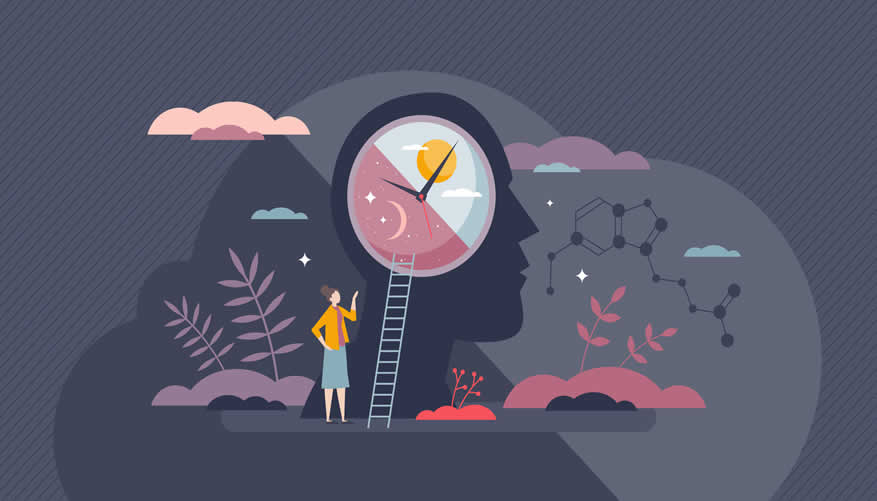
copyright image by 123rf.com
[ view diagram: 10-3-2-1-0 sleep rule ]
[ youtube: does the 10-3-2-1-0 sleep nethod work? ]
-
-
5th: FAQ: Are Sleeping Pills a Good Solution?
Sleeping pills, also known as hypnotics, are medications that can help induce sleep. They work by targeting the brain’s receptors to promote drowsiness and sedation. While sleeping pills can be beneficial for short-term use in certain situations, they are not recommended as a long-term solution for improving sleep.
It’s important to consult with a healthcare professional before using sleeping pills, as they can have side effects and may not address the underlying causes of sleep issues. Furthermore, relying on sleeping pills for an extended period can potentially lead to dependency and may interfere with the body’s natural sleep-wake cycle.
It’s best to explore other non-medication strategies first, such as maintaining a consistent sleep schedule, creating a relaxing bedtime routine, and practicing good sleep hygiene.
If you continue to experience persistent sleep difficulties, it’s advisable to seek medical advice for a comprehensive evaluation and tailored guidance.

copyright image by 123rf.com
[ youtube: are sleeping pills safe? ]
[ amazon: sleeping aid ]
-
6th: FAQ: Seeking Professional Help for Better Sleep Health
If you have consistently tried various sleep improvement techniques, implemented good sleep hygiene practices, and are still experiencing persistent sleep difficulties, it may be beneficial to seek professional help.
Consider reaching out to healthcare providers, sleep specialists, or therapists specializing in sleep disorders. They can provide a comprehensive evaluation, diagnose any underlying sleep disorders, and recommend personalized treatment options to improve your sleep health.
-
Q: What types of professionals can assist with sleep-related issues?
A: There are several professionals who specialize in sleep health and can provide guidance and support. They include:
- Sleep Specialists:
Physicians who specialize in sleep medicine and can diagnose and treat sleep disorders. - Psychologists or Therapists:
Mental health professionals who can help address underlying psychological factors that may be affecting sleep, such as anxiety or stress. - Cognitive Behavioral Therapy for Insomnia (CBT-I) Specialists:
Therapists trained in CBT-I, a proven therapy for treating insomnia and improving sleep habits. - Sleep Technologists:
Professionals who conduct sleep studies and analyze sleep data for diagnosing sleep disorders.
- Sleep Specialists:
-
Q: What can I expect during a sleep consultation or evaluation?
A: During a sleep consultation or evaluation, the healthcare provider or specialist will typically ask you about your sleep patterns, medical history, and any symptoms or difficulties you are experiencing.
They may also conduct physical exams or recommend sleep studies to gather more information about your sleep patterns and potential underlying issues. This comprehensive assessment helps them tailor a treatment plan specific to your needs.
-
Q: What treatment options are available for sleep disorders?
A: Treatment options for sleep disorders vary depending on the specific diagnosis. They may include:
- Medications:
In some cases, prescription medications may be prescribed to help regulate sleep patterns or manage underlying conditions contributing to sleep difficulties. - Behavioral Interventions:
Techniques such as Cognitive Behavioral Therapy for Insomnia (CBT-I) can address unhealthy sleep habits and promote better sleep. - Lifestyle Modifications:
Making changes to your sleep environment, daily routines, and implementing healthy sleep practices can significantly improve sleep quality. - Continuous Positive Airway Pressure (CPAP):
This therapy involves wearing a mask that delivers a stream of air to keep the airway open during sleep, commonly used to treat sleep apnea.
It’s essential to work closely with your healthcare provider or specialist to determine the most suitable treatment approach based on your specific sleep-related concerns and diagnosis.
- Medications:

copyright image by 123rf.com
[ youtube: when to seek professional help ]
[ youtube: what kinds professional help ]
-
-
-
FINAL REMARKS
Achieving good sleep health doesn’t happen overnight, but the rewards are worth the effort. Sleep is foundational to every other aspect of your health, making it one of the most important investments you can make as a health enthusiast.
By weaving together thoughtful sleep hygiene practices, dietary choices, and exercise routines, you’ll set yourself up for optimal rest and peak performance in both fitness and life. Start treating your sleep like the secret weapon it is.
Better sleep means better energy, faster recovery, and a sharper focus on your goals. It’s time to prioritize sleep as part of your commitment to overall wellness.
-
ideas to view and compare from the information discussed above
- What comments can you share about
why can’t I sleep? understanding good sleep tips
Scroll up to directory … or scroll to more interior home-related topics …
view illustration “becoming a bank”



Calendar For:
Home Maintenance
File Type:


… view our sharing links below for a quick "share the knowledge"
Cover image credit: why can’t I sleep by 123rf.com
end of post … please share it!
 |
did you find this analysis on why can’t I sleep helpful? If so, please share the article with your friends and family! |
Nice pic idea? Leave us a quick comment below.
And please share this pic idea within your social networks.