Summary Outline –
The thought of losing them to theft, fire, or misplacement is unsettling, but taking proactive steps to protect them brings a profound sense of peace.
Securing your valuables doesn’t require turning your cozy home into a cold fortress. Instead, it is about integrating smart, practical safety measures that fit your lifestyle and budget.
By layering different types of security—from clever hiding spots to sophisticated monitoring systems—you create a protective web around the things that matter most.
This guide will walk you through a spectrum of options, helping you build a security plan that feels right for your home.
- post content … analysis/ secure your home assets
- 1st: Understanding Your Valuables
- 2nd: Low-Cost Safety Measures
- 3rd: Mid-Range Security Measures
- 4th: High-End Security Measures
- 5th: Protecting Your Digital Treasures
- 6th: Enhancing Your Personal and Home Security
- conclusion
- other home utility management topics

-
- —— begin first topic ——
-
1st View: Understanding Your Valuables
… with an assessment and documentation
Before you can truly secure your belongings, it’s essential to start with a clear, comprehensive overview of what you own.
Properly assessing and documenting your valuables not only aids in protection but also ensures you are prepared in the event of theft, loss, or damage.

copyright image by 123rf.com
This foundational step acts as the bridge between awareness and actionable security, empowering you to prioritize and tailor your approach based on your unique lifestyle and possessions.
Additionally, this documentation can be critical for both insurance claims and estate planning, offering peace of mind and financial protection.
[ view summary table: making an assessment ]
-
Cataloging Your Belongings
The first step in understanding your valuables begins with an inventory assessment. Start by walking through each room in your home to identify items that hold significant financial or sentimental value.
This may include items such as jewelry, electronics, antiques, heirlooms, or artwork. Consider opening cabinets, drawers, and closets to uncover less obvious but valuable possessions, ensuring nothing is overlooked. Take your time, as accuracy here is crucial.
This cataloging may include essential family documents such as birth certificates, immunization records, Social Security numbers, passports, deeds, wills, and other important papers that need to be securely stored for future use.
For larger or more expansive collections, such as designer furniture or collectibles, consider categorizing them by type or purpose, which can make the cataloging process more manageable.
Once identified, make a record of each item, along with its details such as brand, model, size, and any serial numbers or unique identifiers.
This meticulous record not only helps you recognize the importance of each possession but also supports swift identification in times of need.
-
Evaluating the Value
Understanding the value of your possessions is a crucial aspect of both documentation and security. For items with sentimental value, consider their meaning to you and their unique story.
For those with financial value, research current market prices or seek appraisals from qualified experts to determine their worth. Jewelry stores, art appraisers, and specialized antique dealers often provide valuation services, giving you accurate insights into the monetary significance of your items.
It’s wise to revisit evaluations periodically, as market values can change over time, particularly for appreciating assets like fine art or vintage collections.
Keeping these records up-to-date ensures their relevance and usefulness during insurance claims or other situations.
-
Creating a Detailed Documentation System
Once your assets are assessed and valued, the next step is thorough documentation. Aim to create a system where your records are both organized and easily accessible.
Write out detailed descriptions of each item, and accompany these with high-resolution photographs capturing identifying details like distinct markings or flaws.
For items like electronics or luxury handbags, retain receipts, warranties, and certificates of authenticity whenever possible. These supporting documents not only substantiate your claim in case of loss but also simplify the insurance process.
For convenience, consider using digital tools to compile this information. Inventory apps or spreadsheet software allow you to maintain an organized, searchable record.
Ensure your documentation includes the item’s details, its estimated value, and purchase or appraisal records. Save backups in secure cloud storage or on an external hard drive to safeguard against loss of physical documentation.
-
Family Awareness and Access
It’s essential to ensure that at least one family member or trusted friend is aware of the locations of critical documents and has access to keys or combination codes for secure storage.
This measure guarantees that important materials are easily accessible in situations where you may not be home or are incapacitated.
Clearly communicate the storage details, and consider providing written instructions or diagrams to eliminate potential confusion. With a trusted individual prepared to step in, you enhance your family’s peace of mind and readiness to handle unexpected circumstances confidently.
-
Storing Your Records Safely
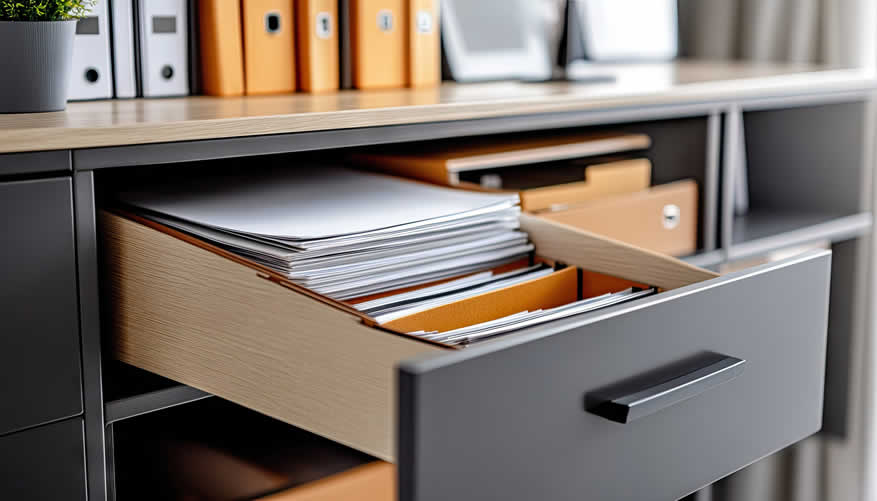
The safety of your documentation is just as important as the safety of the valuables themselves. Store physical copies of your inventory files in a fireproof safe located in a secure part of your home.
For added security, deposit duplicates in a safe deposit box at your bank. Digital copies should also be encrypted, and access should remain limited to trusted individuals.
By implementing these steps, you create a reliable framework for understanding, tracking, and valuing what you own. This practice not only enhances your readiness but ensures you remain composed and prepared, even under unexpected circumstances.
Detailed documentation lets you prioritize what matters most, creating a sense of reassurance that your belongings—and memories—are well accounted for.
Aspect Description Key Details Understanding Your Valuables Assessing and documenting your valuables is crucial for security and preparedness in case of theft, loss, or damage. Provides a foundation for security, aids in insurance claims, estate planning, and allows you to prioritize protection based on your lifestyle and possessions. Cataloging Your Belongings Create an inventory by identifying items of financial or sentimental value, including documents and personal possessions. Walk through each room for accurate assessment, organize expansive collections, and record essential details like brand, model, and serial numbers. Evaluating the Value Assess the monetary and sentimental value of your items by researching market prices or seeking expert appraisals. Periodic reevaluations ensure accuracy, accounts for changing market values, and provide detailed insights for insurance purposes. Creating a Documentation System Organize detailed records and supporting documents for all items to ensure easy access and secure maintenance. Include descriptions, photos, receipts, and appraisal records. Use digital tools for storage and backup to secure against physical loss. Family Awareness and Access Ensure trusted individuals are informed about the storage and access details of critical documents. Provide clear instructions to enhance emergency readiness and ensure accessibility in your absence or incapacitation. Storing Records Safely Secure physical and digital documentation to protect against loss or damage. Use fireproof safes or safe deposit boxes and encrypt digital copies for added security, limiting access to trusted individuals only. 

copyright image by 123rf.com
[ youtube: Home Document Organization ]
[ amazon: fireproof file box ]
-
Scroll up to directory … or scroll to next section about low-cost safety measures …

-
-
2nd View: Low-Cost Safety Measures
Protecting valuable and essential household documentation doesn’t have to cost a fortune. Many effective strategies rely on creativity and planning rather than high-tech solutions.
Understanding the habits of burglars and common risks can help you take proactive steps to safeguard important documents without breaking the bank.
copyright image by 123rf.com
Burglars tend to focus on predictable areas like bedroom drawers or under mattresses, searching for items of value in places of convenience.
By investing a little time and thought into your security measures, you can create unexpected solutions that offer protection and peace of mind.
[ view summary table: low cost measures ]
-
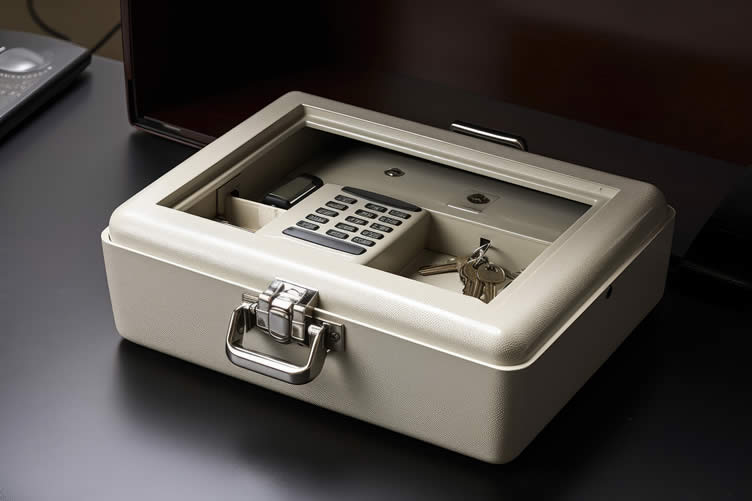
Creative Uses for Diversion Safes
Diversion safes not only provide a practical solution for concealing sensitive documents but also allow you to get creative in blending security with everyday items in your home.
For example, a hollowed-out book can seamlessly fit into your bookshelf, while a faux candle safe can serve as both a decorative piece and a discreet storage compartment.
You can even re-purpose household items like empty cleaning containers or food cans for a DIY approach, ensuring their appearance remains authentic.
Furthermore, consider strategically placing these safes in less obvious locations—such as a utility closet or garage shelf—for added protection. Diversion safes are a simple yet effective way to safeguard your valuables without drawing attention.
-
Rely on Fireproof and Waterproof Containers
Paper documents are vulnerable not just to theft, but to elements like fire and water. A highly affordable solution is a fireproof and waterproof document bag.
These specialized pouches are made from fiberglass and silicone materials designed to withstand high temperatures and repel water. They are perfect for holding passports, wills, and birth certificates.
Since they are widely available in various sizes and designs, you can select an option that fits both your budget and your storage needs. Position the container in a less-obvious location, such as a basement corner or a closet, to further deter any potential thieves.
For an added layer of protection, consider the digital realm. Scan your critical documents and store them on an encrypted USB drive or a secure cloud service.
This ensures that even if the physical copies are destroyed, you still have access to the information. Just remember to password-protect your digital files to keep them safe from cyber threats.
-
Hide Items in Unconventional Locations
Creativity can be your best ally when protecting household documents. Avoid storing your important paperwork in predictable places such as filing cabinets or desks.
Instead, consider using unconventional storage spaces that a burglar is unlikely to check. For example, you can tape an envelope filled with critical documents to the underside of furniture, place them inside an old board game box, or hide them within unused clothing in your closet.
Other ideas include using a hollowed-out book on a packed shelf, an empty cleaning supply bottle under the sink, or a false bottom in a kitchen pantry container can be excellent hiding spots for cash or small jewelry.
The goal is to make the item blend seamlessly into the environment so it doesn’t draw a second glance.
Another clever tactic involves using everyday items that burglars would likely ignore. For example, placing emergency cash inside a feminine hygiene box or an opaque food container in the back of the freezer can work wonders.
However, the key to this strategy is memory. If you hide something well, ensure you—and perhaps one trusted family member—remember exactly where it is. It is unfortunately common for people to hide valuables so well that they accidentally throw them away or lose them during a move.
-
Basic Locks and Safeguards Make a Big Difference
For those concerned about privacy in shared living spaces, even simple security measures can offer significant peace of mind.
Something as straightforward as a lockable file cabinet or desk drawer provides an inexpensive and effective way to restrict access to sensitive documents, such as financial records or personal correspondence.
These solutions not only help protect critical items but also create a sense of control over your personal space.
Additionally, using small padlocks or combination locks on less obvious containers—like storage bins, toolboxes, or even backpacks—adds another layer of security.
These seemingly minor precautions can make a big difference, as they act as physical barriers that slow down or discourage unauthorized access.
While these measures may appear basic, they serve as a deterrent by introducing extra steps for anyone attempting to access your belongings without permission, offering a simple yet reassuring safety net.
-
Investing in Low-Cost Physical Protection
Enhancing your home’s security doesn’t always require a large investment. There are simple, budget-friendly solutions that can provide an added layer of protection while giving you peace of mind. Start by upgrading door and window locks to more robust models.
Deadbolt locks and window pin locks are both affordable and effective at deterring intruders. Another cost-efficient strategy is to install battery-powered motion sensor lights around your home’s exterior to eliminate dark, vulnerable areas.
Additionally, consider placing inexpensive security film on glass windows and doors to make them harder to break.
For further protection, a basic door brace or security bar can fortify doors against forced entry. Many of these items are easy to install and require no professional assistance.
If you’re comfortable with DIY projects, assembling your own wooden dowel rods to secure sliding doors or windows can also be a low-cost option.
Remember, these measures can significantly enhance your home’s security without stretching your budget, ensuring safety and comfort for you and your family.
-
Rethink Document Placement When Traveling or Absent
When traveling or leaving your home unattended for extended periods, it’s important to create additional layers of protection.
Rather than keeping all documents in your residence, consider depositing crucial items—like passports or financial records—into a bank safety deposit box or an off-site location you trust.
Alternatively, enlist the help of a trusted friend or family member to store the documents while you’re away. This precaution minimizes the risk of theft during times when your home is more vulnerable.
Category Details Examples/Strategies Low-Cost Safety Measures Protecting valuable and essential household documentation doesn’t have to be expensive. Simple, creative approaches can enhance security without relying heavily on costly high-tech solutions. Understanding burglars’ habits, such as avoiding predictable hiding spots (bedroom drawers, under mattresses), can lead to unexpected but effective security strategies. Creative Uses for Diversion Safes Diversion safes offer a unique solution by blending security with inconspicuous household items, ensuring safe storage that doesn’t draw attention. Examples include hollowed-out books, faux candle safes, or re-purposing items like cleaning container bottles or food cans. Placement in less obvious locations like utility closets adds another layer of protection. Fireproof and Waterproof Containers Protecting paper documents from fire and water damage is crucial, and specialized containers provide a cost-effective solution to secure essential records. Using fireproof and waterproof document bags to store passports, birth certificates, and wills ensures protection. Digital backups via encrypted USB drives or secure cloud storage add another safety net. Unconventional Hiding Locations Placing important documents or valuables in unpredictable spots discourages thieves who search typical locations. Hiding items under furniture, in board game boxes, hollowed-out books, or unused clothing creates secure solutions. Everyday objects like food containers or feminine hygiene boxes can covertly store valuables. Basic Locks and Safeguards Even simple locking mechanisms for shared spaces can create a sense of security and privacy while preventing unauthorized access. Lockable file cabinets, desk drawers, or the use of combination locks on storage bins and toolboxes act as deterrents and add a physical barrier to protect belongings. Budget-Friendly Physical Protection Enhancing home security can be achieved through affordable upgrades, offering peace of mind without significant financial strain. Installing deadbolt locks, motion sensor lights, security films on windows, or using door braces are cost-effective solutions. DIY methods such as wooden dowels for sliding doors can also strengthen security. Document Placement for Extended Absences When traveling or leaving home for extended periods, it’s wise to ensure additional layers of protection for important documents. Using bank safety deposit boxes, off-site storage, or trusted friends/family to safeguard documents mitigates the risk of theft during vulnerable periods. 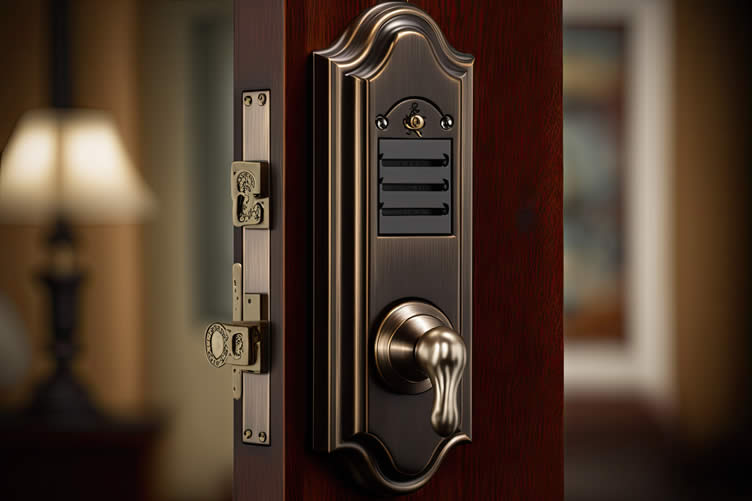
copyright image by 123rf.com
[ youtube: Best Place to Keep Your Valuables Safe ]
[ amazon: fireproof safe for home ]
-
Scroll up to directory … or scroll to next section about mid-range security measures …
-
-
3rd TERM: Mid-Range Security Measures
If you have items that require more than just clever concealment, investing in mid-range security options can significantly enhance your protection strategy.
These solutions provide a balance between affordability and effectiveness, offering robust physical barriers and technology-driven monitoring without the high price tag of professional-grade systems.
AI generated image by 123rf.com
Whether securing critical paperwork, cherished heirlooms, or sensitive data, mid-range options are ideal for increasing safety while ensuring accessibility.
Below, we outline practical strategies and considerations to help you choose the right solutions for your needs.
[ view summary table: mid-range security measures ]
-
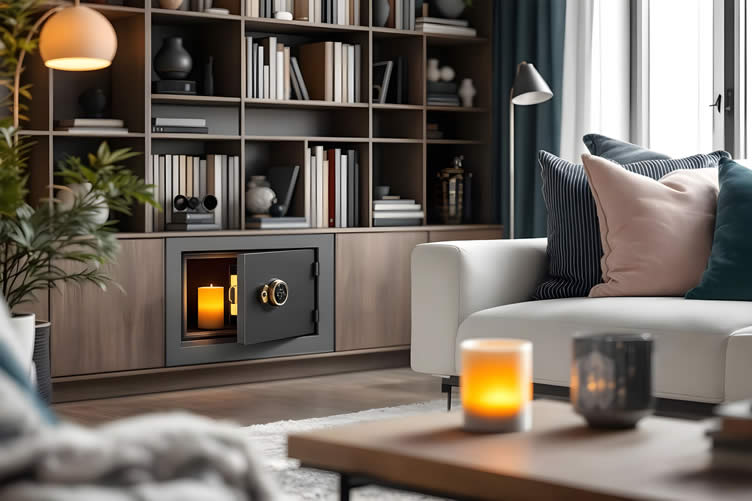
Home Safes Bolted to the Floor or Wall
A home safe is one of the most effective mid-range options for protecting valuable documents. To enhance their security, opt for a model that can be bolted to the floor or wall. Securing the safe in this way prevents thieves from easily removing it.
When selecting a safe, look for models with fire-resistant and waterproof ratings, ensuring your paperwork is safeguarded not just from theft but also from natural disasters.
These durable and unassuming safes can be discreetly integrated into your home, offering both reliable protection and minimal interference with your space.
-
Choosing the Right Size and Security Level
Selecting the right safe size and security level is critical to ensuring the effectiveness of your security solution. Consider the volume of documents and valuables to be stored, accounting for future needs as well.
Additionally, assess the security level indicated by industry-standard ratings, such as UL (Underwriters Laboratories) or ETL (Intertek’s testing for disaster resistance).
Safes with advanced locking mechanisms, such as electronic keypads or biometric readers, provide an extra layer of deterrence while maintaining convenience for authorized users.
-
Stronger Doors and Window Locks
Upgrading doors and window locks is another key step toward protecting your valuables. Replacing standard locks with reinforced options, such as deadbolts for exterior doors or multi-point locking systems for windows, can significantly enhance home security.
Consider installing steel-core or solid wood doors, which are harder to breach. For sensitive areas where documents are stored, such as a home office or safe room, these stronger entry points create an additional barrier against intrusion.
-
Mid-Range Alarm and Sensor Systems
A well-placed alarm or sensor system can be a game-changer for mid-range security. Systems that detect motion, glass-breaking, or unauthorized entry provide real-time warnings, giving homeowners the opportunity to respond promptly.
Many mid-range products offer mobile app synchronization, allowing you to monitor your home even when you’re away.
Such systems are relatively straightforward to install and are often scalable, enabling you to add more sensors or integrate them with other security measures over time.
-
Smart Cameras and Lighting
Smart cameras and lighting are increasingly popular, cost-effective solutions for home security.
Cameras equipped with Wi-Fi connectivity, motion sensing, and high-definition recording provide invaluable visual monitoring of your home.
Look for devices with cloud storage options to guarantee access to footage, even in the event of damage to the camera itself.
Additionally, smart lighting systems can enhance security when integrated with motion detectors, automatically illuminating areas when movement is detected.
This not only discourages would-be intruders but also provides practical convenience for your household.
-
Other Innovative Mid-Range Options
Other creative mid-range options can further boost your home’s security. For instance, consider locking file cabinets with durable, tamper-resistant mechanisms to protect your documents directly.
RFID-blocking storage can shield sensitive data stored on cards or devices from electronic theft.
Additionally, timed lockboxes can provide controlled access to specific valuable items during particular time windows, adding convenience and precision to your home security system.
Security Measure Description Additional Features Home Safes Bolted to the Floor or Wall A home safe provides effective mid-range protection for valuables by offering durable and secure storage. Opt for models that can be bolted to the floor or wall to prevent theft and ensure it cannot be easily removed. Fire-resistant and waterproof ratings protect contents from theft and natural disasters. Safes can be discreetly integrated into home spaces. Choosing the Right Size and Security Level Selecting the correct size and security level ensures the safe accommodates current and future storage needs. Consider industry-standard ratings (e.g., UL or ETL) and advanced locking mechanisms like electronic keypads or biometric readers. Offers convenience for authorized users while enhancing deterrence through technology-driven security upgrades. Stronger Doors and Window Locks Upgrading to reinforced locks, such as deadbolts for exterior doors or multi-point systems for windows, greatly improves security. Using steel-core or solid wood doors adds an additional layer of protection. Provides better resistance against intrusion and creates a robust barrier for sensitive areas like home offices or safe rooms. Mid-Range Alarm and Sensor Systems Alarm and sensor systems detect motion, glass-breaking, or unauthorized entry, providing timely warnings for quick responses. Many products sync with mobile apps for remote monitoring and control. Scalable systems allow easy integration of additional sensors. They provide real-time alerts and enhanced connectivity for improved home monitoring. Smart Cameras and Lighting Smart cameras with Wi-Fi connectivity and motion detection enable high-definition monitoring. Cloud storage ensures footage remains accessible even if the hardware is damaged. Smart lighting systems illuminate areas automatically when movement is detected. Acts as an effective deterrent and offers household convenience. These solutions provide continuous security and visibility. Other Innovative Mid-Range Options Additional measures include locking file cabinets with tamper-resistant mechanisms, RFID-blocking storage to prevent electronic theft, and timed lockboxes that allow controlled access to valuables during selective windows. These options enhance precision and diversify home security systems, safeguarding both physical and digital assets effectively. 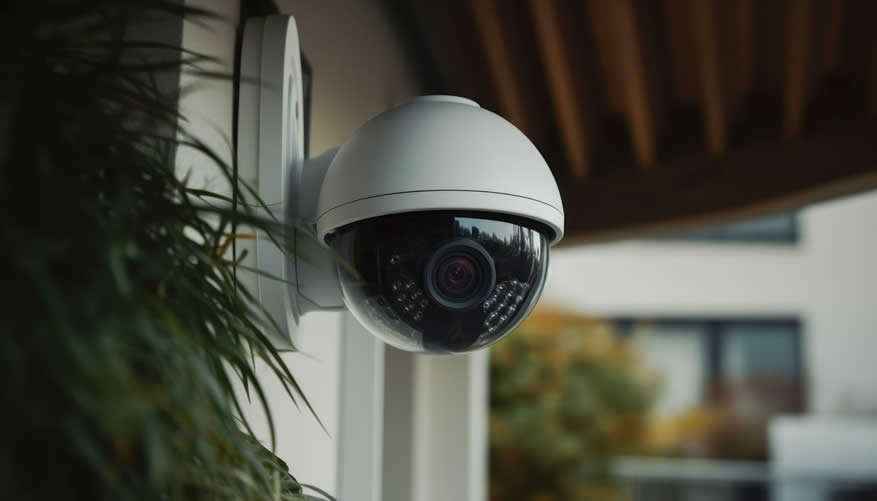
copyright image by 123rf.com
-
Scroll up to directory … or scroll to next section about high-end security measures …
-
-
4th View: High-End Security Measures to Protect
… high-value collections, art, or significant assets at home
Protecting high-value collections, art, or significant assets stored at home requires a sophisticated approach that prioritizes both security and discretion.
High-end security solutions are designed to offer comprehensive protection while seamlessly integrating into a home’s infrastructure and lifestyle.
copyright image by 123rf.com
These measures not only ensure your valuable possessions remain safe but also provide peace of mind, knowing that your investments and heirlooms are backed by state-of-the-art technology and expert-level safeguards.
Below are some of the leading security measures that can safeguard high-value assets with expertise and precision.
[ view summary table: high-end security measures ]
-
Advanced Home Security Systems: Smart Technology and 24/7 Monitoring
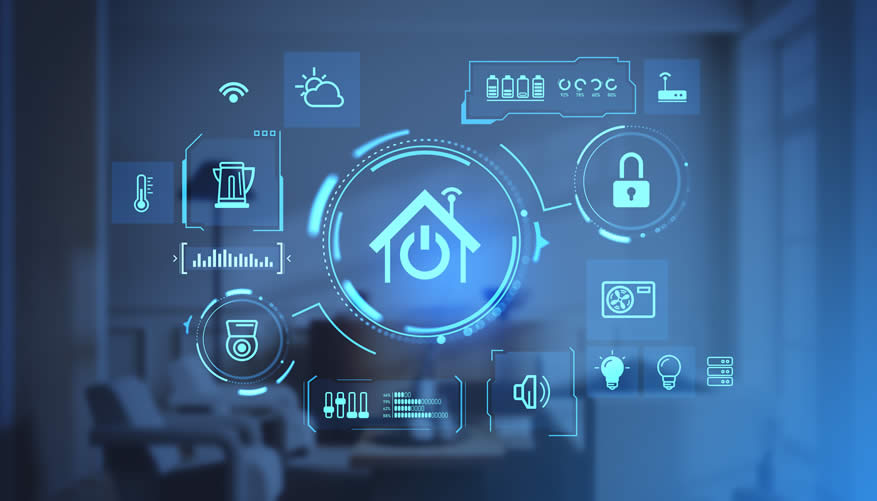
Modern high-end security systems leverage cutting-edge smart technology to provide unparalleled protection for your home and its contents.
These systems often include features such as facial recognition, biometric access, and customized notifications that allow homeowners to stay informed in real-time.
Paired with 24/7 monitoring services, these systems can immediately alert security professionals or local authorities to any unauthorized access or security breaches.
Many advanced systems offer user-friendly mobile applications and AI-driven insights that detect unusual activity patterns, ensuring a proactive approach to home security.
-
Advanced Surveillance and Analytics
For those protecting priceless artwork, rare collectibles, or sensitive assets, advanced surveillance systems play a crucial role in round-the-clock monitoring.
These systems use high-resolution cameras with motion detection, thermal imaging, and night vision to provide a clear, detailed view of your home in any lighting or weather condition.
Integrated analytics software further strengthens security by detecting anomalies, identifying potential threats, and creating activity logs that streamline incident review.
Combined with remote accessibility, these surveillance networks allow homeowners to monitor their assets from anywhere in the world.
-
High-Security Safes or Vault Rooms
High-security safes and custom-built vault rooms offer fortified storage solutions designed to protect your most treasured possessions.
These safes and vaults feature ultra-durable materials, such as reinforced steel and advanced locking technology, including biometric or time-delay mechanisms for enhanced control.
When integrated into your home’s design, vault rooms can provide a concealed and tamper-resistant sanctuary for items like fine jewelry, rare documents, or high-value antiques, ensuring they remain protected from theft, fire, and environmental damage.
-
Purpose-Built Safe Room or Panic Room with Reinforced Walls and Doors
Homeowners who prioritize personal safety along with asset security often invest in purpose-built safe rooms or panic rooms as an additional precaution.
These rooms are constructed with reinforced walls, impenetrable doors, and advanced locking mechanisms to withstand forced entry or natural disasters.
Many panic rooms are equipped with communication systems, air filtration, and backup power supplies, creating a secure refuge for individuals in emergencies.
When integrated thoughtfully into a residence, these safe rooms provide discreet yet powerful security without disrupting the aesthetic of the home.
-
Whole-Home Integration and Automation
A hallmark of high-end security is seamless integration with a smart home automation system. Whole-home automation connects multiple security components—such as surveillance cameras, door locks, safes, and motion detectors—into a unified control platform.
This allows homeowners to manage all security features from a central hub, ensuring convenience alongside comprehensive protection.
Automated systems can personalize responses based on scenarios, such as locking down specific areas during unauthorized access or pre-programming lights and sounds to deter potential intruders.
The ability to automate and control every security detail enhances both the user experience and the overall security efficiency.
-
A Trusted Partner in Home Security
To ensure these sophisticated measures are implemented properly, it is crucial to collaborate with experienced security professionals who understand the nuanced needs of protecting high-value assets.
Many companies specializing in high-end security systems offer tailored consultations, enabling homeowners to customize their solutions and achieve optimal protection.
Reliable partners can also provide ongoing maintenance, helping to prevent vulnerabilities and ensure systems remain up-to-date.
Security Measure Description Key Features Advanced Home Security Systems Modern systems equipped with smart technology to ensure real-time protection for high-value assets. Facial recognition, biometric access, 24/7 monitoring, customized notifications, mobile app integration, and AI-driven insights. Advanced Surveillance and Analytics High-resolution surveillance systems designed to monitor assets and detect potential threats continuously. Motion detection, thermal imaging, night vision, anomaly detection, activity logs, and remote accessibility. High-Security Safes or Vault Rooms Robust storage solutions protecting valuable items from theft, fire, and environmental damage. Reinforced steel construction, biometric locks, time-delay mechanisms, and concealed designs. Purpose-Built Safe Rooms Reinforced rooms designed for personal safety and to withstand forced entry or natural disasters. Impenetrable doors, advanced locks, communication systems, air filtration, and backup power supplies. Whole-Home Integration and Automation A unified control platform that connects and automates various security components for comprehensive protection. Centralized control, programmable responses, smart home integration, and enhanced efficiency. Trusted Security Professionals Collaboration with experienced professionals for tailored security solutions and ongoing maintenance. Customized consultations, vulnerability prevention, system updates, and expert-level design. 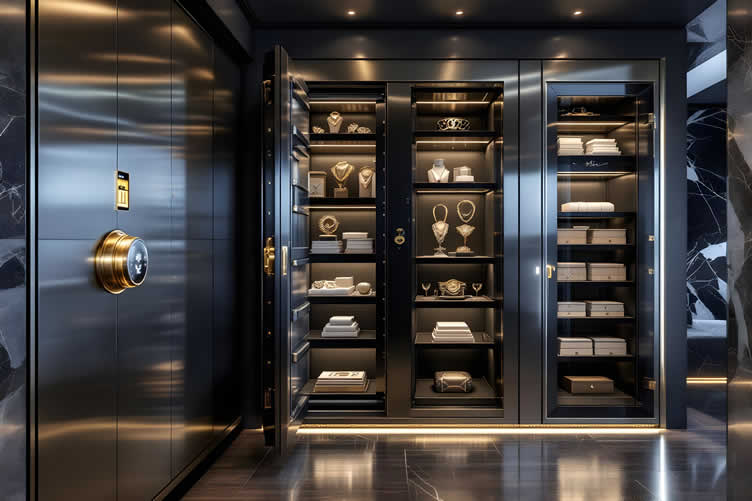
AI generated image by 123rf.com
-
Scroll up to directory … or scroll to next section about protecting digital assets …
-
-
5th TERM: Protecting Your Digital Treasures
In our modern world, some of our most valuable possessions don’t sit in a bank vault or a safe deposit box. Instead, they exist as lines of code and digital files stored on our devices and in the cloud.
Cryptocurrency, digital wallets, sensitive personal data, and irreplaceable family photos require just as much, if not more, protection as physical treasures.
copyright image by 123rf.com
Protecting these assets from theft, loss, or unauthorized access is not just a technical task—it’s an essential part of safeguarding our financial well-being and personal privacy.
This guide will walk you through the most effective digital security measures you can implement to create a fortress around your digital life, ensuring your assets remain secure and accessible only to you.
[ view summary table: protecting digital assets ]
-
Strong Passwords and Password Managers
The first line of defense for any digital account is a strong password. A weak, easily guessable password is like leaving your front door unlocked. To be effective, a password should be long, complex, and unique to each account.
This prevents a security breach on one website from compromising your other accounts. Remembering dozens of unique, complex passwords is a nearly impossible task for a human, which is where password managers come in.
These applications generate and securely store long, random passwords for all your services, requiring you to remember only one master password.
According to security experts, using a reputable password manager is one of the most critical steps you can take to fortify your digital security.
-
Two-Factor Authentication (2FA)
Even the strongest password can be compromised. That’s why adding a second layer of security, known as two-factor authentication (2FA), is so important.
When 2FA is enabled, logging into an account requires not only your password but also a second piece of information, usually a code sent to your phone or generated by an authenticator app.
This means that even if a cybercriminal manages to steal your password, they still won’t be able to access your account without physical access to your second device.
It’s crucial to enable 2FA on all your most important accounts, such as email, banking, and cryptocurrency exchanges, to provide a robust barrier against unauthorized access.
-
Firewalls and Network Security
Your home network is the gateway to all your connected devices, and securing it is fundamental to protecting your digital assets.
Most internet routers come with a built-in firewall, which acts as a filter, controlling incoming and outgoing network traffic to block malicious connections.
You should ensure this firewall is enabled. Furthermore, it’s wise to change the default administrator username and password on your router, as these are often publicly known and can be exploited.
For enhanced security, security firms recommend enabling WPA3 encryption (or strong WPA2) for your Wi-Fi and creating a separate guest network for visitors or smart home devices.
This isolates your main computers and phones from potentially less secure devices, preventing an infection from spreading across your entire network.
-
Software Updates and Antivirus
Software developers are constantly working to patch security holes and vulnerabilities in their products. Failing to install these updates leaves your devices exposed to known threats.
Turning on automatic updates for your operating systems, web browsers, and applications is a simple yet powerful way to ensure you are always protected against the latest discovered vulnerabilities.
In addition to keeping your software current, installing a reputable antivirus program is essential.
These programs actively scan for and block malware, viruses, and other malicious software that could be used to steal your data or access your accounts.
Keeping your antivirus software updated ensures it can recognize and defend against new and emerging threats.
-
Data Backup and Encryption
Hardware fails, devices get stolen, and ransomware can lock you out of your own files. Without a backup, your digital assets could be lost forever.
The "3-2-1 backup rule" is a widely recommended strategy: maintain at least three copies of your important data, on two different types of storage media, with at least one copy stored off-site or in the cloud.
This redundancy ensures that you can recover your files no matter what happens. For an extra layer of protection, you should also encrypt your data.
Full-disk encryption tools, which are built into most modern operating systems, can scramble the entire contents of your hard drive, making the data unreadable without the correct password.
This is particularly important for laptops, external hard drives, and USB sticks that contain sensitive financial or personal information.
-
VPNs and Safe Browsing
When you connect to public Wi-Fi networks at cafes, airports, or hotels, you are often sharing a network with strangers, which can expose your internet traffic to eavesdropping.
A Virtual Private Network (VPN) creates a secure, encrypted tunnel for your data, making it unreadable to anyone else on the network.
Using a trustworthy VPN is crucial when accessing sensitive accounts on public Wi-Fi. Beyond using a VPN, practicing safe browsing habits is key.
Be cautious of unsolicited emails with suspicious links or attachments, as these are common tactics used in phishing attacks to trick you into revealing your login credentials or installing malware.
Thinking twice before you click can save you from a world of trouble.
Topic Description Key Practices Protecting Digital Treasures Our most valuable possessions often exist as digital files, from cryptocurrency to irreplaceable personal data. Protecting these from theft or unauthorized access is essential for security and privacy. Implement strong security measures to safeguard digital assets and ensure they are secure yet accessible only to you. Strong Passwords and Password Managers Using unique and complex passwords for accounts is crucial to prevent breaches. Password managers help manage these securely by generating and storing strong passwords. Utilize a reputable password manager and create long, unique passwords to enhance account security. Two-Factor Authentication (2FA) 2FA adds a second layer of protection by requiring a password and a code sent to a second device. This ensures access remains restricted even if a password is compromised. Enable 2FA on critical accounts, such as email, banking, and cryptocurrency, to prevent unauthorized access. Firewalls and Network Security Your home network is the gateway to connected devices. Securing it with firewall settings and strong Wi-Fi encryption helps block malicious traffic. Enable WPA3 or strong WPA2 encryption, change default router credentials, and set up a guest network for better security. Software Updates and Antivirus Regular updates patch vulnerabilities in software, reducing risks. Antivirus programs protect devices by detecting and blocking malware and viruses. Turn on updates for all devices and install a reliable antivirus program to maintain strong defenses against threats. Data Backup and Encryption Backing up files ensures data recovery in case of loss. Encrypting sensitive data adds a layer of protection, especially for devices prone to theft. Follow the 3-2-1 backup rule and use full-disk encryption for laptops and USB drives with personal or financial information. VPNs and Safe Browsing VPNs secure your internet connection on public networks by encrypting data, while safe browsing habits prevent exposure to phishing attacks and malware. Use a trusted VPN and practice caution with emails, links, and attachments to ensure secure internet usage. 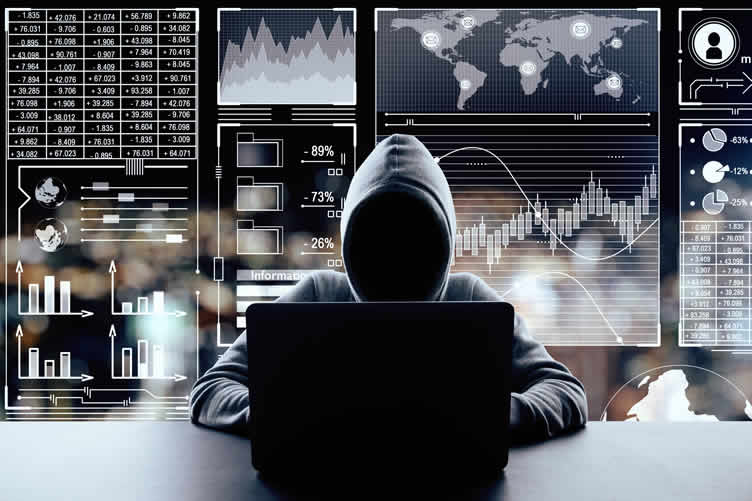
copyright image by 123rf.com
[ youtube: 4 Ways to Prevent Identity Theft ]
[ amazon: data backup devices ]
-
Scroll up to directory … or scroll to next section about enhancing personal security …
-
-
6th View: Enhancing Your Personal and Home Security
Keeping your home and personal safety protected requires a comprehensive approach that integrates various measures and strategies.
While physical security systems, such as cameras, locks, and alarms, are foundational, combining these with broader, proactive safeguards can provide an additional layer of security.
copyright image by 123rf.com
This ensures peace of mind and a better-prepared household for unforeseen circumstances.
By taking a holistic approach to security, homeowners can address vulnerabilities, protect their property, and nurture a safer community for themselves and their neighbors.
[ view summary table: additional security measures ]
-
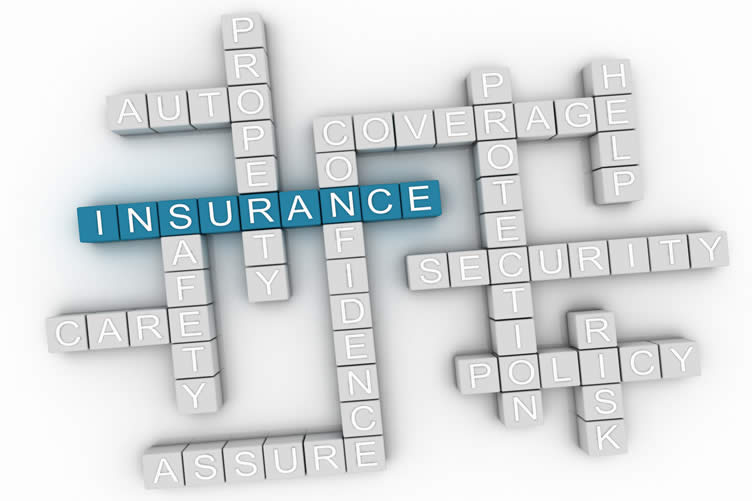
Insurance Coverage: Supplementing Physical Security
Even the best security measures cannot guarantee 100% protection against every possible scenario. This is where insurance plays a vital role. It acts as a financial safety net, ensuring that if the worst happens, you are not left starting from zero.
Review your homeowner’s or renter’s insurance policy carefully. Standard policies often have limits on coverage for specific categories of items like jewelry, art, or electronics.
If the value of your items exceeds these limits, you may need to purchase a "rider" or "floater"—additional coverage specifically for those high-value items.
This brings us back to the importance of your inventory. In the event of a claim, having photos, receipts, and appraisals ready will streamline the process and help ensure you receive the full value of what was lost.
Meet with your insurance agent annually to discuss any new purchases and adjust your coverage as needed.
-
Community and Neighborhood Watch Programs
We often forget that one of the most effective security systems is a tight-knit community. Neighbors who know and look out for each other create a formidable defense against crime.
A stranger poking around a house stands out much more to a neighbor who knows you are on vacation than to a remote security camera.
Participating in or starting a Neighborhood Watch program fosters this sense of communal responsibility. It doesn’t have to be formal; simply exchanging phone numbers with your immediate neighbors and agreeing to keep an eye on each other’s properties is a great start.
Simple acts, like picking up mail for a neighbor who is away, signal that the home is occupied and cared for.
-
Maintaining and Updating Your Security Measures
Security is not a "set it and forget it" project. It requires regular maintenance to remain effective.
Batteries in smoke detectors, smart locks, and sensors need to be checked and replaced. Software for cameras and smart hubs must be updated to patch security vulnerabilities.
Make it a habit to audit your security measures once or twice a year. Walk around your property and look for new vulnerabilities.
Has a shrub grown too large, obscuring a window? Has a motion sensor been knocked out of alignment?
As your life changes—perhaps you adopt a pet or renovate a room—your security needs will evolve, and your system should adapt alongside you.
-
Considering Additional Measures
Beyond the basics, there are other impactful steps you can take to enhance your safety. Outdoor lighting, particularly motion-activated models, can deter intruders by increasing visibility around your property.
Landscaping can also play a role—trim shrubs or trees near windows and doors to prevent hiding spots for potential intruders.
Keeping emergency preparedness kits and plans is another measure to strengthen personal security in the event of weather-related emergencies or power outages.
Aspect Description Recommendations Personal and Home Security Keeping your home and personal safety protected requires a comprehensive approach that integrates various measures and strategies, including physical systems like cameras, locks, and alarms. Adopt a holistic approach to address vulnerabilities, protect property, and foster a safer community. Insurance Coverage Insurance acts as a financial safety net, supplementing physical security when unforeseen events occur. Regularly review policies, consider riders for high-value items, maintain an inventory with photos and appraisals, and meet with your agent annually to update coverage. Community and Neighborhood Programs A strong sense of community enhances security by fostering communal responsibility and vigilance. Participate in or create a Neighborhood Watch program, exchange contact information, and assist neighbors by picking up mail or keeping an eye on properties during absences. Maintaining Security Measures Security systems require regular maintenance and updates to stay effective and adapt to changing needs. Check batteries, update software, inspect for vulnerabilities, and audit your security setup periodically to address new risks as life circumstances evolve. Additional Measures Enhanced safety can be achieved through simple yet impactful actions combined with emergency preparedness. Install motion-activated lighting, trim landscaping to reduce hiding spots, and create preparedness kits for emergencies like power outages or natural disasters. 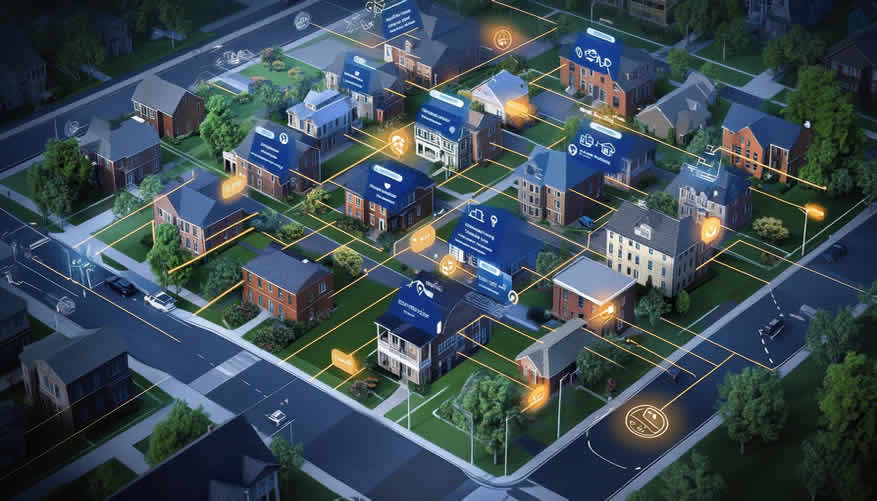
copyright image by 123rf.com
Professional Help ???
For homeowners looking to maximize their protection, seeking the help of home security and digital setup experts can be a game-changer.
These professionals can assess your property, identifying vulnerabilities and recommending tailored solutions to meet your unique needs.
From installing advanced security systems with smart home integration to setting up surveillance cameras and access controls, experts ensure the technology works seamlessly and is easy to operate.
They can also guide you through options like remote monitoring, alarm systems, and smartphone alerts, giving you real-time awareness of your home’s safety.
By leveraging their expertise, you can have peace of mind knowing your home is safeguarded by reliable, state-of-the-art solutions.
LetsRenovate has partnered with HomeAdvisor™, a renowned provider of highly-rated, carefully-vetted home security/automation specialists. Start your search here by choosing the type of contractor you need and entering your zip code to find local professionals.

AI generated image by 123rf.com
But Wait!
Before you start searching for home security, automation, or network contractors, we highly recommend downloading our evaluation worksheet.
This resource will help you objectively assess and rank potential contractors based on essential factors like pricing, licensing, and referrals.

Evaluation Sheet
File Type:
-
Scroll up to directory … or scroll to conclusion …
-
-
Conclusion
… creating a comprehensive security plan
Protecting the things you value is an ongoing journey of care and awareness. It is not about living in fear, but about empowering yourself with the knowledge and tools to keep your sanctuary safe.
By combining physical barriers, smart habits, digital hygiene, and community support, you build a resilient environment where you and your family can thrive.
Start with the basics. Inventory your belongings this weekend. Find a clever hiding spot for your emergency cash.
As you feel more confident, layer in more advanced measures. Every small step you take is a deposit in your peace of mind, ensuring that your home remains a safe harbor for the treasures of your life.
-
Quick scroll to more home utility management ideas …
-
ideas to view and compare from the photo above
- What comments can you share about
how best to secure your home assets?


Exploring how best to secure your home assets and other home improvement needs …
… save this curated directory of ideas for future reference.


… view our home remodeling guides and steps
Download this PDF for a concise summary addressing whether you have the right …?


SHARE IT ..! Someone in your network might benefit from this insightful post about how to secure your home assets. Feel free to share it on Facebook, X (formally Twitter), LinkedIn, or Pinterest!



Easily determine the dimensions you need for any home remodeling project …
… ensuring functionality, visual appeal, and compliance with building codes.




Calendar For:
Home Maintenance
File Type:
… view our sharing links below for a quick "share the knowledge"
Find Home Security Services Home Security Alarms Home Automation Generators Networks/Phone Computers/ Media top-rated, pre-screened local contractors FREE: download contractor selection enter zip code – powered by HomeAdvisor ™
Quick Contractor Guides selecting negotiating working with inspecting

Cover image credit: secure your home assets by 123rf.com
end of post … please share it!
 |
did you find this "secure your home assets" analysis helpful? If so, please share the article with your friends and family! |
Nice pic idea? Leave us a quick comment below.
And please share this pic idea within your social networks.