Quick Answer:
A smart fall cleanup protects your lawn, garden beds, trees, irrigation, and home exterior from winter damage while leaving enough natural habitat for pollinators and birds. Start with safety and drainage, then move through lawn care, garden beds, trees and shrubs, irrigation, and tool storage—tackling each task in order of urgency before the ground freezes.
Summary Outline –
The choices you make now—how you handle your gutters, your lawn, your garden beds, and your water lines—determine how well your property holds up against frost, ice, and months of dormancy.
A thoughtful fall cleanup is not about scrubbing every leaf off your lawn or stripping your garden bare. It is about protecting the structures and living things you care about most: your home’s foundation, your turf’s root system, your trees, and the pollinators and birds that rely on your yard for winter shelter.
Done well, fall cleanup becomes less of a chore and more of an investment that pays off every spring.
This guide walks through a prioritized, room-by-room approach to autumn maintenance. Each section explains not just what to do, but why the timing matters, so you can adjust the checklist to your region, your grass type, and your garden’s unique needs.
- post content … analysis/ fall yard cleanup
- 1st: Why Start With Safety And Drainage?
- 2nd: Prepare Your Lawn For Winter
- 3rd: Manage Your Garden Bed Checklist
- 4th: Protect Trees, Shrubs, And Sensitive Plants
- 5th: Protect Irrigation And Water Features
- 6th: Store Tools, Furniture, And Outdoor Equipment
- 7th: Enter Winter With Confidence
- 8th: Frequently Asked Questions
- 9th: Too Busy for Fall Maintenance? Hire a Pro!
- conclusion
- other yard n’ garden topics

-
- —— begin first topic ——
-
1st Checklist: Why Start With Safety And Drainage?
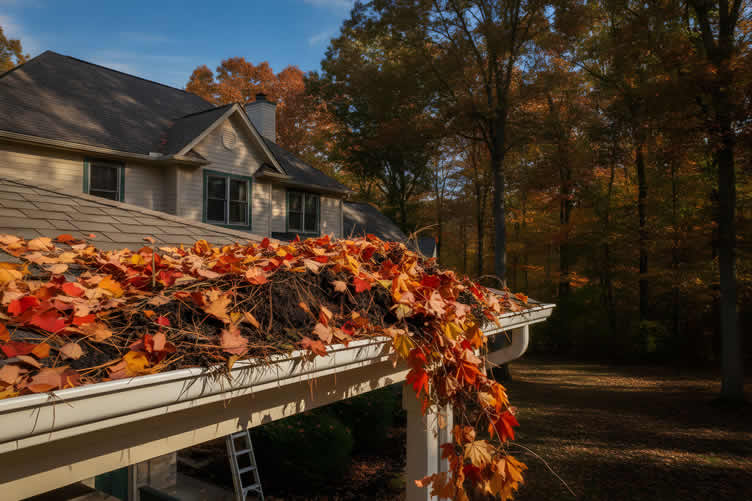
Before anything else, fall cleanup should address the issues that could cause real damage if winter arrives before you’re ready. Clogged gutters, hanging branches, and poor drainage are the kinds of problems that quietly worsen until a hard freeze or heavy storm turns them into expensive repairs.
Addressing these first protects your home’s structure and keeps your property safe to walk around all season.
AI generated image by 123rf.com

-
Clear Gutters And Drains
Leaves, sticks, and debris collect quickly in gutters, downspouts, window wells, and outdoor drains during autumn. When these pathways clog, water has nowhere to go but toward your foundation, where it can cause cracking, basement leaks, or soil erosion.
Walk the perimeter of your home and confirm that water flows freely away from the foundation at every drainage point before the first hard rain or freeze sets in.
-
Remove Hazardous Branches
Take a slow walk around your property and look up. Dead, cracked, hanging, or storm-damaged branches become far more dangerous once ice and snow add weight to them. Pay particular attention to limbs near the roof, driveway, walkways, and power lines.
If a branch requires a ladder, climbing gear, or a chainsaw to remove safely, it’s worth bringing in a certified arborist rather than risking injury (Arbor Day Foundation, 2026).
-
Inspect Hardscape And Grading
Retaining walls, fences, outdoor lighting, and drainage swales all shift slightly over a year of weather exposure.
Reset any loose edging, pavers, or stones now, because freeze-thaw cycles in winter make small cracks and gaps much harder—and more expensive—to repair later.
More Supporting Information
(view images, summary table and useful ideas – or scroll to side note and next topic)
Section Details Reason Why Start With Safety And Drainage? Fall cleanup should prioritize resolving issues like clogged gutters, hanging branches, and poor drainage that can lead to damage during winter. These problems worsen quietly and can turn into expensive repairs during heavy storms or freezing conditions. Clear Gutters And Drains Debris such as leaves and sticks need to be removed from gutters, downspouts, window wells, and outdoor drains to ensure water flows freely away from the home’s foundation. Clogged pathways can cause cracks, basement leaks, or soil erosion when water is unable to drain properly. Remove Hazardous Branches Examine the property for dead, cracked, or hanging branches, especially near roofs, driveways, walkways, or power lines.
Larger branches may require professional assistance.
Ice and snow increase the weight and danger of these branches, potentially causing injury or property damage. Inspect Hardscape And Grading Check retaining walls, fences, outdoor lighting, and drainage swales for any shifting or damage, and reset loose edging, pavers, or stones. Freeze-thaw cycles in winter can worsen small cracks or gaps, leading to more expensive repairs later on. 



AI generated image by 123rf.com
Is Your Yard a Swamp?
Gutter systems and proper grading protect your home and yard, especially during the wet season.
If your property feels like a swamp after heavy rain, it may be time to review its drainage.
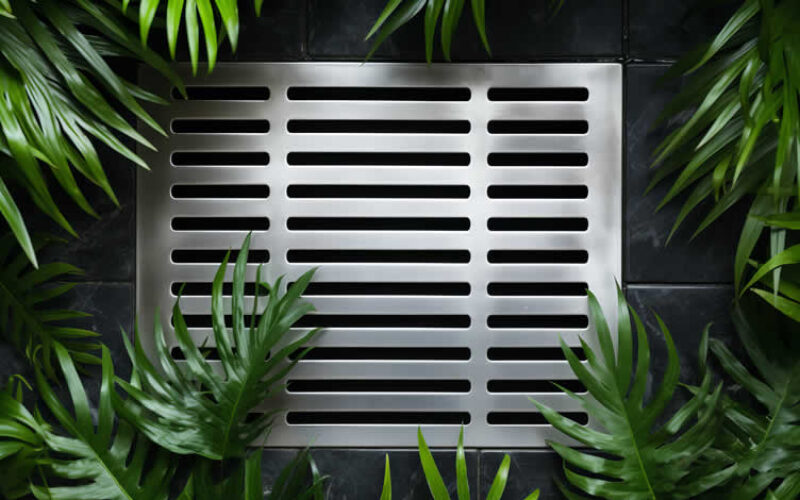
Fall is the perfect time to clear clogged gutters and check your yard’s slope so water flows away from your foundation.
Good drainage now can save you from costly repairs and protect your outdoor spaces for seasons to come.
view ideas: Master Home Drainage System(new win)

-
Scroll up to directory … or scroll to next fall checklist: prepare your lawn …


-
-
-
2nd Checklist: Prepare Your Lawn For Winter
Fall is widely considered the most important season for lawn health, especially for cool-season grasses (LawnStarter, 2026). The work you do now—mowing, raking, aerating, and feeding—shapes how resilient your turf will be against snow, ice, and spring regrowth.
The key is sequencing these tasks correctly rather than rushing through them all at once.

copyright image by 123rf.com
-
Keep Mowing Until Growth Stops
Many homeowners put the mower away too early. Cool-season grasses often keep growing until daytime air temperatures consistently drop below roughly 50°F, which means fall can be one of the highest-growth periods of the year (LawnStarter, 2026).
Continue mowing as long as the grass is actively growing, and on your final cut of the season, avoid removing more than one-third of the blade height at once.
Cutting too short stresses the plant right before dormancy, while leaving it too tall allows snow to flatten the grass and trap moisture against the crown.
-
Manage Fallen Leaves
A thick, wet layer of leaves left on turf blocks sunlight and traps moisture, creating conditions for mold, pests, and disease (LawnStarter, 2026). Rake or mulch leaves regularly rather than letting them accumulate into a dense mat.
If you prefer to leave some leaves for pollinator habitat, consider relocating a portion to garden beds or designated wild areas instead of leaving them piled on the lawn itself.
-
Aerate And Overseed
Compacted soil restricts root growth and limits water infiltration, which is especially problematic in high-traffic areas of the yard.
Aerating in early-to-mid fall relieves that compaction and creates the ideal window for overseeding bare or thin patches, since cool-season grass seed typically needs four to eight weeks to establish before winter dormancy.
If your lawn is warm-season turf, skip fall overseeding altogether, as it is far better suited to late spring or early summer treatment.
-
Apply Fall Fertilizer
A fall fertilizer suited to your turf type and soil-test results supports root development heading into dormancy.
Cool-season lawns often benefit from a low-nitrogen, higher-potassium blend applied in October or November, while warm-season lawns should typically be fertilized earlier, in late summer, since late-season nitrogen can stimulate tender growth that frost will damage.
When in doubt, a simple soil test—available through most garden centers or your local Cooperative Extension office—takes the guesswork out of the equation.
More Supporting Information
(view images, summary table and useful ideas – or scroll to side note and next topic)
Task Description Timing/Notes Prepare Your Lawn for Winter Fall is crucial for lawn health, especially for cool-season grasses.
Tasks include mowing, raking, aerating, and feeding, carried out in the proper sequence for best results.
Focus on preparation before snow, ice, and spring regrowth. Keep Mowing Until Growth Stops Continue mowing until daytime temperatures consistently stay below 50°F.
On the final mow, avoid cutting more than one-third of blade height to reduce plant stress.
Ensure grass is not cut too short or left too tall before dormancy. Manage Fallen Leaves Rake or mulch leaves to prevent them from blocking sunlight and trapping moisture.
Relocate leaves to garden beds if leaving some for pollinator habitat.
Prevents mold, pests, and disease caused by dense, wet leaf mats. Aerate and Overseed Relieve soil compaction through aeration.
Overseed thin or bare patches, allowing 4-8 weeks for seed establishment before winter dormancy (cool-season grass only).
Warm-season grass should skip fall overseeding; treat in late spring or early summer instead. Apply Fall Fertilizer Supports root development with a blend suited to turf type and soil-test results.
Cool-season lawns benefit from late-fall application, while warm-season lawns should be fertilized earlier.
Perform a soil test to tailor fertilizer choice and timing. 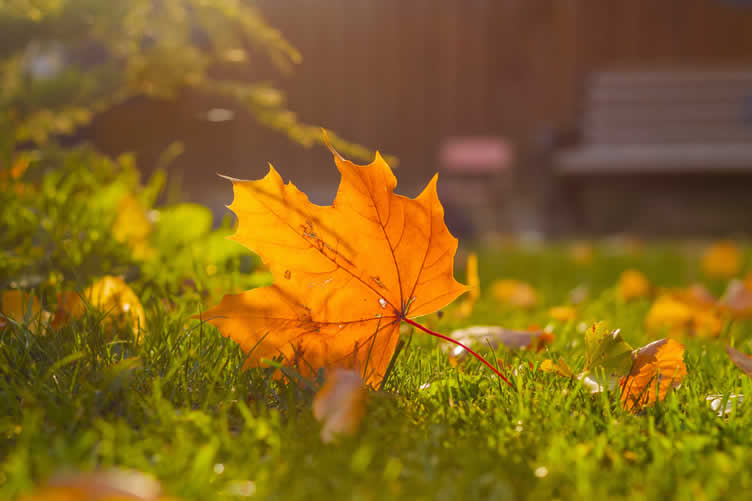
copyright image by 123rf.com
The Beauty and Benefit of Fall Leaves
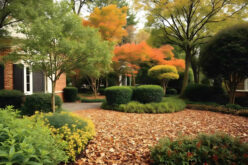
The vibrant tapestry of fall leaves is one of the season’s greatest charms, but as those colorful leaves inevitably fall, the question arises—what should you do with them?
Instead of simply raking them away, consider mulching or letting them enrich your garden.

When left to decompose over winter, fallen leaves provide vital nutrients to the soil and create a natural habitat for beneficial insects and critters.
It’s a simple, eco-friendly way to keep your garden thriving while savoring the beauty of the season.
view ideas: Fall Foliage: Your Complete Guide(new win)
-
Scroll up to directory … or scroll to next fall checklist: manage garden beds …
-
-

Tackling home upgrades and fulfilling all your home improvement needs …

… save this curated directory of ideas for future reference.

-
-
3rd Checklist: Manage Your Garden Bed Checklist
Garden beds and vegetable plots need a different kind of attention than lawns. The goal is to remove what could spread disease or attract pests while preserving the structure that shelters beneficial insects and feeds birds through the colder months.
A balanced approach protects both your garden’s health and the small creatures that depend on it.

AI generated image by 123rf.com
-
Clear Spent Plants And Disease Debris
Pull spent annuals, weeds, fallen fruit, and any plant material that shows signs of disease or pest infestation.
Dispose of diseased debris in the trash rather than the compost pile, since most home compost systems don’t reach temperatures high enough to kill off pathogens.
In the vegetable garden, remove warm-season plants after the final harvest along with their trellises, cages, and stakes, saving only healthy material for composting.
-
Leave Habitat For Pollinators
It’s tempting to cut every perennial down to the ground for a tidy look, but a surprising number of beneficial insects spend winter exactly where they lived all summer.
According to the Xerces Society, roughly 30% of native bee species are tunnel-nesters—like leafcutter and mason bees—that rely on hollow stems, dead wood, or brush piles for winter shelter, while mated queen bumble bees burrow just an inch or two into loose soil to hibernate.
Research from NC State Extension found that cutting perennial stems between the first fall frost and the last spring frost poses very little risk to overwintering insects, since nests were found in less than 2% of stems sampled during that window (NC State Extension, 2025).
For the best balance of tidiness and habitat value, leave stems twelve to twenty-four inches tall rather than cutting them flush to the ground, and let seed heads remain standing to feed birds through winter.
-
Dividing Perennials and Planting Bulbs
Fall is a great time to prepare your garden for spring. Divide overcrowded perennials by carefully digging up the root clumps, separating them into smaller sections, and replanting them in well-prepared soil with room to grow.
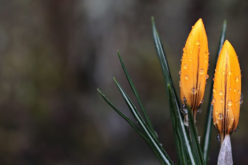
While the soil is still workable, plant spring-blooming bulbs such as daffodils, tulips, and crocuses in a sunny spot with well-draining soil, setting each bulb at the recommended depth to protect it over winter. Your effort will be rewarded with bursts of color once the weather warms.
-
Mulch And Amend Soil
Working compost into garden beds improves soil structure and nutrient content heading into winter.
Follow with about two to three inches of mulch around perennials, bulbs, and the base of young trees, keeping mulch pulled a few inches back from direct stem or trunk contact.
This layer helps stabilize soil temperature and moisture through freeze-thaw cycles, rather than functioning as insulation to keep plants "warm."
More Supporting Information
(view images, summary table and useful ideas – or scroll to side note and next topic)
Checklist Item Description Action Clear Spent Plants and Disease Debris Garden beds require the removal of spent annuals, weeds, fallen fruit, and diseased plant material to prevent pest infestations and the spread of pathogens.
Diseased debris should not be composted as home systems cannot reach the needed temperatures to destroy pathogens.
Dispose of any diseased material in the trash and save only healthy plant materials for composting.
Remove warm-season plants after harvest alongside supporting structures such as trellises and stakes.
Leave Habitat for Pollinators Beneficial insects, including tunnel-nesting bees and queen bumblebees, rely on hollow stems, dead wood, and loose soil for winter shelter.
Overwintering insects typically inhabit less than 2% of perennial stems, so preserving some structures is vital.
Maintain perennial stems at heights of 12–24 inches and retain seed heads to feed birds.
Avoid cutting stems flush to minimize risk to insects.
Dividing Perennials and Planting Bulbs Fall is an ideal time to divide overcrowded perennials and plant spring-blooming bulbs.
Proper spacing and soil preparation ensure healthy growth and springtime color.
Dig up root clumps of perennials, divide them into sections, and replant.
Place bulbs like tulips and daffodils at the recommended depth in well-draining, sunny areas before winter.
Mulch and Amend Soil Adding compost improves soil condition, and a layer of mulch stabilizes soil temperature and moisture.
Proper application protects perennials, bulbs, and young trees during freeze-thaw cycles.
Work compost into soil and apply 2–3 inches of mulch around plants, keeping it a few inches away from stems or tree trunks to avoid direct contact and rot. 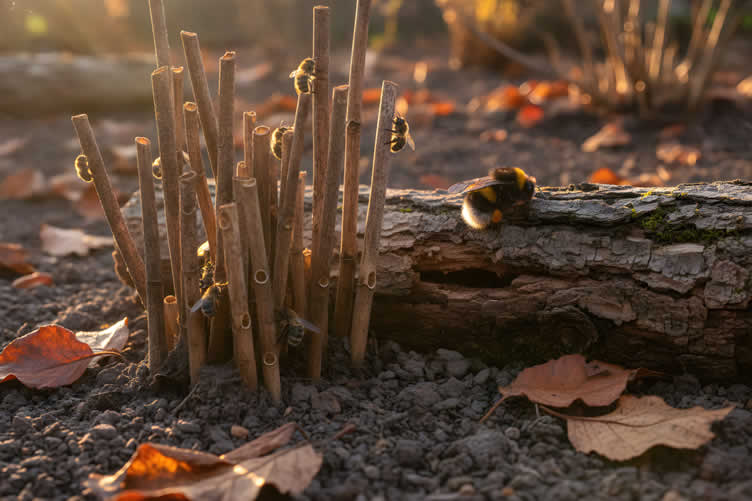
AI generated image by 123rf.com
Plan Next Year’s Garden This Fall
Fall is the ideal season to reflect on your garden’s successes and consider changes for the coming year.
Did your current plants thrive, and did the design meet your expectations?

This is the time to make decisions about replacing annuals or incorporating new perennials to better suit your vision.
And if you’re dreaming of vibrant spring blooms, don’t wait — planting your favorites now lays the groundwork for a breathtaking burst of color when the weather warms
view ideas: about Perennial and Annual Flowers(new win)
Sunny Perennial Pics
Part-Sun Perennials
viewing amazon-
Scroll up to directory … or scroll to next checklist. protect sensitive plantings …
-
-
SHARE IT ..! Someone in your network might benefit from this insightful fall yard cleanup checklist. Feel free to share it on Facebook, X (formally Twitter), LinkedIn, or Pinterest!


… home remodeling and improvement

-
-
4th Checklist: Protect Trees, Shrubs, And Sensitive Plants
Trees and shrubs face a different set of winter risks than lawns and garden beds—dehydration, wildlife damage, and structural failure from heavy ice or snow.
Fall care focuses on hydration, targeted pruning, and protecting bark and young growth from the harshest effects of the season.
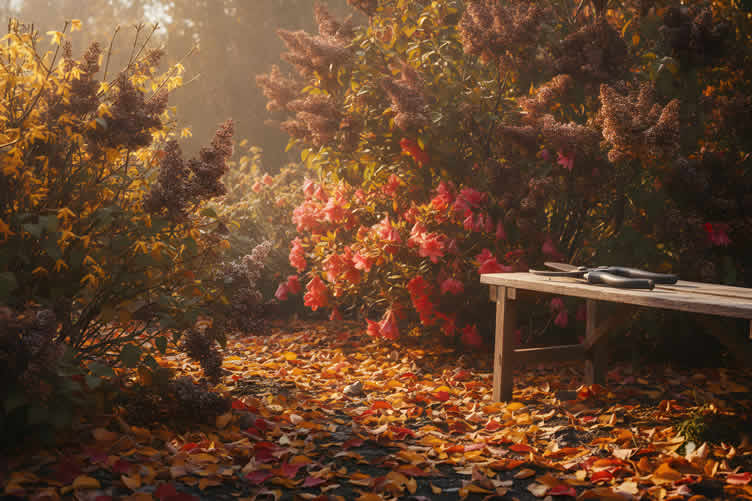
AI generated image by 123rf.com
-
Prune Only Dead Or Damaged Wood
Fall is not the ideal time for major structural pruning. Instead, limit cuts to dead, damaged, diseased, crossing, or clearly hazardous branches, which reduces the risk of breakage during winter storms.
The Arbor Day Foundation notes that most pruning questions depend heavily on species and local disease risk, since certain trees—like oaks—carry heightened vulnerability to disease when pruned at the wrong time of year (Arbor Day Foundation, 2026).
When a job calls for a ladder, climbing, or chainsaw work, it’s worth hiring an ISA Certified Arborist rather than taking on that risk yourself.
-
Avoid Pruning Spring-Blooming Shrubs
Pruning spring-blooming shrubs at the wrong time can remove next year’s flower buds. Lilacs, forsythias, and azaleas set their buds for the following season shortly after they bloom.
To protect those buds, wait to prune until the flowers have faded, which shapes the plant while keeping its natural cycle intact.
-
Water Deeply Before The Freeze
Trees and shrubs, especially evergreens and anything planted within the last year or two, need thorough watering before the ground freezes. Evergreens continue losing moisture through their needles all winter, and cold winds can strip water away faster than roots are able to replace it.
Water deeply enough to soak several inches into the soil, and stop once the ground is frozen solid or consistently covered in snow.
-
Wrap Young Or Exposed Plants
Young trees, tender shrubs, and evergreens in exposed, windy, or sun-reflective locations benefit from burlap wrap or appropriate tree guards.
Beyond wind protection, wraps and guards help prevent sun-scald, a condition where a trunk heats up during a sunny winter day and then cracks from the rapid overnight freeze.
It’s also worth clearing tall grass, brush piles, or anything that could create nesting habitat for rodents directly around trunks, since deer, rabbits, and rodents often chew bark when other food sources disappear.
More Supporting Information
(view images, summary table and useful ideas – or scroll to side note and next topic)
Care Aspect Details Additional Notes Pruning Dead or Damaged Wood Fall is not ideal for major pruning.
Focus on removing dead, damaged, diseased, crossing, or hazardous branches to reduce the risk of winter breakage.
Pruning recommendations depend on species and local disease risks. Consult with an ISA Certified Arborist for complex jobs. Avoid Pruning Spring-Blooming Shrubs Pruning in fall can destroy next year’s flower buds on plants like lilacs, forsythias, and azaleas.
Wait until flowers fade post-bloom to trim.
Maintains the shrubs’ natural growth cycle and ensures blooming for the next season. Deep Watering Before Freeze Thoroughly water trees and shrubs, especially young or evergreen ones, before the ground freezes.
Moisture loss occurs even in winter.
Stop watering once the ground is frozen or consistently snow-covered to prevent issues. Protecting Young or Exposed Plants Use burlap wrap or tree guards for young trees and tender plants in harsh conditions.
This protects against wind damage and sun-scald.
Clear tall grass and brush near trunks to deter wildlife like deer and rodents from chewing on bark during winter. 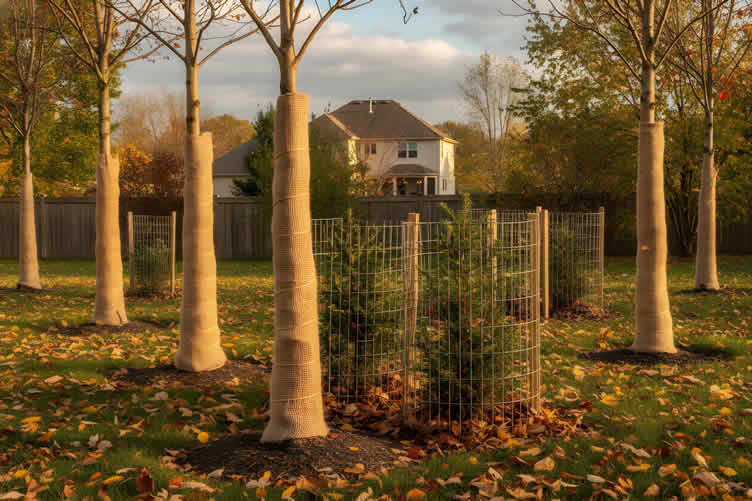
AI generated image by 123rf.com
Protecting Your Investment
Trees are more than landscaping. They’re a long-term investment that demands care.
From planting costs to years of nurturing, each tree represents time, effort, and money.

To help them thrive, give them proper attention in the fall and during the growing season.
Regular upkeep, like mulching and watering during dry spells, protects their health so they provide beauty and value for years to come.
view ideas: 5 Tree Care That Pay for Themselves(new win)
-
Scroll up to directory … or scroll to next checklist: protect water features …
-
-

Are there any other interesting topics that might have been overlooked but could offer valuable insights …?


-
-
5th Checklist: Protect Irrigation And Water Features
Water left sitting in hoses, pipes, or outdoor fixtures expands when it freezes, and that expansion is what cracks plastic, splits metal fittings, and bursts pipes.
A little attention now prevents a frustrating—and often costly—repair come spring.
AI generated image by 123rf.com
-
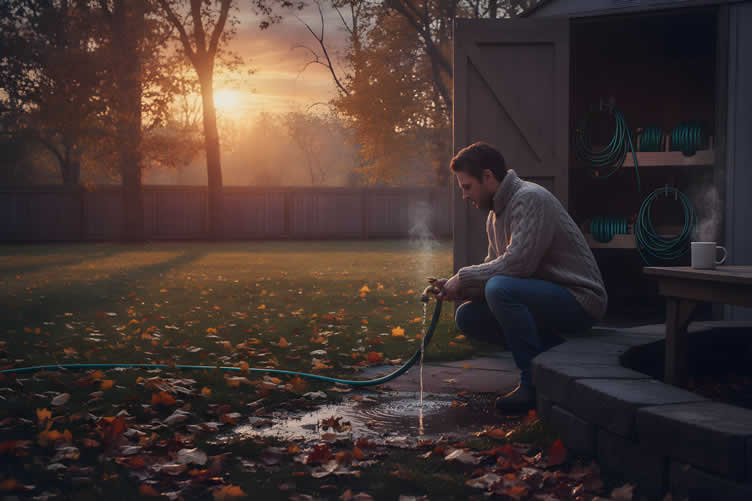
Drain And Store Hoses
Disconnect every garden hose from its spigot, drain any remaining water, and coil it loosely for storage in a shed or garage before the first hard freeze arrives.
A hose left connected and full of water outdoors all winter rarely survives the season intact.
-
Shut Off Exterior Water Valves
Locate and shut off the interior shutoff valves that feed your exterior spigots, then open the outdoor faucets to drain any remaining water from the lines.
This single step prevents one of the most common and damaging winter plumbing failures: a burst pipe hidden inside an exterior wall.
-
Winterize Water Features
Irrigation systems, drip lines, fountains, and birdbaths all need some form of winterization depending on their design. In many climates, in-ground sprinkler systems require a professional blow-out to clear residual water from the lines.
Clean and drain fountains and birdbaths, or invest in a heated birdbath if you’d like to keep offering water to birds through the colder months.
More Supporting Information
(view images, summary table and useful ideas – or scroll to side note and next topic)
Winterize Water Sources
(from the summary table below)
Step Action Reason Drain And Store Hoses Disconnect all garden hoses from spigots, drain remaining water, and coil them for storage in a shed or garage before freezing temperatures hit. Prevents hoses from splitting or becoming damaged due to frozen water left inside. Shut Off Exterior Water Valves Locate interior shutoff valves for exterior spigots, shut them off, and open outdoor faucets to drain the remaining water. Stops pipes from bursting in exterior walls during winter, which can cause costly damage. Winterize Water Features Prepare irrigation systems, drip lines, fountains, and birdbaths according to their design.
For sprinkler systems, consider professional blow-out services. Clean and drain fountains and birdbaths or use a heated birdbath for year-round bird access.
Avoids damage to water features and ensures they’re ready to function properly after winter. 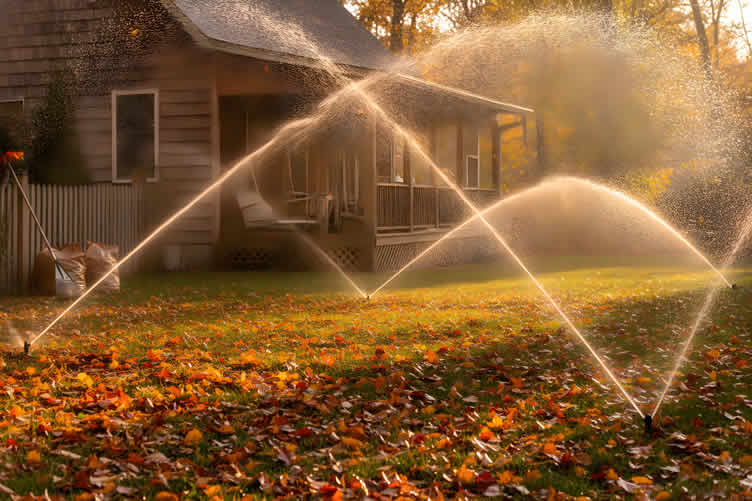
AI generated image by 123rf.com
Why Smart Irrigation is a Game-Changer
Watering your garden by hand is time-consuming and inconsistent.
Smart automatic irrigation systems take the guesswork out by delivering the right amount of water at the right time, saving you effort and reducing waste.

With features like weather-based scheduling and precise zone control, they keep plants healthier and make gardening more sustainable and hassle-free.
view ideas: Thinking of Installing(new win)
-
Scroll up to directory … or scroll to next checklist: tool-furniture-other …
-
-
-
-
6th Checklist: Store Tools, Furniture, And Outdoor Equipment
The final stretch of fall cleanup protects the equipment and gear that make yard work possible in the first place.
A little care now extends the life of tools and furniture and keeps unwanted pests from moving indoors as temperatures drop.
AI generated image by 123rf.com
-
Clean And Sharpen Hand Tools
Wipe down shovels, pruners, rakes, and other hand tools, then sharpen and lightly oil any blades before storing everything in a dry shed or garage.
Inspect wooden handles for cracks or splinters while you’re at it. Clean, well-maintained tools last significantly longer than those left outside to rust over winter.
-
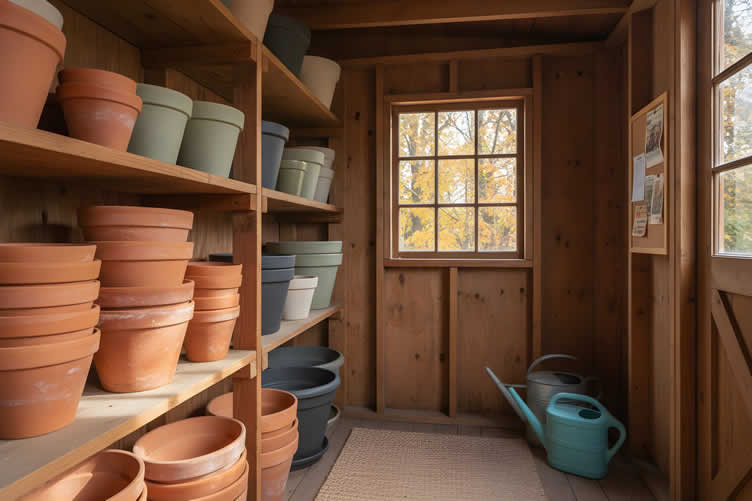
Clean and Store Garden Essentials
Before winter arrives, clean and store empty pots, planters, and watering cans to keep them from cracking or fading in freezing temperatures. Rinse off soil, water deposits, and debris, then dry each item completely to prevent moisture damage.
Stack pots and planters in a shed, garage, or covered area, and keep watering cans sheltered. A little care now keeps them ready for spring.
-
Protect Furniture And Grills
Move or cover outdoor furniture, grills, and other equipment to shield them from snow, ice, and freeze-thaw cycles.
Cushions and fabric pieces should be stored indoors when possible, since repeated freezing and thawing accelerates fading and material breakdown.
-
Seal Entry Points Against Pests
As temperatures drop, rodents actively search for warm, sheltered places to spend the winter—and sheds, garages, and crawl spaces are prime targets.
Walk around your storage structures and seal any gaps, cracks, or openings you find before the cold sets in, rather than discovering an unwanted guest mid-winter.
-
If You Have a Swimming Pool
Closing your pool properly keeps it clean and protected through the colder months. Start by clearing out any debris, then balance the water chemistry to prevent staining and scaling.
Lower the water level and drain all equipment, including filters and pumps, to avoid freeze damage. Finish with a sturdy cover to keep out leaves, dirt, and wildlife.
A little effort now can spare you costly repairs when warm weather returns.
More Supporting Information
(view images, summary table and useful ideas – or scroll to side note and next topic)
Fall Prep: Tools – Pots – Furniture – Pool
(from the summary table below)
Task Description Key Actions Tool Maintenance Proper care of hand tools protects them from damage and extends their lifespan. Wipe down tools, oil blades, sharpen edges, and inspect handles. Store them in a shed or garage. Garden Essentials Storage Preparing garden items prevents damage from freezing temperatures. Clean pots and watering cans. Rinse soil and debris, dry completely, and store in a covered area. Outdoor Furniture and Grills Shielding outdoor items protects them from weather and wear. Move or cover furniture and grills. Store fabric and cushions indoors to avoid material deterioration. Pest Prevention Sealing entry points keeps rodents and pests from nesting in storage spaces. Inspect sheds, garages, and crawl spaces for gaps or cracks and seal them before winter begins. Swimming Pool Closure Closing the pool properly prevents damage and maintains water quality during colder months. Remove debris, balance water chemistry, lower water levels, drain equipment, and cover securely. 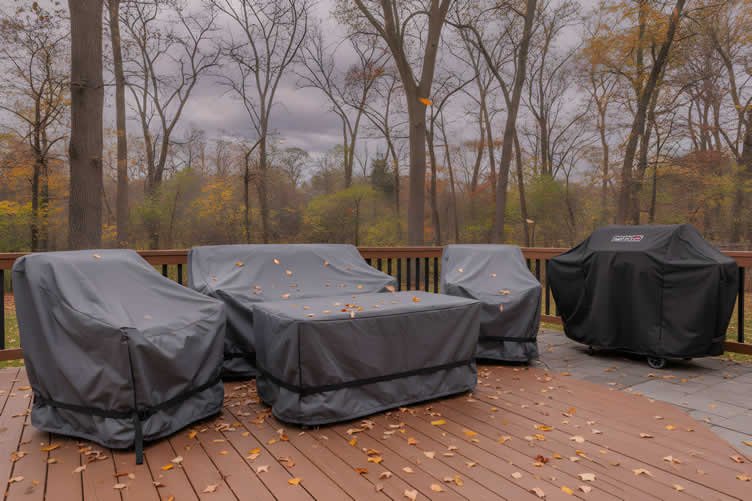
AI generated image by 123rf.com
Forget Winterizing
Winterizing your deck or patio every year can feel like a chore, but what if you never had to prepare for the cold again?
Transform your outdoor space into an all-season room and enjoy it no matter the weather.
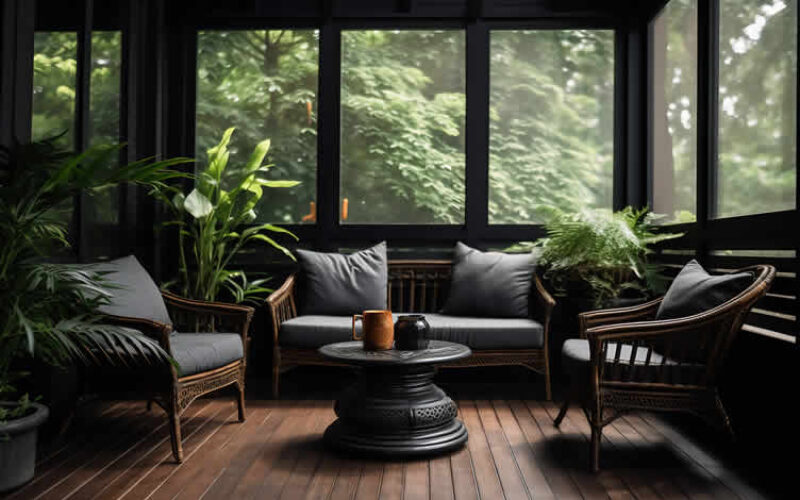
With proper insulation, stylish design, and a touch of creativity, you can create a cozy haven perfect for snowy mornings, spring blooms, or summer evenings—all without the hassle of annual maintenance.
view ideas: From Deck to Dream Room(new win)
-
Scroll up to directory … or scroll to next checklist: prep with confidence …
-
-

Download this PDF for a concise summary of everything you need to know about …?


Budgeting Worksheet For Costing Home Remodeling and Home Improvement Decisions
 File Type (excel)
-
-
7th Checklist: Enter Winter With Confidence
A well-executed fall cleanup is an investment in your property’s long-term health, protecting your home’s structure, your lawn’s root system, your trees, and the pollinators and birds that call your yard home for part of the year.
Working through tasks in order of urgency—rather than tackling whatever catches your eye first—makes the whole process far less overwhelming.
If you’re not sure where to start, follow this sensible order:
- Clean gutters, downspouts, and any roof-adjacent debris
- Remove hazardous limbs and clear walkways
- Handle lawn care: leaf management, final mow, aeration, overseeding, and fertilizer
- Clean out garden beds and the vegetable garden, composting only healthy material
- Mulch and protect vulnerable trees, shrubs, and perennials
- Winterize irrigation and water features, then store hoses
- Clean, sharpen, and store tools and outdoor furniture
Adjust the timing of each task to your climate zone, your grass type, and your region’s typical first frost date.
When in doubt about soil amendments, pruning timing, or irrigation winterization for your specific area, your local Cooperative Extension office is one of the most reliable, no-cost resources available.
As a final tip: resist the urge to make your yard "perfectly tidy" before winter.
A few standing perennial stems, a loose pile of leaves tucked into a garden corner, and a little seed-head structure left for the birds cost you almost nothing in effort, but they offer real shelter to the pollinators and wildlife that will return the favor come spring.
More Supporting Information
(view summary table and useful ideas – or scroll to side note and next topic)
Heading Details Tips Fall Cleanup Overview A well-executed fall cleanup is essential for your property’s long-term health. It protects your home’s structure, your lawn’s root system, and the wildlife that depends on your yard. Work through tasks based on urgency to avoid feeling overwhelmed. Essential Tasks - Clean gutters, drains, and roof-adjacent debris.
- Remove hazardous limbs and clear walkways.
- Handle lawn care: leaves, final mow, aeration/overseeding, fertilizer.
- Clean beds and vegetable garden; compost healthy material only.
- Mulch and protect vulnerable plants.
- Winterize water systems and store tools/furniture.
Follow a sensible order of tasks for efficiency. Tree and Shrub Care Apply mulch and protect vulnerable trees, shrubs, and perennials to ensure they survive the winter. Avoid over-pruning; consult local resources as needed. Winterizing Essentials Prepare irrigation systems and water features for winter, store hoses properly, and clean, sharpen, and store tools and outdoor furniture. Adjust tasks based on climate zone and region. Wildlife Consideration Leave some garden structures like perennial stems and loose piles of leaves to provide shelter for pollinators and wildlife. Small actions now can significantly benefit birds and pollinators in the spring. Expert Resources For specific guidance on soil amendments, pruning, or irrigation winterizing for your area, contact your local Cooperative Extension office. This is a reliable and no-cost resource. 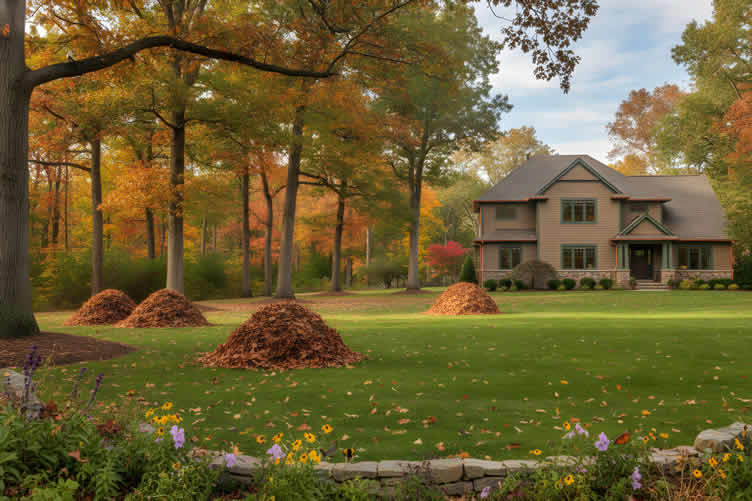
AI generated image by 123rf.com
Helping Through The Winter
Winter poses significant challenges for non-migrating birds, as food becomes scarce and temperatures drop.
By leaving perennial seeds and maintaining brush or shrubs in your yard, you can provide these resilient creatures with vital nourishment and shelter during the harsh months.
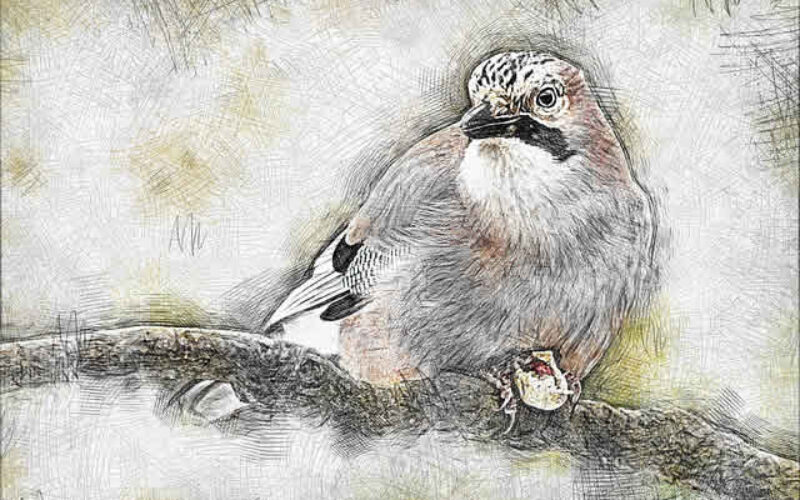
Such small gestures ensure they have the energy to survive and brighten our landscapes when spring returns.
view ideas: Taking Care of the Winter Birds(new win)
-
Scroll up to directory … or scroll to next section: fall prep FAQs…
-

Easily determine the dimensions you need for any home remodeling project …
… ensuring functionality, visual appeal, and compliance with building codes.
-
-
8th Review: Frequently Asked Questions
-
When should I start my fall yard cleanup?
Begin fall cleanup as soon as nighttime temperatures start dropping consistently and leaves begin falling in earnest, typically several weeks before your region’s first hard frost.
Starting early gives you time to work through tasks in priority order rather than rushing everything right before a freeze.
-
Is it bad to leave leaves on the lawn over winter?
A thin layer of leaves can be raked into garden beds for pollinator habitat, but a thick, matted layer left directly on turf blocks sunlight and traps moisture, which can lead to mold, pests, and disease by spring (LawnStarter, 2026).
-
Should I cut back all my perennials in fall?
No. Cutting back diseased or collapsed growth is fine, but leaving healthy stems twelve to twenty-four inches tall preserves winter habitat for tunnel-nesting bees and other beneficial insects without meaningfully increasing pest risk (NC State Extension, 2025).
-
How late can I fertilize my lawn in fall?
Cool-season lawns often benefit from fertilizer applied in October or November, timed to support root development before dormancy.
Warm-season lawns should generally be fertilized earlier, in late summer, since late nitrogen applications can trigger tender growth that frost will damage.
-
Do I need to winterize my sprinkler system every year?
Yes, in any climate where temperatures regularly drop below freezing.
Water left in irrigation lines expands as it freezes and can crack pipes, valves, and sprinkler heads, so draining or professionally blowing out the system each fall is essential.
-
When is it safe to prune trees in fall?
Fall pruning should be limited to dead, damaged, diseased, or hazardous branches. Major structural pruning and work on spring-blooming shrubs is best saved for the appropriate dormant season or right after flowering, since timing affects both tree health and disease risk (Arbor Day Foundation, 2026).
-
What’s the risk of skipping fall drainage checks?
Clogged gutters and poor grading allow water to pool near your foundation, which can lead to cracking, basement leaks, or soil erosion once heavy fall and winter rains or freeze-thaw cycles set in.
-
How do I keep rodents out of my shed over winter?
Clear brush piles, tall grass, and clutter near storage structures, then inspect for and seal any gaps or openings before cold weather drives rodents to seek shelter indoors.
More Supporting Information
(view summary table and useful ideas – or scroll to side note and next topic)
Question Answer When should I start my fall yard cleanup? Begin fall cleanup as soon as nighttime temperatures start dropping consistently and leaves begin falling in earnest, typically several weeks before your region’s first hard frost.
Starting early gives you time to work through tasks in priority order rather than rushing everything right before a freeze.
Is it bad to leave leaves on the lawn over winter? A thin layer of leaves can be raked into garden beds for pollinator habitat, but a thick, matted layer left directly on turf blocks sunlight and traps moisture, which can lead to mold, pests, and disease by spring. Should I cut back all my perennials in fall? No. Cutting back diseased or collapsed growth is fine, but leaving healthy stems twelve to twenty-four inches tall preserves winter habitat for tunnel-nesting bees and other beneficial insects without meaningfully increasing pest risk. How late can I fertilize my lawn in fall? Cool-season lawns often benefit from fertilizer applied in October or November, timed to support root development before dormancy.
Warm-season lawns should generally be fertilized earlier, in late summer, since late nitrogen applications can trigger tender growth that frost will damage.
Do I need to winterize my sprinkler system every year? Yes, in any climate where temperatures regularly drop below freezing.
Water left in irrigation lines expands as it freezes and can crack pipes, valves, and sprinkler heads, so draining or professionally blowing out the system each fall is essential.
When is it safe to prune trees in fall? Fall pruning should be limited to dead, damaged, diseased, or hazardous branches.
Major structural pruning and work on spring-blooming shrubs is best saved for the appropriate dormant season or right after flowering, since timing affects both tree health and disease risk.
What’s the risk of skipping fall drainage checks? Clogged gutters and poor grading allow water to pool near your foundation, which can lead to cracking, basement leaks, or soil erosion once heavy fall and winter rains or freeze-thaw cycles set in. How do I keep rodents out of my shed over winter? Clear brush piles, tall grass, and clutter near storage structures, then inspect for and seal any gaps or openings before cold weather drives rodents to seek shelter indoors. 
copyright image by 123rf.com
Cut Winter Energy Costs
Winter’s chill can send home energy costs soaring if you’re unprepared.
Drafty windows, inefficient heating, and poor insulation drain both warmth and money.

Sealing gaps, upgrading to energy-efficient appliances, and programming your thermostat can keep you cozy while holding down expenses.
A few simple adjustments now can make a big difference when the cold arrives.
view ideas: How to Save Energy(new win)
-
Scroll up to directory … or scroll to next section: hiring a pro …
-
-
… remodeling decisions
-
-
9th Review: Too Busy for Fall Maintenance? Hire a Pro!
Life can get hectic, and finding the time to tackle every task on your fall maintenance checklist isn’t always realistic. That’s where professional garden maintenance contractors come in, ready to handle the burden for you.
-
Here are the key benefits they provide:
- Expert Knowledge:
Professionals understand seasonal garden needs, ensuring tasks are done correctly and at the right time. - Time Savings:
Free up your weekends and focus on what matters most while they handle the heavy lifting. - Comprehensive Care:
From raking leaves to pruning shrubs and prepping soil for winter, they check every box on the list. - Specialized Equipment:
Contractors bring tools and equipment that make even the hardest jobs look easy. - Long-Term Health:
Skilled care protects your plants and property from seasonal damage, setting up your garden for a strong spring.
- Expert Knowledge:
-
Finding the Right Garden Maintenance Contractor
If you’re ready to hire a professional, here are some tips for finding the right fit for your needs:
- Seek Local Recommendations:
Start by asking neighbors or community groups for referrals to trusted pros in your area. - Check Online Reviews:
Browse platforms like Yelp or Google Reviews for firsthand customer experiences. - Ask for Credentials:
Ensure they’re licensed and insured to protect your home and garden. - Schedule a Consultation:
Discuss your needs and budget up front to ensure they can handle the specific tasks you require. - Consider Their Specialty:
Some contractors may focus on lawn care, while others excel in planting, landscaping, or pest prevention.
A professional contractor can save you time and effort while keeping your garden thriving season after season.
- Seek Local Recommendations:
LetsRenovate has partnered with HomeAdvisor (Angi)™, a renowned provider of highly-rated, carefully-vetted local garden maintenance contractors. Start your search here by choosing the type of maintenance contractor you need and entering your zip code to find local professionals.
copyright image by 123rf.com
But Wait!
Before you start searching for fall prep and cleanup contractors, download our evaluation worksheet.
It helps you compare candidates objectively by ranking key factors like pricing, licensing, and referrals.

Evaluation Sheet
File Type:-
Scroll up to directory … or scroll to conclusion and references …
-
-
-
Conclusion
A thoughtful fall cleanup does more than prepare your yard for the colder months—it sets the stage for a healthy, vibrant landscape come spring.
By prioritizing tasks like safety and drainage, lawn care, garden bed maintenance, and irrigation winterization, you can protect your home and garden from winter’s challenges while offering habitat for beneficial wildlife.
Whether you’re tackling the list yourself or enlisting professional help, the effort you invest now pays dividends in fewer winter headaches and a flourishing garden next season.
Take it one step at a time, balance neatness with nature-friendly practices, and enjoy the peace of mind that comes with entering winter well-prepared.
References
- Shiffler, Amanda. "Fall Lawn Care Checklist." LawnStarter, accessed October 2026. https://www.lawnstarter.com/blog/lawn-care-2/fall-lawn-care-checklist/
- Arbor Day Foundation. "When (and When Not) to Prune Your Trees." July 15, 2026. https://www.arborday.org/perspectives/when-and-when-not-prune-your-trees
- NC State Extension. "Garden Cleanup for Pollinators: Trim Perennial Stems in Their First Winter" (AG-984). May 22, 2025. https://content.ces.ncsu.edu/garden-cleanup-for-pollinators-trim-perennial-stems-in-their-first-winter
-
Quick scroll to more interior home and decor ideas …
-
ideas to view and compare from the photo above
- What comments can you share about a
fall yard cleanup checklist that you can share?

Calendar For:
Home Maintenance
File Type:
… view our sharing links below for a quick "share the knowledge"
Find Yard Maintenance Services Lawn Maintenance Sprinkler Systems Pest Control Tree & Shrubs top-rated, pre-screened local contractors FREE: download contractor selection enter zip code – powered by HomeAdvisor ™
Quick Contractor Guides selecting negotiating working with inspecting

Cover image credit: fall yard cleanup by 123rf.com
end of post … please share it!
 |
did you find this fall yard cleanup checklist helpful? If so, please share the article with your friends and family! |
Nice pic idea? Leave us a quick comment below.
And please share this pic idea within your social networks.