Summary Outline –
Whether you’re updating a single room or planning a complete home overhaul, selecting the right lighting can make all the difference in creating the perfect ambiance and functionality.
LEDs, or light-emitting diodes, offer an energy-efficient and long-lasting solution that’s ideal for modern homes, helping to reduce electricity bills while providing superior brightness.
However, with an overwhelming variety of LED options available on the market today, choosing the right bulbs can feel daunting and confusing.
In this article, we’ll share practical advice and insights to help you navigate through the selection process. We’ll cover everything from understanding different LED types and their respective color temperatures to exploring wattage equivalents and dimmable options.
- post content
- LED Bulb Tip 1: Understand Color Temperature
- LED Bulb Tip 2: Consider Lumens, Not Watts
- LED Bulb Tip 3: Looking for Energy Savings
- LED Bulb Tip 4: Select the Right Bulb Shape and Base
- LED Bulb Tip 5: Choose Dimmable Options When Needed
- led bulb tip 6: explore smart LED features
- LED Bulb Tip 7: Source From Reputable Suppliers

-
Quick scroll to first topic about choosing the right LED bulbs …

first “choosing the right LED bulbs” idea

copyright image by 123rf.com
LED Bulb Tip 1: Understand Color Temperature
Notes:
-
When selecting LED bulbs, it’s crucial to consider color temperature, which is measured in Kelvin (K) and defines the hue and tone of the emitted light.
For warm, inviting spaces such as living rooms or bedrooms, choose bulbs with lower Kelvin values. These emit a soft, yellow light that fosters a cozy atmosphere. In contrast, for kitchens or bathrooms, opt for bulbs with higher Kelvin values, as they provide bright, white light that enhances visibility for tasks that require precision.
By aligning the color temperature with the function of each room, you can achieve optimal lighting throughout your home.
-
Quick scroll to “LED color temperature” side notes …
-
-
1st: More About Color Temperature
LED light bulbs have revolutionized the way we illuminate our homes, offering a wide range of color temperatures that influence the mood and functionality of a space. Understanding these temperatures can help you create the perfect ambiance while maximizing energy efficiency.
When choosing the right LED bulbs for your home, it is important to consider the desired atmosphere and how different areas are utilized.
-
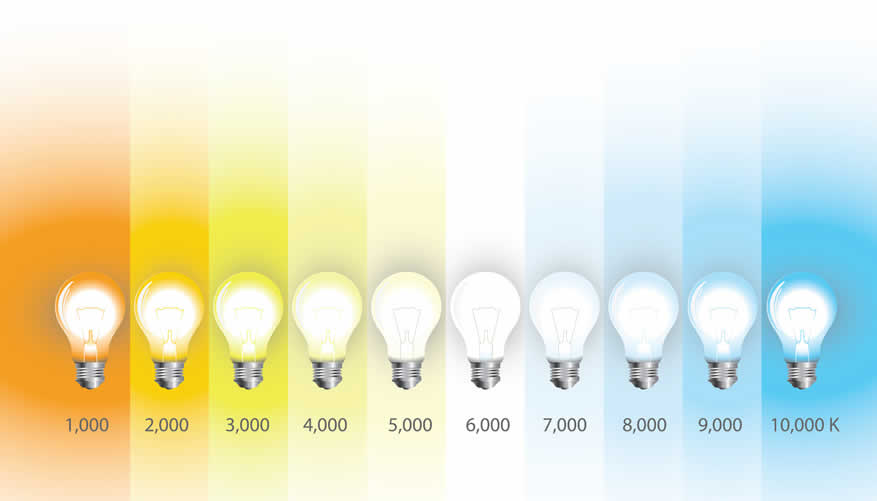
Warm White (2700K – 3000K)
Warm white LED bulbs emit a soft, yellowish glow reminiscent of traditional incandescent lighting. This color temperature creates a cozy and inviting atmosphere, making it ideal for living rooms, bedrooms, and dining areas.
As choosing the right LED bulbs for these spaces often involves establishing a comforting and relaxed feel, warm white is frequently recommended by lighting experts.
-
Cool White (3100K – 4500K)
Cool white LEDs provide a brighter and more neutral light compared to their warm counterparts. This range is excellent for areas requiring clear visibility and a brisk, invigorating environment, such as kitchens, bathrooms, or home offices.
The clarity offered by cool white bulbs aids in task completion and helps maintain focus, highlighting their utility in dynamic environments.
-
Daylight (5000K – 6500K)
Daylight LED bulbs mimic natural sunlight, offering a crisp and invigorating light. This temperature range is perfect for spaces where color accuracy is paramount, like art studios or makeup areas.
Its vibrant and energizing quality also makes it a popular choice for home gyms or workshops. When deciding on the daylight option, consider spaces that benefit from enhanced illumination to boost productivity and mood.
Selecting LED bulbs based on color temperature can significantly affect the functionality and comfort of your home. By carefully analyzing each space’s needs and the activities typically performed there, choosing the right LED bulbs becomes a strategic decision that enhances both aesthetic appeal and practicality.
[ view diagram: scientific design LED light bulbs ]
[ youtube: how led lights work? ]

copyright image by 123rf.com
[ view diagram: LED bulb color temperature chart ]
[ youtube: guide to color temperature ]

-
-
2nd: Best Color Temperature for Various Rooms
Choosing the right LED bulbs can transform the ambiance and functionality of any room in your home. The color temperature of LED bulbs is crucial in setting the mood and ensuring optimal light level for various activities.
From cozy gatherings in the living room to focused work sessions in the home office, selecting the appropriate color temperature enhances both aesthetic pleasure and practical use.
-
Living Room
For the living room, a space meant for relaxation and social interaction, warm white LED bulbs (around 2700K) are ideal. They provide a soft and comforting glow that encourages unwinding and nurturing connections.
This temperature not only fosters a peaceful atmosphere but also complements most décor styles with its inviting warmth.
-
Kitchen
In the kitchen, a space that thrives on vibrant and clear lighting, cool white LED bulbs (around 4000K) are highly recommended. This color temperature provides a bright and energizing light that enhances visibility, making food preparation and cooking tasks easier and more enjoyable.
Cool white lighting also tends to render colors accurately, which is beneficial for ensuring the proper appearance of food and ingredients, as well as maintaining a clean and modern look consistent with most kitchen designs.
-
Dining Room
The dining room benefits from a similar warm white light to the living room, as it serves as a gathering place for meals and conversation.
Selecting LED bulbs with a color temperature between 2700K to 3000K will create a welcoming and appetizing environment, ensuring every meal is an enjoyable experience.
-
Bathroom
In bathrooms, where tasks like grooming and makeup application require clarity, cool white LED bulbs (3100K – 4500K) are preferred.
These bulbs provide the necessary brightness and sharpness to assist in detailed activities while maintaining a fresh and clean feel.
-
Bedroom
The bedroom, a sanctuary for rest, should embrace a warm white light, ideally around 2700K, to foster relaxation and sleep readiness. Choosing the right LED bulbs in this range will help create a soothing retreat where the mind and body can unwind.
-
Closets
Closets, often overlooked in lighting considerations, can greatly benefit from proper illumination. For optimal functionality, cool white LED bulbs (approximately 4000K) are recommended.
This color temperature provides crisp and clear lighting that makes selecting clothes and organizing stored items much easier.
-
Hallways
In hallways, lighting plays a key role in ensuring safe navigation while maintaining a pleasant ambiance. Neutral white LED bulbs (around 3500K) strike an ideal balance, providing sufficient brightness for visibility without being too harsh.
-
Home Office
A home office benefits significantly from a cool white to daylight color temperature (4000K – 5000K). This range promotes concentration and reduces eye strain, making it easier to focus on tasks and maintain productivity throughout the day.
-
Recreation Room
In a recreation room, where leisure and entertainment are the primary focus, flexible lighting is key to accommodate various activities.
A combination of warm and cool white LED bulbs (2700K – 3500K) can create an inviting and energetic atmosphere suitable for game nights or watching movies.
Implementing dimmable lights allows for adjusting brightness to suit different occasions, whether a lively party or a relaxed evening with family and friends.
-
Garage
In the garage, practicality and visibility are essential. Daylight LEDs (5000K – 6500K) offer the clarity needed for this space, allowing for detailed projects and safe navigation. The bright and crisp light energizes the area, ensuring optimal functionality.
copyright image by 123rf.com
[ view diagram: understanding kelvin in lighting ]
[ youtube: how to choose the right color temperature ]
-
-
-
ideas to view and compare from the information discussed above
Scroll up to directory … or scroll to next section about choosing the right LED bulbs …



second “photo remodeling” idea
copyright image by 123rf.com
LED Bulb Tip 2: Consider Lumens, Not Watts
Notes:
-
While it’s common to associate wattage with brightness, lumens are the true indicator when it comes to LEDs. Lumens measure the actual light output of a bulb, with higher lumens translating to brighter light.
When selecting the appropriate lumens for your space, consider how each area will be used. For reading nooks or workspaces, opt for bulbs with higher lumens to ensure optimal visibility. Conversely, for ambient lighting in hallways or dining rooms, a lower lumen count may be more appropriate.
By prioritizing lumens over watts, you can achieve the perfect brightness tailored to each room in your home.
-
Quick scroll to “understanding lumens” side notes …
-
-
1st: Understanding Lumens
Lumens are the unit of measurement that quantifies the amount of light emitted by a source. Unlike watts, which measure energy usage, lumens specifically assess the brightness a light source produces, offering an accurate depiction of the light’s intensity.
The higher the lumens, the brighter the light output will be, making it easier to select bulbs that match your specific lighting needs.
-
Measuring Lumens
Lumens are measured by capturing the amount of light emitted from a source and encompassing it within a controlled environment, ensuring no light is lost or unaccounted.
This measurement is performed using a device called an integrating sphere, which collects the emitted light from all angles and calculates the total lumens.
By utilizing this precise method, manufacturers can ensure the lumens value listed on bulb packaging closely represents what you can expect in terms of brightness.
Understanding how lumens are measured allows you to make informed decisions, matching the brightness level to the activities and ambiance desired in each room of your home.
[ view diagram: lumen light comparison ]
-
Lumens and Their Brightness Levels
Understanding the range of lumens can help determine the ideal brightness for different spaces within your home:
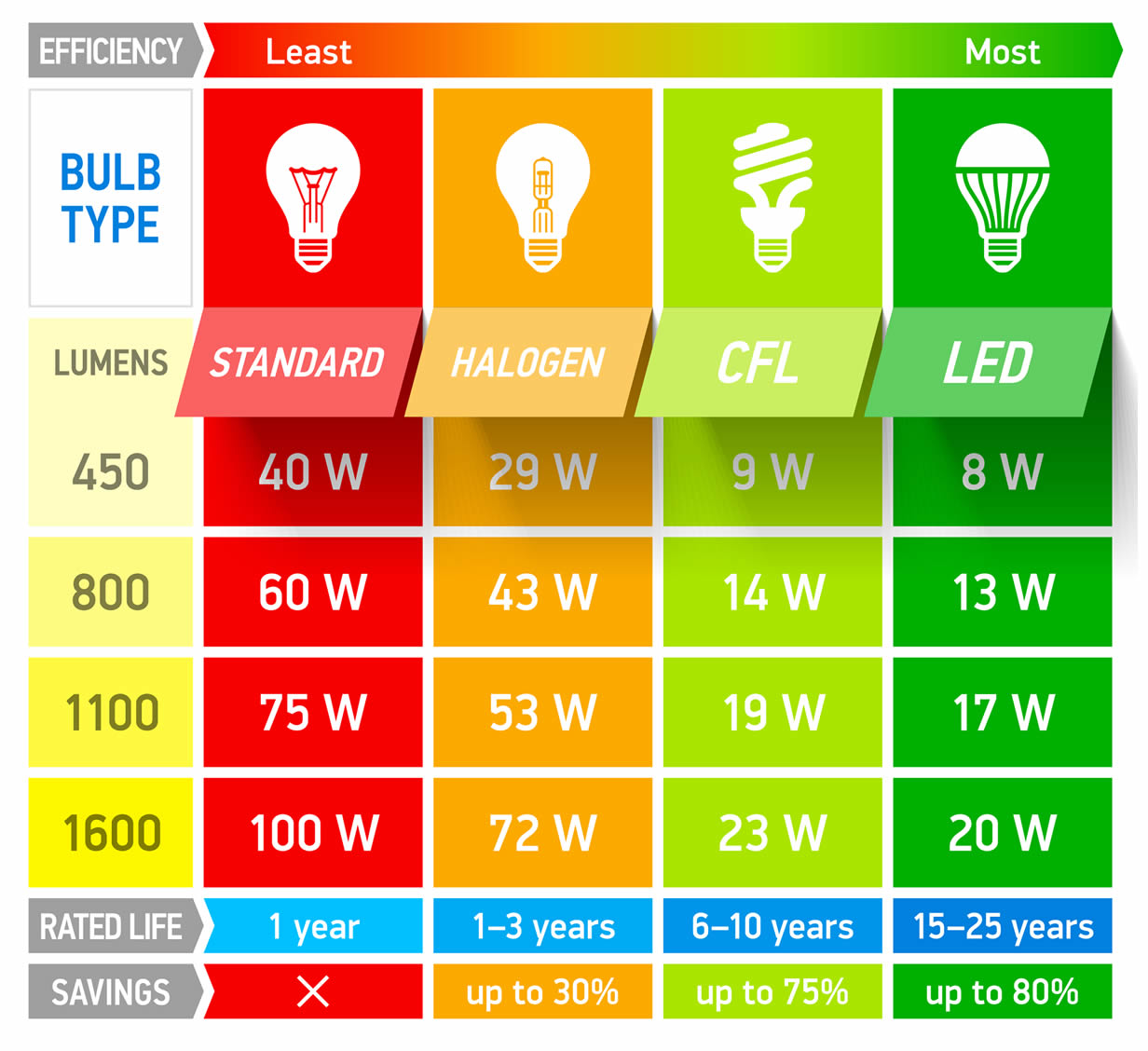
- 450 Lumens:
Suitable for ambient or soft lighting, commonly used in table lamps or accent lighting to create a warm and cozy atmosphere. - 800 Lumens:
Typical for general indoor lighting, such as living rooms or kitchens, where moderate brightness is needed for everyday activities. - 1100 Lumens:
Provides a higher level of brightness, ideal for task lighting in areas like offices, garages, or laundry rooms where focused light is necessary. - 1600 Lumens:
Offers bright lighting suitable for large spaces, or areas requiring concentrated illumination, such as bathrooms or workshops. - 2600 Lumens and Above:
Used for very bright lighting conditions, typically in commercial spaces or outdoor floodlights where maximum visibility is crucial.
[ view diagram: lumens brightness scale ]
- 450 Lumens:

copyright image by 123rf.com
[ view diagram: led lumens chart ]
[ youtube: integral LED – what are lumens? ]
-
-
2nd: Best Lumen Levels for Various Rooms
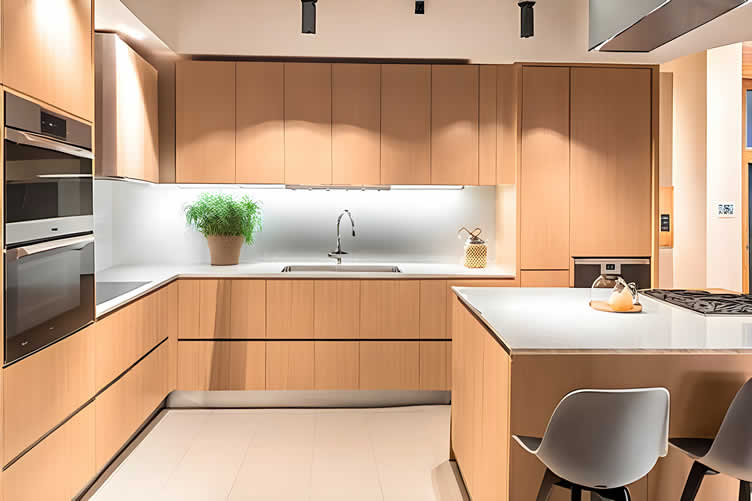
Unlike watts, which indicate energy consumption, lumens focus on light output, making them a more accurate guide for lighting needs.
Here’s a breakdown of how to choose the right lumens for various rooms in your home to create optimal lighting conditions.
-
Kitchen
The kitchen requires bright and clear lighting for safe meal preparation and cooking. Lumens in the range of 5,000 to 10,000 are recommended for this space.
This ensures that even the darkest corners are well illuminated, enhancing both functionality and ambiance.
-
Dining Room
In the dining room, lighting should balance brightness and warmth to create an inviting atmosphere. Aim for 3,000 to 6,000 lumens, depending on the size of the space and the mood you wish to set.
This range accommodates both intimate dinners and vibrant gatherings.
-
Living Room
A living room benefits from adaptable lighting options, as it serves multiple functions. Aiming for around 1,500 to 3,000 lumens allows for comfortable reading, relaxation, and entertaining.
Dimmable lights offer flexibility to adjust the brightness as needed.
-
Bathroom
Essentially a task-oriented space, the bathroom requires focused lighting for grooming and hygiene. Each fixture should ideally provide 4,000 to 8,000 lumens.
Placing lights around mirrors at eye level can help achieve even illumination without harsh shadows.
-
Bedroom
For the bedroom, a softer, more serene lighting environment is desired. Target 1,000 to 2,000 lumens to support restful sleep and a relaxing environment.
Utilizing lamps with multiple settings can help in adjusting the light to suit different needs, from reading to winding down.
-
Home Office
A home office should be bright enough to facilitate tasks such as reading and computer work. Aim for 3,000 to 6,000 lumens, espaliering across the room evenly to reduce eye strain and maintain concentration throughout the workday.
-
Recreation Room
In recreation rooms, where activities vary, lighting should be flexible. Opt for 2,500 to 5,000 lumens, with a mix of direct and ambient light sources.
This variety allows you to tailor the lighting to different events, whether it’s a lively game night or a subdued movie marathon.
-
Garage
Functionality is critical in the garage, necessitating robust lighting. Depending on the size, consider installing bulbs that provide 4,000 to 8,000 lumens.
This ensures ample visibility for projects or when navigating the space safely.
-
Other Spaces
For other specific areas such as hallways or closets, around 1,000 lumens is typically sufficient, while accent lighting for artwork might need only 400 to 800 lumens.
Each of these decisions contributes to a coherent, well-lit home environment.
copyright image by 123rf.com
[ view diagram: watts vs lumens calculator ]
[ youtube: recommended lumens per square foot ]
-
-
3rd: Coordinating LED Color Temperature with Lumen Levels
Selecting the right LED light bulb involves considering both color temperature and lumen levels. These two factors work together to create the desired ambiance and functional lighting for any space.
Color temperature, measured in Kelvins (K), determines the appearance of the light’s color, ranging from warm to cool. Lumen levels, on the other hand, indicate the bulb’s brightness.
The interplay between these elements can significantly affect the mood and functionality of a room.
-
Warm Light Settings
A cozy, warm ambiance is achieved with LED bulbs that have a lower color temperature, typically between 2,700K and 3,000K. These settings mimic the gentle glow of a traditional incandescent bulb, ideal for living rooms, bedrooms, or dining areas where relaxation and comfort are priorities.
For these spaces, lumens must also align with the intended ambiance; a range of 1,500 to 3,000 lumens generally provides enough illumination without overpowering the warmth desired.
-
Neutral Light Settings
For spaces like kitchens and bathrooms, neutral lighting, approximately 3,500K to 4,000K, is often preferred for a bright, clean atmosphere without the starkness of cooler temperature lights.
This balance ideally complements tasks that require attention to detail, such as cooking or applying makeup. Here, optimal lumen levels range from 3,000 to 6,000 lumens, ensuring sufficient brightness without straining the eyes.
-
Cool Light Settings
Cooler lighting, typically above 5,000K, is best suited for areas requiring high concentration and alertness, such as offices or workshops. These cooler hues mimic daylight, enhancing focus and productivity.
Pairing this color temperature with higher lumen levels, approximately 4,000 to 7,000 lumens, can help maintain a well-lit environment conducive to completing tasks efficiently.
Understanding the relationship between LED color temperature and lumen output is crucial in achieving the desired effect for any room.
By carefully selecting the appropriate combination, you can tailor the lighting to suit specific tasks and moods, enhancing both the functionality and aesthetic appeal of your home.
copyright image by 123rf.com
[ view diagram: best led lumens for kitchen ]
[ youtube: chose LED bulbs | kelvin, lumens, & watts ]
-
-
-
ideas to view and compare from the information discussed above
Scroll up to directory … or scroll to next section about choosing the right LED bulbs …

addressing the choosing the right LED bulbs and other home improvement needs …

… grab this directory of ideas for future use

… home remodeling – improvement – repair



May We Suggest Other Photo Remodeling Ideas About The
“Interior Rooms That Can Be illuminated by LED Lighting …” (new win)


third “photo remodeling” idea

copyright image by 123rf.com
LED Bulb Tip 3: Looking for Energy Savings
Notes:
-
LED bulbs are well-known for their energy efficiency. When selecting bulbs, look for those with the ENERGY STAR label, indicating they meet strict efficiency criteria.
Energy-efficient LEDs use a fraction of the electricity of traditional bulbs and can significantly lower your energy bills. Over time, this saves money and reduces your carbon footprint. Investing in high-efficiency LEDs is a wise choice for both your budget and the planet.
-
Quick scroll to “energy savings” side notes …
-
-
1st: How Much Can You Save
LED light bulbs have become a popular choice for homeowners looking to improve energy efficiency and reduce electricity costs. By understanding how wattage and luminosity work, you can make informed decisions when choosing the right LED bulbs for your home.
This can lead to significant energy savings and a reduced carbon footprint compared to traditional lighting options.
-
Understanding Wattage in LEDs
In LED lighting, wattage refers to the amount of energy consumed by the bulb, rather than the light output, which is measured in lumens. LED bulbs use far less wattage than incandescent or halogen bulbs while producing the same or even greater levels of brightness.
For instance, a typical 60-watt incandescent bulb can be replaced with a 10-watt LED bulb, leading to substantial energy savings without compromising on light quality.
-
Choosing the Right LED Bulbs
When selecting LED bulbs, it’s important to consider the specific needs of each room and how they correspond to the light output and efficiency offered by different wattages.
To maximize savings and functionality, look for bulbs that meet your desired brightness level, expressed in lumens, while maintaining the lowest possible wattage consumption.
It’s also beneficial to consider factors such as color temperature and dimmability to enhance the ambiance and flexibility of your lighting.
-
Comparing Savings: LED vs. Traditional Bulbs
Switching from incandescent, halogen, and compact fluorescent (CFL) bulbs to LEDs can lead to significant savings.
- LEDs use about 75%-80% less energy than traditional incandescent bulbs, and they last up to 25 times longer.
- Compared to halogen bulbs, LEDs consume roughly 50% less energy and offer a longer lifespan.
- Even CFLs, which are more efficient than incandescents, don’t match the LED’s energy savings and longevity.
Over time, these savings in energy use translate into lower utility bills and a reduced environmental impact, making LEDs an intelligent investment for eco-conscious consumers.
-
Potential Savings from Switching to LED Lighting
Switching all interior lighting to LED bulbs offers numerous financial benefits. Here’s a breakdown of potential savings:
- Energy Savings:
LEDs use about 75%-80% less energy than incandescent bulbs. If your household lighting accounts for approximately 15% of your electricity usage, using LED bulbs could substantially cut your energy bills. - Reduced Replacement Costs:
LEDs last up to 25 times longer than incandescent bulbs. This means fewer purchases and replacements over time, which saves money on buying bulbs and maintenance. - Lower Utility Bills:
With LEDs’ decreased energy consumption, households could save an average of $225 annually on electricity costs, according to Energy.gov. - Rebates and Incentives:
Many utility companies offer rebates for purchasing and installing LED bulbs, further increasing the overall savings from an LED switch. - Long-Term Savings:
By replacing all interior lighting with LEDs, a household can see cumulative savings in the hundreds to thousands of dollars over the lifespan of the bulbs, depending on the number of bulbs and usage patterns.
- Energy Savings:
copyright image by 123rf.com
[ view diagram: energy efficient LED savings chart ]
[ youtube: how much do LED bulbs save ]
-
-
2nd: Other Energy-Saving Tactics
Implementing energy-efficient lighting is just the beginning of transforming your home into an energy-saving haven. There are numerous additional steps you can take to further reduce energy consumption, save on bills, and minimize your environmental impact.
Below are some effective tactics that can make a significant difference.
-
Upgrade to Energy-Efficient Appliances
Replacing outdated appliances with energy-efficient models is an excellent way to reduce electricity usage. Look for appliances with the ENERGY STAR label, as these are designed to consume less energy while providing the same level of performance.
From refrigerators and dishwashers to washing machines and dryers, energy-efficient appliances can significantly cut energy costs and pay for themselves over time through savings.
-
Improve Home Insulation
Proper insulation is crucial for maintaining a consistent indoor temperature, reducing the need for heating and cooling. By sealing leaks around doors, windows, and other gaps, you can prevent drafts and ensure that your home stays warm in the winter and cool in the summer.
Additional measures like insulating the attic, walls, and floors can enhance energy efficiency and lead to substantial savings on heating and cooling bills.
-
Use Smart Thermostats
Installing a smart thermostat is an effective way to optimize your home’s heating and cooling system. These devices allow you to control temperatures remotely and set schedules that align with your routine, ensuring energy is not wasted when you’re away from home.
Many smart thermostats also learn your preferences over time and automatically adjust settings to maximize efficiency and comfort.
-
Implement Water-Saving Fixtures
Reducing water consumption is another important aspect of energy savings. By installing low-flow showerheads, faucets, and toilets, you can decrease water usage without sacrificing performance.
Efficient water fixtures also reduce the energy required to heat water, contributing to lower energy bills and reduced carbon emissions.
-
Practice Energy-Conscious Habits
Small behavioral changes can lead to significant energy savings. Encourage family members to turn off lights when leaving a room, unplug devices when not in use, and use natural lighting during the day.
Additionally, considering clothes-drying options such as line drying can help reduce energy consumption from dryers. Adopting these conscientious habits will collectively contribute to a more energy-efficient home.

copyright image by 123rf.com
-
-
-
ideas to view and compare from the information discussed above
energy star led light bulbsenergy star outdoor ledenergy star strips
Scroll up to directory … or scroll to next section about choosing the right LED bulbs …
SHARE IT ..! You might have someone in your social network who could find this informative post about choosing the right LED bulbs valuable. Feel free to share it on Facebook, X (formally Twitter), LinkedIn, or Pinterest!


fourth “photo remodeling” idea

copyright image by 123rf.com
LED Bulb Tip 4: Select the Right Bulb Shape and Base
Notes:
-
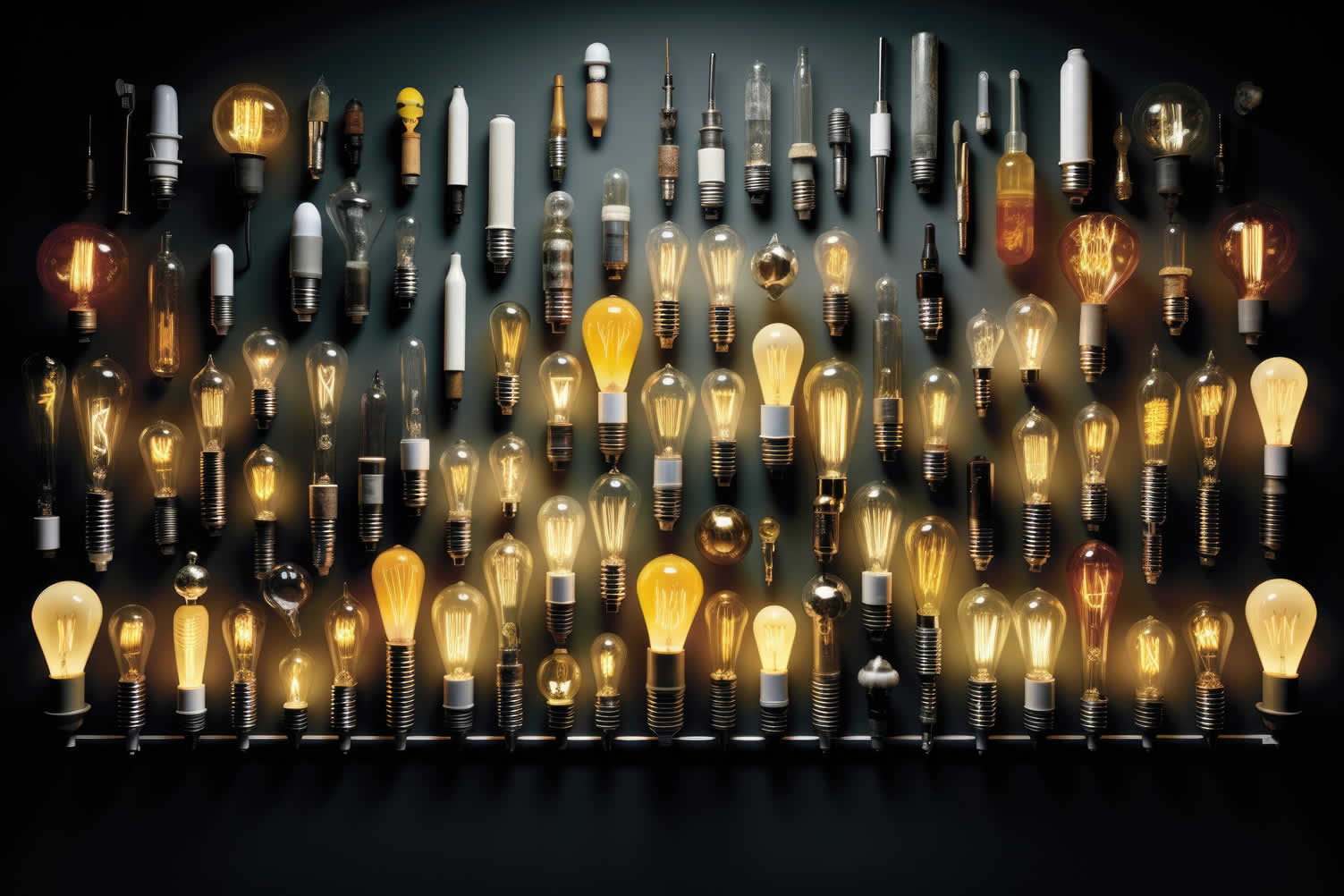
LED bulbs are available in a variety of shapes and sizes, each tailored for specific fixtures and functions. Common shapes include A-line, globe, candle, and reflector bulbs. It’s essential to ensure that the bulb’s base is compatible with your fixture.
Standard fittings such as E26 and E12 work with most household sockets, but it’s always wise to verify your fixture’s requirements. Selecting the appropriate shape and base guarantees a seamless fit into your existing fixtures, maximizing performance and efficiency.
-
Quick scroll to “bulb shapes and types” side notes …
-
-
1st: Exploring the Various Shapes of LED Bulbs
When selecting LED light bulbs, the shape of the bulb can greatly influence both the aesthetics and the functionality of the lighting in your space.
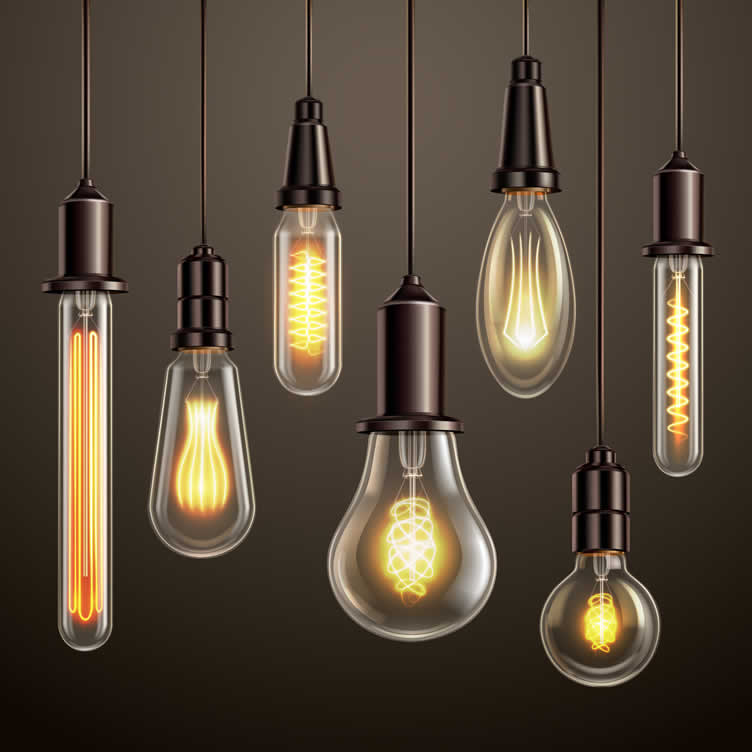
LED bulbs come in a myriad of shapes, each designed for specific purposes, fitting different fixtures and fulfilling varied lighting needs. Understanding these shapes can help consumers make more informed decisions to optimize both the look and performance of their lighting systems.
-
A-Line (A19 and A21)
The A-line shape is the most common and recognizable bulb shape, often used in general-purpose lighting like table lamps and ceiling fixtures.
The "A" resembles the traditional incandescent bulb, and the numbers (19 or 21) refer to the bulb diameter in eighths of an inch.
A19s are typically used for home lighting, while A21s, being slightly larger, offer more lumens and are ideal for brighter settings.
[ view ideas: A-19 line led bulb ]
-
Globe (G25 and G30)
Globe-shaped LED bulbs are versatile and decorative, perfect for fixtures where bulbs are visible, such as bathroom vanities or pendant lights. These bulbs, marked by their rounded and orbicular appearance, provide a soft, diffused light that adds a touch of elegance to spaces.
G25 and G30 refer to the size, with the former being slightly smaller, making them suitable for different lighting accents.
[ view ideas: G25 globe led bulb ]
-
Candle (B10 and B11)
Candle-shaped bulbs bring a touch of sophistication, ideal for chandeliers, wall sconces, and decorative fixtures. Their flame-like appearance, combined with a variety of base types, mimics the look of traditional wax candles, adding warmth and charm to any setting.
Sizes B10 and B11 relate to the bulb’s diameter, offering a choice depending on the fixture’s style and scale.
[ view ideas: B10 candle led bulb ]
-
PAR (PAR30 and PAR38)
PAR bulbs, short for Parabolic Aluminized Reflector, are used primarily in directional lighting applications like spotlights or floodlights. These bulbs provide focused, intense beams of light, ideal for accentuating artwork or architectural features.
The numbers, such as PAR30 and PAR38, indicate the diameter in eighths of an inch, with larger numbers signifying wider beams.
[ view ideas: PAR30 led bulb ]
-
BR (BR30 and BR40)
BR, or Bulged Reflector bulbs, are designed for recessed or track lighting. They provide broad, ambient illumination with minimal glare, making them perfect for task lighting in living rooms or kitchens.
BR30 and BR40 indicate the bulb size, with BR40 offering a slightly broader light spread, suited for illuminating larger areas.
Embracing the diversity in LED bulb shapes not only enhances energy savings but also allows consumers to tailor their lighting to suit the ambiance and style of their homes efficiently.
[ view ideas: BR30 led bulb ]
copyright image by 123rf.com
[ view diagram: varying shape LED light bulbs ]
[ youtube: decorative light bulb – size & codes ]
-
-
2nd: Selecting the Right Bulb Base Fittings
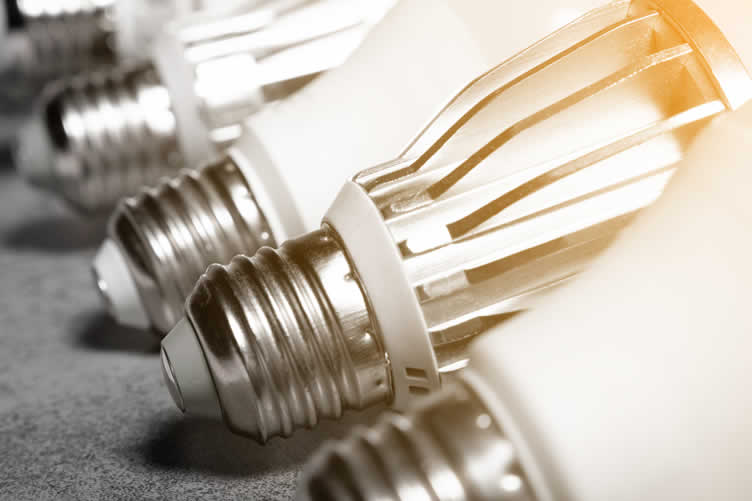
When selecting LED light bulbs, understanding bulb base fittings is crucial to ensure compatibility and secure installation.
Bulb bases are the part of the bulb that connects to the fixture, allowing electricity to flow and illuminate the bulb. Each fixture requires a specific type of base fitting, and choosing the right one can make a significant difference in both functionality and aesthetics.
Below, we explore various bulb base fittings that are frequently used in residential and commercial settings.
-
E12 Base
The E12 base, also known as the candelabra base, is commonly found in decorative light fixtures such as chandeliers, wall sconces, and ceiling fans. With a slender screw-in design, the E12 base is smaller in diameter compared to other base types, making it ideal for fixtures that require a more delicate and elegant bulb profile.
E12 bulbs often come in warm light tones, which add a cozy, inviting glow to dining areas, living rooms, and other intimate spaces. Their compact size and aesthetic versatility make them a popular choice for enhancing the ambiance of various decor styles.
[ view ideas: e12 led bulb ]
-
E26/E27 Medium Base
The E26 base, also known as the medium or standard base, is the most prevalent fitting in North America. It features a 26mm diameter screw base and is commonly found in household lamps and ceiling fixtures.
The E27 is very similar and mainly used in Europe, featuring a 27mm diameter. These bases are compatible with a wide range of bulb shapes and sizes, making them a versatile choice for many lighting needs.
[ view ideas: e26 led bulb ]
-
GU10
GU10 bases are typically used in spotlights and recessed ceiling fixtures. These twist-and-lock fittings ensure the bulb is securely attached, ideal for directional lighting applications.
The GU10 base is characterized by two short, thick pins with small, square-shaped ends, optimized for mains voltage.
[ view ideas: gu10 led bulb ]
-
GU24
The GU24 base is a pin-based fitting that often appears in modern light fixtures designed for energy efficiency. Unlike the traditional screw base, GU24 requires a simple twist-and-lock motion to secure the bulb.
This base is notable for its ease of installation and is often seen in environmentally friendly lighting designs that encourage the use of energy-efficient bulbs.
[ view ideas: gu24 led bulb ]
-
G9
G9 bases are commonly used for decorative and accent lighting. These bases accommodate small bi-pin bulbs often found in pendant lights, under-cabinet lights, and chandeliers.
The pins are close together and designed to snap into place, allowing for a compact, sleek design in fixtures where space is limited.
[ view ideas: g9 led bulb ]
copyright image by 123rf.com
[ view diagram: led bulb base types ]
[ youtube: types of light bulb base ]
-
-
-
ideas to view and compare from the information discussed above
Scroll up to directory … or scroll to next section about choosing the right LED bulbs …

plan the specifications you need for making …

… key home improvement and remodeling decisions


fifth “photo remodeling” idea
copyright image by 123rf.com
LED Bulb Tip 5: Choose Dimmable Options When Needed
Notes:
-
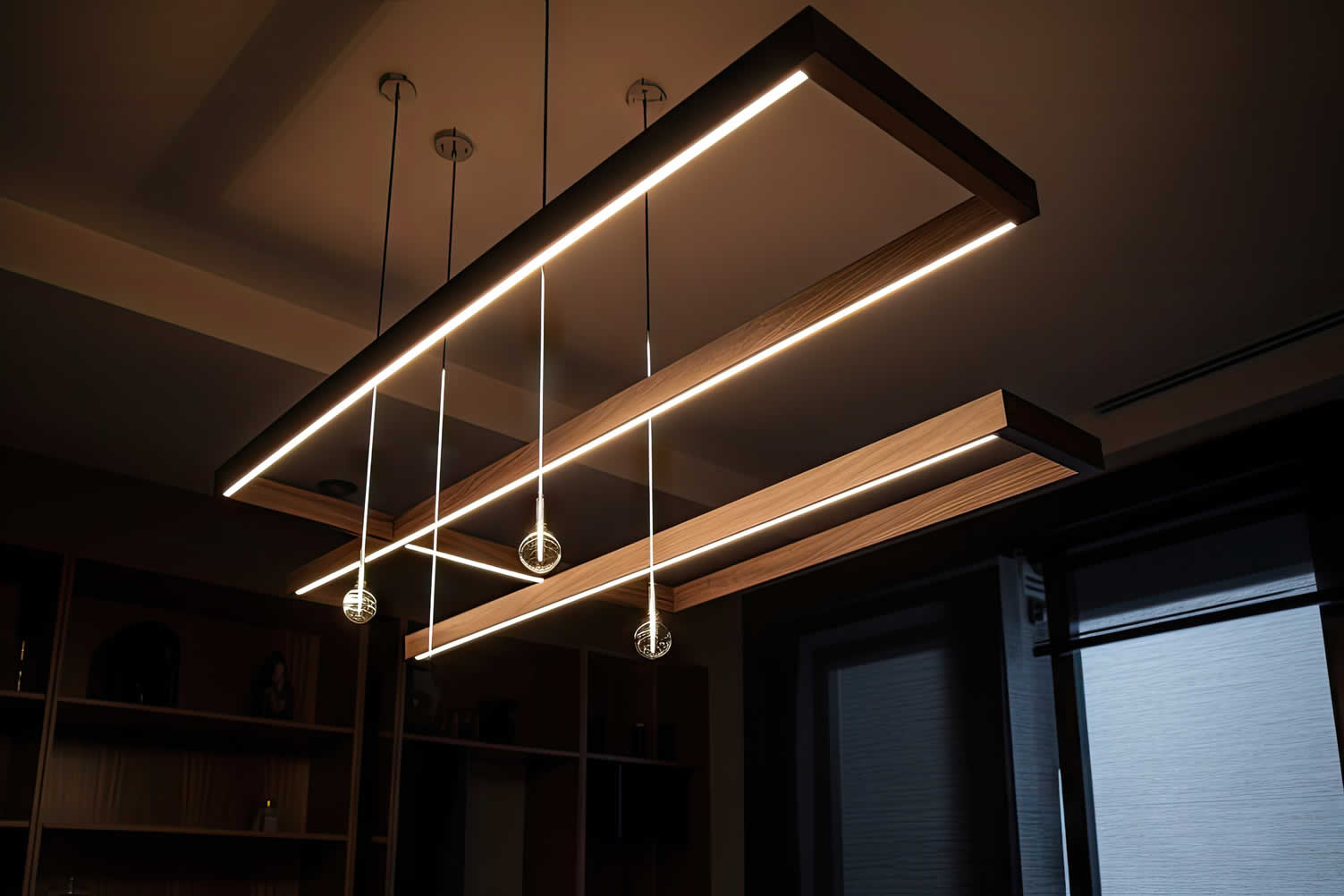
If you want to enhance the ambiance of your lighting, consider using dimmable LED bulbs. These bulbs allow you to adjust brightness levels, enabling you to create versatile lighting environments.
Ensure that the bulbs are compatible with your dimmer switches, as not all LED bulbs work with traditional dimmers. Dimmable LEDs provide flexibility and control over your home’s lighting, allowing you to set the mood while conserving energy by lowering light levels when full brightness isn’t needed.
-
Quick scroll to “about dimmable needs” side notes …
-
-
1st: When to Select Dimmable LED Light Bulbs
Choosing the right lighting solution is crucial for both aesthetic and functional purposes in any environment. Dimmable LED light bulbs offer versatility, energy efficiency, and customizable lighting levels, allowing you to fine-tune the ambiance of a room.
Understanding when and where to use these bulbs can greatly enhance the overall atmosphere and functionality of your living or working spaces.
-
Living Rooms and Bedrooms
In spaces like living rooms and bedrooms, where comfort and relaxation are paramount, dimmable LED bulbs can create a cozy and inviting atmosphere. These areas often require varied lighting levels, from bright illumination for reading or tasks to subtle glow for watching movies or relaxing.
Installing dimmable LEDs in floor lamps, table lamps, or ceiling fixtures ensures you can easily adjust the light intensity to suit your mood and activities.
-
Dining Areas
Dining areas benefit significantly from dimmable lighting as it offers the flexibility to transition from bright lighting during meal preparation and cleanup to softer lighting for dining.
A dimmable LED enables you to set the perfect mood for different occasions, whether it be a festive family dinner or an intimate evening meal. This adaptability helps create a pleasant and engaging dining experience.
-
Offices and Workspaces
While it might seem counterintuitive, workspaces can also benefit from dimmable lighting. Varying the intensity of light throughout the day can help reduce eye strain and enhance productivity.
Dimmable LEDs can be particularly useful in home offices where lighting needs might change from task-oriented brightness to a softer setting for video calls or brainstorming sessions.

copyright image by 123rf.com
[ view amazon: dimmable led light bulbs ]
[ youtube: all about LED dimming ]
-
-
2nd: The Need for Dimmable Capabilities
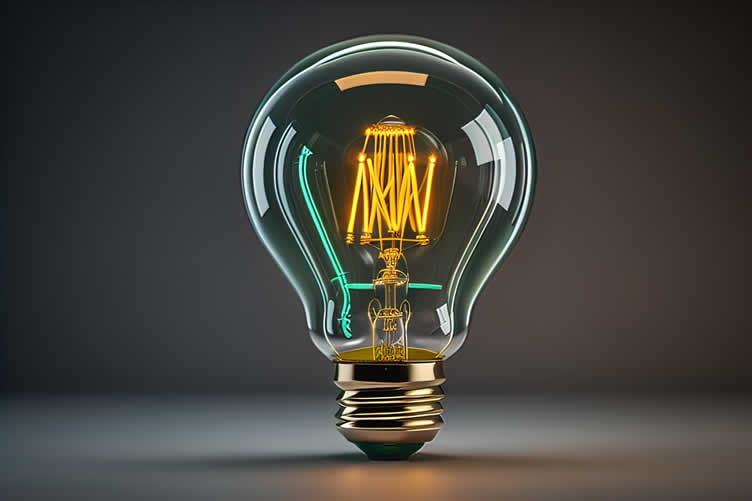
Dimmable functionality in lighting is not only about reducing brightness but also about creating adaptable environments that support various activities and mood settings.
With modern dimmable LED technology, the transition between lighting levels is smooth and flicker-free, allowing for precise control while consuming less energy compared to traditional bulbs.
Furthermore, installing dimmable LEDs extends the life of the bulb and contributes to energy savings, making them an eco-friendly choice.
The ability to control lighting intensity enhances the ambiance of any space, making dimmable LED light bulbs an optimal choice for homeowners and designers alike who seek versatility and efficiency in their lighting solutions.
-
Electrical Setup for Dimmable Capabilities
To fully leverage the benefits of dimmable LED lighting, having the right electrical setup is crucial. Traditional switches are typically not compatible with dimmable LEDs, and using them can result in flickering or minimal control over brightness levels.
Instead, a specialized dimmer switch designed for LED compatibility should be installed. These dimmers offer precise control and are engineered to handle the lower wattage of LED lights, ensuring stable and efficient performance.
It is important to check compatibility between the dimmer switch and the specific LED bulbs being used, as not all dimmers work with every LED product.
Proper wiring is also essential to support dimmable functionalities, and consulting with a licensed electrician is recommended to ensure safe and effective installation.
copyright image by 123rf.com
[ view amazon: dimmer switches for led lights ]
[ youtube: how install dimmer light switch ]
-
-
-
ideas to view and compare from the information discussed above
led vanity light bulbsled recessed ceiling lightled spot lights outdoor
Scroll up to directory … or scroll to next section about choosing the right LED bulbs …

Budgeting Worksheet For Costing Home Remodeling and Home Improvement Decisions
 File Type (excel)
sixth “photo remodeling” idea
copyright image by 123rf.com
LED Bulb Tip 6: Explore Smart LED Features
Notes:
-
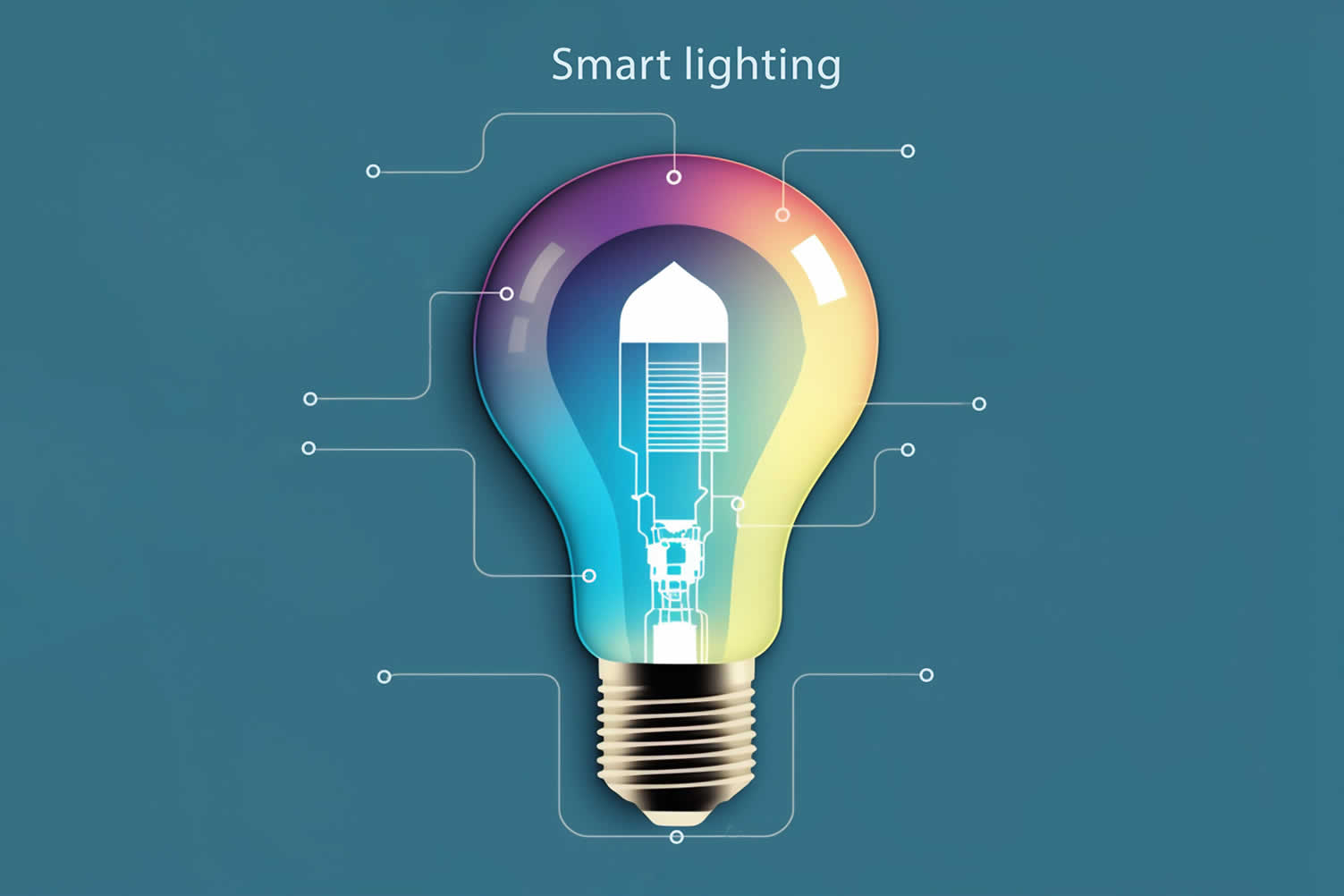
For tech enthusiasts, smart LED bulbs present an array of advanced features, including remote control, scheduling, and customizable color options. Many of these bulbs seamlessly integrate with home automation systems or can be managed through smartphone apps, offering unparalleled convenience and personalization.
Smart LEDs have the potential to revolutionize your lighting experience, infusing innovation and style into your home. Exploring these options can enhance your lighting while aligning perfectly with your lifestyle preferences.
-
Quick scroll to “about using smart LED” side notes …
-
-
1st: The Advantages of Smart LED Light Bulbs
Incorporating smart LED light bulbs into your home or workspace can revolutionize your lighting experience. Offering a combination of convenience, control, and efficiency, smart LEDs provide an array of benefits that traditional bulbs simply cannot match.
These advanced lighting solutions allow users to tailor their environment to meet individual needs, all with the touch of a button or voice command.
-
Remote and Voice Control
One of the standout features of smart LED light bulbs is their ability to be controlled remotely via smartphone apps or by voice through smart speakers and assistants such as Amazon Alexa or Google Home.
This function enables users to turn lights on or off, adjust brightness, and even change colors without needing to physically interact with the switch. This convenience is perfect for those who are tech-savvy and aim to create a fully integrated smart home environment.
-
Color Customization for Ambient Lighting
Smart LED light bulbs take ambient lighting to the next level by offering the ability to change to a wide spectrum of colors. With a simple app adjustment or voice command, you can shift from a warm, cozy glow to vibrant, lively hues, completely transforming the mood of any room.
This feature not only adds a personalized touch to your space but also enhances your ability to set the perfect ambiance for different occasions, be it a relaxing evening or a festive celebration.
By giving you access to varying colors for ambient lighting, smart LEDs empower you to create a dynamic and ever-changing environment that caters to your preferences and activities.
-
Customizable Lighting Schedules
Smart LEDs also offer the ability to set customizable lighting schedules, allowing users to automate lighting patterns to fit their lifestyle.
Whether you want your lights to gradually brighten in the morning as an alarm replacement or to ensure they turn off automatically when you leave the house, these customizable options add an extra layer of comfort and peace of mind.
-
Energy Efficiency and Cost Savings
As with standard LED bulbs, smart LEDs are highly energy-efficient, using less power than traditional incandescent bulbs while delivering the same amount of light.
The additional smart functionality does not impose a significant increase in energy usage, ensuring that users can benefit from both advanced technology and cost savings in their energy bill. Furthermore, the extended lifespan of smart LEDs reduces the need for frequent replacements.
-
Enhanced Security Features
Smart LED light bulbs can enhance home security when paired with other smart devices and security systems. Features such as remote light control and scheduling can create the appearance of an occupied home even when away, which is especially beneficial during vacations or trips.
Additionally, some smart bulbs offer motion detection and can alert homeowners to unusual activity, providing added peace of mind.
Smart LED light bulbs are transforming the way we think about and use lighting in our daily lives. By combining cutting-edge technology with practical functionality, they offer a comprehensive and versatile solution for modern lighting needs.

copyright image by 123rf.com
[ view amazon: smart LED light bulbs ]
[ youtube: best smart light bulbs ]
-
-
2nd: Integrating Home Automation for Smart LED Control
Embracing home automation can significantly elevate the functionality and convenience of managing your smart LED light bulbs.
By integrating smart electrical switches, outlets, and central hubs or voice assistants into your lighting system, you can achieve a seamless and intuitive control experience that not only enhances your lifestyle but also optimizes energy usage.
-
Smart Electrical Switches
Smart electrical switches offer an elegant solution for controlling your smart LED light bulbs without the need to use an app or voice commands. These switches replace your standard wall switches and allow you to control your lighting manually or through a connected smart home system.
Featuring touch, voice, or remote control options, smart switches ensure that managing your lighting remains convenient and straightforward. When choosing the right LED bulbs to pair with your smart switches, ensure compatibility to maximize functionality and performance.
-
Smart Electrical Outlets
Upgrading to smart electrical outlets allows you to control any conventional LED bulb with ease. By plugging your light fixtures into a smart outlet, you can remotely turn them on or off using a smartphone app or voice assistant, without replacing the bulbs themselves.
This method is particularly useful for hard-to-reach lamps or older fixtures. When choosing the right LED bulbs for use with smart outlets, look for energy-efficient options to enjoy maximum cost savings.
-
Central Hub or Voice Assistant
A central hub or voice assistant acts as the command center for your smart home ecosystem, including your LED lighting. Devices like Amazon Alexa, Google Assistant, or dedicated hubs like Samsung SmartThings seamlessly integrate with smart switches and outlets, offering voice-controlled or automated operation of your lighting.
By choosing the right LED bulbs compatible with your hub or assistant, you can program complex routines, such as dimming lights during the evening or switching them off when you leave the room, enhancing energy management and user experience.
-
Additional Considerations
Expanding your home automation setup can also involve integrating other devices such as smart sensors or compatible appliances. Motion sensors, for example, can work in tandem with your smart lighting to activate specific lights when movement is detected, improving security and efficiency.
When choosing the right LED bulbs for these setups, consider those with adjustable brightness and color temperature to align with different automation scenarios and personal preferences.
By carefully selecting your LED and automation products, you can create a smart home environment that is adaptive, efficient, and undeniably intelligent.
copyright image by 123rf.com
-
-
-
ideas to view and compare from the information discussed above
smart flood light indoorsmart flood light outdoorsmart home security light
Scroll up to directory … or scroll to next section about choosing the right LED bulbs …

get the size dimensions for any home remodeling project …
… for functionality, aesthetics, and adhering to building codes
Find Electrical Services Electricians Lighting Design Fans Generators Electronics Home Security top-rated, pre-screened local contractors FREE: download contractor selection enter zip code – powered by HomeAdvisor ™
Quick Contractor Guides selecting negotiating working with inspecting

seventh and last “photo remodeling” idea

copyright image by 123rf.com
LED Bulb Tip 7: Source From Reputable Suppliers
Notes:
-
When it comes to LED bulbs, quality is paramount. Selecting reputable suppliers guarantees that you receive dependable, high-performing products.
Consider sourcing LED bulbs from trusted stores like CME Lighting Supply, where you can find a wide selection along with quality assurance.
Investing in well-crafted bulbs leads to improved performance, a longer lifespan, and greater overall satisfaction. Reliable suppliers offer peace of mind and significantly enhance your lighting experience.
-
Quirk scroll to topic "getting LED setup" side notes …
-
-
1st: DIY Installation of Smart Electrical Wiring
Embarking on a do-it-yourself (DIY) journey to upgrade your homes electrical system with smart switches and outlets can be an empowering and rewarding experience. Not only do you get to customize your smart lighting system to your exact preferences, but you also gain a deep understanding of how it all comes together.
With careful planning, the right tools, and a bit of patience, you can successfully install a smart electrical system that will enhance the convenience, energy-efficiency, and ambiance of your home, particularly when integrating compatible LED light bulbs.
-
Choosing the Right LED Bulbs
Before beginning the installation process, it’s crucial to select the right LED bulbs that work seamlessly with your smart switches and outlets.
Look for bulbs that are compatible with your specific devices, ensuring they are dimmable if your smart switches offer dimming functions.
Additionally, consider the color temperature and lumens to match your desired lighting effect within the space.
-
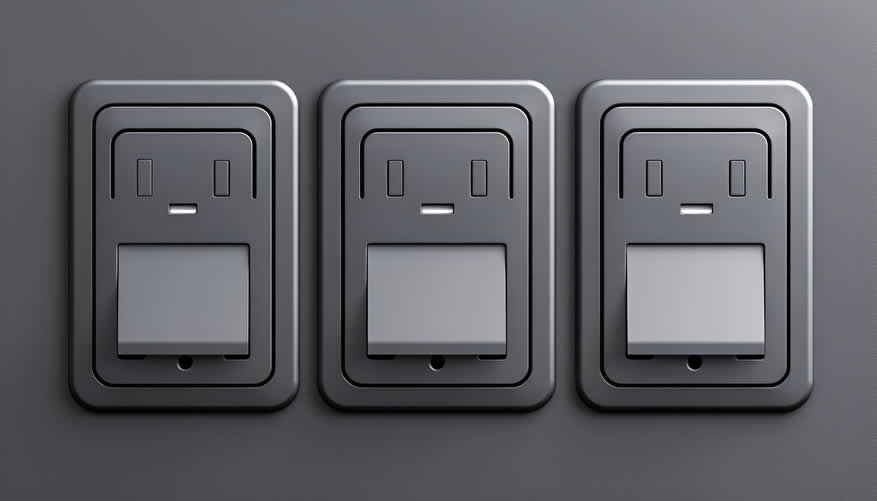
Smart Electrical Switches
Begin by turning off the power to the switch you plan to replace at your homes circuit breaker. Carefully remove the faceplate and existing switch, taking note of the wiring configuration.
With your smart switch ready, connect the wires according to the manufacturer’s instructions, typically by matching the wires’ colors.
Secure the new switch back into the electrical box, attach the faceplate, and turn the power back on to test its functionality through your app or other control method.
-
Smart Electrical Outlets
To install a smart outlet, start by disconnecting power at the circuit breaker. Unscrew and remove the existing outlet from the wall, paying attention to how the wires are connected.
Install the new smart outlet by attaching the wires to the correct terminals as per the instructions.
Once securely fastened and reassembled, restore power and integrate the outlet with your smart home system, enabling you to control connected LED devices wirelessly or through voice commands.
-
Central Hub or Voice Assistant
Integrating a central hub or voice assistant like Amazon Echo or Google Home is essential for operating your smart lighting with ease. Once your smart switches and outlets are installed, connect them to a compatible hub, which allows communication between your devices.
Use the hubs app to manage settings, create lighting schedules, or issue voice commands through your assistant, optimizing how your home lights function in alignment with your lifestyle.
-
Other Considerations
Throughout your DIY adventure, always prioritize safety by double-checking connections and following all provided instructions. Ensure that only compatible LED bulbs are used with your smart devices to avoid issues and maintain system efficiency.
Moreover, take the time to explore additional features your smart setup may offer, as customizing settings can significantly enhance the utility and comfort of your home’s lighting.
copyright image by 123rf.com
-
-
2nd: Finding Electrical Contractors for Smart Wiring
Transitioning to a smart lighting system with LED bulbs involves more than just replacing old bulbs; it often requires updated electrical infrastructure, including smart switches and outlets.
To ensure a smooth and safe transition, engaging a skilled electrical contractor can be invaluable.
This section explores the process of identifying and selecting a qualified professional to help with the installation of smart electrical wiring.
-
Research and Recommendations
Begin by researching electrical contractors with experience in smart home installations. Look for contractors who advertise expertise with smart switches, smart outlets, and LED integrations.
Online reviews and testimonials can provide insight into a contractors reliability and quality of work.
Additionally, seek recommendations from friends or online community forums dedicated to smart home enthusiasts, as they can offer firsthand experiences and suggestions.
-
Credentials and Certifications
When evaluating potential contractors, verify their credentials and certifications. A reputable contractor should be licensed and insured, with applicable certifications demonstrating knowledge and compliance with industry standards.
Membership in professional organizations like the National Electrical Contractors Association (NECA) can also be a good indicator of a contractors commitment to high-quality work and ongoing professional development.
-
Consultation and Estimates
Schedule consultations with several contractors to discuss your specific needs and vision for your smart lighting system. During these meetings, you should request detailed estimates, including labor costs, material expenses, and project timelines.
Compare these estimates to ensure you’re getting a fair price and comprehensive service. Its important to communicate your expectations clearly and assess how well the contractor understands your requirements and offers viable solutions.
-
Warranty and Support
A trustworthy contractor should stand behind their work with a warranty. Ask about guarantees related to the installation of smart switches and outlets, along with the support they provide post-installation.
Knowing that your system is covered in case of issues will provide peace of mind and underpin the reliability of your lighting setup.
LetsRenovate has partnered with HomeAdvisor™, a renowned provider of highly-rated, carefully-vetted local electrical/wiring contractors. Start your search here by entering your zip code to find local professionals.

copyright image by 123rf.com
But Wait!
Before starting your search and evaluation of electrical wiring and lighting contractors, it is highly recommended to download and use this evaluation worksheet.
This resource will help you objectively rank and assess potential contractors, considering essential factors such as pricing, licensing, and referral information.

Evaluation Sheet
File Type: -
-
-
FINAL REMARKS
Lighting plays a crucial role in creating the perfect ambiance in your home. By understanding essential factors like color temperature, lumens, and energy efficiency, you can make informed decisions that elevate your living spaces.
Whether you’re interested in smart home integration or simply want to improve your energy savings, selecting the right LED bulb will make a noticeable difference!
-
ideas to view and compare from the information discussed above
- What comments can you share about
choosing the right LED bulbs?
Scroll up to directory … or scroll to more home structural-related topics …
view illustration “becoming a bank”


Calendar For:
Home Maintenance
File Type:
… view our sharing links below for a quick "share the knowledge"
Cover image credit: choosing the right LED bulbs by 123rf.com
end of post … please share it!
 |
did you find how choosing the right LED bulbs analysis helpful? If so, please share the article with your friends and family! |
Nice pic idea? Leave us a quick comment below.
And please share this pic idea within your social networks.