Summary Outline –
Whether you’re a seasoned home cook looking to streamline your routine or a culinary enthusiast eager to expand your skills, understanding the various types of countertop appliances and their applications can dramatically improve your cooking experience.
From blending morning smoothies to kneading artisan bread dough, each appliance serves a unique purpose in creating delicious, nutritious meals for you and your family.
The modern kitchen has evolved to accommodate appliances that maximize both space and functionality. Today’s countertop appliances offer impressive capabilities while maintaining compact designs that work beautifully in kitchens of all sizes.
This comprehensive guide explores the essential categories of kitchen countertop appliances, helping you make informed decisions about which tools will best serve your culinary goals and lifestyle needs.

-
Quick scroll to first topic about kitchen countertop appliances … or review summary content

Content Summary
section directory1st Appliance Review: [view section]
… the first type of countertop appliances we’ll look at are those used for food preparation. These include:
- stand mixers
- food processors and choppers
- blenders
- hand mixers and electric whisks
2nd Appliance Review: [view section]
… the second section reviews cooking and heating countertop appliances, including:
- countertop ovens
- microwaves
- slow cookers
- multi-cookers
- electric griddles, and indoor grills.
3rd Appliance Review: [view section]
… the third section covers beverage countertop appliances, including:
- coffee makers
- electric kettles
- beverage makers for juices, sodas, and other favorite drinks.
4th Appliance Review: [view section]
… the fourth sections gets into toasting, baking, and other niche appliances". These include:
- toasters (both 2- and 4-slice)
- bread making machines
- niche appliances (soy milk makers, yogurt makers, food dehydrators, ice cream makers, and more).
5th Appliance Review: [view section]
… the fifth and final section will help you thoughtfully prioritize and arrange your countertop appliances to truly make the most of your kitchen space. We’ll also share smart storage ideas and tips for managing them beautifully.
first “kitchen countertop appliances” idea

copyright image by 123rf.com
Appliance Type 1: Food Preparation
Notes:
-
The kitchen thrives on efficiency, creativity, and the right tools. Whether you’re an experienced chef or just beginning your culinary adventures, having high-quality countertop appliances can make all the difference in your food preparation experience.
These compact yet powerful devices are designed to simplify a variety of tasks, from blending and chopping to kneading, transforming how you prepare meals with ease and precision.
This guide dives into the must-have food preparation countertop appliances, offering insights to help you choose the right tools that align with your cooking needs, kitchen space, and lifestyle preferences.
-
Quick scroll to supporting notes …
-
-
1st: Stand Mixers
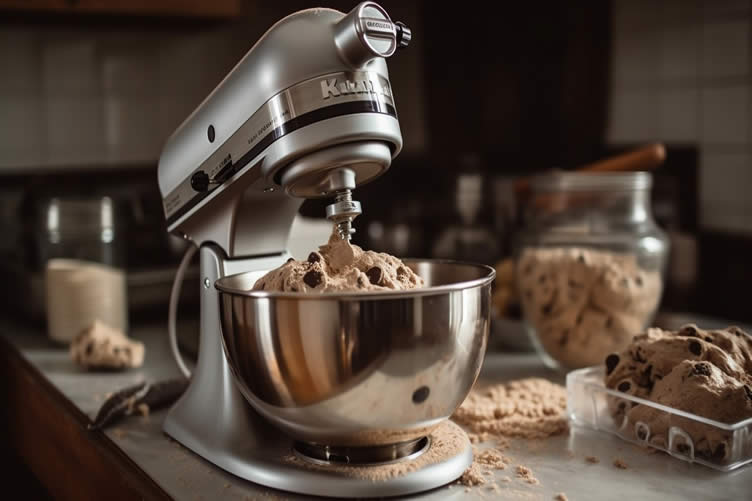
Stand mixers are a must-have for modern kitchens, offering versatility and efficiency for various cooking tasks. Built for heavy-duty mixing, kneading, and whipping, they’re perfect for both beginners and seasoned bakers.
With the right stand mixer, meal prep becomes quicker and easier, leaving you more time to enjoy cooking. Below, we’ll explore the types of stand mixers and how they can enhance your kitchen experience.
[ view samples/summary table: stand mixers ]
-
Tilt-Head Mixers
Tilt-head stand mixers are one of the most popular choices for home kitchens due to their compact design and ease of use. The "tilt-head" design allows the top of the mixer to tilt back, making it easier to access the mixing bowl and change attachments.
This type of mixer is particularly well-suited for light to medium food preparation tasks, such as
- mixing cake batters,
- whipping cream,
- or beating eggs.
The adjustable speeds provide precise control over various culinary preparations, giving you consistent results every time. Tilt-head mixers are often favored for their versatility and are available in a range of sizes and price points to accommodate different kitchen setups and budgets.
-
Bowl-Lift Mixers
Bowl-lift mixers are a more heavy-duty option designed for those who frequently undertake demanding kitchen projects. Unlike tilt-head models, bowl-lift mixers have a fixed head and use a lever mechanism to raise or lower the mixing bowl into place.
The bowl-lift mechanism allows these mixers to accommodate larger bowl capacities, typically ranging from 6 to 8 quarts compared to the 4 to 5-quart capacity of most tilt-head models.
This design ensures stability, especially when mixing dense doughs or large quantities of ingredients. Bakers who regularly work with bread dough or recipes requiring prolonged mixing often prefer bowl-lift mixers for their superior power and durability.
These mixers are slightly larger and may require a dedicated storage area, but their consistent performance makes them a worthwhile investment for avid chefs and bakers.
-
Bottom-Drive Mixers
Bottom-drive stand mixers, while less common, offer a unique approach to food preparation. These mixers feature a motor positioned at the base of the appliance, which directly drives the mixing paddle or whisk attachment from below.
This design frees up the top of the mixer, eliminating the potential obstruction of a motorized head and providing unobstructed access to the mixing bowl. Ideal for mixing smaller batches or incorporating delicate ingredients, bottom-drive mixers are especially useful for recipes requiring gentle mixing, such as folding meringues or preparing soufflés.
Their sleek and modern design makes them an attractive choice for contemporary kitchens with limited countertop space.
-
Other Stand Mixer Variations
Beyond traditional designs, there are other innovative stand mixer options tailored to unique culinary needs. Mini stand mixers, for instance, deliver full power in a smaller footprint, making them perfect for apartment kitchens or occasional bakers.
Conversely, commercial-grade stand mixers are built for professional settings and offer enhanced capacity and power, appealing to those who manage home-based baking businesses or plan large events.
Some mixers now come equipped with smart technology, integrating app-based controls and programmable settings, adding a level of convenience and precision unmatched by traditional models. These variations cater to diverse lifestyles, ensuring there’s an option for every home chef.
-
Using Stand Mixers for Food Preparation
Stand mixers go far beyond the basic tasks of mixing and whipping, offering a wide range of capabilities to transform how you cook and bake.
- With the right attachments, they can be used to knead bread dough effortlessly, ensuring the ideal texture and elasticity for artisan loaves.
- They excel in whipping egg whites or heavy cream to the perfect volume for cakes and desserts, guaranteeing professional-grade results.
- Many models also come with optional accessories such as pasta rollers, meat grinders, and spiralizers, enabling you to expand the functionalities of a single appliance and reduce the need for additional equipment in your kitchen.
Stand mixers make complex recipes like macarons or homemade pasta achievable for home chefs. Their consistency and precision help you replicate recipes confidently, saving time and reducing guesswork.
For everyday meals or gourmet creations, a stand mixer is an indispensable tool that supports your cooking and baking passion.
Sourcing and Citations
- KitchenAid – Choosing Your Stand Mixer
- America’s Test Kitchen – Stand Mixers Buying Guide
- The Spruce Eats – Best Stand Mixers
Type of Stand Mixer Key Features Ideal Uses Tilt-Head Mixers Compact design, tilt-back head for easy access, adjustable speeds. Light to medium tasks like mixing cake batter, whipping cream, and beating eggs. Bowl-Lift Mixers Fixed head, lever mechanism for lifting the mixing bowl, larger capacity (6-8 quarts). Heavy-duty mixing for dense doughs, large quantities, and prolonged tasks. Bottom-Drive Mixers Motor at the base, unobstructed bowl access, sleek modern design. Gentle tasks like folding meringues, preparing soufflés, and recipes requiring delicate mixing. Mini Mixers Smaller footprint, full power. Occasional bakers or compact kitchens. Commercial-Grade Mixers Enhanced capacity and power, professional settings. Home-based baking businesses or large-scale cooking needs. Smart Mixers App-based controls, programmable settings. Convenience and precision for tech-savvy cooks. 

copyright image by 123rf.com
[ pinterest: using food stand mixer ]
[ youtube search: best stand mixers ]

-
-
2nd: Food Processors and Choppers
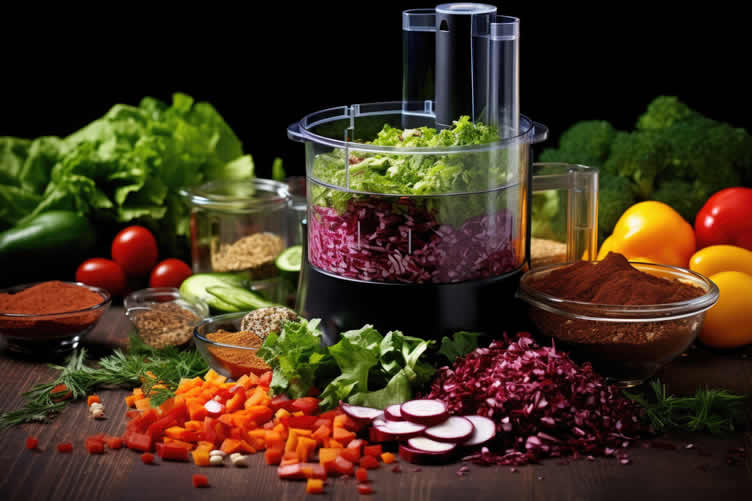
Food processors and choppers are essential appliances in any modern kitchen, offering efficiency and versatility that revolutionize food preparation. From slicing vegetables to kneading dough, these tools save valuable time, enhance precision, and reduce the physical effort needed for a wide range of culinary tasks.
Understanding the different types of food processors and their capabilities can help home chefs make informed decisions and achieve professional-quality results.
[ view samples/summary table: food processors ]
-
Compact Food Processors
Compact food processors are designed for small-scale preparation, making them perfect for individuals or families who occasionally require assistance with chopping, grinding, or blending. Their smaller size allows them to be easily stored in kitchens with limited counter space or cabinet room.
These processors are ideal for quick tasks, such as chopping herbs, preparing dips, mincing garlic, or blending small quantities of sauces. Many models are energy-efficient, easy to clean, and budget-friendly, providing an accessible entry point for home cooks looking to streamline their food preparation.
-
Full-Size Food Processors
Full-size food processors offer a significant upgrade in capacity and functionality, accommodating a broader range of food preparation needs. With their larger bowls, they are capable of handling bigger batches, making them suitable for families or those who enjoy meal prepping.
These appliances often come with multiple attachments for slicing, grating, shredding, and even kneading dough. The advanced motors and blade systems allow full-size food processors to tackle tougher tasks like shredding blocks of cheese, chopping dense vegetables, or emulsifying salad dressings with ease.
Their versatility ensures they remain a staple for home chefs aiming to simplify both everyday cooking and ambitious culinary projects.
-
Specialty Food Processors or Choppers
Specialty food processors are designed for specific tasks, offering unique advantages for specialized culinary needs.
For instance, mini choppers are dedicated to smaller, intricate jobs like dicing onions or chopping nuts, while larger specialty processors may be tailored for niche purposes such as juicing, grinding coffee beans, or making nut butter.
These appliances are particularly useful for individuals with a passion for crafting homemade creations or experimenting with non-standard recipes. Specialty processors often come equipped with task-specific blades and features, ensuring precision and consistency in their intended functions.
-
Slicers for Precision Cutting
Slicers serve an indispensable role for cooks who prioritize evenly sliced foods for both aesthetic and functional purposes. These appliances excel at creating uniform slices of fruits, vegetables, and even meats, ensuring consistent cooking times and polished presentations.
A high-quality slicer can cut through tough items like potatoes or dense proteins, making it an asset for preparing dishes such as gratins, stir-fry, or deli-style sandwiches. The precision of a slicer not only enhances food preparation but also minimizes waste by ensuring every ingredient is optimally utilized.
-
Other Considerations in Food Processors and Choppers
Beyond traditional processors and slicers, innovative models continue to emerge, catering to every conceivable kitchen need.
Spiralizers offer home chefs the ability to create zucchini noodles and vegetable ribbons, while multi-function processors combine features like juicing, chopping, and blending in one appliance.
It’s also worth considering smart-enabled food processors that integrate with apps for guided recipes and precise control. These advanced options provide exceptional versatility, helping you achieve restaurant-quality results from the comfort of your home.
-
Harnessing Food Processors for Home Cooking
Used effectively, food processors and choppers have the power to transform how meals are prepared. From reducing prep times to encouraging creativity and experimentation, these appliances are a key investment for enhancing the cooking experience.
By understanding the strengths and purposes of each type of processor, every home cook can feel confident in selecting the right tool to elevate their kitchen performance and meet their specific culinary goals.
Sourcing and Citations
- CNET – Best Food Processors
- Consumer Reports – Top Food Processor Reviews and Buying Guide
- The Spruce Eats – Best Choppers and Food Processors for Every Kitchen
- Good Housekeeping – Food Processor Buying Guide
Type Description Key Features Compact Food Processors Designed for small-scale preparation, ideal for quick tasks like chopping, grinding, or blending. - Small and space-saving
- Energy-efficient and easy to clean
- Perfect for dips, sauces, and herbs
Full-Size Food Processors Handles larger food preparation needs, suitable for families and meal prep enthusiasts. - Larger capacity for big batches
- Multiple attachments for versatility
- Can knead, slice, shred, and more
Specialty Food Processors Tailored for specific tasks like juicing, nut butter making, or grinding coffee beans. - Task-specific blades and features
- Precision for intricate jobs
- Great for specialized recipes
Slicers Designed for uniform cuts, enhancing presentation and consistent cooking times. - Creates even slices
- Minimizes waste
- Handles tough cutting tasks
Other Innovations Advanced multi-function or smart-enabled models offering expanded versatility. - Features like spiralizing and juicing
- Smart integration for guided recipes
- Combines multiple functions in one
copyright image by 123rf.com
[ pinterest: about food processor ]
[ youtube search: best food processors ]
-
-
3rd: Blenders
Blenders are versatile food preparation appliances that serve as essential tools in many kitchens. From crafting silky smoothies to preparing soups, sauces, and even nut butters, blenders simplify and elevate the cooking experience.
A well-chosen blender not only expands culinary possibilities but also saves time and effort in food preparation, making it an indispensable asset for both novice and experienced home cooks.
[ view samples/summary table: blenders ]
-
High-Speed Blenders
High-speed blenders, such as those from Vitamix or Blendtec, are known for their powerful motors and exceptional blending capabilities.
These appliances can handle tough ingredients like frozen fruits, leafy greens, and ice, delivering smooth and consistent results in seconds. They are ideal for creating creamy smoothies, thick soups, nut butters, and even homemade flours.
Many high-speed blenders now come with advanced features like pre-programmed settings, self-cleaning functions, and tamper tools for better control and convenience. Though they fall on the higher end of the price spectrum, their durability and multi-functionality make them a worthwhile investment for those who frequently cook or enjoy experimenting in the kitchen.
-
Immersion Blenders
Immersion blenders, also referred to as hand blenders or stick blenders, are compact and convenient tools for smaller, on-the-spot blending tasks. Their slim design makes them perfect for blending soups directly in the pot or whipping up quick salad dressings, sauces, or baby food without transferring ingredients to a separate container.
Immersion blenders are lightweight, easy to maneuver, and often come with multipurpose attachments, such as whisk or chopper add-ons, that further enhance their utility. For kitchens where counter space is at a premium, immersion blenders offer a practical and space-saving solution.
-
Personal Blenders
Personal blenders are designed for single-serving convenience, making them perfect for individuals or small households. These compact blenders often feature to-go cups or portable containers, enabling users to blend directly into their drinking vessel for minimal cleanup.
With their fast motors and straightforward functionality, personal blenders are popular for smoothies, protein shakes, or quick blends for one. They are typically more affordable and user-friendly, catering to those who seek efficiency without the added complexity of larger blender models.
-
Specialty and Other Blenders
Alongside the common types of blenders, specialty models cater to specific needs. For example, vacuum blenders remove air during the blending process to reduce oxidation, preserving nutrients and creating fresher, more vibrant results.
- Some blenders are specifically designed for making hot preparations, such as those with built-in heating elements for preparing soups and sauces directly in the blender.
- Multi-functional blenders combine features of both blenders and food processors, offering added versatility for tasks like chopping and kneading dough.
These specialty blenders bring unique capabilities to the kitchen, appealing to those with precise culinary goals.
The choice of a blender ultimately comes down to the user’s needs, lifestyle, and budget. High-speed blenders provide power and versatility for serious cooks, while immersion and personal blenders excel in convenience and targeted applications.
Exploring the various options helps home cooks select a blender that enhances their daily routines and aligns with their culinary ambitions.
References:
- "The Best Blenders," Good Housekeeping.
- "Guide to Blenders," Consumer Reports.
- "Blender Buying Guide," The Spruce Eats.
- "High-Performance Blender Reviews," CNET.
Type of Blender Features Best For High-Speed Blenders Powerful motors, handles tough ingredients, smooth and consistent results, features like pre-programmed settings and self-cleaning. Frequent cooking, creamy smoothies, thick soups, nut butters, and advanced culinary tasks. Immersion Blenders Compact design, direct blending in pots, multipurpose attachments (e.g., whisk, chopper), easy to maneuver. Small kitchens, quick blending tasks, soups, sauces, dressings, and baby food. Personal Blenders Single-serving convenience, to-go cups, portable, affordable, user-friendly. Individuals or small households, smoothies, protein shakes, minimal cleanup. Specialty Blenders Vacuum blending to reduce oxidation, built-in heating elements, multi-functional capabilities (e.g., chopping, kneading). Niche culinary needs, nutrient preservation, hot soup preparation, combined blender and food processing tasks. 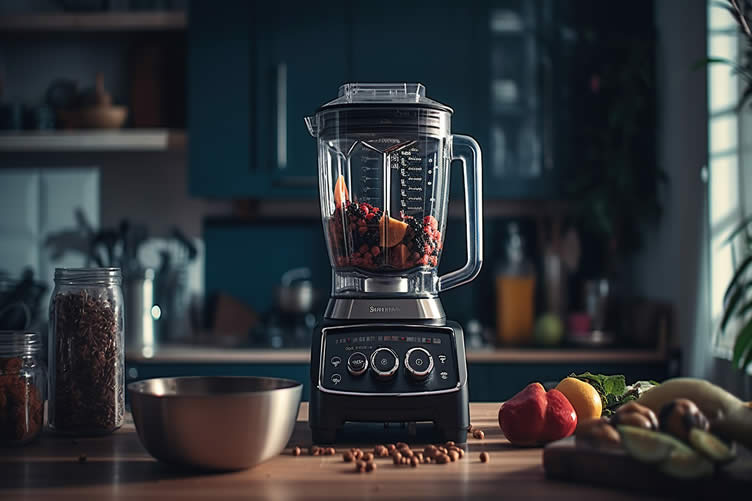
copyright image by 123rf.com
[ pinterest: about food blenders ]
[ youtube search: best food blenders ]
-
-
4th: Hand Mixers and Electric Whisks
Hand mixers and electric whisks are kitchen essentials, bringing convenience and efficiency to food preparation. These compact appliances fill the gap between manual tools and larger stand mixers, perfect for all cooks.
Whether you’re making meringue or cake batter, they streamline the process, saving time without sacrificing quality. With various types available, they are a must-have for culinary success.
[ view samples/summary table: hand mixers ]
-
Types of Hand Mixers for the Kitchen
Hand mixers come in a variety of designs, power levels, and features, ensuring there is a model suitable for every kitchen task.
Standard electric hand mixers are lightweight, portable, and equipped with multiple speed settings, allowing you to mix, whisk, or knead with precision. Compact and easy to store, they cater to tasks such as blending pancake batter, mixing cookie dough, or incorporating ingredients for a cake.
For those who require more power or durability, high-performance hand mixers offer advanced features like soft-start speeds to minimize splattering, turbo functions for dense mixtures, and ergonomic grips for steady handling during prolonged use.
These models are especially beneficial for those who frequently bake or experiment with more challenging recipes.
-
Types of Electric Whisks and Their Applications
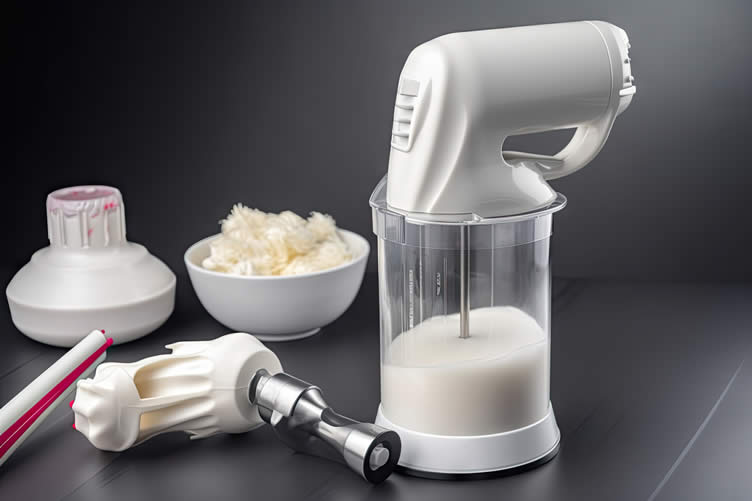
Electric whisks are designed to perform specialized tasks that require aeration and precision. They typically feature a single whisk attachment engineered for creating smooth and fluffy textures. These appliances are ideal for whipping cream, emulsifying dressings, or crafting light-as-air meringues.
An emerging subset of electric whisks includes hand-held frothers and drink whisks, perfect for creating café-style drinks such as lattes, cappuccinos, and matcha. These compact tools combine convenience with impressive performance, delivering barista-quality results at home.
-
How Hand Mixers and Electric Whisks Enhance Food Preparation
Hand mixers and electric whisks not only simplify your cooking routine but also improve the consistency and quality of your results. For baking enthusiasts, a hand mixer is indispensable for creaming butter and sugar, a key step in achieving light and fluffy cakes.
The multiple attachments often included, such as dough hooks and beaters, provide additional versatility, allowing you to tackle everything from kneading bread dough to whipping mashed potatoes.
Electric whisks, with their focus on aeration, are essential for recipes that rely on incorporating air into the mixture. By quickly and evenly beating eggs or cream, these appliances create the structure needed for delicate dishes like soufflés or pavlovas.
Their speed and efficiency outperform manual whisks, making them an excellent choice for time-sensitive or complex recipes.
-
Choosing the Right Appliance
The choice between a hand mixer and an electric whisk depends on your cooking habits and the tasks you intend to perform. If you frequently bake or cook, a hand mixer offers greater flexibility and power, making it a versatile addition to your kitchen.
However, if you specialize in light, aerated dishes or beverages, an electric whisk provides the precision needed for perfect results.
Both appliances are relatively affordable, making them accessible for a wide range of budgets. Many reputable brands offer models with advanced features, guaranteeing durability, energy efficiency, and ease of use.
When selecting a model, consider factors such as power output, the weight and ergonomics of the appliance, and the ease of cleaning.
References:
- "Best Hand Mixers," Consumer Reports.
- "The Complete Guide to Hand Mixers and Whisks," The Spruce Eats.
- "Hand Mixers vs. Whisks – Which Do You Need?" Good Housekeeping.
- "How to Choose the Best Kitchen Whisk," CNET Kitchen.
Appliance Features Ideal Uses Hand Mixers - Lightweight and portable
- Multiple speed settings
- Advanced features like soft-start speeds and turbo functions
- Attachments such as beaters and dough hooks
- Mixing batters and dough
- Creaming butter and sugar
- Kneading bread dough
- Whipping mashed potatoes
Electric Whisks - Single whisk attachment
- Specialized for aeration
- Compact options like hand-held frothers
- Easy to use for quick applications
- Whipping cream
- Creating meringues
- Crafting light desserts like soufflés
- Preparing café-style beverages such as lattes
AI generated image by 123rf.com
[ pinterest: best food whisks ]
[ youtube search: using hand held mixers ]
-
-
-
ideas to view and compare from the information discussed above
stand mixer attachmentsfood blender recipesfood blender parts
Scroll up to directory … or scroll to more varying types of kitchen countertop appliances …



… remodeling decisions


Download this PDF for a concise summary of all you need to know about …?





second “photo remodeling” idea
copyright image by 123rf.com
Appliance Type 2: Cooking and Heating Countertop Appliances
Notes:
-
Cooking and heating countertop appliances are designed to bring ease, efficiency, and versatility into your kitchen. Whether you’re making a quick snack or preparing a gourmet meal, these appliances can simplify your cooking process while saving time and energy.
This section will explore popular options like microwaves, toaster ovens, and air fryers, helping you decide which additions best align with your cooking style and household needs.
-
Quick scroll to supporting notes …
-
-
1st: Countertop Ovens
Countertop ovens are a compact yet powerful addition to any kitchen, offering versatile cooking and heating options. They are an excellent solution for individuals or families looking to maximize space while maintaining efficiency and convenience.
With the ability to adapt to various culinary needs, countertop ovens allow for baking, roasting, broiling, and reheating—all without needing a bulky, traditional oven.
Below, we explore the different types of countertop ovens, their unique functionalities, and how they can transform your approach to cooking and heating.
[ view samples/summary table: countertop ovens ]
-
Toaster Ovens
Toaster ovens are a highly popular choice due to their affordability and versatility. These appliances excel at tasks like toasting bread, reheating leftovers, and baking or broiling smaller dishes.
Perfect for quick, everyday meals, toaster ovens allow users to create everything from golden, crispy toast to perfectly baked personal pizzas.
Many modern models include multiple cooking settings and precise temperature controls, providing the flexibility needed to experiment with various recipes.
Unlike traditional ovens, toaster ovens preheat quickly, making them an energy-efficient alternative for small-scale cooking tasks.
-
Convection Ovens
Convection countertop ovens use a fan and exhaust system to circulate hot air evenly, leading to faster cooking times and uniformly cooked meals. Ideal for baking pastries, roasting vegetables, or cooking proteins, convection ovens are an excellent choice for those who value consistent results.
Their even heat distribution ideally prevents hotspots, ensuring that dishes like cookies or casseroles turn out perfectly browned and delicious.
These ovens are particularly beneficial for reducing cooking time and enhancing flavors, making them an invaluable asset for time-conscious home chefs.
-
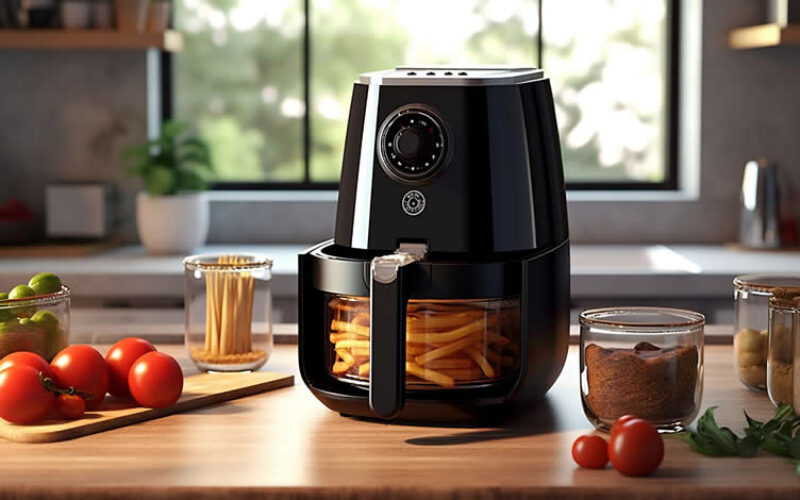
Air Fryers
Air fryers have surged in popularity in recent years, and for a good reason—they provide a healthier alternative to deep frying. Utilizing rapid air circulation technology, these countertop ovens cook food to a crispy texture without excessive oil.
Air fryers excel at preparing dishes such as french fries, chicken wings, and roasted vegetables with significantly reduced fat content.
Additionally, many air fryers come with versatile settings for baking, grilling, and reheating, making them a multi-functional investment for health-focused cooks.
Their compact design also makes air fryers a suitable choice for smaller kitchens or households with limited counter space.
-
Specialty Countertop Ovens
Beyond toaster ovens, convection ovens, and air fryers, there are specialty countertop ovens designed to cater to specific cooking needs.
- For instance, rotisserie ovens are excellent for evenly roasting whole chickens or other meats, offering restaurant-quality results at home.
- Pizza ovens are another popular option for creating authentic, pizzeria-style pies with crisp crusts and melted toppings in minutes.
- Some multi-functional countertop ovens combine multiple features, such as steaming, slow cooking, or dehydrating, providing a comprehensive solution for diverse culinary experiments.
These specialty appliances are tailored for enthusiasts who want to recreate gourmet-style meals efficiently and within the comfort of their kitchens.
-
How Countertop Ovens Can Transform Cooking Experience
Countertop ovens not only offer convenience but also allow users to improve their cooking techniques and expand their recipe repertoire. By reducing
preheat times and energy usage, these appliances help streamline meal preparation while focusing on delivering high-quality results.
They are particularly beneficial for busy households seeking quick solutions for family meals, as they often provide multiple cooking functions in one compact unit.
Additionally, countertop ovens promote energy efficiency compared to traditional ovens, as they use less electricity and focus heat on a smaller area. This makes them suitable for cooking smaller portions without compromising on taste or texture.
Whether you’re cooking for one or hosting a small gathering, countertop ovens provide the flexibility to accommodate an array of preferences. Paired with ease of cleaning and user-friendly settings, they contribute to an overall enhanced cooking experience.
References:
- "Exploring the Versatility of Convection Cooking," Food Network, foodnetwork.com
- "Air Fryer 101: Benefits and Usage Tips," Harvard Health Publishing, www.health.harvard.edu
- "Compact Kitchen Appliances for Small Spaces," Consumer Reports, www.consumerreports.org
- "Toaster Oven Features and Benefits," Good Housekeeping, www.goodhousekeeping.com
Type of Countertop Oven Key Features Benefits Toaster Ovens Affordable, versatile, quick preheat, multiple cooking settings Ideal for toasting, reheating, and baking smaller dishes; energy-efficient for small-scale tasks Convection Ovens Even heat distribution, faster cooking times, fan and exhaust system Consistent results for baking, roasting, and casseroles; enhances flavors while reducing cooking time Air Fryers Rapid air circulation, low oil usage, compact design Healthier crispy food, versatile for baking and grilling, suitable for small kitchens Specialty Ovens Focused on specific tasks (e.g., rotisserie, pizza making), multi-functional options available Recreates gourmet meals at home, combines several cooking features (e.g., steaming, slow cooking) 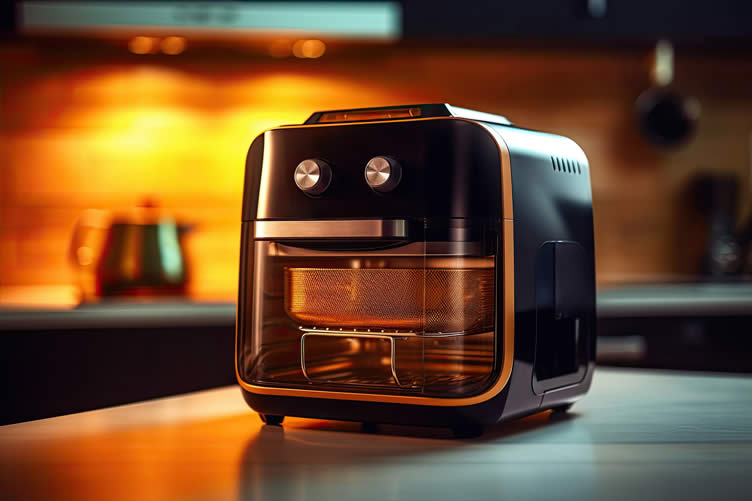
copyright image by 123rf.com
[ pinterest: how to cook with airfryer ]
[ youtube search: best countertop ovens ]
-
-
2nd: Microwaves
Microwaves have become a fundamental appliance in modern kitchens, offering convenience and versatility for cooking and heating food.
With advancements in technology, today’s microwaves are designed to meet a variety of culinary needs, accommodating different lifestyles, cooking habits, and kitchen spaces.
Whether you’re reheating leftovers, defrosting ingredients, or cooking complete meals, microwaves provide an efficient and reliable solution for busy households.
[ view samples/summary table: microwaves ]
-
Types of Microwaves for the Kitchen
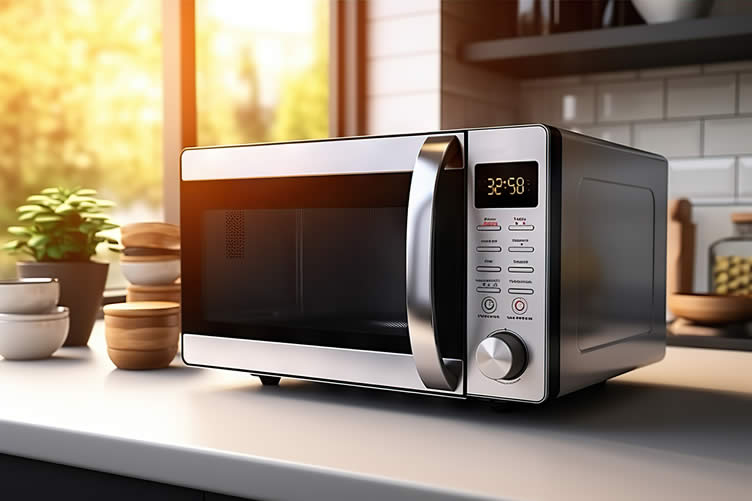
Microwaves come in a range of types, each tailored to suit specific kitchen layouts and user preferences. Countertop microwaves are among the most popular for their simplicity and portability.
These models are ideal for casual users who need a quick, accessible way to heat or cook food. They can be placed on any flat surface and are available in various sizes to fit small or large kitchens.
Over-the-range microwaves serve dual functions, acting as both a cooking appliance and a venting system for stovetops. These models save counter space while offering features such as exhaust fans and lighting components, making them an efficient choice for compact kitchens.
Meanwhile, built-in microwaves are seamlessly integrated into cabinetry or walls, creating a flush, stylish appearance while saving surface space. These models often appeal to homeowners seeking a more customized and aesthetic kitchen design.
Another advanced option is convection microwaves, which combine microwave cooking with convection heating, allowing users to bake, roast, and brown food.
Convection microwaves are perfect for individuals who need multi-functional capabilities without investing in additional appliances.
-
Using Microwaves for Food Cooking and Heating
Microwaves are known for their speed and efficiency, making them indispensable for reheating and defrosting.
They use electromagnetic waves to heat food quickly and evenly by exciting water molecules within the food. This method ensures rapid results, ideal for restoring the freshness of leftovers or preparing frozen meals in minutes.
Defrosting in a microwave is another vital function, enabling users to thaw foods like meat, fish, and vegetables safely and efficiently.
Beyond reheating and defrosting, today’s microwaves are powerful tools for more sophisticated culinary applications. Many models come equipped with pre-programmed sensor settings that cook specific foods to perfection, such as popcorn, baked potatoes, or steamed vegetables.
Advanced models, like convection microwaves, can handle baking tasks such as making cookies, roasting chicken, or crisping up pizza crusts, delivering results comparable to traditional ovens.
For health-conscious individuals, steaming features in certain microwaves allow for nutrient-rich cooking without oils or excess fats.
The versatility of modern microwaves extends to multi-stage cooking, enabling users to transition seamlessly from defrosting to cooking without manual adjustments.
-
Ensuring Proper Use and Maintenance
To ensure optimal performance and longevity of microwaves, proper use and maintenance are crucial. Users should adhere to the manufacturer’s guidelines, such as using microwave-safe cookware and avoiding metallic objects that could cause damage.
Regular cleaning prevents the buildup of food residue and grime, which can impact performance over time.
For advanced models with convection or sensor cooking features, understanding the specific functions and pre-programmed settings enhances the user experience and ensures consistent results.
References and Citations:
Aspect Details Importance Microwaves offer convenience and versatility for cooking and heating, accommodating various lifestyles, cooking habits, and kitchen spaces. Types of Microwaves - Countertop Microwaves: Portable and simple, suitable for casual users and various kitchen sizes.
- Over-the-Range Microwaves: Dual function as a cooking appliance and venting system, ideal for compact kitchens.
- Built-in Microwaves: Integrated into cabinetry, offering a sleek, stylish appearance for customized designs.
- Convection Microwaves: Combine microwave cooking with convection heating, perfect for baking, roasting, and browning.
Main Functions - Reheating leftovers quickly and evenly.
- Defrosting ingredients safely and efficiently.
- Cooking tasks with pre-programmed sensor settings (e.g., popcorn, baked potatoes).
- Baking and roasting with advanced convection models.
- Steaming food for healthier, nutrient-rich meals.
Usage Tips - Use microwave-safe cookware; avoid metallic objects.
- Clean regularly to prevent residue buildup.
- Follow manufacturer guidelines and understand advanced features for optimal performance.
copyright image by 123rf.com
[ pinterest: microwave cooking ]
[ youtube search: best microwave ovens ]
-
-
3rd: Slow Cookers and Multi-Cookers
Countertop appliances such as slow cookers and multi-cookers have transformed modern kitchens by offering convenience, versatility, and efficiency for cooking and heating meals.
These appliances have become essential tools for busy households, allowing users to prepare everything from hearty soups to complete meals with minimal effort.
Whether you’re looking to simplify meal preparation, maximize flavor, or explore a variety of cooking techniques, slow cookers and multi-cookers are a trusted choice for home chefs of all skill levels.
[ view samples/summary table: slow/multi-cookers ]
-
Understanding the Types of Slow Cookers and Multi-Cookers
Slow cookers, often referred to as crockpots, are designed to cook meals at a low and steady temperature over an extended period of time. They come in various sizes, from smaller models suitable for personal use to larger options that can serve sizable families or gatherings.
The primary benefit of a slow cooker is its ability to tenderize tough cuts of meat and develop robust flavors due to gradual cooking. Modern slow cookers often include programmable settings, warming functions, and smart features for ultimate flexibility.
Multi-cookers, on the other hand, are dynamic devices that incorporate multiple cooking functions into a single appliance.
These devices are equipped with settings for slow cooking, pressure cooking, sautéing, steaming, and more, offering a highly multi-functional experience perfect for diverse kitchen needs.
Brands such as Instant Pot have made multi-cookers incredibly popular, providing everything from meal prep solutions to culinary creativity. With variations in cooking capacity and advanced programmable features, multi-cookers cater to a wide range of home cooks.
Here’s a list of some of the slow- and multi-cookers available:
- Pressure Cookers:
Designed for quick cooking under high pressure, perfect for stews, beans, and meats. - Slow Cookers:
Ideal for low-temperature, long-duration recipes like soups, casseroles, and braised dishes. - Multi-Cookers:
Versatile devices combining functions like pressure cooking, slow cooking, steaming, and sautéing. - Rice Cookers:
Specialized for perfectly cooking rice and grains, often with added steaming features. - Sous Vide Machines:
For precise temperature control, ideal for cooking meats and vegetables evenly. - Yogurt Makers:
Multi-cookers with yogurt-making settings for convenience and customization. - Combination (Food) Steamers:
Devices with built-in steaming functionality for healthier cooking options. - Compact Multi-Cookers:
Space-saving options tailored for small kitchens and single-serving meals. - Smart Multi-Cookers:
Equipped with Wi-Fi or Bluetooth capabilities for remote control and programmable recipes.
- Pressure Cookers:
-
How Slow Cookers and Multi-Cookers Enhance Food Cooking and Heating
The use of slow cookers and multi-cookers for food preparation and heating is valued for its simplicity and efficiency. Slow cookers are perfect for “set it and forget it” meals, ideal for busy individuals or families juggling multiple responsibilities.
Popular recipes, such as pulled pork, chili, stews, and casseroles, can be easily prepared by combining ingredients and allowing the slow cooker to handle the rest.
Because of their consistent low temperatures, slow cookers are also excellent for keeping food warm during events or gatherings without overcooking or drying out the dish.
Multi-cookers take it a step further by offering a wider variety of cooking techniques in one unit, enabling users to explore everything from quick weeknight dinners to more complex recipes.
The pressure cooking function, for instance, drastically reduces cooking times for items like beans, grains, and roasts, making it a favored feature for time-conscious cooks.
Additionally, multi-cookers excel at reheating leftovers evenly and safely, eliminating the risk of overheating or drying out food—making them a reliable solution for daily kitchen use.
-
User-Centric Design and Features
Both slow cookers and multi-cookers are designed with user convenience in mind. Many models feature intuitive controls, helpful visual displays, and safety mechanisms, ensuring an accessible experience for beginners and advanced cooks alike.
Whether you need a timer function to align meal readiness with your schedule or prefer models with dishwasher-safe components for easy cleaning, these appliances offer plenty of options for customization and practicality.
For households with diverse tastes or dietary restrictions, both appliances allow for the preparation of customized meals, whether it be gluten-free soups, dairy-free curries, or high-protein stews.
The versatility of multi-cookers also allows for batch meal prepping, enabling users to prepare and store multiple servings for the week ahead.
-
Reliable Quality and Longevity
The durability and quality of modern slow cookers and multi-cookers have improved significantly with advancements in manufacturing and design.
Non-stick cooking surfaces, stainless steel exteriors, and reliable heating elements provide a long-lasting experience, making them a worthwhile investment for any kitchen.
Expect to find energy-efficient designs as well, with many models operating at lower power levels than traditional ovens or stovetops.
When selecting a slow cooker or multi-cooker, it is essential to consider factors such as your household size, preferred cooking methods, and available countertop space.
Trusted manufacturers, like Crock-Pot, Instant Pot, and Ninja, continue to lead the market by delivering products with superior functionality, user-friendly interfaces, and responsive customer support.
References and Citations:
- "The Science of Slow Cooking," Serious Eats, www.seriouseats.com.
- Gunders, Dana. Waste-Free Kitchen Handbook, Chronicle Books, 2015.
- "Cooking with a Multi-Cooker," Consumer Reports, www.consumerreports.org.
- "How to Choose the Best Slow Cooker for Your Needs," Good Housekeeping, www.goodhousekeeping.com.
- Hensel, Maureen. "Tips for Using an Instant Pot Safely and Effectively," The Spruce Eats, www.thespruceeats.com.
Appliance Type Primary Features Common Uses Pressure Cookers High-pressure cooking for fast results Stews, beans, meats Slow Cookers Low-temperature, long-duration cooking Soups, casseroles, braised dishes Multi-Cookers Versatile with functions like sautéing, steaming, slow cooking, and pressure cooking Diverse recipes, quick dinners, meal prep Rice Cookers Specialized for perfectly cooking rice and grains Rice, grains, and steaming Sous Vide Machines Precise temperature control Meats, vegetables Yogurt Makers Settings for yogurt preparation Homemade yogurt Combination Steamers Built-in steaming functionality Healthier cooking options Compact Multi-Cookers Space-saving designs for small kitchens Single-serving meals Smart Multi-Cookers Wi-Fi/Bluetooth enabled, remote control options Programmable and controlled recipes 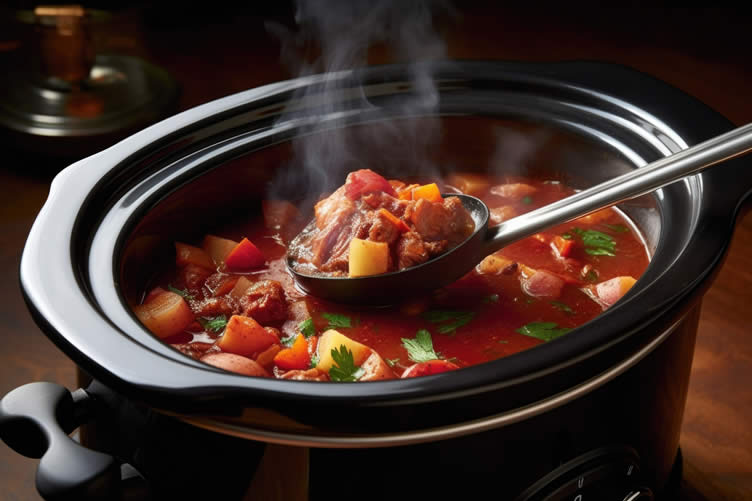
copyright image by 123rf.com
[ pinterest: slow cooker recipes ]
[ youtube search: best multi-cookers ]
-
-
4th: Electric Griddles and Indoor Grills
Countertop appliances like slow electric griddles and indoor grills have revolutionized home cooking, offering versatility, convenience, and efficiency for busy households and culinary enthusiasts alike.
These appliances are designed to simplify meal preparation, provide healthier cooking options, and cater to a range of cooking styles and dietary preferences.
Whether you’re whipping up pancakes for breakfast, grilling a steak for dinner, or reheating leftovers, these appliances can significantly enhance your kitchen experience.
[ view samples/summary table: electric griddles/grills ]
-
Types of Electric Griddles
Electric griddles offer a seamless flat cooking surface, ideal for preparing a variety of dishes from breakfast to dinner. They are typically classified by their size, material, and functionality.
Non-stick electric griddles are a popular choice due to their easy cleanup and consistent cooking performance, while stainless steel griddles are highly durable and provide even heat distribution.
Some models include adjustable temperature controls, grease management systems, and warming trays, enhancing their practicality and appeal for both amateur cooks and professional chefs.
Electric griddles excel at cooking foods that benefit from a large cooking surface, such as pancakes, eggs, bacon, and sandwiches. They are excellent for batch cooking, making them perfect for families or holiday meal preparation.
Innovative models offer removable plates and dishwasher-safe components, making maintenance a breeze and fostering their appeal as a low-maintenance appliance.
-
Types of Indoor Grills
Indoor grills are available in two primary styles: contact grills and open grills. Contact grills, like the widely recognized George Foreman grill, press the food between two heated plates, ensuring quicker cooking and grill marks on both sides.
Open grills mimic the classic outdoor grilling experience with a single-sided cooking surface, where food is heated evenly on one side before being flipped manually.
Both types of grills are equipped with features designed to enhance user convenience, such as adjustable temperature settings, non-stick grilling surfaces, and fat-draining systems that promote healthier cooking.
Many indoor grills also boast smoke-reducing technology to ensure cooking indoors does not result in smoky odors or inconvenience. The versatility of indoor grills allows for cooking an array of foods, from burgers and steaks to vegetables and even paninis.
-
Practical Applications for Cooking and Heating
Slow electric griddles and indoor grills are more than just trendy appliances—they are practical workhorses for the modern kitchen. Electric griddles make cooking for groups seamless, allowing for multiple servings to be prepared simultaneously on their expansive surfaces.
They are also energy-efficient compared to stovetop methods, offering even heat distribution and reducing the likelihood of overcooking or undercooking.
Indoor grills offer similar benefits with the added convenience of replicating the grilling experience year-round, regardless of weather. These grills create an authentic char-grilled flavor without the hassle of managing a traditional grill setup.
They are an excellent choice for health-conscious cooks, as their design typically drains excess grease and fat during cooking.
Both appliances are also perfect for reheating food. The consistent and controlled temperatures ensure that meals are heated evenly, with minimal risk of drying out or overcooking.
When paired with user-friendly design features, such as timer settings and preheat indicators, slow electric griddles and indoor grills become indispensable tools in any kitchen.
Reliable Sources and Expert Insights
Countertop Griddles/Grills
viewing amazonAppliance Type Key Features Common Uses Electric Griddles – Flat cooking surface
– Non-stick or stainless steel material
– Adjustable temperature controls
– Grease management systems
– Removable plates and dishwasher-safe components– Pancakes, eggs, and bacon
– Sandwiches
– Batch cooking for families or holidaysIndoor Grills – Contact and open grill styles
– Adjustable temperature settings
– Non-stick grilling surfaces
– Fat-draining systems
– Smoke-reducing technology– Burgers, steaks, vegetables
– Paninis
– Year-round grilling and healthier cookingPractical Applications – Energy-efficient cooking
– Even heat distribution
– Timer settings and preheat indicators
– Minimal risk of overcooking– Group cooking
– Reheating food
– Year-round grilling with authentic char-grilled flavor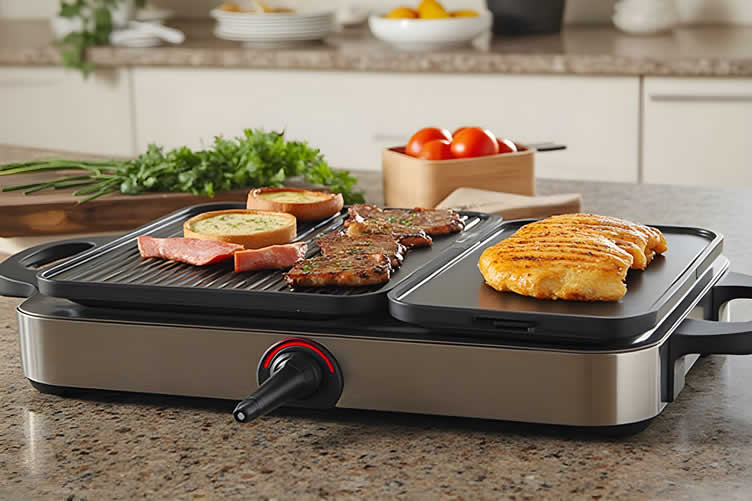
AI generated image by 123rf.com
[ pinterest: countertop griddle dinner ideas ]
[ youtube search: best indoor electric grill ]
-
-
-
ideas to view and compare from the information discussed above
Scroll up to directory … or scroll to more varying types of kitchen countertop appliances …

Tackling home upgrades and fulfilling all your home improvement needs …

… save this curated directory of ideas for future reference.



Download this PDF for a concise summary of all you need to know about …?




… remodeling decisions
May We Suggest Other Photo Remodeling Ideas About
“Eco-Sustainable Green Living …” (new win)



third “photo remodeling” idea
copyright image by 123rf.com
Appliance Type 3: Beverage Countertop Appliances
Notes:
-
Whether you’re a coffee enthusiast, a tea lover, or someone who enjoys crafting refreshing smoothies, beverage countertop appliances can transform your daily routine. These tools are designed to bring barista-level quality and convenience into your home, allowing you to create your favorite drinks with ease.
From coffee makers to blenders, this section will guide you through the top options to help you find the perfect appliance for your style and needs.
-
Quick scroll to supporting notes …
-
-
1st: Coffee Makers
Coffee makers are an essential addition to any kitchen, offering both convenience and the opportunity to craft barista-quality coffee from the comfort of your home. With various types available, each designed to suit specific preferences and lifestyles, choosing the right coffee maker can significantly enhance your daily routine.
Whether you’re drawn to the rich intensity of an espresso or the simplicity of a single-serve brew, understanding these machines and their capabilities will help you create your ideal beverage experience.
[ view samples/summary table: coffee makers ]
-
Drip Coffee Makers
Drip coffee makers are a classic, reliable option for those who enjoy a full-bodied cup of coffee, particularly in larger quantities. These machines function by heating water and evenly dispersing it over ground coffee, allowing for optimal flavor extraction.
Ideal for households or individuals who prefer a consistent brew, modern drip coffee makers come equipped with features like programmable timers, brew strength controls, and thermal carafes to keep your coffee warm for hours.
They are most suited for those who enjoy starting their day with a traditional coffee experience and often work well in kitchens with sufficient counter space.
-
Single-Serve Coffee Makers
For individuals with fast-paced lifestyles or those who appreciate variety, single-serve coffee makers offer unparalleled convenience. These machines use pre-packaged coffee pods or reusable filters, creating a single cup of coffee at a time with minimal effort.
Single-serve options are perfect for smaller kitchens or dorms, where space may be a concern. The ability to quickly brew coffee without extensive cleanup makes these machines popular among those who seek simplicity without sacrificing quality.
Some models even include settings for specialty brews such as lattes or iced coffee, further expanding your beverage possibilities.
-
Espresso Machines
Espresso machines are ideal for coffee connoisseurs who cherish the bold, rich flavors of espresso-based beverages. Designed to replicate the process used by professional baristas, these machines use pressure to force hot water through finely-ground coffee.
This method creates the signature crema and concentrated flavor found in espresso. Many modern espresso machines come with additional functionalities, such as milk frothers for lattes and cappuccinos, making them versatile for creating café-quality drinks at home.
While requiring a larger initial investment and slight learning curve, espresso machines are a rewarding choice for those passionate about crafting sophisticated coffee creations.
-
Specialty Coffee Makers
Beyond the traditional categories, specialty coffee makers cater to niche preferences and innovative brewing techniques. French press, pour-over devices, and siphon coffee makers allow users to take a hands-on approach to brewing, emphasizing customization and precision.
These methods are excellent for coffee enthusiasts seeking a deeper connection with the brewing process, as they offer control over variables such as water temperature, grind size, and brewing time.
Specialty coffee makers also make for great conversation pieces in kitchens with a curated aesthetic, blending functionality with artistic design.
-
Making the Right Choice for Your Kitchen
When deciding on the perfect coffee maker for your kitchen, consider factors like budget, counter space, and your preferred coffee style. For families or frequent hosts, a drip coffee maker ensures a steady supply of coffee with minimal effort.
If you live alone or with limited kitchen space, a single-serve coffee maker might offer the most value without compromise on taste.
Espresso machines and specialty devices cater to those who are invested in the art and intricacy of coffee-making, creating opportunities to experiment with complex flavors and textures.
Choosing the right coffee maker isn’t merely about functionality—it’s about tailoring your purchase to your lifestyle and coffee preferences. Each type offers unique advantages, and understanding how they align with your needs ensures a more fulfilling, personalized experience day after day.
References:
- National Coffee Association USA. "Brewing Essentials." Retrieved from www.ncausa.org.
- Consumer Reports. "Best Coffee Makers of 2023." Accessed from www.consumerreports.org.
- The Spruce Eats. "The 10 Best Coffee Makers of 2023." Sourced from www.thespruceeats.com.
Coffee Maker Type Key Features Best For Drip Coffee Makers – Full-bodied coffee in larger quantities
– Programmable timers and brew strength controls
– Thermal carafes to keep coffee warmHouseholds or individuals seeking a traditional and consistent brew Single-Serve Coffee Makers – Uses coffee pods or reusable filters
– Minimal cleanup
– Options for specialty brews like lattes or iced coffeeIndividuals with fast-paced lifestyles or limited kitchen space Espresso Machines – Pressure-based brewing for bold, rich espresso
– Creates café-quality drinks with milk frothers
– Signature crema and concentrated flavorCoffee enthusiasts who enjoy experimenting with sophisticated beverages Specialty Coffee Makers – Includes French press, pour-over, and siphon devices
– Hands-on brewing with customization
– Control over variables like water temperature and brewing timeCoffee lovers seeking precision and a deeper connection to the brewing process 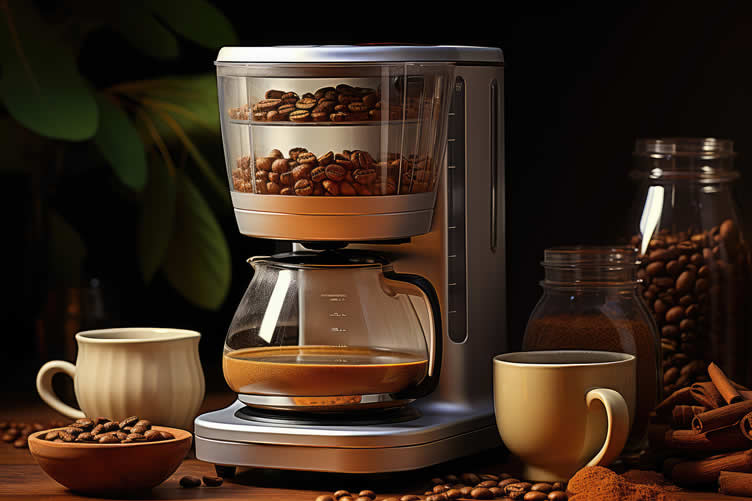
copyright image by 123rf.com
[ pinterest: espresso machines for home ]
[ youtube search: best home coffee machine ]
-
-
2nd: Electric Kettles
Electric kettles have become a must-have appliance in contemporary kitchens, combining functionality, aesthetics, and efficiency. They are designed to provide quick and consistent heating for a variety of kitchen needs, elevating the convenience of everyday tasks.
Whether you’re preparing a soothing cup of tea, hot chocolate, or boiling water for cooking, electric kettles simplify the process while offering modern features that adapt to today’s busy lifestyles.
Understanding the different types of electric kettles and their versatile applications can help you make an informed choice that matches your kitchen and personal needs.
[ view samples/summary table: electric kettles ]
-
Types of Electric Kettles for Your Kitchen
Electric kettles are available in a wide range of styles and functionalities to suit diverse preferences. Basic models, often called standard electric kettles, are designed for straightforward boiling and are perfect for those who prioritize simplicity.
These models are typically constructed from stainless steel or durable plastic, offering reliable performance with minimal features.
For individuals seeking more advanced options, variable-temperature kettles provide precise control over water temperature, ideal for tea enthusiasts or anyone requiring tailored heating for specific beverages.
For a minimalist and stylish kitchen design, glass kettles offer a sleek, modern aesthetic alongside the opportunity to visually monitor the heating process.
Another popular choice involves insulated kettles, which are engineered to keep water warm for extended periods. These are particularly useful for households with frequent tea or coffee drinkers, reducing the need for reheating.
Dual-purpose electric kettles, capable of both boiling and infusing ingredients like tea leaves or herbs, cater to culinary exploration and convenience.
Additionally, travel-sized electric kettles offer compact designs for portability, proving valuable for those who regularly travel or have small kitchen spaces.
Choosing the right type of electric kettle depends on your lifestyle, kitchen space, and intended usage, making it essential to weigh these factors before deciding.
-
How Electric Kettles Can Be Used Effectively
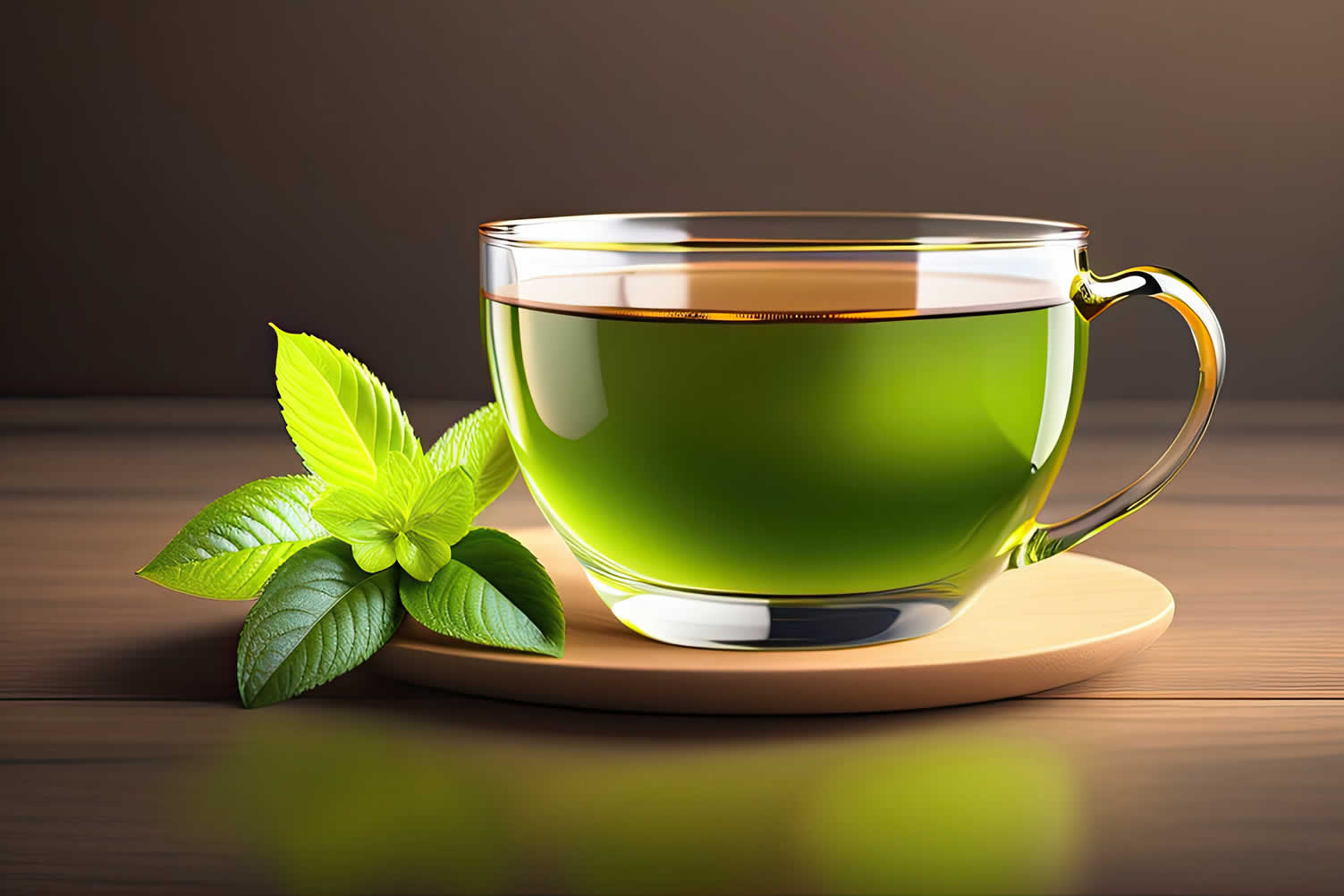
Electric kettles are not limited to simply boiling water for tea or coffee; they offer remarkable versatility in the kitchen. One of their most common applications is in the preparation of beverages.
Variable-temperature kettles allow precise heating for specialized drinks like green tea, which requires a lower temperature for optimal flavor, or French press coffee, where customization enhances the brewing process.
Additionally, insulated electric kettles simplify hosting by keeping water warm during gatherings, ensuring guests are served efficiently.
Beyond beverages, electric kettles excel in quick meal preparation. They can be used to pre-boil water for pasta or rice, significantly reducing cooking time.
For individuals craving instant soups, oatmeal, or noodles, an electric kettle offers a straightforward and rapid solution. Dual-purpose models expand usability further, enabling users to infuse water with ingredients like cinnamon or ginger for health-conscious herbal drinks.
Electric kettles also hold value for creative culinary endeavors. Steeping broth bases, melting chocolate over hot water, or softening gelatin are examples of how these appliances can accommodate advanced recipes.
Travel models, while compact, provide dependable boiling capabilities, giving access to hot water for meals or beverages in dormitories, hotels, or camping trips.
Proper care and attention to usage guidelines maximize an electric kettle’s lifespan, ensuring it remains an indispensable part of your kitchen toolkit.
References:
- Britannica. "Electric Kettle." Retrieved from www.britannica.com.
- The Tea Spot. "Why Water Temperature Matters for Tea." Accessed from www.theteaspot.com.
- Consumer Reports. "Best Electric Kettles." Sourced from www.consumerreports.org.
Type of Electric Kettles Features Ideal Uses Standard Electric Kettles Basic boiling functionality, made of stainless steel or plastic Simplicity and reliable performance for everyday use Variable-Temperature Kettles Precise water temperature control Tea enthusiasts, French press coffee, and specialized beverages Glass Kettles Modern, sleek design with visible heating process Minimalist and stylish kitchens Insulated Electric Kettles Retains heat for extended periods Frequent tea/coffee drinkers, hosting gatherings Dual-Purpose Electric Kettles Boiling and infusing ingredients like tea leaves or herbs Culinary exploration and convenience Travel-Sized Kettles Compact and portable design Travel, dormitories, hotels, and small spaces 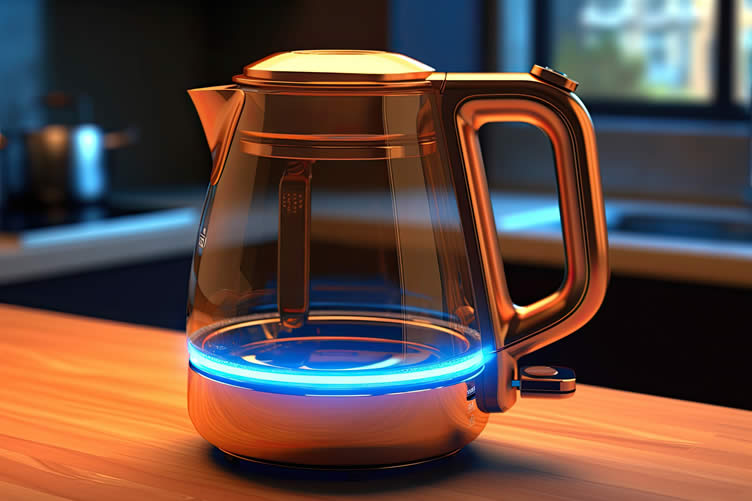
copyright image by 123rf.com
[ pinterest: tea receipes ]
[ youtube search: best tea kettle electric ]
-
-
3rd: Beverage Makers
Beverage makers have become indispensable tools in modern kitchens, offering convenience, variety, and the ability to craft a range of drinks tailored to your taste.
These appliances not only save time but also allow homeowners to experiment with flavors and ingredients, ensuring beverages that are fresh, personalized, and often healthier compared to store-bought options.
Below, we explore the different types of beverage makers available for your kitchen, how they can be used, and why they are a must-have addition to your home.
[ view samples/summary table: beverage makers ]
-
Juice Makers
Juice makers, also known as juicers, enable you to extract fresh, nutrient-rich juices from fruits and vegetables. There are several types of juicers, including centrifugal, masticating (or slow) juicers, and citrus presses.
Centrifugal juicers are perfect for quick and easy juice extraction, while masticating juicers provide higher juice yield and work well with leafy greens. Citrus presses are designed specifically for oranges, lemons, and other citrus fruits.
Juice makers empower users to create beverages packed with vitamins and minerals, supporting a healthy lifestyle.
Whether you’re making a morning green juice, a refreshing orange juice, or experimenting with unique combinations like carrot and ginger, these devices cater to every preference.
-
Soda Makers
Soda makers have revolutionized how we create fizzy beverages at home. Using carbon dioxide cartridges, these devices carbonate water, allowing you to craft sparkling water, flavored sodas, or even mimicked versions of popular soft drinks.
Soda makers are an excellent choice for individuals seeking to reduce their intake of sugary, mass-produced sodas while maintaining the joy of fizzy drinks. Many models also come with reusable bottles, making them an eco-friendly alternative to plastic-packed sparkling beverages.
With the flexibility to adjust carbonation levels and add natural flavors, soda makers encourage creativity and allow you to tailor your drinks to match dietary preferences.
-
Cocoa Makers
On cold, cozy evenings or early winter mornings, a rich, creamy mug of hot cocoa can feel like a comforting luxury. Cocoa makers simplify the process of preparing this treat.
These appliances heat milk or water to the perfect temperature and mix in cocoa powder or chocolate for a smooth, lump-free consistency.
Some advanced models even froth the milk, enhancing the texture and creating coffeehouse-quality hot chocolate at home.
Cocoa makers are ideal for families, enabling both kids and adults to enjoy a café-style experience without leaving their kitchen. They also allow for customization with extras like whipped cream, marshmallows, or a hint of cinnamon.
-
Other Beverage Makers
Innovation in kitchen technology has brought forth several other specialty beverage makers to suit a variety of needs. Milk frothers are another example, perfect for crafting barista-quality lattes and cappuccinos.
Smoothie blenders, while traditionally categorized as standard kitchen appliances, have grown in popularity as beverage-focused tools for creating nutrient-packed drinks.
Beyond these, there are also cocktail makers designed to help you mix professional-grade drinks for entertaining guests.
Each of these appliances is tailored to specific beverage preparation needs, ensuring that home kitchens become versatile spaces for indulging in a wide array of drinks.
References:
- Britannica. "Juicer." Retrieved from www.britannica.com.
- SodaStream. "How Soda Makers Work." Accessed from www.sodastream.com.
- The Spruce Eats. "The 8 Best Hot Chocolate Makers." Retrieved from www.thespruceeats.com.
- Consumer Reports. "Best Small Kitchen Appliances." Accessed from www.consumerreports.org.
- Tea Forte. "Brewing the Perfect Cup." Accessed from www.teaforte.com.
Type of Beverage Maker Features Benefits Juice Makers Includes centrifugal, masticating, and citrus presses; extracts fresh juice from fruits and vegetables Produces nutrient-rich beverages; supports a healthy lifestyle; customizable flavor combinations Soda Makers Uses CO2 cartridges to carbonate water; allows for natural flavor additions Eco-friendly reusable bottles; reduces sugar intake; customizable carbonation and flavors Cocoa Makers Prepares hot cocoa by heating and mixing milk or water with cocoa powder Creates café-quality cocoa; offers customization options like whipped cream or marshmallows Milk Frothers Specialized frothing for lattes and cappuccinos Produces barista-quality foam; perfect for coffee enthusiasts Smoothie Blenders Blends fruits, vegetables, and other ingredients Creates nutrient-packed beverages; versatile for various recipes Cocktail Makers Assists in mixing professional-grade cocktails Ideal for entertaining; ensures precise blending and flavor balance 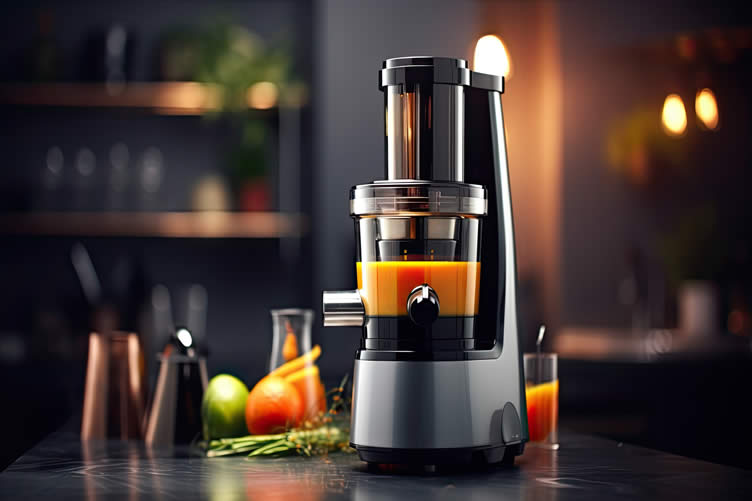
copyright image by 123rf.com
[ pinterest: juice maker recipes ]
[ youtube search: best juicer machine ]
-
-
-
ideas to view and compare from the information discussed above
Scroll up to directory … or scroll to more varying types of kitchen countertop appliances …
SHARE IT ..! Someone in your network might benefit from this insightful post about the types and needs of kitchen countertop appliances. Feel free to share it on Facebook, X (formally Twitter), LinkedIn, or Pinterest!



Outline the specific requirements needed for making …
… key home improvement and remodeling decisions



Are there any other interesting topics that might have been overlooked but could offer valuable insights …?



fourth “photo remodeling” idea
AI generated image by 123rf.com
Appliance Type 4: Toasting, Baking, and Specialty Appliances
Notes:
-
Creating a functional yet stylish kitchen often requires the perfect blend of versatile appliances tailored to specific culinary needs. Whether it’s toasting artisan bread, baking homemade bread, or using niche gadgets for unique recipes, these specialty appliances can transform your cooking experience.
With the right tools, you can unlock new possibilities in your kitchen while maintaining efficiency and elegance.
-
Quick scroll to supporting notes …
-
-
1st: Toasters (2-Slice, 4-Slice)
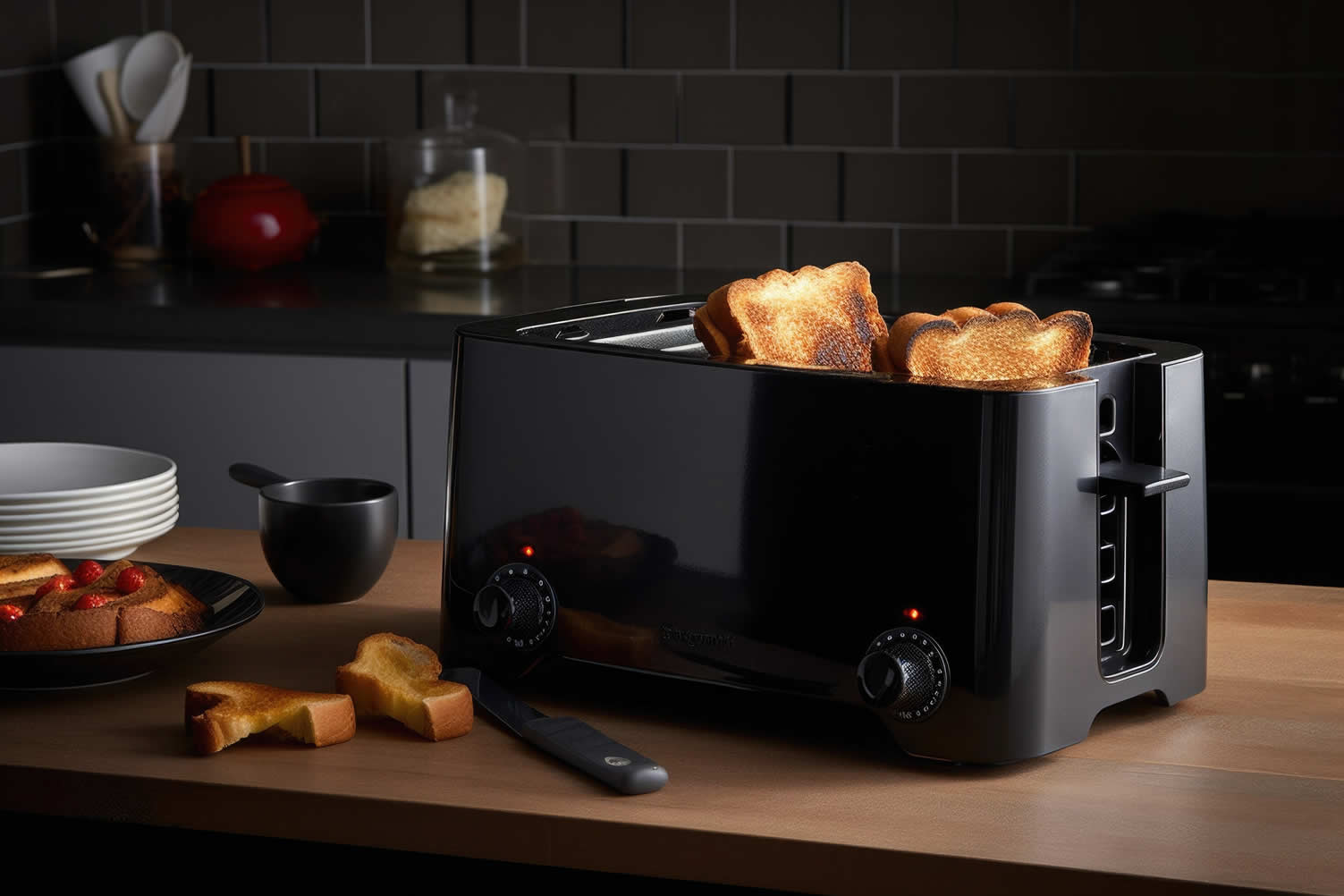
Toasters are an indispensable appliance in modern kitchens, offering simplicity and efficiency for creating perfectly toasted bread and other baked goods.
With their ability to brown slices to your desired doneness, they accommodate a wide range of tastes and culinary purposes, from breakfast staples to creative snacks.
Among the most common toaster configurations are 2-slice and 4-slice models, each tailored to meet different household needs. Investing in the right toaster can elevate your kitchen routine, bringing both practicality and culinary versatility.
[ view samples/summary table: beverage makers ]
-
2-Slice Toasters
Compact and efficient, 2-slice toasters are an excellent choice for smaller households or those with limited counter space. These toasters cater to quick, single-serve meals, making them ideal for individuals or couples who value convenience.
A key advantage of 2-slice models is their precise browning controls, allowing users to toast bread, bagels, or waffles to their preferred level of crunchiness.
Many modern options incorporate wide slots for thicker bread varieties and advanced settings, such as defrosting frozen slices or reheating previously toasted items.
With their straightforward operation and minimal footprint, 2-slice toasters are a reliable choice for compact kitchens where space and efficiency are prime considerations.
-
4-Slice Toasters
For larger households or families with varying breakfast schedules, 4-slice toasters provide the versatility and capacity needed to serve multiple people at once. These models enable users to toast four slices simultaneously, significantly reducing preparation time during the morning rush or family meals.
Many premium 4-slice toasters include dual independent controls, allowing different settings to be applied simultaneously—perfect for serving varied preferences in toast doneness.
Like their smaller counterparts, 4-slice models also feature wide slots and additional functions including bagel settings, warming racks, and cancel buttons for precise customization.
While slightly larger than 2-slice models, the additional functionality and capacity of 4-slice toasters make them a practical solution for bustling kitchens or frequent hosts.
-
Choosing the Right Toaster for Your Kitchen
When choosing between a 2-slice and 4-slice toaster, consider your household size, daily usage habits, and available counter space. A 2-slice toaster may better suit those seeking simplicity and compactness, while a 4-slice model can cater to larger families or those who entertain guests often.
It’s also important to look for advanced features like variable browning settings, wide slots, and energy-efficient designs that enhance usability and reduce waste.
Investing in a quality toaster ensures consistent results and long-term reliability, adding value to your kitchen routines with dependable performance.
References:
- Jones, S. (2023). The Modern Toaster: Features, Functions, and Key Considerations. Kitchen Appliance Quarterly, 18(3), 15-20.
- Smith, L. (2022). "Which Toaster Is Right for Your Home?" Home Cook Essentials Blog.
- Taylor, J. (2023). "Compact or Capable? A Guide to Choosing 2-Slice vs. 4-Slice Toasters." Appliance Advisor.
Toasters
viewing amazonType Features Ideal For 2-Slice Toasters – Compact and space-efficient.
– Precise browning controls.
– Suitable for bread, bagels, and waffles.
– Advanced settings like defrost and reheat.
– Wide slots for thicker bread varieties.– Smaller households.
– Individuals or couples.
– Kitchens with limited counter space.4-Slice Toasters – Larger capacity to toast four slices simultaneously.
– Dual independent controls for varied settings.
– Includes features like bagel settings and warming racks.
– Wide slots and cancel buttons for customization.– Larger families.
– Hosting or entertaining guests.
– Bustling kitchens with higher breakfast demand.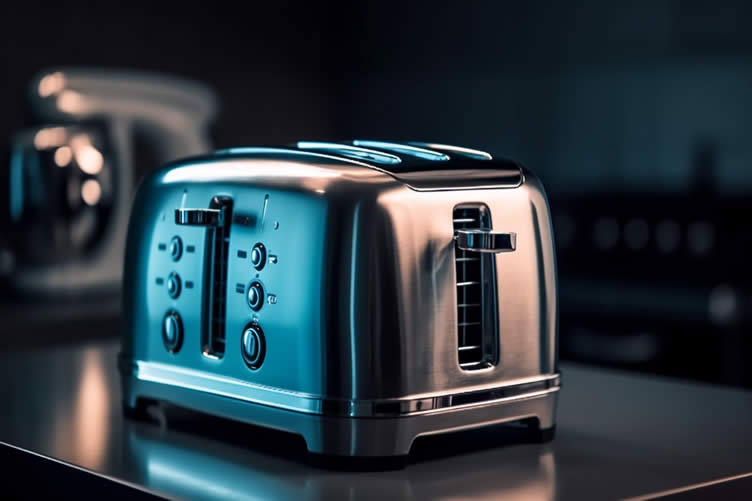
copyright image by 123rf.com
[ pinterest: innovative toaster designs ]
[ youtube search: best toaster ]
-
-
2nd: Bread Makers
Bread makers have transformed the way we approach baking, offering convenience, consistency, and a world of possibilities for homemade bread. These versatile appliances simplify the process of making bread, allowing anyone, from beginners to seasoned bakers, to craft delicious loaves with minimal effort.
From traditional white bread to artisan-style loaves, bread makers empower users to experiment with a variety of recipes, textures, and flavors right at home.
Understanding the types of bread makers and their applications in the kitchen can help you choose the perfect appliance tailored to your lifestyle and baking goals.
[ view samples/summary table: bread makers ]
-
Types of Bread Makers for Every Kitchen
Bread makers come in various designs and sizes, catering to different needs and preferences. The most common types include standard bread makers, compact bread makers, and advanced models with customizable features.
Standard bread makers are ideal for families or households with regular baking needs. These models often include pre-programmed settings for popular bread types, like whole wheat, French, or gluten-free options, making them a great choice for beginners or those looking for an all-purpose appliance.
Compact bread makers are designed for smaller kitchens or single-person households. Their reduced size and capacity make them easy to store, while still offering enough versatility to produce a variety of bread types.
These models focus on efficiency and are often ideal for those who prefer to bake smaller loaves or experiment with specialty recipes on a budget.
Advanced bread makers, on the other hand, are equipped with a range of customizable features such as adjustable crust settings, delayed start timers, and even unique programs for non-bread items like jams and doughs.
These models appeal to experienced bakers or those who wish to explore creative recipes. Their additional capabilities deliver a tailored experience, allowing users to adapt recipes to match dietary needs or personal preferences.
-
How Bread Makers Can Be Used in the Kitchen
Bread makers are not only for baking bread—they are versatile appliances that play multiple roles in a home kitchen.
At their core, they simplify the bread-making process by kneading, proofing, and baking all within one device, making homemade bread accessible to anyone without the time, skill, or tools for traditional bread-making.
One of the key advantages of bread makers is their ability to accommodate dietary preferences and restrictions. Gluten-free bread settings, for example, are a lifesaver for those with gluten sensitivities or celiac disease, delivering fresh and tasty alternatives that are difficult to find in stores.
Similarly, bread makers allow you to control ingredients precisely, ensuring freshness and eliminating preservatives or allergens.
For adventurous home chefs, many bread makers also come with dough settings, enabling users to craft pizza dough, brioche, or pastry doughs. These doughs can be removed and shaped before baking in a traditional oven for more diverse culinary results.
Additionally, advanced models introduce creative options, such as making fruit jams or even yogurt, elevating their functionality beyond bread.
Bread makers are also time-savers, allowing you to set the machine to start baking overnight or while you’re away at work. The delayed timer function means you’ll wake up or return home to the comforting aroma of freshly baked bread.
For those hosting gatherings, bread makers simplify the preparation of side dishes like focaccia or dinner rolls, letting you focus on other aspects of the meal.
Lastly, bread makers are an eco-friendly option for reducing food waste. Leftover ingredients like overripe bananas, nuts, or seeds can often be incorporated into recipes, creating delicious and sustainable baked goods that make use of pantry staples.
References and Citations:
- Miller, S. (2021). Mastering the Art of Bread Making with Modern Appliances. Artisan Publishing.
- Smith, R. (2023). "Bread Makers Demystified." Kitchen Innovations Magazine.
- Johnson, E. (2022). "The Rise of Gluten-Free Baking with Bread Makers." Culinary Trends Journal, 15(4), 22-27.
Bread Makers
viewing amazonCategory Description Applications Standard Bread Makers Designed for families or households with regular baking needs, offering pre-programmed settings for various bread types like whole wheat and gluten-free. Ideal for beginners or all-purpose use; makes traditional loaves with ease. Compact Bread Makers Smaller in size and capacity, perfect for tight spaces or single-person households, focusing on efficiency and versatility. Suited for baking smaller loaves and experimenting with specialty recipes on a budget. Advanced Bread Makers Equipped with customizable features such as crust settings, delayed start timers, and programs for non-bread items like jams and doughs. Appeals to experienced bakers; enables creativity with unique recipes and dietary adaptations. General Kitchen Use Provides convenience by kneading, proofing, and baking in one device. Offers settings for gluten-free bread and creative options like jam and yogurt. Saves time with delayed timers, reduces food waste, and creates side dishes like focaccia or dinner rolls. 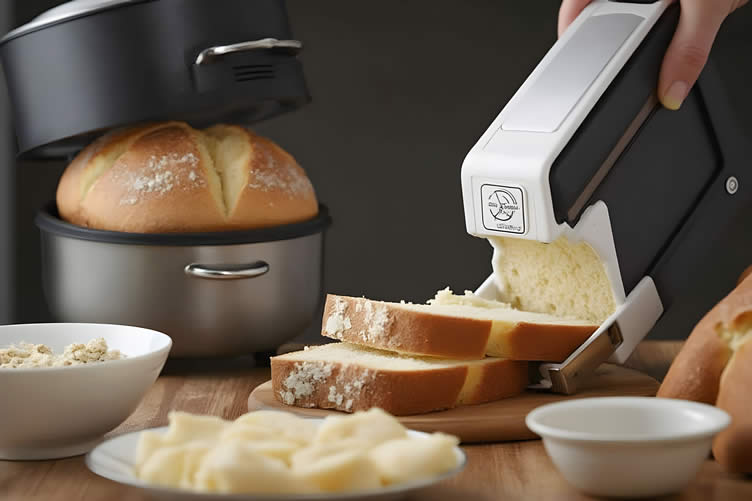
AI generated image by 123rf.com
[ pinterest: bread machine recipes ]
[ youtube search: best bread maker ]
-
-
3rd: Specialty and Niche Appliances
Modern kitchens are not just about cooking; they are spaces for creativity, convenience, and personalization. Specialty and niche appliances cater to unique culinary needs, offering home cooks the ability to craft customized creations at home.
These devices are designed to fulfill specific functions, often simplifying complex processes and broadening the possibilities of homemade food and beverages.
From crafting soy milk to creating delicious ice cream, specialty appliances empower kitchen enthusiasts to elevate their culinary experiences with precision and ease.
[ view samples/summary table: niche appliances ]
-
Soy Milk Makers
Soy milk makers are invaluable for those who prefer homemade, fresh alternatives to store-bought plant-based milk. These devices streamline the process of making soy milk, requiring minimal manual effort while ensuring high-quality results.
Users simply add soybeans and water, and the machine takes care of soaking, grinding, heating, and straining.
Given the growing demand for dairy-free, preservative-free options, soy milk makers have gained popularity for their ability to produce a healthy and customizable beverage that meets dietary needs and tastes.
-
Yogurt Makers
Yogurt makers have revolutionized the way people approach homemade dairy and non-dairy yogurts. These appliances maintain the precise temperatures needed for fermentation, ensuring consistent results every time.
They accommodate a wide range of preferences, allowing users to create plain, flavored, or fruit-infused yogurts.
From Greek-style yogurt to lactose-free and vegan-friendly options, yogurt makers provide a cost-effective and hygienic approach to enjoying nutrient-rich probiotics tailored to individual preferences.
-
Food Dehydrators
Food dehydrators are a go-to appliance for health-conscious individuals looking to preserve fruits, vegetables, herbs, and even meats. These machines extract moisture through controlled heat circulation, extending the shelf life of food without the need for artificial preservatives.
They’re ideal for creating healthy snacks such as fruit leathers, vegetable chips, and jerky while also offering the ability to dry herbs for cooking or teas.
Food dehydrators support a sustainable lifestyle by reducing food waste and enabling careful preservation of seasonal harvests.
-
Ice Cream Makers
Ice cream makers turn dessert dreams into reality by allowing users to create creamy, flavorful frozen treats at home. These appliances offer control over ingredients, which is perfect for those with dietary restrictions or a love for experimenting with unique flavors.
Whether crafting dairy-free gelato or traditional ice cream, the efficient freezing and churning mechanisms deliver silky textures rivaling artisanal desserts. Ice cream makers are a delightful addition for families and hosting events, providing customized desserts in endless varieties.
-
Waffle Makers
Waffle makers are designed to bring the joy of breakfast favorites to a new level of convenience and customization. Available in a range of sizes and styles, these appliances allow users to prepare classic waffles or experiment with variations like stuffed or savory options.
They ensure even cooking and crisp textures, making them a staple for weekend brunches, children’s snacks, and creative recipes. Innovative models even come with removable plates for easier cleaning and multi-functionality, such as the ability to grill sandwiches.
-
Sandwich Presses
Sandwich presses simplify the art of making warm, perfectly grilled sandwiches. By evenly distributing heat and applying gentle pressure, these machines transform simple ingredients into gourmet creations. They work effectively for paninis, wraps, and quesadillas, offering variety and convenience.
Some models feature adjustable plates for versatility, making them a valuable addition to households that love quick and satisfying meals. Their compact size ensures they fit effortlessly into kitchens of all sizes, catering to both individuals and families.
-
Vacuum Sealers
Vacuum sealers are essential for food preservation and waste reduction. By removing air from storage bags, they extend food freshness and prevent freezer burn.
Perfect for batch cooking, meal prep, or storing seasonal produce, they’re popular with busy families and home chefs.
Many models offer versatile settings for dry and moist foods, sealing everything from meats to soups. Compact and easy to use, a vacuum sealer saves time and money, keeping food fresh longer.
-
Other Specialty Appliances
The market offers a plethora of additional niche appliances for diverse kitchen needs. Some are common kitchen tools; others are more niche, delighting hobbyists and passionate foodies alike. Examples include:
- electric can opener
- electric wok
- electric knife
- knife sharpener
- bread slicers
- chocolate fountains
- fondue pot
- nut butter makers
- grain milling
- and more
[ view ideas: noted below ]
These specialized devices enhance versatility in the kitchen, allowing users to push the boundaries of what they can create within the comfort of their homes.
References:
- Smith, D. (2022). The Ultimate Guide to Home Kitchen Appliances. Culinary Trends Publishing.
- Johnson, E. (2021). "The Rise of Specialty Kitchen Appliances for Modern Homes." Kitchen Innovations Journal, vol. 10, no. 2, pp. 34-45.
- National Kitchen Appliance Association. (2023). "Specialty Appliance Market Overview."
- Michaels, L. (2023). "Health Benefits of DIY Foods with Specialty Appliances." Healthy Living Quarterly, online edition.
Niche Appliance Key Features Benefits Soy Milk Makers Automates soaking, grinding, heating, and straining of soybeans. Provides fresh, preservative-free, dairy-free options tailored to taste. Yogurt Makers Manages precise fermentation temperatures for consistent results. Customizable for Greek, flavored, vegan, or lactose-free yogurts at lower costs. Food Dehydrators Removes moisture through controlled heat circulation. Creates healthy snacks, preserves seasonal harvests, and reduces food waste. Ice Cream Makers Freezing and churning mechanisms for creamy frozen desserts. Allows ingredient control, perfect for dietary needs and unique flavors. Waffle Makers Even cooking for classic, stuffed, or savory waffles. Enhances breakfast or snacks with versatility and easy cleaning options. Sandwich Presses Applies heat and pressure for perfectly grilled sandwiches. Quick, versatile meal prep for paninis, wraps, and more. Compact design fits any kitchen. Vacuum Sealers Air removal for food storage; settings for dry and moist foods Extended food freshness; cost-saving and reduced waste Other Specialty Appliances Variety of niche devices (e.g., fondue pots, grain mills) Enhances culinary creativity; caters to specific kitchen needs 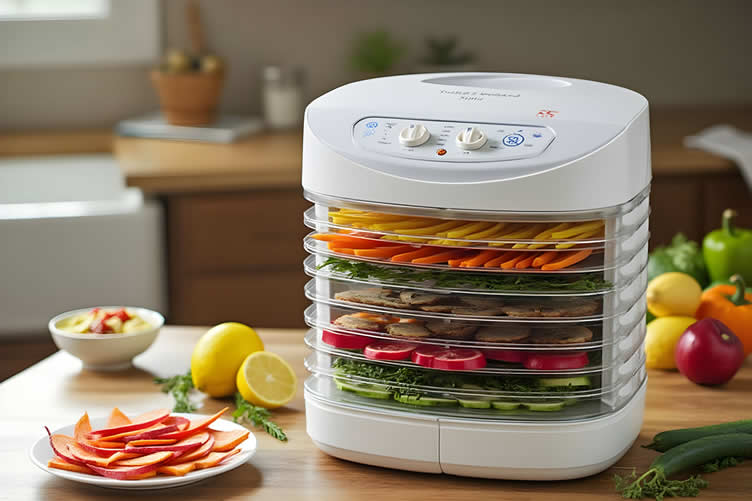
AI generated image by 123rf.com
-
-
-
ideas to view and compare from the information discussed above
Scroll up to directory … or scroll to more varying types of kitchen countertop appliances …


Download this PDF for a concise summary of all you need to know about …?




Budgeting Worksheet For Costing Home Remodeling and Home Improvement Decisions
 File Type (excel)
Find Household Appliance Services Appliances Appliance Install Appliance Repair Electrical top-rated, pre-screened local contractors FREE: download contractor selection enter zip code – powered by HomeAdvisor ™
Quick Contractor Guides selecting negotiating working with inspecting

fifth and last “photo remodeling” idea
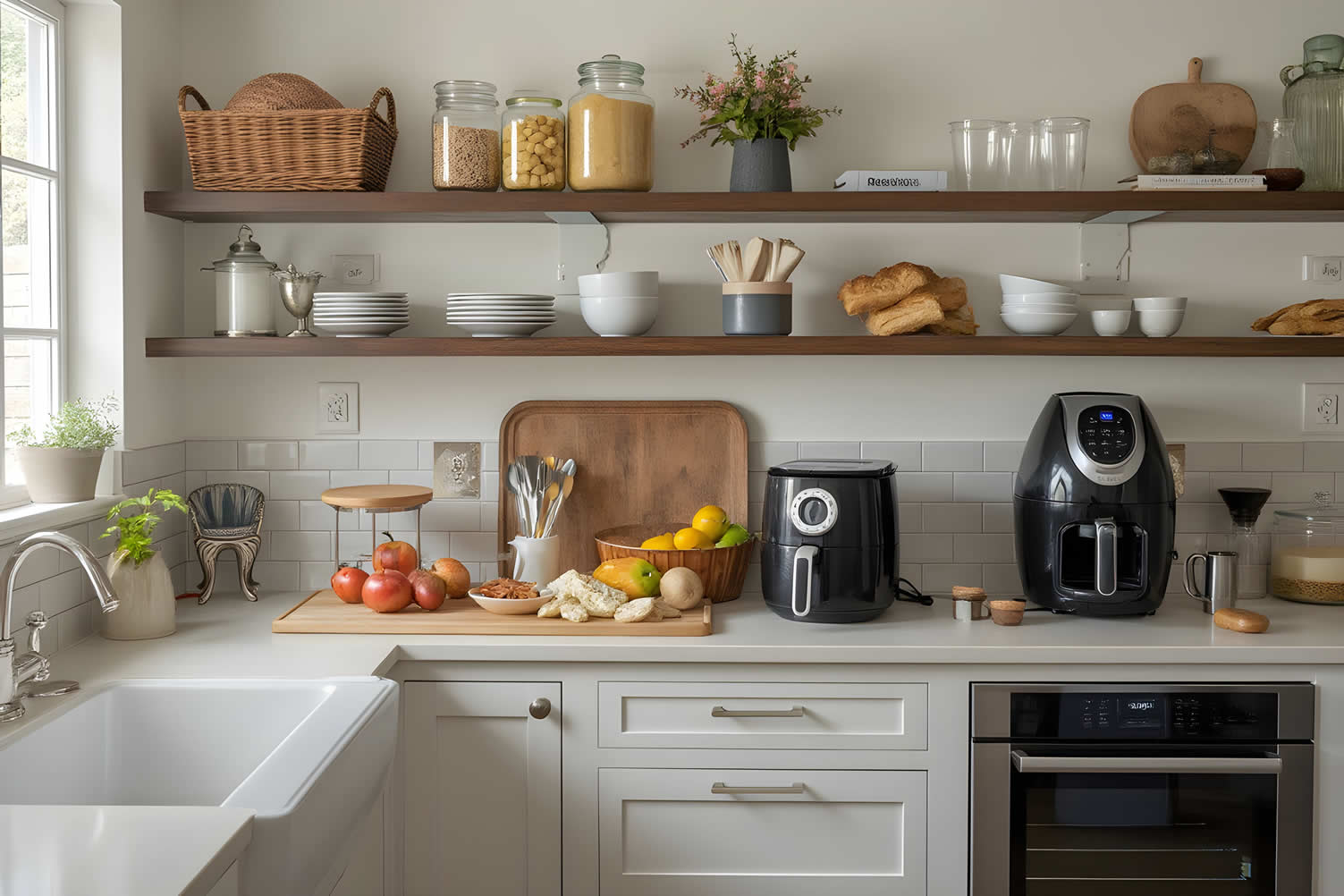

AI generated image by 123rf.com
Appliance Type 5: Arranging and Maximizing Kitchen Space
Notes:
-
A well-organized kitchen is the heart of a functional and enjoyable home. Beyond the essential countertop appliances, niche tools like bread makers, air fryers, and espresso machines can elevate your cooking and dining experience.
However, integrating these appliances without overwhelming your workspace calls for clever countertop arrangement and storage strategies.
This section explores how to seamlessly incorporate specialty appliances while maintaining a tidy, stylish, and practical kitchen.
-
Quick scroll to supporting notes …
-
-
1st: Prioritizing and Arranging Countertop Appliances
A clutter-free kitchen workspace is crucial to maintaining efficiency, style, and a sense of calm in one of the most active areas of the home. While modern appliances like blenders, slow cookers, and espresso machines can add convenience and versatility, an overabundance of gadgets can quickly overwhelm your countertops.
The key to ensuring a balance between functional utility and visual appeal lies in carefully prioritizing and arranging these appliances. This section provides expert insights on how to strategically handle countertop space, helping you maximize both practicality and aesthetics.
[ view summary table: prioritize/arrangement ]
-
Prioritizing Appliances for Permanent Countertop Space
Not all appliances deserve a permanent spot on your kitchen counters. The first step in maximizing your workspace is assessing the frequency of use for each appliance.
High-use appliances such as coffee makers, toasters, or microwaves typically merit permanent placement since they are used daily or several times a week.
These should be placed in easily accessible locations that align with activity zones in your kitchen—like the coffee maker near the breakfast prep area or the toaster adjacent to the bread storage.
Lower-use appliances, like waffle irons or ice cream makers, are better suited for storage in cabinets or pantry areas. Storing these items when not in use opens up significant countertop space for other priorities.
Additionally, focus on multi-functional appliances. For example, a combination air fryer and toaster oven can eliminate the need for two separate devices while saving precious countertop space.
Take inventory of your current appliances and consider if any overlapping functions can be consolidated.
-
Arranging Appliances for a Tidy and Efficient Workspace
Once you’ve prioritized which appliances to keep on the counters, thoughtful arrangement is essential to maintain functionality and avoid visual clutter. Position appliances according to the natural workflow of your kitchen.
For instance, group food preparation tools near your chopping or mixing station, while keeping serving-focused appliances like coffee machines near your dining or serving area. This arrangement minimizes unnecessary movement and creates an intuitive flow of activity.
For the visually inclined, appliance finishes also play a role. Opt for models with complementary colors or materials that match your kitchen’s design aesthetic, ensuring a cohesive and elegant look.
Furthermore, consider using appliance garages or sliding shelves for mid-use appliances. These storage solutions keep less frequently used items within reach but concealed, maintaining a streamlined appearance while providing access when needed.
Organization tools like cord wraps or cable management systems further enhance countertop efficiency by eliminating the mess of dangling wires.
Another professional tip is to allocate a designated “appliance corner” that helps contain the presence of machines in a single part of the kitchen, leaving the remaining surfaces free for meal prep.
-
Integrating Hidden Storage Solutions
When space is at a premium, hidden storage solutions can transform your kitchen’s functionality. Adding tilt-out bins, deep cabinetry, or slide-out appliance drawers provides dedicated storage for specialty tools while maintaining an uncluttered surface.
For smaller kitchens, extend storage vertically with custom shelving units or lofted areas that keep infrequently used items out of the way but within reach.
Another option includes investing in modular cabinets or kitchen islands that offer concealed compartments for storing appliances. These not only maximize available square footage but also create a polished and organized appearance.
Ultimately, your goal should be to allow your kitchen to breathe while ensuring that everything remains accessible and functional.
-
Striking the Balance Between Style and Practicality
A well-organized kitchen marries style with functionality. Choose storage containers and appliance covers that align with your kitchen’s design style—whether modern, rustic, or traditional.
Also, ensure that the process of retrieving and storing items doesn’t compromise your efficiency. Smart storage solutions should be intuitive and user-friendly, enabling you to maintain a clean, practical, and visually pleasing culinary environment.
By prioritizing your most-used appliances, creatively arranging them, and investing in hidden storage, you can enjoy all the benefits of specialty appliances without overwhelming your workspace.
A methodical approach not only improves the usability of your kitchen but also enhances its overall aesthetic.
References:
- National Kitchen & Bath Association (NKBA), "Designing the Efficient Kitchen"
- HGTV, "Small Kitchen Storage Hacks for Clutter-Free Spaces"
- Better Homes & Gardens, "Multi-functional Spaces and the Future of Home Design"
- Real Simple, "Kitchen Storage Ideas That Make the Most of Your Space"
Key Strategy Description Benefits Prioritizing Appliances Identify and keep high-use appliances (e.g., coffee makers, toasters) accessible while storing low-use devices (e.g., waffle irons, ice cream makers) in cabinets or pantries. Focus on multi-functional appliances to save space. Maximizes countertop space while ensuring essential tools remain convenient and accessible. Arranging Appliances Organize appliances based on kitchen workflow, such as placing preparation tools near workstations and serving appliances near dining areas. Utilize appliance garages, corner setups, and cord management systems for a tidy look. Enhances efficiency through intuitive placement and minimizes visual clutter for a polished kitchen environment. Hidden Storage Solutions Leverage features like slide-out drawers, tilt-out bins, and modular cabinets to store specialty tools. Use vertical shelving or concealed compartments for smaller spaces. Maintains an uncluttered appearance while keeping all appliances functional and within reach. 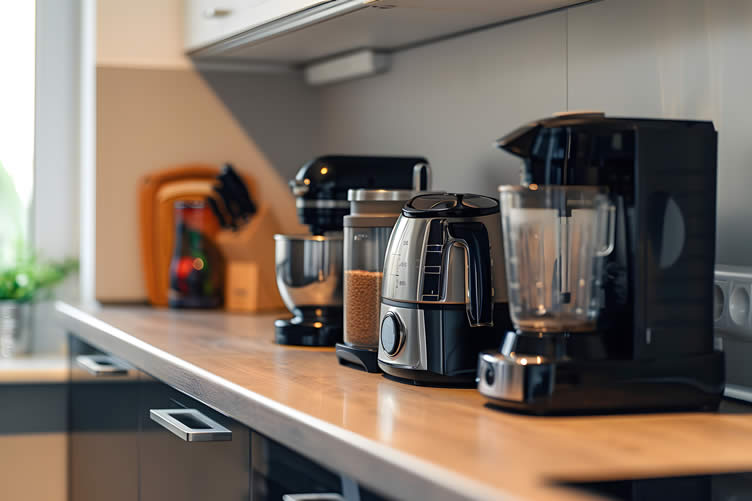
copyright image by 123rf.com
[ view image ideas: countertop appliance garage ]
[ youtube: Kitchen Countertop Organization Ideas ]
-
-
2nd: Smart Storage Solutions for Appliances
… not stationed on the countertop
Maintaining a clutter-free kitchen is key to achieving both functionality and aesthetic appeal. However, one of the most significant challenges homeowners face is efficiently storing appliances that are necessary but either too large for countertop placement or used infrequently.
These items, while indispensable for specific tasks, can take up valuable real estate in your kitchen if not stored thoughtfully.
Smart storage solutions help ensure these appliances are accessible when needed, yet out of sight when not in use, enabling a streamlined and organized approach to kitchen design.
Below, we outline strategies to effectively store such appliances while maximizing your space.
[ view samples/summary table: smart storage solutions ]
-
Concealed Cabinet Storage
Custom cabinetry is one of the most efficient ways to keep larger appliances out of sight while maintaining easy accessibility. Installing appliance garages—enclosed compartments within cabinetry—can create a dedicated space for items such as slow cookers, blenders, or air fryers.
These compartments often feature roll-up or pull-out doors that allow you to seamlessly hide appliances when not in use. Adjustable shelves and dividers can further optimize the space, allowing you to customize the interior layout based on your specific needs.
Selecting cabinets with finishes that match your kitchen design ensures your storage solutions blend harmoniously with your overall aesthetic.
-
Pull-Out Shelves and Drawers
For appliances that are used frequently but do not fit comfortably on the countertop, pull-out shelves or deep drawers can offer an excellent solution. These designs allow you to store items like stand mixers, food processors, or bread machines in a way that is both hidden and functional.
Pull-out shelves give you full access to the appliance without the need to lift heavy equipment, making it ideal for larger or bulkier items.
Incorporating soft-close mechanisms into these designs adds a touch of luxury while protecting both the appliances and the cabinetry from damage.
-
Walk-In Pantries and Appliance Closets
For homeowners with more expansive kitchen layouts, walk-in pantries or designated appliance closets provide a centralized storage hub for larger or seasonal kitchen tools.
By dedicating a specific area for these items, you free up cabinet and counter space while keeping everything organized and easily accessible.
Including labeled compartments, adjustable shelving, and integrated plugs for appliances that can be used in-place within the pantry adds both convenience and efficiency. A well-designed pantry or closet can serve as an extension of your kitchen, ensuring all your essentials are housed in a single, functional location.
-
Overhead Storage Solutions
For compact kitchens or limited floor space, overhead storage can be a game-changer. Mounting cabinets or shelves higher up on the walls allows you to utilize vertical space effectively, making room for seldom-used appliances such as waffle irons, juicers, or ice cream makers.
To ensure practicality, consider adding a rolling library ladder or step stool to access these upper storage areas safely. Choosing clear or frosted panels for upper cabinets can help retain an open feel in your kitchen while keeping your appliances out of sight.
-
Island Storage Options
Kitchen islands offer a multi-functional solution for both preparation and storage. By integrating cabinets or drawers within your island design, you can create a hidden, easily-accessible space for medium to large appliances.
Islands with slide-out trays can hold items such as coffee makers or toasters, allowing them to be discreetly stored when not in use.
Incorporating electrical outlets within your island further enhances its functionality, as appliances can be used directly from their storage compartments without the need to relocate them.
References:
- National Kitchen & Bath Association (NKBA), "Optimizing Kitchen Layouts for Smarter Storage"
- HGTV, "Enhancing Functionality Through Creative Cabinet Solutions"
- Better Homes & Gardens, "Innovative Storage Ideas for Modern Kitchens"
- Real Simple, "Space-Saving Kitchen Hacks for Every Layout"
Storage Solution Description Key Benefits Concealed Cabinet Storage Appliance garages and custom cabinetry with roll-up or pull-out doors to hide larger appliances like slow cookers and blenders. Discreet storage, maintains kitchen aesthetic, customizable interior for specific needs. Pull-Out Shelves and Drawers Deep drawers or pull-out shelves designed to store frequently used appliances, such as stand mixers or food processors. Easy accessibility, ideal for heavy appliances, protects cabinetry with mechanisms like soft-close features. Walk-In Pantries and Appliance Closets Dedicated spaces for larger or seasonal appliances, with adjustable shelving and integrated plugs for in-place use. Frees up kitchen space, centralized storage, adds convenience and efficiency to kitchen organization. Overhead Storage Solutions Cabinets or shelves mounted higher up on walls to store seldom-used appliances like waffle irons or ice cream makers. Maximizes vertical space, retains open feel with clear or frosted panels, safe access with ladders or stools. Island Storage Options Integrated cabinets or drawers within kitchen islands, enhanced with slide-out trays and electrical outlets for appliances. Multi-functional storage, easy accessibility, appliances usable directly from storage compartments. 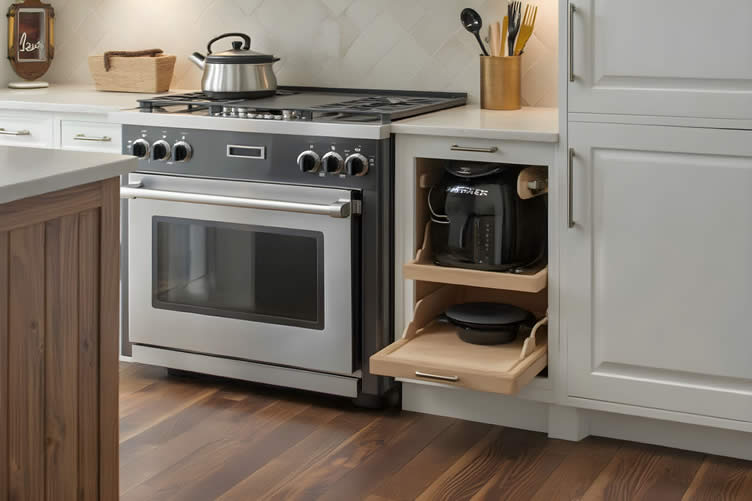
AI generated image by 123rf.com
-
-
3rd: Simplifying Countertop Appliance Management
… with home automation
Countertop appliances such as coffee makers, toaster ovens, and blenders play a significant role in daily routines but can also contribute to clutter and disorganization.
Home automation offers an innovative solution to manage both the use and storage of these appliances, creating a smarter and streamlined kitchen experience.
By integrating automation technologies, homeowners can enjoy more control, convenience, and flexibility while maximizing their kitchen’s potential.
[ view samples/summary table: kitchen automation ]
-
Automating Appliance Power Management
One of the primary ways home automation enhances countertop appliance use is through smart power management. With the use of smart plugs or connected outlets, homeowners can schedule when their appliances turn on or off, ensuring they are ready precisely when needed.
For example, a programmable coffee maker connected to a smart home system could be set to start brewing as you wake up, eliminating any manual setup. This automation reduces waiting times and minimizes unnecessary energy consumption, contributing to both efficiency and energy savings.
Smart sensors integrated with countertop appliances can also detect idle or inactive devices and automatically power them down, promoting safety and reducing the risk of overheating.
Additionally, integrating voice-controlled assistants like Alexa or Google Home into the kitchen allows users to control multiple appliances with a simple voice command, making multitasking easier and elevating overall convenience.
-
Streamlining Storage Solutions Using Automation
Home automation extends beyond appliance usage to aid in their storage as well. Modern kitchen systems equipped with automated pull-out cabinets or lift mechanisms make it easier to access appliances when needed and neatly store them away when not in use.
These smart storage solutions optimize space, particularly in small kitchens where countertop real estate is at a premium.
For instance, automated shelves designed to lift and lower heavy appliances like stand mixers reduce physical strain and ensure ease of access without compromising the kitchen’s organization.
Some advanced systems even allow users to designate specific storage zones for connected countertop appliances. When paired with inventory-tracking features within a smart home app, users can always know exactly where an appliance is stored, eliminating the frustration of rummaging through cabinets.
This organizational strategy ensures that appliances remain out of sight but readily accessible when required, maintaining an uncluttered and aesthetically pleasing kitchen environment.
-
Enhancing Efficiency Through Smart Inventory Management
A lesser-known benefit of home automation is its ability to integrate kitchen inventory management with countertop appliance usage. For example, sensors placed in smart cabinets can monitor the availability of consumable products like coffee beans or toaster bread.
When supplies are running low, users can receive automated alerts or even enable reordering through connected grocery delivery platforms. This seamless integration between appliances, storage, and inventory contributes to a cohesive kitchen management system.
Furthermore, these technologies can help track the frequency of appliance use. For appliances that are rarely utilized, homeowners can decide whether to store them in more distant cabinetry or evaluate whether they are truly needed in the home.
Such insights can empower users to make informed decisions about donation, resale, or redistribution of kitchen tools, contributing to a more sustainable and decluttered living space.
-
Creating a Customizable and User-Friendly Experience
The beauty of home automation lies in its customization capabilities. Most systems allow users to tailor settings based on their habits and preferences, ensuring a kitchen that works precisely the way they need it.
For instance, pre-programmed routines can be created for specific times of the day, such as the morning rush or evening meal prep. These routines could involve activating appliances, adjusting lighting, setting timers, or even playing background music for an engaging culinary atmosphere.
Additionally, as these technologies continue to evolve, they are becoming increasingly intuitive. Many connected devices utilize machine learning to identify patterns in their users’ behaviors.
Over time, these systems can make intelligent recommendations, such as suggesting which appliances to store away or highlighting opportunities to optimize energy use.
By fostering constant improvement, home automation technologies not only simplify the user’s experience but also empower them to maintain a well-organized and efficient kitchen.
References:
- Kitchen Design Network, “The Role of Smart Technology in Modern Kitchens”
- National Association of Home Builders (NAHB), “Smart Storage Systems for the Home”
- Energy Star, “Energy Efficiency Tips for Smart Appliance Use”
Feature Benefits Examples/Use Cases Automating Appliance Power Management Enhances convenience, reduces energy consumption, and improves safety through smart power controls. Smart plugs enable scheduling appliances like coffee makers to start brewing automatically. Voice-controlled assistants manage multiple appliances with ease. Streamlining Storage Solutions Optimizes space, improves organization, and enhances accessibility with automated storage systems. Pull-out cabinets and automated lift mechanisms store and access heavy appliances like stand mixers effortlessly, maintaining a clutter-free kitchen. Smart Inventory Management Tracks supply levels, aids in reordering, and monitors appliance usage to promote sustainability and reduce clutter. Sensors in smart cabinets trigger notifications for low coffee bean supplies or suggest rarely used items for recycling or donation. Customizable Experiences Allows tailored settings and routines based on user habits, improving efficiency and providing a personalized kitchen experience. Morning routines activate appliances, adjust lighting, and play music, while machine learning systems suggest energy optimizations or appliance arrangements. 
copyright image by 123rf.com
-
-
-
Conclusion:
… Making Your Kitchen Work Better
Kitchen countertop appliances improve food preparation, expand culinary capabilities, and make cooking more enjoyable. Understanding appliance strengths helps in informed decisions based on cooking style, space, and budget.
Maximize investment by assessing cooking habits, space, and culinary goals. Focus on appliances that save time and enhance daily cooking. Identify key appliance categories to address pressing needs and gradually expand your collection, creating a kitchen that supports your lifestyle and inspires delicious meals.
-
ideas to view and compare from the information discussed above
- What comments can you share about
kitchen countertop appliances?
Scroll up to directory … or scroll to more home remodeling-related topics …
view illustration “becoming a bank”

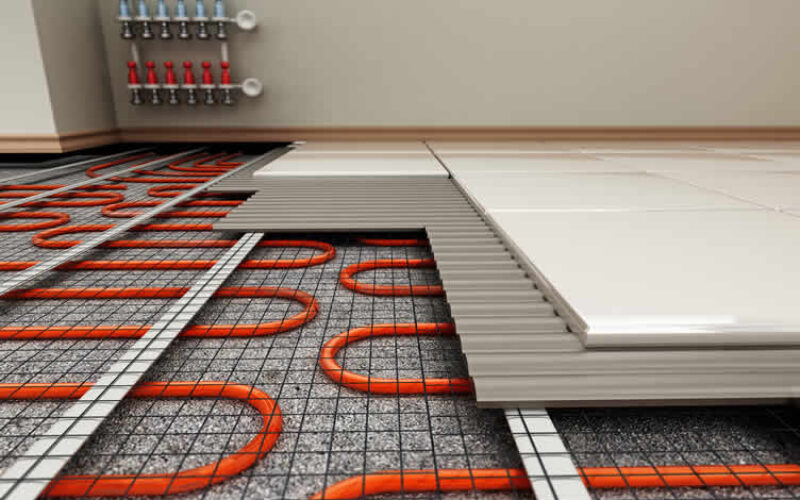

Easily determine the dimensions you need for any home remodeling project …
… ensuring functionality, visual appeal, and compliance with building codes.



Calendar For:
Home Maintenance
File Type:



… view our sharing links below for a quick "share the knowledge"
Cover image credit: kitchen countertop appliances by 123rf.com
end of post … please share it!
 |
did you find this guide about kitchen countertop appliances analysis helpful? If so, please share the article with your friends and family! |
Nice pic idea? Leave us a quick comment below.
And please share this pic idea within your social networks.