Summary Outline –
Toilets might not be the most glamorous topic of home improvement, but they are undoubtedly one of the most impactful. They are the largest contributors to indoor water consumption, accounting for roughly 24% to 27% of total household use.
On average, this translates to approximately 33 to 34.5 gallons of water per household per day flushed down the drain. Upgrading your toilet to a high-efficiency model or investing in the latest toilet technology not only reduces water usage but also enhances comfort, sustainability, and functionality.
Toilets have come a long way from their humble beginnings. With technological advancements paving the way for innovation, today’s toilets blend hygiene, comfort, environmental consciousness, and even smart automation.
Here’s a comprehensive guide to the evolution of toilet technology and how upgrading can transform your daily life while saving resources.
- post content … analysis/ moving up to smart toilets
- 1st: The Evolution of Toilet Technology
- 2nd: About WaterSense-Labeled Toilets
- 3rd: Water-Saving Technologies Available for Toilets
- 4th: Moving Up to Smart Toilets
- 5th: Water-Efficiency and Money Savings
- 6th: DIY or Professional Installation
- 7th: Integrating a Smart Toilet with Water-Saving Technology
- conclusion
- other bed n’ bath topics

-
- —— begin first topic ——
-
1st Note: The Evolution of Toilet Technology
… a Historical Perspective
Throughout history, human hygiene practices have been a crucial factor in shaping societies and improving public health. One of the most significant achievements in the realm of personal hygiene is the development of toilet technology.
From rudimentary pits to today’s sophisticated sanitation systems, toilets have evolved in both design and functionality to meet the needs of growing populations, improve hygiene, and protect the environment.
Understanding this evolution provides valuable insight into how far we’ve come and highlights the importance of continued innovation to ensure sustainable solutions for future generations.
-
Early Sanitation Practices and the Birth of Toilets
The earliest forms of toilets date back to ancient civilizations, where basic sanitation was a necessity to manage waste in developing communities.
Around 3000 BCE, the Indus Valley Civilization introduced one of the first known sanitation systems. They utilized mud-brick public latrines and household facilities connected to a rudimentary drainage system—an impressive feat for the era.
The ancient Egyptians also displayed sophisticated advancements in hygiene. Wealthier households often had limestone toilet seats positioned over pits or containers, which were regularly emptied.
Similarly, the Minoans of Crete, around 1700 BCE, introduced flushing toilets connected to a network of water channels. These innovations underscore early attempts to incorporate sanitation into daily life.
-
Roman Engineering and Public Hygiene
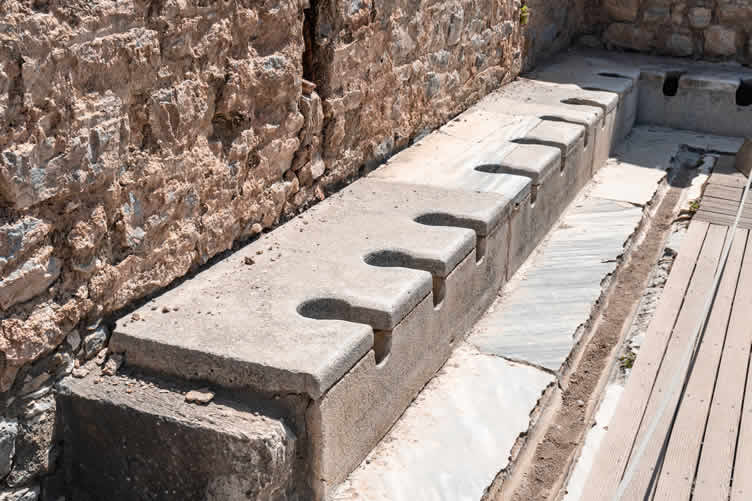
The Roman Empire revolutionized sanitation by developing advanced public sewer systems and communal latrines.
The Cloaca Maxima, an extensive underground drainage system in Rome, played a central role in maintaining the city’s hygiene. By 100 AD, public toilets known as "foricae" became commonplace, with marble seating, running water for flushing, and sponges on sticks used for cleaning.
Roman engineers emphasized functionality, integrating aqueducts to supply water for flushing and bathing. These public facilities demonstrated a blend of architectural ingenuity and a commitment to health and hygiene, setting the foundation for modern urban sanitation infrastructure.
-
The Decline of Sanitation Practices in the Middle Ages
With the fall of the Roman Empire in the 5th century, much of the knowledge regarding sanitation was lost. Hygiene practices regressed during the Middle Ages, and waste disposal was often rudimentary and unsanitary.
Chamber pots were widely used, their contents frequently emptied into streets, creating hazardous living conditions.
During this period, “garderobes” were introduced in castles and large buildings. These precursors to toilets consisted of vertical shafts that carried waste into a pit or moat below.
However, the lack of proper waste management systems contributed to the spread of diseases such as cholera and the plague, emphasizing the need for better sanitation solutions.
-
The Renaissance and the First Innovations in Toilet Design
The Renaissance saw renewed interest in science, culture, and innovation, sparking advancements in sanitation. Sir John Harington, a godson of Queen Elizabeth I, is credited with inventing the first flushable toilet in 1596. His design included a cistern and a flush mechanism, but it did not gain widespread popularity due to its complexity and expense.
Similarly, the Industrial Revolution brought about new challenges in urban sanitation as cities grew in population. The need for efficient waste disposal spurred efforts to devise more practical solutions to manage human waste.
-
The Modern Era and the Advent of High-Performance Toilets
The 19th century marked a turning point in toilet technology with the invention of the S-trap by Alexander Cummings in 1775, which prevented foul odors from escaping into living spaces. Coupled with the invention of the ballcock mechanism by Thomas Crapper, toilets became safer, easier to use, and more hygienic.
By the 20th century, flush toilets became a staple in developed nations, accompanied by the establishment of standardized plumbing systems. Innovations continued with the introduction of dual-flush toilets in the 1980s, designed to use less water for liquid waste, addressing growing concerns about environmental conservation.
-
Smart Toilets and the Future of Sanitation
Technology continues to transform toilet design in the 21st century. Smart toilets equipped with sensors, bidet functions, automatic flushing, and heated seats have become increasingly popular, enhancing both comfort and cleanliness.
Furthermore, high-efficiency toilets designed to minimize water consumption are paving the way for sustainable sanitation practices, aligning with global conservation efforts.
Emerging technologies such as self-cleaning surfaces, odor control systems, and even toilets that analyze waste for health monitoring represent the future of personal hygiene. These advancements cater to growing populations and address challenges in water scarcity while prioritizing user comfort and functionality.
copyright image by 123rf.com
[ view images: ancient roman toilets ]
[ youtube: The History of Toilets ]
-
Scroll up to directory … or scroll to next section of the using water-saving smart toilets …


-
-
2nd Note: About WaterSense-Labeled Toilets
… Ensuring Water Efficiency
When shopping for an efficient toilet, it can be overwhelming to choose from countless designs, features, and brands, each claiming to be the best. Factors like water usage, flushing power, and durability all come into play, making the decision even more challenging.
Thankfully, certifications like WaterSense provide a reliable standard for water-saving performance, ensuring that the toilet you choose not only conserves water but also meets high performance standards for effective flushing.
By looking for the WaterSense label, you can feel confident that you’re making a smart and environmentally friendly choice.
-
What is WaterSense?
WaterSense is a voluntary labeling program created and sponsored by the U.S. Environmental Protection Agency (EPA) to promote water efficiency and help consumers identify products that use water responsibly.
This program ensures that labeled products, such as faucets, showerheads, and toilets, meet strict performance standards without compromising quality or effectiveness.
Toilets with the WaterSense label, for example, are rigorously tested to ensure they use at least 20% less water than standard models while maintaining strong flushing performance. By choosing WaterSense-labeled products, homeowners and businesses can save water, reduce utility bills, and play a role in conserving vital water resources.
-
How WaterSense Toilets Contribute to Water Conservation
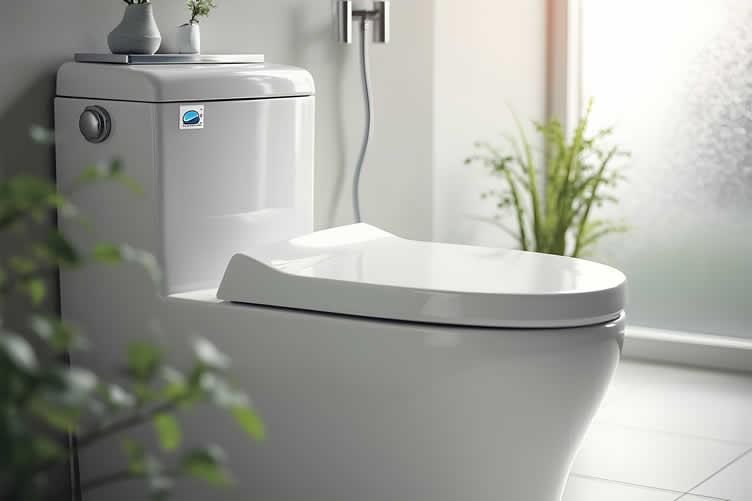
WaterSense-labeled toilets are an excellent choice for those looking to save water and reduce their environmental impact. These toilets use 20% less water than the current federal standard of 1.6 gallons per flush, making them a smarter and more efficient option.
Over the course of a year, this translates to thousands of gallons of water saved per household, which not only benefits the environment but also lowers water bills.
Designed with durability and performance in mind, WaterSense toilets ensure reliable flushing power while conserving resources. Their environmentally friendly designs make them an ideal choice for eco-conscious consumers who want to make a difference without sacrificing functionality or convenience.
-
Choosing the Right WaterSense Toilet
When selecting a WaterSense-labeled toilet, there are several factors to keep in mind to ensure it meets both your practical needs and aesthetic preferences. Start by considering the design—whether a one-piece or two-piece model better suits your space and maintenance preferences.
Flushing technology is another important feature, as options like dual-flush or pressure-assisted systems can enhance water efficiency and performance. Additionally, think about the toilet’s compatibility with your bathroom’s style, ensuring it matches the overall décor and layout.
Leading manufacturers such as Kohler, Toto, and American Standard offer a wide range of WaterSense-certified toilets, providing various designs, finishes, and advanced features to cater to different tastes and requirements.
By carefully evaluating these factors, you can choose a toilet that’s both eco-friendly and perfectly suited to your home.
AI generated image by 123rf.com
[ view images: watersense toilet ]
[ youtube: Water – Use It Wisely: What is WaterSense? ]
-
Scroll up to directory … or scroll to next section of the using water-saving smart toilets …
-
-
3rd Note: Water-Saving Technologies Available for Toilets
Water conservation in toilet technology is more important than ever. With global water scarcity on the rise, adopting water-saving toilets is a key step toward reducing water use without sacrificing hygiene.
Toilets account for nearly 30% of household water use in the U.S., according to the EPA. Advanced water-efficient toilets help conserve water, lower environmental impact, and reduce utility costs, paving the way for a more sustainable future.
[ view sample images: water-saving technologies ]
-
High-Efficiency Toilets (HETs)
High-efficiency toilets (HETs) use far less water than traditional models while maintaining strong performance.
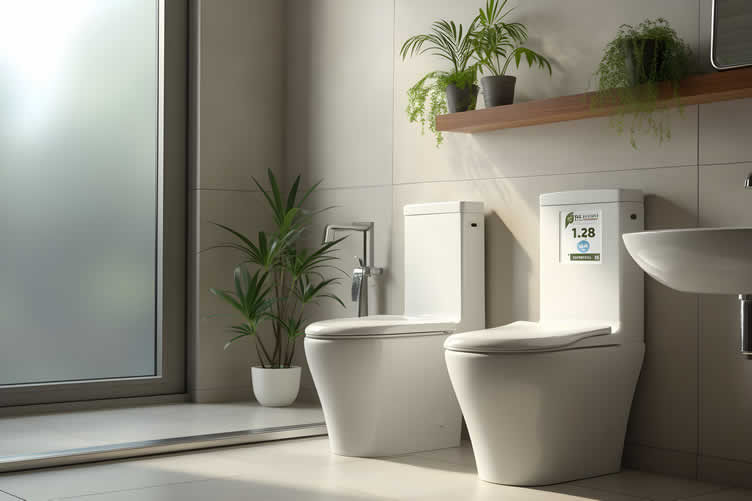
An HET typically uses no more than 1.28 gallons per flush (GPF), compared to older toilets that use 3.5 GPF or more.
Many are certified by the EPA’s WaterSense program for meeting strict efficiency and performance standards. HETs save water, lower utility bills, and reduce community water stress.
By switching to HETs, a family can save up to 13,000 gallons of water yearly, making them a smart step toward sustainable living.
-
Dual-Flush Systems
Dual-flush systems let users choose a low-volume flush for liquid waste or a standard flush for solid waste, ensuring water is used efficiently.
Low-volume flushes typically use 0.8 to 1 gallon, while standard flushes range from 1.28 to 1.6 gallons.
By offering this choice, dual-flush systems save water with every use. They are especially useful in water-scarce areas and busy public restrooms, where the savings add up.
Dual-flush toilets combine water conservation with practicality, making them a smart solution for a variety of users.
-
Advanced Smart Toilet Features
The latest smart toilets blend technology with water efficiency and convenience. Features like sensor-activated and automatic dual flushing optimize water use while reducing waste.
Some models even track water usage and offer insights to promote sustainable habits. While the upfront cost may be higher, the long-term water savings and improved functionality make them a smart choice for eco-conscious consumers and modern sanitation innovators.
-
Sustainable and Economic Benefits
Water-saving toilet technologies offer both environmental and economic benefits. They conserve a vital resource, lower water bills, and ease the strain on wastewater treatment facilities and municipal systems. In water-scarce regions, these innovations help meet demand without overusing resources.
Adopting water-efficient toilets supports sustainability, reduces greenhouse gas emissions from water processing, and ensures water security for future generations. These technologies reflect a shared commitment to preserving Earth’s most essential resource.
Technology Typical Water Use per Flush Key Benefit High-Efficiency Toilets ≤ 1.28 gallons Significantly reduces water consumption compared to standard toilets. Dual-Flush Toilets 0.8–1.6 gallons Offers flexibility with two flush options for liquid and solid waste, optimizing water use. Smart Toilet Optimization As low as 0.6 gallons Incorporates innovative technologies like air assist or vacuum flush to minimize water use while maintaining effectiveness. WaterSense Certification ≤ 1.28 gallons Ensures the toilet meets EPA standards for efficiency and performance, saving water and lowering costs. 
AI generated image by 123rf.com
[ amazon: high efficiency toilet ]
[ amazon: dual flush toilet ]
-
Scroll up to directory … or scroll to next section of the using water-saving smart toilets …
-
-
4th Note: Moving Up to Smart Toilets
… The Future of Bathroom Automation
The modern bathroom has evolved significantly over the years, and the advent of smart technology is marking another remarkable frontier in home innovation. Smart toilets combine cutting-edge automation with practical functionality to deliver unprecedented convenience, efficiency, and hygiene.
Homeowners are drawn to these advanced systems not only for their luxurious features but also for the promise of enhanced water conservation, improved hygiene, and customizable comfort.
As the demand for smarter, more sustainable living solutions grows, the smart toilet market has positioned itself as a critical innovator in bathroom technology.
Let’s explore how smart toilet technology is revolutionizing automation, enhancing hygiene, and advancing healthcare monitoring.
-
1: Smart Toilet and Automation
Smart toilets are redefining personal hygiene and convenience through advanced automation and tailored user experiences.
-
Touchless Systems
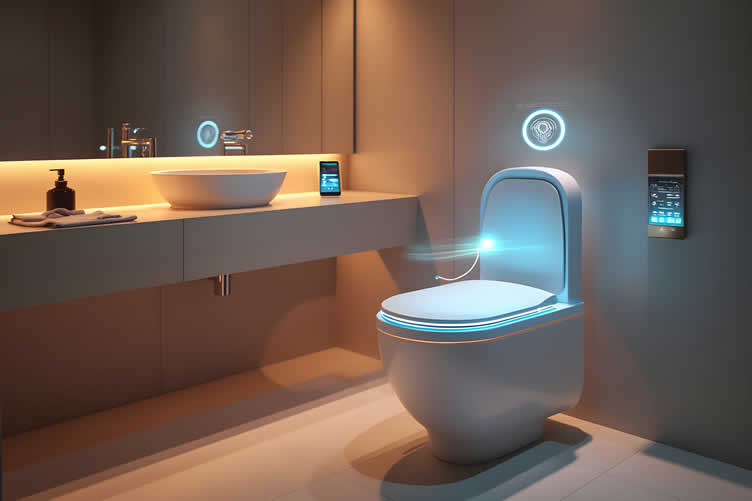
Touchless operation is one of the standout features, offering users the convenience of opening, closing, and flushing the toilet using built-in sensors or voice commands. This advanced technology not only adds a futuristic touch to your bathroom but also promotes better hygiene by significantly reducing contact with surfaces.
By minimizing physical interaction, it helps lower the risk of spreading germs and bacteria, making it especially beneficial for households with multiple users or in public restrooms where cleanliness is a top priority.
-
Personalized Controls
Many models now offer personalized controls, allowing users to program specific preferences such as seat temperature, water jet pressure, and ambient lighting, all designed to enhance comfort and usability.
These features ensure a tailored experience for every individual, making daily routines more convenient and enjoyable. With intuitive interfaces, users can easily adjust settings to create the perfect environment that suits their needs and preferences.
-
Heated Seats /Dryers
Other notable features include heated seats, designed to provide soothing warmth for added comfort and luxury, especially during colder months.
Additionally, the integrated air dryers offer a hygienic and eco-friendly alternative to toilet paper, reducing waste and promoting a more sustainable lifestyle while ensuring a thorough and gentle drying experience.
These features deliver a personalized experience while advancing hygiene standards.
-
AI generated image by 123rf.com

-
-
2: Advanced Hygiene and Cleaning Features
Cleanliness and sanitation are top priorities for smart toilets, and the technology reflects a focus on health and well-being.
-
Integrated Bidets
Integrated bidets are a prominent feature, offering precise water cleaning options that are not only more effective and hygienic than traditional toilet paper but also gentler on the skin.
These bidets often come with adjustable settings for water pressure, temperature, and nozzle position, ensuring a customized and comfortable cleaning experience for every user.
-
Self-Cleaning
Self-cleaning toilet bowls, designed with advanced features like UV light sanitizers or electrolyzed water systems, offer a modern solution to maintaining hygiene and cleanliness in your bathroom.
These technologies work by eliminating bacteria, germs, and odors, greatly reducing the need for manual scrubbing. With every flush, they ensure a consistently fresh and sanitized bowl, saving time and effort while promoting a healthier environment for your household.
-
Deodorizing
Modern smart toilets also incorporate deodorizers that eliminate odors by using air filtration systems, creating a consistently pleasant environment.
Pre-mist technology further enhances cleanliness by spraying a fine coat of water onto the toilet bowl before and after use, preventing waste particles from adhering to surfaces and simplifying maintenance.
-
AI generated image by 123rf.com
-
-
3: Design and Accessibility
The design of smart toilets caters to both aesthetic appeal and practical accessibility, combining sleek, modern looks with user-friendly features.
-
Ergonomic Design
Comfort-height toilets are becoming increasingly popular due to their ergonomic design, which offers a more comfortable and accessible experience for individuals of all ages and mobility levels.
These toilets are typically 17 to 19 inches tall, making them easier to use for seniors, people with disabilities, or anyone who struggles with the lower seating height of standard toilets. This design not only enhances comfort but also promotes better posture, making it a practical choice for households and public restrooms alike.
-
Space Saving
Space-saving features, like wall-mounted toilets, floating vanities, and streamlined designs, are perfect for optimizing bathroom layouts in compact spaces.
These elements not only free up valuable floor space but also create an open, airy feel that makes small bathrooms appear larger. At the same time, they maintain a sleek and modern appearance, combining functionality with style to suit contemporary living.
-
Illuminated LED Displays
Many smart toilet models are also equipped with illuminated LED displays and remote controls, offering intuitive and visible operation in all lighting conditions. The LED displays ensure that users can easily access and adjust settings, even in dimly lit bathrooms or during nighttime use.
Remote controls add another layer of convenience, allowing users to personalize features like water temperature, spray settings, and even seat heating, all from the comfort of their seat.
These thoughtful touches make smart toilets a seamless blend of design innovation and user accessibility, accommodating various preferences and needs.
-
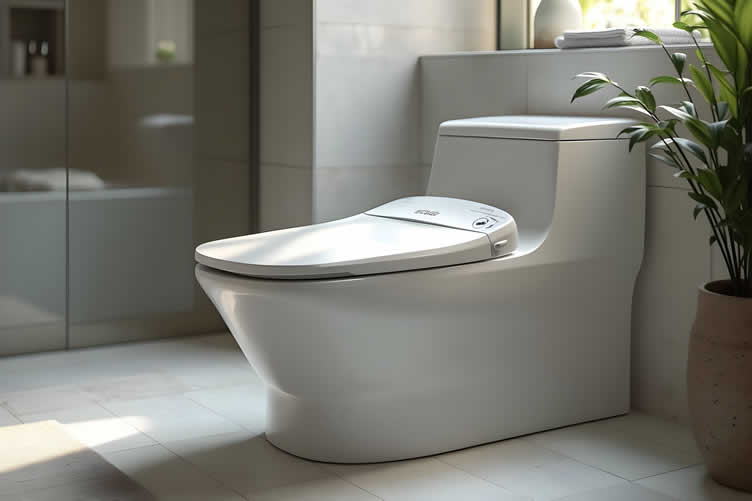
AI generated image by 123rf.com
-
-
4: For-Your-Health Innovations
Several emerging technologies are further pushing the boundaries of bathroom automation, transforming everyday routines into seamless, tech-driven experiences.
-
Health Monitoring Systems
Some smart toilets now come integrated with advanced health-monitoring systems designed to analyze waste and provide users with valuable health insights. These systems can track hydration levels, assess nutrient absorption, and even detect signs of potential medical conditions, such as infections or early indicators of chronic illnesses.
By offering real-time data and personalized feedback, these high-tech toilets have the potential to revolutionize preventive healthcare, allowing users to stay informed about their well-being from the comfort of their homes.
-
Maintenance Checks
Others pair with mobile apps to deliver maintenance notifications, such as reminders to replace filters or schedule servicing, or allow remote control of settings like adjusting temperature, fan speed, or operating modes.
-
Energy Efficient
Some high-end models offer energy-efficient options, such as eco-flush settings that significantly reduce water consumption. These features are designed to minimize environmental impact by using less water per flush, making them an excellent choice for those looking to save on utility bills and support sustainability.
Despite these savings, performance remains reliable, ensuring that users don’t have to compromise on effectiveness while making an eco-friendly choice.
-
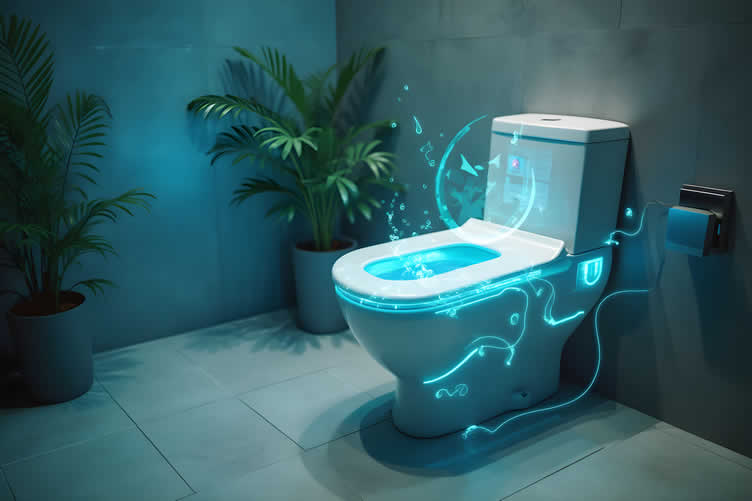
AI generated image by 123rf.com
-
Feature Description User Benefit Touchless Operation Sensors or voice commands to open, close, and flush Improves hygiene and reduces germ spread Personalized Controls Customizable water pressure, seat temperature, and lighting Enhances user comfort and convenience Heated Seats and Air Dryers Provides warmth and replaces toilet paper Luxurious experience and eco-friendly alternative Integrated Bidets Precision water cleaning options Improved personal hygiene Self-Cleaning Bowls and Deodorizers UV sanitizers, electrolysis systems, and air filtration Ensures lasting cleanliness and a fresh environment Comfort-Height and Ergonomic Design Taller toilets and user-friendly setups Accessible for all age groups and mobility levels Modern, Space-Saving Designs Streamlined and compact models Fits well in all bathroom sizes LED Displays and Remote Controls Intuitive operation in various lighting conditions Enhanced usability and accessibility Health Monitoring Systems Waste analysis with health insights Promotes overall health and wellness Eco-Friendly Features Eco-flush and water-saving systems Supports sustainability and conserves resources 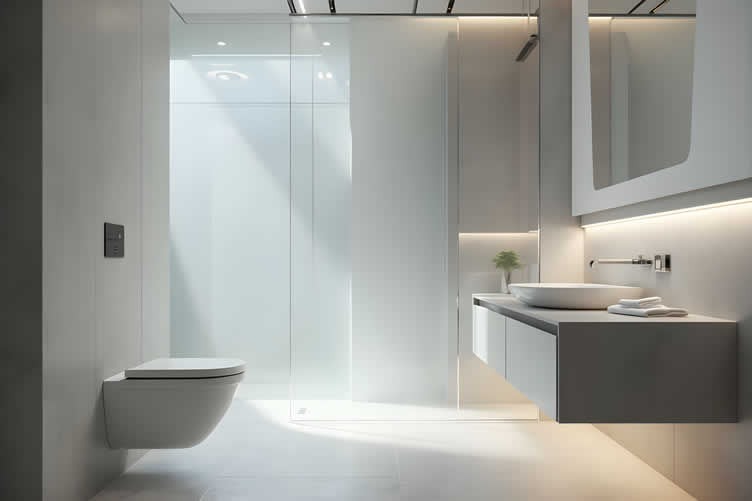
AI generated image by 123rf.com
[ youtube: need to know Smart Toilets ]
[ youtube: Smart Toilets | what’s new ]
[ amazon: smart toilets ]
-
Scroll up to directory … or scroll to next section of the using water-saving smart toilets …
-
-
5th Note: Water-Efficiency and Money Savings
… A Leap Towards Financial Sustainability
Water is one of Earth’s most precious resources, yet it is often taken for granted in modern conveniences such as plumbing and sanitary systems.
By leveraging modern technologies, HETs drastically reduce water usage without compromising performance, making them an eco-friendly and cost-effective alternative for households and businesses alike.
-
Water Conservation with HETs
One of the most compelling benefits of high-efficiency toilets is their remarkable capacity for water savings. Traditional toilets use around 3.5 to 7 gallons of water per flush, while HETs are engineered to use significantly less — typically 1.28 gallons or less per flush.
This reduced water usage results in substantial savings; for example, a family of four can save up to 13,000 gallons of water annually by switching from a standard toilet to an HET.
Over time, this conservation effort contributes to preserving water supplies and alleviating stress on local resources, especially in areas suffering from water scarcity or drought conditions.
-
Financial Savings from HETs
While the environmental benefits are undeniable, high-efficiency toilets also provide direct financial advantages. Reduced water usage translates to lower utility bills for homeowners and businesses.
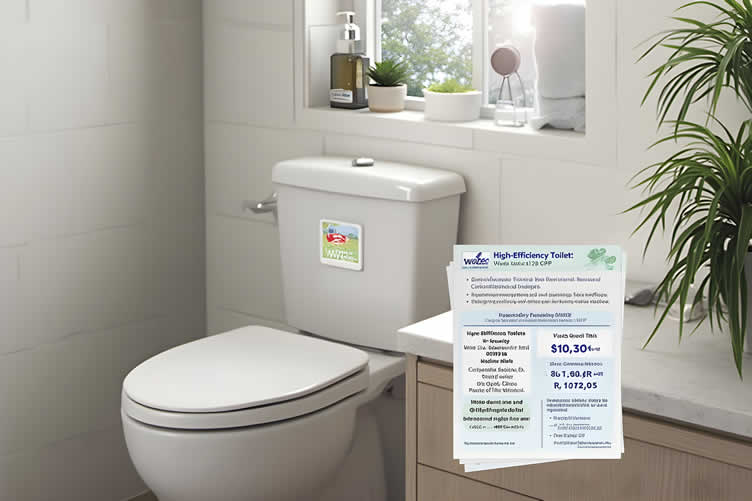
On average, households that switch to HETs can save approximately $110 to $150 annually on water costs. Commercial properties that integrate HETs across their facilities may realize even greater savings, depending on the scale of usage.
This dual benefit of reduced water consumption and cost makes HETs an attractive investment for anyone looking to cut their expenses while contributing to sustainability.
-
Government Incentives and Rebates
To promote water conservation, many government programs and local utilities offer incentives for installing high-efficiency toilets. Rebates, which can range between $50 to $150 per toilet in some areas, help offset the upfront costs of purchasing and installing HETs.
Additionally, certifications such as the EPA’s WaterSense label make it easier for consumers to identify toilets that meet rigorous conservation and performance standards. Leveraging these financial incentives not only reduces the initial investment but also furthers the adoption of water-saving practices on a larger scale.
Aspect Impact Annual Water Savings Up to 13,000 gallons per family of four Annual Cost Savings Approximately $110–$150 Available Government Rebates $50–$150 per toilet in various regions Environmental Impact Reduces strain on local water supplies and supports long-term sustainability 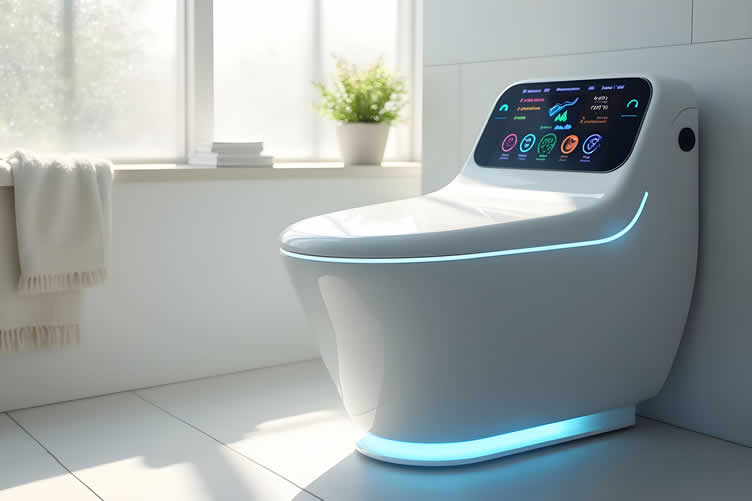
AI generated image by 123rf.com
-
Scroll up to directory … or scroll to next section of the using water-saving smart toilets …
-
-
6th Note: DIY or Professional Installation
Adding a smart toilet with water-saving technology to your bathroom can elevate its functionality and eco-friendliness. Smart toilets are designed with advanced features like precision water use, self-cleaning functions, and even automated flushing to enhance convenience while also conserving resources.
Whether you choose to handle the installation yourself or hire a professional plumber, understanding the process and requirements is essential.
Below, we’ll explore both approaches, ensuring you make an informed decision that fits your skill level and needs.
-
DIY Installation of a Smart Toilet
For those with a knack for home improvement, installing a smart toilet yourself can be a rewarding project. However, it’s crucial to assess your comfort and knowledge of plumbing systems beforehand.
You will need to understand your bathroom’s existing plumbing infrastructure, including the water supply line, drainage system, and electrical outlets needed to power the smart toilet’s features.
The installation process typically requires tools such as an adjustable wrench, screwdriver, plumber’s tape, and specific adapters depending on your smart toilet model. Consult the manufacturer’s installation manual, as it offers step-by-step guidance tailored to the product.
Working with water and electricity simultaneously introduces potential hazards; therefore, safety precautions are non-negotiable. If your bathroom’s electrical system requires upgrades, you should consider hiring a licensed electrician to make the modifications.
DIY installation may save on labor costs, but it demands a significant time investment and meticulous attention to detail. It’s also wise to verify that the product warranty remains valid after a self-installation, as some manufacturers stipulate that certified professionals must complete the setup.
-
Hiring a Professional Plumber
If plumbing isn’t your forte or you want a hassle-free experience, hiring a professional plumber is often the best route to ensure a flawless integration of your smart toilet.
Professionals have the expertise to address complex requirements, such as configuring bidet functions, wiring features like heated seats, and optimizing water-saving technology.
Begin by sourcing reputable plumbers in your area through trusted online platforms with verified reviews or referrals from friends and family.
Ensure that the plumber you select has experience installing smart toilets specifically, as these devices often demand specialized knowledge that goes beyond traditional fixtures. Licenses, certifications, and liability insurance are key indicators of a trustworthy professional.
An experienced plumber will also help you ensure that your installation aligns with local building codes and regulations, which is especially important if structural changes are necessary.
While the cost of professional installation varies, it provides peace of mind that your smart toilet is optimally installed and fully operational, mitigating the risk of potential leaks or malfunctions.
LetsRenovate has partnered with HomeAdvisor™, a renowned provider of highly-rated, carefully-vetted local plumbing services. Start your search here by entering your zip code to find local professionals.
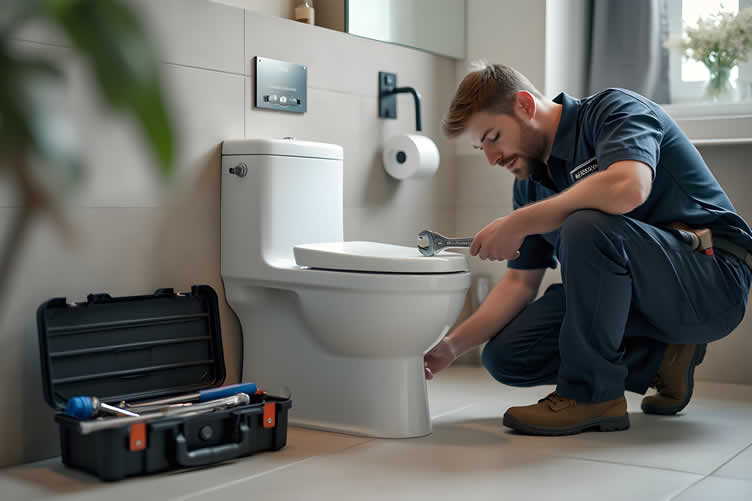
copyright image by 123rf.com
But Wait!
Before beginning your search for plumbing contractors, we strongly recommend downloading and utilizing this evaluation worksheet.
This valuable tool enables you to objectively assess and rank potential contractors, taking into account key factors like pricing, licensing, and references.

Evaluation Sheet
File Type:
-
Scroll up to directory … or scroll to conclusion …
-
-
Building the Bathroom of Tomorrow
Toilets have transformed from purely functional fixtures to innovative components of modern living.
Whether you’re drawn to the sustainability of HETs, the advanced features of smart toilets, or the water-saving assurance of WaterSense-labeled models, upgrading your toilet is a forward-thinking step toward improving both your home and the environment.
Explore the future of bathroom technology, invest in lasting sustainability, and discover the many benefits of advanced toilets in your home.
-
Quick scroll to more interior bed n’ bath ideas …
-
ideas to view and compare from the photo above
- What comments can you share about
your experience with water-saving smart toilets?

addressing water-saving smart toilets and other home improvement needs …

… grab this directory of ideas for future use





Budgeting Worksheet For Costing Home Remodeling and Home Improvement Decisions
 File Type (excel)


SHARE IT ..! You might have someone in your social network who could find this informative post about water-saving smart toilets valuable. Feel free to share it on Facebook, X (formally Twitter), LinkedIn, or Pinterest!



what might be of interest is reflecting on some …



get the size dimensions for any home remodeling project …

… for functionality, aesthetics, and adhering to building codes
… view illustration “becoming a bank”


Calendar For:
Home Maintenance
File Type:
Find Plumbing Services Plumbing Issues Drain Clearing Septic/Sewers Water Heaters Pumps Water Softening top-rated, pre-screened local contractors FREE: download contractor selection enter zip code – powered by HomeAdvisor ™
Quick Contractor Guides selecting negotiating working with inspecting

AI generated image: smart toilets by 123rf.com
end of post … please share it!
 |
did you find this review of toilet technology helpful? If so, please share the article with your friends and family! |
Nice pic idea? Leave us a quick comment below.
And please share this pic idea within your social networks.