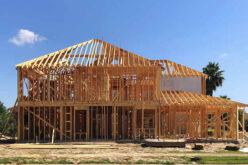
Summary Outline –
Transforming your living space is exciting, but it is also a major financial decision that requires careful planning and a gentle touch.
For most homeowners, the best tools for financing remodeling usually start with home-equity–based products, followed by specialized renovation mortgages, and finally unsecured options like personal loans and credit cards.
Navigating these choices can feel overwhelming, but finding the right fit is simply about understanding your unique situation.
The right choice depends on several personal factors, such as how much equity you have built up, the size of your project, your timeline, and how long you expect to stay in the home.
We are here to walk you through these options, helping you understand how each one works so you can make a decision that brings you peace of mind and a beautiful new space.

-
Quick scroll to first topic about how to finance a remodel … or review summary content

Content Summary
section directory1st Finance Review: [view section]
… one effective way to finance home improvements or remodeling is by using your current home’s equity value to secure funding. This can be done through a home equity line of credit (HELOC), a home equity loan, or refinancing your mortgage. Explore the pros and cons of each option.
2nd Finance Review: [view section]
… the second section reviews specialized renovation mortgages, such as FHA 203(k) loans. These allow you to combine a home purchase with a renovation loan, securing funds based on the home’s predicted value after improvements are finished. This is a wonderful option for those looking to breathe new life into a "fixer-upper" in a specific location or revitalized area.Let’s take a look at the advantages and drawbacks.
3rd Finance Review: [view section]
… in the third section, we explore unsecured financing options, such as personal loans and credit cards. These can be helpful tools for minor upgrades and small-scale improvements, though it is important to note they often come with higher interest rates. Explore the pros and cons of each approach.
4th Finance Review: [view section]
… in the fourth section, we look at alternative financing like contractor loans and cash savings. Contractor financing is often a great fit for single, specific projects like replacing a roof, HVAC system, or windows. While using cash savings is perfect for smaller updates, it is always wise to consider the return on investment (ROI) of your cash versus the value added to your home. Examine the advantages and disadvantages of each option.
5th Finance Review: [view section]
… the fifth and final section reviews a layered approach to financing home improvements. This strategy may involve using a 0% introductory APR credit card for the initial remodeling expenses, which you then pay off with a home equity line of credit or loan. Another example is using a rewards credit card for supplies to earn points, then paying off the balance with cash savings or your home equity line before the grace period ends. Let’s explore how this approach might work for you.
first “how to finance a remodel” idea


copyright image by 123rf.com
Finance Tip 1: Home-Equity-Based Products
Notes:
-
For many homeowners, the most cost-effective way to fund a renovation is to use the value already stored within the walls of the house. Equity is simply the difference between what your home is currently worth and what you still owe on your mortgage.
Utilizing this value is often the preferred route because these loans are secured by your property, which typically allows lenders to offer lower interest rates compared to other types of credit.
There are three primary ways to tap into this resource: a Home Equity Line of Credit (HELOC), a standard Home Equity Loan, and a Cash-Out Refinance. Each serves a slightly different purpose depending on the scope of your renovation and your financial preferences.
-
Quick scroll to supporting notes …
-
-
1st: Home Equity Line Of Credit (HELOC)
A Home Equity Line of Credit, commonly known as a HELOC, functions much like a credit card secured by your home. It is a revolving line of credit that you can draw from as needed during a specific timeframe called the "draw period."
This option is particularly well-suited for projects where the scope might be uncertain or phased over time. If you are renovating a kitchen now and planning to tackle the bathroom next year, a HELOC offers the flexibility to borrow only what you need, when you need it.
One of the defining features of a HELOC is its flexible repayment structure during the draw period. You typically pay interest only on the amount you have actually used, rather than the total credit limit available to you.
This works well when you want a safety buffer for potential budget overruns without the commitment of borrowing a massive lump sum upfront.
However, it is important to remember that HELOCs usually come with variable interest rates, meaning your payments could fluctuate over time if market rates change.
[ view summary table: using home equity line ]
-
Pros of a Home Equity Line of Credit (HELOC)
- Flexibility in Borrowing:
Allows you to borrow only what you need, when you need it, making it ideal for projects with uncertain or phased scopes. - Interest on Used Amount Only:
You only pay interest on the amount you’ve actually drawn, not on the entire credit limit, saving costs when funds are unused. - Lower Initial Payments:
During the draw period, payments are often interest-only, reducing initial financial strain. - Revolving Credit:
Funds become available again as you repay, providing ongoing access to credit within the draw period. - Potential Tax Benefits:
Interest paid may be tax-deductible if the funds are used for home improvements (consult a tax advisor for specifics).
- Flexibility in Borrowing:
-
Cons of a Home Equity Line of Credit (HELOC)
- Variable Interest Rates:
Payments can fluctuate if market rates rise, adding unpredictability to your budget. - Risk to Your Home:
Since the credit is secured by your home, failure to repay could result in foreclosure. - Temptation to Overspend:
The revolving credit nature may lead to over-borrowing beyond your actual needs. - Fees and Costs:
May involve origination fees, appraisal fees, and other ancillary costs that can add up. - Repayment Challenges Post-Draw Period:
Once the draw period ends, repayment terms often require paying both principal and interest, potentially resulting in higher monthly payments.
- Variable Interest Rates:
Feature Description Explanation Flexibility in Borrowing Allows you to borrow only what you need, when you need it. This feature is ideal for projects with uncertain or phased scopes, like multi-step renovations. Interest on Used Amount Only You pay interest only on the amount you’ve drawn. By not paying on the full credit limit, this option saves costs when funds remain unused. Lower Initial Payments Payments during the draw period are often interest-only. Reduces financial strain at the project’s onset, making budgeting more manageable. Revolving Credit Funds become available again as you repay. This provides ongoing access to credit within the draw period for future needs. Potential Tax Benefits Interest paid may be tax-deductible for home improvements. Consult a tax advisor to confirm eligibility and specifics regarding tax benefits. Variable Interest Rates Payments can increase if market rates rise. Fluctuating rates add unpredictability to long-term financial planning. Risk to Your Home The credit is secured by your home. Failure to repay could result in foreclosure, putting your property at risk. Temptation to Overspend The revolving credit nature may encourage over-borrowing This can lead to exceeding actual needs and accruing unnecessary debt. Fees and Costs May involve origination fees, appraisal costs, and others. These additional costs can accumulate and affect affordability. Repayment Challenges Post-Draw Period Repayment terms require paying both principal and interest. This transition can result in significantly higher monthly payments after the draw period ends. 


copyright image by 123rf.com
Turn Your Home Into A Bank
Use the equity in your home to become a bank. Instead of using your checking account to receive and pay out funds, you will use your home equity line of credit for all income deposits and expense pay outs.
view illustration: become a bank (new win)

-
-
2nd: Home Equity Loan
If you prefer stability and predictability, a Home Equity Loan might be the comforting solution you are looking for. Often referred to as a second mortgage, this option provides you with a lump sum of cash upfront with a fixed interest rate and a fixed repayment term.
This structure makes it an excellent choice for large, well-scoped projects where you know exactly how much money you need, such as installing a new roof or building a specific room addition.
The primary benefit here is the peace of mind that comes with knowing exactly what your monthly payment will be for the life of the loan. Because the rate is fixed, you are protected from market fluctuations.
Furthermore, depending on your specific tax situation, the interest paid on a home equity loan may be tax-deductible if the funds are used to substantially improve your home. It is always wise to consult with a tax professional to see if this benefit applies to your project.
[ view summary table: using home equity loan ]
-
Pros of a Home Equity Loan
- Predictable Payments:
A fixed interest rate and fixed monthly payments provide stability and make budgeting easier. - Large Lump Sum:
You receive all the funds upfront, which is ideal for substantial, well-defined projects like major renovations or additions. - Protection from Market Fluctuations:
The fixed interest rate ensures your payments remain consistent regardless of changes in the economy. - Potential Tax Benefits:
Interest on the loan may be tax-deductible if used for qualifying home improvement projects (consult a tax professional for advice). - Improvement of Home Value:
Strategic use of the loan for upgrades can enhance your home’s functionality and overall market value.
- Predictable Payments:
-
Cons of a Home Equity Loan
- Risk to Your Home:
Your home serves as collateral, creating a risk of foreclosure should you be unable to make payments. - Upfront Costs:
Closing costs and fees can add to the overall expense of obtaining the loan. - Rigid Repayment Terms:
Fixed terms may lack flexibility if your financial situation changes unexpectedly. - Debt Obligation:
Taking on a large loan increases your overall debt level, requiring careful financial management. - Limited Accessibility:
Tapping into your home equity relies on having significant equity built up, which some homeowners may not have.
- Risk to Your Home:
Section Details Notes Overview If you prefer stability and predictability, a Home Equity Loan might be the comforting solution you are looking for.
Often referred to as a second mortgage, this option provides a lump sum of cash upfront with a fixed interest rate and a fixed repayment term.
Ideal for large, well-scoped projects such as significant renovations.
Offers peace of mind with predictable payments and protection from market fluctuations. Pros Predictable Payments with fixed interest rates, upfront access to large sums for major projects, protection from market fluctuations, potential tax deductions for qualifying home improvements, and increased home value through strategic upgrades. Consult a tax professional for potential deductions and ensure the projects align with your financial plan. Cons Puts home at risk as collateral in case of non-payment, involves upfront costs like closing fees, rigid repayment terms, increases overall debt level, and requires significant home equity for eligibility. Careful financial planning is necessary to manage repayment obligations and potential risks. 
copyright image by 123rf.com
Budget Exactly What You Need
Since a home equity loan provides a single, one-time payout, careful budgeting becomes a vital part of your planning process.
Taking the time to map out your expenses ensures you have enough funds to see your remodeling project through to completion, giving you peace of mind that every corner of your vision is covered.
view info: budget home remodeling (new win)
-
-
3rd: Cash-Out Refinance
A Cash-Out Refinance takes a slightly different approach by replacing your current mortgage entirely with a new, larger one.
The difference between your old mortgage balance and the new loan amount is given to you in cash, which you can then use to fund your renovations. This option allows you to tap into your equity while potentially adjusting the terms of your primary mortgage.
This strategy can make financial sense if you can secure a lower interest rate on your new mortgage than you currently have, or if you want to stabilize your payments by switching from an adjustable-rate mortgage to a fixed-rate one.
It consolidates your house payment and your renovation costs into a single monthly bill. However, keep in mind that this involves a full refinance process, which includes closing costs and paperwork similar to when you first bought your home.
[ view summary table: using cash-out refinance ]
-
Pros of a Cash-Out Refinance
- Access to Home Equity:
Allows you to leverage the equity you’ve built in your home to fund renovations or other expenses. - Potential Lower Interest Rates:
May provide an opportunity to secure a lower interest rate compared to your current mortgage, depending on market conditions. - Simplified Payments:
Combines your renovation costs and house payment into a single, manageable monthly bill. - Flexible Use of Funds:
Offers cash that can be used not only for renovations but also for other financial goals like debt consolidation or expanding your savings. - Fixed-Rate Stability:
Enables you to transition to a fixed-rate mortgage, providing predictable payments and protection from rising interest rates.
- Access to Home Equity:
-
Cons of a Cash-Out Refinance
- Closing Costs:
Requires going through a full refinance process, which includes substantial closing costs similar to when you initially purchased your home. - Risk of Over-Borrowing:
Taking on a larger mortgage increases your total debt, which could become burdensome if financial circumstances change. - Longer Repayment Term:
Extending your mortgage term could mean paying more interest over the life of the loan. - Impact on Home Equity:
Reduces the available equity in your home, which might limit your financial flexibility in the future. - Market Rate Dependencies:
The advantage of refinancing heavily depends on current interest rates, and you might not see significant savings if rates are higher than your existing loan.
- Closing Costs:
Feature Description Pros Cons Definition A Cash-Out Refinance replaces your current mortgage with a new, larger one. The difference between the old and new loan amount is received in cash for renovations or other expenses. Access to Home Equity Allows you to leverage the equity built in your home to fund renovations or other expenses. Yes Potential Lower Interest Rates May enable securing a lower interest rate compared to your current mortgage based on market conditions. Yes Simplified Payments Combines renovation costs and house payment into one monthly bill. Yes Flexible Use of Funds Offers cash that can be used for various financial purposes beyond renovations, such as debt consolidation or savings expansion. Yes Fixed-Rate Stability Provides an option to switch to a fixed-rate mortgage, offering predictable payments and insulation from interest rate changes. Yes Closing Costs Requires a full refinance process, including significant closing costs similar to those incurred when purchasing a property. Yes Risk of Over-Borrowing Taking on a larger mortgage increases total debt, which adds financial risk if circumstances change. Yes Longer Repayment Term Extending the mortgage term can result in more interest paid over the life of the loan. Yes Impact on Home Equity Reduces available equity in your home, potentially limiting financial flexibility. Yes Market Rate Dependencies Refinancing benefits depend heavily on current market interest rates. Yes 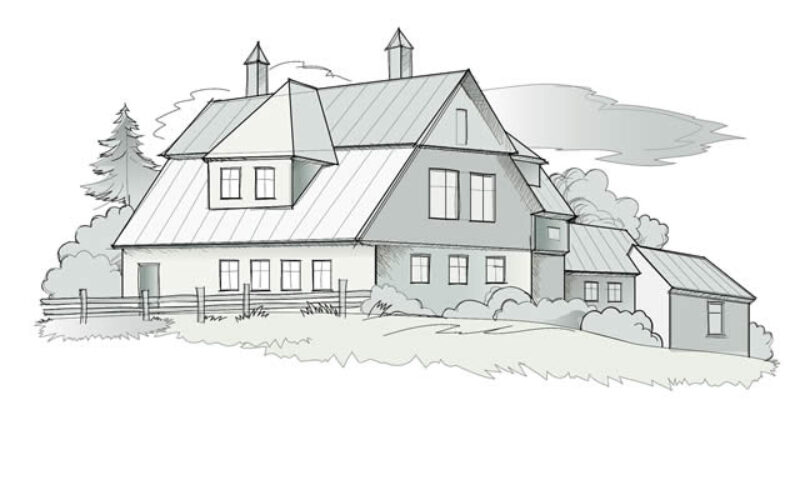
copyright image by 123rf.com
Analyze the Cost of a Refinance
Refinancing your home can offer wonderful advantages, especially if it helps you secure a lower interest rate on your mortgage.
Generally, aiming for a drop of at least 0.75% to 1% makes refinancing a sound investment, though the best choice truly depends on your personal goals and the closing costs involved.
view info: more information about home refinancing (new win)
-
-
-
ideas to view and compare from the information discussed above
Scroll up to directory … or scroll to next section about how to finance a remodel …

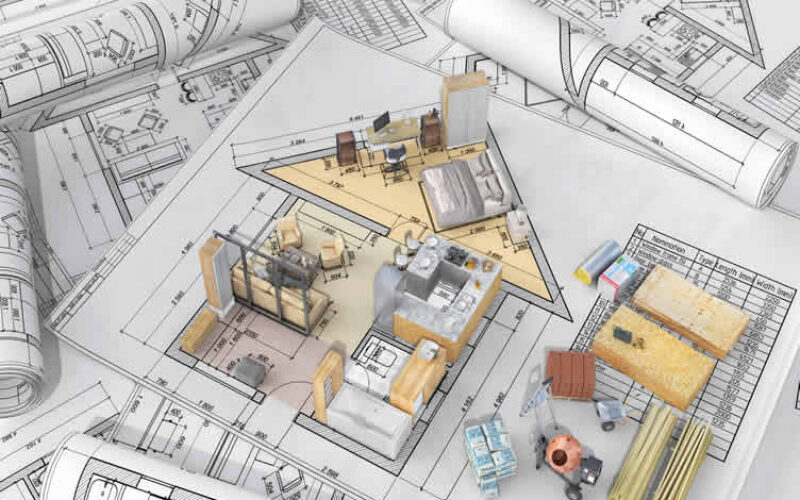
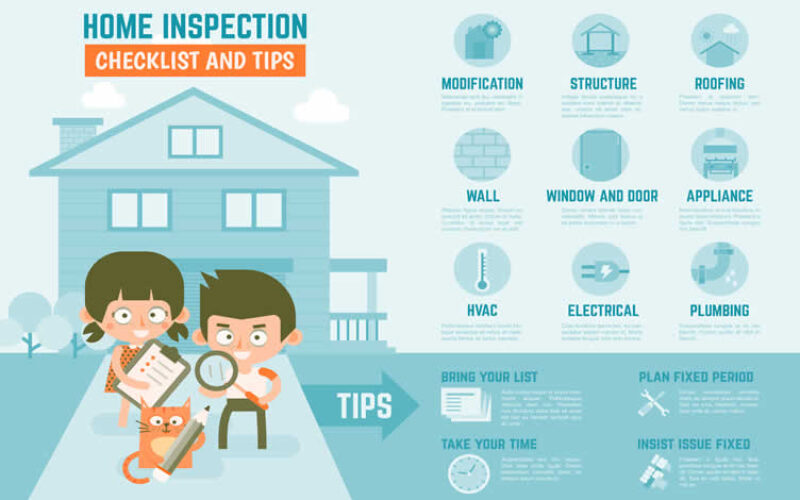

Download this PDF for a concise summary of all you need to know about …?


second “photo remodeling” idea

copyright image by 123rf.com
Finance Tip 2: Specialized Renovation Mortgages
Notes:
-
Sometimes, a homeowner wants to buy a property that needs a lot of love, or they want to turn their current house into their dream home but lack the equity to fund it.
This is where specialized renovation mortgages come into play. These unique financial tools are designed to help you borrow based on the future value of the home after the renovations are complete, rather than its current value.
These loans are powerful because they combine the cost of the home (or the refinance) and the construction costs into one single loan.
They are particularly helpful for "fixer-uppers" or significant rehabilitation projects where a standard equity loan wouldn’t provide enough capital.
-
Quick scroll to supporting notes …
-
-
1st: FHA 203(k) Loan
The FHA 203(k) loan is a government-backed option that is a true lifeline for those looking to revitalize a property. It allows you to wrap the purchase price of a home—or the refinance of your existing home—plus the costs of necessary renovations into a single mortgage.
This is incredibly helpful if you are eyeing a house in a great neighborhood that needs significant work to become livable or comfortable.
These loans are known for having more flexible credit requirements and lower down payment options compared to conventional loans, making them accessible to a wider range of people.
However, because the government insures them, they do come with more stringent rules. You will likely face more paperwork, specific requirements regarding the contractors you can use, and potentially longer timelines to get everything approved.
Despite the extra steps, the FHA 203(k) remains a premier tool for turning a project house into a forever home.
[ view summary table: using FHA 203(k) loans ]
-
Pros of an FHA 203(k) Loan
- Flexible Credit Requirements:
The FHA 203(k) loan is designed to be accessible, offering more lenient credit requirements compared to conventional loans, making homeownership attainable for a wider group of people. - Lower Down Payment Options:
With lower down payment requirements, this loan reduces upfront costs, allowing buyers to begin their projects with less financial burden. - Combines Purchase and Renovation Costs:
The loan consolidates the purchase price of the home and renovation expenses into a single mortgage, simplifying the financial process. - Supports Neighborhood Transformation:
By providing financing for renovations, this loan helps homeowners revitalize properties in desirable areas, boosting overall home and neighborhood value. - Government Backing:
Being government-insured, it offers added security to lenders, benefiting borrowers indirectly with competitive interest rates.
- Flexible Credit Requirements:
-
Cons of an FHA 203(k) Loan
- Extensive Paperwork:
Due to government regulations, borrowers often face time-consuming paperwork requirements, which can complicate the process. - Strict Contractor Rules:
The loan has specific guidelines for contractor selection, limiting flexibility in choosing professionals for renovations. - Longer Approval Timelines:
Loan approval and fund disbursement processes can take longer due to the additional requirements and reviews involved. - Restrictions on Certain Repairs:
Some types of renovations or upgrades may not qualify under the FHA 203(k) program, potentially limiting project scope. - Additional Fees:
Borrowers may encounter extra costs, such as consultant fees or mortgage insurance premiums, adding to the overall expense of the loan.
- Extensive Paperwork:
Loan Type Description Pros Cons FHA 203(k) Loan The FHA 203(k) loan is a government-backed option that combines the purchase price of a home—or the refinance of an existing home—along with renovation costs into a single mortgage.
This loan provides flexible credit requirements and lower down payment options, making it accessible to many.
However, the loan involves specific rules, including contractor requirements and longer approval times.
Flexible credit requirements and lower down payment options make this loan accessible to a wider audience.
It simplifies finances by combining purchase and renovation costs, while supporting neighborhood transformation through property revitalization.
Being government-backed also ensures competitive interest rates.
Borrowers face extensive paperwork, stricter contractor guidelines, and longer approval timelines.
Certain types of repairs may not qualify, and additional fees like consultant charges and mortgage insurance premiums may increase the overall cost.

copyright image by 123rf.com
House Flipping
Flipping a house in a revitalized district presents a unique and rewarding investment opportunity, especially when leveraging an FHA 203(k) loan. This loan allows buyers to finance both the purchase price and necessary renovations, making it an excellent tool for transforming dated properties into modern, desirable homes.
Revitalized areas often experience increased property values, providing the potential for a significant return on investment. With careful planning and the right improvements, you can breathe new life into a property while contributing to the growth and vibrancy of the community.
view info: the best 10 home improvement ideas (new win)
-
-
2nd: Other Government And Specialty Renovation Loans
Beyond the FHA, there are other programs aimed at supporting significant home improvements, such as VA renovation loans for eligible veterans and service members.
Similarly, conventional specialty renovation loans exist for those with strong credit who want to avoid some of the FHA restrictions. These loans aim to support significant improvements by offering competitive rates and flexible qualification standards.
These options are best suited for substantial projects where you are comfortable with the traditional mortgage underwriting process. Since they often bundle the home purchase and renovation costs, you deal with one loan closing and one monthly payment.
This streamlined approach simplifies the financial side of a major remodel, allowing you to focus your energy on the design and construction aspects of your project.
[ view summary table: using specialty loans ]
-
Pros of Other Government and Specialty Renovation Loans
- Competitive Rates:
These loans often feature interest rates that are comparable to or better than traditional financing options, making them cost-effective for substantial home improvement projects. - Flexible Qualification Standards:
Borrowers may benefit from less rigid qualification requirements compared to other types of financing, especially in government-backed options. - Bundled Costs:
The ability to combine the home purchase and renovation costs into a single loan simplifies the financial process and reduces administrative overhead. - Convenient Single Payment:
With one monthly payment, managing finances becomes easier, allowing homeowners to focus on their renovation projects. - Support for Significant Projects:
These loans are designed specifically for large-scale home improvements, providing adequate funding to achieve major upgrades or repairs.
- Competitive Rates:
-
Cons of Other Government and Specialty Renovation Loans
- Eligibility Requirements:
Some loans, such as VA renovation loans, are restricted to specific groups like veterans and service members, limiting access. - Traditional Underwriting Challenges:
Borrowers must be comfortable navigating the detailed underwriting process, which can sometimes be time-consuming and complex. - FHA Alternative Restrictions:
While conventional specialty renovation loans avoid FHA stipulations, they may impose their own limitations based on credit and financial history. - Project Scope Limitations:
These loans may not cater to smaller or less costly renovations, making them less suitable for modest improvement projects. - Potential for Higher Costs:
Depending on the loan structure and terms, additional fees or requirements could increase the overall expense of the borrowing process.
- Eligibility Requirements:
Loan Type Pros Cons VA Renovation Loans Competitive rates, flexible qualification standards, bundled costs for home purchase and renovation, convenient single monthly payment, support for significant projects. Eligibility restricted to veterans and service members, challenges with traditional underwriting process, potential for higher costs depending on terms. Conventional Specialty Renovation Loans Avoids FHA restrictions, competitive rates, bundled costs, simplified financial processes, supports larger improvement projects. Eligibility depends on strong credit, traditional underwriting can be complex, may impose unique restrictions, less suitable for small renovations. 
copyright image by 123rf.com
Modular Homes
Instead of taking on the complexity of a major renovation with a VA or conventional specialty renovation loan, consider using your Veteran affiliation to purchase a modular home.
Modular homes offer a cost-effective and customizable solution that can be tailored to meet your family’s unique needs while saving time and reducing stress.
With modern designs and energy-efficient options, modular homes deliver the comfort, style, and functionality you’re looking for—all without the challenges of managing a large-scale renovation project.
view info: sustainable modular homes: complete guide (new win)
-
-
-
ideas to view and compare from the information discussed above
Scroll up to directory … or scroll to next section about another financing option …



Tackling home upgrades and fulfilling all your home improvement needs …

… save this curated directory of ideas for future reference.
May We Suggest Other Photo Remodeling Financing Ideas
“For Home Utility Investments …” (new win)


third “photo remodeling” idea

copyright image by 123rf.com
Finance Tip 3: Unsecured Options
Notes:
-
Not every renovation requires tapping into your home’s equity or refinancing your mortgage. For small to medium-sized projects, or for homeowners who haven’t built up enough equity yet, unsecured financing options can be a quick and effective solution.
"Unsecured" simply means the loan is not tied to your house as collateral, which can feel less risky for some homeowners who are protective of their property title.
While these options are generally faster to obtain, they often come with higher interest rates compared to secured loans because the lender is taking on more risk.
It is a trade-off between speed, convenience, and the cost of borrowing.
-
Quick scroll to supporting notes …
-
-
1st: Home Improvement Personal Loan
A personal loan used for home improvement is a straightforward, fixed-rate installment loan. You receive the money in a lump sum and pay it back over a set period with consistent monthly payments.
The beauty of this option lies in its speed and simplicity. You can often get approved and funded within a matter of days, and there is no need for an appraisal or a lien on your home.
This type of financing is particularly useful for mid-size projects, such as a minor kitchen refresh or updating flooring, especially when you lack significant equity. While the interest rates are generally higher than home equity loans, they are typically lower than high-interest credit cards.
If you have good credit, a personal loan can bridge the gap effectively, allowing you to start your project without the long lead time of a mortgage refinance.
[ view summary table: using personal loans ]
-
Pros of a Home Improvement Personal Loan
- Fast Approval and Funding:
Personal loans for home improvement are typically approved and funded within a few days, allowing you to start your project without delays. - No Appraisal or Lien Required:
Unlike some other financing options, personal loans do not require an appraisal or a lien on your home, making the process simpler and faster. - Fixed Monthly Payments:
The consistent monthly payments make budgeting easier, as you know exactly how much you owe each month over the loan term. - Useful for Mid-Size Projects:
Ideal for projects like a minor kitchen upgrade or flooring updates when you don’t have significant home equity. - Lower Interest than Credit Cards:
Personal loans generally have lower interest rates than high-interest credit cards, particularly if you have good credit.
- Fast Approval and Funding:
-
Cons of a Home Improvement Personal Loan
- Higher Interest Rates than Home Equity Loans:
While lower than credit cards, personal loans tend to have higher interest rates than home equity loans or lines of credit. - May Require Good Credit:
Those with poor credit might face higher rates or difficulty securing approval. - Loan Limits May Be Restrictive:
Borrowing limits may not be sufficient for larger renovation projects that require higher investment. - No Tax Benefits:
Unlike home equity loans, the interest on a personal loan does not offer tax deductions, reducing potential cost-saving benefits. - Shorter Repayment Periods:
Personal loans often have shorter loan terms than other financing options, which might result in higher monthly payments.
- Higher Interest Rates than Home Equity Loans:
Feature Details Pros Cons Overview A home improvement personal loan is a fixed-rate installment loan where the borrowed sum is repaid over time with consistent monthly payments.
This option is fast and simple, with approval and funding often within days, and it doesn’t require an appraisal or lien on the home.
Fast approval and funding, no appraisal or lien requirement, fixed monthly payments for easier budgeting, suitable for mid-size projects, and typically lower interest than credit cards. Higher interest rates than home equity loans, may require good credit, restrictive loan limits, no tax benefits, and shorter repayment periods. Approval and Funding Personal loans can be approved and funded within a few days, providing quick access to funds for home improvement projects. Quick process allows project initiation without delays. Higher interest rates compared to some other financing options for homeowners with less favorable credit. Requirements No appraisal or lien is required, simplifying the process. Streamlined and faster compared to other financing options. Limited to borrowers with good credit for optimal rates. Ideal Projects Best suited for mid-size projects like minor kitchen upgrades or flooring updates, especially when there is limited home equity. Provides financing for projects that may otherwise be unaffordable. Loan limits may not support larger renovations requiring higher budgets. Cost and Tax Implications The interest rates are lower than high-interest credit cards, yet higher than home equity loans.
Interest on personal loans doesn’t offer tax deductions.
A feasible financing alternative to avoid credit card debt. Lacks the tax benefits provided by some other home financing options. Repayment Terms Personal loans often have shorter repayment periods leading to predictable and consistent monthly payments. Fixed payments simplify budgeting. Shorter terms may result in higher monthly obligations. 
copyright image by 123rf.com
You Can’t Afford Mistakes
When using a secured personal loan to finance your remodeling project, precision and planning are non-negotiable. Mistakes can lead to unexpected costs, which not only strain your budget but also endanger the asset used as collateral for the loan.
It’s vital to carefully research, plan, and execute your project while working with trusted professionals to ensure every dollar is invested wisely, preserving both your financial security and your home’s value.
view info: top remodeling mistakes to avoid (new win)
-
-
2nd: Credit Cards
For smaller projects, materials, or finishing touches, credit cards can be an accessible and fast financing tool. They are best utilized when you have a solid plan to pay off the balance quickly.
The ideal scenario involves using a credit card with a 0% introductory APR offer. This allows you to borrow money interest-free for a promotional period, which can range from 12 to 18 months.
This method works best for modest, short-term balances where you are confident you can clear the debt before the standard, higher interest rates kick in. However, caution is necessary.
If the balance remains after the promotional period ends, the high interest can quickly make your renovation much more expensive than anticipated.
It requires discipline and a strict budget to ensure this convenient tool doesn’t become a financial burden.
[ view summary table: using credit cards ]
-
Pros of Credit Cards
- Quick Access:
Credit cards provide an immediate source of funds, making them ideal for urgent or last-minute purchases. - Introductory Offers:
Many credit cards offer 0% APR promotional periods, allowing interest-free borrowing for 12 to 18 months. - Flexible Usage:
Perfect for smaller projects, materials, or finishing touches, credit cards can help cover specific renovation needs without over-committing funds. - Rewards Programs:
Some credit cards provide cashback or reward points, which can be an added benefit when making purchases for your project. - No Collateral Needed:
Unlike other financing options, credit cards don’t require you to use your property as collateral.
- Quick Access:
-
Cons of Credit Cards
- High Interest Rates:
Once the introductory period ends, credit cards typically carry significantly higher interest rates, which can quickly increase the total cost of your project. - Risk of Overspending:
The ease of using credit cards can lead to exceeding your intended budget without proper discipline. - Short Repayment Timeline:
Depending on the promotional period, the pressure to repay within 12 to 18 months may be overwhelming for some budgets. - Potential for Debt Accumulation:
Without careful planning, carrying over balances can lead to long-term financial strain or debt. - Limited Funding Amount:
Credit cards may have lower spending limits compared to other financing options, potentially restricting larger renovation projects.
- High Interest Rates:
Financing Method Description Pros Cons Credit Cards Credit cards can be a fast and accessible financing tool for smaller projects, materials, or finishing touches.
They work best when accompanied by a solid plan to pay off the balance, particularly during a 0% introductory APR offer, which allows interest-free borrowing for 12 to 18 months.
This is ideal for short-term, modest balances that you are confident can be cleared before the standard interest rates apply.
Quick Access to Funds,
Introductory 0% APR Offers for Interest-Free Borrowing,
Flexible Usage for Specific Renovation Needs,
Rewards Programs like Cashback or Points,
No Collateral Needed.High Interest Rates after the Introductory Period,
Risk of Overspending without Discipline,
Short Repayment Timeline,
Potential for Long-term Debt Accumulation,
Limited Spending Amount for Larger Projects.
copyright image by 123rf.com
Cards Are Great for Home Emergencies
Credit cards can be a lifesaver when unexpected home emergencies arise, such as a burst pipe or storm damage. They offer immediate access to funds, allowing you to address urgent repairs without delay and prevent further damage.
Many credit cards even offer benefits like cash-back rewards or 0% introductory APR periods, helping you manage the costs more effectively while restoring your home to its optimal condition.
view info: navigating home emergencies (new win)
-
-
-
ideas to view and compare from the information discussed above
Scroll up to directory … or scroll to next section about alternative financing options …
SHARE IT ..! Someone in your network might benefit from this insightful post about how to finance a remodel. Feel free to share it on Facebook, X (formally Twitter), LinkedIn, or Pinterest!


fourth “photo remodeling” idea

copyright image by 123rf.com
Finance Tip 4: Alternative Financing Options
Notes:
-
If traditional loans or credit lines do not feel like the right fit for your situation, there are alternative paths to consider. The world of home improvement financing is diverse, and sometimes the best solution comes from the service providers themselves or from your own disciplined saving habits.
These options can offer unique benefits, such as convenience at the point of sale or the total avoidance of debt. Exploring these alternatives ensures you have looked at every angle before making a commitment.
-
Quick scroll to supporting notes …
-
-
1st: Contractor Financing
Many larger remodeling companies and contractors offer their own financing options, either in-house or through third-party lending partners. This can be incredibly convenient because you can arrange the financing at the same time you are discussing the project details.
Sometimes, contractors will offer promotional terms, such as "same as cash" deals where you pay no interest if the balance is paid in full within a certain timeframe.
While this sounds appealing, it is vital to read the fine print. You need to carefully compare the Annual Percentage Rate (APR), fees, and repayment terms against other options like personal loans or HELOCs.
Sometimes the convenience comes at a higher cost, or the deferred interest penalties can be severe if you miss a payment. Always evaluate these offers with a clear head to ensure they truly benefit your budget.
[ view summary table: using contractor financing ]
-
Pros of Contractor Financing
- Convenience:
Financing can be arranged directly with the contractor while discussing the project details, saving time and effort. - Promotional Terms:
Many contractors offer promotional deals such as "same as cash" periods, where no interest is charged if the balance is paid within a specific timeframe. - Streamlined Process:
Since financing is tied to the project, there’s less back-and-forth compared to external lenders. - Accessibility:
These financing options are often more readily available to a wider range of customers, even those with less-than-perfect credit. - Project-Specific Customization:
Financing terms may align closely with the project scope and timeline, adding flexibility for homeowners.
- Convenience:
-
Cons of Contractor Financing
- Higher Costs:
Interest rates or fees can sometimes be higher compared to traditional loans or home equity products. - Deferred Interest Risks:
Missing a payment or not paying off the balance during the promotional period could result in significant deferred interest penalties. - Limited Comparison:
Homeowners may miss out on better financing deals by solely relying on contractor-provided options. - Potential Pressure:
The convenience of arranging finance with contractors may lead to quicker decisions that aren’t fully vetted. - Lack of Universal Availability:
Not all contractors offer financing, and terms can vary widely depending on the company or third-party lender involved.
- Higher Costs:
Financing Option Pros Cons Contractor Financing Convenience:
Financing can be arranged directly with the contractor while discussing the project details, saving time and effort.Promotional Terms:
Many contractors offer promotional deals such as “same as cash” periods, where no interest is charged if the balance is paid within a specific timeframe.Streamlined Process:
Since financing is tied to the project, there’s less back-and-forth compared to external lenders.Accessibility:
These financing options are often more readily available to a wider range of customers, even those with less-than-perfect credit.Project-Specific Customization:
Financing terms may align closely with the project scope and timeline, adding flexibility for homeowners.Higher Costs:
Interest rates or fees can sometimes be higher compared to traditional loans or home equity products.Deferred Interest Risks:
Missing a payment or not paying off the balance during the promotional period could result in significant deferred interest penalties.Limited Comparison:
Homeowners may miss out on better financing deals by solely relying on contractor-provided options.Potential Pressure:
The convenience of arranging finance with contractors may lead to quicker decisions that aren’t fully vetted.Lack of Universal Availability:
Not all contractors offer financing, and terms can vary widely depending on the company or third-party lender involved.
copyright image by 123rf.com
How About Those Windows?
Taking a closer look at your home windows can reveal whether it’s time for an upgrade. Older windows may show signs of wear, such as drafts, condensation between panes, or difficulty opening and closing.
Replacing them with high-quality, energy-efficient windows can dramatically improve your home’s comfort and lower energy costs.
Many window contractors even offer financing options, making it easier to invest in smart window technology that boosts your home’s value and performance over time.
view info: investing in high-quality windows (new win)
-
-
2nd: Cash Savings
The most straightforward and financially safe method to fund a renovation is using cash savings. Paying with cash means you pay zero interest, deal with no lender fees, and have zero monthly payments hanging over your head once the project is done.
It offers full flexibility to start and stop the project as your budget allows.
Cash is ideal for minor to moderate projects where the cost is manageable. However, draining your savings account can have downsides.
It might reduce your emergency fund or delay your timeline while you save up the necessary funds. For this reason, many homeowners find a middle ground by mixing cash with a small credit line to keep their financial reserves healthy while still minimizing debt.
[ view summary table: using cash savings ]
-
Pros of Cash Savings
- No Interest Payments:
Since you’re not borrowing money, there are no interest charges to worry about, saving you significant costs over time. - No Lender Fees:
Avoid additional fees like origination charges or service fees, which are often associated with loans or credit lines. - Debt-Free Peace of Mind:
With no monthly payments to manage, you can enjoy your completed project without a lingering financial obligation. - Full Budget Control:
Paying in cash gives you the freedom to adjust the project timeline and scope based on your financial situation. - Simplified Process:
Using cash eliminates the paperwork, approval process, and complexities typically involved in financing options.
- No Interest Payments:
-
Cons of Cash Savings
- Strains Emergency Funds:
Using your savings may reduce your financial cushion for unexpected expenses or emergencies. - Potential Delays:
If you haven’t saved up enough, you may need to pause or scale down your renovation plans while rebuilding your savings. - Limits Project Scope:
Cash-only funding may restrict the size or ambition of your project, especially for larger renovations. - Opportunity Cost:
Money spent upfront on the renovation could potentially be earning returns elsewhere if invested. - Financial Stress:
Depleting your savings can create worry about future financial flexibility, particularly during economic uncertainty.
- Strains Emergency Funds:
Funding Method Benefits Drawbacks Cash Savings No Interest Payments:
Avoids interest charges, saving significant costs over time.No Lender Fees:
No additional charges like origination or service fees.Debt-Free Peace of Mind:
No monthly payments to manage post-project.Full Budget Control:
Freedom to adjust the project timeline and scope.Simplified Process:
Eliminates paperwork and approval processes.Strains Emergency Funds:
Reduces financial cushion for unexpected expenses.Potential Delays:
May require pausing or scaling down plans while saving.Limits Project Scope:
Restricts size or ambition for larger projects.Opportunity Cost:
Money spent upfront could have been invested elsewhere.Financial Stress:
Depleting savings may cause concerns about future flexibility.
copyright image by 123rf.com
use for small purchases: (new win)
Elevate Your Living Space: A Complete Guide to Home Décor ElementsInterior Mirrors are Great Cash Purchase
Interior mirrors are a versatile and stylish addition to any home, making them an excellent choice for a cash purchase. With a wide array of designs, sizes, and finishes, mirrors can seamlessly complement your decor while serving a functional purpose.
Strategically placed, they reflect natural light, brightening up your space and creating the illusion of a larger, more open area.
Whether you prefer sleek modern styles or ornate vintage frames, mirrors enhance both the aesthetic and ambiance of your home.
view info: mirror, mirror on the wall (new win)
-
-
-
ideas to view and compare from the information discussed above
Scroll up to directory … or scroll to next section about using layered approaches …



Outline the specific requirements needed for making …
… key home improvement and remodeling decisions
Find Home Remodeling Services Additions Major Remodels Minor Remodels Disability Needs Plumbing Drain Clearing Appliances Electrical top-rated, pre-screened local contractors FREE: download contractor selection enter zip code – powered by HomeAdvisor ™
Quick Contractor Guides selecting negotiating working with inspecting

fifth and last “photo remodeling” idea


copyright image by 123rf.com
Finance Tip 5: Combination and Layered Approaches
Notes:
-
Real life rarely fits neatly into one specific category, and neither does renovation financing. Sophisticated homeowners often find that a "layered" or combination approach works best to keep costs down while maintaining flexibility.
This strategy involves using different financial tools for different stages or aspects of the project.
By strategically mixing financing methods, you can optimize your interest payments and cash flow. It is about playing to the strengths of each financial product to build a funding plan that supports your renovation goals without overextending your resources.
-
Quick scroll to supporting notes …
-
-
1st: Layered Combination Approach
A common and effective pattern is to use cash or a 0% APR credit card for the finishing touches and incidentals, while relying on a HELOC or home equity loan for the core construction costs.
For example, you might use a home equity loan to pay the general contractor for the structural work and cabinetry, ensuring a low, fixed rate for the bulk of the expense. Then, you might use a 0% credit card to purchase appliances, fixtures, and paint, paying those off over the next year without incurring interest.
This approach helps keep your overall interest costs down because you are not financing the smaller items over 15 or 30 years. It also preserves flexibility for the inevitable surprises and upgrades that happen during remodeling.
By keeping your options open and using the right tool for the right job, you can navigate the financial complexity of a renovation with confidence and ease.
[ view summary table: using layered combination approach ]
-
Pros of a Layered Combination Approach
- Lower Overall Interest Costs:
By using a low-interest home equity loan for major expenses and a 0% APR credit card for smaller items, you can minimize the amount of interest paid overall. - Budget Flexibility:
Separating major construction costs from incidental purchases allows for better cash flow management and flexibility to adapt to unforeseen expenses. - Fixed Low Rates for Core Expenses:
A home equity loan provides a predictable, fixed interest rate for significant portions of the project, ensuring stability in repayment. - Interest-Free Periods for Smaller Purchases:
A 0% APR credit card gives you an opportunity to pay off smaller expenses like appliances or fixtures without incurring any interest, provided you pay off the balance on time. - Customizable Financial Strategy:
This approach lets you tailor financing to the scope and needs of your project, maximizing efficiency and cost-effectiveness.
- Lower Overall Interest Costs:
-
Cons of a Layered Combination Approach
- Complexity in Management:
Balancing multiple financing instruments requires diligent tracking of payment schedules and balances. - Risk of Overspending:
A 0% APR credit card, while useful, can encourage overspending if not managed responsibly. - Potential for Missed Interest-Free Timeline:
If the 0% APR card balance is not paid off within the promotional period, high interest rates may apply, increasing costs. - HELOC Rate Fluctuations:
If using a HELOC instead of a fixed home equity loan, interest rates can rise, leading to increased long-term costs. - Equity Risk:
Over-leveraging your home through a HELOC or equity loan can pose a financial risk if property values decrease or unexpected challenges arise.
- Complexity in Management:
Approach Benefits Drawbacks Layered Combination Approach Lower Overall Interest Costs:
Utilizing a low-interest home equity loan for major expenses and a 0% APR credit card for smaller items minimizes overall interest payments.Budget Flexibility:
Enables separation of significant construction costs from smaller incidental purchases, allowing improved cash flow management.Fixed Low Rates for Core Expenses:
A home equity loan provides stability with predictable, fixed interest rates for major portions of the project.Interest-Free Periods for Smaller Purchases:
A 0% APR credit card offers a window to pay off smaller expenses without incurring interest.Customizable Financial Strategy:
Tailors financing to the project scope, enhancing both efficiency and cost-effectiveness.Complexity in Management:
Using multiple financing tools requires careful tracking of payments and balances.Risk of Overspending:
A 0% APR credit card could lead to overspending if not used responsibly.Potential for Missed Interest-Free Timeline:
Failing to pay off the card within the promotional period results in higher interest rates.HELOC Rate Fluctuations:
Variable interest rates in a HELOC can lead to increased costs over time.Equity Risk:
Excessively leveraging home equity can be risky, especially during property value declines or unexpected financial challenges.
copyright image by 123rf.com
Time to Bring Your Home Into the Future!
Transforming your home into an AI-powered automation center has never been more accessible, thanks to flexible financing options like credit cards, cash, and equity financing.
By investing in smart home technology, you can reduce energy costs with efficient systems, enhance security through advanced monitoring tools, and boost overall comfort with seamlessly integrated devices.
Whether it’s smart thermostats, automated lighting, or voice-controlled assistants, these upgrades can elevate your daily living experience while adding long-term value to your home.
view info: advance living space w/ home automation (new win)
-
-
2nd: Finding and Hiring a Professional Contractor
Undertaking a home remodeling project can be both exciting and overwhelming, but hiring the right professional contractor can make all the difference. The key to a successful project lies in thorough research and clear communication.
Start by seeking recommendations from friends, family, or online reviews, focusing on contractors with strong reputations and relevant experience. Check credentials, licenses, and insurance to ensure they meet industry standards and protect your home during the process.
Once you’ve shortlisted potential contractors, interview them to discuss your vision, budget, and timeline. A good contractor should be transparent, provide examples of their previous work, and offer a detailed written estimate.
Make sure the contract outlines every aspect of the project, including tasks, materials, costs, deadlines, and payment schedules. Finally, trust your instincts—ensure you feel comfortable and confident in their ability to bring your vision to life.
-
Financial Options for Your Remodeling Project
When working with a contractor, it’s essential to explore financial options discussed above that align with your goals and budget. Below is a summary of the common ways to fund your remodeling project:
- Cash Savings:
Ideal for avoiding debt and maintaining financial freedom. - Home Equity Loan:
A fixed-rate option for accessing your home’s equity to cover large-scale renovations. - HELOC (Home Equity Line of Credit):
Offers flexibility with a revolving credit line based on home equity. - Personal Loan:
Unsecured loans with predictable monthly payments, suitable for mid-sized projects. - Credit Cards:
Best for low-cost or partial funding, but watch for high-interest rates. - Refinancing:
Refinancing your home mortgage can free up funds for significant remodeling projects. - Contractor Financing:
Contractors in-house or partnered financing options to help homeowners manage remodeling costs. - Government Loans or Grants:
Options such as FHA 203(k) loans or local renovation grants for qualifying homeowners.
By carefully selecting both a qualified contractor and a suitable financial option, you can ensure your remodeling project is managed efficiently, within budget, and with results that transform your living space.
- Cash Savings:
LetsRenovate has partnered with HomeAdvisor™, a renowned provider of highly-rated, carefully-vetted local contractors. Start your search here by choosing the type of contractor you need and entering your zip code to find local professionals.

copyright image by 123rf.com
But Wait!
Before you start looking for an outdoor kitchen contractor, we highly recommend downloading our evaluation worksheet.
This resource will help you objectively assess potential contractors by ranking them on essential factors like pricing, licensing, and referrals.

Evaluation Sheet
File Type: -
-
-
Conclusion:
Your home is more than just an asset; it is the backdrop of your life and the keeper of your memories. Improving it should be a journey of creation, not a source of financial stress.
Understanding the landscape of financing—from the stability of home equity loans to the flexibility of HELOCs and the specific utility of renovation mortgages—empowers you to make the choice that aligns with your life goals.
Whether you choose to tap into your equity, apply for a renovation mortgage, or utilize unsecured options, the key is to match the financing tool to your specific project needs and financial health.
We encourage you to look closely at your budget, consider your long-term plans for the home, and perhaps chat with a financial advisor who can provide personalized guidance. With the right plan in place, you are well on your way to crafting a space that truly feels like home.
Resource Citations
- The Mortgage Reports. (n.d.). Home improvement loans: Which is best for you? Retrieved from themortgagereports.com
- Merchants Bank. (n.d.). Best ways to finance your home renovation. Retrieved from merchantsbank.com
- Great Day Improvements. (n.d.). Home remodeling financing 101. Retrieved from greatdayimprovements.com
- Point. (n.d.). Best ways to finance a home remodel. Retrieved from point.com
- NerdWallet. (n.d.). Best home improvement loans. Retrieved from nerdwallet.com
- Salal Credit Union. (n.d.). Most common home improvement financing options. Retrieved from salalcu.org
- Bankrate. (n.d.). How to pay for home improvements. Retrieved from bankrate.com
- RenoFi. (n.d.). Financing for home improvement. Retrieved from renofi.com
-
ideas to view and compare from the information discussed above
- What comments can you share about
financing tips for home renovation?
Scroll up to directory … or scroll to more home remodeling-related topics …

Budgeting Worksheet For Costing Home Remodeling and Home Improvement Decisions
 File Type (excel)
… remodeling decisions


Calendar For:
Home Maintenance
File Type:
… view our sharing links below for a quick "share the knowledge"
Cover image credit: how to finance a remodel by 123rf.com
end of post … please share it!
 |
did you find how simple renovations about how to finance a remodel analysis helpful? If so, please share the article with your friends and family! |
Nice pic idea? Leave us a quick comment below.
And please share this pic idea within your social networks.