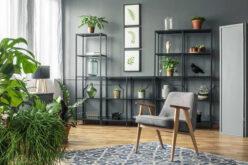
Summary Outline –
By focusing on key elements like furniture arrangement, lighting, and decor, you can create a space that naturally draws people together.
This guide will walk you through the simple yet effective ways to arrange and design your living room to foster meaningful connections.
We’ll explore how to optimize your furniture layout, enhance the ambiance with lighting and decor, and adapt these principles to fit your unique space and style. The goal is to create an environment where conversations flow effortlessly, making everyone feel at home.
- post content
- converse Tip 1: Create a Cozy Conversational Nook
- converse Tip 2: Optimizing Furniture Arrangement for Conversation
- converse Tip 3: Enhancing Ambiance with Lighting and Decor
- converse Tip 4: Gathering Around a Focal Point to Foster Conversation
- converse Tip 5: Home Entertainment Can Foster Connection and Conversation

-
Quick scroll to first topic about design living room for conversation … or review summary content

Content Summary
section directory1st Conversational Review: [view section]
… are you looking to create a conversational space in your living room for family and friends? Start by setting up a cozy nook with sectional sofas (if your space allows) or other comfortable seating. Discover tips for fostering meaningful conversations.
2nd Conversational Review: [view section]
… once your nook or conversational area is established, the next step is selecting and arranging the furniture. Consider including a coffee table or other surfaces for drinks, snacks, or even a fun "get-to-know-you" game or trivia.
3rd Conversational Review: [view section]
… enhance the ambiance of your conversation nook or area with thoughtful lighting and decor. Layer your lighting, maximize natural light, and incorporate decor elements like houseplants, which can also spark conversation.
4th Conversational Review: [view section]
… gathering around a central focal point can anchor your conversation nook and provide visual interest. A fireplace, a large window, or a gallery wall are all excellent options. We’ll explore how to incorporate these elements and consider other areas of your home—like the kitchen or patio—that can be transformed into cozy conversation spots.
5th Conversational Review: [view section]
… home entertainment can be a great conversation starter. Designing a cozy nook with the monitor as the focal point creates an inviting space to chat before enjoying a program or movie together. This setup can make your home a favorite spot for meaningful conversations, connecting with others, and spending enjoyable evenings.
first “design living room for conversation” idea


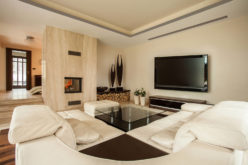
copyright image by overstock
Converse Tip 1: Create a Cozy Conversational Nook
Notes:
-
Creating a cozy and functional nook in your living room can drastically enhance its ability to foster intimate conversations and connections. These inviting zones act as hubs of communication, offering a sense of comfort and exclusivity that encourages people to engage more deeply.
Whether your space is large or compact, a thoughtfully designed conversational nook will not only serve as a focal point in your living room but also contribute to the overall warmth and functionality of your home.
-
Quick scroll to supporting notes …
-
-
1st: How to Create a Cozy Conversational Nook
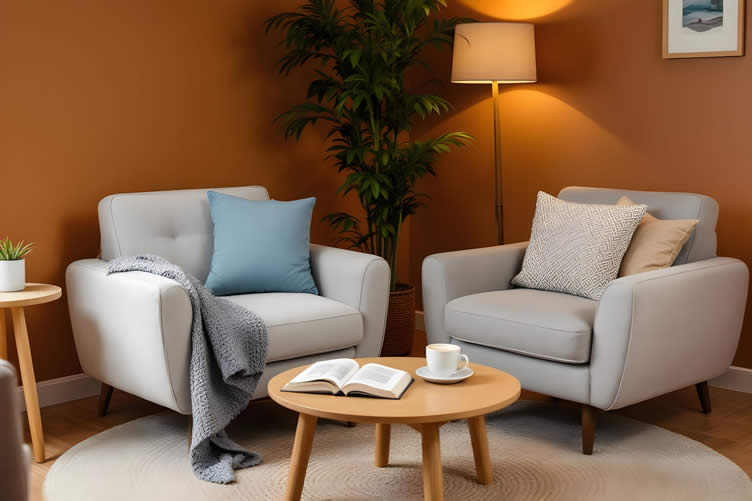
Every home deserves a special spot that radiates warmth and invites connection. A cozy conversational nook is that perfect space—a small corner of your living room or home designed to foster meaningful conversations, relaxation, and togetherness.
Whether you envision an intimate area for chatting with a loved one or a welcoming setup for hosting friends, creating this dedicated space can transform your home into a more functional and inviting retreat.
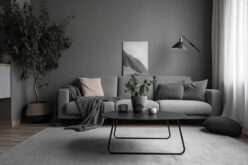
AI generated image by 123rf.com
Designing a conversational nook is about blending comfort, style, and practicality. By thoughtfully choosing furniture, lighting, and decor, you can craft a setting that feels both luxurious and approachable.
No matter your home’s size or design preferences, the beauty of this project lies in its adaptability—you have endless possibilities to tailor it to your lifestyle.
Read on to discover insightful tips and creative ideas for building your dream conversational nook.
[ view summary table: creating nook ]
-
Choosing the Right Spot for Your Nook[ view]
The first step to creating a welcoming nook is selecting the ideal spot within your living room. Aim for an area that naturally encourages lingering while minimizing distractions.
Corners or alcoves often work beautifully as they instill a sense of coziness and enclosure, but even an open floor space can be transformed with the proper arrangement.
Look for locations where natural light from windows or nearby lamps can enhance comfort, as good lighting is essential for setting the tone of the space.
-
Selecting the Perfect Furniture[ view]
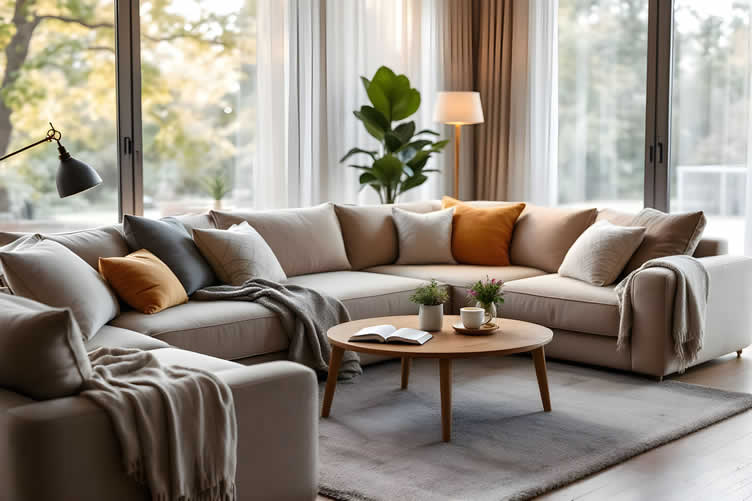
The furniture you choose is at the heart of your nook’s comfort and functionality. Select seating that is both inviting and practical, such as plush armchairs, a loveseat, or even a well-cushioned bench.
Soft, textured fabrics can add warmth and further enhance comfort for long conversations. Pair the seating with a small yet sturdy coffee table or side table, creating a central point for drinks or decor.
Ensure the furniture is arranged in a way that promotes face-to-face interaction, with pieces angled slightly toward each other to encourage an open yet intimate setup.
-
Enhancing Ambiance with Lighting[ view]
Lighting greatly influences how individuals feel within a space, so it’s crucial to get this element right when designing your nook. Ambient lighting, such as pendant, floor, or table lamps, provides a warm and inviting glow, striking the perfect balance between visibility and coziness.
When natural light is limited, using adjustable dimmers allows for the customization of brightness levels depending on the time of day or mood. Candles or decorative string lights can also bring a soft, charming radiance that makes your nook feel truly special.
-
Adding Personal and Stylish Touches[ view]
To ensure your nook feels like a cohesive part of your home, incorporate decor that aligns with your personal style while adding a sense of individuality. Throw pillows and soft blankets provide both visual and tactile comfort, while adding texture and color to the space.
Rugs can help define the nook’s boundaries, particularly in open-plan living rooms, and bring an additional layer of softness underfoot. Finally, using personal touches like framed photos, plants, or books adds character and ensures the space feels warm and lived-in.
-
Adapting to Different Space Sizes[ view]
If you’re working with a compact space, consider using multi-functional furniture, such as an ottoman that doubles as a coffee table, or nesting tables that you can tuck away when not in use. Incorporating vertical storage, such as shelves or wall-mounted decor, can also optimize the area without making it feel crowded.
For larger rooms, creating a nook can be as simple as delineating the space with a stylish room divider or arranging furniture in a way that suggests natural boundaries while maintaining flow to the rest of the room.
-
Creating a Welcoming Atmosphere
Ultimately, the key to your nook’s success lies in its ability to make everyone who uses it feel welcome and comfortable. Focus on promoting a balance between style and coziness that aligns with your family or individual needs.
Remember that the goal is to provide a sanctuary where people gravitate naturally, enjoy meaningful conversations, and create lasting memories.
With proper planning, even the simplest of changes in your living room can pave the way for a stunning transformation.
Crafting a conversational nook is all about blending form with function, ensuring the space reflects your personal lifestyle while meeting the needs of your household and guests.
Type Solution Benefits Choosing the Right Spot Select a cozy area such as corners, alcoves, or well-lit spots that encourage lingering and minimize distractions. Arrange the space to enhance comfort and functionality. Creates a welcoming, comfortable environment that naturally encourages interaction and fosters a sense of intimacy in the living room. Selecting Furniture Use inviting seating options like armchairs, loveseats, sectional sofas, or cushioned benches. Pair them with central tables for convenience and ensure face-to-face arrangements for interaction. Promotes comfort and practicality during conversations while enhancing the room’s aesthetics and functionality. Sectional sofas offer flexibility but require appropriate sizing. Enhancing Ambiance with Lighting Utilize ambient lighting options, such as pendant, floor, or table lamps. Adjustable dimmers and decorative lighting elements like candles or string lights add versatility and charm. Sets a warm, inviting mood and allows customization of lighting levels to suit the time of day or specific occasions, creating a cozy and relaxing atmosphere. Adding Personal Touches Decorate with throw pillows, blankets, rugs, framed photos, plants, or books for individuality. Define spaces using decor aligned with your style to ensure consistency. Adds character, visual appeal, and a sense of warmth to the nook while ensuring it feels integrated into the home’s overall design. Adapting to Space Sizes For small spaces, use multi-functional furniture and vertical storage to optimize the area. For larger rooms, delineate the nook with furniture arrangements or stylish dividers. Ensures efficient usage of space, regardless of size, while maintaining a functional and aesthetically pleasing arrangement. Creating a Welcoming Atmosphere Focus on balancing style and comfort, blending functional designs with personal preferences to promote relaxation and meaningful conversations. Provides a versatile and inviting environment for creating memories, engaging in deep conversations, and enhancing the overall functionality of the living room. 

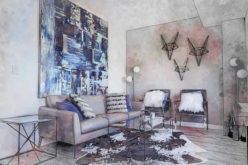
AI generated image by 123rf.com
[ pinterest: living room conversational nook ]
[ youtube: Create Living Room Conversation Areas ]

-
-
2nd: The Appeal of Sectional Sofas
… for bringing people together
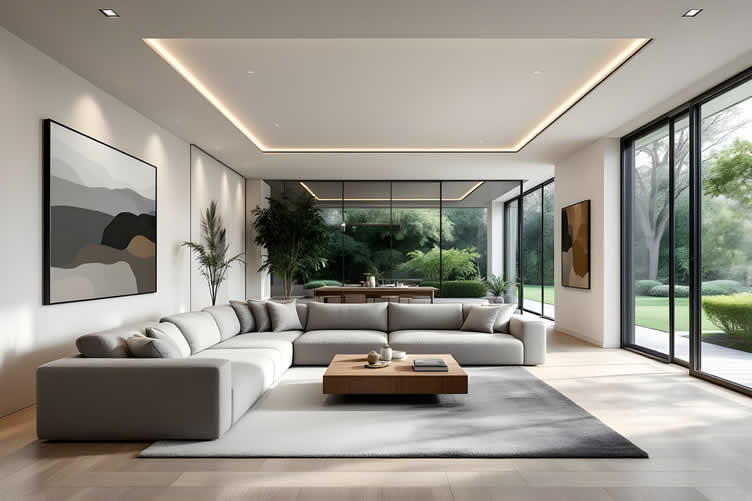
Sectional sofas are the epitome of comfort and functionality, offering a central hub for social interactions and relaxation in any living space.
Their versatile design not only accommodates various seating needs but also fosters a cozy and inviting environment where friends and family can gather for meaningful conversations.
AI generated image by 123rf.com
Whether sharing stories, watching a favorite movie, or simply enjoying each other’s company, sectional sofas provide the perfect setting to bring everyone together.
Understanding the different types of sectionals and how to arrange them effectively can transform any room into a welcoming social space.
[ view summary table: sectional sofas ]
-
Types of Sectional Sofas for Every Home
Sectional sofas come in various styles and configurations, allowing homeowners to select a design that perfectly complements their space, style preferences, and lifestyle.
-
Class L-Shaped:[ view]
The classic L-shaped sectional is a popular choice, offering ample seating while maximizing corner spaces. These sofas are ideal for both smaller living rooms and larger areas, as they provide a structured layout that defines the seating zone.
-
U-Shaped:[ view]
For those with expansive spaces, the U-shaped sectional is ideal, creating a semi-enclosed area that encourages face-to-face interaction and deeper connections.
-
Chaise Sectionals:[ view]
Chaise sectionals, on the other hand, combine functionality with luxury, offering extended lounging options and providing a natural flow for more casual gatherings.
-
Modular Sectionals:[ view]
Modular sectionals, characterized by their movable pieces, are perfect for dynamic homes that require flexibility, as they can be easily rearranged to suit different occasions or room configurations.
-
-
Arranging Sectional Sofas to Maximize Conversation
The strategic placement of sectional sofas plays a pivotal role in fostering an environment conducive to conversation.
-
Placement:
Begin by anchoring the sectional in a spot that promotes balance and flow within the room. For example, placing it near a central feature, such as a fireplace or a large window, creates a focal point while maintaining visual harmony.
-
Face-to-Face:
Ensuring that the seating encourages face-to-face interaction is essential; for instance, positioning chairs or an ottoman across from the sectional can create a circular seating arrangement, enhancing engagement among guests.
-
Pathway:
Additionally, maintaining an unobstructed pathway around the furniture ensures that every individual feels connected to others in the conversation area.
-
Lighting:
Lighting and accessories further contribute to the conversational ambiance. Soft, warm lighting placed around the sectional helps to create a calming atmosphere, while strategically placed side tables offer convenient spots for beverages or snacks during gatherings.
-
Decor:
Personal touches, such as decorative throw pillows and area rugs, not only enhance the aesthetic appeal of the sectional but also add a layer of comfort that invites guests to relax and stay longer.
Ultimately, sectional sofas are more than just furniture—they are tools for bringing people together, fostering connection, and ensuring every home feels like a haven.
Selecting the right type and arrangement suited to your needs will not only elevate your home’s design but also enrich the moments shared with loved ones.
-
Category Description Details The Appeal of Sectional Sofas A central hub for social interactions and relaxation Sectional sofas combine comfort and functionality, offering a cozy and inviting environment for gatherings. They effectively accommodate various seating needs and create a welcoming social space perfect for conversations, movie nights, or casual interaction. Types of Sectional Sofas Type Solution Benefits L-shaped Sectional Offers a structured layout that maximizes corner spaces. Ideal for both small and large living areas, defines seating zones efficiently. U-shaped Sectional Creates a semi-enclosed area that promotes interaction. Perfect for larger spaces and encourages deeper face-to-face connections. Chaise Sectional Combines functionality with luxury through extended lounging options. Ideal for casual gatherings, enhancing comfort and flow within the room. Modular Sectional Features movable pieces that can be rearranged to suit different needs. Provides flexibility for dynamic spaces and accommodates varying occasions or layouts. Arranging Sectional Sofas Creating an environment for connection Strategically place sofas near focal points like fireplaces or windows to create balance and visual harmony. Position additional seating to encourage face-to-face conversations. Ensure pathways remain clear and enhance ambiance with lighting, side tables, and personal touches like decorative pillows. Summary Sectional sofas as a means to foster connection Sectional sofas go beyond function, acting as tools for bringing people together and fostering meaningful connections. Selecting the right type and arrangement can elevate your home’s aesthetic and enrich moments shared with loved ones. 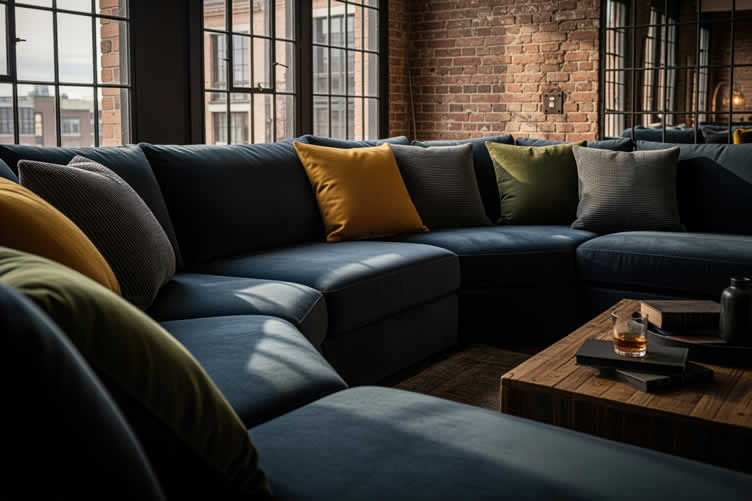
copyright image by 123rf.com
[ pinterest: living room conversation ]
[ amazon: sectional sofas ]
-
-
3rd: Starting and Fostering Meaningful Conversations
Gathering with friends and family is a cherished opportunity to strengthen bonds, share experiences, and create lasting memories.
However, starting and maintaining engaging conversations in these settings can sometimes feel challenging, especially when different personalities, interests, or communication styles are at play.

copyright image by 123rf.com
Understanding the art of dialogue is key to fostering connection and meaningful exchanges, turning any gathering into a vibrant and enriching experience for everyone involved.
Below are expert insights and practical strategies to help you confidently initiate and nurture conversations during your next get-together.
[ view summary table: initiate conversation ]
-
Setting the Stage for Connection
Creating an inviting atmosphere is essential to encourage natural, flowing conversations. Pay attention to the seating arrangement, ensuring it feels comfortable and facilitates open interaction.
Consider the ambiance, as lighting and background music can subtly impact mood and communication. Opening the gathering with a warm welcome or brief toast can establish a pleasant tone and signal to guests that this is a safe and welcoming space for dialogue.
When people feel at ease, they are more likely to partake in and enjoy meaningful conversations.
-
Asking Open-Ended Questions
One of the most effective ways to spark dialogue is by asking open-ended questions. These questions encourage participants to elaborate instead of giving a simple “yes” or “no” response.
For example, instead of asking, “Did you have a good weekend?” ask, “What was the most enjoyable part of your weekend?”
Open-ended questions demonstrate genuine curiosity and interest, allowing conversations to unfold organically and leaving room for deeper insights and shared experiences.
-
Listening with Care and Attention
Active listening is a vital skill in fostering strong communication. When someone speaks, focus fully on their words without planning your reply in advance.
Show interest by maintaining eye contact, nodding, or offering thoughtful verbal affirmations like “That sounds fascinating” or “Tell me more.”
Avoid interrupting or steering the conversation back to yourself. By truly listening, you build trust and create a space where others feel valued and respected, inspiring their willingness to share.
-
Introducing Shared Topics or Themes
People naturally gravitate towards common interests. To help stimulate group conversation, introduce shared topics or themes that resonate with everyone.
This could be something as simple as reminiscing about a past event the group experienced together, discussing current trends or entertainment, or raising light-hearted dilemmas that invite participation.
Be mindful not to bring up divisive or overly complex subjects, as these might dampen the mood or alienate certain members of the group.
-
Using Humor to Break the Ice
Laughter has a unique way of bringing people together and easing social tension. Sharing a lighthearted story or a harmless joke can serve as an excellent conversation starter, energizing the atmosphere and allowing participants to relax.
Be sure to consider the sensibilities of the group, ensuring humor is inclusive and appropriate for everyone. A touch of humor can act as both an entry point for deeper topics and a way to keep the dialogue lively and enjoyable.
-
Remaining Inclusive and Adaptable
An inclusive approach to conversations helps ensure that no one feels left out. Pay attention to quieter members of the group, inviting their input with sincere prompts like, “What’s your perspective on this?”
Respect the diversity of opinions and communication levels, refraining from dominating the conversation while fostering an environment where all voices can be heard.
Stay adaptable to the mood and energy of the gathering, allowing for natural shifts between lighthearted banter and more profound discussions.
-
Ending on a Positive Note
When it’s time to wind down a gathering or bring a conversation to a close, express gratitude and end on an uplifting note. Highlight something memorable or insightful that was shared, and thank everyone for their contributions.
This leaves participants feeling appreciated and valued, boosting the likelihood of them remembering the interaction as enjoyable and fulfilling.
References:
- Brown, Brené. Braving the Wilderness. Random House, 2017.
- Carnegie, Dale. How to Win Friends and Influence People. Pocket Books, 1936.
- Tannen, Deborah. That’s Not What I Meant! How Conversational Style Makes or Breaks Relationships. Harper, 1986.
- Harvard Business Review. “How to Have Better Conversations.” Accessed October 2023.
- Psychology Today. “The Importance of Active Listening in Communication.” Accessed October 2023.
Topic Description Key Strategies The Art of Starting and Fostering Meaningful Conversations Gathering with friends and family is an opportunity to strengthen bonds and create lasting memories. Understanding the art of dialogue is essential to fostering meaningful exchanges. Expert insights and strategies help in confidently initiating and nurturing conversations during gatherings. Setting the Stage for Connection Creating an inviting atmosphere encourages natural conversations. Key factors include seating arrangement, ambiance, lighting, and opening with a warm welcome or toast. A comfortable setting fosters openness and makes guests feel at ease for better interaction. Asking Open-Ended Questions Engage others by asking questions that require detailed responses, sparking organic dialogue and shared experiences. Example questions encourage elaboration, such as “What was the most enjoyable part of your weekend?” Listening with Care and Attention Active listening builds trust and respect. Avoid interrupting, maintain eye contact, and show interest in what others share. Focus fully on the speaker’s words and respond with affirmations like “Tell me more.” Introducing Shared Topics or Themes Stimulate group conversation by focusing on common interests or experiences. Avoid divisive or overly complex subjects. Discuss group memories, current trends, or light-hearted dilemmas to encourage participation. Using Humor to Break the Ice Humor helps ease tension and energizes the group. Lighthearted stories or inclusive jokes can start conversations. Ensure humor is appropriate for the group, fostering a relaxed and enjoyable atmosphere. Remaining Inclusive and Adaptable Inclusivity ensures all voices are heard. Pay attention to quieter participants and respect diverse opinions. Adapt to the group’s mood and encourage everyone’s input for balanced conversations. Ending on a Positive Note Conclude gatherings by expressing gratitude and highlighting memorable moments shared during conversations. End with uplifting remarks to leave participants feeling appreciated and valued. 
AI generated image by 123rf.com
-
-
-
ideas to view and compare from the information discussed above
book: fostering conversationsconversation cubesconversation starters
Scroll up to directory … or scroll to next section about optimizing furniture arrangement …


Download this PDF for a concise summary of all you need to know about …?


second “photo remodeling” idea
copyright image by 123rf.com
Converse Tip 2: Optimizing Furniture Arrangement for Conversation
Notes:
-
The foundation of a conversation-friendly living room lies in how you arrange your furniture. The right layout can encourage people to engage with one another, making interactions feel natural and comfortable.
Learning how to arrange your living room furniture means understanding the importance of space. For lively conversations, the distance between your pieces is key.
If your couches or chairs are too close, it can feel cramped and make talking awkward. Yet, if they are too far apart, guests might struggle to hear each other, making conversations difficult.
The goal is to create an inviting space where conversation flows naturally. Achieving the right balance ensures everyone feels comfortable and can chat with ease.
This involves more than just placing sofas and chairs; it requires considering the flow of the room, the proximity of seating, and the overall cohesiveness of the space.
-
Quick scroll to supporting notes …
-
-
1st: How to Arrange Your Furniture
The way you arrange your furniture has a greater impact on your home than you might think. A well-thought-out layout not only enhances the visual appeal of your space but also fosters an inviting atmosphere for meaningful conversations.
Whether you’re entertaining guests, enjoying family time, or simply relaxing with a book, arranging your furniture strategically can transform your living area into the heart of your home.

copyright image by 123rf.com
When considering how to arrange furniture for conversation, it’s essential to focus on connection and comfort. Thoughtful placement of seating areas, tables, and accessories ensures that everyone feels included and engaged.
From choosing the best focal points to maintaining an open flow, a harmonious layout balances style with functionality, making your space both beautiful and practical.
[ view summary table: arranging furniture ]
-
Facing Seating[ view]
To encourage direct interaction, position your main seating pieces, like couches and chairs, to face each other. This simple adjustment promotes eye contact and a shared sense of focus among guests, making conversation the central activity.
Placing a coffee table in the middle can act as a natural anchor for the grouping, providing a convenient surface for drinks, snacks, and books.
This arrangement signals that the primary purpose of the space is connection, rather than passively watching a screen.
-
Intimate Spacing[ view]
Creating a cozy and intimate atmosphere is key to making guests feel comfortable enough to open up. Angle chairs slightly inward toward the center of the seating group and pull furniture away from the walls.
This helps the area feel more contained and inviting. When seating is too far apart, it can create a sense of distance and formality.
By keeping the space between seats close, you foster a more personal and warm environment where conversation can flourish.
-
Creating Zones in Large Spaces[ view]
If you have a large or open-concept living room, creating smaller, defined conversation zones can make the space feel more manageable and intimate. You can use area rugs to anchor different furniture groupings or use lighting to highlight specific spots.
For example, a cozy corner with two armchairs and a small table can become a perfect spot for a quiet chat, separate from the main seating area. Movable screens or strategically placed bookshelves can also help define these zones without completely closing them off.
-
Adding Seating Options[ view]
To accommodate gatherings of various sizes while maintaining an intimate feel, incorporate flexible seating options. Accent chairs, benches, or ottomans can be easily moved to expand a conversation circle or create a new one.
Placing an accent chair or two opposite a large sectional, for instance, helps balance the space and provides additional seating that encourages face-to-face interaction.
This flexibility ensures your living room can adapt to both a quiet evening for two and a lively party with friends.
-
Classic Layouts[ view]
Certain classic furniture layouts are timeless for a reason—they work exceptionally well for fostering conversation. A sofa with two chairs positioned opposite it is a balanced and versatile arrangement suitable for most living rooms.
For larger spaces, two sofas facing each other create a more formal and symmetrical look that is excellent for conversation.
In smaller rooms or as a secondary zone, a circle of four armchairs around a central coffee table or ottoman provides an incredibly intimate and engaging setup.
-
Space and Accessibility[ view]
While intimacy is important, so is comfort and ease of movement. Ensure there is enough space for people to navigate the room without feeling cramped.
A good rule of thumb is to keep about 2 to 4 feet between seating pieces to allow for comfortable personal space. For walkways, allow at least 3 to 4 feet of clearance between furniture pieces to ensure people can move around freely.
This balance between closeness and accessibility is crucial for a functional and welcoming social space.
Type Solution Benefits Optimizing Furniture Arrangement for Conversation Arrange furniture to encourage engagement and natural flow of interaction. Maintain optimal spacing for comfort without feeling cramped or distant. Promotes lively, natural conversations and ensures guests feel comfortable and connected. Facing Seating Position main seating pieces, like couches and chairs, to face each other. Use a coffee table as an anchor for the arrangement. Enhances eye contact and fosters a shared sense of focus, making conversation the centerpiece of the room. Intimate Spacing Angle chairs slightly inward and pull furniture away from the walls. Maintain close distances between seating pieces for a cozy feel. Creates a warm, personal atmosphere where guests feel comfortable opening up and conversing freely. Creating Zones in Large Spaces Define smaller conversation zones using area rugs, lighting, or movable partitions like screens or bookshelves. Makes large or open spaces feel manageable and intimate while accommodating different conversational needs. Adding Seating Options Use flexible seating like accent chairs, benches, or ottomans to cater to gatherings of various sizes. Ensures adaptability for both small, intimate gatherings and larger, lively events while maintaining a dynamic conversation circle. Classic Layouts Implement timeless arrangements like a sofa with two chairs or two sofas facing each other for larger spaces. For smaller areas, use a circle of armchairs. Provides a balanced, symmetrical setup suitable for fostering conversation in both large and small rooms. Space and Accessibility Maintain appropriate spacing for movement and comfort, with 2 to 4 feet between seating and 3 to 4 feet for walkways. Ensures ease of navigation, balances intimacy with accessibility, and creates a functional, welcoming environment. 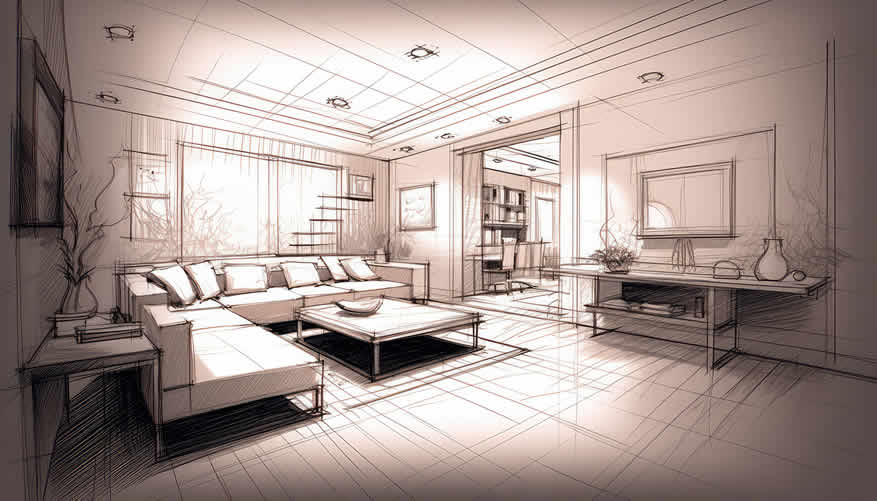
copyright image by 123rf.com
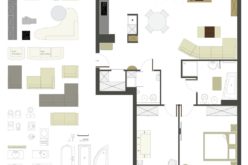
[ view images: living room conversation diagram ]
[ pinterest: living room setup ]
-
-
2nd: Choosing Best Furniture for Conversation
Designing a conversational area in your living room requires carefully chosen furniture that fosters connection while maintaining comfort and style.
Every piece of furniture plays a role in encouraging meaningful interactions, offering a balance between practicality and aesthetics.
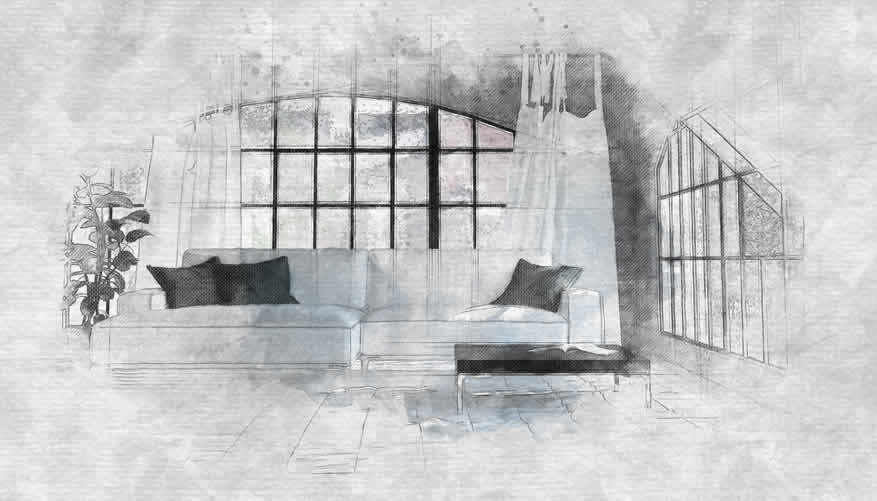
copyright image by 123rf.com
The selected furniture should create a welcoming ambiance and ensure that everyone feels part of the conversation, regardless of where they sit.
[ view summary table: selecting furniture ]
-
The Timeless Appeal of Sofas for Conversation
A sofa is often the centerpiece of any living room and is crucial when setting up a conversational space. Consider choosing a sectional sofa or an L-shaped setup, as these designs encourage face-to-face interactions and can comfortably accommodate multiple people.
A well-upholstered sofa with plush cushions enhances the comfort level, making it more inviting for extended gatherings. Select neutral or warm tones for versatility, allowing the sofa to complement a wide range of decor styles while maintaining a soothing environment.
For smaller spaces, a loveseat can be an excellent alternative. It offers intimacy and warmth, perfect for one-on-one conversations without overwhelming compact areas.
To maximize its impact, place the sofa in a position that aligns with natural conversation flow, such as opposite other key seating elements or angled toward a central focal point like a coffee table or fireplace.
-
Armchairs and Their Role in Personal Space
Armchairs are indispensable in creating a thoughtful conversational layout. Their ability to be moved easily makes them perfect for customizing your space based on the number of guests or the desired arrangement.
Look for armchairs with comfortable armrests and ample back support, as these features not only improve ergonomics but also heighten the experience of being engaged in a discussion.
Arranging armchairs in a semicircle or slightly angled inward fosters an intimate setting, where everyone feels included. Consider pairing them with a small side table to create an individual space for drinks or personal items, ensuring guests feel at ease while remaining part of the group dynamic.
-
Coffee Tables as the Centerpiece of Conversation
A coffee table is much more than a functional piece; it anchors the entire conversation area. Opt for a table that is proportional to your seating arrangement to ensure accessibility for all seats.
A round or oval table is excellent in promoting inclusivity since its curved edges naturally encourage flow and often feel less formal.
To enhance the conversational experience, decorate the coffee table with curated items such as books, candles, or fresh flowers to act as visual cues that stimulate dialogue.
Ensure the table’s height aligns with the surrounding seating to maintain a cohesive appearance and functional ease.
-
Ottomans and Their Versatile Charm
Ottomans are often overlooked but can be an exceptional addition to conversational spaces. Their multi-functional nature allows them to serve as a footrest, additional seating, or even a makeshift coffee table when paired with a sturdy tray.
Upholstered ottomans with soft textures bring an inviting warmth that encourages relaxation and informal conversations, making them an ideal complement to your primary seating.
Place ottomans strategically in the room to provide flexibility for rearrangement. Choose designs that match the existing tone of your decor to ensure they feel integrated and intentional within the space.
-
Accent Pieces for a Cohesive and Inviting Layout
Beyond the primary staples like sofas and chairs, accent furniture can transform the atmosphere of a living room into a more conversational haven. Console tables positioned against the wall or behind a sofa provide a balance between style and functionality, offering a place for decorative accessories such as table lamps or picture frames.
Side tables between seating arrangements add to the convenience and help anchor individual pieces cohesively in the room.
When choosing accent pieces, focus on selecting those that enhance the flow and symmetry of the space. Style and function should go hand in hand, ensuring that every accessory contributes to the goal of fostering meaningful connections.
Type Solution Benefits Sofa Choose sectional or L-shaped sofas for face-to-face interactions. Opt for neutral or warm tones and ensure comfortable seating with plush cushions. Encourages meaningful interactions, offers versatility, and creates a soothing and welcoming ambiance. Armchairs Select movable armchairs with comfortable armrests and back support. Arrange them in inward angles or a semicircle layout. Allows for a personalized seating arrangement, fosters intimacy, and ensures everyone feels included in the conversation. Coffee Table Use proportional coffee tables for accessibility. Consider round or oval designs, and decorate them with books, candles, or flowers. Acts as a centerpiece, promotes inclusivity, enhances decor, and stimulates dialogue through curated visual elements. Ottomans Incorporate upholstered ottomans as multi-functional pieces that can serve as a footrest, additional seating, or a coffee table alternative. Adds warmth, flexibility, and versatility to the space, encouraging relaxation and informal conversations. Accent Pieces Use console tables for decorative purposes and side tables for added convenience between seating areas. Enhances style and functionality, improves flow and symmetry, and creates a cohesive and inviting atmosphere. 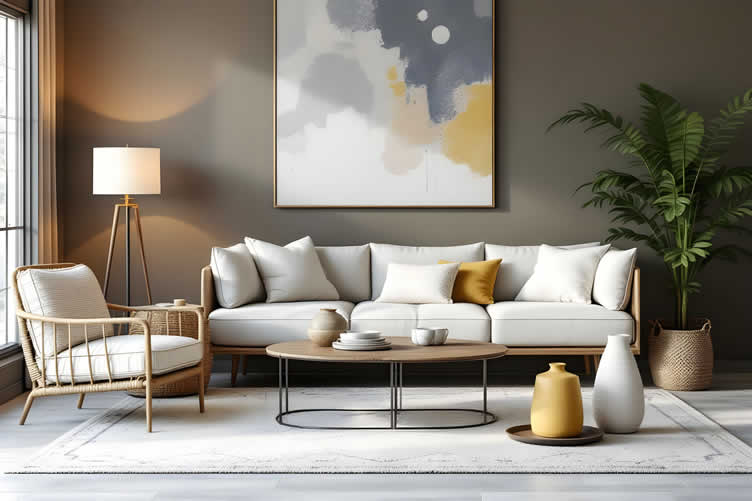
AI generated image by 123rf.com
-
-
3rd: Using Games to Foster Conversation
Games have long been a wonderful tool for bringing people together, creating opportunities for meaningful interaction, laughter, and connection.
Whether it’s a family gathering, a friend’s night in, or a casual community event, conversation-focused games can break barriers and spark engaging discussions.

AI generated image by 123rf.com
Beyond facilitating conversation, they play a role in forging stronger bonds and establishing a warm, welcoming environment.
Choosing the right game and setting up the suitable furniture arrangement can enhance the experience, ensuring that everyone feels comfortable and connected.
[ view summary table: using games ]
-
Selecting the Best Games for Interaction
Not all games are created equally when it comes to encouraging conversation. To foster interaction, opt for games that rely on storytelling, quick thinking, or personal anecdotes.
Games like "Cards Against Humanity," "What Do You Meme?," or "Scattergories" are excellent choices for humor and creativity, while options like "Scruples" or "The Voting Game" allow players to share personal insights or opinions.
Trivia-based games are also highly effective, offering opportunities for collaboration and lighthearted debate.
For deeper or more reflective conversations, choose games that involve thought-provoking questions or storytelling. "We’re Not Really Strangers" and "TableTopics Conversation Starters" create space for players to engage in meaningful discussions, often revealing personal stories and emotions.
These types of games are especially ideal for smaller, more intimate gatherings where participants feel safe sharing and connecting.
-
Furniture for a Conversational Game Setting
The right furniture layout plays a significant role in enhancing the conversational flow during gameplay. Stationary furniture, such as cozy sofas or armchairs, works best for relaxed, intimate settings.
Arranging these pieces in a circular formation creates an inclusive space where eye contact and dialogue are encouraged. Adding options like ottomans or cushioned stools allows for flexible yet comfortable seating, ensuring everyone feels involved without overcrowding the area.
For more dynamic or larger groups, mobile furniture such as lightweight chairs or foldable tables provides adaptability. Mobile pieces can be easily arranged to form smaller breakout discussions or brought together for a more unified experience.
Low-profile coffee tables or nesting tables are particularly useful, offering accessible surfaces to place game components, snacks, or drinks. Including elements like soft lighting, throw pillows, and textured rugs only elevates the comfort, making the ambiance welcoming and conducive to prolonged interaction.
By combining well-chosen games with thoughtfully arranged furniture, you can create an environment where conversations naturally flow, laughter fills the air, and connections are strengthened.
Topic Description Examples Additional Tips Using Games to Foster Conversation Games provide opportunities for meaningful interaction, laughter, and stronger connections in various settings such as family gatherings, friend meetups, or community events. They break barriers and spark engaging discussions. “Cards Against Humanity,” “What Do You Meme?,” “Scattergories,” “Scruples,” “The Voting Game,” and trivia-based games. Choose games that encourage storytelling, quick thinking, or personal anecdotes for the best conversational outcomes. Selecting the Best Games for Interaction To foster interaction, games should focus on humor, creativity, or meaningful conversations. Reflective games can reveal personal stories and emotions, ideal for intimate gatherings where participants feel safe sharing. “We’re Not Really Strangers,” “TableTopics Conversation Starters,” storytelling games, and trivia games. Consider the mood and size of the group to select the most appropriate game for the occasion. Furniture for a Conversational Game Setting The furniture layout significantly influences conversational flow. Comfortable, inclusive seating arrangements play a major role in encouraging dialogue and interaction during gameplay. Cozy sofas, armchairs, ottomans, cushioned stools, lightweight chairs, and foldable tables. Arrange seats in a circular formation for inclusivity, and use low-profile tables for game components and snacks. Enhance ambiance with soft lighting and decorative elements. 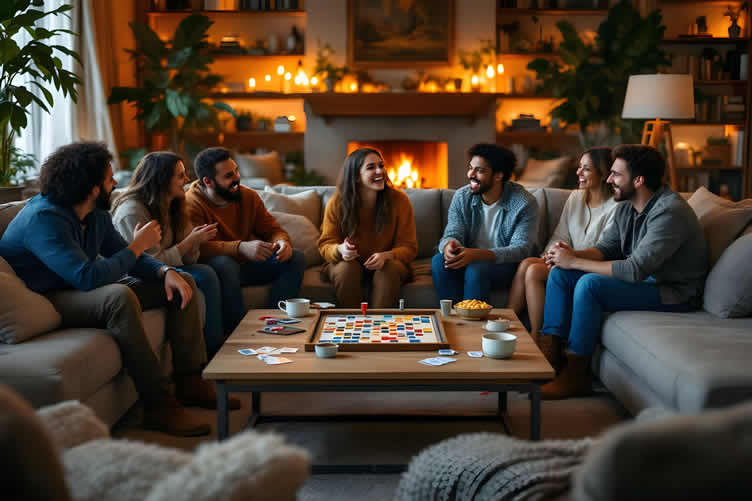
AI generated image by 123rf.com
-
-
-
ideas to view and compare from the information discussed above
Scroll up to directory … or scroll to next section about using lighting and decor …




Tackling home upgrades and fulfilling all your home improvement needs …

… save this curated directory of ideas for future reference.
May We Suggest Other Photo Remodeling Ideas About
“Remodeling Plans …” (new win)


third “photo remodeling” idea
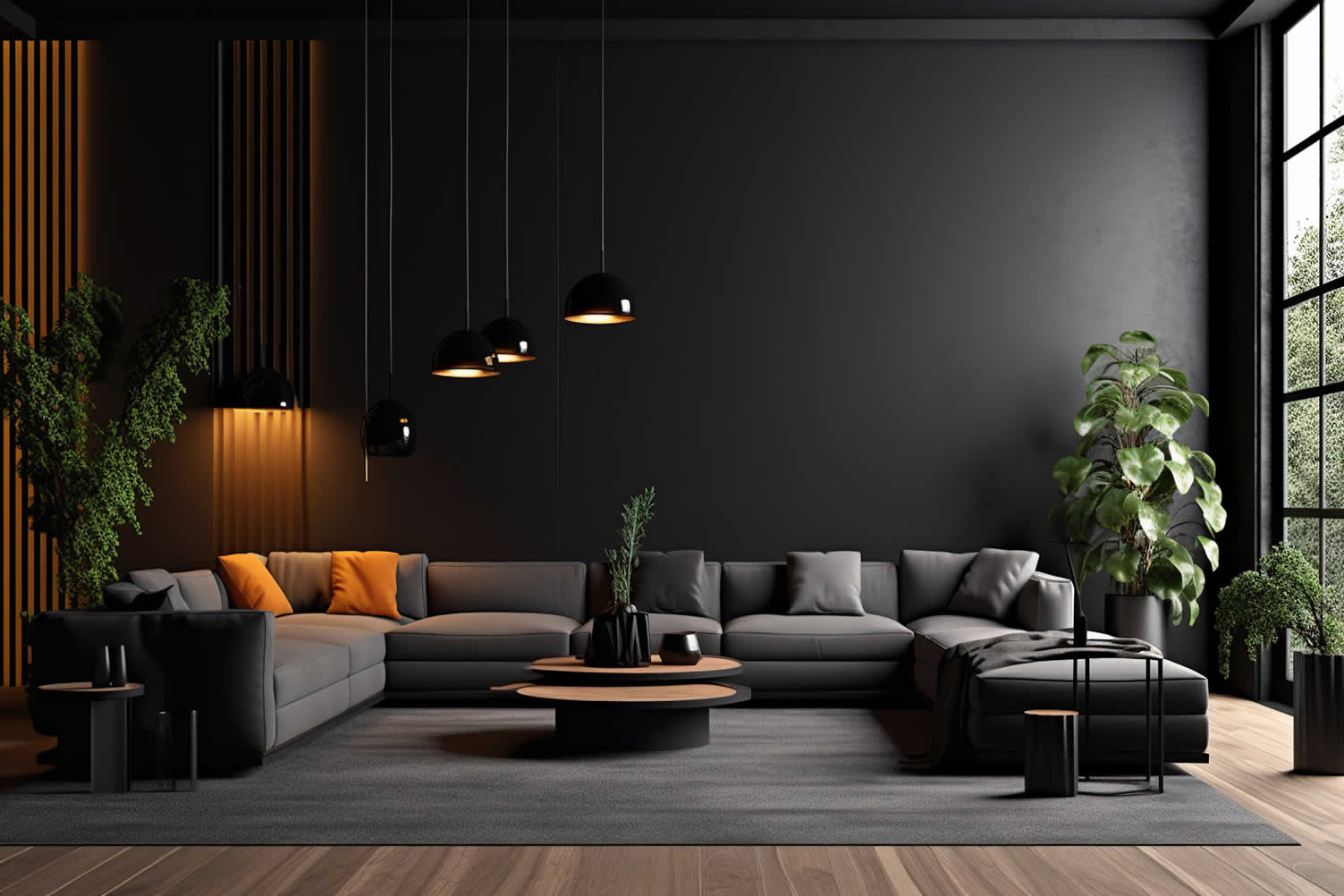
copyright image by 123rf.com
Converse Tip 3: Enhancing Ambiance with Lighting and Decor
Notes:
-
Beyond furniture, the ambiance of your living room plays a significant role in making it a place where people want to linger and talk. Lighting and decor are powerful tools that can transform the mood of a space, making it feel warm, inviting, and personal.
The right lighting can soften the room and draw attention to conversation areas, while carefully chosen decor can serve as a reflection of your personality and spark interesting discussions.
Together, these elements create a layered and engaging environment that supports connection.
-
Quick scroll to supporting notes …
-
-
1st: How to Use Lighting and Decor
When it comes to creating spaces that foster conversation and connection, lighting and decor play an essential role.
These elements are not just about aesthetics—they set the stage for comfort and interaction, helping to shape an ambiance that feels both welcoming and engaging.
Whether it’s an intimate gathering or casual chats with loved ones, the right design choices can make your home a place where conversations naturally thrive.
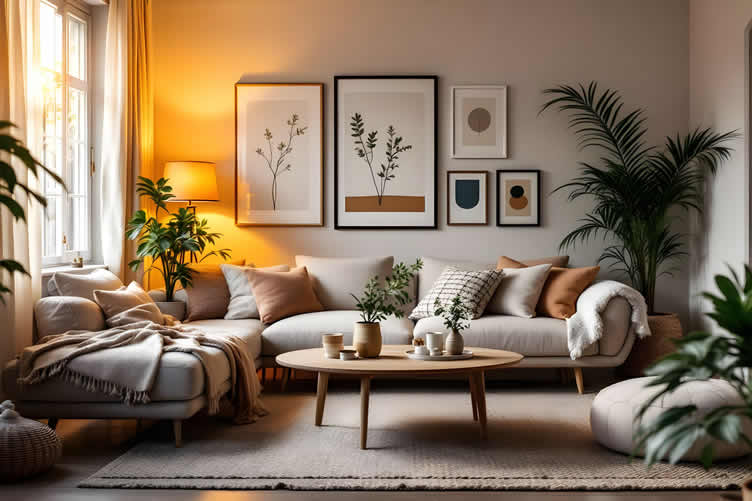
AI generated image by 123rf.com
Lighting, for example, can be strategically used to highlight key areas such as seating arrangements, encouraging people to gather and converse.
Meanwhile, decor can infuse personality into your space and serve as a starting point for meaningful discussions.
From thoughtfully curated accent pieces to ambient lighting fixtures, every detail contributes to an environment that invites people to stay a little longer and connect a little deeper.
[ view summary table: lighting and decor ]
-
Layered Lighting
Soft, layered lighting is essential for creating a warm and inviting atmosphere. Instead of relying on a single overhead fixture, combine different light sources.
Floor lamps can illuminate corners, table lamps can provide task lighting on side tables, and dimmable fixtures allow you to adjust the brightness to suit the mood.
For instance, a living room with soft light from floor and table lamps creates a cozy glow perfect for evening discussions. This layered approach adds depth to the room and helps define conversation zones.
-
Integrating Natural Elements
Bringing elements of nature into your living room can make the space feel more calming and welcoming. Houseplants, fresh flowers, and natural materials like wood, stone, and woven textiles add texture and a sense of tranquility.
A large potted plant in a corner or a collection of smaller plants on a shelf can breathe life into the room. These natural touches help soften the space and create an environment where guests feel relaxed and at ease.
-
Conversation-Starting Decor
Your decor can be more than just ornamental; it can be a catalyst for conversation. Display art, photographs, or unique objects that have a story behind them.
A striking piece of art over the fireplace or a collection of interesting items from your travels can capture guests’ attention and invite questions.
Personalizing your space with items that reflect your interests and experiences makes it more engaging and gives visitors a glimpse into who you are, often leading to more meaningful and personal conversations.
-
Balancing Openness and Intimacy
In open-plan living areas, it’s important to strike a balance between a sense of spaciousness and the need for intimate conversation zones. Area rugs are one of the most effective ways to visually separate a seating area from a dining space or kitchen.
Furniture groupings also help define these zones. For more distinct separation, you can use movable partitions or open-backed bookshelves. These elements create a sense of enclosure for your conversation area without sacrificing the open feel of the overall space.
Type Solution Benefits Enhancing Ambiance Focus on lighting and decor to create a warm, inviting, and personal environment. Use layered lighting and carefully selected decor as tools to transform the mood. Makes the space more inviting, supports connection, and reflects personality for a more engaging atmosphere. Layered Lighting Combine various light sources, such as floor lamps, table lamps, and dimmable fixtures, to create depth and warmth. Use lighting to define conversation zones effectively. Creates a cozy glow, enhances the ambiance, and fosters relaxed evening discussions while visually organizing the space. Natural Elements Introduce houseplants, fresh flowers, and natural materials like wood or woven textiles. Place plants strategically to add life and texture to the room. Brings a sense of tranquility, softens the space, and creates a calming and welcoming environment for guests. Conversation-Starting Decor Display art, photographs, or unique objects that tell a story or reflect your personality. Personalize your space with meaningful items. Sparks interesting discussions, showcases your interests, and deepens connections with guests through shared stories. Balancing Openness and Intimacy Use area rugs, furniture groupings, movable partitions, or open-backed bookshelves to create defined zones while maintaining a spacious feel. Maintains an open-plan atmosphere while enhancing intimacy and creating dedicated spaces for conversation. 
copyright image by 123rf.com
-
-
2nd: The Importance of Natural Lighting
Natural lighting can profoundly impact the way we interact and communicate within a space.
It transcends its basic functionality by shaping the ambiance, mood, and energy of an area, making it an essential element in home design.
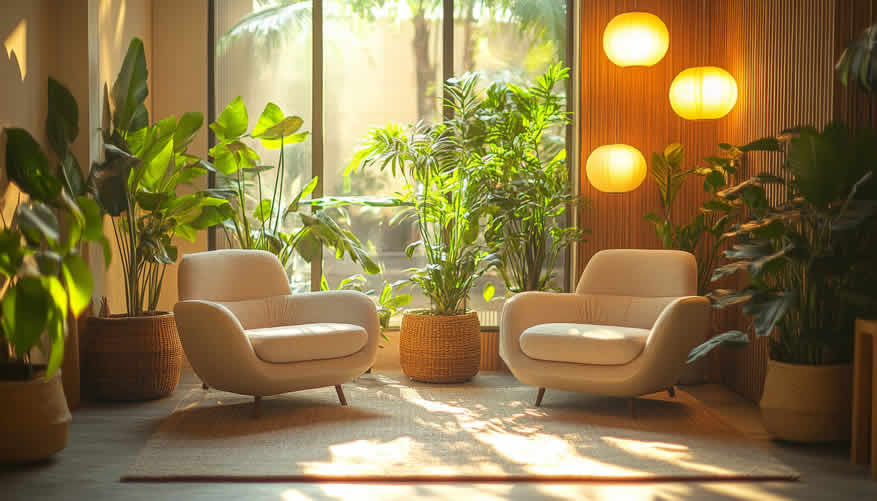
AI generated image by 123rf.com
Spaces illuminated by natural light create a sense of openness and warmth, encouraging more vibrant, relaxed, and engaging conversations.
Whether entertaining guests or spending quality time with family, the way light flows through a home can enhance the connection between individuals, improve focus, and even boost overall well-being.
[ view summary table: natural light ]
-
Enhancing Atmosphere Through Natural Light
The presence of natural light establishes an inviting and uplifting atmosphere. Large windows, skylights, and open layouts that allow light to permeate the space create an environment conducive to meaningful interaction.
Natural light has a calming effect, reducing stress levels and promoting ease during conversations. It subtly connects people to the outside world even while indoors, fostering a sense of serenity that encourages open communication.
-
Strategic Placement of Windows and Glass Features
To maximize the benefits of natural light, the design and placement of windows, doors, and other glass features are crucial. South- and east-facing windows tend to capture the most sunlight throughout the day, filling spaces with brightness at key times.
Incorporating floor-to-ceiling windows, bay windows, or even glass panel doors can create a seamless flow between the indoors and outdoors while ensuring living and dining areas are ideal for fostering engaging dialogue.
-
Utilizing Reflective Surfaces to Amplify Light
Mirrors, glossy finishes, and light-colored walls can help distribute natural light throughout a room. By strategically positioning mirrors opposite windows or glazed areas, the illumination can reflect deeper into the space, reducing shadows and enhancing visibility.
These reflective additions amplify the presence of light, making any room feel larger, brighter, and more welcoming for conversations to unfold naturally.
-
Transitioning Between Indoor and Outdoor Spaces
Designing areas that blur the boundary between indoor and outdoor spaces further supports the impact of natural lighting. Sliding glass doors or retractable walls allow sunlight to enter freely while creating a dynamic flow between spaces.
These transitions offer versatility for gatherings and ensure an even balance of light and shadow during different parts of the day, fostering connection and engagement in various settings.
-
Selecting Light-Enhancing Color Palettes and Decor
The colors and decor used in a room play an influential role in capitalizing on natural light. Neutral tones like whites, creams, and light grays enhance the way natural light interacts with a room, while soft textiles and minimalist decor prevent the space from feeling overly cluttered.
These thoughtful design choices ensure the room remains inviting without detracting from the quality of conversation among its occupants.
-
The Psychological Impact of Natural Lighting
Scientific studies have shown the positive effects of natural lighting on mental health and interpersonal relationships.
According to research published in the Journal of Environmental Psychology, exposure to natural light improves mood, concentration, and emotional well-being, all of which are foundational for meaningful communication.
By creating a well-lit space, homeowners can cultivate an environment that not only uplifts but also inspires individuals to share their thoughts and connect.
Aspect Description Key Points The Importance of Natural Lighting Natural lighting shapes ambiance, mood, and energy in a space. It encourages engaging conversations, improves focus, and enhances well-being by creating warm and inviting environments. Fosters meaningful conversations; Improves overall well-being; Shapes connection between people. Enhancing Atmosphere Natural light establishes an uplifting atmosphere. Features like windows, skylights, and open layouts reduce stress, connect people to the outdoors, and promote open communication. Promotes calmness; Reduces stress levels; Encourages openness. Strategic Window Placement Thoughtful design of windows and glass features maximizes sunlight. South- and east-facing windows, large openings, and seamless indoor-outdoor transitions enhance brightness and connection. Maximizes sunlight; Seamless indoor-outdoor flow; Brightens key areas. Reflective Surfaces Using mirrors, glossy finishes, and light-colored walls helps distribute natural light. These features amplify illumination, reduce shadows, and create a spacious feeling. Amplifies lighting; Reduces shadows; Feels more open and bright. Indoor-Outdoor Flow Designing areas with sliding glass doors or retractable walls creates smooth transitions between indoors and outdoors. This ensures dynamic lighting and supports versatile gatherings. Integrates spaces; Balances light; Encourages connection. Light-Enhancing Decor Neutral tones and minimalist decor optimize natural light interaction. These thoughtful choices keep spaces inviting and uncluttered, enriching the conversational ambiance. Enhances light interaction; Keeps design simple; Inviting for communication. Psychological Benefits Research shows natural lighting boosts mood, concentration, and emotional well-being, creating a space conducive to meaningful conversation and connection. Improves mental health; Strengthens relationships; Encourages openness. 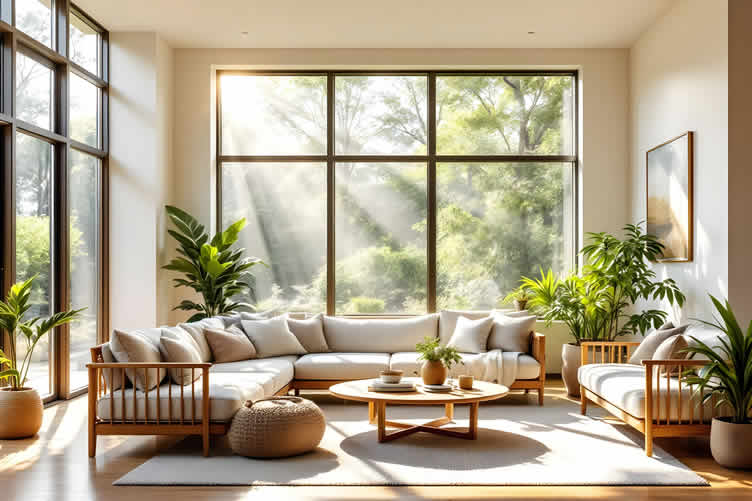
AI generated image by 123rf.com
-
-
3rd: The Allure of Houseplants as a Conversation Starter
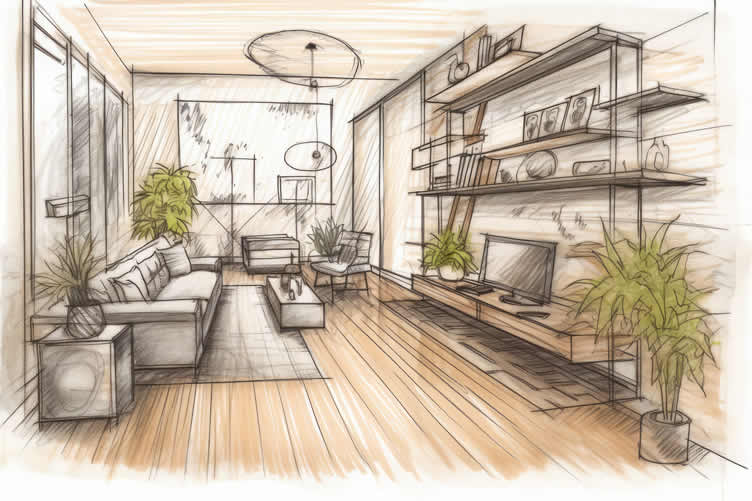
Bringing houseplants into the home is a timeless trend that seamlessly blends aesthetic appeal with functional benefits.
Beyond enhancing the ambiance of a space, houseplants can spark curiosity and encourage meaningful conversations.
copyright image by 123rf.com
Whether it’s their unique appearances, intriguing back stories, or the care involved in nurturing them, houseplants serve as living decor that invites interaction and fosters connection among family members and guests alike.
Adding greenery to a room often transforms it into an inviting space where stories, advice, and experiences flow effortlessly.
[ view summary table: using houseplants ]
-
The Role of Unique Houseplants in Sparking Interest
Houseplants boast captivating qualities that naturally draw attention. Unique foliage patterns, vibrant blooms, or simply their longevity can serve as points of intrigue.
Take, for instance, the Monstera deliciosa, with its iconic, perforated leaves that elicit questions about its origins or care. Similarly, a lush fiddle-leaf fig stationed in a living area becomes an instant centerpiece, prompting compliments and inquiries.
These natural conversation starters encourage guests and family to share personal plant stories, care tips, or experiences, bridging gaps in dialogue with ease.
-
Houseplants as Symbols of Lifestyle and Personal Taste
The selection of houseplants often reflects personal style and values, making them a subtle way to express individuality. Guests may be intrigued by an exotic orchid showcased in a sunny corner or a terrarium filled with miniature succulents on a coffee table, leading to discussions about travel, hobbies, or relaxation rituals.
By choosing plants that resonate with your personality or aesthetic, you create an engaging environment where conversations thrive as naturally as the plants themselves.
-
Houseplants That Foster Connection
When selecting houseplants to elevate your home and encourage conversation, choose species that are visually stunning, easy to care for, and versatile in their placement.
The timeless beauty of the peace lily, with its elegant white blooms and air-purifying qualities, can intrigue guests who marvel at how it improves indoor air quality. Pothos plants, with their cascading vines, offer a versatile decor option that sparks admiration for their adaptability.
On the smaller end, succulents and cacti selections provide endless varieties to discuss design possibilities, care routines, and even their origins in arid landscapes.
Meanwhile, crowd-pleasing plants such as the bird of paradise, with its dramatic foliage and tropical charm, command attention in any room.
Likewise, the understated charm of the spider plant creates opportunities to discuss propagation techniques, especially as it produces baby "spiderettes," enabling moments to share tips and knowledge with others.
-
Why Choose Houseplants for Your Social Spaces?
Houseplants create a better connection not only with nature but also among people. Their ability to soften interiors while acting as vibrant, relatable points of interest makes them invaluable in social spaces like living rooms, dining areas, or even entryways.
They improve well-being by enhancing air quality and soothing the senses, all while naturally encouraging deeper conversations.
Choosing the right plants ensures that your home environment becomes not only more beautiful but also a place of shared memories and connections nurtured through the beauty of nature.
Aspect Description Examples Houseplants as Conversation Starters Houseplants enhance the ambiance of a space while sparking curiosity and meaningful conversations. Their unique appearances and care requirements foster interaction and connection among family and guests. Monstera deliciosa, fiddle-leaf fig Unique Houseplants and Their Impact Distinctive features of houseplants, such as foliage patterns or vibrant blooms, naturally draw attention and serve as points of intrigue. They encourage discussions about origins and care routines. Peace lily, succulents, cacti Houseplants Reflecting Personal Taste Carefully chosen houseplants reflect the owner’s personality and values, often leading to engaging conversations about lifestyle, travel, or hobbies. Exotic orchids, terrariums, bird of paradise Social Benefits of Houseplants Houseplants beautify and enhance social spaces while improving air quality and soothing the senses. Their presence facilitates exchanges on a variety of topics, creating deeper connections. Spider plant, pothos 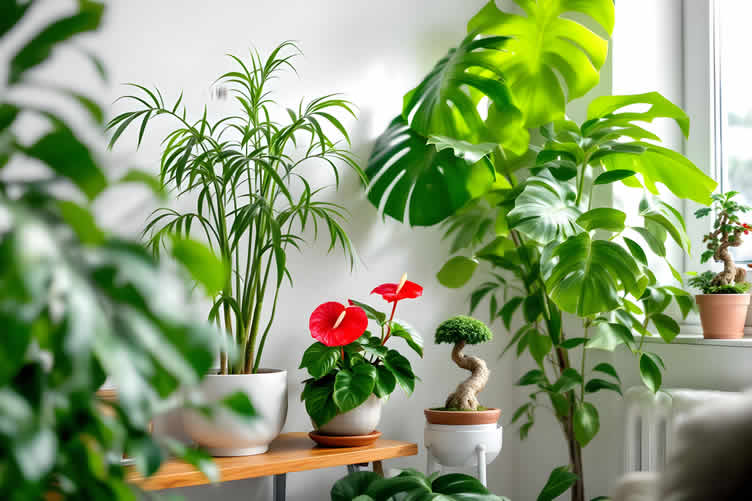
AI generated image by 123rf.com
Best "Air Cleaning" Houseplants
Best "Indoor" Trees
Best "Pet Friendly" Houseplants
viewing amazon -
-
-
ideas to view and compare from the information discussed above
Scroll up to directory … or scroll to next section about gathering around a focal point …




Are there any other interesting topics that might have been overlooked but could offer valuable insights …?


fourth “photo remodeling” idea
copyright image by 123rf.com
Converse Tip 4: Gathering Around a Focal Point to Foster Conversation
Notes:
-
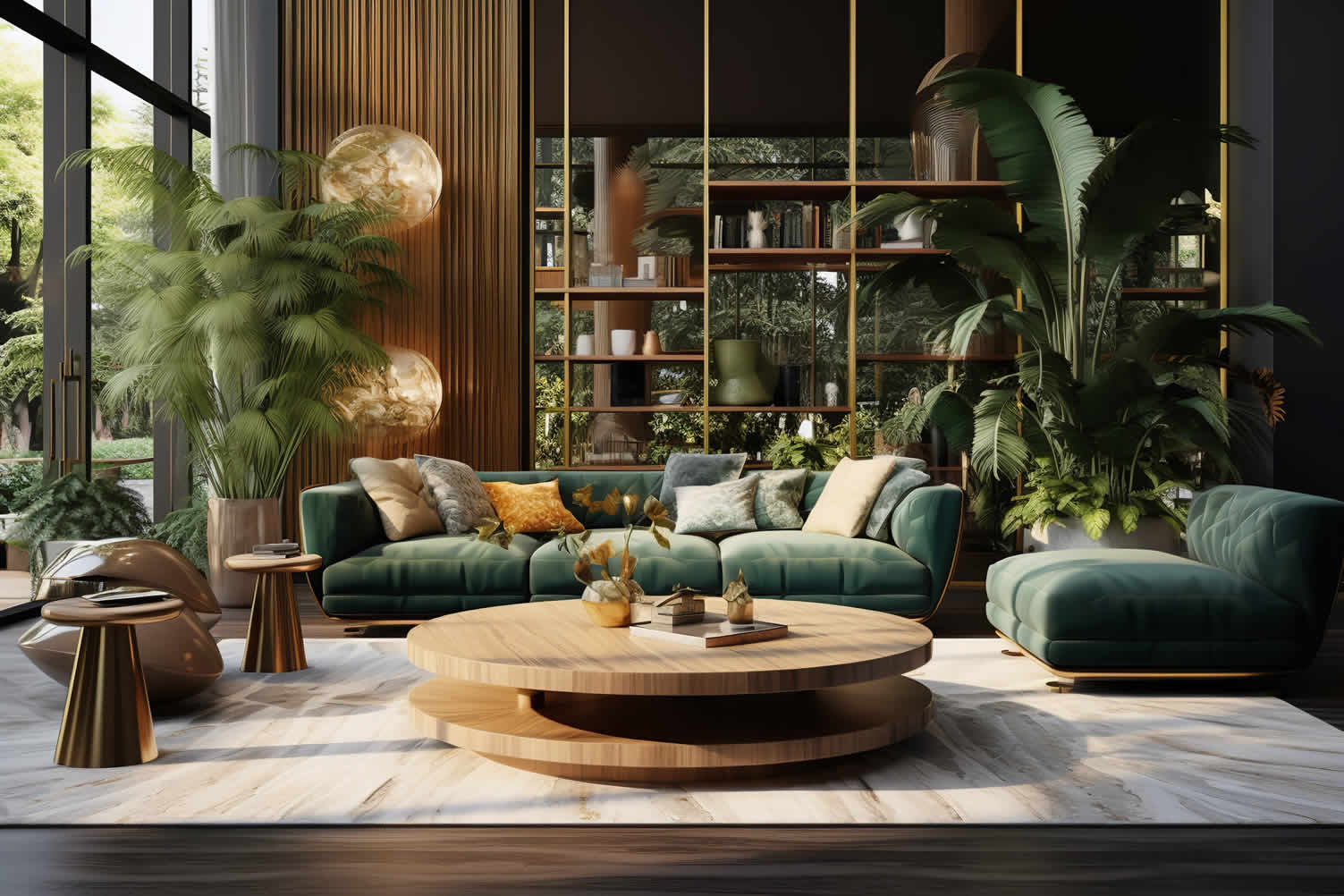
Creating a welcoming space in your living room where family and friends naturally gather and engage in meaningful conversation revolves around establishing a strong focal point.
A well-selected focal point anchors the room, drawing attention and offering visual interest while serving as a gathering spot that fosters connection.
The right focal point provides a sense of warmth, balance, and purpose to the space, making it an inviting area for lively discussions, quiet reflections, and shared experiences.
-
Quick scroll to supporting notes …
-
-
1st: Creating Spaces That Spark Connection
The heart of any well-designed living area lies in its ability to bring people together. Whether you’re hosting a lively gathering or enjoying a quiet evening at home, a thoughtfully created space can foster conversation, connection, and comfort.
Central to this concept is the idea of a focal point—a feature that draws attention and anchors the room. A great focal point not only enhances the overall aesthetic of a space but also encourages interaction and shared experiences.
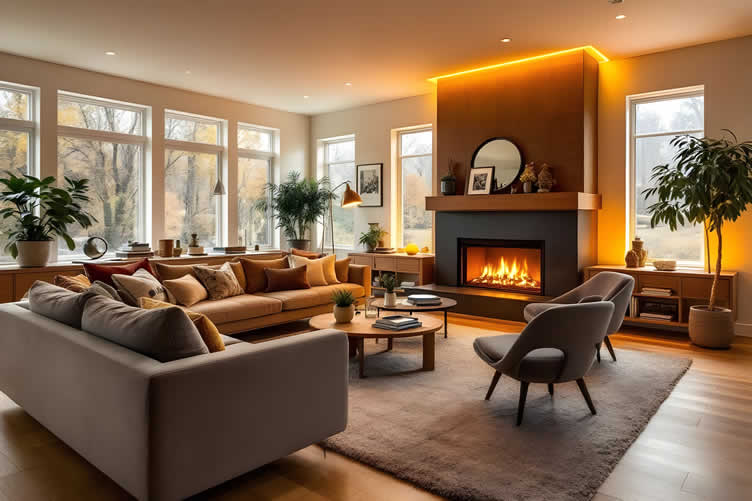
AI generated image by 123rf.com
Finding and creating the perfect focal point allows you to shape the atmosphere of your room and set the tone for engagement. From a cozy fireplace to an eye-catching piece of art, the options are as versatile as your unique style and needs.
By carefully crafting a conversational centerpiece, you can transform your home into a welcoming haven that invites guests to linger, share stories, and make lasting memories.
[ view summary table: creating focal point ]
-
The Timeless Appeal of a Fireplace [ view]
A fireplace is an iconic focal point that naturally draws people together. Its warm glow creates a soothing ambiance, making the space feel intimate and comfortable.
Whether you choose a traditional wood-burning fireplace or a modern electric design, it becomes a natural centerpiece for evening chats or storytelling sessions.
Styling the mantel with personal decor items, like family photos or seasonal greenery, adds an extra touch of charm, further enhancing its invitation for closeness and conversation.
-
The Versatility of a Coffee Table or Ottoman [ view]
A central coffee table or ottoman can anchor seating arrangements and encourage interaction. These pieces provide a natural space to place drinks, snacks, or books during gatherings.
An oversized ottoman can double as additional seating when needed or serve as a soft, informal surface ideal for family game nights. Choosing a design that blends functionality with style ensures that it complements the room while promoting sociability.
-
The Artistic Allure of an Art or Gallery Wall [ view]
An art or gallery wall introduces personality and creates a visually captivating focal point that invites conversation. Hanging a collection of curated artwork, family portraits, or travel memories allows you to share stories and spark dialogue with guests.
Ensure that the chosen pieces reflect your personality and passions, as this will make the space not only visually appealing but also deeply meaningful to those who visit.
-
The Charm of a Large Window or Scenic View [ view]
A large window or a scenic outdoor view can serve as a calming yet impactful focal point. Arranging seating to face such a view enables both quiet contemplation and engaging conversation, as guests are inspired by the beauty of the natural world.
To further emphasize this feature, dress the windows with simple, elegant treatments that frame but do not distract from the scenery. This effortless connection to nature enriches the atmosphere and creates a harmonious space.
-
The Personality of Bookshelves and Collections [ view]
Well-organized bookshelves filled with curated collections of books, decor, and mementos can captivate attention and inspire dialogue.
Displaying literature or objects that reflect your interests not only adds character to the room but also serves as conversation starters. Incorporate mixed textures and levels, such as plants or sculptures, to create depth and ensure that your shelves are as engaging as they are functional.
-
The Coziness of an Area Rug [ view]
A thoughtfully chosen area rug defines the conversation zone while adding texture and warmth to the space. By grounding the room, a rug creates a natural perimeter for furniture placement, encouraging intimate seating arrangements and a cohesive layout.
Opt for a design that complements your living room’s style while being soft underfoot, ensuring that your family and guests feel relaxed and welcomed.
-
Alternative Focal Points for a Unique Touch [ view]
Other distinctive features, such as a statement light fixture, a media center, or a dramatic architectural element, can also serve as compelling focal points.
A well-designed pendant light or chandelier draws the eye upward, while a media center allows for shared viewing experiences balanced with personal storytelling.
Architectural features like exposed brick or wooden beams add a layer of visual interest, setting the stage for meaningful connections.
Through intentional design and thoughtful selection of focal points, you can transform your living room into a space that not only looks beautiful but also enhances the way you engage with loved ones.
When the focal point encourages warmth, interaction, and comfort, the living room becomes the heart of the home—a place where memories are made and relationships thrive.
For further inspiration and design guidance, consult resources from trusted home improvement professionals or explore detailed tutorials from reputable institutions like The Spruce or Architectural Digest.
Type Solution Benefits Living Room Focal Point Creating a welcoming space in your living room by establishing a strong focal point that anchors the room and fosters natural gathering and conversation. Provides warmth, balance, and purpose, making the space inviting for meaningful discussions, shared experiences, and quiet reflections. Fireplace A traditional or modern fireplace serving as a central feature enhanced with personalized decor on the mantel. Creates a soothing ambiance and fosters intimacy, making it a natural centerpiece for gatherings and conversations. Coffee Table or Ottoman An oversized ottoman or central coffee table that anchors seating arrangements and serves multiple functions. Provides space for drinks, snacks, or books, doubles as seating, and encourages family interaction or games. Art or Gallery Wall Display of curated artwork, family photos, or travel memories as a visually captivating centerpiece. Promotes dialogue, reflects personal style, and adds meaningful visual interest to the space. Large Window or Scenic View Arranging seating to highlight a scenic outdoor view or large window with minimal treatments. Encourages relaxation, contemplation, and connection with nature, enhancing the room’s harmony. Bookshelves Well-organized shelves with books, decor, and mementos reflecting individual interests. Captures attention, offers depth and texture, and serves as conversation starters. Area Rug A thoughtfully chosen rug that defines a conversation area and complements the room’s style. Adds warmth, texture, and cohesion while encouraging intimate seating arrangements. Alternative Focal Points Features like a statement light fixture, media center, or dramatic architectural elements. Enhances visual interest and promotes shared storytelling, setting the stage for meaningful interactions. 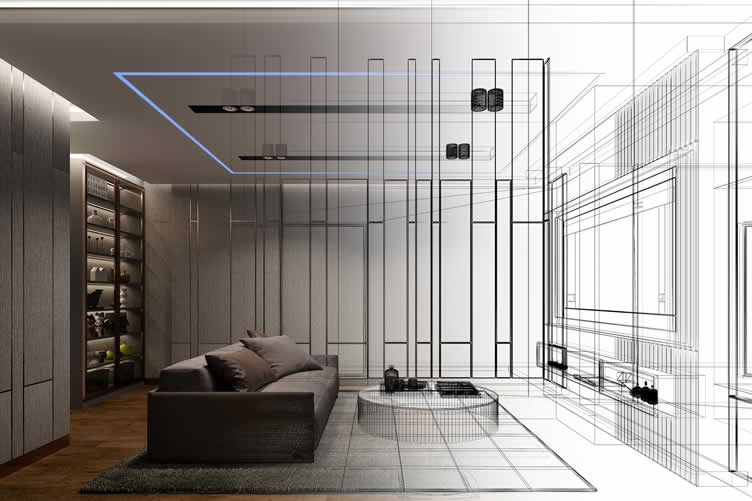
copyright image by 123rf.com
-
-
2nd: The Charm of a 360-Degree Fireplace
A well-designed home is more than just a collection of rooms; it is an environment that reflects your personality and meets your needs for comfort and connection.
At the heart of many memorable moments lies a shared warmth, both in conversation and ambiance, making the fireplace a timeless symbol of togetherness.
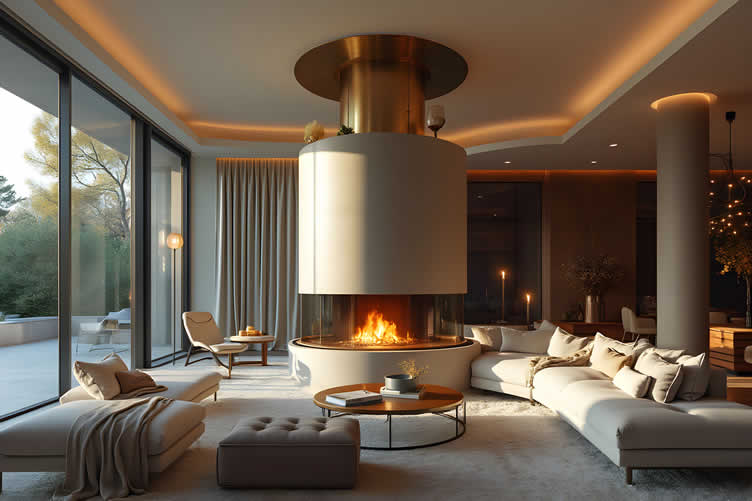
copyright image by 123rf.com
A 360-degree fireplace embodies these principles of unity and aesthetic appeal, standing out as both a functional and artistic feature within a home.
Its ability to distribute warmth in multiple directions while offering an unobstructed view of the flames creates a striking focal point that fosters interaction, while seamlessly elevating the overall design of your space.
[ view summary table: 360-degree fireplace ]
-
Design Versatility and Seamless Integration
One of the most captivating aspects of a 360-degree fireplace is its versatility. Unlike traditional fireplaces, which are often mounted against a wall and limit seating arrangements, a surround-view fireplace can be installed in the center of a room, acting as a natural centerpiece.
Whether in a living room, an open floor plan, or even a dining space, this design encourages flexibility. Guests and family members can gather all around, sharing in the warmth and beauty of the flames from any angle.
This integration works seamlessly with modern, minimalist interiors as well as rustic or traditional styles. A 360-degree fireplace can be clad with stone, metal, or glass finishes, allowing it to complement your preferred style.
For open-concept layouts, it serves as a subtle divider that visually separates spaces while maintaining an open, airy feel—a perfect balance of function and aesthetics.
-
Fostering Conversation and Connection
The immersive nature of a 360-degree fireplace creates an ideal setting for fostering conversation and connection. Imagine the allure of a gathering space where everyone has equal access to the flickering flames, allowing shared eye contact and dialogue to flow freely.
This type of fireplace naturally encourages seating arrangements that invite interaction, making it ideal for hosting friends or reconnecting with family at the end of a busy day.
Its central placement often becomes a gathering anchor, replacing the traditional focal point of a television. With the warmth and the motion of the flames drawing attention, conversations feel effortless, making the fireplace a shared experience rather than just a decorative element.
Research supports the notion that natural elements, including fire, contribute to relaxation and increased bonding, underscoring the psychological benefits of this design choice.
-
Energy Efficiency with Modern Designs
Beyond their aesthetic appeal, modern 360-degree fireplaces now boast energy-efficient features that make them a practical addition to any home.
Options powered by gas, bioethanol, or electricity ensure ease of use and minimal environmental impact, offering sustainable solutions without compromising on comfort. Many models are equipped with safety features like protective glass panels and auto shut-off functions, ensuring that they remain family-friendly.
The efficient heat distribution of surround fireplaces allows them to warm an entire space evenly, reducing reliance on centralized heating systems.
Such features align with the growing demand for greener, more cost-effective home heating solutions, benefiting your household’s energy consumption without sacrificing atmosphere.
-
Expert Recommendations and Inspirations
If you’re considering incorporating a 360-degree fireplace into your home, consulting professional resources should be your first step.
Trusted design platforms such as Houzz or Architectural Digest often feature examples of how surround fireplaces transform spaces, offering ideas tailored to various aesthetics and functional needs.
Similarly, experienced installers and home improvement experts can ensure the project is executed flawlessly, from selecting the ideal model to determining its placement within your home.
Feature Description Benefits 360-Degree Fireplace as Focal Point A fireplace designed to radiate warmth and provide an unobstructed view from all angles, serving as both a functional and aesthetic centerpiece. Creates a striking visual focus, evenly distributes warmth, and enhances the ambiance and interaction within a home. Design Versatility and Integration This fireplace can be installed in central locations, such as open floor plans or diverse interior styles with finishes like stone, metal, or glass. Encourages flexible seating, complements various design aesthetics, and acts as a subtle divider while maintaining an open feel. Fostering Conversation and Connection Encourages shared gatherings with equal access to the flames, promoting interaction and offering a shared experience in place of traditional focal points like TVs. Enhances relaxation, strengthens bonds, and fosters effortless conversation in a comfortable atmosphere. Energy Efficiency Modern fireplaces powered by gas, bioethanol, or electricity feature energy-efficient and environmentally friendly designs with added safety measures. Reduces central heating reliance, minimizes environmental impact, and ensures sustainable usage with family-friendly features. Expert Recommendations Professional advice and resources, such as design platforms or installers, help tailor installations and aesthetics to match personal needs. Ensures flawless integration, making the fireplace a design and comfort centerpiece that aligns with your home’s character. 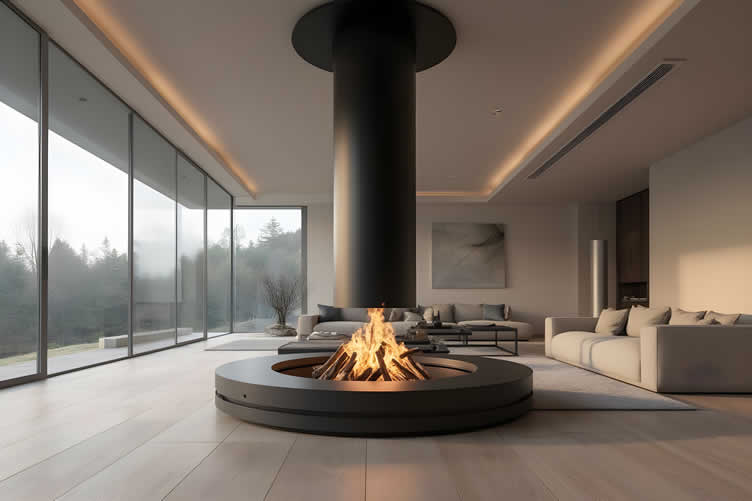
copyright image by 123rf.com
-
-
3rd: Creating Connections Beyond the Living Room
A well-designed home is more than just walls and furniture—it’s a space that fosters relationships, encourages meaningful interactions, and brings people closer together.
While the living room is often regarded as the heart of conversation, there are numerous other areas in a home where you can create a focal point to inspire connection and togetherness.
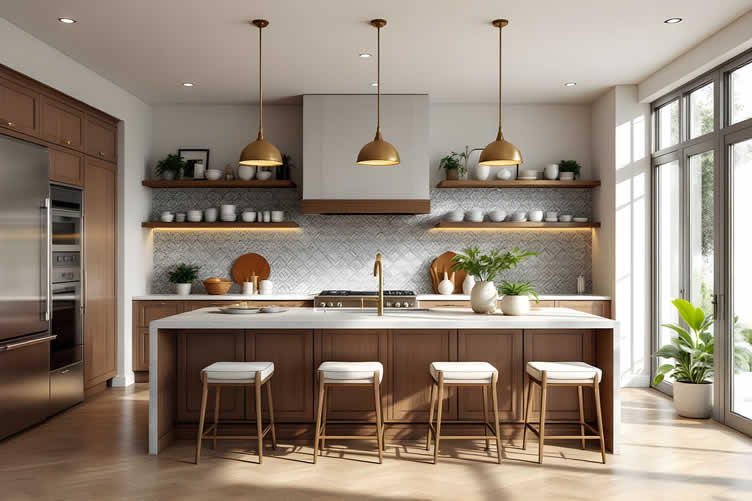
AI generated image by 123rf.com
From the kitchen to the patio, each space holds the potential to become a hub of interaction with thoughtful design and purposeful arrangement.
Here, we explore several settings outside the living room that can transform into conversation-starters and bring new energy to your home.
[ view summary table: other home areas ]
-
The Kitchen as the Heart of the Home[ view]
The kitchen has long been considered the heart of the home, and for good reason. It’s where meals are prepared, stories are shared, and traditions are passed down. A well-designed kitchen can easily become a dynamic focal point by incorporating central islands or custom seating areas.
Consider a kitchen island with built-in seating or room for stools, allowing family and guests to gather while food is being prepared. Adding features like pendant lighting or a statement backsplash can make the space inviting and visually appealing.
Create a sense of warmth through finishes like wood countertops or soft cabinetry colors, while incorporating functional elements like serving trays and built-in storage to keep the space organized and comfortable.
A connection between kitchen and dining spaces or open layouts further encourage movement and interaction, making the kitchen a natural choice for fostering conversation.
-
Transforming the Recreation Room[ view]
A recreation or game room is another excellent option for setting up a focal point that goes beyond the traditional. Whether through a pool table, home theater system, or even a game shelf, the recreation room offers unlimited possibilities to bring people together for fun and entertainment.
Arrange oversized armchairs or comfortable sectional seating around a primary element such as a projector screen or center table to encourage conversation between activities.
This space can also reflect personality and hobbies, adding a layer of uniqueness that sparks conversations. Walls adorned with artwork, memorabilia, or bold wallpaper designs may further enhance the room’s ambiance.
Practical additions such as soundproofing or multi-use furniture can optimize the space’s function and appeal, ensuring it becomes a go-to gathering spot.
-
The Patio or Deck as a Social Retreat[ view]
Outdoor spaces such as patios or decks offer a completely different dynamic for creating connection. These areas inherently encourage relaxation and natural conversation, particularly when designed with inviting features like outdoor fireplaces, cozy pergolas, or a central dining table.
Incorporating comfortable outdoor furniture, weather-resistant fabrics, and decorative accents like lanterns or plants can create an environment where guests feel welcome.
For an additional focal point, consider incorporating features like a fire pit, water fountain, or outdoor kitchen. These elements not only elevate the space’s functionality but also contribute to a sense of gathering and storytelling.
Seasonal elements, such as string lights for ambiance or heating lamps for cooler months, make the patio or deck a year-round asset to your home.
-
Sunroom for Year-Round Relaxation[ view]
A sunroom is a luxurious oasis, offering natural light and panoramic views that make for a serene, conversation-friendly nook. Whether furnished with deep-cushioned couches, wicker chairs, or a hammock, a sunroom effortlessly combines tranquility with connection.
By placing furniture around a central coffee table or near a panoramic window, you can create a natural gathering spot for morning coffee or evening chats.
Adding plants, ranging from towering palms to trailing ivy, enhances the sense of warmth and connection to the outdoors. Skylights or light-filtering window treatments emphasize the room’s purpose, creating a space that feels harmonious and bright.
-
Other Unique Spaces to Inspire Connection
Other areas of your home can also be transformed into conversation-friendly zones with a touch of creativity. A finished basement, for example, can be styled as a cozy nook featuring bookshelves and plush seating for intimate conversations.
For large households, a dedicated hobby or craft room can double as a social zone, encouraging exchange over shared pursuits. Even entryways and hallways can become unique gathering spots with built-in benches or gallery walls decorated with family photos or art.
By rethinking how you use spaces in your home and designing with intention, you can create focal points in unexpected places.
From the kitchen to outdoor retreats, these areas allow you to elevate your home’s purpose and functionality, ensuring that every square foot fosters meaningful connection and enjoyment.
Space Description Key Features Kitchen The kitchen serves as the heart of the home, where meals are prepared and conversations flow naturally. It is a space of culinary creativity and family bonding. Central islands with built-in seating, pendant lighting, wood countertops, open layouts, and functional storage. Recreation Room A recreation or game room sparks fun and entertainment, fostering connection through shared activities and hobbies, all while offering a personalized setup for guests. Pool tables, home theater systems, sectional seating, bold decor, soundproofing, and multi-use furniture. Patio or Deck Outdoor spaces provide a relaxed environment for connection, offering the perfect setting for informal gatherings and storytelling, surrounded by nature. Fireplaces, pergolas, fire pits, outdoor kitchens, weather-resistant furniture, and seasonal elements like string lights or heating lamps. Sunroom A sunroom offers a serene and light-filled retreat that encourages relaxation and interaction, linking the indoors with the beauty of the natural world. Panoramic windows, natural light, plants, cozy furniture, skylights, and light-filtering window treatments. Other Unique Spaces Other areas, such as finished basements, hobby rooms, or entryways, can be re-imagined as inviting gathering spots with a touch of creativity and intentional design. Bookshelves, plush seating, gallery walls, built-in benches, and multi-purpose layouts. 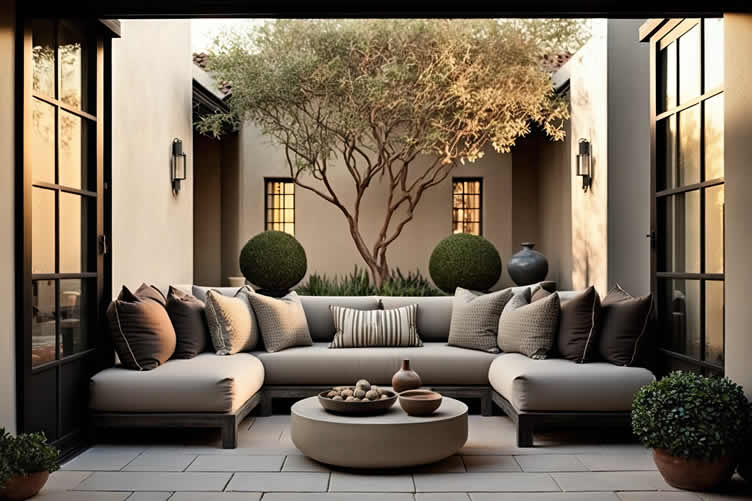
AI generated image by 123rf.com
[ pinterest: conversational patio setup ]
[ pinterest: conversational sunroom setup ]
-
-
-
ideas to view and compare from the information discussed above
Scroll up to directory … or scroll to next section about using home entertainment …
SHARE IT ..! Someone in your network might benefit from this insightful post about how to design living room for conversation. Feel free to share it on Facebook, X (formally Twitter), LinkedIn, or Pinterest!





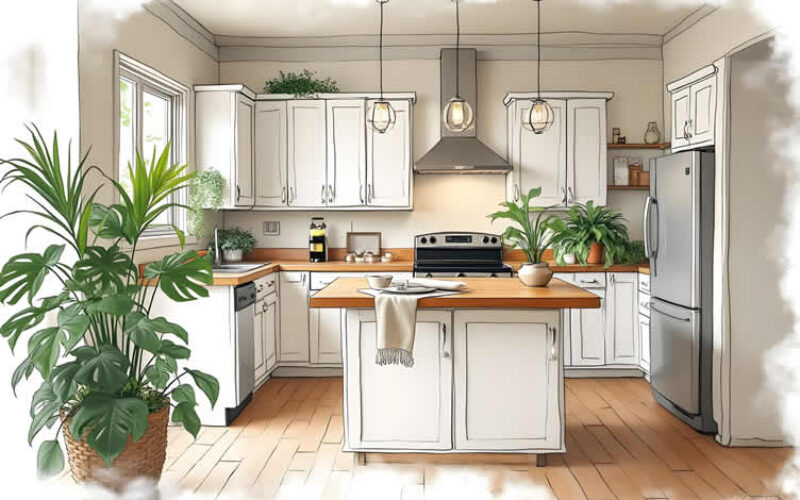



Budgeting Worksheet For Costing Home Remodeling and Home Improvement Decisions
 File Type (excel)
Find Interior Design Services Decorators Interior Designers Furniture Painting & Staining top-rated, pre-screened local contractors FREE: download contractor selection enter zip code – powered by HomeAdvisor ™
Quick Contractor Guides selecting negotiating working with inspecting

fifth and last “photo remodeling” idea
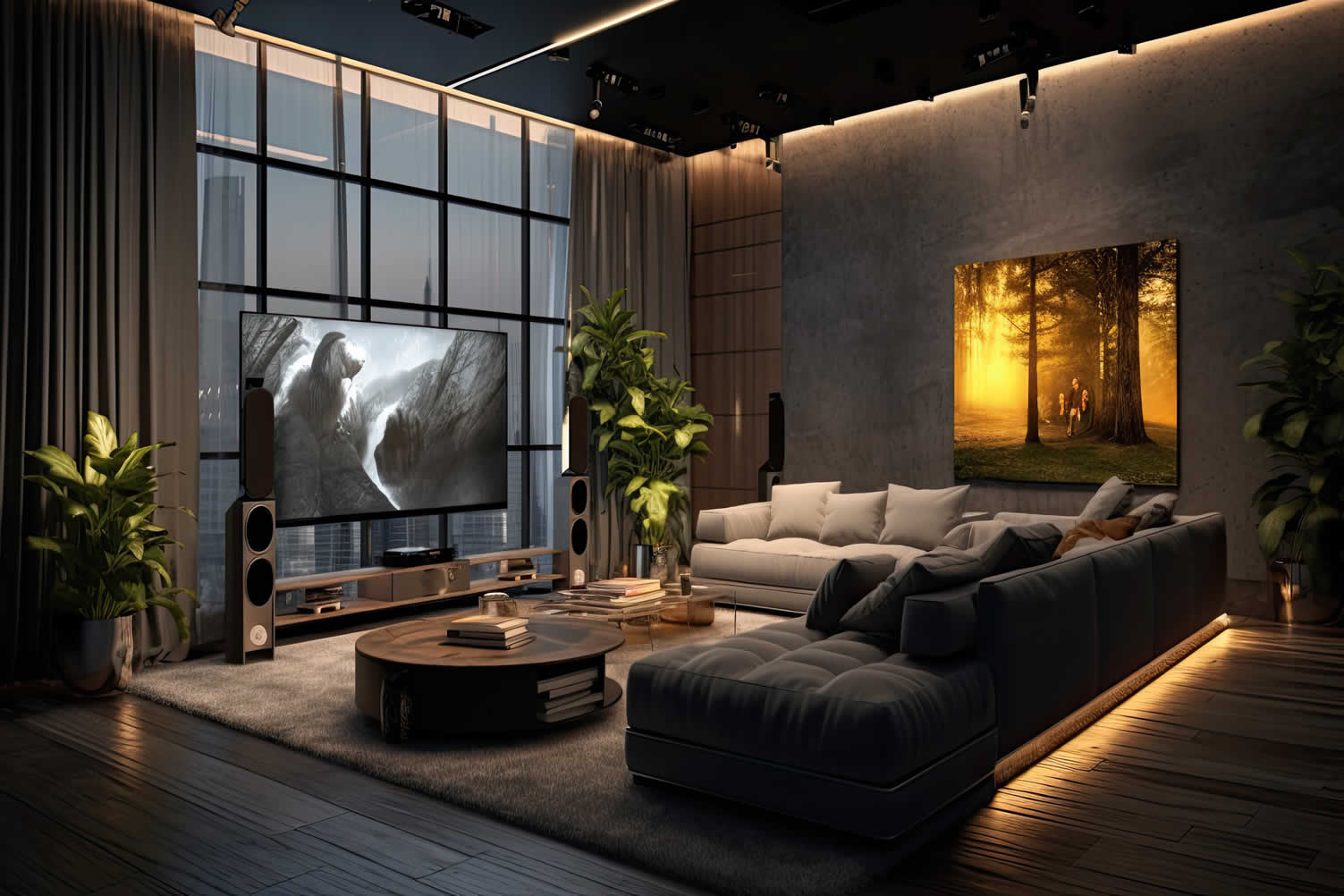

copyright image by 123rf.com
Converse Tip 5: Home Entertainment
… can foster connection and conversation
Notes:
-
Creating a home entertainment center that inspires connection and meaningful conversation can transform the way families and friends interact within a living space. Beyond being a source of leisure, a carefully designed entertainment area can serve as the heart of a home, a space where shared experiences and bonding occur.
Striking the right balance between technology, ambiance, and comfortable furnishings ensures that the space is both functional and inviting.
Below, we explore key elements to consider when developing an entertainment center that enriches social connections and encourages dialogue.
-
Quick scroll to supporting notes …
-
-
1st: The Art of Setting Up a Home Entertainment System
… for meaningful conversations
A well-designed home entertainment system doesn’t just bring movies or music to life; it becomes a catalyst for fostering deeper conversations and lasting connections.
Beyond the allure of high-definition visuals and immersive soundscapes, your home entertainment system can create a warm and inviting atmosphere where discussions flow naturally, and everyone feels included.
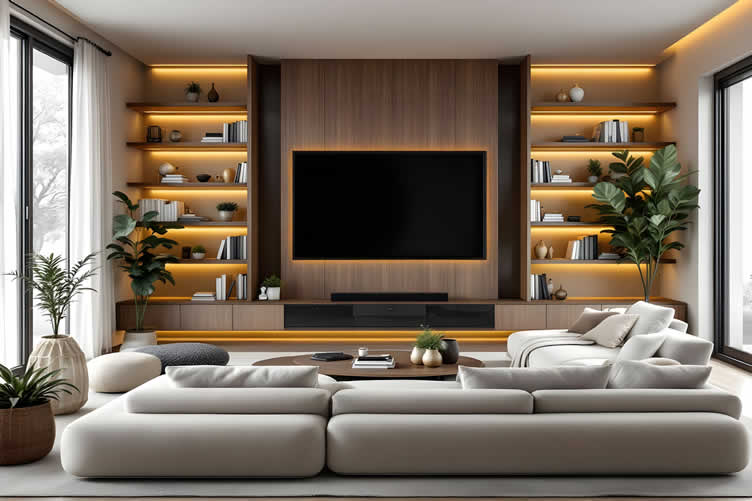
AI generated image by 123rf.com
Designing a setup that balances audio-visual performance with social functionality takes careful planning.
By considering acoustics, layout, and ambiance, you can transform your living area into a conversation-friendly environment that enhances interaction rather than overwhelming it.
[ view summary table: setting up home entertainment ]
-
Prioritize the Layout for Engagement
The physical arrangement of your home entertainment system plays a pivotal role in encouraging conversation.
Start by arranging seating in a circular or semi-circular pattern to promote eye contact and inclusivity. Avoid placing all furniture directly in front of the screen, as this may unintentionally discourage participation during discussions.
Instead, position the television or projector in a way that complements the layout rather than dominating it. Low-profile furniture and adjustable seating options can help maintain sightlines for both the screen and other guests, ensuring a balance between entertainment and interaction.
Acoustics are another critical aspect of the layout. Strategically place speakers to deliver balanced audio coverage across the room, avoiding overly loud or concentrated areas that might disrupt conversation. Soft furnishings like rugs and curtains can help absorb excess noise, allowing voices to carry more effortlessly.
-
Select Visual Displays That Set the Tone
While the television or projector often serves as the focal point of an entertainment system, its role in fostering meaningful conversations should not be overlooked. Opt for a screen size and resolution appropriate to the dimensions of your space, ensuring it feels integrated rather than overwhelming.
Ambient lighting solutions, such as dimmable fixtures or bias lighting behind the screen, can reduce glare and eye strain while creating a cozy, conversation-friendly atmosphere.
To further encourage engagement, consider interactive display options like smart TV apps that support group activities, such as collaborative games, karaoke, or even sharing photos and playlists.
These features bridge the gap between passive viewing and dynamic socializing, making your entertainment system an active participant in the conversation.
-
Enhance the Atmosphere with Sound Design
Sound is undoubtedly one of the most impactful elements of any home entertainment system, yet it’s often overlooked in creating a space suitable for conversations. Choose a surround sound system that offers clarity and balanced volume levels, avoiding configurations that overwhelm guests or make speech indistinct.
Many modern systems feature dialogue-enhancing modes that increase vocal clarity in movies and shows while minimizing background noise—perfect for creating an environment where people can easily converse during viewing breaks.
Additionally, incorporating smart speakers or voice-controlled devices adds a layer of convenience, allowing you to adjust settings, play music, or search for content hands-free without interrupting the flow of conversation.
Consider background music playlists that match the atmosphere you seek to create, ensuring they complement rather than compete with your guests’ voices.
-
Create a Conversation-Centric Ambiance
The ambiance of your home entertainment space goes beyond technology and layout, encompassing décor, lighting, and other design elements that influence how people feel in the room.
Warm tones, textured fabrics, and inviting furniture choices can make the space feel cozier and more conducive to intimate conversations. Avoid overly minimalist or clinical designs, as they may feel unwelcoming or discourage lingering chats.
Lighting also plays a key role in ambiance. Layered lighting solutions, such as wall sconces combined with recessed ceiling lights or lamps, allow you to customize the mood as needed.
Smart lighting systems with programmable settings can effortlessly transition from "movie night" to "conversation time," setting the perfect tone for both activities.
-
Integrate Technology That Adapts to Social Settings
Modern innovations in home entertainment systems now include features designed specifically for versatility and social interaction.
For example, smart home hubs integrate multiple devices, allowing seamless transitions between entertainment and other functionalities, like turning on soft music for a casual chat after a film.
Multi-zone audio systems can also give you the flexibility to direct music or sound only to certain areas of your home, ensuring uninterrupted conversation elsewhere.
Another valuable tool is a noise-control system or acoustic panels. These additions improve room acoustics while minimizing distractions from adjoining areas, ensuring the primary focus remains on conversations and connections.
If you host guests often, consider systems that allow multiple input sources so others can share music or media directly through your entertainment system, creating a more collaborative and dynamic environment.
Type Solution Benefits Designing a Home Entertainment Center Creating a home entertainment center that fosters connection and meaningful conversation by balancing technology, ambiance, and furnishings. Transforms living spaces into hubs for bonding, shared experiences, and dialogue, providing an inviting and functional area for families and friends. Arranging Comfortable Seating Seating arranged in a circular or semi-circular pattern for inclusivity and eye contact. Furniture is positioned to complement the screen rather than dominate the space. Soft furnishings like rugs and curtains are used to absorb excess noise. To encourage social interaction and maintain balance between entertainment and conversation. Positioning the TV and Monitor Placing the TV or monitor at a comfortable eye level, preferably wall-mounted with adjustable brackets, and selecting a high-quality display with features like 4K resolution. Offers optimal viewing for movie nights, gaming sessions, or sporting events, and enhances shared experiences with dynamic picture clarity. Crafting an Immersive Sound System Integrating surround sound systems or soundbars, positioning speakers evenly, and utilizing wireless options to minimize clutter while allowing customizable audio settings. Creates an immersive audio experience for activities like movie nights or karaoke while maintaining flexibility for casual or high-energy gatherings. Enhancing Ambiance with Lighting Using dimmable lighting fixtures, LED light strips, and warm-toned lamps to create adjustable brightness levels and a cozy atmosphere. Reduces eye strain, enhances the aesthetic, and transitions the space seamlessly from entertainment to conversation-focused activities. Adding Functional and Personal Touches Including board games, books, puzzles, mini-bars, snack stations, family photos, throws, and area rugs for a personalized and functional space. Provides alternative activity options, easy access to refreshments, and a welcoming environment reflecting the household’s personality. Technology Integration Smart home hubs connect multiple devices for seamless transitions. Multi-zone audio systems and noise-control systems enhance functionality and reduce distractions. To provide flexibility and promote collaboration while enhancing the social setting. 
copyright image by 123rf.com
-
-
2nd: Use a Professional to Design Your Conversation Area
Crafting a warm and inviting conversation area in your living room is both an art and a science. Whether you’re hosting lively family gatherings or intimate chats with friends, having a space designed to encourage dialogue can make all the difference.
An interior designer’s expertise can transform your living room into a functional and personalized area that enhances connection and comfort. By understanding spatial dynamics, design principles, and individual preferences, they turn ordinary spaces into conversation-friendly havens.
Here’s how an interior designer can guide you in setting up the perfect conversation area.
[ view summary table: why use interior designer ]
-
Understanding Spatial Layout and Flow
One of the key contributions an interior designer brings to the table is their ability to optimize your living room’s spatial layout. Conversation areas work best when the seating arrangement facilitates eye contact and natural interaction.
Designers consider circulation paths, ensuring that the space promotes easy movement while maintaining a cozy atmosphere.
For instance, placing two armchairs at a comfortable angle to a sofa can create a more inclusive seating area while avoiding the feeling of overwhelming the space. This thoughtful arrangement fosters open communication.
-
Selecting the Right Furniture
A designer can help you select furniture that not only complements the aesthetic of your home but also serves the functional purpose of your conversation area. They prioritize seating that combines style with comfort, such as plush sofas paired with ergonomic chairs or sectional sofas that naturally define the space.
Designers often recommend scaled-down furniture for smaller living rooms to avoid a cramped feeling while ensuring there’s sufficient seating for everyone. Beyond seating, the choice of coffee or side tables plays a pivotal role.
These tables act as practical surfaces for beverages, books, or décor without obstructing eye-level interactions.
-
Creating Ambiance Through Lighting
Good lighting is essential for creating an engaging and intimate conversation space, and this is where an interior designer can reshape the ambiance. Layered lighting—combining ambient, task, and accent light sources—ensures versatility.
A designer might suggest installing a dimmable overhead fixture, floor lamps beside seating areas, or wall sconces that add a soft glow. These elements work together to prevent harsh lighting while making the space feel warm and inviting.
Designers also pay attention to natural light, encouraging layouts that capitalize on windows or glass doors to keep the atmosphere airy and uplifting.
-
Infusing Personality with Décor
Your conversation area should feel uniquely yours. An interior designer helps you integrate decorative elements that infuse personality into the space while drawing visual interest.
From accent pillows and textured throws to curated artwork, every detail can reflect your individual style. Designers also incorporate focal points—such as a fireplace, statement rug, or piece of art—that spark conversations themselves.
A seasoned professional ensures these elements are cohesive yet purposeful, contributing to both the visual appeal and functional charm of the space.
-
Leveraging the Power of Colors and Textures
Color schemes and textures have a profound impact on the overall feel of your conversation area, and interior designers excel at crafting harmonious palettes. Warm, neutral hues often work best for living rooms, striking the perfect balance between comfort and sophistication.
Designers can introduce subtle contrast using textured materials like a soft area rug, a velvet ottoman, or a woven basket, giving depth to the design while maintaining visual harmony.
These details not only enhance the aesthetic appeal but also create an inviting atmosphere conducive to relaxed conversations.
-
Tailoring the Space to Your Needs
An interior designer’s main goal is to craft a space that matches your lifestyle and specific needs. For example, if you host frequent family game nights, the conversation area might incorporate multi-functional furniture such as ottomans with storage or an extendable coffee table.
Conversely, for those who enjoy casual evenings with friends, the designer might suggest more modular seating options to easily rearrange the setup.
Designers work closely with clients, listening to their preferences and providing solutions that align with their day-to-day activities.
-
Concluding Thoughts on Expert Guidance
Partnering with an interior designer to set up a conversation area in your living room is an investment in comfort, style, and functionality. Their expertise ensures that every detail—from furniture arrangement to decorative elements—works together to create a cohesive space that fosters meaningful interactions.
With their guidance, your living room becomes more than just a space; it transforms into the heart of your home where friends and family gather, connect, and create lasting memories.
LetsRenovate has partnered with HomeAdvisor™, a renowned provider of highly-rated, carefully-vetted local interior designers. Start your search here by entering your zip code to find local professionals.
Aspect Description Key Benefit Understanding Spatial Layout and Flow Optimizing the living room layout to ensure seating arrangements facilitate eye contact and natural interactions, while maintaining easy movement and a cozy atmosphere. Fosters open communication and creates an inclusive environment. Selecting the Right Furniture Choosing furniture that balances style and functionality, including plush or ergonomic seating and practical coffee or side tables suited for the space. Ensures comfort, complements the room’s aesthetic, and maximizes available space. Creating Ambiance Through Lighting Utilizing layered lighting such as ambient, task, and accent sources, along with leveraging natural light, to make the space inviting and versatile. Enhances the atmosphere, prevents harsh lighting, and creates a warm, engaging environment. Infusing Personality with Décor Adding decorative elements like accent pillows, artwork, or statement pieces to reflect personal style while creating visual interest. Makes the space uniquely yours and serves as conversation starters. Leveraging the Power of Colors and Textures Crafting harmonious color palettes and introducing textures through materials like rugs or cushions to enhance depth and visual appeal. Creates an inviting and sophisticated atmosphere conducive to relaxed conversations. Tailoring the Space to Your Needs Customizing the layout and furniture choices to align with specific lifestyle preferences, such as multi-functional pieces for families or modular seating for socializing. Ensures the space is functional and suited to day-to-day activities. 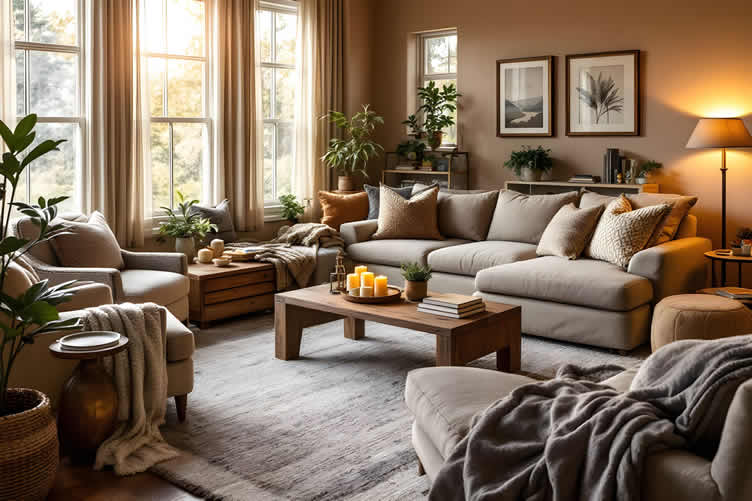
copyright image by 123rf.com
But Wait!
Before starting your search and evaluation of interior designers, it is highly recommended to download and use this evaluation worksheet.
This resource is designed to help you objectively rank and assess potential contractors, ensuring you make informed decisions that align with your needs and goals.
The worksheet includes sections for evaluating crucial factors such as pricing, licensing, experience, and referral information.

Evaluation Sheet
File Type: -
-
-
Conclusion:
… craft Your dream space for connection
Designing your living room for conversation is a thoughtful process that goes beyond simply filling a room with furniture. It’s about creating an environment that nurtures connection and encourages shared moments.
By carefully arranging your furniture to promote interaction, layering lighting to create a warm ambiance, and choosing decor that tells a story, you can transform your living room into a cherished space where relationships deepen and memories are made.
A home designed with connection in mind becomes a true sanctuary for you, your family, and your friends.
References:
- Camille Styles. "15 Cozy Living Room Ideas to Make Your Space Feel Like a Hug."
- Decor Snug. "12 Living Room Furniture Layout Ideas & Floor Plans."
- Houzz. "5 Living Rooms Designed for Conversation."
- Lindsey Brooke Design. "No-Fail Furniture Arrangements for Your Living Room."
- Society6. "The Best Living Room Layout for Your Space."
- Timbur. "Creating Conversation Areas in Open Plan Living Spaces."
-
ideas to view and compare from the information discussed above
- What comments can you share about
how to design living room for conversation?
Scroll up to directory … or scroll to more home remodeling-related topics …


view illustration “becoming a bank”


Easily determine the dimensions you need for any home remodeling project …
… ensuring functionality, visual appeal, and compliance with building codes.

Calendar For:
Home Maintenance
File Type:
… view our sharing links below for a quick "share the knowledge"
AI generated image by 123rf.com: design living room for conversation generated from an image by pixabay
end of post … please share it!
 |
did you find this design living room for conversation analysis helpful? If so, please share the article with your friends and family! |
Nice pic idea? Leave us a quick comment below.
And please share this pic idea within your social networks.