Summary Outline –
Homeownership is a rewarding but often challenging endeavor. One of the most significant decisions homeowners face is whether or not to remodel.
This choice can impact your living experience and the value of your property. This post analysis will guide you through the myriad factors to consider when deciding to remodel your home.
From identifying signs that it’s time to start renovations, to understanding the financial and environmental impacts, we’ll cover everything you need to make an informed decision.
We will provide a comprehensive step-by-step guide to help you create your plan. This will involve analyzing the numbers, gathering ideas, developing the plan and securing financing, and finally executing and managing the renovation project.
- post content … analysis/ should you remodel your home
- intro: Signs It’s Time to Remodel
- Step1: Analyzing the Numbers
- Step2: Collecting and Gathering Home Remodeling Ideas
- Step3: Compiling the Remodeling Plan
- Step4: Getting Your Remodeling Plan Up and Going
- Step5: Financing Your Remodeling Project
- Step6: Managing the Home Remodeling Project
- Closing: Real-Life Examples of Successful Remodeling Projects
- conclusion

-
- —— begin first topic ——
-
Intro: Signs It’s Time to Remodel
Deciding whether you should remodel your home is not a decision to be taken lightly. It’s a process that requires careful consideration of various factors to ensure it aligns with both your personal needs and long-term investment goals.
Home remodeling can revitalize your living space, improve functionality, and increase property value. However, it also comes with challenges that need to be weighed against the potential benefits.
Below we explore key factors that may influence your decision to take on a remodeling project.
-
Outdated Design and Layout Features
One of the primary motivations for home remodeling is addressing outdated design and layout features. Functional issues such as space constraints can make your home feel cramped and less livable.
Wear and tear over the years might necessitate updates to flooring, cabinetry, or fixtures to improve usability and safety.
Homeowners may opt for open-floor plans to enhance flow and connectivity between rooms, addressing both aesthetic and practical considerations.
-
Lifestyle Changes
As your lifestyle evolves, so too do your living space requirements.
- A growing family might need additional bedrooms or a larger kitchen to accommodate daily activities.
- Empty nesters may choose to re-purpose spaces for hobbies or guest accommodations.
- Aging-in-place designs prioritize safety and accessibility to allow you to remain in your home as you age.
With the rise of remote work, converting a spare room into a home office can create a productive work environment tailored to your needs.
-
Structural Issues
Remodeling can address critical structural issues that impact both the safety and efficiency of your home. Enhancing energy efficiency through updated insulation, windows, or HVAC systems can lower utility bills and improve comfort.
Addressing recurring repairs through a comprehensive remodel can preempt future issues, saving time and money in the long-term. Ensuring your home meets current building codes and safety standards protects your investment and your well-being.
-
Aesthetic Concerns
Aesthetic updates can breathe new life into a dated home, elevating its curb appeal and reflecting your personal style. Home remodeling allows you to express individuality through customized interior designs, whether it’s through modern finishes or classic elements.
Exterior improvements can also refresh your home’s appearance, adding value and charm that resonates with potential buyers. Custom touches, from color schemes to landscaping, can transform a house into a personalized and inviting home.

copyright image by 123rf.com

-
-
Step 1: What’s Being Discussed
scroll to content -
Step 1: Analyzing the Numbers
When contemplating significant changes to your living space, homeowners are often faced with the decision of whether to invest in a home remodeling project or to use that investment to purchase a new home. This choice hinges on various factors including personal preferences, financial considerations, and long-term goals.
Remodeling your current home can allow for personalized updates and improvements that reflect your unique taste, while buying a new home might offer a blank slate or modern amenities you seek.
It’s essential to weigh the advantages and disadvantages of both options to determine which path best suits your lifestyle and financial situation.
-
What Goes Into The Numbers
Remodeling a home involves evaluating the cost of materials, labor, and the extent of renovations required to meet your objectives. On average, a major home renovation can range from tens of thousands to hundreds of thousands of dollars depending on the project’s scope.
This investment can significantly increase the value of your home, particularly if updates are made to key areas such as the kitchen or bathrooms. In contrast, using the same financial resources to purchase a new home involves considering the real estate market, closing costs, and potential moving expenses.
While a new home might offer instant appeal with its modern construction and design, additional costs such as property taxes and maintenance should be factored into the decision. Comparative market analysis can help determine if purchasing a new home is a more lucrative long-term investment compared to remodeling your existing property.
Ultimately, the choice between remodeling and buying new demands careful financial analysis and a clear understanding of your personal priorities and lifestyle needs.
When considering the value of a home remodeling project, it’s essential to analyze the numbers to evaluate how the investment compares to purchasing a new home that meets your design and functional goals.
-
Assessing Current Home Value
The first step in analyzing whether to remodel or purchase a new home is to determine the current market value of your existing property. This can be achieved through a professional appraisal, which assesses factors such as location, size, condition, and features of the home.
Additionally, reviewing recent sales of comparable properties in your area can provide insights into its current market standing. Understanding your home’s present worth is crucial as it establishes a baseline for evaluating future investment or sale potential.
This valuation allows you to calculate your current equity and aids in assessing the financial feasibility of undertaking major renovations versus pursuing a new home purchase.

What’s Its Worth
what’s your home worth? how much equity do you have in your home?estimate home value -
Estimating Remodeling Costs
Once you have determined the current value of your home, the next step is to estimate the costs involved in your remodeling project. Start by researching online for similar projects in your area to get a ballpark figure of what your remodel might cost.
There are numerous home improvement websites and forums where homeowners share their renovation experiences and costs, which can provide valuable insights into potential expenses and budgetary considerations.
Additionally, it’s highly beneficial to discuss your project with a professional contractor who can offer a more tailored estimate based on the specifics of your home and the scope of your renovation plans.
Contractors can also highlight hidden costs and necessary permits, ensuring that the budget you prepare is as comprehensive and realistic as possible.

Project Estimator
use these 3rd party guides to estimate home remodeling costs in your areaproject estimator cost estimator DYI estimates -
Estimating Post-Remodeling Home Value
After estimating the remodeling costs, the final step is to forecast your home’s value post-renovation. To get an accurate estimate, consider consulting with a real estate appraiser or a real estate agent familiar with your area.
They can provide insights into how similar upgrades have affected the value of comparable properties. Analyze the potential return on investment (ROI) by examining recent real estate trends and sales data.
Upgrades that typically yield high returns include kitchen and bathroom remodels, adding energy-efficient features, and enhancing curb appeal. By understanding the prospective value of your home, you can better gauge the financial benefits of your remodeling project and make more informed decisions about the extent and nature of the renovations.
This anticipatory valuation will help ensure that your investment leads to the appreciation of your property’s worth, aligning with your future financial goals.
-
Analyzing the Investment’s ROI Versus Buying a New Home
Now that you’ve generated both the remodeling costs and the estimated post-renovation home value, it’s crucial to assess whether the investment offers a satisfactory return on investment (ROI) or if it might be more advantageous to purchase a new home.
Start by comparing the projected increase in your property’s value against the total renovation expenses. If the ROI aligns with or exceeds your expectations, continuing with the remodeling may be a sound financial decision.
However, if the potential profit margin is slim or the renovations will not significantly enhance the home’s livability or appeal, consider evaluating the cost and benefits of buying a new property.
Factors such as market conditions, interest rates, and personal circumstances will also play a vital role in this decision-making process. By weighing these elements thoughtfully, you can make a more informed choice that best supports your long-term financial and lifestyle goals.


copyright image by 123rf.com
—— sub-note: other considerations ——
Additional Considerations for Positive ROI
When contemplating the profitability of your remodeling investment, it’s essential to evaluate a variety of external factors that may influence your property’s value.
While enhancing your home’s features can certainly boost its worth, changes within your neighborhood and community can either complement or undermine your efforts. Detailed assessments of these considerations are vital to securing a positive return on your investment.
-
Surrounding Homes
The context of your neighborhood and how your remodel compares with nearby homes is vital. Enhancements that are too extravagant for your area may not yield the expected ROI.
Understanding the local market trends and comparable homes ensures that your investment makes sense within its surroundings, optimizing both selling potential and personal enjoyment.
-
Check Your Neighborhood and Community for Any Negative Changes
It’s important to stay informed of any developments in your area that could negatively impact your property’s value. Factors such as new highway construction, changes in zoning, or increased noise levels due to nearby construction projects could diminish the desirability of your location.
Keeping a close watch on these changes will enable you to better anticipate their potential effects on your home’s appeal.
-
Secure Property Boundaries
Assessing the stability of your property’s boundaries is another critical step. Open areas near your home may be vulnerable to development, while commercial zones might be inching closer, potentially increasing traffic and reducing privacy.
Evaluating these encroaching developments early helps mitigate their impact on your property’s future value.
-
Check the Quality of Local Schools
The quality of schools in your area significantly affects your home’s market value. High-performing schools typically enhance property worth, whereas deteriorating educational institutions can lead to a decline in neighborhood prestige.
Therefore, staying informed about school performance trends is essential for making a sound investment decision.
-
Analyze Surrounding Neighborhood Trends
Understanding whether homes in the surrounding area are experiencing value increases or decreases can offer insight into your property’s future worth.
A decline in nearby property values could indicate a potential risk to your investment, while rising values might signify a promising environment for maximizing returns.
-
Calculate and Estimate Housing Fees
Rising tax rates and homeowners’ association (HOA) fees can erode your property’s profitability. Assessing these financial obligations before committing to a remodel can help you understand the true cost of maintaining your investment and how it might affect long-term returns.
-
Consider Ease of Shopping
Proximity to major shopping areas enhances property value due to convenience. Conversely, if local stores are closing or relocating, this might indicate a shift in neighborhood desirability, ultimately affecting your home’s future value.
Analyze these retail trends to understand their impact on your investment.
-
Check for Any Negatives
Increasing crime rates, rising neighborhood theft, heavy traffic, and factors like visual pollution or nearby factory smells can all detract from your property’s value.
It’s crucial to investigate these elements thoroughly and account for potential risks before deciding on a remodel to avoid diminishing your investment’s potential.

copyright image by 123rf.com
[ view diagram: home remodeling costs breakdown ]
[ youtube: estimating costs to remodel a home ]
-
-
Step 2: Collecting and Gathering Home Remodeling Ideas
If you’ve decided to move forward with a home remodeling project, the next step is to determine the type of renovations you wish to pursue by gathering home remodeling ideas.
Embarking on a remodeling endeavor necessitates thoughtful planning and a clear vision of your desired outcome. Collecting ideas and inspirations is a vital first step to ensure that the changes you envision are brought to life effectively and efficiently.
To formulate a robust remodeling plan, you can explore various sources and adopt strategies that will help you gather and refine your ideas.
-
Explore Online Resources
Take advantage of the wealth of online platforms dedicated to home design and remodeling. Websites, blogs, and social media groups can provide a plethora of images, videos, and articles that might inspire your project.
Save images that resonate with your taste and make note of innovative solutions that you could incorporate into your remodel.
Collect ideas below (from interior home to yard n’ garden):

Home Interior Ideas and Topics
directorykitchen ideas and analysis topics bathroom ideas and analysis topics bedroom ideas and analysis topics living area ideas and analysis topics home office/library ideas and analysis topics home entry/stairway ideas and analysis topics attic ideas and analysis topics basement ideas and analysis topics sunroom ideas and analysis topics Home Decor and Recreation
directoryhome decor ideas and analysis topics furniture ideas and analysis topics fireplace ideas and analysis topics recreation room ideas and analysis topics home theater ideas and analysis topics Home Structure
directorydoors n’ windows ideas and analysis topics flooring ideas and analysis topics lighting ideas and analysis topics home remodeling ideas and analysis topics plumbing n’ wiring ideas and analysis topics walls n’ ceiling ideas and analysis topics Home Utility
directorygreen home ideas and analysis topics automation/security ideas and analysis topics home storage ideas and analysis topics HVAC & utilities ideas and analysis topics laundry mudroom ideas and analysis topics Home Exterior Ideas and Topics
directorydriveways/walkways ideas and analysis topics exterior decor ideas and analysis topics garage ideas and analysis topics home siding ideas and analysis topics porch systems ideas and analysis topics roof and gutters ideas and analysis topics Yard n’ Garden
directorylandscaping ideas and analysis topics decks n’ patio ideas and analysis topics swimming pool ideas and analysis topics garden planting ideas and analysis topics garden furniture ideas and analysis topics outbuildings ideas and analysis topics ponds n’ fountains ideas and analysis topics decor n’ lighting ideas and analysis topics Other Topics
directoryhome repairs view topics home maintenance view topics home buying/selling view topics home construction view topics home values view topics home inspections view topics moving view topics contractors view topics tools and materials view topics -
Visit Home Improvement Stores
Walking through home improvement and design stores can offer tangible insights into materials, textures, and products available for your remodel.
Speak with store associates to gather information on the latest trends and technologies that could enhance your project. This hands-on approach will allow you to better understand the options available and how they might fit into your vision.
-
Consult with Professionals
Engage with architects, interior designers, or remodeling contractors to gain expert insights and recommendations.
These professionals can offer practical advice on the feasibility of your ideas, and they might introduce you to concepts you hadn’t considered. This collaboration will help ensure that your remodeling plan is not only imaginative but also practical.
-
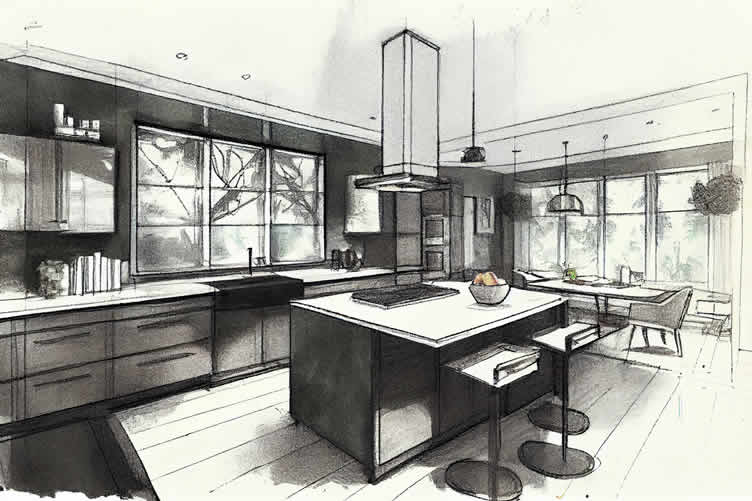
Create a Vision Board
Compile your collected ideas into a vision board, either digitally or physically. Organize images, color swatches, and material samples to visualize how they collectively fit your desired aesthetic.
This visual representation will serve as a valuable tool throughout the planning process, aiding in decision-making and communication with any professionals involved in the remodel.
copyright image by 123rf.com
—— sub-note: collecting home remodeling ideas ——
The Importance of a Vision Boards
A vision board serves as a critical instrument in the remodeling process, functioning as both a source of inspiration and a guide to help maintain focus.
By compiling various elements that represent your style and preferences, a vision board brings clarity and coherence to your project, ensuring all design choices align with your overall vision.
It is also a valuable communication tool, allowing you to convey your ideas effectively to professionals involved in the project, from contractors to designers.
-
Steps to Create Your Vision Board
- Collect Inspiration:
Gather images, color swatches, and material samples that resonate with your desired style. This can include magazine clippings, photographs, fabric samples, and paint chips. - Define Your Style:
Narrow down your choices to elements that truly reflect your personal taste and the aesthetic you want to achieve. Consider themes or specific color schemes that appeal to you. - Organize Your Elements:
Arrange your selections on a board, either digitally using tools like Pinterest or on a physical board. Group similar items together to see how they complement each other. - Edit and Refine:
Review your board and remove anything that doesn’t quite fit or feels out of place. Make sure the board depicts a consistent and cohesive look. - Add Annotations:
Consider adding notes or labels to highlight specific materials or design ideas you particularly wish to emphasize or remember. - Use as a Reference:
Throughout the remodeling process, revisit your vision board to ensure decisions remain aligned with your initial vision. Use it in discussions with team members to clearly communicate your goals.
- Collect Inspiration:

copyright image by 123rf.com
[ pinterest: home remodeling vision boards ]
[ amazon: home design software ]
-
-
Step 3: What’s Being Discussed
scroll to content -
Step 3: Compiling the Remodeling Plan
A meticulously crafted remodeling plan is essential to the success of your home project. Rooted in the vision board established earlier, this plan acts as a blueprint that translates your aesthetic desires into actionable steps.
By defining clear specifications and aligning your resources, you’ll streamline the process, ensuring efficiency and minimizing potential setbacks. Below we will explore crucial elements necessary to develop a comprehensive remodeling plan.
-
Elements of the Remodeling Plan (Specification Planning)
Begin by outlining the specific areas of your space that will undergo transformation. Determine which elements such as walls, flooring, fixtures, or cabinetry need updating or replacement.
Next, detail the specifications of materials and finishes to use in your project. Identify the types of materials, colors, and textures that suit your desired aesthetic. For example, specify the type of wood for flooring or the color of paint for the walls.
Detailed specifications help in obtaining accurate quotes and ensure your project meets your quality expectations. Ensure each specification aligns with the vibe and style captured in your vision board, so the entire space harmonizes seamlessly.

plan the specifications you need for making …

… key home remodeling and home improvement decisions
click here for specification planning sheet -
Building a Preliminary Budget
Based on the specifications, compile a preliminary budget. Consider the costs of materials, labor, permits, and any potential unforeseen expenses. Obtain multiple quotes to get a realistic estimation, and allocate a contingency fund to handle unexpected changes.
It is wise to include a contingency fund for unforeseen issues that may arise during the project. Keeping track of spending and adjusting the budget as needed ensures financial responsibilities are met without compromising on quality.

Budgeting Worksheet For Costing Home Remodeling and Home Improvement Decisions
 File Type (excel)
click here for budgeting worksheet -
Timelines and Scheduling
Setting realistic timelines for your remodeling project helps manage expectations and maintains momentum. Work with contractors to establish start and end dates for each phase and ensure milestones are reached on time.
Consider factors such as material delivery times and potential delays, and build flexibility into your schedule to accommodate changes efficiently. Regularly reviewing the timeline keeps everyone informed and ensures that progress aligns with plans.
-
Selecting Materials and Suppliers
Choosing the right materials and suppliers is pivotal to achieving the design envisioned in your vision board. Conduct thorough research into quality, durability, and cost of materials such as flooring, countertops, and fixtures.
Establish relationships with reliable suppliers who understand your needs and can provide high-quality products within your budget. This step ensures your aesthetic vision is practical and sustainable.
-
Hiring Professionals
Whether you are collaborating with an architect, designer, or contractor, selecting the right professionals is key to successful execution.
Check credentials, request portfolios, and gather testimonials to ensure your chosen experts have the experience and skills required to bring your plan to life.
Clear communication and a shared understanding of your goals will foster collaboration and ensure a smooth working relationship.
[ see topic below: finding professional services ]
-
Why Use an Architect or Online Design Plan
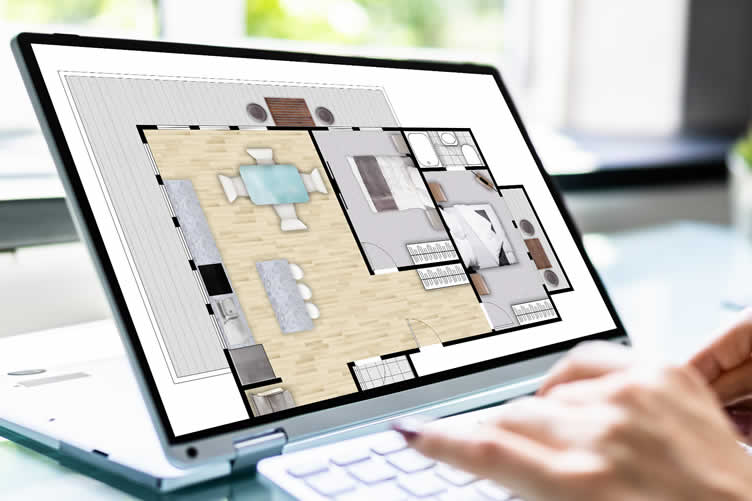
Engage a professional architect or utilize online design plans to draw precise layouts and structural alterations. An expert provides valuable insights into the feasibility and safety of your design intentions, offering advice on structural integrity and efficiency.
Online tools can also offer a flexible and accessible way to experiment with different layouts and ideas. Virtual design plans also allow you to visualize the finished project before making any physical changes, saving time and money in the long run.

copyright image by 123rf.com
[ find: architects / draftsperson ]
[ amazon: 3D home architect software ]
—— sub-note: compiling the remodeling plan ——
Understanding Building Permits and Codes
Before embarking on a renovation or construction project, it is crucial to familiarize yourself with local building permits and codes. These regulations are designed to ensure the safety, functionality, and adherence to community standards of your project.
-
Obtaining Permits for Your Remodeling Plan
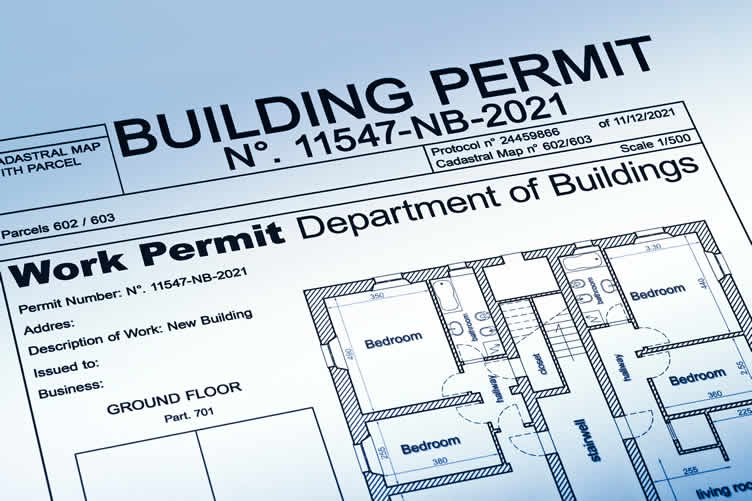
Securing the necessary permits is an essential component of any remodeling project. Start by researching your local government’s building department to understand which permits are required for your specific renovation plans.
Common permits required for remodeling may include electrical, plumbing, and structural permits. The application process typically involves submitting detailed project plans along with the relevant paperwork and fees.
It’s also advisable to consider consulting with a professional who can guide you through the regulatory requirements, ensuring that all aspects of your remodeling plan comply with local codes and standards.
By obtaining the correct permits, you not only ensure legal compliance but also safeguard the long-term integrity and value of your property.
-
Understanding Building Codes
Building codes set the standards for construction practices, ensuring that structures are safe, sustainable, and accessible. Understanding these codes is vital for any home remodeling project as they dictate various aspects, including structural integrity, energy efficiency, fire safety, and accessibility.
These regulations are enforced by local authorities and can vary significantly from one area to another. To comprehend the codes applicable to your project, start by reviewing the International Building Code (IBC), which serves as a model for many jurisdictions.
Additionally, check your local building department’s resources for specific guidelines and amendments unique to your region. Compliance with building codes not only protects your investment but also guarantees that your home meets all safety and quality benchmarks.
Before commencing any work, ensure your plans are thoroughly evaluated against these codes, potentially consulting with a licensed inspector or architect to address any compliance concerns.
Structure your remodeling plan carefully and consistently reflecting the guidelines provided, thus guaranteeing a successful transformation from mere ideas to a beautiful, functional living space that goes beyond expectations.
copyright image by 123rf.com
[ amazon: book: illustrated building codes ]
[ amazon: book: builder’s companion ]
—— sub-note: compiling the remodeling plan ——
The Environmental Impact
Incorporating environmental considerations into your home remodeling plan is crucial for promoting sustainability and reducing your ecological footprint.
One of the primary areas to focus on is energy efficiency, which can be improved by installing high-performance windows, enhancing insulation, and using energy-efficient appliances. This not only reduces energy consumption but also results in long-term cost savings.
Selecting eco-friendly materials, such as reclaimed wood or bamboo, minimizes the impact on natural resources and helps in creating a healthier indoor environment.
Additionally, sustainable practices such as rainwater harvesting and gray-water systems can be integrated to conserve water.
Considering the impact on local ecosystems is also essential; opting for non-toxic paints and finishes ensures better indoor air quality and preserves biodiversity.
By prioritizing these elements in your home remodeling plan, you contribute to a sustainable future and create a living space that harmoniously coexists with the environment.
-
Benefits of Eco-Friendly Remodeling
Choosing to remodel your home with eco-friendly practices offers numerous advantages for both the homeowner and the environment.
Firstly, it leads to significant energy savings by reducing utility bills, thanks to efficient insulation and the use of sustainable technologies. This financial benefit is a compelling reason for many homeowners to consider green remodeling.
Additionally, eco-friendly homes often have higher market value and appeal to a broader range of potential buyers. Improved indoor air quality is another tangible benefit, as eco-friendly materials usually contain fewer harmful chemicals, contributing to healthier living conditions for occupants.
Furthermore, by using renewable resources and recycling materials, eco-friendly remodeling supports the conservation of natural resources and minimizes the carbon footprint of the building process.
Overall, these benefits create a home that’s not only more sustainable and cost-effective but also comfortable and healthier to live in.
-
Incorporating Sustainable Materials and Practices
When incorporating sustainable materials and practices into your home remodel, prioritizing materials that have a low environmental impact is crucial.
Start by selecting renewable resources such as bamboo, cork, or reclaimed wood for flooring and cabinetry. These materials not only reduce the demand for new resources but also add a unique aesthetic to your home.
Additionally, using recycled metal or glass for fixtures and decorative elements can contribute to a more sustainable construction process.
Consider eco-friendly insulation options like cellulose or wool, which provide superior thermal performance without introducing harmful chemicals into your home.
For walls and surfaces, low-VOC (volatile organic compound) paints and biodegradable wallpapers ensure healthier indoor air while minimizing environmental pollution.
In terms of practices, implementing energy-efficient technologies like LED lighting, smart thermostats, and solar panels can significantly reduce energy consumption.
Water-efficient plumbing fixtures, such as low-flow faucets and dual-flush toilets, help conserve water resources.
During the planning phase, engaging with contractors who have experience in sustainable building practices can ensure that your remodeling project aligns with eco-friendly principles.

copyright image by 123rf.com
[ amazon: batt insulation ]
[ amazon: acoustic panels for silent rooms ]
-
-
Step 4: Getting Your Remodeling Plan Up and Going
Starting a remodeling journey can be both exciting and daunting. With countless decisions to make, from design preferences to logistical details, it’s vital to establish a solid plan to ensure your project’s success.
Here, we get into options for getting your remodeling initiative off the ground, equipped with guidance for various approaches: doing it yourself (DIY), hiring a contractor, or blending the two strategies to tackle specialized tasks.
DIY Remodeling: Crafting Your Dream Space
Taking the DIY route for your remodeling project can be an empowering experience, offering the satisfaction of transforming your living space with your own hands. It allows for complete creative control, a deep sense of accomplishment, and potential cost savings.
However, it also demands meticulous planning, patience, and a set of practical skills. To ensure you are well-prepared for this journey, it is crucial to understand the steps involved in a successful DIY remodel.
The following sections provide a comprehensive guide to tackle various aspects of your project.
-
Planning and Design
The foundation of any successful DIY remodeling project is a well-thought-out plan. Begin by defining your goals and priorities for the renovation. Create a detailed budget that accounts for materials, tools, and unexpected expenses.
Draft design layouts and schemes to visualize the end result, using software tools or simple sketches. Research building codes and permits that may be required for your project to avoid any legal issues.
-
Materials and Tools
Selecting the right materials and tools is critical. Opt for quality materials that suit the aesthetic and functional requirements of your project while staying within your budget.
Compile a list of necessary tools, both manual and power, depending on the scope of work. If purchasing equipment is impractical, consider renting tools from a local hardware store. Familiarize yourself with the operation and safety measures of any new tools you plan to use.
-
Demolition Safety and Waste Management
Before beginning any construction, a safe and effective demolition is essential. Wear protective gear such as gloves, goggles, and masks to guard against debris and dust.
Carefully dismantle existing structures, taking care to avoid unnecessary damage to areas that will remain intact. Plan for waste disposal by renting a dumpster or utilizing community recycling programs to manage the debris responsibly.
-
Executing the Remodel
Now the actual work begins. Break down the project into manageable phases, tackling one section at a time. Establish a timeline to keep your progress on track and maintain motivation.
Work methodically, ensuring each stage is completed to a high standard before moving on. Keep quality in mind, even for tasks that may be hidden from view, such as insulation or wiring.
-
Finishing Touches
As your project nears completion, focus on the details that bring the space together. Add trims, fixtures, and other finishing materials that reflect your style.
Pay attention to paint and surface finishes, ensuring they are applied evenly and smoothly. Finally, clean the area thoroughly, removing any dust and debris that accumulated during the renovation process.
This attention to detail will make your DIY remodeling project truly shine.
copyright image by 123rf.com
—— sub-note: getting your remodeling plan up and going ——
Combining DIY and Sub-Contractors for Specialized Jobs
When undertaking a remodeling project, there’s a powerful synergy in combining DIY efforts with professional contractors for specialized tasks.
This approach not only ensures the quality and safety of your renovations but also offers the satisfaction of hands-on involvement while simultaneously tapping into expert knowledge and skills.
Understanding how to effectively collaborate with contractors can maximize both your resources and outcomes.
-
Identifying Specialized Tasks
Start by identifying the areas of your project that require specialized skills or equipment, such as electrical work, plumbing, or structural modifications. These tasks often involve building codes, permits, and safety considerations that professionals are well-versed in handling.
Recognizing the limits of your expertise will ensure that these critical aspects of the project are completed safely and efficiently.
-
Choosing the Right Contractor
Select contractors who are not only skilled and certified but also share your vision for the project. Conduct thorough interviews, check references, and review past work portfolios to ensure their capabilities align with your goals.
Building a rapport with your contractor is crucial for smooth collaboration and seamless integration between DIY efforts and professional input.
[ see list below: finding the specialized contractor ]
-
Coordinating Schedule and Workflow
To facilitate a fluid transition between phases, coordinate the schedule and workflow with your contractor. Establish clear timelines and communicate your DIY plans to avoid bottlenecking or conflicts.
Consider arranging certain DIY tasks in parallel with specialized work, allowing you to progress efficiently while waiting for specific contractor phases to complete.
-
Effective Communication
Maintain open and continuous communication with your contractor. Regularly hold meetings or check-ins to discuss progress, potential hurdles, and adjustments to plans.
This ongoing dialogue can help preempt misunderstandings, ensuring both you and the contractor are on the same page and that your combined efforts culminate in a successful project.
By effectively blending your DIY ambitions with the expertise of specialized contractors, you create a balanced, dynamic remodeling strategy that leverages personal touch with professional prowess.

copyright image by 123rf.com
[ view post: home renovation with plumbing expertise ]
[ view post: understanding home electrical needs ]
—— sub-note: getting your remodeling plan up and going ——
Hiring a Contractor for Your Remodeling Project
Undertaking a remodeling project is an exciting endeavor that can significantly transform your space. However, selecting the right contractor is a pivotal decision that can influence the project’s success.
A contractor not only brings expertise but also helps navigate complex building codes and regulations. Below are detailed steps to guide you through the process of selecting, finding, and vetting a contractor to ensure your remodeling project runs smoothly and efficiently.
-
Research and Referrals
Start your search by gathering recommendations from friends, family, or colleagues who have previously undertaken similar projects.
Online platforms such as review sites and local directories can also provide insights into reputable contractors in your area. Look for contractors with consistently positive reviews and ratings to ensure quality and reliability.
-
Assessing Qualifications and Experience
Once you have a list of potential candidates, investigate their qualifications and experience. Verify licenses and certifications, which are often required for specific types of projects.
A seasoned contractor will have a portfolio showcasing previous work, which offers a window into their style, expertise, and workmanship quality.
-
Conducting Interviews
Arrange to meet with your shortlisted contractors to discuss your project needs. Prepare a list of questions about their work processes, timeline estimates, and contingency plans for unexpected issues.
This is also an opportunity to gauge their communication style and willingness to collaborate, ensuring they are a good fit for your project’s vision.
-
Checking References
Request references from your prospective contractors and take the time to contact previous clients. Inquire about their satisfaction with the project outcome, adherence to the schedule, and the contractor’s problem-solving abilities.
Personal feedback can provide invaluable insights into what working with the contractor might entail.
-
Reviewing Contracts Thoroughly
Before committing, ensure that you carefully review the contract details. A comprehensive contract should outline the scope of work, projected timelines, payment schedules, and assurances regarding liability and insurance.
Clarity in these elements can prevent misunderstandings and protect both parties throughout the remodeling process.
By following these structured steps, you can confidently select a contractor who will bring your remodeling vision to life with expertise and professionalism.
Find contracting services below (select area of services needed):
More Focused Contractor Search
viewing all types servicesAdditions and Remodels Electrical – Appliances Appraisers Flooring – Concrete Architects and Inspectors General Contractors Cleaning Services Handyman Services Heating and Cooling Home Theater Home Construction Kitchen and Bath Home Exterior Painting and Staining Home Interior Plumbing Pool and Spas Windows and Doors Roofing and Siding Yard and Garden Walls and Ceiling Other Services 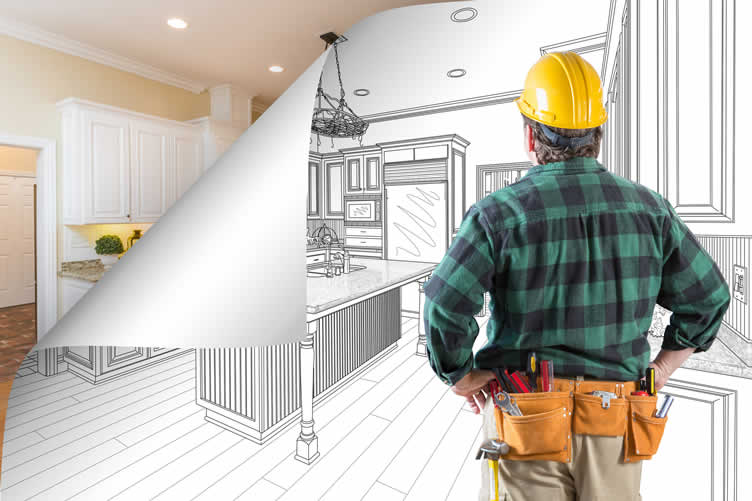
copyright image by 123rf.com
But Wait!
Before starting your search and evaluation of contractors to help address the question "should you remodel your home or not", it is highly recommended to download and use this evaluation worksheet.
This resource will help you objectively rank and assess potential contractors, considering essential factors such as pricing, licensing, and referral information.

Evaluation Sheet
File Type: -
-
Step 5: Financing Your Remodeling Project
A remodeling project requires careful planning, not just in terms of design and contractor selection but also in managing the financial aspect. Understanding the various financing options available can aid you in budgeting effectively and ensuring that the project runs smoothly.
Below are some common methods to finance your home remodel, each with its unique features and benefits.
-
Home Equity Loan
A home equity loan, often referred to as a second mortgage, allows homeowners to borrow against the equity built up in their property.
This option typically offers a fixed interest rate and predictable monthly payments, making it easier to manage within a set budget. It is suitable for those who have significant equity in their home and prefer a straightforward repayment plan.
-
Home Equity Line of Credit (HELOC)
HELOCs provide a more flexible financing route, functioning similarly to a credit card. Homeowners can draw funds as needed during the draw period, which is perfect for ongoing or phased-out projects.
The interest rates for HELOCs can be variable, so they are suitable for those comfortable with some level of interest variability and who require flexible access to funds.
-
Personal Loans
For those who may not have considerable home equity or prefer not to put their home on the line, personal loans are an unsecured option. They offer relatively quick approval processes and can be used for any purpose, including remodeling.
However, they usually come with higher interest rates compared to home equity options and may require strong personal credit scores for favorable terms.
-
Cash-out Refinancing
This option involves refinancing your existing mortgage for more than you currently owe and taking the difference in cash. It allows you to tap into home equity with potentially lower interest rates than other loan types.
Cash-out refinancing could be ideal for those looking to optimize interest rates and consolidate their debt, provided they are capable of paying a larger mortgage over time.
By exploring and understanding these financing options, you can select a strategy that aligns best with your financial situation, ensuring your remodeling project is both sustainable and successful.

copyright image by 123rf.com
[ view info: financing options for home renovation ]
[ view info: using your home as a bank ]
—— sub-note: financing your remodeling project ——
Getting Qualified for Financing
Securing financing for a home improvement project can seem like a daunting task, but by understanding the qualification process and preparing adequately, you can improve your chances of gaining approval at favorable terms.
Different lenders and financing options have specific criteria, so it’s crucial to know what to expect and how to optimize your financial profile to meet these requirements.
-
Understanding Credit Scores
One of the most critical factors in getting approved for financing is your credit score. Lenders use your credit score to evaluate your creditworthiness.
A higher credit score can help you secure better interest rates and terms. Check your credit report for any discrepancies and ensure all bills are paid on time to maintain or improve your score before applying for financing.
-
Assessing Your Financial Situation
Understanding your current financial situation will help you determine how much you can afford to borrow and repay. This involves evaluating your debt-to-income ratio, which is a comparison of your total monthly debt payments to your monthly income.
A lower ratio can positively influence a lender’s decision, showcasing your ability to handle additional debt responsibly.
-
Income Verification and Documentation
Lenders require proof of income to ensure you can make your loan payments. This typically involves providing pay stubs, tax returns, and bank statements.
Having these documents ready and organized can expedite the application process and demonstrate your financial stability.
-
Shopping Around for the Best Rates
Researching various lenders and comparing their rates is essential to securing the best financing terms. Consider reaching out to banks, credit unions, and online lenders to explore a diverse range of options.
Don’t forget to take note of any fees associated with the loans, as these can impact the overall cost of financing.
-
Pre-Approval Process
Securing a pre-approval letter from a lender can give you a significant advantage. It shows sellers or contractors that you’re a serious borrower with the financial backing required.
This step involves a credit check and evidence of income, so it’s a good idea to gather all relevant documentation beforehand to streamline the process.
By following these guidelines, you can position yourself as a qualified candidate for financing, thus ensuring your home improvement dreams become a reality with the most advantageous terms possible.
copyright image by 123rf.com
[ view info: more about what’s needed ]
[ calculate: how much to borrow (LTV) ]
—— sub-note: financing your remodeling project ——
Managing Your Financing Through a Budget
Remodeling your home is an exciting venture, but it’s essential to manage your finances carefully to ensure success without straining your resources. Creating a well-structured budget is a vital part of this process.
By doing so, you gain control over your expenses, identify potential cost savings, and reduce the risk of unexpected financial surprises.
-
Setting Your Budget
Begin by determining the total amount you are willing to spend on the remodeling project. Take into consideration not only your current savings but also any financing options you plan to utilize, such as loans or lines of credit.
It’s crucial to be realistic about what you can afford and incorporate a contingency fund for unexpected expenses.
-
Prioritizing Expenses
Identify which aspects of your remodeling project are most important to you. Rank each component based on necessity and desire, focusing your budget on high-priority areas first.
This approach ensures that the most crucial aspects of your project are completed should your funds run tighter than anticipated.
-
Tracking Your Spending
Once your remodeling project is underway, maintain a detailed record of all expenditures. Utilize spreadsheets or budgeting apps to classify and monitor spending across different categories.
By regularly reviewing this information, you’ll be able to make informed decisions and adjust your budget as necessary to keep your project on track.
To effectively manage your budget and stay on track with your home improvement or remodeling project, it is beneficial to have a budget worksheet that works alongside your specification plan.
Below is a sample budget worksheet:
| Item
| Estimated Cost
| Actual Cost
| Difference
|| ——– | —————— | ————— | ————– |
| Materials | | | |
| Labor | | | |
| Permits and Inspections | | | |
| Contingency Fund | | | |
| Total
| | | |This worksheet will allow you to record the estimated cost of each component and then input the actual cost as you go along, therefore, making it easier to spot any discrepancies and adjust your plan accordingly.
File Type (excel)
click here for budgeting worksheet -
Revising and Adapting
Budgeting is not a static process, and your financial plan should be adaptable. As your remodeling project progresses, you may encounter changes in pricing or unexpected issues that affect your budget.
It is essential to periodically revisit and revise your budget, ensuring it remains aligned with your goals and current financial landscape.
By implementing these budgeting strategies, you can effectively manage your financing, ensuring your home remodeling project is both financially sound and successfully executed.

copyright image by 123rf.com
-
-
Step 6: Managing the Home Remodeling Project
Taking on a home remodeling project requires not only a well-structured budget but also effective project management to ensure its success.
From overseeing different facets of the project to handling unexpected challenges, it’s important to approach management with diligence and flexibility. Implementing clear strategies and adopting proper management techniques can transform your remodeling vision into a rewarding reality.
-
Types of Management
There are several management models to consider when undertaking a home remodeling project. You might opt to use a general contractor, who is responsible for coordinating and overseeing all aspects of the remodel, ensuring that each phase is executed by experienced professionals.
Alternatively, some homeowners choose a more hands-on approach, jointly managing with subcontractors, giving them greater control over individual tasks or aspects of the project.
Lastly, you can take on the role of project manager yourself, which can offer cost savings but requires a significant time investment and project management skills.
-
Change Management
Adaptability is a critical component when managing a home remodeling project. Changes in the scope of work often arise due to unforeseen issues or evolving preferences.
Implementing an effective change management process ensures these adjustments are documented and assessed for impact on timeline and budget, allowing you to make informed decisions that align with your project goals.
-
Problem Resolution
No home remodeling project is immune to issues. Whether it’s a delay in material delivery or unexpected structural challenges, having a systematic approach to problem resolution is essential.
Establish clear lines of communication with workers and stakeholders, allowing for prompt identification and resolution of problems. Developing contingency plans for common issues can mitigate disruptions and keep the project moving forward.
-
Tips for Effective Problem Resolution
To enhance your ability to resolve problems during a home remodeling project, consider adopting these strategies:
- Proactive Planning:
Anticipate potential issues by evaluating all aspects of the project ahead of time. Conduct detailed site inspections and have a thorough discussion with your team to identify risks early on. - Clear Documentation:
Keep detailed records of all project plans, contracts, and communications. This documentation will serve as a reference for resolving disputes or clarifying misunderstandings that may arise. - Open Communication Channels:
Establish transparent and open communication lines with all parties involved. Regular progress meetings and updates can help maintain alignment and quickly address concerns. - Flexibility and Adaptability:
Be open to adjusting plans or approaches when challenges arise. Flexibility can lead to more innovative solutions and faster problem resolution. - Leverage Expertise:
Utilize the expertise of specialists and experienced contractors to address complex issues. Their knowledge can provide valuable insights and solutions that might not be immediately apparent.
- Proactive Planning:
-
Cost Management
Effective cost management is integral to the success of your home remodeling project. This involves a detailed breakdown of anticipated expenses and maintaining oversight during execution.
Regular review of costs against the budget can identify any deviations early, allowing for timely corrective action. Implementing payment retainers can also safeguard against incomplete or sub-par work, ensuring that funds are appropriately disbursed as project milestones are achieved.
-
Cost Breakdowns
A comprehensive cost breakdown is vital for maintaining financial control over your home remodeling project. Begin by categorizing expenses into key components such as labor, materials, permits, and contingency reserves.
Labor costs typically account for a substantial portion of the budget, so it is essential to have detailed contracts with clear scope and payment terms. Material costs require extensive research to select quality options that fit your financial parameters.
Don’t overlook permit fees, which vary based on local regulations and the scope of work. Furthermore, setting aside a contingency reserve—usually around 10-15% of the total budget—can accommodate any unforeseen expenses, ensuring the project remains on track without financial strain.
-
Payment Retainers
Payment retainers serve as a financial safeguard in home remodeling projects. By withholding a portion of the payment until the work is completed to satisfaction, homeowners can ensure accountability and quality from their contractors.
This practice not only incentivizes contractors to meet agreed-upon project standards and deadlines but also protects project funds from being disbursed prematurely.
Retainers should be clearly defined in the contract, specifying the percentage withheld, the conditions for release, and any requirements for final inspection or approval.
This strategic financial management tool contributes to successful project outcomes by aligning contractor payments with project performance.

copyright image by 123rf.com
[ view more info: working with contractor ]
[ PDF: working with remodeling contractor ]
—— sub-note: managing the home remodeling project ——
Working With Your Contractor
Collaborating effectively with your contractor is crucial for the success of your home remodeling project. A strong partnership ensures efficient communication, problem-solving, and adherence to timelines and budgets.
By setting clear expectations and maintaining a proactive approach, homeowners can navigate the complex landscape of remodeling with greater ease and confidence.
The following sections outline important strategies for working with your contractor, maximizing the potential for a successful outcome.
-
Proper Planning
Proper planning lays the foundation for a smooth home remodeling process. Begin by defining the scope of work, including all essential details and specifications you expect in the final result.
Establishing a clear timeline with your contractor helps manage expectations and keeps the project on track. Regular meetings and open communication are critical for addressing any changes or challenges promptly.
-
Building Permits
Securing building permits is a fundamental step in any remodeling project. Before starting, ensure that your contractor is well-versed in local regulations and responsible for obtaining the necessary permits.
This not only keeps the project compliant with legal requirements but also prevents costly delays or fines. Staying informed about permit statuses and updates is crucial to maintaining momentum.
-
Project Management
Effective project management requires ongoing supervision and communication. Regular site visits and progress updates help ensure that the work being done aligns with the agreed-upon plan.
Addressing issues early and maintaining transparency are key components to managing the remodeling project successfully. Collaboration with your contractor should be dynamic, with adjustments made as needed to stay within budget and timeline constraints.
-
Ensuring Quality
Quality assurance is paramount throughout the remodeling process. To secure the desired results, specify material selections and workmanship standards in the contract.
Encourage accountability by discussing and documenting these details with your contractor. Implementing a systematic inspection process at various stages of the project helps verify that the work aligns with quality expectations and reduces the risk of costly corrections later.

copyright image by 123rf.com
[ view more info: working with contractor ]
[ PDF: managing remodeling project ]
—— sub-note: managing the home remodeling project ——
Inspecting the Project Before Payment
A thorough inspection before making the final payment is an essential stage in a home remodeling project. This step ensures that the work has been completed to the agreed-upon standards and that all aspects of the project meet your expectations.
Conducting a systematic inspection not only provides peace of mind but also serves as a final check on any potential issues that might require attention before project closure.
-
Phases of Inspections
Home remodeling projects typically involve multiple phases of inspection, each focusing on different aspects of the work being done. Initially, a rough-in inspection checks the foundational work, including plumbing, electrical, and framing.
Subsequent inspections might focus on drywall installation and preliminary finishes. The final inspection encompasses a comprehensive review of the entire project, ensuring that all elements are safely completed and operational according to specifications.
-
Working with the Inspector
Collaborating with a professional inspector can greatly benefit the outcome of your remodeling project. An experienced inspector brings an impartial eye and the technical expertise necessary to identify issues that an untrained eye might miss.
It’s crucial to schedule inspections at appropriate stages of the project and maintain proactive communication with your contractor to prepare for these assessments. Voice any concerns or queries you might have during the inspection to facilitate a transparent review process.
-
What to Inspect
The inspection process should cover key areas including structural integrity, electrical safety, plumbing systems, and the quality of finishes. Pay attention to details such as the installation of fixtures, the fit and finish of cabinetry, and the operation of newly installed systems.
Ensuring that these components function as intended and adhere to local building codes is vital for a successful remodeling outcome.
-
Quality Assurance in Inspections
Quality assurance plays a pivotal role in the inspection process of any remodeling project. It involves monitoring the adherence to standards and ensuring that all work meets the specified criteria for quality.
During inspections, the quality assurance process requires attention to every detail, verifying that materials and workmanship not only comply with codes but also meet aesthetic and functionality expectations.
Consistently applying quality assurance measures helps to prevent costly rework and ensures the longevity of the completed project.
By establishing a clear set of benchmarks and documenting the progress at each inspection stage, homeowners can be assured of the reliability and excellence of their remodel.
-
Importance of Inspection
Conducting thorough inspections before finalizing payment underscores the importance of quality assurance in home remodeling. This proactive approach mitigates the risk of being liable for post-completion rectifications.
It affirms the project’s compliance with contractual obligations and protects your investment. Engaging in a detailed inspection process aids in upholding the standards expected from the remodeling work, thereby ensuring satisfaction with the final product.
copyright image by 123rf.com
-
-
Closing: Real-Life Examples of Successful Remodeling Projects
Learning from others’ experiences can be invaluable when planning your remodel. Look for case studies or testimonials from homeowners who have completed similar projects.
These stories often highlight challenges, solutions, and creative ideas that can inspire and inform your own remodeling journey.
-
Inspirational Transformations
One striking example of a successful remodeling project is the renovation of a historic townhouse in the heart of New York City. The homeowners aimed to preserve the building’s original character while incorporating modern amenities.
By working closely with architects and preservation experts, they managed to maintain the townhouse’s iconic architectural features, such as its original moldings and high ceilings, while updating the kitchen and bathrooms with contemporary fixtures and appliances.
This project not only enhanced the home’s functionality but also increased its market value significantly, offering a balanced blend of the old and the new.
Another compelling case study involves an eco-friendly renovation of a suburban family home in California. The homeowners prioritized sustainability and energy efficiency, replacing old systems with solar panels, energy-efficient windows, and a rainwater harvesting system.
By incorporating reclaimed materials and low-VOC paints, they minimized their environmental impact while creating a healthier living environment.
This holistic approach not only reduced ongoing utility costs but also resulted in a more sustainable and future-proof residence.
These examples and more underscore the importance of careful planning and collaboration with experienced professionals.
Whether preserving historical elements or integrating green technologies, successful remodeling projects tailor solutions to the homeowners’ unique goals and lifestyles.
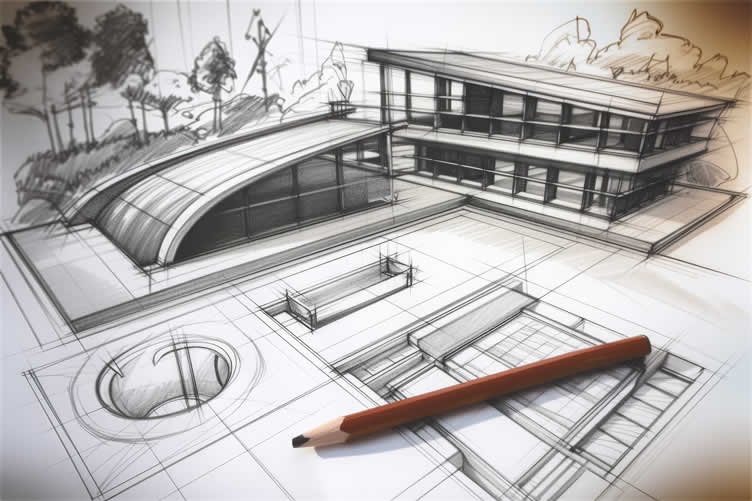
copyright image by 123rf.com
-
-
Conclusion
Remodeling your home is a big decision, but with careful consideration and planning, it can be a rewarding endeavor.
By recognizing the signs it’s time to remodel, understanding the financial and environmental impacts, and weighing your options between DIY and professional help, you’ll be well-equipped to make an informed choice.
Remember, the ultimate goal is to create a space that meets your needs and enhances your quality of life. If you’re ready to take the plunge and answer yes to the question: should your remodel your home, consider consulting with a professional remodeling service to help bring your vision to life.
-
Quick scroll to more should you remodel your home and more remodeling ideas …

-
ideas to view and compare from the photo above
- What comments can you share about
the question should you remodel your home or not?

addressing whether you should you remodel your home and other home improvement needs …

… grab this directory of ideas for future use




… the remodeling plan after compiling your vision boards



SHARE IT ..! You might have someone in your social network who could find this informative post on how whether you should remodel you home or not valuable. Feel free to share it on Facebook, X (formally Twitter), LinkedIn, or Pinterest!



… home remodeling – improvement

get the size dimensions for any home remodeling project …
… for functionality, aesthetics, and adhering to building codes


… should your remodel your home decisions





Calendar For:
Home Maintenance
File Type:
… view illustration “becoming a bank”



Find Home Remodeling Services Additions Major Remodels Minor Remodels Disability Needs Plumbing Drain Clearing Appliances Electrical top-rated, pre-screened local contractors FREE: download contractor selection enter zip code – powered by HomeAdvisor ™
Quick Contractor Guides selecting negotiating working with inspecting

Cover image credit: should you remodel your home by 123rf.com
end of post … please share it!
 |
did you find this analysis to the question: should you remodel your home or not helpful? If so, please share the article with your friends and family! |
Nice pic idea? Leave us a quick comment below.
And please share this pic idea within your social networks.