Summary Outline –
Creating a home that feels uniquely yours is a fulfilling endeavor, but it can also be overwhelming. The way you design your living space profoundly impacts your daily life, influencing your mood, productivity, and overall sense of well-being.
Whether you’re a homeowner looking to refresh your interiors or a new home buyer starting with a blank canvas, understanding the nuances of interior design will empower you to make informed decisions.
The question remains: what type of interior design should you choose? Should your style align with the architectural design of your home and surroundings, or should you mix and match styles across different rooms based on your personal preferences?
Ultimately, the choice is yours. The goal is to create a space that reflects your unique style while complementing the architectural character of your home.
-
Understanding Your Style
Before you start shopping for furniture or repainting walls, it’s essential to define your design style. Interior design can be as diverse as the homes it enhances. Some of the most popular styles include modern, minimalist, traditional, and bohemian.
This guide explores 20 distinct interior design styles to inspire your decision, along with essential steps to create a home that perfectly balances personal style, functionality, and comfort. From identifying your ideal design aesthetic, this comprehensive analysis provides everything you need to turn your vision into reality.
- post content … analysis/ home interior design styles


-
- —— begin first topic ——
-
1st Style: Traditional Style in Interior Home Design
Traditional style in home interior design embodies timeless elegance, drawing inspiration from European decor from the 18th and 19th centuries. It is characterized by a balance of sophistication and comfort, offering warm, inviting spaces that feel both formal and approachable.
By integrating classic furniture designs, rich materials, and a thoughtfully cohesive color palette, traditional style continues to be a popular choice for those seeking a refined yet enduring aesthetic. This decor style prioritizes symmetry and order, with an emphasis on the details that make a living space both functional and beautiful.
[ see below: traditional style images ]
-
Elegant Furnishings and Decor
At the heart of traditional style are elegant, often antique-style furnishings that evoke a sense of heritage and craftsmanship. Furniture pieces are typically made of rich woods such as mahogany, cherry, or oak, with intricate carvings or embellishments like clawfoot legs.
Upholstery often features luxurious fabrics, such as velvet, silk, or brocade, with patterns like florals, damasks, or stripes lending a touch of refinement. Accessories like ornate chandeliers, gilded mirrors, and ceramic vases further enhance the classic ambiance.
-
Warm and Neutral Color Palettes
Traditional home interior design often embraces warm, neutral color palettes that convey a serene and cohesive atmosphere. Shades of cream, beige, taupe, and soft pastels dominate walls and furniture fabrics, while richer tones like deep burgundy, forest green, or navy blue may be used as accents.
These colors ensure the space feels elegant yet welcoming, striking the perfect balance between formality and comfort.
-
Attention to Architectural Details
Architectural details are a defining characteristic of traditional style. Elements such as crown molding, wainscoting, coffered ceilings, and chair rails provide depth and texture, enhancing the room’s elegance.
Traditional homes often include built-in shelving or cabinetry that seamlessly integrates into the design, emphasizing functionality while maintaining aesthetic harmony.
-
Symmetry and Balance
A crucial aspect of traditional style is its commitment to symmetry and balance. Rooms are arranged in a way that feels proportional and orderly, with furniture and decor often placed in pairs or mirroring arrangements. This approach creates a sense of stability and harmony, adding to the overall sophistication of the design.
-
Layering and Textures
Layering textures is another hallmark of traditional interiors, creating depth and visual interest in each space. From plush area rugs and heavy drapes to decorative throw pillows and textured wallpaper, these layered elements contribute to the richness and comfort that define the traditional style.
With its timeless appeal and commitment to craftsmanship, traditional home interior design provides an enduring sense of sophistication that can adapt to modern lifestyles while retaining its classic charm.
Traditional Design Styles
google imagestraditional styling view styles – classical view styles – colonial view styles – georgian view styles – european view styles – french view styles – jacobean view styles – mediterranean view styles Traditional Design Elements
google imagesrefined interior view styles neutral color view styles decorative moldings view styles patterned textiles view styles flooring view styles rugs view styles furniture view styles lighting view styles Traditional Styling by Room
google imagesliving room view ideas kitchen view ideas bedroom view ideas bathroom view ideas home office view ideas outside patio view ideas 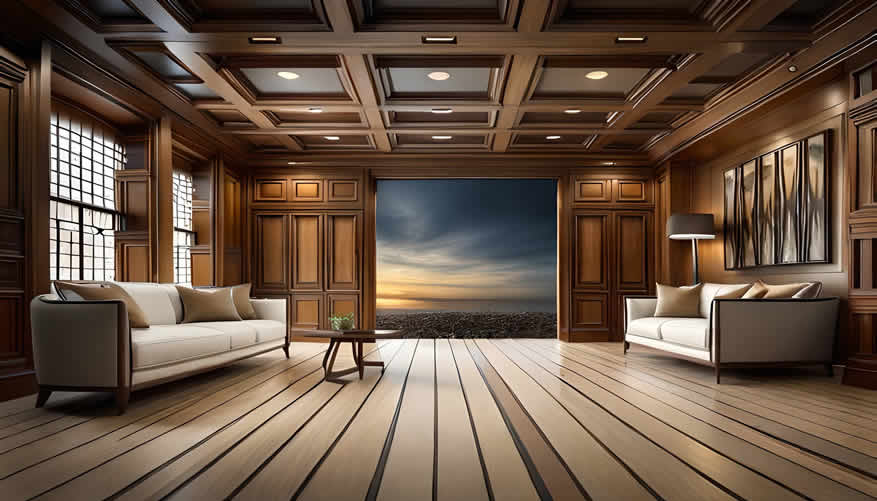
copyright image by 123rf.com
Tips for Styling Your Home with Traditional Elements
Traditional home design combines timeless elegance with functional comfort, making it a popular choice for those seeking a cozy yet refined aesthetic. Incorporating traditional styling elements into your interior can transform your space into a harmonious and sophisticated retreat.
Below are some practical tips to help you achieve this look:
- Focus on Symmetry:
Arrange furniture, art, and decor in balanced and mirrored layouts to create a sense of order and stability. - Invest in Classic Furniture:
Choose high-quality, upholstered pieces with curved lines, tufted details, and wood accents like mahogany or oak. - Integrate Layered Textiles:
Use area rugs, curtains, throw pillows, and blankets in rich, textured fabrics to add warmth and depth to your space. - Include Traditional Accents:
Incorporate timeless decor items such as chandeliers, ornate mirrors, candlesticks, and vases with intricate detailing. - Stick to Neutral and Warm Color Palettes:
Opt for soft whites, beige, navy, and warm earth tones to maintain a cohesive and inviting atmosphere. - Use Decorative Moldings:
Add crown molding, wainscoting, or chair rails to give walls a sophisticated architectural touch. - Feature Artwork and Patterns:
Display classic art pieces and incorporate patterns such as damask, paisley, or floral prints in wallpaper, fabrics, or upholstery.

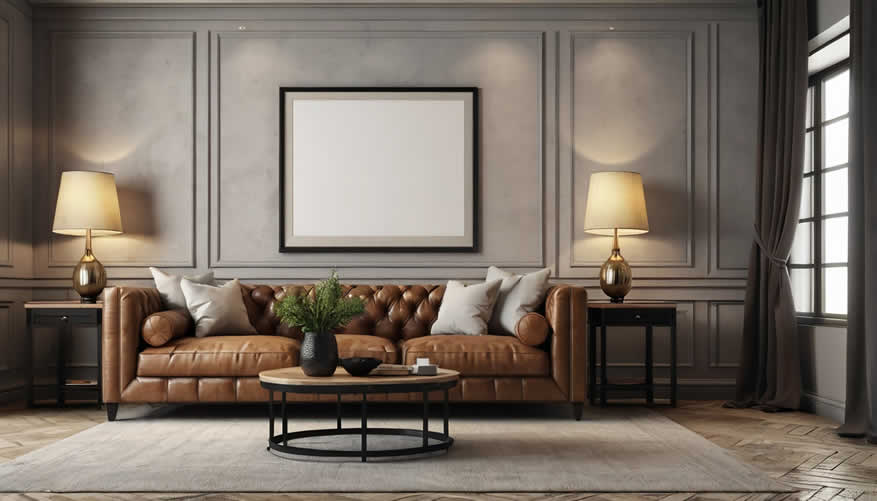
copyright image by 123rf.com
-
Scroll up to directory … or scroll to next styling section …


-
-
2nd Style: Modern Style for Interior Home
Modern home interior design emphasizes simplicity, functionality, and a sleek aesthetic. Rooted in the early to mid-20th century, this style embraces clean lines, open spaces, and minimalistic decor.
It combines innovative design with practicality, making it ideal for those looking to create a clutter-free yet stylish living environment. Modern interiors often capitalize on neutral colors, natural light, and innovative furnishings to achieve a balanced and contemporary ambiance.
[ see below: modern style images ]
-
Prioritize Clean Lines and Minimalism
A defining feature of modern design is its focus on uncluttered spaces with clean, straight lines. Furniture and decor are intentionally simple, with an emphasis on functionality over ornamentation. Look for pieces with smooth surfaces and geometric shapes to capture this essence.
-
Neutral Color Schemes with Bold Accents
Modern interiors commonly incorporate a base palette of neutral shades such as white, gray, black, or beige. To add vibrancy, consider integrating bold accents like a single piece of furniture or artwork with a striking color. This contrast enhances the overall simplicity while adding personality to the space.
-
Focus on Open Floor Plans
Open-concept layouts are synonymous with modern home interior design. By minimizing walls and barriers, these spaces create an airy and cohesive flow between rooms. This layout also allows for more natural light to permeate the entire home, a hallmark of modern style.
-
Use of Natural and Industrial Materials
Modern design often highlights materials such as wood, glass, stainless steel, and concrete. These elements emphasize simplicity while giving spaces a contemporary edge. For instance, a polished concrete floor or a glass-topped table can add an industrial yet chic vibe to interiors.
-
Incorporate Practical and Innovative Furniture
Furniture in modern interiors is designed to be as functional as it is stylish. Multi-purpose pieces, such as beds with built-in storage or extendable dining tables, reflect the practicality cherished in modern design. Ensure that furniture blends seamlessly with the overall theme, avoiding excessive embellishments.
-
Lighting to Enhance the Space
Lighting plays a crucial role in modern interiors, emphasizing both natural and artificial illumination. Large windows are often used to flood spaces with daylight, while sleek pendant lights or recessed lighting fixtures provide clean, even lighting during evenings.
-
Include Subtle Decor and Art
Instead of excessive knick-knacks, modern interiors favor thoughtfully chosen decor pieces. Abstract artwork, sculptural elements, or a well-placed indoor plant can serve as focal points without overpowering the simplicity of the design.
Modern home interior design delivers a harmonious balance of elegance and efficiency. Whether you are revamping your entire home or updating a single room, incorporating these modern elements can transform your living space into a functional yet visually timeless environment.
Type of Modern Styling Ideas
google imagesmodern interior view styles – modern farmhouse view styles – organic modern view styles – mid-century view styles – modern glam view styles – rustic modern view styles – industrial modern view styles Modern Design Elements
google imagesnatural elements view styles neutral color view styles greenery view styles handcrafted view styles flooring view styles rugs view styles furniture view styles lighting view styles Modern Styling For …
google imagesliving room view ideas kitchen view ideas bedroom view ideas bathroom view ideas home office view ideas outside patio view ideas 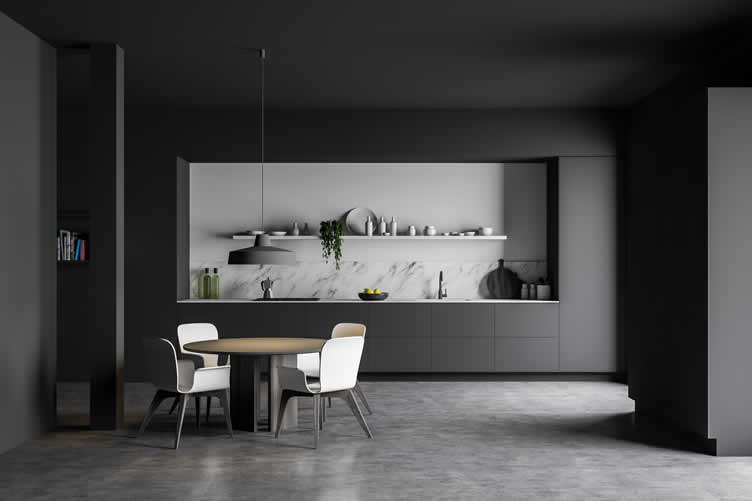
copyright image by 123rf.com
Tips for Styling Your Home with Modern Elements
Creating a modern interior doesn’t have to be a daunting task. By focusing on clean lines, minimalism, and thoughtful accents, you can achieve a contemporary look that feels both inviting and sophisticated.
Below are some practical tips to help you style your home with modern elements:
- Stick to Neutral Tones:
Prioritize a color palette that includes whites, grays, beiges, or muted tones. These shades form the foundation of modern interiors and create a serene backdrop. - Opt for Sleek Furniture:
Choose furniture with clean lines and functional design. Look for pieces made from metals, glass, or natural wood to maintain a modern aesthetic. - Use Open Spaces Smartly:
Aim for an open, uncluttered layout to enhance the airy and spacious vibe characteristic of modern interiors. Avoid overcrowding rooms with furniture or decor. - Add Statement Lighting:
Incorporate bold light fixtures, such as chandeliers, pendant lights, or geometric designs, to create a striking focal point in a room. - Focus on Quality Over Quantity:
Select a few key high-quality decor pieces, such as minimalist vases or modern sculptures, rather than cluttering the space with too many items. - Introduce Textural Variety:
Balance the sleekness of modern interiors by adding texture in the form of soft rugs, plush throw pillows, or natural fibers like jute or linen.
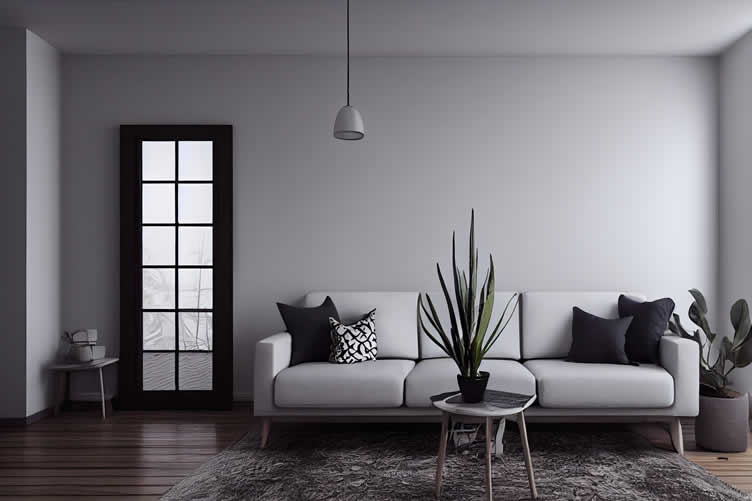
copyright image by 123rf.com
[ amazon: modern floor lamp ]
[ amazon: modern coffee table ]
-
Scroll up to directory … or scroll to next styling section …
-
-
3rd Style: Contemporary Style for Interior Home
Contemporary style in home interior design is often mistaken for modern design, but the two have distinct differences. While modern style reflects a specific design movement rooted in the early to mid-20th century, contemporary style is more fluid, evolving with current trends and innovations.
It combines timeless elements with cutting-edge inspiration, focusing on creating functional, harmonious spaces with a fresh and current appeal. Versatility is key, allowing homeowners to personalize their interiors while emphasizing comfort and sophistication.
[ see below: contemporary style images ]
-
Focus on Clean Lines and Curved Elements
Unlike the strict rectilinear shapes often found in modern design, contemporary interiors incorporate both clean lines and soft, curved elements. This blend adds a sense of balance and visual interest to rooms, making them feel inviting rather than rigid.
Furniture and decor may feature smooth, rounded edges alongside structured forms to create a dynamic aesthetic.
-
A Neutral Base with Bold Accents
Contemporary design often utilizes a neutral color palette as its foundation – think whites, beiges, and grays – that provides a clean, uncluttered canvas.
These tones are complemented by bold accent colors introduced through artwork, textiles, or statement pieces. This approach makes it easy to refresh the space by swapping out accents as trends change.
-
Combining Various Textures and Materials
Texture plays a vital role in contemporary style, offering depth and warmth to often minimalistic spaces. Homeowners can use fabrics like velvet or leather, metals like brushed nickel or matte black finishes, and natural materials such as stone or wood for contrast.
This layering of textures bridges the gap between sleek minimalism and cozy comfort, making the interior visually engaging.
-
Innovative Lighting Design
Lighting in contemporary interiors is both functional and artistic. Recessed lighting, LED strips, and sculptural light fixtures are commonly used to set the mood and highlight focal points.
Dimmers and layered lighting solutions also play a role in adapting the ambiance to different times of the day, making the space highly versatile.
-
Functional Yet Flexible Layouts
Contemporary interior design emphasizes functionality above all but doesn’t shy away from adaptability. Open layouts are a hallmark, promoting interconnected spaces that flow seamlessly into one another.
Furniture is often chosen for its ability to serve multiple purposes, reflecting the fast-paced and evolving needs of modern households.
-
Sustainability and Eco-Conscious Choices
With the growing focus on sustainability in home interior design, contemporary style frequently integrates eco-friendly elements. This might include reclaimed wood, energy-efficient appliances, and sustainable fabrics. The design ethos is not just about aesthetics—it also aligns with environmentally responsible living.
By recognizing the flexible and trend-driven nature of contemporary design, homeowners can create interiors that both look stunning and meet their practical needs.
Types of Contemporary Styling Ideas
google imagescontemporary style view styles – eclectic view styles – minimalist view styles – sustainable view styles – high-tech view styles – organic view styles – mid-century revival view styles Contemporary Design Ideas
google imagesnatural elements view styles neutral color view styles greenery view styles handcrafted view styles flooring view styles rugs view styles furniture view styles lighting view styles Contemporary Styling For …
google imagesliving room view ideas kitchen view ideas bedroom view ideas bathroom view ideas home office view ideas outside patio view ideas 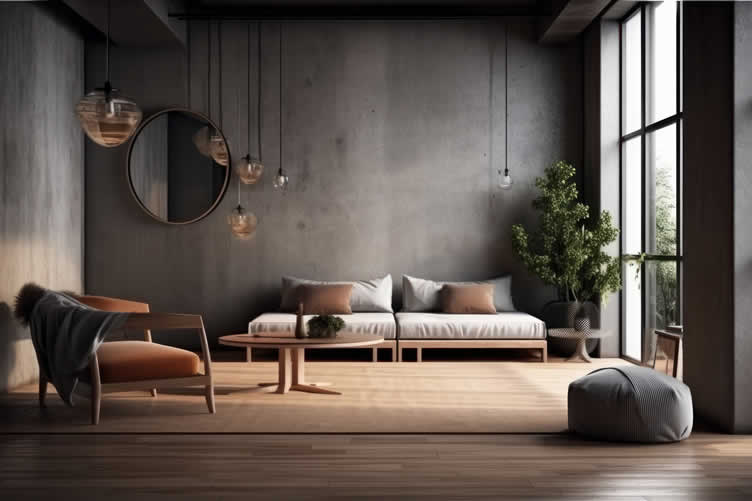
copyright image by 123rf.com
Tips for Styling Your Home with Contemporary Design
Creating a contemporary interior involves a thoughtful balance between form, function, and the latest trends. This style prioritizes simplicity, clean lines, and versatility while also fostering a space that feels comfortable and inviting.
Below are key tips to help you style your home with a contemporary flair:
- Choose a Neutral Color Palette:
Start with a foundation of whites, grays, or beiges and add accents of bold or muted colors to create depth and contrast. - Focus on Clean Lines:
Select furniture and decor with sleek, straight edges or smooth, curved shapes for a polished, modern appearance. - Maximize Natural Light:
Opt for large windows, sheer curtains, or strategically placed mirrors to brighten the space and enhance its openness. - Incorporate Eco-Friendly Materials:
Use sustainable woods, recycled metals, and organic fabrics to align with contemporary style’s eco-conscious values. - Add Textural Variety:
Introduce visual interest with a mix of materials like glass, leather, concrete, or soft textiles. - Declutter and Simplify:
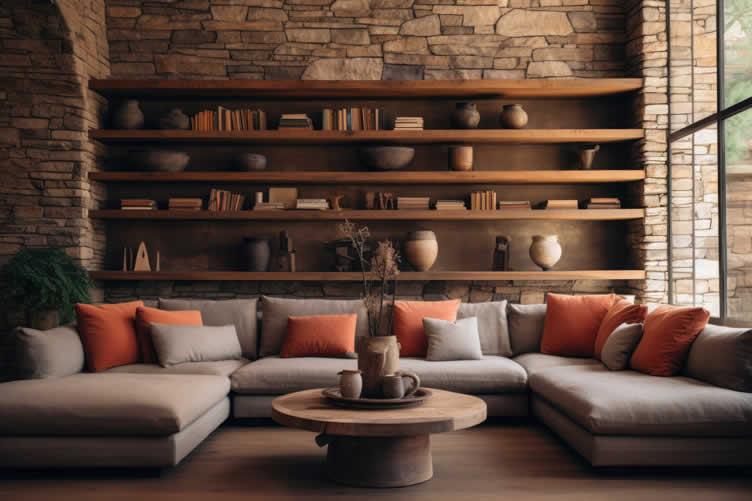
Contemporary interiors thrive on minimalism—a clutter-free space ensures the design elements stand out. - Utilize Statement Lighting:
Highlight the space with bold light fixtures that serve as both functional and artistic elements.
copyright image by 123rf.com
-
Scroll up to directory … or scroll to next styling section …
-
-
4th Style: Farmhouse Style for Interior Home
Farmhouse style in home interior design embodies a warm, inviting, and rustic aesthetic inspired by the simplicity of rural living. This style merges vintage charm with modern practicality, creating spaces that feel timeless yet functional.
It is characterized by natural elements, earthy tones, and a strong sense of comfort. Below, we explore the core aspects of farmhouse design and what makes it an enduring favorite for homeowners.
[ see below: farmhouse style images ]
-
Natural Materials and Textures
Farmhouse interiors emphasize natural materials to reflect their rustic roots. Wood is a staple, used in flooring, furniture, and exposed beams, often left unfinished or in distressed forms to highlight organic imperfections.
Other common materials include stone, brick, and wrought iron, which add depth and character to the design.
-
Neutral and Earth-Toned Color Palette
The farmhouse style relies on a neutral color scheme with whites, creams, grays, and muted shades of green or blue. This palette reinforces the sense of calm and simplicity, allowing natural light to enhance the warmth of the space.
-
Vintage-Inspired Furniture
Furniture pieces in a farmhouse-styled home often feature classic, timeworn designs. Look for items like farmhouse tables with weathered finishes, slipcovered sofas, and spindle chairs. These elements provide a nostalgic charm while maintaining a sense of utility and comfort.
-
Shiplap and Reclaimed Accents
Shiplap, a staple of traditional farms, finds its place in walls or ceilings to add dimension and texture. Incorporating reclaimed wood or materials—whether in shelving, doors, or decorative beams—injects a sense of history and sustainability into the home.
-
Functional Yet Decorative Accessories
Farmhouse design is known for adorning interiors with practical yet eye-catching details. Items such as oversized clocks, mason jars, galvanized metal trays, and woven baskets strike a balance between utility and style.
Vintage or antique tools and kitchenware are often featured as décor to honor the agricultural roots of the style.
-
Cozy and Layered Textiles
A hallmark of this design is the use of cozy and textured textiles. Layer knit throws, linen pillows, or patterned rugs to create a comfortable, lived-in ambiance. Stripes, plaids, and botanical prints complement the overall aesthetic without overwhelming the décor.
-
Blending Modern Touches
While rooted in tradition, modern farmhouse design has evolved to incorporate contemporary elements. Clean lines, updated lighting fixtures, and industrial influences such as pendant lights and sleek hardware bring balance to the rustic look, ensuring the space feels fresh and up to date.
By thoughtfully combining these elements, farmhouse style in home interior design provides a beautiful and enduring approach to creating a welcoming home.
Farmhouse Design Styles
google imagestraditional farmhouse view styles – modern farmhouse view styles – rustic farmhouse view styles – industrial farmhouse view styles – coastal farmhouse view styles – french country view styles – scandinavian view styles Typical Farmhouse Decor
google imagesneutral colors view ideas natural wood view ideas textural items view ideas painted furniture view ideas apron sinks view ideas open shelving view ideas interior pillars view ideas ship-lap view ideas Farmhouse Styling For …
google imagesliving room view ideas kitchen view ideas bedroom view ideas bathroom view ideas home office view ideas outside patio view ideas 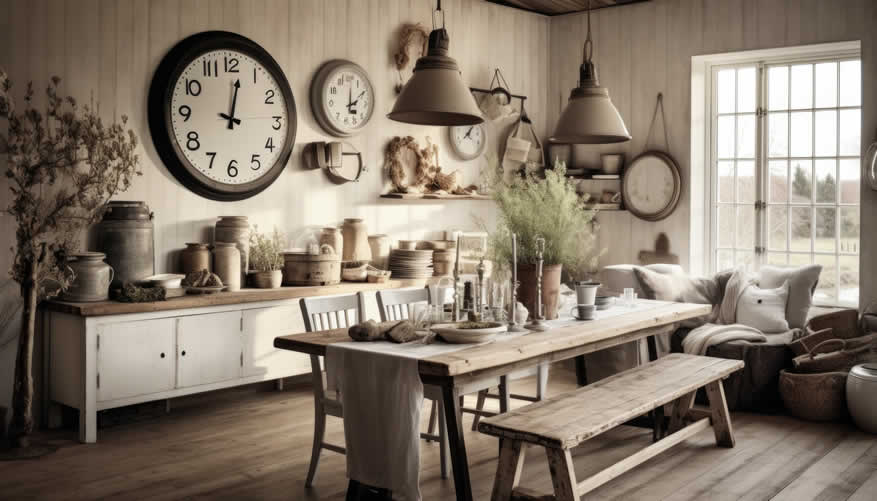
copyright image by 123rf.com
Tips for Styling Your Home with Farmhouse Décor
Farmhouse styling is all about creating a warm, inviting atmosphere that blends rustic charm with contemporary touches. By focusing on natural materials, neutral tones, and intentional design choices, you can achieve a cohesive look that reflects the essence of this timeless style.
Here are some practical tips to help you style your home with farmhouse elements:
- Use Neutral Color Palettes:
Stick to soft whites, creams, grays, and earthy tones to provide a calm and inviting base for your décor. - Highlight Natural Materials:
Incorporate elements like reclaimed wood furniture, stone accents, and wicker baskets to bring warmth and texture to the space. - Mix Vintage and Modern Pieces:
Combine antique finds or heirloom furniture with sleek, contemporary lighting or minimalist decor for a balanced look. - Focus on Functional Design:
Opt for practical furniture layouts with items that are both beautiful and functional, such as farmhouse dining tables or built-in shelving. - Add Textural Variety:
Layer plush rugs, throw blankets, and cushions in a mix of fabrics like cotton, linen, and wool to enhance coziness. - Utilize Statement Lighting:
Choose fixtures like wrought iron chandeliers, industrial pendant lights, or vintage-inspired lanterns to illuminate your space with character.
copyright image by 123rf.com
[ amazon: farmhouse kitchen sink ]
[ amazon: farmhouse coffee table ]
-
Scroll up to directory … or scroll to next styling section …
-
-
5th Style: Industrial Style for Interior Home Design
Industrial style for home interior design is a bold and functional approach that combines raw, unfinished elements with sleek, modern aesthetics. Inspired by the look of warehouses and factories, this style embraces structural elements that are often concealed in other design styles, such as exposed brick, metal beams, and concrete floors.
Its appeal lies in its authenticity and versatility, making it a popular choice for anyone seeking an edgy yet welcoming home environment.
[ see below: industrial style images ]
-
Exposed Materials and Structural Elements
At the heart of industrial design is the celebration of raw, unpolished materials. Think exposed brick walls, visible ductwork, and steel beams. These elements give the space an authentic, industrial feel while adding visual texture.
Concrete is another staple material, often used in flooring, countertops, or accent walls for its minimalist and durable qualities.
-
Neutral and Earthy Color Palette
Industrial interiors typically feature a neutral color scheme anchored by shades of gray, black, white, and earthy tones. This palette reinforces the natural beauty of the space’s materials while keeping the look cohesive and understated.
Pops of color can be introduced through furniture, artwork, or textiles to add personality and balance.
-
Functional and Minimalist Furniture
Furniture in industrial-style interiors leans toward functionality and simplicity, often combining reclaimed wood with metal frames. Practicality drives the aesthetic, which includes open shelving units, minimalist sofas, and dining tables with rugged finishes.
These pieces are designed to be both durable and stylish, echoing the utilitarian roots of the industrial aesthetic.
-
Industrial Lighting Fixtures
Lighting is a crucial element in industrial interior design, with statement fixtures playing a significant role. Oversized metal pendant lights, cage-style sconces, or vintage Edison bulb chandeliers not only illuminate the space but also serve as decorative focal points.
These lighting choices enhance the rustic charm while modernizing the overall look.
-
Personalization Through Accessories
While industrial design often thrives on its simplicity, incorporating personal touches can make the space feel comfortable and lived-in. Accessories like industrial-style artwork, vintage clocks, or leather cushions add character.
Additionally, merging industrial elements with other styles—such as rustic or modern—can create a more tailored and inviting environment.
By understanding and incorporating these elements, you can achieve a balanced and timeless industrial aesthetic in your home interior design. This style celebrates both form and function, creating a space that’s as visually striking as it is practical.
Industrial Design Styles
google imagestraditional industrial view styles – modern industrial view styles – urban industrial view styles – rustic industrial view styles – coastal industrial view styles Typical Industrial Decor Elements
google imagesexposed brick walls view ideas exposed pipes view ideas exposed beams view ideas metallic lighting view ideas caged lighting view ideas edison lighting view ideas metal n’ wood view ideas distressed leather view ideas antique items view ideas concrete counters view ideas concrete flooring view ideas Industrial Styling For …
google imagesliving room view ideas kitchen view ideas bedroom view ideas bathroom view ideas home office view ideas outside patio view ideas 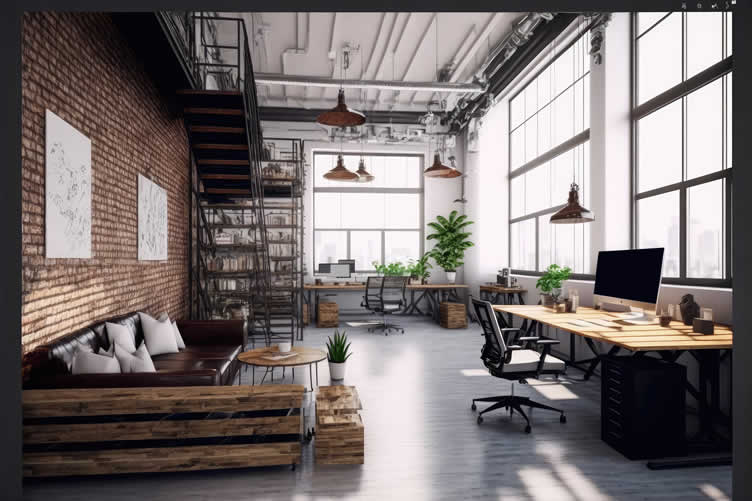
copyright image by 123rf.com
Tips for Styling with Industrial Design Elements
Industrial design can be both bold and functional, offering a unique opportunity to make your space stand out. By blending raw materials and architectural details with thoughtful accents, you can create an environment that’s simultaneously stylish and comfortable.
Below are some practical tips to help you achieve the perfect industrial aesthetic in your home:
- Expose Architectural Features:
Highlight elements like brick walls, steel beams, or concrete floors to preserve the raw, unfinished look central to industrial design. - Choose Neutral Color Palettes:
Stick to shades of gray, black, white, and earthy tones to maintain a cohesive and understated atmosphere. - Use Vintage and Reclaimed Materials:
Incorporate items like reclaimed wood, metal furniture, or vintage industrial lighting for an authentic feel. - Focus on Functional Furniture:
Opt for pieces with simple, utilitarian designs that prioritize both style and practicality. - Add Metal Accents:
Use steel, iron, or aluminum in lighting fixtures, shelves, or accessories to reinforce the industrial vibe. - Layer Textures:
Combine hard textures like metal and concrete with softer materials like leather or cozy textiles for balance. - Keep Accessories Minimal:
Avoid clutter and choose a few intentional decor items to maintain the style’s characteristic simplicity. - Include Statement Lighting:
Feature eye-catching, industrial-style pendant lights or Edison bulbs to bring warmth and character to the space.
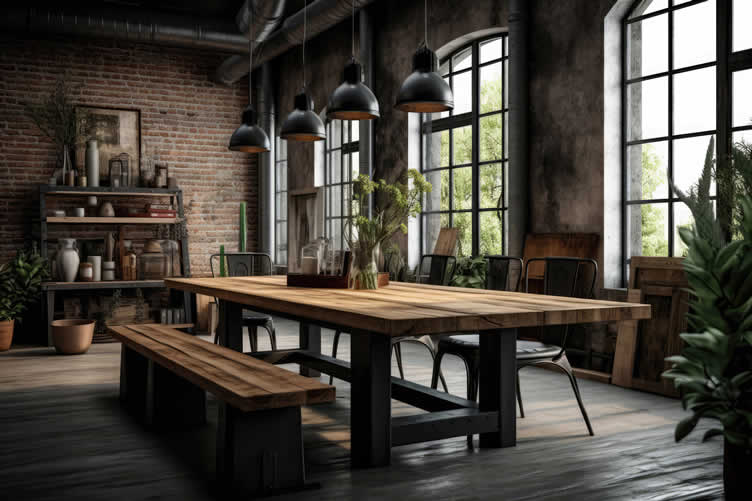
copyright image by 123rf.com
-
Scroll up to directory … or scroll to next styling section …
-
-
6th Style: Mid-Century Style for Interior Home
The Mid-Century style is a timeless approach to home interior design that blends form and function in a way that remains as relevant today as it was during its post-war heyday. Originating in the mid-20th century, this design style emphasizes simplicity, clean lines, and organic shapes while incorporating innovative materials and technology of the era.
Known for its adaptability, Mid-Century interiors seamlessly integrate with modern aesthetics, making it a popular choice for homeowners looking to create a harmonious and stylish living environment. Below, we explore key elements that define Mid-Century style and how to incorporate them into your home.
[ see below: mid-century style images ]
-
Clean and Sleek Lines
One of the hallmarks of Mid-Century interior design is its clean, understated lines. Furniture and architectural details feature geometric forms with minimal ornamentation, creating an unfussy yet sophisticated aesthetic.
Tables, chairs, and sofas are often low-profile with tapered legs, providing an airy, open feel that visually expands the space.
-
Neutral and Earthy Color Palette
Mid-Century interiors frequently rely on a balanced color palette of warm neutrals, earthy tones, and occasionally vibrant accents.
Think shades of beige, brown, and olive green contrasted with pops of mustard yellow or burnt orange. These colors give the space a grounded, cohesive look that’s both inviting and versatile.
-
Natural Materials and Textures
Wood is a standout material in Mid-Century home design, particularly teak, walnut, and oak. These warm, rich woods are paired with other natural elements like stone, leather, or rattan to create a harmonious blend of textures.
Mid-Century style also embraces innovative materials from its time, such as molded plastics and fiberglass, which add a modern, functional edge.
-
Open-Concept Layouts
Homes designed or decorated in the Mid-Century style often celebrate open-concept layouts. This approach emphasizes flow between indoor and outdoor spaces, utilizing large windows and sliding glass doors to draw in natural light, connect to nature, and make living spaces feel bright and expansive.
-
Retro-Inspired Lighting
Lighting serves a dual purpose in Mid-Century interiors, acting as both a functional and aesthetic element. Statement fixtures like arc floor lamps, starburst chandeliers, or pendant lights with sculptural qualities reflect the era’s fascination with futuristic and organic forms.
These designs provide practical illumination while becoming focal points in the space.
-
Functional Furnishings and Minimal Clutter
True to its design philosophy, Mid-Century style prioritizes functional furniture pieces that reflect practicality without sacrificing style.
Storage solutions, such as credenzas and sideboards, keep clutter at bay while maintaining a sleek aesthetic. The key is a “less is more” approach that highlights quality over quantity.
By integrating these classic elements into your home, you can achieve the perfect balance of nostalgia and modernity, ensuring a space that is not only beautiful but also functional and enduring.
Types of Mid-Century Styling
google imagesmid-century style view styles – modern mid-century view styles – geometric style view styles – retro style view styles – mid-century furniture view styles Using Mid-Century Elements
google imagesbright – muted colors view ideas minimal decor view ideas use large furniture view ideas geometric form view ideas modern-vintage furniture view ideas expressive form view ideas fusion of indoors-outdoors view ideas Modern Mid-Century For …
google imagesliving room view ideas kitchen view ideas bedroom view ideas bathroom view ideas home office view ideas outside patio view ideas 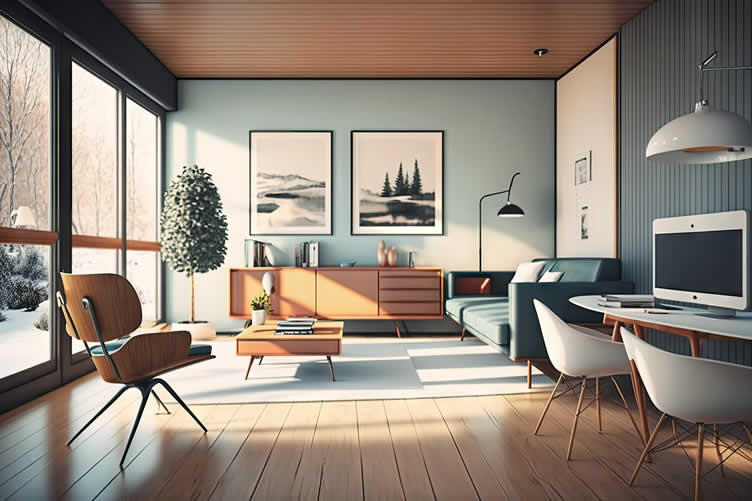
copyright image by 123rf.com
How to Style With Mid-Century Elements
Bringing Mid-Century style into your home involves blending timeless design principles with contemporary sensibilities. By focusing on simplicity, function, and craftsmanship, you can create a space that feels both nostalgic and modern. Here are some essential tips to guide your approach:
- Choose Furniture with Clean Lines:
Opt for furniture featuring sleek, straight edges or gentle, organic curves. Think tapered legs, low profiles, and minimal ornamentation. - Focus on Natural Materials:
Incorporate wood, like teak or walnut, for a warm and authentic Mid-Century feel. Add textures such as leather, wool, or linen for depth and contrast. - Curate a Neutral Palette with Bold Accents:
Use neutral shades like cream, gray, or beige as the foundation, and introduce vibrant pops of color through accessories like cushions, rugs, or artwork. - Highlight Geometric and Organic Patterns:
Include patterns with symmetry or nature-inspired motifs on textiles, wallpapers, or decorative items for visual interest. - Invest in Iconic Lighting Fixtures:
Pick statement lighting pieces, such as tripod floor lamps, sputnik chandeliers, or arc floor lamps, which define the era’s distinctive aesthetic. - Keep Spaces Open and Clutter-Free:
Prioritize open layouts and incorporate multi-functional furniture to maintain the signature “less is more” philosophy.
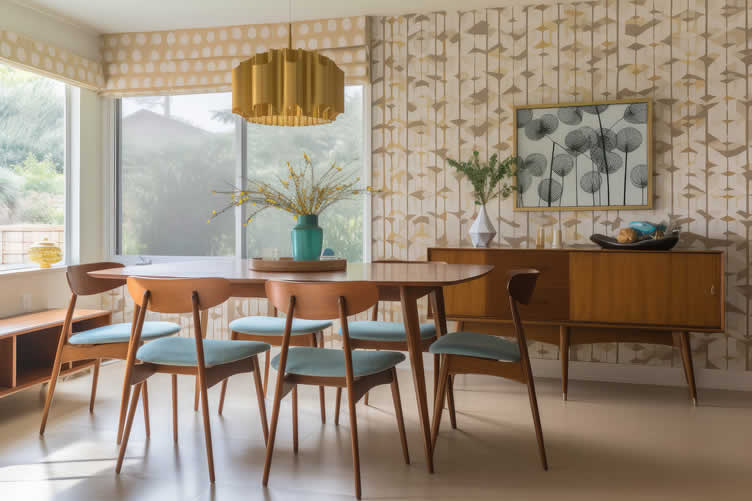
copyright image by 123rf.com
[ amazon: mid-century modern furniture ]
[ amazon: mid-century modern vase ]
-
Scroll up to directory … or scroll to next styling section …
-
-
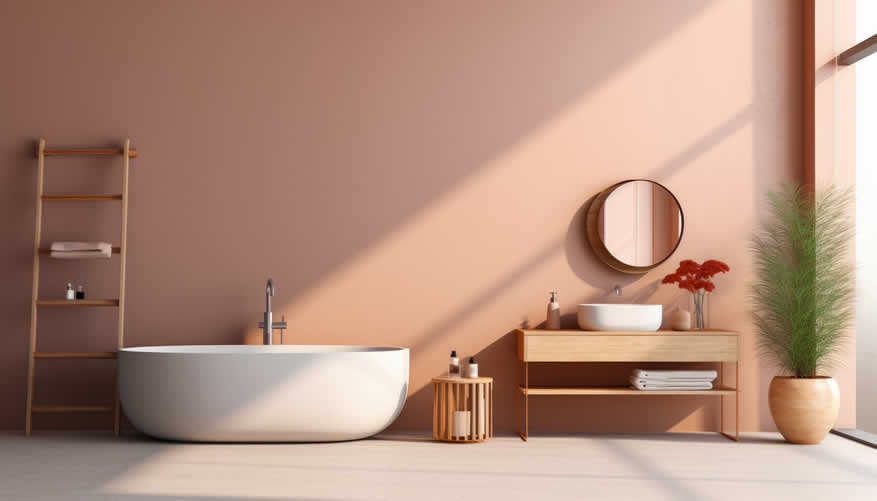
7th Style: Minimalism Style for Interior Home
Minimalism is a design philosophy that emphasizes simplicity, functionality, and a clutter-free environment. Rooted in the principle of "less is more," minimalist home interior design focuses on clean lines, open spaces, and the purposeful selection of furnishings and decor.
This style not only creates an aesthetically pleasing environment but also promotes a sense of tranquility, making it particularly suitable for modern living.
Below, we explore the essential elements of the Minimalism style for interior home design and how to effectively integrate them into your space.
[ see below: minimalism style images ]
-
Simplified Color Palette
The foundation of Minimalism is a monochromatic or neutral color scheme. Shades of white, beige, gray, or other earth tones serve as a tranquil backdrop, creating an airy and cohesive look.
For contrast, restrained use of darker tones or subtle pops of color can add visual interest while maintaining a serene atmosphere.
-
Functional and Streamlined Furniture
Minimalist furniture prioritizes function over ornamentation. Furniture pieces often feature clean, straight lines or gently curved forms and are free from excessive decoration.
Materials such as wood, metal, and glass are commonly used, while fabrics like linen or cotton keep the look light and understated. Each item should serve a purpose, with an emphasis on quality over quantity.
-
Decluttered and Open Spaces
A key aspect of Minimalist home interior design is creating spaces that are open and free from unnecessary clutter. Storage solutions such as built-in cabinets, concealed shelving, and multi-functional furniture help achieve this goal, keeping essential items accessible yet out of sight.
This approach contributes to a visually calm and organized environment.
-
Intentional Use of Decor
Decorative items in the Minimalist style are chosen selectively, ensuring they align with the overall aesthetic. A single piece of modern art, a simple ceramic vase, or a statement light fixture can act as focal points without overwhelming the space.
The minimal use of decor ensures that each piece is intentional and meaningful.
-
Natural Light and Subdued Lighting
Lighting plays a critical role in Minimalist design. Natural light is emphasized wherever possible, achieved through open layouts, large windows, and sheer curtains.
For evening or ambient lighting, soft, diffused light sources such as recessed lighting, pendant lamps, or LED strips help maintain a calm and welcoming ambiance.
By incorporating these principles, Minimalism can transform your home into a serene retreat that combines functionality with modern elegance.
Its focus on simplicity leads to a timeless design that is not only visually appealing but also supports mindful, intentional living.
Types of Minimalists
google imagesaesthetic view styles eco view styles frugal view styles digital view styles extreme view styles nomad view styles rebel view styles adventurous view styles boho view styles moderate view styles homesteading view styles Understanding Minimalist Elements
google imagesfunctionality view ideas minimalist colors view ideas minimalist furniture view ideas minimalist textiles view ideas minimalist accessories view ideas minimalist window treatments view ideas minimalist storage view ideas Minimalist Styling For …
google imagesliving room view ideas kitchen view ideas bedroom view ideas bathroom view ideas home office view ideas outside patio view ideas 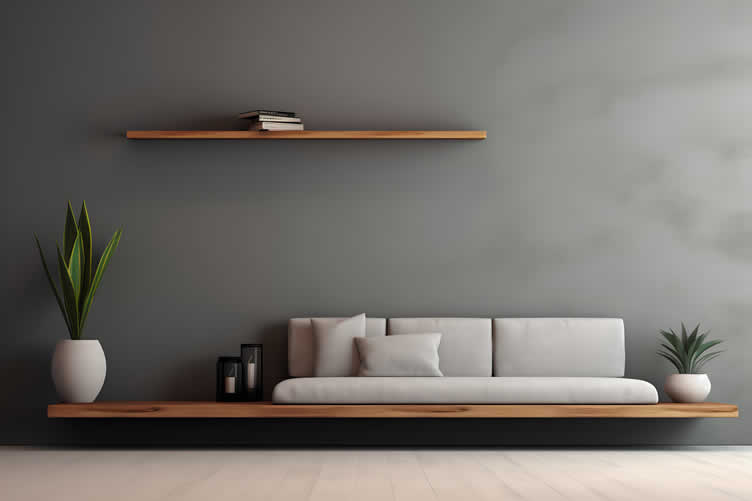
copyright image by 123rf.com
Tips for Styling Your Home with Minimalism
Minimalist interior design emphasizes simplicity, functionality, and intentionality. By decluttering spaces and carefully selecting decor pieces, you can create a calming and sophisticated environment.
Here are some practical tips to help you achieve a Minimalist aesthetic in your home:
- Declutter Your Space:
Remove unnecessary items and keep only what adds value or serves a purpose. Use storage solutions to maintain a clean and organized look. - Choose a Neutral Color Palette:
Stick to tones such as white, beige, gray, or soft pastels to create a harmonious and tranquil atmosphere. - Invest in Quality Over Quantity:
Opt for fewer, high-quality furniture pieces and accessories that are functional and durable. - Highlight Clean Lines and Open Spaces:
Select furniture with simple, clean lines and arrange it to promote flow and spaciousness. - Add Texture and Warmth:
Incorporate natural materials like wood, wool, or linen to add subtle texture and make the space feel more inviting. - Use Lighting Strategically:
Maximize natural light and complement it with sleek, unobtrusive lighting fixtures for evenings. - Focus on Intentional Decor:
Display only a few meaningful or statement pieces to maintain balance without cluttering the space.
copyright image by 123rf.com
-
Scroll up to directory … or scroll to next styling section …
-
-
8th Style: Rustic Style for Interior Home
The rustic style in home interior design embraces a natural, organic aesthetic that emphasizes warmth, simplicity, and charm. This timeless approach incorporates rugged textures, earthy tones, and handcrafted elements, often inspired by rural and countryside living.
Rooted in authenticity, the rustic style highlights the beauty of imperfections, creating cozy spaces that feel grounded and welcoming. Whether you live in a country cottage or a modern urban apartment, rustic design can bring a sense of relaxation and connection to nature into your home.
[ see below: rustic style images ]
-
Natural Materials
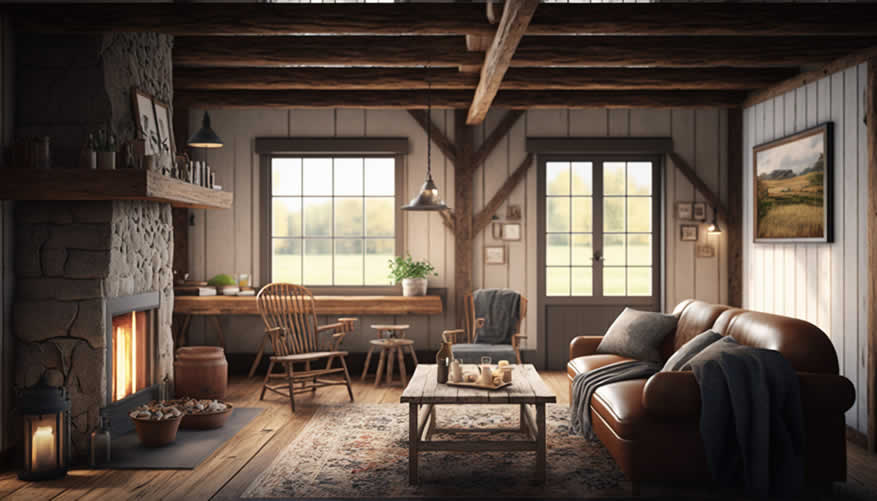
At the heart of rustic home interior design is the use of natural materials. Reclaimed wood, stone, brick, and leather are commonly featured in furniture, walls, and flooring.
These raw elements evoke a sense of history and authenticity. For example, using exposed wooden beams or a stone fireplace can instantly bring a rustic charm to any space while honoring the materials’ natural beauty.
-
Neutral Earthy Tones
A rustic palette is composed of earthy, neutral tones that mirror the colors found in nature. Shades like warm browns, soft creams, muted greens, and deep grays dominate rustic interiors, helping to create a calming and grounding atmosphere.
Incorporating natural variations or weathered finishes can also add depth and character.
-
Handcrafted Furniture and Décor
Handmade furniture and decor are key components of rustic design. Look for solid wood tables, vintage-inspired cabinets, or artisan-made pottery to incorporate into the space.
By valuing craftsmanship over mass production, rustic interiors foster a connection to tradition and sustainability.
-
Textured Fabrics and Cozy Accents
Comfort is a hallmark of rustic design, achieved through layering textured fabrics like wool, burlap, or linen. Sofas with oversized cushions, knitted throws, and area rugs made of jute or natural fibers enhance the home’s cozy and inviting feel.
Rustic interiors prioritize practicality without sacrificing aesthetic warmth.
-
Integration with Nature
Rustic style closely ties to nature, blending indoor and outdoor elements wherever possible. Large windows that invite sunlight, indoor plants, and the use of raw materials create an organic flow between your living space and the natural world.
Adding potted greenery or including natural motifs in your decor further emphasizes this harmony.
-
Worn and Distressed Finishes
Rustic interiors celebrate imperfections. Furniture and objects with distressed finishes, rough edges, or patinas reflect the essence of the rustic aesthetic. This “lived-in” look is a foundational concept that adds depth and tells a story, promoting a sense of authenticity and heritage.
By incorporating these elements, you can achieve a rustic home interior design that is both functional and visually stunning. Rustic style not only provides comfort but also brings timeless charm, making your home feel like a personal retreat connected to nature.
Types of Rustic Styling Ideas
google imagesrustic styling view styles – modern rustic view styles – farmhouse rustic view styles – mountain rustic view styles – coastal rustic view styles – urban rustic view styles Rustic Design Elements
google imagesnatural elements view styles earthly color view styles textures view styles warm ambiance view styles flooring view styles rugs view styles furniture view styles lighting view styles Rustic Styling For …
google imagesliving room view ideas kitchen view ideas bedroom view ideas bathroom view ideas home office view ideas outside patio view ideas 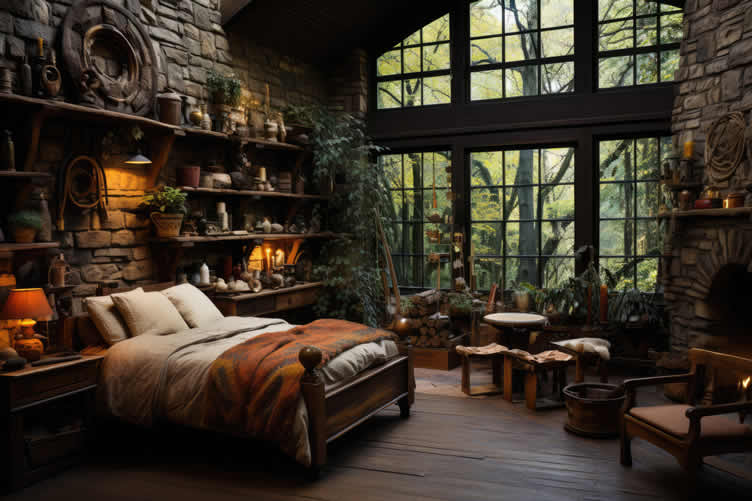
copyright image by 123rf.com
Tips for Styling Your Home with Rustic Elements
Creating a rustic-styled interior doesn’t have to be complicated. By focusing on key design principles and paying attention to detail, you can easily transform your living space into a cozy and nature-inspired retreat.
Below are some tips to guide you in styling with rustic elements:
- Choose Natural Materials – Opt for wood, stone, leather, or metal for furniture and fixtures to set an authentic rustic foundation.
- Layer Textures – Combine soft textiles like wool or linen with harder surfaces such as reclaimed wood or exposed brick for a balanced, inviting atmosphere.
- Re-purpose and Upcycle – Use vintage furniture or reclaimed items. A weathered cupboard or an upcycled wooden table adds character and charm.
- Stick to Neutral Tones – Earthy color palettes, including beige, brown, and soft grays, create a cohesive and warm rustic mood.
- Integrate Handmade Pieces – Incorporate handcrafted decor items like woven baskets, pottery, or custom-made wood elements to add a personal touch.
- Focus on Lighting – Use warm, ambient lighting with fixtures like wrought iron chandeliers or lantern-style lamps to enhance the rustic ambiance.
copyright image by 123rf.com
-
Scroll up to directory … or scroll to next styling section …
-
-
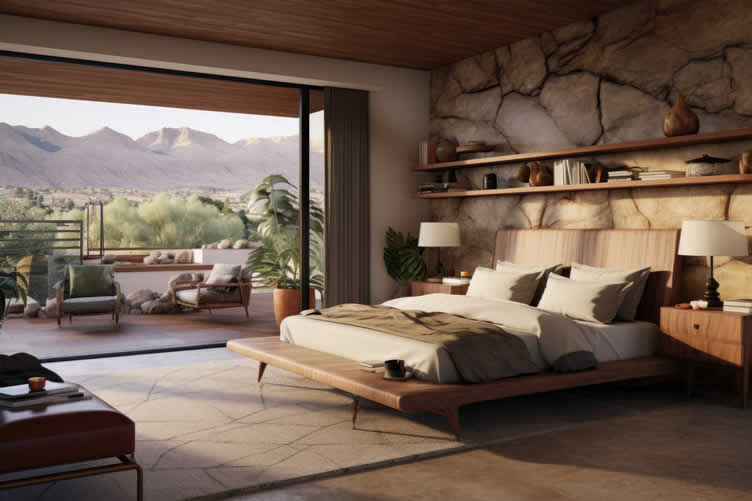
9th Style: Southwestern Style for Interior Home
The Southwestern home interior design style is rooted in the traditions and aesthetics of the American Southwest, influenced by Native American, Spanish, and Mexican cultures.
This style is characterized by its warm, earthy tones, handcrafted elements, and cozy, lived-in atmosphere that creates a welcoming environment. Combining a respect for heritage with modern functionality, Southwestern style is beloved for its ability to bring personality and warmth into any home.
Below are some key elements that define this distinctive design aesthetic.
[ see below: southwestern style images ]
-
Color Palette Inspired by the Desert
The Southwestern style prominently features a desert-inspired color palette that mirrors the natural surroundings of the Southwest. Think shades of terracotta, sandy beige, rust, clay, and earthy browns, complemented by turquoise, sage green, and deep coral tones.
These hues create a harmonious and grounded atmosphere, bringing a sense of nature into your indoor spaces. Brightly patterned textiles or art pieces can provide contrast and pops of color against neutral backdrops.
-
Natural and Rustic Materials
Central to Southwestern home interior design is the use of natural materials that reflect the landscape and the region’s architectural history. Walls adorned with stucco or adobe finishes, exposed wooden ceiling beams, and floors made of terracotta tiles or hardwood are iconic features.
Leather furniture, wrought iron fixtures, and woven textiles further enhance the rustic authenticity.
-
Decorative Patterns and Textiles
Detailed patterns inspired by Native American or Mexican designs play a large role in Southwestern decor. Handwoven rugs, blankets, and pillows often feature geometric or tribal patterns, adding texture and visual interest.
These textiles not only showcase skilled craftsmanship but also introduce warmth and vibrancy into the room. Materials such as wool or cotton are commonly used for these items, ensuring durability and comfort.
-
Handcrafted Art and Accessories
Southwestern interiors often include artisan-made pieces that convey character and authenticity. Pottery, clay vases, and handmade ceramics, as well as metalwork or wood carvings, are typical decorative items.
Wall art can range from painted tiles to natural elements like animal skulls or driftwood. By choosing handmade items, you not only support local artisans but also imbue your home with meaningful and timeless designs.
-
Welcoming and Functional Spaces
The Southwestern style emphasizes creating welcoming, practical spaces that feel lived-in. Open layouts and communal areas furnished with durable pieces encourage relaxation and connection.
This style places equal importance on comfort and aesthetics, making it ideal for homes that prioritize both form and function. To complete the look, consider adding large windows or curtains that allow plenty of natural light to flood the room, strengthening the connection to the outdoors.
-
Connection to Nature
A hallmark of Southwestern home interior design is its seamless integration with the natural environment. Indoor plants like cacti or succulents, used as decorative accents, can add a touch of greenery while staying true to the desert-inspired theme.
Outdoor patios and courtyards designed to reflect the interior style are also a common feature, creating continuity between indoor and outdoor living spaces.
Southwestern style provides an opportunity to celebrate culture, history, and craftsmanship while maintaining a home that is timeless and inviting. It balances rustic charm with modern sensibilities, offering a versatile and practical design approach.
Whether you’re designing an entire home or just one room, using these key elements will help you create a space filled with warmth, personality, and character.
References:
- Landfair, "Southwestern Style and Elements in Interior Design," Home Décor Journal.
- Bell, Christina, Modern Southwest Living.
Types of Southwestern Styling Ideas
google imagessouthwestern style view styles – contemporary style view styles – modern southwestern view styles – tuscan southwestern view styles – southern southwestern view styles Southwestern Design Ideas
google imagescolor palette view styles textures view styles decorative view styles layout view styles flooring view styles rugs view styles furniture view styles lighting view styles Southwestern Styling For …
google imagesliving room view ideas kitchen view ideas bedroom view ideas bathroom view ideas home office view ideas outside patio view ideas 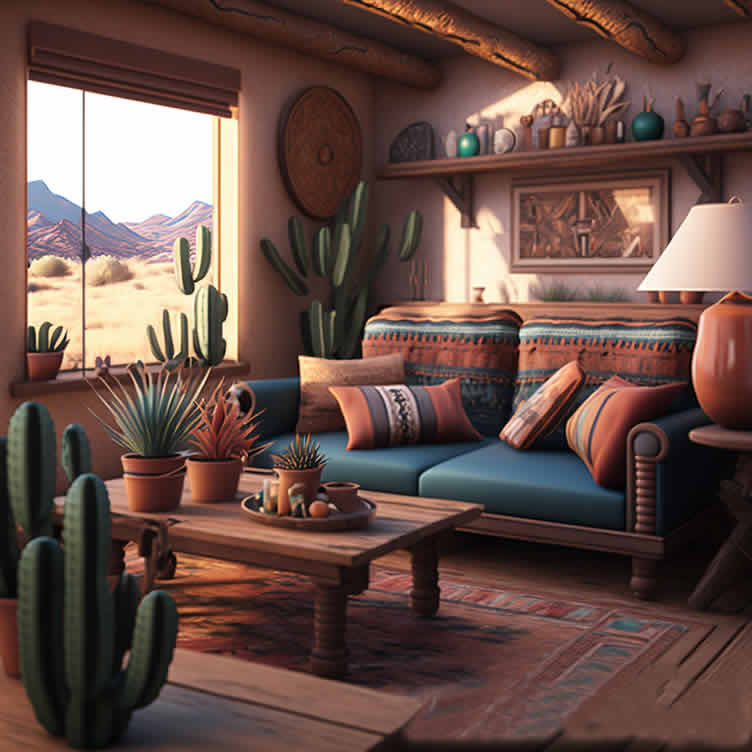
copyright image by 123rf.com
Tips for Styling Your Home with Southwestern Design
Southwestern interior design is an ideal way to bring warmth, texture, and cultural richness into your home. With its emphasis on natural materials, earthy tones, and handcrafted accents, this design style creates an inviting and harmonious living environment.
Here are some practical tips to help you integrate Southwestern elements into your space:
- Use Earthy and Warm Color Palettes:
Incorporate shades of terracotta, sandy beige, sunset orange, and deep turquoise to reflect the natural beauty of the desert landscape. - Choose Natural Materials:
Opt for wood, leather, wrought iron, and stone to achieve an authentic Southwestern feel. - Add Textural Accents:
Layer textured rugs, woven baskets, and handcrafted pottery to add depth and personality to your interiors. - Highlight Handcrafted Decor:
Include artisan-made items such as Navajo textiles, ceramic tiles, and carved wood elements to celebrate craftsmanship and cultural heritage. - Include Cacti and Succulents:
Enhance the space with low-maintenance indoor plants that echo the arid environment of the Southwest. - Consider Statement Furniture:
Select bold furniture pieces, like a rustic wooden dining table or a leather sofa, to anchor the space. - Blend Indoor and Outdoor Spaces:
Use large windows, sliding doors, or a patio area to create a cohesive flow between indoor and outdoor living.
copyright image by 123rf.com
[ amazon: southwestern wall art ]
[ amazon: southwestern rug ]
-
Scroll up to directory … or scroll to next styling section …
-
-
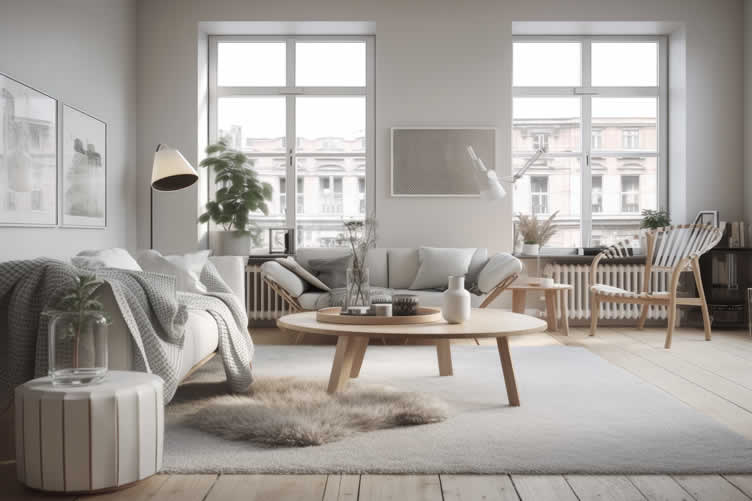
10th Style: Scandinavian Style for Home Interior Design
Scandinavian style is celebrated for its simplistic beauty, functionality, and a sense of inviting warmth. Emerging from the Nordic countries, this design philosophy places heavy emphasis on creating spaces that are airy, bright, and purpose-driven.
By combining clean lines, neutral tones, and natural materials, Scandinavian interiors harmonize aesthetics and practicality, making it an ideal choice for homeowners seeking a balance between form and function. Below, we explore the quintessential elements that define this timeless design style.
[ see below: scandinavian style images ]
-
Focus on Minimalism
At the heart of Scandinavian home interior design lies minimalism. Spaces are designed to be uncluttered and intentional, ensuring every piece of furniture or decor serves a purpose.
This "less is more" approach fosters an environment of calm and simplicity, leaving room to focus on functionality and beauty. Avoid overloading the space with excessive items, and instead, prioritize sleek furniture and open layouts.
-
Neutral Color Palettes
Scandinavian interiors often employ soft, neutral color tones such as white, gray, beige, and muted pastels. These hues reflect natural light to make interiors feel brighter and more spacious, a necessity in regions with long, dark winters.
Occasionally, pops of black or natural wood accents are introduced to add depth and contrast without disrupting the serenity of the space.
-
Natural Materials and Textures
Wooden finishes—especially oak, beech, or pine—are prominently featured in Scandinavian interiors. Complementing this, organic materials such as wool, linen, and jute add warmth and texture.
These elements draw inspiration from the surrounding outdoors while fostering a cozy, hygge-like atmosphere, another hallmark of Nordic design.
-
Functional Furniture
Scandinavian furniture is renowned for its practicality and timeless design. Pieces often feature simple, clean lines and are built with durable materials to withstand the test of time.
From streamlined sofas and dining sets to clever, space-saving storage solutions, Scandinavian furniture prioritizes purpose without compromising on style.
-
Lighting to Maximize Brightness
Given the limited daylight during Nordic winters, lighting plays a pivotal role in Scandinavian home interior design. Natural light is embraced with large, unadorned windows, often paired with sheer curtains to diffuse sunlight.
Additionally, layered artificial lighting, such as pendant lamps and floor lamps with warm, soft light, helps illuminate the space and maintain a cozy ambiance.
-
Touch of Greenery
To breathe life into the space, Scandinavian interiors often incorporate houseplants. Green foliage, such as fiddle-leaf figs, snake plants, or monstera, contrasts beautifully with neutral backdrops while purifying the air and bringing a piece of nature indoors.
-
A Sense of Harmony
Ultimately, Scandinavian-style interiors are designed to create harmony between the home and the people living in it. By focusing on functional design, inviting spaces, and thoughtful details, this design makes homes feel like sanctuaries of comfort and peace.
Types of Scandinavian Styling Ideas
google imagesscandinavian style view styles – modern view styles – hygge-inspired view styles – rustic view styles – minimalist view styles Scandinavian Design Ideas
google imagesnatural elements view styles neutral color view styles greenery view styles natural light view styles flooring view styles rugs view styles furniture view styles lighting view styles Scandinavian Styling For …
google imagesliving room view ideas kitchen view ideas bedroom view ideas bathroom view ideas home office view ideas outside patio view ideas 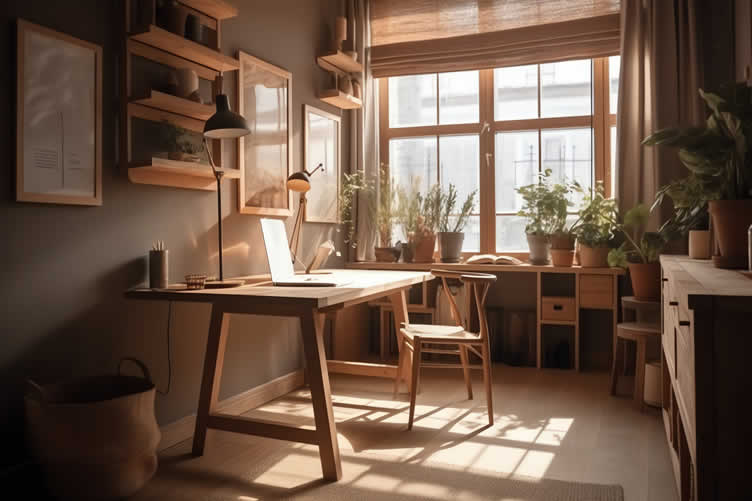
copyright image by 123rf.com
Tips for Styling With Scandinavian Elements
Scandinavian interior styling revolves around simplicity, functionality, and natural beauty. By focusing on minimalist designs and cozy atmospheres, it’s easy to create a space that feels both stylish and inviting.
Here are some practical tips to help you bring Scandinavian aesthetics into your home:
- Stick to a Neutral Palette:
Opt for whites, grays, and muted pastels to create a clean and calming backdrop. - Prioritize Natural Light:
Use sheer curtains or leave windows bare to maximize the flow of natural light. - Choose Functional Furniture:
Select pieces with multi-functional features and sleek, minimalistic designs. - Layer Textures for Warmth:
Incorporate materials like wool, linen, and sheepskin to add a sense of coziness. - Add Greenery:
Place a few low-maintenance houseplants to infuse natural life and color. - Highlight Natural Materials:
Use wood, leather, and stone for furniture and accents to maintain a connection to nature.
copyright image by 123rf.com
[ amazon: scandinavian wall art ]
[ amazon: scandinavian bed frame ]
-
Scroll up to directory … or scroll to next styling section …
-

addressing home interior design and other home improvement needs …

… grab this directory of ideas for future use




plan the specifications you need for making …

… key home improvement and remodeling decisions

… to pull your interior design together



Budgeting Worksheet For Costing Home Remodeling and Home Improvement Decisions
 File Type (excel)


SHARE IT ..! You might have someone in your social network who could find this informative post about deciding your interior home design valuable. Feel free to share it on Facebook, X (formally Twitter), LinkedIn, or Pinterest!


… remodeling decisions




-
-
11th Style: Coastal Style for Interior Home
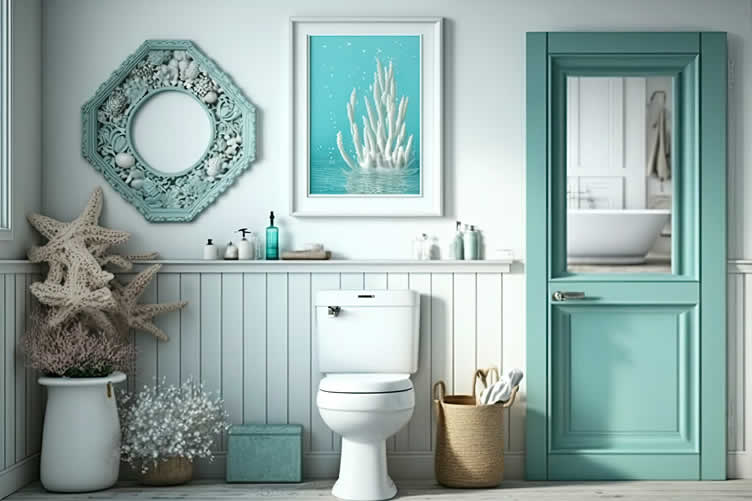
Evoking a sense of tranquility and breezy relaxation, Coastal style in home interior design captures the essence of seaside living. This design aesthetic focuses on creating light, airy spaces that reflect the colors and textures of the ocean, sand, and sky.
Whether you live by the coast or simply wish to bring a beach-inspired ambiance to your home, this style strikes the perfect balance between comfort and sophistication.
[ see below: coastal style images ]
-
Light and Airy Color Palette
The foundation of Coastal interior design is a color palette inspired by the natural coastal environment. Soft whites, sandy beiges, and oceanic shades of blue dominate the aesthetic, providing a soothing and spacious feel.
Hints of light green or gray can also be incorporated to mimic the hues of sea grass and driftwood. These colors work together to establish a serene and fresh atmosphere throughout the home.
-
Natural Materials and Textures
Coastal interiors emphasize the use of organic materials, echoing the simplicity of nature. Consider incorporating elements such as weathered wood for furniture, woven jute or sisal rugs, and linen or cotton fabrics for upholstery and curtains.
These materials add depth and tactile interest while maintaining an overall relaxed ambiance. Additionally, natural stone or rattan accents are excellent for achieving an authentic coastal vibe.
-
Use of Nautical Accents
Accessories and décor items inspired by the sea give Coastal interiors their signature charm. Subtle nautical elements such as striped patterns, rope details, or sea glass bowls can be added sparingly for a tasteful look.
Wall art featuring ocean landscapes, starfish, or framed maps can also contribute to the theme without overpowering the simplicity of the design.
-
Abundance of Natural Light
Maximizing natural light is a guiding principle of Coastal home interior design. Use sheer curtains or opt for no window treatments at all to allow sunlight to flood the space.
Reflective surfaces like mirrors and glass accents can further enhance the sense of spaciousness and brightness, making the home feel more open and connected to the outdoors.
-
Indoor-Outdoor Connection
Creating a seamless connection between indoor and outdoor spaces is key to achieving the Coastal aesthetic. Large windows, sliding glass doors, or balconies are common features in homes designed with this style in mind.
Incorporating greenery such as potted plants or even a small herb garden can bring the natural beauty of the outdoors closer to your living spaces.
-
Comfortable and Inviting Furniture
Furniture in Coastal homes is all about combining comfort with timeless appeal. Think oversized couches or armchairs with slipcovers in light, breezy fabrics.
Neutral or blue-toned cushions and throws can be layered to add warmth and a touch of personality. Avoid overly ornate or dated pieces; instead, prioritize clean lines and a relaxed, informal vibe.
By incorporating these key elements, Coastal style strikes a harmonious chord between functionality and the laid-back elegance of seaside living.
Coastal Ideas By Region
google imagescalifornia coastal view styles new england coastal view styles nantucket cottage view styles southern coastal view styles mediterranean coastal view styles northwest coastal view styles Coastal Design Ideas
google imagestraditional coastal view styles – modern coastal view styles – farmhouse coastal view styles – tropical coastal view styles – cottage coastal view styles – beach house coastal view styles – nautical coastal view styles – lake house coastal view styles Coastal Styling For …
google imagesliving room view ideas kitchen view ideas bedroom view ideas bathroom view ideas home office view ideas outside patio view ideas 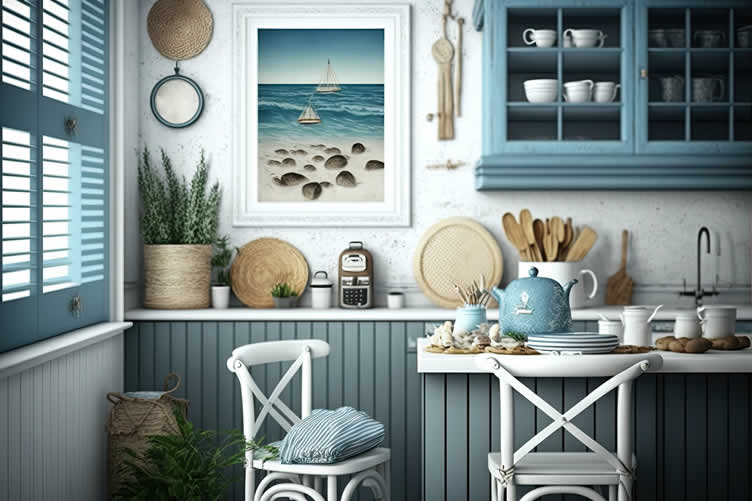
copyright image by 123rf.com
Tips for Styling Your Home with Coastal Elements
Creating a Coastal-style interior is all about capturing the serene and breezy essence of seaside living. By focusing on a light and airy palette, natural textures, and relaxed furnishings, you can transform your space into a calming retreat.
Here are some simple yet effective tips to achieve the Coastal aesthetic in your home:
- Use a Soft, Neutral Color Palette:
Opt for whites, beiges, and soft blues to mimic the colors of the beach and ocean. - Incorporate Natural Materials:
Include elements like wicker, rattan, or weathered wood for a touch of organic texture. - Maximize Natural Light:
Use sheer curtains or no window treatments at all to allow sunlight to flood the room. - Layer with Textiles:
Add lightweight fabrics like linen or cotton for cushions, throws, and drapes to enhance comfort. - Choose Ocean-Inspired Décor:
Decorate with artwork, seashells, or driftwood to underline the coastal theme. - Add Greenery:
Incorporate plants like palms or succulents for a fresh and vibrant touch. - Focus on Open Spaces:
Keep the layout open and uncluttered to maintain an easy, breezy feel.
copyright image by 123rf.com
[ amazon: coastal wall art ]
[ amazon: coastal bedding ]
-
Scroll up to directory … or scroll to next styling section …
-
-
12th Style: Bohemian Style for Interior Home
Bohemian style, often referred to as "Boho," is a free-spirited and eclectic approach to home interior design that celebrates individuality and artistic expression. Rooted in a blend of cultures and influences, this style offers a harmonious blend of colors, textures, and unique elements that create a cozy and inviting atmosphere.
Whether you’re aiming to craft a space full of personality or seeking a design aesthetic that embraces creativity and relaxation, the Bohemian style makes it easy to achieve both.
[ see below: bohemian style images ]
-
Rich and Vibrant Color Palette
At the heart of Bohemian style is the use of colors that evoke warmth and creativity. Bold jewel tones like emerald green, ruby red, and cobalt blue work beautifully when combined with earthy neutrals and metallic accents.
Layering these colors throughout your space—whether through textiles, wall art, or furniture—helps evoke a sense of vibrancy and depth that is quintessentially boho.
-
Layered Textiles and Patterns
Bohemian interiors thrive on an abundance of textiles, bringing softness and dimension into the space. Think patterned rugs, macramé wall hangings, fringed throws, and colorful cushions.
Patterns like paisley, ikat, and Moroccan geometrics are particularly popular, capturing the global influences that define the Bohemian aesthetic. Layering multiple patterns and textures creates a rich, inviting look that encourages comfort and exploration.
-
Natural and Vintage Elements
Bohemian design embraces natural materials like wood, rattan, bamboo, and stone for furniture and décor. Incorporating vintage or second-hand pieces adds character and history to the room.
Look to thrifted finds like antique dressers or weathered photo frames, as these unique pieces elevate the design while staying true to the style’s roots in sustainability.
-
Eclectic Accessories and Global Accents
True to its eclectic spirit, Bohemian interiors often feature global-inspired décor such as handcrafted pottery, carved sculptures, and woven baskets. These elements reflect a mix of cultural heritage and artistry.
Additionally, don’t shy away from incorporating personal treasures, travel souvenirs, or family heirlooms to make the space truly your own.
-
Indoor Greenery
Plants are an essential part of the Boho aesthetic, bringing life and freshness to your interior design. Incorporate leafy greens such as fiddle leaf figs, hanging pothos, or cascading ivy to create an indoor oasis.
Bohemian spaces often feature lush greenery with creative planters and arrangements, blurring the line between indoor and outdoor environments.
-
Relaxed and Cozy Atmosphere
Ultimately, the Bohemian style emphasizes creating a relaxed vibe. Low-seating arrangements like floor cushions or poufs, ambient lighting from fairy lights or lanterns, and cozy nooks for reading or relaxation all contribute to a laid-back and intimate interior.
Prioritize comfort above all else to ensure that your Bohemian-inspired home feels like a personal retreat.
By following these principles, you can craft a home interior that exudes the carefree, artistic essence of Bohemian style while incorporating elements that reflect your individual personality and lifestyle.
The Bohemian Look
google imagesbohemian style view styles – eclectic bohemian view styles – modern bohemian view styles – parisian bohemian view styles – soho interior view styles Bohemian Characteristics
google imagesbohemian colors view ideas mismatch patterns view ideas lounging furniture view ideas hanging furniture view ideas plenty of greenery view ideas second-hand stuff view ideas ambient lighting view ideas global decor view ideas Bohemian Styling For …
google imagesliving room view ideas kitchen view ideas bedroom view ideas bathroom view ideas home office view ideas outside patio view ideas 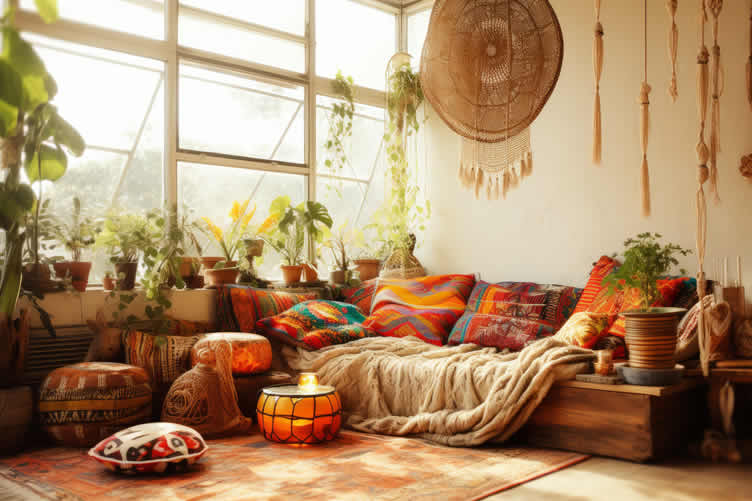
copyright image by 123rf.com
Tips for Styling Your Home with Bohemian Elements
Creating a Bohemian-inspired interior doesn’t have to be complicated. The key is to blend textures, patterns, and colors in a way that feels spontaneous and personal, while also maintaining a sense of harmony and comfort.
Below are some practical tips to infuse your home with the whimsical charm of Bohemian design:
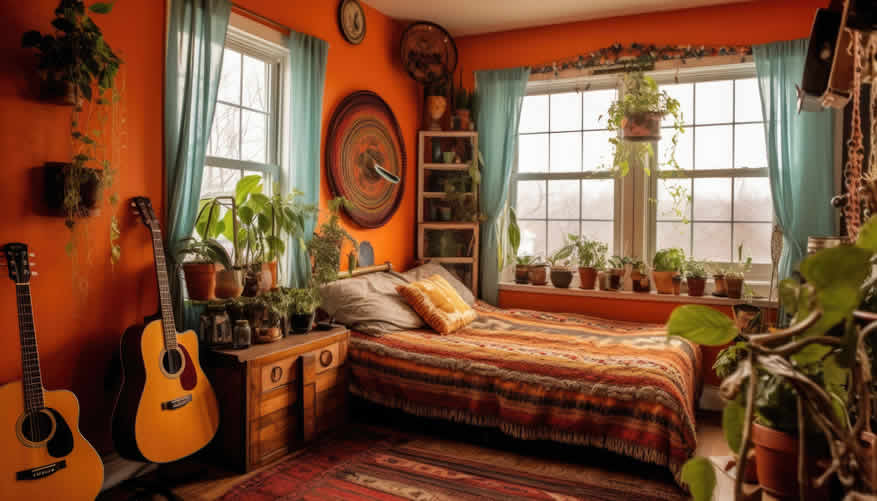
- Mix Patterns and Textures:
Combine different fabrics such as macramé, woven rugs, and embroidered cushions. Don’t hesitate to layer these elements for a rich and dynamic look. - Use Earthy and Vibrant Colors:
Opt for a palette that includes warm earth tones like terracotta, ochre, and olive green, complemented by jewel tones such as emerald, ruby, or sapphire. - Add Artistic Accessories:
Incorporate handmade decor, such as pottery, paintings, or woven wall hangings, to give your space an eclectic and artistic touch. - Bring in Natural Elements:
Use raw wood furniture, bamboo accents, and plenty of plants to create an earthy, organic feel. - Focus on Lighting:
Ensure your space glows with soft, ambient lighting using fairy lights, paper lanterns, or vintage lamps. - Include Travel-Inspired Pieces:
Decorate with souvenirs or textiles from your travels to tell a story and add unique character to your home. - Choose Unconventional Furniture Arrangements:
Think outside the box with low seating, vintage furniture, or colorful area rugs defining your living spaces.
copyright image by 123rf.com
[ amazon: bohemian decor ]
[ amazon: bohemian curtains ]
-
Scroll up to directory … or scroll to next styling section …
-
-
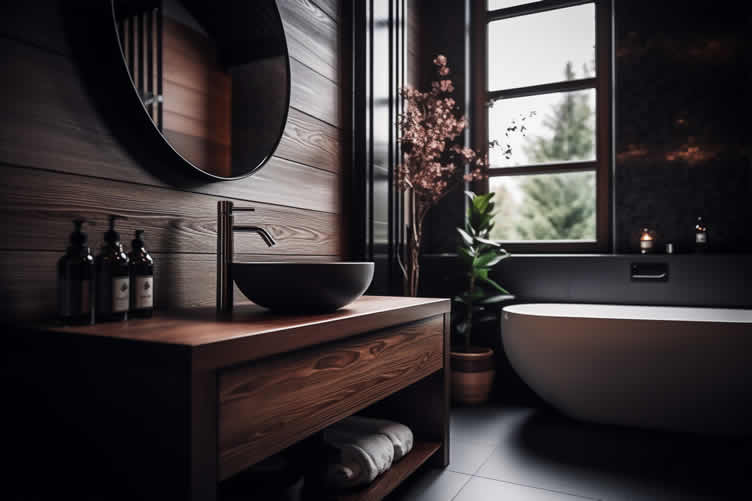
13th Style: Art Moderne Style for Interior Home Design
Art Moderne, also known as Streamline Moderne, is a sophisticated design style that emerged in the 1930s as a subset of the Art Deco movement. This style is characterized by its emphasis on sleek, aerodynamic forms, simple geometric shapes, and a balance between function and elegance.
The design aesthetic finds inspiration in the industrial age, with influences drawn from contemporary architectural advancements, automobiles, and even ocean liners. Art Moderne resonates with those seeking a minimalist yet luxurious approach to home interior design, combining modern practicality with timeless appeal.
[ see below: art moderne style images ]
-
Streamlined Silhouettes
A defining characteristic of Art Moderne interiors is the use of streamlined, curved silhouettes. Furnishings often feature softened corners, fluid lines, and a sense of motion, creating a harmonious and clutter-free environment.
Upholstered pieces, such as sofas and armchairs, are typically adorned with smooth surfaces and unadorned fabric to emphasize their form over ornamentation.
-
Neutral and Monochromatic Palettes
Art Moderne interiors rely heavily on neutral or monochromatic color schemes to evoke a sophisticated and calming ambiance. Shades such as ivory, beige, gray, and black dominate, often complemented by subtle metallic accents.
This restrained palette highlights the clean lines and geometric patterns typical of the style without overwhelming the space.
-
Luxurious Materials and Finishes
The use of high-quality materials is central to Art Moderne home interior design. Lacquered wood, stainless steel, and chrome surfaces are commonly incorporated, adding a polished and reflective element to the space.
Floors are often tiled or feature geometric parquet patterns, while textiles include silk and velvet to introduce a touch of opulence.
-
Geometric and Aerodynamic Decorative Elements
Art Moderne employs geometric motifs and aerodynamic forms in both decorative elements and structural details. Spaces may feature symmetrical patterns on rugs or wall panels, along with minimalist decorative items such as glass sculptures, mirrors, or metal art.
Lighting fixtures with tiered shapes or frosted glass also embody the streamlined aesthetic of this style.
-
Minimalism Meets Functionality
Supporting the "form follows function" ethos, Art Moderne interiors prioritize practicality and simplicity. Furniture and decor are designed to serve dual purposes, eliminating unnecessary excess while maintaining an overall sense of elegance.
Built-in storage solutions and multipurpose furniture allow for organization within the sleek aesthetic framework.
By implementing these principles, an Art Moderne home interior can exude a timeless charm that blends modernity with artistry.
Art Moderne Design Styles
google imagesart moderne style view styles – streamline moderne view styles – art deco view styles – industrial view styles – nautical-inspired view styles Art Moderne Decor Elements
google imagesbold graphics elements view ideas luxurious materials view ideas jewel-tone colors view ideas sleek lines view ideas flooring view styles rugs view styles furniture view styles lighting view styles Art Moderne Styling For …
google imagesliving room view ideas kitchen view ideas bedroom view ideas bathroom view ideas home office view ideas outside patio view ideas 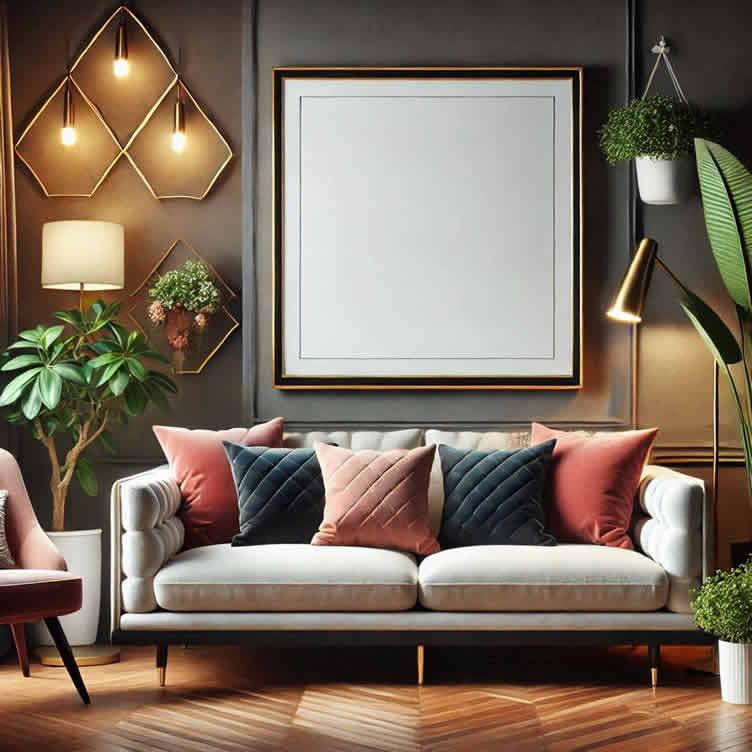
copyright image by 123rf.com
Tips for Styling With Art Moderne Elements
Art Moderne styling captures the blend of sleek simplicity and artistic detail that defines the era. Incorporating this aesthetic into your home involves careful choices in furniture, color palettes, and decor.
Below are practical tips to help you achieve a cohesive and elegant Art Moderne-inspired interior:
- Choose a Muted Color Palette:
Stick to neutral tones such as beige, gray, black, and white, complemented with occasional metallic or pastel accents for contrast. - Opt for Streamlined Furniture:
Select furniture pieces with clean lines, soft curves, and glossy or lacquered finishes that embody an understated sophistication. - Integrate Metallic Accents:
Use touches of chrome, stainless steel, or brushed aluminum in light fixtures, hardware, and decor to add modernity and shine. - Focus on Geometric Patterns:
Incorporate symmetrical and bold geometric patterns in area rugs, cushions, or wallpaper to create visual interest. - Add Glass and Reflective Surfaces:
Include glass-topped tables, mirrored finishes, or frosted glass elements to enhance the sense of light and space. - Keep Decor Minimal:
Limit accessories to a few statement pieces, such as abstract sculptures, tiered or cylindrical vases, and minimalist wall art.
copyright image by 123rf.com
-
Scroll up to directory … or scroll to next styling section …
-
-
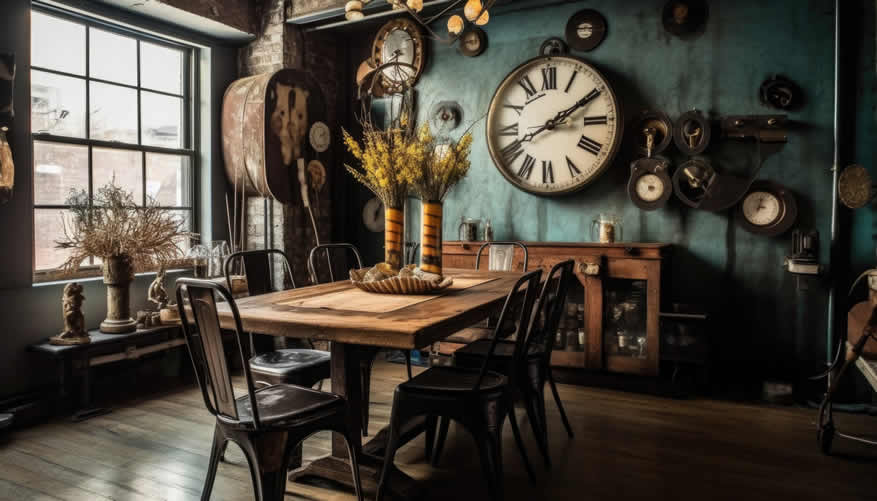
14th Style: Eclectic Style for Interior Hom
The Eclectic style for home interior design is a celebration of individuality, combining different elements, eras, and influences within a cohesive space. It transcends traditional decorating rules, allowing for unique interpretations tailored to personal preferences.
At its core, Eclectic style thrives on the harmonious layering of textures, patterns, and colors to create a dynamic yet balanced atmosphere. Despite its seemingly carefree appearance, achieving this aesthetic requires thoughtful planning and curation to avoid visual chaos.
Below are the key elements that make up the Eclectic style in home interior design.
[ see below: eclectic style images ]
-
Blend of Diverse Textures
Eclectic interiors often feature a rich combination of textures that appeal to the senses. For example, a space might incorporate a velvet sofa, a natural jute rug, and smooth metallic accents. This deliberate interplay creates depth and interest, ensuring no element overpowers the other.
-
Fusion of Styles and Eras
Eclectic design embraces the combination of contrasting styles and periods. It’s not uncommon to see mid-century modern furniture paired with ornate vintage chandeliers or industrial decor alongside bohemian details. The juxtaposition creates a visual narrative that reflects personal stories and tastes.
-
Thoughtful Use of Color
While the color palette of an Eclectic room can be bold and vibrant, cohesion is key. A unifying color or tone often ties the different pieces together. For instance, accent colors found in throw pillows or artwork may echo hues in larger furniture pieces or rugs, creating an intentional flow.
-
Statement Accessories and Artwork
Accessories play a pivotal role in defining Eclectic interiors. Unique, one-of-a-kind items such as abstract sculptures, handmade pottery, or eclectic gallery walls lend personality to the room. These curated pieces often serve as focal points or conversation starters.
-
Balance Between Harmony and Contrast
Successful Eclectic interiors achieve a balance between contrast and unity. This involves layering opposing elements—such as delicate, ornate designs with bold, contemporary silhouettes—while maintaining a sense of order. Spacing, repetition, and color harmony are critical to this aesthetic.
By blending various textures, eras, colors, and unique pieces, Eclectic style offers limitless opportunities for self-expression. Combining creativity with careful planning results in a visually striking and highly personalized space.
Ensure that your Eclectic interior remains cohesive by focusing on balance and intention when selecting and arranging components.
- Better Homes & Gardens, "How to Master Eclectic Style in Interiors"
- Houzz, "Eclectic Interior Design Ideas for Your Unique Style"
- Architectural Digest, "Tips for Blending Design Styles with Eclectic Decor"
Types of Eclectic Styling Ideas
google imageseclectic style view styles – boho view styles – glam view styles – tropical boho view styles – mod collector view styles – organic view styles – mid-century revival view styles Eclectic Design Ideas
google imagesmixed elements view styles bold colors view styles global influence view styles textures view styles flooring view styles rugs view styles furniture view styles lighting view styles Eclectic Styling For …
google imagesliving room view ideas kitchen view ideas bedroom view ideas bathroom view ideas home office view ideas outside patio view ideas 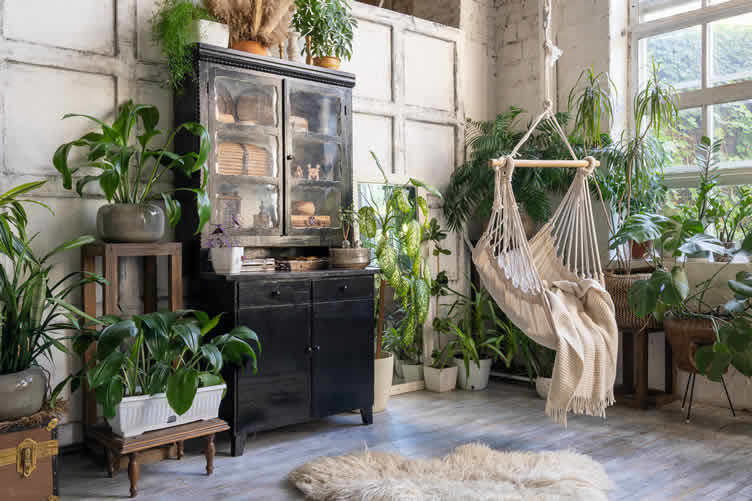
copyright image by 123rf.com
Tips for Styling an Eclectic Interior
Eclectic interiors celebrate individuality and creativity by blending diverse styles, textures, and colors into a cohesive and unique design. To achieve this look successfully, it is essential to combine elements thoughtfully to avoid a chaotic feel.
Below are some practical tips to help you master the Eclectic style in your space.
- Start with a Neutral Base:
Use a neutral wall color or flooring to anchor the design, allowing bold accents or statement pieces to shine. - Mix Textures and Patterns:
Incorporate a variety of materials such as velvet, leather, wood, or metal, and layer complementary or contrasting patterns for depth and interest. - Include Statement Pieces:
Anchor the space with one or two standout items, such as an oversized piece of art, a unique sofa, or a vintage rug, to serve as focal points. - Focus on Color Harmony:
Use a unifying color palette across different elements to maintain a cohesive look while experimenting with bolder accents. - Balance Proportions:
Pair large-scale items with smaller decorative pieces for balance, ensuring no single element overpowers the space. - Personalize the Space:
Showcase your personality by incorporating meaningful keepsakes, vintage finds, or handmade items that tell a story. - Curate Thoughtfully:
Avoid overloading the room with mismatched items; instead, carefully select and edit the elements to create visual harmony.
copyright image by 123rf.com
[ amazon: eclectic wall art ]
[ amazon: eclectic shower curtain ]
-
Scroll up to directory … or scroll to next styling section …
-
-
15th Style: Glam Style for Interior Home
Glam interior design is the epitome of luxury, elegance, and sophistication, transforming spaces into aesthetically refined havens. Rooted in Hollywood Regency and Art Deco influences, this style emphasizes opulence and polished details that captivate the eye.
The Glam style is ideal for those seeking a home interior design that radiates bold confidence while maintaining a sense of timeless sophistication. Below are the core elements that characterize Glam interior design, offering inspiration for incorporating this lavish aesthetic into your own home.
[ see below: glam style images ]
-
Luxurious Materials
Glam interiors thrive on the use of rich and sumptuous materials that exude a sense of opulence. Velvet upholstery, silk curtains, marble countertops, and high-gloss finishes are just a few examples that enhance this style.
Metallic accents—such as gold, silver, or brass—add a reflective quality that captures light beautifully and amplifies the sense of grandeur within the space.
-
Sophisticated Color Palettes
The Glam style often relies on sophisticated color palettes that balance neutral tones with dramatic hues. Shades like champagne, soft cream, and pearl white create a serene foundation, while jewel tones like emerald green, sapphire blue, and ruby red serve as striking accents.
Adding black elements can introduce contrast, offering depth and sophistication to the overall design.
-
Statement Lighting
Lighting plays a pivotal role in achieving the Glam aesthetic. Striking chandeliers, crystal fixtures, and pendant lighting with metallic finishes are key elements that bring attention to the finer details of the room.
These lighting options also serve as functional art pieces, providing both practical illumination and decorative grandeur.
-
Mirrors and Reflective Surfaces
Mirrors are indispensable in Glam interior design. They not only expand the visual space but also enhance the room’s brightness by reflecting light. Choose ornate, oversized mirrors with metallic or mirrored frames to create stunning focal points.
Additional reflective surfaces, such as mirrored furniture or glossy finishes, further amplify the luxurious feel.
-
Plush Furnishings
Furniture in Glam home interior design often favors dramatic shapes and plush finishes. Look for tufted sofas, upholstered headboards, and curved armchairs. Pieces with intricate details, such as nail-head trim or carved accents, elevate the grandeur of the space.
Ensure the furniture selections complement the overall theme while prioritizing comfort and functionality.
-
Golden and Metallic Accents
Metallic finishes are a trademark of Glam interiors, offering an air of decadence and refinement. Incorporate gold or brass in hardware, decorative objects, and trims.
Metallic trays, candlesticks, or picture frames are subtle ways to introduce these elements, while larger features like gold-framed mirrors or metallic coffee tables create striking statements.
-
Rich Textures and Layers
Layering textures is essential to Glam interior design. Combine soft furnishings like faux fur throws and silk cushions with structured and polished surfaces such as marble or high-gloss tables.
The interplay of textures creates visual depth and tactile richness, making the space feel inviting yet undeniably chic.
-
Art and Accessories
Artistic elements in Glam interiors are bold and unforgettable. Look for large-scale art pieces, abstract sculptures, or shapely vases with metallic finishes to imbue the space with character. Accessories like crystal ornaments, luxurious rugs, or even a gallery wall showcasing curated frames can pull the design together with finesse and personality.
By incorporating these thoughtful elements, you can achieve a Glam home interior design that is timeless and effortlessly chic. This style celebrates the joy of living in luxury and encourages the creation of spaces that reflect personal tastes while maintaining a universal allure.
Types of Glam Styling Ideas
google imagesglam style view styles – classic view styles – modern view styles – minimalist view styles – bold view styles – organic view styles – mid-century revival view styles Glam Design Ideas
google imagesglam luxurious elements view styles glam bold color view styles mirrored elements view styles statement pieces view styles flooring view styles rugs view styles furniture view styles lighting view styles Glam Styling For …
google imagesliving room view ideas kitchen view ideas bedroom view ideas bathroom view ideas home office view ideas outside patio view ideas 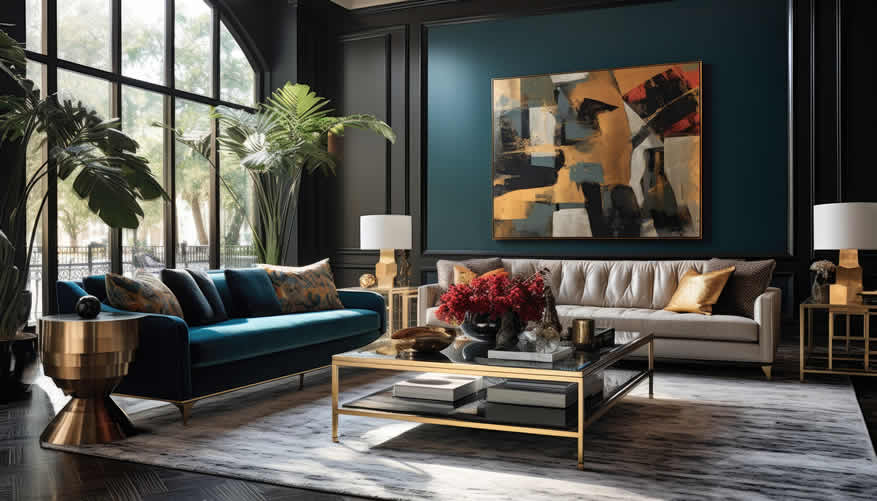
copyright image by 123rf.com
Tips for Styling with Glam Elements
Achieving a Glam interior design calls for a careful balance of sophistication, luxury, and bold artistic expression. By incorporating specific design strategies, you can create a space that exudes opulence while remaining elegant and functional.
Below are some key tips to help you bring Glam styling into your home:
- Focus on a Neutral Palette with Bold Accents:
Use neutral tones like cream, beige, or gray as a base, then layer in accents of gold, silver, or jewel tones for added flair. - Layer Textures and Fabrics:
Combine velvet, silk, and faux fur for a mix of textures that feel indulgent and visually interesting. - Invest in Statement Furniture:
Opt for pieces with striking shapes, tufted upholstery, or mirrored finishes to anchor the room in glamour. - Add Reflective Surfaces:
Incorporate mirrors, metallic accessories, and glass elements to maximize light and make the space feel expansive. - Curate High-Impact Lighting:
Include chandeliers, crystal wall sconces, or shiny table lamps to bring drama and elegance to the lighting scheme. - Accessorize with Purpose:
Choose bold art, unique sculptures, and luxurious throws or cushions to elevate the overall style. - Highlight Symmetry:
Achieve balance and visual harmony by arranging furniture and decor in symmetrical layouts.
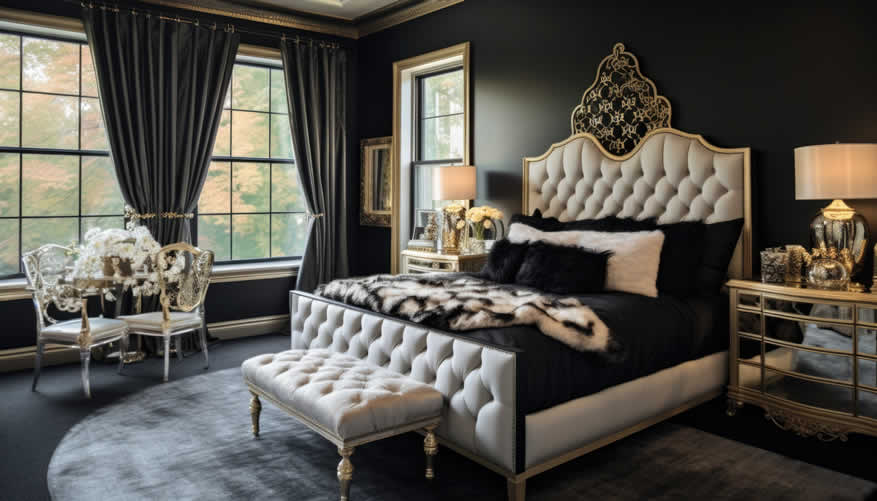
copyright image by 123rf.com
-
Scroll up to directory … or scroll to next styling section …
-
-
16th Style: Biophilic Style for Interior Home Design
The Biophilic style is an approach to interior design that emphasizes the connection between humans and nature. Rooted in the idea that exposure to natural elements promotes well-being, this design philosophy integrates organic materials, earthy textures, and greenery to create spaces that feel alive and harmonious.
Especially in today’s fast-paced world, where many people spend most of their time indoors, biophilic design offers a way to establish a calming and rejuvenating environment within the home. Below are key elements that define the Biophilic style in the context of home interior design.
[ see below: biophilic style images ]
-
Natural Materials
One of the central features of Biophilic design is the use of natural and sustainable materials such as wood, stone, bamboo, and cork. These materials bring the essence of outdoor environments into the home, fostering a sense of warmth and authenticity.
Furniture, flooring, or accent pieces crafted from organic materials not only enhance aesthetic appeal but also promote sustainability.
-
Indoor Greenery
Plants are essential in Biophilic interiors, acting as the "lungs" of the space by purifying the air and adding life. From potted plants to vertical gardens or hanging planters, incorporating greenery helps create a tranquil and visually dynamic setting.
Popular choices include low-maintenance varieties such as pothos, ferns, and succulents, making it easy to integrate them into any home.
-
Natural Light Optimization
To maximize the impact of this style, homes should be designed to allow an abundance of natural light. Biophilic spaces often include large windows, skylights, or glass doors to connect the interiors with the outdoor environment.
Enhancing daylight exposure not only boosts mood and productivity but also reduces the need for artificial lighting.
-
Earthy Color Palette
Biophilic interiors typically incorporate colors that echo natural landscapes, such as greens, browns, and beige tones. These muted shades bring a serene and grounded feeling into the home. Consider using accent walls or furnishings in soothing greens or natural wood finishes to create a cohesive Biophilic look.
-
Organic Shapes and Patterns
Biophilic design avoids harsh edges and geometric rigidity, instead favoring shapes and patterns found in nature, such as curves and fractal motifs. Rugs, textiles, and wall art featuring the shapes of waves, leaves, and other organic designs reinforce the natural theme while adding visual interest.
-
Water Features for Serenity
Water elements such as indoor fountains or aquariums are another hallmark of Biophilic interiors. The sound of flowing water and its visual presence evoke relaxation and rejuvenation, fostering a deeper sensory connection to nature.
-
Sustainable Practices
Finally, sustainability is a key principle in Biophilic home interior design. Selecting eco-friendly materials, energy-efficient lighting, and low-waste furnishings aligns with the overarching aim to respect and preserve the environment.
Look for items certified by trusted organizations, such as FSC (Forest Stewardship Council) for wood products or energy-efficient appliances bearing the Energy Star label.
By incorporating these elements, homeowners can transform their living spaces into natural sanctuaries that nurture mental health, physical well-being, and environmental consciousness. The intentional harmony between a home’s interior and the natural world ensures an inviting, restorative environment for all inhabitants.
Biophilic Design Styles
google imagesBiophilic Design view styles – modern style view styles – farmhouse style view styles – industrial style view styles – coastal style view styles Biophilic Styling For …
google imagesliving room view ideas kitchen view ideas bedroom view ideas bathroom view ideas home office view ideas outside patio view ideas 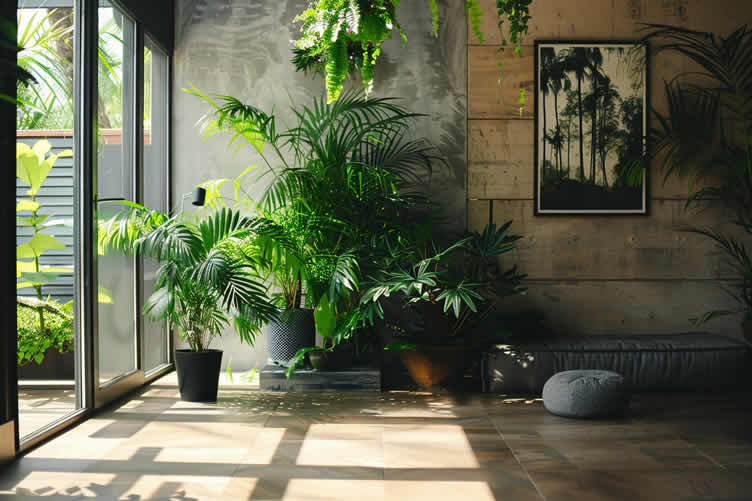
copyright image by 123rf.com
Tips for Styling Your With Biophilic Elements
Biophilic interior design invites the soothing presence of nature into your living spaces, creating a tranquil and rejuvenating environment. By focusing on natural materials, colors, and patterns, you can transform your home into a retreat that promotes well-being and connection with the outdoors.
- Use Natural Materials:
Incorporate furniture, flooring, or decor made from wood, stone, bamboo, or cork to echo nature’s textures and tones. - Add Indoor Plants:
Place greenery like ferns, succulents, or large potted trees throughout your space to improve air quality and bring a vibrant, organic feel. - Maximize Natural Light:
Use large windows, sheer curtains, and strategically placed mirrors to increase sunlight exposure, helping to boost mood and energy levels. - Choose Earthy Color Palettes:
Opt for hues like greens, browns, beiges, and soft blues to establish a calming, nature-inspired ambiance. - Integrate Water Features:
Introduce soothing water elements, such as fountains, aquariums, or tabletop waterfalls, to enhance relaxation and foster a sense of tranquility. - Focus on Texture and Patterns:
Select designs that mimic natural patterns, like floral prints, leaf motifs, or textures resembling sand or bark, for an immersive biophilic experience. - Create Outdoor-Indoor Connections:
Blur the boundary between interior and exterior by incorporating sliding glass doors, green walls, or transitional spaces like patios or sunrooms.
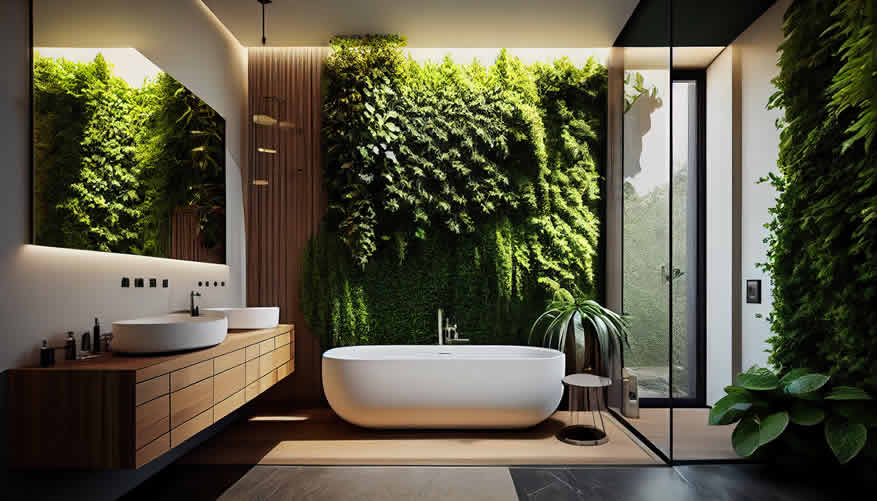
copyright image by 123rf.com
Best "Air Cleaning" Houseplants
Best "Indoor" Trees
Best "Pet Friendly" Houseplants
viewing amazon-
Scroll up to directory … or scroll to next styling section …
-
-
17th Style: Shabby Chic Style for Interior Home
Shabby Chic is a timeless and elegant home interior design style that blends vintage charm with a cozy, lived-in feel. Originating in the 1980s as a counterbalance to more modern and sleek aesthetics, it has since become a popular choice for creating warm, inviting spaces that exude both character and comfort.
The essence of Shabby Chic lies in its ability to combine the old with the new, seamlessly incorporating distressed furniture, pastel hues, and delicate decorative elements. Below, we explore the key components that define the Shabby Chic interior style.
[ see below: shabby chic style images ]
-
Distressed Furniture and Vintage Finds
At the heart of Shabby Chic are pieces of furniture that showcase intentional wear and tear, reflecting a sense of history and nostalgia. For example, a distressed wooden coffee table or a re-purposed cabinet with peeling paint offers a unique touch while maintaining functionality.
Searching for vintage or antique finds at flea markets or thrift stores is a practical and sustainable way to achieve this aesthetic.
-
Soft Color Palettes
Shabby Chic prominently features soft and muted color schemes, particularly pastel tones such as blush pinks, creamy whites, light blues, and gentle grays. These hues create a serene and cohesive environment ideal for promoting relaxation while allowing decorative accents to shine without overwhelming the space.
-
Floral and Feminine Patterns
Floral motifs and delicate patterns are central to Shabby Chic design, whether featured through upholstery, wallpaper, or even throw pillows. Aim for classic yet understated designs, often inspired by vintage textiles, to maintain the balance between elegance and subtlety in your interiors.
-
Layered Textures and Fabrics
The use of soft, layered textiles helps bring a sense of warmth to any Shabby Chic space. Look for natural materials like linen and cotton in neutral tones as well as crocheted or lace-trimmed fabrics. Layering throws, cushions, and slipcovers further emphasizes the inviting and cozy nature of this style.
-
Ornate Decorative Accessories
Decorative elements play a significant role in pulling together the Shabby Chic aesthetic. Think vintage-inspired chandeliers, ornate frames, ceramic vases, and heritage-inspired mirrors. Incorporating small, curated collections of cherished items like books, candles, and knickknacks adds personality and charm to your home.
-
Blending the Old with the New
A key appeal of Shabby Chic is that it allows homeowners to re-purpose and upcycle older furniture and accessories while integrating contemporary elements. This mix ensures that spaces remain practical and aesthetically pleasing, appealing to modern functionality without losing the rustic charm that defines this style.
By combining these thoughtful design elements, Shabby Chic offers a harmonious blend of comfort, creativity, and timelessness.
Types of Shabby Chic Styling Ideas
google imagesshabby chic style view styles – classic view styles – french country view styles – coastal shabby view styles – vintage boho view styles – rustic shabby view styles Shabby Chic Design Ideas
google imagesdistressed elements view styles soft color view styles floral patterns view styles vintage accents view styles natural textiles view styles flooring view styles rugs view styles furniture view styles lighting view styles Shabby Chic Styling For …
google imagesliving room view ideas kitchen view ideas bedroom view ideas bathroom view ideas home office view ideas outside patio view ideas 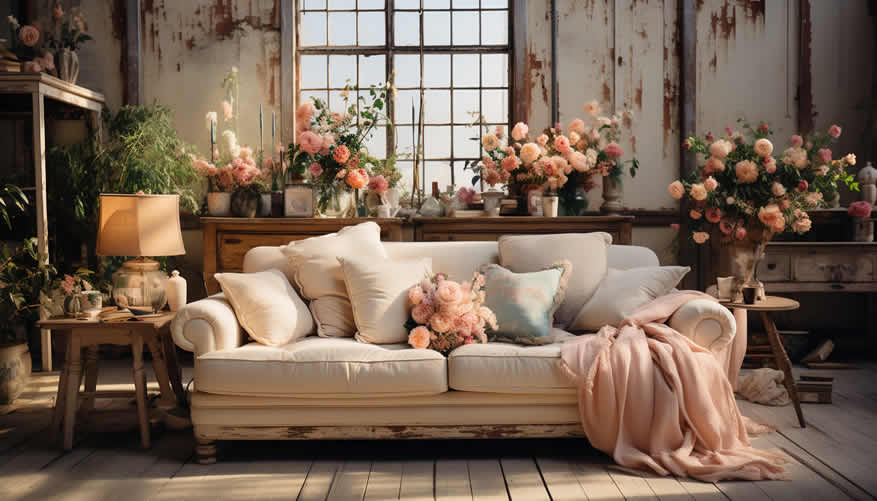
copyright image by 123rf.com
Tips for Styling Your Shabby Chic Interior
Achieving the perfect Shabby Chic interior revolves around balancing vintage charm with functional beauty. Whether you are starting from scratch or updating your existing décor, thoughtful choices can create a delightful, effortlessly elegant space.
Below are some practical tips to incorporate Shabby Chic styling elements into your home.
- Choose Soft, Neutral Colors:
Focus on a palette of whites, creams, pastels, and muted tones to evoke a calming, cohesive atmosphere. - Re-purpose and Upcycle:
Give new life to old furniture by painting, distressing, or reupholstering it. Vintage and second-hand pieces are perfect for this style. - Mix Patterns and Textures:
Combine floral prints, lace, and natural fibers like linen to enhance the romantic and eclectic vibe typical of Shabby Chic. - Highlight Vintage Accessories:
Incorporate vintage-inspired mirrors, weathered picture frames, or antique chandeliers to create a sense of history and character. - Layer Soft Elements:
Add comfort and warmth with layered textiles like plush throw blankets, decorative pillows, and flowing curtains. - Use Decorative Details:
Include small touches such as ceramic vases, candle holders, or handwoven baskets to add charm and personality to your space. - Don’t Strive for Perfection:
Imperfections, like chipped paint or worn edges, add authenticity and help embody the relaxed elegance of Shabby Chic design.
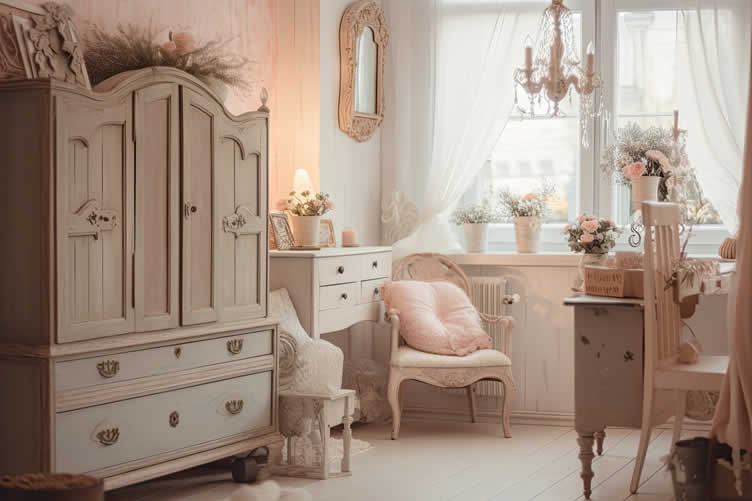
copyright image by 123rf.com
[ amazon: shabby chic bedding ]
[ amazon: shabby chic rug ]
-
Scroll up to directory … or scroll to next styling section …
-
-
18th Style: Cottagecore Style for Interior Home
Cottagecore is a distinctive home interior design style that marries the cozy, pastoral charm of cottage aesthetics with the dark, mystical elements inspired by Gothic design. It evokes the atmosphere of an enchanted woodland or an old countryside cottage, where soft, romantic elements blend seamlessly with moody, dramatic accents.
Perfect for those who appreciate an air of mystery and nostalgia, Cottagecore offers a unique opportunity to transform your living space into a haven that feels both cozy and captivating.
[ see below: cottagecore style images ]
-
Incorporating Rustic Foundations
The essence of Cottagecore style starts with incorporating rustic, weathered materials. Exposed wooden beams, distressed furniture, and stone surfaces establish a grounding, natural base.
These elements reflect the warmth and simplicity of a countryside home while creating the framework for layering additional decorative features.
-
Merging Light and Dark Aesthetics
A signature element of Cottagecore is the striking balance between light and dark aesthetics. This can be achieved by combining faded pastels and neutral tones with deeper shades like forest green, charcoal gray, or burgundy.
Consider pairing soft linen curtains with a dark, moody floral sofa or ivory-colored walls accented by black iron light fixtures to create visual depth and contrast.
-
Infusing Natural and Botanical Elements
Plants and natural décor play an essential role in creating the enchanted cottage feel of the Cottagecore style. Indoor plants such as ferns, ivy, or moss terrariums add a lush, organic ambiance, while dried flowers or bouquets of wildflowers bring in a rustic charm.
Incorporating botanical patterns in wallpapers, cushions, or artwork ties these natural elements together cohesively.
-
Adding Gothic-Inspired Touches
Gothic-inspired details add an element of drama to the Cottagecore style. Think ornate candlesticks, wrought-iron mirrors, vintage candelabras, or velvet upholstery.
These details bring a touch of elegance and mystique, creating the perfect fusion of cottage coziness and Gothic grandeur. For artwork, consider pieces with darker themes, such as moody landscapes or vintage illustrations.
-
Creating a Layered, Lived-In Look
Layering is crucial to achieving the rich, textured look that defines Cottagecore Add layers of textiles, such as plush throws, macramé wall hangings, and weathered rugs, to infuse warmth and depth into your space.
Vintage-inspired trinkets, dark wood furniture, and antique books displayed on shelves further enhance the lived-in feel of the design.
-
The Perfect Ambiance
Lighting plays a pivotal role in setting the atmospheric tone of Cottagecore interiors. Opt for warm, soft lighting through fairy lights, Edison bulbs, or vintage lanterns. Combine these with natural candlelight to create a soothing, magical glow in the evenings, reminiscent of bygone eras.
By encompassing these elements, Cottagecore captures the essence of whimsical escapism while offering a timeless home interior design.
Whether you’re drawn to the romantic side of cottage décor or the evocative allure of Gothic style, Cottagecore allows you to create a harmonious balance that feels uniquely you.
Types of Cottagecore Styling Ideas
google imagescottagecore style view styles – modern view styles – rustic view styles – bohemian view styles – romantic view styles – industrial view styles – dark view styles Cottagecore Design Ideas
google imagesnatural elements view styles earth tones view styles vintage elements view styles floral patterns view styles flooring view styles rugs view styles furniture view styles lighting view styles Cottagecore Styling For …
google imagesliving room view ideas kitchen view ideas bedroom view ideas bathroom view ideas home office view ideas outside patio view ideas 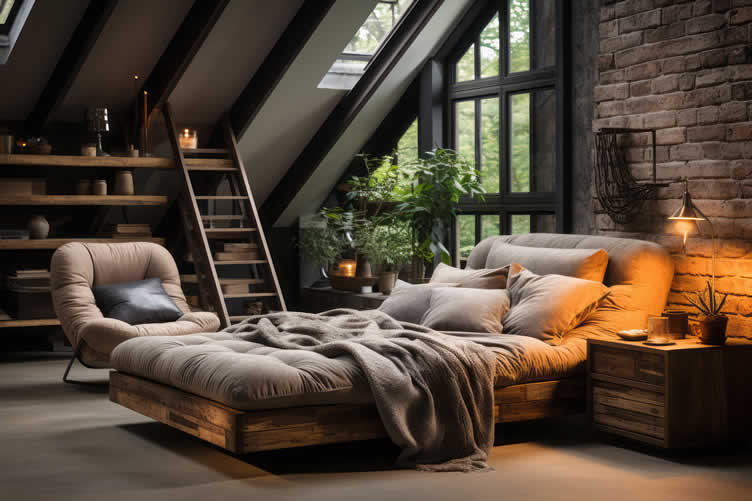
copyright image by 123rf.com
Cottagecore Style for Home Interior Design
Cottagecore is a design aesthetic that merges the cozy charm of cottage-style interiors with gothic-inspired influences, resulting in a space that feels both enchanting and dramatic. Drawing inspiration from natural elements, dark tones, and vintage touches, Cottagecore emphasizes a blend of earthy comfort and moody elegance.
Perfect for those who love nature and storytelling, this style creates a home that feels timeless, personal, and intriguingly mysterious.
- Dark, Earthy Color Palettes:
Use rich shades like deep greens, browns, blacks, and dusky purples paired with natural hues to create balance and atmospheric warmth. - Nature-Inspired Décor:
Incorporate botanical designs, dried flowers, pressed leaves, and forest-inspired motifs to enhance a connection to the outdoors. - Vintage and Antique Pieces:
Opt for furniture and accessories with history, such as heirloom-quality wooden tables, weathered armoires, or intricate candlesticks, to provide depth and character. - Layered Textures:
Combine soft, tactile fabrics like velvet, wool, and linen with rustic materials like raw wood or stone to create a cozy, lived-in feel. - Moody Lighting:
Integrate ambient lighting through candelabras, lanterns, or low-hanging chandeliers to evoke a mystical and inviting atmosphere. - Decorative Curiosities:
Style your space with unique objects like antique books, glass cloches, apothecary jars, or art with gothic undertones to spark interest and storytelling. - Functional and Comfortable Spaces:
Blend aesthetic elements with practicality, ensuring the room feels functional for everyday life while embodying the Cottagecore vibe.
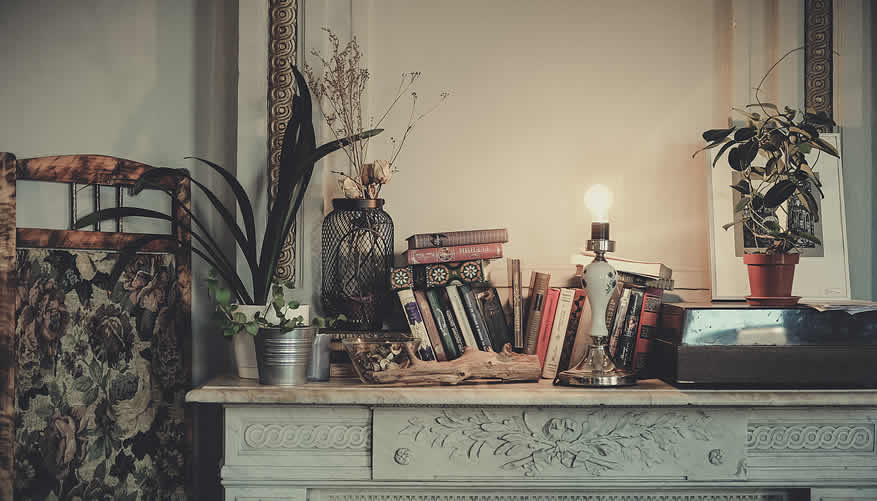
copyright image by 123rf.com
[ amazon: cottagecore decor ]
[ amazon: cottagecore pendant lighting ]
-
Scroll up to directory … or scroll to next styling section …
-
-
19th Style: Americana Style for Interior Home Design
Rooted in the rich heritage and traditions of the United States, Americana style for home interior design captures the spirit of a distinctly American identity. This timeless design approach reflects themes of patriotism, nostalgia, and craftsmanship, blending rustic charm with practical, lived-in spaces.
With its focus on authentic materials, bold patterns, and a connection to history, Americana style creates warm and inviting interiors perfect for modern living while paying homage to the past.
[ see below: americana style images ]
-
Heritage-Inspired Color Palettes
At the heart of Americana style lies a curated color palette inspired by the nation’s history and landscapes. Neutral tones such as cream, beige, and soft white serve as a base, complemented by bold accents of navy blue, deep red, and warm wood tones.
These colors evoke a sense of tradition while adding visual interest and warmth to the space.
-
Rustic and Handcrafted Furniture
Americana interiors prioritize sturdy, well-crafted furniture that emphasizes functionality. Look for pieces made from natural materials like solid wood, often featuring distressed or weathered finishes.
Key furniture elements might include farmhouse tables, vintage rocking chairs, or cozy upholstered seating that epitomize authentic craftsmanship and durability.
-
Patriotic Motifs and Patterns
Bold patterns and recognizable motifs play a significant role in Americana decor. Stripes, stars, and plaid patterns often adorn textiles such as throw pillows, blankets, and curtains. These eye-catching designs nod to the roots of American culture while creating a cohesive and classic visual aesthetic.
-
Vintage and Antique Accents
One of the defining characteristics of Americana design is its use of vintage or heirloom pieces to tell a story within the home.
Decorative elements such as antique signage, old-fashioned clocks, weathered flags, or re purposed barnwood bring a sense of history and personal connection. These timeless accents add depth and are ideal for enhancing the character of the space.
-
Comfort-Led Practicality
Americana-style homes prioritize spaces that are both stylish and livable. Soft, durable textiles, layered with quilts or woven rugs, create an inviting and comfortable environment.
This design approach ensures that the home is not only visually appealing but also functional for daily life, meeting the needs of its inhabitants.
-
Celebrating Regional and Local Influence
From coastal charm in the East to rustic frontier aesthetics in the Midwest, Americana style can be customized to reflect different regions of the United States.
By incorporating locally-sourced decorations, salvaged materials, or family heirlooms, the design becomes a meaningful expression of personal and regional identity.
By integrating these elements, the Americana style in home interior design offers a timeless yet adaptable aesthetic. Its emphasis on heritage, comfort, and authenticity speaks to the homeowner’s love of history while fostering a sense of warmth and livability.
Types of Americana Styling Ideas
google imagesamericana style view styles – coastal cape cod view styles – honest craftsman view styles – rustic southwestern view styles – modern farmhouse view styles – organic view styles – mid-century revival view styles Americana Design Ideas
google imagespatriotic motifs view styles warm color view styles natural materials view styles handcrafted view styles flooring view styles rugs view styles furniture view styles lighting view styles Americana Styling For …
google imagesliving room view ideas kitchen view ideas bedroom view ideas bathroom view ideas home office view ideas outside patio view ideas 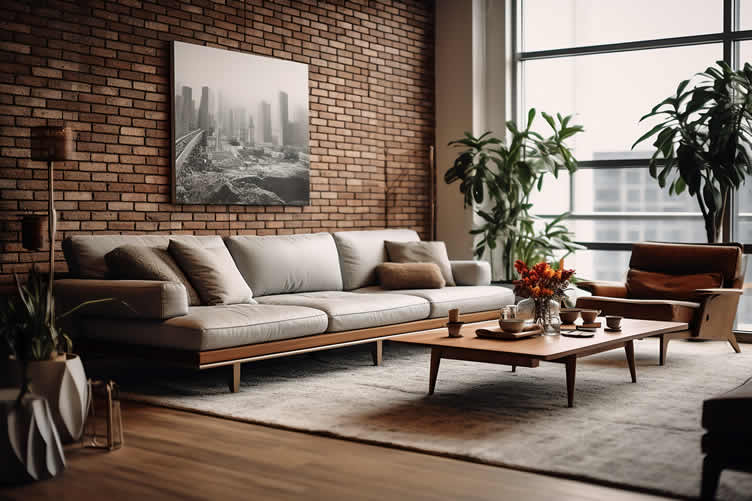
copyright image by 123rf.com
Tips for Styling Your Home with Americana Elements
Creating a home with Americana style is all about blending timeless charm with personal touches. By focusing on heritage-inspired elements and a warm, lived-in feel, you can craft interiors that reflect the character and history of the United States.
Below are some practical tips to infuse your spaces with an Americana aesthetic:
- Choose a Neutral Base:
Opt for a neutral color palette featuring tones like white, beige, and soft gray to create a clean backdrop for standout pieces. - Bring in Rustic Materials:
Incorporate natural woods, wrought iron, and vintage textiles to give the space an authentic and grounded feel. - Use Patriotic Accents Sparingly:
Add subtle nods to Americana with red, white, and blue hues in decor items like throw pillows, artwork, or table linens. - Highlight Vintage and Antique Finds:
Showcase furniture or decorative items with a history, such as a farmhouse table, antique signs, or salvaged barn wood. - Layer Personal and Regional Touches:
Add depth by including family heirlooms, local crafts, or art that highlights regional characteristics. - Focus on Functional Comfort:
Select furniture and and decor that is both aesthetically pleasing and comfortable, as Americana style is all about creating a cozy and welcoming atmosphere. - Mix Old and New:
Blend antique or vintage pieces with modern elements to give your space a timeless yet updated feel.
copyright image by 123rf.com
-
Scroll up to directory … or scroll to next styling section …
-
-
20th Style: Japandi Style for Interior Home
Japandi style is a harmonious blend of Japanese and Scandinavian design philosophies, focusing on simplicity, functionality, and a deep appreciation for natural elements. This hybrid aesthetic merges the Japanese principle of "wabi-sabi," which values imperfect beauty, with the Scandinavian concept of "hygge," centered around creating warmth and comfort.
The result is a home interior design style that feels minimalist yet inviting, offering tranquility and understated elegance for modern living. Japandi’s versatile nature makes it ideal for creating serene and functional spaces that cater to contemporary lifestyles.
[ see below: japandi style images ]
-
Minimalist Aesthetic
Japandi design embraces minimalism by prioritizing clean lines and uncluttered spaces. Furniture pieces are thoughtfully curated to maximize utility and beauty without overwhelming the room.
A neutral color palette consisting of whites, grays, and earthy tones sets the stage for a calm and grounded atmosphere. This element reflects the essence of both Japanese and Scandinavian design, where "less is more" serves as a fundamental principle, creating spaces that support mindfulness and intention.
-
Natural Materials and Textures
Key to Japandi interiors is the use of natural materials such as wood, bamboo, linen, and stone. These organic elements bring warmth and depth to the space while maintaining a connection to nature.
Scandinavian influences often introduce light-colored woods like oak or ash, while Japanese tradition leans towards darker finishes like stained walnut or rich cedar. The mix of these textures helps to balance light and dark tones, creating a cohesive and visually intriguing interior.
-
Functional yet Aesthetic Furniture
Furniture in Japandi homes must balance practical functionality with timeless design. Pieces often feature low profiles and sleek, unadorned silhouettes, reminiscent of traditional Japanese tatami spaces and Scandinavian efficiency.
Storage solutions are cleverly integrated into furniture designs, helping maintain the clean and organized look characteristic of the style. This balance ensures that the space remains both usable and visually appealing.
-
Subdued yet Earthy Color Palette
Japandi interiors focus on a subdued color scheme that incorporates soothing tones inspired by nature. A base palette of soft whites, beige, and light grays is complemented by muted green or blue accents to evoke calmness and serenity.
This calming palette aligns with the overarching theme of minimalism while allowing homeowners to incorporate subtle pops of color that reflect personal tastes.
-
Attention to Detail and Craftsmanship
Japandi style also emphasizes detail-oriented design and high-quality craftsmanship. Every object in the home is selected with care, often showcasing artisan-made or handcrafted items.
These pieces not only add personality to the space but also reflect the values of sustainability and intentionality. Sourcing decor from ethical and sustainable brands enhances the quality of the design while supporting environmentally conscious practices.
-
Greenery and Connection to Nature
Plants play a vital role in completing the Japandi look, reinforcing the connection to the environment. Lush greenery in simple ceramic pots or minimalist planters acts as organic decor while purifying the air and maintaining a sense of vitality.
Incorporating bonsai trees, succulents, or ferns adds beauty while keeping with the style’s commitment to natural elements.
Japandi style offers more than just a design aesthetic; it is a lifestyle choice aimed at fostering simplicity, calmness, and functionality. By combining the best of Japanese and Scandinavian traditions, Japandi interiors create spaces that are not only beautiful but also deeply reflective of mindful and intentional living.
Japandi Design Styles
google imagesjapandi style view styles – japanese style view styles – scandinavian view styles – minimalist view styles – coastal japandi view styles Typical Japandi Decor
google imagesnatural elements view ideas neutral color view ideas greenery view ideas handcrafted view ideas flooring view ideas rugs view ideas furniture view ideas lighting view ideas Japandi Styling For …
google imagesliving room view ideas kitchen view ideas bedroom view ideas bathroom view ideas home office view ideas outside patio view ideas 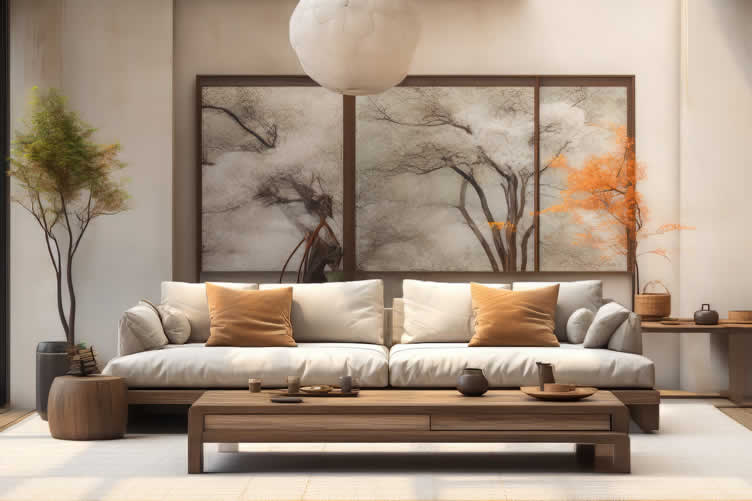
copyright image by 123rf.com
Tips for Styling With Japandi Elements
The Japandi style is all about harmonizing functionality with beauty while staying true to a minimalist yet cozy aesthetic. By blending Japanese and Scandinavian design principles, you can create a tranquil and inviting space that reflects intentional living.
Here are some practical tips to style your interior with Japandi elements:
- Choose a Neutral Color Palette:
Stick to soft, muted tones such as beige, cream, gray, and earthy hues to set a calm and serene atmosphere. Add contrast with deeper accents like charcoal, navy, or olive green. - Prioritize Quality Over Quantity:
Invest in high-quality furniture pieces made from sustainable materials like wood, bamboo, and natural fabrics. Keep the overall look clean and uncluttered by selecting a few statement pieces rather than filling the room with lots of small knick-knacks. - Incorporate Natural Materials:
Incorporate natural materials like wood, stone, and plants to bring in elements of nature. Not only do they add texture and warmth to your space, but they also promote a sense of grounding and tranquility. - Embrace Minimalism:
In Japandi style, less is more. Embrace minimalism by decluttering your space and limiting accessories to just a few well-chosen items. This will help create an open and airy feel that promotes relaxation. - Utilize Shoji Screens:
Shoji screens are a classic Japanese design element that can add depth and structure to any room. Use them as dividers, sliding doors, or even as wall art to create a sense of privacy and definition within your space. - Bring in Cozy Textures:
Incorporate cozy textures like chunky knit blankets, soft cushions, and natural rugs for added warmth and comfort. These elements also help soften the clean lines often found in Japandi style. - Opt for Simple Lighting:
Stick to simple light fixtures with clean lines and warm hues to create a soothing atmosphere. Natural light is also essential in Japandi style, so make sure to keep your windows unobstructed and let the sunlight in.
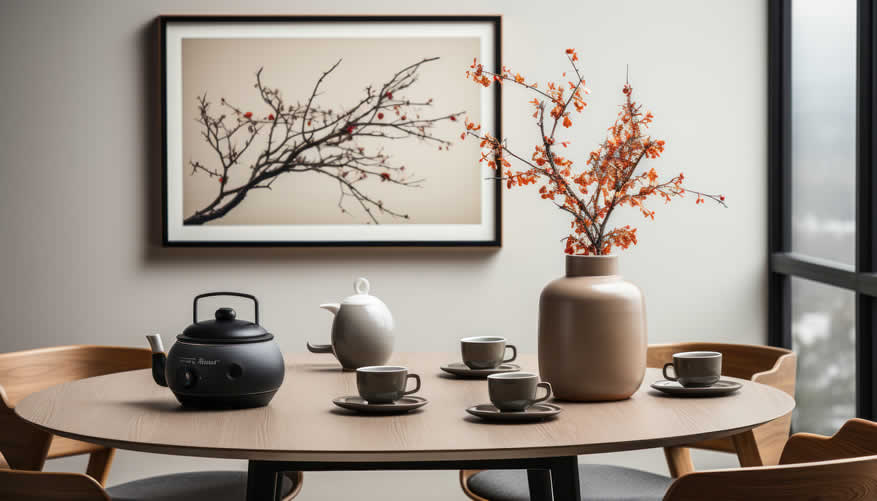
copyright image by 123rf.com
[ amazon: japandi home decor ]
[ amazon: japandi wall art ]
-
Scroll up to directory … or scroll to next styling section …
-
-
21th Style: Pulling It Together: Design Implementation Steps
Transforming your living space into a reflection of your unique style can be an exciting and rewarding process. With so many design possibilities, it’s important to follow a clear set of steps to organize your ideas and bring them to fruition.
From gathering inspiration to making practical decisions, each phase plays a crucial role in shaping the home of your dreams.
-
step1: Defining Your Desired Style
The first step in bringing your interior design vision to life is identifying the style that resonates with you. Take some time to explore different design themes above, such as modern minimalism, rustic farmhouse, industrial chic, or classic elegance.
Pay attention to colors, textures, and patterns that draw your interest and consider how they align with your personality and lifestyle.
Once you’ve gathered inspiration, narrow down your options by thinking about the overall atmosphere you want to create in your home. Do you prefer a cozy and inviting space or a sleek and sophisticated look?
Deciding on your desired style will act as a guide for selecting furnishings, decor, and color palettes that maintain cohesion throughout your design. Remember, it’s perfectly fine to combine elements from different styles to create a customized, eclectic appearance that reflects who you are.
[ see above: types of styles to use ]
-
step2: Assessing Your Space
Every space is unique, and its characteristics should play a pivotal role in shaping your interior design choices. Start by evaluating your home’s size, layout, and natural light.
A smaller apartment might call for smart storage solutions and multi-functional furniture to optimize available space. Conversely, a larger home offers more opportunities for customization.
Pay attention to how natural light flows through your house and how it influences the mood of each room. For darker spaces, consider brighter colors and reflective materials to enhance the sense of lightness.
Smaller rooms can appear more spacious with the strategic use of mirrors and vertical storage systems. Understanding these spatial dynamics will help you make design decisions that align with your home’s architecture.
[ view topic: understanding dimensions and measurements ]
-
step3: Setting a Budget
No design project is complete without a realistic budget. While it’s easy to get carried away with all the options available, a well-defined budget ensures you stay on track financially.
Determine your priorities—whether splurging on a statement piece of furniture or allocating more resources to custom window treatments. Potential costs include furniture, décor, flooring, labor, and any renovations required.
To save money, consider using quality secondhand furniture, mixing high-end items with budget-friendly finds, or embarking on DIY projects for certain elements of your design. The key is to focus on quality and longevity.
[ view topic: budget planning ]
-
step4: Creating a Mood Board
Mood boards are a powerful tool for organizing your ideas and clarifying your vision. They bring cohesiveness to your project by assembling images, colors, and textures in a single space, whether physical or digital.
To create a mood board, start by collecting photos, fabric swatches, paint chips, and magazine cutouts that align with your ideas. Digital tools such as Canva or Pinterest allow you to save and arrange visual elements easily.
Your mood board should act as your creative compass, keeping your design decisions cohesive and consistent throughout the process.
[ view topic: formulating ideas ]
-
step5: Choosing a Color Palette
Colors have a significant impact on mood and atmosphere, so selecting the right palette is crucial. Light, neutral shades like white, beige, or gray create a calm and airy environment, while darker tones like navy or emerald green add depth and sophistication. Accent colors—such as mustard yellow or terracotta—can bring vibrant energy to your design.
When building a color palette, consider the natural light in your space and how it interacts with different shades. Softer pastels or whites may work well in rooms with plenty of daylight, while darker, moody hues can thrive in spaces with minimal natural light.
Test your selected colors on small areas of your walls before fully committing to ensure you achieve the desired effect.
[ view topic: how to choose color palette ]
-
step6: Selecting Furniture and Décor
Choosing furniture is where form meets function. Begin by selecting pieces that balance comfort, practicality, and aesthetics. For instance, if you have space constraints, modular or multi-functional furniture—like a sofa bed or an expandable dining table—might be ideal.
Pay close attention to the scale and proportion of each piece relative to the room. An oversized sectional may dominate a small living area, while dainty chairs could look out of place in a spacious setting.
Décor items like rugs, artwork, and throw pillows should complement the furniture and color scheme, serving to tie the entire design together.
[ view topic: finding the perfect home furniture ]
-
step7: Lighting
Lighting is a critical element that can make or break a design. There are three primary types of lighting to consider—ambient (general lighting), task (focused lighting for specific activities), and accent (highlighting architectural features or décor).
Layering these lighting types creates a more dynamic and inviting atmosphere. For example, a combination of floor lamps, pendants, and under-cabinet lighting can bring depth and warmth to any room.
Opt for energy-efficient LED bulbs to save on electricity bills while reducing your environmental footprint.
[ view topic: home lighting design ]
-
step8: Putting It All Together
Once you’ve planned each aspect of your design, it’s time to bring everything together. Start with foundational elements like wall colors, large furniture items, and lighting fixtures to establish your room’s framework. Then, layer in décor and accessories to personalize the space.
Be mindful of common design mistakes, such as cluttering the room with too many items or ignoring the importance of negative space.
If you begin to feel overwhelmed, remember that professional interior designers can provide valuable guidance and ensure your plans translate seamlessly into reality.
[ find local: interior designer/decorators ]
copyright image by 123rf.com
[ pinterest: home interior design ]
[ pinterest: how to design a room ]
-
Scroll up to directory … or scroll to conclusion …
-
-
-
Conclusion
Designing the interior of your home is more than just arranging furniture—it’s about crafting a space where you feel truly at home.
By following this guide, you’ll be equipped to make thoughtful design choices that reflect your personality and fulfill your everyday needs.
Take the process one step at a time, and don’t hesitate to revise your plans as your vision evolves. With creativity and patience, your dream home is well within reach.
-
Quick scroll to more interior home and decor ideas …
-
ideas to view and compare from the photo above
- What comments can you share about
ideas for your home interior design?

get the size dimensions for any home remodeling project …
… for functionality, aesthetics, and adhering to building codes





below for …
… interior designers and decorators


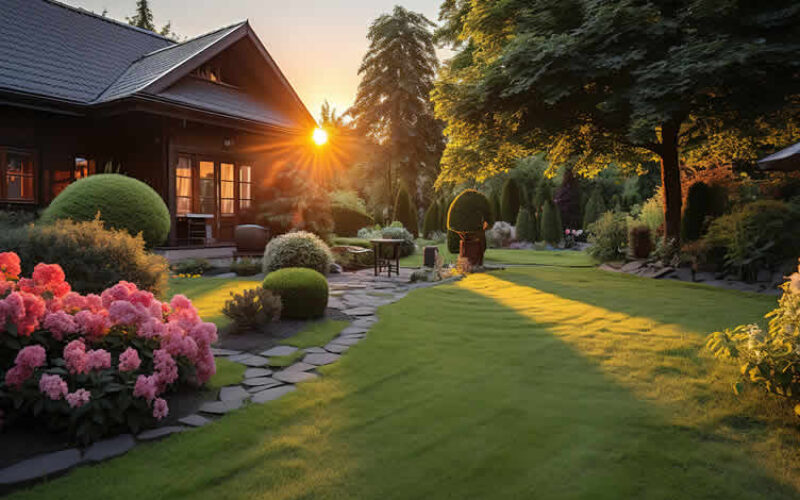


Calendar For:
Home Maintenance
File Type:


… view illustration “becoming a bank”


… view our sharing links below for a quick "share the knowledge"


one more reminder – for all of your home improvement and remodeling need …
… grab this directory of ideas for future use
Find Interior Design Services Decorators Interior Designers Furniture Painting & Staining top-rated, pre-screened local contractors FREE: download contractor selection enter zip code – powered by HomeAdvisor ™
Quick Contractor Guides selecting negotiating working with inspecting

Cover image credit: home interior design by 123rf.com
end of post … please share it!
 |
did you find home interior design analysis helpful? If so, please share the article with your friends and family! |
Nice pic idea? Leave us a quick comment below.
And please share this pic idea within your social networks.