Summary Outline – Are you considering swapping out your gas-powered mower for an electric one? You’re not alone.
Many eco-conscious homeowners and gardening enthusiasts are making the switch for a variety of compelling reasons. From reducing carbon footprints to enjoying quieter mowing sessions, electric mowers have a lot to offer.
In this post, we’ll explore everything you need to know about transitioning from gas to electric mowing. Let’s dig in and find out if a battery-powered electric mower is right for you.
- post content … analysis/ electric mowers vs gas mowers
- 1st: The Basics of Battery-Powered Electric Mowers
- 2nd: Types of Battery-Powered Electric Mowers
- 3rd: How Robotic Mowers Work
- 4th: Getting Started with Battery-Powered Electric Mowers
- 5th: Tips for Efficient Lawn Care
- 6th: Maintenance Guide for Electric Mowers
- 7th: Final Review: Gas-Powered vs. Battery-Powered
- conclusion
- other yard n’ garden topics

-
- —— begin first topic ——
-
1st Mower Type: The Basics of Battery-Powered Electric Mowers
Battery-powered electric mowers represent a revolutionary shift in lawn care technology, providing homeowners with a powerful yet environmentally friendly alternative to traditional gas mowers.
These mowers utilize advanced battery systems that deliver consistent performance without the hassle of cords or the emissions associated with gas engines. As adoption of battery technology increases, understanding the mechanics and advantages of these mowers becomes essential for making informed choices in yard maintenance.
-
How Do Battery-Powered Electric Mowers Work?
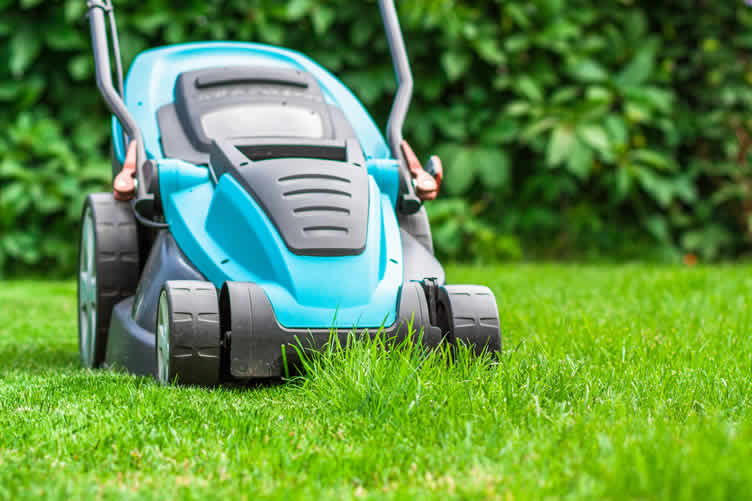
Battery-powered electric mowers operate using rechargeable lithium-ion batteries that store energy to power the electric motor. When the user engages the mower, the stored energy is released to drive the blades, cutting grass with precision.
The absence of gas engines eliminates the need for fuel mixing and engine maintenance, allowing for a straightforward and user-friendly experience.
Many models also come with smart technology that provides feedback on battery levels and efficiency, ensuring homeowners can manage their mowing tasks effectively.
-
Comparing Cutting Quality and Power
When considering electric vs gas mowers, the cutting quality of battery-powered models has improved significantly in recent years. While gas mowers typically dominate in raw power, modern battery-powered mowers now offer cutting power that is consistently adequate for most residential lawns.
They achieve a clean, even cut thanks to their stable blade speed. However, in scenarios with thick or overgrown grass, some users might still find gas mowers favorable due to their superior torque, making the choice largely dependent on the yard’s specific conditions.
-
The Environmental Impact
One of the most notable benefits of battery-powered electric mowers is their minimal environmental impact. Unlike gas mowers that emit exhaust fumes and noise pollution, battery-powered electric mowers operate quietly and with zero emissions during use.
This transition not only supports personal health by reducing exposure to harmful pollutants but also contributes to broader environmental goals by lowering overall carbon footprints. Choosing battery-powered mowers represents a commitment to sustainability in lawn care practices.
-
Other Considerations
In addition to their environmental benefits, battery-powered electric mowers often come equipped with features designed to enhance user experience. Many models offer adjustable cutting heights, lighter weight for easier maneuvering, and lower operational costs due to less maintenance and no fuel expenses.
However, it’s crucial to note that battery life can vary depending on the mower’s usage and grass conditions; thus, it’s wise to consider the size of the lawn and the mower’s battery capacity to ensure it meets individual mowing needs.
copyright image by 123rf.com

-
-
2nd Mower Type: Types of Battery-Powered Electric Mowers
Battery-powered electric mowers have rapidly gained popularity among homeowners for their convenience, efficiency, and eco-friendly nature.
They offer the freedom of mobility without the constraints of cords or the need for gas, making them an excellent choice for those looking to maintain their lawns sustainably.
In this section, we will explore three main types of battery-powered electric mowers, each tailored to meet varying needs and preferences.
-
Push Mowers
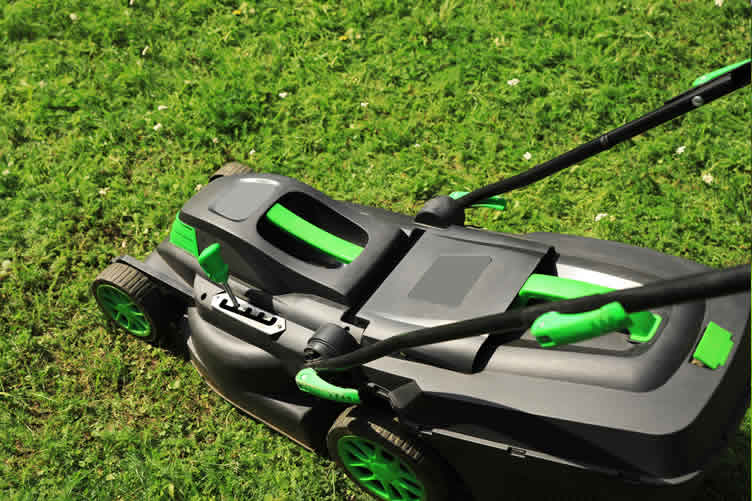
Push mowers are the most traditional style of battery-powered electric mowers, requiring the user to manually guide the mower across the lawn. They are typically lighter and more compact, making them easy to store and maneuver in tight spaces.
Push mowers are ideal for smaller yards or gardens where the terrain is relatively flat. Many models feature adjustable cutting heights and come with grass collection bags for easy clean-up of clippings, enhancing their usability.
-
Self-Propelled Mowers
Self-propelled mowers take the effort out of mowing by using a drive system to propel the mower forward. This type is especially beneficial for larger lawns or hilly terrain, as they require less physical exertion and allow the user to maintain a steady pace.
Users can typically choose between variable speed settings, giving them more control over the mowing process. Additionally, these mowers often come equipped with enhanced features like mulching options and advanced cutting technology, providing a superior mowing experience.
-
Robotic Mowers
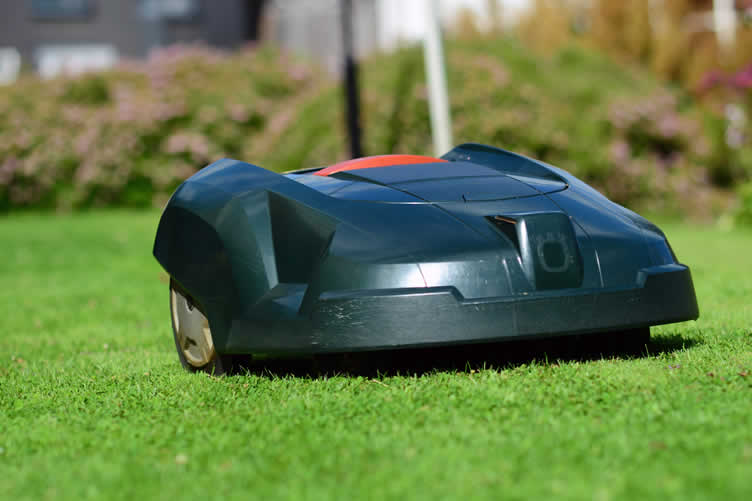
Robotic mowers represent the cutting edge of lawn care technology, offering a completely automated solution to maintain grass. These mowers pre-programmed with scheduled mowing times can navigate around obstacles and efficiently cover the lawn.
Homeowners simply need to set them up with boundary wires to define the mowing area. Robotic mowers are perfect for those with busy lifestyles, as they can operate independently and handle maintenance tasks while the owner focuses on other activities.
Many advanced models even allow for smartphone integration, enabling users to control and monitor their mower remotely.
In conclusion, battery-powered electric mowers come in various types, each designed to suit different preferences and lawn conditions.
Whether choosing a push mower for its simplicity, a self-propelled model for ease of use, or a robotic mower for ultimate convenience, there is a suitable option available for every homeowner.
copyright image by 123rf.com
[ view diagram: battery powered lawn mower diagram ]
[ images: battery powered lawn mower ]
-
-
3rd Mower Type: How Robotic Mowers Work
Robotic mowers are revolutionizing the way homeowners approach lawn care, making it effortless and highly efficient.
These advanced machines are designed to autonomously navigate lawns, utilising a combination of sensors, boundary wires, and sophisticated algorithms to provide a consistent and thorough cutting experience.
Understanding the technology behind robotic mowers can help homeowners appreciate their numerous advantages, as well as their limitations.
-
How Robotic Mowers Work
At the core of a robotic mower’s functionality is its on-board computer system, which allows it to process information from multiple sensors. These sensors detect obstacles such as trees, flower beds, and pets, ensuring that the mower avoids collisions.
The mower follows a pre-defined boundary, typically set by a wire that outlines the mowing area. As it moves, the robotic mower employs random or systematic patterns to cover the entire lawn, adjusting its path as needed based on the terrain and grass height.
-
Can They Work in Complicated Landscape Setups?
Robotic mowers can indeed handle complex landscapes, though their effectiveness may vary depending on specific conditions. They are capable of navigating slopes, narrow pathways, and flower beds, making them suitable for a range of garden layouts.
However, significant obstacles or very steep inclines may require additional consideration, and some models may struggle with uneven ground. Homeowners with intricate landscapes should evaluate the specifications of their chosen robotic mower to ensure optimal performance.
-
Pros and Cons of Robotic Mowers
The benefits of using a robotic mower are numerous. They offer the convenience of scheduled mowing, allowing homeowners to save time and effort while enjoying a perfectly manicured lawn.
Additionally, their environmentally friendly design uses less energy compared to traditional gas-powered mowers, and many models operate quietly.
On the downside, robotic mowers can be more expensive upfront than conventional mowers, and their reliance on technology means they may require regular maintenance and software updates. Potential users should weigh these factors before making a purchase.
-
Other Considerations
When considering the addition of a robotic mower to lawn care routines, homeowners should also assess their specific lawn requirements and ensure suitable charging stations are installed for optimal operational efficiency.
Weather conditions can affect mowing schedules, and it’s essential to maintain the mower to keep it functioning effectively. Furthermore, as robotic technology continues to evolve, future models may offer enhancements that address current limitations, making it an exciting time for potential buyers.
copyright image by 123rf.com
[ youtube: Eco-flow blade robotic lawn mower ]
[ amazon: robotic mowers for grass cutting ]
-
-
4th Mower Type: Getting Started with Battery-Powered Mowers
Switching to a battery-powered electric mower offers an eco-friendly alternative to traditional gas mowers, combining convenience with a reduced environmental footprint. As homeowners increasingly seek sustainable options for lawn care, understanding what is needed to make the transition is essential.
This guide will cover the key steps involved in selecting the right mower, the equipment and setup required, critical parts to be familiar with, and additional considerations to ensure a smooth switch.
-
Select Type of Battery-Powered Electric Mower
When selecting a battery-powered electric mower, homeowners should consider factors like the size of their lawn, terrain type, and the mower’s capabilities. There are typically two main types available: walk-behind mowers and robotic mowers.
Walk-behind mowers require manual operation and provide a certain level of control, making them ideal for smaller or complex yards. Robotic mowers operate autonomously and are best suited for larger, open areas, enabling users to maintain their lawns with minimal effort.
-
Equipment and Setup Required to Switch
Before making the switch, homeowners should ensure they have all necessary equipment for seamless operation. This includes a quality battery-powered electric mower, spare batteries for extended mowing sessions, and a charger.
Additionally, it’s important to have a designated storage area to keep the mower safe from the elements, as well as maintenance tools for basic upkeep, such as blades and cleaning supplies.
Setting up a charging station in a dry, accessible area is crucial for convenience and to prevent potential safety hazards.
-
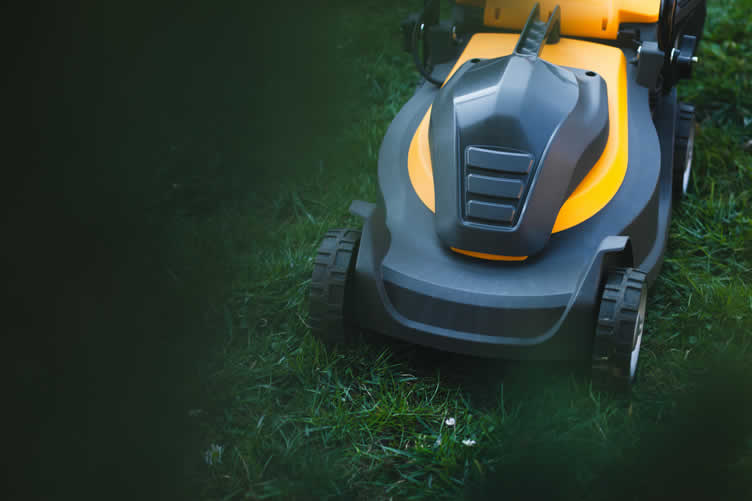
Parts of the Battery-Powered Electric Mower to Know
Familiarity with the different parts of a battery-powered electric mower can significantly enhance a user’s experience and maintenance efficiency.
Key components include the battery and charger, which are central to operation; the cutting deck, which houses the blades and determines cutting width; and the height adjustment lever, which allows for custom grass cutting heights.
Understanding the function of these parts can help users troubleshoot issues more effectively and perform routine maintenance with ease.
-
Other Considerations
In addition to the technical aspects of switching to a battery-powered mower, homeowners should also consider their existing lawn maintenance routines. This may include assessing any obstacles or garden features that could impact mowing performance, as well as evaluating the mowing schedule in relation to battery life.
Furthermore, keeping abreast of advancements in battery technology and mower design will enable users to take advantage of new features as they become available, ensuring their choice remains efficient and reliable for years to come.
copyright image by 123rf.com
[ youtube: best battery lawn mower ]
[ amazon: battery powered electric mower ]
-
-
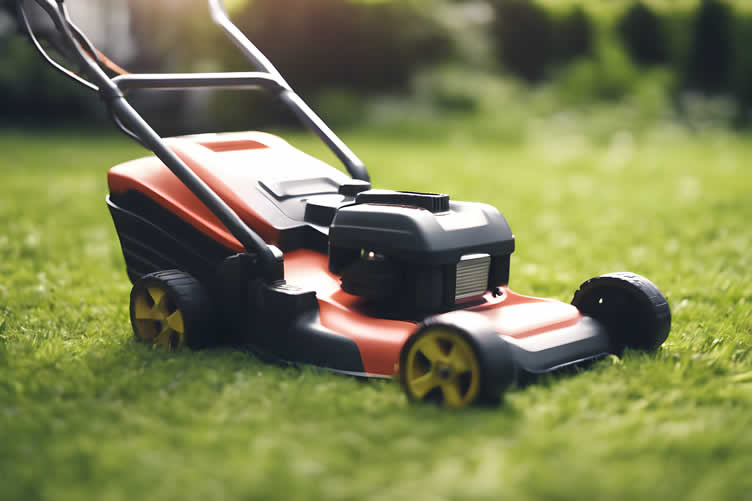
5th Mower Type: Tips for Efficient Lawn Care
Maintaining a beautiful lawn requires strategic planning and efficient practices, especially when using a battery-powered electric mower.
By implementing a few specific tips, homeowners can ensure their mowing tasks are completed within their desired time frames while promoting the overall health of their grass.
Below are some key approaches to optimize your mowing routine.
-
Plan Your Mowing Route
Before starting your mowing session, take a moment to outline your mowing route. By planning the most efficient path through your yard, you can minimize overlap and reduce the time spent on each pass.
Consider mowing along the edges first, followed by the interior areas, ensuring that your movements are deliberate and consistent.
-
Mow During Cooler Parts of the Day
For optimal performance, aim to mow during the cooler parts of the day, such as early morning or late afternoon. Not only does this help avoid heat stress on you, but it also minimizes the stress on your grass.
Cooler temperatures prevent the grass from drying out quickly, allowing for a healthier cut and reducing the risk of damage.
-
Have Multiple Battery Packs
Investing in multiple battery packs can significantly enhance your mowing efficiency. With spare batteries on hand, you can quickly swap them out when one runs low, allowing you to complete your mowing tasks without interruption.
This practice is especially valuable for larger lawns, where a single battery may not last long enough to finish the job.
-
Keep Your Mower’s Blades Sharp
Regularly sharpening your mower’s blades is crucial for achieving a clean and effective cut. Dull blades can tear the grass rather than cut it, leading to uneven growth and the potential for disease.
Schedule blade sharpening after every few uses or as needed to maintain optimal performance.
-
Avoid Mowing the Grass When It’s Wet
Mowing wet grass can lead to clumping, uneven mowing, and potential damage to both the lawn and your mower. Whenever possible, wait for the grass to dry after rainfall or early morning dew.
This practice not only improves the quality of the cut but also makes the mowing process much more manageable.
-
Other Considerations
In addition to the aforementioned tips, consider analyzing your mowing frequency based on grass growth patterns and seasonal changes. Adjusting your schedule to mow more frequently during growth spurts and less during dormant phases can save time and battery life.
Furthermore, regularly inspecting your mower for maintenance needs ensures that it operates at peak efficiency for all sessions.
AI generated image by 123rf.com
[ youtube: ultimate electric mower battle ]
[ youtube: ways to mow lawn faster ]
-
-
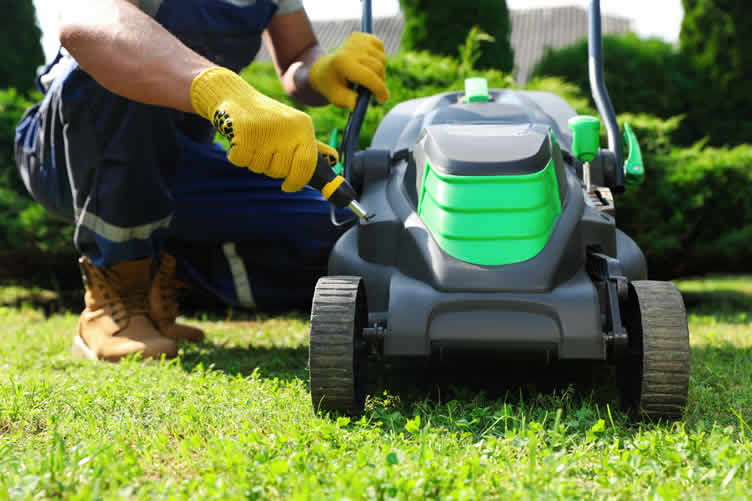
6th Mower Type: Maintenance Guide for Electric Mowers
Maintaining your battery-powered electric mower is essential for ensuring its longevity and optimal performance. Regular upkeep not only enhances cutting efficiency but also helps prevent costly repairs down the line.
This guide outlines key maintenance practices that every mower owner should consider to keep their equipment running smoothly.
-
Regularly Inspect and Clean the Mower’s Deck
Keeping the mower’s deck free of grass clippings, dirt, and debris is crucial for efficient operation. A clean deck promotes optimal airflow and cutting performance.
After each use, take a few moments to inspect the underside of the deck, removing any build-up with a brush or scraper. This simple habit can prevent rust and prolong the life of your mower.
-
Check and Charge the Battery
The battery is the heart of your electric mower, and ensuring it remains in good health is vital. Regularly check the battery’s charge level, especially before starting a mowing session.
Following use, recharge the battery according to the manufacturer’s instructions for optimal lifespan. Avoid letting the battery completely drain, as this can lead to damage over time.
-
Inspect the Blades
In addition to sharpening your mower blades, a thorough inspection should be performed regularly. Look for any signs of wear, damage, or rust. Should you notice any significant issues, replace the blades to ensure a clean cut.
Well-maintained blades not only improve the aesthetics of your lawn but also reduce the strain on your mower’s motor.
-
Long-Term Benefits of Proper Maintenance
Engaging in consistent maintenance practices can significantly enhance the lifespan and performance of your mower. By investing time in these tasks, you are likely to experience fewer breakdowns and a more enjoyable mowing experience.
Additionally, a well-maintained mower can contribute to better lawn health through effective cutting.
-
Setting Up a Battery Charging Station for Easy Retrieval
Creating a dedicated battery charging station can streamline the maintenance process. Choose a cool, dry location to store and charge your batteries, ensuring they are easily accessible.
Designating a specific area for battery maintenance can help keep everything organized, making it effortless to retrieve charged batteries when needed.
-
Other Considerations
Incorporate a routine inspection of all mower parts during your maintenance checks. Look for any frayed wires, loose connections, or unusual sounds during operation.
Additionally, keeping the mower’s exterior clean and free of obstructions can enhance performance. Prioritizing these practices will help maintain your mower in peak condition throughout the mowing season.
copyright image by 123rf.com
[ youtube: electric battery mower maintenance ]
[ amazon: battery for electric mower ]
-
-
7th Mower Type: Final Review: Gas-Powered vs. Battery-Powered
As the landscape of lawn care continues to evolve, many homeowners find themselves deliberating between gas-powered mowers and the increasingly popular battery-powered alternatives.
This review aims to provide a comprehensive comparison, weighing the advantages and disadvantages of each type to help you make an informed decision that suits your specific lawn care needs.
-
Gas-Powered Mowers: Advantages and Disadvantages
Pros:
- Powerful Performance:
Gas-powered mowers are renowned for their robust engines, making them highly effective for tackling thick grass and larger yards. - Extended Runtime:
With no limitations on battery life, users can mow for extended periods without needing to recharge. - High Cutting Capacity:
Typically, gas mowers can handle taller and denser grass thanks to their powerful blades and cutting systems.
Cons:
- Noise and Emissions:
These mowers are considerably louder and produce harmful emissions, making them less environmentally friendly. - Maintenance Requirements:
Gas mowers demand more regular maintenance, including oil changes and spark plug replacements, which can be time-consuming and costly. - Weight and Handling:
Most gas mowers are heavier, which can make them cumbersome for some users to operate and navigate.
- Powerful Performance:
-
Battery-Powered Mowers: Advantages and Disadvantages
Pros:
- Environmentally Friendly:
Battery-powered mowers produce zero emissions and operate quietly, making them a more sustainable choice for lawn care. - Low Maintenance:
With fewer moving parts and no fuel system, these mowers usually require less maintenance than their gas counterparts. - Lightweight and Easy to Maneuver:
Most battery-powered mowers are lightweight, making them easier to push and navigate around obstacles in the yard.
Cons:
- Limited Runtime:
While advances in battery technology are improving, many models still have a limited runtime and may require recharging during larger mowing tasks. - Initial Cost:
Battery-powered mowers may come with a higher upfront cost compared to gas models, although savings on fuel and maintenance can offset this over time. - Power Limitations:
While suited for residential lawns, thicker or taller grass may pose challenges for some battery-powered mowers.
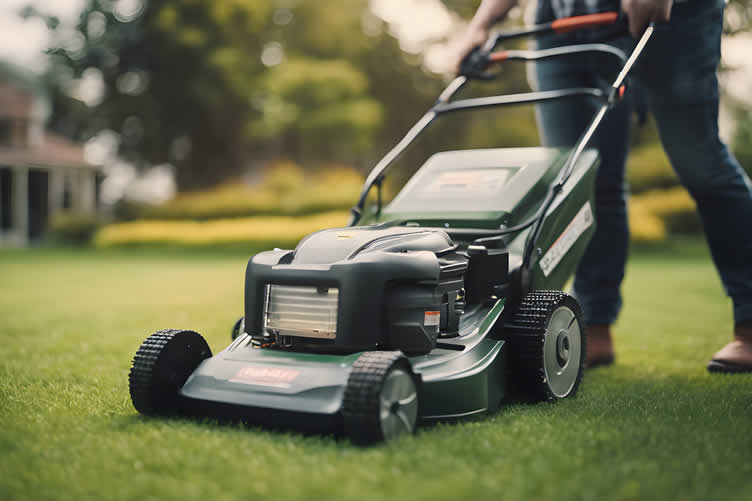
Overall, the choice between gas-powered and battery-powered mowers largely depends on individual preferences, lawn size, and ecological considerations.
- Environmentally Friendly:
copyright image by 123rf.com
[ youtube: gas vs electric lawn mower ]
[ amazon: gas powered lawn mower ]
-
-
Conclusion
Switching from a gas-powered mower to an electric one is a smart move for eco-conscious homeowners and gardening enthusiasts. Electric mowers offer numerous benefits, including quieter operation, lower maintenance, and a reduced environmental impact.
With advances in technology, electric mowers now rival their gas-powered counterparts in cutting quality and power. By following the steps outlined in this guide, you can make a smooth transition and enjoy a more sustainable mowing experience.
Ready to make the switch? Explore our selection of electric mowers and join the growing community of eco-friendly gardeners.
Share your experiences and tips in the comments below or reach out to our team for personalized advice. Happy mowing!
-
Quick scroll to more yard n’ garden ideas …

-
ideas to view and compare from the photo above
battery lawn edgercordless leaf blowerbattery charging station
- What comments can you share about
electric mowers vs gas mowers that you have installed?

addressing electric mowers vs gas mowers and other home improvement needs …

… grab this directory of ideas for future use




SHARE IT ..! You might have someone in your social network who could find this informative post about electric mowers vs gas mowers valuable. Feel free to share it on Facebook, X (formally Twitter), LinkedIn, or Pinterest!





Budgeting Worksheet For Costing Home Remodeling and Home Improvement Decisions
 File Type (excel)
Calendar For:
Home Maintenance
File Type:
Find Yard Maintenance Services Lawn Maintenance Sprinkler Systems Pest Control Tree & Shrubs top-rated, pre-screened local contractors FREE: download contractor selection enter zip code – powered by HomeAdvisor ™
Quick Contractor Guides selecting negotiating working with inspecting

AI generated image credit: electric mowers vs gas mowers by 123rf.com
end of post … please share it!
 |
did you find this electric mowers vs gas mowers analysis helpful? If so, please share the article with your friends and family! |
Nice pic idea? Leave us a quick comment below.
And please share this pic idea within your social networks.