Summary Outline –
As we approach our golden years, the concept of "home" takes on a new meaning. It’s not just about comfort and style anymore; it’s about safety, accessibility, and long-term livability.
For those of us in our early 60s, on the cusp of retirement, this moment presents a critical opportunity to contemplate our living arrangements.
We must decide whether to modify our existing residence into a forever home that suits our long-term needs or to embark on the journey of constructing a new home, designed from the ground up with aging in place amenities.
Summary of Site Content
1st Age-in-Place: [view section]
… we begin this guide by examining the increasing trends in aging in place, along with a summary of the benefits and obstacles that should be understood.
2nd Age-in-Place: [view section]
… this process involves conducting several key assessments, including evaluating lifestyle needs, assessing home modifications, analyzing costs, and comparing these findings with the option of constructing a new home equipped with aging-in-place features.
3rd Age-in-Place: [view section]
… moving on, the third section delves into the modifications required to age in place, particularly focusing on enhancing the safety of bathrooms, kitchens, and living areas.
4th Age-in-Place: [view section]
… the fourth section emphasizes the significance of integrating modifications that cater to both seniors and families. This approach ensures that the home remains marketable and can be easily sold when you decide to move on.
5th Age-in-Place: [view section]
… the fifth approach considers the possibility of circumventing modification expenses by selling your current home and constructing a new one equipped with age-in-place features. This recommendation follows the evaluation discussed previously.
6th Age-in-Place: [view section]
… the sixth and final section addresses the resources and individuals required to facilitate age-in-place modifications for your home. It offers guidance on locating, assessing, and negotiating with your modification contractor.
This decision involves considering factors such as accessibility, safety, and comfort, ensuring our homes will support us as we age. Making the right choice now can significantly impact our quality of life in the years to come.
This guide aims to explore the needs of aging in place and why incorporating senior mobility transformations can help you remain in your beloved home as you age.
- post content
- Age-in-Place 1: Understanding the Needs of Aging in Place
- Age-in-Place 2: Making an Assessment for Aging in Place – (pros/cons)
- Age-in-Place 3: Transforming Existing Homes for Aging in Place
- Age-in-Place 4: Blending Senior- and Family-Friendly Modifications
- Age-in-Place 5: Building a New Home with Aging in Place Amenities
- Age-in-Place 6: Finding The “Modification” Help You Need

-
Quick scroll to first topic about guide to aging-in-place …

first “guide to aging-in-place” idea

copyright image by 123rf.com
Age-in-Place 1: Understanding the Needs of Aging in Place
Notes:
-
Aging in place is the concept of living safely, independently, and comfortably in one’s own home and community, irrespective of age, income, or physical ability. The emotional and physical benefits of this are profound.
Being in a familiar environment can significantly enhance one’s quality of life, promote independence, and provide a sense of security and belonging.
-
Quick scroll to “aging-in-place needs” side notes …
-
-
1st: Statistics on Aging in Place
Recent trends and research highlight the growing preference among the elderly to age in place. According to a survey conducted by the AARP, a staggering 76% of Americans aged 50 and older express a desire to remain in their residences for as long as possible.
Despite this strong inclination, only 46% believe it’s realistically feasible due to existing home designs not being age-friendly.
- The U.S. Census Bureau reports a significant rise in the population of persons aged 65 and older, projected to reach nearly 83.7 million by 2050, double its size in 2012.
- This demographic shift underscores the urgency for scalable solutions in housing and community planning to accommodate aging individuals’ preferences.
- Furthermore, the National Institute on Aging emphasizes the positive correlation between aging in place and enhanced life satisfaction, reduced healthcare costs, and increased longevity.
However, the percentage of homes equipped to facilitate aging in place remains low, presenting a critical challenge for policymakers, urban planners, and healthcare providers to bridge this gap and ensure our communities evolve to meet the needs of an aging population.
copyright image by 123rf.com
[ view diagram: aging in place statistics ]
[ youtube: how more americans are aging in place ]

-
2nd: Benefits of Aging in Place
Aging in place provides a variety of benefits for seniors, making it an increasingly popular choice. These advantages include the comfort of familiar surroundings, the ability to maintain a higher degree of independence, and the potential for a better quality of life.
By staying in their own homes, seniors can personalize their living spaces to meet their evolving needs, stay closer to friends and family, and participate actively in their local communities.
Furthermore, aging in place often allows for more cost-effective management of health conditions, as it can reduce the need for expensive long-term care facilities.
Aging in place offers numerous advantages for seniors, including:
- Familiarity and Comfort:
Staying in one’s home provides a sense of familiarity and comfort, which is beneficial for mental health and wellbeing. - Independence:
Aging in place promotes independence and the ability to make choices about daily living, routines, and healthcare. - Safety and Security:
A modified home can offer safety adaptations tailored to the individual’s needs, promoting a secure environment. - Community Connections:
Living in the same community helps maintain social connections and access to familiar services and resources. - Cost-Effectiveness:
Often, modifying an existing home can be more cost-effective than the expenses associated with assisted living or nursing home facilities. - Better Health Outcomes:
Studies have shown that seniors living in their own homes have better health outcomes, partly due to the comfort of familiar surroundings. - Personalized Care:
Aging in place allows for personalized care arrangements, fitting the unique needs and preferences of the individual.
copyright image by 123rf.com
[ pinterest: aging in place benefits ]
[ youtube: benefits of aging in place ]
- Familiarity and Comfort:
-
3rd: Key Obstacles in Existing Homes for Aging in Place
Several key factors in traditional home designs present significant obstacles for those wishing to age in place. These barriers often necessitate modifications or comprehensive redesigns to make homes safer and more accessible for the aging population.
- Stairs:
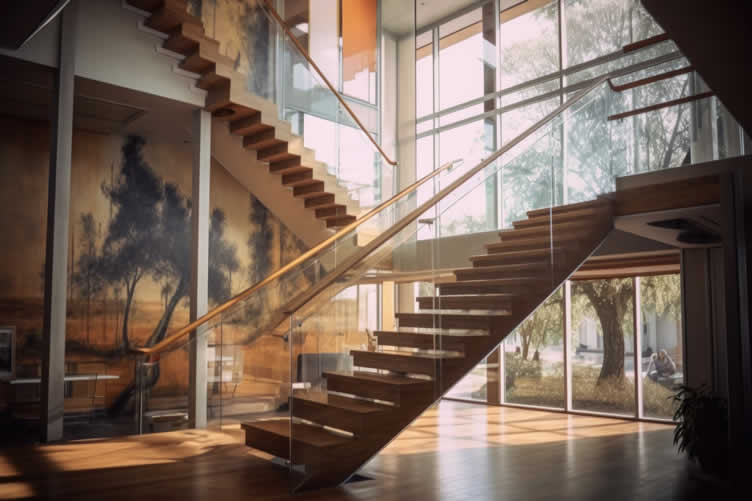
Multi-level homes can be challenging to navigate, especially for individuals with mobility issues. Stairs can pose a considerable fall risk, making single-level living spaces a safer option. - Narrow Doorways and Hallways:
Homes that are not designed with accessibility in mind may have narrow doorways and hallways that cannot accommodate walkers or wheelchairs, restricting movement. - High Thresholds:
Thresholds at the entrances to rooms or the home itself can be a tripping hazard and difficult to cross for those using mobility aids. - Non-Ergonomic Bathroom Features:
Traditional bathrooms often lack grab bars, and may have bathtubs or showers that are difficult to access, increasing the risk of falls. Additionally, higher toilets and under-sink clearance for wheelchair users are rarely considered in standard designs. - Inadequate Lighting:
Poor lighting in key areas of the home can contribute to accidents, especially for individuals with declining vision. Bright, evenly distributed lighting is essential to ensure safety and comfort. - Kitchen Usability:
Standard kitchen designs often overlook the needs of those who might find it difficult to reach high cabinets or use appliances set at standard heights. User-friendly kitchens for aging in place might feature adjustable countertops and improved accessibility. - Slippery Floors and Surfaces:
Tile and other hard flooring options can become slippery and dangerous, especially when wet. Non-slip flooring solutions are crucial in reducing fall risks.
Addressing these obstacles is essential for creating a safe, comfortable living environment that supports aging in place.
Home modifications, ranging from minor adjustments to more significant renovations, can significantly enhance the quality of life and independence for older adults opting to live in their own homes for as long as possible.
copyright image by 123rf.com
[ pinterest: aging in place two-story house ]
[ youtube: aging in place | the ugly truth ]
- Stairs:
-
-
ideas to view and compare from the information discussed above
Scroll up to directory … or scroll to next section about guide to aging-in-place …

second “photo remodeling” idea

copyright image by 123rf.com
Age-in-Place 2: Making an Assessment for Aging in Place
Notes:
-
Before making any modifications to a home, conducting a thorough assessment is critical in identifying the most pressing needs and effective solutions for aging in place.
Factors to consider include the current layout, such as stair access, doorway widths, and the feasibility of installing assistive devices. Additionally, consider the surrounding neighborhood, community atmosphere, seasonal factors, and any necessary modifications that enable aging in place.
It’s essential to assess whether moving and either constructing or relocating to a senior-friendly residence is the better option.
-
Quick scroll to “aging-in-place assessment” side notes …
-
-
1st: Life-style Assessment
Making an assessment for aging in place entails a thorough evaluation of one’s current living situation and its suitability for meeting changing needs over time. It’s essential to consider a broad spectrum of factors, from the physical layout of the home to the social and environmental context of the neighborhood.
This proactive approach not only identifies potential modifications to the home but also helps in making informed decisions about whether staying in the current home is the best choice for the future.
-
Evaluating Home Layout, Style, and Neighborhood
An essential part of assessing aging in place is considering your emotional and personal attachment to your home and neighborhood. Ask yourself if the layout and style of your home meet your aesthetic and functional preferences.
A home that reflects your personal taste and accommodates your lifestyle can significantly impact your overall satisfaction and comfort as you age.
Furthermore, the neighborhood plays a crucial role in your decision to age in place. Evaluate the community’s safety, accessibility to healthcare, proximity to friends and family, availability of social activities, and public transportation options.
A supportive and engaging community can greatly enhance the quality of life, providing opportunities for social interaction and access to essential services.
Reflecting on these aspects will help you determine not only the practicality of your home and neighborhood in meeting your future needs but also the emotional and psychological benefits of staying in a place that feels like home.
-
Considering Proximity to Family and Children
In evaluating the feasibility of aging in place, a crucial factor to consider is the proximity to family and children. This aspect goes beyond mere physical closeness and encompasses the support system that family members can provide.
-
Emotional support, assistance with day-to-day tasks, and emergency aid are significantly facilitated when family members live nearby. Analyze how often you anticipate needing support from family or if independence is a priority, keeping in mind how these dynamics might shift over time.
-
Additionally, living near family can offer opportunities for intergenerational bonding, enriching the lives of both the elderly and the younger family members.
Weighing the value of these interactions against the desire for autonomy and perhaps a preferred geographic location can be challenging, but it’s essential for making an informed decision that aligns with your long-term well-being and happiness.
-
-
Assessing Community Safety and Support
Evaluating the safety and supportiveness of the existing community is another critical aspect. A community that is safe, supportive, and well-maintained not only contributes to the mental well-being of its residents but also to their physical safety.
Start by examining local crime rates, the presence of neighborhood watch programs, and the overall level of community engagement.
- Are there sidewalks and public areas that are well-lit and well-maintained?
- Is there a visible presence of community care, such as public seating, accessible facilities, and emergency services nearby?
Furthermore, consider the social infrastructure of the community.
- Are there social groups, leisure, and educational activities designed for seniors that encourage participation and inclusivity?
A strong social network within the community can offer companionship and a sense of belonging, which are invaluable for emotional health as we age.
In assessing whether a community is supporting or deteriorating, it’s important to observe not just the current status but also the trends. Are there ongoing investments in public services and amenities? Is there evidence of community-led initiatives and improvements?
These indicators can help gauge the long-term viability of aging in place in your current location, ensuring that the environment will continue to be conducive to a high quality of life as you age.
-
Evaluating the Impact of Seasonal Factors
Another vital aspect to consider is the impact of seasonal factors on the community’s safety and support systems. Seasonal changes can significantly affect the accessibility of outdoor spaces, the availability of community services, and even the physical well-being of seniors.
During winter months, for example, the risk of isolation increases due to hazardous weather conditions, making it difficult for seniors to participate in outdoor activities or access essential services.
It’s important to assess the community’s preparedness for such seasonal challenges.
- Are there effective snow removal services for roads and sidewalks?
- Is there a system in place for checking on the elderly during extreme weather conditions?
Additionally, consider the availability of indoor activities and support services that can be accessed year-round, ensuring that seniors continue to have opportunities for socialization and access to necessary care regardless of the season.
This comprehensive understanding of how seasonal changes impact aging in place is crucial for creating a supportive and adaptable environment for seniors.
-
Accessibility and Availability of Essential Services
In addition to evaluating seasonal factors, it is paramount to consider the accessibility and availability of crucial services that significantly influence the feasibility of aging in place. Primary among these are medical services.
- Proximity to healthcare providers, hospitals, and pharmacies is critical, especially for seniors who may require frequent medical care or emergency services. Assess whether these facilities are within a reasonable distance and if they specialize in geriatric care.
- Public transportation plays a vital role in maintaining independence for those who may no longer drive. Evaluate the availability, reliability, and coverage of public transit options in your area, and whether they are senior-friendly, offering features such as lowered floors, priority seating, or discounted fares for the elderly.
- Recreational activities are essential for mental health and social engagement. Investigate the presence of parks, community centers, and clubs that host senior-oriented programs. These activities not only encourage physical activity but also provide opportunities for social interaction, which is vital for emotional well-being.
- Finally, consider the ease of travel, particularly the proximity to major airports. For seniors who enjoy traveling or have family members living afar, easy access to an airport can significantly affect their quality of life. It enables convenience and reduces the stress associated with long-distance travel arrangements.
By taking into account these additional aspects—medical services accessibility, public transportation, recreational activities, and ease of travel—seniors and their families can make a more informed decision about the viability of aging in place.
-
Other Highly-Prized Amenities
In addition to the tangible modifications required for aging in place, it is crucial to consider intangible factors that profoundly impact one’s quality of life.
This final assessment involves evaluating the value of existing relationships with friends and the church community, the familiarity of the neighborhood, and the benefits of local amenities that individuals have come to know and love.
These aspects, although not quantifiable in dollars, play a significant role in the emotional and psychological well-being of seniors choosing to stay in their homes.
The sense of belonging, comfort, and contentment derived from being part of a community, coupled with the convenience of beloved amenities, can vastly outweigh the benefits of moving to a new, unfamiliar environment, regardless of the potential for upgraded physical accessibility.
Recognizing the worth of these intangible factors is essential in making a well-rounded decision about aging in place, ensuring that it not only meets physical needs but also nourishes the soul.

copyright image by 123rf.com
[ pinterest: aging in place quiz ]
[ youtube: aging in place assessment ]
-
-
2nd: Home Modification Assessment
Making modifications to an existing home as one ages is crucial for several reasons. Primarily, these adjustments ensure that the living space remains safe, functional, and comfortable, directly impacting the well-being and independence of older adults.
Aging often brings about various physical changes, including reduced mobility, impaired balance, and diminished vision. By pro-actively adapting the home environment, individuals can mitigate the risks associated with these changes, such as falls, which are a leading cause of injury among the elderly.
Furthermore, such modifications can accommodate the use of mobility aids, making it easier to move around and perform daily activities.
This not only enhances the quality of life but also supports the desire of many to age in place, maintaining their sense of familiarity, autonomy, and emotional attachment to their home.
In essence, investing in adaptive home modifications is not merely about making a space more navigable; it’s about reaffirming the dignity and independence of aging individuals, providing them with the security and comfort they deserve in their golden years.
-
Benefits of Home Modifications for Aging in Place
Exploring the benefits of home modifications for aging in place allows us to understand the profound impacts these changes can have on seniors’ lives. By adjusting their living environments to better suit their evolving needs, older adults can enjoy greater safety, comfort, and independence.
This section will highlight how specific home alterations not only meet the immediate physical needs of the elderly but also contribute to their overall emotional and psychological well-being.
- Enhanced Safety:
Reduces the risk of injuries, particularly from falls, by eliminating home hazards. - Increased Accessibility:
Improves mobility within the home with the addition of features like ramps, grab bars, and wider doorways. - Greater Comfort:
Adjustments such as ergonomic furniture and adjustable shelving cater to the comfort and convenience of the elderly. - Preserved Independence:
Allows older adults to perform daily activities and live independently, which is crucial for self-esteem and happiness. - Extended Home Usability:
Adapts the living environment to meet changing physical needs over time, ensuring the home remains suitable for its occupants. - Psychological Well-Being:
Supports mental health by enabling seniors to maintain connections with their community and cherished memories in their longtime home. - Cost-Effectiveness:
Potentially more economical in the long term compared to the high costs associated with assisted living facilities or nursing homes.
- Enhanced Safety:
-
Disadvantages of Home Modifications for Aging in Place
Despite the numerous advantages, home modifications for aging in place are not without their drawbacks. One significant consideration is the financial aspect.
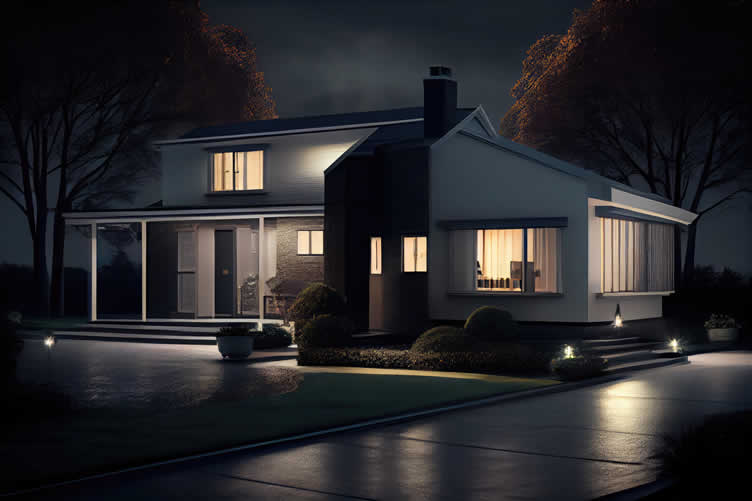
The cost of extensive modifications can be substantial, making it imperative to weigh whether the investment in modifying an existing home might be better allocated towards constructing a custom-built home.
Custom homes can be designed from the outset with aging-in-place features, potentially offering a more cost-effective and efficient solution that meets the individual’s long-term needs without the need for future alterations.
Additionally, the process of remodeling can be disruptive and stressful, particularly for the elderly, further underscoring the importance of carefully considering all options before proceeding with significant home modifications.
- Initial Cost:
Upfront expenses can be significant, especially for extensive modifications. - Property Value Impact:
Not all modifications may increase or might even decrease the resale value of the home. - Aesthetic Concerns:
Some modifications might not align with personal tastes or the house’s design, potentially impacting the overall aesthetic appeal. - Limitations in Effectiveness:
Modifications may not fully accommodate all possible future needs or advancements in medical conditions. - Maintenance Requirements:
Additional features installed in the home might require regular maintenance, adding to the ongoing cost and effort. - Complexity of Changes:
Some modifications, like structural changes, are complex and might require long periods to complete, causing inconvenience. - Regulatory and Zoning Issues:
There may be legal limitations or requirements for certain alterations, particularly in historic districts or condominiums.
- Initial Cost:
copyright image by 123rf.com
-
-
3rd: Cost Assessment
To undertake these vital modifications, a comprehensive assessment of the home environment is required, focusing on key areas that directly impact safety and mobility.
Essential modifications may include installing grab bars in bathrooms, ensuring there are no step thresholds, adding stair lifts or ramps for easier access, and improving lighting in all areas to enhance visibility.
Additionally, widening doorways may be necessary to accommodate mobility aids, and installing non-slip flooring can drastically reduce fall risks.
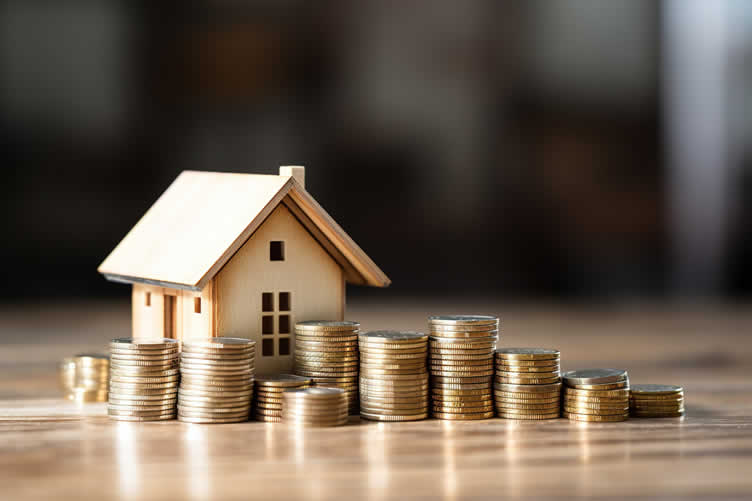
The costs associated with making these home modifications can vary widely, depending on the extent of the changes required and the specific needs of the individual. Minor modifications, such as adding grab bars or improving lighting, could range from a few hundred to a few thousand dollars.
More significant renovations, like bathroom remodels to become walk-in accessible or adding a stair lift, can cost anywhere from $10,000 to $20,000 or more.
It’s essential for homeowners and their families to consult with professionals who specialize in aging-in-place modifications to get accurate estimates and ensure that the modifications meet the individual’s needs and preferences.
Financial assistance programs may be available through local government agencies, non-profit organizations, or via tax credits to help offset some of these costs.
-
Minor modifications:
$100 – $3,000- Adding grab bars
- Improving lighting
- Non-slip flooring applications
-
Moderate modifications:
$1,000 – $10,000- Widening doorways
- Installing ramps
-
Significant modifications:
$10,000 – $20,000+- Bathroom remodels for walk-in accessibility
- Adding stair lifts
- Major kitchen modifications for accessibility
copyright image by 123rf.com
[ view diagram: cost of aging in place ]
[ youtube: cost of aging in place ]
-
-
4th: Building a New Home Assessment
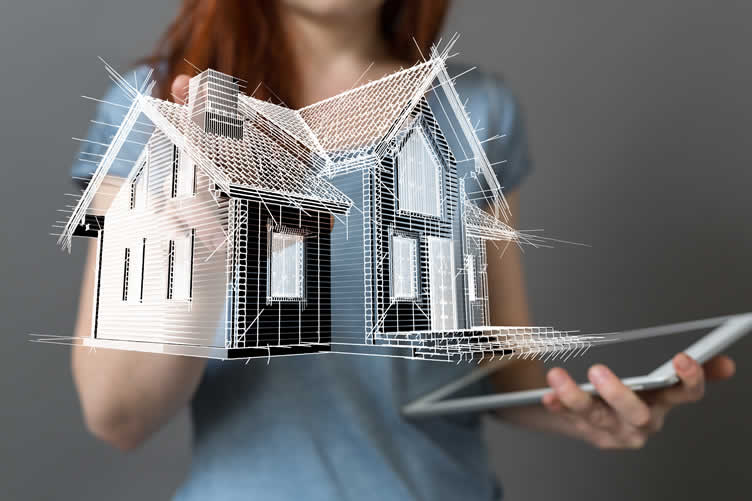
When assessing the prospects of aging in place, one pivotal aspect to consider is the comparison between the cost of modifying an existing home and the expense of constructing a new, age-friendly residence.
Constructing a new home tailored for aging in place can be a considerable financial undertaking, with costs varying significantly depending on location, design complexity, and the level of accessibility desired.
This approach allows for a custom design that integrates age-in-place features from the outset, such as single-story living, wider doorways, and no-step entries, potentially offering a more seamless and holistic solution to accessibility and mobility challenges.
However, the initial costs of new construction often exceed those associated with modifying an existing home. The design and building of a new house can range from $100,000 to $500,000 or more, not including the price of the land.
Additionally, the emotional and logistical considerations of leaving a familiar neighborhood and community—a crucial aspect of psychological well-being for seniors—need to be weighed against the benefits of a new, fully accessible home.
Comparatively, modifying an existing home to meet the needs of aging in place might present a more cost-effective solution, allowing individuals to maintain their community ties and sense of belonging.
The choice between modifying an existing home and building a new one should thus consider not only the financial implications but also the value of comfort, familiarity, and community connectivity that significantly contribute to the quality of life in one’s later years.
[ see topic below: building new home with aging in place amenities ]
copyright image by 123rf.com
-
-
ideas to view and compare from the information discussed above
Scroll up to directory … or scroll to next section about guide to aging-in-place …
 … grab this directory of ideas



Budgeting Worksheet For Costing Home Remodeling and Home Improvement Decisions
 File Type (excel)
home remodeling – improvement – repair

May We Suggest Other Photo Remodeling Ideas About
“Home Remodeling Changes For Aging-In-Place …” (new win)



third “photo remodeling” idea

copyright image by 123rf.com
Age-in-Place 3: Transforming Existing Homes for Aging in Place
Notes:
-
Making a home suitable for aging in place extends beyond the interior layout and design. The exterior of the home requires equal attention to ensure it is safe, accessible, and convenient for older adults.
These modifications can significantly increase the quality of life by promoting independence and reducing the risk of accidents.
-
Quick scroll to “aging-in-place transformations” side notes …
-
-
1st: Exterior Home Modifications
Making a home suitable for aging in place extends beyond the interior layout and design. The exterior of the home requires equal attention to ensure it is safe, accessible, and convenient for older adults.
These modifications can significantly increase the quality of life by promoting independence and reducing the risk of accidents.
-
Exterior Home
Improvements to the exterior of the home can greatly enhance its accessibility and safety for aging individuals. One key modification is the installation of motion-sensor lighting along pathways and around the home’s entry points to enhance visibility and prevent falls during the night.
Additionally, ensuring that pathways and driveways are smooth and free of potential trip hazards is crucial. Using non-slip materials for walkways and implementing gentle slopes instead of steps can further aid in mobility for those with walkers or wheelchairs.
Summary of Exterior Home Modifications:
- Installation of Motion-Sensor Lighting:
Ensures pathways and entry points are well-lit to prevent falls during the night. - Smooth and Trip-Free Pathways:
Pathways and driveways are made smooth and free from hazards to enhance safety. - Use of Non-Slip Materials:
Non-slip materials for walkways help prevent slips, especially in adverse weather conditions. - Gentle Slopes Instead of Steps:
Incorporating ramps or gentle slopes aids in mobility for individuals using walkers or wheelchairs, making access easier. - Accessible Entry Points:
Modifying entry points to be more accessible, possibly through wider doorways or low-threshold entries, to accommodate mobility aids.
- Installation of Motion-Sensor Lighting:
-
Garage
The garage often serves as a primary entrance to the home and, as such, should be equipped to accommodate the needs of aging individuals. This can include the installation of an automatic garage door opener to eliminate the need for physical exertion.
Inside the garage, creating a no-step entry into the home can significantly aid in accessibility, as can ensuring ample lighting. For those who may not drive, converting part of the garage into a covered waiting area for public transportation or ride-share pickups can add a layer of convenience and safety.
Summary of Garage Modifications:
- Automatic Garage Door Opener:
Facilitates easy access into the garage without physical strain. - No-Step Entry into Home:
Ensures a smooth transition from garage to home, critical for mobility aids. - Ample Lighting:
Improves visibility and safety, minimizing the risk of falls or accidents. - Conversion for Waiting Area:
Offers a comfortable and sheltered space for awaiting public transport or ride-shares.
- Automatic Garage Door Opener:
-
Entryway
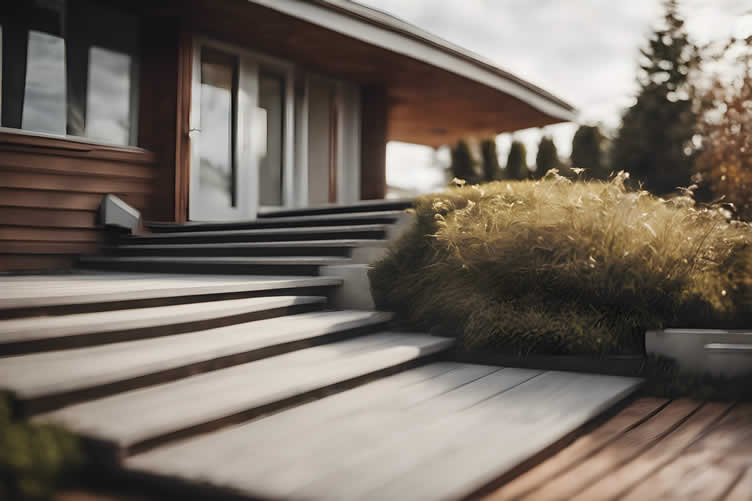
The entryway is another critical area to consider for modifications. Installing a ramp with handrails instead of steps for entry doors can make a significant difference in accessibility for those using mobility aids.
Lever-style door handles are easier to use for people with limited hand strength or dexterity. It is also wise to consider a small bench or shelf near the entrance, allowing individuals to set down items and manage keys more comfortably.
A weather-protected alcove or porch can provide shelter while unlocking the door, reducing the risk of falls in inclement weather.
Summary of Entryway Modifications:
- Ramp with Handrails:
Replaces steps to ensure accessibility for those with mobility aids. - Lever-Style Door Handles:
Allows easier access for individuals with reduced hand strength or dexterity. - Bench or Shelf Near Entrance:
Aids in managing personal items and keys with ease. - Weather-Protected Alcove or Porch:
Offers shelter when unlocking the door, minimizing fall risks during bad weather conditions.
- Ramp with Handrails:
AI generated image by 123rf.com
-
-
2nd: Interior Home Modifications
Moving from the exterior to the interior, making a home safe and comfortable for aging in place requires thoughtful modifications throughout the living spaces. These adjustments can enhance mobility, reduce the risk of falls, and promote independence.
By incorporating specific design features and technologies, homeowners can create a secure environment that caters to the evolving needs of older adults.
-
Kitchen
In the kitchen, adjusting the height of counters and the sink can make a significant difference for those with limited mobility or those who use a wheelchair. Installing pull-out shelves and easy-access drawers minimizes the need for stretching or bending.
Lever handles on faucets and easy-grip cabinet and drawer pulls improve usability for individuals with arthritis or hand strength issues. Bright, glare-free lighting is essential for both safety and ease of use in the kitchen area.
Summary of Kitchen Modifications:
- Adjustable Height Counters and Sink:
Accommodates individuals with limited mobility and wheelchair users. - Pull-Out Shelves and Easy-Access Drawers:
Reduces the need to stretch or bend. - Lever Handles on Faucets:
Easier for those with arthritis or limited hand strength. - Easy-Grip Cabinet and Drawer Pulls:
Improves usability for individuals with hand strength issues. - Bright, Glare-Free Lighting:
Ensures safety and ease of use.
- Adjustable Height Counters and Sink:
-
Bathroom
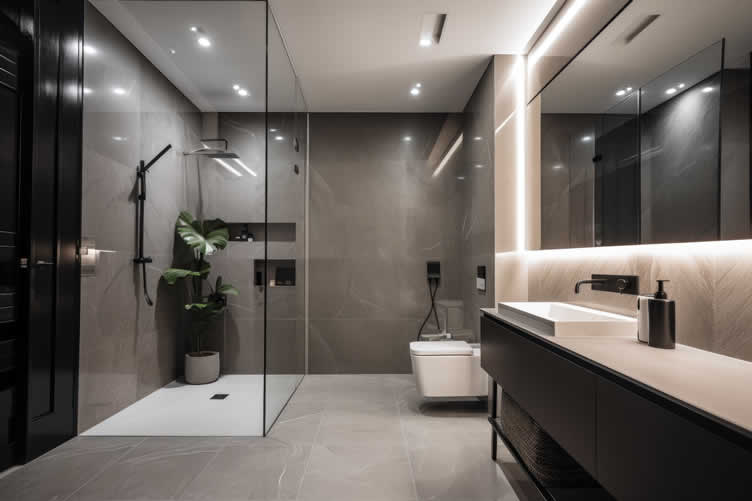
The bathroom is a critical focus for modifications, as it presents the highest risk for falls. Installing grab bars by the toilet and in the shower area can provide essential support, while a walk-in shower or tub can vastly reduce the risk of falls.
Non-slip flooring is a must, and considering a higher toilet seat can aid in accessibility. Additionally, temperature-controlled faucets can prevent burns, making the bathroom safer and more comfortable for aging individuals.
Summary of Bathroom Modifications:
- Grab Bars:
Installed by the toilet and in the shower area for essential support. - Walk-In Shower or Tub:
Reduces the risk of falls significantly. - Non-Slip Flooring:
Mandatory for preventing slips and falls. - Higher Toilet Seat:
Enhances accessibility for individuals with mobility issues. - Temperature-Controlled Faucets:
Prevents burns by controlling water temperature, making the bathroom safer.
- Grab Bars:
-
Bedroom
The bedroom should offer safety, comfort, and accessibility. This may involve selecting an adjustable bed that makes it easier to get in and out of bed, installing ample lighting with easily accessible switches, and ensuring there is a clear path for mobility devices if used.
Night lights or motion-sensor lighting can enhance safety during nighttime movements.
Summary of Bedroom Modifications:
- Adjustable Bed:
Makes it easier to get in and out of bed, enhancing comfort and accessibility. - Ample Lighting with Easy Switch Access:
Ensures visibility and ease of use at all times. - Clear Path for Mobility Devices:
Facilitates unobstructed movement, crucial for individuals using walkers or wheelchairs. - Night Lights or Motion-Sensor Lighting:
Improves safety for nighttime movements, reducing the risk of falls.
- Adjustable Bed:
-
Laundry Room
Accessibility in the laundry room can be greatly improved with front-loading washers and dryers that are raised to reduce the need to bend down. Installing shelves and storage at an accessible height makes laundry supplies easy to reach.
If space allows, considering a seating area can provide stability and comfort for tasks such as folding clothes.
Summary of Laundry Room Modifications:
- Front-Loading Washers and Dryers:
Easier access and reduces the need to bend. - Raised Appliances:
Minimizes strain on the back and knees. - Accessible Shelves and Storage:
Ensures laundry supplies are easy to reach. - Seating Area:
Offers stability and comfort while performing laundry tasks.
- Front-Loading Washers and Dryers:
copyright image by 123rf.com
-
-
3rd: Home Structural Modifications
Structural modifications in the home are crucial for individuals intending to age in place safely and comfortably. These modifications not only enhance mobility and accessibility but also significantly reduce the risk of accidents, such as falls, which are increasingly common among the elderly.
By adapting the living environment to meet the changing needs of aging individuals, these structural changes can make a substantial difference in their quality of life and independence.
-
Stairway
Stairways present a significant challenge and risk for falls as individuals age. To improve safety, consider installing handrails on both sides of the stairway for additional support.
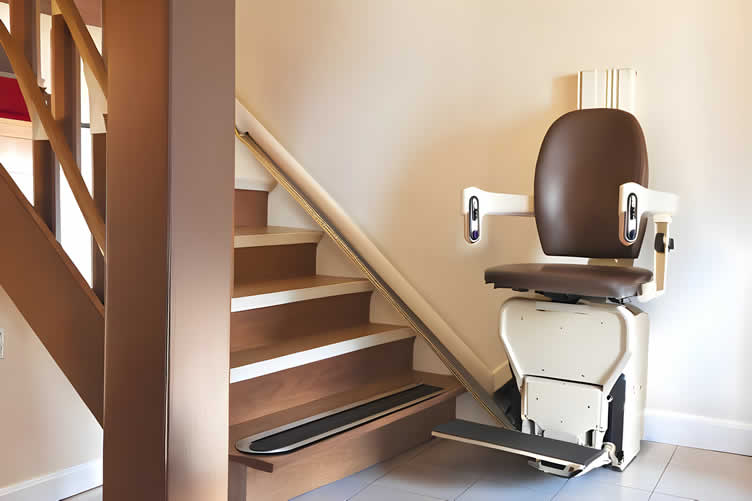
Stair lifts or platform lifts are also viable options for those who may struggle with stairs altogether. Ensuring stairs are well-lit and free from obstructions is equally important to minimize the risk of tripping.
Summary of Stairway Modifications:
- Handrails on Both Sides:
Improves stability and support while ascending or descending stairs. - Stair Lifts or Platform Lifts:
Provides an alternative for those who find stairs challenging, ensuring safe floor-to-floor mobility. - Enhanced Lighting:
Ensures stairs are well-lit to reduce the risk of tripping on steps. - Clear Pathways:
Keeping stairs free of obstructions minimizes the risk of accidents.
- Handrails on Both Sides:
-
Flooring
Choosing the right flooring is crucial for preventing slips and falls. Opt for non-slip, smooth flooring that can accommodate mobility devices such as walkers or wheelchairs without creating barriers.
Removing rugs or securely fastening them to the floor can also help prevent tripping. In areas where hard surfaces can pose a risk, such as bathrooms, non-slip mats should be used.
Summary of Home Flooring Modifications:
- Non-Slip Flooring:
Select materials that provide traction to prevent slips and falls, especially important in high-traffic areas. - Smooth Surfaces:
Ensure flooring can accommodate mobility devices like walkers and wheelchairs easily. - Rug Safety:
Remove loose rugs or secure them firmly to the ground to eliminate tripping hazards. - Non-Slip Mats in Risk Areas:
Use non-slip mats in areas prone to wetness, such as bathrooms, to enhance safety. - Threshold Modifications:
Minimize or remove floor thresholds to facilitate easier movement from room to room.
- Non-Slip Flooring:
-
Lighting
Adequate lighting throughout the home is essential for safety, especially in areas with variable heights and potential tripping hazards. Consider installing brighter, glare-free lights in hallways, stairways, and task areas like the kitchen and bathroom.
Night-lights or motion-sensor lighting in bedrooms, bathrooms, and hallways can provide necessary illumination during nighttime movements without the need for searching for switches.
Summary of Home Lighting Modifications:
- Brighter, Glare-Free Lights:
Install in hallways, stairways, and task areas to improve visibility and reduce the risk of accidents. - Night-lights:
Use in bedrooms, bathrooms, and hallways for safer navigation at night. - Motion-Sensor Lighting:
Ideal for providing automatic illumination without the need to find switches in the dark. - Adjustable Lighting:
Consider dimmer switches or adjustable lighting solutions to customize light levels according to need and time of day. - Uniform Lighting:
Ensure lighting is even and uniform across rooms to eliminate shadows and dark spots that could hide potential hazards.
- Brighter, Glare-Free Lights:
-
Furniture
Furniture selection and arrangement should promote ease of movement and accessibility. Opt for pieces that are stable and easy to use, with heights that support easy sitting and standing. Furniture with sharp edges should be avoided or outfitted with corner protectors to minimize injury from falls.
Arranging furniture to create clear pathways can significantly aid mobility throughout the home, avoiding obstacles that could lead to accidents.
Summary of Home Furniture Modifications:
- Stable and Accessible Furniture:
Choose furniture that is stable and at a height that supports easy use, including sitting and standing. - Corner Protectors:
Apply to furniture with sharp edges to reduce the risk of injury. - Clear Pathways:
Arrange furniture to create open pathways, enhancing mobility and minimizing the risk of accidents. - Soft Edges:
Consider furniture with rounded, soft edges to further reduce injury risk during falls. - Adjustable Furniture:
Look for pieces that can be adjusted or easily moved to accommodate different needs or activities. - Non-Slip Mats:
Place under furniture to prevent sliding, ensuring stability and safety.
- Stable and Accessible Furniture:
copyright image by 123rf.com
-
-
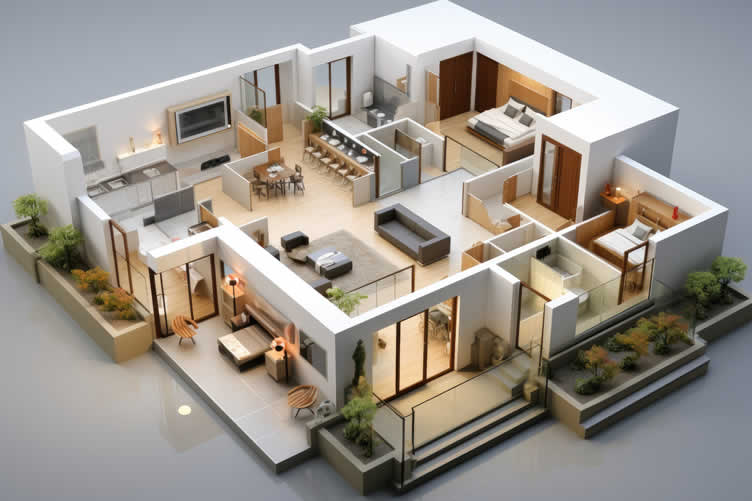
4th: Home Arrangement for Down Living
Making a home more comfortable and accessible for aging in place requires thoughtful modifications that enhance safety, mobility, and convenience.
One vital aspect of this process involves rethinking the layout and functionality of existing spaces to accommodate the changing needs of individuals as they age.
-
Building a Full Bathroom Downstairs
- Accessibility and Convenience:
Installing a full bathroom on the ground floor eliminates the need to climb stairs for daily routines, crucial for individuals with reduced mobility. - This modification should include walk-in showers with grab bars, adjustable shower heads, and non-slip flooring for enhanced safety and comfort.
- Accessibility and Convenience:
-
Converting a Living Room into a Bedroom
- Minimizing Stair Use:
Converting a main floor living space into a bedroom allows individuals to live predominantly on one level, significantly reducing the need to use stairs. - This conversion should consider the incorporation of accessible furniture, sufficient lighting, and emergency response systems to ensure a comfortable and safe environment.
These home rearrangement modifications not only cater to the functional needs of aging individuals but also contribute to maintaining their independence and quality of life in their own homes.
- Minimizing Stair Use:
copyright image by 123rf.com
-
-
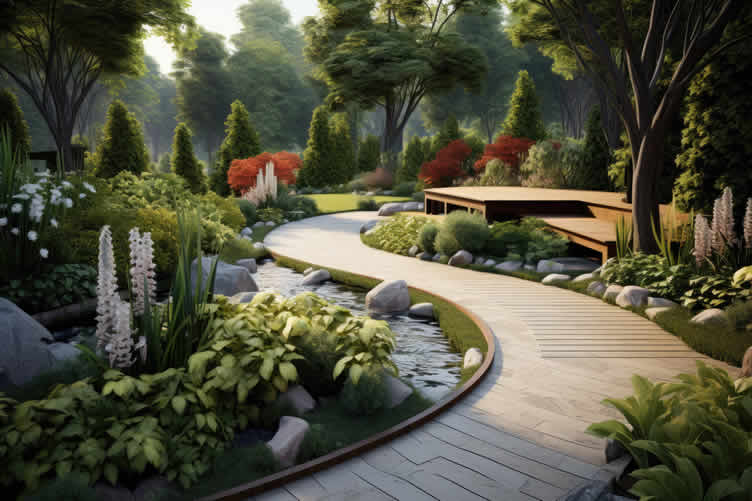
5th: Landscaping Modifications
Creating a safe and accessible outdoor environment is just as crucial as interior modifications for aging in place. Landscaping adjustments can significantly enhance the safety and enjoyment of outdoor spaces, allowing for continued gardening, leisure, and access to nature without the high risk of falls or injury.
-
Accessible Pathways
For secure navigation around the garden or to outdoor seating areas, pathways should be wide, smooth, and level.
Materials like slip-resistant pavers or smooth concrete can provide stable footing, while gentle slopes or ramps should replace steps where possible. Pathways should be well-lit at night to avoid tripping hazards.
Summary of Landscape Pathway Modifications:
- Wide, Smooth Pathways:
Ensure pathways are broad enough to accommodate mobility aids, with a smooth surface to prevent tripping. - Slip-Resistant Materials:
Use materials such as pavers or concrete that offer good traction to minimize slips. - Level Surfaces:
Avoid steep inclines by maintaining level surfaces or incorporating gentle slopes. - Ramps over Steps:
Replace steps with ramps wherever feasible to aid those using wheelchairs or walkers. - Adequate Lighting:
Install lights along pathways to ensure visibility and safety during nighttime use.
- Wide, Smooth Pathways:
-
Easy-Care Gardens
Consider designing gardens that require minimal upkeep to reduce the need for strenuous maintenance activities. Raised garden beds and container gardens can be a great solution, bringing plants to an easy-to-reach height and eliminating the need to bend or kneel.
Choosing low-maintenance plants that are drought-resistant and perennials can also cut down on the amount of work and water required.
Summary of Easy-Care Landscape Modifications:
- Raised Garden Beds:
Utilize raised beds and containers to make gardening accessible without the need to bend or kneel. - Drought-Resistant Plants:
Select plants that require minimal watering and care, focusing on those that can thrive in your local climate. - Perennial Plants:
Choose perennials for long-lasting gardens that return year after year, reducing the need for replanting. - Mulching:
Apply mulch around plants to retain soil moisture, suppress weeds, and minimize the need for frequent watering and care. - Irrigation Systems:
Install drip irrigation or soaker hoses for efficient watering that saves time and conserves water.
- Raised Garden Beds:
-
Outdoor Lighting
Ample lighting should be installed around the home’s exterior, pathways, and garden areas to ensure visibility after dusk.
Motion-sensor lights can offer both convenience and safety by illuminating areas as needed without the need to manually switch them on and off.
Summary of Landscape Outdoor Lighting Modifications:
- Pathway Lights:
Install lighting along walkways and paths to enhance visibility and safety during evening hours. - Motion-Sensor Lights:
Utilize motion-sensor lighting for convenience and improved security around the home’s exterior and garden areas. - Accent Lighting:
Implement accent lighting to highlight garden features, architectural details, or key landscaping elements. - Energy-Efficient LED Lights:
Choose LED lights for outdoor use to reduce energy consumption and ensure long-lasting performance. - Automated Timers:
Set up lighting with automated timers to manage illumination times, ensuring lights are on when needed and off during daylight hours.
- Pathway Lights:
-
Seating and Shade
Providing various seating options allows for rest and relaxation in the garden or outdoor spaces. Benches and chairs should be stable and at a height that supports easy sitting and standing.
Strategic placement of trees, pergolas, or awnings can offer much-needed shade during hot days, making outdoor spaces more enjoyable and reducing the risk of overheating.
Summary of Landscape Seating and Shade Modifications:
- Varied Seating Options:
Incorporate a mix of benches, chairs, and other seating to accommodate different preferences and activities. - Comfortable Heights:
Ensure seating is at a comfortable height for both sitting and standing, catering to all ages and abilities. - Strategic Shade:
Use trees, pergolas, and awnings to create shaded areas, protecting against the sun and enhancing outdoor comfort. - Durable Materials:
Select seating and shade structures made from materials that withstand weather conditions, ensuring longevity. - Flexible Arrangement:
Arrange seating and shade elements in versatile configurations to suit various gatherings and events.
- Varied Seating Options:
copyright image by 123rf.com
-
-
-
ideas to view and compare from the information discussed above
Scroll up to directory … or scroll to next section about guide to aging-in-place …
SHARE IT ..! You might have someone in your social network who could find this guild to aging in place valuable. Feel free to share it on Facebook, Twitter, LinkedIn, or Pinterest!


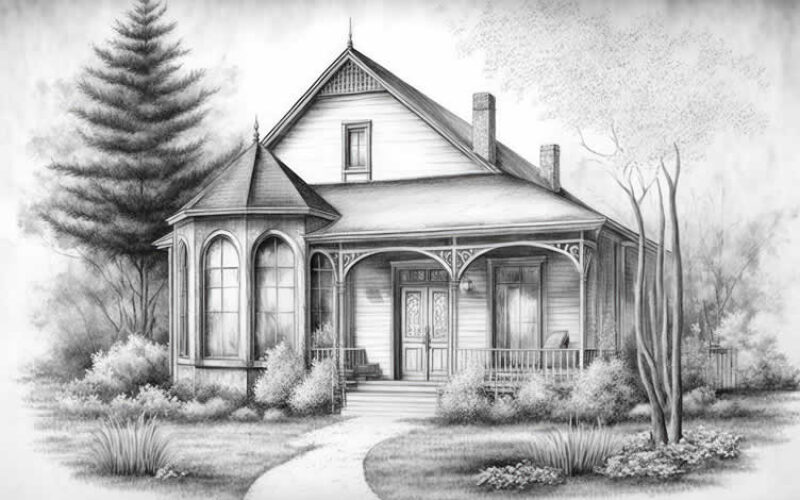

revamping your bedroom suite



fourth “photo remodeling” idea
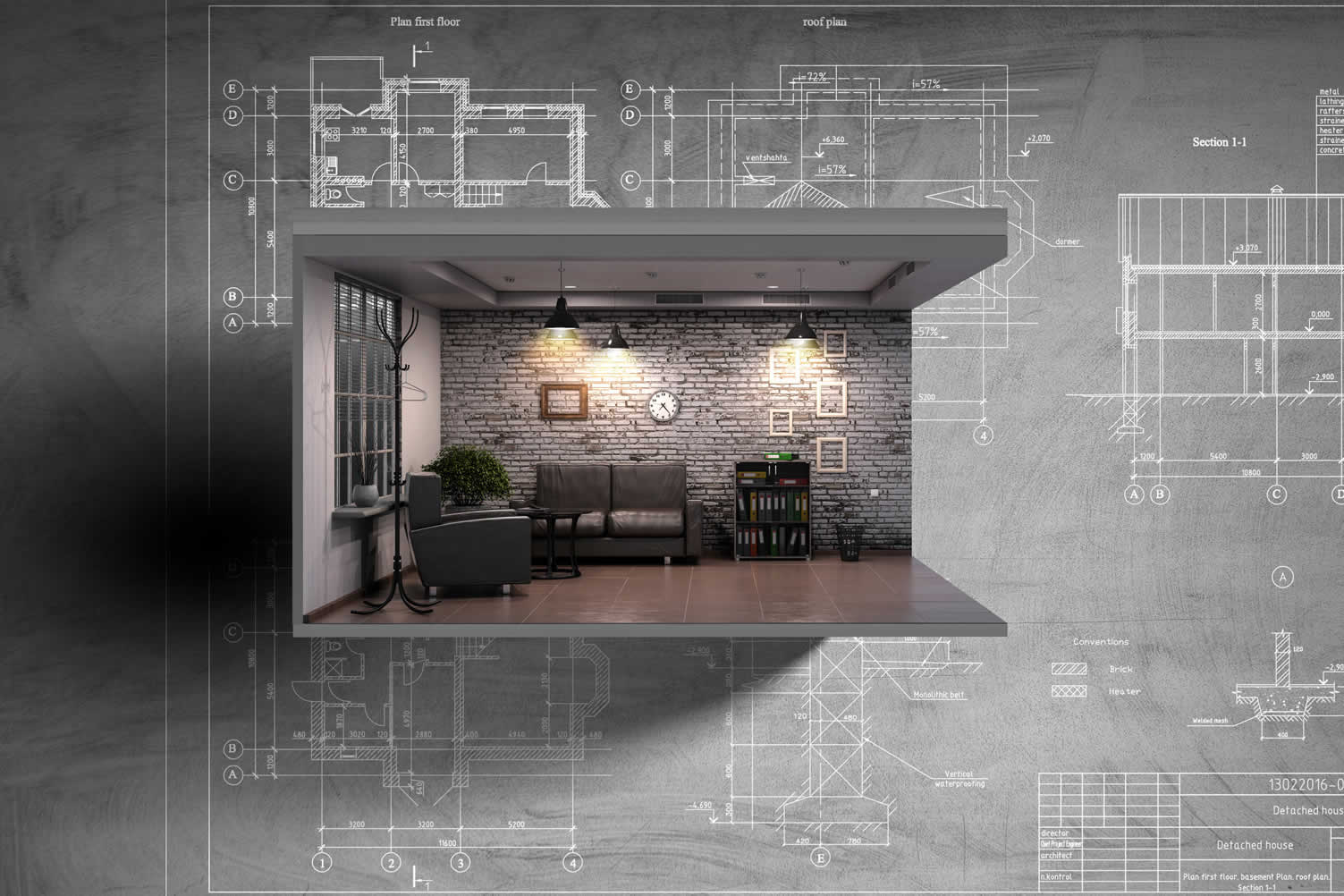
copyright image by 123rf.com
Age-in-Place 4: Blending Senior- and Family-Friendly Modifications
Notes:
-
One of the challenges in making home modifications for aging in place is balancing changes that benefit senior residents while ensuring the home remains attractive to potential buyers of all ages.
-
For instance, senior-friendly features such as grab bars in the bathroom and walk-in showers can be seen as beneficial for safety but may not appeal to younger families looking for a more traditional aesthetic.
Creative design solutions that incorporate age-friendly features in subtle ways, such as integrating grab bars into stylish bathroom fixtures or choosing flooring that is both attractive and slip-resistant, can overcome this hurdle.
By emphasizing universal design principles that enhance accessibility for all ages, homeowners can create a space that is both functional for the current residents and appealing to a wide range of potential future buyers.
-
Blending Senior and Family Modifications
Blending Senior-Friendly and Family-Friendly Home Modifications for aging in place requires thoughtful planning and innovative thinking. The goal is to create an environment that supports the comfort and safety of older adults while maintaining a welcoming and stylish ambiance that suits all ages.
This dual approach ensures that the house adapts to the evolving needs of its inhabitants without compromising on aesthetics or functionality.
By focusing on these blended modifications, homeowners can create a living environment that is not only efficient and safe for aging in place but also attractive and functional for families of every generation.
-
-
Quick scroll to “blending home design” side notes …
-
-
1st: Smart Technology Solutions
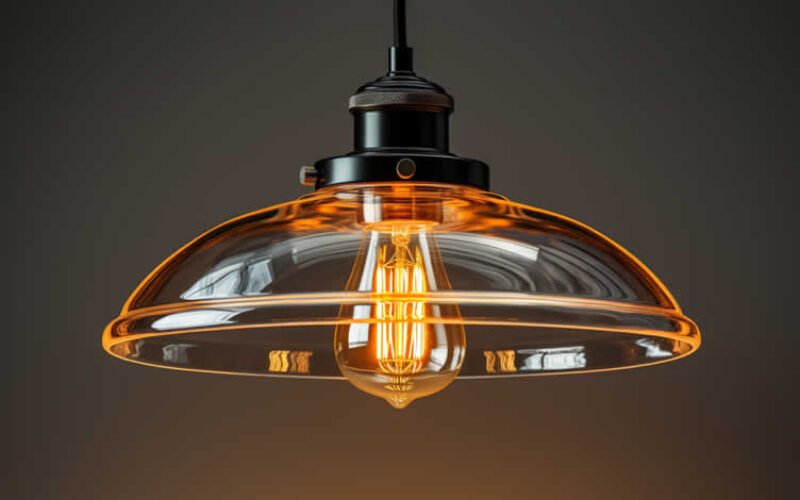
Integrating smart home technology is a seamless way to cater to both senior residents and younger family members. Automated lighting systems, voice-activated devices, and smart thermostats improve convenience and safety for seniors.
At the same time, these modern amenities appeal to tech-savvy individuals looking for a connected and efficient home.
Home automation, powered by the Internet of Things (IoT), offers innovative solutions:
- Smart Thermostats:
Control the temperature without needing to get up. - Voice-Activated Systems:
Use voice commands to control lighting, entertainment, and even call for help in emergencies. - Automated Door Locks and Security Systems:
Enhance security and allow remote monitoring and control. - Health Monitoring Devices:
Wearable devices can monitor vital signs and detect falls, alerting emergency services if necessary.

AI generated image by 123rf.com
- Smart Thermostats:
-
2nd: Flexible Living Spaces
Designing flexible living spaces that can easily be modified as occupants’ needs change over time is crucial. Open floor plans with spacious doorways and minimal steps between rooms cater to the mobility needs of older adults while offering the open, airy aesthetic many families desire.
Convertible spaces that can serve as a guest bedroom, a home office, or a senior-friendly bathroom with accessible features ensure the home meets diverse needs without undergoing extensive renovations.
- Multi-Use Rooms:
Rooms designed to serve multiple purposes, such as a dining area that can also function as a craft or meeting space, optimize the use of space and cater to a variety of activities and age groups. - Murphy Beds:
Incorporating Murphy beds or wall beds in rooms can transform a study or office space into a guest bedroom when needed, offering a practical solution for accommodating visitors without dedicating a room solely for guests. - Adaptable Bathrooms:
Bathrooms equipped with walk-in showers with adjustable shower heads, bench seating, and grab bars can provide safety for seniors while still being stylish and functional for the whole family.
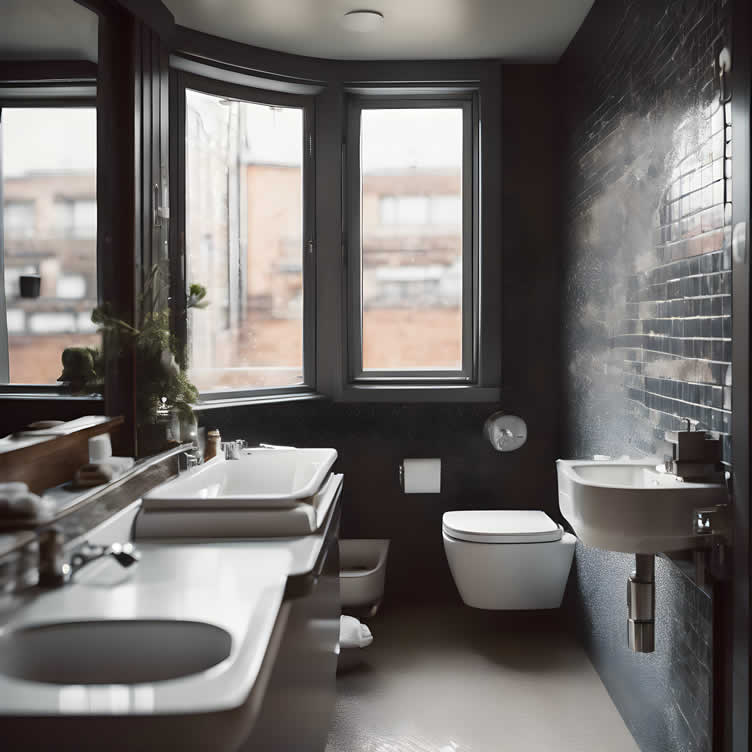
AI generated image by 123rf.com
[ view ideas: flexible living spaces ]
[ pinterest: designing flexible living spaces ]
- Multi-Use Rooms:
-
3rd: Multi-Generational Kitchen Designs
The kitchen is the heart of the home and should be accessible to everyone, from young children to older adults. Implementing multi-level countertops accommodates users of different heights and mobility levels.
Including drawers and cabinets with easy-pull handles and touch-to-open technology makes storage accessible to everyone and maintains a sleek, modern look that appeals to all ages.
- Adjustable Lighting:
Incorporate lighting that can be adjusted for intensity and height, offering comfort for users with varying visual needs. This feature can help in creating an ambiance that suits activities ranging from cooking and dining to homework and crafts. - Slip-resistant Flooring:
Choosing flooring materials that reduce the risk of slips and falls is crucial, especially in a kitchen used by multiple generations. Textured tiles or slip-resistant vinyl can enhance safety for everyone. - Open Floor Plan:
An open kitchen layout allows for better mobility and social interaction among family members of all ages. It also enables caregivers to easily monitor children or elderly family members while engaging in kitchen tasks. - Island with Seating:
Incorporating a kitchen island with varied height seating accommodates family members whether they prefer standing, sitting on standard chairs, or using high stools, making the kitchen a more inclusive space for gathering and socializing. - Hands-free Faucets:
Installing hands-free or touchless faucets facilitates ease of use for individuals with limited mobility or dexterity, such as young children or seniors with arthritis, making it easier for them to access water without assistance.
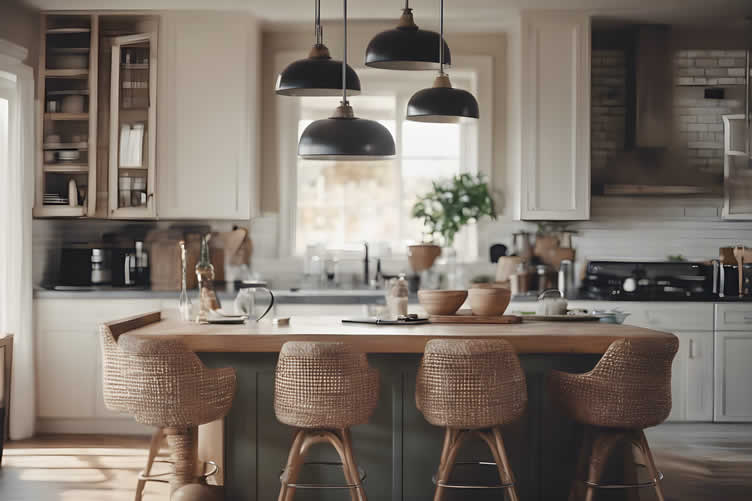
AI generated image by 123rf.com
- Adjustable Lighting:
-
4th: All-Season Room
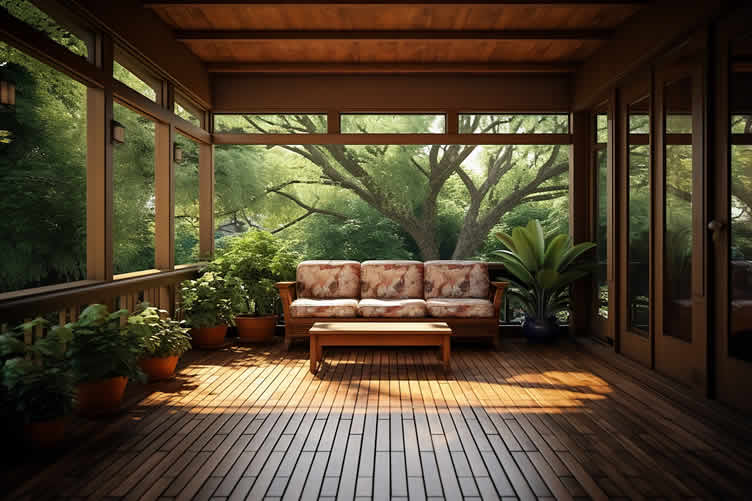
To extend the enjoyment of your outdoor spaces throughout the year, converting a deck or porch into an all-season room can be a highly beneficial modification. This transformation not only enlarges the living space but also enhances access to natural light and views of the outdoors, regardless of weather conditions.
Key considerations for this conversion include:
- Insulation:
Proper insulation of walls, floors, and ceilings ensures the space stays warm in the winter and cool in the summer, making it comfortable year-round. - Windows and Doors:
Installing high-quality, energy-efficient windows and doors can help maintain the room’s temperature and allow for the enjoyment of natural scenery without being exposed to the elements. - Heating and Cooling Solutions:
Incorporating heating and cooling options, such as a mini-split system, ensures the space remains at a comfortable temperature in all seasons. - Weatherproof Flooring:
Choosing durable, weatherproof flooring options, like laminate, vinyl, or indoor-outdoor carpeting, contributes to the room’s comfort and longevity. - Lighting:
Adequate lighting, both natural and artificial, is crucial for creating a bright and welcoming space throughout the day and into the evening.
copyright image by 123rf.com
Best "Air Cleaning" Houseplants
Best "Indoor" Trees
Best "Pet Friendly" Houseplants
viewing amazon - Insulation:
-
-
ideas to view and compare from the information discussed above
book: flexible living spacesmultifunctional furnituremurphy bed
Scroll up to directory … or scroll to next section about guide to aging-in-place …


aging-in-place and other home improvement decisions

fifth “photo remodeling” idea
copyright image by 123rf.com
Age-in-Place 5: Building a New Home with Aging in Place Amenities
Notes:
-
For those considering building a new home, incorporating aging in place features from the ground up can be an excellent investment. This includes single-level layouts, wider doorways and hallways for mobility aids, and open floor plans that accommodate wheelchairs and walkers.
Future-proofing your home by planning for potential mobility needs ensures that your living space can adapt as your needs evolve.
However, building a new home that incorporates aging in place features will have varying costs depending on factors like location, materials, labor rates, and the specific amenities you choose to include.
-
Quick scroll to “building home” side notes …
-
-
1st: Estimated Costs
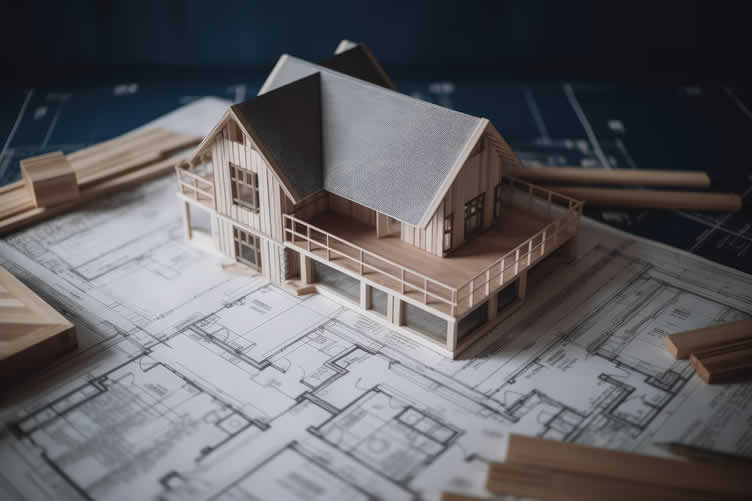
Building a new home that incorporates aging in place features will have varying costs depending on factors like location, materials, labor rates, and the specific amenities you choose to include.
Here’s a broad estimate:
- Basic Construction:
Starting at $100 to $200 per square foot for standard materials and construction. This price can significantly increase based on finishes and customization. - Wider Doorways and Hallways:
Additional $500 to $2,000 overall, depending on the number of modifications. - No-Step Entry:
Approximately $1,000 to $3,000, factoring in the landscaping and structural alterations. - Single-Level Floor Plan:
Can increase the cost per square foot as it requires a larger foundation and roof. - Ergonomic Features:
Including lever door handles, pull-out kitchen shelves, and other ergonomic features can add $2,000 to $10,000, depending on the choice and quantity of features. - High-Tech Amenities:
Smart home devices for security, lighting, and temperature control can range from $5,000 to over $20,000.
copyright image by 123rf.com
[ view diagram: construction cost breakdown ]
[ youtube: cost to build a house ]
- Basic Construction:
-
2nd: Land (Lot) Cost
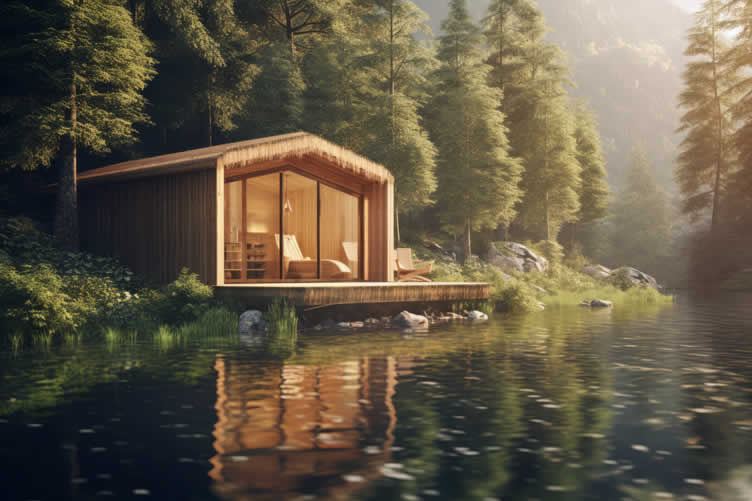
When budgeting for a new home with aging in place features, it’s vital to consider the cost of the land (or lot) where the house will be built. Land costs can vary significantly based on location, size, and accessibility to utilities and city services.
Urban areas tend to have higher land costs than rural locations, but they may offer closer access to healthcare and other essential services. It’s crucial to factor in the land cost early in the planning process to ensure the overall budget aligns with your financial plan.
-
Premium Lots:
In areas with high demand or unique features, such as oceanfront views or proximity to urban centers, lot costs can soar well beyond the average, sometimes reaching into the millions.
For aging in place considerations, seeking lots that offer natural accessibility without the need for extensive landscaping or modifications is essential.
copyright image by 123rf.com
[ pinterest: buying land to build ]
[ youtube: buying land and building a house ]
-
-
3rd: Off-setting These Costs
It’s important to note that some of these new construction costs can be mitigated through the sale of your existing home. Selling your current property can provide significant financial relief, allowing you to allocate more funds towards building a home that caters to aging in place.
With proper planning, you can strategically align the sale to cover a substantial portion of your new home’s construction expenses, making the transition not only feasible but financially savvy.
-
Calculating the Net Value of Your Existing Home
To effectively plan for offsetting your new construction costs with the sale of your existing home, it’s crucial to calculate the net value that can be applied towards the construction of your new, age-friendly home.
This calculation involves several key steps:
- Market Appraisal:
Start by getting a professional appraisal of your current home to understand its market value. This gives you a realistic starting point for what you might earn from the sale. - Outstanding Mortgage:
Subtract any outstanding mortgage or debt tied to your current property. This figure will provide the equity you have in your home. - Selling Costs:
Remember to account for selling costs, which include real estate agent fees, closing costs, and any necessary repairs or staging expenses to make your property market-ready. These costs typically range from 6% to 10% of the home’s sale price. - Net Value:
The final calculation – your home’s market value minus outstanding mortgage and selling costs – gives you the net value. This is the amount you can potentially use to offset the construction costs of your new home. - Moving Costs:
Don’t overlook the expenses associated with moving from your current home to the new location. These can include packing materials, professional movers, transportation, and any temporary storage for your belongings. Depending on the distance and the volume of items to be moved, these costs can significantly add up.
By accurately calculating this net value (minus moving costs), you can better understand how the sale of your current home can contribute financially to your new construction, thus easing the transition and making aging in place a more attainable goal.
- Market Appraisal:

copyright image by 123rf.com
[ youtube: build a house from scratch with no money ]
[ youtube: construction loan requirements ]
-
-
-
ideas to view and compare from the information discussed above
Scroll up to directory … or scroll to next section about guide to aging-in-place …
below for …
home remodeling services

Calendar For:
Home Maintenance
File Type: 
Find Home Remodeling Services Additions Major Remodels Minor Remodels Disability Needs Plumbing Drain Clearing Appliances Electrical top-rated, pre-screened local contractors FREE: download contractor selection enter zip code – powered by HomeAdvisor ™
Quick Contractor Guides selecting negotiating working with inspecting

sixth and last “photo remodeling” idea

copyright image by 123rf.com
Age-in-Place 6: Finding The "Modification" Help You Need
Notes:
-
When considering modifications to your existing home to support aging in place, seeking professional help is crucial. Professionals such as Certified Aging in Place Specialists (CAPS), architects, and contractors who have experience in universal design can provide invaluable guidance.
These experts can help assess your current home’s layout and recommend modifications to enhance safety, accessibility, and comfort. Key aspects they might suggest include widening doorways, installing grab bars in bathrooms, modifying kitchen layouts, and even adding a first-floor bedroom.
It’s important to choose professionals with a solid track record who can guide you through the entire process, from initial consultation to completing the modifications.
Additionally, professional advice can often identify potential issues you hadn’t considered, ensuring a comprehensive approach to making your home fit for aging in place.
-
Quirk scroll to topic "finding help" side notes …
-
-
1st: Locating Certified Aging in Place Specialists (CAPS)
Finding a Certified Aging in Place Specialist (CAPS) to assist with making your home more aging-friendly can be a straightforward process with the right resources.
A primary source for locating CAPS professionals is the National Association of Home Builders (NAHB) website, which hosts a directory of certified individuals across the country. Additionally, local home builders’ associations can provide referrals to CAPS professionals in your area.
Online platforms like AgingInPlace.org and the AARP website also offer resources and directories to connect you with qualified specialists.
When selecting a CAPS professional, consider looking for reviews or testimonials about their work, and don’t hesitate to reach out to them for an initial consultation to discuss your needs and expectations.
By choosing a specialist with a positive track record and clear communication, you can ensure that your modifications will be handled expertly and with your best interests in mind.
copyright image by 123rf.com
[ youtube: what is an aging-in-place specialist? ]
[ youtube: how to choose a certified aging in place specialist ]
-
2nd: Tips for Working with Home Remodelers
When planning to modify your home for aging in place, partnering with experienced home remodelers can make a significant difference.
To ensure a successful collaboration, consider creating a reference guide that outlines your specific needs and aging in place goals. This guide should include:
- Personal Needs and Preferences:
Detail any physical or health considerations that your remodeling project must address, such as mobility issues or the need for easily accessible storage. - Long-Term Goals:
Describe how you envision your living space evolving to meet your needs over time, emphasizing adaptability and accessibility. - Design Inspirations:
Include photos, sketches, or descriptions of design elements you prefer, to help remodelers understand your aesthetic and functional desires. - Budget and Timeline:
Provide a clear outline of your budget constraints and desired project timeline to ensure remodelers can plan accordingly.
By presenting this reference guide to your chosen home remodeler, you initiate a clear, structured conversation about your project. This approach helps ensure that the finished modifications align closely with your vision for a comfortable, safe, and accessible home as you age.
Remember to review past projects and gather feedback from former clients to select a remodeler skilled in aging in place renovations, ensuring a quality outcome that meets all your needs.
LetsRenovate has partnered with HomeAdvisor™, a renowned provider of highly-rated, carefully-vetted local contractors. Start your search here by choosing the type of contractor you need and entering your zip code to find local professionals.

copyright image by 123rf.com
But Wait!
Before starting the search and evaluation process for contractors, it is highly recommended to download and utilize this comprehensive worksheet. This will help ensure that you have all the necessary information and tools at your disposal to make informed decisions and streamline the entire process.
This resource will assist in impartially ranking and evaluating potential contractors, taking into consideration essential factors such as pricing,

Evaluation Sheet
File Type: - Personal Needs and Preferences:
-
-
FINAL REMARKS
Making the decision to adapt your current home or build a new one with aging in place in mind is a proactive step towards ensuring comfort, safety, and independence in your later years.
By considering the modifications and technologies available today, you can create a living space that not only accommodates your changing needs but also enriches your life, allowing you to age gracefully and with dignity in the place you love most.
Whether you’re just starting to plan for the future or ready to begin your home transformation, seeking advice from professional experts can help you make informed decisions.
Remember, planning ahead for aging in place is not just about adapting a space; it’s about creating a home where you can thrive for years to come.
-
ideas to view and compare from the information discussed above
ramp with handrailsitting entry benchdoor and cabinet levers
- What comments can you share about this
guide to aging-in-place?
Scroll up to directory … or scroll to more home remodeling-related topics …
view illustration “becoming a bank”
AI generated image credit: guide to aging-in-place by 123rf.com
end of post … please share it!
 |
did you find this indexed guide to aging-in-place analysis helpful? If so, please share the article with your friends and family! |
Nice pic idea? Leave us a quick comment below.
And please share this pic idea within your social networks.