Summary Outline –
We all want our homes to be more spacious and comfortable, regardless of square footage. How to achieve that effect? Spatial illusions are the key in creating visual space! In this analysis, we explore design tricks that allow you to expand the space of your interior visually.
Through the use of mirrors, colors, lighting, and lines, you will learn how to create a sense of spaciousness and depth in every corner of your home. Whether you’re a design novice or a seasoned decorating enthusiast,
LetsRenovate has prepared some amazing tricks to help you transform your space by analyzing the following topics for your review.

-
Quik scroll to first topic about creating visual space with design tricks …

first “creating visual space with design tricks” idea


copyright image by 123rf.com
Section 1: The Magic of Reflection: How Mirrors Transform Space
Notes:
-
If you want to transform your home, mirrors are a real miracle when creating spatial illusions in interior design. Their ability to reflect light and space makes them a key tool for creating a feeling of greater spaciousness. When using a mirror, there are several key factors to consider.
First, placing mirrors on opposite walls can create the illusion of infinite space, making the area appear much wider than it really is. Also, placing mirrors opposite windows allows them to reflect natural light and spread it throughout the space, creating a brighter and more spacious ambiance.
However, it is important to take care that mirrors do not reflect just any parts of the space but focus on attractive elements. The size of the mirror plays an important role, too – larger mirrors tend to create a more impressive illusion of space.
-
Quik scroll to topic side notes …
-
-
1st: Spatial Illusions
Have you ever walked into a room and felt like it was bigger or smaller than its actual physical dimensions? That is the power of spatial illusions. These design tricks and optical illusions can trick our brains into perceiving space differently, making a room feel more spacious or cozy.
One common spatial illusion is the use of mirrors as noted above, which can transform a small space into a seemingly larger one. The reflection in mirrors creates an illusion of depth and amplifies light, giving the perception of more space. The question however, is how to position the mirror to achieve best illusion.
-
Opposite Windows:
Positioning a mirror directly across from a window can cleverly harness the power of natural light, casting a warm glow throughout the space while also capturing the captivating outdoor view.
As the light bounces off the mirror, it effortlessly brightens up the room, creating an illusion of a larger and more expansive area. This simple yet effective design hack adds depth and radiance to any space, making it feel welcoming and visually appealing.
[ view images: position mirror opposite window]
[ view diagram: mirror-opposite-window diagram]
-
Large Wall Mirrors:
Large mirrors mounted on a wall can double the visual space of a room, making it feel more spacious and open. By serving as an extended canvas, these mirrors reflect the entire room back to the viewer, creating an illusion of depth and enhancing the overall aesthetic.
The reflection of natural light and other decor elements adds a touch of elegance and sophistication to the space, making it even more visually appealing.
Whether in a living room, bedroom, or hallway, the strategic placement of these mirrors can transform the ambiance of any room, providing a sense of grandeur and style.
[ view images: large mirrors for living room]
[ view diagram: using large mirrors diagram]
-
Floor Mirrors:
A tall, floor-to-ceiling mirror can be a transformative addition to any room. By reflecting the surroundings, it creates the illusion of vertical elongation, making the space feel even more lofty and expansive.
Not only that, but standing mirrors can also serve as clever design elements in small corners or narrow spaces, strategically widening them and enhancing the overall visual appeal.
[ view images: floor mirrors for illusion]
[ view diagram: floor mirrors diagram]
-
Mirror Gallery Wall:
A carefully curated combination of mirrors, featuring various shapes and sizes, artfully arranged in a gallery-style wall, can effortlessly elevate the visual interest of any space.
Moreover, this creative arrangement not only adds a touch of elegance but also imparts the illusion of a larger, more dynamic environment, making it a delightful focal point for any room.
[ view images: mirror gallery wall]
[ view diagram: setting up mirror gallery diagram]
-
Mirrored Furniture:
Reflective surfaces, such as stylish mirrored coffee tables or sleek cabinets, have the remarkable ability to not only enhance the natural light in a room but also create an illusion of a more spacious and open environment.
By strategically placing these gleaming pieces of furniture, you can effortlessly elevate the overall aesthetics and ambiance of your space while adding a touch of elegance and sophistication.
[ view images: mirrored furniture]
[ view diagram: using mirrored furniture diagram]

copyright image by 123rf.com

-
-
2nd: Types of Mirrors for Decor: Aesthetic & Spatial Illusions
The magic of mirrors in transforming spaces can be further enhanced by choosing the right type of mirror for your decor. Here are some types to consider:
-
Antique Mirrors:
With their intricate craftsmanship, ornate frames, and timeless elegance, antique mirrors possess a captivating allure that can effortlessly infuse your space with a rich sense of history and depth.
The weathered patina and aged finish of these mirrors not only invoke a wave of nostalgia but also lend a touch of vintage charm to any room.
Moreover, their ability to reflect light can create an illusion of spaciousness, making your living area appear larger and more inviting.
-
Sunburst Mirrors:
These stunning mirrors are truly remarkable statement pieces. With their exquisite radiant design, reminiscent of the vibrant rays of the sun, they effortlessly captivate the beholder’s attention.
Moreover, their unique aesthetic not only adds a touch of elegance to any space but also creates an enchanting illusion of a more expansive and open area, making them an exceptional addition to any interior decor.
-
Round Mirrors:
Round mirrors, with their soft and harmonious appeal, possess a unique ability to alleviate the rigidity often associated with square or rectangular rooms.
By skillfully reflecting light at various angles, these mirrors not only enhance the ambiance but also create an illusion of expanded space, making the room feel more open and inviting.
-
Venetian Mirrors:
Renowned for their exquisite craftsmanship and intricate designs, Venetian mirrors have the remarkable ability to elevate the ambiance of any room.
With their ornate borders and meticulously crafted frames, these mirrors not only add a touch of elegance and sophistication but also create the illusion of a larger mirror, resulting in a visually expanded and more spacious living space.
-
Pivot Mirrors:
Perfect for bathrooms or dressing rooms, pivot mirrors are a versatile addition to any space. With their ability to be adjusted to reflect light at different angles, they not only enhance the functionality of a room but also create a dynamic and flexible sense of space.
-
Leaning Mirrors:
Leaning mirrors, with their large and imposing presence, are excellent tools for creating spatial illusions. By simply leaning a large mirror against a wall, the perceived depth of a room can be increased significantly, making the space appear far larger than it truly is.
In addition to enhancing the sense of space, leaning mirrors add a touch of casual elegance to any room. They are particularly effective in small, confined areas where they can reflect a large portion of the room, effectively doubling the perceived space.
Furthermore, their ability to redirect sunlight from windows can make the room feel brighter and more open. Whether placed in a bedroom, living room, or corridor, leaning mirrors offer a stylish and practical solution for transforming small spaces.

copyright image by 123rf.com
-
-
-
ideas to view and compare from the information discussed above
Scroll up to directory … or scroll to next section about creating visual space with design tricks …


second “photo remodeling” idea

copyright image by 123rf.com
Section 2: The Role of Horizontal Lines …
… in Creating Visual Space and Spatial Illusions
Notes:
-
Using horizontal lines in interior design is one of the powerful tricks for creating the illusion of width and spaciousness. These lines can "expand" space and give a sense of stability and balance. To take advantage of this technique, you can use horizontal lines on walls, floors, furniture, or even decorative elements.
For example, painting the walls with horizontal stripes creates the visual illusion of a wider and bigger space. By choosing bright and contrasting colors for the stripes, you can further enhance this effect. Also, horizontal lines on furniture, such as horizontal detailing on shelves or kitchen cabinets, can help make a room appear larger.
In addition, placing horizontal elements, such as wooden beams or decorative panels, on a ceiling creates the illusion of more height. However, you should be careful because adding too many elements could create the opposite effect, so it’s always a good idea to ask for advice from an interior decorator who will make sure everything turns out the way you want.
-
Quik scroll to topic side notes …
-
-
1st: Horizontal Lines Illustrations
The compelling power of horizontal lines in design is often underestimated. These lines, in their various forms, create an array of spatial illusions, adding depth, rhythm, and movement to a design while actively engaging the viewer’s senses and space.
Some illustrations include:
-
Using Paint
Painting walls with horizontal lines is a unique and effective way to create the illusion of more space in a room. The wider the lines, the broader the space appears.
This technique creates a sense of expansiveness and depth, tricking the eye into perceiving the room as larger than it is. The key lies in the strategic use of color, proportion, and placement.
Lighter hues and wider stripes can amplify the feeling of openness, while darker shades can add a touch of coziness to the ambiance.
[ view images: painted horizontal lines on wall]
[ view pinterest: painting horizontal links on wall]
-
Using Wallpaper
The use of horizontal lines in wallpaper patterns is another innovative way to create a deceptive sense of larger space. Horizontal stripes, whether thin or wide, can give an illusion of expanded width, making a small room appear wider than it actually is.
Similar to wall painting, the choice of colors and the width of the lines play a significant role in achieving the desired effect. Light-colored lines against a dark background can add depth to the room, while a vibrantly colored, wide-striped wallpaper can make the room look both wider and lively.
By cleverly choosing the pattern, color, and scale of the horizontal lines, one can create a wallpaper feature that not only breathes life into a room but also enhances its perceived size, showcasing the powerful role of spatial illusions in interior design.
[ view images: wallpaper ideas with horizontal lines]
[ view pinterest: interior wallpaper with horizontal lines]
-
Using Furniture
Furniture pieces incorporating horizontal lines can also contribute significantly to creating spatial illusions. A long, low couch or a wide coffee table with horizontal detailing, for instance, can stretch the visual field, making the room seem spacious.
Similarly, shelves arranged horizontally or a console table with horizontal slats can break up vertical space and draw the eyes across the room, enhancing the perception of width.
The strategic placement of such furniture, especially against painted or wallpapered walls with horizontal lines, can amplify this effect, blurring the boundaries and creating a harmonious, expansive interior.
Remember, the key is to balance the horizontal elements with the rest of your decor to avoid an overly linear, monotonous look.
[ view images: furniture ideas with horizontal lines]
[ view pinterest: types home furniture with horizontal lines]
-
Using Wall Decor
The incorporation of wall decor pieces with horizontal lines can significantly enhance the illusion of extended visual space. An elongated horizontal painting, for example, can serve as an eye-catching focal point that simultaneously elongates the perception of the room.
Similarly, using horizontally-oriented photo galleries or wall art installations can draw the observer’s gaze across the width of the room, reinforcing the sense of space.
Mirrors with horizontal frames can work twofold, reflecting light and adding a sense of depth, while their horizontal orientation further stretches the room visually.
Even items like horizontal bookshelves or floating shelves not only provide functional storage but also contribute to the perception of extended space.
However, it’s crucial to ensure that the wall decor complements the overall room aesthetic and doesn’t clutter the space, as it can counteract the spatial illusion.
[ view images: wall decor pieces with horizontal lines]
[ view pinterest: using wall decor pieces with horizontal lines]

copyright image by 123rf.com
Geometric Wallpaper
viewing amazon -
-
2nd: Utilizing Horizontal Lines to Forge Spatial Illusions
Horizontal lines play a pivotal role in creating spatial illusions and shaping our perception of visual space. They are instrumental in adding depth and three-dimensionality to a flat surface.
Let’s explore the different types of horizontal lines that can be used in this context:
-
Straight Horizontal Lines:
These level surfaces, known as horizontals, play a crucial role in design. Their consistent and uniform appearance not only adds a sense of stability but also creates an illusion of tranquility, contributing to the overall aesthetic appeal of the design.
[ view ideas: straight horizontal line]
-
Interrupted Horizontal Lines:
By strategically breaking these lines at intervals, we can create an intriguing illusion of movement and dynamism. This clever technique adds a touch of visual interest, captivating the viewer’s attention and bringing the composition to life.
[ view ideas: interrupted]
-
Thick and Thin Horizontal Lines:
By skillfully adjusting the thickness of horizontal lines, a designer possesses the power to deftly manipulate the illusion of depth and space, creating a captivating visual experience that engages the viewer’s senses and transports them to a world where dimensions are fluid and perception is artfully crafted.
[ view ideas: thick and thin]
-
Curved Horizontal Lines:
In design, the inclusion of slightly curved horizontal lines can introduce a delightful touch of softness. Moreover, these lines have the remarkable ability to create an illusion of depth, adding an extra layer of visual interest to the overall composition.
[ view ideas: curved]
-
Zigzag Horizontal Lines:
These elements can create a captivating sense of rhythm and movement, gracefully weaving through a design and infusing it with a delightful depth. With their subtle yet impactful presence, they enhance the visual composition and breathe life into the overall aesthetic, leaving a lasting impression on the viewer.
[ view ideas: zigzag]

copyright image by 123rf.com
-
-
-
ideas to view and compare from the information discussed above
horizontal bookshelfhorizontal wall arthorizontal window blinds
Scroll up to directory … or scroll to next section about creating visual space with design tricks …
 … grab this directory of ideas

May We Suggest Other Photo Remodeling Ideas About
“Thinking of Recreational Living at Home and Garden …” (new win)


third “photo remodeling” idea
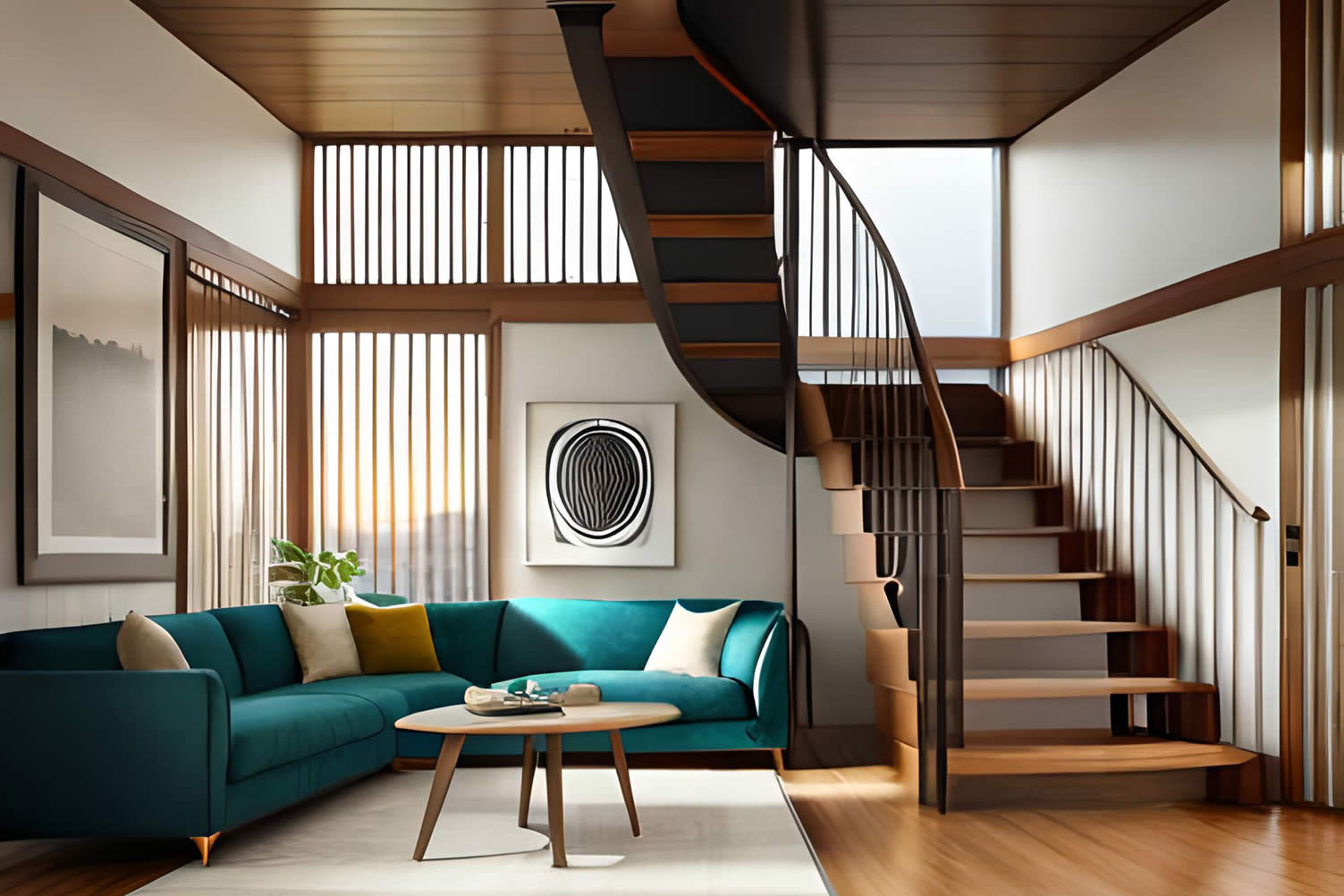
copyright image by 123rf.com
Section 3: Design Tricks and Vertical Lines …
… Bring Height and Elegance to Your Interior
Notes:
-
The use of vertical lines in interior design is key to creating the illusion of more height and elegance in a space. Vertical lines can "raise" the eye and create a feeling of roominess, which makes them an extremely useful design trick.
To take advantage of this technique, you can use vertical lines on walls, furniture, windows, or other decorative elements. For example, placing vertical stripes on the walls creates the illusion of more height and width. Also, vertical lines on wallpaper or curtains can add elegance and drama to an interior.
Using tall cabinets or shelves can also help create a sense of height. Vertical details on furniture, such as high chair backs or tall kitchen cabinets, add dimension and contribute to the illusion of more height.
-
Quik scroll to topic side notes …
-
-
1st: Using Vertical Lines
Emphasizing vertical lines in your interior design can create a sense of height and elegance, enhancing the overall spatial illusion. The visual trick of emphasizing verticality can make your ceilings appear higher simply by using some objects and elements that effectively incorporate vertical lines,
Some examples:
-
Tall, Slender Furniture:
Incorporating tall, slim furniture pieces into your design strategy can significantly enhance the perceived height of a room. Items like bookcases, armoires, and high-legged tables draw the eye upward, creating a powerful vertical line.
These pieces not only offer functional storage solutions but also contribute to the spatial illusion, making a room feel more expansive and elegantly tall.
[ view images: tall slender furniture ideas]
[ view pinterest: decorating with tall furniture]
-
Vertical Stripes on Wallpaper or Curtains:
An effective way to incorporate vertical lines into your design and enhance the sense of height is through the use of vertical stripes on wallpapers or curtains.
Similar to how vertical stripes on clothing can create the illusion of a taller and slimmer figure, vertical stripes in your interior can elongate the walls, making the room appear taller.
They draw the eye upward along the length of the stripe, emphasizing the vertical space. The stripes can be subtle or bold depending on the overall design theme of the room — a timeless, versatile trick to amplify your spatial illusion.
[ view images: vertical striped wallpaper ideas]
[ view pinterest: vertical striped curtains]
-
High Bookcases or Shelves:
High bookcases or shelves are yet another effective method to add visual height. Much like tall furniture, they draw the observer’s eye upward, emphasizing the vertical space in the room.
In addition to their primary function of storage, their towering structure makes the ceiling appear higher than it actually is. The effect can be further enhanced if the shelves are built to reach the ceiling.
This vertical structure acts as a guiding line, encouraging the eye to take in the full height of the room, thereby making the space feel more expansive.
[ view images: high bookcases ideas]
[ view pinterest: high bookshelf around room]
-
Floor-to-Ceiling Windows or Curtains:
Incorporating floor-to-ceiling windows or curtains into your interior design can significantly enhance the perception of vertical space, thereby contributing to the spatial illusion.
This design element creates a seamless visual link between the floor and the ceiling, effectively drawing the eye upward and thus making the room appear taller.
When using curtains, consider choosing those with vertical stripes to boost the effect. As for windows, the larger they are, the more natural light they allow in, which can also make the room feel more spacious.
This design technique serves not only as a source of natural light, but also as an elegant and sophisticated feature that can elevate the overall aesthetic of your space.
[ view images: floor-to-ceiling windows]
[ view pinterest: floor-to-ceiling window curtains]
-
Tall Lamps and Light Fixtures:
Another design trick involves the use of tall lamps and light fixtures. These items pull the gaze upward, emphasizing the vertical space and creating a potent spatial illusion.
A floor lamp with a slim profile can serve as a towering beacon, drawing the eye up and making the room feel taller.
Similarly, hanging light fixtures, such as pendant lights or chandeliers, when suspended at varying heights, can create a dynamic visual flow that navigates the eye from the floor to the ceiling.
The design, color, and style of these lights can also add an element of elegance and sophistication to your room, enhancing the overall aesthetic appeal.
[ view images: tall floor lighting ideas]
[ view pinterest: tiered pendant lighting]
-
Vertical Wall Artwork and Hangings:
Complementing your interior design with vertically oriented wall art or hangings can also strengthen the spatial illusion of height.
Be it a long, narrow painting, a series of photographs arranged vertically, or a tapestry with vertical patterns, these elements can effectively elongate the appearance of your walls.
When placing your wall decor, consider hanging it slightly higher than usual. This strategy guides the viewer’s gaze upwards, contributing to the perception of greater vertical space.
Not only do these vertical design elements enhance the feeling of space, but they also add to the aesthetic appeal and personalization of your room.
[ view images: vertical wall art ideas]
[ view pinterest: vertical wall hanging ideas]
-
Architectural Details:
Integrating certain architectural elements can significantly accentuate the vertical space in a room. Crown moldings, for instance, lend a touch of elegance while drawing the eye upward, creating the illusion of a higher ceiling.
Similarly, vertical board and batten walls can give the room an elongated feel, as they guide the gaze upward.
Implementing tall doorways is another effective technique in creating visual height in a room. By extending the door frame closer to the ceiling, the doorway itself becomes a vertical line that guides the eye upward, enhancing the spatial illusion of greater room height.
Additionally, tall doors contribute an aura of grandeur and elegance to your interior. When paired with vertical details such as long, hanging light fixtures or slender art pieces, tall doorways can dramatically amplify the perception of vertical space while making a strong design statement
[ view images: crown molding ideas]
[ view pinterest: tall doorway interior design]
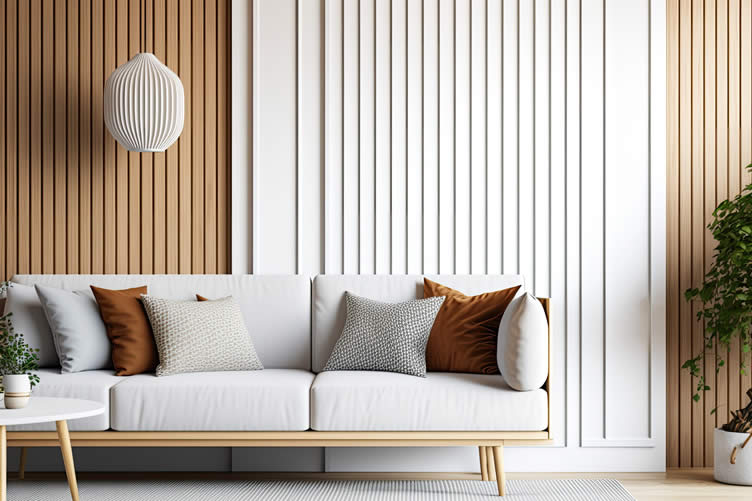
copyright image by 123rf.com
-
-
2nd: Theory of Using Lines in Interior Design
Lines hold a pivotal role in interior design, serving as fundamental building blocks that define space, shape, and form. When used strategically, they can create compelling spatial illusions that transform ordinary spaces into extraordinary visual experiences.
-
Vertical Lines:
Vertical lines possess a remarkable ability to create the illusion of higher ceilings, effectively making a space appear larger and more expansive. This optical trick not only adds a sense of grandeur and elegance to interior design but also enhances the overall aesthetic appeal.
The elongated vertical lines draw the eye upward, imparting a feeling of openness and height, while simultaneously offering a touch of architectural sophistication.
-
Horizontal Lines:
As mentioned earlier, horizontal lines have the remarkable ability to create a sense of depth and breadth, effortlessly transforming a space.
By visually extending and stretching the boundaries, they have the power to make a room appear wider or longer than its actual dimensions.
-
Diagonal Lines:
Diagonal lines, with their angled and slanted nature, have the remarkable ability to create dynamic and visually captivating effects. By introducing a sense of movement and energy into a design, these lines can truly transform the overall aesthetic.
Not only do they add a touch of drama, but they also play a significant role in altering perceptions of space.
-
Curved Lines:
Curved lines, whether subtly incorporated or prominently featured, have the power to introduce a gentle and graceful touch to any design.
By seamlessly blending with the surrounding elements, they can infuse a sense of tranquility and serenity, creating an atmosphere that is not just visually appealing but also soothing to the mind.
These organic contours lend an inviting quality to spaces, evoking a feeling of warmth and comfort. The subtly flowing curves add a dynamic dimension, enhancing the overall aesthetic and captivating the viewer’s attention.
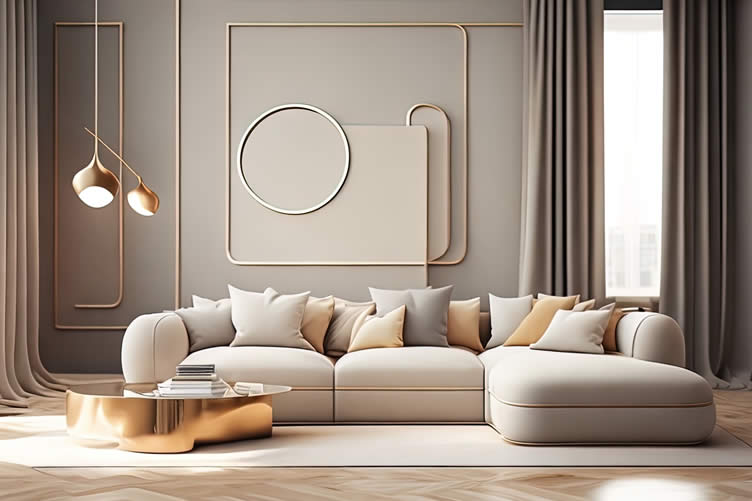
copyright image by 123rf.com
[ view images: lines in interior design]
[ view pinterest: lines in interior design]
-
-
-
ideas to view and compare from the information discussed above
Scroll up to directory … or scroll to next section about creating visual space with design tricks …


interior home design
remodeling decisions

fourth “photo remodeling” idea
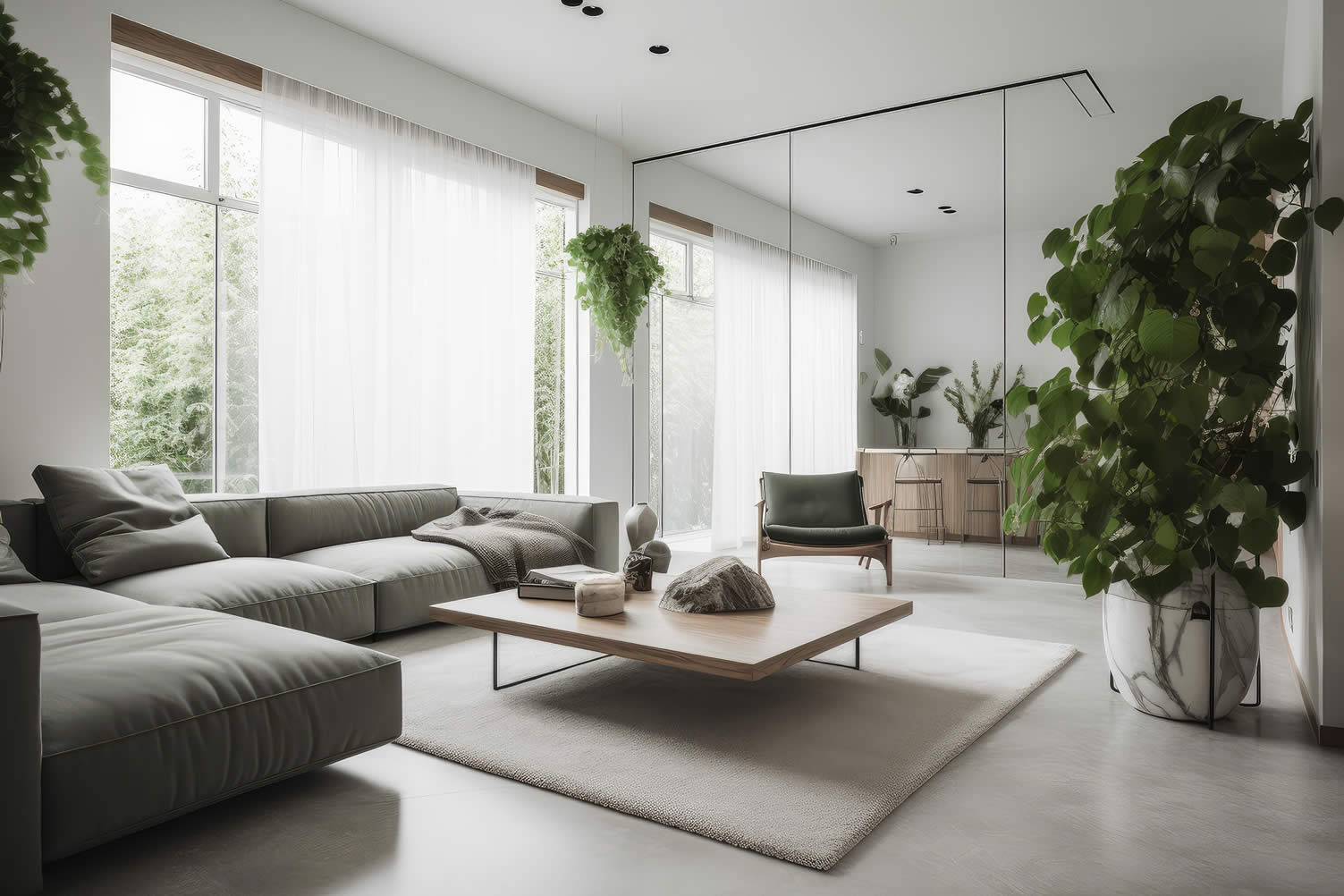
copyright image by 123rf.com
Section 4: Minimalism: Creating Spatial Illusions with Style
Notes:
-
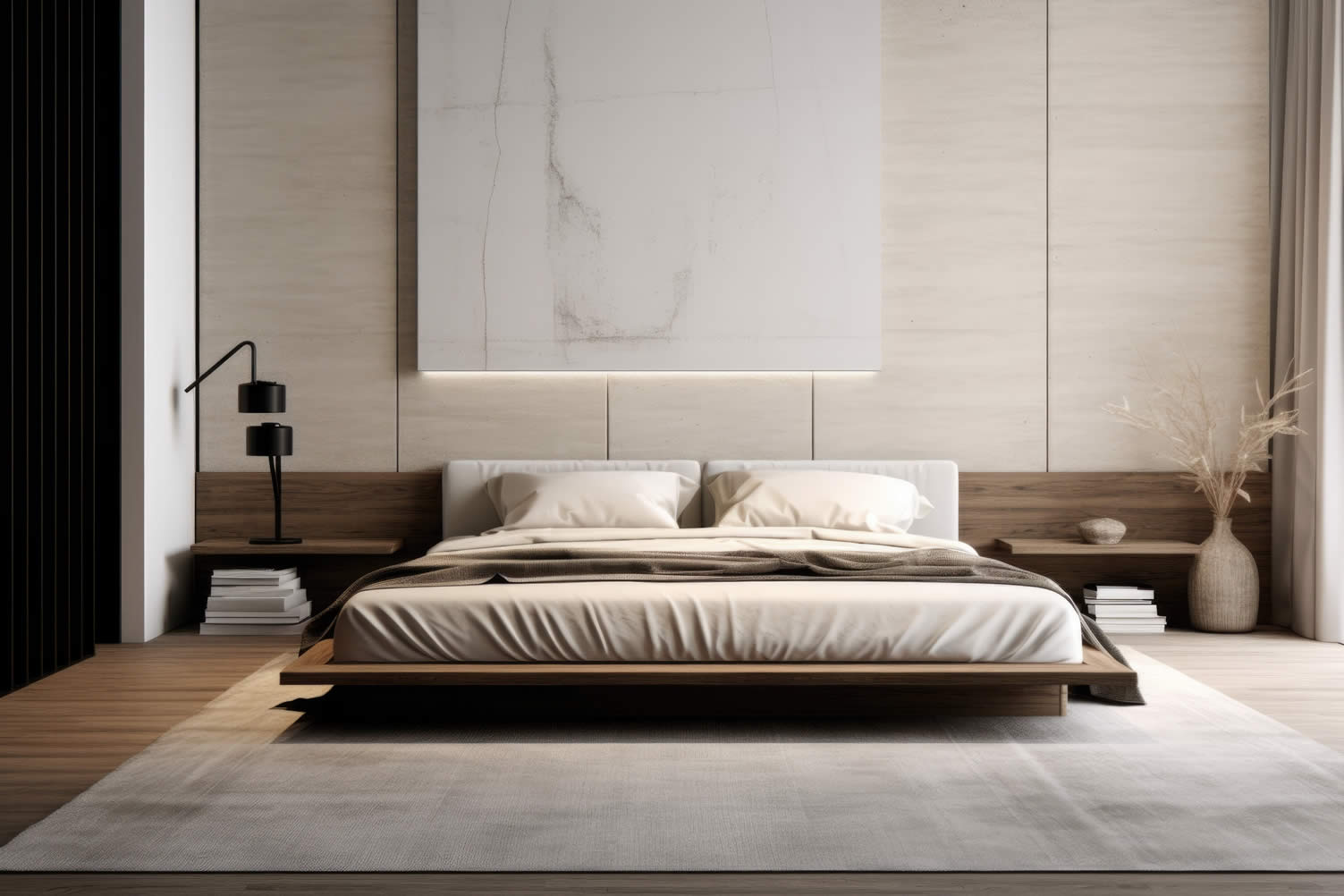
Minimalism in interior design tends towards reduced, spacious, and unencumbered spaces. This style emphasizes minimal furniture, light colors, and simple shapes to create the illusion of a larger space.
Open concepts, absence of clutter, and clear lines create a feeling of spaciousness and balance in the interior. Minimalism makes it easier for natural light to pass through and illuminate the room, making it visually more spacious.
Although minimalism is known for its simple approach, it is precisely this simplicity that creates the illusion of a larger room in which you feel refreshed and free.
Changing your interior style and redecorating to achieve a minimalistic design means you’ll probably have to remove the old furniture, mirrors, or decorations. Still, you don’t have to throw them away – Fairfax Transfer and Storage Northern VA has prepared many useful tips and tricks to pack and store your personal belongings. This way, if you ever want to go back to your old style or start creating something completely new, you will have your own supplies to begin with!
-
Quik scroll to topic side notes …
-
-
1st: How-To Minimalism
The concept of minimalism is a powerful tool in creating spatial illusions. With the notion of “less is more”, minimalism emphasizes simplicity, functionality, and ample open spaces devoid of unnecessary elements. This aesthetic encourages the viewer’s eyes to perceive a sense of extended, seamless space, even within a limited physical area.
Here are some key steps on how to set up and create minimalism for spatial illusions:
-
Declutter the Space:
The first step in creating a minimalist design for spatial illusions is to declutter the space. Get rid of unnecessary items and only keep what is needed. By minimizing the number of objects in a room, you create an illusion of more space.
A tidy, clutter-free area appears larger and more open than a room filled with miscellaneous items. Remember, each piece in the room should serve a functional purpose while also contributing to the overall aesthetic value.
-
Choose a Neutral Palette:
Light, neutral shades such as whites, beiges, or grays can make a space look larger and airier. These colors reflect light, amplifying natural daylight or interior lighting, which can give the illusion of a brighter and more expansive space.
Additionally, a monochromatic color scheme, where varying shades of a single color are used, can enhance the sense of continuity and spaciousness, reducing visual fragmentation. Opt for neutral-colored furnishings and décor to maintain an uncluttered, cohesive look.
-
Use Functional Furniture:
Furniture that serves multiple purposes not only saves space but also maintains the room’s flow, contributing to the illusion of an expansive area.
For instance, a coffee table with hidden storage or a sofa that converts into a bed can reduce the need for additional furniture pieces, leaving the space unobstructed and visually larger.
Also, choosing furniture with a smaller footprint and opting for items that are proportionate to the space will prevent the room from appearing cramped.
Consider furniture with exposed legs, which can create a sense of lightness and openness, further enhancing the spatial illusion.
-
Opt for Open Designs:
Embracing an open layout can significantly enhance the perception of space, facilitating minimalism for spatial illusions. By eliminating walls or dividers, the flow between different functional areas, such as the living room, dining area, and kitchen, can be improved, creating a seamless visual continuity that makes the space appear larger.
You can define distinct areas within the open floor plan using rugs or lighting without compromising the open feel.
Additionally, open shelving units, as opposed to closed cabinets, can provide storage while maintaining the sense of openness. They allow light to penetrate through, reducing visual obstruction and contributing to the illusion of a more spacious environment.
-
Harness the Power of Lighting:
Proper use of lighting is a key tool in creating spatial illusions with minimalism. Natural light, especially, can make a space feel larger and more open. Wherever possible, ensure that windows are unobstructed to allow maximum natural light to flood the room.
For spaces with limited natural light, employ strategic artificial lighting. Recessed and pendant lighting can illuminate a room without taking up floor or wall space.
Using multiple light sources around the room can avoid shadows that could make the space look smaller.
-
Experiment with Scale and Proportion:
Incorporating larger-scale pieces in a room, contrary to what one might expect, can make a space feel grander. A large statement piece, such as a wall painting or a sculptural furniture item, can distract the eye and make the room feel more expansive.
However, it’s essential to maintain a balance and not overcrowd the space with too many large pieces.
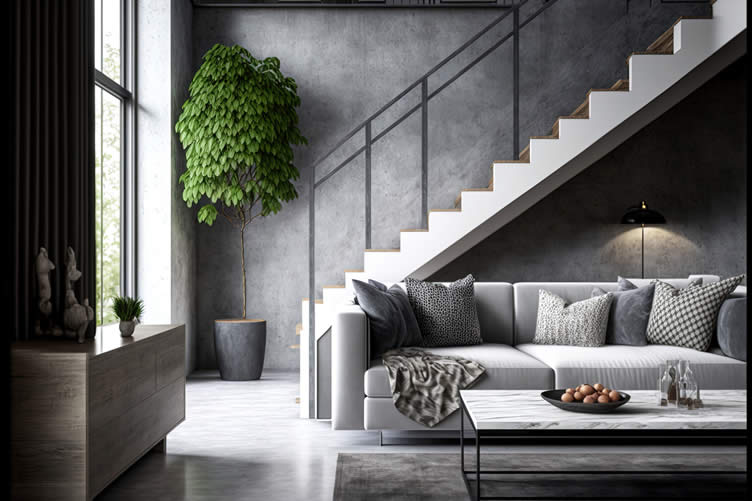
copyright image by 123rf.com
Hallway Paint Colors
google imagesReds view ideas Oranges view ideas Yellows view ideas Greens view ideas Blues view ideas Purples view ideas Browns view ideas Grays view ideas Tans view ideas Whites view ideas Paint Finishes
google images -
-
2nd: The Benefits of Minimalism
The benefits of a minimalist environment are multi-fold and extend into all areas of daily living. At its core, minimalism engenders a sense of freedom and clarity. By decluttering one’s surroundings, one can not only achieve a visually pleasing environment but also make room for what truly matters: experiences, relationships, and personal growth.
-
For Mental Clarity
The absence of clutter minimizes distractions, promoting mental clarity and improved focus. A minimalist environment resonates with tranquility and order, indirectly influencing an individual’s emotional wellbeing.
The neutral palette commonly associated with minimalism supports this calming effect, with colors such as whites, grays, and beiges known to evoke feelings of relaxation and serenity. By opting for a minimalist design, individuals can create a space that not only appears larger but also nurtures a positive mental state.
-
For Increased Productivity
The minimalist design philosophy also has notable implications for productivity. By embracing the principles of minimalism, we can cultivate an environment that supports efficiency and effectiveness. The absence of unnecessary clutter removes potential distractions, allowing for a sharper focus on the task at hand.
Similarly, the use of functional furniture ensures that every item within the space has a purpose, reinforcing the principle of intentionality. This can translate into our work habits, promoting a more purposeful and deliberate approach to tasks.
Moreover, the calming effects of a neutral palette can reduce stress, further enhancing concentration and productivity.
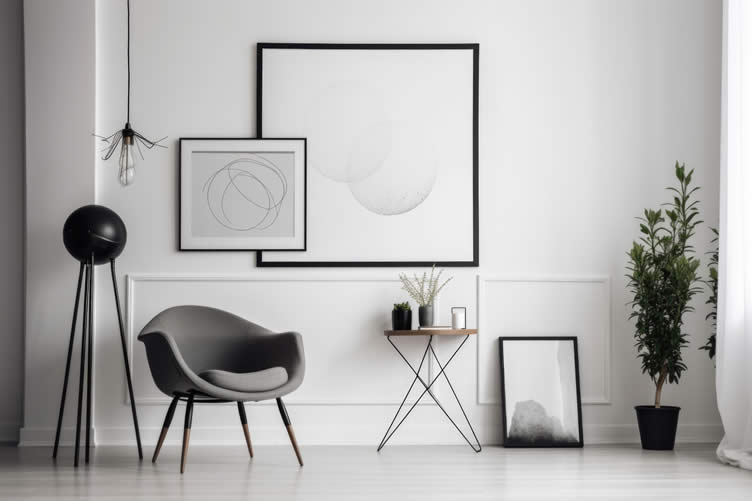
copyright image by 123rf.com
-
-
-
ideas to view and compare from the information discussed above
functional furniturerecessed lightingminimalist storage bins
Scroll up to directory … or scroll to next section about creating visual space with design tricks …

below for …
professional designers
Find Interior Design Services Decorators Interior Designers Furniture Painting & Staining top-rated, pre-screened local contractors FREE: download contractor selection enter zip code – powered by HomeAdvisor ™
Quick Contractor Guides selecting negotiating working with inspecting

fifth and last “photo remodeling” idea

copyright image by 123rf.com
Section 5: Playing With Contrasts For Depth and Visual Variety
Notes:
-
Using contrast in interior design is a powerful tool for creating dynamic depth and highlighting key elements. Contrast is achieved by using different colors, textures, materials, or shapes that differ from each other.
Here are some examples of how contrast can be used to achieve the illusion of space:
-
Depth Perception:
By skillfully incorporating a thoughtful combination of contrasting colors and carefully selected materials, designers have the power to accentuate or soften architectural features, ultimately creating a captivating illusion of depth and space.
This deliberate interplay between hues and textures not only enhances the visual appeal of a space but also adds a touch of sophistication and intrigue to the overall design.
-
Visual Interest:
By incorporating contrasting elements into the room, such as pairing bold colors with neutral tones or mixing different textures, you can create an intriguing visual composition that captivates the eye. For example, white walls and dark furniture create visual interest and add depth to the space.
This interplay of contrasting elements not only adds depth and dimension to the space but also fosters a dynamic and engaging atmosphere that truly stands out.
So, don’t be afraid to experiment and embrace the power of contrast to transform your room into a captivating and visually stimulating experience. Choosing the right colors for your interior has a crucial impact on the overall impression of the room.
-
Highlighting Features:
Using well-distributed light and dark surfaces in an interior can create depth and drama. For instance, by juxtaposing light and dark colors, or mixing materials with different textures, you can draw attention to a captivating piece of art or showcase a unique and eye-catching furniture item.
These deliberate contrasts not only add depth and personality to the space but also create a dynamic and engaging ambiance that captures the viewer’s attention.
-
Creating Balance:
A well-placed contrast, such as a bold color or striking pattern, can effectively balance a space and prevent it from feeling too monotonous or overwhelming. By introducing elements that juxtapose and create visual interest, the overall design becomes more dynamic and engaging, capturing the attention of those who enter the space.
Whether it’s through the use of contrasting textures, materials, or styles, this thoughtful approach to design adds depth and character, elevating the overall aesthetic and creating a harmonious environment.
-
Spatial Perception:
By strategically employing contrasting light and dark colors, it is possible to create an illusion of spaciousness or coziness in a room, depending on the desired effect. The interplay between these colors can visually expand or contract the perceived size of the space, resulting in a more dynamic and immersive environment.
Whether it’s the vibrant warmth of dark hues or the airy brightness of light tones, the careful selection and juxtaposition of colors can greatly influence the overall ambiance and perception of space within a room.
-
Contrast of Shapes:
The juxtaposition of curved shapes with angular ones adds variety and interest, breaking up the monotony and influencing the perception of space. For instance, an angular, rectangular couch could be complemented by a round coffee table, creating a pleasing contrast and adding visual depth.
This interplay of shapes can also guide the viewer’s eyes through the room, giving an impression of a larger and more dynamic space. This concept of playing with shape contrasts can be extended to architectural features, artwork, and even the layout of the room, offering infinite possibilities for designing an engaging and spatially intriguing environment.
-
-
Quik scroll to topic side notes …
-
-
Finding Interior Designers for Help!
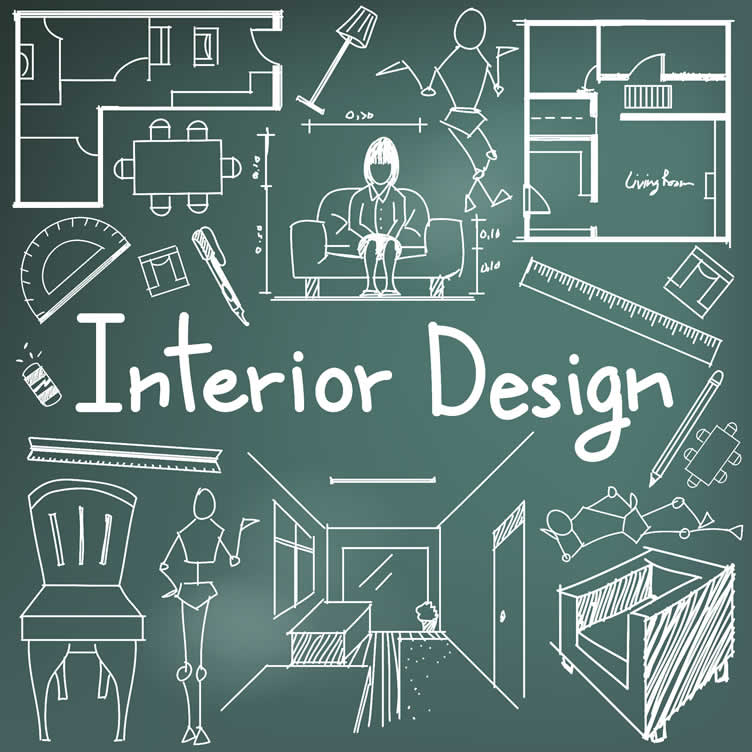
An interior designer’s expertise is often crucial in effectively creating visual space through spatial illusions. They possess a nuanced understanding of design principles, color theory, and human psychology, equipping them to sculpt spaces that are both functional and aesthetically pleasing. Their knowledge enables them to manipulate contrasts for depth and visual variety, thereby transforming the mundane into the extraordinary.
Finding a competent interior designer involves research and considerations. Individuals seeking to hire such professionals should consider the following steps:
- Define Your Style:
Before beginning the search, it’s critical to have a clear understanding of your preferred style. This will help you find a designer whose style aligns with yours. - Research:
Use online platforms, design magazines, and word-of-mouth recommendations to find potential designers. Review their portfolios to see if their work resonates with your style. - Budget:
Set a clear budget for your project. Discuss this upfront with potential designers to ensure your expectations align. - Meet and Interview:
Schedule a meeting with potential designers to discuss your project, gauge their ideas, and get a sense of their work ethic and personality. - Check References:
Talk to previous clients to get a thorough understanding of the designer’s reliability, professionalism, and effectiveness.
Through careful selection, an interior designer can work wonders, altering perceptions of space and crafting environments that are both inviting and inspiring.
LetsRenovate has partnered with HomeAdvisor™, a renowned provider of highly-rated, carefully-vetted local contractors. Start your search here by choosing the type of services you need and entering your zip code to find local professionals.
copyright image by AI generated 123rf.com
One More Item!
Download first this contractor search and evaluation worksheet to rank and evaluate interior design contractors as it relates to price, experience, time commitment, insurance, references, and their affiliation with professional design associations.
Use this evaluation and the interior room spec sheet to develop the style and designs noted above.

Evaluation Sheet
File Type:
Spec Plan
File Type: - Define Your Style:
-
-
FINAL REMARKS
In conclusion, spatial illusions are a powerful tool in interior design that enables the transformation of visual space through clever design tricks. These tricks allow you to create an attractive, functional, and aesthetically pleasing interior.
Exploring and creatively experimenting with spatial illusions opens the door to endless possibilities for designing your space. So, let your imagination and understanding of these design tricks lead you toward creating a visually spacious and harmonious interior.
-
ideas to view and compare from the information discussed above
- What comments can you share about
creating visual space with design tricks?
Scroll up to directory … or scroll to more exterior home topics…

view illustration “becoming a bank”
Cover image credit: creating visual space with design tricks by 123rf.com
end of post … please share it!
 |
did you find this creating visual space with design tricks helpful? If so, please share the article with your friends and family! |
Nice pic idea? Leave us a quick comment below.
And please share this pic idea within your social networks.