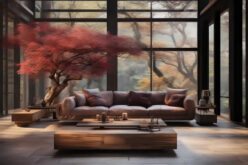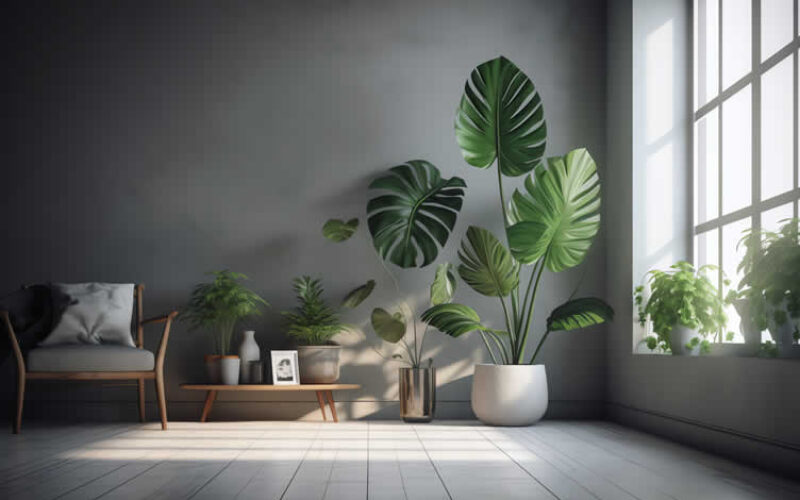
first “ways to display houseplants” idea
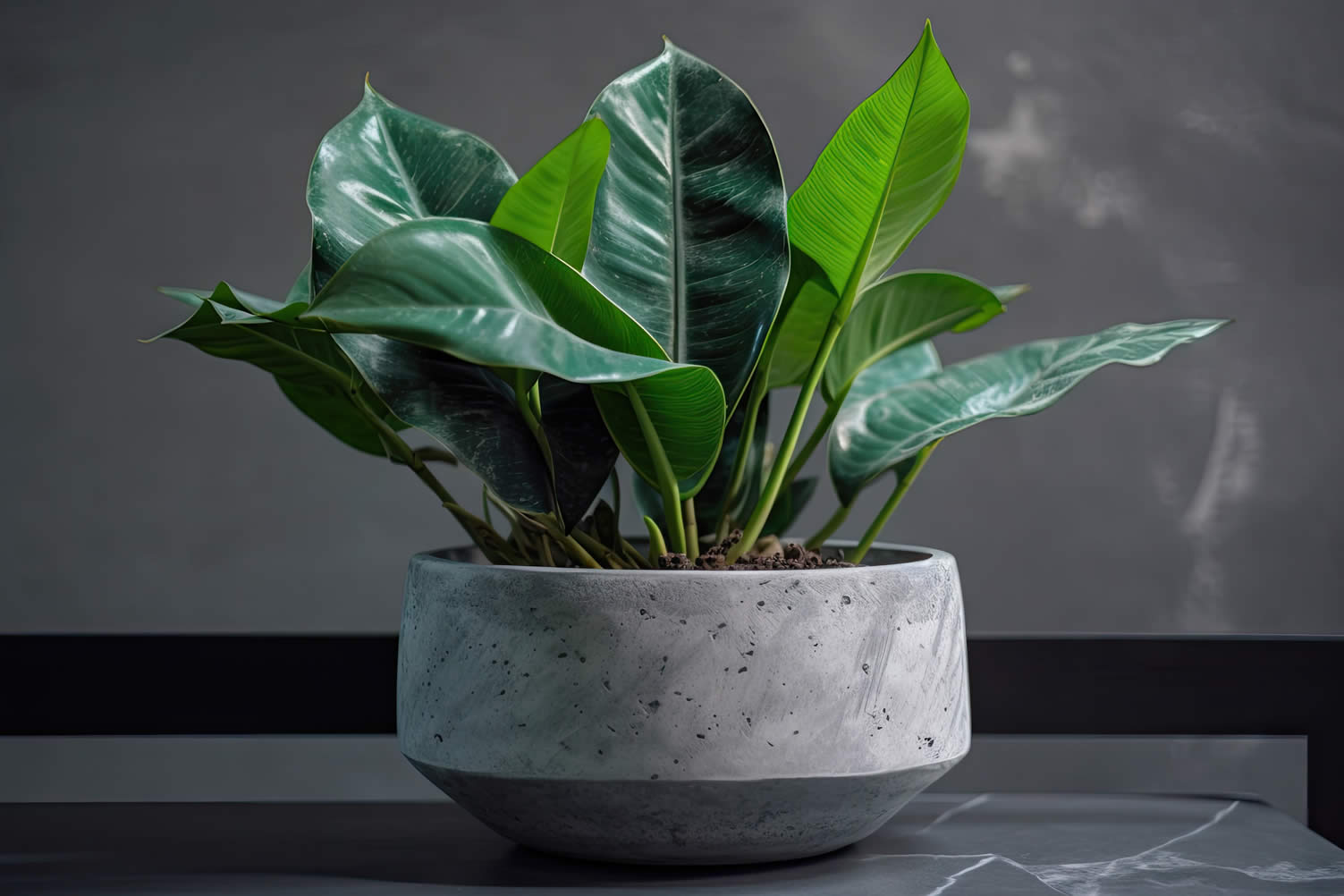

copyright image by 123rf.com
Using Houseplants in Interior Design
Summary Outline:
The incorporation of houseplants in interior design can significantly elevate a space, creating a vibrant and lively atmosphere. Houseplant display isn’t just about placing the pot in the corner; it’s an art that intertwines nature with aesthetics. You can exhibit houseplants in various creative ways that add to the room’s architectural aspects, color scheme, and overall ambiance.
Houseplant interior design operates on the concept of blending natural elements with man-made structures. It involves interspersing your living or working space with greenery, transforming it into a tranquil oasis that promotes relaxation and productivity.
The houseplants can be displayed on shelves, used as a centerpiece, hung from the ceiling, or even placed in non-traditional spaces like bathrooms and kitchens.
In essence, houseplant interior design isn’t just a trend, but a lifestyle that reflects a deeper appreciation for nature and its calming effects. By finding creative ways to display houseplants, you bring the outdoors in, resulting in an interior.
Ways to Display Houseplants
There are numerous creative ways to display houseplants that can seamlessly blend with your interior design concept.
Hanging pots, for instance, are a great way to utilize vertical space, particularly in smaller rooms. Large, floor-standing plants can serve as focal points in living rooms or hallways.
Alternatively, smaller plants can add charm to window sills, shelves, or desks. Another innovative approach is the use of plant walls, which can act as a living piece of art, adding depth and texture to a room.
Remember, the key to successfully incorporating houseplants in your interior design is to consider the needs of the plant about the conditions of the room. Different plants require varying amounts of light, humidity, and temperature, and their placement in your home should reflect these needs.
-
- —— begin first topic ——
-
1st: Using Plant Shelves for Displaying Houseplants:
One of the most effective ways to display houseplants is by using plant shelves. This method not only optimizes your interior space but also adds an aesthetic element to your home decor.
Plant shelves come in various designs, from hanging shelves to freestanding structures, allowing you to choose the one that best fits your style and space.
-
Positioning the Plant Shelf
Positioning is key when it comes to displaying houseplants on shelves. Ensure the shelf is located near a light source, as most plants require plenty of natural light. However, avoid direct sunlight as it can damage the leaves of some houseplants.
A north or east-facing window is usually ideal. If natural light is scarce, you can also consider using grow lights.
-
Types of Plant Shelves
There’s a wide variety of plant shelves available on the market. Wall-mounted shelves are a great option for homes with limited space. They also allow for a minimalist aesthetic.
Ladder-style or tiered shelves offer more space for larger plant collections while hanging shelves can create a beautiful cascade of foliage. Choose a shelf that matches your home’s decor and can accommodate the specific needs of your houseplants.
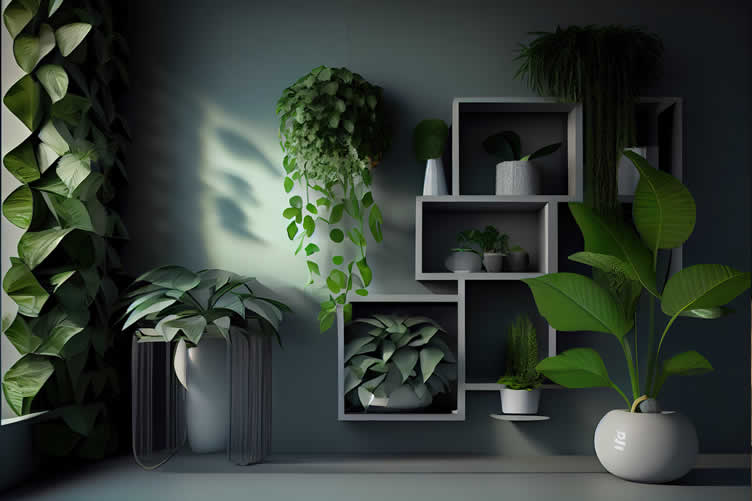
copyright image by 123rf.com

-
-
2nd: Using Plant Stands:
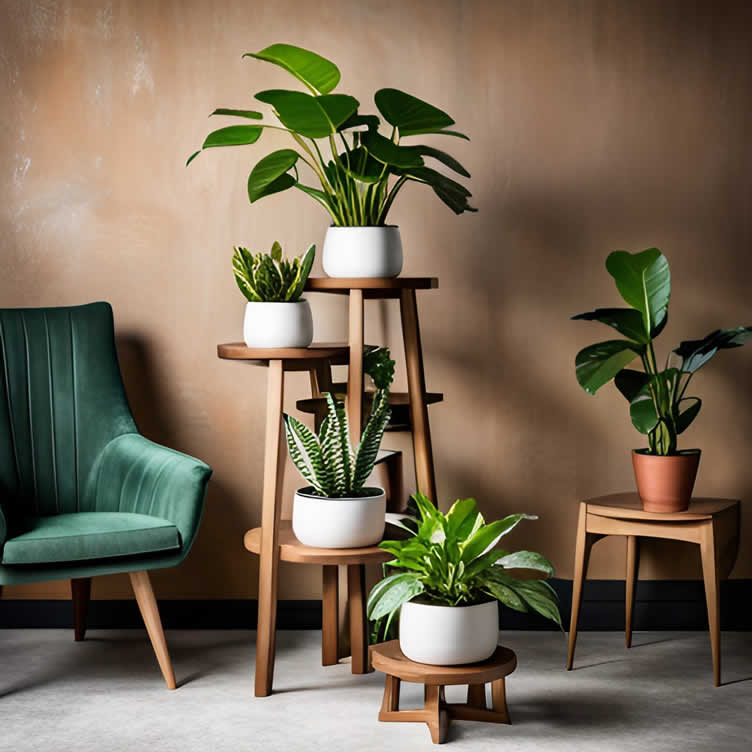
Plant stands are a fantastic and stylish way to display houseplants in your home. They not only offer a means to elevate your plants, allowing for better light exposure but also add a touch of aesthetic appeal to your interior design.
When displaying your plant stand, consider the amount of light each plant needs. Place your stand near a sunlit window if your plants require a lot of light, or in a shadier corner for those preferring indirect light. Another key consideration is the accessibility for watering and caring for your plants.
-
Decorating With Plant Stands
When decorating your houseplant stand, it’s important to remember that diversity is key. Incorporating plants of various heights, leaf shapes, and colors can create an appealing visual dynamic.
You might also consider adding decorative items like fairy lights or small figurines interspersed between the plants for an extra touch of personality. Most importantly, ensure the setup complements the overall interior design of your home.
-
Types of Plant Stands
There is a wide range of plant stands available, each suited to different styles and spaces. Pedestal stands are perfect for showcasing a single plant, while tiered stands can display a collection of plants, creating a green, lush corner.
If you’re short on floor space, consider wall-mounted stands or hanging planters. These can turn your walls into a vibrant, vertical garden.
copyright image by created AI generator
-
-
3rd: Using Plant Ladders
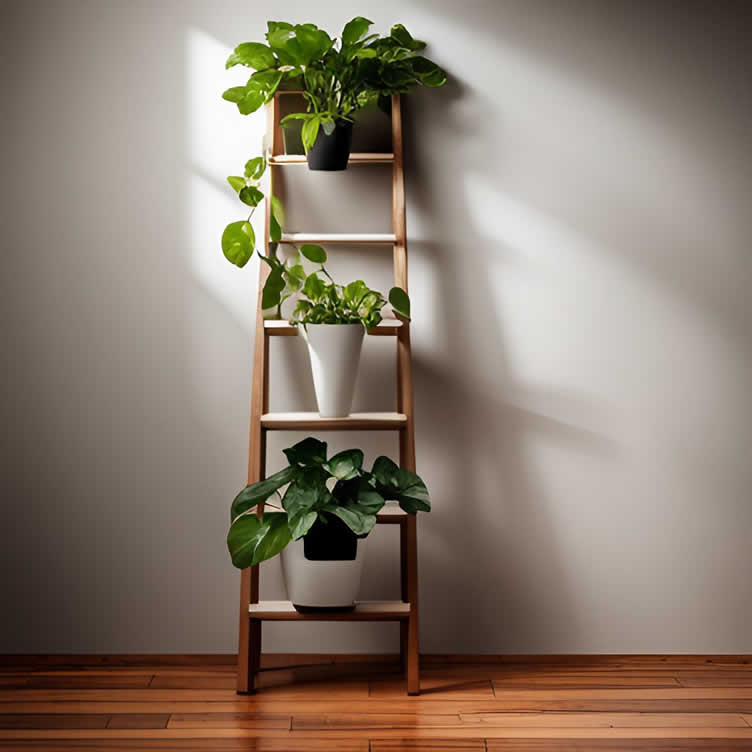
Plant ladders, also known as plant steps, offer another unique and creative solution for displaying houseplants. These tiered structures provide ample space for an assortment of plants, enabling you to create your mini indoor garden.
This is especially beneficial for plants that require different light levels, as you can arrange them accordingly on the various steps of the ladder.
-
Decorating With Plant Ladders
To decorate your plant ladder, consider the color and design of the ladder, as well as the pots you’ll be using. A mismatched collection of pots can add an eclectic touch while matching pots provide a more streamlined look.
Remember that the ladder itself can contribute to your home’s aesthetic, so choose one that blends well with your existing decor.
A useful tip when decorating houseplant ladders is to consider varying the size, color, and texture of the plants you choose. Having a variety of plants can help create an interesting and dynamic display.
For instance, you could place larger, leafier plants on the lower steps and smaller, delicate plants on the top steps. Mixing and matching different types of plants will add depth and visual interest to your ladder display.
-
Types of Plant Ladders
Plant ladders come in a variety of styles, materials, and sizes. Wooden ladders provide a rustic, natural look and are ideal for displaying a mix of greenery and flowering plants.
Metal ladders, on the other hand, offer a sleek, modern aesthetic and are perfect for minimalist or industrial-style interiors. Consider the height and number of steps when choosing a ladder, as this will dictate the number and size of plants you can display.
copyright image by created AI generator
-
-
4th: Plant Hanging Baskets
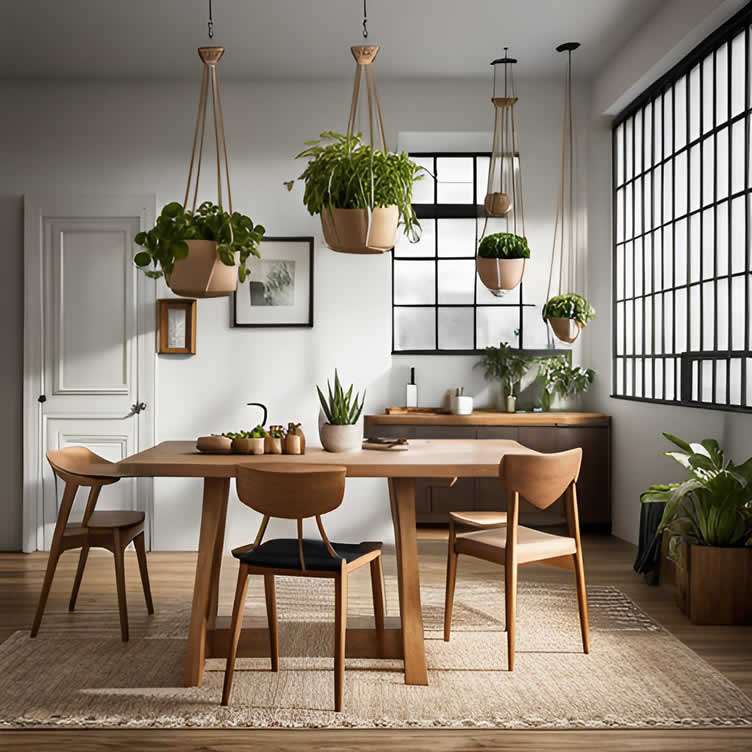
Plant hanging baskets provide an incredible opportunity to bring a touch of nature to your living space, while also maximizing the use of vertical space. Elegant and versatile, these hanging planters can accommodate a variety of houseplants, adding an eye-catching element to your interior decor.
Hanging baskets are particularly beneficial for trailing plants, which can cascade down beautifully, adding a whimsical charm to your room.
-
How to Mount a Hanging Basket
Mounting a hanging basket is a straightforward process. Identify a suitable location in your room that receives the appropriate amount of light for your chosen plant.
Ensure the mount is securely attached to a sturdy part of your ceiling or wall capable of supporting the weight of a fully watered plant. Using a drill, secure the mount with screws, and then hang the basket using a strong hook or chain.
Always remember to check the weight capacity of your hanging solution to avoid any mishaps.
-
Types of Hanging Baskets
Hanging baskets are available in a wide array of materials, each offering a unique aesthetic. Woven baskets made from natural materials like rattan or seagrass impart a Bohemian and earthy vibe, while ceramic or metal baskets lean towards a more contemporary aesthetic.
Glass terrarium-style baskets can also make a quirky and modern statement. Consider the style of your room and your plant’s needs when selecting the best hanging basket for your houseplant display.
copyright image by created AI generator
-
-
5th: Using Plant Cubes
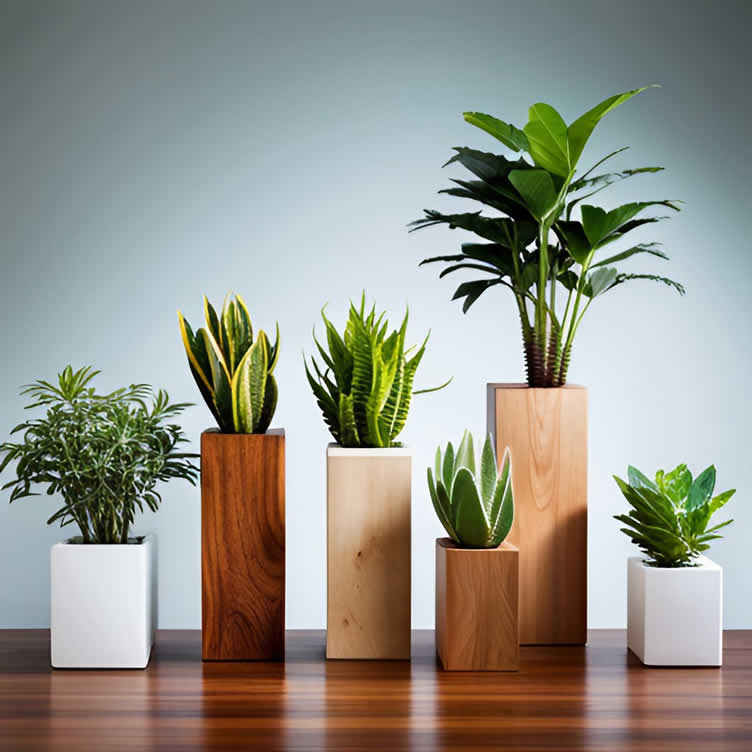
Plant cubes offer a unique and modern way to display your houseplants. Characterized by their geometric design, these cubes can accommodate a variety of plant sizes, making them a versatile choice for any interior plant display.
They seamlessly blend form and function, serving as both a plant pot and a decorative piece. Plant cubes are often made of materials such as wood, metal, or glass, each contributing a distinct aesthetic to your home decor.
-
Decorating Your Plant Cube
Decorating your plant cube can be a creative and fun endeavor. You can paint the cube in colors that complement your home decor, or maintain the natural look to create a rustic feel.
If your cube is made of glass, consider adding layers of pebbles, moss, and soil to create a mini terrarium. You can also use accessories like fairy lights or mini figurines to add personal touches. Just remember to ensure that any decorations you choose do not hinder the plant’s growth or maintenance.
-
Types of Houseplant Cubes
When it comes to houseplant cubes, there is a variety to choose from. Wooden cubes bring a warm and natural element to your space and are great for plants that prefer dry conditions.
Metallic cubes, on the other hand, offer a sleek and modern aesthetic, perfect for contemporary interiors. Glass cubes are perfect for creating miniature greenhouses or terrariums, offering a clear view of your plant and its root system.
When selecting a cube, take into account your plant’s specific needs, as well as the style and color scheme of your room.
copyright image by created AI generator
-
-
6th: Using Plant Terrariums
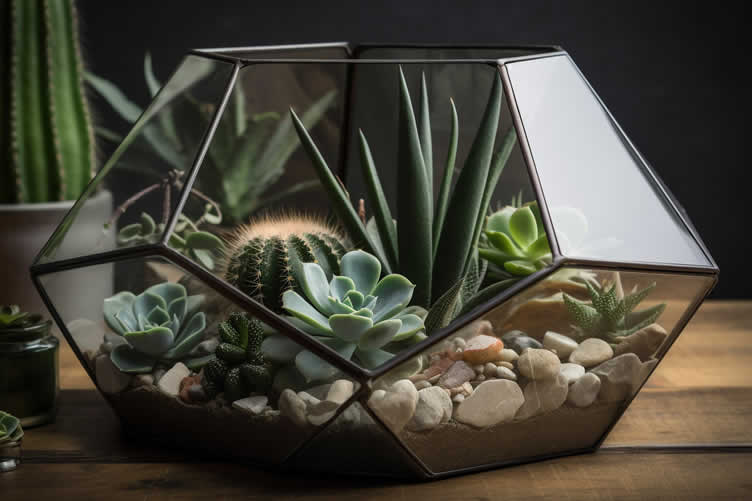
Plant terrariums are a unique and captivating way to display your houseplants. These mini-greenhouses, often made of glass or plastic, not only protect your plants but also create a visually appealing display. They allow you to create a small ecosystem for your plants, which can be particularly beneficial for humidity-loving plants.
Terrariums come in closed and open designs. Closed terrariums maintain a high level of humidity and are ideal for tropical plants. Open terrariums are suitable for plants that prefer less humidity, like succulents and cacti.
-
Decorating Your Terrarium
Decorating your terrarium is an opportunity to express your creativity. Start with a layer of pebbles or gravel for drainage, followed by a layer of activated charcoal to keep the terrarium fresh, and then add a layer of potting soil.
Now it’s time to arrange your plants. You can keep it simple with one type of plant, or create a mini landscape with a variety of small plants.
Add decorative elements like small stones, figurines, or moss to enhance the aesthetic. Remember, the goal is to create a beautiful habitat that is also functional for your plants.
-
Types of Houseplant Terrariums
Terrariums come in a variety of shapes and sizes, from simple glass jars to elaborate geometric structures. Glass cloche terrariums, with their bell-shaped cover, have a classic and elegant look.
Geometric terrariums add a contemporary touch to your interior decor. Hanging terrariums can be a space-saving solution and add a whimsical touch to your space.
Wardian cases, named after their inventor Dr. Nathaniel Bagshaw Ward, are small, enclosed glass structures that are perfect for growing ferns and other humidity-loving plants. Each type of terrarium offers a unique way to display your houseplants and enhance your interior decor.
copyright image by created AI generator
View Houseplant Terrariums
google imagesopen terrarium view samples closed terrarium view samples hanging terrarium view samples tray terrarium view samples bio-active terrarium view samples vivariums view samples -
-
7th: Using Styling Techniques
Embracing natural elements in your interior design not only adds a touch of innate beauty but also brings a sense of serenity to your living space. Houseplants, with their diverse shapes, colors, and sizes, are excellent choices for infusing nature into your home.
-
Unique Ways to Display Houseplants
When considering ways to display houseplants, think beyond the traditional flowerpot on the windowsill.
Hanging plants from the ceiling or wall mounts can create a cascading waterfall effect, bringing an element of drama to your decor. Alternatively, using re-purposed driftwood as a plant stand can add a rustic charm to your space.
Whether you’re looking for a simple solution or an elaborate display, don’t be afraid to experiment with different arrangements and colors until you find the look that speaks to your personal style.
With a bit of creativity and careful consideration, you can create a stunning houseplant display that’s sure to make any home shine!
-
Integrating Houseplants Into Your Interior Design
Remember, houseplants can be more than just an accent piece. A large, lush plant can serve as a focal point in a room, drawing the eye and setting the tone for the rest of your interior design.
Small plants, on the other hand, can be used to fill empty spaces or add a touch of green to a neutral color palette. With a bit of creativity, houseplants can become an integral part of your interior design.
So why not try bringing a bit of nature into your life with these simple ideas for displaying houseplants in your home? After all, it’s the little details that can truly make a space feel like home.
-
Houseplant Grouping
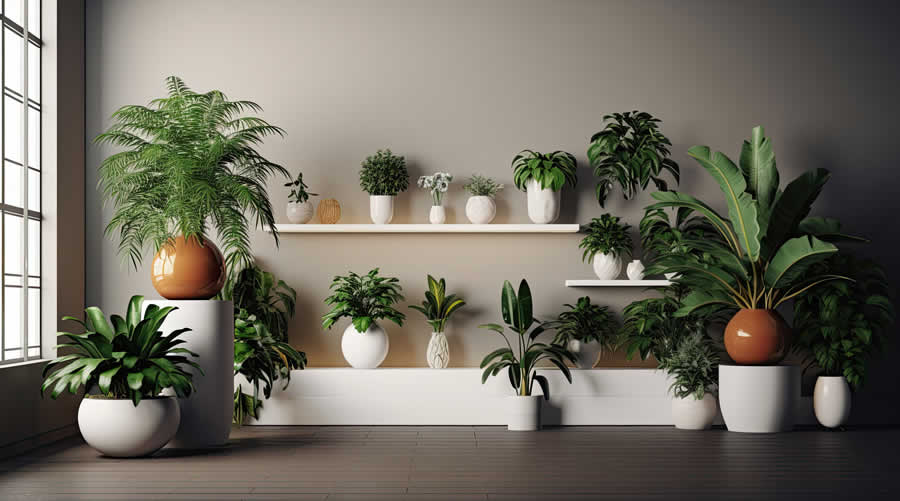
Grouping houseplants can also create an eye-catching effect, allowing for a larger, more impactful display. When it comes to arranging plants in groups, you have several alternatives: Symmetrical layouts or asymmetrical displays with different heights and colors are both stylish options.
You might even consider combining various textures and sizes for a unique visual combination. Keep in mind that the size, shape and texture of your plants will help you determine the best grouping arrangement.
-
Proper Care
No matter what way you choose to display houseplants, make sure that they get enough light and water to thrive. Consider the amount of sunlight a particular spot receives throughout the day – some plants may need more or less depending on their needs.
Also, be mindful of water requirements and adjust your watering routine according to each plant’s needs. With the right care, houseplants can add a beautiful touch to any interior while also boosting air quality and providing multiple health benefits.
Whether you prefer minimalist design or lush greenery, there’s no shortage of ways to make your home a more inviting and stylish space with houseplants.
copyright image by 123rf.com
View Houseplant Display Styles
google imagesclassical display view samples modern display view samples coastal display view samples bohemian display view samples industrial display view samples farmhouse display view samples rustic display view samples scandinavian display view samples minimalist display view samples Room-by-Room Ideas
google imagesin living room view samples in kitchen view samples in home office view samples in bathroom view samples in bedroom view samples in attic view samples in sunroom view samples -
-
Conclusion:
Remember, when it comes to displaying houseplants, there are no hard and fast rules – use your imagination and have fun with it!
- From wall-mount shelves and hanging planters to bookshelf accents and tabletop displays, there are plenty of creative solutions for adding houseplants to your home.
- With a few simple tips, you’ll be able to create an inviting interior space that celebrates the beauty of nature.
-
Quik scroll to more home decor ideas …

-
ideas to view and compare from the photo above
- What comments can you share about
ways to display houseplants?
 … grab this directory of ideas
home interior design



remodeling decisions

below for …
decorating with houseplants
Find Interior Design Services Decorators Interior Designers Furniture Painting & Staining top-rated, pre-screened local contractors FREE: download contractor selection enter zip code – powered by HomeAdvisor ™
Quick Contractor Guides selecting negotiating working with inspecting

Cover image credit: ways to display houseplants
end of post … please share it!

Nice pic idea? Leave us a quick comment below.
And please share this pic idea within your social networks.