Summary Outline –
In the world of home decor, there’s a fluidity to the space that can be accentuated by its connection to the natural world. Bringing the outdoors in is a popular trend known for its calming and tranquil effects.
One unique way to add a natural touch to your living habitat is through flower path decoration – a dynamic and cost-effective method that weaves the vibrant beauty of flowers into the fabric of your home environment.
While achieving this may seem challenging without expertise in floral arrangement and home decor basics, fresh flower arrangements can quickly enhance any area of your home, enchanting your loved ones and guests.
Summary of Site Content
1st Floral Tip: [view tip]
… we begin by exploring the numerous advantages of incorporating floral arrangements into your home’s interior decor.
2nd Floral Tip: [view tip]
… after discussing the benefits, let’s move into the next section: selecting the perfect flowers for your floral arrangement. Options include traditional cut flower displays, flowering potted plants, and aquatic species, providing a variety of choices for your arrangement.
3rd Floral Tip: [view tip]
… moving onto the next section, we get into the core of the post’s topic, discussing how to design your flower arrangement path by considering layout, symmetry, color coordination, height, and the different floral arrangement styles.
4th Floral Tip: [view tip]
… the fourth section focuses on beautifying the flower path by selecting flowers that complement your design theme. This includes using a variety of vases, decorative elements, as well as incorporating silk flowers and LED flower arrangements.
5th Floral Tip: [view tip]
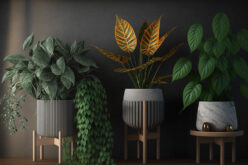
… don’t overlook the inclusion of houseplants in your floral arrangement and pathway. The fifth section explains the role houseplants play in designing your flower path.
6th Floral Tip: [view tip]
… the last section covers the care and maintenance of floral arrangements, offering advice on prolonging the lifespan of cut flowers and caring for potted flowers and houseplants.
This post is for the home decor enthusiasts, DIY aficionados, and nature lovers who are looking to transform their living space into a sanctuary with a touch of natural elegance.
We will explore how you can create a flower path that harmoniously integrates into your home, adding not just aesthetic value but also a sense of peace and well-being.
If you’re in Toronto and looking for inspiration or need fresh blooms delivered to your doorstep, flower delivery in Toronto could be an excellent option to explore.
- post content
- Floral Tip 1: Benefits of Adding Flowers to Home Decor
- Floral Tip 2: Choosing the Right Flowers and Plants
- Floral Tip 3: Designing Your Flower Arrangement Path
- Floral Tip 4: Tips to Beautify Your Home
- Floral Tip 5: Integrating Houseplants with Interior Floral Arrangements
- Floral Tip 6: Maintenance Tips for Cut Flowers and Potted Plants

-
Quick scroll to first topic about flower path decoration …

first “flower path decoration” idea

copyright image by 123rf.com
Floral Tip 1: Benefits of Adding Flowers to Home Decor
Notes:
-
The use of flowers in your home’s décor has many advantages. First of all, flowers instantly liven up a space by adding color and brightness. Because of their natural beauty, your home has a more serene ambiance because it evokes feelings of freshness and quiet. Some flowers also have nice aromas that naturally purify the air and eliminate odors.
In addition to being beautiful, flowers also have psychological benefits. Floral arrangements have been demonstrated in studies to improve mood, lower stress levels, and boost output. For both residents and visitors, they arouse pleasant feelings and foster a friendly atmosphere.
-
Quick scroll to “floral display benefits” side notes …
-
-
1st: Detailed Benefits Overview
Let’s explore the multitude of advantages that come with incorporating flowers into our lives. From brightening up a room with vibrant colors to boosting mood and reducing stress, flowers have a way of bringing joy and beauty to any environment.
Additionally, they can symbolize emotions, express love, and create a welcoming atmosphere. So, next time you consider adding flowers, remember the endless benefits they offer beyond just aesthetics.
-
Enhancing Air Quality
One often overlooked benefit of integrating flowers into home decor is their ability to enhance indoor air quality. Many flower species, such as peace lilies, gerberas, and chrysanthemums, have been recognized for their air-purifying properties, which can absorb pollutants and toxins from the environment.
By introducing these flowers into your living spaces, you not only beautify the area but also create a healthier living environment. This natural purification process can lead to improved concentration, better sleep quality, and a general uplift in well-being for all home dwellers.
-
Elevating Mental Well-being
The presence of flowers in the home can significantly elevate mental well-being. The vibrant colors and natural patterns of flowers are known to stimulate the senses, leading to increased serotonin levels – often referred to as the happiness hormone. T
his biochemical process can decrease feelings of anxiety and depression, promoting a more positive outlook on life. Furthermore, the act of caring for plants and flowers encourages mindfulness and can be a meditative practice, helping individuals to find calmness and balance in their daily routines.
-
Adding Color and Vibrancy
Incorporating flowers into your home décor not only enhances the aesthetic appeal but also brings vibrant colors and textures into your living spaces. Different hues can influence mood and ambiance, with bright colors like yellow and orange fostering a sense of happiness and energy, while softer shades such as lavender and pale pink promote relaxation and peace.
Through the strategic placement of floral arrangements, you can create dynamic focal points in a room or convey a desired atmosphere. This kaleidoscope of colors can transform mundane spaces into visually stimulating environments, making your home feel more alive and inviting.
-
Enhancing a Sense of Elegance
The addition of flowers in a home instantly elevates its elegance. Sophisticated and timeless, certain flowers like roses, orchids, or lilies can add a touch of luxury and finesse to any space. Their subtle fragrances and refined appearance can make even the simplest of rooms look more polished and thoughtfully designed.
Whether it’s a minimalist arrangement in a sleek vase or a lavish bouquet that commands attention, flowers have the unique ability to infuse sophistication into the home, creating an atmosphere that speaks of grace and refined taste.
-
Elevating Aroma
Integrating flowers into your home not only adds visual appeal but also infuses your spaces with natural fragrances. The sweet and subtle aroma of flowers like lavender, roses, and jasmine can create a serene and inviting atmosphere, serving as a natural air freshener.
These scents can positively affect mood, reduce stress levels, and enhance cognitive function by triggering happy memories or creating a sense of calm. By selecting flowers for their aromatic properties, you can curate a sensory experience that elevates the overall ambiance of your home.
-
Encouraging Conversation
Flowers have a unique way of sparking conversation and connectivity among people. Whether it’s discussing the variety of species, the origins of exotic flowers, or simply sharing stories associated with certain blooms, flowers can serve as an icebreaker or a point of communal interest.
Their presence in a home not only enlivens the space but also stimulates social interaction, making gatherings more engaging and memorable. This innate ability of flowers to bring people together and foster communication is yet another testament to their versatility and value in enhancing home environments.
copyright image by 123rf.com

-
-
-
ideas to view and compare from the information discussed above
Scroll up to directory … or scroll to next section about flower path decoration …

second “photo remodeling” idea
copyright image by 123rf.com
Floral Tip 2: Choosing the Right Flowers and Plants
Notes:
-
Selecting the flora for your flower path is a crucial step that sets the tone for the ambiance you aim to establish. It’s like painting a canvas with nature’s palette, each bloom adding its unique touch to the overall masterpiece.
Before you make your final selections, take a moment to envision how the colors, sizes, and scents will harmonize to bring your garden path to life. Your choices will not only shape the visual appeal but also influence the mood and experience of those who stroll along the path.
-
Quick scroll to “choosing flowers” side notes …
-
-
1st: Climate and Conditions
Understanding your local climate is crucial for finding plants that will thrive. If you’re opting for an indoor path, assess the sunlight that various areas of your home receive.
Some plants require full sun, some partial shade, and others thrive in the low-light conditions of a living room or hallway.
-
Indoor Compliant Flowers
Certain flowers are better suited for the indoors, contributing to your home’s air quality and mood. Think about lilies and orchids, with their air-purifying properties, or the sweet fragrance of jasmine and gardenias, which can fill an entire room.
-
For Home Decor
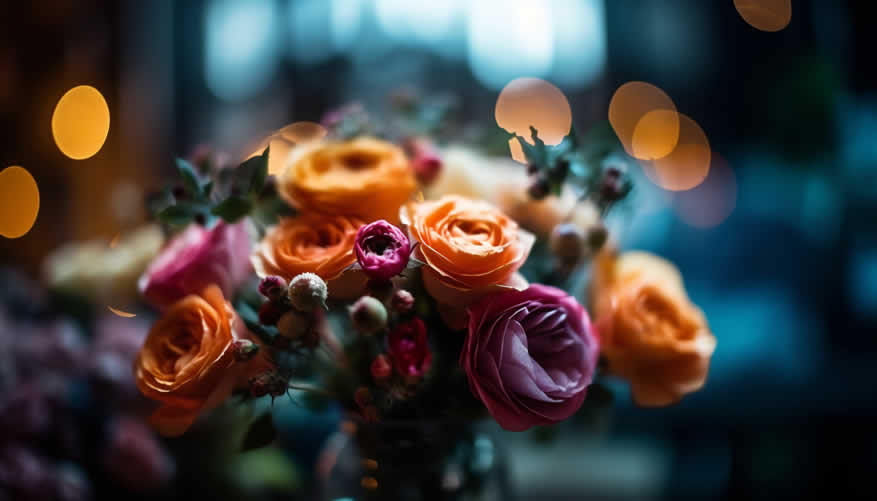
Color scheme, scent, and longevity are all important considerations when choosing flowers for home décor. Roses, lilies, tulips, orchids, and hydrangeas are a few common options.
These flowers are commonly available and available in a range of hues, which makes them adaptable to many decor themes and tastes.
If you’re in the market for flowers delivered to your house in Toronto, you can get a large selection of fresh flowers by using Toronto’s premier flower delivery service, which guarantees prompt and high-quality delivery for your home décor needs.
copyright image by 123rf.com
-
-
2nd: Cut Flowers vs. Flowering Plants
When deciding between cut flowers and flowering plants for your home, it’s vital to consider the longevity and care requirements of each option. Cut flowers provide an immediate burst of beauty and fragrance but typically last only a week or two.
Flowering plants, on the other hand, may require more initial care and patience to bloom, but they offer the potential for a longer-lasting display. Each choice offers unique benefits and can be used effectively in different areas of your home depending on your lifestyle and preferences.
-
Cut Flowers
Cut flowers are ideal for special occasions, adding instant vibrancy and elegance to any space. They allow for flexibility in arrangement styles and can be changed frequently to freshen up your décor.
Popular choices include roses for their classic beauty and variety of colors, tulips for their sleek and sophisticated appearance, and peonies for their lush, voluminous blooms.
- Roses
Known for their classic elegance, roses come in a marvelous spectrum of colors, each symbolizing different emotions and sentiments, making them versatile for any interior theme. - Tulips:
Offering a sleek, modern look, tulips can stand alone or complement other flowers in arrangements, available in almost every color imaginable. - Peonies:
With their lush, full blooms and soft, romantic appeal, peonies add a touch of luxury and sophistication to any setting. - Hydrangeas:
Their large, globe-shaped flowers make an impact in any arrangement, available in hues from soft pastels to vibrant blues and purples, perfect for adding volume. - Lilies:
Elegant and fragrant, lilies are a symbol of purity and grace, their tall stems adorned with large, striking blooms are ideal for a dramatic effect. - Orchids:
Known for their exotic beauty and longevity, orchids can add a sophisticated and tropical touch to your interior décor. - Ranunculus:
With their rose-like blossoms and array of colors, ranunculus flowers bring a splash of cheer and intricacy to any room. - Freesia:
These highly fragrant flowers come in a variety of colors and are perfect for adding a delicate, sweet perfume to your living spaces. - Gardenias:
Renowned for their strong, sweet fragrance and beautiful white blooms, gardenias are ideal for creating a serene and inviting atmosphere. - Dahlias:
Available in virtually every color, dahlias can range from small and delicate to large and showy, making them versatile for any style of decor.
- Roses
-
Flowering Plants
Flowering plants can bring ongoing joy and a sense of achievement as you care for them and watch them grow. They can also improve indoor air quality and add a touch of nature to your home.
Consider easy-to-care-for options like Peace Lilies, which bloom beautiful white flowers and thrive in low light, or African Violets, known for their vibrant colors and compact size, perfect for smaller spaces.
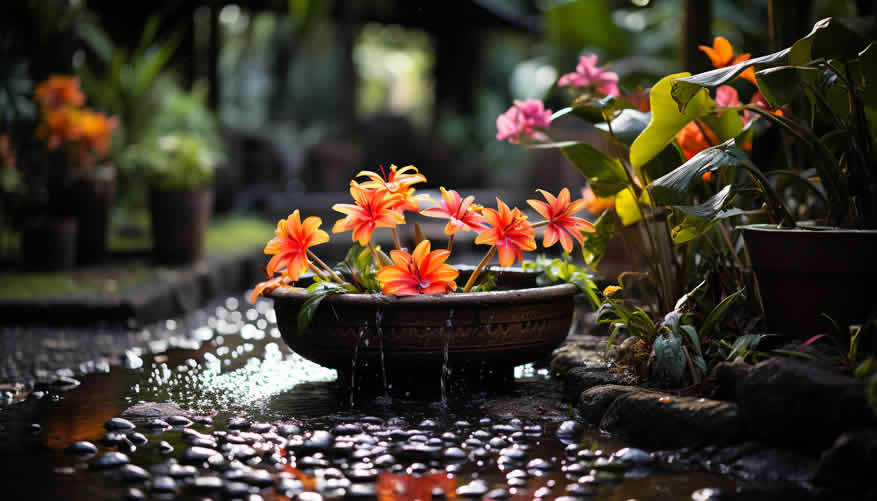
For enhancing home interiors, flowering plants not only contribute vibrant colors and appealing scents but also improve air quality, making them indispensable for home décor. Among the best options for homeowners are:
- Peace Lilies:
Not only do they purify indoor air but their elegant, white flowers bring a serene ambiance to any space. - African Violets:
With their rich, colorful blooms and small stature, African Violets are perfect for adding a pop of color to limited spaces. - Phalaenopsis Orchids:
These orchids are an excellent choice for a modern interior, offering exotic beauty and long-lasting flowers. - Anthuriums:
Known for their glossy, heart-shaped flowers, Anthuriums add a touch of luxury and are relatively easy to care for. - Jasmine:
A plant that fills the room with a sweet, relaxing fragrance; Jasmine’s delicate white flowers can brighten up any space. - Bromeliads:
With their striking, colorful foliage and long-lasting blooms, Bromeliads can add an exotic touch to your home interior. - Christmas Cactus:
Known for its colorful, festive flowers, the Christmas Cactus is a low-maintenance plant that blooms just in time for the holiday season. - Chrysanthemums:
Purifying the air while offering a broad palette of colors, Chrysanthemums can brighten any room with their cheerful appearance.
- Peace Lilies:
copyright image by 123rf.com
[ images: cut flowers examples ]
[ images: potted flowers ]
-
-
3rd: Complement Your Flowers with Aquatic Plantings
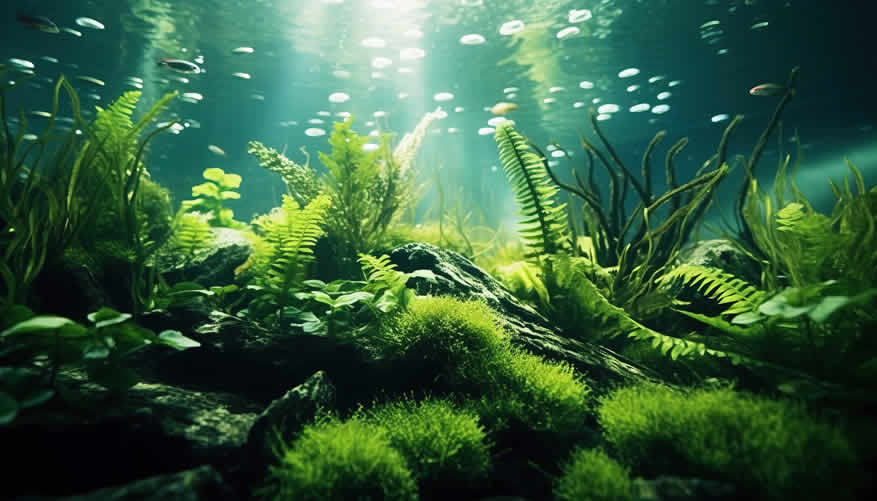
Integrating aquatic plantings into your home décor not only enhances the existing floral arrangements but also introduces a unique, tranquil aquatic element to your interior space.
Aquatic plants add a new dimension of beauty and invite a sense of calm and serenity. They work harmoniously with traditional houseplants to create an environment that feels more connected with nature.
Types of Aquatic Plantings Suitable for Home Interiors
- Marimo Moss Balls:
These fascinating, spherical plants are perfect for low-maintenance aquatic setups. Marimo Moss Balls thrive in cold water and can live in a simple jar or glass, needing only occasional water changes and minimal light, making them an effortless addition to any room. - Java Fern:
Known for its lush green leaves and easy care, Java Fern can be attached to decor or rocks in water-filled glass containers. It does not require soil to grow, making it an ideal choice for clean, minimalist aquatic displays. - Anubias Nana:
This hardy plant is suitable for small aquariums or glass bowls. It thrives in low-light conditions and does not demand much attention, making it a good choice for those new to aquatic plant keeping. Its glossy leaves add a touch of elegance to water features. - Water Sprite:
This delicate fern-like plant is a great addition to any indoor water garden. It can be grown free-floating or planted in a substrate, offering flexibility in design and maintenance. Water Sprite is ideal for adding height and texture to your aquatic setup, and its rapid growth helps in controlling algae by consuming excess nutrients in the water. - Water Wisteria:
Offering a beautiful, lace-like appearance, Water Wisteria can adapt to various water conditions, making it a versatile choice for indoor water gardens. It grows quickly, providing an interesting visual dynamic to your aquatic setup. - Duckweed:
For those looking to create a lush green surface in their aquatic arrangements, Duckweed is a simple yet effective option. This tiny, floating plant purifies the water and adds a natural, pond-like appearance to containers. - Hornwort:
Renowned for its ability to improve water quality by absorbing nutrients, Hornwort is another fantastic addition to any indoor aquatic setup. Its dense, feathery fronds provide excellent shelter and hiding spaces for any tiny aquatic inhabitants. Easy to care for, it doesn’t require substrate to grow and can thrive in a variety of lighting conditions, making it a versatile choice for home water gardens. - Amazon Sword:
Known for its bold and vibrant green leaves, the Amazon Sword plant is a staple in many indoor aquatic gardens. It can grow quite large, making it an excellent focal point for any setup. This plant prefers moderate to bright lighting and a rich substrate to put down its roots.
copyright image by 123rf.com
Home Aquariums
google imagesLarge Aquariums view samples – wall mounted view samples – integrate view samples – tower view samples – amazing view samples – unique view samples - Marimo Moss Balls:
-
-
ideas to view and compare from the information discussed above
Scroll up to directory … or scroll to next section about flower path decoration …



 … grab this directory of ideas
May We Suggest Other Photo Remodeling Ideas About
“Home Decor Ideas …” (new win)


third “photo remodeling” idea
AI generated image by 123rf.com
Floral Tip 3: Designing Your Flower Arrangement Path
Notes:
-
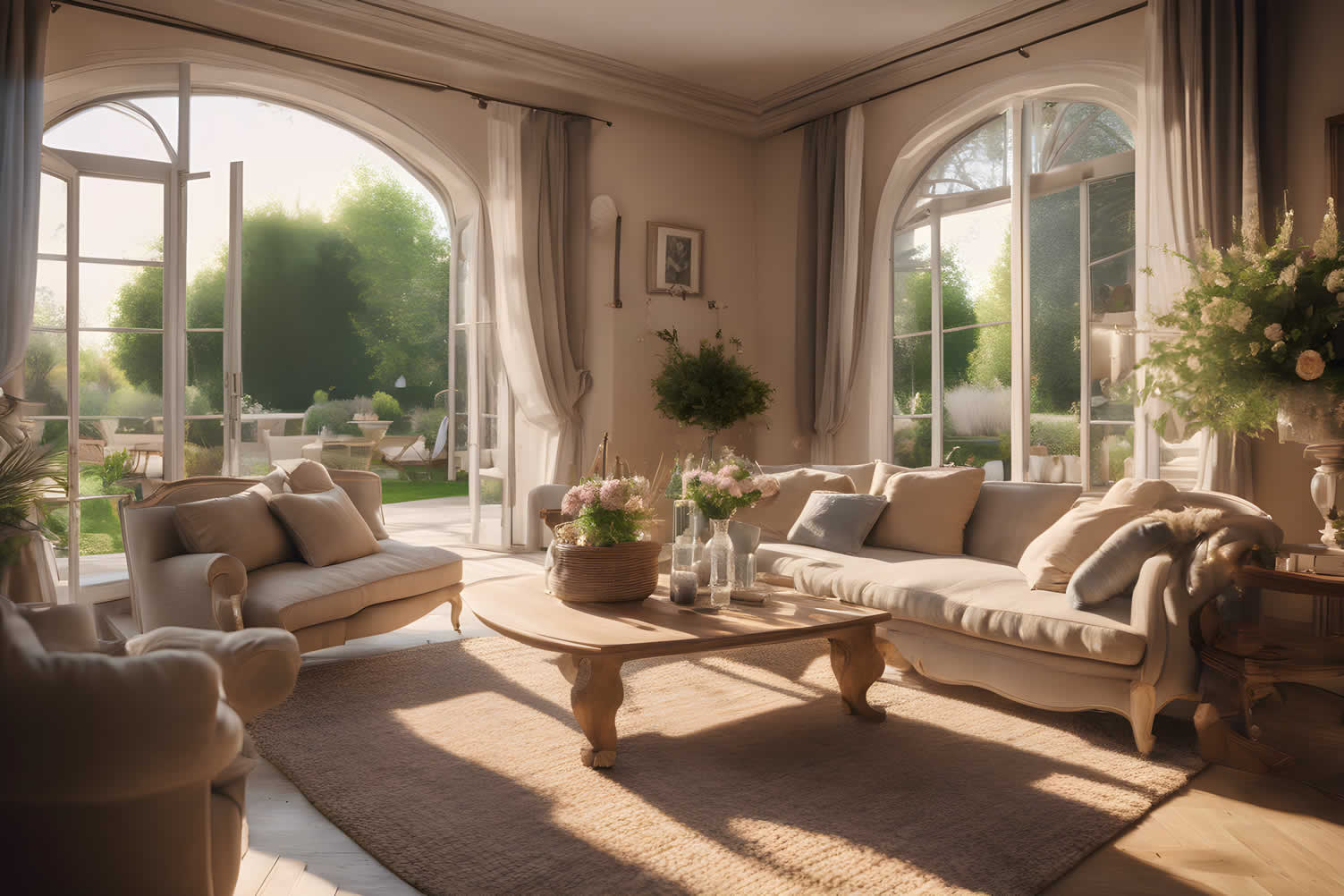
The design phase is a crucial stage in the creation process where your initial vision starts to take shape and come to life. During this phase, it’s about skillfully blending elements of the natural environment with human-made structures, ensuring they resonate with your distinct aesthetic preferences and personal style.
This thoughtful process involves considering every detail, from the play of light and shadow to the textures and colors that will enhance the overall ambiance of the space you are crafting.
-
Quick scroll to “flower path design” side notes …
-
-
1st: Layout and Balance
When designing your interior flower path and arrangement, understanding the principles of layout and balance is essential. A well-balanced space doesn’t just happen by accident; it’s the result of careful planning and an eye for symmetry, or in some cases, a deliberate asymmetry that creates visual interest.
-
Height and Scale
Start by considering the height and scale of your plants. Taller, more dramatic plants like bromeliads or orchids can serve as focal points, while smaller plants like jasmine or Christmas cactus can fill in the space around them, adding texture and depth.
-
Placement
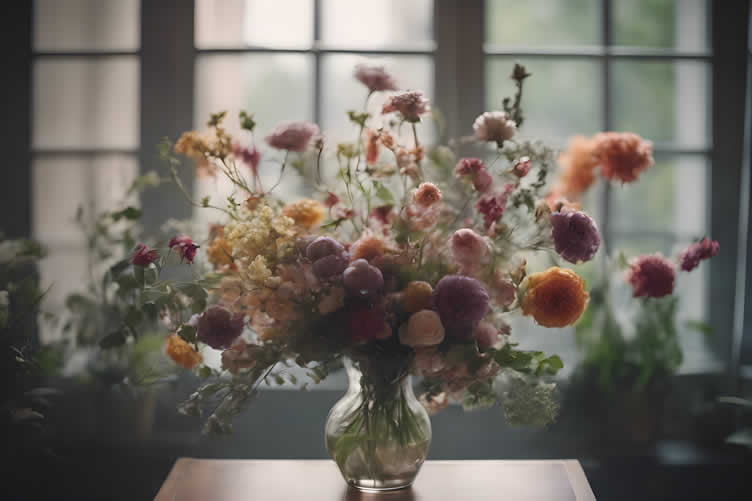
Balance is achieved not only through the physical placement of your plants but also through color coordination and variety. You might opt for a monochromatic scheme for a soothing, cohesive look, or introduce a vibrant array of colors for a more dynamic impact.
Remember, the goal is to create a flow that guides the eye effortlessly through the space, linking each area of your interior with natural beauty.
AI generated image by 123rf.com
-
-
2nd: The Interplay of Symmetry and Asymmetry
Achieving a harmonious interior involves a delicate balance between symmetry and asymmetry, each contributing uniquely to the space’s aesthetic and emotional resonance.
-
Symmetry:
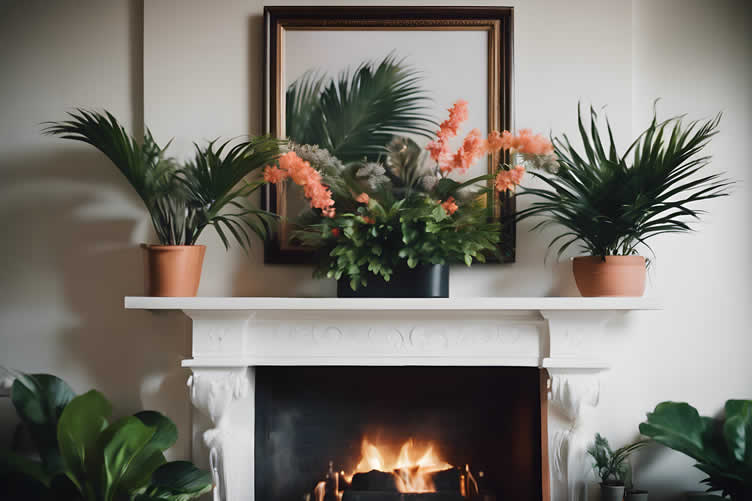
Symmetrical arrangements create a sense of order and balance, conveying a formal, elegant vibe. This approach involves mirroring elements on either side of a central line or focal point, such as flanking a fireplace with identical plant arrangements or placing matching end tables on either side of a sofa.
Symmetry exudes tranquility and stability, making it perfect for areas where calm and focus are desired.
-
Asymmetry:
On the other hand, asymmetrical designs introduce a dynamic and informal energy. By using different but complementary items to achieve balance, this approach allows for more creativity and personal expression.
For instance, balancing a tall floor plant on one side of the fireplace with a cluster of smaller plants on the other introduces an engaging visual tension that guides the eye across the space.
Asymmetry is ideal for creating interest and movement, perfect for living spaces that aim to stimulate conversation and interaction.
AI generated image by 123rf.com
[ view samples: symmetrical interior design ]
[ view samples: asymmetry interior design ]
-
-
3rd: Color Coordination
When integrating floral displays into your interior design, color coordination plays a pivotal role in achieving a cohesive and appealing aesthetic. Here are some strategies to consider:
-
Monochromatic Harmony:
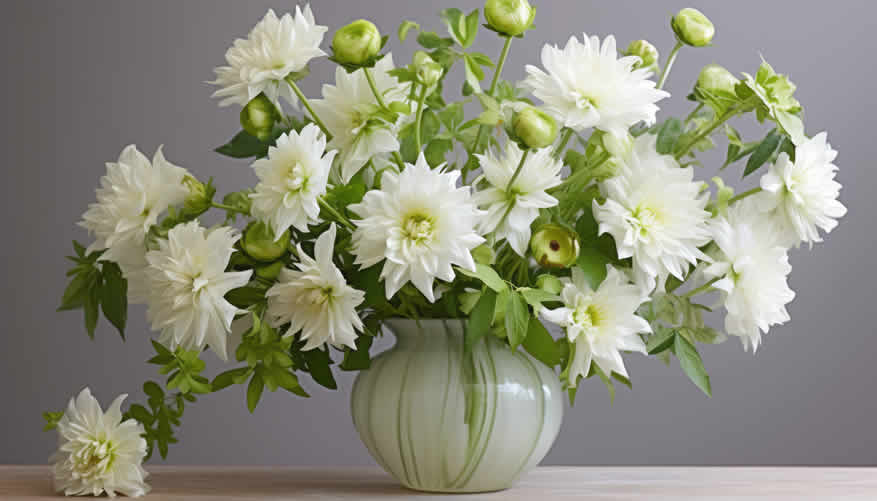
Choose flowers that are different shades of the same color. This approach creates depth and interest while maintaining a unified look.
For example, a display combining pale, medium, and dark blue flowers can add a serene and sophisticated allure to a room without overwhelming it with multiple colors.
-
Complementary Colors:
Utilizing colors that are opposite each other on the color wheel can add a vibrant and energetic feel to your space. Pairing a rich violet bouquet with yellow accents can create a striking contrast that enlivens any room.
-
Analogous Scheme:
Selecting flowers in colors that sit next to each other on the color wheel results in a harmonious and soothing display. A combination of greens, yellows, and oranges, for instance, can evoke the warmth and vibrancy of a sunny day, enhancing the room’s overall warmth.
-
Natural Inspirations:
Look to nature for palette ideas. A beach-inspired color scheme with soft blues, sandy tans, and coral pinks can evoke a tranquil, coastal feel. Incorporating these colors into your floral displays and overall decor can create a soothing retreat right in your home.
copyright image by 123rf.com
[ view samples: monochromatic interior design ]
[ view samples: complementary interior design ]
-
-
4th: Use of Height Variation
Incorporating height variation in your interior home displays can add dimension and interest to your spaces. Here are some ways to achieve this:
-
Layered Shelving:
Place taller items at the back and shorter items in the front on shelves. This creates a tiered effect that draws the eye and makes each item more visible.
-
Hanging Plants:
Utilize the vertical space by hanging plants at different heights. This not only brings life to your space but also adds layers of height that can make a room feel larger and more dynamic.
-
Varying Vase Heights:
When arranging flowers or branches, use vases of varying heights to create a dynamic display. This strategy works well on dining tables, mantels, or as a focal point in a room.
-
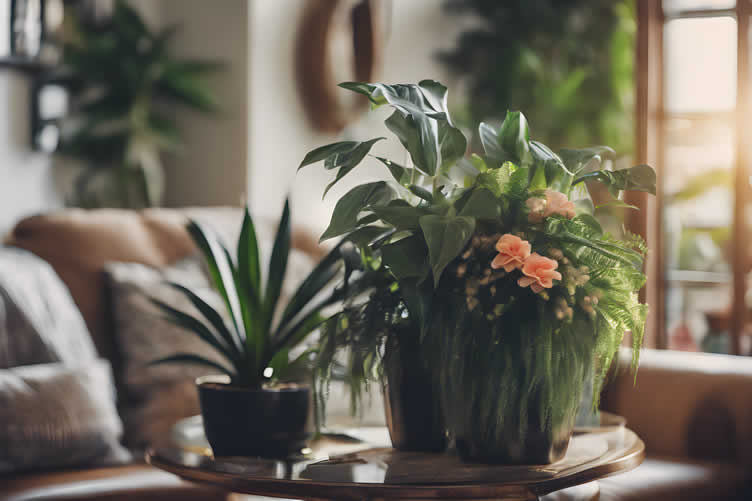
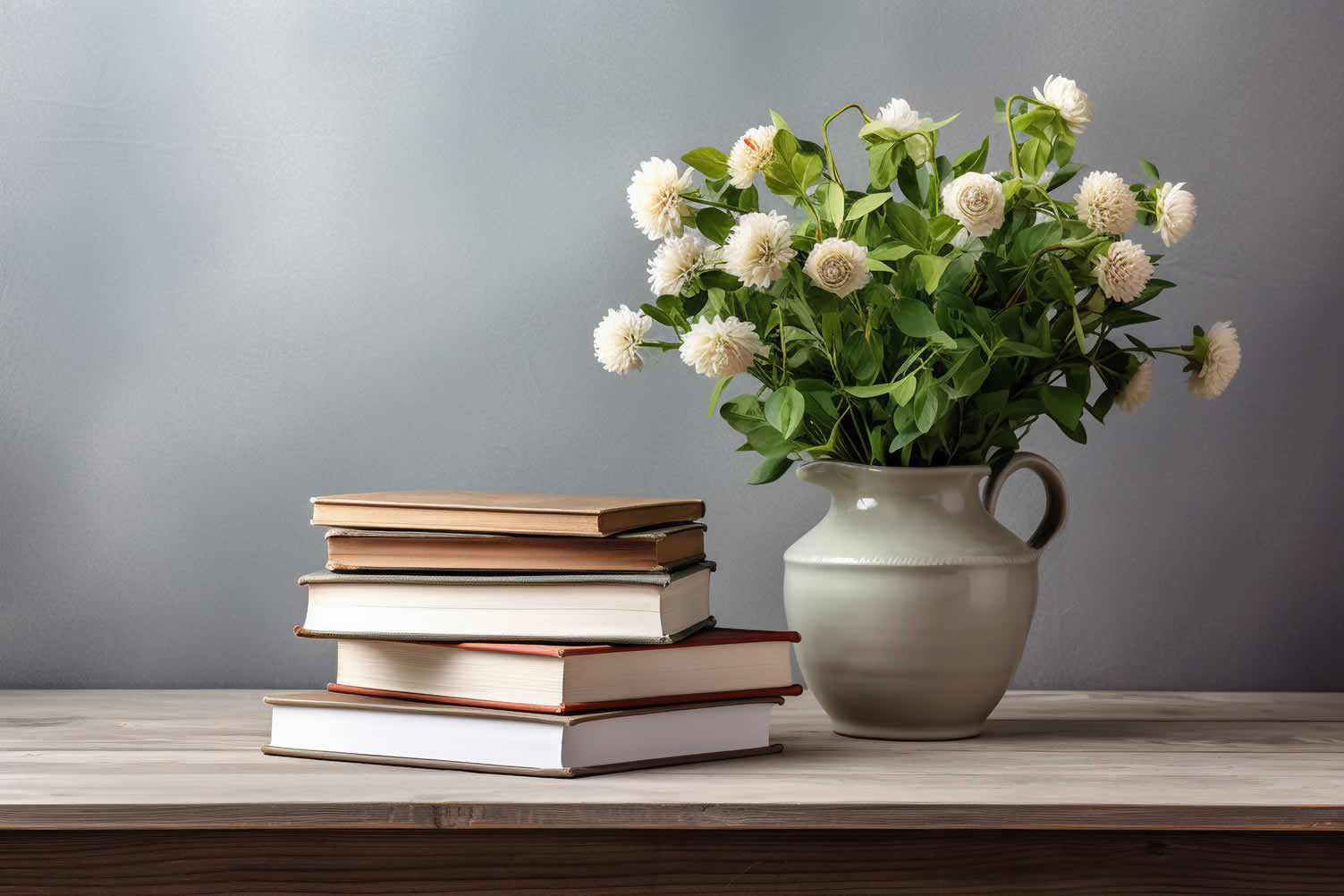
Stacked Books:
Use a stack of books as a pedestal for a decorative item or plant. This adds height to your display and also incorporates an element of personal interest and character.
-
Wall Art:
Combine pieces of varying sizes and hang them at different heights to create a gallery wall with depth and texture.
Remember, the goal of using height variation in your displays is to create a visually engaging space that captures attention and guides the eye through the room.
AI generated image by 123rf.com
[ view samples: layered floral display ideas ]
[ view samples: varying floral vases ]
-
-
5th: Working With Lighting
Incorporating lighting into interior floral displays can elevate the visual appeal and draw attention to the natural beauty of the flowers. Here are some creative ways to light up your floral arrangements:
-
Spotlighting:
Use focused lights to spotlight a particular floral display, highlighting its colors and details. This works well for large, central arrangements that serve as focal points in a room.
-
LED Strips:
LED strip lights can be hidden beneath shelves or behind frames to create a backlit effect. Placing them near transparent vases can illuminate the water and the stems, adding an ethereal glow to the arrangement.
-
Fairy Lights:
Entwine fairy lights with floral arrangements for a whimsical, magical look. This soft lighting is perfect for evening settings, creating a cozy, intimate atmosphere.
-
Accent Lamps:
Small accent lamps can be placed near floral displays to gently highlight their features without overshadowing their natural beauty. Choose lamps that complement the room’s overall aesthetic for a cohesive look.
-
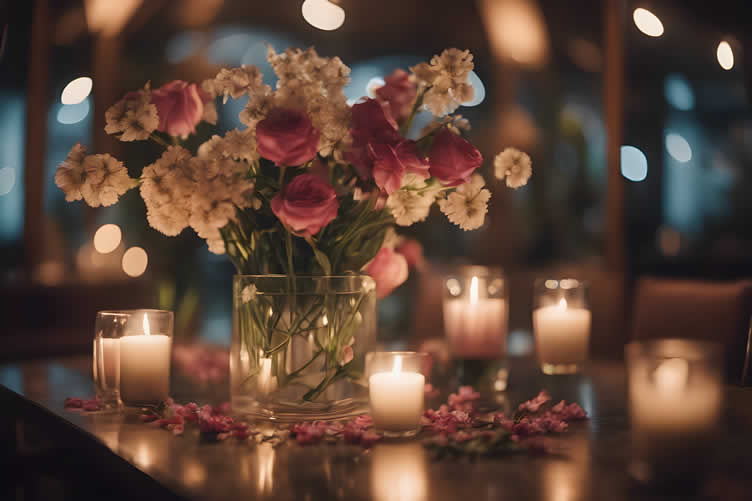
Candles:
Strategically placed candles can add a warm, inviting glow to floral arrangements. Whether using tea lights scattered around the base of a display or tall candlesticks to flank a centerpiece, the flickering light can enhance the colors and shadows of the flowers, creating a dynamic and enchanting visual effect.
For added safety, consider using LED candles, especially in close proximity to delicate blooms.
AI generated image by 123rf.com
[ view samples: interior LED flowers ]
[ pinterest: using light to illuminate floral display ]
-
-
6th: DIY Floral Arrangement Styles
Creating a floral arrangement can transform ordinary spaces into places of beauty and relaxation. With cut flowers, the options for design and creativity are nearly endless, allowing you to craft bespoke arrangements that fit any mood, occasion, or decor.
Here, we explore different types of floral arrangements and how to create them.
-
Classic Bouquets
The classic bouquet is timeless and versatile, suitable for both formal and casual settings. Begin by selecting a focal flower, such as roses or lilies, that will serve as the center of your arrangement.
Surround this with complementary flowers, like chrysanthemums or carnations, to add depth and variety.
Finally, incorporate greenery for a lush, vibrant touch. Use floral foam or a flower frog to hold stems in place and ensure even distribution of blooms.
[ view ideas: classical bouquets ]
-
Modern Minimalist Arrangements
Modern minimalist arrangements focus on simplicity and structure, often using a monochromatic color scheme or a single type of flower.
Choose flowers with bold shapes, such as orchids or calla lilies, and arrange them in a geometric container for a sleek, contemporary look. Space the flowers evenly, allowing each bloom enough room to stand out on its own.
[ view ideas: modern minimalist ]
-
Wild and Rustic Displays
To create a wild and rustic floral display, select flowers that appear as though they have been freshly picked from a meadow. Combine various textures and lengths, like the delicate wisps of baby’s breath with the rugged beauty of sunflowers.
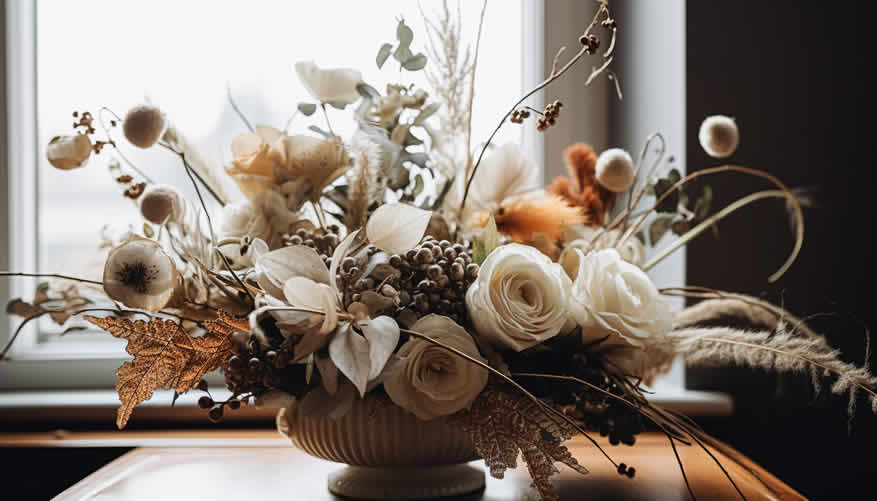
Incorporate elements like dried grasses or branches to add to the untamed feel. Arrange these in a mason jar or wooden crate for an authentic, countryside vibe.
[ view ideas: wild and rustic ]
-
Vintage Floral Arrangements
Vintage floral arrangements evoke a sense of nostalgia and romance, often incorporating soft colors, antique elements, and a mix of florals that seem to tell a story.
Start with flowers that have a timeless elegance, such as peonies, garden roses, or hydrangeas, in pastel or muted tones. Add in smaller, delicate flowers like baby’s breath or lavender for texture. Use vessels with character, such as tarnished silver vases, antique watering cans, or distressed ceramic pots, to enhance the vintage feel.
Accent these arrangements with lace or ribbon and perhaps a locket or an old photograph to further embody a bygone era, blending seamlessly with classical or shabby chic decor.
[ view ideas: vintage ]
-
Seasonal Centerpieces
Seasonal centerpieces celebrate the unique flowers and colors of the current season.
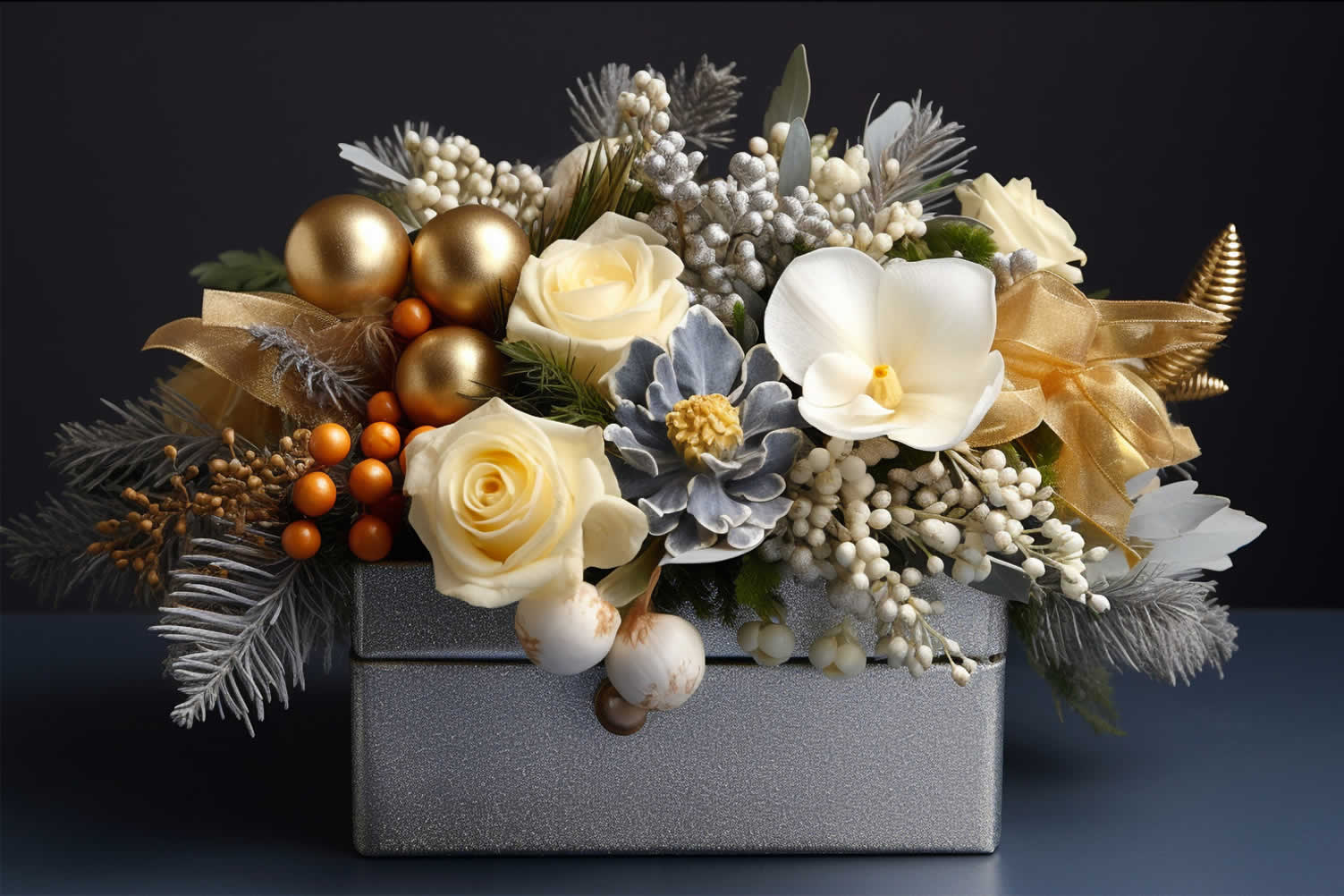
For spring, mix pastel-colored tulips and hyacinths; for summer, go bright with sunflowers and daisies; autumn calls for warm oranges and reds found in mums and dahlias; and winter arrangements look stunning with white roses, pinecones, and holly.
Focus on creating a balance that reflects the season’s charm and colors.
[ view ideas: seasonal ]
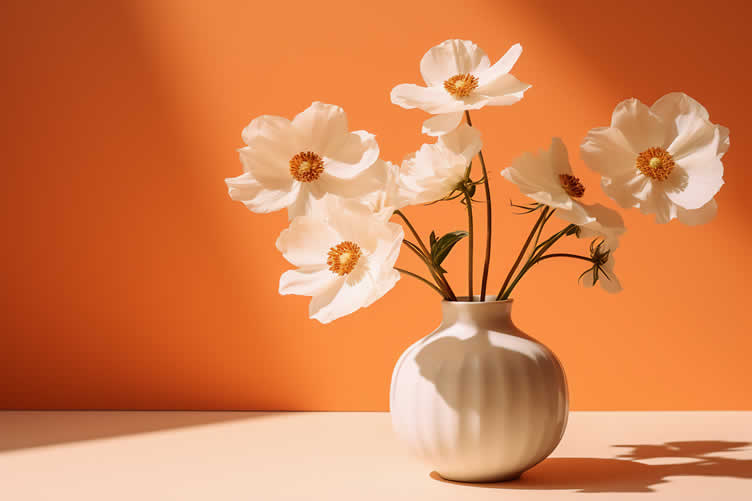
By exploring these different styles, you can discover the joy of floral arrangement and add a personal touch to your home decor.
copyright image by 123rf.com
[ pinterest: beautiful flower arrangements ideas ]
[ youtube: flower arranging tutorial for beginners ]
-
-
-
ideas to view and compare from the information discussed above
Scroll up to directory … or scroll to next section about flower path decoration …
SHARE IT ..! You might have someone in your social network who could find this informative post on flower path decoration and arrangement valuable. Feel free to share it on Facebook, Twitter, LinkedIn, or Pinterest!


making home improvement decisions



fourth “photo remodeling” idea
copyright image by 123rf.com
Floral Tip 4: Tips to Beautify Your Home
Notes:
-
To transform your living space into a captivating oasis, the following tips will guide you through the art of beautification using the natural charm of flowers and plants.
Whether you’re looking to revitalize your indoors with lush greenery or enhance your garden’s allure, these strategies are designed to infuse your home with color, fragrance, and life.
From selecting the right species to mastering the intricacies of care and presentation, each suggestion aims to help you create a harmonious and inviting environment that reflects your personal style and the beauty of nature.
-
Quick scroll to “beautify your home” side notes …
- 1st: Selecting Flowers That Complement Your Theme
- 2nd: Incorporating Unique Vases and Pots for Added Character
- 3rd: Using Decorative Elements
- 4th: Incorporating Silk Flowers for Lasting Beauty
- 5th: Enhancing Arrangements with LED Light Flowers
- 6th: Try Different Flower Arrangement Ideas
- shop ideas
- next topic: Integrating Houseplants with Interior Floral Arrangements
-
-
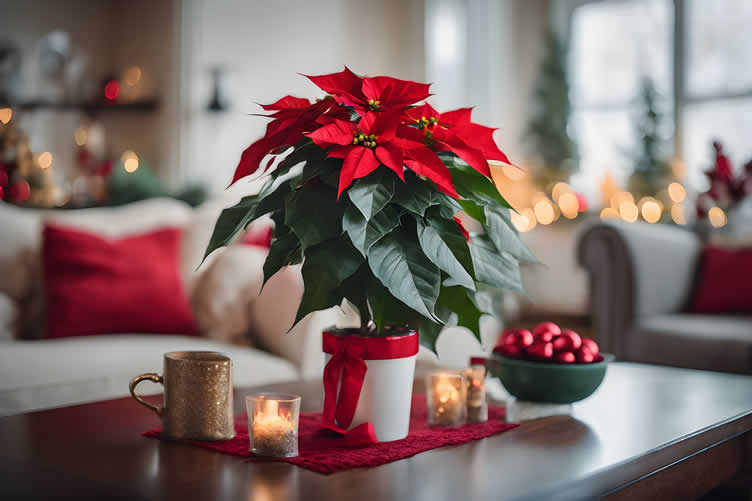
1st: Selecting Flowers That Complement Your Theme
Choosing the right flowers to match the theme of your room or garden space can significantly enhance the overall aesthetic and ambiance. When selecting flowers, consider the following aspects:
- Theme Resonance:
Identify the theme or mood you’re aiming for—be it a serene Zen garden, a vibrant tropical paradise, or a quaint English cottage garden. This step will guide your flower choices, ensuring they contribute cohesively to your desired theme. - Color Scheme:
Pick flowers that align with the color scheme of your space. For instance, a monochromatic color palette might benefit from the subtle addition of various shades of the same hue, while a more eclectic theme might welcome a burst of contrasting colors. - Sensory Experience:
Beyond visuals, think about the fragrance of the flowers and how they can enhance or complement the room’s atmosphere. Soft, soothing scents can add a layer of tranquility, while more robust, spicy aromas might energize the space. - Seasonal Considerations:
Take into account the flowering seasons of your chosen plants to ensure year-round interest or to curate the landscape for specific times of the year.
By carefully selecting flowers that resonate with the theme of your room or garden, you create a cohesive and immersive experience that delights all the senses.
AI generated image by 123rf.com
[ pinterest: seasonal flowers for interior decor ]
[ youtube: picking the perfect flower arrangement ]
- Theme Resonance:
-
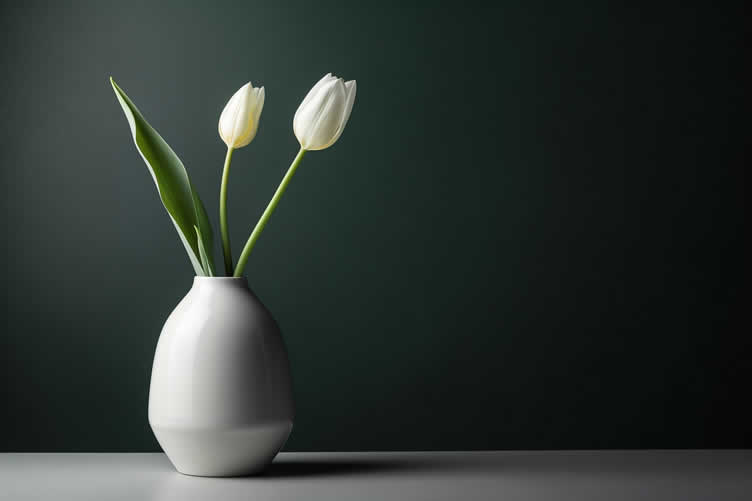
2nd: Incorporating Unique Vases and Pots
The choice of vases or pots can significantly impact the visual impact of your floral arrangement, acting as the perfect complement to both the blooms and the overall theme of your space. Consider the following when selecting your containers:
- Material and Texture:
The material of the vase or pot can add a new dimension to your décor. A sleek, ceramic vase may lend a touch of elegance, while a rustic, terracotta pot might enhance a more natural, earthy feel. - Color and Pattern:
Opt for containers that either harmoniously blend with your chosen color scheme or serve as a striking accent piece. Patterns can also introduce visual interest and depth, especially when placed in more minimalist settings. - Shape and Size:
The form of the container should not only be practical for the type and number of flowers it will hold but also proportionate to the space it occupies. Playing with varying heights and shapes can create dynamic and intriguing visuals. - Customization and DIY:
Personalizing your vases or pots through DIY projects can add a unique and meaningful touch. This could range from painting designs, applying decoupage, or even crafting the container itself from unconventional materials.
By thoughtfully selecting or crafting the containers for your flowers, you further personalize your space, making it a true reflection of your style and creativity.
copyright image by 123rf.com
[ pinterest: using vases as decor ]
[ youtube: choose the right vase for flower arrangements ]
- Material and Texture:
-
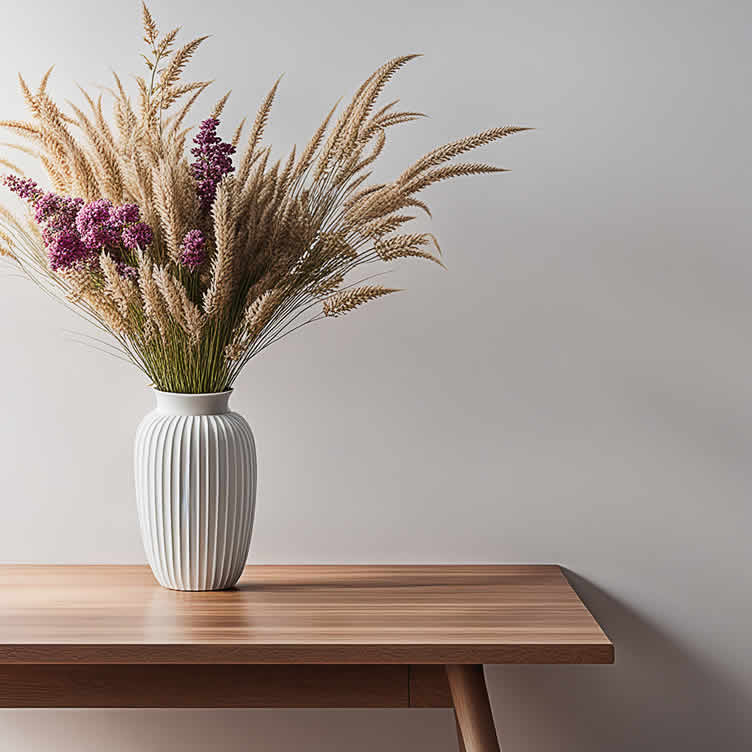
3rd: Using Decorative Elements
Enriching your floral arrangements with decorative elements can elevate the overall aesthetic and infuse your space with personality. These accents can transform a simple bouquet into a striking centerpiece or harmonious part of your interior design. Consider incorporating the following:
- Natural Accents:
Adding elements like stones, branches, or even fruits can introduce an organic touch, bridging the indoor environment with the natural world outside. - Seasonal Decorations:
Tailoring your display with seasonal accessories, such as pinecones in winter or seashells in summer, can celebrate the time of year and add a festive spirit. - Lighting:
Strategic use of lighting, be it through candles around your arrangement or string lights intertwined, can create ambiance and highlight the beauty of your blooms. - Thematic Ornaments:
For those special occasions or holidays, themed decorations can turn your floral display into a focal point that complements the celebration.
Incorporating these decorative elements not only enhances the visual appeal of your arrangements but also allows for a more immersive and thematic expression of your personal style.
copyright image by 123rf.com
[ pinterest: elements to use with floral arrangements ]
[ youtube: about the principles of design ]
- Natural Accents:
-
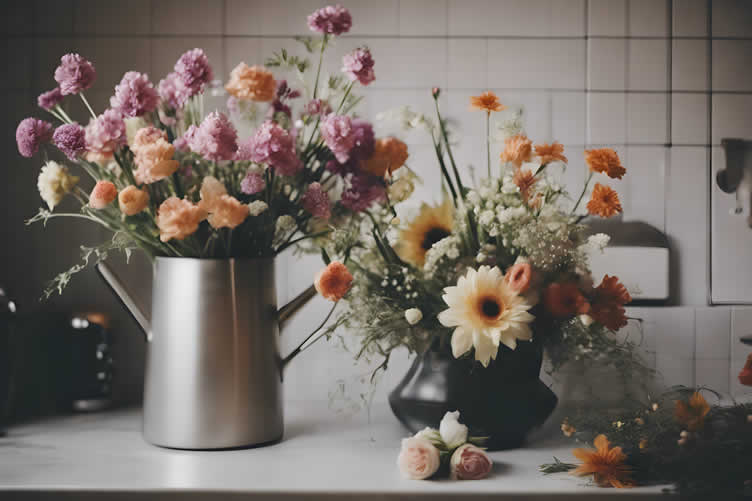
4th: Incorporating Silk Flowers for Lasting Beauty
Silk flowers provide a practical and enduring complement to your interior floral arrangements. Unlike their fresh counterparts, these faux blooms offer the advantage of longevity, requiring no maintenance while consistently maintaining their vibrant appearance.
This makes silk flowers an ideal choice for those who love the look of fresh flowers but struggle with upkeep or have allergies.
-
Mixing in Silk Flowers with Fresh Blooms
To seamlessly integrate silk flowers into your arrangements, start by selecting faux blooms that closely mimic the appearance and texture of real flowers. Pay attention to the color, size, and shape of the petals to ensure a natural blend.
Place silk flowers towards the center or base of the arrangement, using fresh flowers around the perimeter to highlight the arrangement’s authenticity. This strategy allows the silk flowers to provide volume and consistency, while the fresh blooms contribute their natural beauty and fragrance.
Finally, consider the overall theme and color scheme of your space to choose silk flowers that complement your interior design, creating a cohesive and visually appealing display.
AI generated image by 123rf.com
[ pinterest: creating silk flower arrangement ]
[ youtube: using faux/artificial florals in your home ]
-
-
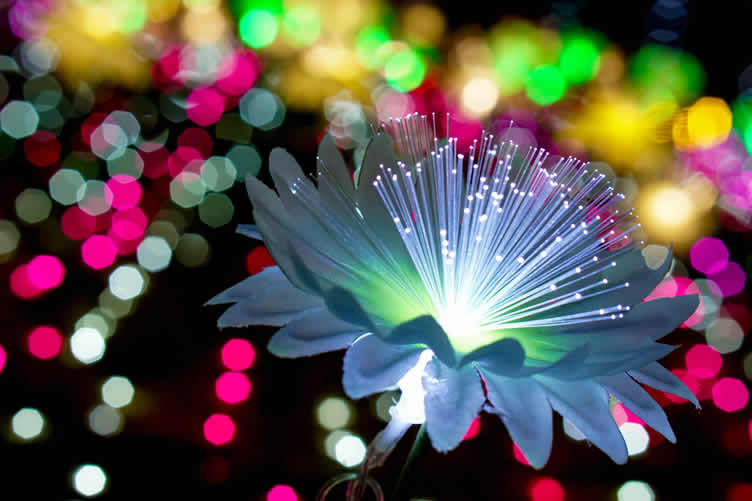
5th: Enhancing Arrangements with LED Light Flowers
Incorporating LED light flowers into your interior floral arrangements can add a whimsical and enchanting touch to your home decor. These illuminated blooms offer the unique advantage of combining the beauty of flowers with the ambient glow of soft lighting.
Perfect for creating a focal point or adding a warm atmosphere to dimly lit areas, LED flowers are not only decorative but also functional.
-
Mixing in LED Flowers with Natural and Silk Blooms
To integrate LED light flowers into your arrangements effectively, start by choosing LED blooms that harmonize with the color palette and theme of your existing floral decor. Consider the intensity and color of the LED light to ensure it complements, rather than overpowers, your arrangement.
Intersperse LED flowers sparingly among natural and silk blooms, using them as accents that draw the eye and illuminate the surrounding flowers.
Positioning LED flowers near the center or at strategic points within the arrangement can create depth and highlight the intricate details of the other blooms. Remember to manage the wires discreetly, weaving them through the arrangement to keep the focus on the beauty of the flowers.
With thoughtful placement and a balance between illumination and natural beauty, LED light flowers can elevate your floral arrangements to a new level of elegance and allure.
copyright image by 123rf.com
[ pinterest: LED interior flowers ]
[ youtube: LED “fiber optic” flowers ]
-
-
6th: Try Different Flower Arrangement Ideas
Exploring the art of flower arrangement not only beautifies your space but also serves as an expression of creativity and style. Below, we introduce a variety of flower arrangement ideas designed to enhance the aesthetic of any home.
From simple, elegant setups to more complex, artistic compositions, these ideas are crafted to inspire and guide you in transforming your living environment.
- Teacup & Saucer Flower Arrangement:
Repurpose vintage teacups and saucers as charming vessels for small floral arrangements, perfect for adorning side tables or shelves. - Plants Pinned on Pegboard:
Utilize a pegboard as a creative backdrop for hanging potted plants, creating an eye-catching display that adds dimension to your walls. - Make a Flower Wall:
Transform a blank wall into a stunning focal point by arranging an assortment of flowers in varying sizes and colors to create a captivating floral backdrop. - Floral Chandelier:
Craft a floral chandelier by suspending blooms from a wire frame or chandelier base, adding an elegant and whimsical touch to your living space. - Use Flowers in a String:
String fresh or dried flowers together to create a delicate floral garland, ideal for draping across mantels, staircases, or doorways. - Install Hanging Plants & Hanging Flowers:
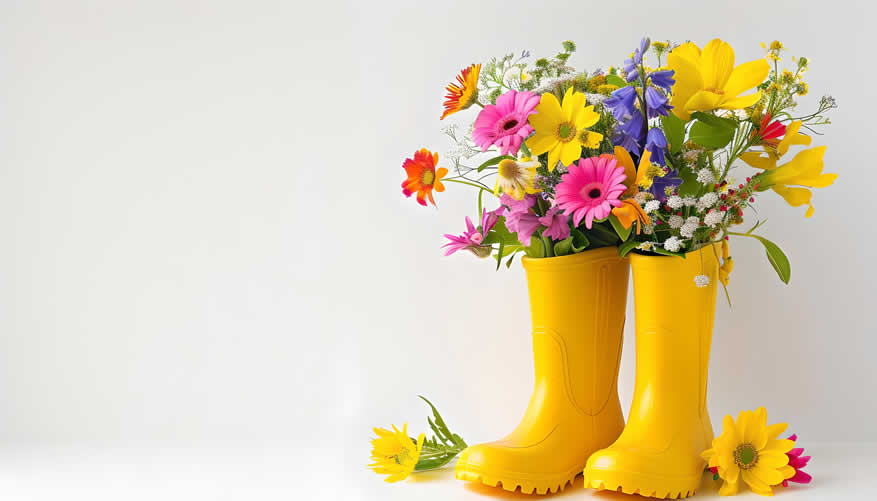
Hang potted plants or baskets of flowers from ceiling hooks or wall-mounted brackets to maximize vertical space and introduce greenery at different levels. - Plant in Boots Unique Flower Decoration Items:
Repurpose old boots or shoes as quirky planters for small flowering plants or succulents, adding a playful and unexpected element to your decor. - Glass Framed Pressed Fresh Flowers:
Preserve the beauty of fresh flowers by pressing them between glass frames, creating timeless floral artworks that can be displayed on walls or table tops. - Add Blossoms to Your Side Tables:
Accentuate side tables or countertops with small vases of fresh blooms, adding pops of color and fragrance to your living spaces. - Creating Floating Florals:
Float delicate blooms in shallow bowls or glass containers filled with water, creating ethereal floral displays that appear to defy gravity.
copyright image by 123rf.com
[ youtube: make a floating installation ]
[ youtube: make a floral chandelier ]
- Teacup & Saucer Flower Arrangement:
-
-
ideas to view and compare from the information discussed above
Scroll up to directory … or scroll to next section about flower path decoration …






fifth “photo remodeling” idea
copyright image by 123rf.com
Floral Tip 5: Integrating Houseplants with Interior Floral Arrangements
Notes:
-
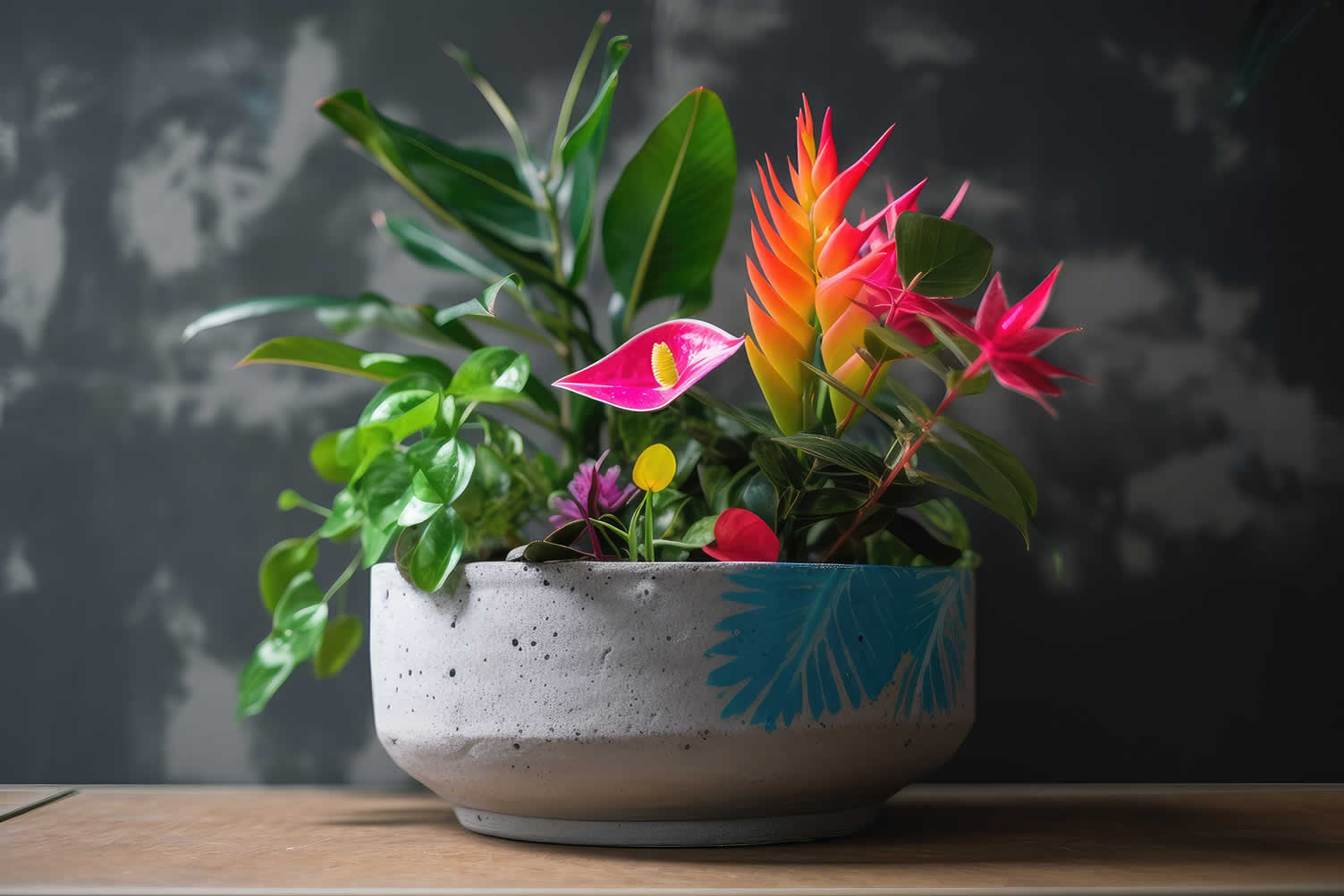
In addition to outdoor flower paths, strategically positioning houseplants within your home can further enhance your interior decor. These plants can serve as natural air purifiers, add a sense of tranquility, and complement your floral arrangements by adding depth and variety to your living space.
When integrating houseplants with your interior floral arrangements, consider the lighting, humidity, and the decor style of your room to select plants that will thrive and enhance your home’s aesthetic.
-
Quick scroll to “using houseplants” side notes …
-
-
1st: Best Types of Houseplants to Use
When decorating the interior of your home with floral arrangements, incorporating houseplants that complement and enhance the aesthetic is key. Here are some of the best types of houseplants you can use to elevate your home’s decor:
-
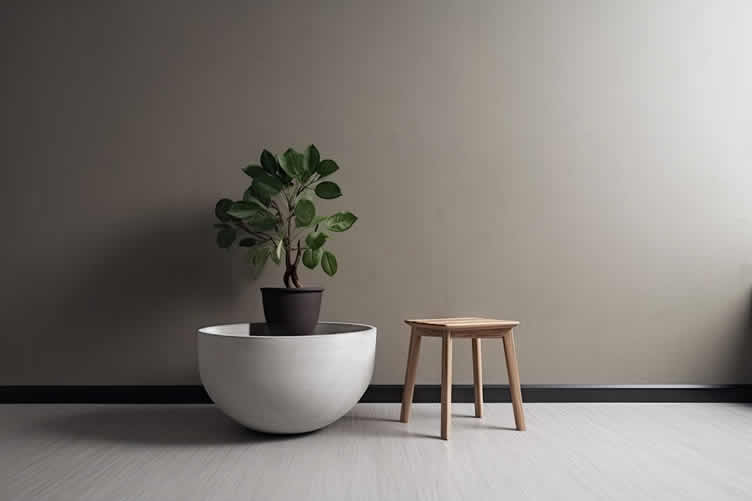
Fiddle Leaf Fig
The Fiddle Leaf Fig is an excellent choice for adding dramatic height and vibrant greenery to any room. Its large, glossy leaves create a bold statement and can complement both modern and traditional decor.
Best placed near windows with indirect light, it requires regular watering and enjoys a humid environment, making it suitable for adding life to living rooms or spacious kitchens.
-
Snake Plant
For those seeking a low-maintenance houseplant, the Snake Plant is a dependable choice. Its tall, vertical leaves with variegated patterns can add texture and interest to floral arrangements.
Snake plants are highly versatile, thriving in low light conditions and requiring minimal watering, making them perfect for adding greenery to bedrooms or office spaces.
-
Peace Lily
The Peace Lily is another versatile houseplant that pairs well with interior floral arrangements. Its elegant white blooms and dark green leaves bring a touch of sophistication and a splash of color to any room.
Peace Lilies prefer indirect light and slightly moist soil, making them ideal companions for flowers in living areas and bathrooms, where they can also help in purifying the air.
-
Ferns
Ferns are the epitome of lush, woodland charm and can be a refreshing complement to any indoor floral arrangement. Their delicate fronds and varying shades of green create a soft, textural contrast that can enhance the visual appeal of your space.
Thriving in moist and shady conditions, ferns are particularly well-suited for bathrooms and kitchens. Their preference for high humidity and indirect light makes them easy-care companions that bring a sense of tranquility and natural beauty into your home.
-
Palms
Palms are a symbol of tropical elegance and can significantly elevate the ambiance of any room with their distinctive fronds. Ideal for creating a relaxed, holiday-like vibe, they are surprisingly adaptable to indoor conditions.
Palms generally prefer bright, indirect light and enjoy consistently moist soil, making them suitable for areas in your home that receive plenty of natural light, like sunrooms or well-lit living spaces.
With their air-purifying properties and ability to add visual height to floral arrangements, palms are a favorite choice among homeowners looking to bring a piece of the tropics indoors.
-
Spider Plant
The Spider Plant is renowned for its hardiness and ease of care, making it a perfect addition for both novice and experienced gardeners alike. With its long, variegated leaves that gracefully arch over the sides of its pot and the small, spider-like plantlets that dangle from its stems, it creates a lively and playful presence in any room.
Thriving in a variety of lighting conditions from indirect sunlight to artificial light, the Spider Plant is particularly forgiving of neglect, requiring only occasional watering.
Its ability to purify the air by removing toxins such as formaldehyde and carbon monoxide pairs beautifully with its aesthetic appeal, making it a versatile and beneficial companion to any indoor floral arrangement.
-
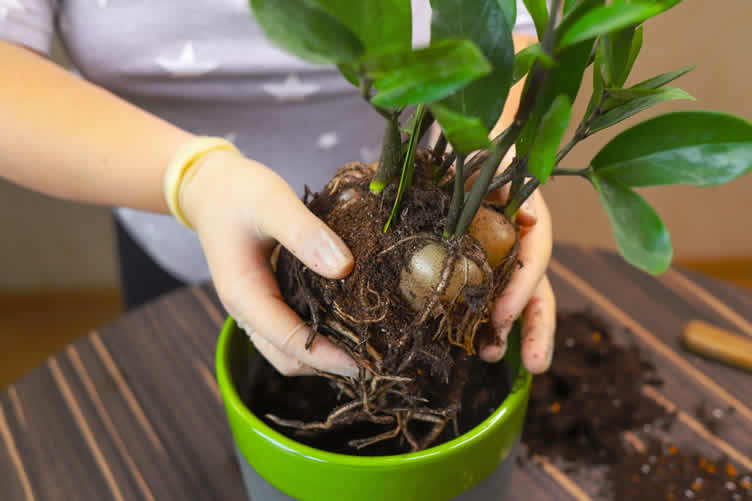
ZZ Plant
The ZZ Plant, or Zamioculcas zamiifolia, stands out for its ability to thrive under low-light conditions, making it an ideal choice for spaces that lack natural sunlight. Its glossy, dark green leaves reflect light, brightening up corners of your home with minimal effort.
Not only is the ZZ Plant drought-tolerant, requiring infrequent watering, but it is also known for its resilience and long lifespan. This makes it an excellent choice for those who are less attentive to plant care or are often away from home.
-
Rex Begonias
Rex Begonias are celebrated for their stunning foliage, which features a variety of colors, patterns, and textures that can captivate any indoor plant enthusiast. Unlike their sun-loving counterparts, Rex Begonias flourish under indirect light, making them suitable for brightening up those less sunny spots around the home.
These plants prefer a humid environment and well-drained soil, conditions that mimic their native tropical habitat. While they do need a bit more attention, especially in ensuring their soil remains moist (but not soggy), the visual payoff of their intricate leaves makes them a rewarding addition to any collection of indoor plants.
-
Succulents
Succulents have gained immense popularity as indoor plants due to their low maintenance needs and diverse array of shapes, sizes, and colors.
These hardy plants are particularly well-suited for those with a busy lifestyle or those who might not have a green thumb, as they require minimal watering and can thrive in a variety of light conditions, though most prefer bright, indirect sunlight.
copyright image by 123rf.com
Best "Air Cleaning" Houseplants
Best "Indoor" Trees
Best "Pet Friendly" Houseplants
viewing amazon -
-
2nd: Displaying Houseplants in Harmony with Interior Decor
Incorporating houseplants along your flower path can add an extra layer of depth and intrigue. Strategically positioned, they can provide contrast, height, or even a backdrop to your outdoor blooms.
Consider using large potted plants to mark the entrance or create natural dividers along the path. Smaller houseplants can add accents or fill gaps in the flower beds, offering a cohesive blend of indoor and outdoor elements.
-
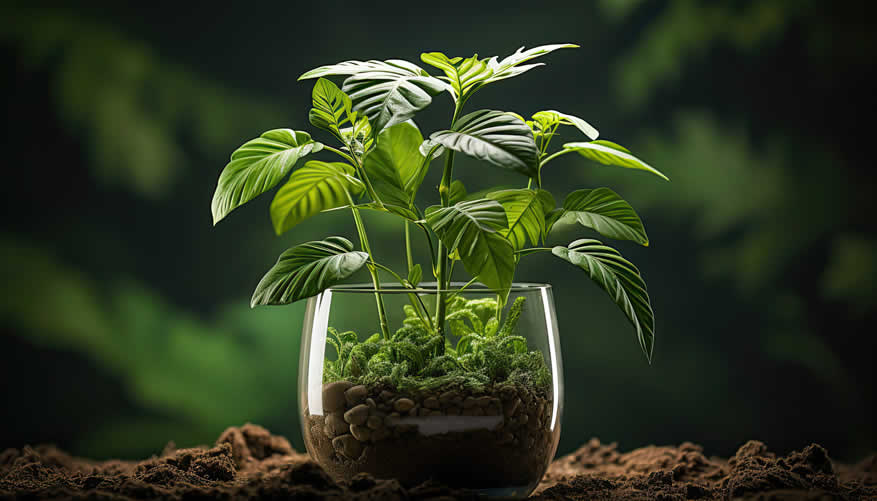
Terrariums
Terrariums are glass enclosures containing small plants and soil, creating a miniature greenhouse effect. They are perfect for showcasing small, moisture-loving houseplants and can be tailored to fit modern, minimalistic, or even rustic interior themes.
Terrariums work well on coffee tables, desks, or shelves, adding a living element to your space without requiring much maintenance.
-
Hanging Planters
Hanging planters offer a dynamic way to display houseplants, making use of vertical space and adding an eye-catching element to any room. They are particularly useful for trailing plants like Pothos or Spider plants, which grow downwards and create a lush, green canopy.
This type of display works beautifully in corners, over dining tables, or in front of windows where plants can receive ample light.
-
Wall-Mounted Shelves
Utilizing wall-mounted shelves for houseplant display allows for creative arrangement and maximization of available space. This approach is ideal for mixing and matching different plant sizes and types, creating an intriguing visual display that can easily be adjusted or expanded.
Wall-mounted shelves are also an excellent choice for incorporating houseplants into smaller living areas without cluttering floor space.
-
Houseplant Stands
Houseplant stands are versatile pieces that elevate your plants, giving them a stage to shine on. They come in a variety of shapes, sizes, and materials, ranging from sleek metal designs to rustic wooden frames.
Stands are a great way to create levels in your houseplant display, adding depth and allowing for a more dynamic visual arrangement. They can be placed in any room, from the living room to the bedroom, making it easy to incorporate greenery into your decor.
Houseplant stands also keep plants off the ground, providing better air circulation for healthier growth.
-
Ladder Shelving
Ladder shelving presents a unique and stylish method for showcasing houseplants, combining functionality with aesthetic appeal. Mimicking the rungs of a ladder, these shelves become narrower towards the top, creating an attractive display that draws the eye upward.
They are perfect for small to medium-sized plants, allowing each one to be visible and receive ample light. Ladder shelves can fit into tight spaces, making them an excellent option for adding greenery to smaller rooms or awkward corners without compromising on style.
copyright image by 123rf.com
-
-
-
ideas to view and compare from the information discussed above
potted flowers livehouseplant fertilizerhouseplant insect control
Scroll up to directory … or scroll to next section about flower path decoration …
below for …
interior design services



Find Interior Design Services Decorators Interior Designers Furniture Painting & Staining top-rated, pre-screened local contractors FREE: download contractor selection enter zip code – powered by HomeAdvisor ™
Quick Contractor Guides selecting negotiating working with inspecting

sixth and last “photo remodeling” idea

copyright image by 123rf.com
Floral Tip 6: Maintenance Tips for Cut Flowers and Potted Plants
Notes:
-
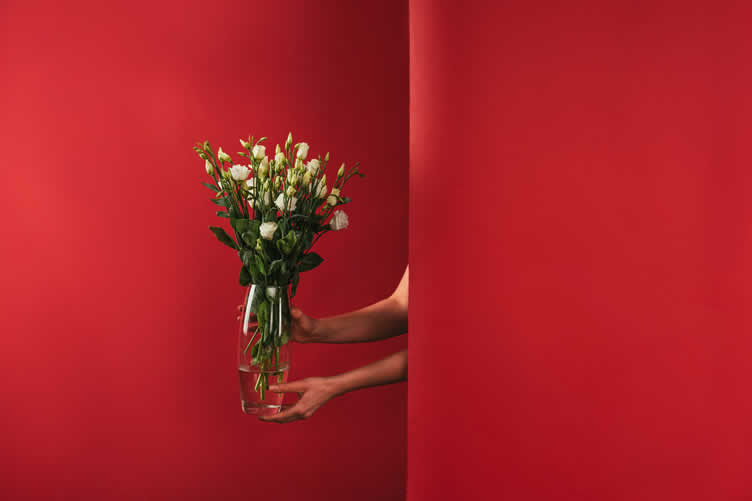
Keeping your indoor plants, whether potted or cut flowers, thriving involves regular maintenance to ensure their health and longevity. For cut flowers, start by choosing a clean vase and fill it with fresh, cool water mixed with a flower preservative.
This solution helps to nourish the flowers and inhibit bacterial growth. Trim the stems at a 45-degree angle before placing them in the vase and repeat this process every few days to ensure they can effectively absorb water. Keep cut flowers away from direct sunlight, drafts, and sources of heat.
Potted plants, on the other hand, require slightly different care. It’s crucial to understand the specific needs of each species, including sunlight, water, and humidity requirements. Ensure adequate drainage in pots to prevent water logging, which can lead to root rot.
Regularly check the soil’s moisture level and water accordingly, and consider misting certain plants to provide additional humidity. Removing dead leaves and spent blooms will encourage new growth and keep your plants looking their best.
For both cut flowers and potted plants, positioning them in suitable locations around your home can significantly affect their health and appearance, enhancing your interior decor.
-
Quirk scroll to topic "maintenance tips" side notes …
-
-
1st: Maintaining Interior Cut Flower Arrangements
Maintaining interior cut flower arrangements goes beyond the initial setup. It encompasses a continuous effort to ensure the arrangement retains its beauty and vitality over time. Regular maintenance is key in prolonging the life of your floral display and keeping it looking fresh.
-
Regular Grooming
Grooming Your Flowers Regularly: Just like plants, cut flowers also benefit from regular grooming. This involves removing wilted or brown petals and leaves, which not only keeps your arrangement looking fresh but also prevents the spread of decay to healthy parts of the plant.
-
Optimal Placement
Finding the Perfect Spot: The location of your flower arrangement within your interior space can significantly affect its longevity. Avoid placing your flowers near vents, fans, or drafts that could lead to dehydration. Also, keep them out of direct sunlight, as the heat can cause flowers to wilt prematurely.
-
Humidity Considerations
Maintaining the Right Humidity: If your home’s air is particularly dry, consider misting the flower petals lightly with water each day or using a humidifier to introduce a bit of moisture into the air. This can be particularly beneficial in maintaining the vitality of tropical flowers.
-
Monitoring Water Quality
Ensuring Water Cleanliness: Beyond changing the water every two days, it’s vital to monitor the water’s clarity between changes. If the water starts to look cloudy, it’s a sign that bacteria might be present, and an immediate water change is necessary to prevent it from affecting the flowers.
By adhering to these tips, you can greatly extend the life and beauty of your interior cut flower arrangements, turning them into enduring highlights of your home’s decor.
-
-
2nd: Quick List: Maintaining Cut Flowers
To keep your cut flowers vibrant and fresh for as long as possible, follow these essential tips:
- Trim the Stems:
Before placing your flowers in water, cut the stems at a 45-degree angle. This increases the surface area for water absorption and prevents the ends from resting flat on the bottom of the vase, which can hinder water uptake. - Choose the Right Vase:
Ensure the vase is clean and filled with fresh water. The size of the vase should be proportionate to the flowers to support them properly and prevent overcrowding. - Use Flower Food:
If available, add flower food to the water. This will provide essential nutrients that help the flowers bloom and prevent the growth of bacteria in the water. - Remove Lower Leaves:
Trim any leaves that will sit below the waterline in the vase. Leaves in the water can rot, leading to bacterial growth that can harm the flowers. - Fresh Water is Key:
Change the water every two days. With each change, re-cut the stems to ensure optimal water absorption and add new flower food if possible. - Keep Them Cool:
Place your flowers in a cool area away from direct sunlight and heat sources. High temperatures can accelerate wilting. - Avoid Fruit:
Keep your flowers away from fruit or vegetables, as ripening fruits release ethylene gas that can cause flowers to age prematurely.
copyright image by 123rf.com
- Trim the Stems:
-
3rd: Maintaining Your Interior Potted Plants
Maintaining your interior floral "potted" plants is key to ensuring they remain vibrant and fresh, enhancing the aesthetic of your space for longer periods.
Proper care involves more than just regular watering; it also includes understanding the specific needs of each plant, providing the right amount of light, and ensuring they are planted in suitable soil.
Here are some segmented sections with targeted maintenance tips to help you keep your floral displays in top condition.
-
Watering Practices
The foundation of healthy indoor plants lies in mastering the art of watering. Each plant has unique watering needs, depending on its type and the environment it’s in. Over watering can lead to root rot, while under-watering can cause dryness and wilting.
A general rule is to check the soil’s moisture level before watering. If the top inch of the soil feels dry, it’s usually a sign that the plant needs water. Always use room-temperature water to avoid shocking the plant’s roots.
-
Light Requirements
Light is another critical factor in the health of your indoor plants. While some plants thrive in bright, indirect light, others may require lower light conditions to flourish.
Determine the light requirements for each of your plants and position them accordingly within your home. Windows facing south or west typically offer the most light, but if natural light is limited, consider using grow lights to supplement.
-
Fertilization and Soil
Just as humans need food to thrive, your houseplants need nutrients to grow strong and healthy. Regularly fertilizing your plants can replenish essential nutrients in the soil that are depleted over time. However, it’s important to use the right type and amount of fertilizer, as over-fertilization can harm your plants.
Additionally, ensure your plants are in the correct type of soil. Some plants may require well-draining soil, while others might need soil that retains moisture better.
-
Pruning and Cleaning
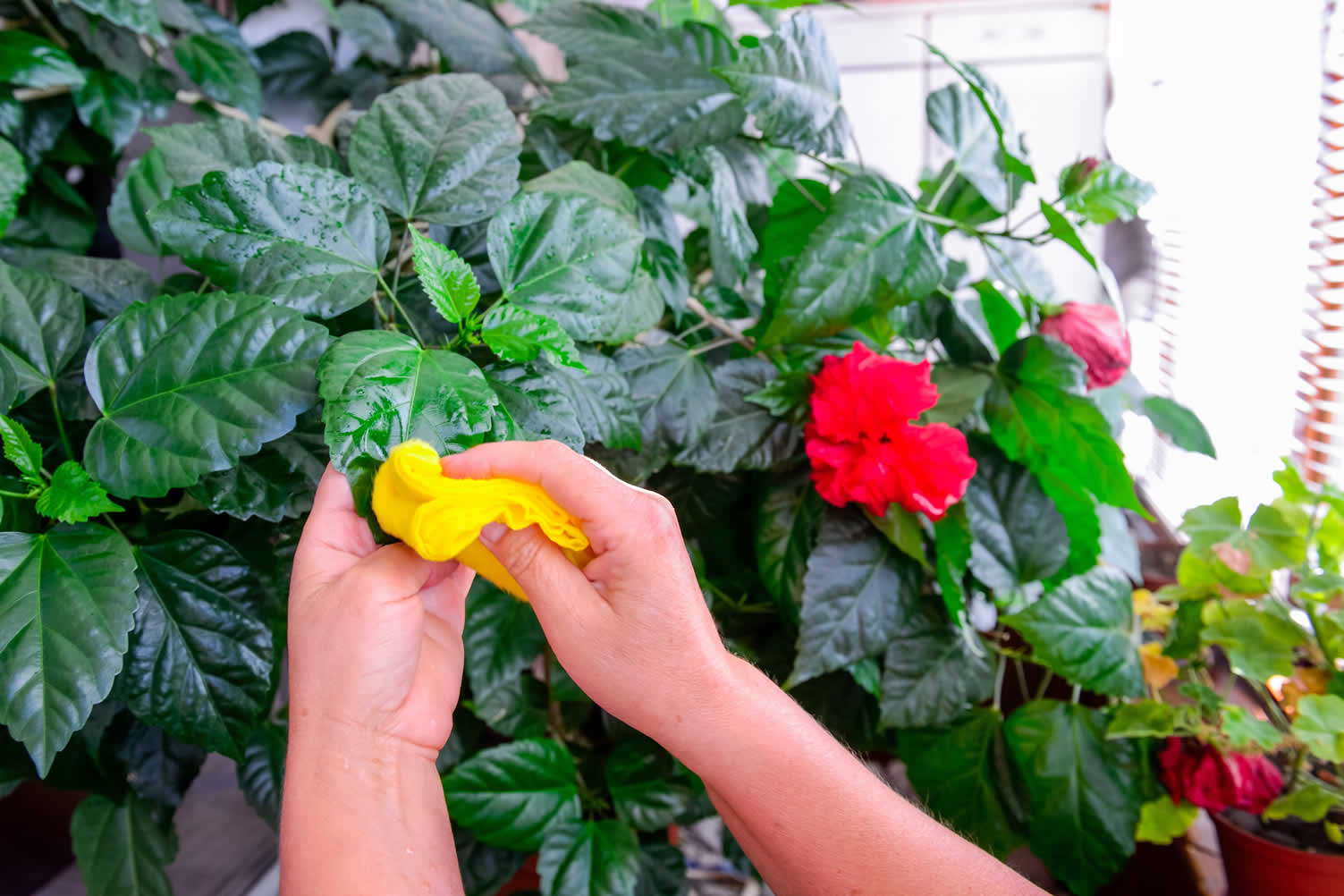
Pruning isn’t just about keeping your plants looking their best; it’s also about promoting healthy growth. By removing dead or dying leaves and stems, you encourage the growth of new, healthy foliage.
Regularly inspect your plants and prune as necessary, using clean, sharp scissors or pruning shears. Keeping the leaves clean from dust not only improves the plant’s appearance but also enhances its ability to photosynthesize efficiently.
copyright image by 123rf.com
-
-
-
FINAL REMARKS
A pleasant method to improve the aesthetics and atmosphere of your living area is to include flowers in your home design.
Gorgeous floral arrangements that enhance any room’s visual appeal can be made by carefully choosing flowers, utilizing imaginative arrangements, and adhering to care instructions.
Hiring top flower delivery service guarantees that you may have premium flowers for any kind of décor you require. Flowers, whether used in traditional arrangements or imaginative installations, are a terrific way to bring joy and vibrancy into your home.
-
ideas to view and compare from the information discussed above
book: caring for potted floral plantshouseplant potting tools
- What comments can you share about
flower path decoration?
Scroll up to directory … or scroll to more home decor-related topics …
view illustration “becoming a bank”


Cover image credit: flower path decoration by 123rf.com
end of post … please share it!
 |
did you find how this flower path decoration analysis helpful? If so, please share the article with your friends and family! |
Nice pic idea? Leave us a quick comment below.
And please share this pic idea within your social networks.