Summary Outline –
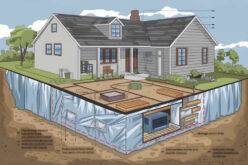
Ensuring your home stands the test of time begins with a solid foundation. Your home’s foundation is its backbone, providing stability and support. However, various factors can threaten its integrity.
Foundation problems often start small but can escalate quickly, leading to costly repairs and structural damage. Understanding how to prevent these issues is crucial for every homeowner.
In this analysis, we’ll explore common causes of foundation problems and offer practical tips to keep your home solid and secure. From drainage and moisture control to landscaping and plumbing maintenance, we’ll cover essential strategies every homeowner should know.
Join us as we dig into the details of foundation maintenance and discover how to protect your home from potential damage.

-
Quick scroll to first topic about preventing foundation problems …

first “preventing foundation problems” idea


copyright image by 123rf.com
Foundation Tip 1: Proper Drainage and Moisture Control
Notes:
-
Water is one of the most significant threats to your home’s foundation. Poor drainage and excess moisture can lead to soil erosion, causing the ground beneath your home to shift. This movement can create cracks in the foundation, compromising its structural integrity.
To maintain proper drainage, ensure the ground around your home slopes away from the foundation. This grading encourages water to flow away rather than pool around the base of your house.
It’s also wise to install gutters and downspouts to channel rainwater away effectively. A French drain, which redirects water from your property, can be an excellent investment for homes prone to flooding or heavy rainfall.
Regularly inspect your drainage systems to ensure they’re functioning correctly. Clear any debris from gutters and downspouts to prevent blockages, and check that water is not accumulating near the foundation.
By taking these steps, you can significantly reduce the risk of water-related foundation issues and extend the lifespan of your home.
-
Quick scroll to “proper drainage” side notes …
-
-
1st: Understanding Effective Drainage Systems
When it comes to preventing foundation problems, a well-designed drainage system is essential in safeguarding your home and landscape. By directing water away from your foundation, these systems minimize the risk of water accumulation that can lead to soil erosion and structural damage.
Let’s explore some crucial elements and types of drainage systems that can help in maintaining a dry and stable home environment.
-
Surface Drainage
Surface drainage systems are designed to remove water from the soil surface. They generally include graded surfaces or shallow ditches that guide excess rainwater away from your property. By employing this strategy, you can prevent water from pooling around the foundation, thereby reducing the risk of erosion and instability.
It is crucial for the landscape grading to slope downward, directing water away from the foundation. If this slope erodes over time, it’s wise to either redo the landscaping to ensure proper drainage or install a channel to divert excess water away from the foundation effectively.
-
French Drains
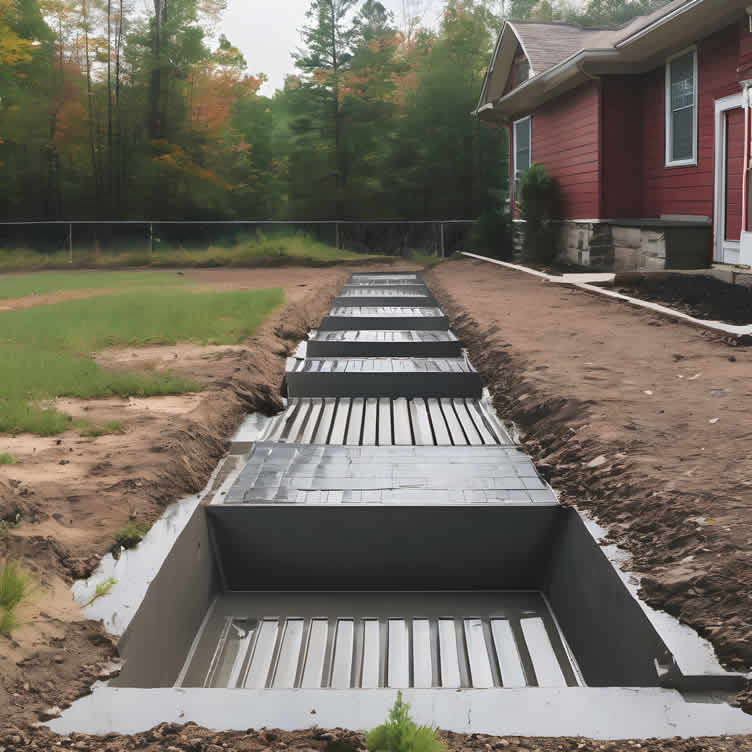
A French drain is an effective solution for areas with heavy rainfall or poor natural drainage. This system consists of an underground trench filled with gravel and a perforated pipe that collects and redirects water away from your home’s foundation.
French drains are particularly beneficial for preventing water log around the structure, thereby averting potential foundation problems.
-
Gutter Systems
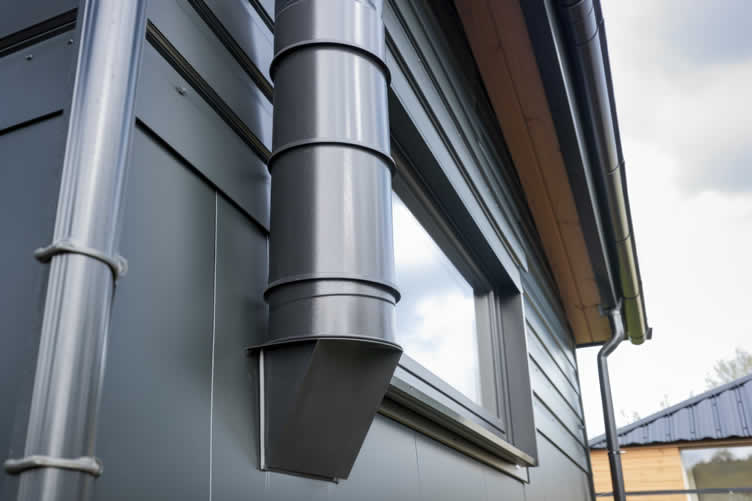
Gutters and downspouts are crucial components of any drainage system. They capture rainwater from the roof and channel it several feet away from your home’s foundation.
Regular maintenance of these systems is vital; clearing debris ensures proper flow and prevents blockages, offering peace of mind during heavy rainstorms.
-
Sump Pumps
In areas prone to flooding, a sump pump can be an invaluable tool. Installed in a sump pit, this pump collects groundwater and funnels it away from your home’s foundation.
It acts as a fail-safe to keep basements dry and foundation walls free from the pressures of hydrostatic buildup.
By integrating these drainage solutions, homeowners can effectively combat water-related hazards, preserving both the beauty of their landscape and the integrity of their home’s foundation.
copyright image by 123rf.com

-
-
2nd: Preventing Foundation Moisture and Dampness
Managing moisture around your home’s foundation is crucial to maintaining its structural integrity. Excess moisture not only contributes to potential foundation damage but can also lead to mold growth and unhealthy indoor air quality.
Implementing effective moisture prevention strategies can save homeowners from costly repairs and ensure a safe living environment.
-
Ensure Proper Soil Compaction
It is crucial to recognize that the type of soil supporting a home significantly impacts the stability of its foundation. Proper soil compaction is essential before constructing a new home or adding any structures.
Soil that is inadequately compacted can lead to settling over time, jeopardizing the integrity of the foundation.
If you are new to an area, building a new home, or expanding an existing one, consulting a professional contractor can help assess the quality of the underlying soil.
This proactive step can prevent future foundation issues by ensuring that the soil is stable and unlikely to shift.
-
Landscaping Considerations
Proper landscaping can significantly impact moisture control. By sloping flower beds and lawns away from your home’s foundation, you help prevent water from seeping into the soil surrounding the structure.
Ensuring that plants and trees are appropriately spaced also aids in reducing excess moisture, as roots can direct water away effectively.
-
Sealants and Barriers
Applying waterproof sealants to basement walls and floors acts as a crucial barrier against moisture intrusion. These sealants create a protective shield that prevents water from penetrating foundation materials.
Additionally, installing vapor barriers in crawl spaces can help mitigate dampness and reduce the risk of mold growth.
-
Routine Inspections
Conducting regular inspections of your foundation and surrounding areas is essential for early detection of moisture issues.
Check for signs of water pooling, foundation cracks, and damp spots on walls. Timely identification allows for prompt remediation, minimizing potential damage and associated costs.

copyright image by 123rf.com
[ view diagram: how to keep a basement dry]
[ youtube: crawl space fans dry better than dehumidifiers]
-
-
-
ideas to view and compare from the information discussed above
moisture barrier underlaymentcrawl space dehumidifiersump pump
Scroll up to directory … or scroll to next section about preventing foundation problems …


second “photo remodeling” idea

copyright image by 123rf.com
Foundation Tip 2: Landscaping Considerations
Notes:
-
Your yard’s greenery can bring beauty to your home, but certain plants and trees may pose a threat to your foundation. Some species have aggressive root systems that can invade and weaken the ground supporting your home. To prevent this, it’s essential to choose plants and trees with shallow root systems.
When planning your landscape, maintain a safe distance between trees and your home. Experts recommend planting trees at least their mature height away from the foundation. This distance helps prevent roots from encroaching on your home’s base.
Additionally, keep shrubs and other plants at least several feet from the foundation to allow adequate air circulation and sunlight exposure, reducing moisture buildup.
Regularly trim and prune your plants to manage their growth effectively. By carefully selecting and maintaining your landscape, you can enjoy a beautiful garden while safeguarding your home’s foundation from potential damage.
-
Quick scroll to “foundation landscaping” side notes …
-
-
1st: Landscaping Around the Foundation
Landscaping not only enhances the aesthetic appeal of your home but also plays a crucial role in maintaining a healthy foundation.
Proper landscaping practices can be instrumental in preventing foundation problems, as they ensure that water is effectively directed away from your house and minimize the risk of invasive root systems that may compromise the structural integrity.
The following sections provide guidance on how to approach foundation-friendly landscaping.
-
Choosing the Right Plants
Selecting plants with non-invasive root systems is essential for protecting your foundation. Opt for ground cover plants and shrubs that require minimal watering and have shallow roots.
These plants are less likely to interfere with the soil structure around your home, thereby preventing foundation problems. Consider using native species that are adapted to the local climate and soil conditions, reducing the need for excessive irrigation.
-
Effective Drainage Solutions
Incorporating effective drainage solutions in your landscape design is crucial to prevent water accumulation near your foundation. Ensure that your yard slopes away from the foundation, guiding water away from the home.
Installing features such as French drains or swales can help manage water flow, reducing the likelihood of water pooling and seepage. Mulching around plants can also assist in retaining soil moisture while minimizing erosion.
-
Maintaining a Safe Distance
It’s vital to maintain a proper distance between large trees and the foundation. Plant trees at least their mature height away from the house to ensure their root systems do not encroach upon the foundation.
This precaution helps in preventing foundation problems by controlling root growth and ensuring soil stability around your home. Utilize barrier materials if necessary to further protect the foundation from potential root invasion.
By implementing these landscaping strategies, you can enjoy a beautiful garden while safeguarding your home’s foundation, ensuring a stable and long-lasting structure.
AI generated image by 123rf.com
[ view diagram: landscaping around foundation ]
[ youtube: how to grade around a foundation ]
-
-
-
ideas to view and compare from the information discussed above
Scroll up to directory … or scroll to next section about preventing foundation problems …

addressing preventing foundation problems and other home improvement needs …

… grab this directory of ideas for future use

May We Suggest Other Photo Remodeling Ideas About
“Other Exterior Home Ideas …” (new win)



third “photo remodeling” idea
copyright image by 123rf.com
Foundation Tip 3: Pest Infestation
Notes:
-
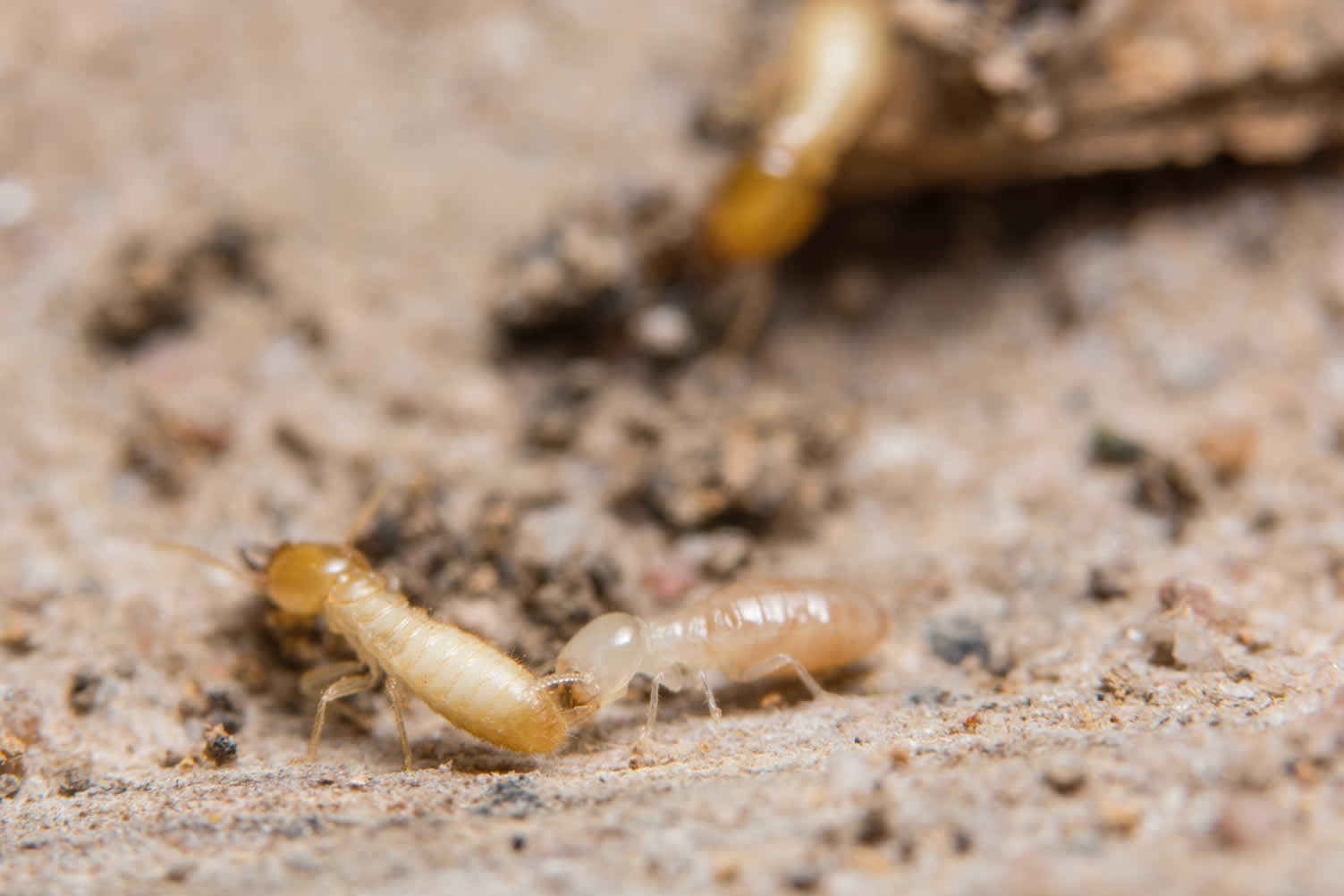
Pests can be more than just a nuisance; they can cause significant damage to your home’s foundation. Termites and other wood-destroying insects can weaken the structure, while burrowing creatures like rodents can disrupt the soil beneath your home.
To prevent pest infestations, seal any gaps or cracks in your foundation and exterior walls. Remove any wood debris or clutter near your home that could attract pests. Regularly inspect your home for signs of pest activity, such as droppings, nests, or gnaw marks.
Consider employing pest control professionals for regular treatments and advice on keeping pests at bay. By preventing infestations, you can protect your foundation and preserve the longevity of your home.
-
Quick scroll to “pest control” side notes …
-
-
1st: Foundation Damage by Pests
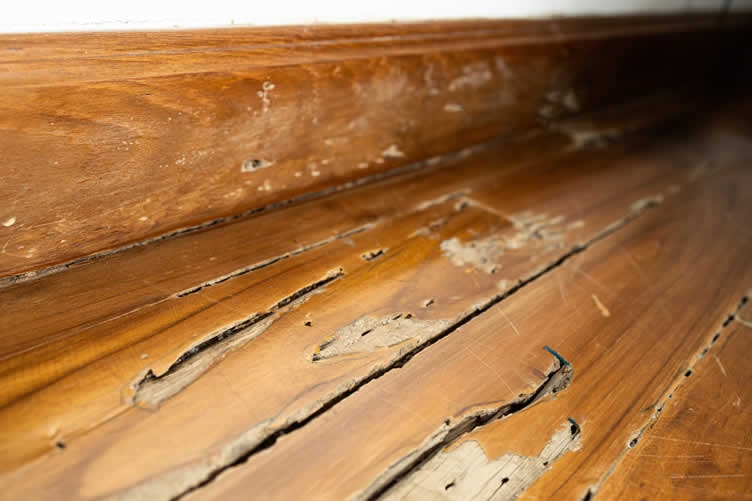
Pests have the potential to cause significant structural damage to a home’s foundation, leading to costly repairs and undermining the stability of the entire building. Left unchecked, these invaders can compromise the integrity of foundations through various destructive behaviors.
Understanding the types of pests that affect foundations and how to prevent their damage is key to maintaining your home’s structural health.
-
Termites
Termites are notorious for their ability to weaken foundations by consuming wood and other cellulose materials. They often go unnoticed until significant damage has occurred, as they tend to feast on the internal structures hidden from view.
To combat termite infestation, it is crucial to engage in consistent monitoring and prevention strategies. Consider treatments such as soil-applied barrier treatments or bait systems.
Regular inspections by pest control professionals can help in detecting and eradicating termites early, thereby preventing foundation problems.
-
Rodents
Rodents such as rats and mice may not directly eat away at your foundation, but their burrowing activities can disrupt the soil surrounding it, leading to shifts and instability.
To prevent rodents from making their home beneath or around your foundation, seal entry points like gaps and cracks in walls, and maintain cleanliness around the property to remove potential food sources. Installing traps and baits can also be effective in managing rodent populations.
-
Carpenter Ants
Though not as destructive as termites, carpenter ants can still pose a threat by nesting within wooden structures of a home, potentially leading to weakened foundation elements.
Unlike termites, they do not eat wood but hollow it out for nesting purposes. Prevent infestations by eliminating moisture issues, which attract these ants, and sealing any wood exposed to the outdoors.
Regularly inspecting woodwork for entry holes and sanding can also deter carpenter ants from settling in.
-
Carpenter Bees
Carpenter bees, though less aggressive than other pests, can nonetheless contribute to the degradation of wooden structures. These bees do not consume wood but bore into it to create nests, resulting in unsightly holes and potentially compromising the integrity of wooden components in or around your foundation.
The presence of several nesting sites over time can cause weakening of the wood. To deter carpenter bees, maintain painted or varnished wood surfaces, as these are less attractive to bees than untreated wood.
Use insecticides or traps if an infestation occurs, and fill any existing holes to prevent further nesting. Regular maintenance and inspection can help in identifying and dealing with carpenter bee activity before it escalates.
By understanding these pests and implementing preventative strategies, homeowners can significantly reduce the risk of foundation damage, ensuring greater longevity and stability of their homes.
copyright image by 123rf.com
-
-
-
ideas to view and compare from the information discussed above
termite bait stationsrodent protection meshfoundation pest control spray
Scroll up to directory … or scroll to next section about preventing foundation problems …
SHARE IT ..! You might have someone in your social network who could find this informative post preventing foundation problems valuable. Feel free to share it on Facebook, X (formally Twitter), LinkedIn, or Pinterest!


fourth “photo remodeling” idea

copyright image by 123rf.com
Foundation Tip 4: Plumbing Maintenance
Notes:
-
Undetected plumbing leaks can wreak havoc on your home’s foundation. Water seeping into the soil can cause it to expand or contract, leading to foundation movement and cracking. Therefore, maintaining your plumbing system is crucial for foundation health.
Inspect your plumbing regularly for signs of leaks, such as damp spots or a sudden increase in your water bill. Fix any issues promptly to prevent water from reaching your foundation. Ensure that all water is directed away from your home by checking that drains and sewer lines are functioning correctly.
If you’re unsure about your plumbing’s condition, consider hiring a professional for a thorough inspection. Regular maintenance can save you from costly repairs down the line and ensure your foundation remains strong and secure.
-
Quick scroll to “home plumbing” side notes …
-
-
1st: Plumbing Entry Points and Foundation Types
Understanding how plumbing interacts with different types of foundations is crucial in preventing foundation problems. Each foundation type presents unique challenges and requires specific methods for accessing plumbing and addressing potential leaks.
This section provides insights into how plumbing flows through various foundations and offers solutions for managing leaks effectively.
[ see below: types of foundations ]
-
Slab-on-Grade Foundations
In homes with slab-on-grade foundations, plumbing pipes are typically embedded within the concrete slab. This setup can make detecting and repairing leaks challenging.
If you suspect a plumbing leak, look for water pooling, damp flooring, or low water pressure. To access these pipes, you may need to consult a professional who can use specialized equipment to detect leaks and minimize damage to the slab while making repairs.
-
Crawl Space Foundations
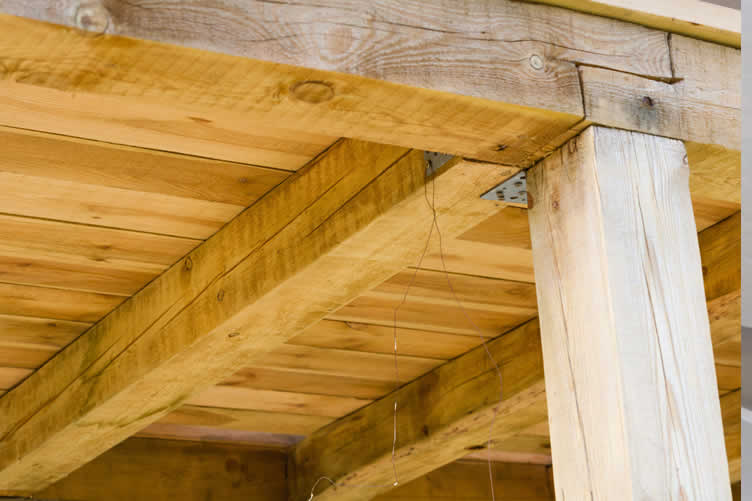
Crawl space foundations allow for easier access to plumbing, as pipes are often suspended beneath the floor joists. Routine inspections are vital for identifying leaks promptly, as moisture can lead to mold growth and structural damage.
In the event of a leak, it’s generally a straightforward process to reach and repair the pipes. Ensure any pooling water is addressed quickly to prevent further structural issues.
-
Basement Foundations
In homes with basements, plumbing typically runs along the ceiling of the basement or within walls. This is one of the most accessible setups, allowing for easier detection and repair of leaks.
It’s essential to maintain regular inspections to check for signs of leaks or corrosion, particularly around joints and connectors. Timely repairs are crucial in preventing water from compromising the foundation integrity.
-
Pier Foundations
Pier foundations, often used in older homes or those built on uneven terrain, have plumbing that runs through the space between the piers and the floor joists. As with crawl spaces, this configuration allows for straightforward access to plumbing.
When facing a leak, identifying the affected area and conducting repairs can be done relatively easily, minimizing the risk of long-term foundation problems. Regular inspections will help ensure that the foundation remains firm and intact.
copyright image by 123rf.com
[ view diagram: foundation plumbing diagram ]
[ youtube: how your house plumbing works ]
-
-
2nd: Smart Leak Detection Systems
Smart leak detection systems are an innovative solution to the traditional challenges of identifying and repairing plumbing leaks. By integrating advanced technology into your home, these systems offer real-time monitoring and alerts, ensuring that leaks are detected promptly and addressed before causing significant damage.
By using a blend of sensors, smart home connectivity, and mobile applications, smart leak detection systems provide a comprehensive approach to home maintenance.
-
Installing a Smart Leak Detection System
Installation of a smart leak detection system generally begins with selecting the right system for your home’s plumbing configuration. Most systems are designed for user-friendly installation and often come with detailed instructions.
he process involves connecting sensors to strategic locations along your plumbing network, such as under sinks, near water heaters, or along main water lines. Be sure to follow the manufacturer’s guide for setup to ensure all parts are correctly installed and integrated.
-
Using the Smart Leak Detection System
Once installed, using a smart leak detection system is straightforward. The system is usually linked to a central hub or directly to your mobile device via an app.
Through this app, you can monitor water usage in real-time, set thresholds for alerts, and receive notifications if abnormal water flow or potential leaks are detected.
Additionally, many systems can be integrated with other smart home technologies, allowing for automated shut-off features that can prevent further water damage in an emergency.
By incorporating a smart leak detection system into your home infrastructure, you significantly enhance your ability to safeguard against leaks, thereby protecting your home from potential water damage while ensuring peace of mind.

copyright image by 123rf.com
-
-
-
ideas to view and compare from the information discussed above
Scroll up to directory … or scroll to next section about preventing foundation problems …

plan the specifications you need for making …

… key exterior home improvements and remodeling decisions
Find Exterior Home Services Garage Doors Roofing Siding Waterproofing Driveways Walkways top-rated, pre-screened local contractors FREE: download contractor selection Steps Concrete Chimney Landscape Design Foundations Water Features enter zip code – powered by HomeAdvisor ™
Quick Contractor Guides selecting negotiating working with inspecting

fifth and last “photo remodeling” idea


copyright image by 123rf.com
Foundation Tip 5: Regular Inspections
Notes:
-
Routine inspections are key to catching foundation problems early. By identifying issues before they worsen, you can avoid extensive damage and expensive repairs. Conduct self-inspections regularly and look for signs of trouble.
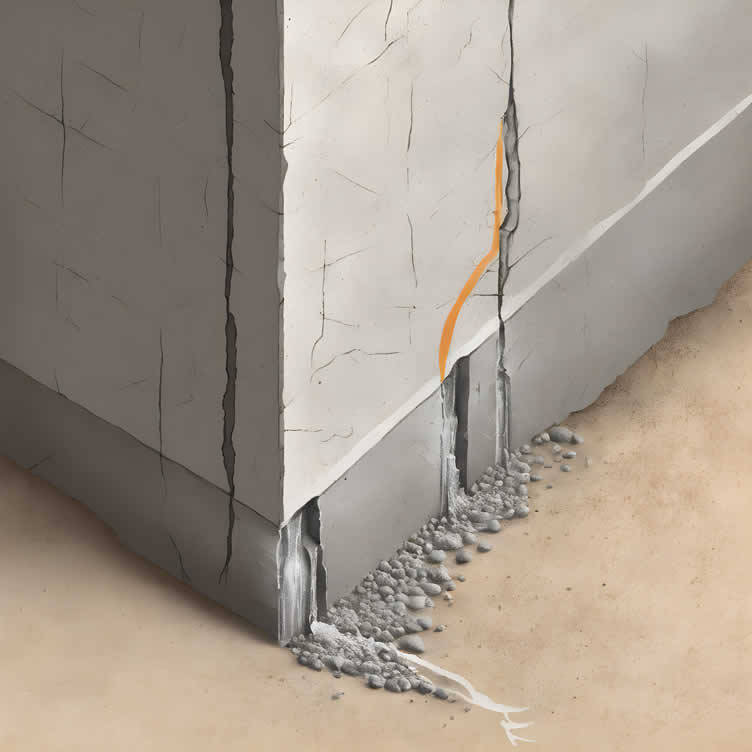
During inspections, check for cracks in walls or floors, doors or windows that stick, and any unevenness in the floors. These can be indicators of foundation movement.
Outside, examine your foundation for visible cracks or bulges. If you notice any signs of potential problems, it’s best to consult a professional for a more comprehensive evaluation.
Document your findings and monitor any changes over time. Keeping a detailed record can help you recognize patterns and address issues before they escalate. By staying vigilant, you can maintain a solid foundation and a safe, stable home.
-
Quirk scroll to topic "making inspections" side notes …
-
-
1st: Detailed Home Foundation Inspection
Regular, thorough inspections of your home’s foundation are crucial to maintaining the structural integrity of your property. By performing detailed assessments, you can identify early signs of deterioration and address issues before they lead to costly repairs.
This guide outlines a systematic approach to conducting a comprehensive foundation inspection, enabling homeowners to safeguard their investments.
-
Preparing for Inspection
Before beginning the inspection, gather necessary tools including a flashlight, level, measuring tape, and a notepad for recording observations. Ensure you wear appropriate clothing for navigating different areas of your home, particularly if it requires accessing basements or crawl spaces.
-
Examining the Interior
- Check for Cracks:
Walk through every room and check for cracks in walls, ceilings, and floors. Pay attention to corners or areas around windows and doors. - Assess Doors and Windows:
Open and close all doors and windows. Note any that display difficulty in operation, as these could indicate foundation shifts. - Floor Levelness:
Use a level to check for any noticeable sloping of floors, signaling potential foundation settling.
- Check for Cracks:
-
Inspecting the Exterior
- Foundation Wall Examination:
Walk around the perimeter of your home to inspect the foundation walls for cracks, bulges, or leaning. Take note of any suspicious areas. - Drainage Assessment:
Ensure that the soil grading slopes away from the foundation to prevent water pooling. Check gutters and downspouts to confirm they are effectively directing water away. - Vegetation Review:
Verify that no large trees or shrubs are too close to the foundation, as their roots may cause disruptions.
- Foundation Wall Examination:
-
Investigating the Basement or Crawl Space
- Moisture Check:
Look for signs of moisture or water damage, such as dampness on walls and floors, mold, or mildew. - Structural Components Inspection:
Inspect support beams, columns, and flooring for any signs of wood rot or pest activity. - Ventilation Verification:
Make sure there is adequate ventilation to prevent moisture buildup which can lead to foundation damage.
- Moisture Check:
AI generated image by 123rf.com
[ view diagram: home foundation inspection diagram ]
[ youtube: how inspect a home’s foundation ]
-
-
2nd: When to Call a Foundation Professional
Maintaining the integrity of a home’s foundation is crucial for its long-term stability. While many issues can be identified and addressed through regular inspection, there are certain signs and situations where it’s best to bring in a foundation professional.
Understanding when to seek expert advice can prevent minor issues from escalating into major structural problems. Below are some key moments to consider contacting a foundation contractor.
-
Recognizing Serious Indicators
Certain warning signals should alert homeowners to seek professional evaluation. These include persistent cracks that continue to widen in walls or floors, doors or windows that refuse to operate smoothly, and visible sinking or tilting of the foundation.
If any of these concerns are observed, it’s important to address them promptly to prevent further damage and potentially costly repairs.
-
What to Expect from a Foundation Contractor
A qualified foundation contractor will conduct a thorough assessment of the structural integrity of your building. This involves using specialized equipment to detect issues not visible during a routine inspection.
They will provide a detailed report of their findings and suggest appropriate remediation strategies to solve existing problems and prevent future ones. Professional contractors are also equipped to manage repairs, such as underpinning or foundation reinforcement, ensuring the stability of your home.
-
Finding the Right Contractor
Selecting a reliable foundation contractor is crucial to ensuring quality repair work. Start by seeking recommendations from trusted sources like family or friends who have faced similar issues.
Online reviews and ratings can provide insight into a contractor’s reputation. It’s also advisable to consult multiple contractors, compare their assessments and quotes, and verify their credentials and licenses.
If you live in Kansas City and need a foundation repair expert, simply search for "foundation repair in Kansas City" online, and you’ll discover a variety of potential leads.
Focusing on reputable professionals with experience in preventing foundation problems will ensure your home’s structural integrity is in good hands.
LetsRenovate has partnered with HomeAdvisor™, a renowned provider of highly-rated, carefully-vetted foundation contractors. Start your search here by entering your zip code to find local professionals.

copyright image by 123rf.com
But Wait!
Before starting your search and evaluation of home foundation contractors, it is highly recommended to download and use this evaluation worksheet.
This resource will help you objectively rank and assess potential contractors, considering essential factors such as pricing, licensing, and referral information.

Evaluation Sheet
File Type: -
-
-
FINAL REMARKS
A proactive approach to foundation maintenance is essential for any homeowner. By addressing drainage, landscaping, plumbing, and pest control, you can prevent foundation problems before they start. Regular inspections and maintenance will keep your home secure and stable for years to come.
Remember, the key to a strong home is a strong foundation. By implementing the strategies discussed in this post, you can contribute to your home’s long-term health and safety.
If you have any personal experiences or additional tips on foundation maintenance, feel free to share them in the comments below. Together, we can build stronger homes and communities.
-
ideas to view and compare from the information discussed above
book: DIY home inspectionshome inspection kitfoundation crack repair
- What comments can you share about
preventing foundation problems?
Scroll up to directory … or scroll to more exterior home-related topics …
view illustration “becoming a bank”


Calendar For:
Home Maintenance
File Type:
… view our sharing links below for a quick "share the knowledge"
Cover image credit: preventing foundation problems by 123rf.com
end of post … please share it!
 |
did you find this topic about preventing foundation problems analysis helpful? If so, please share the article with your friends and family! |
Nice pic idea? Leave us a quick comment below.
And please share this pic idea within your social networks.