Summary Outline –
The art of home cooking does not just rely on recipes or fresh ingredients. It rests also on the subtle and profound use of herbs and spices. These humble yet powerful ingredients can make or break a dish. They have the ability to transform ordinary meals into extraordinary culinary creations.
Whether you’re a seasoned home cook or just starting, understanding the role of herbs and spices in food preparation is the key to taking your dishes to the next level.
This post dives into the world of herbs and spices, exploring their uses, combinations, and storage tips, so you can elevate your home cooking effortlessly.

-
Quick scroll to first topic about knowing your herbs and spices …

first “knowing your herbs and spices” idea

copyright image by 123rf.com
Know Tip 1: The Difference Between Herbs and Spices
Notes:
-
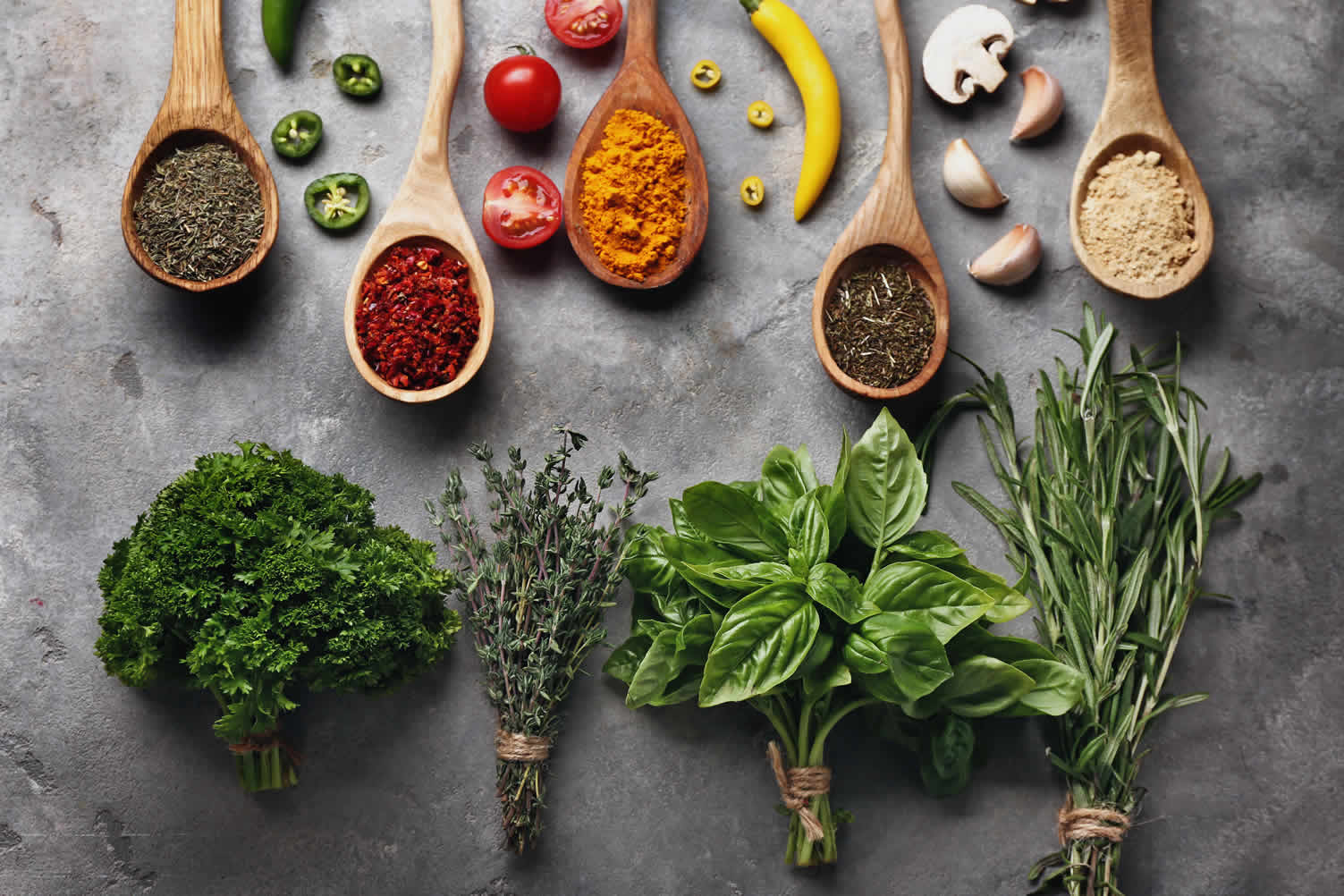
Although “herbs” and “spices” are often used interchangeably, they refer to distinct types of flavoring agents.
Herbs are typically the fresh or dried leaves of a plant, while spices come from other parts of the plant such as seeds, roots, bark, or fruit. For example, basil, oregano, and cilantro are considered herbs because they are derived from leafy parts of the plant.
On the other hand, cinnamon, turmeric, and cumin fall into the spice category as they come from bark or seeds.
Understanding this fundamental difference can not only help you choose the right ingredient for a recipe but also allow you to experiment freely, blending herbs and spices in ways you may not have considered before.
-
Quick scroll to “understanding herbs n’ spices” side notes …
-
-
1st: What Defines Herbs?
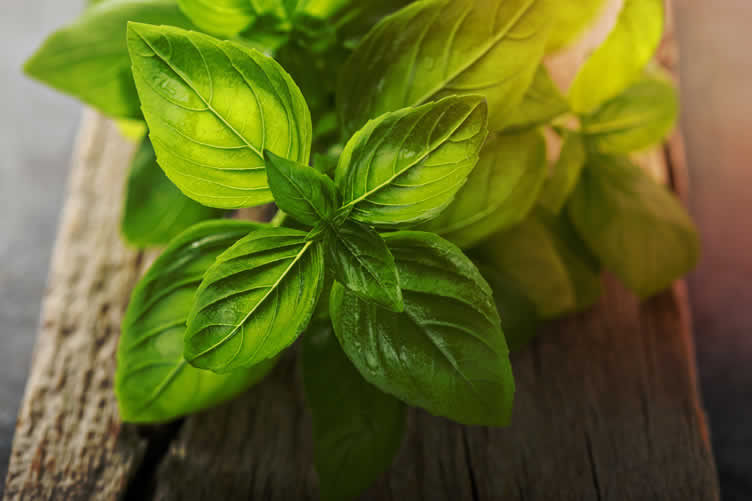
Herbs have been a fundamental part of culinary traditions, medicine, and even spiritual practices for centuries. These versatile plants are typically known for their aromatic properties, enhancing dishes and providing healing benefits.
Unlike spices, which are derived from seeds, bark, or roots, herbs are primarily sourced from the fresh or dried leaves of certain plants. To understand herbs better, it is essential to explore their key characteristics.
-
Appearance and Growth
Herbs are often green, leafy plants that thrive in temperate climates, although many can also grow in different environmental conditions with proper care.
Common herbs like basil, mint, and parsley are soft-stemmed and relatively easy to cultivate, making them an excellent addition to home gardens. Their fresh leaves are picked to ensure the richest flavor and aroma.
-
Culinary Uses
Herbs are celebrated for their ability to enhance the taste of various dishes. They are frequently used in their raw, fresh form, as seen in garnishes or salads, or they can be dried for longer preservation while retaining much of their flavor.
Herbs such as thyme, rosemary, and oregano are staples in Mediterranean cuisine, while cilantro and mint are frequently featured in Asian and Middle Eastern recipes.
The versatility of herbs allows chefs and cooks to layer flavors subtly or create bold notes in a range of dishes.
-
Medicinal Properties
Beyond the kitchen, many herbs are highly valued for their therapeutic and healing properties. For instance, chamomile is renowned for its calming effects, often consumed as a tea, while rosemary has been studied for its potential to improve memory and focus.
Herbal remedies have been used in traditional medicine systems worldwide, from Ayurveda to Traditional Chinese Medicine, contributing to both physical and mental well-being.
-
Aromatic Qualities
One defining feature of herbs is their aromatic nature, which stems from the essential oils present in their leaves. This quality not only contributes to their culinary and medicinal uses but also makes them popular in aromatherapy and perfumery.
The scent of herbs like lavender, sage, or thyme can evoke relaxation, energize the mind, or even repel insects.
By appreciating these characteristics, you can unlock the full potential of herbs, exploring their diverse applications and incorporating them seamlessly into your daily life.
copyright image by 123rf.com
[ view diagram: what is an herb]
[ youtube: herbal plants you should know? ]

-
-
2nd: What Defines Spices?
Spices are a diverse group of aromatic plant-derived substances that add flavor, color, and depth to both culinary and cultural practices across the world.
Distinct from herbs, which primarily come from the leaves of plants, spices are typically derived from seeds, bark, roots, or fruits.
Their intense aroma and taste make them essential components in global cuisines, while their antimicrobial properties and historical significance elevate their importance beyond the kitchen. Below, we explore the unique characteristics of spices in detail.
-
Aroma and Flavor
The defining characteristic of spices is their potent aroma and intense flavor. Spices such as cinnamon, cloves, and cardamom contain aromatic compounds that are released when ground or heated.
These compounds stimulate the senses, enhancing dishes with their unforgettable profiles and allowing even a small quantity to transform a meal. Their concentrated nature makes spices an indispensable ingredient in cooking.
-
Color and Visual Appeal
Many spices also contribute vibrant colors, which play a crucial role in the presentation of food. For example, turmeric imparts a golden yellow hue, while paprika adds a bright red tone to dishes.
These visual enhancements are as integral to the culinary experience as the flavors themselves, making spices a feast for both the palate and the eyes.
-
Preservation and Medicinal Properties
Spices have been used throughout history for their natural preservative qualities and health benefits. Their antimicrobial and antioxidant properties help to extend the shelf life of food, especially in warmer climates.
Additionally, spices like ginger, cumin, and cinnamon are celebrated in traditional medicine for their ability to aid digestion, reduce inflammation, and support overall well-being.
-
Cultural and Historical Significance
The history of spices traces back to ancient times when they were among the most sought-after commodities in trade. Spices like black pepper and nutmeg drove exploration and shaped trade routes, often serving as currency due to their immense value.
Their intricate ties to cultural traditions highlight spices as both culinary treasures and symbols of connectivity among civilizations.
By understanding these unique attributes, we gain a deeper appreciation for the versatile and essential role spices play in cuisine, culture, and health.
Their rich history and multifaceted benefits continue to inspire chefs, healers, and adventurers alike.
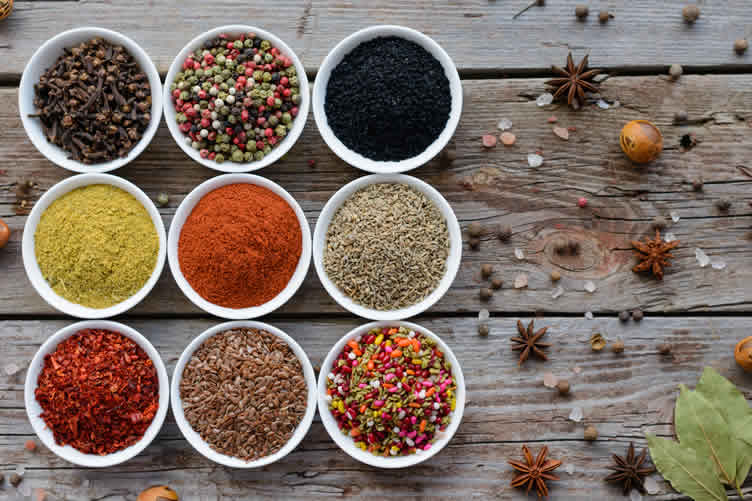
copyright image by 123rf.com
[ view diagram: what is a spice]
[ youtube: the science of spiciness]
-
-
3rd: The Health Benefits of Herbs and Spices
Herbs and spices have been valued for centuries not only for their ability to enhance the flavor of food but also for their incredible medicinal properties.
Across diverse cultures and traditions, these natural treasures have been used as remedies for numerous ailments, promoting overall health and well-being.
Modern science continues to uncover the ways in which herbs and spices support the body, offering a holistic approach to health. Below, we explore some of the most significant medicinal benefits of commonly used herbs and spices.
-
Turmeric and Its Anti-Inflammatory Power
Turmeric, a vibrant golden-yellow spice, is renowned for its potent anti-inflammatory and antioxidant properties. Its active compound, curcumin, has been extensively studied and shown to reduce inflammation, making it beneficial for managing conditions such as arthritis and joint pain.
Additionally, turmeric supports brain health and boosts immunity, making it a staple in traditional and modern medicine.
-
Ginger for Digestion and Nausea Relief
Ginger is a versatile spice known for its effectiveness in soothing digestive issues. It has been traditionally used to relieve nausea, including morning sickness during pregnancy and motion sickness.
The spice contains bioactive compounds like gingerol, which aid in reducing inflammation and supporting gut health. Ginger is also known to help alleviate muscle soreness and menstrual pain.
-
Garlic for Heart Health
Garlic is celebrated for its cardiovascular benefits, thanks to its ability to lower blood pressure and cholesterol levels. Rich in allicin, a sulfur compound, garlic has antimicrobial properties and helps boost the immune system.
Regular consumption of garlic has also been linked to reducing the risk of heart disease, making it a powerful natural remedy.
-
Cinnamon for Blood Sugar Control
Cinnamon, a sweet and aromatic spice, has been found to help regulate blood sugar levels by improving insulin sensitivity.
Commonly used in traditional medicine, cinnamon is beneficial for people with type 2 diabetes and can help reduce spikes in blood sugar after meals. It also has antioxidant properties that support overall health.
-
Peppermint for Relief from Headaches and Stress
Peppermint is an herb with cooling and calming effects, often used to relieve headaches and reduce stress. Its menthol content relaxes muscles and improves circulation, which can ease tension.
Peppermint is also excellent for alleviating digestive discomfort, such as bloating and gas, promoting a sense of relief and well-being.
-
Clove as a Natural Pain Reliever
Clove has been recognized for its strong analgesic and antibacterial properties, making it a common remedy for dental pain and infections.
Its active compound, eugenol, acts as a natural pain reliever and is often used in throat syrups and topical applications. Additionally, clove enhances digestion and supports overall immune health.
By incorporating these herbs and spices into daily life, one can harness their powerful properties to enhance both physical and mental health.
Their timeless role in medicinal practices highlights the enduring link between nature and human wellness.
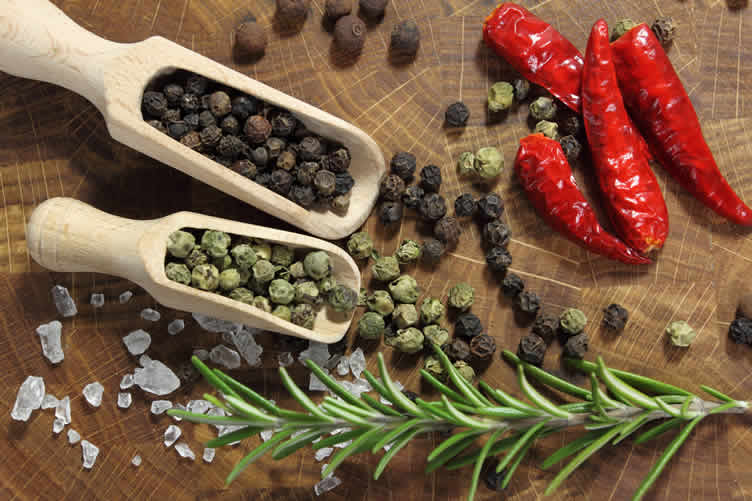
copyright image by 123rf.com
[ view diagram: health benefits of herbs/spices]
[ youtube: most powerful medicinal herbs]
-
-
4th: The History of the Spice Trade
The spice trade stands as one of the most significant and fascinating economic activities in human history, shaping civilizations, global economies, and cultural exchanges for centuries.
Spices such as pepper, cinnamon, clove, and nutmeg were in great demand not only for their culinary uses but also for their medicinal, preservative, and ceremonial purposes.
These rare and exotic commodities initiated vast trading networks that connected continents, introduced new cultures, and sparked exploration and competition among empires. Below, we explore the major milestones of this historic trade.
-
The Spice Routes of Antiquity
The earliest records of the spice trade date back to ancient civilizations such as Mesopotamia, Egypt, and the Indus Valley.
Spices like cinnamon and cassia were transported from South Asia to the Middle East, with demand so high that their origins were often shrouded in mystery to protect valuable trade secrets.
Ancient Egyptian texts reveal the use of spices in religious rituals, embalming practices, and medicine. Land routes such as the Silk Road and maritime paths across the Arabian Sea became critical for the exchange of these prized goods.
-
The Arab Domination of the Spice Trade
Beginning around the 7th century CE, Arab traders became the central players in the spice trade. Leveraging their advanced maritime navigation skills, they established a trade monopoly over routes connecting India, Southeast Asia, and the Mediterranean.
The wealth generated from this trade allowed Arab empires to flourish, with spices filling the markets of cities such as Baghdad and Alexandria. Europeans, reliant on Arab intermediaries, paid high premiums for spices and sought ways to directly access the sources.
-
The Age of Exploration and European Intervention
During the 15th century, European nations, particularly Portugal and Spain, sought to bypass the Arab monopoly by finding direct sea routes to spice-producing regions. Portuguese explorer Vasco da Gama successfully reached India in 1498, opening up a lucrative direct trade.
This marked the beginning of European colonization in spice-producing areas such as the Maluku Islands (also known as the Spice Islands).
The Dutch and British soon entered the competition, forming the Dutch East India Company and British East India Company, leading to intense rivalries over control of these resources.
-
Decline of the Spice Trade’s Dominance
By the 18th and 19th centuries, the global spice trade began to decline in prominence as spices became more widely cultivated in European colonies around the world. Improved agricultural practices and accessibility made spices more available to people across all economic classes.
Nevertheless, the legacy of the spice trade continues today, reflected in globalized cuisines and cross-cultural connections fostered through centuries of exchange.
The history of the spice trade is a testament to human ingenuity, ambition, and the universal desire to explore and connect. Spices may seem like simple commodities, but their impact has left an indelible mark on the world.
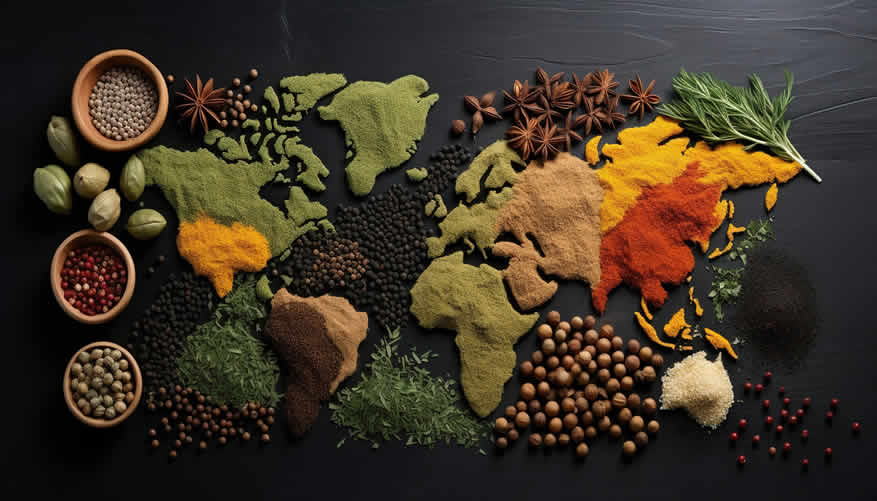
copyright image by 123rf.com
[ youtube: why colonists so obsessed with spice]
[ youtube: hunt for most valuable spices]
-
-
-
ideas to view and compare from the information discussed above
Scroll up to directory … or scroll to next section about knowing your herbs and spices …



… available for culinary dishes




second “photo remodeling” idea
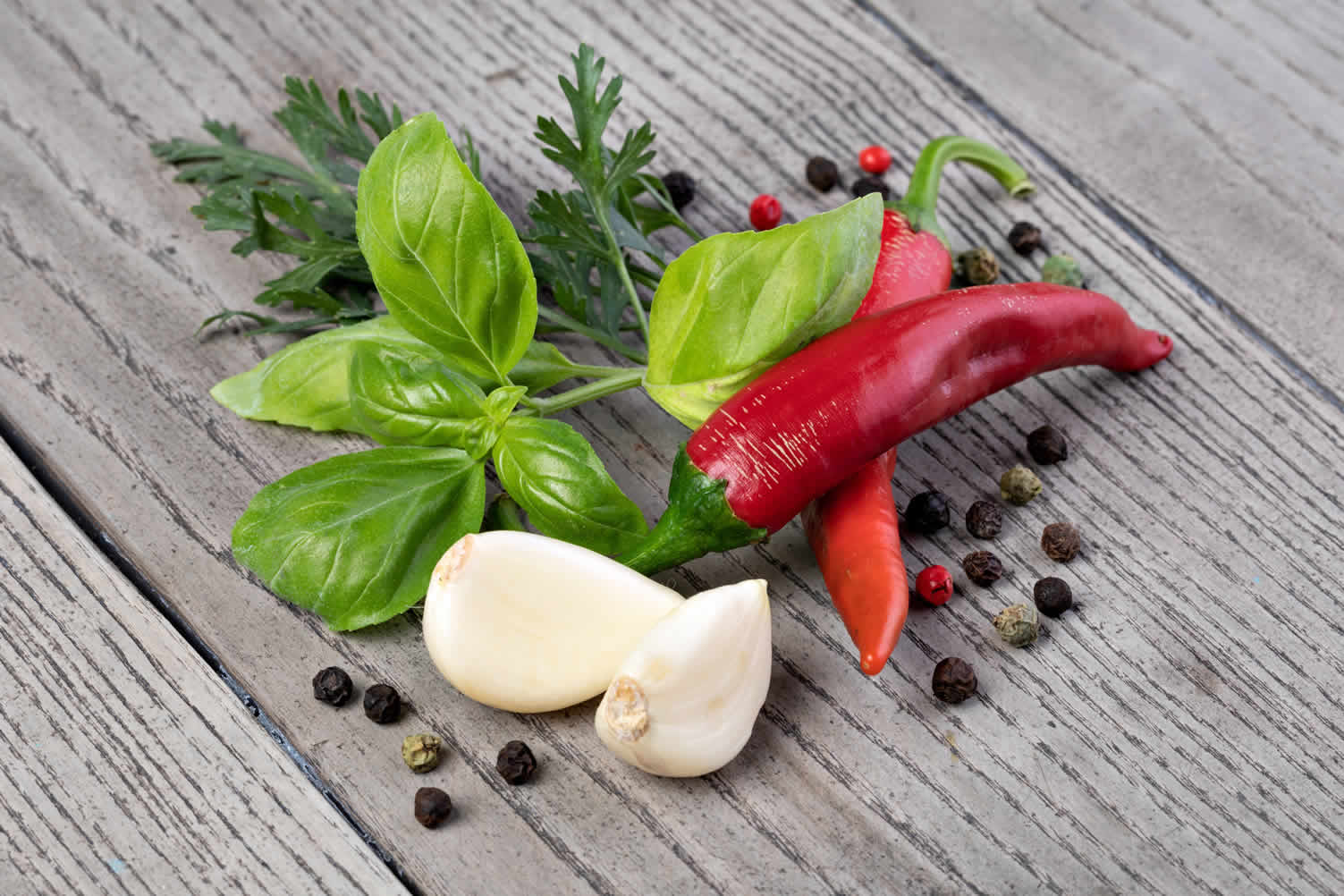
copyright image by 123rf.com
Know Tip 2: Comprehensive Guide to Available Herbs for Cooking
Notes:
-
Herbs have been an essential component of global cuisines throughout history, offering not just flavor but also aroma and visual appeal to countless dishes.
Beyond their culinary uses, herbs are often celebrated for their medicinal and nutritional properties, making them an indispensable part of both traditional and contemporary kitchens.
Below is a detailed exploration of various herbs used in cooking, highlighting their origins, applications, and benefits.
-
Quick scroll to “available herbs (in alphabetical order) ” side notes …
-
-
1st Herbs: Allspice-Chives
A detailed list of culinary herbs, starting from the warm, aromatic Allspice often used in baking and savory dishes, to the versatile and fresh Chives, perfect for adding a mild onion flavor to soups, salads, and garnishes.
-
Allspice
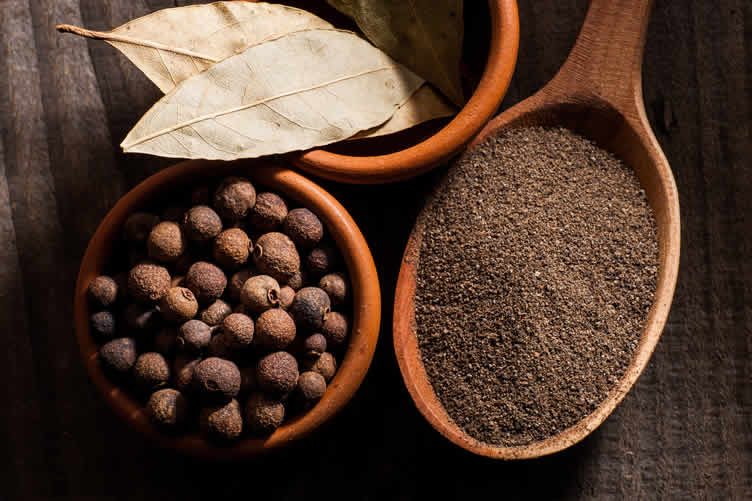
Allspice is derived from dried berries of the Pimenta dioica tree, native to the Caribbean and Central America. It boasts a flavor profile that combines cinnamon, cloves, and nutmeg, making it a favorite in baked goods and savory dishes like stews and marinades.
- Origin: Caribbean, Central America
- Uses: Marinades, baked goods, stews
-
Angelica
A lesser-known herb, Angelica has a sweet, licorice-like flavor and is often used in confections, liqueurs, and teas. Its stems can be candied or used to flavor cakes and pastries.
- Origin: Europe, Asia
- Uses: Liqueurs, teas, desserts
-
Anise
Anise has an intense licorice flavor and is commonly used in baking and as a flavoring for beverages such as ouzo and absinthe. Its seeds are also used in spice blends for savory dishes.
- Origin: Eastern Mediterranean, Southwest Asia
- Uses: Baked goods, beverages, spice blends
-
Basil
A staple in many kitchens, basil is an aromatic herb with a sweet and slightly peppery flavor. It’s a key ingredient in pesto and pairs wonderfully with tomatoes, making it ideal for Italian and Mediterranean cuisine.
- Origin: India, Southeast Asia
- Uses: Pesto, pasta dishes, salads
-
Bay Leaf
Bay leaves are highly aromatic and commonly used to infuse soups, stews, and slow-cooked dishes. Though they are not eaten directly, their subtle flavor enhances broths and marinades.
- Origin: Mediterranean
- Uses: Soups, stews, marinades
-
Borage
Borage is a lesser-known herb with edible leaves and flowers. It has a cucumber-like flavor, perfect for garnishing salads and flavoring summer drinks or teas.
- Origin: Mediterranean, Middle East
- Uses: Salads, beverages, garnishes
-
Caraway
Caraway is valued for its seeds, which offer a sharp, anise-like taste. It is widely used in breads, particularly rye bread, as well as in sauerkraut, soups, and cheese.
- Origin: Europe, Western Asia
- Uses: Bread, soups, cheese
-
Cardamom
Cardamom is a warm, aromatic spice used extensively in Indian, Middle Eastern, and Scandinavian cuisines. Its pods contain seeds that offer a sweet and spicy flavor, ideal for curries, desserts, and even coffee.
- Origin: India, Sri Lanka
- Uses: Curries, desserts, beverages
-
Cilantro
Cilantro, also known as coriander leaves, has a citrusy and slightly peppery flavor. It is a key herb in Mexican, Indian, and Thai cooking, used in tacos, curries, and salsas.
- Origin: Mediterranean, Southwest Asia
- Uses: Tacos, curries, salads
-
Chervil
Known as French parsley, chervil has a subtle flavor resembling parsley with hints of anise. It is often used in béarnaise sauce, soups, and egg dishes for a refined touch.
- Origin: Europe
- Uses: Sauces, soups, egg dishes
-
Chives
Chives are known for their mild onion flavor and are often used as a garnish for soups, baked potatoes, and egg dishes. Their vibrant green color adds a fresh appeal to any plate.
- Origin: Europe, Asia, North America
- Uses: Garnishes, soups, egg dishes
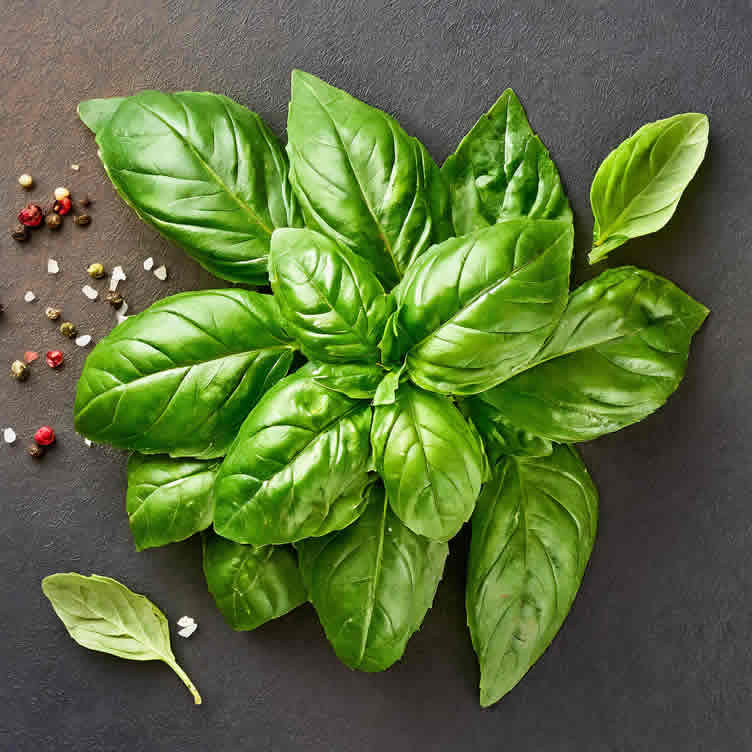
copyright image by 123rf.com
[ youtube: 5 uses of fresh basil ]
[ amazon: live basil plants ]
-
-
2nd Herbs: Dill-Lemongrass
Exploring a variety of herbs, from the versatile Dill to the fragrant Lemongrass, that can elevate your cooking with fresh flavors and aromatic touches.
These herbs can be used to enhance everything from soups and salads to marinades and stir-fries, offering endless culinary possibilities.
-
Dill
Dill has a tangy, fresh taste and is commonly paired with seafood, pickles, and dressings. Its feathery leaves are as attractive as they are flavorful.
- Origin: Southeast Europe, Western Asia
- Uses: Pickles, seafood, dressings
-
Fennel
Fennel’s seeds and fronds have a sweet, licorice-like flavor that complements sausages, roasted vegetables, and broths. Its bulb is also a delicious vegetable when roasted or eaten raw.
- Origin: Mediterranean
- Uses: Roasted vegetables, broths, sausages
-
Fenugreek
Fenugreek has a bitter, nutty flavor and is a key ingredient in many curry powders and spice blends. Its seeds are often toasted to bring out their complex aroma.
- Origin: South Asia, Mediterranean
- Uses: Curry powders, spice blends
-
Garlic
A cornerstone of global cuisine, garlic imparts a pungent, savory flavor and is versatile in both raw and cooked forms. It’s essential in marinades, sauces, and stir-fries.
- Origin: Central Asia
- Uses: Marinades, stir-fries, sauces
-
Ginger
Ginger delivers a warm, spicy flavor with a hint of sweetness, making it a versatile ingredient in both savory and sweet dishes. Used fresh, dried, or ground, it pairs beautifully with garlic, soy sauce, or honey to enhance sauces, curries, and baked goods.
- Origin: Southeast Asia
- Uses: Curries, baked goods, sauces
-
Horseradish
Known for its sharp, peppery heat, horseradish transforms any dish it touches. Usually grated fresh or turned into a creamy condiment, it’s a traditional accompaniment to roasted meats, seafood, and potato dishes.
- Origin: Eastern Europe, Western Asia
- Uses: Condiments, roasted meats, seafood
-
Hyssop
Hyssop is a lesser-known herb with a slightly bitter, minty flavor. Its leaves and flowers are often used in Mediterranean cooking, adding depth to soups, meat dishes, or herbal teas.
- Origin: Mediterranean, Western Asia
- Uses: Soups, meat dishes, teas
-
Lavender
Lavender’s delicate floral aroma and subtle sweetness make it a wonderful addition to desserts, beverages, and even some savory dishes like roasted lamb. It’s used either as fresh blooms or dried buds.
- Origin: Mediterranean
- Uses: Desserts, beverages, roasted meats
-
Lemon Balm
With a bright, citrusy fragrance, lemon balm is a favorite in teas, salads, and desserts. Its refreshing flavor also works well in marinades or to infuse oils and syrups.
- Origin: Southern Europe, Central Asia
- Uses: Teas, salads, marinades
-
Lemongrass
Lemongrass has a vibrant, lemony taste with earthy undertones. It is a staple in Southeast Asian cuisine, often used to flavor soups, curries, and stir-fries, as well as in herbal teas.
- Origin: Southeast Asia
- Uses: Soups, curries, teas
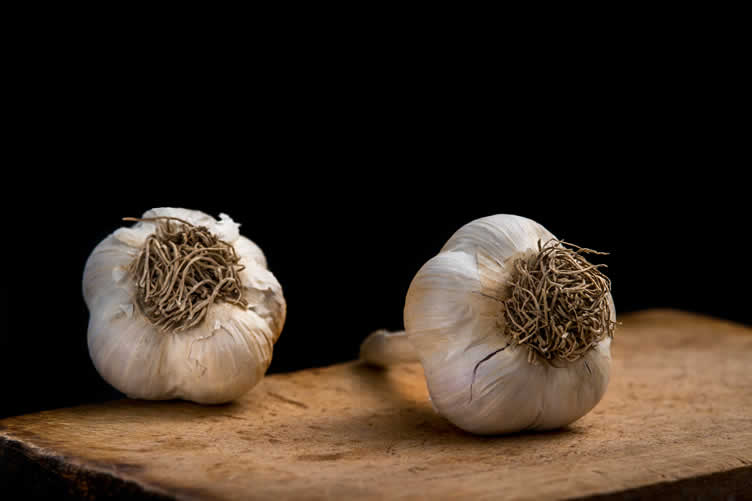
copyright image by 123rf.com
[ youtube: preparing garlic ]
[ amazon: live garlic plants ]
-
-
3rd Herbs: Marjoram-Thyme
The final look of fresh herbs like Marjoram and Thyme, both of which can add incredible flavor and aroma to your dishes. These versatile herbs are perfect for enhancing your cooking, whether you’re preparing savory soups, roasted meats, or vibrant vegetable dishes.
-
Marjoram
Marjoram offers a sweet, citrus-like flavor that is milder than oregano, making it ideal for delicate dishes like fish, poultry, and tomato-based sauces. It is commonly used dried but also enjoyed fresh.
- Origin: Mediterranean
- Uses: Tomato sauces, poultry dishes, soups
-
Mint
Mint is one of the most refreshing herbs, with a bright, cool taste that pairs well with sweet and savory dishes alike. It enhances salads, beverages, and lamb or yogurt-based recipes.
- Origin: Mediterranean, Western Asia
- Uses: Salads, beverages, lamb dishes
-
Oregano
Oregano boasts a robust, earthy flavor with hints of pepper. A hallmark of Italian and Greek cuisine, it’s a go-to herb for pizza, pasta sauces, and grilled vegetables.
- Origin: Mediterranean
- Uses: Pasta sauces, pizzas, grilled vegetables
-
Parsley
Parsley provides a fresh, grassy flavor that enhances countless dishes. Commonly used as both an ingredient and a garnish, it complements soups, stews, and grain-based dishes like tabbouleh.
- Origin: Mediterranean, Europe
- Uses: Soups, stews, garnishes
-
Peppermint
Peppermint is intensely aromatic with cooling, sweet notes. Often used in desserts, candies, and teas, it also lends a bold flavor to savory dishes, particularly with lamb or in chutneys.
- Origin: Europe, Middle East
- Uses: Teas, desserts, lamb dishes
-
Rosemary
With its pine-like fragrance and strong, woody flavor, rosemary is a versatile herb for savory cooking. It’s perfect for seasoning roasted meats, potatoes, and bread doughs.
- Origin: Mediterranean
- Uses: Roasted meats, breads, potatoes
-
Sage
Sage adds a warm, earthy flavor and is often used in hearty dishes like stuffed poultry, soups, or sausages. Its prominent aroma makes it an ideal choice for fall and winter recipes.
- Origin: Mediterranean
- Uses: Stuffing, sausages, soups
-
Savory
Savory comes in both summer and winter varieties, offering a peppery flavor that enhances bean dishes, stews, and marinades. Its robust taste also pairs well with roasted vegetables.
- Origin: Mediterranean, Eastern Europe
- Uses: Bean dishes, stews, marinades
-
Tarragon
Tarragon features a licorice or anise-like flavor, making it a standout in French cuisine. It’s commonly used fresh in salads, sauces like Béarnaise, and chicken dishes.
- Origin: Eurasia
- Uses: Salads, sauces, chicken dishes
-
Thyme
Thyme offers a subtly sweet, earthy flavor with a hint of lemon, making it a staple in mixed herb blends like bouquet garni. It is a fantastic addition to soups, roasted meats, and vegetable dishes.
- Origin: Mediterranean
- Uses: Soups, roasted meats, vegetable dishes
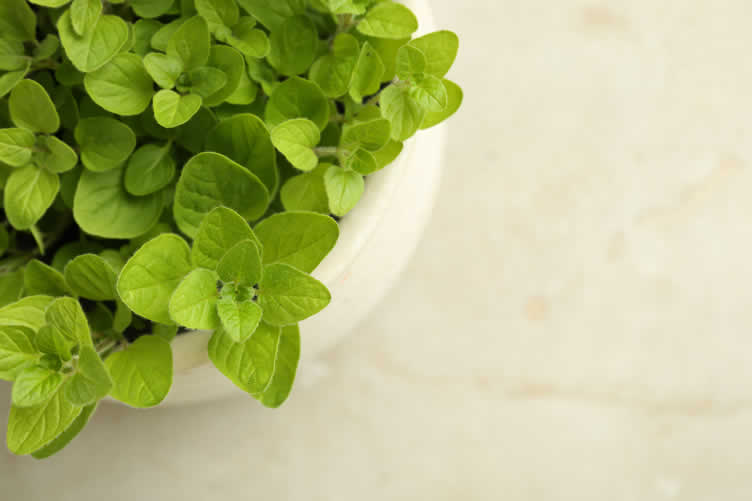
copyright image by 123rf.com
[ youtube: oregano 101-tips & ideas ]
[ amazon: live oregano plants ]
-
-
-
ideas to view and compare from the information discussed above
Scroll up to directory … or scroll to next section about knowing your herbs and spices …

addressing the need to knowing your herbs and spices and other home improvement needs …

… grab this directory of ideas for future use




… remodeling decisions



May We Suggest Other Photo Remodeling Ideas About
“Home Utility Management …” (new win)

third “photo remodeling” idea
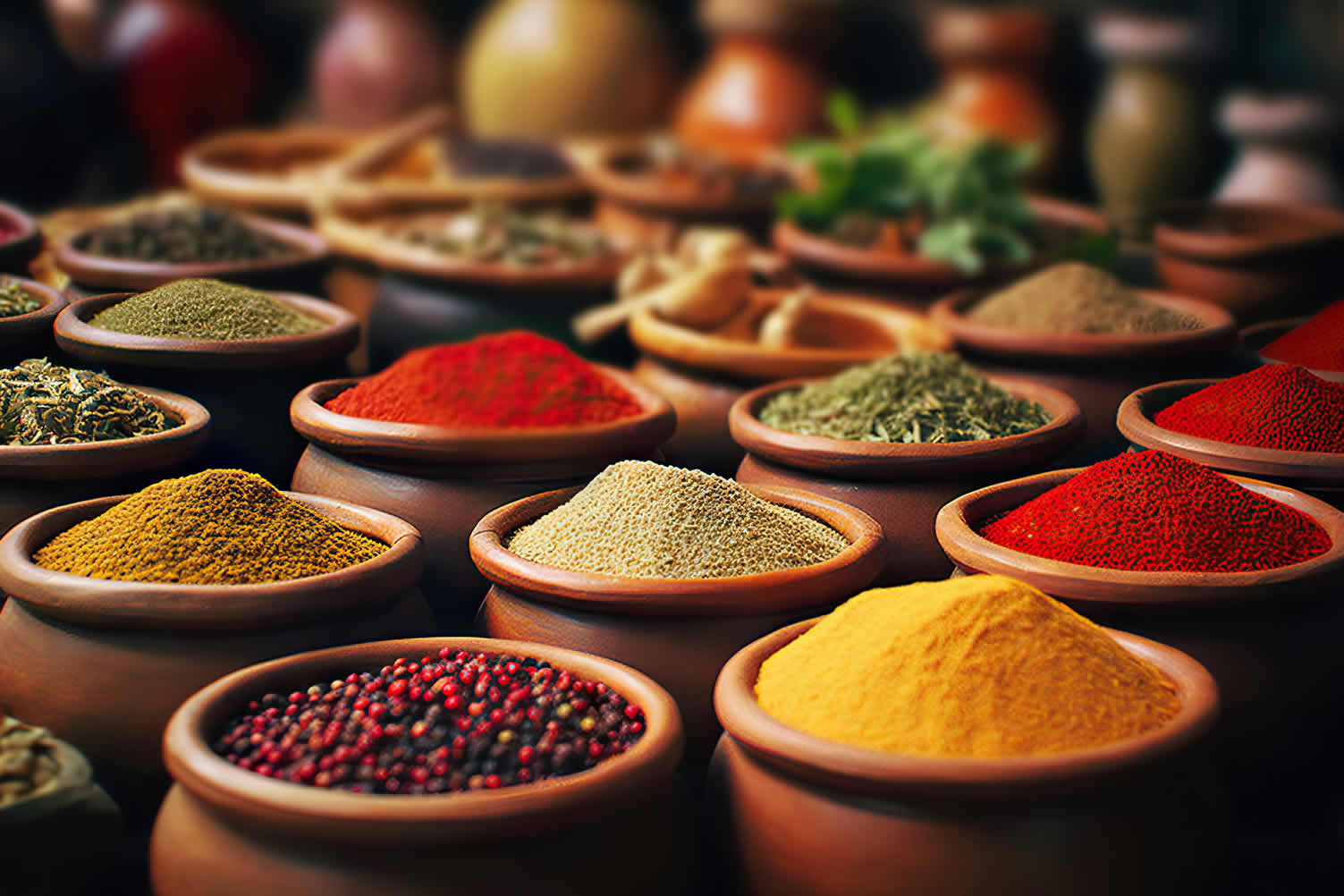
copyright image by 123rf.com
Know Tip 3: Popular Spices for Cooking
Notes:
-
Spices are the heart of culinary creations, adding depth, complexity, and cultural influence to dishes. They have been a part of human history for centuries, elevating both flavor and nutrition. From accentuating savory notes to introducing bold and unique tastes, each spice holds its own charm.
Below, we explore some of the most versatile and unique seasonings used in cooking worldwide.
-
Quick scroll to “popular spices (in alphabetical order) ” side notes …
-
-
1st Spices: Ajwain-Cacao
We begin by exploring some of the more unique and fascinating spices that might not be too familiar, even to those with culinary expertise. These spices, often overlooked or underused, hold the potential to elevate dishes with their distinctive flavors, aromas, and cultural significance.
-
Ajwain
Ajwain, also known as carom seeds, is a highly aromatic spice that is often used in Indian cooking. It has a pungent, thyme-like flavor with a slight bitterness, perfect for tempering curries, parathas, and bread. Ajwain is also known for its digestive benefits and is often included in medicinal recipes.
- Origin: Middle East and India
- Uses: Curries, bread, soups, digestive aids
-
Allspice
Allspice derives its name from its flavor, which resembles a combination of cinnamon, nutmeg, and cloves. Commonly used in Caribbean, Middle Eastern, and American dishes, allspice flavors stews, marinades, baked goods, and beverages effortlessly.
- Origin: Central America and the Caribbean
- Uses: Marinades, stews, desserts, beverages
-
Almond Meal
Almond meal, made from finely ground almonds, is a versatile ingredient in both savory and sweet recipes. Rich in healthy fats and gluten-free, it adds a nutty richness to cakes, cookies, and as a breading for meat.
- Origin: Middle East
- Uses: Baked goods, breading, gluten-free recipes
-
Anise Seed
Anise seed is cherished for its sweet, licorice-like flavor and is widely used in Mediterranean and Middle Eastern cuisines. It contributes a unique taste to baked goods, teas, and liqueurs like ouzo or sambuca.
- Origin: Mediterranean and Southwest Asia
- Uses: Baked goods, liqueurs, teas
-
Annatto/Achiote Seed
Annatto, or achiote seed, is prized for its vibrant red color and mild, earthy flavor. It is a staple in Latin American and Caribbean cuisine, frequently used as a natural food coloring and a spice for rice, meats, and sauces.
- Origin: Latin America
- Uses: Rice, marinades, sauces, natural coloring
-
Arrowroot Powder
Arrowroot powder is a gluten-free thickening agent derived from tropical plant roots. It is often used as a replacement for cornstarch and is favored for making sauces, soups, and desserts lighter and smoother.
- Origin: South America and the Caribbean
- Uses: Thickening agent, sauces, soups, desserts
-
Asafoetida
Known as “hing” in Indian cuisine, asafoetida has a strong, pungent smell that mellows into a delightful, savory umami flavor when cooked. It is often used in lentil dishes, curries, and pickles, especially in vegetarian recipes.
- Origin: Middle East and South Asia
- Uses: Curries, lentil dishes, pickles
-
Beetroot Powder
Beetroot powder, with its sweet and earthy taste, is a versatile ingredient that adds vibrant color and a subtle sweetness to salads, smoothies, cakes, and sauces. It is also celebrated for its nutritional benefits.
- Origin: Europe and North Africa
- Uses: Smoothies, baked goods, sauces, natural coloring
-
Bell Peppers
Bell peppers are a crisp and sweet vegetable that is used fresh, roasted, or powdered in global cuisines. Available in various colors like red, yellow, and green, they add crunch to salads, depth to soups, and sweetness to sauces.
- Origin: Central and South America
- Uses: Salads, soups, stuffed dishes, sauces
-
Cacao
Cacao is the unprocessed, raw form of chocolate that brings rich, bitter, and earthy flavors to both sweet and savory dishes. Widely used in baking, beverages, and even mole sauce, cacao is a powerhouse of antioxidants.
- Origin: Central and South America
- Uses: Desserts, beverages, mole sauces, baking
copyright image by 123rf.com
[ youtube: 7 things about allspice ]
[ amazon: allspice ]
-
-
2nd Spices: Caraway Seed-Coriander
This section explores some of the more familiar spices that you might recognize from many of your favorite meals. These everyday spices not only add flavor but also bring depth and aroma to dishes, making them essential in a variety of cuisines around the world.
-
Caraway Seed
Caraway seeds are small, crescent-shaped seeds with a warm, anise-like flavor and a touch of nuttiness. Commonly used in European cooking, they lend their distinct taste to rye bread, sauerkraut, and stews. Rich in essential oils, caraway is also appreciated for its digestive benefits.
- Origin: Europe and Western Asia
- Uses: Breads, soups, stews, pickling
-
Cardamom
Cardamom is a fragrant spice with a sweet, floral, and slightly spicy profile. Popular in South Asian and Middle Eastern cuisines, it is often used to flavor curries, desserts, and warm beverages such as chai tea. Both green and black varieties carry unique flavor depths.
- Origin: South Asia
- Uses: Curries, desserts, teas, rice dishes
-
Celery Seed
Celery seed is tiny but packed with the unmistakable flavor of fresh celery. It is commonly used to enhance soups, dressings, and spice blends like celery salt. This spice can add a subtle earthiness and aromatic freshness to savory dishes.
- Origin: Mediterranean and Asia
- Uses: Soups, dressings, spice blends
-
Chia Seed
Chia seeds are small, oval seeds best known for their nutritional value, high in omega-3 fatty acids, fiber, and protein. While mild in flavor, they absorb liquid to form a gel-like consistency, making them ideal for puddings, smoothies, and baking.
- Origin: Central and South America
- Uses: Puddings, smoothies, baking, toppings
-
Chiles
From mild to fiery, chiles add a dynamic kick to dishes worldwide. Fresh, dried, or powdered, they deliver heat and flavor variations depending on their variety. Chiles are staples in cuisines like Mexican, Indian, and Thai, often transforming sauces, marinades, and curries.
- Origin: Central and South America
- Uses: Sauces, marinades, curries, spice blends
-
Cinnamon
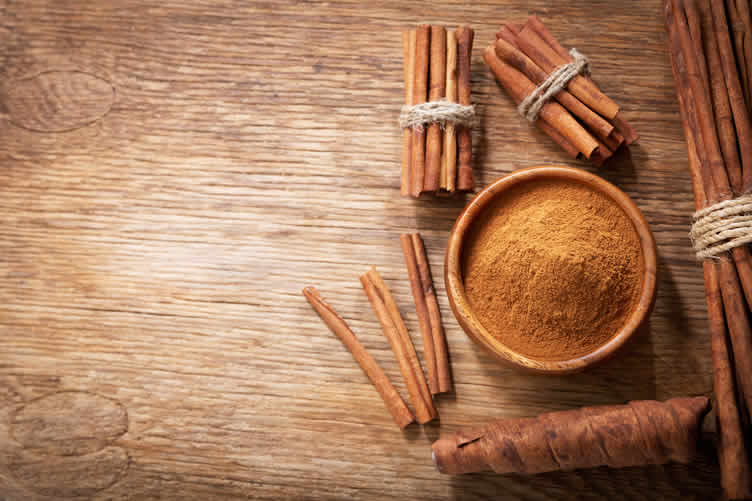
Cinnamon is a warm and comforting spice derived from the inner bark of trees in the Cinnamomum family. Its sweet and woody flavor is widely used in both sweet and savory dishes, from baked goods to meats and stews.
- Origin: South Asia and the Middle East
- Uses: Desserts, beverages, stews, meat dishes
-
Citrus Zests
Citrus zests include the grated outer peel of fruits like lemons, oranges, and limes, adding bright, tangy essence to dishes. They are used fresh in baking, dressings, marinades, and beverages to elevate flavors with a zesty twist.
- Origin: Global
- Uses: Baking, marinades, dressings, beverages
-
Cloves
Cloves are small, dried flower buds with a strong, warm, and slightly sweet flavor. Best known for their role in spice blends, holiday desserts, and savory dishes, they add a distinctive aromatic profile to cooking and beverages.
- Origin: Indonesia
- Uses: Spice blends, desserts, stews, beverages
-
Cocoa Powder
Cocoa powder is made from roasted cacao beans, offering deep chocolaty notes with a slightly bitter edge. While primarily linked to desserts, it’s also used in savory creations like mole sauce. Its rich profile enhances dishes both sweet and savory.
- Origin: Central and South America
- Uses: Desserts, baking, mole sauces
-
Coriander
Coriander seeds have a warm, nutty, citrusy flavor and are often used whole or ground in a variety of cuisines. Frequently found in spice blends, roasted coriander brings depth to soups, curries, and roasted vegetables.
- Origin: Mediterranean and Southwest Asia
- Uses: Soups, curries, spice blends, roasted vegetables
copyright image by 123rf.com
[ youtube: how cinnamon is made ]
[ amazon: cinnamon ]
-
-
3rd Spices: Cubeb Berry-Horseradish
Another exploration of your favorite spices, highlighting their unique flavors and versatility in cooking. These spices not only enhance the taste of your dishes but are also easy and enjoyable to incorporate into a variety of recipes.
-
Cubeb Berry
Cubeb berries have a distinctive, peppery flavor with hints of allspice and nutmeg. Often used in traditional Indonesian and North African dishes, cubeb berries can bring a warm, aromatic kick to savory dishes, marinades, and beverages such as spiced teas.
- Origin: Indonesia
- Uses: Marinades, stews, sauces, spiced teas
-
Cumin
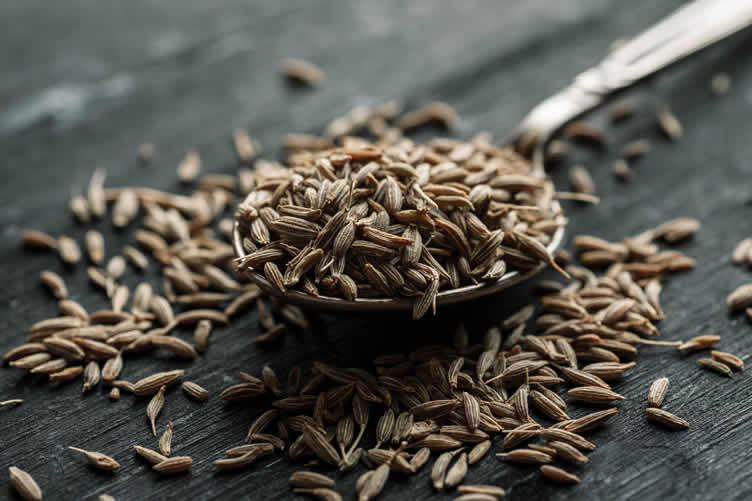
With its earthy and slightly bitter taste, cumin is a staple spice in many global cuisines. It is used ground or whole in spice blends like garam masala and taco seasoning, and it lends depth to soups, curries, and roasted vegetables.
- Origin: Eastern Mediterranean to South Asia
- Uses: Curries, soups, spice blends, roasted vegetables
-
Dill Seed
Dill seed offers a warm, aromatic flavor with a touch of bitterness. It is especially favored in pickling recipes, breads, and Scandinavian cooking. The seeds can also be added to soups and stews for a distinctive, herbaceous note.
- Origin: Mediterranean and West Asia
- Uses: Pickling, breads, soups, stews
-
Fennel
Fennel seeds have a licorice-like, sweet flavor that works well in both sweet and savory recipes. Commonly found in sausage seasonings and breads, fennel also pairs well with fish dishes and roasted vegetables.
- Origin: Mediterranean
- Uses: Seasonings, breads, roasted dishes, fish recipes
-
Fenugreek
Fenugreek seeds have a pungent, slightly sweet, and nutty flavor, often described as similar to maple syrup. It is widely used in Indian cuisine, especially for curries, flatbreads, and spice blends like curry powder.
- Origin: South Asia
- Uses: Curries, flatbreads, spice blends
-
Galangal Root
Galangal root, sometimes mistaken for ginger, has a sharp, citrusy, and slightly piney flavor. Widely used in Southeast Asian cuisine, it is a key ingredient in Thai curries and soups, as well as Indonesian and Malaysian dishes.
- Origin: Southeast Asia
- Uses: Curries, soups, broths
-
Garlic
Garlic is one of the most universally loved spices, known for its sharp and pungent flavor that mellows and sweetens when cooked. It is used in almost every cuisine worldwide, enhancing dishes such as sauces, marinades, stir-fries, and roasted vegetables.
- Origin: Central Asia
- Uses: Sauces, marinades, stir-fries, roasted vegetables
-
Ginger
Ginger, with its warm, spicy, and slightly sweet flavor, is a versatile spice used in sweet and savory preparations. It is widely utilized in baked goods, teas, curries, and stir-fries, and offers a comforting, earthy warmth.
- Origin: Southeast Asia
- Uses: Baking, teas, curries, stir-fries
-
Grains of Paradise
Grains of paradise have a peppery, warm flavor with notes of citrus and floral undertones. Grown primarily in West Africa, they are used to season meats, stews, and exotic spice blends, and are sometimes ground fresh over vegetables or salads.
- Origin: West Africa
- Uses: Meats, stews, spice blends, vegetable dishes
-
Horseradish
Horseradish is valued for its bold, sharp, and pungent flavor, often used to add heat and intensity to sauces, spreads, and condiments. Its grated root can accompany roast beef, seafood, or be mixed into creamy dressings.
- Origin: Southeastern Europe and Western Asia
- Uses: Sauces, condiments, dressings, roasted meats
copyright image by 123rf.com
-
-
4th: Spices: Juniper Berries-Pepper
Many of your favorite culinary dishes may include a variety of these beloved spices, such as mustard, onion, paprika, or pepper (the king of spices), which enhance flavors and bring depth to your meals.
-
Juniper Berries
Juniper berries are small, aromatic berries known for their piney, slightly citrusy flavor, often used to add depth to savory dishes. They are a key ingredient in gin production and are also used to flavor meats, stews, and marinades.
- Origin: Northern Hemisphere (Europe, North America, and Asia)
- Uses: Meats, marinades, stews, beverages
-
Long Pepper
Long pepper, a close relative of black pepper, has a complex spiciness with hints of sweetness and earthy warmth. It is used in spice blends, soups, and certain traditional medicinal recipes.
- Origin: India and Southeast Asia
- Uses: Soups, sauces, spice blends, pickles
-
Mace
Mace is the lacy covering of the nutmeg seed, offering a delicate and sweet-spiced flavor that is more subtle than nutmeg. It can be used in baked goods, soups, and savory dishes to add a warm spice aroma.
- Origin: Southeast Asia
- Uses: Baked goods, soups, meat dishes
-
Mahlab
Mahlab is a fragrant spice made from the seeds of the St. Lucie cherry. It has a nutty, slightly bitter taste with floral notes, often used in Middle Eastern and Mediterranean baking.
- Origin: Mediterranean and Middle East
- Uses: Baked goods, desserts, pastries
-
Mustard
Mustard seeds come in yellow, brown, and black varieties, each offering distinct levels of heat and flavor. They are widely used in condiments, pickles, and spice blends to impart a tangy or spicy taste.
- Origin: Europe and South Asia
- Uses: Condiments, pickles, spice blends
-
Nigella Sativa
Nigella Sativa, often called black cumin or kalonji, features a slightly bitter flavor with notes of onion and oregano. It is used as a seasoning for bread, curries, and vegetable dishes, enhancing their flavor.
- Origin: South and Southwest Asia
- Uses: Breads, curries, vegetable dishes
-
Nutmeg
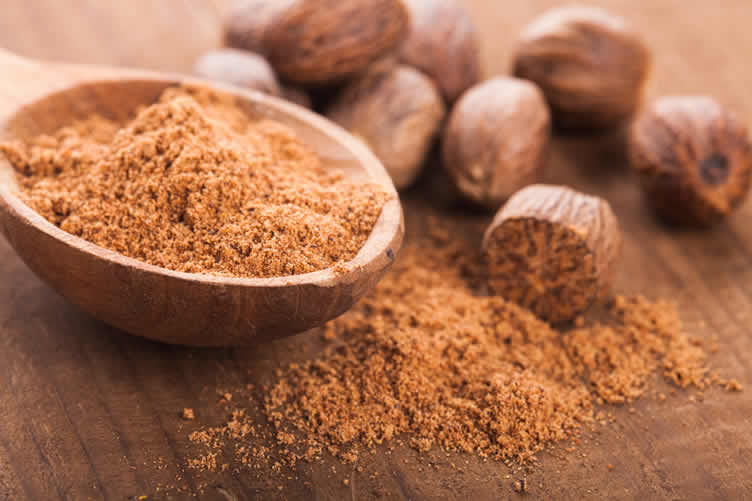
Nutmeg is a versatile spice with a warm, sweet aroma, commonly used in desserts, savory dishes, and beverages. Its rich flavor pairs well with dairy-based recipes and baked goods.
- Origin: Southeast Asia
- Uses: Desserts, beverages, sauces, baked goods
-
Onion
Onion, both fresh and dried, is an essential ingredient in nearly every cuisine. Dried onion powder or flakes are used to enhance flavor in spice rubs, soups, and dressings.
- Origin: Central Asia
- Uses: Soups, sauces, spice rubs, spice blends
-
Paprika
Paprika is a ground spice made from dried red peppers, offering a range of flavors from sweet to hot. It provides vibrant color and flavor to meats, vegetables, and soups.
- Origin: Central America
- Uses: Stews, meats, vegetables, soups
-
Pepper
Pepper, often called the “king of spices,” is widely used for its sharp and pungent flavor. Black, white, and green peppercorns add depth and heat to countless dishes, including meats, sauces, and salads.
- Origin: India
- Uses: Sauces, meats, salads, spice blends
copyright image by 123rf.com
[ youtube: proven health benefits of nutmeg ]
[ amazon: nutmeg ]
-
-
5th Spices: Poppy Seed-Vanilla
The final section explores other favorite spices and flavorings, delving into their unique characteristics, origins, and how they can be used to enhance a variety of dishes.
-
Poppy Seed
Poppy seeds are small, nutty-flavored seeds often used to add texture and a mild, sweet aroma to baked goods, salads, and sauces. They are derived from the opium poppy but carry no narcotic effects in their culinary form.
- Origin: Eastern Mediterranean
- Uses: Baked goods, salad dressings, sauces
-
Porcini Powder
Porcini powder is made from dried porcini mushrooms and is prized for its earthy, umami flavor. It is often used as a natural enhancer for soups, sauces, and stews or as a seasoning for roasted meats.
- Origin: Europe, North America
- Uses: Soups, stews, sauces, meat seasoning
-
Saffron
Known as one of the most expensive spices in the world, saffron threads, harvested from the saffron crocus, have a distinct floral and slightly sweet flavor. A small pinch is sufficient to color and flavor risottos, curries, and desserts.
- Origin: Iran, Mediterranean region
- Uses: Curries, risotto, desserts
-
Sesame Seed
Sesame seeds come in white, black, and golden varieties, offering a delicate nutty flavor. They are commonly sprinkled on breads and salads or used in making tahini and sesame oil, both flavorful staples of Middle Eastern and Asian cuisines.
- Origin: East Africa, India
- Uses: Breads, salads, tahini, oils
-
Shallots
Shallots are a type of onion with a milder and sweeter flavor. Often used as a base ingredient, they enhance sauces, dressings, and marinades, contributing a delicate depth to flavors.
- Origin: Central and Southeast Asia
- Uses: Sauces, marinades, dressings
-
Star Anise
Star anise is a star-shaped spice with a strong licorice-like flavor, widely used in both sweet and savory dishes. It is a key ingredient in Chinese five-spice powder and is commonly added to broths, teas, and stews.
- Origin: Southern China, Vietnam
- Uses: Stews, teas, spice blends
-
Sumac
Sumac, a tangy and vibrant spice, is made from ground berries and is used for its lemony flavor. It is often sprinkled over salads, meats, or dips and is a staple in Middle Eastern cuisine.
- Origin: Middle East
- Uses: Salads, meats, dips
-
Sweeteners
Natural sweeteners, such as honey, maple syrup, and agave nectar, are used not only to sweeten desserts and beverages but also to balance flavors in marinades, sauces, and glazes.
- Origin: Global
- Uses: Desserts, beverages, marinades
-
Turmeric
Turmeric is a vibrant yellow spice derived from the root of the Curcuma longa plant. Known for its earthy, slightly bitter flavor, it is often used in curries, soups, and health drinks due to its anti-inflammatory properties.
- Origin: India
- Uses: Curries, soups, wellness drinks
-
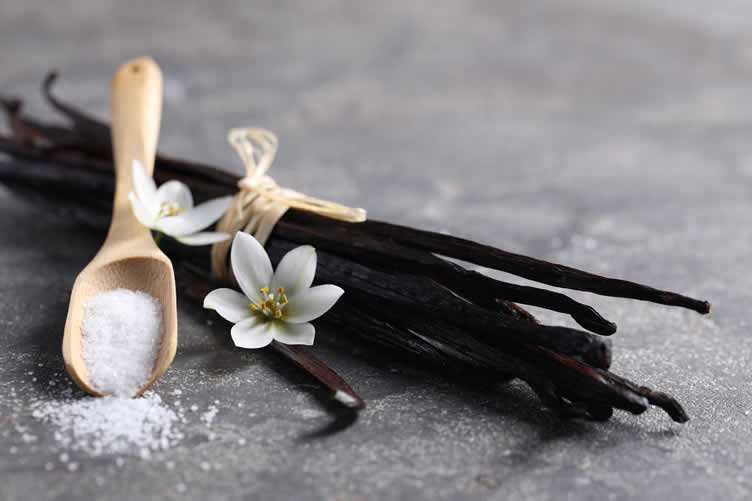
Vanilla
Vanilla, extracted from vanilla beans, is a beloved flavoring agent in both sweet and savory dishes. Its aromatic and warm flavor is essential in baking, desserts, and even beverages like coffee and tea.
- Origin: Mexico, Madagascar
- Uses: Baking, desserts, beverages
copyright image by 123rf.com
[ youtube: turmeric is good for virtually everything ]
[ amazon: turmeric ]
-
-
-
ideas to view and compare from the information discussed above
Scroll up to directory … or scroll to next section about knowing your herbs and spices …
SHARE IT ..! You might have someone in your social network who could find this informative post about knowing your herbs and spices. Feel free to share it on Facebook, X (formally Twitter), LinkedIn, or Pinterest!





… below for culinary tips with herbs n’ spices

plan the specifications you need for making …

… key home improvement and remodeling decisions






… home remodeling – improvement – repair
fourth “photo remodeling” idea
copyright image by 123rf.com
Know Tip 4: Cooking With Herbs and Spices
Notes:
-
The world of cooking is enriched by a diverse array of herbs and spices that not only add flavor but also infuse dishes with unique aromas and nutritional benefits. From sweet and floral to earthy or spicy, each herb and spice brings its own personality to the culinary palette.
Below is a curated selection of herbs and spices widely used in cuisines around the globe, offering insights into their origins, uses, and distinctive characteristics.
-
Quick scroll to “cooking w/ herbs/spices” side notes …
-
-
1st: Must-Have Spices in Every Home Pantry
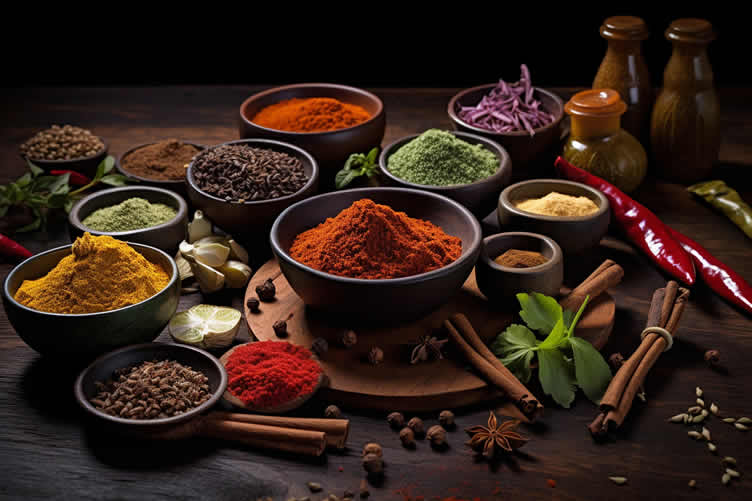
When it comes to spices, the possibilities are endless, but certain essentials belong in every pantry. Cumin brings a warm, nutty flavor to dishes, making it a staple in Middle Eastern, Indian, and Mexican cuisines.
Turmeric, prized for its vibrant color, adds subtle warmth to soups and curries while offering numerous health benefits, including anti-inflammatory properties. Cinnamon, while widely used in desserts like pies and cookies, also creates depth in savory dishes such as stews and Moroccan tagines.
Black pepper, often underestimated, is a universal spice that enhances almost every dish. Paprika, available in sweet, smoked, or hot varieties, adds a burst of flavor and color to everything from chilies to scrambled eggs.
Don’t overlook cardamom and nutmeg either—these spices may not be everyday staples but work beautifully in elevating both sweet and savory creations.
- Basil – A fragrant herb commonly used in Italian dishes, such as pasta sauces and pesto.
- Oregano – Known for its bold flavor, it is a staple in Mediterranean cuisine and pairs well with tomato-based dishes.
- Cinnamon – A versatile spice used in both sweet recipes like apple pies and savory dishes like Middle Eastern curries.
- Cumin – Found frequently in Mexican, Indian, and Middle Eastern cooking for its warm, earthy taste.
- Thyme – Excellent for enhancing soups, stews, and roasted meats with its subtle, savory flavor.
- Parsley – Often used as a garnish, it also brightens salads, soups, and sauces with its fresh, grassy taste.
- Turmeric – Known for its vibrant color and earthy flavor, commonly used in curries and golden milk.
- Chili Powder – A blend that adds heat and spice to dishes like chilies, tacos, and marinades.
- Rosemary – A robust herb ideal for seasoning roasted vegetables, lamb, and breads.
- Garlic Powder – A pantry essential for infusing dishes with rich, savory garlic flavor.
copyright image by 123rf.com
-
2nd: Combining Herbs and Spices for Maximum Flavor
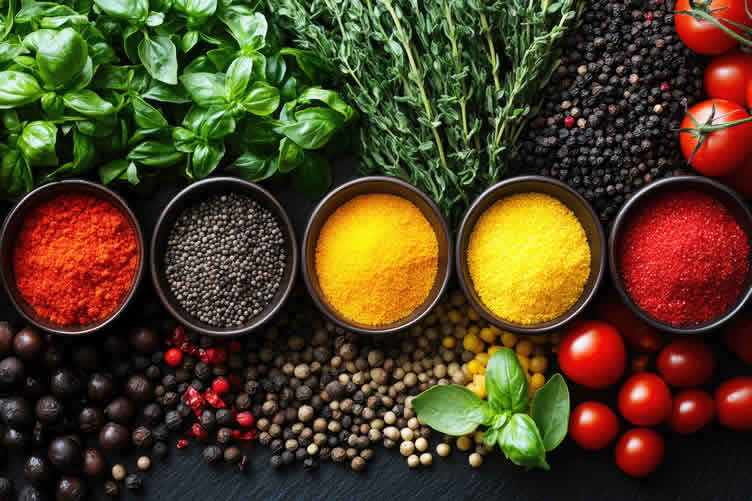
The real magic happens when herbs and spices are combined. Skillfully blending them opens up a world of flavors that elevate your food preparation. For instance, pairing rosemary with garlic and thyme creates a classic flavor profile often used in Mediterranean cuisine.
Cumin and coriander make an excellent pair in Middle Eastern and Indian dishes, while basil and oregano work together seamlessly in Italian recipes.
Understanding flavor profiles can guide you in creating great combinations. Herbs and spices fall under categories like sweet, bitter, earthy, or spicy. Combining those from complementary categories results in balanced flavors.
Alternatively, contrasting flavors, like sweet cinnamon with spicy chili powder, can create dishes with more complex layers. Experimentation is the key—don’t hesitate to add a pinch of this and that to create your own flavor signatures.
Whether you’re looking to create a delicate balance or add a bold punch, understanding the nuances of these ingredients is essential. Below are some key approaches to help you bring creativity and harmony to your culinary experiments.
-
Start with the Basics
Before venturing into complex combinations, it’s important to familiarize yourself with the fundamental herbs and spices. For instance, classics like basil, oregano, and thyme pair perfectly with Italian dishes, while cumin, coriander, and turmeric create aromatic bases for Indian cuisine.
Begin by identifying which herbs and spices are common in the type of cuisine you’re preparing. This foundational knowledge sets the stage for confident experimentation.
-
Balancing Sweet and Savory
Herbs and spices can introduce unique contrasts when combined thoughtfully. For example, pair sweet spices such as cinnamon or nutmeg with savory elements like rosemary or sage for a warm and balanced flavor profile.
This technique works particularly well in marinades, roasts, or even baked goods, providing a depth of flavor that straddles both sweet and savory realms.
-
Layering Aromatics
Layering is an essential technique to build complex flavors. Start with hardier spices, such as bay leaves or cloves, which need more cooking time to release their full flavor.
Later, add delicate herbs like parsley or cilantro closer to the end of cooking, preserving their fresh and vibrant qualities. This method ensures that every component contributes its optimal essence to the dish.
-
Highlighting Regional Blends
Utilizing established regional blends is a great way to experiment while learning time-tested combinations. Examples include herbes de Provence, a mix of lavender, thyme, and marjoram, perfect for French dishes, or za’atar, a Middle Eastern blend of sumac, sesame seeds, and oregano.
Incorporating these pre-blended spices into your cooking allows you to experience the essence of a cuisine while inspiring your own variations.
-
Embrace Trial and Error
Creating your own herb and spice blends involves a degree of trial and error. Start small, noting down the quantities and combinations you use. Taste as you go, adjusting to balance flavors and achieve the result you desire.
Over time, you’ll develop an intuition for what works and create unique blends that reflect your personal style. The key is to remain curious and adventurous in your culinary journey.
By exploring these techniques, you can confidently mix and match herbs and spices, unlocking the full potential of your dish and making every meal a memorable experience.
copyright image by 123rf.com
-
-
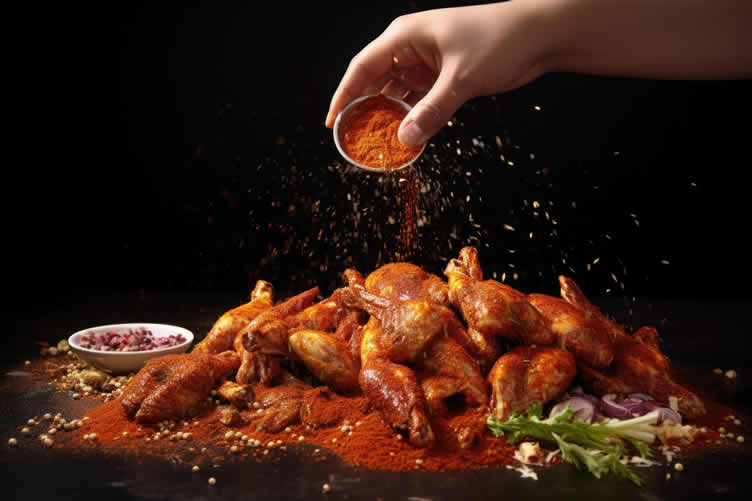
3rd: Exploring Herb and Spice Blends for Cooking
Herbs and spices are the heart of every dish, transforming ordinary ingredients into extraordinary meals. Their diverse flavors can create warmth, heat, brightness, or depth in any cuisine.
From time-honored classics to more adventurous blends, understanding the nuances of herbs and spice combinations can elevate even the simplest recipes. Below are some popular herb and spice blends, along with their unique characteristics and applications in cooking.
-
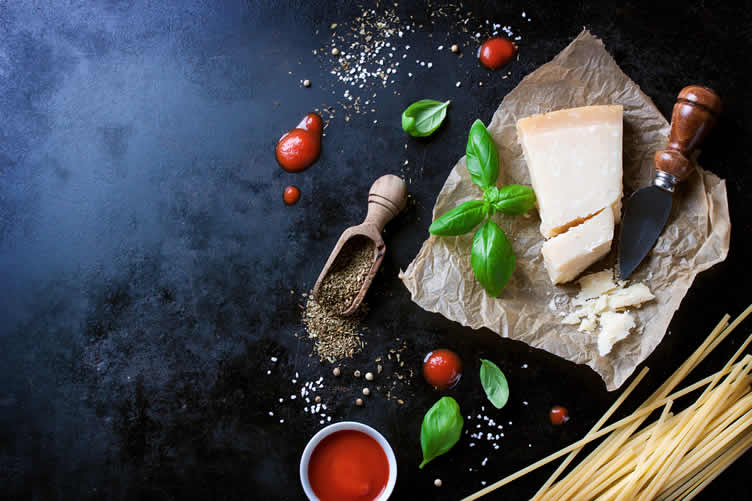
Italian Seasoning
Italian seasoning is a versatile blend of dried herbs like basil, oregano, rosemary, thyme, and marjoram. Known for its fragrant aroma and slight earthiness, it is a staple in Mediterranean cooking.
This blend is perfect for tomato-based sauces, pasta dishes, roasted vegetables, and even as a seasoning for bread dough. Its balanced flavor profile adds a distinct touch of Italian flair to any meal.
-
Cajun Seasoning
Cajun seasoning is a bold and spicy blend commonly featuring ingredients like paprika, garlic powder, onion powder, cayenne pepper, oregano, and thyme. This flavorful mix originates from Louisiana’s Cajun cuisine and is known for its robust and vibrant taste.
It’s an excellent addition to grilled meats, seafood, roasted vegetables, and gumbo, lending a smoky and slightly fiery kick to dishes. Cajun seasoning is perfect for anyone seeking to elevate their meals with a touch of Southern zest.
-
Jerk Seasoning
Jerk seasoning hails from Jamaican cuisine and is a spicy, aromatic blend typically containing allspice, thyme, scotch bonnet peppers, cinnamon, nutmeg, and cloves. It’s a key component for jerk-style cooking, infusing meats like chicken, pork, or fish with a fiery, earthy, and slightly sweet flavor.
Popular for marinating or dry rubbing, jerk seasoning delivers a unique taste of the Caribbean that’s both bold and unforgettable.
-
Chinese Five-Spice
Chinese five-spice is a well-loved blend in Asian cuisine, made from a combination of star anise, cloves, cinnamon, Sichuan peppercorns, and fennel seeds. Its sweet and pungent notes make it an essential component in many Chinese recipes.
This versatile spice mix works well with both meats and vegetables, adding depth and complexity to stir-fries, marinades, and soups. It can also be used as a dry rub for roasting or grilling meats.
-
Garam Masala
Garam masala is a traditional Indian spice blend with a warm, aromatic profile. It typically includes a mix of cardamom, cumin, coriander, cinnamon, cloves, and nutmeg.
Used to enhance curries, stews, and rice dishes, garam masala is added toward the end of cooking to preserve its robust flavor. This blend embodies the richness of Indian cuisine, offering both complexity and depth to various dishes.
-
Herbes de Provence
This French blend combines fragrant herbs such as thyme, rosemary, savory, marjoram, and lavender. Its unique floral and earthy notes complement roasted meats, poultry, and vegetable dishes.
Often associated with Provençal cuisine, herbes de Provence is a perfect addition to olive oil marinades or even sprinkled over fresh bread before baking.
-
Curry Powder
Curry powder is a versatile spice blend that typically includes turmeric, coriander, cumin, fenugreek, and chili powder. It delivers a warm, earthy flavor with a hint of spice and a touch of sweetness.
Originating from Indian cuisine, curry powder is widely used in dishes such as curries, soups, and stews, adding vibrant color and depth to every recipe. Its adaptability makes it a pantry staple for creating flavorful meals inspired by global cuisines.
-
Za’atar
Za’atar is a Middle Eastern blend consisting of sumac, sesame seeds, thyme, and sometimes oregano or marjoram. This tangy and nutty spice blend is incredibly versatile.
It is commonly sprinkled over flatbread, mixed with olive oil as a dip, or used to season roasted meats and vegetables. Za’atar’s rich cultural history and bold flavor make it a unique addition to your spice rack.
-
Old Bay Seasoning
Old Bay Seasoning is a classic American spice blend that originated in Maryland. Known for its distinctive mix of celery salt, paprika, black pepper, and other herbs and spices, it is a staple for seafood dishes like crab and shrimp.
Beyond seafood, Old Bay is often used to season fries, popcorn, and even cocktails like Bloody Marys, adding a zesty and slightly spicy flavor that enhances a variety of recipes. Its iconic taste and versatility make it a beloved seasoning across many kitchens.
-
Other Herb/Spice Blends
Other popular spice blends that can be found online by checking with Amazon, WalMart and other popular retail operation. By exploring these blends and experimenting with their uses, you can unlock entirely new dimensions of flavor in your cooking.
They not only reflect the culinary traditions of specific regions but also serve as a gateway for personalizing dishes to suit your taste preferences.
copyright image by 123rf.com
-
-
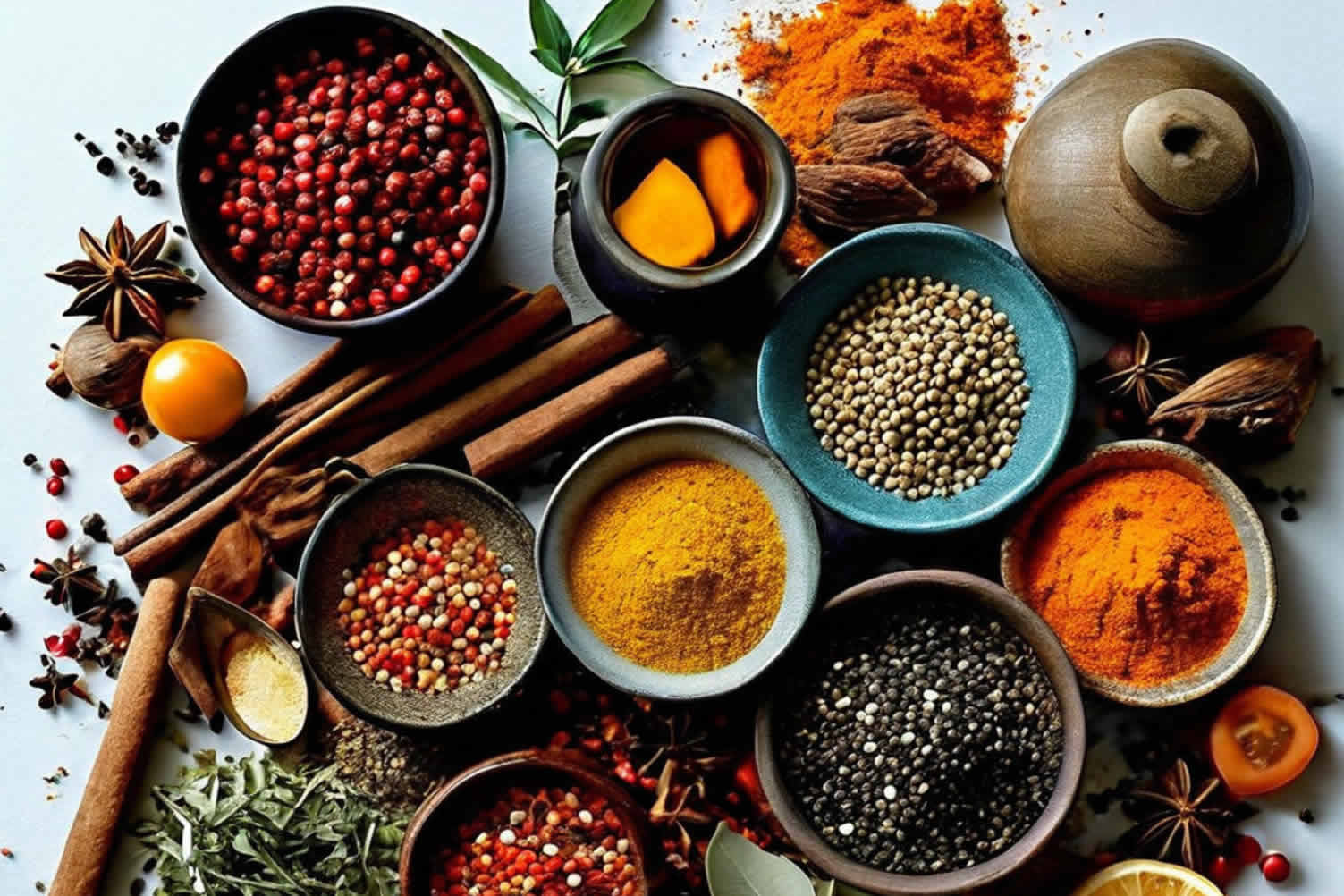
4th: Tips for Storing Herbs and Spices to Preserve Freshness
Proper storage of herbs and spices is essential to maintain their flavor, aroma, and overall quality. By following the right practices, you can extend their shelf life and ensure they remain an invaluable part of your cooking arsenal.
Below are some key tips segmented into categories that address specific aspects of herb and spice storage.
-
Keep Them Away from Heat and Light
Exposure to sunlight and heat can significantly deteriorate the flavor and potency of herbs and spices. Store them in a cool, dark place, such as a pantry or cupboard, away from stoves, ovens, and windows. Use opaque or dark-colored containers to minimize light exposure, further preserving their freshness.
-
Avoid Excess Moisture
Moisture is the enemy of dried herbs and spices, as it can lead to clumping, loss of flavor, and even mold growth. Always use dry measuring tools or spoons and avoid handling spices directly with wet hands. To safeguard them, choose airtight containers to prevent moisture infiltration.
-
Use Proper Containers
The type of container used can play a big role in preserving herbs and spices. Glass jars with tight-fitting lids, food-grade plastic containers, or metal tins with secure closures are ideal options. Avoid using paper or cardboard packaging, as they provide little protection against air and humidity.
-
Label and Date Your Collection
Since herbs and spices can lose flavor over time, it’s helpful to label each container with the name and purchase date. This allows you to keep track of their age and ensures you use older ingredients first.
Ground spices typically maintain their potency for about 1-2 years, while whole spices can last up to 3-4 years.
-
Purchase in Small Quantities
To maximize freshness, consider purchasing herbs and spices in small quantities that match your cooking habits. Buying in bulk may seem economical, but if they sit unused for extended periods, their quality will suffer. Frequent replenishment ensures you always work with fresh-tasting ingredients.
By adopting these storage techniques, you can ensure that your herbs and spices remain as vibrant and flavorful as the day you bought them, enhancing every dish you prepare.
copyright image by 123rf.com
-
-
-
ideas to view and compare from the information discussed above
Scroll up to directory … or scroll to next section about knowing your herbs and spices …

get the size dimensions for any home remodeling project …
… for functionality, aesthetics, and adhering to building codes




Budgeting Worksheet For Costing Home Remodeling and Home Improvement Decisions
 File Type (excel)
Find Kitchen Appliance Services Appliance Install Appliance Repair Electrical Appliance Refinish Kitchen Design Flooring top-rated, pre-screened local contractors FREE: download contractor selection enter zip code – powered by HomeAdvisor ™
Quick Contractor Guides selecting negotiating working with inspecting

fifth and last “photo remodeling” idea

copyright image by 123rf.com
Know Tip 5: Transform Your Cooking with Herbs and Spices
Notes:
-
Herbs and spices are the building blocks of great cooking. Familiarizing yourself with their unique characteristics, understanding how to combine them, and storing them properly can dramatically enhance your food preparation.
They’re not just seasonings; they’re tools to express creativity, connect to culinary traditions, and craft dishes that delight the senses.
By knowing your herbs and spices, you can step into the world of home cooking with confidence. Bring out the best in every dish you make, turning everyday meals into remarkable experiences.
And remember—it’s not just about following a recipe; it’s about using these ingredients to make it truly your own.
-
Quirk scroll to topic "cooking w/ herbs/spices" side notes …
-
-
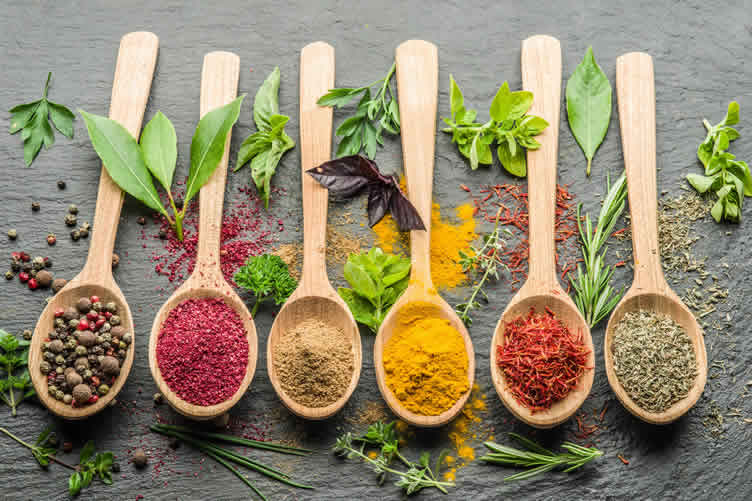
1st: Learning the Culinary Secrets of Herbs and Spices
Unveiling the secrets of herbs and spices is key to transforming your cooking from ordinary to extraordinary. These natural flavor enhancers can elevate the simplest ingredients, bringing depth, aroma, and a burst of taste to any dish.
Whether you’re a novice in the kitchen or a seasoned home chef, learning how to harness the true potential of herbs and spices will empower you to create meals that captivate the palate and celebrate culinary artistry.
Below, you will find essential tips to master the use of these vital ingredients in your cooking endeavors.
-
Understanding the Basics of Flavor Profiles
Every herb and spice has its own unique flavor profile, ranging from sweet and aromatic to smoky and spicy. Understanding these profiles is the first step to using them effectively.
For example, basil and oregano bring out rich, earthy notes, while cinnamon and nutmeg add warmth and sweetness. To build a balanced dish, experiment with complementary flavors. Start by pairing sweet with savory or spicy with tangy to discover exciting combinations.
-
Balancing and Layering Flavors
The art of seasoning lies in balance and layering. Instead of adding all your herbs and spices at once, introduce them in stages throughout the cooking process. This technique allows flavors to develop gradually, creating a more complex and satisfying taste.
For example, ground spices like cumin or paprika can be toasted in oil at the beginning to release their aromas, while fresh herbs like cilantro or parsley are best added at the end for a burst of freshness.
-
Using Fresh vs. Dried Herbs
Both fresh and dried herbs have their place in the kitchen, and knowing when to use each is essential. Fresh herbs such as mint, thyme, and dill add vibrant, delicate flavors and are ideal for garnishing or incorporating into uncooked dishes like salads and cold sauces.
Dried herbs, on the other hand, are more concentrated in flavor and are better suited for long-simmered soups, stews, and roasts. Always remember to adjust quantities—use about one-third of the amount of dried herbs to replace fresh.
-
Proper Storage for Maximum Potency
Storing herbs and spices correctly preserves their potency and keeps their flavors intact for longer. For dried spices, opt for airtight containers and store them in cool, dark places away from direct sunlight.
Fresh herbs, meanwhile, can be kept in the refrigerator wrapped in damp paper towels or with their stems dipped in water. Proper storage ensures that your ingredients stay at their peak, ready to shine in your culinary creations.
-
Building Confidence Through Practice
Ultimately, the key to mastering herbs and spices is practice. Don’t hesitate to experiment with new combinations and incorporate different flavors into your recipes. Start by tweaking familiar dishes, substituting or adding herbs and spices to see how they transform the taste.
Over time, this hands-on approach will boost your confidence in creating unique and flavorful meals tailored to your personal preferences.
By unlocking the secrets of herbs and spices, you’ll not only enhance your cooking but also deepen your appreciation for the vibrant world of flavor. With this knowledge, every dish you prepare becomes an opportunity to explore and express your inner chef.
copyright image by 123rf.com
[ youtube: shopping guide for spices ]
[ youtube: beginner’s guide to cooking with spices ]
-
-
2nd: Mastering Herbs and Spices
For those passionate about elevating their cooking skills, understanding the use of herbs and spices is a gateway to creating unforgettable flavors. Culinary schools and online sessions offer valuable platforms for both beginners and seasoned cooks to deepen their knowledge and sharpen their techniques.
Below, we explore various educational options tailored specifically to the art of cooking with herbs and spices.
-
Professional Culinary Schools
Professional culinary schools provide structured and immersive learning experiences. These institutions often include comprehensive modules on flavor theory, covering how herbs and spices interact with various ingredients.
Students gain hands-on practice in a professional kitchen environment, guided by expert chefs. Prestigious schools like Le Cordon Bleu or The Culinary Institute of America offer specialized classes that emphasize global flavor profiles, helping students understand how spices shape cuisines from around the world.
-
Local Cooking Classes
Local community centers or independent cooking schools often offer more accessible short-term courses focused on specific themes, including the use of herbs and spices.
These classes are ideal for individuals looking to focus on a particular cuisine, such as Thai, Indian, or Mediterranean, where spices play a central role.
With smaller class sizes, attendees frequently receive personalized feedback and practical tips that can be easily applied in their home kitchens.
-
Online Culinary Courses
Online learning platforms like MasterClass, Udemy, and Coursera provide flexible opportunities to master the craft of seasoning at your own pace. Courses led by industry professionals often feature video tutorials, downloadable resources, and interactive assignments to apply new skills.
Many platforms also include forums or virtual groups where participants can connect, share ideas, and expand their knowledge collectively.
-
Virtual Workshops and Live Classes
For a more interactive experience, virtual workshops offer the chance to cook alongside professional chefs in real-time sessions. Platforms like Zoom or similar video conferencing tools facilitate live coaching as you prepare dishes in your kitchen.
These workshops often focus on practical skills, such as blending spices for seasoning or preparing herb-infused oils, ensuring that each participant builds confidence in their techniques.
-
Specialty Herbal and Spice Academies
Certain specialty academies focus entirely on the study of herbs and spices. These niche institutions often incorporate lessons on sourcing, storing, and pairing spices with other ingredients.
Participants learn from culinary historians, botanists, and seasoned chefs who combine science and artistry to provide a holistic education.
Such programs are perfect for those looking to develop an in-depth expertise in this field, whether for personal enrichment or professional aspirations.
By exploring these diverse educational opportunities, aspiring chefs can refine their understanding and application of herbs and spices, unlocking new levels of flavor in their cooking.
Whether you prefer hands-on instruction, virtual learning, or a more academic approach, there is an option to suit every culinary enthusiast.
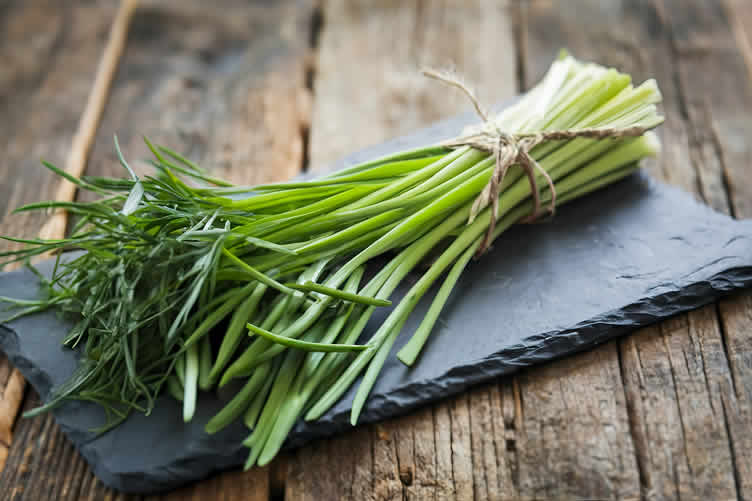
copyright image by 123rf.com
-
-
3rd: Most Popular Herbs and Spices – and Most Expensive
Herbs and spices are fundamental elements of culinary cooking, transforming ordinary dishes into extraordinary culinary delights. The following section will explore some of the most widely used herbs and spices, providing insight into their unique characteristics, origin, and expense.
-
Most Popular Used Herbs
Herbs play a crucial role in culinary cooking, enhancing dishes with their unique flavors, aromas, and health benefits. Below is a list of some of the most popular herbs used in kitchens around the world:
- Basil:
Known for its sweet, peppery flavor, basil is commonly used in Italian cuisine, particularly in pesto and tomato-based dishes. - Cilantro:
Popular in Mexican, Indian, and Asian cooking, cilantro has a distinctive citrusy flavor that adds freshness to salsas, curries, and salads. - Oregano:
A staple in Mediterranean cooking, oregano provides a warm, earthy flavor to pizzas, pastas, and grilled meats. - Rosemary:
With its pine-like aroma and robust flavor, rosemary is ideal for roasting meats, potatoes, and vegetables. - Thyme:
This versatile herb offers subtle earthiness and is often used in soups, stews, and marinades. - Mint:
Bright and refreshing, mint is perfect for beverages, desserts, and savory dishes such as lamb or Middle Eastern salads like tabbouleh. - Parsley:
Available in flat-leaf or curly varieties, parsley is a mild, slightly peppery herb often used as a garnish or in sauces like chimichurri. - Dill:
With its light, tangy flavor, dill pairs well with seafood, yogurt-based sauces, and pickling recipes. - Sage:
Known for its earthy, slightly citrusy taste, sage is frequently used in stuffing, sausages, and rich sauces. - Tarragon:
This herb has a licorice-like flavor and is often found in French cuisine, particularly in béarnaise sauce and chicken dishes.
- Basil:
-
Most Popular Used Spices
Spices are an essential component in culinary cooking, bringing depth, aroma, and flavor to dishes from around the world. Below is a list of some of the most popular spices used in kitchens everywhere:
- Black Pepper:
Known as the “king of spices,” black pepper adds a sharp, spicy kick to savory dishes and is widely used as a seasoning. - Cumin:
With its warm, earthy flavor, cumin is a staple in many cuisines, including Mexican, Indian, and Middle Eastern cooking. - Cinnamon:
Sweet and fragrant, cinnamon enhances desserts, beverages, and savory dishes like curries and stews. - Garlic Powder:
A convenient substitute for fresh garlic, garlic powder delivers a pungent, savory taste to a variety of recipes. - Ginger:
Fresh or dried, ginger imparts a zesty, slightly sweet flavor and is commonly paired with both savory and sweet dishes. - Paprika:
This versatile spice can be sweet, smoky, or hot, and is often used to add vibrant color and depth of flavor. - Nutmeg:
Aromatic and slightly sweet, nutmeg is a key spice in baking and creamy dishes like custards and sauces. - Vanilla:
Derived from vanilla pods, this spice is prized for its sweet, floral taste and is a mainstay in desserts. - Cayenne Pepper:
A fiery spice, cayenne adds heat and boldness, often used in chili, soups, and marinades. - Cloves:
These intensely aromatic buds contribute a warm, slightly sweet flavor to sauces, baked goods, and beverages.
- Black Pepper:
-
The Most Expensive Spices
Some of the most expensive spices in culinary cooking are prized not only for their distinctive flavors but also for their rarity and labor-intensive harvesting processes. Below is a list of these luxurious spices, their average price per pound, and their origin:
- Saffron:
- Price: Up to $5,000 per pound.
- Origin: Known as the most expensive spice in the world. It is derived from the stigma of the Crocus sativus flower and is predominantly grown in Iran, India, and Spain.
- Vanilla:
- Price: Up to $600 per pound.
- Origin: Natural vanilla, especially Madagascar and Tahitian varieties, can be costly due to its labor-intensive cultivation from orchid plants. The labor-intensive process of pollination and curing the pods adds to its expense.
- Green Cardamom:
- Price:Approximately $266 per pound
- Origin: Valued for its intense aroma and citrusy flavor, green cardamom prices reach around $260 per pound. The spice is harvested from the seeds of cardamom pods, which require careful handling to maintain quality. It is mainly grown in India, Sri Lanka, and Guatemala.
- Ceylon Cinnamon:
- Price:Around $100 per pound
- Origin: Known as “true cinnamon,” this spice has a sweeter and more complex flavor compared to cassia cinnamon. It originates from Sri Lanka and features a delicate, mildly sweet flavor.
- Cloves:
- Price: Priced at approximately $133 per pound
- Origin: Cloves are hand- harvested from the dried flower buds of the clove tree, primarily grown in Indonesia and Madagascar.
- Mace:
- Price: Approximately $150 per pound.
- Origin: The lacy, red covering of the nutmeg seed. It is commonly grown in Indonesia and Grenada.
- Long Pepper:
- Price: About $50 per pound
- Origin: An exotic relative of black pepper, it has a spicier and more complex flavor than black pepper. It originates from India and Southeast Asia.
- Turmeric:
- Price: Ranges around $20-$30 per pound
- Origin: While not the most expensive, high-quality turmeric can still be costly. It is widely cultivated in India, providing earthy flavor and vibrant color.
- Saffron:
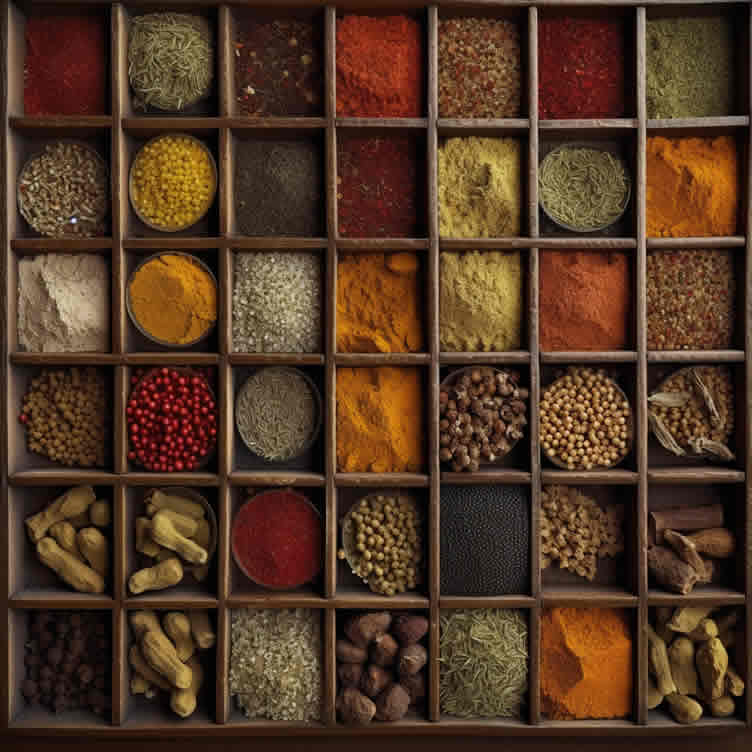
copyright image by 123rf.com
-
-
-
FINAL REMARKS
Exploring the world of herbs and spices opens up endless possibilities for elevating your cooking. By understanding the unique flavors and aromas they bring to various dishes, you can experiment and create meals that delight the senses.
Whether you’re adding warmth with cinnamon, depth with cumin, or a hint of sweetness with nutmeg, each spice has the power to transform your culinary creations.
Learning to use these ingredients not only enhances your skills in the kitchen but also connects you to diverse cuisines and cultures, making every meal an exciting and flavorful experience.
-
ideas to view and compare from the information discussed above
- What comments can you share about
knowing your herbs and spices?
Scroll up to directory … or scroll to more kitchen-related topics …
view illustration “becoming a bank”

Calendar For:
Home Maintenance
File Type:
above for …
… for kitchen setup and appliances



… view our sharing links below for a quick "share the knowledge"
Cover image credit: knowing your herbs and spices by 123rf.com
end of post … please share it!
 |
did you find this guide on knowing your herbs and spices helpful? If so, please share the article with your friends and family! |
Nice pic idea? Leave us a quick comment below.
And please share this pic idea within your social networks.