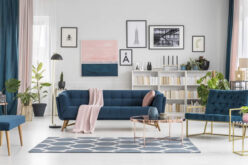
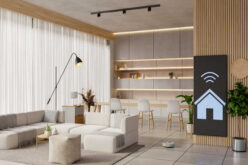
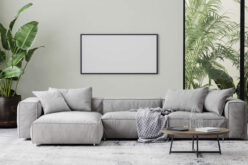
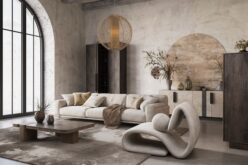
The appeal of Japandi lies in its ability to create spaces that are tranquil, clean, and filled with natural beauty. The calming color palette, characterized by neutral and earthy tones, combined with clean and uncluttered lines, has a soothing effect, making homes feel more peaceful and relaxing.
Its popularity stems from its emphasis on creating a balanced and harmonious space that promotes well-being.
The Origins and Growing Popularity of Japandi
The concept of Japandi originated from the fusion of traditional Japanese aesthetic principles and the functionality and simplicity of Scandinavian design. It’s a trend that has been gradually gaining traction over the past decade.
As the world becomes increasingly interlinked, the appreciation for different cultures and their aesthetics has grown, paving the way for Japandi’s rise in popularity. The growth of Japandi can be largely attributed to its embrace of minimalism and sustainability, two trends that resonate strongly in today’s society.
With an emphasis on natural materials, clean lines, and a muted color palette, Japandi design embodies a timeless quality that appeals to a broad range of tastes. This minimalist yet warm and inviting style has captivated interior design enthusiasts worldwide, securing Japandi’s place as a dominant trend in contemporary home decor.
Japandi Design Styles
| japandi style | view styles |
| – japanese style | view styles |
| – scandinavian | view styles |
| – minimalist | view styles |
| coastal japandi | view styles |
Typical Japandi Decor
| natural elements | view ideas |
| neutral color | view ideas |
| greenery | view ideas |
| handcrafted | view ideas |
| flooring | view ideas |
| rugs | view ideas |
| furniture | view ideas |
| lighting | view ideas |
Japandi Styling For …
| living room | view ideas |
| kitchen | view ideas |
| bedroom | view ideas |
| bathroom | view ideas |
| home office | view ideas |
| outside patio | view ideas |
Successful Japandi Design Combinations
Achieving the Japandi look is all about balance. The blend of the minimalist elegance of Japanese design with the cozy warmth of Scandinavian decor creates a unified look.
Key combinations include the use of simplistic furniture with raw, natural materials such as wood or stone. The color palette should be kept neutral, with pops of color brought in through plants or minimal accents.
Essential Decor Elements for the Japandi Look
To create the perfect Japandi interior, there are several decor elements you should focus on. Natural light is a key component, as it emphasizes the simplicity and purity of the design.
Moving forward, we delve into specific decor elements that embody the essence of Japandi interior design. These elements, carefully chosen and harmoniously arranged, are what transform a space into a serene Japandi sanctuary.
The elements range from nature-inspired textiles and nordic-inspired furniture, to Japanese art and indoor greenery. Each element contributes to a space that is not only visually pleasing but also exudes an atmosphere of tranquility, embodying the core philosophy of Japandi design.
-
Natural Materials and Textures:
Embracing materials like wood, stone, and clay, which are often left with a raw or minimally finished texture, is central to the Japandi aesthetic. These elements bring an earthy, organic feel to the interiors, grounding the space in nature.
-
Neutral Color Palette:
Japandi color schemes are typically subdued, featuring a blend of muted tones such as grays, whites, beiges, and browns. This soft, neutral palette enhances the tranquility of the space, creating an environment that feels calm and serene.
-
Minimalistic Furniture:
In Japandi design, furniture is usually low-profile and simplistic in design, often showcasing the natural beauty of the material it is made from. The emphasis is on functionality and comfort, without the clutter of unnecessary decorative elements.
-
Greenery:
Plants are an essential part of Japandi décor, bringing in a breath of fresh air and a touch of color. They not only purify the air but also act as natural decor elements, enhancing the sense of tranquility in the space.
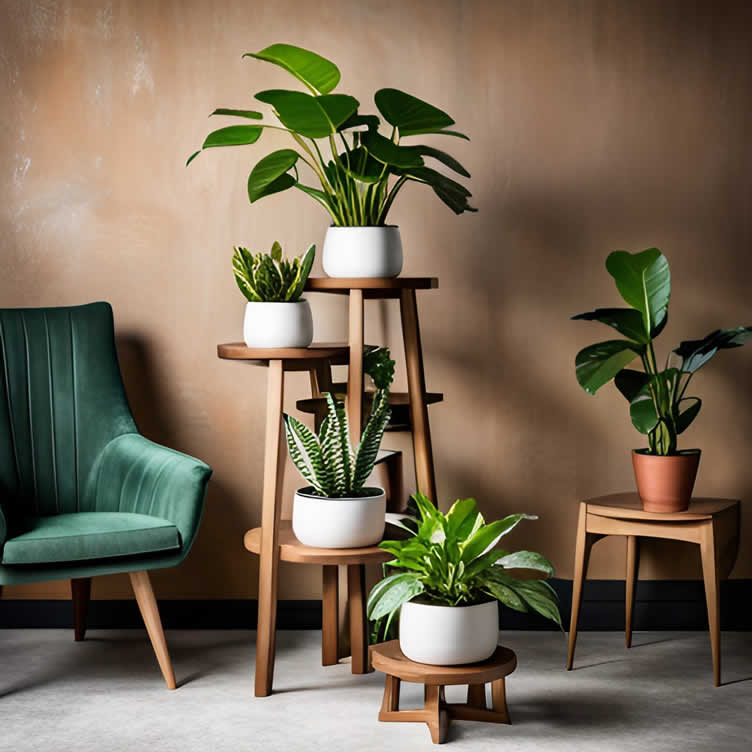
Best "Air Cleaning" Houseplants
Best "Indoor" Trees
Best "Pet Friendly" Houseplants
-
Handcrafted Details:
Artisanal objects and handmade details add a personal touch to Japandi interiors. These could be ceramic vases, woven textiles, or handcrafted wooden pieces, all of which add depth and character to the space.
-
Clean Lines and Open Spaces:
Japandi design values open, clutter-free spaces and clean lines. This can be achieved through smart storage solutions and careful curation of decor elements, ensuring each piece has a purpose and contributes to the overall harmony of the room.
-
Flooring:
The Japandi aesthetic typically favors natural flooring options, such as hardwood or bamboo, both of which are sustainable and add a warm, organic touch to the space. Additionally, polished concrete or terrazzo may be used for a more minimalist, modern feel.
-
Rugs:
In keeping with the Japandi style’s natural and minimalist ethos, rugs are usually made of organic materials like jute, sisal, or wool. They are often neutral and feature clean lines, simple patterns, or textured weaves, providing comfort underfoot while contributing to the overall tranquility of the space.
-
Lighting:
The Japandi design philosophy heavily accentuates the importance of natural light, as it encourages a sense of serenity and balance. However, for artificial lighting, the preference leans towards simple, functional pieces.
Here are some broad categories:
- Ambient Lighting:
This is the main source of light in the room, often achieved via ceiling lights or recessed lighting. The design is sleek, minimal, and often allows for dimming to adjust the mood. - Task Lighting:
This includes desk lamps, reading lamps, or under-cabinet lights in kitchens. These fixtures have a simple design but efficiently provide focused light where needed. - Accent Lighting:
Used to draw attention to specific decor elements or areas of the room, like artwork or open shelving. The fixtures are subtle, blending seamlessly with the surroundings. - Natural Textile Light Fixtures:
These could involve lanterns or lampshades made of materials like rice paper or woven bamboo, providing a warm, diffused light and reinforcing the Japandi ethos of natural connection.
- Ambient Lighting:
other related articles of interest:
How You Can Maximize The Use of Warm Colors In Your Interior Design Plan
Incorporating the Japandi Look into Your Home
Japandi interior design is a great way to create a peaceful and balanced home. The perfect combination of Japanese and Scandinavian influences offers an aesthetic that is both modern and timeless, making it ideal for any home setting.
With the right elements in place, you can easily achieve the serene atmosphere of Japandi in your own home.
Start with a neutral color palette, add natural materials and touches of metallic accents for a modern feel, then complete your design with plants and flowers for an extra dose of tranquility.
With these simple elements, you’ll be able to create a beautiful Japandi interior that is perfect for relaxation and enjoyment.
Find Interior Design Services Decorators Interior Designers Furniture Painting & Staining top-rated, pre-screened local contractors FREE: download contractor selection enter zip code – powered by HomeAdvisor ™


Image credit: understanding Japandi interior design by envato.com
end of post … please share it!
| more photo remodeling |
Jump Over to Our Photo Analysis Center for Ideas on
"Renovating Home"
|__________________________________________________________|
home remodeling surprise
find out where it might go - new win


Helpful article? Leave us a quick comment below.
And please share this article within your social networks.