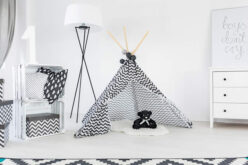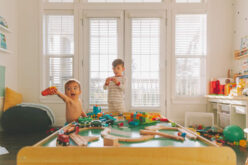
Quick answer: A play homeschool room works because it replaces forced instruction with accessible curiosity. Set up a small, organized corner with rotating stations for reading, science, geography, and creative play, keep screens limited but replaced with ready alternatives, and let your child’s interests guide the daily rhythm. The result is a space where children choose to learn because exploration feels natural, not required.
Summary Outline –
A play homeschool room isn’t about recreating a classroom at home. It’s about designing a space that makes curiosity the path of least resistance. When books, maps, and hands-on materials are easier to reach than the remote, children naturally gravitate toward them.
This guide walks through exactly how to set up that kind of room, what to buy first, how to structure your days, and how to keep the whole thing sustainable as your child grows.

-
Quick scroll to first topic about play homeschool … or review summary content

Content Summary
section directory1st Homeschool Review: [view section]
… whether you’re homeschooling full-time, hybrid homeschooling, or setting up an after-school learning space, let’s start by reviewing what you’ll need to create a play-based homeschool room in your home.
2nd Homeschool Review: [view section]
… once your space is set up, the next step is developing a balanced home learning routine. Prioritizing flexibility over rigidity helps your children feel secure and encourages them to explore their natural curiosity.
3rd Homeschool Review: [view section]
… nurturing natural curiosity starts with setting up dedicated home learning centers covering geography, science, reading, math, and more. Explore which learning stations and curriculum materials are best suited for your child’s age group.
4th Homeschool Review: [view section]
… the fourth and final section explores resource centers where you can find expert support materials and teaching guidance. It also covers key FAQs to help answer common questions that arise when setting up a homeschool play space in your home.
first “play homeschool” idea

copyright image by 123rf.com
Section 1: Designing Steps: Homeschool Playroom
Notes:
-
Designing a homeschool room is about more than setting up a space—it’s about creating an environment where your child’s curiosity and motivation can truly flourish.
Rather than replicating a traditional classroom with rigid desks and schedules, think of it as crafting a space that invites exploration, encourages independence, and nurtures a lifelong love of learning.
A well-designed homeschool room blends play and education, showing children that discovering the world around them can feel as natural as breathing. By making play central to learning, you’re nurturing creativity, problem-solving, and self-confidence in ways that worksheets simply cannot.
Thoughtful touches—like accessible materials tailored to your child’s developmental stage—support their growth without feeling restrictive. This guide will walk you through the essentials of building a space where your child can truly thrive.
-
Quick scroll to supporting notes …
-
-
1st: Begin With the Right Goal in Mind
When designing a play homeschool room, it’s critical to start with the right goal in mind. This space isn’t about keeping children busy, nor is it about recreating a traditional classroom within the walls of your home.
Instead, the aim is more profound—to create an environment where motivation and learning stem naturally from a child’s curiosity and sense of discovery, not from external pressures like completing worksheets or hitting arbitrary benchmarks.
The room should invite a child to explore, connect, and grow in ways that feel meaningful to them.
AI generated image by 123rf.com

By shifting the focus toward intrinsic motivation, you’re building an atmosphere where learning happens effortlessly. When materials and opportunities are accessible and aligned with a child’s developmental stage, they’re more likely to engage on their own.
This not only nurtures a love of learning but also encourages independence and confidence that lasts well beyond the early years.
-
What Motivation Really Means
Motivation isn’t about compliance or checking off tasks. True motivation comes from within—driven by genuine curiosity to explore and understand the world.
For children, this flourishes in environments where their interests are valued, their questions are encouraged, and their explorations are met with warmth and support. A well-designed homeschool room doesn’t enforce learning—it fosters it by offering the tools children need to act on their natural inquisitiveness.
Open shelves with books and puzzles at eye level, or thoughtfully arranged art supplies, invite engagement without instruction.
Children thrive when they feel in control of their learning. This doesn’t mean they shouldn’t have gentle guidance; it’s about creating an environment where their choices and curiosity lead the way. Supporting this dynamic—without micromanaging—is how intrinsic motivation becomes a lifelong habit.
-
Play as Learning, Not a Break From It
Play is often mistaken for a break from learning when, in reality, it’s one of the most powerful ways children grow. Through play, children develop language, self-regulation, social skills, and even early math concepts.
A simple game of pretend store can boost vocabulary, reinforce numbers, and teach sharing—all in a single joyful afternoon.
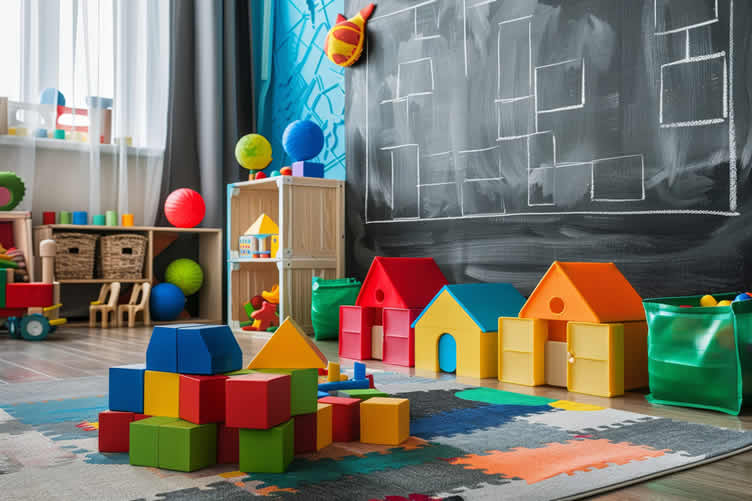
Play also nurtures problem-solving and imagination. Building with blocks, for instance, involves spatial reasoning, experimentation, and persistence.
Even unstructured play allows children to explore their natural interests and build knowledge in areas they love. Recognizing play as fundamental—not supplemental—to learning can inspire you to make it a priority in your home learning environment.
-
Designing a Room Where Play and Learning Connect
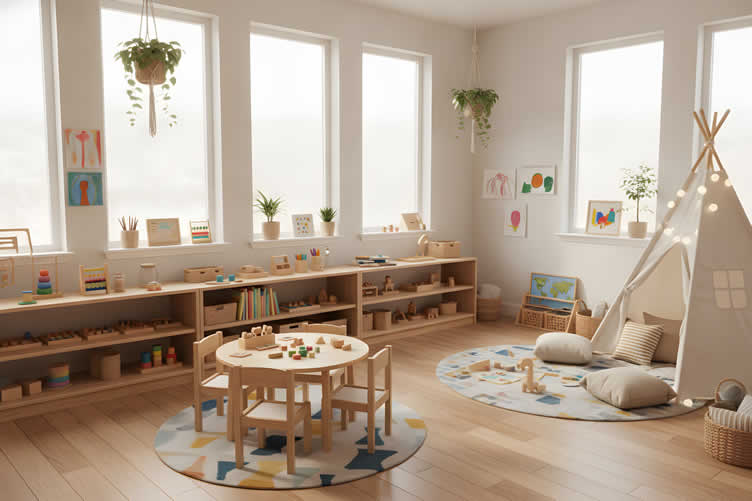
Your homeschool play room should balance structure with freedom. Low, open shelves let children independently choose books, puzzles, or art supplies, while a visually uncluttered space helps maintain focus.
Define areas for activities like reading, art, or building, and leave open floor space for movement and creativity.
Choose materials that match your child’s developmental stage, but stay flexible as their interests grow. Sensory bins, nature guides, and construction sets all encourage exploration — as long as they’re within easy reach.
The best homeschool rooms are built with your child in mind, both now and as they grow. When you start with the right goals and embrace the value of play and intrinsic motivation, you’ll create more than a functional learning space — you’ll nurture a place where curiosity and a love of learning can truly flourish.
More Supporting Information
(view sample images and summary table – or scroll side note and next topic)
Section Description Key Focus Begin With the Right Goal in Mind Designing a homeschool room should aim to create a space that inspires intrinsic motivation and natural learning through curiosity and discovery, rather than replicating a traditional classroom or focusing on external pressures like completing worksheets. Build an environment where discovery is meaningful, children naturally engage, and learning nurtures independence and confidence. What Motivation Really Means True motivation comes from genuine curiosity and the freedom to explore, understand, and connect with the world.
Environments that value children’s interests, encourage their questions, and provide the tools to act on their curiosity naturally foster intrinsic motivation.
Encourage learning through inviting open shelves, accessible materials, and gentle guidance without micromanagement. Play as Learning, Not a Break From It Play is vital for child development, serving as a primary method for learning language, social skills, problem-solving, and foundational concepts like early math.
Activities such as building, pretend play, and unstructured exploration promote meaningful growth.
Recognize play as integral to learning, prioritizing it as a core element of the home learning environment. Designing a Room Where Play and Learning Connect A homeschool playroom should balance structure and freedom, with child-accessible materials on open shelves, space for activities, and an uncluttered design.
Materials should align with the child’s developmental stage and adapt as their interests evolve.
Create a flexible, organized, and inviting space that grows with your child while fostering curiosity and a love of learning. 


copyright image by 123rf.com
Space for Growth and Learning
The play schoolroom is thoughtfully designed to meet the needs of families who homeschool as well as those who send their children to traditional schools.
Its core purpose is to create an environment where children can develop the ability to govern themselves as they grow, fostering independence and critical thinking.

In today’s fast-paced world, this space emphasizes the importance of raising well-rounded and adaptable individuals by nurturing physical well-being, emotional intelligence, and mental resilience in a holistic way.
view ideas: Raising Healthy and Mentally Adapt Kids(new win)

-
Scroll up to section directory … or scroll to next supporting note …

-
-
2nd: Setting Up the Room
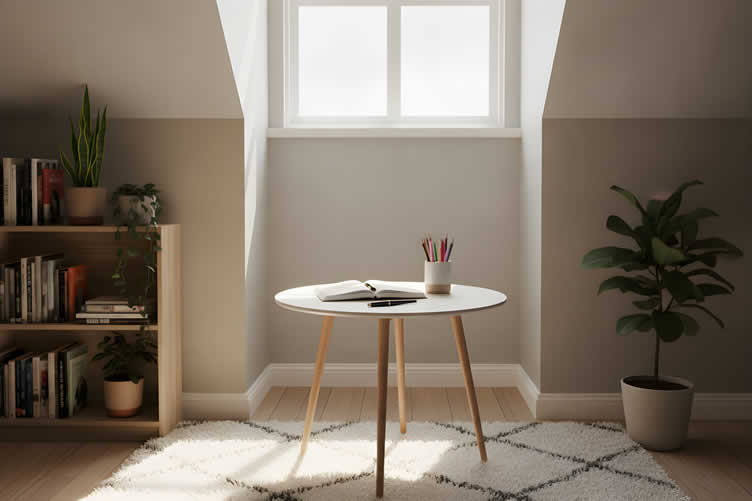
Creating a functional and inviting learning space at home starts with choosing the right spot. Look for an area with enough room for a small table, a rug, and space to work on projects without feeling constrained.
It doesn’t need to be a full room—consider transforming a sunroom, attic nook, or even a wide hallway alcove. What matters most is that the space feels calm and welcoming, free from clutter and distractions.
AI generated image by 123rf.com
Balance is key; a thoughtfully arranged corner of your dining room, den, or child’s bedroom can be just as effective as a more elaborate setup.
Instead of aiming for perfection, prioritize practicality. A functional homeschool area grows with your child’s interests, adapting to new skills and projects over time.
The ultimate goal is to create an environment that fosters curiosity, independence, and creativity—ensuring your child has a space where they feel inspired to learn, experiment, and explore.
-
Reading Nook[ view]
A cozy reading nook helps children build their love for books, language, and quiet focus. Use low, front-facing book ledges to make selections visible and easy to grab.
Pair this with a beanbag or soft rug where your child can settle comfortably, along with a soft lamp for gentle lighting. Stock the area with a variety of books, from picture books and early readers to nonfiction topics that complement their interests.
If possible, add an audiobook player or a station where children can listen to narrated stories to further enrich their experience.
-
Map and Discovery Wall[ view]
Introduce geography, culture, weather, and global awareness with a dedicated map and discovery wall. Display a large world map along with a U.S. map or regional focus specific to your area.
Add a globe to bring geography into three dimensions, and pepper the space with family travel photos and a simple weather chart for daily updates.
Use removable labels or map pins to mark locations of interest, encouraging conversations about faraway places, climates, and cultures. This zone transforms global knowledge into a tangible and interactive learning experience.
-
Science Lab[ view]
Encourage the habit of observation and hands-on discovery with a small science lab. Equip this space with child-safe tools like a magnifier, magnets, a balance scale, measuring cups, droppers, and a ruler.
Add a thermometer and simple trays for experiments, along with a nature collection featuring rocks, leaves, or shells. Include a sturdy notebook for recording findings or sketching observations.
This setup makes exploration a natural part of your child’s routine, turning everyday questions into opportunities for testing and learning.
-
Maker Table[ view]
Foster creativity and problem-solving skills by dedicating a table to making and designing. Outfit the area with essentials like paper, tape, cardboard, child scissors, washable markers, and clay. Incorporate items like recycled containers or building sets to inspire imaginative projects.
Leave the space open-ended so your child feels free to experiment. By keeping supplies accessible but organized, the maker table becomes a hub of innovation where ideas turn into tangible creations.
-
Math and Games Shelf[ view]
Set up a dedicated shelf with hands-on tools and games that bring numbers to life and make math enjoyable. Dice, dominoes, counting bears, and tangrams are great for building number sense and logic skills in a playful, low-pressure way.
Puzzles and card games encourage strategic thinking, while a simple measuring tape introduces length and estimation.
Together, these tools cater to a range of ages and learning levels. By keeping them easy to reach and visually inviting, you help children naturally gravitate toward mathematical thinking during playtime.
-
Dramatic-Play Area[ view]
Give children a dedicated space to step into real-life roles and practice meaningful social skills. A play kitchen with pretend food and dishes invites them to recreate familiar routines, while a doctor’s kit encourages empathy and nurturing behavior.
Costumes, puppets, and a toy phone spark imaginative possibilities, helping children explore different perspectives.
Enrichment props like clipboards, envelopes, and notepads deepen the experience, giving children the tools to build their own narratives and engage in collaborative storytelling with friends.
-
Movement Corner[ view]
A movement corner helps children release energy between focused activities, supporting a healthy rhythm to the day. Even a small patch of open floor can make a big difference — think painter’s tape for balance lines, colorful stepping stones, yoga cards, or soft balls for active play.
Adding music makes the space even more inviting, giving children an outlet to dance, stretch, and move freely. These moments of physical activity help children reset and recharge, making it easier to transition into quieter, more focused tasks with a calmer, more settled energy.
-
Organizing for Independence[ view]
To foster independence, use low, open shelves and clearly labeled bins so children can see and choose their materials without assistance. Rotate a manageable selection of toys and activities — around six to ten options — to prevent clutter and encourage deeper focus on what’s available.
Opt for natural baskets, minimalist wooden shelves, and neutral-colored rugs or walls to maintain a calm, home-friendly aesthetic. Since learning needs evolve with time, rely on durable storage solutions designed to adapt as your child grows.
A thoughtfully arranged, engaging learning environment allows children to independently discover and immerse themselves in educational activities.
By prioritizing functionality, comfort, and accessibility, you’ll not only create a functional homeschool room but also a space where curiosity takes root and flourishes.
More Supporting Information
(view sample images and summary table – or scroll to side note and next topic)
Learning Area Description Key Features Setting Up the Room Creating a functional and inviting learning space begins with choosing the right spot. It could be a sunroom, attic nook, or even a dining room corner.
The space should be calm, welcoming, and free of clutter to foster curiosity, independence, and creativity over time.
Calm environment, adaptable for growth, fosters creativity and independence. Reading Nook A cozy area designed to encourage a love for reading. Front-facing book ledges and soft seating invite comfort, while a variety of books and an audiobook station expand learning opportunities. Low book ledges, soft seating, gentle lighting, audiobook options. Map and Discovery Wall A dedicated space to explore geography, culture, and weather.
Includes maps, globes, family photos, and interactive tools to make global knowledge tangible.
World map, globe, weather chart, family photos, interactive elements. Science Lab A hands-on area encouraging observation and discovery with tools like magnifiers, magnets, and measuring instruments. Nature collections and notebooks promote recording findings and exploration. Child-safe science tools, nature collection, sturdy notebook, experiment trays. Maker Table A creative space for designing and building.
Stocked with crafting essentials like paper, tape, and recycled materials to turn ideas into tangible projects.
Crafting supplies, recycled materials, organized accessibility. Math and Games Shelf An engaging area to make math enjoyable with tools like dice, puzzles, and counting games.
Encourages logic and number sense through interactive play.
Math games, puzzles, counting tools, educational activities. Dramatic-Play Area A playful space for practicing real-life roles with items such as play kitchens, costumes, puppets, and more to inspire storytelling and social skills. Play kitchen, costumes, role-play tools, imaginative storytelling materials. Movement Corner An open space for physical engagement using balance lines, yoga, and music to help children release energy and transition between focused tasks. Open floor space, yoga cards, balance tools, music. Organizing for Independence An approach using low shelves and labeled bins for self-guided material selection.
Focuses on functionality, durability, and maintaining a calm aesthetic.
Low shelves, labeled bins, minimalist design, durable storage solutions. 
copyright image by 123rf.com
Multipurpose Garage Stations
The garage can be more than just a parking spot—it’s an untapped area for creating functional stations to support the whole family.
With some creative organization, it’s possible to maintain space for your car while setting up dedicated zones.
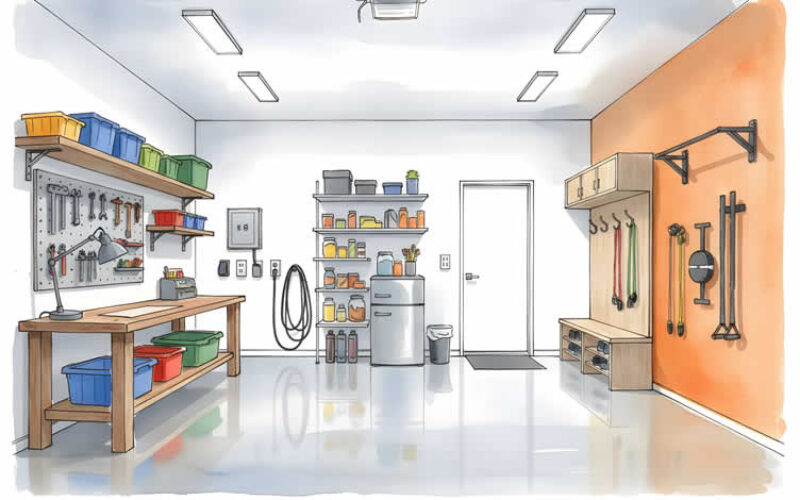
For instance, a physical activity station for kids can promote movement and play without taking up precious living space indoors.
Equip it with items like jump ropes, a mini basketball hoop, or even a small climbing wall to encourage active breaks throughout the day, making the garage a dynamic extension of your home.
view ideas: Hardworking Stations—Cars Included(new win)
-
Scroll up to section directory … or scroll to next supporting note …
-
-
3rd: What to Buy First
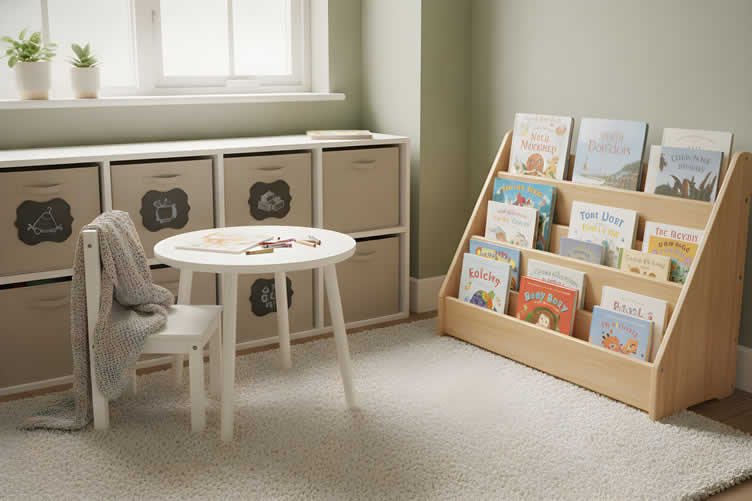
It’s easy to feel overwhelmed when setting up a homeschool space, especially with the vast array of “educational” products marketed to parents. However, you don’t need an endless shopping cart to start cultivating a meaningful learning environment.
The key is to focus on versatile, foundational items that serve as building blocks for your child’s educational needs. Begin with the essentials that encourage creativity, curiosity, and independent exploration.
AI generated image by 123rf.com
By selecting adaptable, multi-functional items, you create a space that grows with your child’s interests and supports a wide variety of learning activities.
Below, we’ve outlined a starter list to guide your purchasing decisions, ensuring you prioritize items that balance functionality, comfort, and learning potential.
-
Essential Starter List
This starter list highlights the essential, versatile items you’ll need to create a space that nurtures your child’s love of learning and growth.
-
Furniture pieces
- A small child-size table and chair, plus a washable floor mat or rug.
- Open shelves or cube storage with bins for accessible organization.
- A front-facing book display stocked with 20–40 library or owned books.
- For families with multiple young children, a row of small school desks with built-in storage.
-
Study Stations
- A world map or globe alongside a simple U.S. wall map.
- Scientific tools including a magnifying glass, magnets, measuring cups, a balance scale, flashlight, ruler, and child-safe goggles.
- Nature exploration containers like clear jars, trays, small baskets, and a notebook for discovering and collecting.
- A pretend-play kit tailored to your child’s interests, such as a veterinarian set, bakery setup, or space station theme.
-
Artistic and Thinking Zones
- Basic art supplies like blank paper, crayons, colored pencils, washable paint, glue, tape, and age-appropriate scissors.
- Open-ended construction materials such as blocks, magnetic tiles, or wooden unit blocks.
- Problem-solving tools like puzzles, cards, dice, dominoes, and counting objects.
- A visual daily routine board with pictures or icons to support structure and independence.
-
-
What to Skip
Not everything that’s labeled “educational” is meaningful or necessary, especially for young learners. Be wary of overly specialized or expensive kits that claim to teach a single skill but have little versatility.
Avoid bulky furniture that doesn’t suit your space or lacks adaptability, and resist the temptation to buy items your child isn’t excited about using. Focus your energy and budget on items that inspire curiosity and can grow with your child’s evolving needs.
By starting intentionally with these initial purchases, you establish the foundation of a functional and flexible homeschool space. This approach helps you avoid clutter while ensuring that every item has a purpose in supporting your child’s learning and development.
A thoughtfully curated environment will provide both comfort and inspiration as your homeschooling journey begins.
More Supporting Information
(view sample images and summary table – or scroll to side note and next topic)
Category Description Examples Furniture Pieces Foundational items to create a comfortable and organized learning space that supports accessibility and multi-functional use. A small child-size table and chair, washable floor mat or rug, open shelves or cube storage with bins, front-facing book display with 20–40 books, small desks with built-in storage for multiple children. Study Stations Essential tools and resources for broadening knowledge and encouraging exploration. World map or globe, U.S. wall map, scientific tools like magnifying glasses and measuring cups, nature exploration containers, pretend-play kits tailored to interests (e.g., veterinarian set or space station theme). Artistic and Thinking Zones Spaces and tools designed to fuel creativity, imagination, and problem-solving skills while fostering independence. Basic art supplies (paper, crayons, washable paint, etc.), open-ended construction materials (blocks, magnetic tiles), problem-solving tools (puzzles, dice, dominoes), and a visual daily routine board. What to Skip Guidance on what to avoid to prevent unnecessary expenses and clutter while maintaining flexibility in the learning space. Overly specialized or expensive kits, bulky non-adaptable furniture, and items lacking versatility or child interest. 
AI generated image by 123rf.com
Essentials for a Functional Play Schoolroom
Creating a home play schoolroom requires a balance of practicality and creativity.
Start with durable, easy-to-clean surfaces that can handle paint spills, craft glue, and general wear-and-tear.
Storage is key—bins, shelves, and labeled containers keep toys and supplies organized while making cleanup a breeze.

Add child-sized furniture for comfort and accessibility, and don’t forget a soft rug or cushions for floor play.
Finally, include an open space for imaginative activities or sensory play, ensuring the room inspires learning and fun without creating chaos.
view ideas: Creating a Playroom at Home(new win)
-
Scroll up to section directory …
-
-
Scroll up to main directory … or scroll to next section about creating a routine …
… home remodeling and improvement


Download this PDF for a concise summary of everything you need to know about …?


second “photo remodeling” idea
copyright image by 123rf.com
Section 2: Creating a Balanced Home Learning Routine
Notes:
-
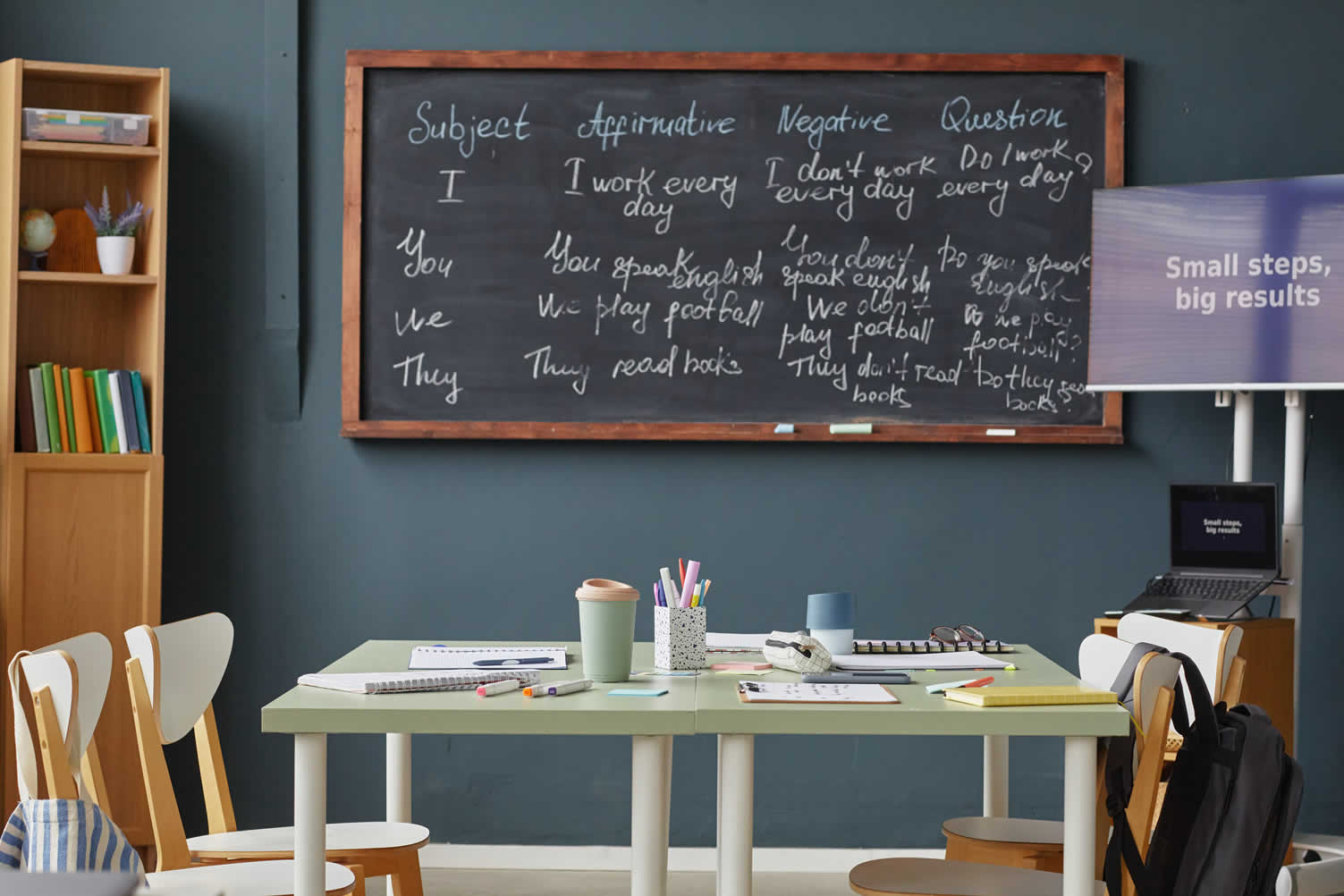
Building an effective homeschool experience starts with finding a rhythm that works for your family. This section explores practical strategies for shaping your days into a consistent, manageable flow that supports both learning and connection.
By prioritizing flexibility over rigidity, you can create an environment where children feel secure and their natural curiosity is encouraged.
From designing a daily rhythm that balances hands-on activities, outdoor exploration, and independent play to weaving in movement and reflection, each strategy is tailored to your child’s unique needs.
You’ll also discover how empowering your child with choices, celebrating their efforts, and fostering creativity can make a meaningful difference. Together, these approaches offer a framework that balances structure with freedom, helping your child thrive academically, emotionally, and creatively.
-
Quick scroll to supporting notes …
-
-
1st: A Simple Daily Rhythm
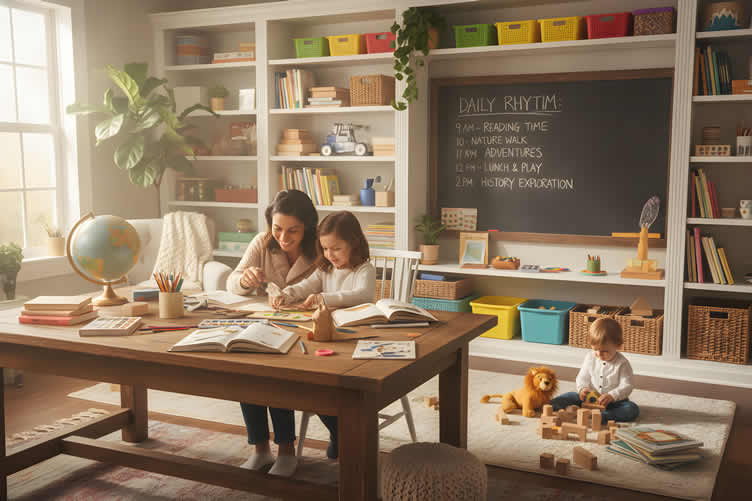
A simple daily rhythm is essential for a balanced home learning environment. Unlike rigid classroom schedules, home-based learning thrives on flexibility and consistency, helping children feel secure while nurturing their natural curiosity.
Short, repeatable activity blocks work best — especially for younger learners — keeping them focused and engaged throughout the day.
AI generated image by 123rf.com
A typical rhythm might include breakfast, reading, a hands-on activity, outdoor exploration, lunch, quiet independent time, child-led play, and a brief end-of-day reflection.
Activities should follow the child’s interests, as even something as simple as building a bridge for toy cars can cover engineering, storytelling, spatial reasoning, and perseverance — all at once.
-
Morning Invitation
Start the day with a special setup like a puzzle, sensory bin, or a thought-provoking book or tray activity. This encourages independent exploration from the moment the child enters the learning space.
These activities quietly capture attention and spark a child’s natural curiosity, setting an optimistic tone for the day ahead.
-
Read Together
Spend time enjoying two to four books together. Pause throughout the reading to ask open-ended questions like, "What do you notice?" or "What do you think happens next?"
This builds vocabulary, ensures comprehension, and fosters connections between the stories and the child’s world.
-
Explore
Engage in a hands-on activity such as a science experiment, a cooking project, or even a garden task. These experiences ignite curiosity and improve skills like observation, inquiry, and early problem-solving, helping children learn by doing.
-
Move
Physical activity is an essential part of the day. Go for a walk, create an obstacle course, or dance together. These activities support physical development and provide sensory regulation to help the child stay balanced and focused.
-
Choice Play
Dedicate 30–60 minutes for the child to choose their activity. Whether they prefer blocks, art, or imaginative play, this period encourages initiative, creativity, and sustained focus—all critical for long-term development.
-
Reflection
Conclude the day with a moment of reflection. Ask the child to share one thing they learned by either drawing, narrating, photographing their work, or dictating their thoughts.
This process strengthens memory, builds language skills, and fosters pride in their accomplishments.
-
Balancing Guidance And Freedom
By prioritizing a gentle, consistent structure within your homeschool environment, you’re offering your child not only the opportunity to learn but also the joy of independence and meaningful engagement.
This flexible rhythm grows with your child, providing them both comfort and the freedom to explore their world.
More Supporting Information
(view sample images and summary table – or scroll to side note and next topic)
Section Description Purpose A Simple Daily Rhythm A flexible yet consistent daily structure for home learning, built around short, repeatable activity blocks. Activities range from reading and hands-on projects to outdoor exploration and reflection. Creates a secure environment, nurtures curiosity, and keeps children focused and engaged. Morning Invitation Begins the day with a prepared activity like a puzzle, sensory bin, or thought-provoking book to encourage independent exploration. Captures the child’s attention and sets a positive tone for the day. Read Together Spend time reading two to four books, pausing to ask open-ended questions to enhance understanding and connections. Builds vocabulary, comprehension, and links stories to the child’s experiences. Explore Engage in hands-on activities like science experiments, cooking, or gardening to spark curiosity and develop problem-solving skills. Encourages learning through doing and improves observation and inquiry skills. Move Includes physical activity such as walking, obstacle courses, or dancing to support physical development and regulate sensory experiences. Promotes physical health and helps maintain focus and balance. Choice Play Gives the child 30–60 minutes to choose their preferred activity, such as art, imaginative play, or building. Fosters creativity, initiative, and sustained focus. Reflection Ends the day with a reflective activity where the child shares what they learned through drawing, narrating, or other expressive methods. Strengthens memory, builds language skills, and instills a sense of accomplishment. Balancing Guidance and Freedom A flexible homeschool rhythm combining structure with opportunities for independence and personal exploration. Offers comfort, nurturing, and the freedom to grow at the child’s own pace. 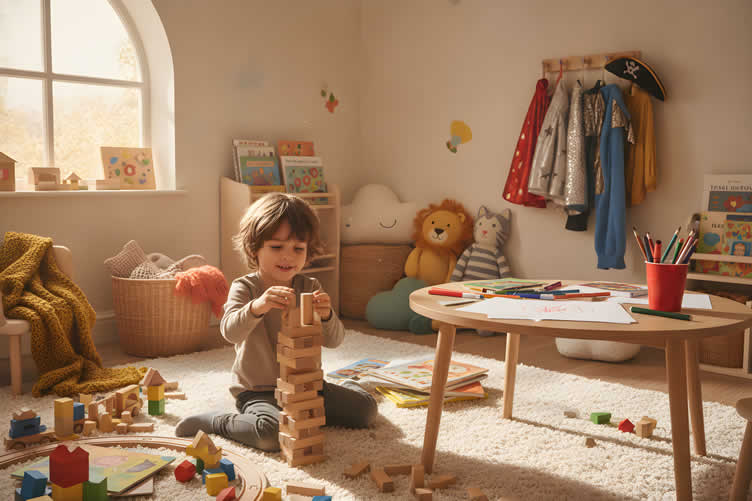
AI generated image by 123rf.com
The Importance of Outdoor Play
Outdoor play is essential for children’s healthy development, offering benefits that extend far beyond physical activity.
Fresh air and unstructured exploration boost creativity, foster social skills, and improve mood—all crucial as kids grow older.

Transform your backyard or shared space into an engaging outdoor play area with features like climbing walls, swings, or sensory gardens.
These additions make outdoor time irresistible, nurturing both their bodies and minds while encouraging a lifelong connection with nature.
view ideas: 12 Fun Outdoor Play Areas(new win)
Sporting
Lawn Games
viewing amazon-
Scroll up to section directory … or scroll to next supporting note …
-
-
2nd: Motivating Learning at Home
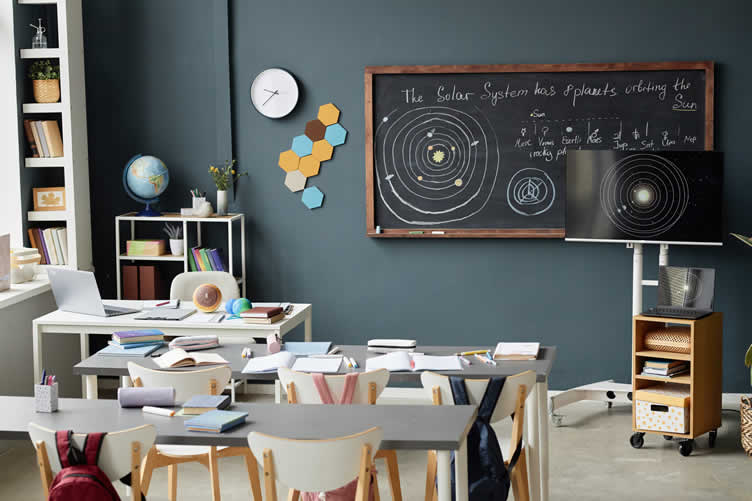
Creating a motivating home learning environment starts with understanding that children thrive in spaces where curiosity and creativity are nurtured.
Instead of replicating a rigid, bell-schedule school day, focus on building a loose, repeatable rhythm that fits the natural flow of your child’s energy.
copyright image by 123rf.com
For preschool and early elementary children, shorter, predictable blocks of learning and play are much more effective than long, structured lessons.
By aligning with their interests and celebrating their progress, you create a foundation that fosters both joy and independent engagement in their education.
-
Offering Real Choices
Empowering children through real choices allows them to feel more invested in their learning. By giving options and starting from their passions, you spark natural curiosity and engagement.
- Offer two meaningful choices, such as, “Would you like to read about sharks or trains?” or, “Do you want to test what sinks and floats, or build a bridge?”
- Begin lessons with their interests. For example, a love of dinosaurs can stem into books, fossil-making, creating a timeline, drawing habitat maps, measuring dinosaur footprints, or imaginative paleontology play.
- Present an “invitation to learn” rather than a directive. Place intriguing items such as three mystery objects with a magnifying glass, paper, and the question, “What do these have in common?”
- Incorporate projects that lead to tangible creations. Ideas include building a cardboard town, growing a seed garden, compiling a family recipe book, crafting a weather chart, creating a “museum” display, or designing a homemade map.
-
Celebrating Effort and Progress
Acknowledging perseverance and progress is key to building confidence and a lifelong love of learning. This recognition affirms their hard work and shows that their contributions are valued.
- Praise effort and strategies rather than fixed traits. Comments like, “You tried three designs before it held the weight,” encourage problem-solving, while “You’re so smart” focuses on an innate quality.
- Allow children to take ownership of their space. Tasks like returning supplies, picking out books for the week, watering plants, organizing their collections, or setting up a pretend store foster responsibility and pride.
- Display their work at child eye level and rotate it frequently. By showcasing their creations, the space communicates, “Your ideas matter here,” reinforcing their sense of achievement and belonging.
When learning becomes a shared, joyful process, children naturally develop curiosity and confidence.
By blending structure with freedom and actively celebrating their efforts, you’re building a home learning space where motivation thrives.
More Supporting Information
(view summary table and useful ideas – or scroll to side note and next topic)
Key Theme Description Examples Motivating Learning at Home Creating a motivating home learning environment involves nurturing curiosity and creativity.
Avoid rigid structures and focus on a rhythm aligned with the child’s energy and interests, particularly for younger children.
Implement shorter, predictable blocks of learning and play; celebrate progress and independence to foster joy and engagement. Offering Real Choices Empowering children through meaningful choices builds investment in their learning.
Starting with their passions sparks curiosity and engagement, turning learning into a self-driven exploration rather than a directive.
Provide options like choosing between reading topics or hands-on experiments.
Introduce novel projects, such as fossil-making or designing creations, to align with their interests.
Celebrating Effort and Progress Acknowledging perseverance and effort promotes confidence and a love of learning.
Highlighting effort rather than innate traits encourages problem-solving and a growth mindset.
Praise actions like trying multiple strategies, showcase creations at child eye level, and foster ownership through tasks such as organizing supplies or maintaining their space. 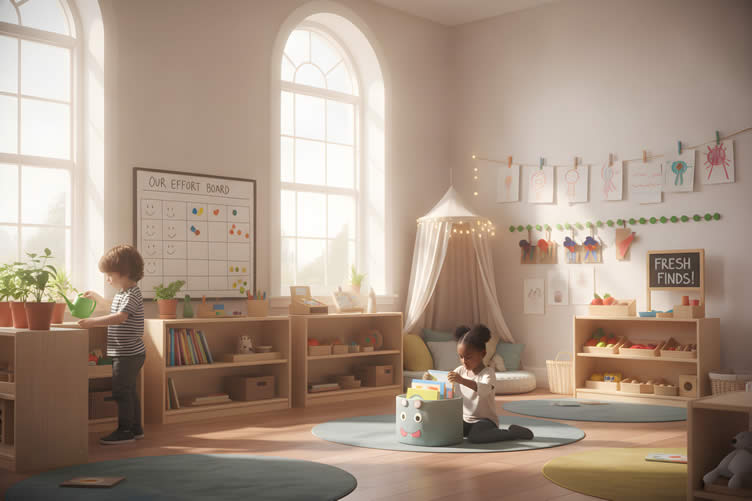
AI generated image by 123rf.com
The Role of Nutrition in Childhood Learning
Good nutrition plays a key role in nurturing a child’s motivation to learn.
A well-balanced diet fuels their growing bodies while supporting cognitive development, attention span, and energy levels.
But with hidden harmful substances — from artificial additives in food to chemical preservatives in personal care products — choosing wisely has never been more important.

These unseen threats can impact a child’s health and hinder their ability to thrive in school and daily life.
Knowing what’s in the products your family uses is a vital step toward supporting both learning and long-term well-being.
view ideas: Discover the Hidden Health Risks(new win)
-
Scroll up to section directory … or scroll to next supporting note …
-
-
3rd: Replace, Don’t Just Remove, Media
Cutting back on screen time works best when you replace it with something better, not just remove it.
The American Academy of Pediatrics reminds us that the goal isn’t to eliminate screens entirely, but to make media use purposeful, high-quality, and balanced with screen-free moments.

copyright image by 123rf.com
A family media plan can help you set clear boundaries around when and where screens are used, making the transition smoother and more sustainable for everyone.
-
Building A Family Media Plan
A family media plan helps establish guidelines tailored to your routine while leaving room for shared and meaningful media moments.
Start by identifying screen-free anchors and setting expectations for intentional use. Here’s how to get started:
- Choose two daily screen-free anchors—
such as breakfast and the hour after school or work—to reconnect and focus on non-digital interaction. - Keep devices out of bedrooms and the learning room—
unless they are being used deliberately for a specific activity. This helps maintain spaces that encourage restful sleep and focused learning. - Give a transition warning—
so screens don’t cause abrupt endings. Try saying, "Ten more minutes, then we choose today’s project," to gently prepare for what comes next.
- Choose two daily screen-free anchors—
-
Making The Alternative Ready
To reduce resistance and encourage excitement for activities beyond the screen, have alternate options visible and inviting. Preparing in advance creates a seamless shift from media to meaningful engagement. Follow these steps to make the transition easier:
- Make the next activity visible and ready—
before turning off screens so kids know what fun lies ahead. - Use a “first/then” statement—
to link chores or constructive tasks with a reward. For example, “First we feed the plants and read one book; then you can choose one show.” - Co-view whenever possible,—
and extend the experience offline. After watching a space documentary, build a rocket out of craft supplies. After an animal program, find its habitat on a globe and draw it together.
By replacing screen time rather than removing it entirely, you encourage balance while fostering creativity and connection within your family.
- Make the next activity visible and ready—
More Supporting Information
(view summary table and useful ideas – or scroll to side note and next topic)
Section Description Key Recommendations Replace, Don’t Just Remove Cutting back on screen time is more effective when it is replaced with better alternatives rather than simply removed.
The goal is to use screens purposefully and balanced with screen-free moments.
Use screens with intention, incorporate a family media plan, and create clear boundaries for when and where screens are used.
This ensures smoother and more sustainable transitions.
Building A Family Media Plan A family media plan is tailored to daily routines while encouraging intentional and shared media use.
It includes strategies for screen-free anchors and expectations for purposeful screen time.
Choose daily screen-free anchors like mealtimes or post-work hours, designate specific no-device zones, and provide transition warnings to aid smoother screen time adjustments. Making The Alternative Ready To reduce resistance and encourage excitement for screen-free activities, prepare alternatives in advance.
Creating seamless transitions helps foster meaningful engagement beyond screens.
Prepare the next activity visibly, use reward-linked statements, and extend media experiences offline by integrating related creative or educational projects. 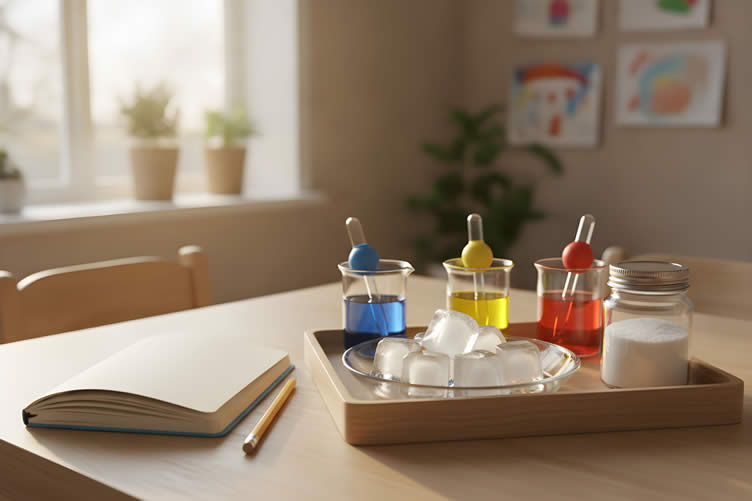
AI generated image by 123rf.com
The Role of Media in Learning
Media enhances learning by bringing subjects to life in ways books alone cannot — whether through historical documentaries, science programs, or interactive content that reinforces what children read.

With modern TV technology like OLED and 4K resolutions delivering crisp, immersive visuals, choosing the right screen matters.
A big, bold TV transforms everyday learning moments into vivid, impactful experiences for the whole family.
view ideas: New Age of TVs(new win)
Gaming and Work Monitors
viewing amazon-
Scroll up to section directory …
-
-
Scroll up to main directory … or scroll to next section about setting up learning stations …

Tackling home upgrades and fulfilling all your home improvement needs …

… save this curated directory of ideas for future reference.

Are there any other interesting topics that might have been overlooked but could offer valuable insights …?


SHARE IT ..! Someone in your network might benefit from this insightful post setting up a play schoolroom in their home. Feel free to share it on Facebook, X (formally Twitter), LinkedIn, or Pinterest!


May We Suggest Other Photo Remodeling Ideas About
“Other "In-The Home" Needs …” (new win)


third “photo remodeling” idea

copyright image by 123rf.com
Section 3: Nurturing Curiosity Through Home Learning Stations
Notes:
-
Creating enriching learning spaces at home is a wonderful way to spark curiosity and encourage self-driven discovery in children of all ages.
This section explores how to design simple, effective learning stations that transform everyday spaces into engaging hubs for hands-on education. From geography and science to reading and beyond, these stations give children the freedom to explore their interests at their own pace, blending creativity with knowledge in a natural, fun way.
We’ll also cover how to make these stations age-appropriate, meeting children’s developmental needs as they grow.
Whether it’s sensory play for toddlers, guided experiments for young learners, or independent research spaces for older kids, tailoring the setup to their abilities is key to building confidence and enthusiasm.
By the end of this section, you’ll have practical ideas to create an adaptable, inspiring learning environment suited to your child’s unique style.
-
Quick scroll to supporting notes …
-
-
1st: Easy Learning Stations
Creating easy learning stations at home is a wonderful way to transform everyday spaces into hubs of curiosity and discovery.
These stations encourage hands-on learning without the pressure of a formal lesson, allowing children to explore and absorb knowledge at their own pace.
Start by setting up small, purposeful areas with simple materials tailored to specific themes or subjects. Rotate activities periodically to keep engagement fresh, and consider your child’s interests when designing each station.

copyright image by 123rf.com
The key is to make these stations inviting, interactive, and open-ended. To set them up, designate a small surface in your living space for each station—like a corner table or tray—and gather items that spark questions and creativity.
Choose approachable activities that guide children into independent exploration, while also offering opportunities for meaningful adult interaction. Here are some examples to get you started:
-
Geography Station[ view]
Set out a globe, a map, toy animals, flags, or printed pictures, and accompany these with sticky notes for labeling or marking discoveries. This station allows children to learn about the world interactively.
- Pick one place each week.
- Find it on the globe and compare it to a map.
- Read one book or look at photographs from that place.
- Make one food, drawing, building, or music activity connected to it.
- Add a pin, picture, or child-made label to a “places we explored” board.
Example: For Kenya, locate East Africa on the globe, read about lions or savannas, make a simple bead pattern inspired by Kenyan culture, talk about the equator, and place animal figures in a drawn savanna habitat.
-
Science Station[ view]
Use a tray containing everyday objects like ice cubes, salt, droppers, colored water, and a small notebook to foster experiments and observations.
Encourage children to ask questions and make predictions before testing their ideas.
- Ask a guiding question, such as, “What will happen if we add salt to ice?”
- Inspire them to predict, test, observe, and draw their findings.
- Discuss what they noticed, letting their curiosity lead the conversation.
Additional low-cost investigations include:
- Which household objects are magnetic?
- What sprouts from a dried bean?
- Which materials create the strongest bridge?
- What floats, sinks, absorbs water, or changes when frozen?
- What insects or leaf shapes can we find in the yard?
- How much rain fell this week?
-
Reading Station[ view]
Make reading an enjoyable, shared experience rather than a task to complete. Arrange a selection of engaging books and other materials in an accessible, comfy spot to foster a love of reading.
- Read aloud daily, even for children who can read independently.
- Include a variety of materials like fiction, nonfiction, poetry, comics, maps, or magazines.
- Keep a “read again” basket for well-loved favorites.
- Ask open-ended questions about stories, without turning it into a quiz.
- Encourage retelling a story through puppets, drawings, or playful reenactments with toys.
By offering these stations, you create an inviting and dynamic environment where children feel empowered to explore and learn—all while having fun!
More Supporting Information
(view sample images and summary table – or scroll to side note and next topic)
Station Description Setup and Activities Learning Stations Overview Transform home spaces into hands-on learning hubs that encourage independent exploration and interactive discovery. Designate small, purposeful areas at home with materials tailored to themes like geography, science, or reading.
Rotate activities and keep stations open-ended to maintain curiosity and engagement.
Geography Station Interactive space to explore the world using maps, globes, and cultural materials. Set up with a globe, map, toy animals, and flags. Focus on one place each week—find it on the globe, read related books, create an activity (e.g., drawing or cooking inspired by the location), and record the exploration on a board.
Example activity for Kenya includes locating East Africa, reading about lions, creating bead patterns, or learning about savannas.
Science Station Encourages experiments and observations using everyday items to spark curiosity. Use a tray with objects like ice cubes, salt, colored water, and a notebook. Guide children with questions like “What happens when we add salt to ice?” Encourage predictions, testing, and observations.
Example investigations include identifying magnetic objects, sprouting beans, building bridges, or observing floating and sinking objects.
Reading Station An inviting spot to foster a love of reading through shared, enjoyable experiences. Arrange a variety of books and materials (fiction, nonfiction, comics, poetry) in a comfy area. Include a “read again” basket for favorites.
Read aloud daily, discuss stories, and encourage retelling through drawings, puppets, or reenactments to deepen engagement.
AI generated image by 123rf.com
Empowering Your Kids
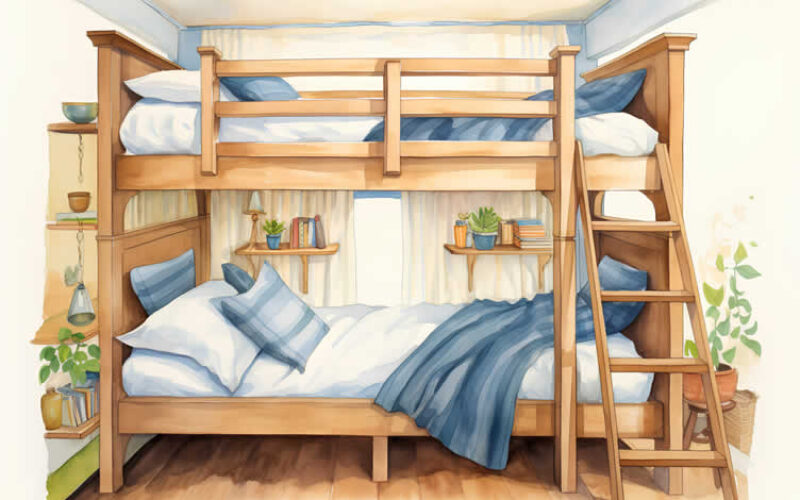
Besides fostering creativity in the play schoolroom, giving children the freedom to design their own bedroom can be an enriching experience.
This process not only sparks their imagination but also allows them to express their individuality and make choices that reflect their personality.
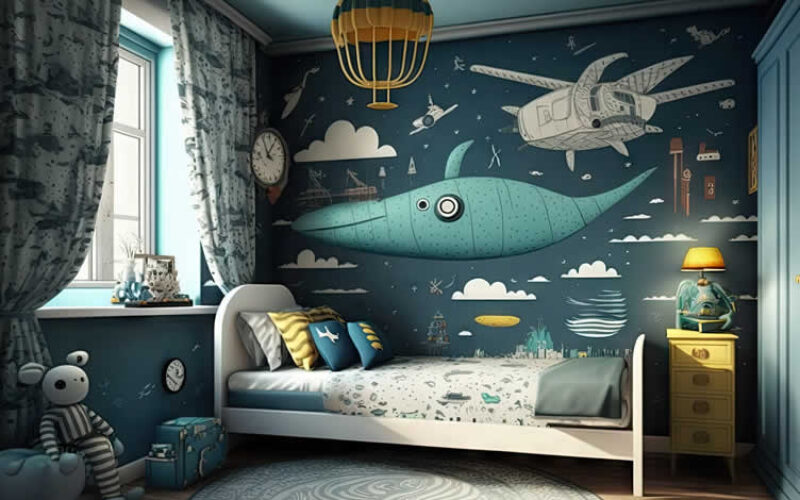
By guiding them as they pick colors, furniture, or themes, you encourage independence and a sense of ownership, making their bedroom a space they truly connect with and take pride in.
view ideas: Kids Room Decorating Ideas(new win)
-
Scroll up to section directory … or scroll to next supporting note …
-
-
2nd: Age-Appropriate Learning Spaces
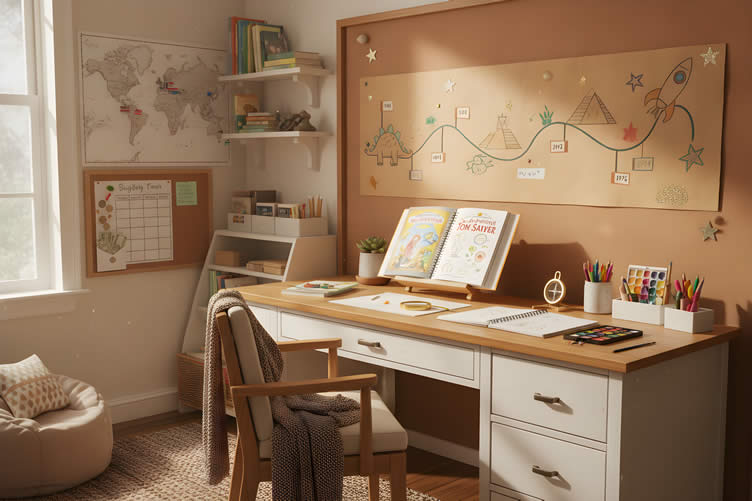
Children grow quickly, and their needs and interests evolve at every stage. Designing a space that adapts to these changes ensures the room remains engaging and enriching for years to come.
Age-appropriate setups foster confidence and independence by aligning activities with the developmental stage of the child, encouraging exploration and a love for learning.
AI generated image by 123rf.com
It’s important to consider how differently a preschooler and an 8-year-old interact with their environment.
Younger children benefit from sensory-rich, hands-on experiences, while older children lean into curiosity-driven projects and independent exploration.
By tailoring the space to their age, you create a functional and inspiring environment where every activity feels natural and enjoyable.
-
Ages 2–4[ view]
Focus on sensory play and simple, engaging activities. Include items like sensory bins, building blocks, and pretend play kits.
Picture books and sorting games help develop early literacy and cognitive skills, while movement and songs make learning fun.
Everyday participation—washing vegetables, baking, or going on short nature walks—offers real-world learning opportunities.
-
Ages 5–7[ view]
Introduce early academic concepts with playful resources. Phonics or early reading games, counting and measuring tools, and guided experiments can hold their attention while teaching foundational skills.
Journaling through pictures and dictation lets their creativity flow, and longer-term projects build focus and provide a sense of accomplishment.
-
Ages 8–10[ view]
Expand their space for independence and deeper exploration. Chapter books, science logs, and timelines encourage structured thinking, while map skills and budgeting introduce practical applications.
Cooking from recipes and pursuing child-led passion projects cultivate confidence and ownership of their growth.
-
Ages 11+[ view]
Give older children a role in designing their space to foster agency. Provide tools for project planning and maker kits (with supervision), along with resources for research and a quiet workspace.
Encourage creativity by setting up areas for crafting, writing, or producing multimedia projects, allowing them to create rather than consume.
-
Other Considerations
If a child is not meeting developmental milestones, loses skills they previously had, or you’re concerned about communication, learning, attention, behavior, or social development, it’s critical to reach out to their pediatrician.
Discuss potential developmental screenings or early-intervention resources to ensure they have the support they need to thrive.
More Supporting Information
(view sample images and summary table – or scroll to side note and next topic)
Age Range Focus Learning Activities and Tools Ages 2–4 Sensory Play and Early Engagement Sensory bins, building blocks, pretend play kits, picture books, sorting games, and movement activities like songs.
Everyday participation, such as washing vegetables, baking, or nature walks, serves as real-world learning opportunities.
Ages 5–7 Early Academic Concepts Phonics and early reading games, counting and measuring tools, guided experiments, journaling through pictures and dictation.
Longer-term projects encourage focus and a sense of accomplishment.
Ages 8–10 Independence and Deeper Exploration Chapter books, science logs, timelines, map skills, budgeting activities, cooking from recipes, and child-led passion projects promote structured thinking and confidence. Ages 11+ Agency and Creativity Providing tools for project planning, maker kits (with supervision), resources for research, and a quiet workspace.
Creative areas for crafting, writing, and multimedia production encourage creating rather than consuming.
Other Considerations Developmental Observations For concerns about milestones, communication, learning, attention, behavior, or social development, consulting a pediatrician for developmental screenings or early-intervention resources is essential to provide proper support. 
copyright image by 123rf.com
From Playroom to Study Space
The main objective of a play homeschool room is to foster a love for learning that seamlessly transitions into the later years as children grow into teenagers.
A well-designed study room for teens becomes a vital hub for education, personal growth, and focus as academic demands increase.

It’s an evolution from creativity-driven play areas to structured, adaptable spaces that equip them for the next stages of their lives.
A dedicated study room signals this shift, offering them an organized and inspiring environment to thrive.
view ideas: Designing Study Room Areas(new win)
-
Scroll up to section directory … or scroll to next supporting note …
-
-
3rd: A Realistic First-Week Plan
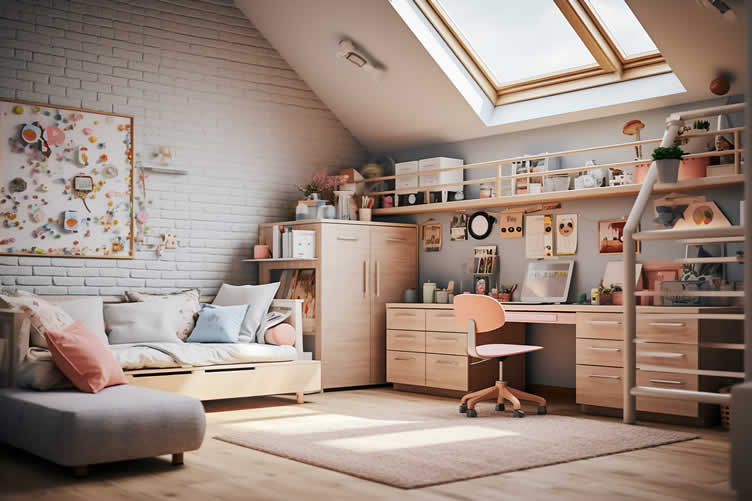
Setting up a functional room for your child doesn’t have to be overwhelming. With some thoughtful preparation, you can transform a corner of your home into a stimulating, age-appropriate learning environment in just a weekend.
The key is to start small and focus on basics that support your child’s development while creating a space that can adapt over time.
copyright image by 123rf.com
After the initial setup, ease into the routine by observing how they interact with the space and making adjustments gradually during the first week.
Begin by organizing essential tools and resources tailored to their age group and interests. Incorporate activities that spark curiosity and promote hands-on learning.
Keep the approach flexible, knowing the space will grow with them, and include them in decisions as much as possible to foster a sense of ownership and enthusiasm.
First-Week Plan Suggestions by Age:
-
Ages 2–4
Focus on sensory play and simplicity. Stock the space with items like playdough, blocks, and sorting toys.
Dedicate time daily to singing songs, reading picture books, and engaging in pretend play. Encourage movement with simple activities like tossing beanbags or stretching.
Integrating everyday participation, such as baking or washing vegetables, can help them build motor and life skills. When weather permits, short nature walks are a wonderful way to explore the world around them.
-
Ages 5–7
Build on foundational activities by adding early reading or phonics games. Include board games for critical thinking and simple maps to teach navigation skills.
Integrate counting and measuring into playtime, and introduce basic guided experiments using safe household materials.
Encourage creativity with picture journaling and dictation, while also allowing them to pursue longer, guided projects that develop sustained focus.
-
Ages 8–10
Foster independence by encouraging more structured activities. Provide resources for independent research, such as child-friendly encyclopedias or online tools.
Introduce timelines for history projects, and support their growth as readers with chapter books. Incorporate more formalized science logs during experiments and practical activities like map skills or basic budgeting exercises.
Inspire practical learning through cooking from recipes or child-led projects that reflect their unique passions.
-
Ages 11+
Empower older children by involving them in the room’s design and layout. Support project planning by equipping the space with maker tools, research resources, and a quiet work desk for focused tasks.
Guide them toward creating rather than consuming by offering materials that inspire building, writing, or experimenting.
Provide opportunities to develop long-term skills, such as managing larger projects or collaborating with peers online, under appropriate supervision.
-
Other Considerations
If your child is not meeting developmental milestones, loses previously acquired skills, or you have concerns about their communication, learning, attention, behavior, or social development, don’t hesitate to reach out to a pediatrician.
They can guide you toward developmental screenings or early-intervention resources to ensure your child receives the support they need to thrive.
More Supporting Information
(view sample images and summary table – or scroll to side note and next topic)
Realistic First-Week Plan
(from the summary table below)
Age Group Suggested Activities Focus Areas Additional Notes Ages 2–4 Sensory play with items such as playdough, blocks, and sorting toys; singing songs; reading picture books; pretend play; and simple movement activities like tossing beanbags or stretching. Developing motor and life skills, encouraging curiosity, engaging in hands-on exploration, and fostering movement and creativity. Incorporate everyday participation, such as baking or washing vegetables.
Short nature walks are ideal when weather permits.
Ages 5–7 Early reading or phonics games, board games for critical thinking, simple maps for navigation skills, counting and measuring activities, guided experiments with safe household materials, and picture journaling. Building foundational skills, enhancing creativity, encouraging sustained focus, and introducing structured play and learning. Allow for longer guided projects and integrate creative activities like dictation and early scientific exploration. Ages 8–10 Independent research using child-friendly tools, timelines for history projects, reading chapter books, formalized science logs for experiments, and practical activities such as map skills or budgeting exercises. Fostering independence, supporting focused learning, encouraging critical thinking, and developing practical life skills. Inspire creativity and long-term project planning through child-led activities, including cooking or hobbies that reflect personal passions. Ages 11+ Project planning and creation using maker tools, focused work at a quiet desk, and resources designed for building, writing, or experimenting. Encouraging self-management, fostering collaboration, and developing advanced skills through independent and team-based tasks. Guide larger project management and online collaboration under appropriate supervision.
Include the child in designing the space to promote ownership.
Other Considerations If there are concerns about a child’s developmental milestones, loss of previously acquired skills, or issues with communication, learning, or behavior, it is important to consult a pediatrician.
Early screenings and intervention resources can provide the necessary support for their growth and development.
copyright image by 123rf.com
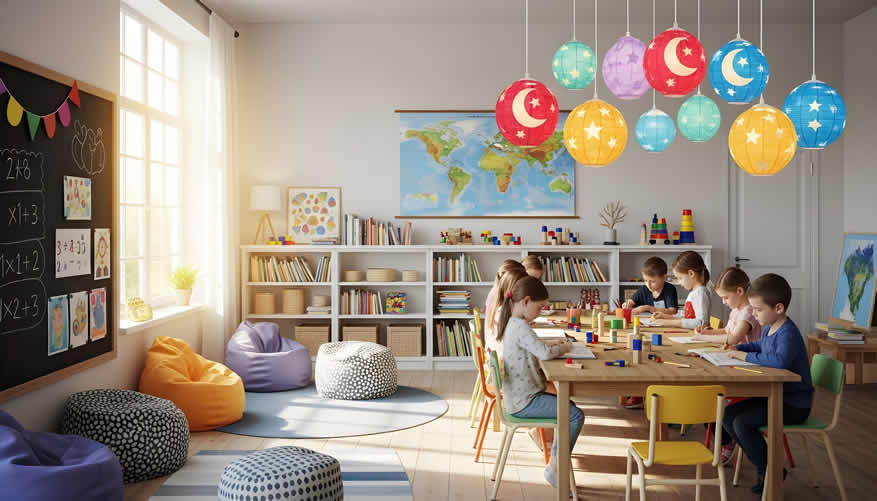
Teaching Responsibility Through Household Chores
Part of growing up is learning to take responsibility, and household chores provide a natural way for children to develop this skill.
From toddlers tidying their play areas to teens taking on tasks like washing dishes or mowing the lawn, establishing a clear structure is key.

A scheduled chore list with a signoff system ensures accountability and helps them build habits.
As they grow, a central family command center for managing chores, events, and schedules can keep everyone on track and foster a sense of teamwork.
view ideas: Family Command Center(new win)
-
Scroll up to section directory …
-
-
Scroll up to directory … or scroll to next section about inspiring learning …

Easily determine the dimensions you need for any home remodeling project …
… ensuring functionality, visual appeal, and compliance with building codes.
… remodeling decisions

Budgeting Worksheet For Costing Home Remodeling and Home Improvement Decisions
 File Type (excel)
… home remodeling – improvement – repair
fourth “photo remodeling” idea

copyright image by 123rf.com
Section 4: Creating a Homeschool Space That Inspires Learning
Notes:
-
Designing a homeschool environment that fosters curiosity, creativity, and academic growth is an exciting opportunity—but it can also feel overwhelming.
Whether you’re new to homeschooling or refining your current setup, you may find yourself asking how to balance functionality, engagement, and organization. This section offers practical guidance on building a space where your children not only learn but genuinely enjoy spending their time.
Below, we’ll explore ways to design and optimize your homeschool area, from getting the right setup to finding support. Discover how home decorators or local and online homeschooling communities can help you create a welcoming, functional space.
You’ll also find insights on teaching strategies, organizing materials, and adapting the environment as your child grows—whether you’re working in a shared family room or a dedicated classroom.
-
Quick scroll to supporting notes …
-
-
1st: Getting Setup And Teaching Help
Creating a play homeschool room where children enjoy spending time is both exciting and challenging. It’s easy to feel overwhelmed by the process, but it’s important to remember that you don’t have to do it all alone.
Plenty of resources and guidance are available to help you design a functional, engaging space and discover effective teaching techniques tailored to your child’s needs.

copyright image by 123rf.com
By seeking support early on, you can save time, reduce stress, and ensure that your homeschool environment fosters not only learning but also creativity and exploration.
From consulting educators to working with decorators, every step toward building a kid-friendly homeschool zone will feel rewarding as you see your children thrive in a space designed just for them.
-
When and Where to Ask for Support
If you’re new to homeschooling or feeling uncertain about how to begin, consider reaching out to experienced homeschooling families, educational consultants, or even your local education department.
Many states and communities have organizations that offer resources specific to homeschooling, including lesson planning, curriculum reviews, and workshops for parents.
Additionally, online communities like homeschooling forums or social media groups can provide valuable advice based on real experiences.
For curriculum and teaching approaches, exploring resources provided by educators or child development specialists can help align your strategies with your child’s learning style.
Whether it’s guidance on incorporating hands-on activities or creating a customized weekly schedule, expert advice ensures you’re laying a solid foundation for their education.
-
Finding Your Community
Homeschooling doesn’t have to be a solitary endeavor. Building relationships with other homeschooling families can be an incredible source of inspiration and confidence.
Consider joining co-ops or local homeschooling groups where families come together to share resources, organize group projects, and plan field trips.
This not only benefits you by easing the pressure of planning alone but also enriches your child’s socialization experience.
Online communities can be another excellent way to connect with like-minded parents. Virtual forums offer a space to exchange tips, troubleshoot challenges, and even share creative teaching ideas.
Some platforms also arrange virtual meet-ups, which foster collaboration and allow for the exchange of diverse educational perspectives.
-
Using a Home Decorator to Help Set Up Your Homeschool Room
Designing a play homeschool room that is both functional and inviting doesn’t always come easy, especially if you’re working with a shared or small space. This is where a home decorator can be incredibly helpful.
They can assess your space, identify practical storage solutions, and create distinct learning stations that cater to varying activities—reading corners, arts and crafts tables, or science experiment zones.
With a design expert, you can ensure that colors, furniture, and layouts enhance focus while retaining the playful elements that encourage creativity.
For instance, bright, inviting color schemes and organized, labeled areas can make it easier for children to independently transition between activities.
Collaborate with decorators who have experience in educational design or research Montessori-inspired layouts for additional insight.
-
Other Considerations for Homeschool Setup Success
A play homeschool room isn’t just about stylish furniture or perfectly arranged supplies—it’s about fostering an environment that supports independent exploration and parent-led teaching.
Here are some additional steps to consider:
-
Organize with Purpose:
Invest in storage solutions such as clear bins, shelves, or carts that make materials accessible to kids while keeping the room tidy.
Ensure each learning station has the necessary tools to maintain productivity and minimize disruptions.
-
Integrate Technology Thoughtfully:
If children use devices for lessons, make sure your setup includes appropriate lighting, ergonomic seating, and a reliable Wi-Fi connection.
Balance screen time with plenty of hands-on activities and outdoor learning to maintain a dynamic educational experience.
-
Evaluate and Adapt:
Periodically assess the effectiveness of your homeschool room. Are your children engaged? Do they use the space as you envisioned?
Adjust layouts, materials, or schedules as needed to keep the room aligned with their current interests and educational goals.
By approaching your homeschool setup with a combination of thoughtful planning and a willingness to seek support, you’ll create an environment where your children are excited to learn and grow each day.
Remember, a homeschool room isn’t just a place—it’s a reflection of the values and goals you hold for your child’s education.
-
LetsRenovate has partnered with HomeAdvisor (Angi)™, a renowned provider of highly-rated, carefully-vetted local decorators and designers. Start your search here by choosing the type of contractor you need and entering your zip code to find local professionals.
More Supporting Information
(view summary table and contractor find – or scroll to side note and next topic)
Topic Description Examples and Advice Getting Setup and Teaching Help Creating a homeschool room that is functional and engaging can be challenging, but resources are available to help tackle the process effectively. Consult educators, hire decorators, or join community groups to design a space tailored to your child’s needs, reducing stress and saving time. When and Where to Ask for Support It is important to seek help from experienced homeschooling families, educational consultants, or community organizations when starting homeschooling. Access resources like lesson planning, curriculum reviews, and workshops.
Join homeschooling forums or social media groups for real-world advice.
Finding Your Community Homeschooling benefits from collaboration with other families by sharing resources, organizing projects, and supporting children’s socialization. Join co-ops, local groups, or participate in virtual forums to connect with like-minded parents and exchange educational ideas. Using a Home Decorator Home decorators can help create a functional and inviting homeschool room, especially in small or shared spaces, by offering practical solutions. Decorators can set up storage, define learning stations, and optimize layouts using inviting designs to balance focus and creativity. Other Considerations for Success A homeschool room should foster independent exploration and teaching while being adaptable to children’s changing needs and interests. Use storage solutions for accessibility, integrate technology thoughtfully, and periodically evaluate the room’s effectiveness to align with educational goals. Looking for Professional Help!
Before searching for a home decorator to set up your homeschool playroom, download and use this evaluation worksheet.
It will help you objectively assess potential contractors based on key factors such as pricing, licensing, and referrals.

Evaluation Sheet
File Type: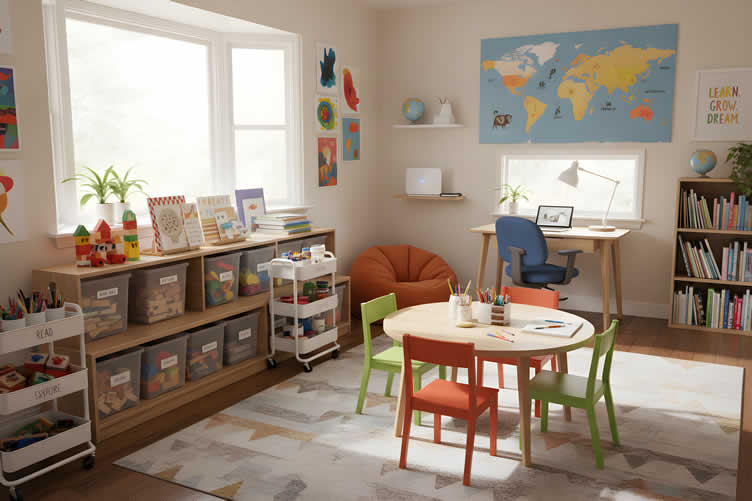
AI generated image by 123rf.com
Simplifying Home Learning with Automation
Managing a busy play schoolroom at home can feel like juggling multiple tasks at once. Home automation steps in as the extra hand every parent needs.
By integrating smart tools, you can set alarms for lessons, schedule reminders for activities, control lights and devices, and even streamline communication when necessary.

These simple yet effective solutions not only keep everything running smoothly but also free up your time to focus on connecting and learning with your children.
view ideas: Home Automation 101(new win)
-
Scroll up to section directory … or scroll to next supporting note …
-
-
2nd: Frequently Asked Questions
-
How much space do I actually need for a play homeschool room?
You don’t need a dedicated room at all. A corner of a bedroom, den, or dining area with a small table, a rug, and a shelf is enough to create an effective learning space.
-
How many activities should be available at once?
Somewhere between six and ten rotating activities tends to work best. Too many options can overwhelm a child, while a smaller, curated selection often leads to deeper, more focused play.
-
What is the very first thing I should set up?
Start with a reading nook and a small selection of open-ended materials, such as blocks or art supplies. These require little investment and immediately give your child something engaging to choose.
-
What should I buy first for a new learning space?
Start with a small table, open shelving, a rotating set of library books, basic art supplies, open-ended building materials, and a few simple science tools like a magnifying glass and magnets. Avoid overspending on single-purpose gadgets early on.
-
How do I get my child to choose books or projects over screen time?
Replace, rather than simply remove, the screen. Have the next activity visibly set out before turning off a device, and use a "first, then" approach so the shift feels like moving toward something interesting rather than a punishment.
-
How much screen time is appropriate if I’m using this approach?
Current guidance from the American Academy of Pediatrics favors weighing content quality and context over strict hourly limits, though roughly an hour of recreational use per day remains a reasonable benchmark for children ages two to five.
-
Is play-based learning actually effective, or is it just entertainment?
Research supports play-based learning as a legitimate method for building early literacy and social skills. A 2025 scoping review found that play-based approaches meaningfully support children’s reading, speaking, and writing development (Othman et al., 2025).
-
How long should daily activities last for young children?
For preschool and early elementary children, five to fifteen minutes per activity is realistic. Following your child’s natural interest often extends this well beyond the initial time you planned.
-
How do I adjust the room as my child gets older?
Shift from sensory and pretend play in the early years toward more independent research, chapter books, and self-directed projects as your child moves into the eight-and-up range. Involving older children in redesigning the space themselves keeps it relevant to their interests.
-
When should I seek outside help for homeschooling?
If your child has a diagnosed learning difference, seems to be regressing in a skill area, or you feel consistently stuck despite adjusting your approach, an educational consultant, learning specialist, or your pediatrician are good starting points for support.
More Supporting Information
(view summary table and useful ideas – or scroll to side note and conclusion)
Question Answer How much space do I actually need for a play homeschool room? You don’t need a dedicated room at all.
A corner of a bedroom, den, or dining area with a small table, a rug, and a shelf is enough to create an effective learning space.
How many activities should be available at once? Somewhere between six and ten rotating activities tends to work best.
Too many options can overwhelm a child, while a smaller, curated selection often leads to deeper, more focused play.
What is the very first thing I should set up? Start with a reading nook and a small selection of open-ended materials, such as blocks or art supplies.
These require little investment and immediately give your child something engaging to choose.
What should I buy first for a new learning space? Start with a small table, open shelving, a rotating set of library books, basic art supplies, open-ended building materials, and a few simple science tools like a magnifying glass and magnets.
Avoid overspending on single-purpose gadgets early on.
How do I get my child to choose books or projects over screen time? Replace, rather than simply remove, the screen.
Have the next activity visibly set out before turning off a device, and use a “first, then” approach so the shift feels like moving toward something interesting rather than a punishment.
How much screen time is appropriate if I’m using this approach? Current guidance from the American Academy of Pediatrics favors weighing content quality and context over strict hourly limits, though roughly an hour of recreational use per day remains a reasonable benchmark for children ages two to five. Is play-based learning actually effective, or is it just entertainment? Research supports play-based learning as a legitimate method for building early literacy and social skills.
A 2025 scoping review found that play-based approaches meaningfully support children’s reading, speaking, and writing development (Othman et al., 2025).
How long should daily activities last for young children? For preschool and early elementary children, five to fifteen minutes per activity is realistic.
Following your child’s natural interest often extends this well beyond the initial time you planned.
How do I adjust the room as my child gets older? Shift from sensory and pretend play in the early years toward more independent research, chapter books, and self-directed projects as your child moves into the eight-and-up range.
Involving older children in redesigning the space themselves keeps it relevant to their interests.
When should I seek outside help for homeschooling? If your child has a diagnosed learning difference, seems to be regressing in a skill area, or you feel consistently stuck despite adjusting your approach, an educational consultant, learning specialist, or your pediatrician are good starting points for support. 
copyright image by 123rf.com
When The Unexpected Happens!
No one likes to consider worst-case scenarios, but preparation can mean the difference between chaos and safety.
A well-stocked 72-hour kit is a household necessity, designed to provide every family member with essential supplies during an emergency.

From non-perishable food and water to first aid and critical documents, these kits ensure you have what you need when every second counts.
Being ready means peace of mind, helping you act swiftly and confidently in the face of the unexpected.
view ideas: 72-Hour Emergency Kit(new win)
-
Scroll up to section directory … or scroll to conclusion and references
-
-
-
Conclusion:
… a room that grows with your child
A play homeschool room will never look picture-perfect every single day, and that’s actually a good sign. Cut-up cardboard, half-finished art projects, and a library book left open on the rug all mean the space is being used exactly as intended.
Start small, follow your child’s interests, and let the room evolve alongside them. The goal was never a flawless classroom. It was a place where your child chooses curiosity on their own, one ordinary afternoon at a time.
References
- Othman, N., Azri, S. N. F., Omar, R., & Mohamad, I. (2025). A scoping review of play-based learning methods in relation to children literacy development. Kristu Jayanti Journal of Management Sciences, 4(1), 1–24.
- National Home Education Research Institute. (2026). Fast facts on homeschooling. NHERI.
- Ray, B. D., & Hoelzle, B. (2026). A nationwide study on the academic achievement of homeschool students and parents’ reasons for homeschooling. Peabody Journal of Education, 1–19.
- Watson, A. R. (2025, November). Homeschool growth: 2024–2025. Johns Hopkins School of Education, Homeschool Hub.
-
ideas to view and compare from the information discussed above
book: home schoolinghome schooling plannerhome schooling supplies
- What comments can you share about
your setting up play schoolroom at home?

Scroll up to main directory … or scroll to more home interior-related topics …

Calendar For:
Home Maintenance
File Type:

… view our sharing links below for a quick "share the knowledge"
Find Interior Design Services Decorators Interior Designers Furniture Painting & Staining top-rated, pre-screened local contractors FREE: download contractor selection enter zip code – powered by HomeAdvisor ™
Quick Contractor Guides selecting negotiating working with inspecting

Cover image credit: play schoolroom by 123rf.com
end of post … please share it!
 |
did you find this guide to setting up a play schoolroom helpful? If so, please share the article with your friends and family! |
Nice pic idea? Leave us a quick comment below.
And please share this pic idea within your social networks.