Summary Outline –
Window treatments play a crucial role in establishing the ideal lighting ambiance in any room. Mastering the art of controlling light through these treatments can elevate a home from ordinary to extraordinary.
For instance, customized lighting can uplift mood, boost energy efficiency, and even create the perception of a more spacious environment.
This analysis will explore the different types of blinds, highlighting their distinctive light-modulating qualities, along with practical tips to create the perfect ambiance.
- post content … analysis/ window treatments
- 1st: Types of Interior Window Treatments
- 2nd: Understanding Blind Types
- 3rd: Understanding Drapes and Curtains
- 4th: Understanding Window Shades
- 5th: Using Window Treatments for Natural Light Control
- 6th: Material Matters
- 7th: Color and Reflection
- 8th: Layering Textures
- 9th: Versatility In Design
- 10th: Maintenance and Longevity
- conclusion
- other interior design topics

-
- —— begin first topic ——
-
1st Treatments: Types of Interior Window Treatments
When it comes to enhancing the aesthetics and functionality of a space, interior window treatments play a crucial role. There are several types to consider, each offering different styles and benefits:
[ see below: window treatment types ]
- Blinds:
Available in various materials such as wood, faux wood, vinyl, and aluminum, blinds can be adjusted to control light and privacy levels. Their sleek design makes them a popular choice for modern interiors. - Drapes & Curtains:
These fabric treatments can dramatically alter the mood of a room. Drapes are typically heavier and lined, providing insulation and blocking out light, while lighter curtains can add a soft touch and filter sunlight. - Shades:
Shades come in a wide range of styles, including roller, cellular, and Roman shades. They can offer varying degrees of light control and insulation, making them versatile options for different spaces. - Shutters:
Often made of wood or composite materials, shutters are a classic choice that provides superior light control and privacy. They can be installed on the inside or outside of windows, adding a distinctive architectural element. - Valances:
Valances are decorative fabric treatments that cover the top part of windows. Often used in combination with other window treatments, they can enhance the overall look by adding texture and color. - Solar Shades:
These functional shades are designed to reduce glare and UV rays while maintaining the view outside. They are particularly effective in sunny areas and are available in various openness levels.
Choosing the right type of window treatment depends on your personal style, functional needs, and the overall theme of your interior design.

copyright image by 123rf.com
[ pinterest: types of window treatments ]
[ youtube: beginners guide to choosing window treatments ]

- Blinds:
-
2nd Treatments: Understanding Blind Types
Blinds are a versatile and practical window treatment option that can complement any interior design while providing essential light control and privacy.
With various styles available on the market, understanding the differences and benefits of each type helps in making an informed decision that suits your space and lifestyle.
Below, we explore several popular blind styles, detailing their unique characteristics and applications.
[ see below: window blind types ]
-
Vertical Blinds
Vertical blinds feature adjustable vertical slats that allow for precise control over light and privacy. They are often used for large windows or sliding glass doors due to their ability to cover wide openings effectively.
Available in various materials, including fabric and vinyl, vertical blinds offer a sleek look and can enhance the height of a room.
-
Horizontal Blinds
Horizontal blinds are among the most common styles, featuring horizontal slats that are typically made of wood, faux wood, or aluminum.
These blinds can be easily adjusted to allow varying degrees of light into the room while maintaining privacy. They are ideal for standard-sized windows and bring a clean, contemporary appearance to any space.
-
Venetian Blinds
Venetian blinds consist of horizontal slats that can be tilted to control light and airflow while maintaining privacy. Made from materials such as wood, aluminum, or PVC, they are highly customizable in terms of color. and finish, allowing them to seamlessly integrate into various design aesthetics.
The slats can be adjusted to create a bright, open atmosphere or closed for complete privacy. Venetian blinds are particularly popular for their classic look and versatility, making them suitable for both residential and commercial spaces.
-
Mini Blinds
Mini blinds are a smaller version of horizontal blinds, with slats usually measuring 1 inch wide. Their compact design makes them an excellent choice for tighter spaces, such as small windows or areas where unobtrusiveness is essential.
Mini blinds are highly functional and can be found in various colors and materials to match your decor.
-
Wood Blinds
Wood blinds exude warmth and elegance, making them a favorite choice for adding a touch of sophistication to any room. Constructed from real wood, they offer excellent light blocking capabilities while being aesthetically pleasing.
Wood blinds are particularly suitable for traditional or rustic interiors, but they also fit well in modern designs when paired with the right accessories.
-
Faux Wood Blinds
Faux wood blinds are a cost-effective alternative to real wood, combining the appearance of wood with enhanced durability and resistance to moisture.
Made from composite materials, they are less likely to warp or fade over time, making them ideal for high-humidity areas such as kitchens and bathrooms. Faux wood blinds offer the same classic look as wood blinds while providing more versatility in maintenance.
-
Vinyl Blinds
Vinyl blinds are a practical and budget-friendly window treatment option. Made from durable PVC materials, they are resistant to fading, chipping, and cracking, making them an excellent choice for high-traffic areas or homes with children and pets.
Available in a wide variety of styles and colors, vinyl blinds can complement any decor, while their easy-to-clean surface ensures minimal maintenance.
-
Fabric Blinds
Fabric blinds offer a soft and inviting aesthetic that can enhance the comfort of any living space. Available in a myriad of textures, designs, and opacities, fabric blinds can be tailored to suit both casual and formal interiors.
They provide excellent light filtration, allowing natural light to gently illuminate a room while still maintaining privacy. Additionally, many fabric blinds are available with blackout options, making them ideal for bedrooms and media rooms.
-
Metallic Blinds
Metallic blinds offer a sleek, modern aesthetic that can elevate the look of any room. Typically made from aluminum or other metal materials, these blinds are incredibly durable and resistant to fading, making them suitable for various environments.
They come in a range of colors and finishes, allowing for customization that complements contemporary designs. Metallic blinds are also excellent for light control, often featuring perforated designs that provide privacy while still allowing some natural light to filter through.
Choosing the right blind style not only enhances the functionality of your windows but also contributes significantly to the overall aesthetic of your home.
Consider your personal preferences and the specific requirements of each space to select the perfect option for your window treatments.

copyright image by 123rf.com
[ youtube: different types of window blinds ]
[ youtube: how to install blinds and shades ]
-
-
3rd Treatments: Understanding Drapes and Curtains
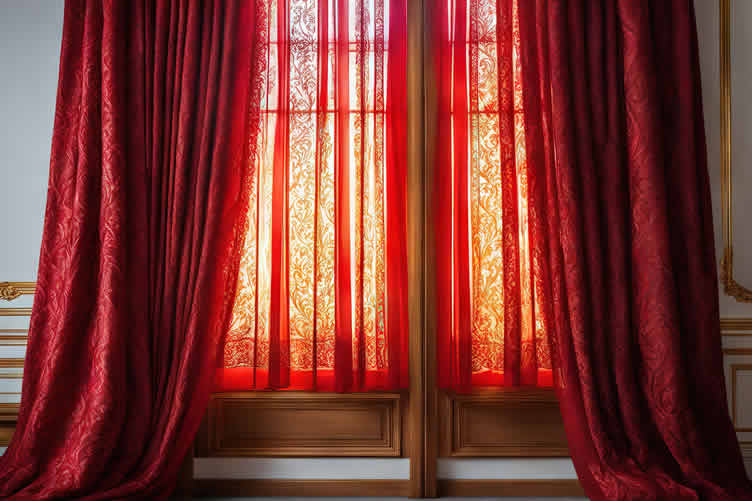
When it comes to window treatments, drapes and curtains play a crucial role in setting the mood of a room while providing essential functionality such as light control and privacy.
They come in an extensive range of styles, materials, and lengths, allowing homeowners to easily express their personal taste and enhance their interior decor.
Below, we explore various drape and curtain styles, along with their unique characteristics and applications.
[ see below: window curtain types ]
-
Sheer Curtains
Sheer curtains are lightweight and translucent, allowing natural light to filter through while offering minimal privacy.
They create an airy and delicate ambiance, making them perfect for layering with heavier drapes or for use in spaces like sunrooms or bedrooms where a soft, diffused light is desired.
Sheer curtains come in various colors and patterns, providing versatility in styling.
-
Blackout Curtains
Designed to block out light entirely, blackout curtains are ideal for bedrooms, media rooms, or any space where complete darkness is required.
Made from thick, opaque fabric, they also provide insulation and noise reduction benefits. Blackout curtains often come in a variety of designs, from solid colors to intricate patterns, making them not only functional but stylish as well.
-
Grommet Curtains
Grommet curtains feature metal rings at the top, allowing them to slide smoothly along a curtain rod. This modern style presents a clean and sleek look, making it a suitable option for contemporary interiors.
Grommet curtains can be made from various fabrics, offering flexibility in light control and privacy, while their ease of use makes them a popular choice for everyday living spaces.
-
Rod Pocket Curtains
Rod pocket curtains are a classic design where the curtain fabric is sewn closed at the top, creating a pocket for the rod to slide through. This style allows for a more gathered and soft appearance, adding a touch of elegance to any room.
Rod pocket curtains are available in numerous materials and patterns, making them perfect for traditional or casual settings.
-
Tab Top Curtains
Featuring fabric loops at the top for hanging, tab top curtains offer a relaxed and casual look. They are often used in informal spaces, such as kitchens or children’s rooms, where an easy-going vibe is desired.
Tab top curtains are simple to install and come in various styles, making them a fun option for those looking to add character to their windows.
Choosing the right drapes and curtains enhances both the functionality and aesthetic of your home, allowing for a harmonious blend of style and practicality.
Consider the purpose, fabric, and style that best fit your space to find the ideal window treatment solution.
-
Valances
Valances are decorative fabric treatments that cover the top portion of a window, often complemented by other types of window treatments. They add a layer of elegance and can provide a finishing touch to a room’s decor.
Valances come in various styles, such as tailored, swagged, or balloon, allowing for customization to match any interior theme.
While they are primarily aesthetic, valances can also help to hide curtain rods and hardware, ensuring a polished appearance in your living space.
copyright image by 123rf.com
[ youtube: blinds vs curtains: which should you choose? ]
[ amazon: rules for hanging curtains ]
-
-
4th Treatments: Understanding Window Shades
When it comes to window treatments, shades offer a versatile and stylish solution that can complement any decor.
Available in a wide array of styles, materials, and operational mechanisms, shades not only provide essential light control and privacy but also contribute significantly to the overall aesthetic of a room.
This section will explore various shades style types, highlighting their unique characteristics and benefits to help you make an informed choice for your space.
[ see below: types window shades ]
-
Roman Shades
Roman shades are a classic option that brings an elegant touch to any room. Made from fabric, they feature a series of horizontal folds that stack neatly when raised.
Available in a range of materials and patterns, Roman shades can be lined for added privacy and insulation.
They offer a sophisticated look while remaining highly functional, making them suitable for both formal and casual settings.
-
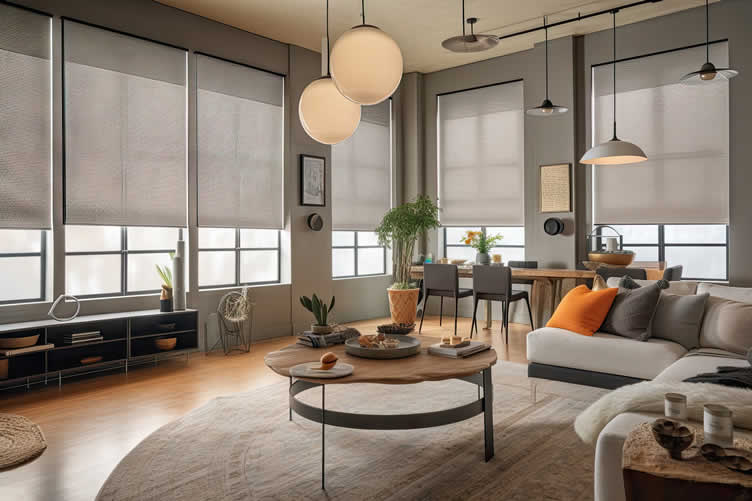
Roller Shades
Roller shades are a minimalist choice, consisting of a single piece of fabric that rolls up and down on a tube. They are available in various opacities, from sheer to blackout, allowing you to control light levels effectively.
Their simple, streamlined design makes them an excellent option for modern interiors, and they can be customized with different fabrics to match your decor.
-
Cellular (Honeycomb) Shades
Cellular shades, also known as honeycomb shades, are designed for superior energy efficiency. Their unique honeycomb structure traps air, providing insulation and helping to regulate indoor temperatures.
Available in various cell sizes and fabrics, these shades are versatile in appearance and can easily fit into a range of design themes while providing excellent light control and privacy.
-
Sheer Shades
Sheer shades combine the softness of fabric with the functionality of traditional blinds. These shades consist of two layers of sheer fabric with adjustable vanes sandwiched in between, allowing you to control light and privacy levels simultaneously.
Their soft, diffused light creates a warm atmosphere, making sheer shades an ideal choice for living areas and bedrooms.
-
Dual Shades
Dual shades, also known as zebra shades, feature alternating bands of sheer and opaque fabric that provide both light control and privacy. They can be adjusted to align the sheer and solid panels for varying levels of light exposure.
With their innovative design, dual shades are a modern solution that adds a unique touch to window treatments while maintaining practicality.
Choosing the right type of shades involves considering factors such as light control, insulation, and design aesthetic, ensuring that your window treatments enhance the functionality and style of your living spaces.
-
Black-Out Shades
Blackout shades are specifically designed to block out light completely, making them an excellent choice for light-sensitive spaces such as bedrooms and media rooms.
Crafted from dense, opaque materials, these shades create a dark environment conducive to restful sleep and enhanced movie-watching experiences. Available in a variety of styles, colors, and mounting options, blackout shades can seamlessly blend with your decor while providing maximum light control.
Additionally, many blackout shades offer energy efficiency benefits, helping to keep indoor temperatures consistent by insulating windows against heat loss or gain.
Choosing the right type of shades involves considering factors such as light control, insulation, and design aesthetic, ensuring that your window treatments enhance the functionality and style of your living spaces.
copyright image by 123rf.com
[ youtube: how to measure for blinds and shades ]
[ youtube: roller shades and solar shades opacities ]
-
-
5th Treatments: Window Treatments for Natural Light Control
The right choice of window treatments can dramatically transform the mood and functionality of your living spaces by allowing you to harness natural light effectively.
By strategically manipulating the amount and quality of light that enters a room, you can create a vibrant atmosphere or a cozy retreat, depending on your needs.
You have two types of window treatments available to manage natural light.
-
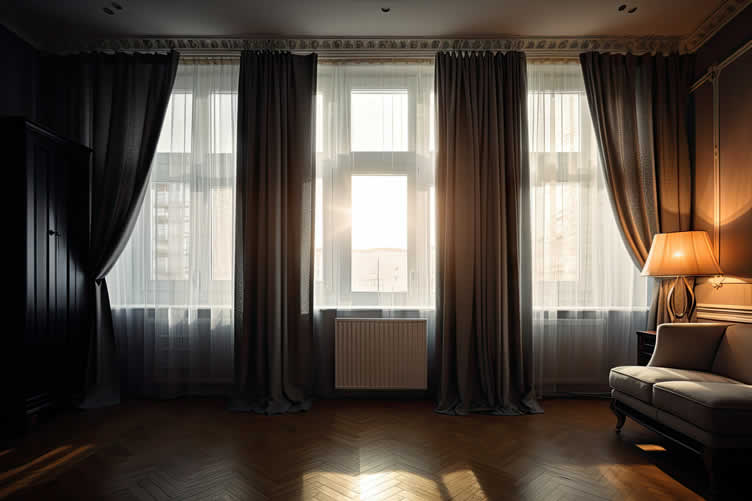
Light-Filtering Treatments
For instance, light-filtering window treatments are perfect for areas like living rooms or home offices, where gentle light can enhance productivity and reduce glare on screens. They allow daylight to soften, creating an inviting ambiance without sacrificing privacy.
Often made from translucent fabrics, they are ideal for areas where you want to maintain brightness without the harsh glare of direct sunlight.
Light-filtering blinds can enhance a room’s aesthetic by adding a layer of texture and depth, making them a popular choice for living rooms, kitchens, and bedrooms.
When selecting light-filtering blinds, consider the material and opacity to achieve the desired balance of light control and style.
-
Total Blackout Treatments
Conversely, if you’re seeking total darkness for a bedroom or media room, blackout blinds offer significant advantages by completely blocking out incoming light, making them ideal for a restful night’s sleep or immersive viewing experiences.
Made from tightly woven fabric or equipped with a special backing, these window treatments effectively prevent light from entering a room. Additionally, blackout options can enhance privacy and improve energy efficiency by insulating windows.
Available in various styles, colors, and patterns, blackout blinds and curtains can seamlessly integrate into any interior design theme while providing the functionality needed for enhanced comfort and relaxation.
When selecting blackout options, consider factors such as the fit, fabric type, and mounting method to ensure optimal performance and style.
Understanding these nuances can empower homeowners to choose blinds that not only complement their decor but also tailor their space to meet both aesthetic and functional demands.
copyright image by 123rf.com
[ amazon: light filtering window treatments ]
[ amazon: black-out curtains ]
The Benefits of Natural Light in the Home
Natural light has a profound impact on our overall well-being, offering not only aesthetic appeal but also numerous health advantages. Exposure to sunlight can elevate mood, boost productivity, and contribute to better physical health.
As we become more aware of the importance of a well-lit environment, incorporating natural light into our homes can significantly enhance our quality of life.
-
Enhances Mood and Reduces Stress
Natural light is known to elevate serotonin levels in the brain, contributing to improved mood and feelings of happiness.
Increased exposure to sunlight can help reduce anxiety and depressive symptoms, serving as a natural remedy for those grappling with stress. Simply basking in sunlight during the day can create a sense of calm and relaxation.
-
Improves Sleep Quality
A well-lit environment can help regulate our circadian rhythms, the body’s internal clock, which significantly affects sleep patterns.
Natural light during the day promotes alertness while helping to signal to the body when it is time to wind down as evening approaches.
Increased exposure to natural light can result in more restful sleep and improved overall sleep quality.
-
Boosts Productivity and Focus
Natural light has been shown to enhance productivity and focus, making it an essential element in workspace design.
Studies suggest that employees working in naturally lit environments tend to be more engaged, motivated, and capable of concentrating for longer periods. This is particularly beneficial in home offices, where good lighting can facilitate creativity and efficiency.
-
Supports Vitamin D Production
Natural sunlight is a key source of vitamin D, which plays a crucial role in several bodily functions, including calcium absorption and immune system regulation.
Adequate levels of vitamin D can reduce the risk of chronic diseases, aid in bone health, and support overall physical well-being. Hence, inviting sunlight into the home ensures that residents can maintain healthy levels of this vital nutrient.
Incorporating natural light into your living space not only elevates the aesthetics but also promotes health and well-being.
Making small adjustments, such as choosing lighter window treatments, can maximize these benefits and create a more vibrant atmosphere in the home.

copyright image by 123rf.com
-
-
6th Treatments: Material Matters
The choice of material directly influences both the aesthetics and functionality of your blinds, which can significantly affect the lighting in your home.
For instance, sheer fabrics allow sunlight to filter in softly, providing a bright, airy feel while maintaining a sense of openness. This can be especially beneficial in smaller spaces, where such materials can visually enlarge the area.
Conversely, heavier materials like wood or faux wood are excellent for spaces requiring enhanced privacy and light control. They can not only block light effectively but also add a warm, timeless touch to your decor.
Additionally, materials with reflective or metallic finishes can redirect and amplify light, creating a more luminous environment, ideal for darker rooms.
Understanding these unique properties allows homeowners to select blinds that not only fit their style but also achieve the perfect balance of light and comfort in each room.
-
More About Material Types
When selecting window treatments, the material plays a crucial role in determining functionality, style, and durability. Different materials offer various benefits, catering to specific needs and preferences.
Below is a list of common materials used for blinds, drapes, and curtains:
[ see below: material types ]
- Fabric:
Available in a wide range of patterns and textures, fabric blinds and curtains provide warmth and style. They are suitable for various rooms, offering options like sheer, blackout, and thermal fabrics. - Vinyl:
Durable and easy to clean, vinyl blinds are resistant to moisture, making them ideal for kitchens and bathrooms. They provide excellent light control and are available in various styles, including vertical and horizontal blinds. - Wood:
Offering natural beauty and a classic aesthetic, wooden blinds add warmth to any room. They are available in various finishes and can be used to complement a range of design themes. - Faux Wood:
Made from composite materials, faux wood blinds mimic the appearance of real wood but are more moisture-resistant and easier to maintain, making them suitable for high-humidity environments. - Aluminum:
Lightweight and durable, aluminum blinds are available in an array of colors and finishes. They are particularly popular for their clean look and ease of upkeep, making them perfect for modern spaces. - Linen:
A natural fabric that provides a relaxed, casual feel, linen drapes can enhance the ambiance of living areas. Linen is breathable and allows for ample light while maintaining privacy. - Polyester:
Known for its durability and resistance to wrinkling, polyester is a common material for both curtains and drapes. It is available in numerous colors and patterns to suit various styles.
- Fabric:

copyright image by 123rf.com
[ amazon: wood window blinds ]
[ amazon: linen window shades ]
-
-
7th Treatments: Color and Reflection
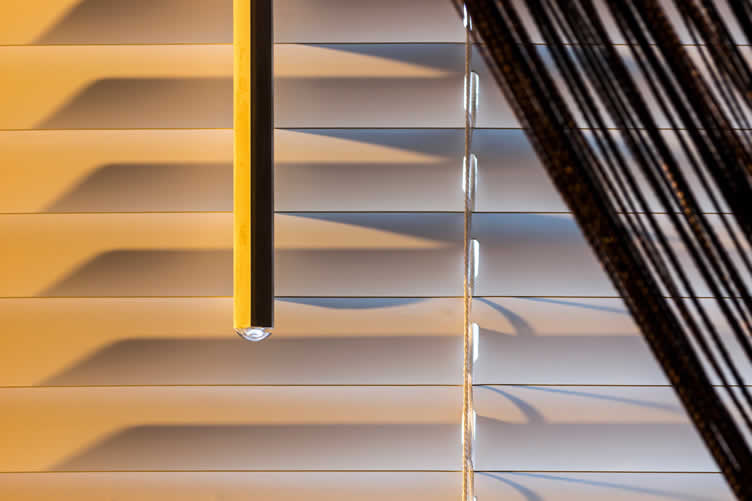
The choice of color in your window treatments plays a significant role in how light interacts with your space, directly influencing the mood and atmosphere of the room.
For instance, light-colored treatments tend to reflect sunlight, generating a luminous environment that can make a small area feel more expansive and open. This is particularly beneficial in rooms with limited natural light, where maximizing brightness is essential.
In contrast, darker treatments absorb more light, which can be ideal for creating a warm, intimate setting—perfect for bedrooms or cozy reading nooks.
Additionally, consider the finish: matte surfaces absorb light, enhancing a tranquil vibe, while glossy finishes can bounce light around the room, adding brightness and a modern touch.
When selecting window treatments, homeowners should think carefully about the overall color palette of their space, as harmonious shades can not only elevate existing decor but also help achieve precise lighting effects to suit various activities throughout the day.
copyright image by 123rf.com
[ youtube: what roller shade color gives the best view? ]
[ youtube: light filtering vs room darkening ]
Automated Smart Blinds and Curtains
Automated smart blinds and curtains represent the pinnacle of modern window treatment solutions, seamlessly integrating convenience and technology into everyday life.
These systems can be controlled remotely via smartphone apps or smart home devices, allowing users to effortlessly adjust their blinds and curtains for optimal light control and privacy.
With scheduling features, homeowners can set their window treatments to open and close at specific times, mimicking natural sunlight patterns and enhancing energy efficiency.
-
Benefits of Installing Automation:
- Increased Convenience:
Easily adjust window treatments with a push of a button or through voice commands. - Enhanced Energy Efficiency:
Automated systems can help regulate indoor temperatures, potentially reducing heating and cooling costs. - Improved Security:
Timers can simulate occupancy by opening and closing blinds at predetermined times, deterring potential intruders. - Personalized Comfort:
Custom schedules ensure that your space remains bright and comfortable throughout the day, catering to personal preferences. - Integration with Smart Home Systems:
Compatibility with other smart devices allows for synchronized home automation, creating a cohesive and efficient living environment.
- Increased Convenience:

copyright image by 123rf.com
-
-
8th Treatments: Layering Textures
Layering different textures in window treatments can dramatically enhance the visual complexity of a room, allowing homeowners to control not just light, but also the overall atmosphere in a unique way.
By juxtaposing sheer curtains with bamboo blinds, for instance, you can achieve a dynamic interplay of light and shadow, softening harsh sunlight while still allowing natural illumination to filter through. This combination creates a cozy, inviting environment perfect for both relaxation and functionality.
Additionally, mixing materials, such as pairing metal blinds with luxurious fabric drapes, provides a sophisticated contrast that can elevate your decor. Reflective surfaces can amplify light and brighten darker areas, while heavier fabrics add warmth and texture, making a space feel more welcoming.
Thoughtfully layering textures not only enriches your aesthetic but also enables precise control over how much light enters, helping you tailor your home’s ambiance according to your needs throughout the day.
-
More Examples of Layering Textures
Layering different textures in window treatments can significantly enhance the visual appeal of a space while also providing functional benefits such as improved light control and privacy.
By combining various materials, you can create depth and interest, transforming the overall atmosphere of a room. Here are some effective techniques for layering:
- Sheer Curtains with Drapes:
Start with lightweight sheer curtains to allow natural light to filter through, then add heavier drapes for added warmth and privacy. This approach provides versatility, allowing you to adjust the light levels as desired.
[ view ideas: sheer curtains with drapes ]
- Blinds with Valances:
Incorporate blinds for practical light control and pair them with a decorative valance at the top for a polished look. The combination of different materials adds dimension while framing the window beautifully.
[ view ideas: window blinds with valance ]
- Textured Panels:
Use textured fabric panels, such as linen or velvet, alongside smooth roller shades. This mix not only creates contrast but also enhances the tactile experience of the space.
[ view ideas: textured panels allow side roller shades ]
- Layering Colors:
Choose window treatments in varying shades of the same color. to create a cohesive yet dynamic effect. For instance, light gray sheer curtains topped with darker gray blackout curtains can add depth without overwhelming the space.
[ view ideas: combine colors ]
- Mixing Patterns:
Don’t shy away from mixing patterns. Use patterned curtains with a solid-colored blind or shade for an eclectic yet coordinated look. This technique adds visual interest and can be particularly effective in modern or bohemian-themed rooms.
[ view ideas: mixed window treatment patterns ]
- Sheer Curtains with Drapes:

copyright image by 123rf.com
[ amazon: valances for blinds ]
[ amazon: pattern-style curtains ]
-
-
9th Treatments: Versatility In Design
Window treatments come in various styles and designs that cater to different aesthetic preferences. For example, sleek roller shades provide a minimalist look while offering the ability to completely block out or allow in light, depending on the fabric chosen.
On the other hand, classic Venetian blinds are adjustable, allowing homeowners to easily control the angle of the slats, which can help direct natural light precisely where it’s needed.
Vertical blinds are particularly effective for large windows or sliding doors, granting broad coverage and effortless operation while maximizing light control.
For those looking to add a touch of elegance, Roman shades not only filter light delicately but can also be customized with fabrics that suit specific decor themes, allowing for a seamless blend of style and light management.
Ultimately, the versatility of window coverings extends beyond mere decoration; it empowers homeowners to shape their space’s ambiance by fine-tuning light levels according to their preferences.
When choosing the perfect blinds to suit your space’s unique design, it can be immensely helpful to consult with a window blinds supplier such as Gallery of Shades.

copyright image by 123rf.com
Designing With Window Treatments
When it comes to interior design, window treatments are a vital element that can dramatically transform the ambiance of a room.
Not only do they serve practical functions like light control and privacy, but they also contribute to the overall aesthetic of your living space.
As such, incorporating different design styles when selecting window treatments is essential for achieving the desired look and feel.
Below are some popular design styles to consider, each with its unique characteristics and benefits.
[ see below: window treatment styles ]
-
Contemporary Style
Contemporary window treatments focus on clean lines and minimalistic designs. Shades and blinds with sleek profiles and neutral colors complement modern interiors, allowing natural light to filter through while maintaining a sophisticated look.
Options like roller shades or sheer panels fit seamlessly into contemporary spaces, accentuating the uncluttered aesthetic.
-
Traditional Style
Traditional window treatments often feature ornate details and rich fabrics. Draperies with pleats, valances, and heavier materials can add elegance and warmth to a space.
This style often incorporates floral patterns or historical motifs, creating a classic look that enhances formal living and dining areas. Layering curtains with sheer panels is also a common practice in traditional design.
-
Rustic Style
Rustic window treatments embrace natural materials and earthy tones, ideal for creating a cozy, inviting atmosphere. Consider using wooden blinds, burlap, or linen curtains to enhance the rustic charm of a space.
These treatments can highlight the natural beauty of a room’s surroundings while adding texture and warmth.
-
Industrial Style
Industrial design incorporates raw materials and an urban feel. For window treatments, think of utilitarian options like metal blinds or simplicity in fabric.
Exposed hardware and elements that retain a factory feel, such as drag chains or simple roller mechanisms, can enhance the industrial aesthetic, complementing open and airy loft-style spaces.
-
Eclectic Style
An eclectic approach allows for personal expression and mixing of styles. When selecting window treatments within this design aesthetic, look for bold patterns or unexpected color. combinations.
Layering different types of window treatments, such as combining curtains with various textures or using contrasting hardware, can create a vibrant, visually interesting focal point.
By understanding these design styles, you can select window treatments that not only meet functional needs but also enhance your home’s distinctive character.
-
Modern Farmhouse Style
Modern farmhouse style blends rustic charm with contemporary elements, creating a warm and welcoming environment.
When it comes to window treatments, consider using light, airy curtains made from natural fabrics like cotton or linen to allow for plenty of natural light while maintaining privacy. Shutters, both interior and exterior, can add a touch of classic elegance while still fitting seamlessly into a modern aesthetic.
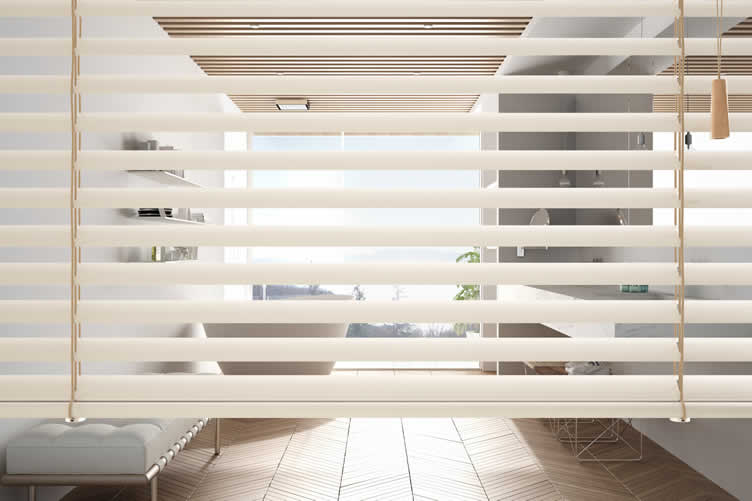
Incorporating neutral colors and simple patterns can enhance the tranquil feel of this style, making spaces feel inviting and relaxed.
copyright image by 123rf.com
-
-
10th Treatments: Maintenance and Longevity
When selecting window treatments for your home, consider factors like maintenance requirements and longevity.
Blinds made from high-quality materials, such as faux wood or composite materials, resist fading and warping, ensuring consistent performance and appearance for years.
Regularly dusting and occasionally wiping down surfaces can prevent buildup that might hinder light filtration, while moisture-resistant options are ideal for areas like kitchens and bathrooms where humidity is a concern.
Upgrading to moisture-resistant fabrics can also enhance longevity, as they’re less prone to damage from steam or spills. Moreover, examining the mechanism for easy operation can prevent frustrating jamming, maintaining the tailored light control you desire.
This proactive approach to selection and upkeep allows homeowners to enjoy their perfect lighting ambiance without worrying about the degradation of their window treatments over time.

copyright image by 123rf.com
Maintaining Window Treatments
Proper maintenance of window treatments is essential for preserving their beauty and functionality over time. Different materials and styles require specific care techniques to ensure they remain in optimal condition.
By following the right maintenance tips, you can extend the lifespan of your window treatments while keeping them looking fresh and attractive.
-
Regular Cleaning
Dust and dirt can accumulate on window treatments, making them look dull and affecting air quality. For fabric treatments, regular vacuuming using a brush attachment can effectively remove dust.
For wooden blinds, a damp cloth can be used to wipe down slats. Sheer curtains often require gentle hand washing, while heavier drapes may benefit from professional cleaning every few months.
-
Inspect for Damage
Periodically inspecting your window treatments for signs of damage or wear is crucial. Check for frayed edges, broken slats, or discoloration.
Early identification of issues allows for timely repairs, preventing further damage and maintaining the aesthetics of your space. Replace or repair any damaged components promptly to ensure longevity.
-
Adjust and Operate Properly
Using window treatments correctly can enhance their lifespan. Avoid pulling on them too vigorously when opening or closing, as this can cause wear on the fabric or the mechanisms.
If using cords or chains, ensure they are not twisted or tangled, and always operate them gently to prevent damage.
-
Consider Seasonal Care
Seasons can affect the condition of window treatments. In humid conditions, for instance, mold and mildew can develop on fabric treatments, especially if they aren’t cleaned regularly.
During the winter months, consider adjusting the positioning of curtains or blinds to enhance insulation, thus prolonging their wear. Regularly assess the environment and adjust care techniques as needed.
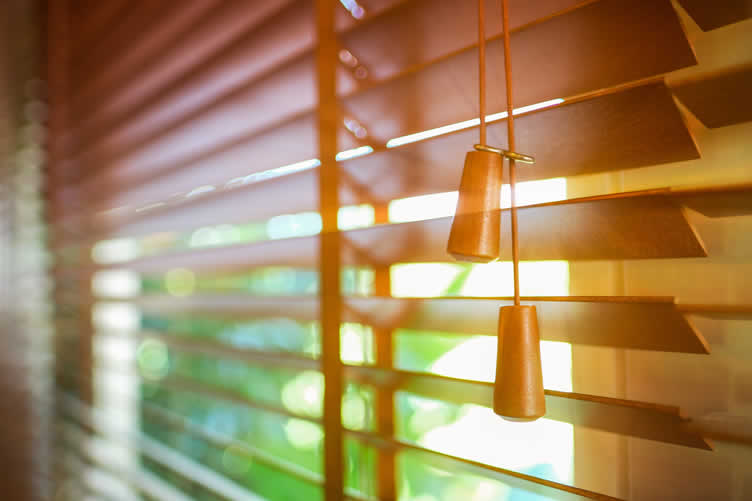
By incorporating these maintenance tips into your routine, you can ensure that your window treatments remain elegant and efficient in enhancing your home’s ambiance and functionality.
copyright image by 123rf.com
[ amazon: window blind cleaner tool ]
[ amazon: hand-held vacuum cleaner for curtains ]
-
-
Conclusion
In conclusion, the art of layering light through through the use of window treatments is an essential aspect of interior design that can transform the look and feel of any room in your home.
By understanding how different types of treatments affect natural light, choosing the right materials, colors, textures, and designs, you can create a personalized lighting scheme that enhances the overall ambiance of your living spaces.
-
Quick scroll to more interior home and decor ideas …

-
ideas to view and compare from the photo above
- What comments can you share about
window treatments that you have installed?

addressing how to select and use window treatments and other home improvement needs …

… grab this directory of ideas for future use



… type of window shades for your home


Budgeting Worksheet For Installing Window Treatments and Home Improvement Decisions
 File Type (excel)

SHARE IT ..! You might have someone in your social network who could find this informative post about the use of window treatments in layering of light valuable. Feel free to share it on Facebook, X (formally Twitter), LinkedIn, or Pinterest!


… home remodeling – improvement

get the size dimensions for any home remodeling project …

… for functionality, aesthetics, and adhering to building codes


… remodeling decisions

Calendar For:
Home Maintenance
File Type:
… view illustration “becoming a bank”
Find Interior Design Services Decorators Interior Designers Furniture Painting & Staining top-rated, pre-screened local contractors FREE: download contractor selection enter zip code – powered by HomeAdvisor ™
Quick Contractor Guides selecting negotiating working with inspecting

Cover image credit: window treatments by 123rf.com
end of post … please share it!
 |
did you find this window treatments analysis helpful? If so, please share the article with your friends and family! |
Nice pic idea? Leave us a quick comment below.
And please share this pic idea within your social networks.