Summary Outline –
Dealing with a leaky basement can be a homeowner’s nightmare, as it poses risks of structural damage, mold growth, and compromised air quality.
The key to effective troubleshooting is understanding the primary causes of basement leaks, which range from inadequate drainage systems and poor soil grading to foundation cracks and hydrostatic pressure.
Once the root cause is identified, solutions can be implemented to mitigate moisture intrusion. Preventative measures such as improving exterior drainage, sealing foundation cracks, and installing sump pumps are crucial in maintaining a dry and healthy basement environment.
By addressing these issues pro-actively, homeowners can safeguard their property and ensure long-term peace of mind.
- post content … analysis/ troubleshooting leaky basements
- 1st: Identifying Sources of a Basement Leak
- 2nd: Diagnosing the Problem
- 3rd: Exterior Solutions to Prevent Future Basement Leaks
- 4th: Interior Solutions to Prevent Leaks
- 5th: Long-Term Maintenance and Monitoring
- 6th: When to Call a Professional
- conclusion
- other exterior home topics

-
- —— begin first topic ——
-
1st Leaky ???: Identifying Sources of a Basement Leak
Basement leaks can be a persistent issue for homeowners, often leading to costly repairs if not addressed promptly. Understanding the potential sources of these leaks is crucial in troubleshooting leaky basements effectively.
Before you begin any repairs, it’s important to understand where the water is coming from. There are several common sources of basement leaks:
-
Cracks in the Foundation
One of the most common sources of basement leaks is cracks in the foundation. These cracks can develop due to the natural settling of the building over time or from structural stress. Even minor cracks can allow water to seep into the basement, especially during heavy rainfalls.
-
Poor Drainage Outside the Home
Another significant cause of basement leaks is poor drainage outside the home. When the drainage system is inadequate, water can accumulate around the foundation, increasing the risk of leaks.
-
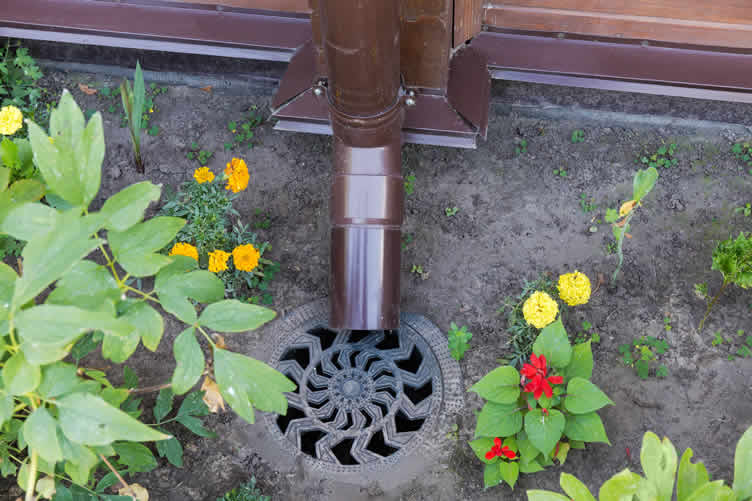
Clogged or Defective Gutters and Downspouts
Gutters and downspouts play a pivotal role in directing rainwater away from your home. If they become clogged with debris or are defective, they can overflow and cause water to pool around the foundation.
-
Improper Grading
Improper grading around your home can also lead to basement leaks. If the landscape is not correctly sloped away from the building, rainwater can accumulate near the foundation, increasing the risk of leaks.
-
Window Wells
Basement windows equipped with wells can become sources of leaks if not properly installed or maintained. Window wells that lack covers or proper drainage can collect water, which may eventually seep through the window seams into the basement.
-
Hydrostatic Pressure
Hydrostatic pressure builds up when groundwater accumulates around the foundation and exerts force against the basement walls. This pressure can lead to leaks, as water finds its way through any available cracks or weaknesses.

copyright image by 123rf.com
[ view diagram: sources of basement leaks ]
[ youtube: 3 ways water can enter your basement ]

-
-
2nd Leaky ???: Diagnosing the Problem
Identifying the source of a basement leak is crucial to addressing the issue effectively. Troubleshooting leaky basements involves a systematic approach to determine the points of vulnerability in your home.
Proper diagnosis can prevent further damage and guide the necessary repairs to maintain a dry and healthy basement environment.
-
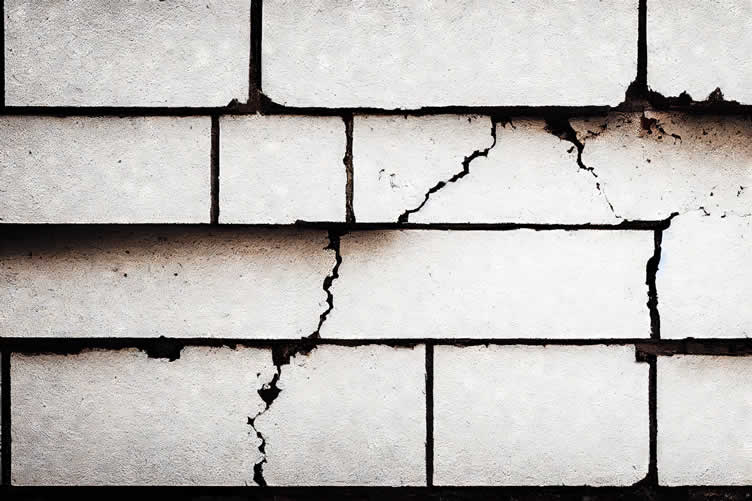
Check for Visible Cracks
Inspect your basement walls and floors for visible cracks, which are often the most apparent signs of a leakage problem. Even small fissures can allow water to seep in, particularly during heavy rains or when snow melts.
Pay particular attention to corners and joints, as these areas are prone to cracking due to structural stress.
-
Observe Water Stains
Discoloration or water stains on walls and floors are indicators of past or present water intrusion. These stains are usually brownish or yellowish in color and can serve as a map to trace the water’s path. Keep track of any changes or new stains to pinpoint persistent leaking areas.
-
Check Humidity Levels
High humidity levels within your basement may suggest excess moisture and potential water intrusion. Using a hygrometer, you can measure the humidity and determine if it exceeds normal levels.
Consistently high readings could be a sign of a leak or inadequate ventilation that needs attending to.
-
Watch for Efflorescence
Efflorescence is a chalky white residue left behind on walls and floors when water evaporates and mineral salts are deposited. It is a common clue indicating that water was present and evaporated, leaving a visible trail of where moisture accumulates, which can help identify problem areas in the basement.
-
Mold Growth
Mold thrives in damp environments, making it a clear signal of excessive moisture or water leaks. Check for any musty odors or visible mold growth on surfaces such as drywall, wood beams, or furniture in the basement.
Mold presence not only points to a leak but also poses health risks, necessitating swift action.
copyright image by 123rf.com
[ view diagram: types foundation cracks diagram ]
[ youtube: WWW ]
-
-
3rd Leaky ???: Exterior Solutions to Prevent Future Basement Leaks
A robust approach to preventing basement leaks begins with addressing potential issues from the outside. By ensuring that water is properly channeled away from your home, you can significantly reduce the risk of water intrusion.
Exterior solutions focus on improving drainage and managing rainfall and melting snow to safeguard your basement. Below are effective strategies to enhance exterior drainage and prevent future basement leaks.
-
Improve Exterior Drainage
Ensuring proper exterior drainage is essential in troubleshooting leaky basements. Begin by evaluating and potentially regrading your yard to steer water away from the house foundation. This simple adjustment can prevent water from pooling and seeping into the basement.
- Regrade Your Yard:
Reshaping the landscape around your home to create a gentle slope is an effective measure. The slope should direct water away from the house, ideally at a gradient of at least one inch per foot for a minimum of six feet. - Install a French Drain:
A French drain is a practical solution for directing water away from problem areas. This involves digging a trench and installing a perforated pipe surrounded by gravel, which collects and diverts rainwater away from the foundation. - Install and Extend Downspouts:
Make sure your gutter downspouts are long enough to channel water at least five feet away from the basement. Extensions or splash blocks can aid in guiding water further away, reducing the chance of it collecting around the foundation. By employing these strategies, you can significantly mitigate the risk of water ingress and maintain a dry, safe basement environment.
- Regrade Your Yard:
-
Maintain Gutters and Downspouts
Proper maintenance of gutters and downspouts is vital in preventing water accumulation near your foundation.
- Clean Gutters:
Regularly clean out leaves, twigs, and other debris from your gutters to ensure smooth water flow. Clogged gutters can lead to overflow, potentially causing water to pool around your home’s foundation. - Repair Damaged Gutters:
Inspect your gutters for any damage such as holes, cracks, or sagging sections. Repairing or replacing these components ensures that rainwater is effectively directed. Properly - Direct Downspouts:
Ensure that downspouts extend at least five feet away from your home. Extensions or splash blocks can enhance water diversion, contributing to a dry basement.
- Clean Gutters:
-
Waterproof the Foundation
Protecting your foundation is a key line of defense against basement leaks.
- Exterior Waterproofing:
Apply a waterproof coating or membrane to the exterior walls of your foundation. This barrier prevents moisture from seeping through. - Seal Foundation Cracks:
Examine your foundation for any cracks and seal them with appropriate materials. Crack sealants prevent water infiltration, maintaining the integrity of the foundation. - Install a Curtain Drain:
A curtain drain is installed underground to capture and redirect water away from the foundation, creating an additional layer of protection against water ingress.
- Exterior Waterproofing:
-
Install Window Well Covers
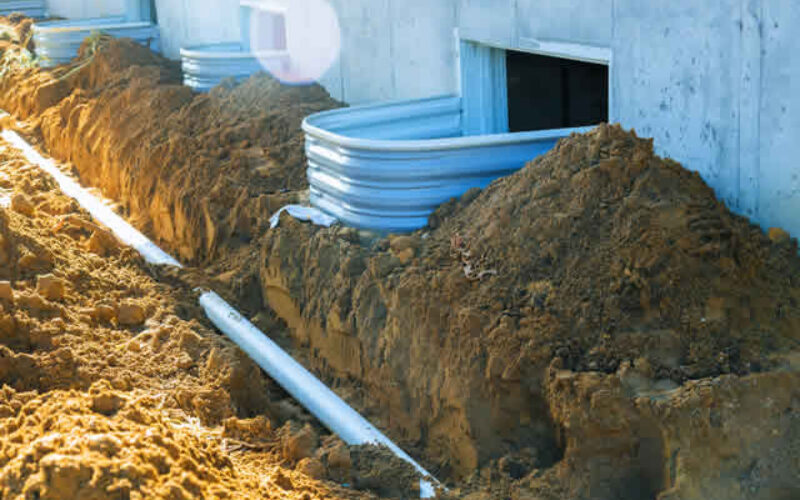
Basement window wells are common sources of leaks, especially during heavy rainfall. Installing window well covers can prevent rainwater and debris from accumulating in the wells, reducing the risk of water entering through basement windows.
Ensure that covers are securely fitted to provide effective protection. By focusing on these exterior solutions, you can significantly enhance your home’s defenses against future basement leaks, maintaining a dry and safe environment.
copyright image by 123rf.com
[ view diagram: waterproof home foundation ]
[ youtube: how to do exterior basement waterproofing ]
-
-
4th Leaky ???: Interior Solutions to Prevent Leaks
In addition to exterior measures, addressing potential leak sources from the inside is crucial for comprehensive basement waterproofing. Interior solutions provide an added layer of protection, ensuring that your basement remains dry and safe even during adverse weather conditions.
Here are some effective methods to troubleshoot leaky basements using interior waterproofing techniques.
-
Interior Waterproofing
Applying a waterproof sealant to the interior walls creates an effective moisture barrier. These sealants are designed to coat the walls, preventing moisture from penetrating the surface.
For a more robust solution, use hydraulic cement to patch any visible cracks. This material expands as it cures, ensuring a tight seal that prevents water infiltration through small gaps.
-
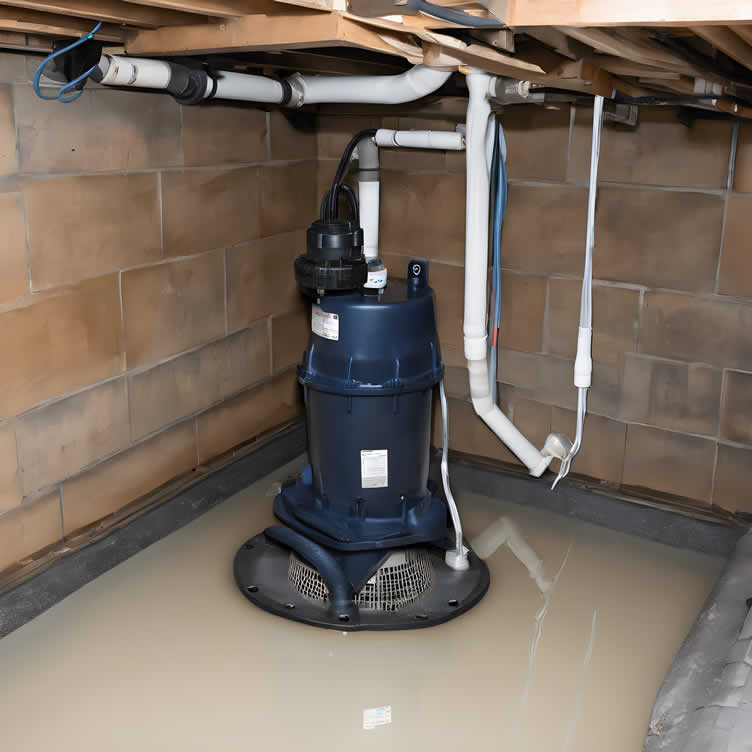
Sump Pump Installation
A sump pump is an essential tool for managing water accumulation in your basement. There are various types of sump pumps available, from submersible to pedestal pumps, each with its specific advantages.
Consider installing a pump with a backup power source, such as a battery backup, to ensure uninterrupted operation during power outages, thus preventing potential flooding.
-
Install a Dehumidifier
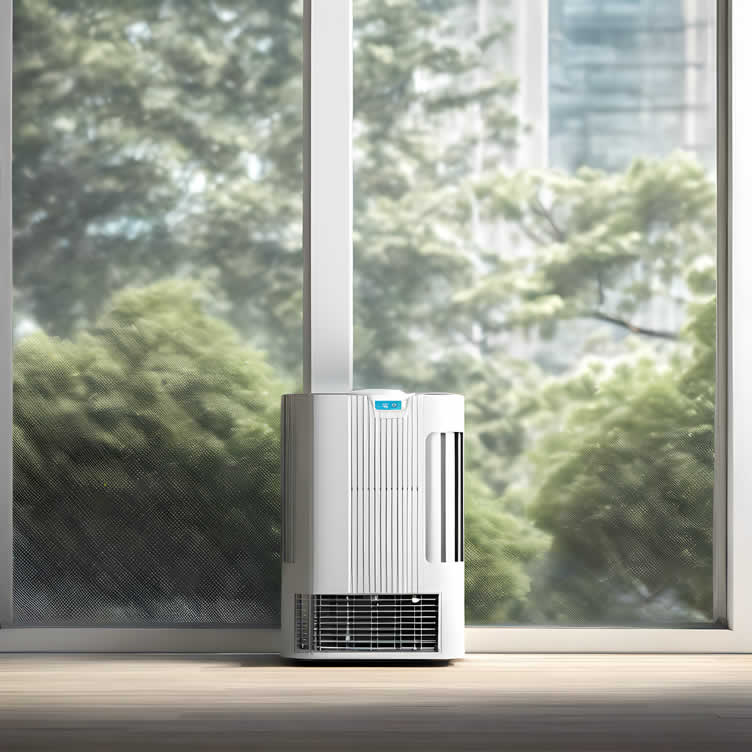
Humidity control is integral to preventing moisture problems and subsequent leaks. Installing a dehumidifier helps maintain optimal humidity levels within the basement. This appliance extracts excess moisture from the air, reducing the risk of mold growth and condensation that can lead to leaks.
-
Interior Drain Tile System
An interior drain tile system can efficiently manage water that finds its way inside. Installed beneath the basement floor along the perimeter, this system captures water and directs it to the sump pump.
By effectively managing water infiltration and channeling it away, this system is a proactive approach to troubleshooting and resolving leaky basement issues.
Together, these interior solutions work harmoniously to enhance your basement’s defense against water intrusion, contributing to a drier, healthier home environment.
AI generated image by 123rf.com
[ view diagram: sump pump diagram ]
[ youtube: how does a sump pump work? ]
-
-
5th Leaky ???: Long-Leaky ??? Maintenance and Monitoring
Ensuring a dry and secure basement requires consistent maintenance and diligent monitoring over time. By adhering to a proactive maintenance schedule, homeowners can prevent potential water infiltration issues and address minor problems before they escalate into costly repairs.
Here are essential strategies for effective long-Leaky ??? maintenance and monitoring that align with troubleshooting leaky basements:
-
Check Gutters and Downspouts
Gutters and downspouts play a critical role in directing water away from your home’s foundation. Regularly inspect these components to ensure they’re clear of debris, such as leaves and twigs, which can cause blockages and lead to water overflow.
Ensure that downspouts extend several feet away from the foundation to effectively channel water away from the basement. This preventive measure is vital in minimizing water infiltration risks.
-
Monitor Cracks
Even small hairline cracks can eventually lead to more significant water intrusion problems if left unattended. Periodically examine the basement walls and floors for any signs of new or widening cracks.
Utilize a crack monitor device or make regular markings to assess any growth over time. Timely repairs, using materials like epoxy injections, are crucial in preventing water from exploiting these vulnerabilities.
-
Inspect the Sump Pump Regularly
A sump pump is the first line of defense against basement flooding, so regular inspections and maintenance checks are essential. Test the pump periodically, ensuring that the float switch and discharge line are functioning correctly.
Remember to check that the backup battery, if installed, is fully charged to maintain operation during power outages. Consistent performance assessments of the sump pump can prevent unexpected failures during critical moments.
-
Monitor Humidity Levels
Maintaining the right humidity levels in the basement can avert condensation and mold growth, further protecting against potential leaks. Invest in a reliable hygrometer to keep track of humidity, aiming to maintain it below 60%.
Should humidity levels exceed this threshold, ensure that the dehumidifier is properly configured and functioning. This mindfulness can significantly contribute to preserving a dry and healthy basement environment.
AI generated image by 123rf.com
-
-
6th Leaky ???: When to Call a Professional
In some cases, the usual troubleshooting methods for leaky basements may not suffice, and it becomes imperative to seek the expertise of a professional. Knowing when to call in the professionals can save significant time, expense, and potential damage to your home.
Below are some scenarios where professional intervention is essential.
-
You Notice Large Foundation Cracks or Significant Structural Damage
If you observe large foundation cracks or any significant structural issues, it’s crucial to contact a professional immediately. Such damage can compromise the integrity of the entire building, and expert assessment is required to determine the best course of action.
Often, professional contractors have the necessary tools and expertise to handle these large-scale repairs, ensuring that your home remains safe and secure.
-
Water Consistently Pools in Your Basement
When water consistently pools in your basement despite all your efforts, this indicates a more severe underlying problem. Professional experts can conduct a comprehensive evaluation to diagnose the cause and implement an effective solution.
They may identify issues with the drainage system or external waterproofing that require specialized intervention.
-
Mold or Mildew Problems are Extensive
Extensive mold or mildew issues are not only damaging to your property but also pose health risks to inhabitants. When mold growth becomes widespread, it is advisable to call a professional to conduct a thorough removal and remediation process.
Professionals have access to industrial-grade equipment and cleaning agents that can effectively eradicate mold and prevent its return.
-
Exterior Waterproofing or Drainage Systems are Required
Sometimes, interior solutions are insufficient, and addressing the problem from the outside is necessary. Professionals can design and install exterior waterproofing systems or assess and rectify improper drainage systems to stop leaks at their source.
Such comprehensive solutions often require professional-grade materials and expertise to be effectively implemented, ensuring long-Leaky ??? protection against basement leaks.

copyright image by 123rf.com
But Wait!
Before starting your search and evaluation of basement/foundation contractors, it is highly recommended to download and use this evaluation worksheet.
This resource will help you objectively rank and assess potential contractors, considering essential factors such as pricing, licensing, and referral information.

Evaluation Sheet
File Type:
-
-
Conclusion
A leaky basement doesn’t have to be a permanent problem. By identifying the source of the leak, applying appropriate waterproofing solutions, and maintaining a consistent maintenance routine, you can protect your basement from moisture damage.
Implementing both interior and exterior strategies ensure a dry, safe, and healthy basement environment for years to come.
-
Quick scroll to more exterior home ideas …

-
ideas to view and compare from the photo above
- What comments can you share about
troubleshooting leaky basements that you may have experienced?

addressing troubleshooting leaky basements and other home improvement needs …

… grab this directory of ideas for future use


plan the specifications you need for making …

… your basement waterproof and other remodeling decisions

Budgeting Worksheet For Costing Home Remodeling and Home Improvement Decisions
 File Type (excel)
… view illustration “becoming a bank”

SHARE IT ..! You might have someone in your social network who could find this informative post about troubleshooting leaky basements valuable. Feel free to share it on Facebook, X (formally Twitter), LinkedIn, or Pinterest!


Find Exterior Home Services Garage Doors Roofing Siding Waterproofing Driveways Walkways top-rated, pre-screened local contractors FREE: download contractor selection Steps Concrete Chimney Landscape Design Foundations Water Features enter zip code – powered by HomeAdvisor ™
Quick Contractor Guides selecting negotiating working with inspecting

Cover image credit: troubleshooting leaky basements by 123rf.com
end of post … please share it!
 |
did you find this troubleshooting leaky basements analysis helpful? If so, please share the article with your friends and family! |
Nice pic idea? Leave us a quick comment below.
And please share this pic idea within your social networks.