Summary Outline –
In recent years, the design world has shifted towards more sustainable, nature-centric approaches. Biophilic design lies at the heart of this trend. It’s a concept that seamlessly melds modern homes’ aesthetics with the natural world’s serenity.
This design ethos finds its roots in the belief that humans thrive best in harmony with nature. We seek ways to nurture a deeper connection to the environment within our living spaces as modern life becomes more tech-driven and fast-paced.
The biophilic design doesn’t merely replicate nature; it integrates its essence, fostering spaces that promote mental well-being and relaxation. So, here’s how you can integrate biophilic design in your home renovation.
Here are the pivotal components for mastering how to incorporate biophilic design in your home renovation.
- post content
- Element 1: Why Choose Biophilic Design in Your Home Renovation?
- Element 1b: The Science Behind Biophilic Design
- Element 2: Embracing Natural Materials
- Element 3: Greening Your Space
- Element 4: Illuminating with Natural Light
- Element 5: The Tranquil Charm of Water Features in Interiors
- Element 6: Mistakes to Avoid
- conclusion

-
Quik scroll to first topic about creating work-from-how to integrate biophilic design …

first “how to integrate biophilic design” idea


copyright image by 123rf.com
Element 1: Why Choose Biophilic Design in Your Home Renovation?
Notes:
-
Are you considering a home makeover or transitioning to a new space? Then if you choose to integrate biophilic design into your home renovation, you are making a transformative choice.
Firstly, it directly contributes to improved well-being and mental tranquility. Surrounding oneself with natural elements leads to decreased stress levels, higher cognitive function, and enhanced mood. Furthermore, this design philosophy advocates the use of sustainable materials and techniques. By favoring eco-friendly choices, we can ensure our living spaces leave a reduced carbon footprint.
Beyond the immediate health and environmental benefits, there’s an added advantage for homeowners with an eye on the future: homes designed with biophilic elements often have a timeless quality, desirable in the property market. Opting for biophilic design is not just about aesthetics; it’s about crafting a space that nurtures the body, soul, and investment.
-
Quik scroll to topic side notes …
-
-
1st: The Science Behind Biophilic Design:
Biophilic design is not merely an aesthetic choice; its roots dig deep into the human response to nature. Psychologically, our interaction with nature has shown marked benefits.
Research indicates that individuals working in spaces with biophilic elements experience notable improvements in productivity. These nature-infused environments can also boost mood and cognitive function, enhancing creativity and problem-solving abilities.
Physiologically, there’s an evident connection between biophilic design and improved sleep patterns. The calming influence of nature, whether it’s the sound of water, the presence of plants, or the use of natural materials, sets the stage for a deeper, more restorative sleep. Biophilic design, in essence, is a bridge to our innate love for nature, fostering environments that heal, invigorate, and inspire.
As homeowners increasingly prioritize wellness and holistic living, biophilic design ethos offers an opportunity to seamlessly integrate nature into our living spaces, bringing serenity and balance to one’s home environment.
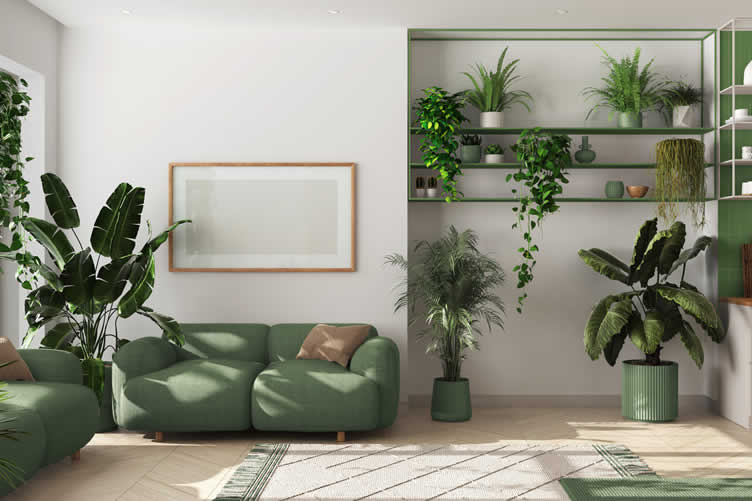
copyright image by 123rf.com
Biophilic Design Styles
google imagesBiophilic Design view styles – modern style view styles – farmhouse style view styles – industrial style view styles – coastal style view styles Biophilic Styling For …
google imagesliving room view ideas kitchen view ideas bedroom view ideas bathroom view ideas home office view ideas outside patio view ideas 
-
2nd: Biophilic Used For Better Environment
The term "biophilia" was coined by biologist Edward O. Wilson in 1984. He defined it as "the innate tendency of humans to affiliate with other forms of life." Wilson argued that our connection to nature is hardwired into our brains and bodies, and that it is essential for our physical and mental health.
Biophilic design seeks to reconnect people with nature by incorporating natural elements into the built environment. This can be done in a variety of ways, including:
- Using natural materials, such as wood, stone, and plants.
- Providing views of nature, such as windows that look out onto green spaces.
- Designing spaces that are open and airy, with plenty of natural light.
- Using soundscapes that mimic natural sounds, such as the sound of running water or birdsong.
[ view main directory above: for biophilic design elements]
The benefits of biophilic design have been well-documented. Studies have shown that it can:
- Reduce stress and anxiety
- Improve cognitive function
- Boost creativity
- Promote healing
- Increase productivity
- Improve overall well-being
As the world population continues to urbanize, biophilic design is becoming increasingly important. By incorporating natural elements into our built environment, we can create healthier, more sustainable, and more fulfilling places to live, work, and play.
Here are some specific example of biophilic design in both urban and home settings:
-
Rooftop Gardens
Rooftop gardens are a prime example of urban biophilic design, ingeniously weaving the calming influence of nature into the heart of cityscapes. These elevated green spaces not only add a dash of aesthetic beauty to the concrete jungle but also play a crucial role in combating urban heat islands and improving air quality.
Their lush greenery offers city dwellers an oasis of tranquility and a much-needed connection to the natural world. By implementing rooftop gardens, urban biophilic design takes a significant step towards making our cities more liveable, sustainable, and harmonious with nature.
[ view ideas: rooftop gardens]
-
Living Wall
Living walls, also known as green walls or vertical gardens, are another innovative application of biophilic design. These structures transform barren, vertical surfaces into thriving ecosystems, providing numerous environmental and psychological benefits.
Living walls can mitigate pollution by absorbing harmful toxins from the air, reducing noise pollution, and offering thermal insulation, which can significantly lower energy consumption.
More than this, they add a vibrant touch of nature to urban environments, offering a soothing spectacle for the eyes and a refreshing respite for the mind.
[ view ideas: living walls]
-
Biomimicry
Biomimicry is another fascinating facet of biophilic design. This approach seeks to emulate nature’s time-tested strategies and designs to solve human problems, marrying biology with innovation.
In an "future-like" context, biomimicry can be seen in architectural designs that mimic the efficient structures of termite mounds for natural air conditioning or the water collection systems of desert beetles.
By closely observing and replicating nature’s ingenious solutions, biomimicry in urban biophilic design facilitates the creation of sustainable, resilient, and nature-friendly urban environments. It represents another meaningful step towards harmonizing our modern, lifestyles with the natural world.
[ view ideas: biomimicry architecture]
-
The Eden Project in Cornwall, England
is a massive greenhouse that houses plants from all over the world. The project has been shown to improve air quality, reduce stress, and boost productivity.
[ view place: eden project]
These are just a few examples of the many ways that biophilic design can be used to improve our built environment.

copyright image by envato.com
-
-
ideas to view and compare from the information discussed above
Scroll up to directory … or scroll to next section about how to integrate biophilic design …



second “photo remodeling” idea
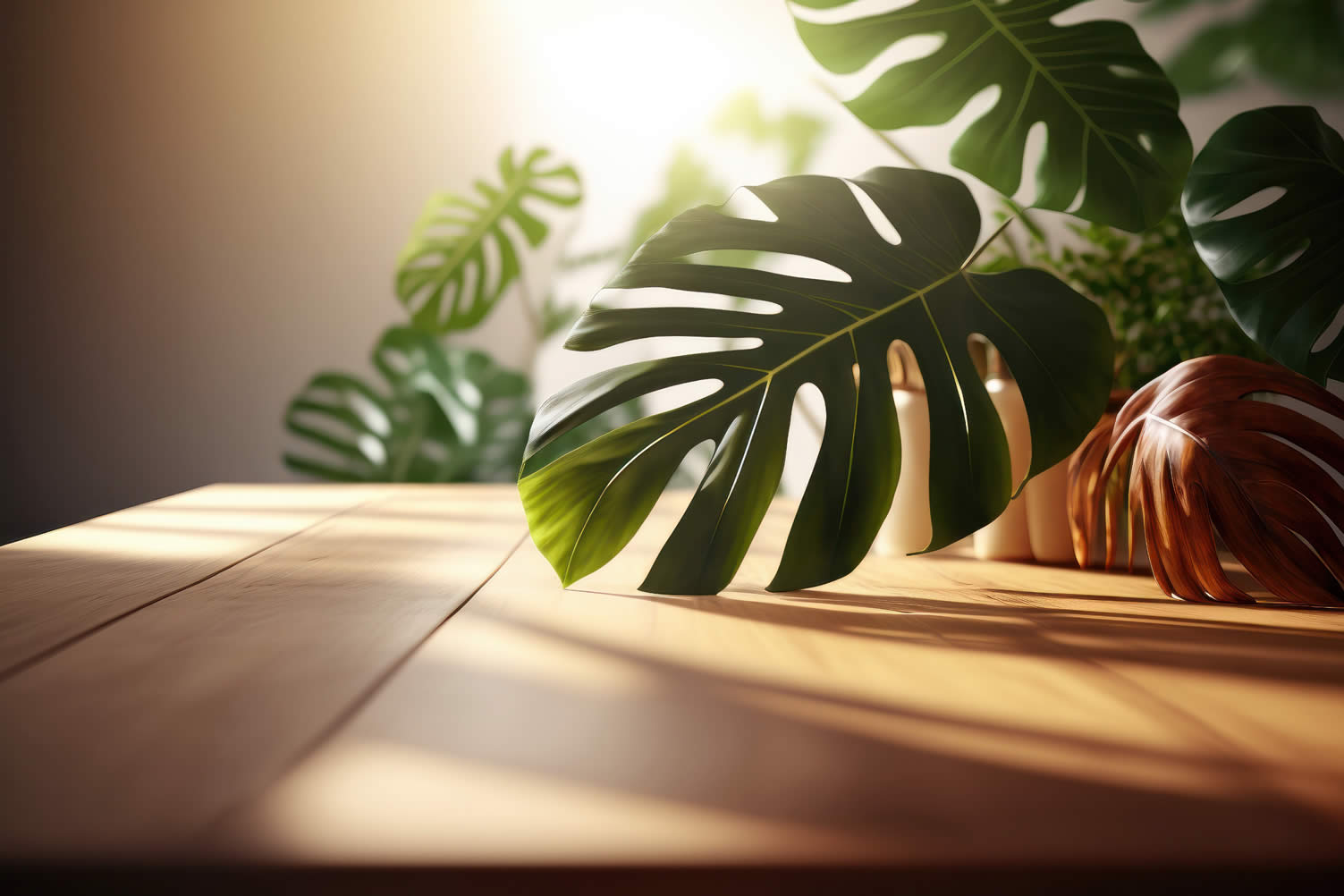
copyright image by 123rf.com
Element 2: Embracing Natural Materials
Notes:
-
In interior design, natural materials exude undeniable charm. Wood, with its rich grains and textures, offers warmth and versatility, effortlessly enhancing floors, walls, and bespoke furniture pieces. Meanwhile, stone asserts its presence, grounding spaces with its unrefined beauty, especially in countertops and decorative elements.
Beyond these staples, innovative materials like bamboo, jute, and cork are gaining traction, offering both sustainability and a refreshing aesthetic.
But why this gravitation towards the natural? Authentic materials elevate design aesthetics and build a genuine bond with nature ensuring spaces resonate deeply with our intrinsic love for the organic and the real.
-
Quik scroll to topic side notes …
-
-
Type of Natural Materials to Use
There’s a wealth of natural materials that can be used to incorporate nature into your biophilic interior design, bringing a sense of serenity and peace to your home.
-
Wood
Wood is an age-old favorite for its versatility and warm tones. Wooden furniture, flooring, or even accent walls can add a rustic touch to your design.
Hardwoods such as oak, walnut, and teak are prized for their durability and grain pattern, making them excellent choices for furniture and flooring. On the other hand, softwoods like pine, cedar, and spruce are lightweight and easy to work with, ideal for decorative elements and accent pieces.
Besides the type of wood, the way it’s used also plays a significant role in your design. Unfinished wood with visible grains can emphasize the natural element, while polished or varnished wood brings a touch of elegance.
Whichever type of wood you choose, it’s the warmth and natural character of the material that breathes life into your biophilic design.
[ view ideas: using wood]
-
Stone
Stone, in the form of marble countertops or slate flooring, can bring an earthy, robust feel to any space. Its natural patterns can add beautiful detailing to your rooms.
Granite, with its intricate patterns and extreme durability, is perfect for high-traffic areas like the kitchen or bathroom. Marble adds a touch of luxury and refinement, ideal for countertops and statement walls. Slate and sandstone, on the other hand, lend a robust, rustic feel, great for flooring or outdoor spaces.
Beyond the type of stone, the way it’s used and finished also contributes to the overall design. Rough, unpolished stone surfaces create a strong connection with nature and add texture to the space, while polished stone provides a sleek, modern look.
[ view ideas: using wood]
-
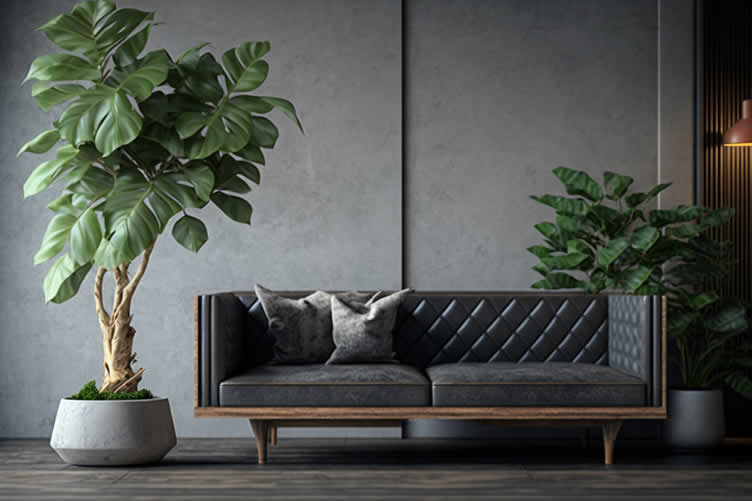
Leather
Leather is another profound natural material to consider in biophilic design. It’s rich texture and deep colors can add a luxurious touch to any room.
Leather furniture, such as couches and chairs, not only provides comfort but also grows more beautiful with age, developing a unique patina over time. Apart from furniture, leather can be used for small decor elements like photo frames, cushions, or even wall art.
One must note, however, the source of the leather. Ethically sourced and high-quality leather is paramount to ensure you’re not harming the environment while enhancing your home with biophilic design.
Respecting the natural cycle of life and death, leather – when sourced responsibly – can serve as a bold and striking addition to your living space, resonating with the primal connection humans have with the animal kingdom.
[ view ideas: using leather]
-
Bamboo
Bamboo, often considered a type of houseplant, is a versatile addition. With its unique aesthetic and sustainable nature, bamboo can be used in various ways inside the home.
Bamboo flooring, for example, adds a distinct but subtle character to any room, with a durability comparable to hardwood.
Bamboo window blinds, on the other hand, offer a delicate balance of light and privacy, besides adding a touch of natural beauty. Consider bamboo furniture for its strength and lightweight nature, or use bamboo panels as a decorative element.
Moreover, you can use bamboo in its raw form, as decorative elements or as part of a feature wall, to emphasize its natural beauty and incorporate more greenery into your space.
[ view ideas: using bamboo]
-
Natural Fibers
Consider using natural fibers like cotton, wool, or linen for your textiles. These materials can add softness to your space and provide a tactile connection to nature. They not only provide a physical connection to nature but also contribute to a warm, cozy atmosphere.
Cotton, with its softness and versatility, can be used in everything from upholstery to curtains, and it’s available in a variety of organic hues. Wool, known for its durability and warmth, is an excellent choice for rugs and throws.
Linen, with its light, airy quality, is perfect for window treatments and bedding. Jute and sisal, both robust and rustic, are excellent choices for rugs, particularly in high-traffic areas.
In addition to the type of natural fibers, the way they’re woven also plays a part in biophilic design. Loose, open weaves allow for light and air to pass through, creating a sense of openness and connection with the outdoors, while tighter weaves offer a sense of comfort and protection.
[ view ideas: using natural fibers]
-
Metal
Metal is an unconventional but fascinating material to incorporate in biophilic design. Despite its industrial connotations, metals such as copper, iron, or brass can introduce an element of the earth’s core into your living spaces.
In the realm of biophilic design, metal allows for a vast array of applications. Copper, known for its warm, reddish undertones, can be employed in decorative elements like lamps or vases, emanating a sense of warmth and vitality.
Iron, on the other hand, with its characteristic dark and raw finish, can lend a strong, grounded feel to your spaces, especially when used in furniture or wall art.
Brass, with its golden hue, can add a touch of elegance and sophistication, perfect for accents and hardware.
The finish and texture of the metal also play a crucial role in shaping the aesthetic. A polished, glossy finish can provide a sleek, refined look, while a distressed, rustic finish can evoke a more organic and natural vibe.
[ view ideas: using metal]
copyright image by 123rf.com
-
-
-
ideas to view and compare from the information discussed above
wood decor accentsnatural fiber decor accentsmetal decor accents
Scroll up to directory … or scroll to next section about how to integrate biophilic design …
 … grab this directory of ideas

having a sensory garden as part of your biophilic design

May We Suggest Other Photo Remodeling Ideas About
“Home Interior Designs …” (new win)


third “photo remodeling” idea
copyright image by 123rf.com
Element 3: Greening Your Space
Notes:
-
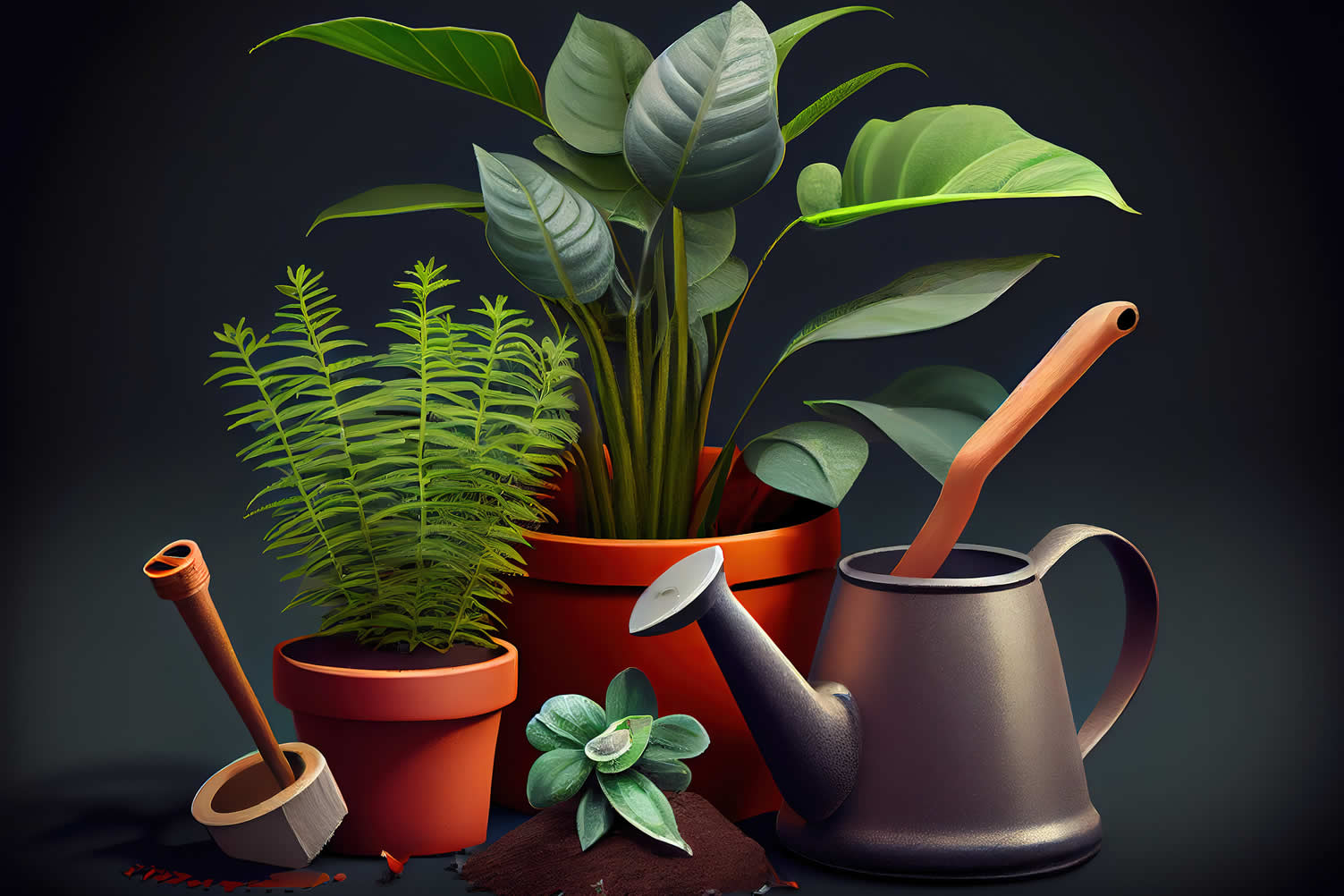
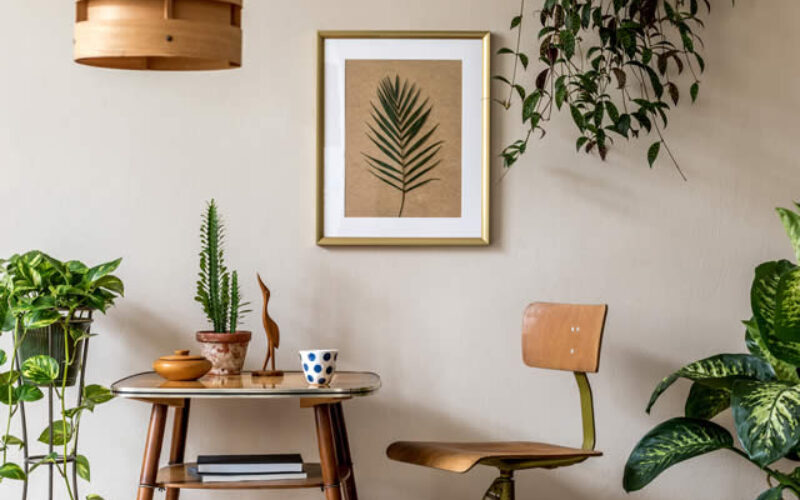
Statement potted plants, such as a majestic monstera or a tall fiddle leaf fig, anchor a space, providing focal points and evoking a sense of vitality and growth. If space constraints challenge your green aspirations, vertical gardens are practical and elegant solutions, allowing walls to burst into life.
Caring for these plants, however, requires a nuanced understanding of their needs. Care is especially significant during renovations or relocation because a change of location can have a stressful effect on the plant.
In truth, the experienced team at ryderrelocations.com advises you to avoid watering them right before the move. Lighter, dry pots are easier to transport.
Wrap them in fleece to protect them from physical damage, and provide a warm, bright corner for them to settle in for a few days, helping them acclimatize and recover from the stress of the move.
-
Quik scroll to topic side notes …
-
-
1st: What Kind of Houseplants
When you’re considering biophilic design for your space, the kind of houseplants you choose can make a significant difference. The type of houseplants should not only match your aesthetic preference but also your ability to care for them. For beginners, low-maintenance houseplants like Snake Plants or Spider Plants may be ideal, as they can survive in a variety of indoor conditions and require minimal attention.
Apart from the care factor, another important aspect to consider is the size of the houseplants. If you have a smaller space, you may want to opt for smaller plants like succulents or herbs.
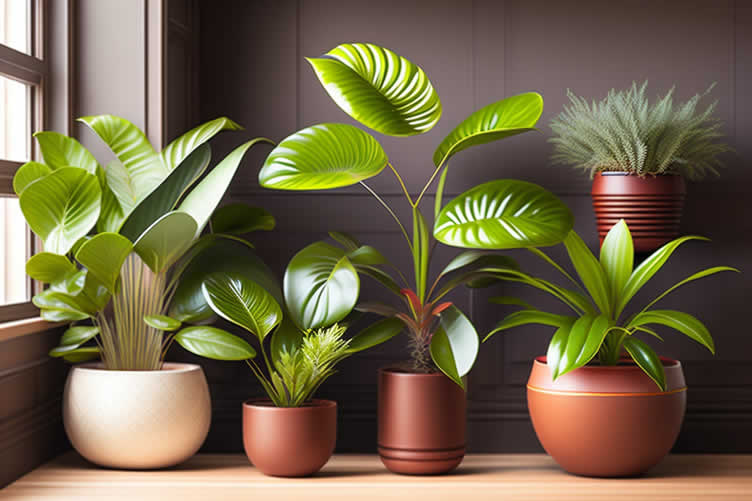
For those with more room to spare, larger plants such as Fiddle Leaf Figs or Monstera Deliciosa can create a striking visual impact and truly embody the essence of biophilic design.
Ultimately, the type of houseplants you choose should foster a connection with nature, promoting well-being and tranquility within your living space.
-
Air-Purifying Plants
One category to consider when selecting houseplants are air-purifying plants. These plants not only enhance your home with their natural beauty, but they also filter out harmful toxins, improving indoor air quality.
One example is the Peace Lily, renowned for its remarkable capacity to effectively break down and neutralize harmful gases such as benzene, formaldehyde, and carbon monoxide.
-
Plants for Low Light Conditions
Not all spaces are blessed with abundant natural light, but this shouldn’t deter you from incorporating biophilic design. Various houseplants thrive in low-light conditions. A few of these are the ZZ plant and the Pothos plant.
The ZZ plant is tough and can survive with minimal light, while the Pothos plant, with its heart-shaped leaves, can thrive even in darker corners.
-
Houseplants and Pets
If you have pets in your home, it’s important to consider their safety when choosing houseplants for your biophilic design. Some plants can be toxic to animals if ingested. For instance, the beautiful Monstera Deliciosa is known to be harmful to pets.
Instead, opt for pet-friendly houseplants such as the Spider Plant or the Boston Fern. These plants are non-toxic to cats and dogs, and they can still contribute significantly to the aesthetic and air-purifying benefits of biophilic design.
Remember to keep a balance between the kind of houseplants you want and the safety of your furry friends, ensuring your living space remains a haven for all its inhabitants.
-
Plants for Aesthetics
Lastly, if your main aim is to make a visual statement, opt for houseplants that are popular for their aesthetic appeal. The Swiss Cheese Plant, with its unique cut leaves, or the Chinese Money Plant, with its round leaves and rich green color, can add an interesting visual element to your living space.
Remember, the essence of biophilic design lies in creating a harmonious interplay between your living space and nature. Therefore, the kind of houseplants you select should resonate with your style, while fostering a connection with the natural world.
copyright image by 123rf.com
Best "Air Cleaning" Houseplants
Best "Indoor" Trees
Best "Pet Friendly" Houseplants
viewing amazon -
-
2nd: Strategic Positioning of Houseplants
Embracing biophilic design in your home isn’t merely about filling your space with houseplants. It’s about thoughtfully integrating these natural elements into your interior design to establish a meaningful connection with nature.
Houseplants should serve as complementary features rather than dominating the space. Consider the size, color, and texture of the plants, and how they align with your existing decor.
Place larger plants in corners to provide a sense of depth, or opt for hanging plants to draw the eye upwards and make the room feel larger. Alternatively, group several houseplants together to create a visual focal point and enrich your interior design with an organic touch.
Living walls are an increasingly popular way to showcase your green thumb without sacrificing floor space. Build your living wall using vertical planters, or opt for a modular version for ease of installation and maintenance.
No matter how you incorporate them into your design, houseplants are sure to bring a unique touch of life and energy into your home.
-
Effective Houseplant Strategies in Biophilic Design
Biophilic design is as much about the positioning of your plants as it is about the selection. Consider the light requirements of each plant and place them appropriately in your home.
Understanding the light requirements of your houseplants is crucial for their survival and growth in your home. Each plant species has its own unique lighting needs that should be considered when displaying them.
For plants that require bright light, they should be placed near south-facing windows, where they can receive the most sunlight throughout the day. Plants that need moderate light can be positioned by east or west-facing windows.
Low-light plants are suitable for corners and areas far from windows. They can also thrive under fluorescent lights, making them ideal for rooms without natural light.
Remember, it’s not just about finding a spot that meets a plant’s light requirements, but also about how the light will interact with the plant to enhance your biophilic design. A thoughtfully placed plant can cast beautiful shadows, create a soft diffused light, or even become a dramatic silhouette against a brightly lit window.
Choosing the right light for your plants is not just a matter of their survival. It’s an opportunity to play with light and shadow, to create depth and drama in your space, and to truly integrate nature into your home.
-
Selecting the Right Houseplant for Each Room
Selecting the right houseplant for each room is a vital part of interior design. The choice of the plant should not only be based on aesthetics but also the individual requirements of the plant and the conditions of the room.
Kitchens often have high humidity and temperature fluctuations, making them suitable for tropical plants such as orchids or ferns. Living rooms, on the other hand, can typically accommodate a wide range of plants due to their moderate light and temperature levels. Succulents or snake plants, known for their low maintenance and resilience, can fit well here.
For bedrooms, consider plants that emit oxygen at night such as aloe vera or spider plants, contributing to a better sleep environment. Bathrooms, with their higher humidity and lower light, are ideal for plants like the peace lily or the ZZ plant.
Remember to consider each plant’s light, temperature, and humidity requirements when deciding its location. With the right selection and placement, houseplants can dramatically enhance your home’s interior biophilic design.
-
Display Options for Houseplants
Houseplants can be displayed in a multitude of ways, each offering a unique aesthetic touch. Here are some options:
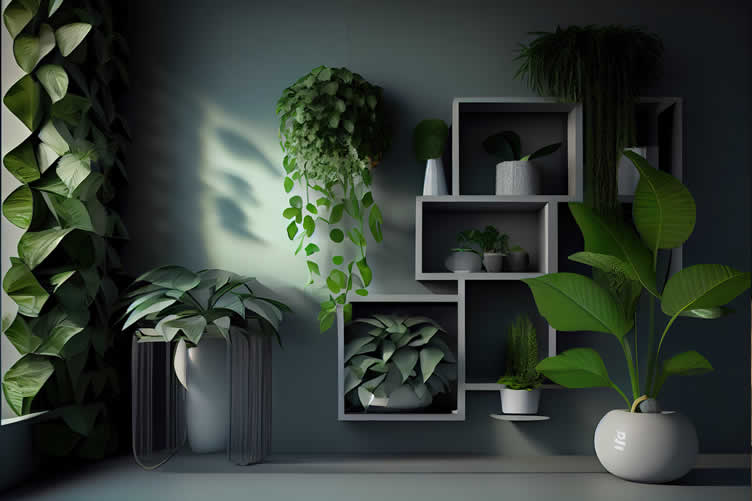
- Shelves and Stands:
Utilize shelves or plant stands to elevate your houseplants, creating a dynamic visual interest in your space. - Hanging Planters:
Hanging planters are perfect for trailing plants, creating an eye-catching display that draws the eye upwards. - Terrariums:
These mini greenhouses not only provide a unique way to display houseplants but also create a contained environment ideal for certain plant species. - Window Sills:
Window sills are often underutilized spaces that provide the perfect location for sun-loving plants. - Living Walls:
As mentioned earlier, living walls are a great option for those looking to make a dramatic statement while saving floor space.
Remember, the key to successful biophilic design is to experiment with different display options until you find what works best for you and your houseplants.
- Shelves and Stands:
copyright image by 123rf.com
-
-
-
ideas to view and compare from the information discussed above
houseplant growing lampshouseplant insect controlhouseplant fertilizers
Scroll up to directory … or scroll to next section about how to integrate biophilic design …



remodeling decisions
fourth “photo remodeling” idea
copyright image by 123rf.com
Element 4: Illuminating with Natural Light
Notes:
-
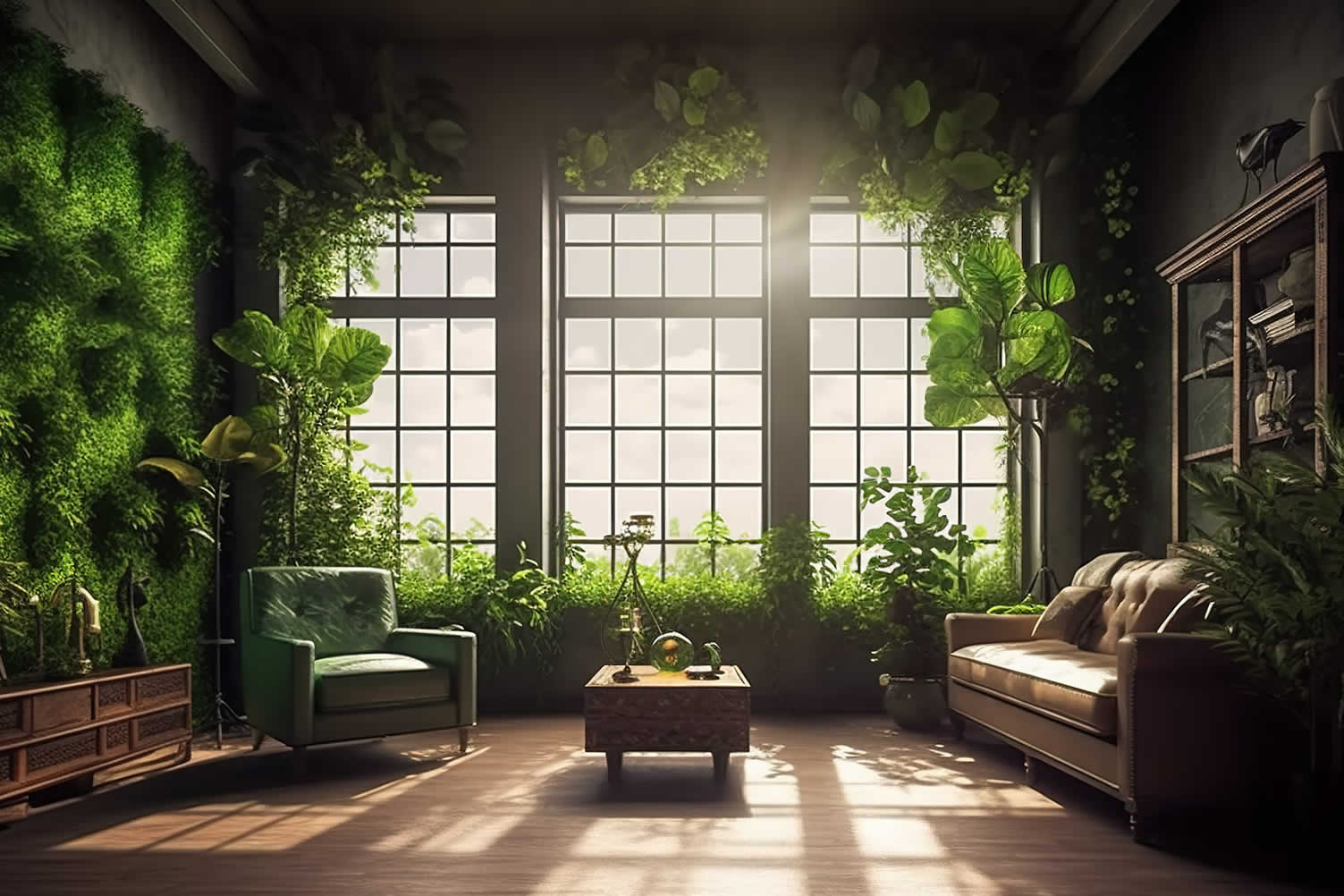
Sunlight, often dubbed nature’s elixir, brings many benefits, from uplifting moods to enhancing overall health. Our living spaces can harness this gift by choosing the right windows and their strategic placements, ensuring every nook and cranny basks in the glow of daylight.
Skylights and sun tunnels offer transformative solutions for spaces that traditionally remain shadowed, channeling light into even the dimmest of corners.
Embracing open layouts serves a dual purpose: it creates a sense of spaciousness and paves the way for sunlight to meander effortlessly throughout the home. Prioritizing natural illumination crafts interiors that shimmer with vitality.
-
Quik scroll to topic side notes …
-
-
The Importance of Natural Light in Biophilic Design:
Natural light plays a vital role in biophilic design. This design approach seeks to connect inhabitants more closely to nature, and what better way to do so than by harnessing the power of the sun?
Natural light not only offers a pleasing aesthetic, but it also provides numerous health benefits. Exposure to sunlight has been linked to improved mood, enhanced sleep quality, and even boosted vitamin D levels.
Natural lighting also promotes a more organic, open atmosphere. It reduces the need for artificial lighting, thereby reducing energy consumption, and it can even help regulate indoor temperatures.
By integrating more natural light into our living spaces, we can enhance our connection to the outside world and improve our overall well-being.
Ways to Achieve More Natural Light in a Room:
-
Use Lighter Paint Colors
Light, neutral paint colors play a crucial role in biophilic design, leveraging natural light to its maximum potential. It’s a simple and cost-effective strategy, especially suitable for those who can’t make major structural changes to their homes.
Colors like white, beige, and light gray, known for their reflective properties, can bounce light around a room, amplifying the perception of brightness.
Moreover, these hues can subtly mirror the changes in natural light throughout the day, creating a dynamic, living space that feels connected to the environment. This connection between inside and outside is a cornerstone of biophilic design.
However, be mindful of the room’s function and the mood you want to create. Light colors are calming and can make spaces feel larger, but they can also appear cold or impersonal if not balanced with the right furnishings and decor.
The key is to blend lighter paint colors with natural materials and textures to create a harmonious, well-lit space that resonates with the principles of biophilic design.
-
Install More Windows
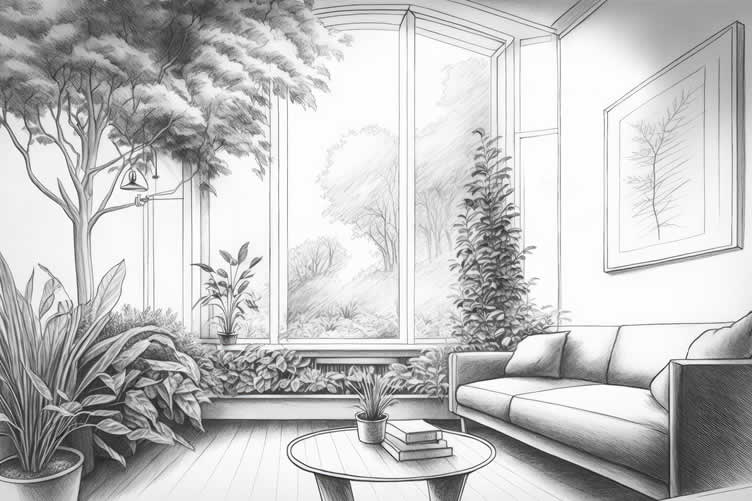
Incorporating more windows into your home is a significant step in achieving the biophilic design approach. This doesn’t just mean adding more windows, but also enlarging existing ones or considering the installation of skylights to allow more natural light to filter into the room.
Enlarged windows or additional ones can dramatically boost the levels of natural light, bringing the outside in, and bridging the gap between your indoor space and the natural world. This allows for a greater view of the outside environment, consequently improving mood, reducing stress levels, and contributing to well-being.
However, it’s not just about having more windows but also about their placement. Strategic positioning can maximize sun exposure at different times of the day. For instance, east-facing windows capture the early morning light, while west-facing ones capture the warm, golden hues of the afternoon and evening.
Remember, implementing more windows means considering the balance of heat and light they bring. It’s crucial to choose energy-efficient window designs that provide ample light while minimizing heat loss or gain.
This remodeling might require a significant investment, but the increased natural light, improved aesthetics, and enhanced connection with nature make it well worth considering. This is a solid leap towards a holistic implementation of biophilic design in your living space.
copyright image by 123rf.com
-
Reflecting and Amplifying Natural Light with Mirrors
Mirrors play a significant role in biophilic design by reflecting and amplifying natural light. When strategically placed opposite or adjacent to a window, a mirror can harness incoming sunlight and reflect it into various parts of the room that might otherwise be left in shadow. This creates an illusion of depth and openness, making the room feel more spacious and inviting.
But, the trick isn’t just to place mirrors randomly. The placement should be purposeful and thoughtful. For example, a mirror placed opposite a window that overlooks your garden can reflect the greenery into your room, bringing an additional natural element indoors.
In addition, it’s worth considering the mirror’s shape, size, and frame. A larger mirror will reflect more light and give a stronger impression of depth, while a round or elliptical mirror can soften an environment filled with straight lines and sharp angles.
Choosing a mirror with a natural wood or stone frame can further enhance the connection to nature, underlining the principles of biophilic design.
-
Consider Window Treatments
Window treatments are a crucial aspect of biophilic design. They control the intensity and distribution of natural light in a room, ultimately influencing the ambiance of the space. Light, airy curtains, for instance, can diffuse harsh sunlight, creating a soft, inviting glow.
On the other hand, translucent shades can soften daylight without entirely blocking it, maintaining a strong connection with the natural world while mitigating glare.
These treatments are available in a range of materials and colors. Opting for materials like linen, silk, or cotton can lend a more organic feel to your space, reinforcing the biophilic design. When it comes to colors, it’s advisable to go for lighter shades that reflect rather than absorb light, such as whites, creams, and pastels.
If privacy is a concern, consider layering your window treatments. This allows for flexibility—you can pull back a sheer curtain to allow more light while keeping a heavier one closed for privacy.
-
Add a Skylight or Solar Tube
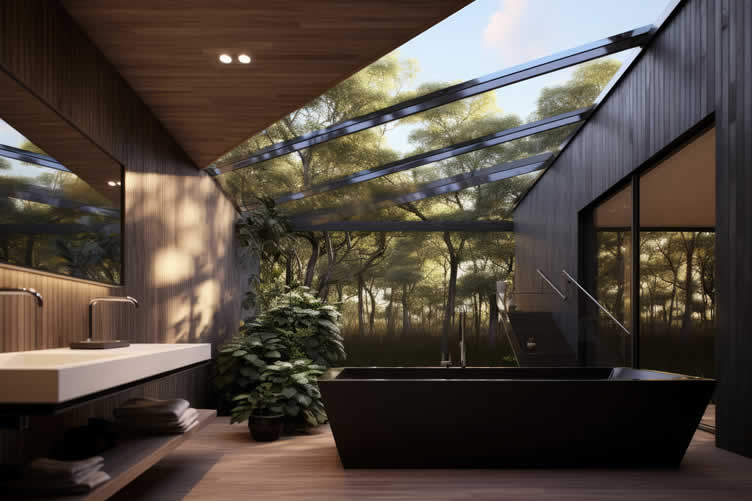
A skylight or solar tube is an excellent addition to enhance the biophilic design of your home. Skylights, typically located in the ceiling, provide a direct path for sunlight to enter, infusing the room with a vibrant, natural glow.
Skylights not only enhance natural lighting during the day but also help reduce energy costs by minimizing the reliance on artificial lighting. However, placement is key. Skylights should be installed in a way that avoids direct sunlight at peak hours, which could cause overheating and glare.
Solar tubes, on the other hand, are a more compact and versatile alternative to skylights. These tubular daylighting devices capture sunlight from the roof and direct it into the room through a reflective tube.
This allows them to provide natural light to rooms without direct roof access, such as basements or interior bathrooms. Both skylights and solar tubes can be fitted with blinds or shades to control light intensity and maintain privacy.
Remember, the goal of biophilic design is not just to introduce more light, but to create a stronger connection between your indoor space and the natural environment. Skylights and solar tubes can help achieve this by bringing in not just light, but also views of the sky, clouds, and stars, connecting you with nature’s changing moods and rhythms throughout the day and night.
-
Trim Outside Vegetation:
Trimming vegetation around your home does more than just improve the curb appeal. It plays a significant role in enhancing the natural light indoors, thereby contributing to the biophilic design of your home.
When it comes to trimming, it’s not just about cutting down overgrown trees or shrubs; strategic trimming can make a big difference. Shrubs and trees close to your windows should be kept at a height to allow the lower sun of winter to penetrate while potentially blocking the higher angle rays of the summer sun. This way, you create a natural sun control system that aids in keeping your house cool in summers and warm in winters.
Moreover, consider the shadow patterns created by trees and shrubs in their full bloom. Where possible, opt for deciduous trees near windows. These trees will shed their leaves in the fall, allowing more light to enter your home in the winter months, and grow back in the spring to provide natural shade in the summertime.
Lastly, remember to keep ivy and other climbers under control. While they can add a beautiful natural touch to your home’s exterior, they can also significantly block light if not properly managed.
Regular trimming is critical to ensuring they don’t obstruct your windows and reduce the amount of natural light entering your home.
copyright image by 123rf.com
-
-
-
ideas to view and compare from the information discussed above
Scroll up to directory … or scroll to next section about how to integrate biophilic design …


view illustration “becoming a bank”
fifth “photo remodeling” idea
copyright image by 123rf.com
Element 5: The Tranquil Charm of Water Features in Interiors
Notes:
-
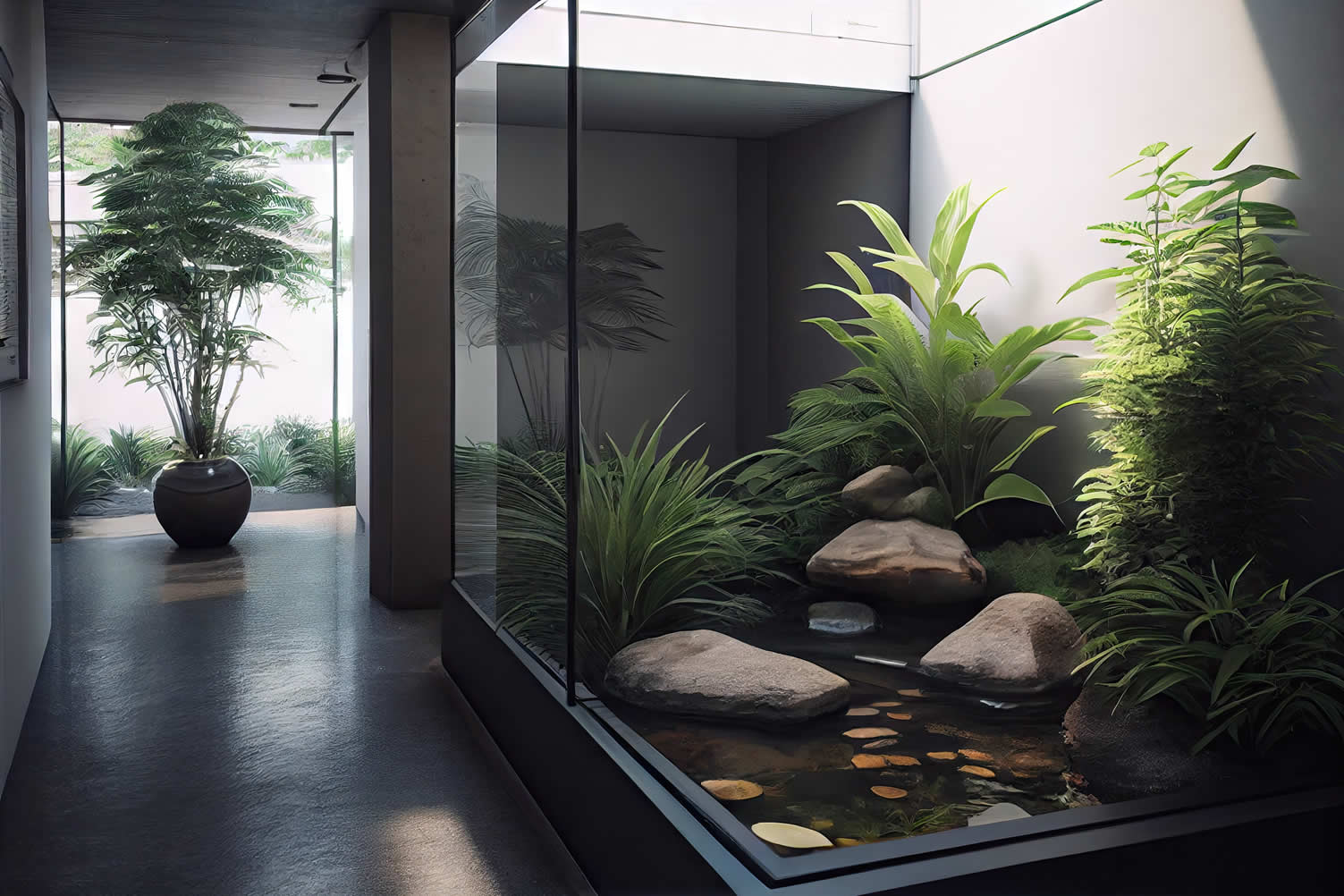
Gentle flow and the serene presence of water in homes soothe the mind and evoke tranquility. The mere sound of water is a balm for modern life’s stresses and brings undeniable psychological relief. Diverse designs of indoor fountains can be seamlessly integrated into various spaces, offering both auditory and visual solace.
Aquariums, on the other hand, combine the fluid grace of water with the vibrant dance of aquatic life, serving as dynamic art pieces that mesmerize and calm in equal measure. However, their upkeep is crucial.
Regular maintenance, understanding water quality, and ensuring the health of aquatic life is imperative to sustain the charm and benefits of these enchanting interior additions.
-
Quik scroll to topic side notes …
-
-
1st: Types of Water Features to Consider:
An integral part of the biophilic design philosophy is the incorporation of water elements, which can dramatically enhance the ambiance of a home environment. From tranquil koi ponds and sparking fountains to wall-mounted waterfalls and rain-chains, water features are not only aesthetically pleasing but also promote relaxation and well-being through visual and audible stimulation.
In the following side note, we will delve into the various types of water features you might consider for your own home’s biophilic design journey.
-
Indoor Ponds
One of the most enchanting ways to incorporate water features into biophilic design is through the installation of indoor ponds. These not only enhance the aesthetic appeal of your home but also serve as a calming and tranquil decorative element.
Indoor ponds can be designed in various ways, from minimalist modern designs to more naturalistic, garden-like styles. They can be incorporated into the floor plan or placed in specific spots for focal interest.
The soothing sound of water, combined with the innate beauty of aquatic plants, can bring a sense of peace and serenity to your living space.
[ view ideas: indoor ponds]
-
Wall Water Features
Wall water features are another excellent option for infusing your home with the elements of biophilic design. They can transform a simple wall into a piece of art, creating a dynamic visual and acoustic experience.
Wall water features come in a variety of styles – from cascading waterfalls to trickling streams, and can be tailored to any space or decor style. This type of water feature can be particularly effective in creating a calming atmosphere, as the sound of flowing water is often associated with relaxation and tranquility.
[ view ideas: wall water features]
-
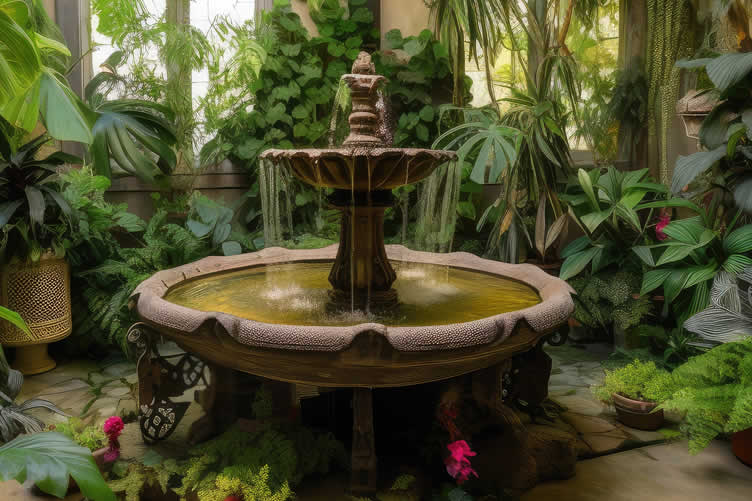
Indoor Fountains
Indoor fountains are yet another fascinating way to infuse biophilic design within your home through the use of water features. These installations can range from small tabletop features to larger, more dramatic floor-based fountains.
Their soothing sounds and captivating visual effects can greatly enhance the ambiance of any room. Moreover, the endless variety of design options means you can select a fountain that perfectly aligns with your décor and personal style.
Indoor fountains not only serve as a beautiful centerpiece but also promote relaxation and a sense of tranquility through the gentle, rhythmic sound of flowing water. By including an indoor fountain in your living space, you can enjoy a small piece of nature’s serenity right within your home.
[ view ideas: indoor fountains]
-
Aquariums
Incorporating aquariums into your home is another intriguing way to harness the power of biophilic design. While an aquarium may predominantly be viewed as a home for aquatic life, it also serves as an effective water feature.
The gentle murmur of the water filter, combined with the hypnotic movement of colorful fish, can imbue your living space with a soothing, natural ambiance. Aquariums come in various sizes and shapes, allowing you to choose an option that seamlessly fits your decor and space requirements.
Beyond their aesthetic appeal, aquariums also provide a therapeutic experience, creating a calming spectacle that can reduce stress and promote a sense of well-being.
[ view ideas: aquariums]
copyright image by 123rf.com
-
-
2nd: Maintaining Your Water Feature:
Maintenance of these water features generally involves cleaning and regular checking of pumps and filters. Debris like leaves and dirt that may collect in your water feature should be removed regularly to prevent blocking of the pump.
The water feature should also be cleaned periodically to prevent any buildup of algae, which can be a common issue in stagnant water. Regular checking of the pump and filter system is crucial to maintaining the smooth operation of your water feature.
In some cases, adding certain types of fish can help in maintaining the cleanliness and balance of your ecosystem, but this would depend on the type and size of your water feature.
Importance of Consistent Maintenance
Consistent maintenance is integral to preserving the aesthetic appeal and functional benefits of your indoor water feature. Neglecting to maintain your water feature might lead to problems that can be costly to fix and could detract from the overall biophilic design of your space.
Here are some of the most common problems that can arise when maintaining water features in the home:
- Algae growth:
Algae can grow quickly in stagnant water, making the water cloudy and unsightly. It can also produce a foul odor. To prevent algae growth, you should regularly clean and maintain your water feature, and add a water clarifier or algaecide. - Bacteria growth:
Bacteria can also grow in stagnant water, and can pose a health risk to humans and animals. To prevent bacteria growth, you should also regularly clean and maintain your water feature, and add a water conditioner. - Debris buildup:
Debris, such as leaves, twigs, and insects, can build up in water features, blocking the pump and clogging the filters. This can prevent the water from circulating properly, and can also lead to algae and bacteria growth. To prevent debris buildup, you should regularly clean and maintain your water feature, and use a screen or filter to catch debris. - Pump failure:
The pump is an essential part of any water feature, and if it fails, the water will stop circulating and the feature will not work. To prevent pump failure, you should regularly clean and maintain the pump, and replace it if it becomes damaged or worn out. - Leaks:
Water features can leak, which can damage the surrounding area and create a safety hazard. To prevent leaks, you should regularly inspect your water feature for leaks, and repair any leaks as soon as possible. - Freeze damage:
If you live in a cold climate, your water feature may be susceptible to freeze damage. To prevent freeze damage, you should drain the water feature or add a freeze protector.

copyright image by 123rf.com
- Algae growth:
-
-
ideas to view and compare from the information discussed above
Scroll up to directory … or scroll to next section about how to integrate biophilic design …
below for …
home decorations and interior design

Find Interior Design Services Decorators Interior Designers Furniture Painting & Staining top-rated, pre-screened local contractors FREE: download contractor selection enter zip code – powered by HomeAdvisor ™
Quick Contractor Guides selecting negotiating working with inspecting

sixth and last “photo remodeling” idea

copyright image by 123rf.com
Element 6: Mistakes to Avoid: Ensuring a Seamless Biophilic Transition
Notes:
-
Transitioning to a biophilic design is about maintaining balance, authenticity and ensuring that the spirit of nature is genuinely integrated into the design. Here are some pitfalls to be wary of:
-
Beware of Over-cluttering:
Overloading spaces with too many natural components can detract from the calm, harmonious atmosphere the design aims to create.
-
Sustainability is Not Just a Buzzword:
A common misstep is choosing materials that give the appearance of nature without being eco-friendly. The essence of biophilia is not just about looking natural but being in tune with nature’s ethics.
-
Remember the Care Factor:
Natural elements, whether they are plants, water features, or wood, have specific maintenance needs. Overlooking these requirements can lead to a deteriorated aesthetic and compromise the longevity of the design.
-
-
Quik scroll to topic side notes …
-
-
Taking It Outside With a Sensory Garden
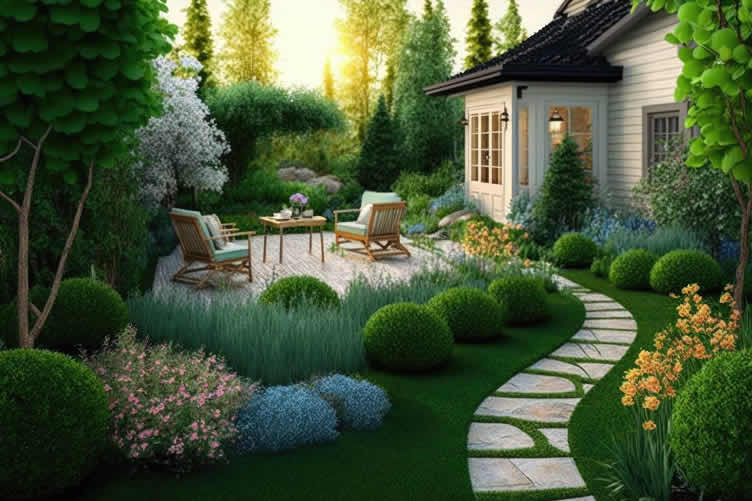
A sensory garden is a self-contained garden area that enables you to have an immersive experience with nature. It’s designed to stimulate all your senses – sight, smell, touch, taste, and sound. This makes it a perfect space to relax, meditate, or simply appreciate the elements of nature around you.
From the sight of blooming flowers, the smell of fresh herbs, the sound of rustling leaves and bird songs, the texture of unique plants to the taste of edible greens, each component of a sensory garden is carefully chosen to stimulate the senses in a particular way.
This kind of interaction with nature is what makes sensory gardens a critical aspect of biophilic design. It enhances our innate attraction and connection to the natural world, promoting a sense of peace, reducing stress, and ultimately improving our well-being. Indeed, the sensory garden serves as a living, breathing testament to the power and beauty of nature in our everyday lives.
-
How to Create a Sensory Garden?
Creating a sensory garden to complement your home’s biophilic design can be a rewarding experience. Here are some steps to get you started:
- Choose a Suitable Location:
A sensory garden will need plenty of sunlight, so a location that receives adequate daylight would be ideal. - Plan Your Layout:
Consider designing your garden in zones, each one focusing on stimulating a particular sense. For example, you might have a section filled with aromatic herbs for smell and a colorful flower bed for sight. - Select Your Plants:
Choose a variety of plants that offer an array of colors, textures, and smells. Remember to include edible plants for taste and plants that make sound when rustling in the wind. - Incorporate Non-Plant Elements:
You can also include elements like textured paths for touch or water features for sound. - Maintain and Enjoy:
Finally, ensure your sensory garden is well maintained so that it continues to stimulate the senses and serve as an integral part of your home’s biophilic design.
Embracing a sensory garden in your biophilic design is embracing a holistic connection with nature that benefits both your well-being and the environment.
- Choose a Suitable Location:

copyright image by 123rf.com
-
-
-
FINAL REMARKS
In all its simplicity and beauty, nature offers a touch of magic that no other design element can replicate. Biophilic design intertwines the essence of the outdoors with our intimate living spaces, taping into this magic.
It brings a cascade of benefits ranging from enhanced well-being, improved air quality to a timeless aesthetic appeal that never wanes. For homeowners at the crossroads of renovation decisions, this design approach isn’t just a trend; it’s a conscious choice to embrace a lifestyle aligned with nature.
It speaks of mindfulness, sustainability, and deep-rooted respect for our environment. Let nature be your muse as you stand on the brink of home transformation. When you integrate biophilic design in your home renovation, you don’t just renovate; you elevate, creating spaces that nurture both the body and the soul.
-
ideas to view and compare from the information discussed above
- What comments can you share about
how to integrate biophilic design?
Scroll up to directory … or scroll to more topics about home interior designs …

Cover image credit: how to integrate biophilic design by 123rf.com
end of post … please share it!
 |
did you find this biophilic design analysis helpful? If so, please share the article with your friends and family! |
Nice pic idea? Leave us a quick comment below.
And please share this pic idea within your social networks.