Summary Outline –
Water is an essential resource, a lifeline that sustains our health, daily activities, and community well-being. Yet, as crucial as clean drinking water is, homeowners often overlook its importance until issues arise. From cooking meals to staying hydrated and maintaining hygiene, the quality of water in your home directly impacts your family’s health and quality of life.
Ensuring access to clean drinking water begins at home. It’s not just about having running water; it’s about the purity and safety of that water. Contaminated water doesn’t always appear murky or foul-smelling—it can harbor invisible threats.
This review explores why clean drinking water is vital for homeowners, the dangers of contamination, and how to maintain water quality for your household.
- post content
- Safe Water Tip 1: Understanding the Risks of Contaminated Water
- Safe Water Tip 2: Sources of Water Contamination
- Safe Water Tip 3: Water Testing: A Simple, Essential Step
- Safe Water Tip 4: Steps You Can Take to Improve Home Water Quality
- Safe Water Tip 5: Government Regulations: Ensuring Compliance and Safety

-
Quick scroll to first topic about clean home drinking water …

first “clean home drinking water” idea

copyright image by 123rf.com
Safe Water Tip 1: Understanding the Risks of Contaminated Water
Notes:
-
Contaminated water can pose significant risks to health, often with immediate or long-term consequences. It can be tainted with a variety of substances, including microorganisms like bacteria, viruses, and parasites, as well as harmful chemicals like lead, pesticides, and other industrial pollutants.
When water is not clean, it can lead to a host of health problems. Contaminated water often carries bacteria, viruses, and parasites that can cause illness. Some of the most common waterborne diseases include:
- E. coli and Salmonella infections:
Linked with diarrhea, cramps, and other digestive issues. - Hepatitis A:
A highly contagious viral liver infection spread by drinking contaminated water. - Gastrointestinal issues:
Caused by waterborne bacteria and parasites that upset your stomach.
Beyond acute illnesses, certain water contaminants can have long-term effects. For instance, lead exposure can damage the nervous system, especially in children. Excessive nitrates in drinking water may lead to health complications like "blue baby syndrome."
The Centers for Disease Control and Prevention (CDC) notes that contaminated water is responsible for thousands of preventable illnesses globally each year.
For homeowners, understanding these risks emphasizes the necessity of maintaining clean drinking water. It reminds us that safeguarding water is not just about convenience—it’s a fundamental step in protecting our health.
- E. coli and Salmonella infections:
-
Quick scroll to “understanding risks” side notes …
-
-
1st: Signs Your Water Might Be Contaminated
Clean drinking water is essential for health and well-being, but sometimes contamination can go unnoticed until it starts causing problems. Knowing the warning signs of potential water contamination can help you take action and protect your household from health risks.
Below are some key indicators that your water might be unsafe to drink.
-
Unusual Taste or Odor
If your water tastes metallic, bitter, or smells like chlorine, rotten eggs, or another strong chemical, it could be a sign of contamination. Such odors may be caused by pollutants like sulfur, pesticides, or high mineral concentrations. These changes in taste and smell often indicate issues with the water supply or plumbing system.
-
Cloudy or Discolored Appearance
Water that appears cloudy, murky, or discolored could be carrying sediments, harmful bacteria, or other impurities. For example, brown or orange water often points to rust, while greenish hues may suggest algae growth or copper contamination. Clear drinking water should look transparent and free of particles.
-
Presence of Sediment or Floating Particles
Visible dirt, sand, or debris in water is a clear sign of contamination, often resulting from well issues, pipe corrosion, or nearby construction runoff. Drinking water should not contain any floating or settled particles, as these could carry harmful microorganisms or heavy metals.
-
Recurring Health Issues
If your household develops unexplained health problems such as gastrointestinal distress, skin irritation, or other recurring symptoms, your drinking water could be the culprit. Contaminants such as bacteria, viruses, or chemicals like lead and pesticides can lead to immediate or long-term illnesses.
-
Stains on Plumbing Fixtures
Water contamination can leave telltale stains on sinks, toilets, and bathtubs. Bluish-green stains might indicate high copper levels, while brown or red stains are often linked to iron or manganese in your water supply. These stains point to potential underlying water quality issues.
By staying vigilant and recognizing these signs, you can take steps to address water contamination, such as testing your water or investing in filtration systems. Ensuring safe drinking water is a priority that protects not just your health but also the longevity of your home’s plumbing systems.
copyright image by 123rf.com
[ view diagram: contaminated water symptoms]
[ youtube: signs your drinking water may be contaminated]

-
-
2nd: What Can Be Found in a Community Water Supply
Community water supplies play a vital role in providing households with a consistent and reliable source of water. However, the composition of this water can vary significantly depending on its source, treatment processes, and infrastructure.
Understanding what elements can be present in a community water supply is crucial for maintaining water safety and quality. Below, we explore some common components found in communal water systems.
-
Minerals and Salts
Community water supplies often contain naturally occurring minerals and salts, such as calcium and magnesium. These contribute to water hardness, which, while not harmful, can affect appliances and plumbing systems by causing scale buildup over time.
-
Disinfectants
To ensure water safety, treatment plants commonly add disinfectants such as chlorine or chloramine. These chemicals effectively kill harmful bacteria and pathogens but may leave a noticeable taste or odor that some individuals find unpleasant.
-
Organic Contaminants
Organic contaminants, including pesticides and industrial chemicals, can sometimes leach into water supplies from agricultural runoff or industrial activities. While typically present in trace amounts, these contaminants may pose health risks over prolonged exposure.
-
Heavy Metals
Heavy metals such as lead, copper, and arsenic might enter water supplies from corroded pipelines or natural sources. Even low-level exposure to these metals can have serious health implications, making regular testing a necessary precaution.
-
Microorganisms
Despite treatment efforts, some microorganisms, including bacteria and viruses, may still be present in community water systems. Events like heavy rainfall or system disruptions can increase microbial contamination risk, highlighting the need for robust water monitoring.
-
Other Possible Additives:
-
Fluoride
Fluoride is commonly added to water supplies to promote dental health by reducing the risk of tooth decay. While considered safe at regulated levels, excessive fluoride exposure can lead to dental fluorosis and other health concerns, making monitoring its concentration essential.
-
Coagulants and Flocculants
Coagulants and flocculants are chemicals used in water treatment processes to remove suspended particles and impurities. By causing small particles to clump together into larger aggregates, these substances facilitate their removal during filtration.
While essential for improving water clarity and quality, careful management is necessary to ensure residual chemicals do not remain in treated water.
-
pH Adjusters
pH adjusters are chemicals added to water to regulate its acidity or alkalinity, ensuring it falls within a safe and optimal range for consumption and distribution.
These substances, such as lime or sodium hydroxide, prevent corrosion of pipes and infrastructure caused by overly acidic water while also improving the effectiveness of disinfection processes. Proper application and monitoring are critical to maintaining balanced pH levels without introducing harmful residues.
-
Corrosion Inhibitors
Corrosion inhibitors are chemicals added to water systems to protect pipes and infrastructure from degradation caused by corrosive substances. These inhibitors work by forming a protective layer on the interior surfaces of pipes, reducing metal dissolution and extending the lifespan of the water distribution network.
Common examples include phosphate compounds and silicates. Proper dosing and monitoring are essential to ensure effectiveness while avoiding potential environmental or health impacts.
-
Algaecides
Algaecides are chemicals used in water systems to prevent and control the growth of algae. These substances are particularly important in reservoirs, water storage tanks, and cooling systems where algae proliferation can compromise water quality and infrastructure.
Common algaecides include copper-based compounds and quaternary ammonium salts. Proper usage and careful monitoring are necessary to ensure effectiveness while minimizing any adverse environmental effects.
-
copyright image by 123rf.com
[ youtube: how does my private well system work?]
[ youtube: how water towers work]
-
-
-
ideas to view and compare from the information discussed above
book: about water contamination-water f tester-water lead test kit
Scroll up to directory … or scroll to next section about clean home drinking water …




… test your water for contaminants

second “photo remodeling” idea
copyright image by 123rf.com
Safe Water Tip 2: Sources of Water Contamination
Notes:
-
Contamination can occur at multiple points before water even reaches your tap, making it challenging to identify without proper tools or testing. Municipal water systems, while generally well-maintained, are not immune to issues like old infrastructure and accidental industrial spills, which can introduce contaminants.
Groundwater and private wells, often relied on in rural areas, are another common source of contamination. These can be affected by agricultural runoff, septic tank leakage, or naturally occurring substances like arsenic.
Even in households served by municipal water, issues within the home’s plumbing system—such as corroded pipes or faulty fixtures—can degrade water quality.
By pinpointing these sources, homeowners can better understand where potential risks might arise and take targeted action to mitigate them.
-
Quick scroll to “contamination sources” side notes …
-
-
1st: Common Contaminants Found in Tap Water
Tap water may appear clear, but it can often contain a variety of contaminants that pose risks to both health and the environment. These contaminants can originate from natural sources or human activities and make their way into drinking water through the supply chain.
Understanding what might be in your tap water is the first step in ensuring its safety. Below are some of the most common contaminants found in tap water, along with their potential impacts.
-
Heavy Metals
Heavy metals such as lead, mercury, and arsenic are among the most concerning contaminants found in tap water. These metals often enter water supplies through corroded pipelines or industrial discharge.
Lead, for example, is particularly dangerous as it can cause severe health issues, including developmental delays in children and kidney damage in adults. Regular testing and replacing outdated plumbing systems are critical steps in reducing exposure to heavy metals.
-
Microbial Pathogens
Microbial pathogens, including bacteria, viruses, and protozoa, can contaminate tap water, especially in cases where water treatment systems fail. Common pathogens like E. coli and Giardia may lead to stomach infections, diarrhea, or more severe health problems in vulnerable populations.
Proper disinfection methods, such as chlorination, and regular monitoring, help keep tap water free from harmful pathogens.
-
Pesticides and Herbicides
Pesticides and herbicides used in agricultural activities can seep into groundwater and surface water, eventually contaminating tap water supplies.
Long-term exposure to these chemicals has been linked to various health problems, including hormonal imbalance and an increased risk of certain cancers. Effective filtering systems can help reduce pesticide residues in household tap water.
-
Chlorine and Disinfection Byproducts
While chlorine is widely used as a disinfectant to kill harmful microorganisms, its byproducts, such as trihalomethanes (THMs), can pose health risks over time.
Prolonged exposure to disinfection byproducts may increase the risk of liver and kidney problems and some forms of cancer. Activated carbon filters are an effective measure to minimize these contaminants.
-
Sediments and Rust
Sediments and rust particles can enter the water supply through aging pipelines and infrastructure. These particles not only affect water clarity and taste but can also cause damage to household appliances over time. Installing sediment filters can help remove these impurities, ensuring cleaner and safer tap water.
copyright image by 123rf.com
[ view diagram: tap water contaminants ]
[ youtube: how bad is tap water for health ]
-
-
2nd: Identifying Common Culprits in Home Water
Water contamination remains a pressing concern, affecting both the environment and public health. By implementing solutions such as upgrading old plumbing and infrastructure, we can significantly reduce contamination and ensure cleaner, safer water for all.
The first step is to pinpoint the sources that could be causing water contamination.
-
Contaminants from Old Plumbing Materials
Old plumbing systems often introduce contaminants into the water supply, affecting both taste and safety. Lead pipes, common in older homes, can leach harmful lead particles into the water. Galvanized steel pipes are another culprit, often corroding over time and releasing rust, which shows up as discoloration and gives water a metallic taste.
-
Potential Fix:
Replacing old pipes with modern materials like copper or PEX can significantly improve water quality. For homes where complete pipe replacement isn’t immediately feasible, installing a point-of-use filter specifically designed to remove lead or rust can serve as an effective interim solution.
Regular flushing of taps also helps to reduce water stagnation and minimize rust accumulation.
-
-
Sediment Build-Up in Pipes or Wells
Sediments like sand, silt, and mineral particles can pollute drinking water, particularly in homes using private wells or older plumbing systems. Over time, sediment settles in pipes and fixtures, causing clogging, discolored water, and unpleasant taste or odor.
-
Potential Fix:
Installing a whole-house sediment filter can address this issue by trapping larger particles before they enter the plumbing system. Routine maintenance of private wells, such as scheduling regular inspections and cleaning, also prevents excess sediment from contaminating the water supply.
Ensuring proper well caps and seals keeps surface pollutants from infiltrating groundwater.
-
-
High Levels of Hard Minerals
Hard water, caused by high levels of calcium and magnesium, can affect both water taste and its interaction with soap and appliances. These minerals may leave stubborn scale build-up on fixtures and reduce the efficiency of water heaters and dishwashers.
-
Potential Fix:
A water softener is the most effective solution for minimizing mineral content. It uses ion exchange technology to replace calcium and magnesium with sodium or potassium ions.
For drinking purposes, dedicated reverse osmosis (RO) systems can be used to ensure water is free from impurities while maintaining a desirable taste.
-
-
Bacterial Contamination
Bacterial contamination, often stemming from poorly maintained wells or compromised water supply lines, poses serious risks to health. Common microorganisms like E. coli or coliform bacteria may not be noticeable through taste or smell, making them especially dangerous.
-
Potential Fix:
Shocking a well with chlorine or professional sensitization ensures bacterial levels are kept in check. Installing UV water disinfection systems provides ongoing protection by eliminating bacteria as water passes through.
Regular water testing is also critical to ensure bacteria levels remain within safe limits over time.
-
-
Chlorine Residues in Municipal Water
Municipal water systems often use chlorine to disinfect water, which can leave an unpleasant taste and odor. While chlorine is highly effective at killing pathogens, its residue can cause irritation for those with sensitive skin or eyes.
-
Potential Fix:
Carbon-based filters, such as those found in under-sink or pitcher systems, effectively remove chlorine and improve water taste and smell.
Another option is allowing water to sit uncovered in a pitcher for several hours, which allows chlorine to naturally dissipate into the air. This simple aeration process can also reduce the initial pungency of chlorine-treated water.
-
-
High Iron or Manganese Levels
Elevated levels of iron or manganese can cause water to appear rusty or dark and leave stains on fixtures and laundry. It may even impart a metallic taste, making it unappealing for drinking or cooking purposes.
-
Potential Fix:
Water softeners specially designed to handle iron and manganese can often resolve this issue. If iron or manganese levels are particularly high, installing an oxidation filtration system can separate dissolved metals from the water, making them easy to filter out.
Keeping taps clean and promptly addressing stains also minimizes secondary effects from mineral deposits.
-
-
Pesticide or Chemical Runoff
Chemical contamination occurs in areas where agricultural activities are near water sources. Pesticides, fertilizer runoff, or industrial solvents can seep into groundwater and ultimately contaminate drinking water. These chemicals may lead to health concerns and odors that are hard to ignore.
-
Potential Fix:
Activated charcoal filters combined with RO systems are highly effective at removing chemical contaminants. Additionally, homeowners with private wells should consider testing for specific pesticides or volatile organic compounds (VOCs), particularly after heavy rainfall or nearby agricultural treatments.
Preventive landscaping such as constructing barriers or using proper drainage channels can also limit chemical runoff reaching water sources.
-
-
Low Water Pressure Loosening Contaminants
Low water pressure can cause backflow in plumbing, allowing contaminants from backwater, soil, or nearby service lines to seep into clean water. Stagnant water due to low flow can exacerbate issues like microbial growth or chemical leaching from old pipes.
-
Potential Fix:
A plumber should inspect the system to diagnose any underlying causes of low pressure, such as clogged pipes or malfunctioning pressure regulators. Upgrading to modern, high-pressure fixtures and maintaining system flow consistency with booster pumps helps prevent contaminants from entering in the first place.
Installing backflow preventers ensures contaminants from external sources don’t infiltrate the water supply, even during pressure fluctuations.
-
copyright image by 123rf.com
[ youtube: how to check your water pressure ]
[ youtube: how home plumbing works ]
-
-
-
ideas to view and compare from the information discussed above
Scroll up to directory … or scroll to next section about clean home drinking water …

addressing the importance of clean home drinking water and other home improvement needs …

… grab this directory of ideas for future use



May We Suggest Other Photo Remodeling Ideas About
“Bed n’ Bath Needs …” (new win)


third “photo remodeling” idea
copyright image by 123rf.com
Safe Water Tip 3: Water Testing: A Simple, Essential Step
Notes:
-
Water testing is the most effective way to evaluate your home water quality, ensuring it’s safe for drinking, cooking, and everyday use. It helps you identify the presence of harmful contaminants, such as lead, pesticides, or bacteria, which could pose serious health risks.
Even if your water looks clear and smells fine, it might still contain unseen pollutants that your senses can’t detect. Testing can uncover hidden issues, like chemical pollutants or bacterial infestations, that may be affecting your health or the performance of your appliances.
Regular testing provides peace of mind and helps you take proactive steps to ensure your family has access to clean, safe water.
-
Quick scroll to “how-to test” side notes …
-
-
1st: How to Get Your Water Tested
Ensuring your water is clean and safe begins with reliable testing. Fortunately, there are several methods available to check your water quality, ranging from do-it-yourself options to professional services.
Each approach offers its unique benefits, and choosing the right method depends on your specific needs and circumstances. Below, we’ll explore various ways you can test your water and what to expect from each.
-
Using a Home Testing Kit
Home testing kits are one of the most convenient and cost-effective ways to test your water. These kits are widely available at hardware stores or online, and they allow you to get quick results without professional assistance.
To use a home testing kit, you typically need to fill a small container with a water sample from your tap. Then, you apply test strips or chemical solution to the sample as outlined in the kit’s instructions.
The strips or solution will change color to indicate the presence and concentration of contaminants like chlorine, lead, nitrates, or bacteria. Follow the color guide provided with the kit to interpret your results. While home kits are a great starting point, they may not detect all possible contaminants.
-
Hire a Professional Service
For a more detailed and accurate analysis, hiring a professional water testing service is an excellent option. Experts will take water samples from your home and use advanced laboratory equipment to test for a wide range of pollutants, including heavy metals, industrial chemicals, and microbial contamination.
The results are more comprehensive than home kits, and professionals can also provide actionable recommendations for improving water quality. If you’ve noticed ongoing issues such as unusual tastes, odors, or discoloration in your water, a professional service is a reliable way to identify the root cause.
-
Check Your Local Water Quality Report
Your local municipality or water supplier is required by law to produce an annual Water Quality Report, also known as a Consumer Confidence Report (CCR), which provides detailed information about the water in your area.
These reports can typically be accessed online or obtained directly from your water supplier. They include data on detected contaminants, water sources, and whether your water meets Environmental Protection Agency (EPA) safety standards.
When reviewing a CCR, pay attention to levels of harmful substances like lead, arsenic, or total dissolved solids (TDS). If any contaminants are flagged as exceeding safe limits, you may need to take additional steps, such as installing a filtration system or using an alternative water source.
-
Other Testing Options
For those with specific concerns, such as well water users or individuals worried about less-common pollutants, additional water testing options may be necessary. Specialty labs can provide customized testing for pesticides, radon, or other region-specific contaminants.
Some universities and extension offices also offer water testing services, particularly for rural areas with private water supplies. Additionally, community health departments may conduct free or low-cost testing during outreach initiatives. Exploring these alternatives can help address any unique water quality challenges you might face.
By choosing the most appropriate testing method for your situation, you take an essential step toward safeguarding your household’s health and well-being. Regular water testing empowers you to identify and address problems, ensuring you have access to safe, clean water year-round.
copyright image by 123rf.com
[ youtube: how to test water quality ]
[ youtube: how to test for hard water ]
-
-
-
ideas to view and compare from the information discussed above
water testing kitwater testing for well waterwater saving toilet
Scroll up to directory … or scroll to next section about clean home drinking water …
SHARE IT ..! You might have someone in your social network who could find this informative post about the importance of clean home drinking water valuable. Feel free to share it on Facebook, X (formally Twitter), LinkedIn, or Pinterest!


fourth “photo remodeling” idea
copyright image by 123rf.com
Safe Water Tip 4: Steps You Can Take to Improve Home Water Quality
Notes:
-
Improving the quality of your home’s water begins with simple, proactive measures. Regularly inspect your plumbing fixtures, pipes, and water-using appliances for any signs of corrosion, leaks, or buildup, as these can introduce impurities into your water supply.
Flushing your faucets after periods of disuse can also help remove stagnant water and reduce any lingering contaminants. Consider scheduling annual water testing to identify specific concerns, such as heavy metals, bacteria, or sediment, and take appropriate action based on the results.
These foundational habits can make a significant impact on the overall quality and safety of your household water. Additional important steps include the following:
-
Quick scroll to “water quality” side notes …
- 1st: Technologies for Home Water Purification
- 2nd: Types of (Household) Filtration Systems
- 3rd: The Importance of Regular Filter Replacements
- 4th: Using Water Softening Systems
- 5th: The Role of Plumbing: Proper Maintenance and Upkeep
- shop ideas
- next topic: Government Regulations: Ensuring Compliance and Safety
-
-
1st: Technologies for Home Water Purification
The good news is that maintaining clean drinking water at home is achievable with some precautionary measures and the right tools. The first and most crucial step is using a reliable home water purification system.
Options range from basic carbon filters, which remove impurities and improve taste, to advanced reverse osmosis systems, capable of eliminating a wide range of contaminants, including microorganisms and heavy metals.
Ultraviolet (UV) purifiers are another valuable technology for combating biological contaminants. They use UV light to neutralize bacteria and viruses, rendering water safer for consumption. Some purification systems combine multiple methods to offer enhanced protection.
Regularly cleaning and replacing filters is equally important to ensure efficiency. A neglected filter can become clogged with impurities, reducing its ability to purify effectively. Checking manufacturer time-lines for maintenance can prevent this from happening.
Additionally, simple practices like running cold water before using it for cooking or drinking can help flush out any potential lead or build-up from plumbing fixtures. Being vigilant about the signs of contaminated water—such as discoloration, strange odors, or residues around taps—can help you address problems early.
-
What Kind of Filtration to Use?
You can find a wide variety of water filtration systems designed to meet different needs, depending on factors such as your location, water source, and specific concerns like contaminants or hard water.
Different systems are designed to address specific concerns, such as removing harmful contaminants, improving taste, or making water potable in off-grid environments. For example, rural areas with well water may require systems that target sediment or bacteria, while urban areas might need filtration for chlorine or lead.
Below, we explore some of the most common types of water purification systems and their unique benefits.
- Reverse Osmosis Systems
These systems use a semipermeable membrane to remove impurities, including heavy metals, bacteria, and dissolved solids, providing clean and safe drinking water.[ more info: reverse osmosis ]
- Activated Carbon Filters
Activated carbon filters are effective at removing chlorine, sediment, and organic compounds, improving the water’s taste and odor.[ more info: activated carbon filters ]
- UV Water Purifiers
Ultraviolet (UV) purifiers use UV light to deactivate harmful bacteria, viruses, and other microorganisms without altering the water’s chemical composition.[ more info: UV purifiers ]
- Distillation Systems
Distillation involves boiling water and condensing the steam to separate impurities, making it effective against heavy metals, salts, and many microorganisms.[ more info: distillation systems ]
- Ceramic Filters
These filters use porous ceramic material to physically block contaminants such as sediment, bacteria, and some parasites from passing through.[ more info: ceramic filters ]
- Water Ionizers
Water ionizers use electrolysis to separate alkaline and acidic components, commonly used for health-related purposes and enhancing water’s pH balance.[ more info: water ionizers ]
- Gravity-Based Purifiers
These systems rely on gravity to filter water through multiple layers such as activated carbon or ceramic, requiring no electricity to function.
[ more info: gravity-base ]
- Reverse Osmosis Systems
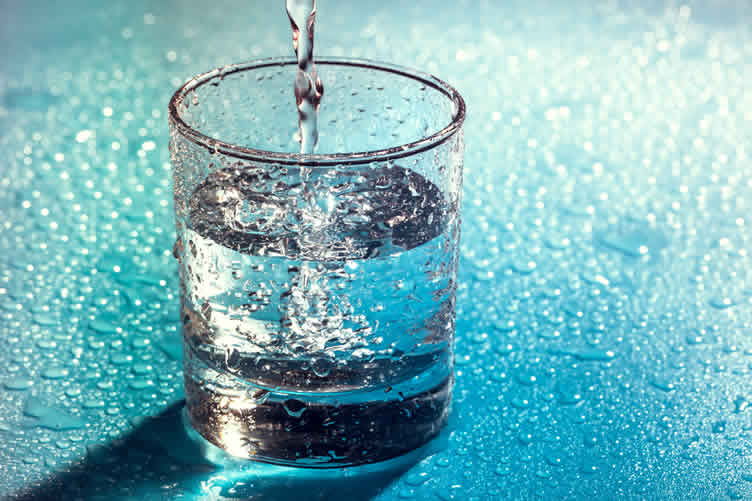
copyright image by envato.com
-
-
2nd: Types of (Household) Filtration Systems
You’ll need to decide what type of filtration system best suits your requirements—whether it’s a whole-house system to ensure clean water from every tap or a point-of-use system designed specifically for drinking and cooking water.
Whole-house systems are ideal for larger households and offer comprehensive filtration, while smaller systems like countertop filters or under-sink units are more targeted for specific uses. Let’s dive into the different types of filtration systems available and explore how they work to meet your needs.
Choosing the right filtration system can feel overwhelming with so many options available, but understanding the different types can make the decision much easier. Each filtration system is designed with specific needs and applications in mind, ensuring that there is a solution for every household.
- Whole-House Filtration Systems
These systems are installed at the point where water enters the home, ensuring that all water used throughout the house is filtered. They are ideal for removing sediment, chlorine, and other impurities that affect both water quality and household appliances.[ view diagram: whole-house ]
- Under-Sink Filtration Systems
Mounted under the kitchen sink, these filters provide clean and safe water directly at the tap. They are highly effective for drinking and cooking purposes.[ view diagram: under-sink ]
- Refrigerator Water Filters
Built into modern refrigerators, these filters are designed to purify water for drinking and produce clear, fresh-tasting ice. They often focus on removing chlorine, heavy metals, and unpleasant odors.[ view diagram: refrigerator filters ]
- Countertop Filters
These standalone systems are easy to install on the kitchen counter and connect directly to the faucet. They are convenient for renters or those who need portability.[ view samples: countertop filters ]
- Pitcher Filters
Portable and affordable, pitcher filters are simple to use and work by filtering water as it is poured. They are effective for reducing chlorine and improving taste.[ view samples: pitcher filters ]
- Showerhead Filters
These are attached directly to the shower to filter out chlorine and other chemicals that may affect skin and hair health.[ view samples: showerhead filters ]
- Portable Filtration Solutions
Options like water bottles with built-in filters or portable straw filters are designed for outdoor use, making them perfect for camping, hiking, and emergency situations.[ view samples: portable solutions ]
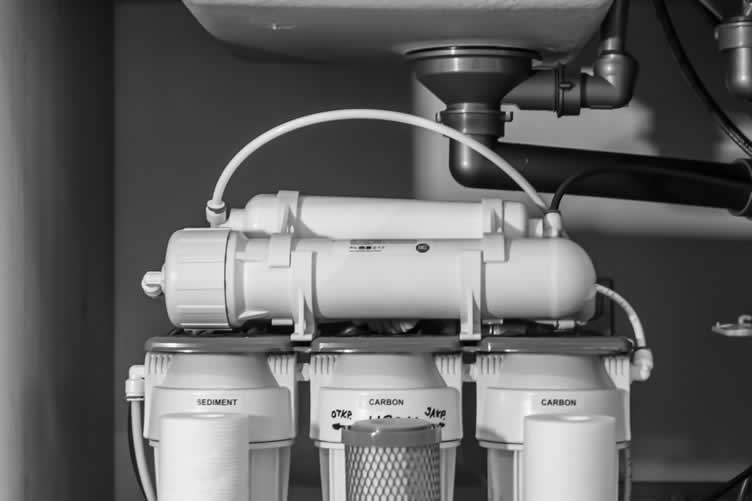
copyright image by 123rf.com
- Whole-House Filtration Systems
-
3rd: The Importance of Regular Filter Replacements
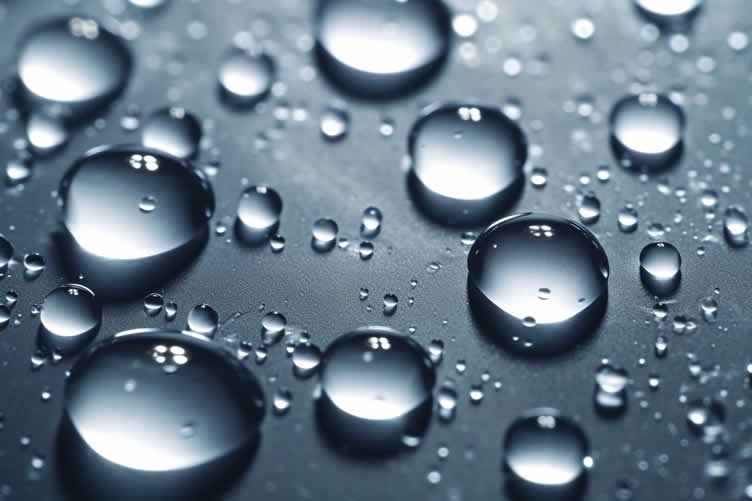
To maintain the effectiveness of water filtration systems, it is crucial to replace filters on a regular basis. Over time, filters accumulate contaminants, sediment, and debris, which can significantly reduce their ability to purify water.
A clogged or worn-out filter not only diminishes water quality but can also strain the filtration system, potentially leading to costly repairs or replacements. Manufacturers typically provide specific guidelines on how frequently filters should be changed based on household water usage and the type of system installed.
Adhering to these recommendations ensures clean, safe water for your home while prolonging the lifespan of your filtration system. Regular maintenance is a simple yet essential step toward safeguarding your household’s water supply.
copyright image by 123rf.com
Finding and Replacing Water Filters
Proper maintenance of your water filtration system begins with understanding how to locate, replace, and determine the suitable replacement frequency of water filters. These steps are essential to ensuring your water remains clean and safe while extending the life of your filtration system.
Below are detailed guidelines that outline each step to help you keep your system in optimal condition.
-
How to Find Replacement Filters
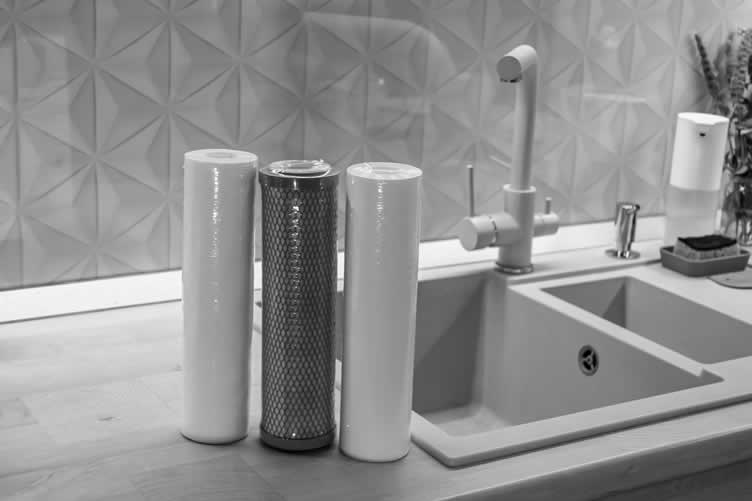
To find the right replacement filter for your system, start by checking the model number of your water filter or filtration system. This information is usually available in the user manual or on a label attached to the unit itself.
Once you have the model number, you can search for compatible filters online, visit a local home improvement store, or contact the system’s manufacturer directly. Be sure to verify that the filter matches your system specifications to avoid compatibility issues.
-
How Often to Replace Water Filters
The frequency of filter replacement largely depends on the type of filtration system you own and your household’s water usage. Generally, most filters should be replaced every 3 to 6 months, but this can vary based on the manufacturer’s recommendations.
For systems exposed to heavy use or particularly hard water, more frequent replacements may be necessary. To stay on track, keep a record of your replacement schedule or set reminders to ensure your filters are changed in a timely manner.
-
How to Replace a Water Filter
Replacing a water filter is typically a straightforward process that can be done without professional help. Begin by shutting off the water supply to the filtration system to prevent leaks.
Next, carefully remove the old filter, following instructions provided in the user manual. Dispose of the used filter properly and insert the new one, ensuring it fits securely.
Once installed, turn the water back on and run it through the system for a few minutes to flush any residual carbon or debris from the new filter. Always refer to your filtration system’s specific guidelines to avoid complications.
copyright image by 123rf.com
-
-
4th: Using Water Softening Systems
Water softening systems are an effective solution to combat the negative effects of hard water, which is water that contains high levels of minerals such as calcium and magnesium. Hard water can lead to a buildup of scale in pipes, appliances, and fixtures, reducing their efficiency and lifespan.
A water softening system works by removing these minerals through a process known as ion exchange, replacing calcium and magnesium ions with sodium or potassium ions.
The benefits of using a water softening system extend beyond protecting plumbing systems and appliances. Softened water enhances the performance of soaps and detergents, resulting in cleaner dishes, softer laundry, and reduced soap scum buildup in showers and sinks.
Additionally, it can improve the condition of your skin and hair by preventing the dryness and irritation often caused by hard water.
When considering a water softening system, it’s important to select a model that aligns with your household’s water consumption and hardness level. Regular maintenance, such as replenishing the salt supply and cleaning the brine tank, ensures the system continues to operate efficiently.
By investing in a water softener, you can enjoy the long-term benefits of reduced maintenance costs, improved appliance performance, and a more comfortable living environment.
copyright image by 123rf.com
How Water Softening Systems Work
Water softening systems operate on a straightforward yet highly effective process to remove hardness-causing minerals, thereby transforming hard water into softened water. These systems rely on scientific principles and precise mechanisms to enhance water quality for household use.
Below is a detailed breakdown of how the system works and the maintenance required to keep it functioning optimally.
-
The Ion Exchange Process
At the core of a water softening system is the ion exchange process. Hard water enters the system and flows through a resin tank filled with tiny beads that carry a negative charge. These beads attract and bind positively charged calcium and magnesium ions, which are the primary causes of water hardness.
During this process, the resin beads release sodium or potassium ions into the water in exchange for the captured minerals. The result is softened water free from the minerals that cause scaling and buildup.
-
Regeneration Cycle
Over time, the resin beads become saturated with calcium and magnesium ions, losing their ability to effectively soften water. At this stage, the system undergoes a regeneration cycle.
During regeneration, a brine solution—a mixture of water and salt—is flushed through the resin tank. This solution restores the resin beads by washing away the captured minerals and replenishing them with sodium or potassium ions. The system then resumes normal operation, delivering softened water once again.
-
Maintaining a Water Softener
Proper maintenance is essential to ensure the durability and efficiency of a water softening system. Regularly check and replenish the system’s salt supply, as it is a crucial component for the regeneration process.
Additionally, cleaning the brine tank periodically prevents salt buildup or bridging, which can disrupt the system’s performance. It’s also recommended to monitor the system’s settings to match your household’s water hardness level and ensure the frequency of the regeneration cycle meets your needs.
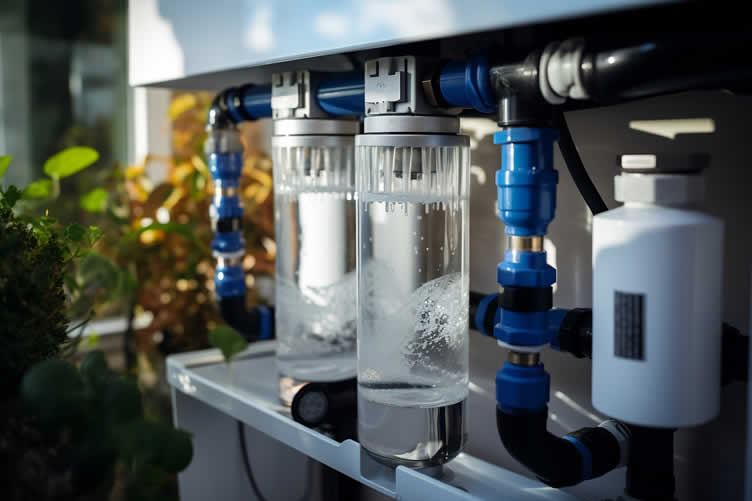
copyright image by 123rf.com
-
-
5th: The Role of Plumbing: Proper Maintenance and Upkeep
The state of a home’s plumbing system plays a critical role in maintaining water quality. Corroded or aging pipes, faulty fixtures, and leaks can significantly affect the quality of your drinking water. For instance, older homes may have lead pipes or lead soldering, which can leach into the water supply. Even minor leaks can introduce contaminants or provide a breeding ground for bacteria.
Homeowners should consider regular inspections by licensed plumbers to identify potential problems. Services like pipe cleaning, leak detection, and corrosion prevention treatments can go a long way in maintaining clean water.
Installing "point-of-use" filters directly at the tap or "point-of-entry" systems at the main water line can act as an additional safeguard. These systems not only enhance water safety but also protect plumbing infrastructure from scale and corrosion, extending its life.
Deciding on the right system depends on various factors, such as the contaminant type identified in your water and the home’s plumbing infrastructure.
Consulting a professional plumber such as Kellems Plumbing is highly recommended to evaluate your water and ensure the filtration system you choose is compatible with your home. Their expertise can guide you through selecting, installing, and maintaining the right solution for optimal water quality.

copyright image by 123rf.com
But Wait!
LetsRenovate has partnered with HomeAdvisor™, a renowned provider of highly-rated, carefully-vetted plumbing contractors. Start your search here by entering your zip code to find local professionals.
Before starting your search and evaluation of plumbing contractors, it is highly recommended to download and use this evaluation worksheet.
This resource will help you objectively rank and assess potential plumbers, considering essential factors such as pricing, licensing, and referral information.

Evaluation Sheet
File Type:
-
-
ideas to view and compare from the information discussed above
Scroll up to directory … or scroll to next section about clean home drinking water …

plan the specifications you need for making …

… key home improvement and remodeling decisions

… remodeling decisions



Budgeting Worksheet For Costing Home Remodeling and Home Improvement Decisions
 File Type (excel)
… home remodeling – improvement – repair
Find Plumbing Services Plumbing Issues Drain Clearing Septic/Sewers Water Heaters Pumps Water Softening top-rated, pre-screened local contractors FREE: download contractor selection enter zip code – powered by HomeAdvisor ™
Quick Contractor Guides selecting negotiating working with inspecting

fifth and last “photo remodeling” idea

copyright image by 123rf.com
Safe Water Tip 5: Government Regulations: Ensuring Compliance and Safety
Notes:
-
Government regulations play a pivotal role in maintaining the overall water safety for communities, with standards set by agencies such as the Environmental Protection Agency (EPA). These standards specify acceptable levels for microbiological, chemical, and radiological contaminants in public water systems. However, laws and regulations alone cannot guarantee the purity of water reaching individual homes.
This is where water quality testing becomes indispensable for homeowners. Regularly testing your home’s water helps detect issues that might not be covered under municipal regulations, especially if you rely on private wells.
Water test kits available at local hardware stores can provide a basic overview of contaminants, while professional water testing services offer more comprehensive analyses.
Testing should be conducted at least annually—or more frequently if changes in taste, smell, or appearance arise. Staying proactive with testing is not just a matter of compliance; it empowers homeowners to address potential health risks before they escalate.
-
Staying Vigilant After Weather Events
Weather events such as heavy rains, storms, or floods can significantly impact a home’s plumbing system. After such events, homeowners should remain vigilant for signs of potential damage, such as discolored water, slow drainage, or unusual noises coming from the plumbing.
Debris and sediment stirred up by storms can clog pipes, while excess water pressure from flooding may lead to hidden leaks. It’s crucial to inspect visible components of the system and consider hiring a professional to assess any areas that may not be easily accessible.
Taking prompt action can prevent small issues from escalating into costly repairs and ensure that the home’s water supply remains safe and reliable.
-
-
Quirk scroll to topic "becoming active" side notes …
-
-
1st: Being Active in Community to Safeguard Water Supply
Clean and safe water is essential for the health and well-being of every community. However, preserving the quality of our water supply requires collective effort and vigilance. Contaminants can infiltrate water sources through pollution, improper waste disposal, and outdated infrastructure.
By becoming actively involved in protecting your local water supply, you can contribute to a healthier, more sustainable future for everyone. Below are actionable steps you can take to safeguard your community’s water.
-
Advocate for Proper Waste Disposal
Improper disposal of household and industrial waste is one of the leading causes of water contamination. Educate yourself and others about the correct methods of disposing of trash, chemicals, and hazardous substances.
Organize or participate in community clean-up drives to remove waste from areas near water sources. Proper waste practices prevent harmful materials from leaching into the soil and contaminating underground water supplies.
-
Support Local Environmental Initiatives
Many communities have environmental organizations dedicated to protecting water resources. Join or collaborate with these groups to amplify their efforts.
Support activities such as tree planting, which improves water filtration, or initiatives to monitor and reduce pollution in local waterways. By uniting with like-minded individuals, you can make a broader impact on your community’s environmental health.
-
Practice Water Conservation at Home
Promote responsible water usage within your home and encourage neighbors to do the same. Simple practices like fixing leaks, using water-efficient appliances, and collecting rainwater for irrigation reduce the strain on the local water supply.
By conserving water, you help maintain its quality and availability for future generations.
-
Advocate for Updated Infrastructure and Policy Changes
Aging infrastructure and lax regulations can contribute significantly to water contamination. Advocate for investments in modern water treatment facilities and pipelines that protect against pollutants.
Additionally, engage with policymakers to push for stricter environmental regulations and monitoring systems. Being an active voice in the legislative process ensures that your community’s water remains a top priority.
By taking these steps and encouraging others to do the same, you can play an active role in protecting your water supply from contamination. Together, communities hold the power to secure clean, safe water for everyone.
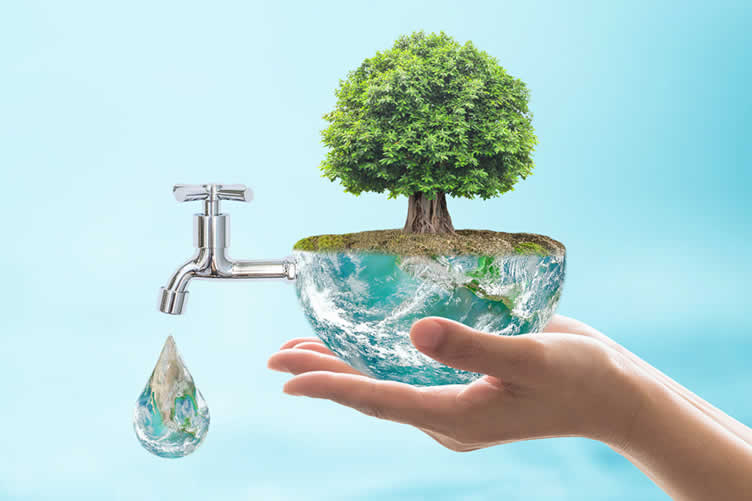
copyright image by 123rf.com
-
-
2nd: About The Internal Air You Breathe
The air inside your home plays a crucial role in your overall health and well-being. While it may seem clean and harmless, indoor air often harbors a variety of contaminants that can go unnoticed yet have significant impacts on your quality of life.
Understanding these contaminants and the importance of proper air filtration can help create a healthier, safer living environment for you and your family.
-
Common Indoor Air Contaminants
Indoor air can contain a surprising range of pollutants, including dust, pollen, pet dander, mold spores, and volatile organic compounds (VOCs) from household products. These contaminants can aggravate allergies, trigger asthma attacks, and contribute to long-term respiratory issues.
Additionally, microscopic particles, such as fine particulate matter, can penetrate deep into the lungs, posing a risk to cardiovascular health.
-
The Hidden Threat of Poor Ventilation
Limited airflow and improper ventilation can cause pollutants to accumulate, creating stagnant air that exacerbates indoor air quality issues. This is particularly true in modern, energy-efficient homes, which are often tightly sealed to conserve energy but end up trapping harmful particles and gases inside.
Poor ventilation also allows moisture to linger, encouraging the growth of mold and mildew that further degrade air quality.
-
The Need for Air Filtration
Air filtration systems are essential tools in reducing the concentrations of indoor air contaminants. High-efficiency particulate air (HEPA) filters, for instance, are renowned for their ability to capture tiny particles such as dust, pollen, and pet dander with remarkable effectiveness.
Advanced air purifiers can also neutralize odors, eliminate VOCs, and even kill airborne bacteria and viruses. Investing in a reliable air filtration system ensures your home’s air is not just clean but also conducive to better health.
-
Safeguarding Your Indoor Environment
Maintaining healthy indoor water and air quality requires a combination of air filtration and preventive measures. When paired with an efficient water and air filtration system, these steps create a fresh and livable indoor environment, supporting long-term wellness for everyone in the household.

copyright image by 123rf.com
-
-
-
FINAL REMARKS
Clean drinking water is not a luxury—it’s a necessity. By understanding the risks of contamination, recognizing sources of impurities, and adopting proven purification techniques, homeowners can significantly improve their water quality. Regular plumbing maintenance, combined with proactive water testing, forms a robust defense against potential risks.
Water sustains life, and ensuring its cleanliness should remain a top priority for every household. With informed decisions and simple practices, you can enjoy the peace of mind that comes with knowing your family is drinking water that is safe, refreshing, and of the highest quality.
Make clean water a priority today, and ensure your home remains a safe haven for you and your loved ones.
-
ideas to view and compare from the information discussed above
saving water shower headwater saving toiletwater leak detector
- What comments can you share about
clean home drinking water?
Scroll up to directory … or scroll to more home utility management-related topics …
view illustration “becoming a bank”

Calendar For:
Home Maintenance
File Type:
… view our sharing links below for a quick "share the knowledge"
Cover image credit: clean home drinking water by 123rf.com
end of post … please share it!
 |
did you find how simple renovations can clean home drinking water analysis helpful? If so, please share the article with your friends and family! |
Nice pic idea? Leave us a quick comment below.
And please share this pic idea within your social networks.