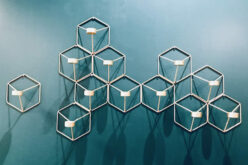
Summary Outline –
Sustainable interior design is all about creating living spaces that are not only stylish and functional but also environmentally friendly. It involves choosing materials that are responsibly sourced, such as reclaimed wood, recycled metals, or natural fibers, which help minimize environmental impact.
By rethinking how we source materials and emphasizing eco-conscious practices, we can reduce waste, lower energy consumption, and promote sustainability in our homes. Sustainable design not only benefits the planet but also creates healthier, more mindful living environments.
The following analysis offers simple yet powerful strategies to incorporate sustainable design into your interiors, creating a meaningful and positive impact.

-
Quick scroll to first topic about sustainable interior design …

first “sustainable interior design” idea

copyright image by 123rf.com
Eco-Home Tip 1: Sustainable Choices for Interior Finishes
Notes:
-
Personal style and tastes typically drive many homeowners’ design choices. However, it’s important to consider the origins of the materials used in home builds. Furniture, in particular, often uses multiple elements. This can include everything from the wood in a bedframe to the fabric on a sofa or the metal accents on a coffee table.
Sadly, mass furniture production in large factories often leads to environmental damage, often caused by deforestation and pollution.
Although finding a long-term solution to this problem can seem overwhelming, your interior design choices can help lessen the impact. Start by considering a product’s entire lifespan and how your choices can reduce waste.
Below are some eco-friendly material options for your next interior design project:
-
Quick scroll to “sustainable choices” side notes …
-
-
1st: Finding Reclaimed Wood Products
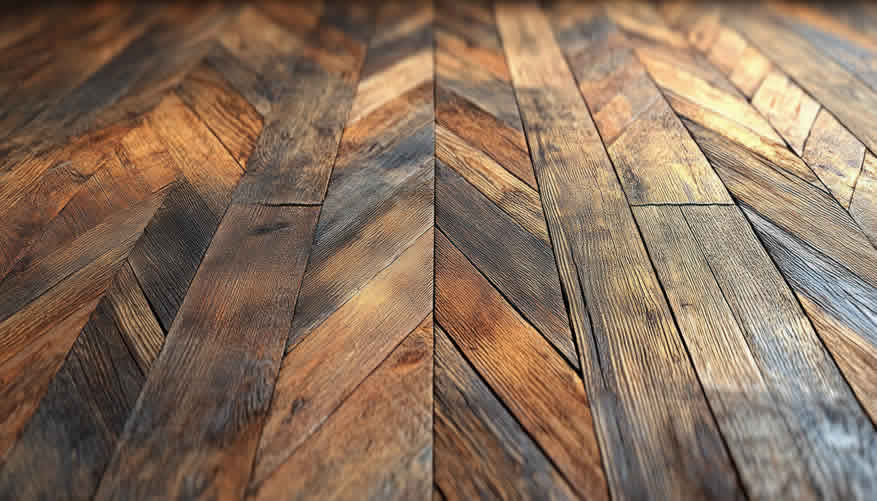
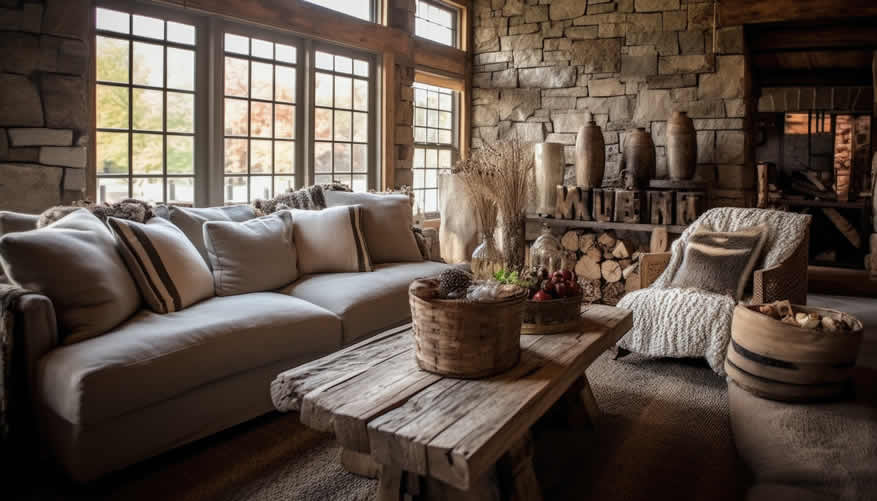
You can give your home a unique look and feel by finding creative ways to reuse timber in your design. Older furniture pieces, whether salvaged from a barn, re-purposed from old buildings, or refinished antiques, bring a sense of history and character to any space.
Reclaimed timber can be used for anything from dining tables and bookshelves to accent walls and flooring, adding warmth and charm to your home. Beyond its aesthetic appeal, reusing timber is an environmentally conscious choice.
By re-purposing wood, you reduce the demand for freshly cut trees, helping to protect forests, minimize deforestation, and promote a more sustainable future. It’s a simple yet impactful way to combine style and sustainability in your living space.
copyright image by 123rf.com
—— further suggestions ——
Where to Find Reclaimed Wood
Reclaimed wood is a sustainable and stylish choice for interior design projects, offering character and a sense of history to any space.
This type of wood is sourced from old structures like barns, factories, and warehouses, giving it unique textures and weathered finishes that can’t be replicated by modern materials.
Finding reclaimed wood can seem daunting at first, but there are several reliable methods and locations to start your search.
-
Local Salvage Yards
Salvage yards are treasure troves for reclaimed materials, including wood. These businesses collect wood from demolished buildings and other sources, categorizing them for resale.
Visiting a local salvage yard allows you to inspect and handpick pieces suited for your interior design needs, from rustic barn wood panels to aged floorboards.
-
Online Marketplaces
Digital platforms like Craigslist, Facebook Marketplace, and specialty sites dedicated to reclaimed materials are excellent resources. Sellers often list wood from personal renovations or deconstruction projects, providing affordable options.
Be sure to ask questions about the source and condition of the wood to ensure it meets your design requirements.
-
Deconstruction Companies
Deconstruction companies carefully disassemble old buildings rather than demolishing them, preserving materials like wood for reuse.
By connecting with these companies, you can access high-quality reclaimed wood while supporting environmentally friendly practices. Many of them offer a variety of wood species and sizes, making it easy to find pieces that complement your project.
-
Architectural Salvage Stores
Architectural salvage stores specialize in items salvaged from older buildings, including beams, doors, and flooring.
These stores often carry reclaimed wood in various styles, perfect for creating bespoke furniture, accent walls, or other interior touches. The inventory is frequently updated, so visiting regularly can help you find hidden gems.
-
Local Farms and Industrial Sites
Old barns, warehouses, and factories are prime sources of reclaimed wood with unique charm and durability.
Networking with local farm owners or industrial site managers can uncover opportunities to purchase or salvage wood directly before it’s discarded or demolished. Always be sure to obtain permission and follow safety protocols.
Finding reclaimed wood requires some creativity and research, but it’s well worth the effort. By exploring these sources, you’ll not only bring distinctive character to your interior design but also contribute to a more sustainable future.
copyright image by 123rf.com
[ view images: types of reclaimed wood ]
[ youtube: how to use reclaimed wood ]

-
-
2nd: More Natural Options
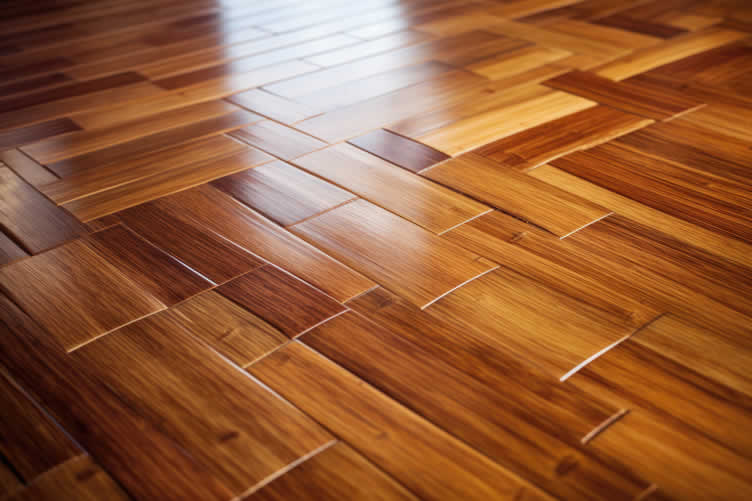
Natural materials like bamboo are incredibly fast-growing and offer a more sustainable alternative to hardwood. While traditional trees can take decades to mature, bamboo reaches maturity in just a few years, making it a highly renewable resource.
Its natural strength and durability make it perfect for a wide range of uses, from flooring and furniture to cabinetry and even textiles like clothing and bedding.
Additionally, bamboo has a smaller environmental footprint, as it requires less water to grow and can thrive without the need for harmful pesticides or fertilizers. It’s a versatile, eco-friendly choice that combines functionality with sustainability.
copyright image by 123rf.com
—— further suggestions ——
How Bamboo is Harvested and Processed
Bamboo has emerged as a popular material in sustainable interior design ideas due to its rapid growth, remarkable durability, and eco-friendly characteristics. This versatile plant is not only a renewable resource but also offers a modern aesthetic with its natural beauty.
Understanding how bamboo is harvested and processed provides insights into why it is an excellent choice for crafting stylish and sustainable interiors.
-
Harvesting Bamboo
Bamboo is typically harvested once it reaches maturity, usually around three to five years, depending on the species. Unlike traditional timber, bamboo regrows rapidly from its root system, eliminating the need for replanting while maintaining the health of the ecosystems where it thrives.
Harvesting is carefully timed to ensure the bamboo retains optimal strength and quality, with farmers and producers often selecting mature stalks by hand to minimize waste.
-
Processing Bamboo
After harvesting, bamboo undergoes a series of processes to prepare it for use in interior designs. The stalks are cut into smaller sections and treated to remove moisture and pests, ensuring longevity and resistance to decay.
Depending on the intended application, the bamboo may be sliced, flattened, or laminated into sheets or planks. This allows it to be used in various forms, from flooring and wall panels to furniture and decorative accents.
Each step of processing is carried out with precision to highlight bamboo’s natural patterns and warmth, enhancing its appeal in modern homes.
-
Incorporating Bamboo in Sustainable Interior Design Ideas
Bamboo’s unmatched versatility makes it ideal for countless interior applications while aligning with sustainable interior design ideas. For instance, bamboo flooring serves as an eco-friendly alternative to hardwood, offering both durability and a stylish finish.
Similarly, bamboo paneling can create feature walls that bring a natural, earthy tone to living spaces. Beyond structural uses, bamboo is often crafted into furniture, kitchenware, and even lighting fixtures—further enriching homes with its elegance and sustainable benefits.
-
Is Bamboo Water Resistant?
Bamboo, in its natural state, is not inherently water resistant. However, with proper treatment and finishing processes, bamboo can be made highly resilient to moisture, making it suitable for use in bathrooms and kitchens.
Special sealants and water-resistant coatings are often applied to protect bamboo from swelling, warping, or developing mold in high-humidity environments.
Additionally, engineered bamboo products are designed specifically to handle moisture better, offering a durable and sustainable option for wet areas.
When maintained properly, treated bamboo can be a stylish and eco-friendly choice for bathroom vanities, countertops, or kitchen flooring.
-

copyright image by 123rf.com
[ view images: use of bamboo in interior design]
[ youtube: NEW Lumber! Is Bamboo for You?]
-
-
3rd: Using Cork
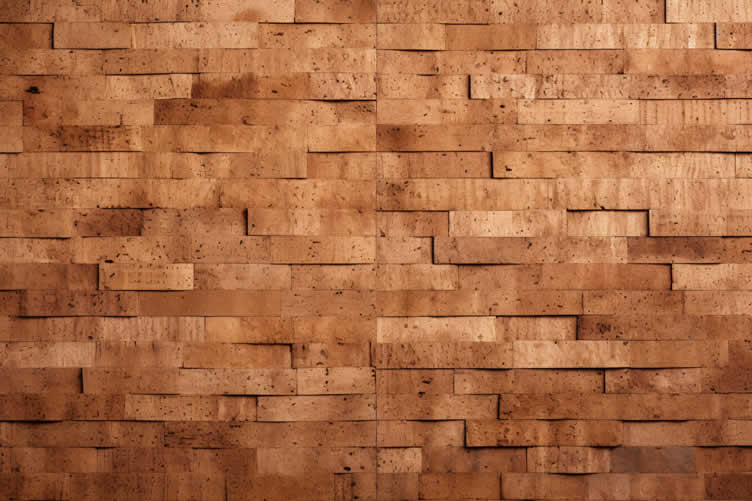
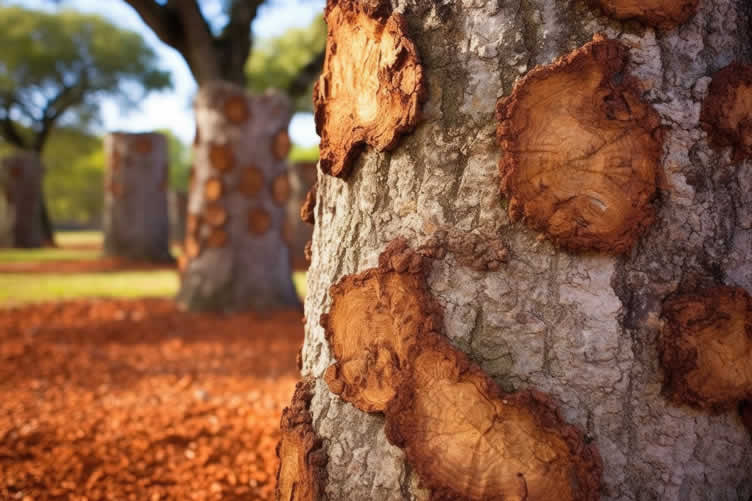
Cork is another remarkable natural and renewable resource, derived from the bark of cork oak trees. This bark is carefully harvested every nine years in a sustainable process that allows the trees to regenerate without causing any harm.
The harvesting process not only preserves the trees but also helps them absorb more carbon dioxide, making cork an eco-friendly material. Cork is lightweight, durable, and boasts inherent antimicrobial properties, making it ideal for a variety of applications.
Additionally, it has excellent sound-absorbing and insulating qualities, which make it perfect for use in flooring, wall coverings, furniture, and even decorative items. Its versatility and environmental benefits have made cork an increasingly popular choice in sustainable design.
copyright image by 123rf.com
—— further suggestions ——
How Cork is Harvested and Processed
Cork is a versatile and sustainable material that has been a popular choice in interior design due to its natural aesthetic, durability, and eco-friendly properties. Harvested from the bark of cork oak trees, this renewable resource is obtained without harming the tree, allowing it to regenerate over time.
The process of harvesting cork is meticulous, ensuring the preservation of tree health while maintaining high-quality material for a variety of uses. After harvesting, cork undergoes several processing stages to prepare it for applications in interior spaces, making it an ideal choice for those looking to incorporate sustainable interior design ideas into their homes.
-
Cork Flooring for a Warm and Sustainable Home
Cork flooring is one of the most prominent uses of this material in interior spaces. Known for its soft yet sturdy texture, cork flooring provides excellent thermal and acoustic insulation, creating a cozy and tranquil environment.
Its natural resilience makes it comfortable underfoot, while its durability ensures it withstands everyday wear and tear. Furthermore, cork flooring comes in a variety of finishes and patterns, making it an adaptable choice for modern or traditional interior aesthetics.
Homeowners seeking an eco-conscious flooring option can rely on cork as part of a sustainable interior design strategy.
-
Cork Wall Panels for Texture and Acoustic Benefits
Another innovative application of cork in interior design is through the use of cork wall panels. These panels not only enhance the visual appeal of a room with their unique, textured surface but also contribute to soundproofing, making them ideal for bedrooms, home offices, or entertainment rooms.
Additionally, cork wall panels help regulate indoor temperature by acting as a natural insulator, reducing the need for artificial heating or cooling. By integrating cork wall paneling, designers can infuse living spaces with beauty, functionality, and sustainable values.
-
Cork Furniture and Accessories for Eco-Friendly Elegance
Cork is also gaining popularity in crafted furniture and home accessories. Lightweight yet robust, cork can be fashioned into stools, side tables, coasters, and even decorative accents.
Its neutral tone and organic texture make it versatile enough to complement various design styles, from minimalist to eclectic. Cork furniture pieces not only stand out as unique design elements but also uphold the principles of sustainability, as they are biodegradable and made from renewable resources.
By integrating cork into the home, whether as flooring, wall panels, or furniture, designers and homeowners can achieve a harmonious blend of style and environmental stewardship. This sustainable material proves that elegance and eco-consciousness can go hand in hand.
-
Is Cork Water Resistant for Kitchens and Bathrooms?
Yes, cork is naturally water-resistant to a certain extent, thanks to its waxy substance called suberin, which repels moisture. This quality makes cork a viable option for kitchens and bathrooms when it is properly sealed.
A protective sealant enhances cork’s durability by preventing water from seeping in, making it resistant to spills and humidity. However, regular maintenance is essential to ensure the seal remains intact over time.
While cork can work beautifully in these spaces, it is important to avoid prolonged exposure to standing water to maintain its integrity and appearance.
-
copyright image by 123rf.com
[ view diagram: use of cork in interior design]
[ youtube: Cork Production Process]
-
-
4th: Sourcing Recycled Materials
Using re-purposed materials in your home’s interior design is not only environmentally friendly but also easier than many people realize. With a growing market for sustainable options, you can choose from a wide variety of materials that combine style with eco-consciousness.
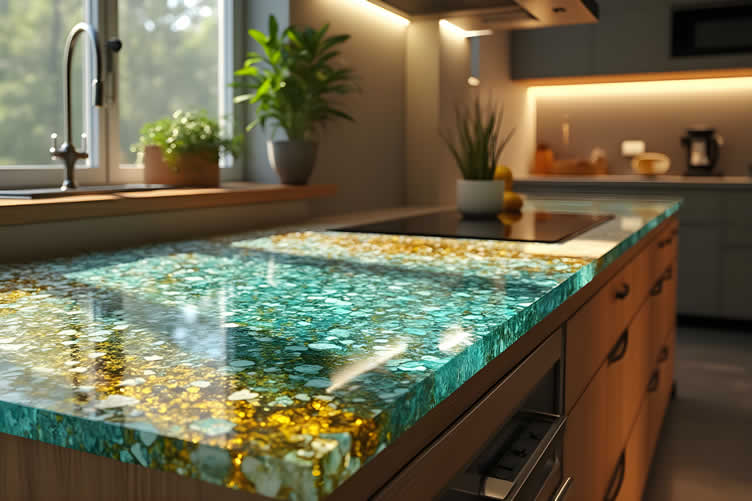
For example, fiberglass countertops made from reclaimed glass are both durable and visually stunning, while fabrics woven from recycled plastic bottles offer a unique, sustainable touch to furniture or decor.
You can also explore reclaimed wood for flooring or furniture, or tiles made from re-purposed ceramics. The possibilities for reducing your environmental impact while creating a beautiful, personalized space are virtually endless.
copyright image by 123rf.com
—— further suggestions ——
Types of Recycled Materials
Sustainable interior design ideas are increasingly popular as homeowners and designers strive to create elegant spaces that are both stylish and environmentally responsible. Using recycled materials in interior design not only reduces waste but also offers unique and innovative solutions to enhance the aesthetics of a home.
These materials often come with their own textures, colors, and histories, adding depth and personality to indoor spaces. Below are some types of recycled materials and how they can be creatively used in interior homes.
-
Recycled Glass
Recycled glass is another versatile material that finds its way into homes as countertops, backsplashes, or decorative tiles. It comes in a variety of colors and patterns, enabling endless design possibilities. Using recycled glass emphasizes sustainability while creating visually striking features that reflect light and enhance the brightness of a room.
-
Upcycled Metal
Upcycled metal, such as aluminum or steel, can be transformed into sleek furniture, light fixtures, or even accent pieces. Its durability and modern aesthetic make it a favorite choice for contemporary interiors. Incorporating recycled metal reduces the energy required for producing new metals, making it a sustainable option for eco-conscious homeowners.
-
Recycled Plastic
Recycled plastic is increasingly being used in sustainable interior design ideas due to its flexibility and vibrant color options. It can be found in rugs, furniture, or even innovative wall panels. By choosing recycled plastic materials, not only is waste minimized, but versatile and colorful creations are also introduced into the home.
-
Fabric Scraps and Recycled Textiles
Old fabric scraps and recycled textiles can be transformed into patchwork rugs, upholstery, or throw pillows. These materials help reduce textile waste while adding a cozy, personalized touch to a home. They come in various patterns and textures, allowing for bold and creative designs in softer furnishings.
By integrating these recycled materials into home interiors, homeowners can achieve a delicate balance between stunning aesthetics and environmentalist responsibility.
Each choice reflects a dedication to sustainable interior design ideas and a desire to reduce the environmental footprint of modern living.
copyright image by 123rf.com
[ view images: use of recycled materials in interior design]
[ youtube: recycled glass countertops]
-
-
-
ideas to view and compare from the information discussed above
bamboo cutting boardcork boards for wallsrecycled paper towels
Scroll up to directory … or scroll to next section about sustainable interior design …

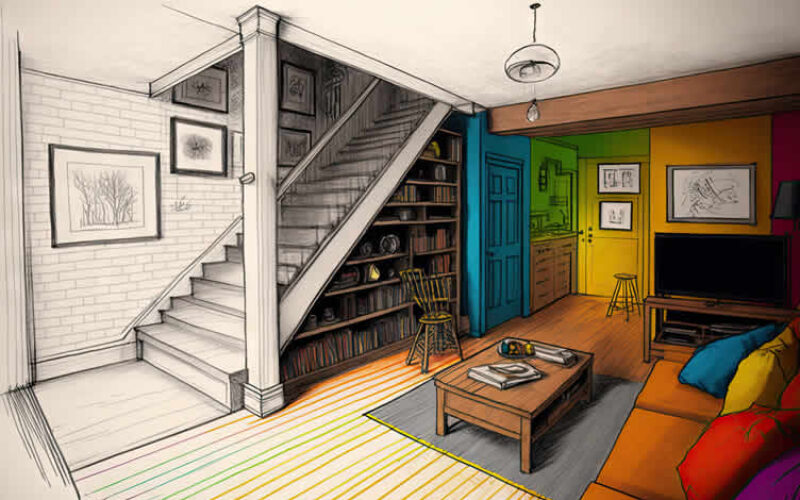


… is finding energy saving solutions




second “photo remodeling” idea

copyright image by 123rf.com
Eco-Home Tip 2: Energy-Saving Design Strategies
Notes:
-
Creating an eco-friendly home goes beyond incorporating recycled materials and conscious décor—it also involves adopting energy-saving design strategies. These strategies not only help reduce energy consumption but also lower utility costs and contribute to a more sustainable future.
By integrating innovative solutions in lighting, insulation, and energy-efficient appliances, homeowners can significantly decrease their carbon footprint while enjoying a comfortable and modern living environment.
The following sections explore some practical and impactful ways to design a home that is as kind to the environment as it is functional and beautiful.
-
Quick scroll to “energy-saving” side notes …
- 1st: Converting to LED Lighting for a Sustainable Home
- 2nd: Increase Natural Lighting
- 3rd: Updating to Energy-Saving Appliances
- 4th: Adding or Improving Insulation and Stripping
- 5th: Advanced Energy-Saving Windows and Doors
- 6th: Installing Roof or Ground Solar Panels
- shop ideas
- next topic: Water-Wise Home Design
-
-
1st: Converting to LED Lighting for a Sustainable Home
Switching to LED lighting is one of the most effective and accessible ways to incorporate sustainable interior design ideas into your home. LED lights are renowned for their energy efficiency, longevity, and versatility, making them an ideal choice for both interior and exterior applications.
Whether you’re redesigning your living spaces or upgrading your outdoor ambiance, LEDs provide a practical and eco-friendly solution that complements modern, energy-saving homes.
-
Interior Lighting with LED Bulbs
LED bulbs are perfect for a wide range of interior applications due to their adaptability and efficiency. These lights can be used in ceiling fixtures, desk lamps, under-cabinet lighting, and accent lighting designs. Their ability to emit a warm or cool glow makes them suitable for every room, from living areas to bedrooms.
Additionally, LED light strips are an innovative option for creating ambient lighting or highlighting architectural features like shelving and staircases. By adopting LED lighting, homeowners can reduce their energy consumption without sacrificing style or functionality, contributing to a more sustainable and aesthetically pleasing indoor environment.
-
Task Lighting with LEDs
Task lighting focuses on specific areas where functional clarity is essential, such as kitchens, home offices, or workspaces. LED recessed lights, pendant fixtures, and spotlights are excellent options for illuminating countertops, desks, and craft tables.
Their precise, directional lighting ensures optimal brightness while consuming significantly less power compared to traditional bulbs. The durability and longer lifespan of LEDs further enhance their appeal as a sustainable choice for task-oriented spaces.
-
Outdoor Advantages of LED Lighting
LED lights are equally effective for exterior use, providing security and aesthetic value to outdoor spaces. Whether used for pathway lighting, landscaping, porch illumination, or decorative string lights, LEDs offer equal parts efficiency and charm.
They remain resilient in harsh weather conditions and use minimal electricity, making them ideal for homeowners who want to enhance their outdoor areas while lowering energy bills.
Motion-sensor and solar-powered LED options further maximize savings and sustainability, ensuring a greener and safer exterior lighting solution.
-
The Energy-Saving Benefits of LED Lighting
One of the key reasons LED lighting stands out is its unmatched energy efficiency. LEDs use up to 80% less energy than conventional incandescent bulbs, which not only reduces household utility costs but also minimizes environmental impact.
Their durability ensures fewer replacements, reducing waste in landfills. When paired with smart technology or dimmer switches, LEDs offer even greater energy control, aligning perfectly with sustainable interior design ideas.
For homeowners looking to make an eco-conscious choice that enhances both the form and function of their spaces, LED lighting is a luminous path forward.

copyright image by 123rf.com
-
-
2nd: Increase Natural Lighting
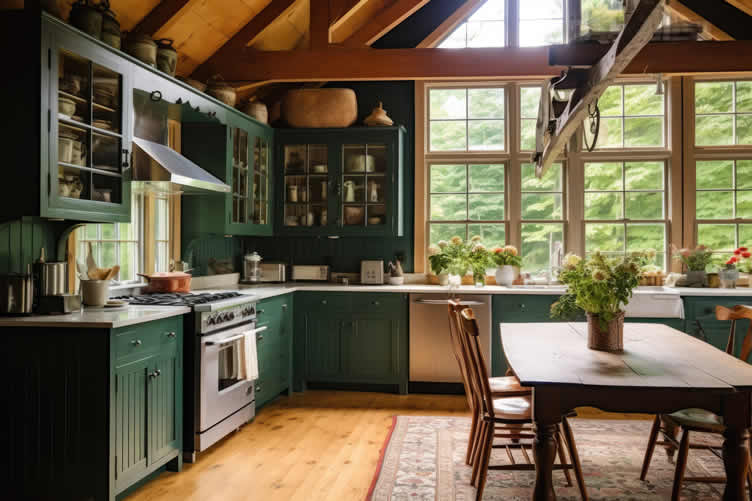
When it comes to lighting, natural light is one of the most effective ways to brighten up your home’s interior. By making thoughtful structural adjustments, you can harness natural light to provide ample illumination throughout the day.
Natural sunlight can also significantly impact our overall well-being. It can not only improve our moods but also help us to get better sleep. Using natural light sources in your home also reduces the need for artificial lighting and decreases energy use.
Here are ways to achieve an energy-efficient design:
-
Ideal Window Placement
When placing new windows into your home, it’s important to consider the sun’s trajectory throughout the day. South-facing windows are ideal for maximizing light in the home, particularly during the winter when the sun’s path is lower.
East-facing windows are good for capturing morning light. This makes them perfect for kitchens or breakfast nooks. West-facing windows, on the other hand, provide better lighting in the afternoon, which can be better for living rooms and bedrooms.
-
Natural Light Sources
Skylights are a fantastic way to introduce natural light into various living spaces. Because they bring in light from the ceiling, they help create a sense of openness and airiness inside.
Another option to brighten your home naturally is by installing light tubes. These capture sunlight from your roof and channel it through highly reflective tubes. This allows homeowners to direct the light wherever they need it most, whether it’s a kitchen, bathroom, or office space.
-
Open-Plan Living
Taking down interior walls is another way to improve energy efficiency in your home. By creating more open spaces, you can reduce your reliance on artificial light sources.
For example, merging your kitchen and dining area is a common renovation idea. Removing a wall to connect a hallway with a neighboring room is another option to explore.
-
Using Reflective Surfaces
Mirrors can be strategically placed throughout your home to improve natural lighting and create the illusion of a larger and brighter space.
Start by placing a large mirror directly across from a window to reflect light further into the room. You can also use mirrored tiles on a kitchen backsplash to help distribute light throughout the space. In bedrooms, mirrored closet doors are another good choice to brighten the room.
copyright image by 123rf.com
[ view diagram: increase natural lighting in home diagram ]
[ youtube: Surprising way to bring Natural Light ]
-
-
3rd: Updating to Energy-Saving Appliances
Upgrading your home’s appliances to energy-saving models is an essential step in reducing energy consumption and promoting sustainability. By replacing outdated appliances, you can lower utility costs, decrease your carbon footprint, and create a more eco-friendly household.
These updates align seamlessly with sustainable interior design ideas, combining efficiency with modern aesthetics to create a stylish and functional living space. Below, we’ll explore specific appliances to upgrade and the significant energy savings they offer.
-
Energy-Efficient Refrigerators
Modern energy-saving refrigerators are designed to use advanced compressor technology, improved insulation, and innovative cooling systems, all of which contribute to lower energy consumption.
Replacing an older model with an Energy Star-certified refrigerator can save up to 15% more energy annually compared to non-certified units. This makes it not only a sustainable choice but also an economical one in the long run.
-
High-Efficiency Washing Machines and Dryers
Upgrading your laundry appliances to water and energy-efficient models can significantly reduce your household’s footprint. Front-loading washing machines, for instance, use about 50% less water than traditional top loaders.
Energy-efficient dryers equipped with moisture sensors ensure that clothes are dried just right without wasting excess energy. These upgrades are perfect for integrating with sustainable interior design ideas, as they provide functionality with sleek, space-saving designs.
-
Smart Dishwashers
Energy-saving dishwashers use advanced water filtration systems and precision spray arms to clean effectively with minimal water and energy usage.
Upgrading to a model with an Energy Star label can save approximately 3,870 gallons of water over the unit’s lifetime. Pairing these appliances with smart technology also offers greater control over energy consumption to align with eco-conscious living goals.
-
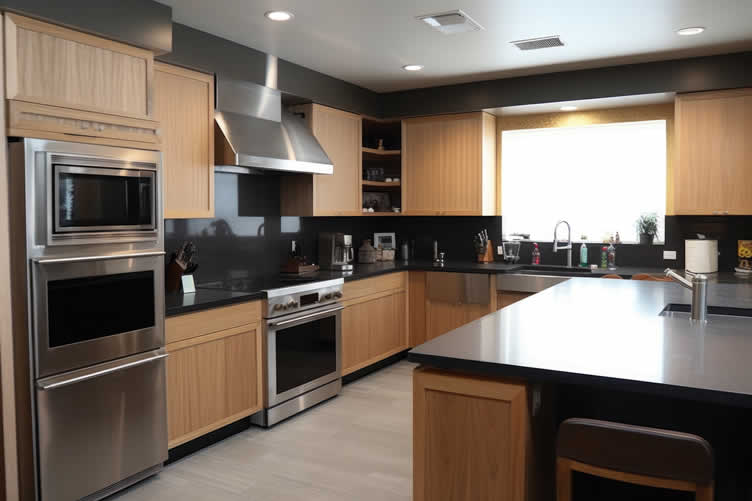
Induction Cooktops and Energy-Efficient Ovens
Induction cooktops are among the most energy-efficient kitchen appliances, as they use direct heat transfer to cooking vessels, reducing wasted energy. On the other hand, convection ovens cook faster and more evenly while using less energy than conventional ovens.
Incorporating these kitchen upgrades into your home enhances energy efficiency while contributing to sustainable interior design ideas for a modern and elegant cooking space.
copyright image by 123rf.com
-
-
4th: Adding or Improving Insulation and Stripping
Proper insulation and weather stripping are essential components in creating a more energy-efficient home. By preventing heat loss in the winter and reducing heat gain in the summer, these measures ensure that your living spaces remain comfortable year-round while lowering energy consumption.
Incorporating insulation and stripping upgrades with sustainable interior design ideas not only reduces utility costs but also enhances the eco-friendliness and aesthetic appeal of modern homes.
-
Attic Insulation
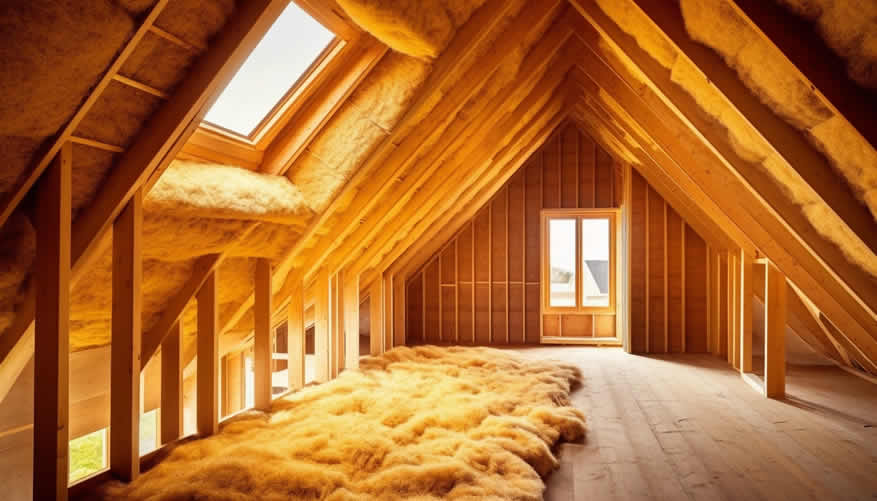
The attic is one of the most critical areas to insulate, as heat naturally rises and can easily escape through an uninsulated or poorly insulated attic. Adding spray foam, fiberglass, or cellulose insulation can create a significant barrier against heat transfer.
This upgrade aligns with sustainable interior design ideas by improving thermal efficiency and reducing the need for excessive heating or cooling.
-
Wall Insulation
Insulating exterior and interior walls is a smart way to improve energy use without disrupting the interior style of your home. Cavity wall insulation, in particular, prevents drafts and maintains consistent indoor temperatures.
This approach can also complement sustainable interior design ideas by using eco-friendly insulation materials, such as recycled denim or sheep’s wool, to enhance both efficiency and sustainability.
-
Weather Stripping Doors and Windows
Doors and windows are among the most common culprits for air leaks in a home. Installing weather stripping around these areas helps seal gaps that might otherwise lead to wasted energy.
Adhesive foam strips or silicone caulking are effective options that deliver immediate results. These upgrades not only boost energy efficiency but also integrate seamlessly into sustainable interior design ideas through improved functionality without detracting from visual aesthetics.
-
Basement and Crawl Space Insulation
Basements and crawl spaces are often overlooked but play a critical role in the overall insulation of a home. Adding rigid foam boards or spray foam insulation to these areas can block moisture and reduce energy loss significantly.
Including these measures in your sustainable interior design ideas ensures a cohesive approach to temperature control and energy-saving solutions.
copyright image by 123rf.com
[ amazon: energy saving kitchen appliance ]
[ youtube: Are Energy Star Appliances Worth It? ]
-
-
5th: Advanced Energy-Saving Windows and Doors
When designing for sustainability, windows and doors play a crucial role in reducing energy usage and maintaining indoor comfort. Traditional windows and doors are often a significant source of heat loss in the winter and heat gain in the summer, leading to higher energy consumption.
Advanced energy-saving options ensure your home stays thermally efficient while complementing your sustainable interior design ideas. By choosing modern solutions, you not only lower energy bills but also minimize your ecological footprint.
-
High-Performance Double- or Triple-Glazed Windows
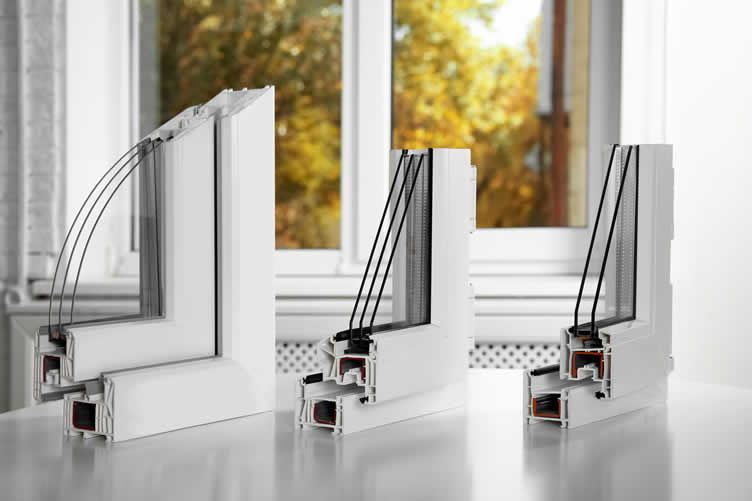
Double- or triple-glazed windows are the foundation of energy efficiency in modern homes. These windows consist of multiple panes of glass separated by insulating gas, such as argon or krypton, which reduces heat transfer.
The added layers and insulating properties improve thermal regulation while diminishing outside noise. Incorporating these windows into your sustainable interior design ideas creates a comfortable environment that requires less heating or cooling throughout the year.
-
Low-E Coated Windows
Low-emissivity (Low-E) coated windows are designed to reflect heat while allowing natural light to enter your home. The invisible coating on the glass reduces the amount of infrared and UV rays that pass through, keeping interiors cooler in the summer and warmer in the winter.
This innovation aligns seamlessly with sustainable interior design ideas, as it maximizes energy efficiency without sacrificing aesthetics or comfort.
-
Insulated Entry and Patio Doors
Insulated doors are essential for maintaining a consistent indoor temperature, especially in climates with extreme weather patterns. These doors feature foam insulation cores and are often constructed with materials like fiberglass or steel, which prevent energy loss.
Upgrading to energy-saving doors enhances the overall functionality of your home and positions it as a leader in modern sustainable interior design ideas.
-
Passive Solar Design with Windows and Doors
A well-planned passive solar design utilizes the positioning and glazing of windows and doors to optimize sunlight use for heating and lighting. South-facing windows, for example, are ideal for capturing solar heat during the winter months.
By integrating passive solar principles into your sustainable interior design ideas, you effectively reduce the need for artificial lighting and heating, supporting energy conservation.
copyright image by 123rf.com
[ view diagram: energy efficient windows diagram ]
[ youtube: The Efficiency Spectrum: Ranking Window Materials ]
-
-
6th: Installing Roof or Ground Solar Panels
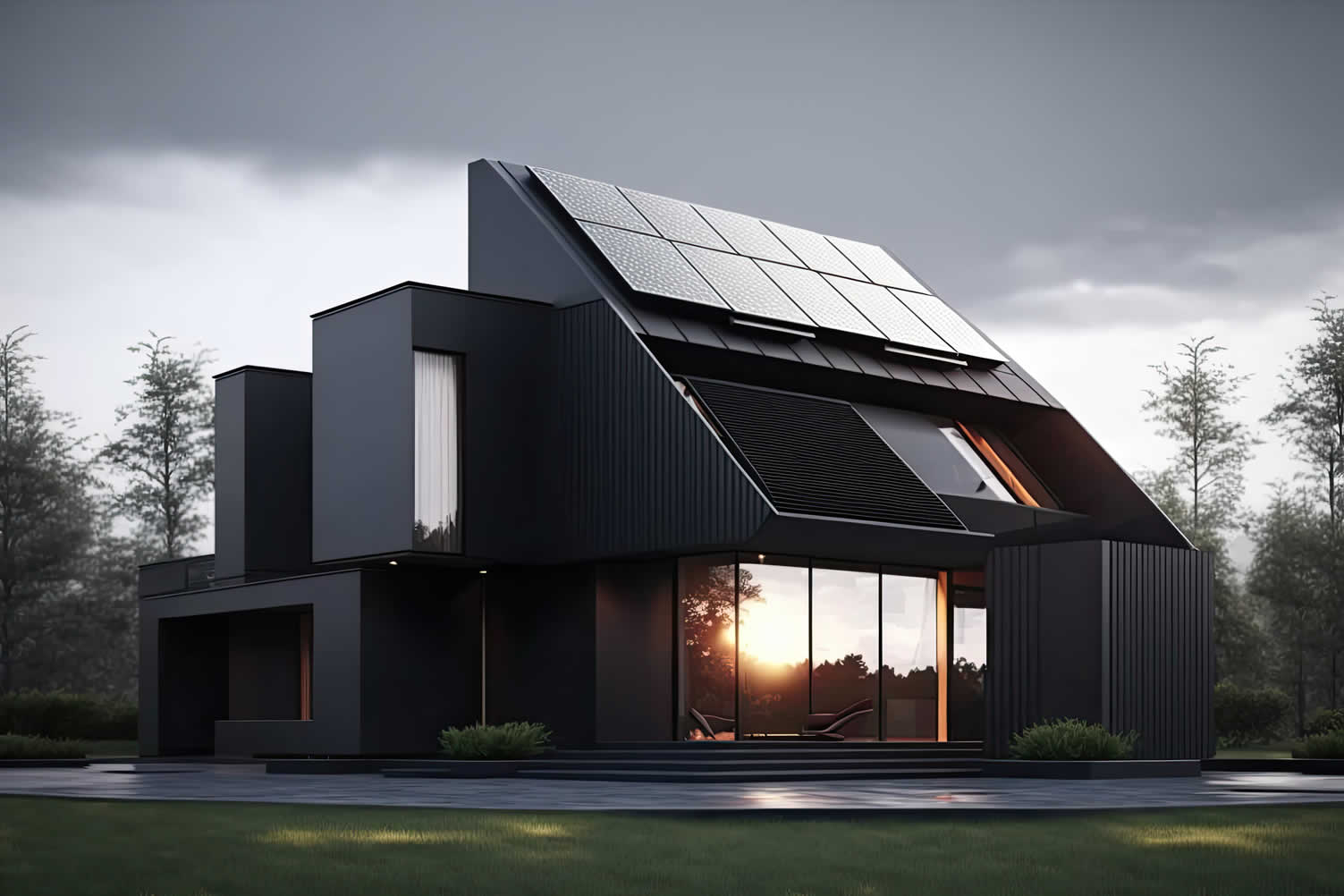
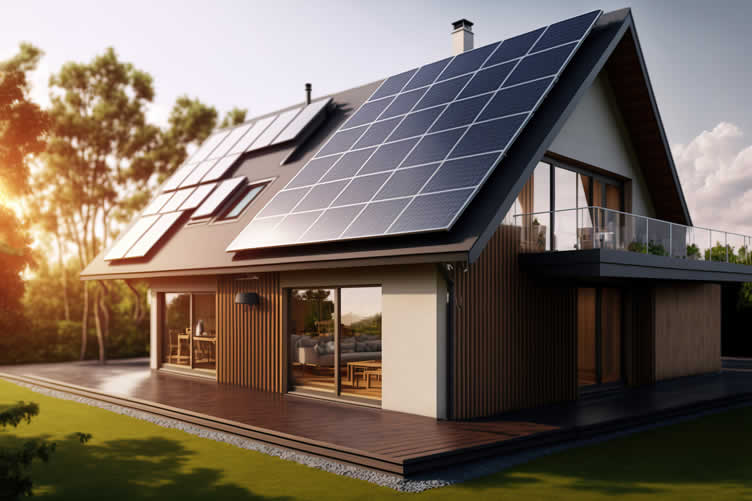
Adopting solar energy solutions such as roof or ground solar panels is an impactful way to reduce reliance on non-renewable energy sources while promoting a sustainable lifestyle. Solar panels harness the sun’s energy to power your home, significantly lowering energy costs and reducing your carbon footprint.
Whether installed on the roof or mounted on the ground, solar panels align seamlessly with sustainable interior design ideas by integrating renewable energy systems into modern living spaces.
-
Reducing Energy Consumption with Solar Panels
The installation of solar panels directly offsets the need for traditional electricity sources, which often rely on fossil fuels. By generating your own electricity, you not only lower utility bills but also contribute to a cleaner environment.
Homes that use solar energy align perfectly with sustainable interior design ideas, as they reflect a commitment to reducing energy usage and living more harmoniously with nature.
-
Enhancing Energy Efficiency with Solar Integration
Beyond mere electricity production, solar panels pave the way for overall energy efficiency in your home. For instance, combining solar energy systems with energy-efficient appliances and smart home technologies further optimizes your energy use.
These enhancements blend effortlessly into sustainable interior design, creating aesthetically pleasing spaces while achieving functionality and reducing waste.
-
The Value of Ground Solar Panel Installations
Ground-mounted solar panels offer flexibility and scalability for homeowners with larger properties. Unlike roof installations, they are easier to access for maintenance and can be adjusted to achieve the optimal angle for sunlight absorption.
Integrating ground solar panels into your sustainable interior design ideas extends energy conservation efforts beyond the home’s structural elements, contributing to a cohesive approach to sustainability.
copyright image by 123rf.com
-
-
-
ideas to view and compare from the information discussed above
Scroll up to directory … or scroll to next section about sustainable interior design …

addressing sustainable interior design ideas and other home improvement needs …

… grab this directory of ideas for future use

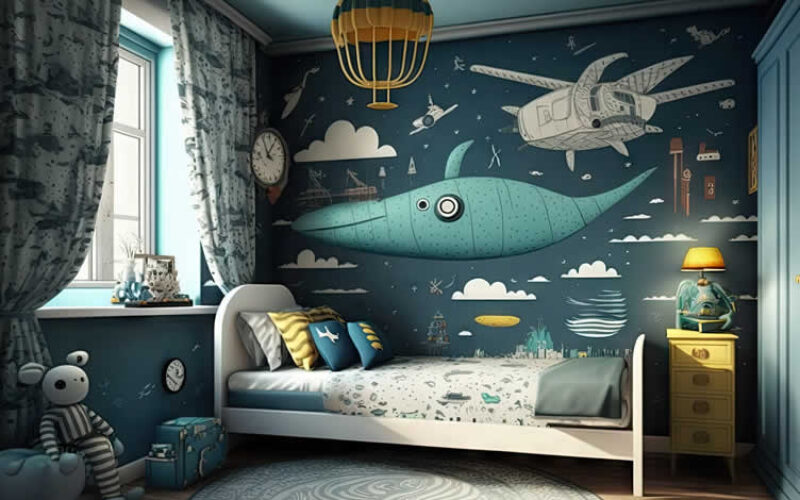
… remodeling decisions


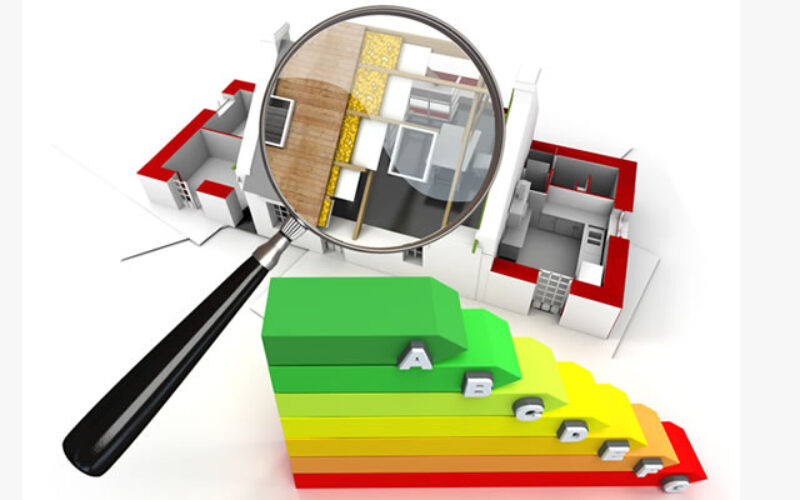
May We Suggest Other Photo Remodeling Ideas About
“What’s Going On In the Garden …” (new win)
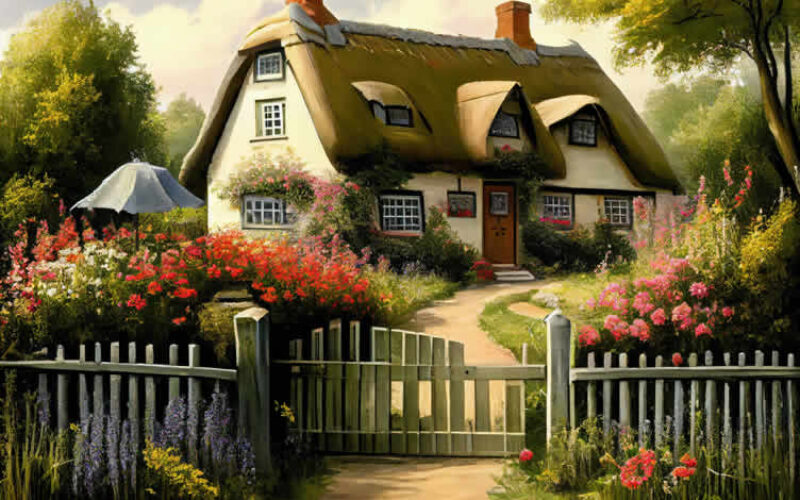


third “photo remodeling” idea

copyright image by 123rf.com
Eco-Home Tip 3: Water-Wise Home Design
Notes:
-
Water shortages are a growing global concern that impacts billions of people every year, threatening agriculture, industry, and daily life. Factors such as climate change, population growth, and pollution are putting immense pressure on freshwater resources, making the issue more urgent than ever.
With increasing reliance on these limited resources, it’s crucial for everyone to take steps to reduce their water consumption, whether by fixing leaks, using water-efficient appliances, or being mindful of daily habits. Small changes can make a big difference in addressing this critical challenge.
One way to make a difference is with thoughtful interior design choices. Below are some water-saving strategies you can consider:
-
Quick scroll to “water saving” side notes …
-
-
1st: Installing Bathroom Low-Water Usage Appliances
The bathroom is one of the most water-intensive areas of a home, making it an ideal place to implement sustainable interior design ideas to conserve resources. By installing low-water usage appliances during a bathroom remodeling project, for example, homeowners can significantly reduce water consumption without sacrificing comfort or functionality.
These eco-friendly upgrades not only aid in sustainability but also lower utility bills, making them an attractive choice for modern, environmentally-conscious living spaces.
-
Low-Flow Showerheads
One of the simplest ways to reduce water consumption in the bathroom is by replacing traditional showerheads with low-flow models. These fixtures are designed to use significantly less water while maintaining strong water pressure.
Available in a variety of styles and finishes, low-flow showerheads seamlessly align with sustainable interior design ideas, blending functionality with aesthetic appeal.
- Low-flow showerheads can save approximately 2,000–2,700 gallons of water per year for an average household. This significant reduction not only conserves a vital natural resource but also translates to noticeable savings on water bills.
-
Dual-Flush Toilets
Dual-flush toilets provide another effective solution for water conservation. With two flush options—one for liquid waste and a stronger one for solid waste—these toilets use only the necessary amount of water for each flush.
By reducing unnecessary water usage, dual-flush systems are an integral component of a forward-thinking, sustainable bathroom design.
- Dual-flush toilets can save up to 67% more water compared to traditional single-flush toilets. On average, this amounts to saving approximately 4,000 gallons of water per household annually, making them an efficient and environmentally friendly choice.
-
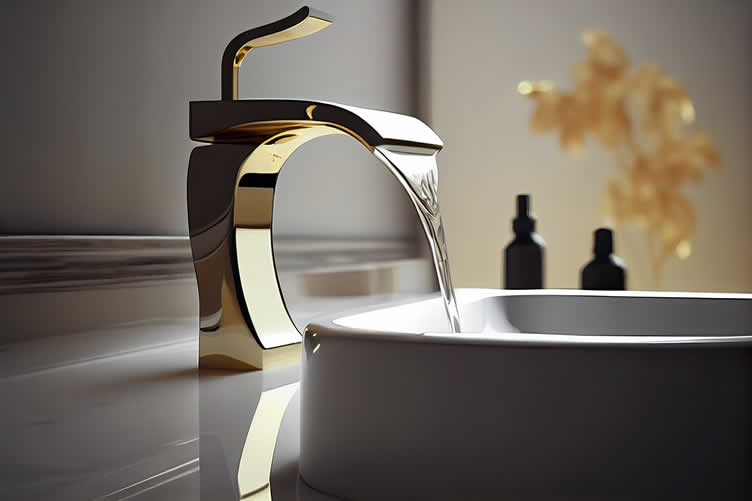
Water-Efficient Faucets
Installing water-efficient faucets equipped with aerators can dramatically cut water usage in sinks. These faucets mix air with water to reduce the flow rate without diminishing the pressure, ensuring a satisfying user experience.
Their sleek and modern appearance complements sustainable interior design ideas, allowing users to make eco-friendly choices without compromising on style.
- Water-efficient faucets can save up to 700 gallons of water per year per faucet, significantly reducing overall household water consumption while promoting sustainability.
-
Smart Leak Detection Systems
Beyond upgrading fixtures, incorporating smart leak detection systems is a proactive way to conserve water. These devices monitor water usage and alert homeowners to leaks, helping to avoid wasted water and costly repairs.
Integrating such technology underscores a holistic approach to sustainable interior design by combining innovation with environmental responsibility.
- Smart leak detection systems can prevent the loss of up to 10,000 gallons of water per year by identifying and stopping leaks promptly, contributing significantly to water conservation and reducing utility costs.
copyright image by 123rf.com
-
-
2nd: Water-Efficient Appliances for a Sustainable Home
Investing in high water-efficiency appliances like washing machines and dishwashers is a practical step toward adopting sustainable interior design ideas. These modern appliances are engineered to use significantly less water compared to conventional models, making them ideal for conserving a vital resource.
By incorporating these devices into a home, homeowners not only reduce water consumption but also enhance energy efficiency and lower utility costs, all while contributing positively to the environment.
-
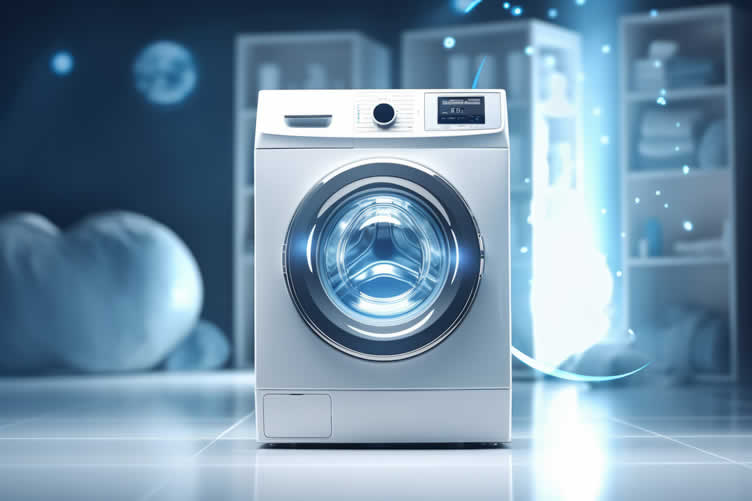
High-Efficiency Washing Machines
High-efficiency washing machines are designed to use up to 40% less water than traditional models, thanks to advanced features like load-sensing technology and low-water wash settings. These machines adjust the amount of water required based on the size of the laundry load, ensuring optimal use.
Additionally, their high spin speed extracts more water from clothes, reducing drying time and saving energy.
- A household that uses a high-efficiency washing machine can potentially save over 3,000 gallons of water annually, embodying the principles of sustainable interior design ideas by combining functionality with eco-consciousness.
-
Water-Saving Dishwashers
Modern water-efficient dishwashers can use as little as 3 to 4 gallons per cycle, compared to older models that may use up to 10 gallons or more. With features like soil sensors to determine the necessary water level and efficient spray arms for targeted cleaning, these dishwashers ensure optimal water usage without compromising performance.
- By upgrading to a high-efficiency model, families not only save thousands of gallons of water each year but also reduce their environmental footprint in line with sustainable interior design principles. Plus, these appliances minimize the need for pre-rinsing dishes, offering further water savings.
copyright image by 123rf.com
[ amazon: water saving washing machine ]
[ amazon: water saving dishwasher ]
-
-
3rd: Integrating Greywater Into Your Home
Greywater recycling is a practical and eco-friendly way to conserve water by reusing gently used water from bathroom sinks, showers, and washing machines. By incorporating greywater systems into your home, you can reduce water waste, lower utility bills, and contribute to a more sustainable future.
Here’s how you can integrate greywater into your home efficiently and sustainably.
-
Understanding Greywater and Its Potential
Greywater refers to wastewater generated from non-toilet plumbing systems, and it can be safely reused for purposes such as irrigation or flushing toilets. With careful management and sustainable interior design ideas, you can craft spaces in your home that align with environmentally conscious living while re-purposing water effectively.
-
What’s Needed for Greywater Usage
To incorporate greywater systems into your home, you’ll need basic equipment such as a greywater diverter, filters, and storage tanks. Additionally, ensuring your plumbing system is compatible and local regulations are met is crucial.
Sustainable interior design ideas can play a key role here, particularly by designing layouts that seamlessly integrate these components while supporting water-saving solutions like efficient drainage systems and water-friendly plant arrangements for irrigation.
-
Can You Incorporate Plumbing
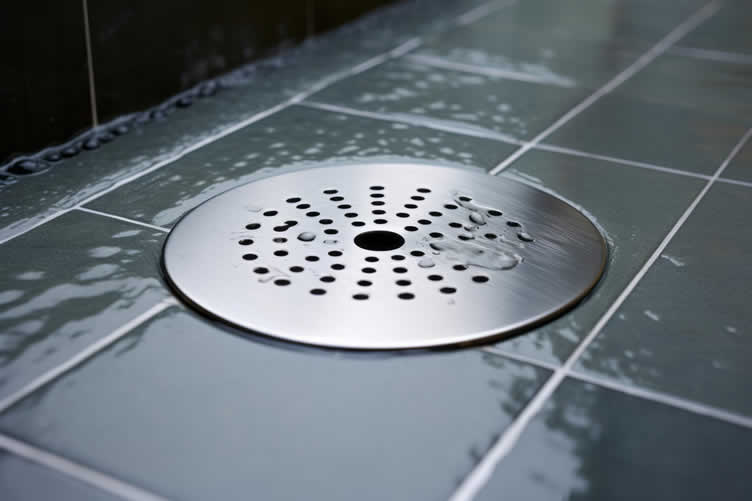
Implementing plumbing for greywater usage involves setting up a system that collects wastewater from sources like sinks, showers, and washing machines, while excluding water from toilets or kitchens due to contamination risks.
This water is then filtered and redirected for secondary uses such as irrigation, flushing toilets, or other non-potable applications. A greywater system typically requires separate drainage pipes, a filter to remove particles, and a storage tank.
Additionally, it’s essential to design the system according to local codes and regulations to ensure safe and efficient use. By reusing greywater, households can significantly reduce their water consumption and contribute to sustainable water management practices.
copyright image by 123rf.com
-
-
4th: Rainwater Harvesting for Storage Tanks
Rainwater harvesting is an efficient and environmentally friendly method of collecting and storing rainwater for various uses, including drinking and household purposes. With increasing concerns about water scarcity and the need for sustainable practices, rainwater harvesting offers a practical solution to conserve water.
By integrating this approach into residential and commercial spaces, it becomes possible to align essential utilities with modern sustainable interior design ideas, making effective use of natural resources while enhancing functionality.
-
Importance of Rainwater Harvesting
The collection of rainwater reduces dependence on external water supplies, ensuring a steady water source even during dry periods. This method not only helps in conserving water but also lessens the strain on water treatment systems, contributing to environmental sustainability.
By channeling rainwater into storage tanks, systems can be designed to efficiently filter and distribute clean water for drinking and other uses.
-
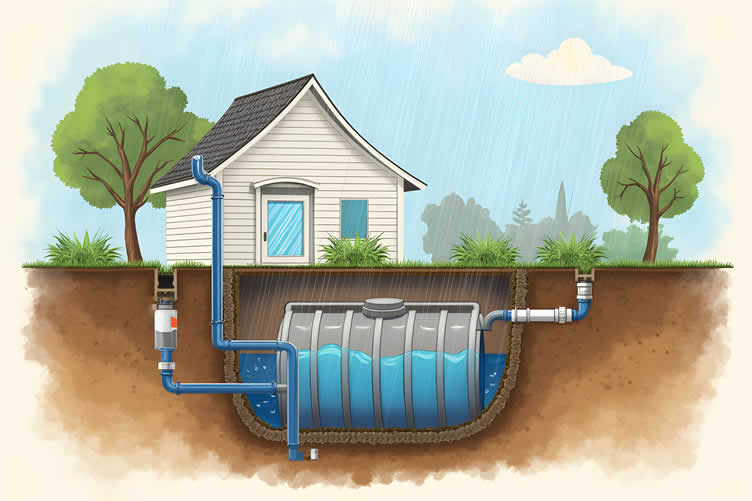
What’s Needed for Rainwater Harvesting
Rainwater harvesting systems generally require a few key components, including:
- Catchment Area:
This is typically a rooftop or similar surface that captures rainfall. Proper planning of this area is essential for maximum water collection. - Gutters and Downspouts:
These are installed to channel water from the catchment area to storage tanks, ensuring minimal water loss during the transfer process. - Storage Tanks:
Tanks should be constructed or purchased based on the water needs of the household or facility. Food-grade materials are often recommended if the water is intended for drinking. - Filtration Systems:
These are critical to purify the water, especially if used for consumption. Filters remove debris, dirt, and other impurities. - Pump and Distribution System:
If water is to be used across multiple areas or for drinking, an efficient distribution system is needed. Pumps ensure access to water from the tanks.
- Catchment Area:
-
Integration into Sustainable Design
Rainwater harvesting can complement sustainable interior design ideas by merging functionality with aesthetic appeal. Tanks and collection systems can be discreetly integrated into architectural designs to maintain the visual harmony of indoor and outdoor spaces.
Additionally, recycling rainwater aligns with green initiatives, promoting a lifestyle that is eco-centered while also addressing water conservation goals effectively.
copyright image by 123rf.com
-
-
-
ideas to view and compare from the information discussed above
Scroll up to directory … or scroll to next section about sustainable interior design …
SHARE IT ..! You might have someone in your social network who could find this informative post about sustainable interior design ideas valuable. Feel free to share it on Facebook, X (formally Twitter), LinkedIn, or Pinterest!




Budgeting Worksheet For Costing Home Remodeling and Home Improvement Decisions
 File Type (excel)

fourth “photo remodeling” idea

copyright image by 123rf.com
Eco-Home Tip 4: Using Home Automation to Reduce Energy Use
Notes:
-
Home automation has revolutionized the way we manage energy consumption within our homes. By integrating smart technology and sustainable interior design ideas, homeowners can create energy-efficient living spaces while significantly cutting down on utility costs.
From automated lighting to intelligent climate control, these systems not only improve convenience but also promote a more eco-friendly lifestyle. Below are some of the key types of home automation that can help achieve these goals.
-
Quick scroll to “home automation” side notes …
-
-
1st: Energy-Saving Gadgets
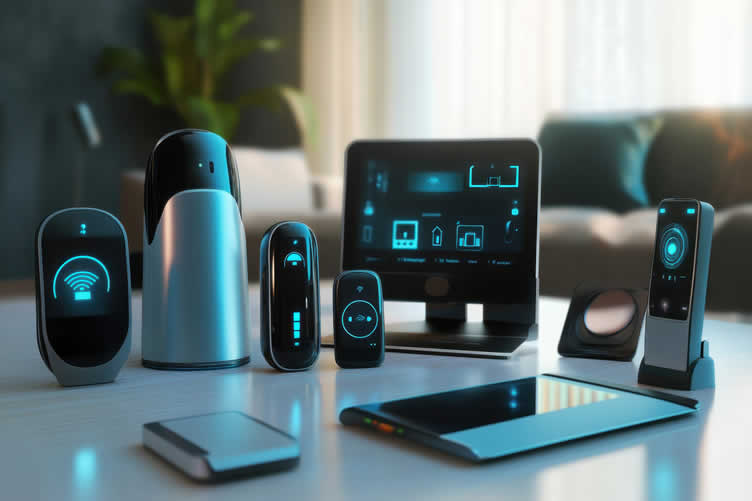
Modern technology has made it easier than ever to minimize energy waste and lower utility bills through innovative home automation gadgets. These devices are designed to monitor and control energy usage efficiently, allowing homeowners to optimize their consumption without sacrificing comfort or convenience.
-
Smart Lighting Systems
Smart lighting systems are one of the simplest yet most effective ways to reduce energy use. These systems allow for automatic adjustments based on natural light availability, time of day, or even room occupancy.
Motion sensors, for instance, can turn off the lights in unoccupied spaces, ensuring no energy is wasted. Additionally, integrating LED bulbs with smart lighting ensures longer-lasting, energy-efficient illumination that aligns with sustainable interior design ideas.
-
Intelligent Climate Control
With intelligent climate control systems, homeowners can optimize heating and cooling to match their needs without overusing energy. Smart thermostats learn your routine and preferences, making real-time adjustments to maintain comfort while conserving energy.
They can also detect when you’re away from home and automatically lower energy usage, contributing to both reduced costs and decreased carbon footprints.
-
Energy Monitoring Solutions
Energy monitoring solutions empower homeowners to understand their consumption patterns at a granular level. By receiving real-time data on energy use across various appliances and systems, users can take informed steps to minimize waste.
Some platforms even integrate with smart home devices, tracking energy efficiency to support sustainable interior design ideas that focus on minimal waste and maximum functionality.
-
Automated Window Treatments
Automated blinds or shades contribute to energy efficiency by controlling the amount of heat and light entering the home. Strategically programmed window treatments can keep homes cooler in summer by blocking out excess sunlight or reduce heat loss in winter by insulating windows.
These systems not only enhance energy efficiency but also align seamlessly with a refined, sustainable interior design aesthetic.
-
Smart Appliances
Smart appliances, such as energy-efficient refrigerators, washing machines, and dishwashers, are essential in any modern, automated home. These devices are designed to operate at optimal efficiency, often scheduling operations during off-peak hours to save on energy costs.
Many of these appliances are built with sustainability in mind, using less water and electricity, which complements efforts to create a more eco-friendly household.
By incorporating these home automation solutions, homeowners can effectively reduce both energy consumption and costs while fostering a greener, more sustainable lifestyle.
Through a combination of smart technology and thoughtful sustainable interior design ideas, it’s possible to create a home that is both functional and environmentally responsible.
copyright image by 123rf.com
-
-
2nd: How to Get Started With Home Automation
Home automation has transformed the way we interact with our living spaces, offering convenience, efficiency, and enhanced security. Whether it’s controlling your lights through a smartphone app or automating your thermostat to save energy, home automation opens up a world of possibilities.
If you’re new to the concept, the idea of automating your home can feel overwhelming. This guide will help you break it down into manageable steps to get started with ease.
-
Step 1: Assess Your Needs and Prioritize Goals
Before jumping into home automation, take some time to evaluate your specific needs and goals. Are you looking to improve energy efficiency, enhance home security, or increase convenience in your daily life? By prioritizing what matters most to you, you’ll be able to focus on the essential devices and systems first.
-
Step 2: Research Compatible Smart Devices
The market is full of smart home devices—from smart bulbs and plugs to cameras and speakers. Research devices that are compatible with one another and with any existing technology you already own.
Popular ecosystems like Amazon Alexa, Google Home, or Apple HomeKit can serve as the backbone for your smart home, ensuring seamless integration.
-
Step 3: Start Small and Expand Gradually
Home automation doesn’t need to be an all-or-nothing project. Start with a single device, such as a smart speaker or thermostat, and gradually add more as you become familiar with the technology. Starting small also allows you to test which platforms work best for you before making larger investments.
-
Step 4: Set Up a Stable Internet Network
A reliable internet connection is at the heart of any automated home. Ensure your Wi-Fi network is strong and stable, especially in areas where devices will be placed. You may also want to consider investing in a mesh Wi-Fi system to eliminate dead zones and maintain connectivity across your home.
-
Step 5: Automate with Routines and Schedules
Once you have devices set up, take advantage of automation features by creating routines and schedules. For example, program your lights to turn on as you arrive home or set your thermostat to adjust based on your daily schedule. These small changes can greatly enhance the functionality of your smart home.
-
Step 6: Secure Your System
Lastly, security is paramount in home automation. Protect your devices by using strong, unique passwords and enabling two-factor authentication where possible. Regularly update device firmware to safeguard against vulnerabilities and consider purchasing devices from reputable brands to reduce potential risks.

copyright image by 123rf.com
[ youtube: Home Automation: The Ultimate Beginner’s Guide ]
[ youtube: Starting and Growing a Smart Home ]
-
-
3rd: The Future of Home Automation
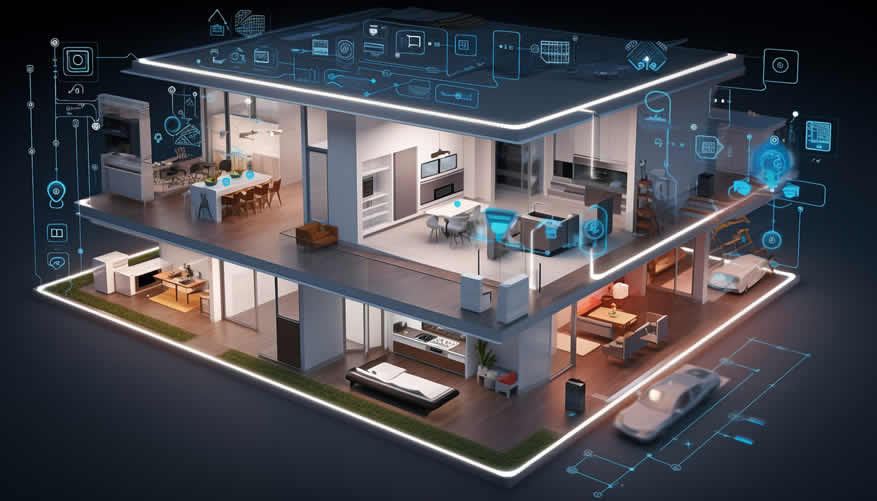
The world of home automation is evolving rapidly, with futuristic technologies promising to revolutionize how we interact with our living spaces. Advancements in smart home devices will not only make homes more connected and convenient but will also focus on sustainability and energy efficiency.
Here’s a glimpse into some of the exciting innovations on the horizon:
-
Smart Energy Monitoring Systems
Future smart homes will be equipped with advanced energy monitoring systems capable of providing real-time data on energy consumption. These systems will use artificial intelligence to recommend energy-saving habits and automatically optimize usage.
For example, they can detect when a room is unoccupied and turn off lights or reduce heating and cooling in that area, ensuring no energy is wasted.
-
Solar-Powered Smart Appliances
The next generation of smart home appliances will integrate solar power technology, allowing devices such as refrigerators, washing machines, and ovens to operate partially or completely on renewable energy.
These innovations will drastically lower household energy bills and reduce the environmental footprint of everyday living.
-
Predictive Climate Control
Advanced thermostats are likely to evolve into predictive climate control systems. These systems will learn the patterns and preferences of household members, adjusting room temperatures automatically based on weather forecasts, occupancy, and time of day. This ensures maximum comfort while minimizing unnecessary energy use.
-
Intelligent Lighting Solutions
Futuristic lighting systems will go beyond smart bulbs to include adaptive technologies that respond to natural light levels, activity within a room, and even the mood of the occupants.
These systems will seamlessly adjust brightness and color temperature to reduce energy waste while enhancing the ambiance and well-being of those in the home.
-
Smart Windows and Shades
Upcoming innovations in smart windows and shades will feature materials that can dynamically adjust their opacity or reflectivity based on external conditions.
They will help regulate indoor temperatures by blocking heat during hot days and insulating against cold. This reduces reliance on HVAC systems and contributes to energy conservation.
The future of home automation holds immense potential to create not just more intelligent homes but also ones that are environmentally responsible. These futuristic gadgets will transform how energy is consumed, ensuring homes are both smarter and greener.
copyright image by 123rf.com
-
-
-
ideas to view and compare from the information discussed above
smart thermostatsmart bathroom mirrorsmart food kitchen scale
Scroll up to directory … or scroll to next section about sustainable interior design …

plan the specifications you need for making …

… key home improvement and remodeling decisions





Find Interior Design Services Decorators Interior Designers Furniture Painting & Staining top-rated, pre-screened local contractors FREE: download contractor selection enter zip code – powered by HomeAdvisor ™
Quick Contractor Guides selecting negotiating working with inspecting

fifth and last “photo remodeling” idea


copyright image by 123rf.com
Eco-Home Tip 5: Getting Started with Sustainable Interior Design Ideas
Notes:
-
Implementing sustainable interior design ideas in your home starts with identifying your needs and understanding the technologies available.
-
Begin by assessing your current energy consumption and pinpointing areas for improvement. For instance, upgrading to intelligent lighting solutions can significantly reduce energy waste while enhancing your living environment.
Similarly, consider replacing traditional window treatments with smart windows or shades to improve insulation and temperature regulation.
-
Next, explore products and systems that align with your sustainability goals. Look for energy-efficient lighting fixtures and automated systems with features like adaptive brightness and color temperature controls.
When choosing smart windows or shades, prioritize models with high energy efficiency ratings and materials designed to optimize indoor climates.
-
Finally, start small and expand gradually. You can begin by automating key areas such as common living spaces, and once you see the benefits, extend these technologies to other parts of your home.
By integrating these innovative designs step-by-step, you’ll create a comfortable, eco-friendly space while contributing to a greener future.
-
-
Quirk scroll to topic "getting started" side notes …
-
-
1st: DIY Setup for Sustainable Interior Design
Creating a sustainable interior design doesn’t always require professional intervention—many elements can be achieved with simple DIY projects.
Start by re-purposing or upcycling old furniture and materials. For example, you can refurbish an old table with a fresh coat of eco-friendly, non-toxic paint or transform wooden pallets into chic shelving units. These projects not only reduce waste but also add a personal, creative touch to your space.
Another area to explore is DIY insulation. Installing thermal curtains or draft stoppers can significantly improve energy efficiency while being easy to make yourself using basic tools and sustainable fabrics.
Additionally, you can craft your own indoor planters with recycled containers to enhance air quality and bring a natural aesthetic into your home.
For lighting, consider switching to LED bulbs as a simple yet effective upgrade. You can also assemble stylish lampshades out of reclaimed materials such as paper, fabric scraps, or even metal.
Setting up basic smart home systems, like programmable thermostats or smart plugs, is another attainable DIY project that can make your home more sustainable without requiring extensive expertise.
By taking on these hands-on solutions, you can integrate sustainability into your living spaces affordably and effectively.

copyright image by 123rf.com
-
2nd: When to Consider a Professional Contractor
While many DIY projects are accessible and rewarding, there are instances where enlisting the help of a professional contractor is the best course of action. Complex tasks such as electrical work, plumbing, or structural modifications often require specialized skills and certifications to ensure safety and compliance with local building codes.
Additionally, projects involving major installations, like solar panels or home energy systems, may demand specific expertise to achieve proper efficiency and functionality. If a project scope extends beyond your available tools, time, or experience, hiring a contractor can save you from costly mistakes and ensure a high-quality result.
It’s important to assess the complexity of the task and recognize when professional guidance can provide the best value for your home improvement goals.
-
Steps to Finding the Right Contractor for Your Needs
Selecting the right contractor for your home improvement project is a crucial step to ensure the best outcome. Here are the essential steps to guide you through the process:
- Define Your Project Scope:
Start by clearly outlining your project goals, budget, and timeline. Having a well-defined scope will help you articulate your needs to potential contractors and allow them to provide accurate estimates. - Research and Gather Recommendations:
Seek recommendations from friends, family, or neighbors who have completed similar projects. Additionally, explore online reviews and ratings on reputable platforms to compile a list of potential contractors in your area. - Verify Credentials and Licensing:
Confirm that each contractor is properly licensed, bonded, and insured. Check their credentials with local licensing boards and request proof of insurance to protect yourself from potential liability. - Request and Compare Estimates:
Get detailed written estimates from at least three contractors. Ensure the estimates include labor, materials, timelines, and any additional fees. Comparing these will help you identify the best value for your project without compromising on quality. - Review References and Past Work:
Ask for a list of references and follow up with previous clients to inquire about their experiences with the contractor. Viewing completed projects can give you a better sense of their quality of work and attention to detail. - Communicate Expectations Clearly:
Before hiring, discuss all project details, including deliverables, deadlines, payment schedules, and warranties. Make sure everything is agreed upon in writing through a detailed contract to avoid misunderstandings later. - Trust Your Instincts:
Pay attention to how the contractor communicates and responds to your questions. A trustworthy contractor will be transparent, professional, and willing to address your concerns.
- Define Your Project Scope:
LetsRenovate has partnered with HomeAdvisor™, a renowned provider of highly-rated, carefully-vetted minor remodeling contractors. Start your search here by entering your zip code to find local professionals.
copyright image by 123rf.com
But Wait!
Before starting your search and evaluation of minor remodeling contractors, it is highly recommended to download and use this evaluation worksheet.
This resource will help you objectively rank and assess potential contractors, considering essential factors such as pricing, licensing, and referral information.

Evaluation Sheet
File Type: -
-
-
Designing for a Greener Future
The design choices we make for our homes can significantly impact the environment, influencing everything from energy consumption to waste production.
By opting for sustainable materials like reclaimed wood, bamboo, or recycled metal, we can reduce our carbon footprint while still achieving stunning aesthetics. Maximizing energy efficiency through features such as solar panels, better insulation, or energy-efficient appliances can further minimize the environmental impact of our homes.
Additionally, making smarter home renovation choices, like add natural lighting or installing water-saving fixtures, not only benefits the planet but also creates healthier living spaces for your family.
Together, these thoughtful decisions help build a more sustainable and greener future for everyone without compromising on style or comfort.The design choices we make for our homes can significantly impact the environment.
-
ideas to view and compare from the information discussed above
- What comments can you share about
sustainable interior design?
Scroll up to directory … or scroll to more home remodeling-related topics …
view illustration “becoming a bank”


Calendar For:
Home Maintenance
File Type:
… view our sharing links below for a quick "share the knowledge"
Cover image credit: sustainable interior design by 123rf.com
end of post … please share it!
 |
did you find how simple renovations can sustainable interior design analysis helpful? If so, please share the article with your friends and family! |
Nice pic idea? Leave us a quick comment below.
And please share this pic idea within your social networks.