Summary Outline –
Creating a home that reflects both elegance and modernity is an art form. The fusion of classic and contemporary styles in interior design brings the best of both worlds to your living space, offering timeless beauty with a fresh twist.
Whether you’re a home décor enthusiast or a DIY homeowner seeking to revamp your living quarters, blending these styles can create a stunning result that feels uniquely yours.
- post content … analysis/ weekend bathroom upgrades
- 1st: Discovering the Blend of Classic and Contemporary
- 2nd: The Allure of Classic Design
- 3rd: The Rise of Contemporary Aesthetics
- 4th: Selecting the Right Elements for Your Space
- 5th: Key Trends for Blending Styles
- 6th: What Interior Designers Can Do
- conclusion
- other interior home topics

-
- —— begin first topic ——
-
1st TERM: Discovering the Blend of Classic and Contemporary
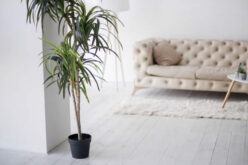
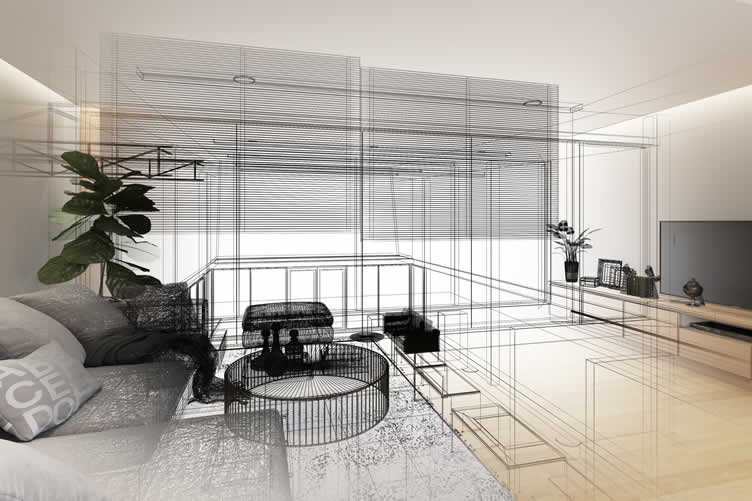
Blending classic and contemporary styles has become a popular choice for many homeowners. This design approach marries the elegance and sophistication of traditional styles with the sleek, minimalist lines of modern decor.
It’s about creating a timeless atmosphere that feels both chic and comfortable, merging the past with the present.
A successful blend maintains the warmth and character of classic design while integrating contemporary elements to keep things fresh and updated. This style plays with contrasts, balancing ornate details with clean lines, and vibrant colors with neutral palettes.
The result? A home that feels curated, inviting, and full of character.
copyright image by 123rf.com
[ pinterest: combine interior design styles ]
[ youtube: 50 interior design styles explained ]

-
2nd TERM: The Allure of Classic Design
The classic design draws inspiration from historical styles, often characterized by symmetry, rich materials, and intricate details.
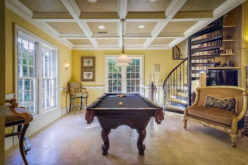
Elements such as ornate moldings, grand chandeliers, and traditional furnishings evoke a sense of timelessness and sophistication. Incorporating classic features into modern homes can add depth and character, creating an inviting atmosphere that feels both warm and elegant.
One key aspect of classic design is its emphasis on quality craftsmanship. Furnishings made from durable materials like hardwood and fine textiles not only ensure longevity but also serve as statement pieces that can be cherished for generations.
When blending these classic elements with contemporary styles, it’s essential to consider how to maintain the integrity of each style while allowing them to coexist harmoniously.
-
Key Elements of Classic Interior Design
Classic interior design is defined by its rich history and enduring elegance. The style is characterized by its use of symmetrical arrangements, formal profiles, and a commitment to craftsmanship.
- Ornate Moldings and Trims:
Classic interiors often feature intricate moldings and trims that add a touch of opulence to any space. These details can be found in the form of crown moldings, ceiling roses, or decorative cornices, all of which contribute to the overall elegance and grandeur associated with traditional styles. - Rich Color Palette:
A rich, sophisticated color palette is a hallmark of classic design. It typically includes deep hues like burgundy, navy, and forest green, balanced by neutral tones such as ivory and beige. These colors create a warm and inviting atmosphere, perfect for a classic interior. - Antique and Vintage Furniture:
Furniture in a classic interior is often characterized by its timeless appeal and craftsmanship. Pieces are frequently constructed from high-quality woods like mahogany or walnut and feature detailed carvings, scroll legs, and upholstered seating in luxurious fabrics. - Patterned Fabrics and Textiles:
Classic interiors make use of patterned fabrics and textiles, such as damask, paisley, and floral prints. These are found in draperies, upholstered furniture, and decorative throw pillows, adding texture and visual interest to the room. - Grand Lighting Fixtures:
Statement lighting, such as chandeliers and candelabras, is a common feature of classic design. These fixtures not only provide illumination but also act as focal points, adding a touch of drama and sophistication to the space. - Symmetry and Balance:
A sense of symmetry and balance is intrinsic to classic interiors, with furniture and decor often arranged in a way that reflects harmony and order. This creates a restful and cohesive environment, highlighting the beauty of classic design elements.
- Ornate Moldings and Trims:

copyright image by 123rf.com
[ view images: classic interior design styles ]
[ youtube: traditional interior design ]
-
-
3rd TERM: The Rise of Contemporary Aesthetics
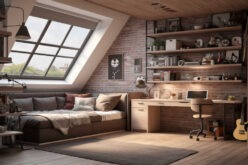
Contemporary design, on the other hand, is ever-evolving and focuses on clean lines, open spaces, and minimalism. It often embraces innovative materials and technology, offering a fresh perspective that appeals to modern sensibilities.
Contemporary interiors typically favor a neutral color palette, emphasizing simplicity and functionality without sacrificing style.
The combination of contemporary aesthetics with classic elements can yield stunning results. For instance, pairing a sleek, modern sofa with a vintage coffee table can create a dynamic focal point in a living room.
Similarly, contemporary art pieces can serve as striking contrasts against more traditional wallpaper or architectural details, establishing a dialogue between the past and the present.
-
Key Elements of Contemporary Interior Design
Contemporary interior design is characterized by its ever-evolving nature, embracing the current trends while maintaining a clean and minimalistic aesthetic.
Unlike other styles tied to a specific period, contemporary design is dynamic, reflecting a blend of new ideas and modern preferences.
- Neutral Color Schemes:
Contemporary design often embraces a palette dominated by neutral colors like whites, grays, and blacks, creating a sleek and minimalist foundation. These colors are versatile and can be accented with bold and vibrant pops of color to add personality to the space. - Open and Functional Spaces:
The layout in contemporary interiors typically features open spaces that promote a seamless flow between areas. This concept enhances the feeling of spaciousness and ensures that the function of the space takes precedence in design decisions. - Use of Natural Materials:
Contemporary style favors materials like wood, glass, metal, and stone, which are often employed in their natural state. These materials add a sense of warmth and authenticity to the space, contrasting with the clean lines and simple aesthetics. - Clean Lines and Shapes:
Furniture and decor in contemporary interiors are characterized by their simplicity and clean lines. The emphasis is on sleek, uncluttered forms that prioritize function and aesthetics, often with geometric influences. - Innovative Lighting Solutions:
Lighting in contemporary interiors plays a crucial role, not just in illumination but in accentuating architectural features. Track lighting, recessed lighting, and modern floor lamps are commonly used to highlight art pieces and focal points in the room.
- Neutral Color Schemes:

copyright image by 123rf.com
[ view images: contemporary interior design styles ]
[ youtube: contemporary design style explained ]
-
-
4th TERM: Selecting the Right Elements for Your Space
When it comes to implementing this design style, the key is thoughtful selection. Begin by choosing a primary style as your foundation—either classic or contemporary—and then weave in elements of the other to complement and enhance the overall look.
For example, you might start with a classic foundation in your living room, using vintage furniture pieces, and then introduce contemporary lighting fixtures or artwork.
In the dining room, consider a contemporary glass table surrounded by upholstered chairs with classic detailing. This approach ensures that each piece contributes to a cohesive look, rather than creating visual clutter. The balance lies in ensuring that the styles complement rather than compete against each other.
-
Bringing Classic and Contemporary into Different Rooms
Each room in your home offers a unique opportunity to blend these styles. In the kitchen, classic shaker cabinets can be paired with modern stainless-steel appliances for a beautiful juxtaposition. Use traditional tile patterns in a contemporary color palette to tie the space together.
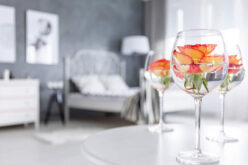
In the bedroom, a classic bed frame can be updated with contemporary textiles and accessories. Think of pairing luxurious velvet drapes with sleek, minimal bedside tables. The bathroom is another excellent place to experiment; consider a clawfoot tub set against a backdrop of modern geometric tiles.

copyright image by 123rf.com
-
-
5th TERM: Key Trends for Blending Styles
Staying abreast of current trends can offer fresh ideas and inspiration for your blended design, allowing you to create innovative and relevant work that resonates with your audience.
By exploring the latest developments in design, technology, and consumer preferences, you can infuse your projects with contemporary elements that enhance their appeal and effectiveness.
Here are a few notable examples currently trending:
-
1. Mixing Materials:
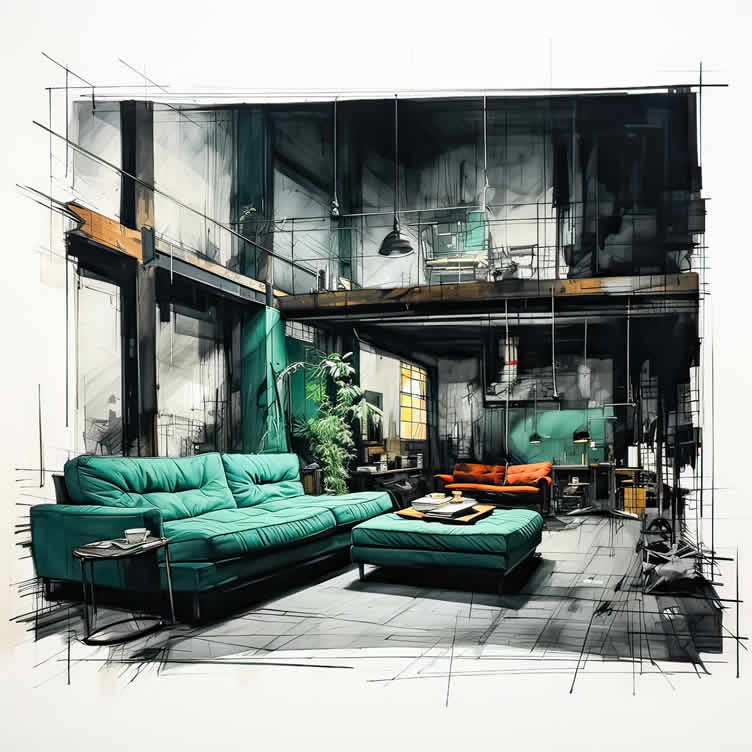
One of the most effective ways to merge classic and contemporary styles is through the thoughtful combination of materials. For instance, juxtaposing sleek metal finishes with warm wood tones can create visual interest while maintaining a sense of balance.
Mixing textures, such as pairing a plush velvet sofa with a rustic wooden coffee table, can also add depth to the space.
-
2. Focal Points and Statement Pieces:
In any design scheme, establishing a focal point is crucial. Classic elements, such as a beautifully crafted fireplace or an antique mirror, can serve as stunning centerpieces in contemporary settings.
Statement pieces, like bold artwork or a unique lighting fixture, can bridge the gap between the two styles, drawing the eye and sparking conversation.
-
3. Layering Lighting:
Lighting plays a vital role in creating the right ambiance. Combining different types of lighting, such as pendant lights, sconces, and table lamps, can enhance the overall aesthetic.
Classic chandeliers can be suspended above a modern dining table, infusing the space with a touch of grandeur while still adhering to contemporary principles of design.
-
4. Incorporating Vintage Elements:
Integrating vintage finds into a contemporary setting is an effective way to honor the past while embracing the present.
Antique furniture or heirloom accessories can add personality and charm to a home, making it feel lived-in and inviting. These elements can be strategically placed to enhance the overall design without overwhelming the space.
-
5. The Role of Personal Taste and Creativity
At the heart of any successful design project is personal taste. Blending classic and contemporary styles is an opportunity to express your personality and preferences through your surroundings. Trust your instincts and don’t be afraid to experiment with different combinations until you find what feels right for you.
Remember, your home should be a sanctuary that reflects who you are. By infusing your own creativity and originality into the design process, you ensure that your space is not only beautiful but also meaningful and personal.
copyright image by 123rf.com
[ youtube: classic home warmly blending contemporary ]
[ youtube: how to combine interior design styles ]
-
-
6th TERM: What Interior Designers Can Do
To achieve a seamless blend of classic and contemporary styles, the expertise of professional interior designers is invaluable. These skilled professionals are adept at understanding their client’s unique tastes and preferences, translating them into cohesive design schemes that elevate any space.
Interior designers can offer insights into the latest trends and timeless principles, ensuring that each element contributes to a harmonious environment. They are experts in selecting color palettes that balance both styles, choosing materials that complement one another, and sourcing furnishings that serve as focal points within the design.
For those seeking to enhance their homes, enlisting trusted interior design services can lead to a beautifully curated space that reflects both personal style and contemporary functionality.
Furthermore, interior designers can help navigate the complexities of spatial planning, ensuring functional layouts that maximize usability without sacrificing aesthetics. Whether it’s creating inviting living areas or serene bedrooms, they bring a wealth of knowledge to the table, guiding homeowners through the intricacies of design.
LetsRenovate has partnered with HomeAdvisor™, a renowned provider of highly-rated, carefully-vetted local interior designers and decorators. Start your search here by entering your zip code to find local professionals.
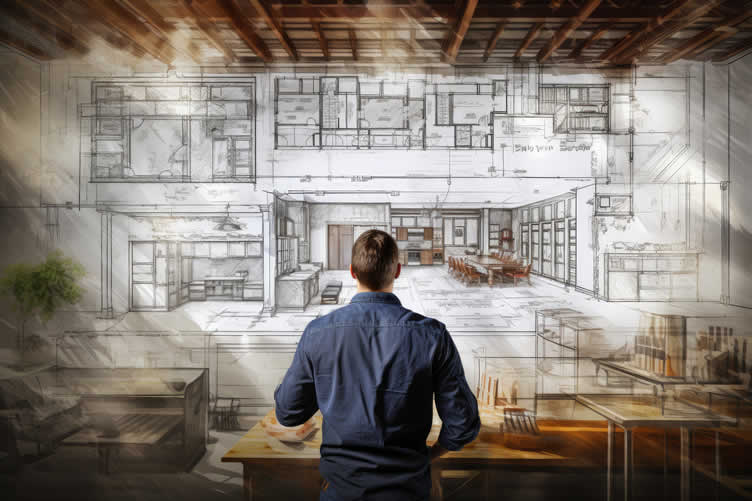
copyright image by 123rf.com
But Wait!
Before starting your search and evaluation of interior designers, it is highly recommended to download and use this evaluation worksheet.
This resource will help you objectively rank and assess potential designers, considering essential factors such as pricing, licensing, and referral information.

Evaluation Sheet
File Type:
-
Conclusion
The art of blending classic and contemporary styles is about finding balance and harmony within a space. By thoughtfully mixing materials, establishing focal points, layering lighting, and incorporating vintage elements, homeowners can create an environment that is both timeless and modern.
As you embark on this design journey, consider reaching out to professionals who can help you navigate the complexities of interior design, ensuring your home reflects your unique personality and style.
-
Quick scroll to more interior home and decor ideas …

-
ideas to view and compare from the photo above
contemporary wall artclassic books hardcovercontemporary lighting
- What comments can you share about
blending classic and contemporary styles that you have installed?

addressing how blending classic and contemporary styles and other home improvement ideas …

… grab this directory of ideas for future use
… remodeling decisions



SHARE IT ..! You might have someone in your social network who could find this informative post on blending classic and contemporary styles valuable. Feel free to share it on Facebook, X (formally Twitter), LinkedIn, or Pinterest!


Calendar For:
Home Maintenance
File Type:
… view our sharing links below for a quick "share the knowledge"
Find Interior Design Services Decorators Interior Designers Furniture Painting & Staining top-rated, pre-screened local contractors FREE: download contractor selection enter zip code – powered by HomeAdvisor ™
Quick Contractor Guides selecting negotiating working with inspecting

Cover image credit: blending classic and contemporary styles by 123rf.com
end of post … please share it!
 |
did you find blending classic and contemporary styles analysis helpful? If so, please share the article with your friends and family! |
Nice pic idea? Leave us a quick comment below.
And please share this pic idea within your social networks.